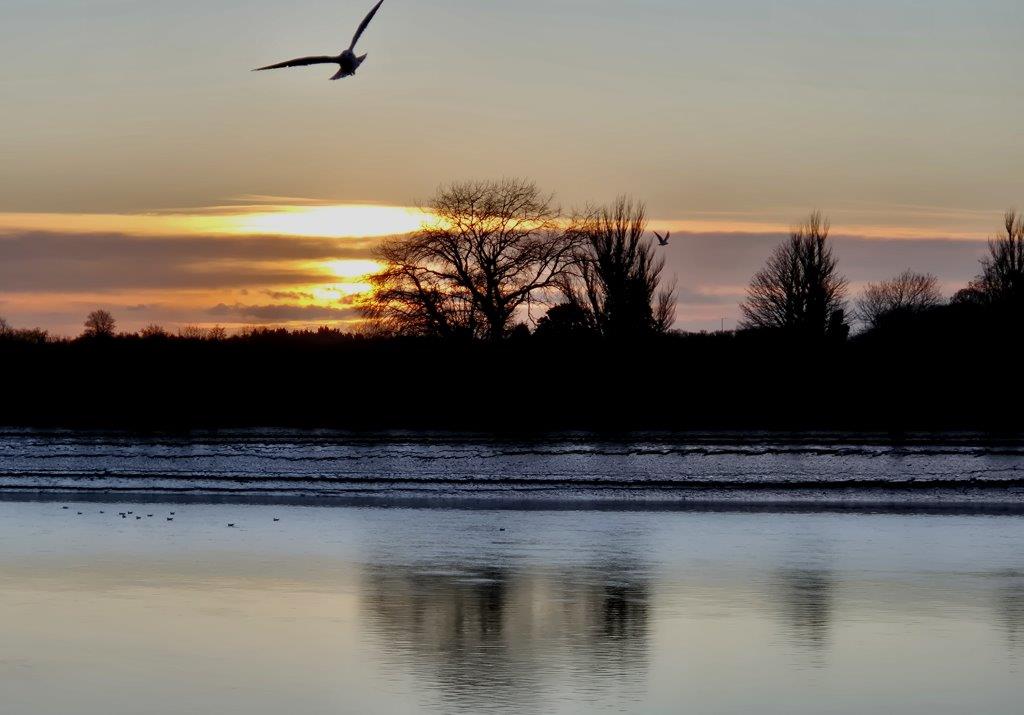
Well, it may have been midwinter, but the weather for our December short break was really rather mild and even warm out of the teeth of the breeze. And once again we didn’t need to travel far to find interest and excitement, first to Thetford and then King’s Lynn.
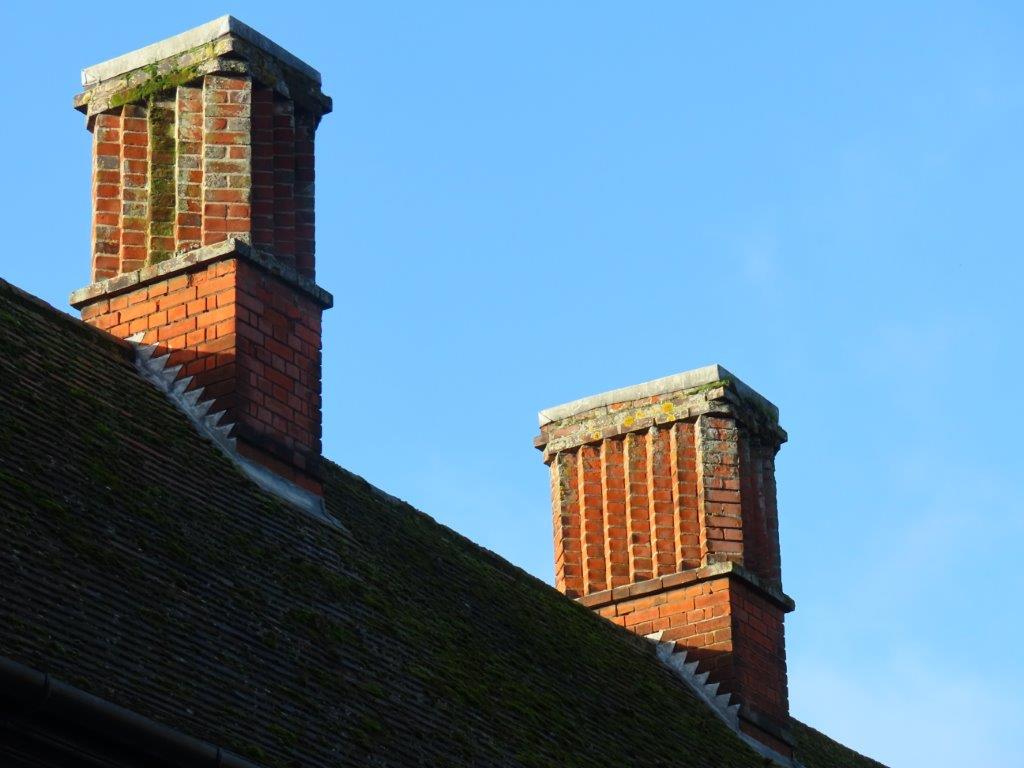
Thetford we have been to before, but never together, and as always we feel that an overnight stay made for a more relaxing and relaxed visit, allowing time to get under the skin of the place, if only to discover we don’t need (as here) to plan a return visit any time soon! It did however start very pleasingly at the station, in brick and flint, establishing the vernacular architectural form, with signboards about the hybrid bat/swift boxes above as well as extolling more generally the virtues of Breckland wildlife.
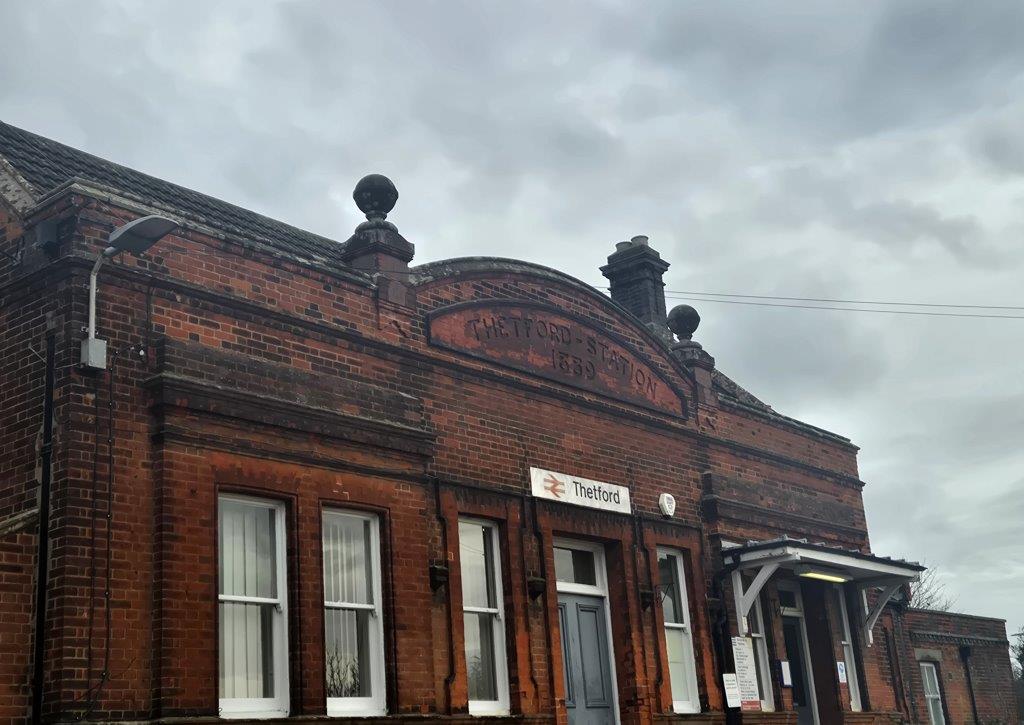
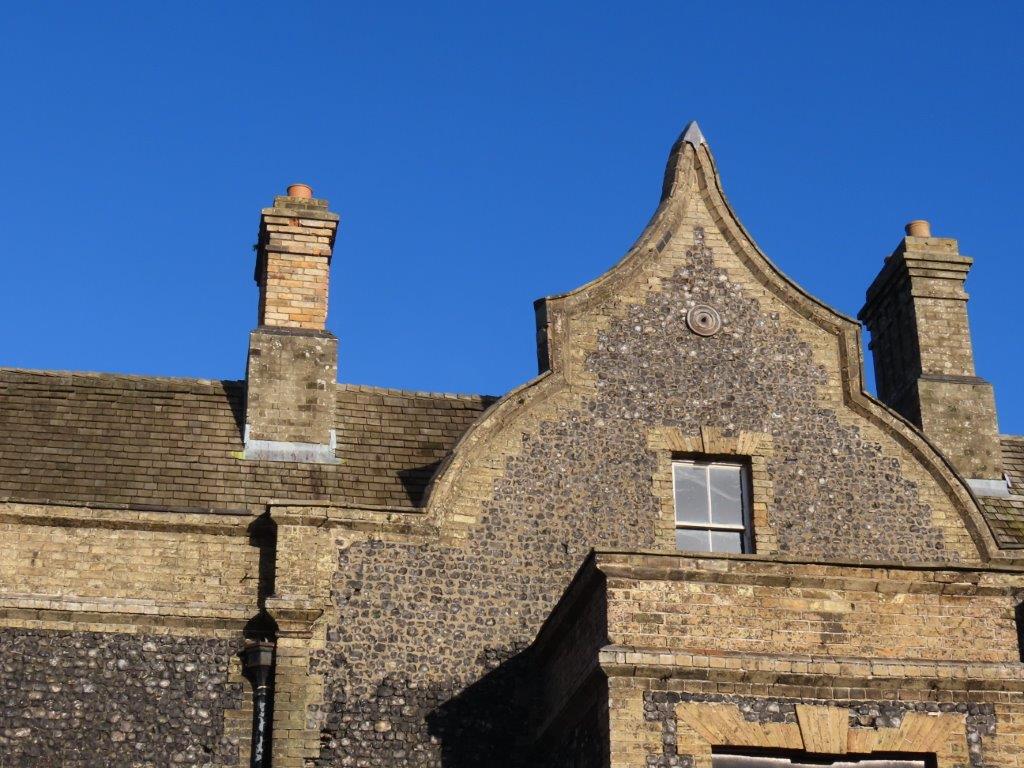
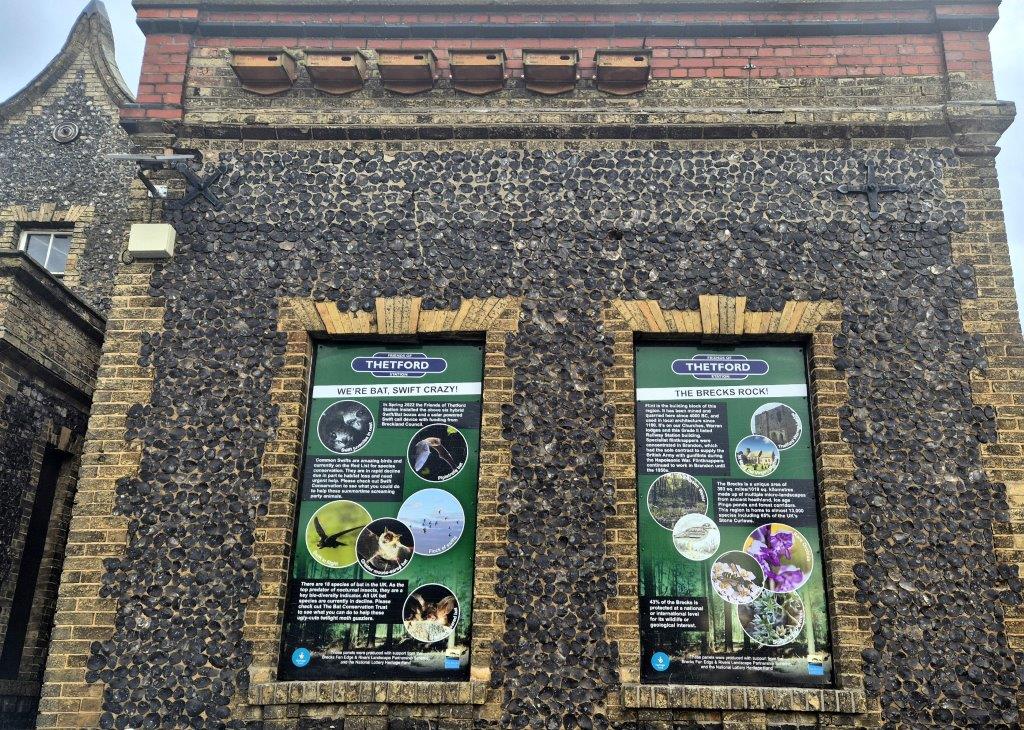
It is a town of brick and flint, rivers, millstreams and bridges, all of which sounds delightful. But the idyll is tempered by the litter (mostly from free-range drinkers), the background stream of traffic on the A12, and the very much foreground roar of jet engines from the nearby military bases.
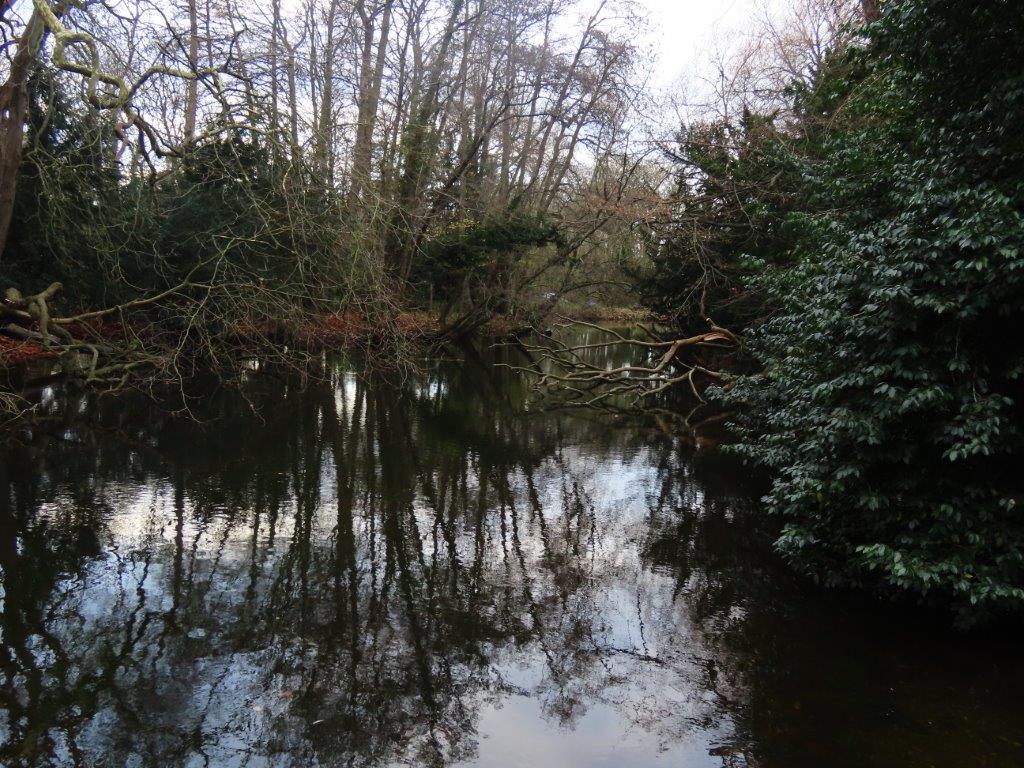
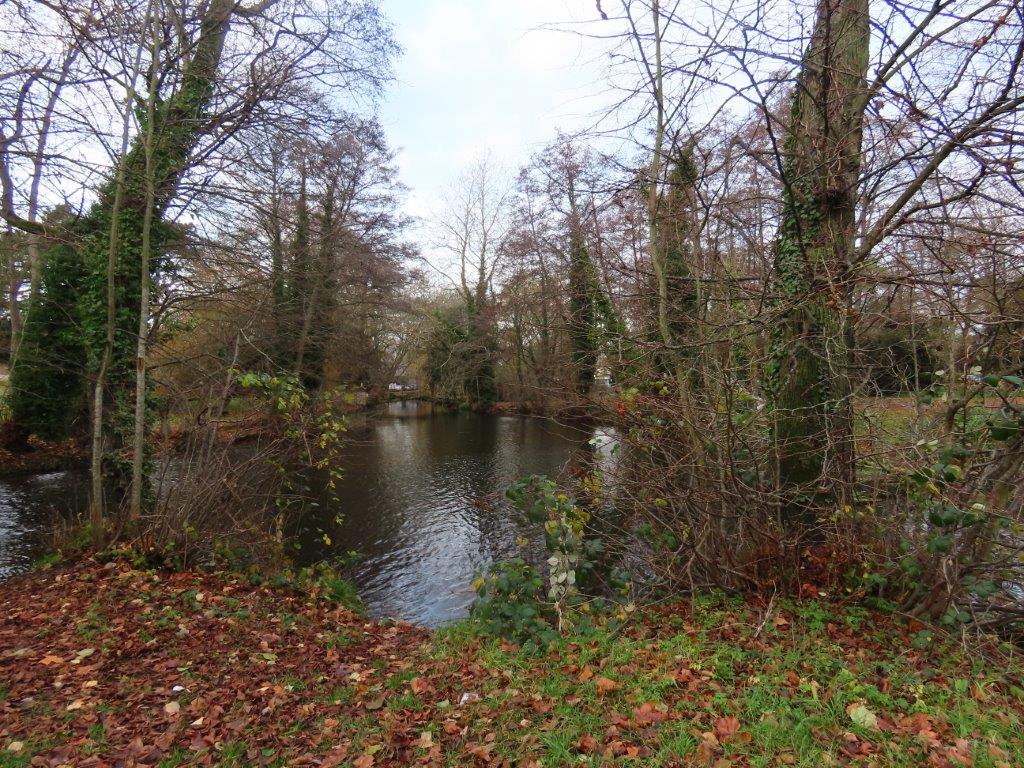
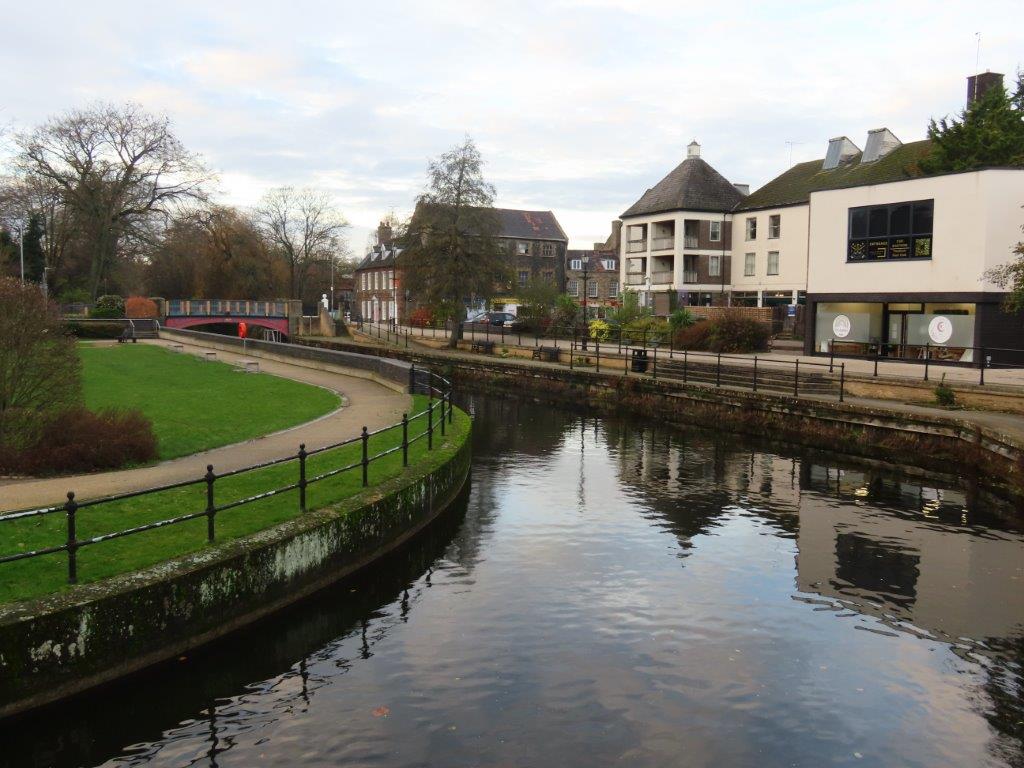
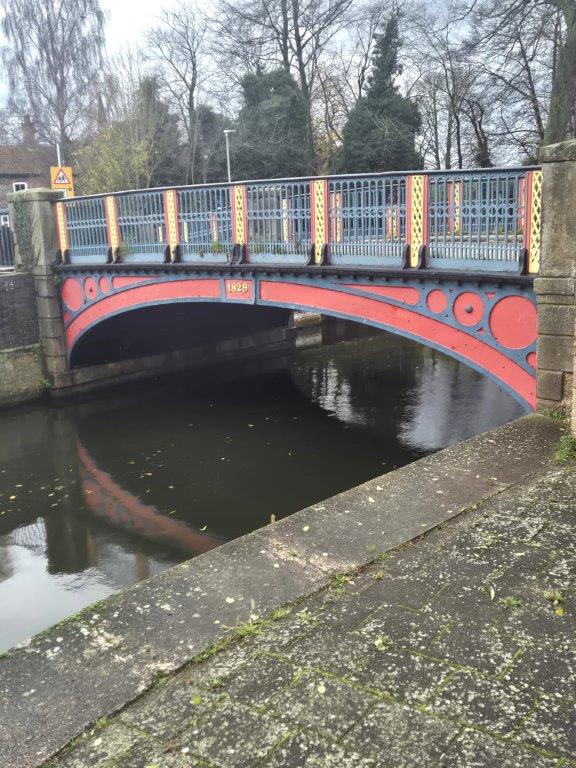
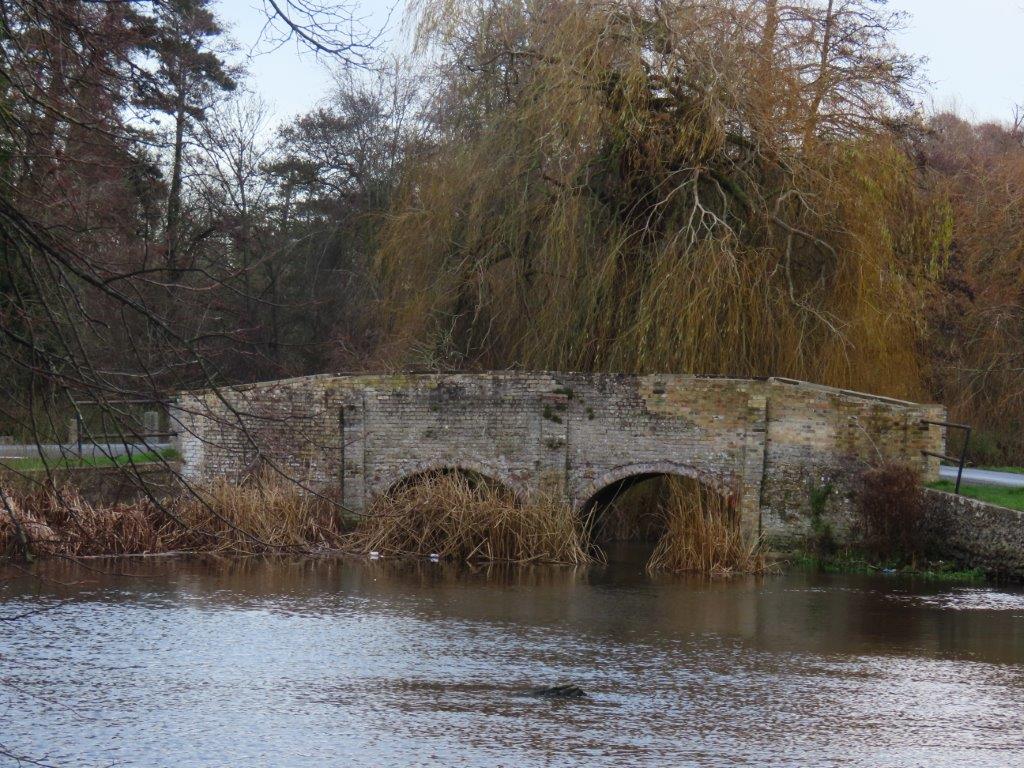
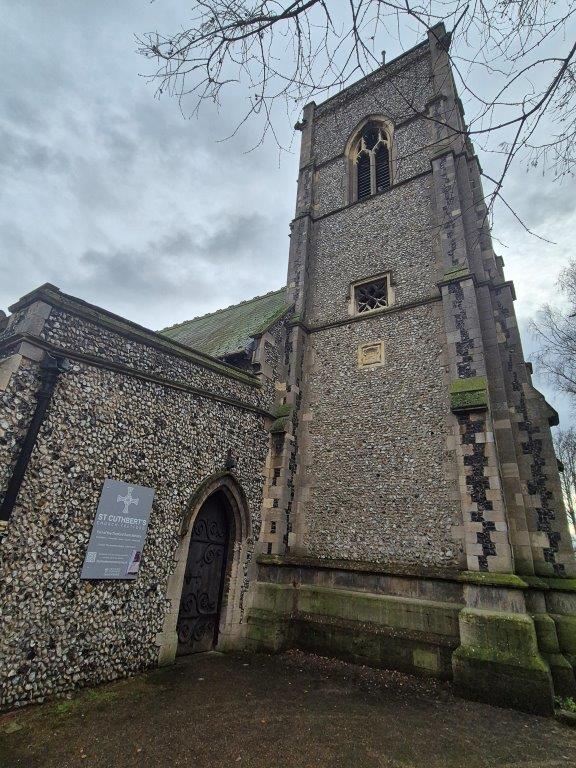
There are plenty of historic buildings to be found as well …
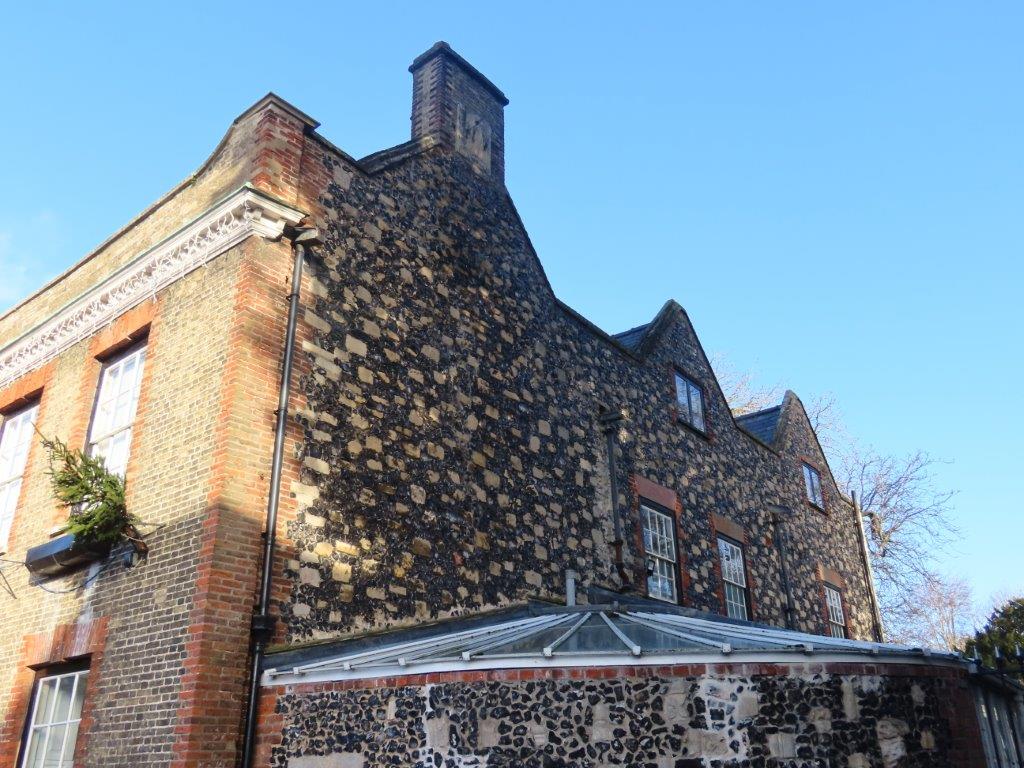
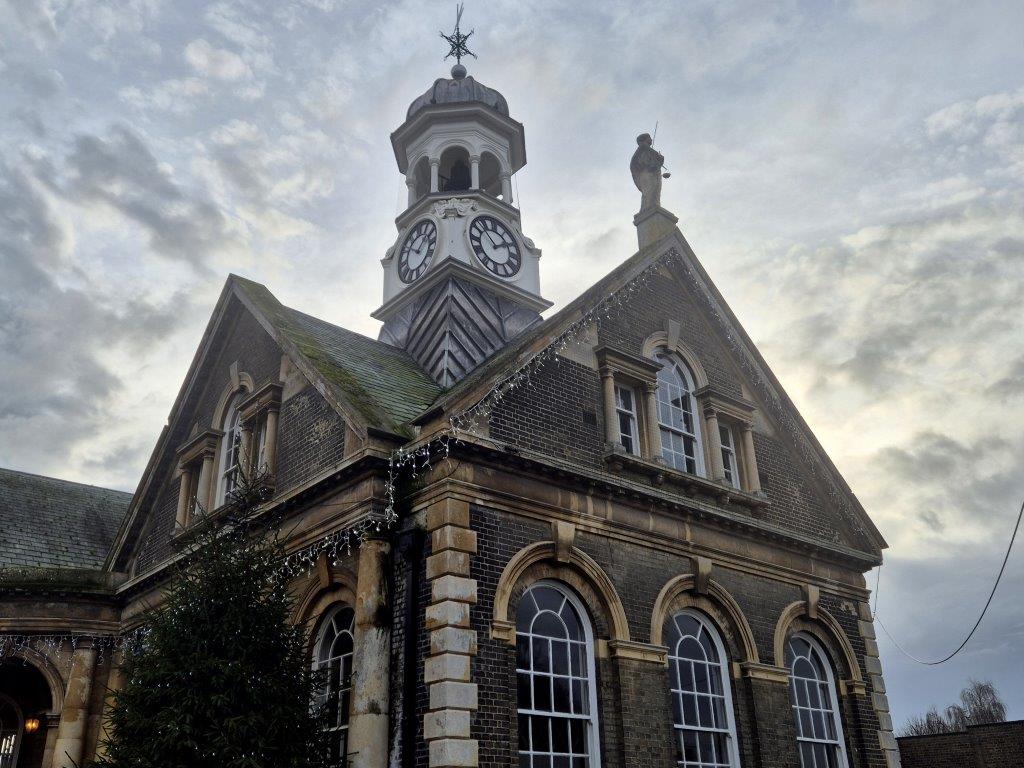
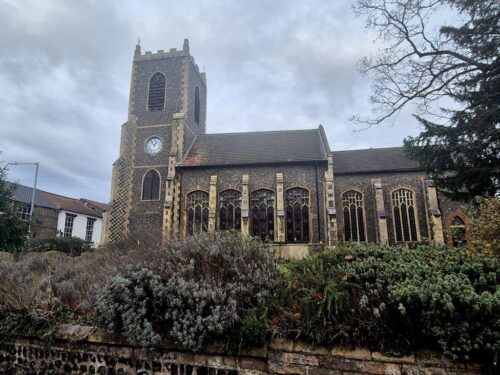
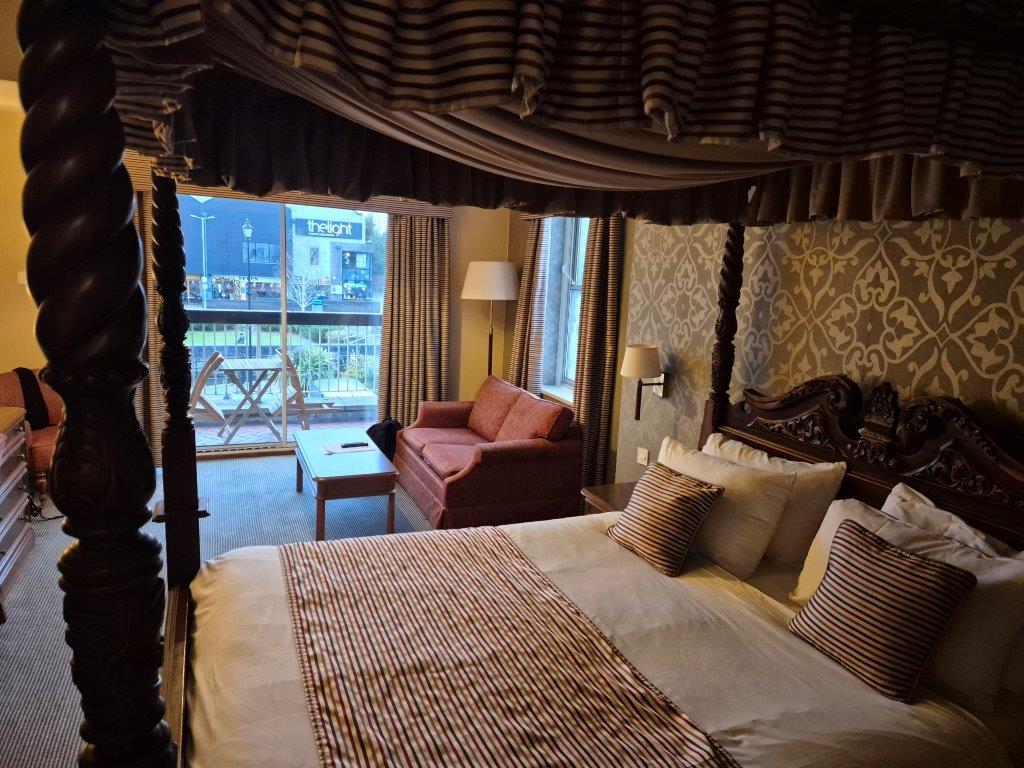
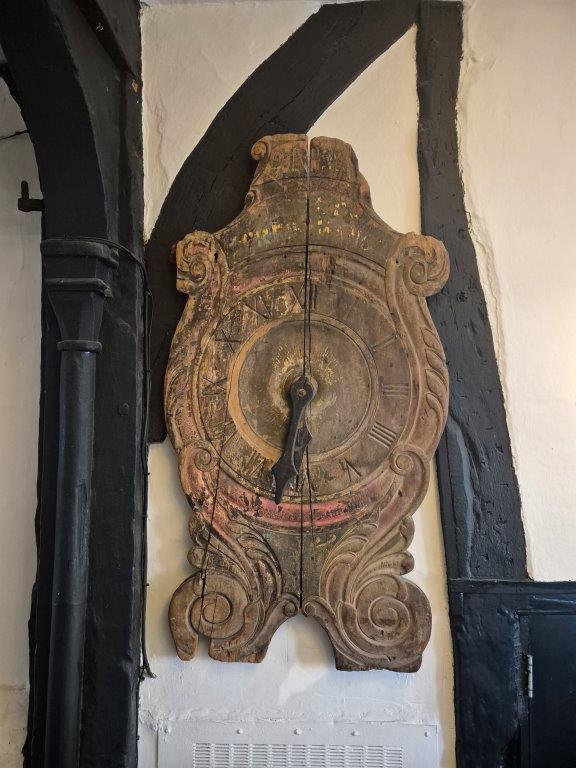
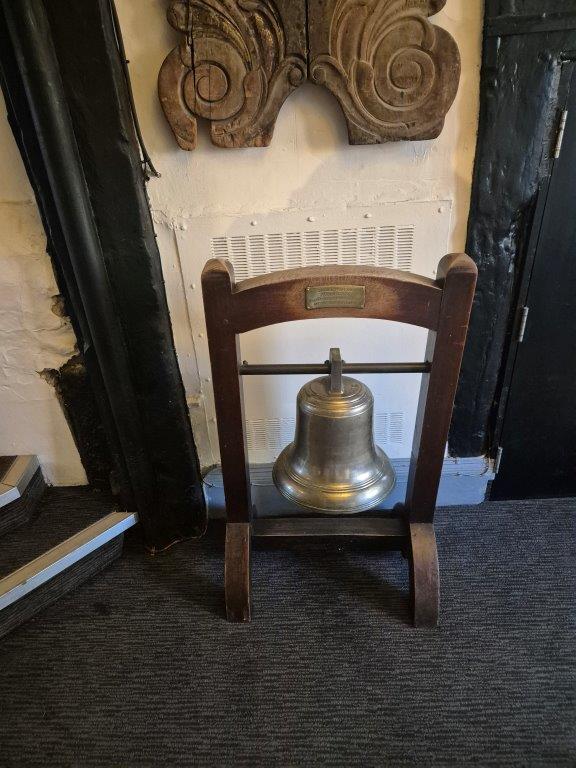
…. including our hotel, the Bell, featuring an ancient clock and bell, and a very comfortable room (even if the bathroom seemed a little on the tired side).
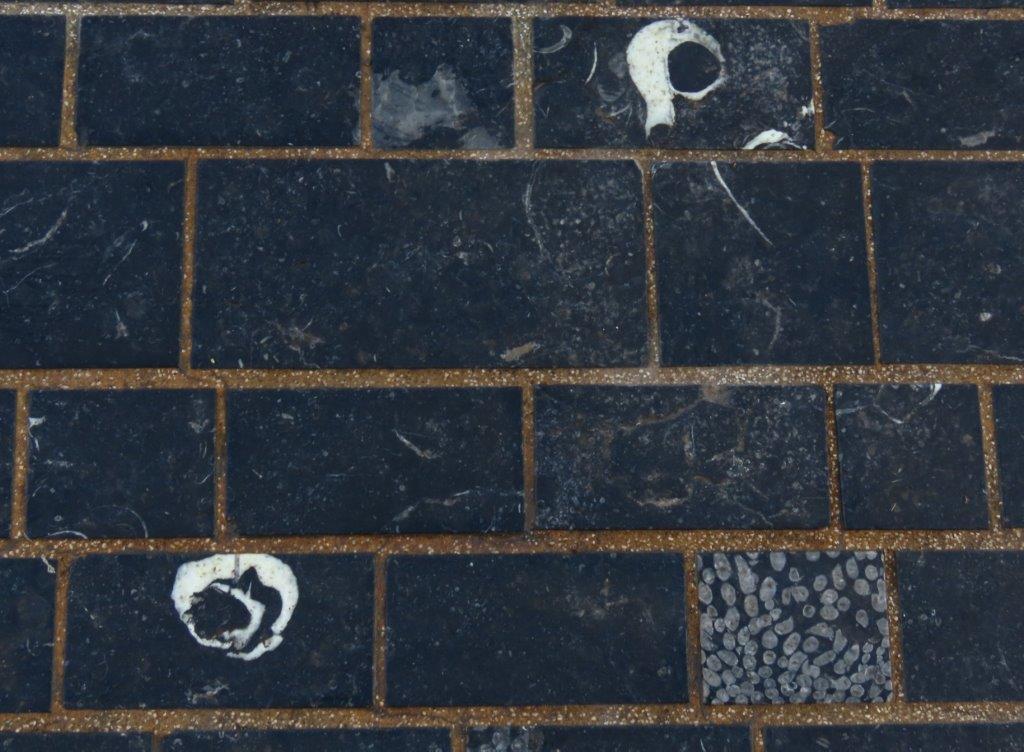
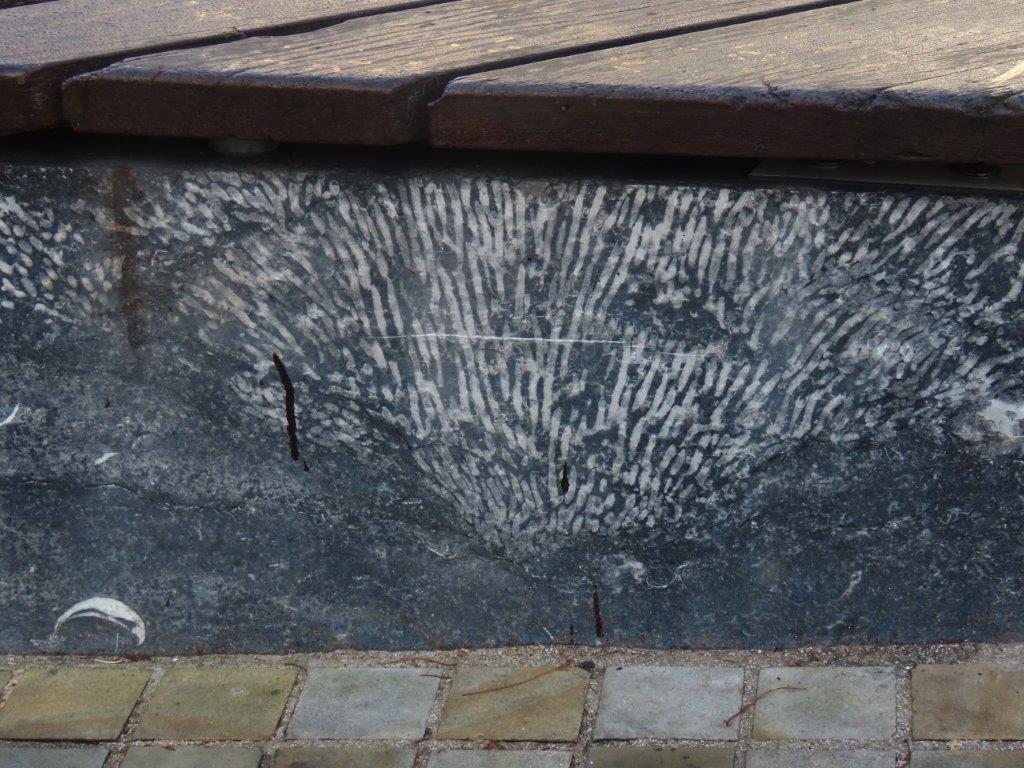
It was midwinter, with no real expectation of much wildlife, save for birds: Siskins, Grey Wagtails and Nuthatches duly performed for us. But the fossil-rich paving stones and street furniture in the town centre were a pleasant surprise, albeit not representative of local geology.
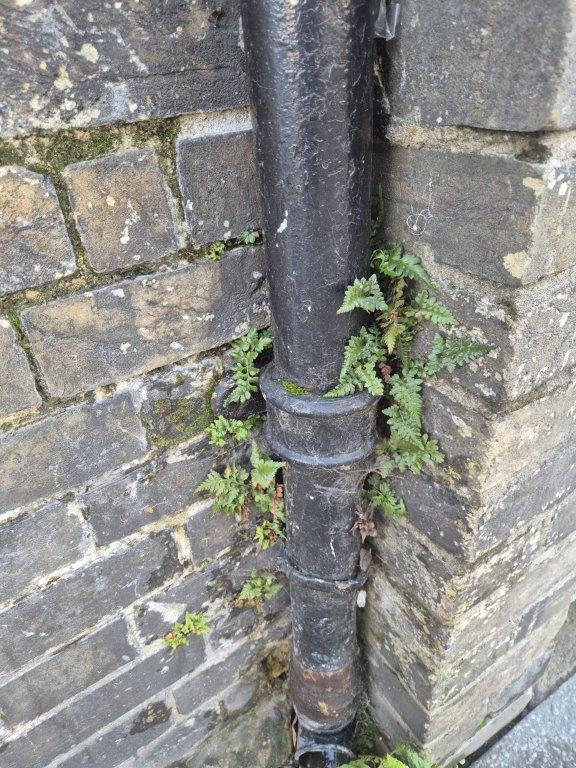
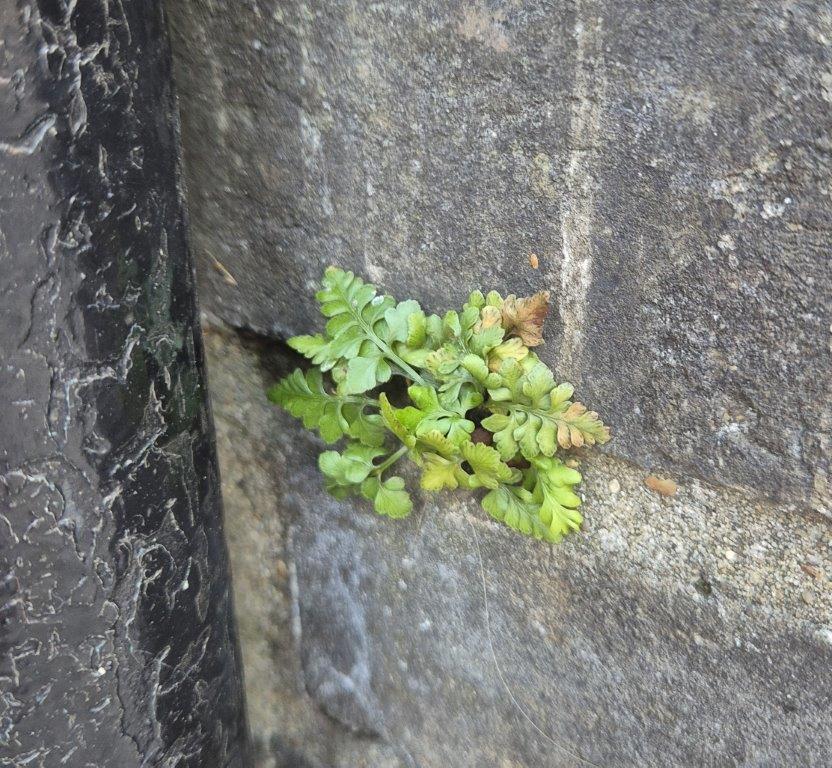
And there is always something interesting to find in unexpected corners, such as Black Spleenwort growing by a leaky downpipe, allowing this fern to survive in what is one of the driest parts of the country:
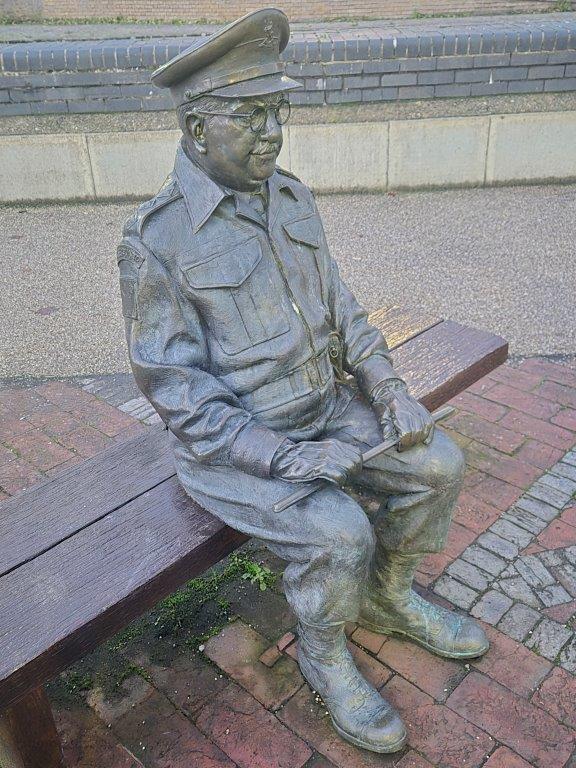
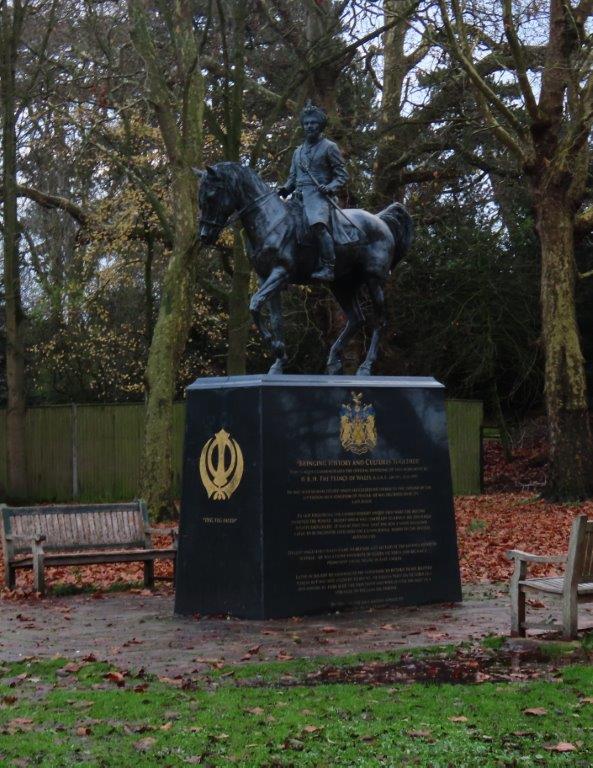
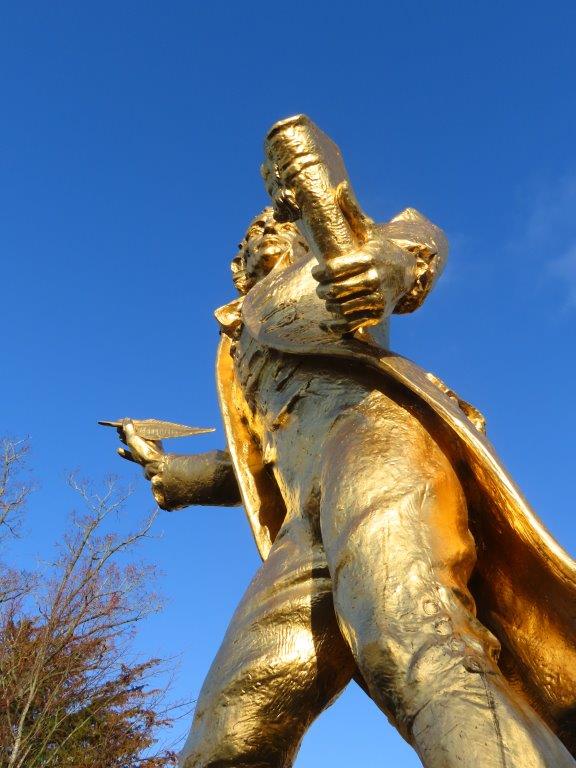
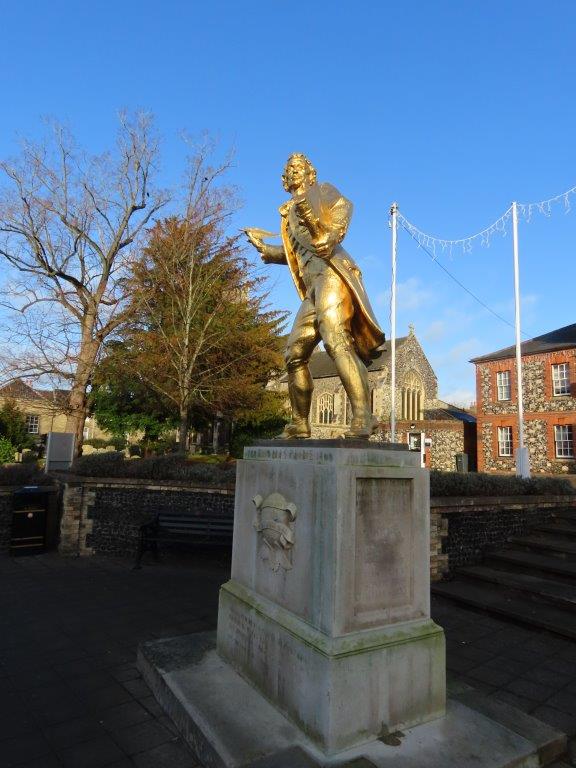
Then of course there are the Thetford alumni: Captain Mainwaring (Dad’s Army was filmed hereabouts); Duleep Singh, the last Maharajah of the Punjab, the first Sikh to settle in Britain, at nearby Elveden, and whose family bought and gifted to the town several of its ancient buildings; and of course Thomas Paine, who (may have) drafted the US Declaration of Independence and so contributed to the development of the Constitution. His gilding looks recent, presumably to cover up his shame that the nation he helped found is being mutilated and attacked from the inside by the current malignant incumbent of the White House. Revolutionary, liberal, radical, republican, secular humanist, believer in the transformative power of the written word: what’s not to like about local boy Tom Paine?
That just leaves the two most magnificent of the Thetford’s historic attractions, the Castle Mound and the Priory, just east and west of the town centre respectively. The Norman castle mound used to be topped by a wooden castle, now long gone, but is claimed as the second-largest man-made mound earthwork in England (after Silbury Hill), standing some 25 metres tall.
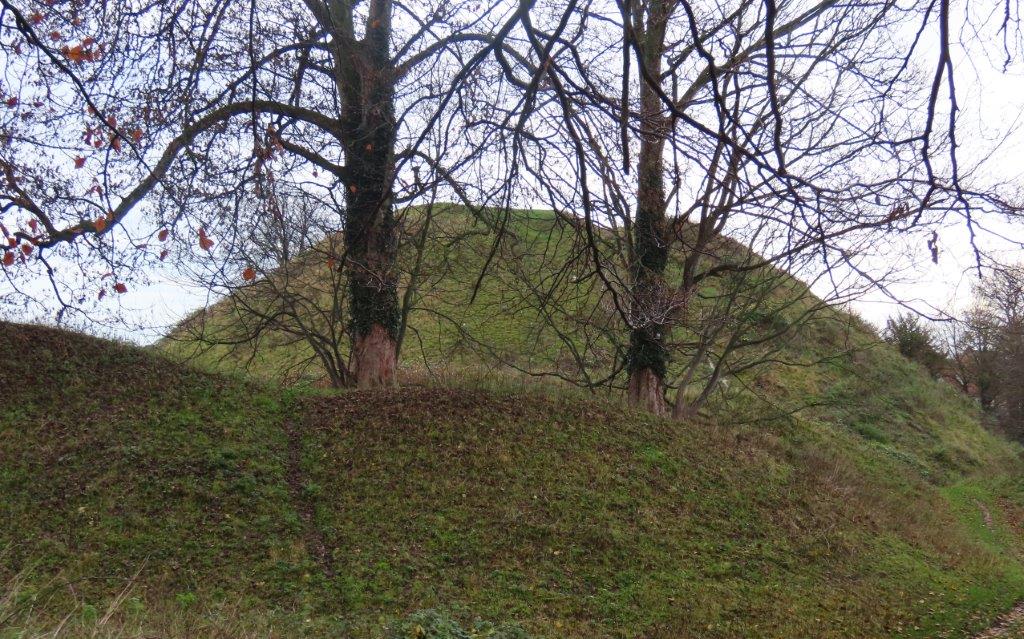
And it feels all of those metres as one ascends and then descends to nearly 100 slightly-too-deep steps – our thigh muscles really felt the strain for some days afterwards, even though we are well used to stairs up to our top-floor flat! But the view was worth it, over the whole of Thetford and into the surrounding forests.
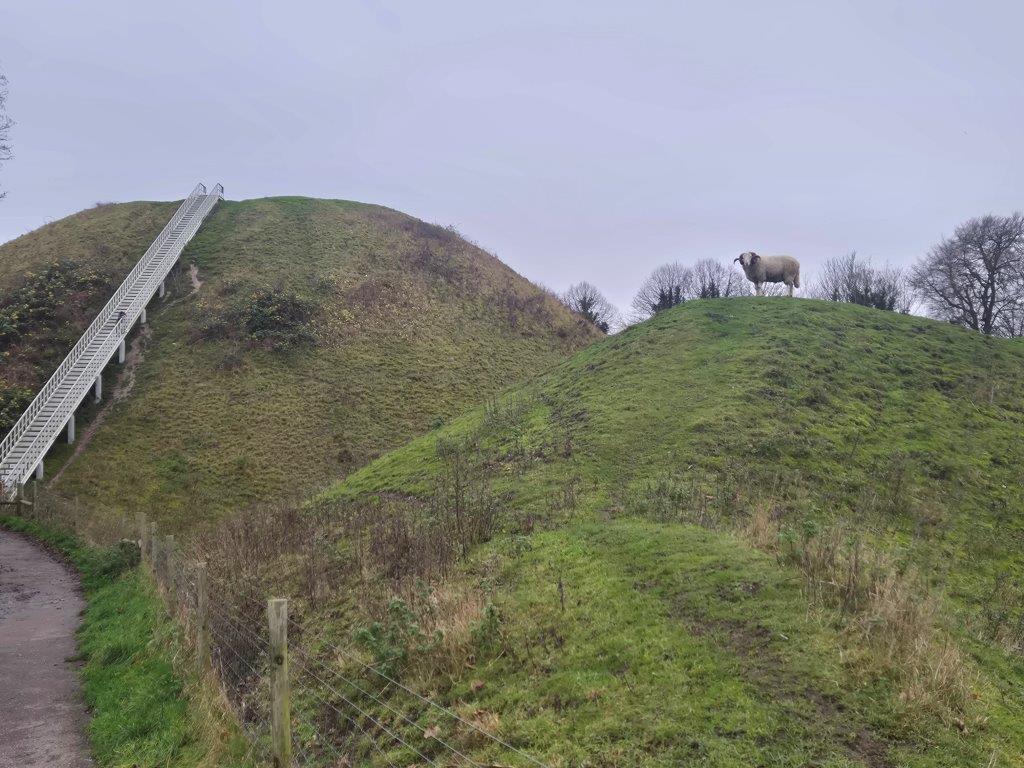
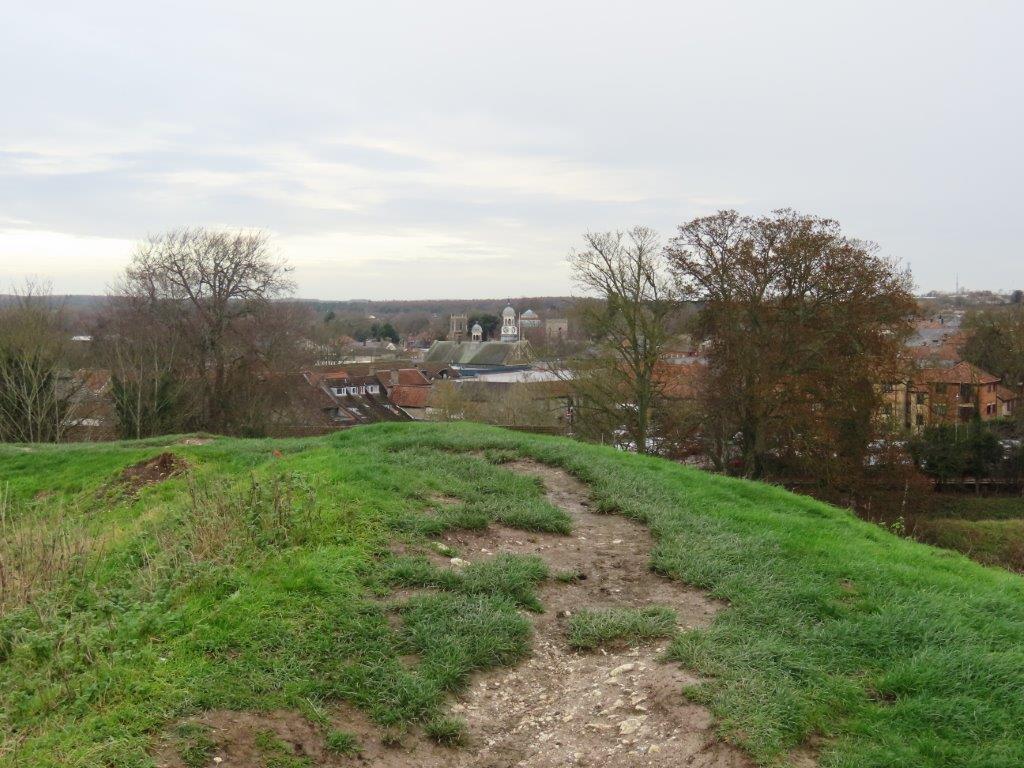
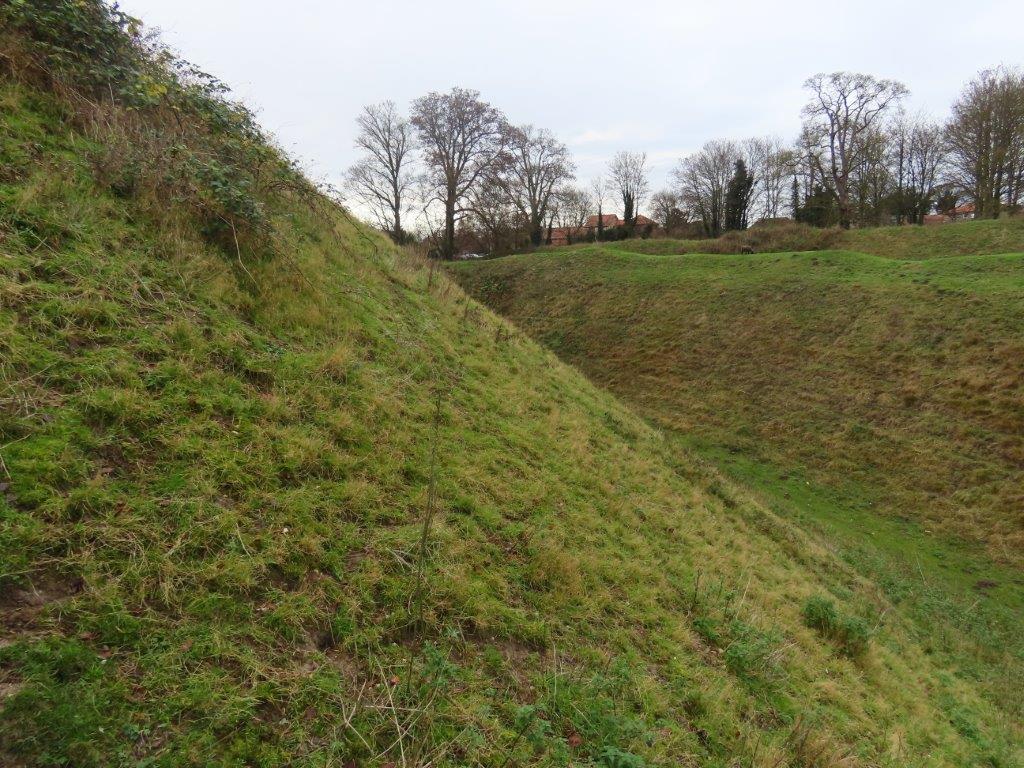
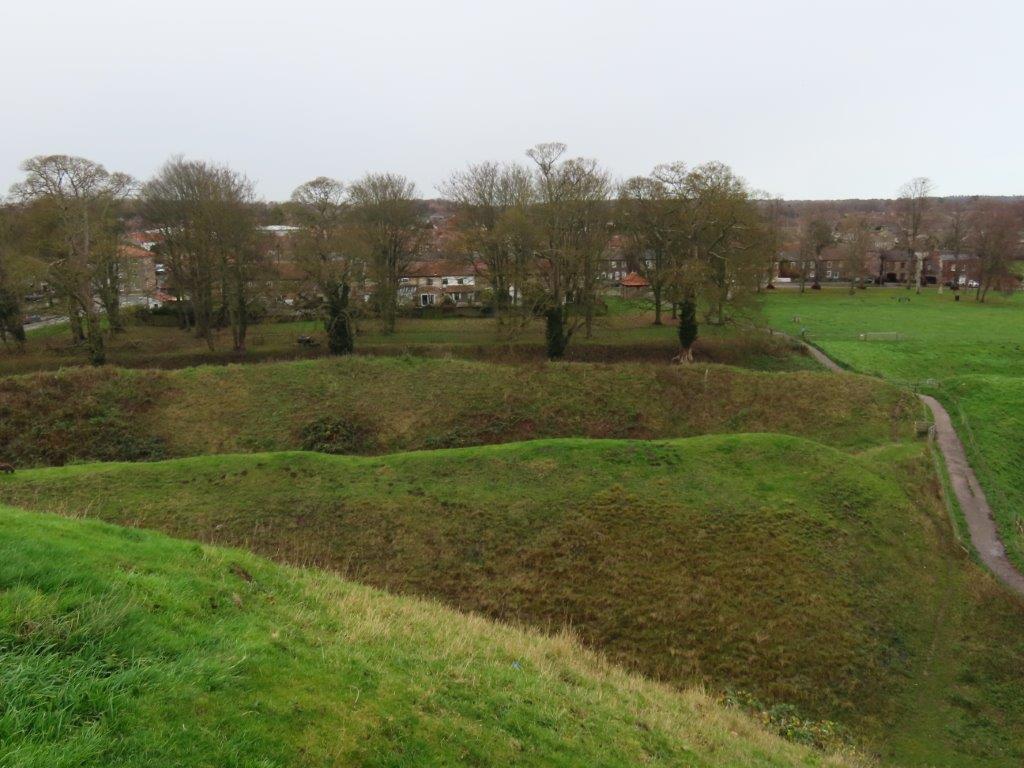
But perhaps even more impressive was the lower but much older fortifications that the castle was plonked upon. These are from the Iron Age, built with rudimentary technology some 1500 years before the castle mound by the Iceni tribe who then ruled the land around, and who of course later produced another iconic revolutionary, Boudicca. The mounds were there to defend the Iron Age travel and trade route, the Icknield Way, from north Norfolk to Wiltshire as its crossing of a then-significant restriction, the River Little Ouse.
In contrast to the Castle Mound, Thetford Priory ruins are firmly behind a fence, so we turned up at the advertised time (10am) to get in and wander around, only to find it still locked. A phone call to English Heritage informed us that due to antisocial behaviour opening times had been changed to 11am, just 20 minutes before our train was due to leave. All very disappointing. It seems that updating the internet with essential information is not a priority in Norfolk – the same had happened the day before when we turned up at the Ancient House an hour before advertised closing time, to find it already shut.
Anyway, back at the Priory, we were just heading away annoyed when we passed a friendly local man, with dog and child, heading in. And so we took the same unconventional (but undamaging) entry route. In lovely sunlight, the ruins (at least those not surrounded by ugly fencing) looked absolutely magnificent:
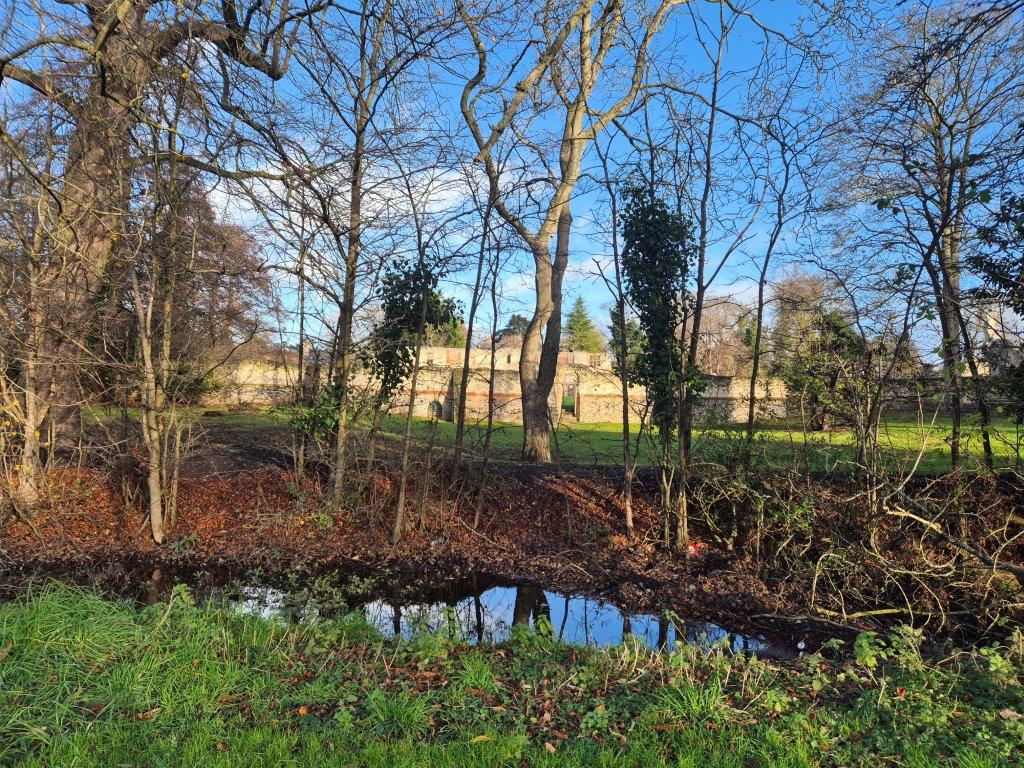
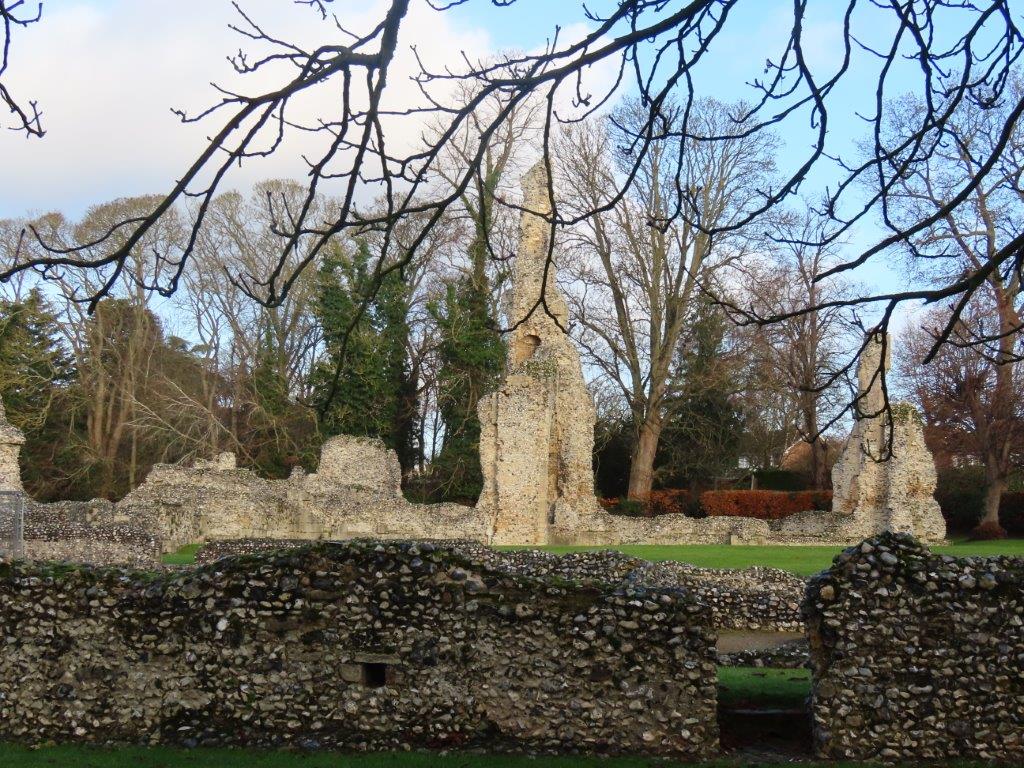
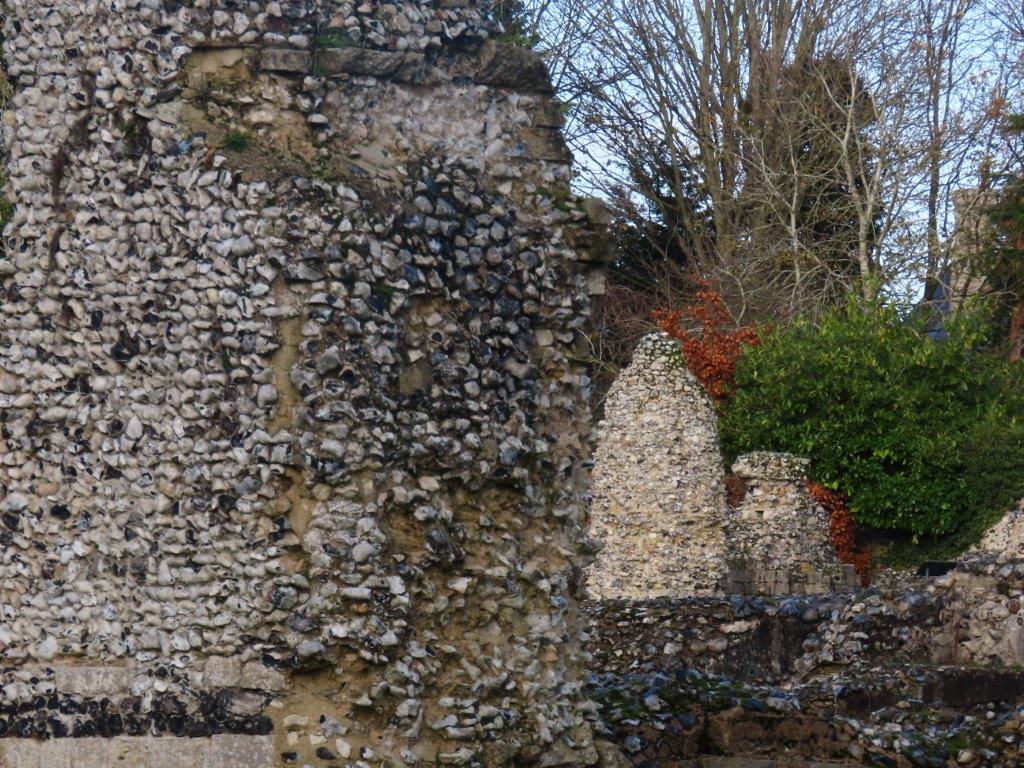
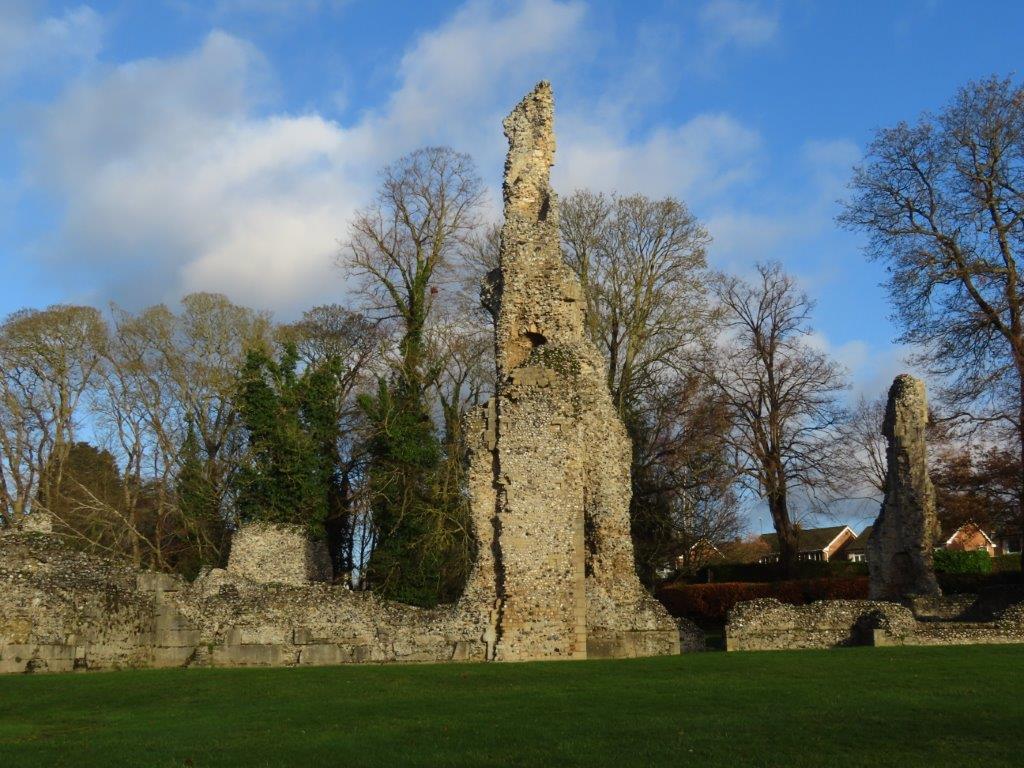
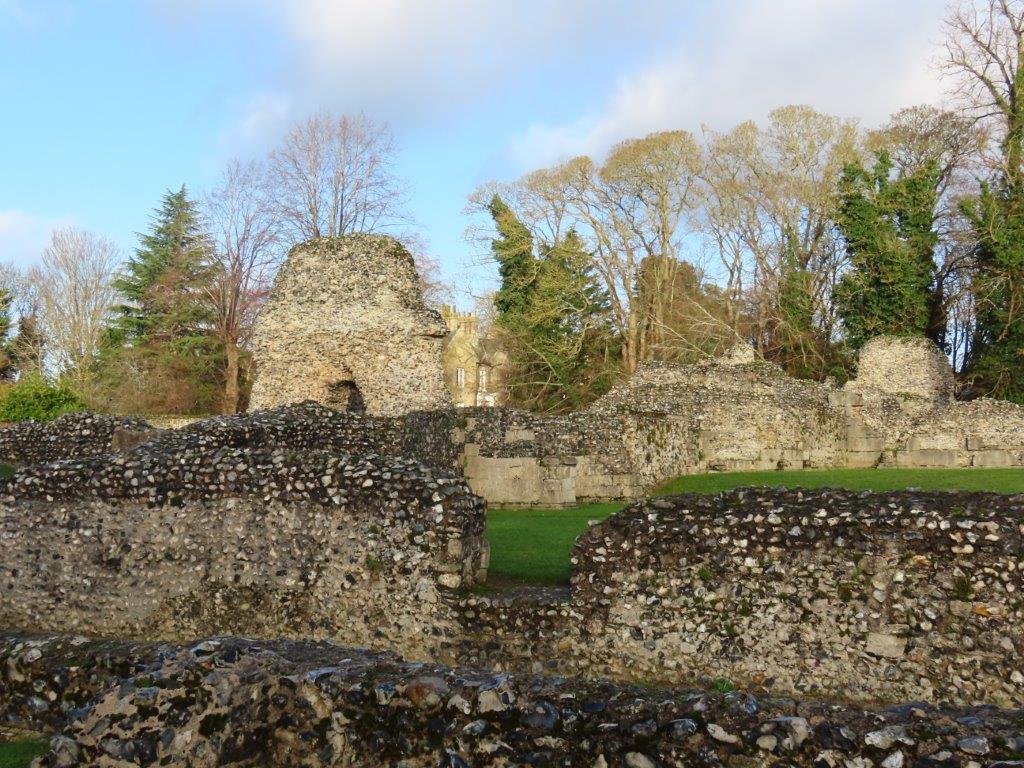
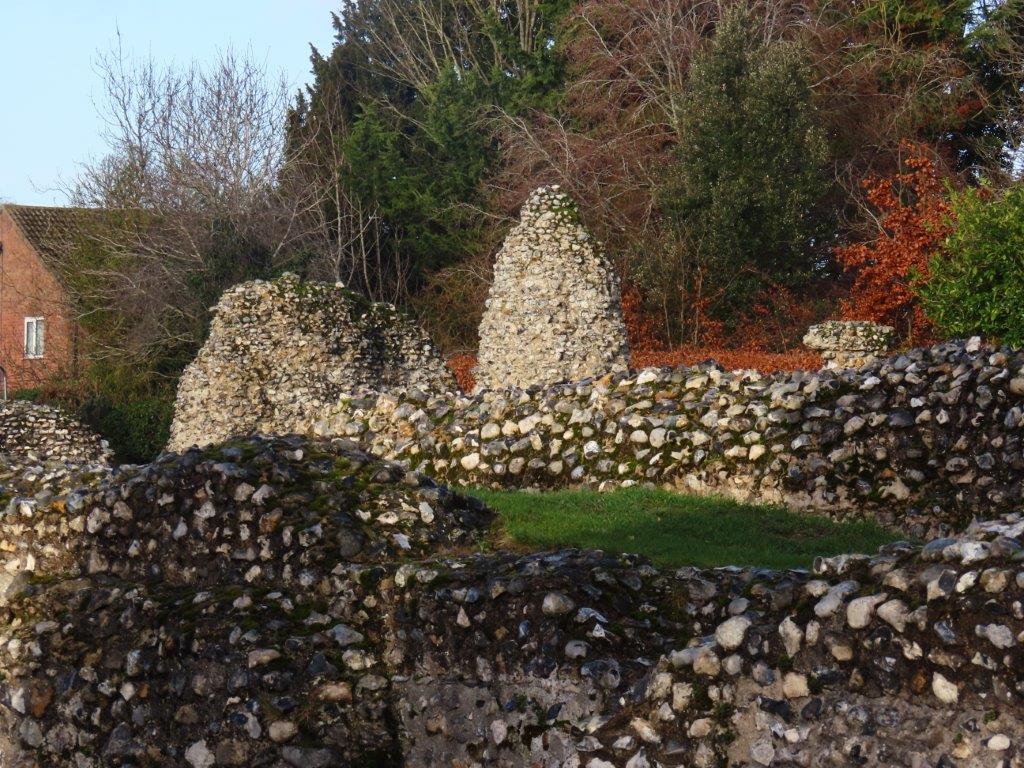
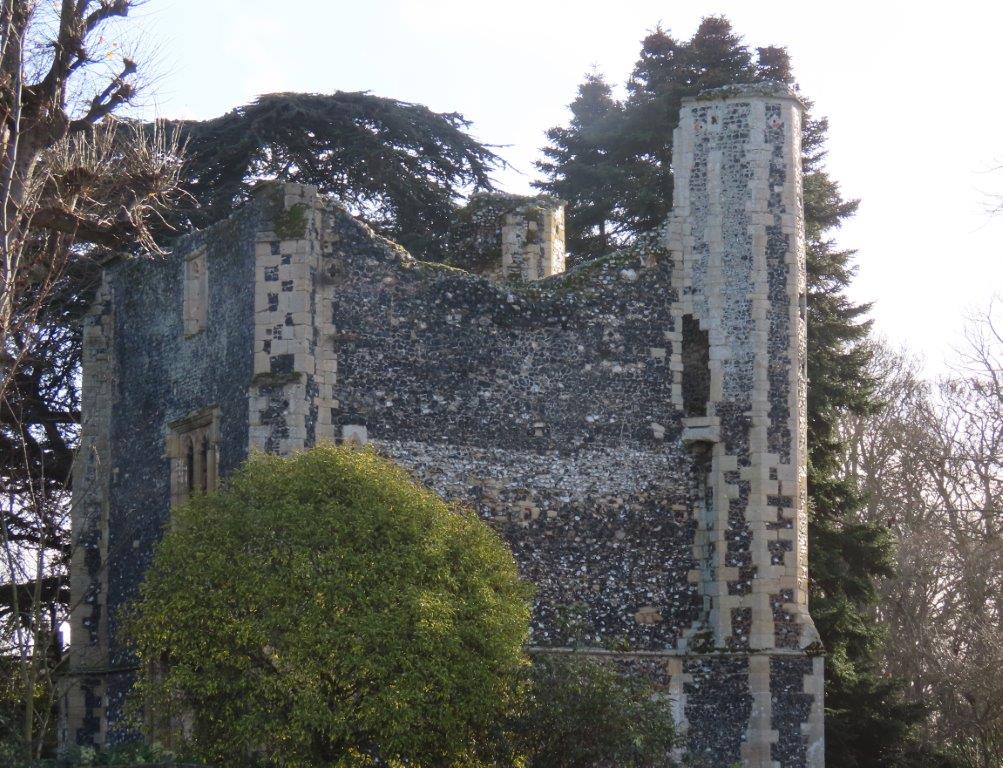
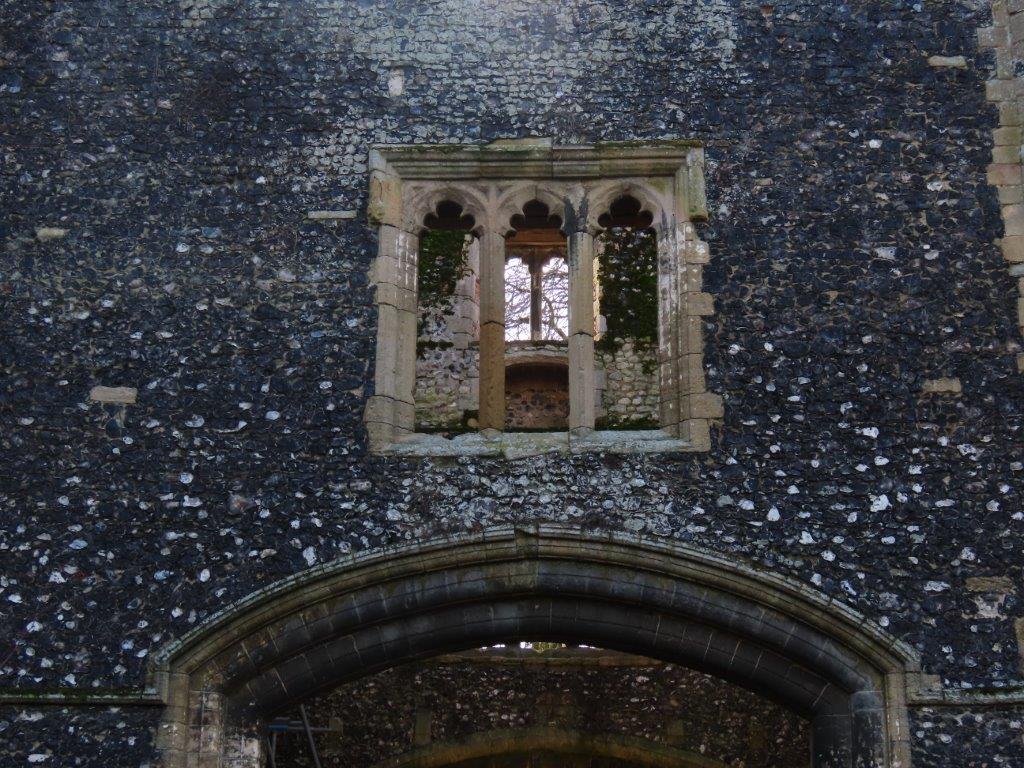
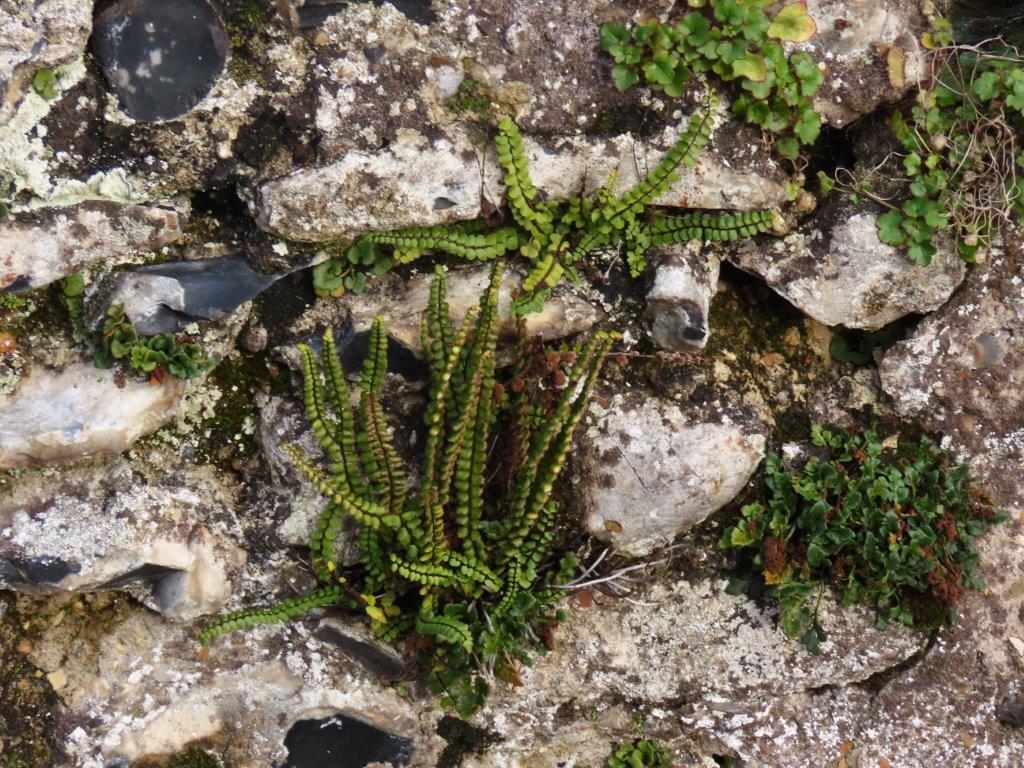
As in the town, some of the masonry had an interesting flora, again with ferns such as Maidenhair Spleenwort and Wall-rue.
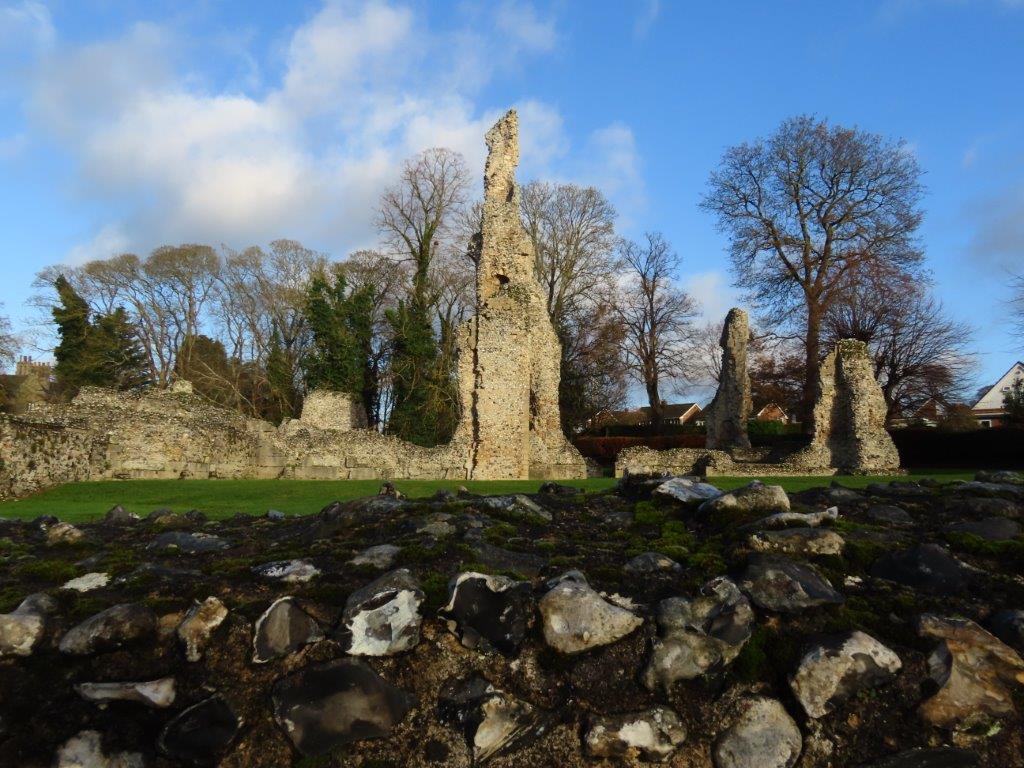
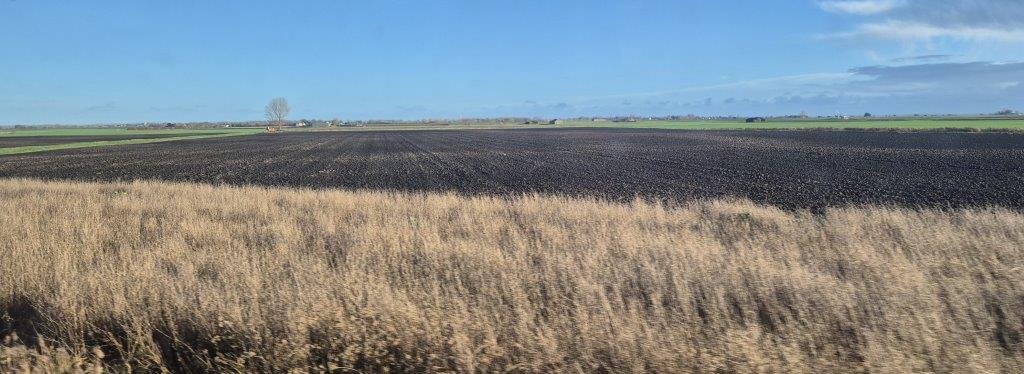
And so back to the station and the lovely train ride, first through the Brecks, then into the Fens, passing Lakenheath Fen, changing at Ely (ideas for another short break there!), and up to King’s Lynn, passing Roe Deer, Marsh Harrier and Red Kite, herds of Whooper Swans and, just before our destination, thousands of Pink-footed Geese on sugar-beet tops.
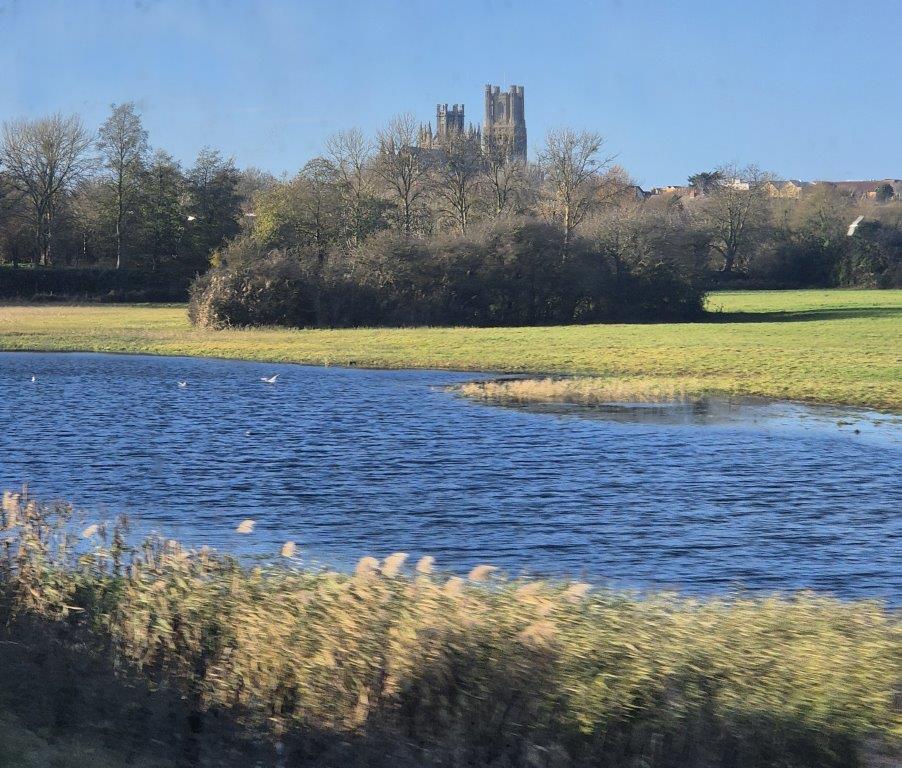
We immediately felt at home in King’s Lynn, reminding us of Harwich, along with echoes of Antwerp and Leiden, places we have visited over the past couple of years. And as a town it seems to wear its venerable history proudly, with good signage and nonintrusive, low-key interpretation.
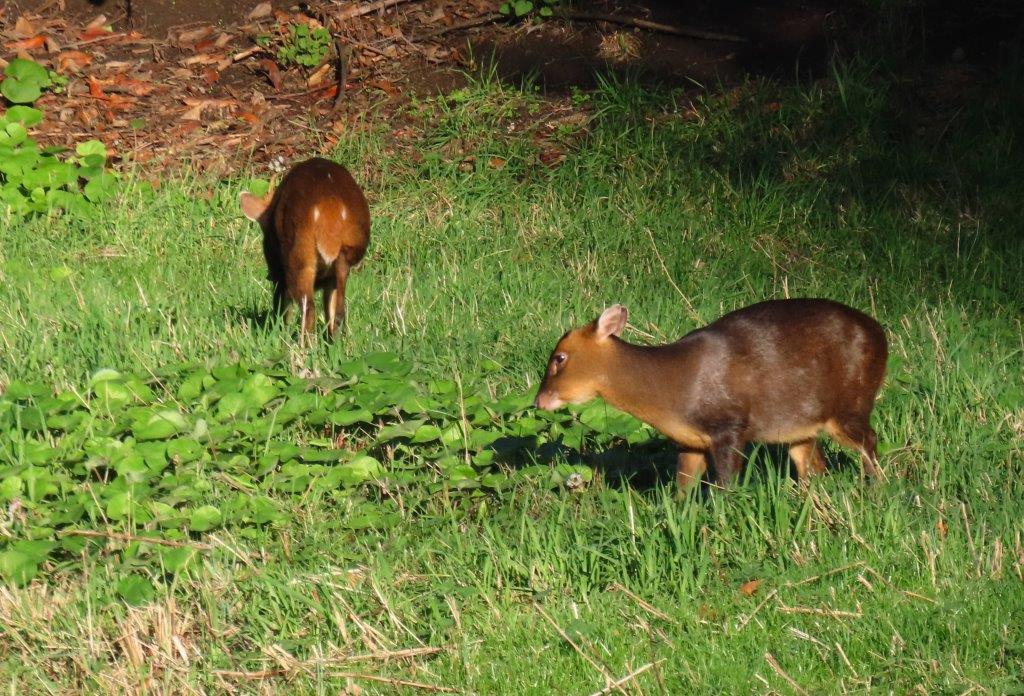
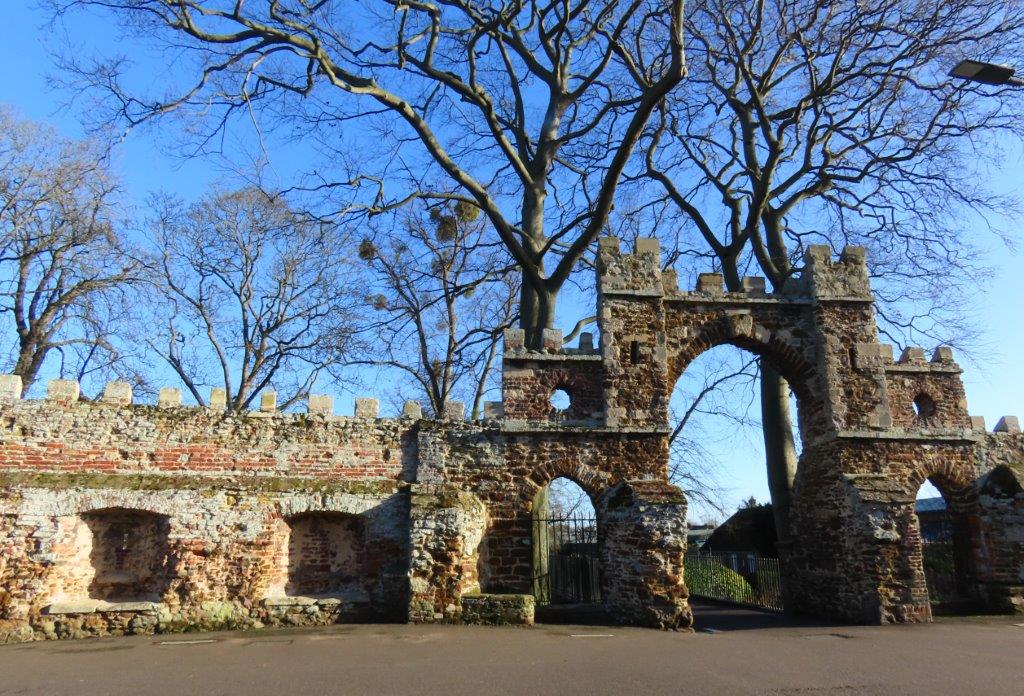
First up was The Walks, an 18th century town walk and park, full of people and dogs but still with Muntjacs browsing unconcernedly!
In the park was the Red Mount Chapel, a 15th century staging post on the pilgrimage to Walsingham…
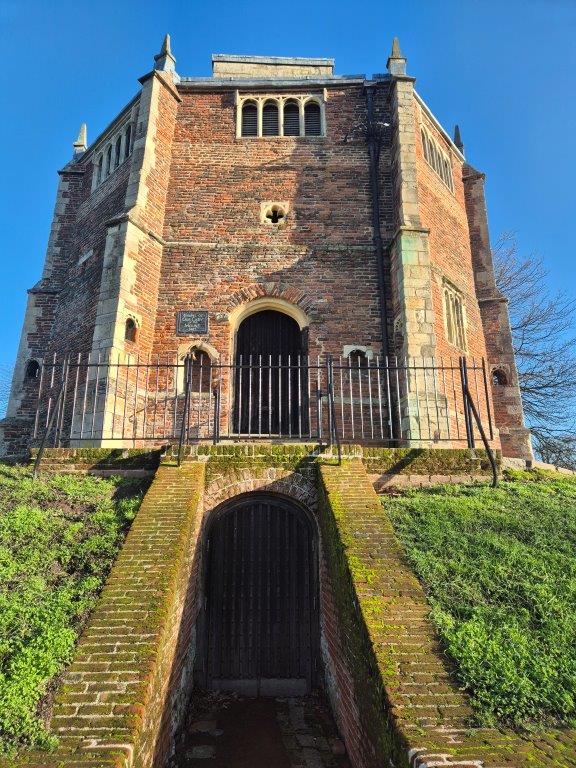
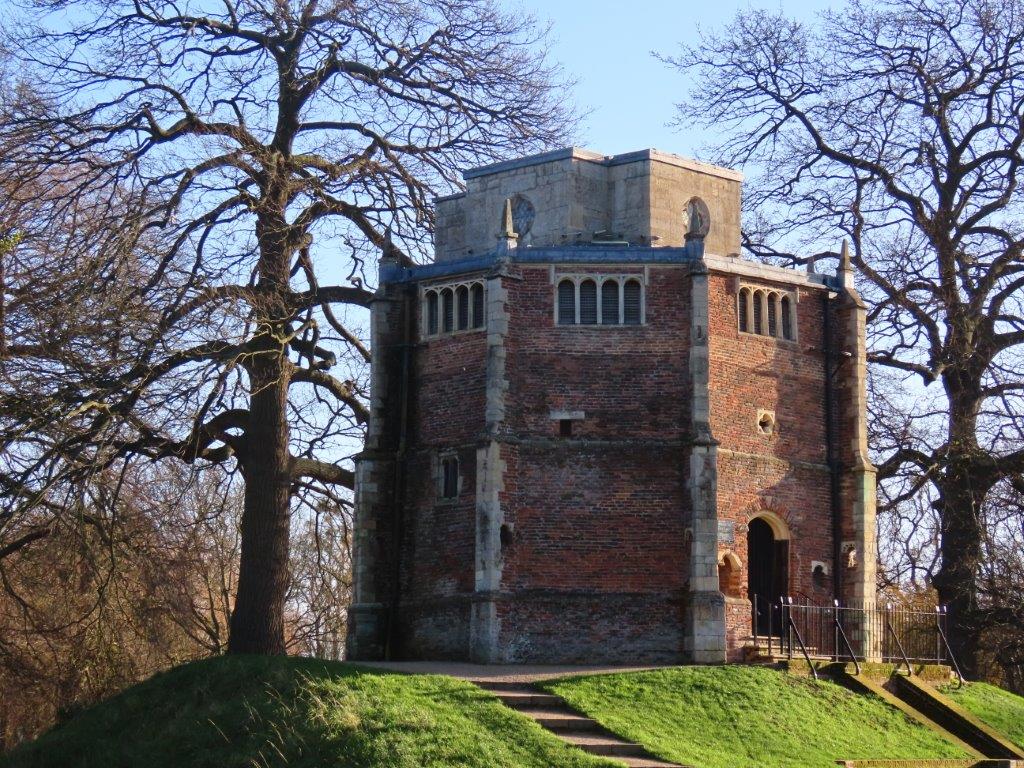
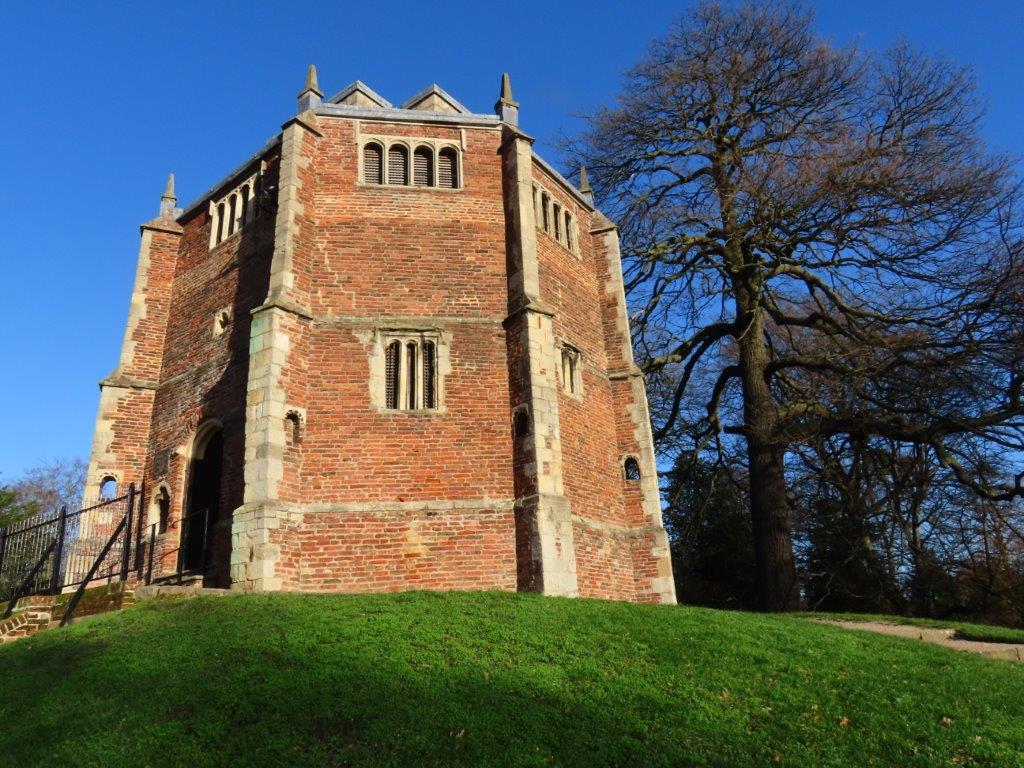
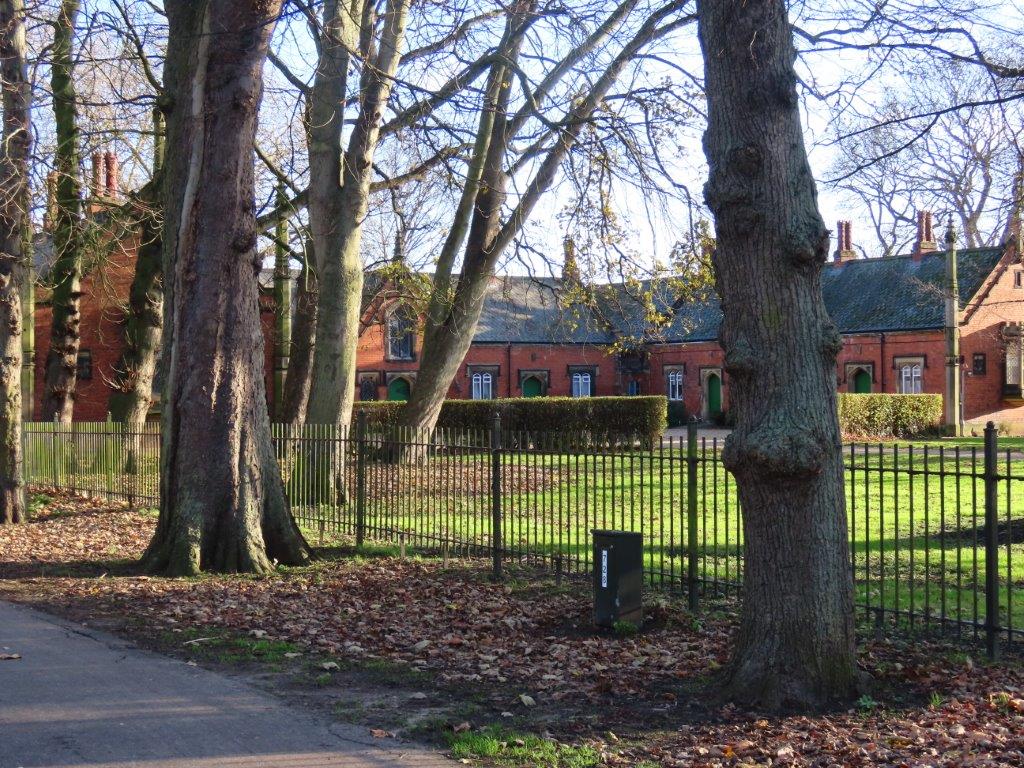
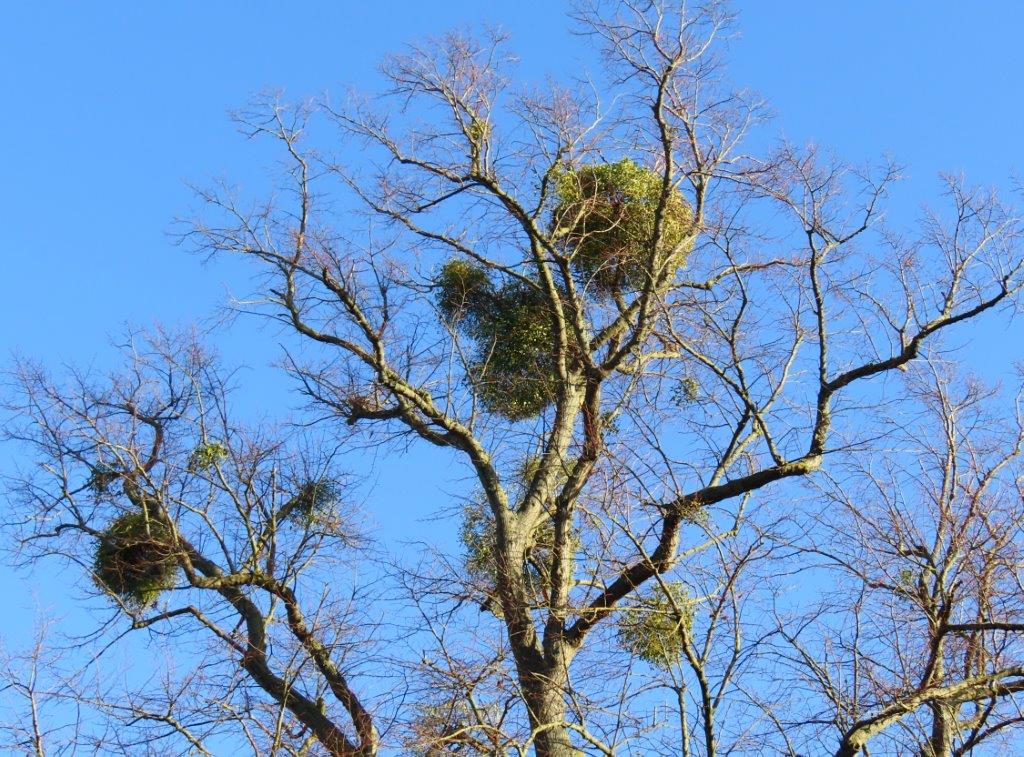
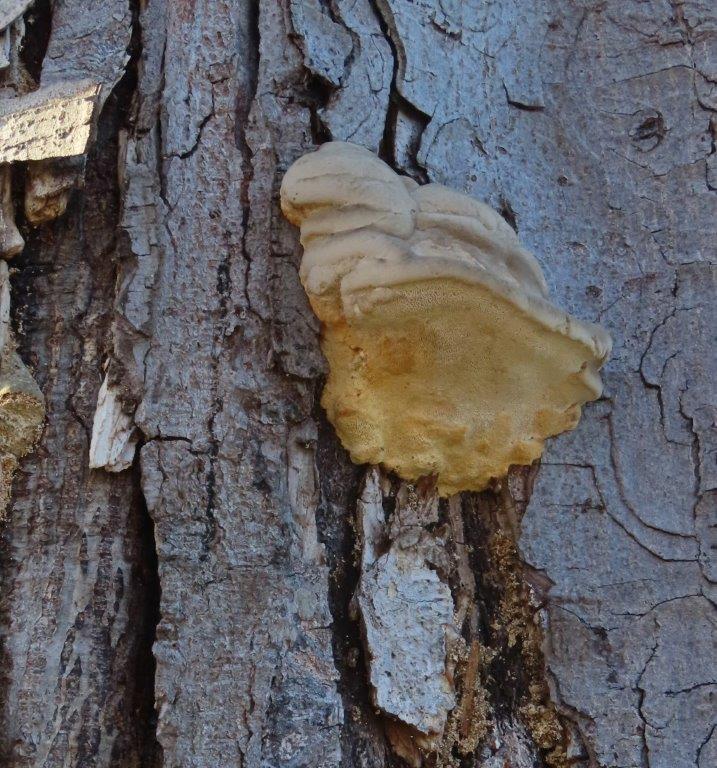
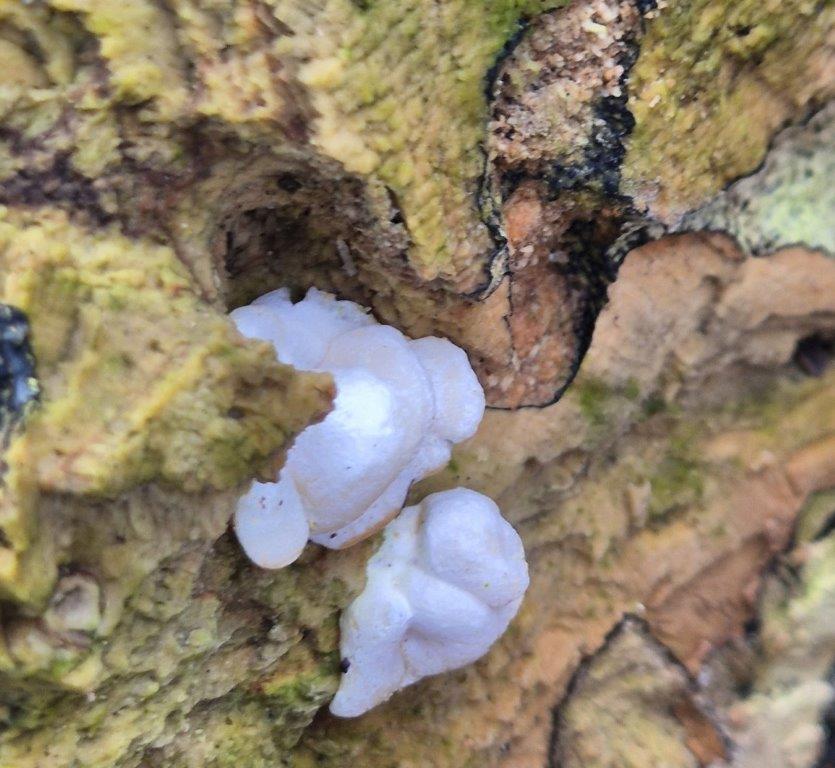
Old walls, water features, and avenues of magnificent trees, Limes and Horse-chestnuts planted alternately, make for a very pleasant walk, especially (as we had) in sunshine. The Limes especially were crowned with some impressive stands of Mistletoe, but sadly the Horse-chestnuts are seemingly dying off, sprouting brackets of a heartwood-decay fungus, possibly a Ganoderma species.
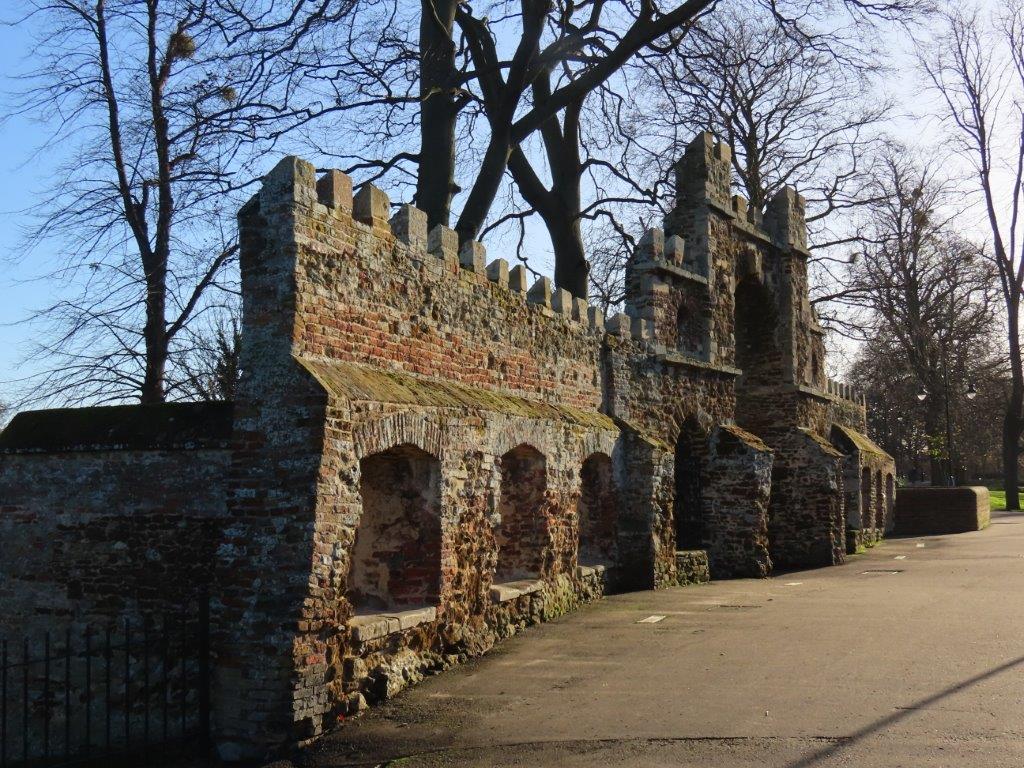
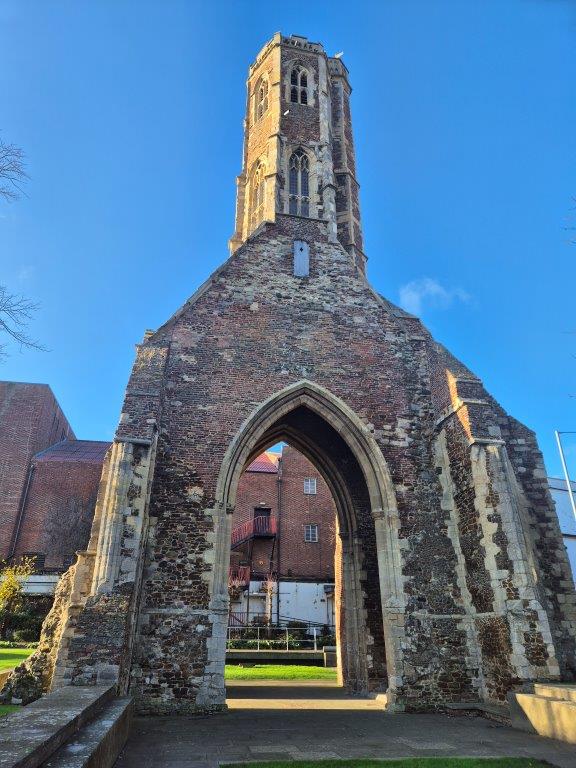
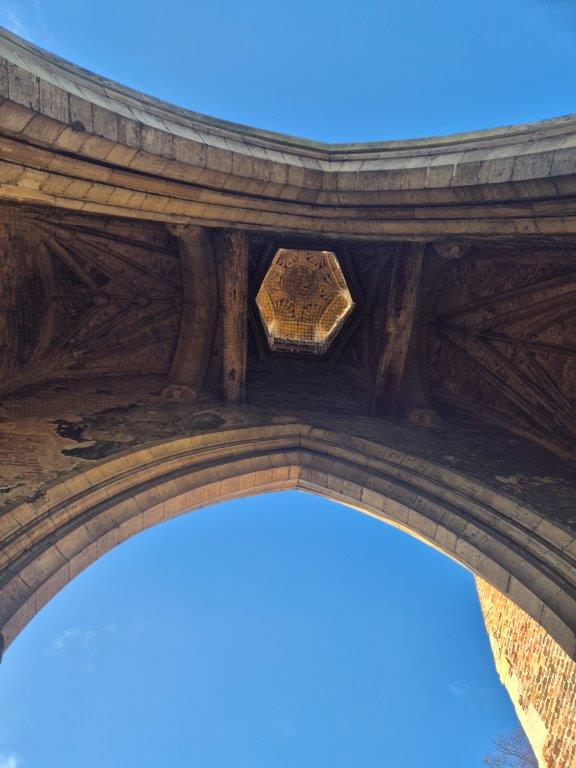
Just across the road is the next impressive sight, the Greyfriars Tower, all that remains of a Franciscan Friary that was established around 1230 and functioned until its dissolution in 1538. The most complete of the three remaining such towers in the country, it assumed a significant role and was therefore retained as a sea-mark: every part of the town is close to the mighty, tidal Great Ouse.
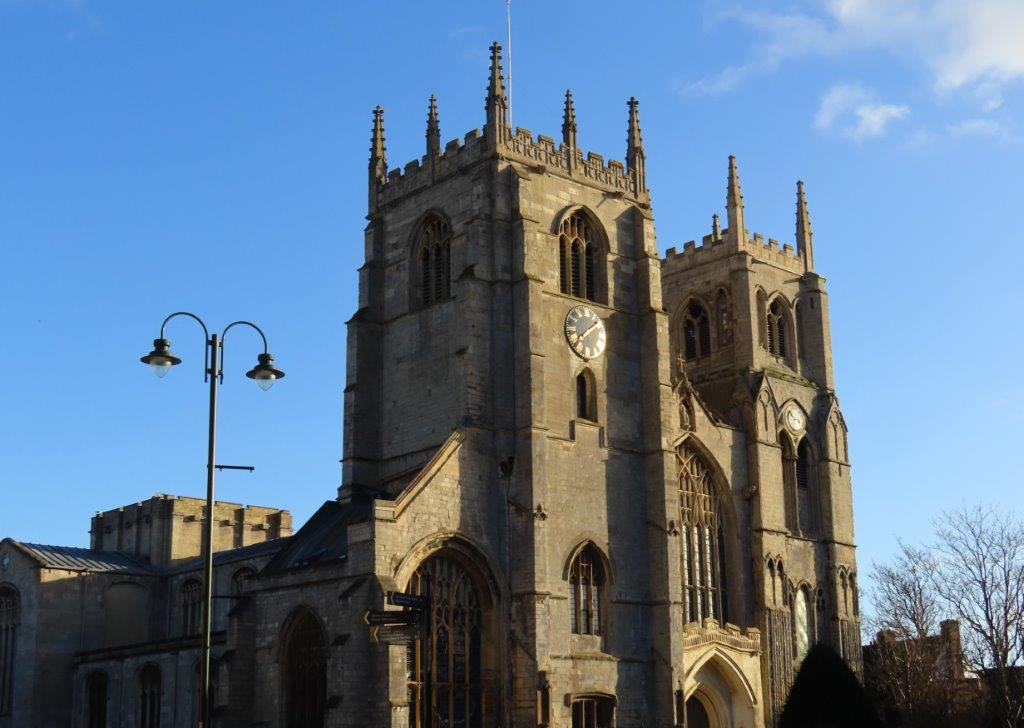
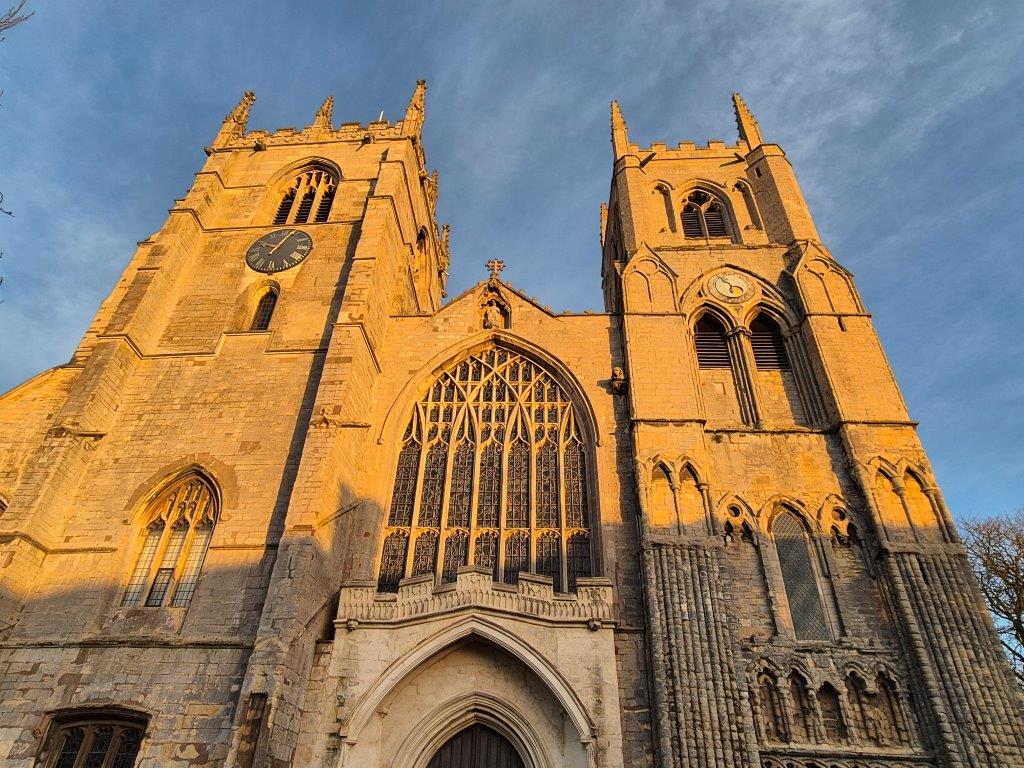
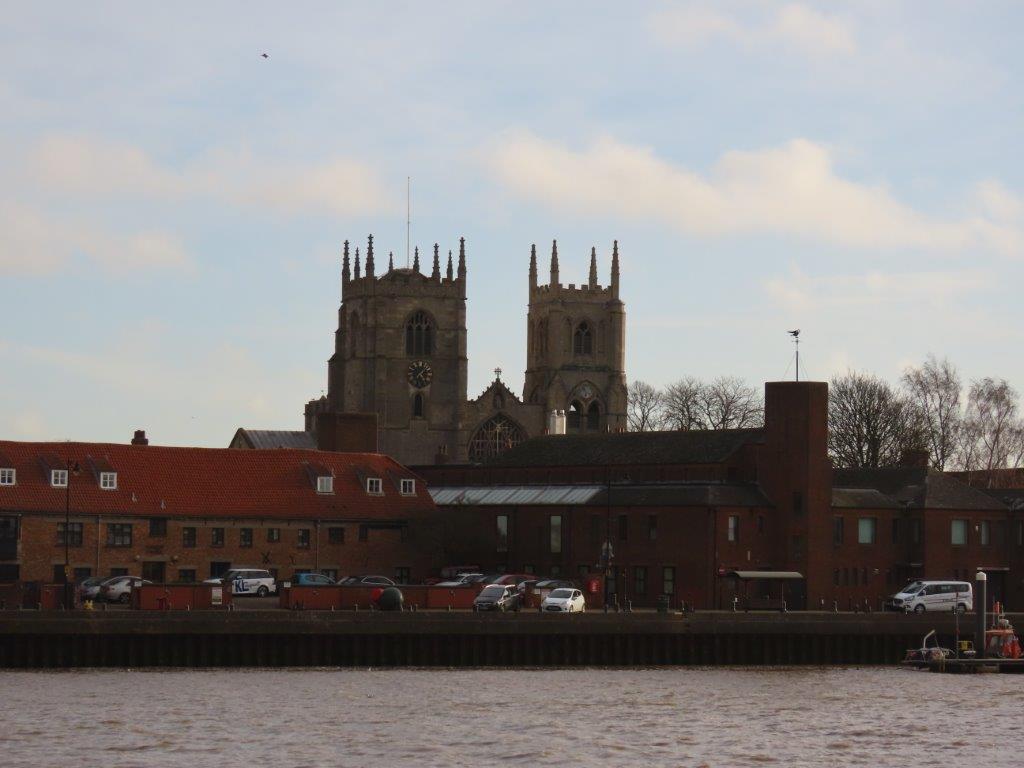
Other religious land- and sea-marks include the Minster. Impressive from the outside, with two towers, one more slender from the 12th century, the wider one from some three centuries later. Both have been topped by spires but those are now long-collapsed.
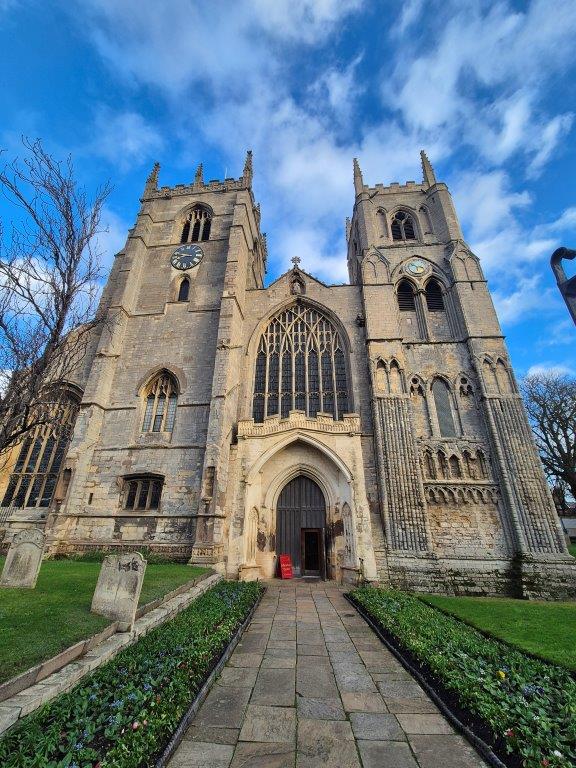
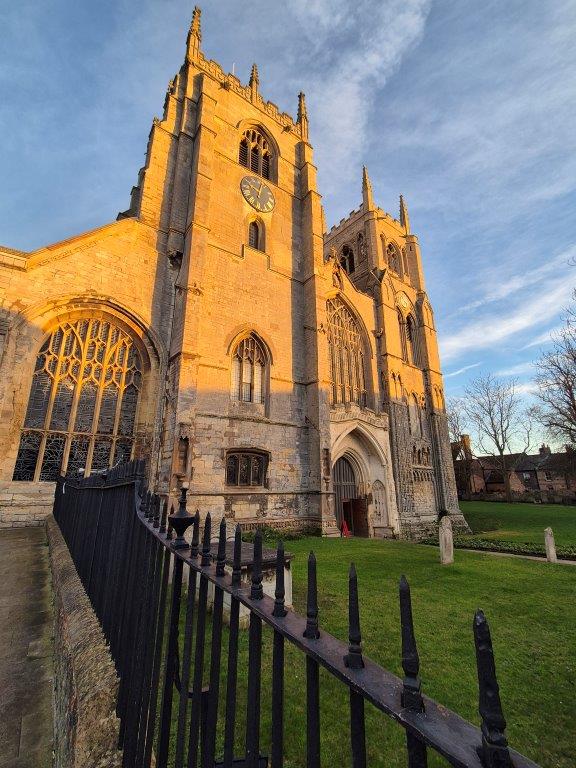
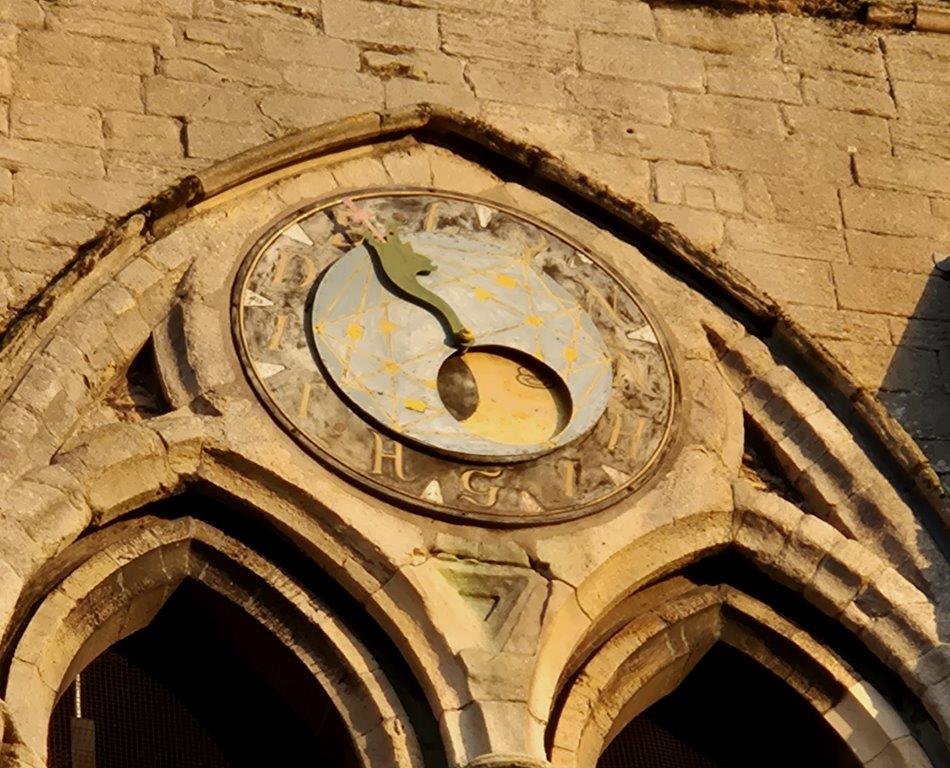
As befits its role as a sea-mark, the older tower has a unique tidal clock, which displays the phases of the moon and high tide time, all essential information for such a maritime community.
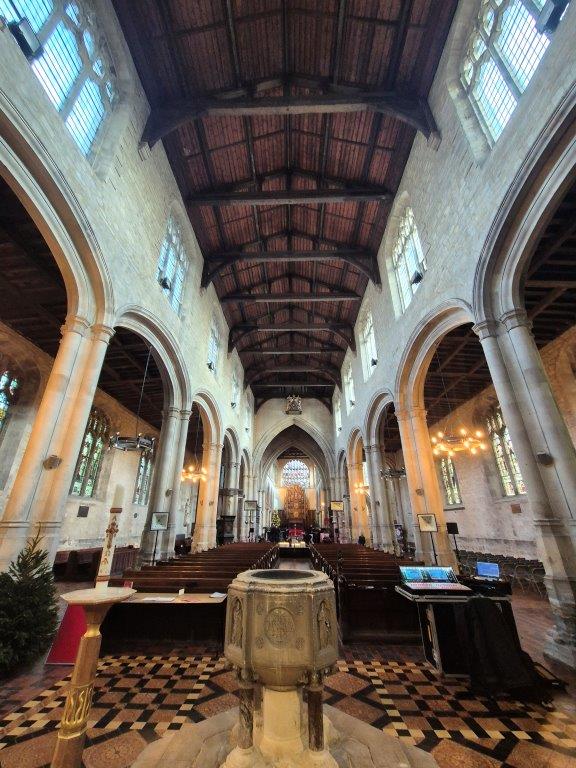
But inside, our instant impression was that it was rather cold and soulless…
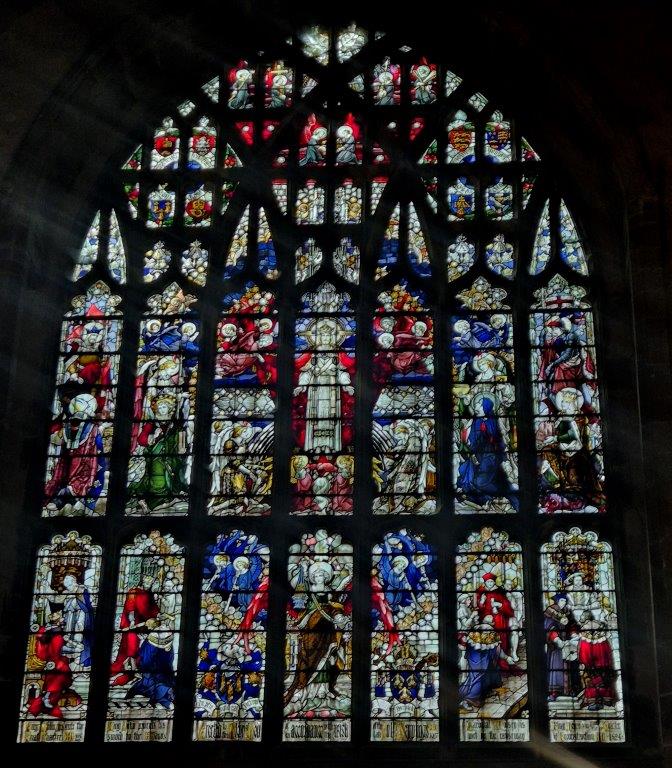
.. so it was a pleasure to re-emerge into the light and witness the stonework reacting to the ambient light of the setting sun.
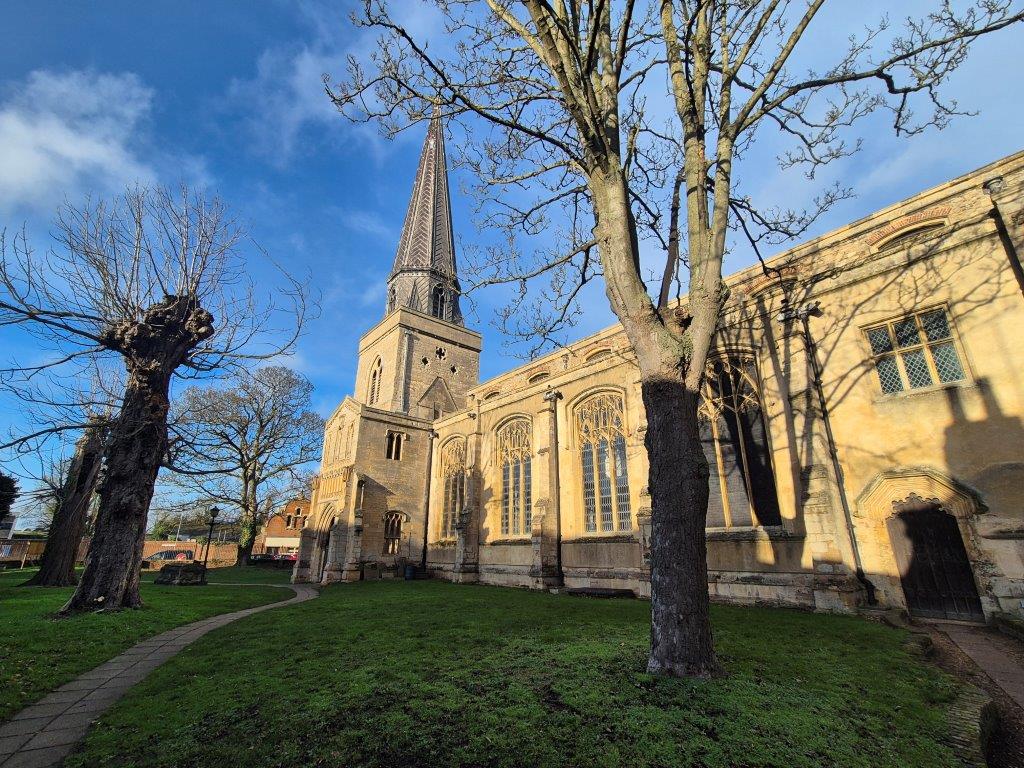
The other major church, St Nicholas’ Chapel was equally impressive, with its towering spire and external decoration.
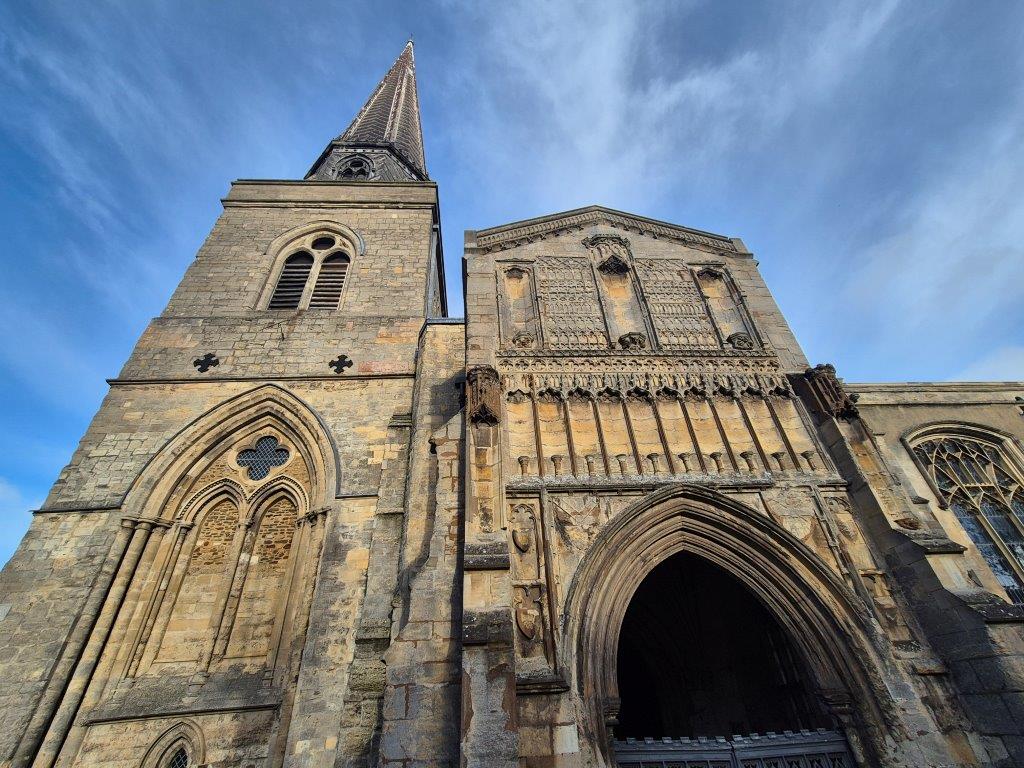
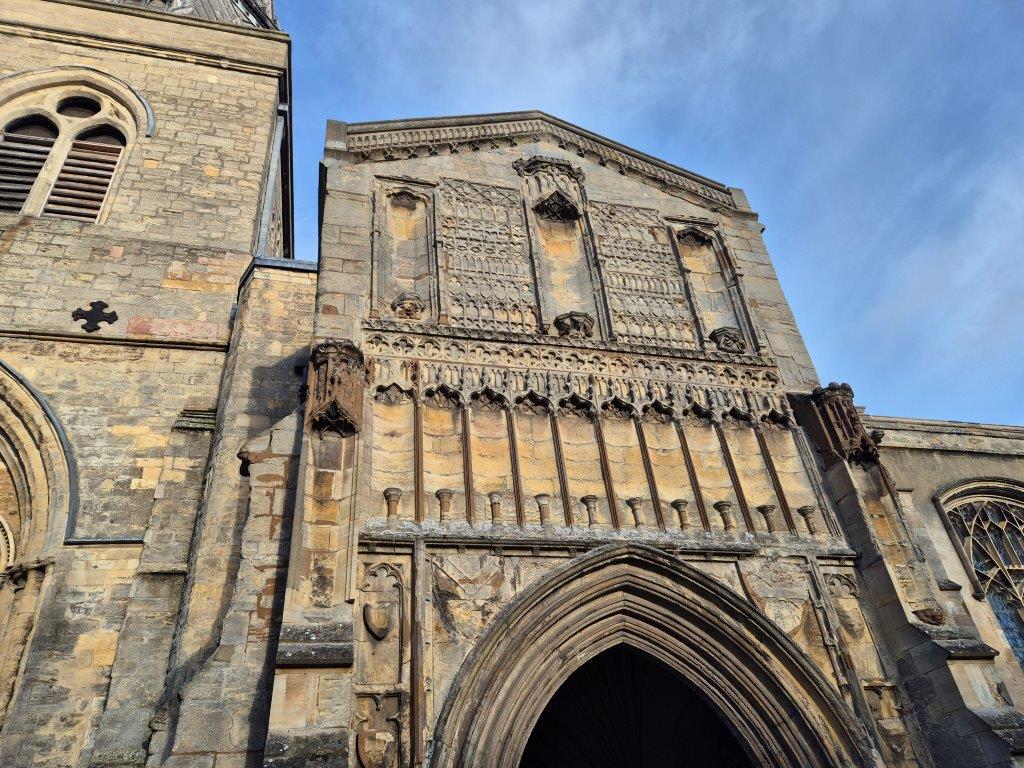
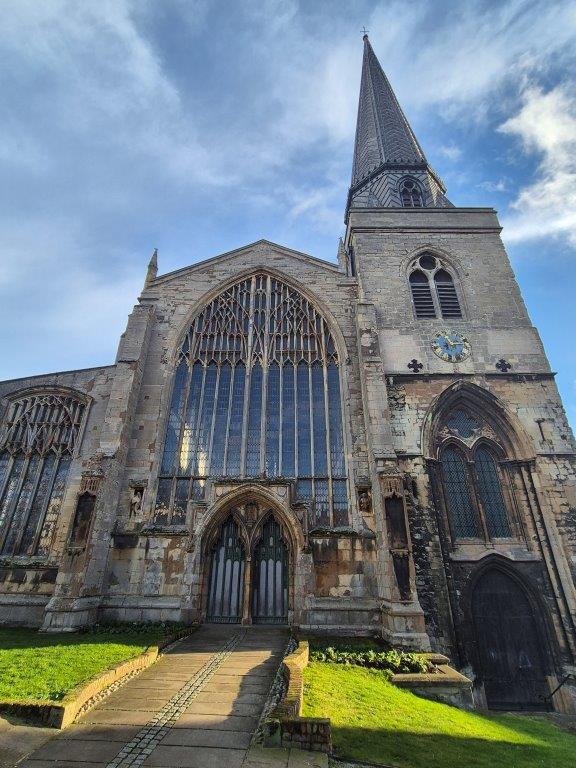
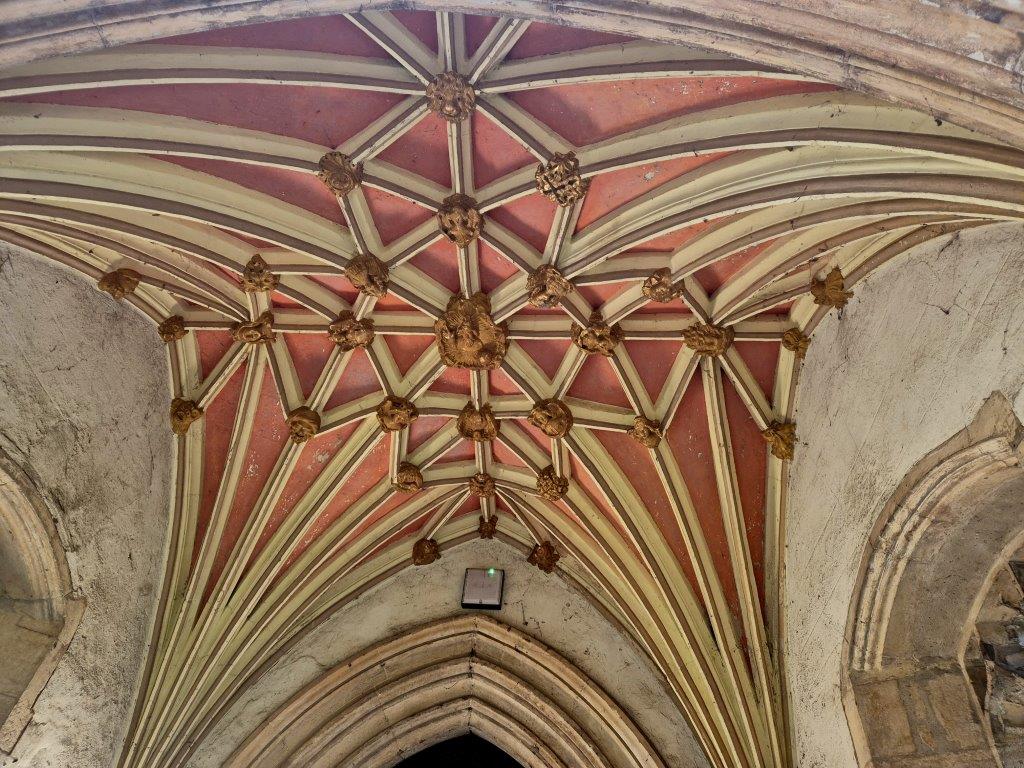
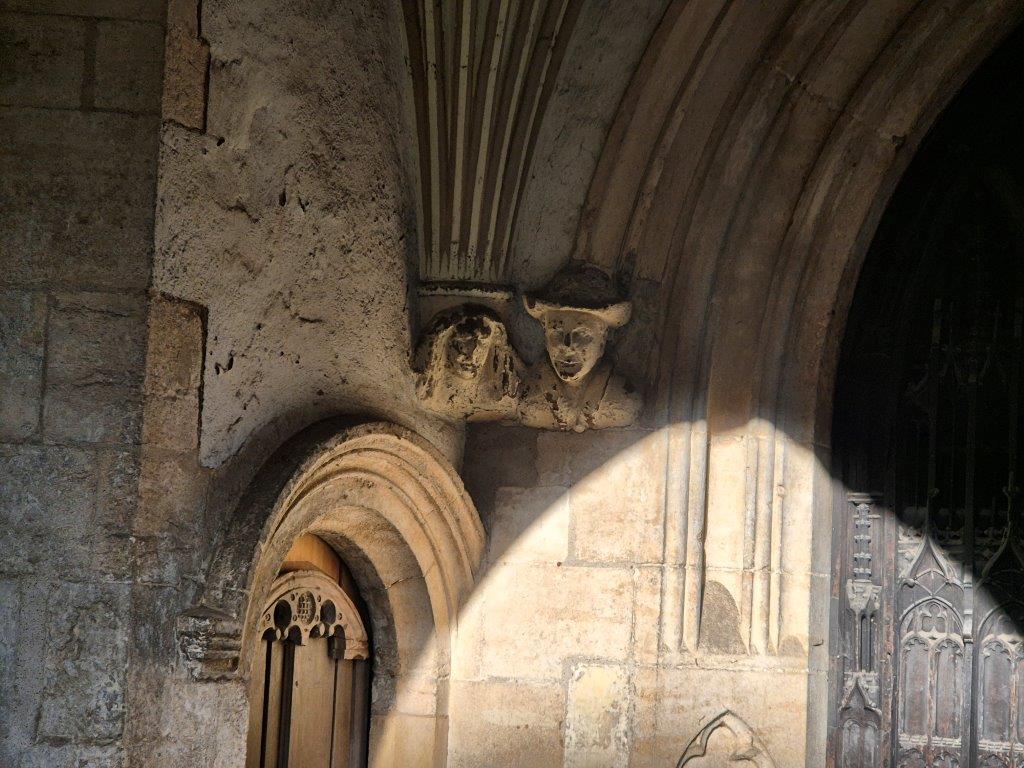
But sadly, again despite online assurances that it was open, were were unable to get inside to see its most famous feature, a recently restored roof with carved wooden angels. One of the very few disappointments of our time in Kings Lynn. We had to make do with peering into the porch…
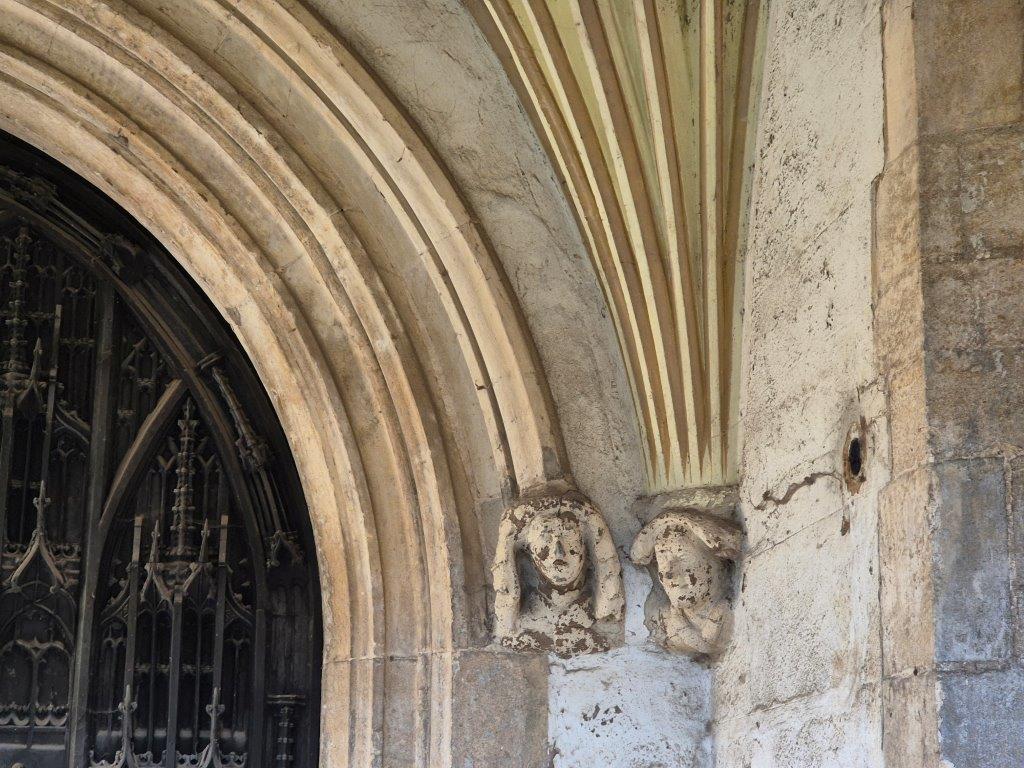
But the churchyard at least had plenty to offer…
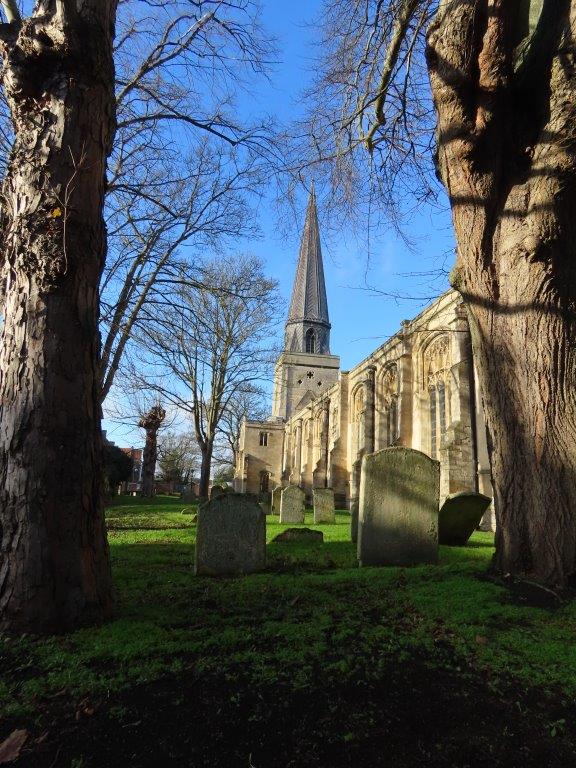
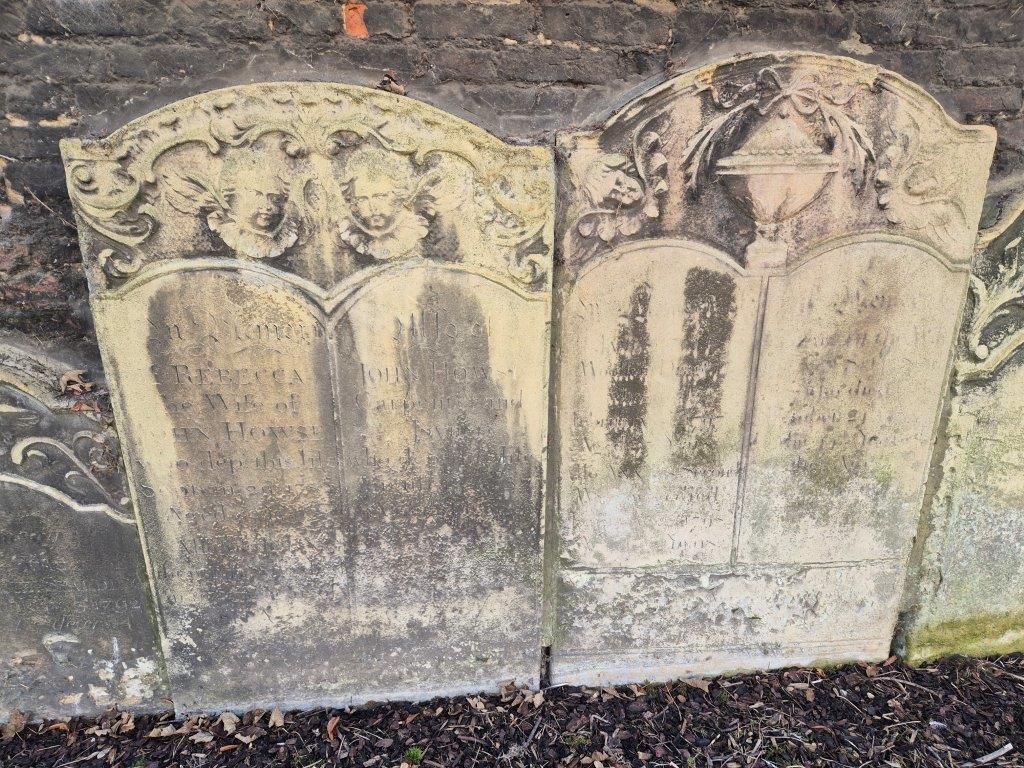
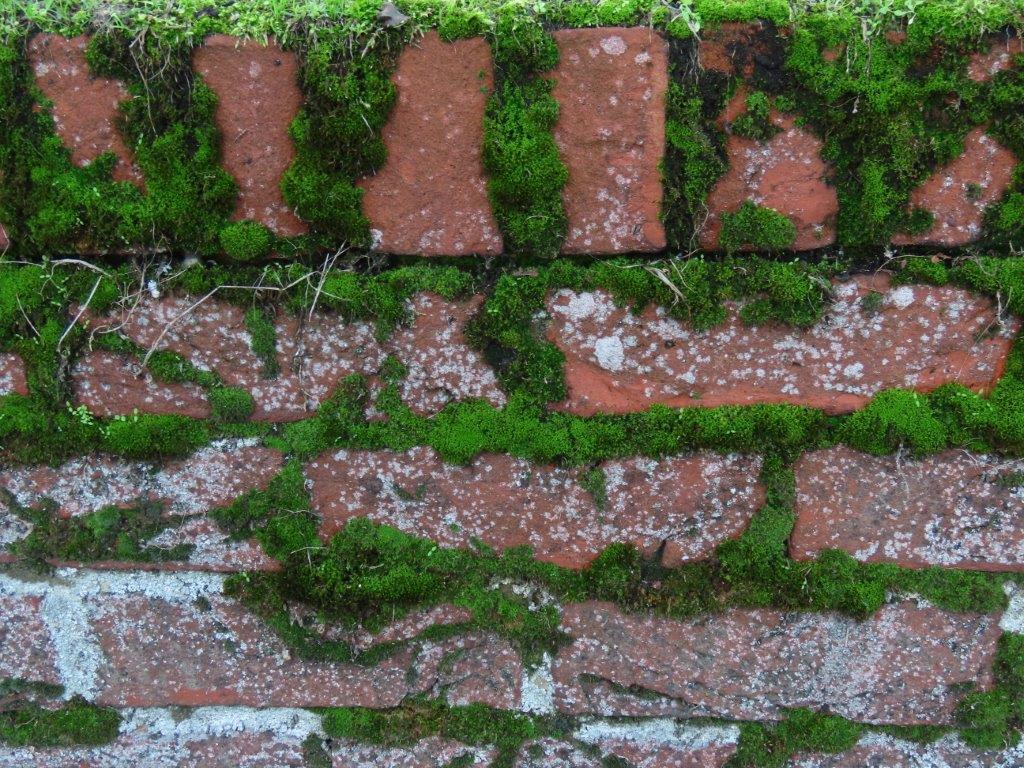
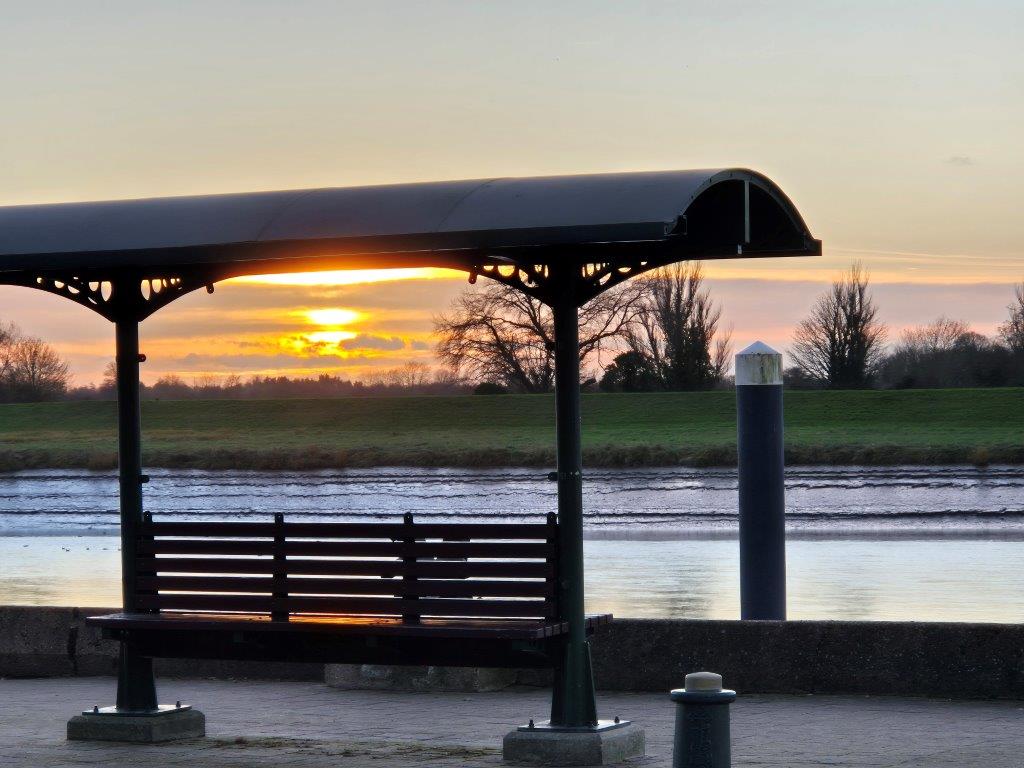
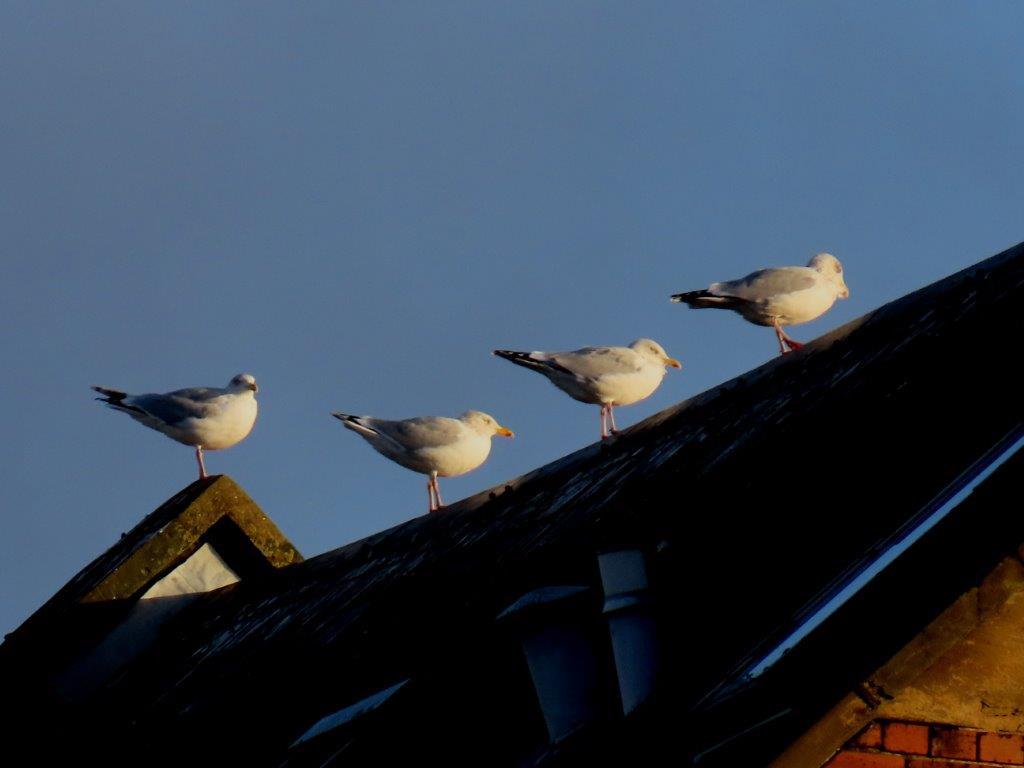
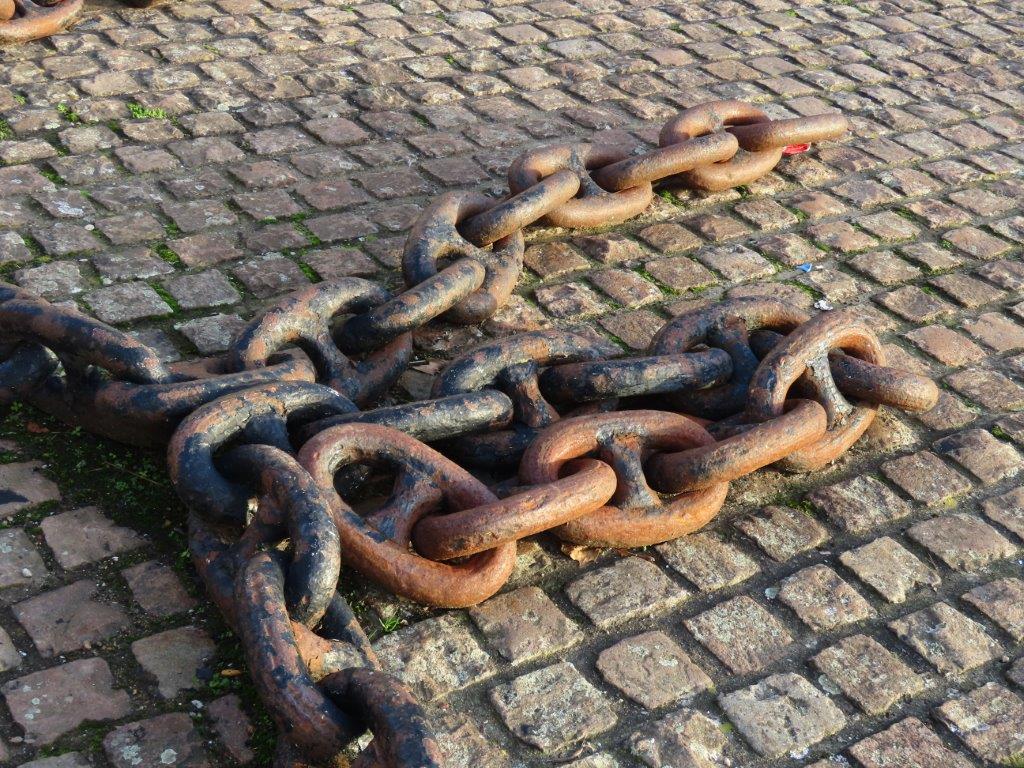
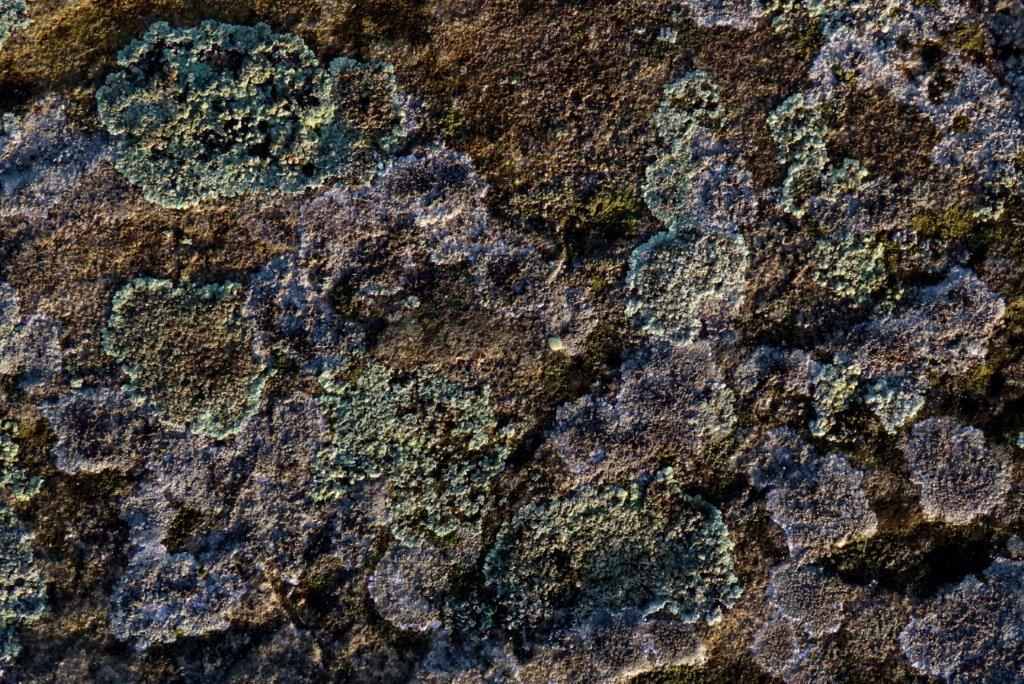
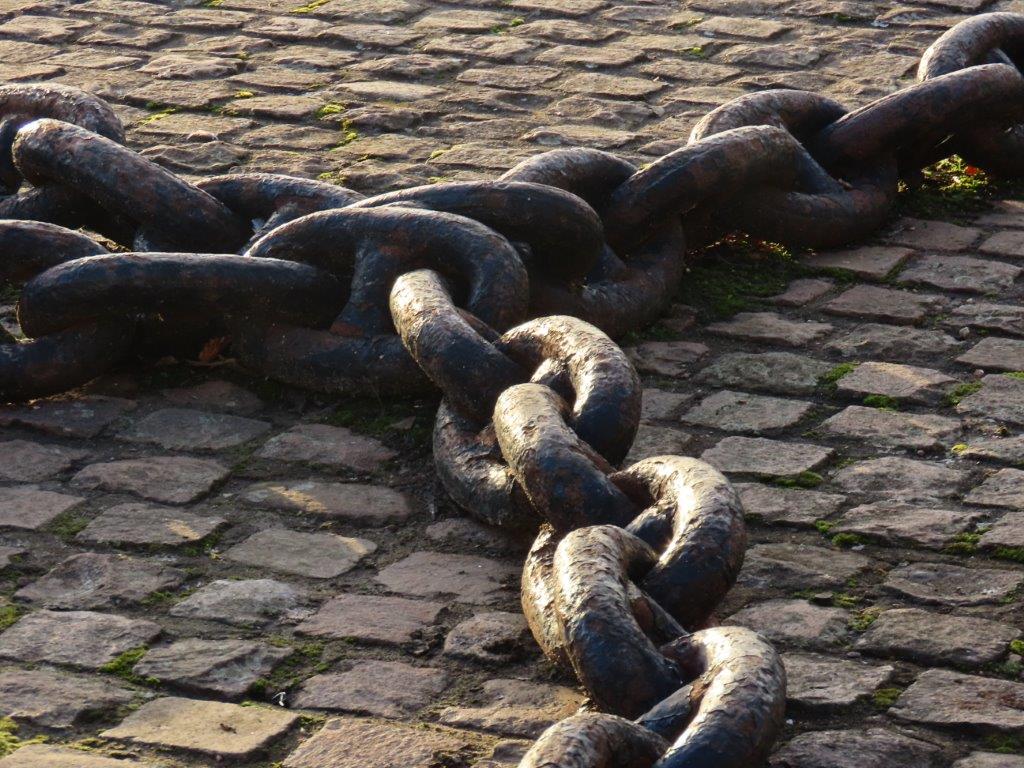
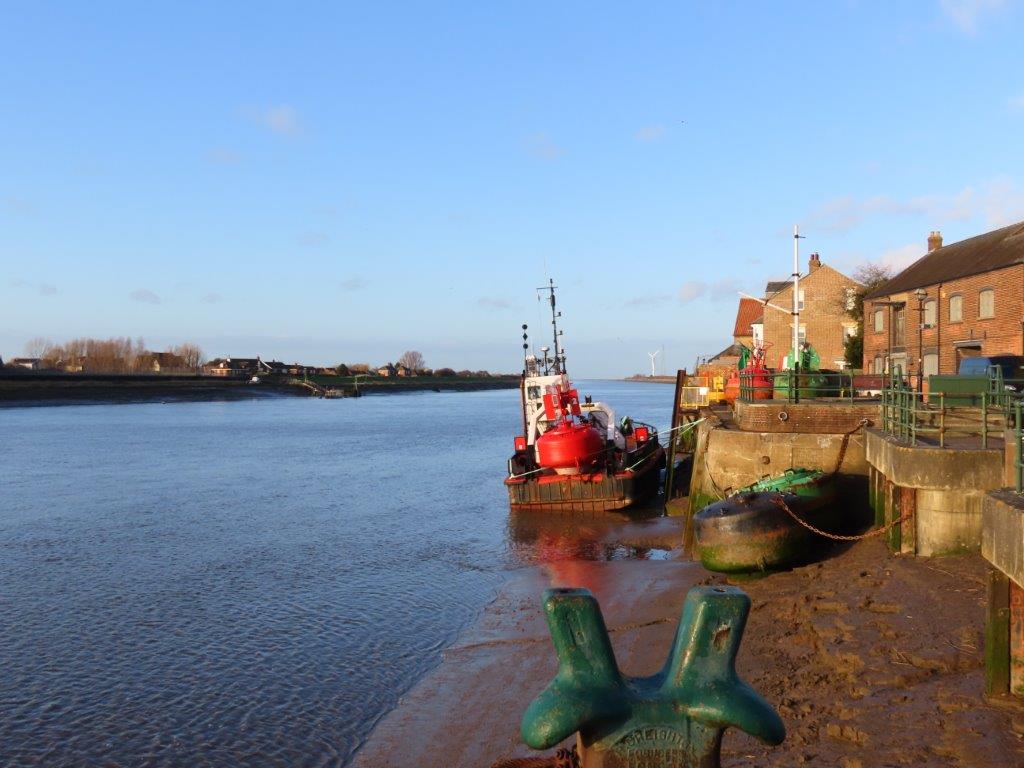
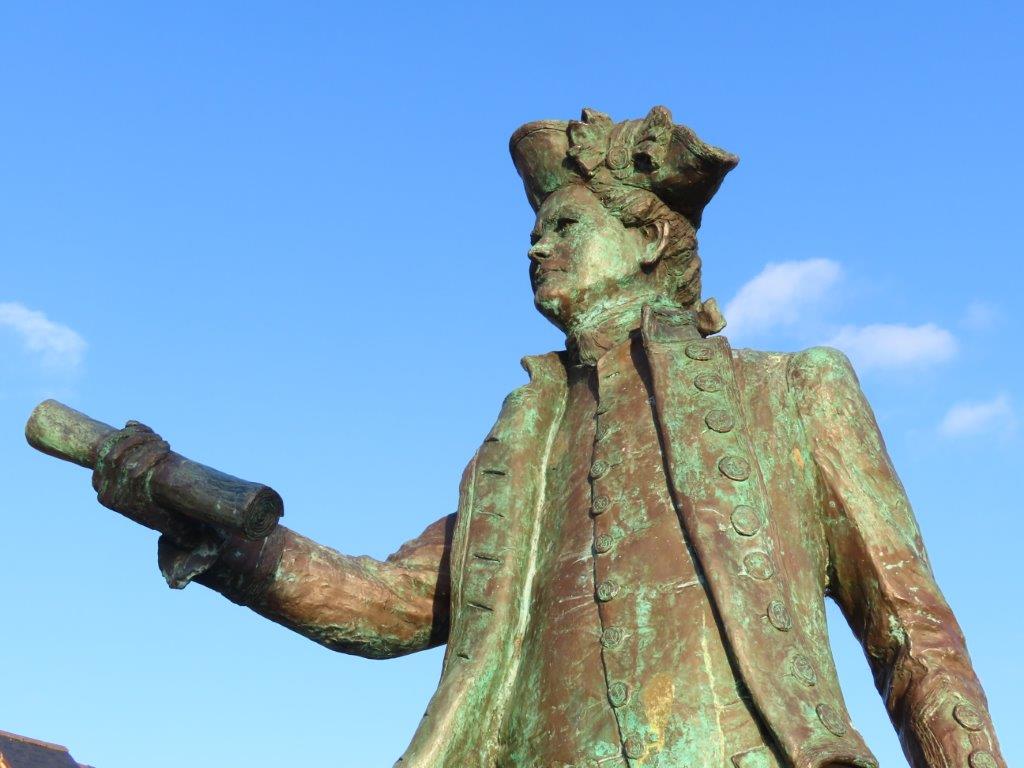
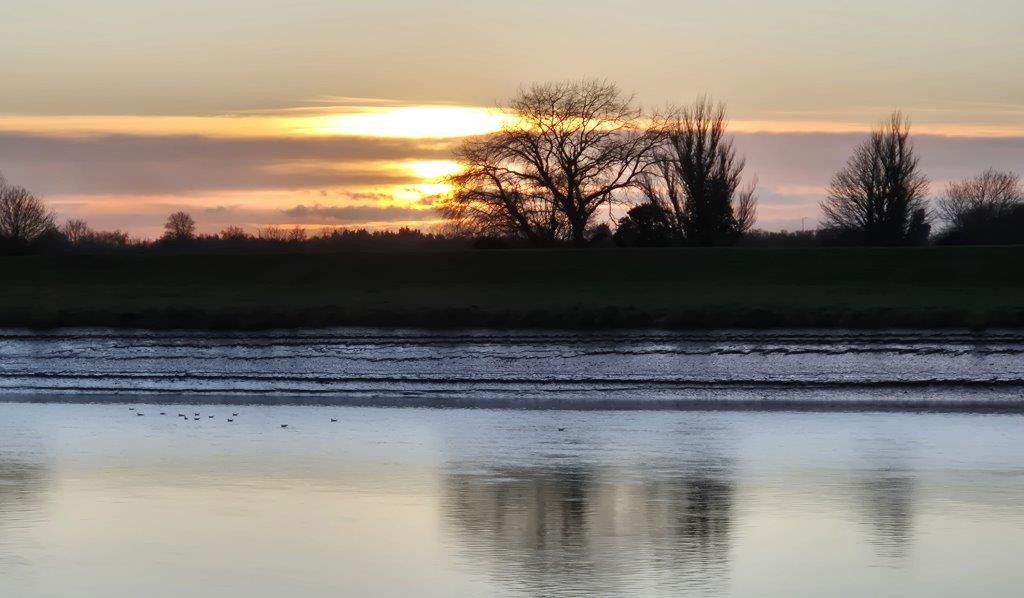
And so down to the riverside, and its plethora of seaside sights, from sunsets and rooftop gulls, to heavy duty chains and lichens, and statuary: local mariner George Vancouver, who explored and mapped much of the globe, and just happened to discover the island that has the same name as him!
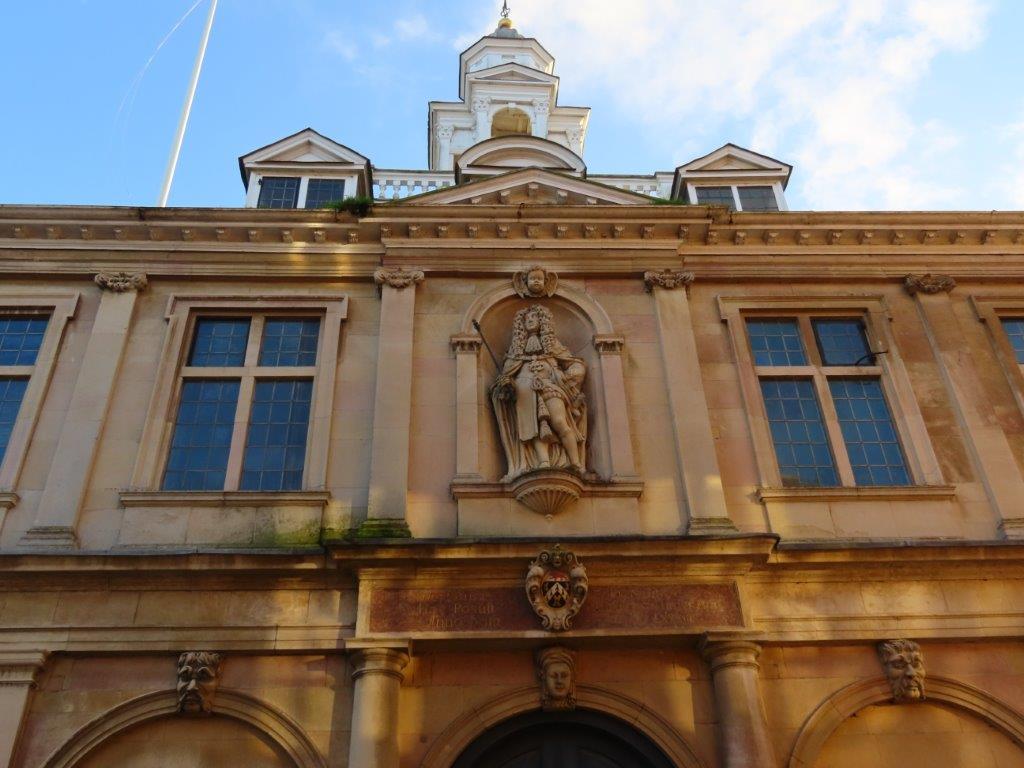
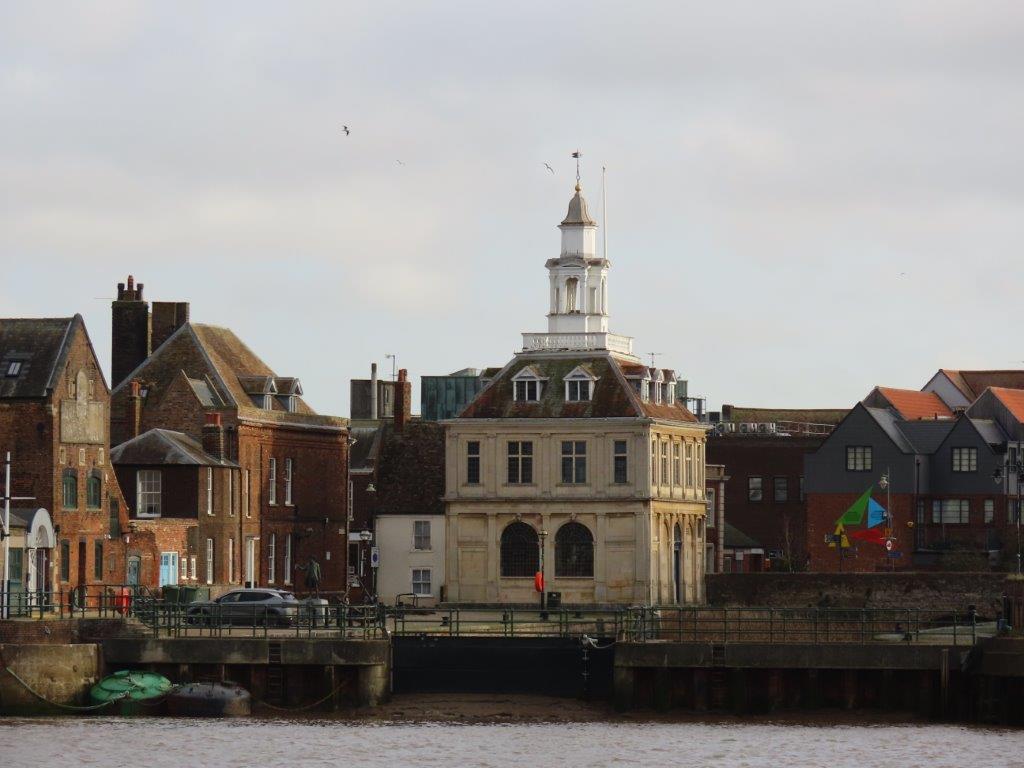
And one of the acclaimed historic fearures of the town, the Custom House dating from 1683, and described by Pevsner as ‘one of the most perfect buildings ever built’.
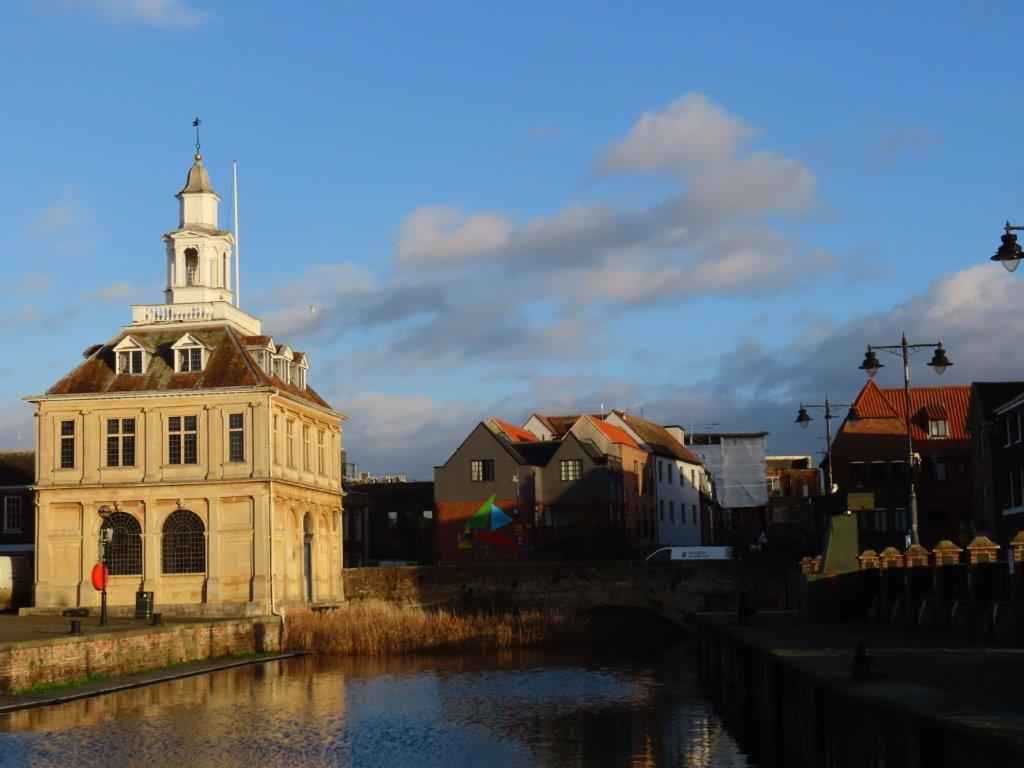
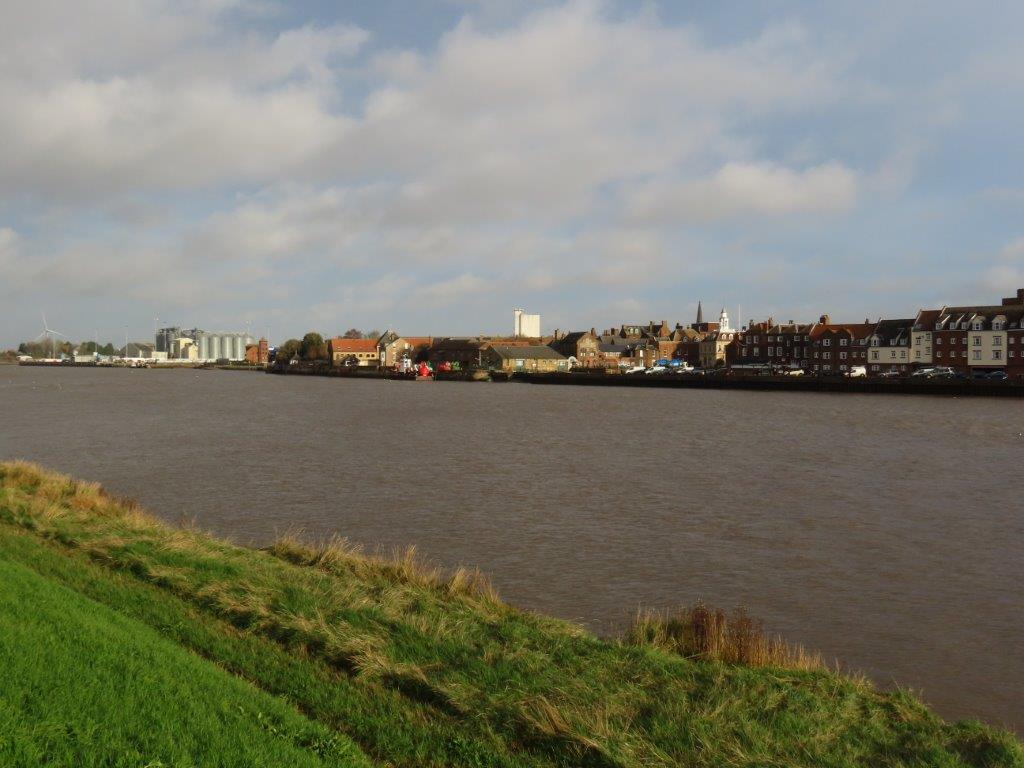
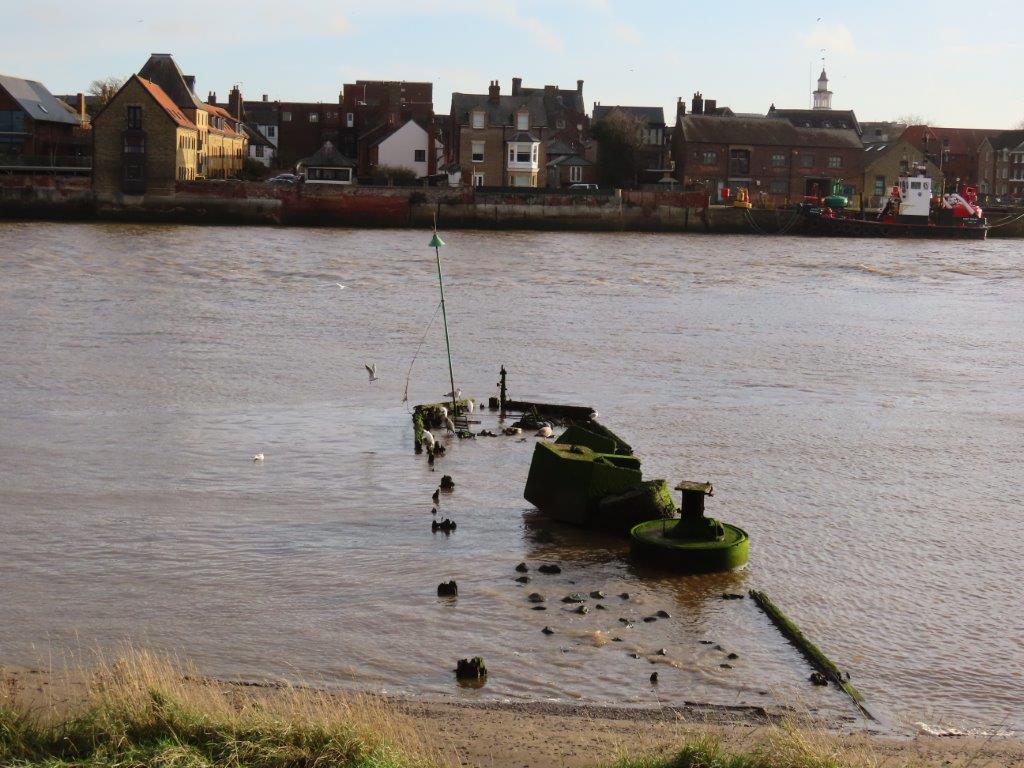
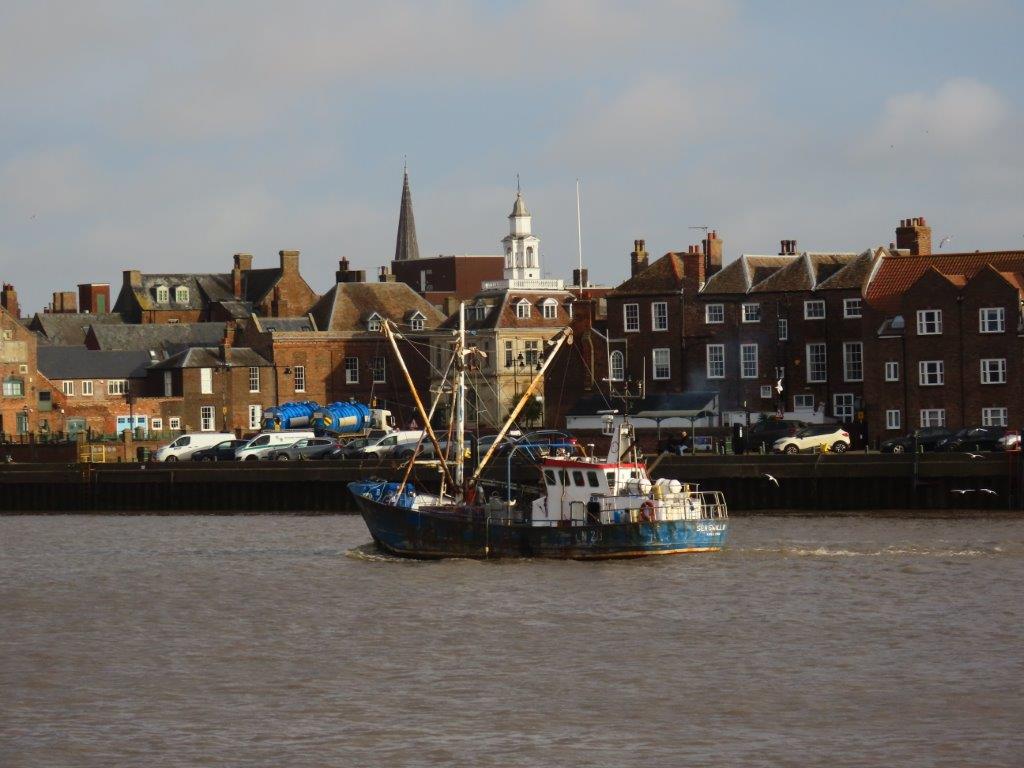
Across the River Great Ouse lies the village of West Lynn, connected via a foot ferry. So we just had to give it a go, not so much for the other side or the crossing, but to be able to look back to King’s Lynn and really appreciate its distinctive outline, reflecting as much as anything its historic trading links with the Low Countries and Baltic Region through the Hanseatic League.
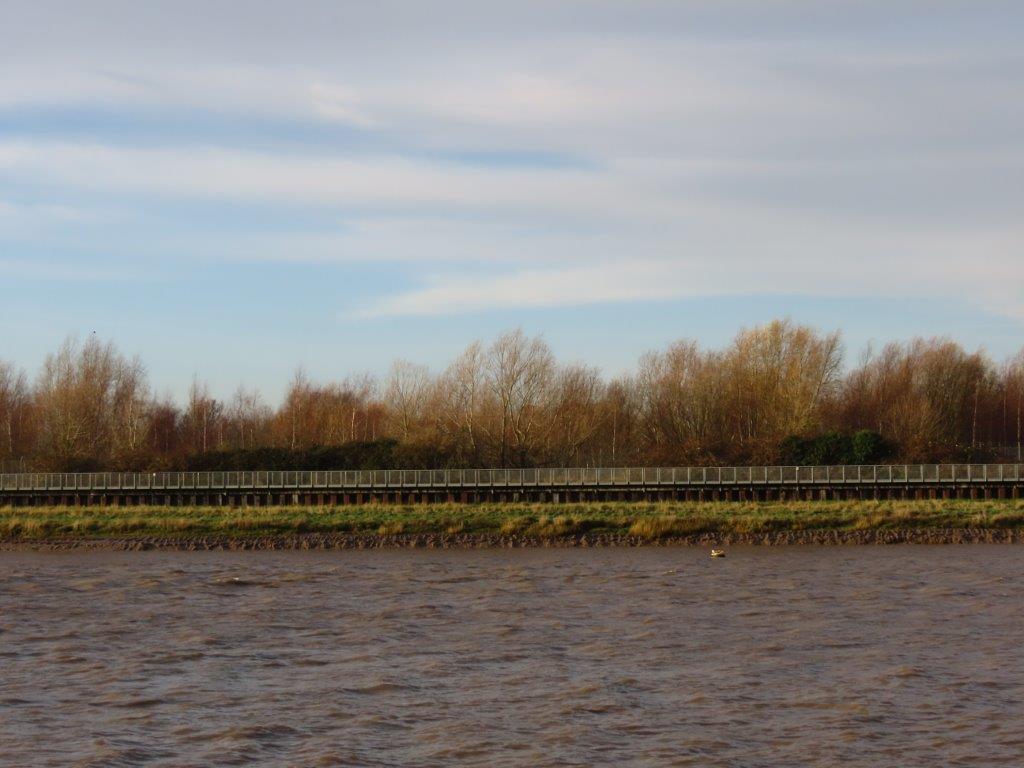
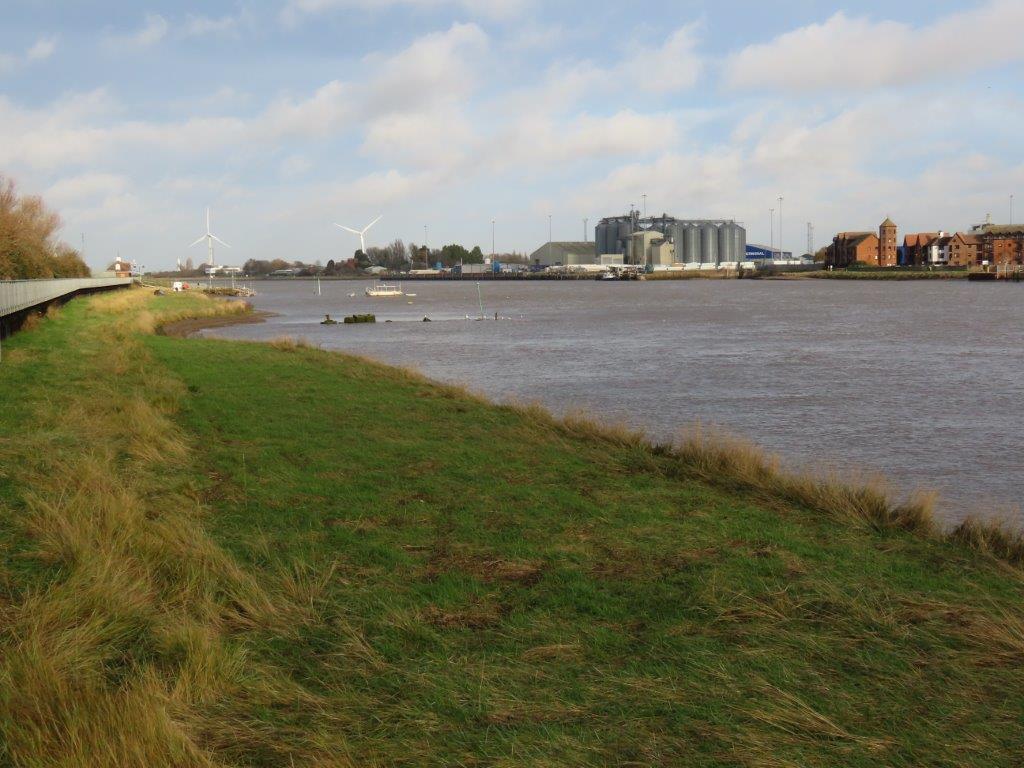
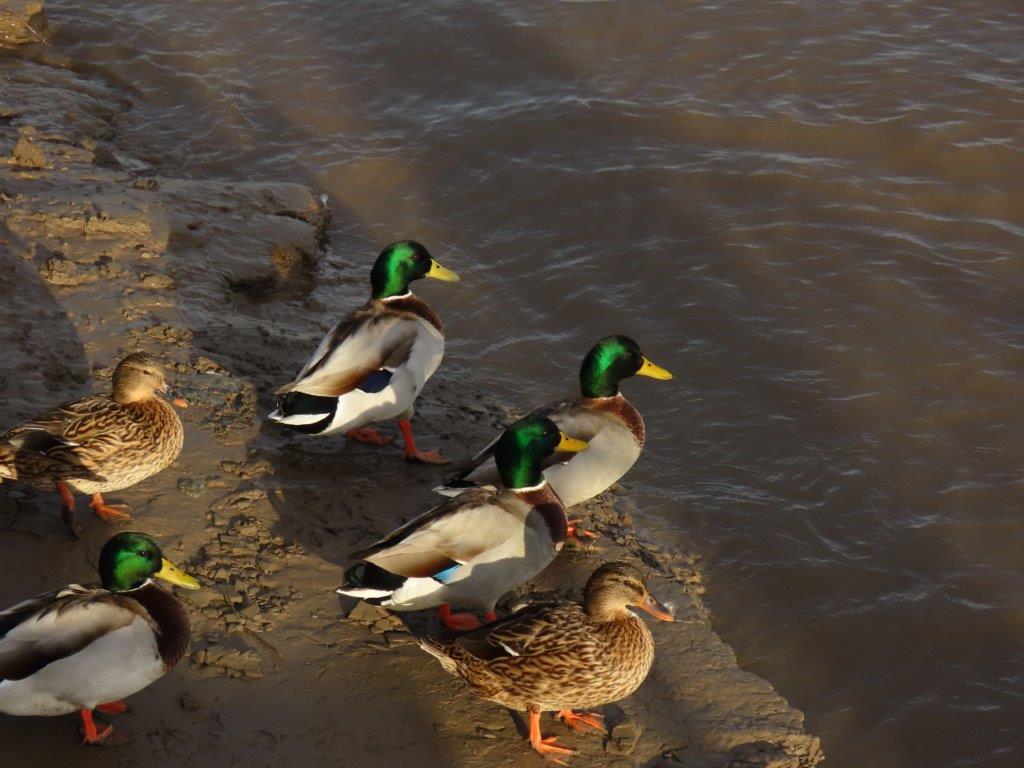
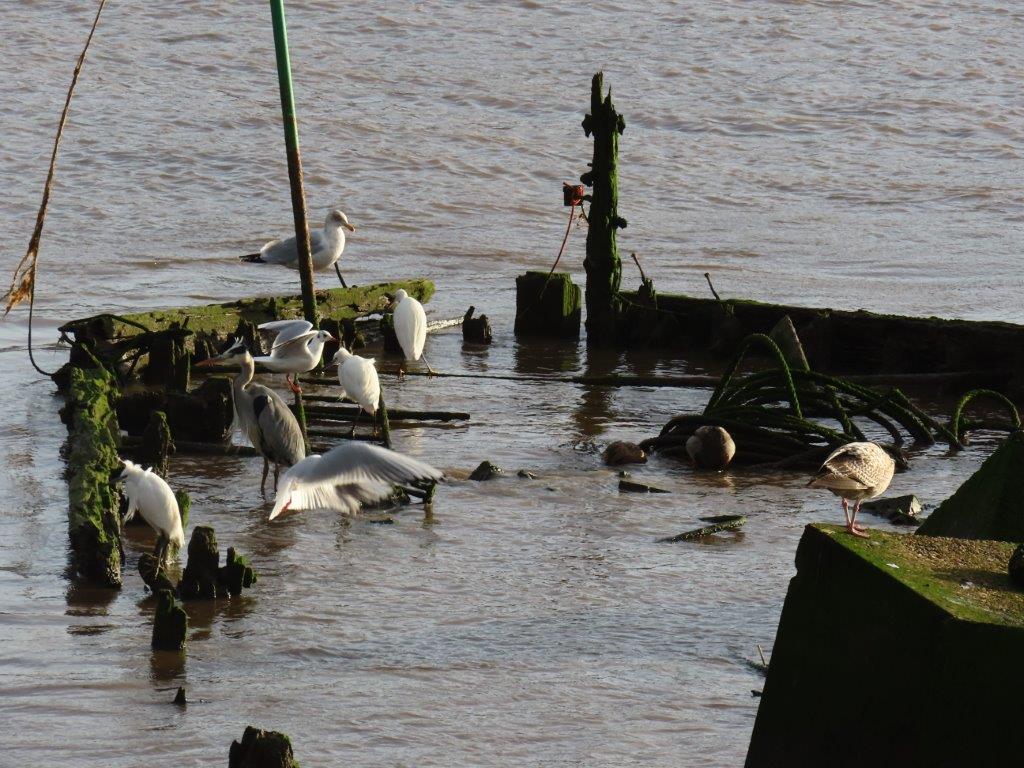
And of course to give due regard to the local birdlife…
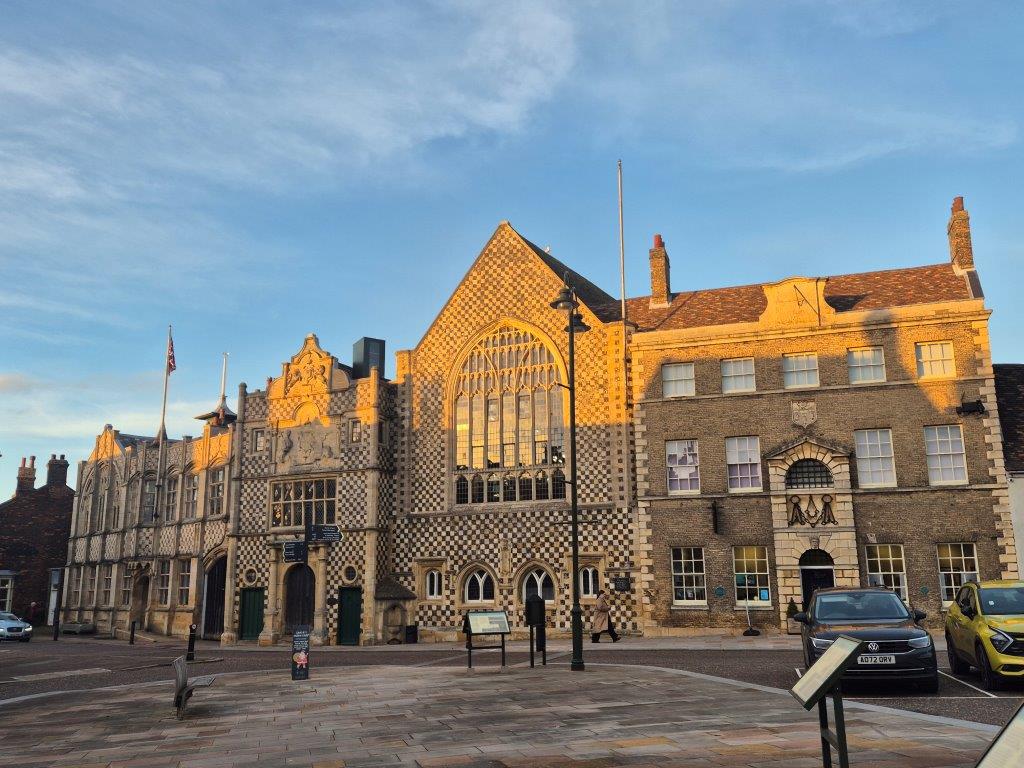
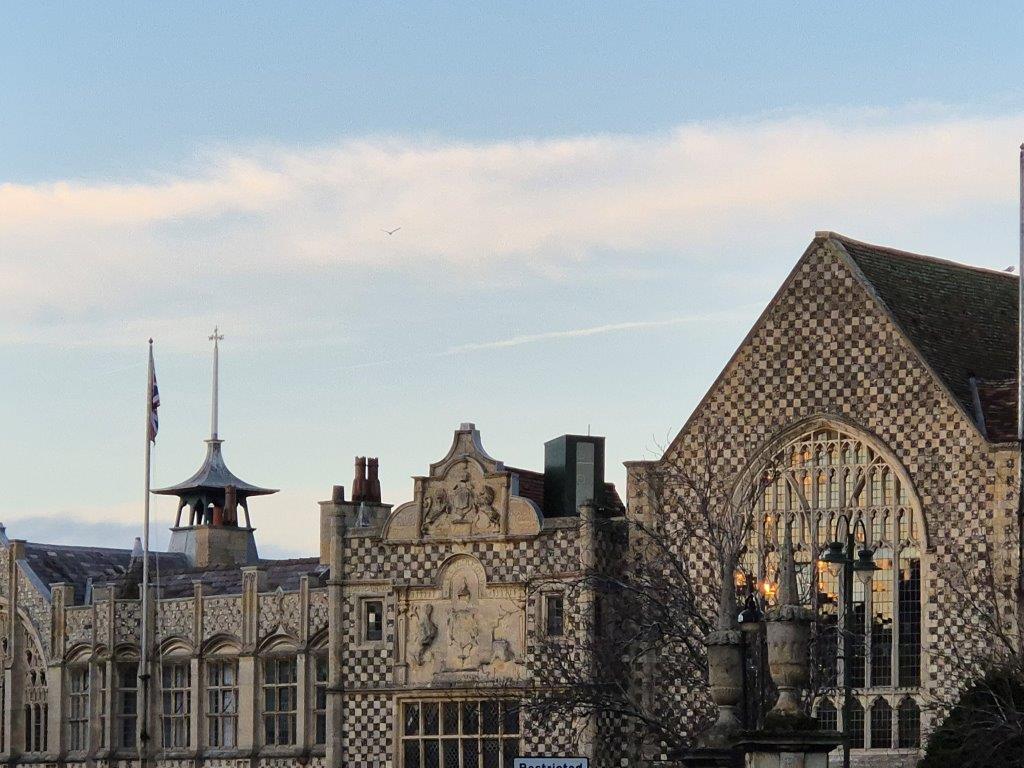
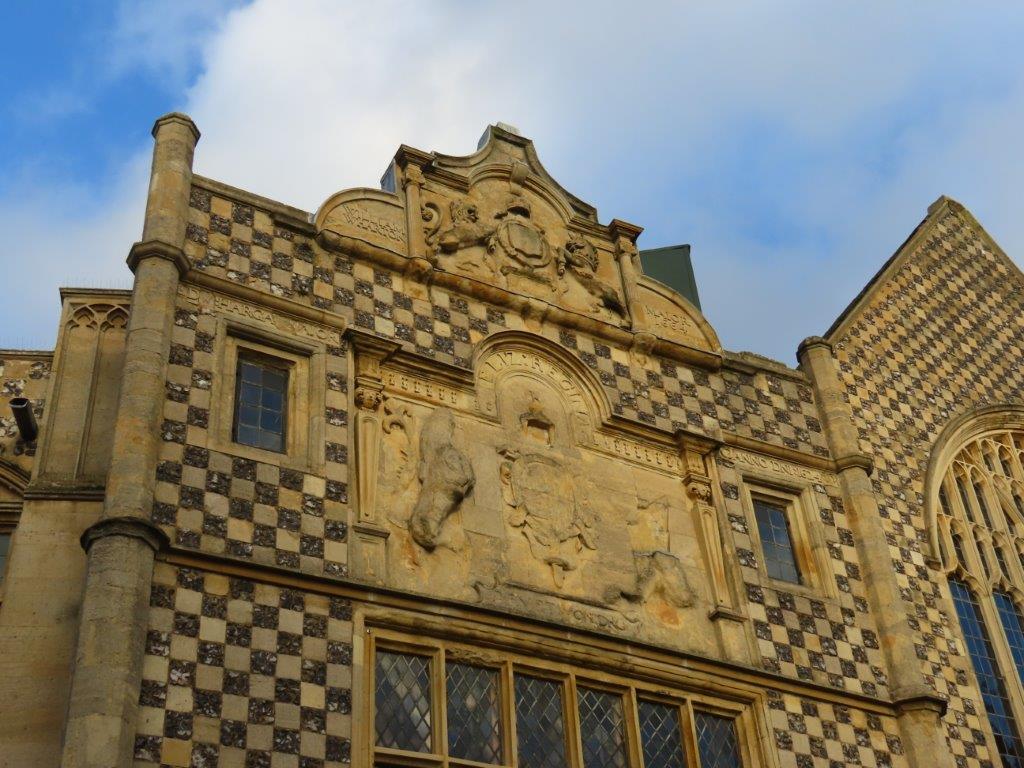
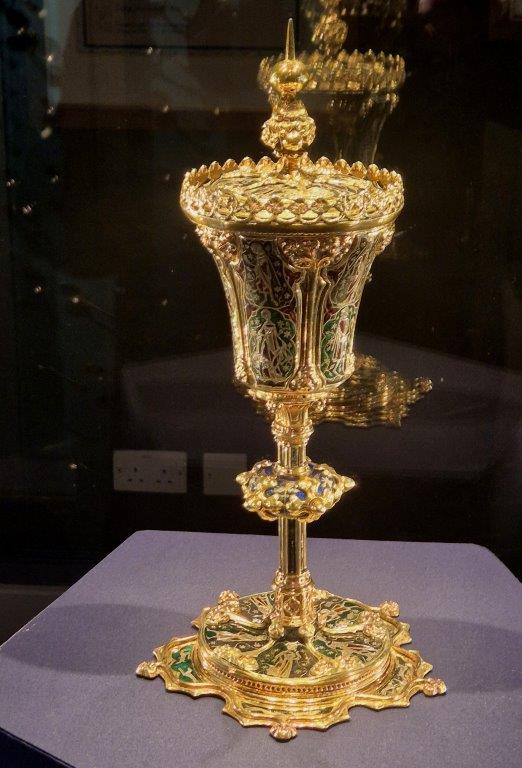
Turning to a bit of culture we visited two of the museums. First there was ‘Stories of Lynn’ in the Trinity Guildhall, Old Gaol House and Town Hall. A magnificent setting, and interesting exhibits on crime and punishment, tales of maritime trade and exploration, and the (faintly ridiculous) opulence of the civic worthies, including robes, regalia and the ‘King John Cup’.
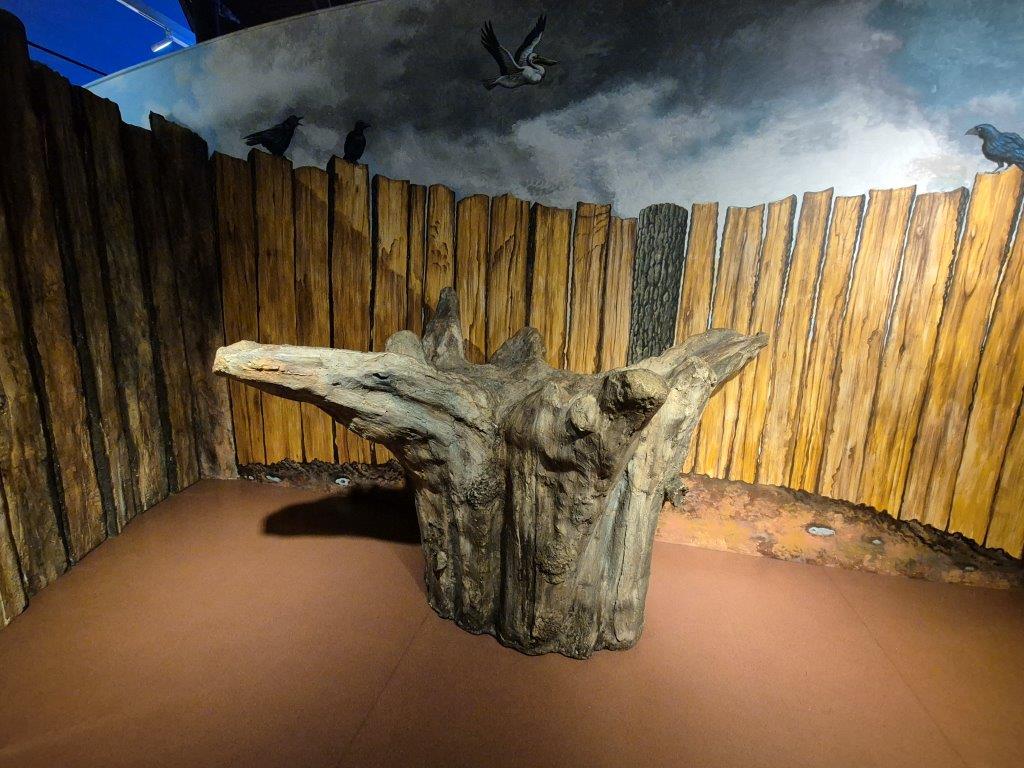
The Lynn Museum, more modestly set in a repurposed Baptist Chapel held a wonderful display of Seahenge, which gave up its secrets from an eroding coast nearby in 1998, with original preserved timbers and an evocative recreation of the in situ original. And rather incongruously alongside a large display of Star Wars memorabilia…
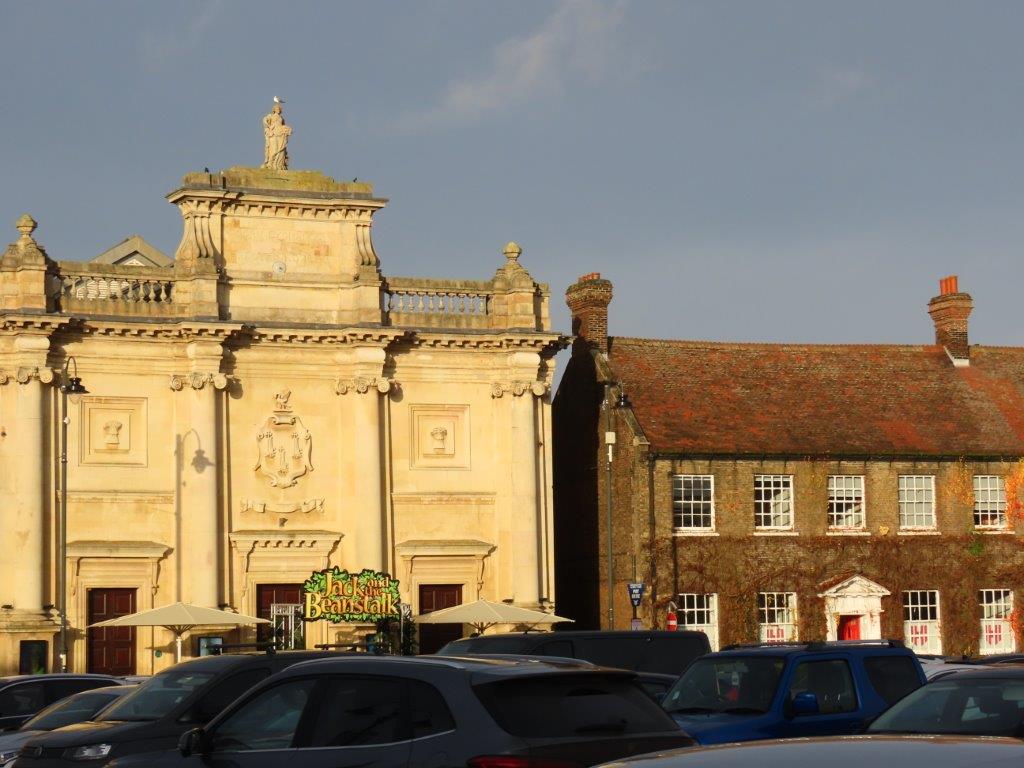
Add to these a whole raft of other monumental historic buildings of varying ages from library, to chapels, cinema and the Corn Exchange and you start to get a feel of just how important this now ‘end-of-the-line’ town used to be:
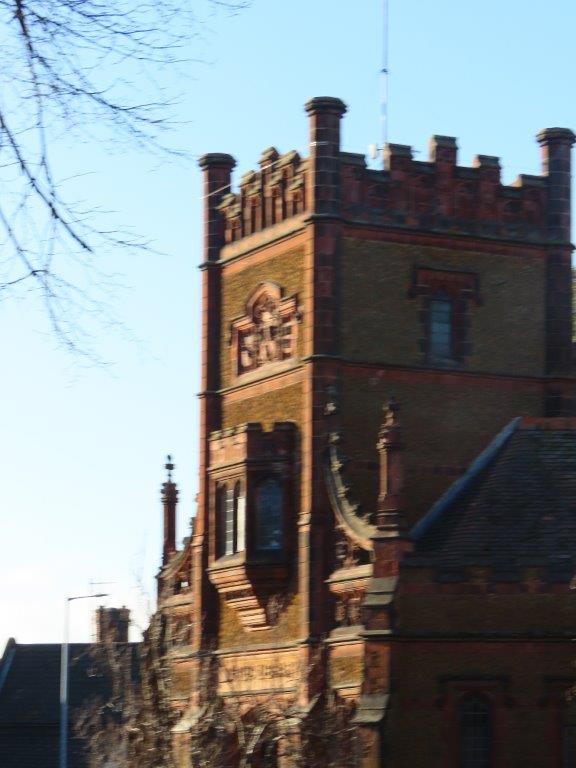
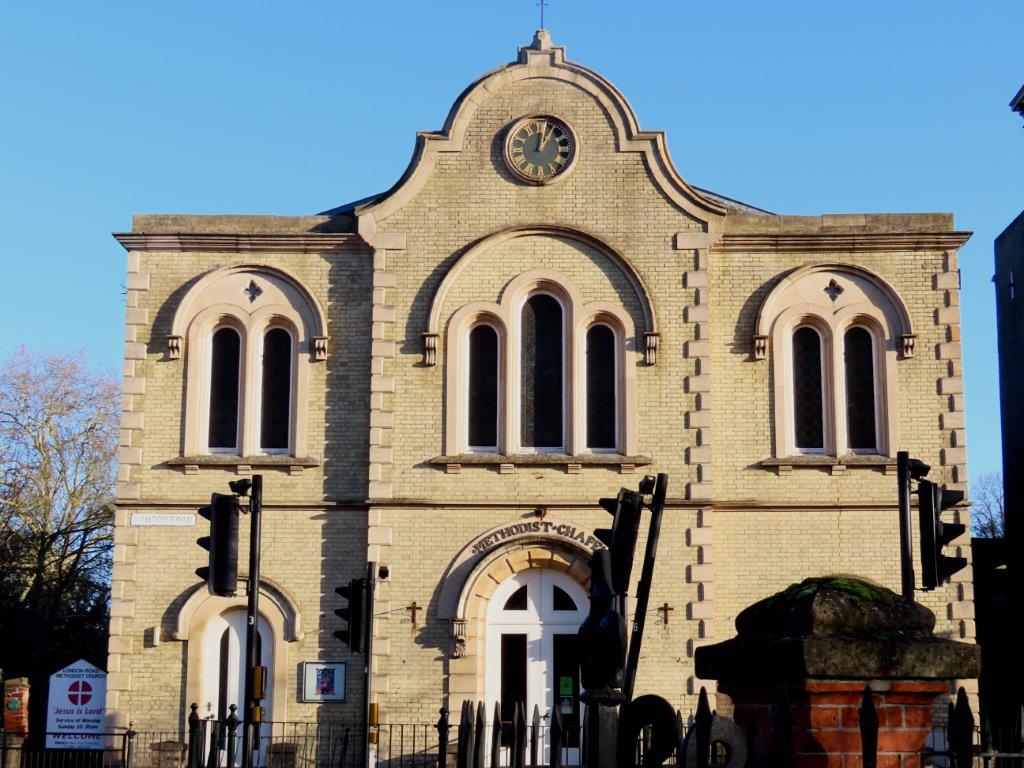
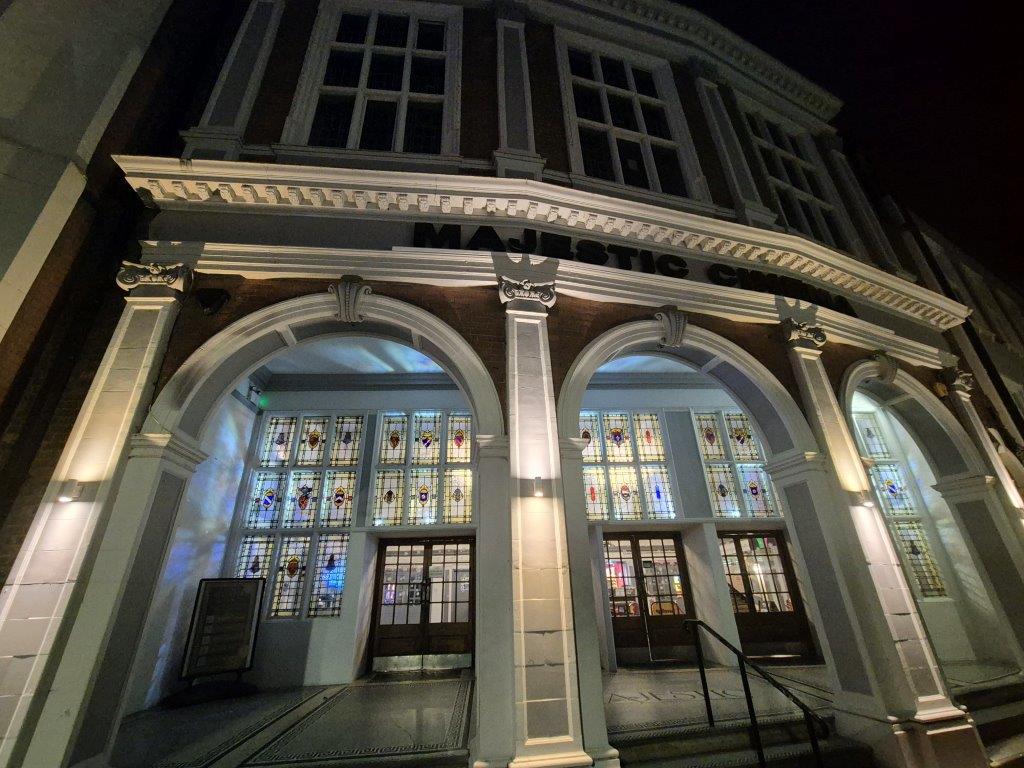
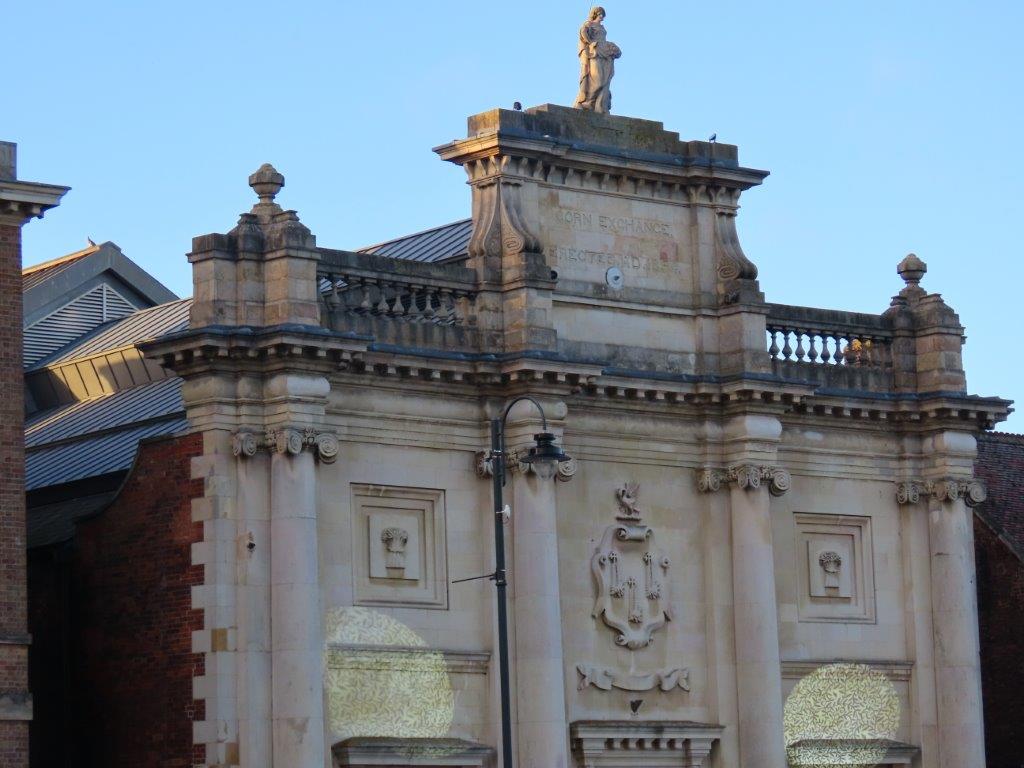
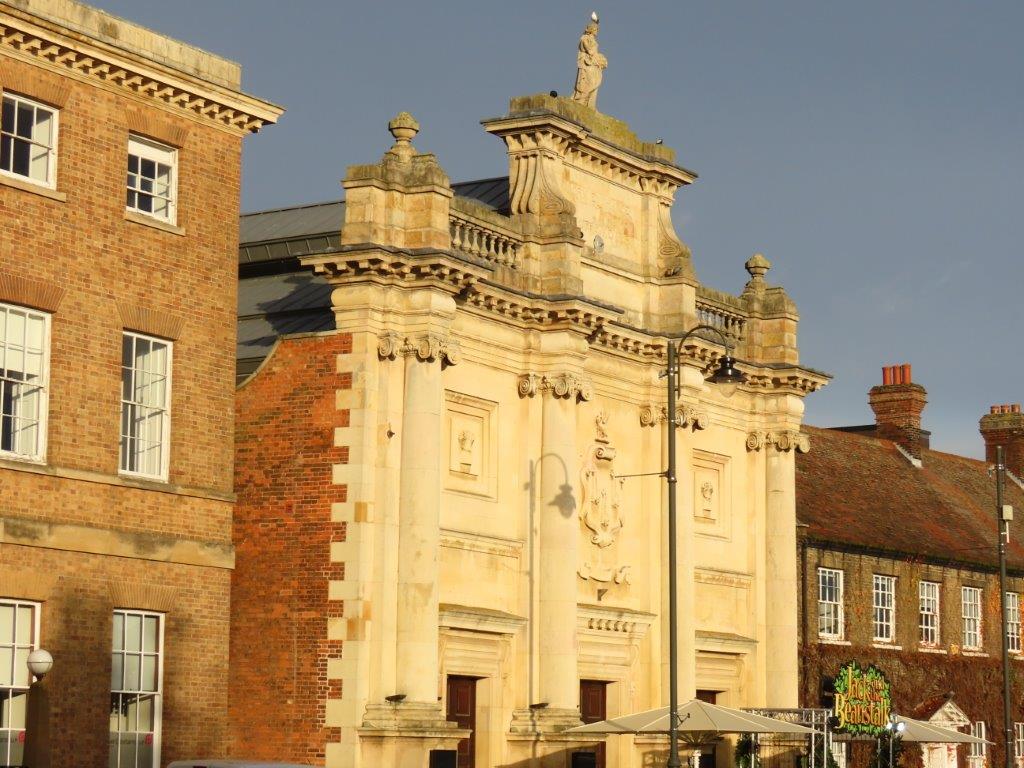
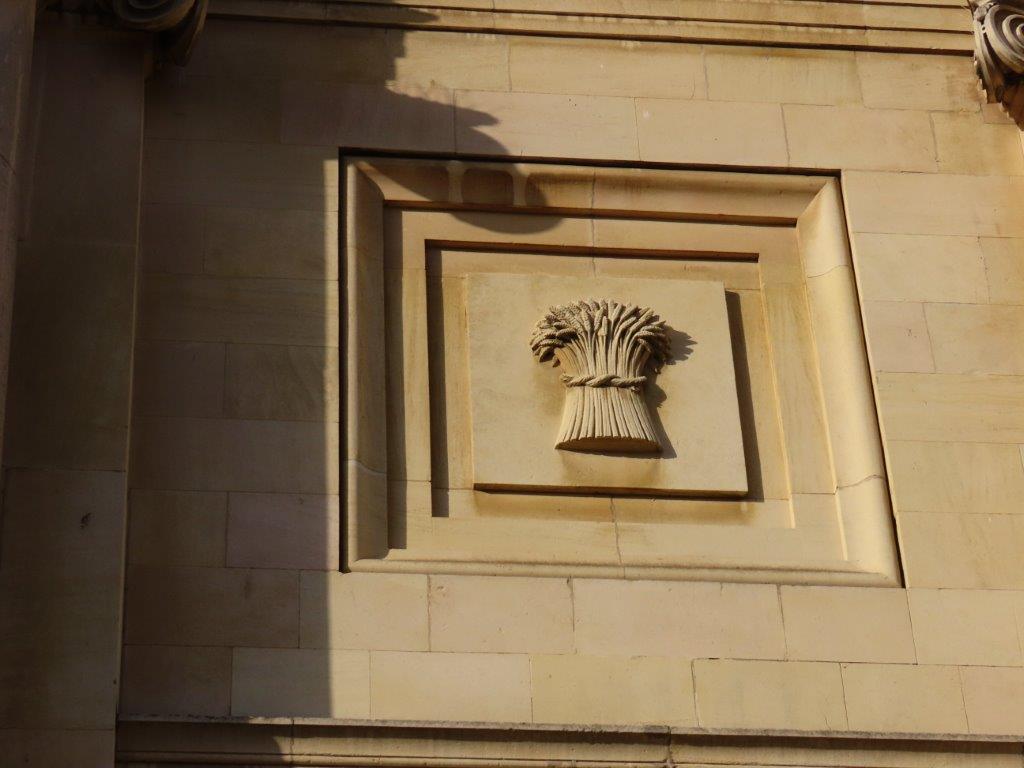
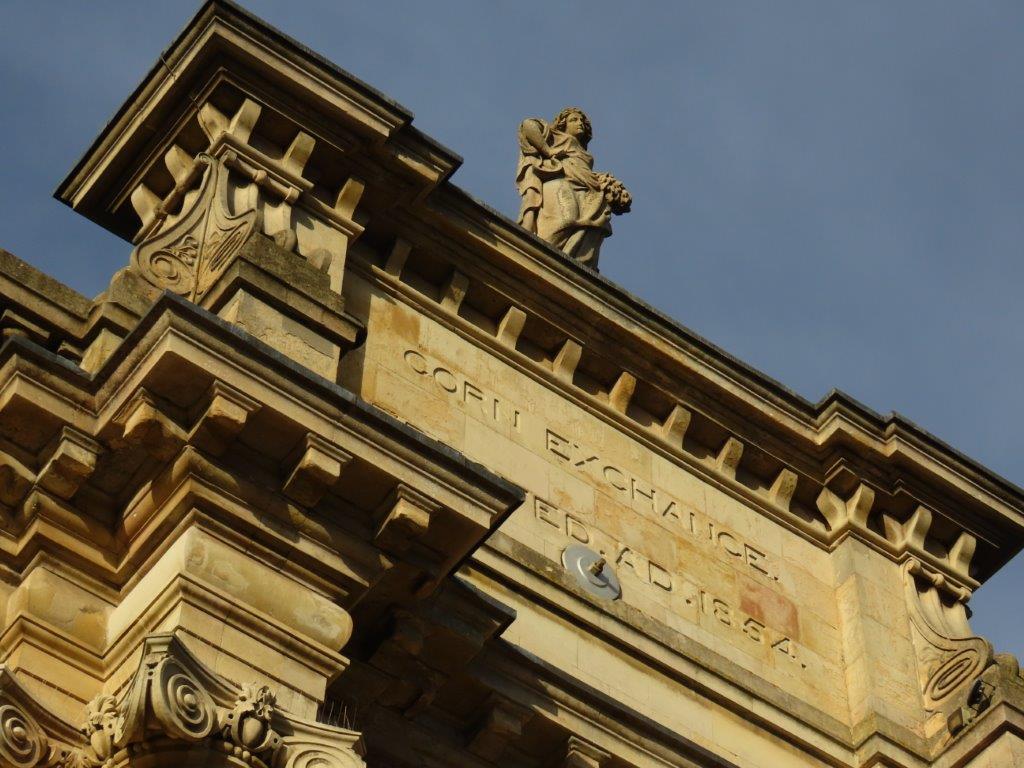
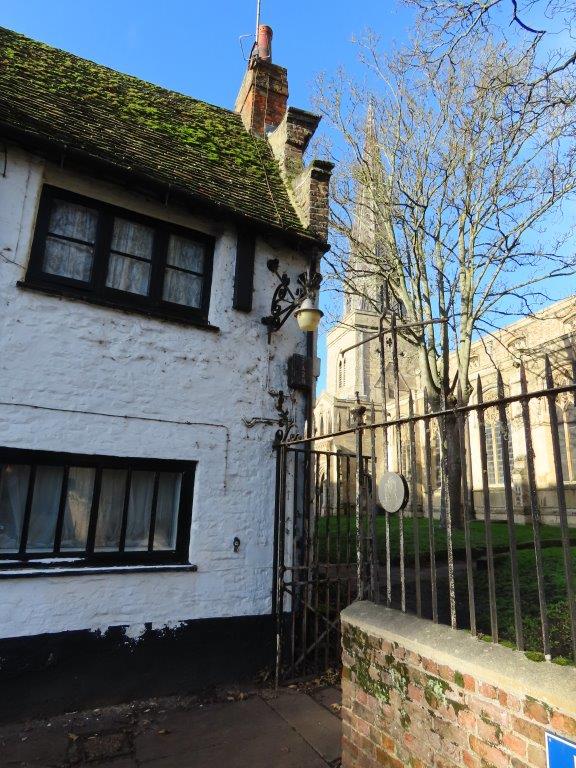
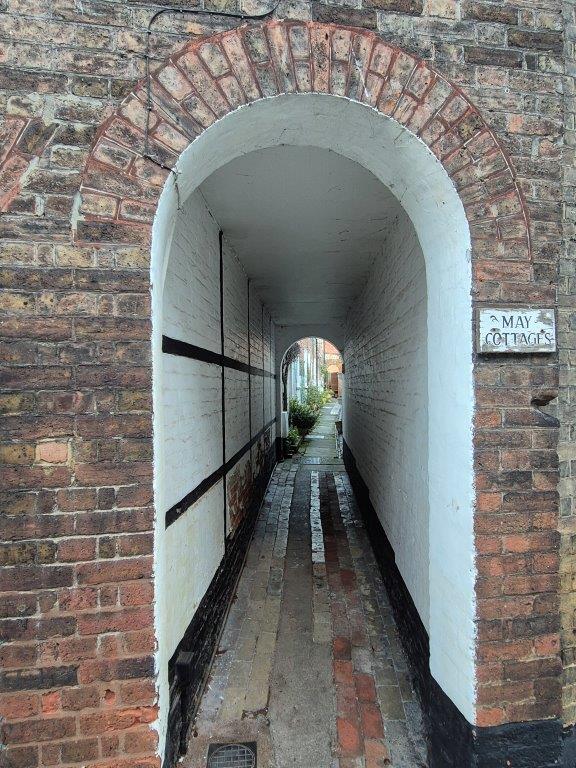
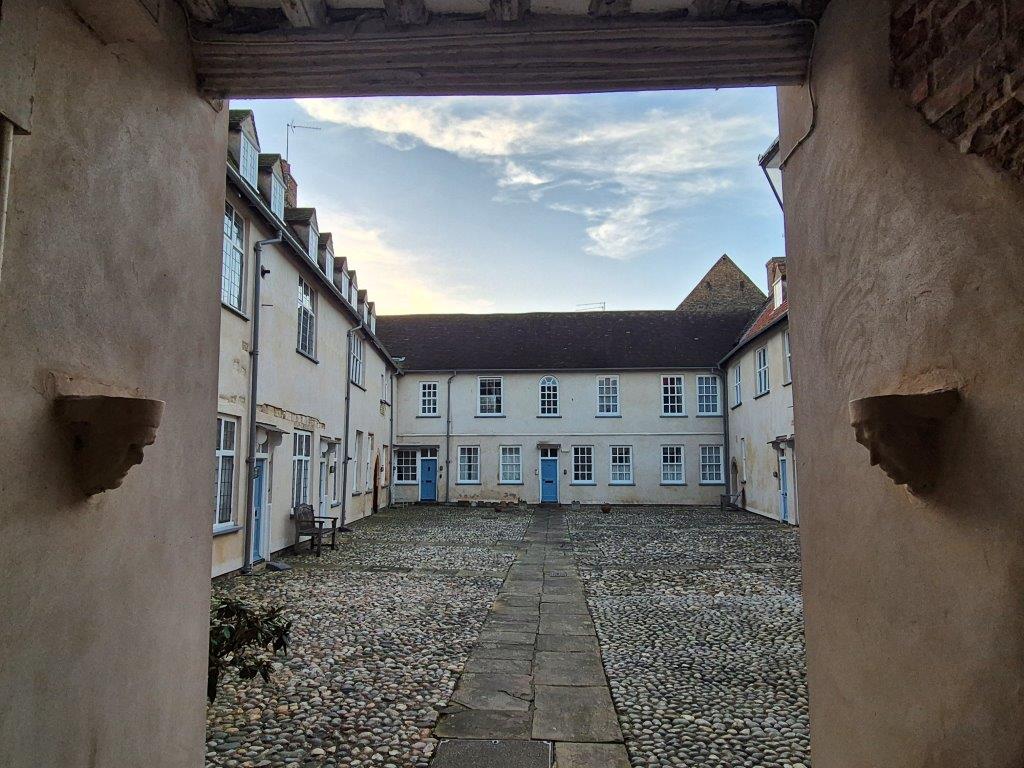
But even more evocative were the ‘normal’ domestic dwellings and streetscenes, vistas large and small, many benefiting from a substantially pedestrianised town centre.
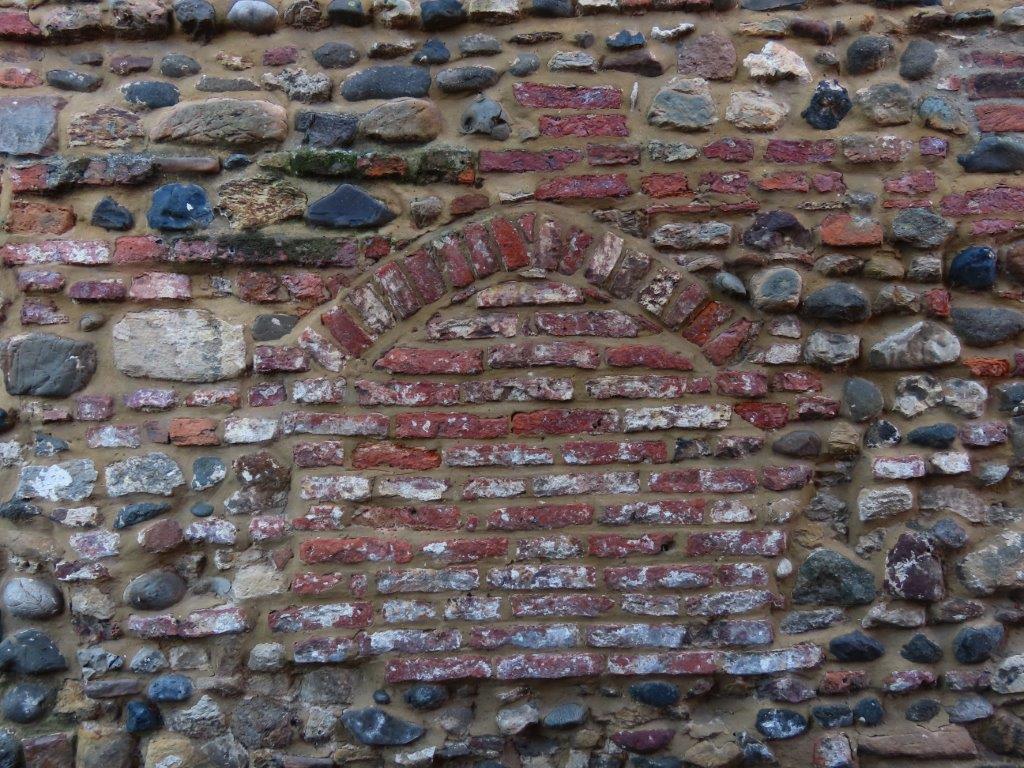
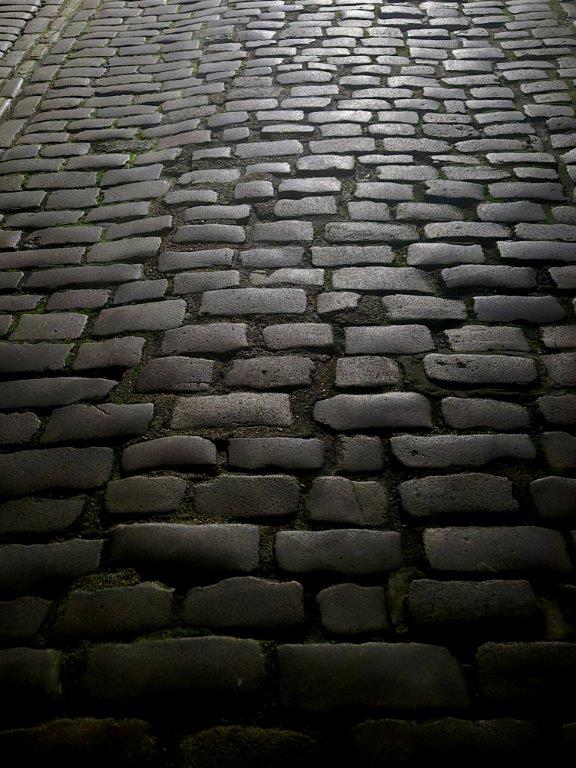
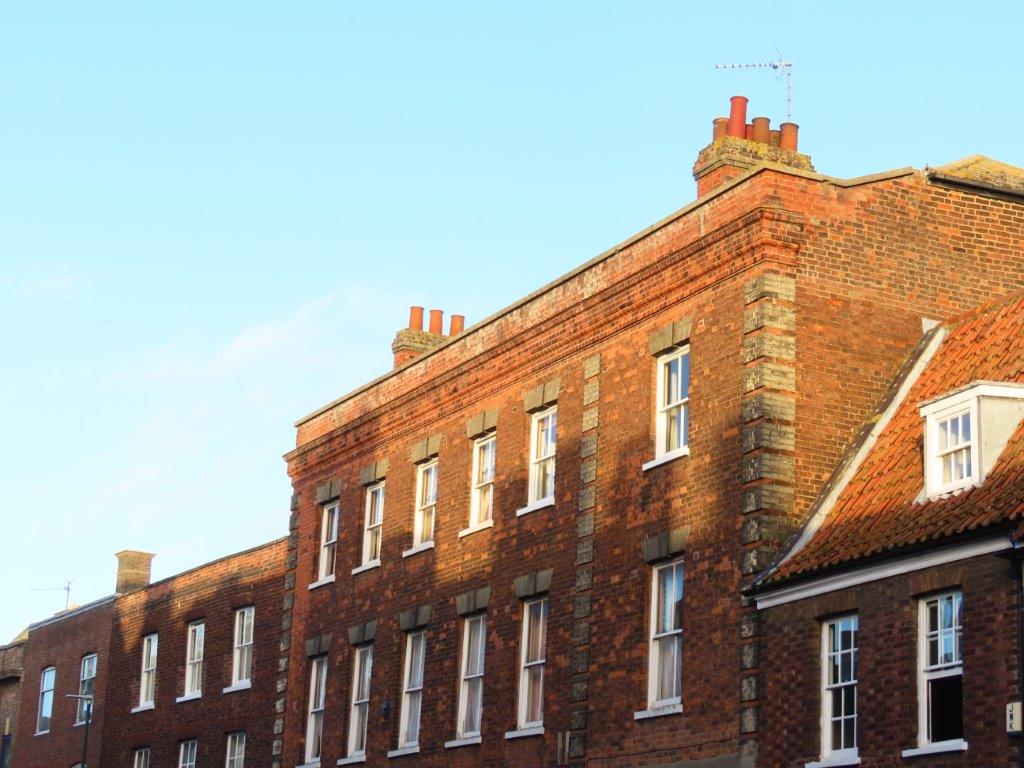
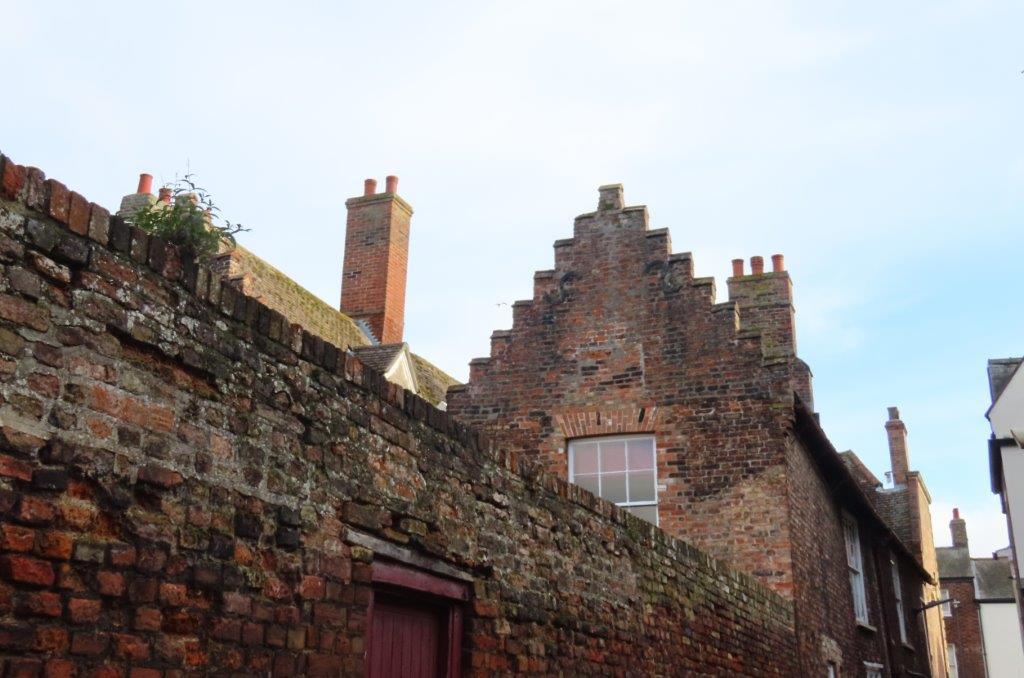
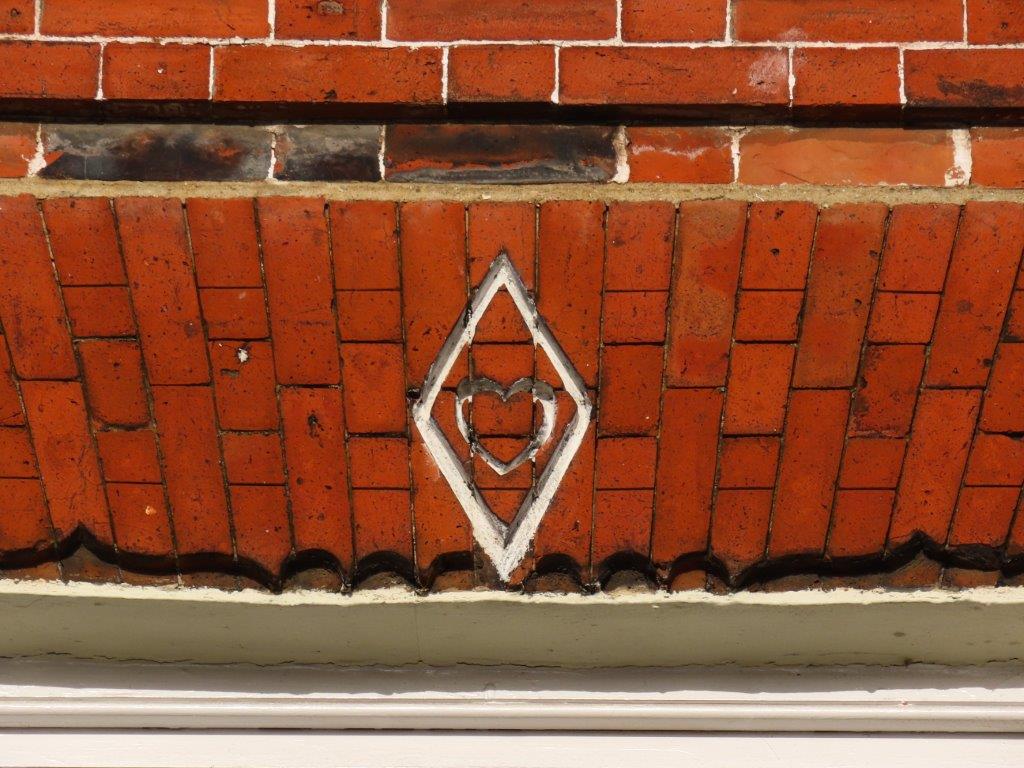
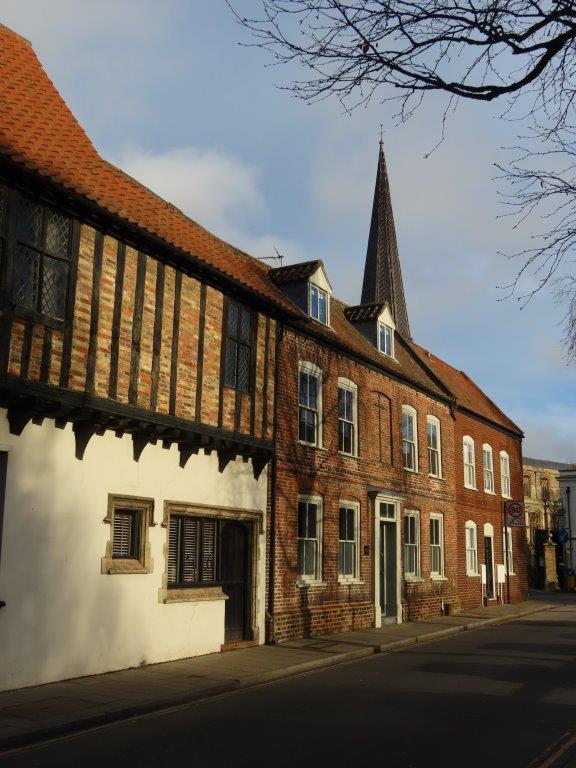
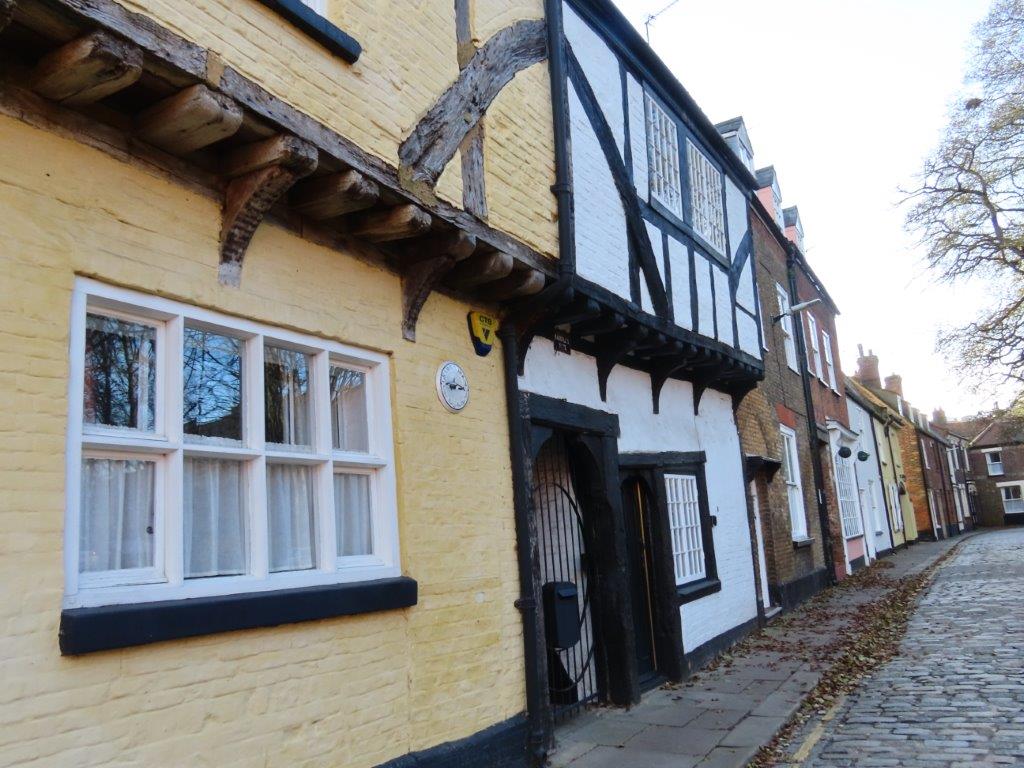
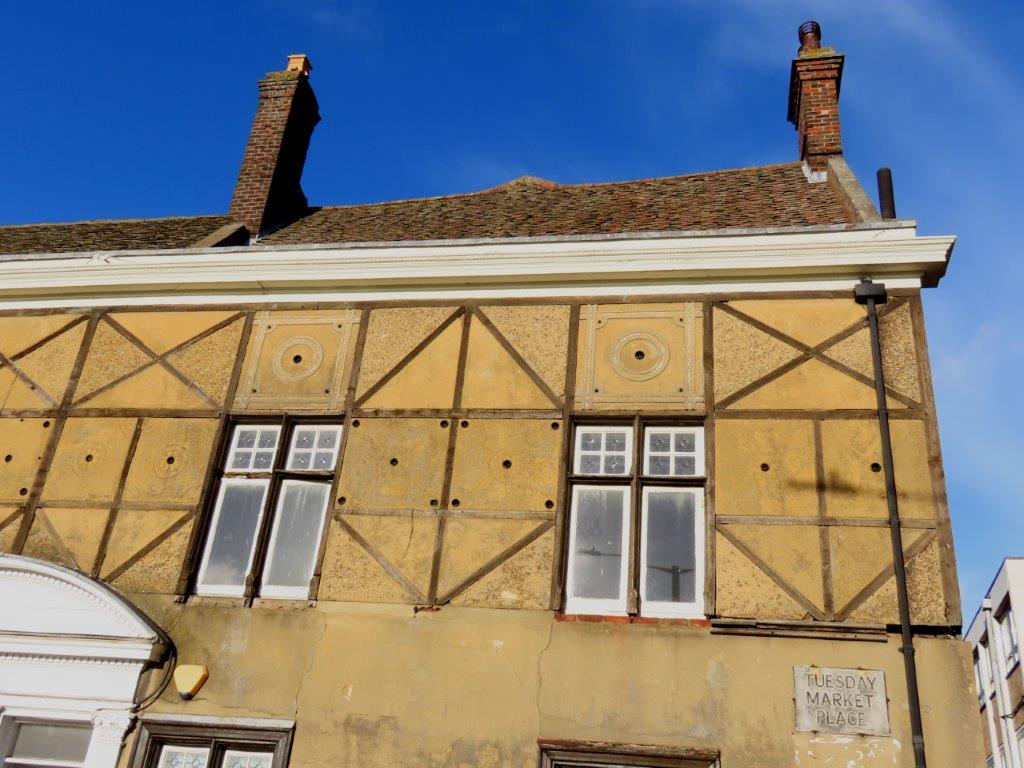
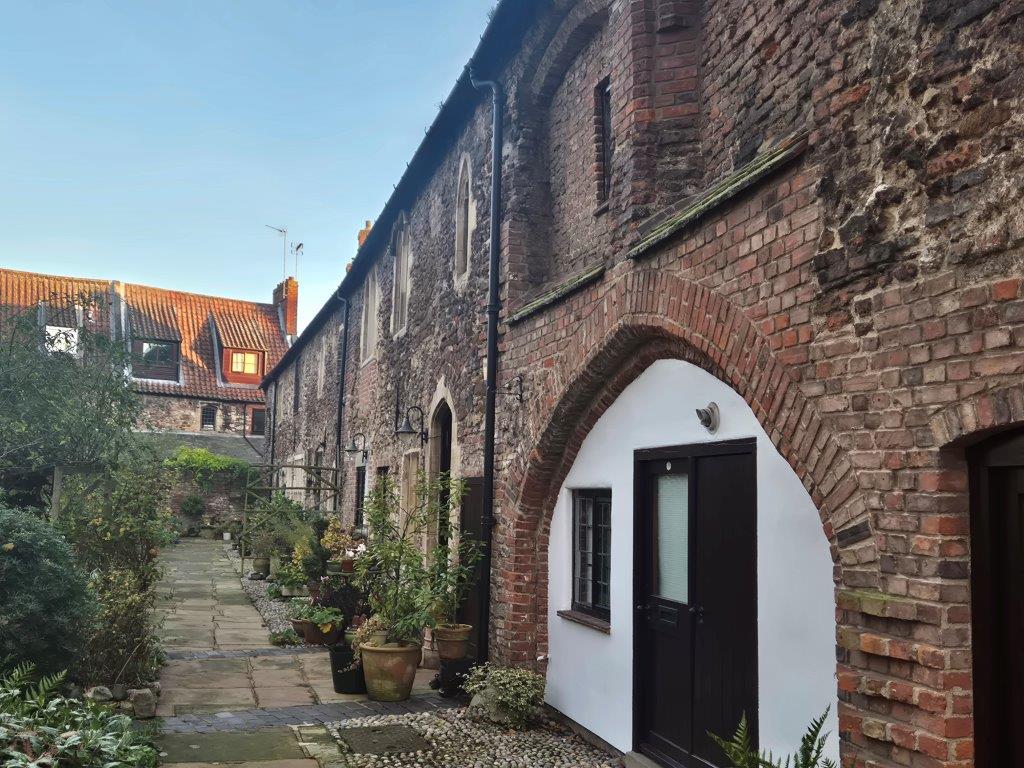
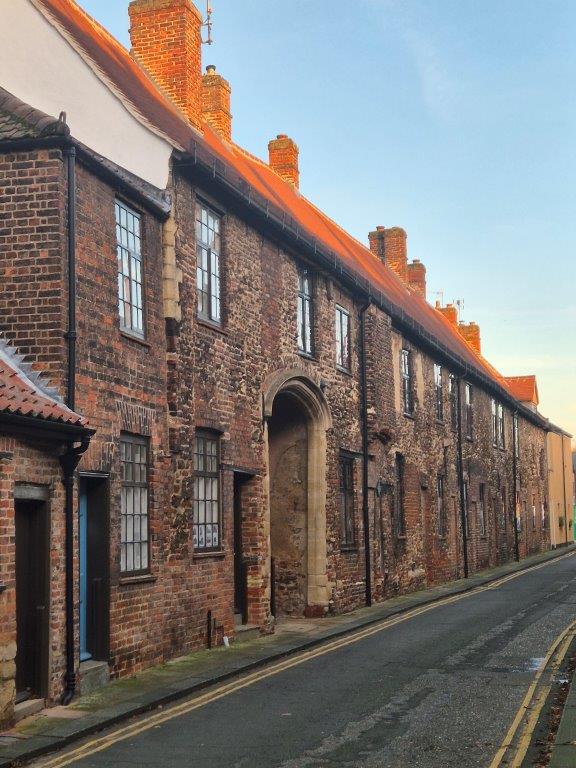
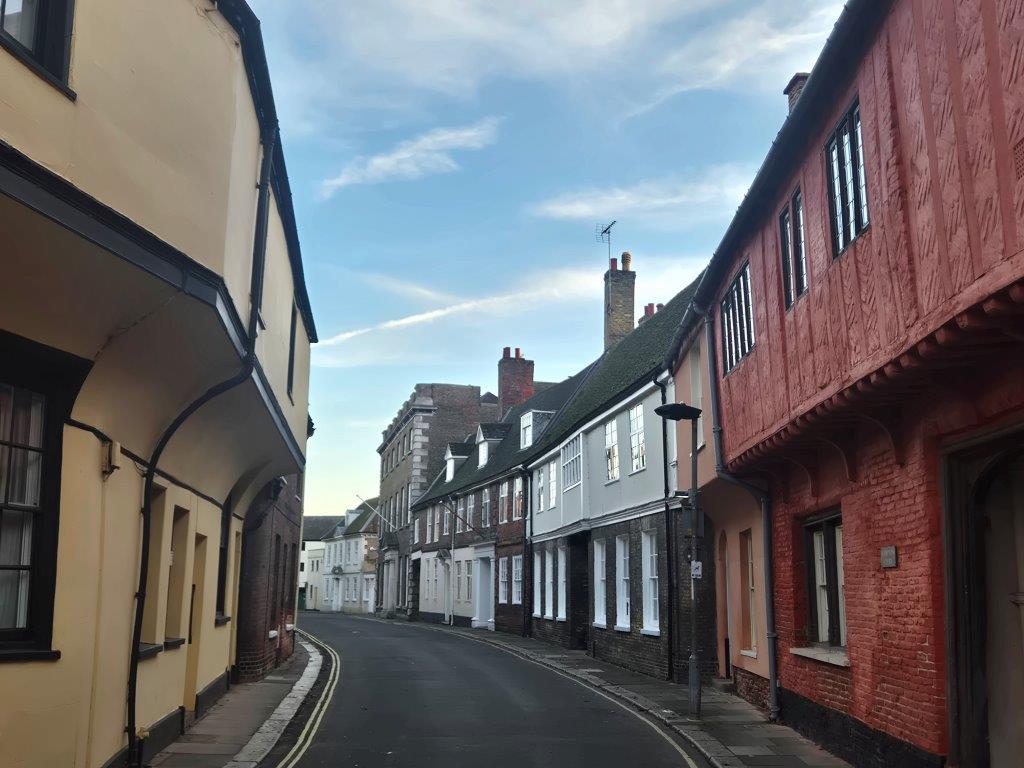
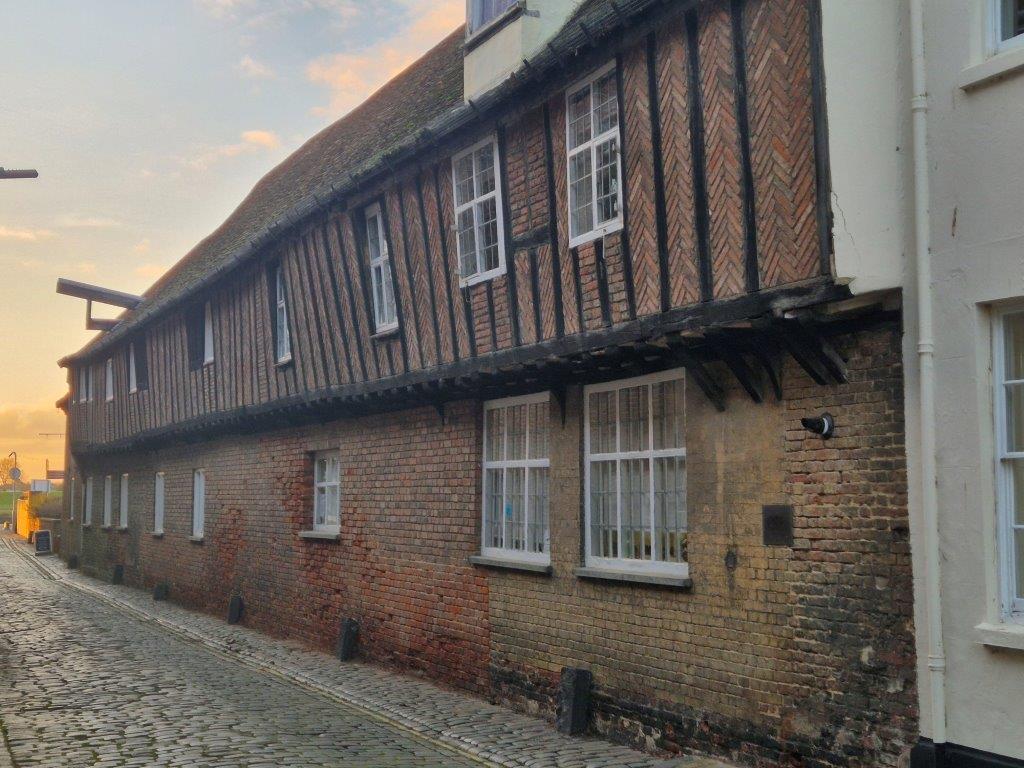
The town also has two market squares, one for Tuesdays, the other Saturdays. Those markets still operate but on days when they are not operating, it seems they are used for parking. And really the larger Tuesday Market Place when filled with cars detracts hugely from the otherwise exemplary historic ambience.
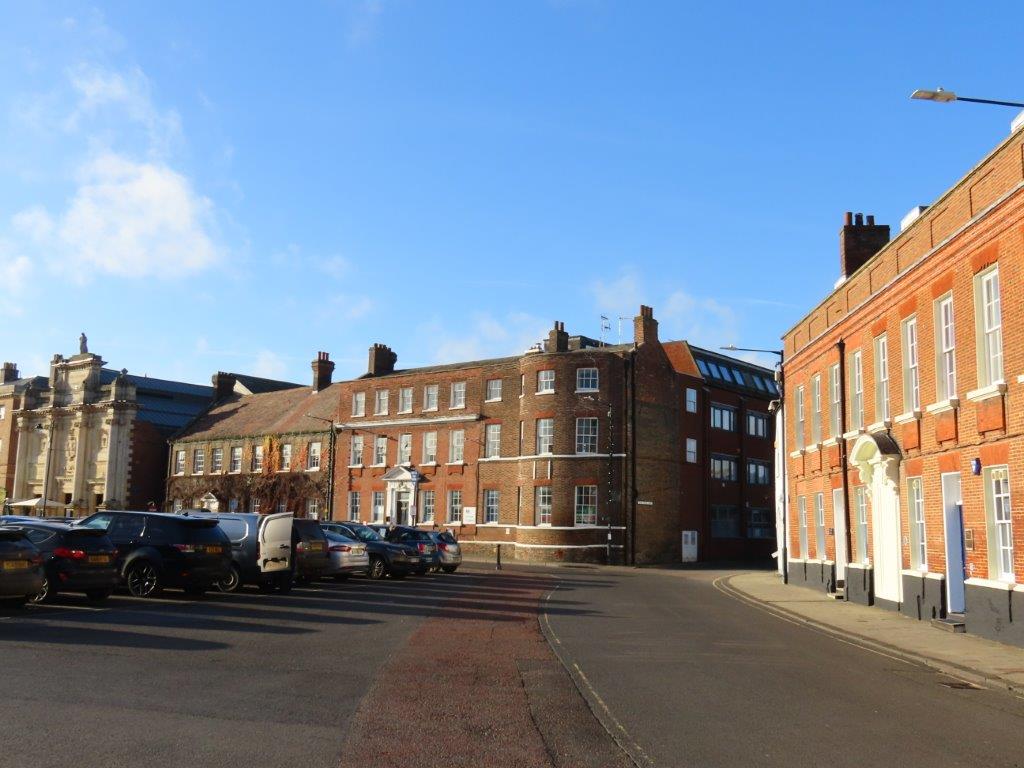
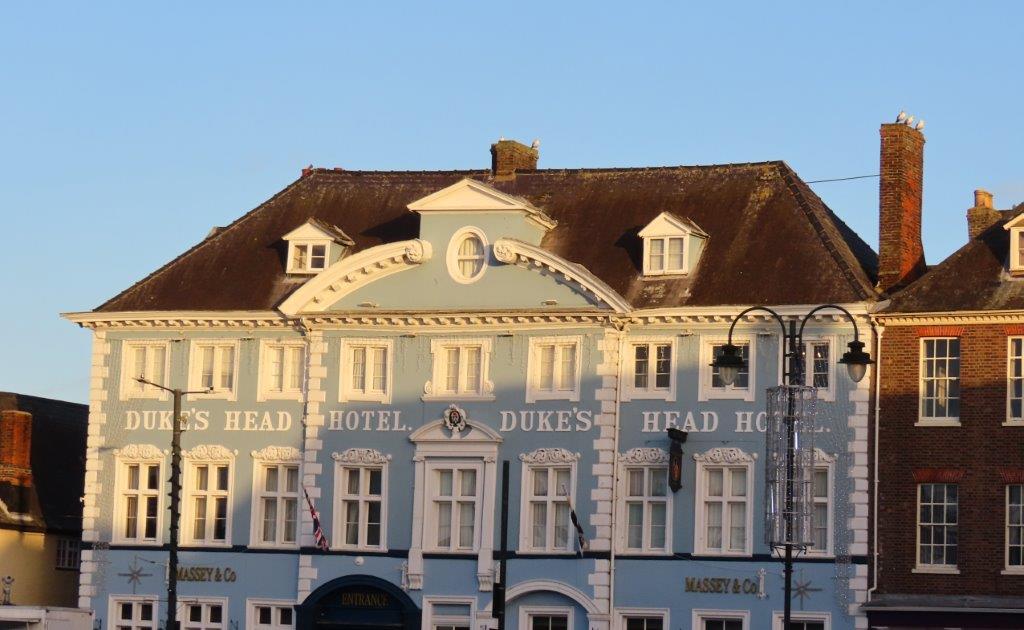
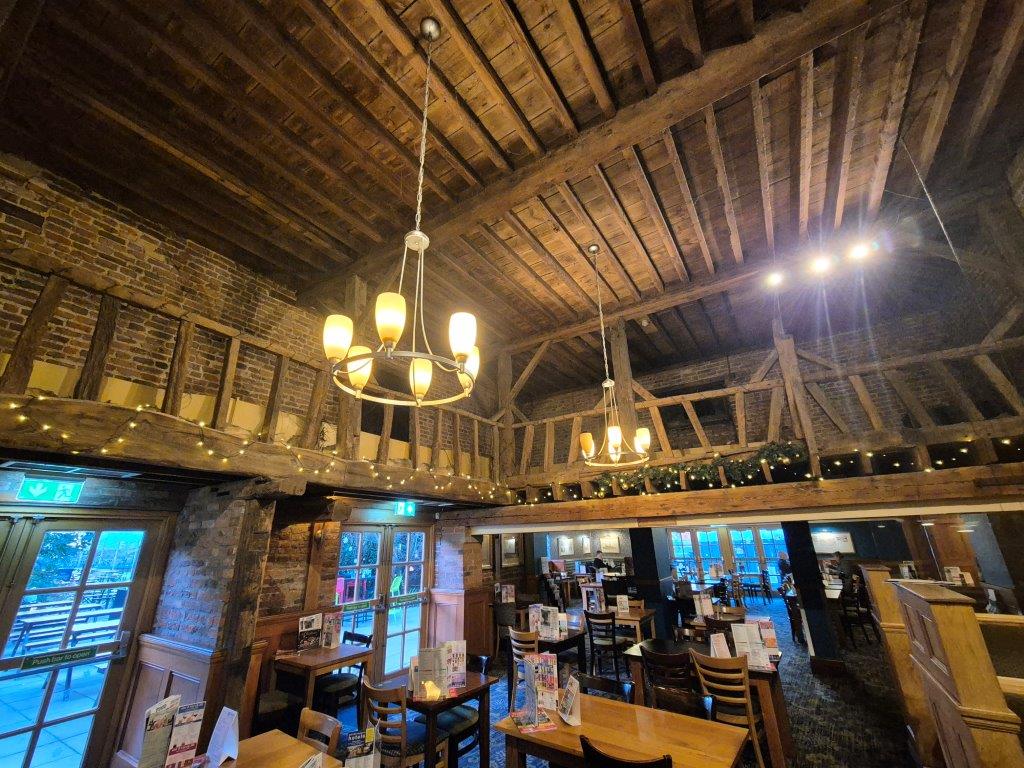
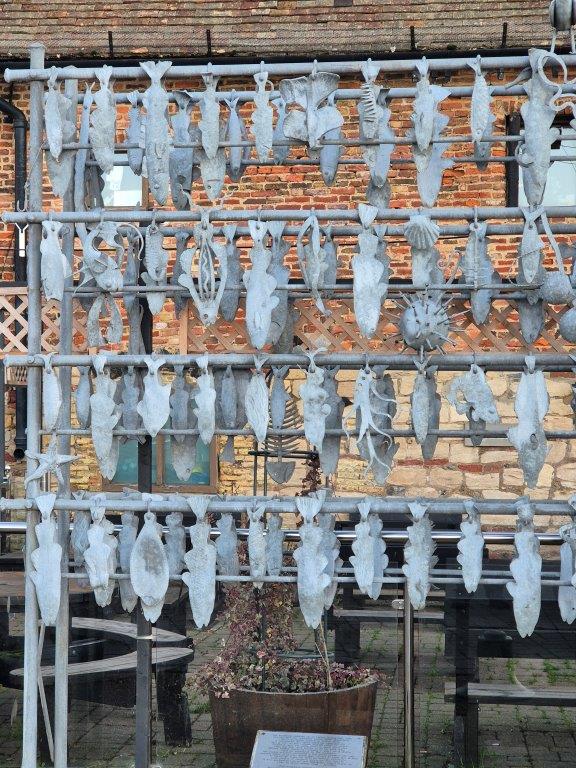
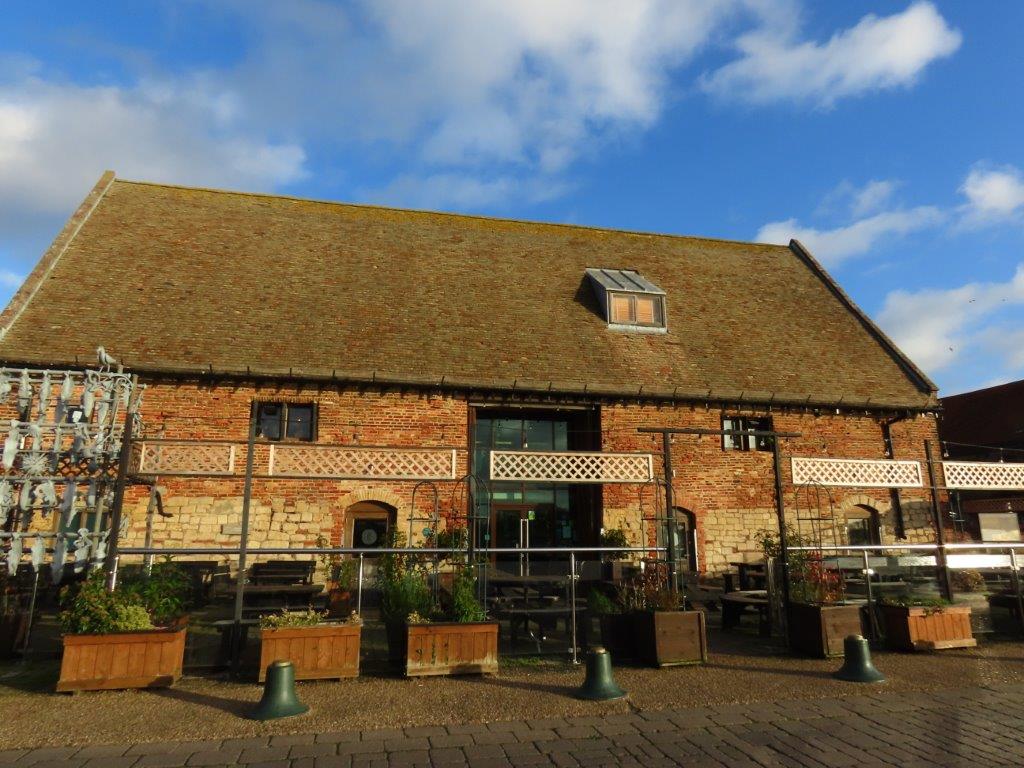
In fact our hotel, the very comfortable, palatial Duke’s Head Hotel looked onto that square; for once we didn’t feel too aggrieved to realise our room overlooked the bins! Also on the square was the Globe Hotel (perhaps named after the adjacent St George’s Guildhall in which Shakespeare is recorded as having played). Now the Globe, an old coaching inn, is a vast Wetherspoon’s, its deepest corners set charmingly below rustic galleries. And finally, another repurposed historic gem, back on the waterfront, was Marriott’s Warehouse, the lower parts of its walls of stone, not brick, to resist tidal flooding. Now a restaurant with a distinctly seafood flavour, it was there we finished our two day day stay with the very best meal of our holiday!
***************************************************************************************
This brings to a close our second year of taking a short break of between one and six nights at least once a month, all using public transport only. It has been a wonderful experience, proving to us we can explore remarkable places without killing the planet. It all started as a way of celebrating reaching our respective 65th years. And now? Well, we plan to continue, especially with a whole new stratum of places accessible to us as our bus-passes come into play!