Blog Archives: Eleanor’s photos

Back to my Yorkshire roots: Bridlington & York

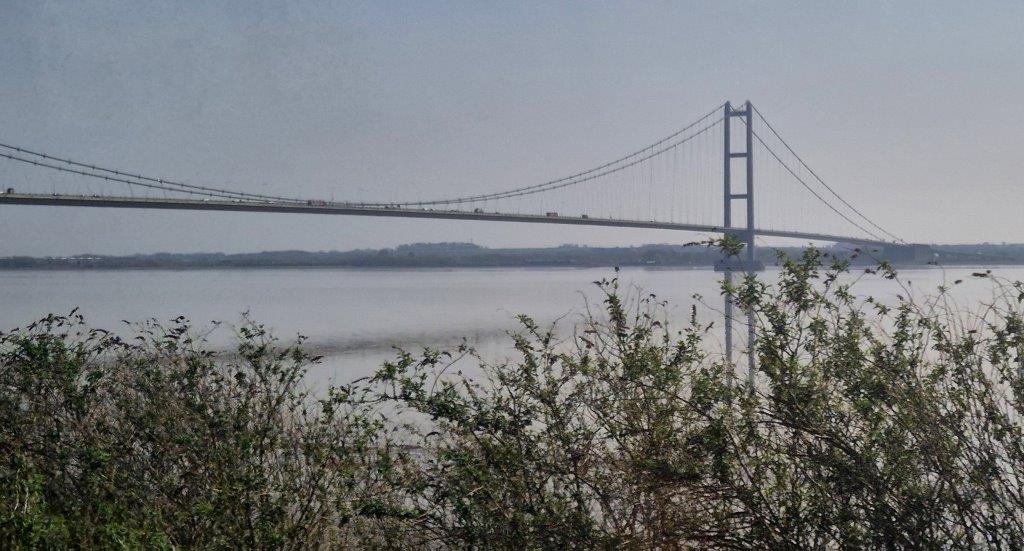
For some time now, Eleanor has been asking if ‘we can go to see where Papa grew up’, so for our April short break it was off to Yorkshire. The hottest day of April for many years was our travel day: the trains were busy but blue skies made for some lovely sights, from King’s Cross to Ally Pally to Peterborough Cathedral to the Humber Bridge…

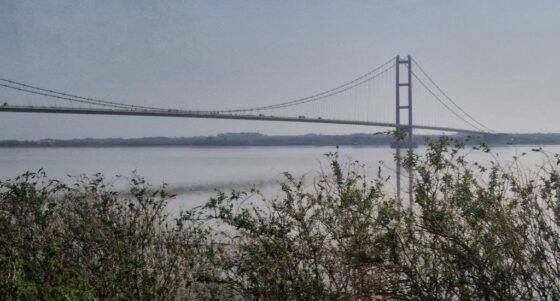
After changing trains in Hull, I really started to notice the differences from my youth. It is more than a decade since I have visited the area, and more like half a century since I resided here for more than a day or two, so to see Red Kites and Buzzards as we crossed the plains of Holderness was to me remarkable. And the number of Roe Deer grazing the open fields … never were they the stuff of my childhood. But as for Brid itself, it was reassuringly familiar. Horrifyingly familiar. Such is the bittersweet recollection of times past!
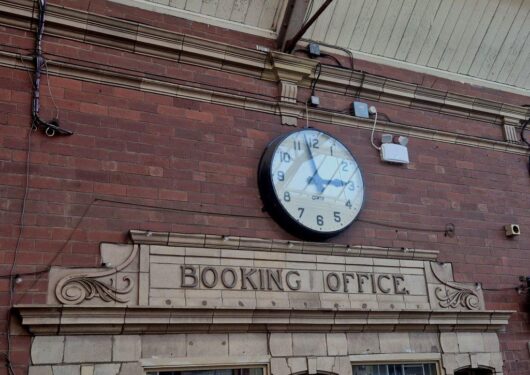
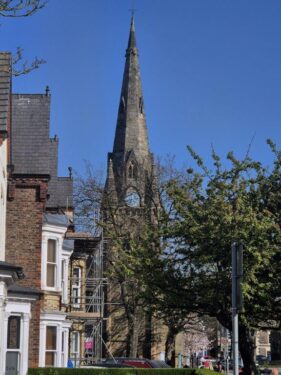
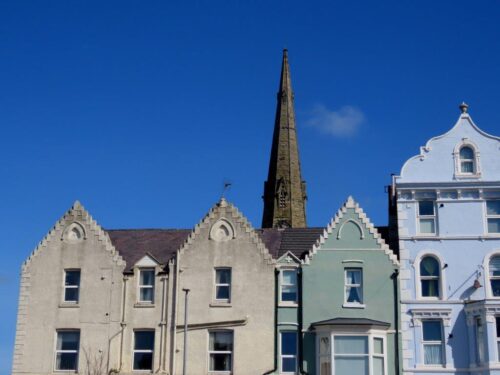
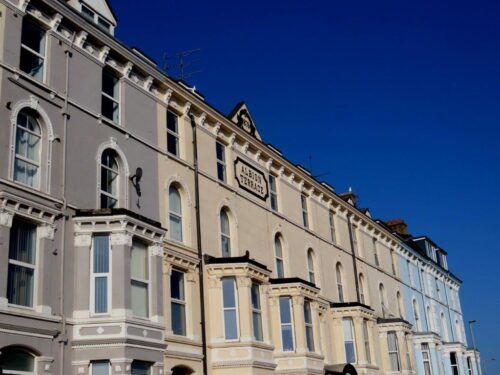
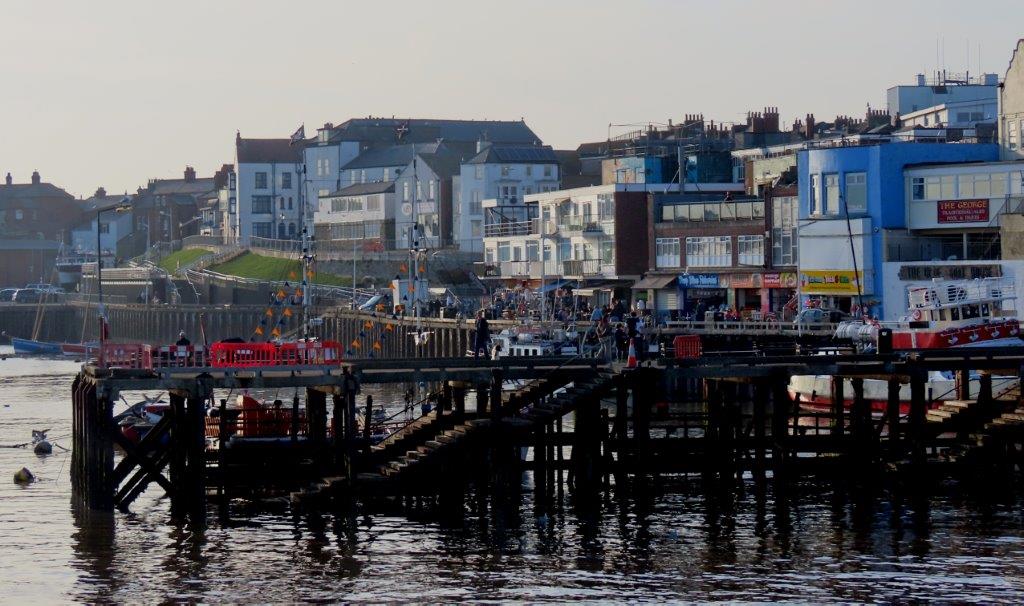
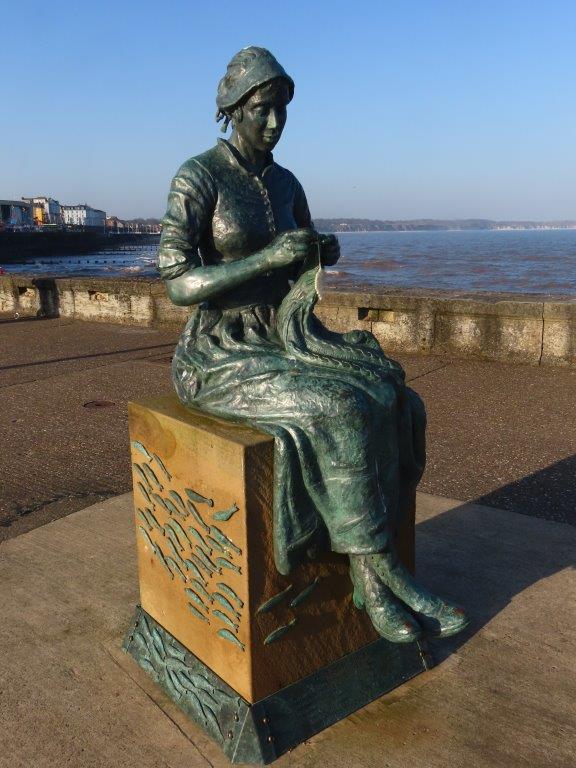
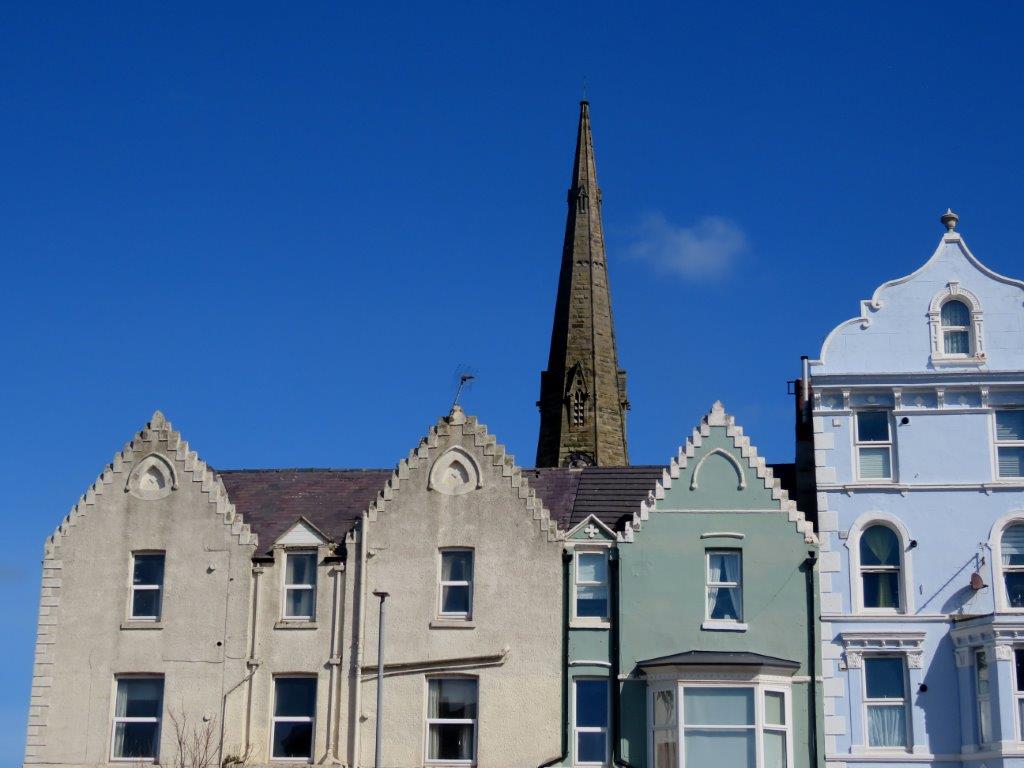
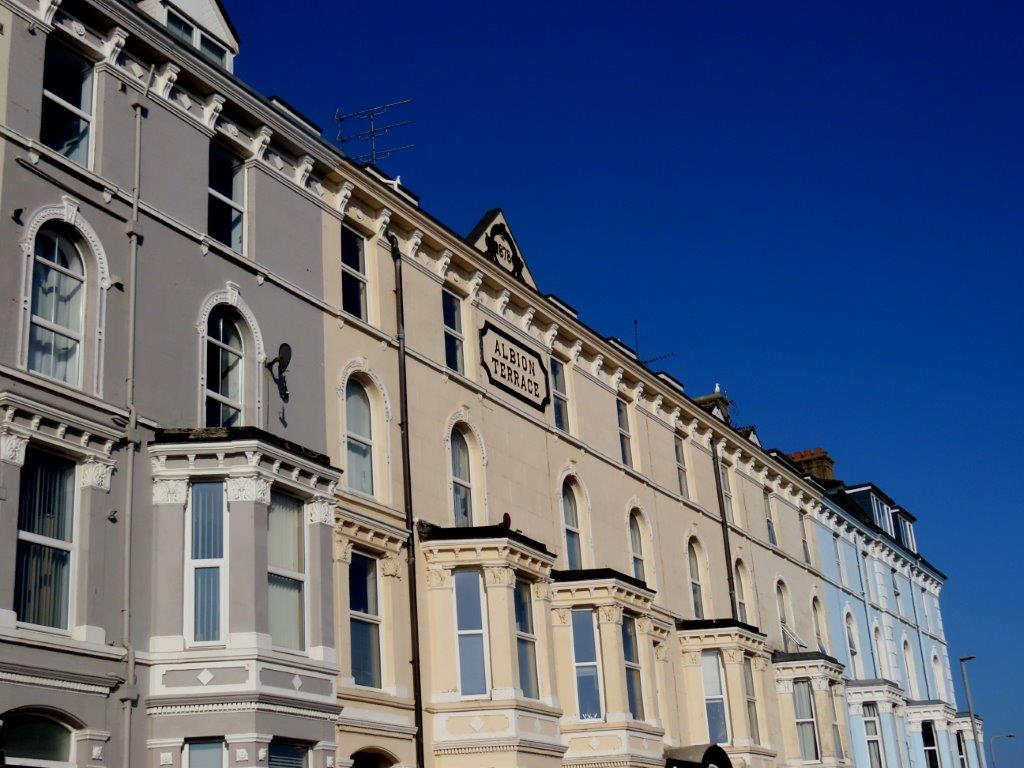
All the sights were still there: the harbour, the boats, the promenade, the churches, the guesthouses and the crowds…
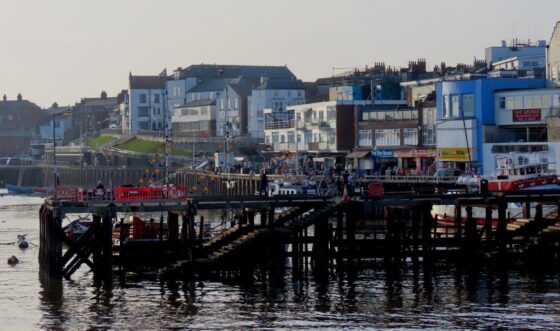
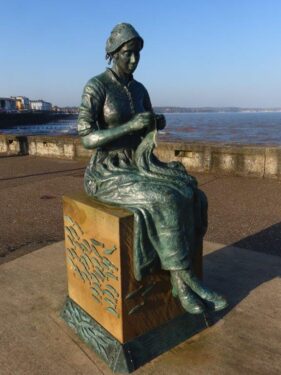
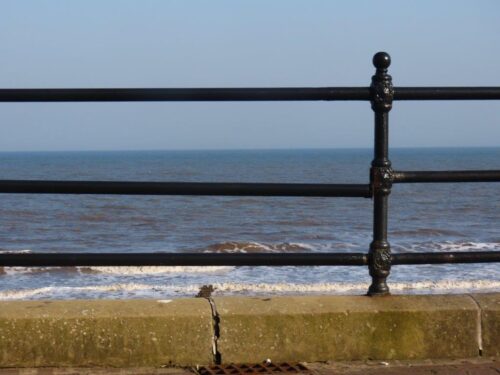
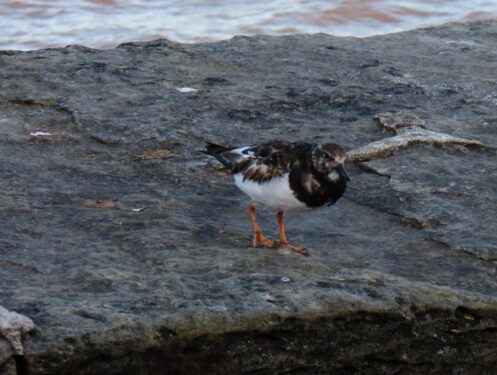
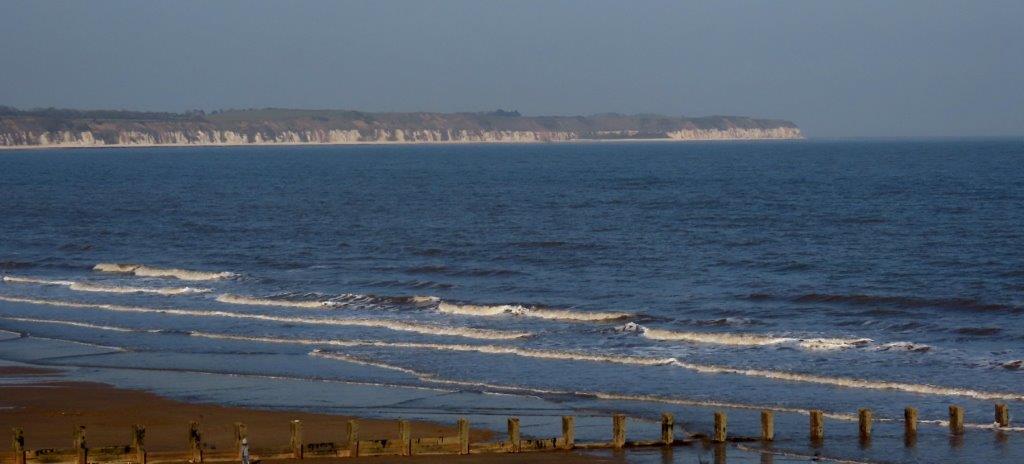
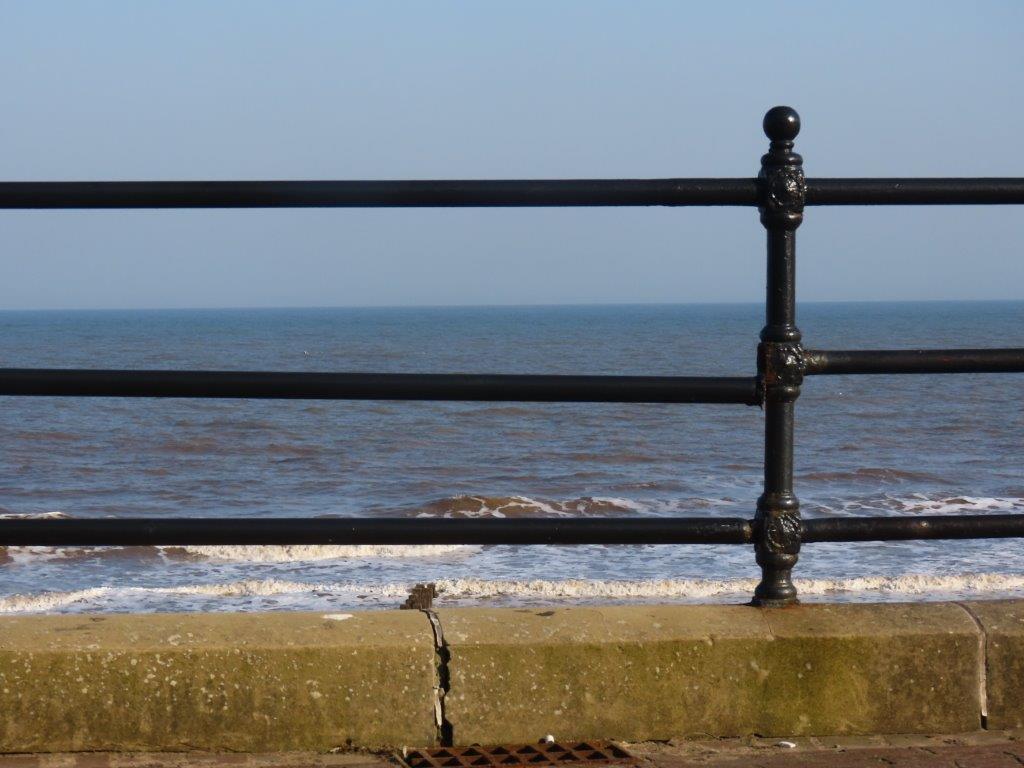
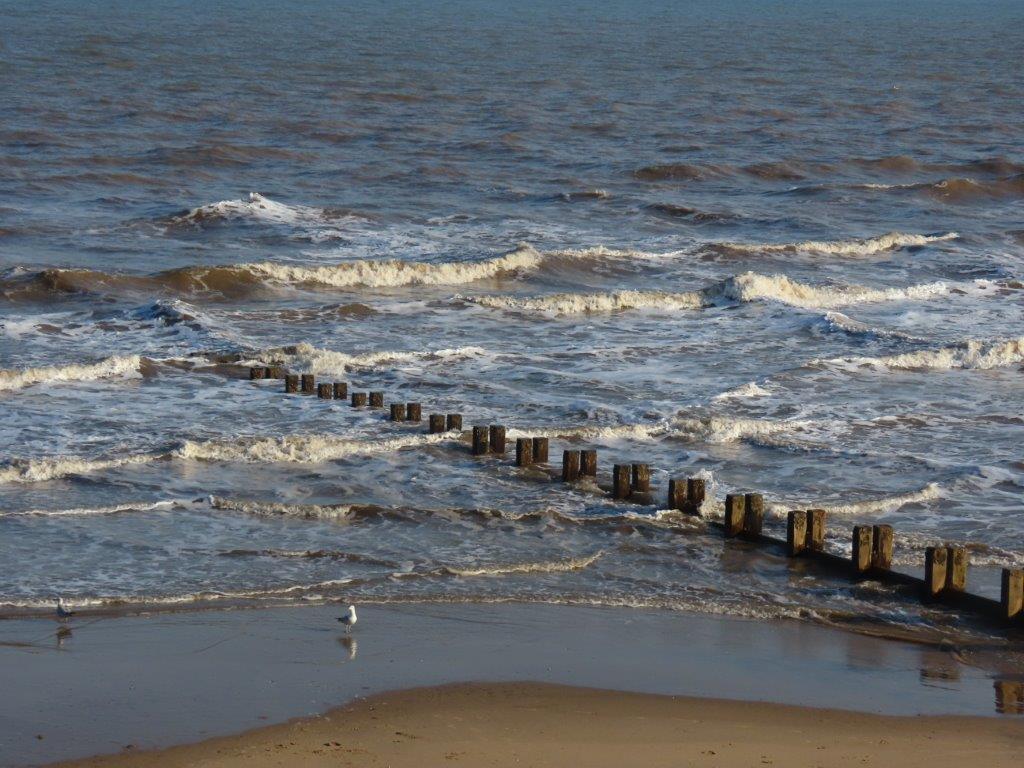
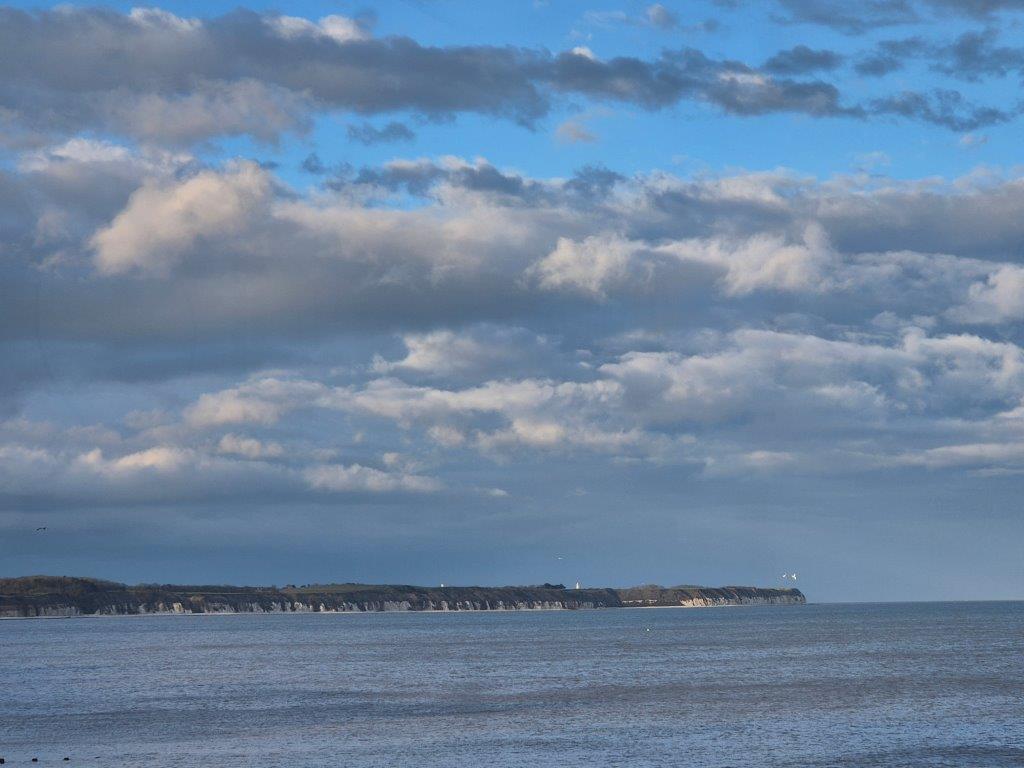
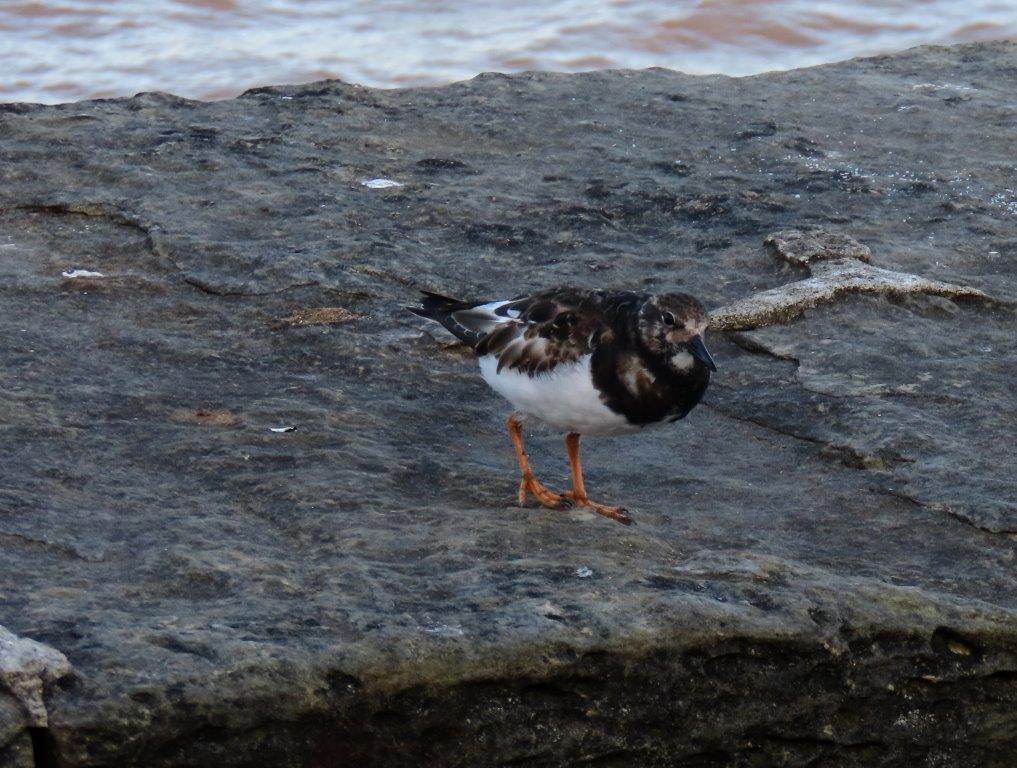
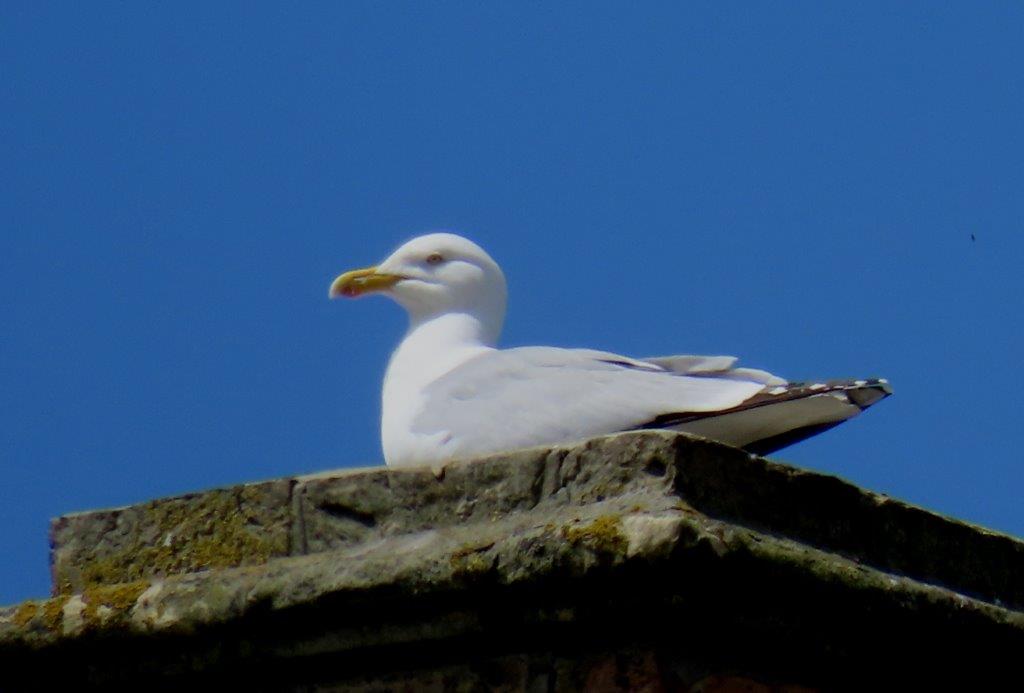
… all flanked by the waves that still roll in relentlessly under the watchful gaze of Flamborough Head, with Herring Gulls everywhere stealing sandwiches, and Turnstones trotting along the harbour wall.
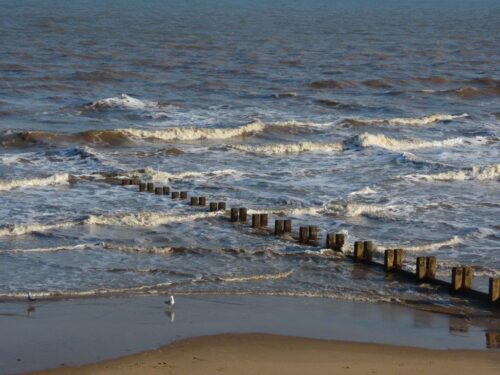

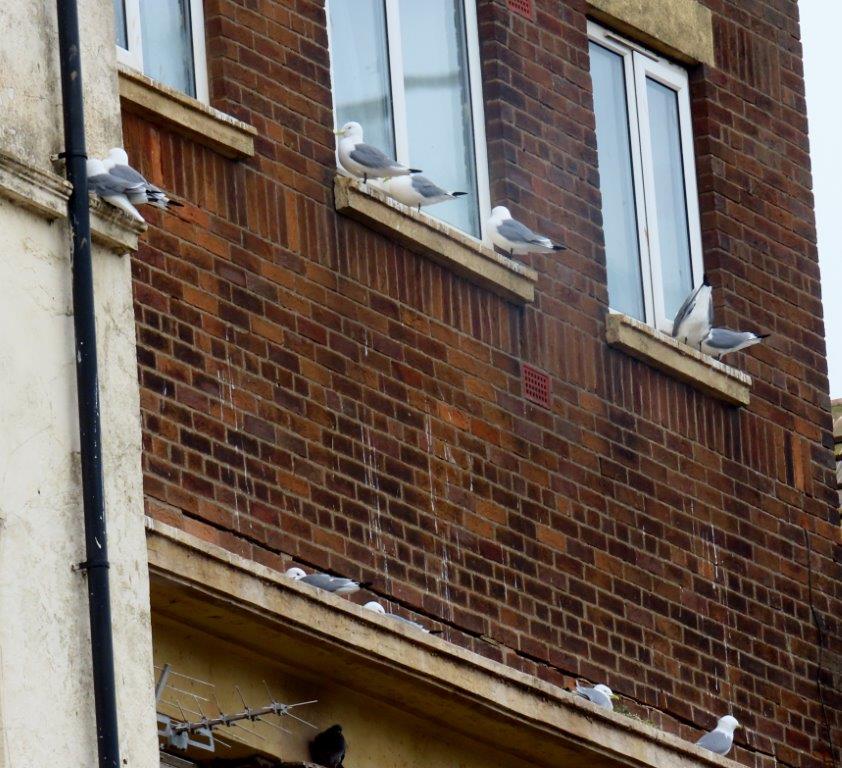
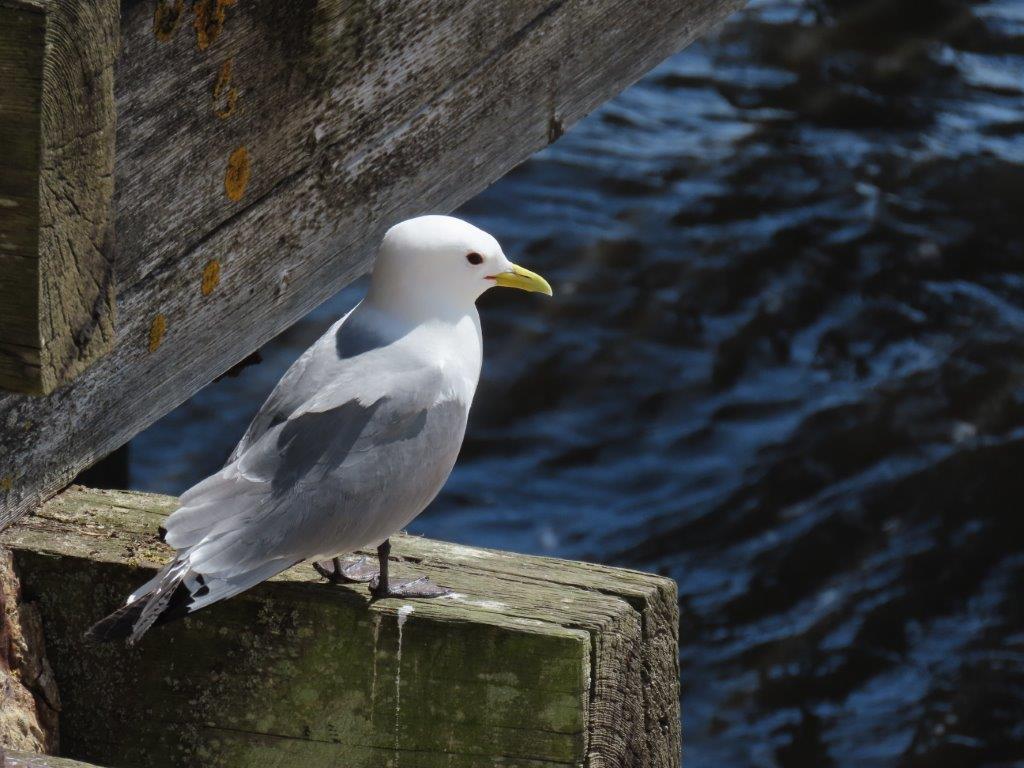
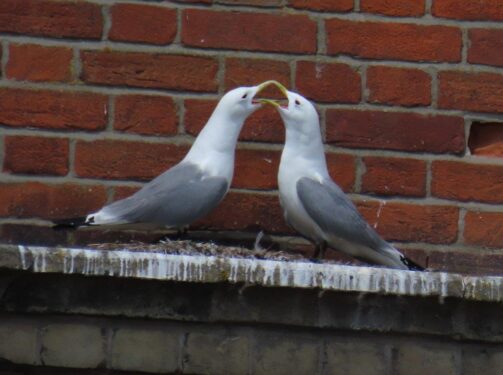
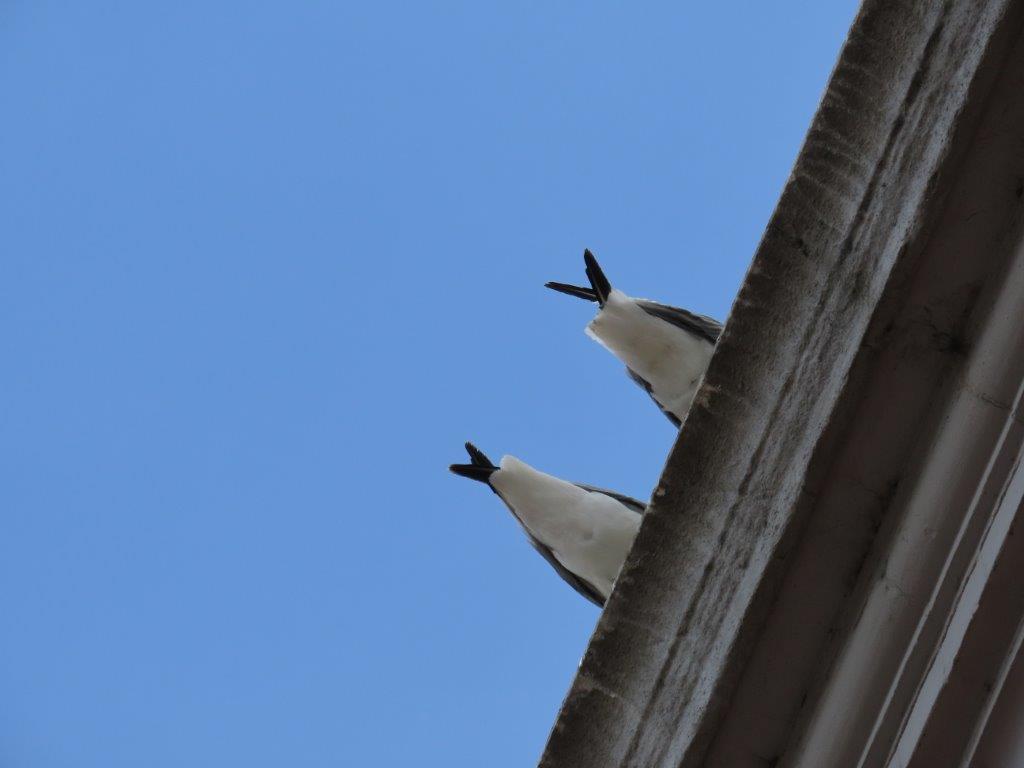
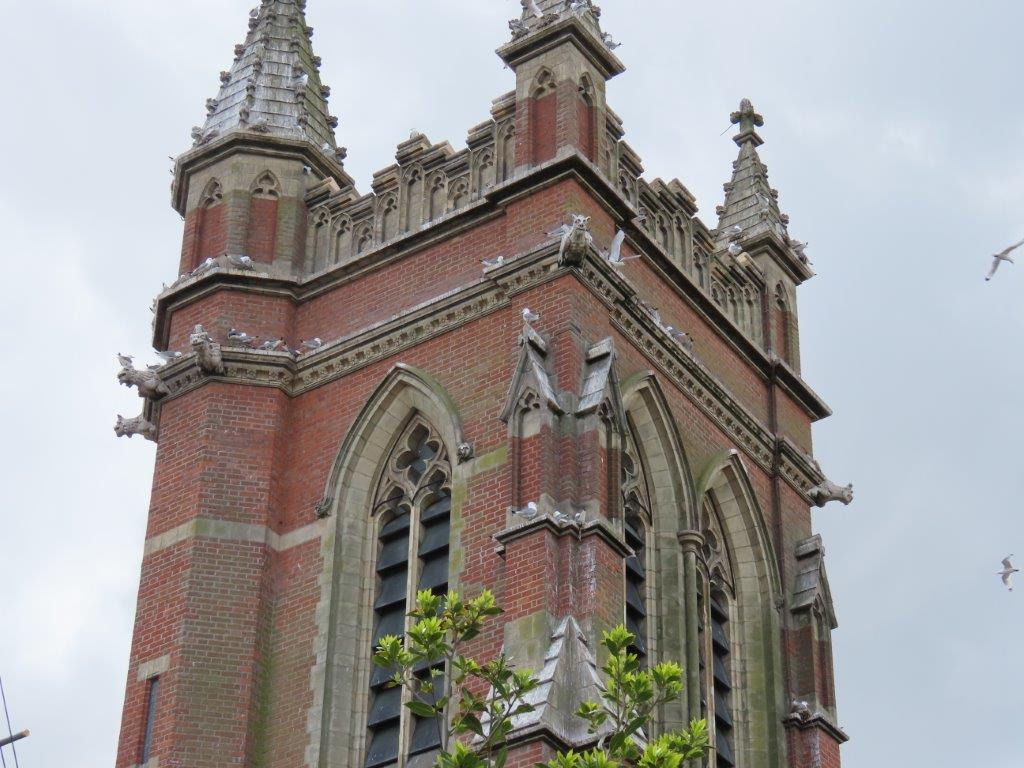
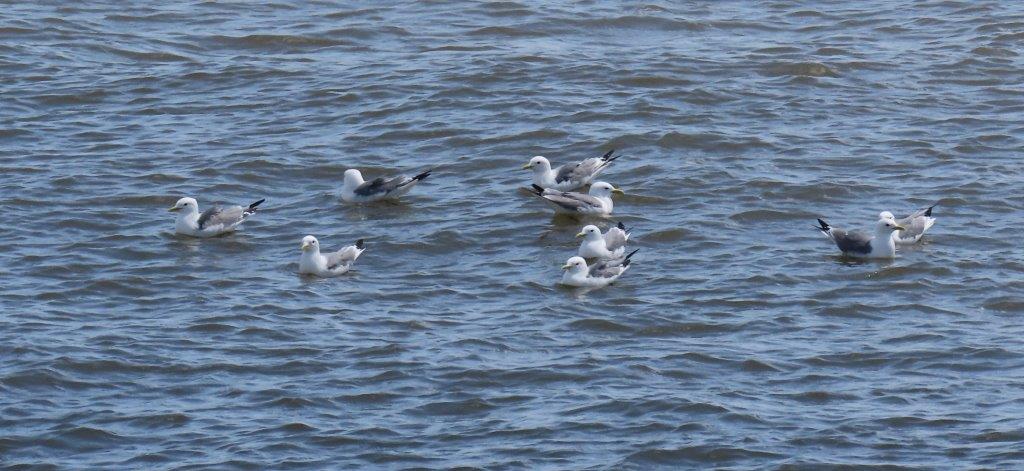
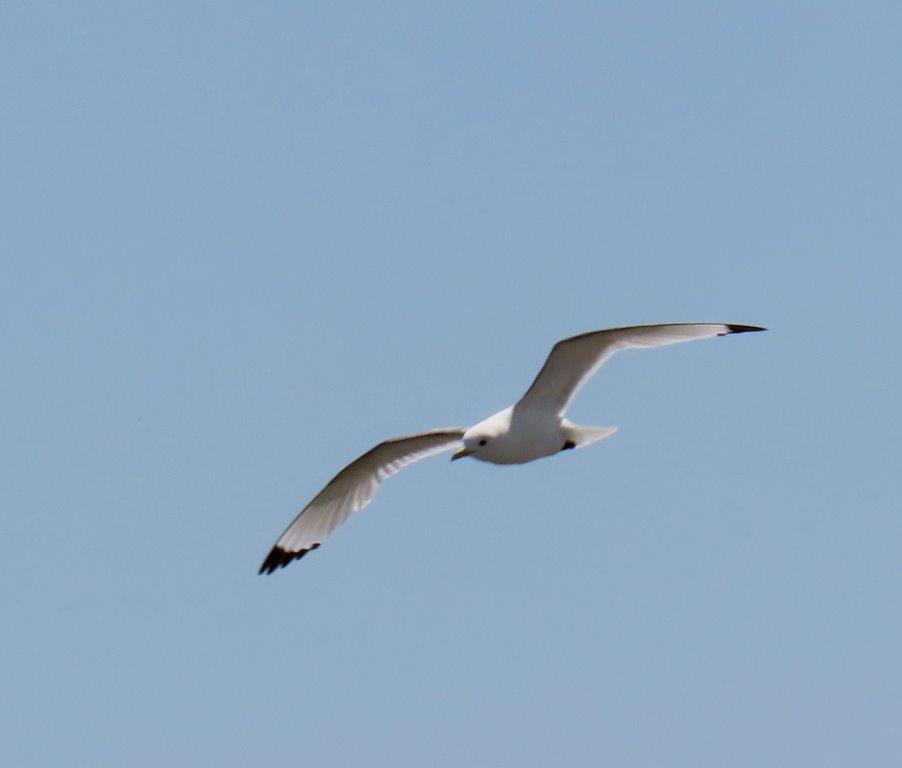
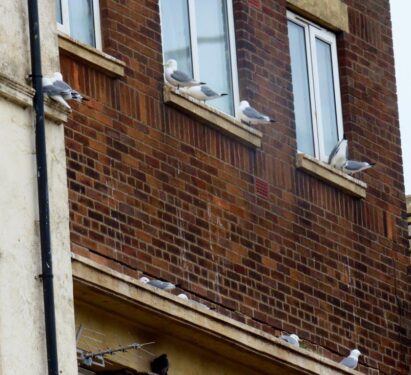
And lifting spirits with their wild cries, Kittiwakes. They started to breed on harbour-front houses as I grew up, but there are now many fewer than when I left for university. Seems they are not treated with the same respect as we found in Lowestoft last year.
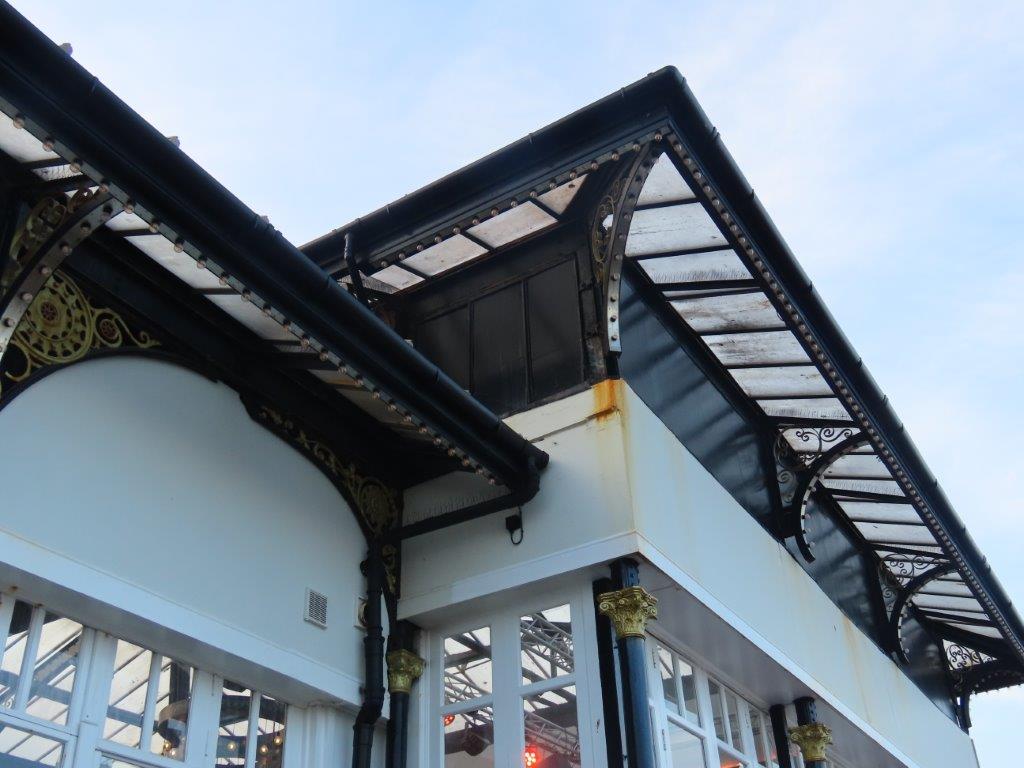
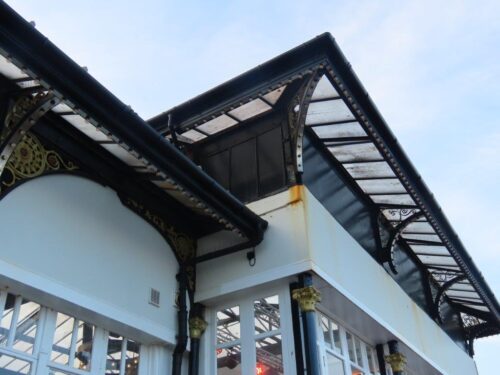
My memory of the Floral Pavilion, a winter garden feature of the sea front, is its smell, of chrysanthemum from the blooms and lavender from the soap of the ancient incumbents (perhaps a bit of hyperbole there!). Anyway, this visit it proved to be just what we all needed: a safe soft-play area for Eleanor, and an adjacent bar and restaurant to keep us happy as she spent five hours hurtling around!
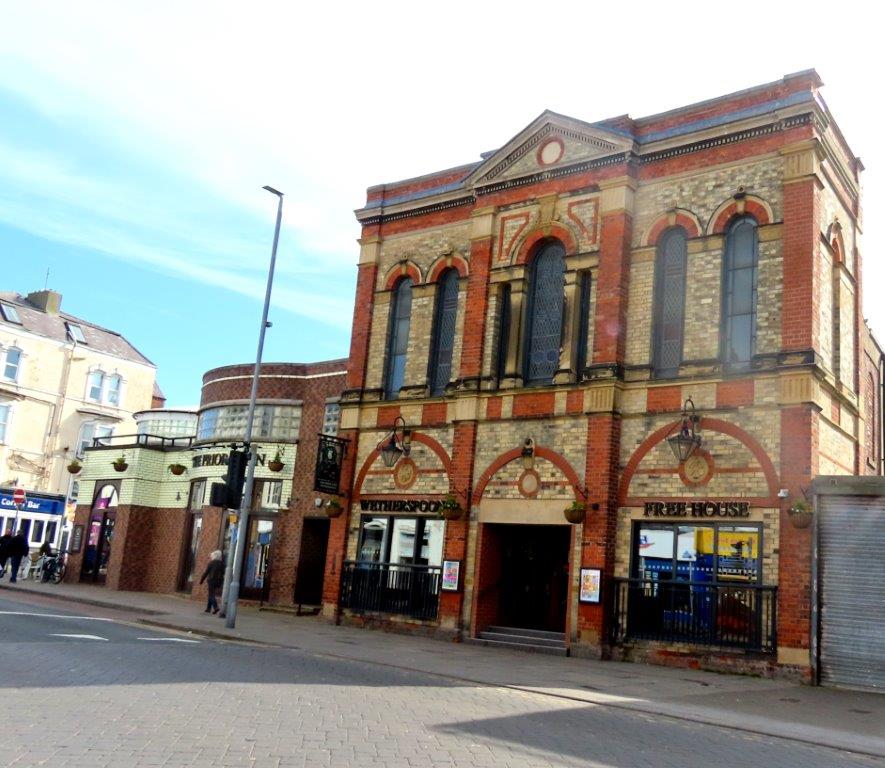
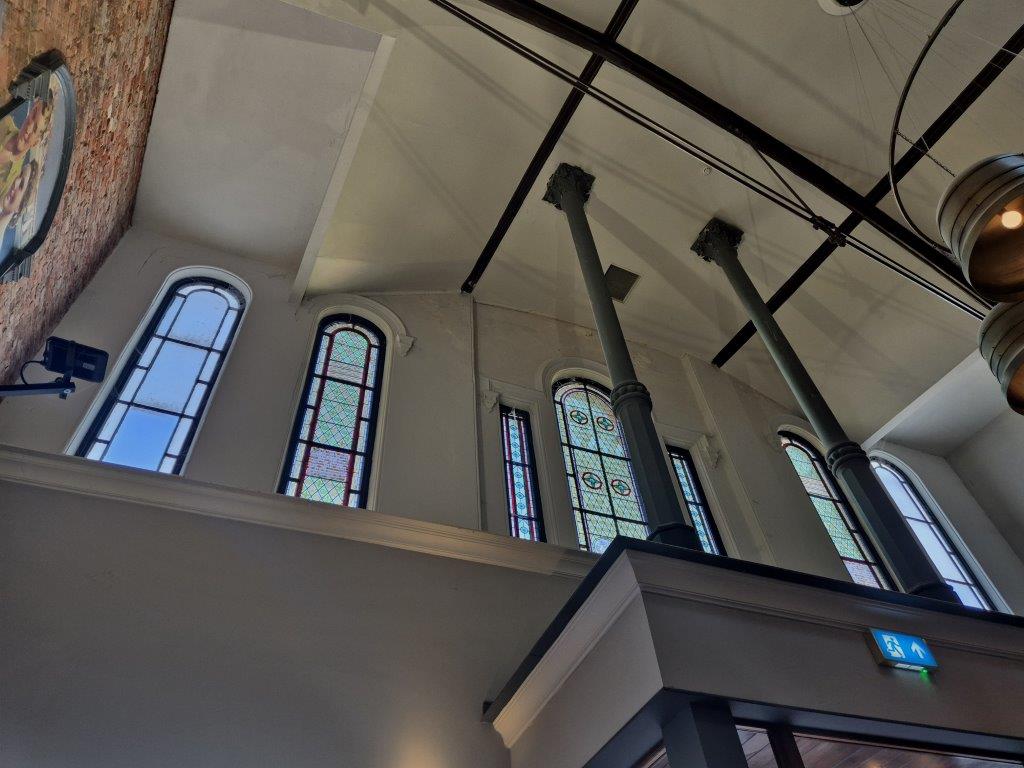
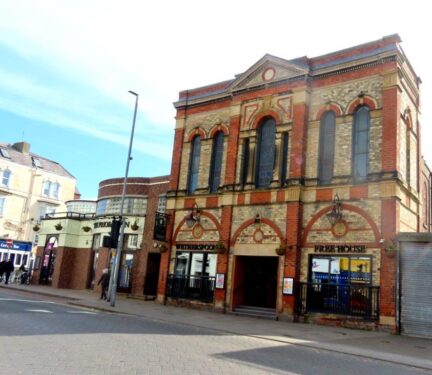
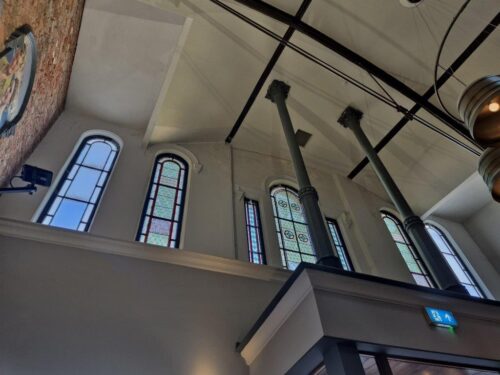
And the food there was really quite good, in contrast to several of the establishments we tried during our two-night stay. The Wetherspoons Prior John had sticky tables (what’s new!), but its surroundings are a sensitive re-use of a former Methodist Chapel.
But as for the Premier Inn restaurant, there were no saving graces. Breakfast was appalling, inedible, sporadic in appearance, the plates and cutlery, tables and chairs and carpets were all disgustingly filthy. That is my memory of Bridlington: a grey place with grey food…

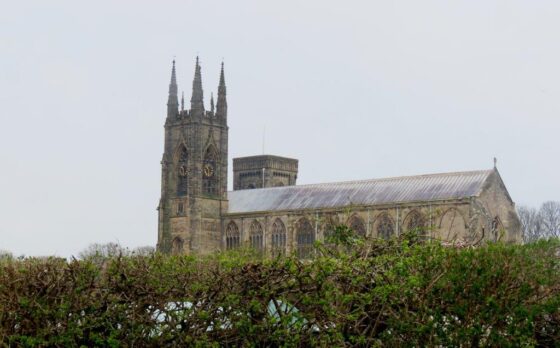
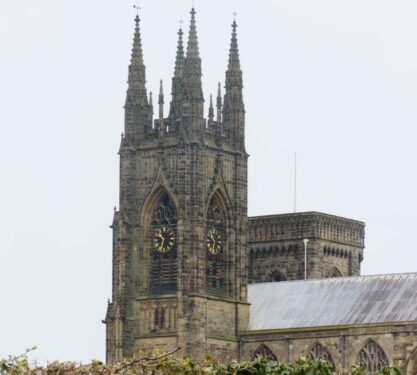
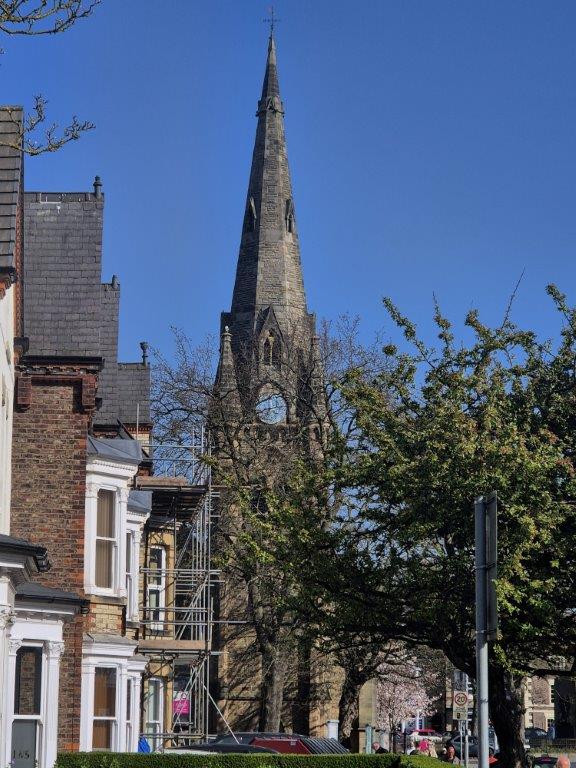
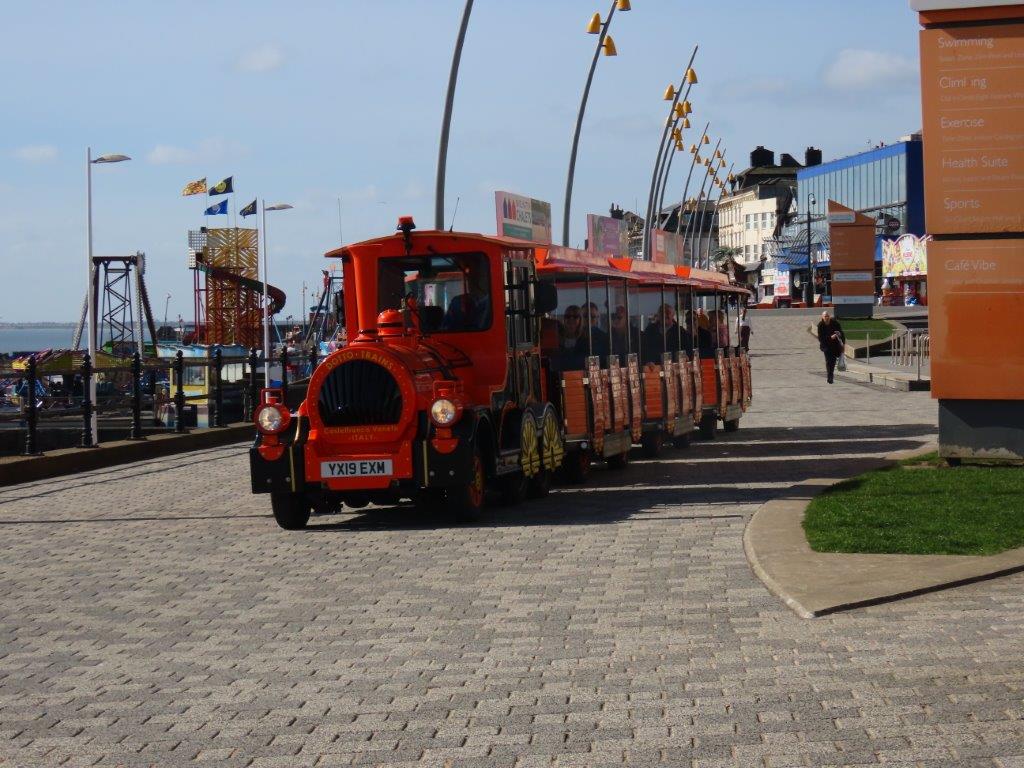
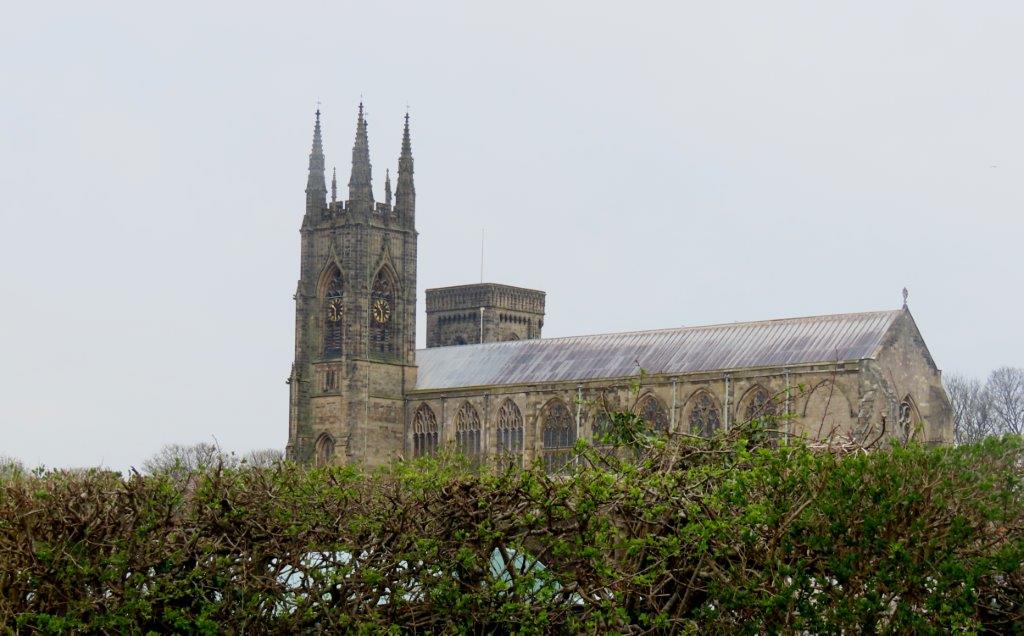
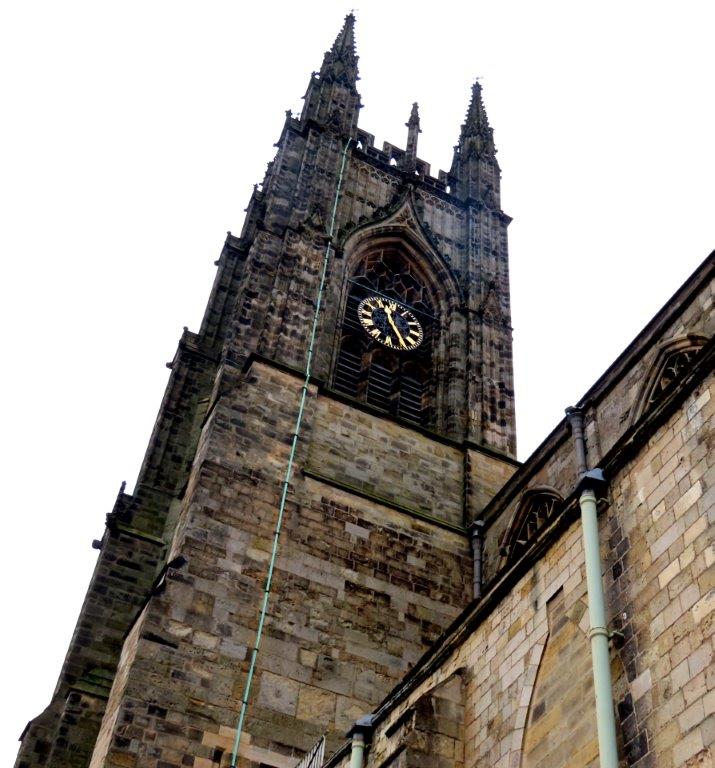
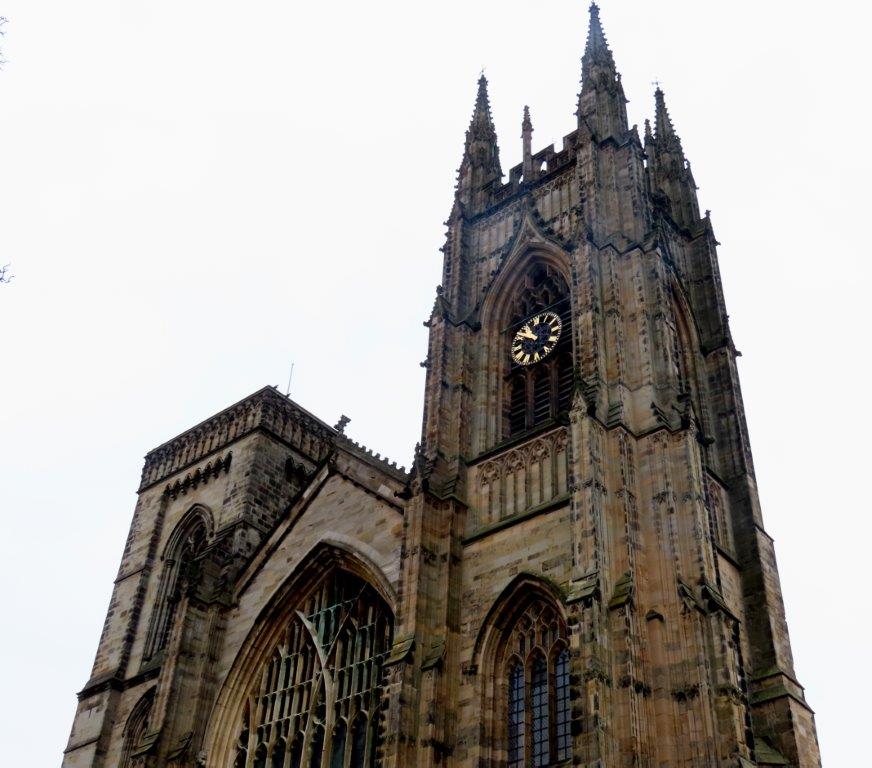
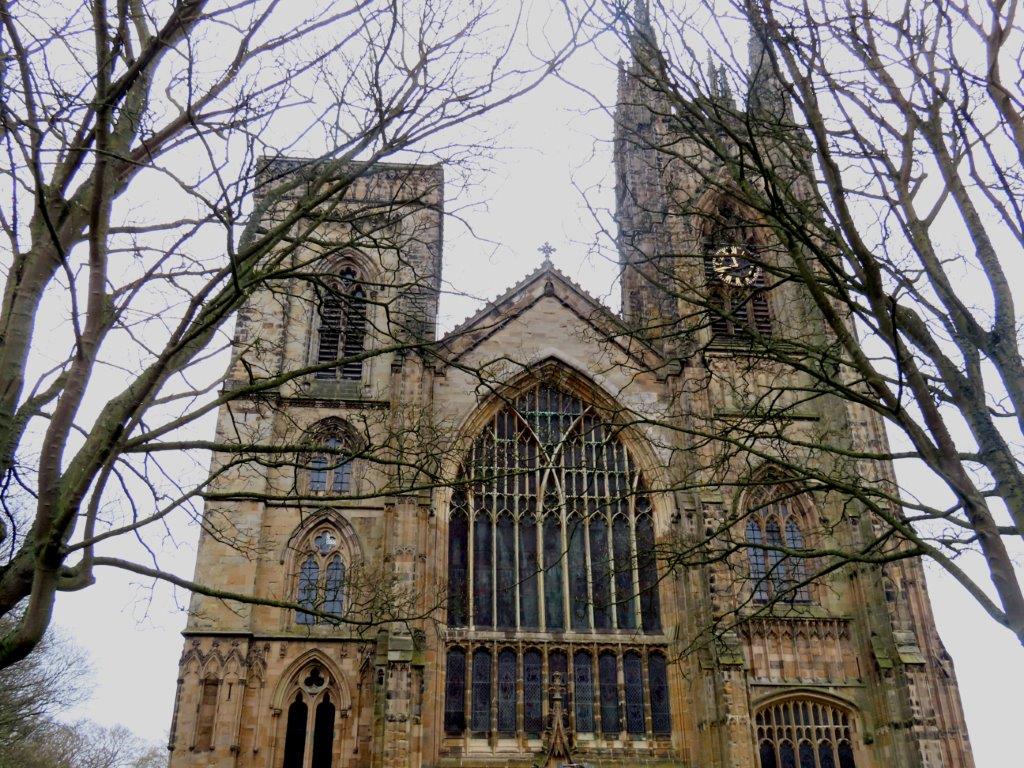
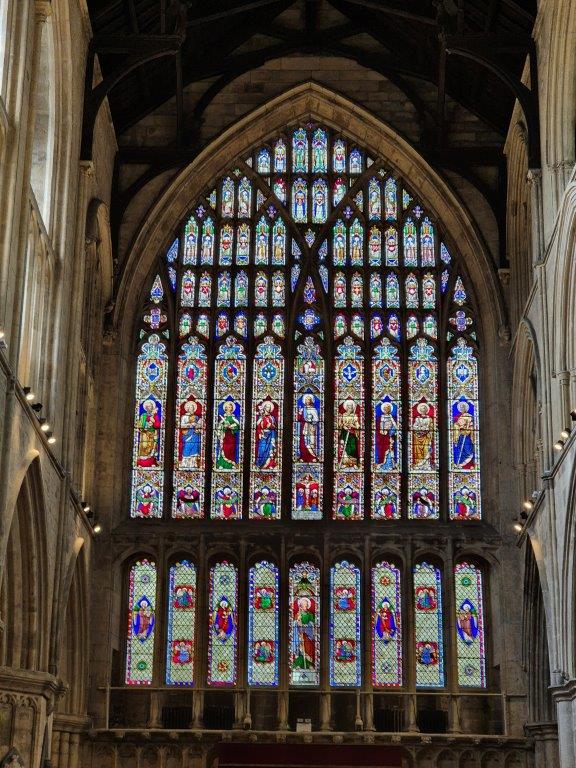
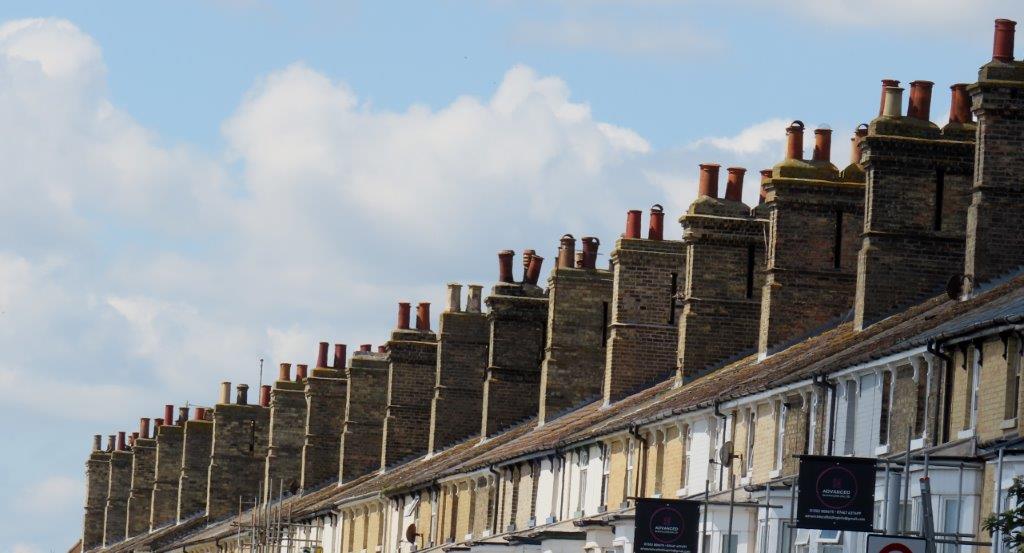
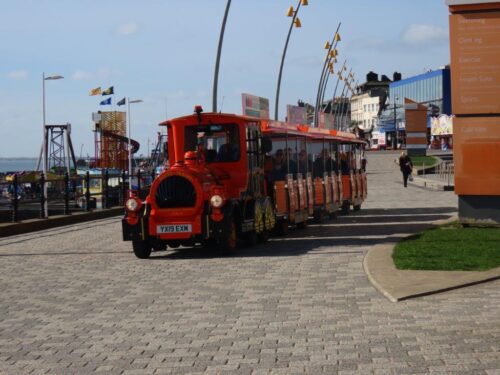
On our full day in Brid, we hunted for my past: my childhood house, Grandma’s flat, my schools, even the land train I worked as a conductor on in summer. And not a blue plaque in sight! Every morning I awoke to a very particular sight, the reassuring familiarity of the Priory church, and that is still pretty much unchanged.
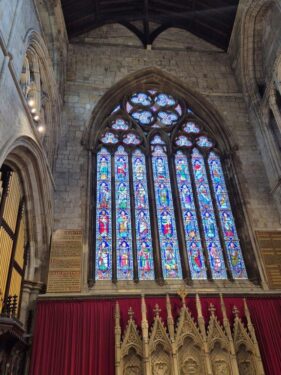
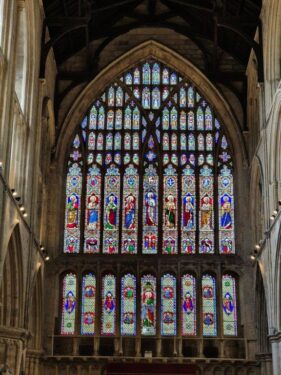
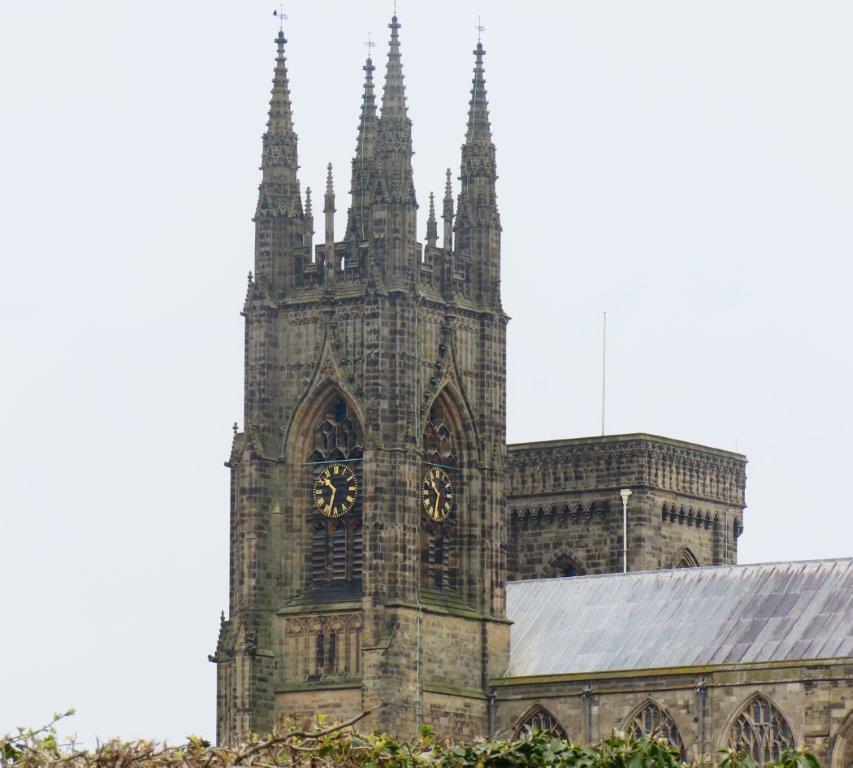
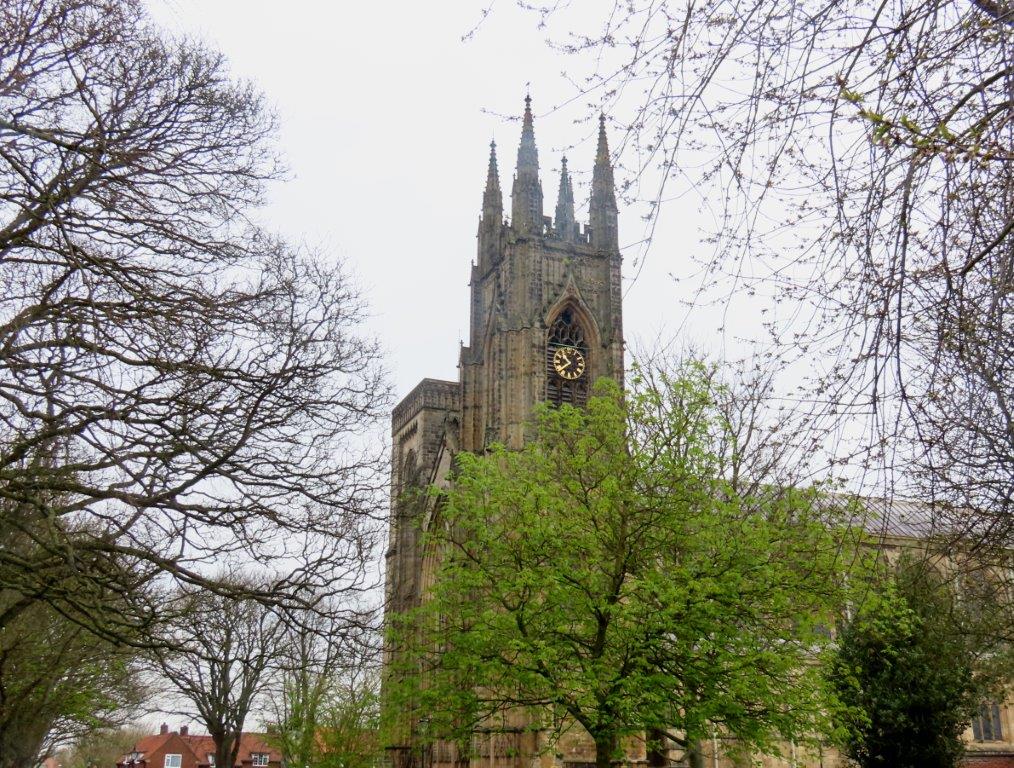
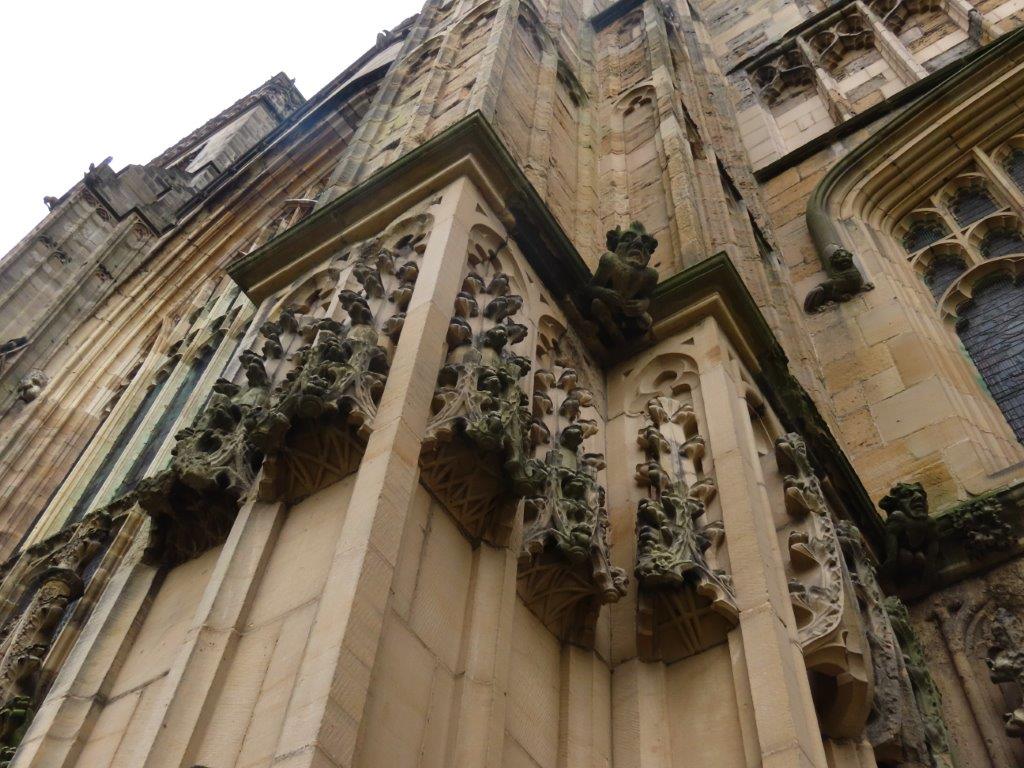
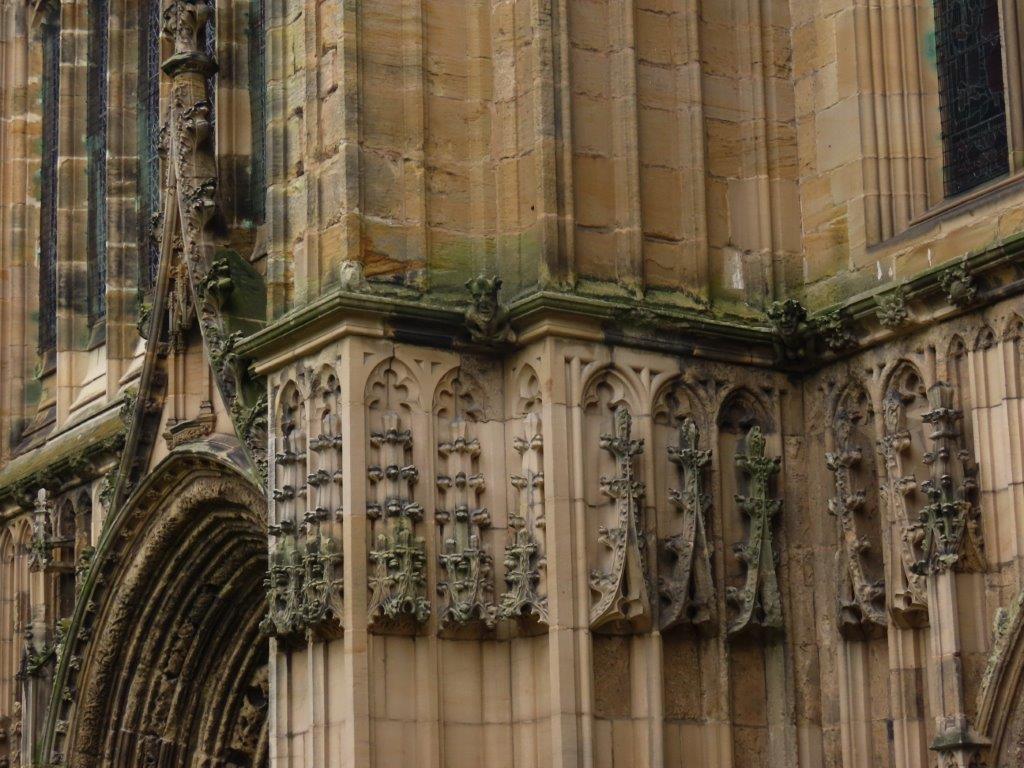
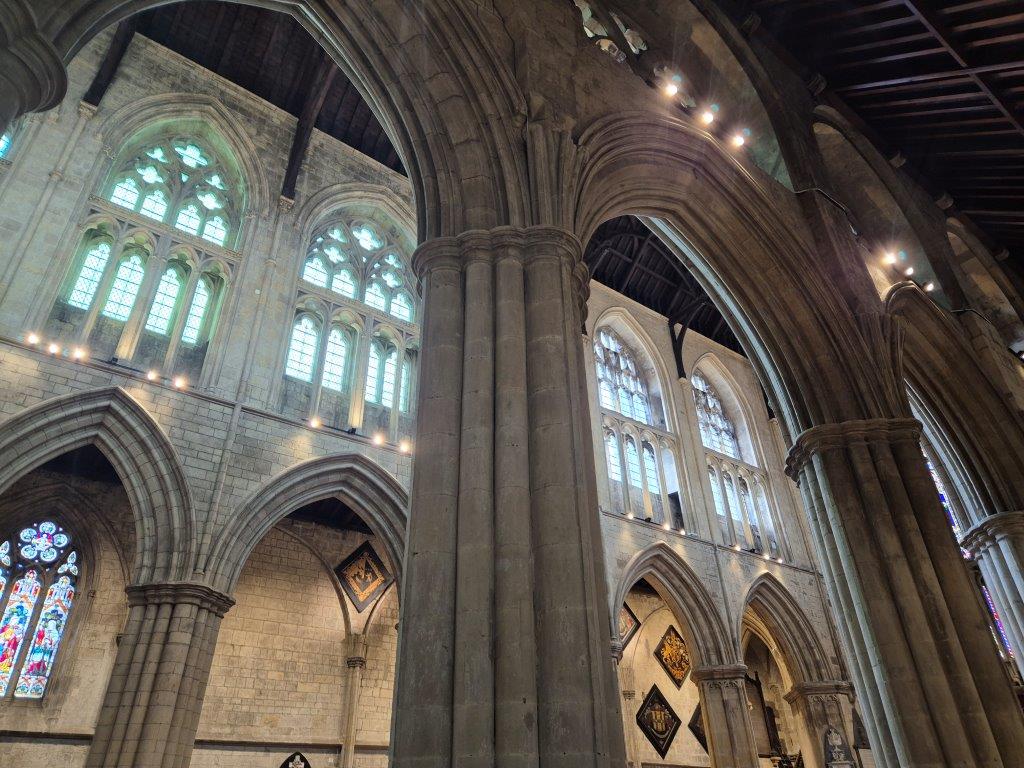
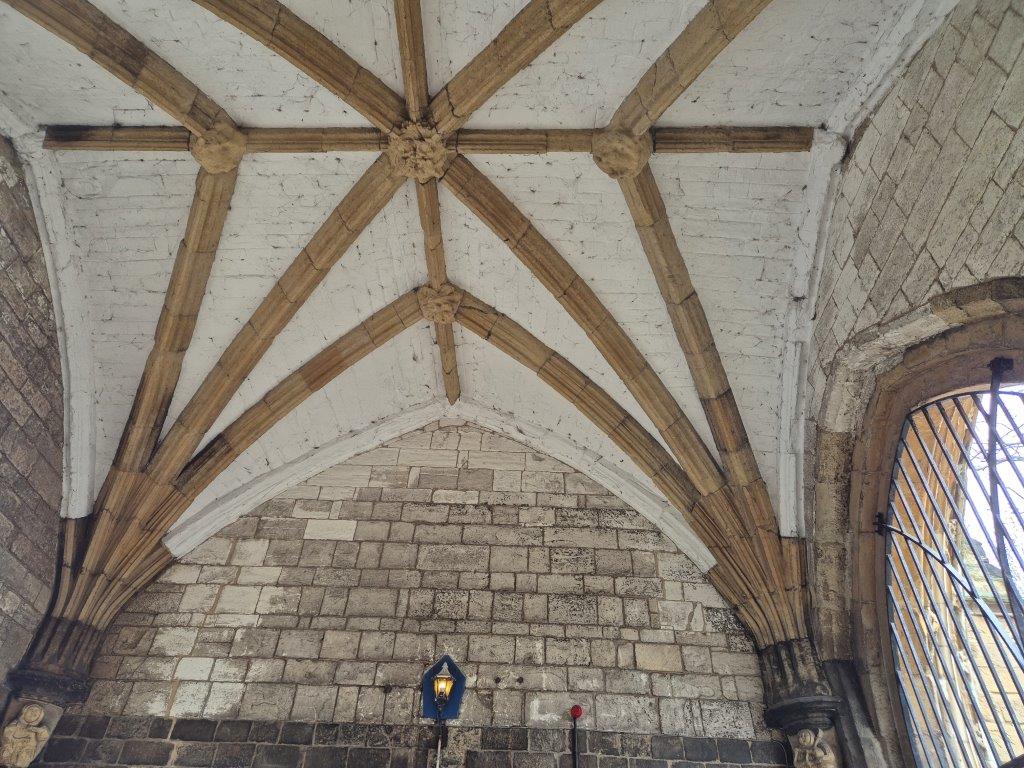
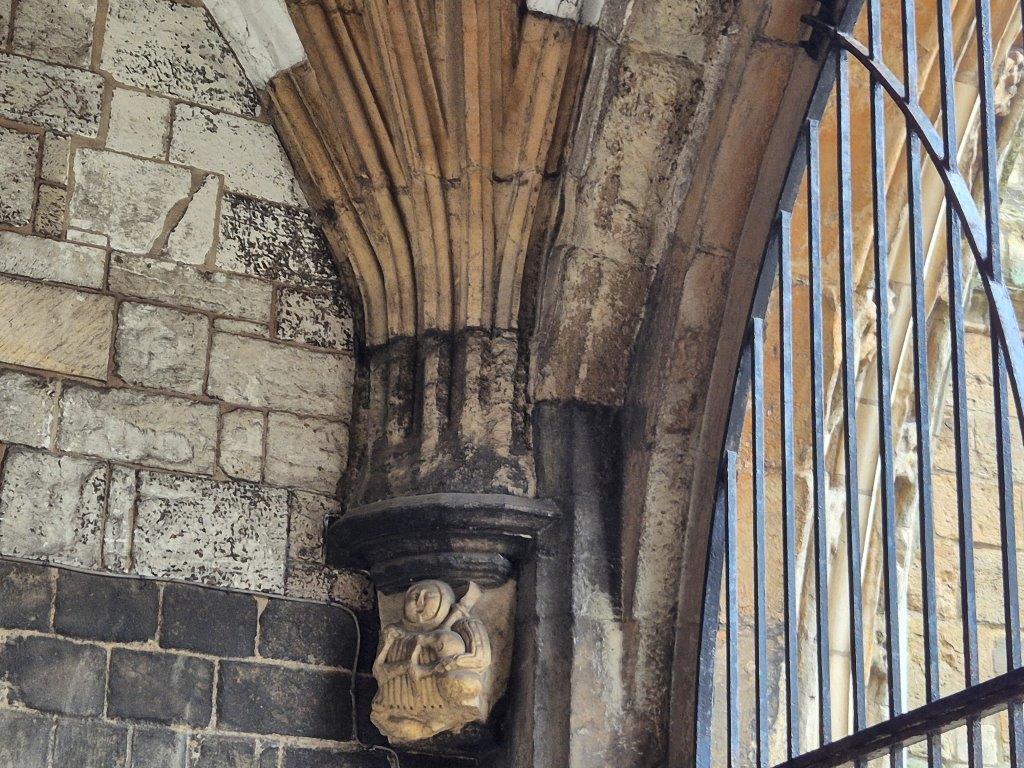
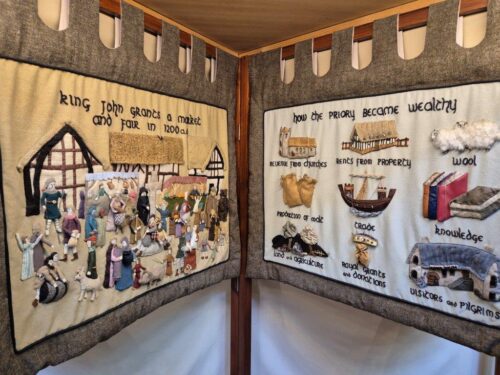
A magnificent building, this is only a small part of the vast pre-Dissolution Augustinian priory that was founded in 1113, its riches acquired on the back of a lucrative wool trade. And while the inside of the church was never a regular part of my youth, my older self – able to appreciate the architecture and art of such places in a secular way – was duly impressed.
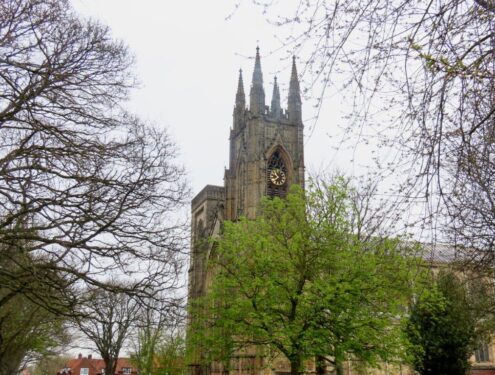

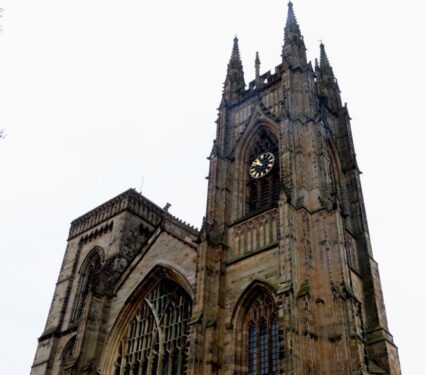
From the outside, the church doesn’t have the forbidding blackness of my mind’s eye – presumably its stonework has been cleaned. The church has always evolved with the times, with a particularly marked restoration and remodelling by George Gilbert Scott in the mid-19th century. He built up the two towers deliberately asymmetrically to reflect contrasting architectural styles on the body of the church, the older tower in Early English style and the other in a more ornate perpendicular style.
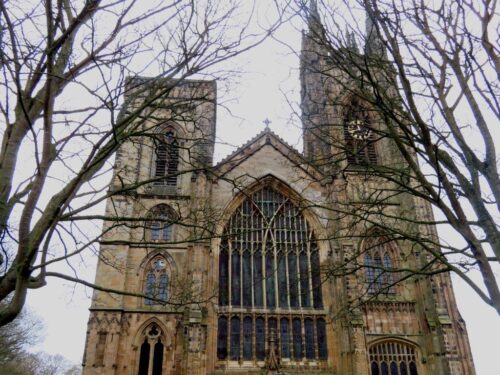
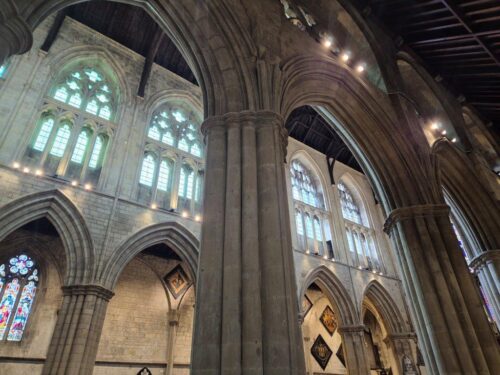
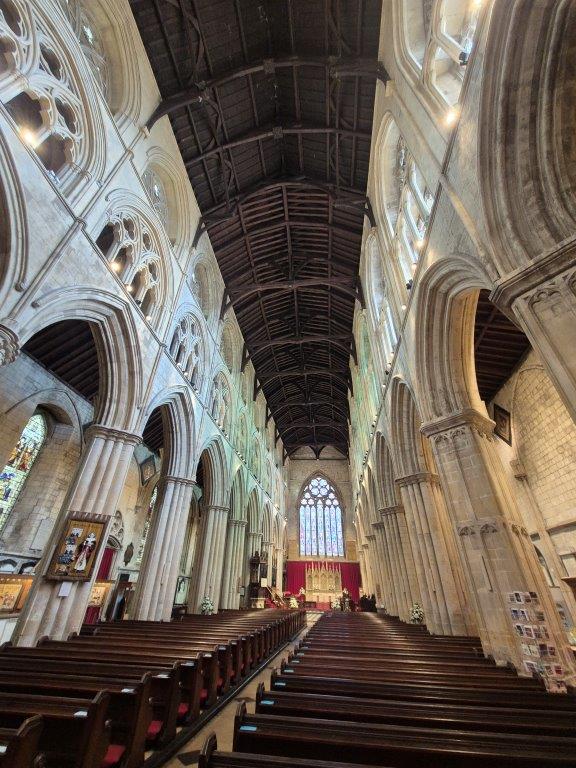
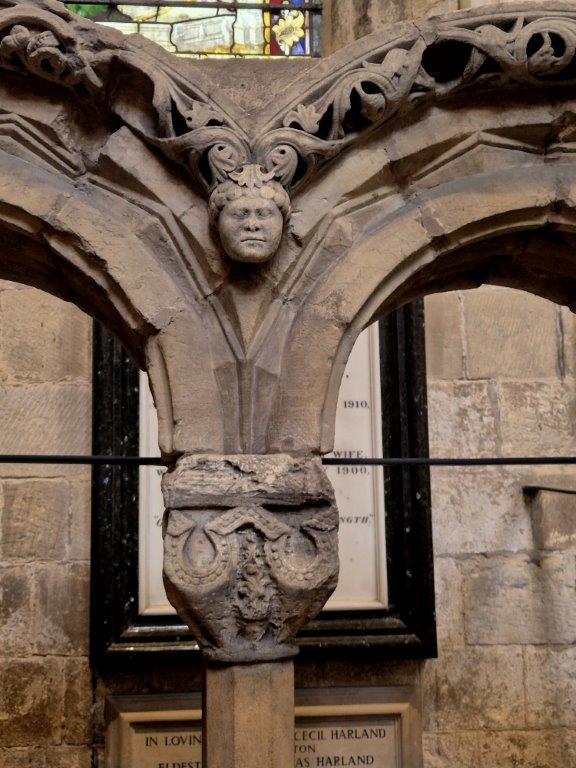
The interior space is lofty…
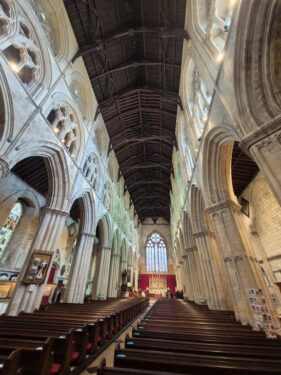
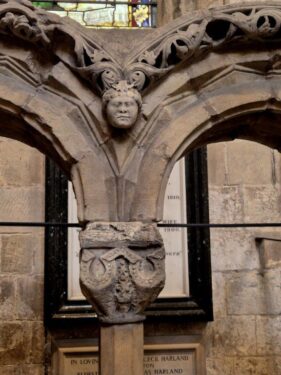
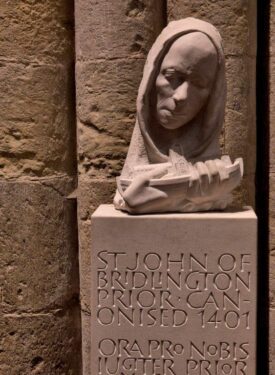
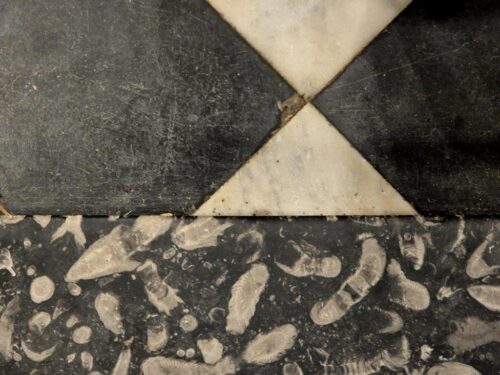
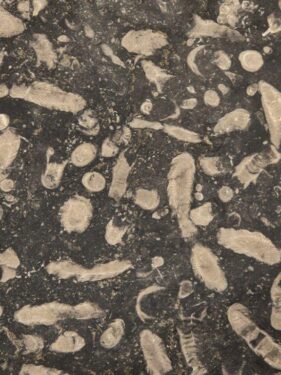
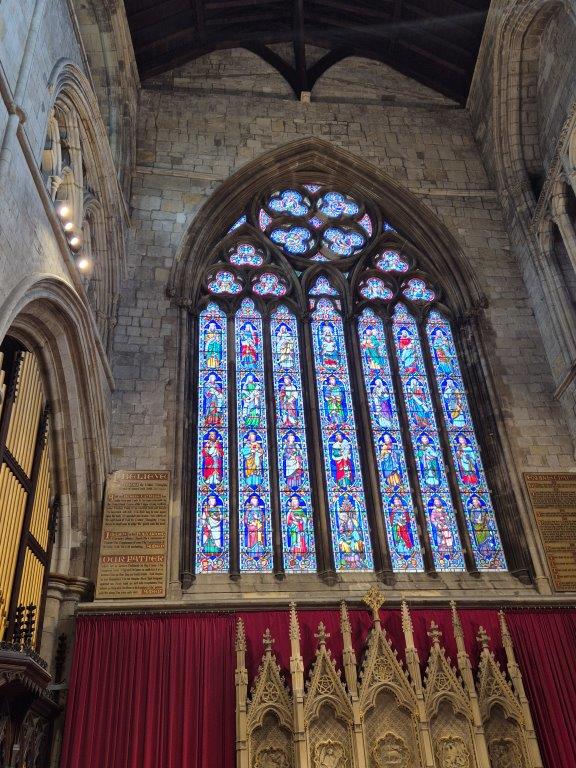
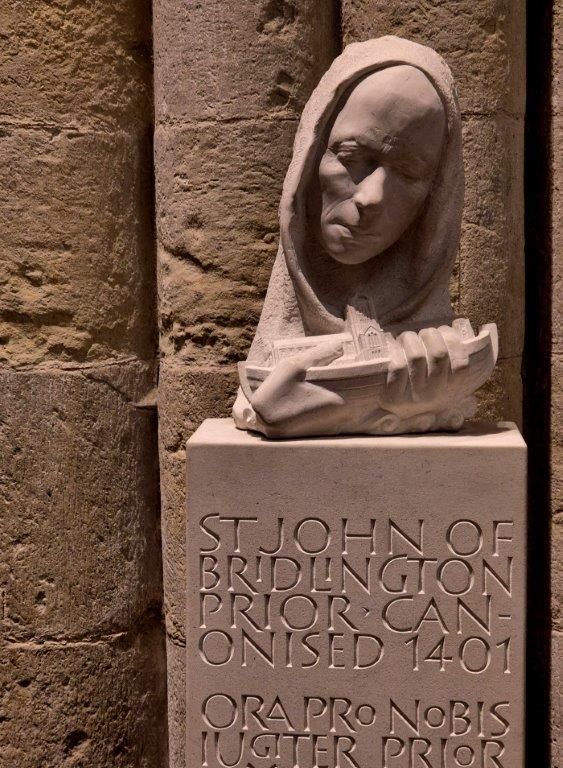
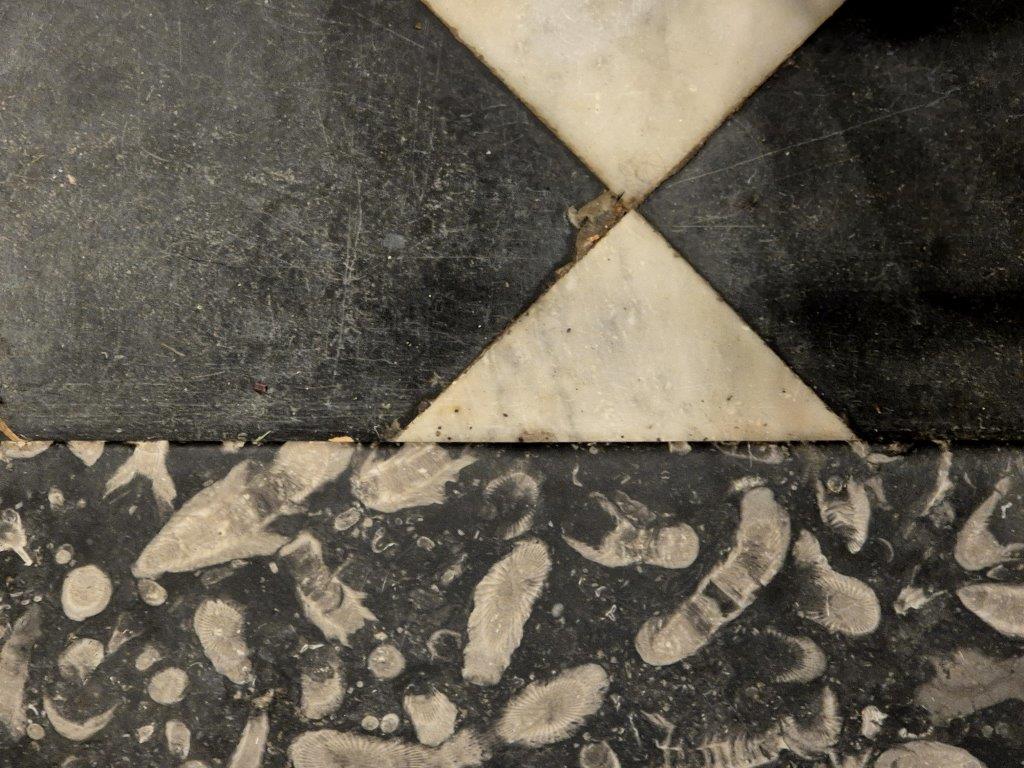
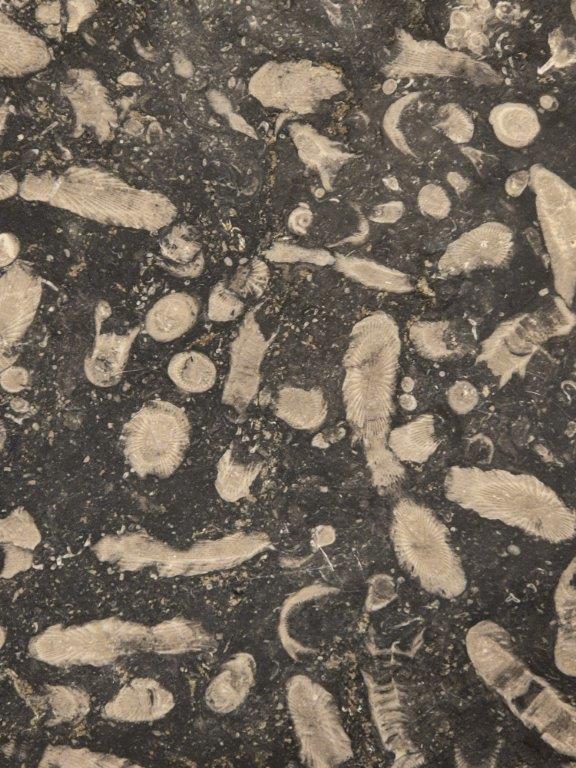
… and full of fine details, including a lovely sculpture of St John of Bridlington and stone flooring filled with marine fossils:
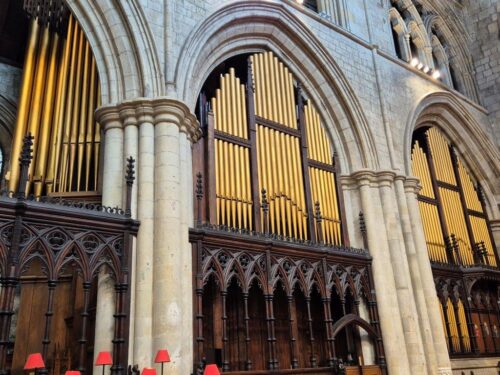
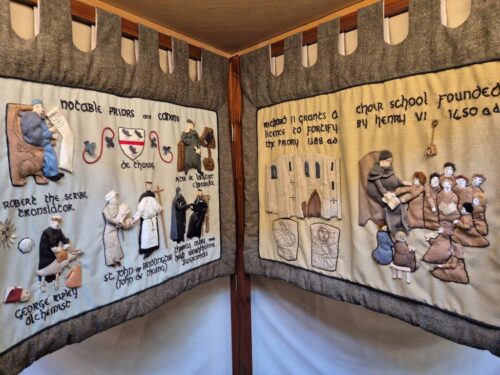
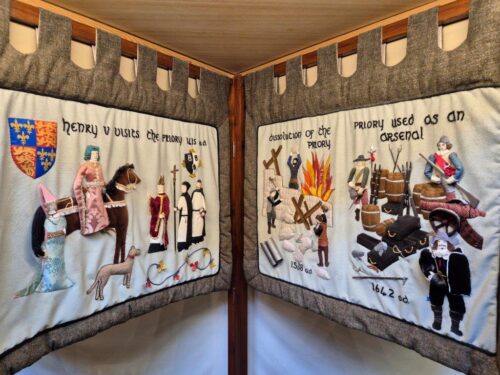
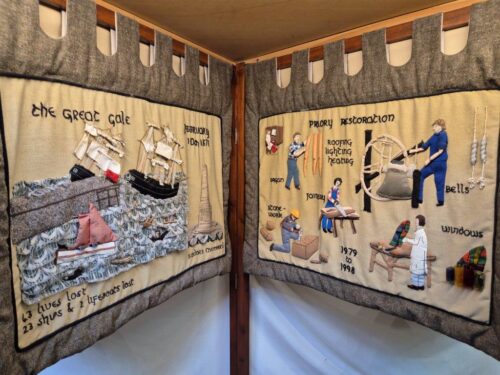
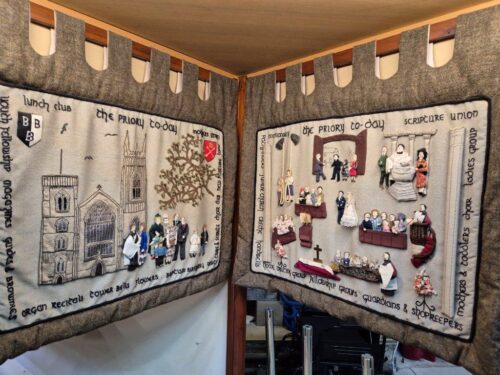
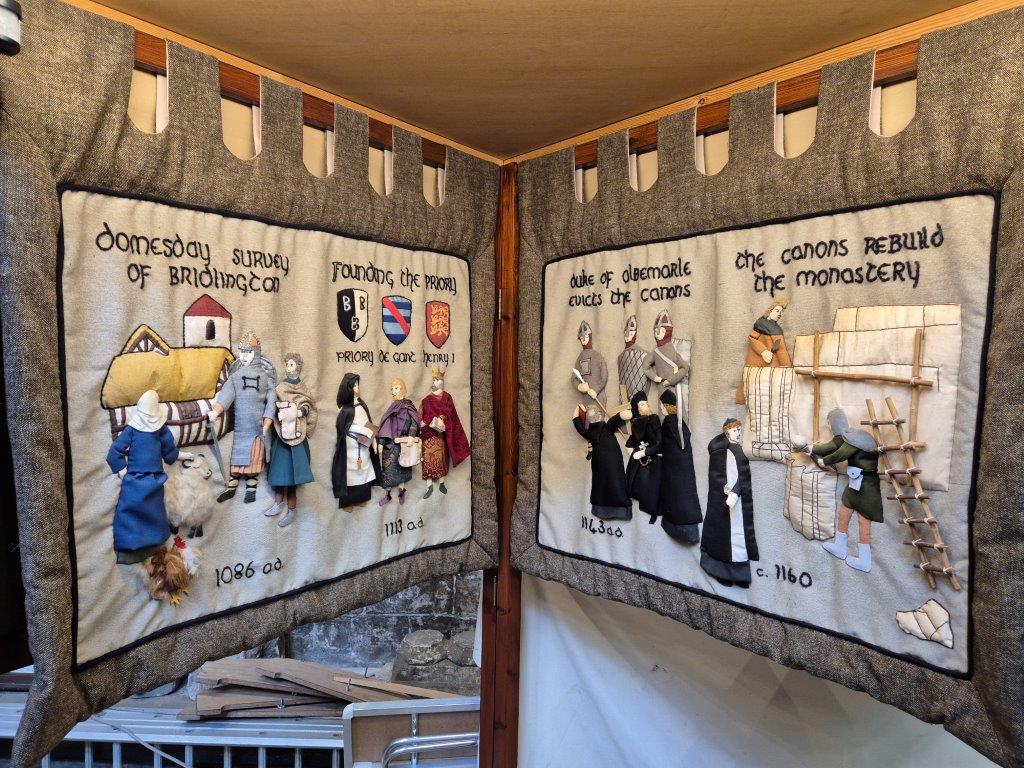
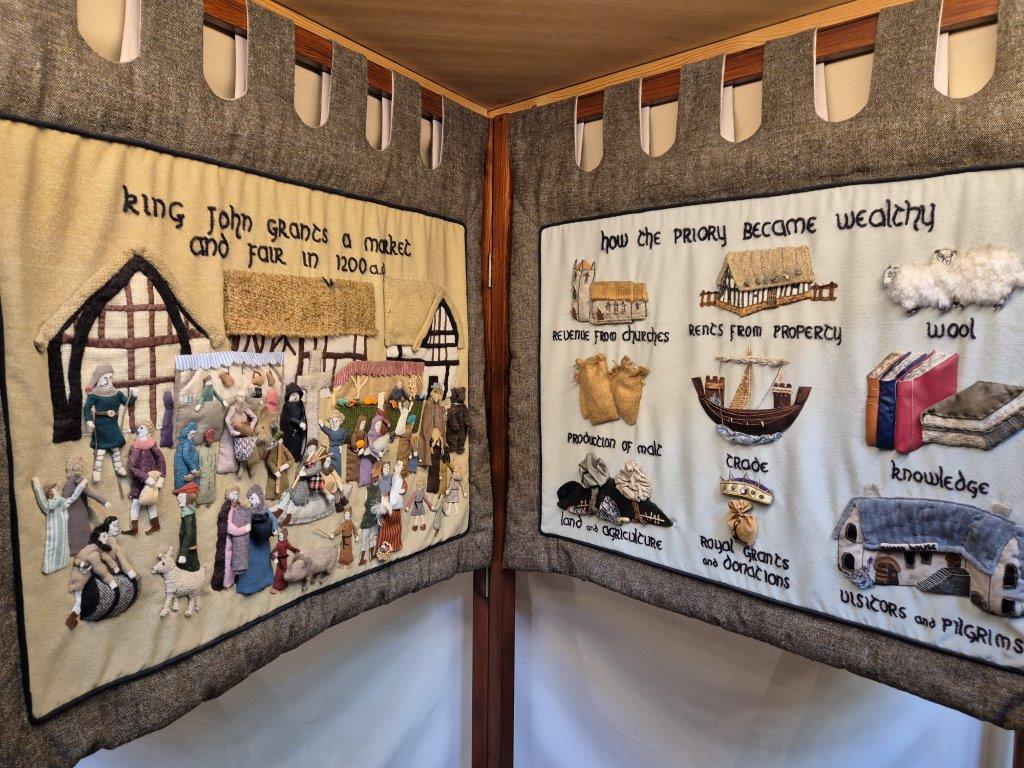
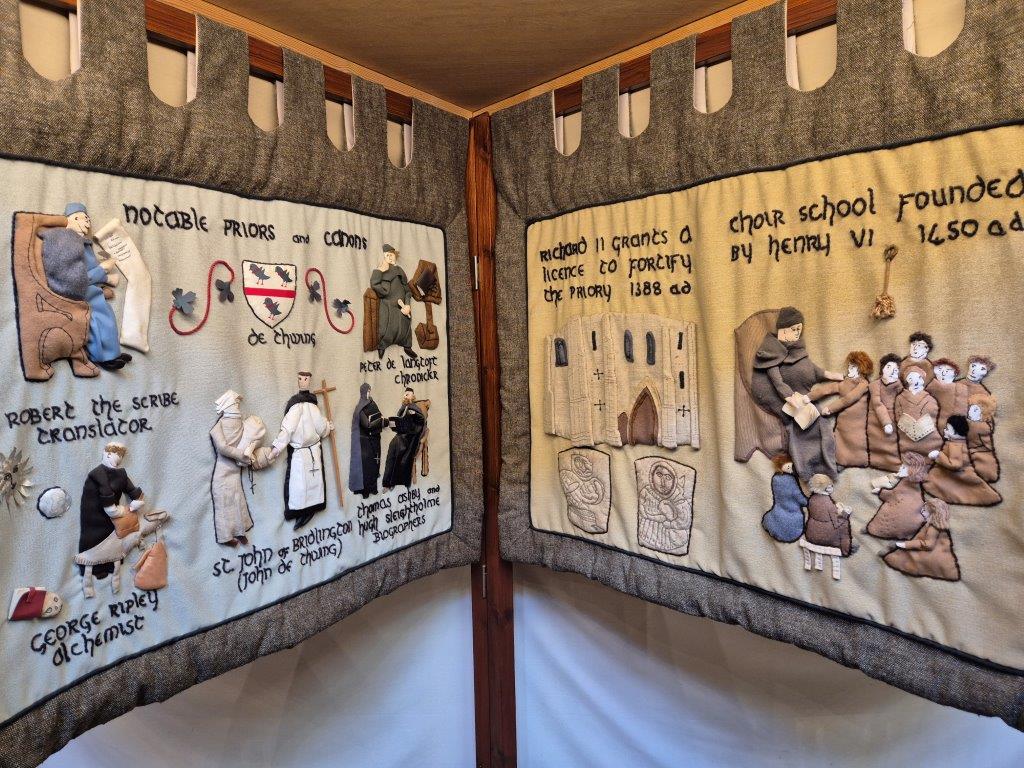
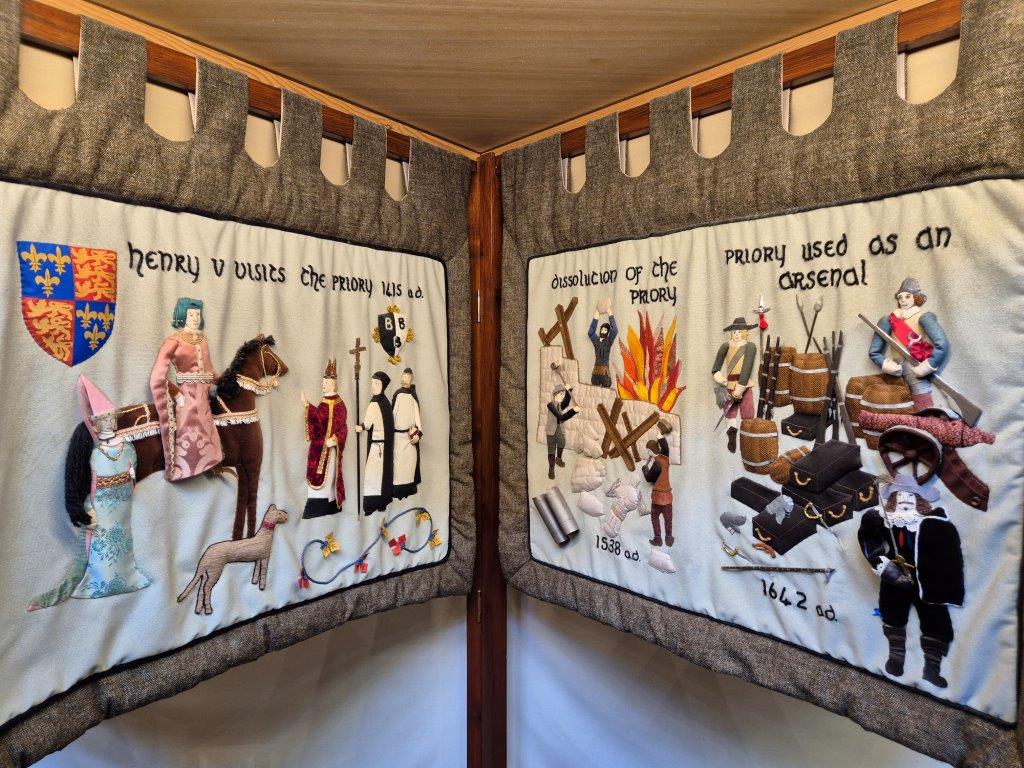
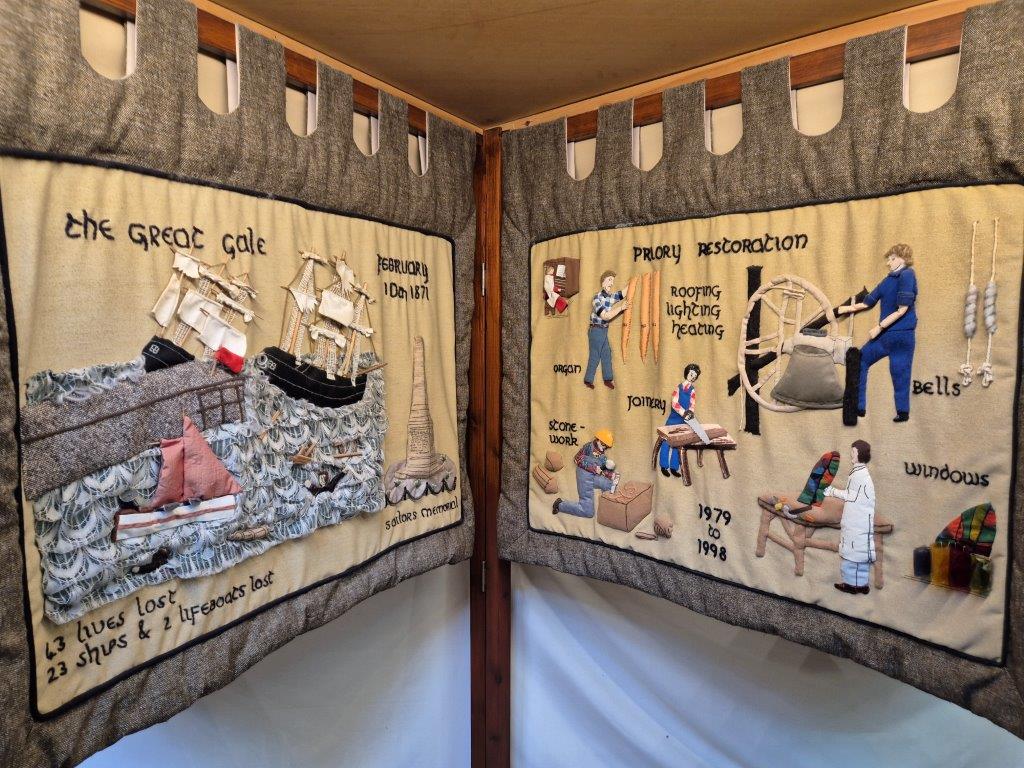
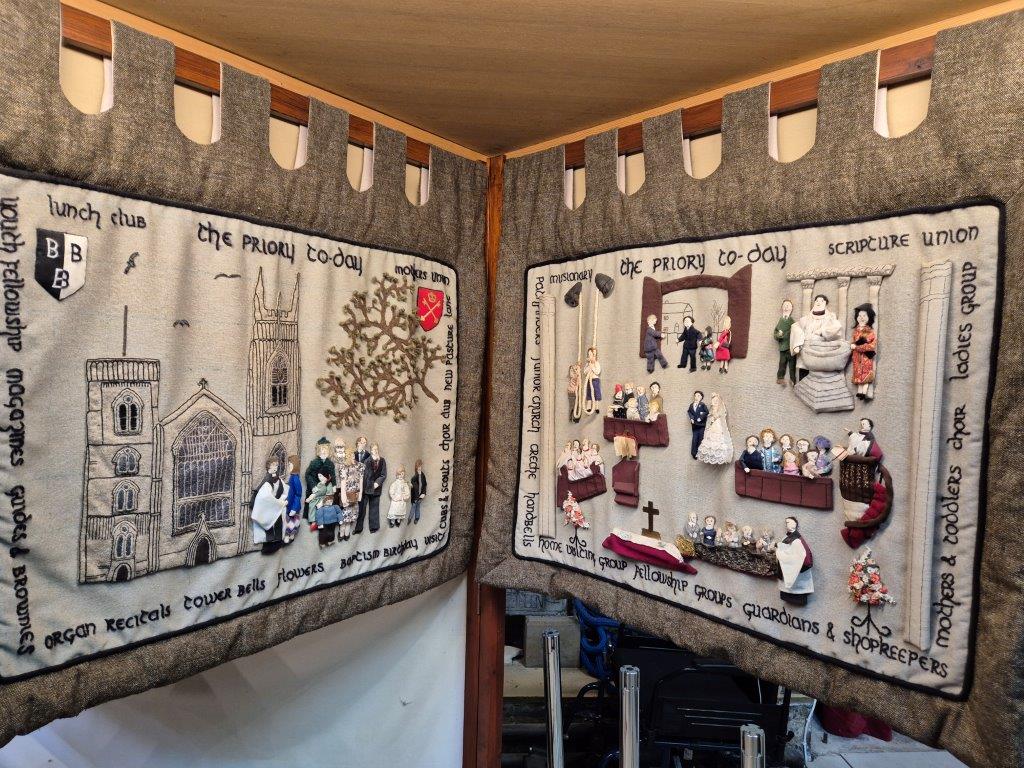
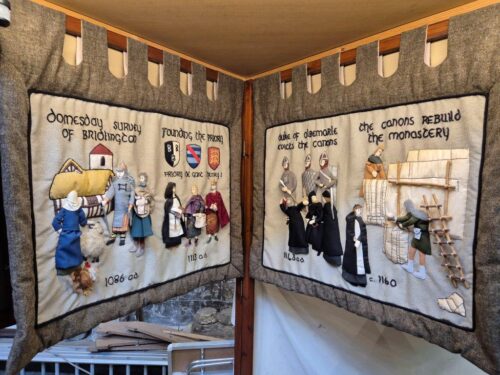
There was also an interesting set of tapestries, dating from 1994-5, depicting the history of the Priory:
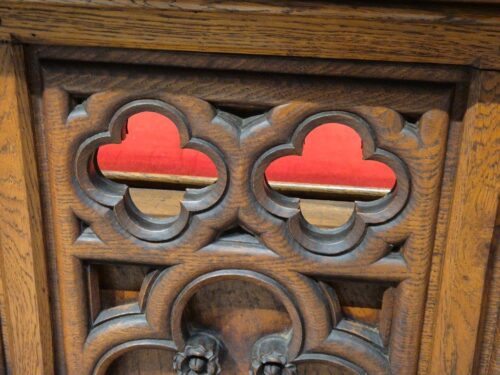
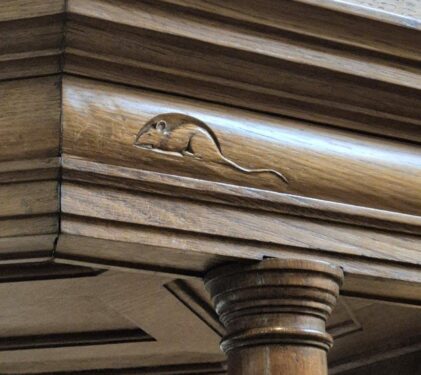
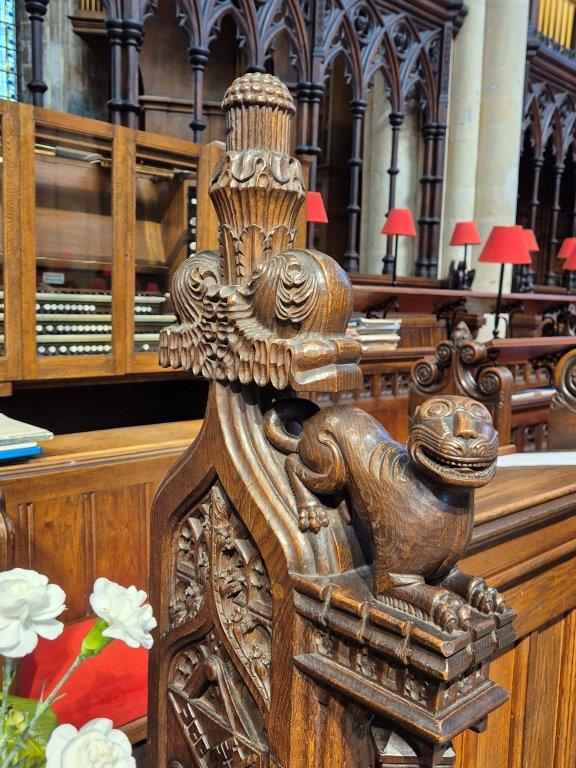
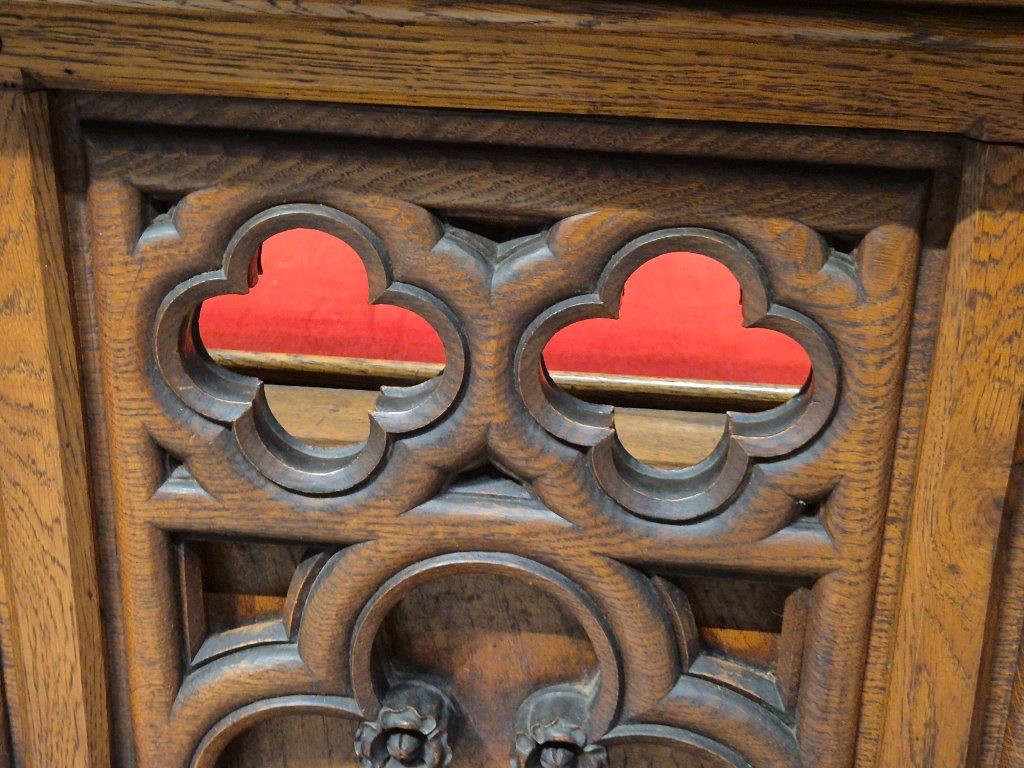
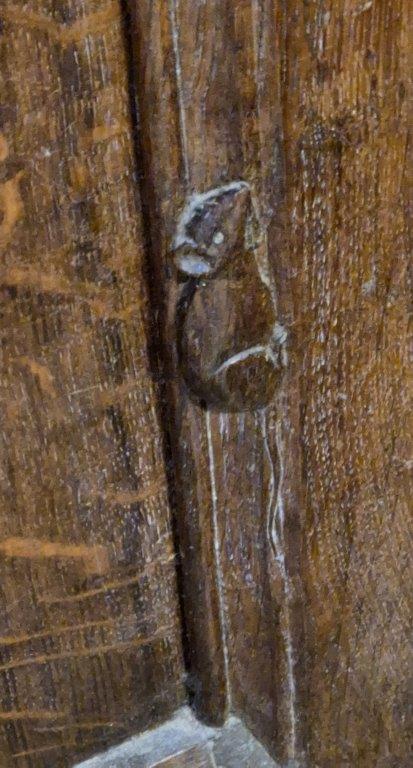
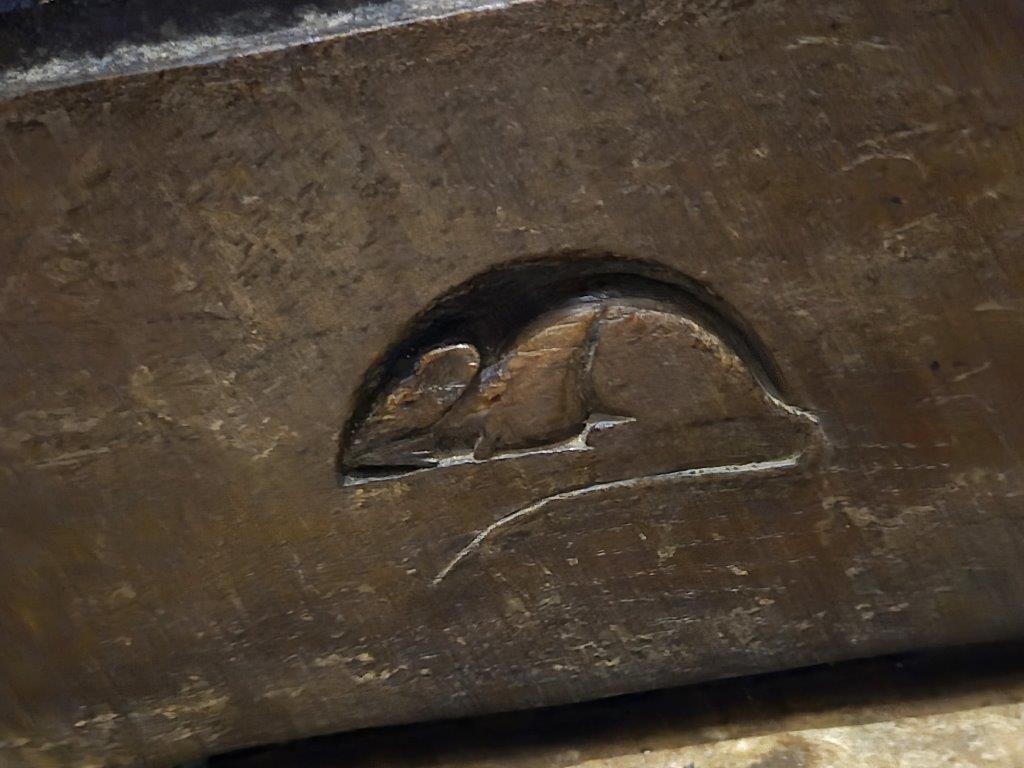
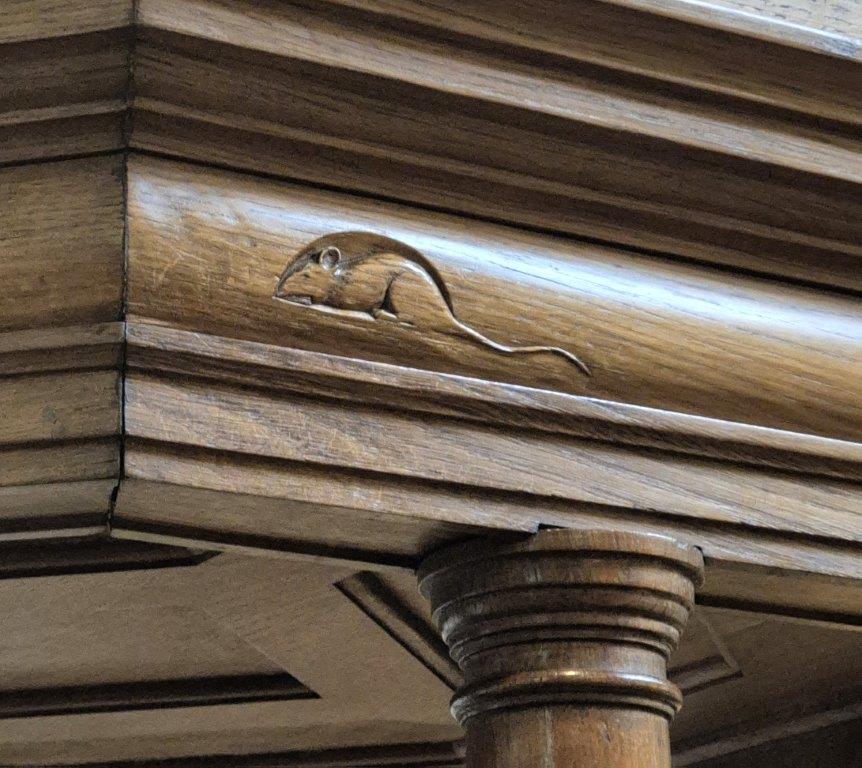
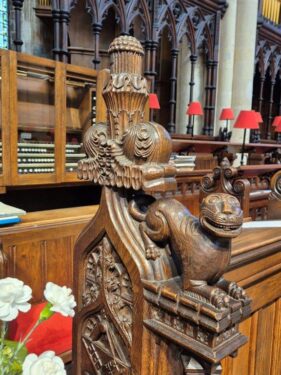
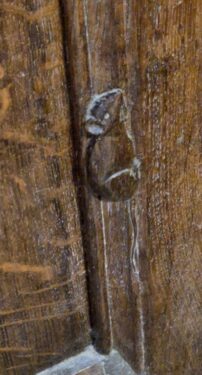
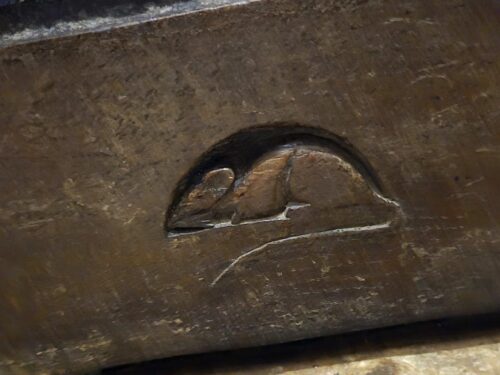
And one of the celebrated features of the church woodwork is the carved mouse figures courtesy of Robert ‘Mousey’ Thompson (1876-1955) and his descendants, furniture-makers based in nearby Kilburn, complete with child-friendly ‘hunt the mice’ guide!
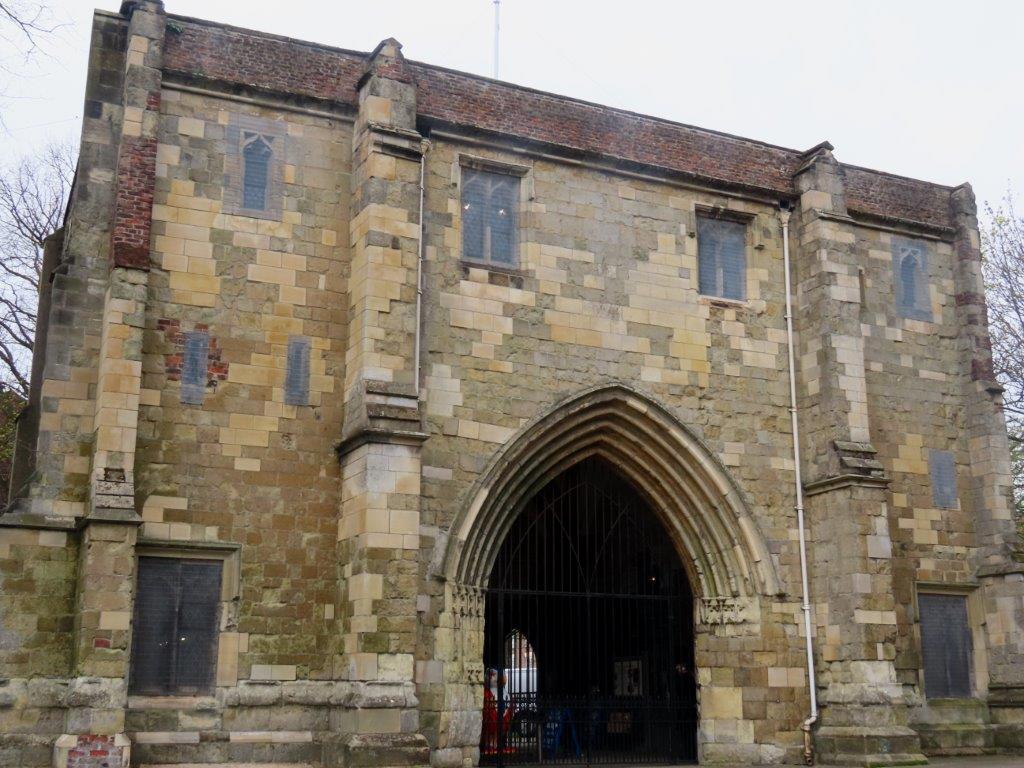
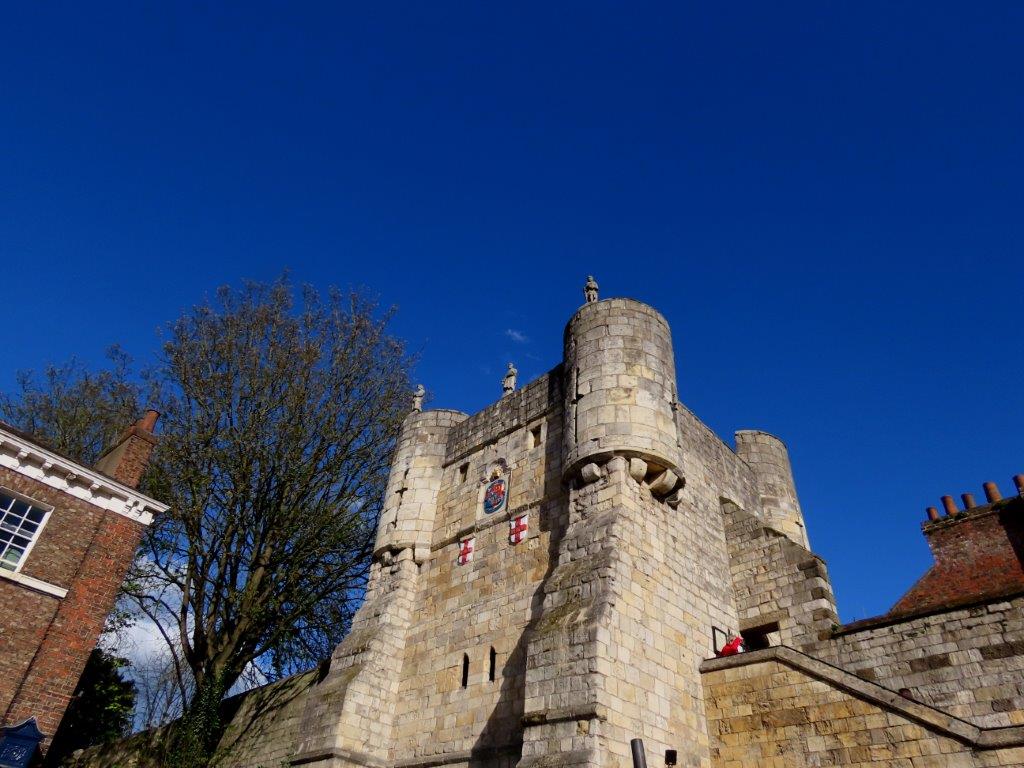
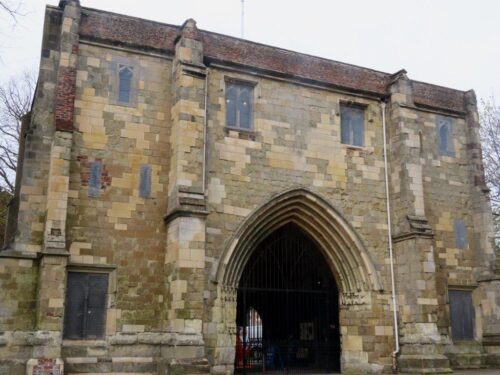
Outside the church the Bayle Gate, again a constant part of my history, not least because I was entranced by the pinned, locally-caught Death’s-head Hawkmoth the museum had in its collection fifty years ago. But I had no idea that this, the former principal entrance to the Priory, is itself Grade I listed in its own right.
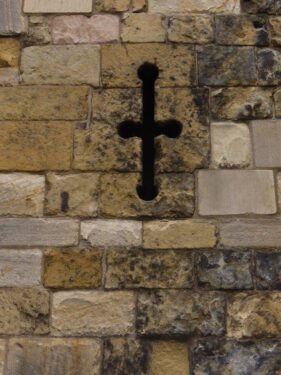
We had been hoping to head out by bus to Flamborough Head, but in the event the wind was too Siberian to make that a joyful prospect. So it didn’t really matter that the bus simply didn’t turn up, despite that the app was saying/lying it was ‘due’ and then had ‘departed’. This simply epitomises the Brid that needs to get itself into the 21st century: this day and age there is no reason why online resources are based on timetables rather than real life.

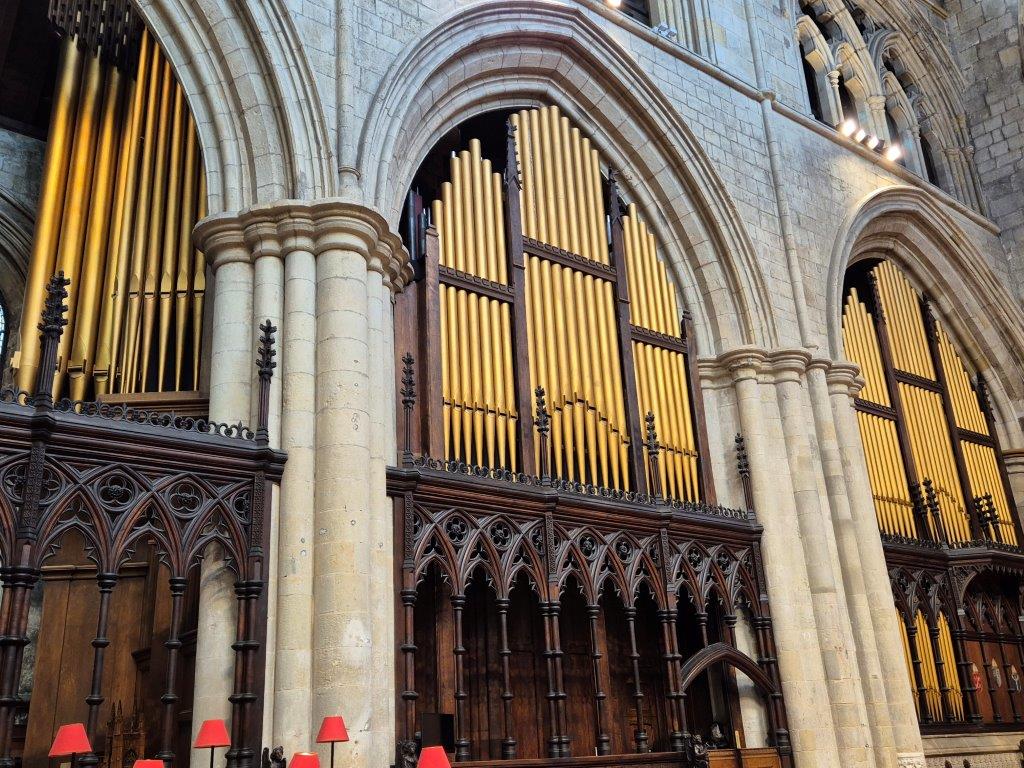
It was a mixed experience for me. I am not sure I ever want to return to a left-behind town with dead-end attitudes and the stench of Reform at every turn. Of course the birds of Flamborough and Bempton could be a reason to return, but I suspect the only thing that would draw us back for sure would be an organ recital in the Priory. The acoustics must be simply wonderful, and the organ is regarded as one of the finest in any British parish church, with its 32ft Contra Tuba pipe, the largest pedal reed in Europe apparently.

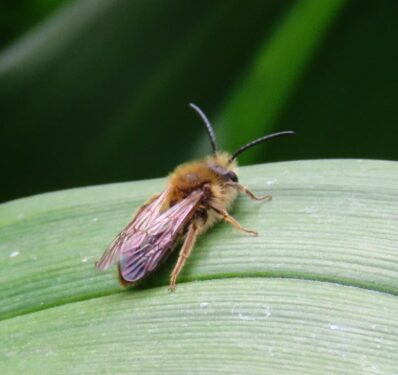
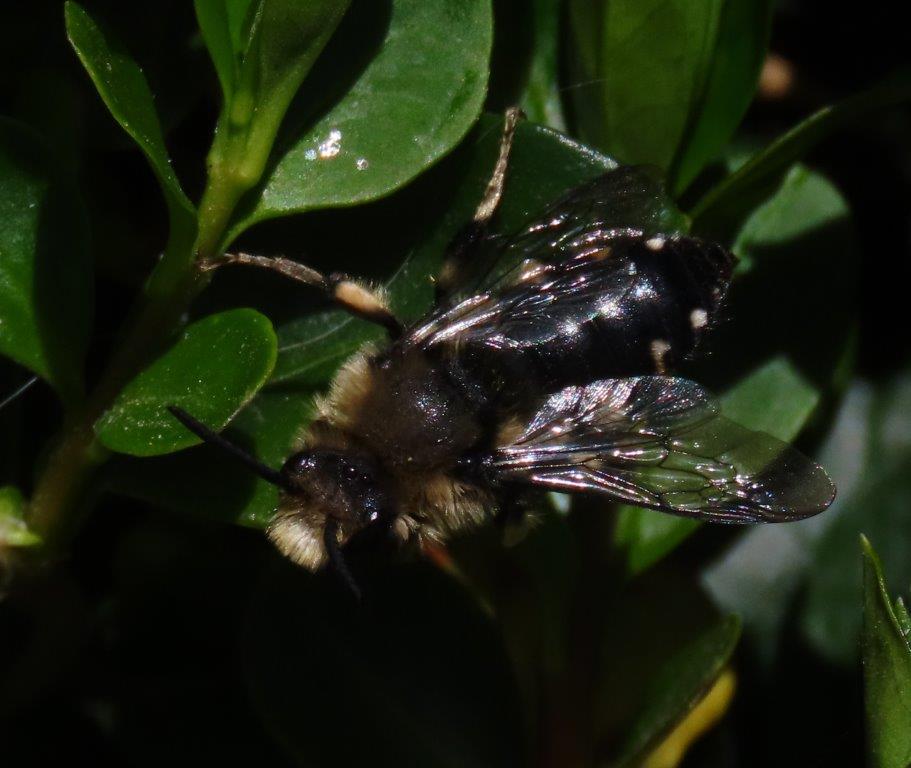
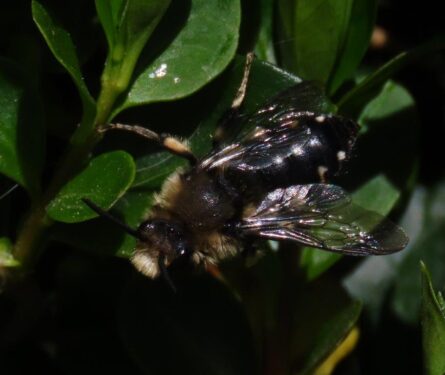
So on another sunny morning I was happy to wave goodbye to my past, albeit intrigued to find several Common Mourning-bees in the lee of a garden hedge, sheltered from the cold breeze. Now right at the northern extent of its British distribution, this again is something the younger me would not have been able to see in the area.
Our train took us over the rolling chalk landscape of the Yorkshire Wolds, and with a change at Seamer, through the Vale of Pickering, and pastures with tumbling displaying Lapwings. Then, passing by Kirkham Abbey and Skipwith Common, we pulled into York.
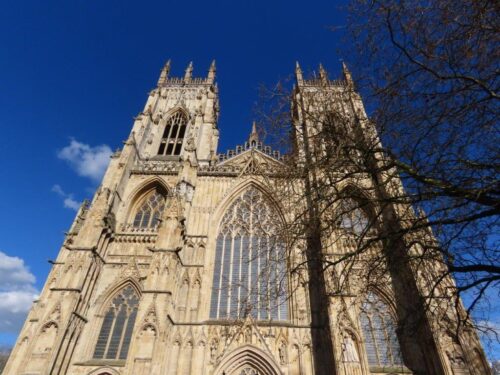
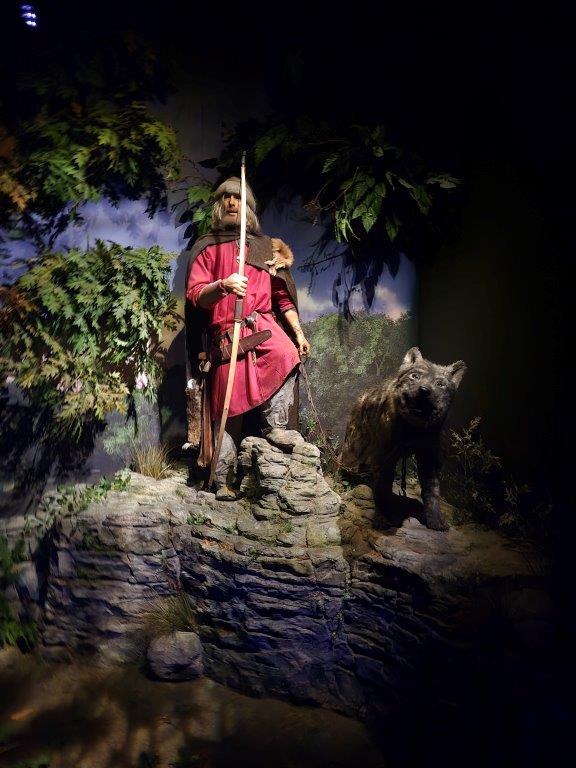
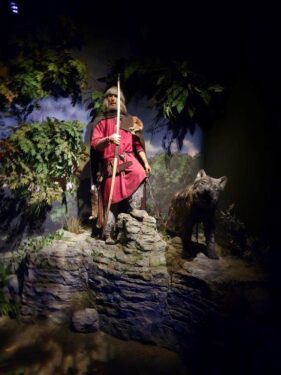
My first stint at university was at York and, freed from the parochial shackles of home, safe to say my memories of there are more positive. And we certainly found plenty to interest us all for a couple of days, including  formal attractions like the Jorvik centre, bringing life to the local Vikings.
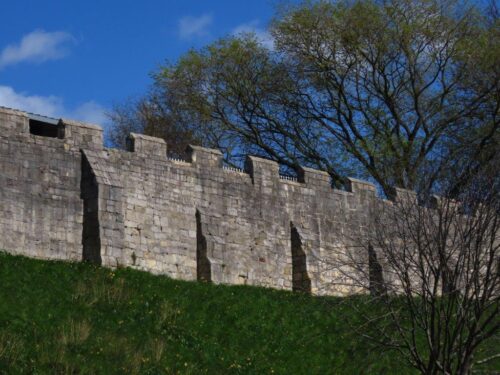
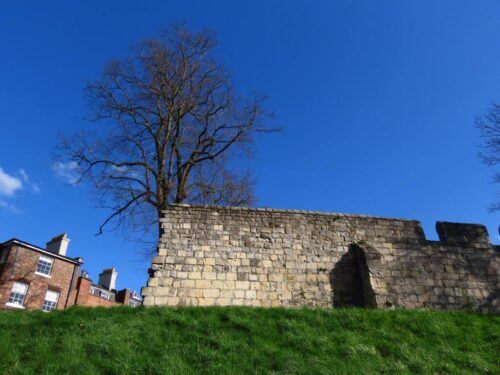
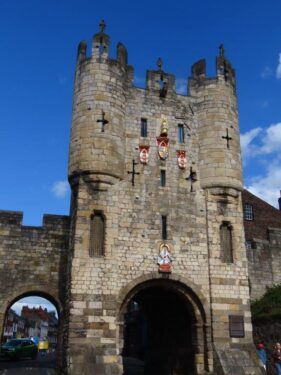
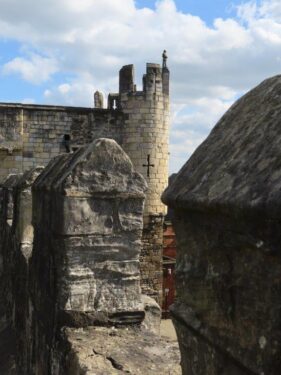
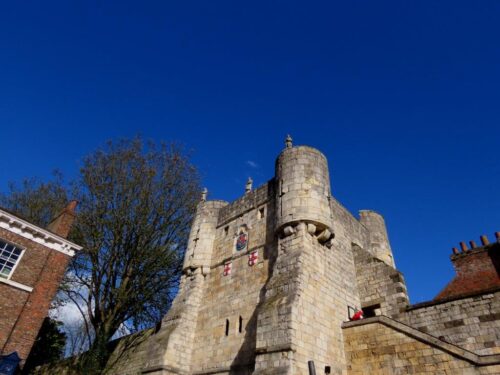
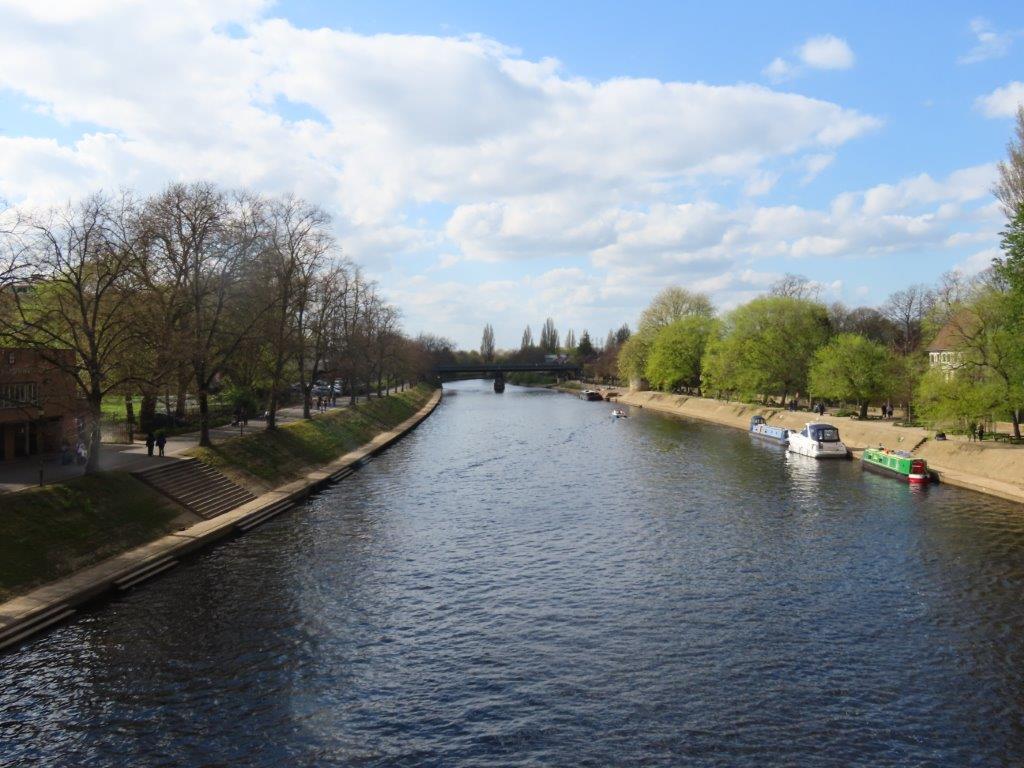
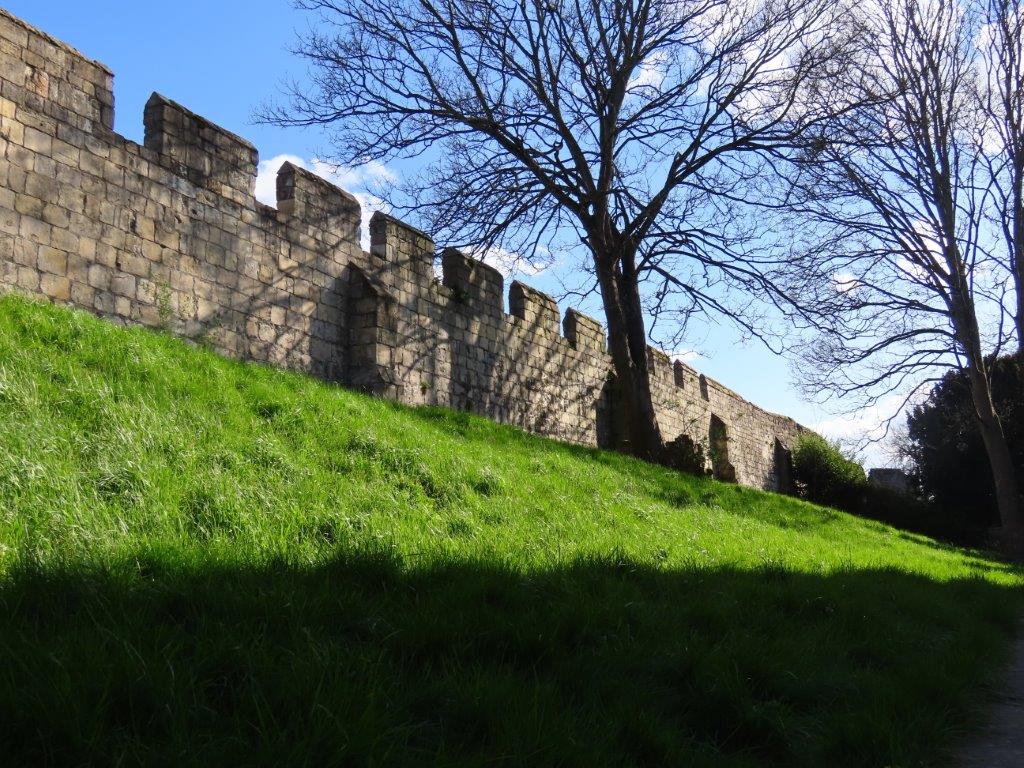
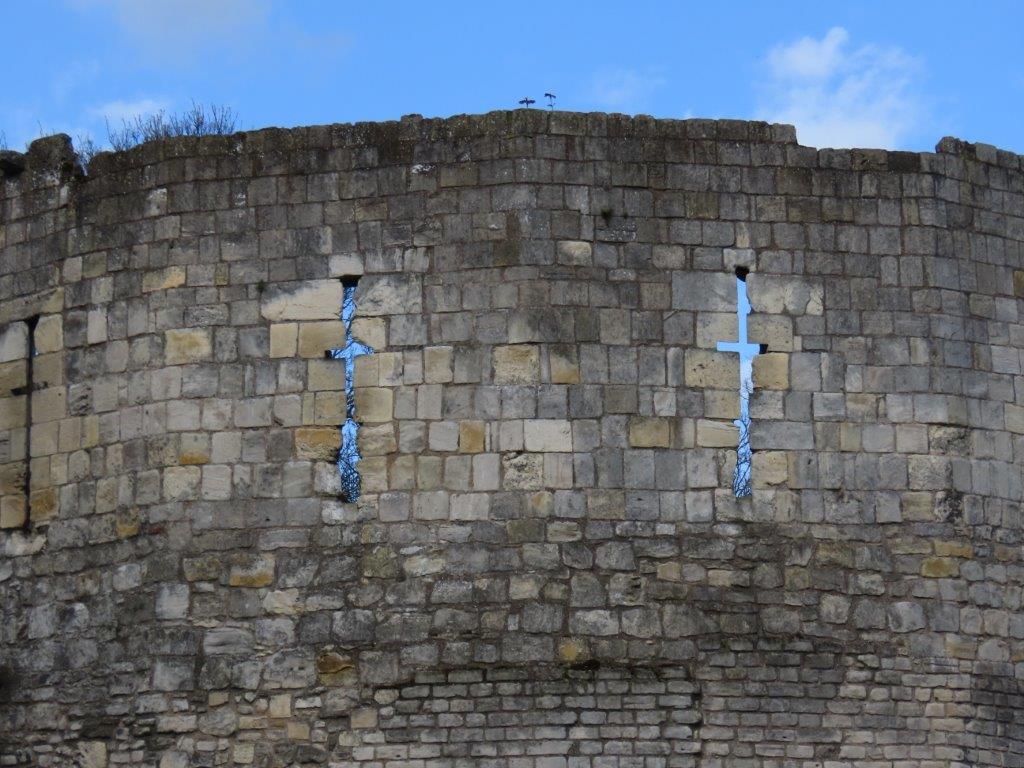
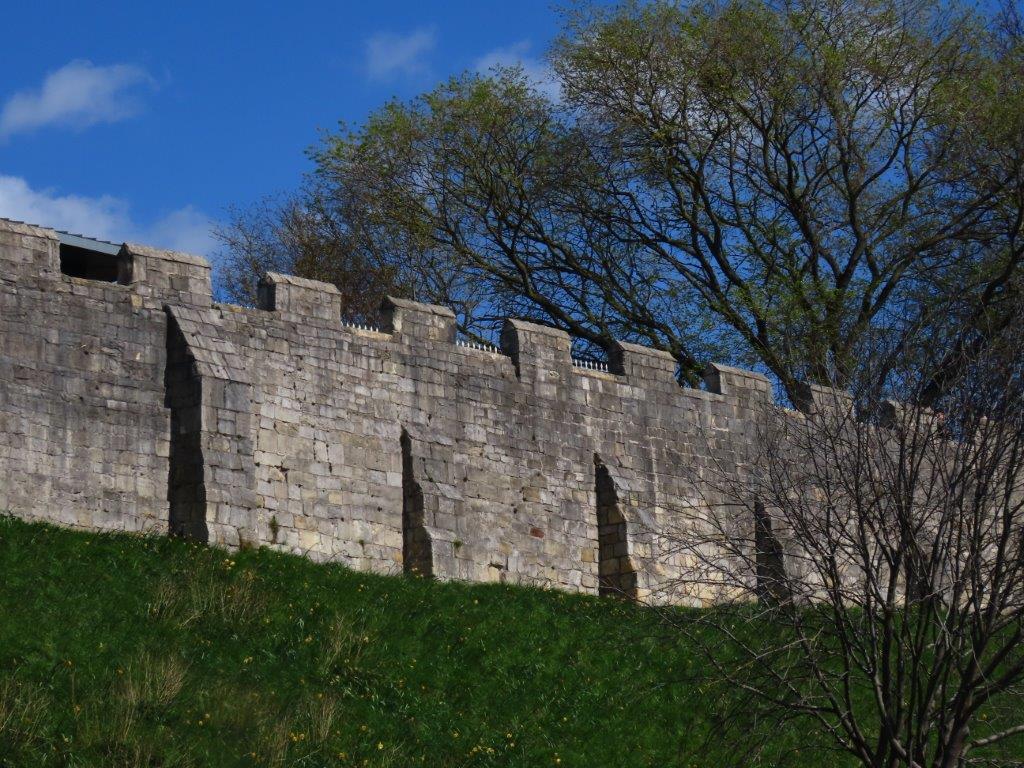
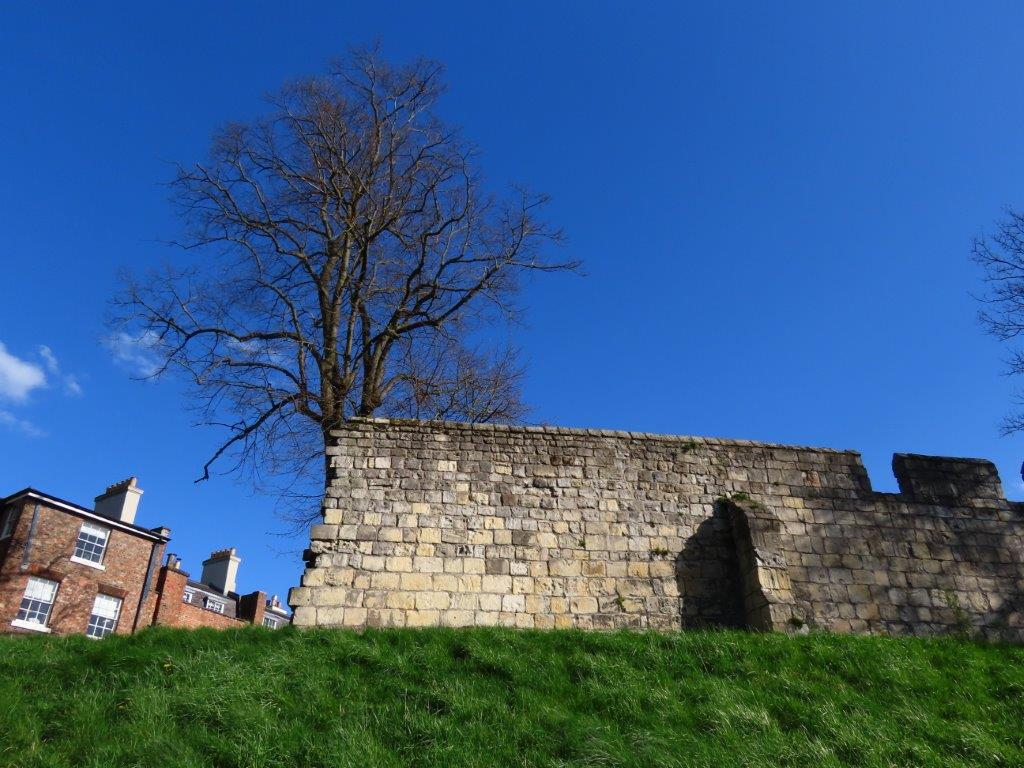
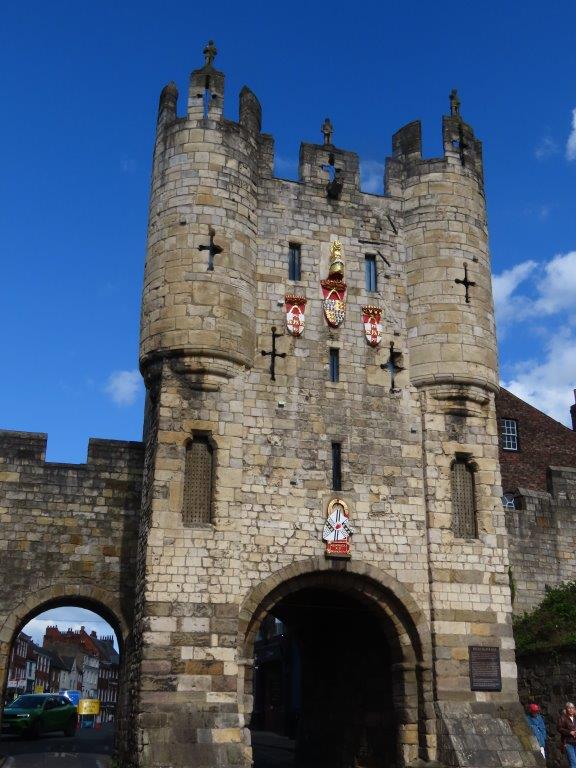
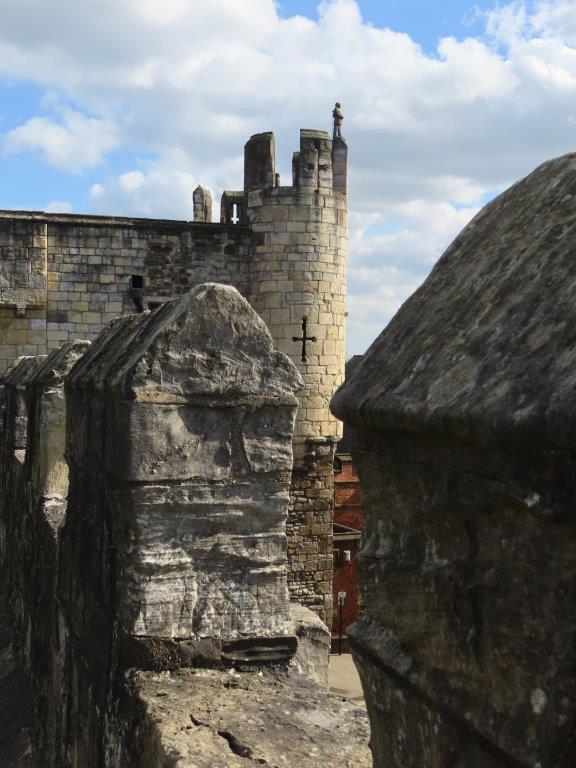
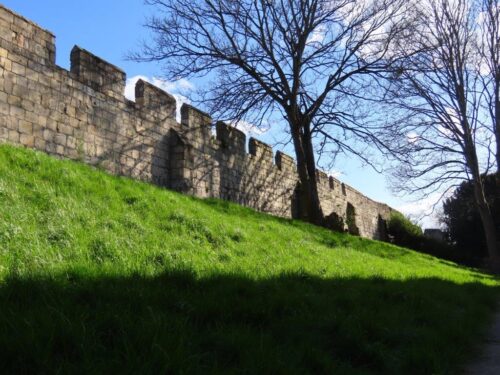
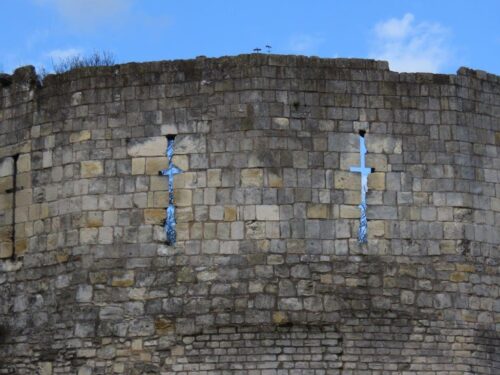
The historic walls were an excellent introduction, a near-continuous elevated encirclement of the centre, the longest and most complete medieval town walls in England, interrupted only by the River Ouse, running for 3.4 km, built mainly in the 13th century on earlier Roman/Viking earthworks.
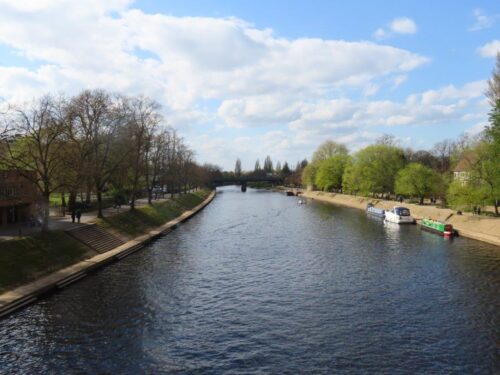
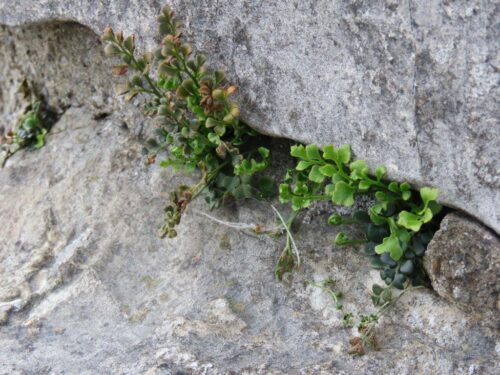
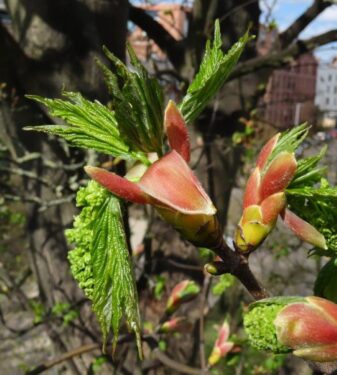
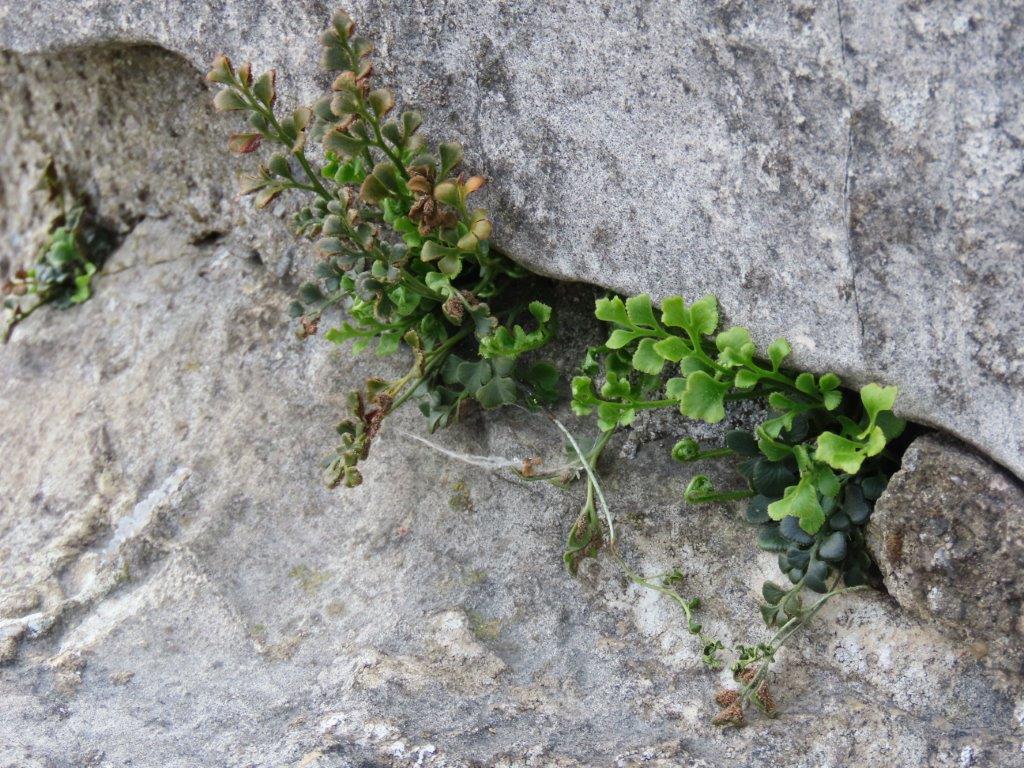
Views of history, of Wall-rue in the crevices, and close-up, tree canopy views of Sycamore bursting out:
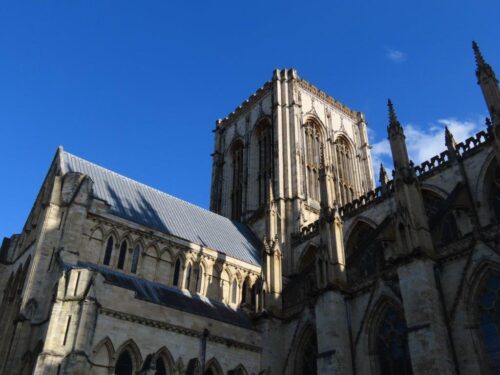
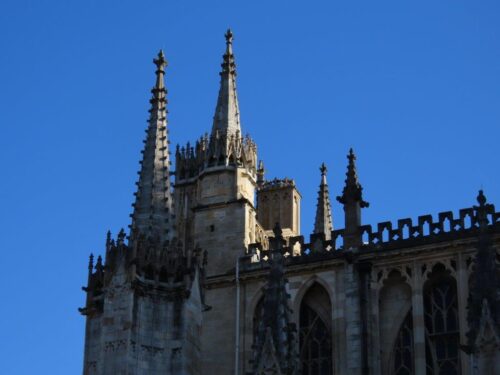
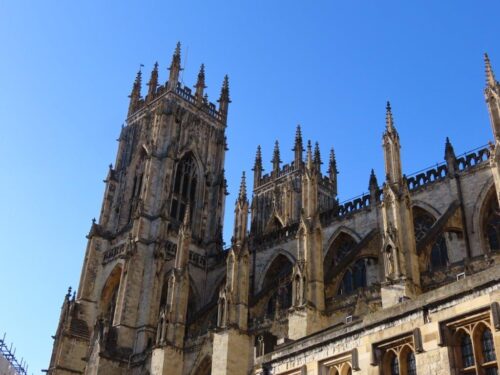
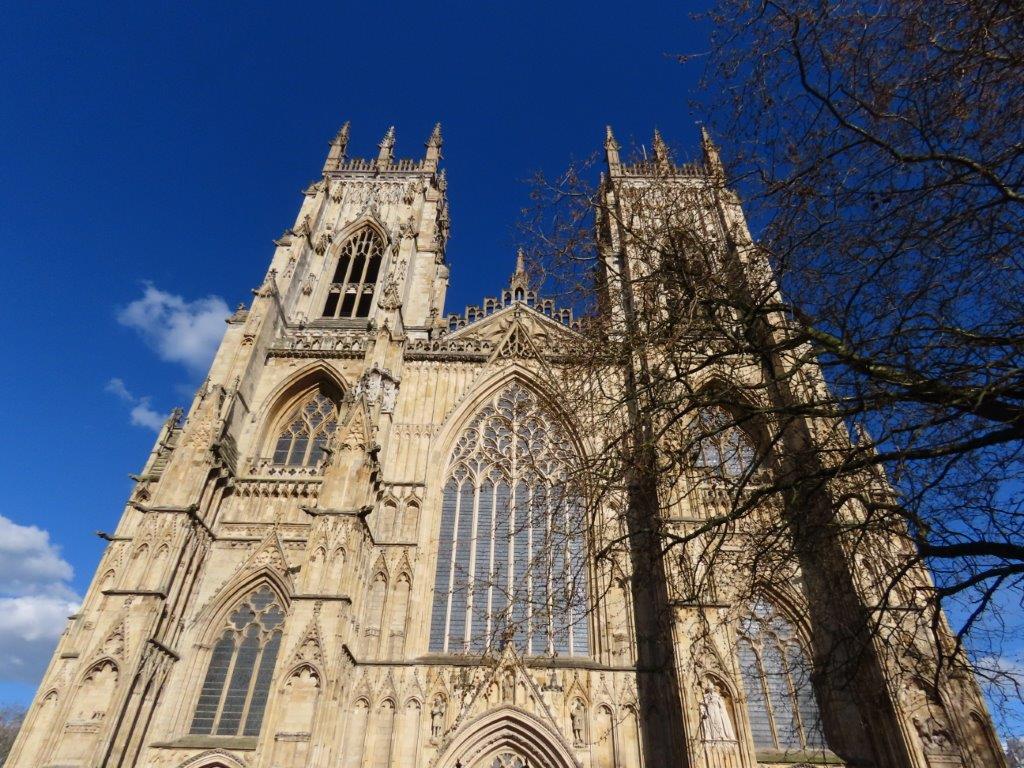
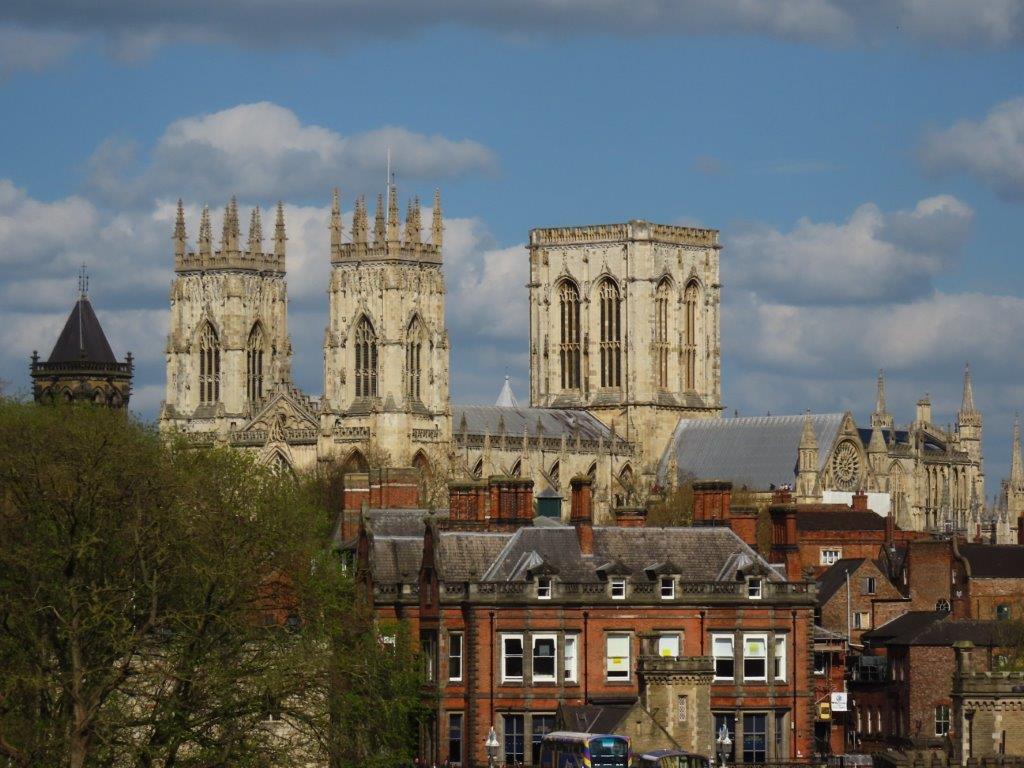
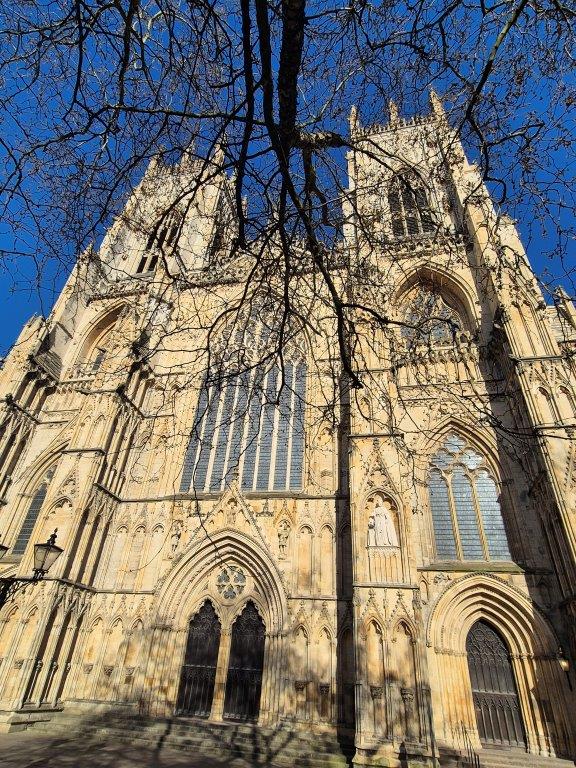
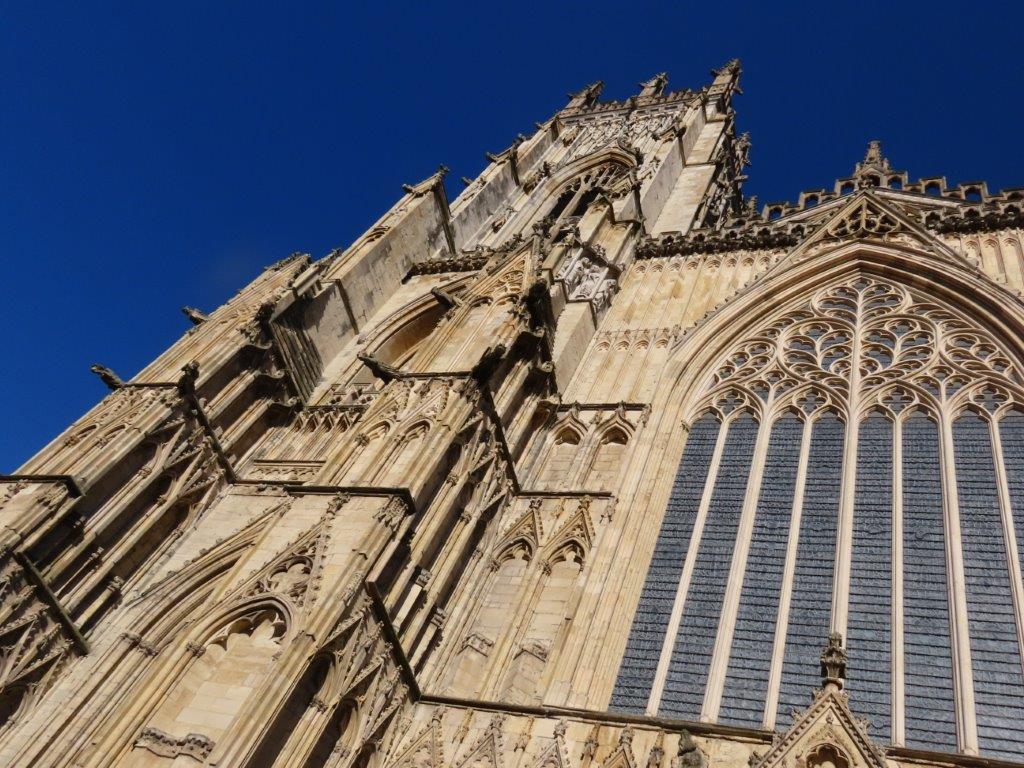
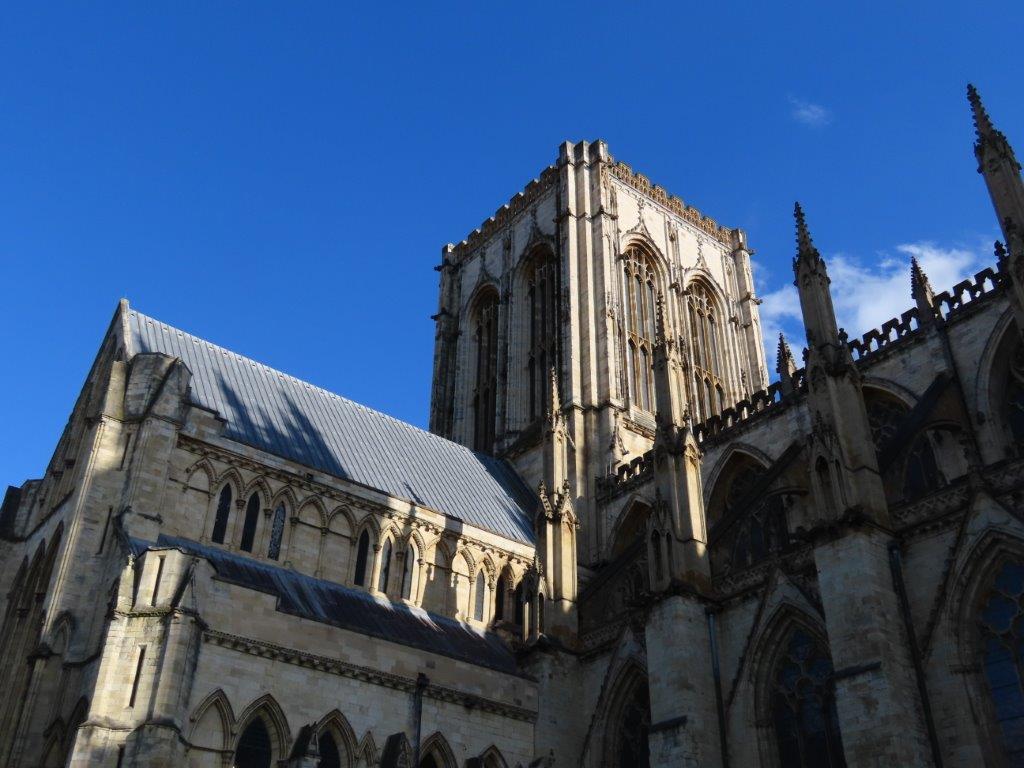
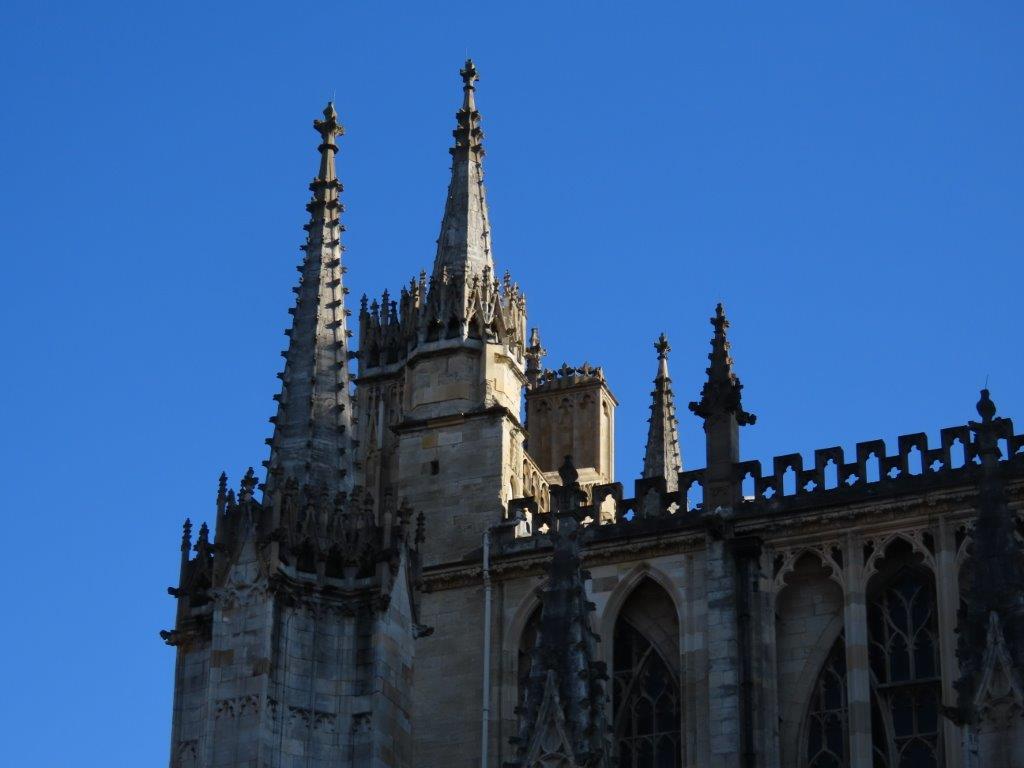
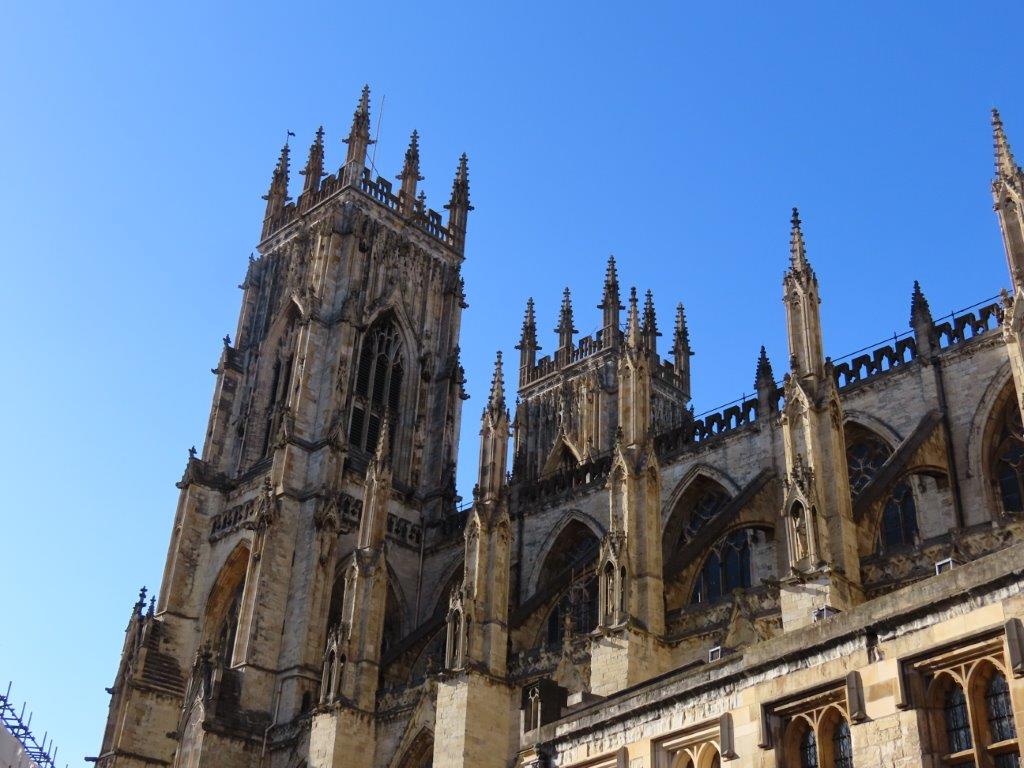
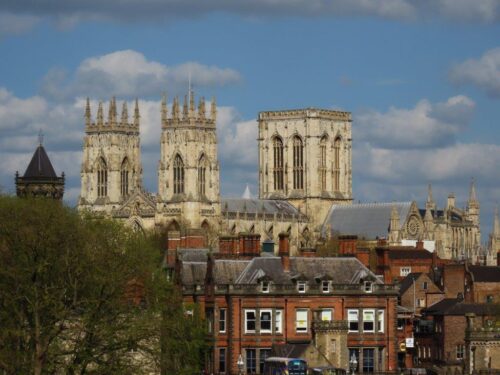
And as the sun started to set, the Minster bells drew us ever closer. But not inside…who needs to see the interior (at great expense) when the sunset is flickering its flames over the limestone masterpiece?
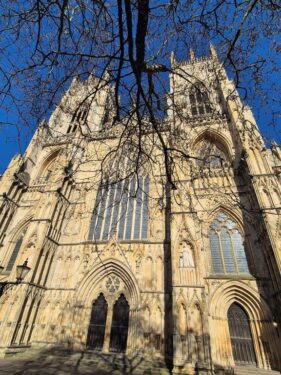
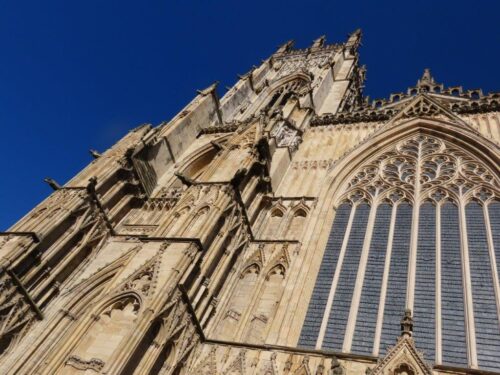
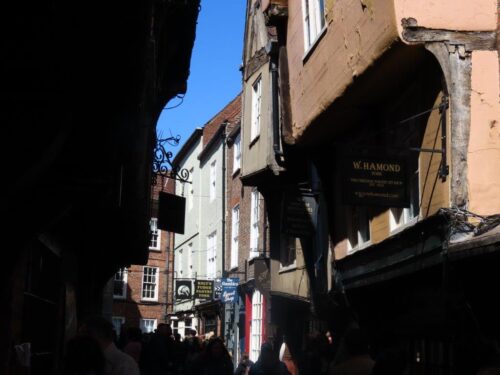
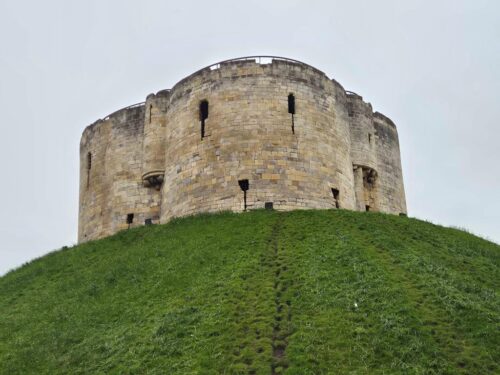
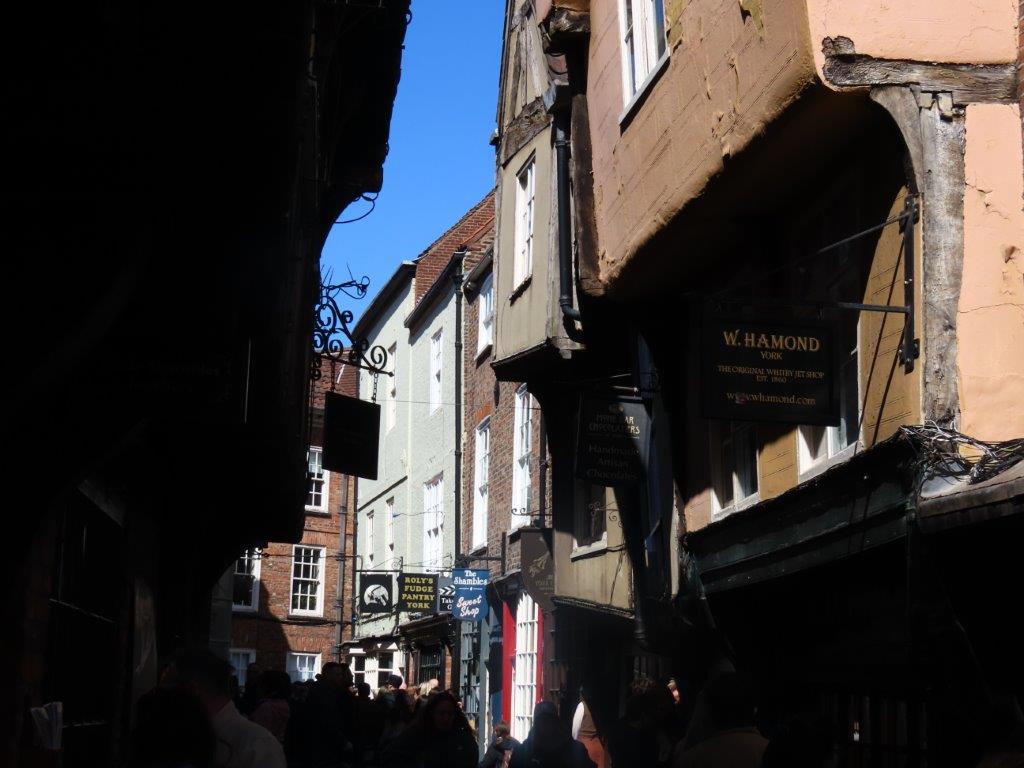
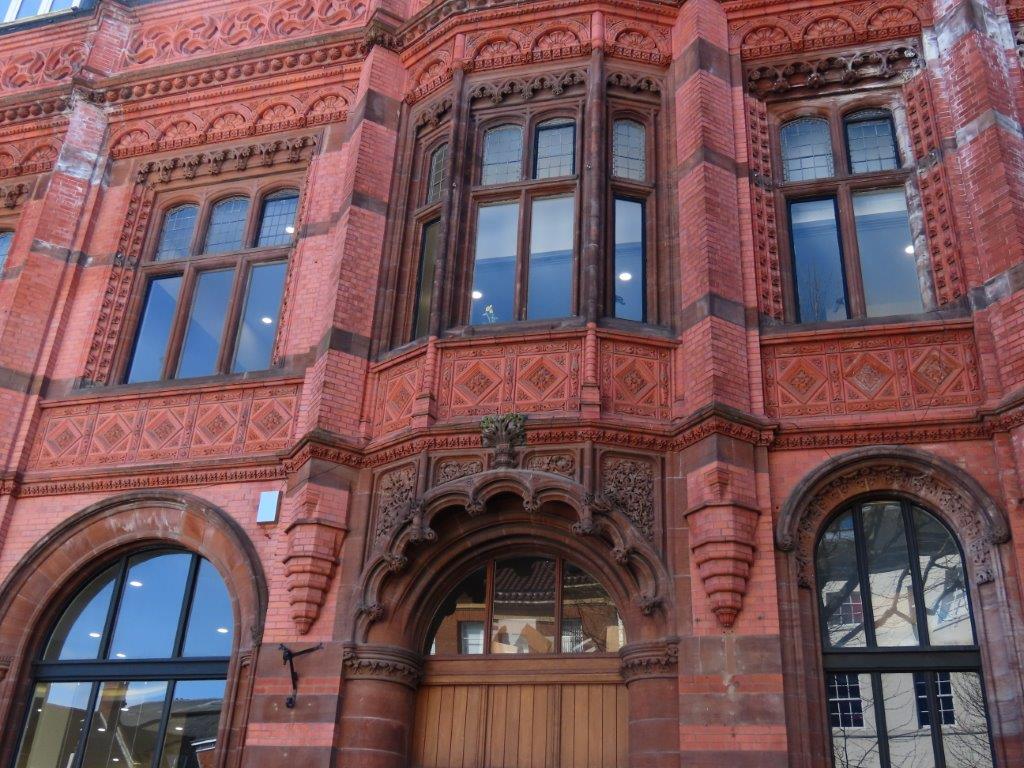
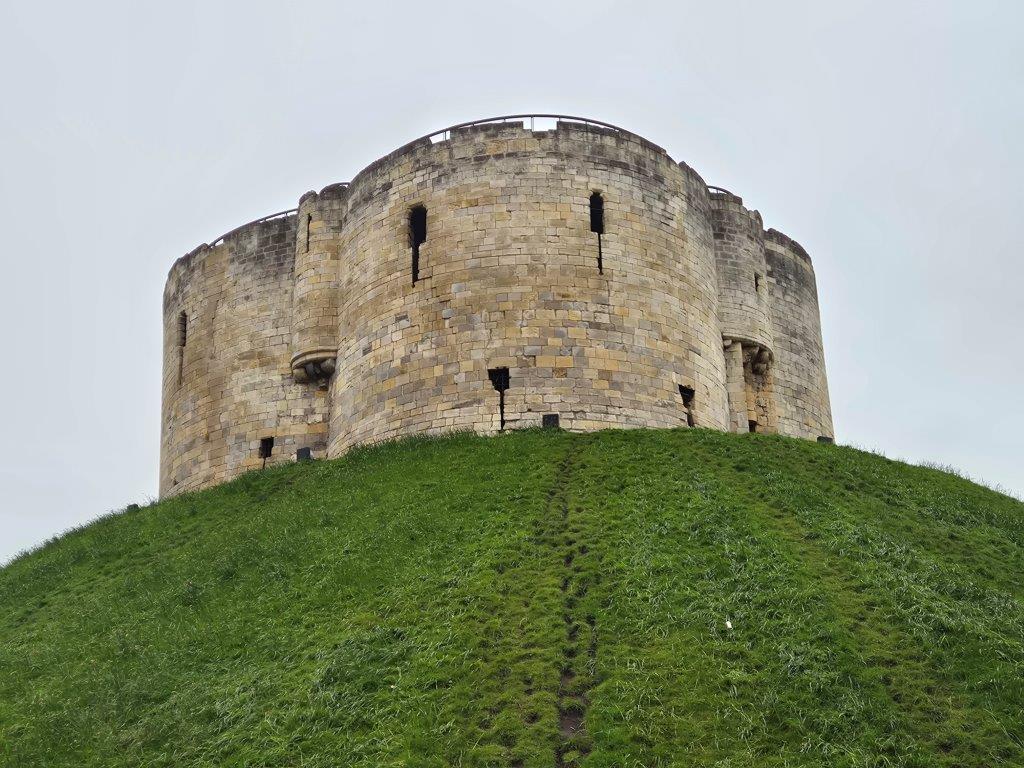
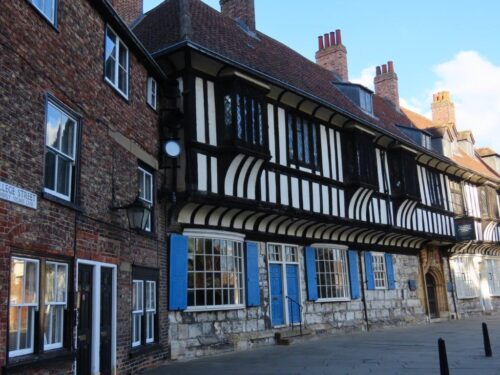
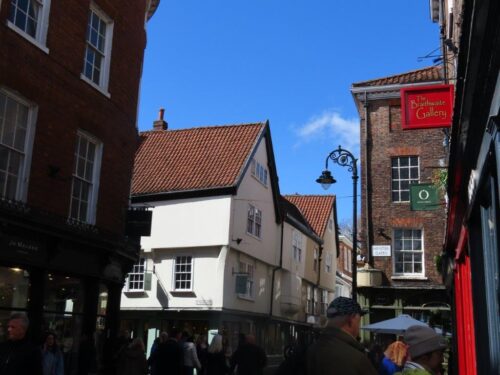
Then there were the bustling streets like the Shambles, and historic buildings at every turn, including Clifford’s Tower.
 

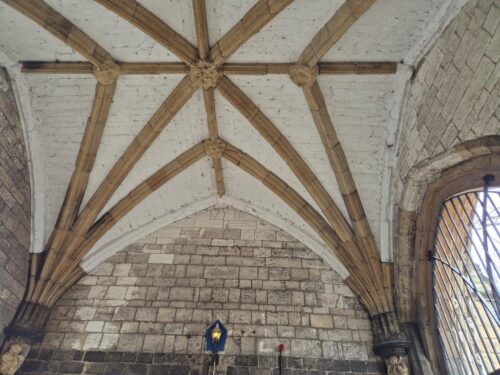
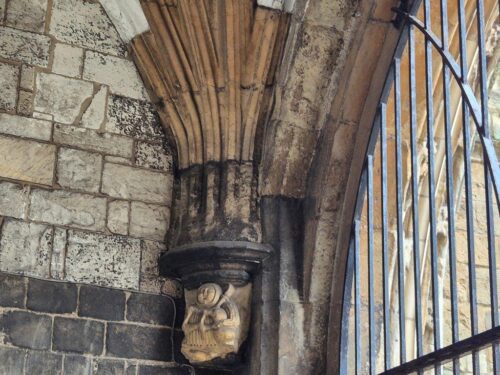
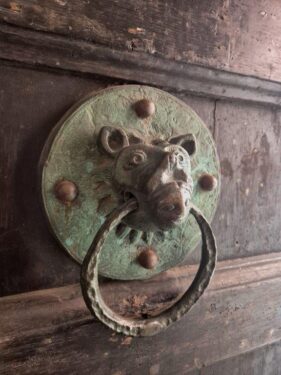
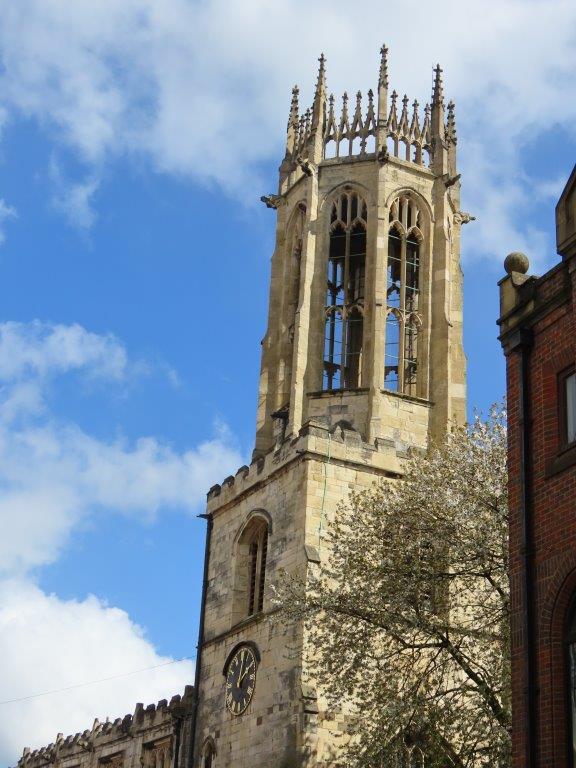
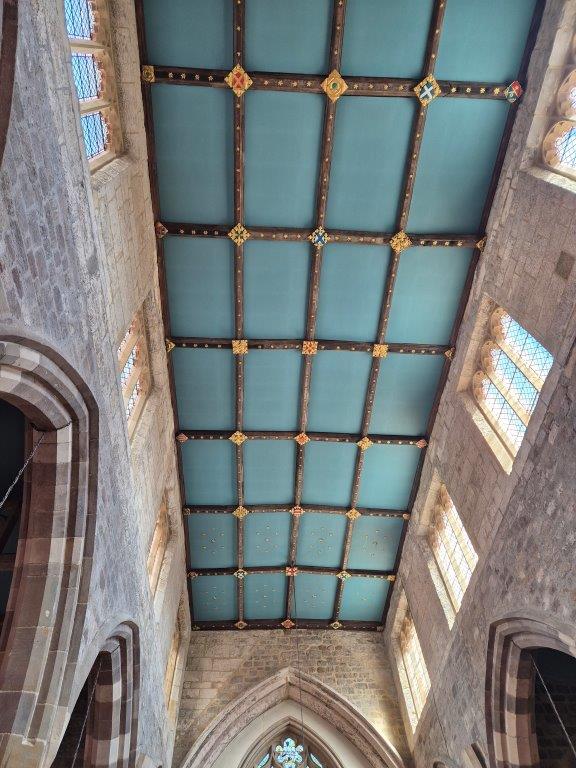
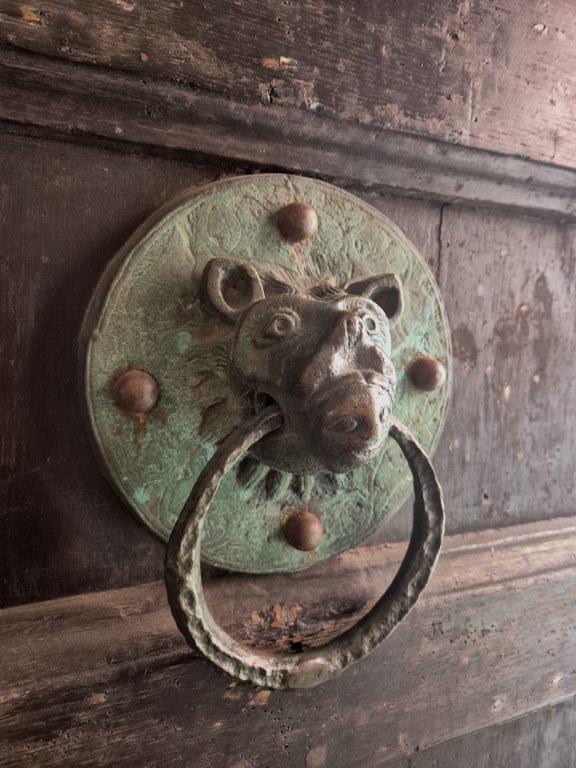
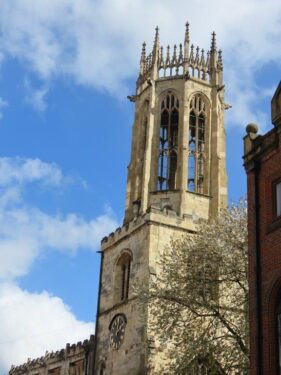
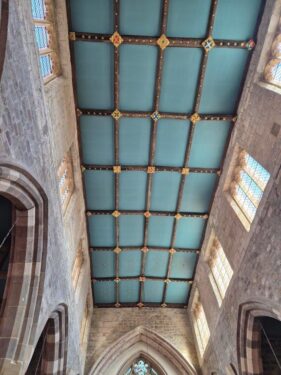
One particular church, All Saints, Pavement caught our attention the following day, shelter from a shower and another mouse-hunt! When it was built it was on the only paved area of the city, hence its name. Grade I listed, it has a distinctive octagonal 15th-century lantern tower. In the medieval period, a lantern was hung from the tower to act as a beacon for travellers in the forest to the north. The church, first mentioned in the Domesday Book, is the burial place of 34 Lord Mayors. And on the door, a 12th-century knocker depicting the Mouth of Hell.
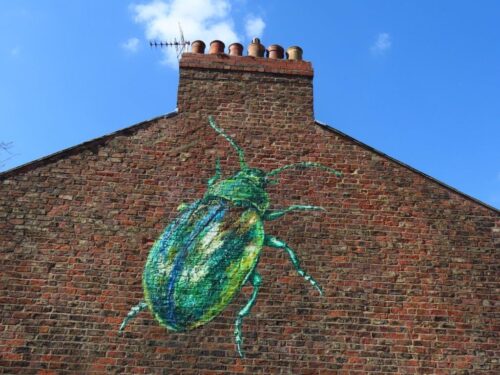
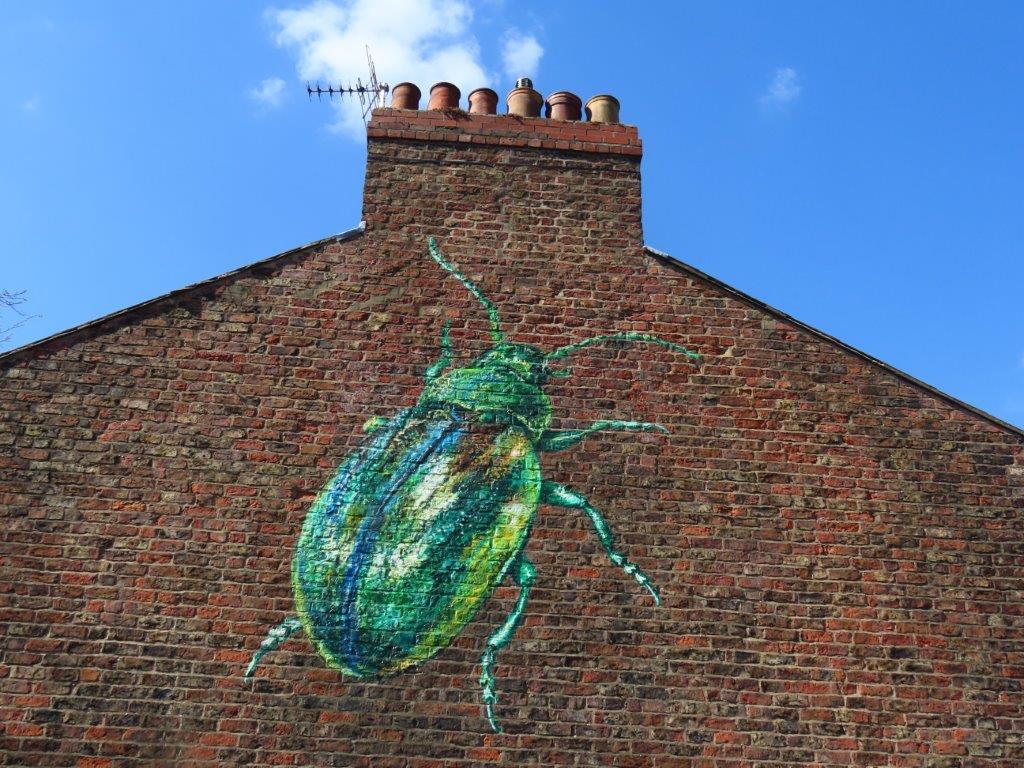
And on both days, when the sun came out, the highlight of York for us was the the Yorkshire Museum Gardens. We were hoping for Tansy Beetles but there were none showing here in their British stronghold. A nearby mural had to suffice!

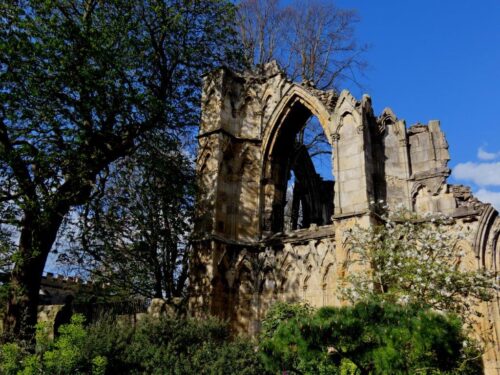
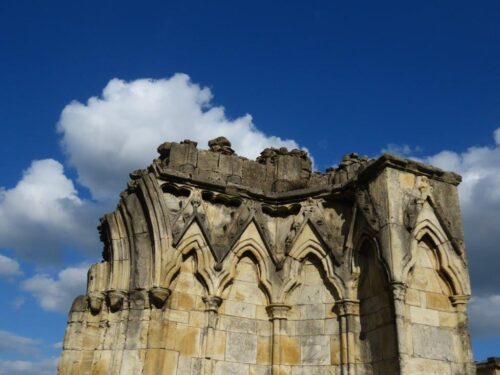
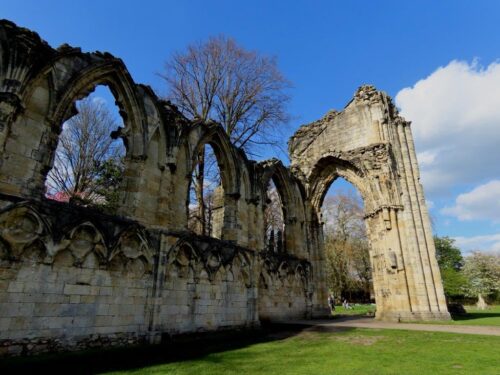
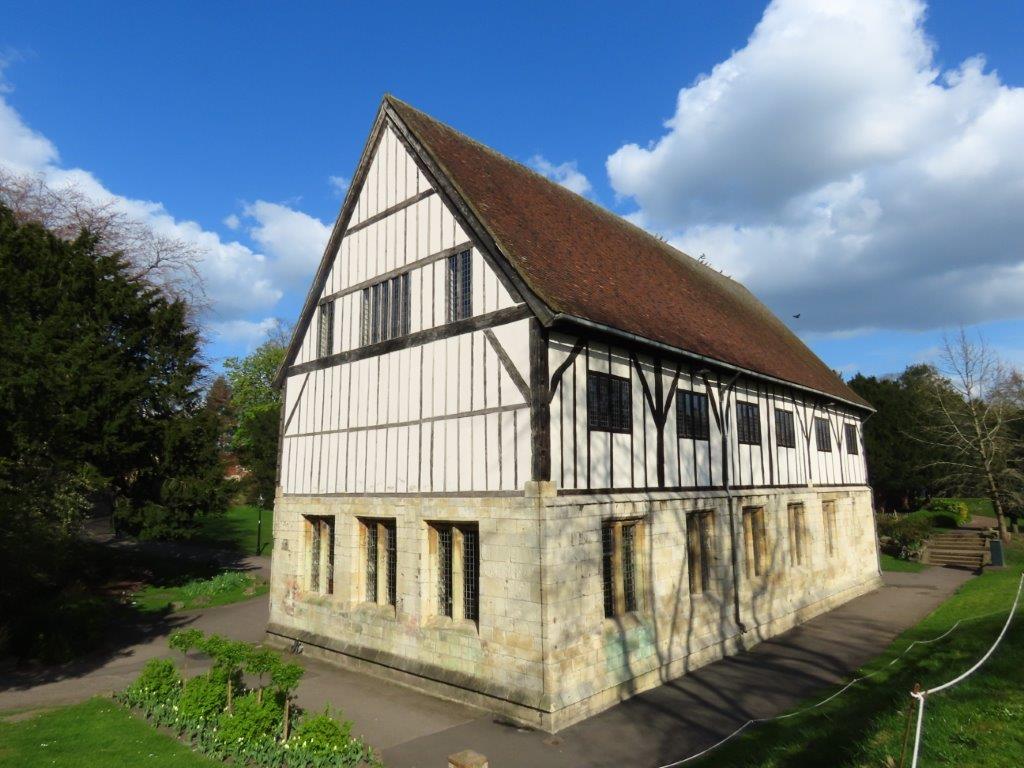
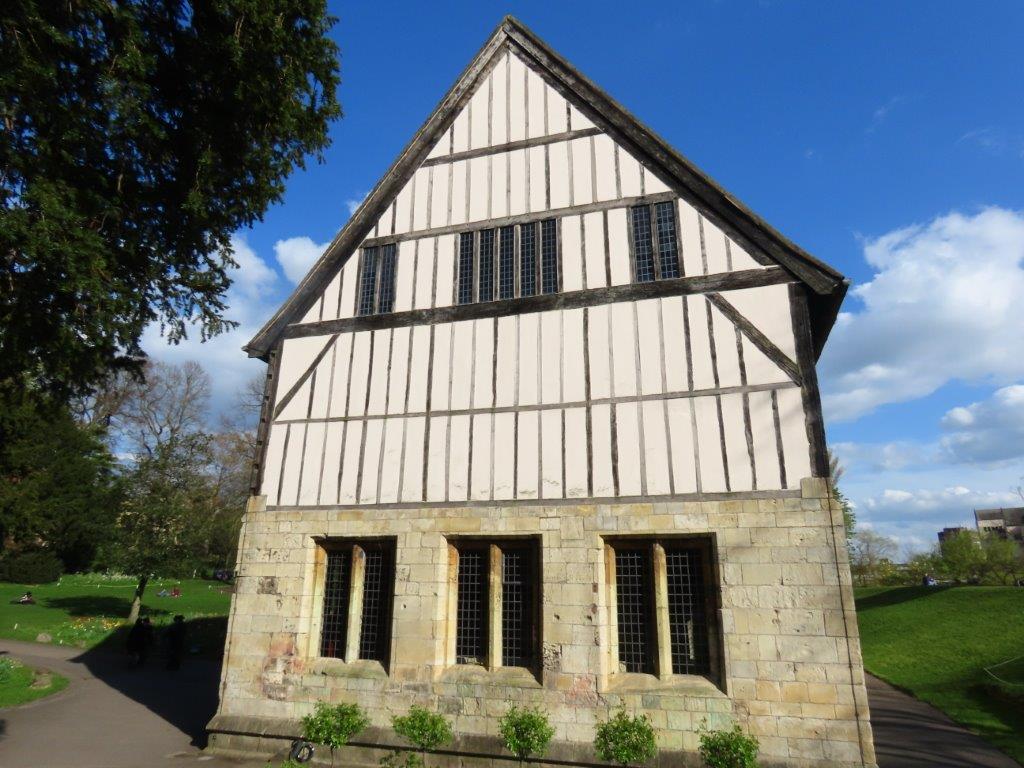
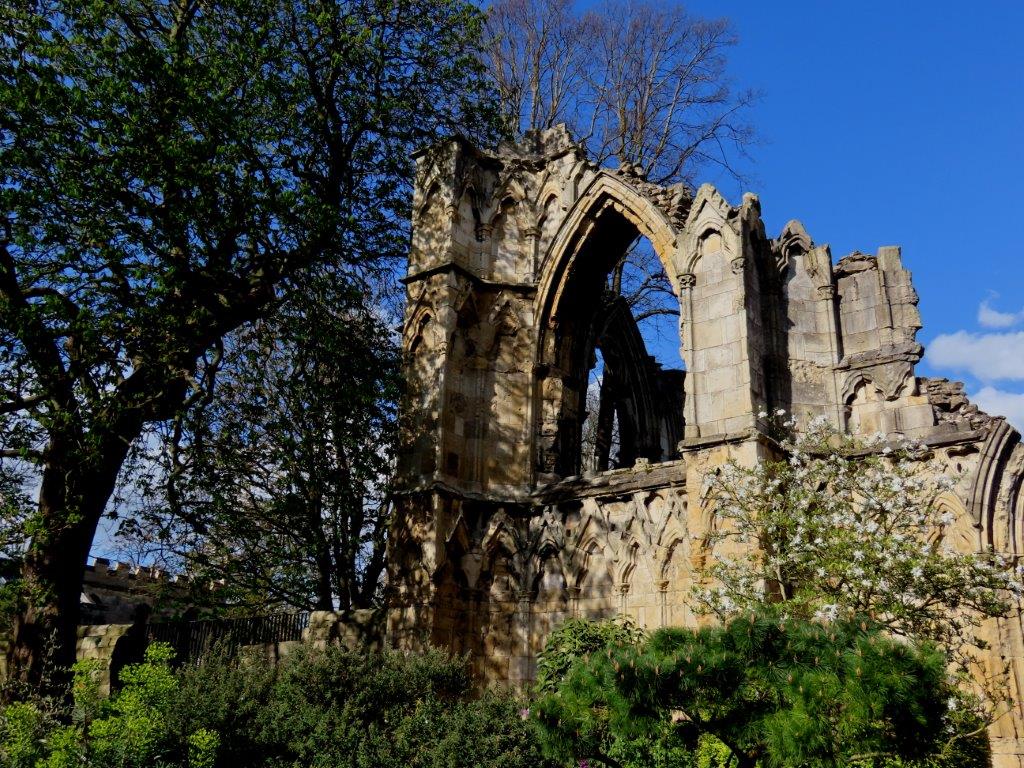
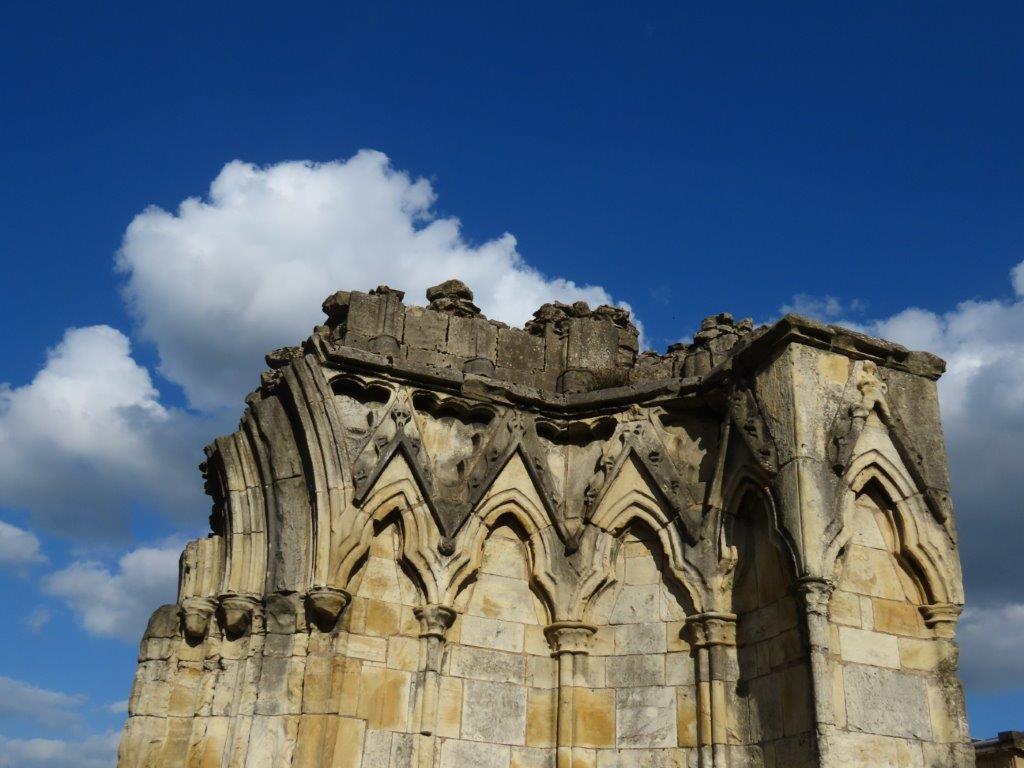
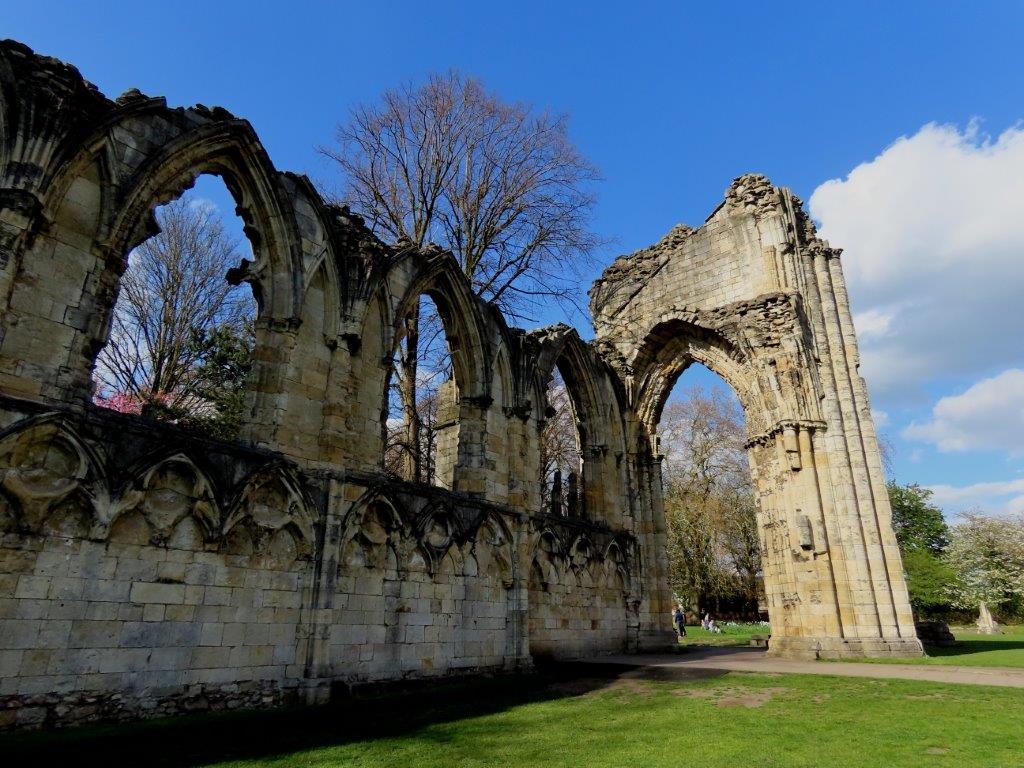
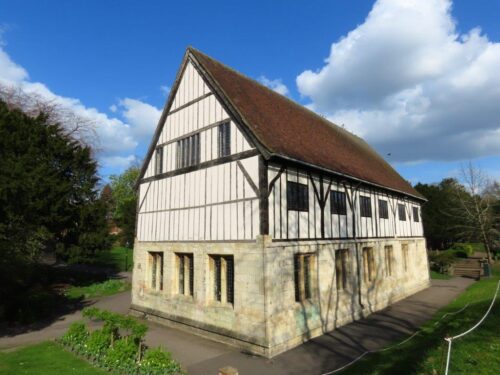
But Eleanor got her ice-cream (both times!) and we all got to see the sights, including the Hospitium and the ruins of St Mary’s Abbey.
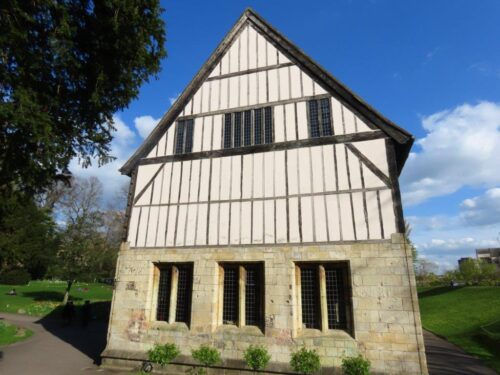
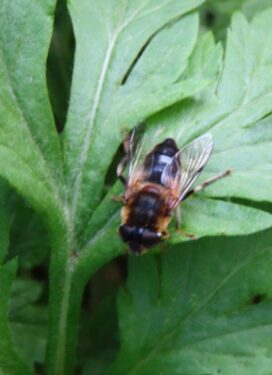
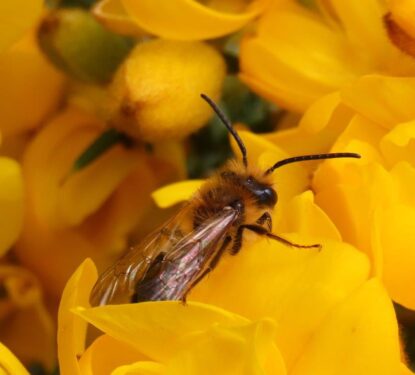
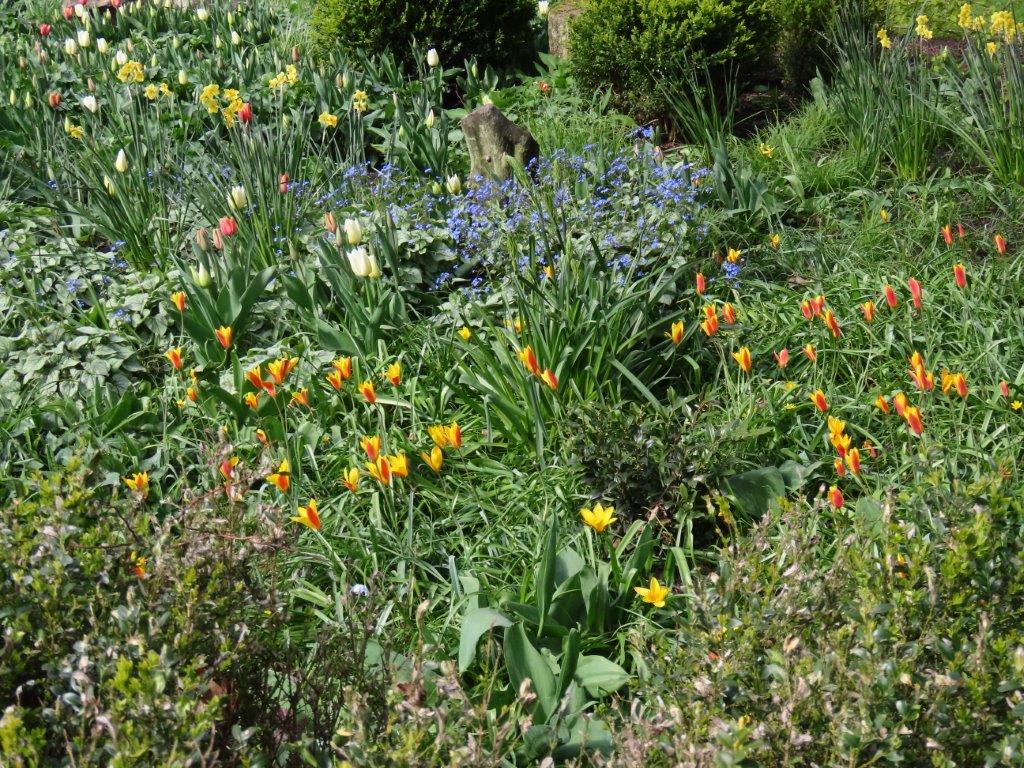
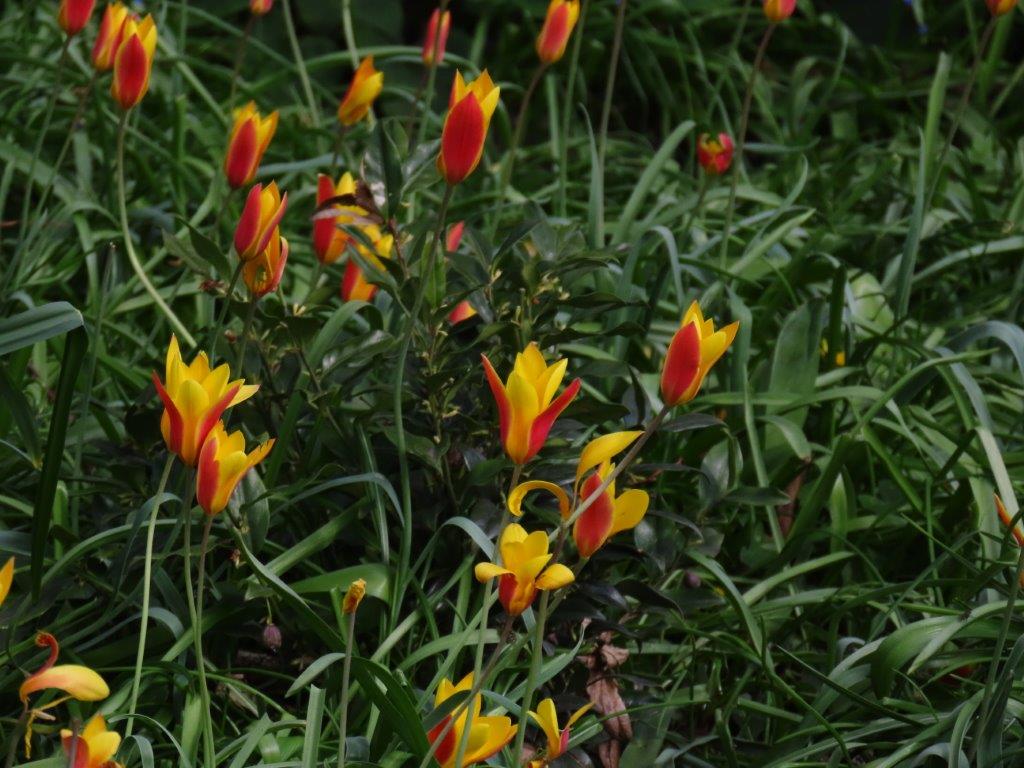
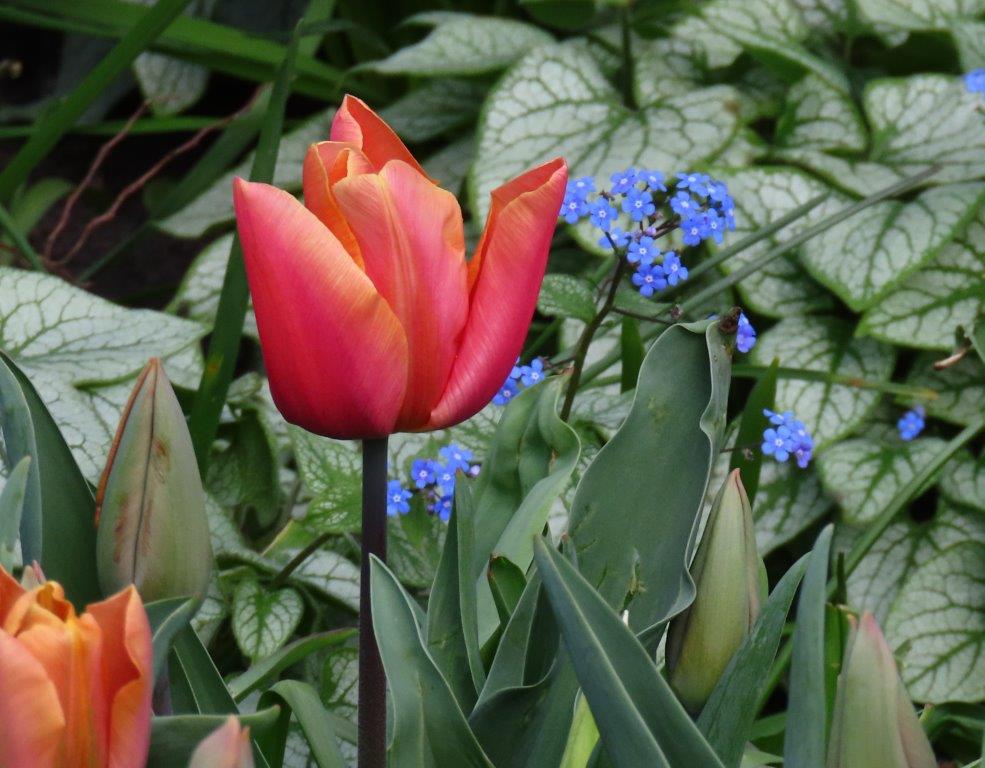
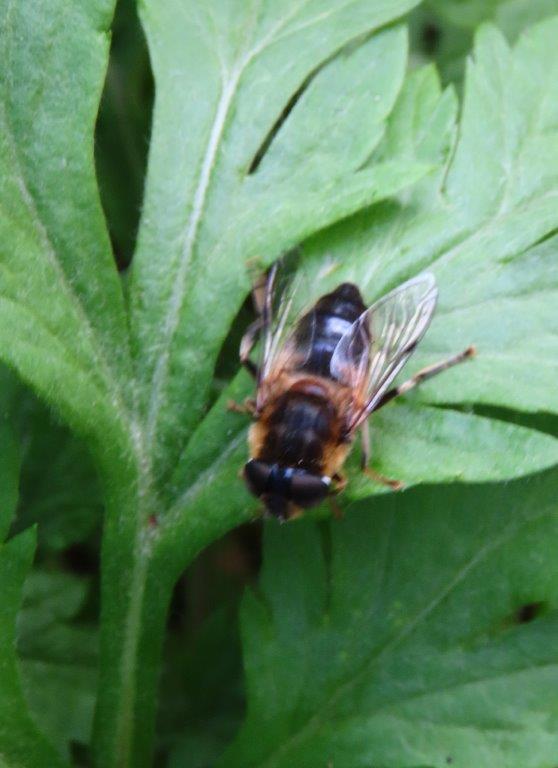
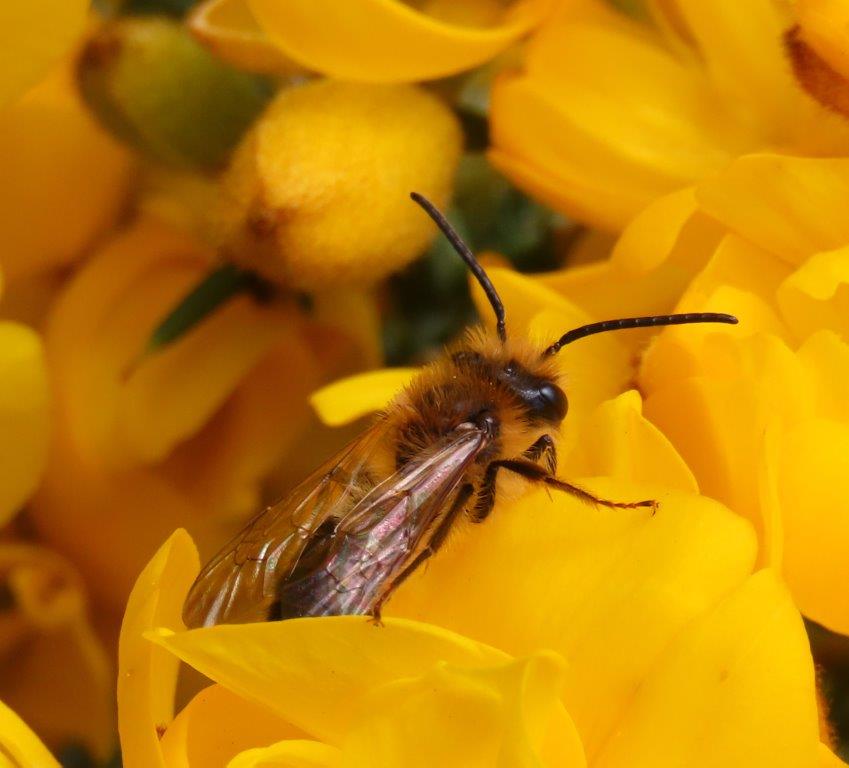
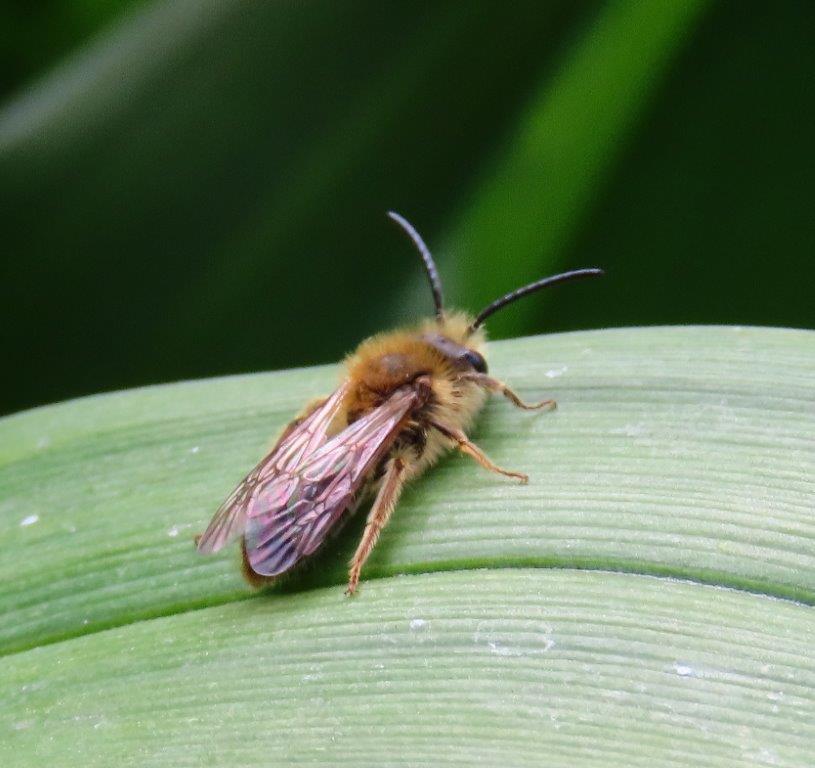
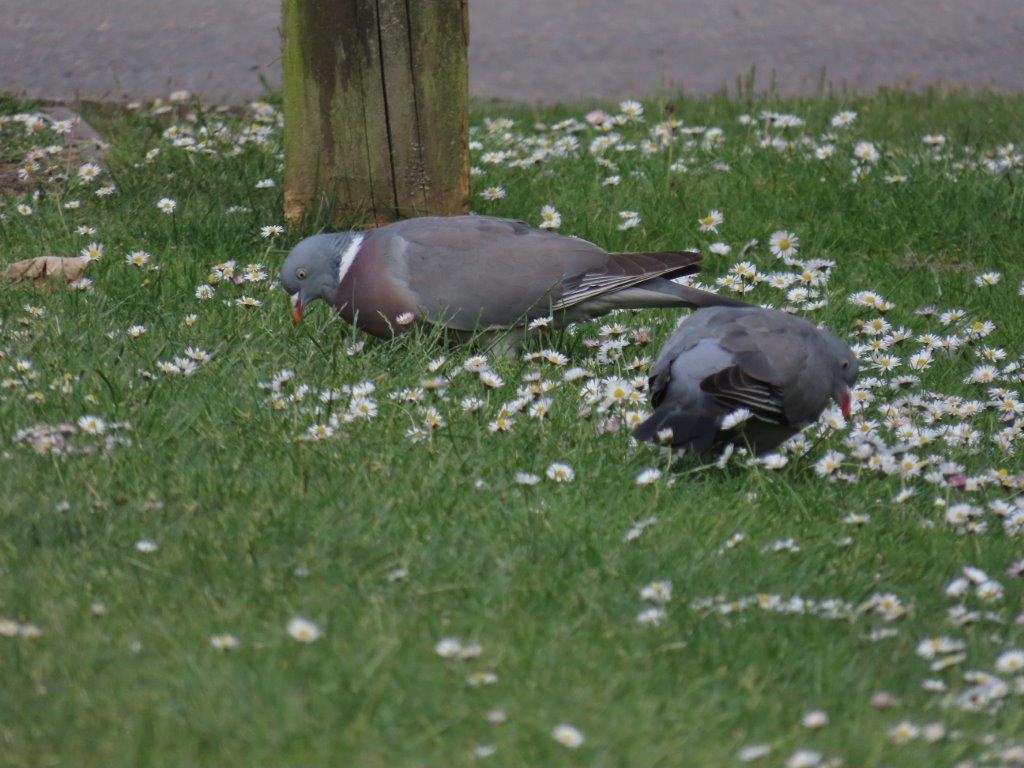
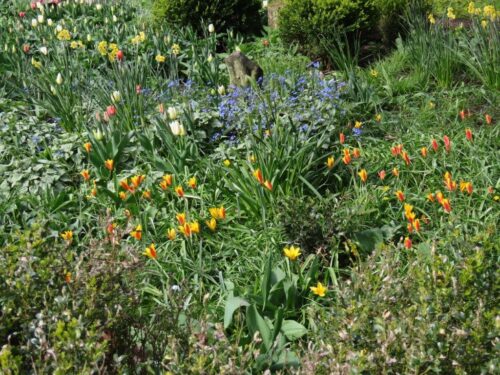
The gardens had plenty of interesting flowers and, at least out of the cold wind, a few Tapered Drone-flies and Orange-tailed Mining-bees, as well as Woodpigeons demolishing the Norway Maple flowers.
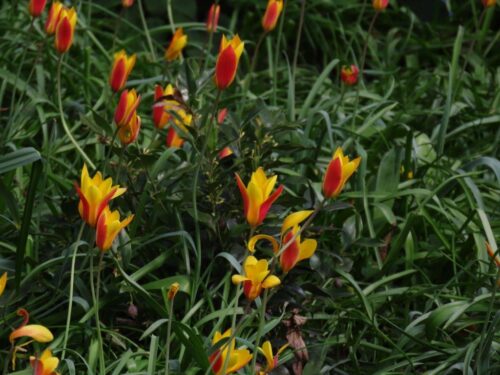
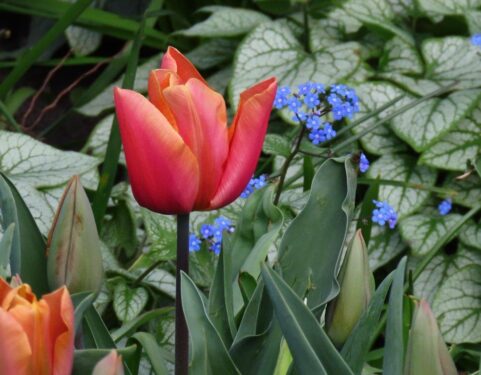
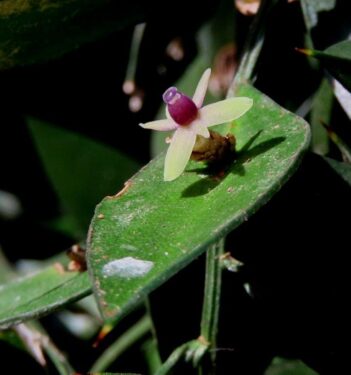
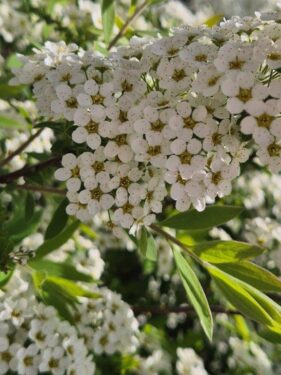
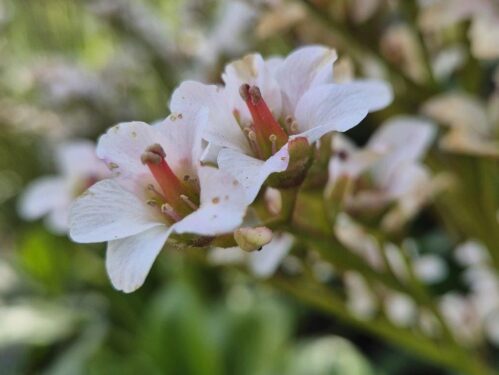
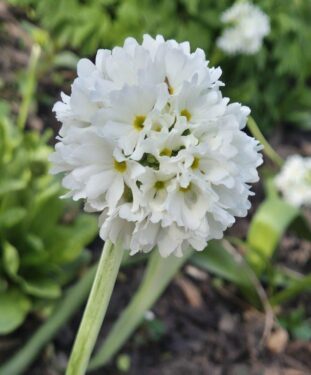
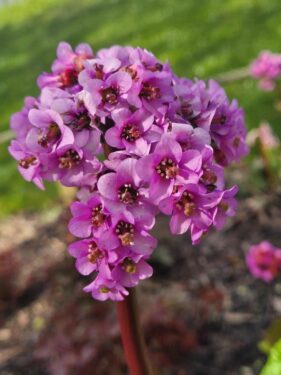
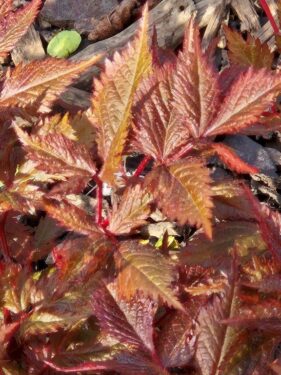
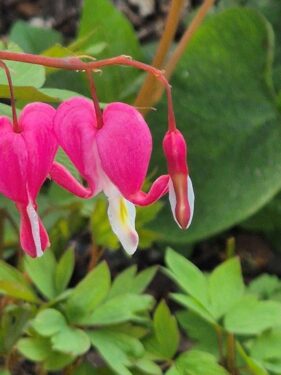
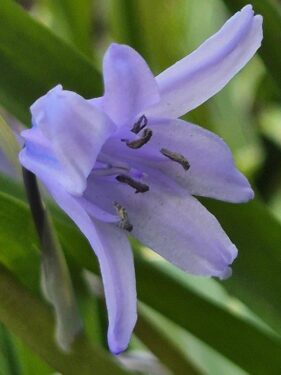
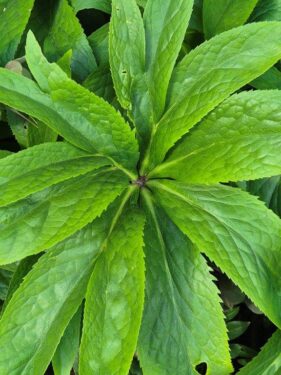
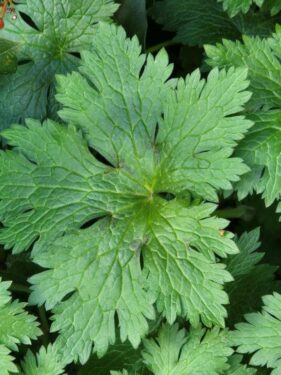
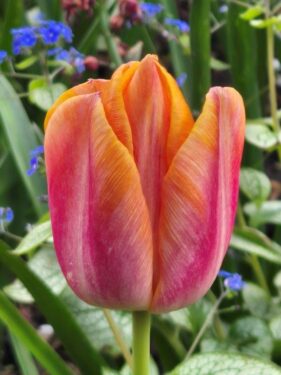
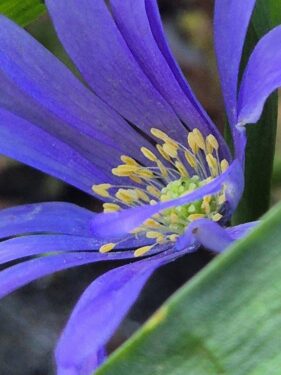
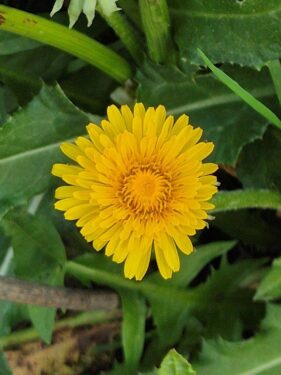
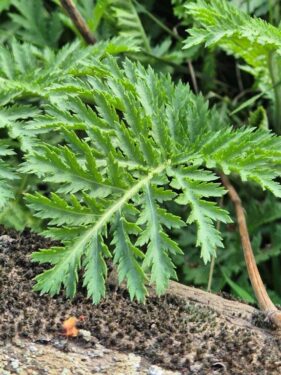
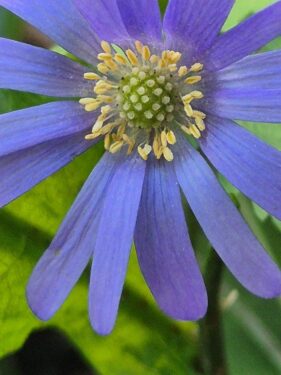
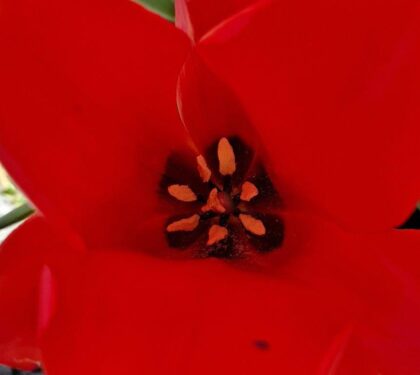
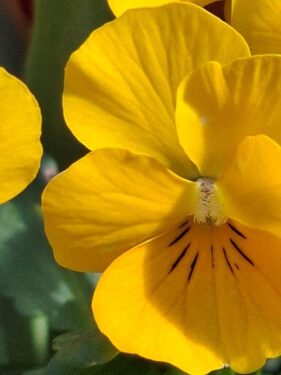
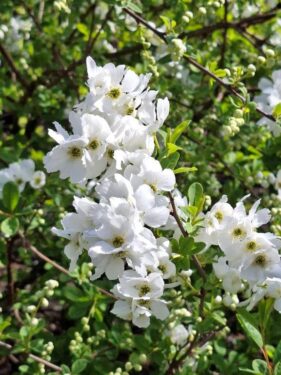
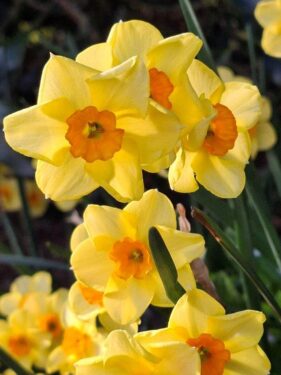
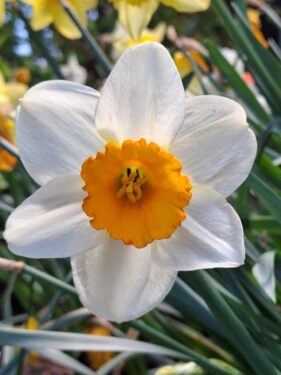
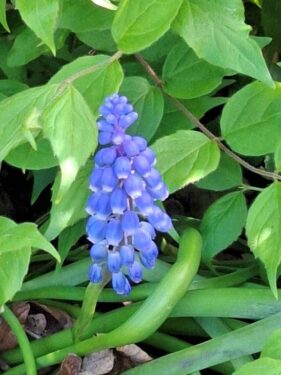
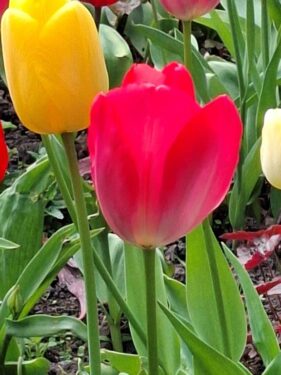
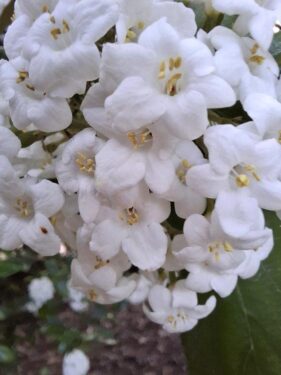
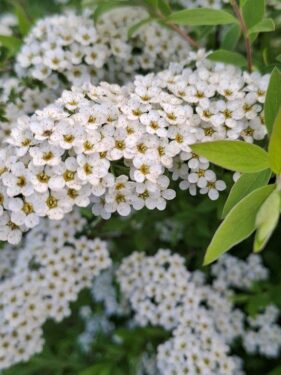
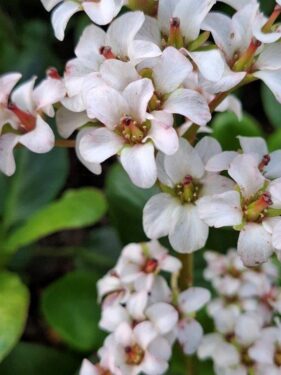
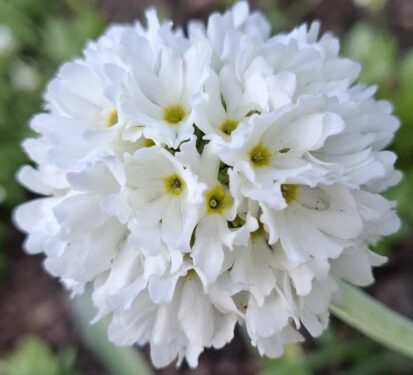
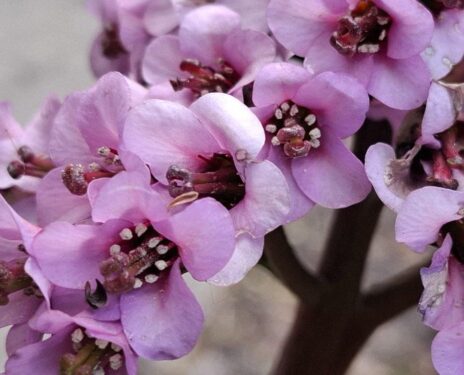
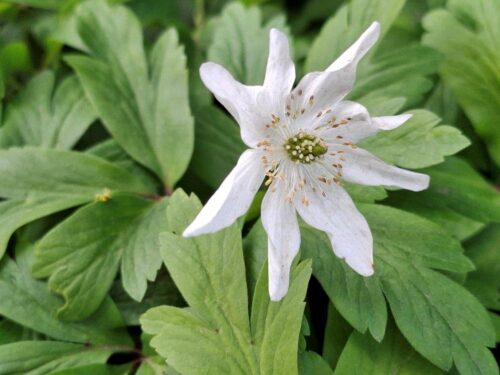
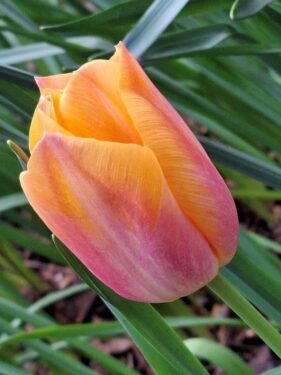
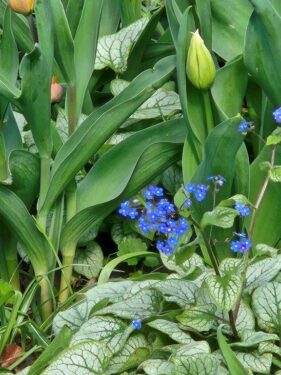
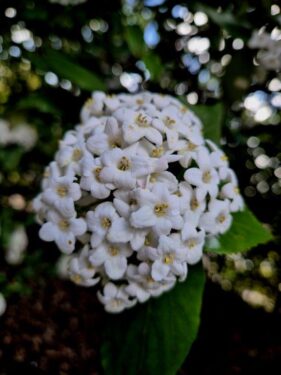
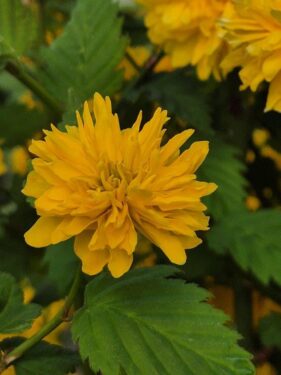
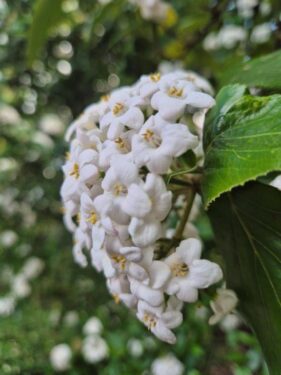
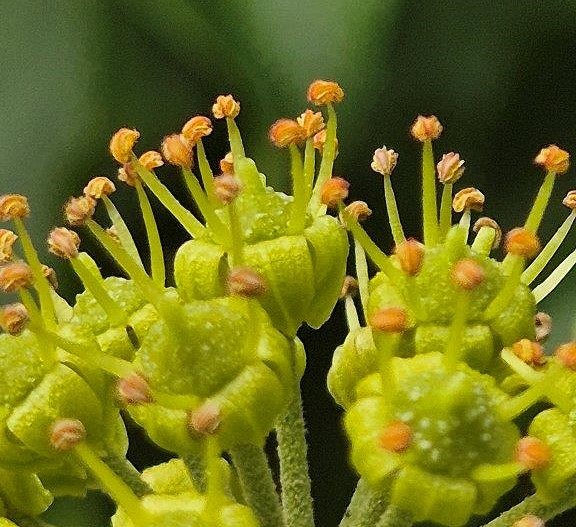
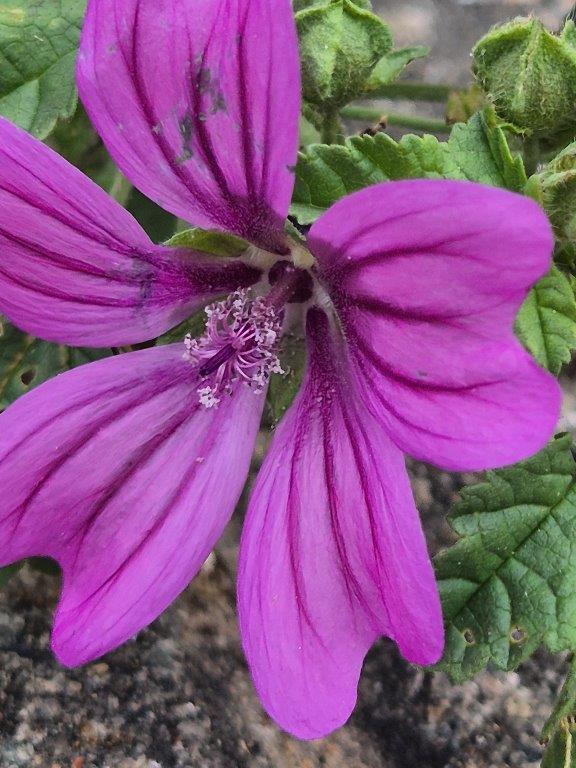
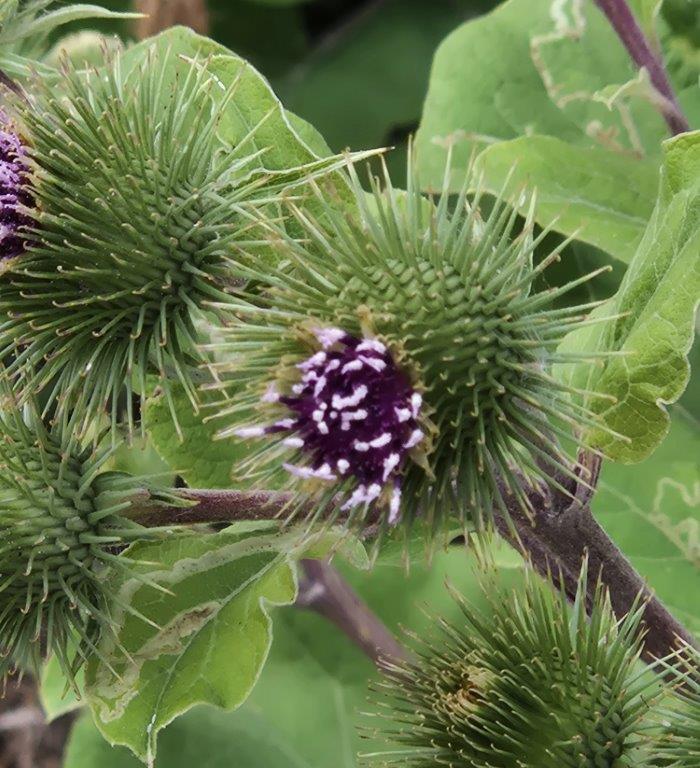
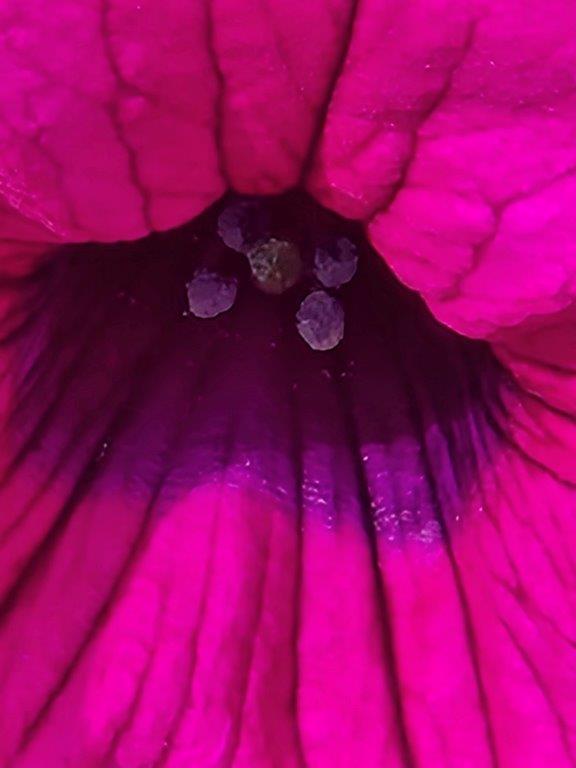
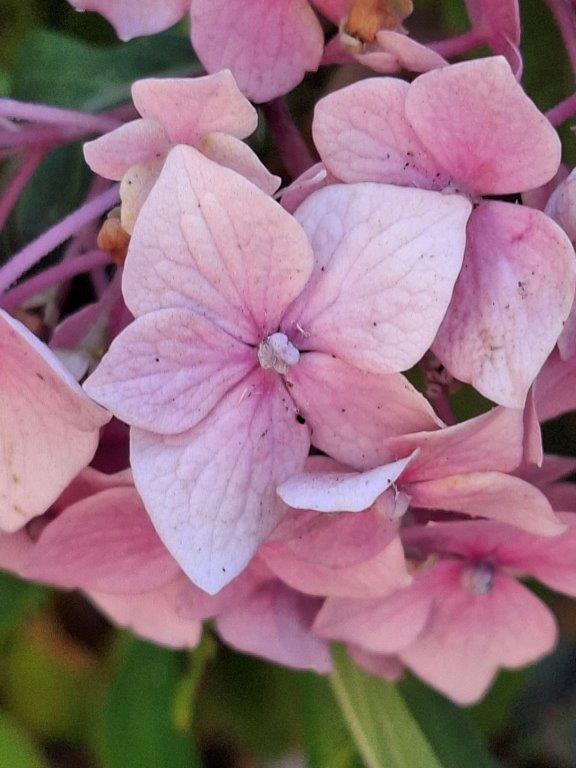
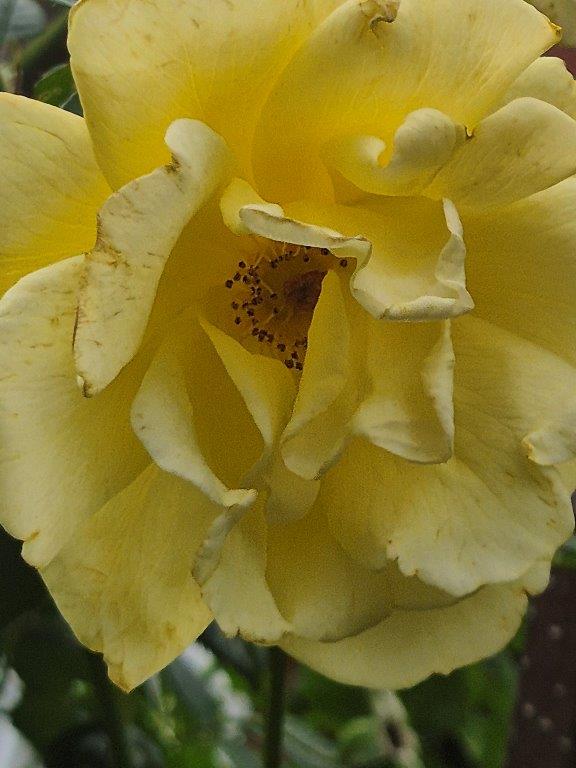
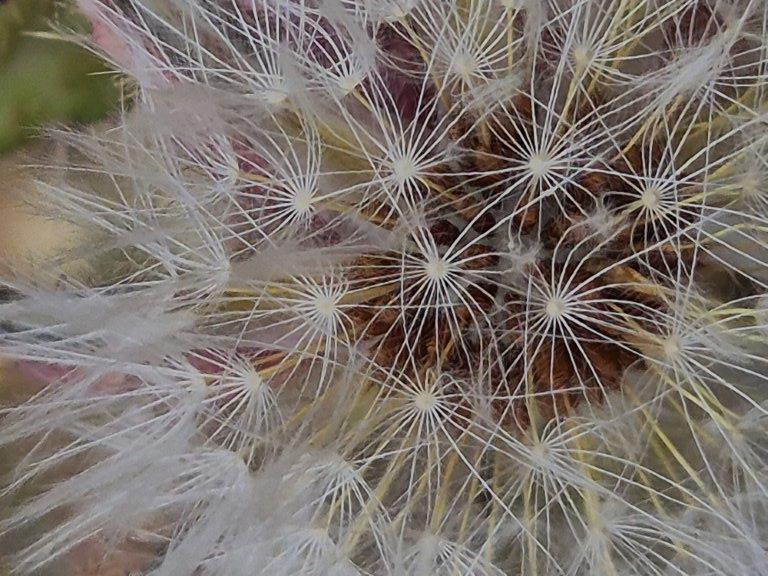
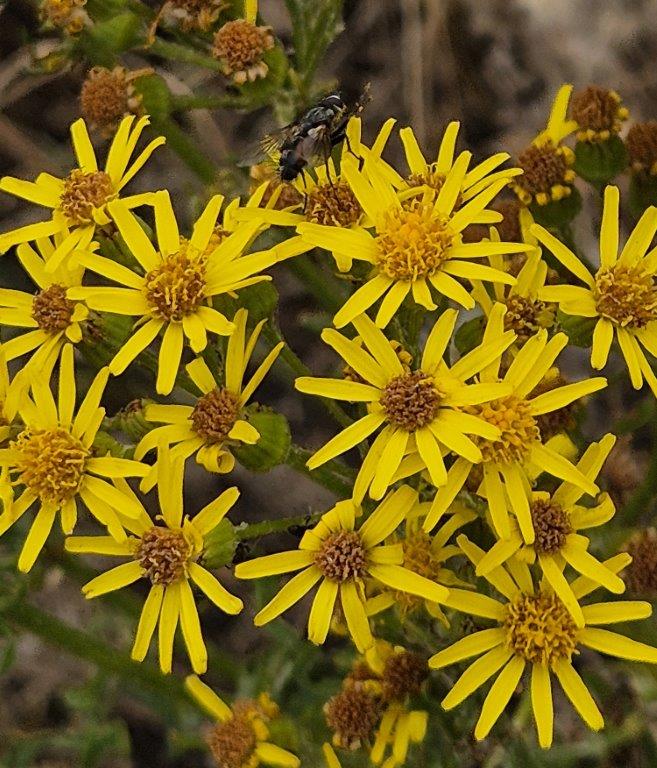
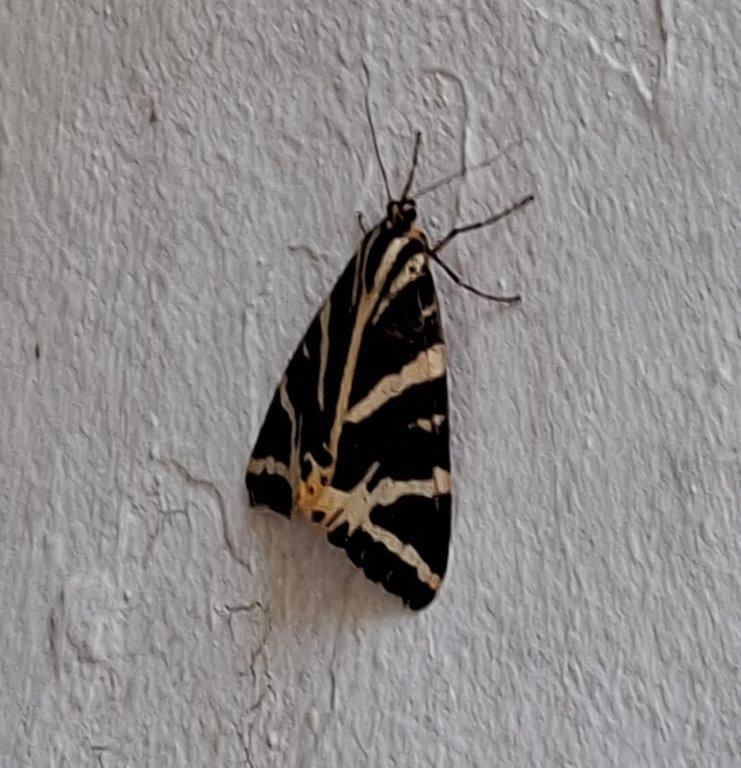
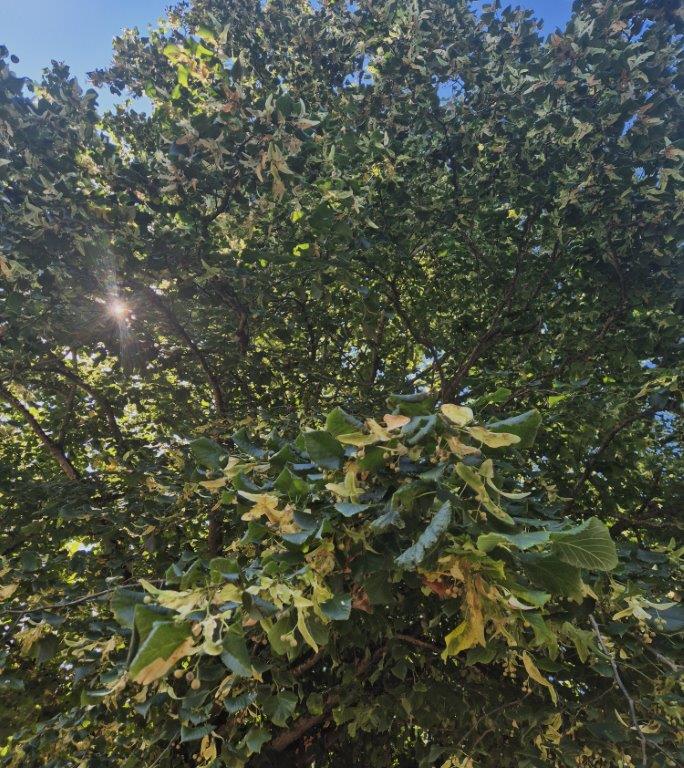
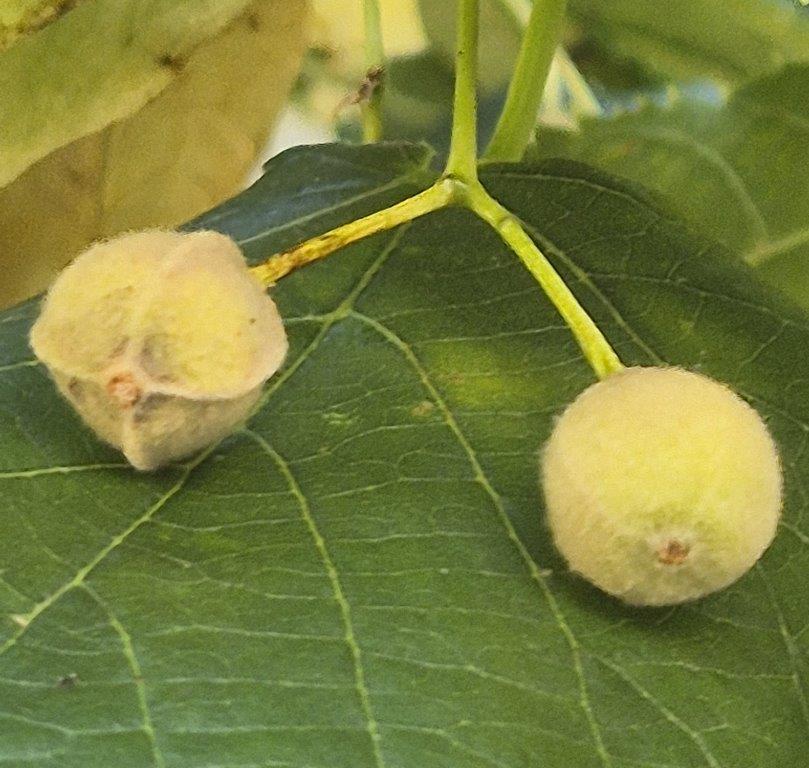
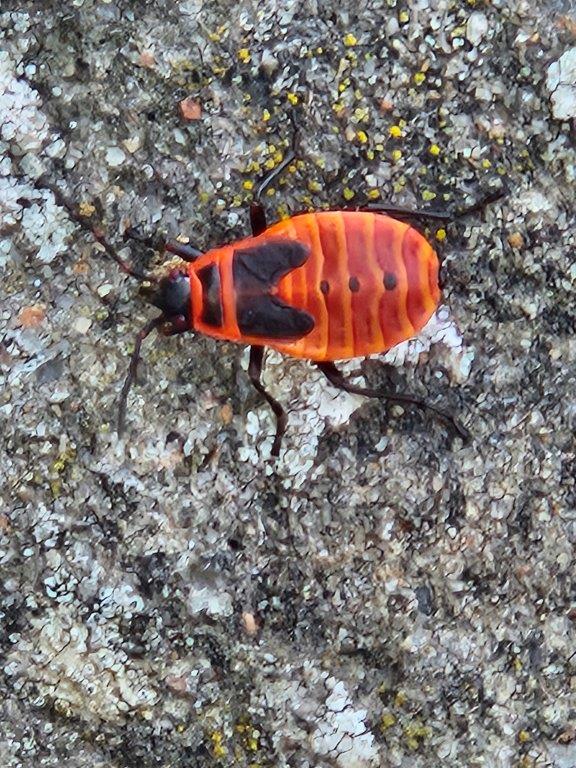
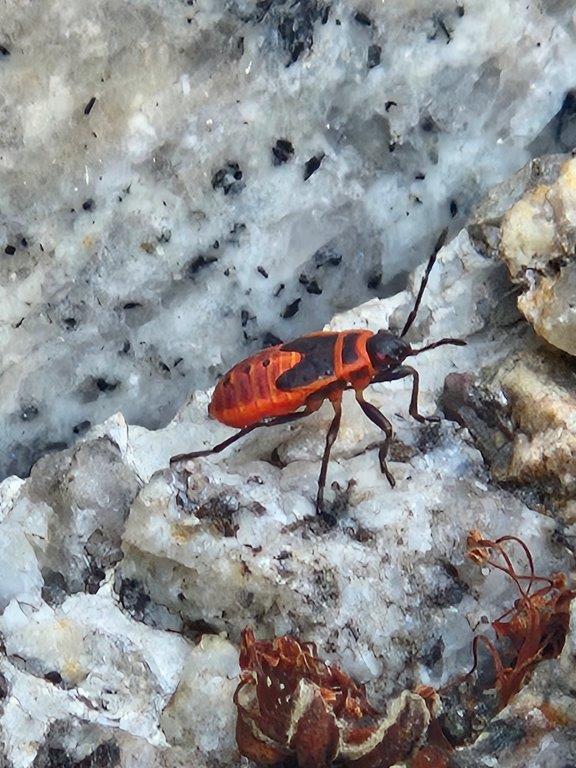
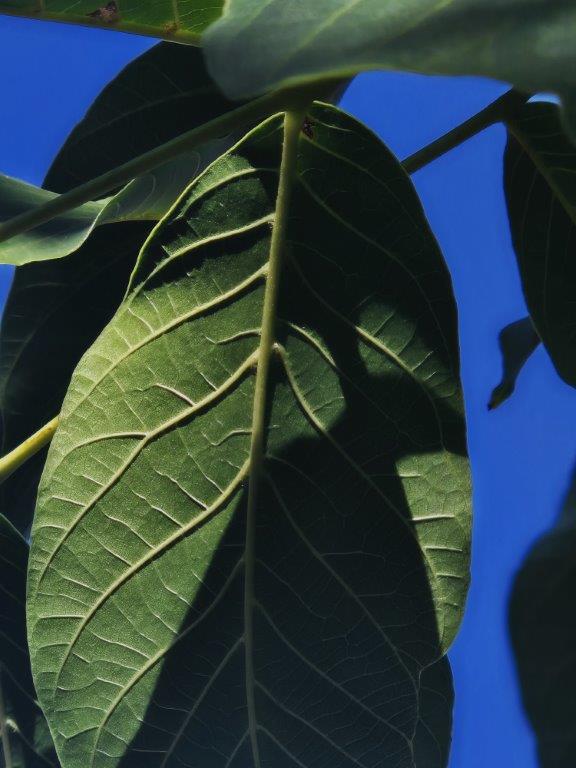
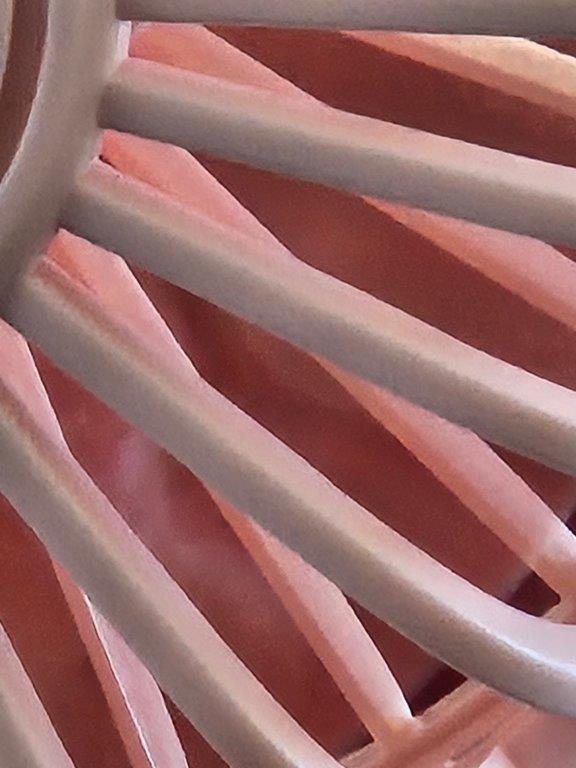
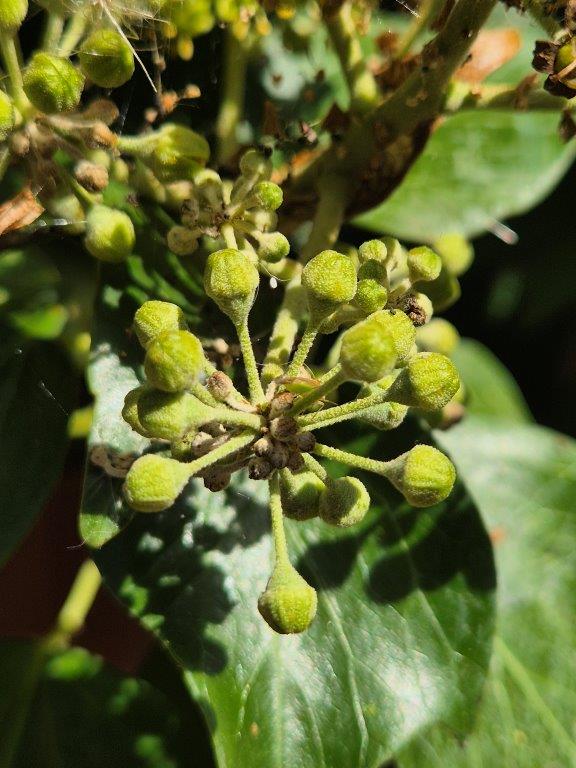
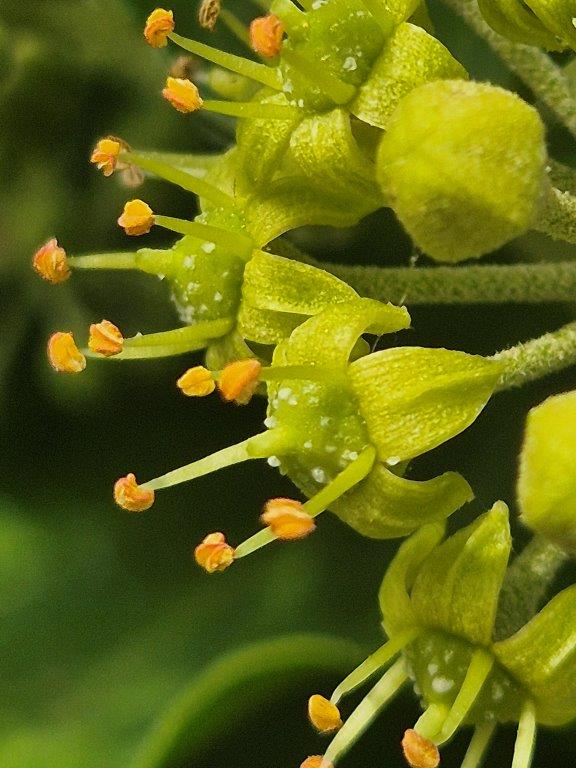
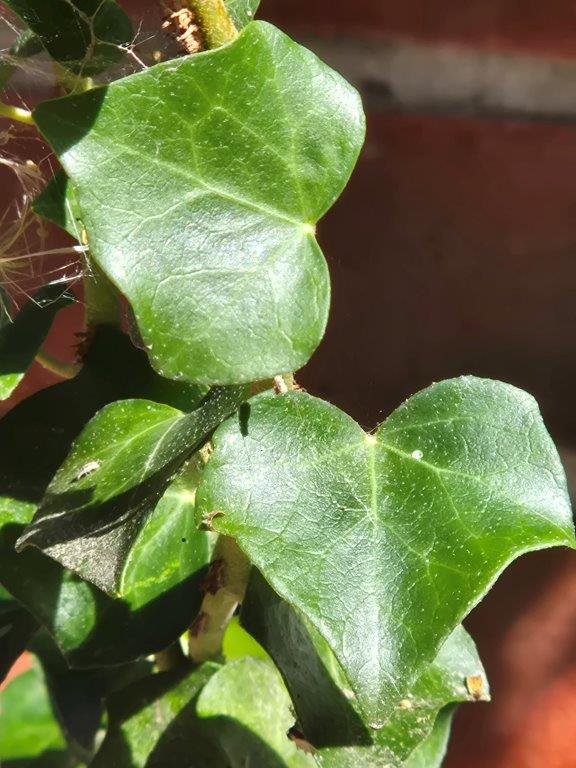
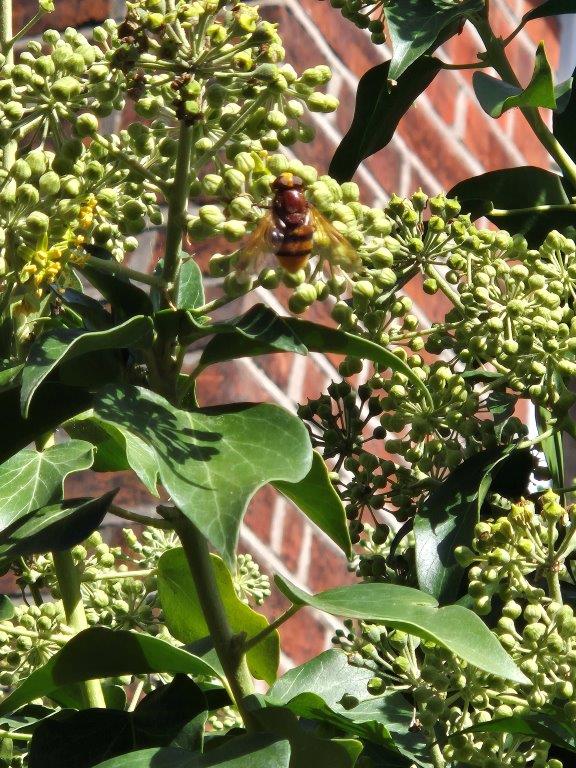
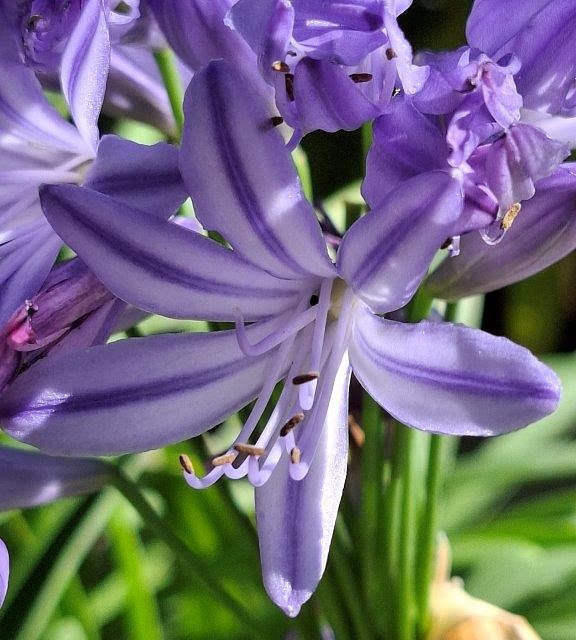
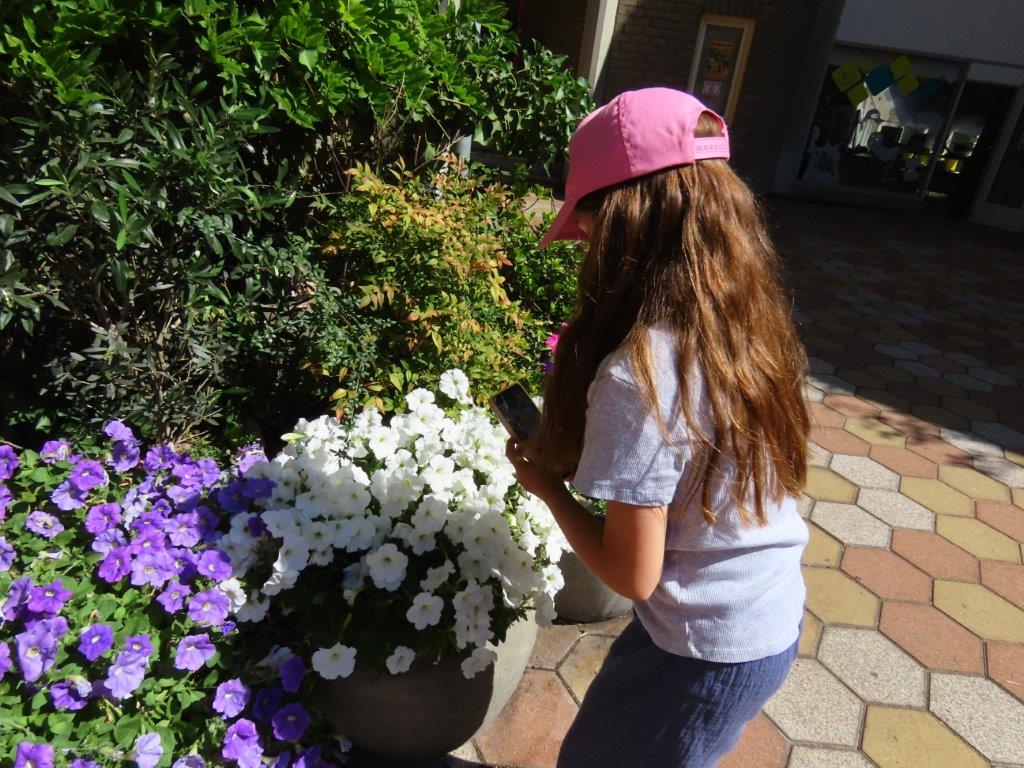
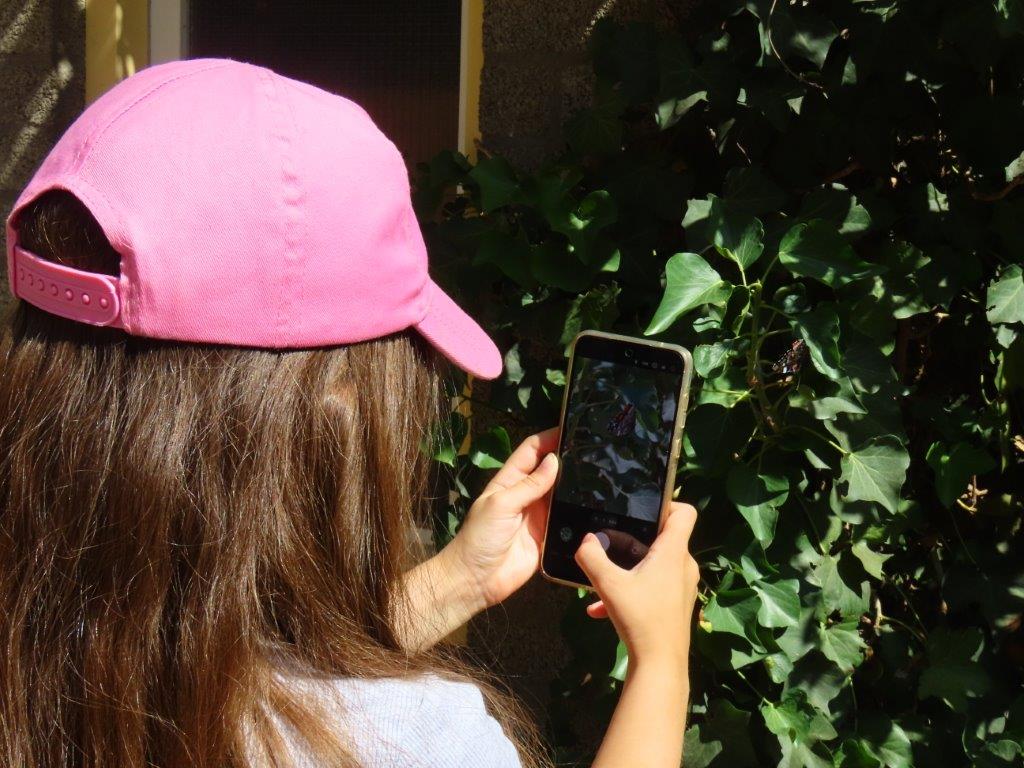
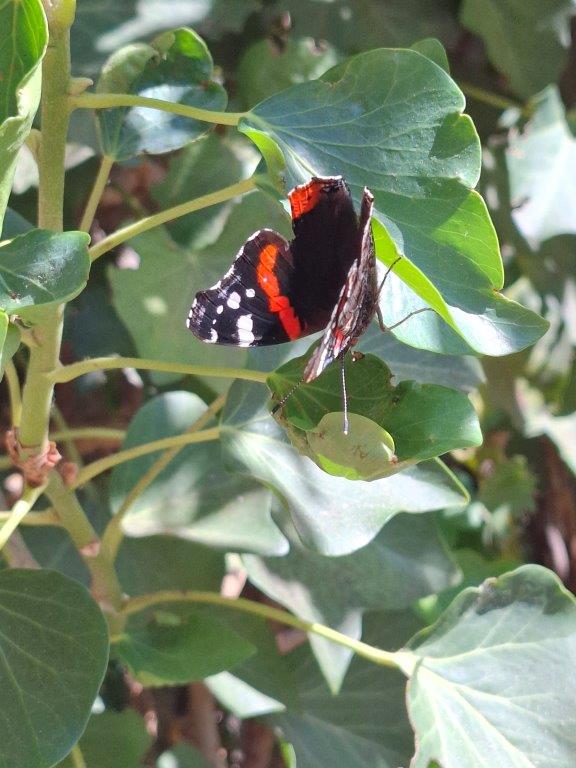
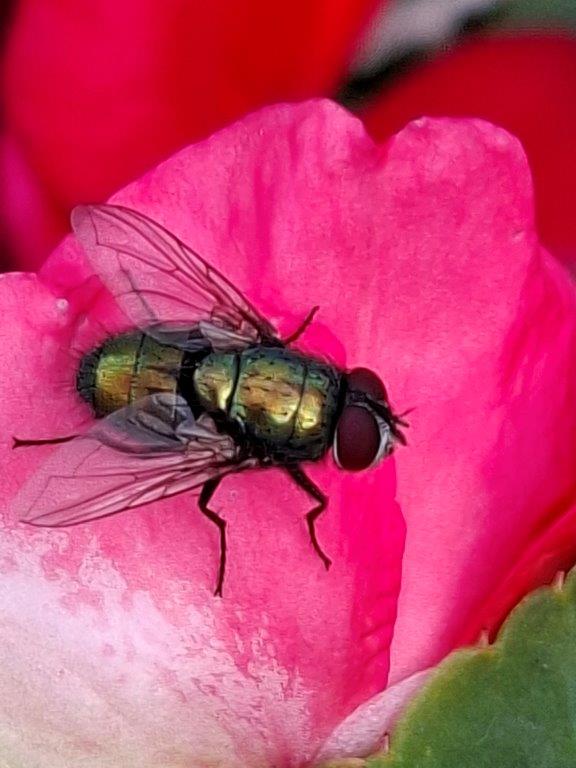
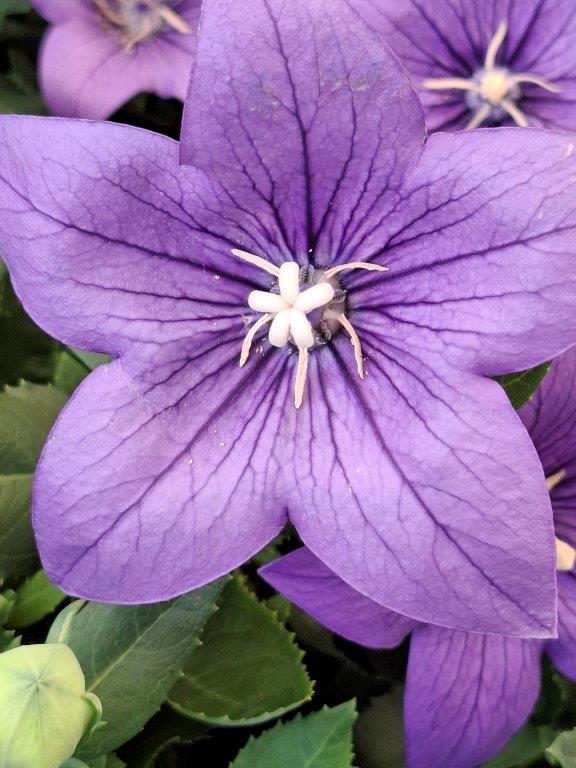
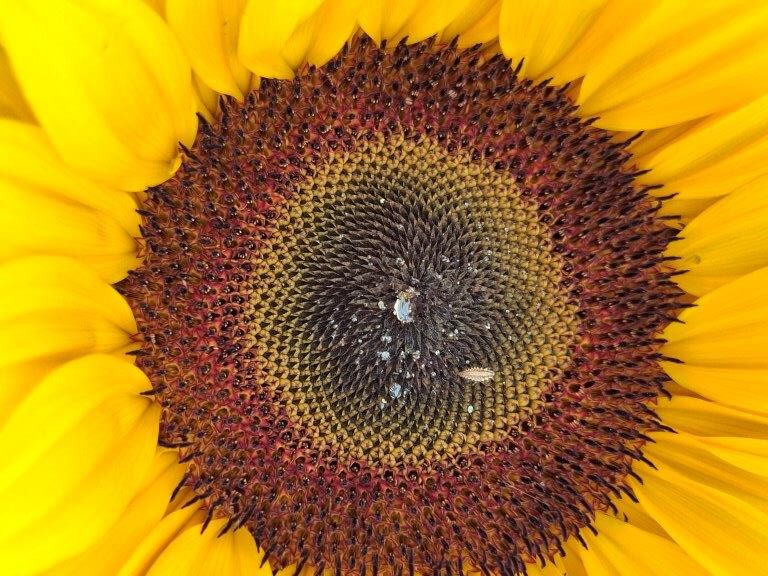
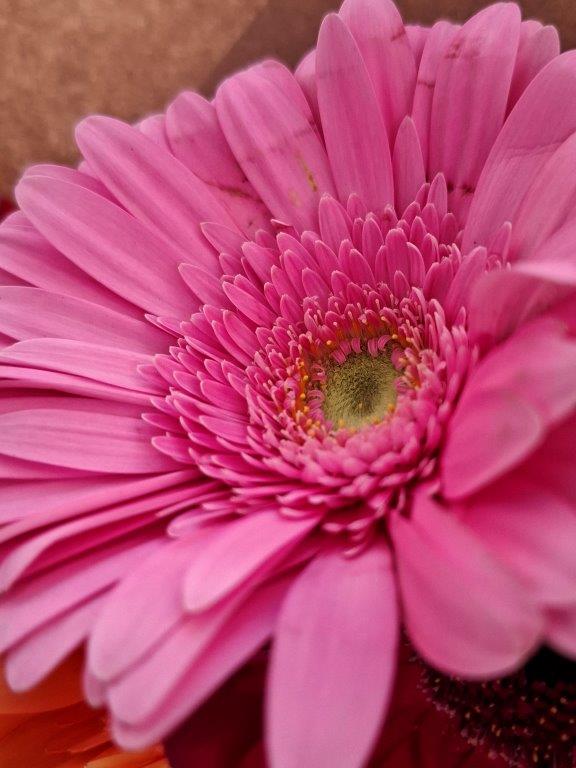
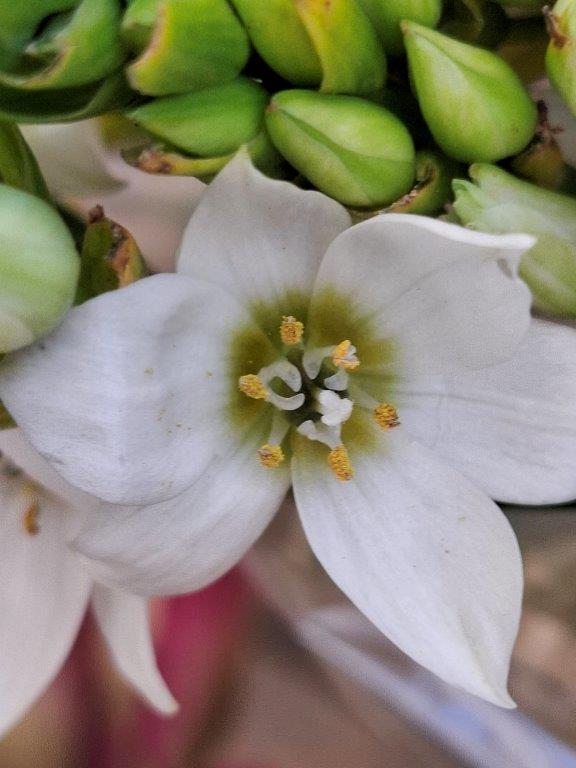
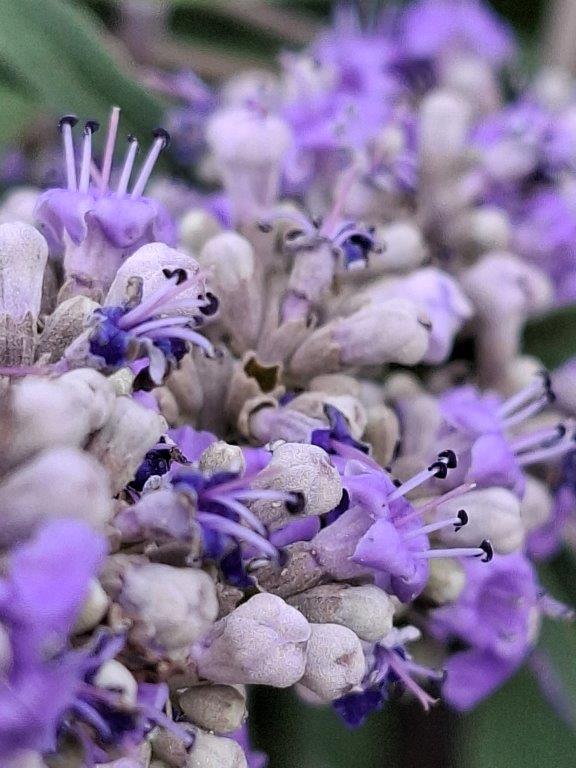
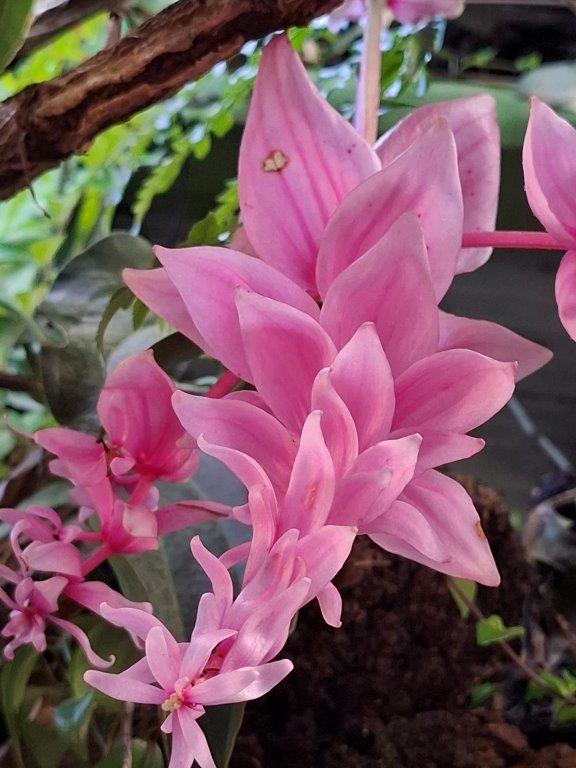
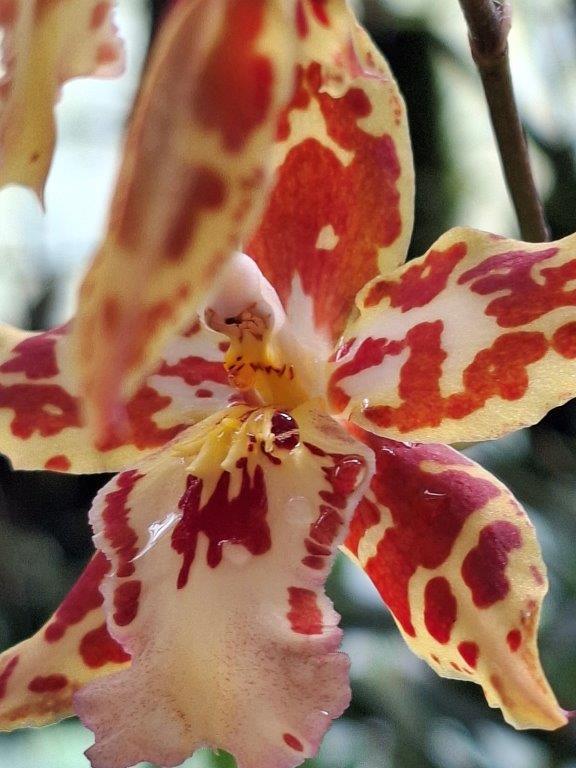
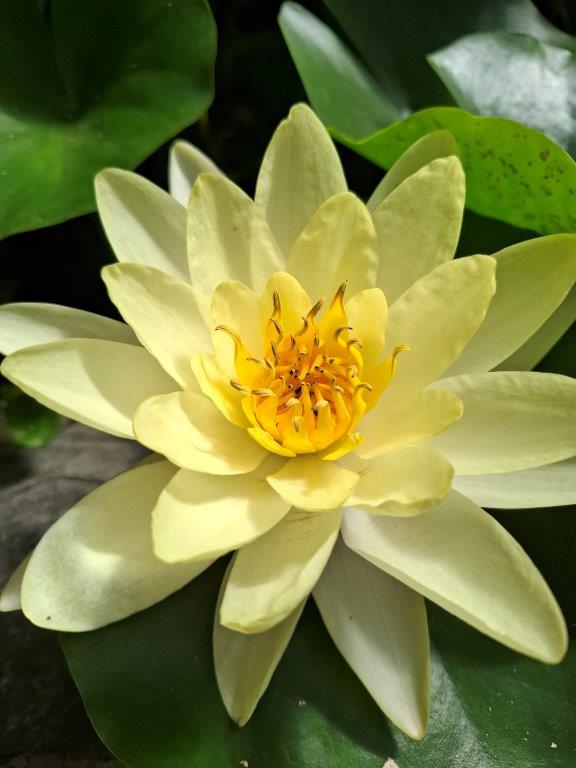
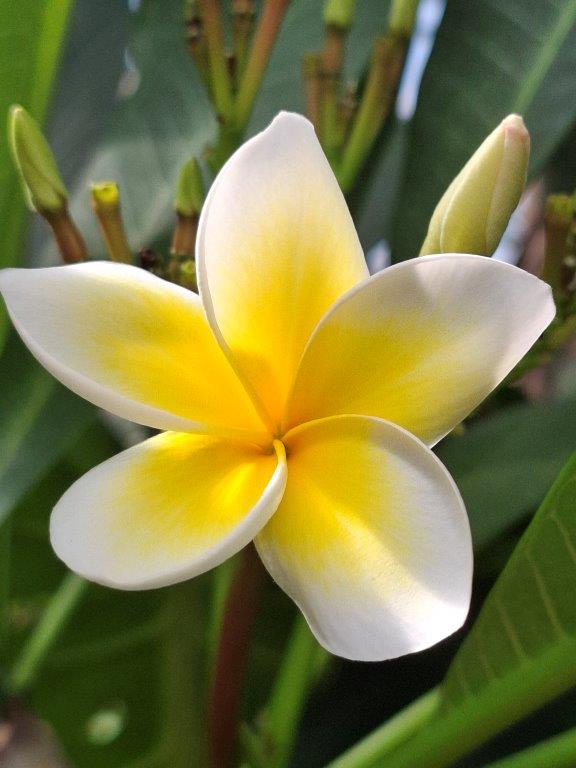
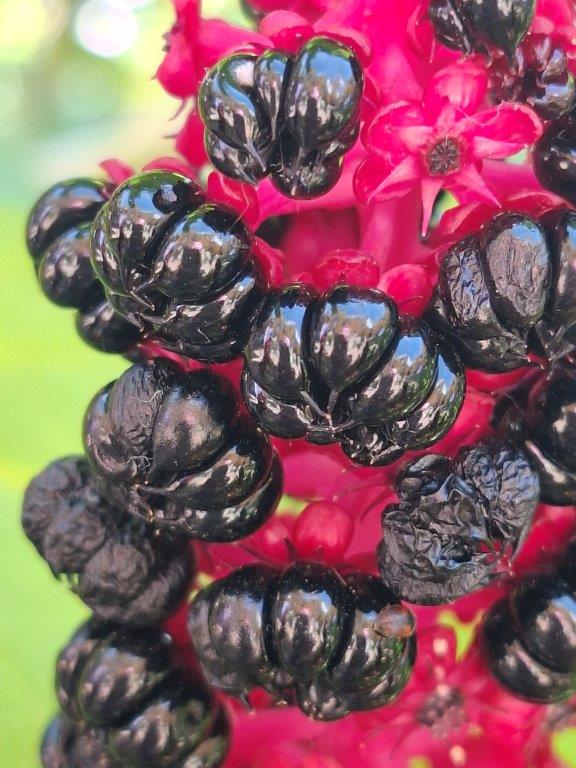
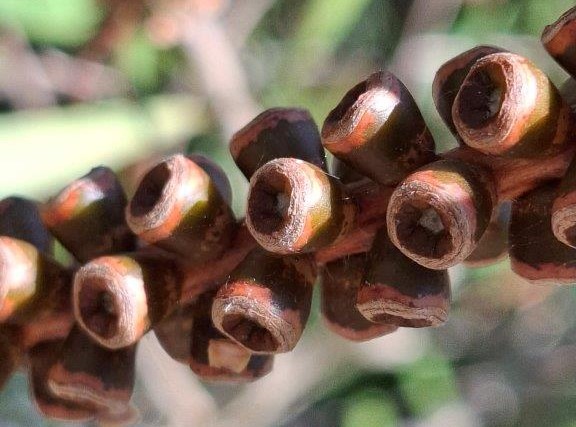
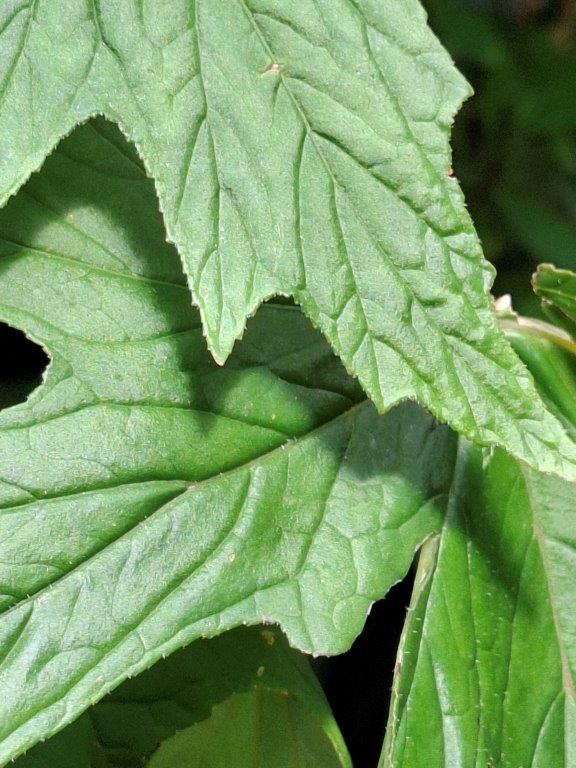
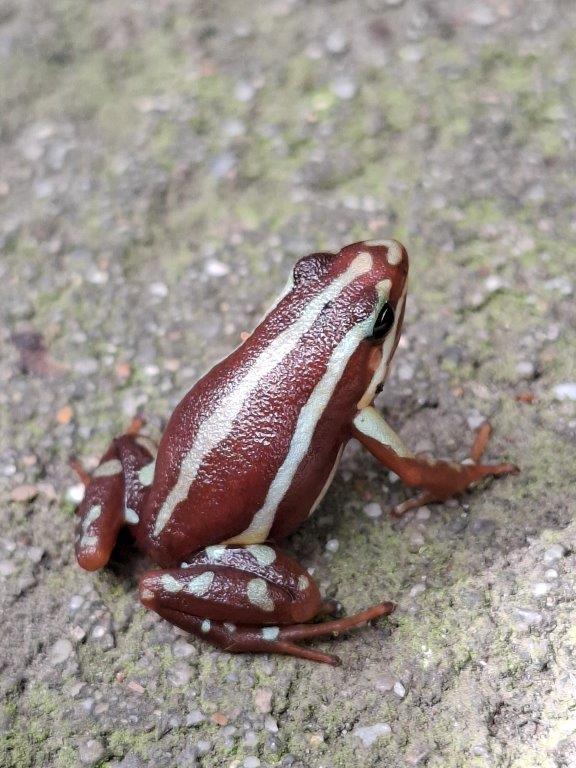
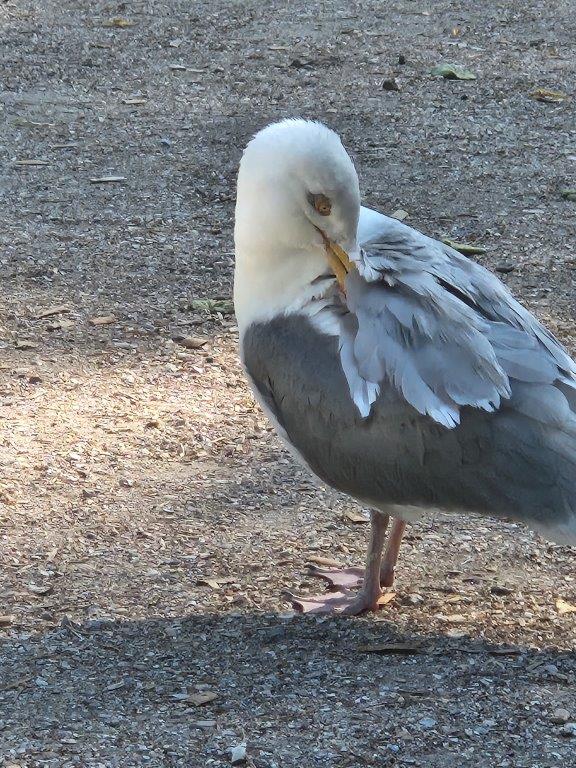
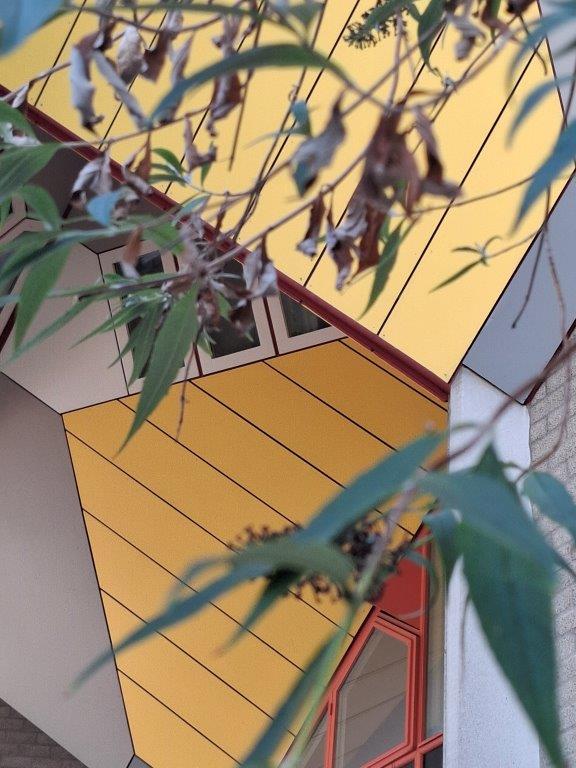
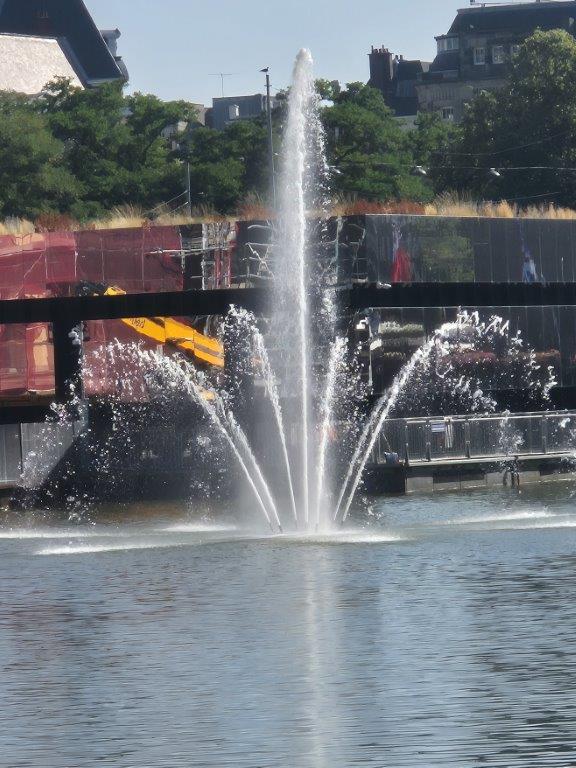
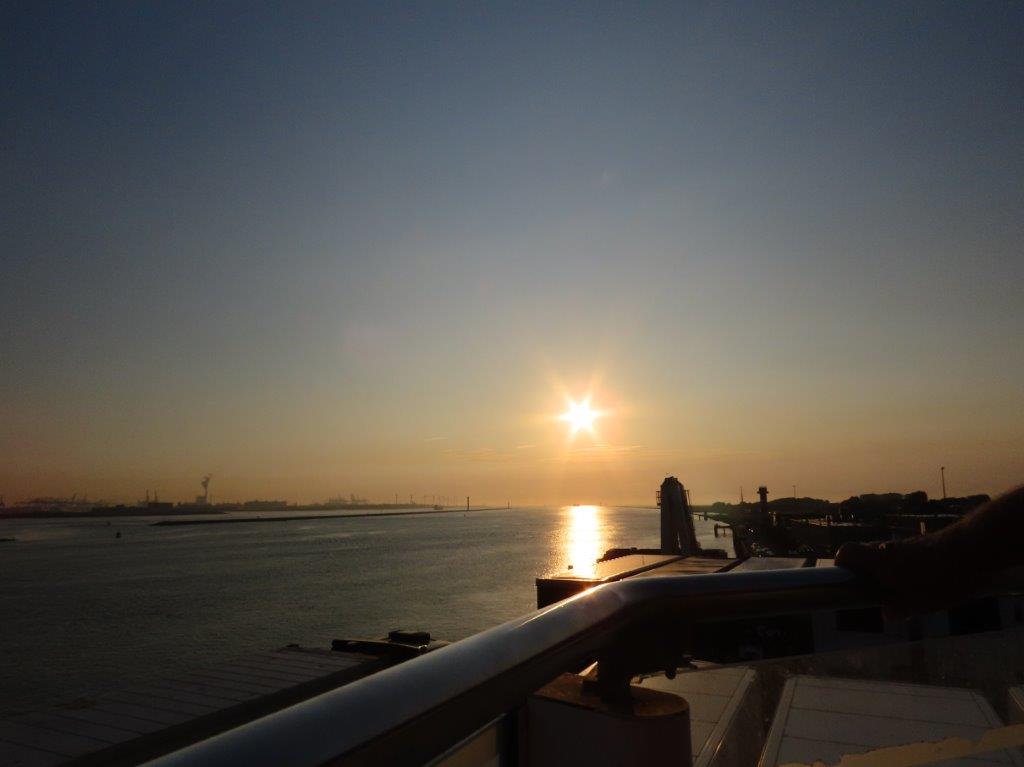
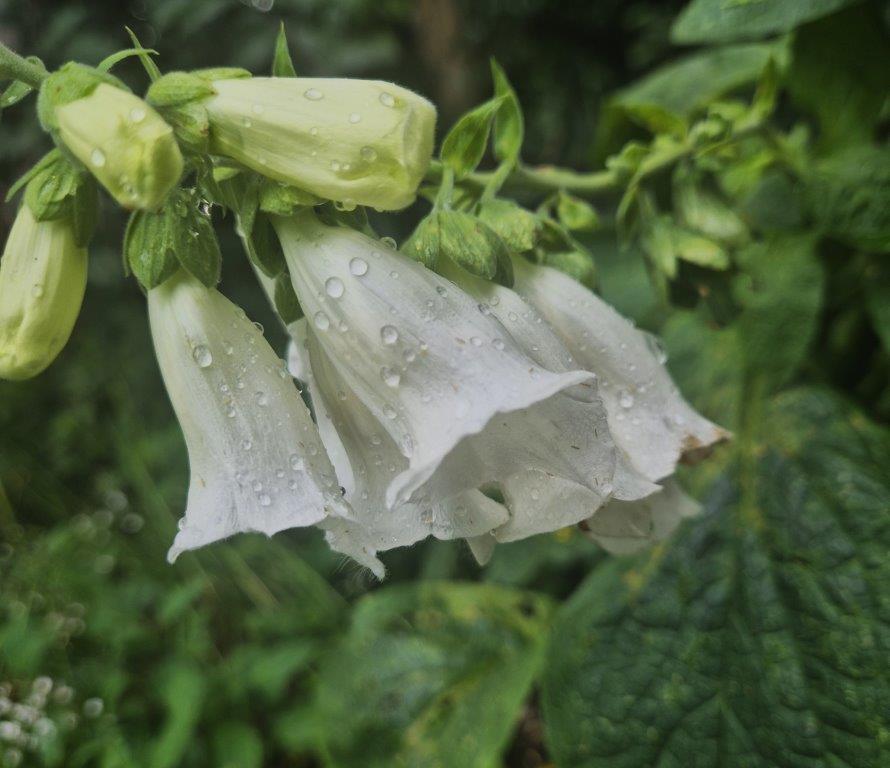
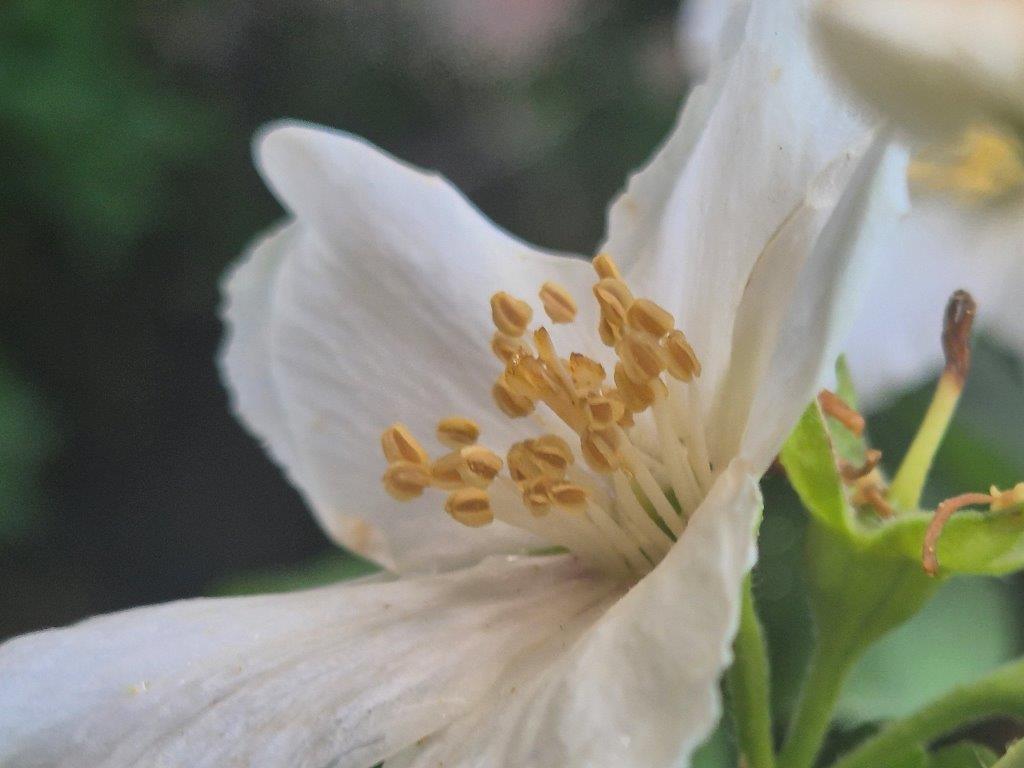
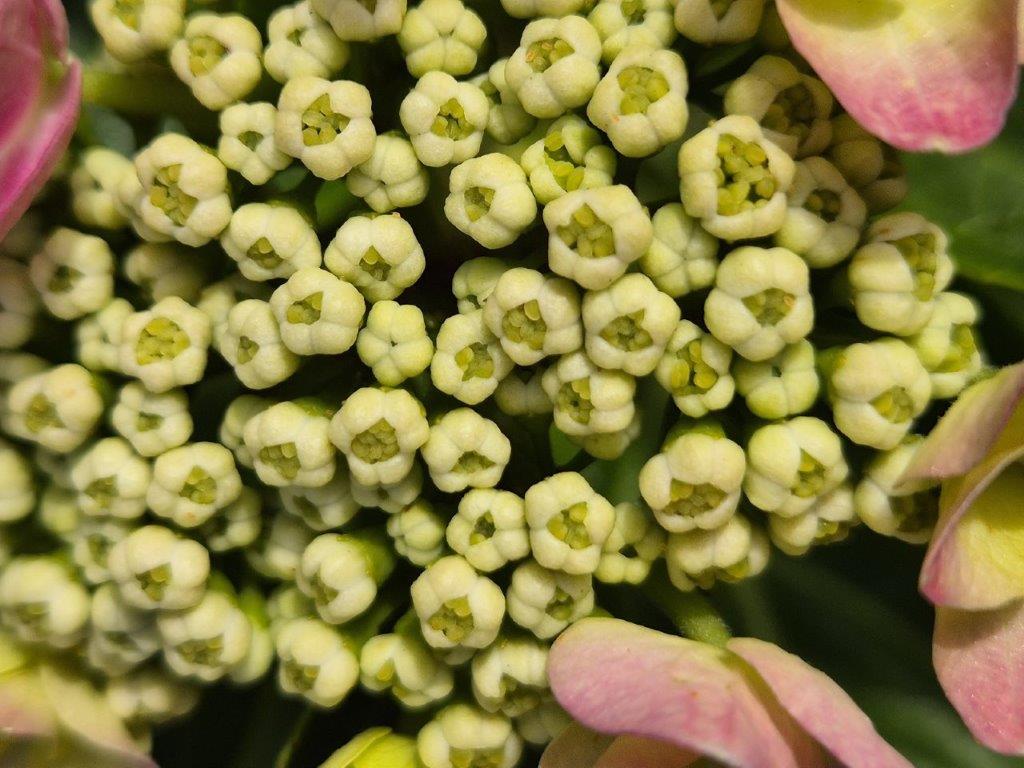
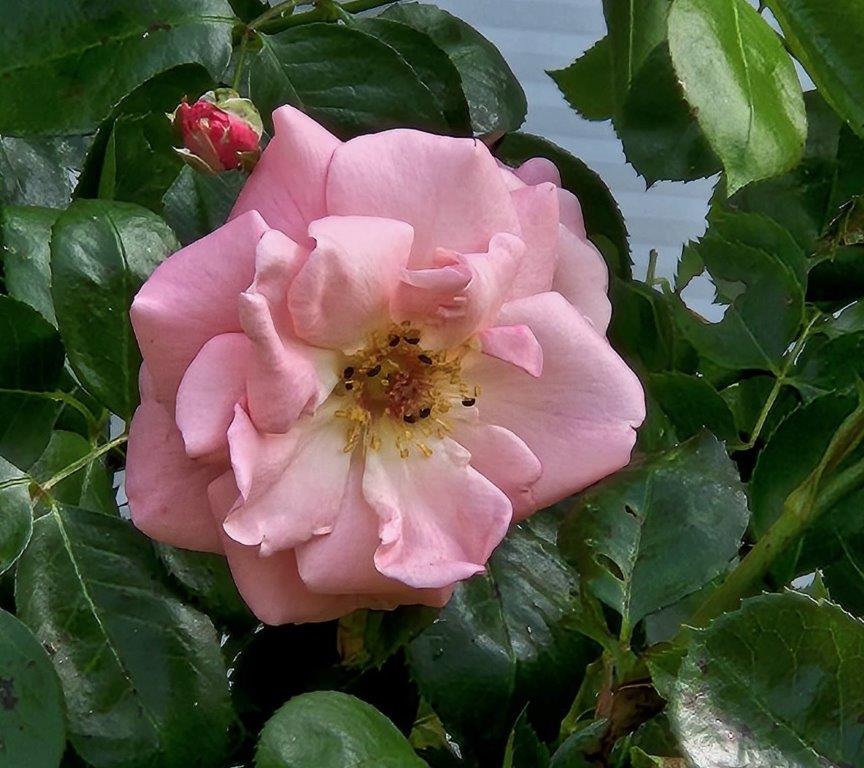
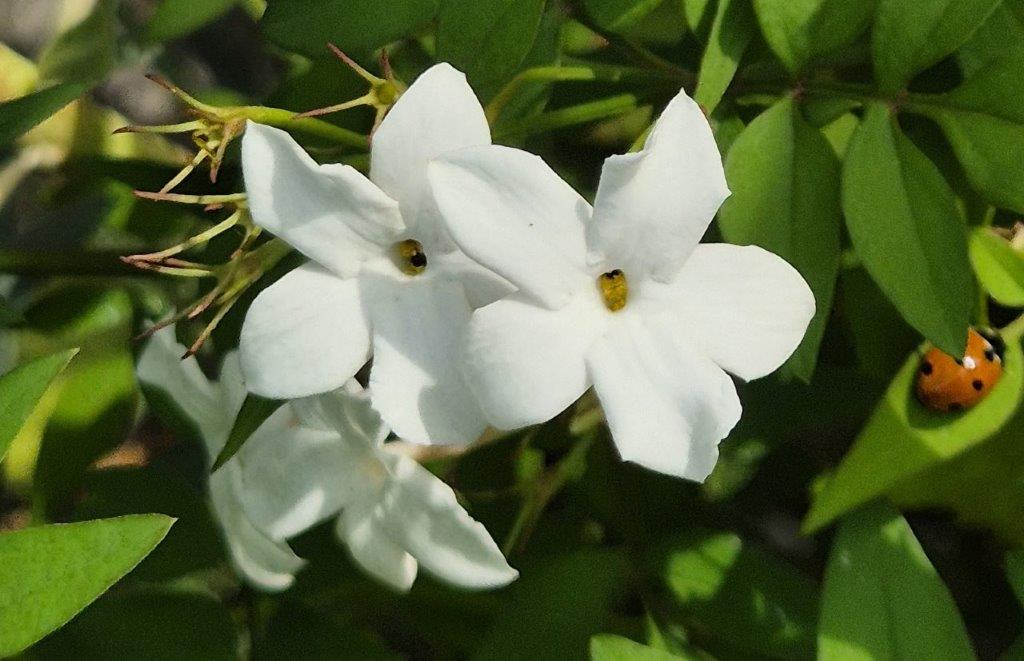
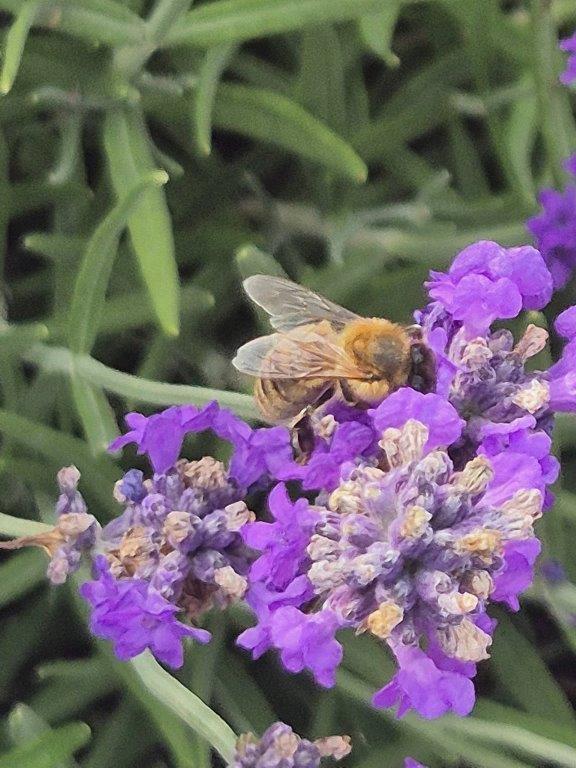
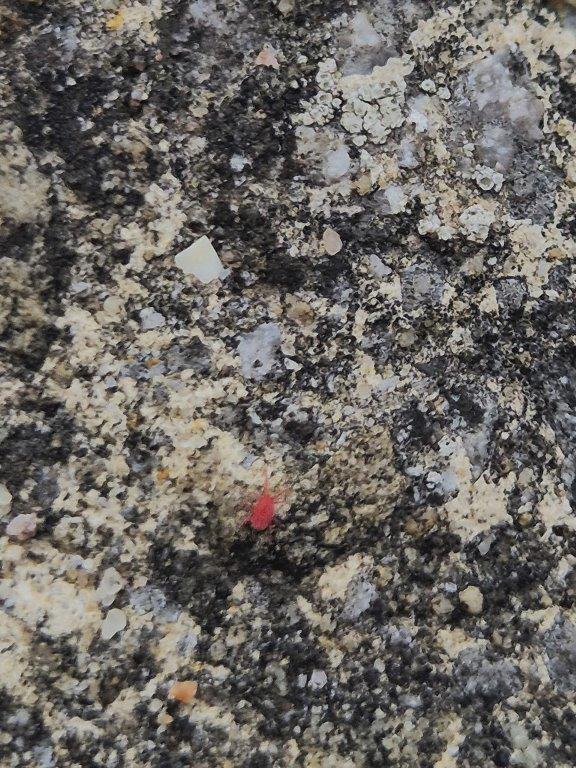
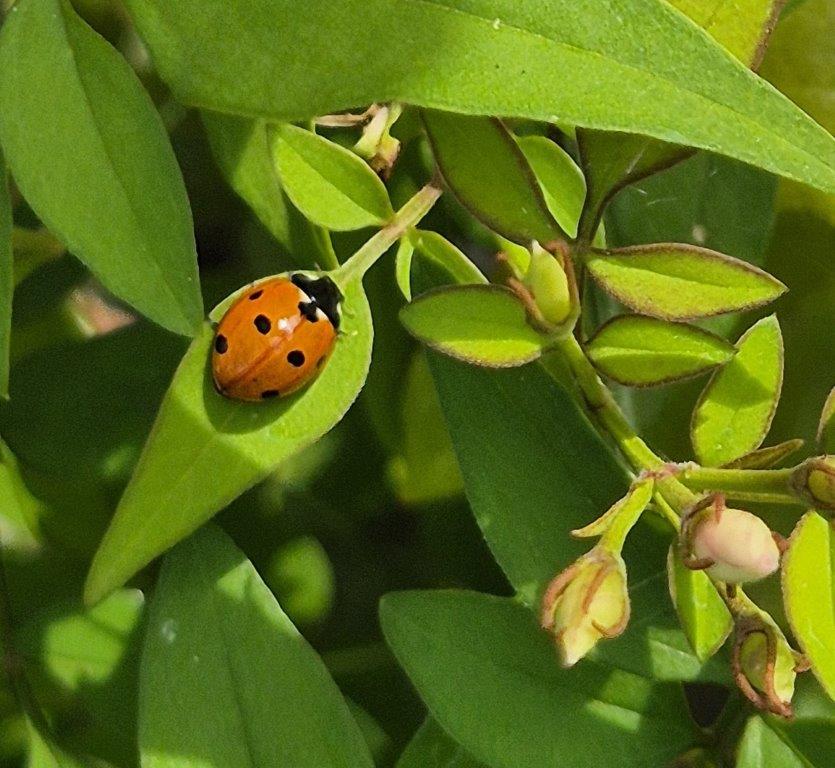
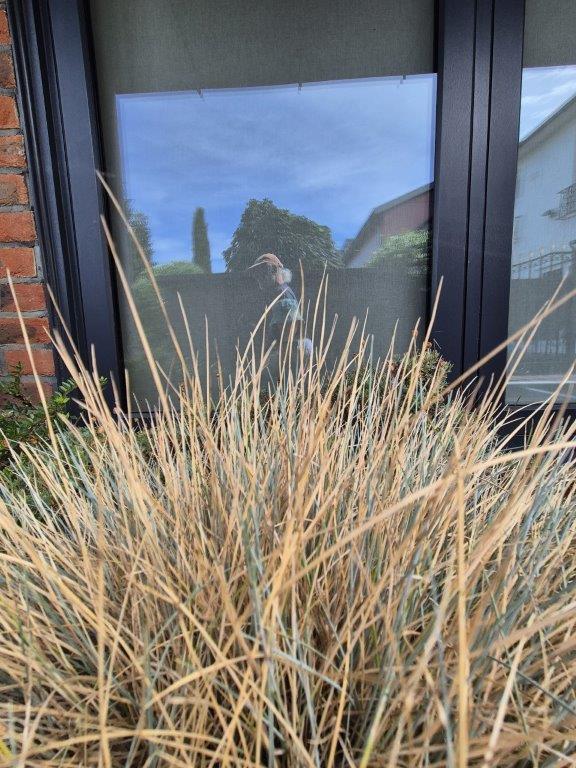
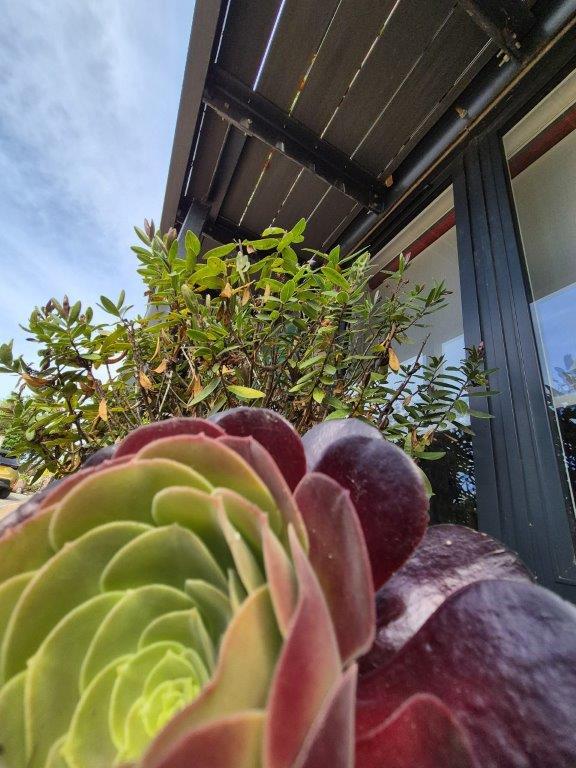
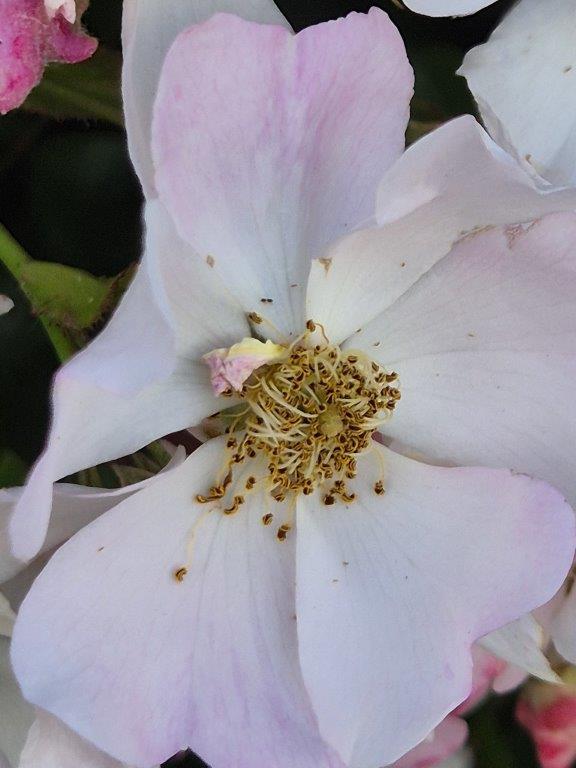
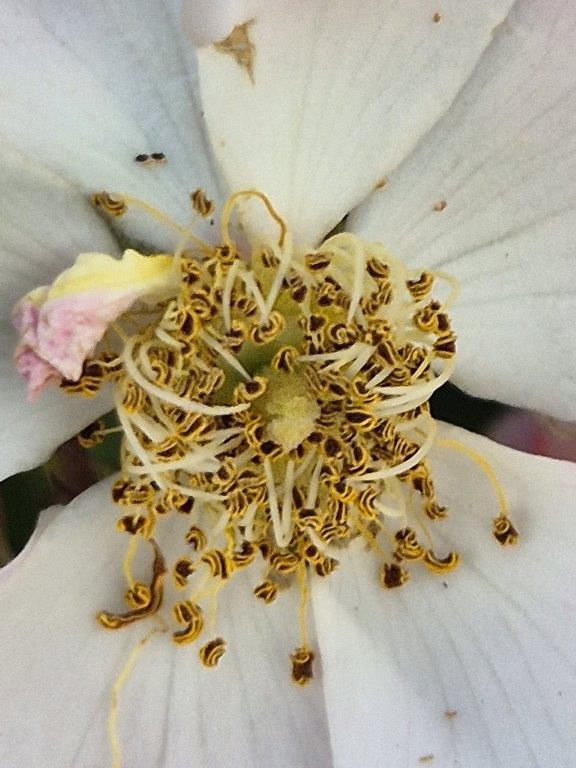
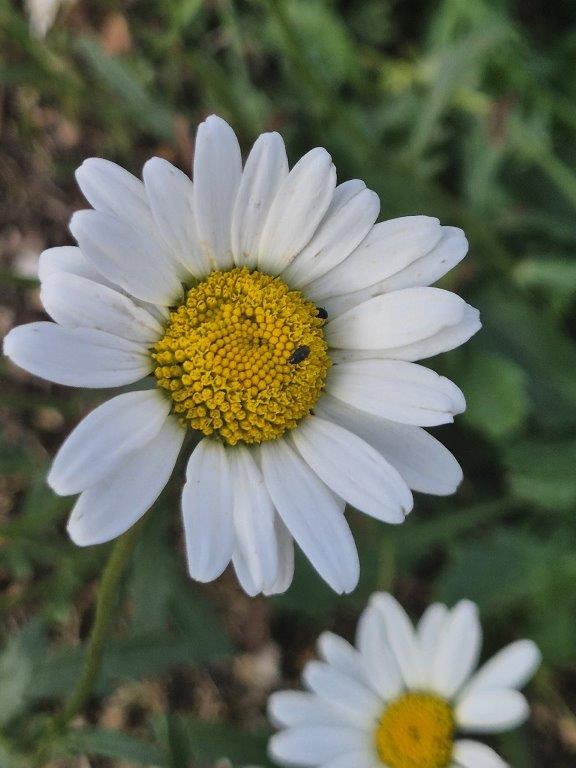
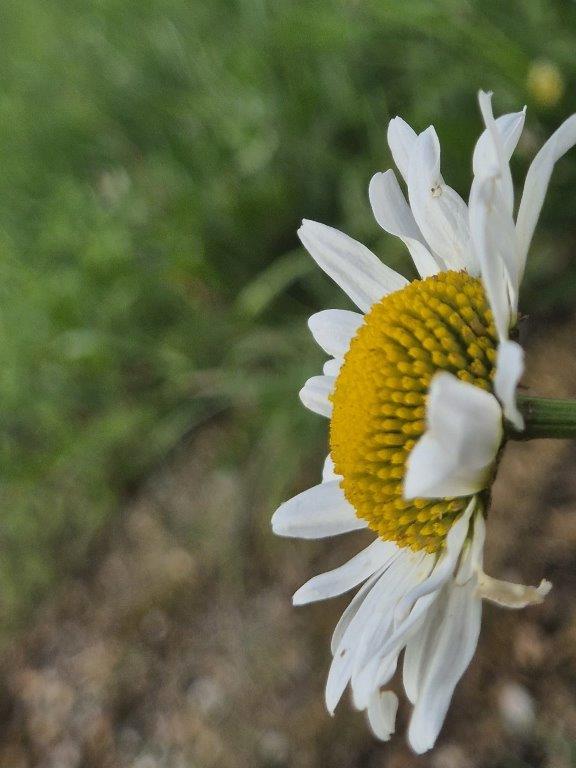
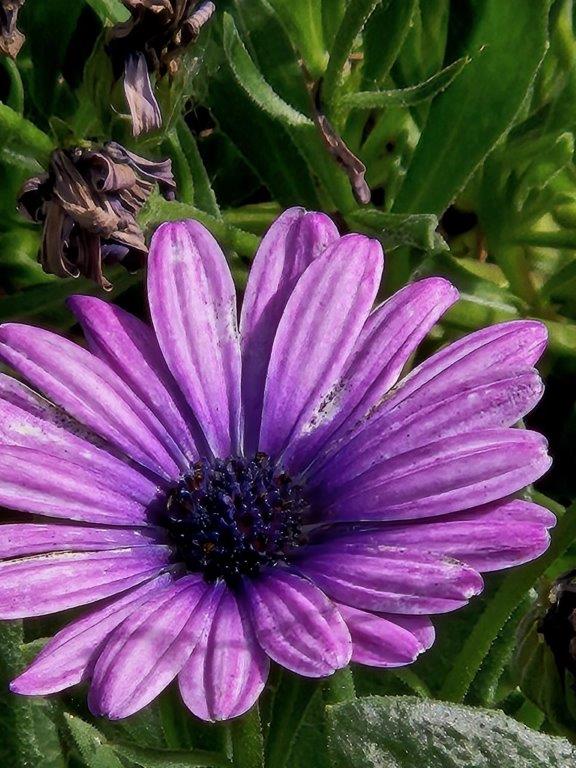
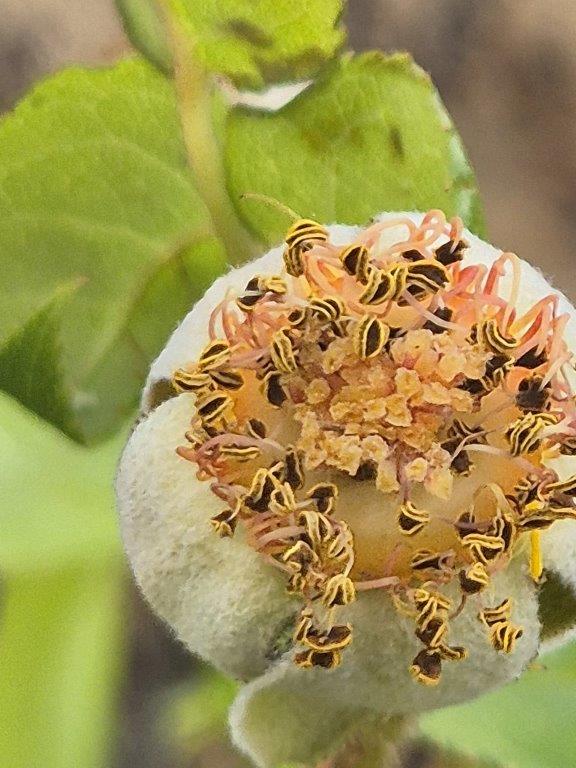
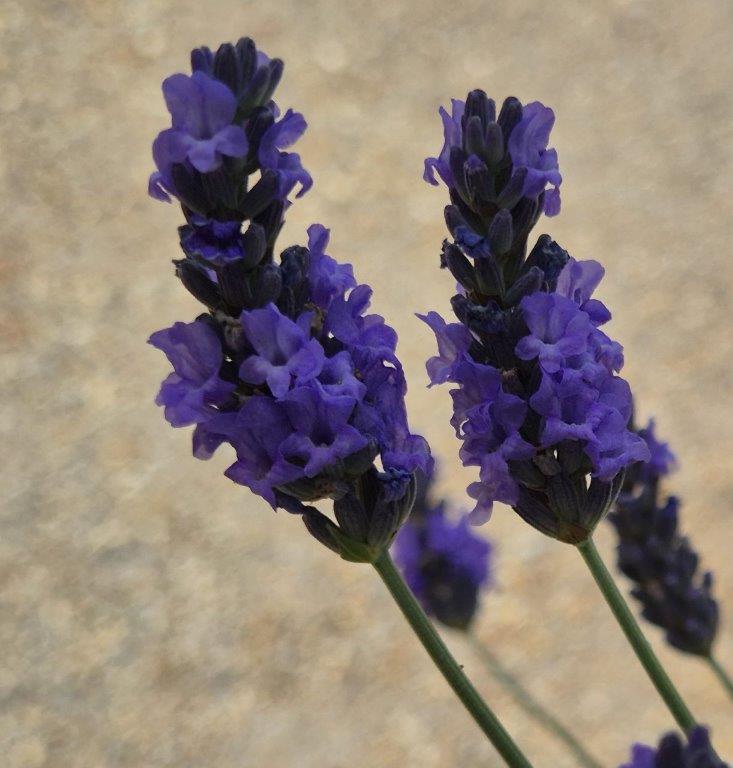
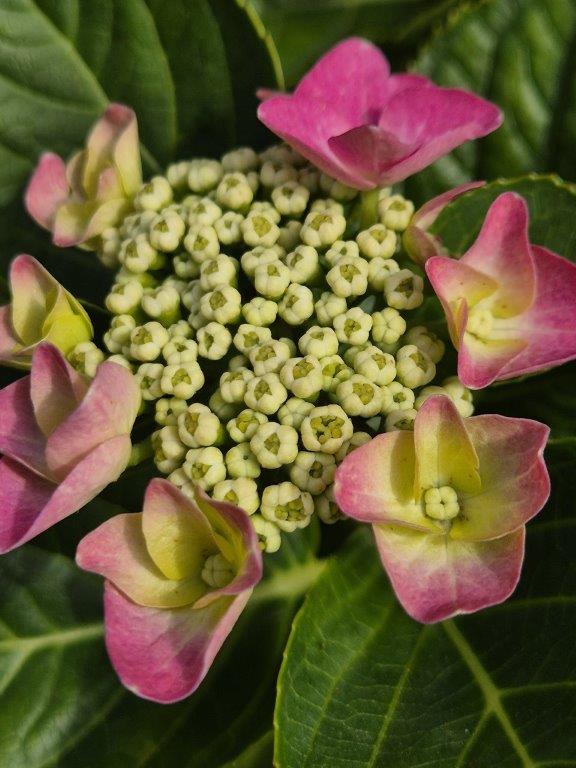
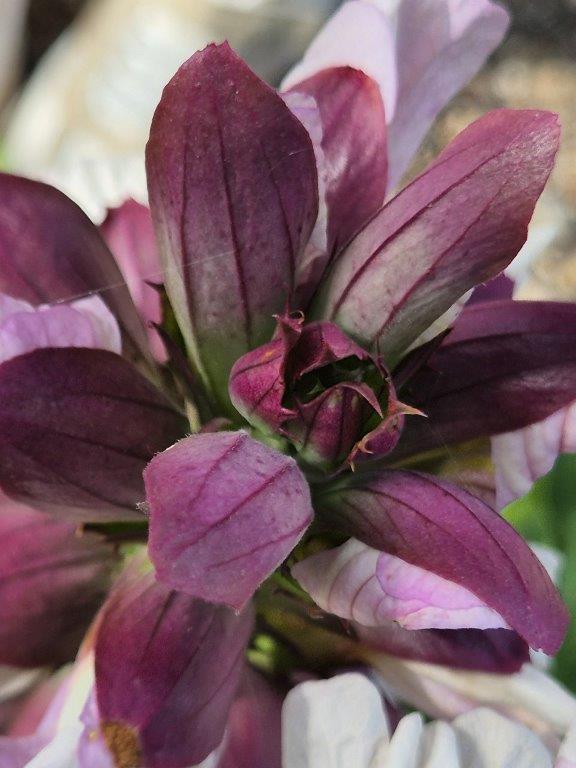
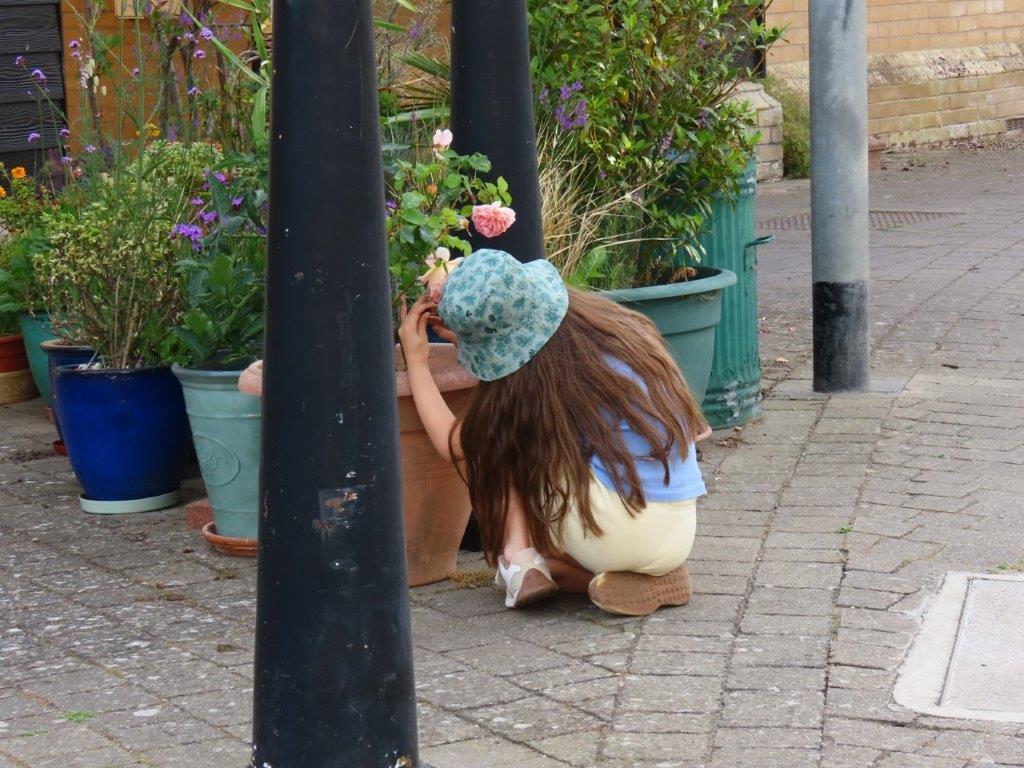
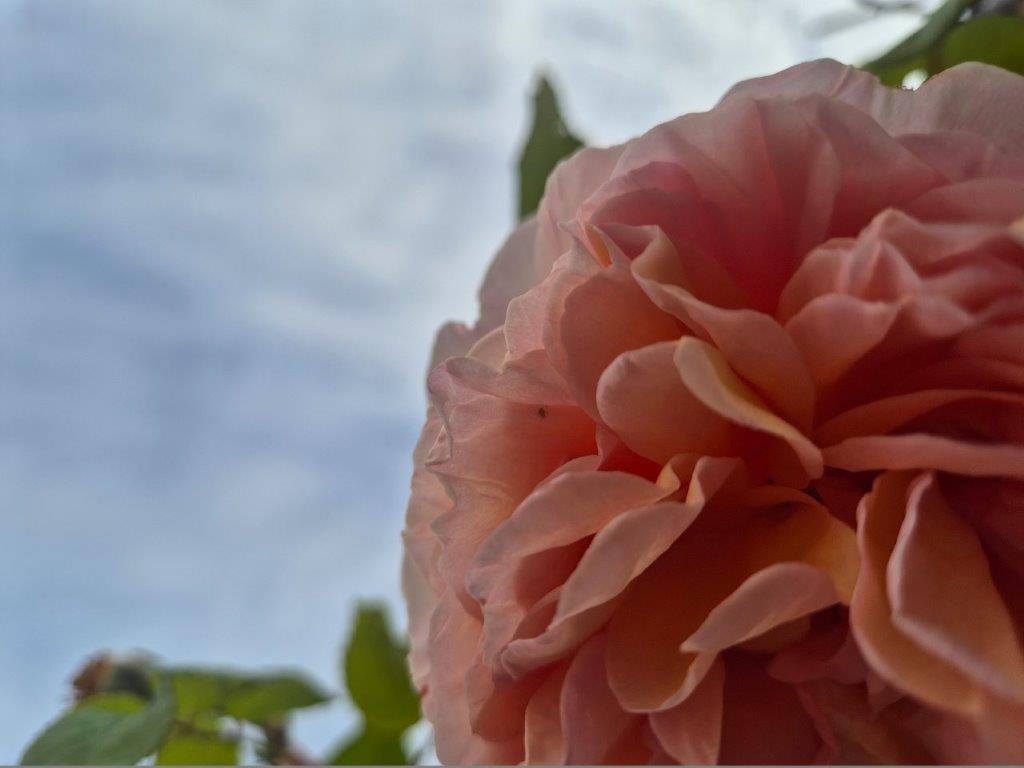
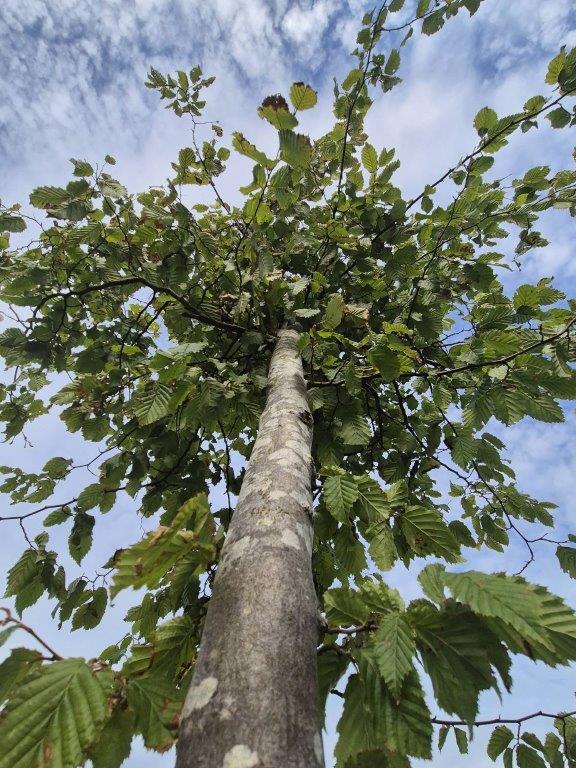
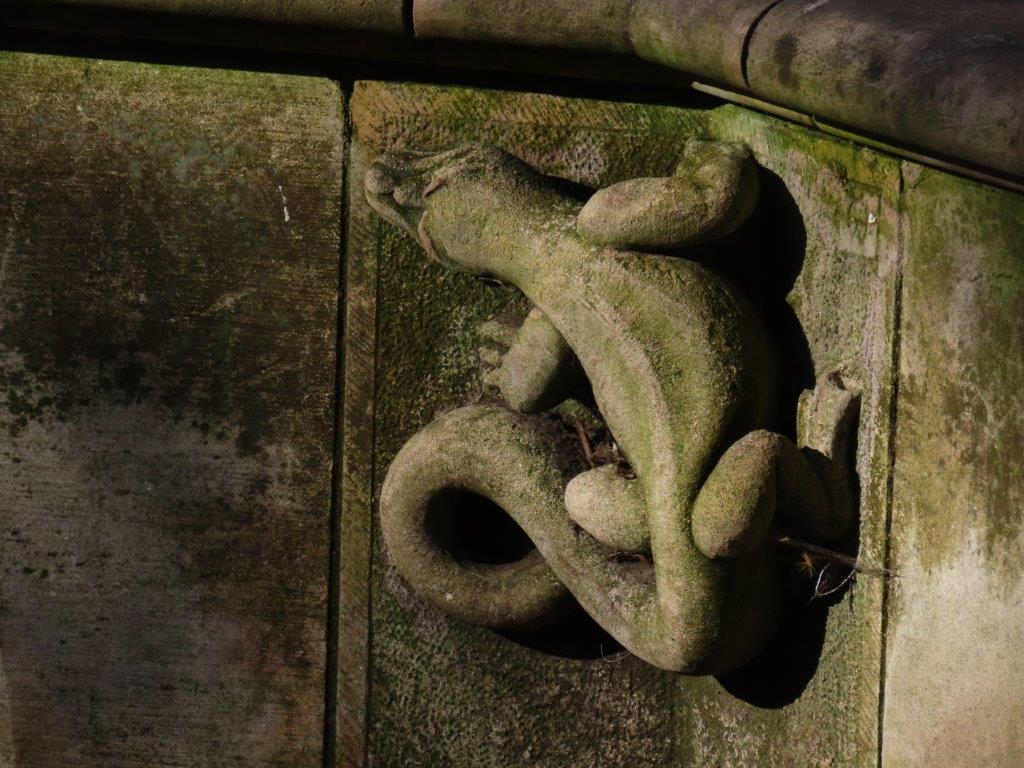
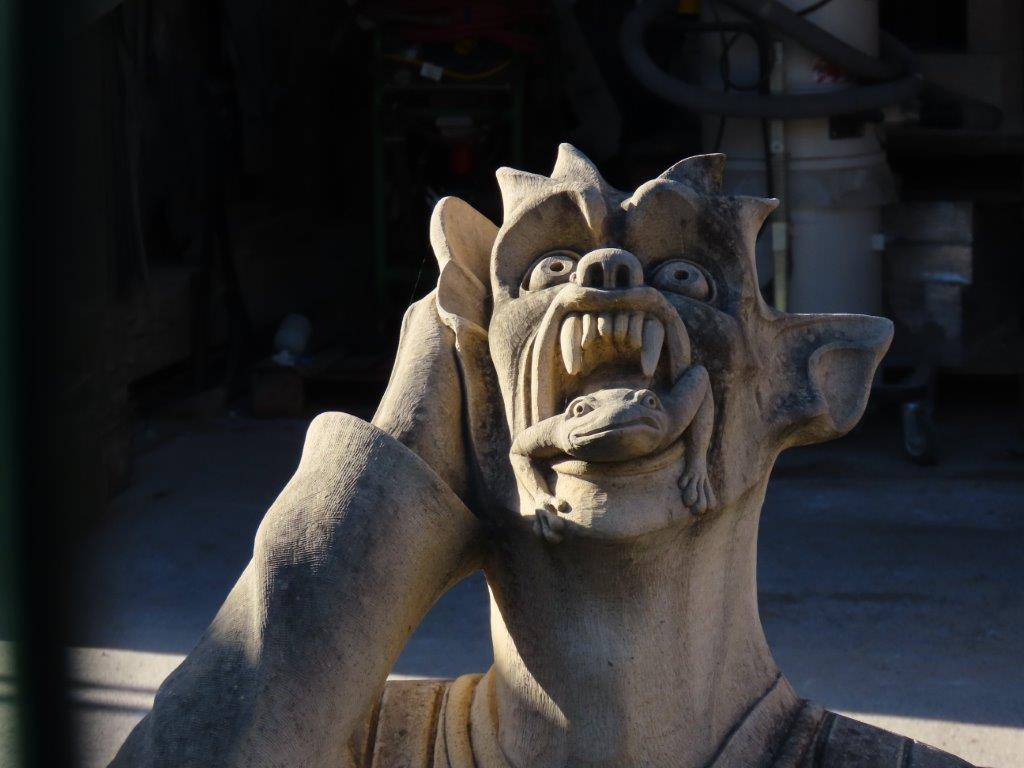
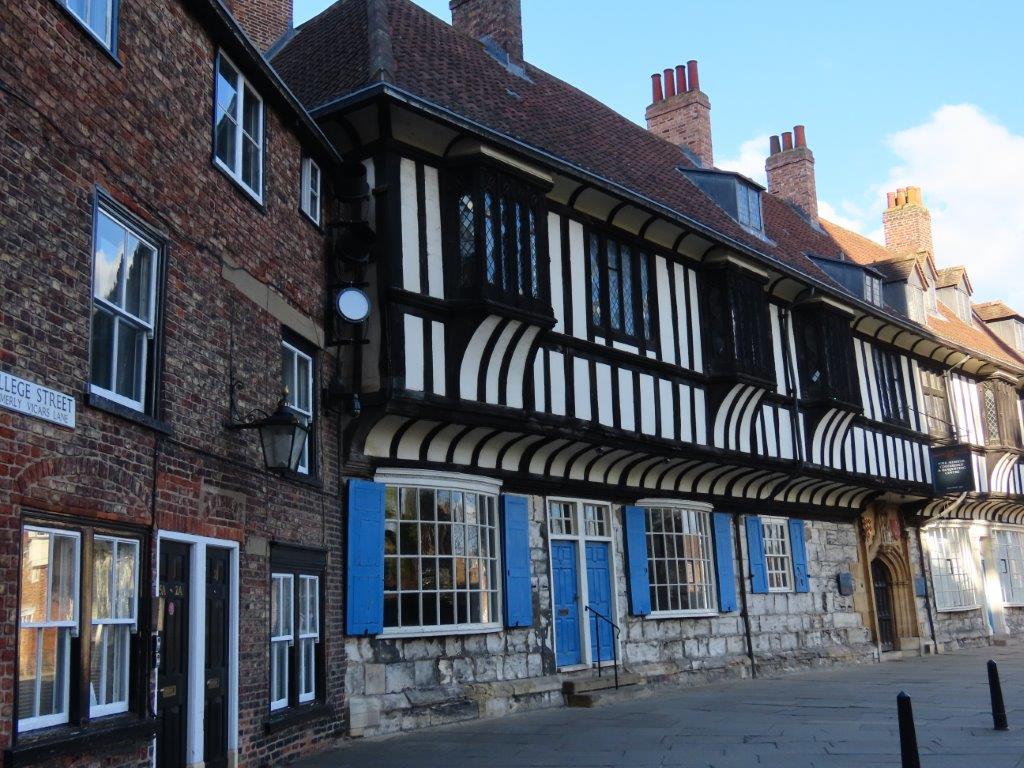
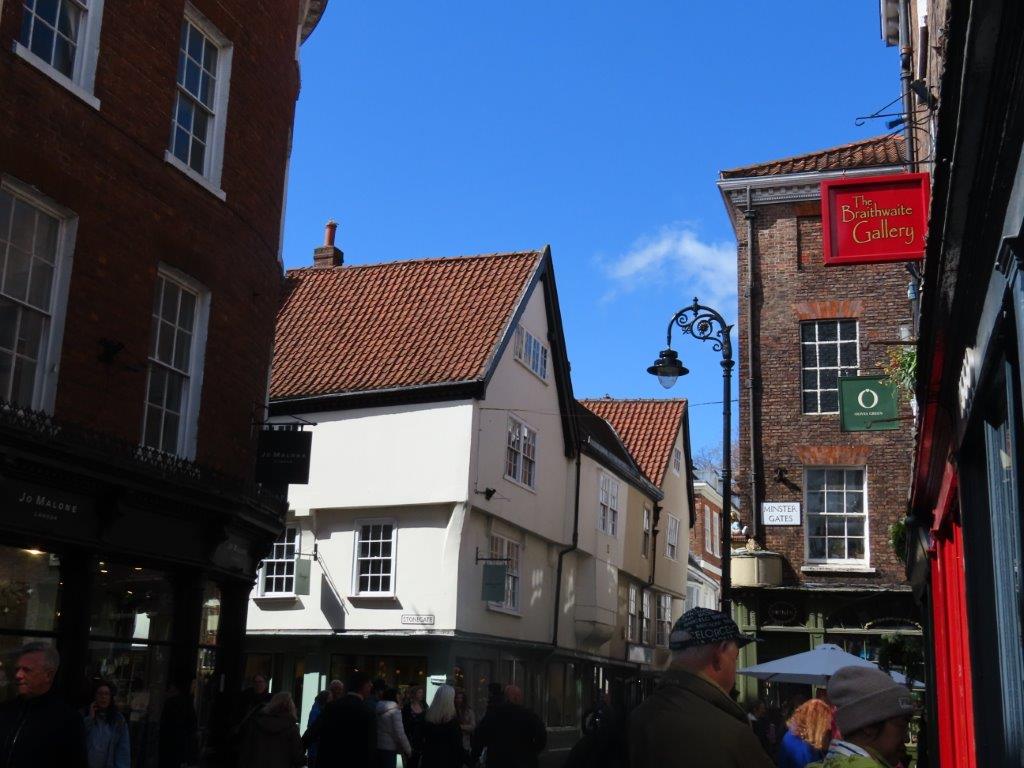
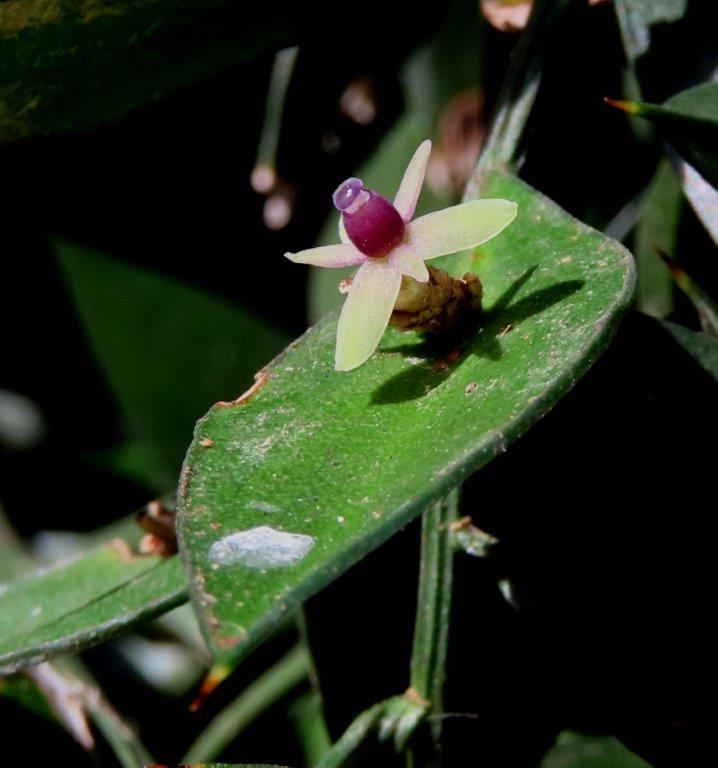
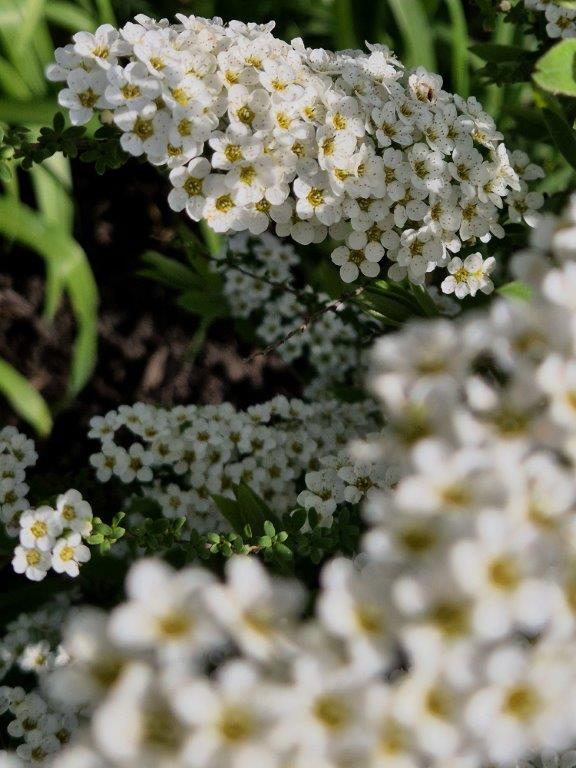
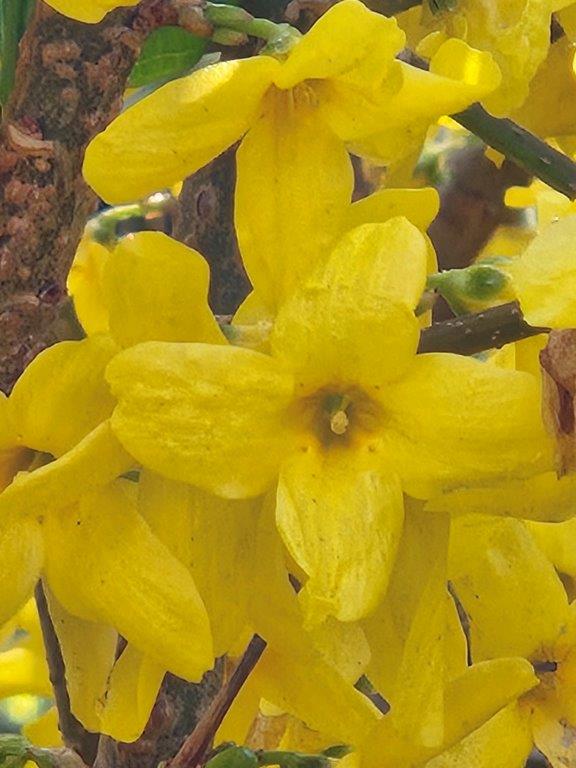
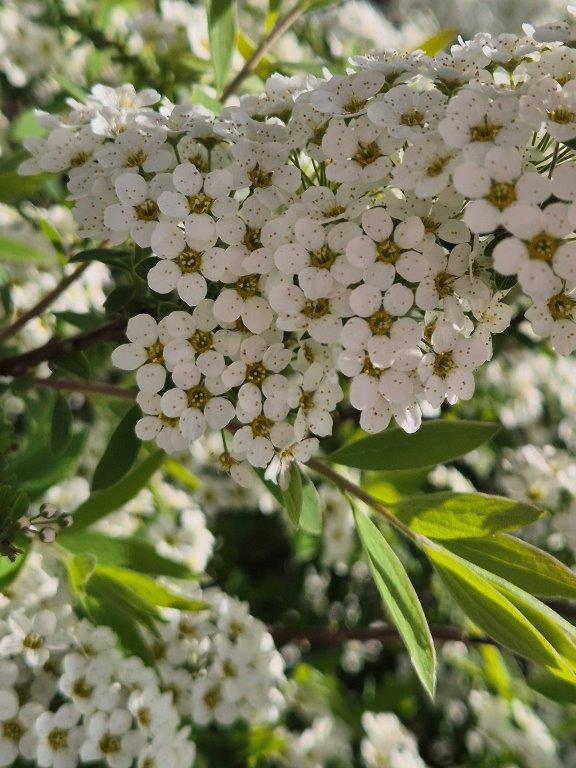
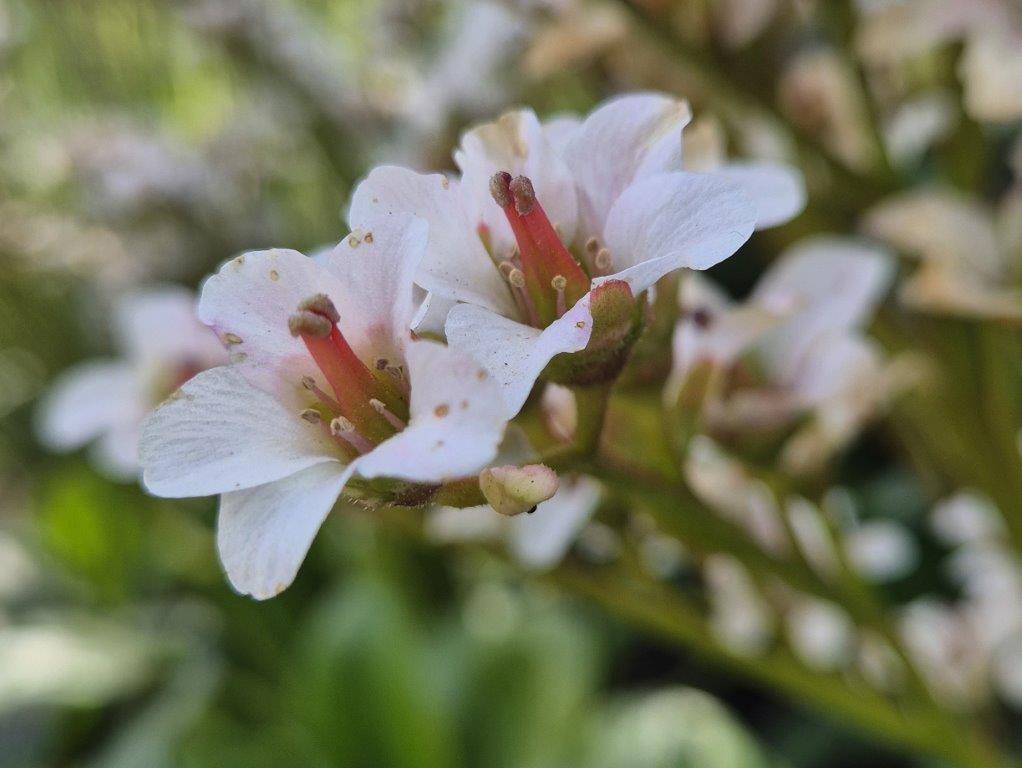
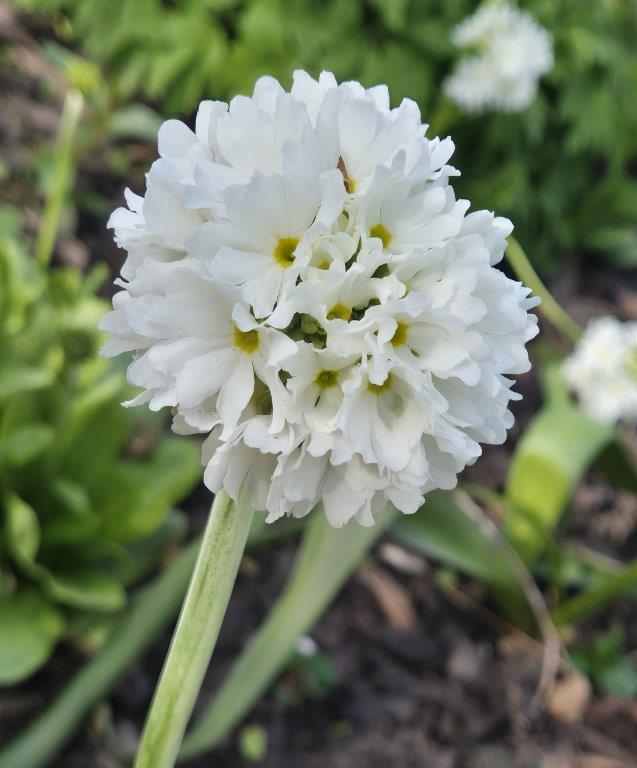
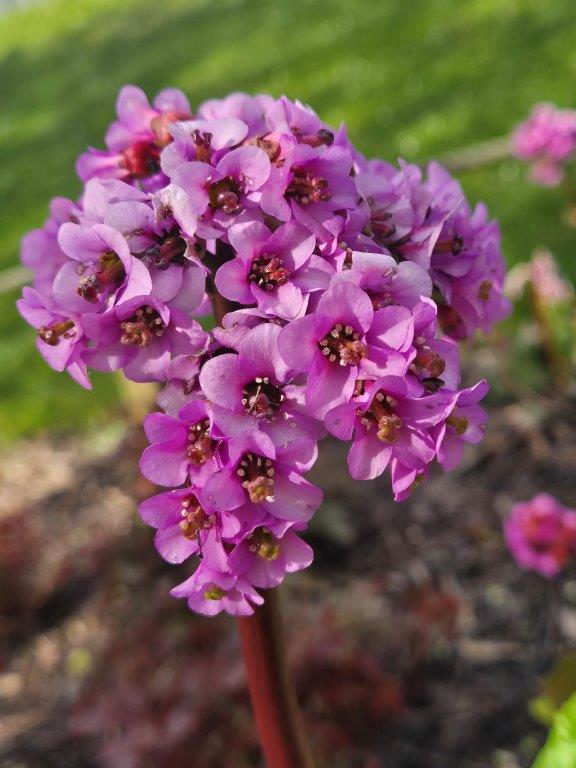
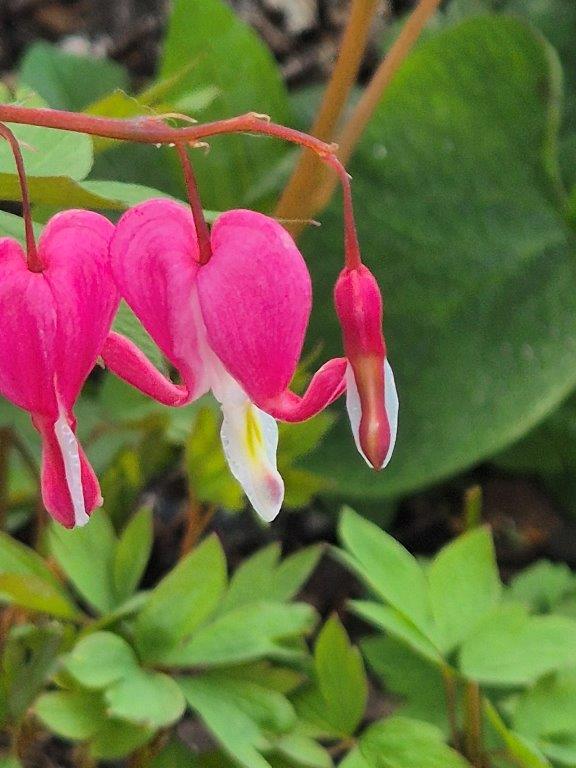
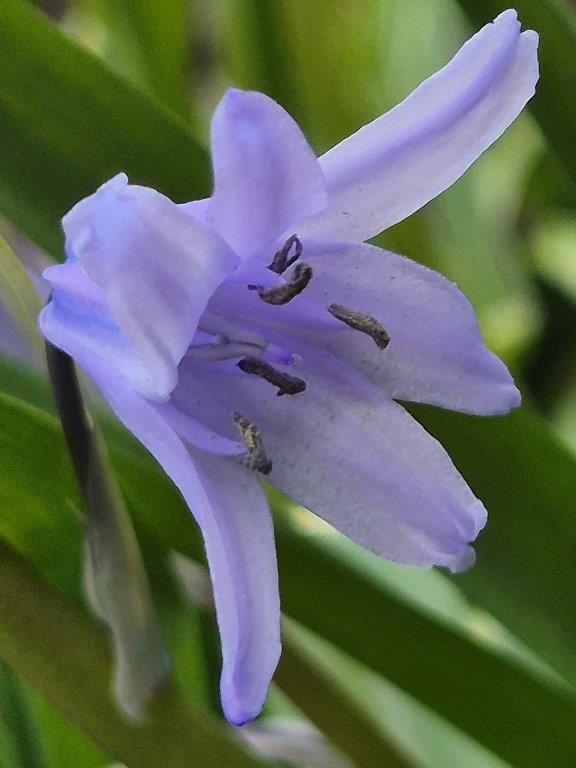
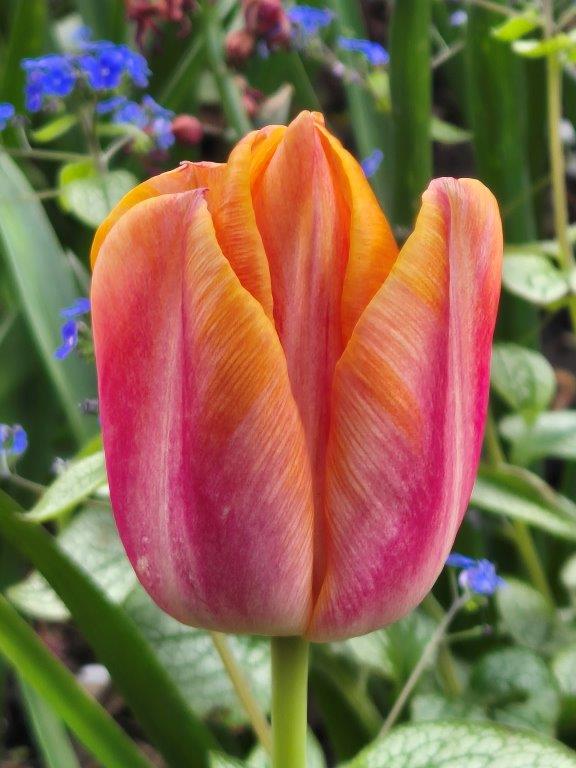
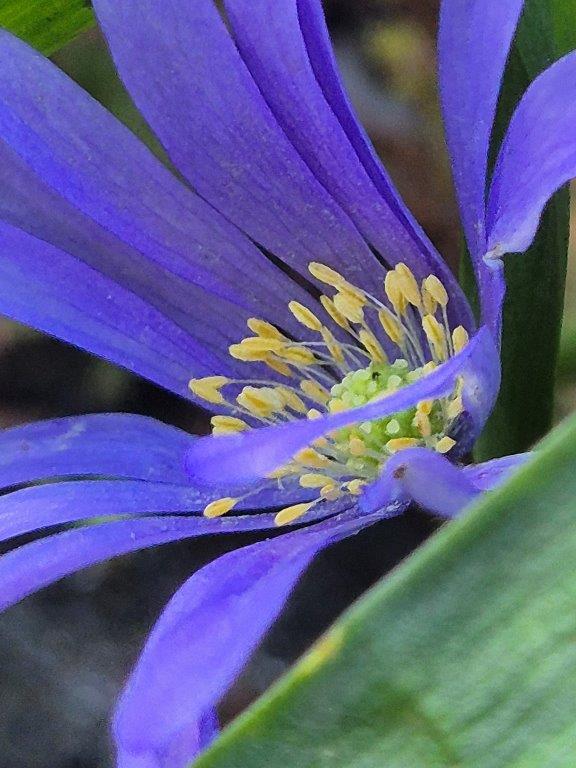
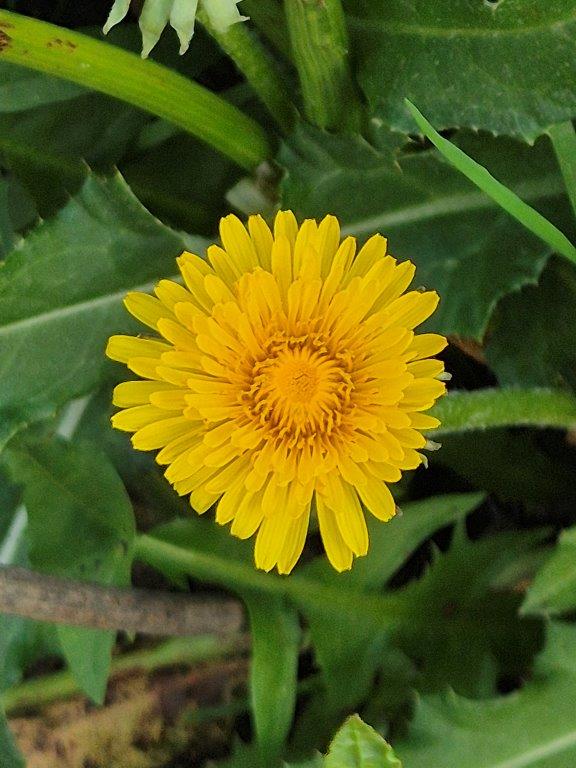
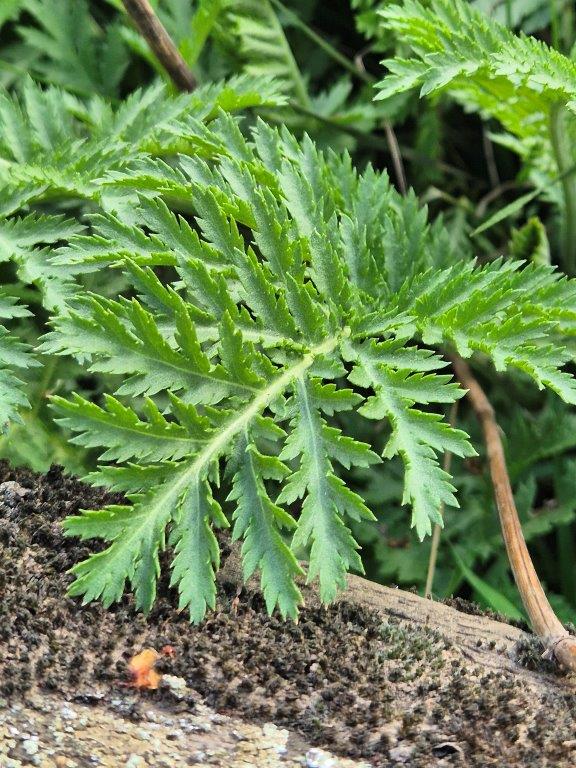
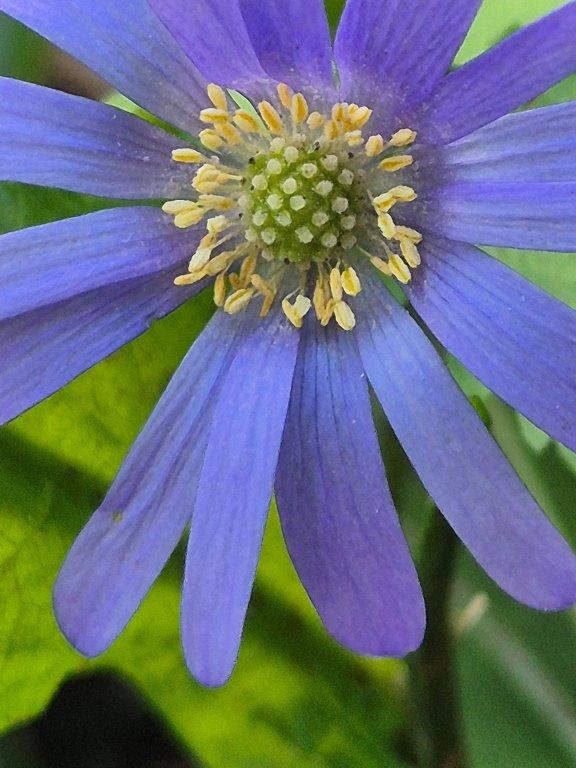
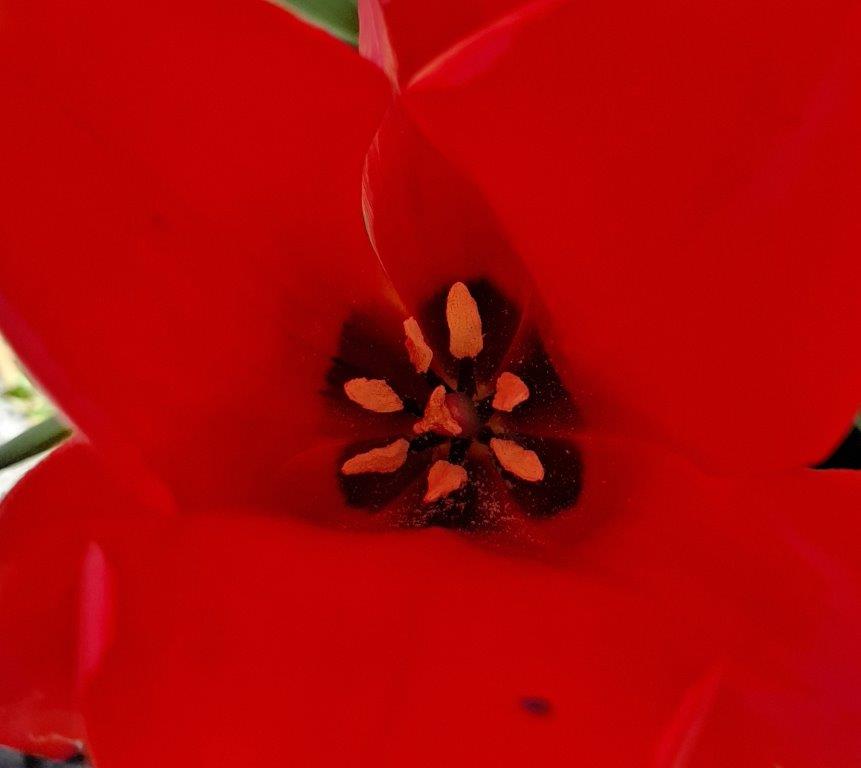
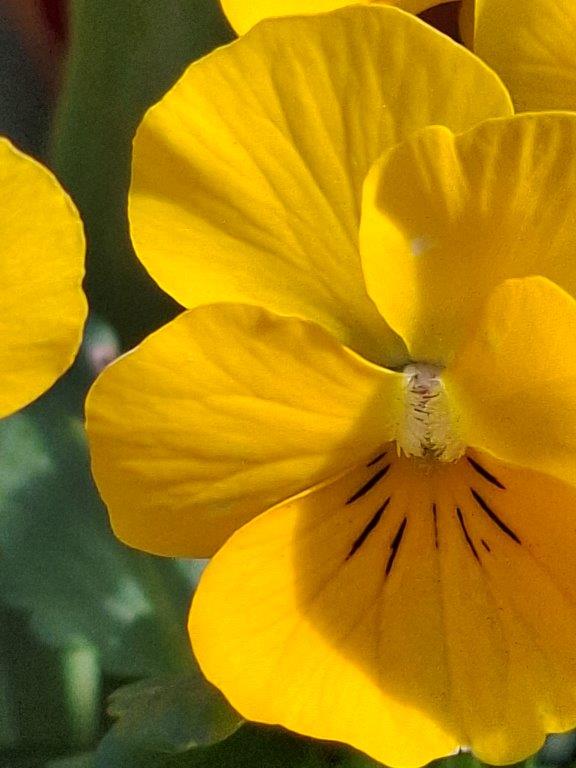
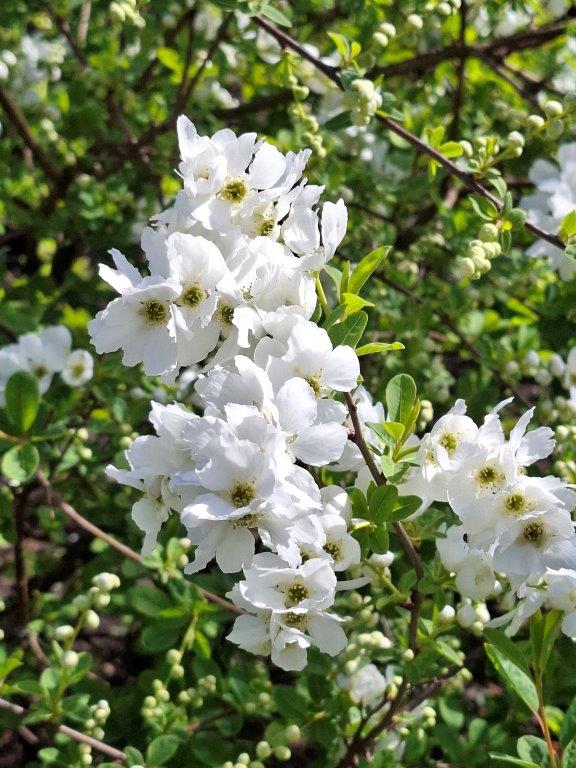
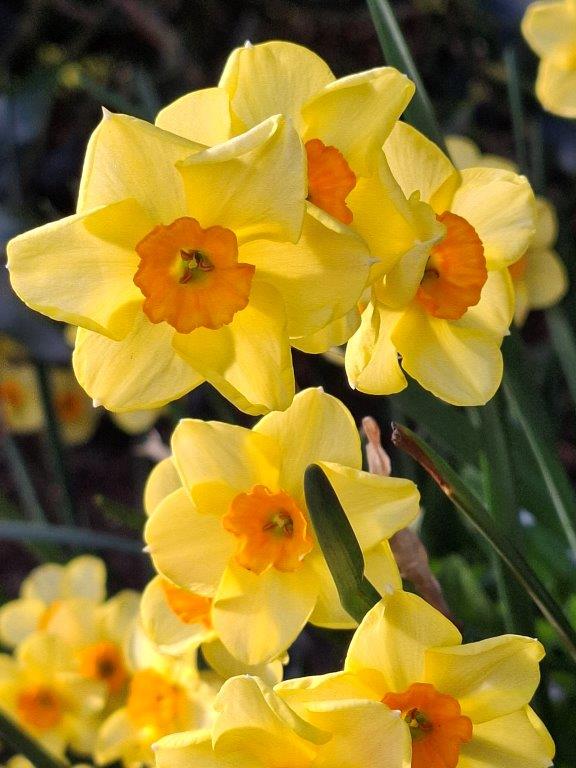
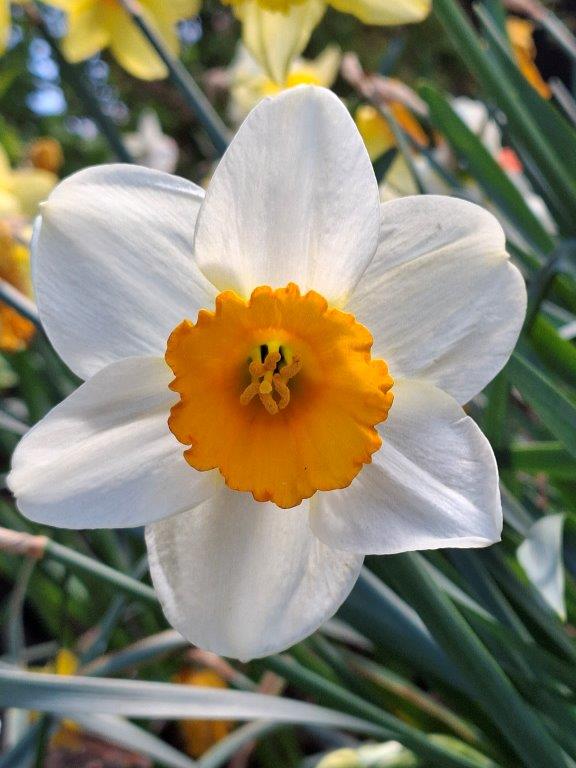
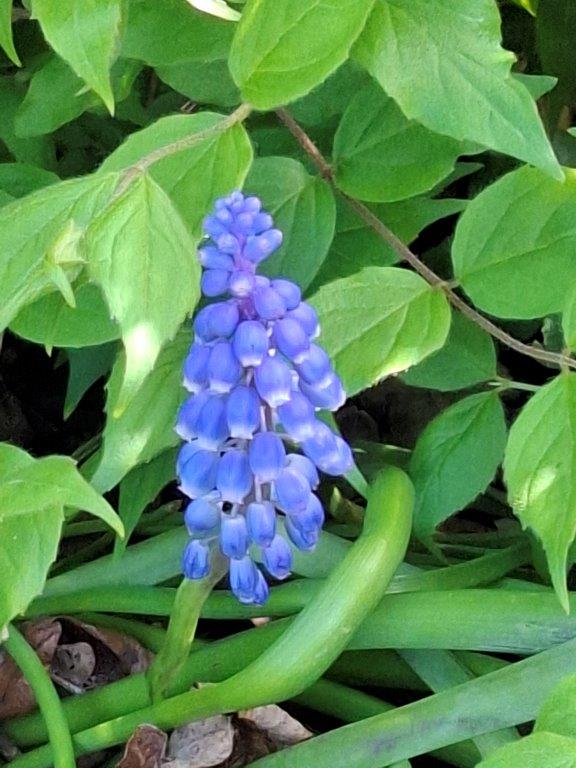
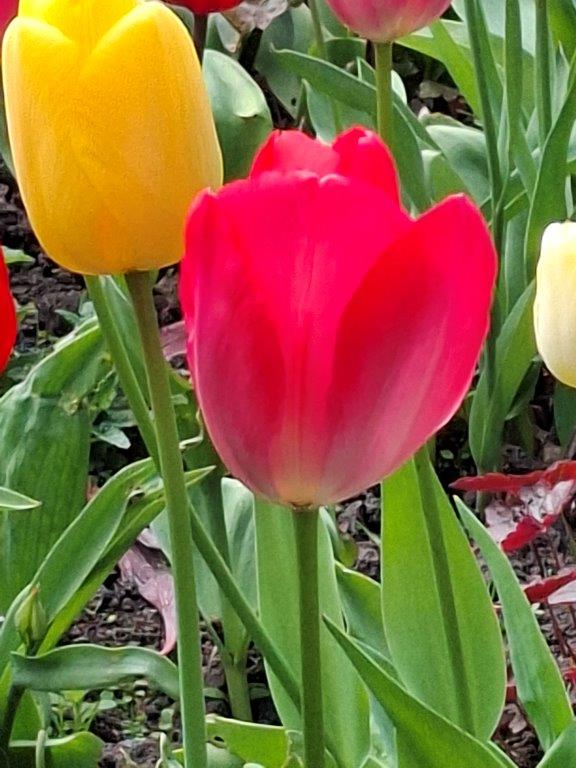
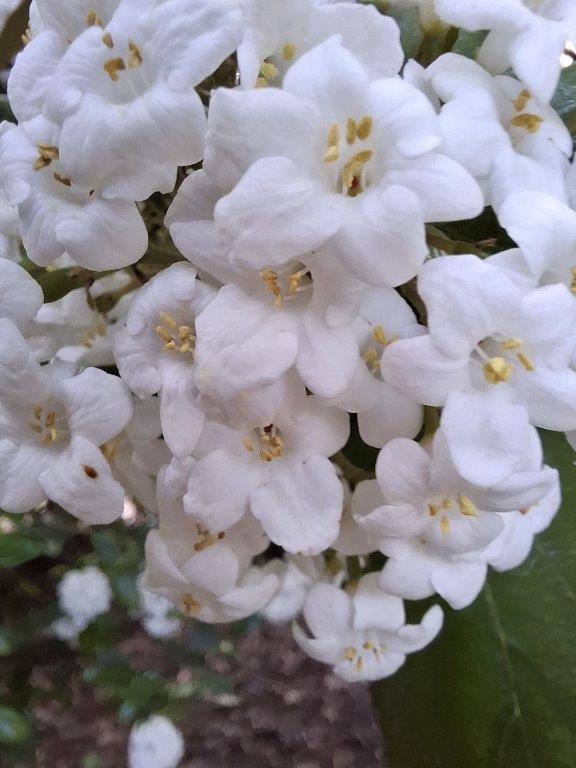
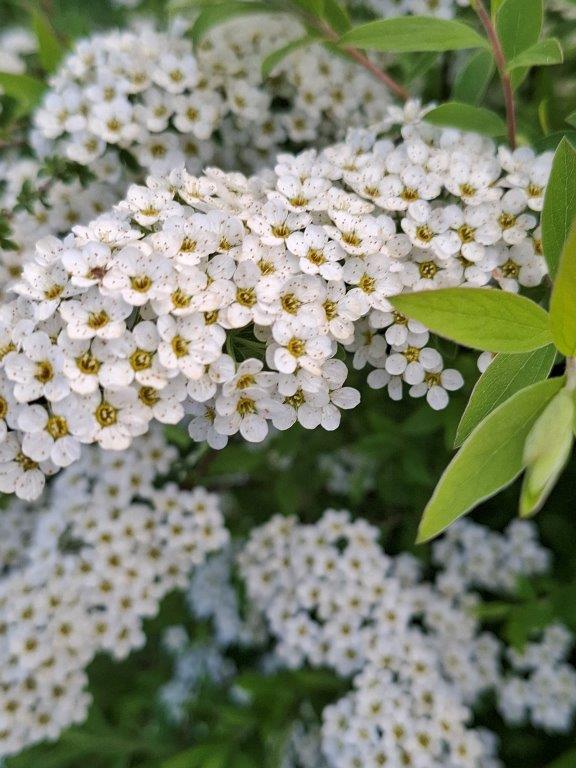
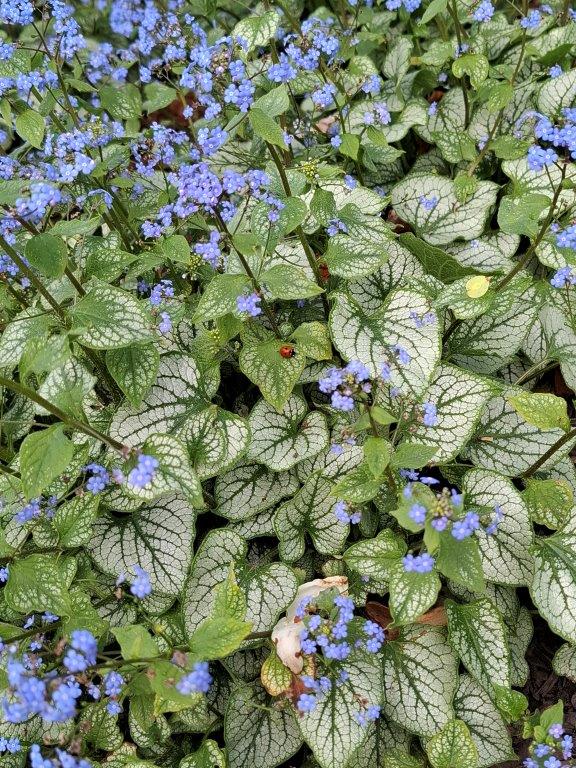
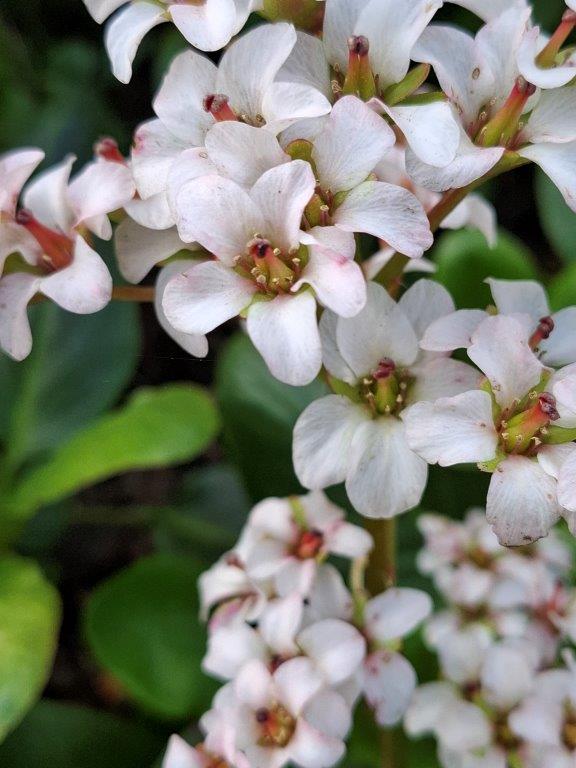
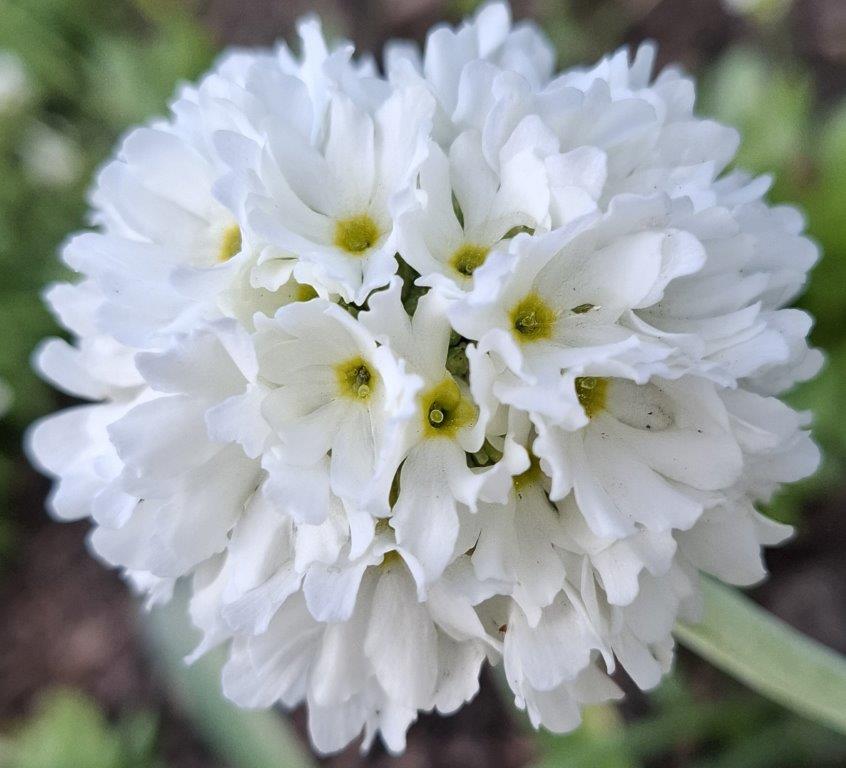
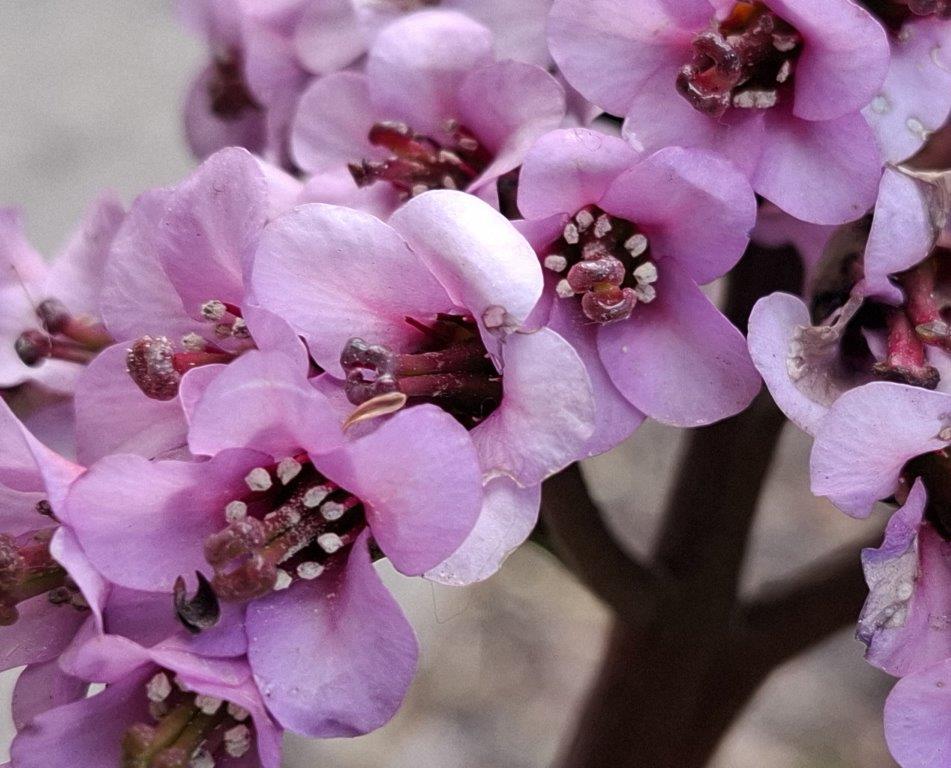
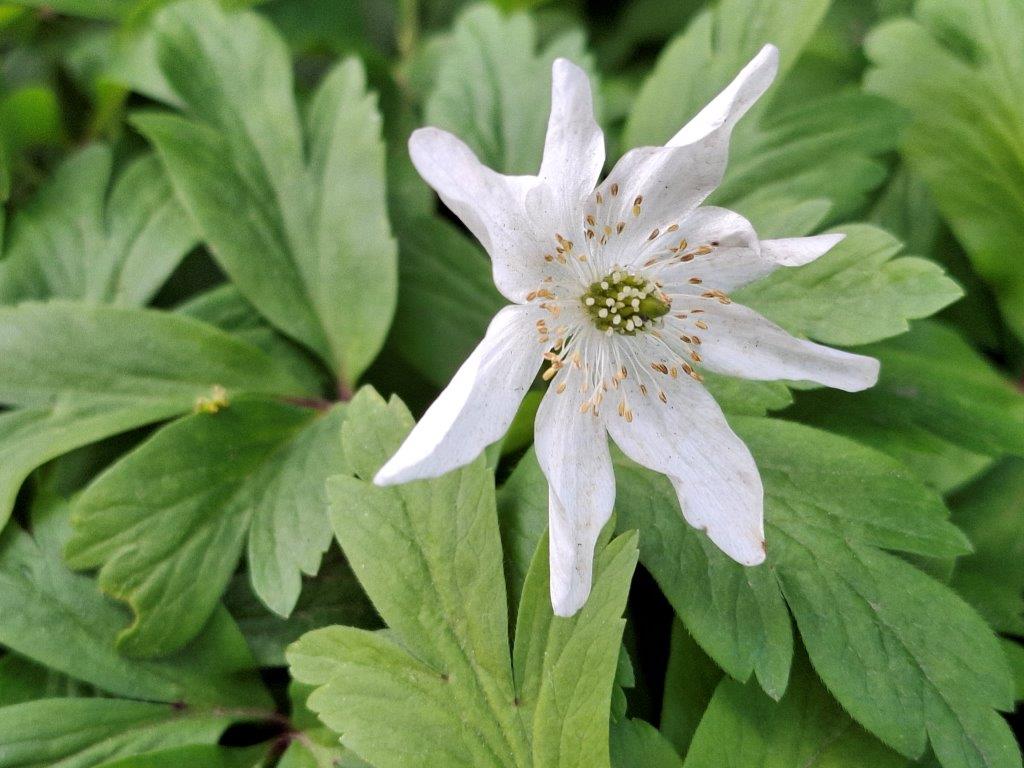
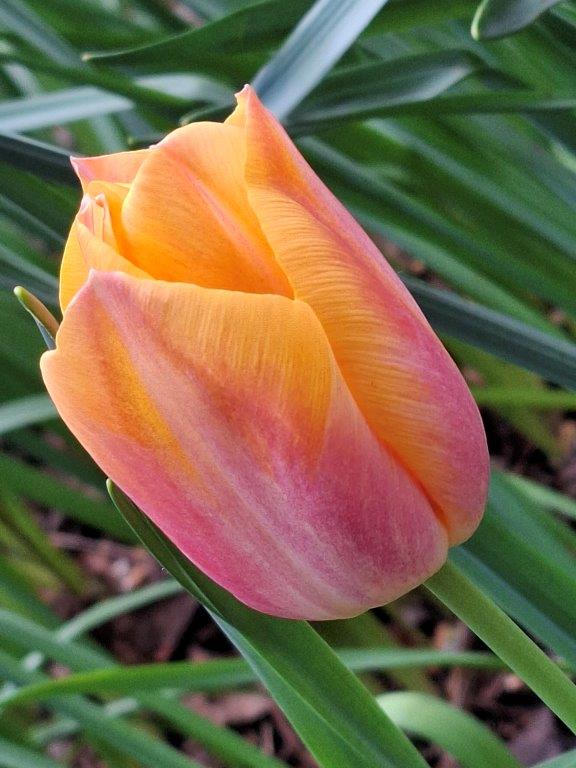
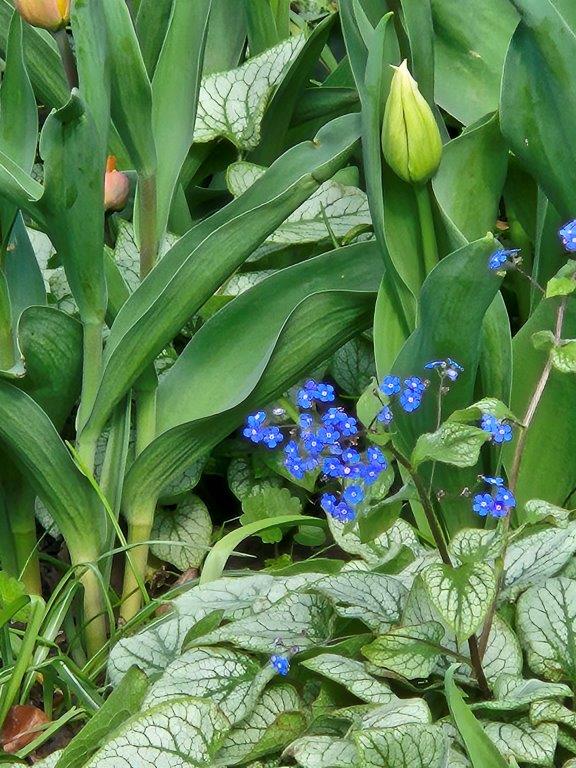
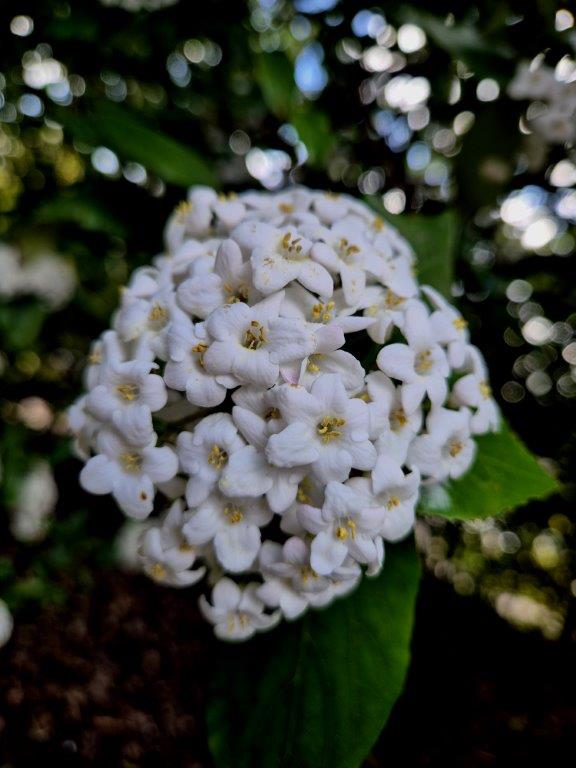
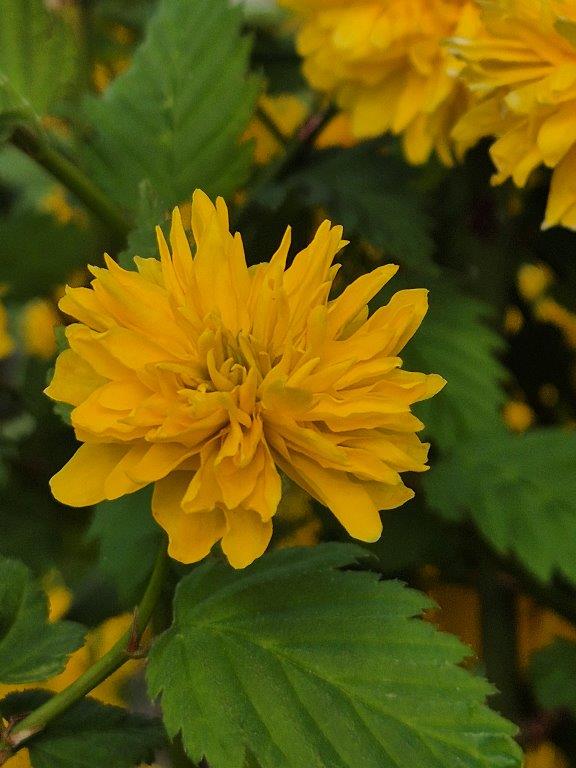
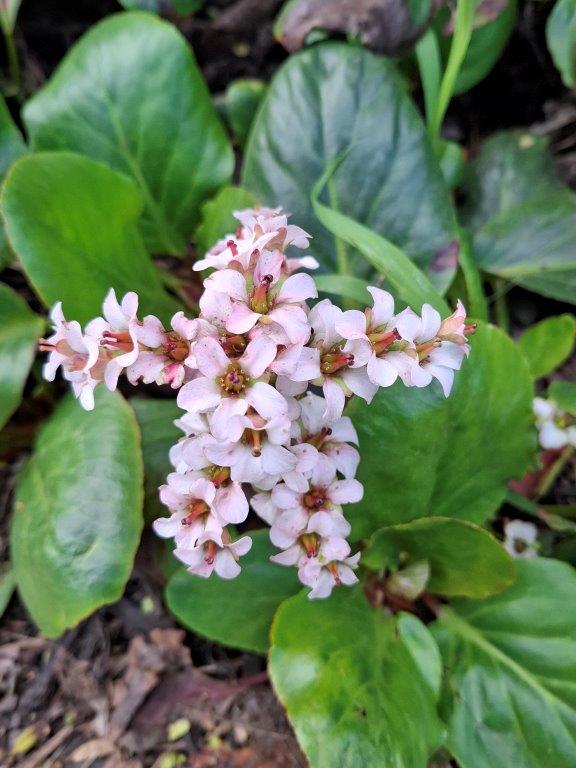
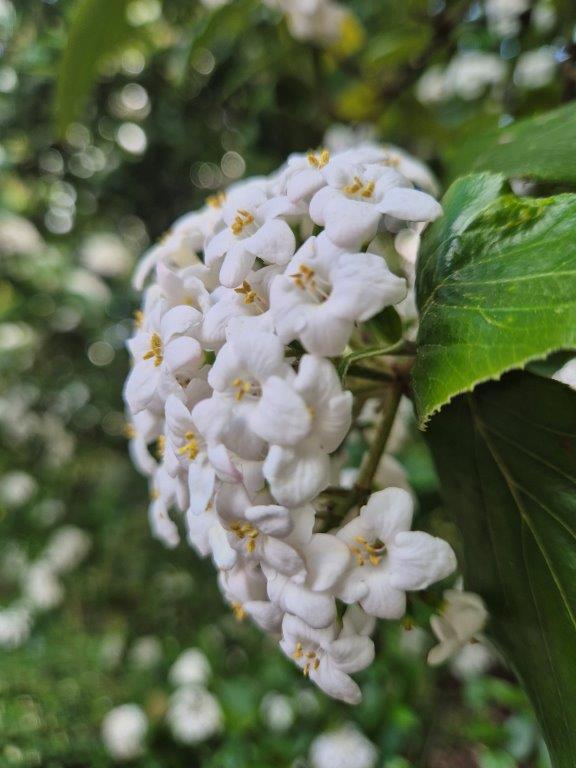
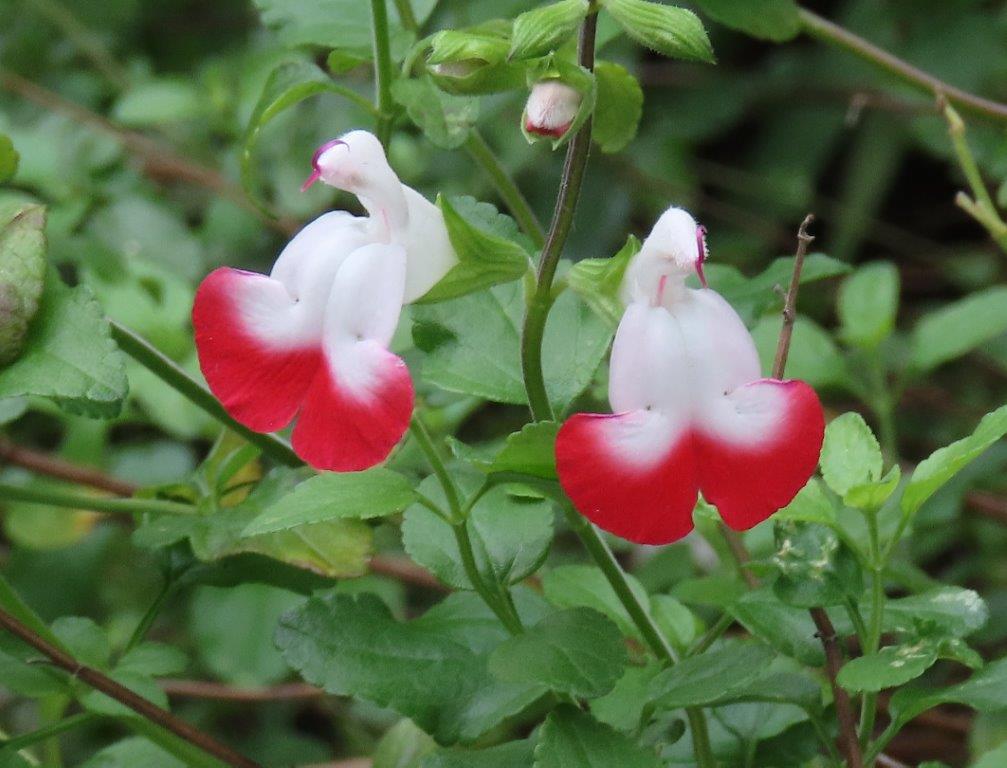
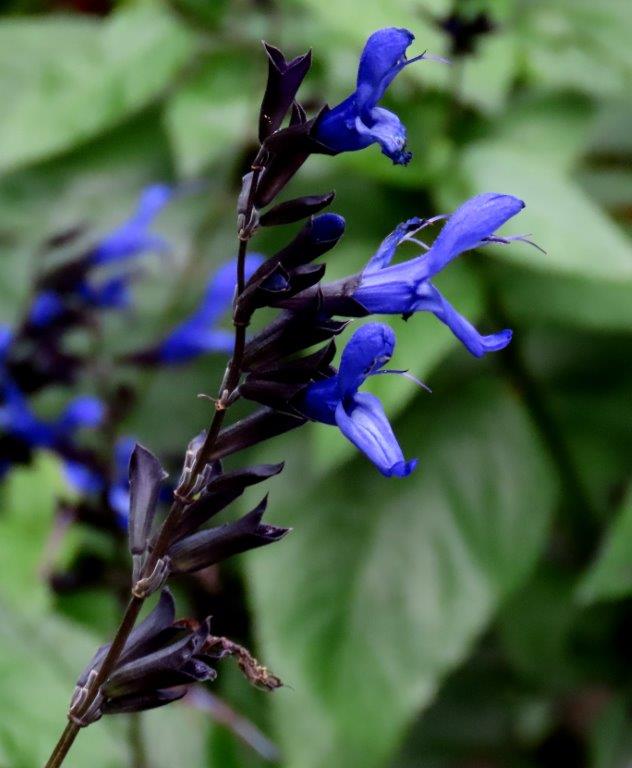
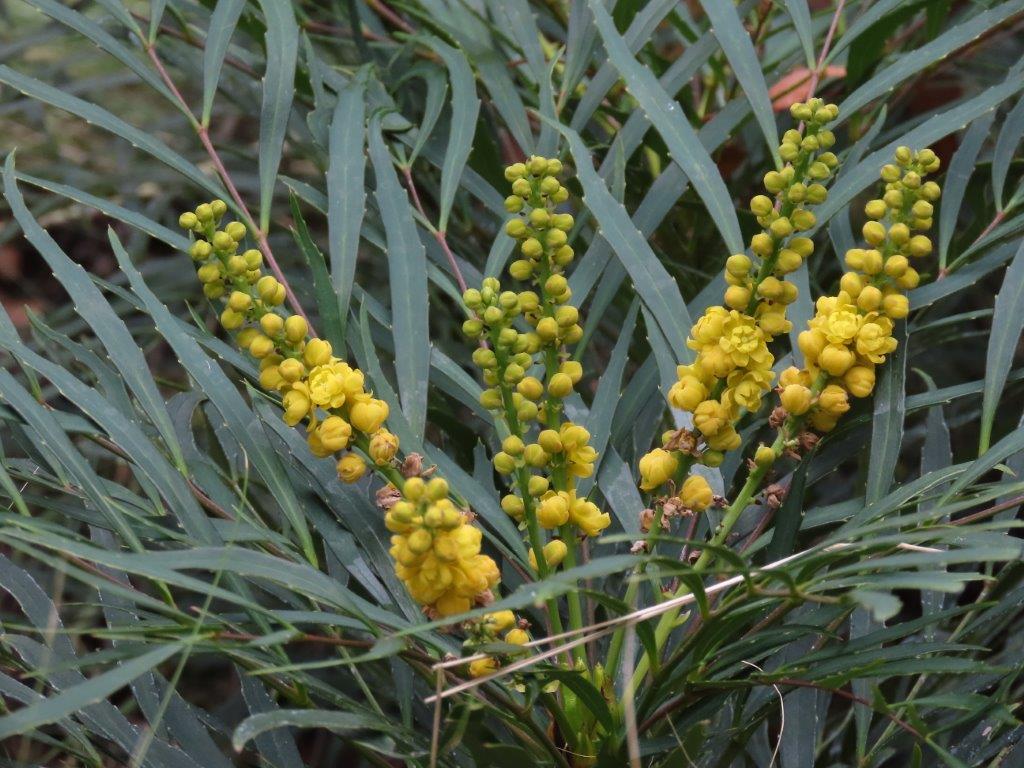
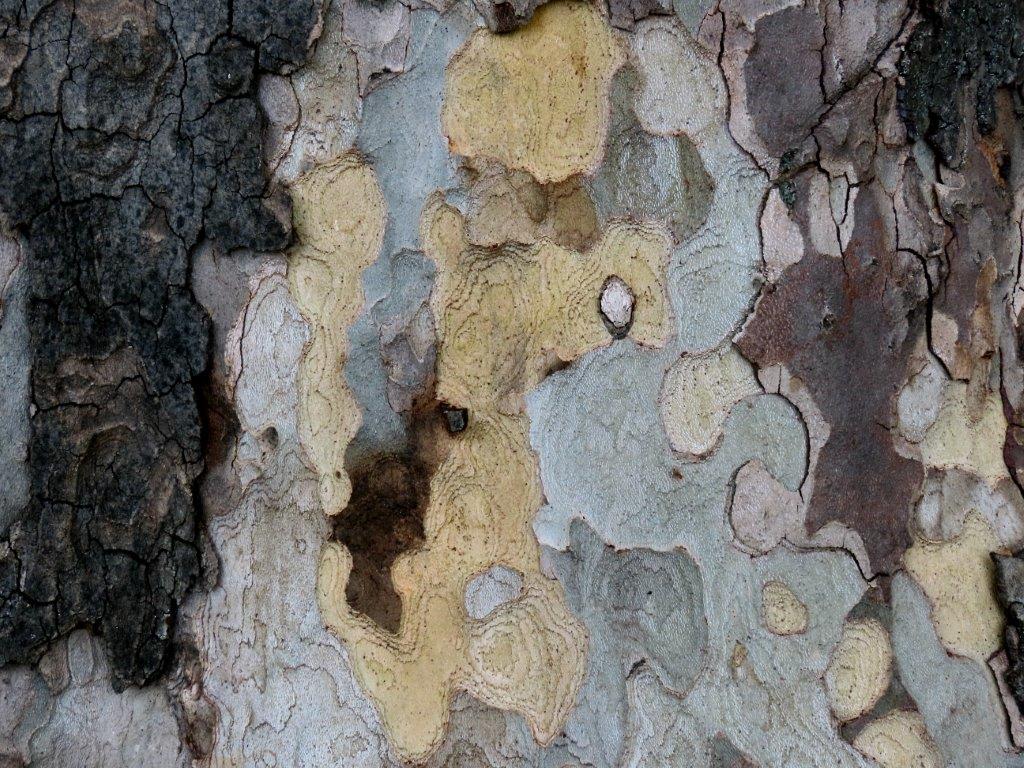
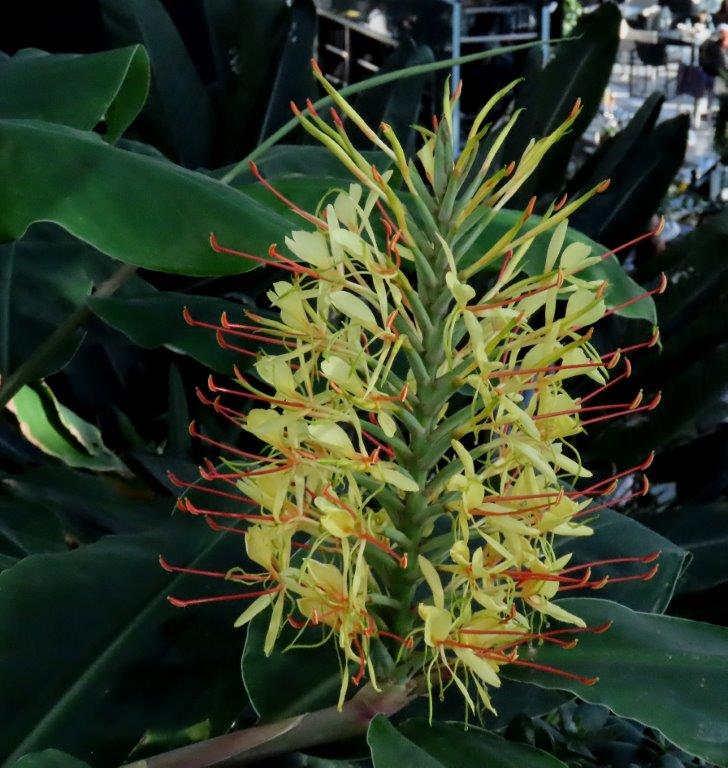
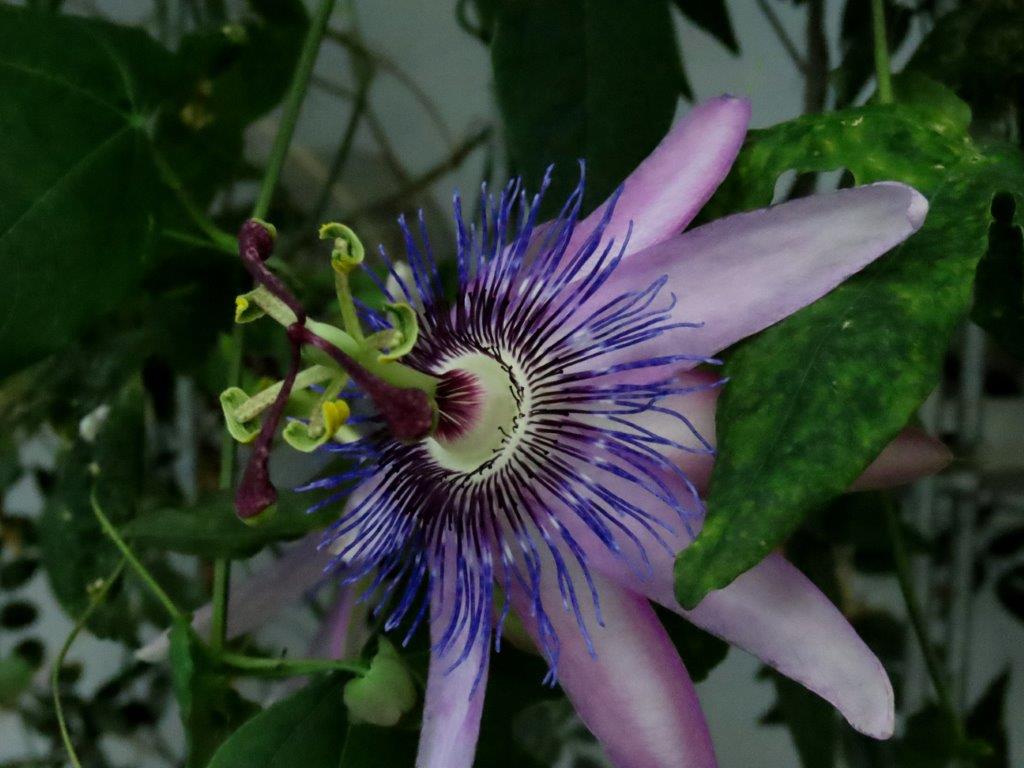
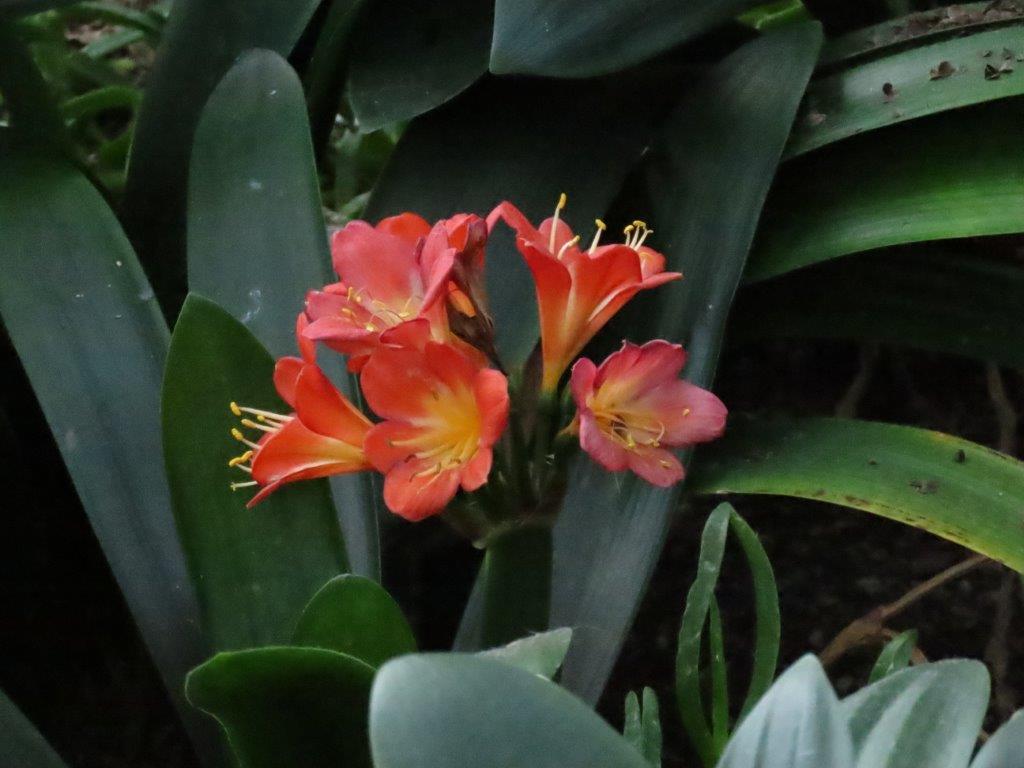
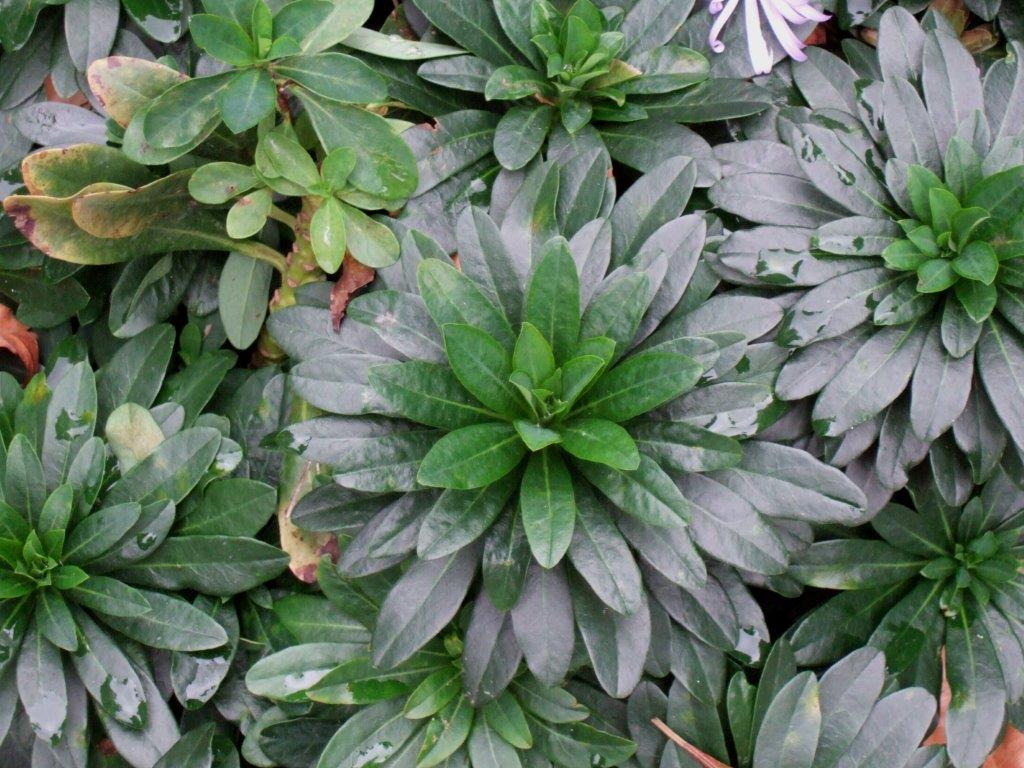
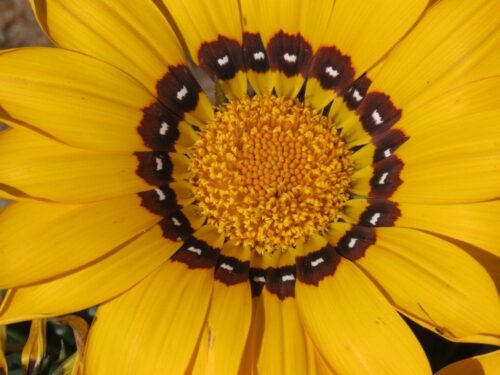
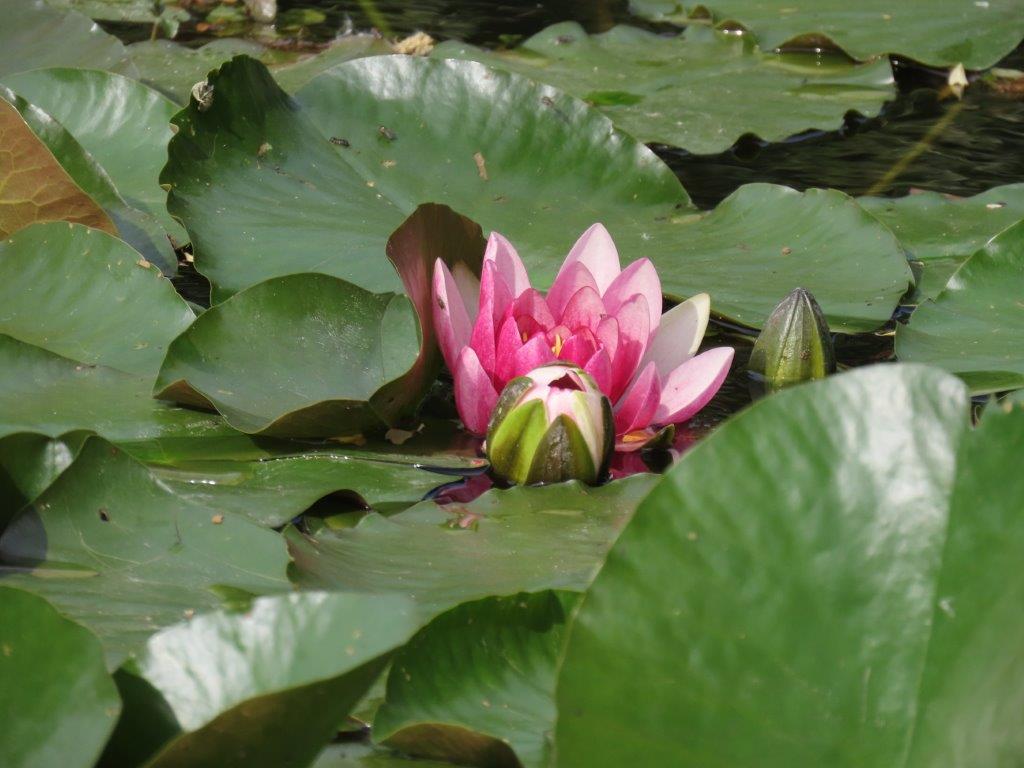
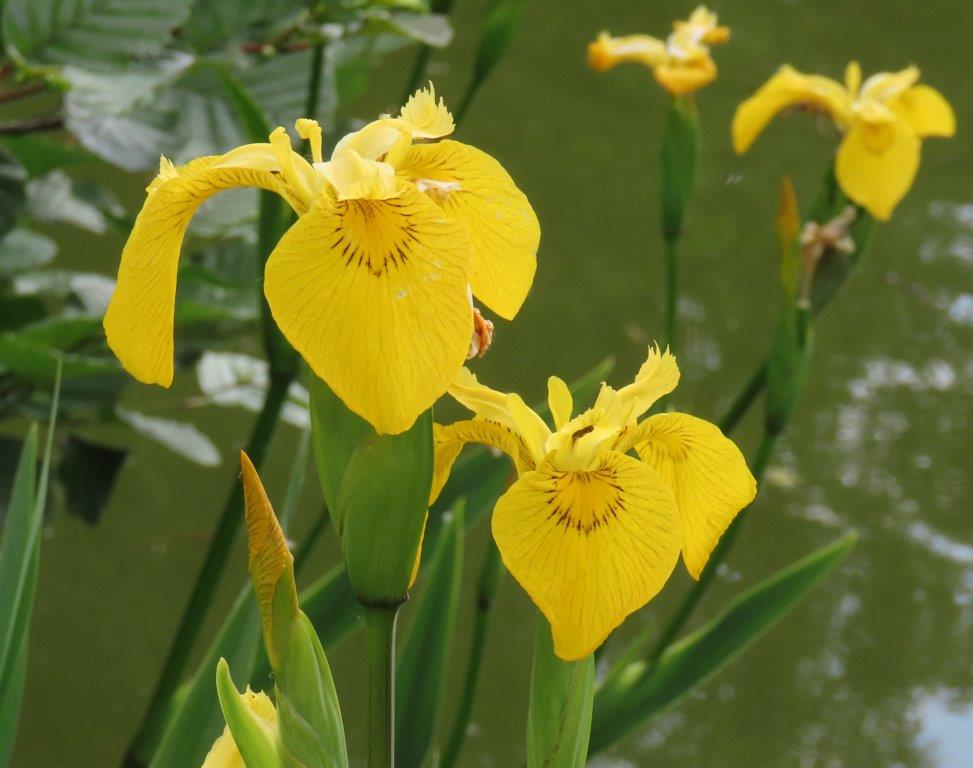
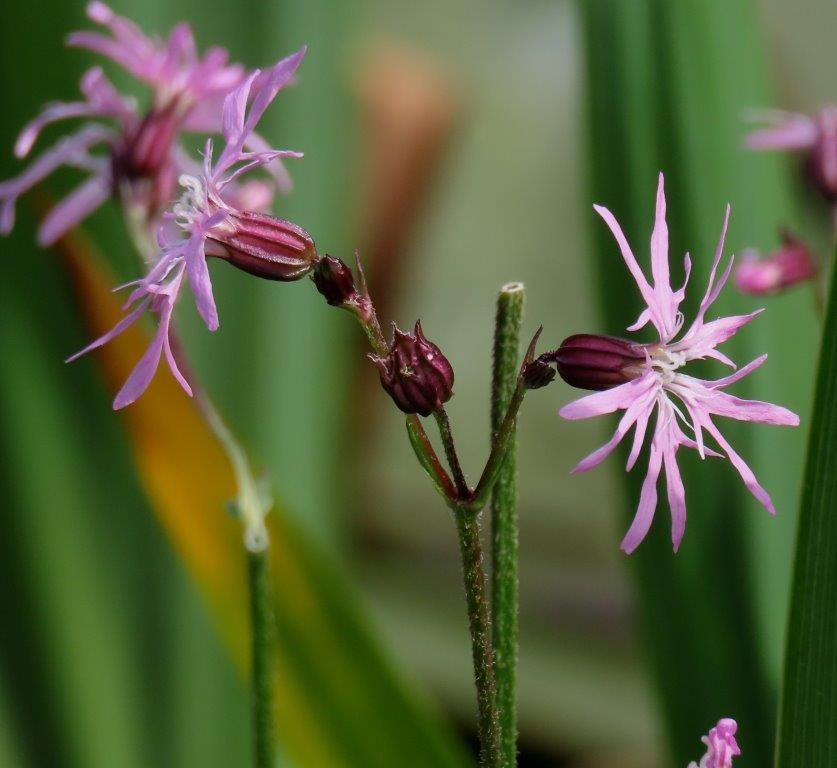
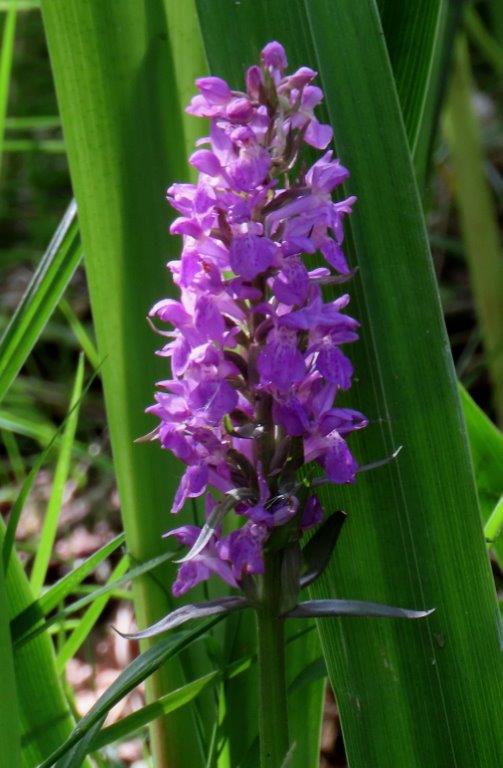
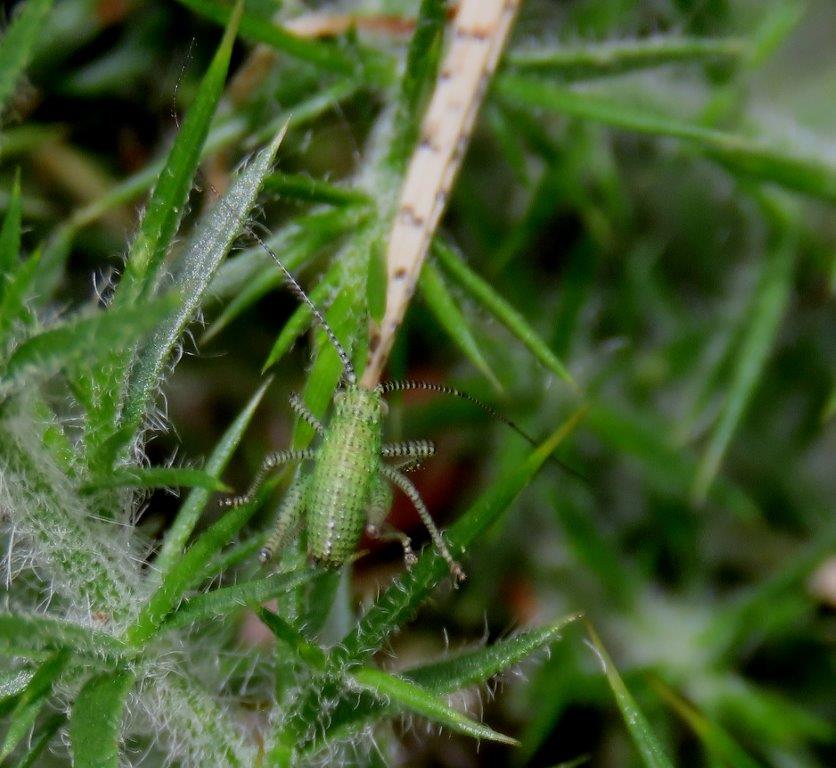
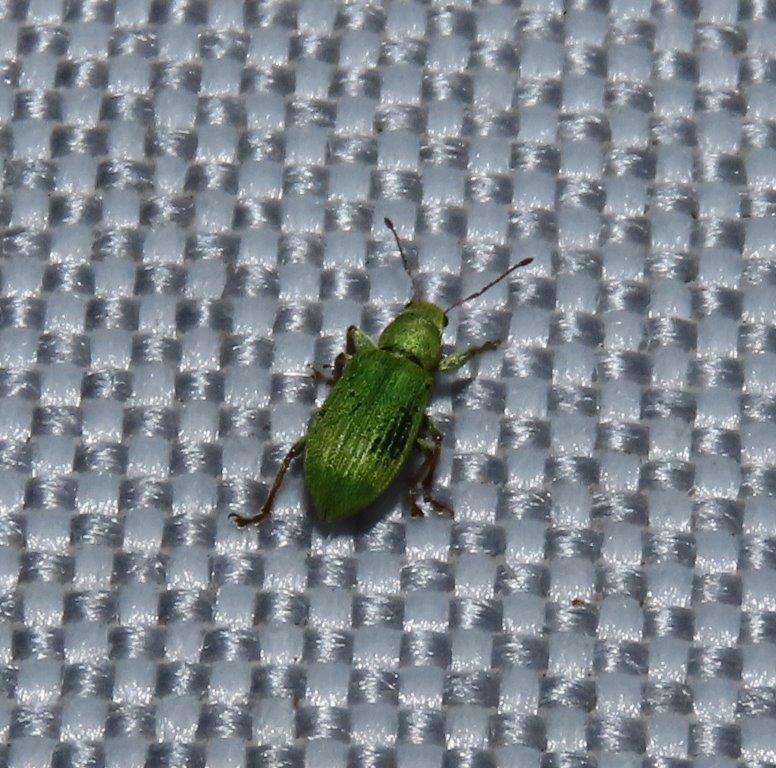
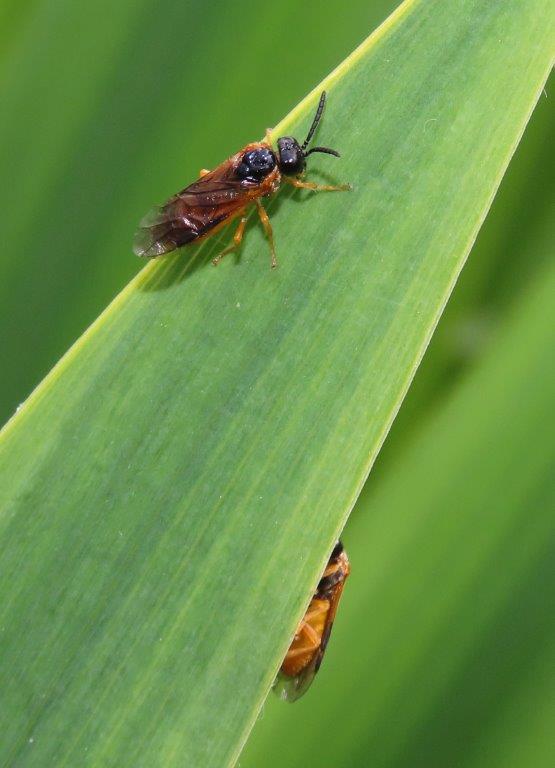
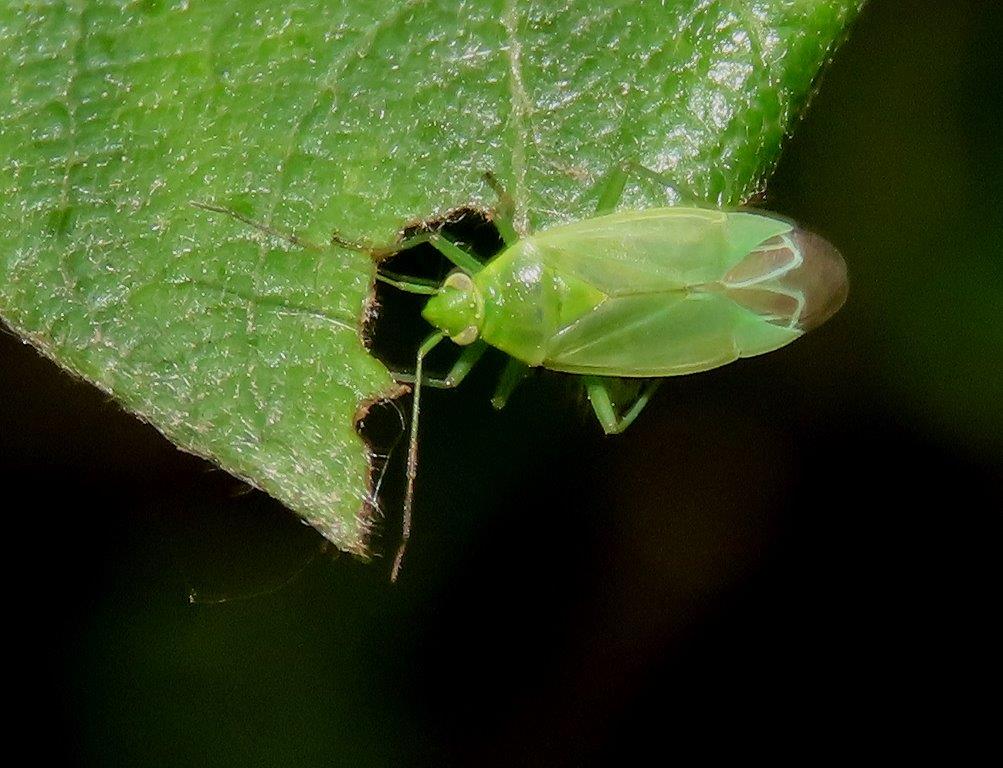
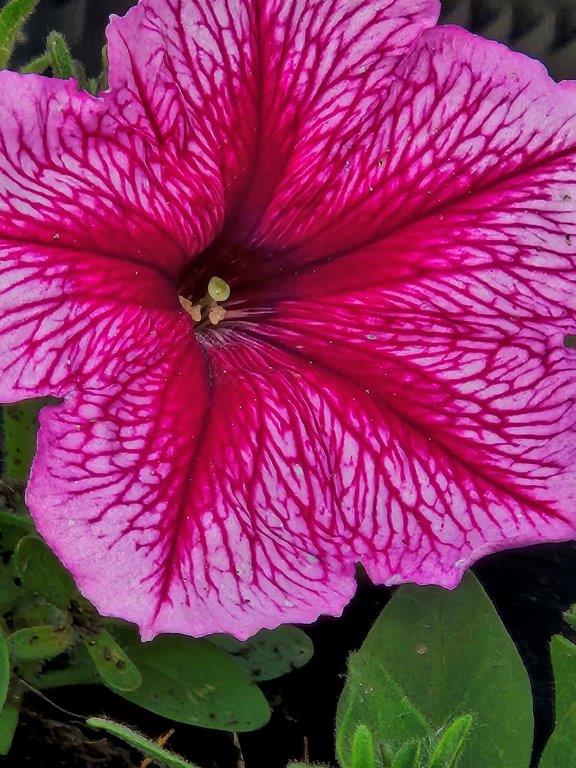
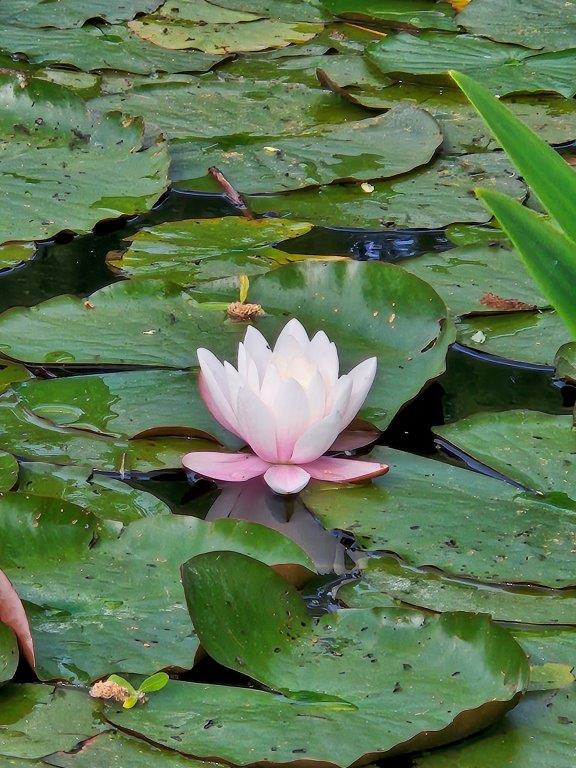
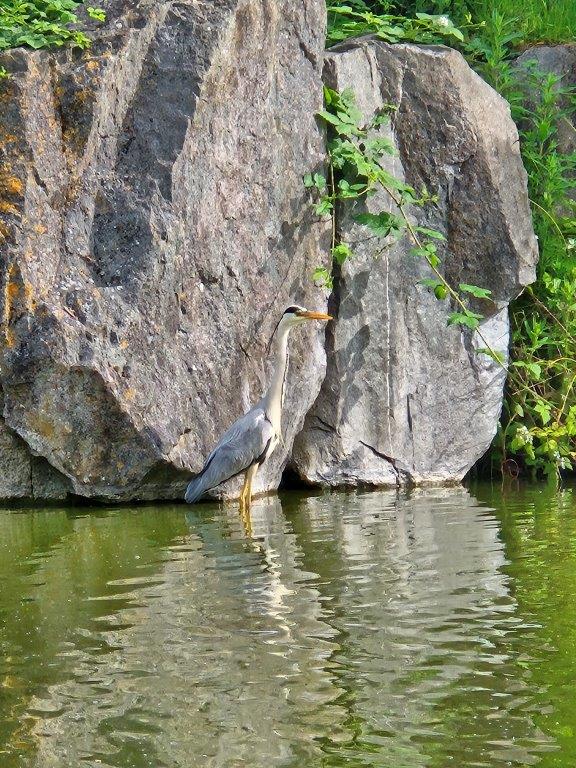
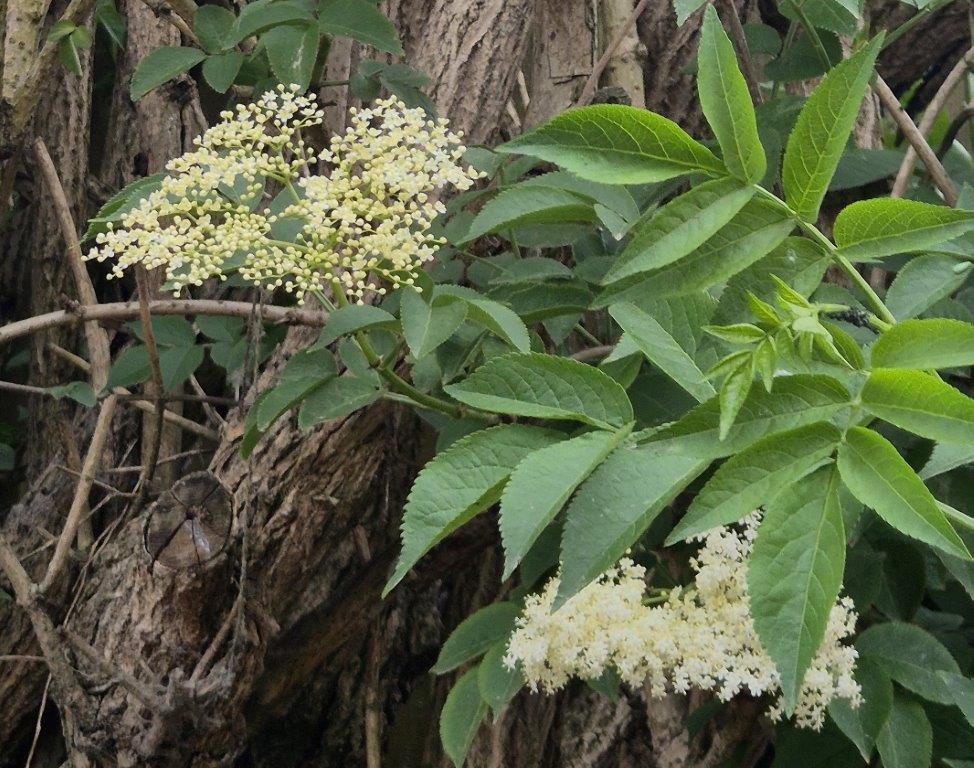
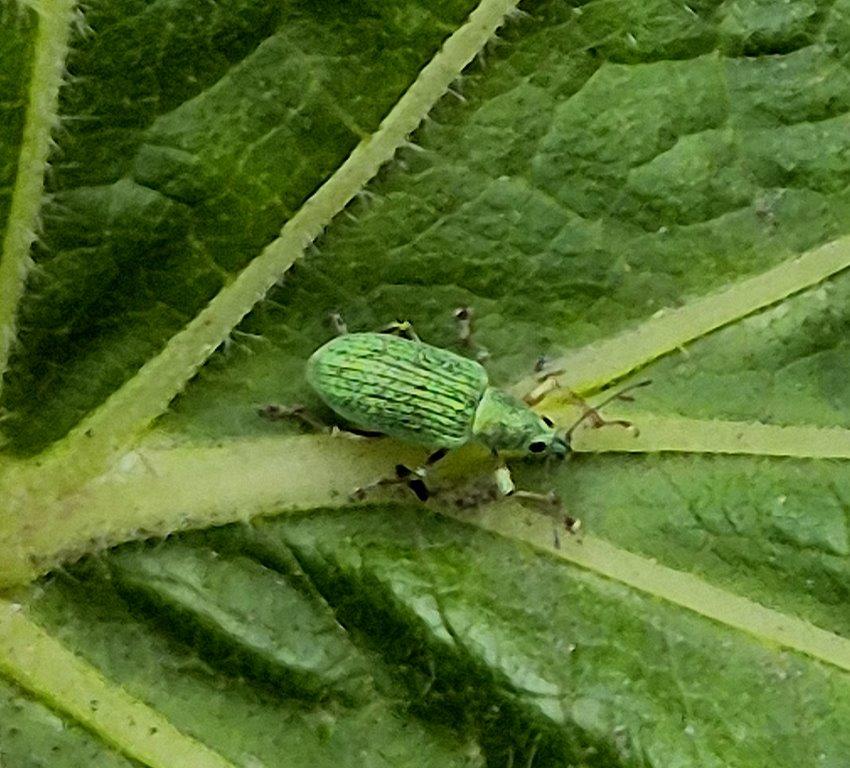
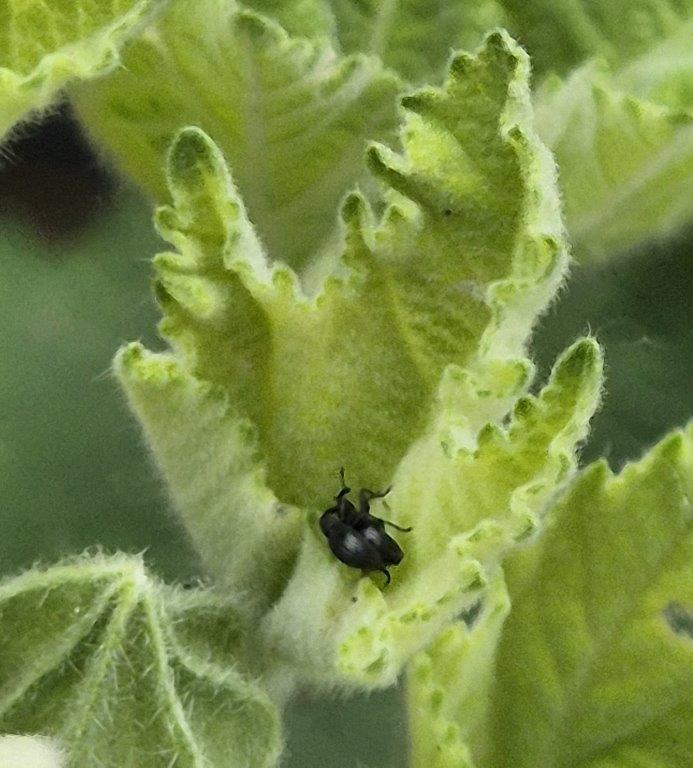
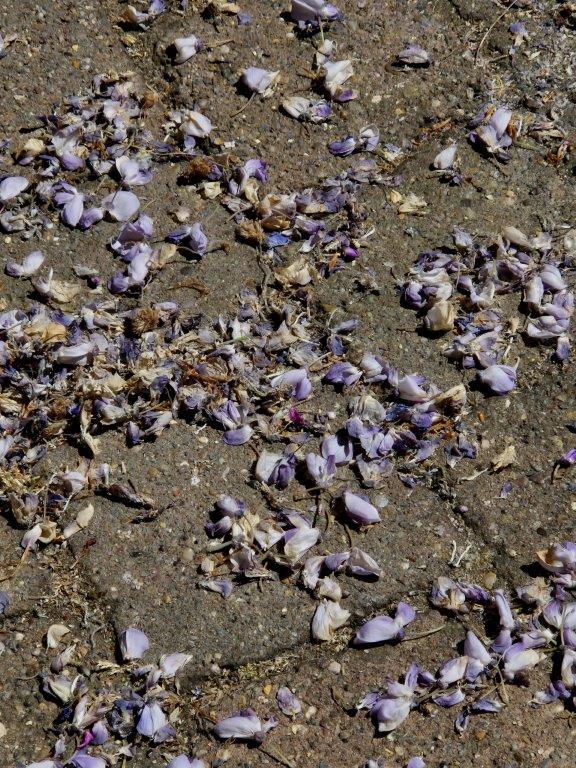
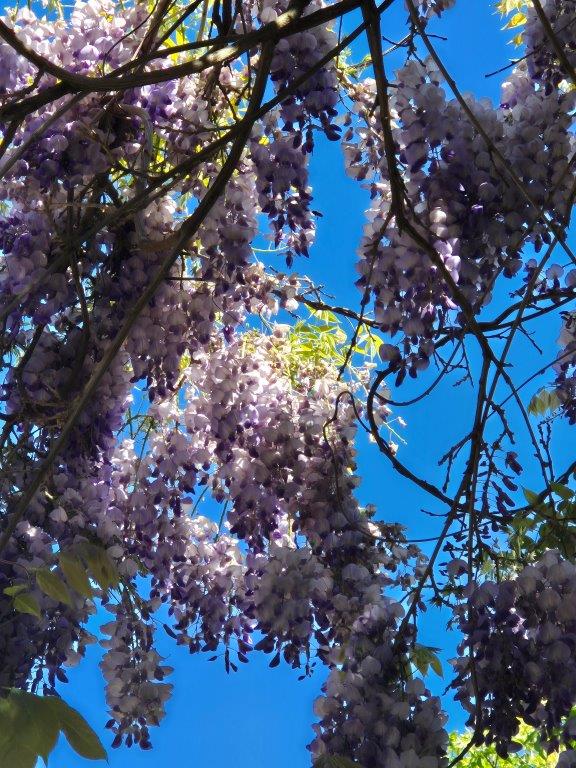
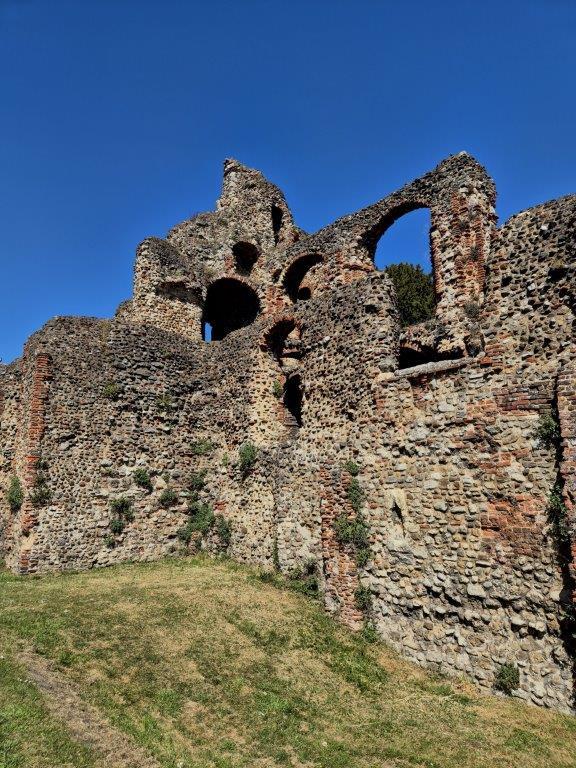
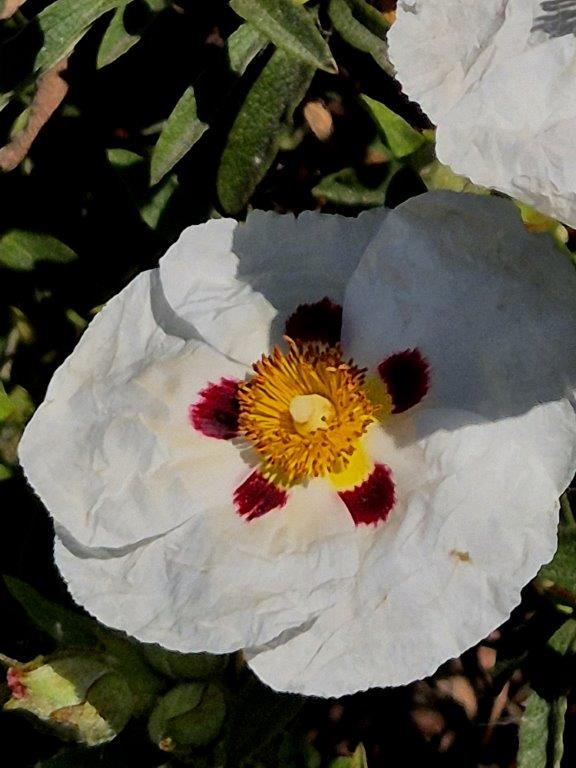
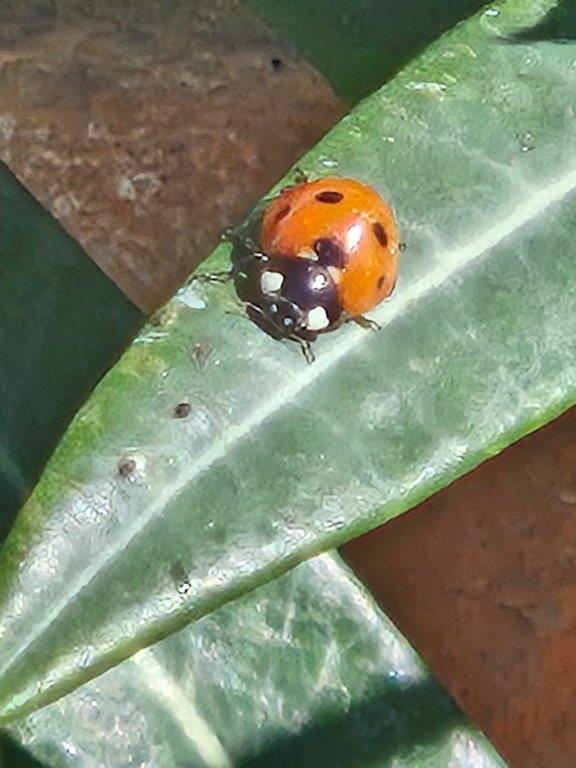
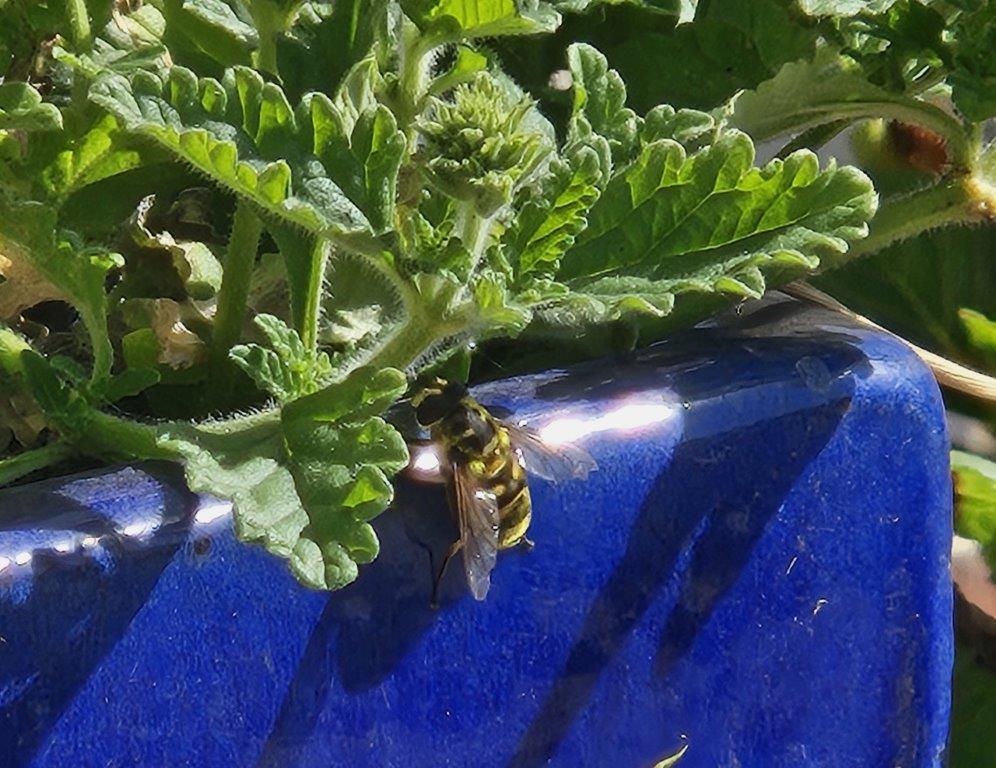
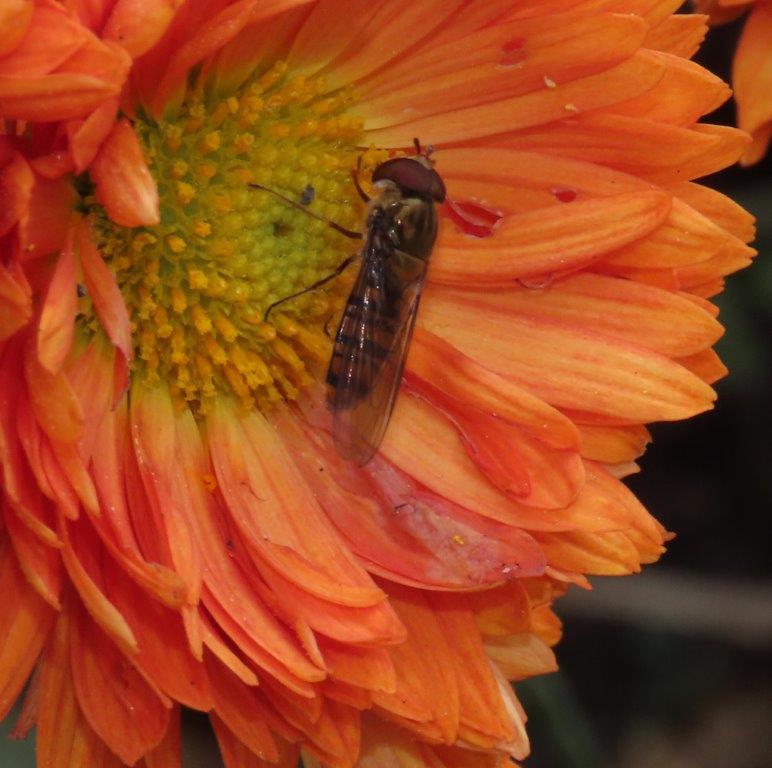
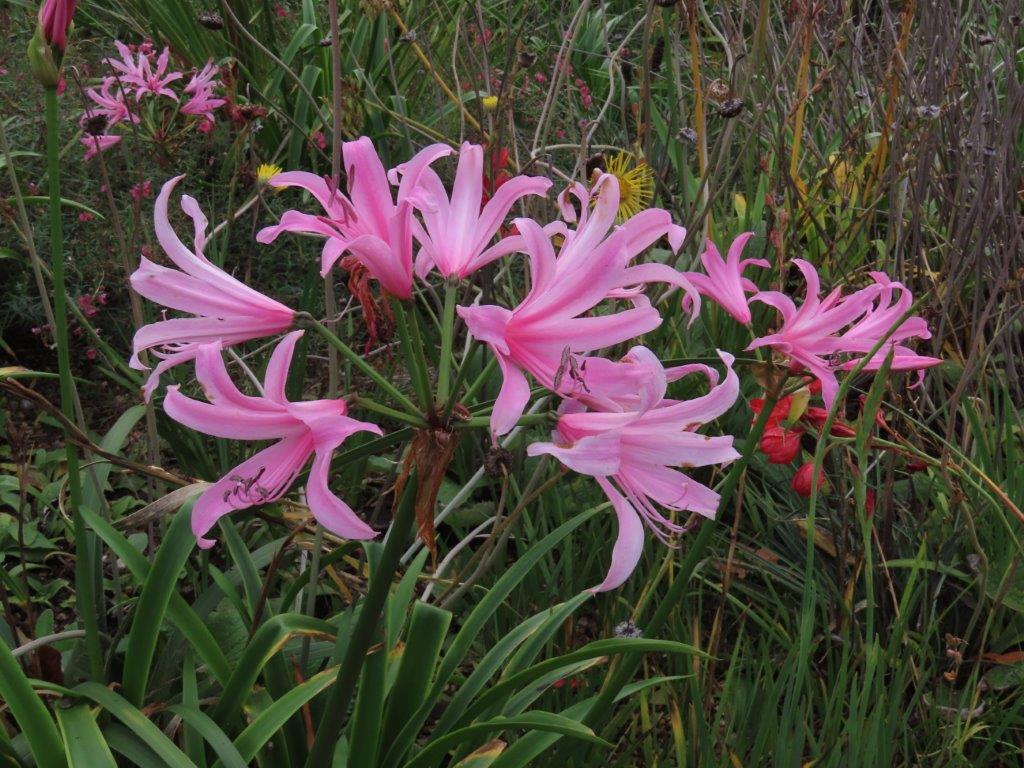
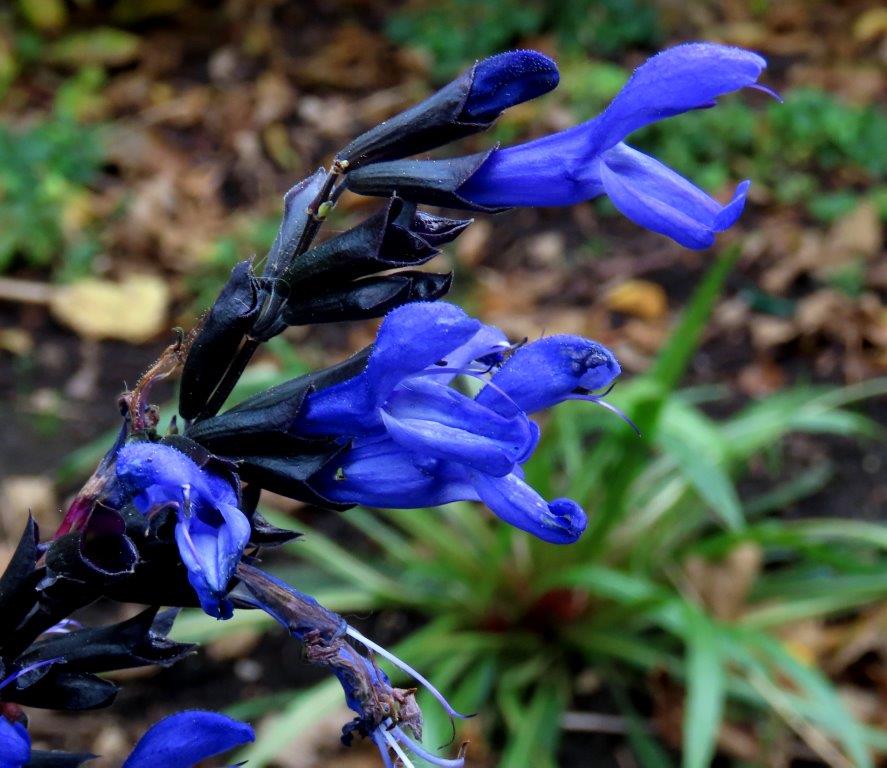
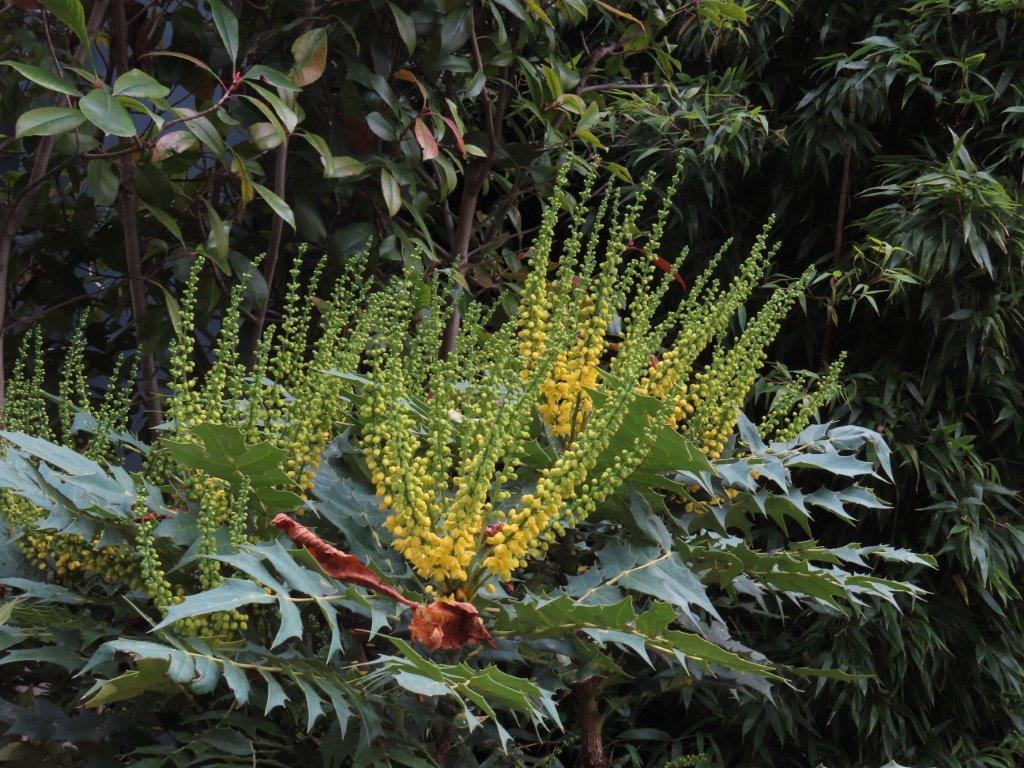
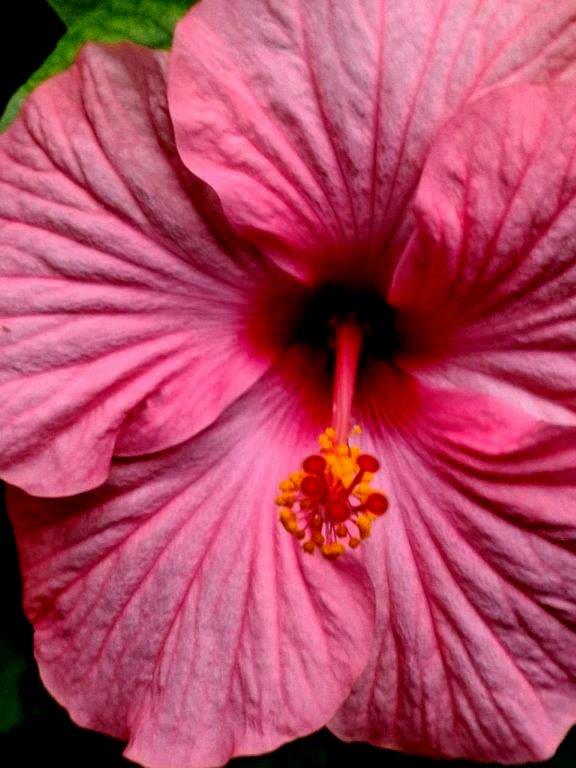
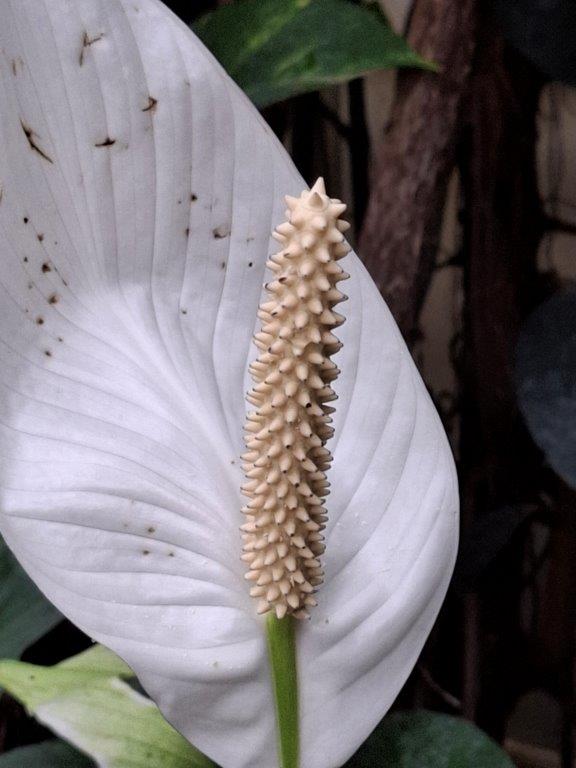
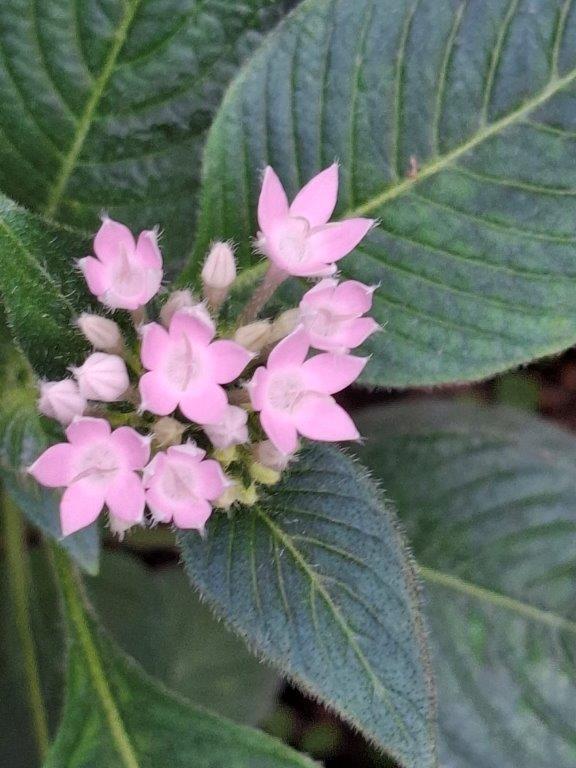
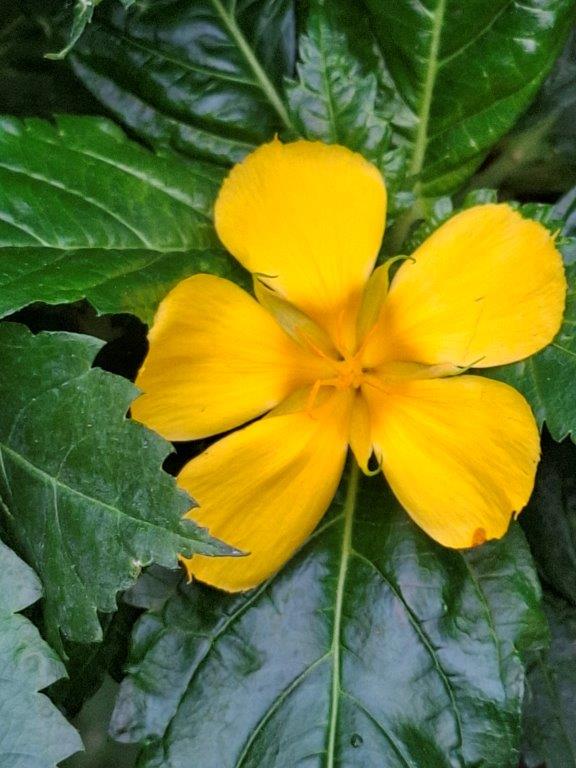
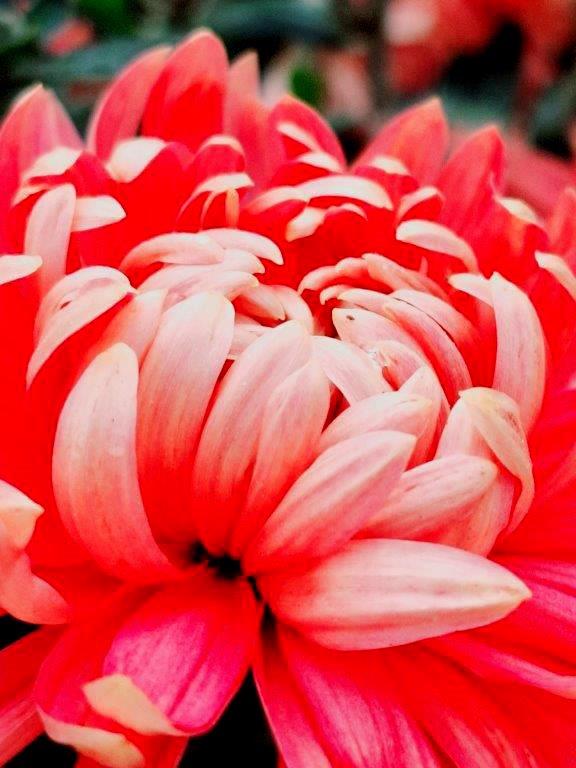
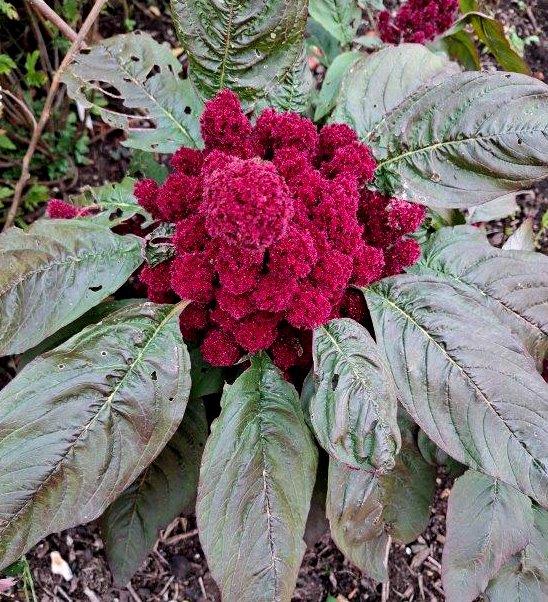
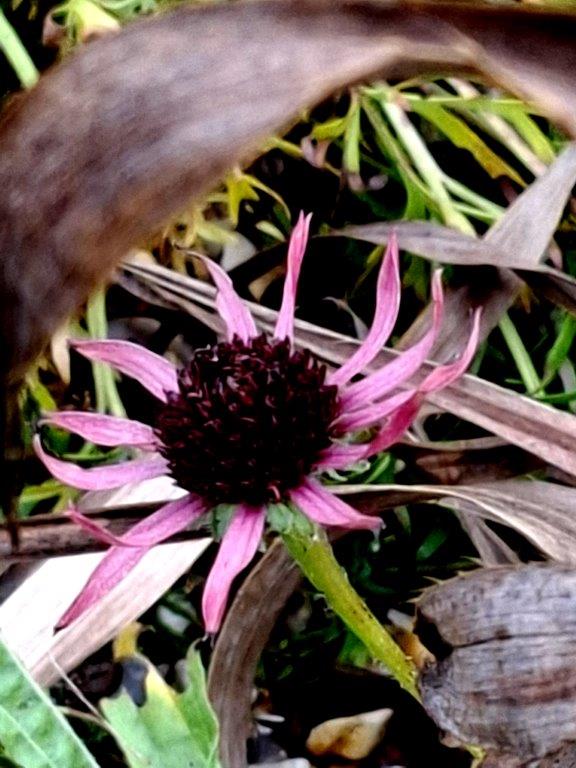
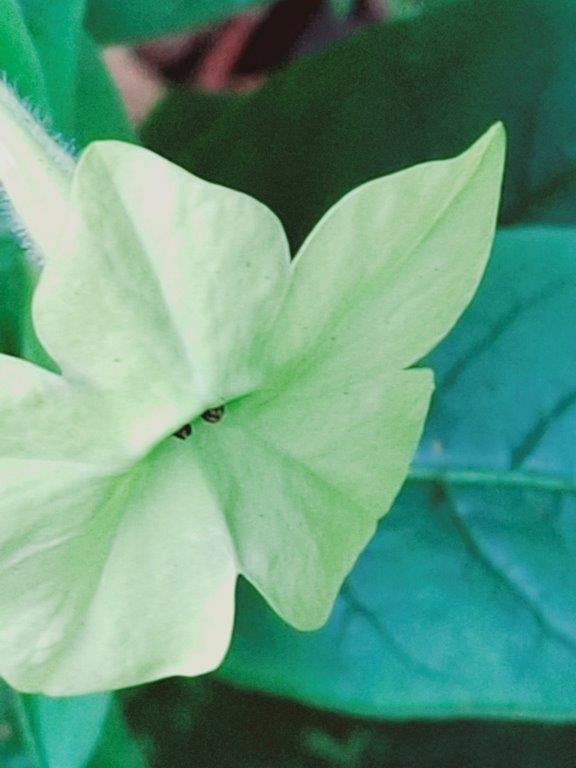
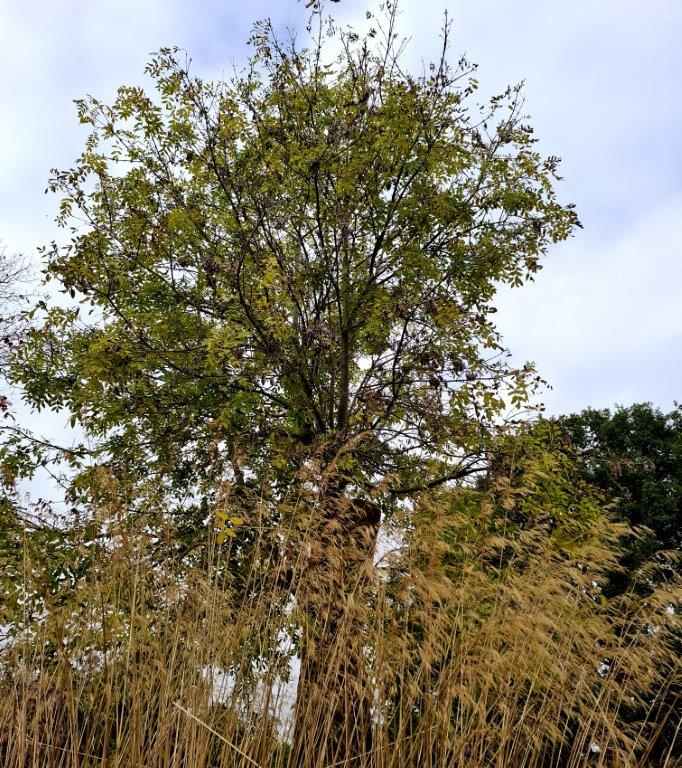
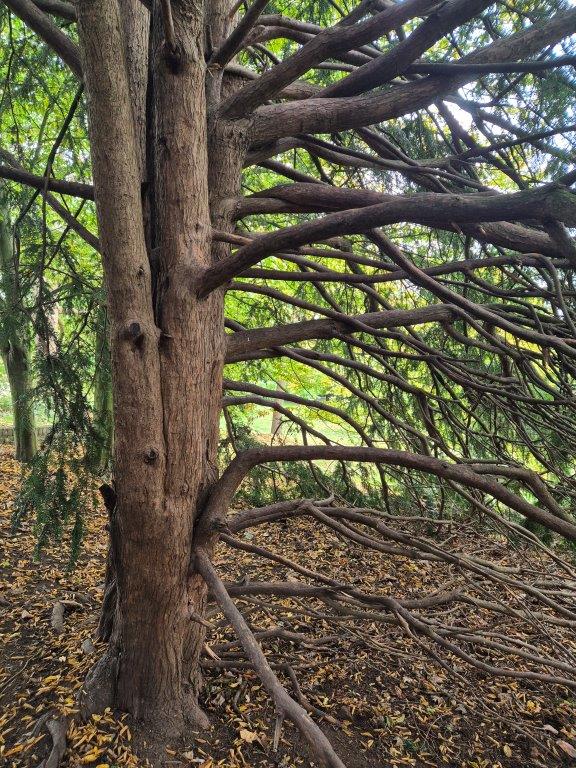
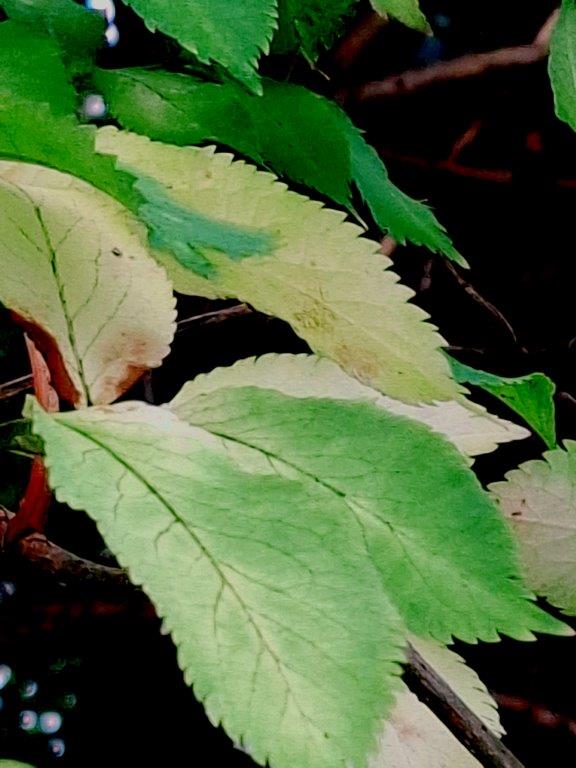
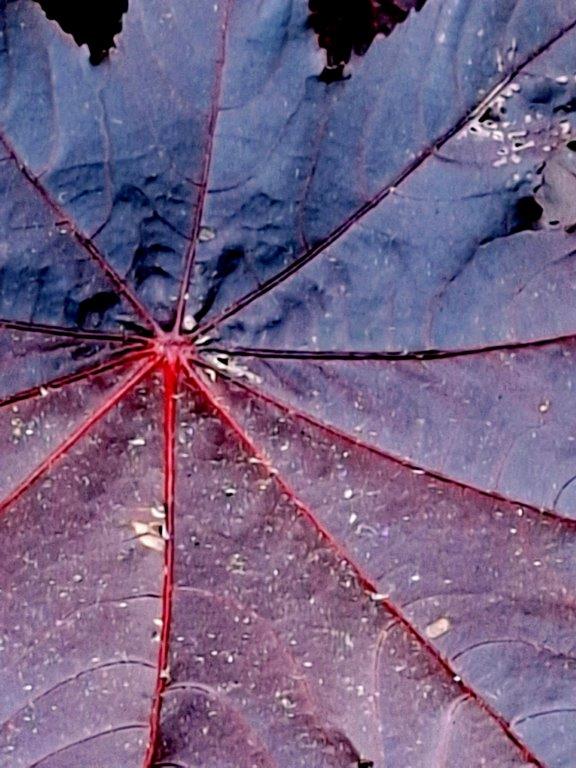
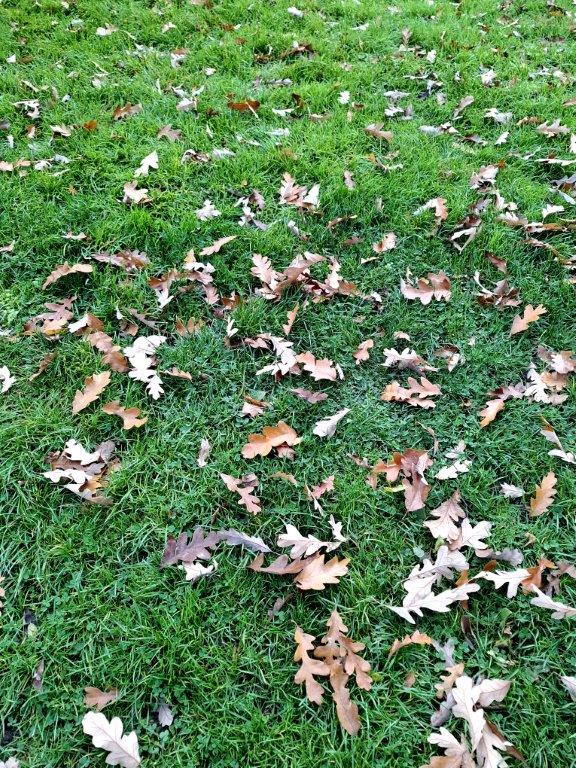
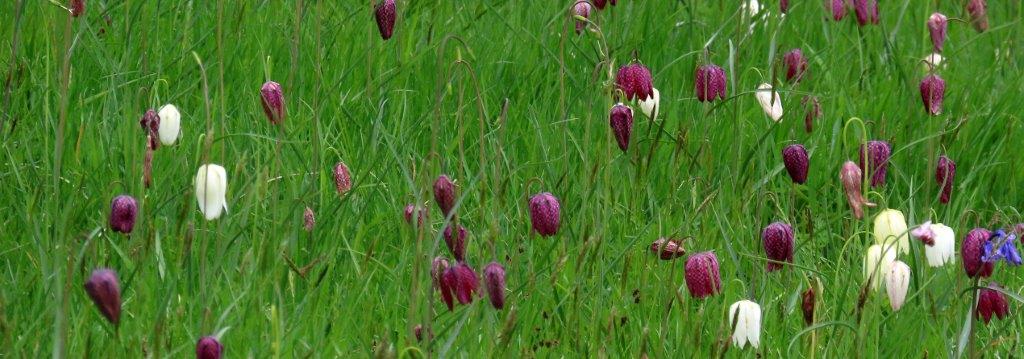
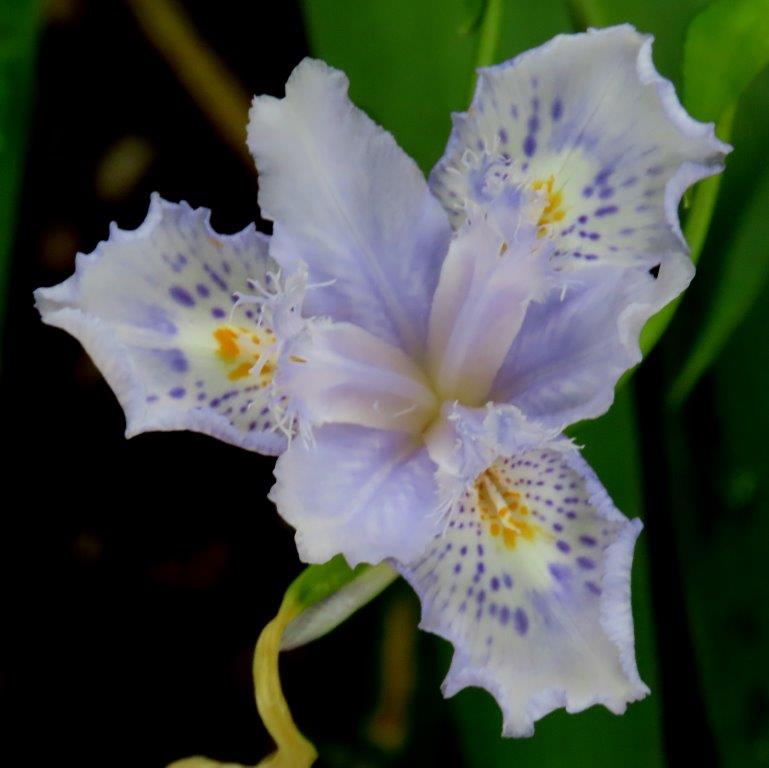
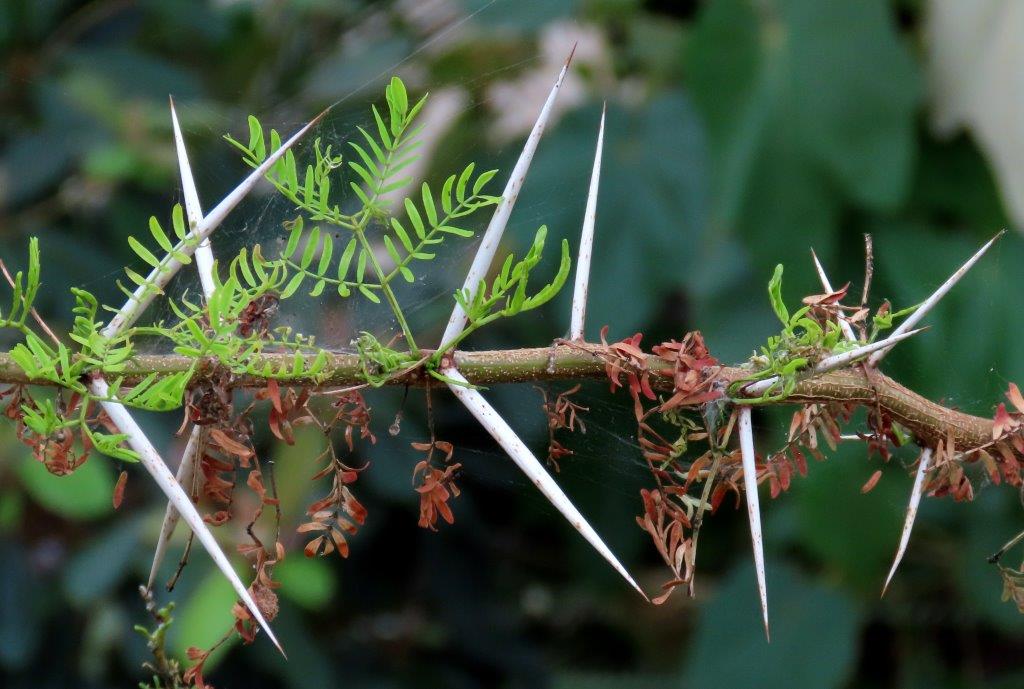
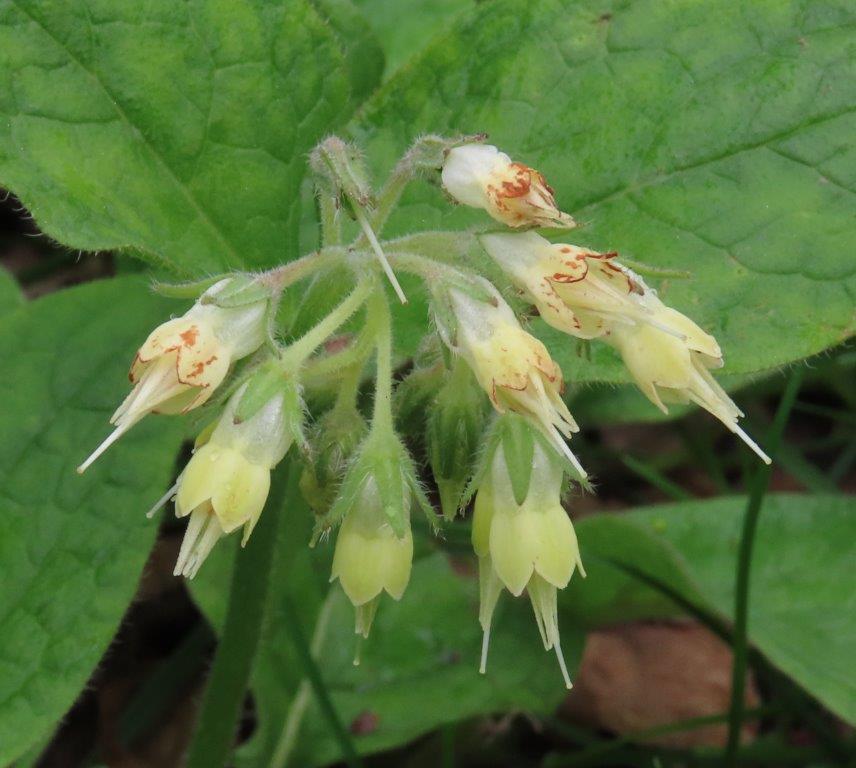
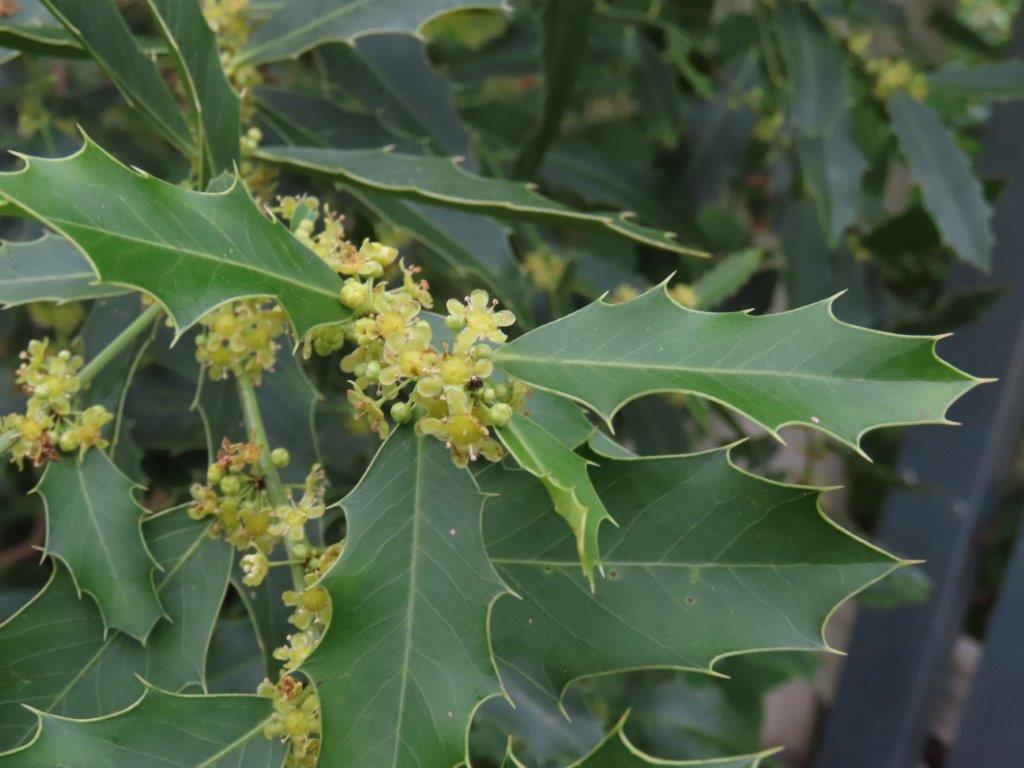
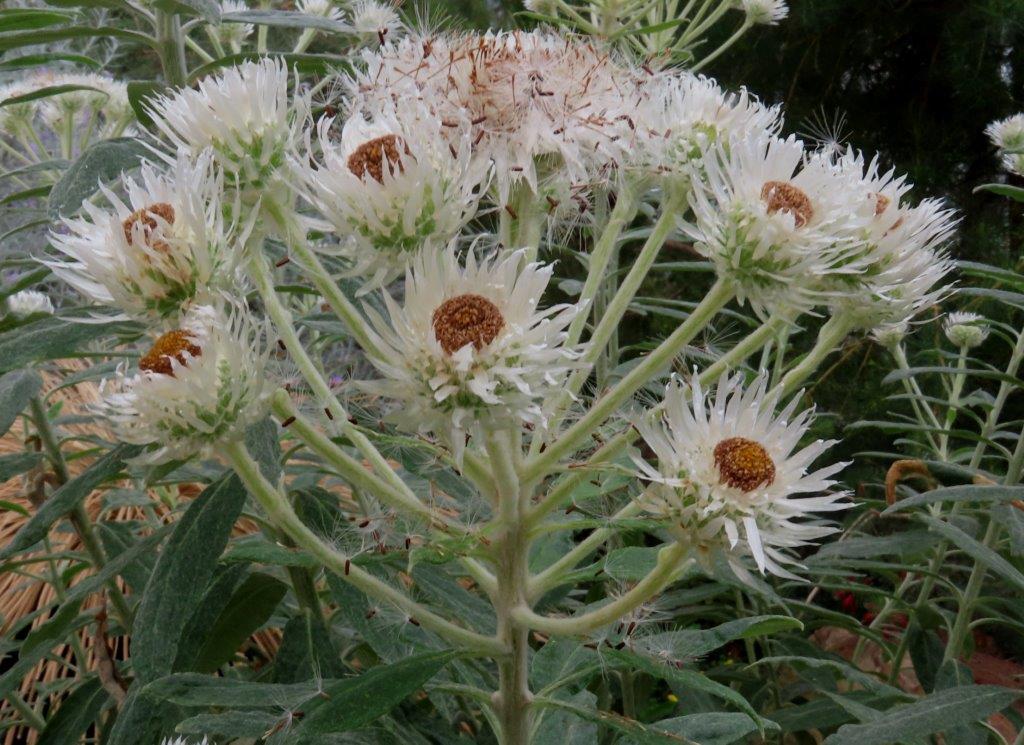
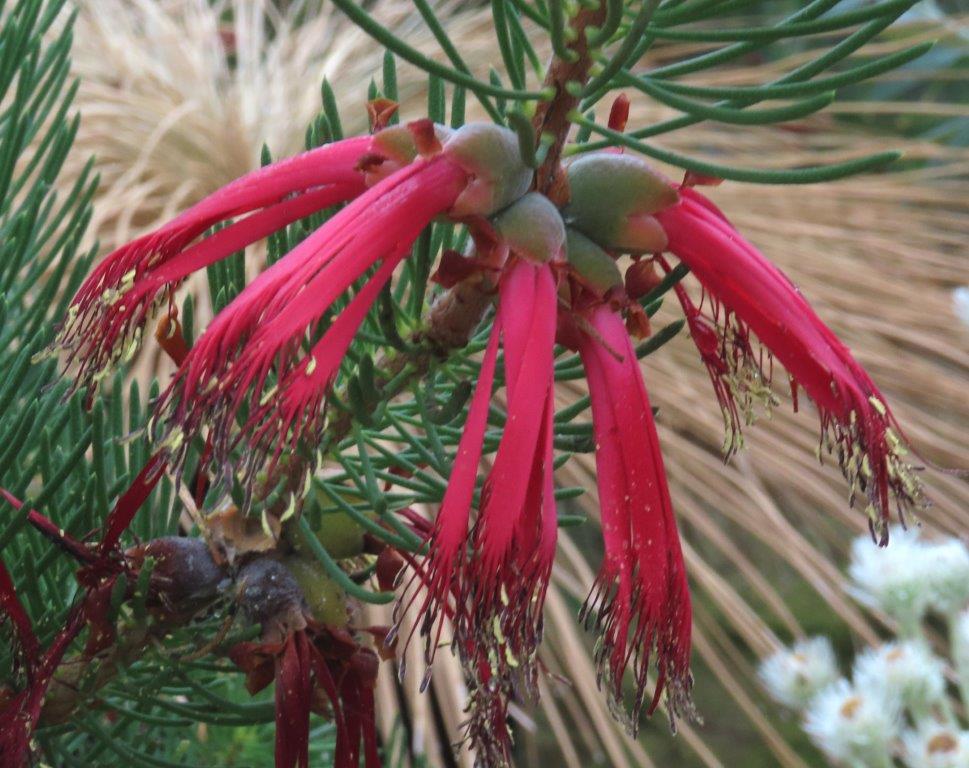
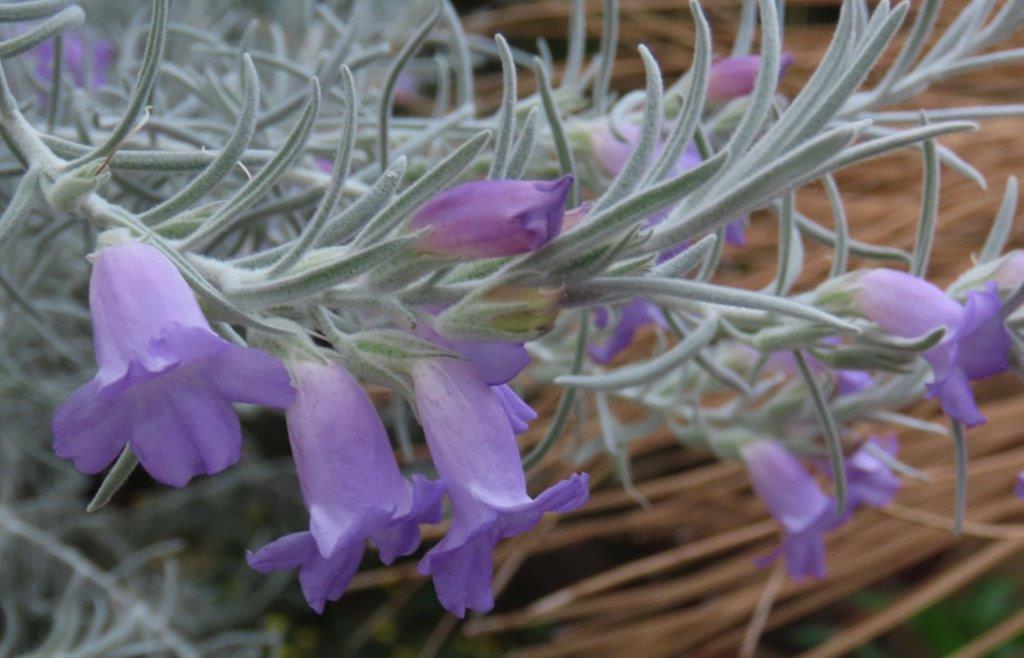
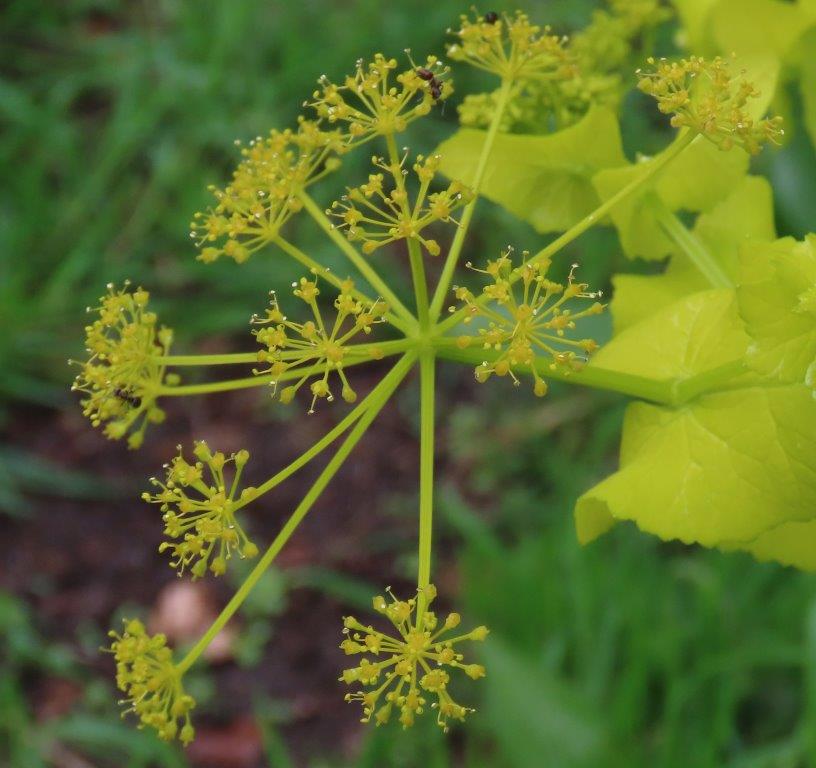
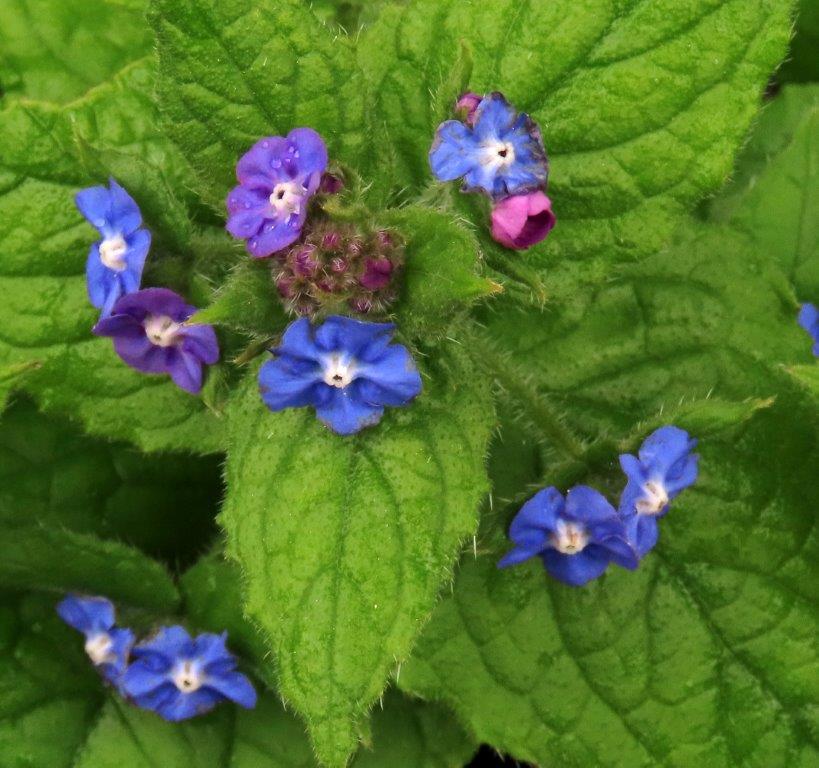
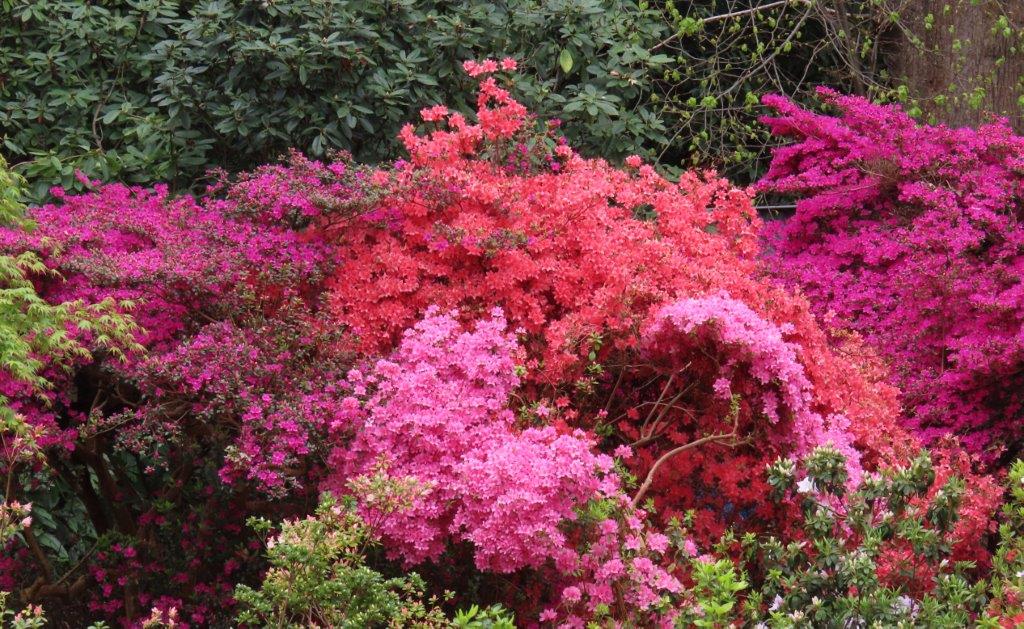
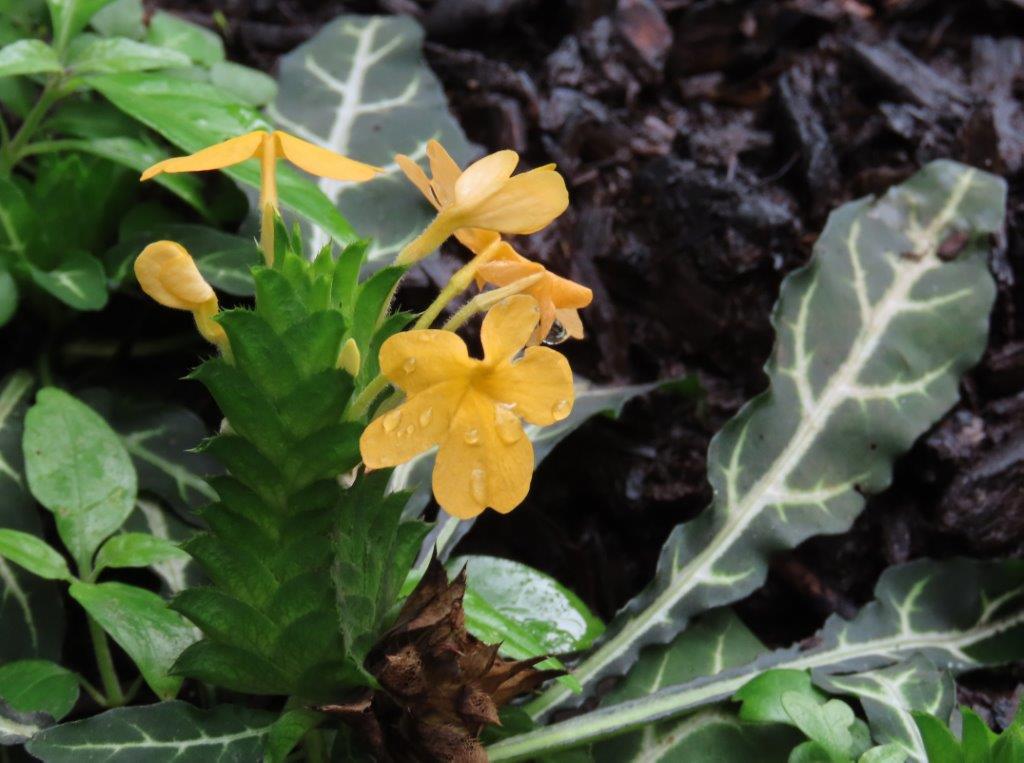
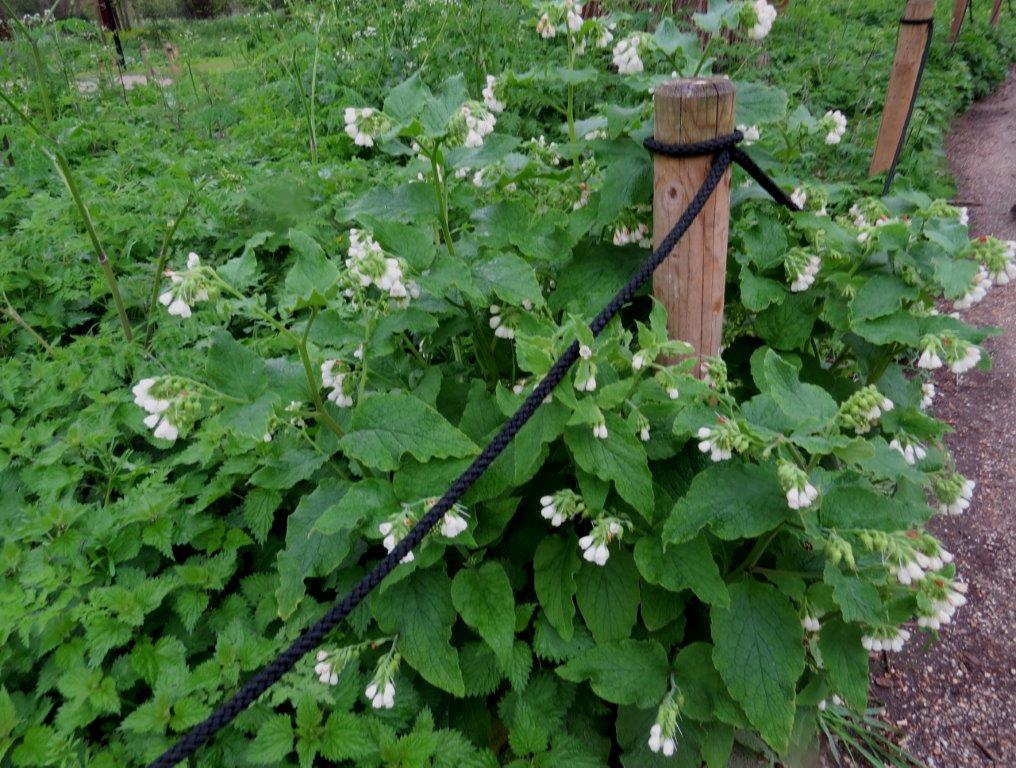
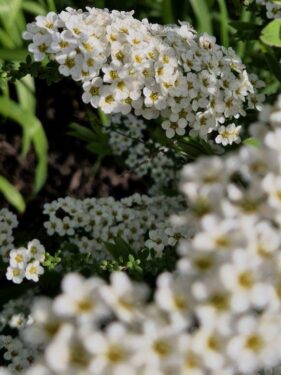
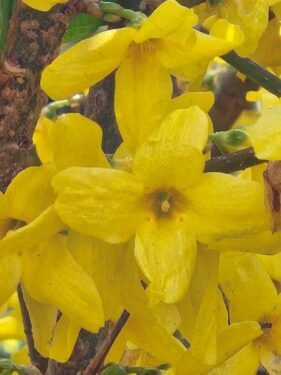
And the highlight of our holiday: the gardens were good for Eleanor too. Sometimes the Muse takes her, and she is happy for hours with a phone and some flowers. To finish this blog then, a selection of her photos from the Yorkshire Museum garden, photos I would be proud of. No names – just enjoy the world as seen through the eyes of an inquisitive eight-year-old! #ProudPapa.


Another half-term break in London

In what now seems to be becoming a bit of an autumn half-term tradition (see last year’s trip here) we headed to London for a couple of days with Eleanor. The weather was fine, if somewhat breezy, so we all had fun, as well as helping provide her with material for her school project about Rivers.

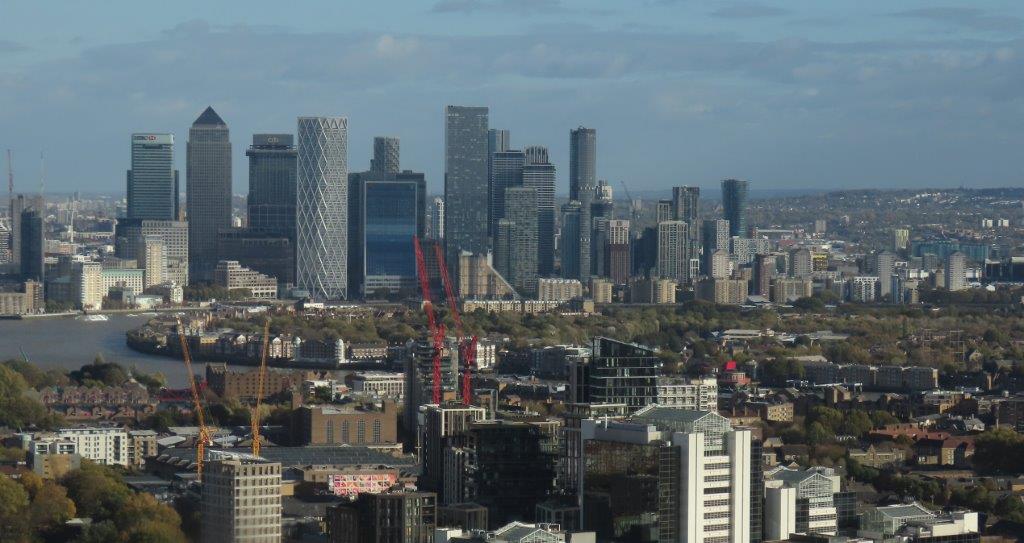
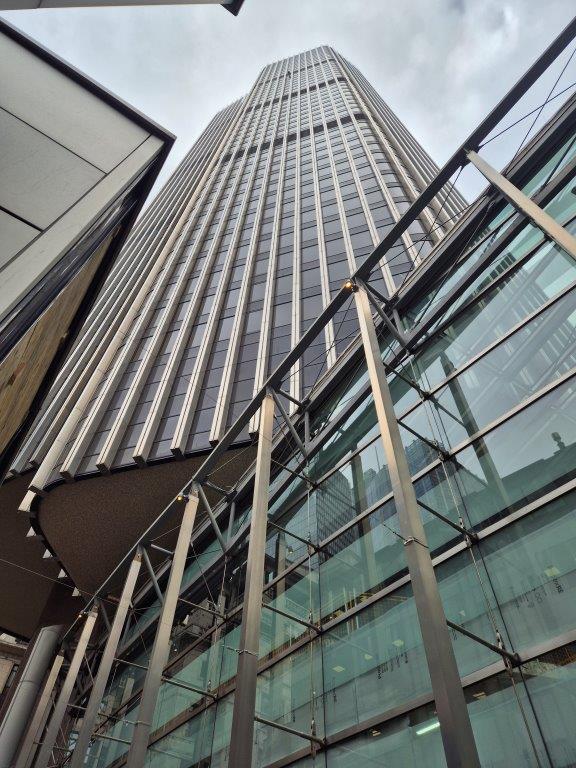
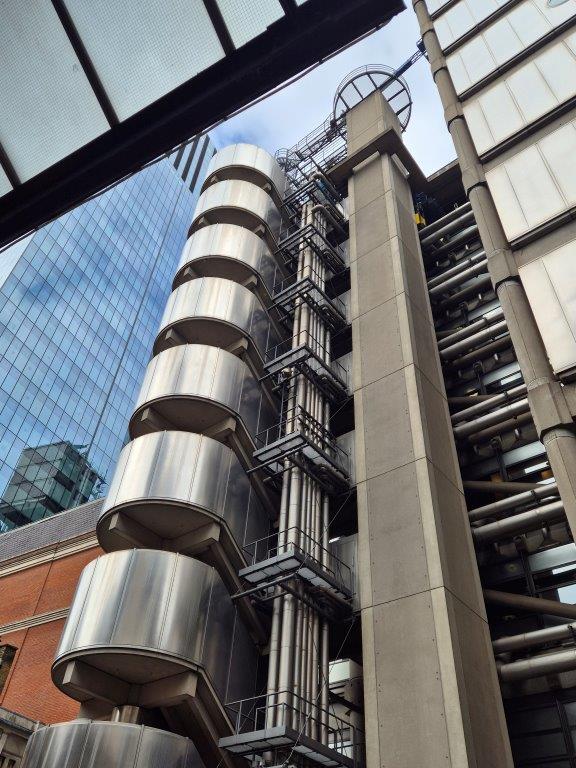
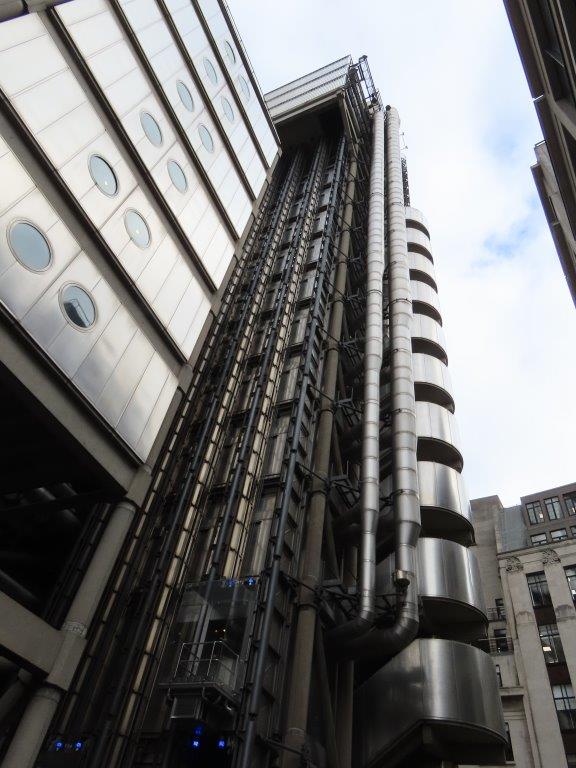
Emerging from Liverpool Station into a forest of high-rise is always a bit of a culture shock …

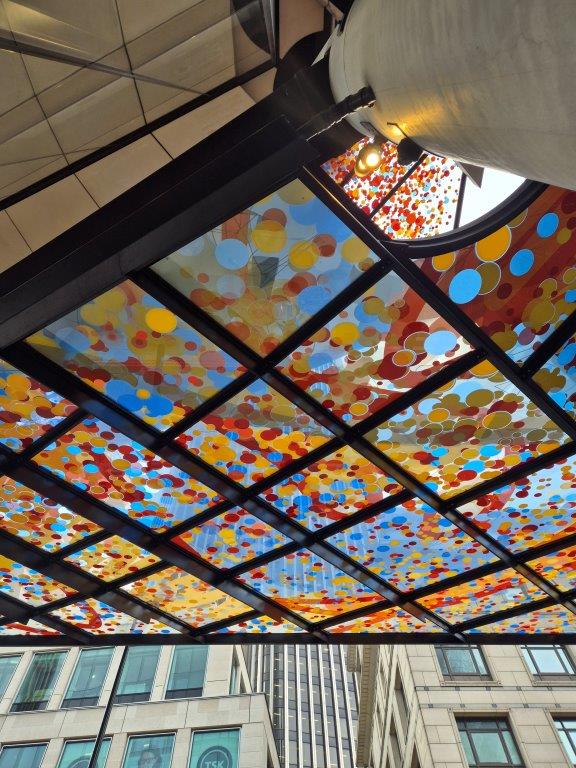
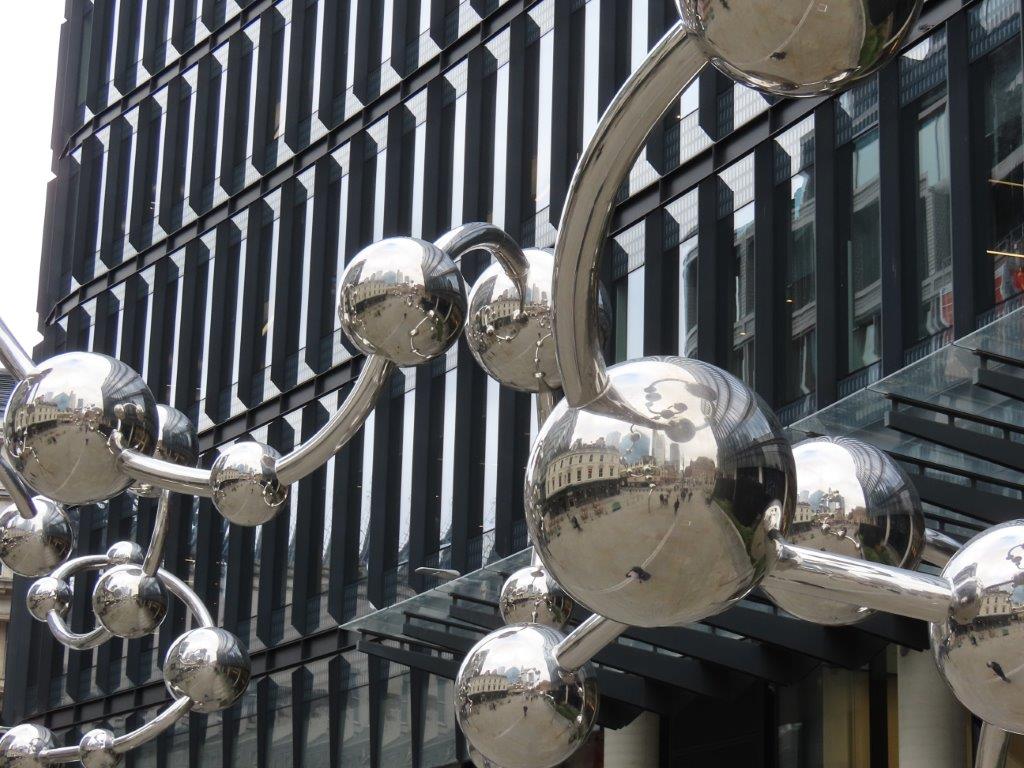
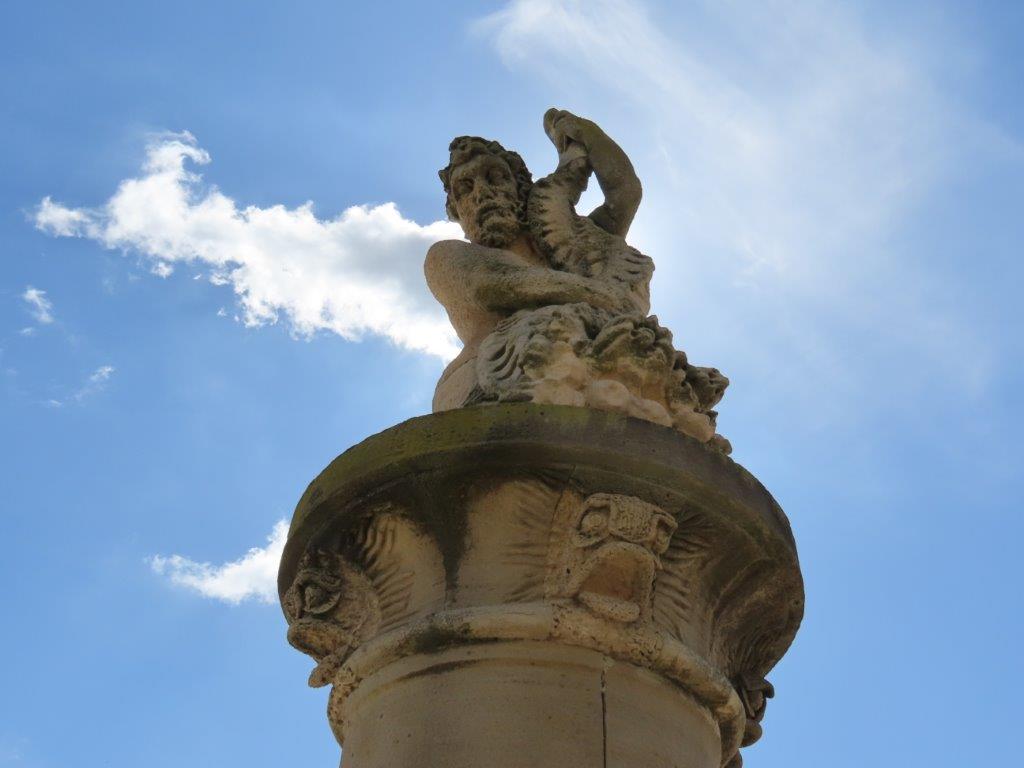
… but the shock is tempered with interesting sculpture and art.

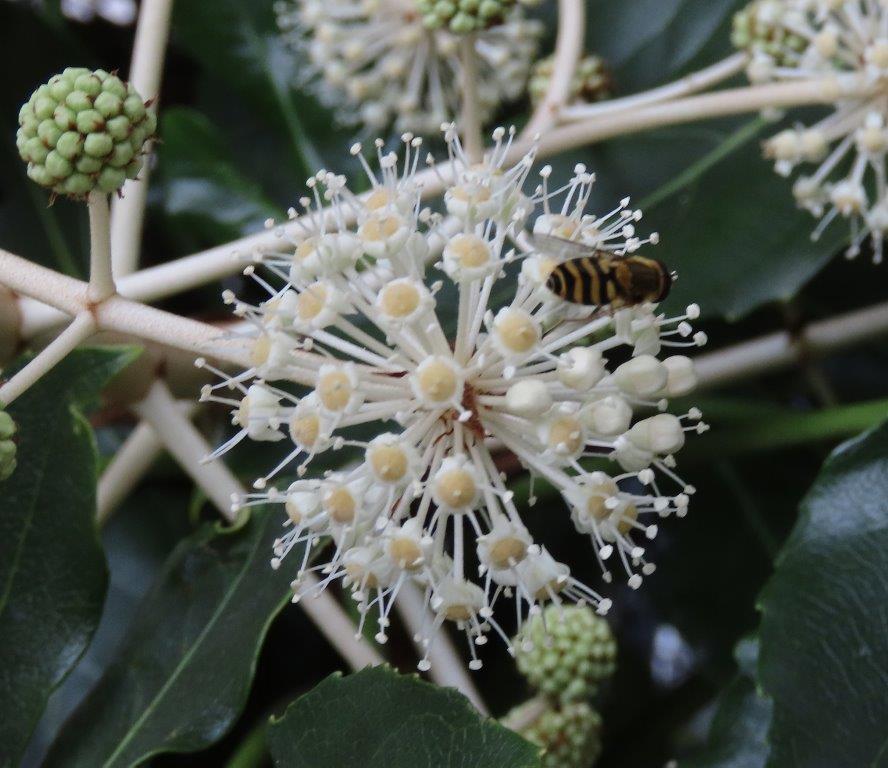
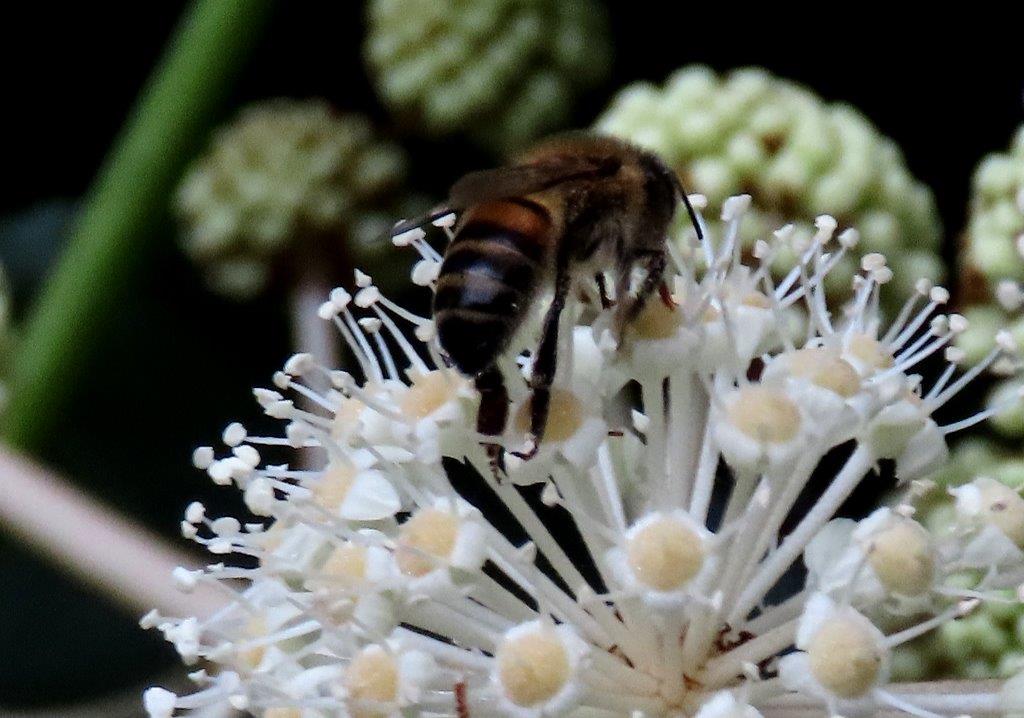
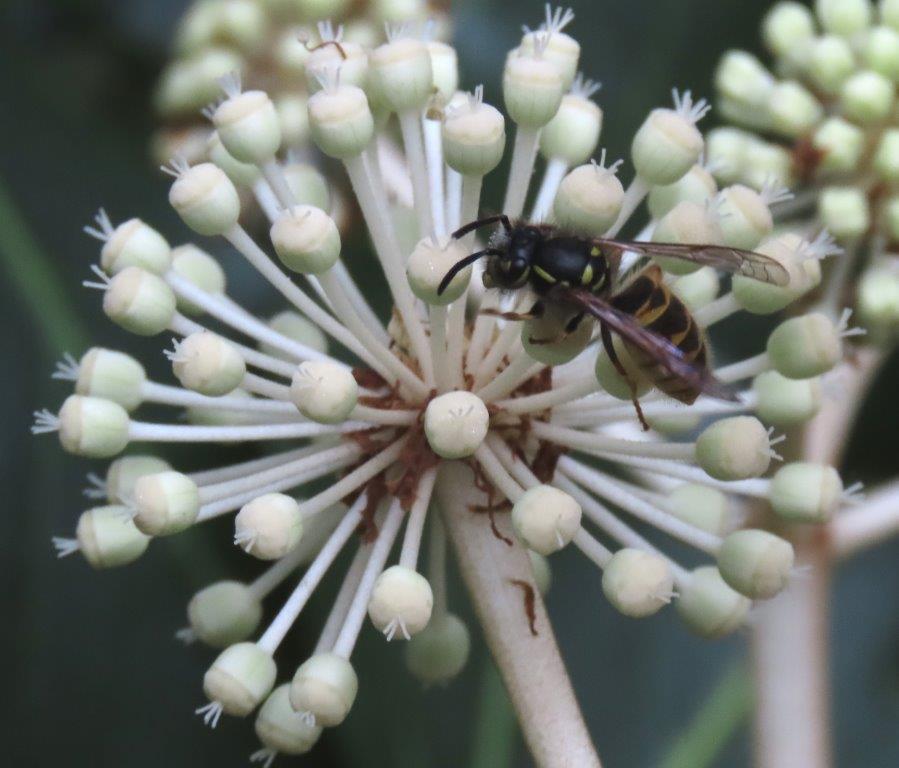
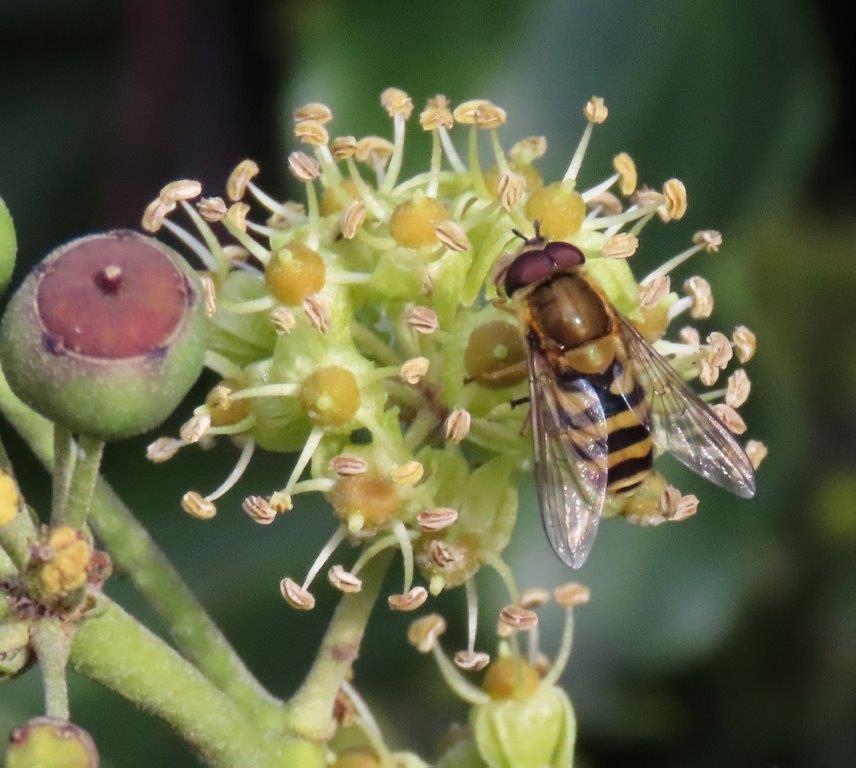
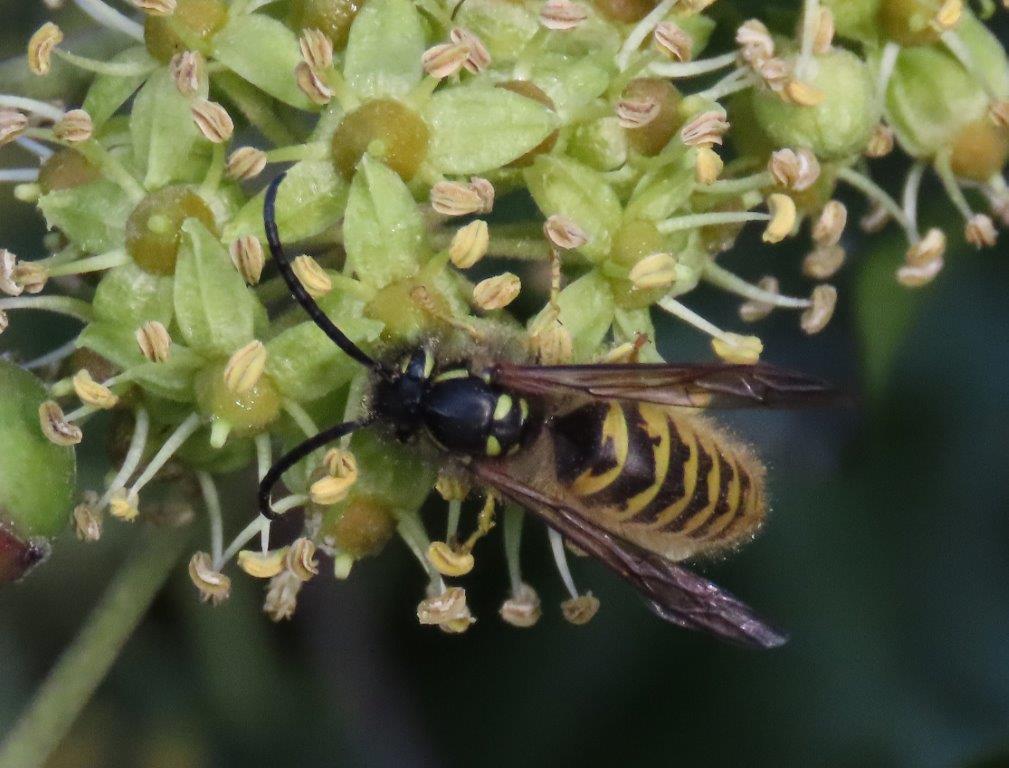
First stop was Finsbury Circus for a picnic lunch among the pigeons and squirrels. Some interesting planting among the magnificent London Plane trees gave us all chance to indulge in a bit of photography, and Fatsia japonica in full flower was, just like its relative Ivy, drawing in all manner of insects from Honeybees to hoverflies and social wasps.

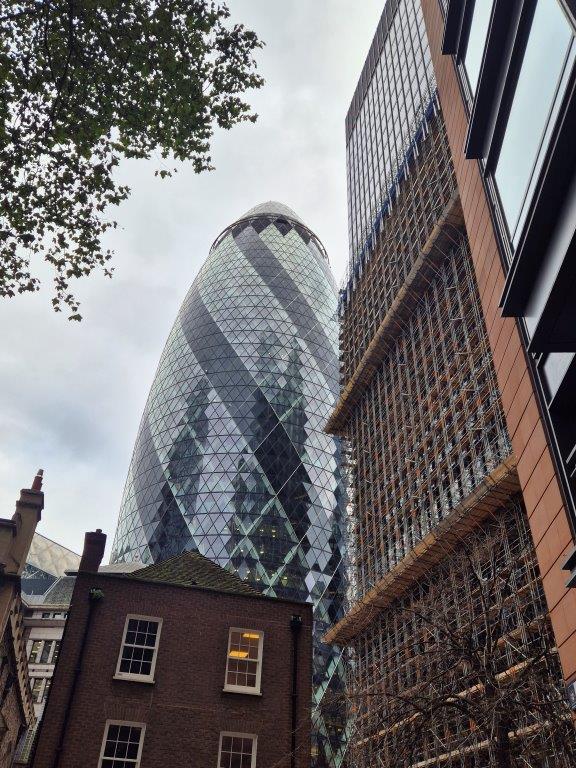
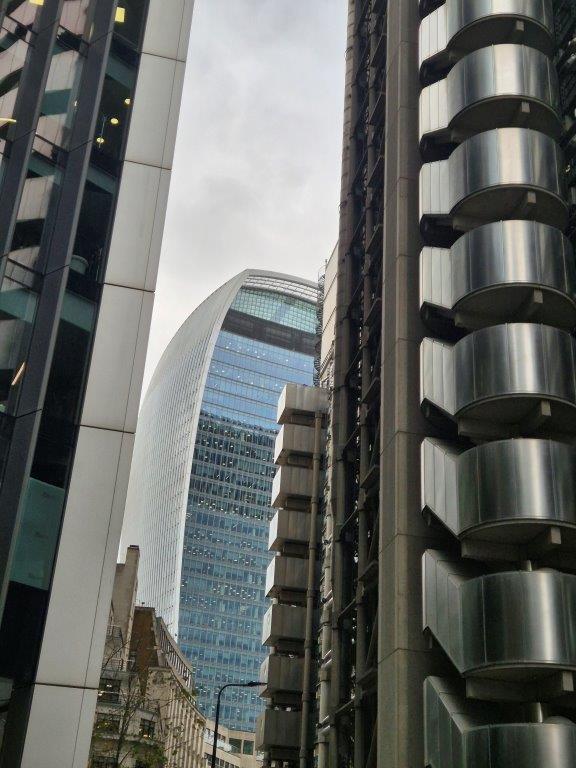
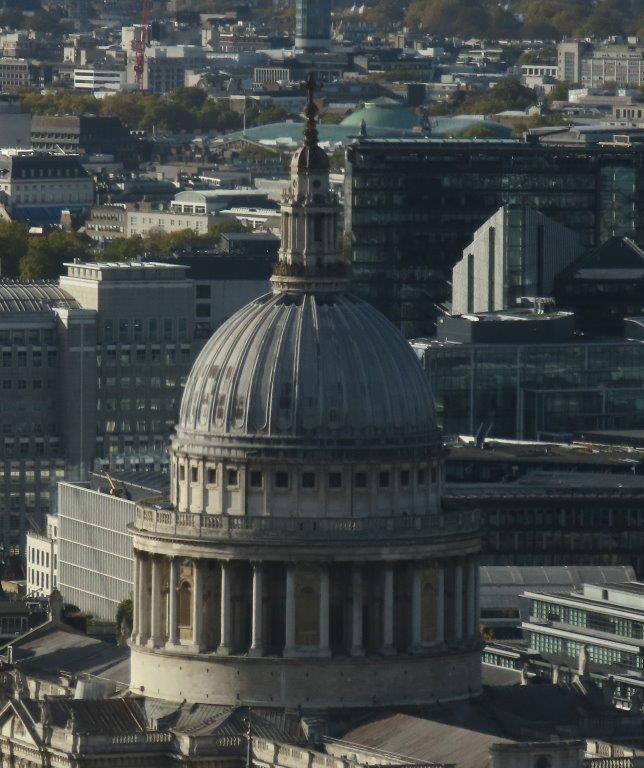
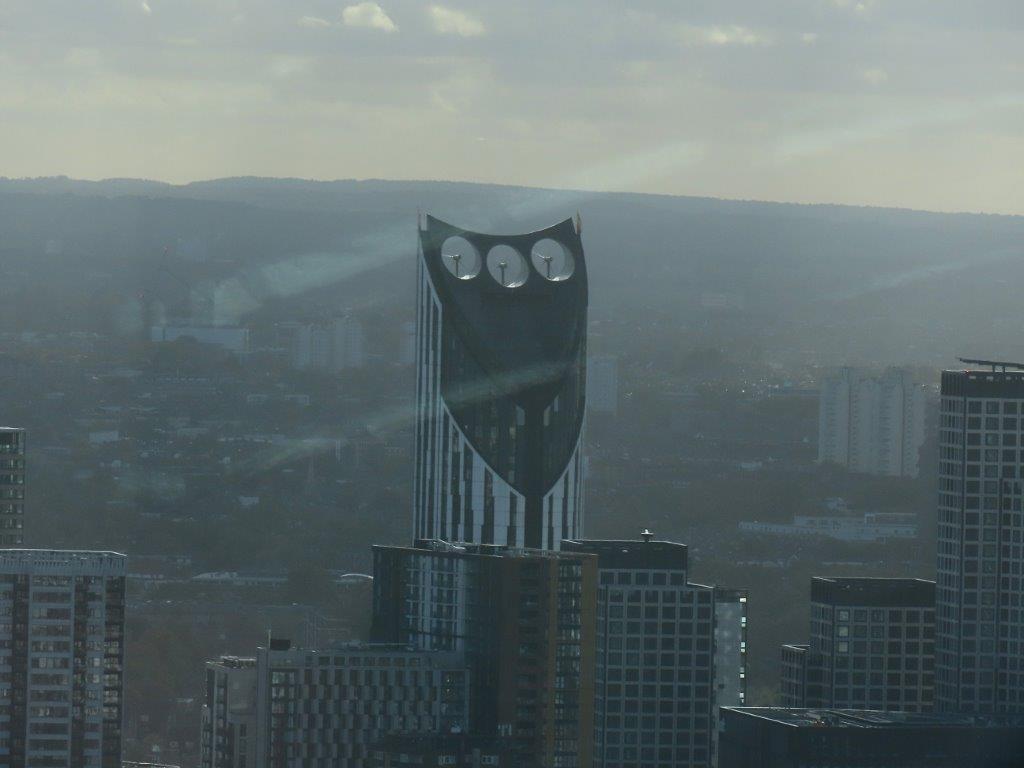
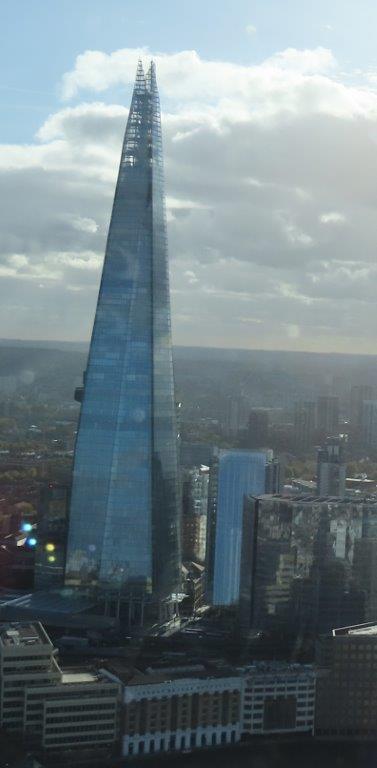
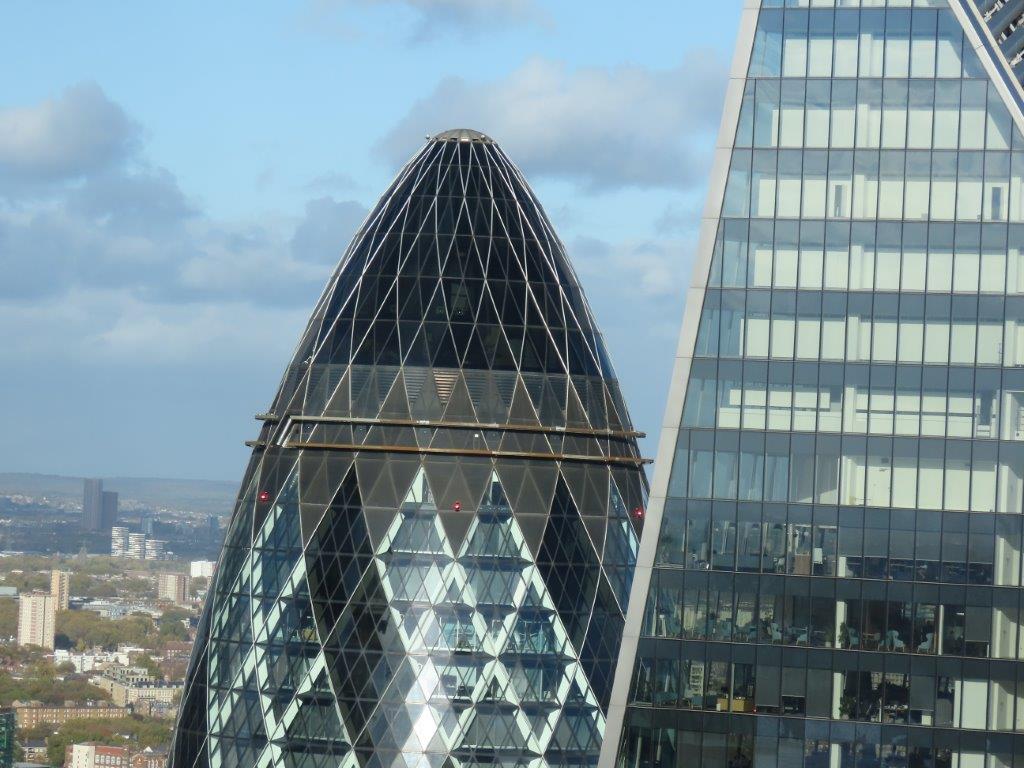
Thence to the SkyGarden, seen peeping round other buildings long before we reached it.

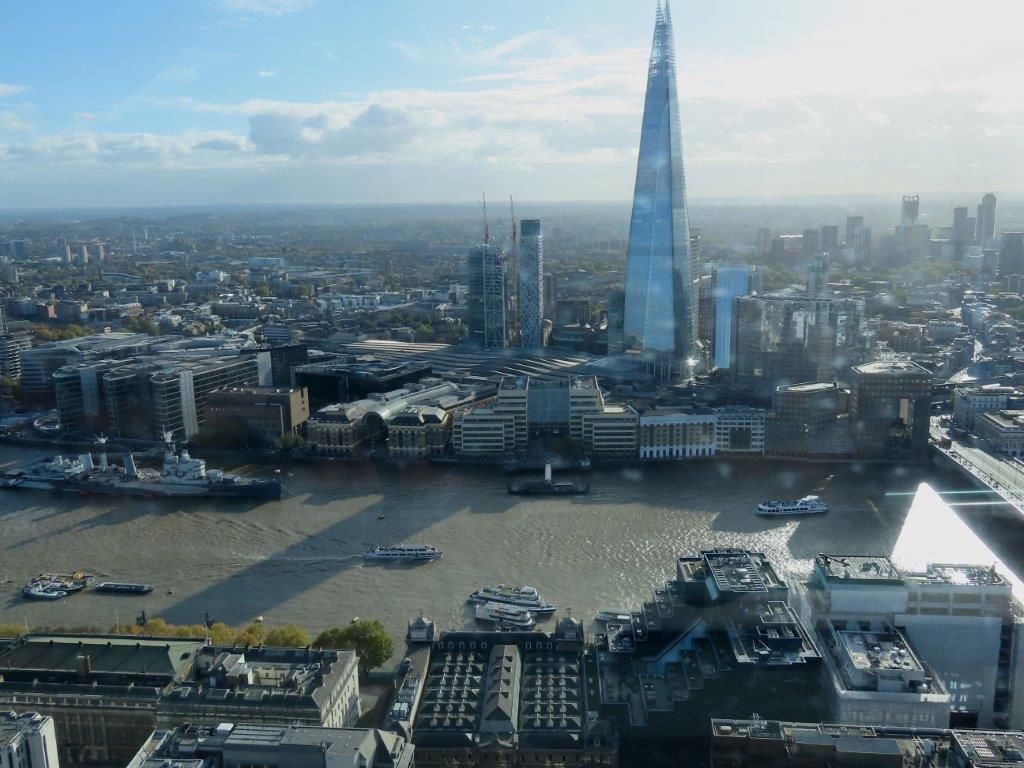
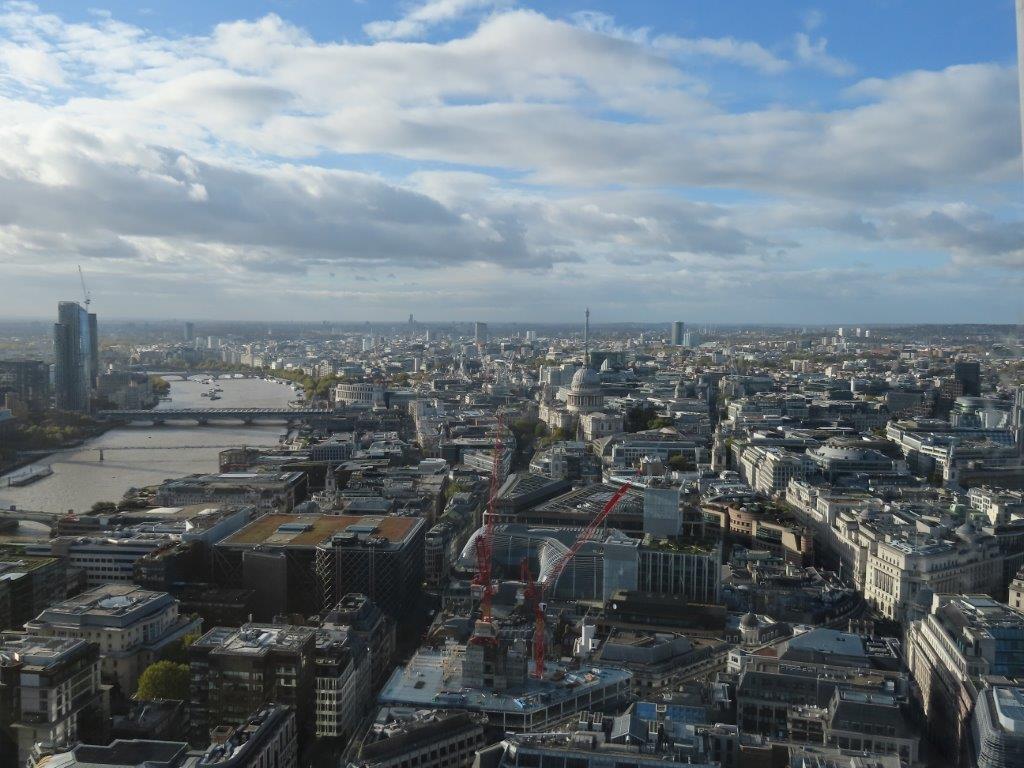
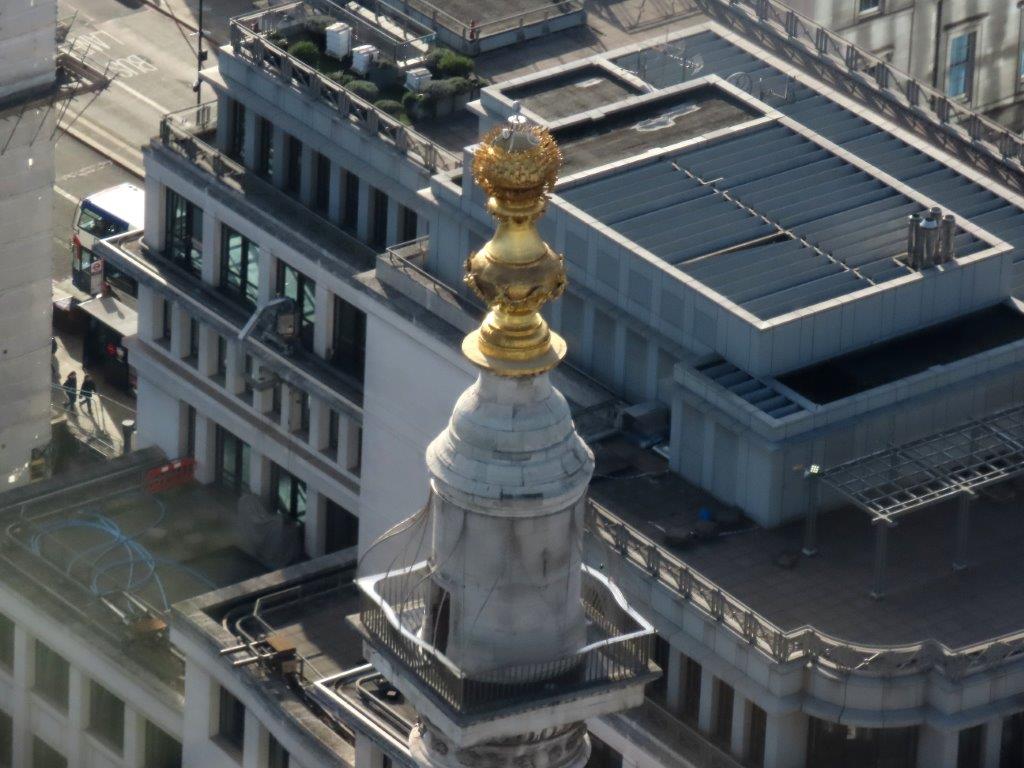
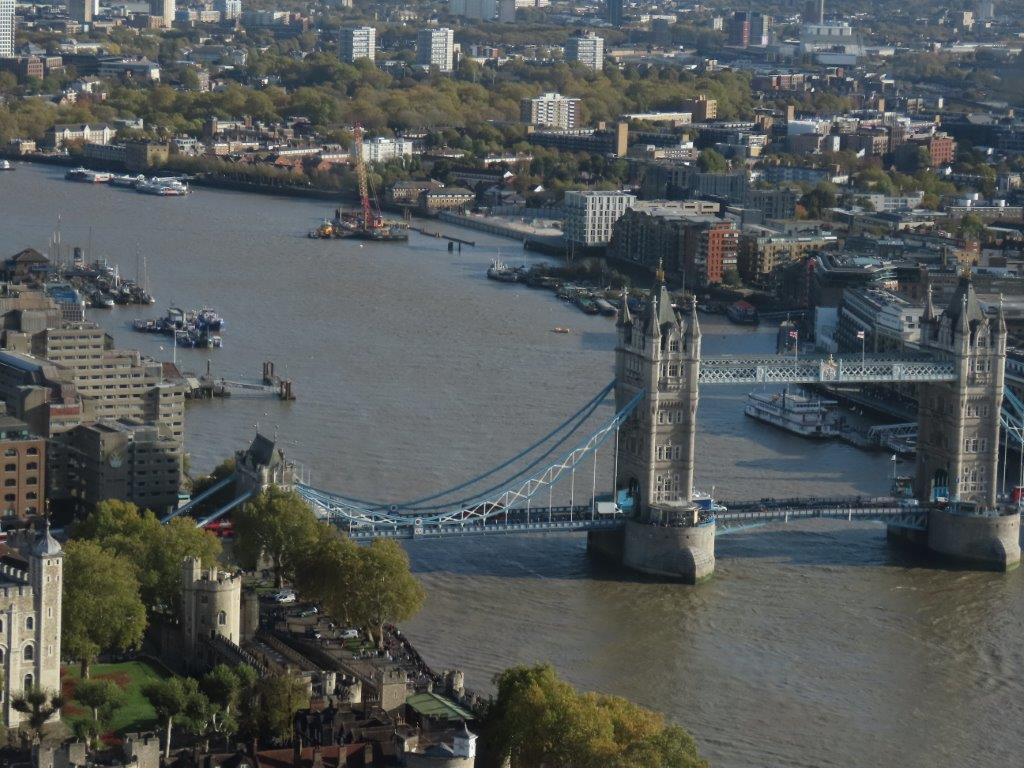
This is one of the amazing free attractions of London (although online booking is required). Our first visit there a few years ago was in very different circumstances with no queuing, but the half-term crowds this time meant we didn’t get in until about 45 minutes after our booked slot. Still, not as bad as Disneyland in February! And once up the lift to floor 35, the view was of course remarkable, for Eleanor especially looking down on the Thames, the famous sights and the tiny people.

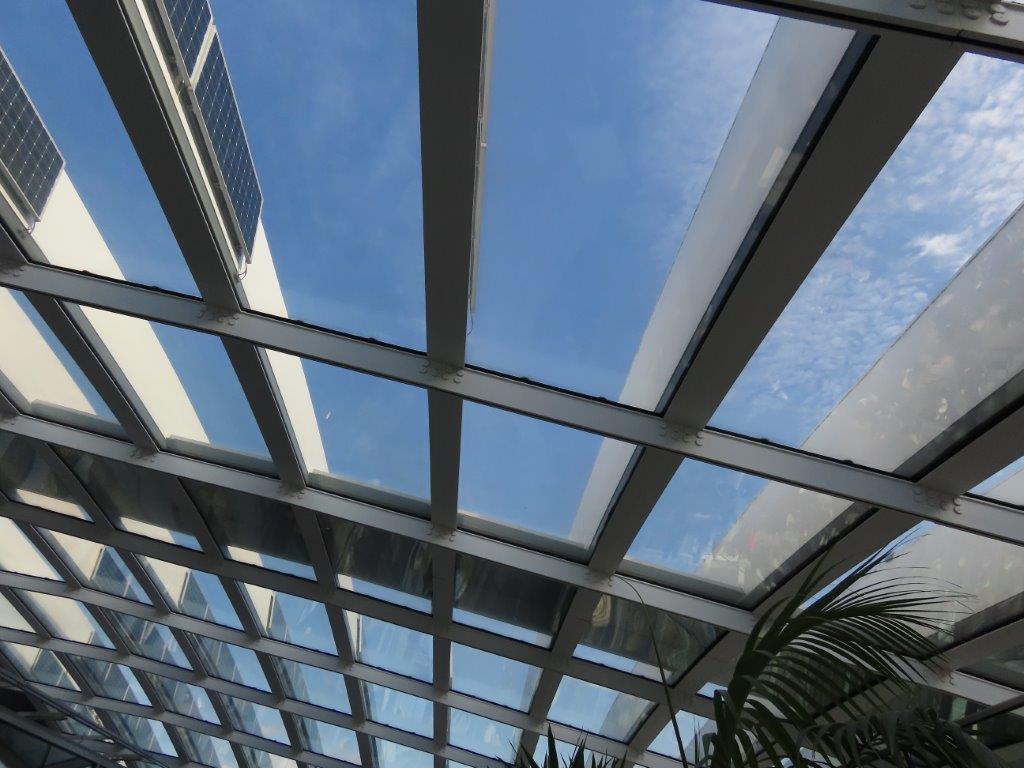
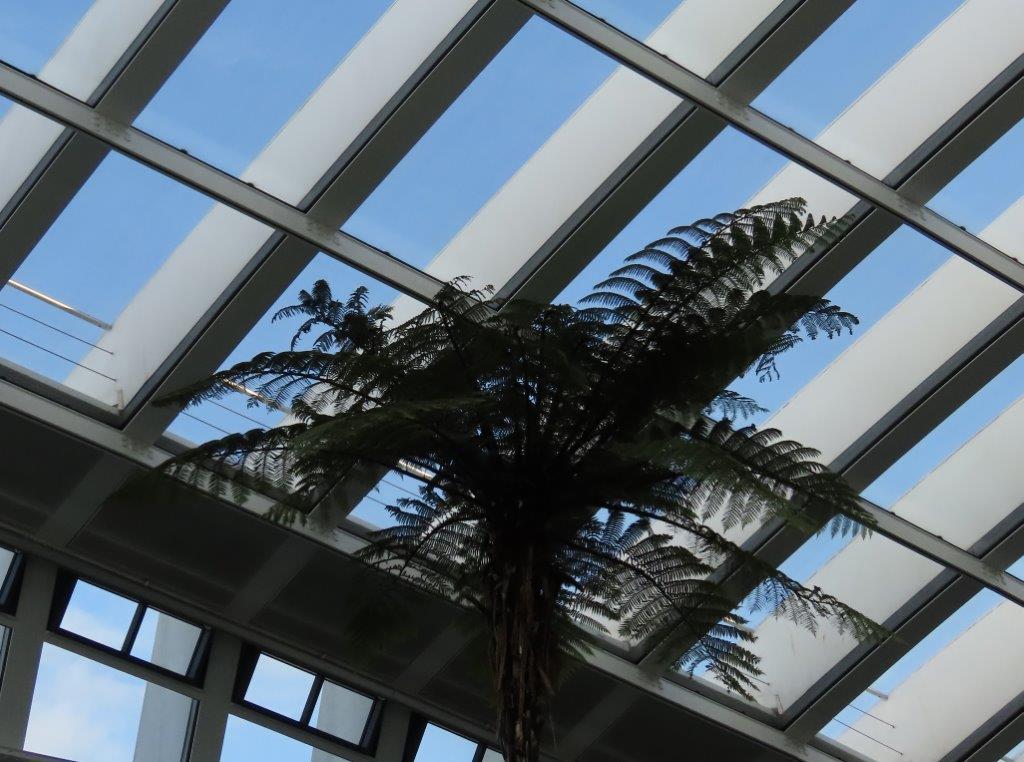
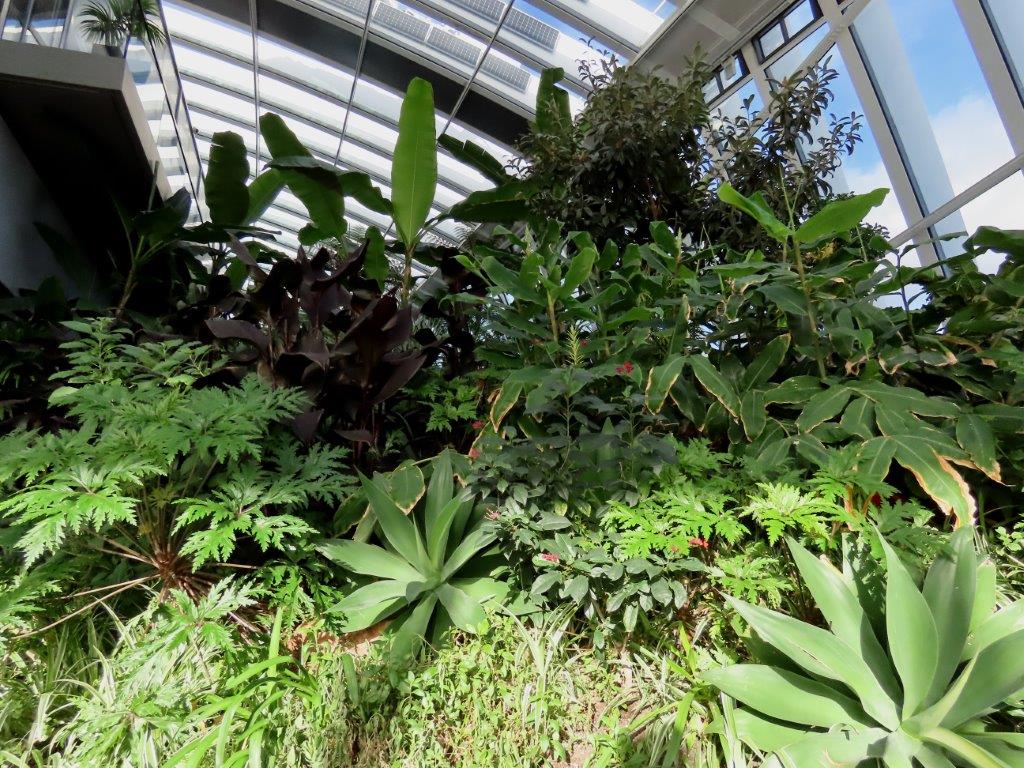
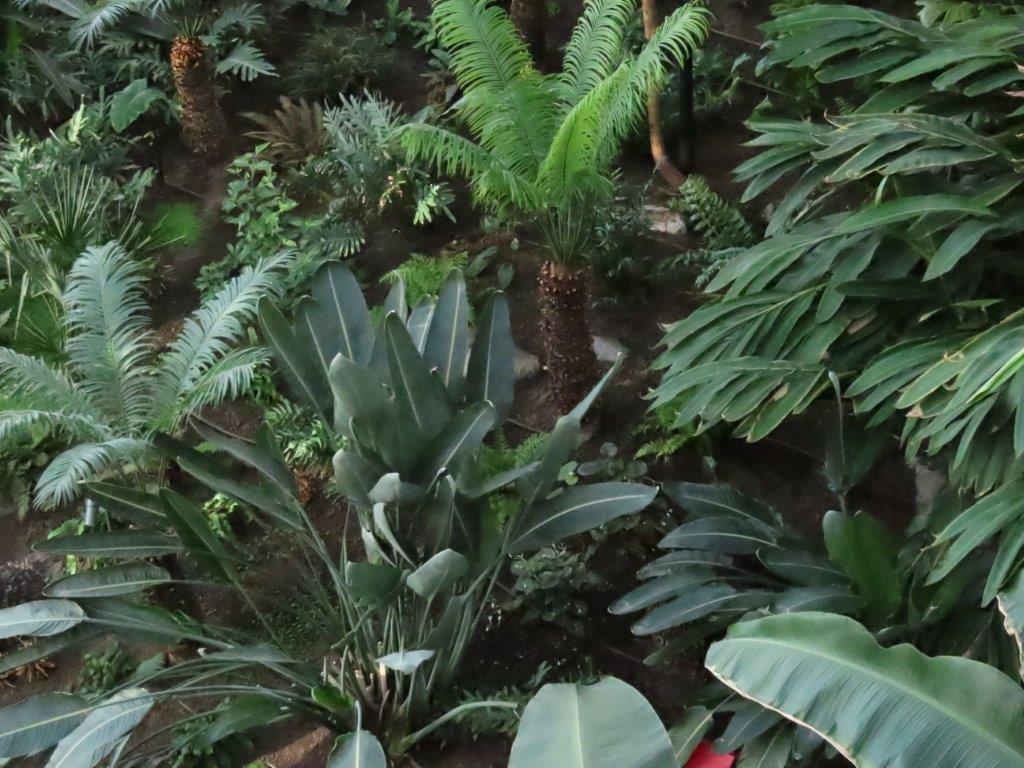
The garden itself was certainly lush, although there wasn’t all that much in flower, as might be expected in an essentially non-seasonal garden: plants flower as and when rather than all coming out during particular times of the year.

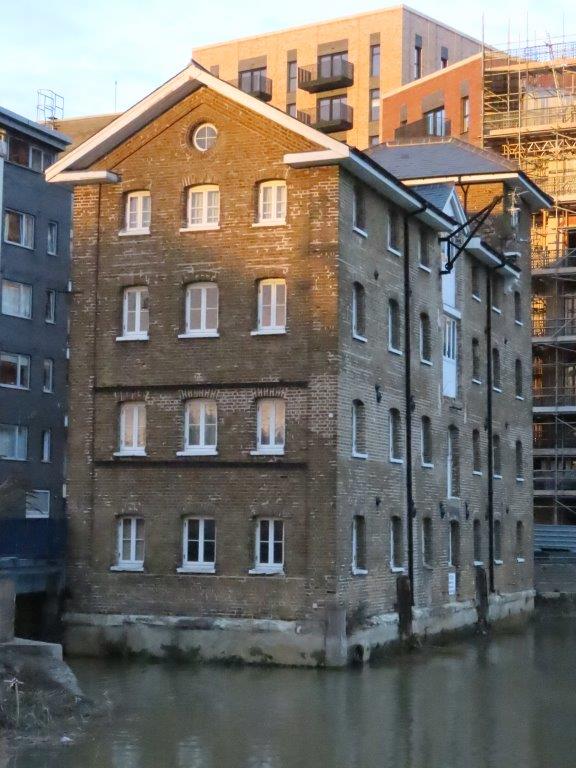
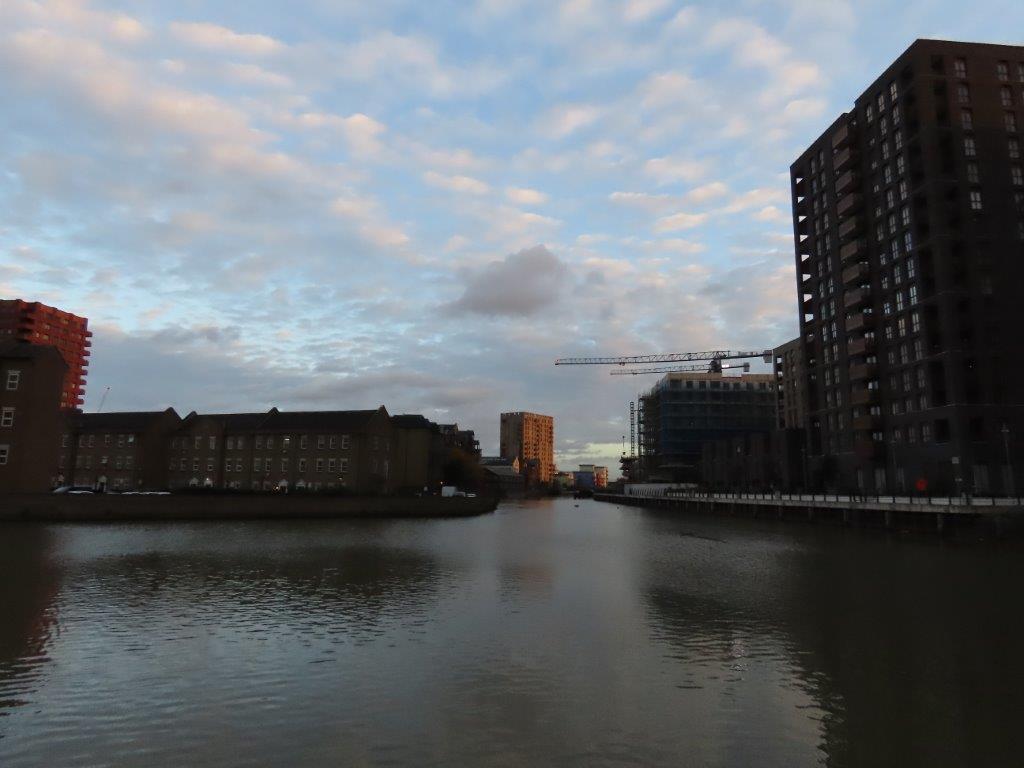
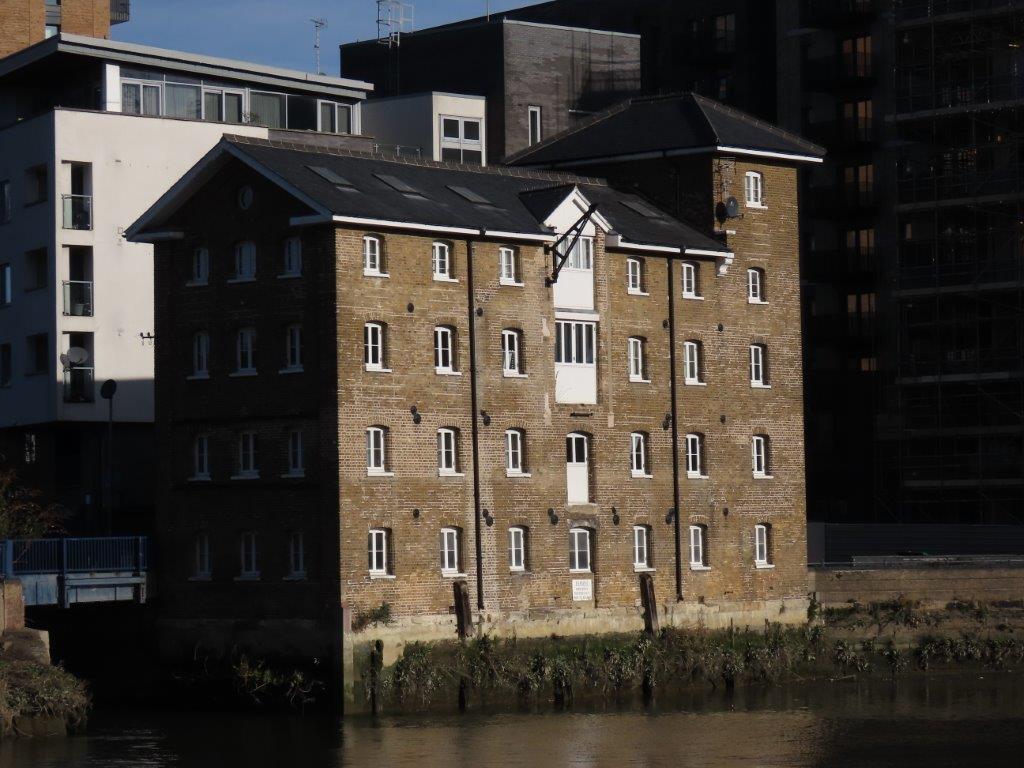
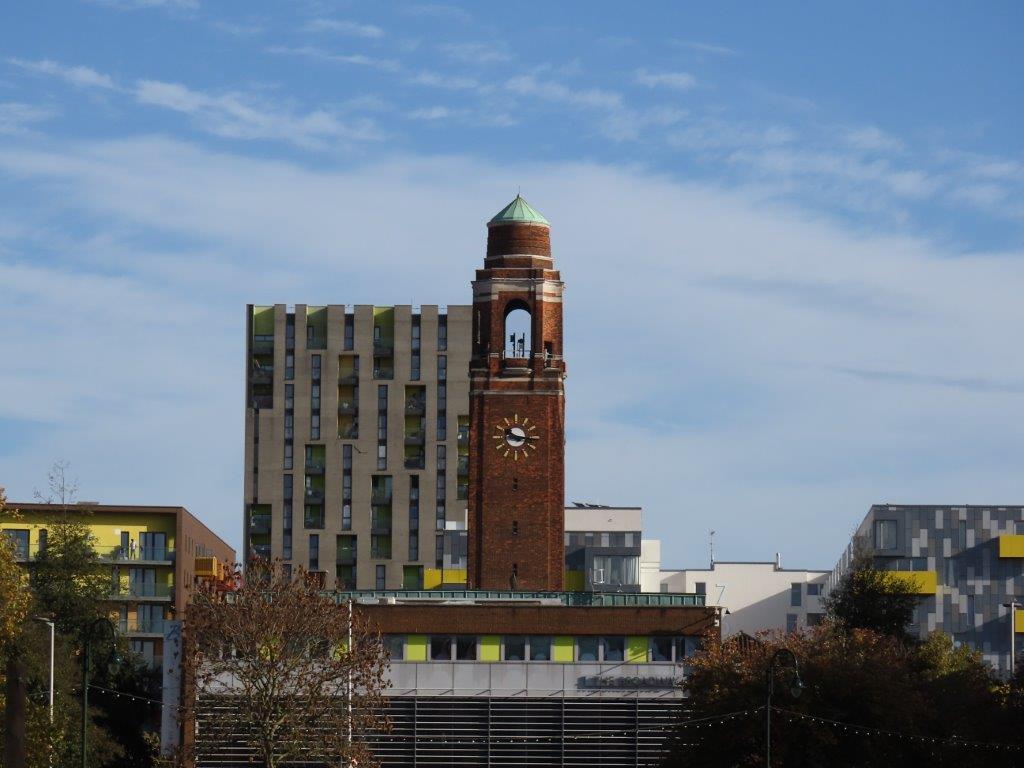
The clocks had changed the day previously so twilight came quickly and it was well under way by the time we reached our Ibis hotel by Barking Creek, the last rays of sunset just lighting up the tide-mill at more-or-less full tide. Why Barking? It is an interesting area, well connected to central London but far enough out to be affordable. And she loved the bunk bed!

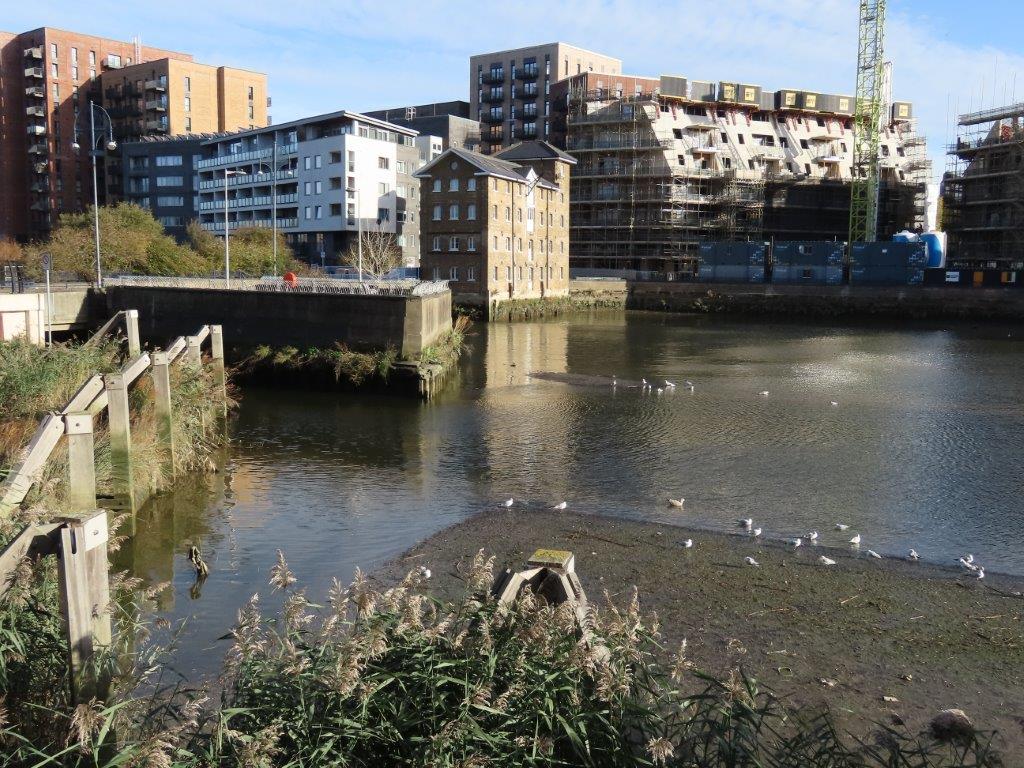
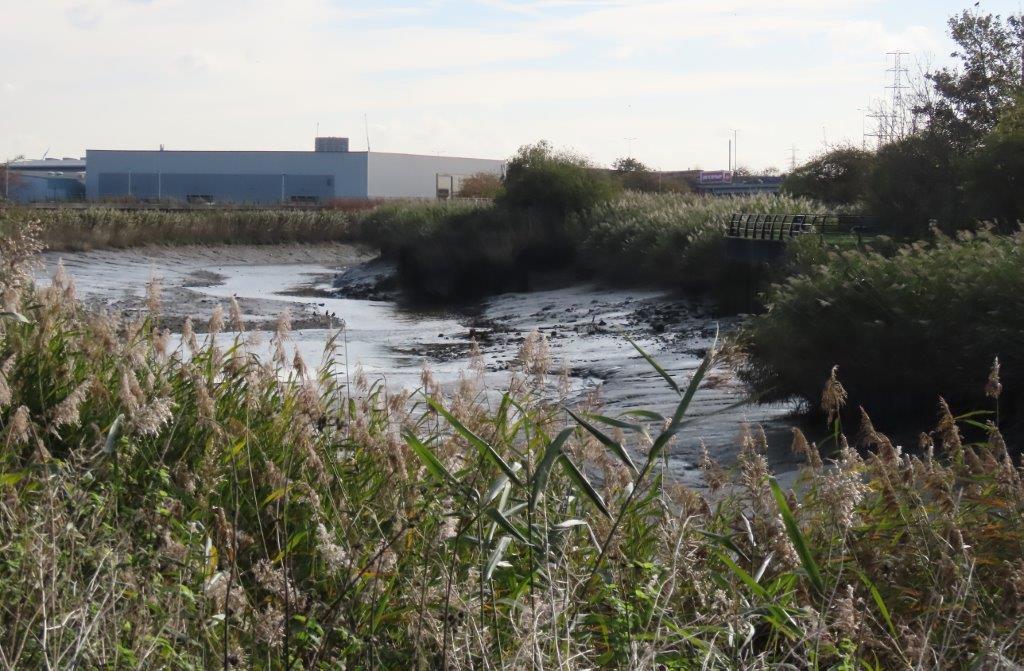
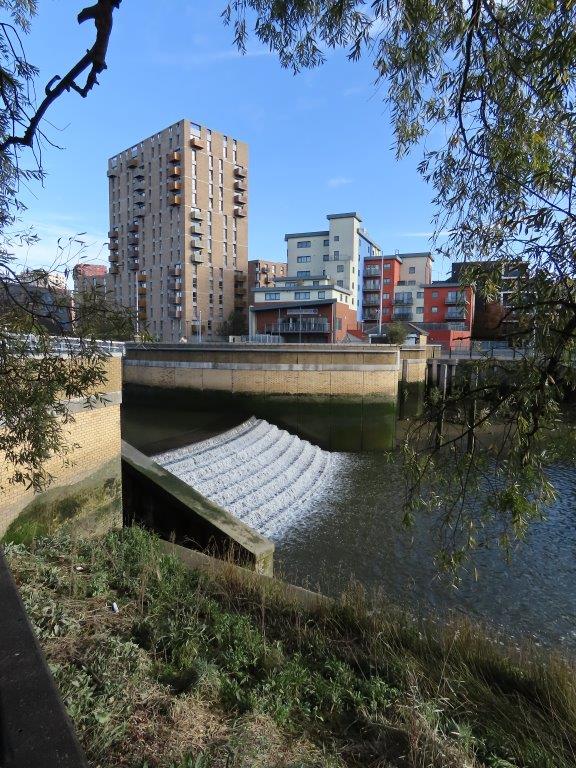
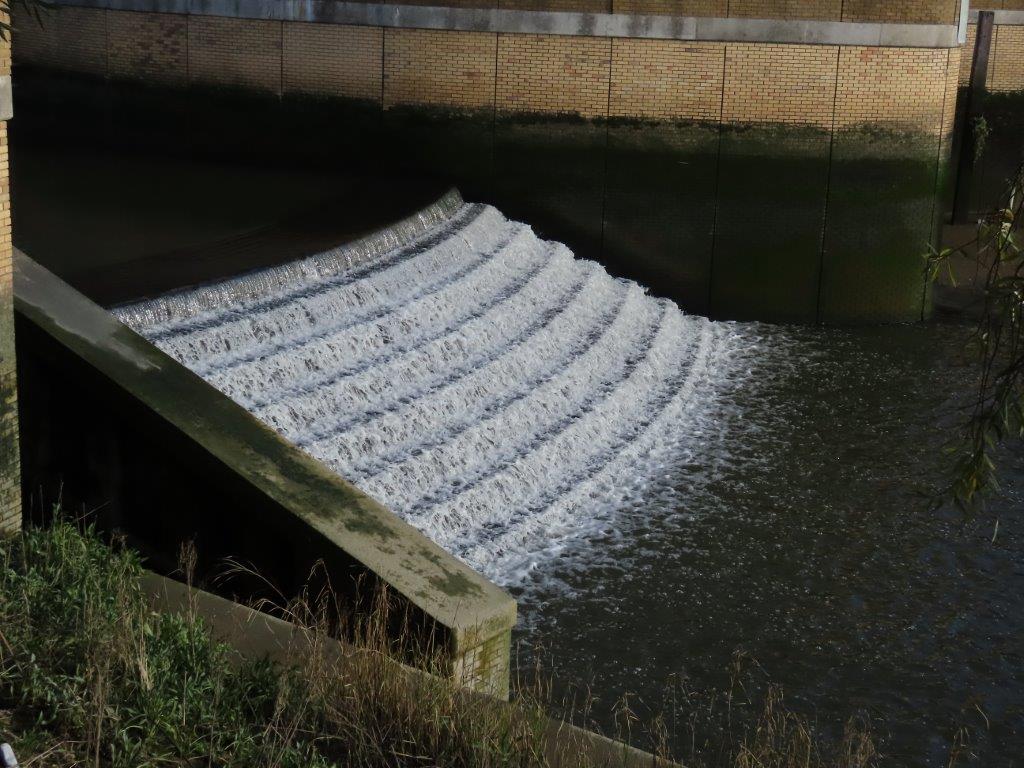
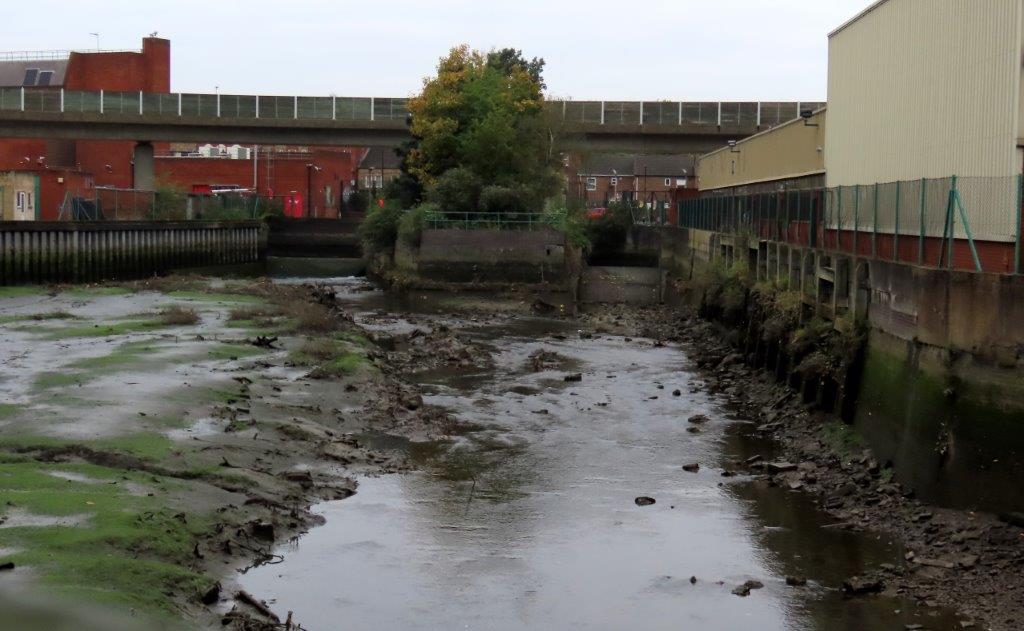
Another sunny morning on our second day, so it was a lovely opportunity to walk down Barking Creek, and across the complex barrier that marks the start of the transition from tidal creek to the freshwater River Roding.

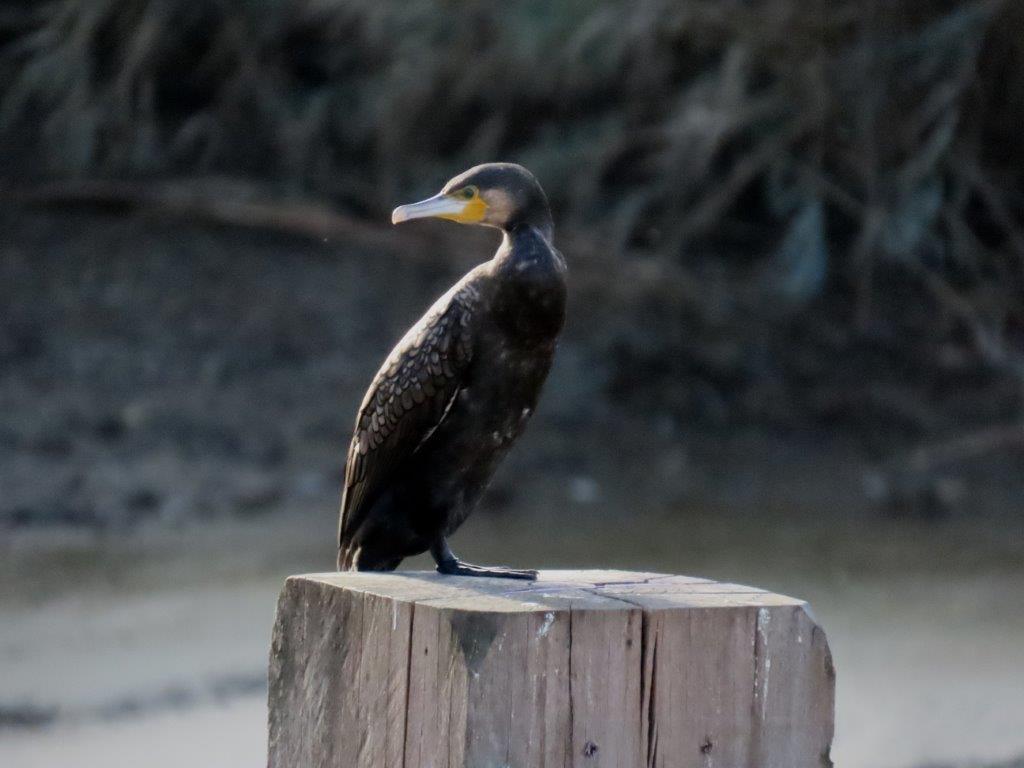
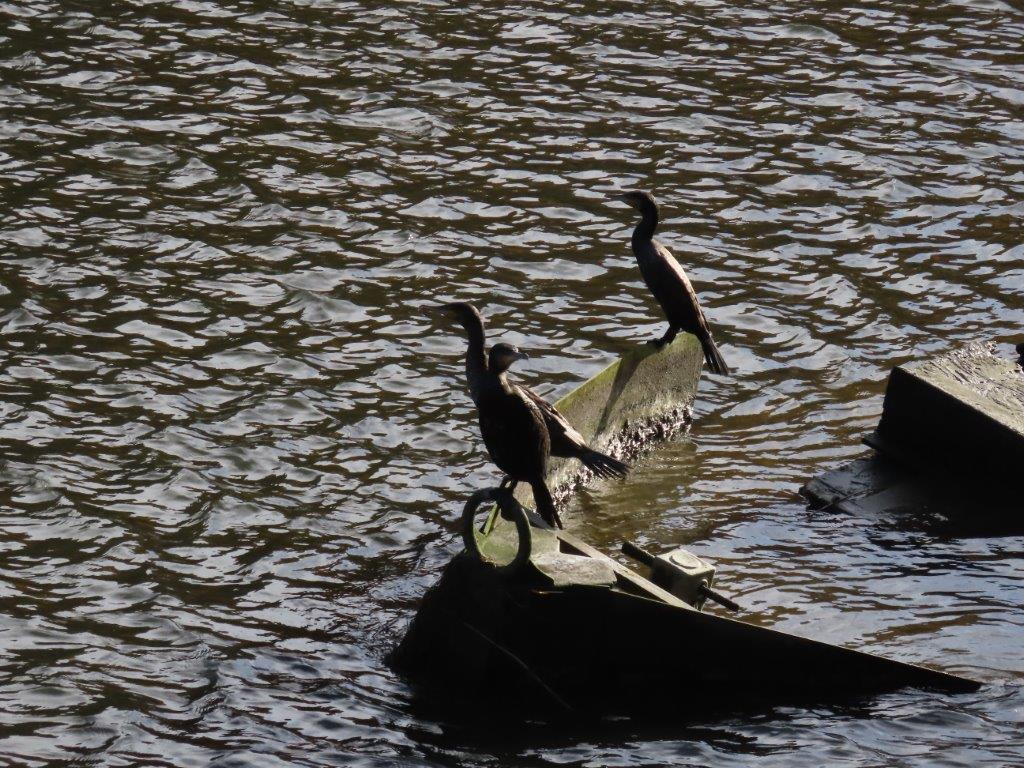
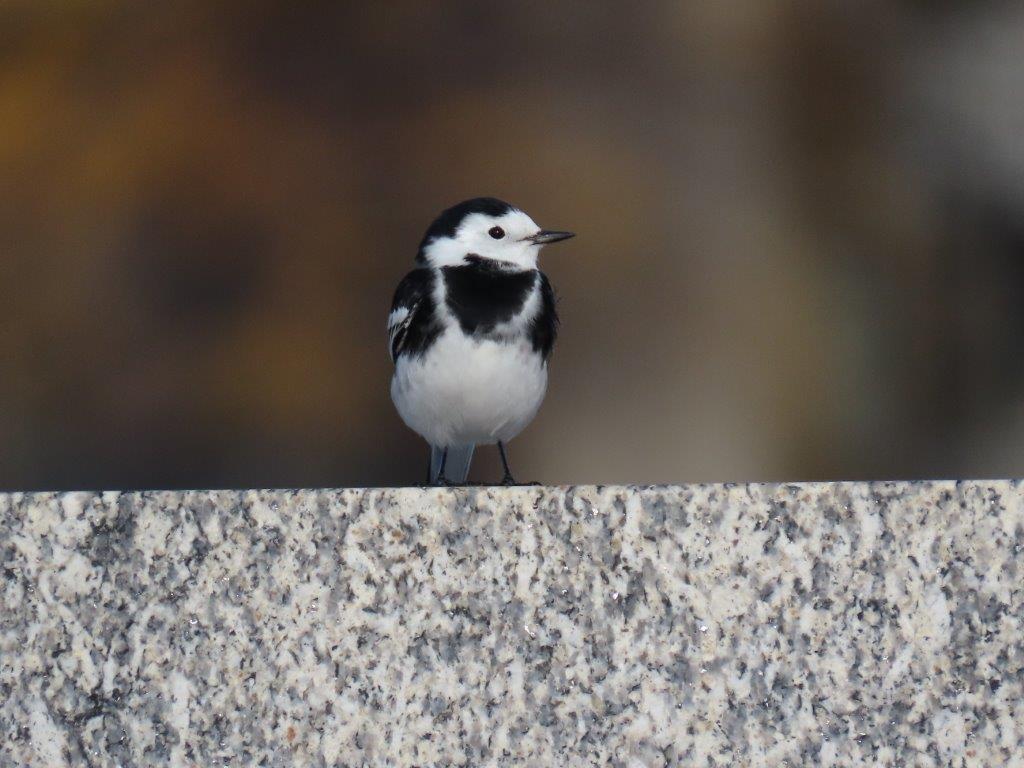
This time it was low tide, and the gulls, Coots and Mallards gathered argumentatively (as always!), while Cormorants rested on the wrecks and piers. A Kingfisher flew out of a patch of bankside reeds, and both Pied and Grey Wagtails trotted around the margins.

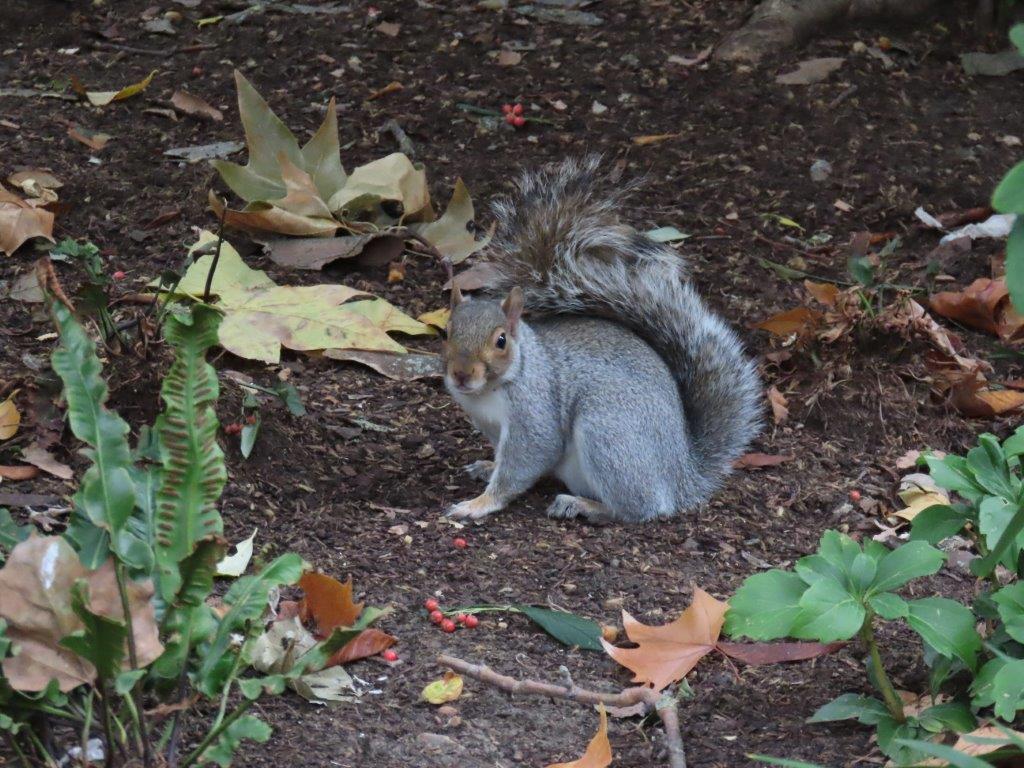
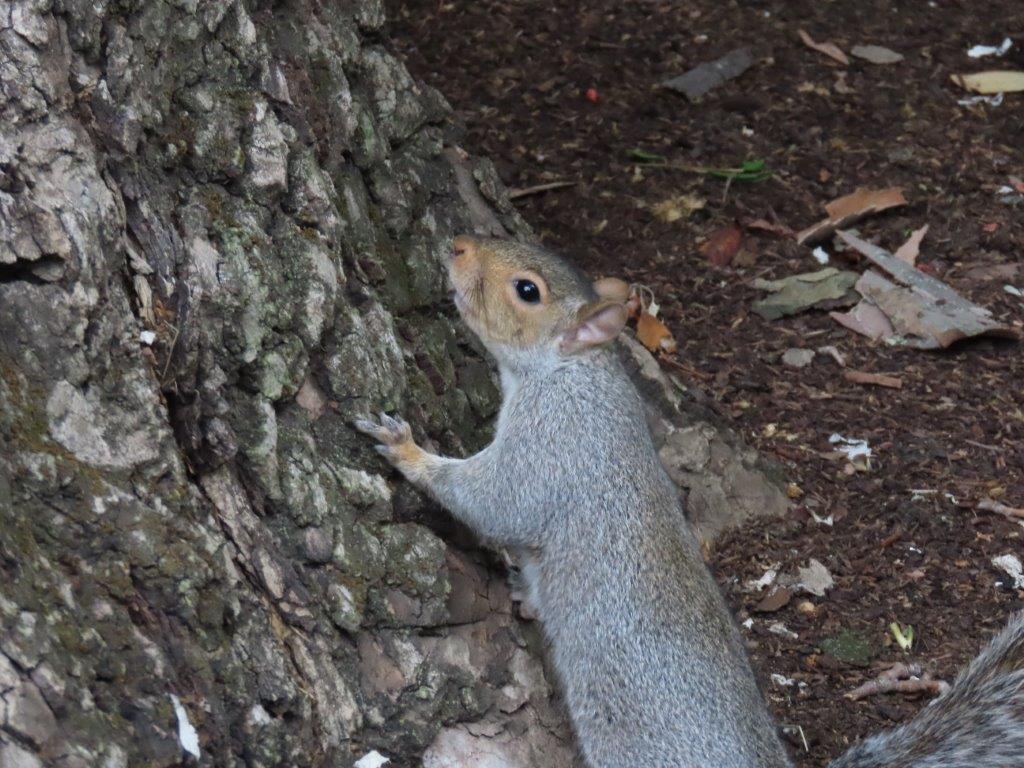
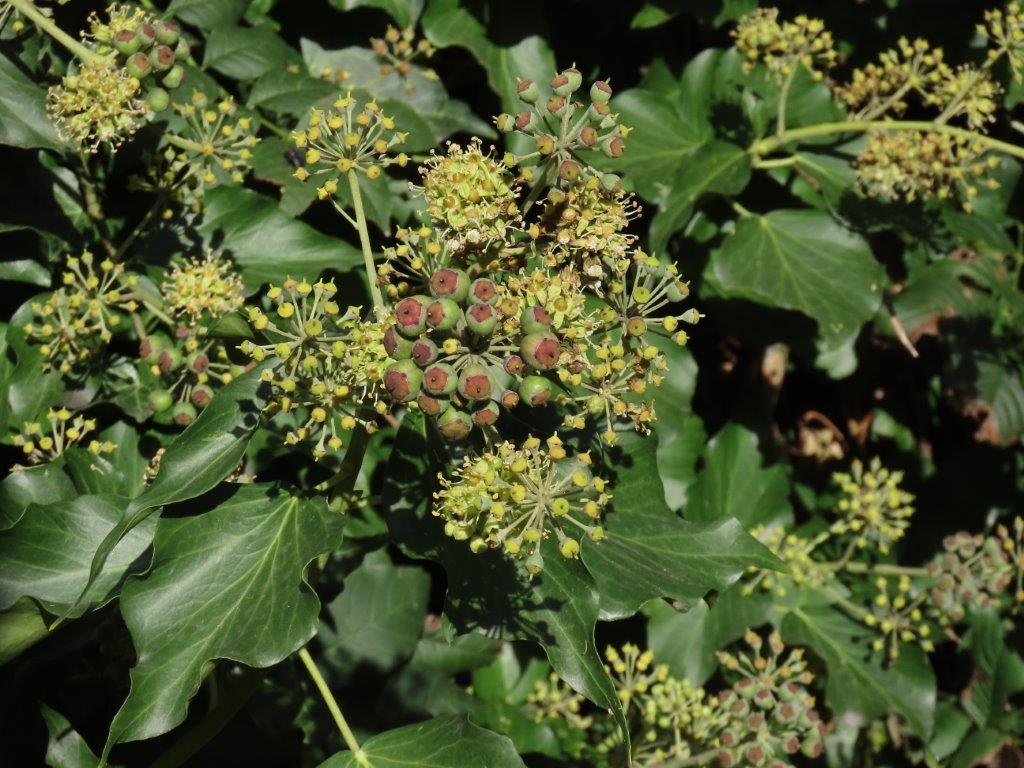
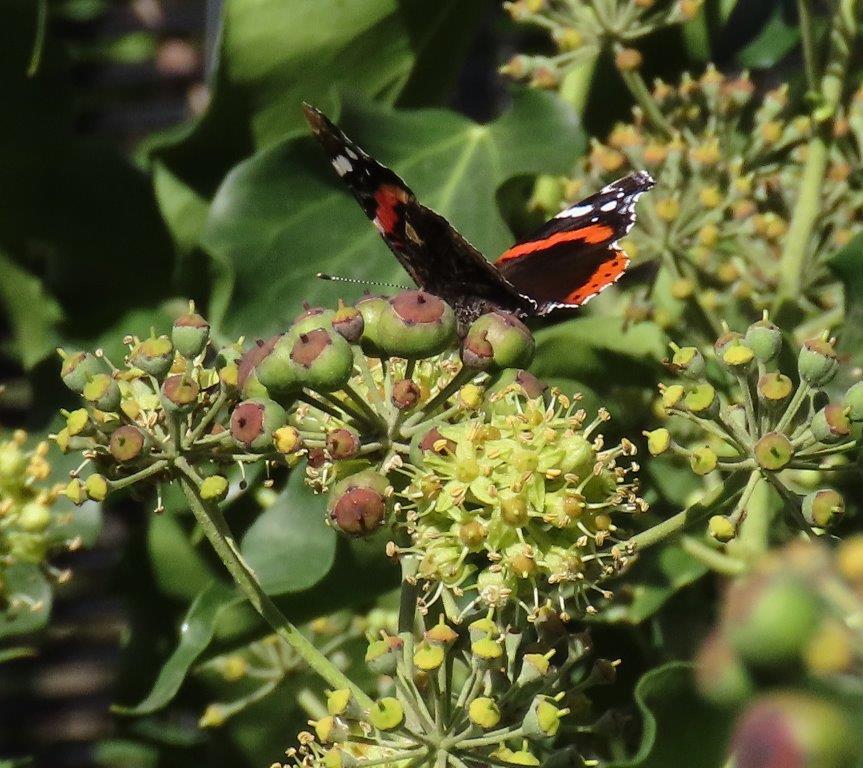
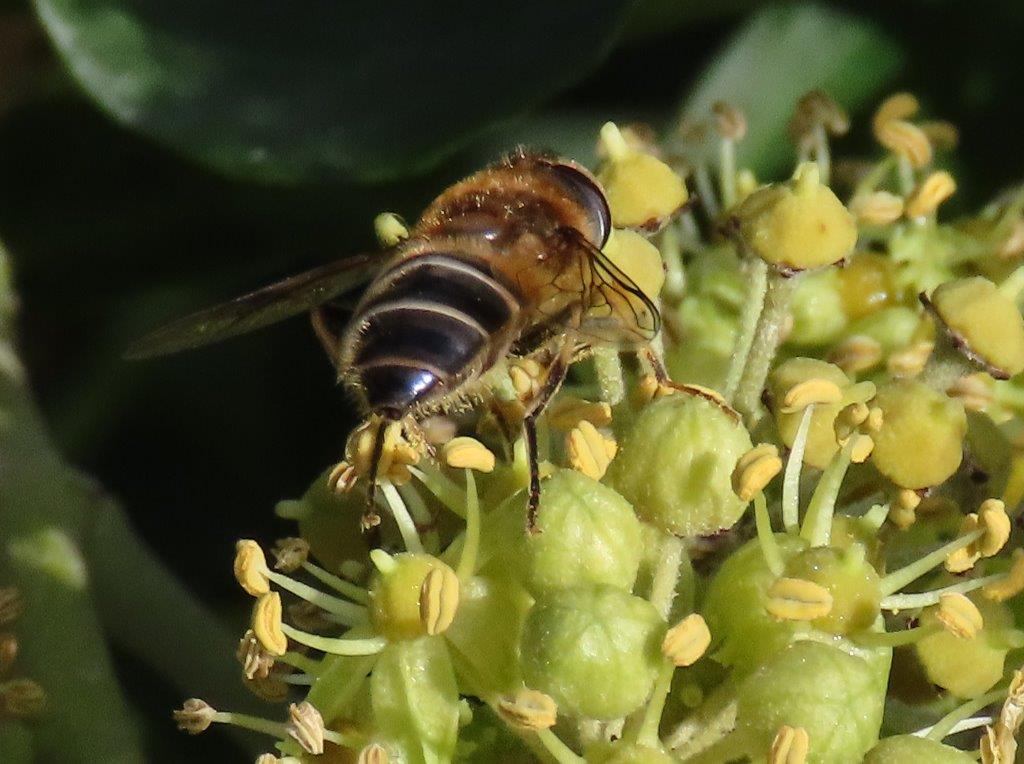
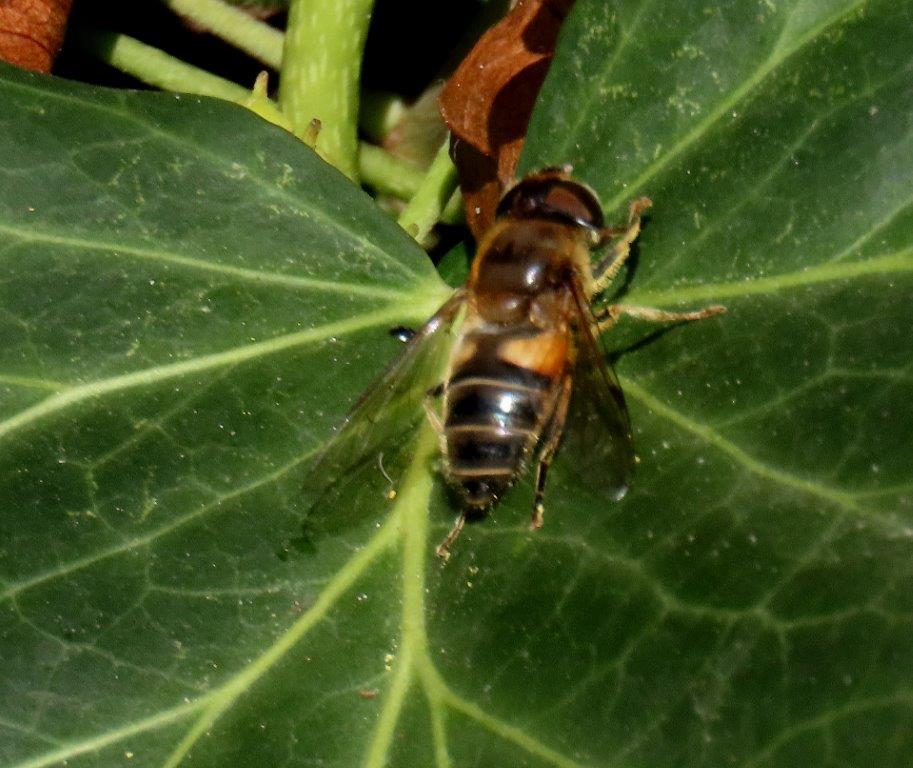
Through Barking Abbey grounds, the Ivy was covered in pollinators including a Red Admiral and a brief Hornet Hoverfly. And the Grey Squirrels, dozens of them, were busy provisioning for winter and making a little girl very happy. Where would London be without its squirrels, pigeons and parakeets?

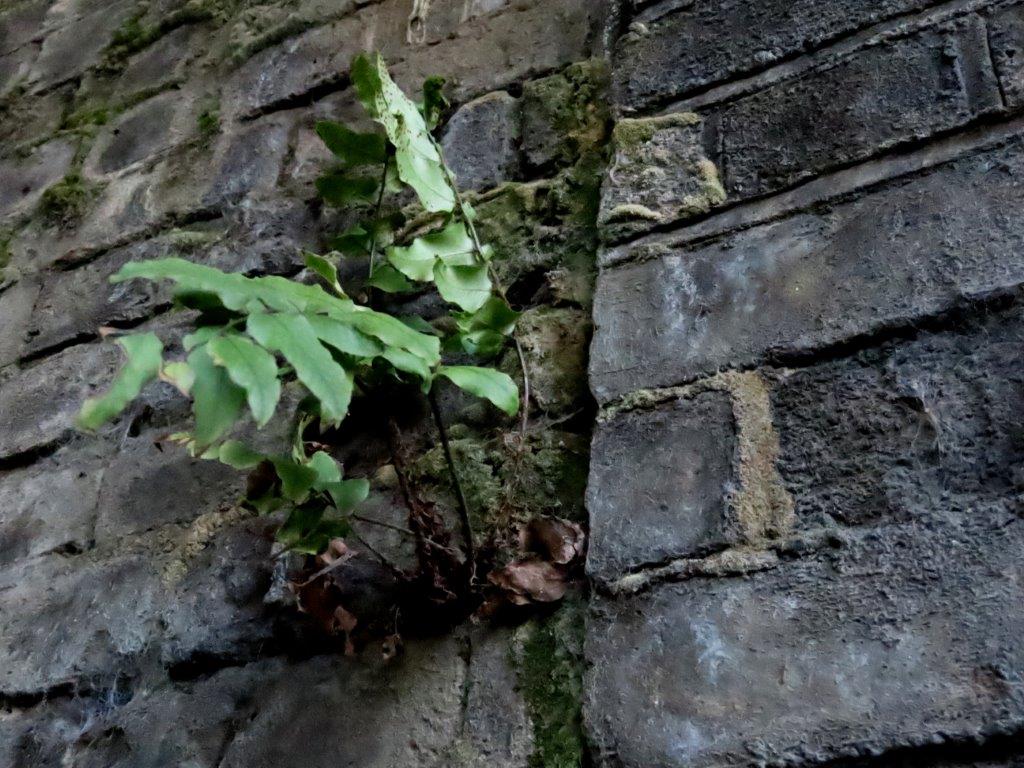
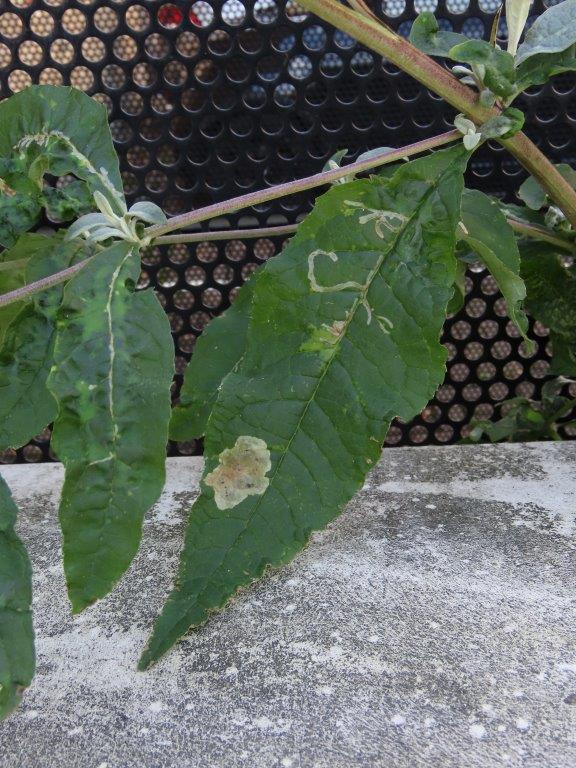
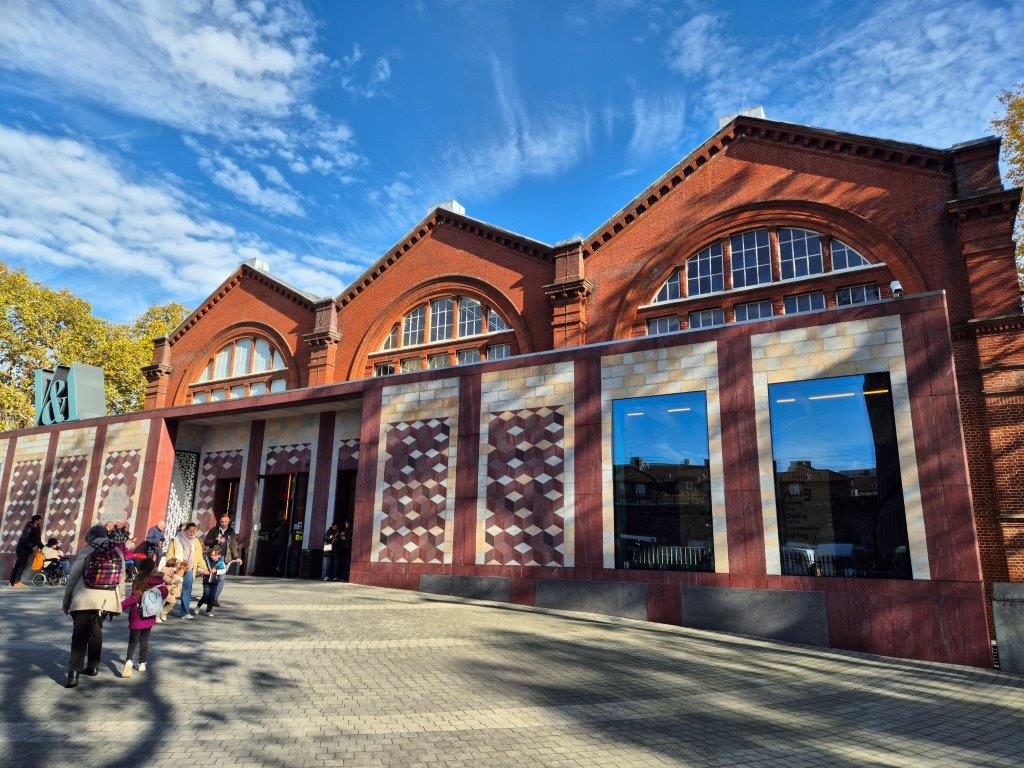
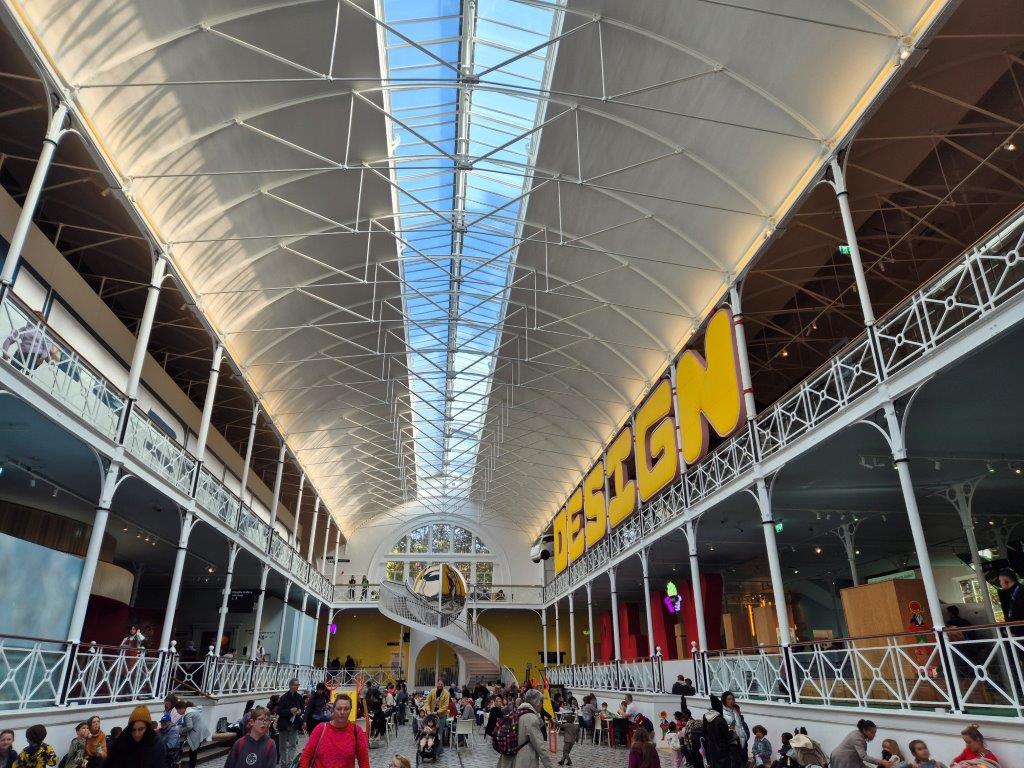
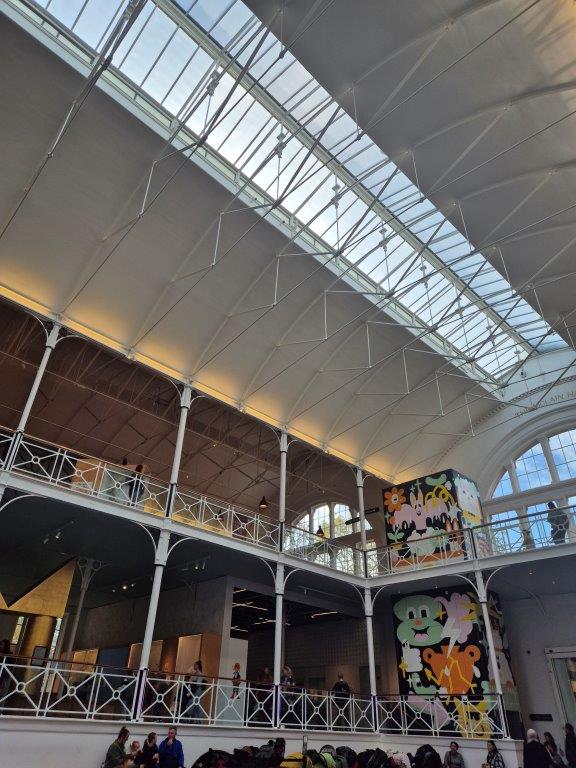
Our route to the Young V&A involved a quarter of an hour walk from Stepney Green, as Mile End station was closed by an incident. But even the walk was interesting, the damp, dripping, seeping rail underpass providing a home for ferns, specifically the non-native Cyrtomium falcatum, now starting to colonise such niches by spore dispersal from cultivation but not reported from anywhere in east London on the NBN Atlas. And then right next to the railway bridge there was a Buddleja showing leaf-mines. We have never seen these before in this host, and despite their very different appearance, both galleries and blotches, it appears they are from the same mining fly Amauromyza verbasci. Again there are no records of this species from east London, or indeed from most of the south-east of England. Under-reporting surely but always interesting. The other fascinating thing is the fact that ‘verbasci‘ relates to its other main host Verbascum – and DNA sequencing has only just recently made us realise that mulleins and buddleia should be placed in the same plant family.

Then it was an hour at the museum, before all heading home tired but happy.

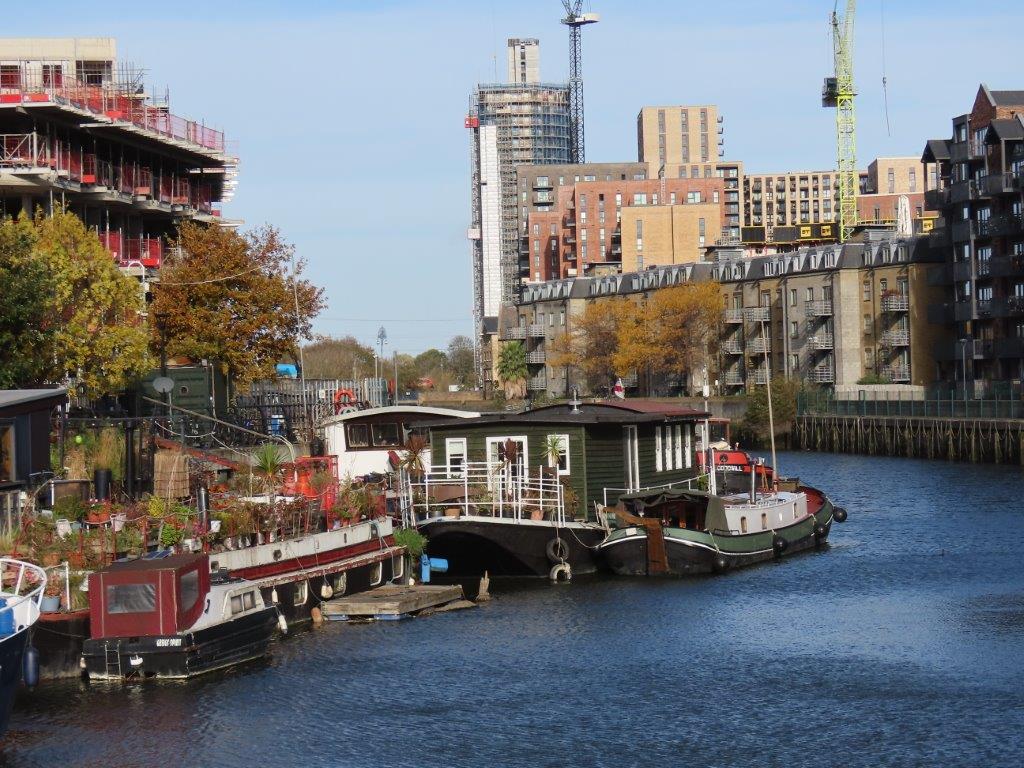
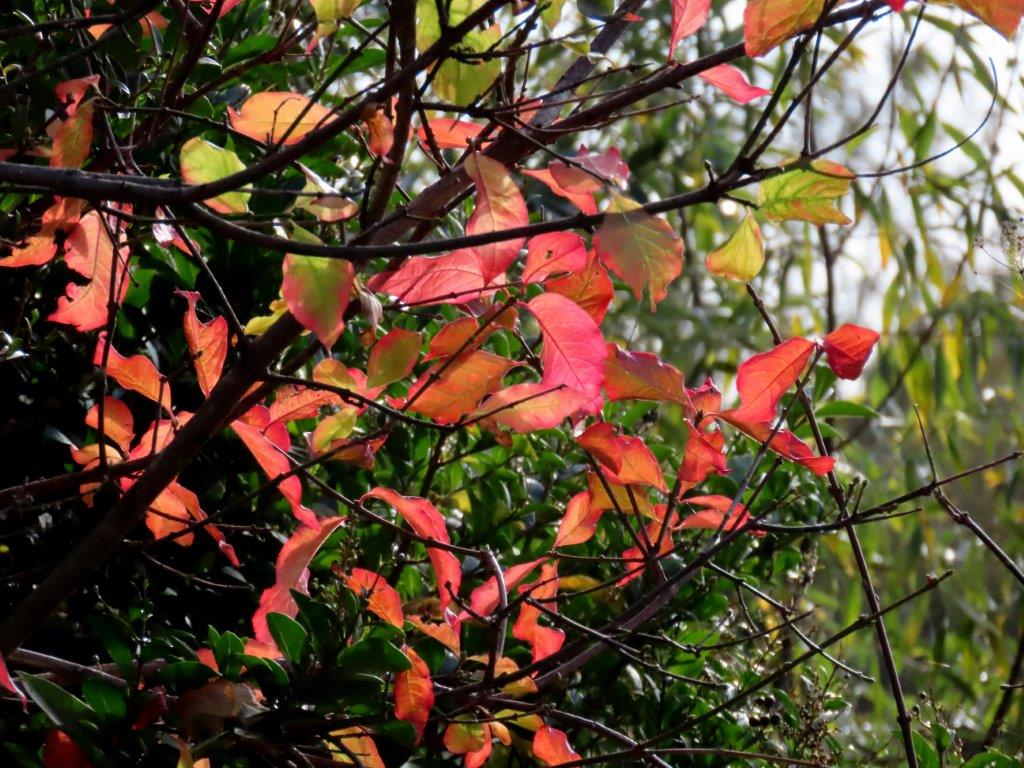
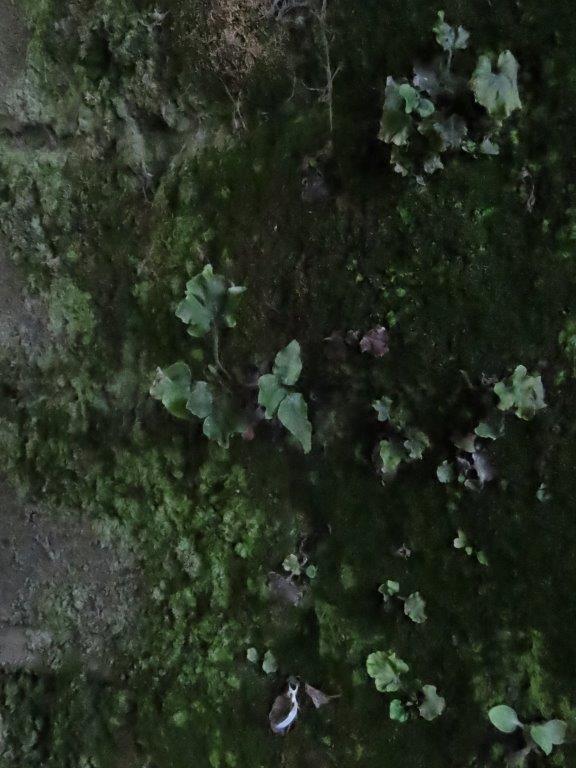
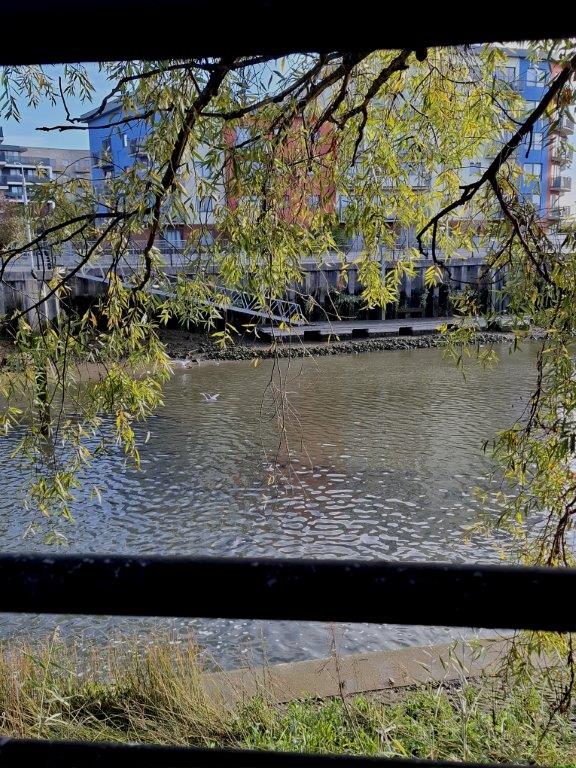
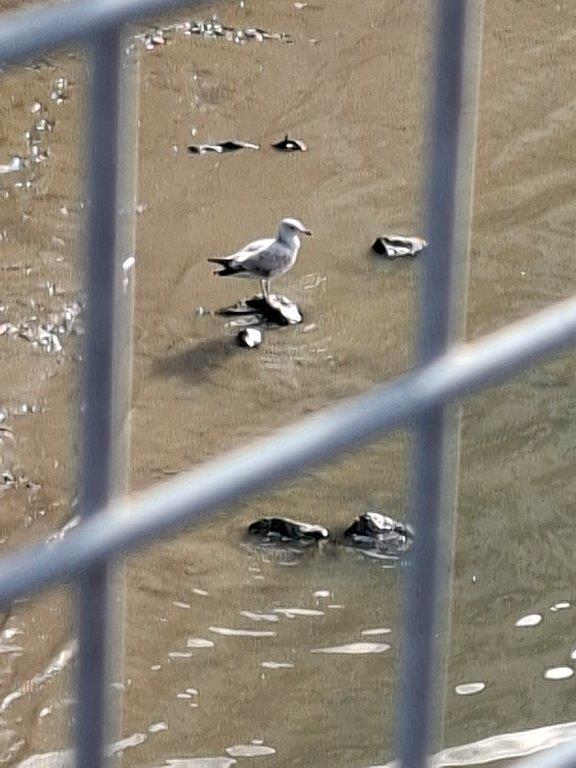
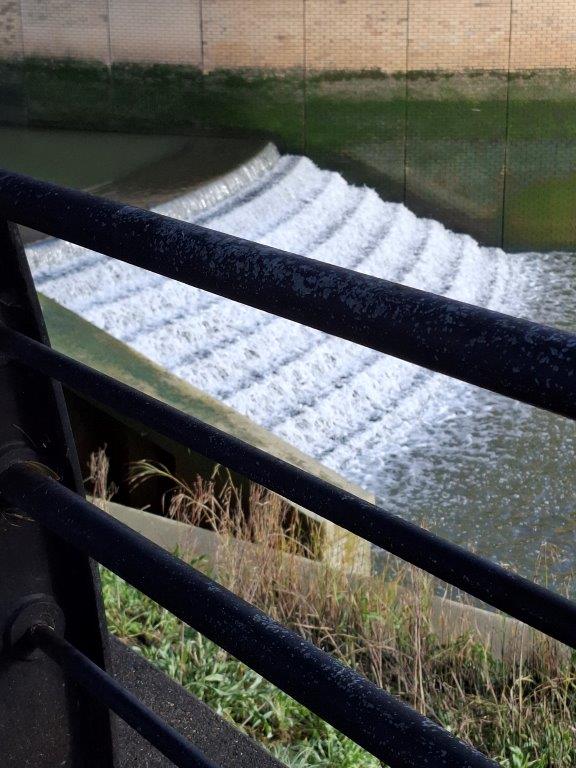
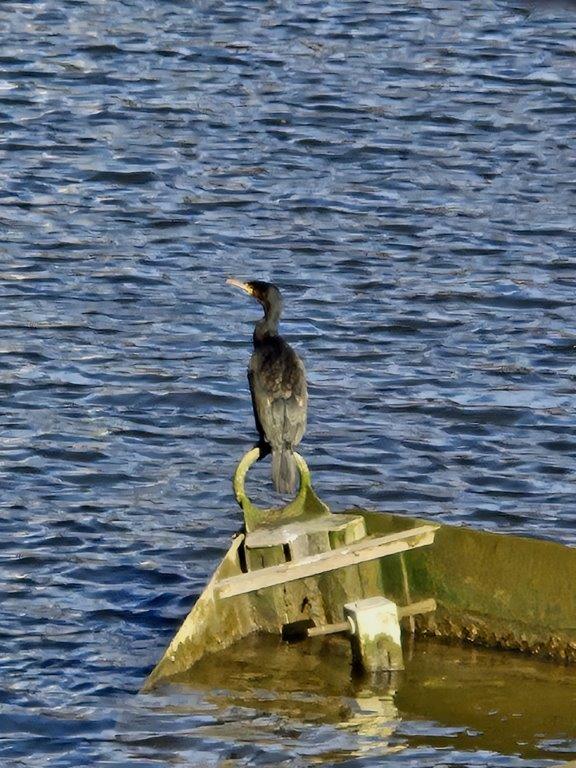
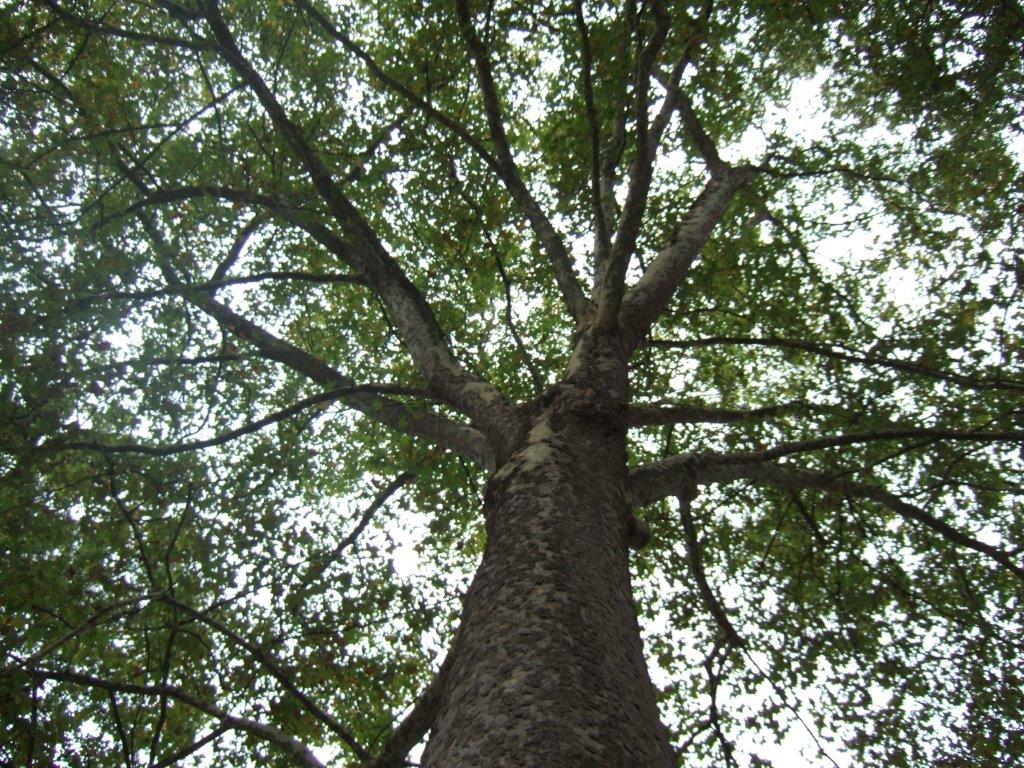
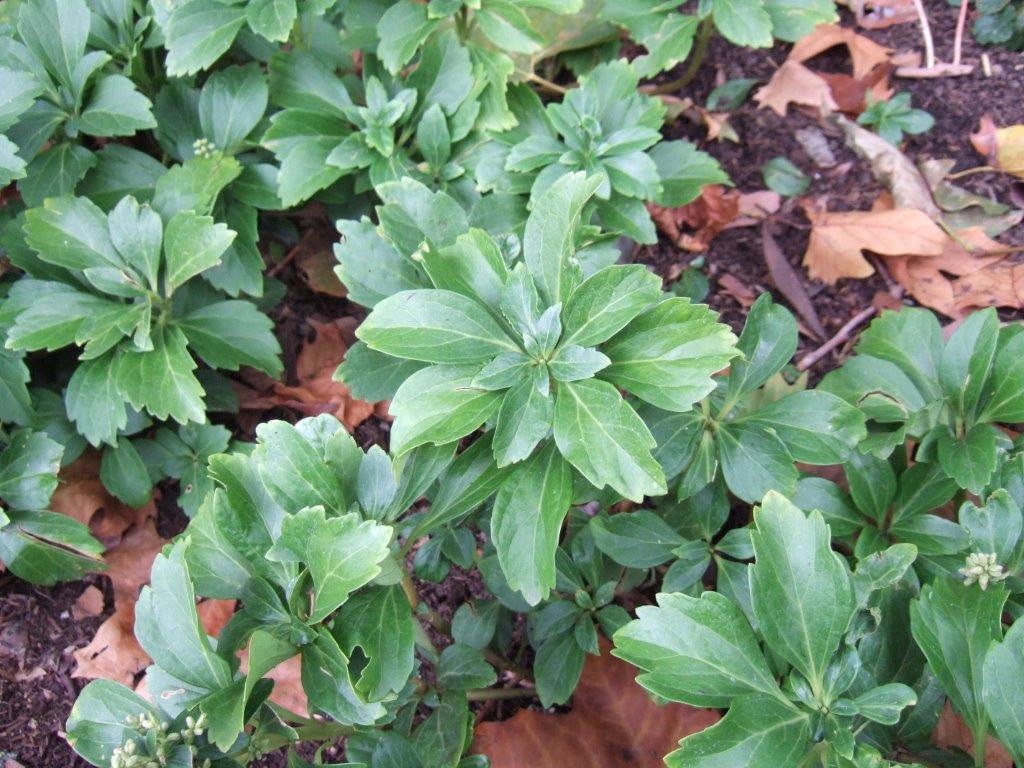
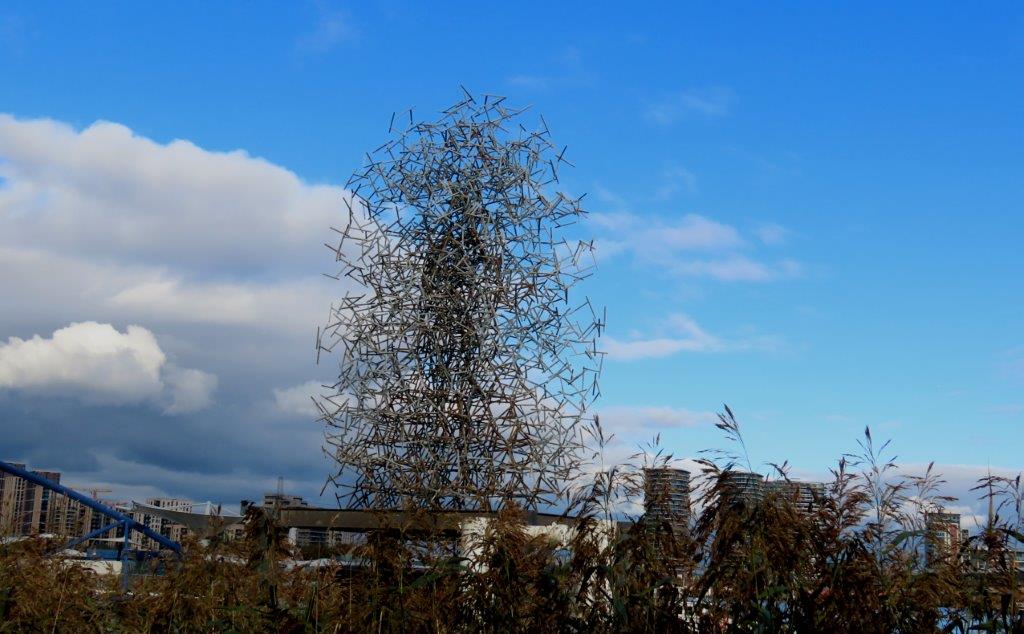
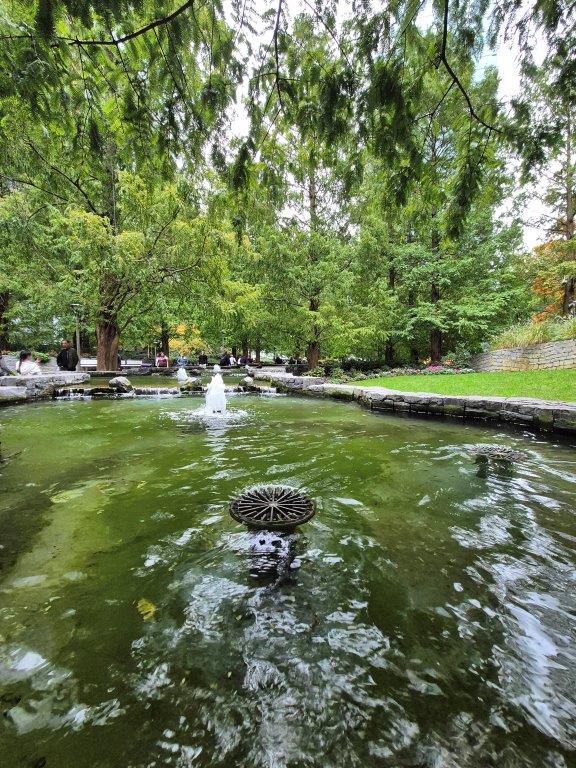
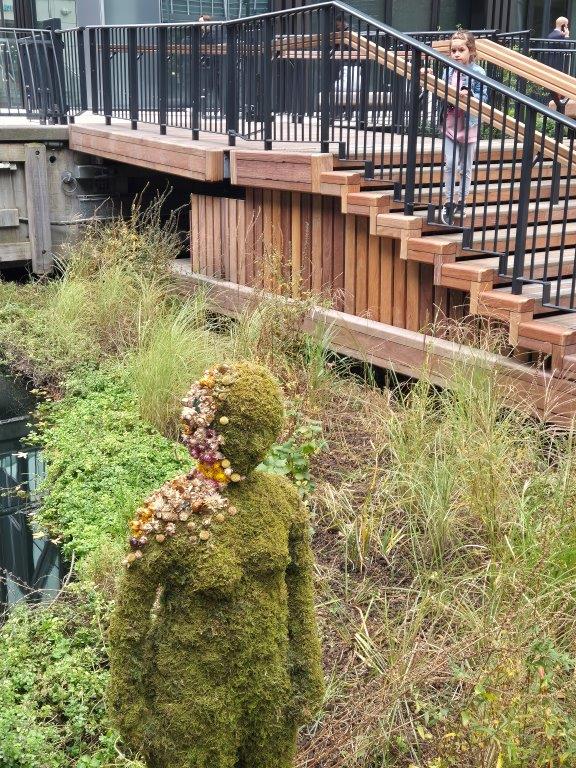
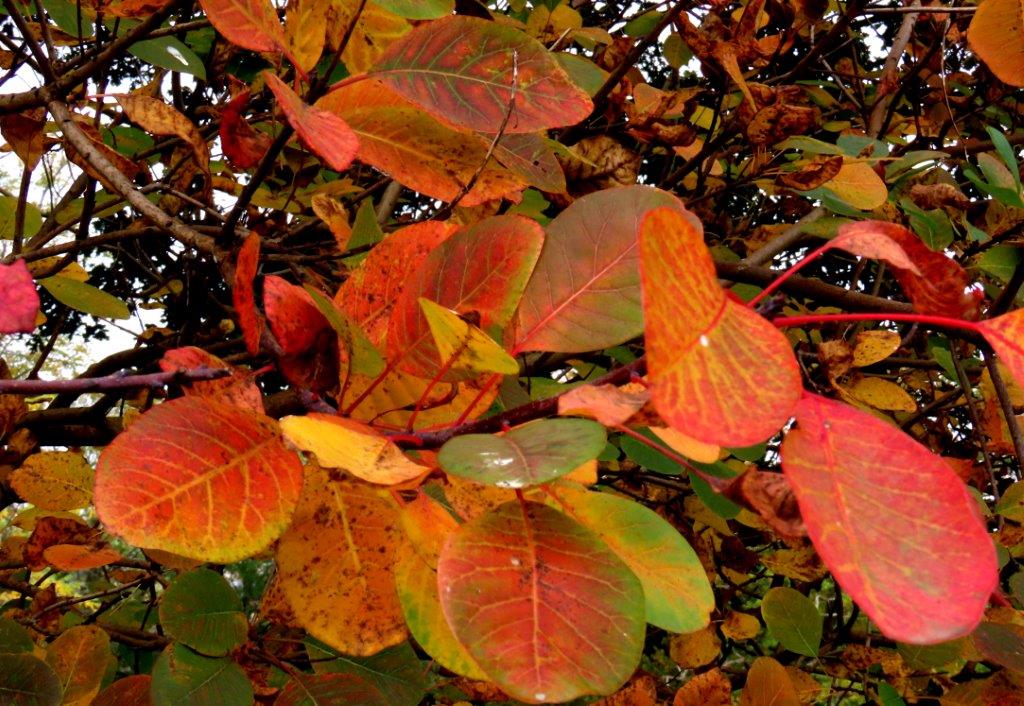
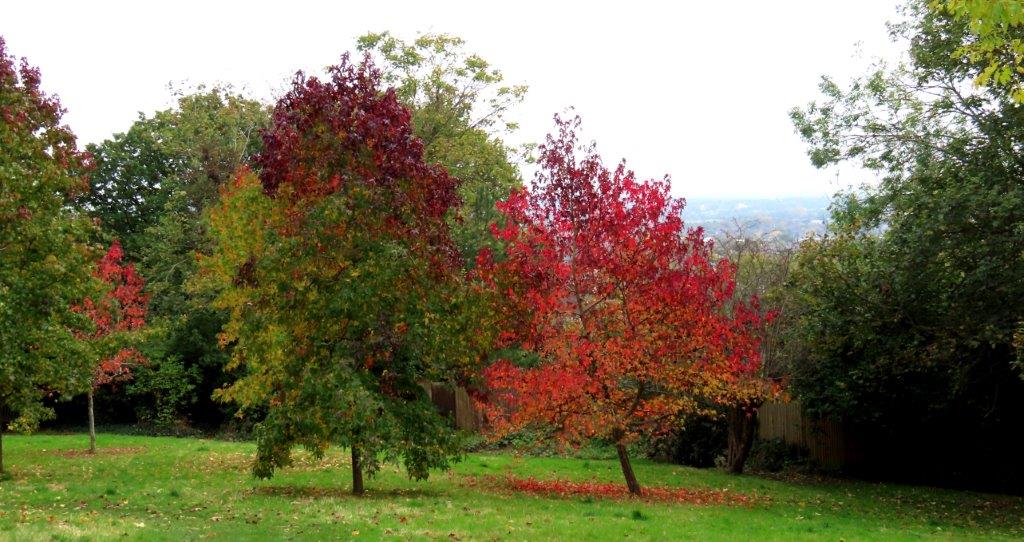
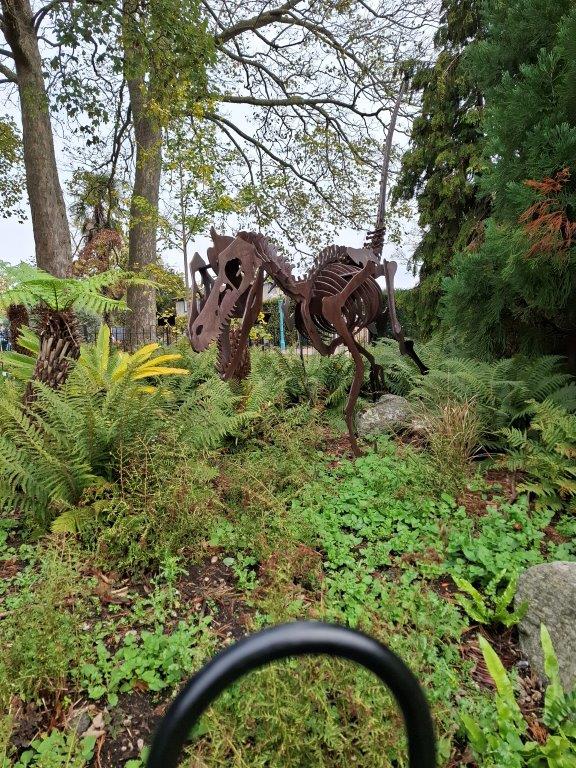
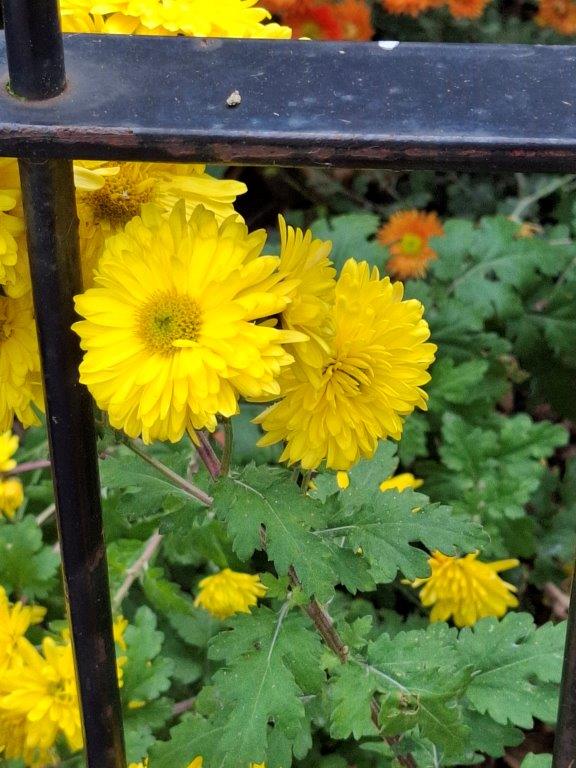
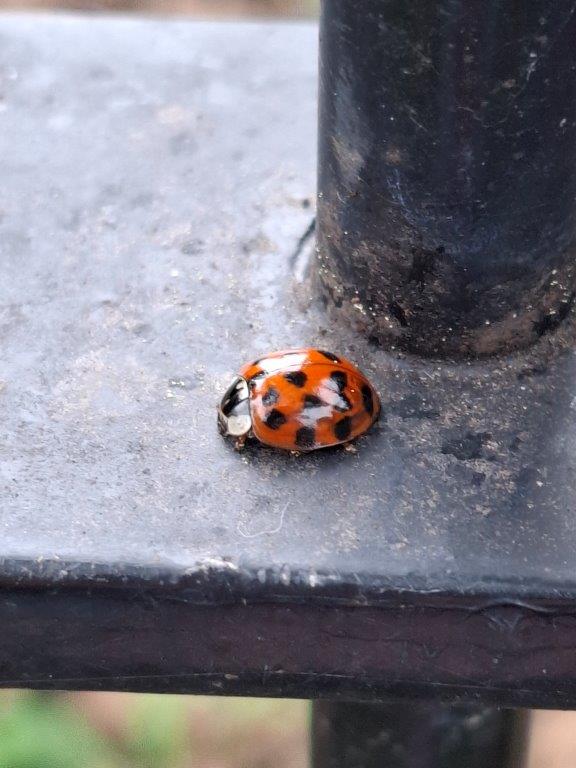
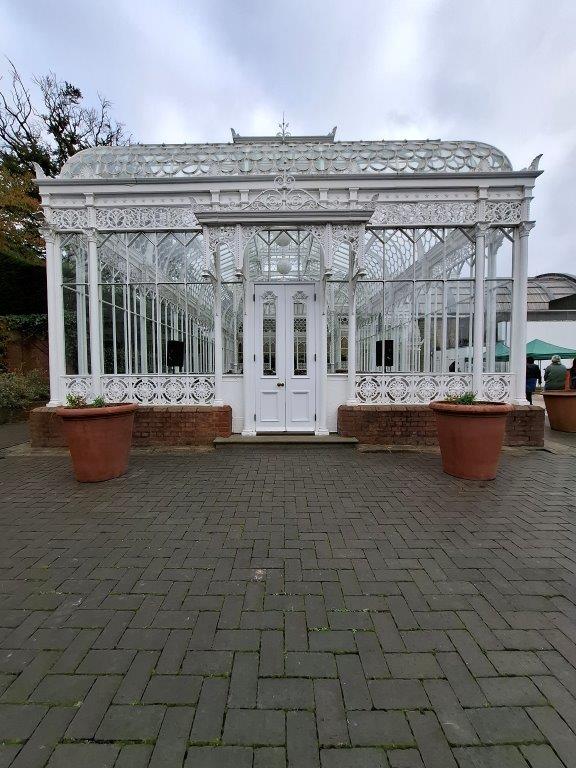
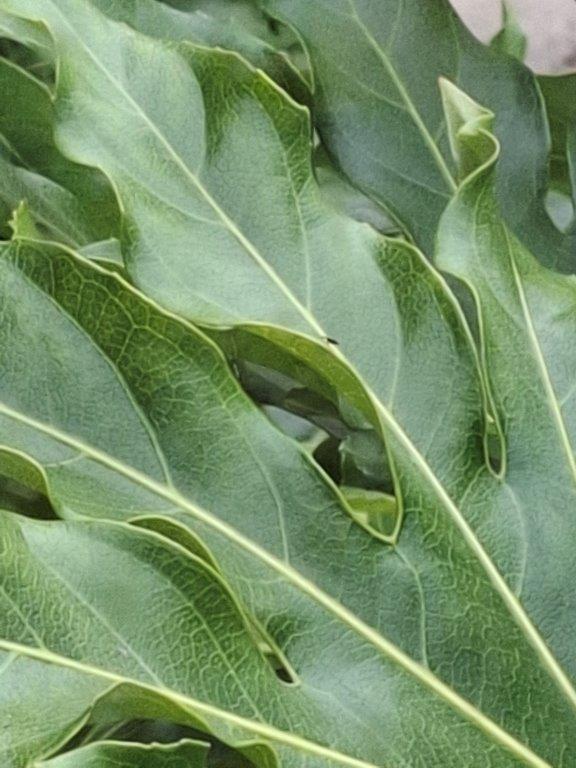
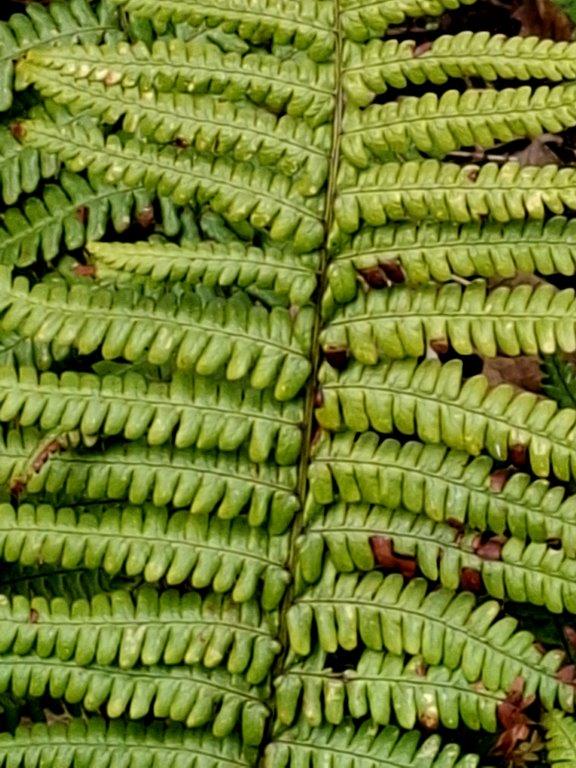
Eleanor, as she often does, took many photos, and some of our favourites are included below. It always surprises and thrills me to see the world as she sees it, a world witnessed through protective bars and fences, a world of giant trees and a world where leaf patterns are just as important as showy flowers. We can all learn a lot from that!


Lowestoft & Hopton – as far east as you can get

Between our May and June short breaks, as far south (Isle of Wight) and as far west (Haverfordwest) as possible, respectively, we had a free week, and so an opportunity for another cheeky little break – just two nights, with Eleanor and her mum. A holiday camp in half-term might not sound like everyone’s idea of fun, but the weather was lovely and the Hopton  Beach holiday camp, between Lowestoft and Great Yarmouth a lot greener than one’s prejudice might suggest.

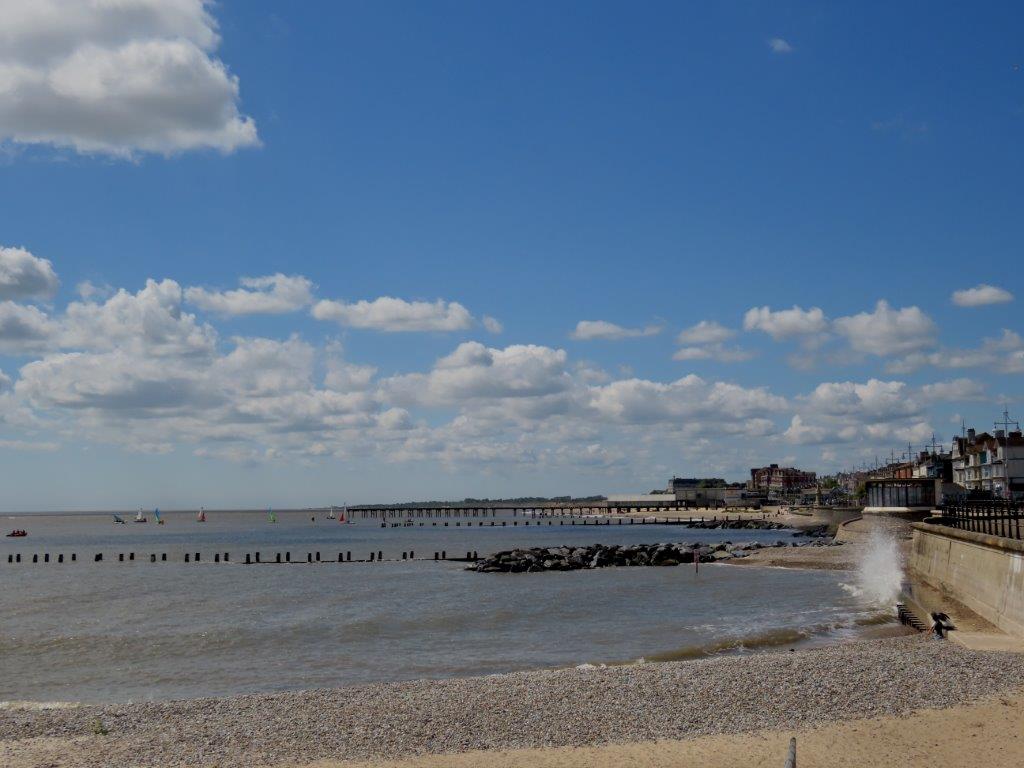
The train to Lowestoft was a delight, a landscape never before experienced by us in that mode of travel. And as soon as we disembarked, our experience was transformed by the sound of Kittiwakes, a bird call that just speaks to me of my childhood around Bridlington.

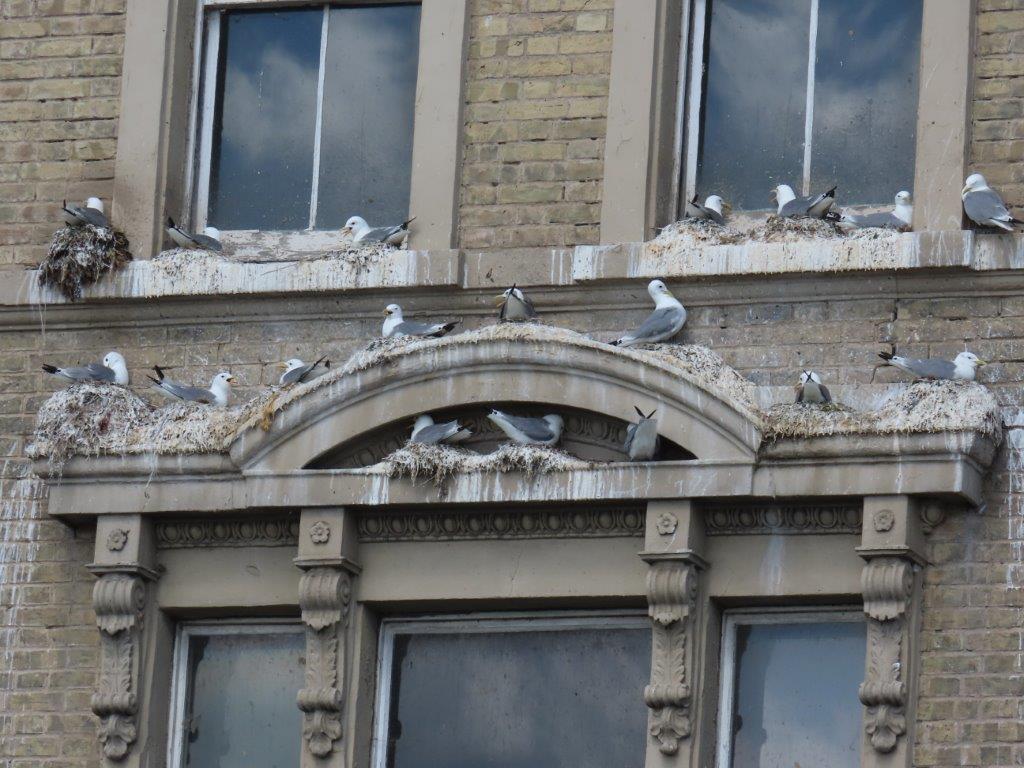
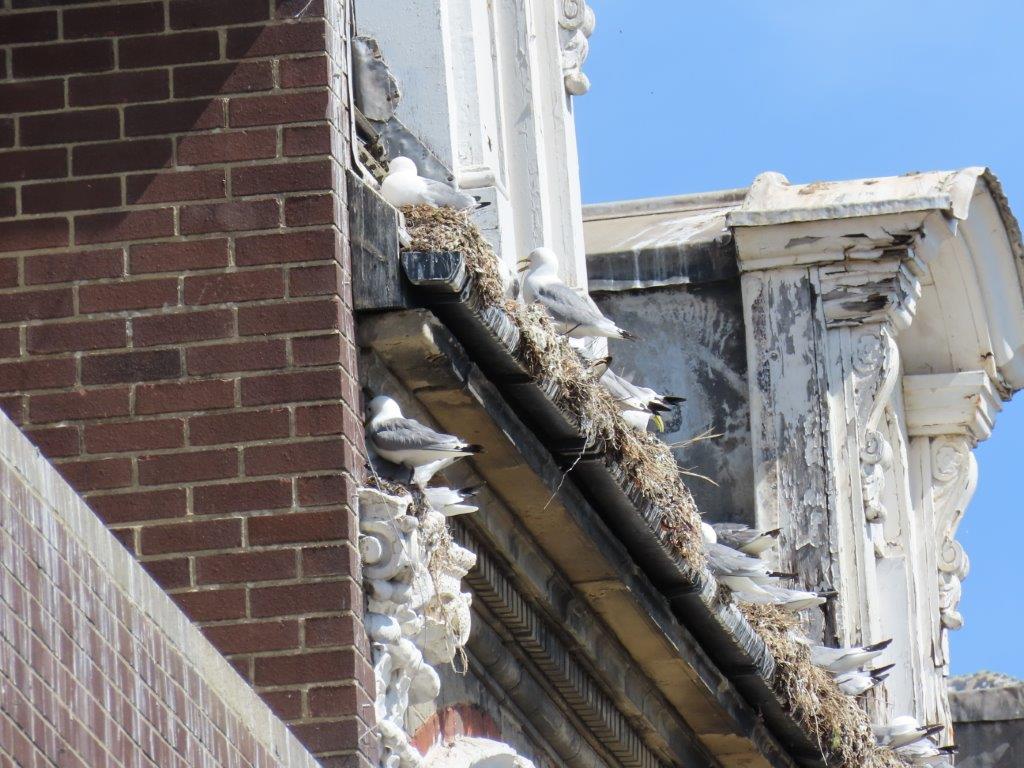
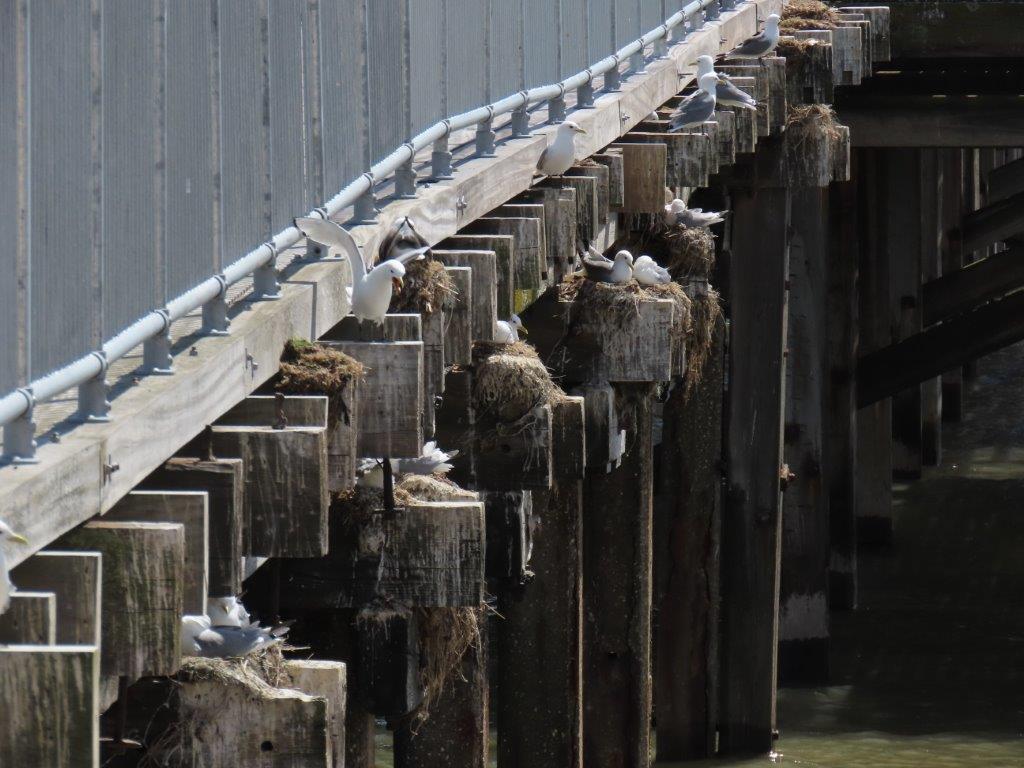
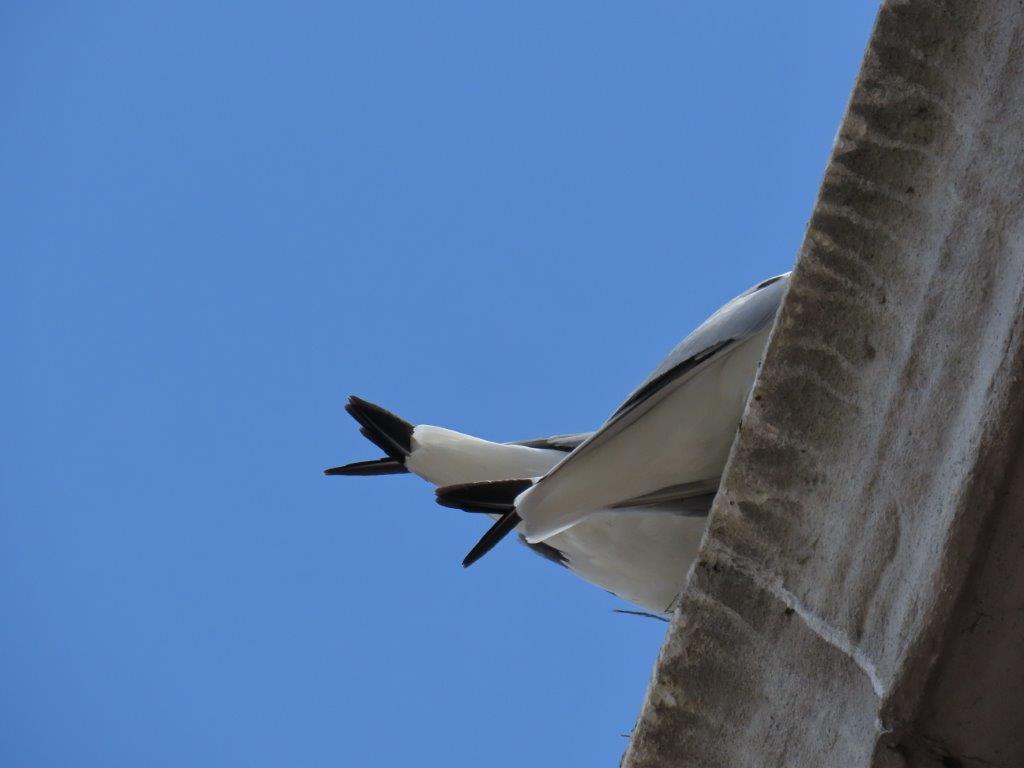
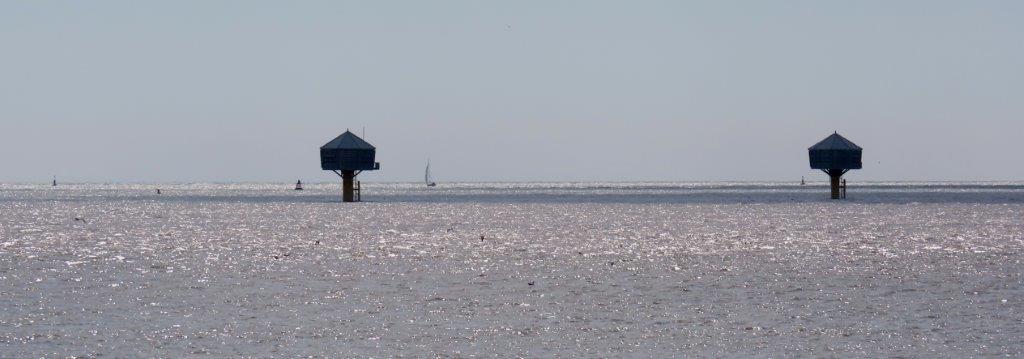
Kittiwakes breeding everywhere, on the piers, on the seafront buildings, and even a little way inland on a church. I had no idea they had colonised like this since my last visit. Seems that, while birds have nested on the harbour since the late 1950s, the move into the town, perhaps triggered by Fox predation, and subsequent rapid population growth to around a thousand pairs has happened over the past decade. And this is important: over the time that Kittiwakes have colonised Lowestoft, the UK population has fallen by some 40% for a variety of reasons, probably mainly linked to the effect of climate change/sea temperature rises on their food.

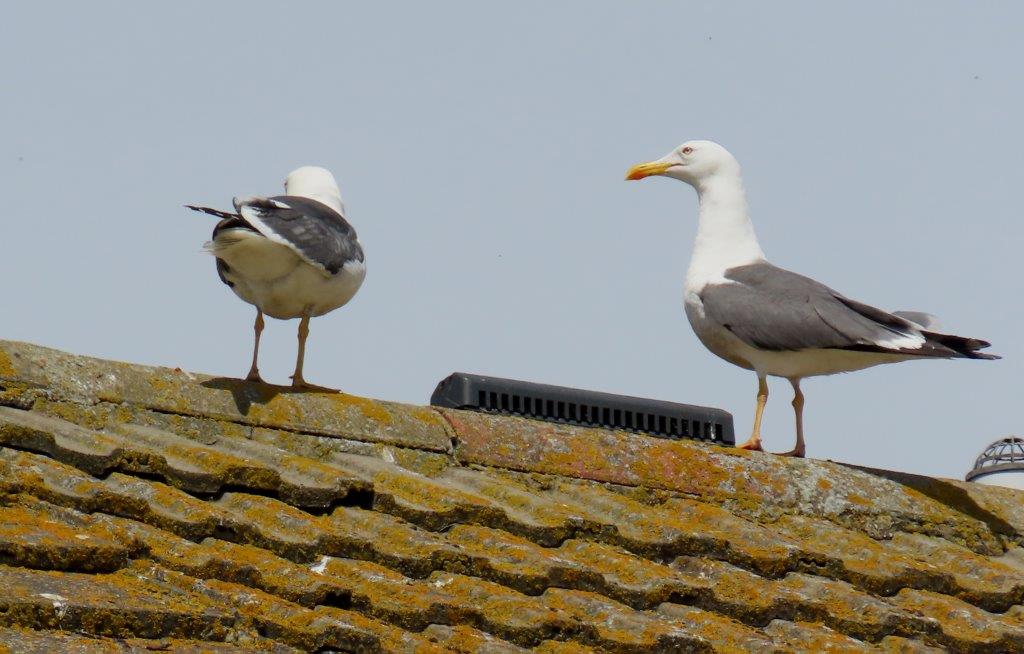
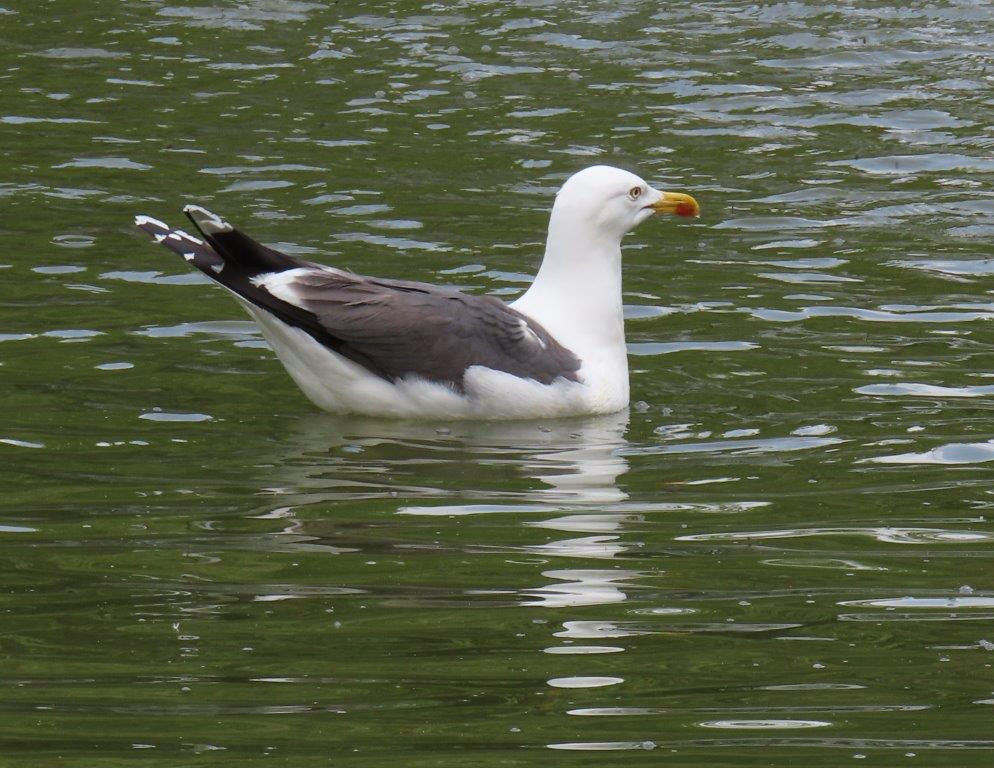
While Kittiwakes feed only at sea, and won’t attack ice creams, bags of chips, small dogs or babies as urban nesting Herring and Lesser Black-backed Gulls are variously accused of, they do of course make deposits below their nests and so are not universally welcomed. But it was  pleasure not to see a town bristling with anti-bird spikes or festooned in potentially lethal netting, testament no doubt to the work of the local Kittiwake project that not only helps clear away mess from the streets but also provides advice on how to love and live alongside these gentle bundles of feathers that are the very spirit of the the wild sea.

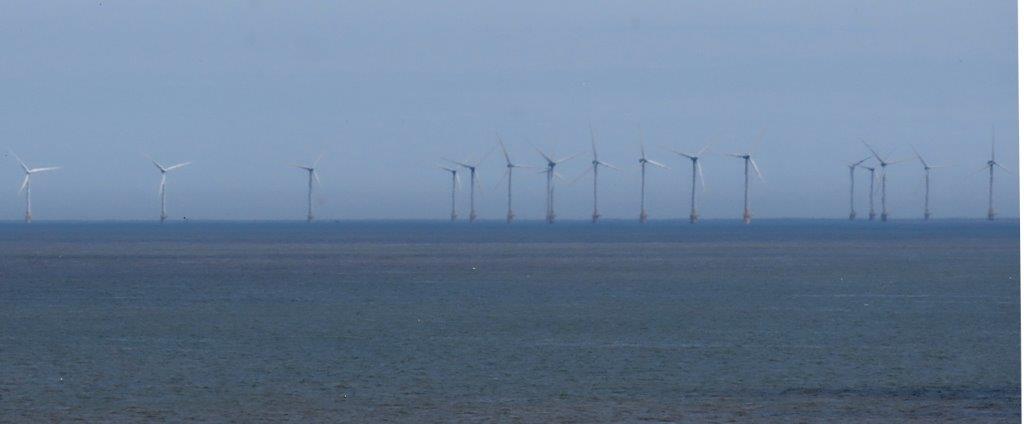
There are other mitigations, including the provision of nesting hotels, both in the town and out at sea. Seems however that the success of the offshore ones is somewhat limited so far.

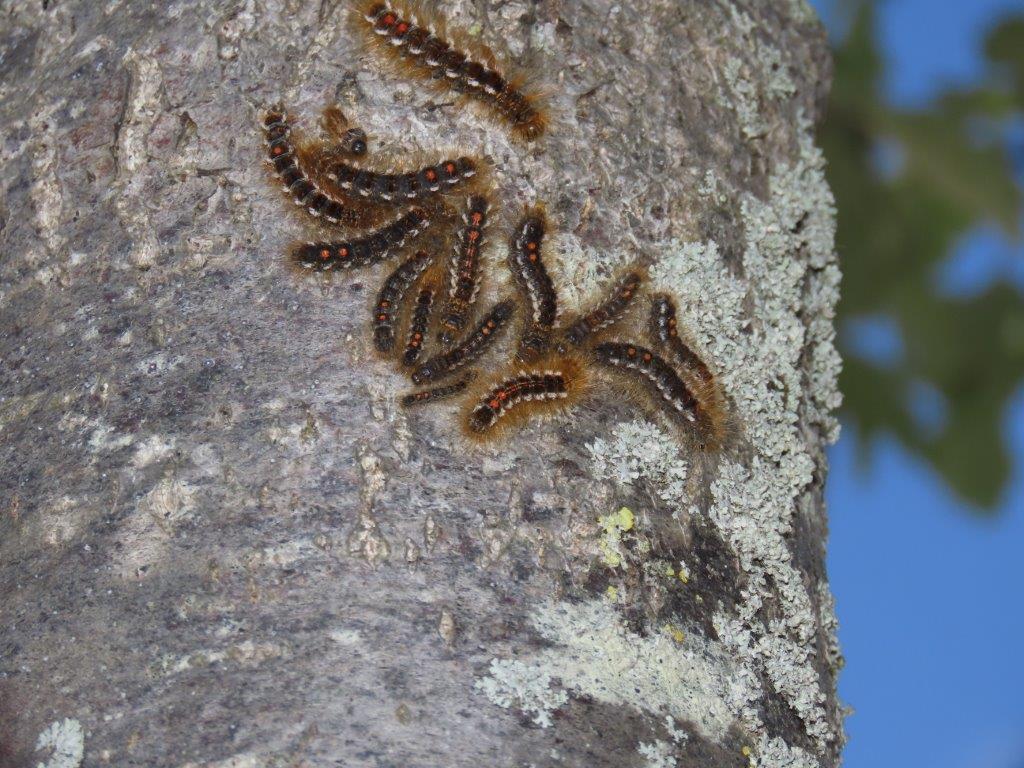
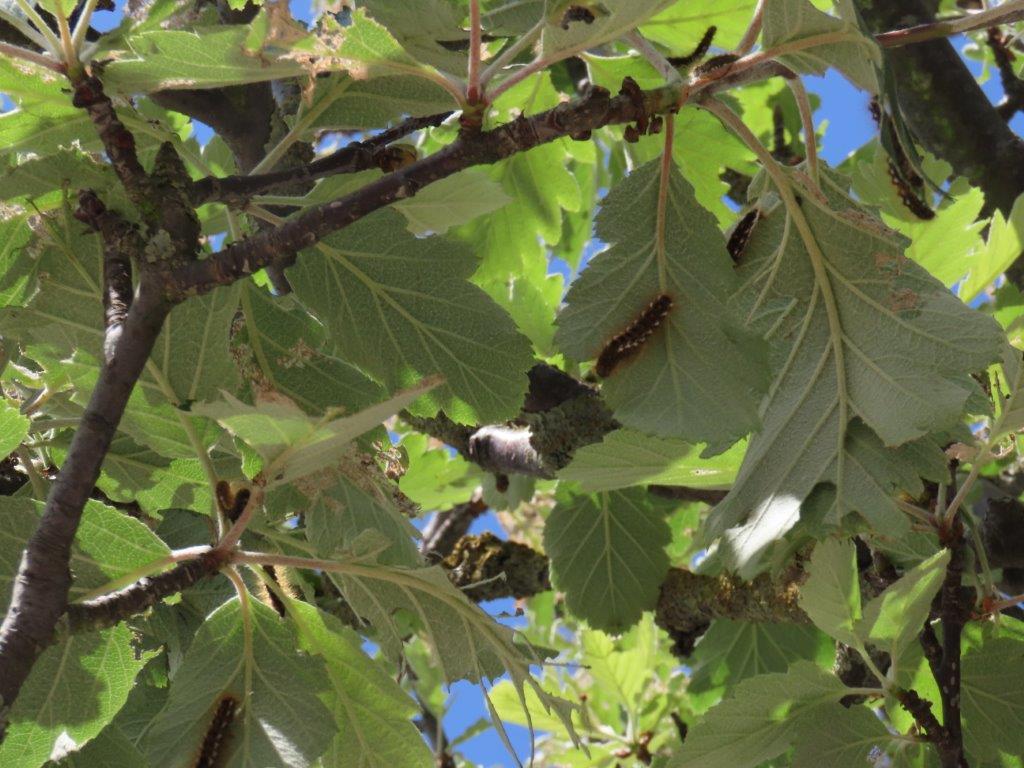
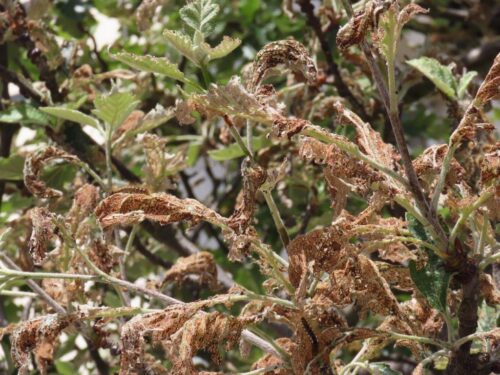
And in another example of apparent tolerance of nature that others revile or fear, there was much evidence along parts of the prom of defoliation of street trees (Sorbus) by Brown-tail Moths. And there were caterpillars everywhere, on trunks, seats and benches, but not a single sign saying ‘Danger’ or ‘Keep Away’. The sign of an enlightened populus that knows its place within nature? Or a council that is so cash-strapped it hasn’t the capacity? I hope it is the former.

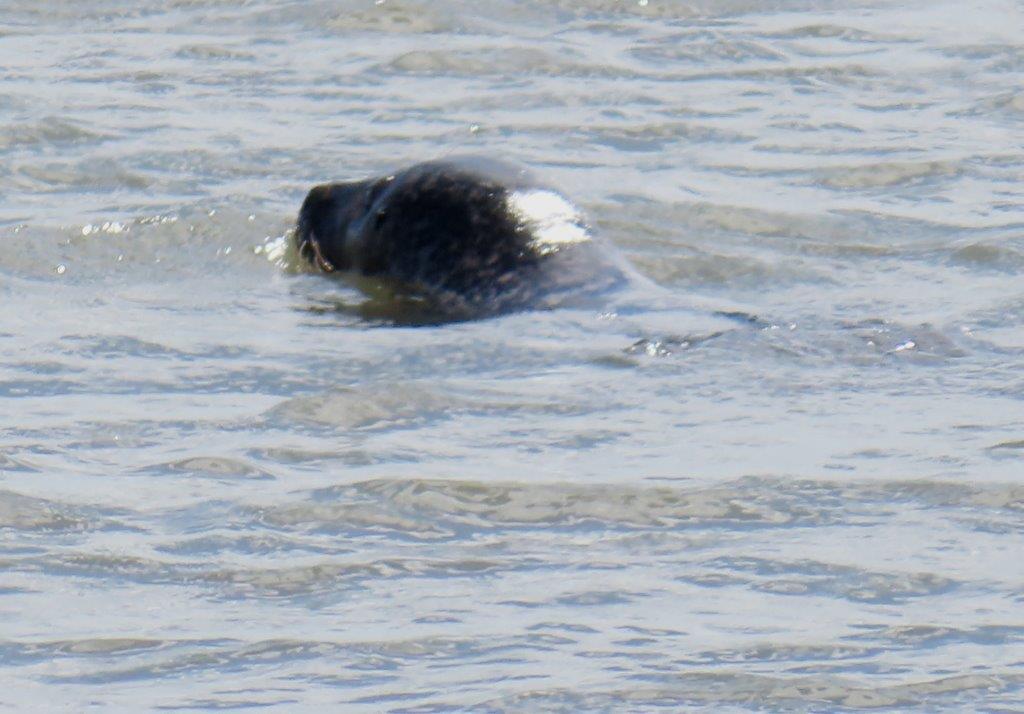
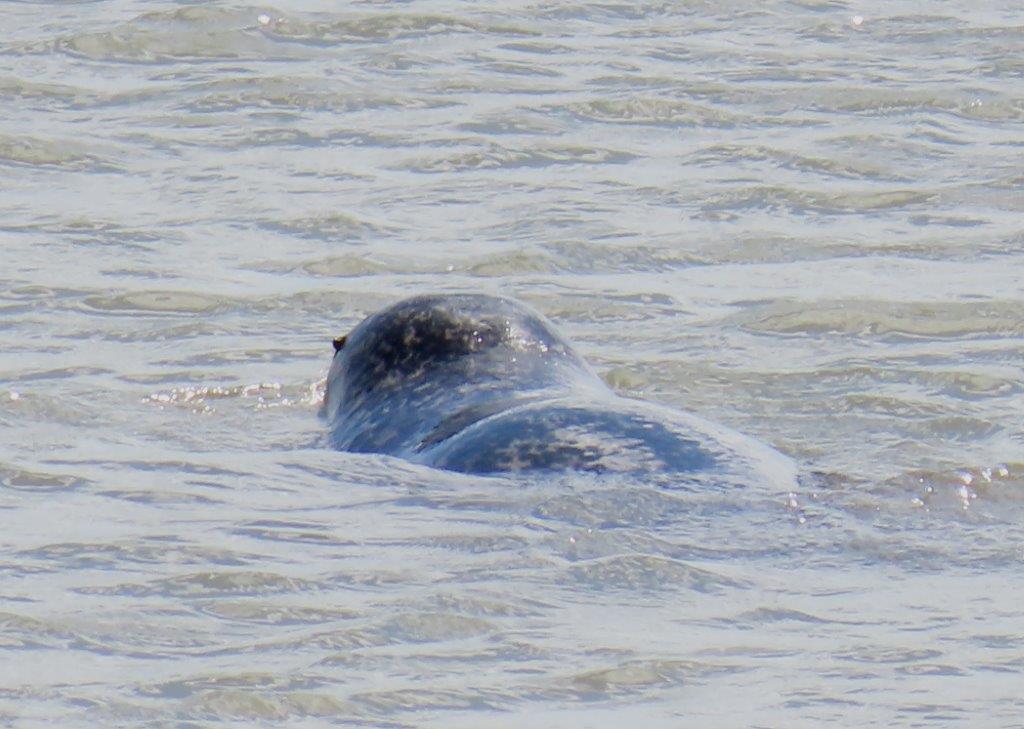
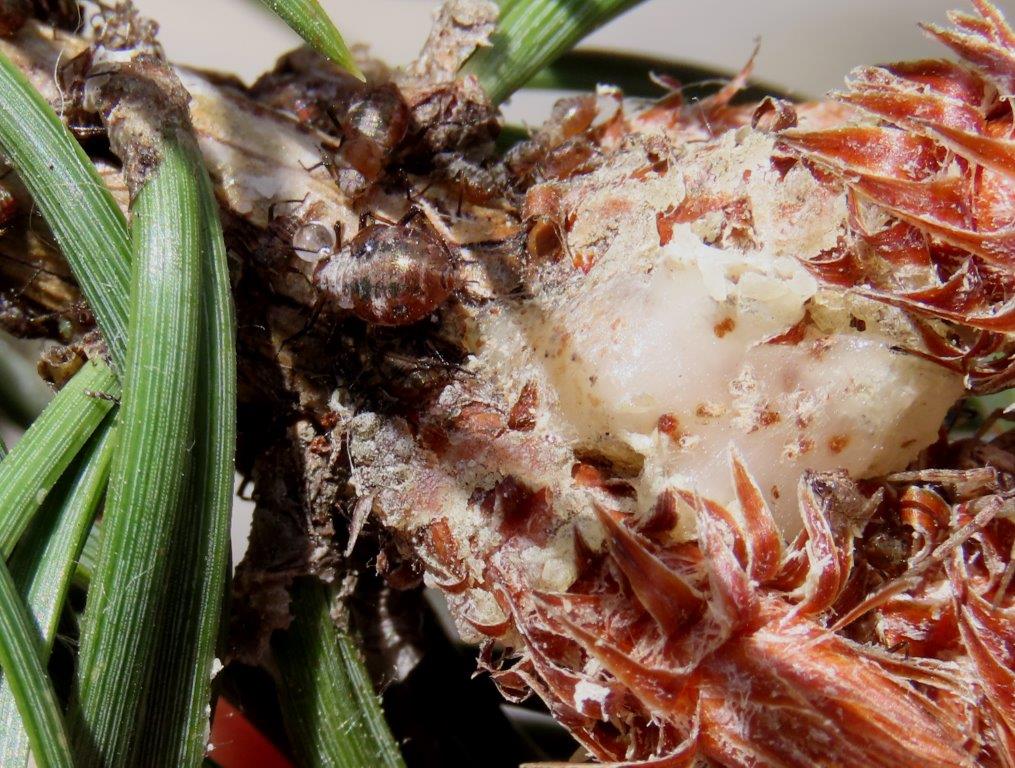
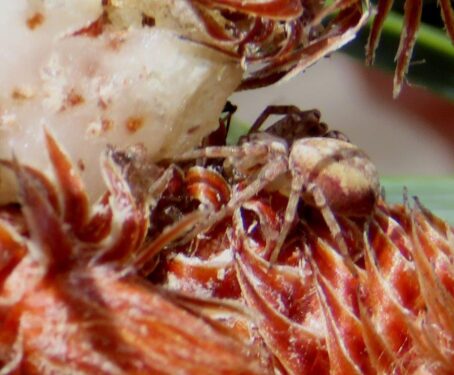
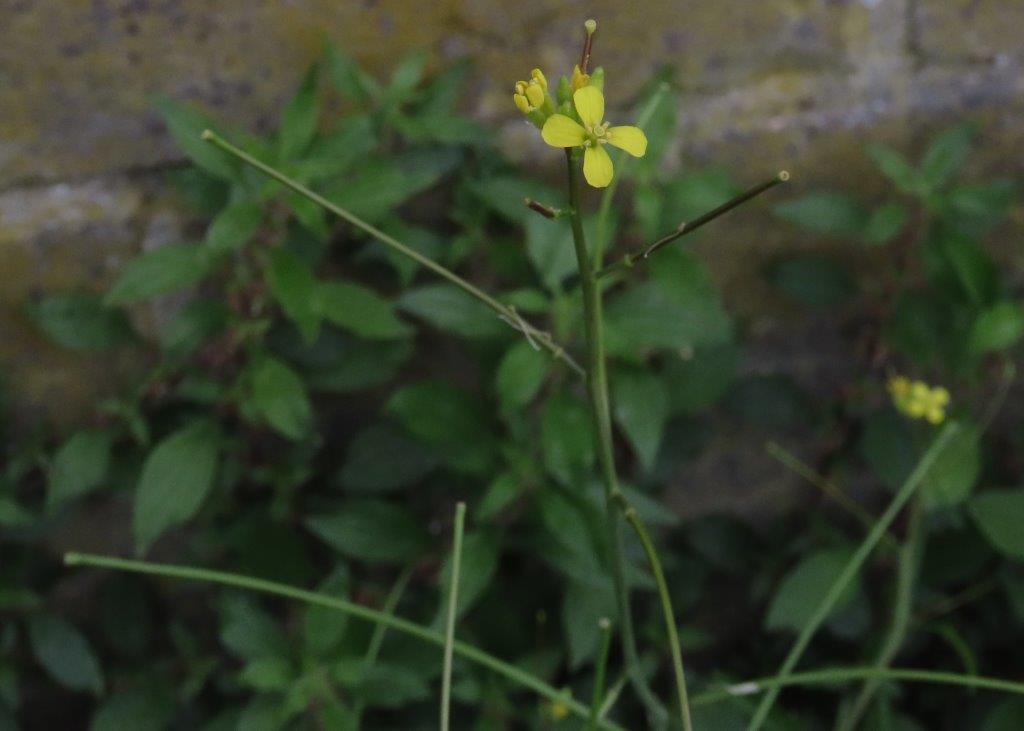
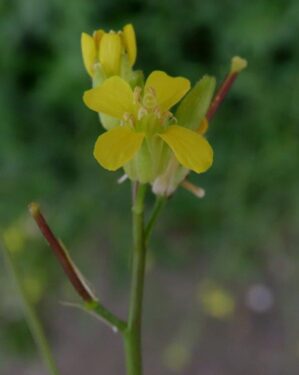
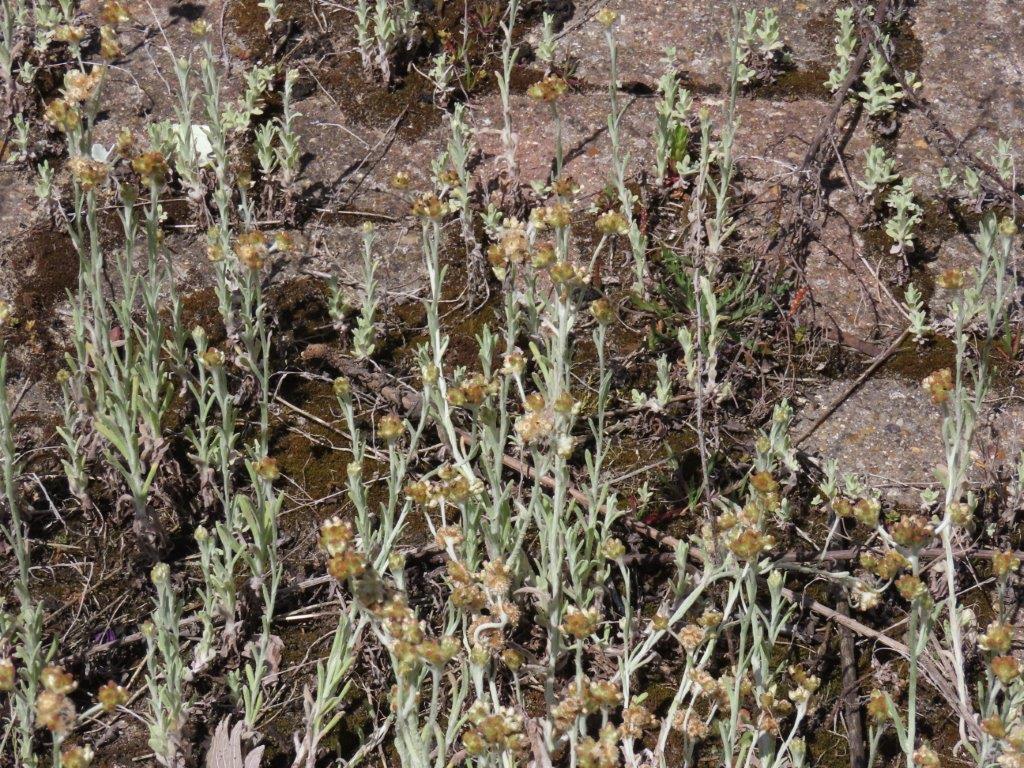
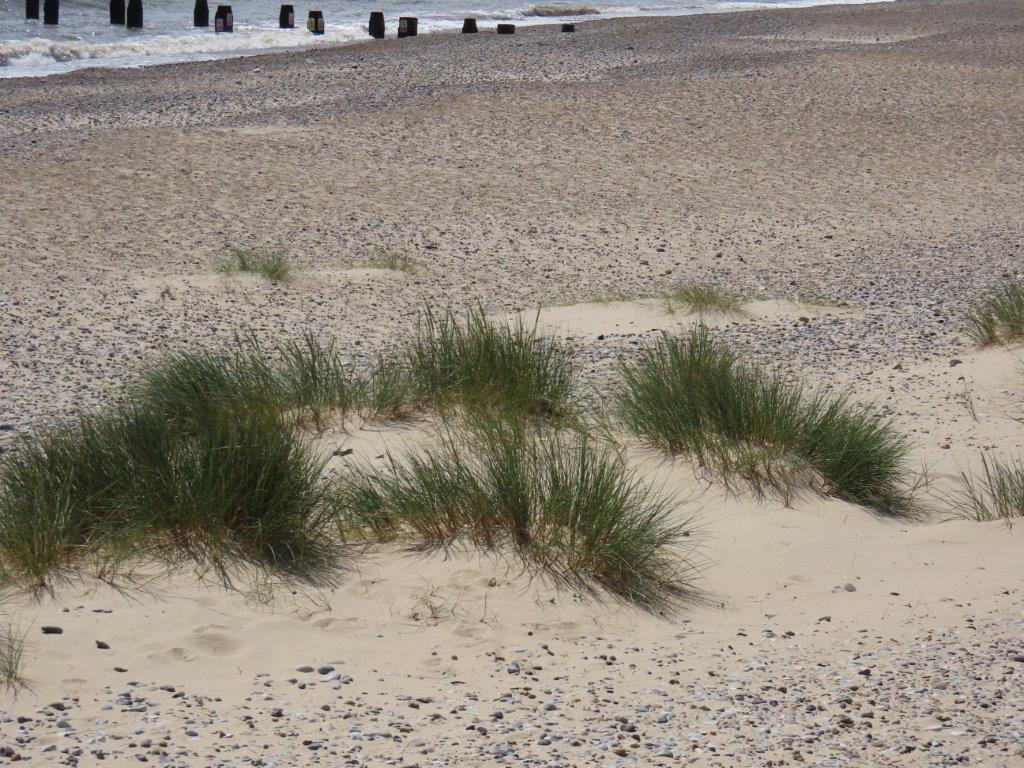
Other life on the seafront included a Harbour Seal in the harbour mouth; Waxy Pine Aphids and a Philodromus spider on ornamental pines; edgelands in bloom with Eastern Rocket, so typical of ports, and Jersey Cudweed, now a constant feature of block-paving in East Anglia; grass growing on the beach, seemingly a trigger for ecocide in some coastal areas; and of course urban larger gulls.

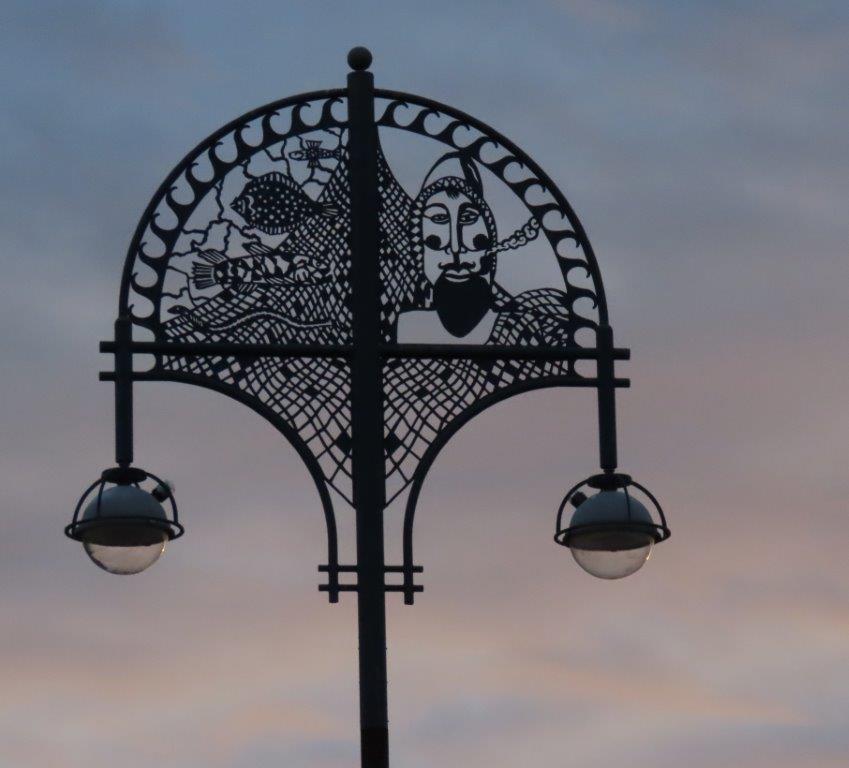
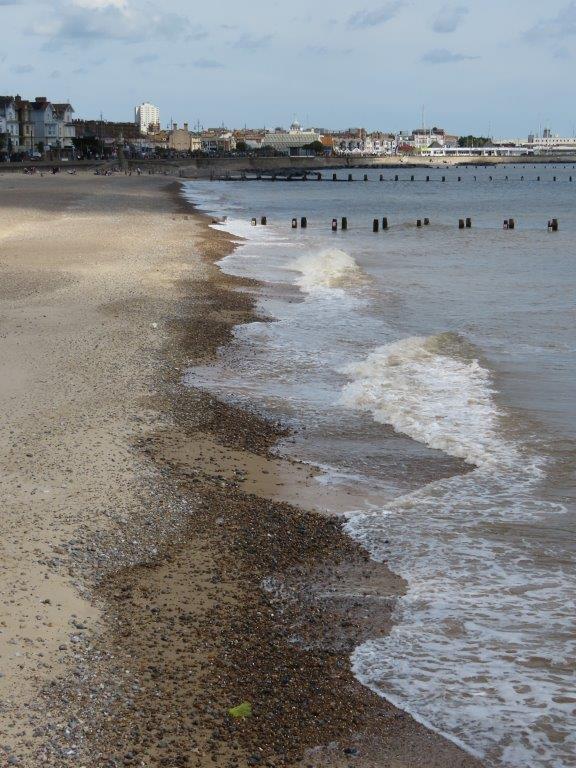
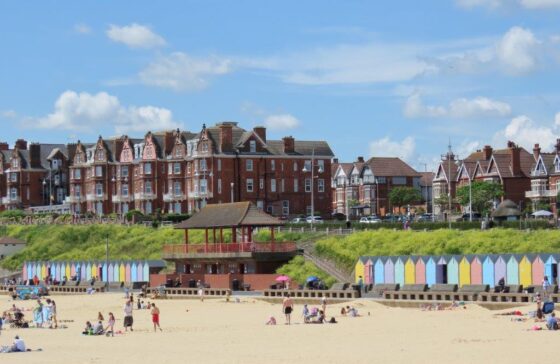
And quite apart from the natural, there is always something reassuringly familiar about ‘British Seaside Architecture’… from working portscapes to ornamental flower beds:

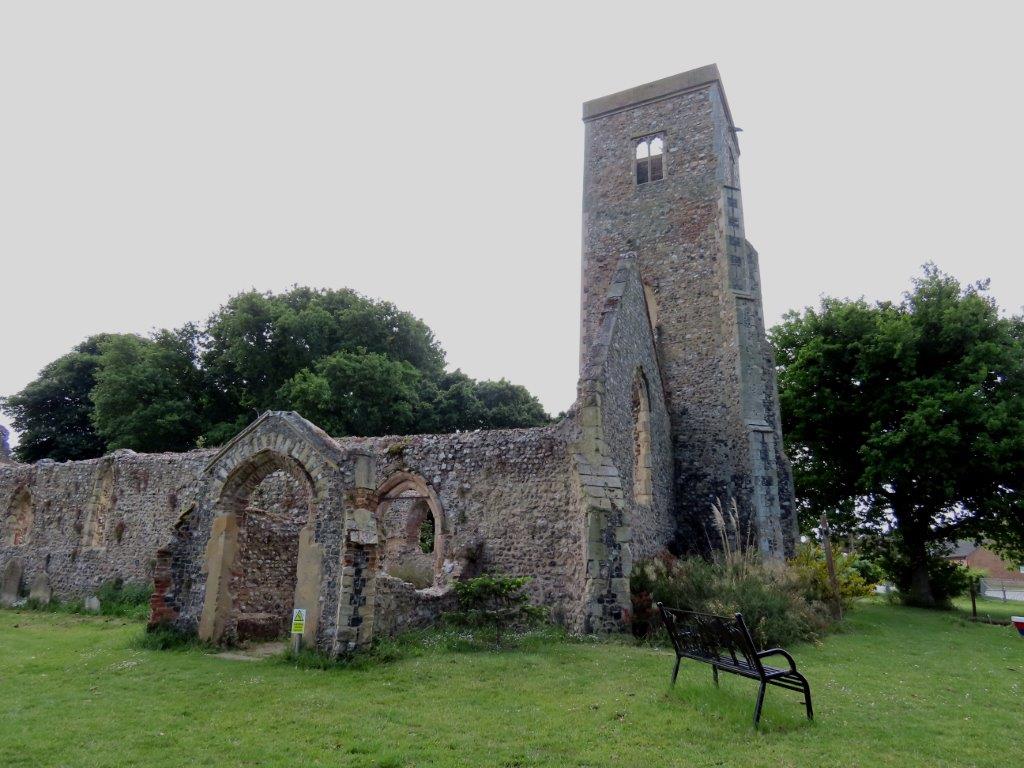
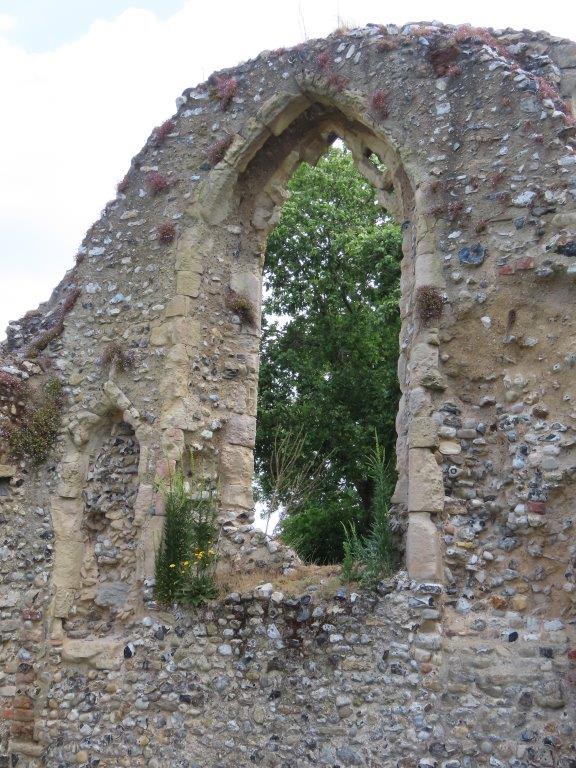
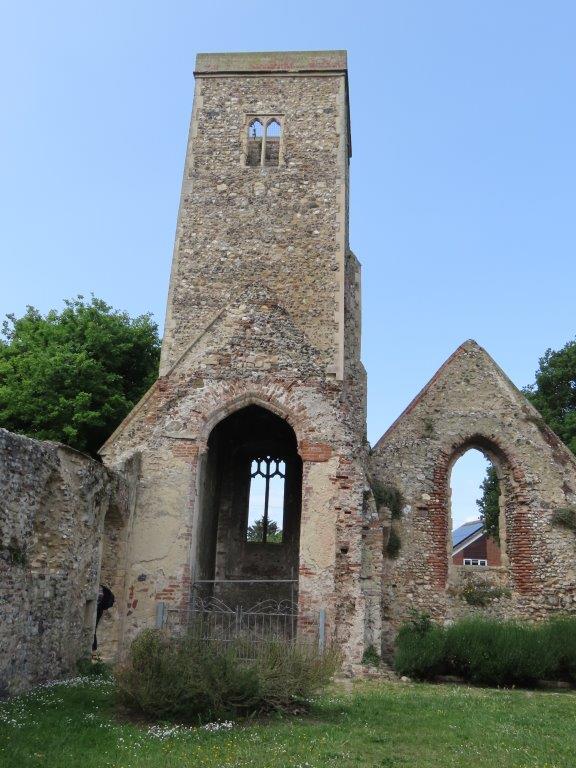
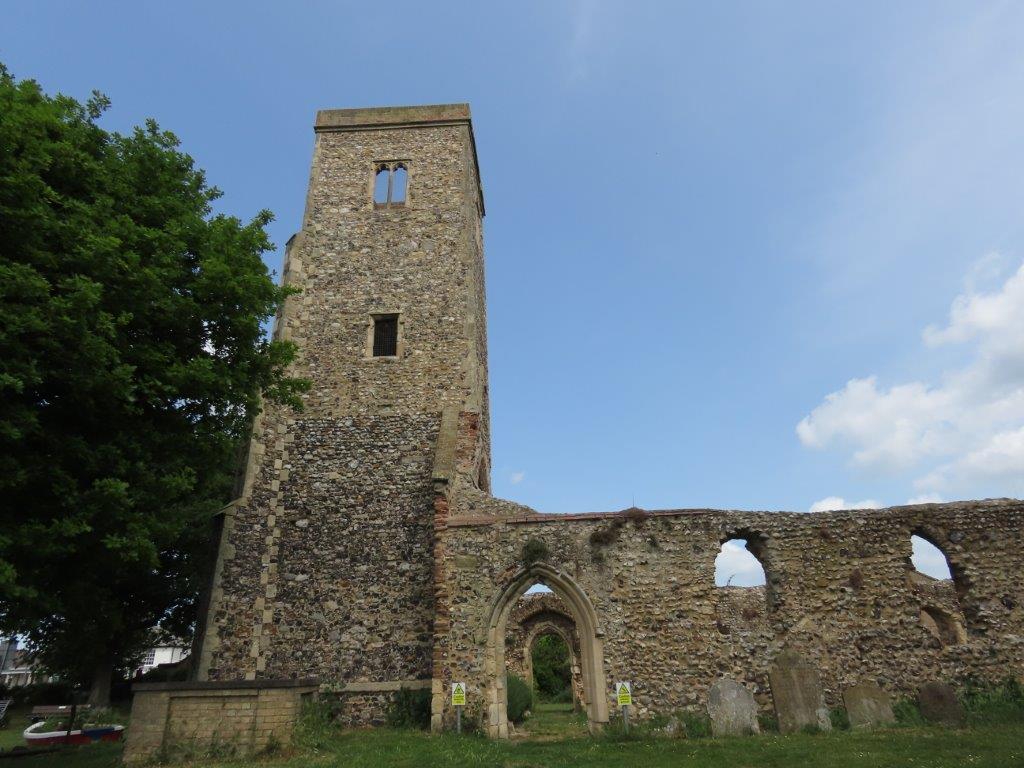
So after a very entertaining couple of hours it was on the bus north, eventually to Hopton-on-sea, over the border into Norfolk. The first thing you see is the ruined church, which of course we couldn’t resist, along with the Turnstone pub (ditto!).

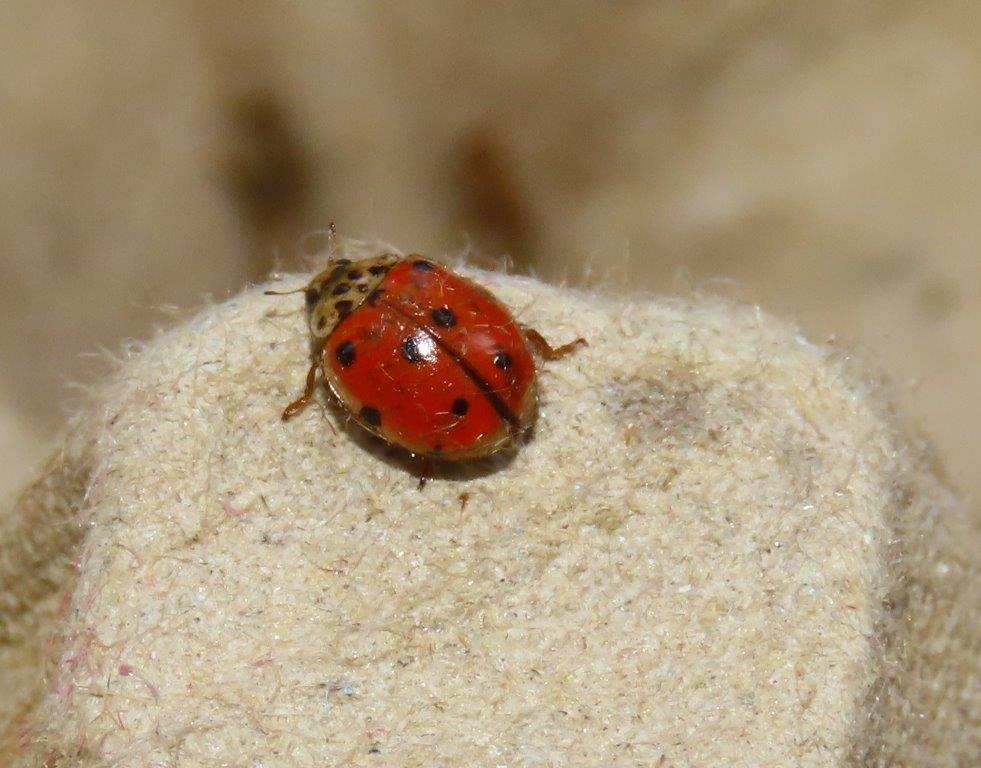
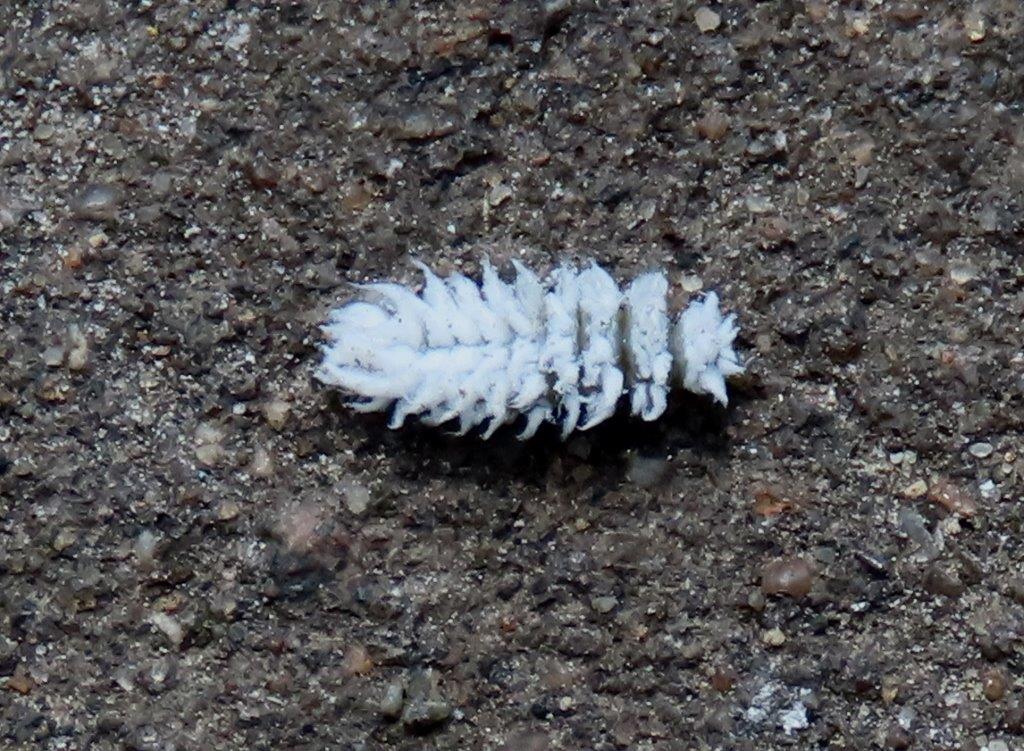
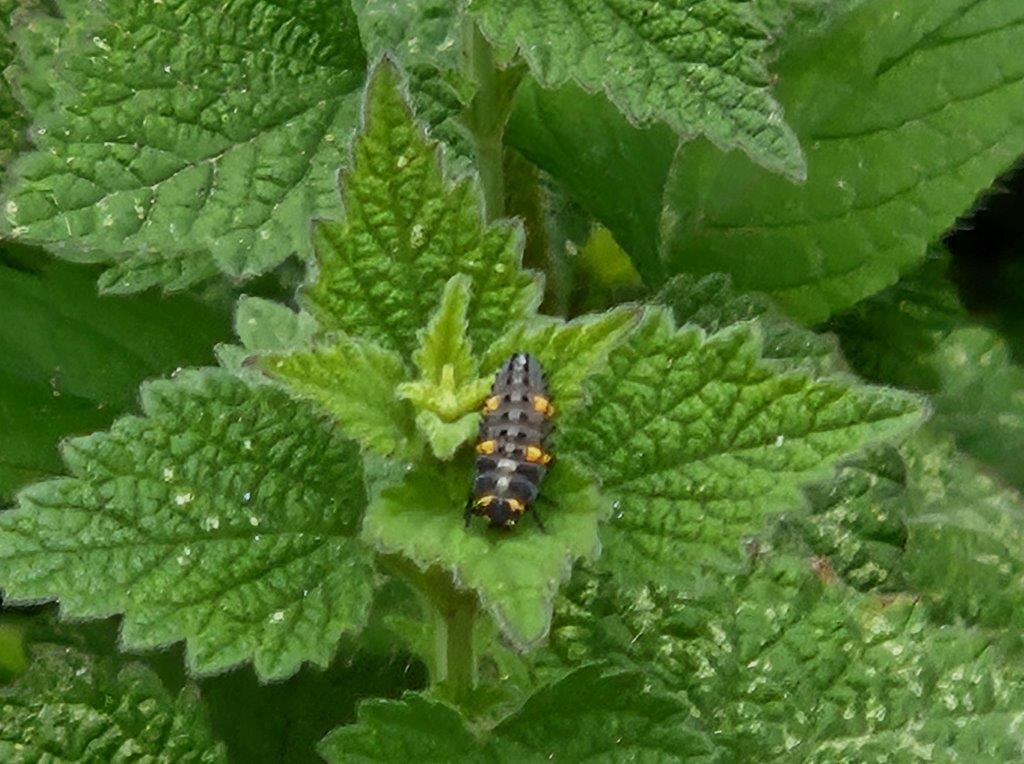
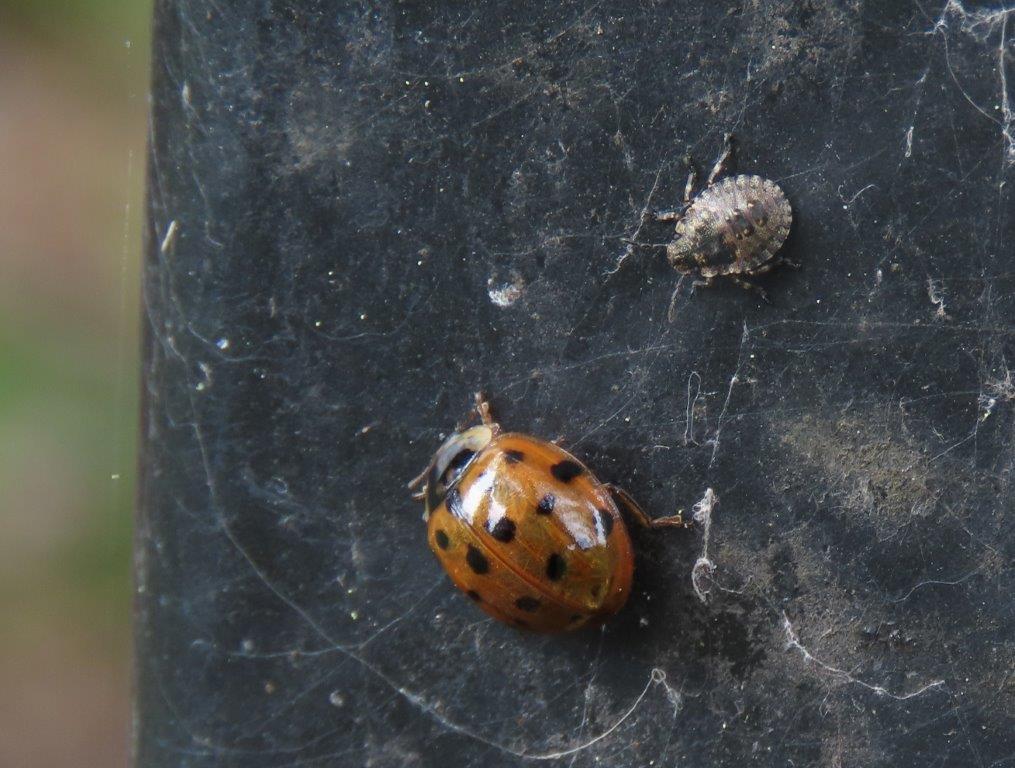
Near there, a strange creature running across a pavement. At first glance a mealybug (a sapsucker of ornamental plants), this actually seems to be a Mealybug Destroyer, larva of an Australian ladybird used in this country, especially in glasshouses, as a biological control agent.

And then, heading towards the sea, the holiday camp. Large, busy, all one would expect at half term, but set in rather pleasant surroundings.

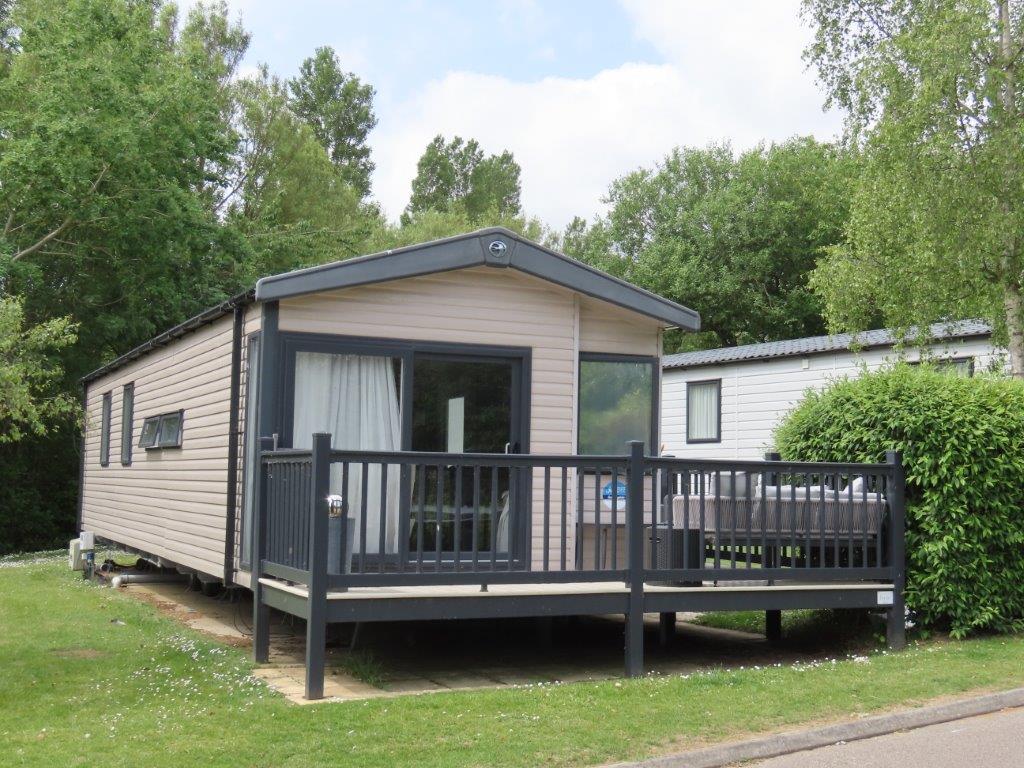
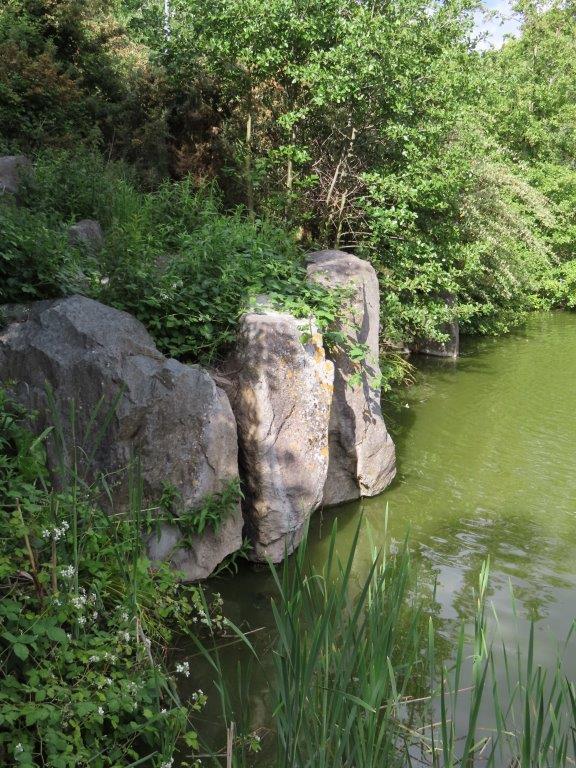
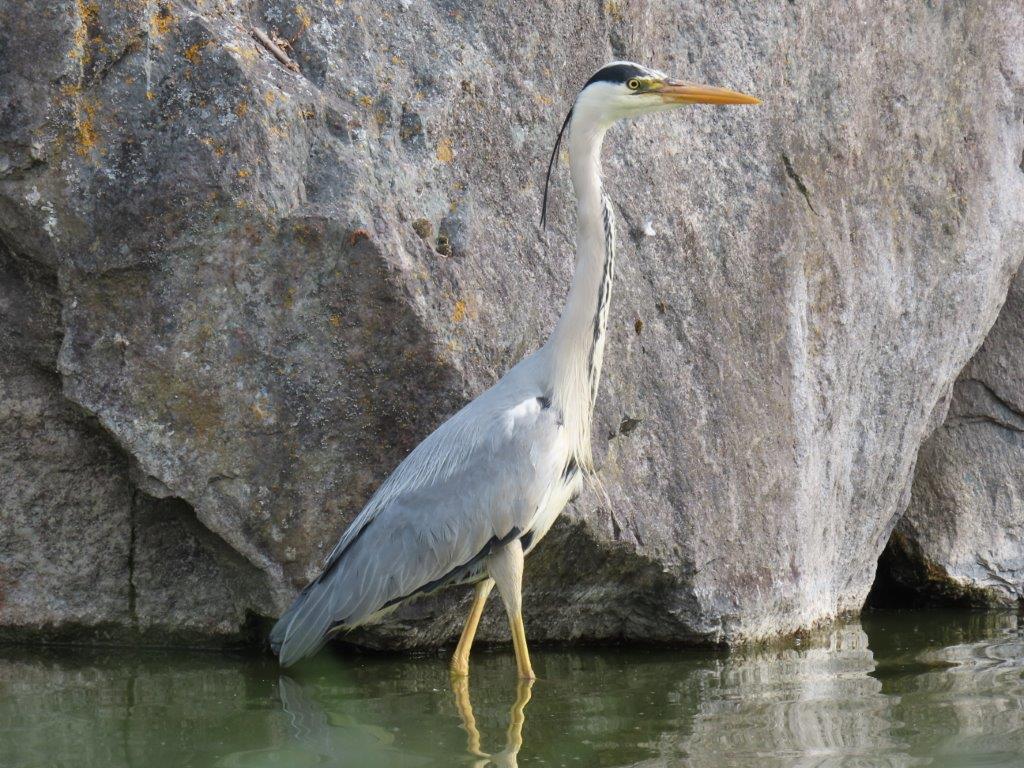
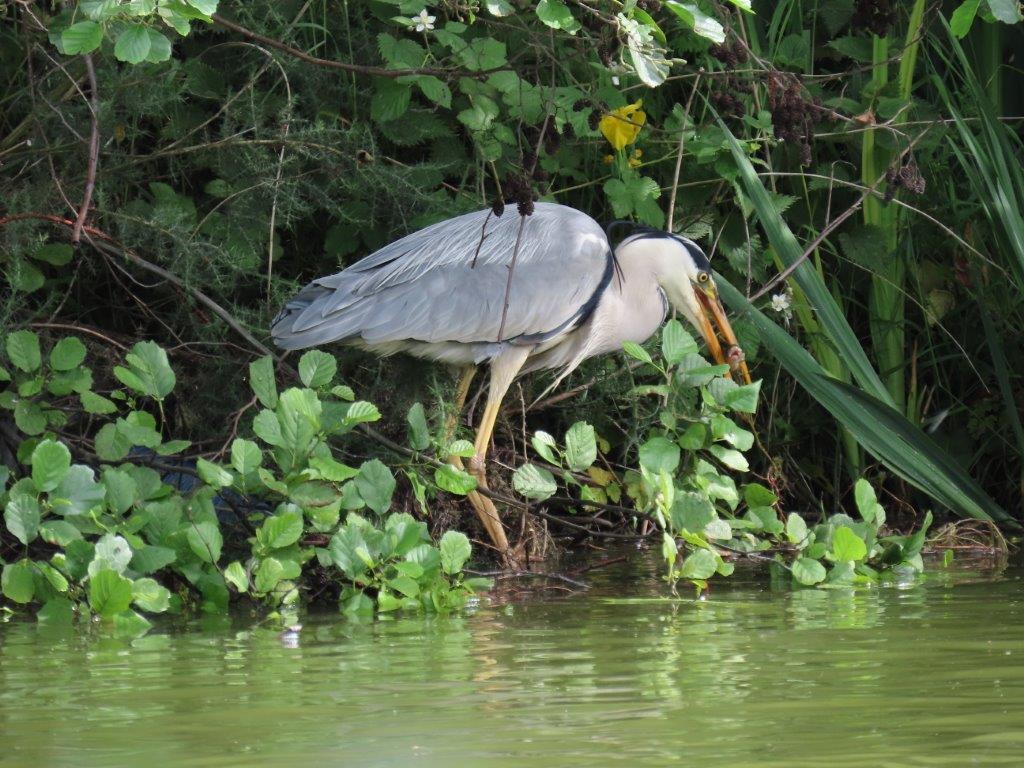
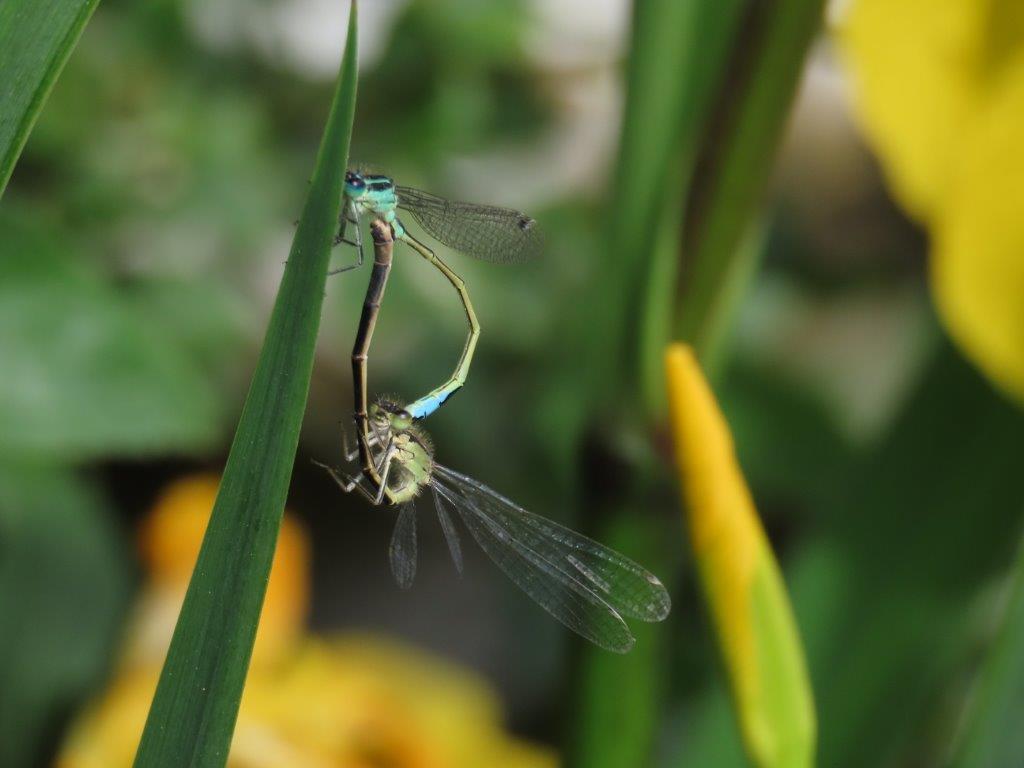
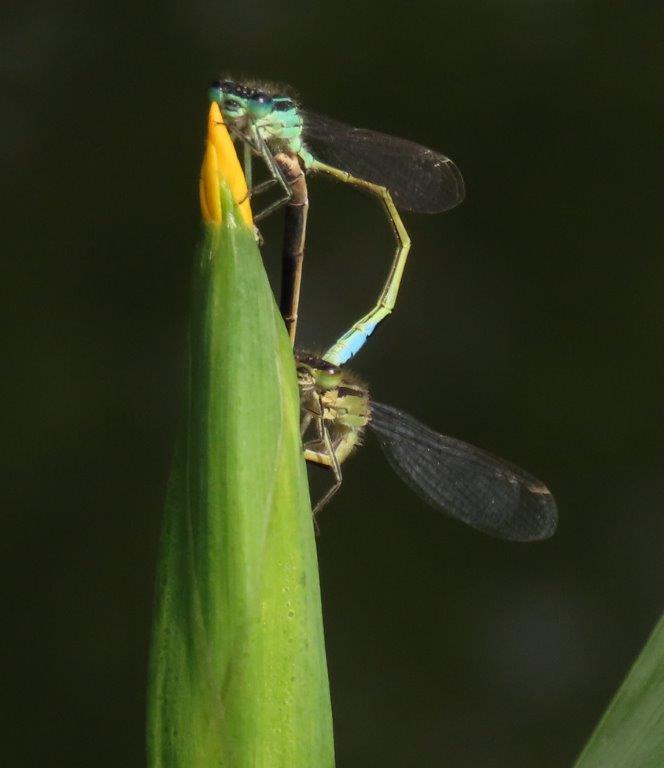
Right next to to our van a pond with Heron and occasional other visitors. And here and around other onsite pond, here were damselflies and other insects, a flowering Southern Marsh Orchid and other marshland plants.

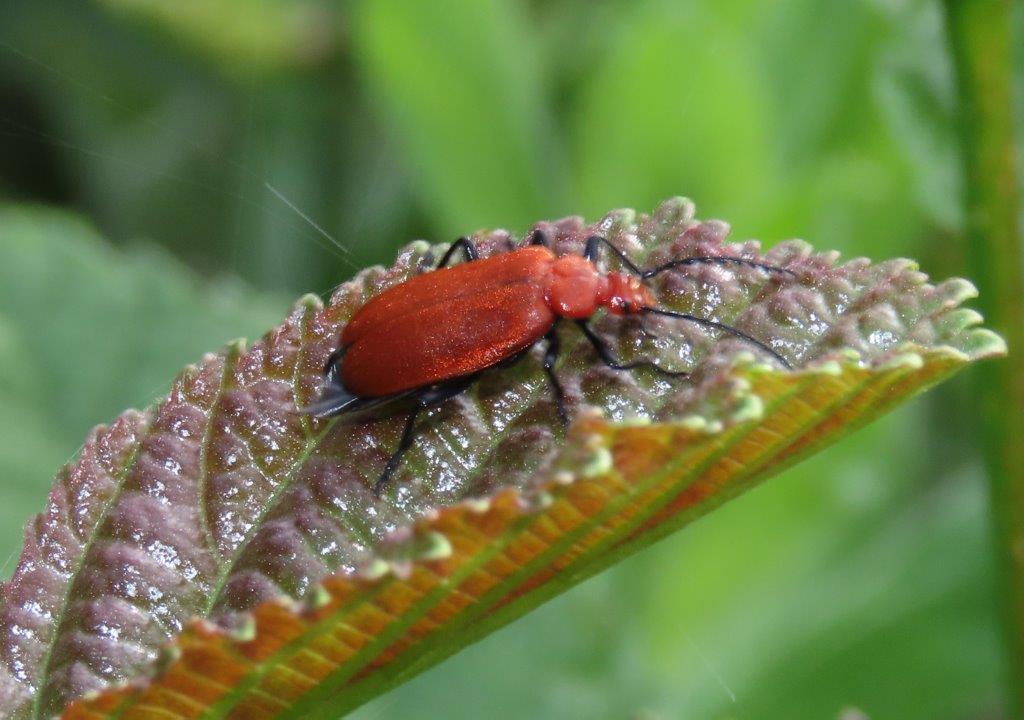
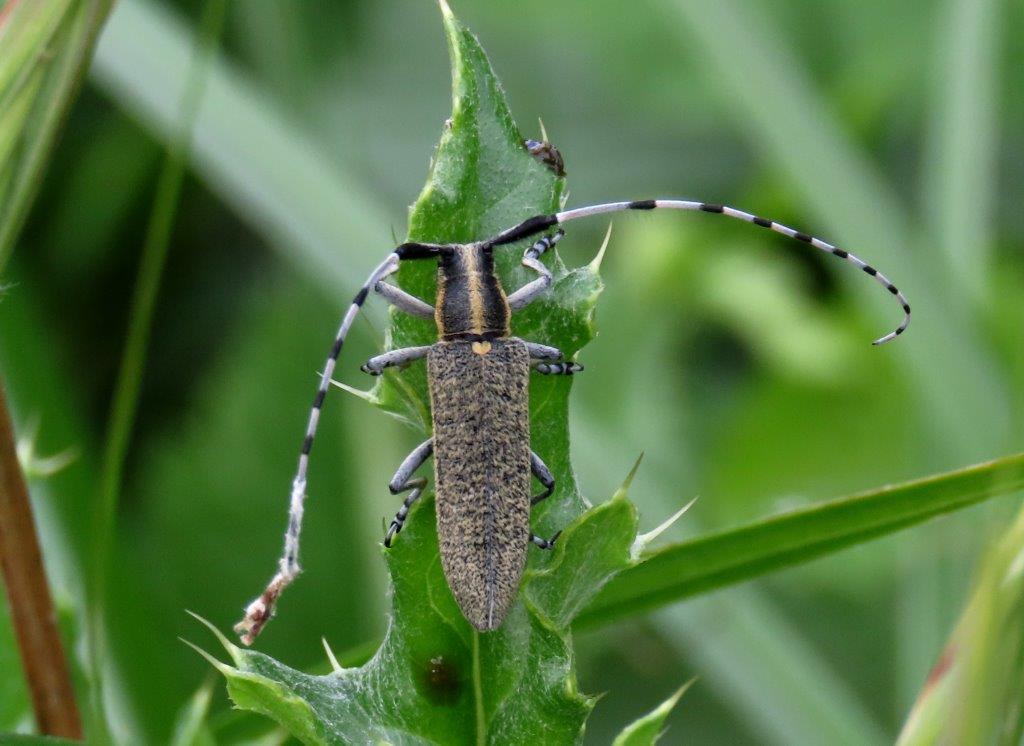
Other insects were enjoying basking on the hedges and bushes, including most impressively several Red-headed Cardinal beetles and a Golden-bloomed Longhorn…

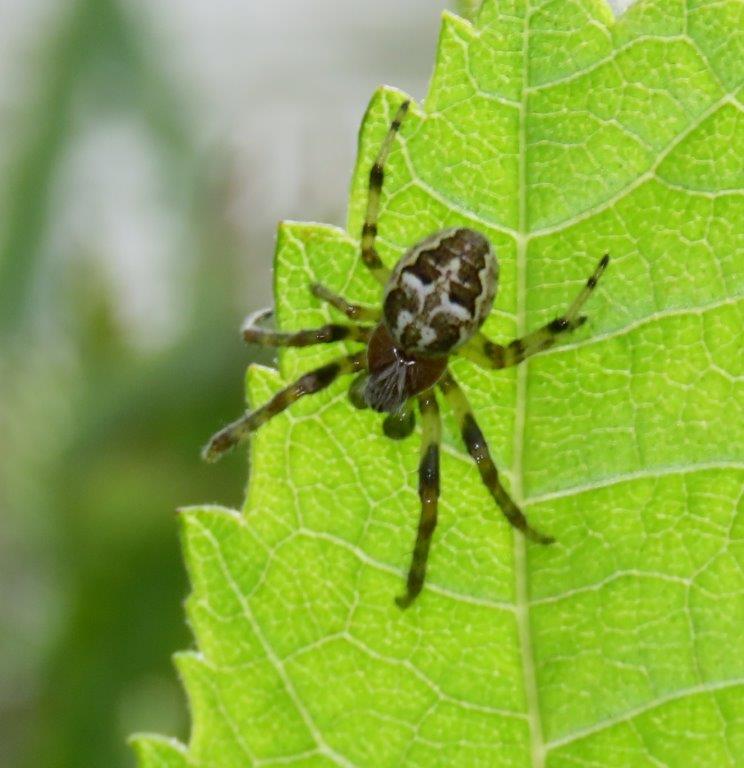
… along with a good number of various spiders.

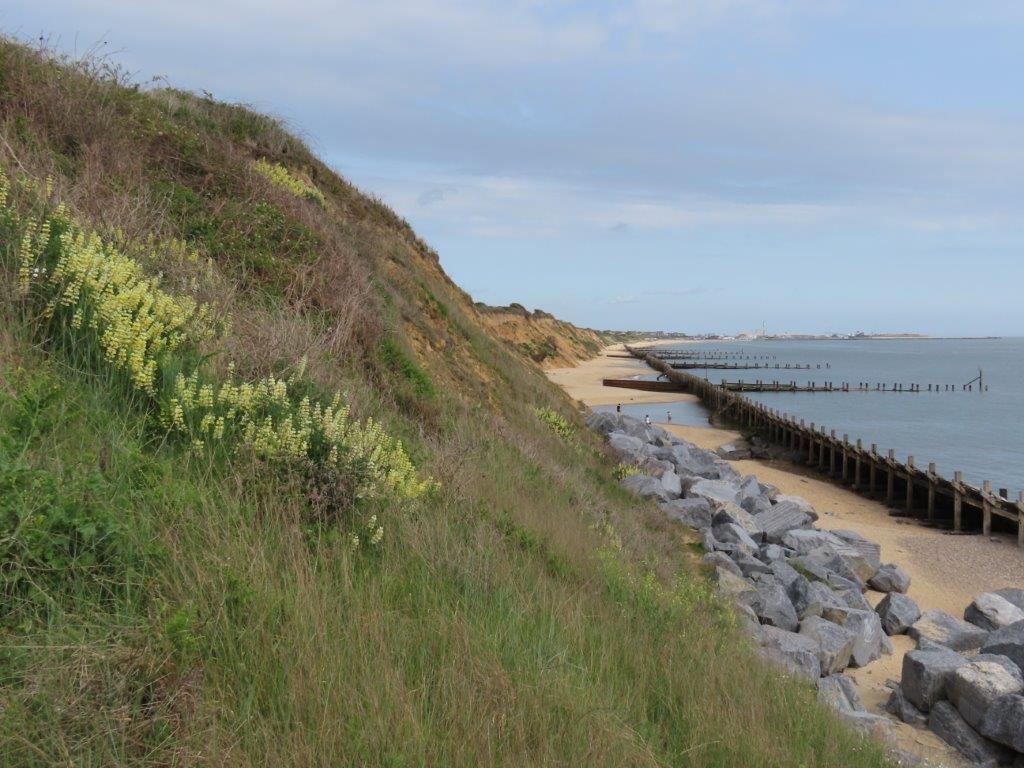
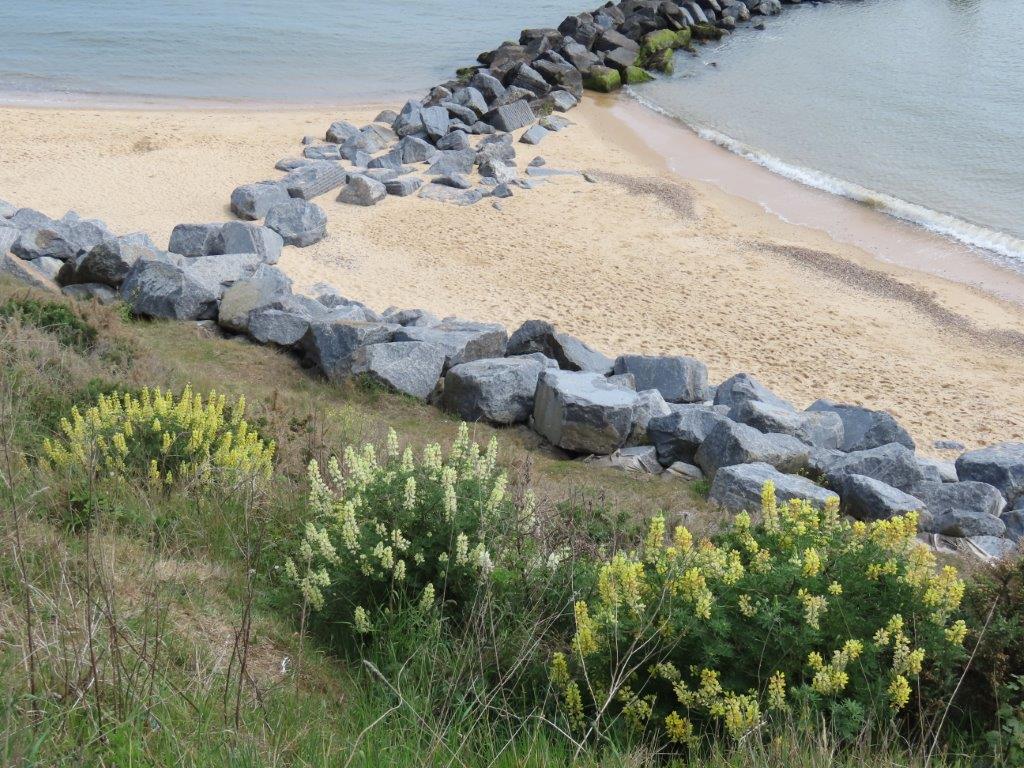
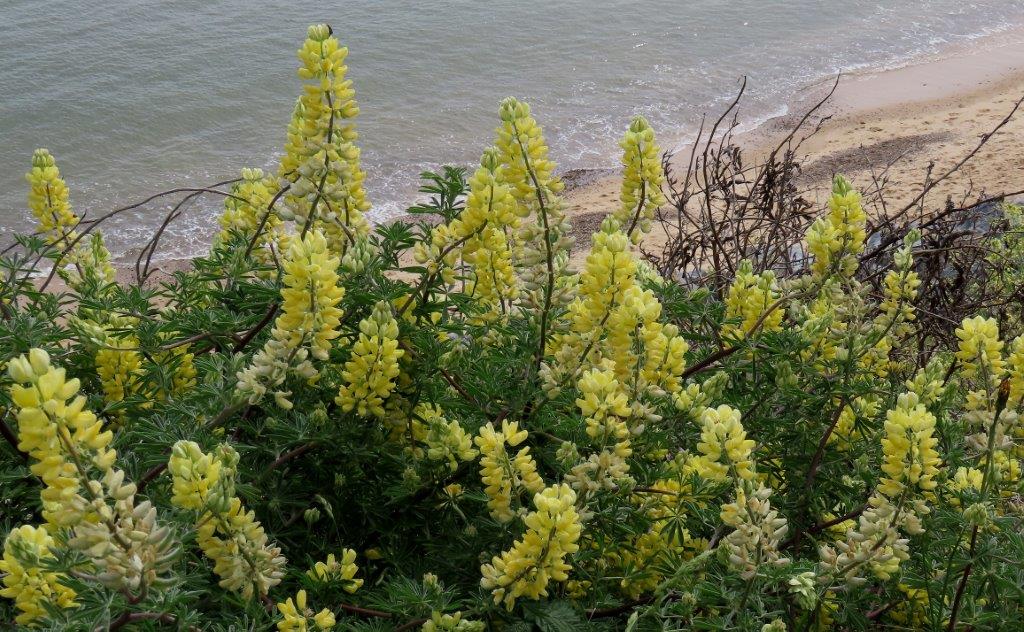
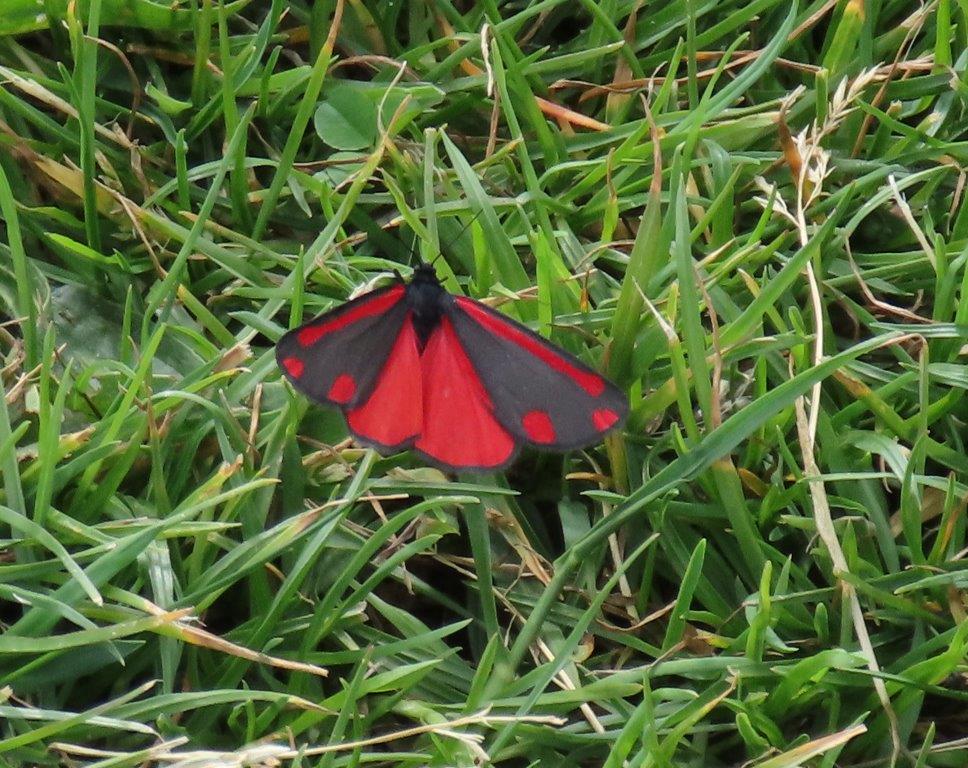
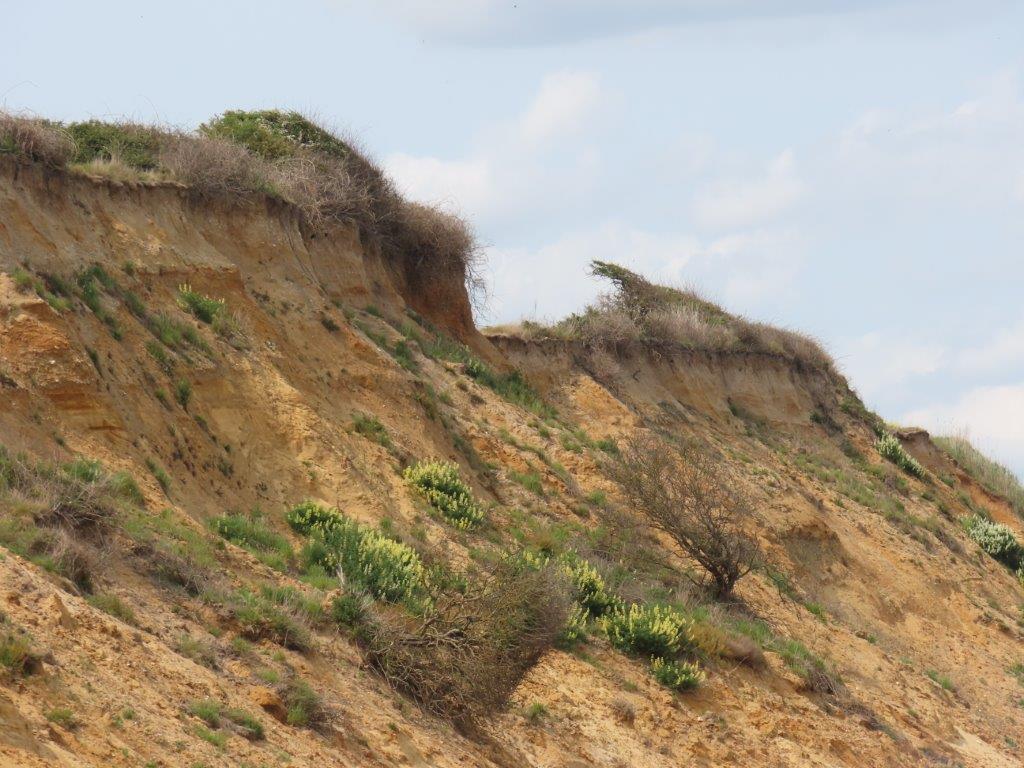
An afternoon on the beach was delightful, from soft cliff slopes covered in Tree Lupins and clifftop turf lit up by the occasional Cinnabar moth….

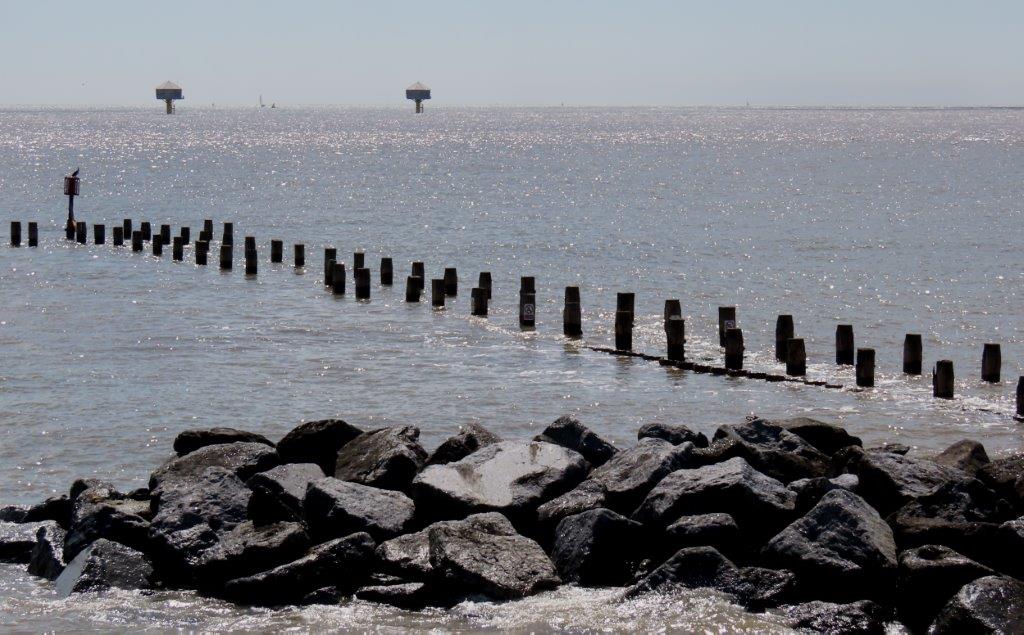
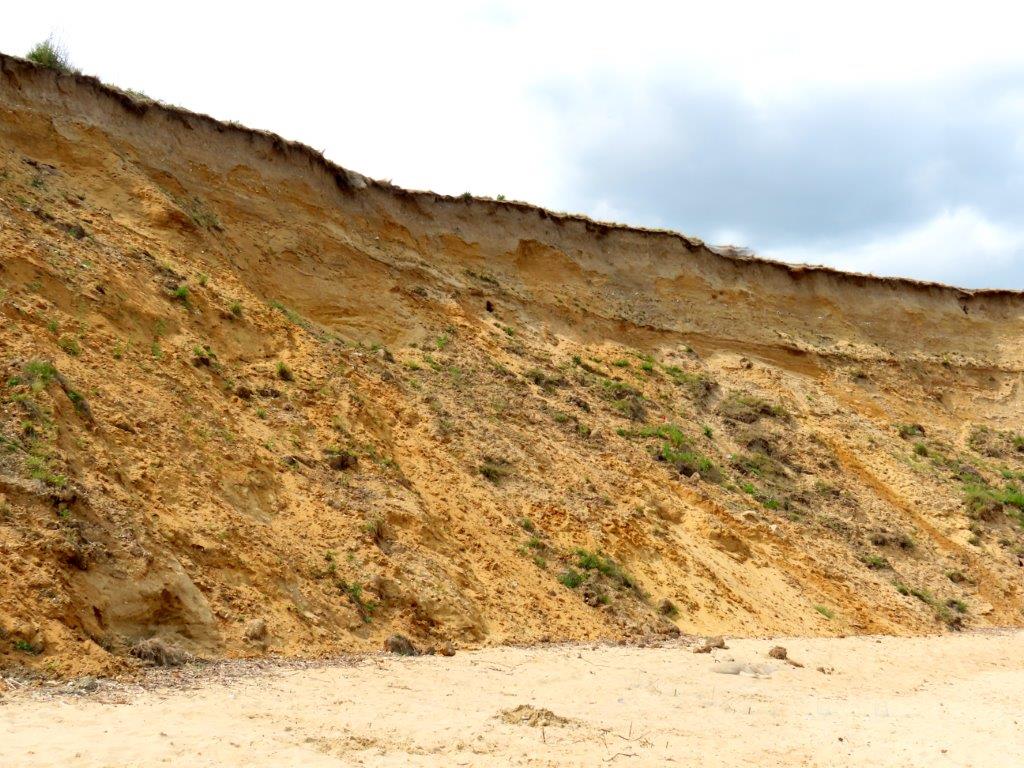
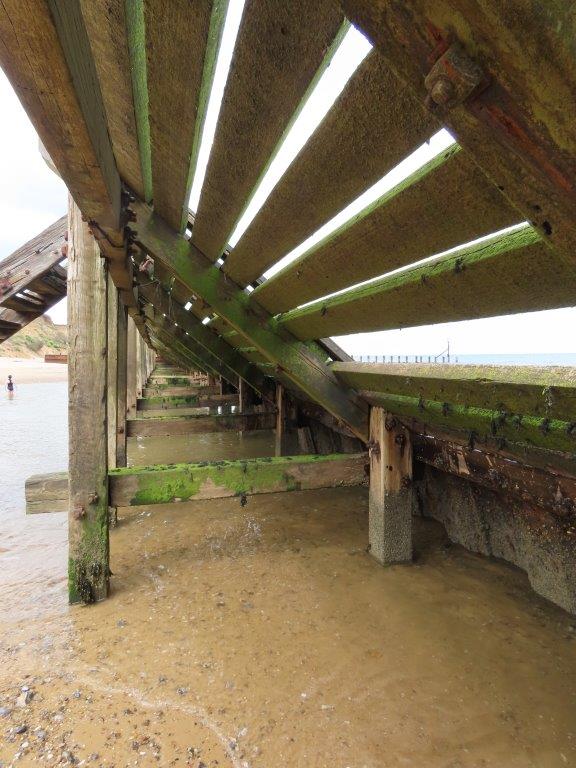
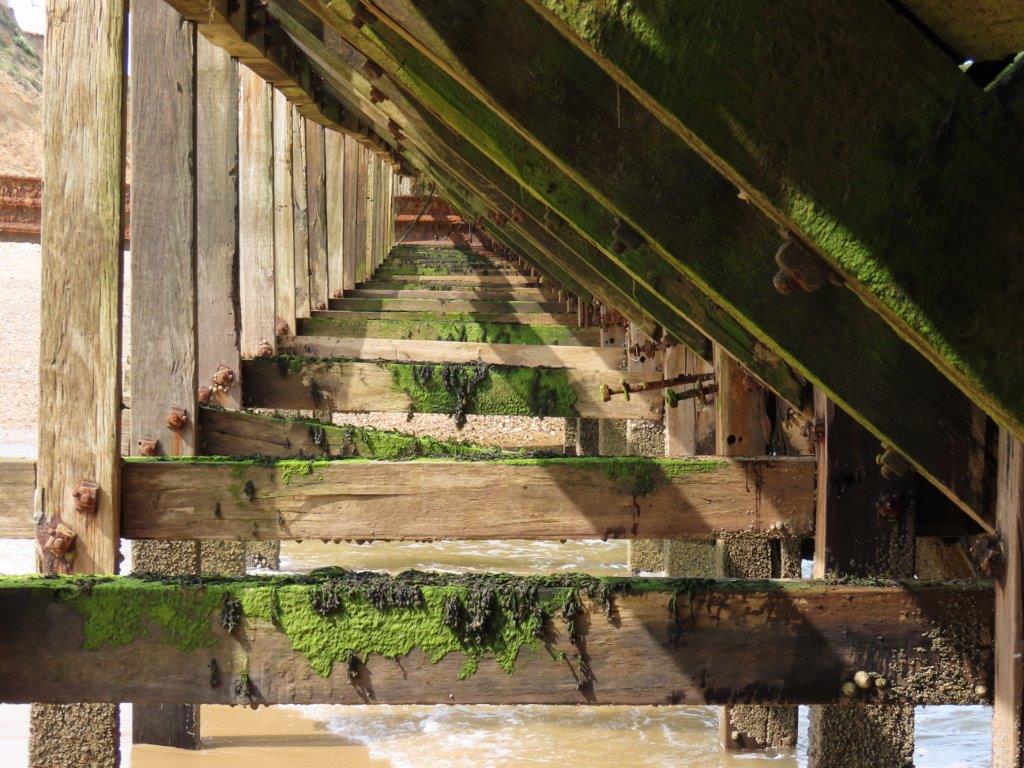
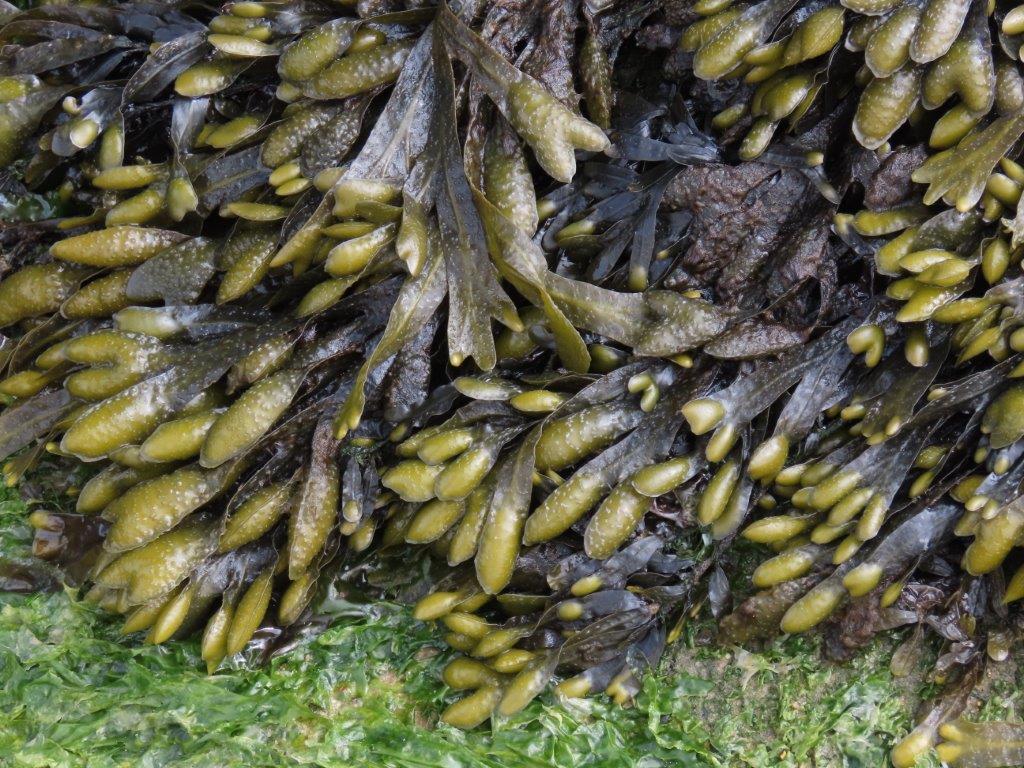
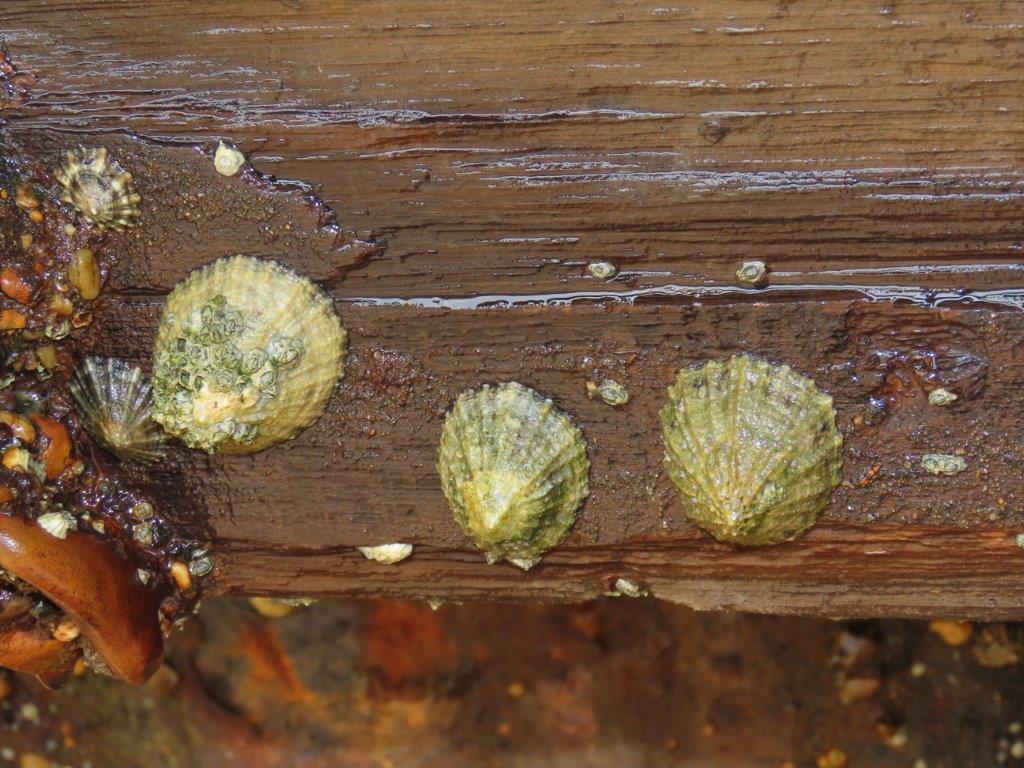
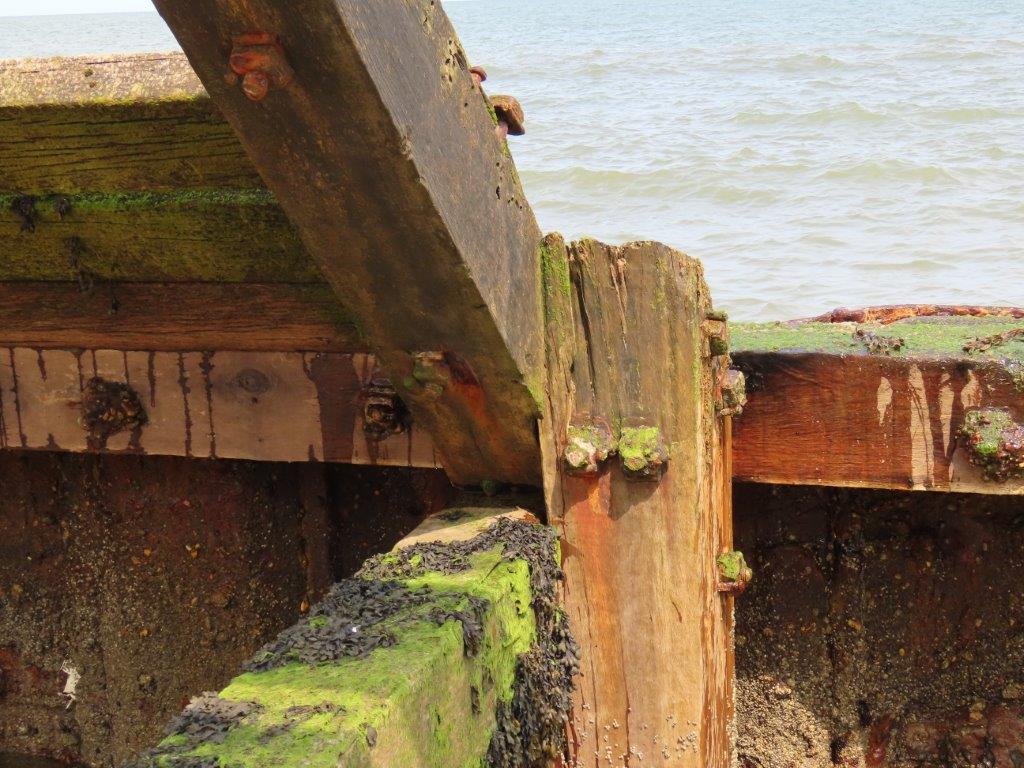
On one of the the most erosive stretches of the British coast, there are extensive sea defences aimed at reducing erosion of the sandy cliffs, and inadvertently providing habitat for Limpets and brown seaweeds that simply could not otherwise exist on this soft interface between land and sea.

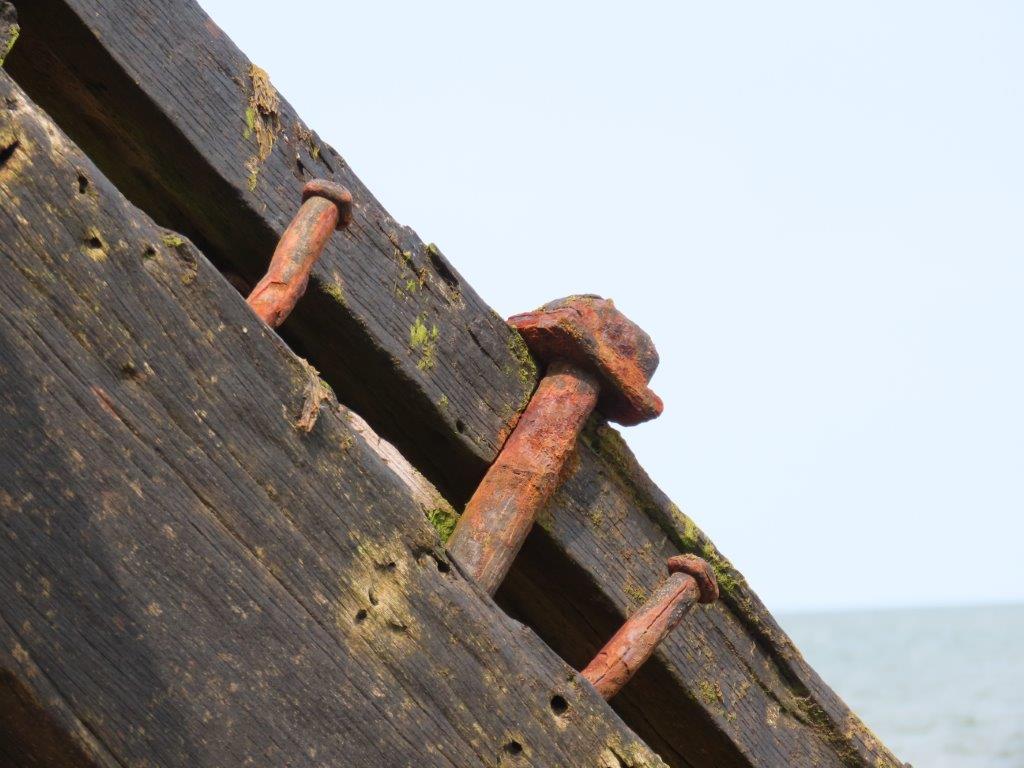
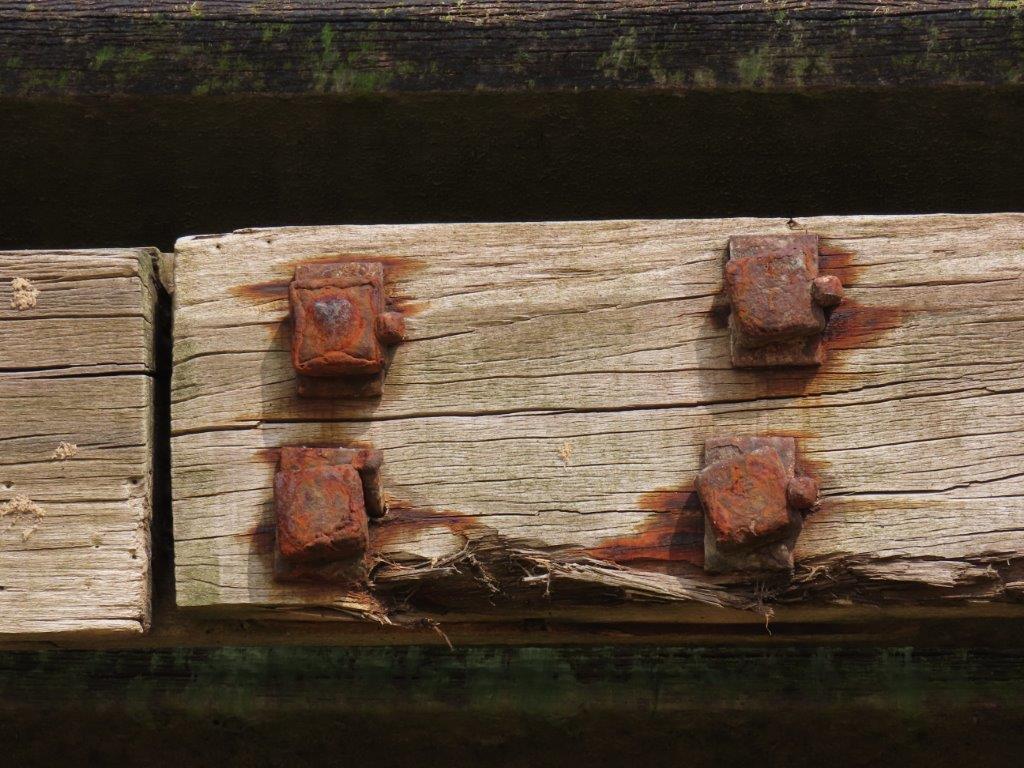
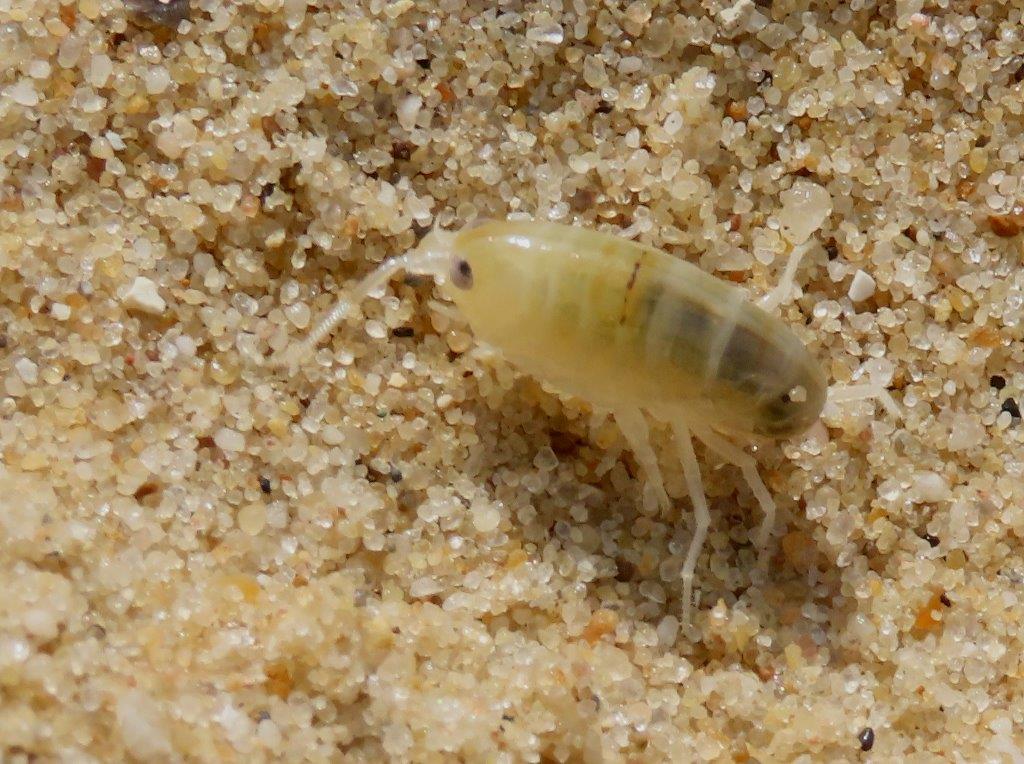
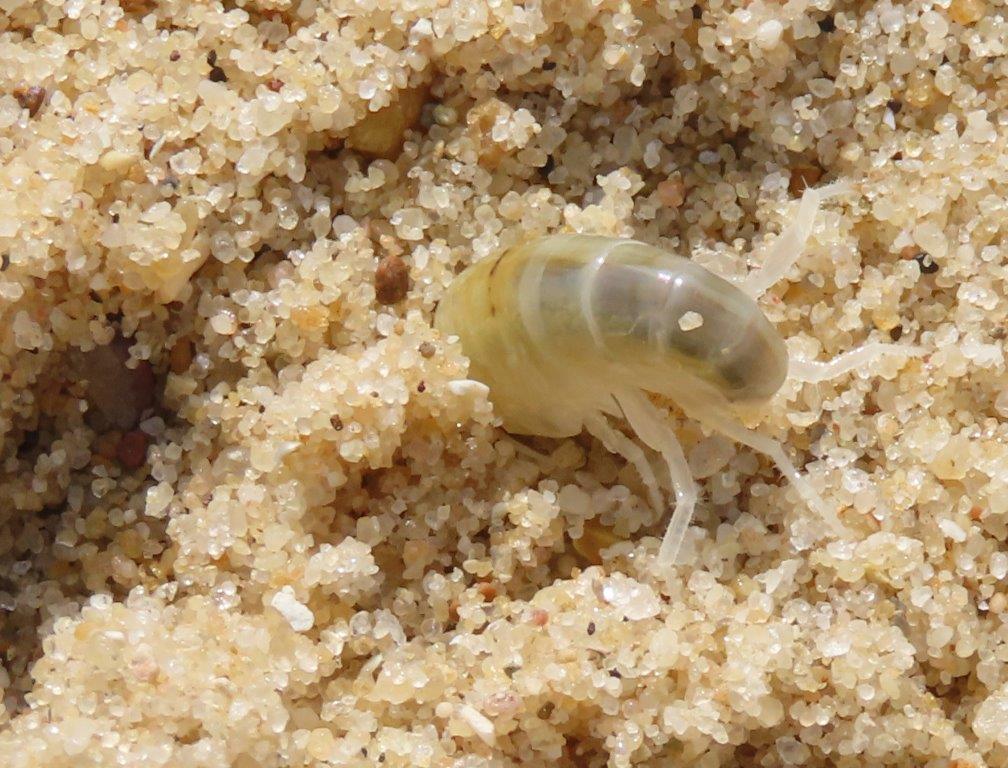
And as so often, the delight was in the details, from the rusting metal among splintering timbers, right down to the Sandhopper Talitrus saltator busying and burying itself in the sandy beach itself…


The journey home was via Norwich. Again, the Lowestoft to Norwich line was not known to us previously, but lovely: across Halvergate marshes, up the Yare valley with sightings of Marsh Harrier, Brown Hares. Roe and Chinese Water Deers. A fitting finale to an unexpectedly lovely break.

And of course here is the chance to showcase just a few of Eleanor’s photos!

Eleanor’s best photos – Meanwhile Garden & Wivenhoe

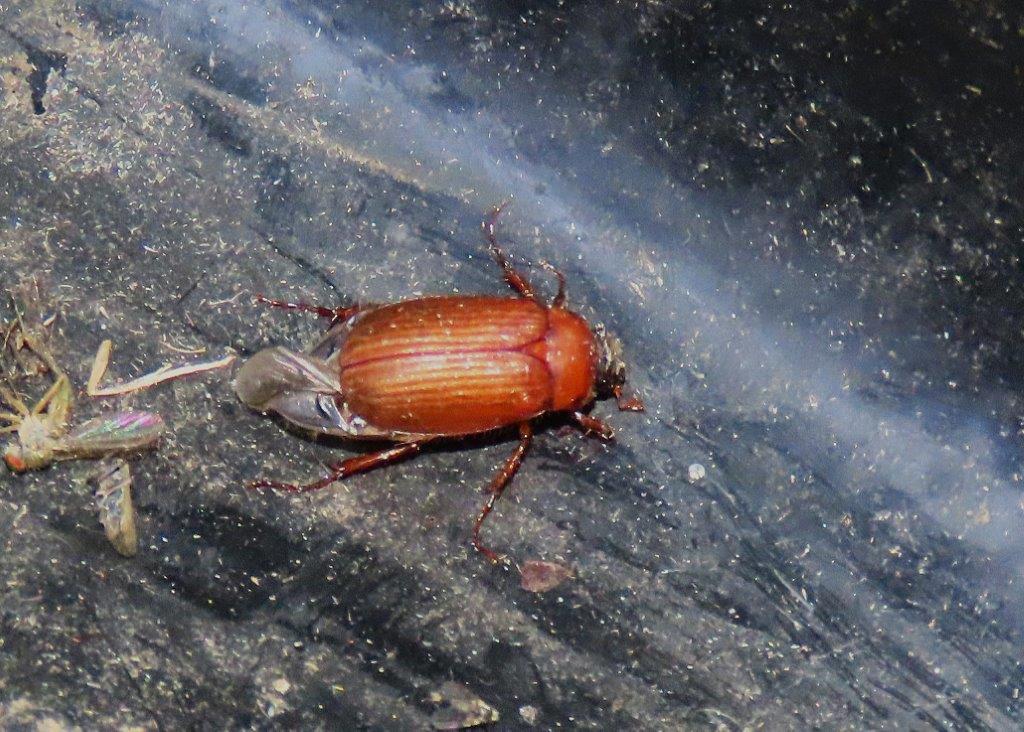
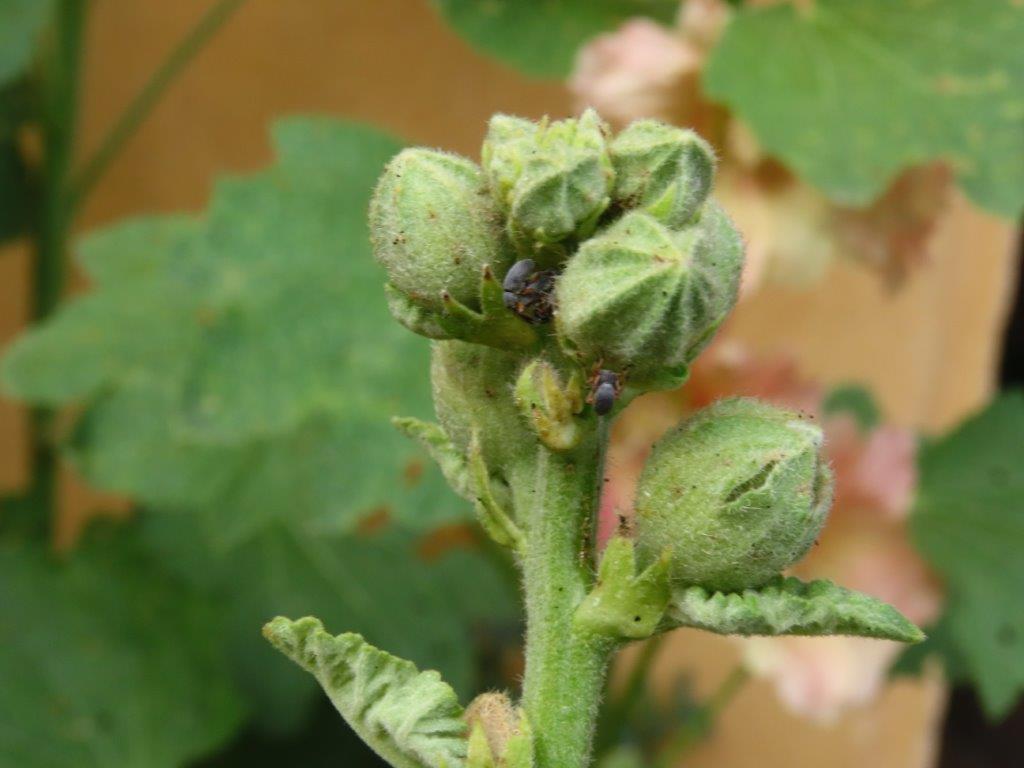
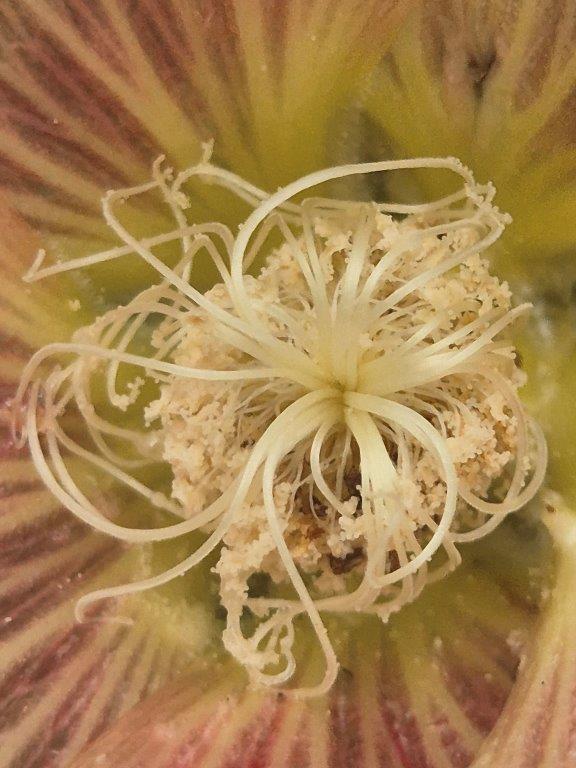
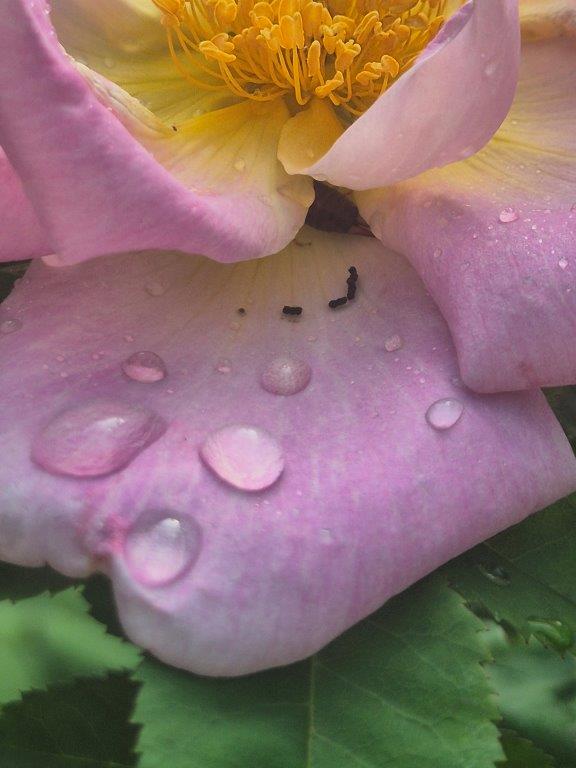
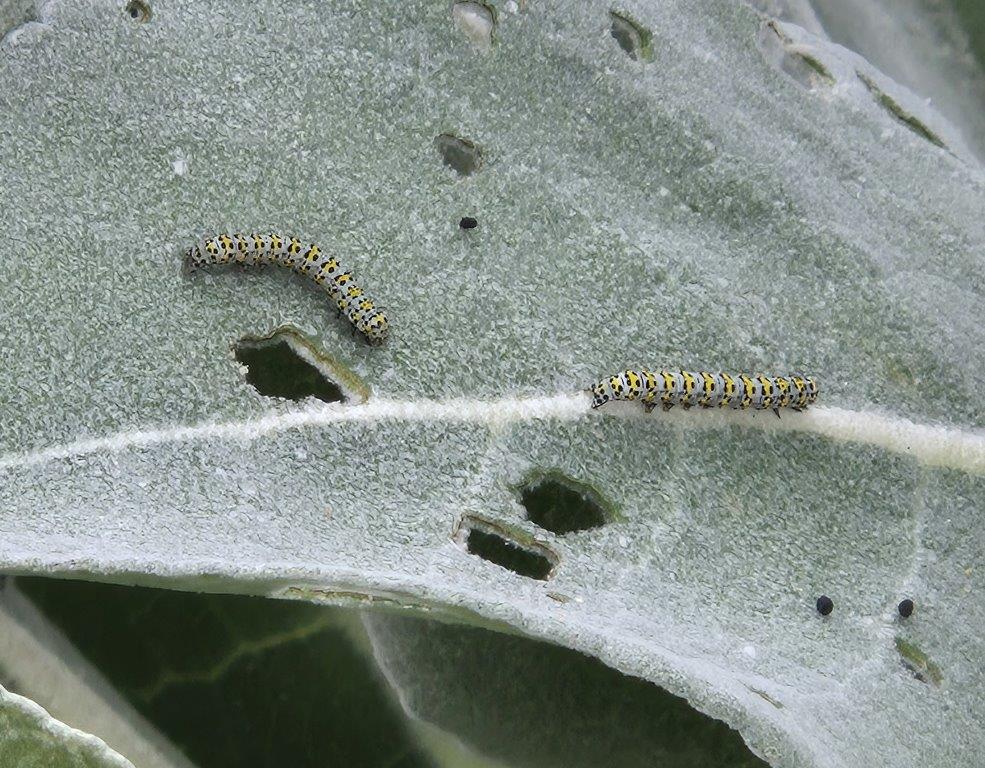
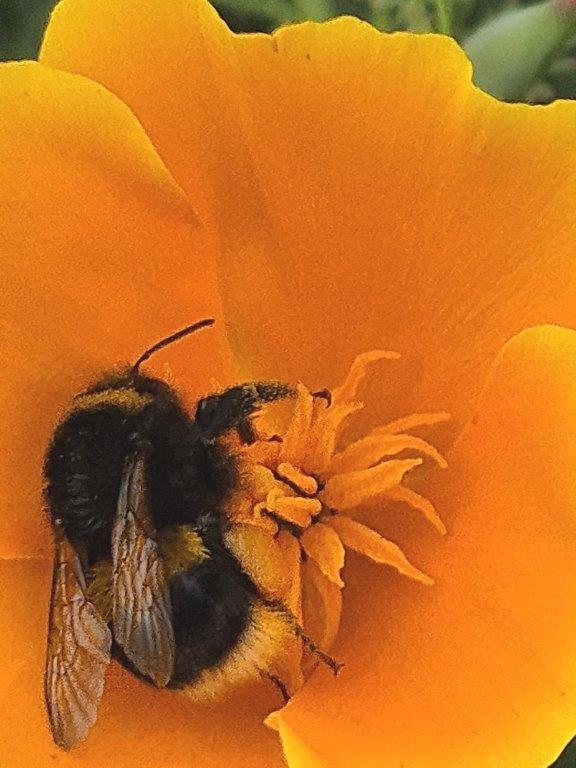
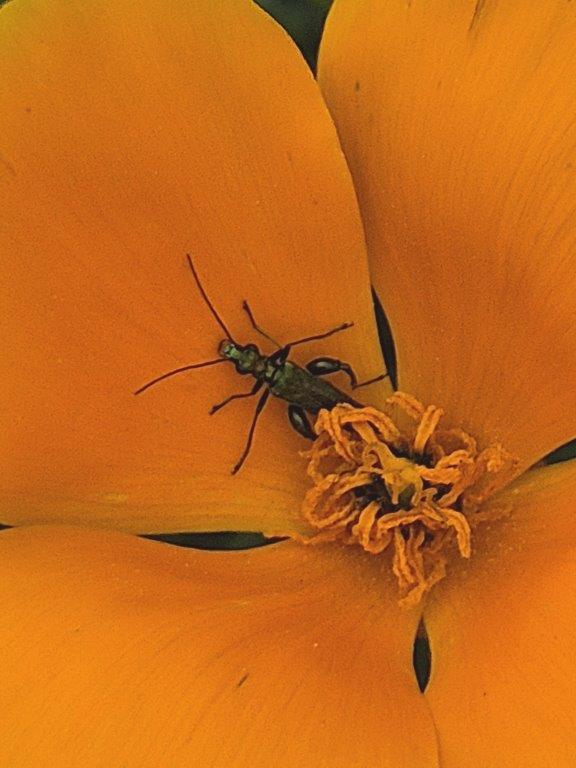
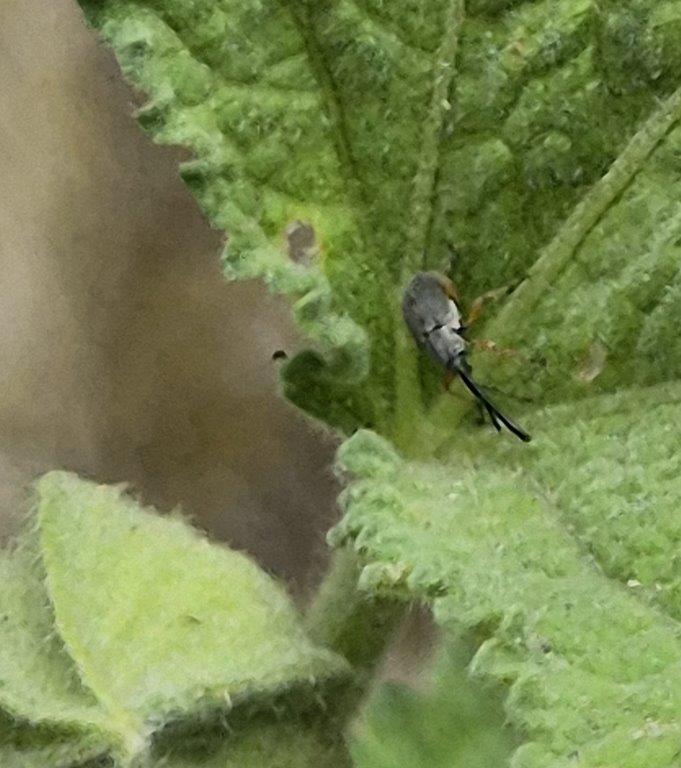
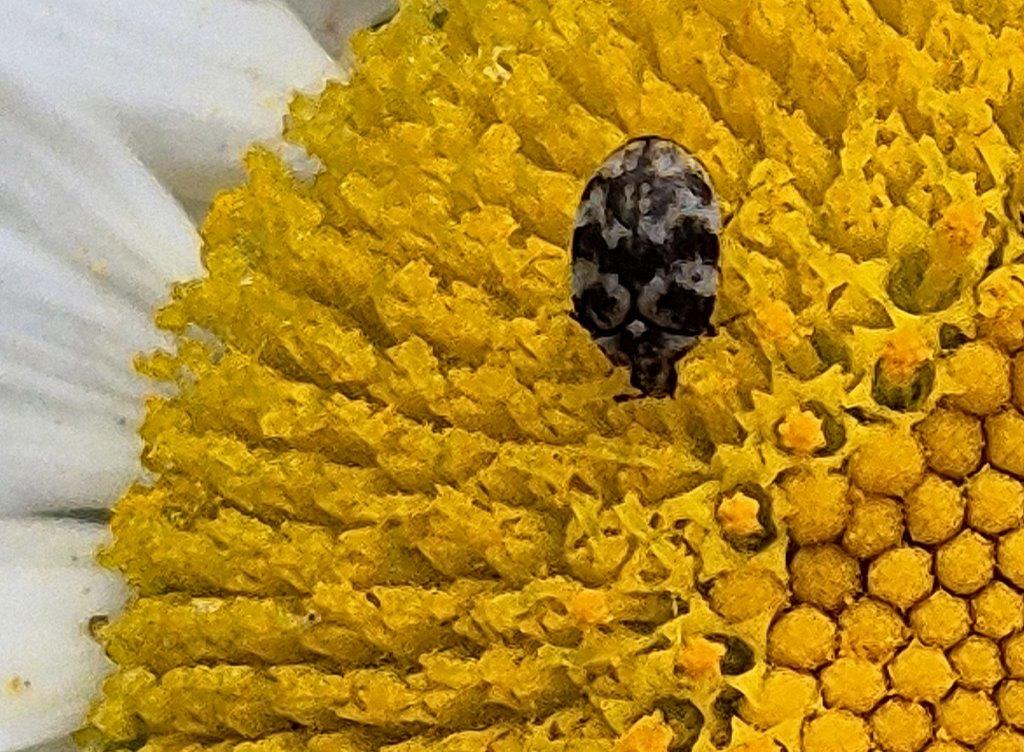
It’s been another lovely couple of days with Granny and Papa. We went on the train to Colchester to find bugs and other creatures in the Meanwhile Garden. There were big caterpillars and lots of bees and beetles in the flowers.
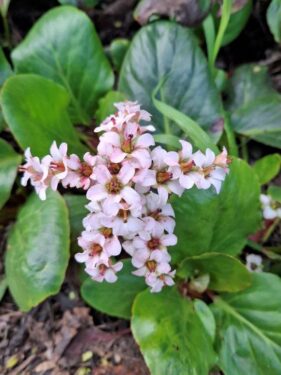
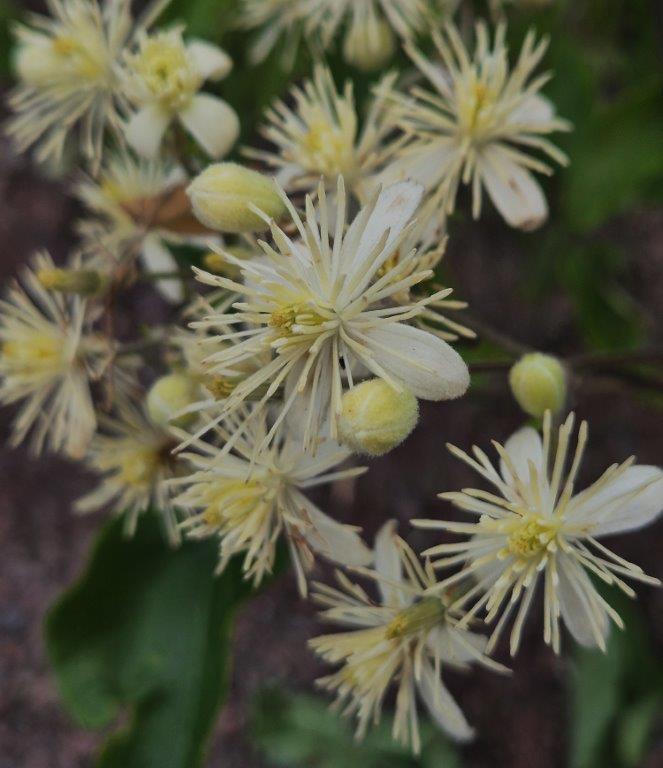
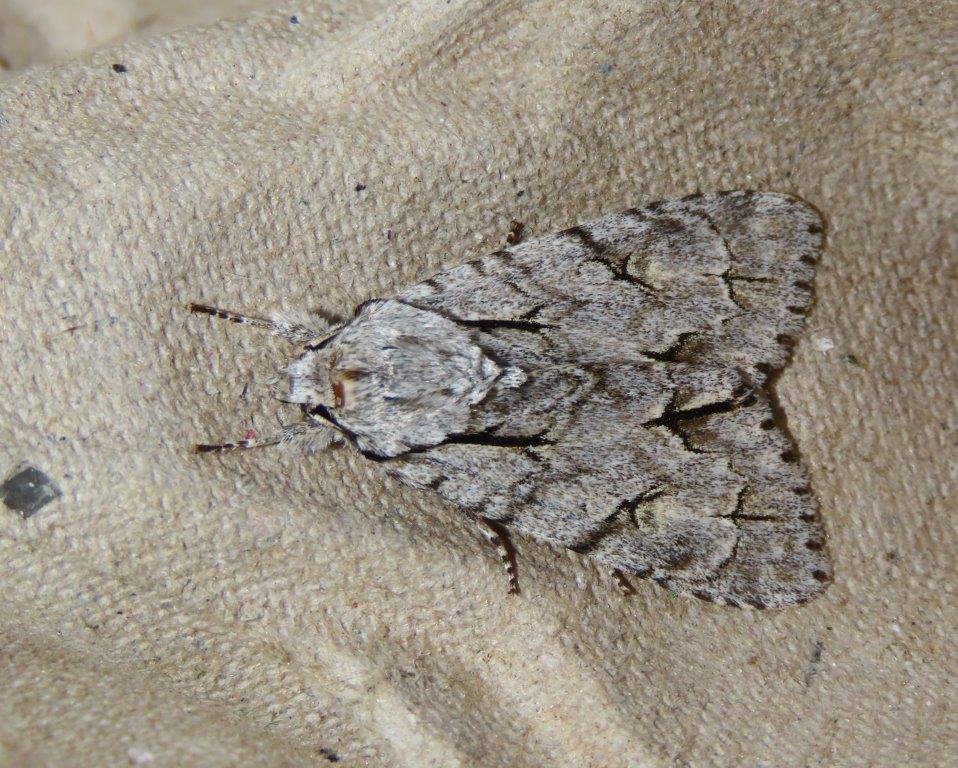
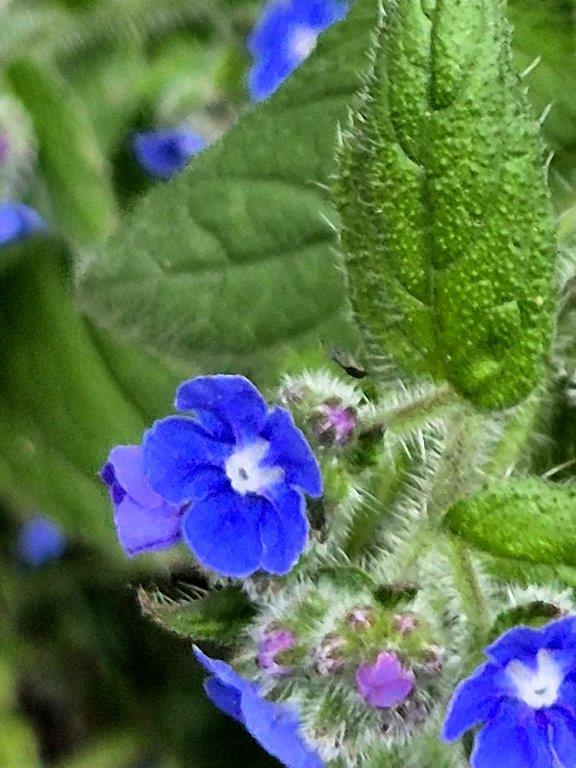
In Wivenhoe I took some pictures of insects on Hollyhocks and Daisy, and other flowers and leaves.


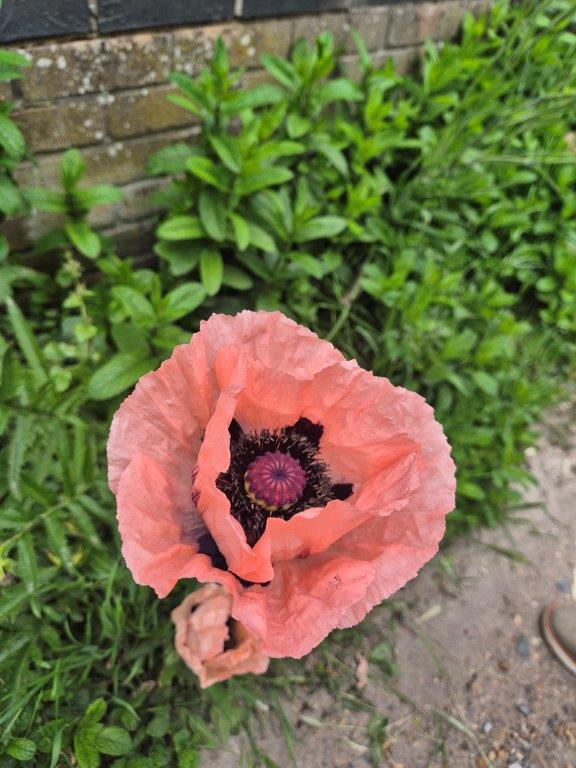
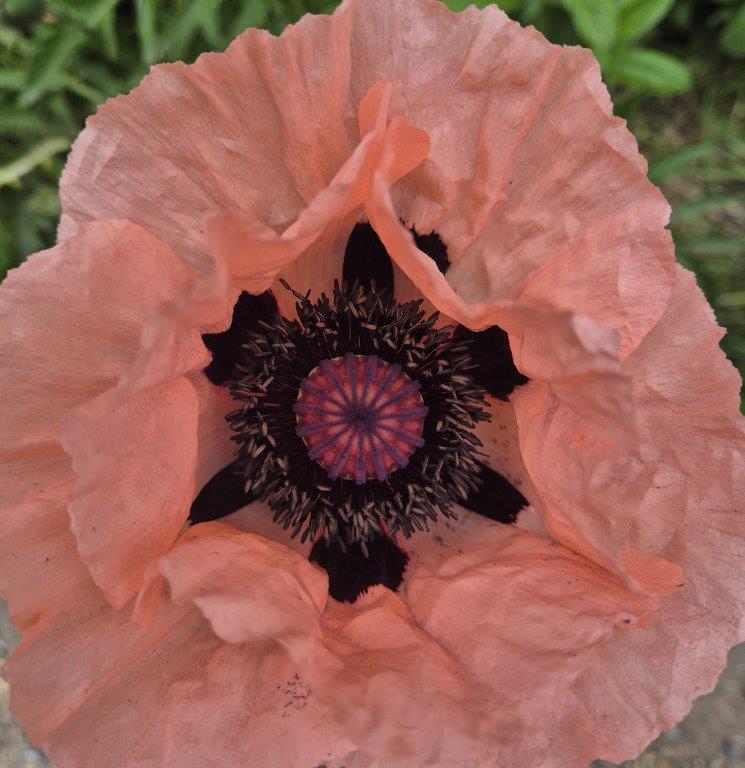
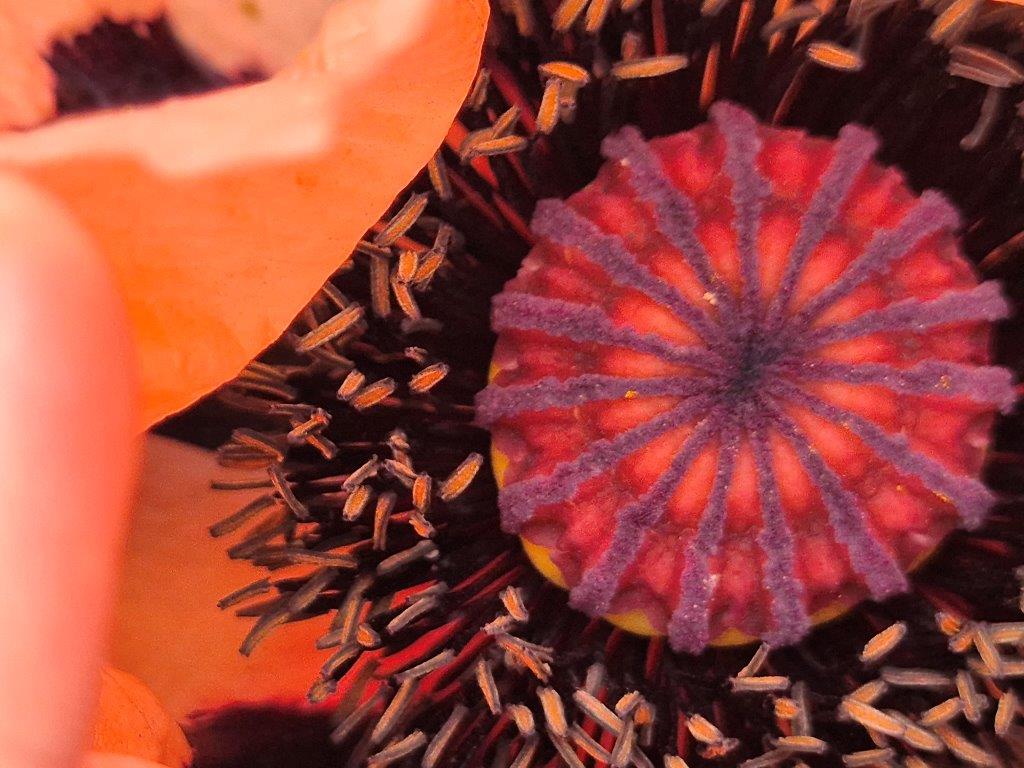
And my favourite Poppies…every year I love looking at these. Papa loves the picture at the bottom so much that he wishes he had taken it! I hope you love it too!

Eleanor’s photos – Wivenhoe waterfront and Colchester

Granddaughter Eleanor’s photos have featured before in these blogs – see here, here and here – and rightly so. But this is the first one of hers exclusively. No captions or commentary, just enjoy Wivenhoe waterfront, Colchester St Botolph’s and Castle Park in the sun, as seen through the eyes of an inquisitive seven-year-old. Indulgent maybe, but I am a very #ProudPapa!

A half-term short break in London

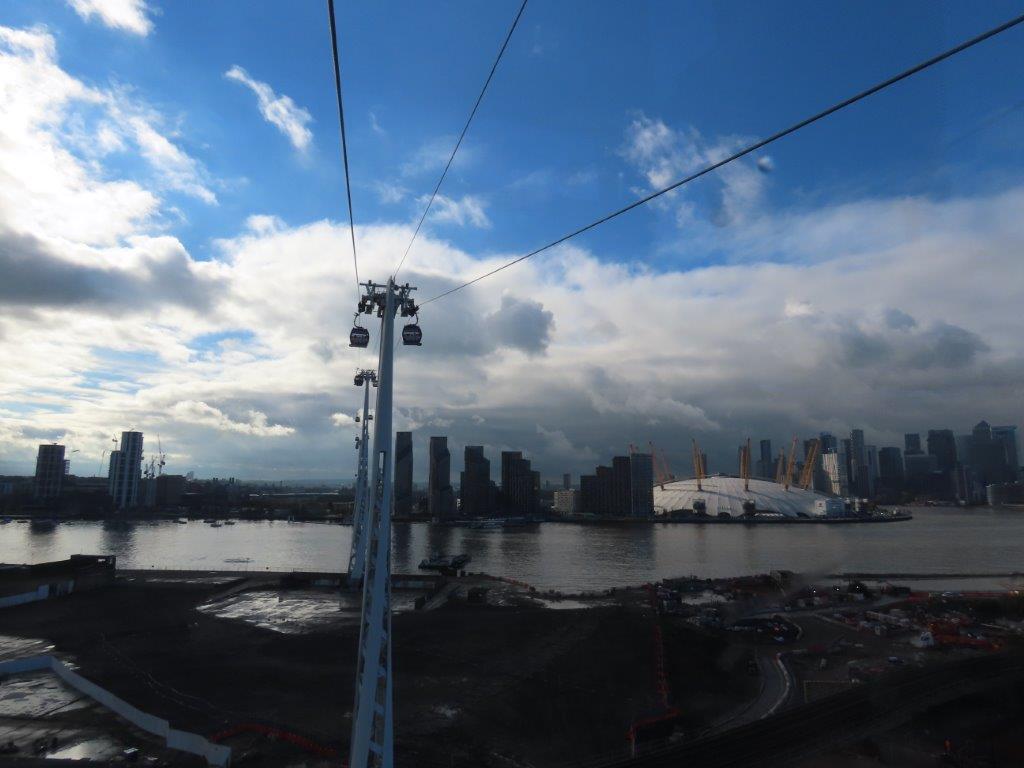
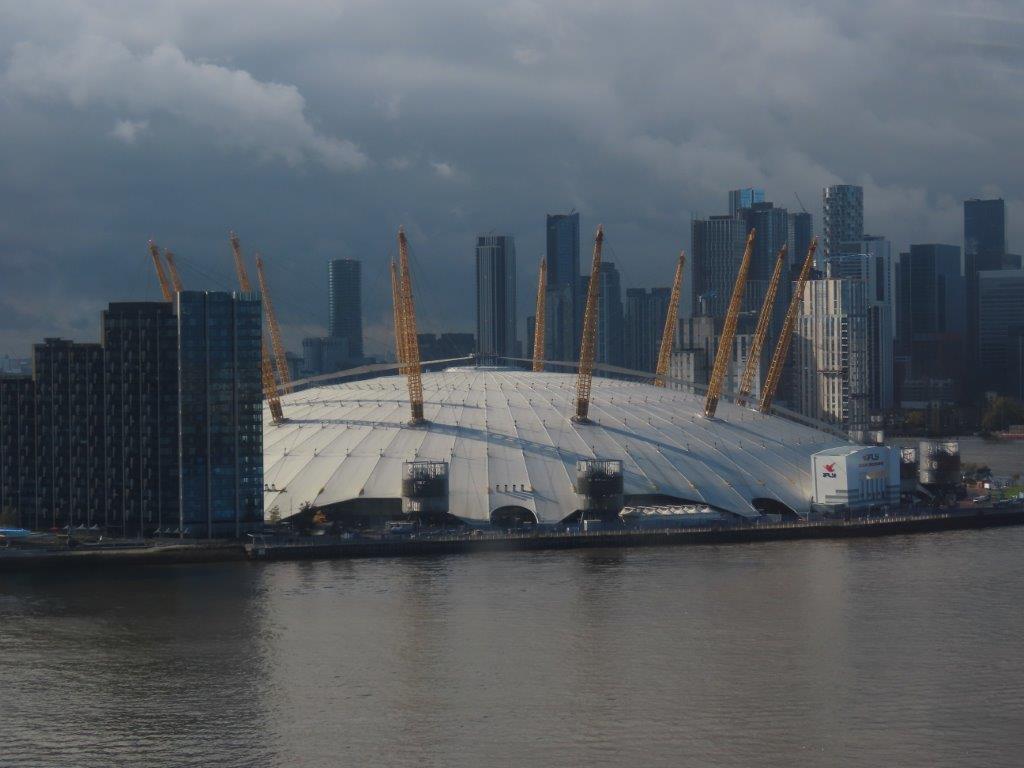
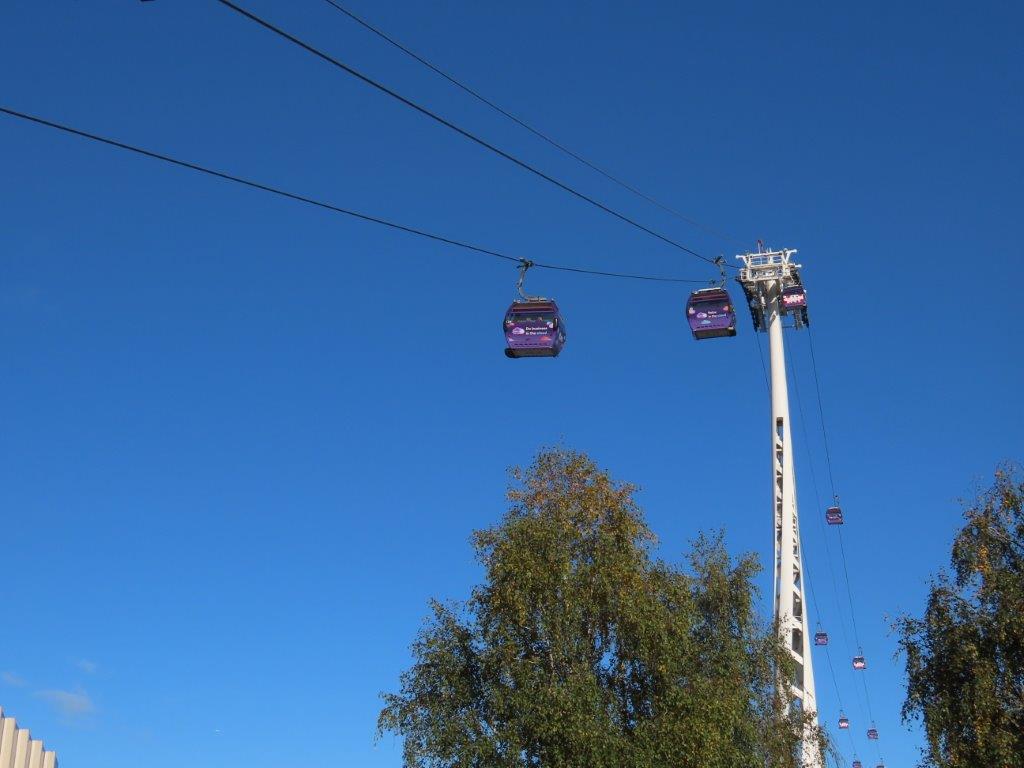
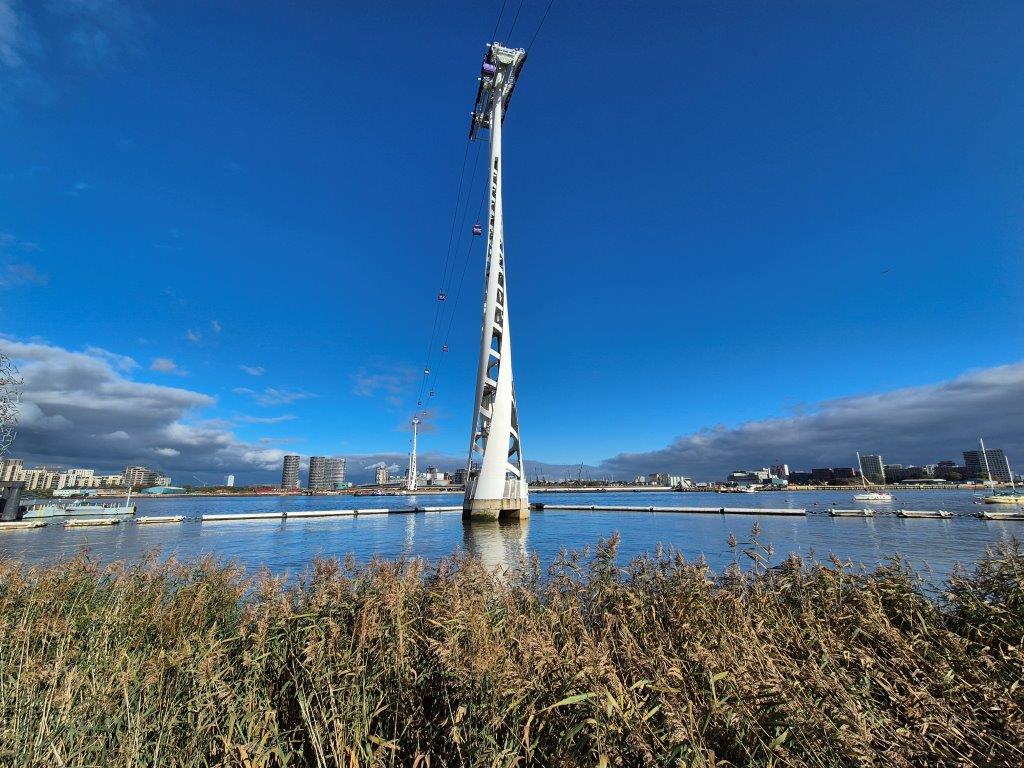
During school holidays, we always like to take our granddaughter Eleanor, aged 6, away for at least one night, to start to show her the world. This week it was to London: always busy, but buzzing and vibrant. And despite the half-term crowds, the only time we were queueing was right at the start, to get on to the cable-car across the Thames. But in fact the wait of nearly an hour was quite fortuitous: we started queuing in heavy cloud and light rain …

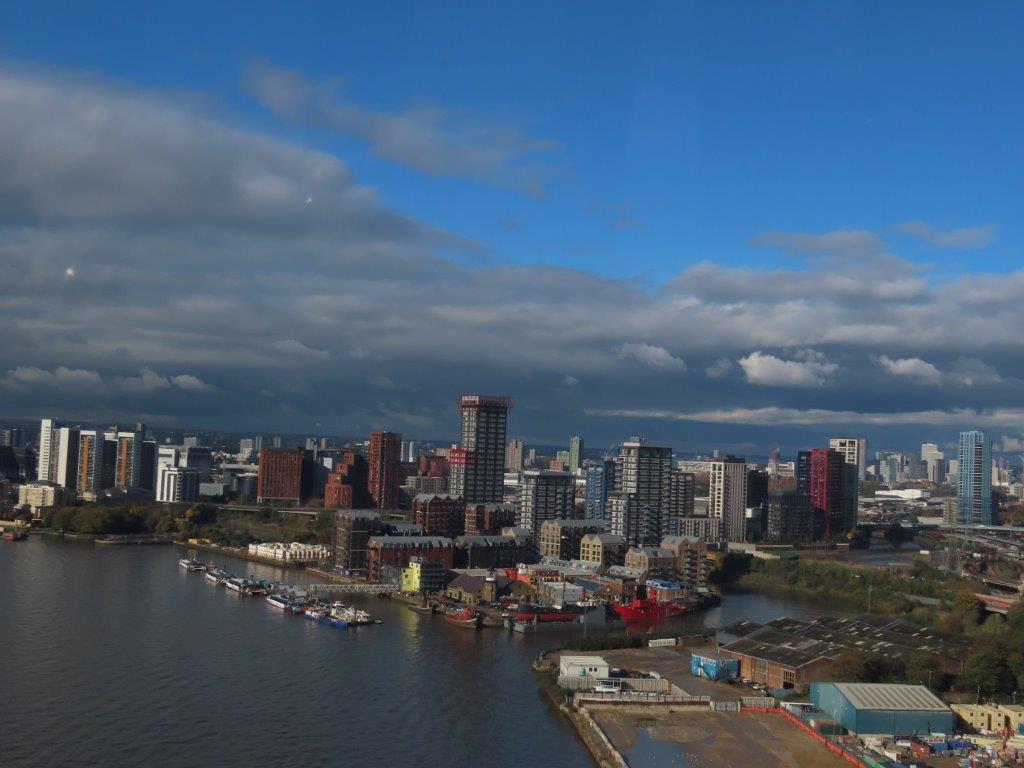
… but once aloft the sun came out …

… and by touchdown it was clear blue skies! At least for a few minutes, until the grey gloom settled in once again.

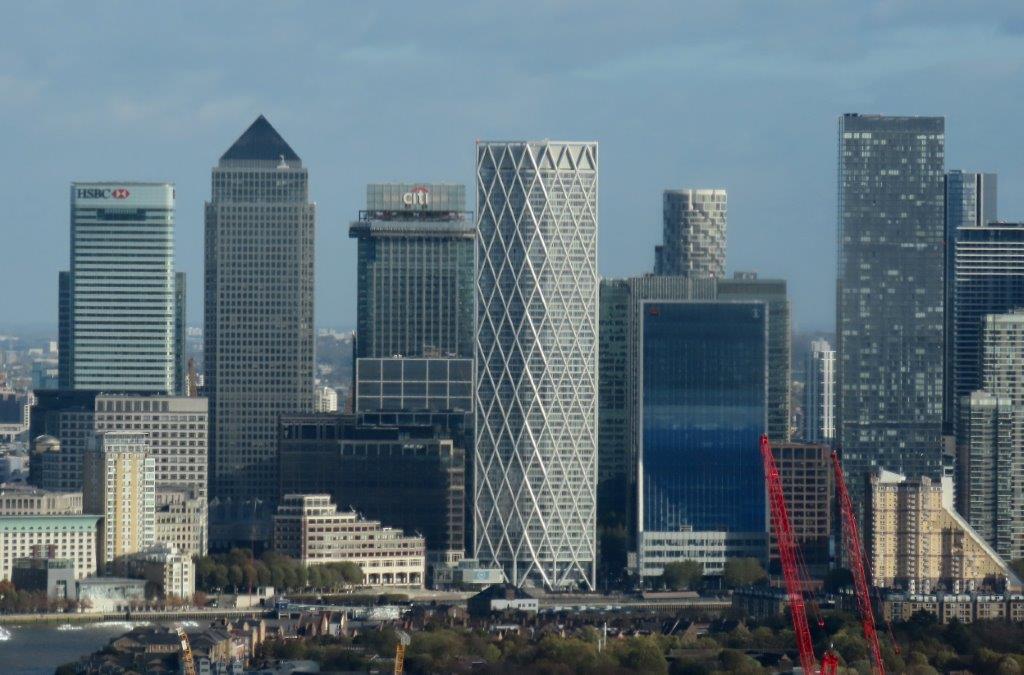
After lunch, it was back under the river to Canary Wharf, the glass cathedrals to business now softened with the newly created and very attractive Eden Dock garden.

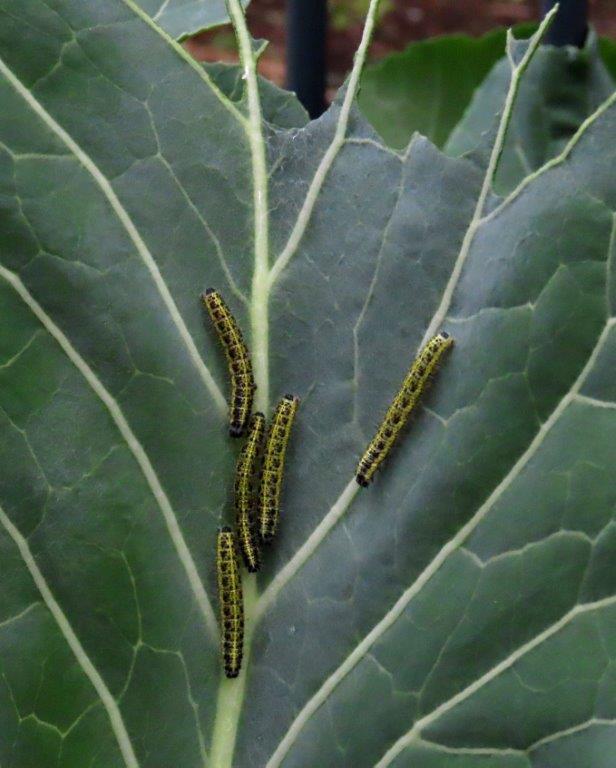
Time then before it got dark for the playpark in Greenwich Park before we headed to the Greenwich Premier Inn for a very comfortable night. After breakfast next morning we took the opportunity for a walk around the back of the hotel and a view over Deptford Creek, one of those tidal tendrils of the Thames, once so important for trade and commerce. It may be hemmed in by development, but it must look quite impressive at high water. And there were Mallards and a Grey Wagtail to brighten up the dull day, as well as a team of Large White caterpillars demolishing a cabbage!

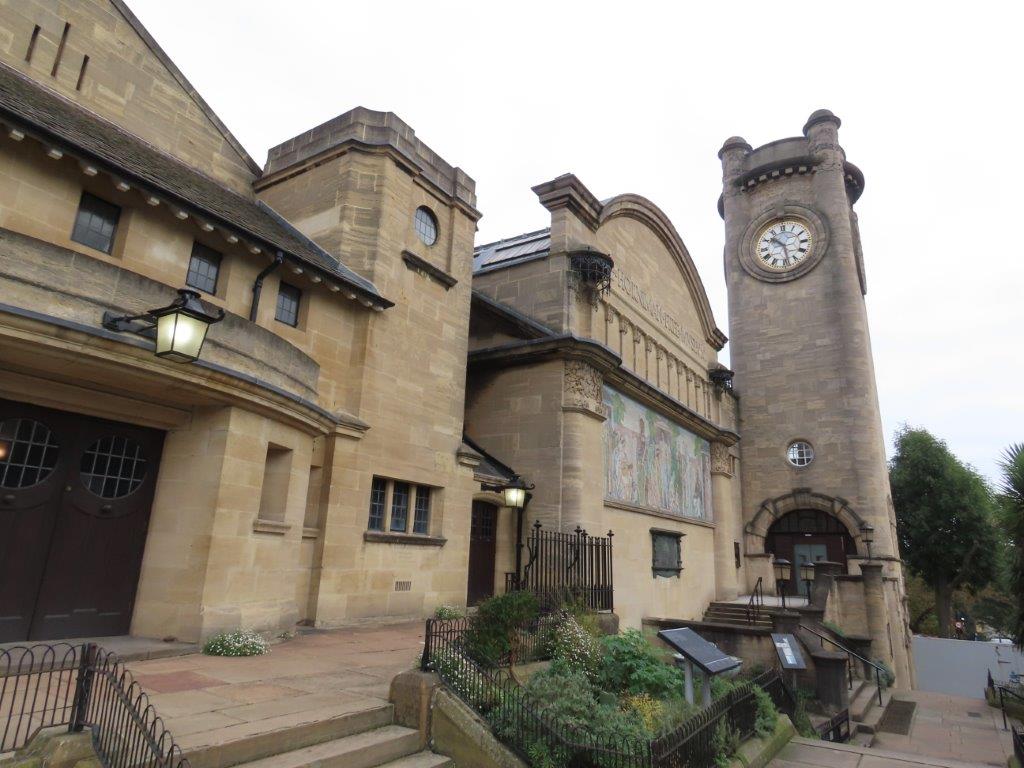
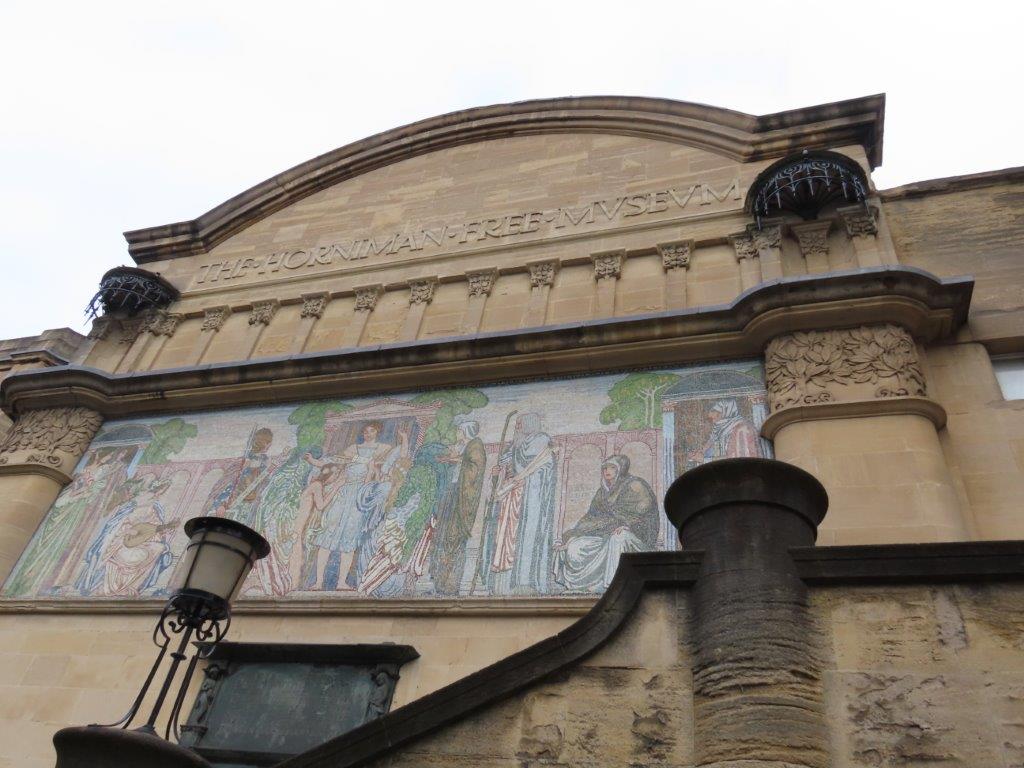
The Horniman Museum and Garden was out destination for the second day.

Situated in Forest Hill, it really is on a hill, and we were very pleasantly surprised at the views of London from the top of the garden, snapshots of familiar places between the trees.

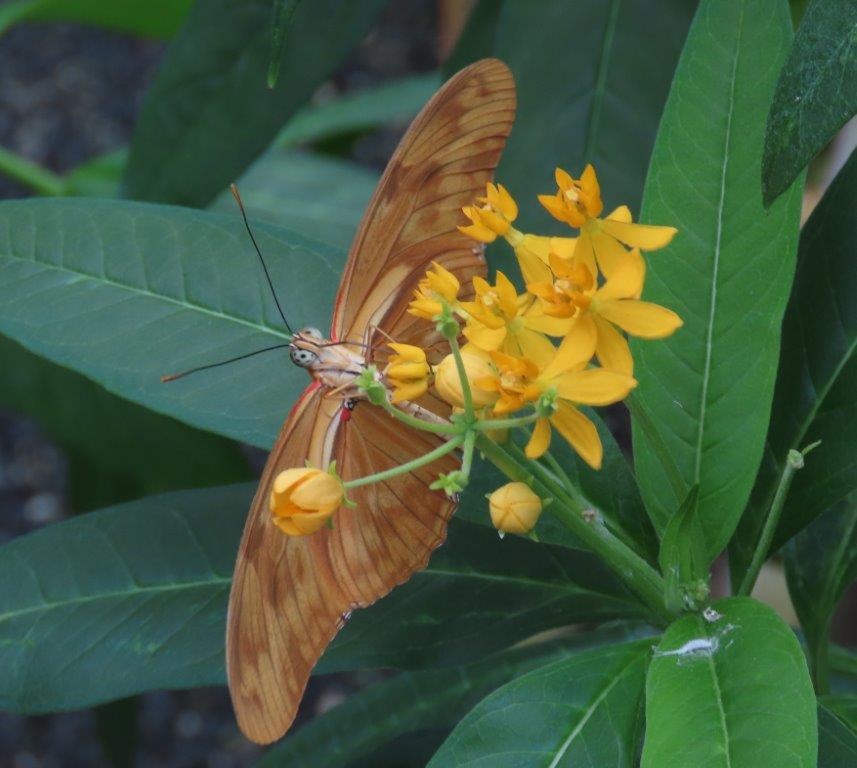
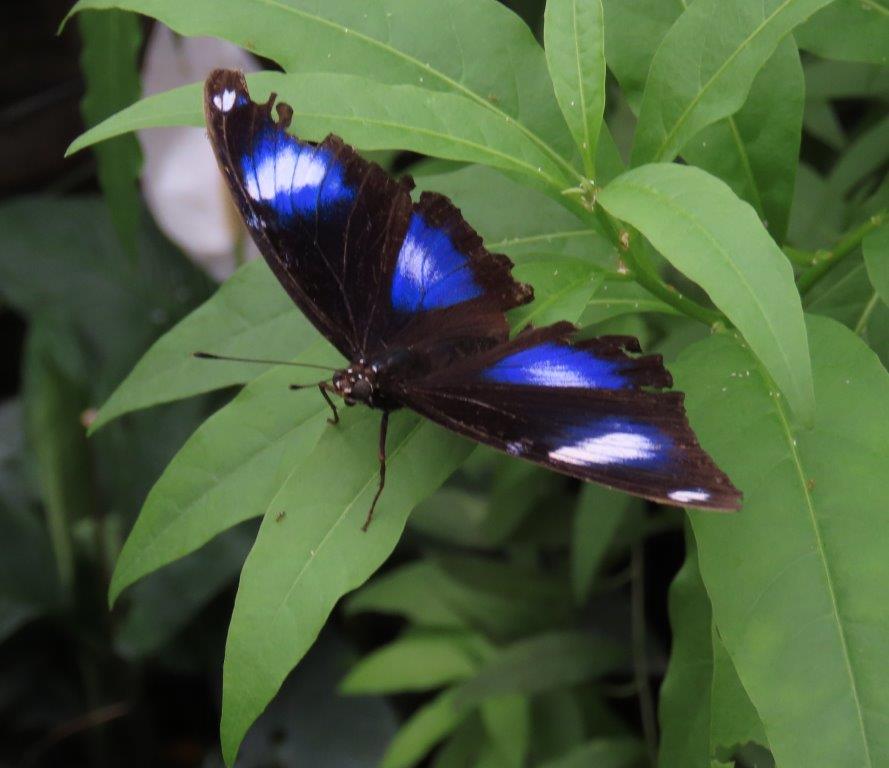
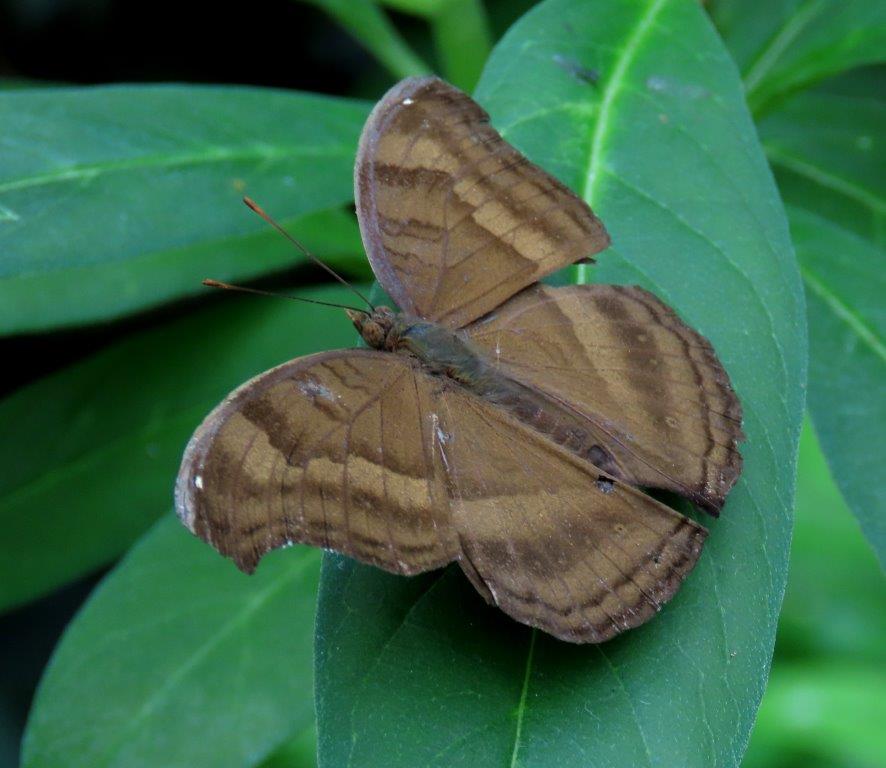
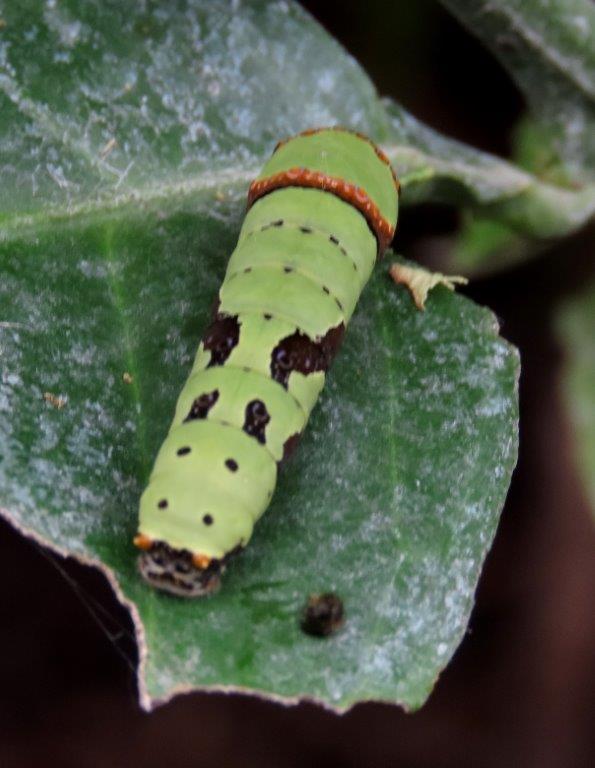
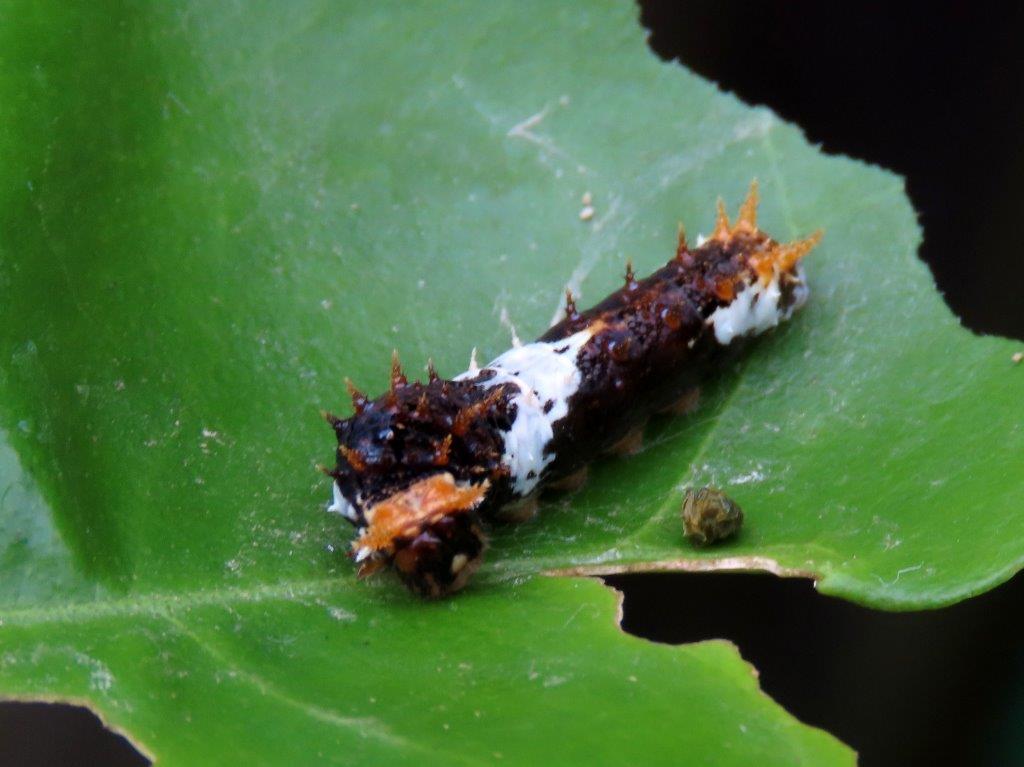
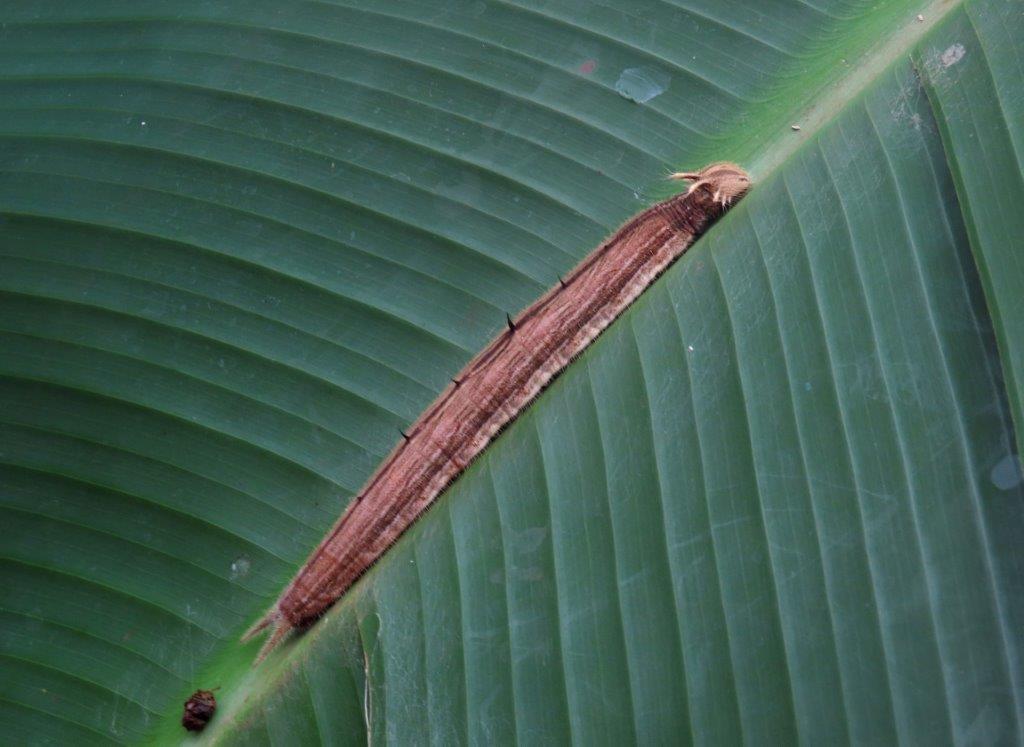
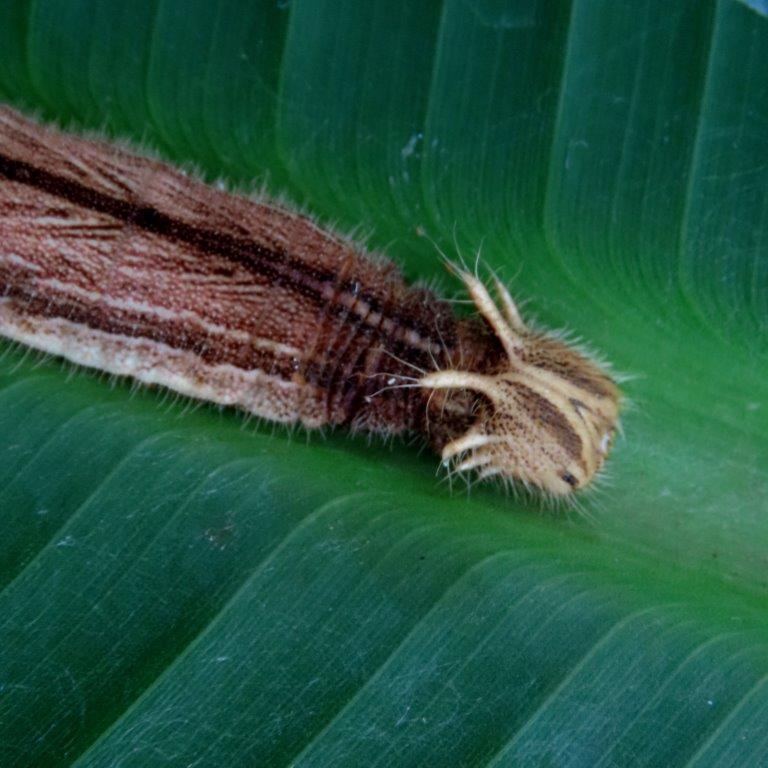
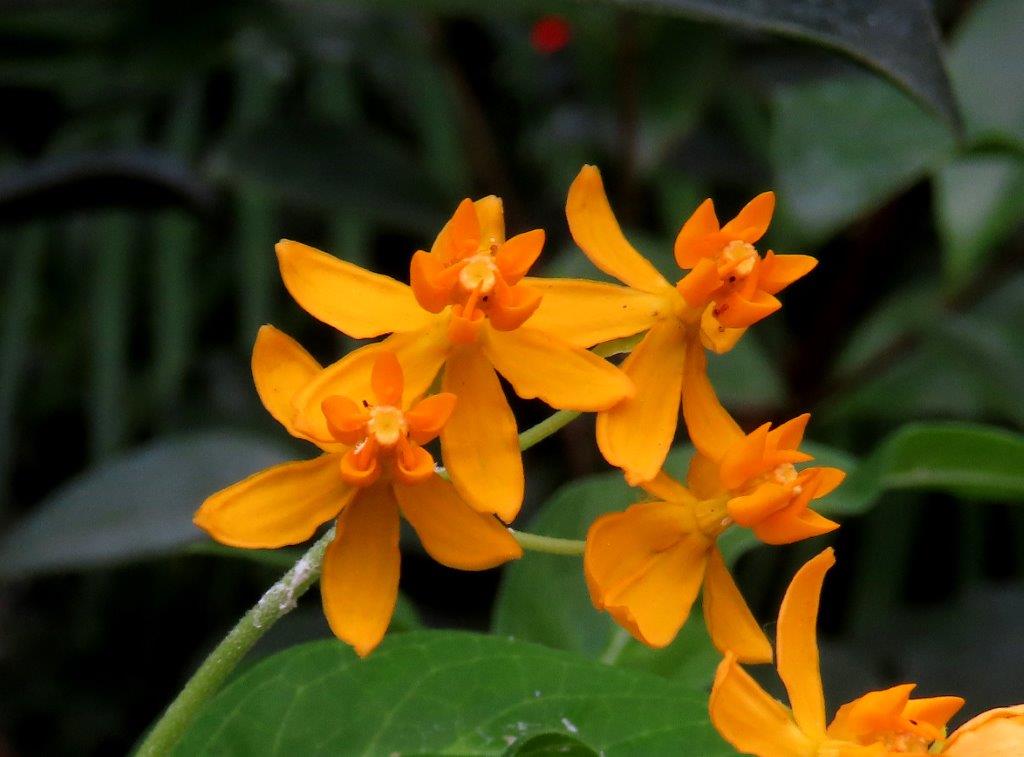
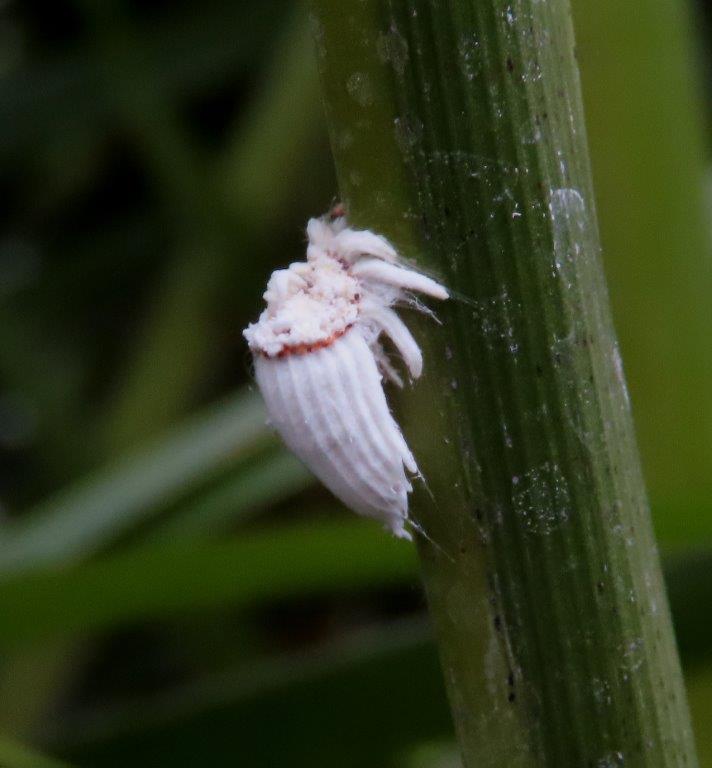
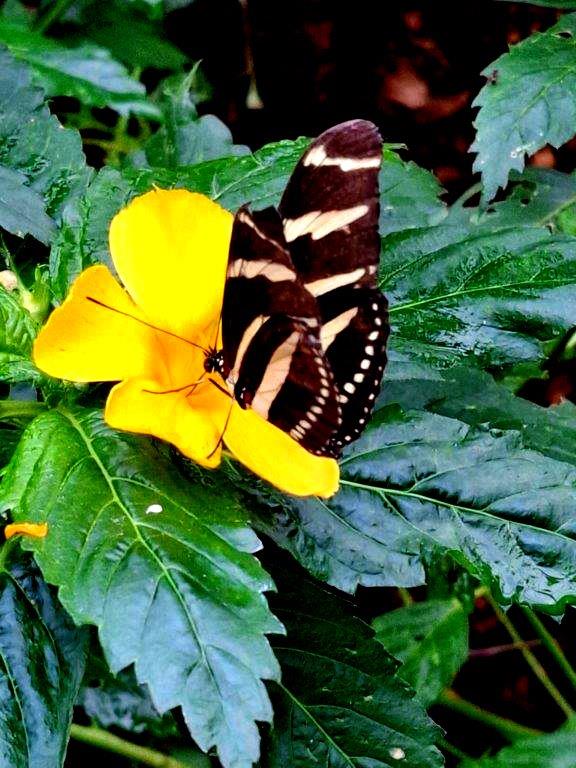
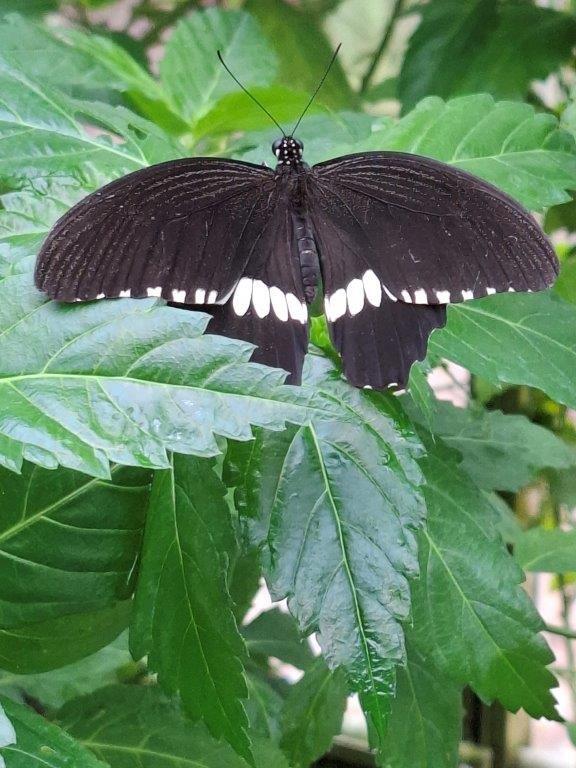
What attracted us there was the butterfly house, thinking Eleanor would find that exciting. As of course did we: a great place for taking photographs (once the lenses stopped steaming up) of unfamiliar butterflies and caterpillars, along with tropical flowers and even a Cottony Cushion Scale-insect.

Although the end of October, it was still mild outside so there were insects there as well in the lovely gardens, with ecological plantings, interesting flowers and autumn colours:

Yes, Eleanor did enjoy the butterfly house, although as much for flowers and foliage as for the butterflies as her photos show:

But what really seemed to inspire her efforts with Granny’s phone camera was the garden. We do rather forget that those of smaller stature see the world very differently to us, framed by fences and barriers that we quite literally overlook.

She was clearly taken by some of the more showy flowers …

… but also the colours, patterns and textures of the leaves around her. It is a privilege to share some more of her photos – the world as seen through the eyes of a child!

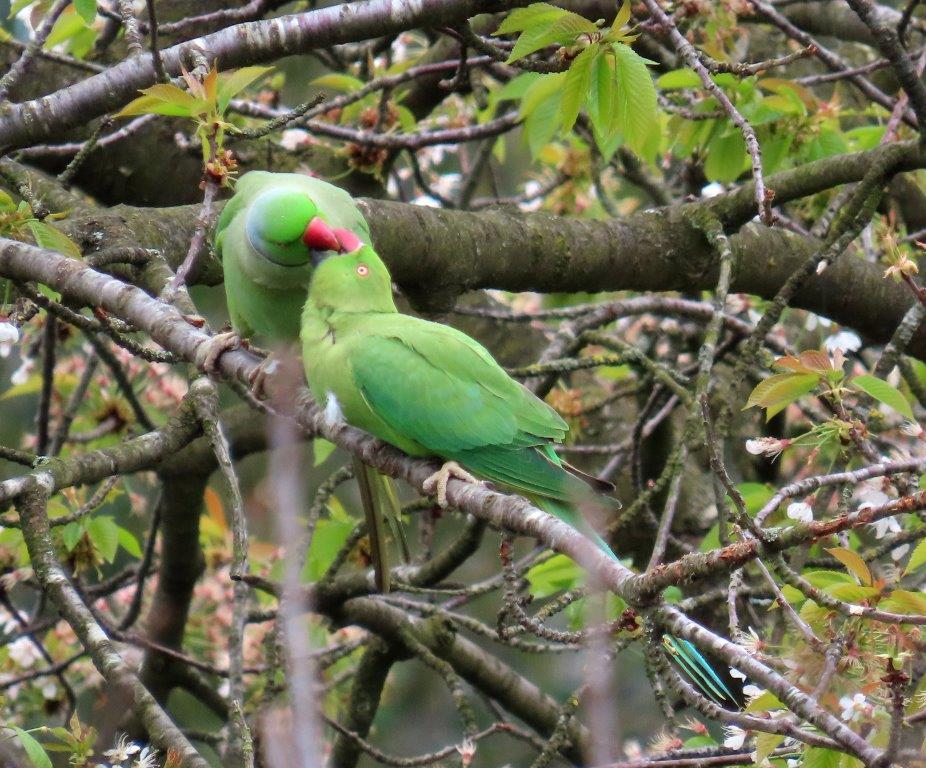
And then all that was left was a visit to the playpark across the road (‘fun’ is always needed, as well as ‘interesting’), serenaded by squawking hordes of Rose-ringed Parakeets, and home after a lovely couple of days.

A wander round Kew Gardens

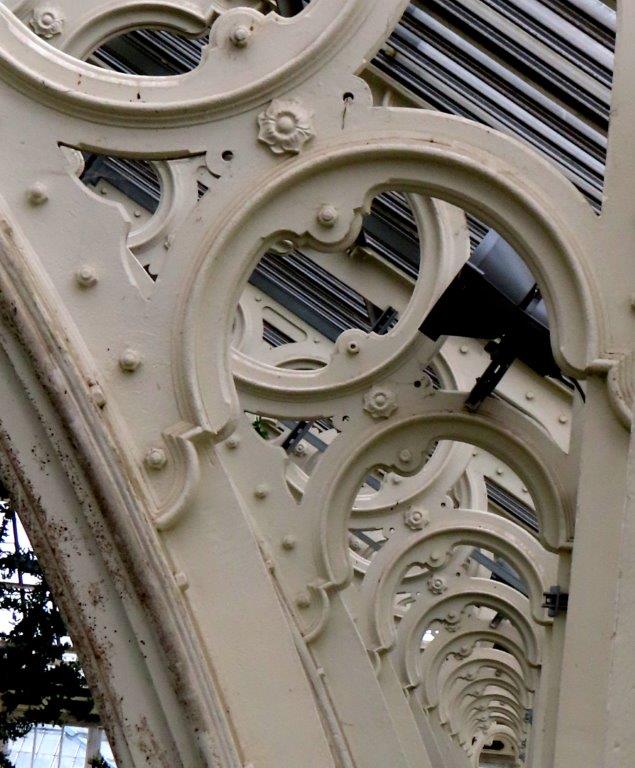
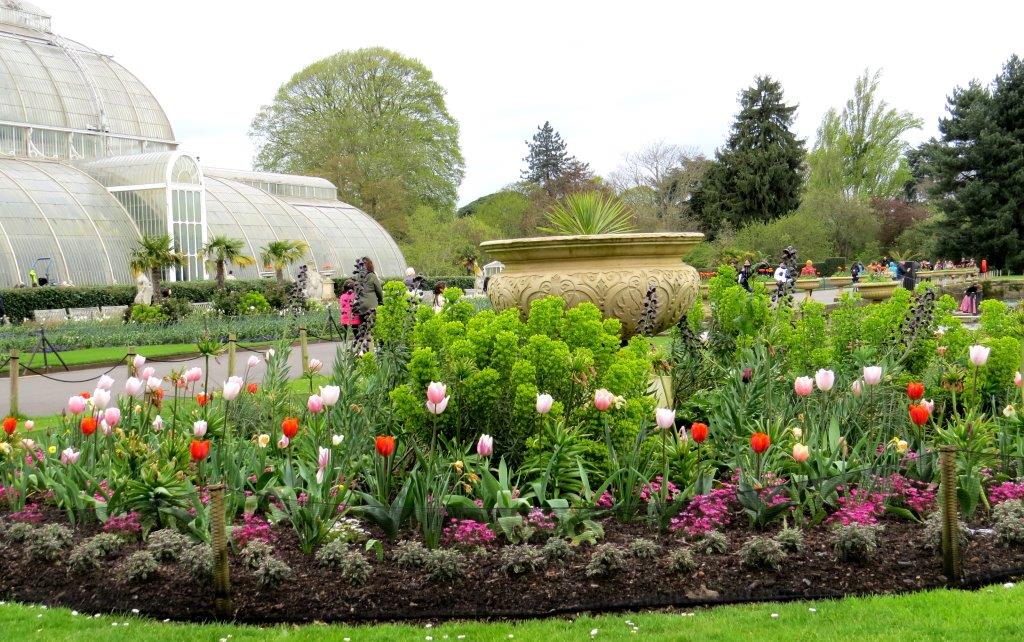
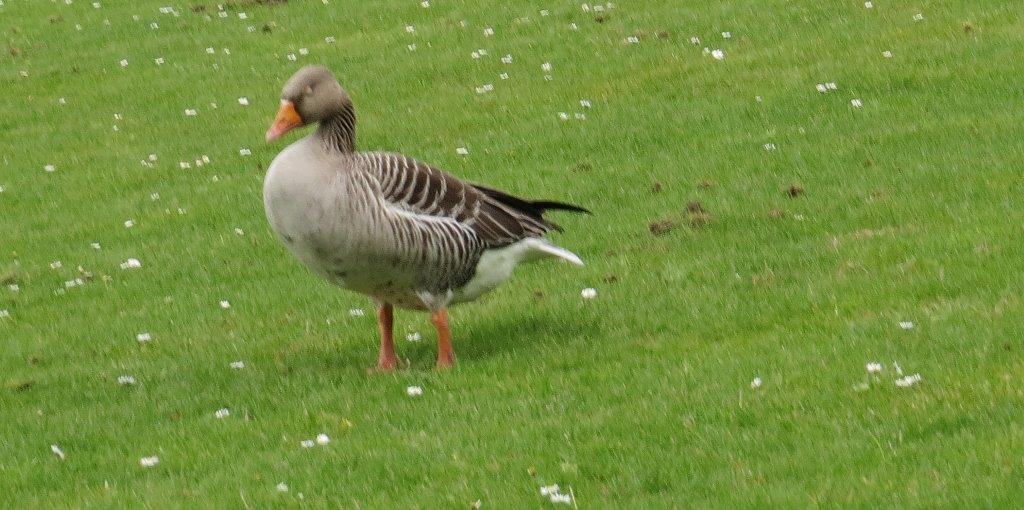
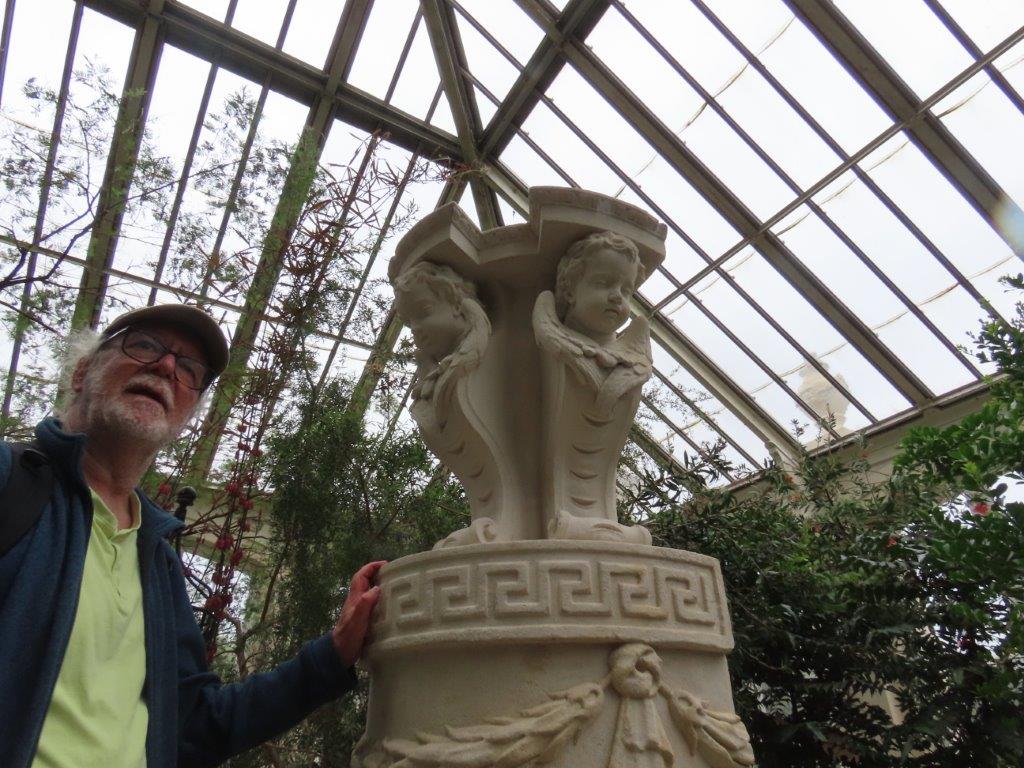
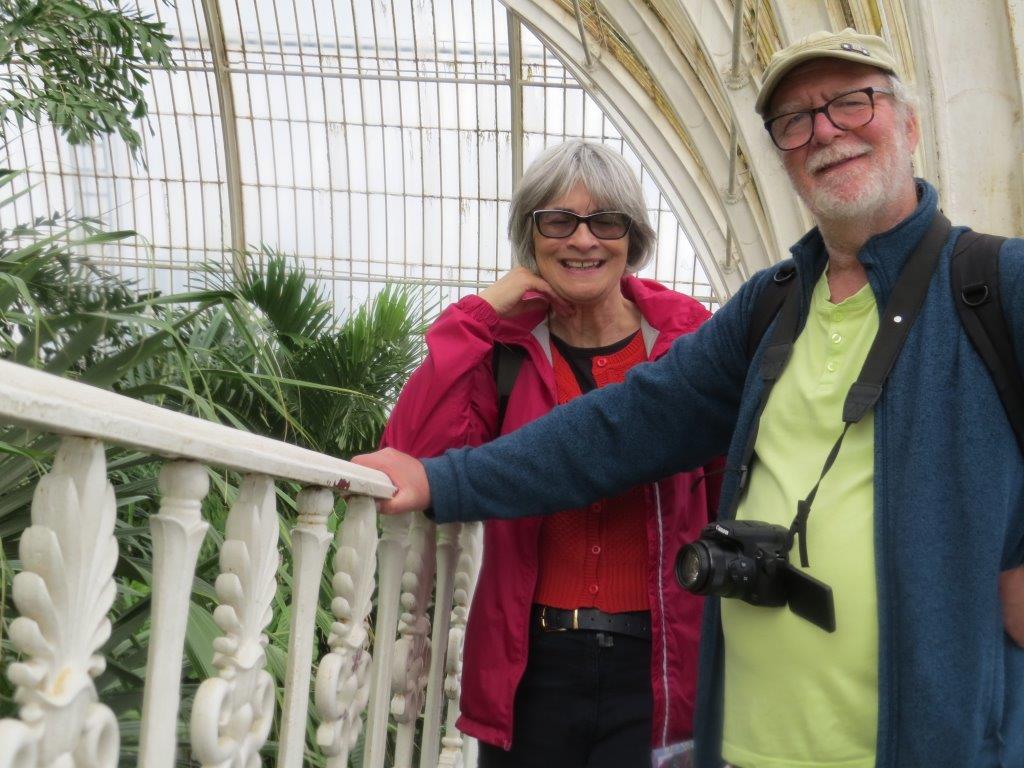
Kew is always a delight, and even during really busy times (such as Easter holidays when Bluey is in town) it is always full of photogenic subjects. This time though, with somewhat inclement weather, many of the photos were taken in the glasshouses. No words, just pictures: flowers, foliage, fruits and architecture…

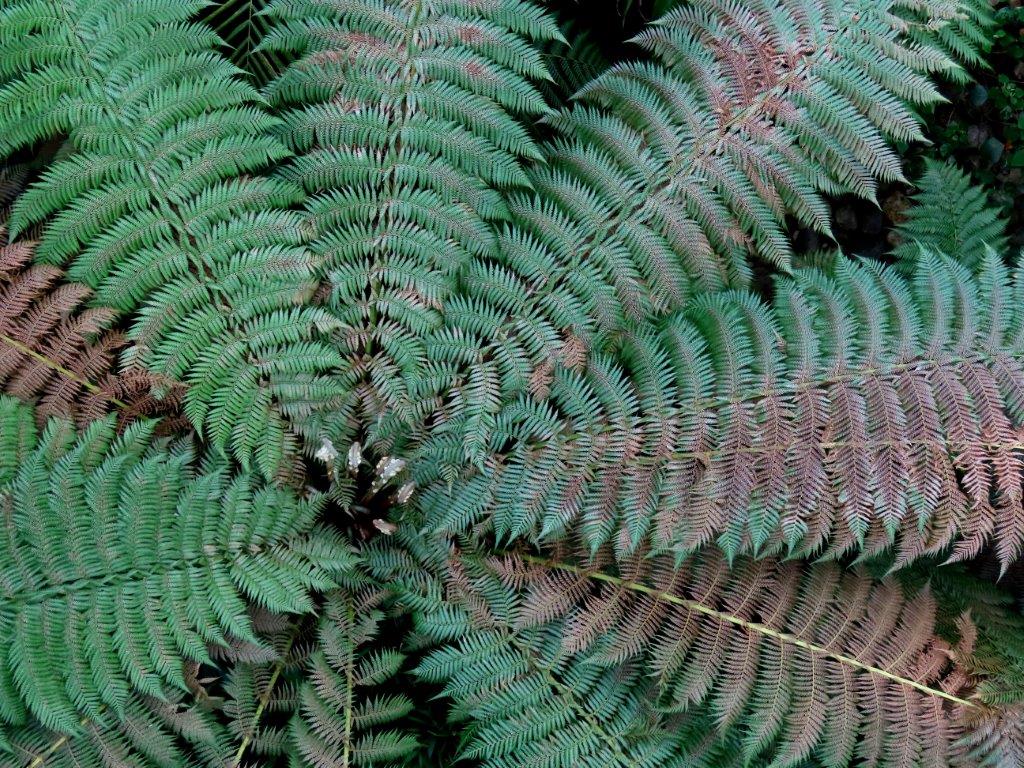
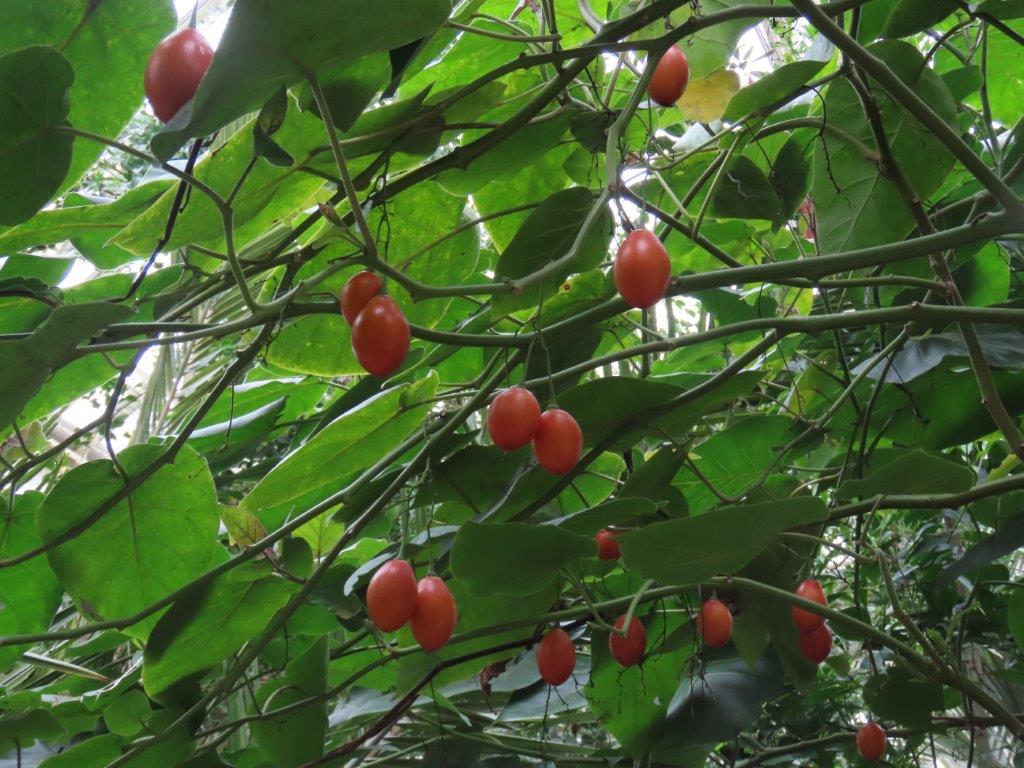
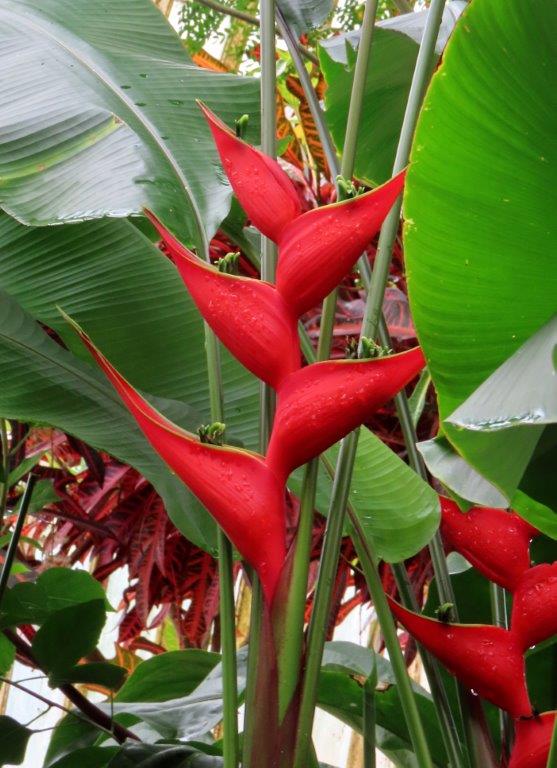
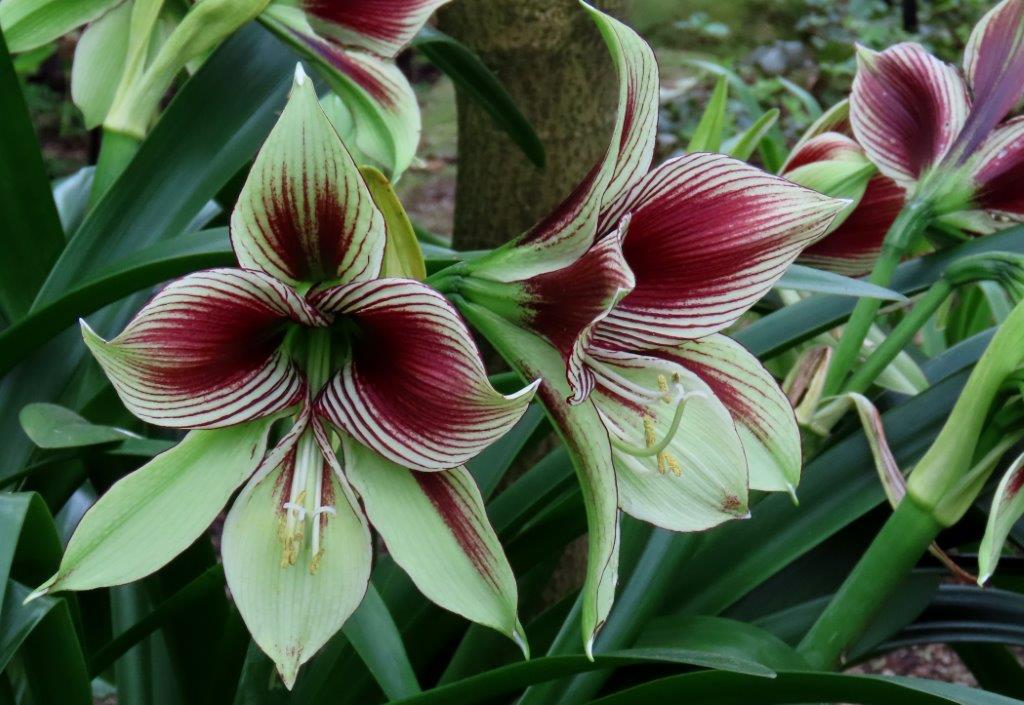
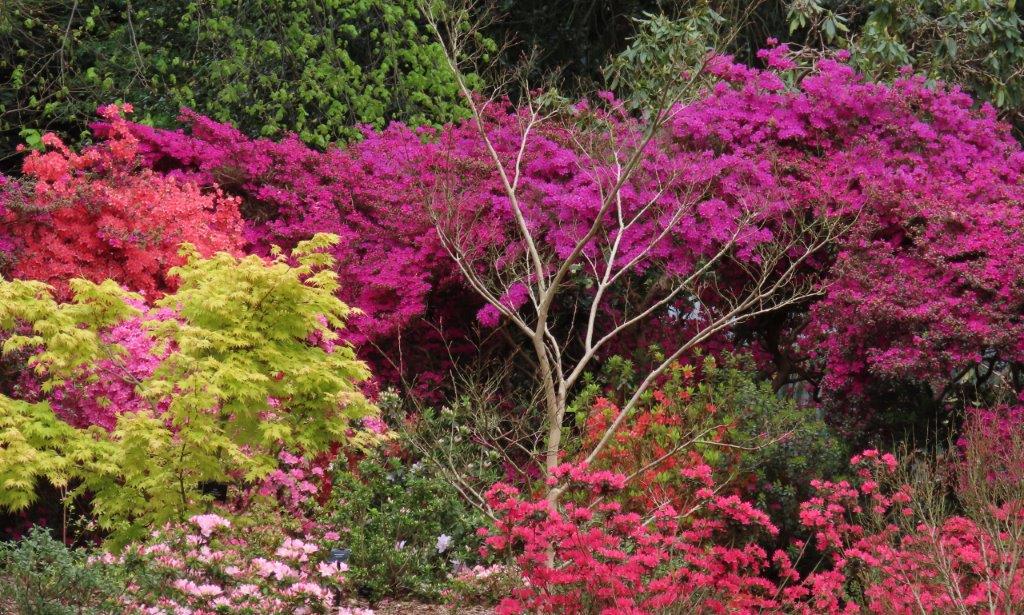
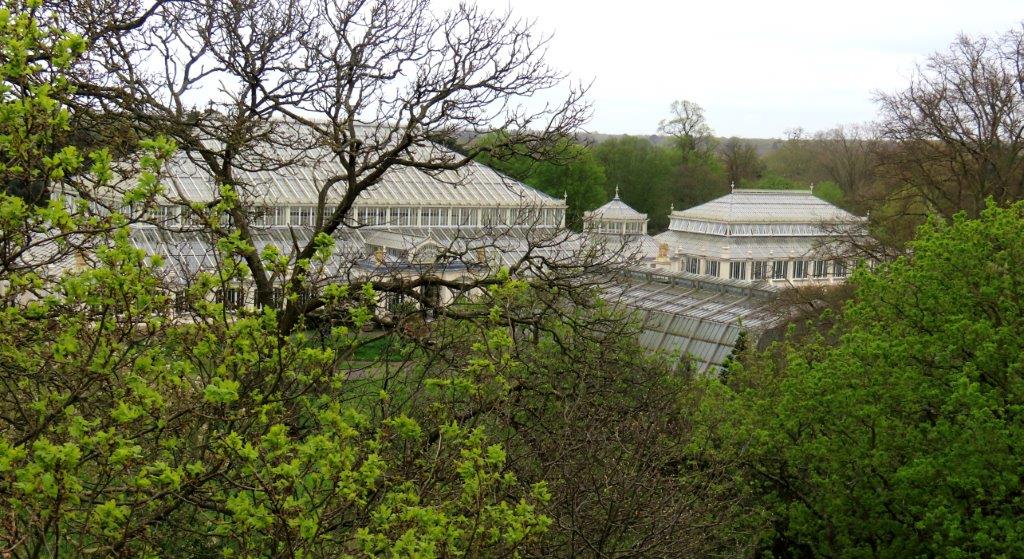
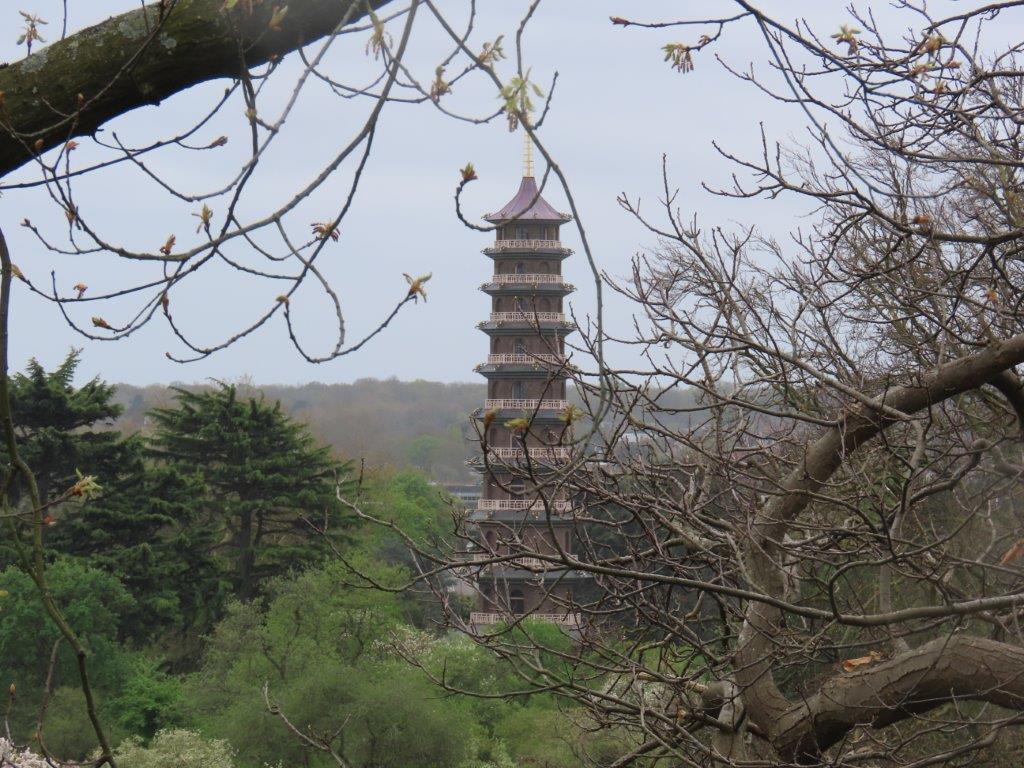
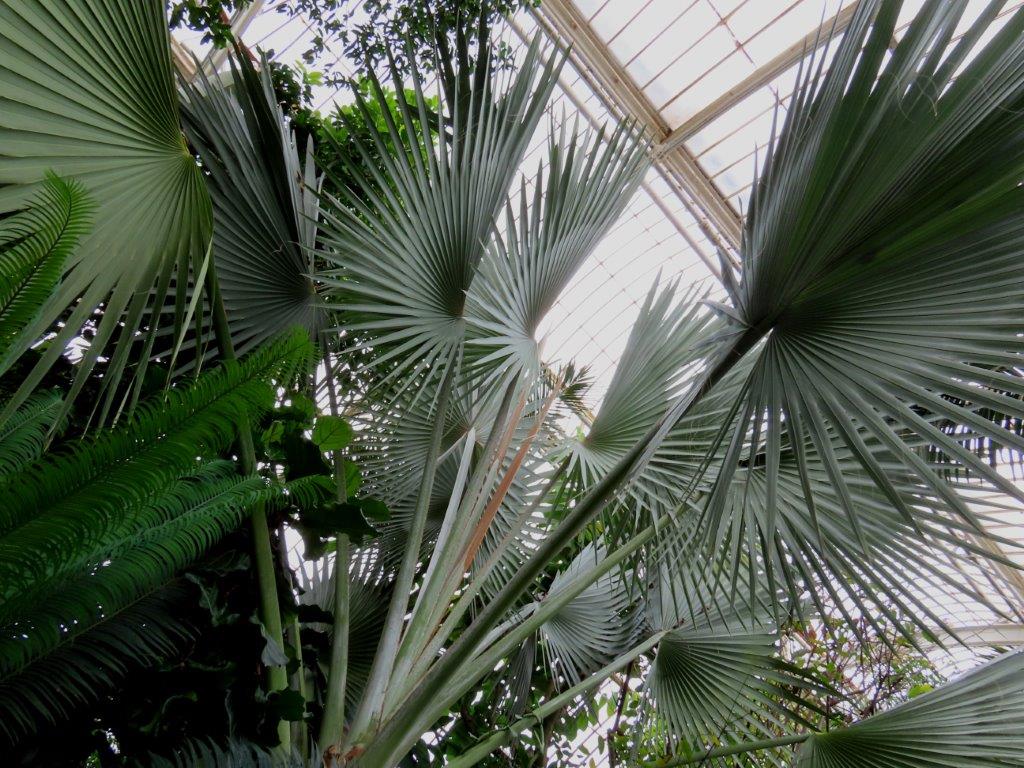
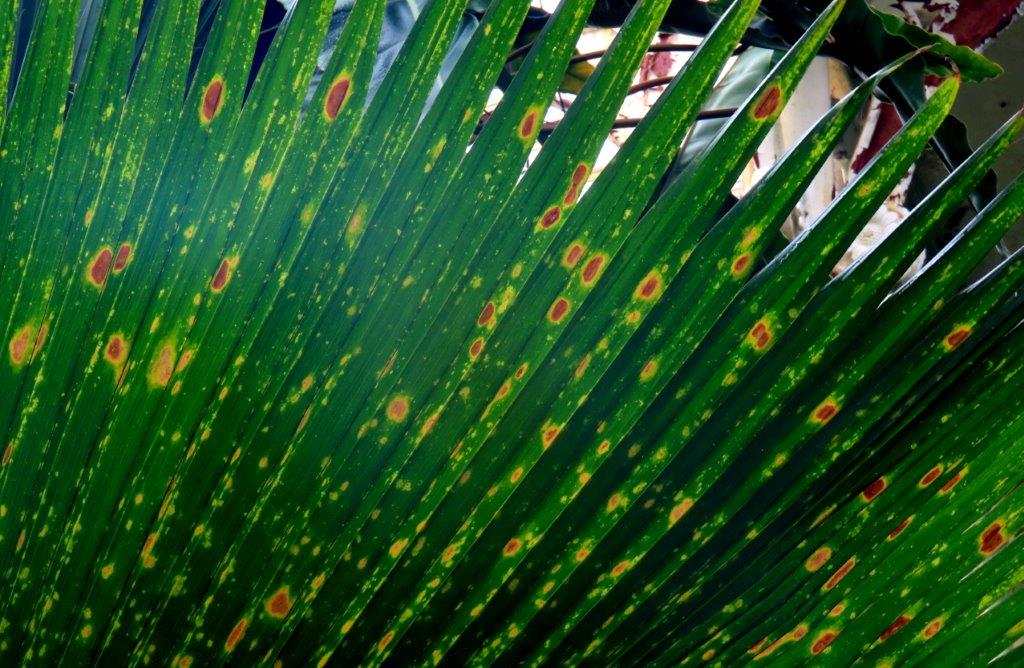
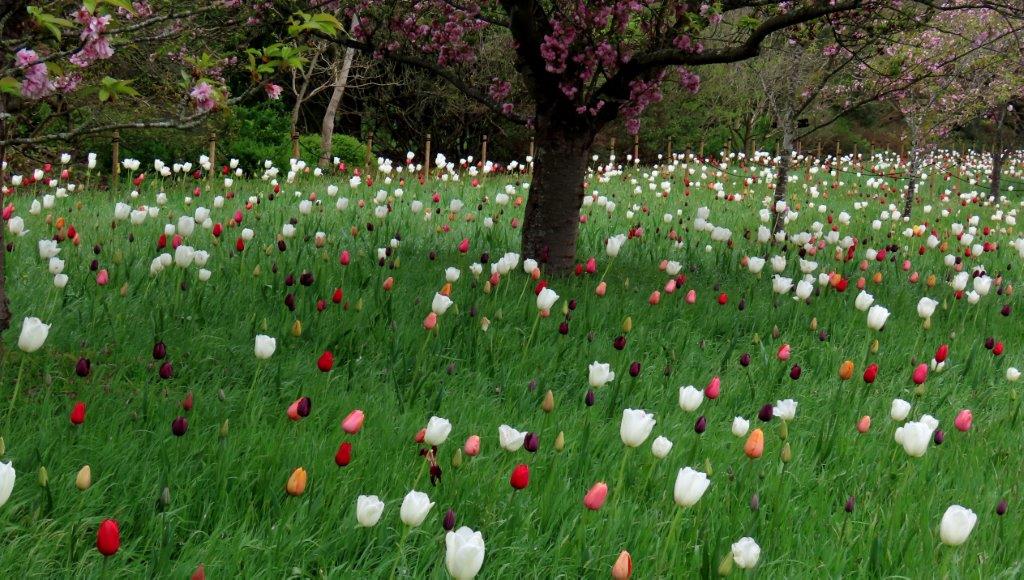
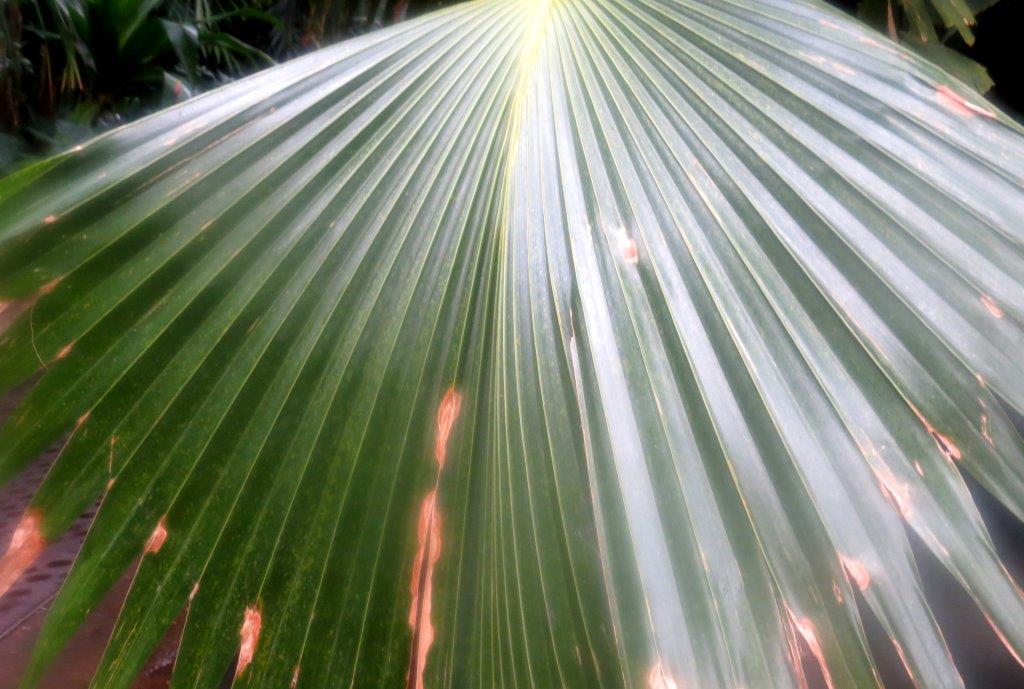
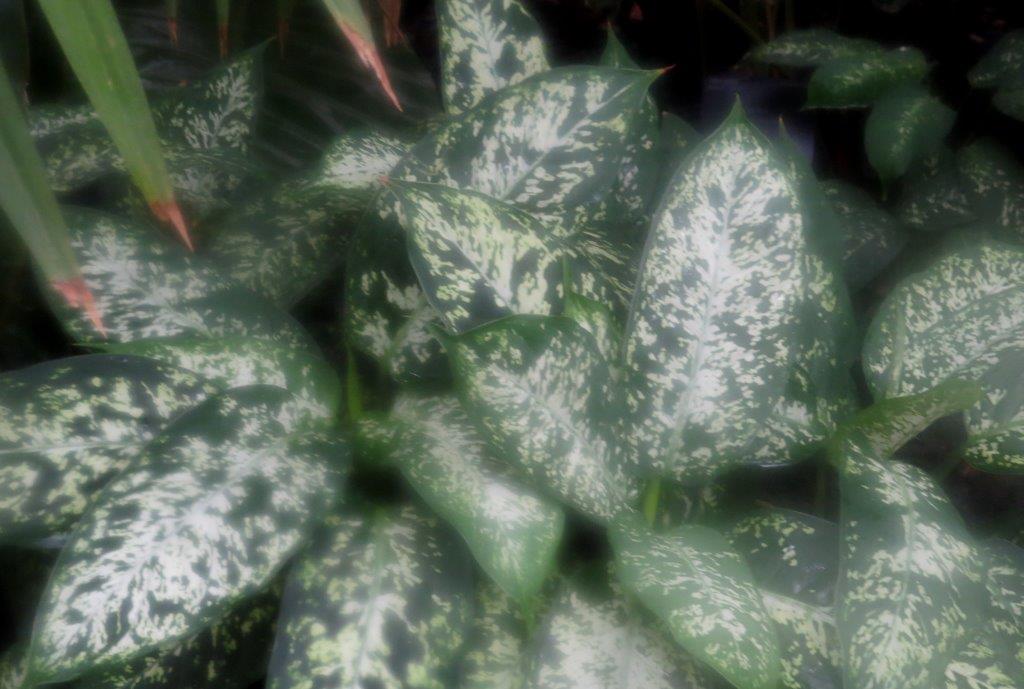
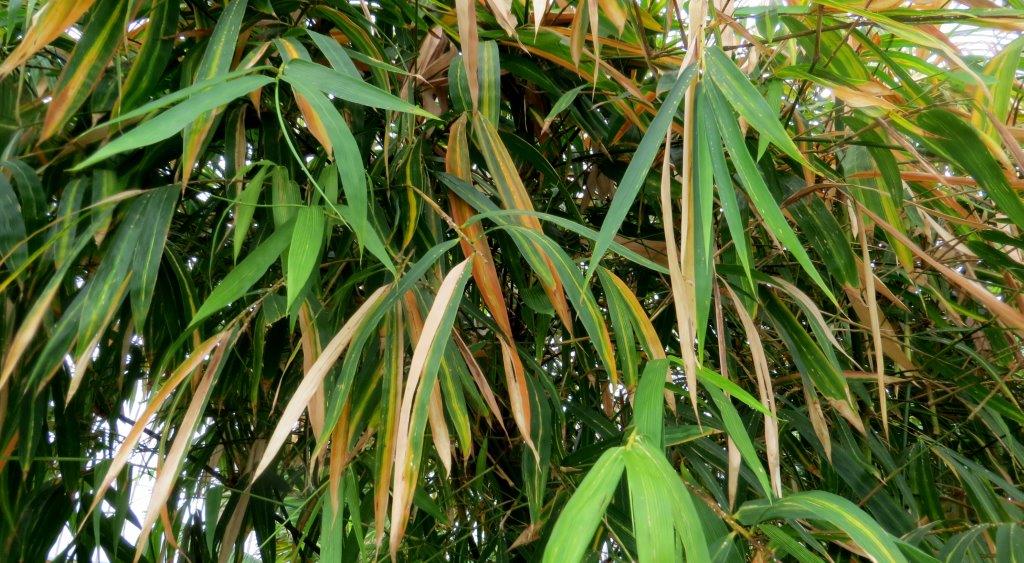
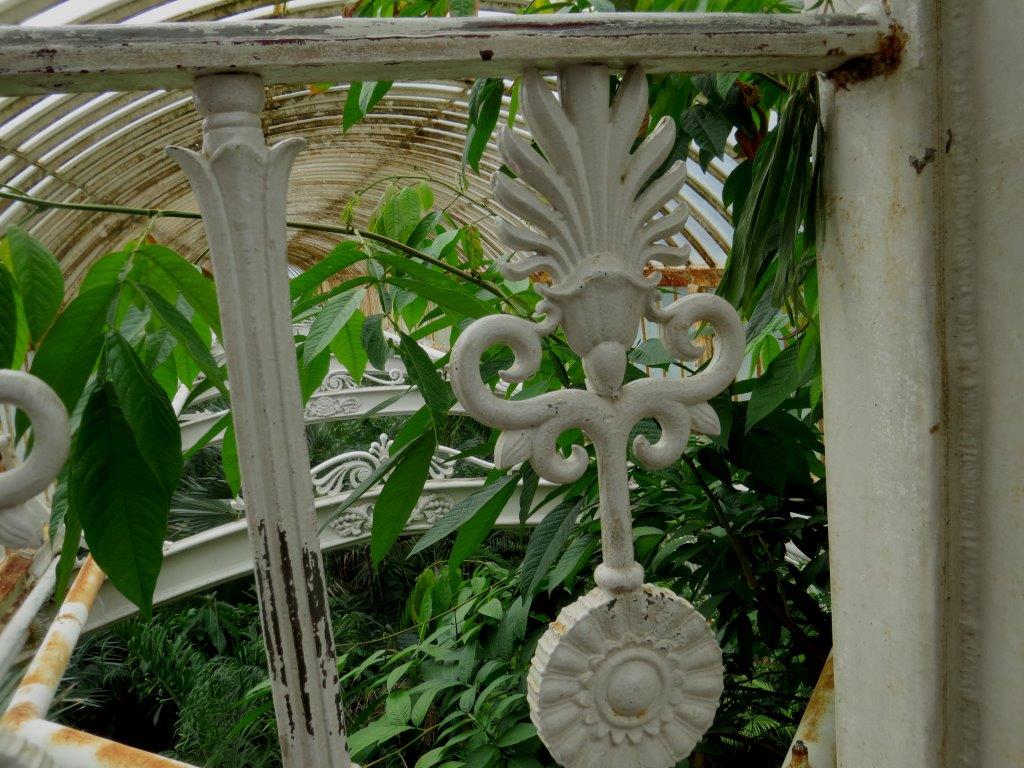
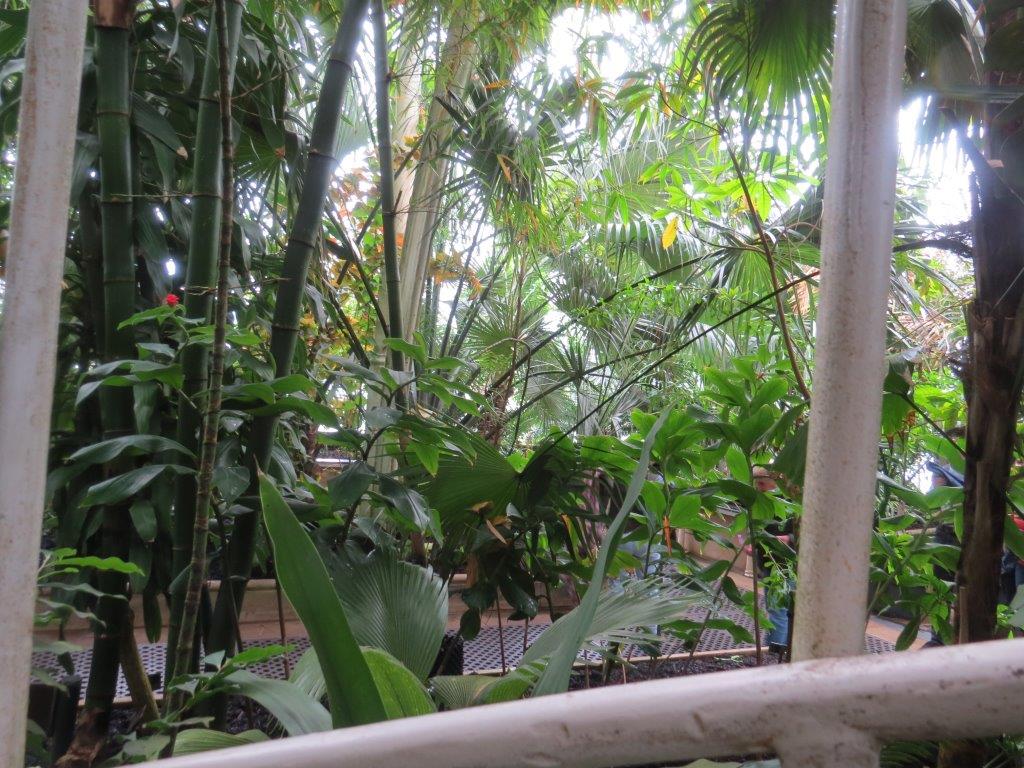
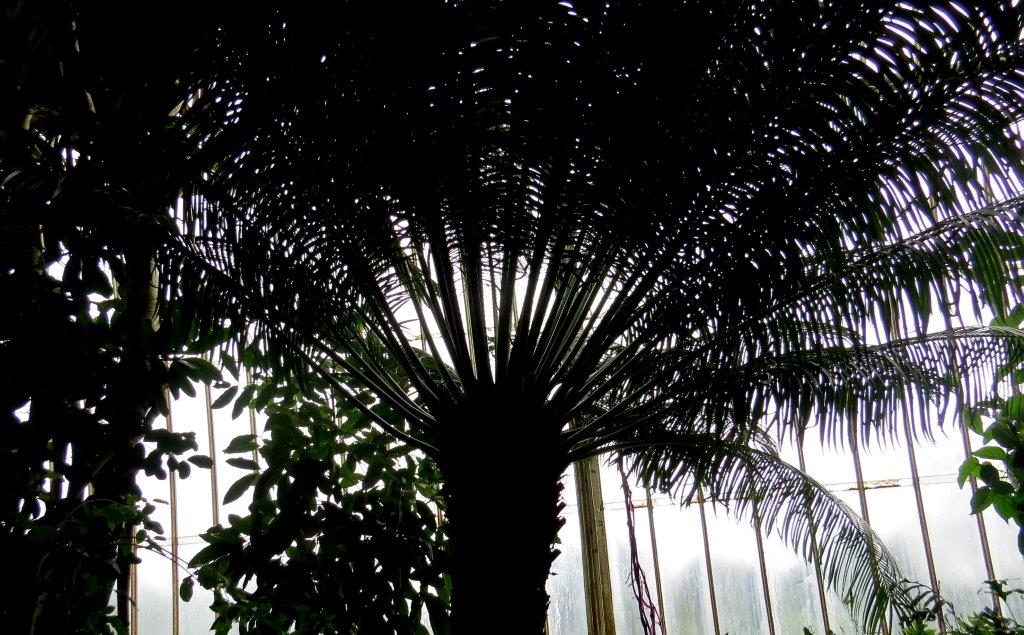
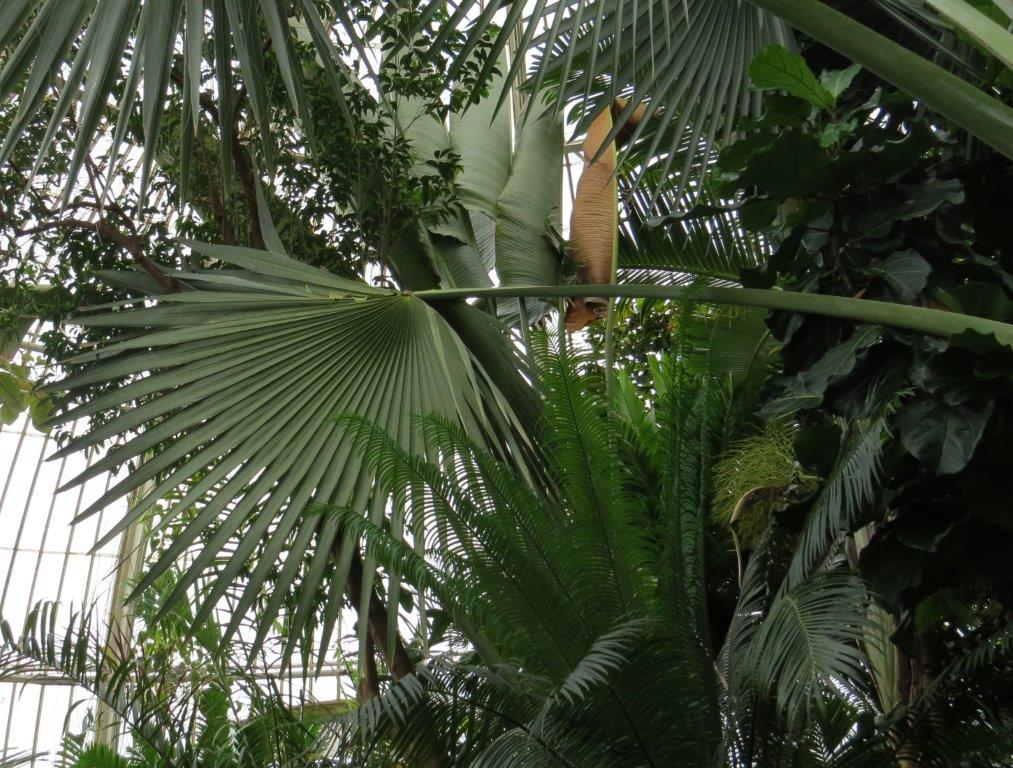
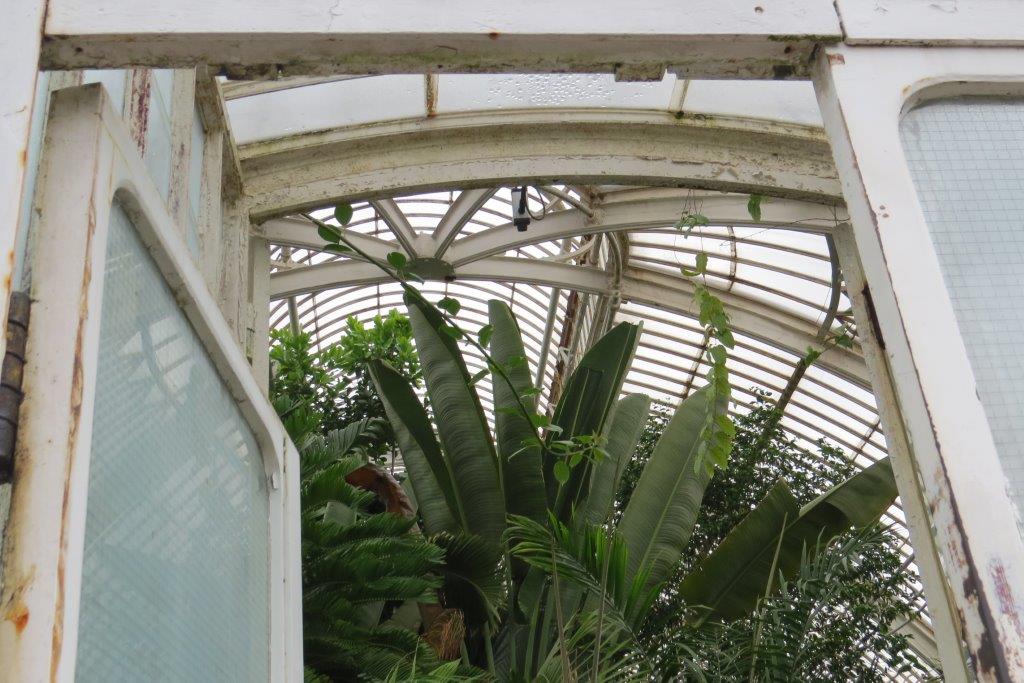
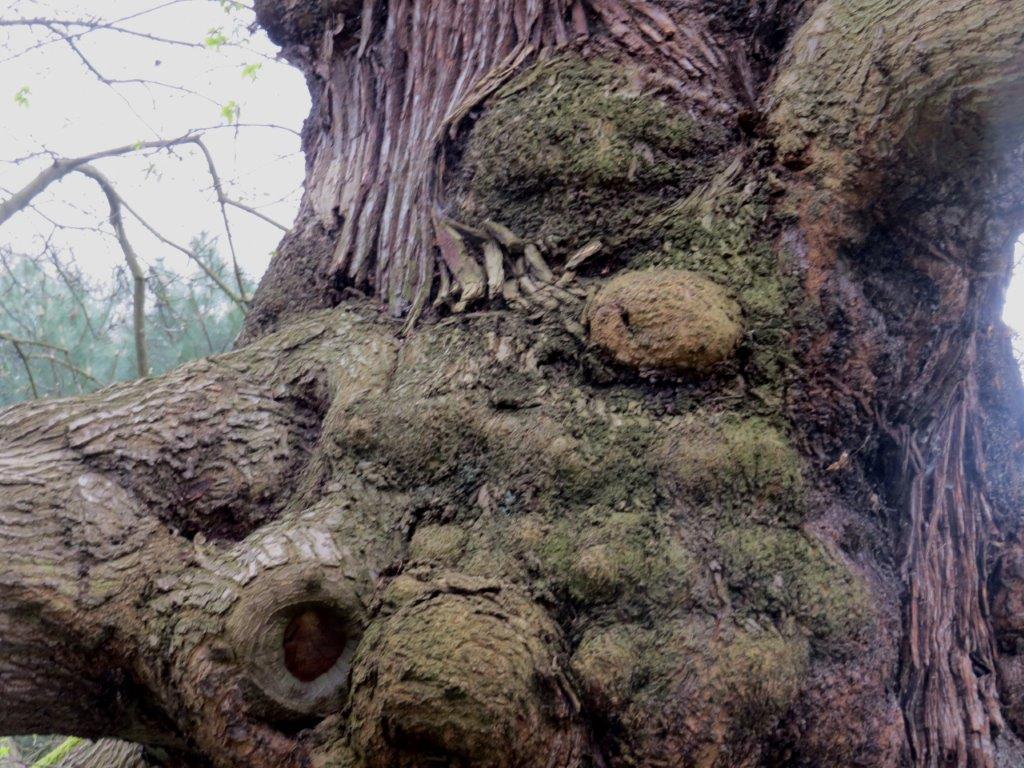
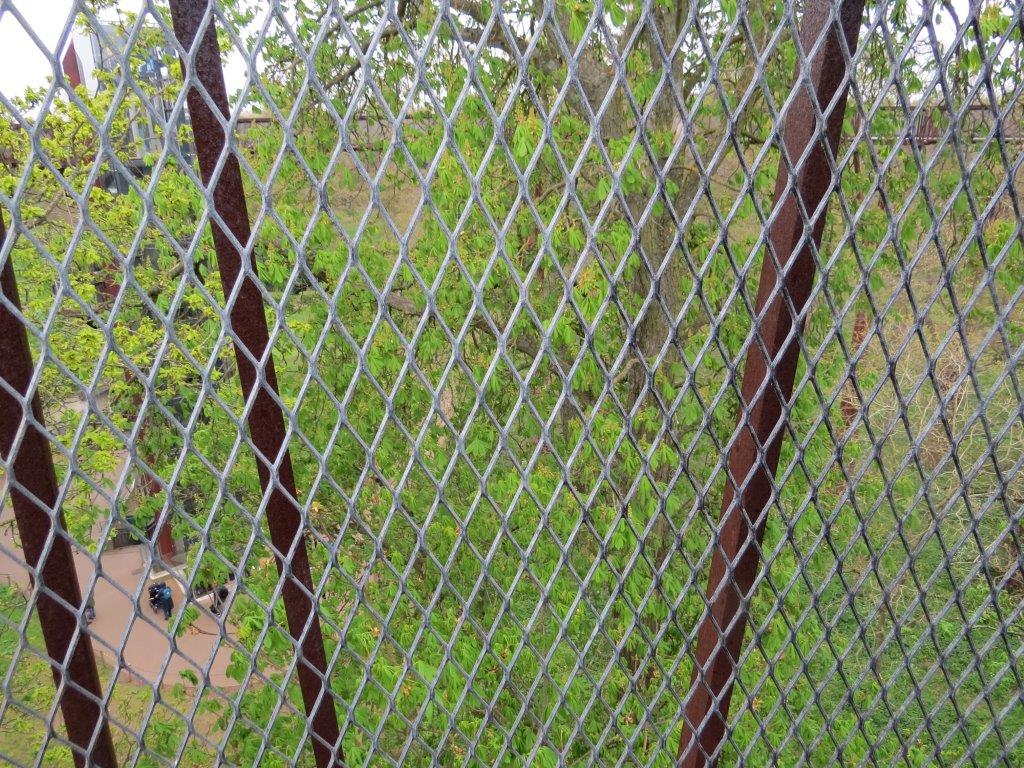
But for the first time we saw the gardens through the eyes and camera of Eleanor, our six-year-old grand-daughter, on her first visit to Kew.  Here are some of her images from her own unique viewpoint: we do forget that someone only 120cm tall is so often looking through bars and railings, and always upwards. In the right hands, one of Papa’s old cameras can teach us all a lesson!