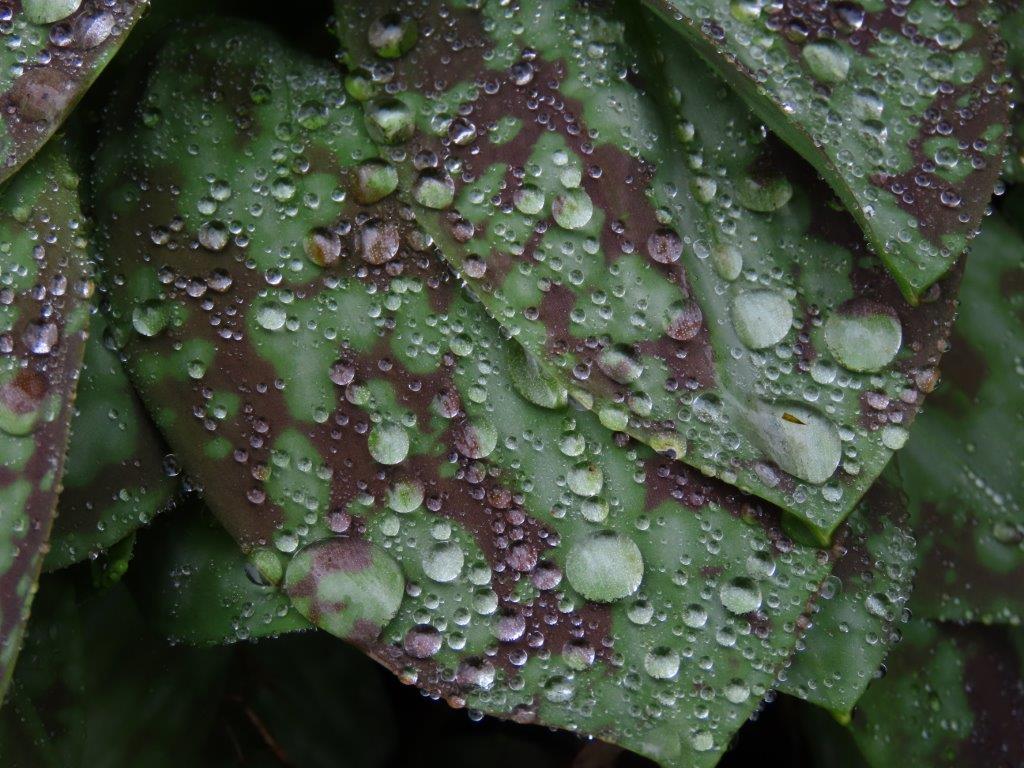
It was the last day of the month, and the day dawned mizzly. When I arrived in the Gardens, it had stopped drifting down from the cloud, but moisture had congealed on every surface, mercurial drops turning every leaf into a work of art.
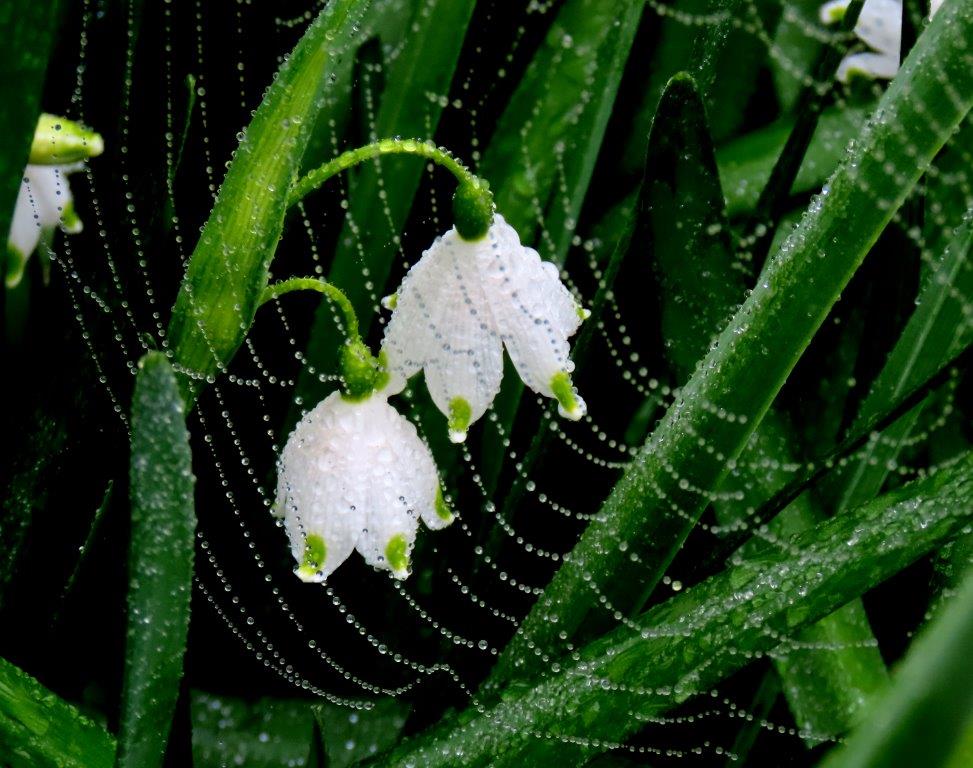
As the air dried out so the spring flowers perked up; only two weeks since my previous visit, but the whole floral palette had changed. Spring happens so quickly when the weather allows, a whole unfurling package of distinct microseasons, just a few days each.
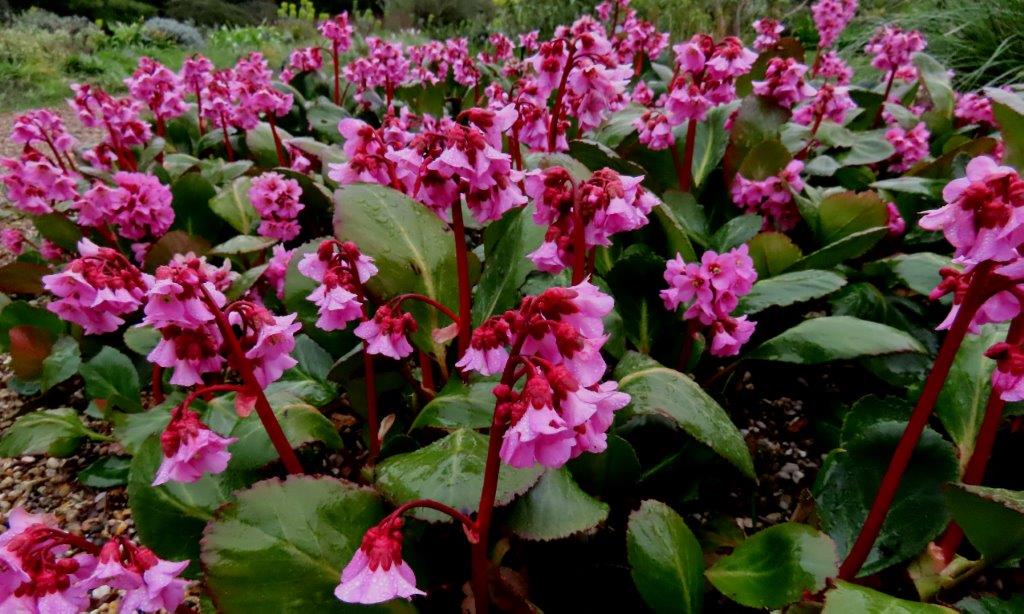
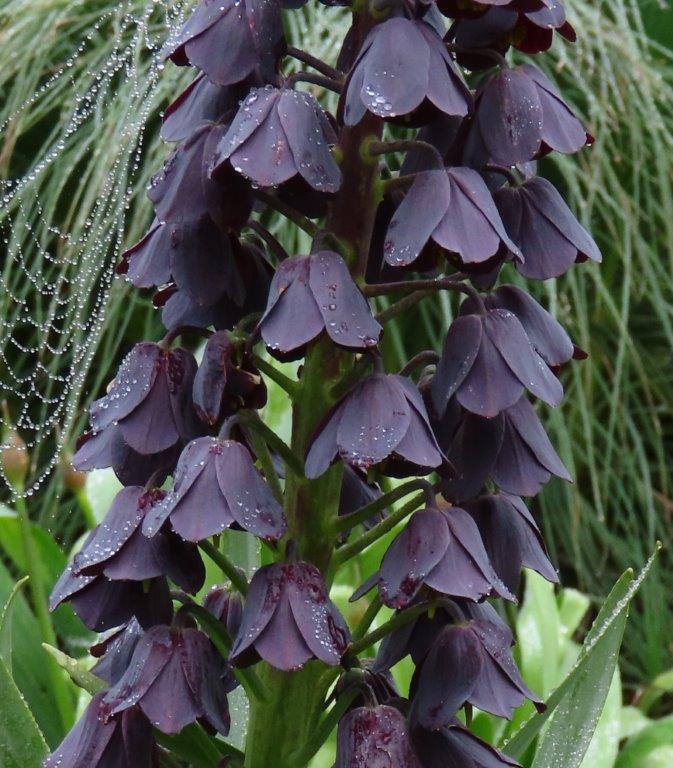
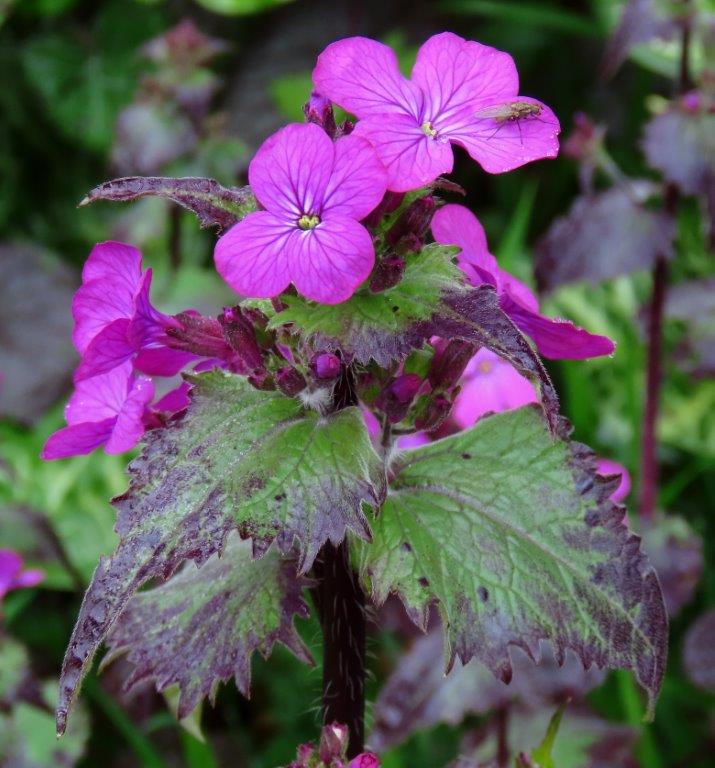
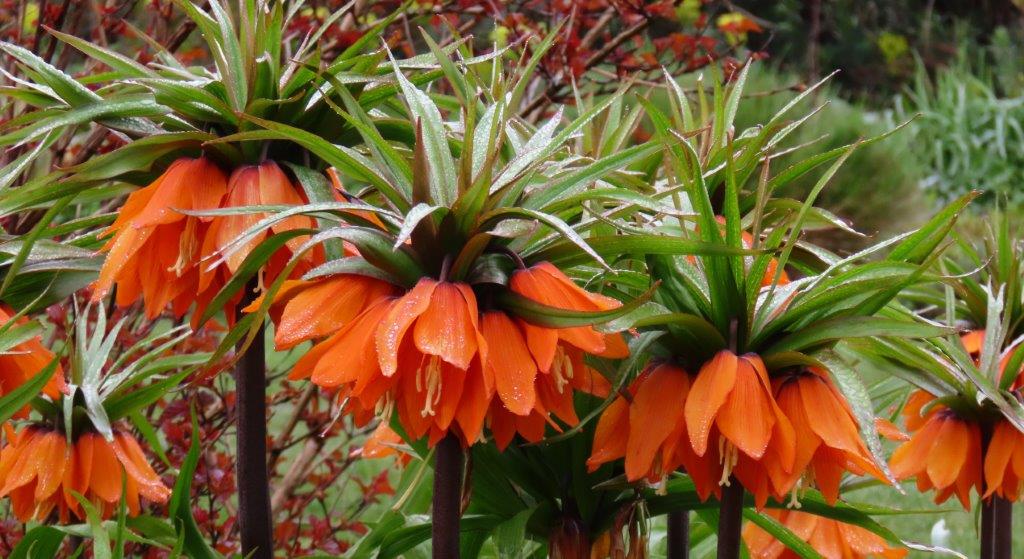
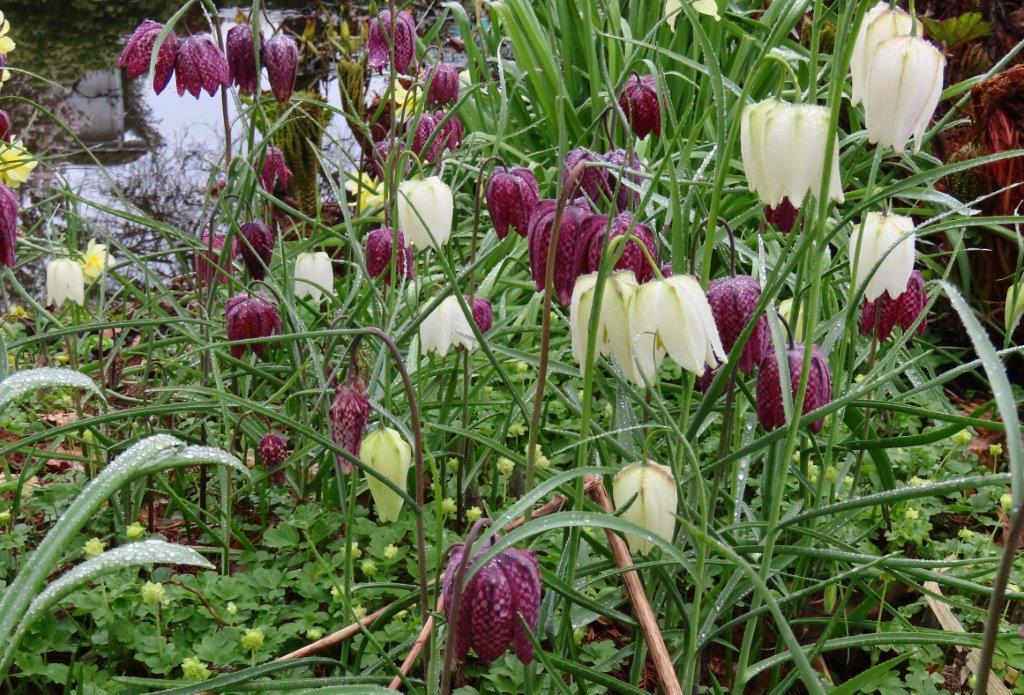
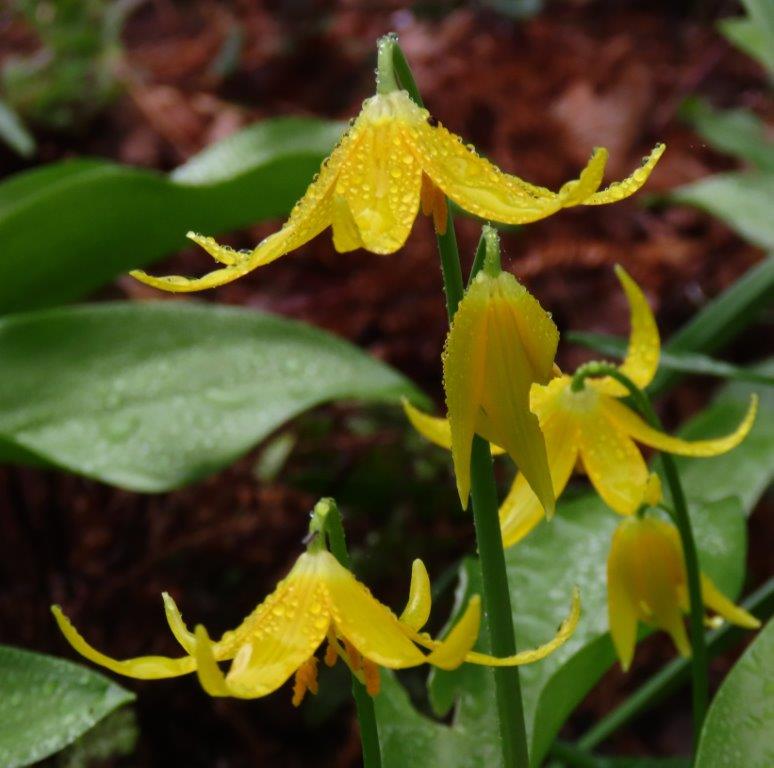
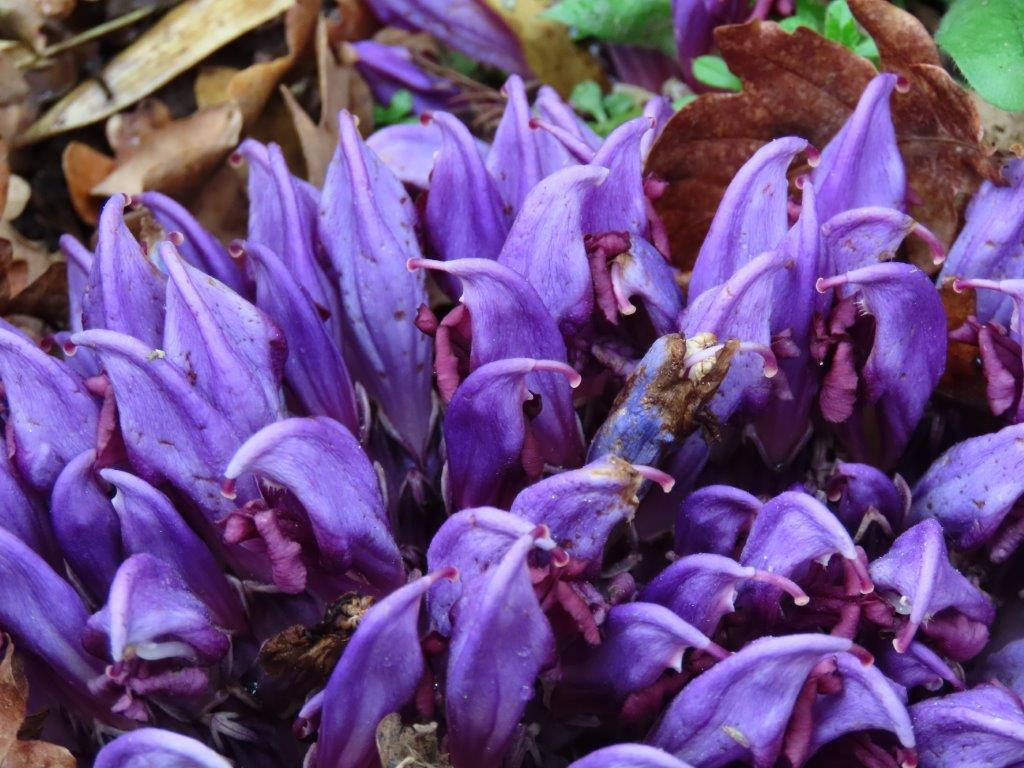
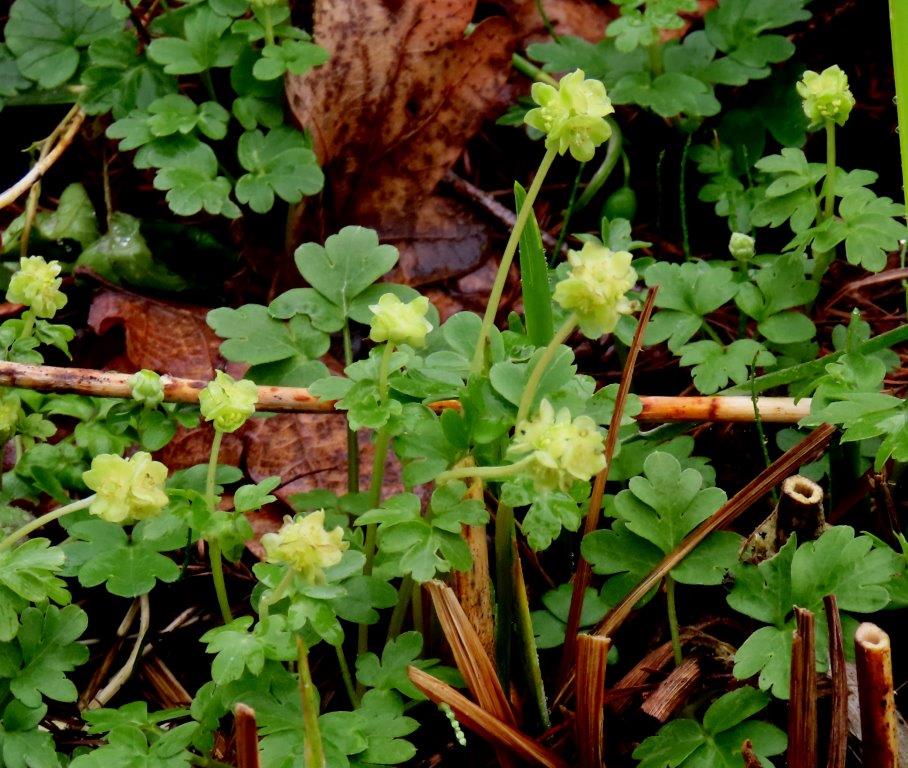
Two plants for me were particularly noteworthy. The dramatic parasitic Purple Toothwort had erupted next to the Willow Room, and several of the damper borders were laced with a lime filigree of Town-hall-clock. One of my favourite unassuming native woodland plants, where else can it be seen bringing the sense of wildwood into our daily lives?
Birds were at their spring-singing best, with the first Blackcap joining the many Chiffchaffs, and up to half-a-dozen vocal males of both Chaffinch and Greenfinch. And in complete contrast, small groups of both Grey-lag Geese and Egyptian Geese flew over squawking.
After the dampening, it took the insects a while to become active, but the still warmth coaxed a few out. Two plants are the superstar attractors at this moment. Firstly, there is Skimmia, each plant producing a pool of sublime scent in the still, moist air, attractive to us, but also crucially also to pollinators, especially bumblebees and blowflies.
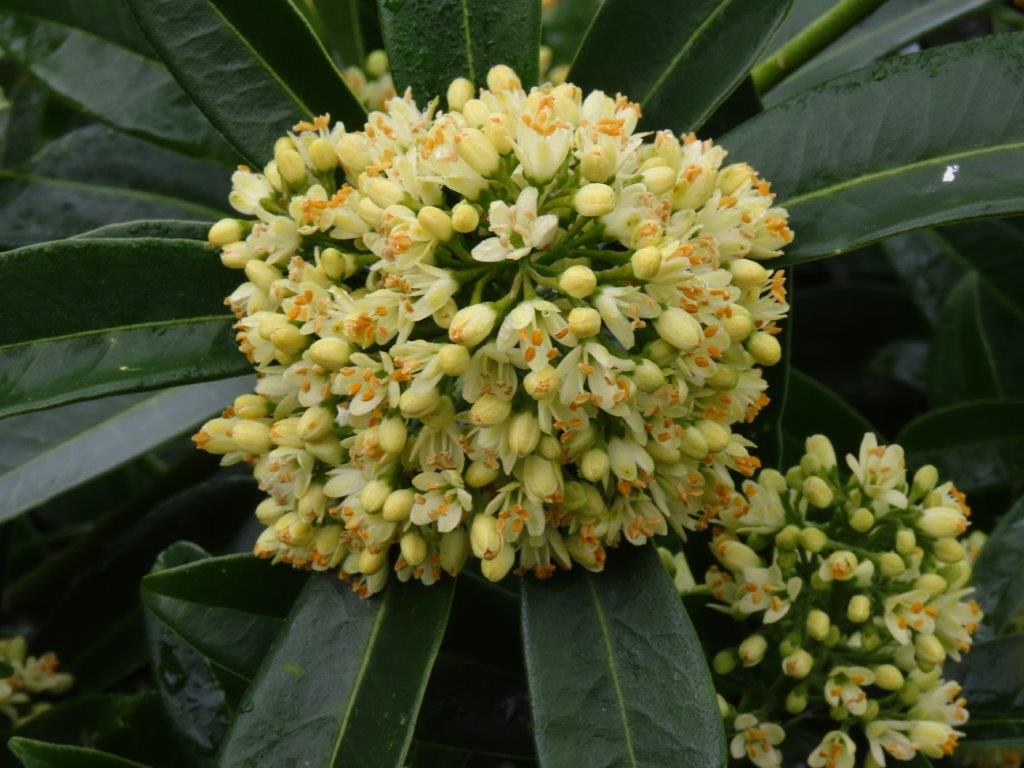
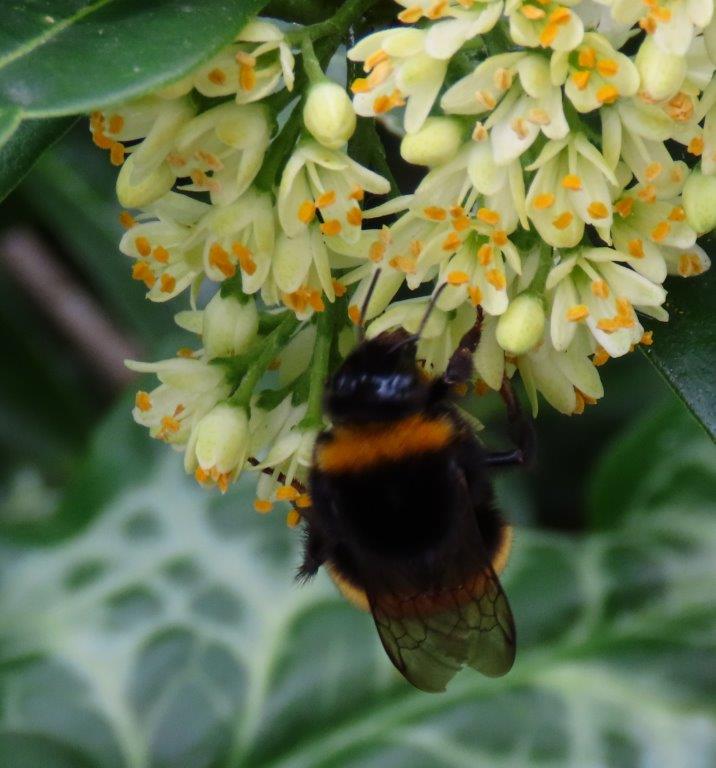
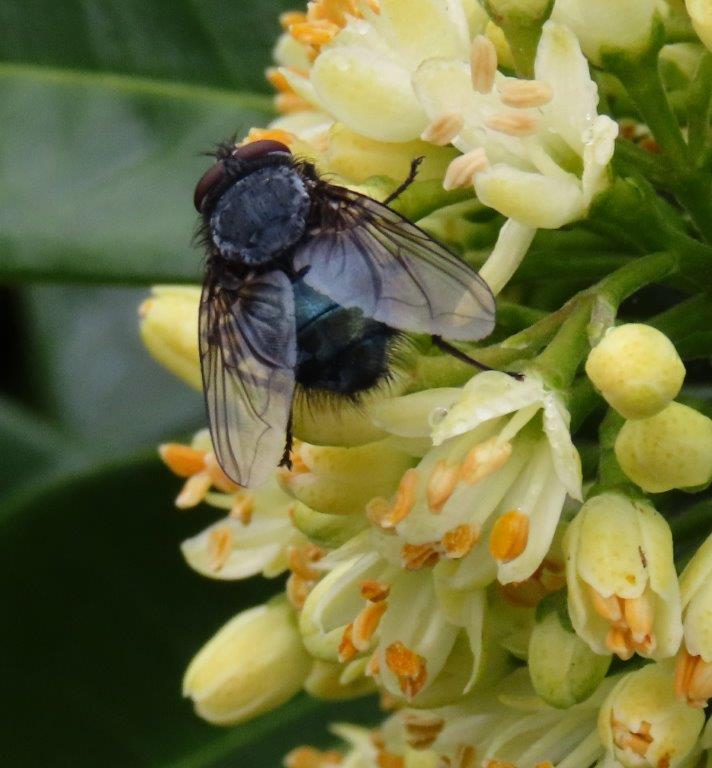
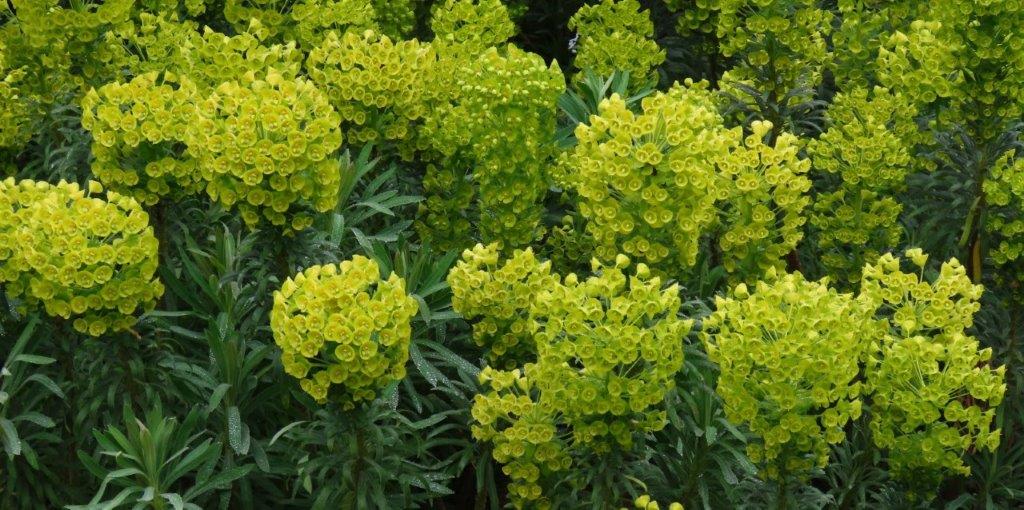
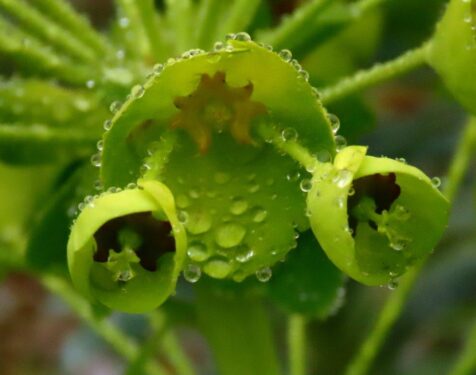
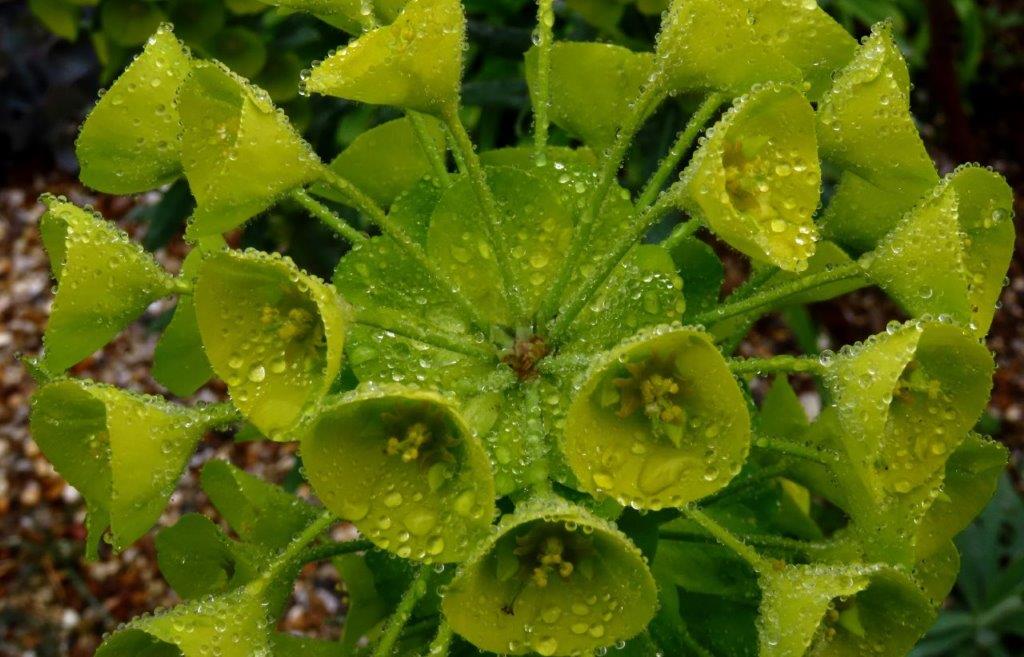
And then Euphorbia! So many different species and cultivars now in flower. All recognisably spurges, with their unique inflorescence structure known as a cyathium…
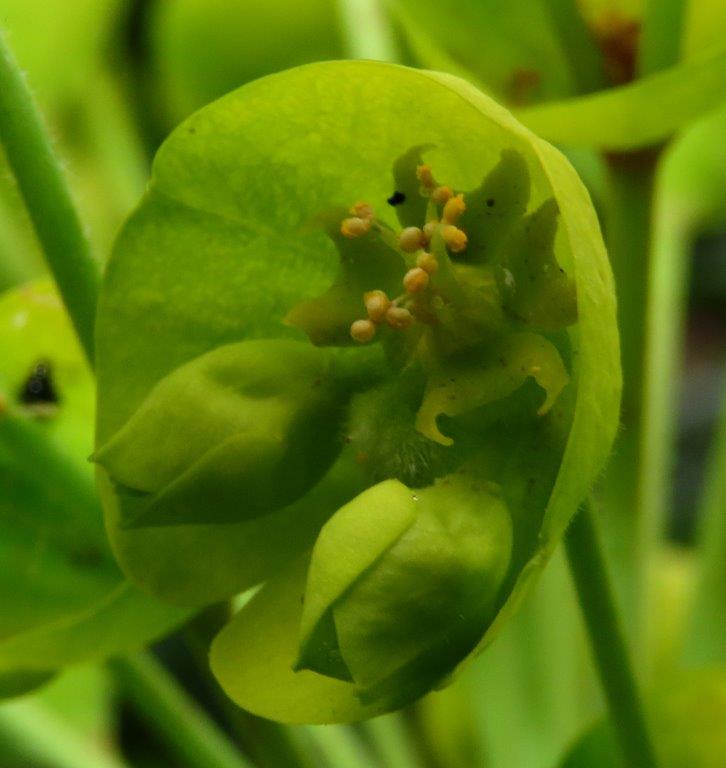
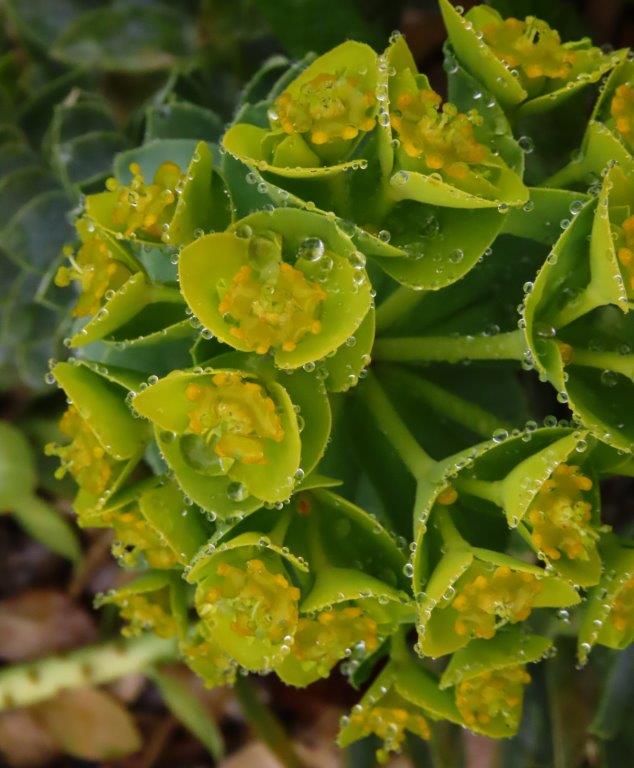
… but each with a different suite of shapes and colour of the obvious nectar glands.
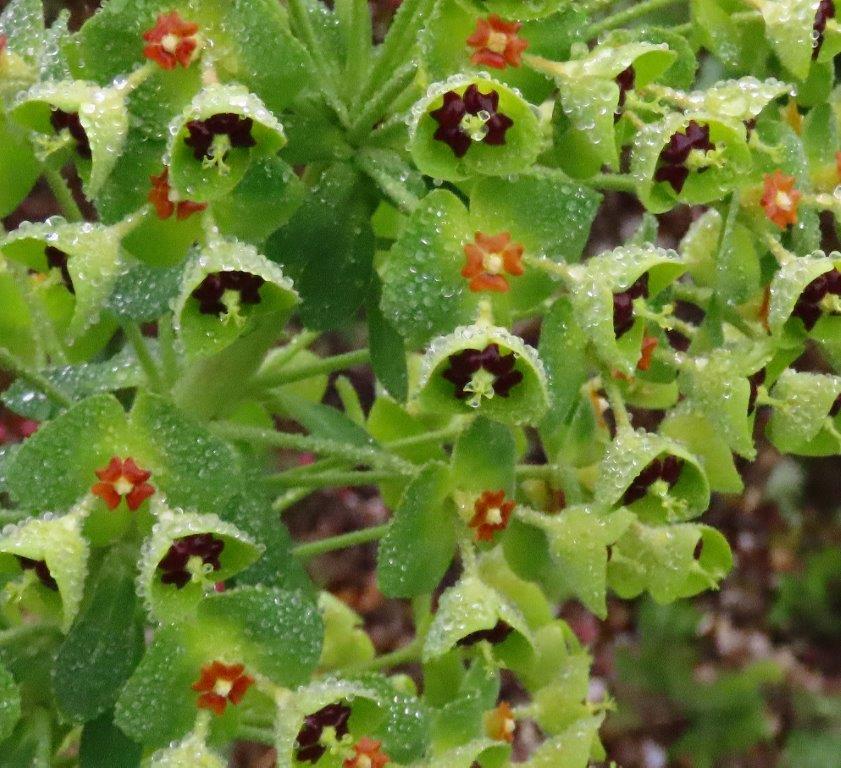
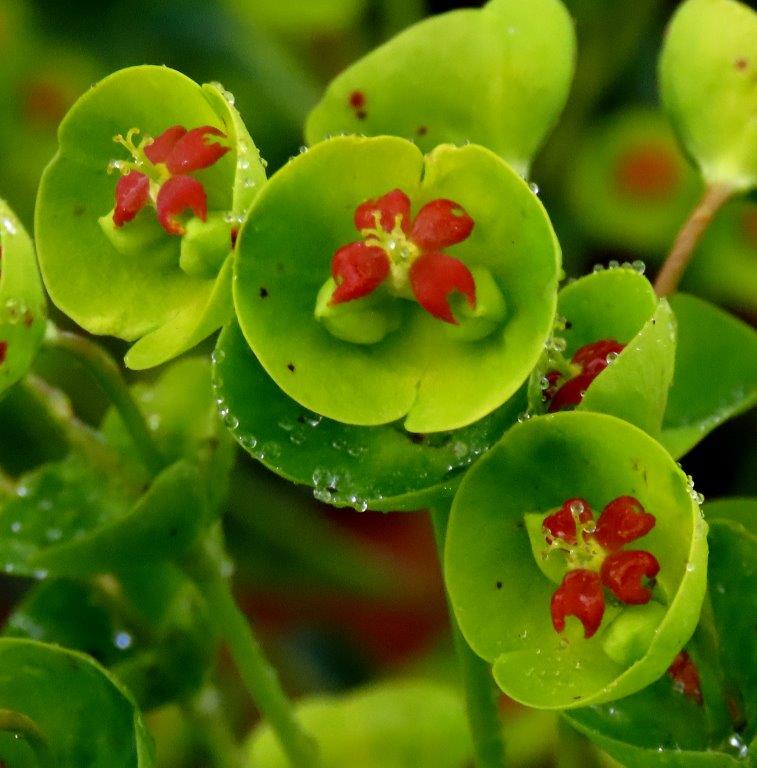
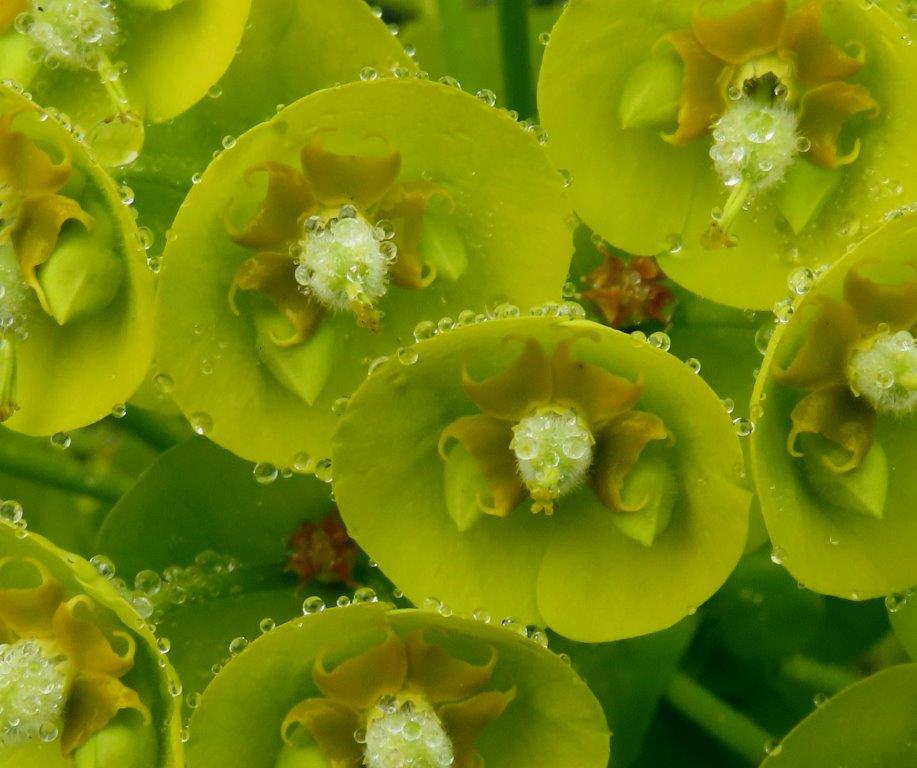
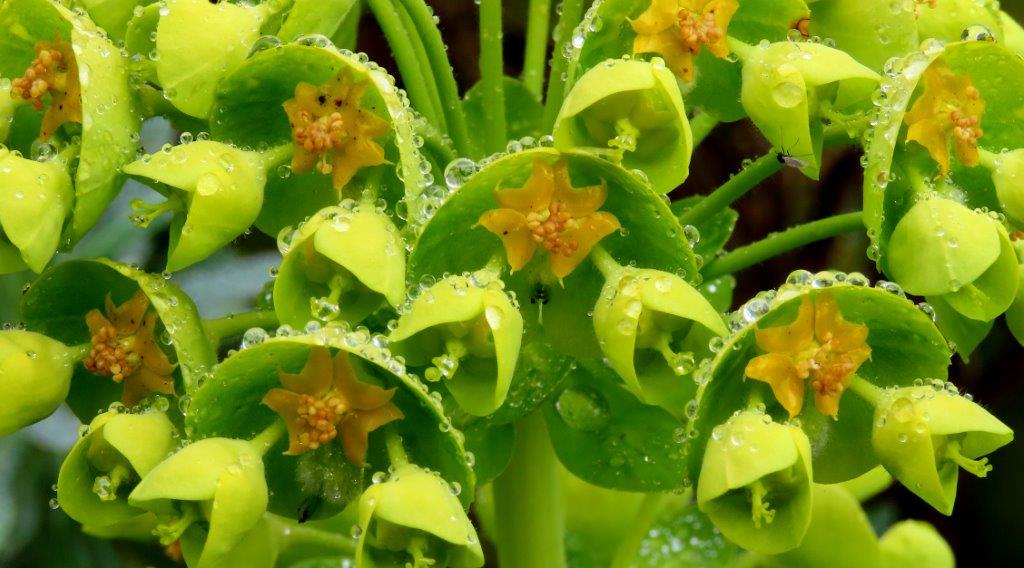
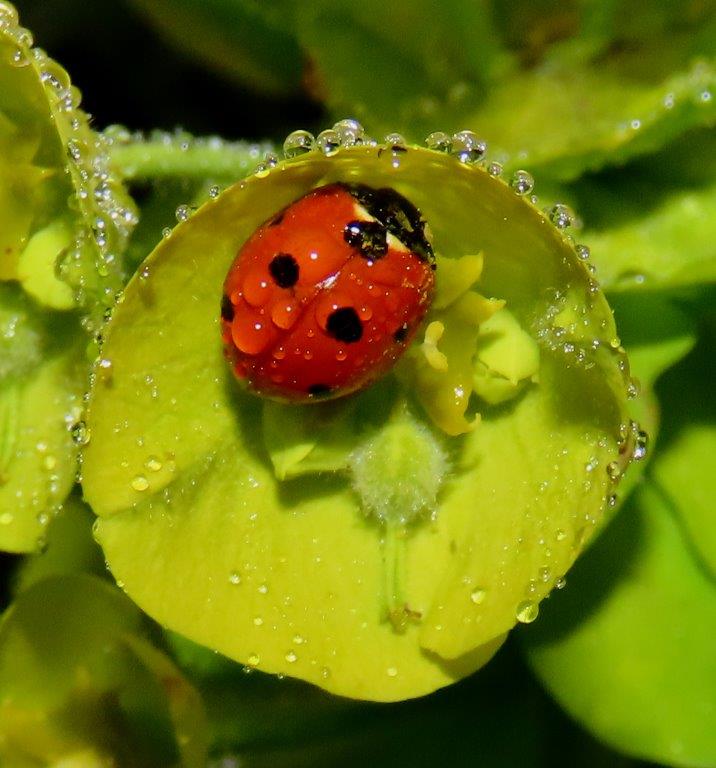
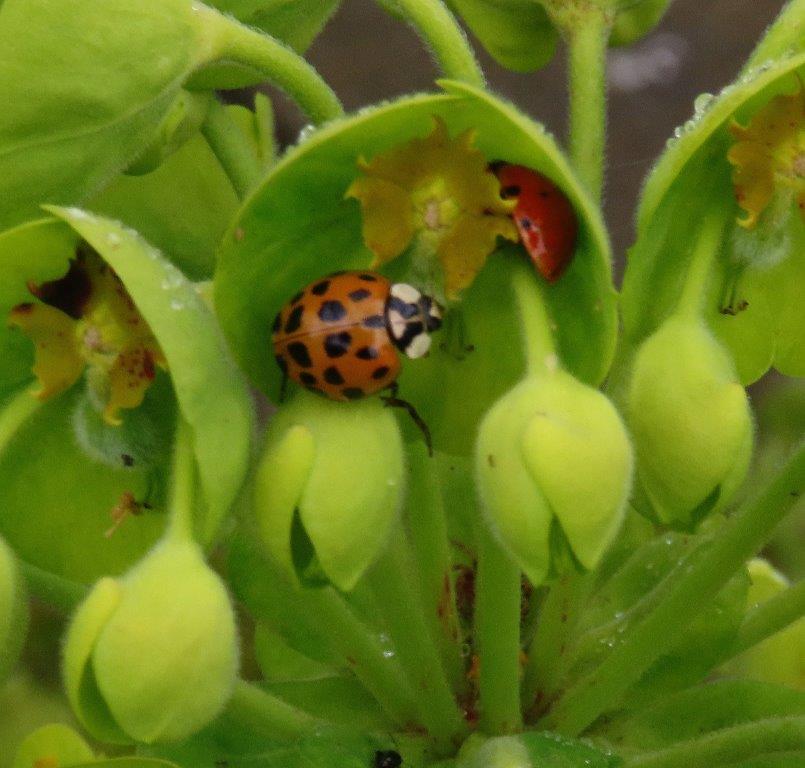
And they really pull in the insects of all sorts, open inflorescences with lots of pollen and masses of nectar that are now doing the heavy lifting of feeding our insects. There were ladybirds everywhere…
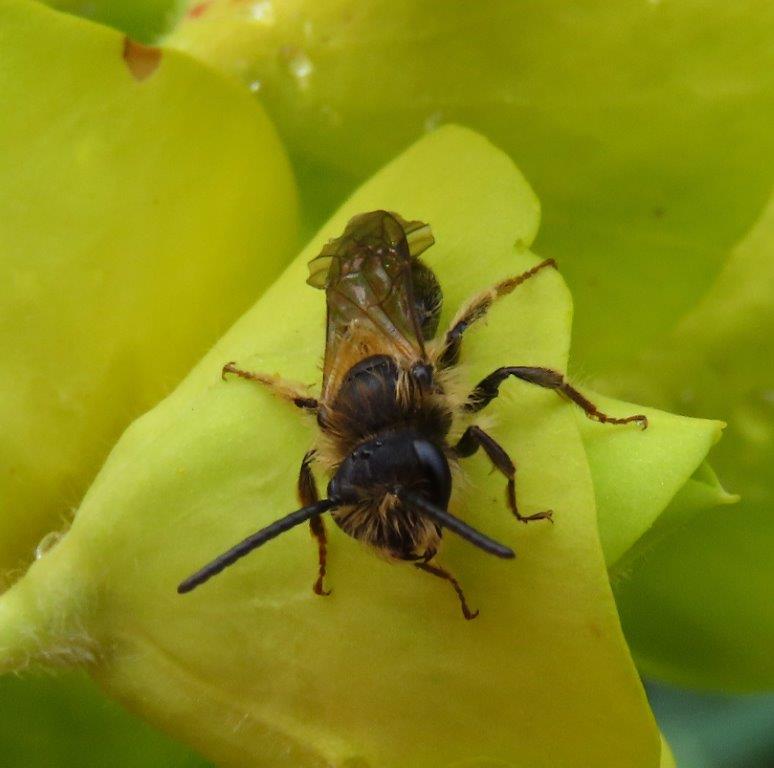
… soggy solitary bees …
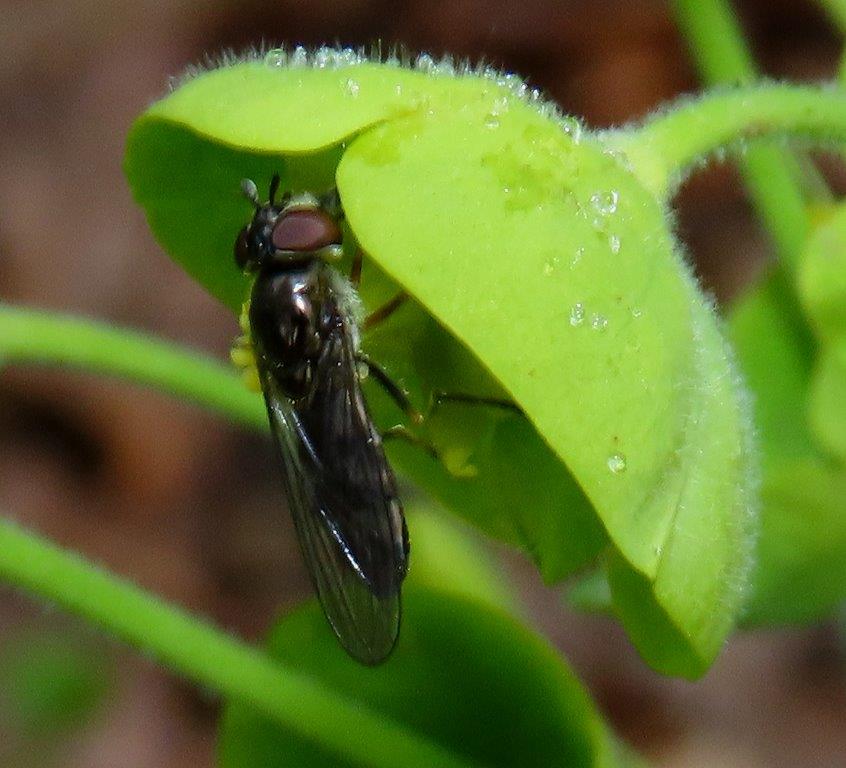
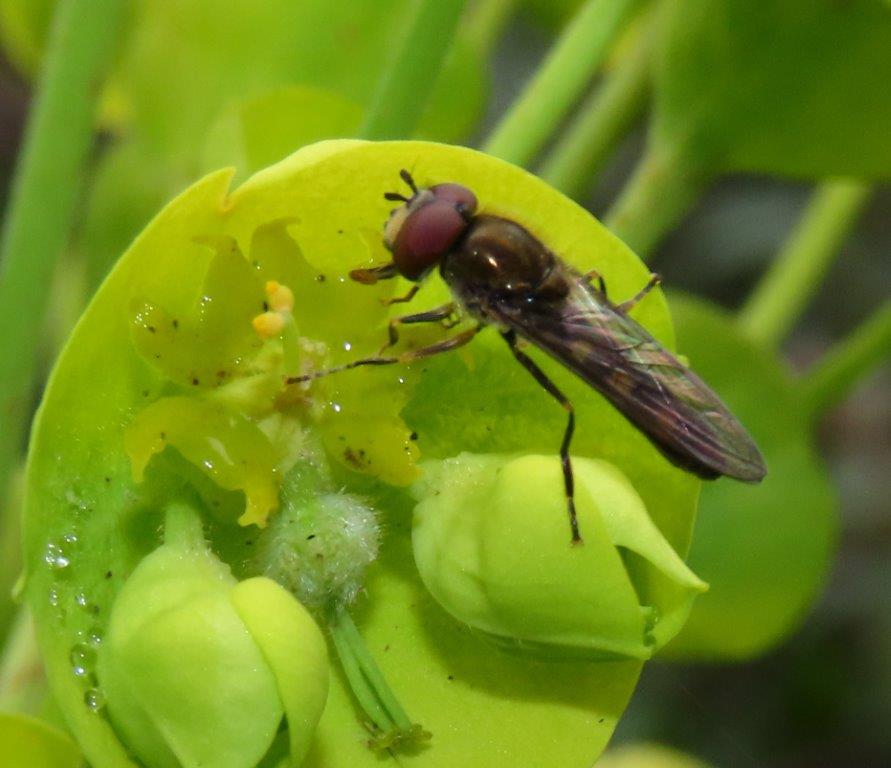
… and flies of all sorts, including several hoverflies, including a pair of Platycheirus: P. albimanus and P. scutatus.
For me Euphorbia is one of the most valuable, but overlooked, genera for insects in the garden, with one or more forms flowering almost throughout the year. Is ‘Euphorbiophile’ a real word? If so, I am one of them!