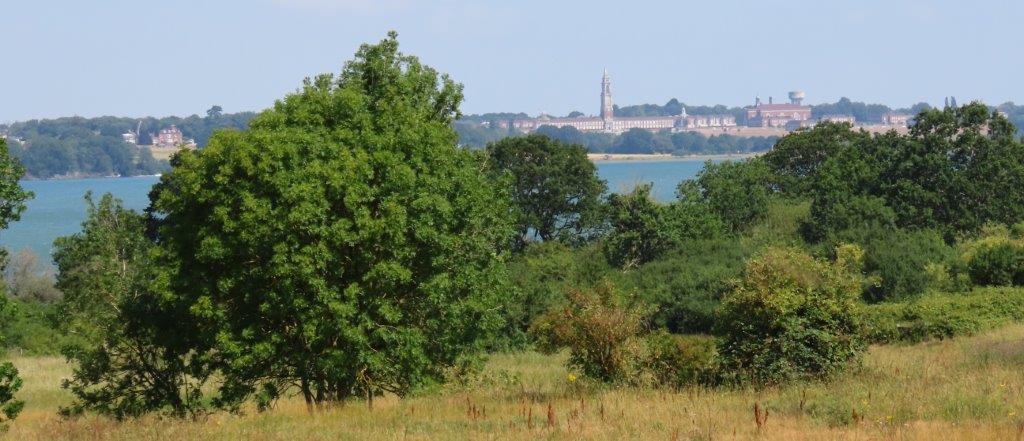
It was in the third heatwave and drought of the summer and the north Essex landscape was looking decidedly tired. Leaves drooping, few birds and insects braving the heat of the day and, sadly, several of our target species were missing. No Turtle Doves or Sand Martins seen or heard around their well known breeding sites, where they had been earlier in the year; no White Admirals flying in the woods – presumably their flight season has closed prematurely. But of course we carried on, always hoping, consoled by the notion of nature: if sightings were guaranteed, it would mean you were in a zoo, not the wild!
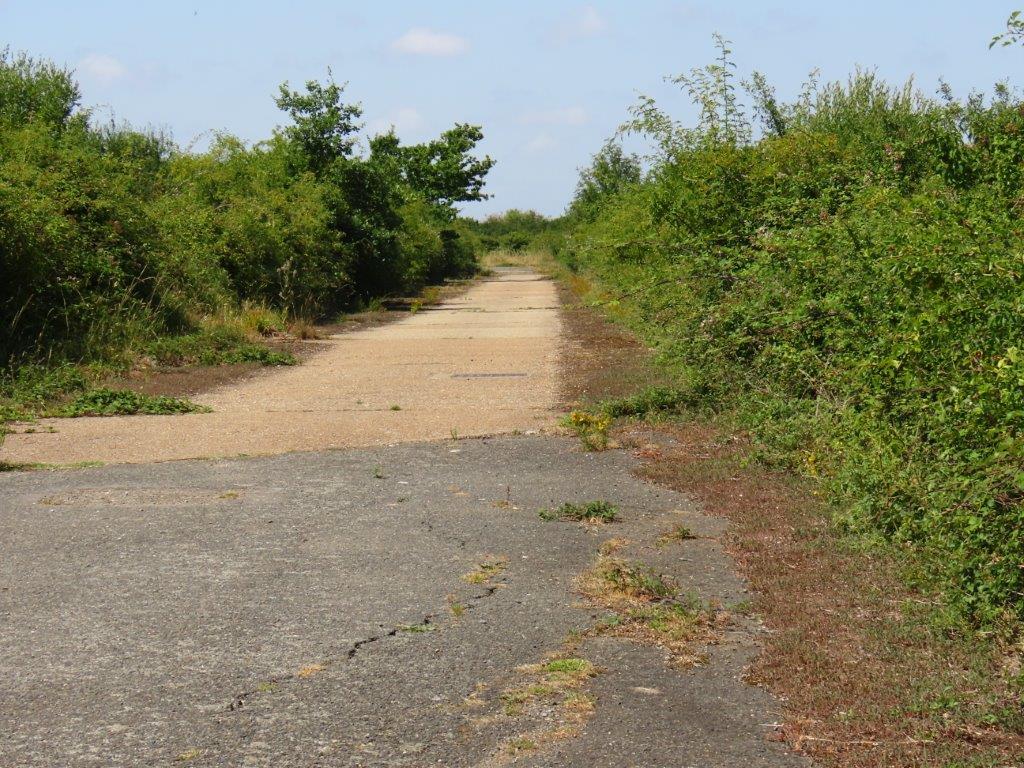
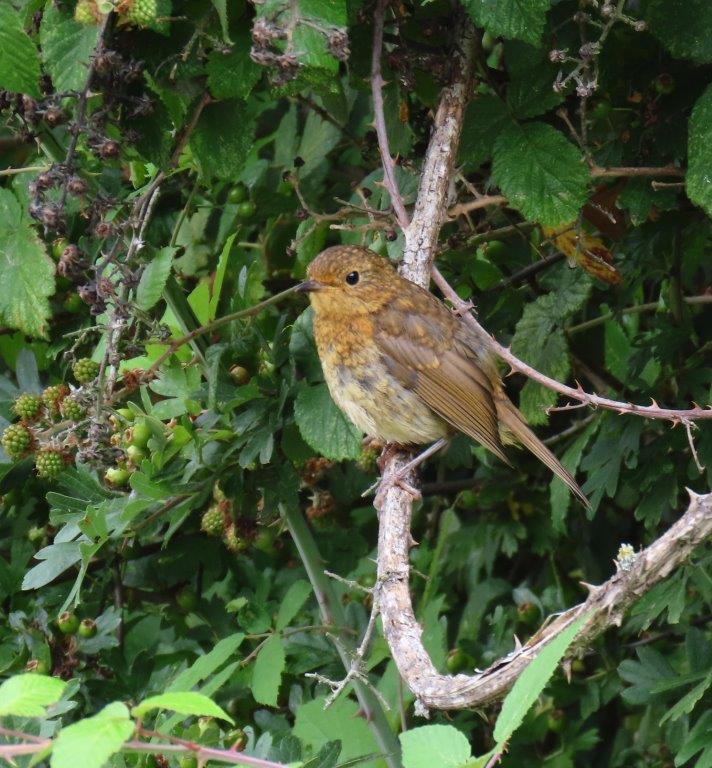
Actually the day started very pleasantly under a veil of cloud, but this soon burned off as the fierce sun once again took control. And all the time a stiff northerly breeze probably kept some activity down as well. But at Wrabness Nature Reserve, clad in its wind-damping cloak of scrub, there were Blackcaps and Whitethroats into their second broods, Goldfinches and Greenfinches twittering in the hedges, several Song Thrushes, presumably having a hard time finding snails and turning their sights on Elder berries, and some confiding fledgling Robins.
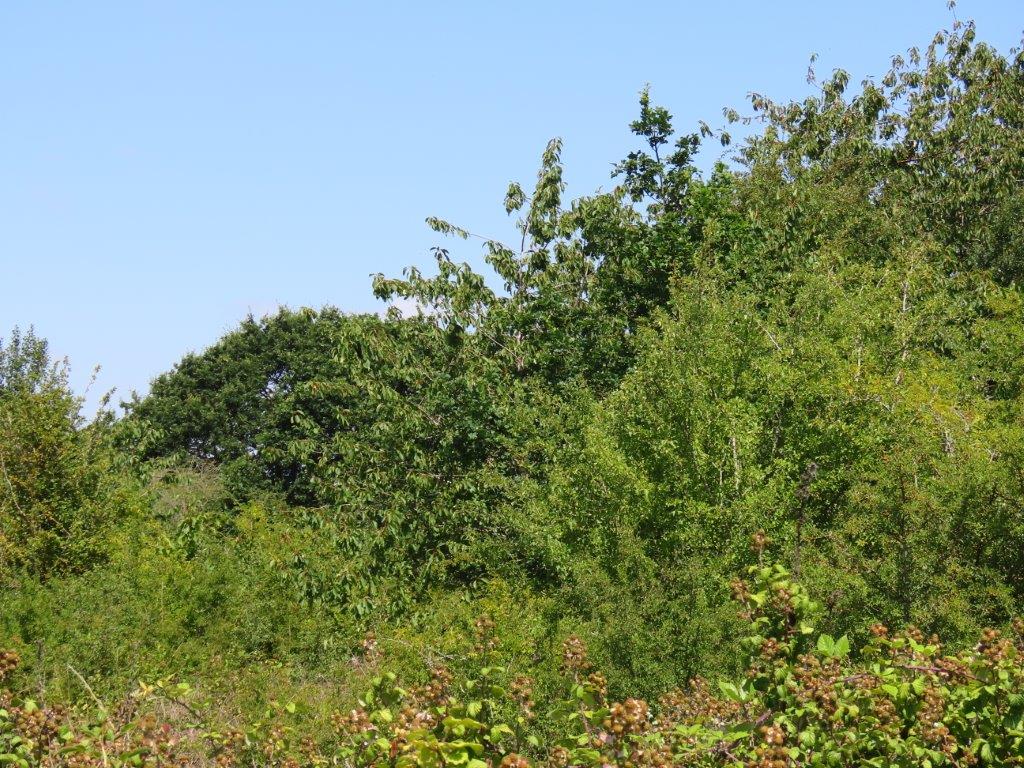
Flyover Cormorant, Little Egret and noisy Lesser Black-backed Gulls reminded us of our proximity to the Stour Estuary, while also in the skies Buzzard and Sparrowhawk drifted over, the latter being harried by Swallows rising from the nearby horse pastures and stables, along with a noisy family of Kestrels starting to master the art of flight.
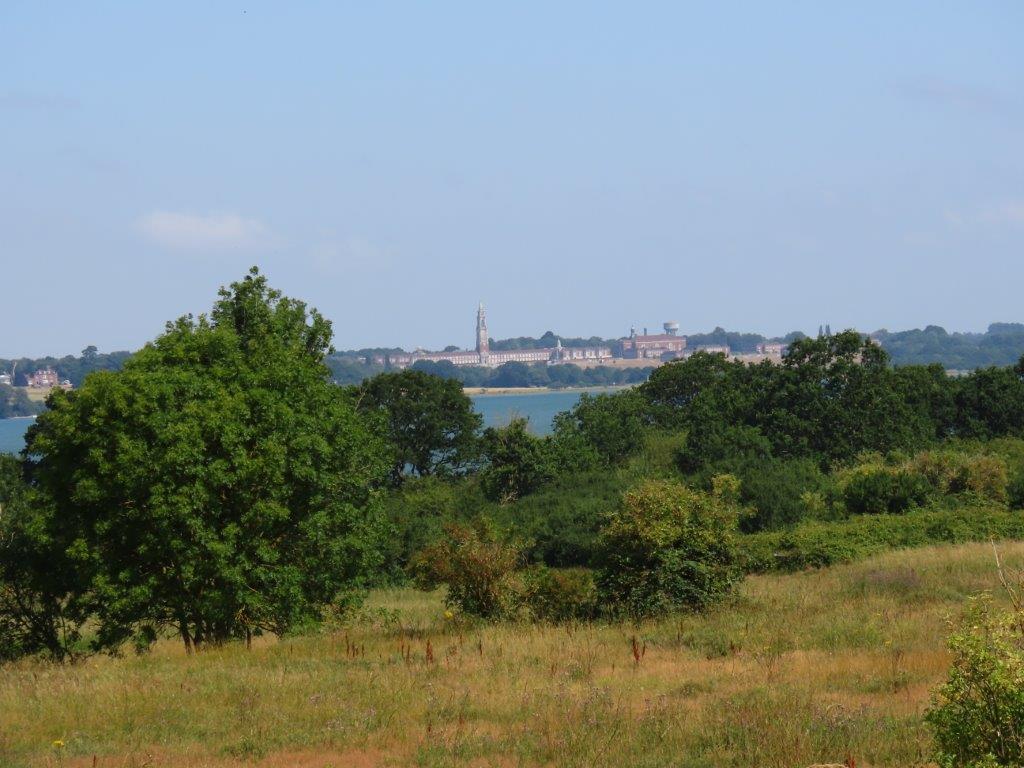
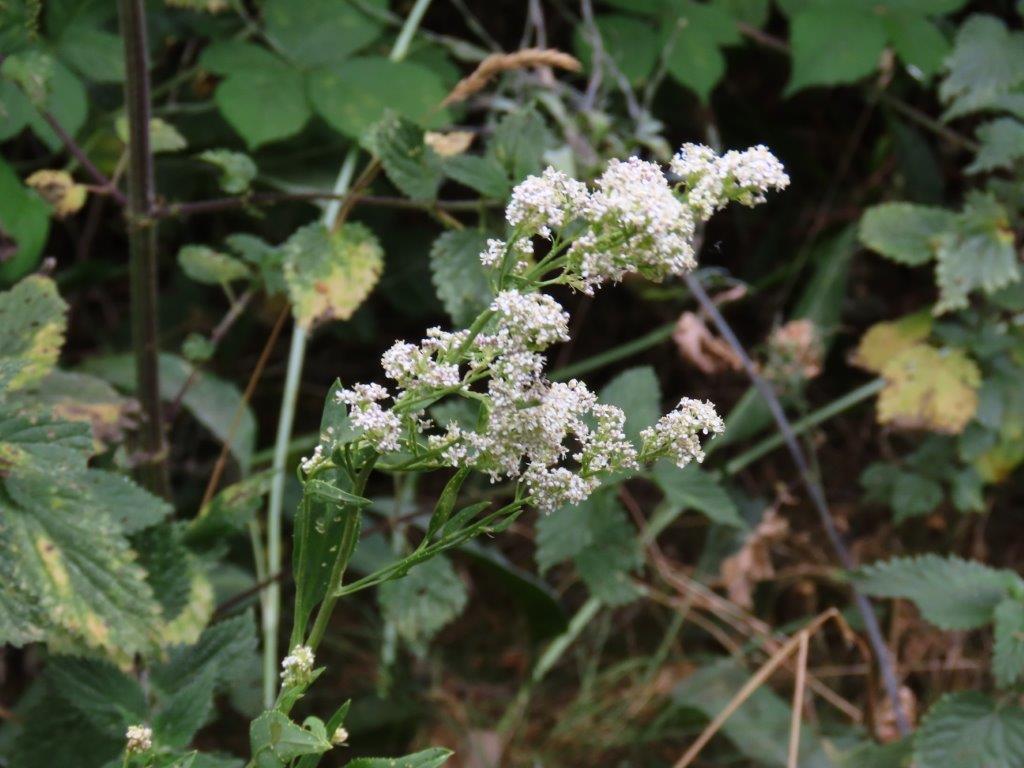
Given the drought, flowering was a little more sparse than usual, but included yellow composites like Bristly Oxtongue, Ragwort and Common Fleabane, white umbellifers such as Wild Carrot and Hogweed, plus Yarrow and Common Knapweed, Great Mullein and Teasel…
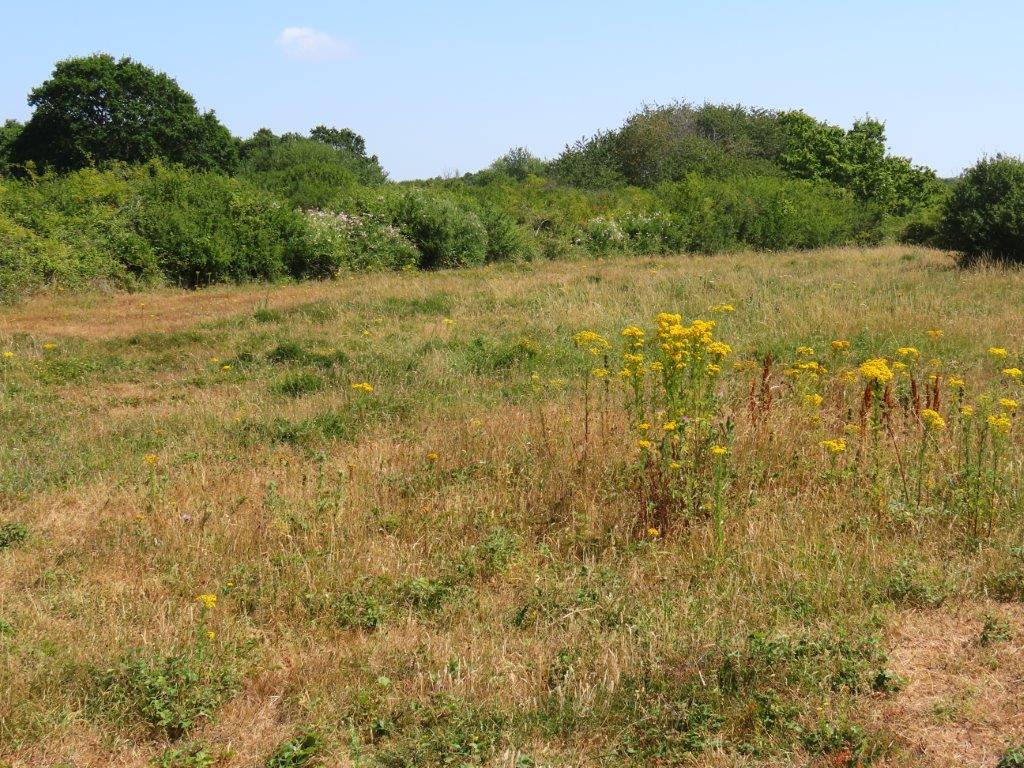
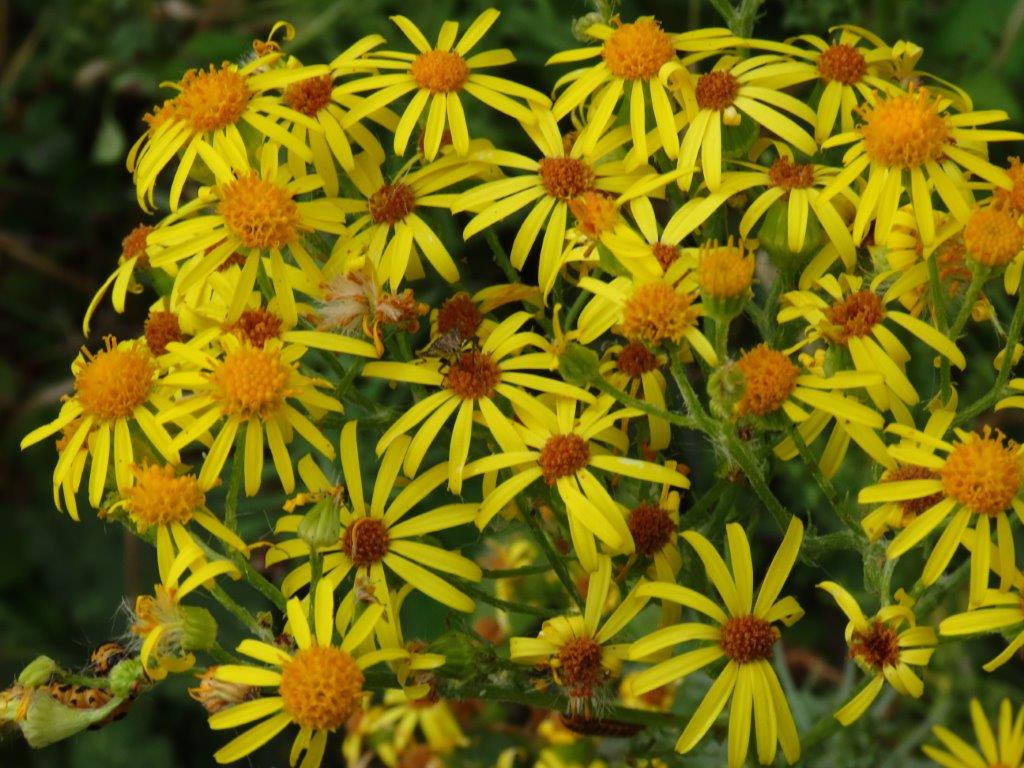
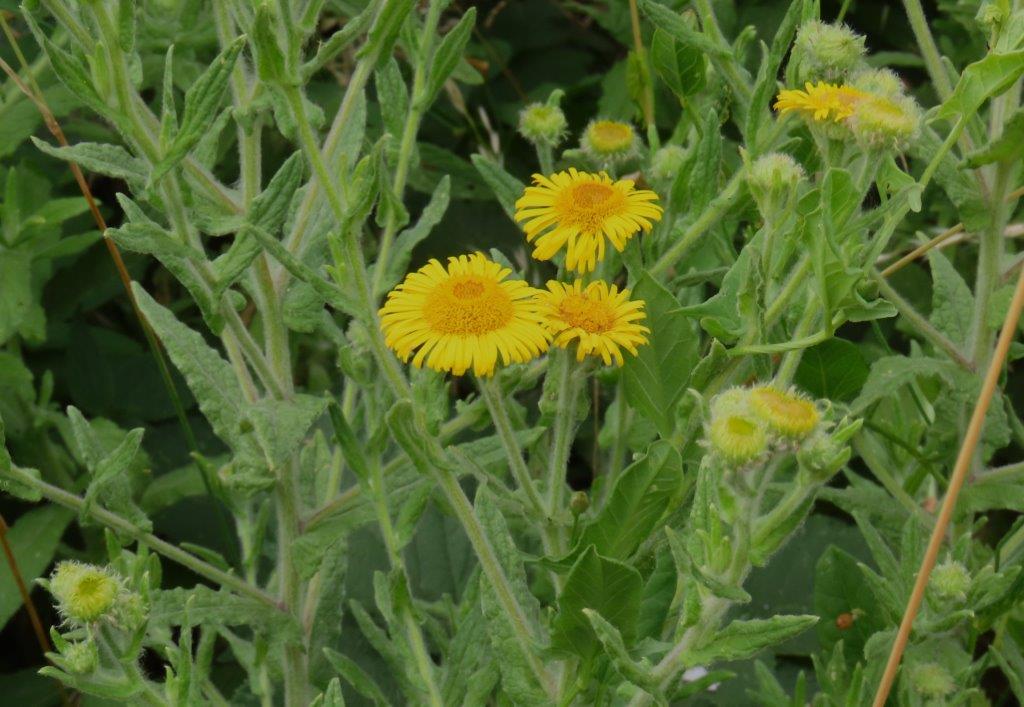
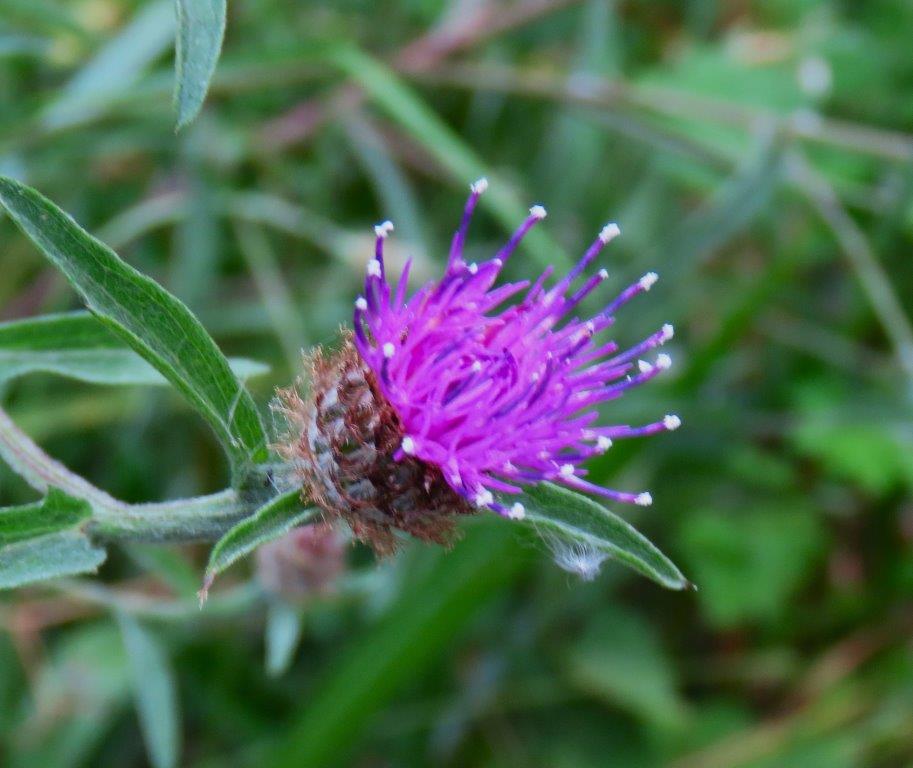
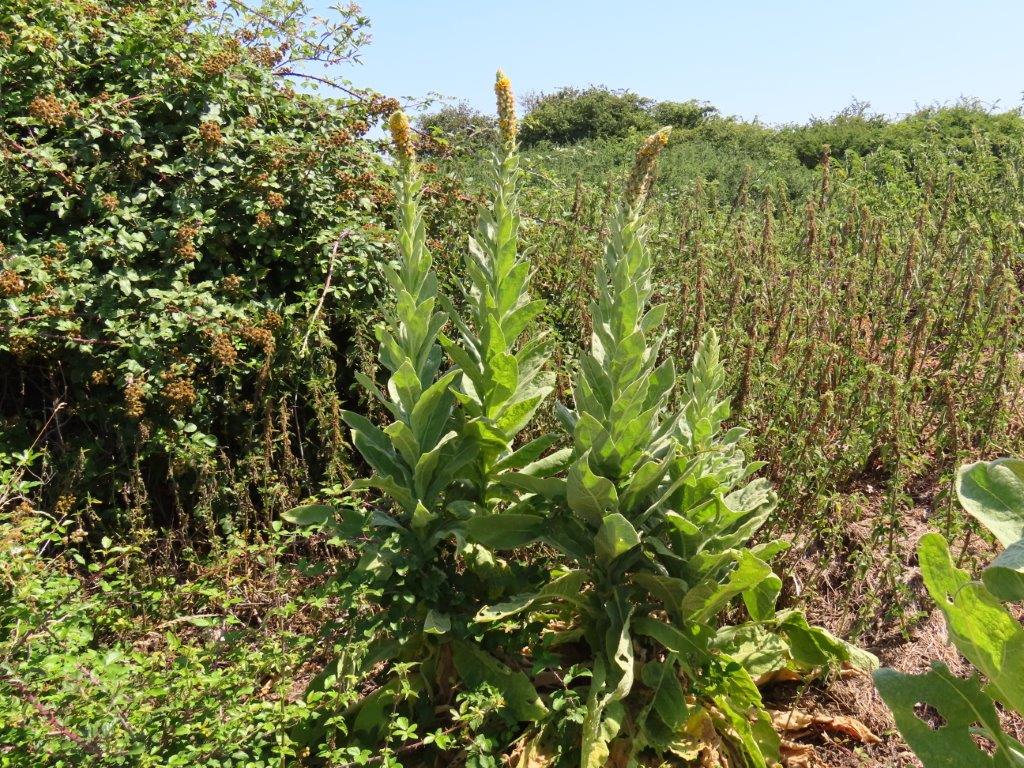
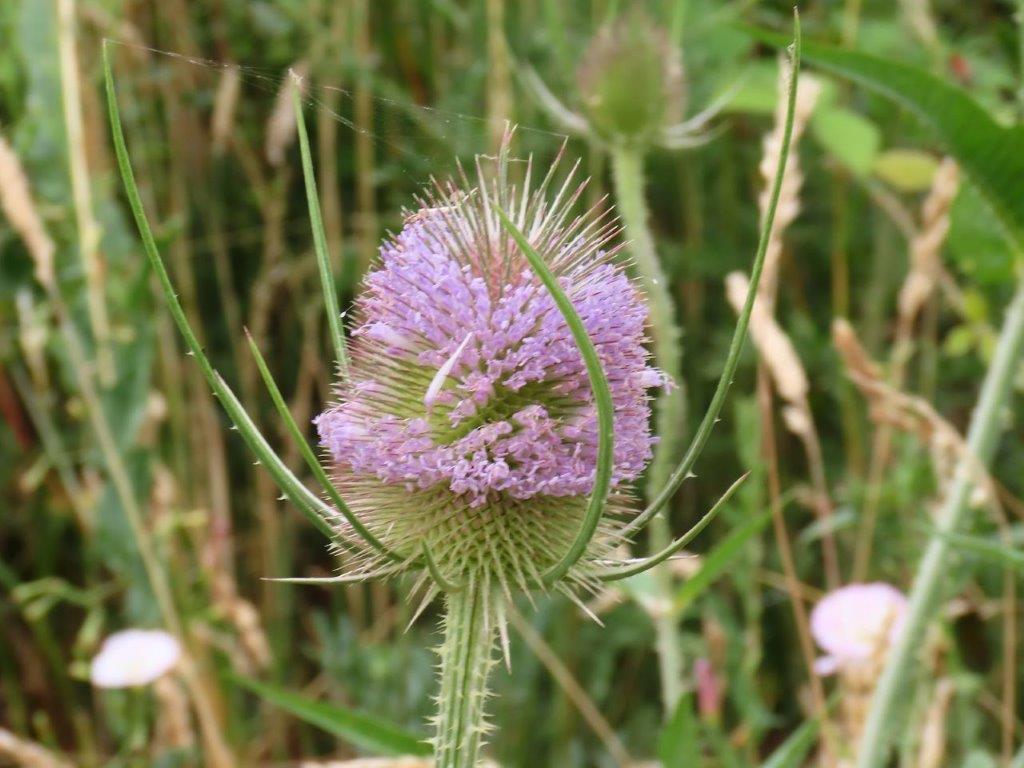
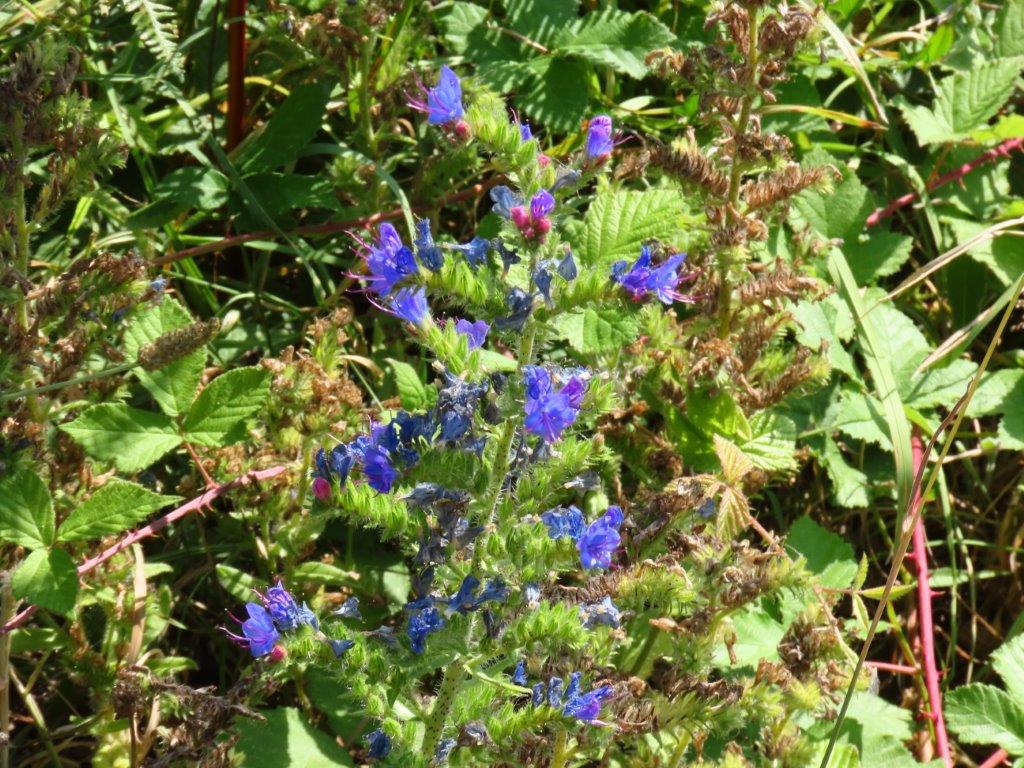
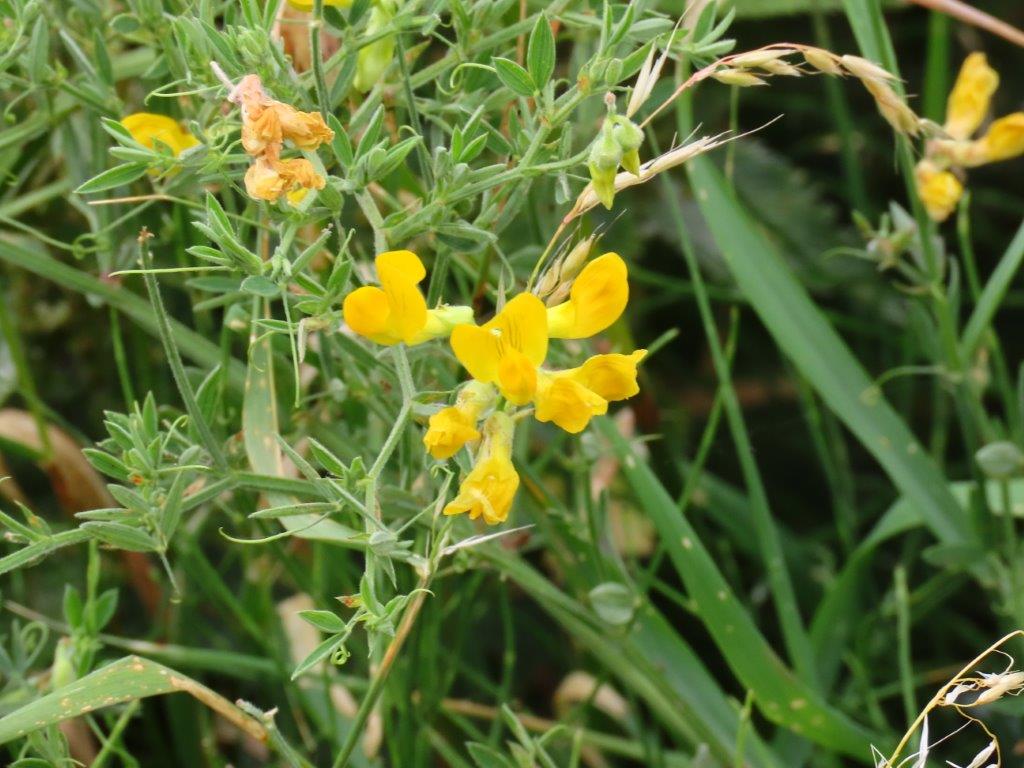
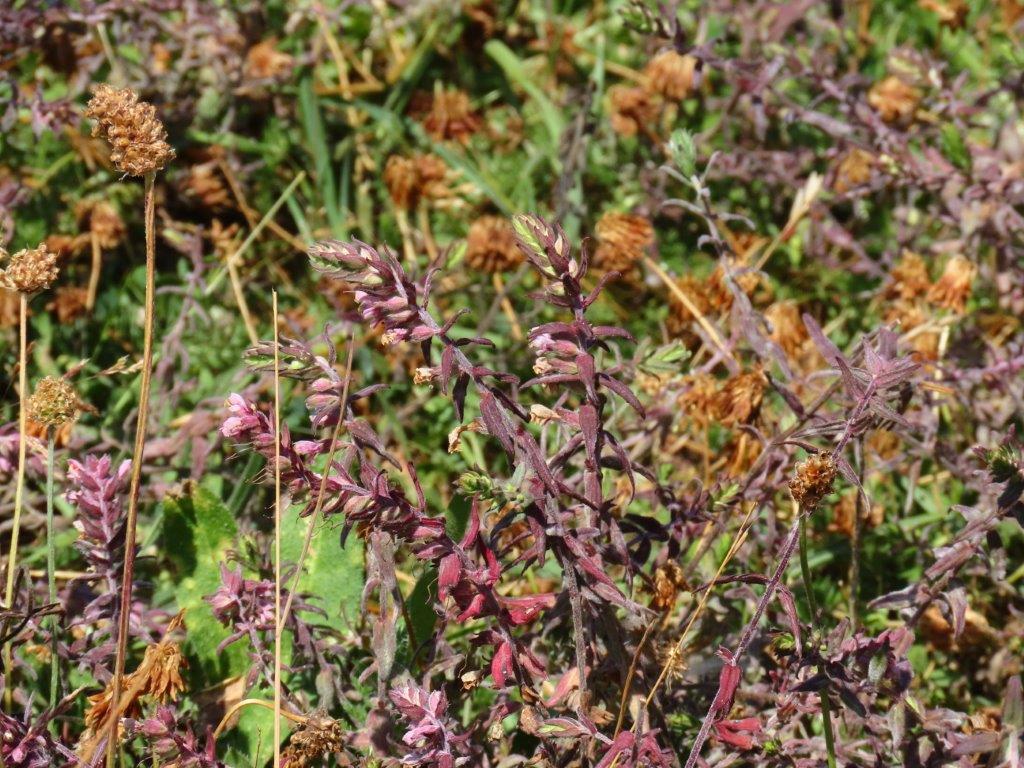
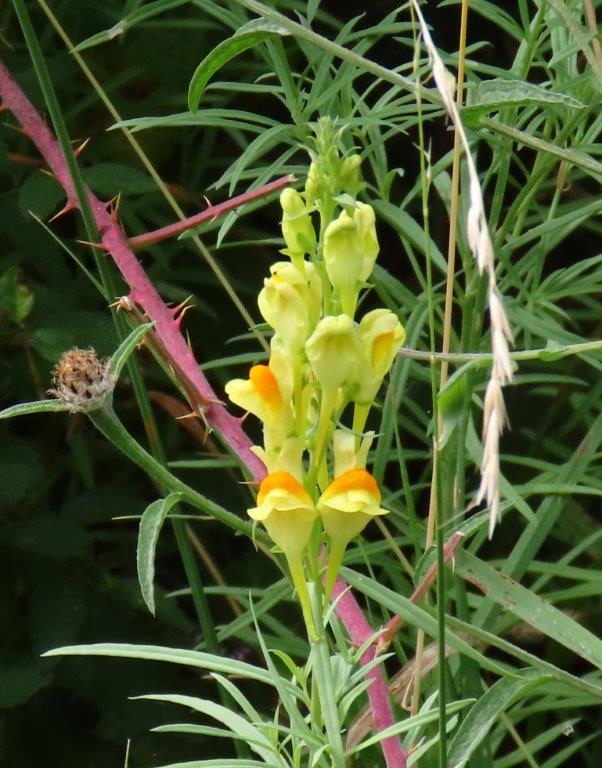
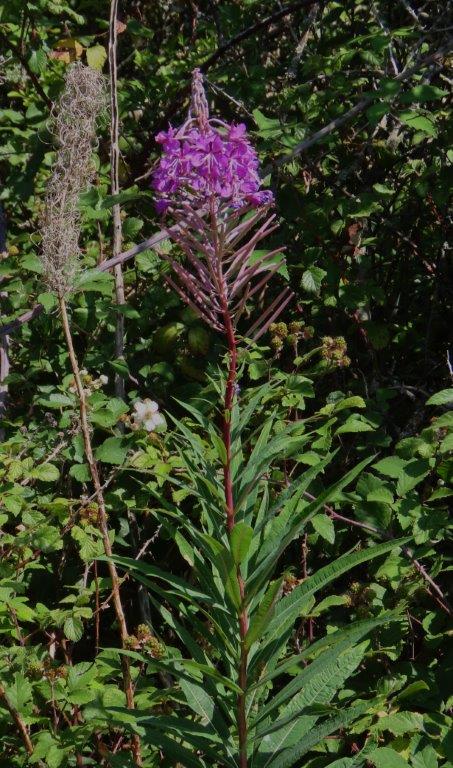
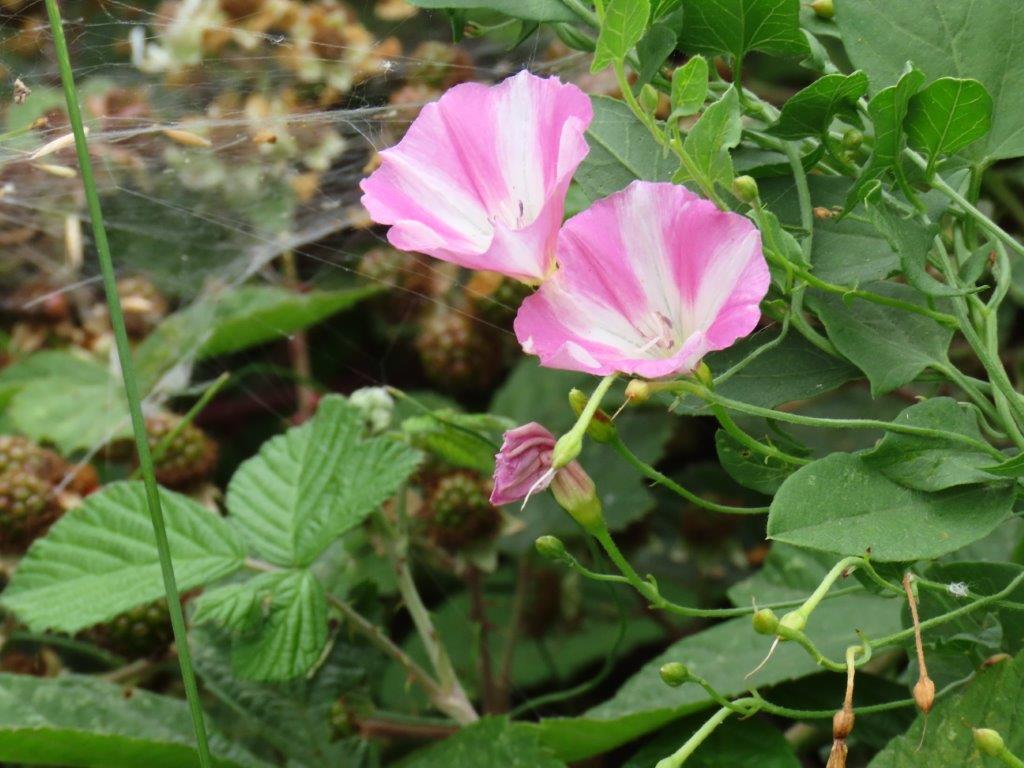
… Viper’s’ Bugloss, Meadow Vetchling, Red Bartsia, Common Toadflax, Rosebay Willowherb and Field Bindweed providing colour and the pollen and nectar for visiting insects.
And Dittander giving a refreshing hit of horseradish when chewed, a much-needed pick-me-up on a hot day!
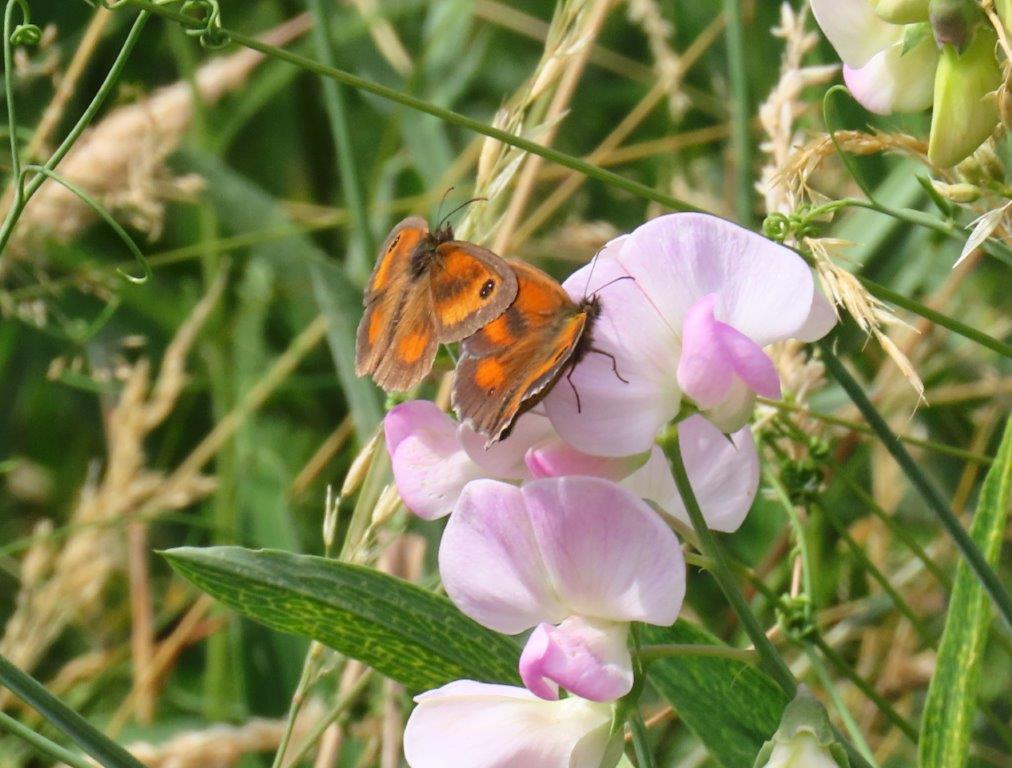
Butterflies were pretty abundant, although most were Gatekeepers, and almost all were flying low, through the grasses, to stay in the shade. In addition there were a few Common and Holly Blues, Large and Small Whites, Red Admirals, Meadow Browns and Small Heaths, but very surprisingly, not a single skipper, often ultra-abundant here.
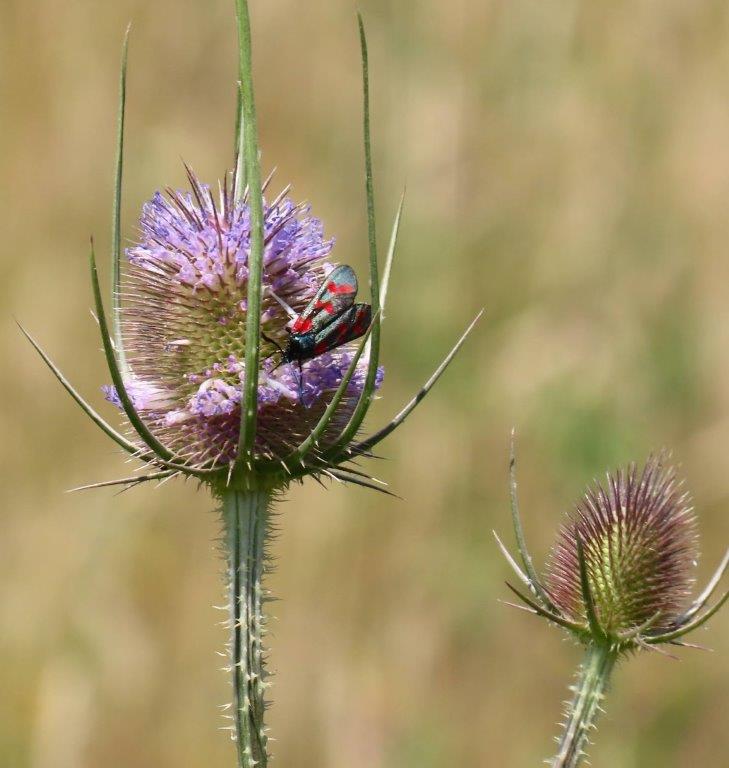
A few burnet moths whirred around, occasionally stopping to nectar, when the spots could be counted: most were 6-Spot Burnets, with just one being Narrow-bordered 5-spot Burnet.
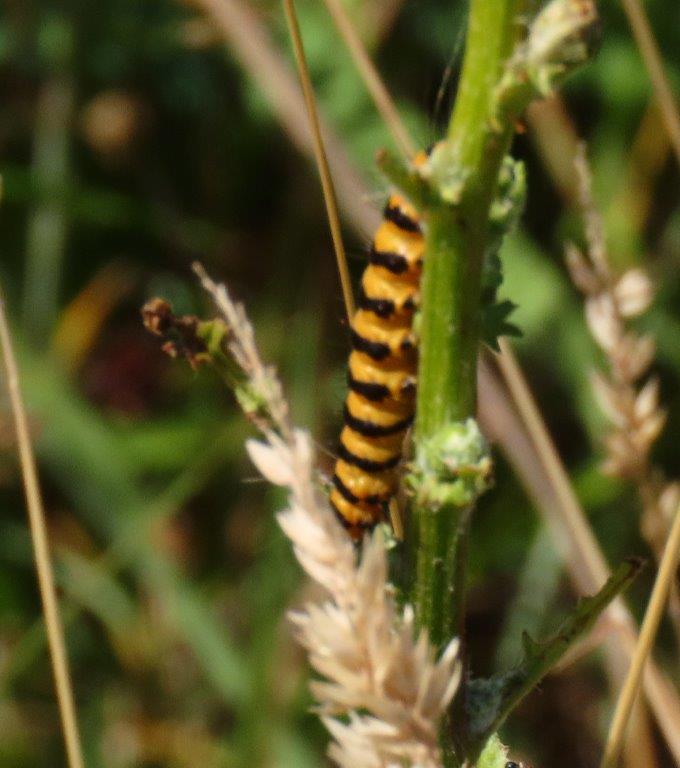
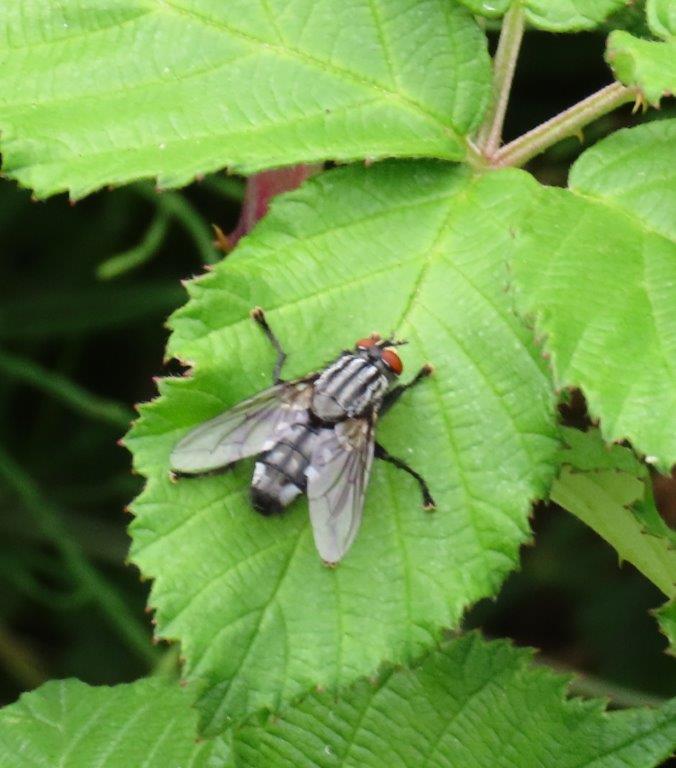
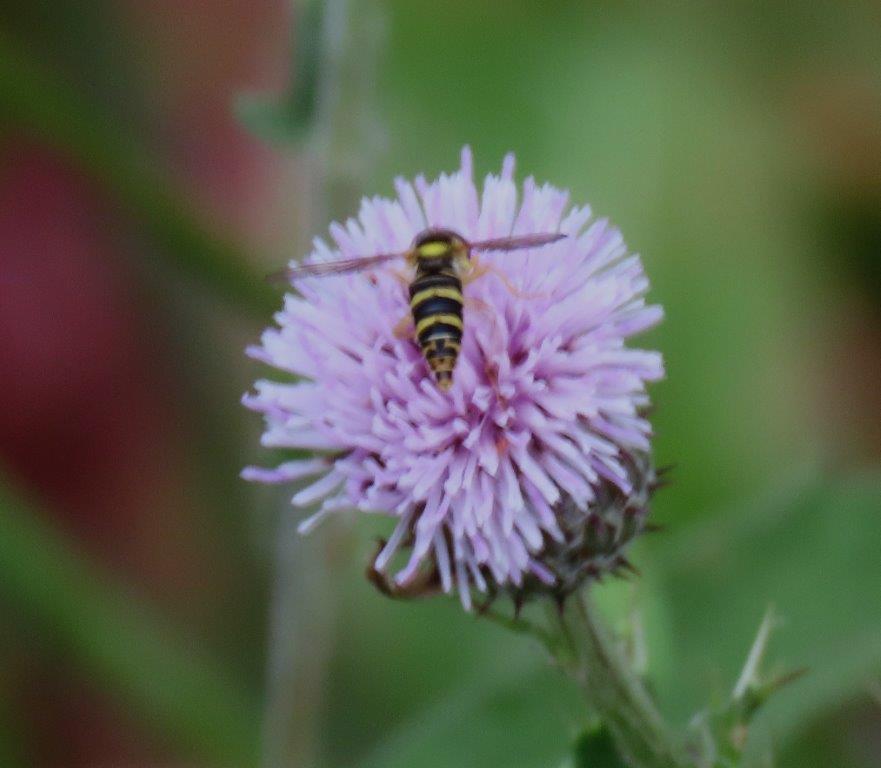
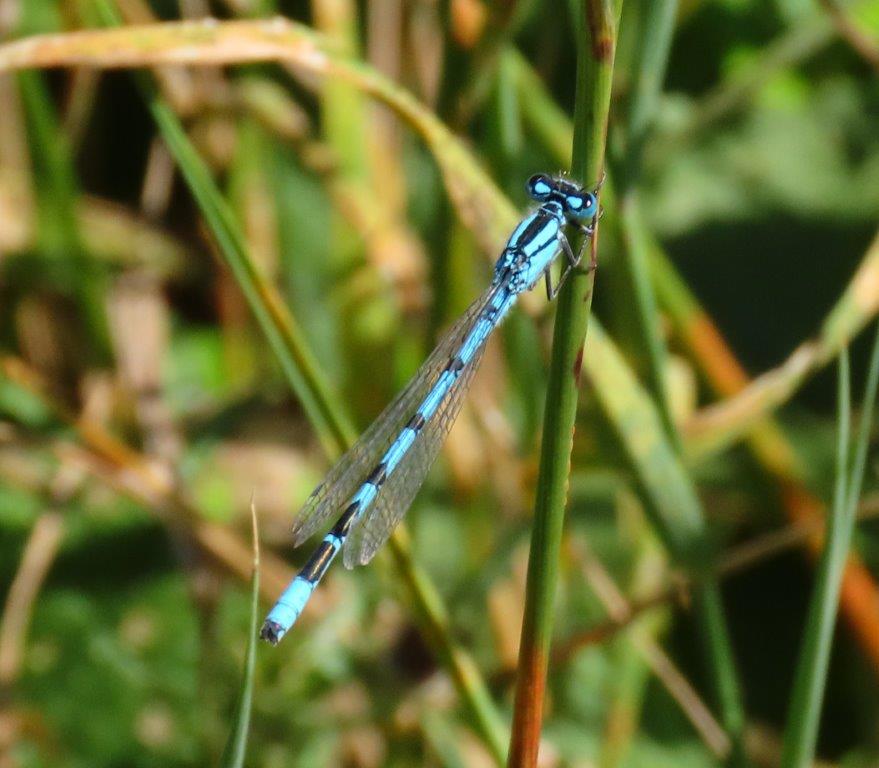
Other insects included Cinnabar moth caterpillars, Squash Bug, Flesh-fly, Sphaerophoria hoverflies, Southern Hawker dragonfly and Common Blue damselfly, together with a couple of knapweed specialists, the bug Oncotylus viridiflavus and the picture-winged fly Urophora jaceana.
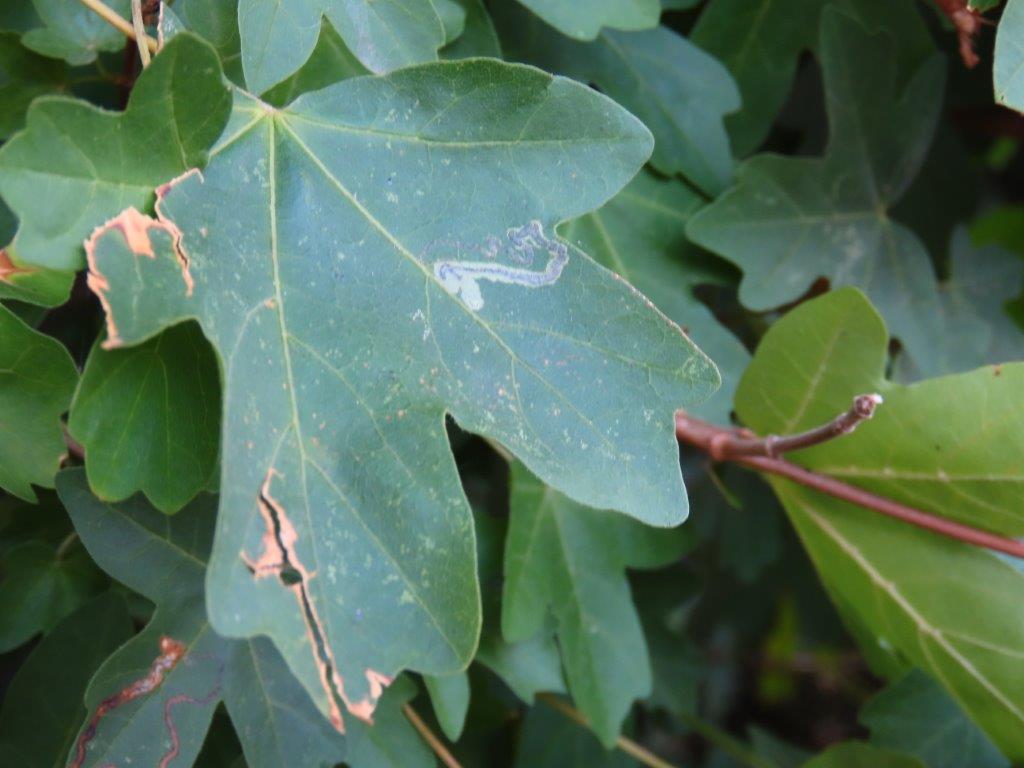
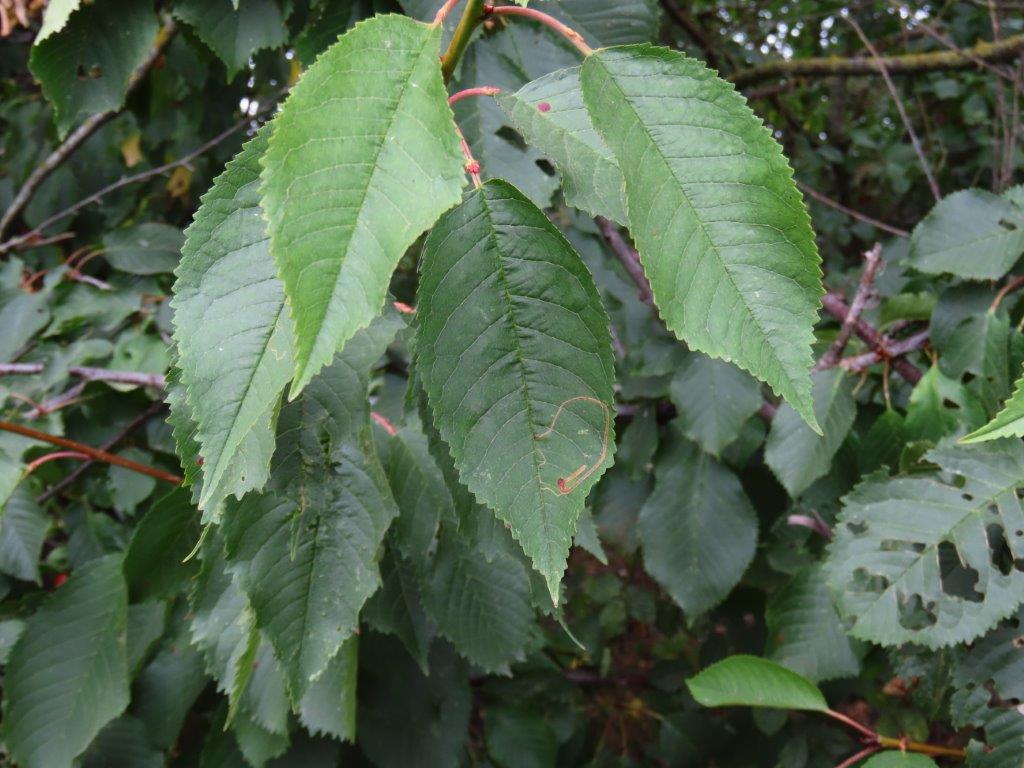
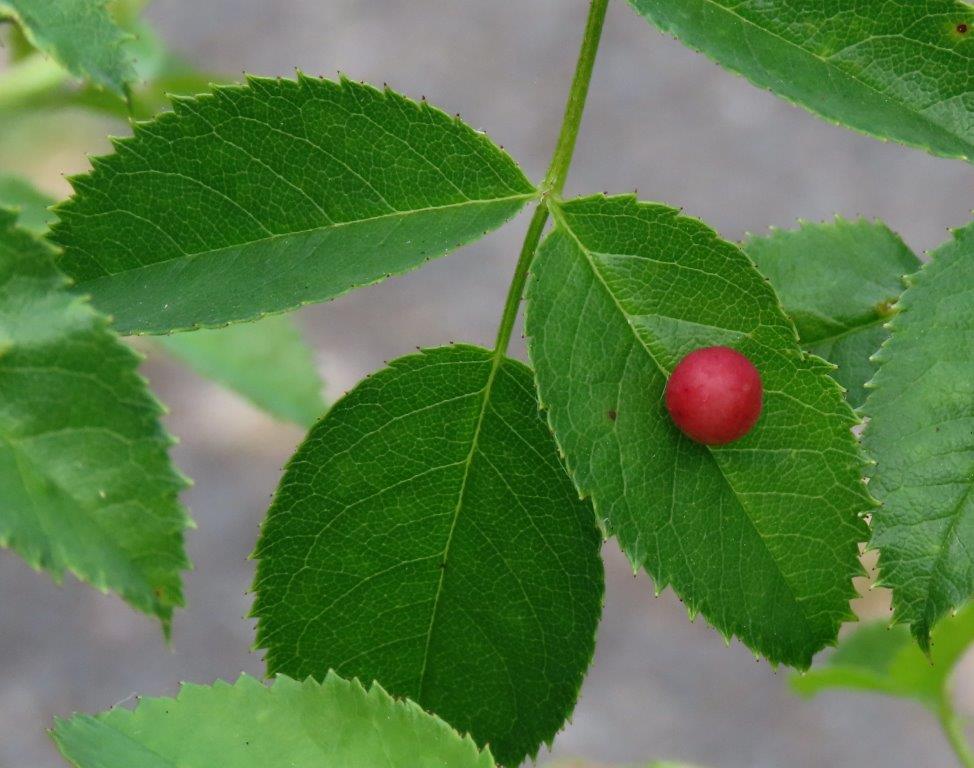
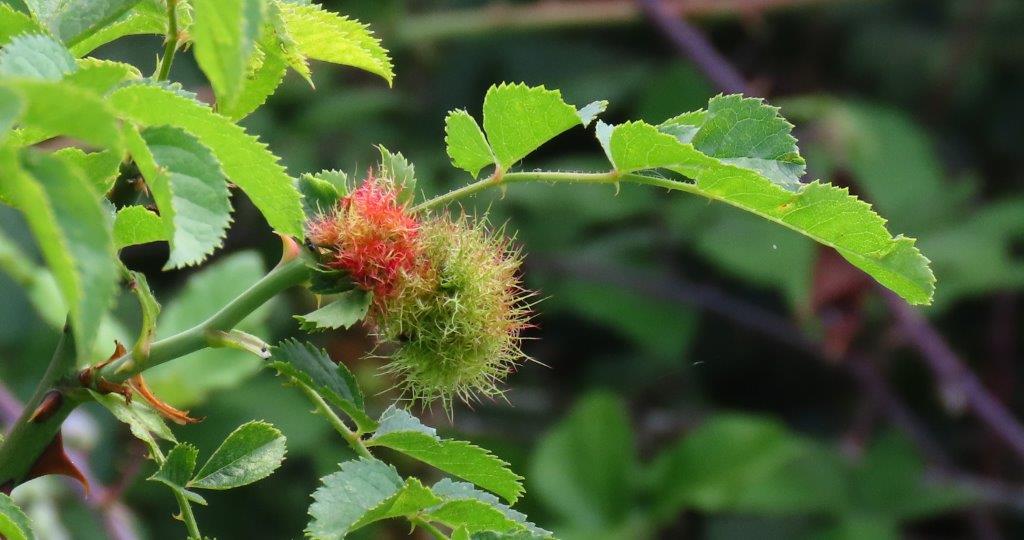
But because the heat was starting to suppress activity, we also spent time looking at fixed features, especially in the shade: leaf-mines and gall. The leaf-miners included Holly Leaf-miner (a fly) and Stigmella aceris and Lyonetia clerkella, both micromoths, while galls included the pea gall and Robin’s Pincushion, both caused by gall wasps on roses.
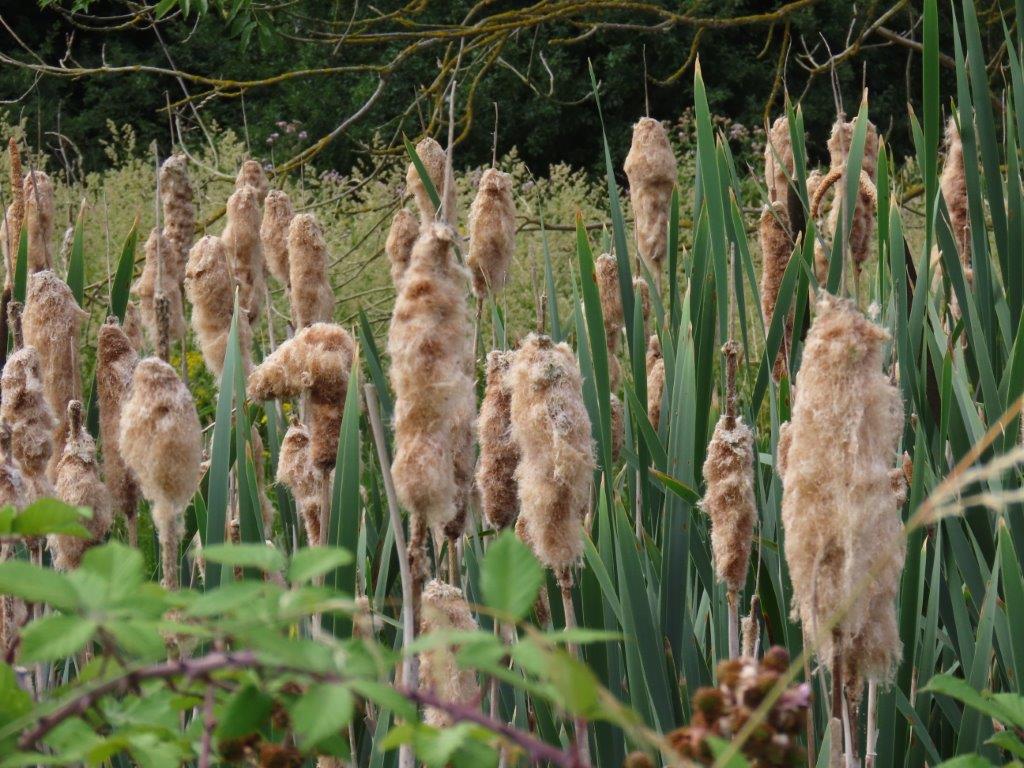
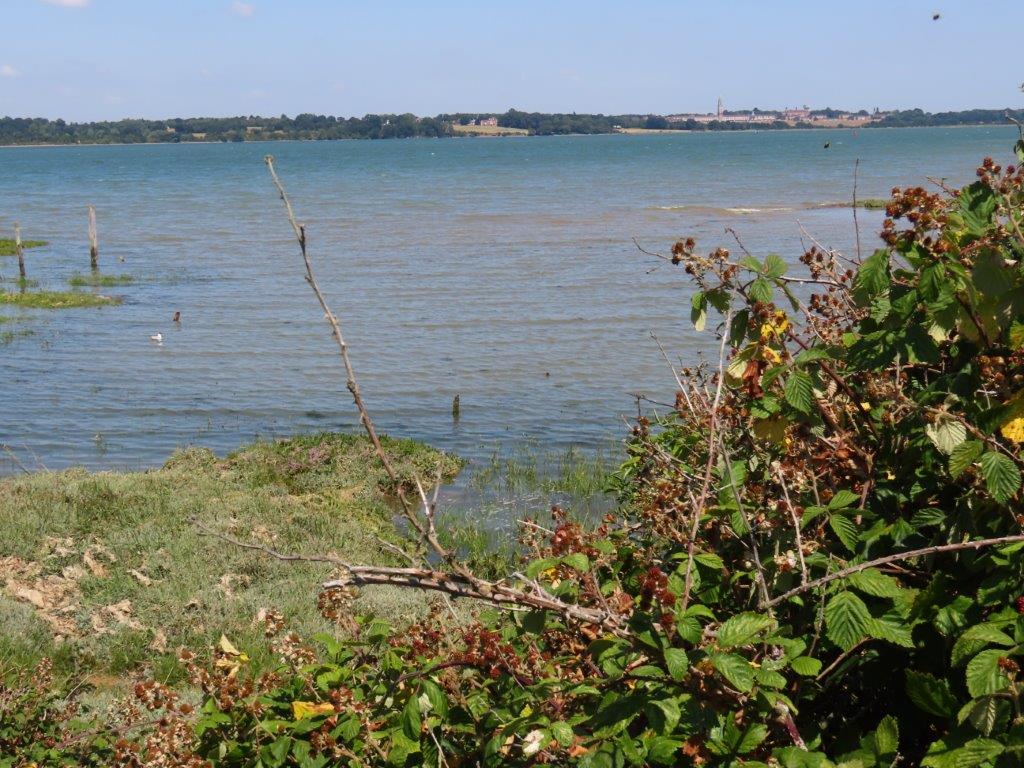
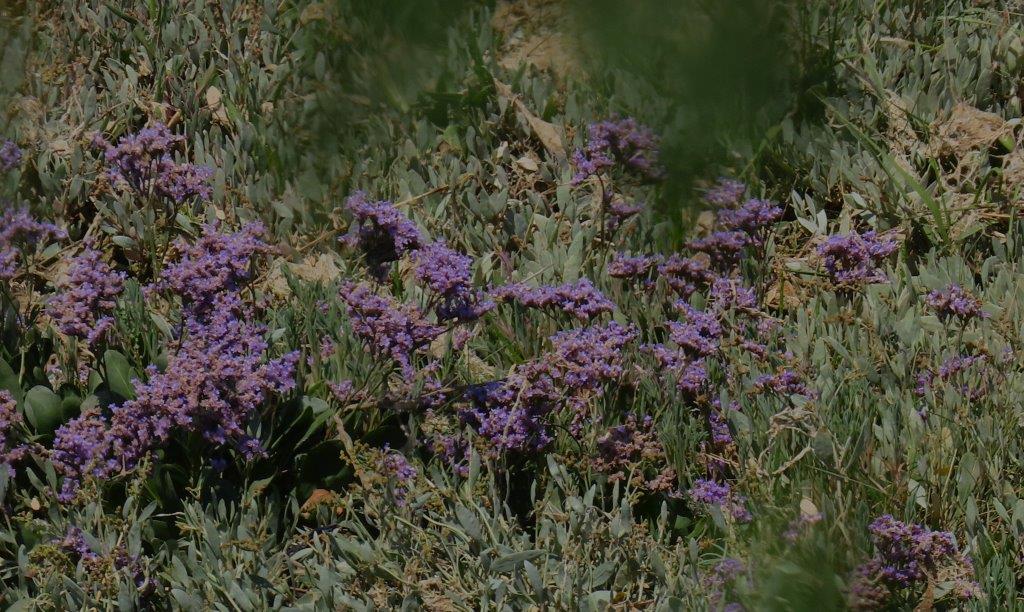
Down towards the quiet estuary, there were Greater Reedmaces in flower as the spears from last summer exploded, and over the seawall, a saltmarsh alight with Common Sea-lavender:
Moving on to Stour Wood and lunch in the shade, I rapidly reformulated my plans and cut out any idea of heading out into the open agricultural landscape around the wood. In the woods we remained for the afternoon seeking out any hotspots of insect activity.
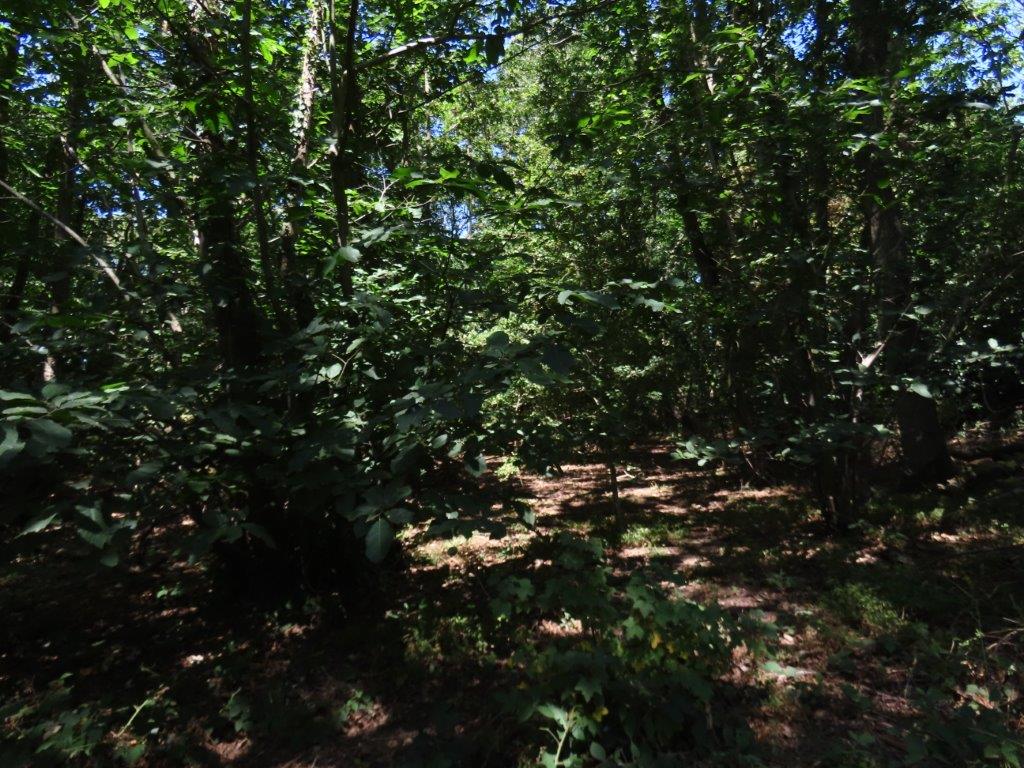
The trees, mostly Sweet Chestnut coppice with standard English Oaks and a sprinkling of Hazel, Hornbeam, Aspen and Wild Service, were still in full leaf, albeit drooping with drought, but the paths were littered with the recently shed chestnut catkins.
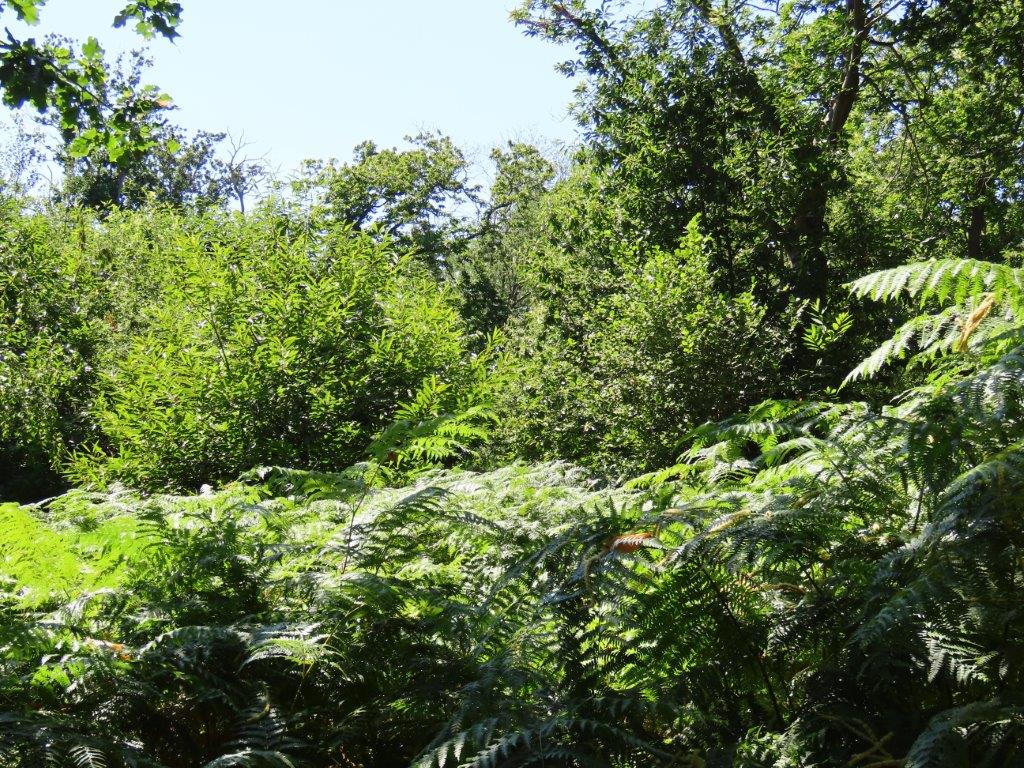
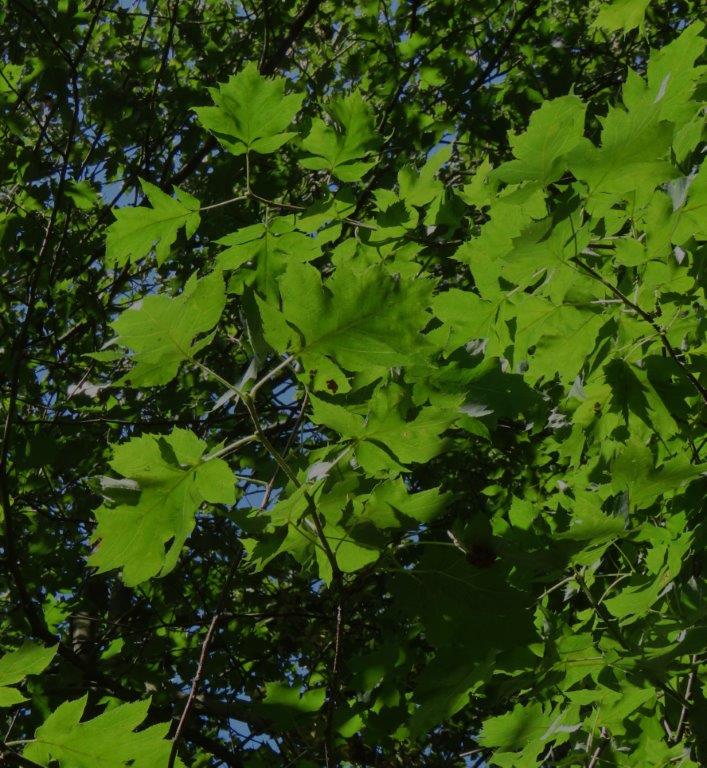
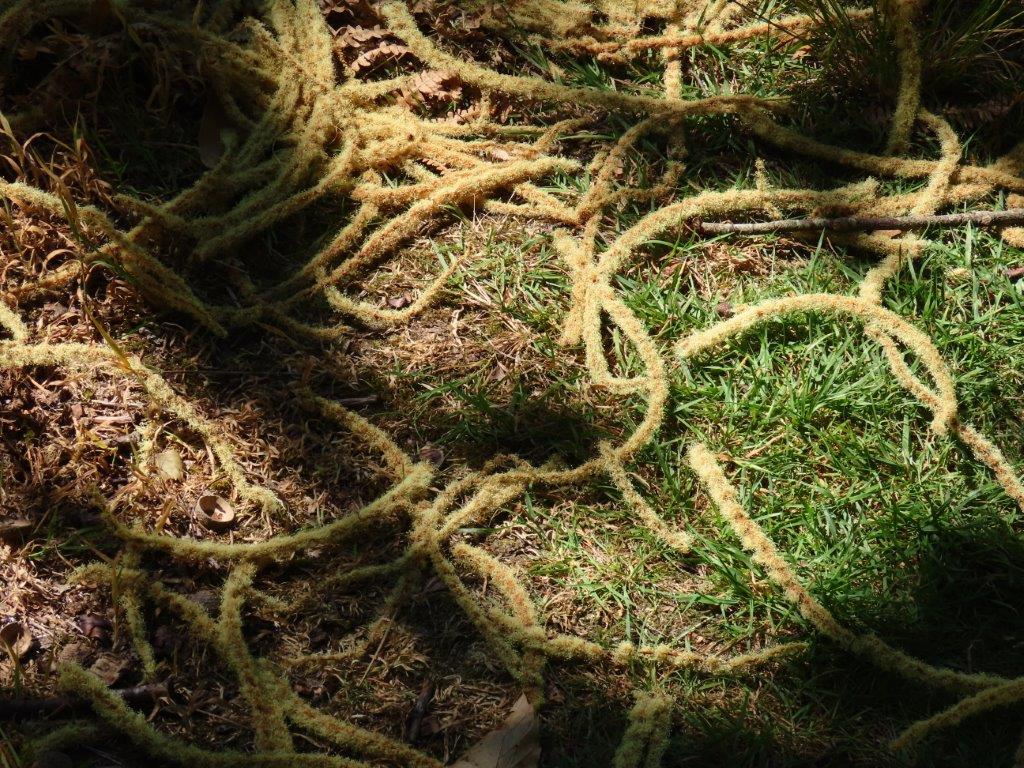
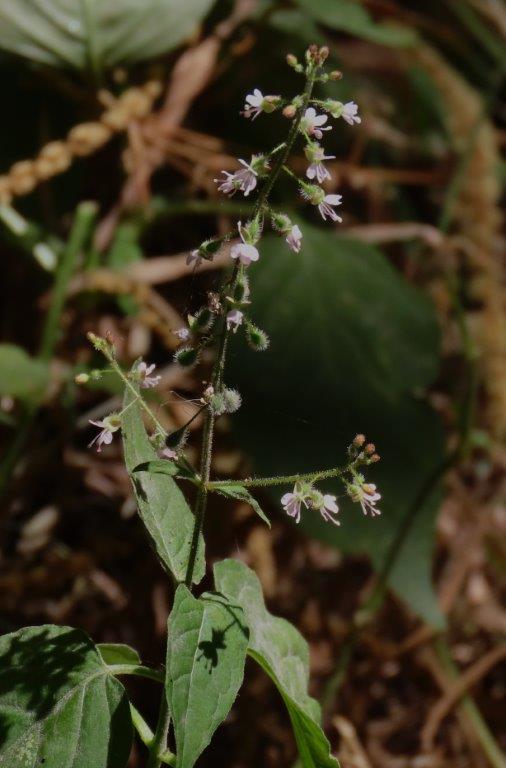
In the shade, the flora, just three months ago a sea of blue and white, Bluebells and Wood Anemones, was restricted to the unassuming Enchanter’s Nightshade…
… while in the rides and coppice clearings, Marsh Thistle and Ragwort added essential nectar resources. It was here that there were butterflies, including good numbers of Ringlet and thankfully, one our targets Silver-washed Fritillaries. They were few at first, but as the walk progressed and the group size dwindled, fritillary numbers increased, and at the end put on a fantastic show for me and the last, lucky couple!
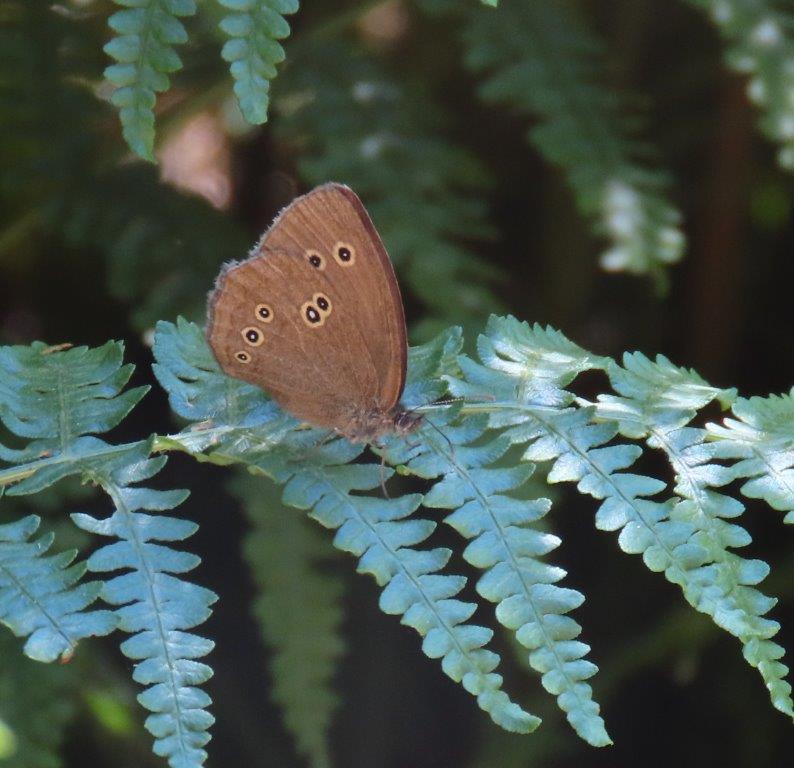
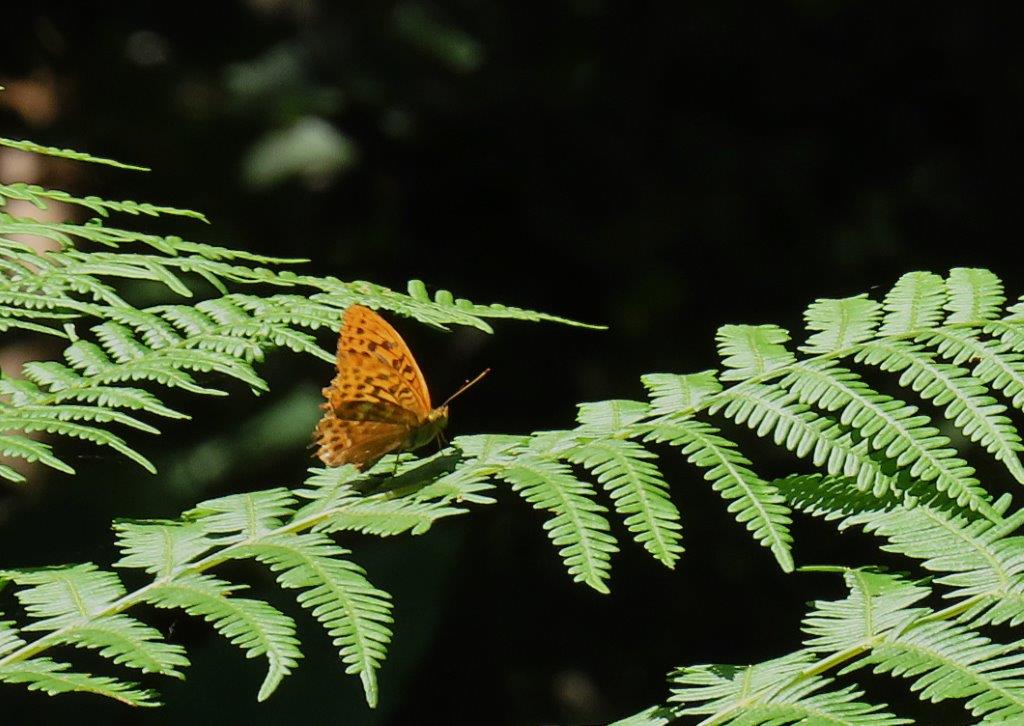
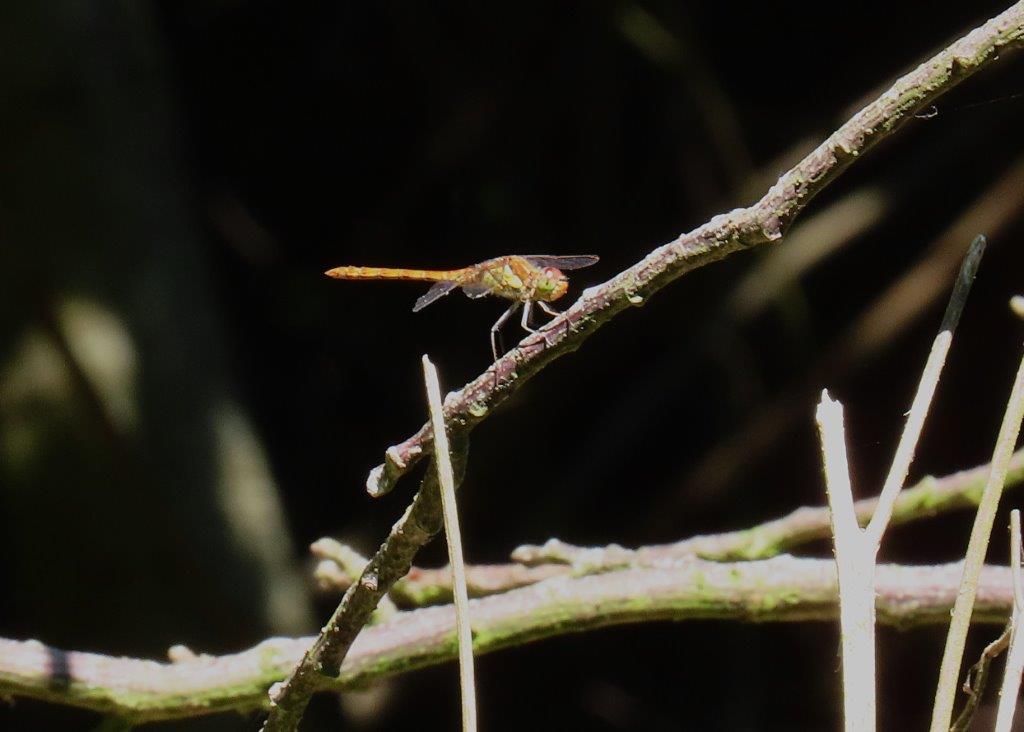
Other activity along the rides came from dragonflies, both Common and Ruddy Darters flycatching, having come some considerable distance from breeding ponds after emergence, to colour up, feed and get into breeding condition before returning to ponds ready for action.
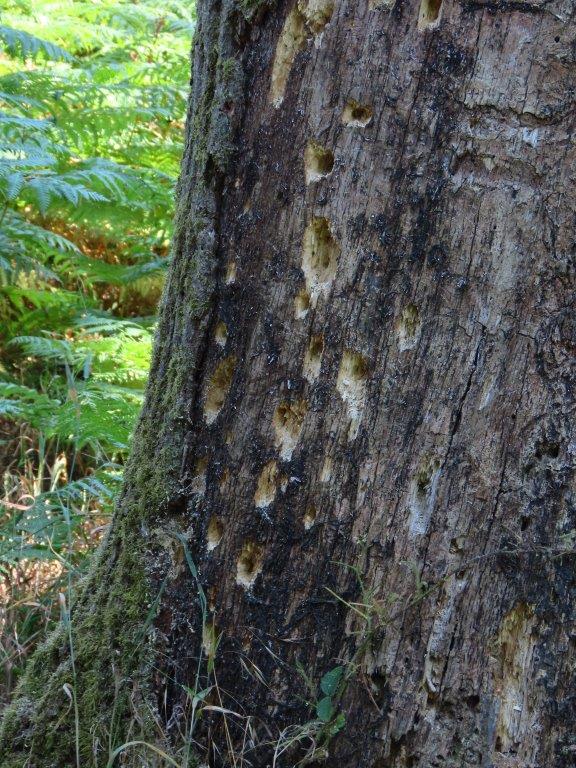
Bird-wise though, all was quiet, praeternaturally quiet, siesta time hopefully, although it will only be in hindsight (when it is too late) that we can evaluate the true impact of climate collapse on our nature and lives. Imagine a world in which the only memories of woodpeckers are their exploratory excavations in our trees…
So, all in all, a trip which failed to provide most of its targets, a struggle in the heat, but hopefully ultimately enjoyable, rescued to a great extent by the fascinating minuteries of life we might just have overlooked if Turtle Doves and Purple Emperors had been distracting our attention from everything else!