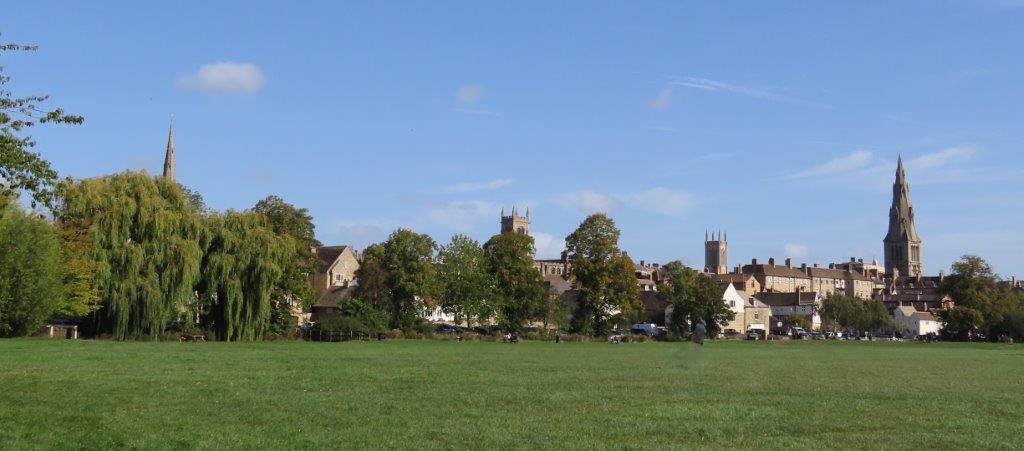
We based our main September short break by public transport around another wonderful example of canal infrastructure, more of which later, but as always we found lots to interest us throughout, first in Market Harborough and then Stamford, with a diversion into Leicester on the way.
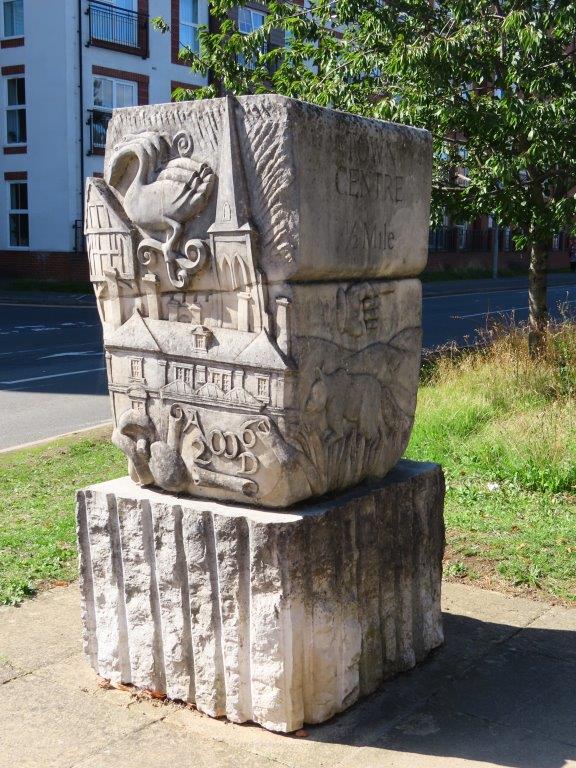
Our train journey up there was very easy, bizarrely delivering us an hour ahead of expected because our original booked train was cancelled months ago. When we alighted at Market Harborough though we wondered if we had done the right thing – the areas around stations are almost universally a bit run down it seems – but we soon came across a half-mile marker stone carved with iconic images of this part of the country which pointed us the right way.
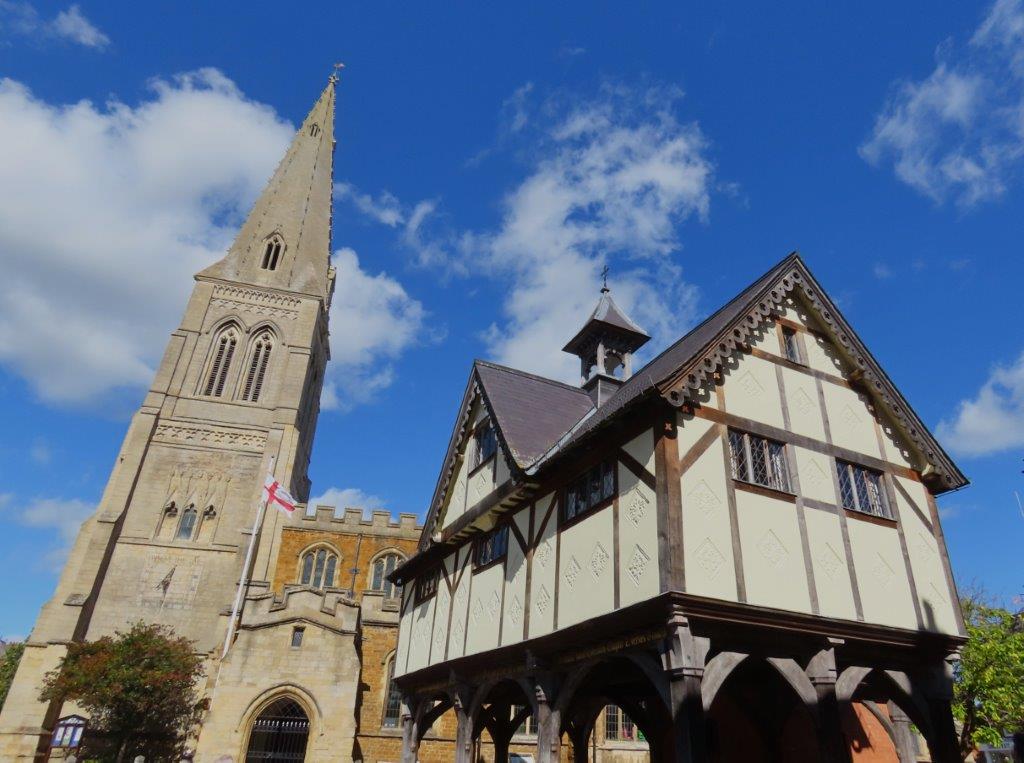
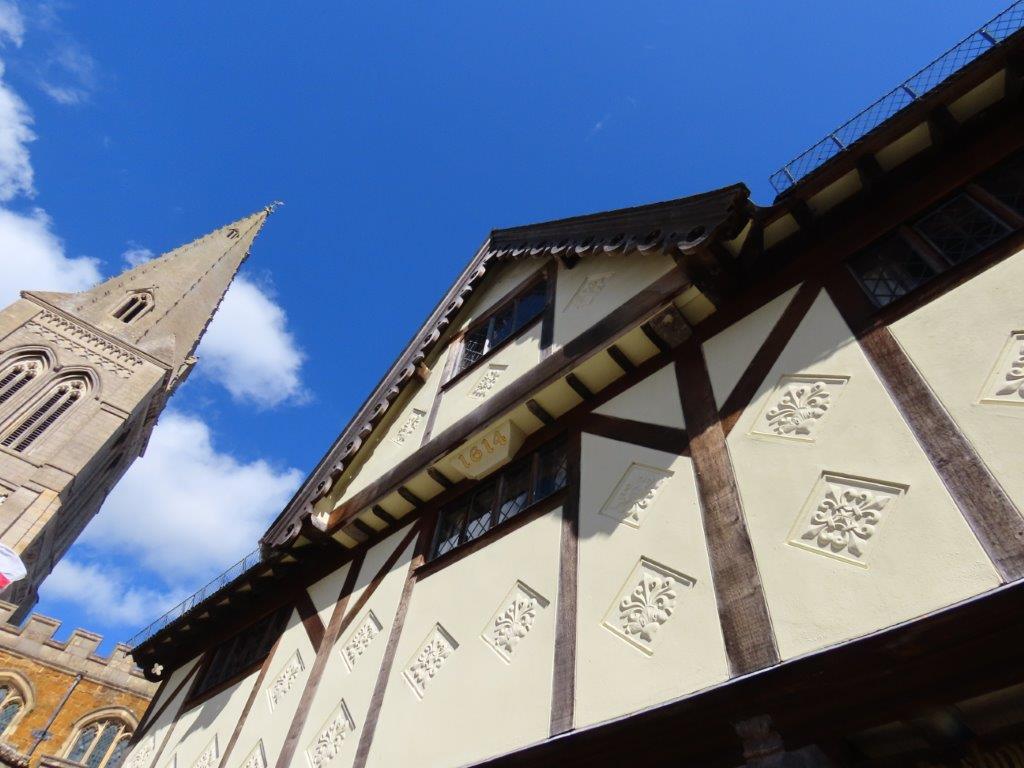
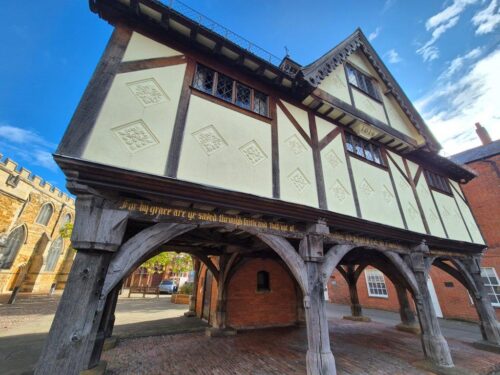
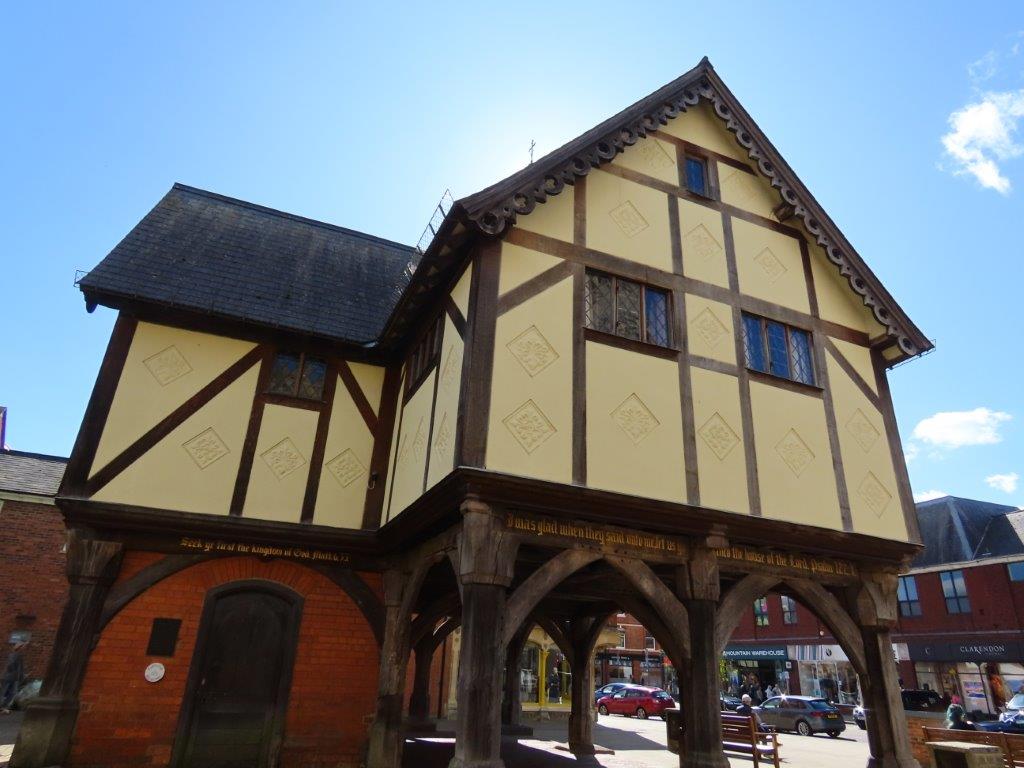
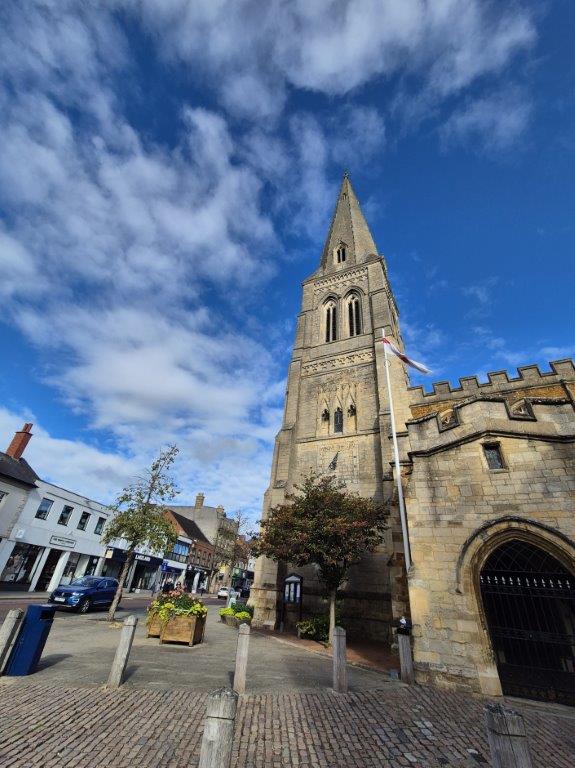
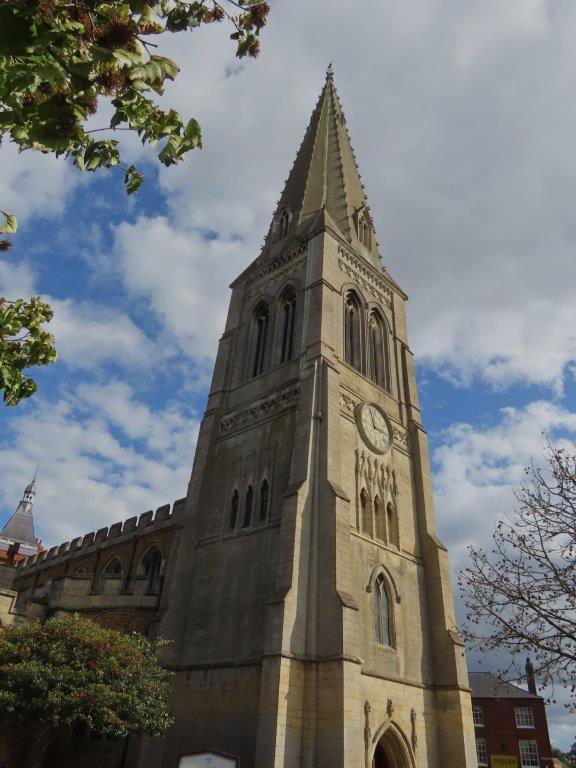
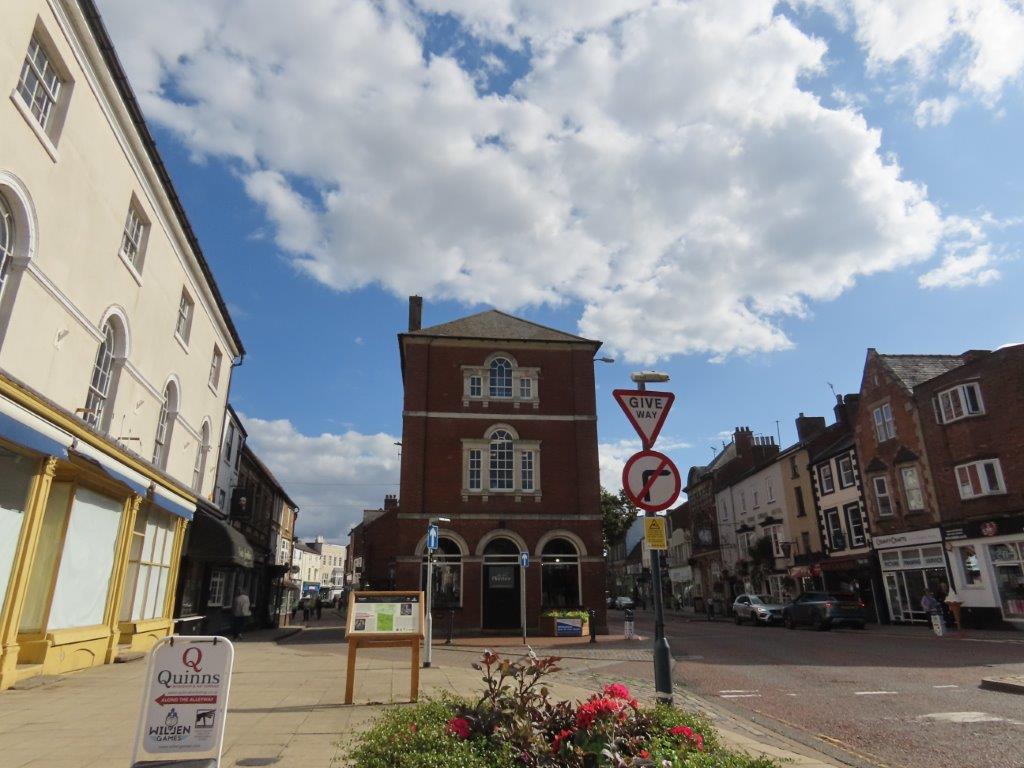
Things were looking up, and almost round the next corner into the High Street there were two of the definitive sights of the town, the soaring spire of St Dionysius’ Church and the Old Grammar School, built in 1614, raised on wooden posts to create a shaded space for the butter market below.
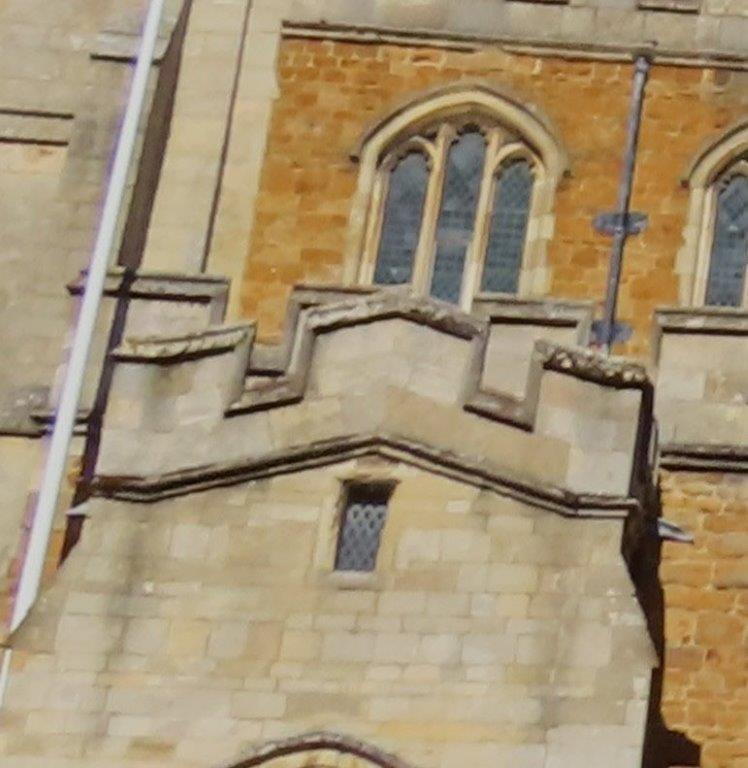
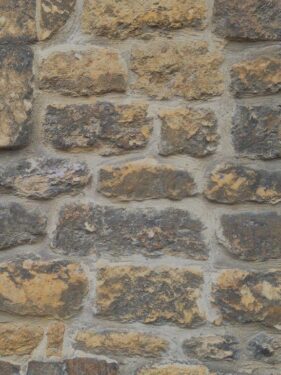
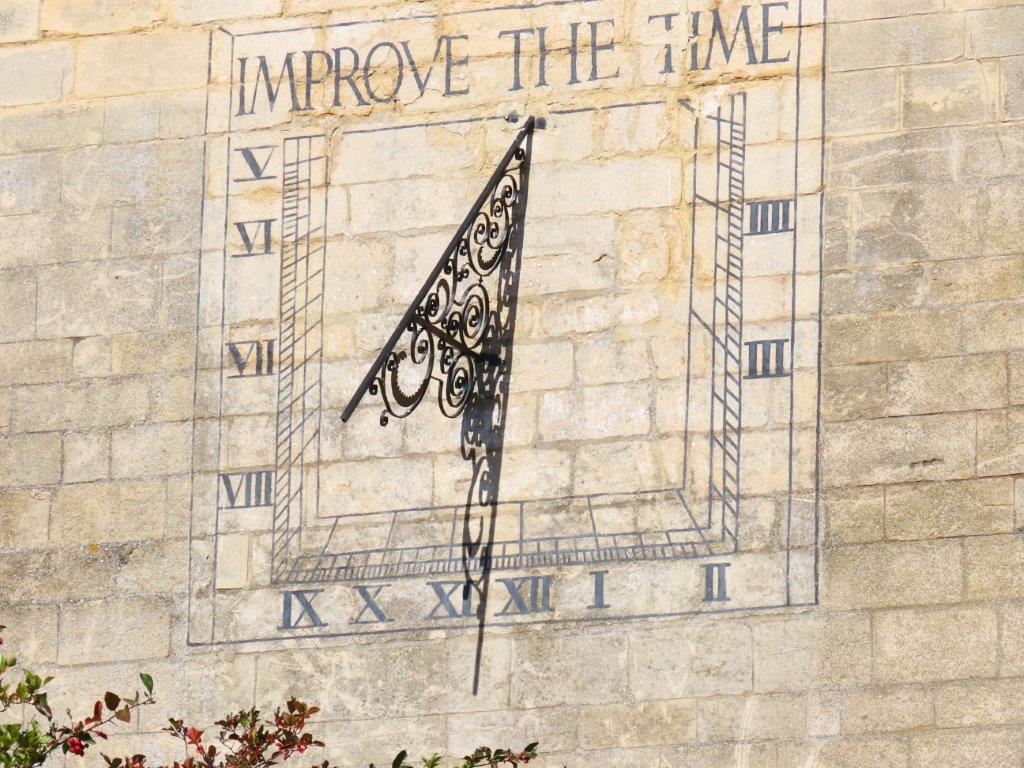
The church looks good from the outside, with its limestone and ironstone walls and 18th century vertical sundial bearing the gnomic inscription ‘IMPROVE THE TIME’. There are several theories about the true meaning of this, but I like to think of it as ‘make the most of every day you have…’
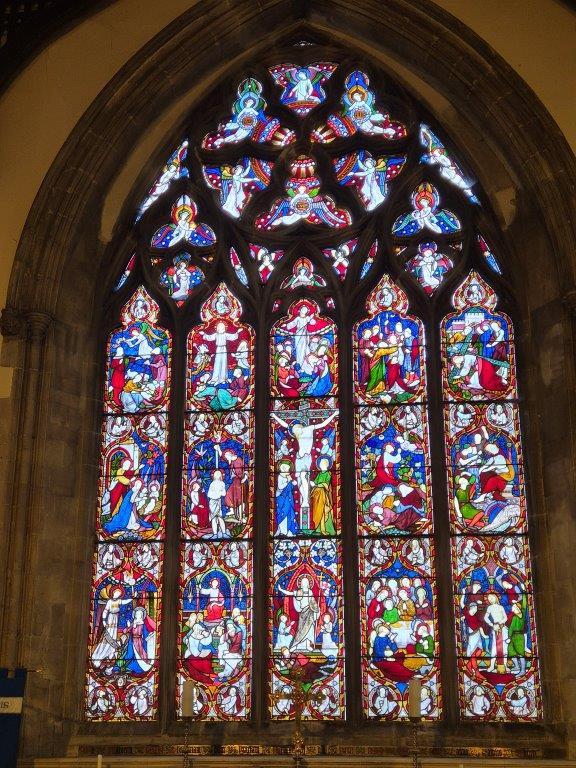
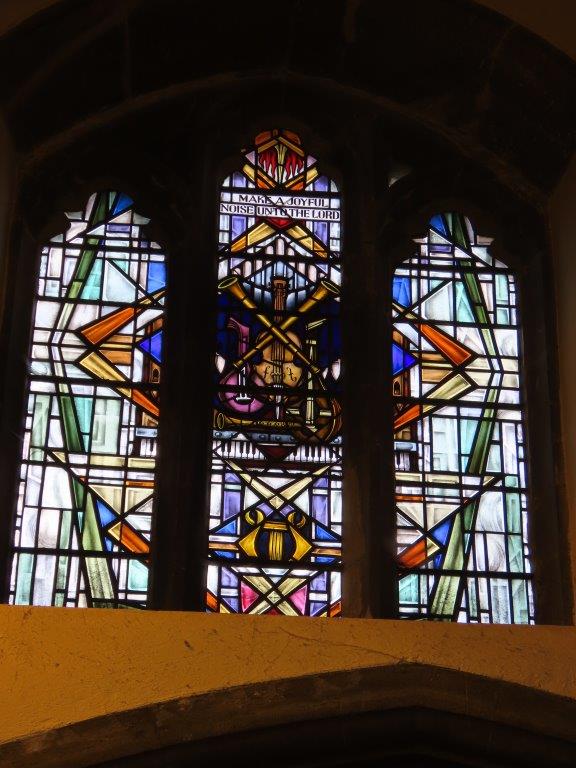
Inside though we found little to interest us, apart from stained glass windows, including a typically Victorian large east window and a much more interesting modern one featuring musical instruments that it was unfortunately impossible to see the full extent of.
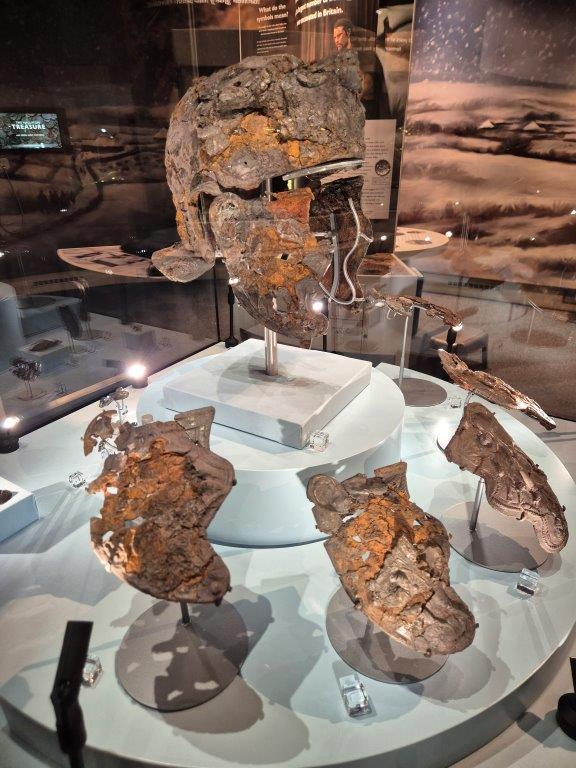
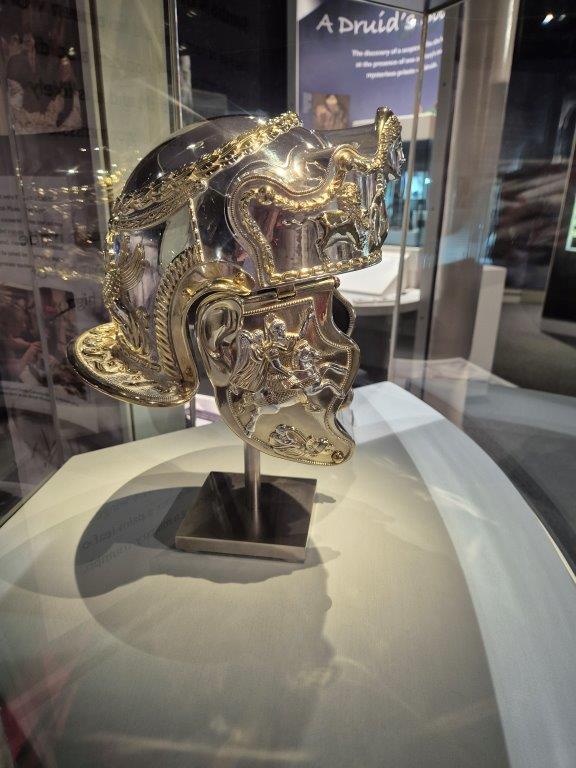
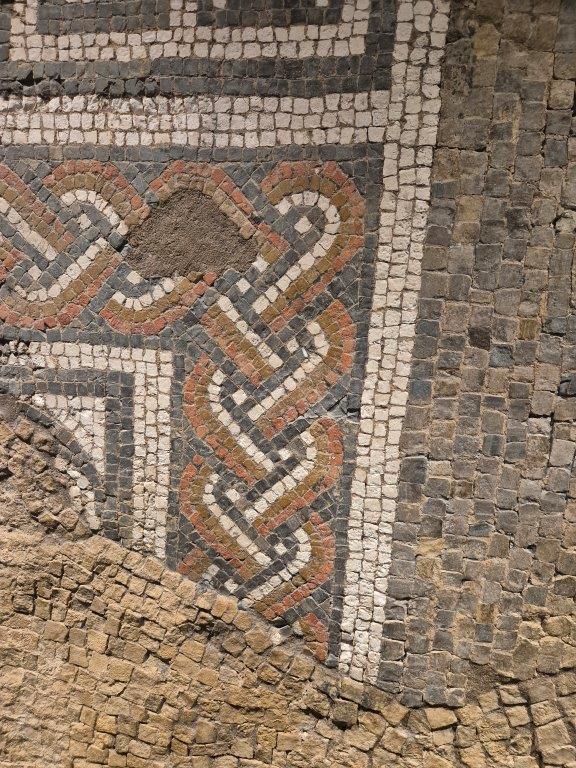
Just behind the church was the the Symington Building, a former corset factory built in 1889. Currently clad in scaffolding, this impressive edifice to industry now houses, amongst other things, the Museum which has as its centrepieces the local Hallaton Treasure, including one of the finest Roman helmets ever found (both the original and a restored replica), the Drayton Villa mosaic and a host of more recent historical and social artefacts.
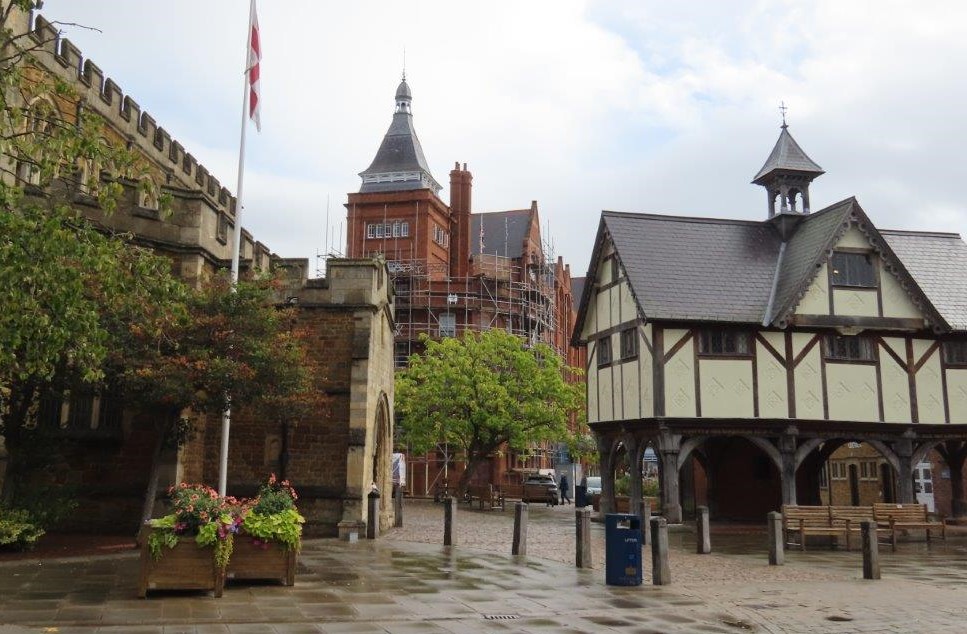
The High Street has many other fine buildings (and sadly rather a lot of through traffic), including our hotel, the Three Swans. A former coaching inn dating back to the 1500s, it has a remarkable wrought iron sign hanging over the street, the oldest part of which dates probably to a 1770s refurbishment.
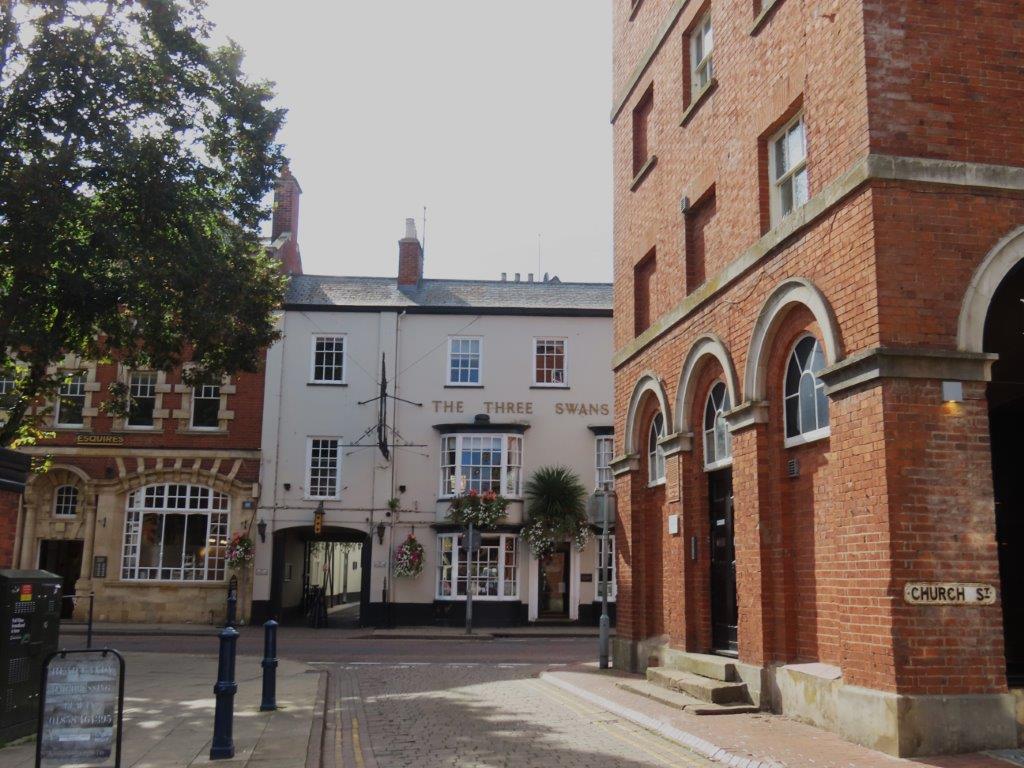
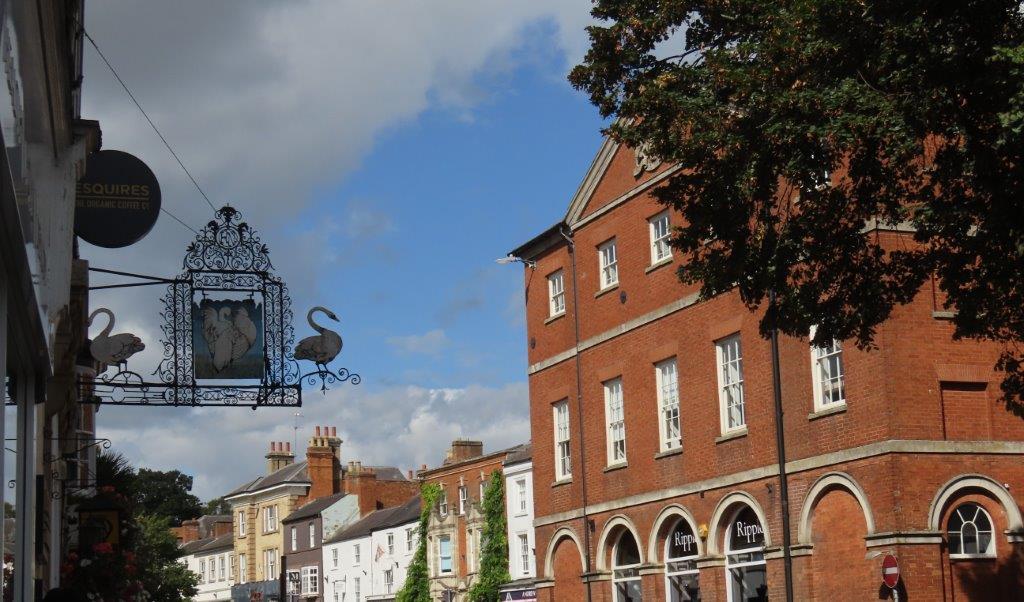
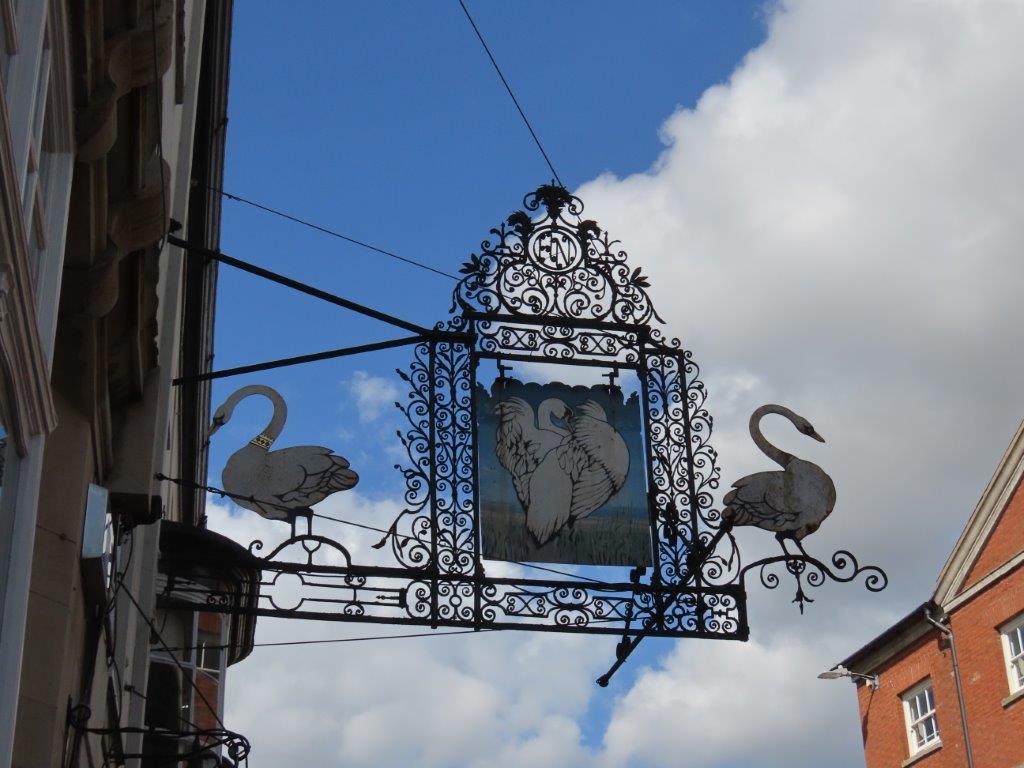
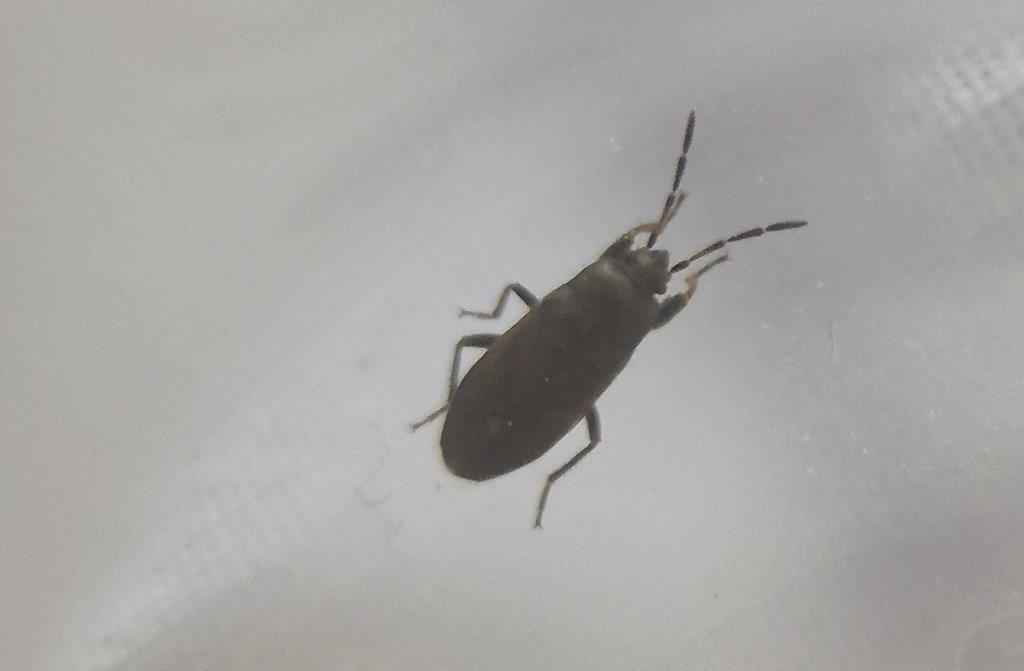
It is certainly very historic, and some claim that it offered sustenance to Charles I in 1645, the night before his ignominious defeat at the hands of the New Model Army at Nazeby, the decisive battle of the Civil War. In the aftermath, captured Royalist soldiers were housed in St Dionysius’ Church before being marched to London. But whatever the truth in the story of the part the Three Swans played, it was very comfortable and served excellent breakfasts. And our room even came with an interesting bug Megalonotus chiragra, one we haven’t seen before, though why it was crawling on our window when it lives in dry sandy or chalky grassland is anybody’s guess.
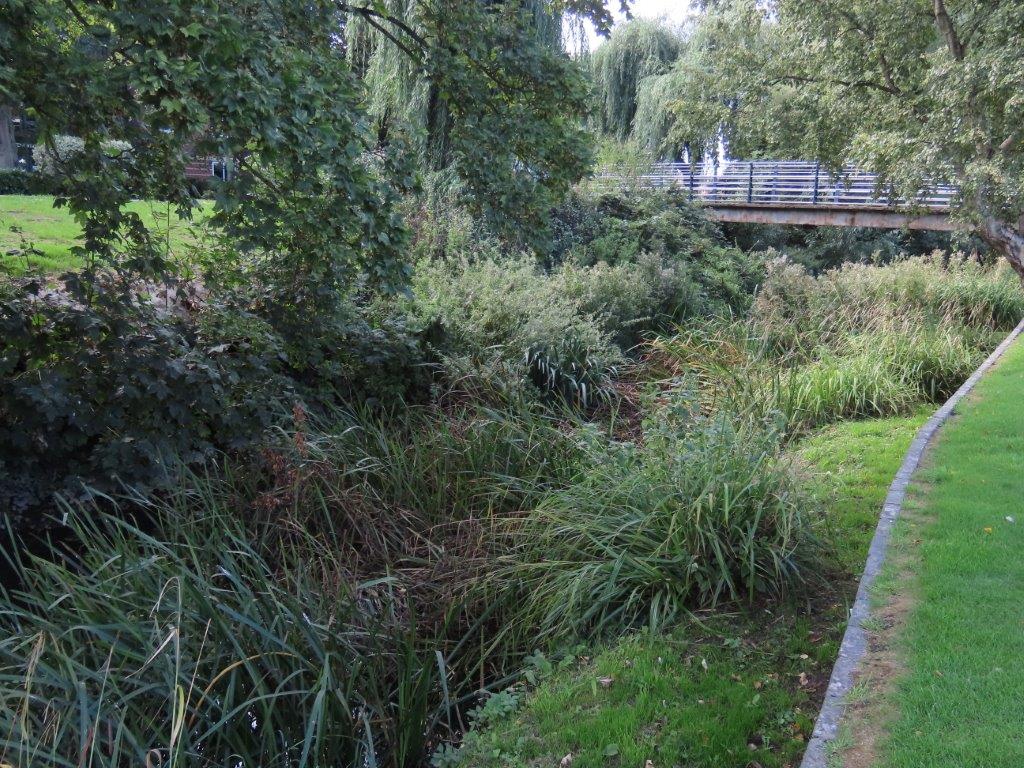
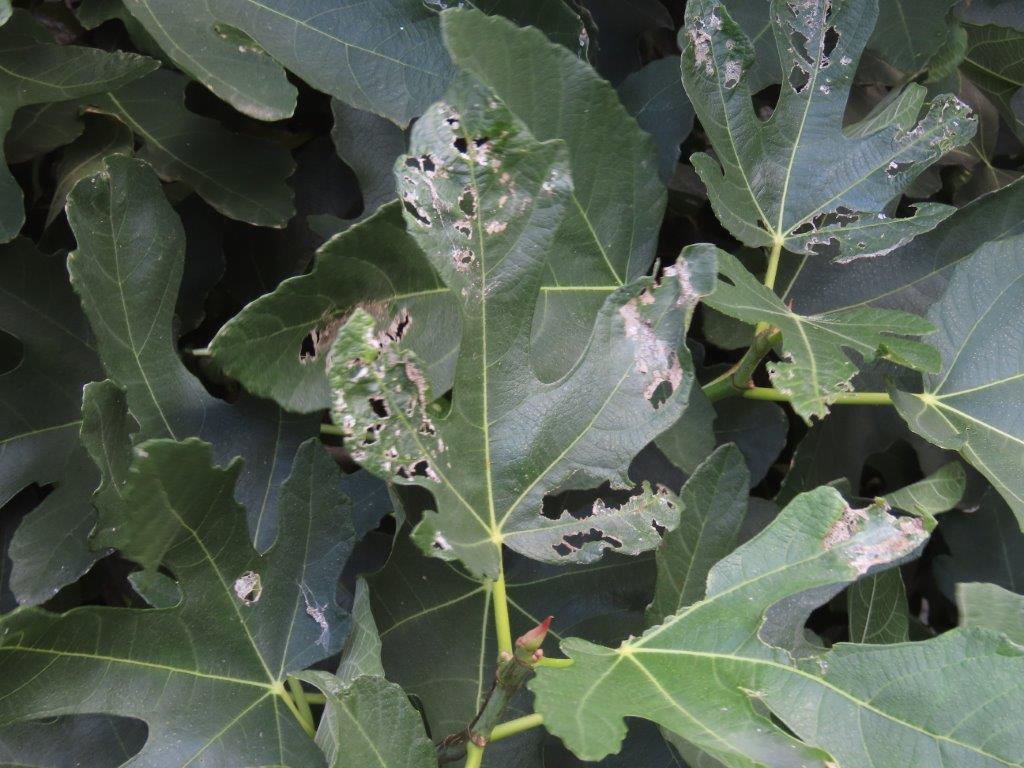
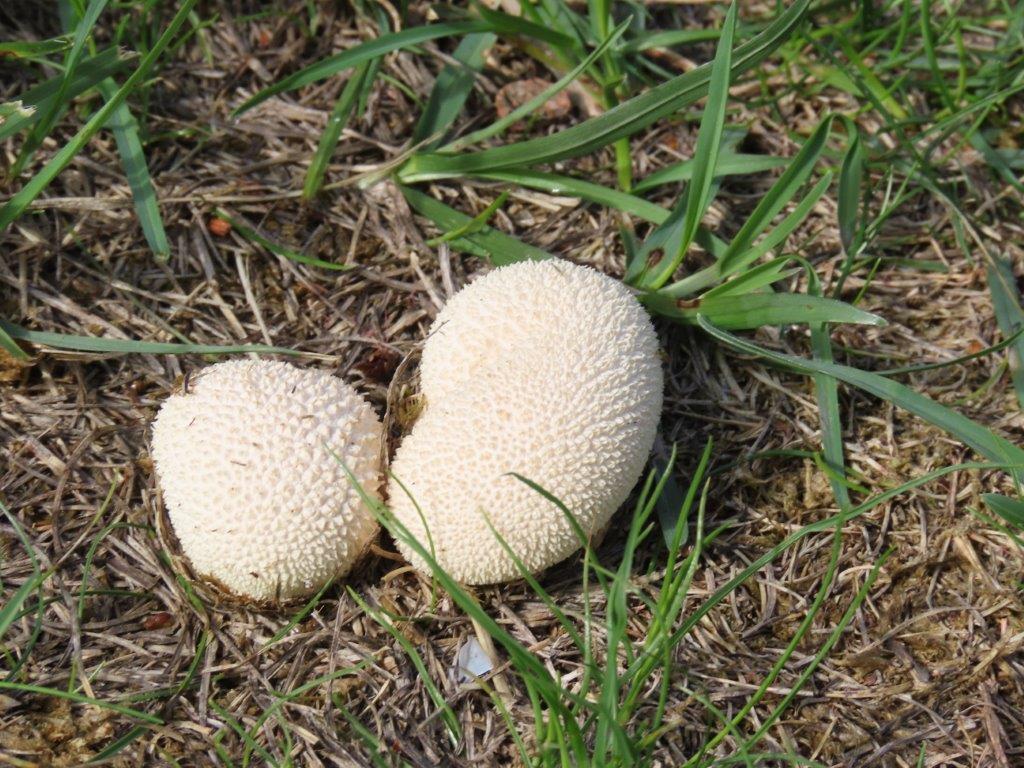
We didn’t find much interesting greenspace in the heart of the town, although the Memorial Gardens ran down to the very sluggish, wholly vegetated River Welland, here only a few kilometres downstream from its source. Planted Figs bore copious evidence of the Fig-leaf Skeletonizer moth, a recent arrival in Britain, and the lawns were sprouting Meadow Puffballs.
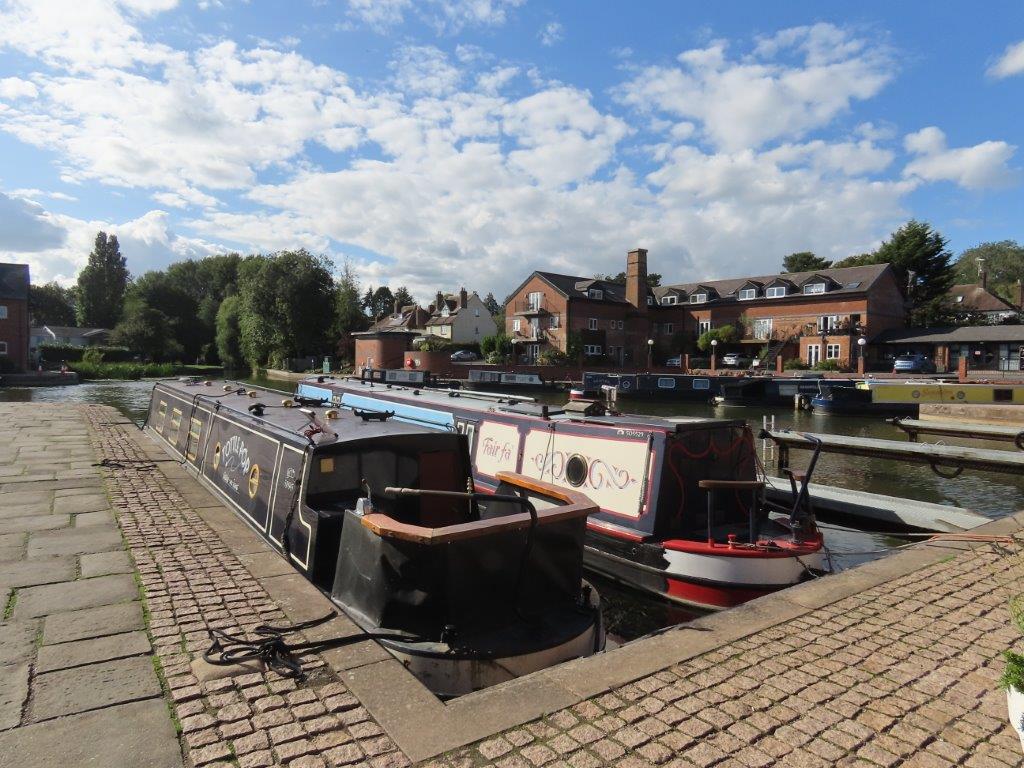
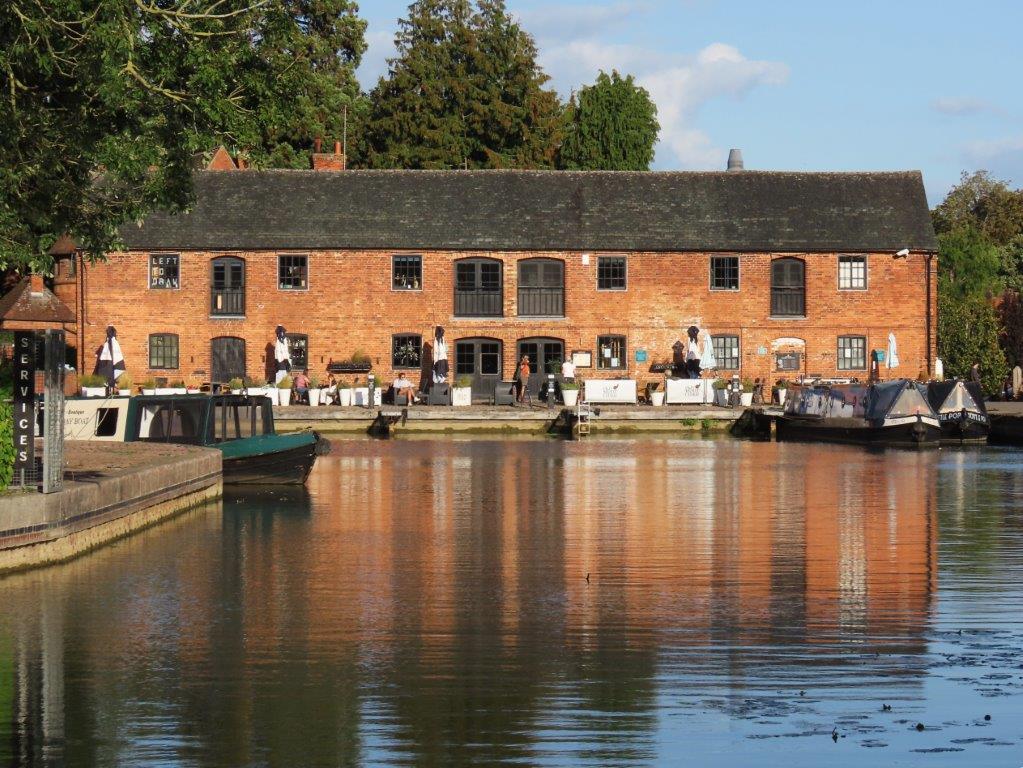
On our first afternoon, a lovely walk through the town took us eventually to Union Wharf, a picturesque canal basin at the end of the Market Harborough arm of the Grand Union Canal. Very scenic and lovely weather so a drink outside the Waterfront was very much in order!
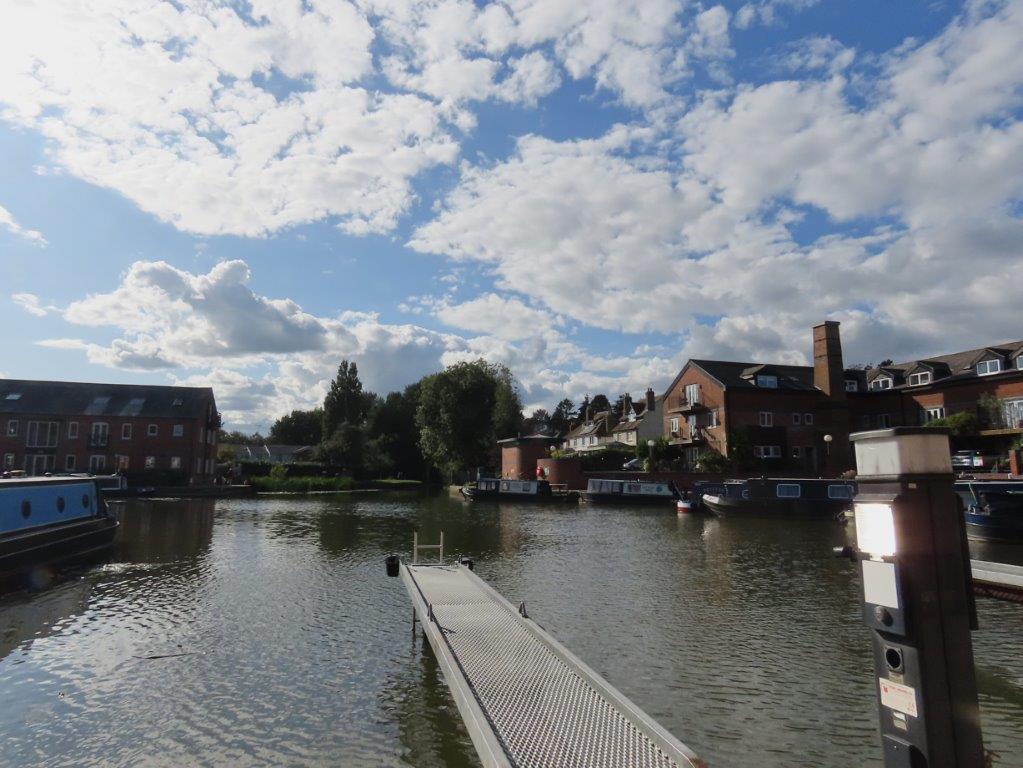
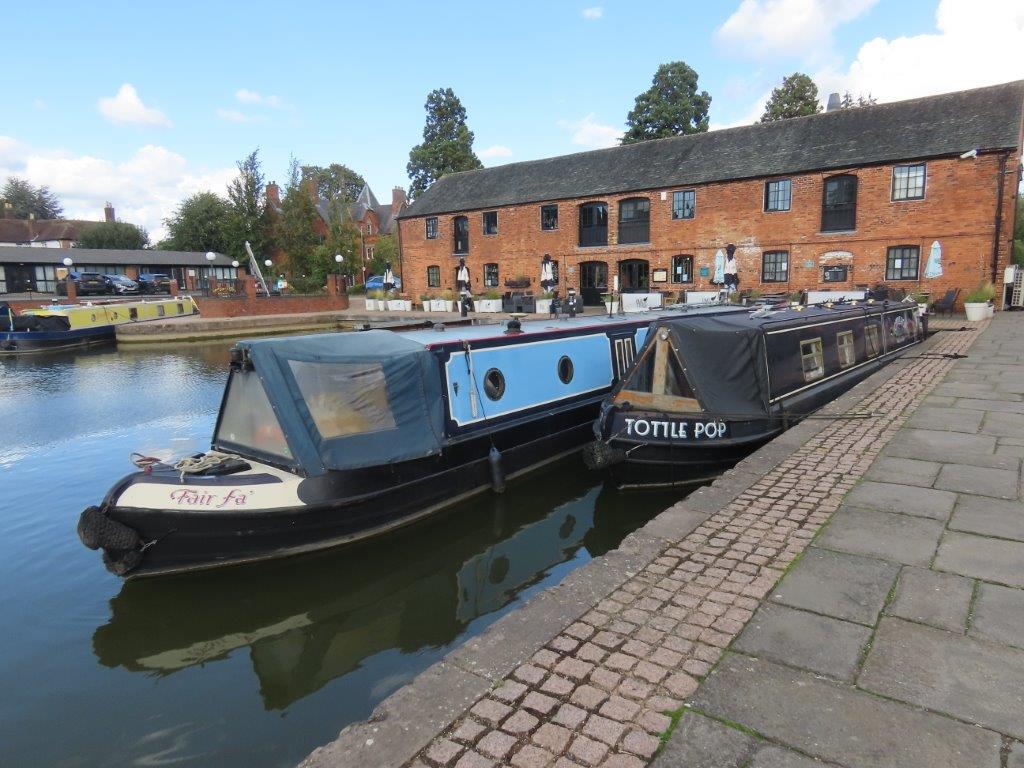
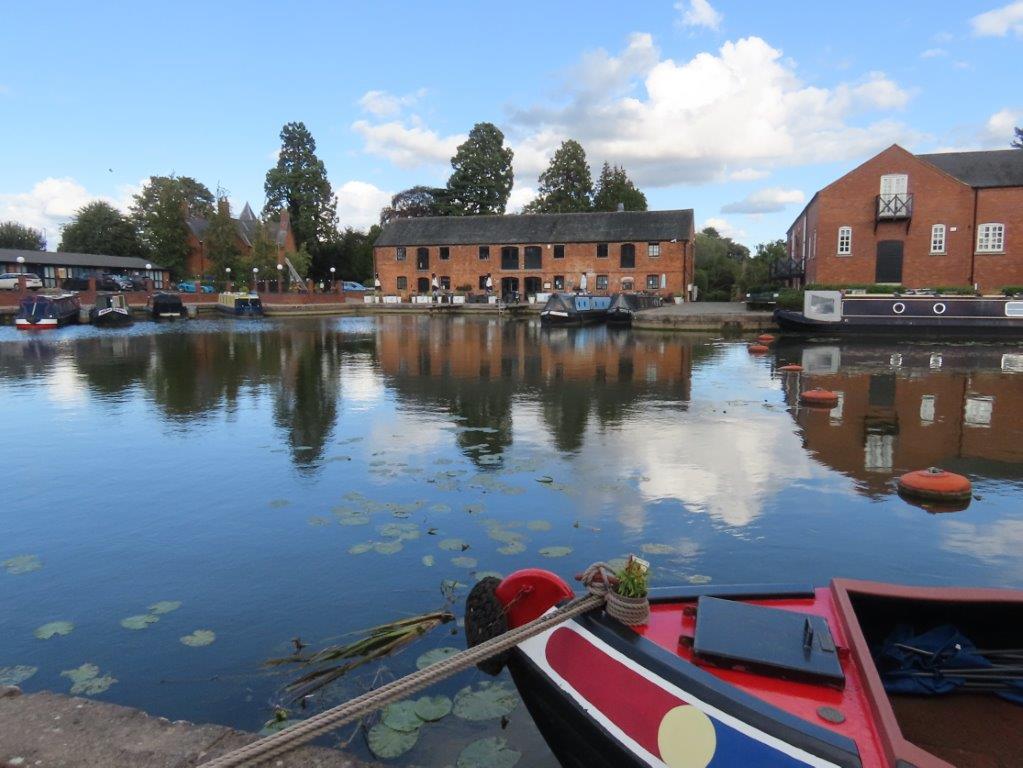
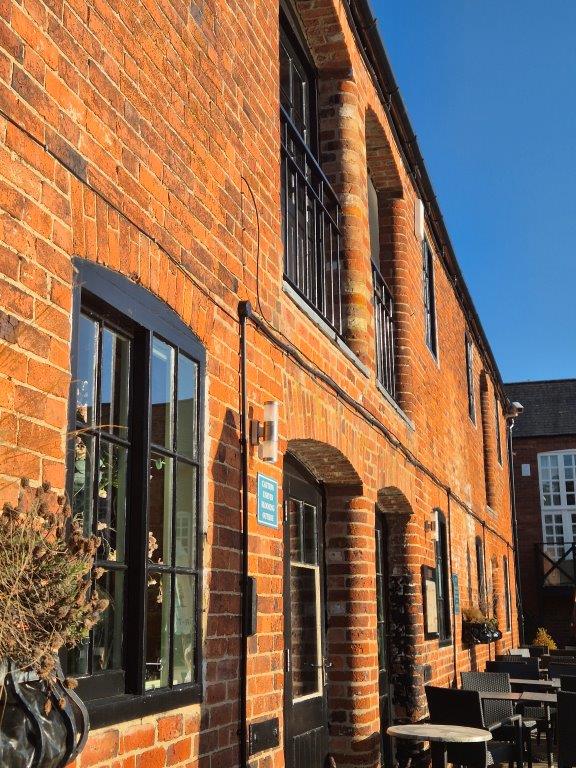
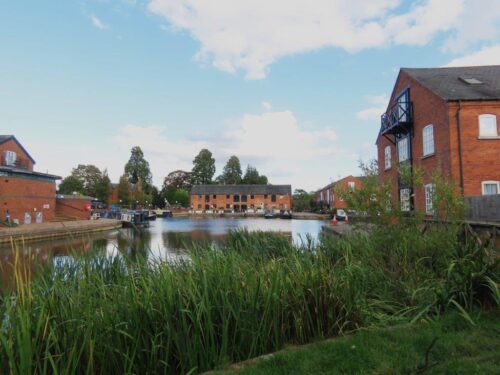
From there, it was a very pleasant potter along the towpath…
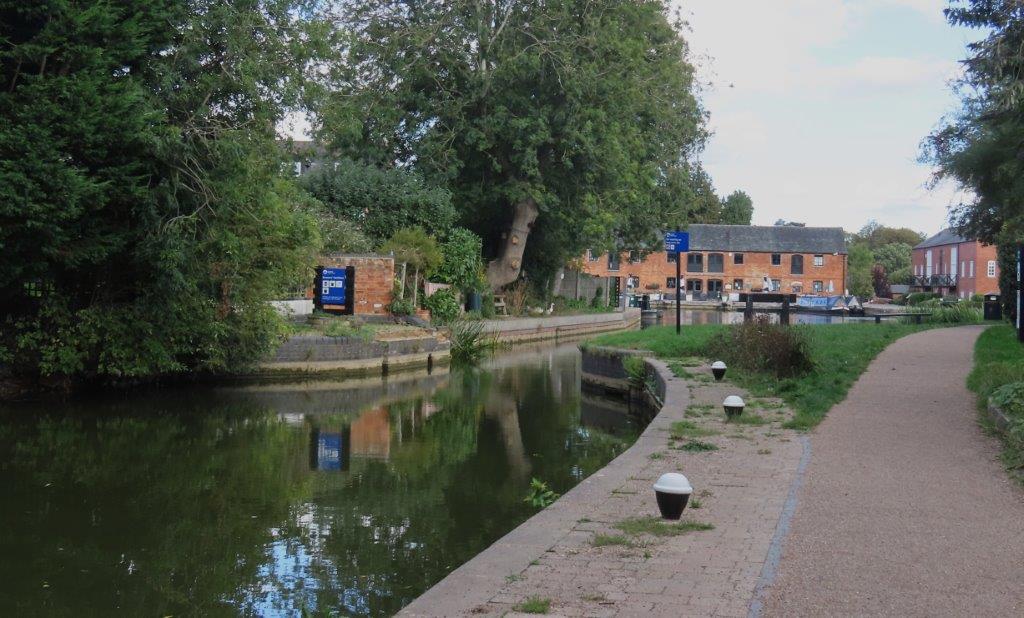
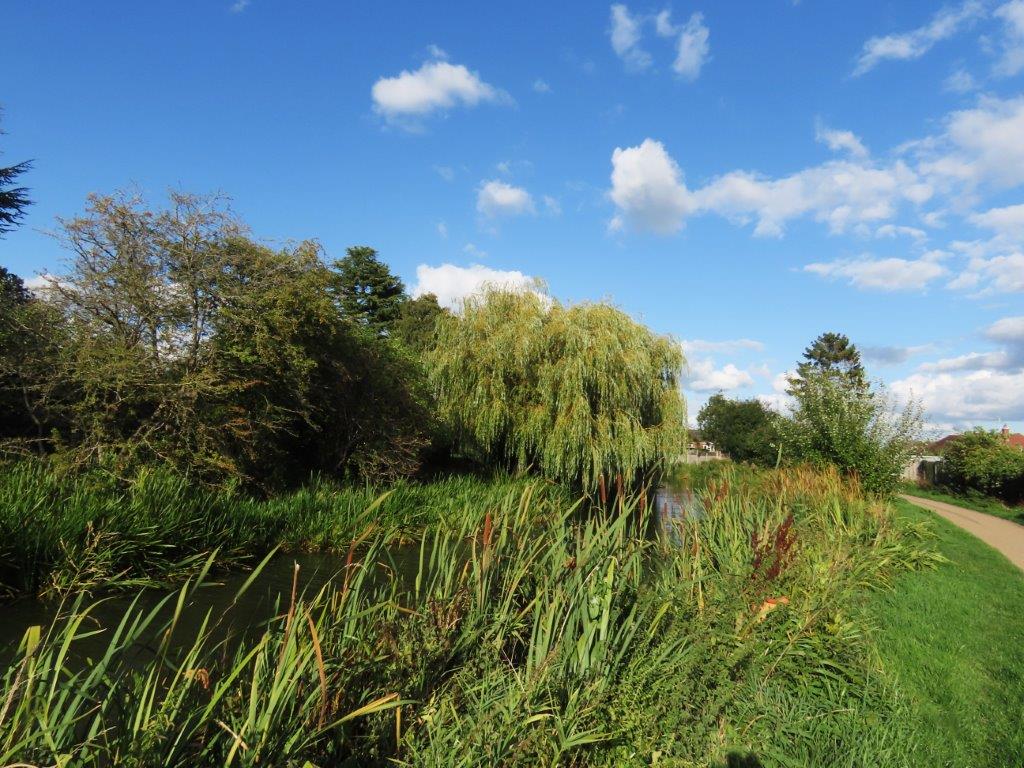
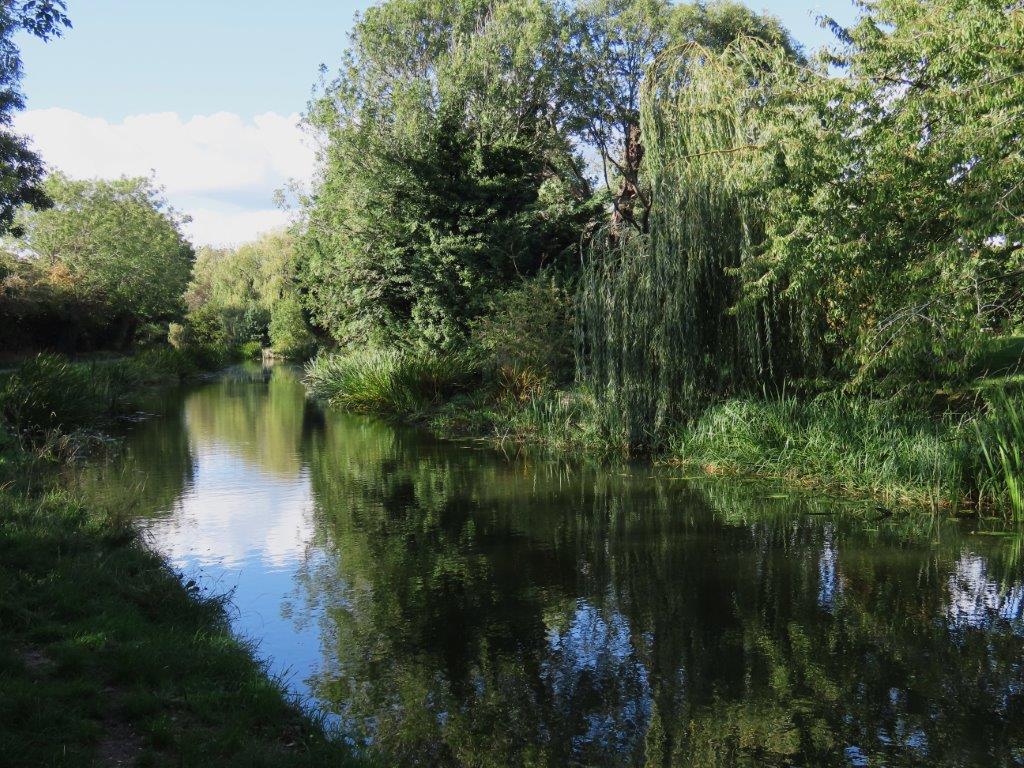
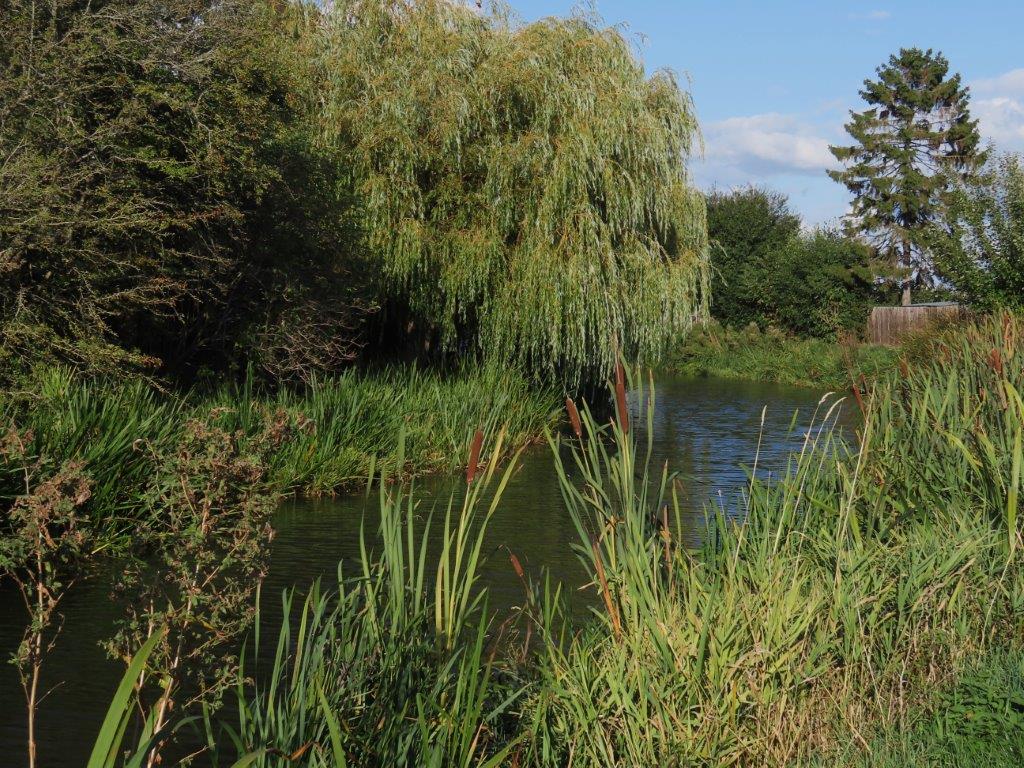
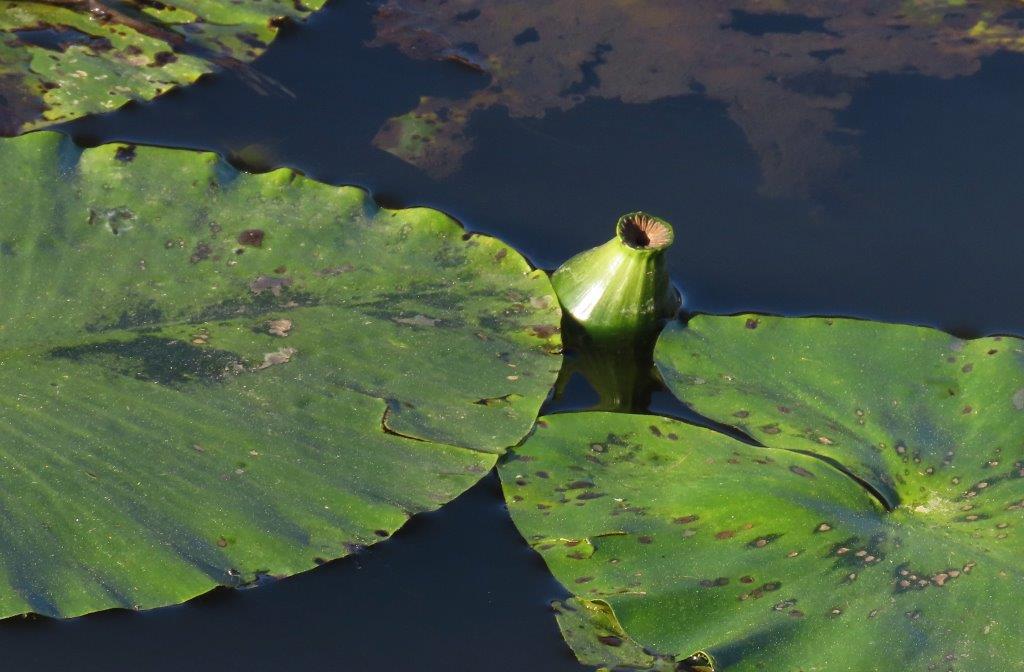
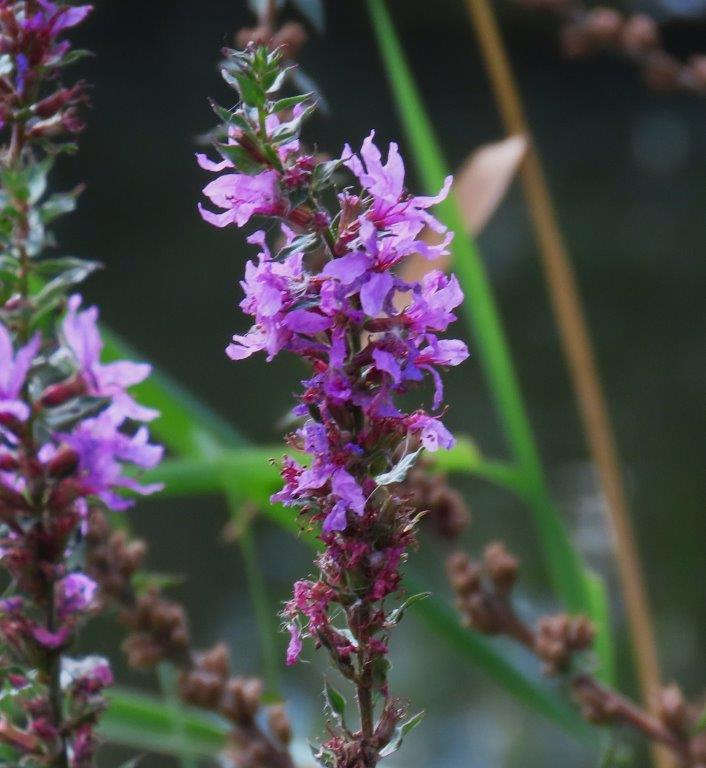
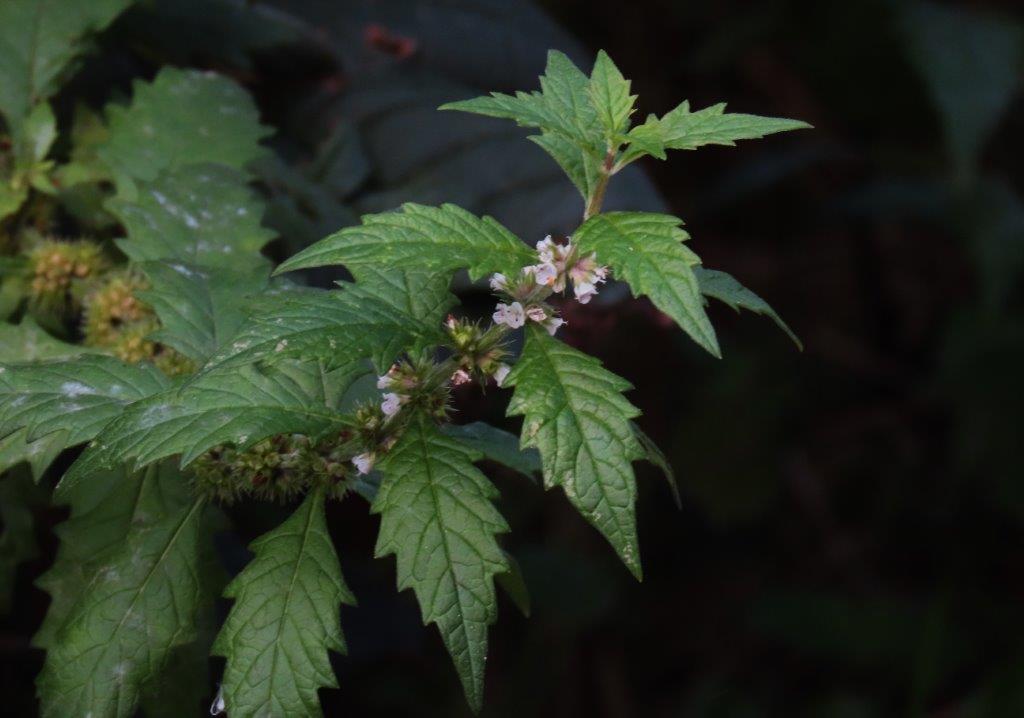
… featuring Yellow Water-lily ‘brandy bottles’, Purple Loosestrife and Gypsywort.
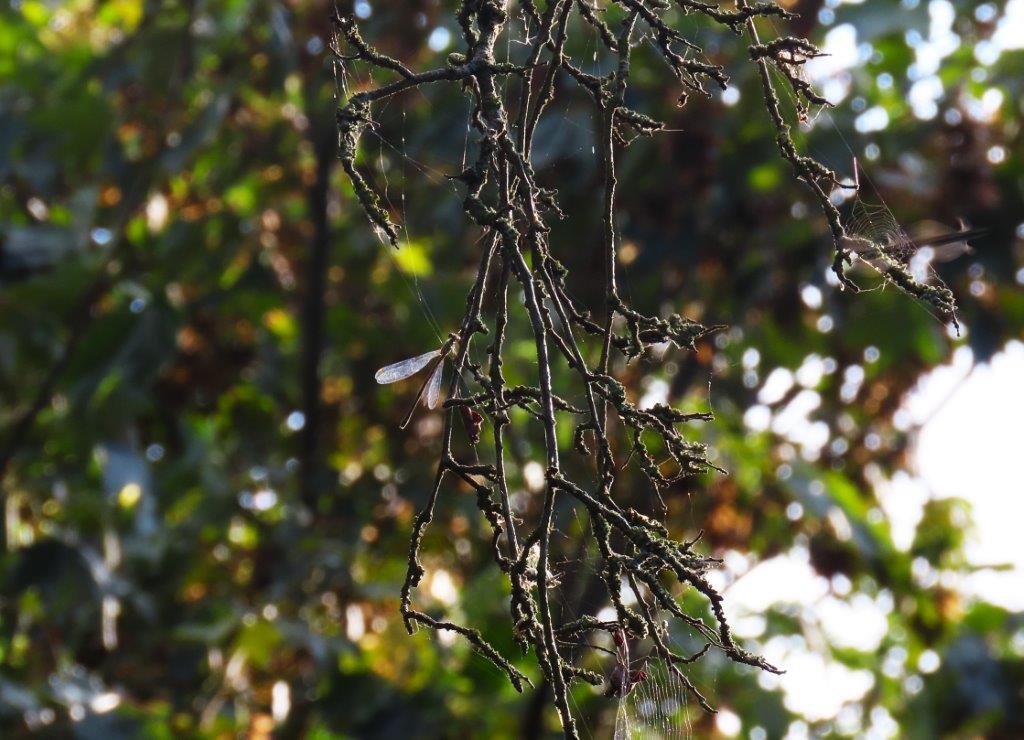
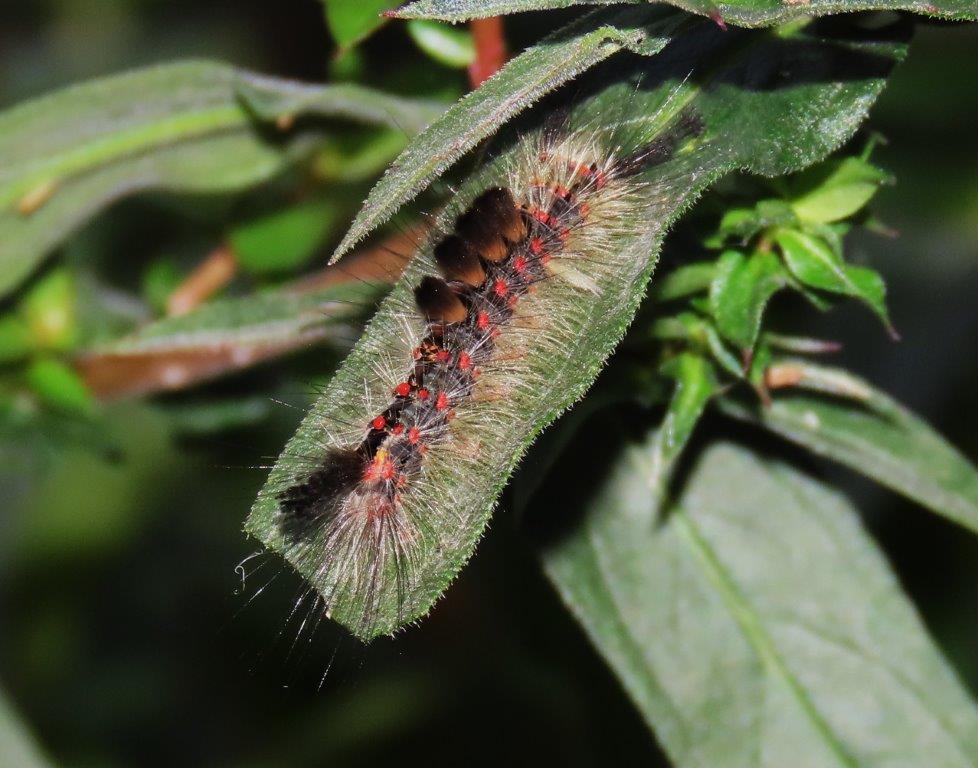
Southern and Migrant Hawkers were hawking incessantly, fluttering Willow Emeralds were coming to rest in the bankside shrubs, and Jude spotted a Vapourer Moth caterpillar, all coloured tussocks and tufts.
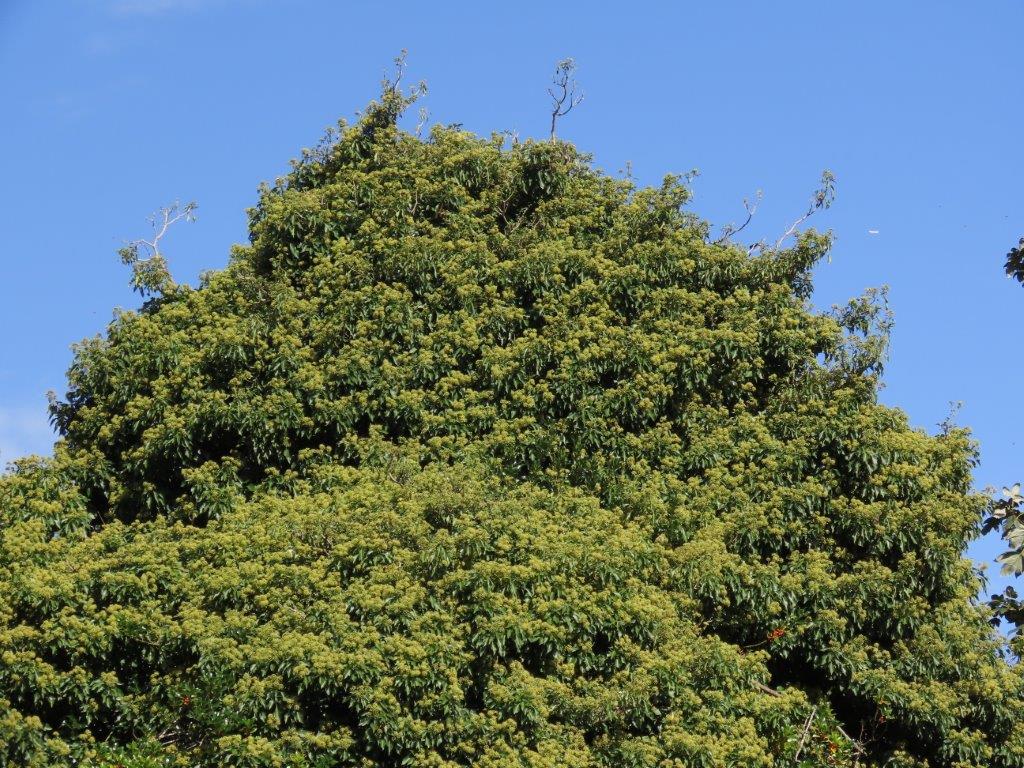
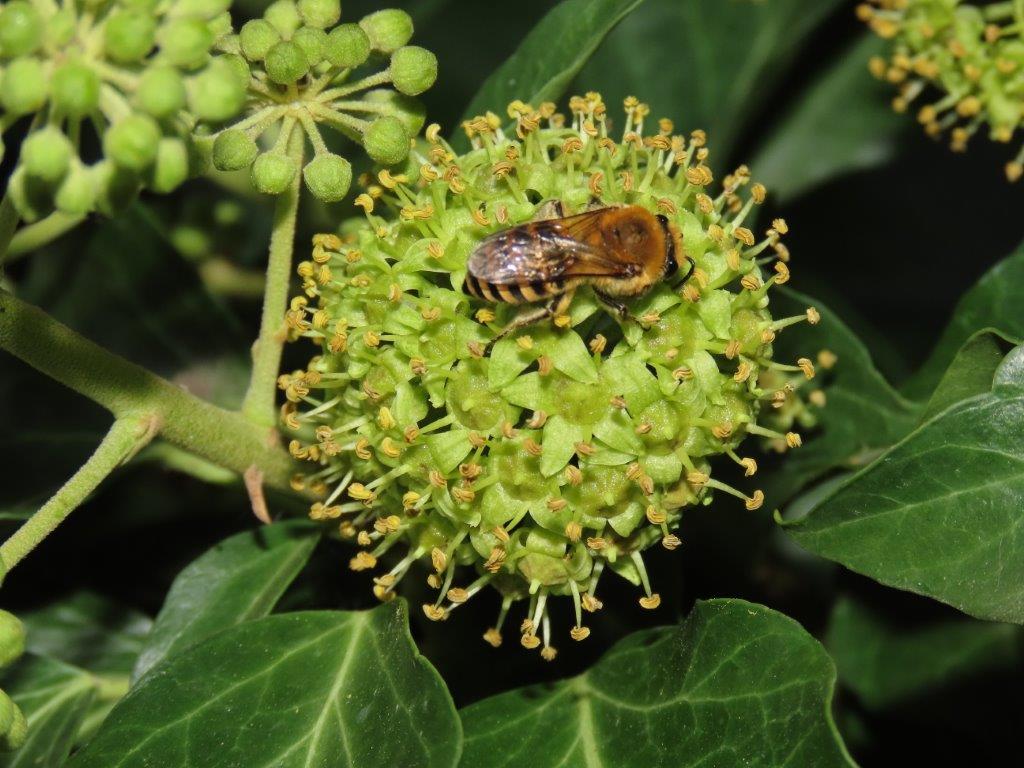
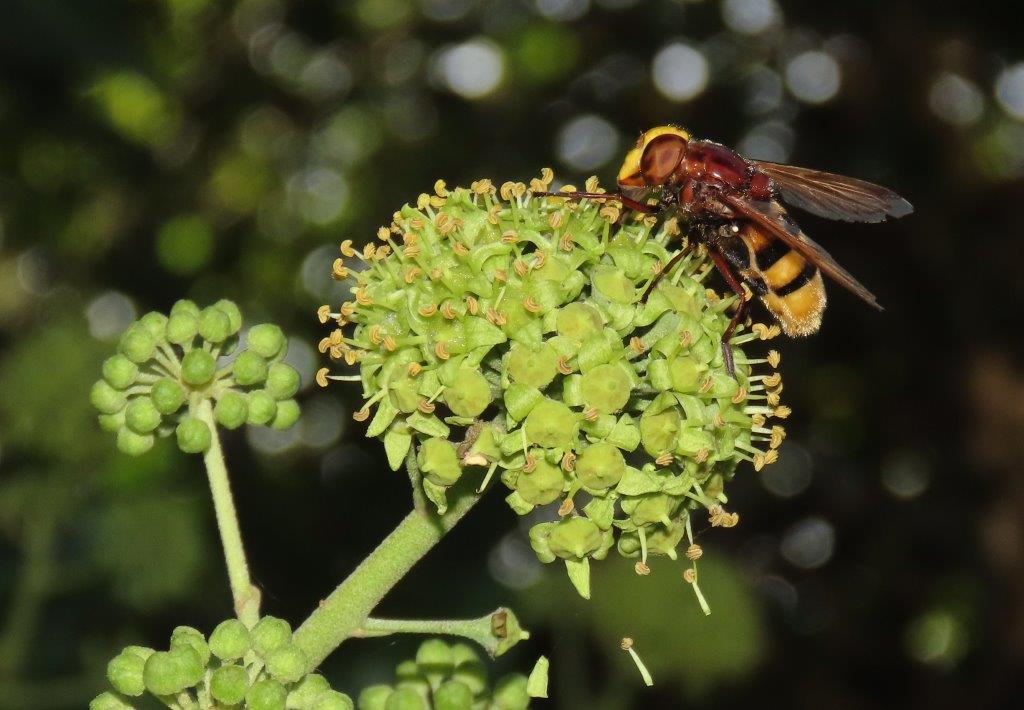
And then of course flowering Ivy, headily scented and just buzzing with masses of Ivy Bees and a few other visitors such as a Hornet Hoverfly, both species relatively recently arrived in Britain and still spreading; for the latter at least, Leicestershire is towards the edge of its current range at least for the present time.
And so back to the Waterfront, for a fine bottle of wine and the very best meal of our holiday in the loveliest of surroundings: king prawn and courgette linguini for me and sea bass with prawn and lobster bisque for Jude!
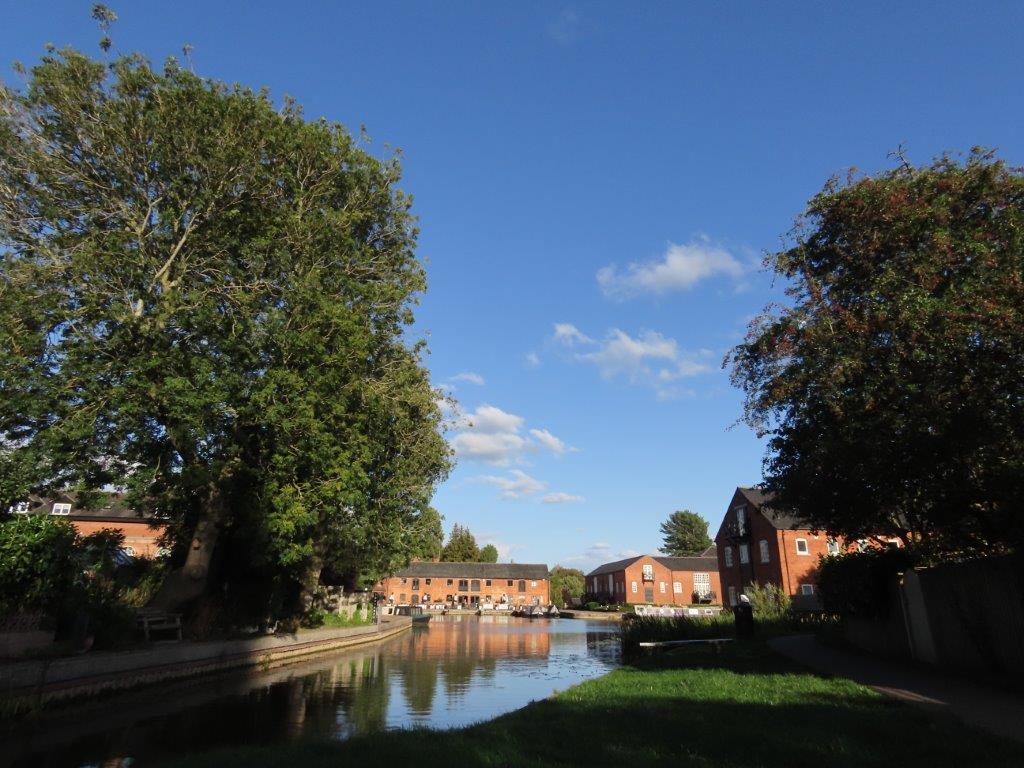
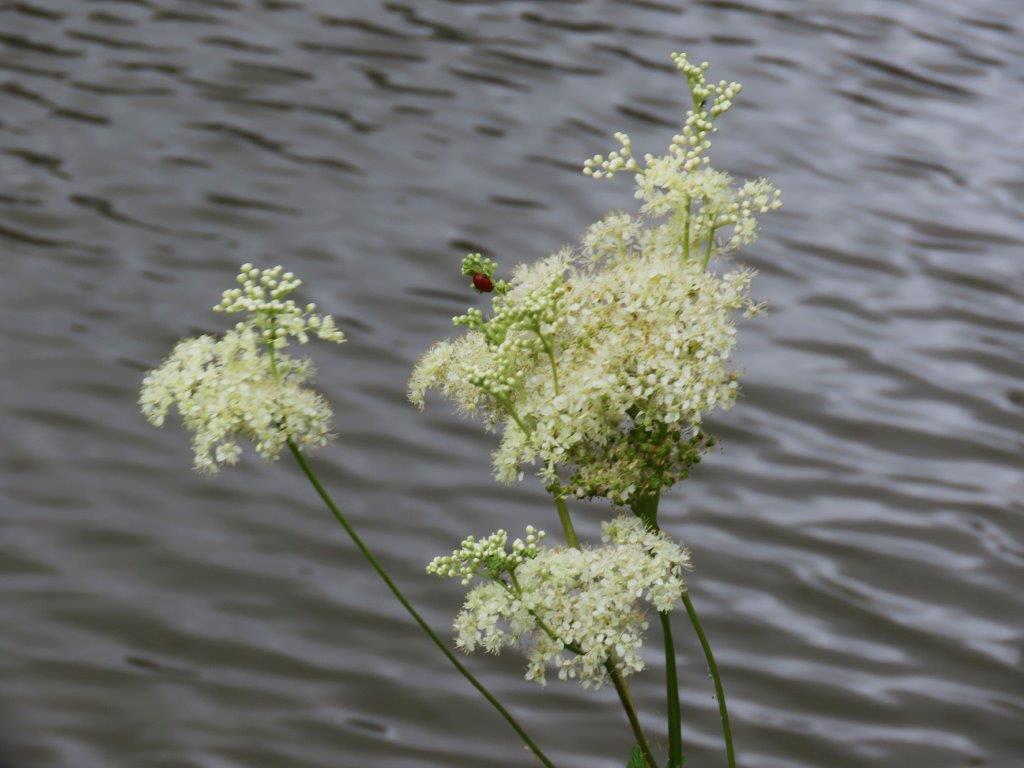
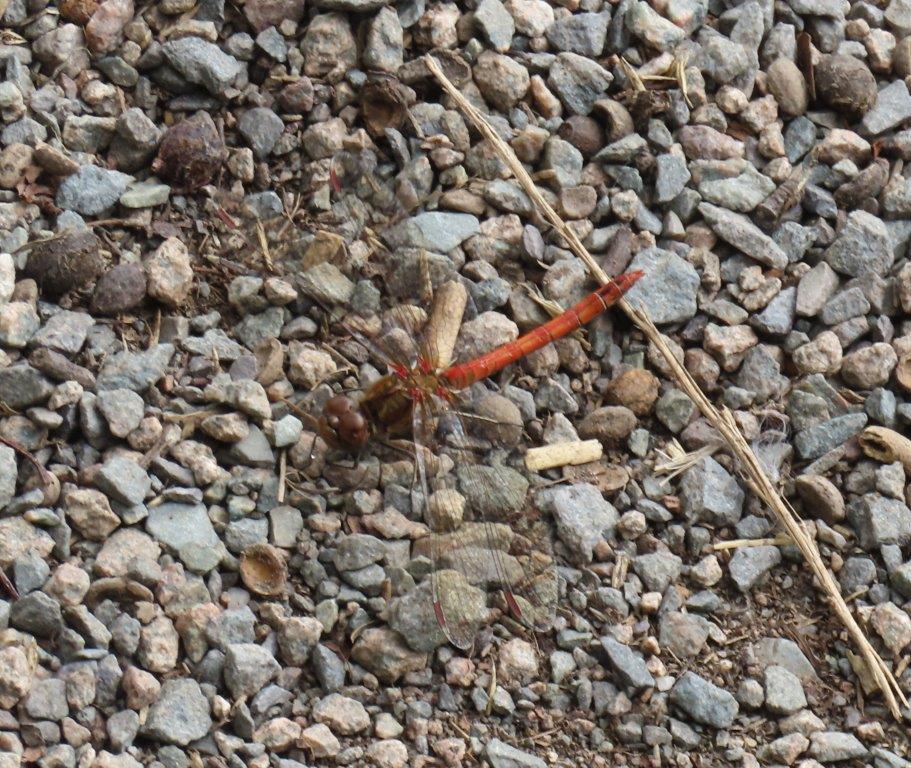
A cooler day followed, with more cloud, just perfect for a visit to Foxton Locks, the inspiration for this short break. A short bus ride took us to Foxton and a half-hour along the canal towpath, fringed with Meadowsweet, dodging the Common Darters…
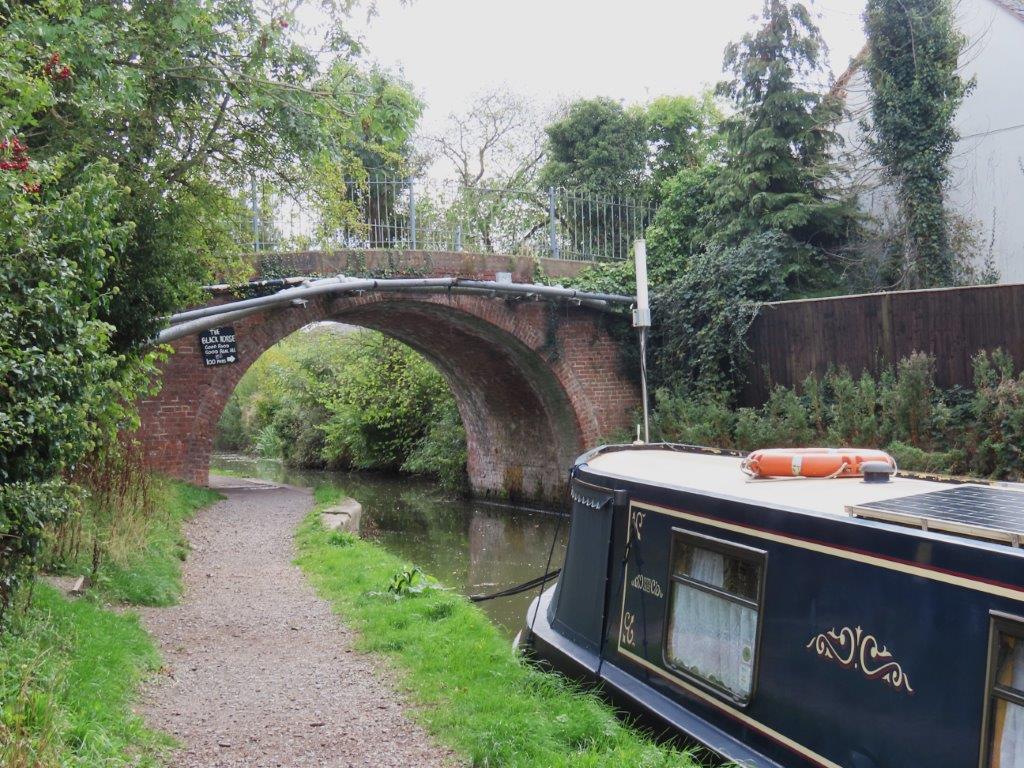
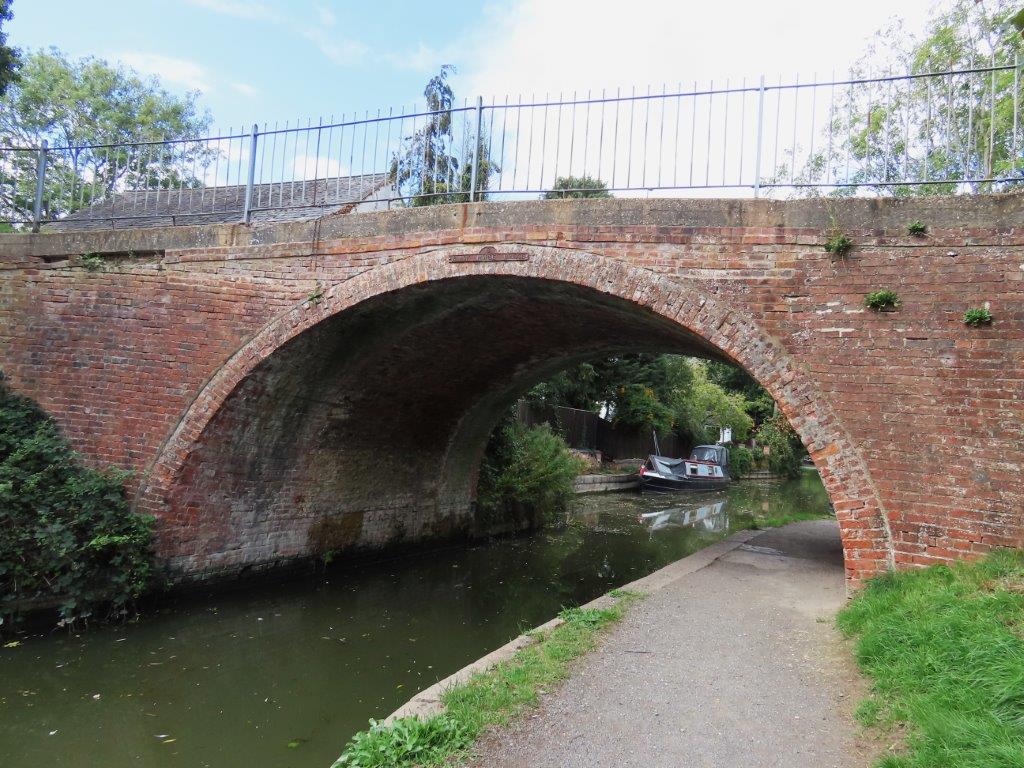
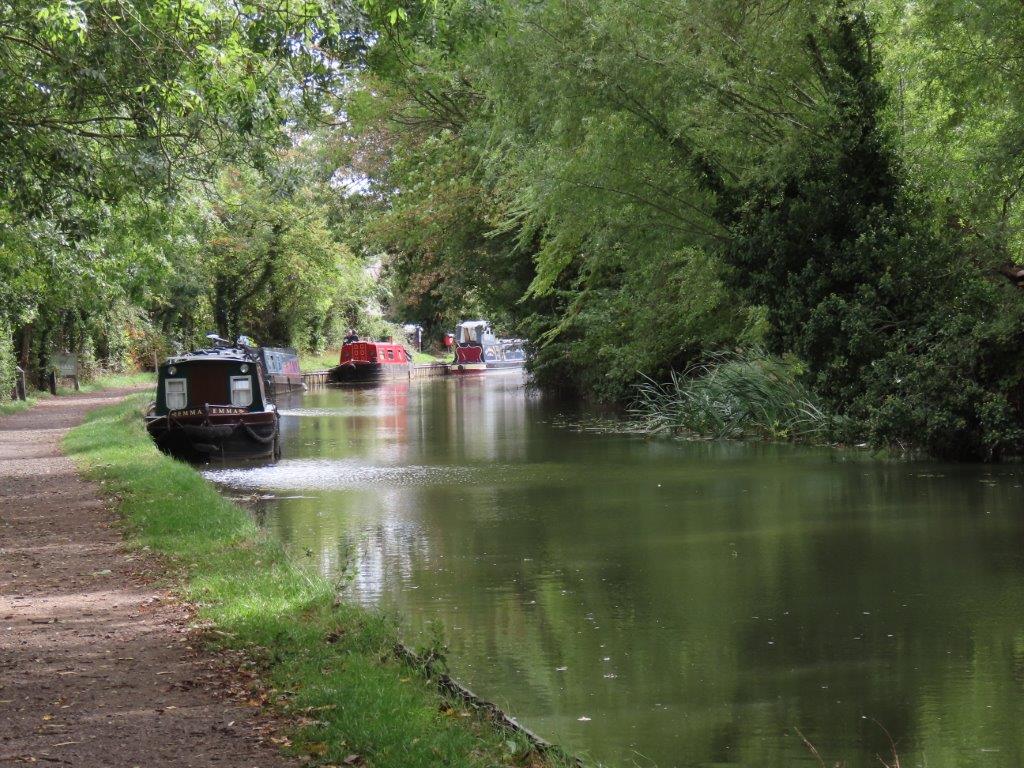
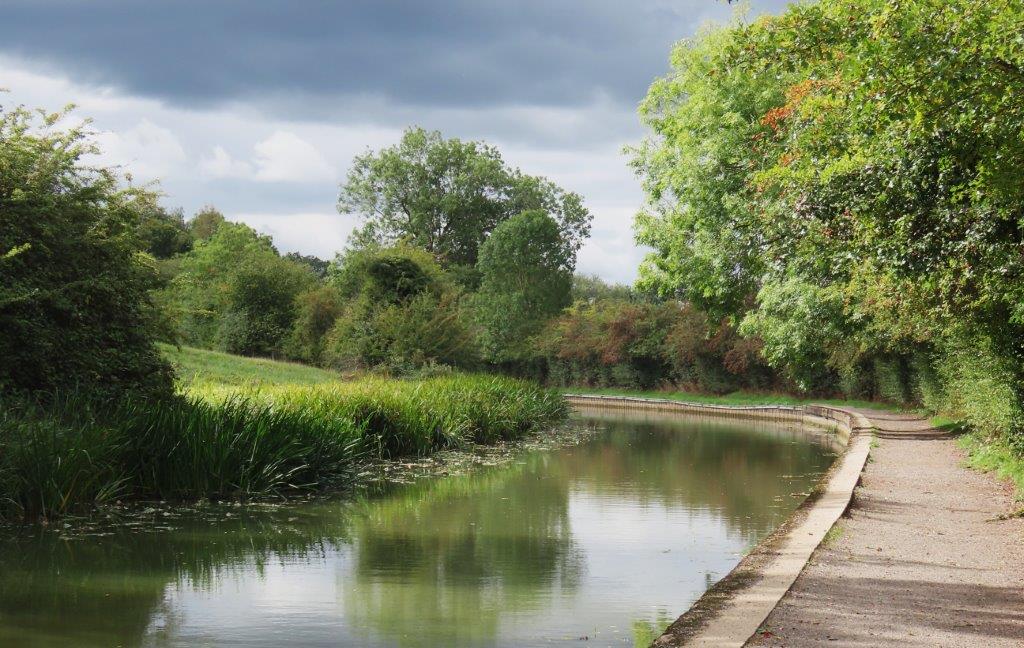
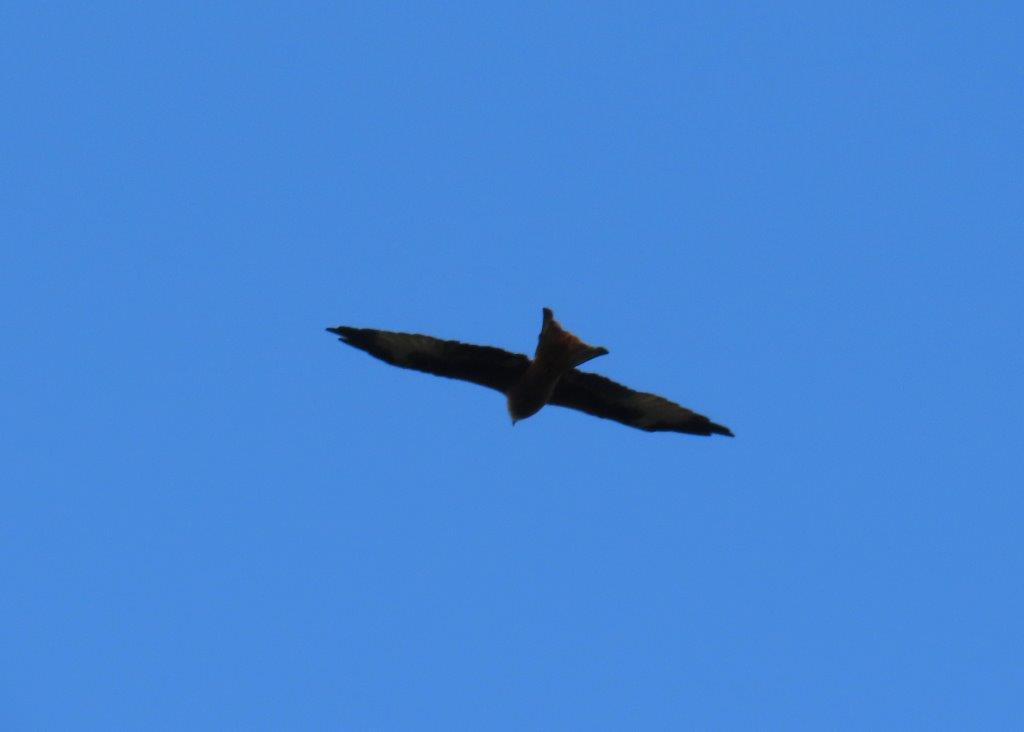
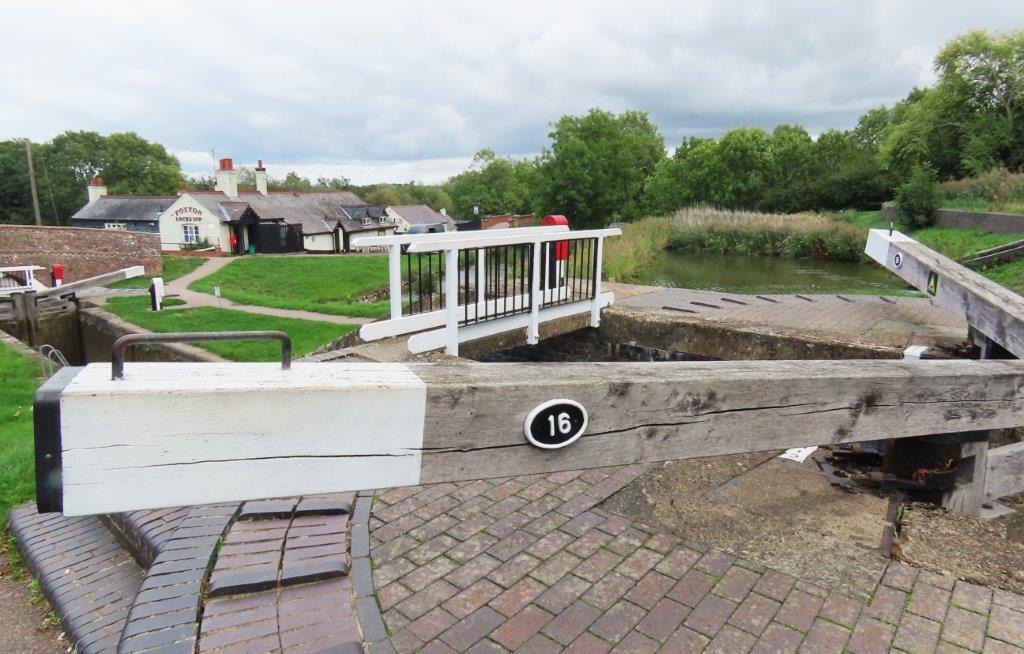
… brought us the the masterpiece of 19th century canal engineering that is Foxton Locks. But first (it was a holiday!) a drink at the eponymous pub, overlooking the canal and bridge, as Red Kites circled overhead.
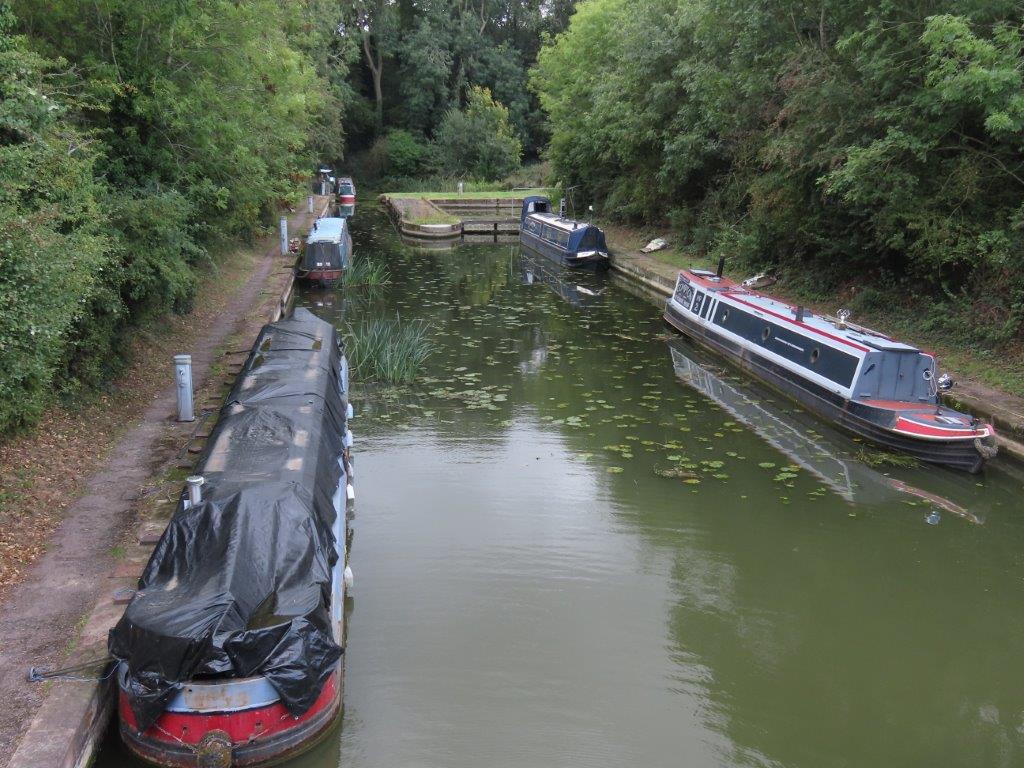
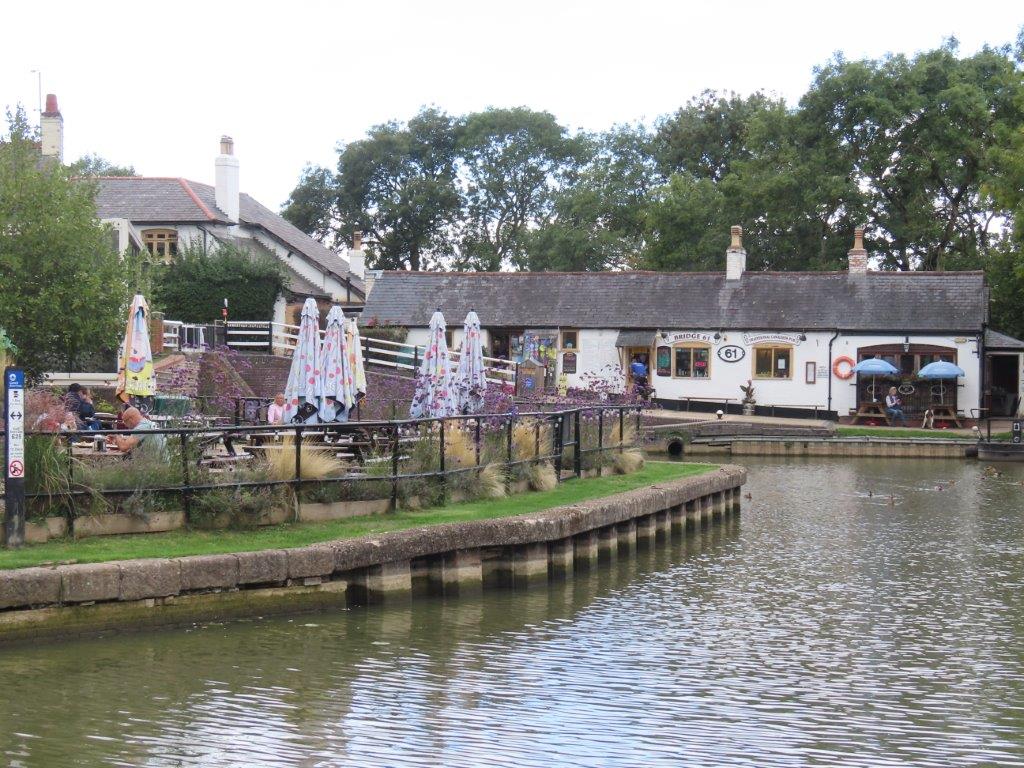
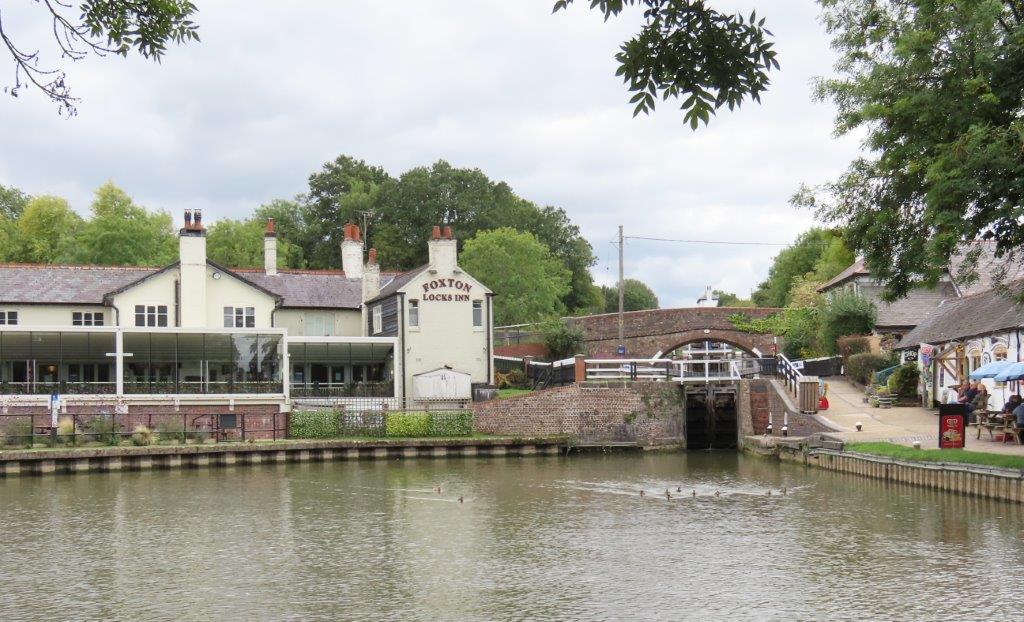
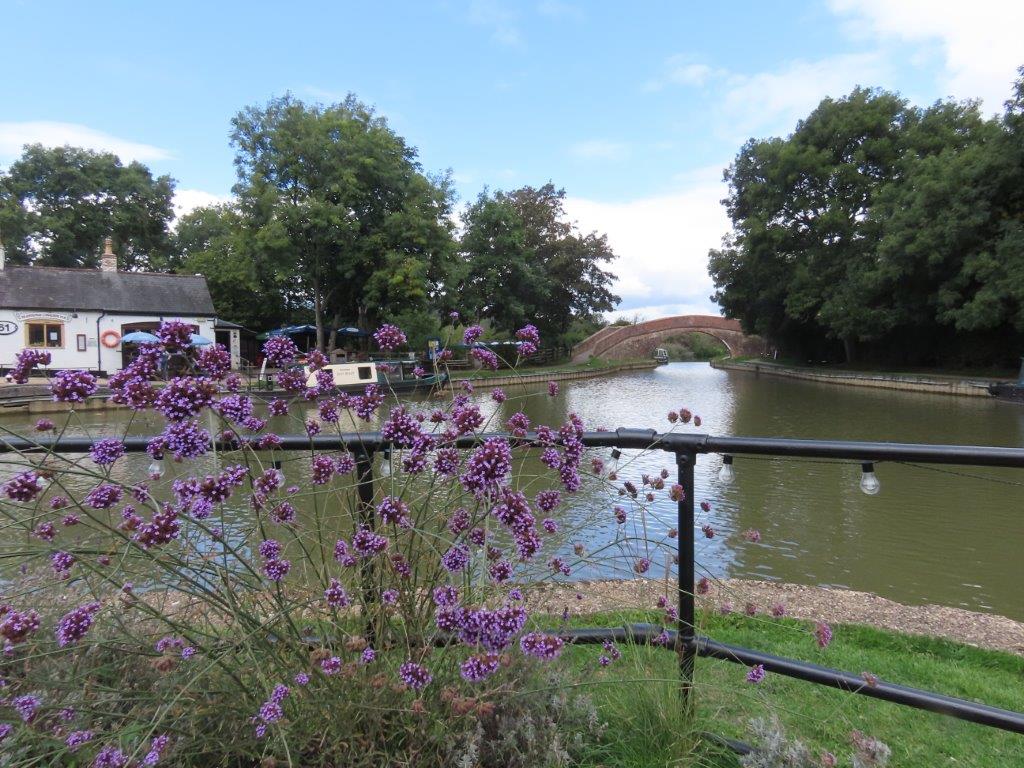
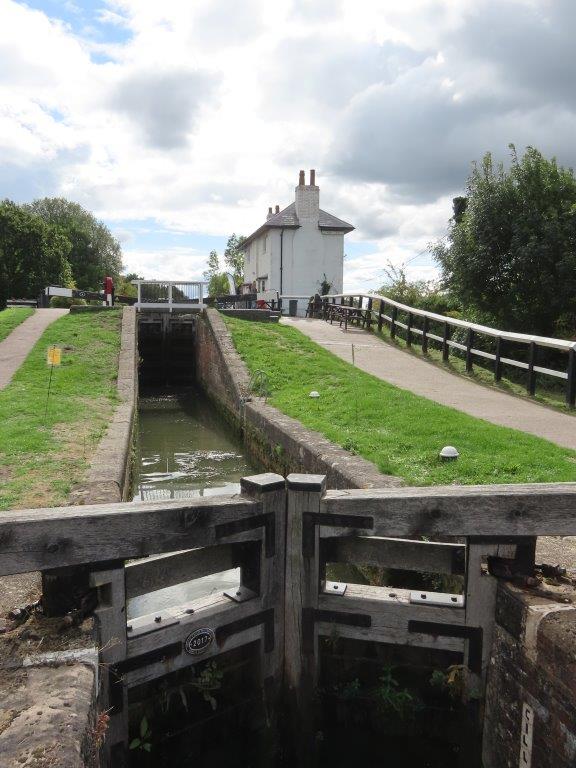
The Grand Union Canal was designed to connect London with the Midlands, trade routes that drove the Industrial Revolution. It unites a whole series of minor canals and watercourses, the Leicester branch of which necessitated a climb of nearly 25 metres and resulted in the creation by 1814 of the flight of locks at Foxton. Sadly low water levels currently preclude use of the locks but they are still absolutely magnificent: ten lock gates, with basins between, and a parallel series of pounds to make the whole process use the available water more efficiently.
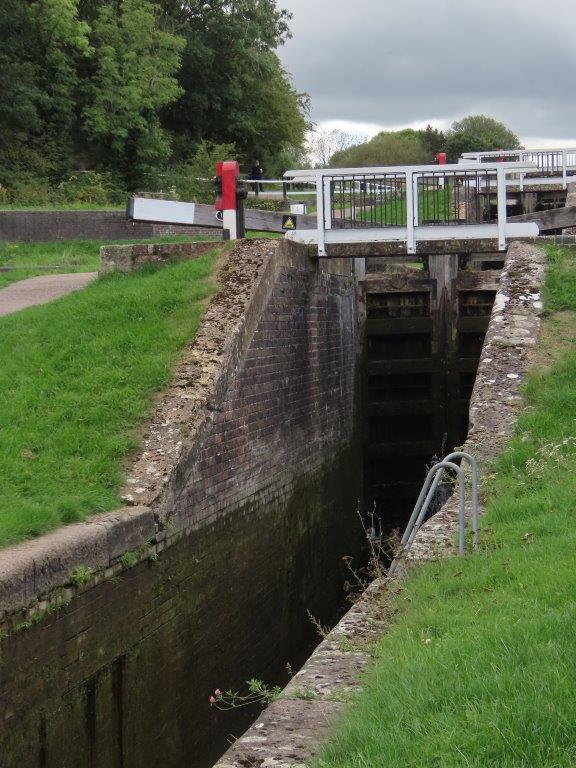
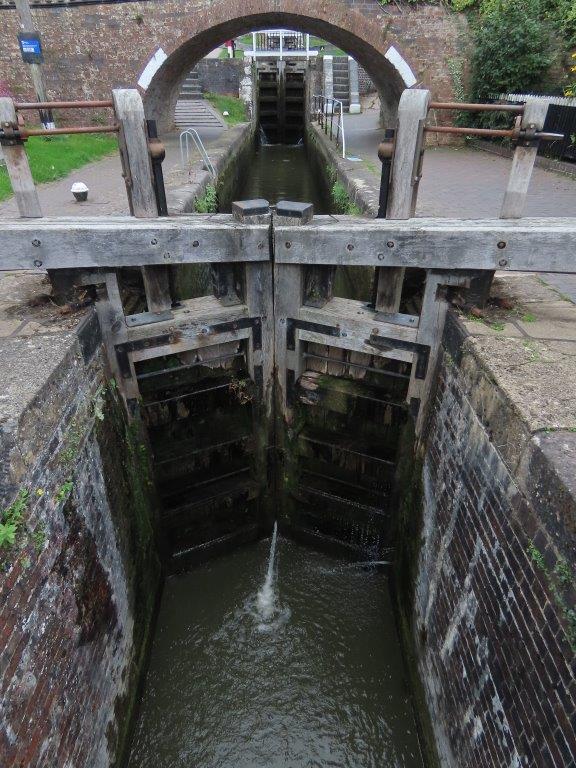
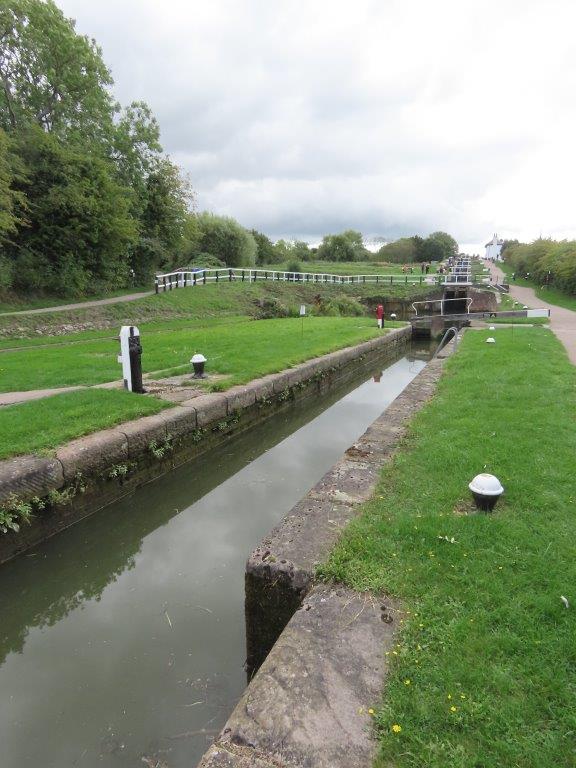
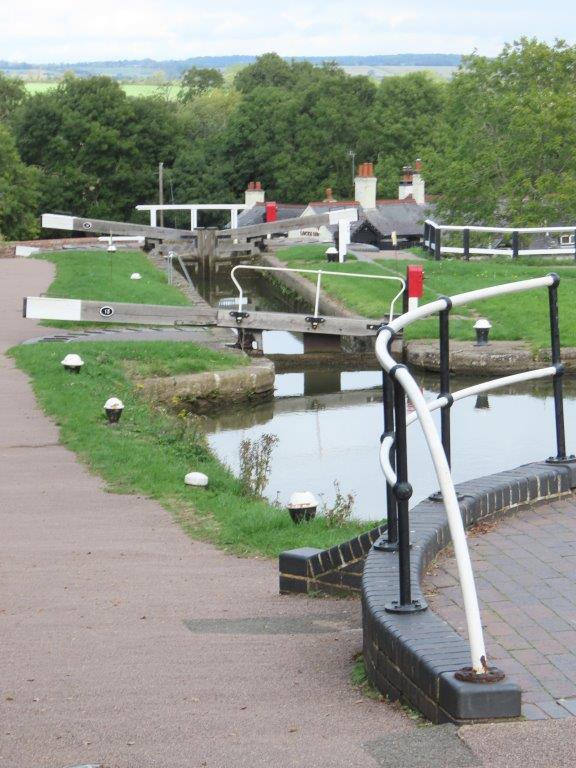
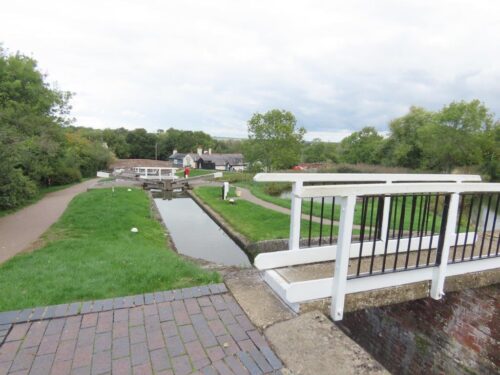
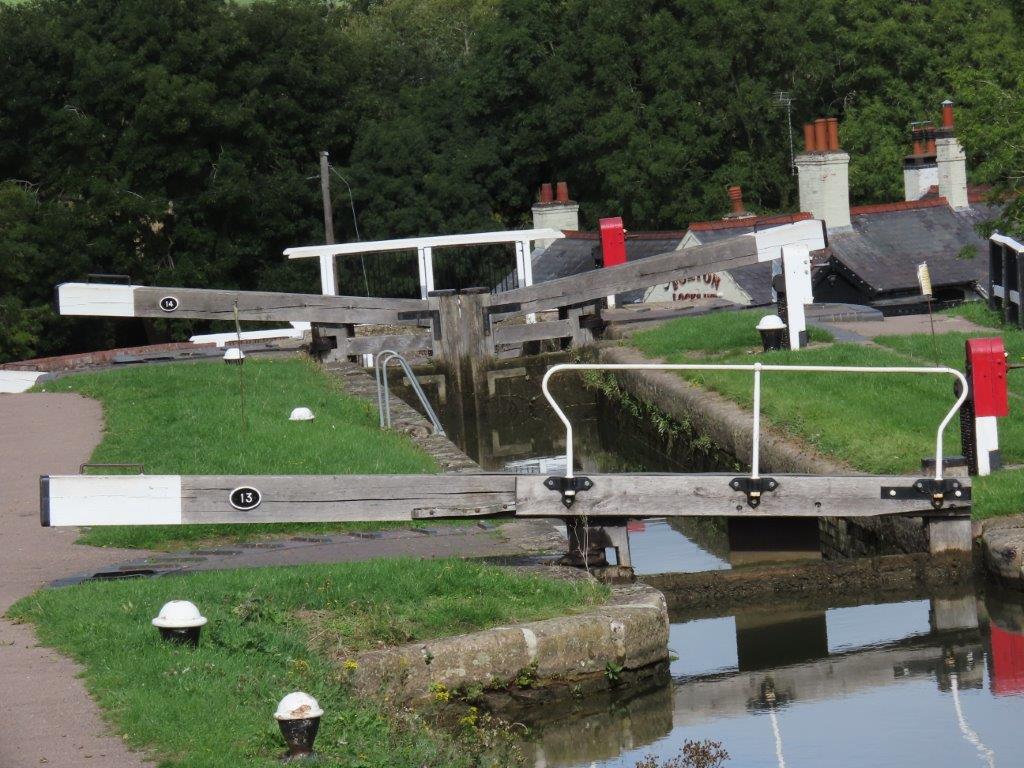
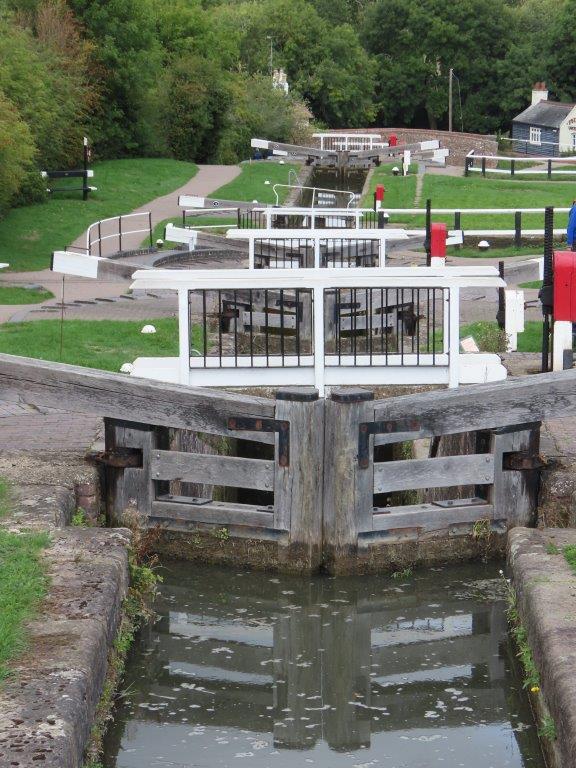
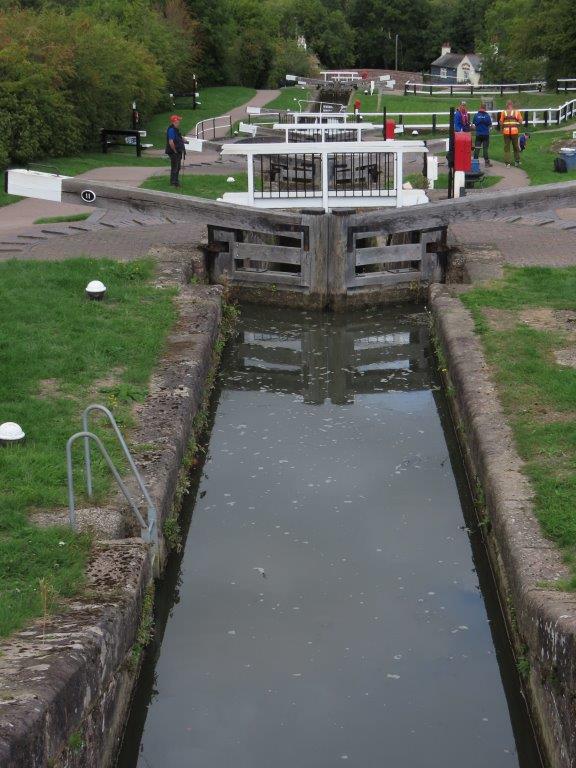
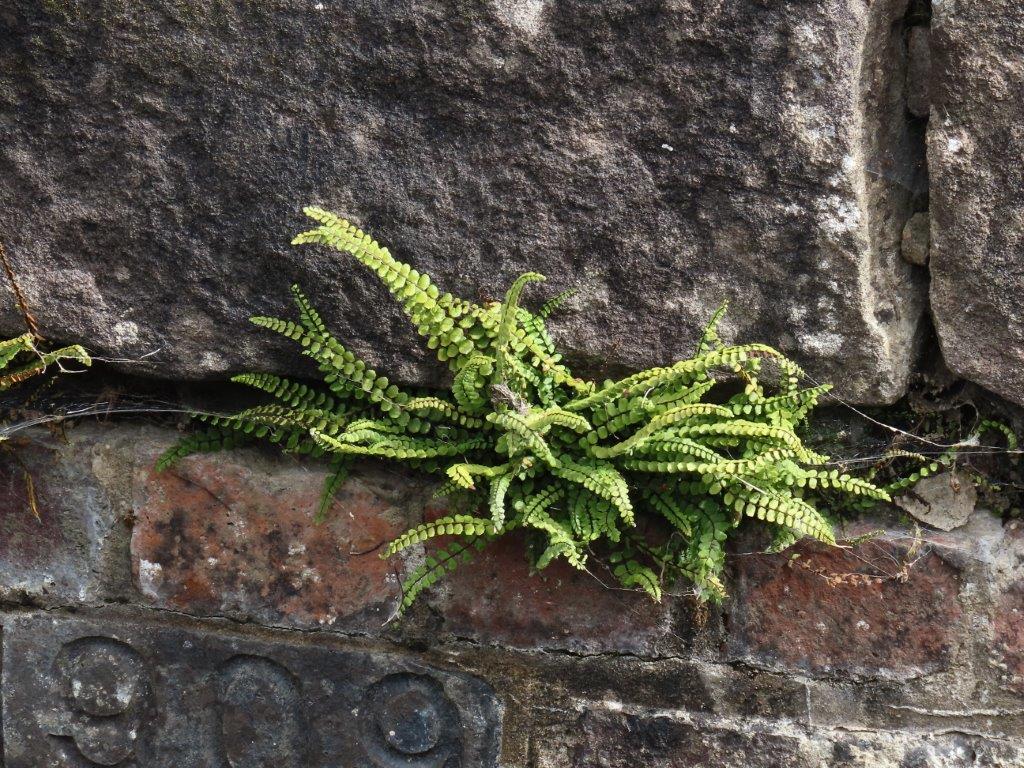
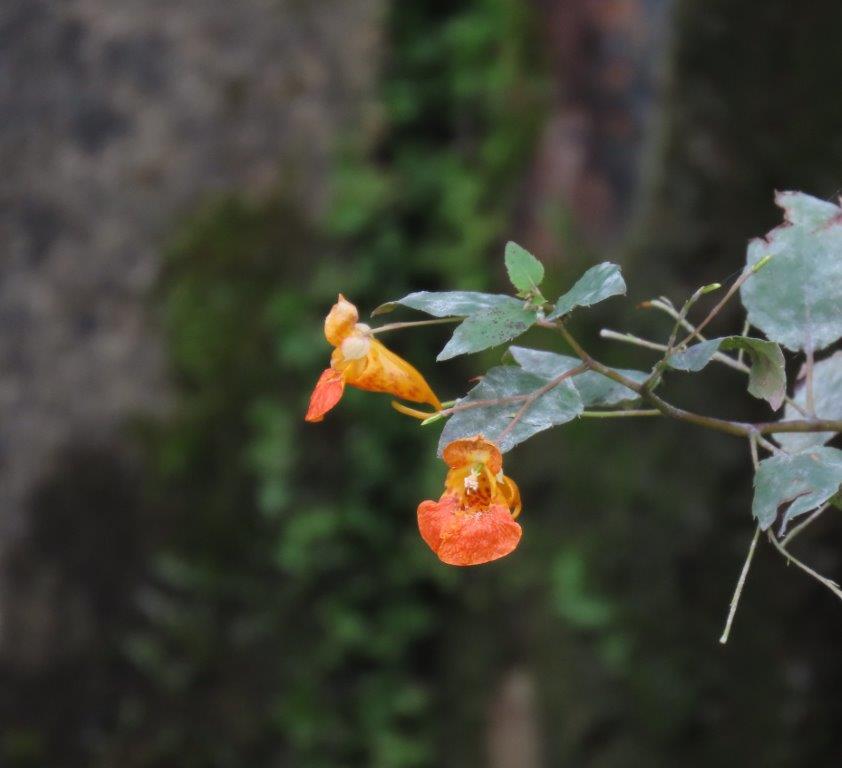
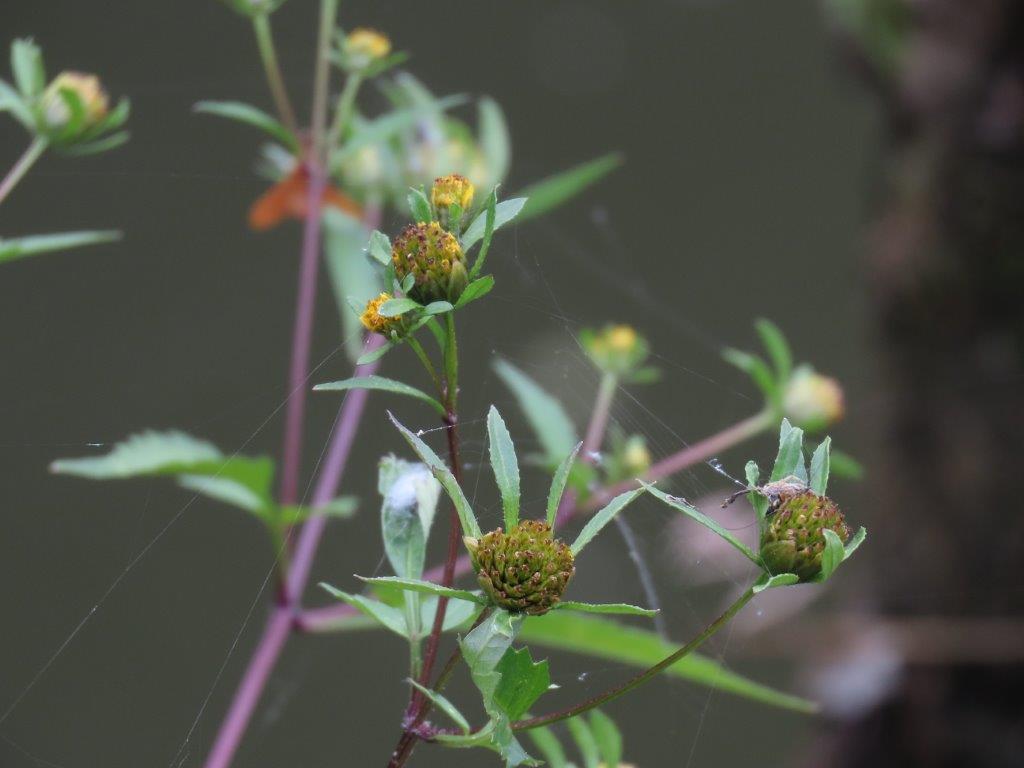
The precipitous walls of the basins had plants clinging to the cracks, from Maidenhair Spleenwort to Orange Balsam and Trifid Bur-marigold:
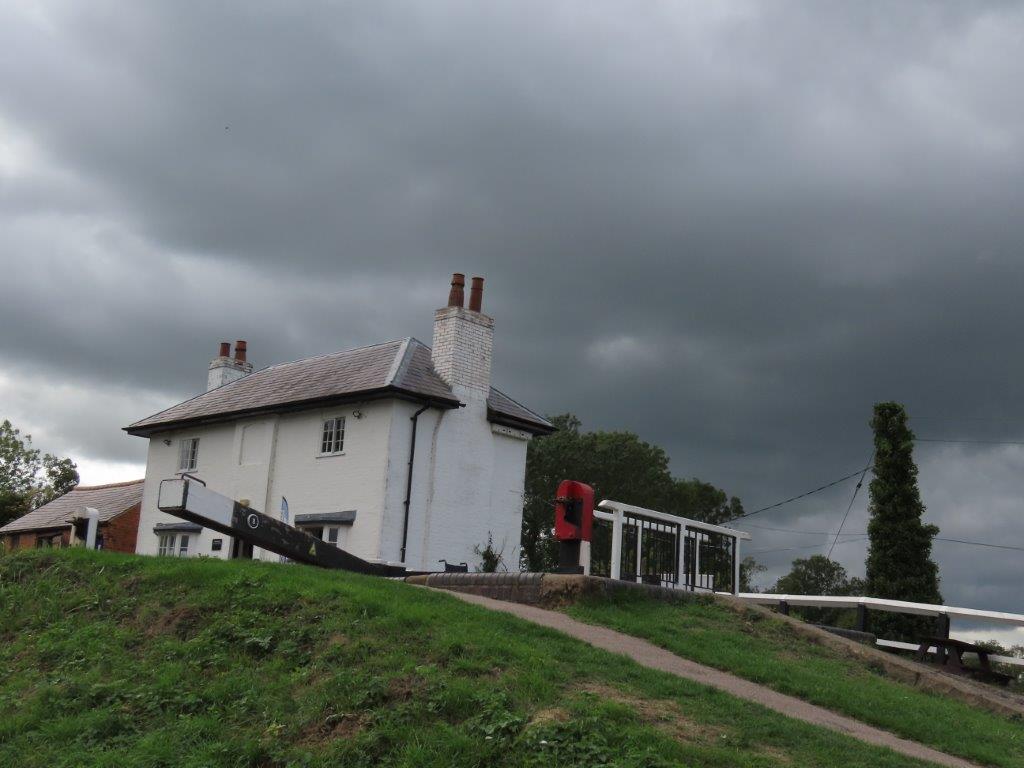
Walking up the flight to the old lockkeeper’s cottage (and a welcome ice cream), the clouds started to gather but aside from a couple of spots failed to deliver to a thirsty landscape. Having said that the whole lot was a lot greener than at home!
Heading back through the storage pounds, with Pontania bean galls of a sawfly on willows and a fluffy little owl-fly (probably a Pneumia speecies)…
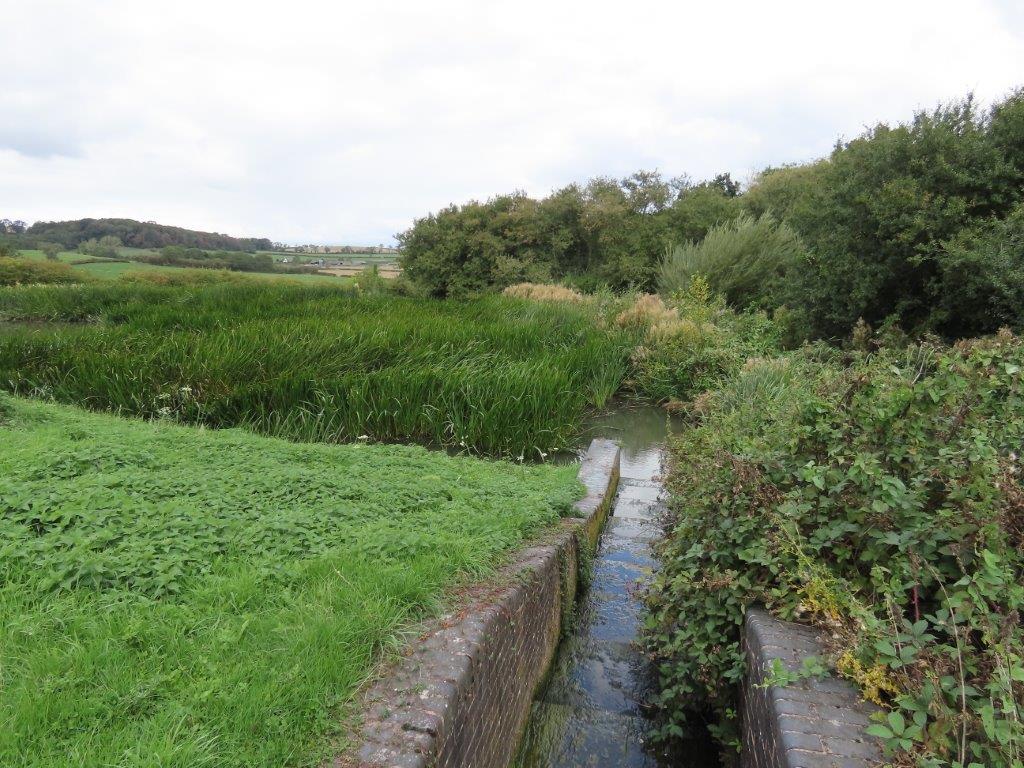
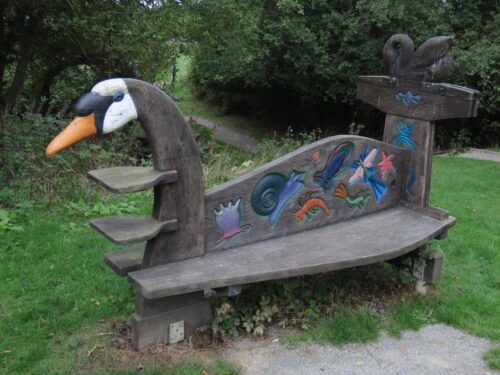
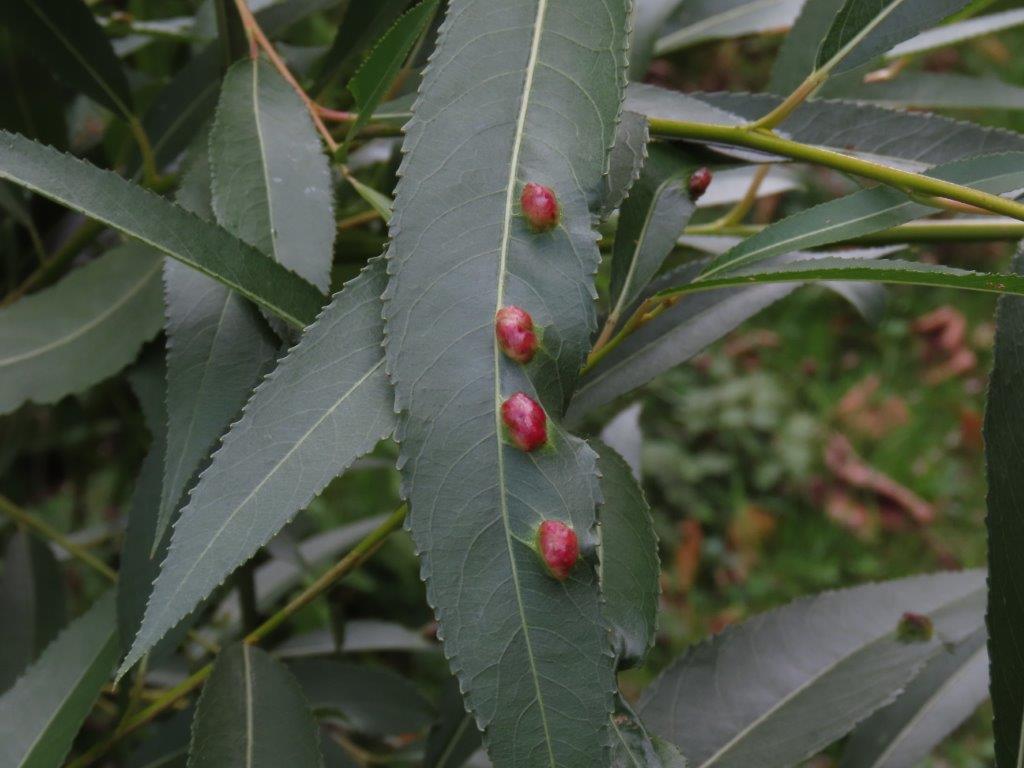
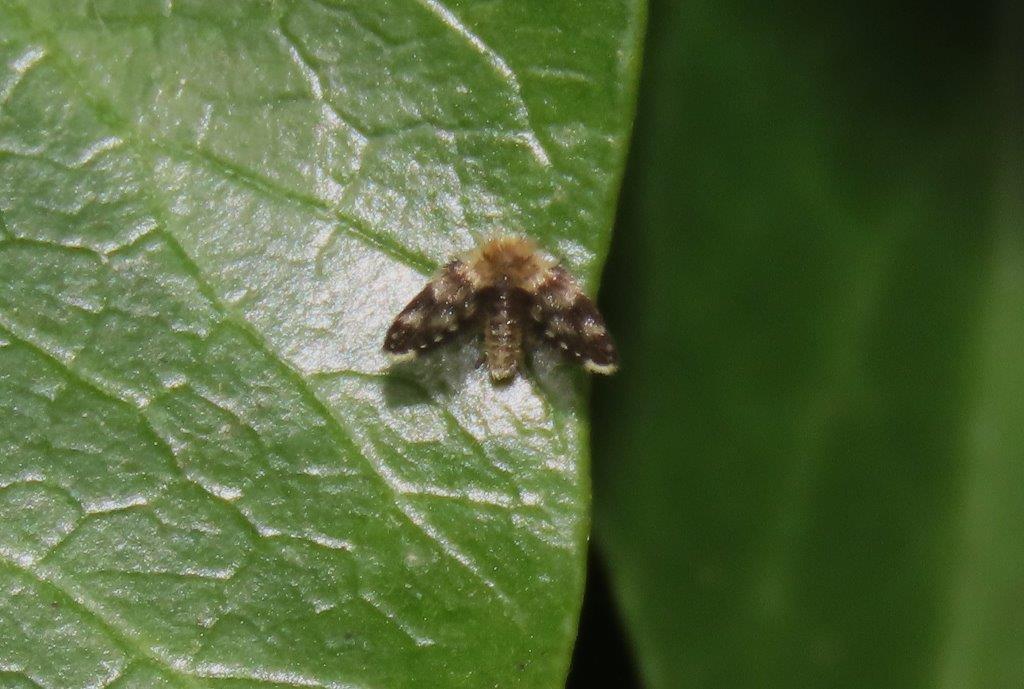
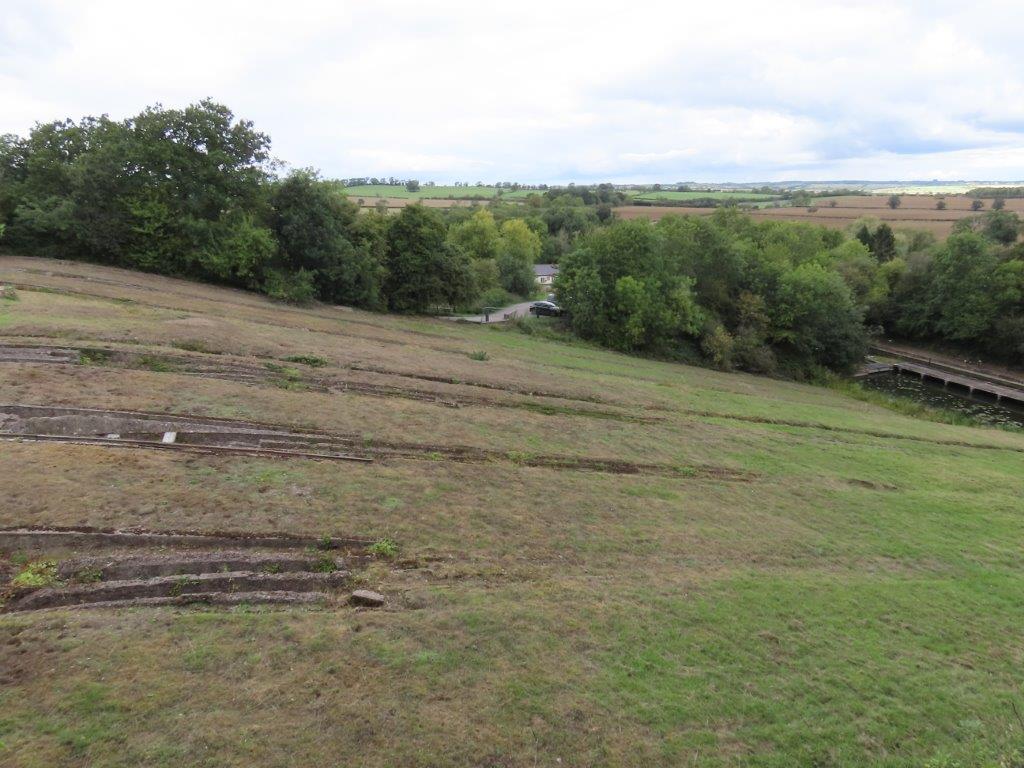
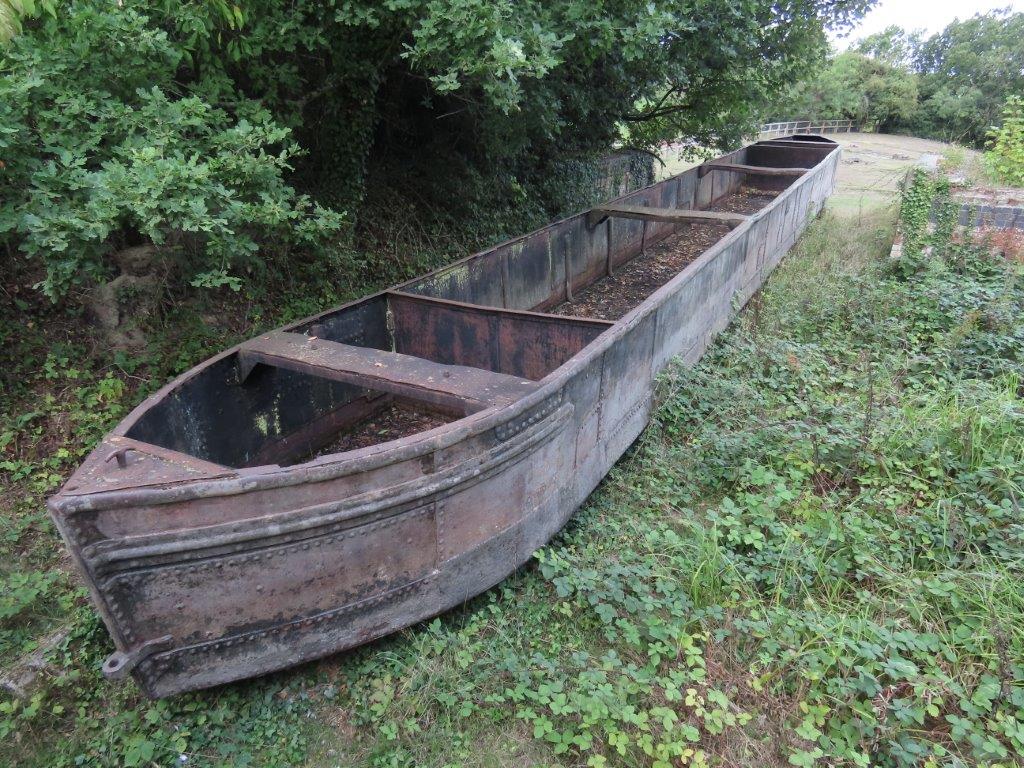
… brought us to a former alternative means of surmounting the slope, an inclined plane lift. Built in 1900 to speed up transit, it operated for only some 10 years before failing economically and falling into disuse.
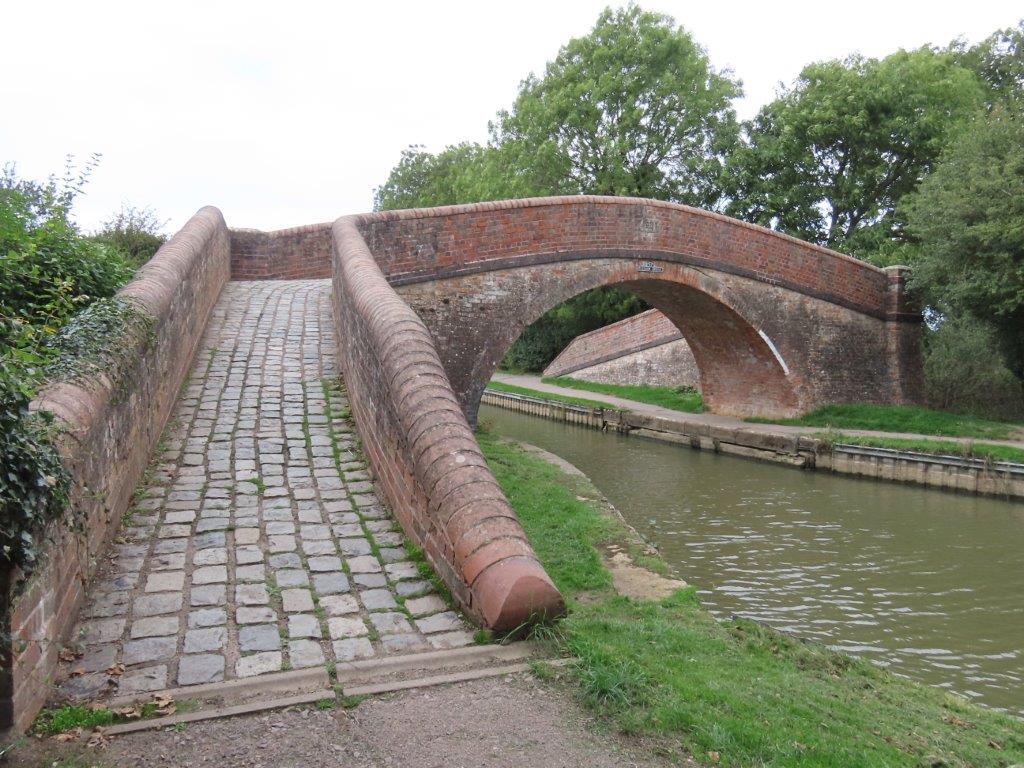
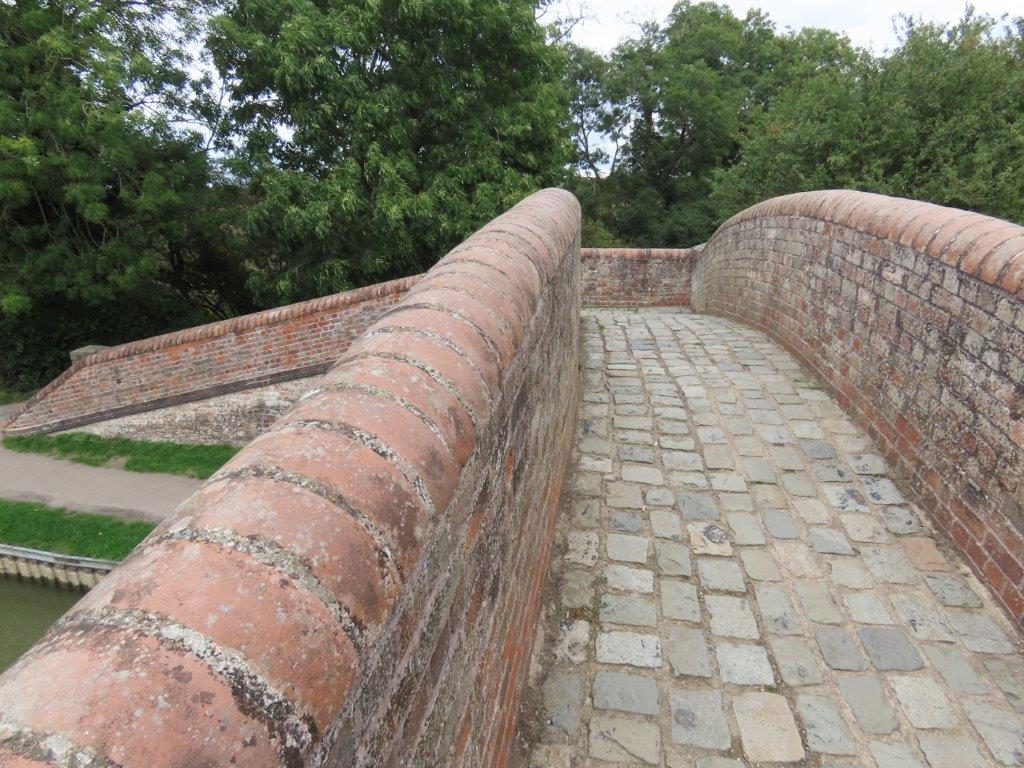
We finished at the beautiful Bridge no 60, designed (like the flight of locks) by Benjamin Bevan, one of the principal architects of the burgeoning canal system in the early 19th century. As so many were at the time, he was a polymath, with scientific interests in chemistry and astronomy, though the latter proved his undoing when he rose from bed one night to view a lunar eclipse and promptly died of a heart attack!
Back along the towpath, we found we had an hour to wait for a bus back to Market Harborough, so the Black Horse beckoned…!
Next day was our transfer to Stamford, some 60km further down the River Welland on its run to Boston and The Wash. But at the last minute we decided not to travel all the way by train with a change at Leicester, a great decision it turned out as the bus to Leicester dropped us outside the station, showing us the wonderfully ornate exterior that would have eluded us has we never emerged from the station.
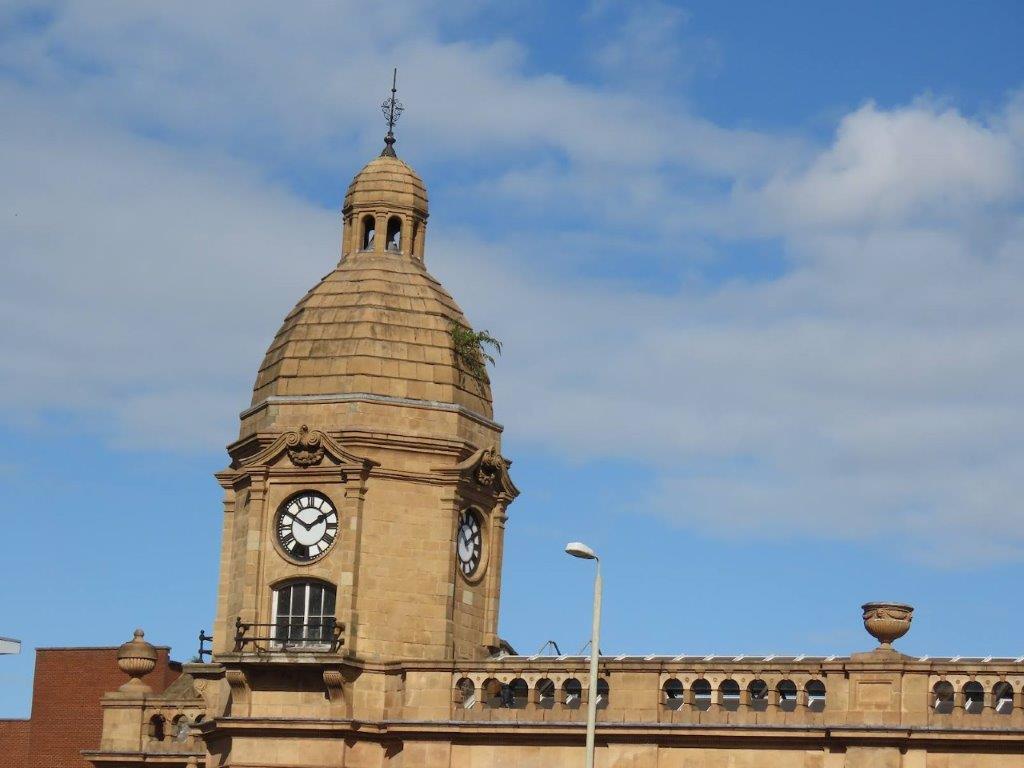
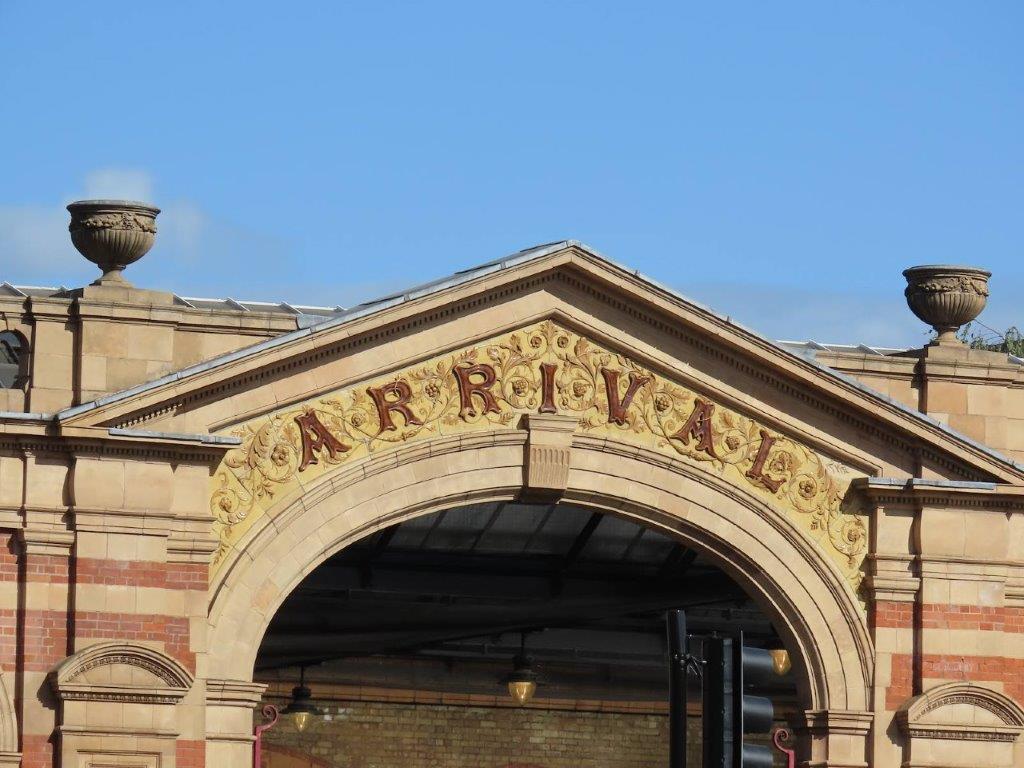
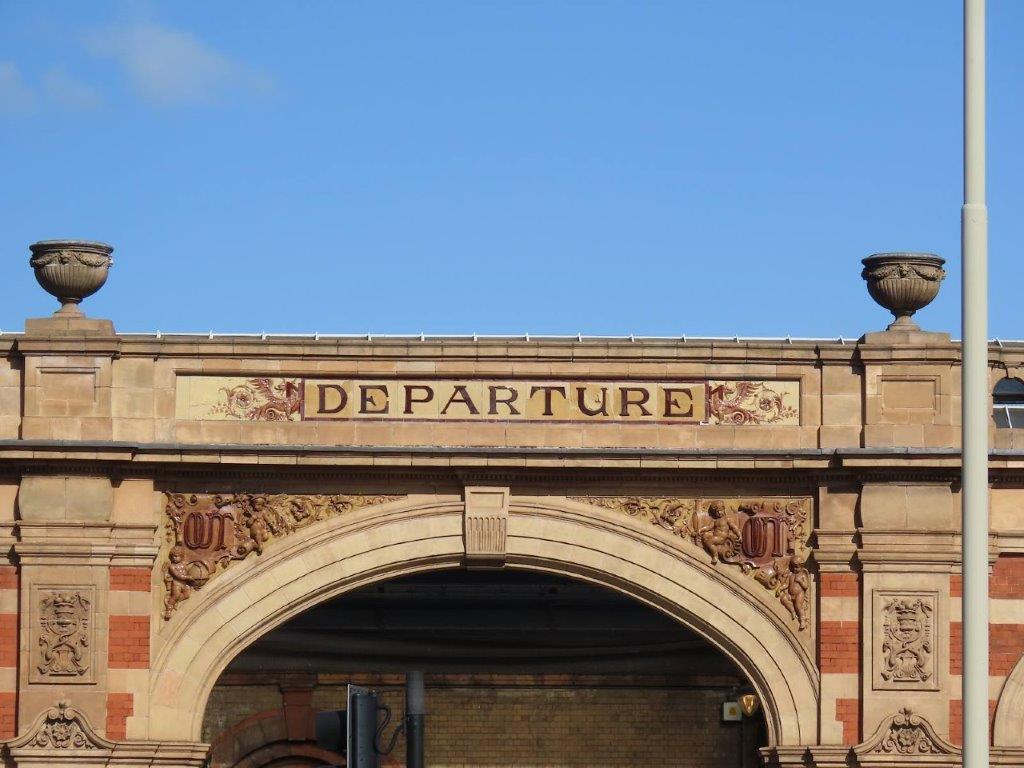
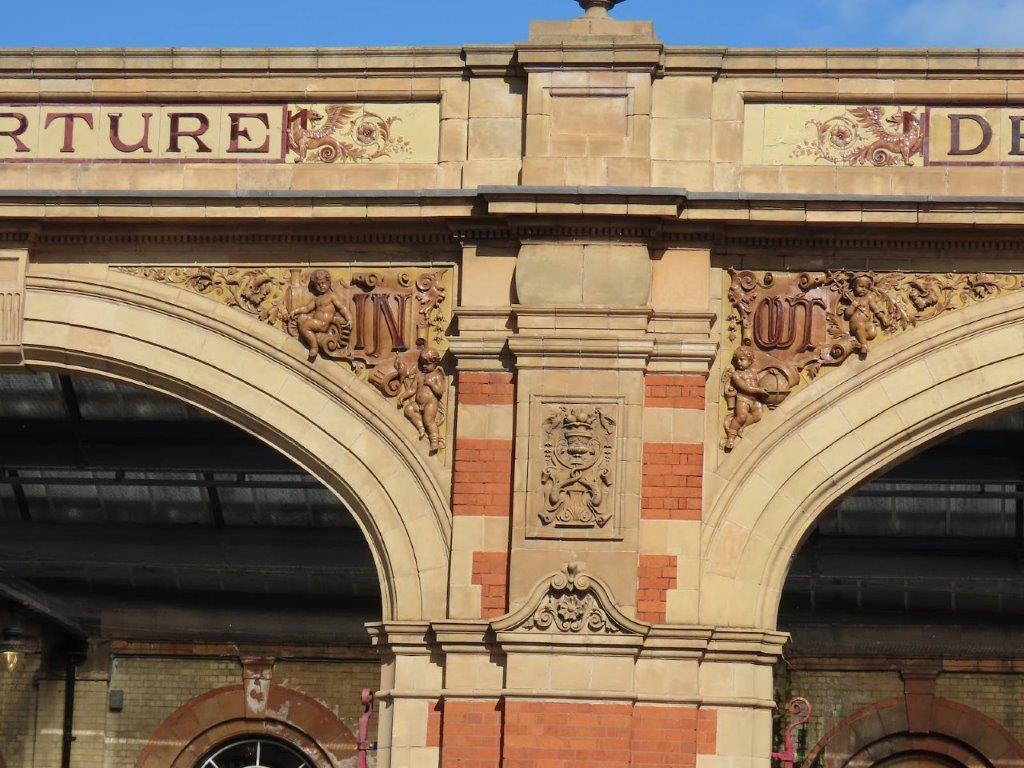
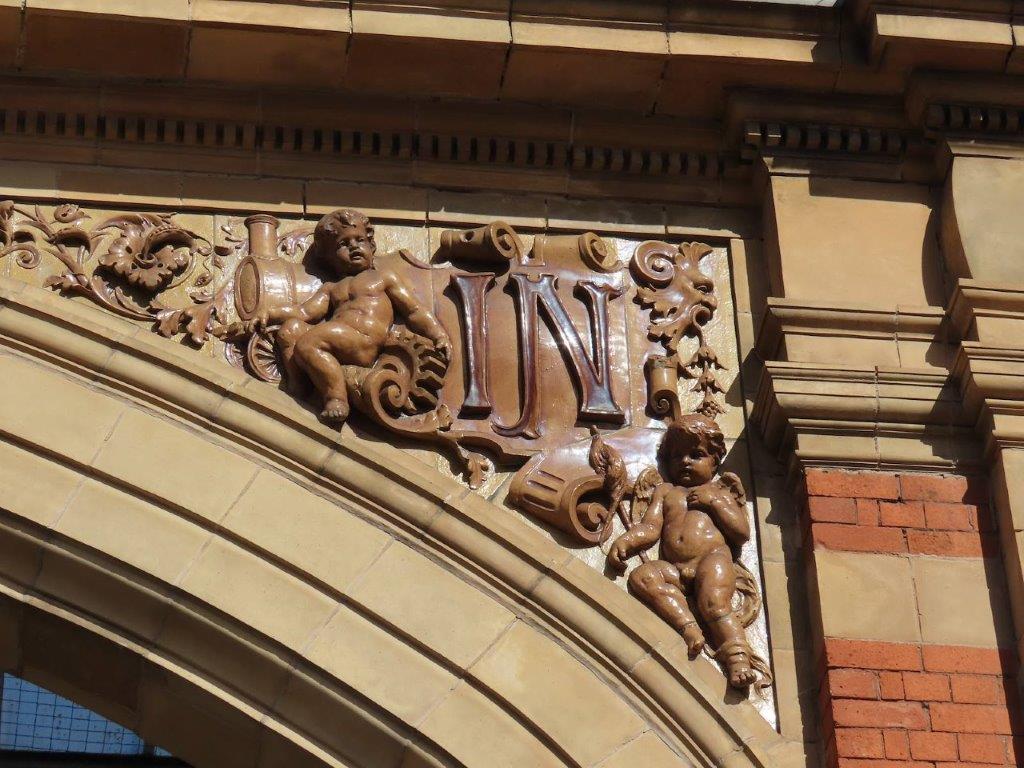
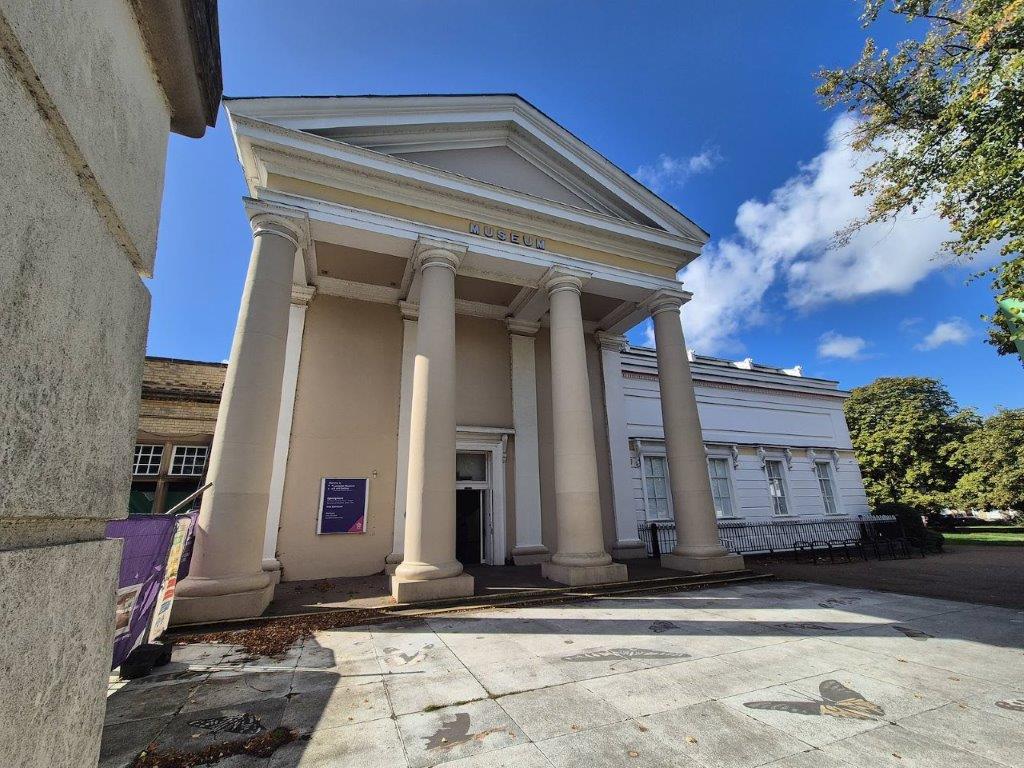
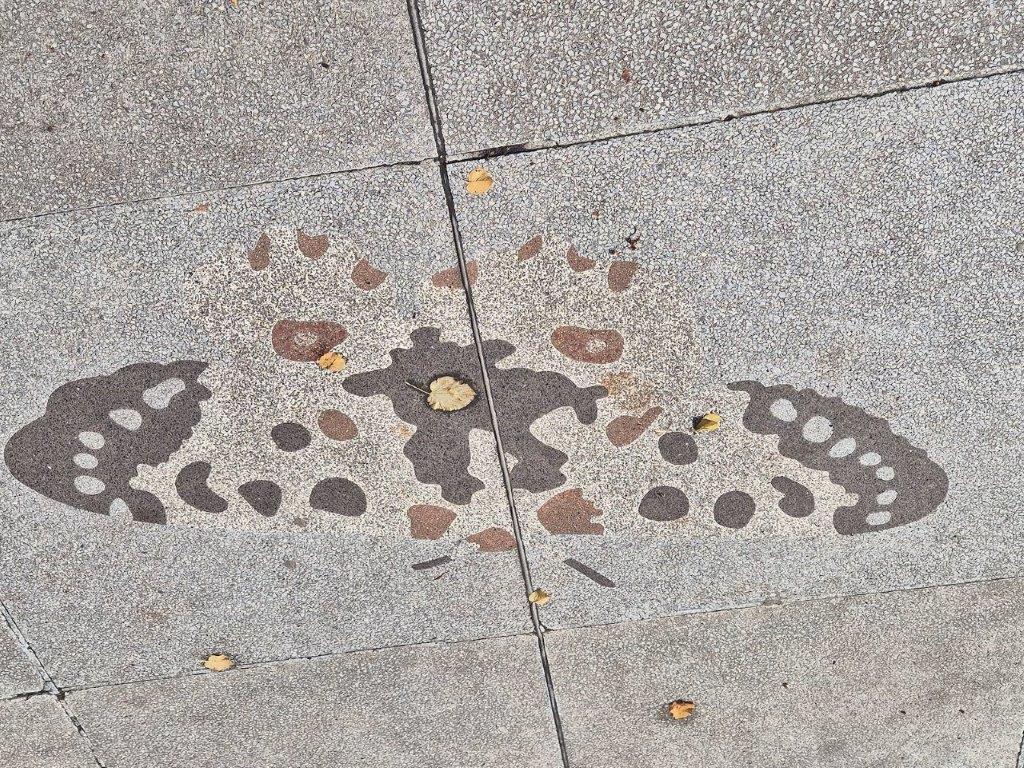
We really had not planned to go into Leicester, imagining there would be little to interest us there. How wrong could we have been! Four hours there was some of the best time of our whole holiday, and of all the places we visited, it is the one we are likely to return to. We have unfinished business: the Museum is being renovated and was largely closed, but the bits we could see were so impressive, including the porticoed frontage and paving with butterfly motifs.
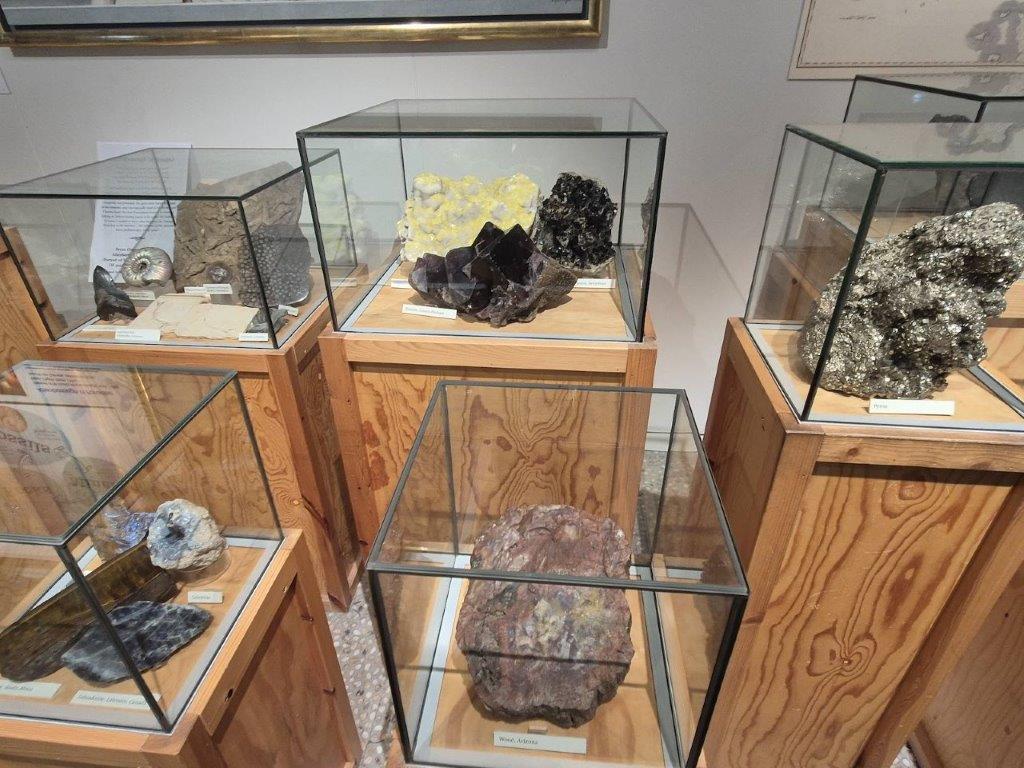
The geology and palaeontology displays were excellent…
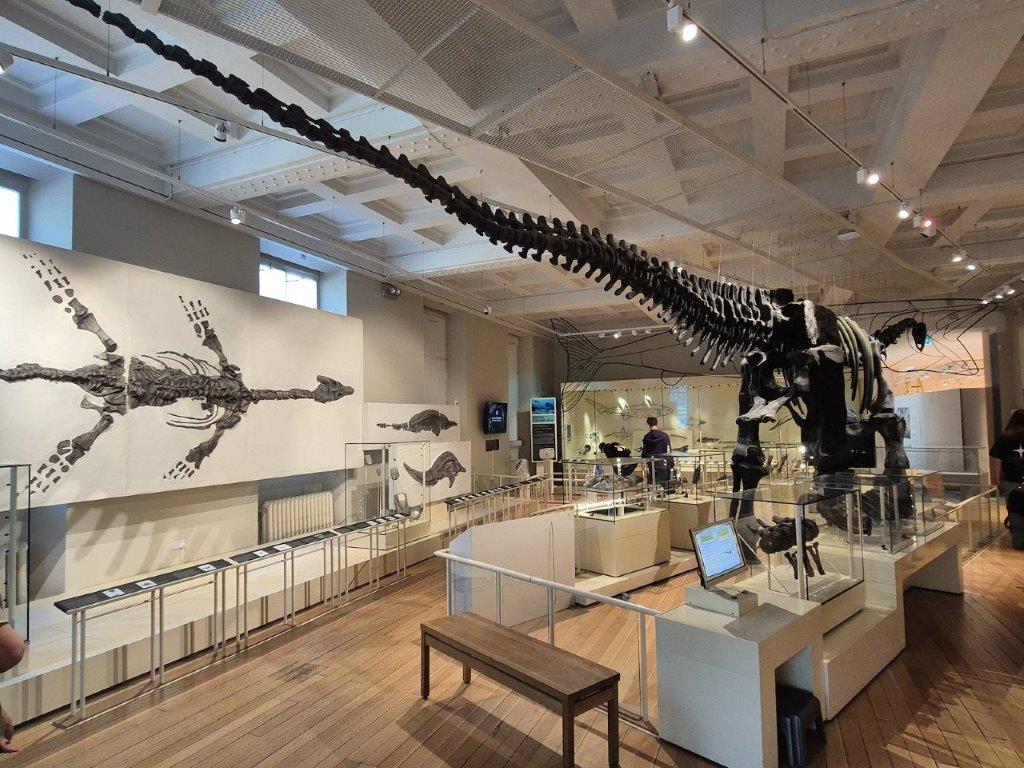
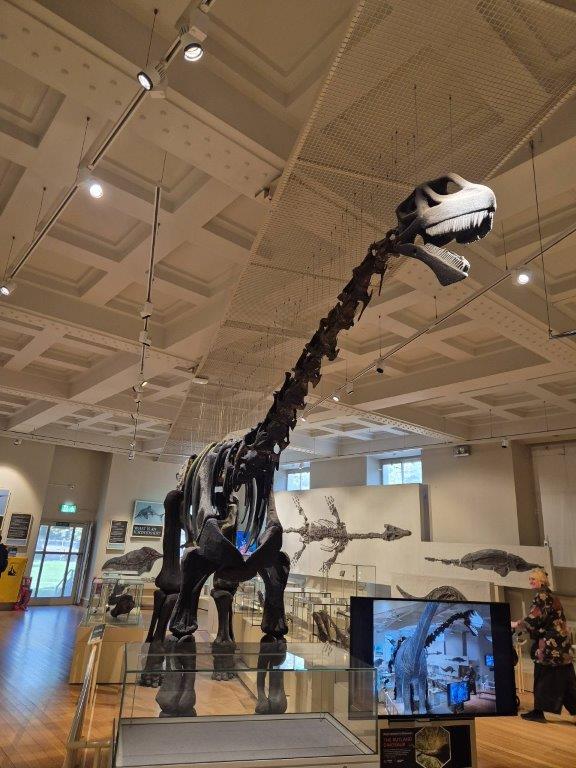
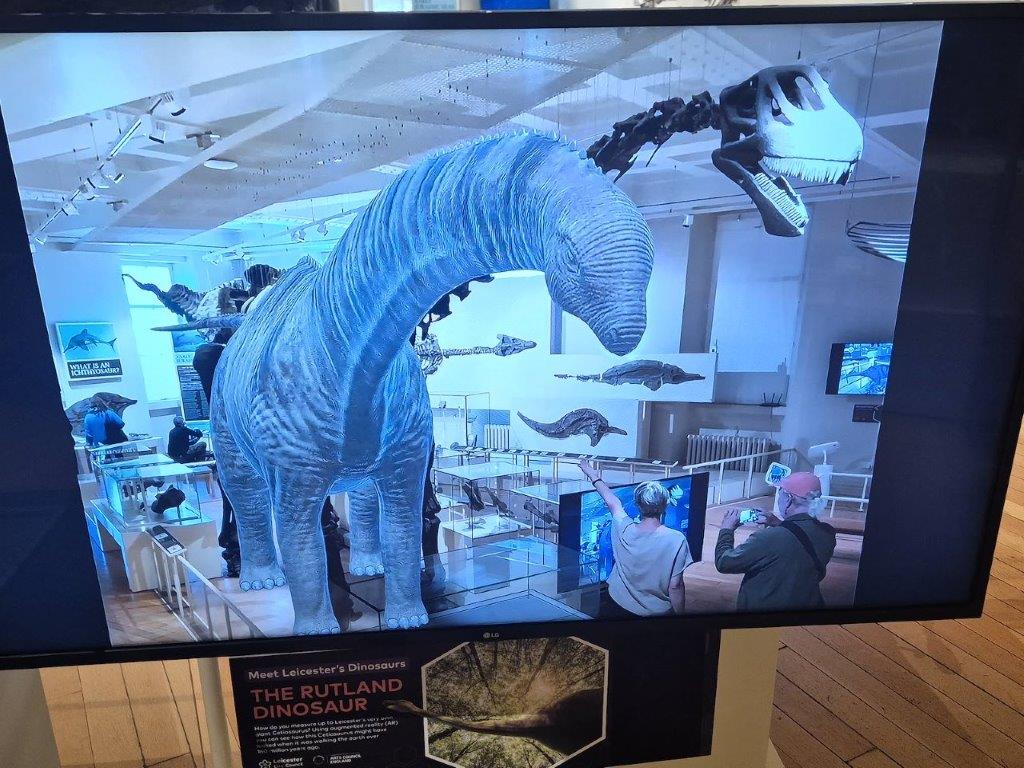
… Jude being especially taken by the Cetiosaurus that ate from her hand. Virtually!
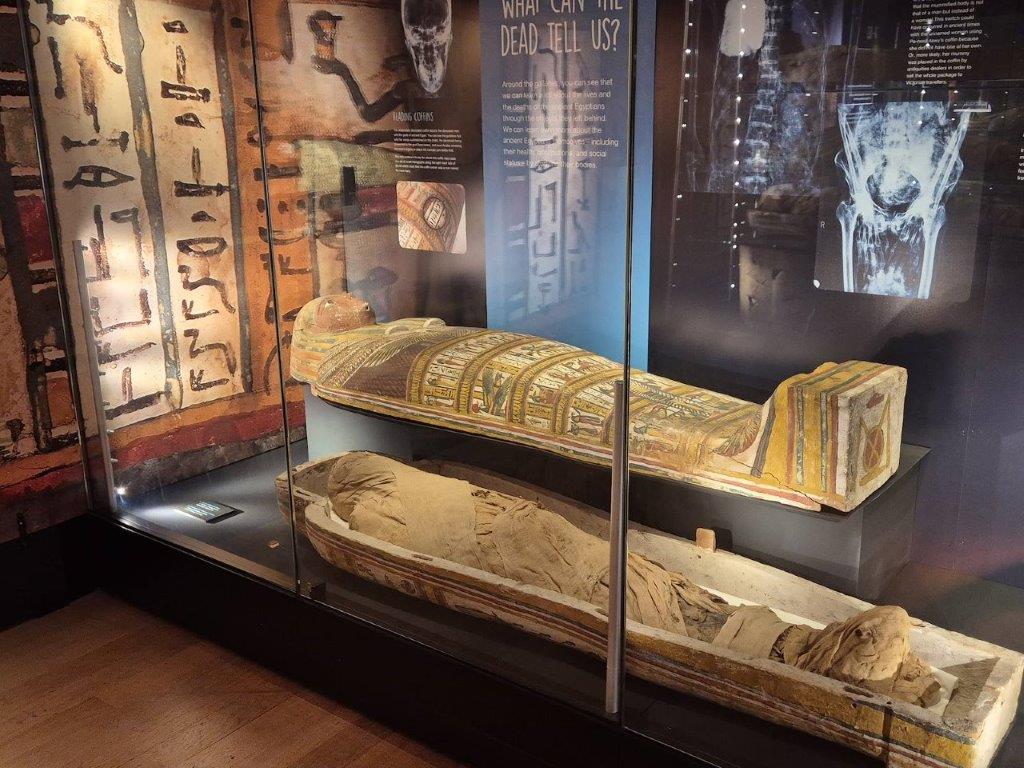
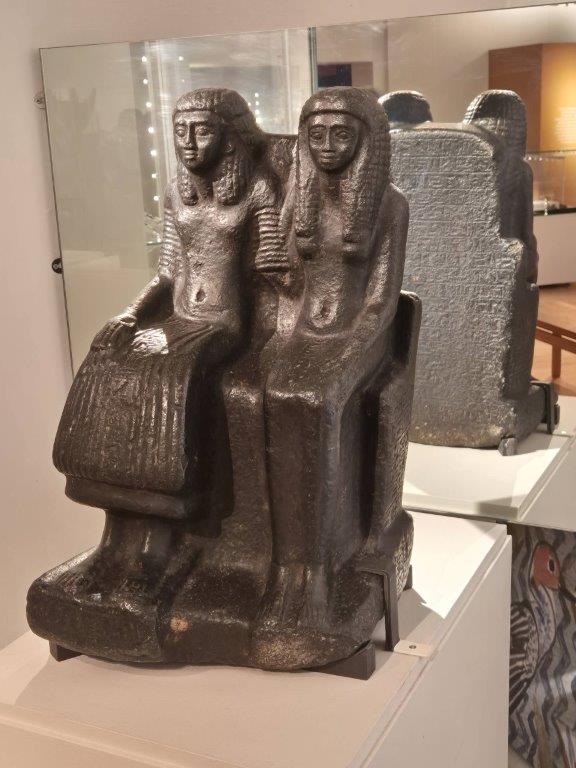
And the Egyptian displays were so beautifully and respectfully curated:
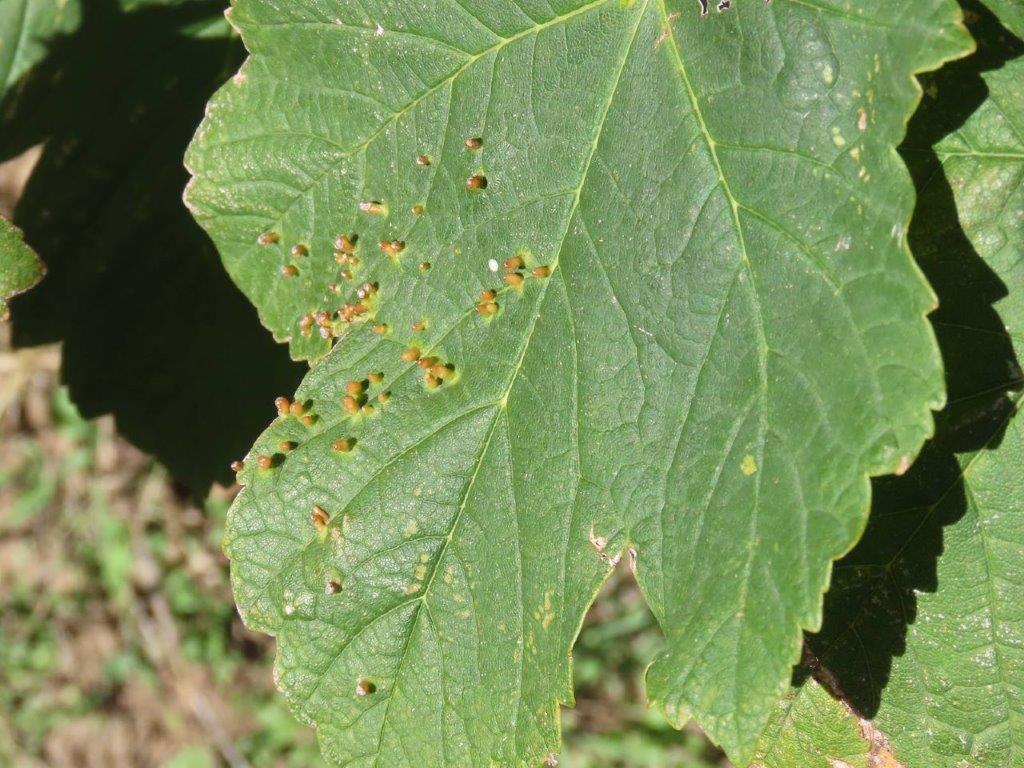
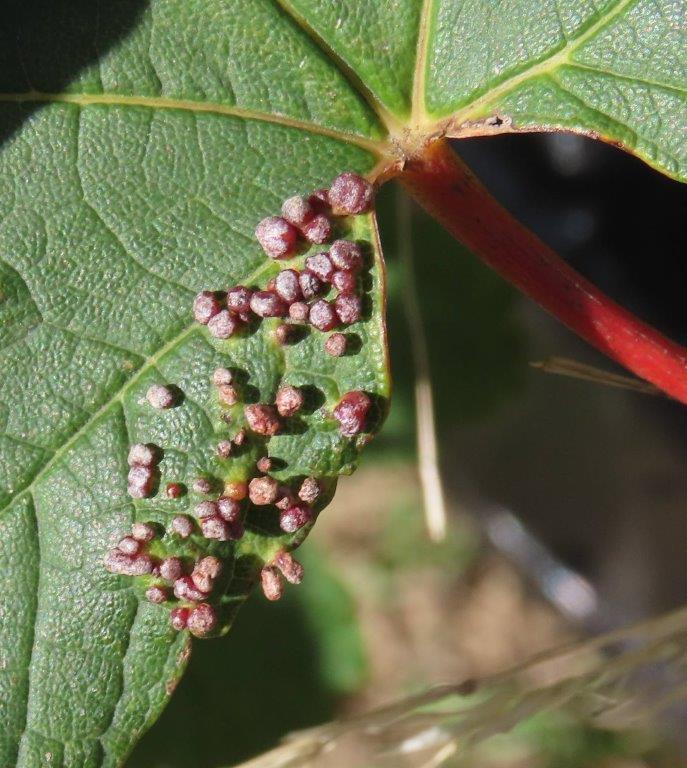
From there, it was a gentle stroll down the elegant Georgian pedestrian promenade, the New Walk. Leafy in part, the Sycamore leaves produced two separate types of mite gall, the smaller pouches of Aceria macrorhyncha and the larger, more patchy and marginal Aceria cephalonea.
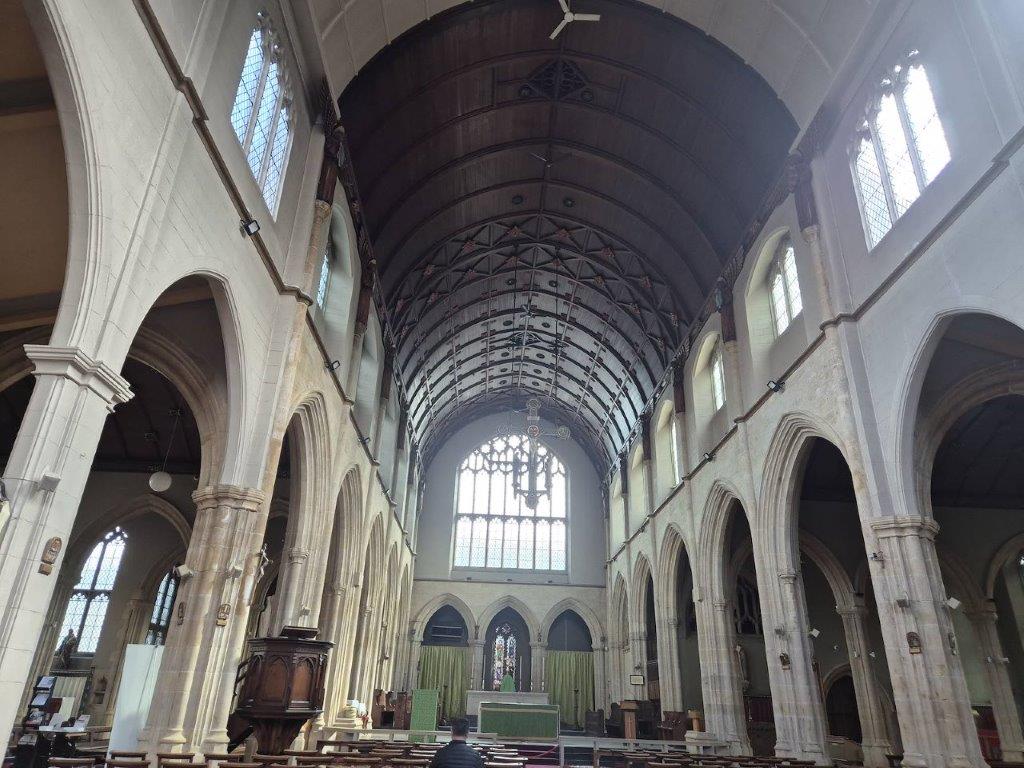
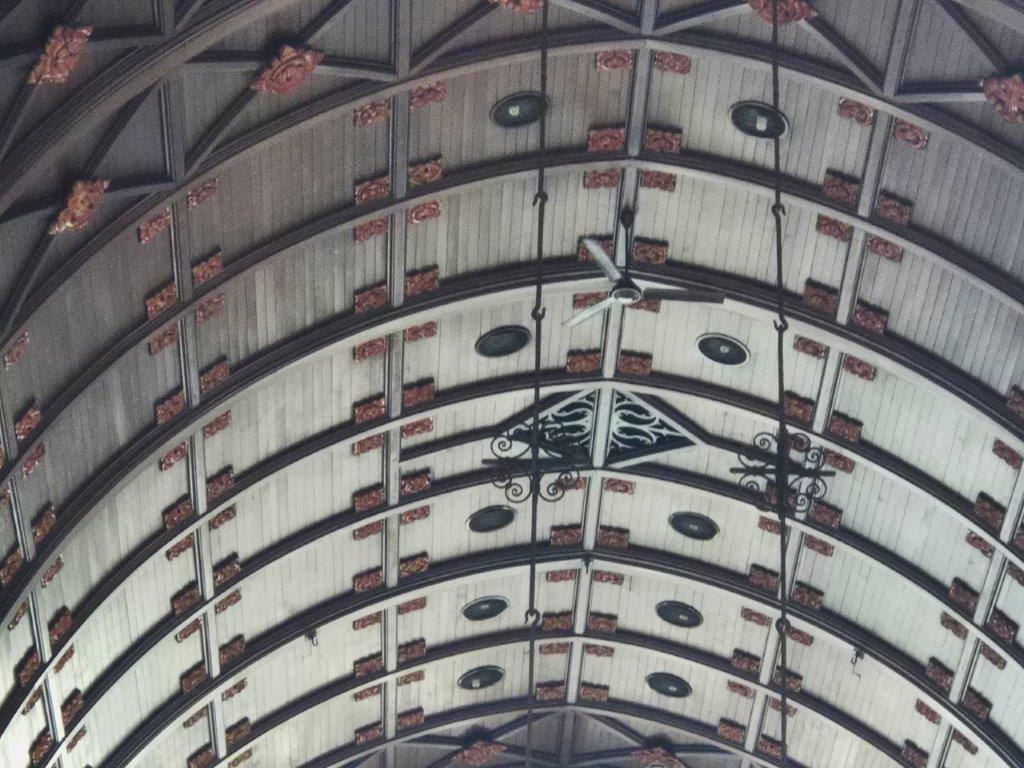
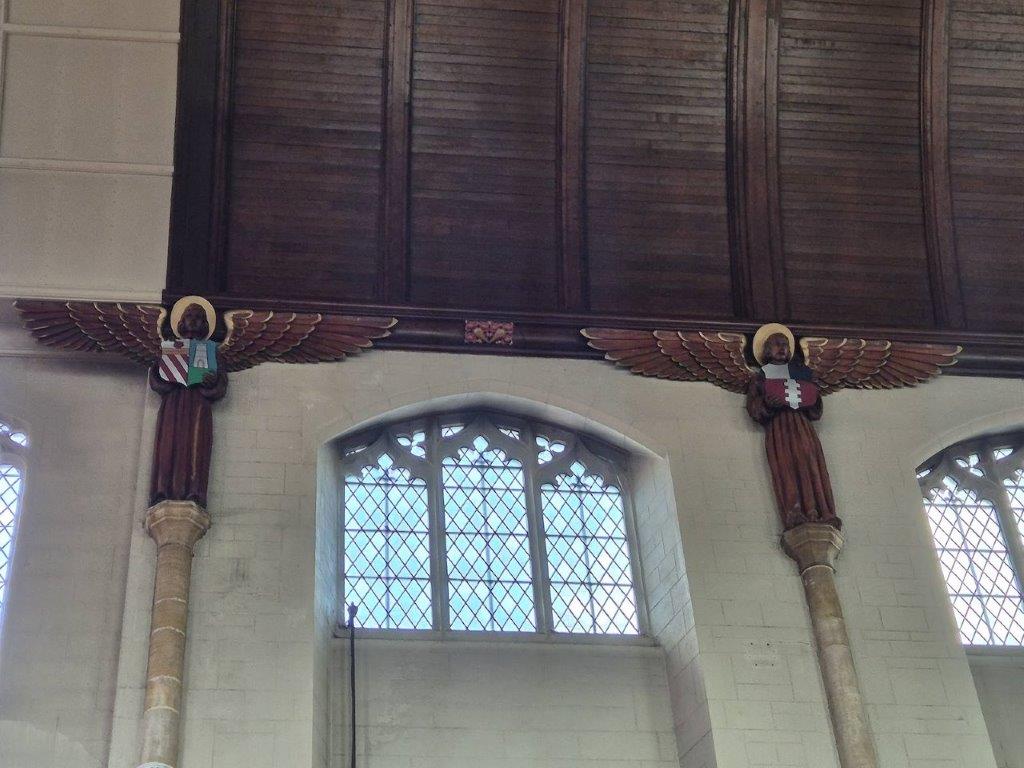
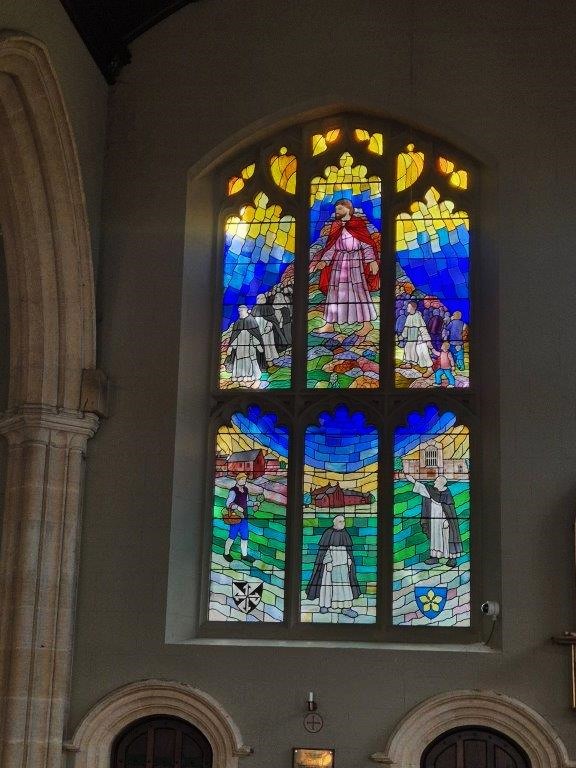
Part way down the New Walk, we ventured into the Holy Cross Dominican priory, a vast space with an ornate barrel-vaulted ceiling, pillar-top angels which have at least a hint of the Art Deco period when the current church was built, and a single stained glass window.
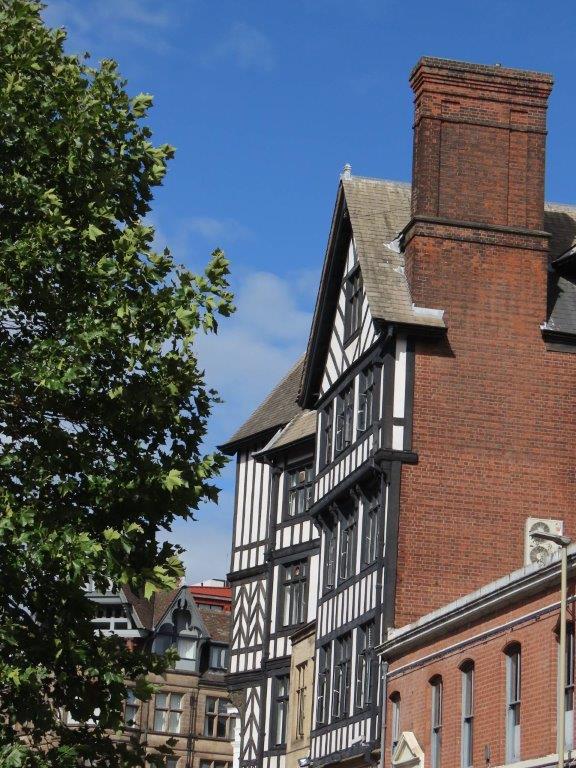
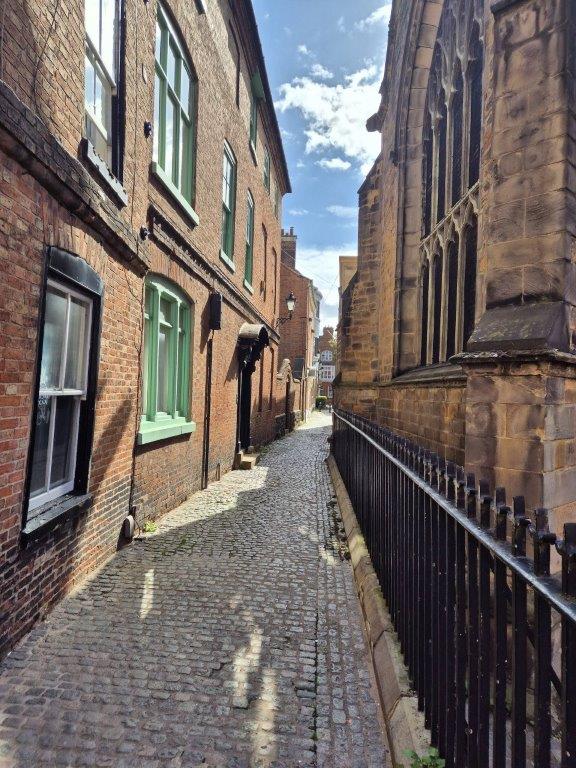
And so to the city centre, where again a pub called us in just off the New Walk, the King’s Head with a wonderful array of local beers and tasty, warm sausage rolls. We could have stayed much longer but we needed to press on with interesting buildings, chimneys and streets on the way to Leicester Cathedral.
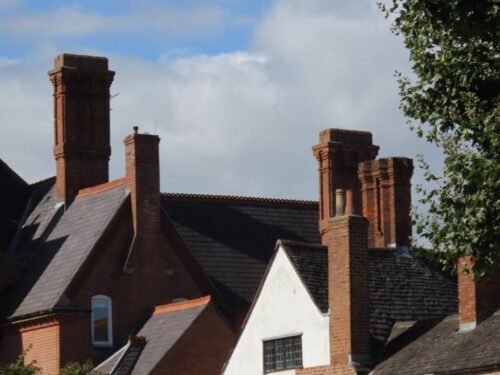
When we looked at the cathedral online, we assumed we would find something like a parish church with delusions of grandeur. But again how wrong we were!
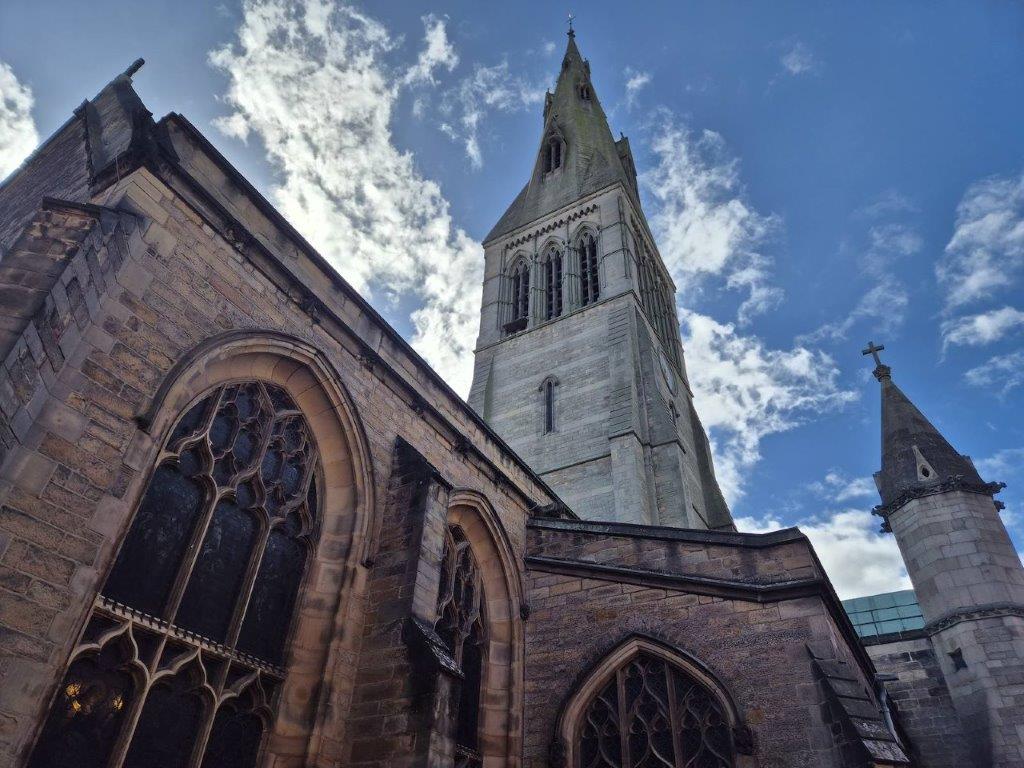
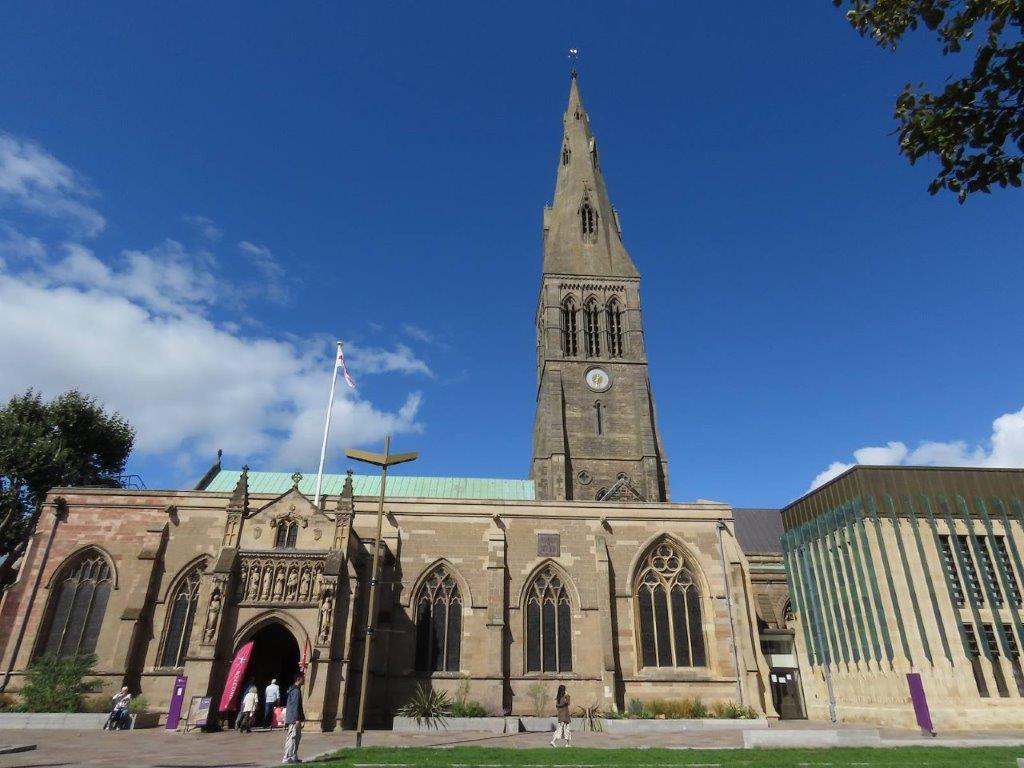
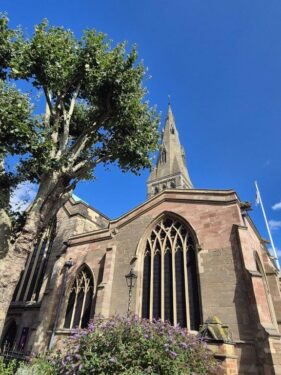
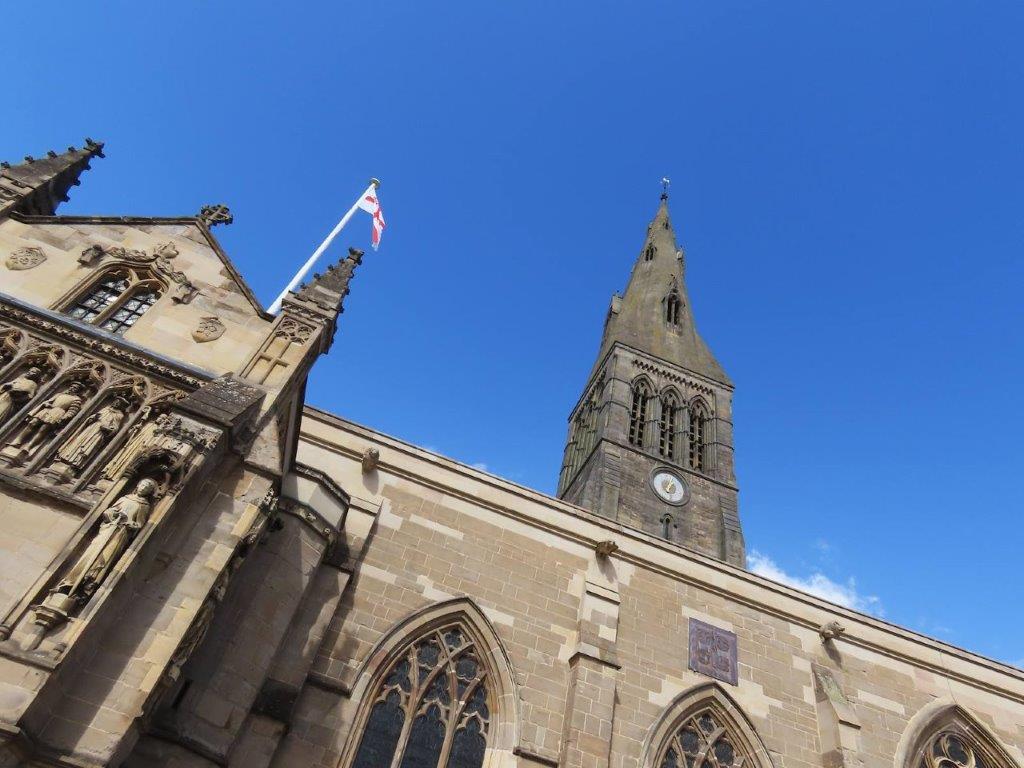
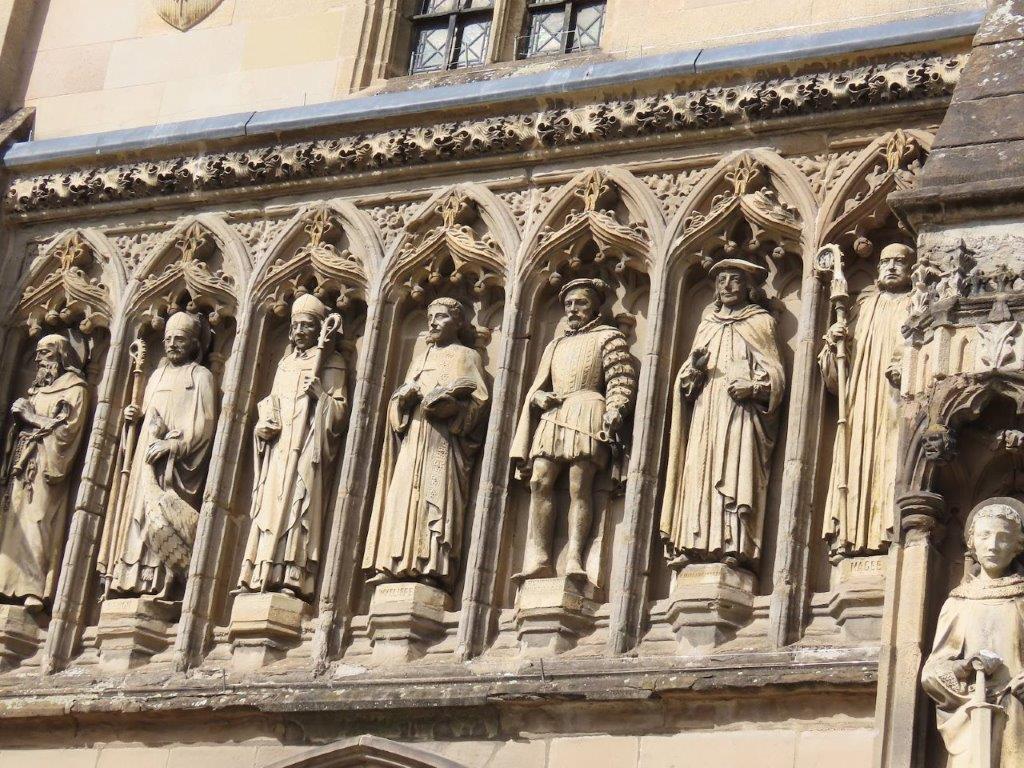
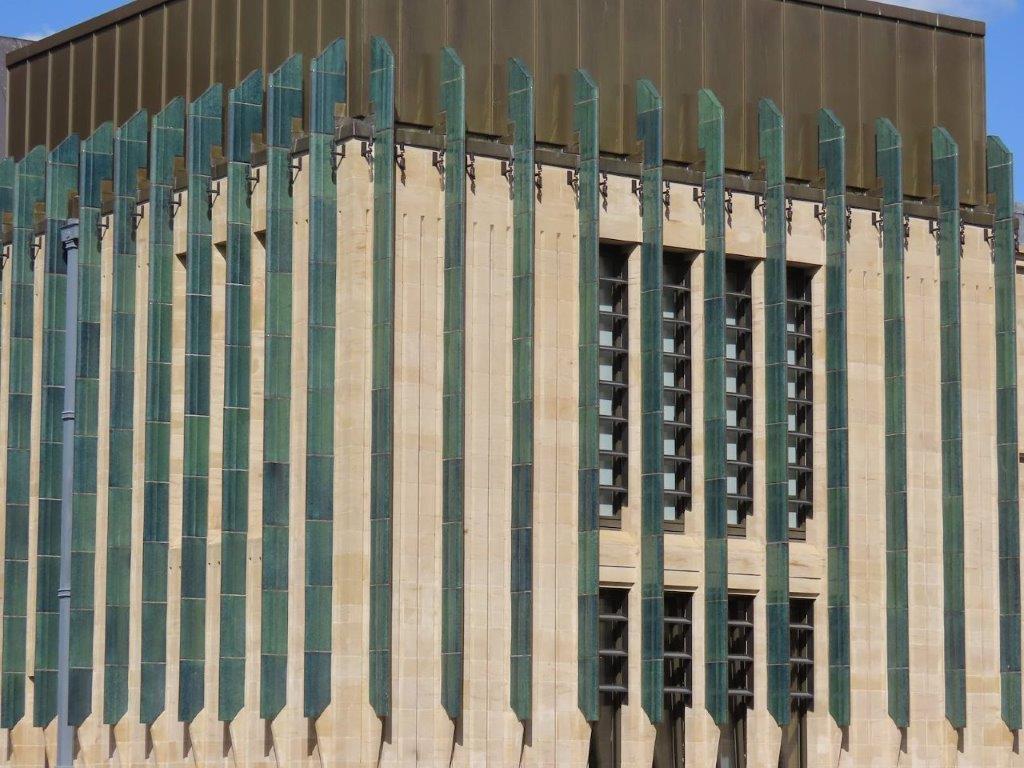
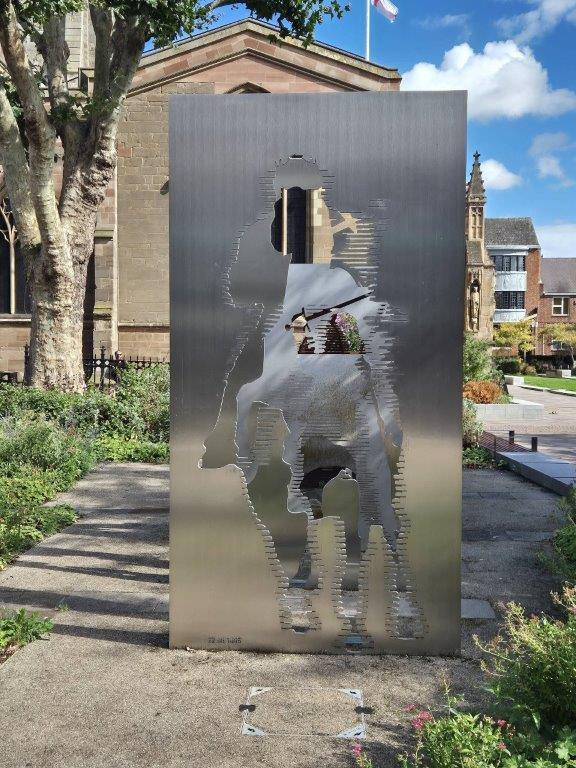
The outside has ornamentation, both ancient and modern; also an interesting-looking time-slice sculpture, though we didn’t quite get into position for the whole to come to life: Richard III entering battle at Bosworth on horseback, but leaving as a casualty of war.
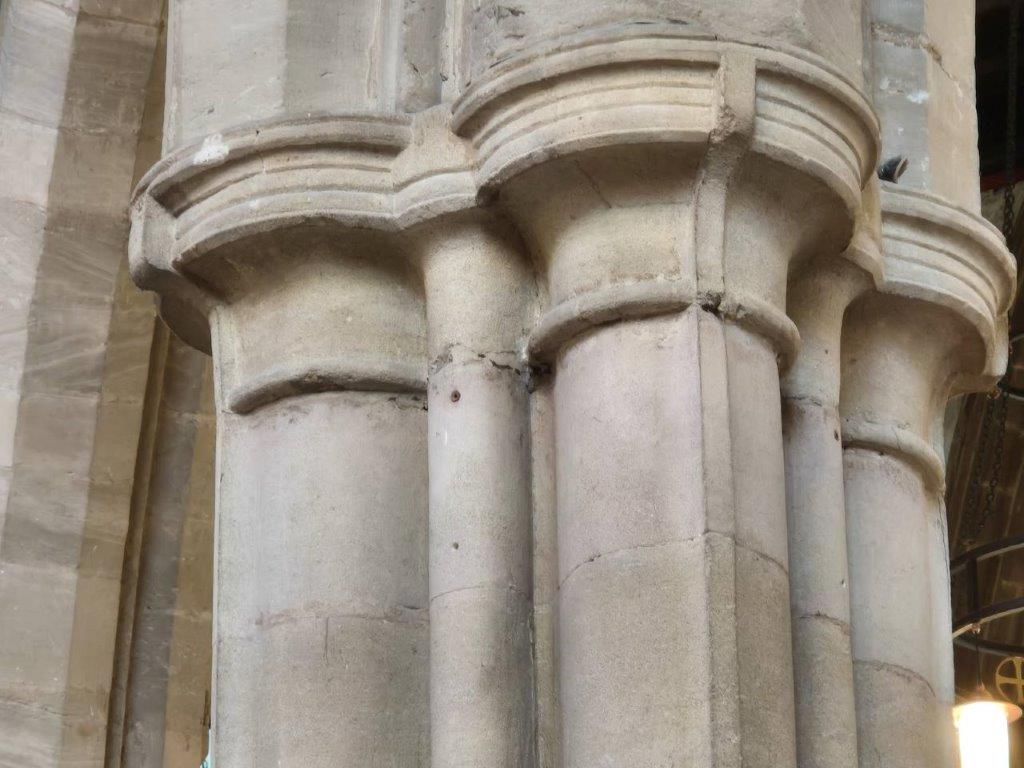
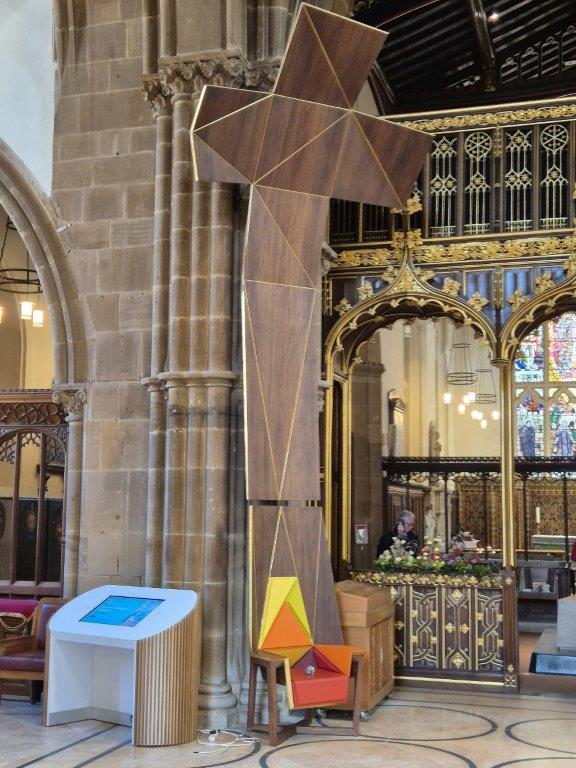
Inside, it was vibrant and colourful, quite in contrast to all other churches we saw during this trip:
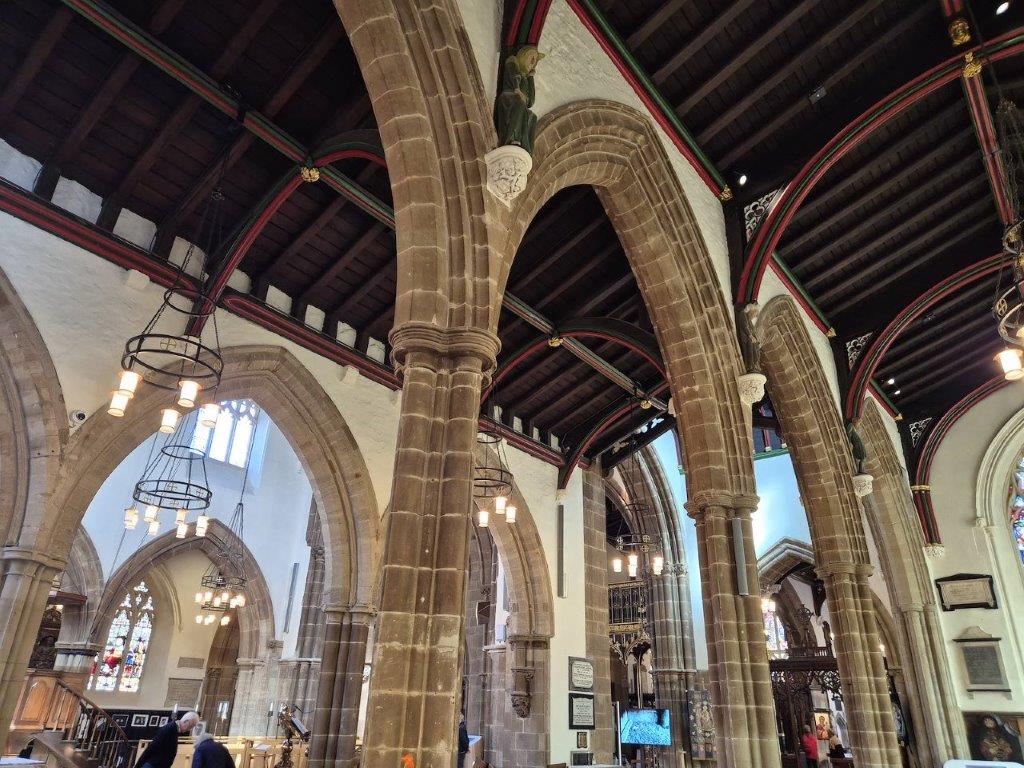
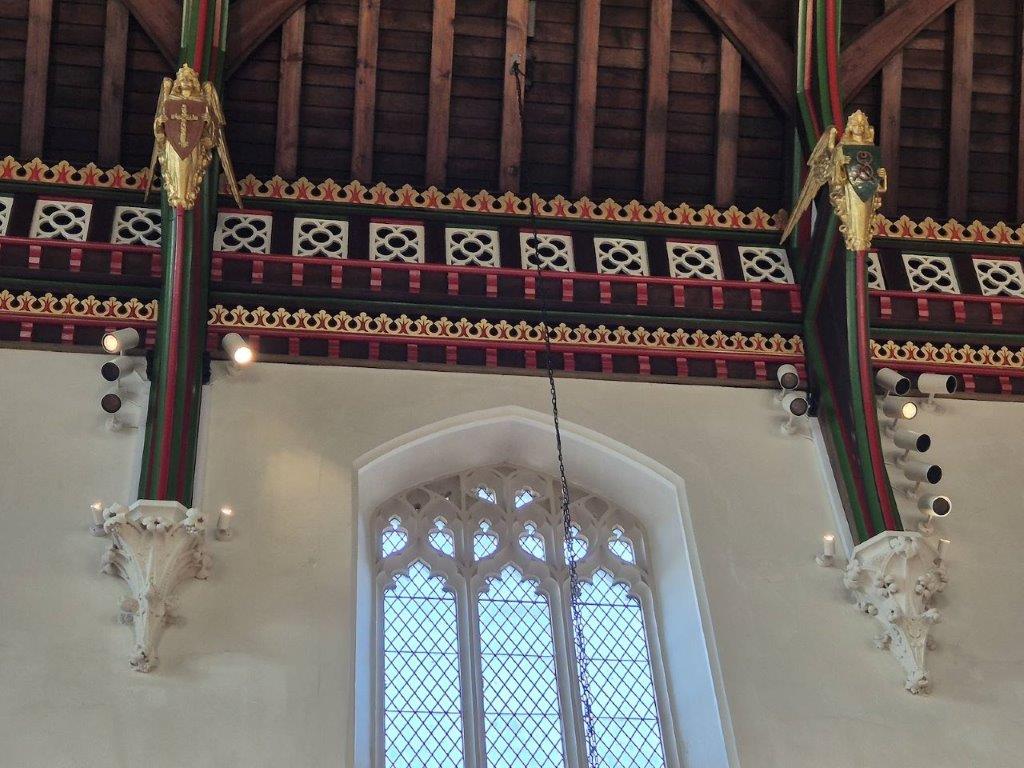
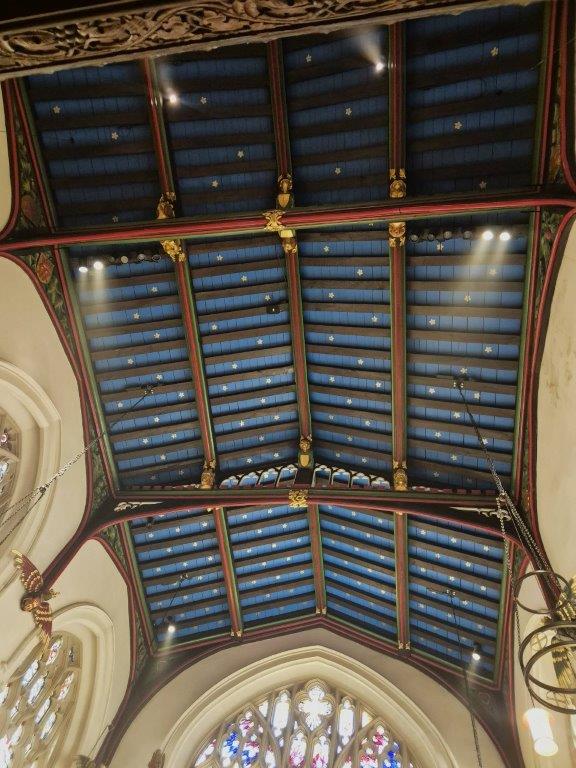
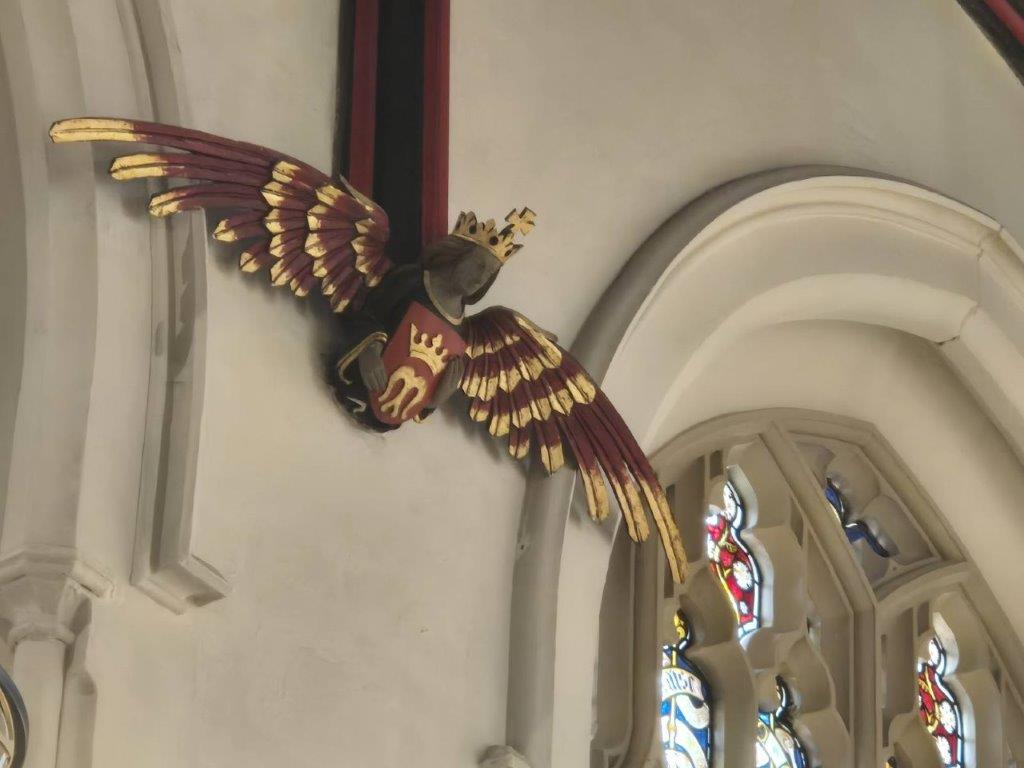
Even the modern ‘flat-pack’ cross with integrated deckchair seemed quite in place!
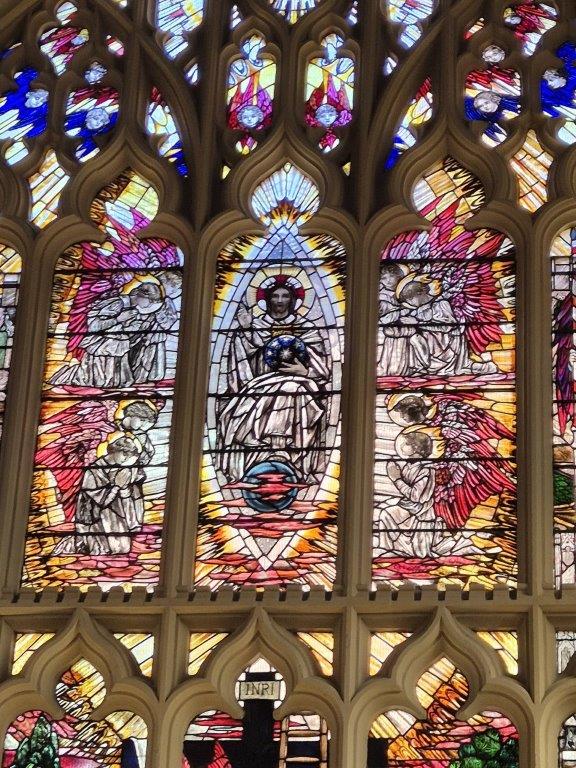
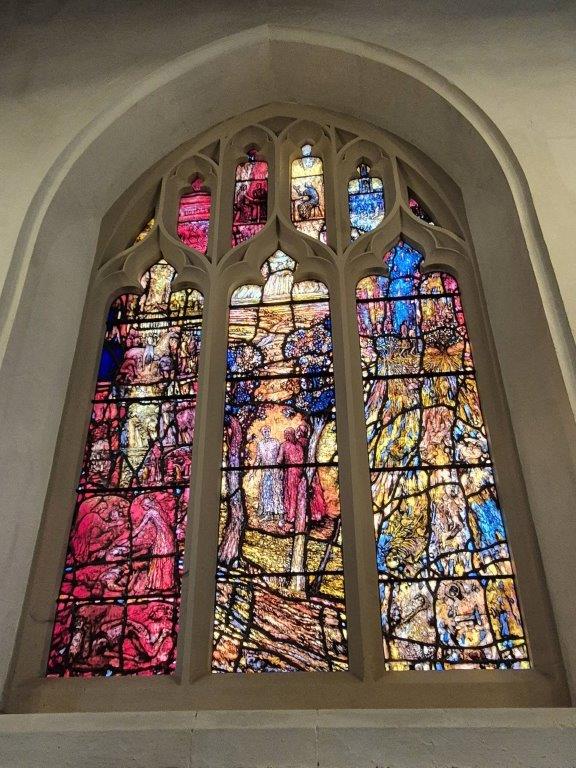
Some of the stained glass was simply breath-taking, in wider view but especially in detail, particularly the two Redemption windows created by noted glass artist Thomas Denny in 2015. Installed to mark the re-interment of Richard III, they incorporate biblical themes with elements from Richard’s life, and even apparently a hidden football motif celebrating Leicester City’s 2015–2016 Premier League win…
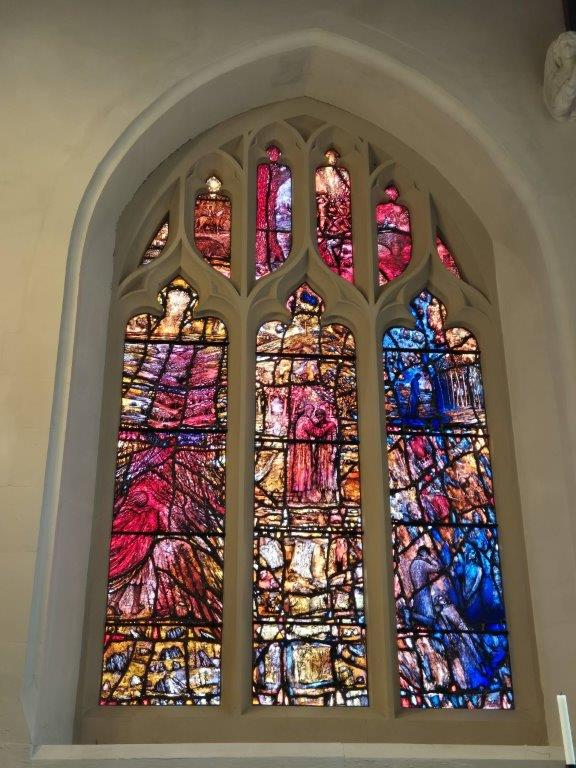
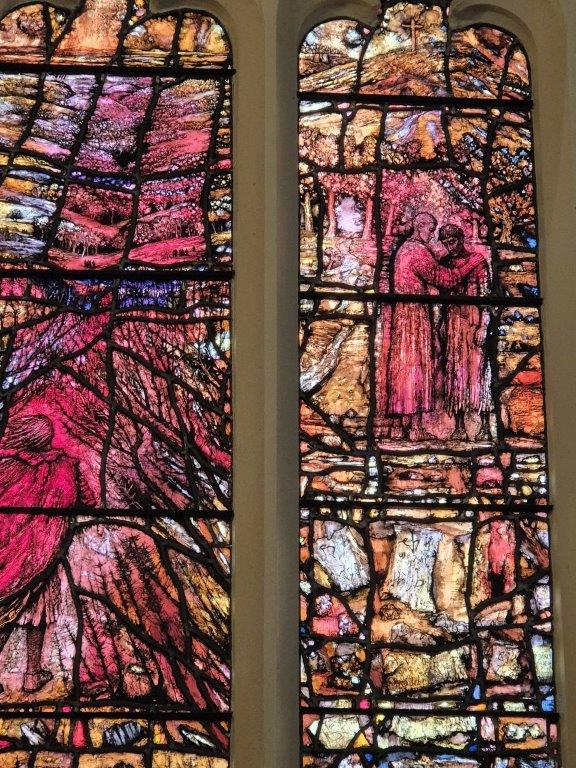
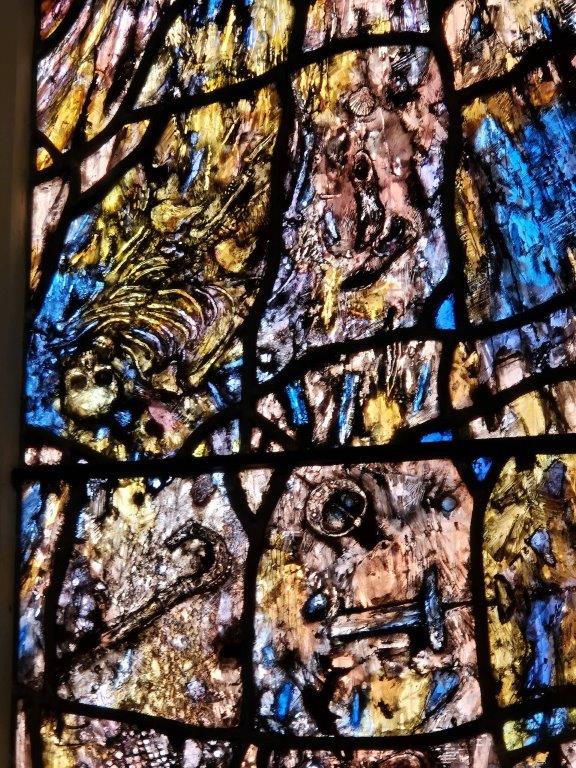
And then of course the elegant, simple, tasteful tomb of local hero Richard III, rescued from his political misrepresentation by Shakespeare.
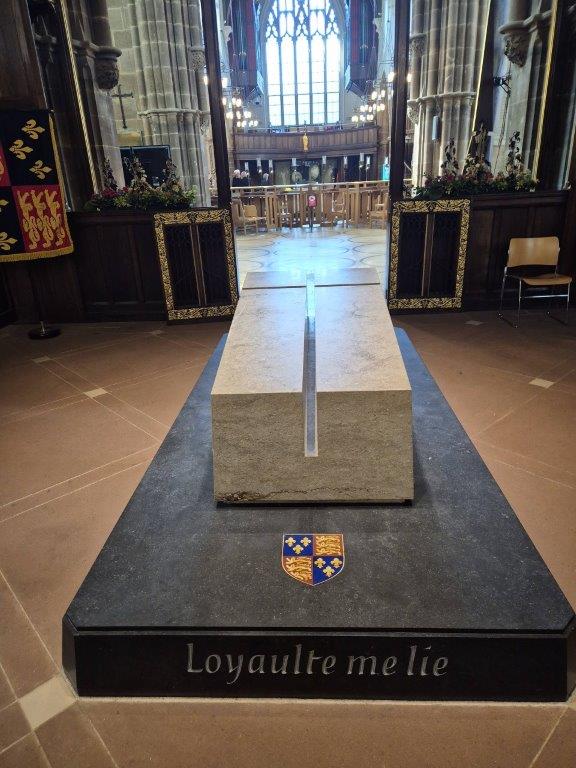
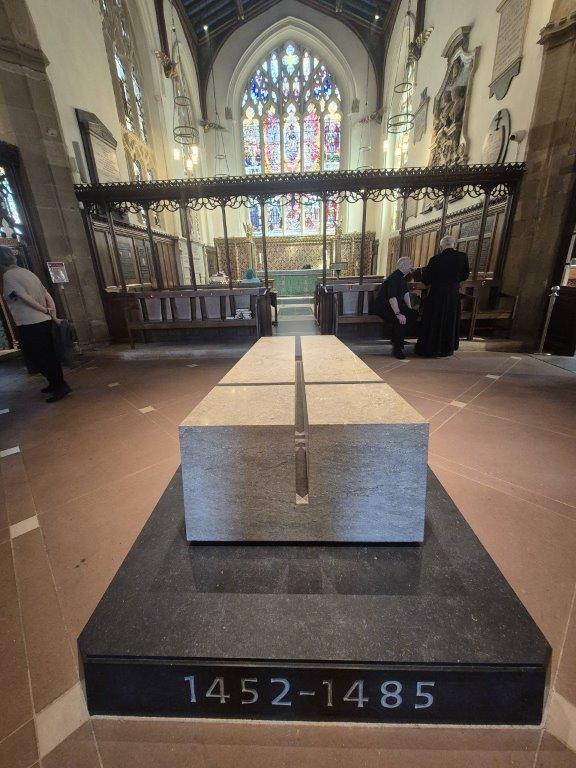
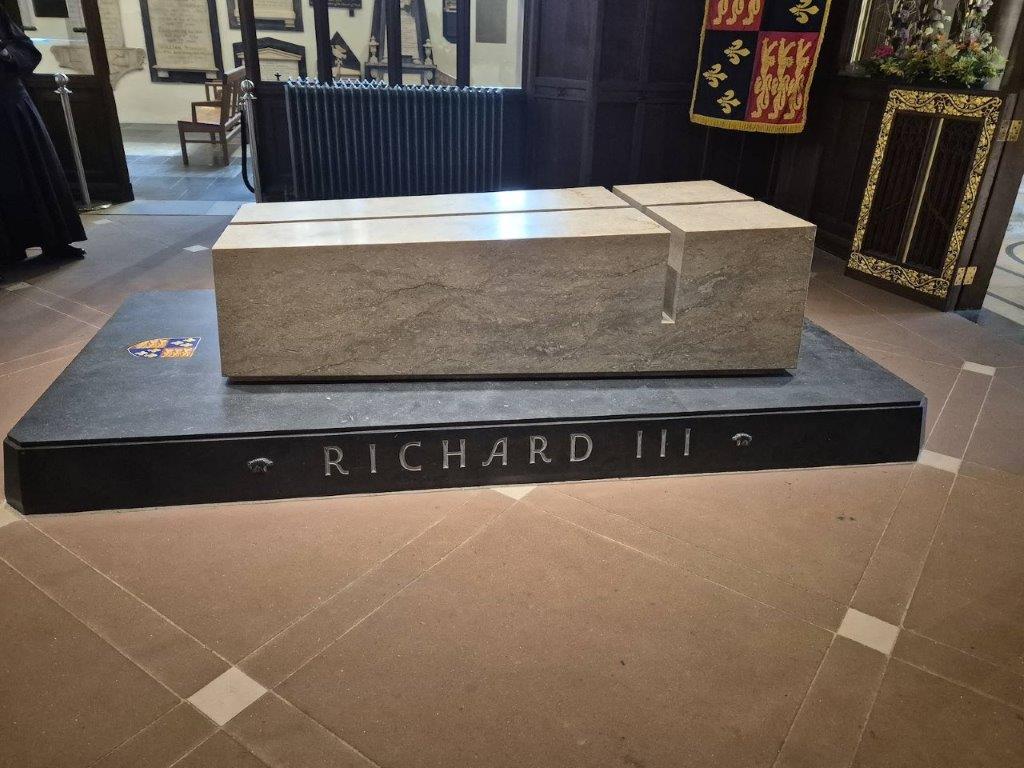
Leicester proved so good that we would love a return visit when the museum refurbishment is done, to explore more, stay there and get wrapped around some of the amazing curry smells wafting from so many locations…
But Stamford called next, and there we had very high hopes…
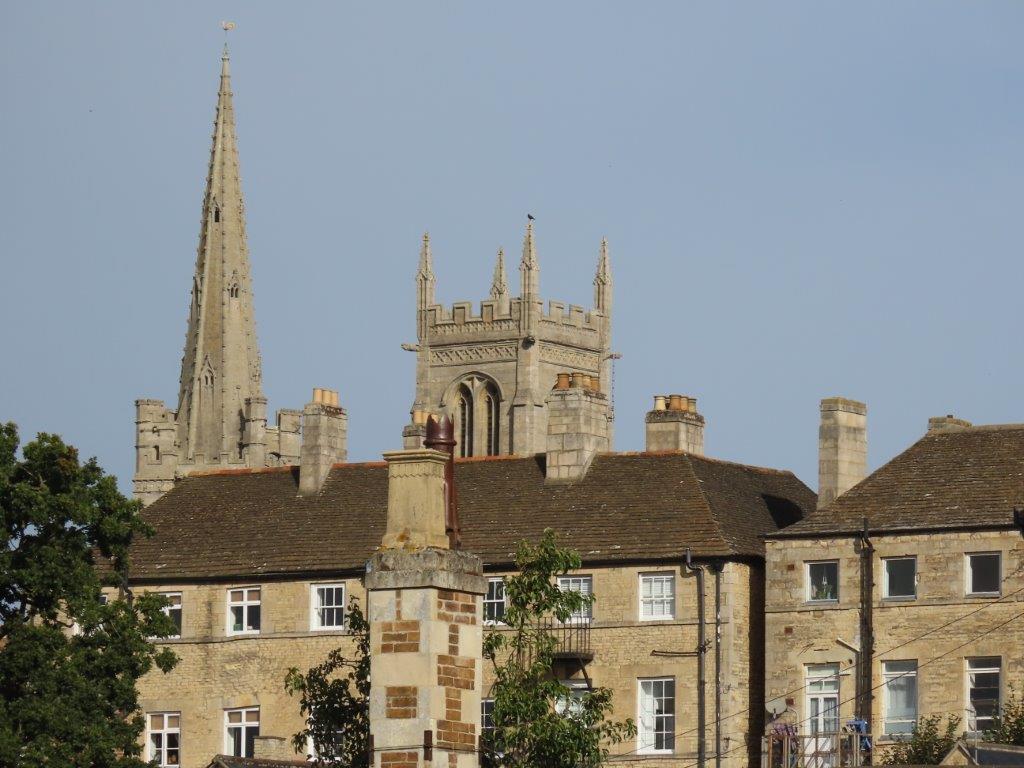
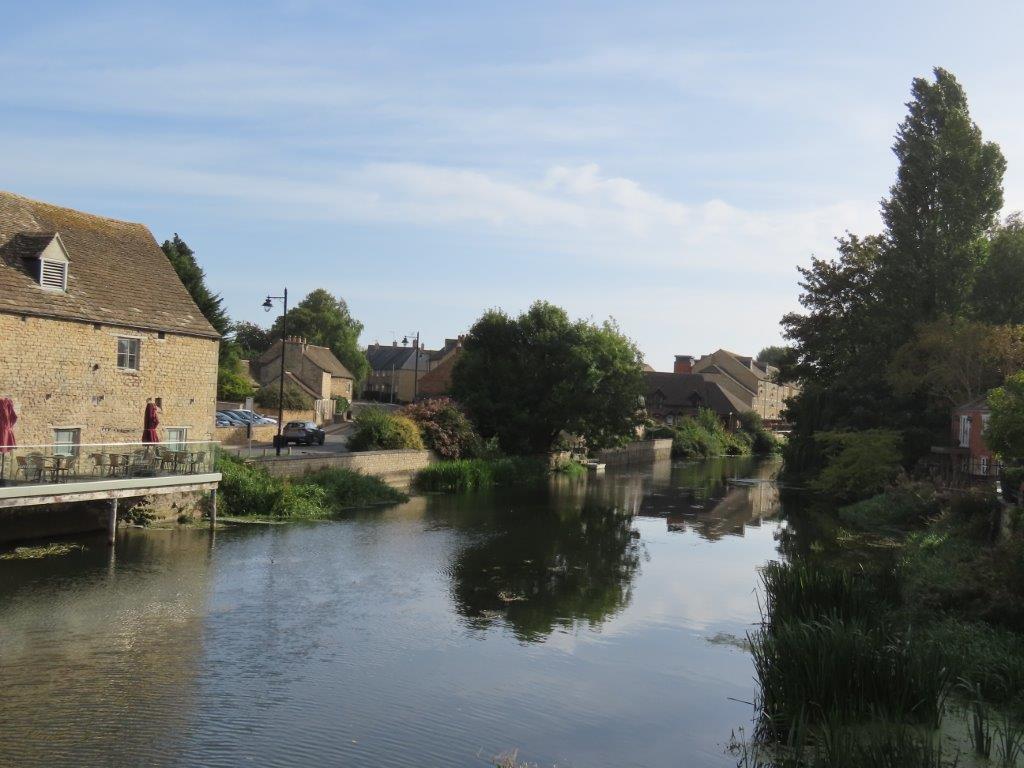
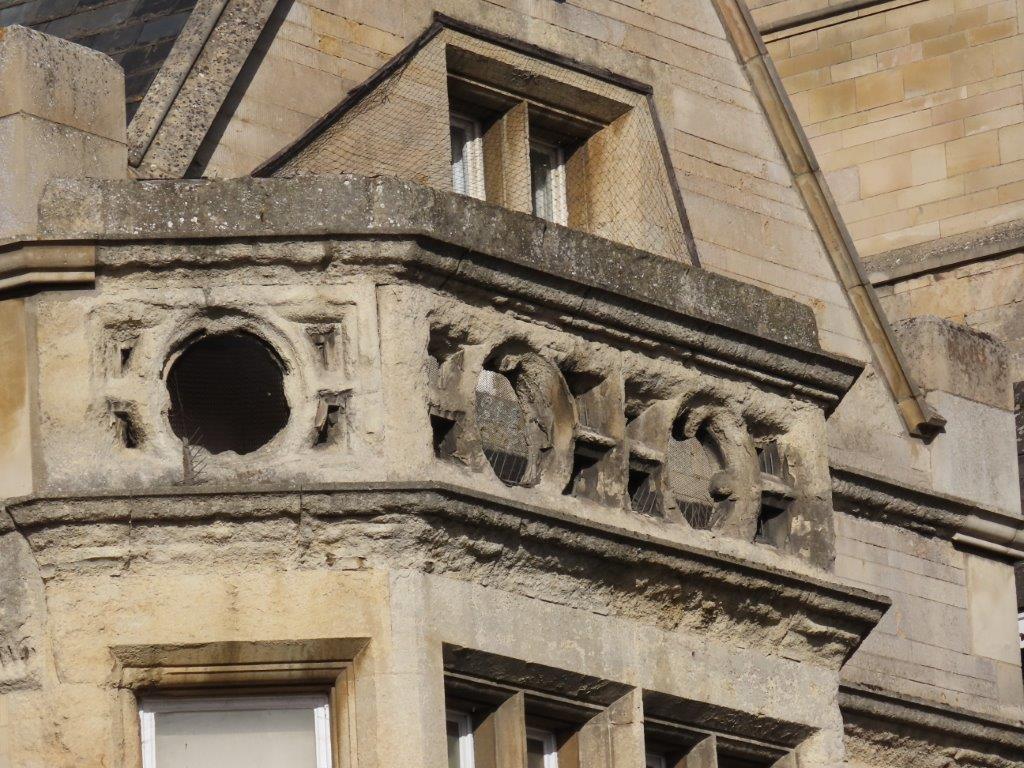
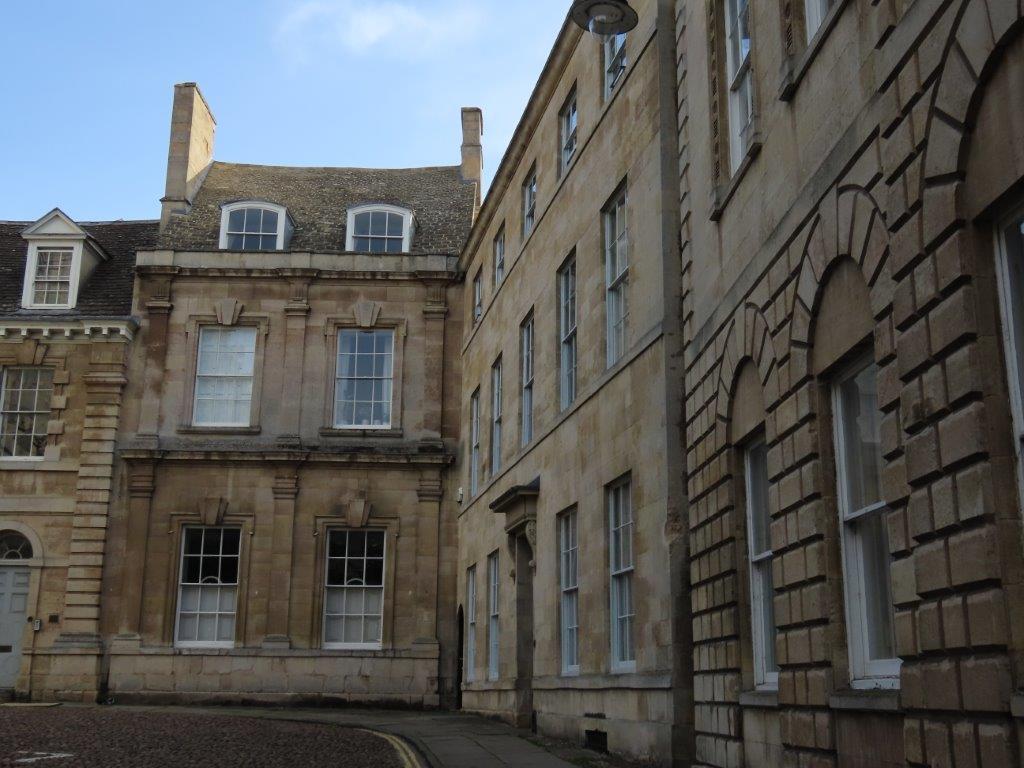
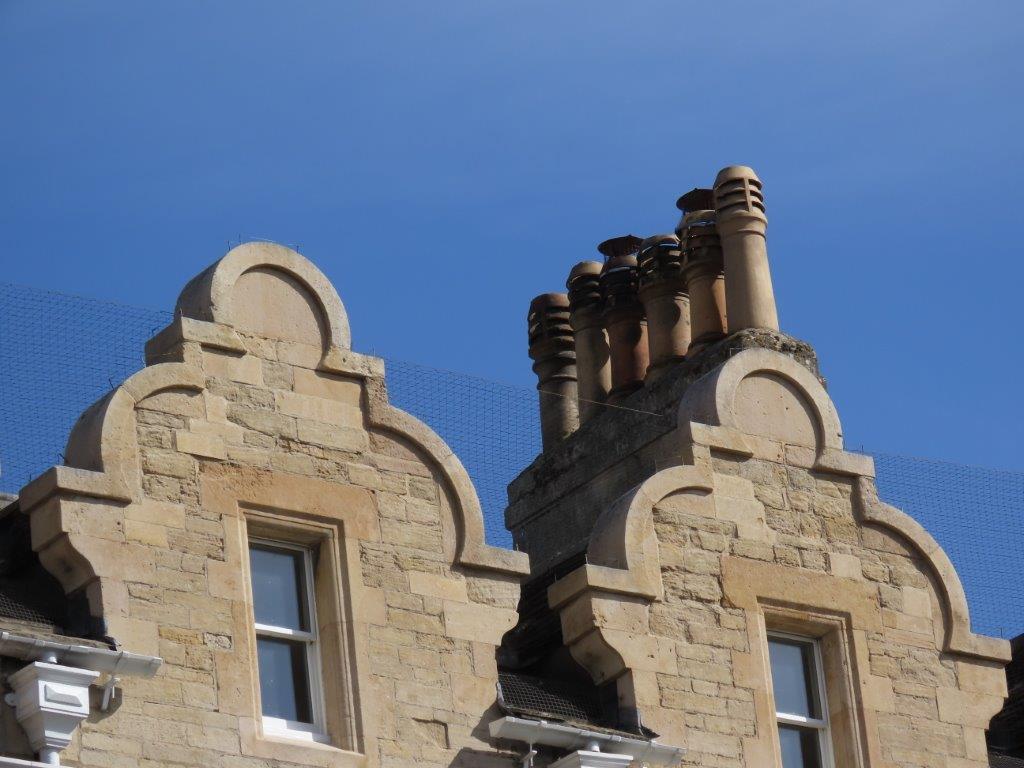
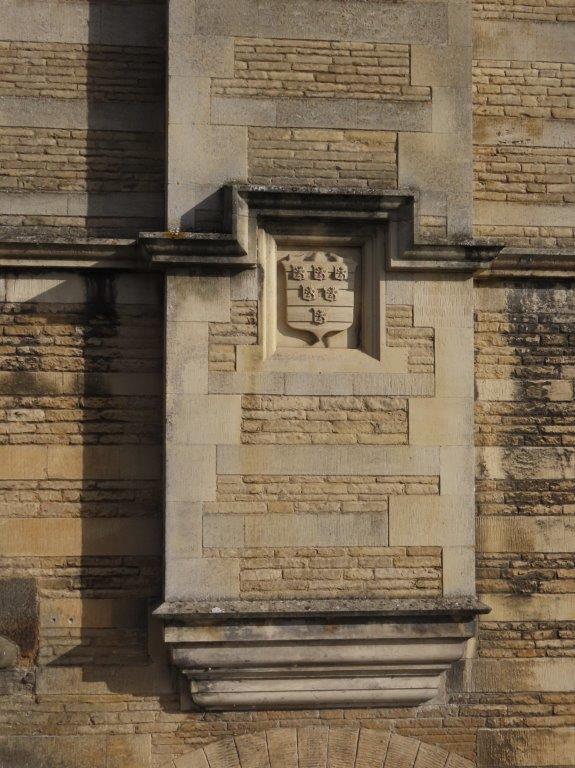
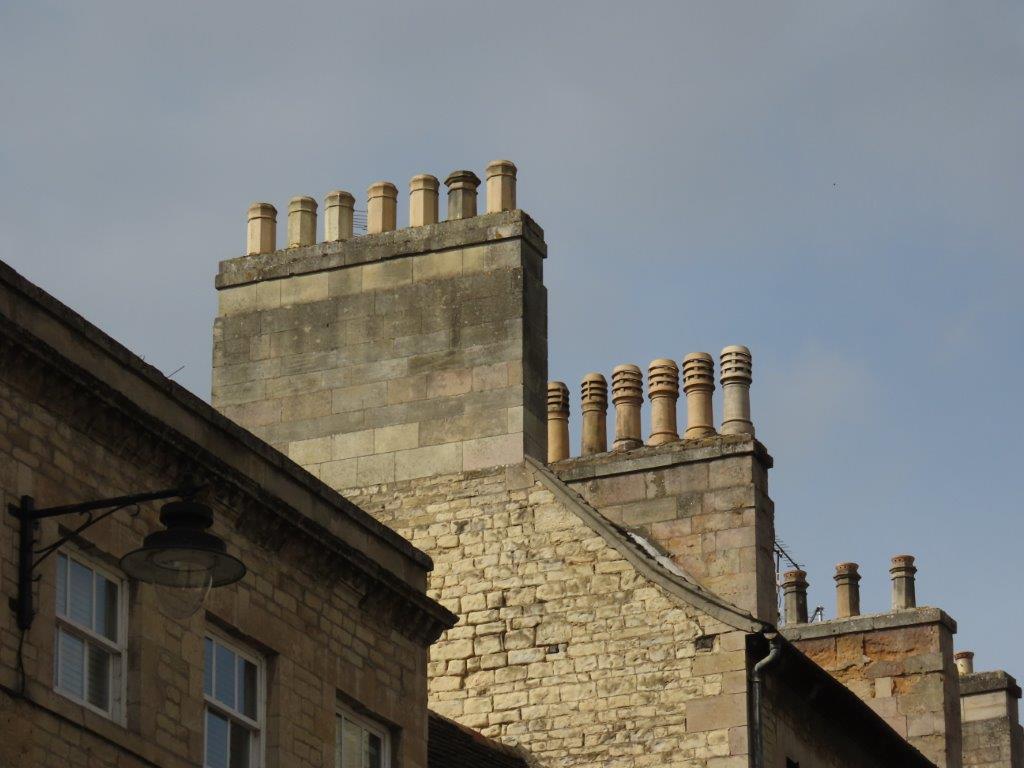
Yes, much of it was all very pretty, of local oolitic limestone, honey coloured in the autumn sunlight…
…and there were an inordinate number of monumental churches….
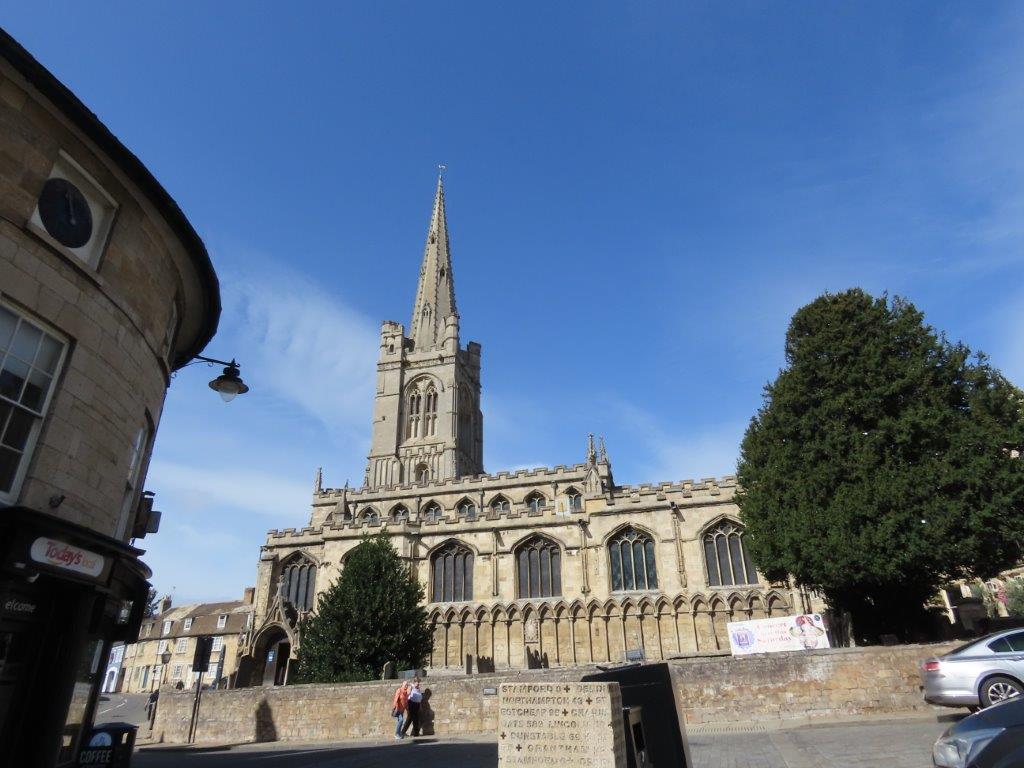
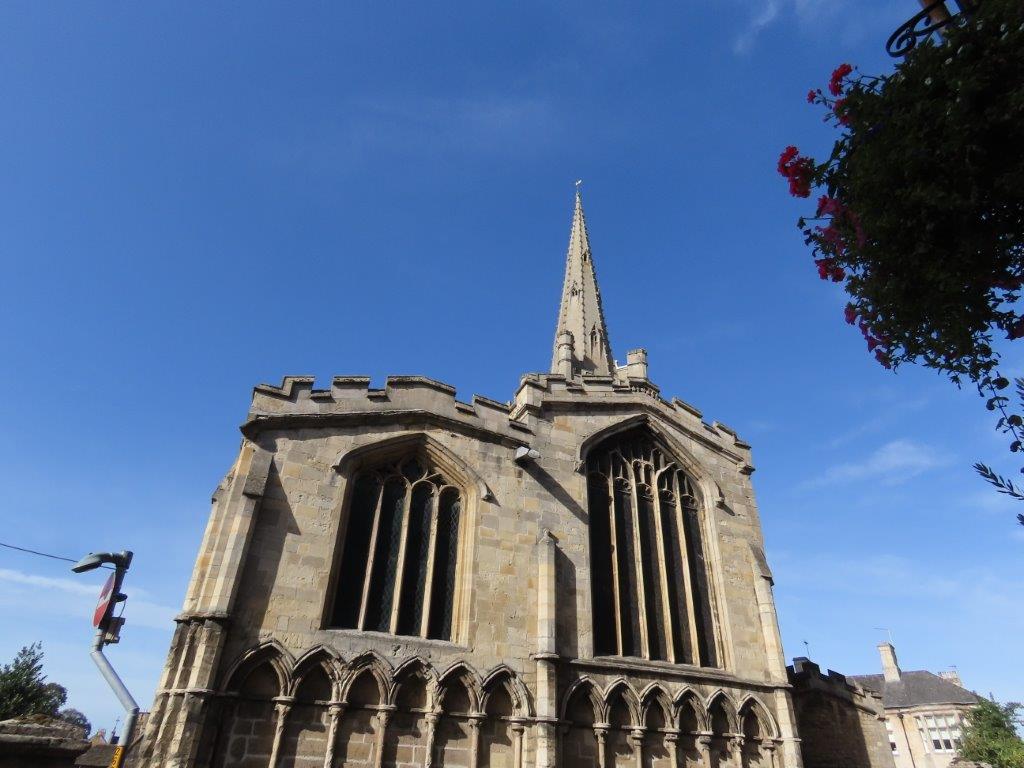
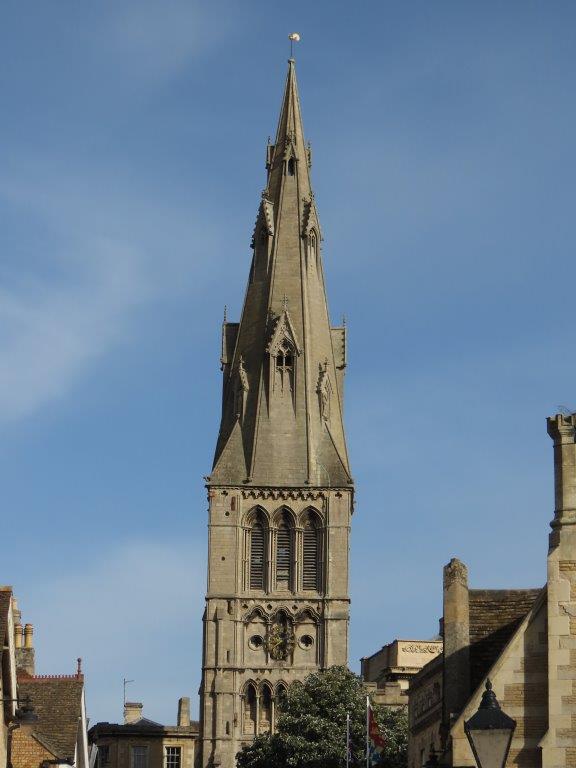
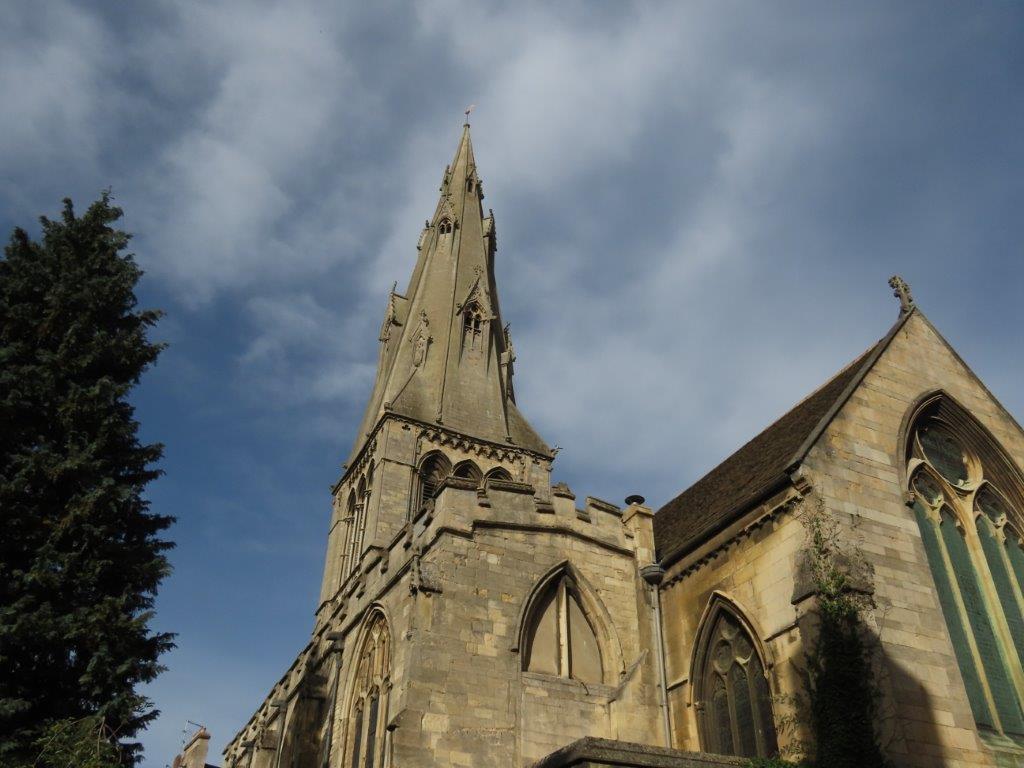
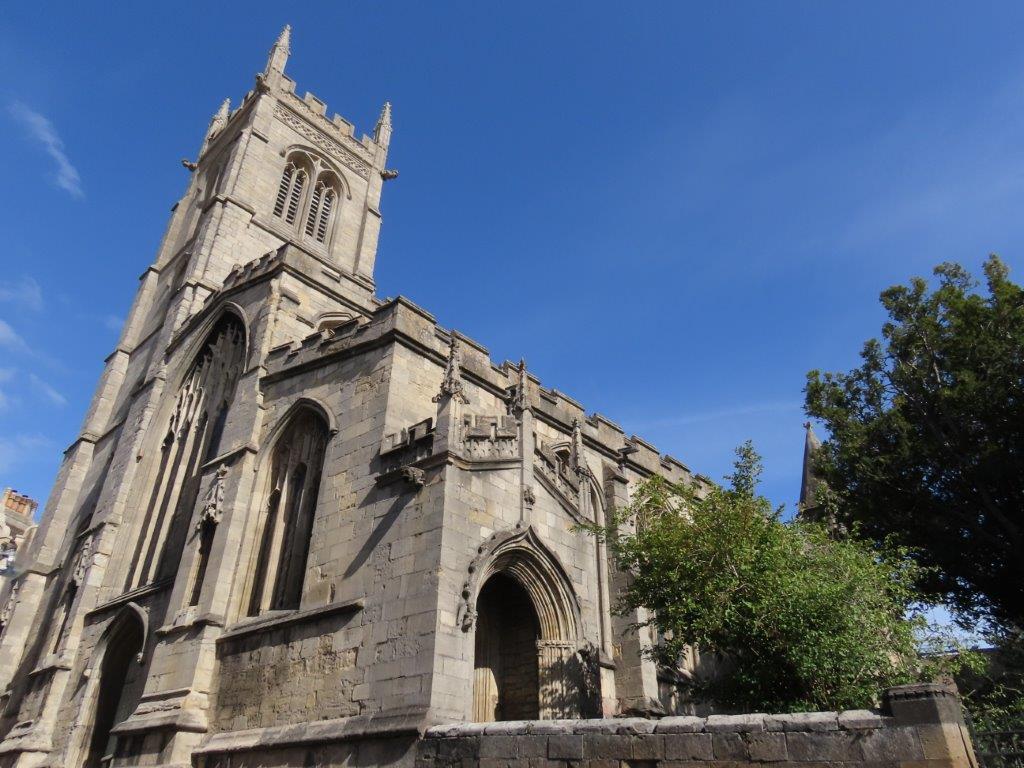
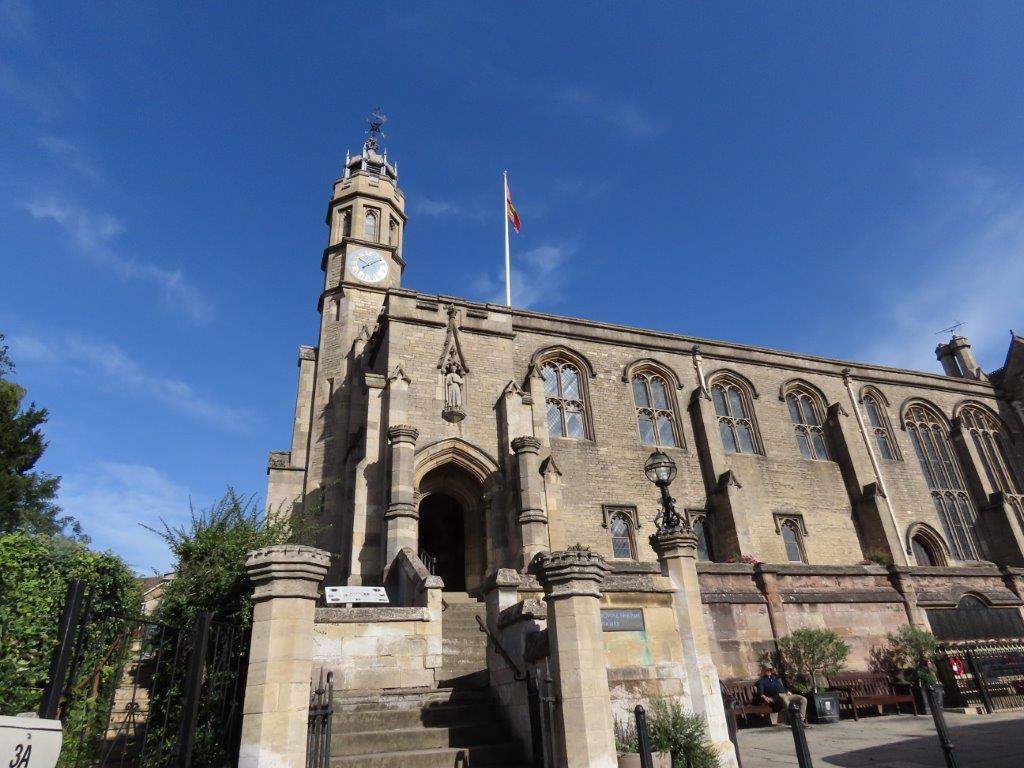
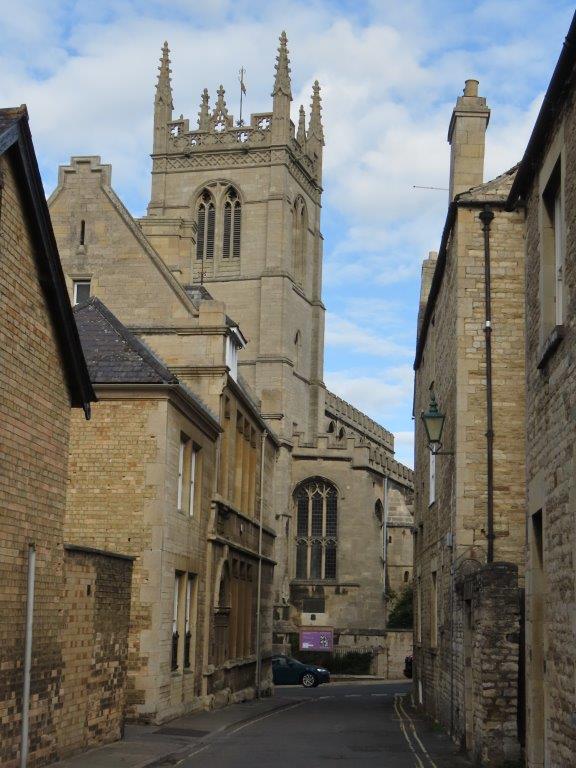
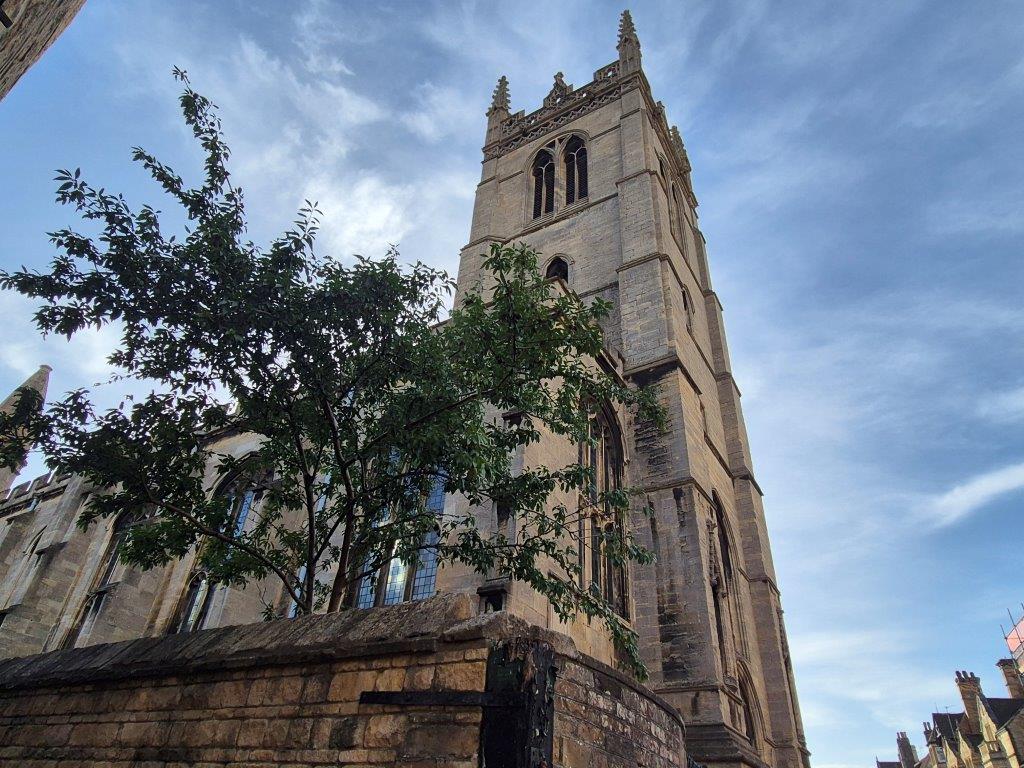
We ventured into just one, St Martin’s, close to our hotel.
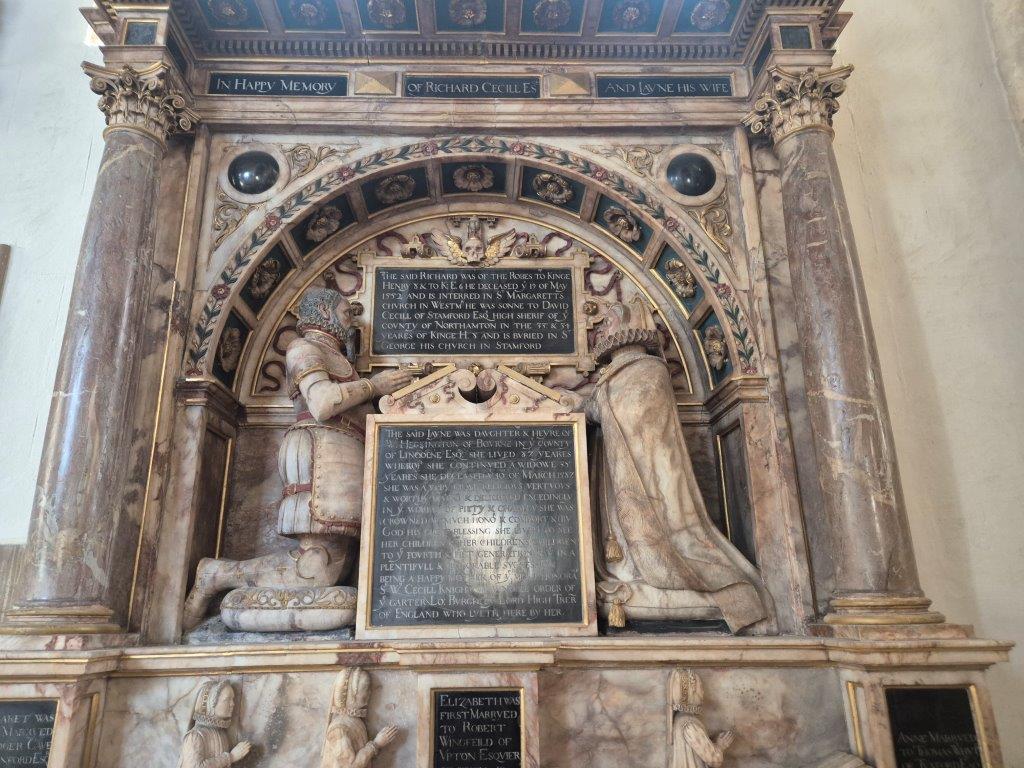
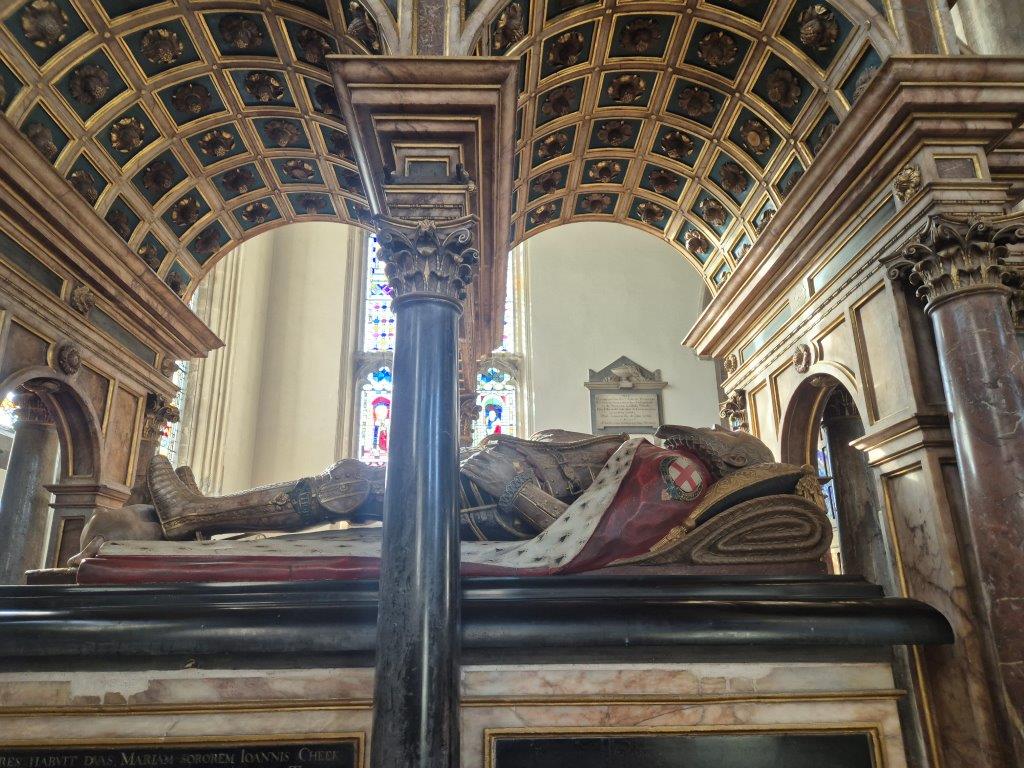
The interior features memorials, tombs and an effigy of the Cecils, incumbents of the nearby Burghley House:
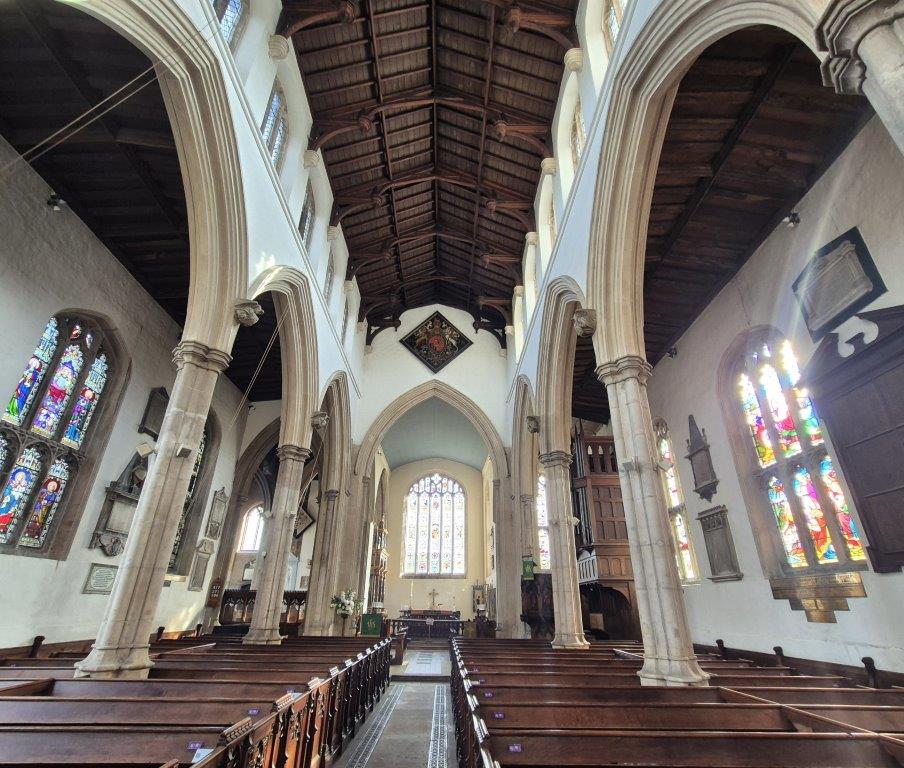
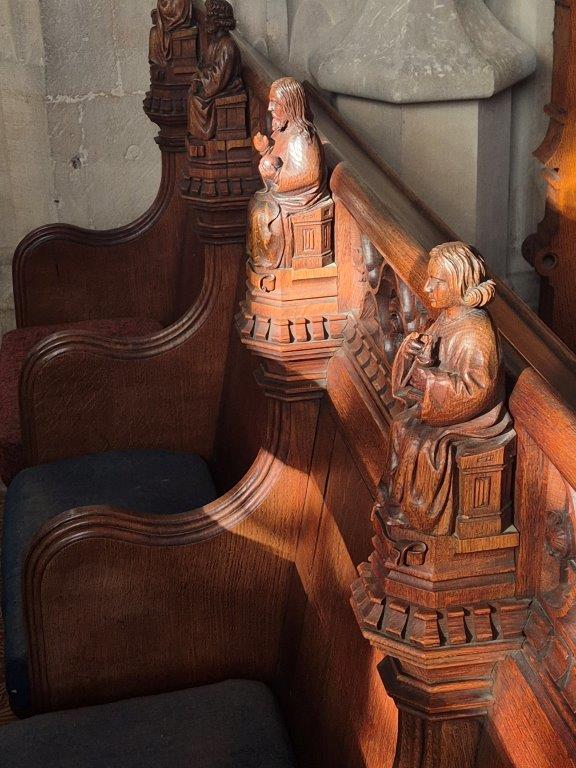
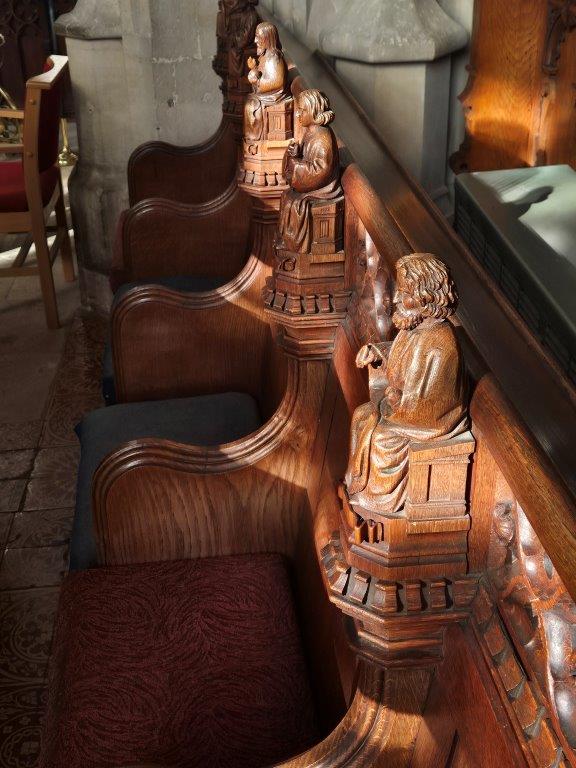
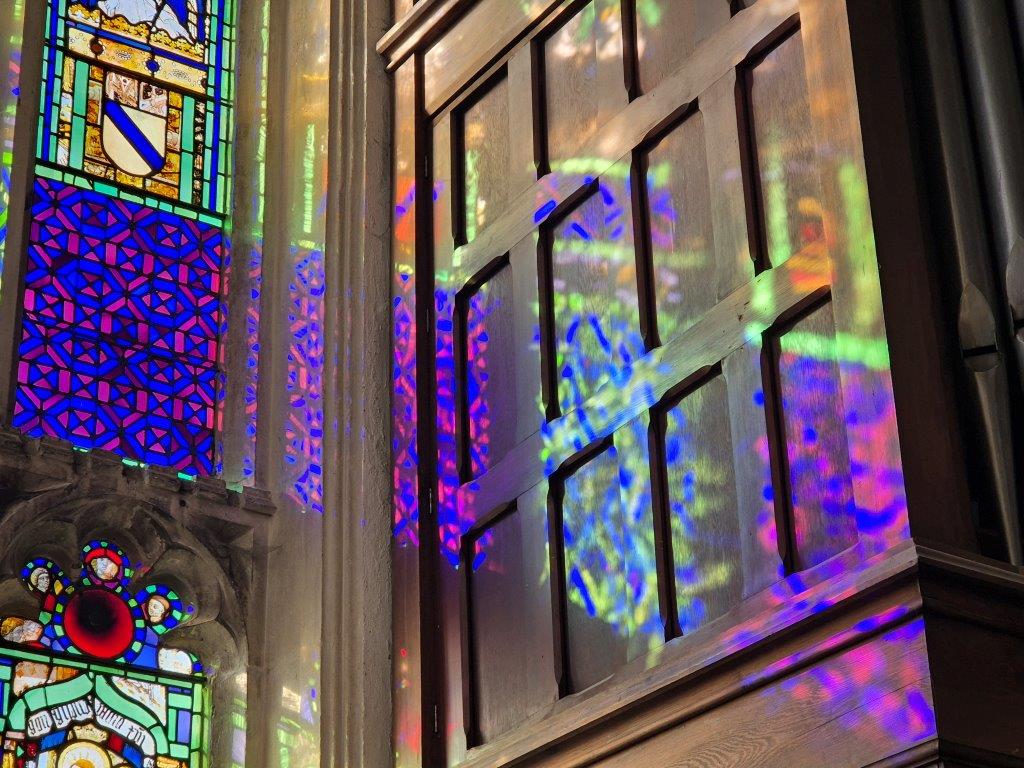
But best to my eye were the impressive 19th century pew carvings, and the sunlight streaming through the south window and bathing the panelling in celestial light.
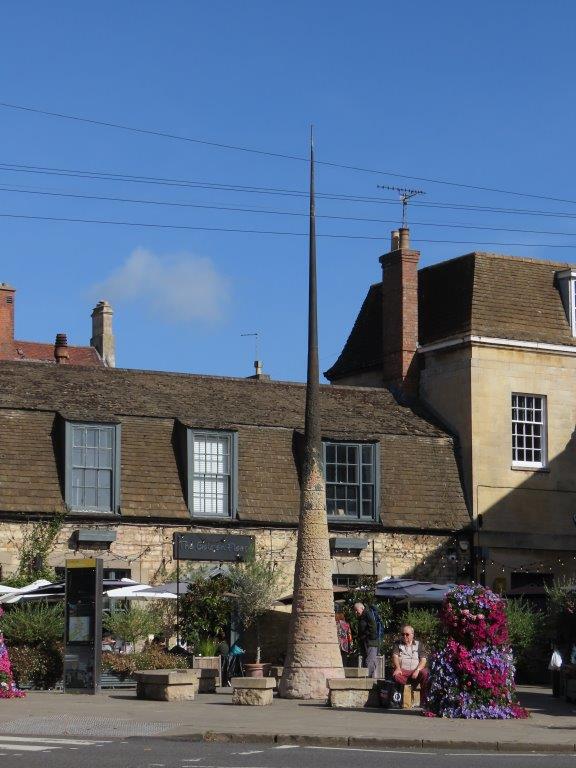
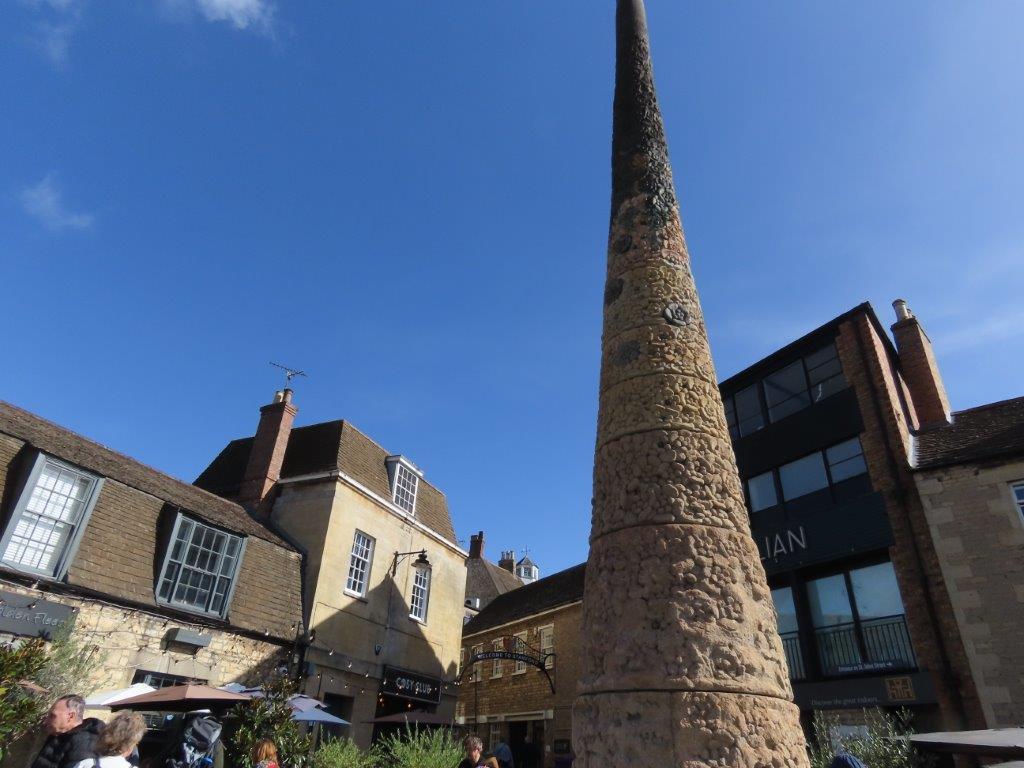
There was more modern stone and sculpture on and above the streets, including a 2009 ‘Eleanor Cross’, created by artist William Buttress to replace the original one, demolished nearby by Parliamentarians in the Civil War. The stone bears rose motifs that reflect carvings on a stone believed to have been from the original cross remarkably (suspiciously?) found by antiquarian William Stukeley in his very own Stamford Garden!
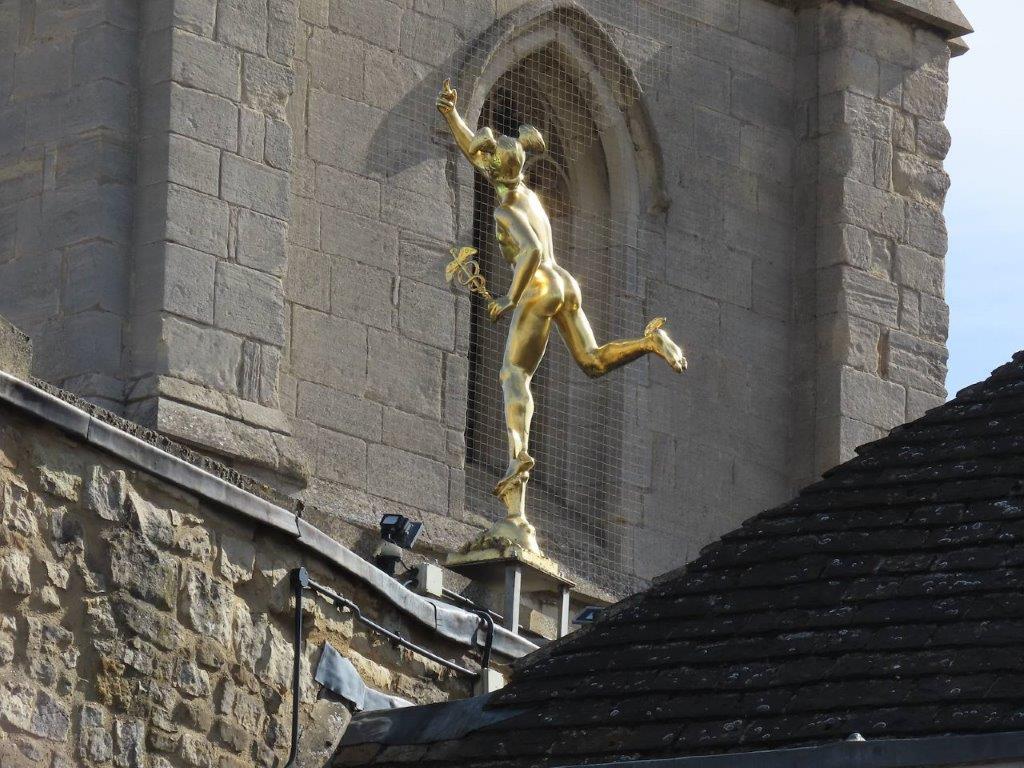
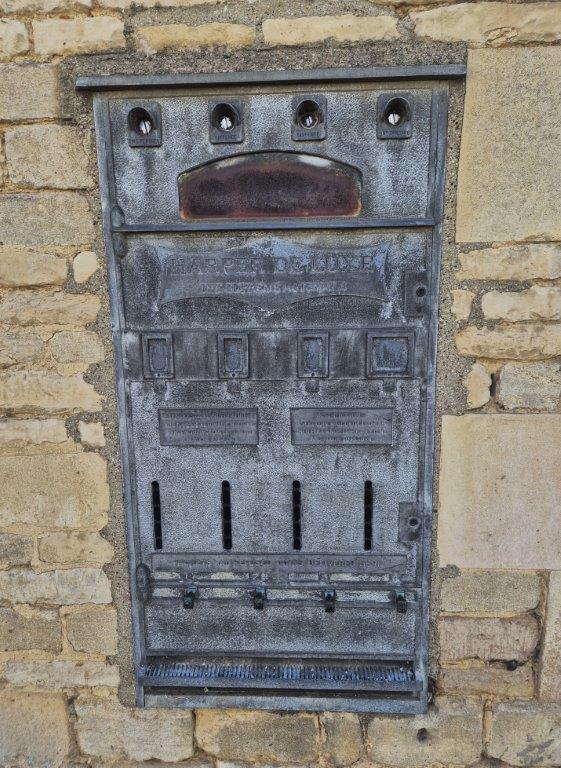
Then atop a town centre jewellers, a gilded statue of Mercury, the Roman god of travellers; the original Mercury adorned the 15th century building during the 19th century, but it ‘disappeared’ and was replaced by an eagle in the late 1800s, only to be removed during WW1 due to anti-German feelings associated with the eagle. A new Mercury was restored to his rightful pinnacle in 1996. And in complete contrast, street art in the form of a rare vintage 1920’s cigarette vending machine, one of the earliest commercial vending machines in the UK.
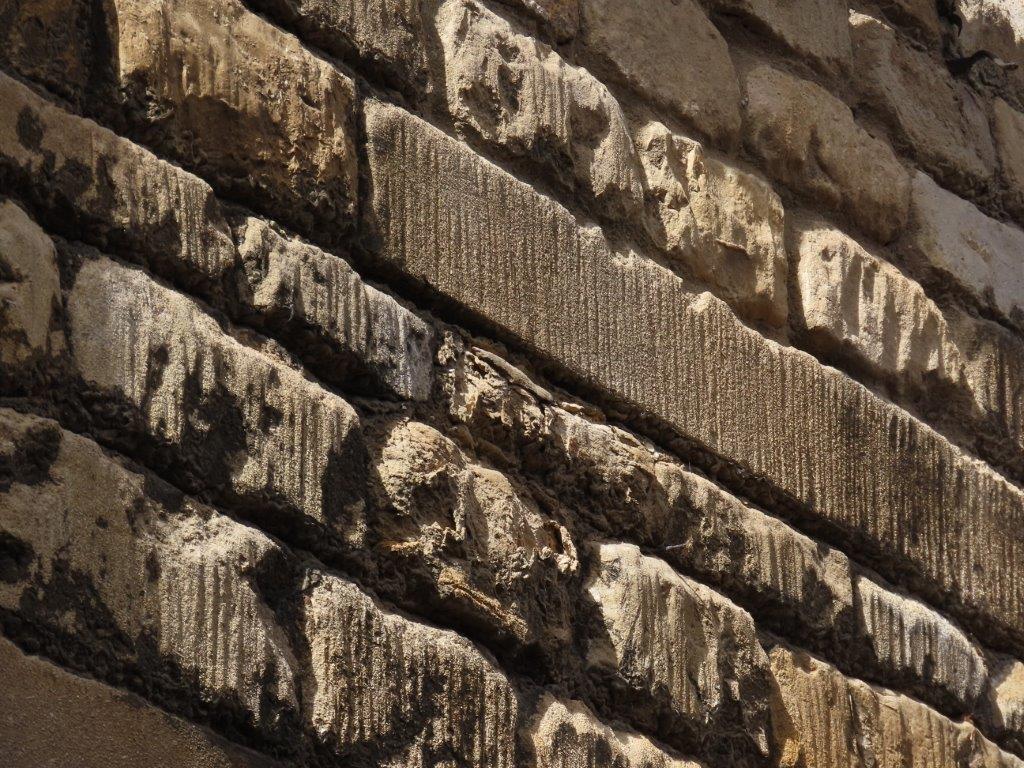
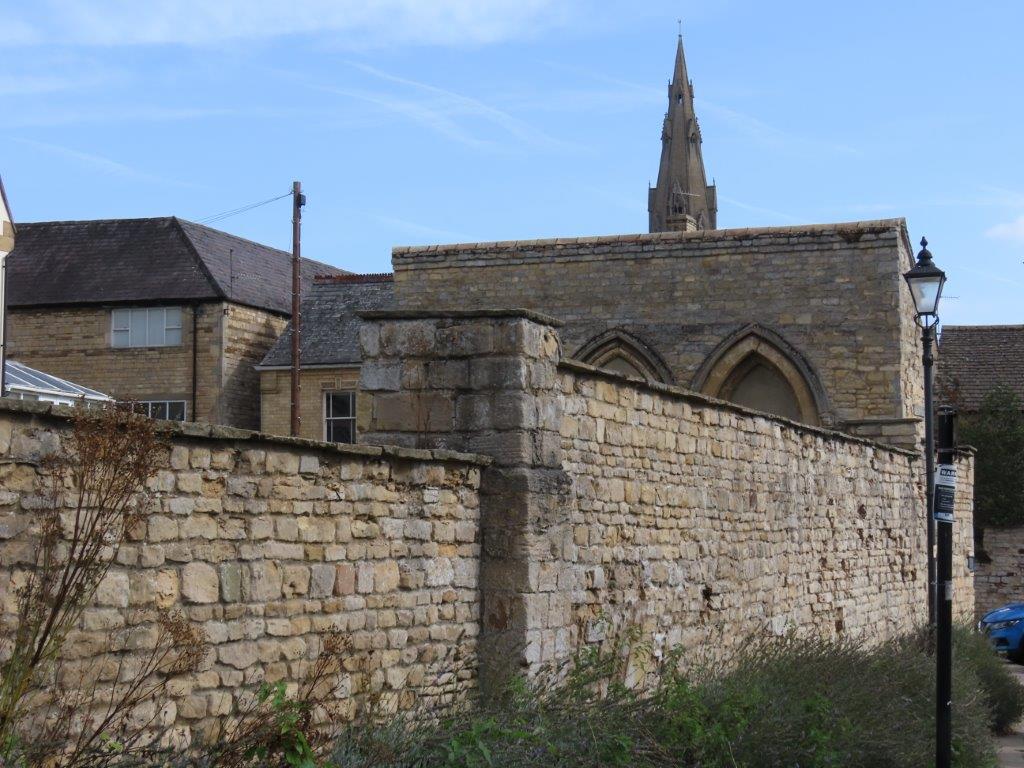
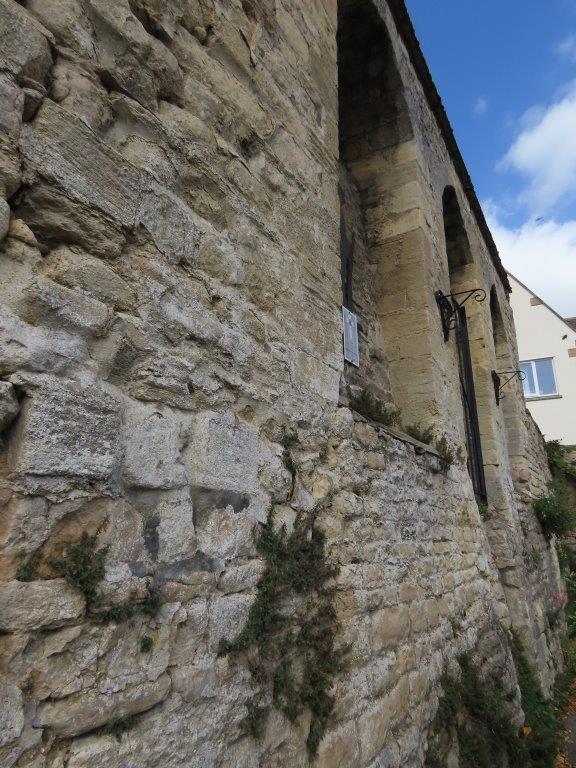
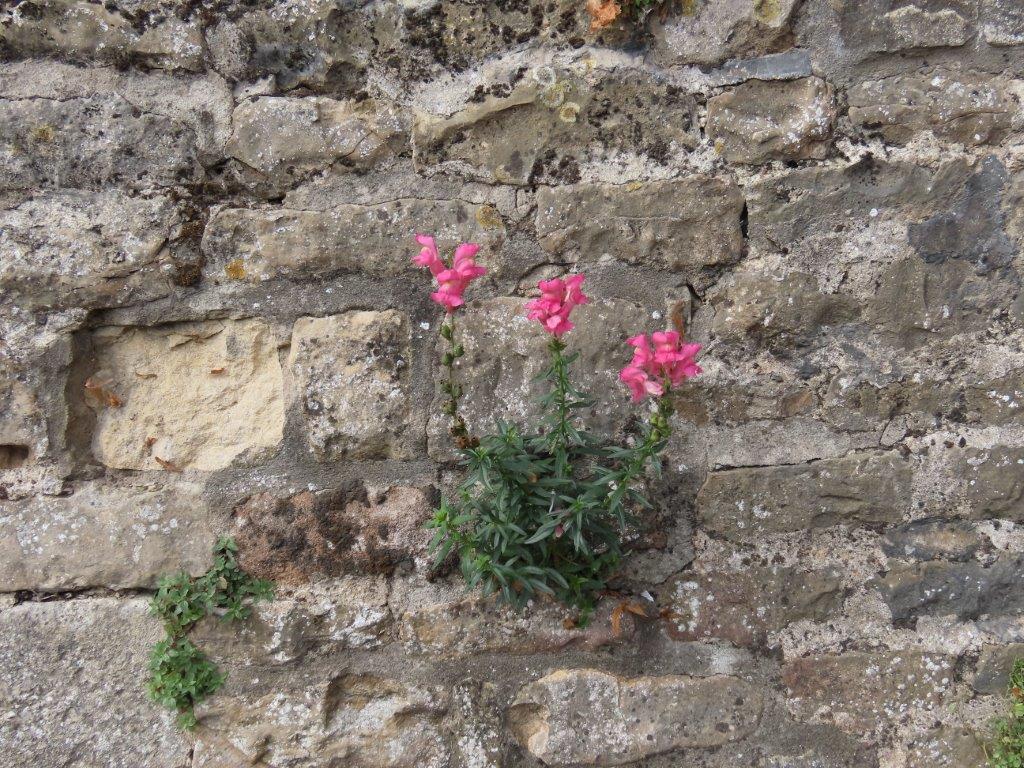
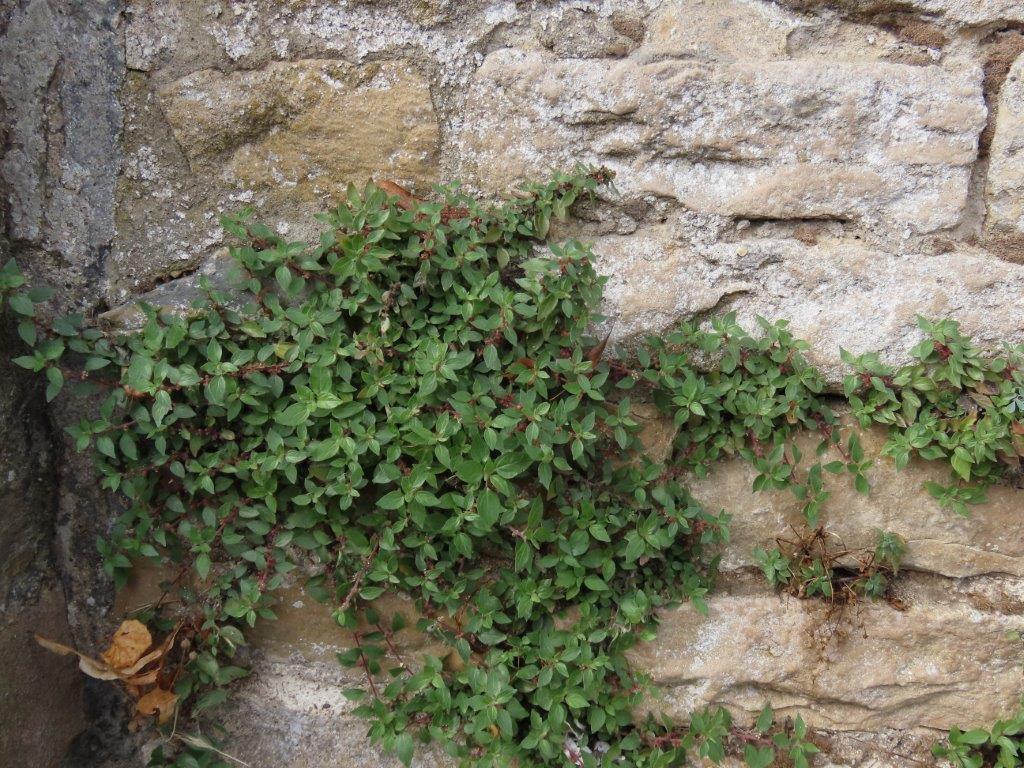
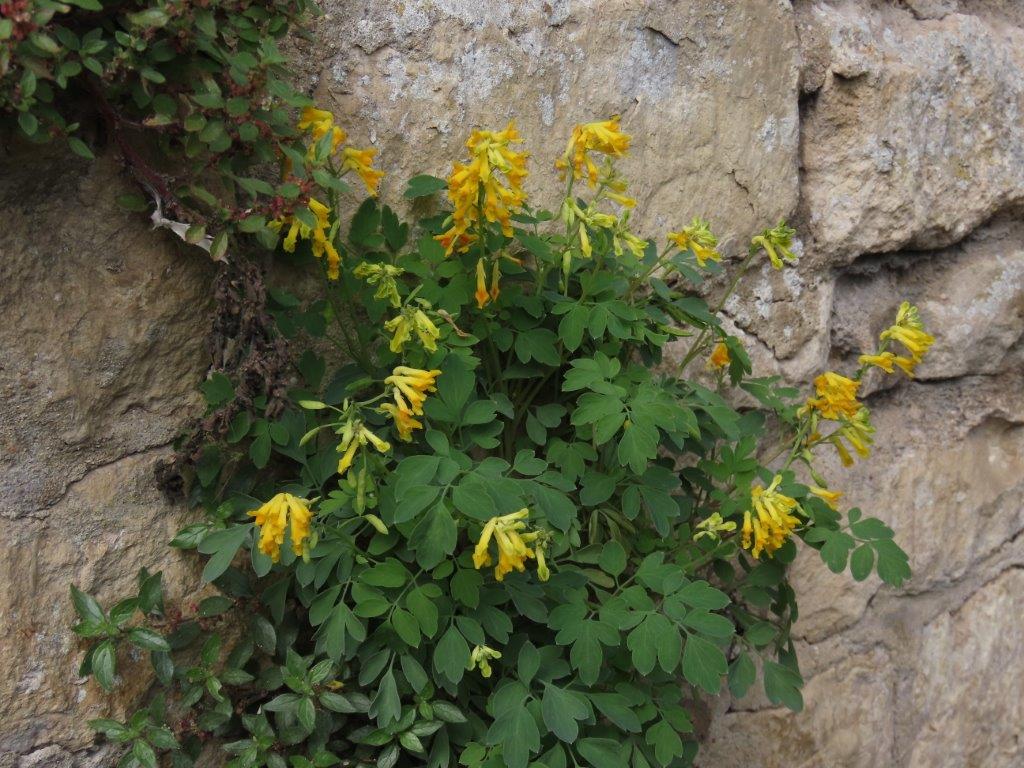
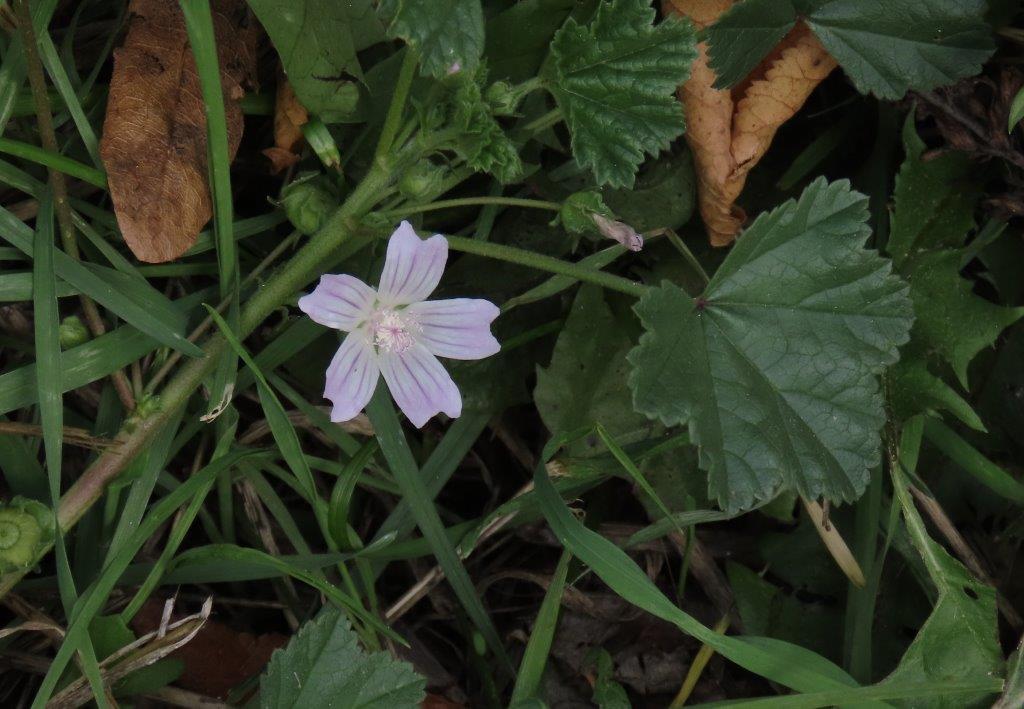
While most of the old buildings in Stamford are made from worked limestone blocks, the oldest are rough-hewn, like the remnants of the Norman castle. Although described as ‘old and decayed’ by 1340, fragments survived as a manorial Court and now are home to a range of typical urban wall plants such as Snapdragon, Pellitory-of-the-Wall, Yellow Corydalis and, at the base, Dwarf Mallow.
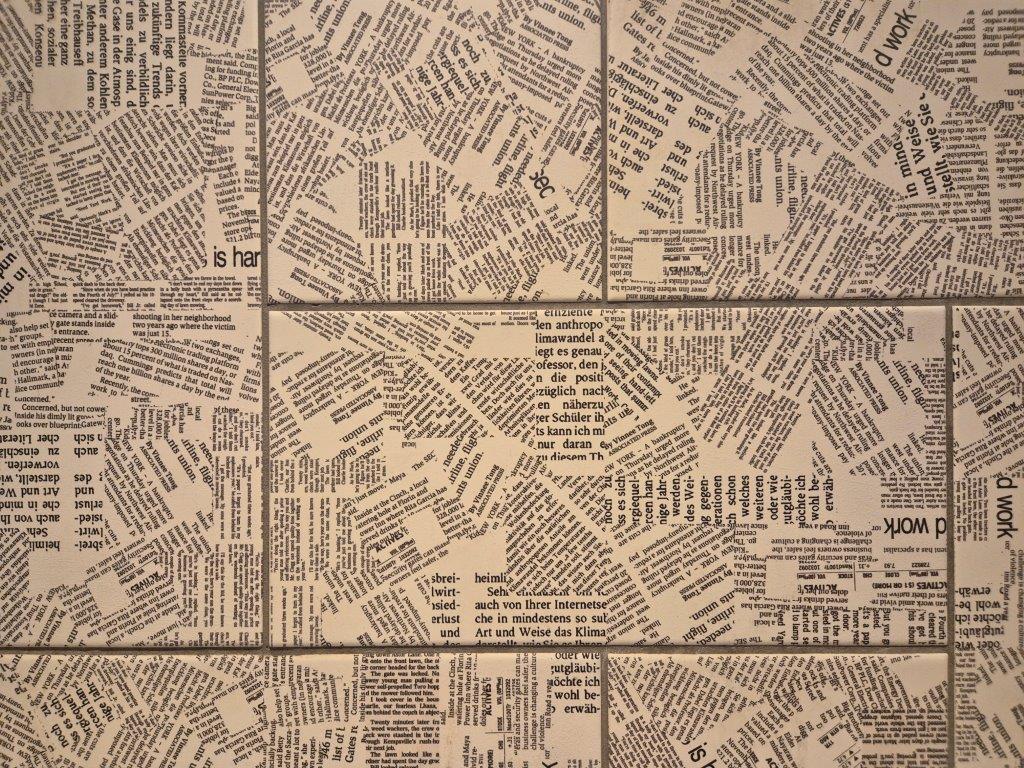
All this, all so good. But the blight on Stamford is its incessant traffic, day and night, with appalling provision for pedestrians to cross the busy roads, even close to the town centre. That really coloured our view of the town and meant we had to seek refuge. Refuge in the ‘Stamford Post’, a pub in the latter home of Britain’s oldest continuously published newspaper, and in which the loos have very appropriate tiling.
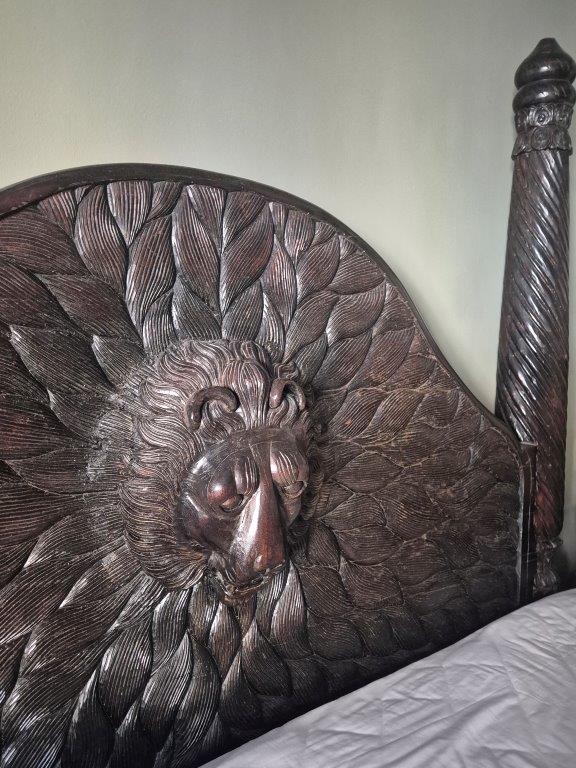
Refuge too in our hotel, the Bull and Swan, where the ambience, the food and the rear garden gave some respite from cars. A garden in which we enjoyed a bottle of Sauvignon Blanc before heading indoors to an excellent cheeseboard. And our room, the Lyon room, was spacious, comfortable and very quirky, containing a four-poster bed without a canopy and a freestanding bath on a pedestal alongside. The bed also had a wooden lion’s head protruding from the middle of the headboard, a nightmare turned into bas-relief. And yes I banged my head on it in middle of the night!
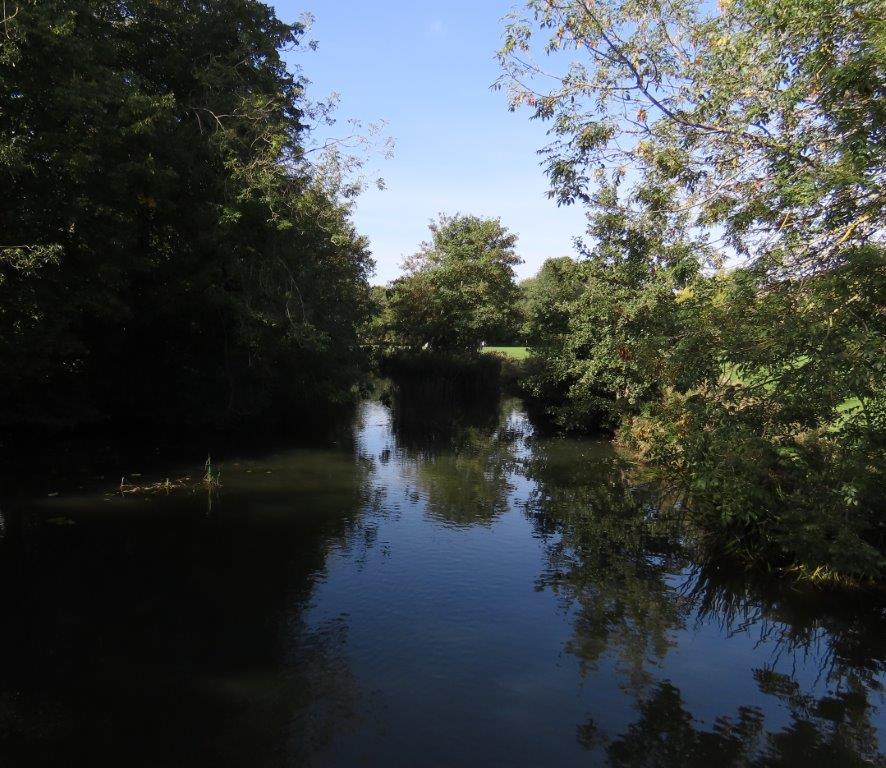
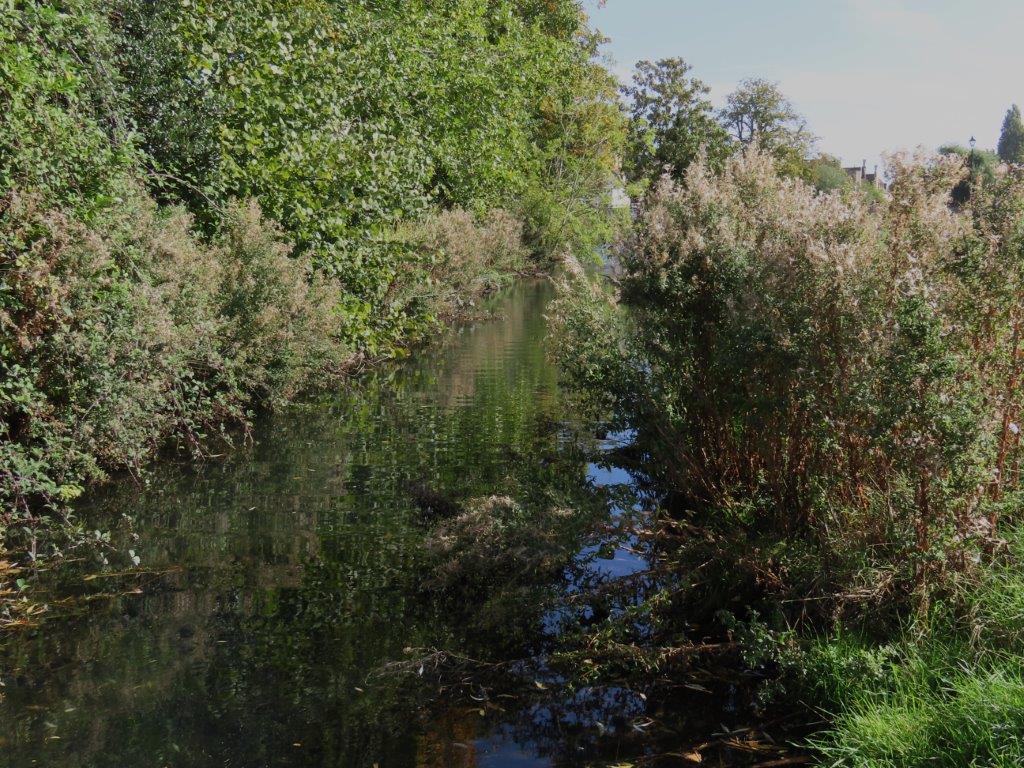
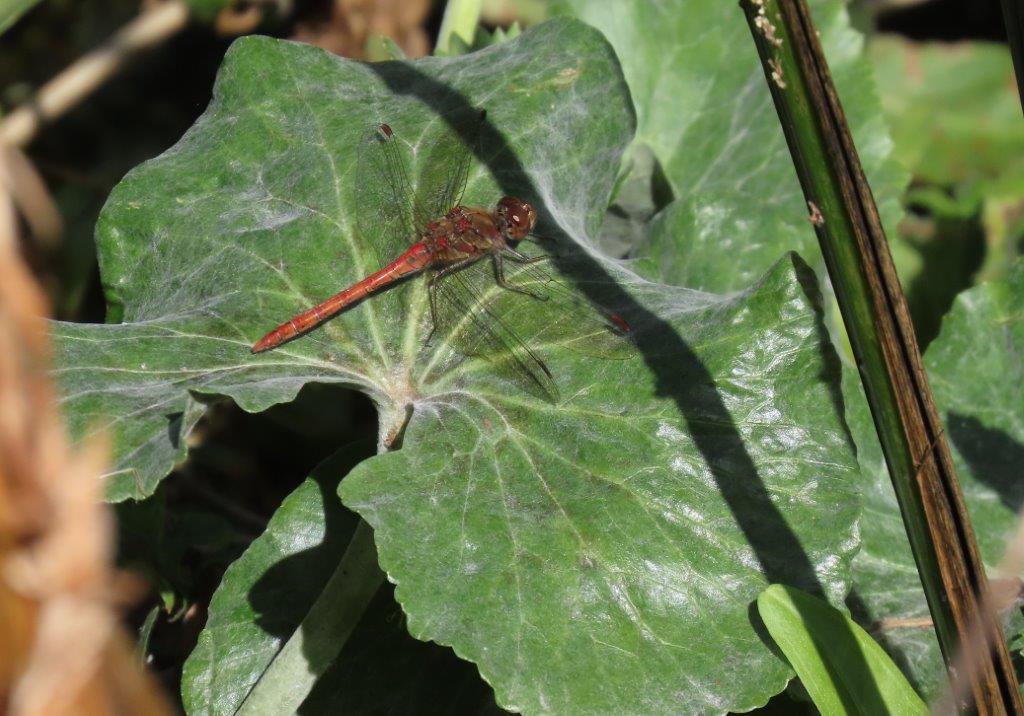
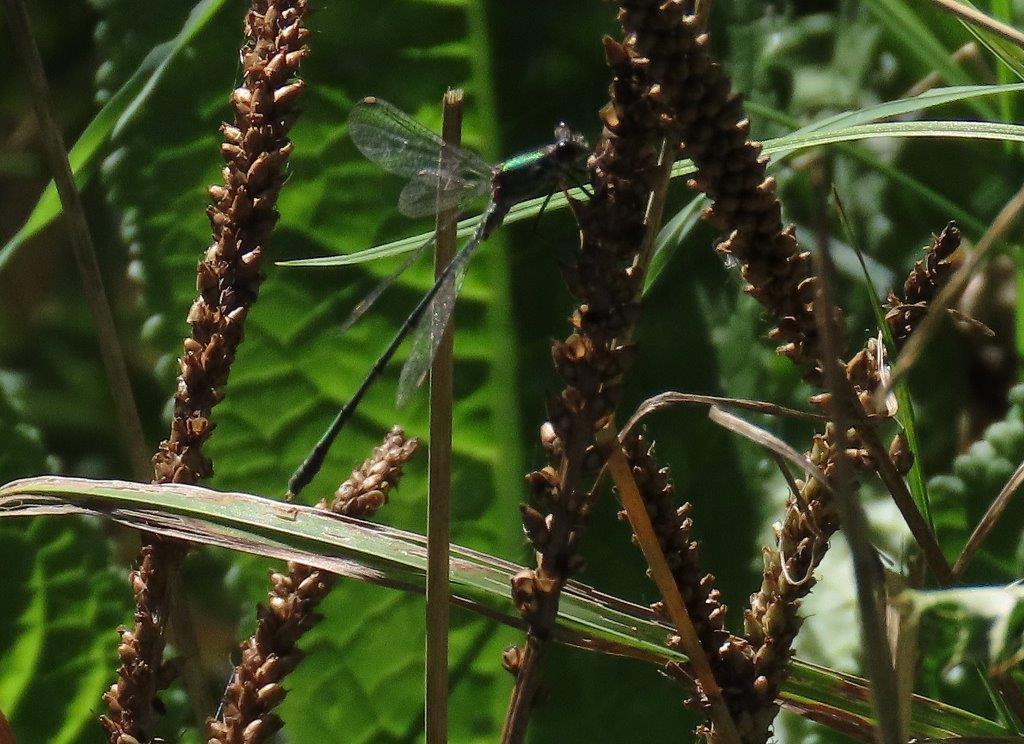
Then refuge in the green, down by the river around the Town Meadows, between the main River Welland and its side-channels, home to Common Darters and Willow Emeralds.
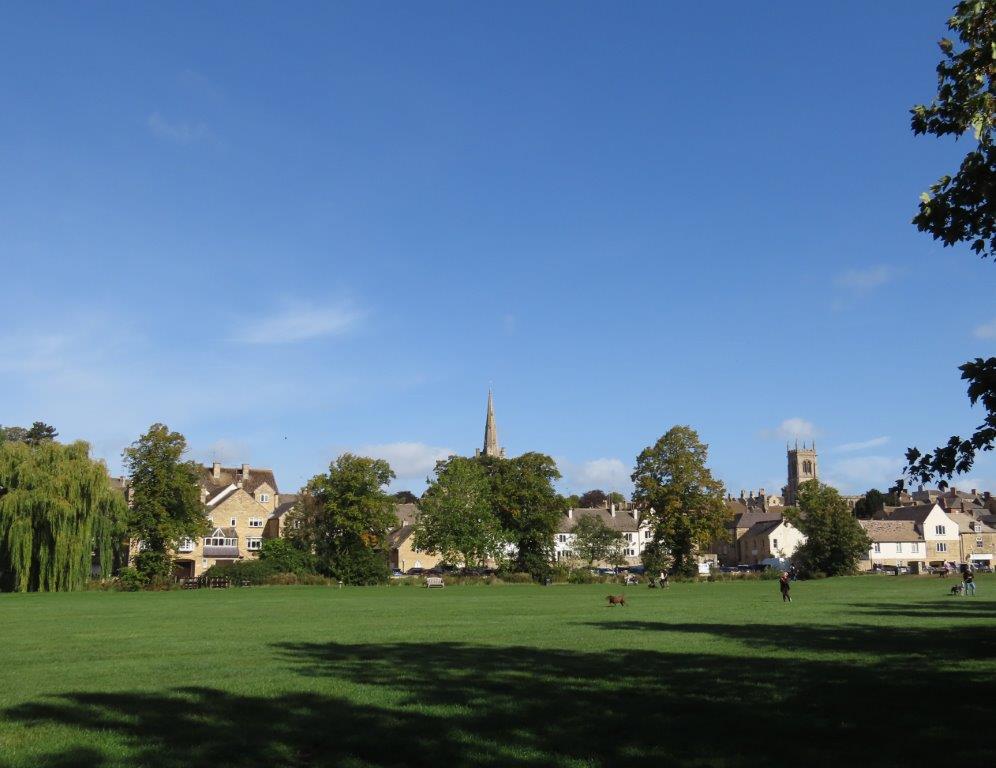
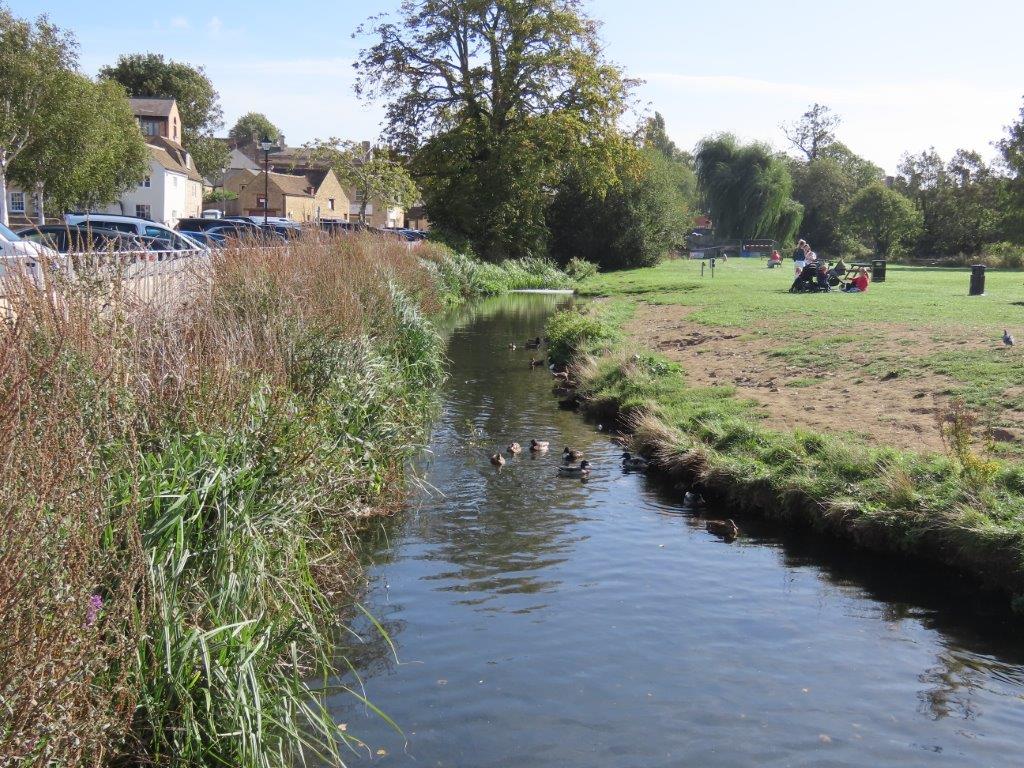
So while Stamford didn’t fully live up to our hopes, we had fun, and finished the day off with an excellent late lunch pizza at Panevino, on decking overlooking the river, with a Kingfisher for company. Then the cloud rolled in, temperature plummeted, and the first rain shower stated, sending us home happy after a wonderful few days.