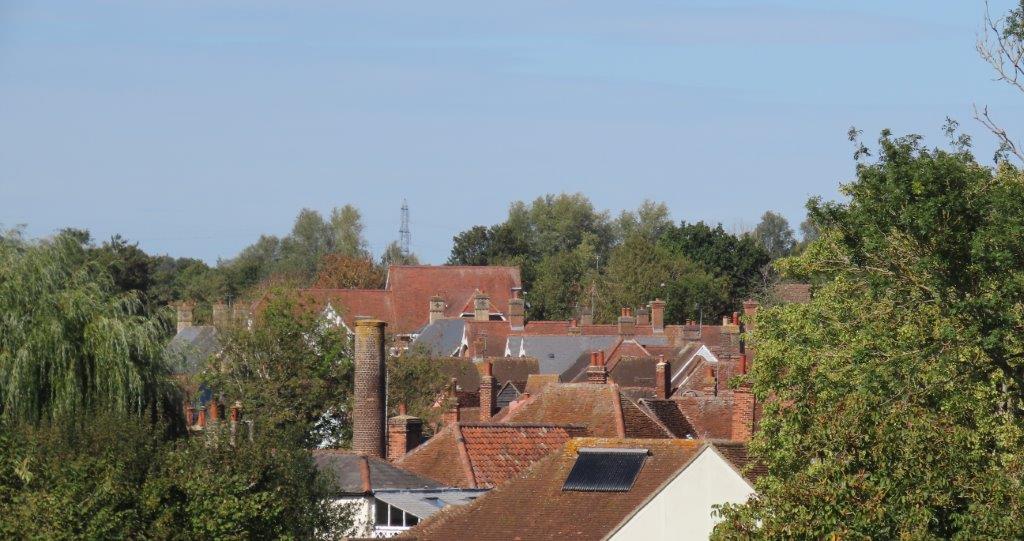
On a mission to keep exercising our bus-passes, a glorious still autumn day under solid blue skies saw us heading to Coggeshall. This is one of those places just down the road that we have driven past hundreds of times, but rarely diverted into the town and never taken the time to immerse ourselves in its evident delights.
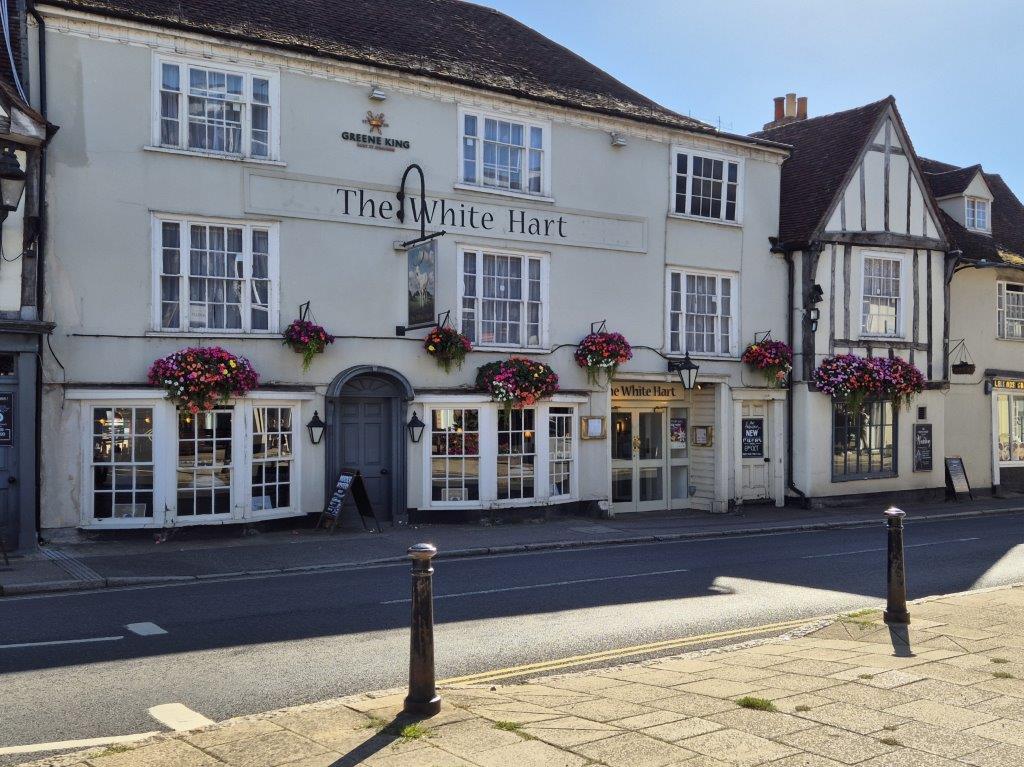
Nestled in the verdant Essex landscape, Coggeshall is a perfect market town. And all such places come with pubs, including our first port of call, close to the bus stop, the White Hart, a former coaching inn. A warm welcome, a good pint and an excellent lunch made us feel very much at home. So much so that we are tempted to return and stay there, using it as a base to explore other local places by bus.
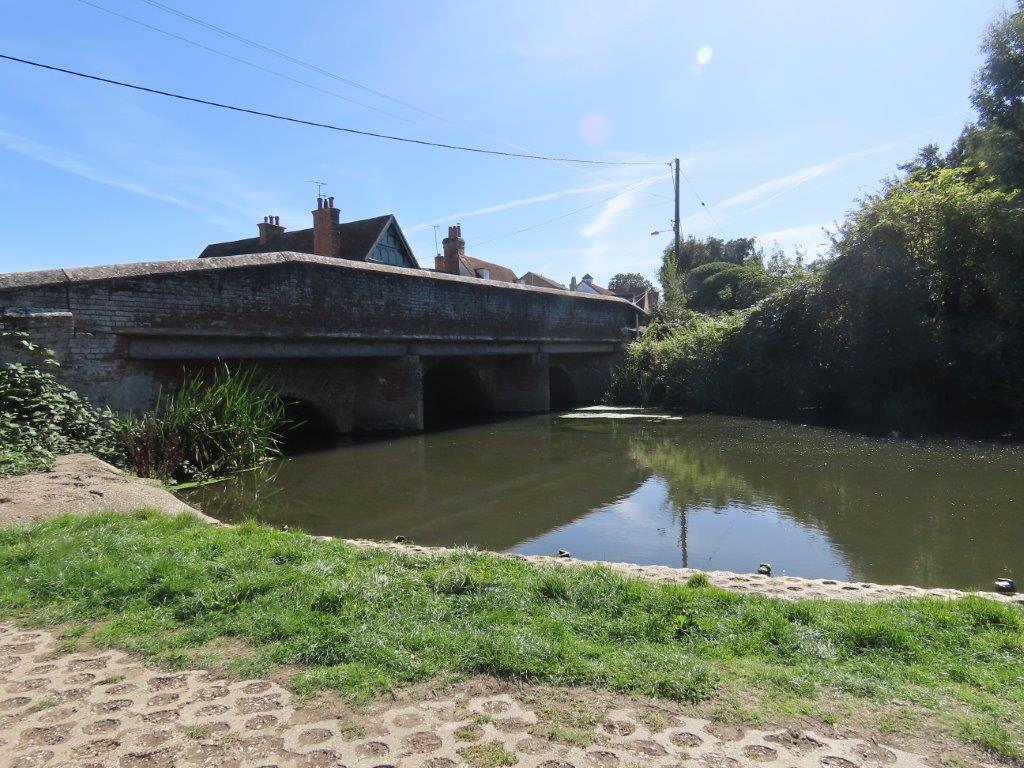
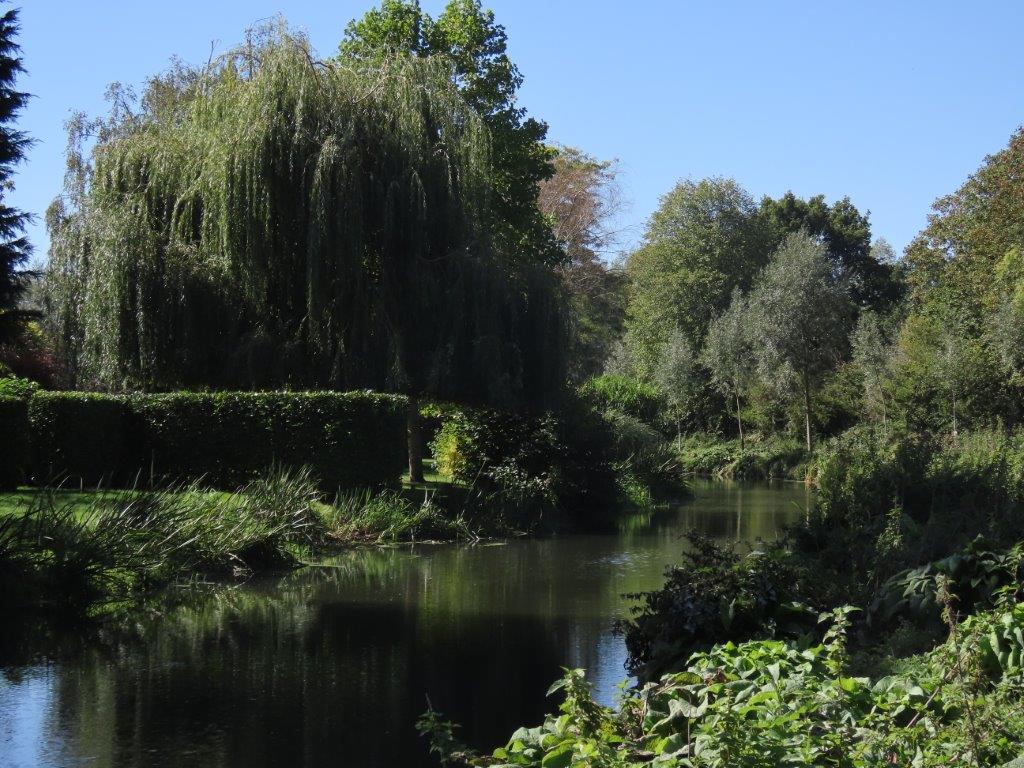
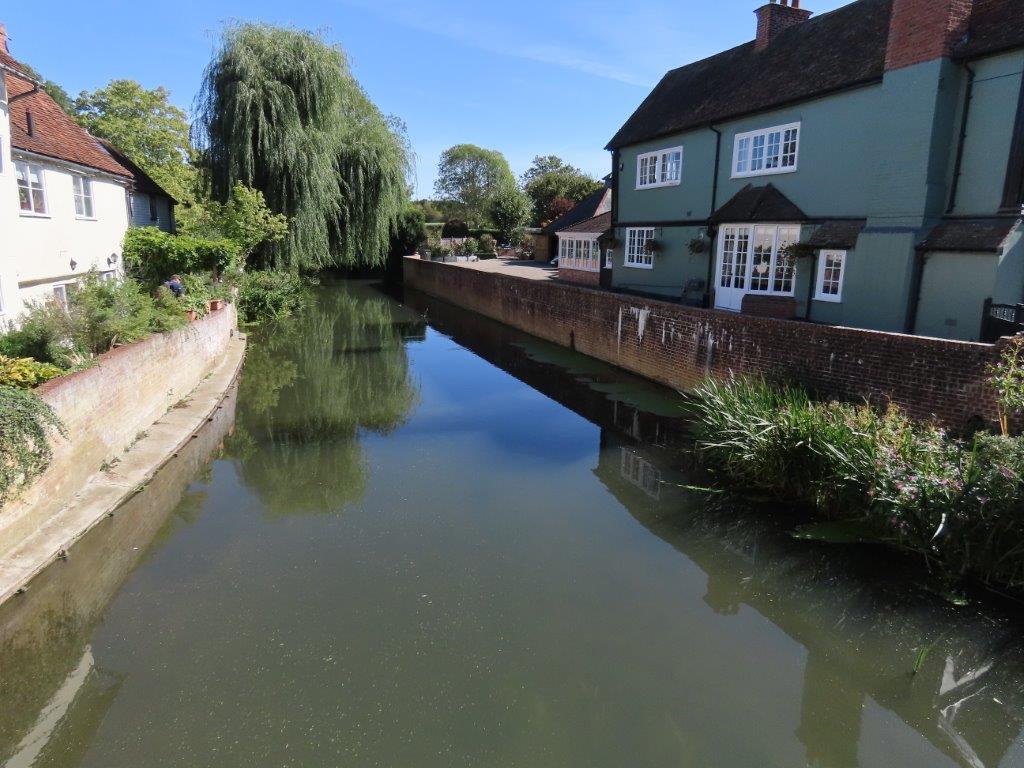
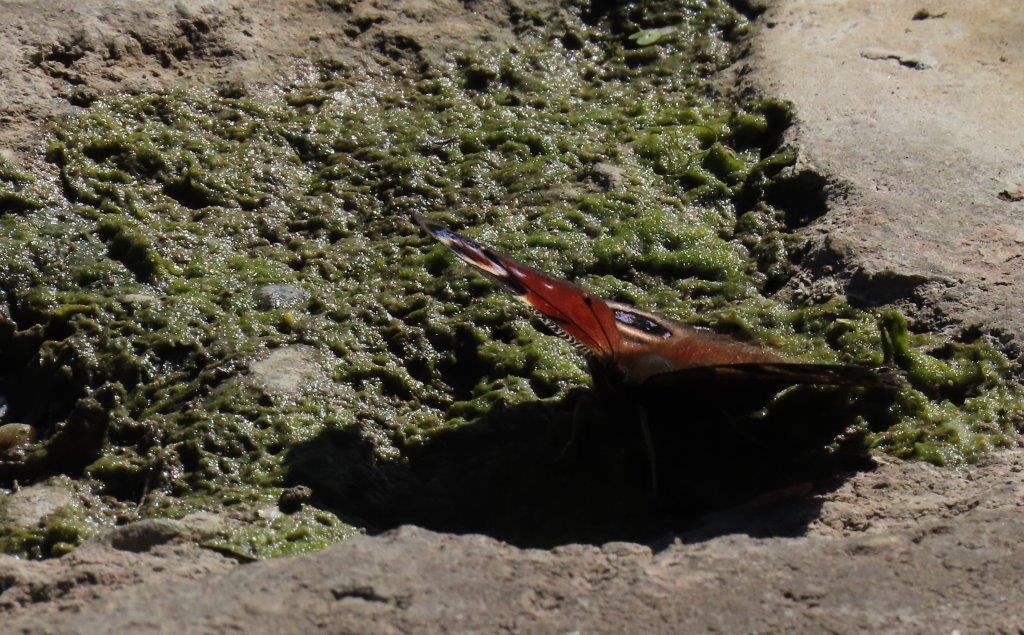
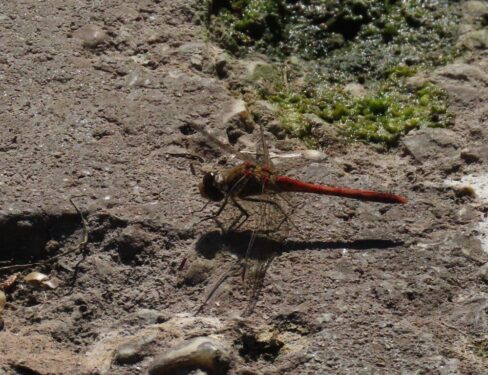
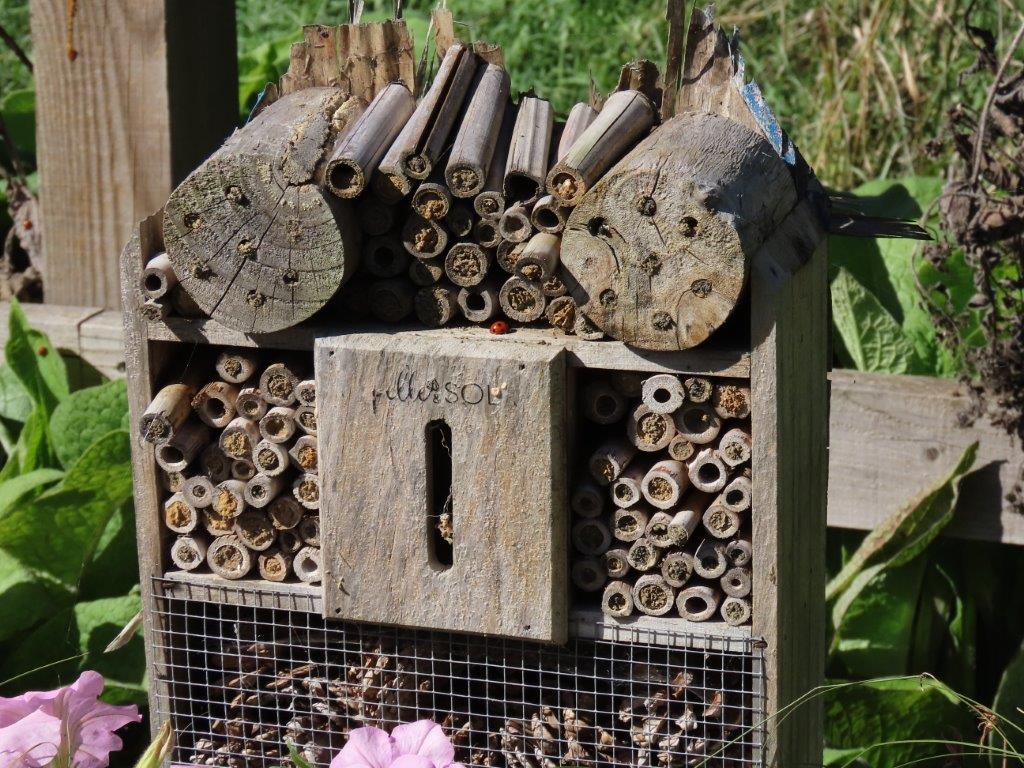
After lunch we headed first to the bridge over the River Blackwater, the bridging point, originally a ford, around which the settlement coalesced. A Peacock butterfly and Common Darter dragonflies basked in the sun as Common Blue butterflies flittered around. This is clearly a good spot for insects, further evidence coming from the sight of a fully occupied bee hotel.
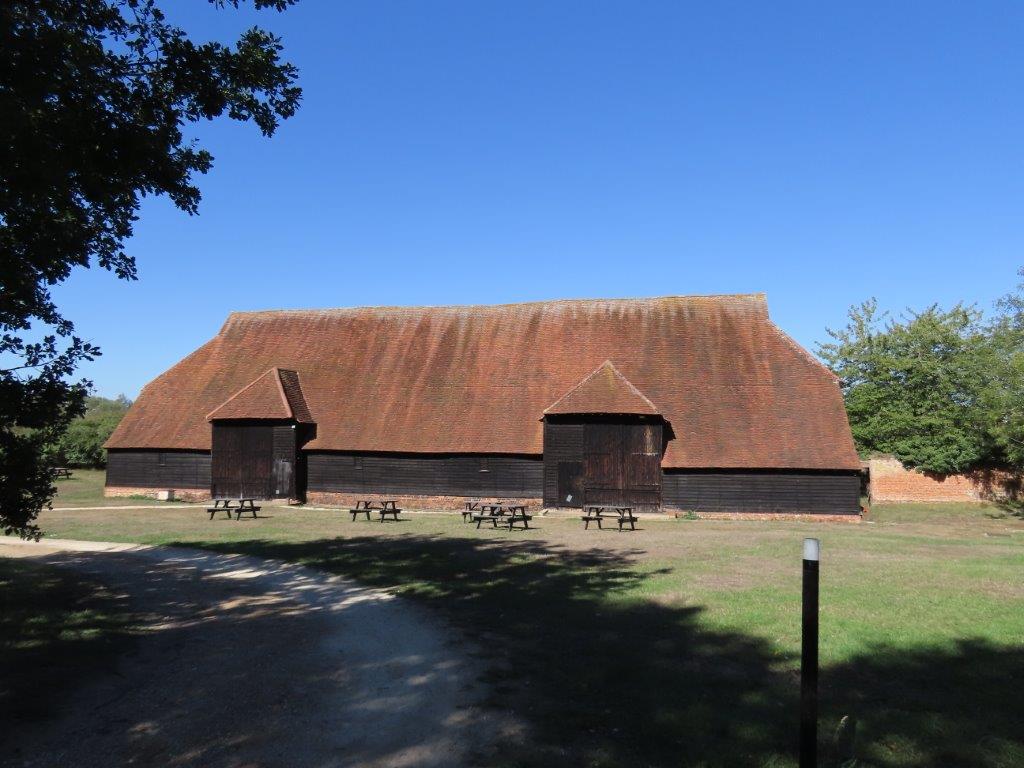
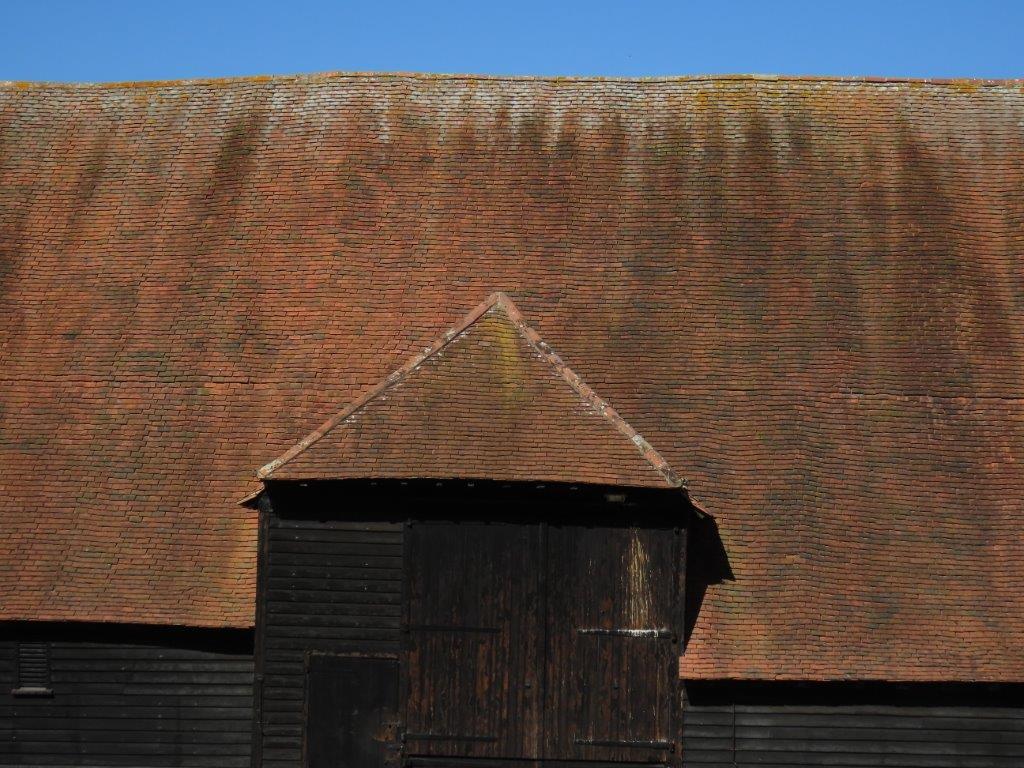
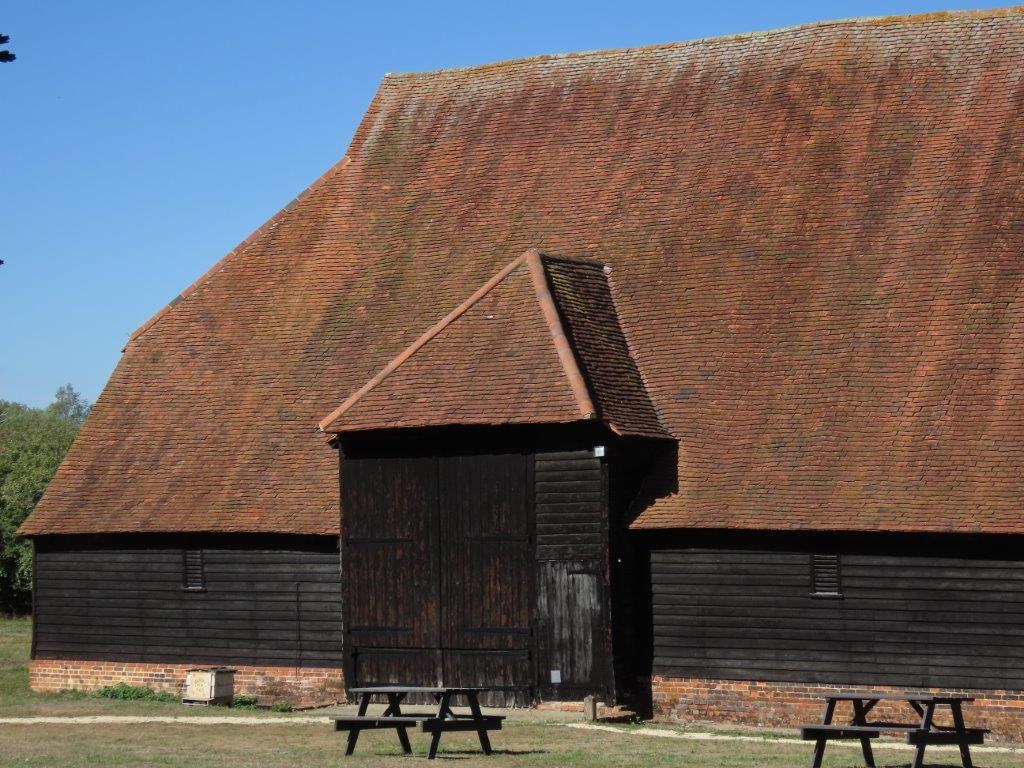
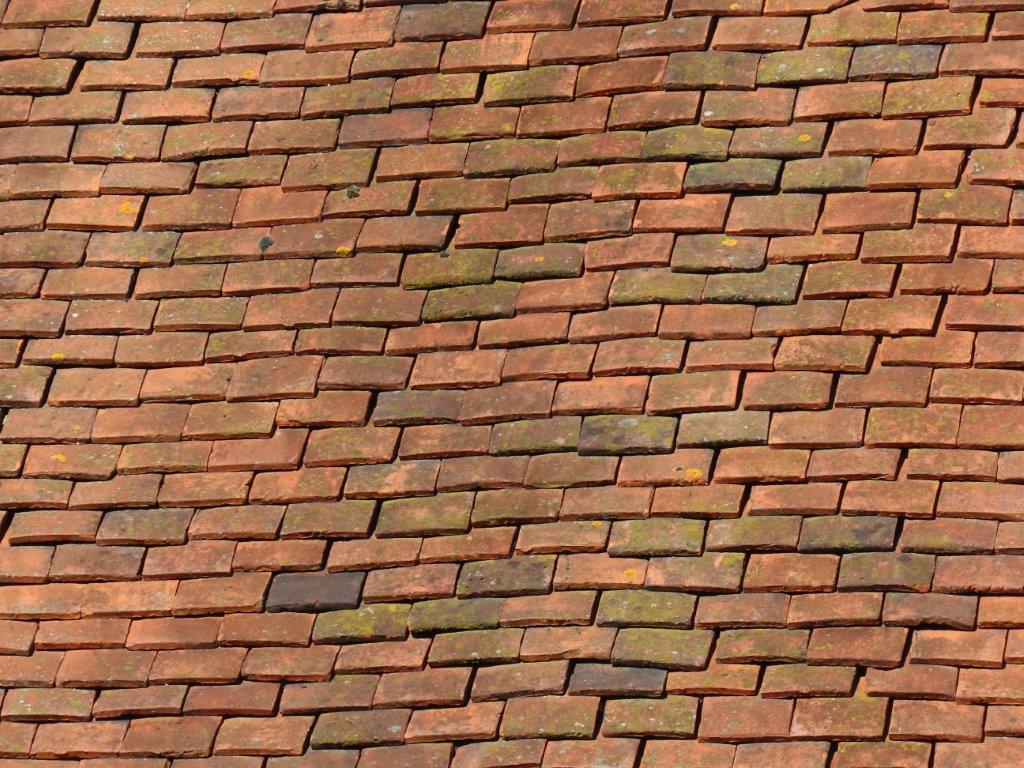
Coggeshall is known for its historic buildings. Our first stop, on the crest of the southern slopes of the valley, was one of the finest, Grange Barn. The vast timber-framed space was closed, but it is just as impressive from the outside. It was built by Cistercian monks in the 13th century to serve Coggeshall Abbey, although altered structurally a hundred or so years later. Originally thatched (probably), it now has a fine tiled roof.
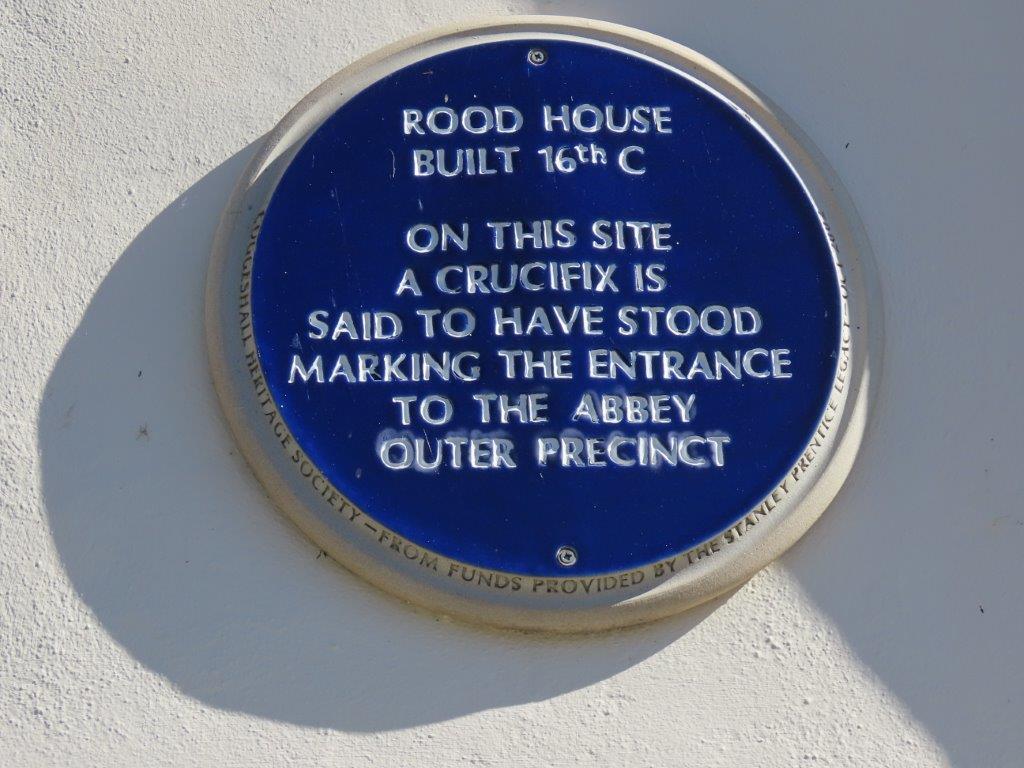
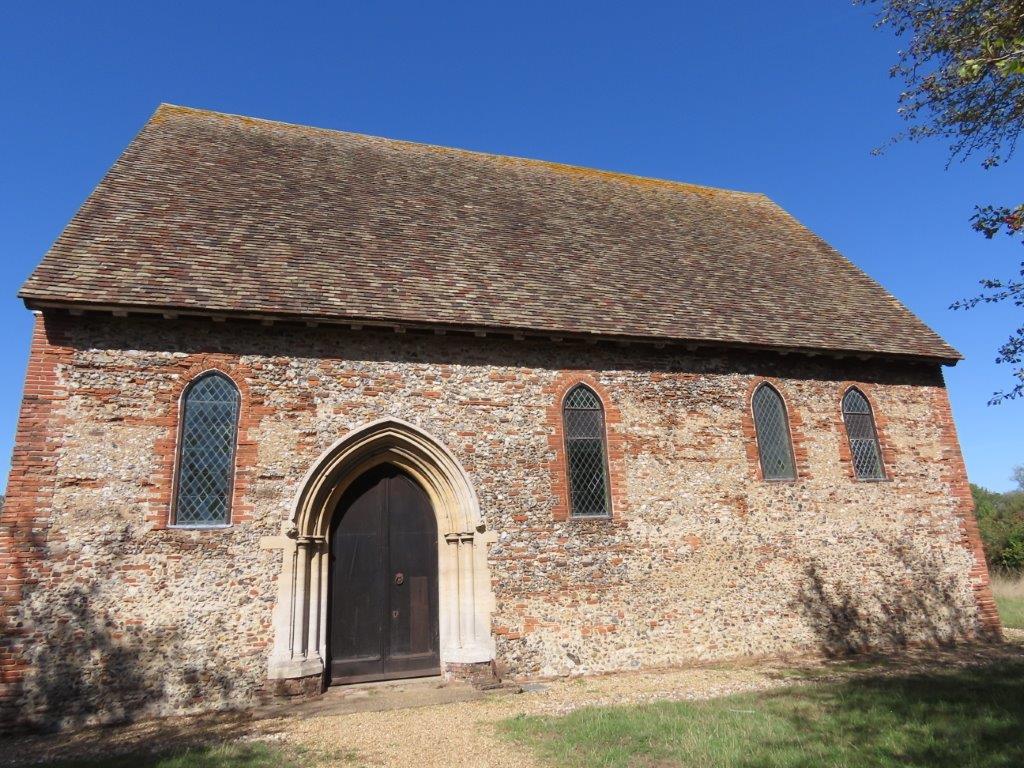
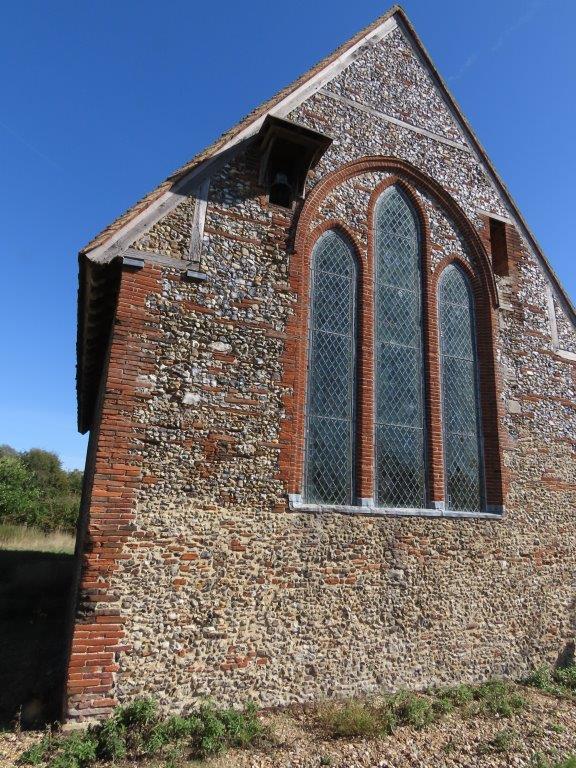
Little else remains of the Abbey, except for the memory of history and its gatehouse, St Nicholas’ Chapel.
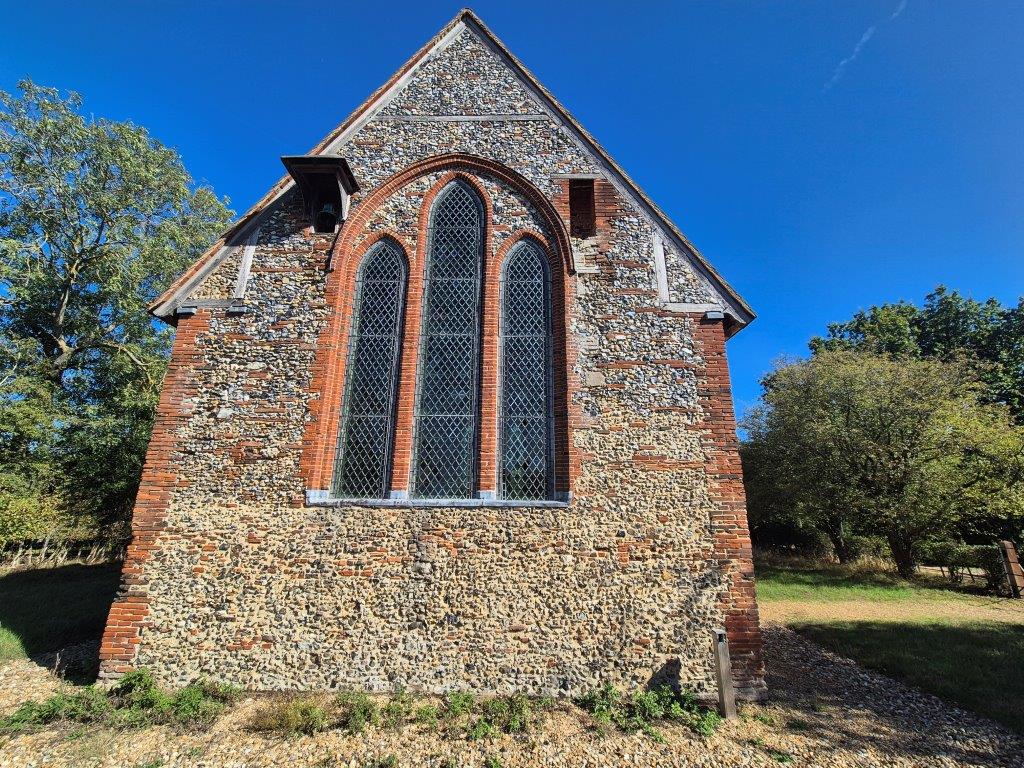
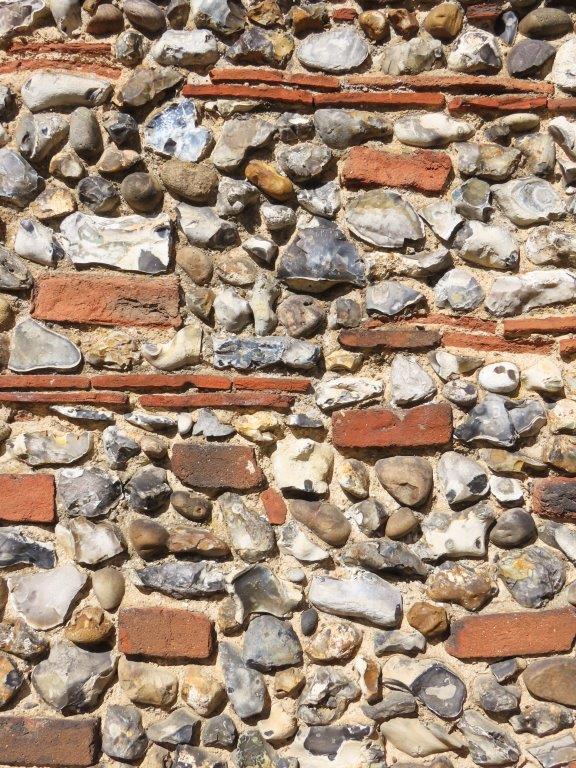
A simple rectangular building that was constructed around 1220, St Nicholas’ Chapel is considered unique because of its use of locally made brick, perhaps the earliest post-Roman brick in England. The bricks were made in the abbey’s own kilns and they show a distinctive blackish core.
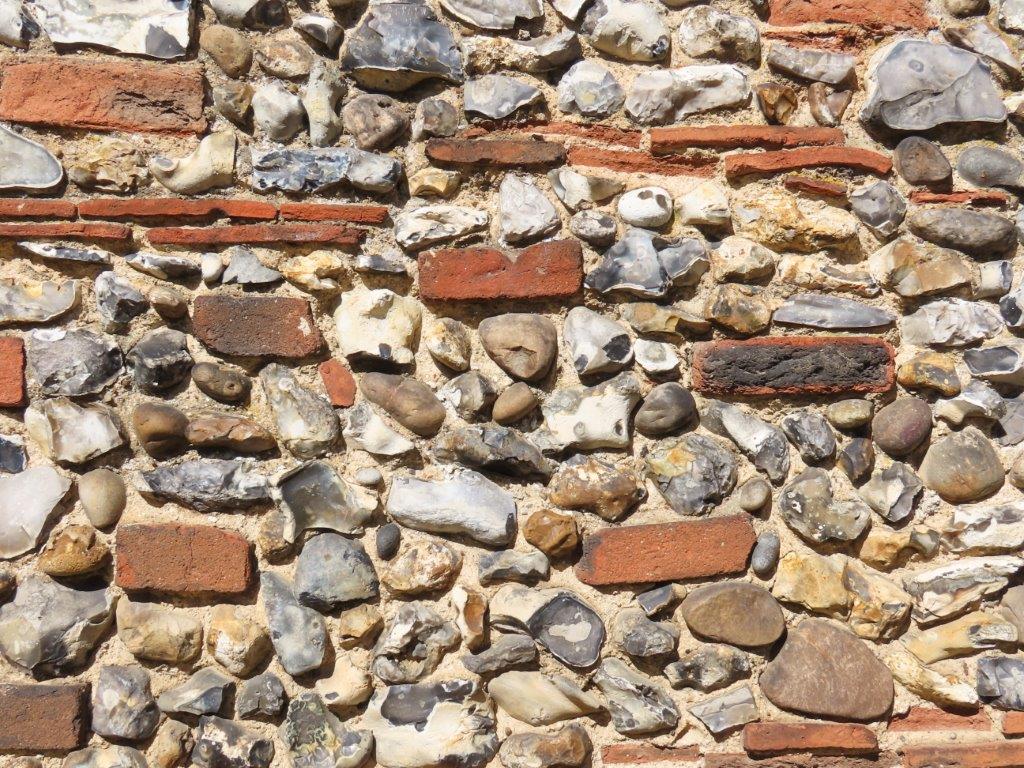
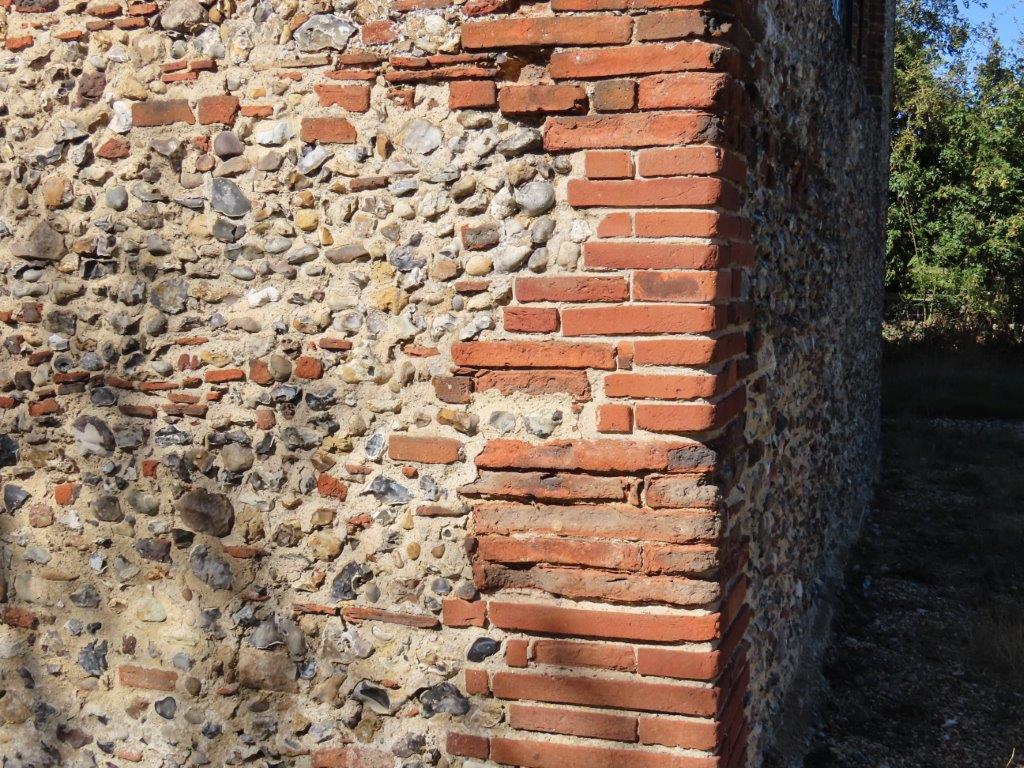
Following its dissolution in 1538 the chapel was used as a barn and eventually fell into serious disrepair, until it was restored in the mid-19th century.
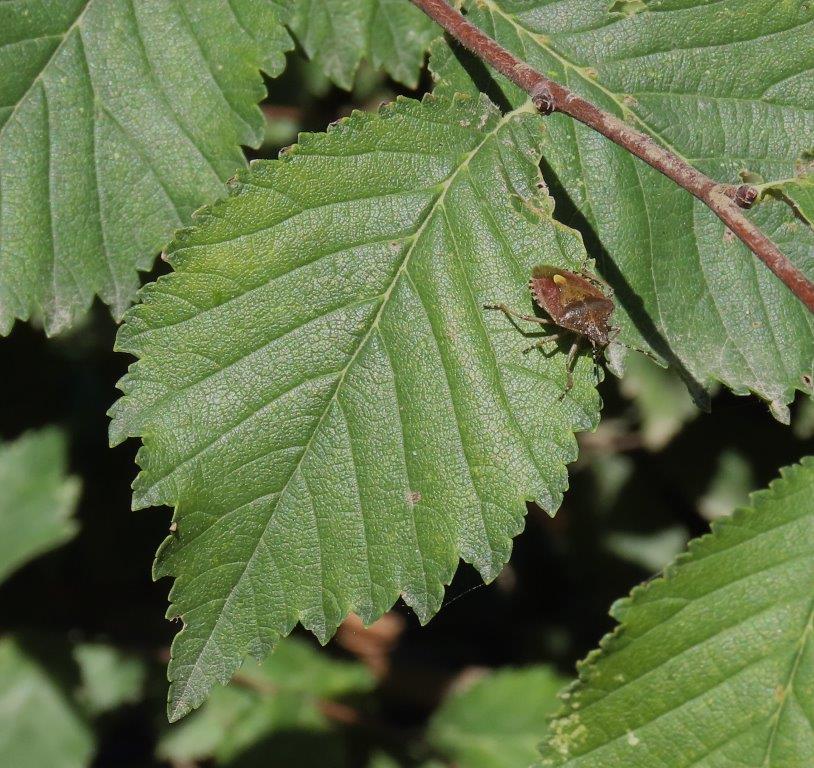
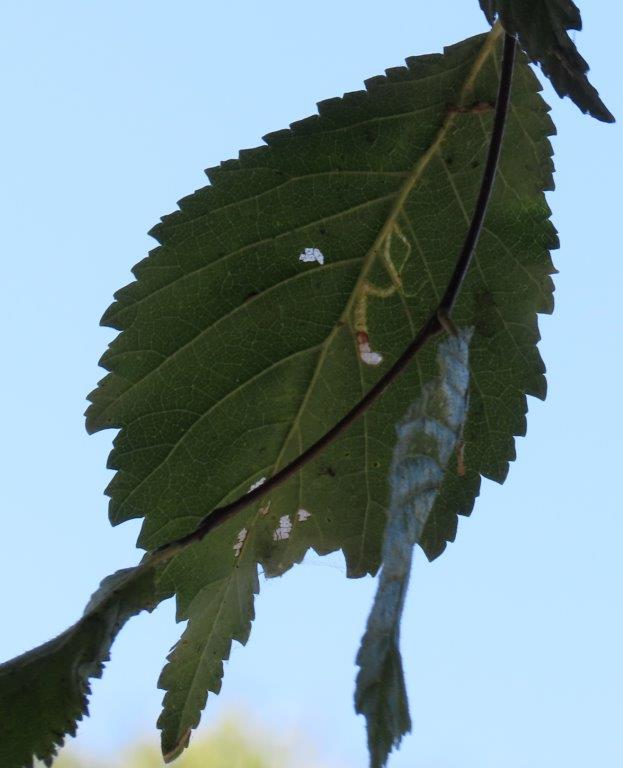
The hedges along Abbey Lane were full of insect activity in the warm sun. Although the original trees have disappeared due to Dutch Elm Disease, many suckering Small-leaved Elms provided leaves for basking Hairy Shieldbugs and leaf mines of the micromoth Stigmella ulmivora, here showing the exit hole on the underside of the leaf, a feature that distinguishes it from some related, similar leaf mining species..
Hawthorn too, in fine fruit, awaiting the arrival of the winter thrushes…
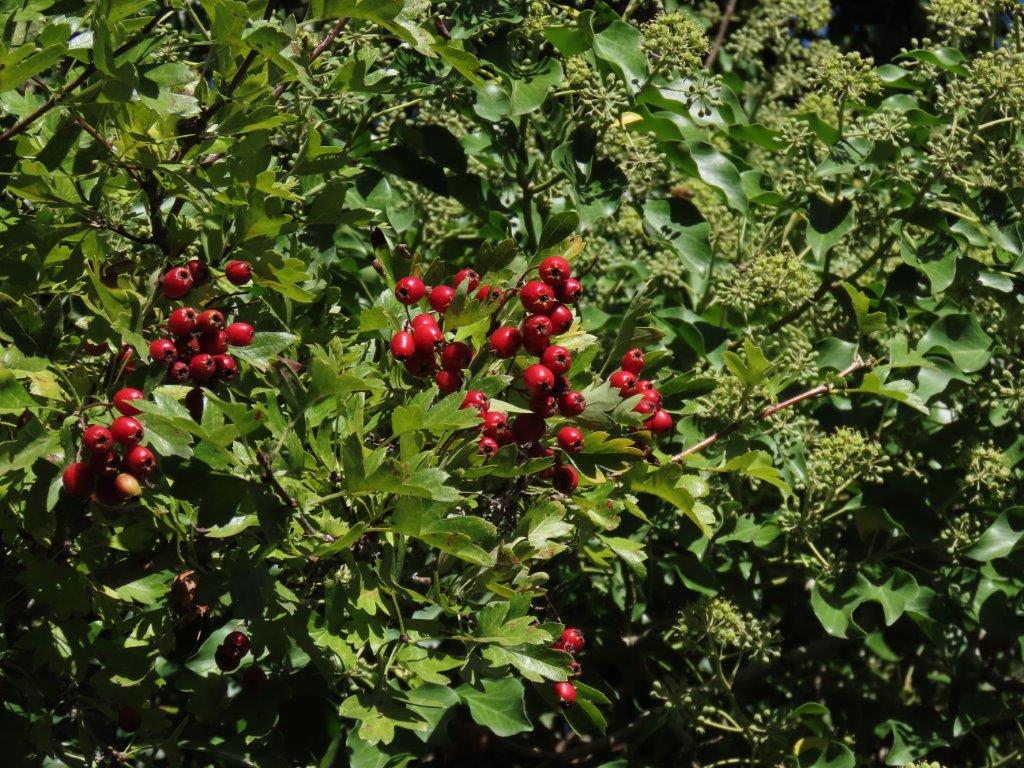
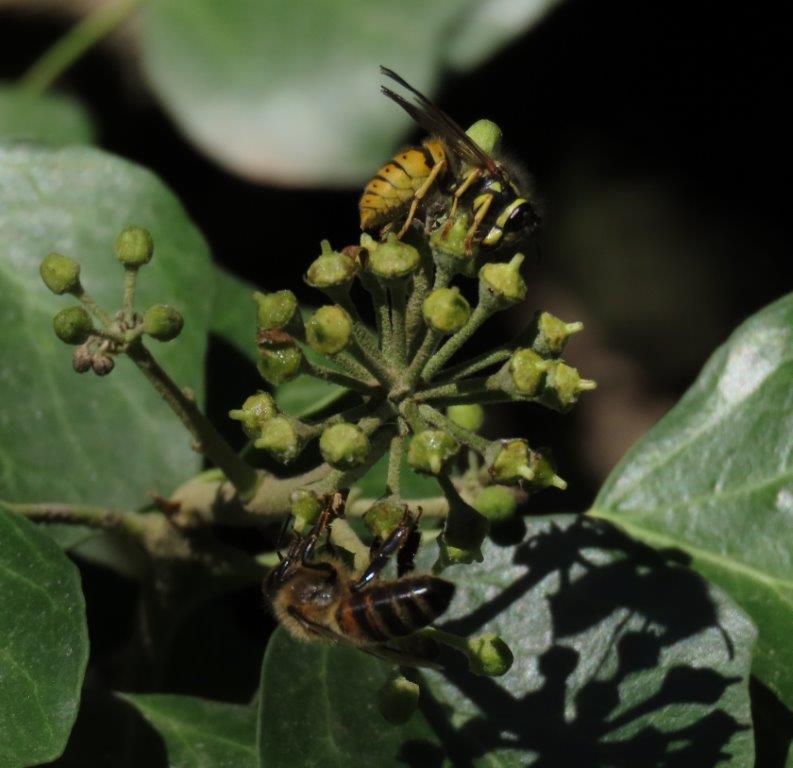
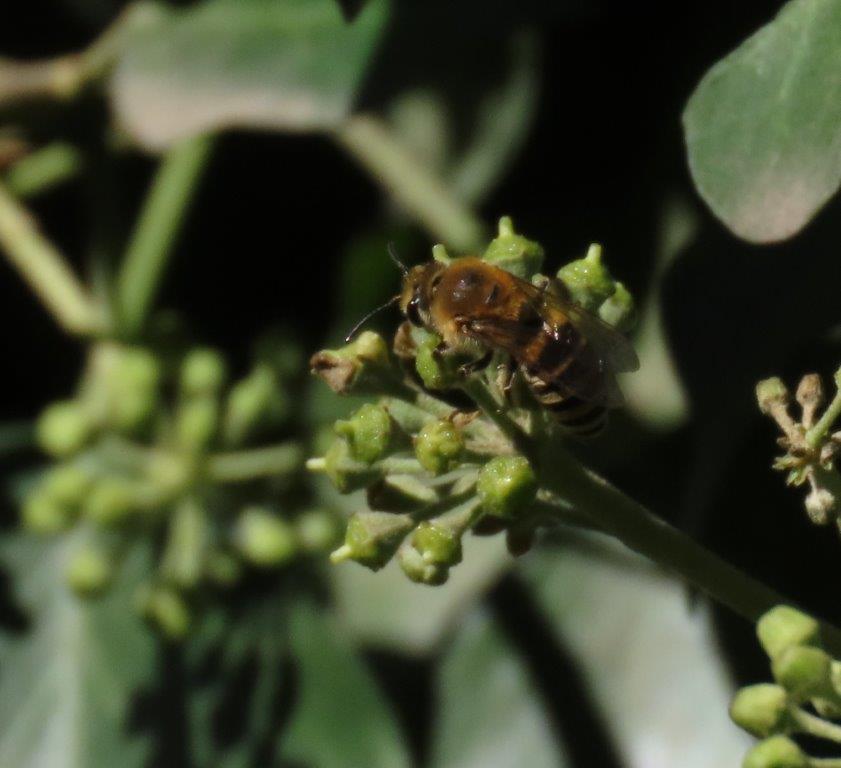
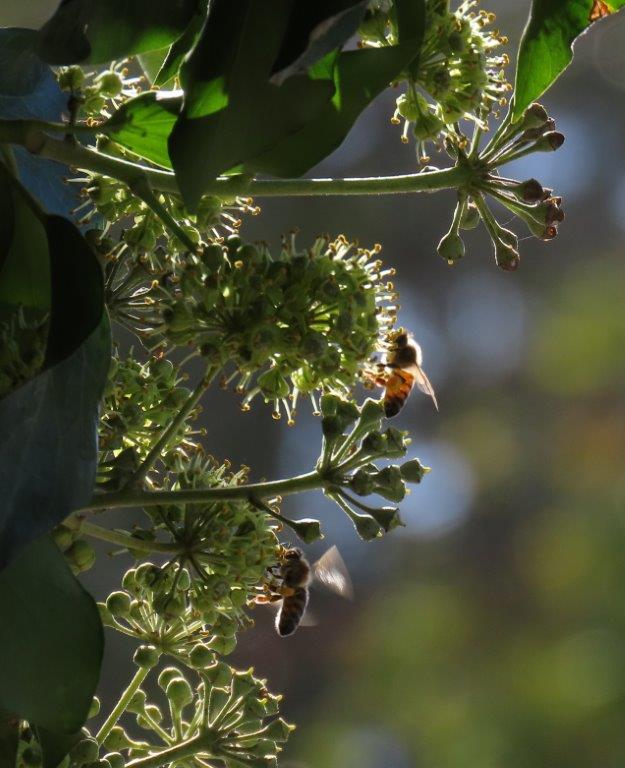
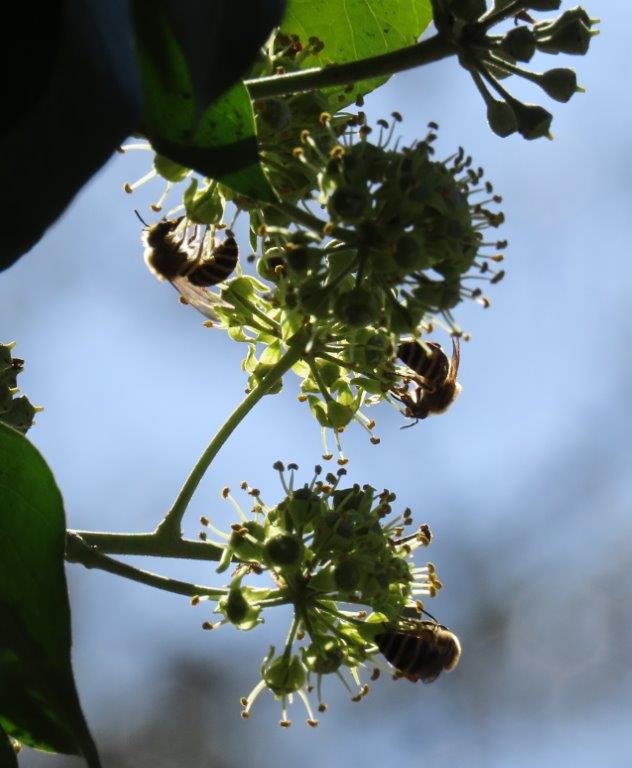
And then of course Ivy, now at its flowering peak, abuzz with Ivy Bees, Honeybees, Common Wasps and and a whole lot more.
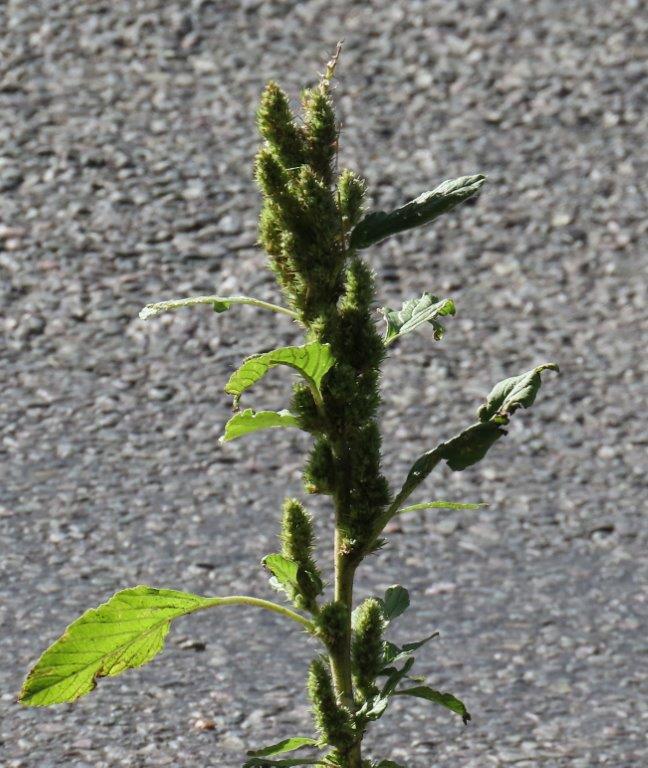
The road verges also produced an interesting abundance of Pigweed Amaranthus sp. presumably spilt from agricultural machinery on its way to sow a green cover crop.
Back in the town was Paycocke’s House, like Grange Barn now in the care of the National Trust, and a great place for tea and ice cream in the peaceful surroundings of the garden, laid out in the Arts and Crafts style.
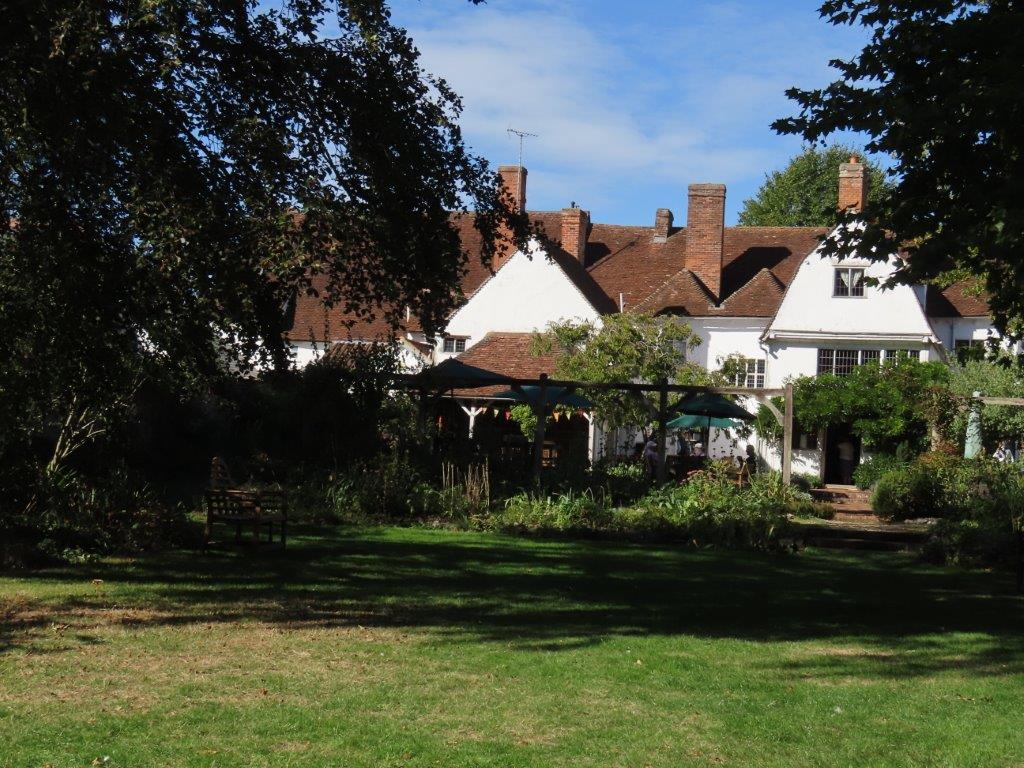
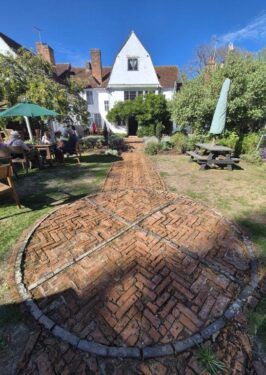
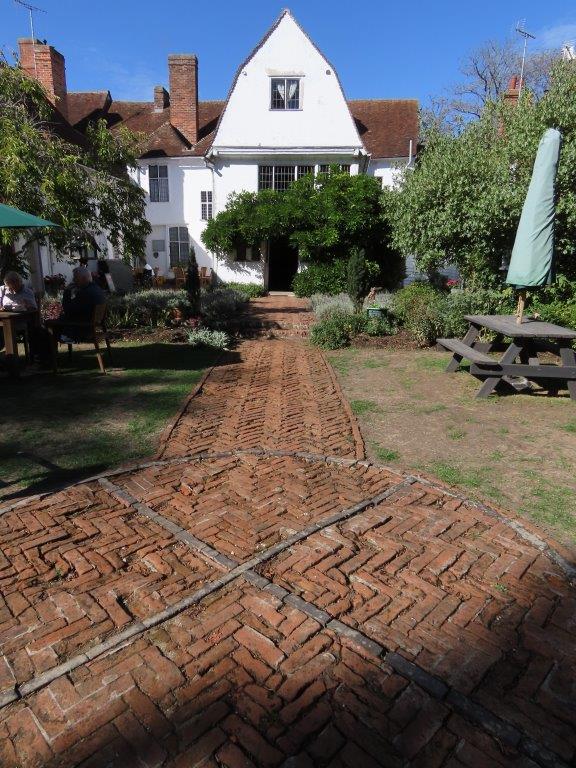
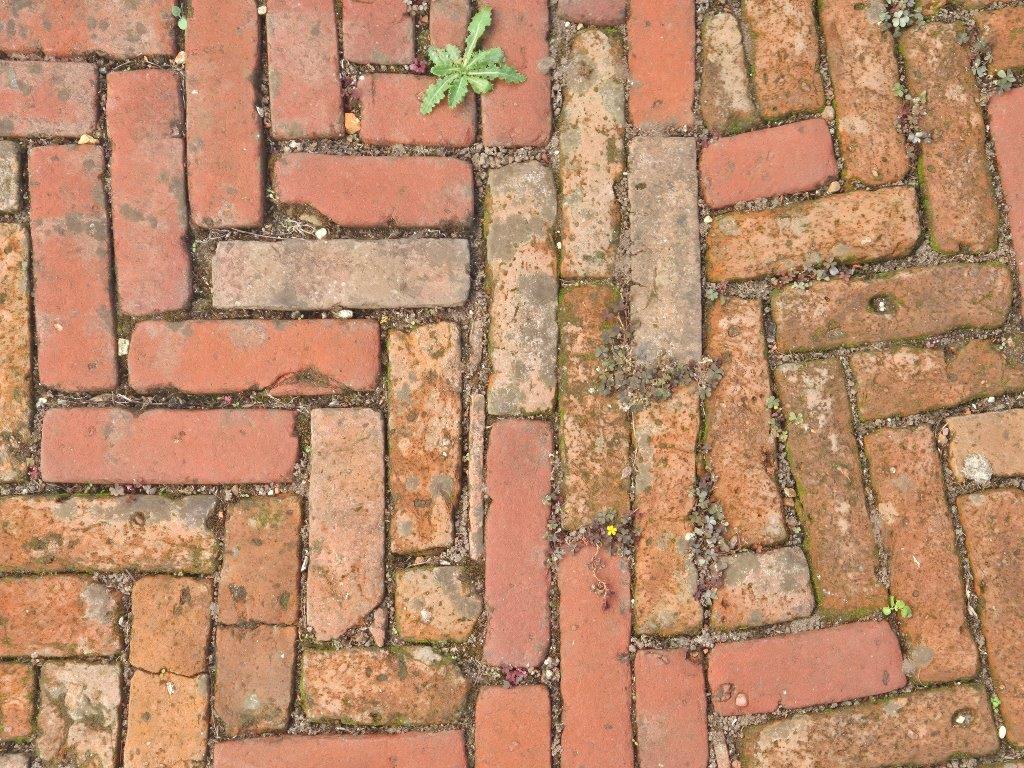
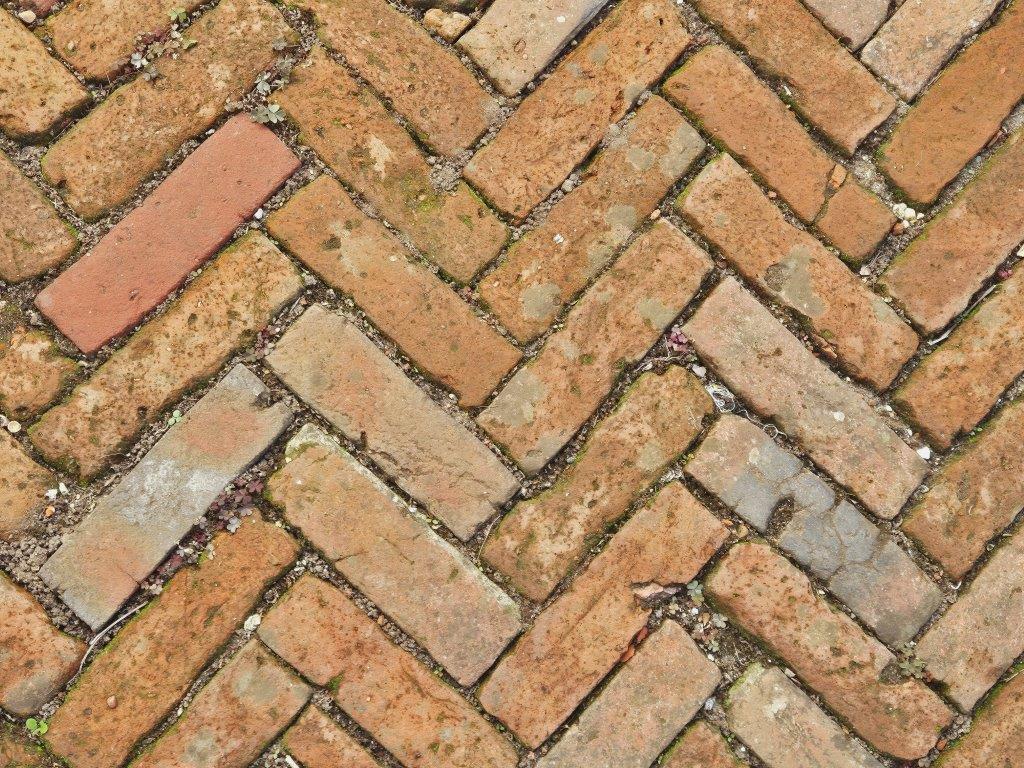
The site of the gardens and the mediaeval core of the house was originally industrial, used by Thomas Paycocke and other merchants for processing wool and turning it into cloth.
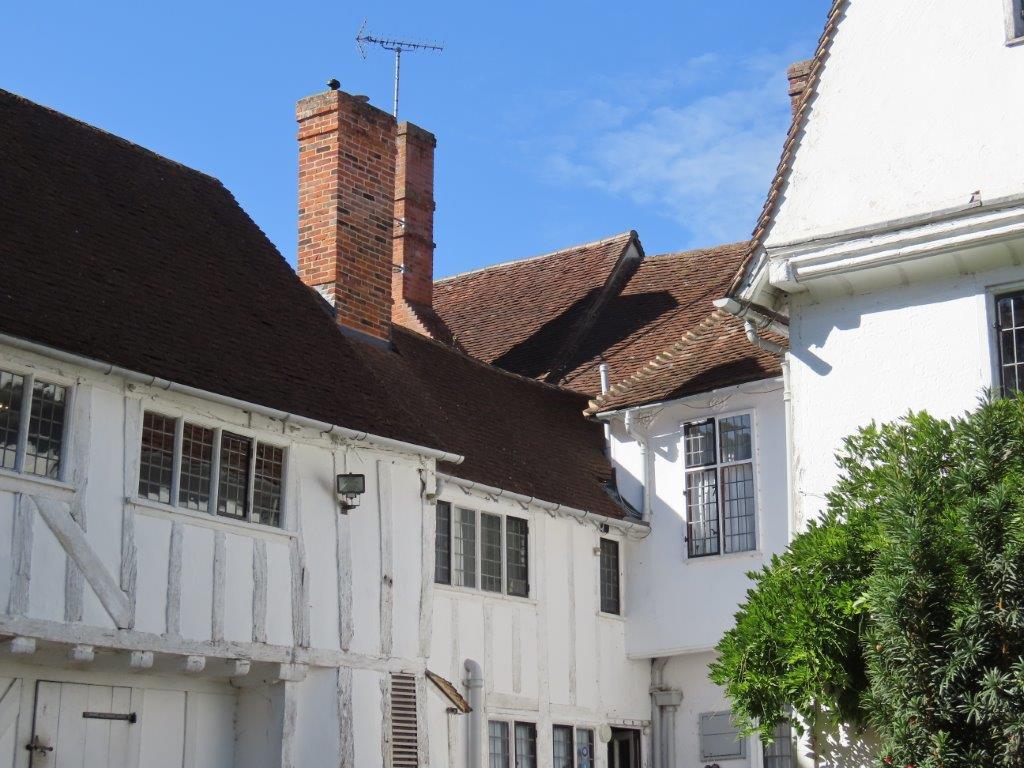
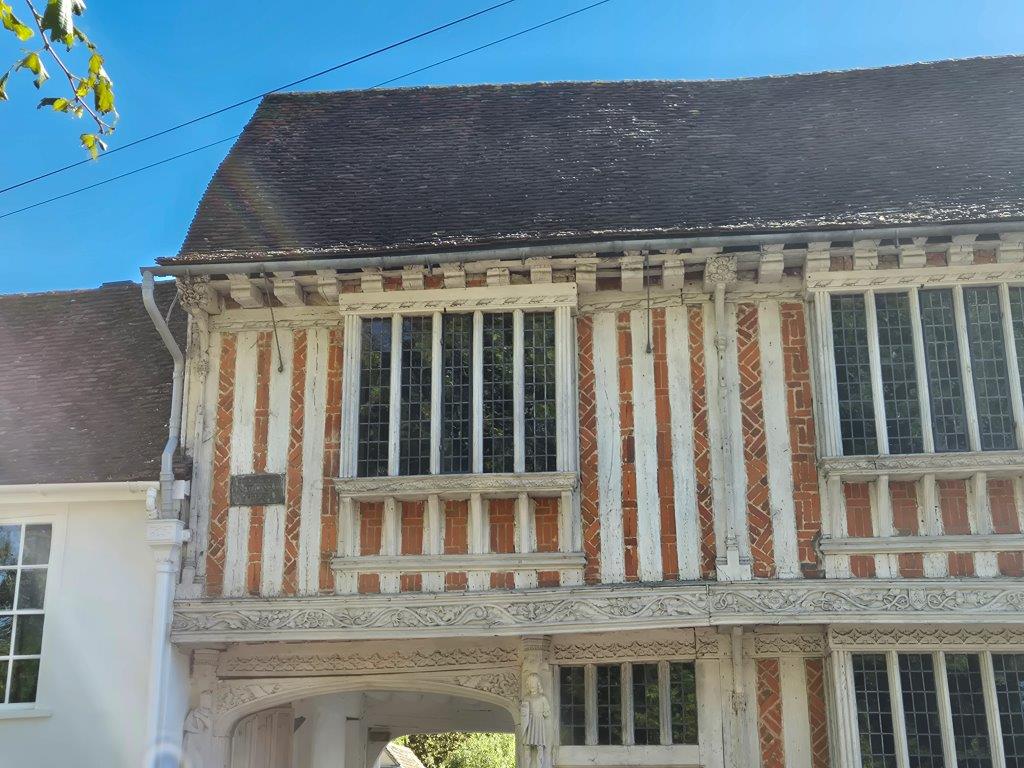
Additions to the Great Hall were made to accommodate Paycocke’s home in the early 1500s; the intricate detailing of its exterior is indicative of his wealth as a successful businessman, a status symbol for all to appreciate.
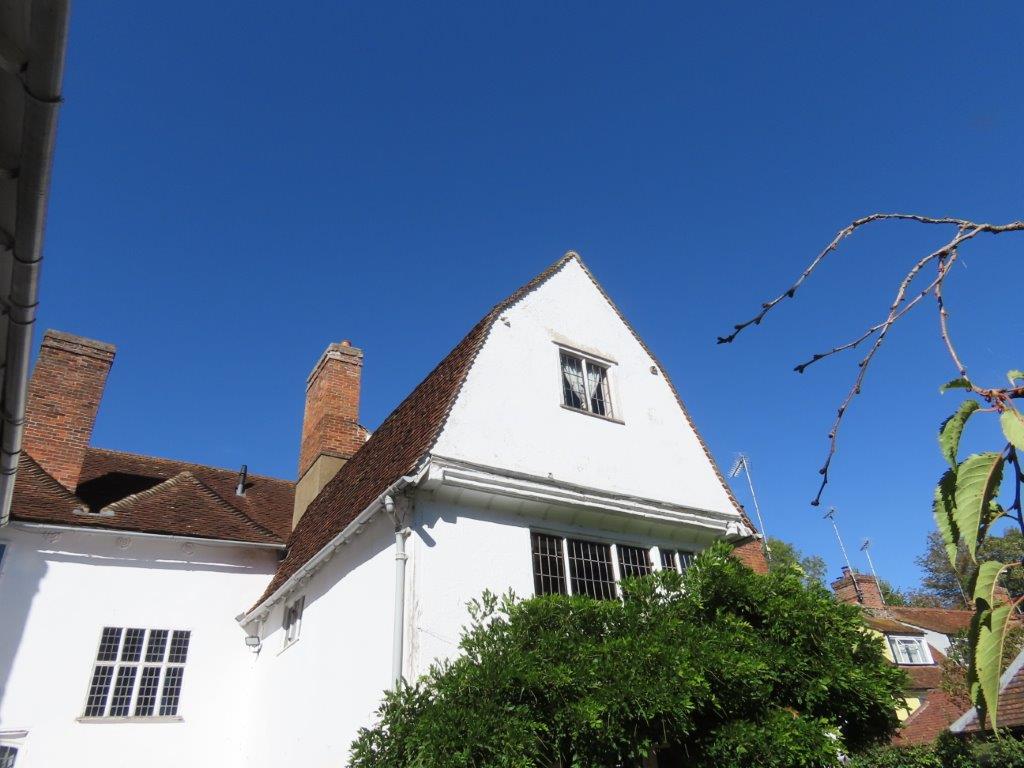
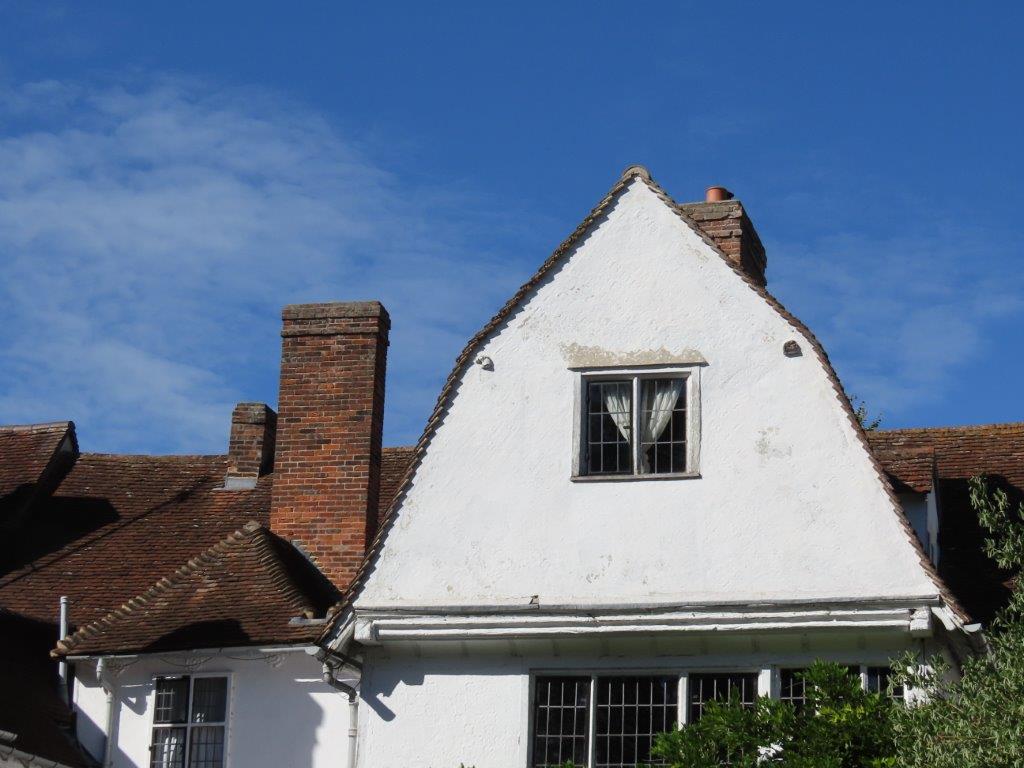
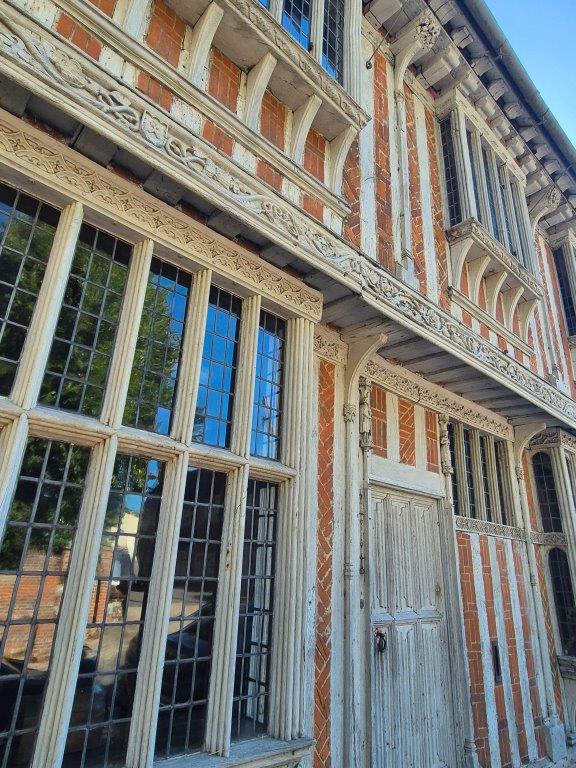
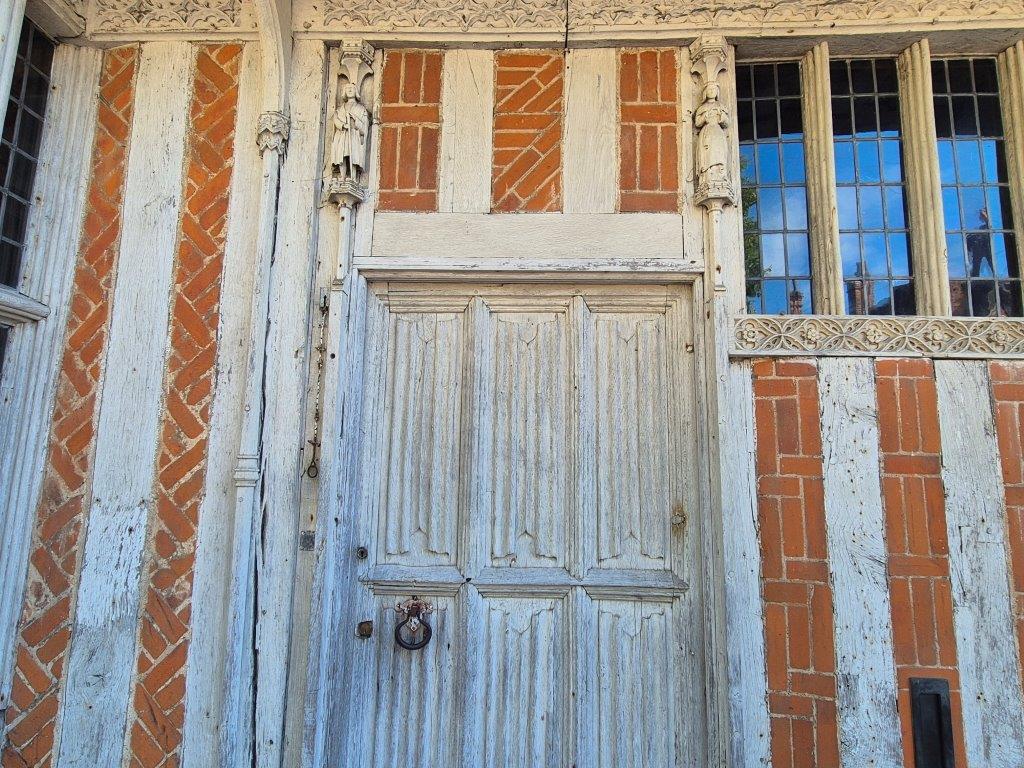
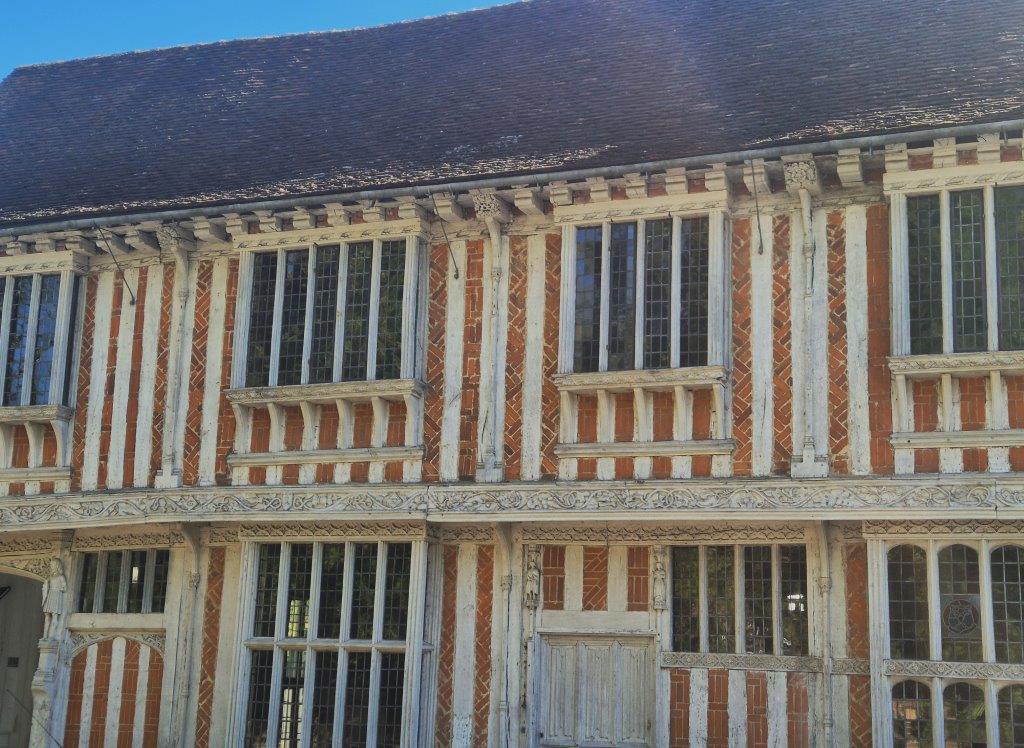
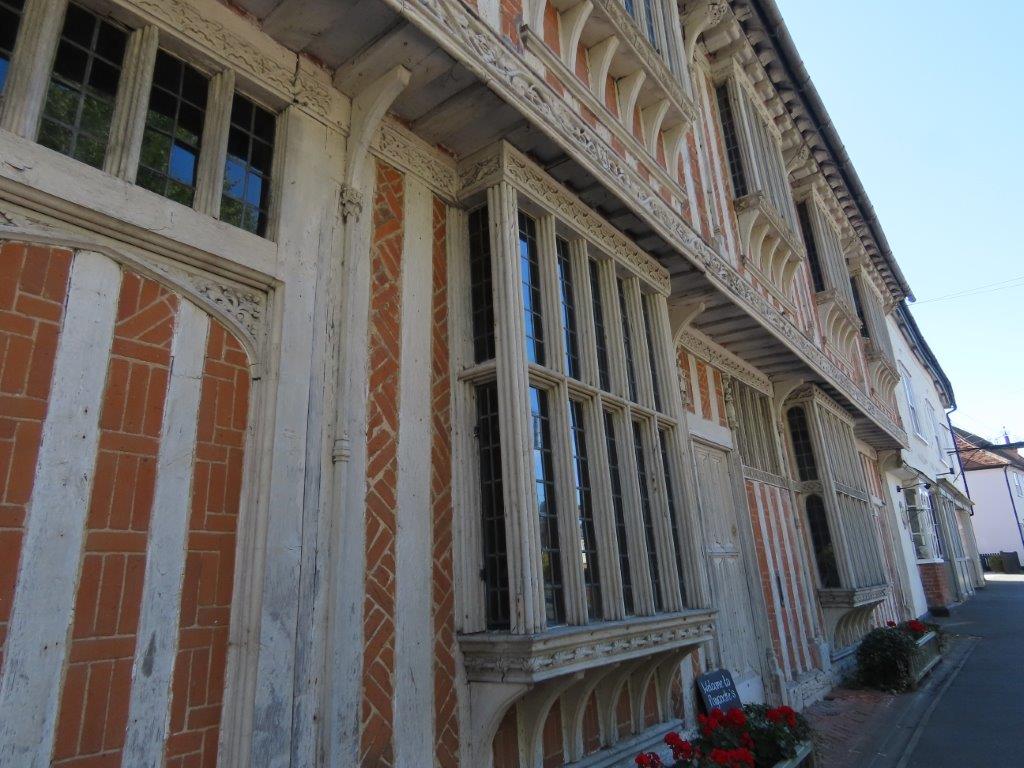
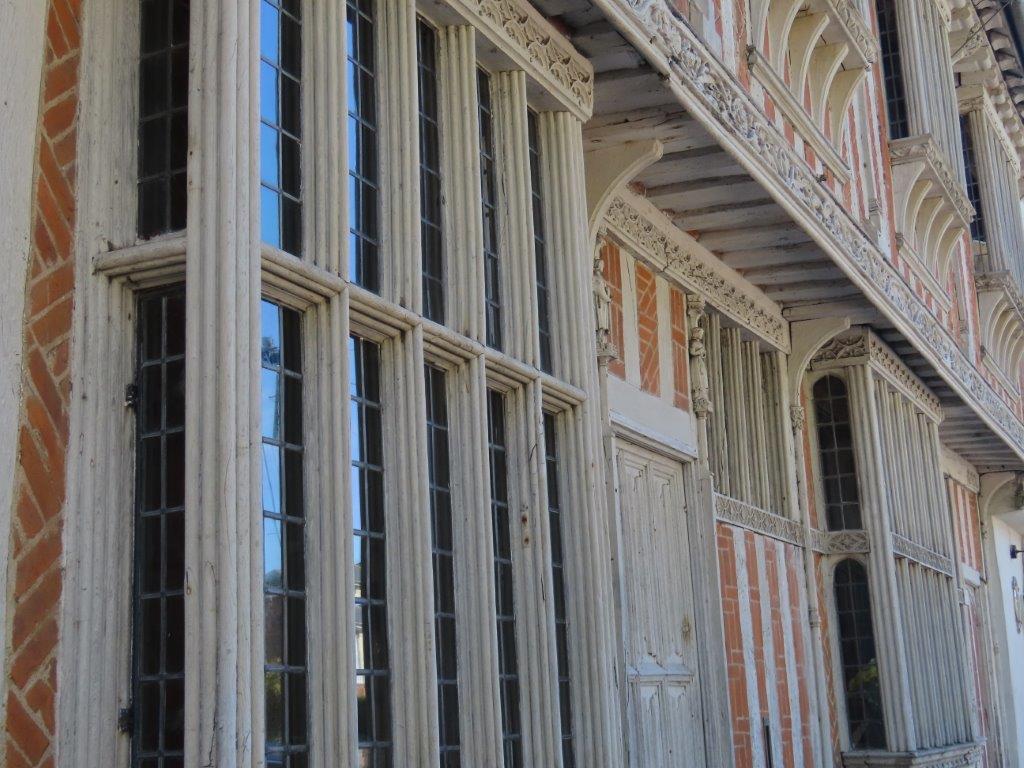
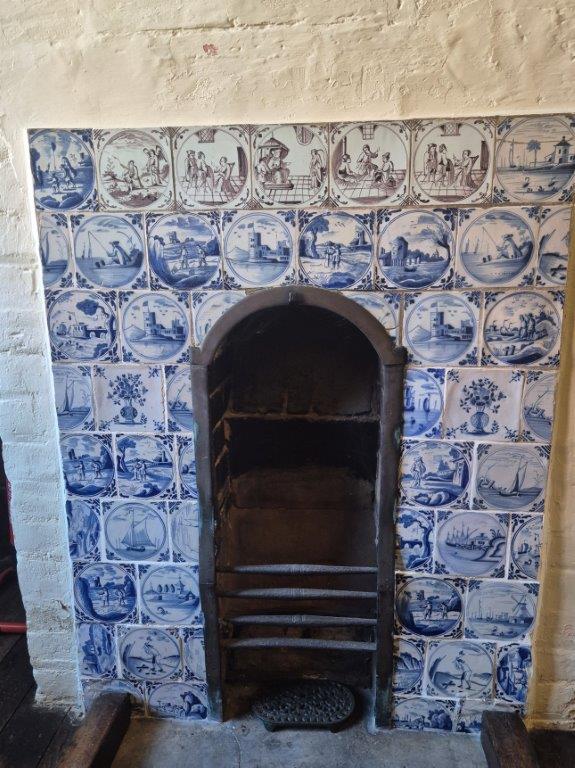
We didn’t venture far inside the house, just enough to see the timber-frame construction and a fire-surround of classic Delft tiles that highlight the working links between here and the Low Countries, times when we looked towards rather than away from our nearest international trading partners.
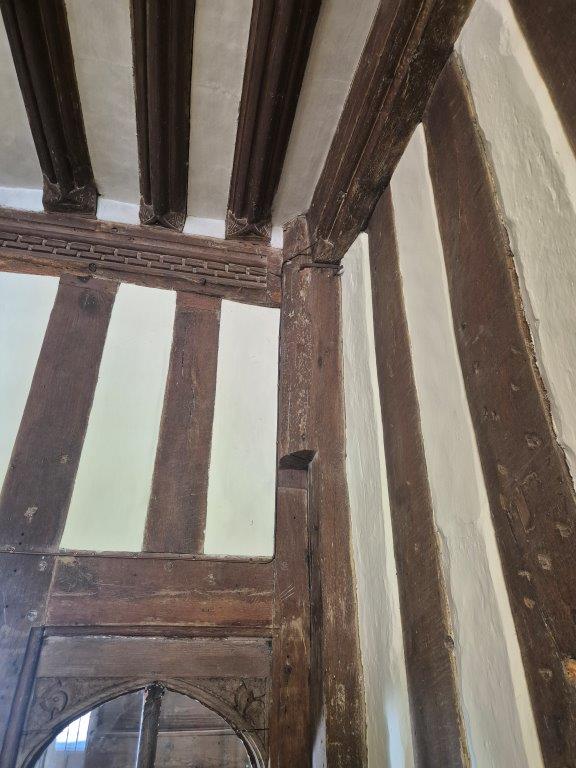
After the Paycocke lineage died out in 1584, the house was bought by the Buxton family who later divided it into three smaller cottages and sold them off. But that was not the end of the family’s influence on the building. Over the centuries it fell into disrepair and it was almost demolished in the 19th century, until rescued and restored by Lord Noel Buxton. Bucking the trend of many ‘gifts to the future’ of the wealthy, the Buxton family was not tainted with links to slavery: indeed, Noel Buxton’s great-grandfather was Thomas Buxton, the noted Abolitionist, whose credentials were further burnished by his appointment as the first chairman of what was to become the RSPCA.
But these impressive buildings are simply some of the highlights of many, as we discovered while wandering through the streets. Coggeshall contains 241 listed buildings of which eight are grade I and 13 are grade II*, the highest categories of significance. Many were built as residential properties…
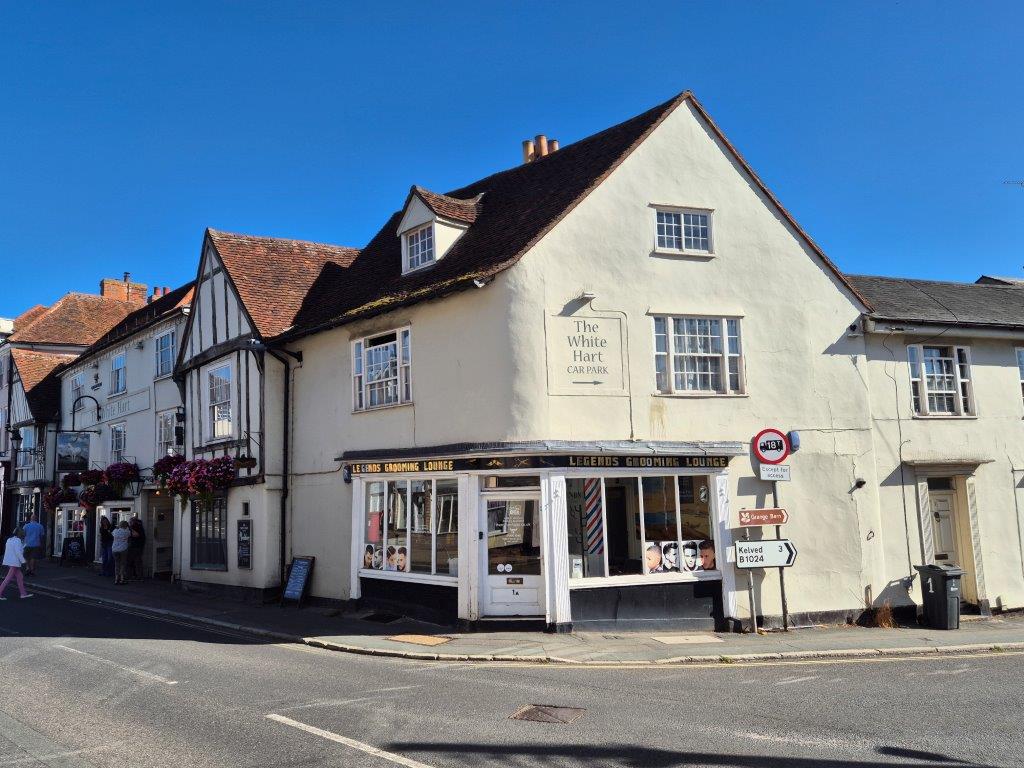
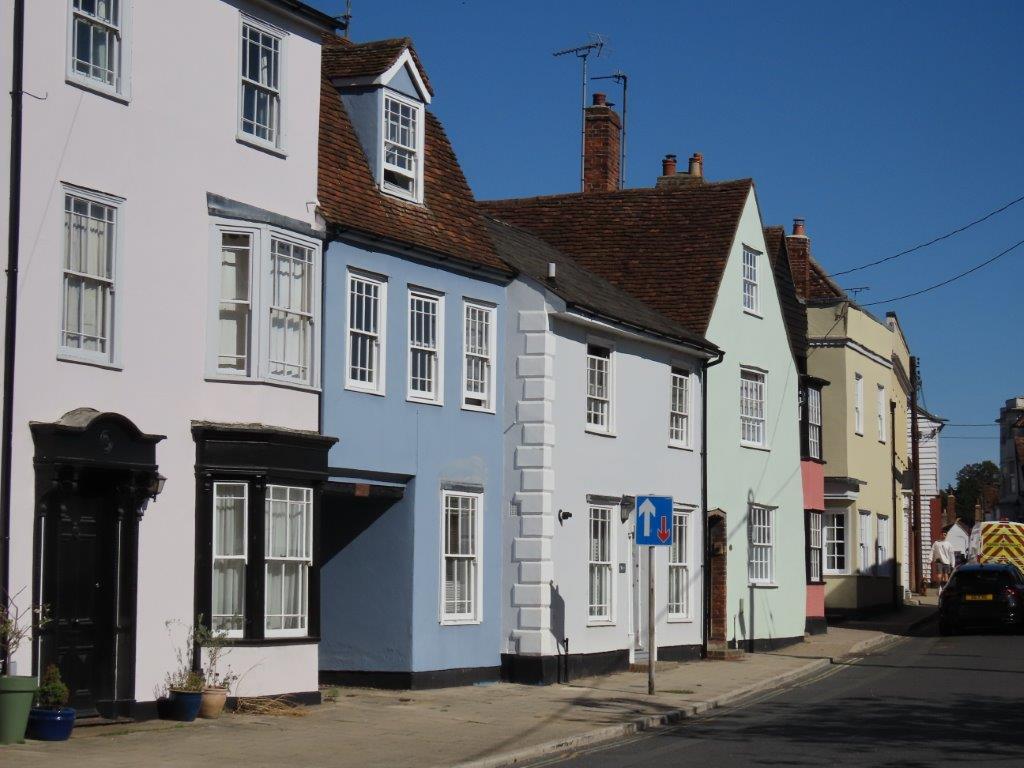
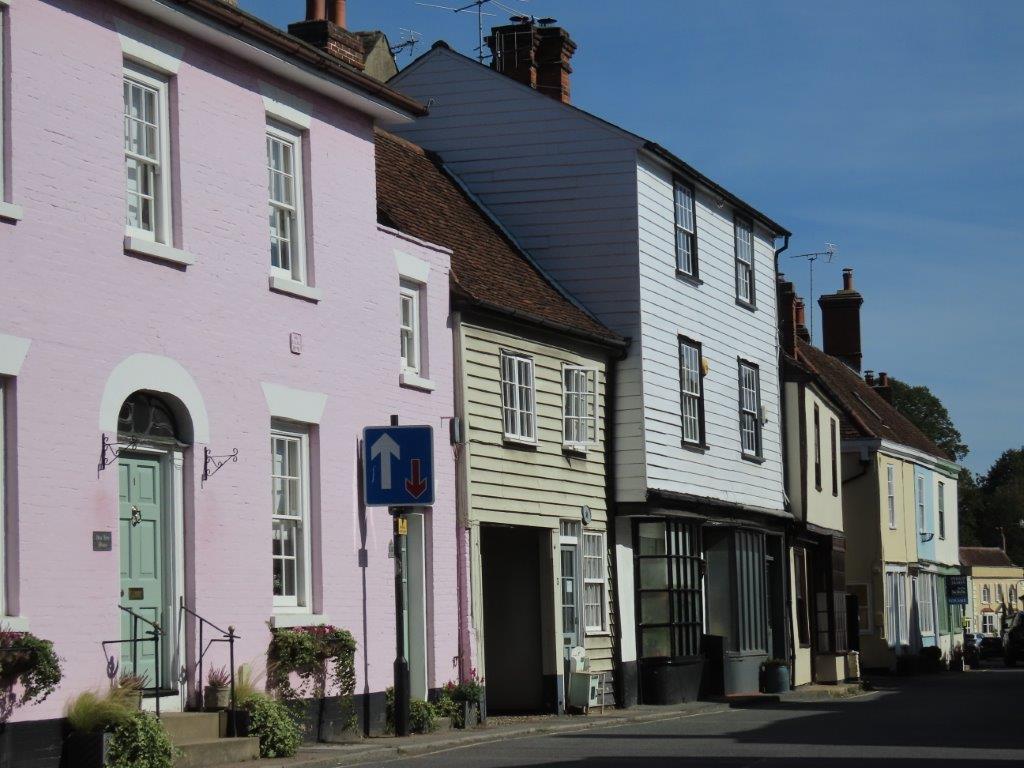
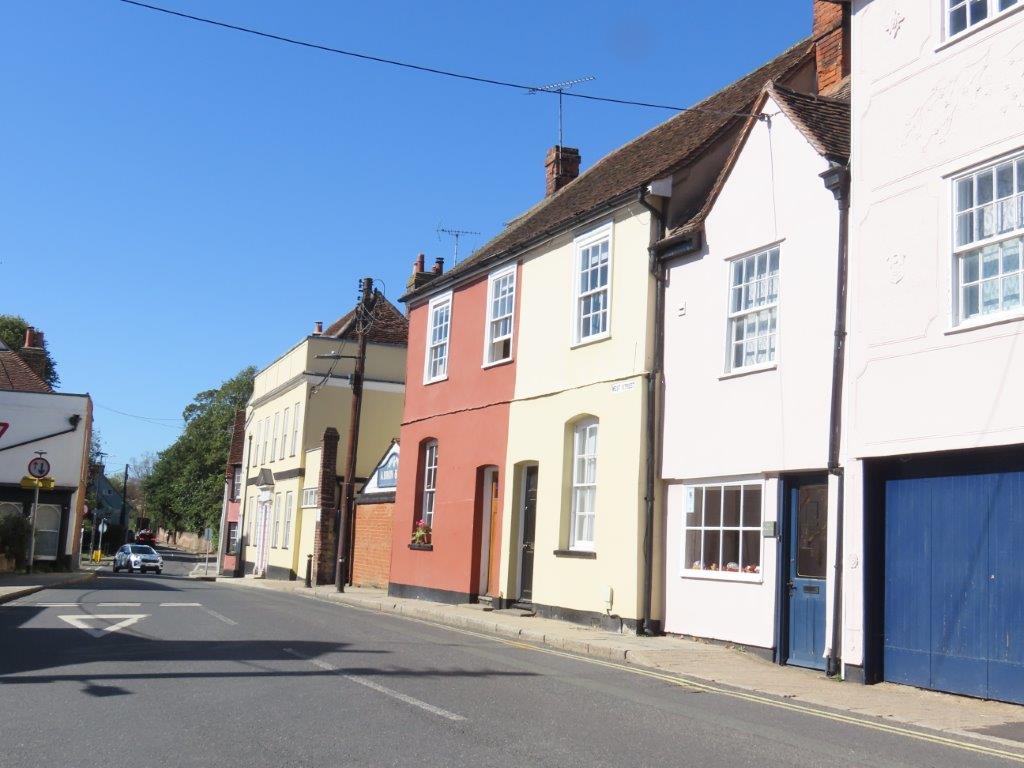
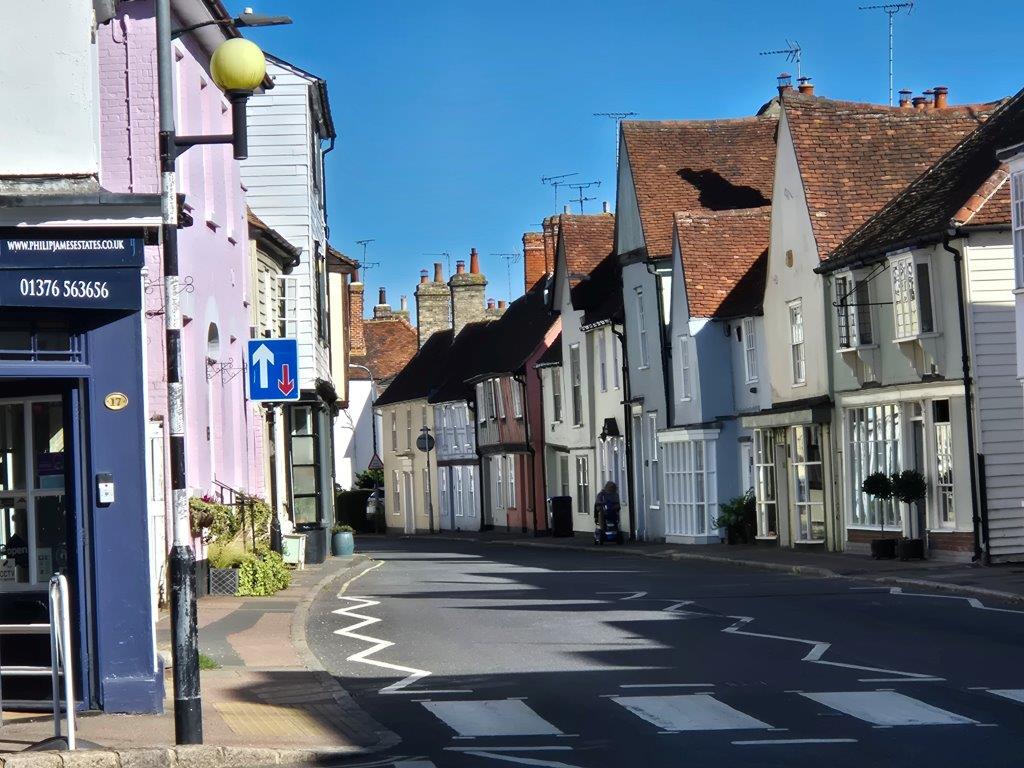
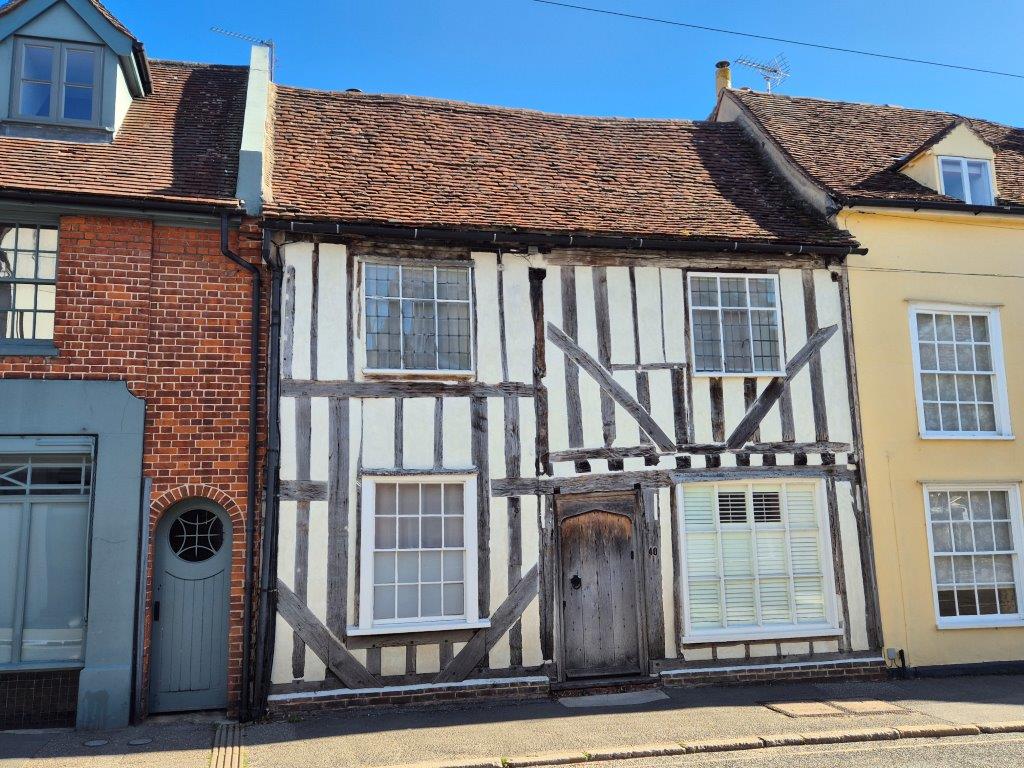
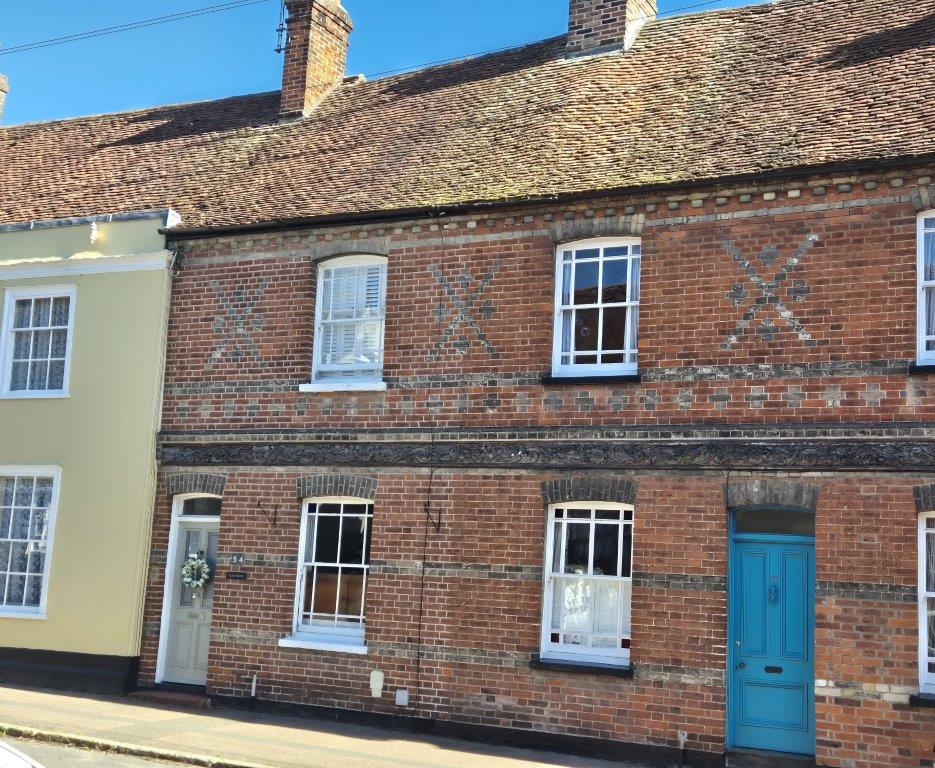
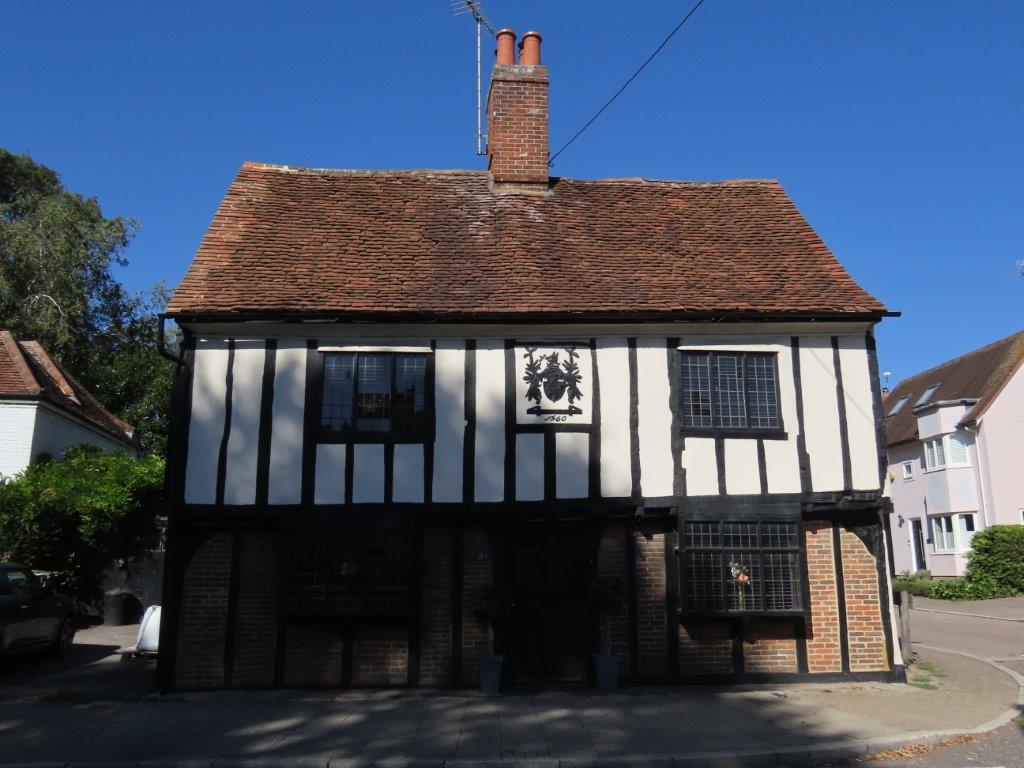
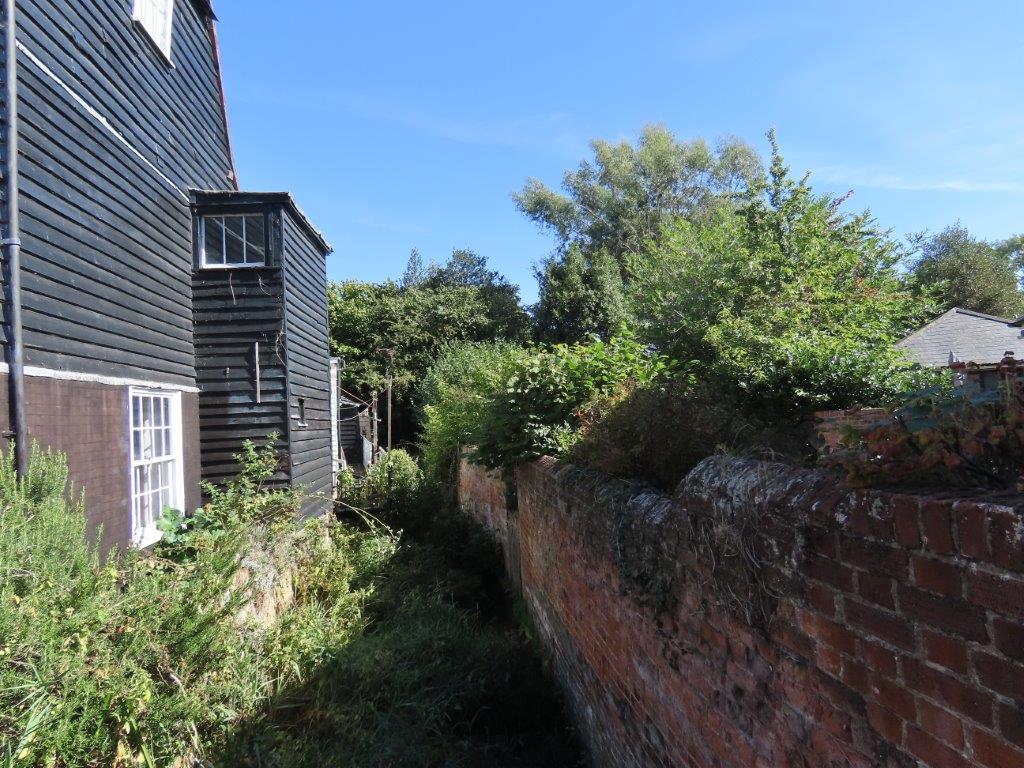
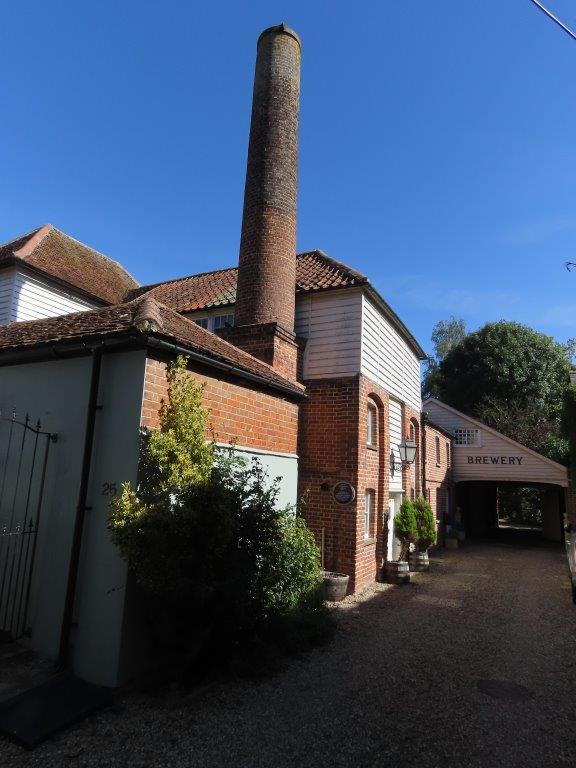
… but there are signs of former industry too in the form of river channels that could power mills and breweries, one of which reopened as the Red Fox brewery in 2008.
And then right in the centre the iconic clock tower, built to celebrate Queen Victoria’s jubilee in 1887; its associated house was at one point a school for the poor children of the town with later iterations as a tearoom, bakery and cocktail bar. Some more of the delights to explore in the future!
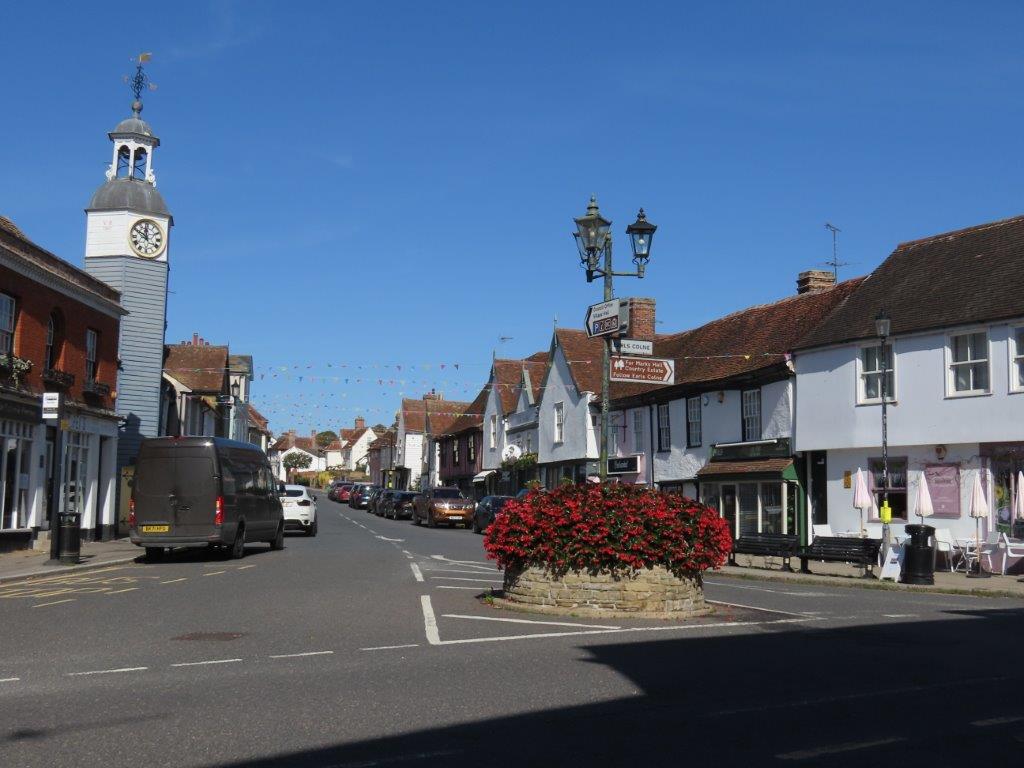
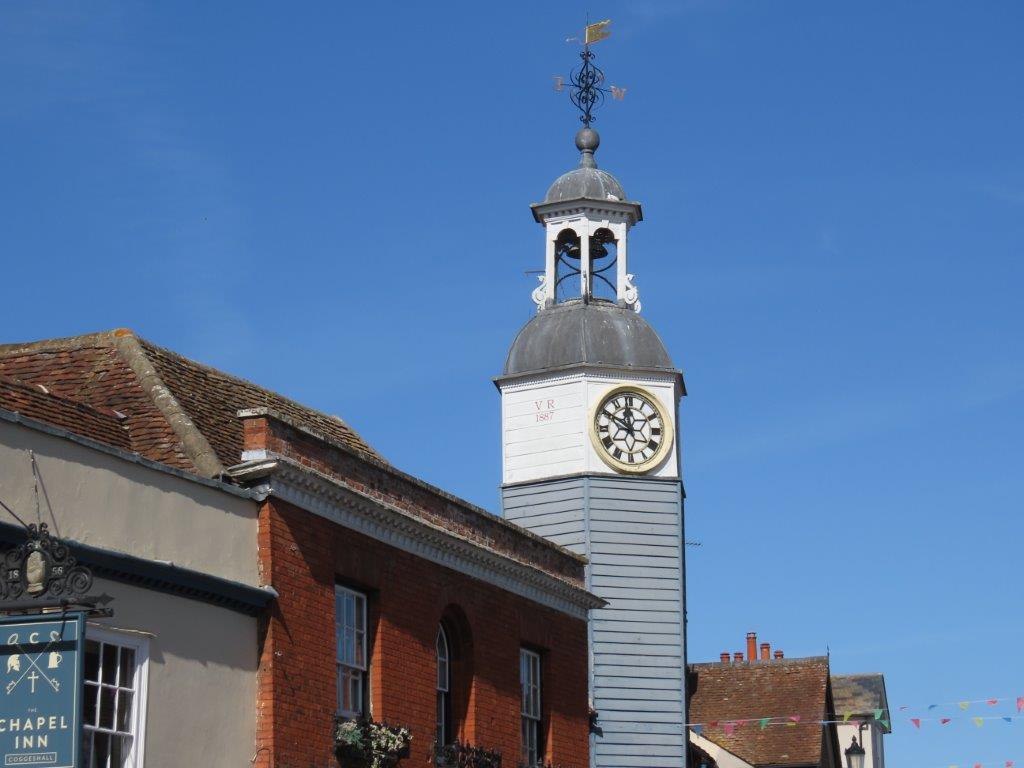
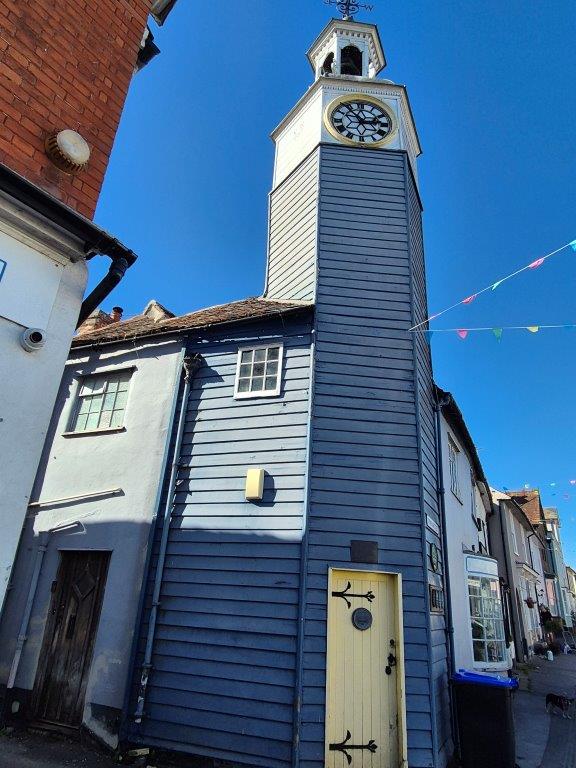
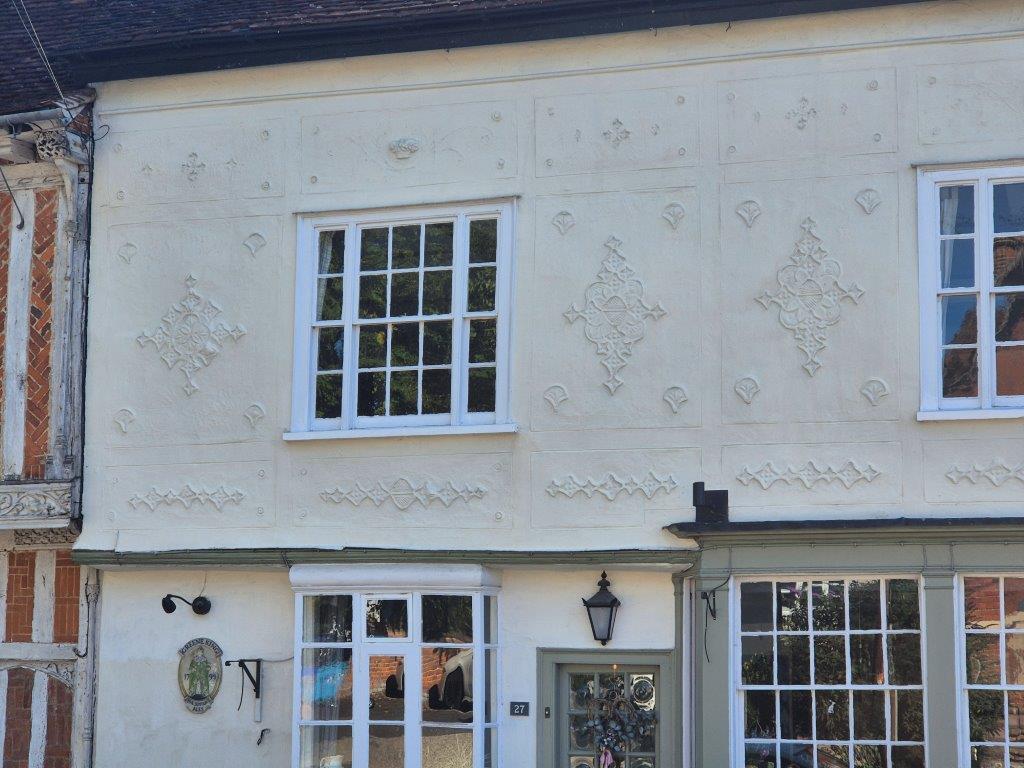
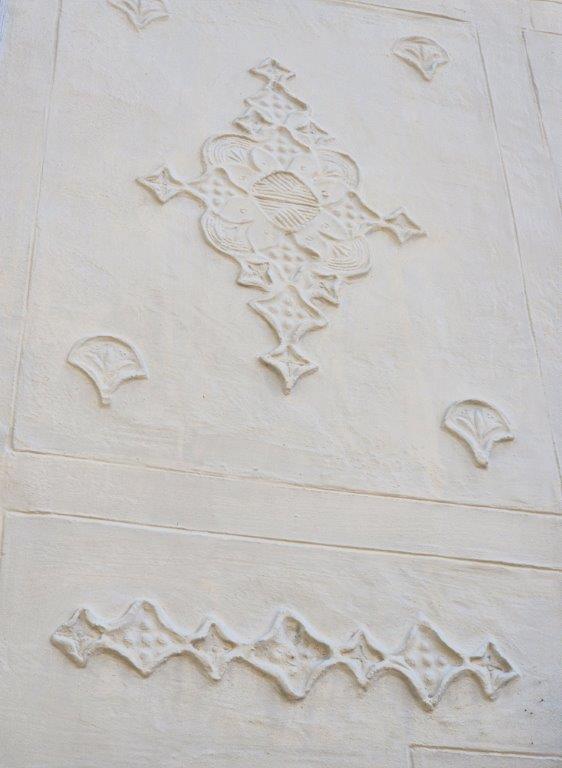
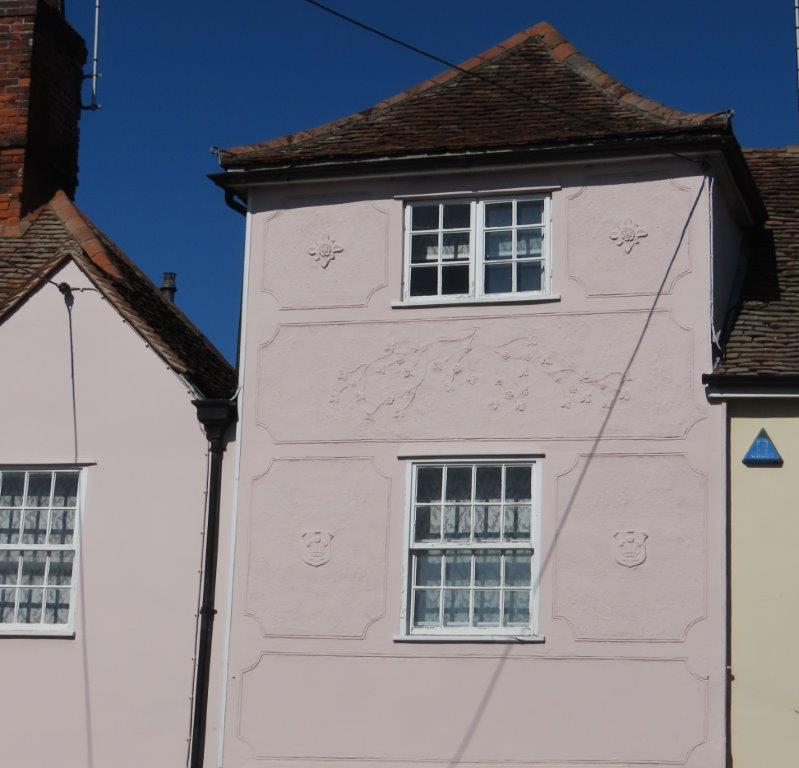
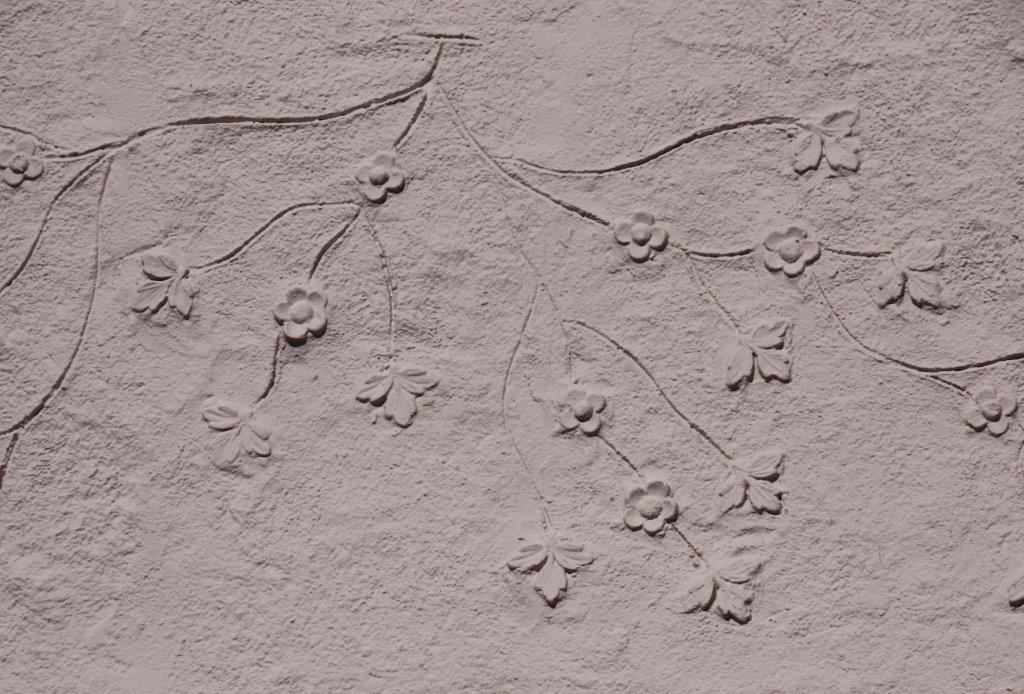
Everywhere, interesting features of some of the buildings included the brick chimneys and pargetting, decorative moulded plaster work that is so characteristic of north Essex and Suffolk, kept my camera fully occupied:
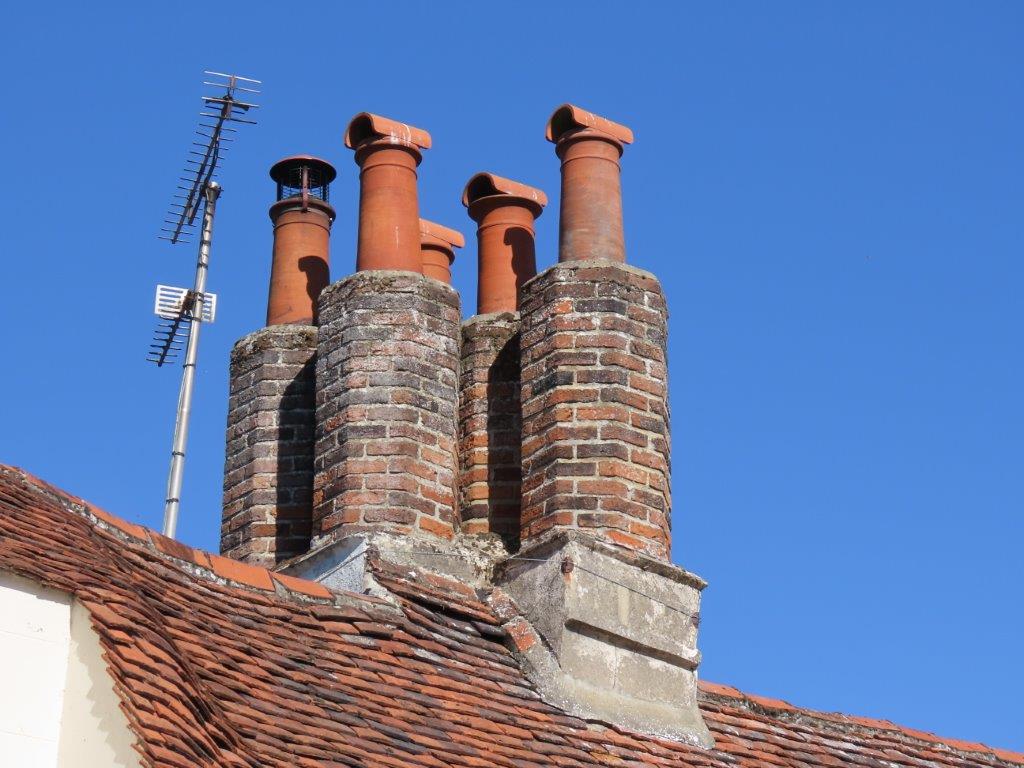
Finally to the church, briefly, as the bus was on its way. St Peter ad Vincula (‘St Peter in chains’) is one of the outsized churches built on the wealth of the historic wool trade. On the site of previous Saxon and Norman churches, the current church dates from the early 15th century.
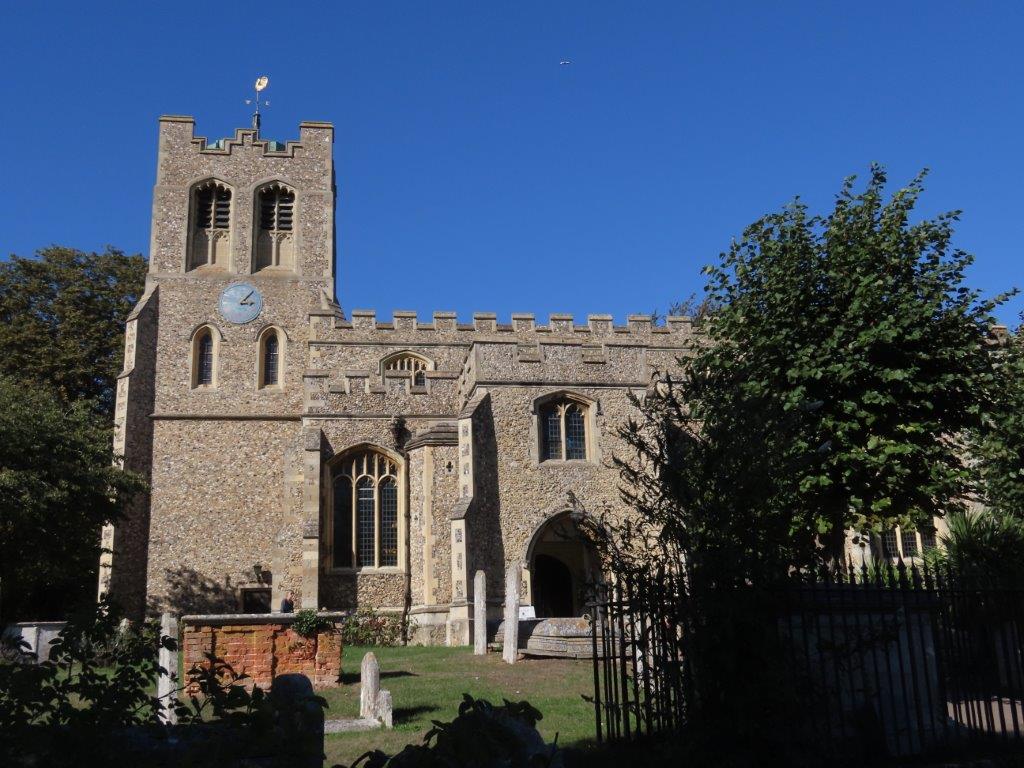
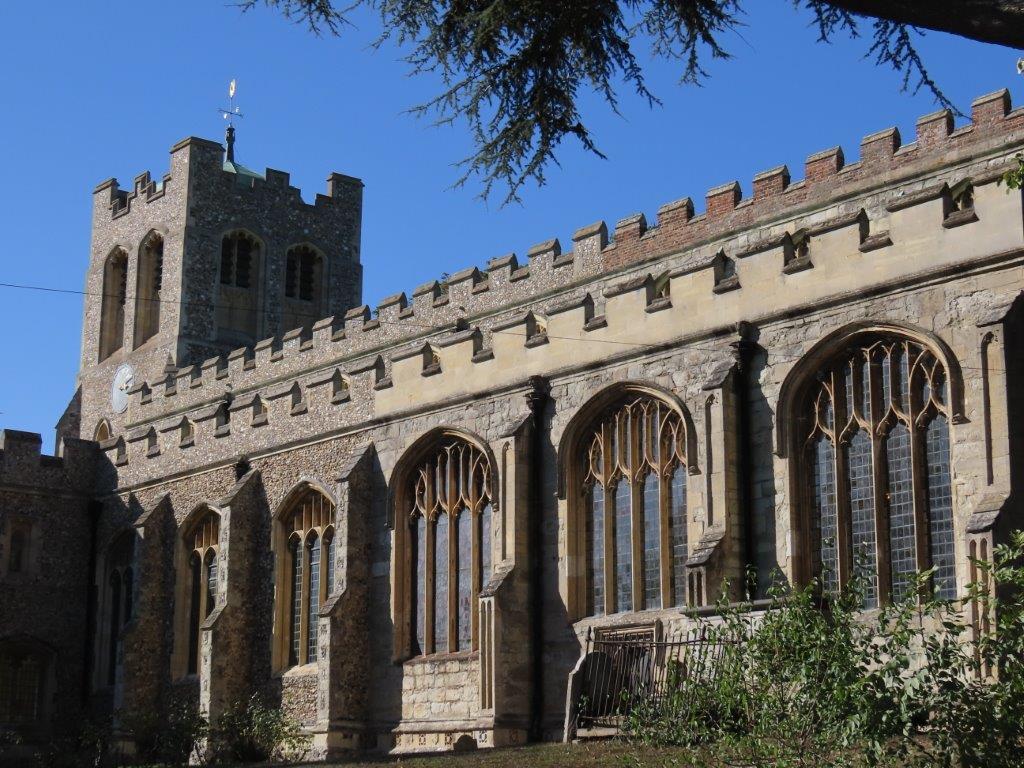
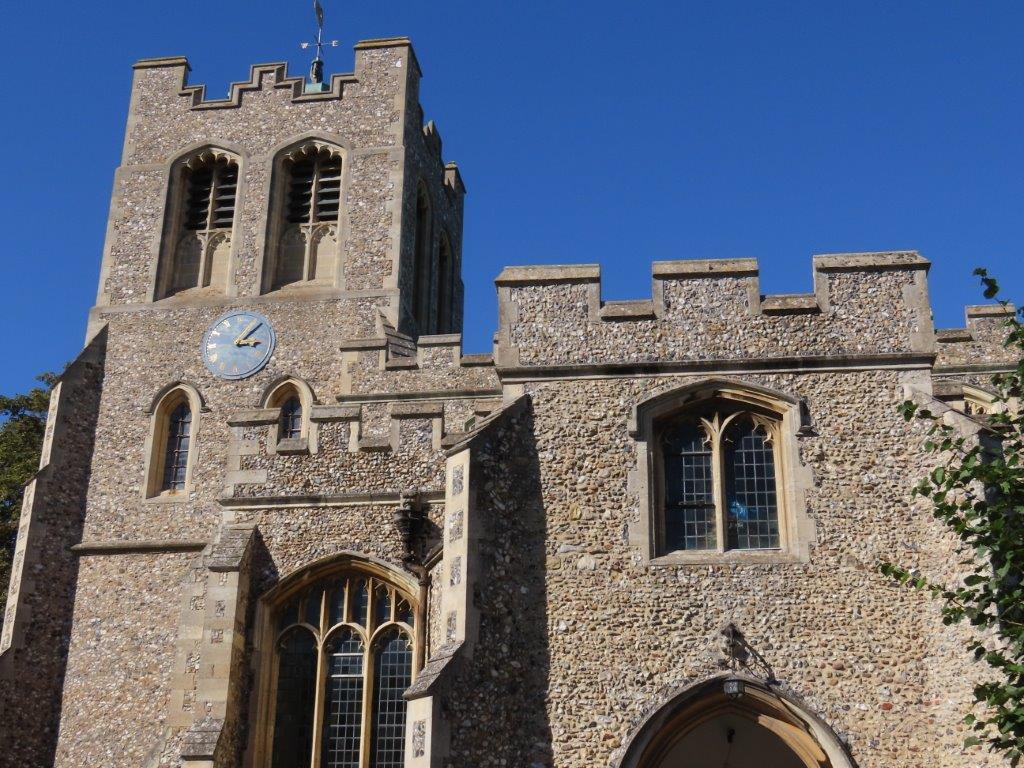
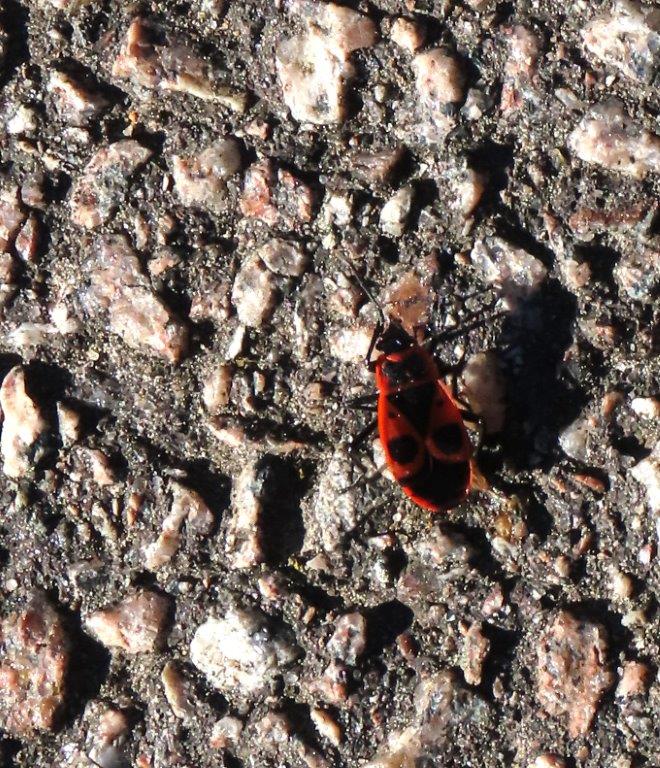
Unfortunately its impressive exterior seemed not to be matched by its plain interior. However, the churchyard and adjacent cemetery will probably be worth a closer look at some time. Given that there are Lime trees in the churchyard, it was not a surprise when Jude spotted a Firebug wandering across the path. A new arrival in this country, this summer has seen them spreading widely across the south-east: it would seem they are here to stay and a fitting end to our four hours immersed in Coggeshall!