Early March saw us heading to London for a gig in Docklands, but as always we tried to maximise our fun by building a short break around it. So when we arrived at Stratford it was a right turn, out by bus to Hackney and London Fields, inspired and intrigued by a recent London Inheritance blog.
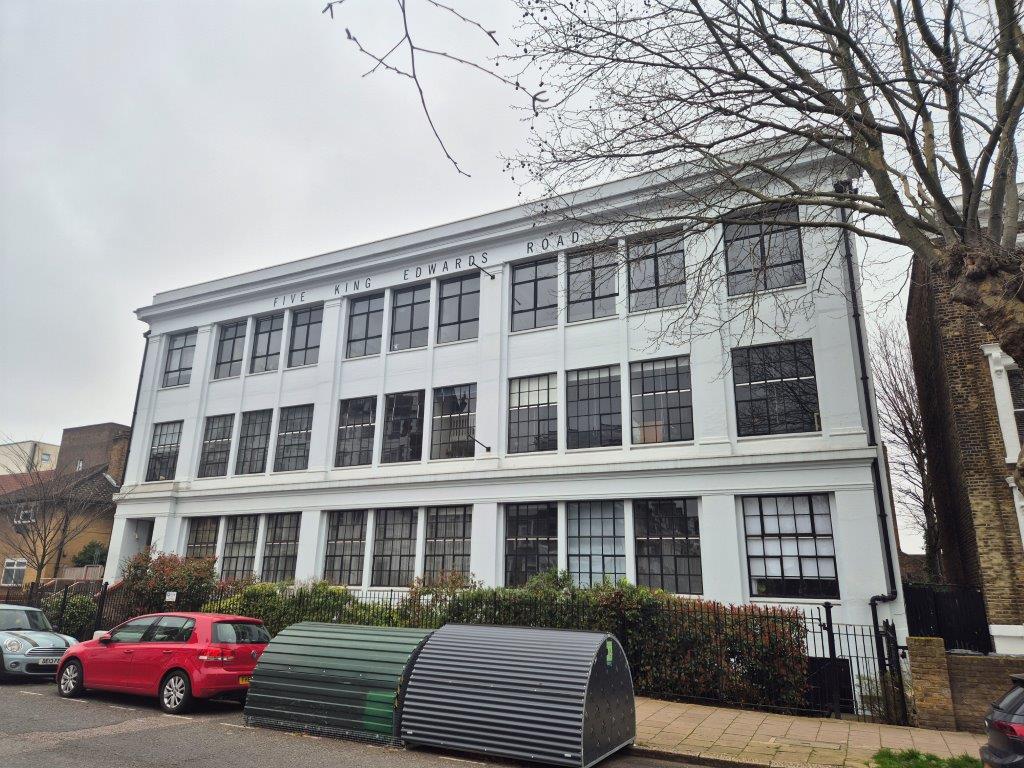
The walk from the bus stop took us past some impressive buildings, including 5 King Edward’s Road, a 1920s clothing factory now converted to residential in a very pleasing style. And just across the road, the first of many welcome places of refreshment, this a coffee stop in the Mare Street Market.
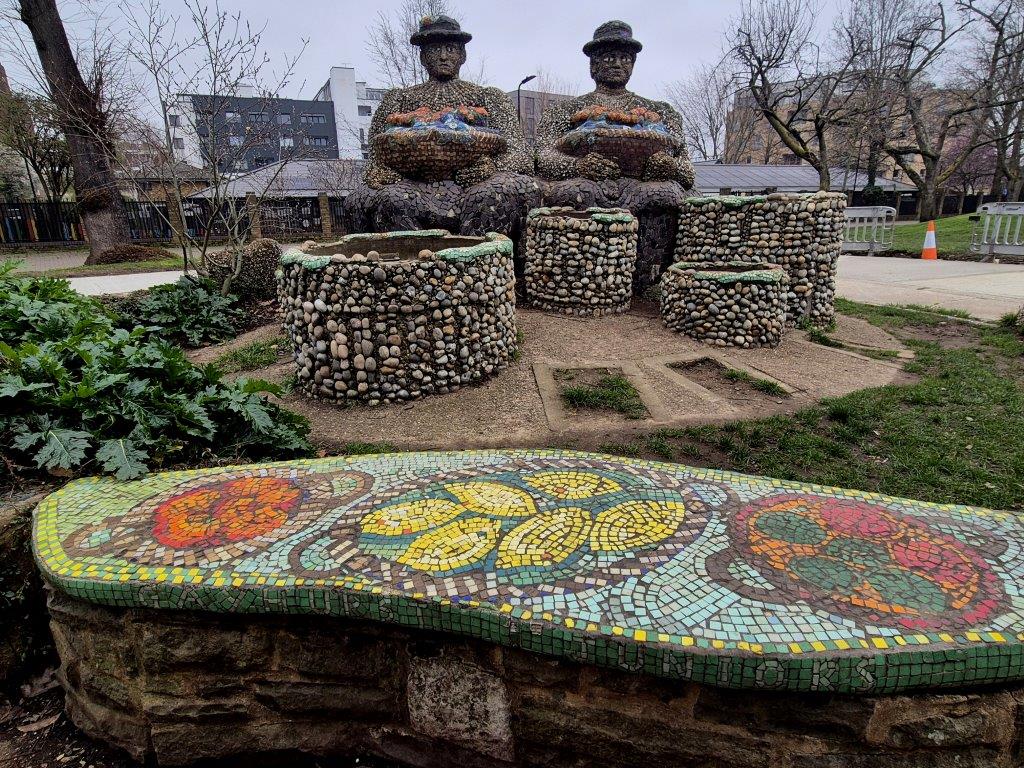
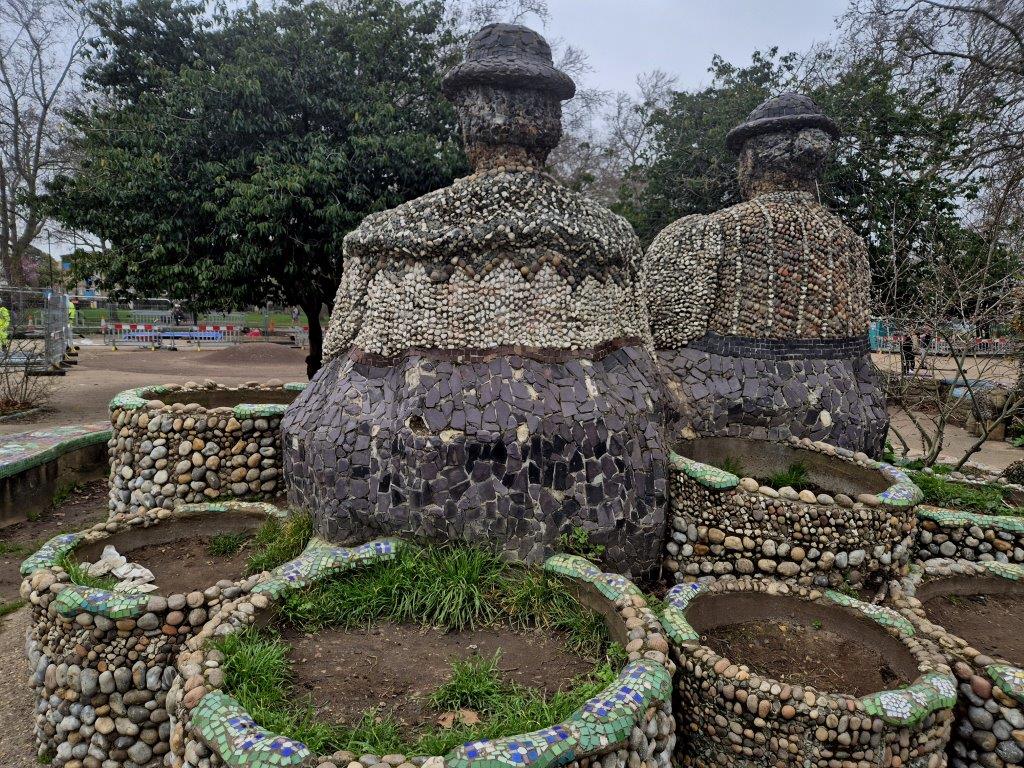
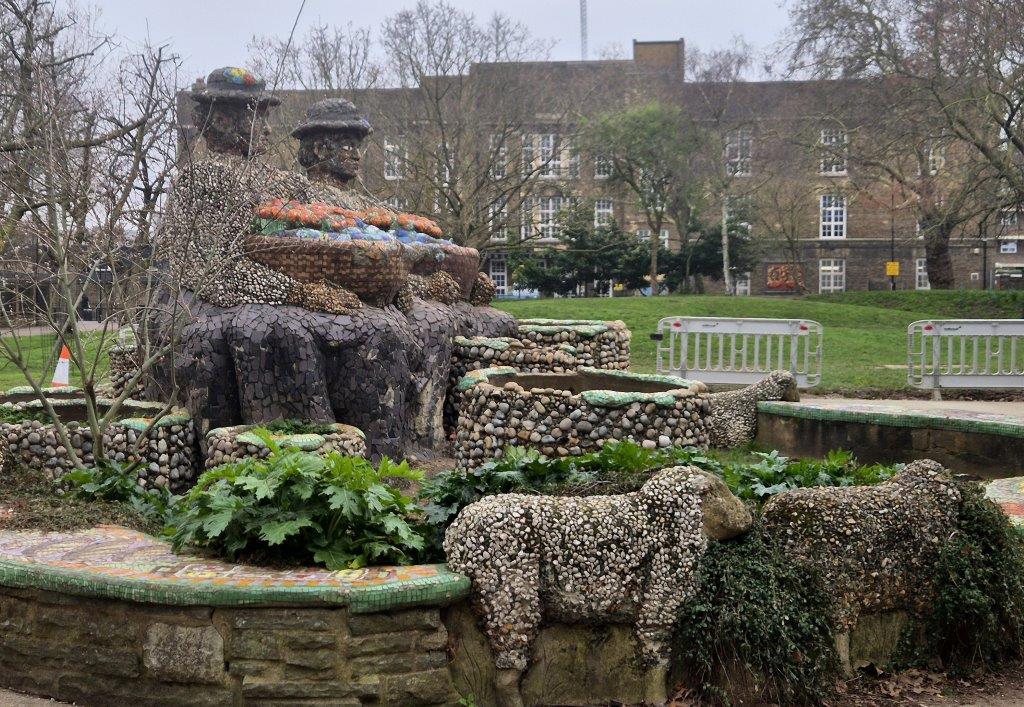
The day (indeed the whole of our trip) was unremittingly dull, but the Flower Sellers sculpture/installation in London Fields certainly cheered things up. Joyful, with allusions to the former use of the area as a ‘staging post’ for livestock heading for their final destination of Smithfield Market, that dates back only to the 1980s, but now feels as timeless as the large Plane trees in the Fields themselves.
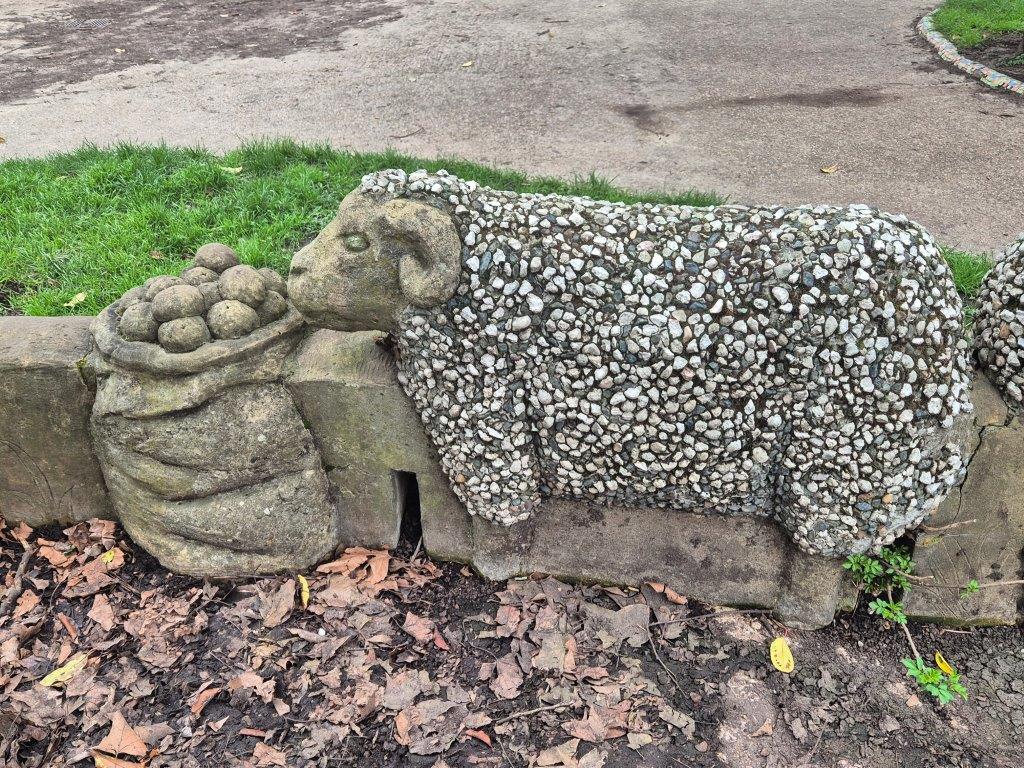
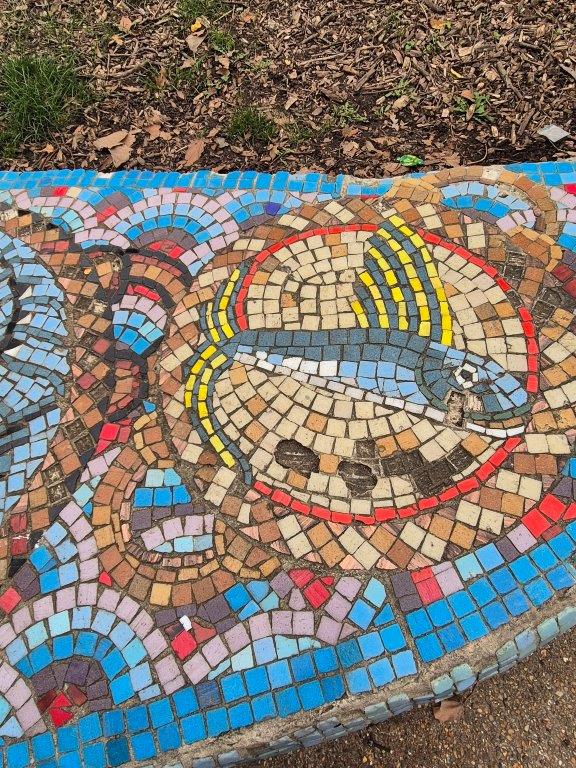
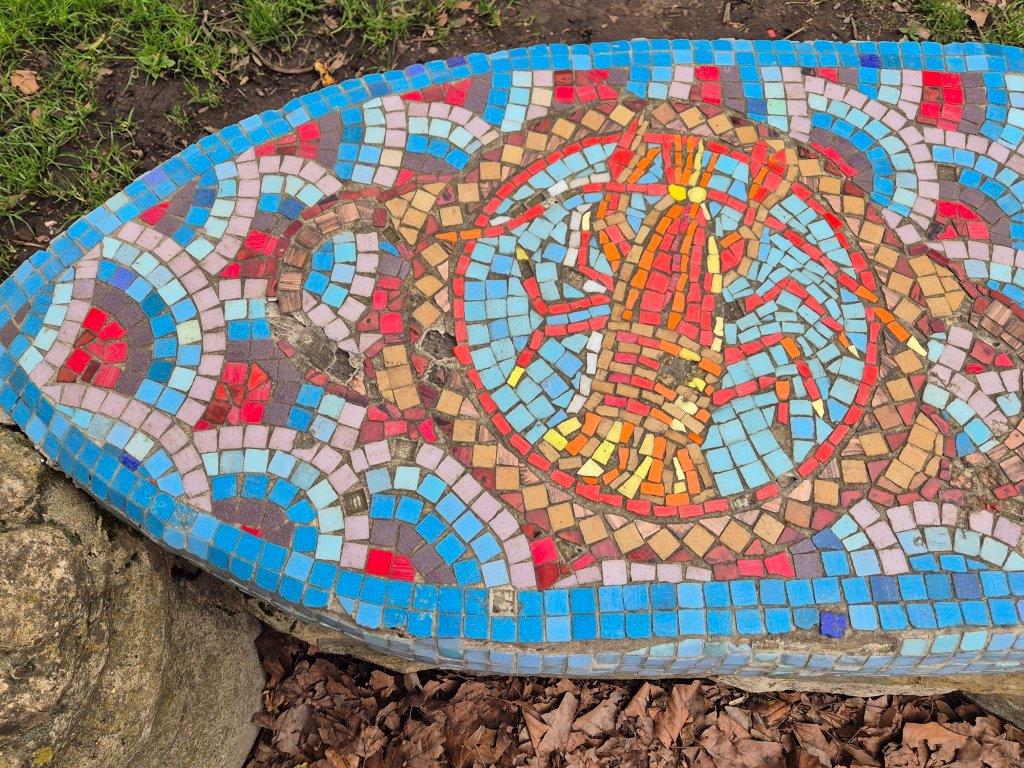
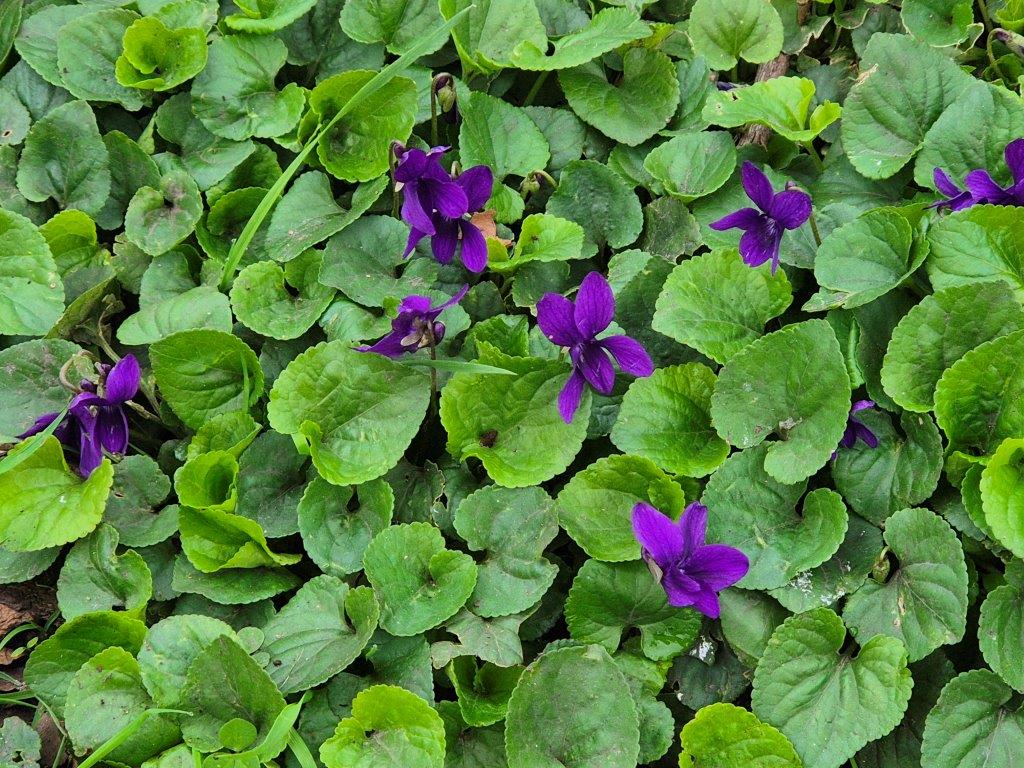
The London Planes harboured numerous Rose-ringed Parakeets (of course!), some trunks surrounded by a halo of flowering Sweet Violets, and throngs of happy people revelling in the Spring, even in the grey gloom of the day.
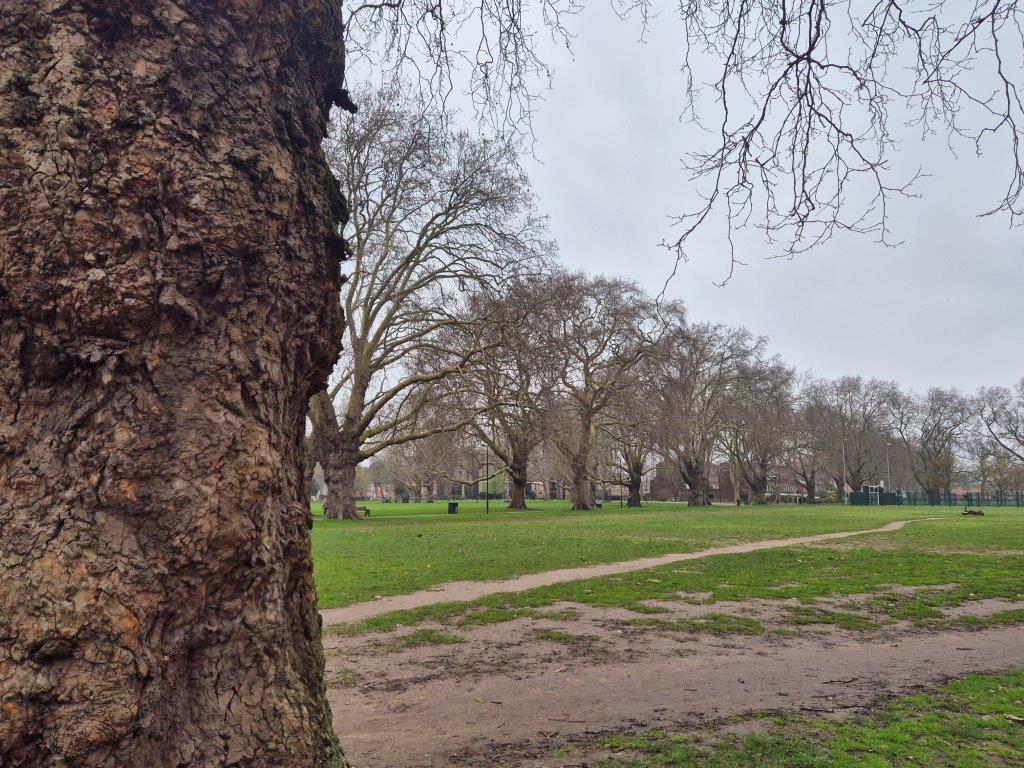
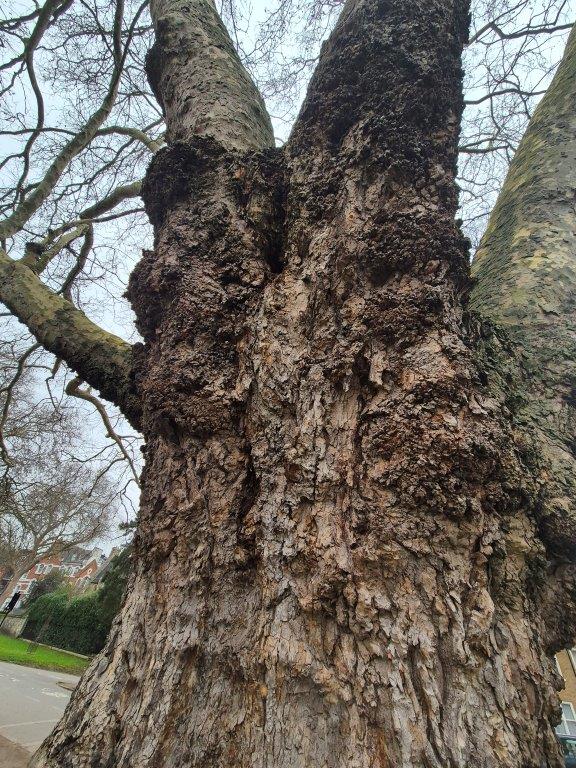
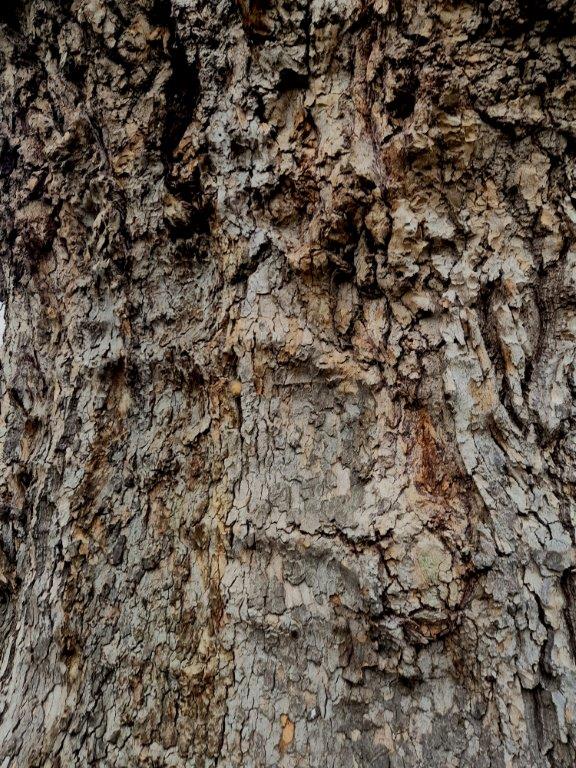
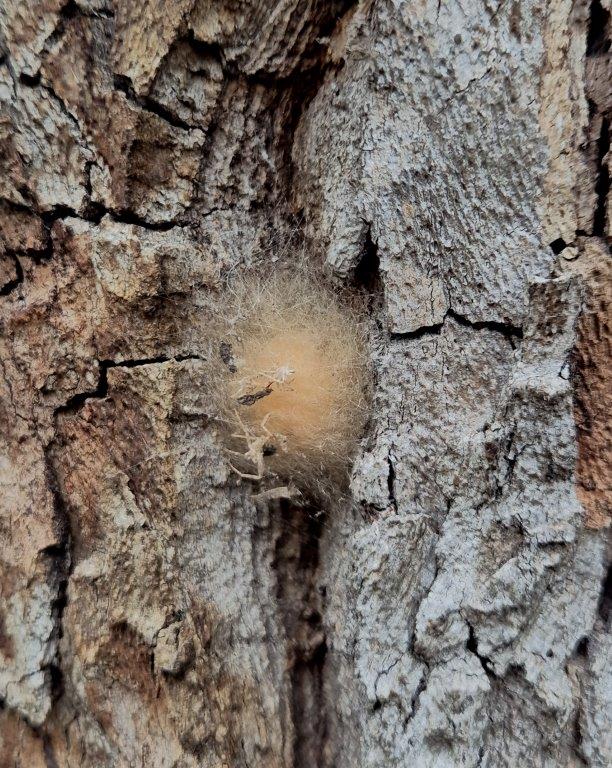
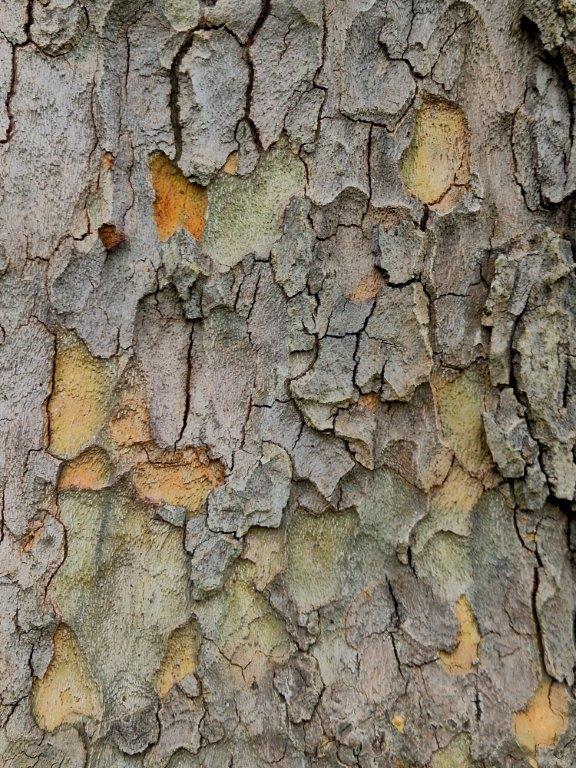
The larger trees showed clearly the unreliability of bark as an identification feature, that on the primary trunk being grey and deeply fissured, here with a spider’s nest, but on the younger stems, the more expected flaking mosaic of colour.
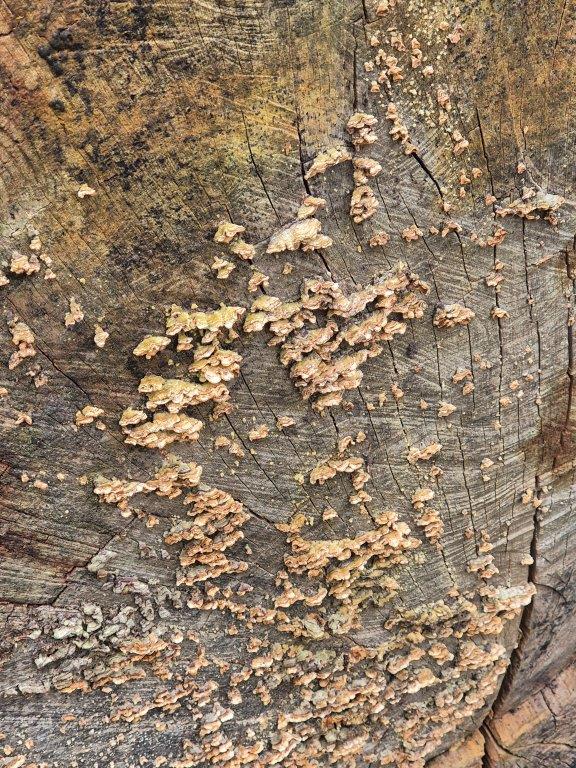
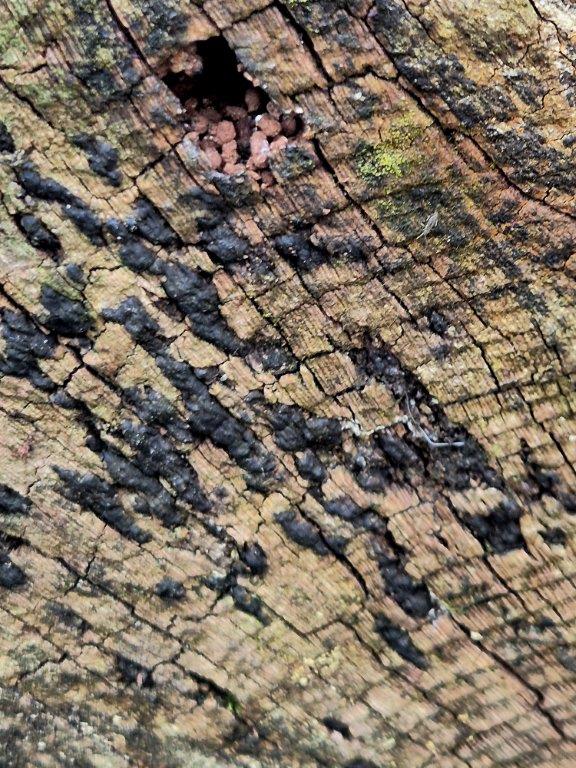
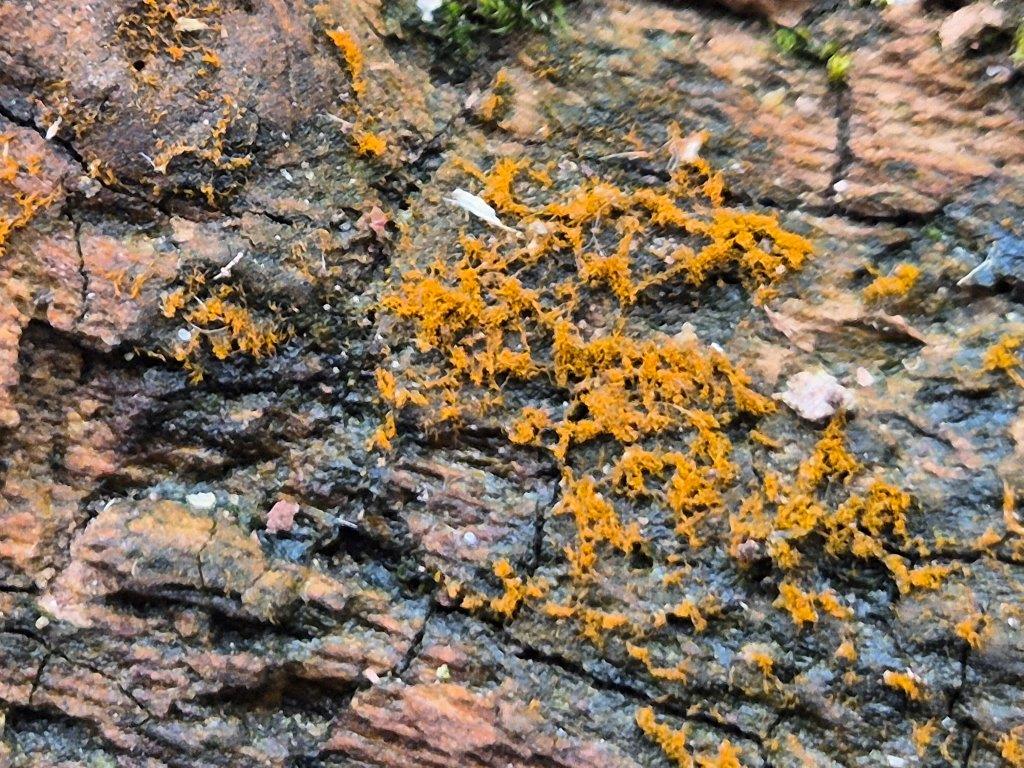
And those trees that had reached the end of their life were being recycled naturally by fungi of several sorts, interspersed with the orange tufts of a terrestrial alga, Trentepohlia.
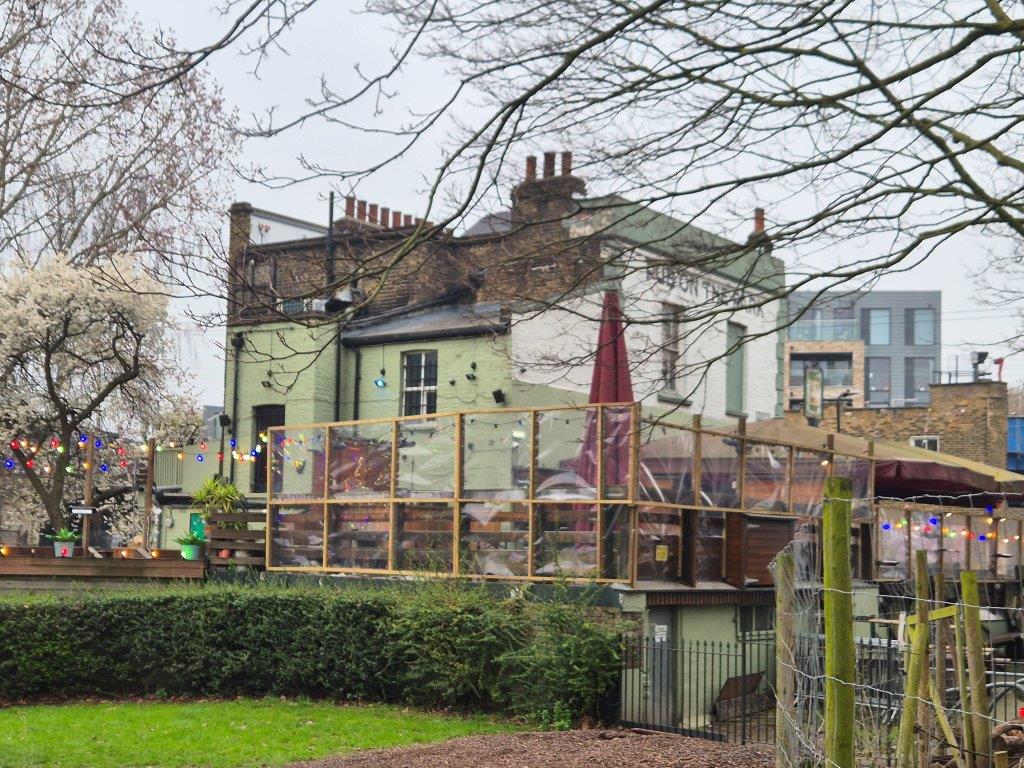
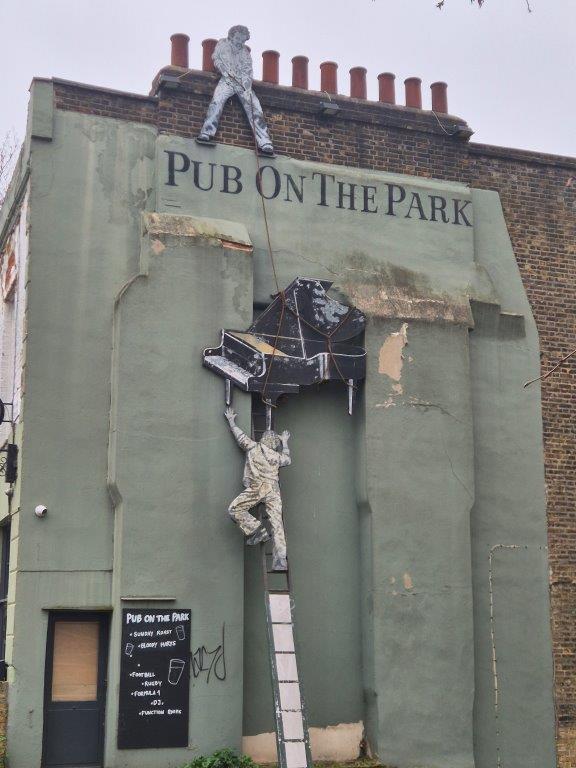
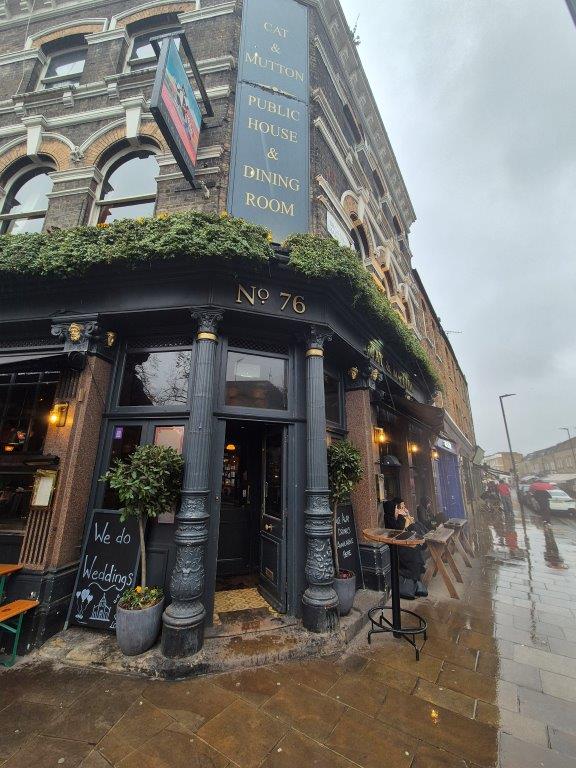
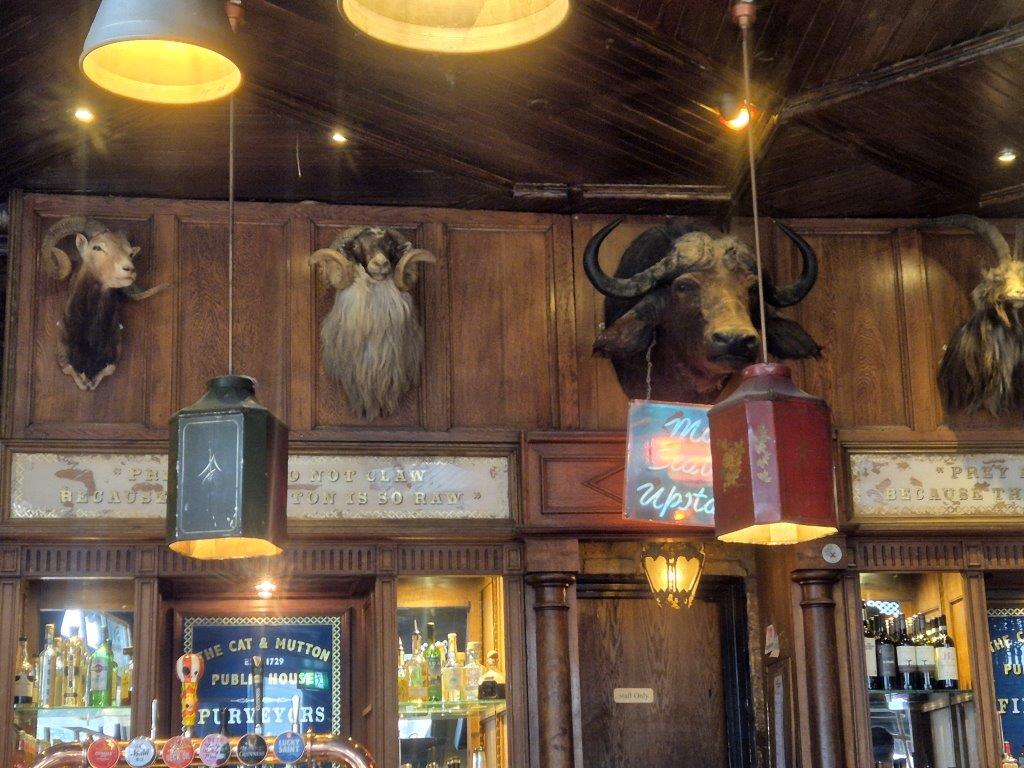
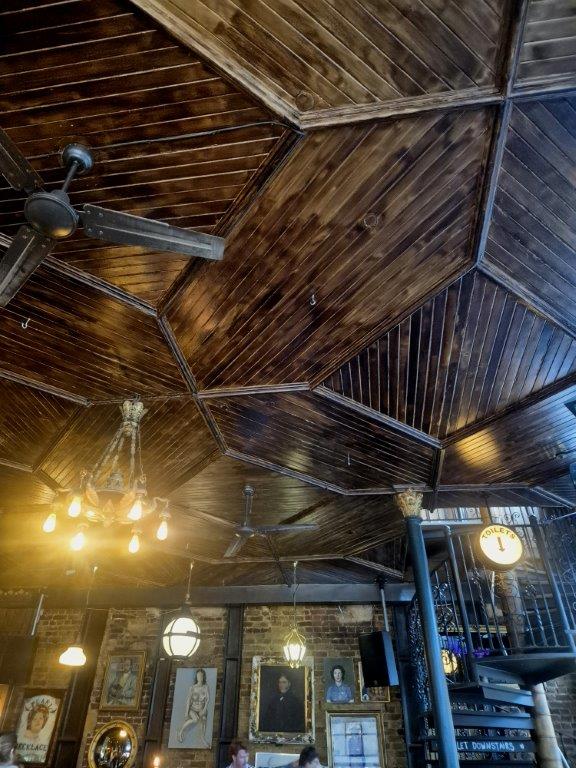
Approaching lunchtime with darkening skies, a pub was in order. The Pub on the Park was functional, albeit rather soulless while delivering the necessary refreshment. But close by, the Cat & Mutton was altogether more welcoming, a genuinely historic hostelry (established 1729) which made us want to linger, especially as the skies had by now opened! Good surroundings, good beer, and very good food. We even discovered the reason for its apparently odd name: originally the ‘Cattle and Shoulder of Mutton’ it clearly had a function serving the meat market traders.
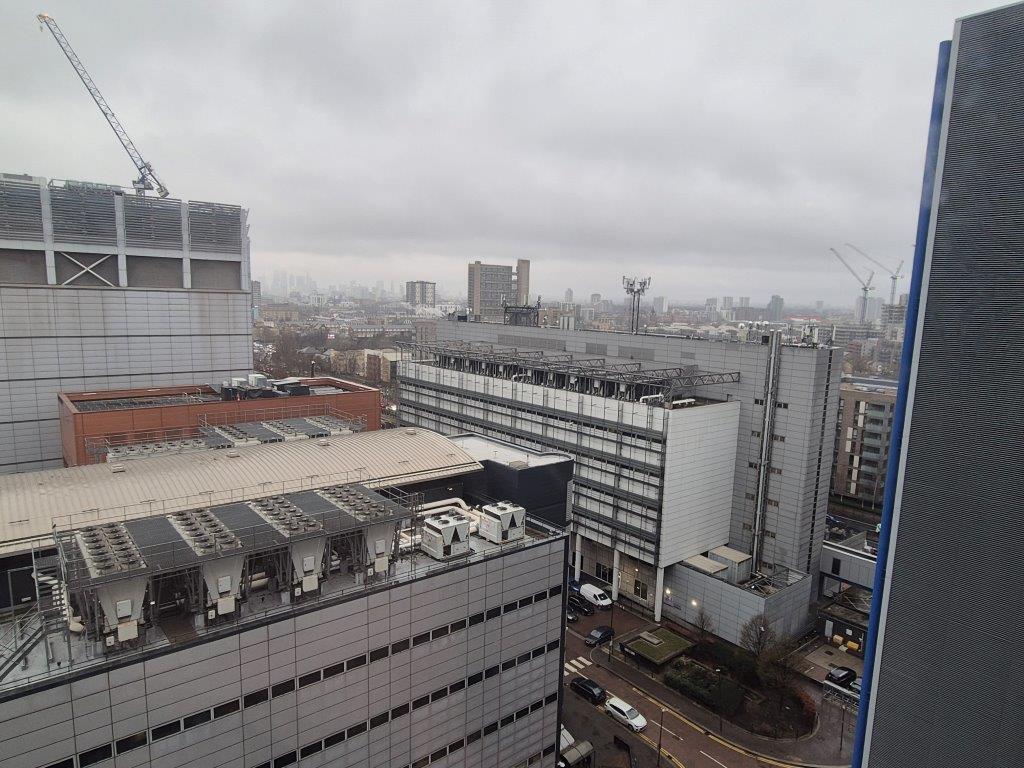
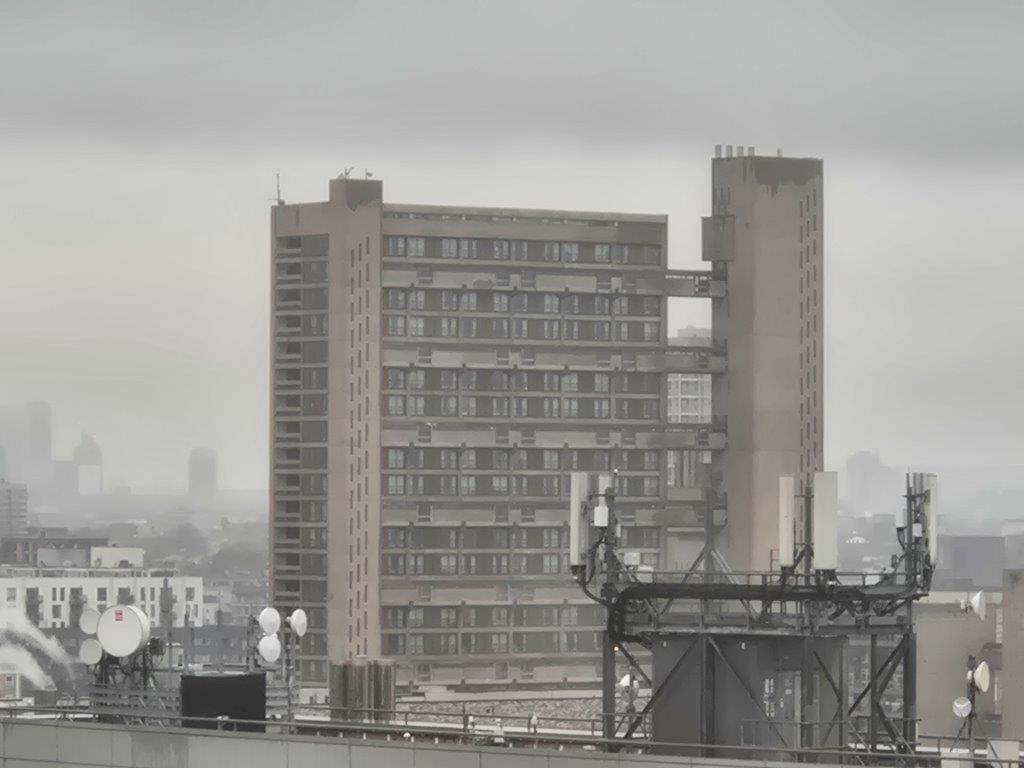
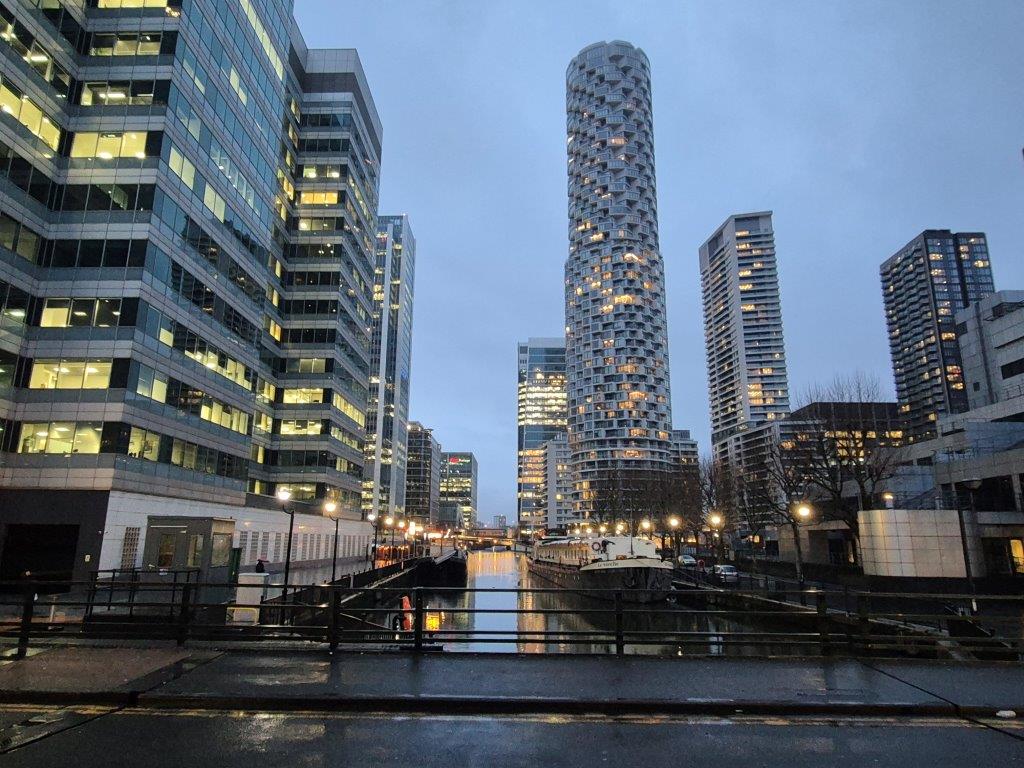
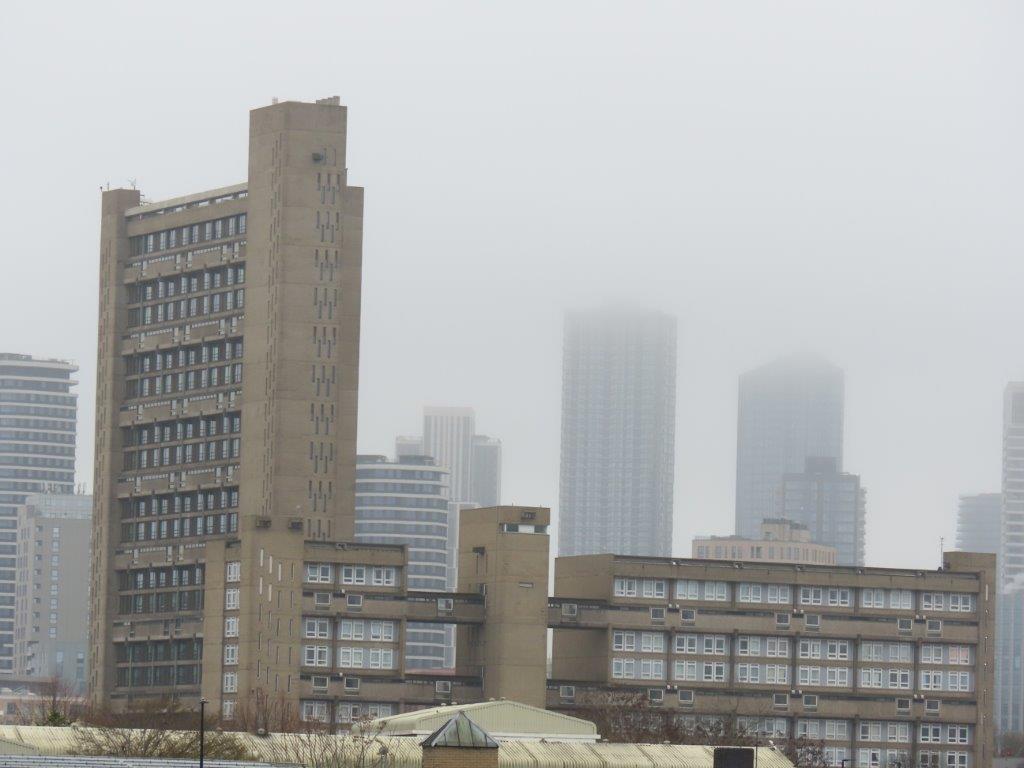
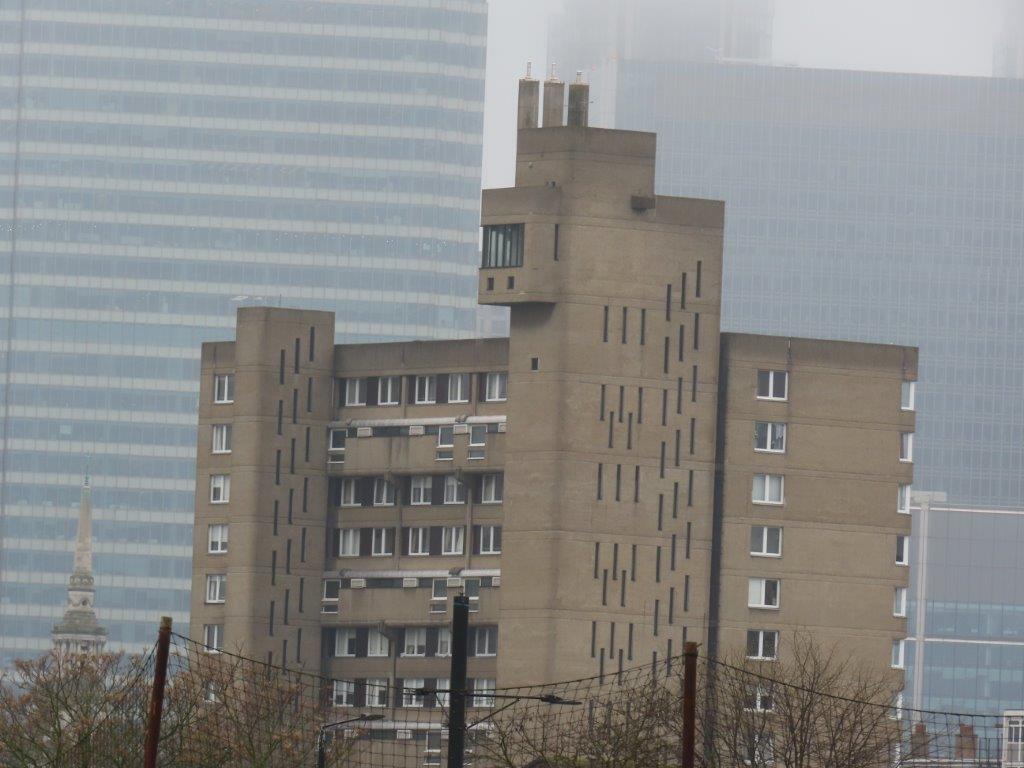
By the time lunch was over, it was really quite unpleasant weatherwise, so we headed by bus to Docklands, and our hotel, a very pleasant (and extremely reasonably priced) high-rise Travelodge right next to Bow Creek. Up we went to floor 13, and we were thrilled to see the view over Poplar to the City, with the beautiful Brutalist edifice of Balfron Tower, one of the Goldfinger-prints on the London landscape, taking centre stage!
From there it was an easy ride into Canary Wharf by DLR, for our evening’s entertainment on the Theatreship (Trappist Afterland, The Gentle Good and Henry Parker).
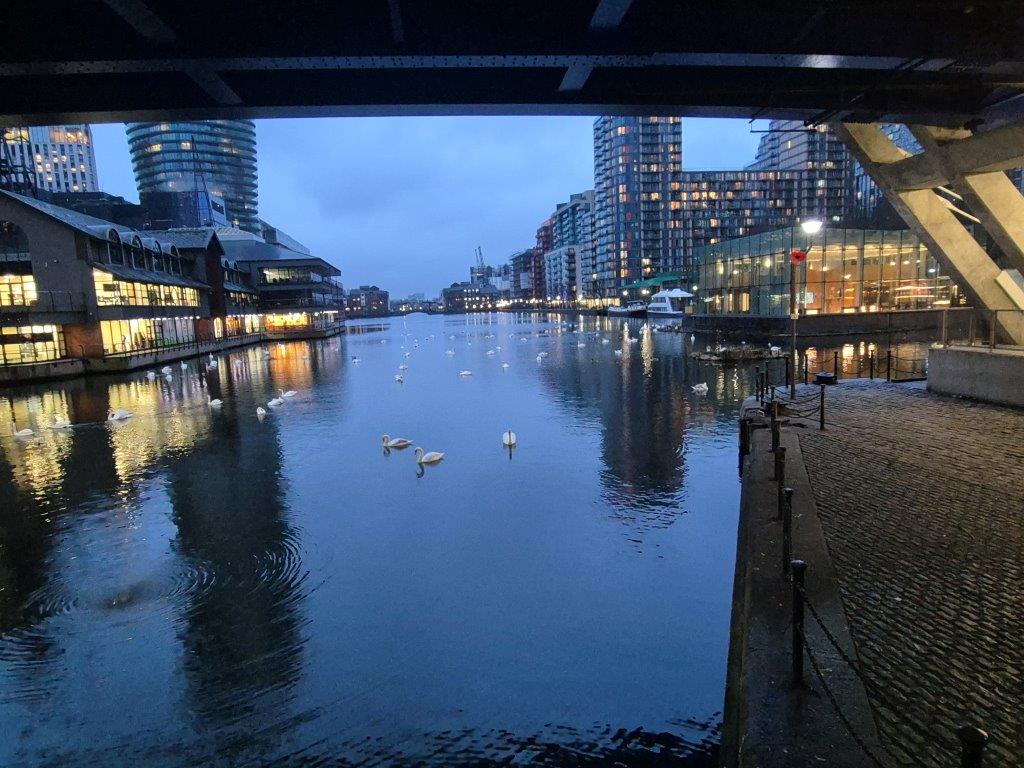
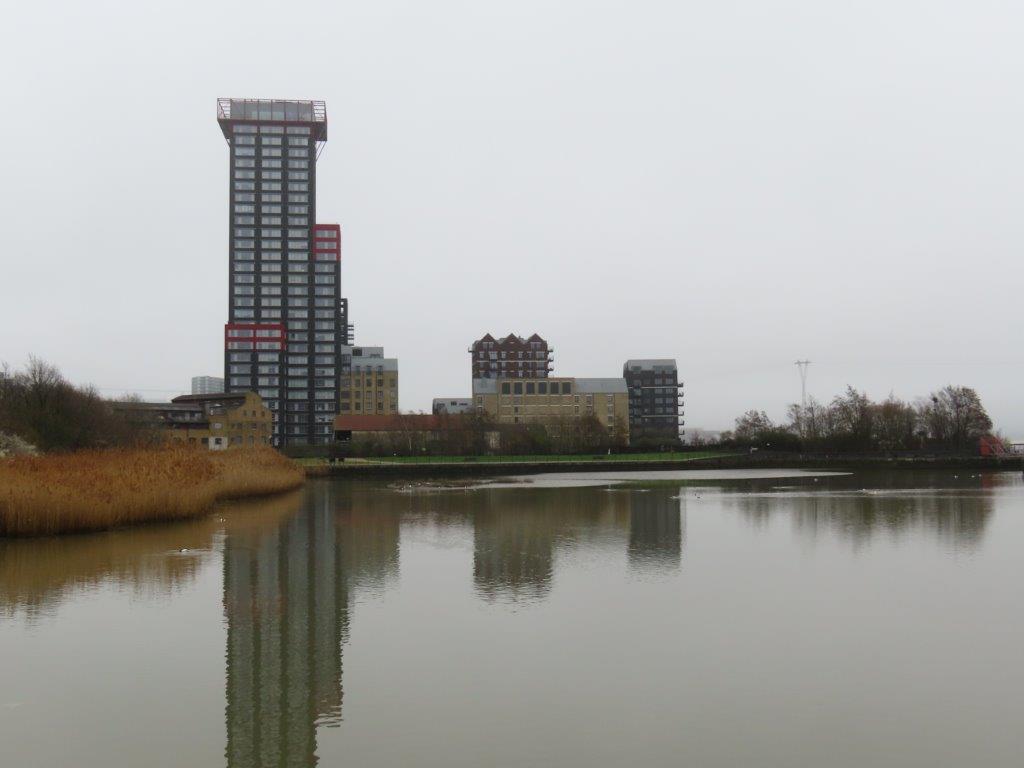
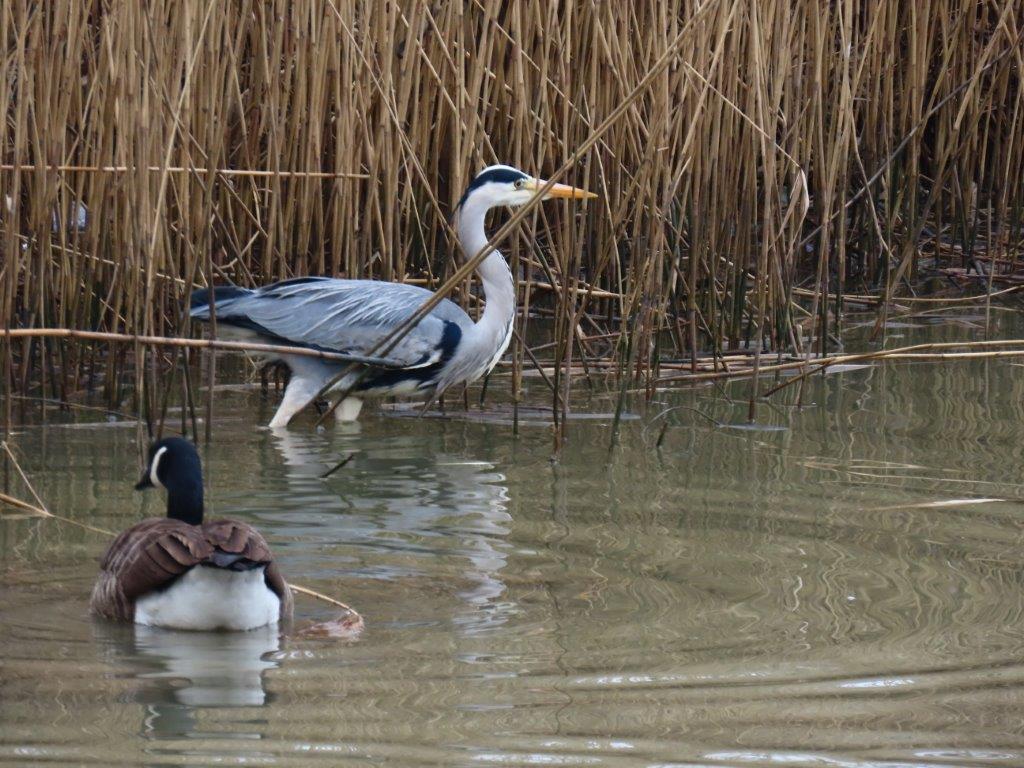
Next morning, it was at least dry although no less gloomy than previously. Down at the Bow Creek nature reserve, a Grey Heron and several Shelducks were feeding happily in the shadow of looming hi-rise, as the song of Cetti’s Warblers echoed around the concrete canyons.
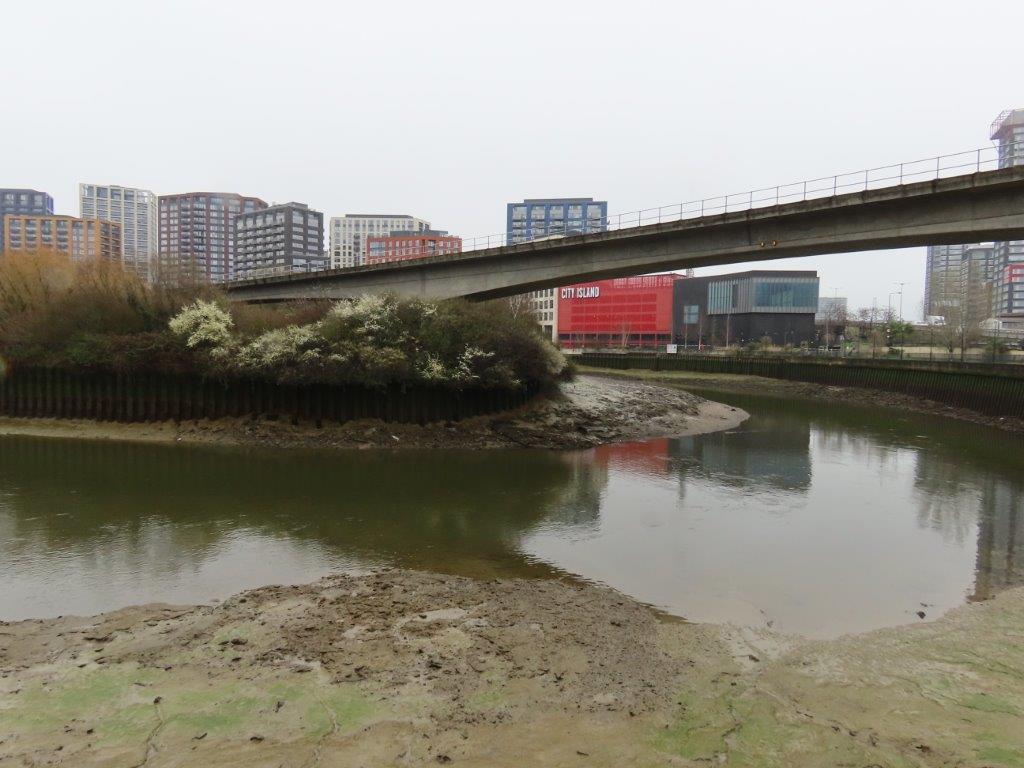
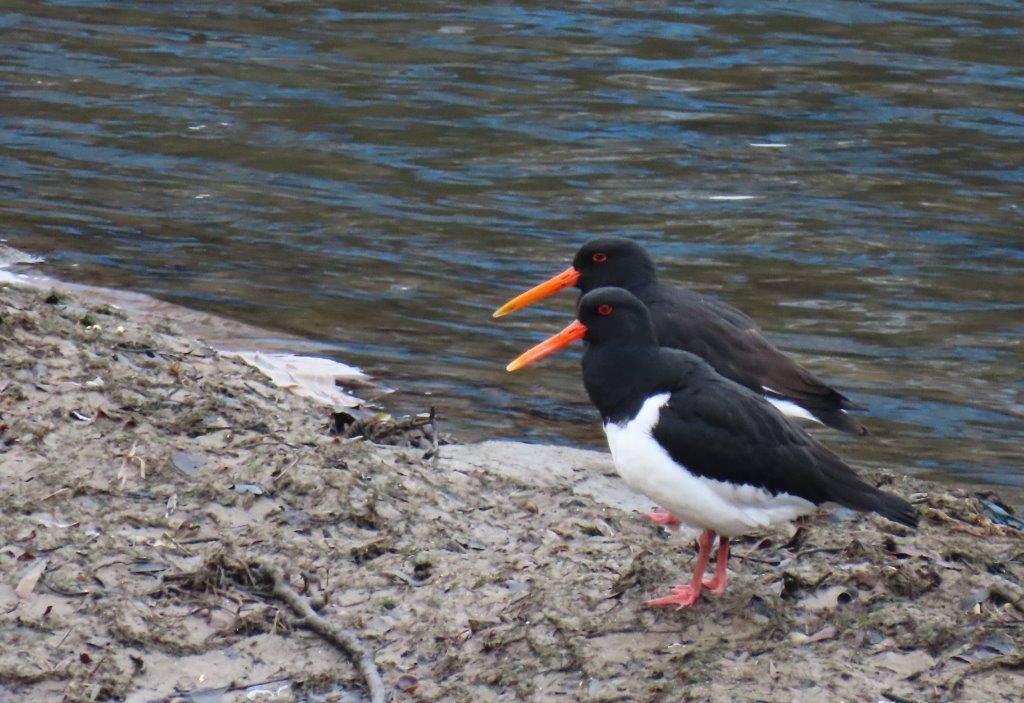
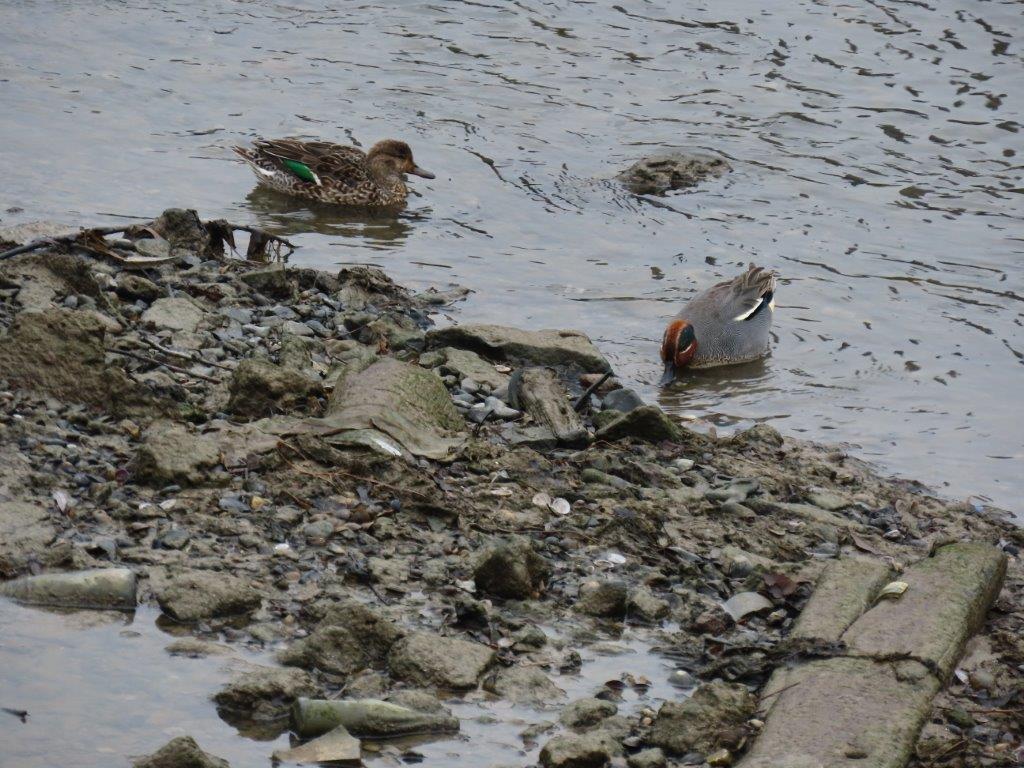
Being low tide, muddy margins were exposed and were frequented by Oystercatchers, while Teals dabbled in the shallows.
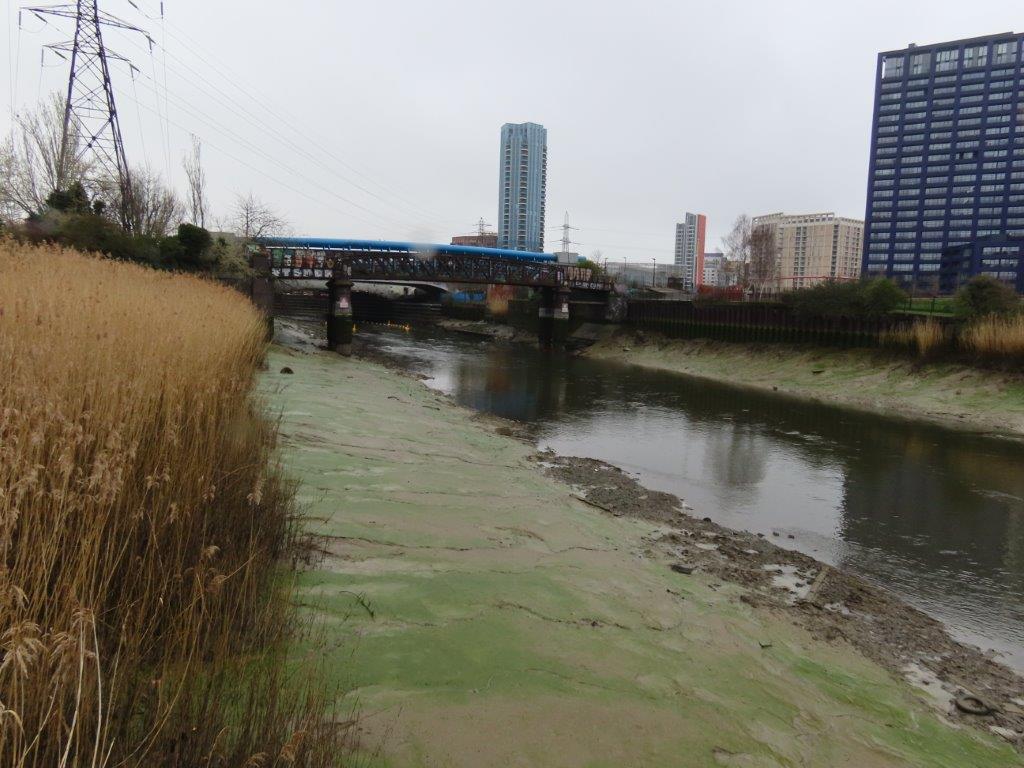
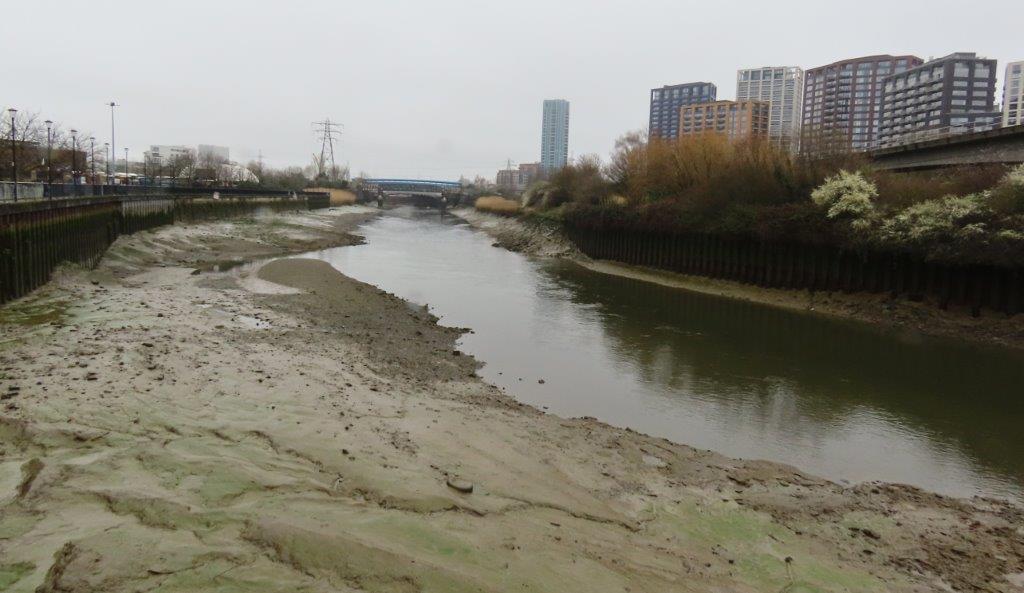
Heading up the tidal River Lee/Lea, our first destination was Cody Dock, a redevelopment of a disused dock space, with sustainability at its heart. We felt very much at home, especially with the very fine coffee and breakfast inside us, in one of the vital edgelands of the river.
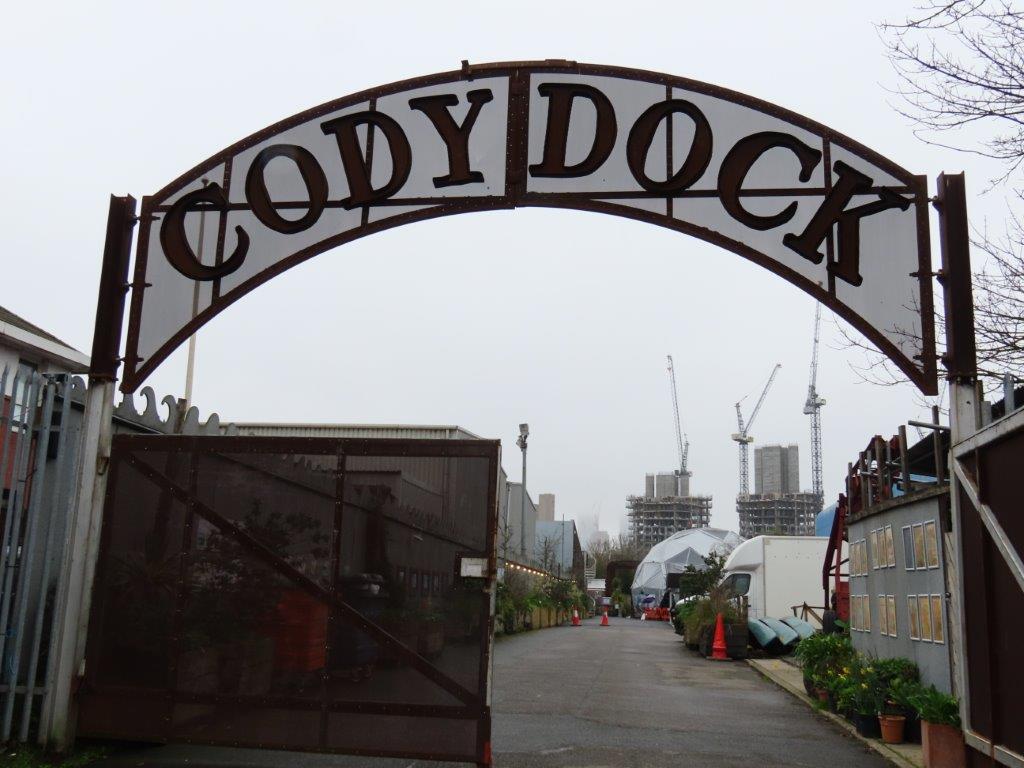
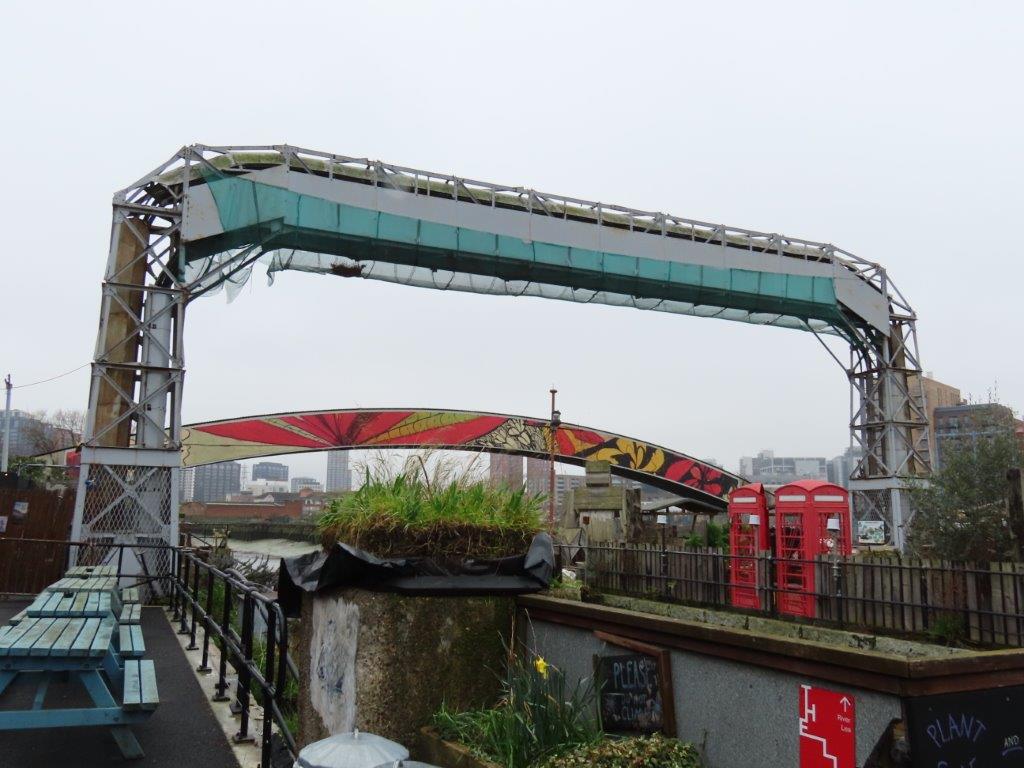
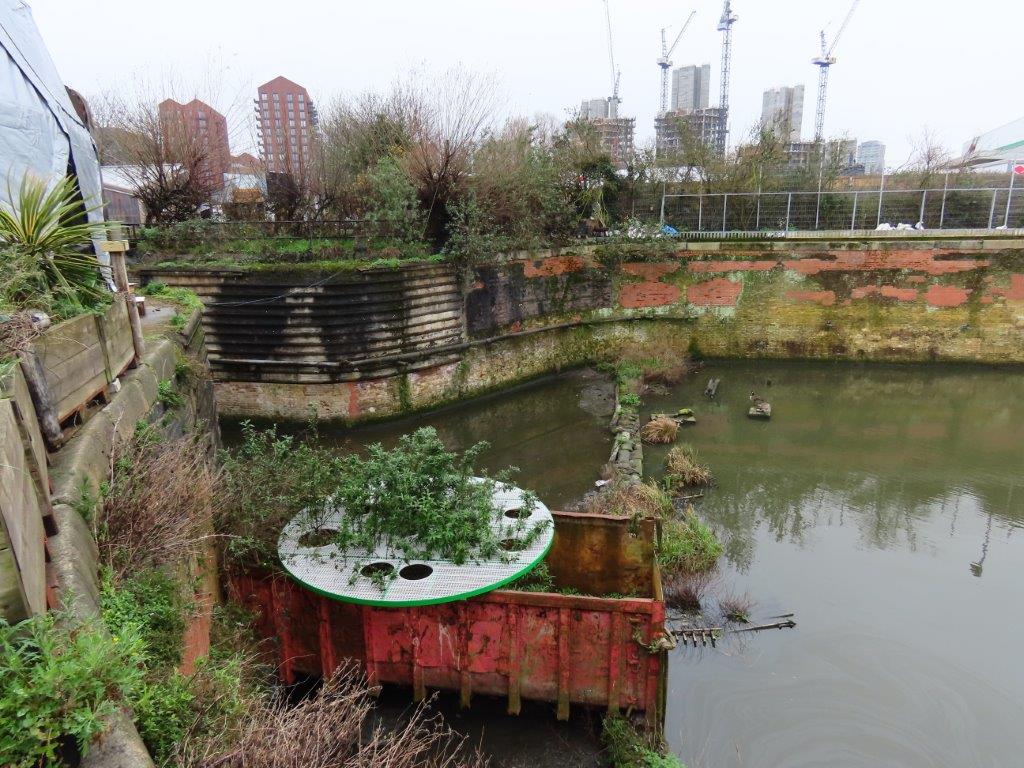
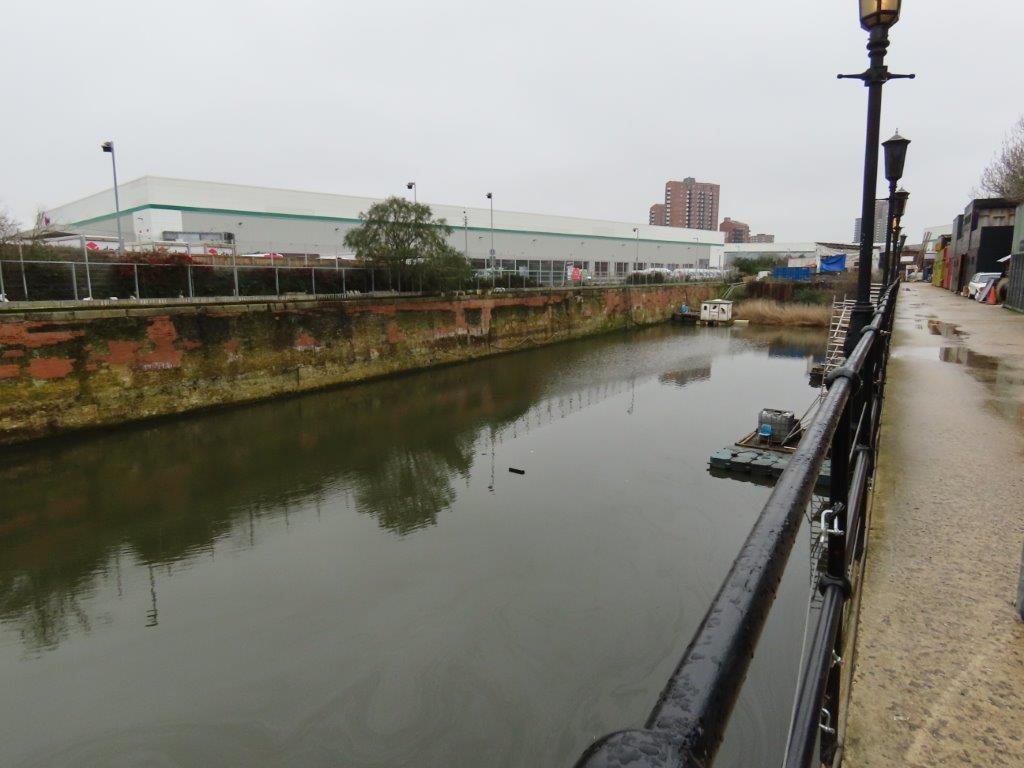
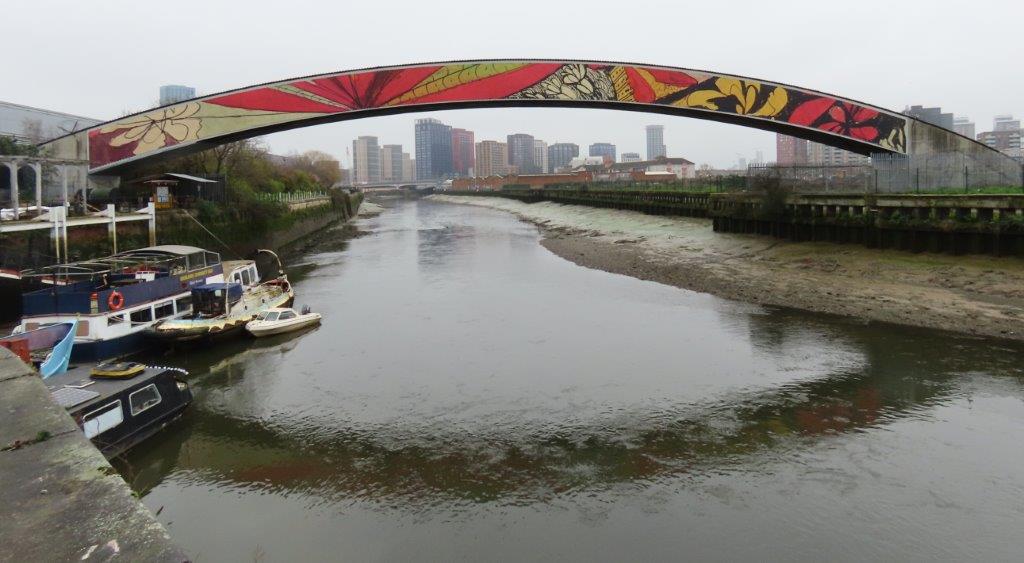
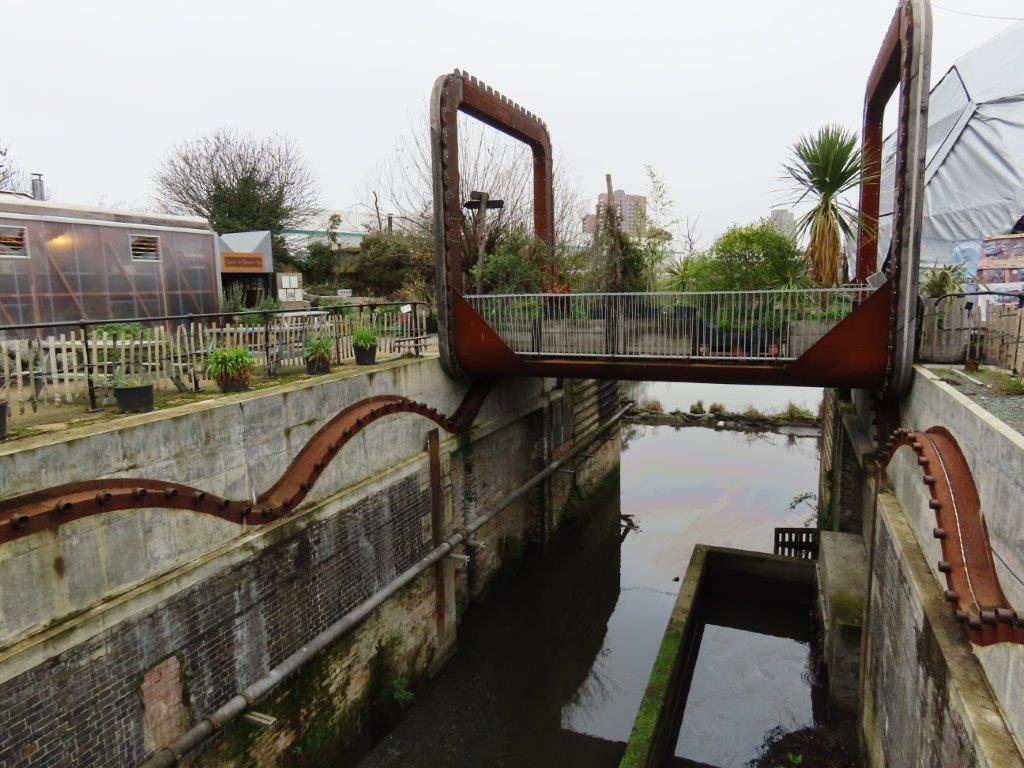
One of the features of the site is the Rolling Bridge, a novel, unique design that will ultimately allow the water access once again to and from the Dock. Cleverly counterweighted, it runs on a wavy track and can easily be operated single-handedly (apparently)!
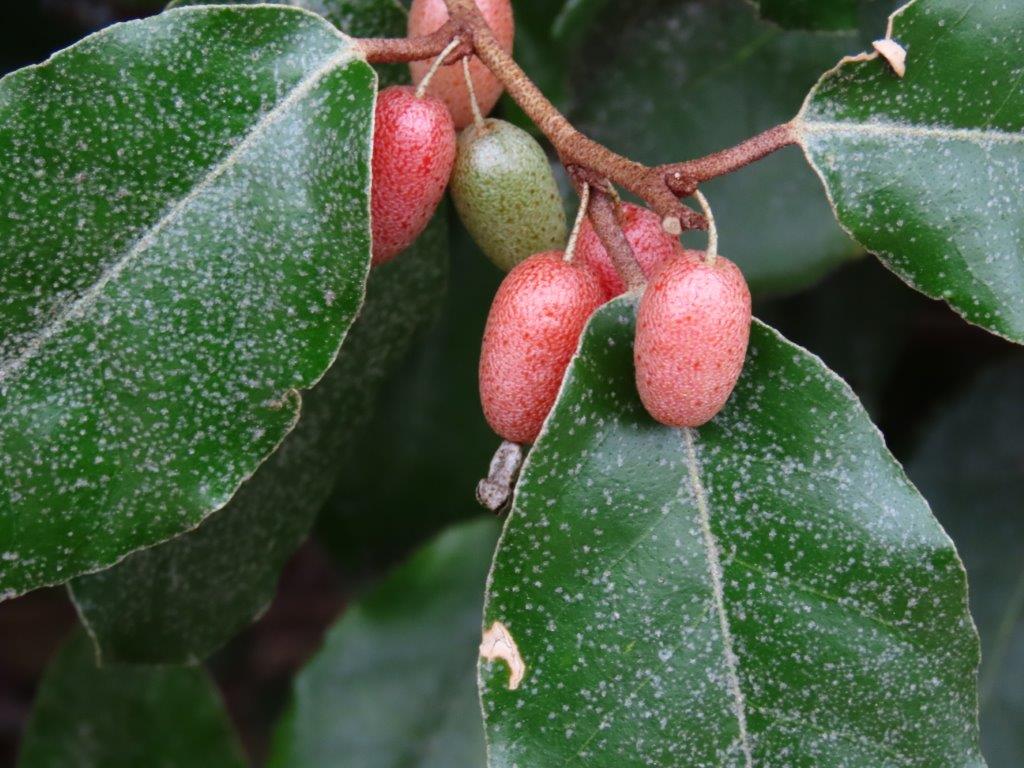
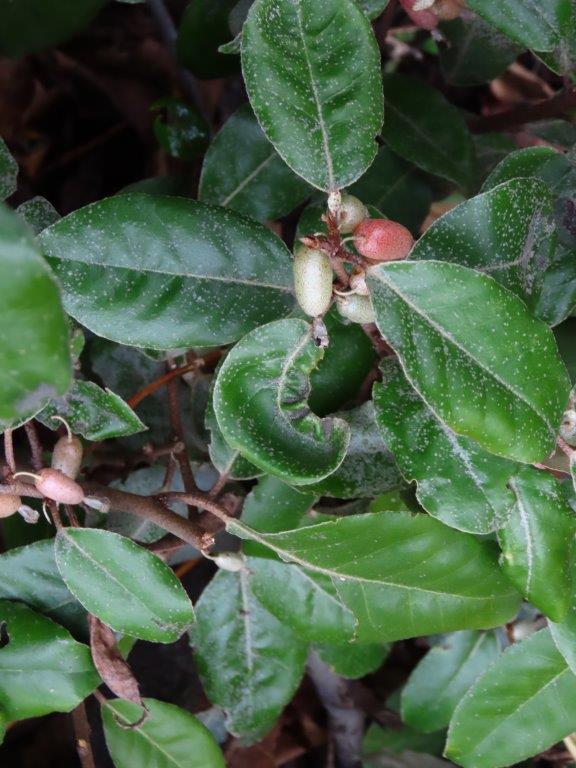
Approaching the entrance, Elaeagnus x submacrophylla was in full fruit, while some of its leaves were galled and distorted, probably attacked by the Elaeagnus Sucker psyllid Cacopsylla fulguralis, originally from Japan but now spreading widely in the south of England.
The vegetation in the planters harboured several different-looking, but ultimately unidentifiable flies…
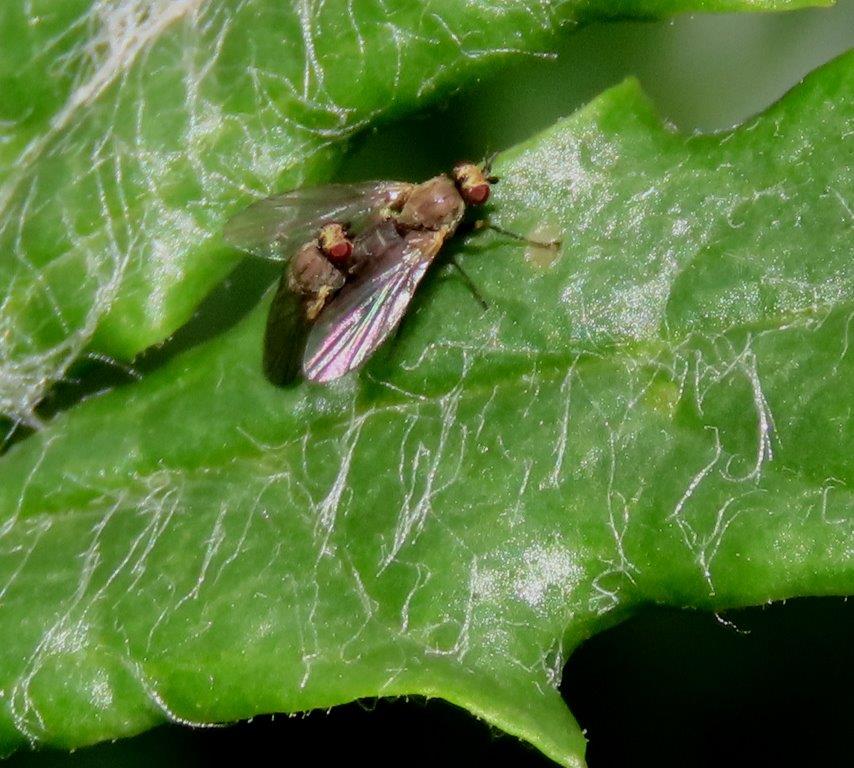
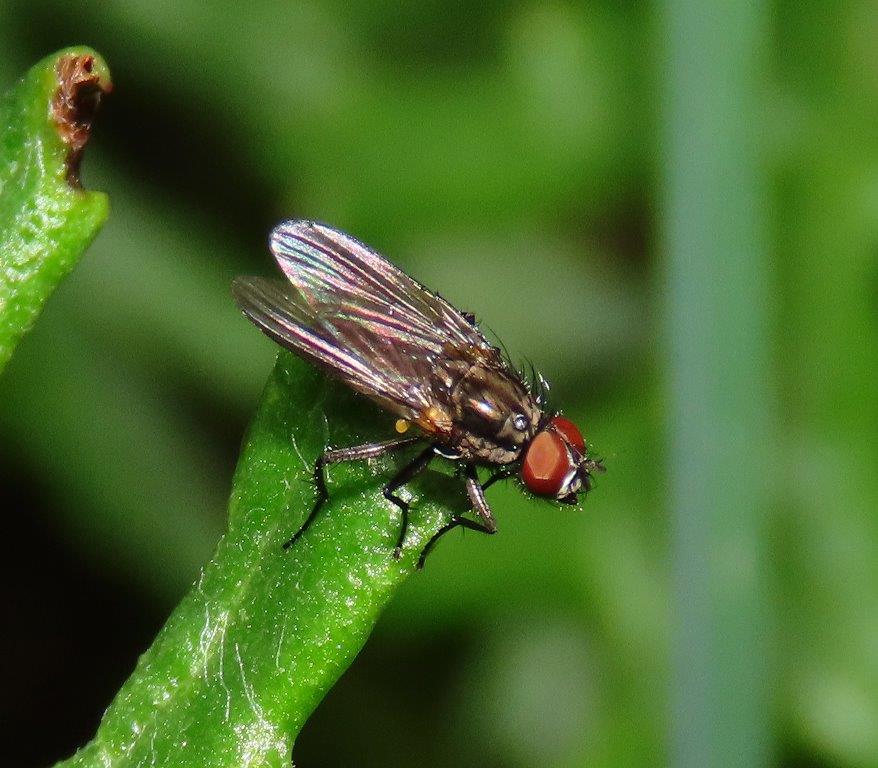
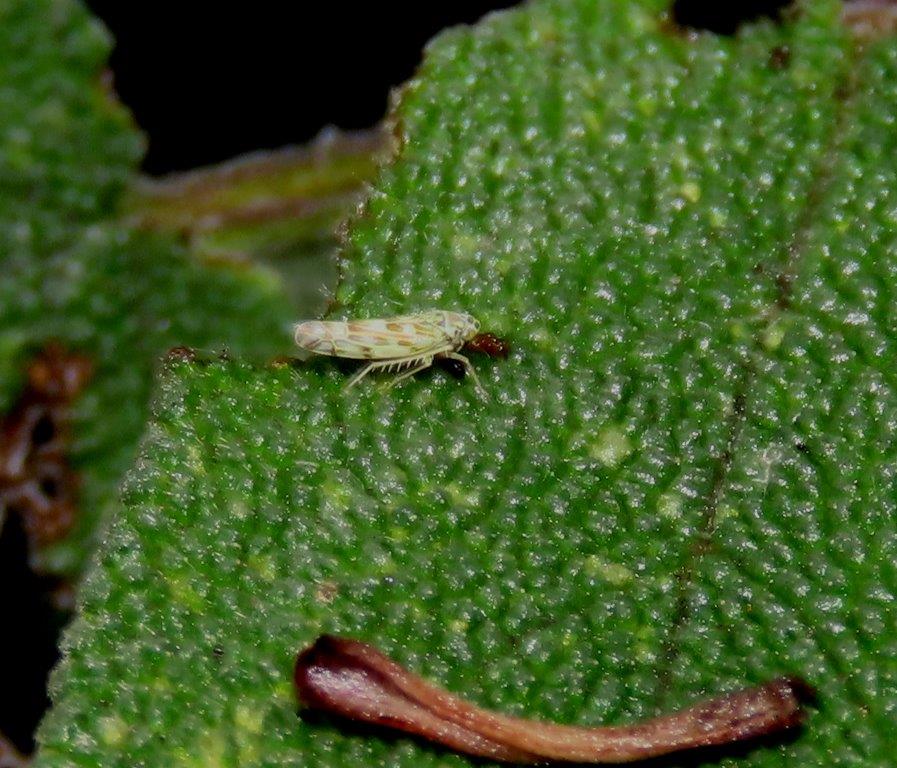
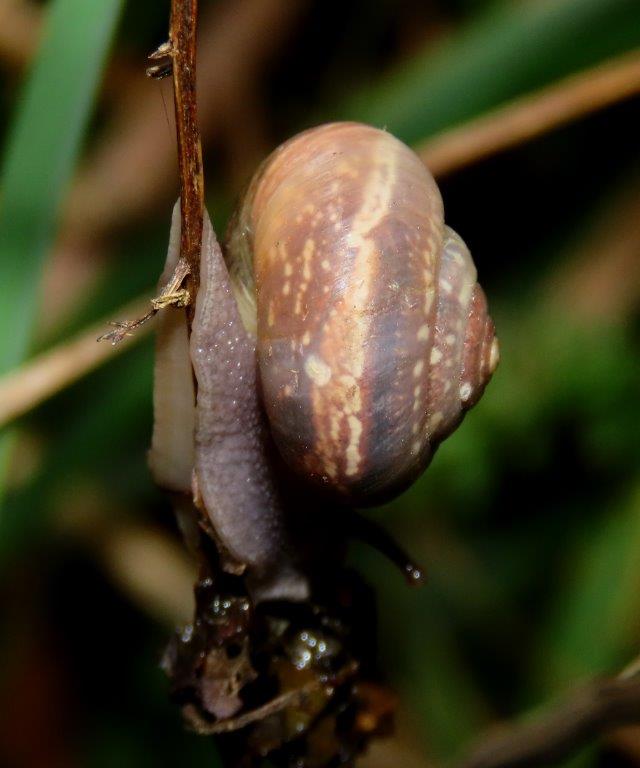
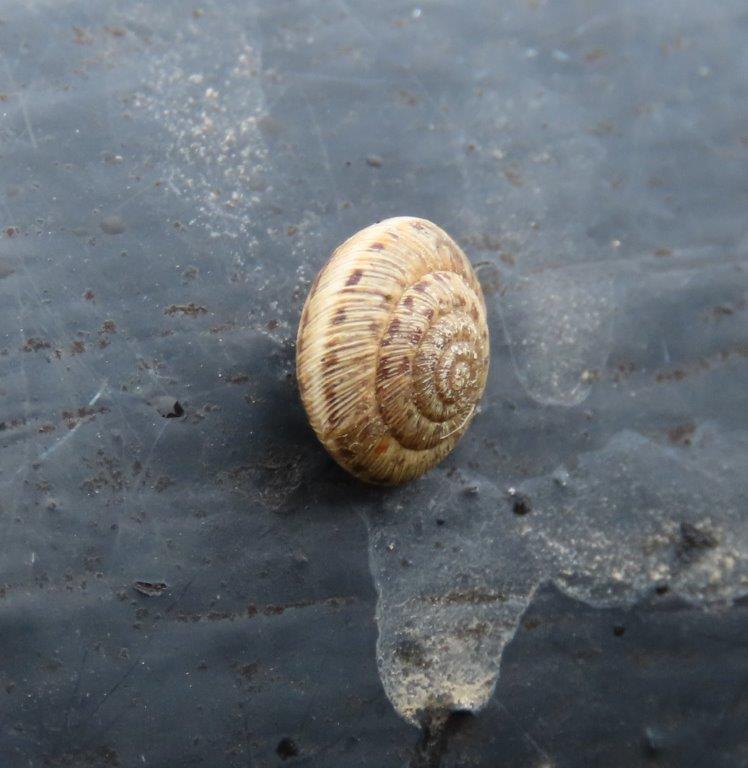
… along with Sage Planthoppers, and a couple of interesting snails, Kentish Snail and Girdled Snail, both native in more southerly parts of Europe and now spreading here, especially in urban habitats.
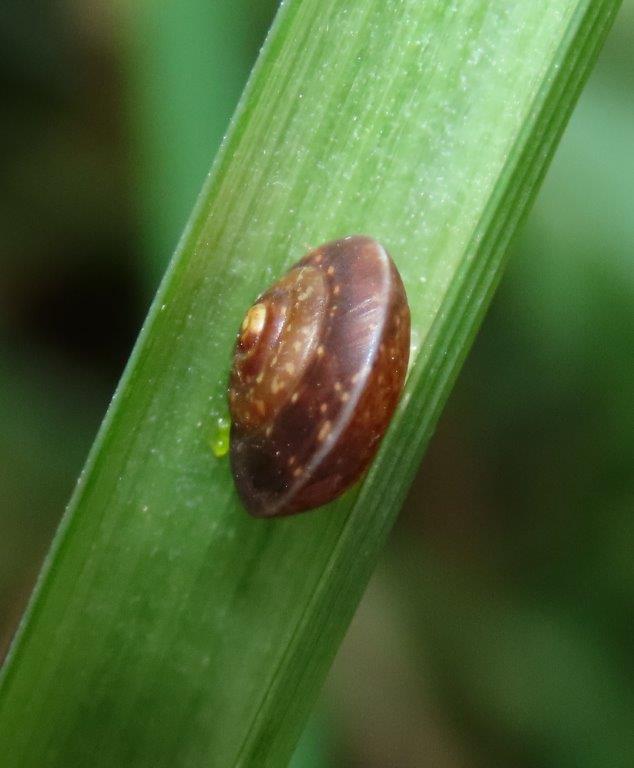
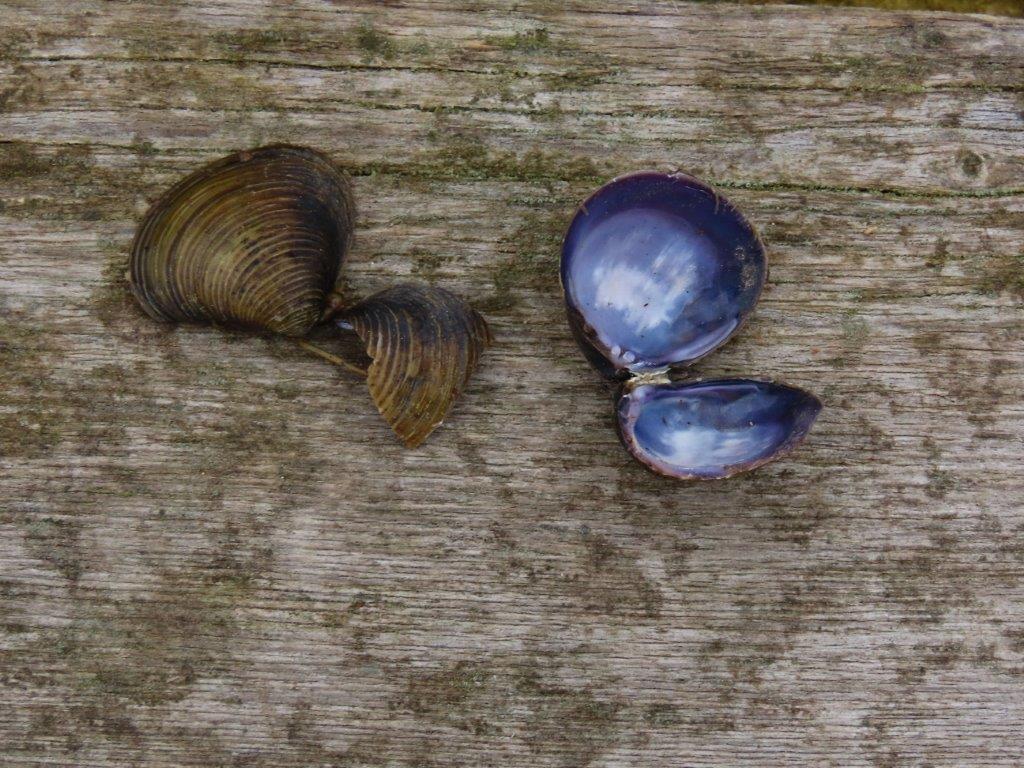
As we continued upriver, we saw or heard a couple of fly-by Kingfishers, together with more non-native, spreading molluscs: the terrestrial Wrinkled Snail and huge numbers of Asiatic Clams deposited on the path presumably by gulls trying the break open the shells. This species arrived as recently as 1997; it is now well-established in the Thames, the Norfolk Broads and the Great Ouse system, and still spreading.
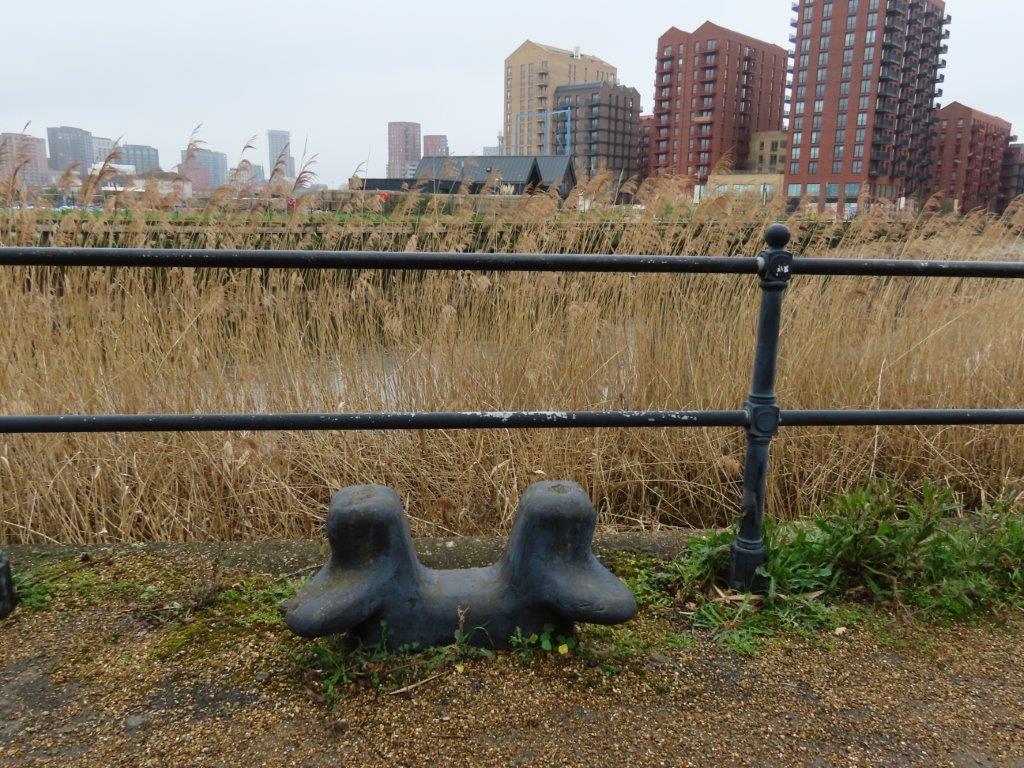
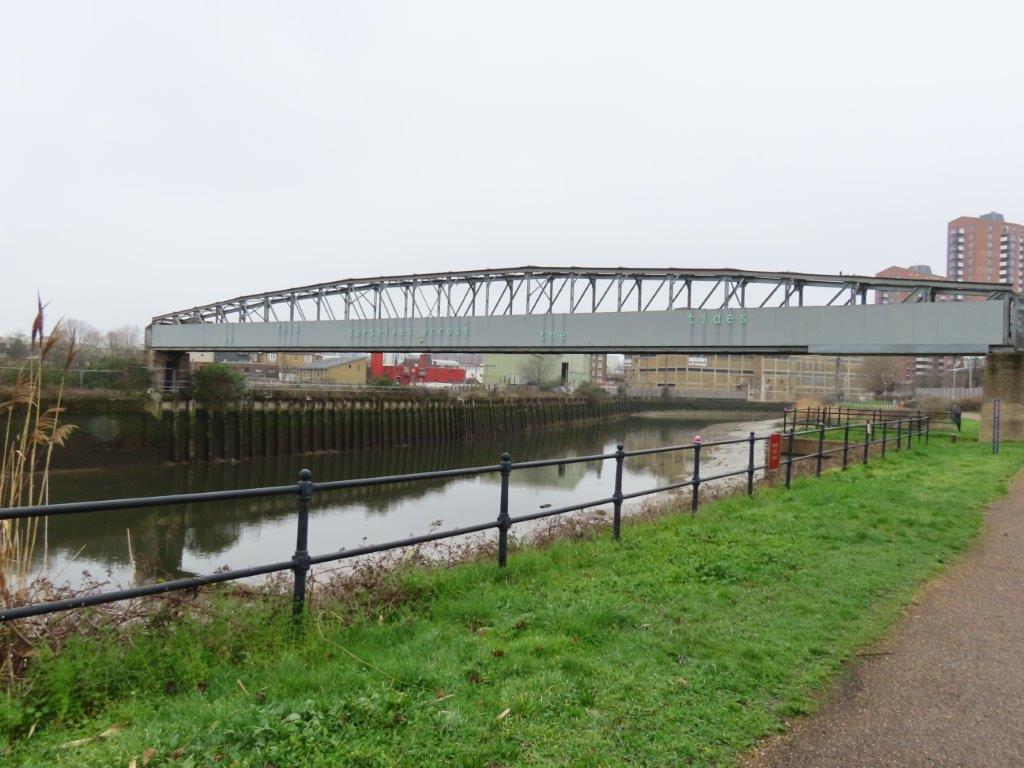
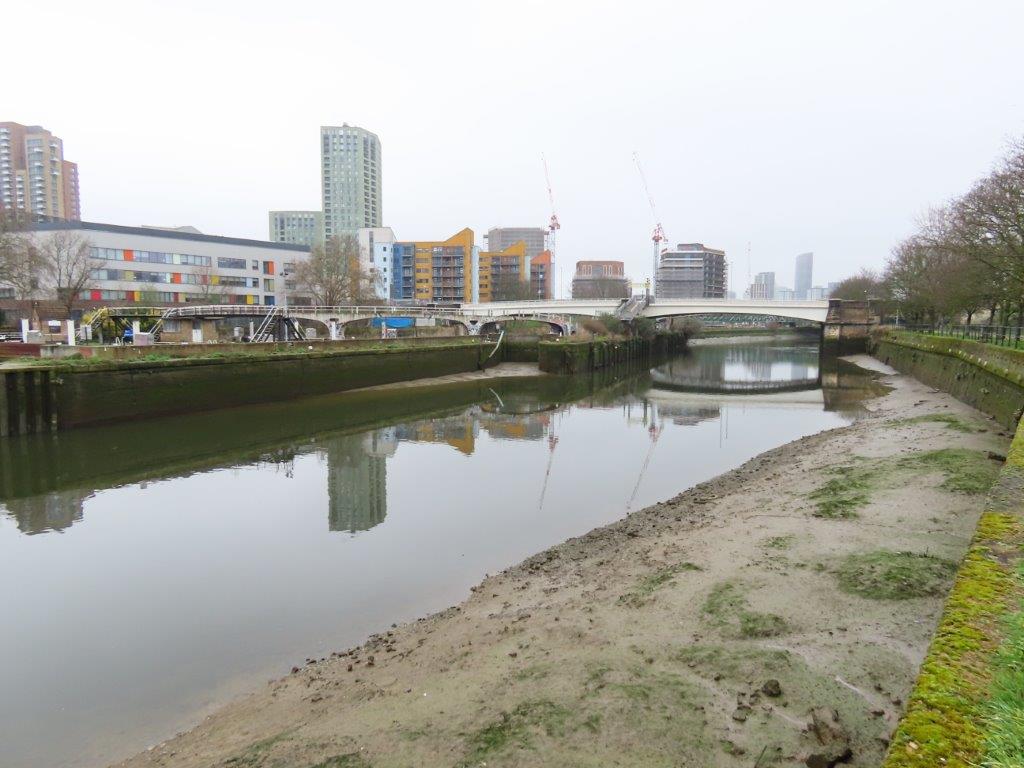
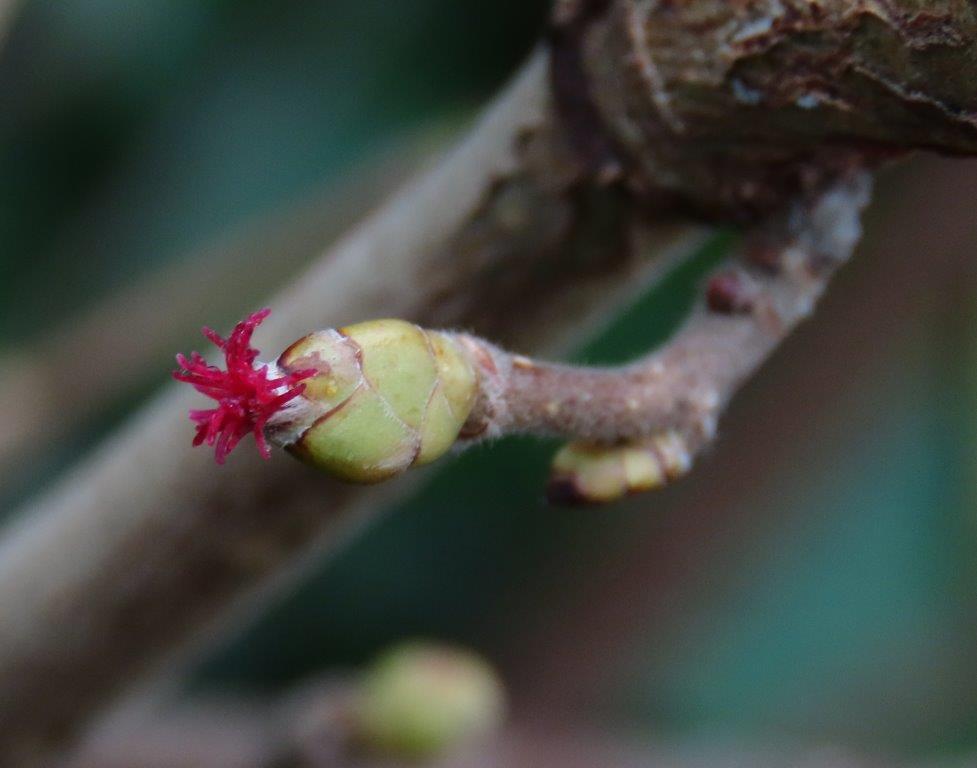
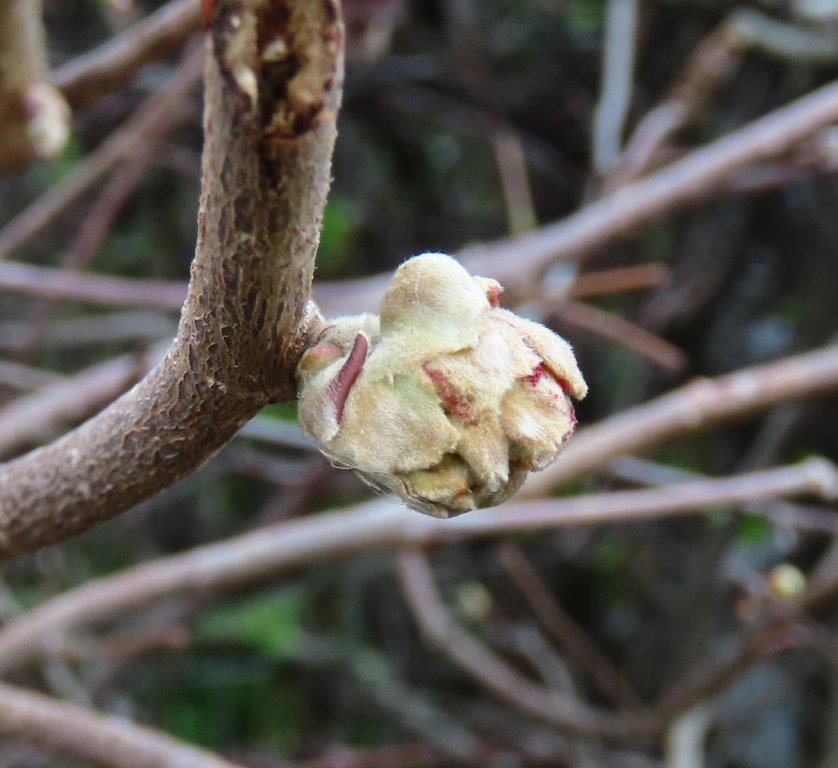
Planted Hazel bushes alongside the path were in flower, but noticeable mainly by the abundance of Big Bud galls, caused by a microscopic mite.
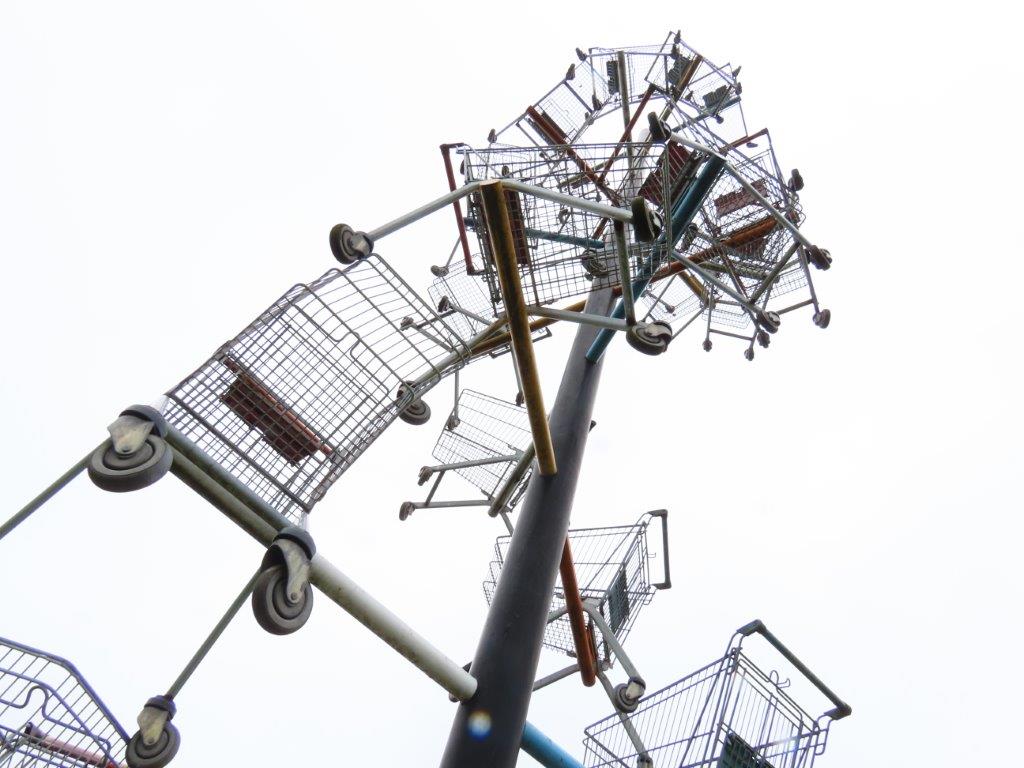
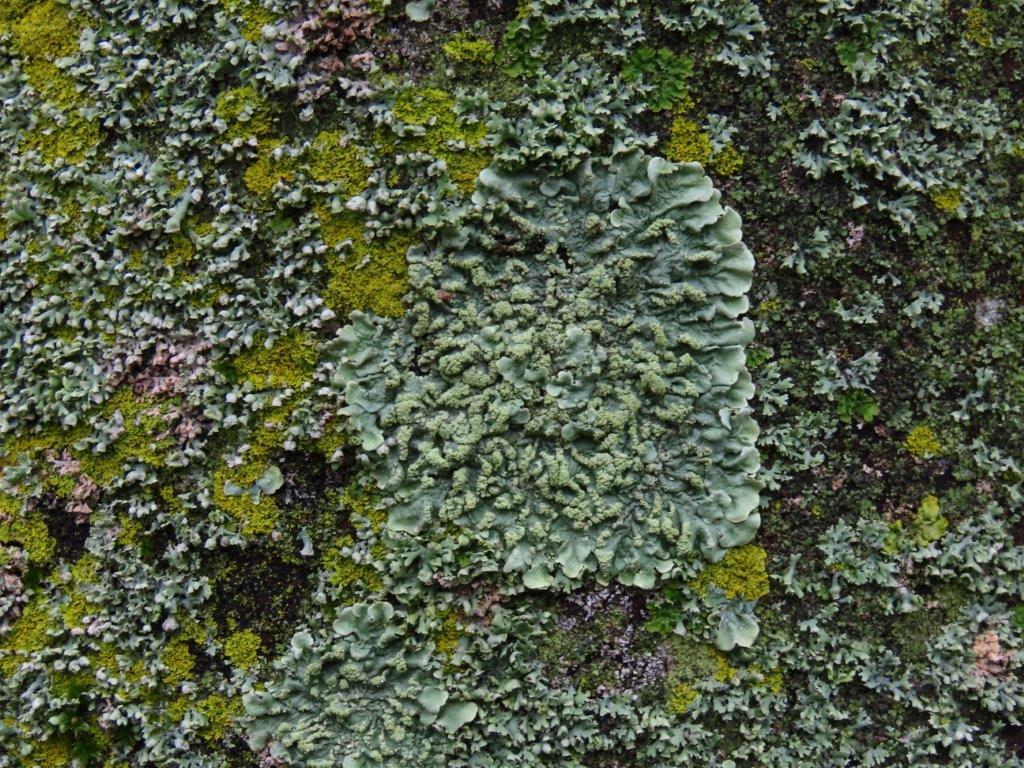
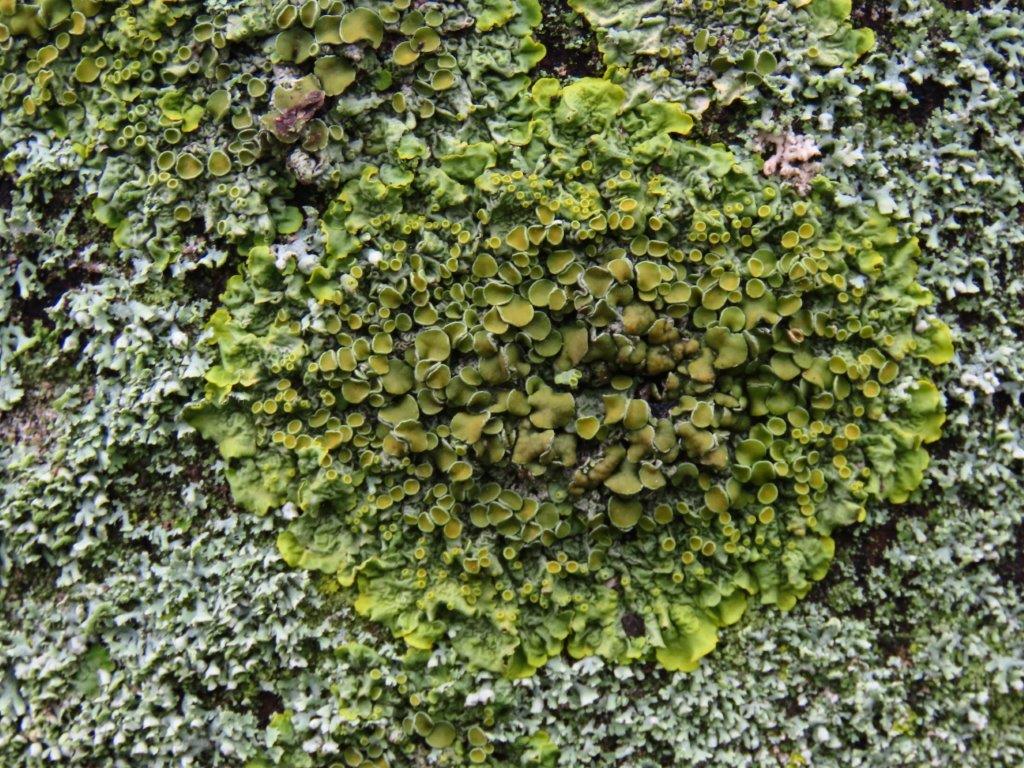
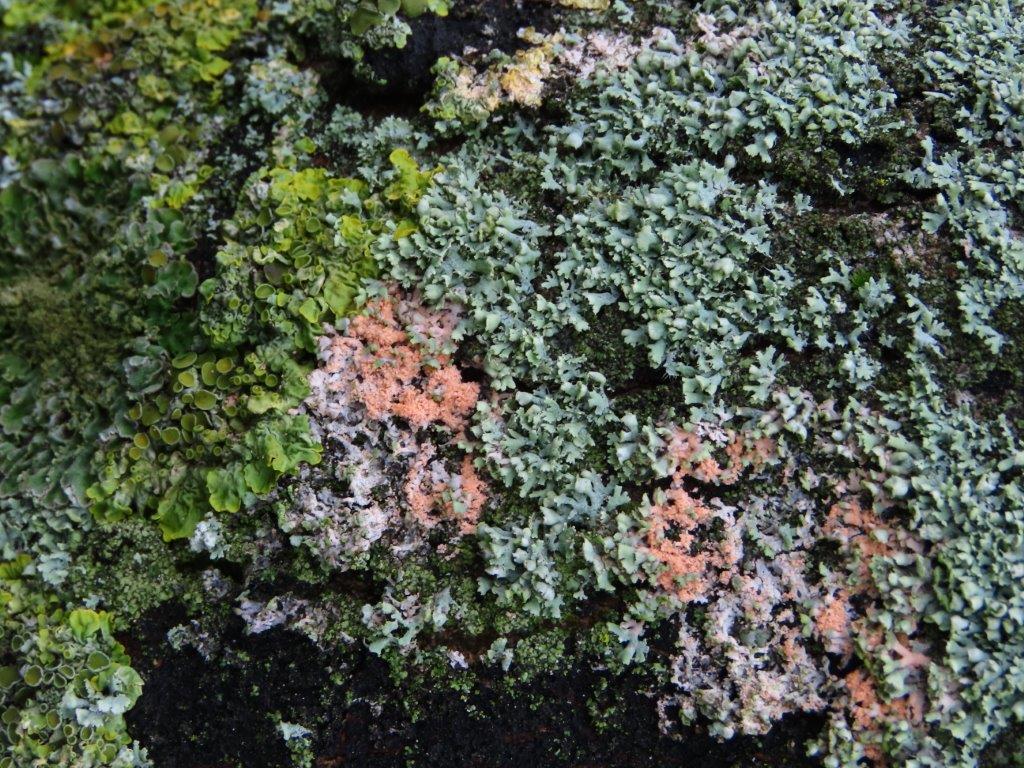
As we approached Stratford, there were some interesting sculptures forming The Line public art trail, including a double-helix of shopping trolleys, and several trees with abundant lichens on their trunks, including Flavoparmelia caperata and (rather green) Sunburst Lichen, together with orange patches of the parasitic lichenicolous fungus Erythricium aurantiacum.
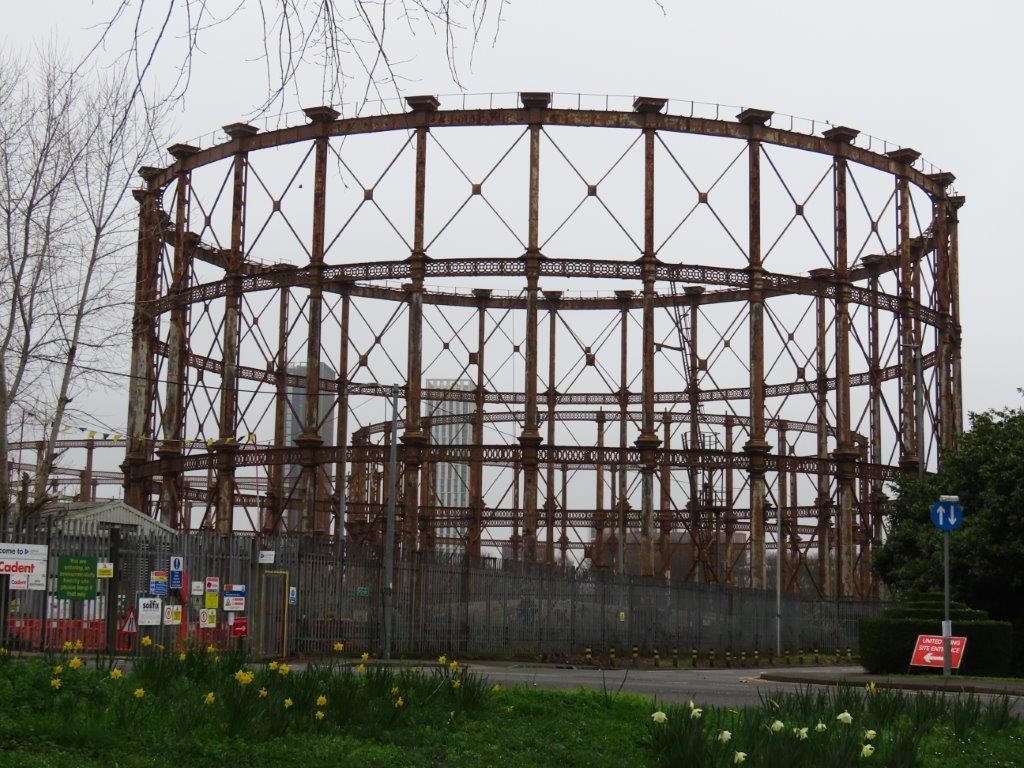
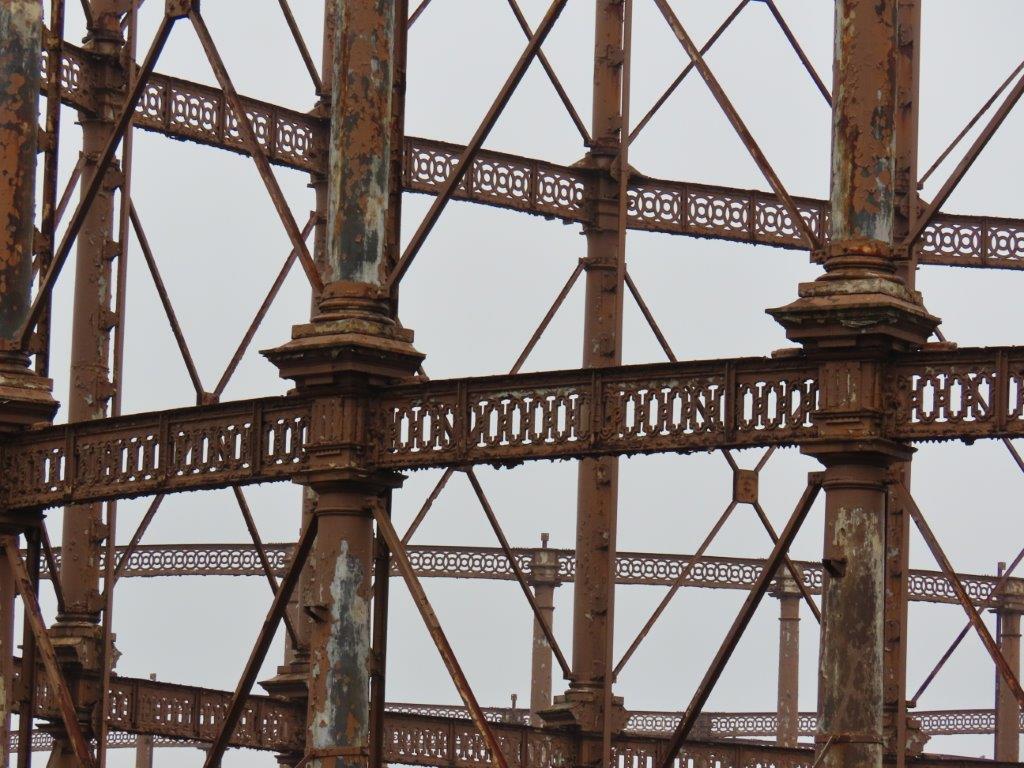
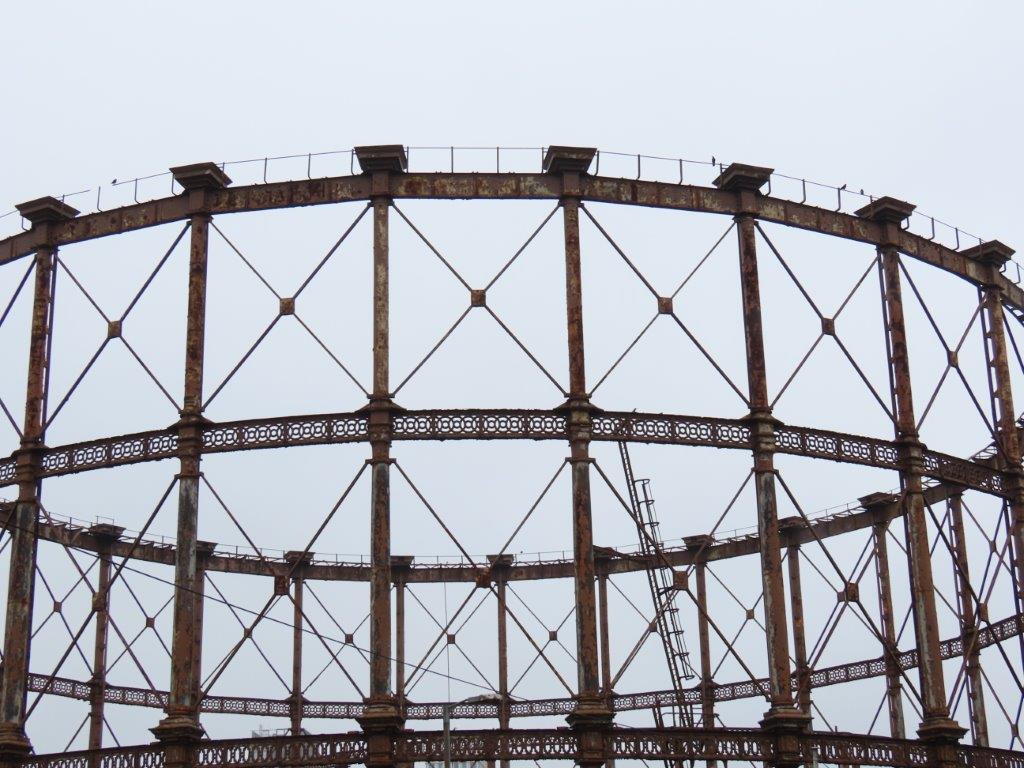
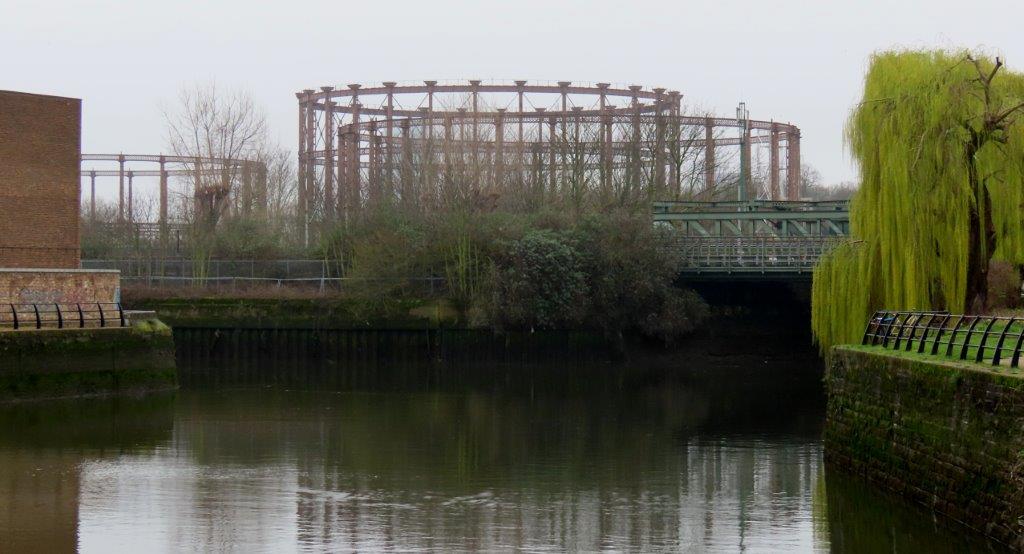
Looking back downstream, the Balfron Tower loomed large in the landscape, while in the other direction appeared the equally remarkable sculptural skeletons of the old gasometers of the Bromley-by-Bow Gas Works:
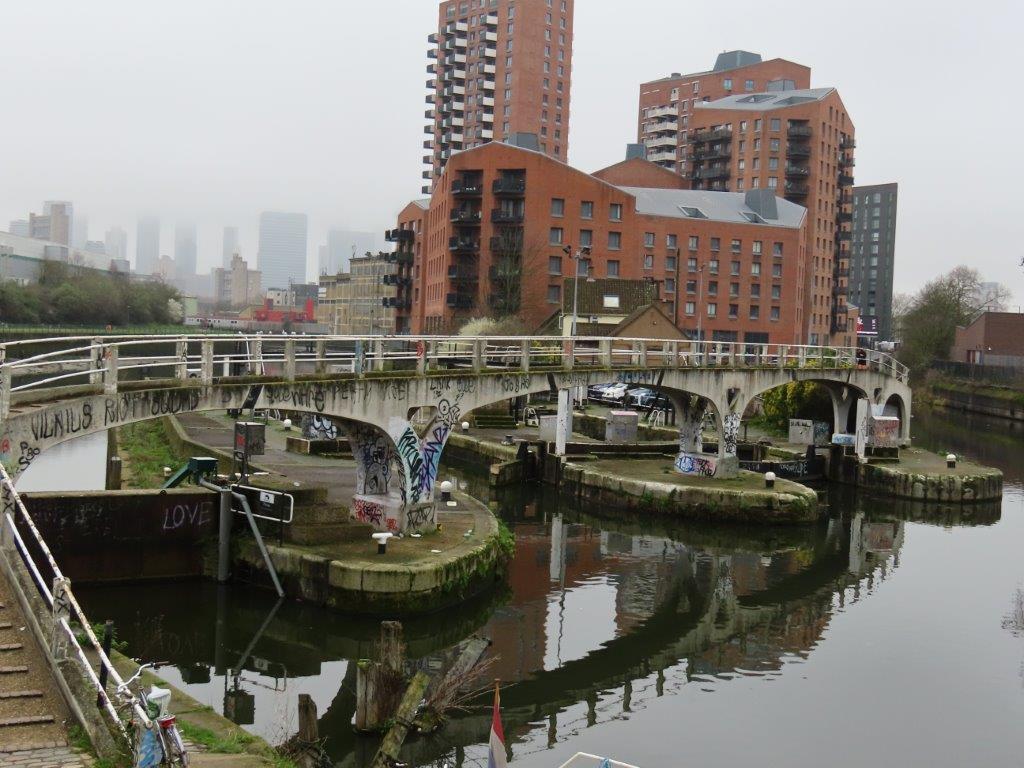
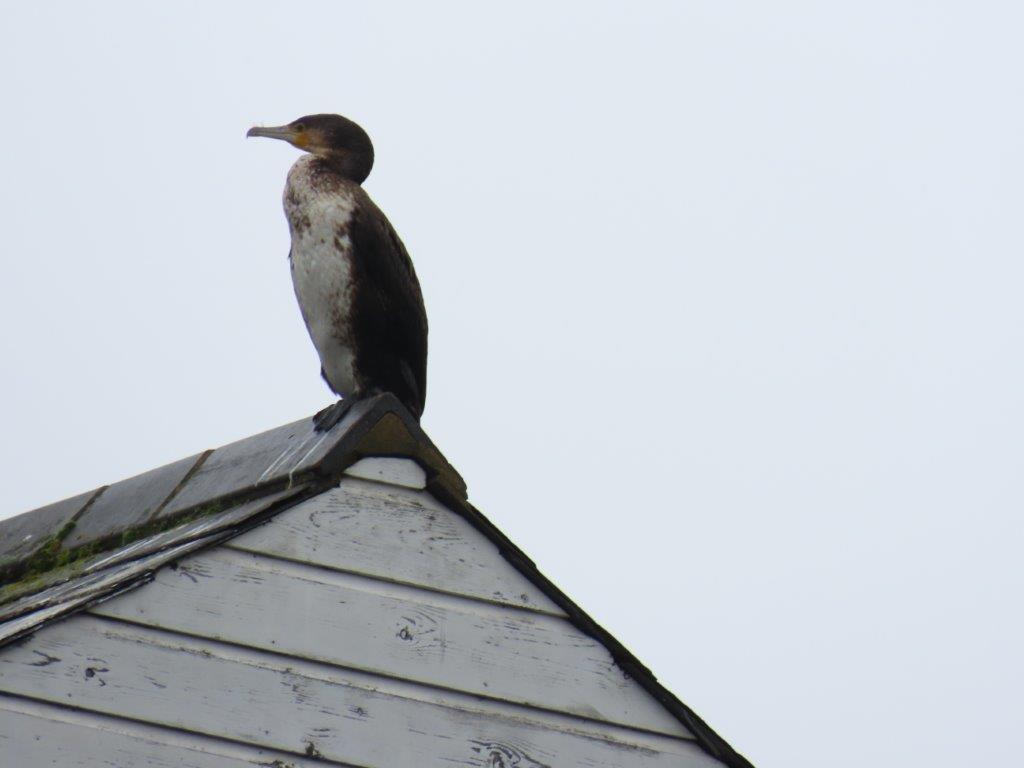
From this point the river becomes more braided and corralled into locks and mill pools of Three Mills Island, a beautifully preserved series of 18th century tide-mills, with Cormorants roosting atop the turrets.
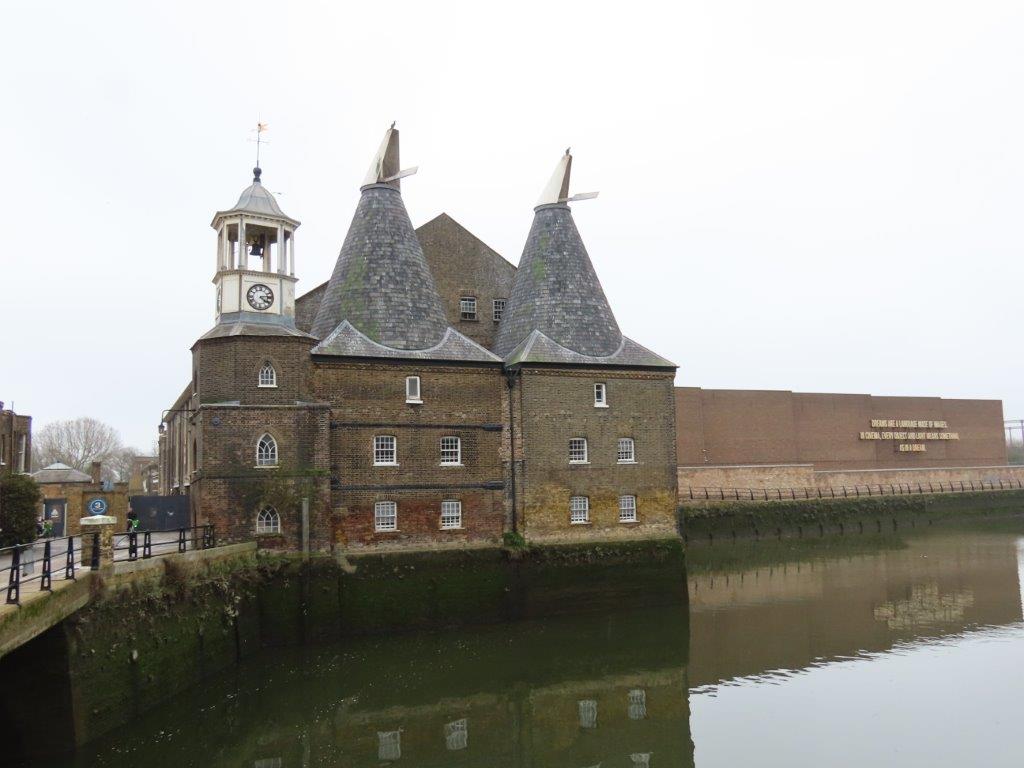
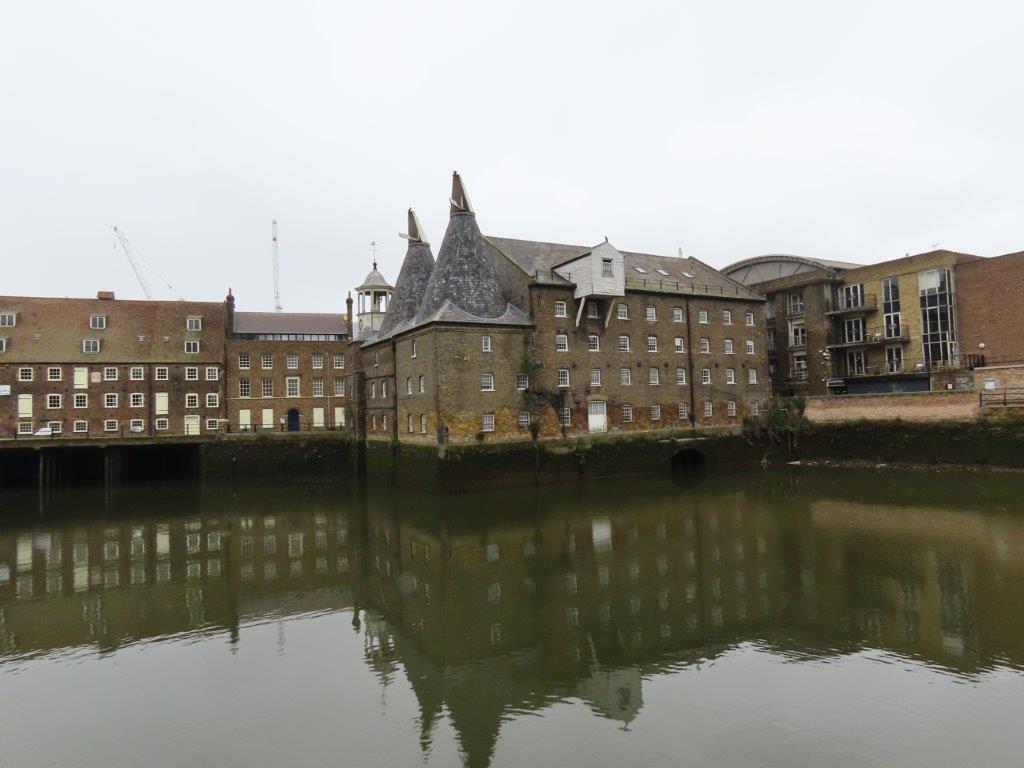
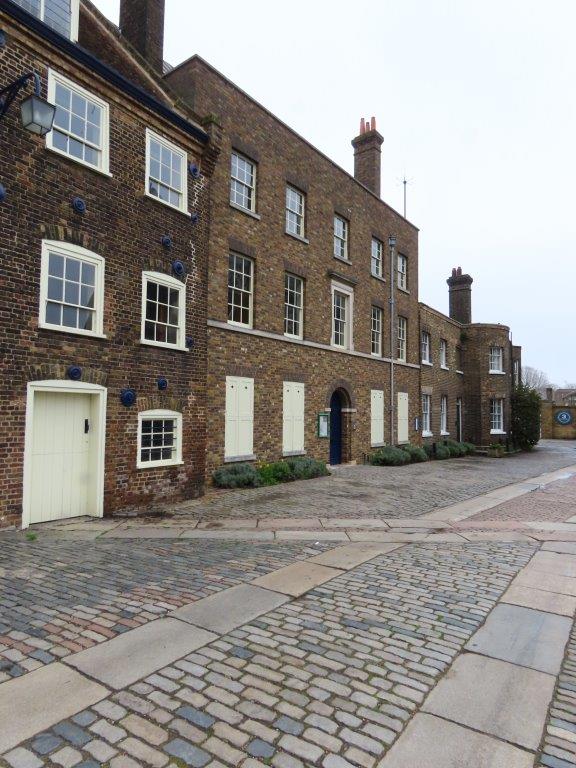
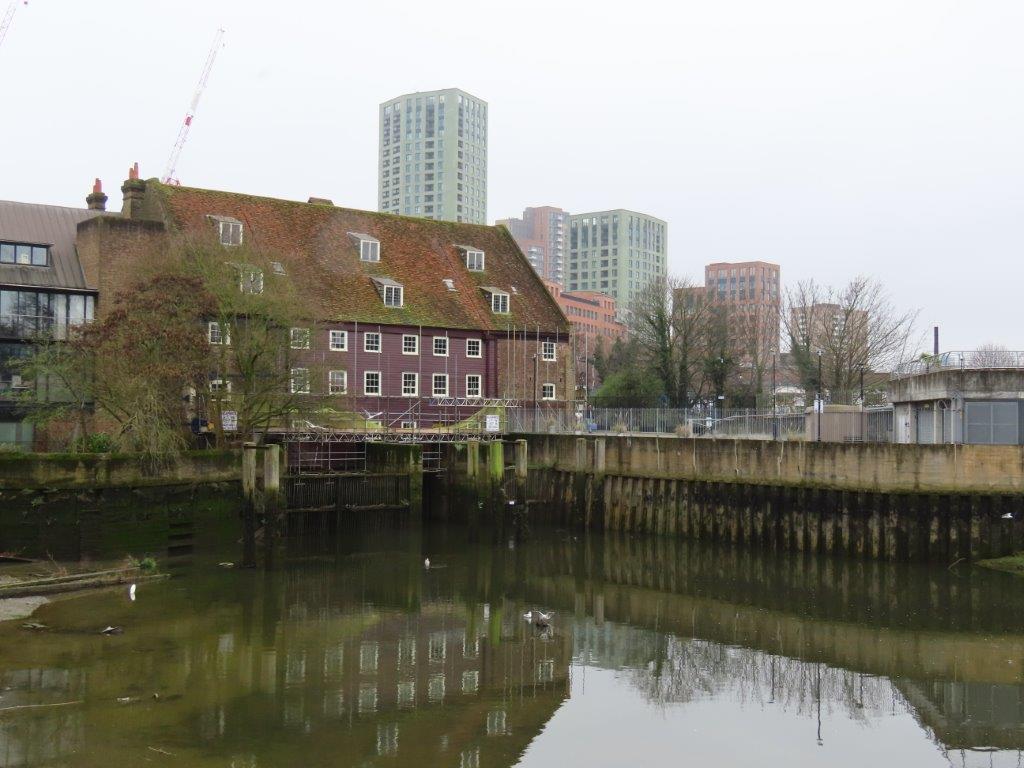
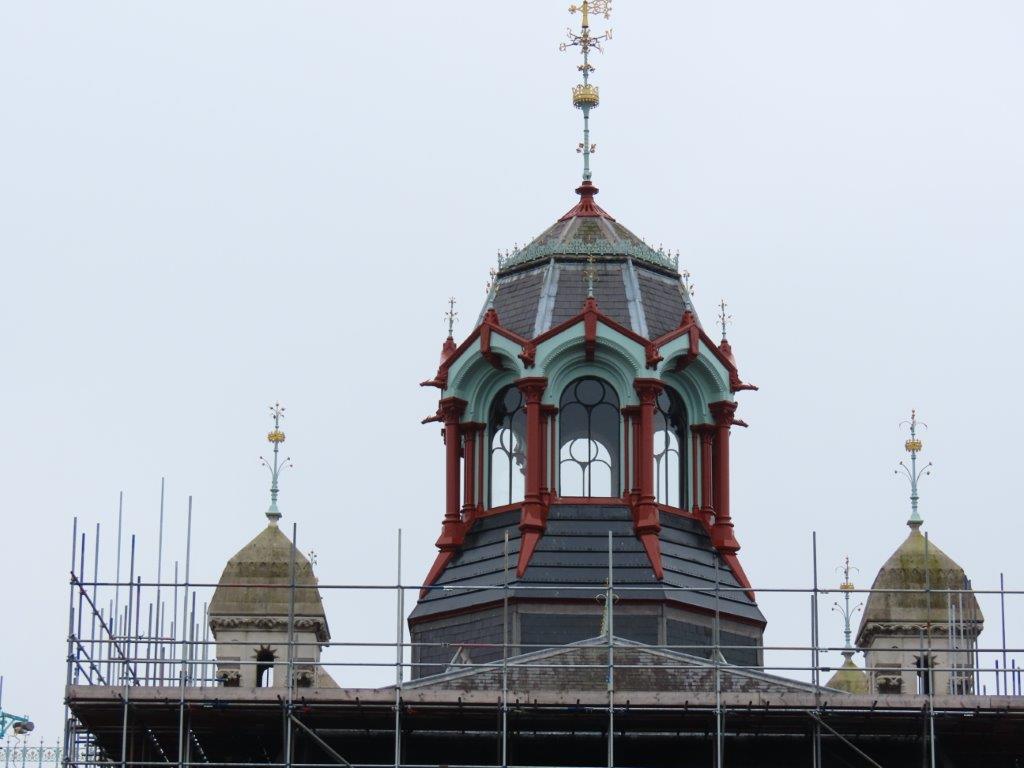
And across the sewage works, tantalising glimpses of the ornate Byzantine-styled tower of Abbey Mills Pumping Station, a key part of Bazalgette’s mid-19th century grand plan to clean up the River Thames.
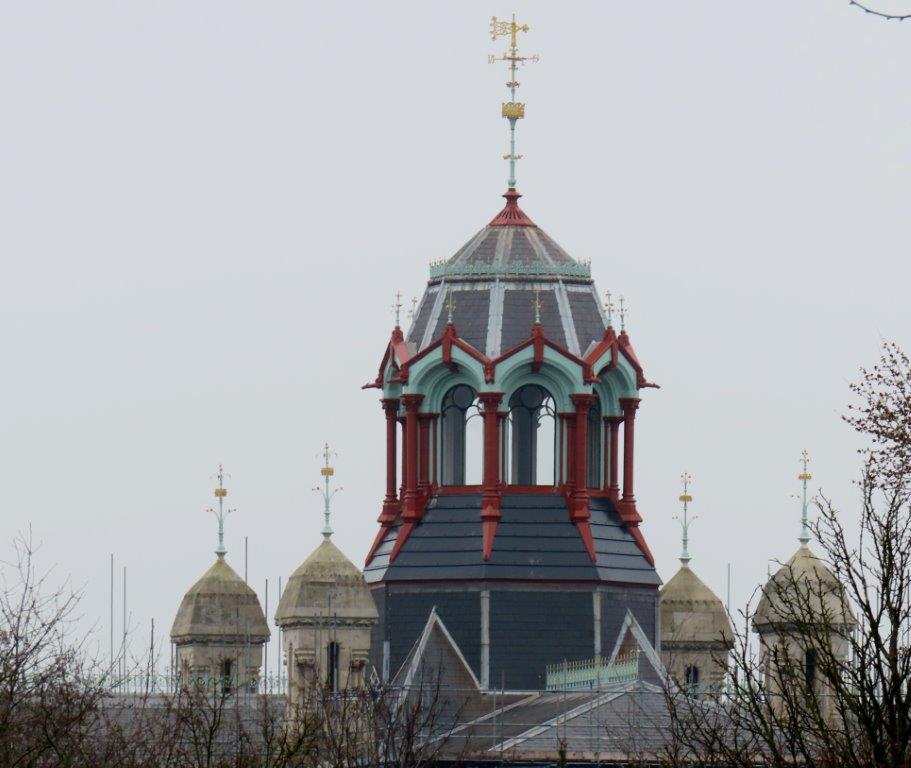
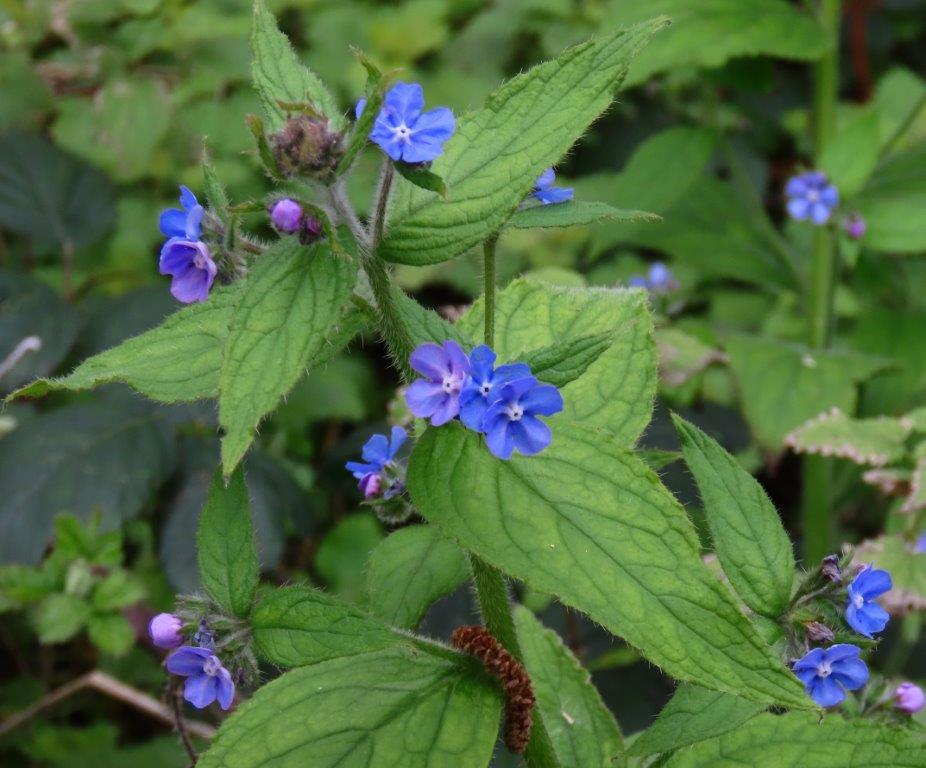
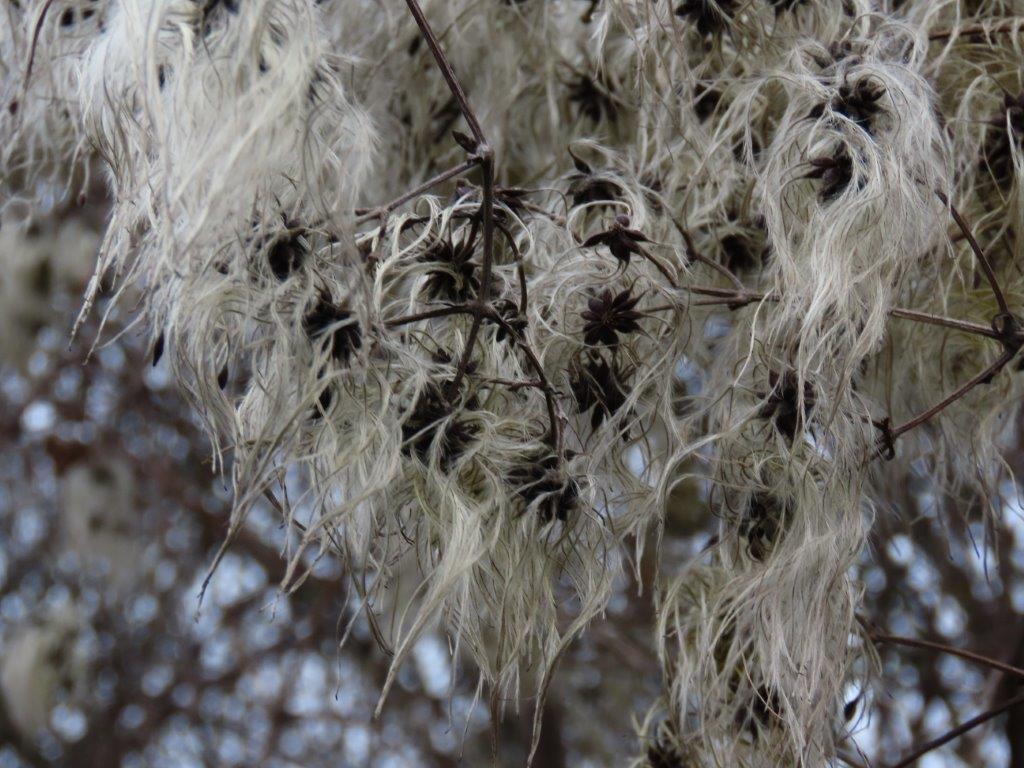
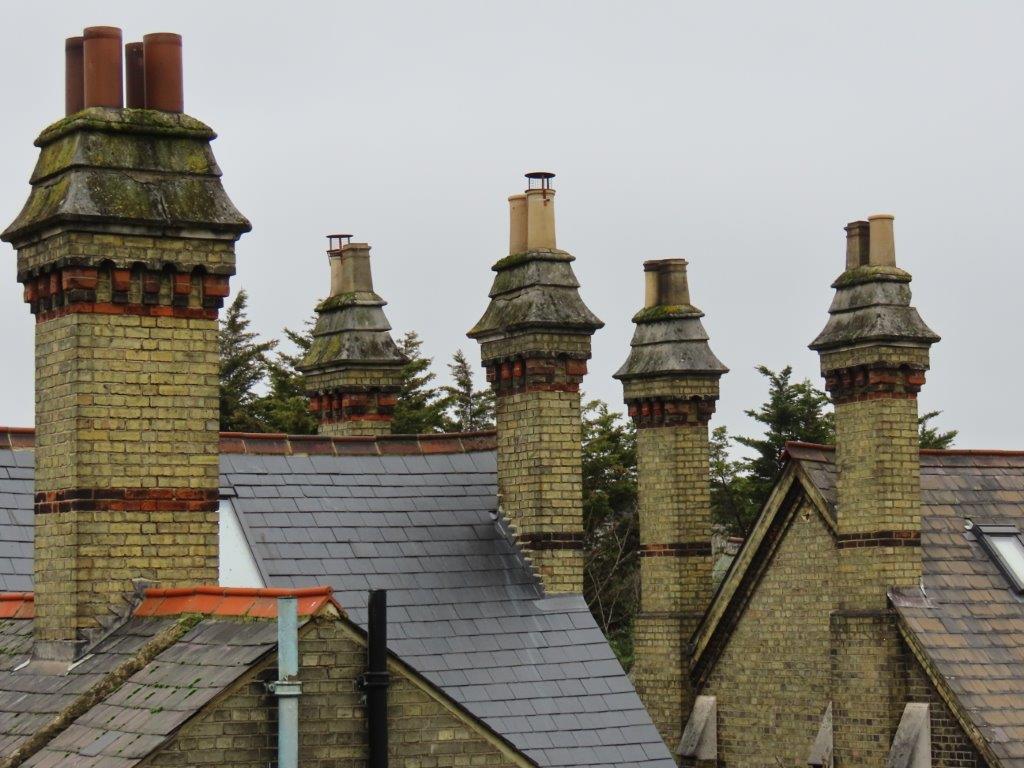
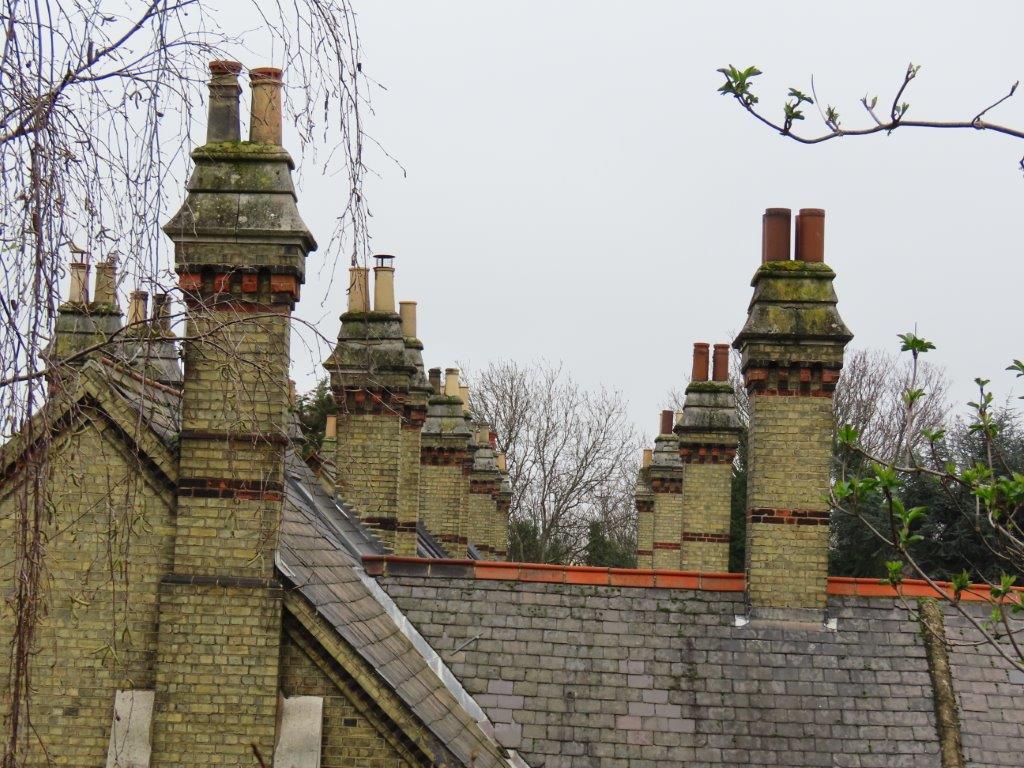
And so onto the Greenway, a raised walkway on the embankment formed by the Northern Outfall Sewer. Here there was Green Alkanet in good flower, its blooming brought forward no doubt by the urban heat-island effect, fruiting Old Man’s Beard, the Pumping Station from a different angle (we really must try and visit on one of its open days!), and the remarkable row of listed cottages built for the workforce in 1865.
All that was left was to wander into Stratford, for food and drink in the Abbey Tap, our final pub of the trip, as we waited for our train home!