The far north-west of Essex has long been a bit of a mystery to me, so it was good last week when the chance arose to explore awhile before giving a talk to the Ashdon Gardening Club. Barely 15km from the hi-tech heart of the country, Cambridge, Ashdon does feel very out of the way. Nestled by the river Granta, and seemingly without any mobile signal, it is enveloped in the chalkscape of the greater Chilterns. The chalk heights reach their Essex peak at Chrishall (147m) west of the M11, but rolling hills clad in chalky boulder clay extend the foothills eastwards.
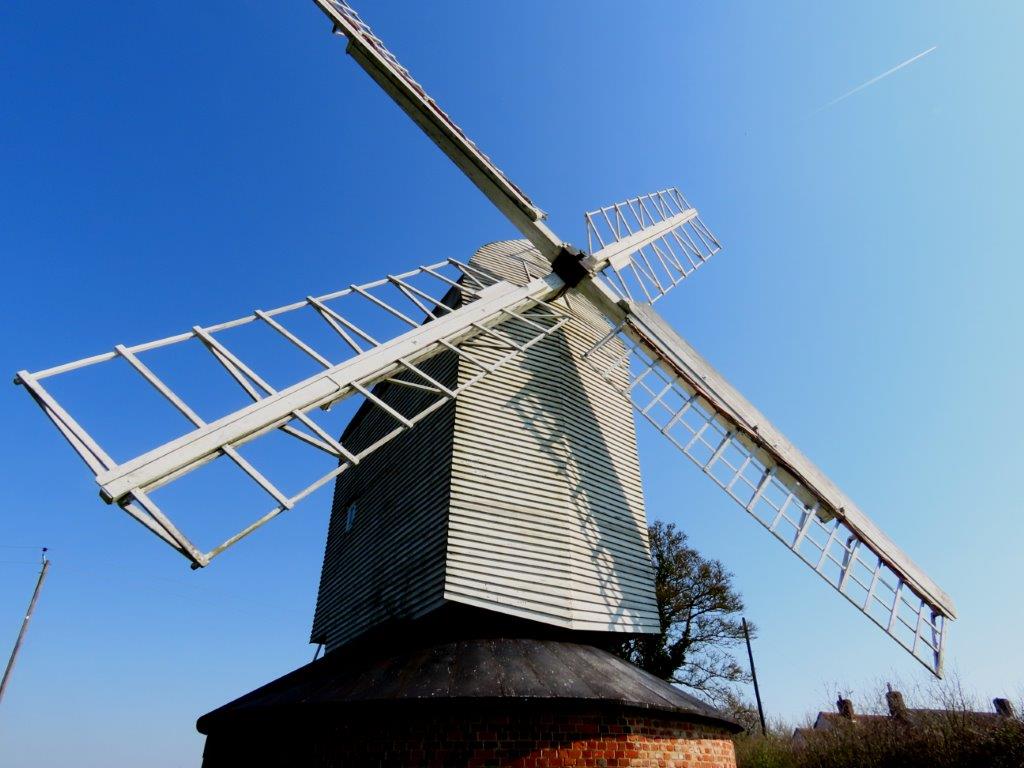
On the hill high above the town is a fine windmill, reached after a bit of a nervous drive a few hundred metres up a single track road with bends and high hedges. But least there is a carpark at the top!
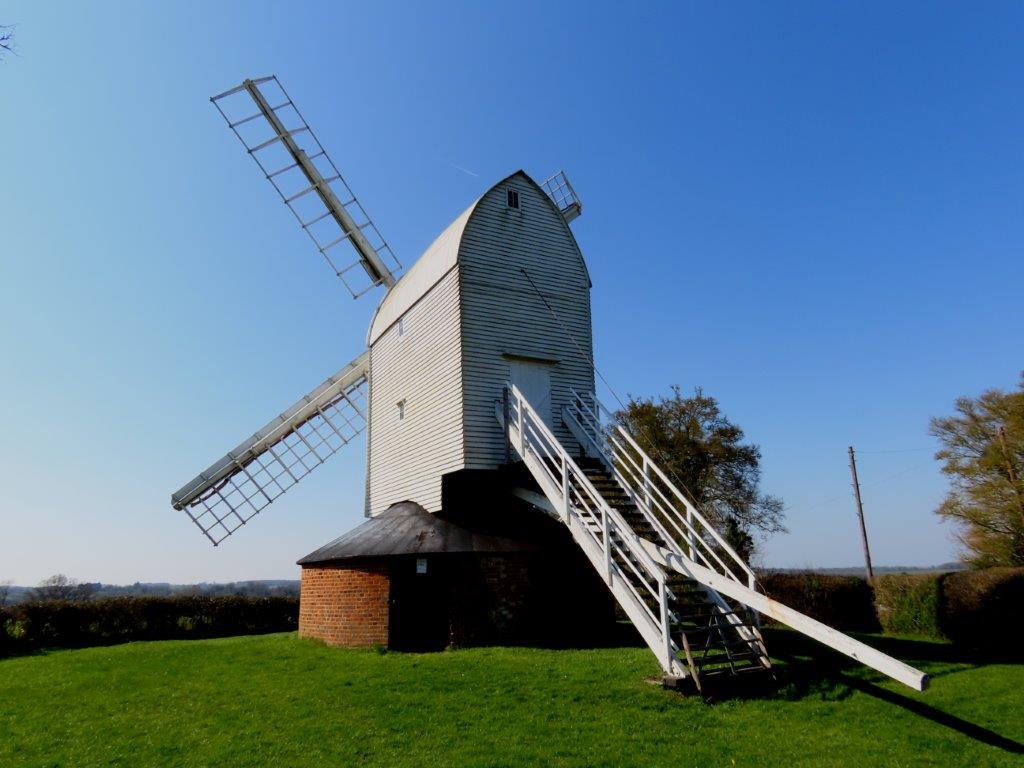
Ashdon Windmill, recently restored to working order by the local community, was built in 1757 and operated commercially until 1912, after which it went through several cycles of dereliction and repair.
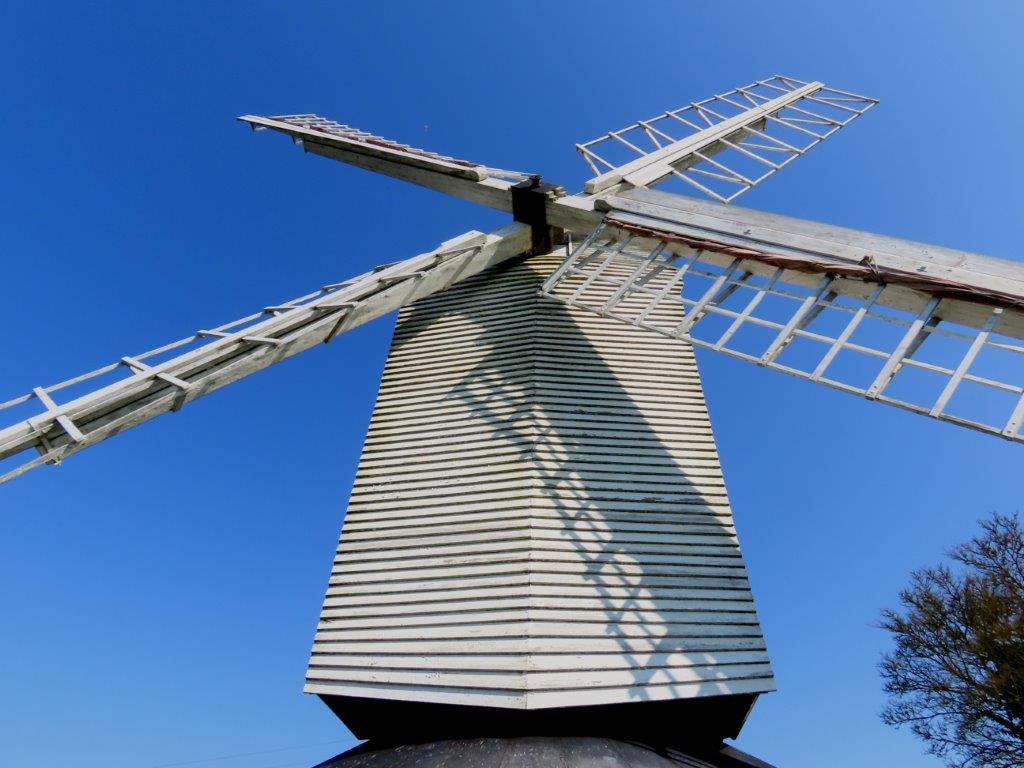
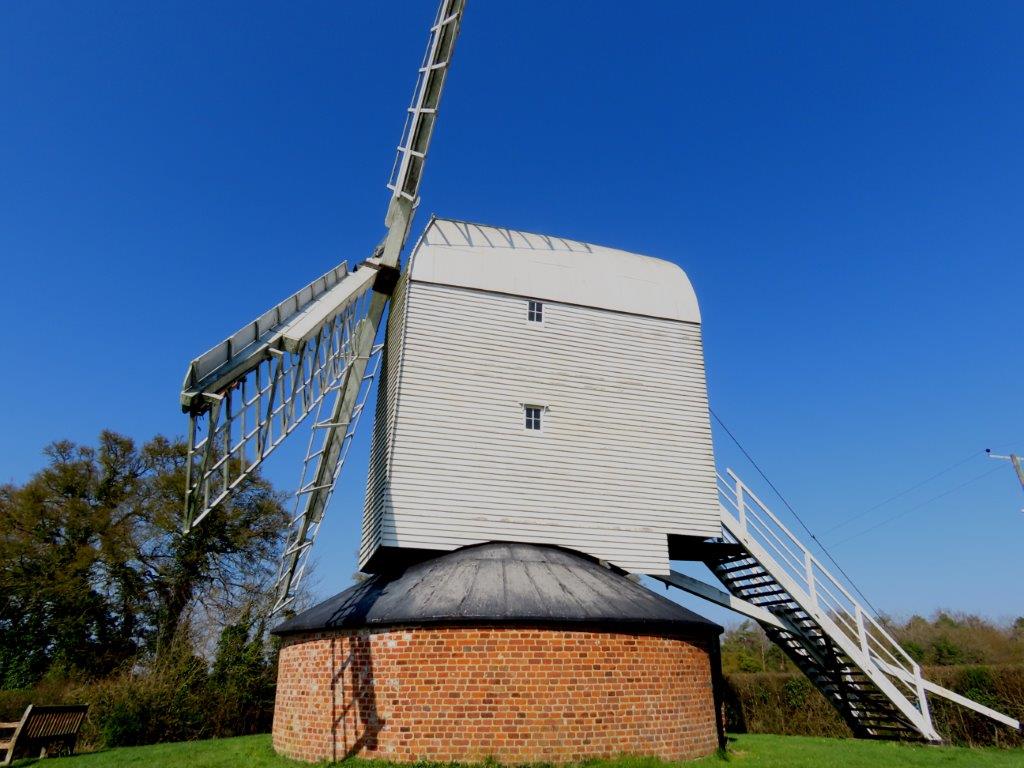
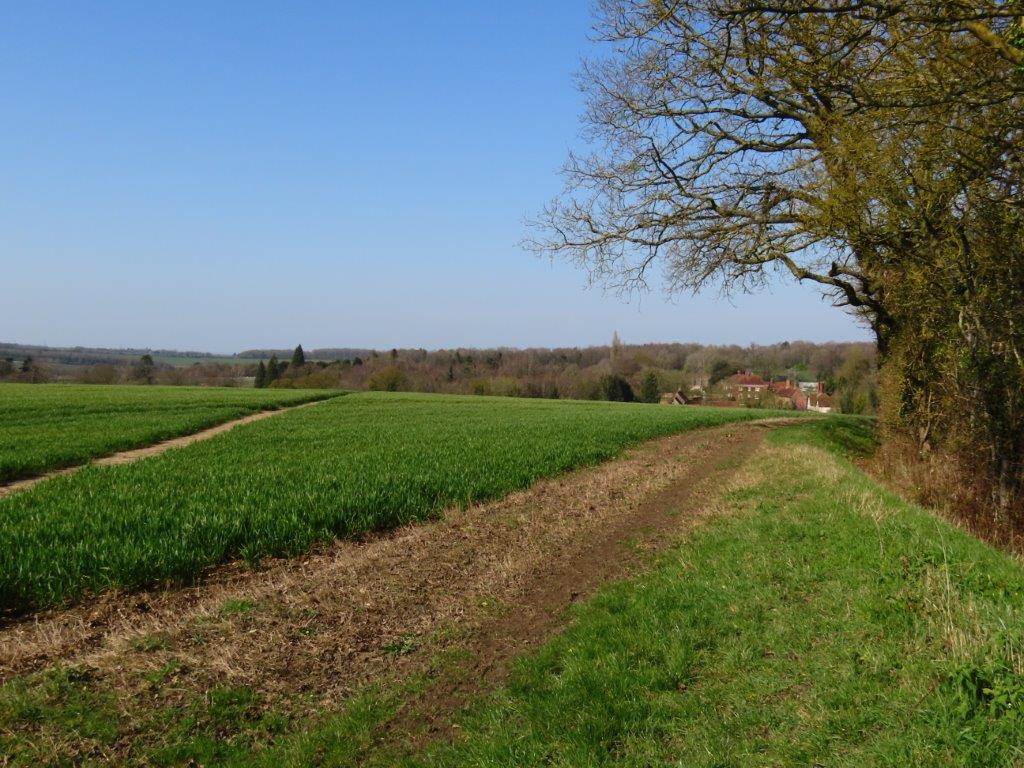
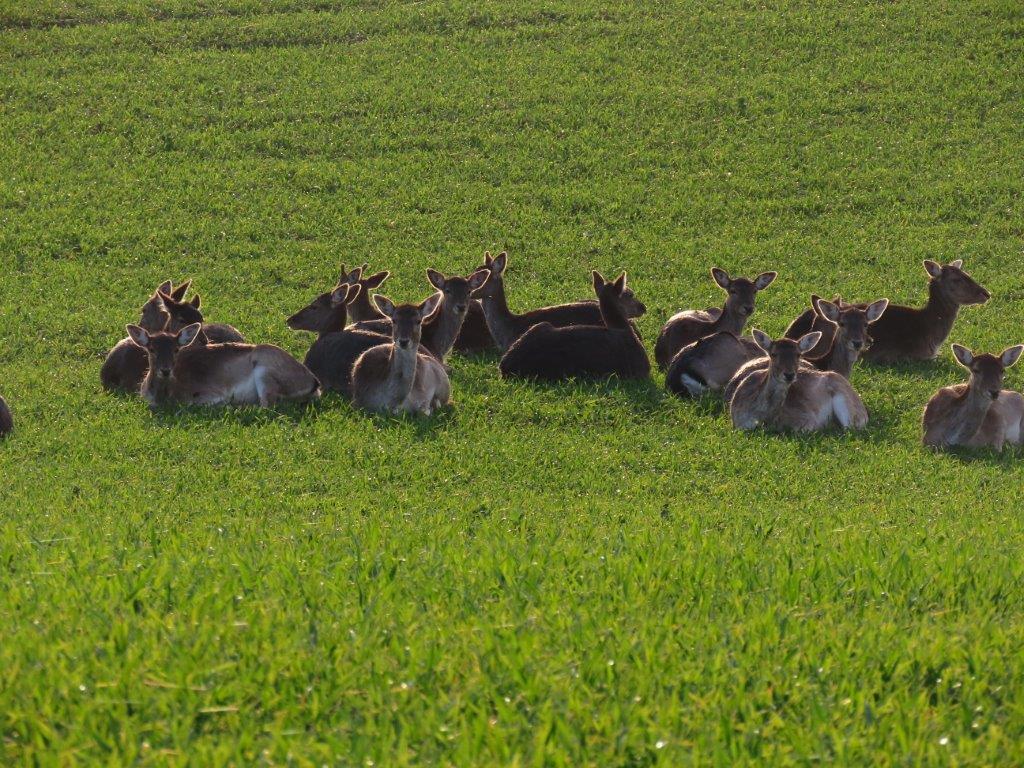
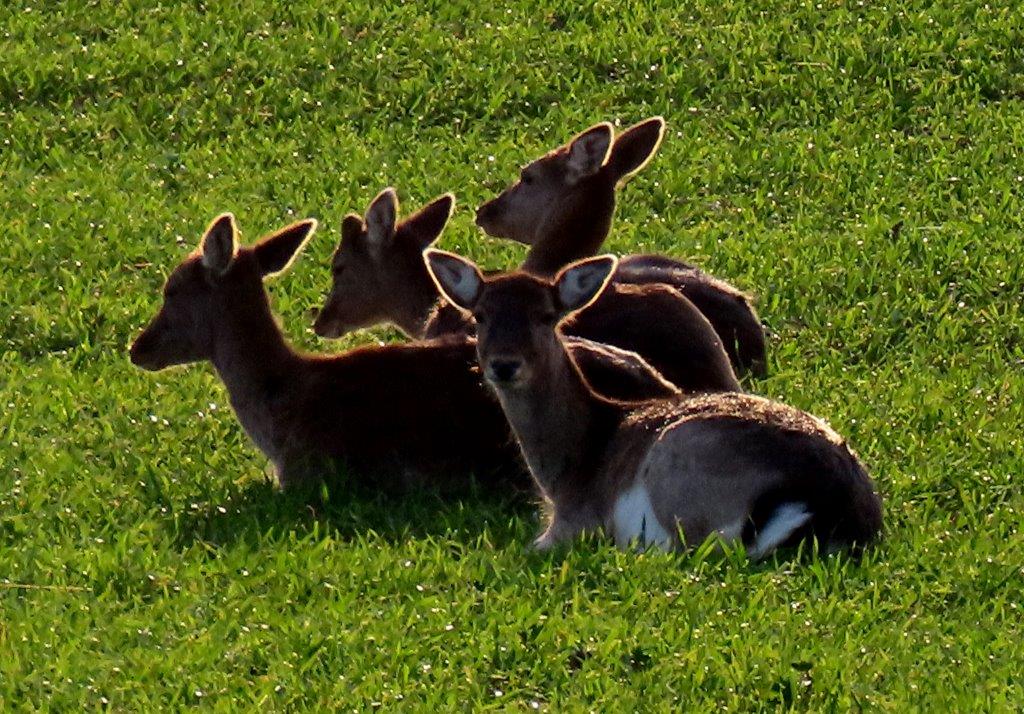
On the windswept peak (at just over 100 metres altitude) is obviously a good place for a windmill, and also to get a feel for the well-wooded, farmed landscape, the fields often featuring Fallow Deer.
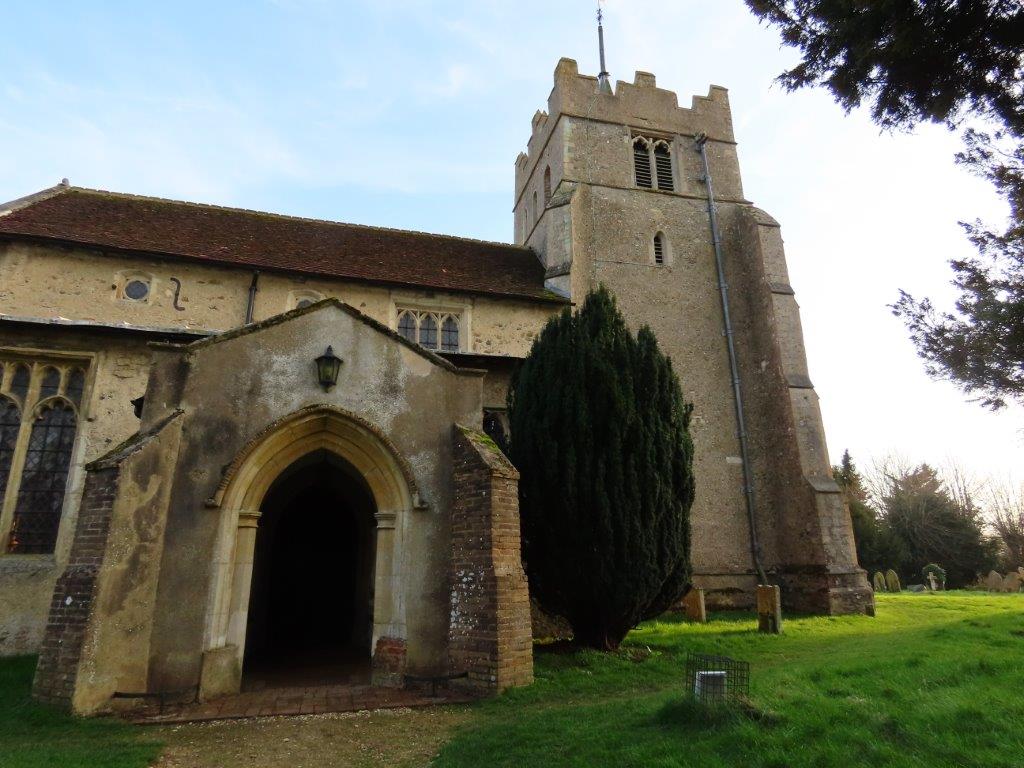
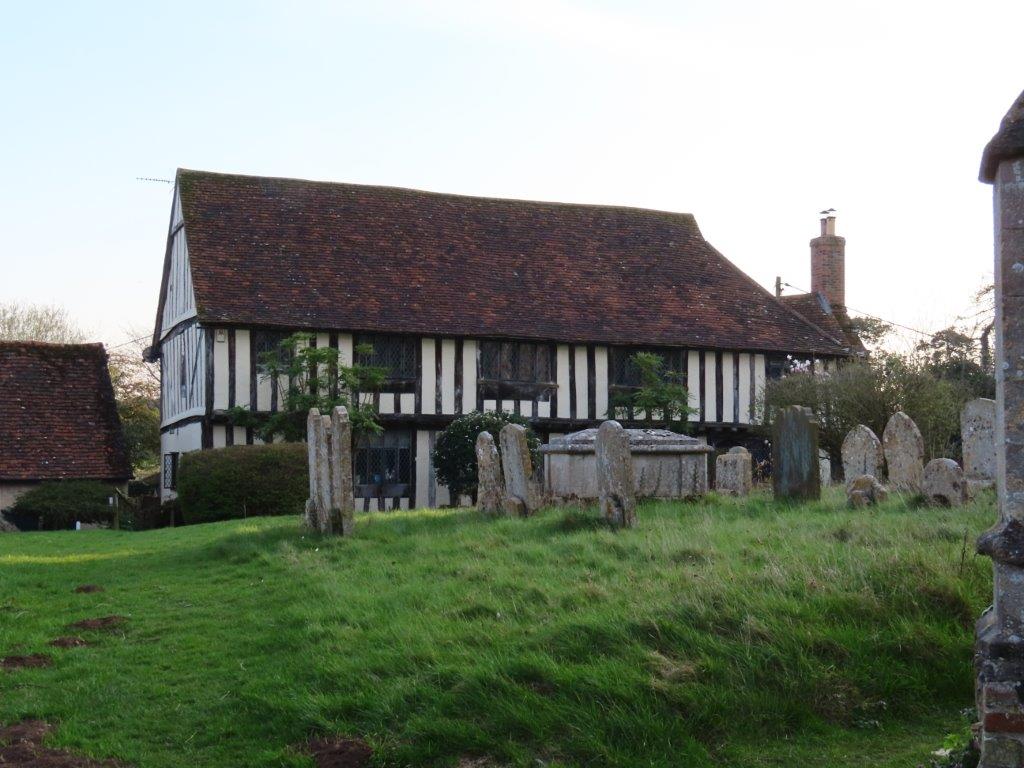
Back down in the village, the church was worth a visit, in a fine setting with the historic Vicarage and Guildhall, now well away from the heart of the village, perhaps a shift in response to the Black Death.
Then it was up the road a short way to the village of Bartlow. Now entirely within the county of Cambridgeshire, until a boundary review last century the land to the south of the River Granta was the last outpost of Essex. Indeed, about five kilometres to the east, I noticed that the three counties of Essex, Cambridgeshire and Suffolk converge, and wondered briefly if it would worth hunting the join. Then I looked at the satellite photo, showing it among a slew of arable fields, and had second thoughts. After all, having straddled the Equator and the Greenwich meridian, I realise that artificial lines have no lasting meaning!
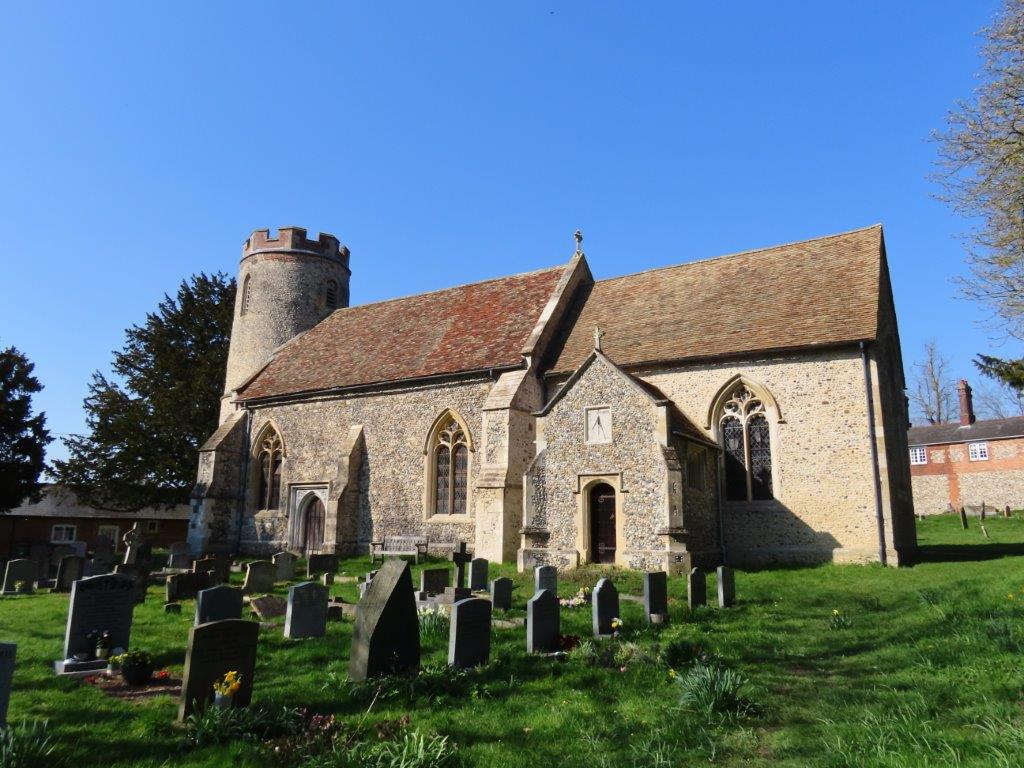
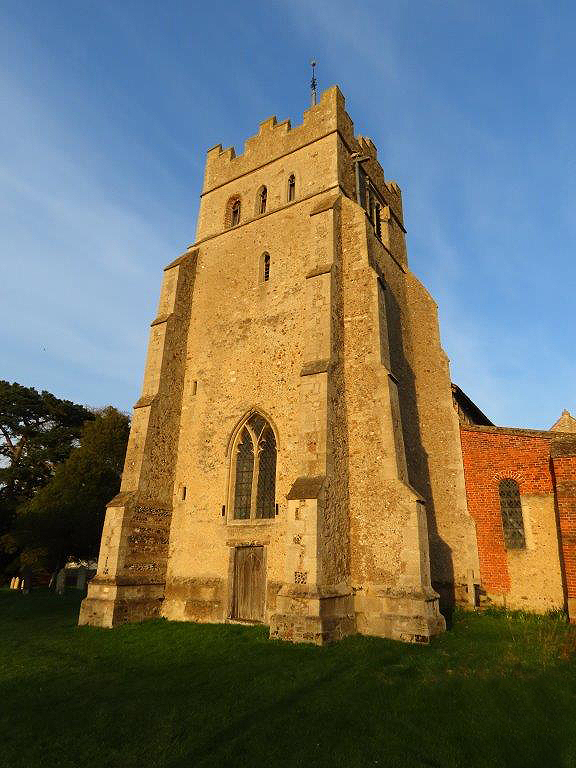
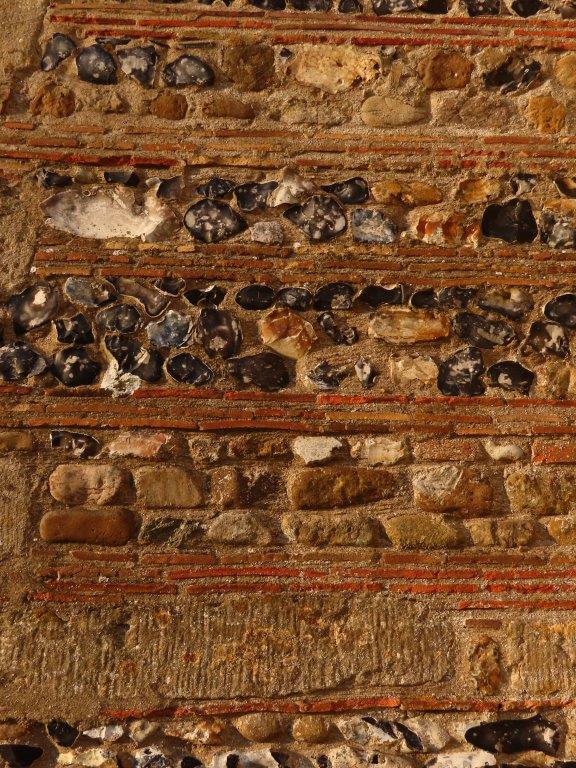
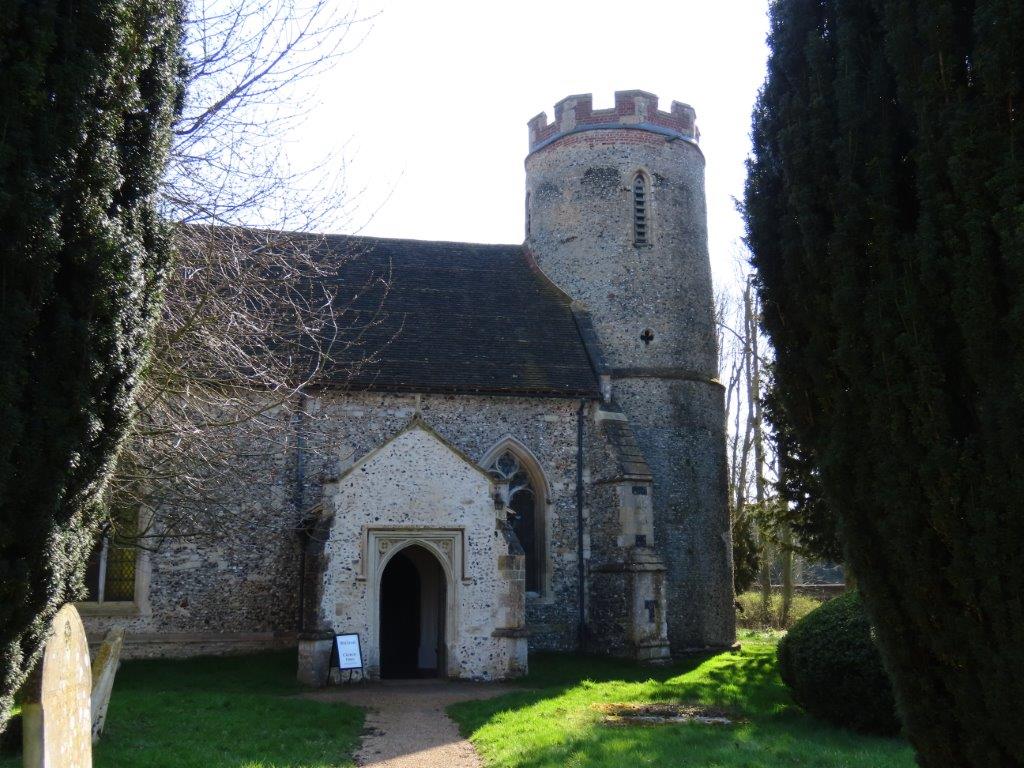
Bartlow Church was also worth a visit, although fairly unremarkable inside; it is one of just two Cambridgeshire churches with round towers. And that tower is the oldest part of current church, dating back to perhaps the late 11th century.
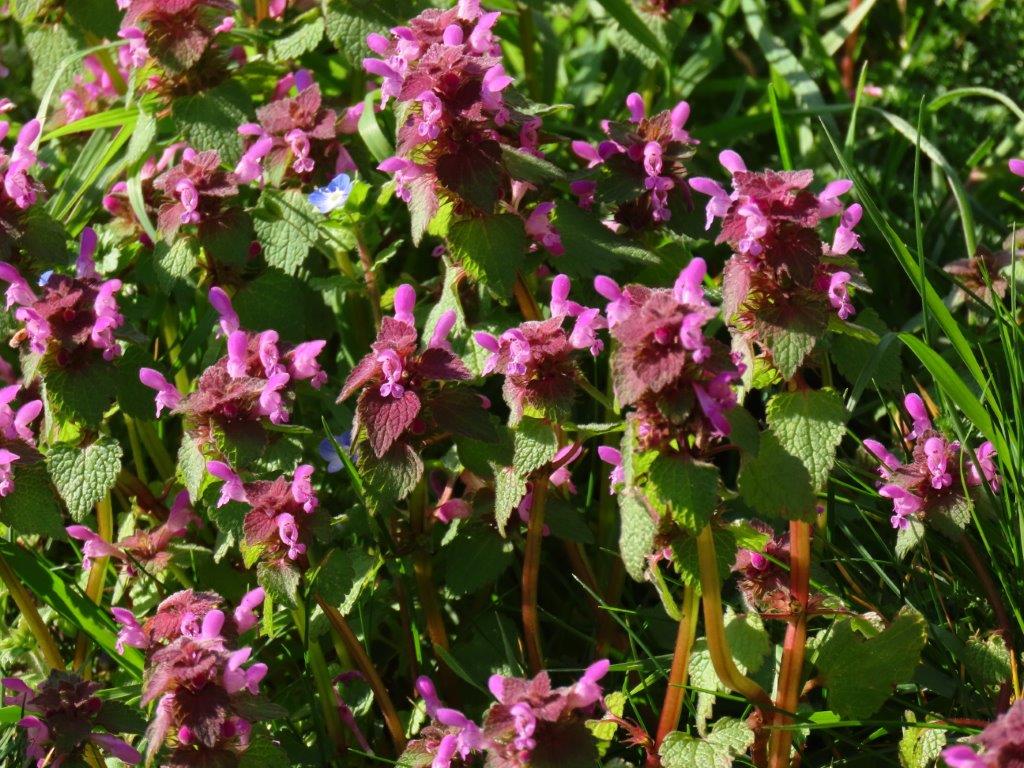
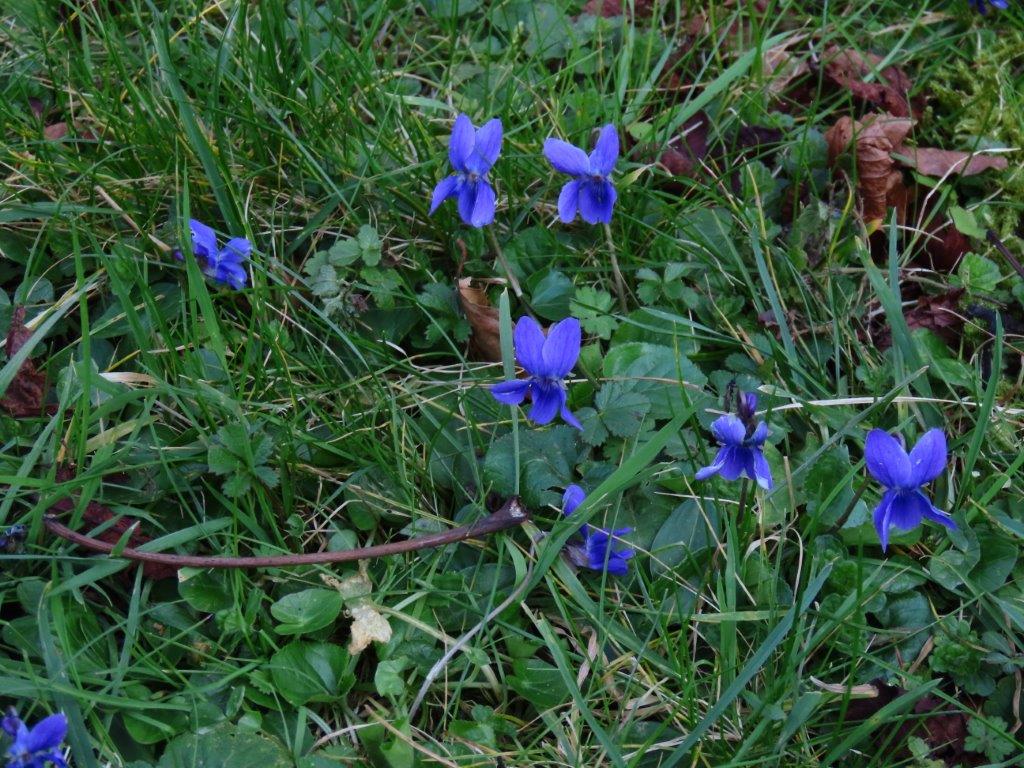
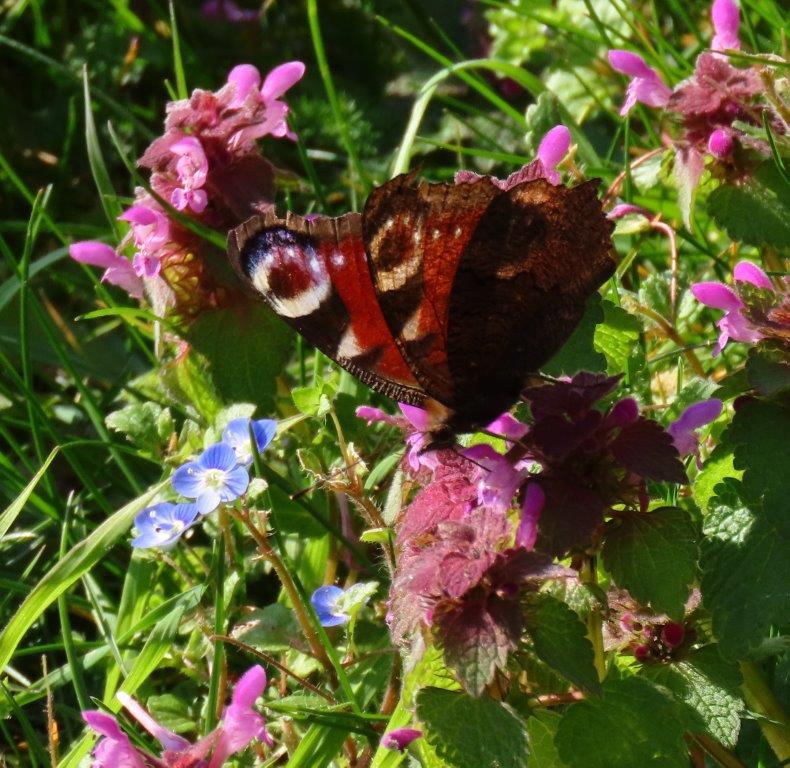
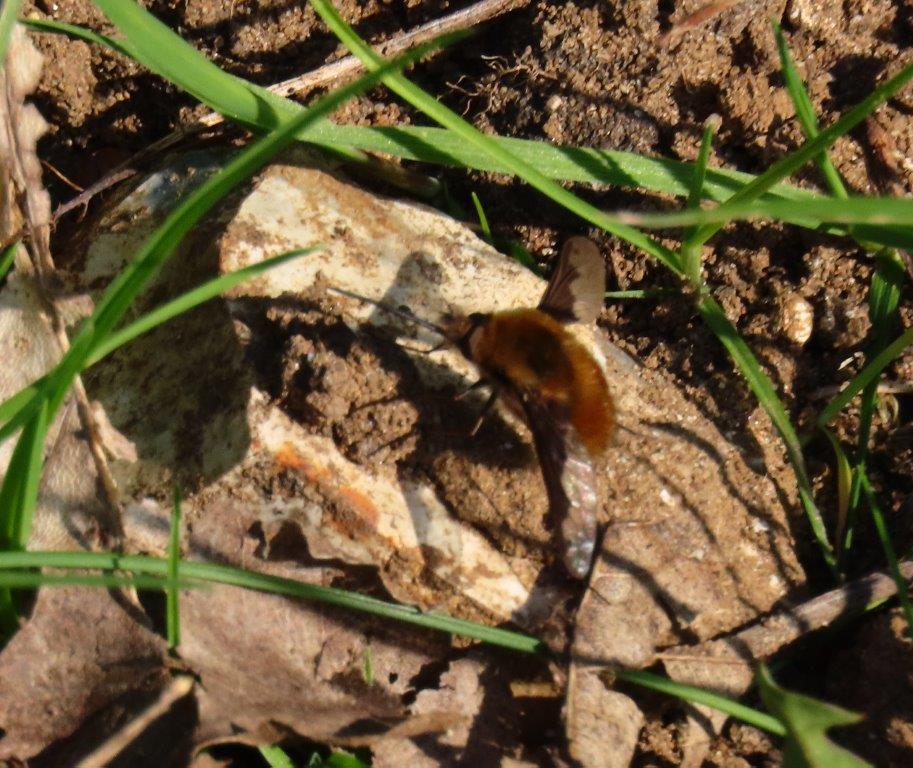
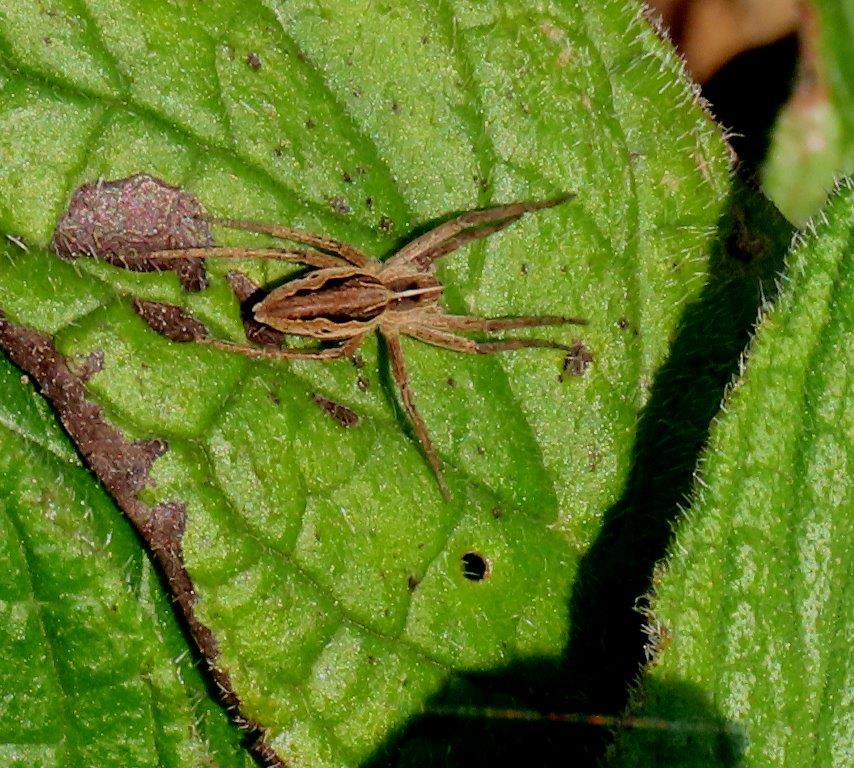
In the afternoon heat, the churchyard was buzzing with life. Patches of Red Dead-nettles, Primroses and Sweet Violets were in full bloom, attracting Peacock butterflies, while Brimstones and Dark-edged Beeflies were everywhere, and Nursery-web Spiders were out basking on many a leaf.
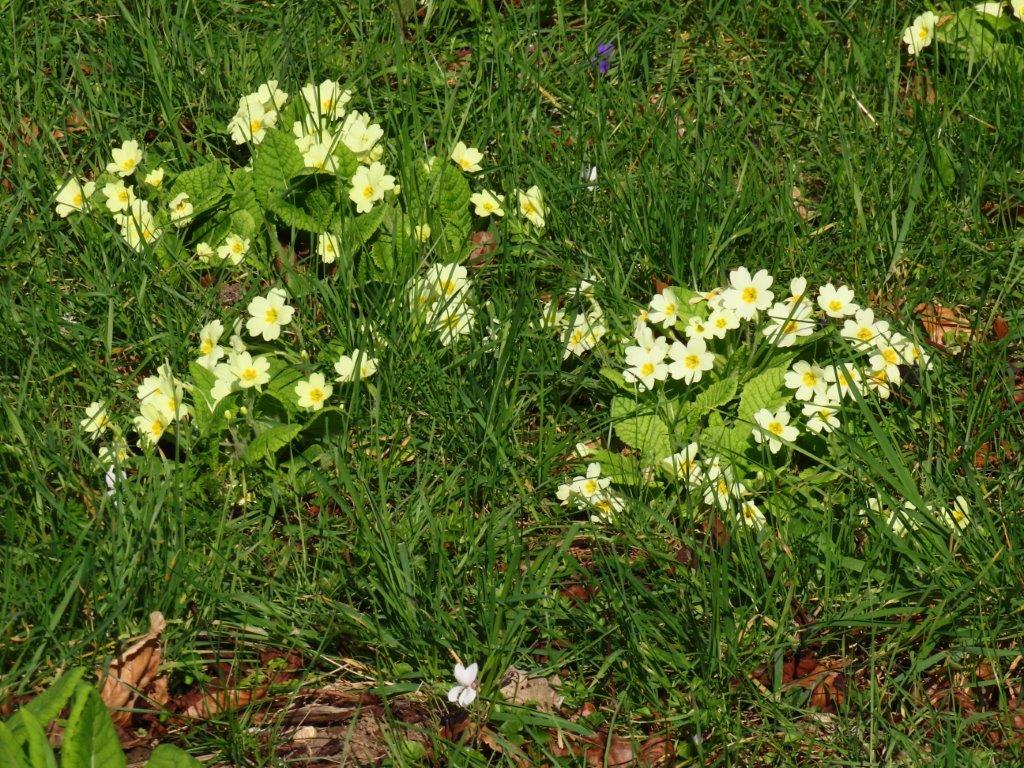
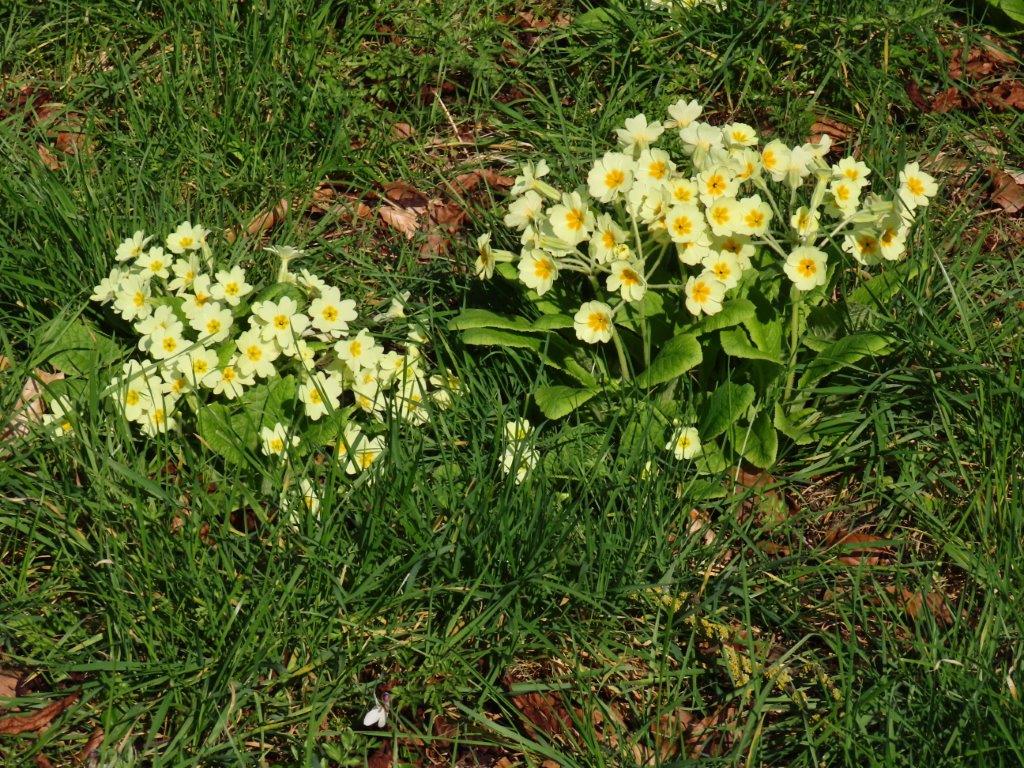
The Primrose patches included one plant with slightly darker flowers and flowers raised on a common stalk. That might suggest Oxlip, perhaps the most iconic plant of the borderlands of Cambridgeshire, Suffolk and Essex, but it wasn’t quite right. From closer examination it appeared to be one of the ‘False Oxlip’ Primula hybrids, most likely Primrose x Cowslip.
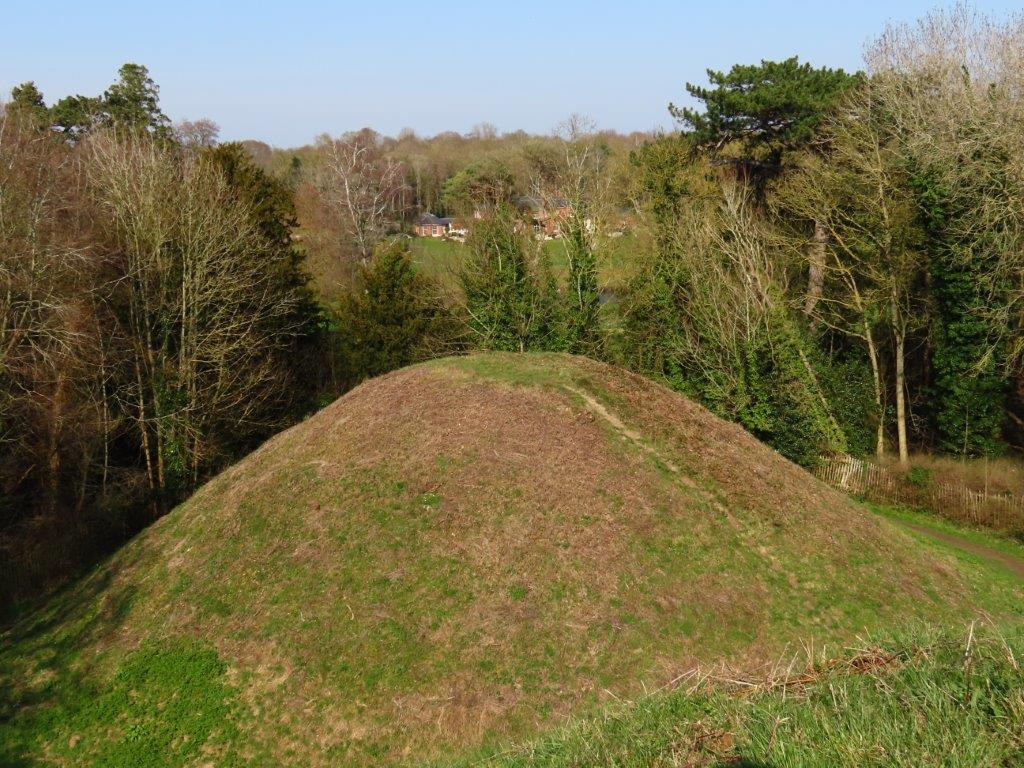
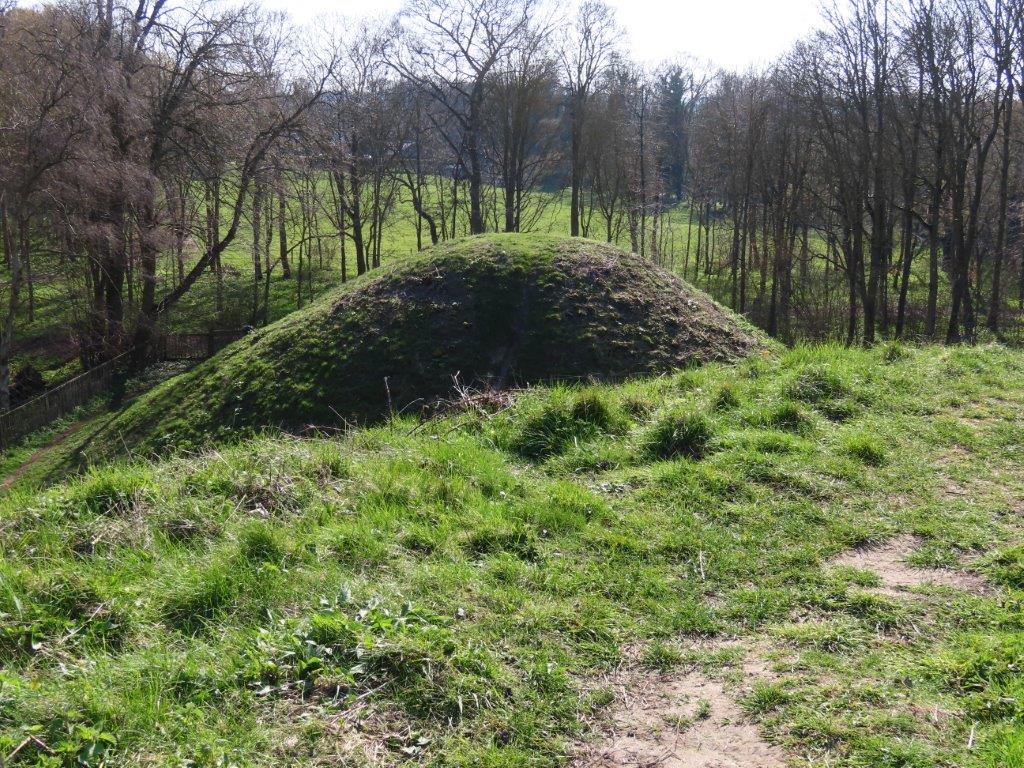
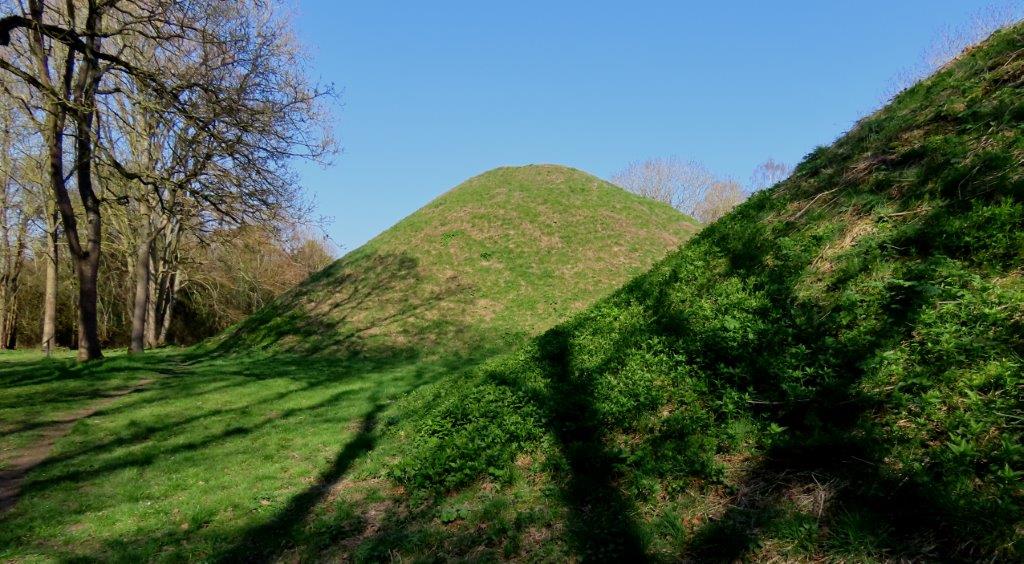
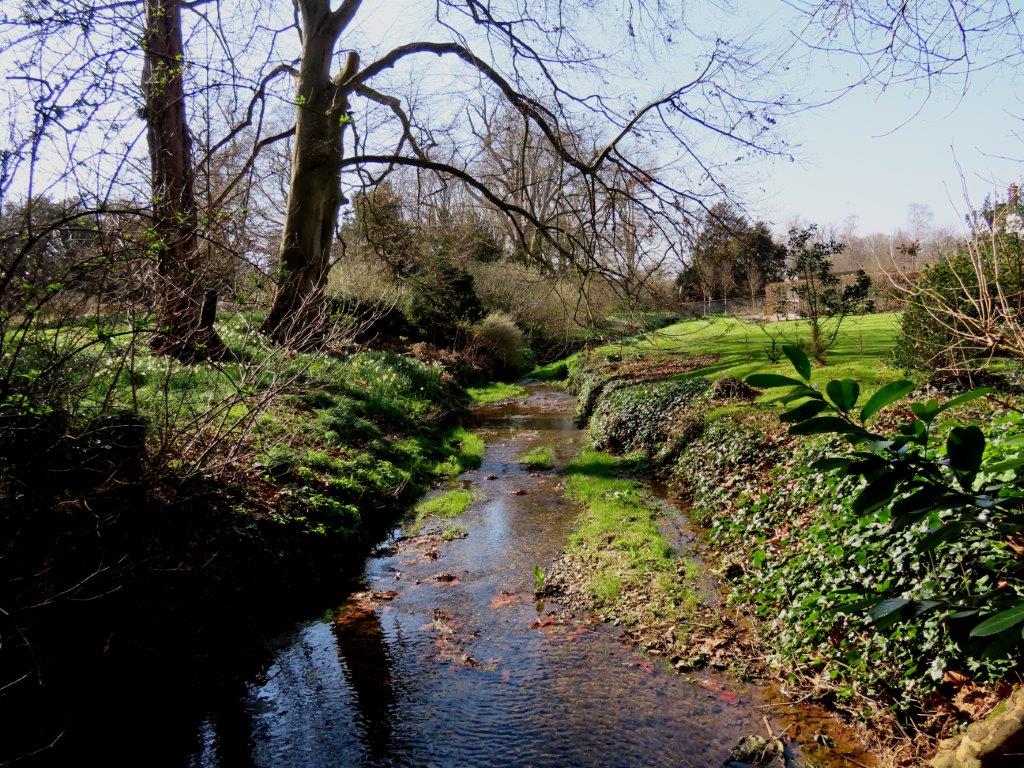
Then it was south across the Granta into ‘old Essex’, over the old railway line (sadly closed as recently as 1967) until the distinctive looming shapes of the Bartlow Hills hove into view. A series of three large Roman tumuli, these are the visitable part of a group of seven earthworks, of which the remainder have been much reduced in height.
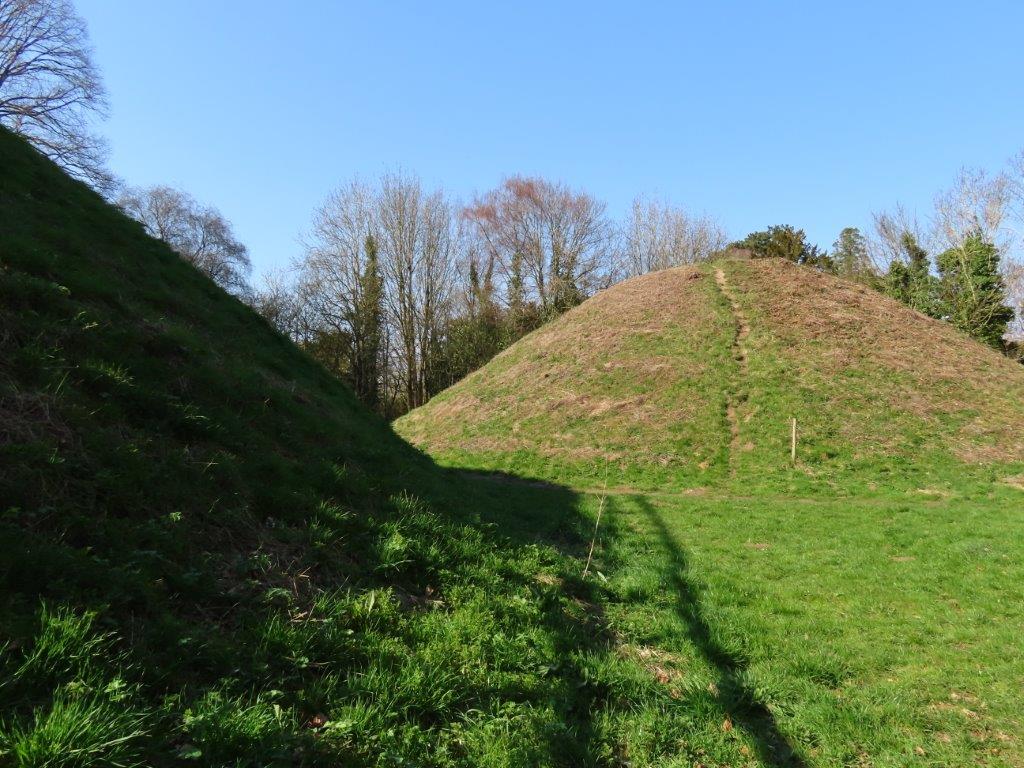
For a long time erroneously associated with King Cnut and the dead from the Battle of Assandun in 1016, subsequent excavation has demonstrated them to be the grave-mounds from a wealthy family of the 1st or 2nd century AD. Apparently all manner of artefacts were recovered, including large wooden chests, decorated vessels in bronze, glass and pottery and an iron folding chair, most of which were lost in a fire at Bartlow Hall.
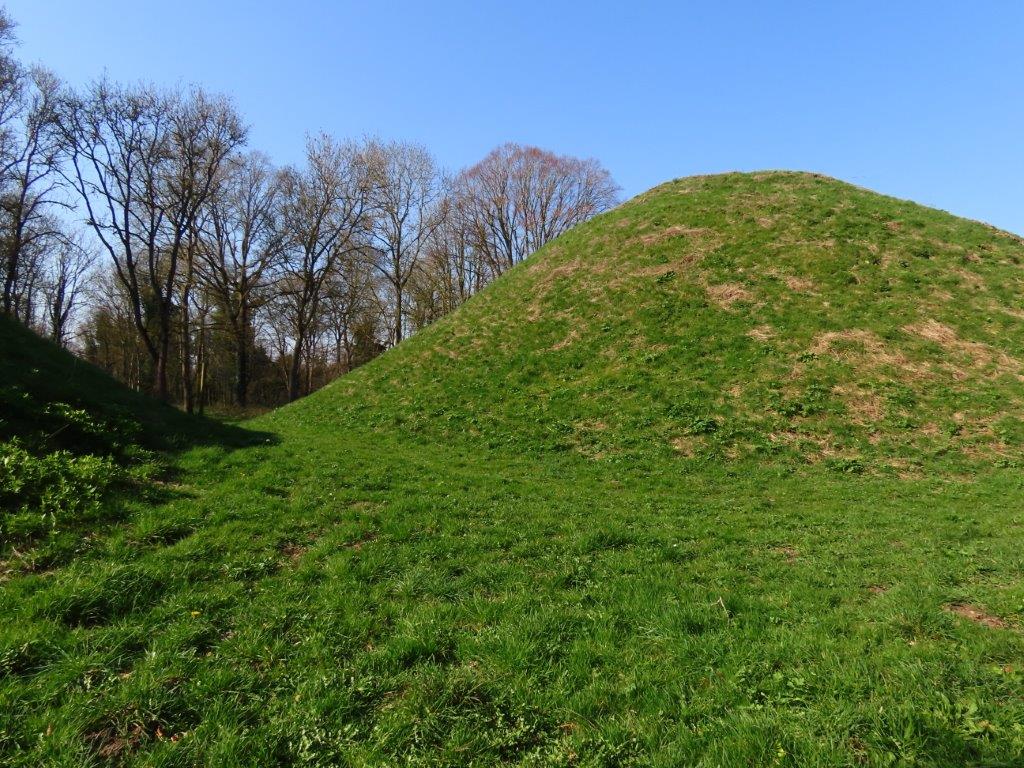
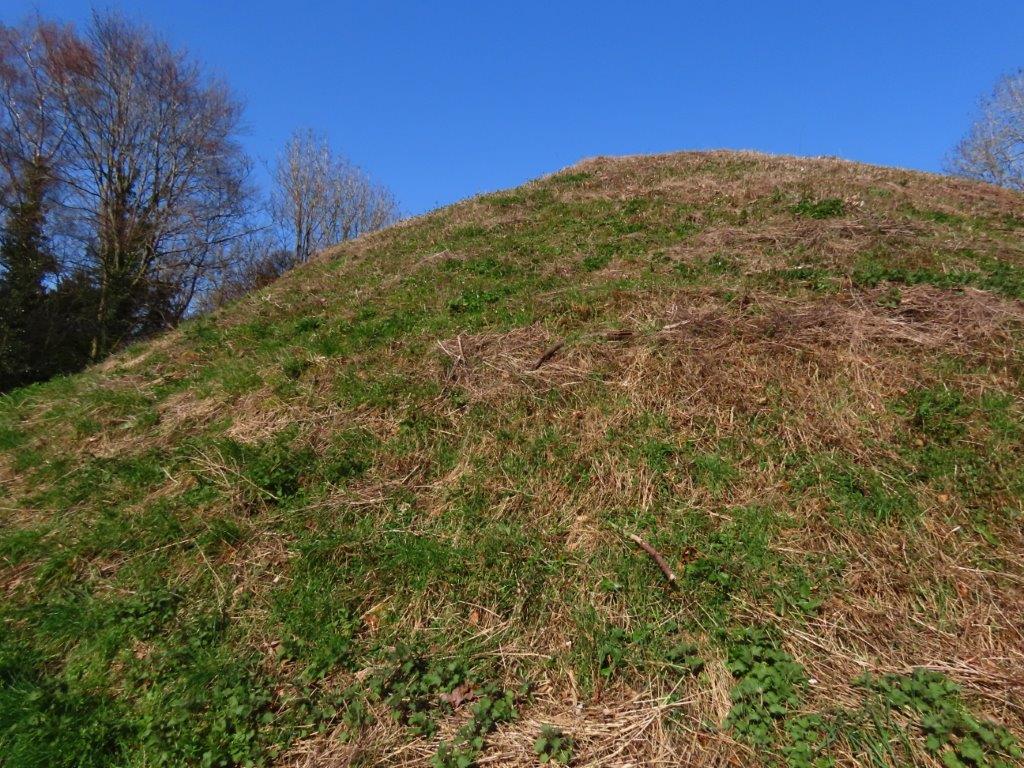
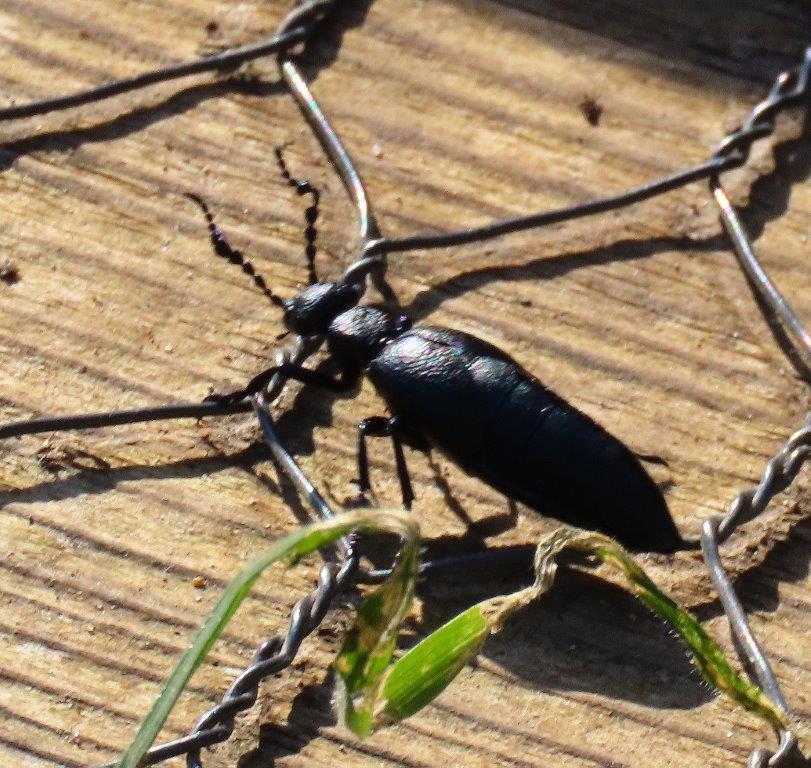
The tallest mound, at 15 metres in height, is claimed as the largest Roman barrow north of the Alps, and well worth the slog up the steps. And following me up was a very special insect, a male Black Oil-beetle Meloe proscarabaeus. In Essex we know this only from a few sea walls and sand dunes, and on the NBN map it appears this is its only Cambridgeshire site, apart from a couple of spots on the edge of the Fens.
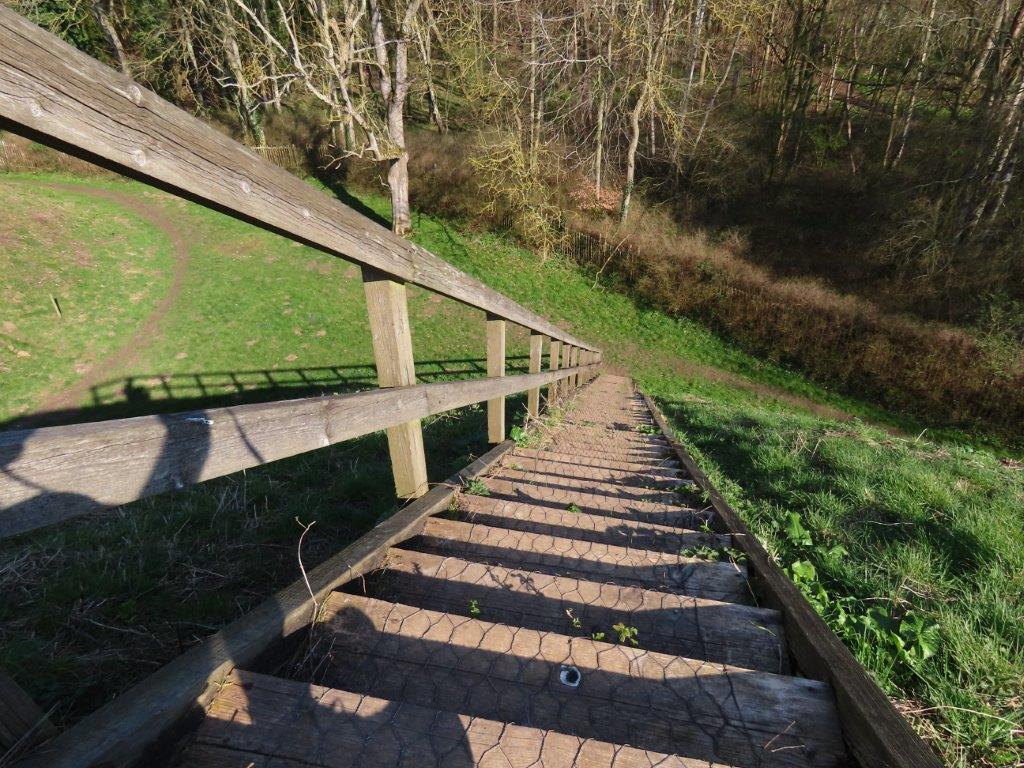
From the top you can peer down into modern Essex, and contemplate the changes over time. For me as a botanist, that includes the losses of our native plants. Bartlow Hills is justly famed as the only Essex locality for the beautiful Pasqueflower, apparently just now coming into flower on time (‘Pasque’ in Old French = ‘Easter’) in its heartlands. Sadly, however no longer on Bartlow Hills: it was last seen there around the start of the 20th century, just at the time the land on which the hills stand was reassigned to Cambridgeshire.