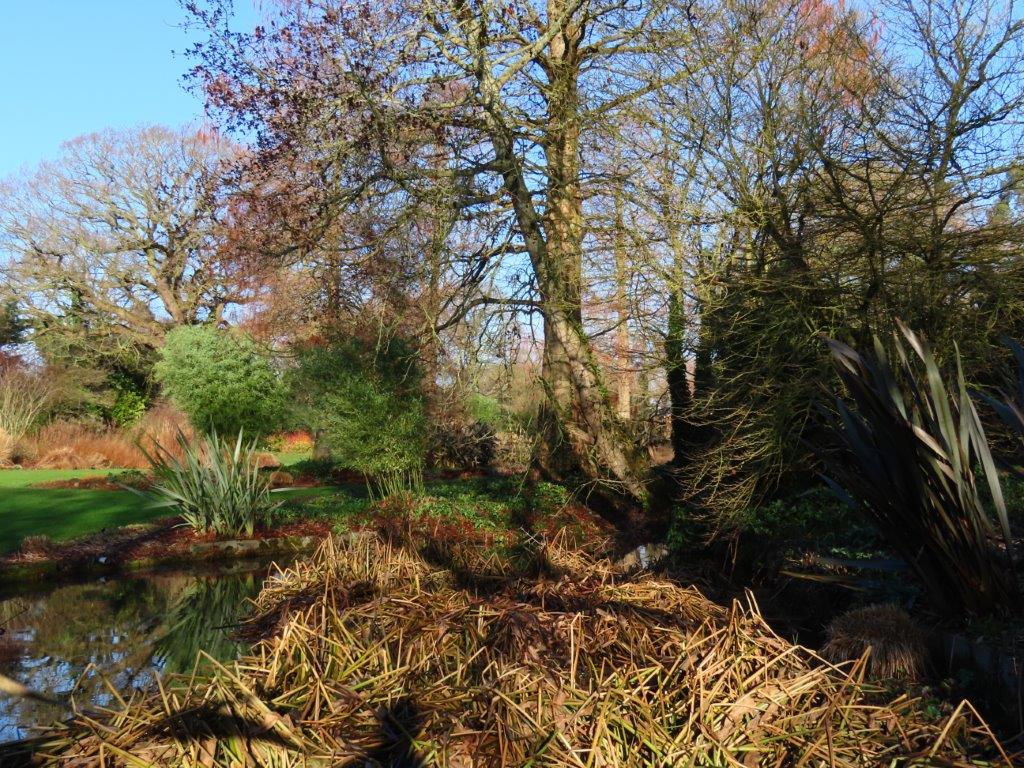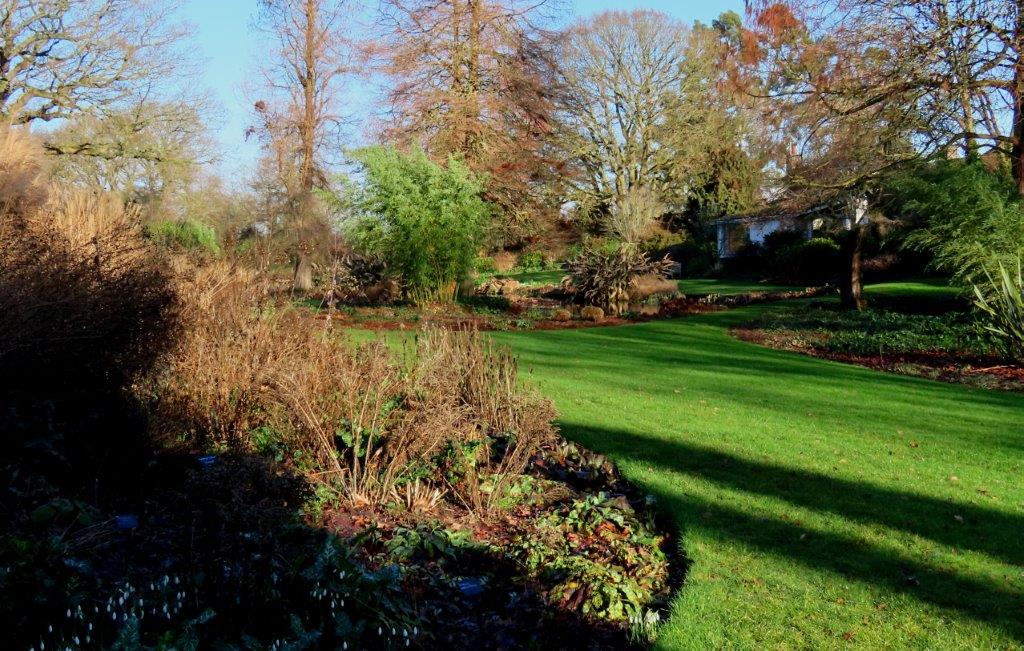
In midwinter, the Beth Chatto Gardens get a well-deserved rest. No visitors for a month, while the staff get on with essential maintenance and preparing for the growing season to come.
So I thought a visit would be in order to see if and how the birds around the garden are responding to the relative lack of disturbance. Aside from a few more Mallards on the ponds, though, I could see and hear very little difference: Robins and Song Thrushes in full spring song, along with Blue and Great Tits constituting the bulk of the soundscape.
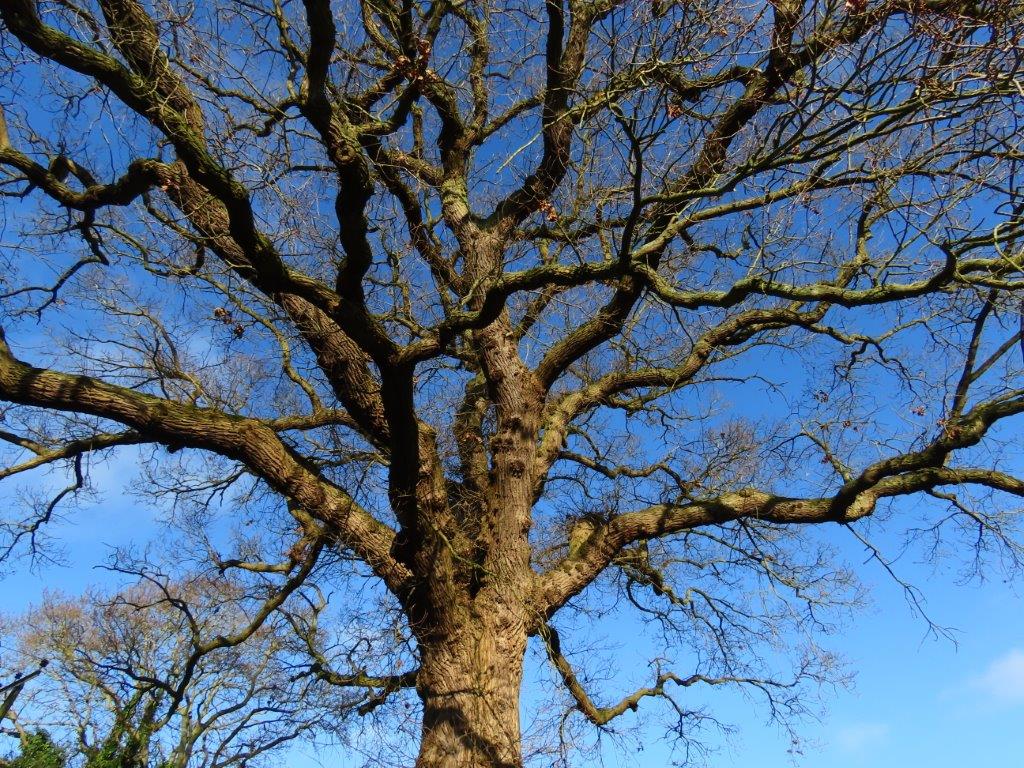
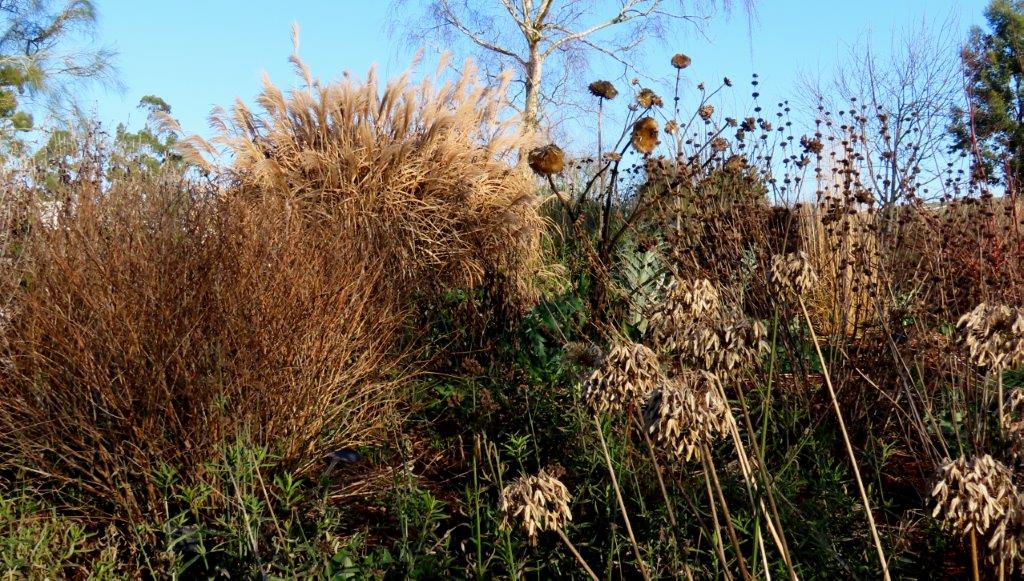
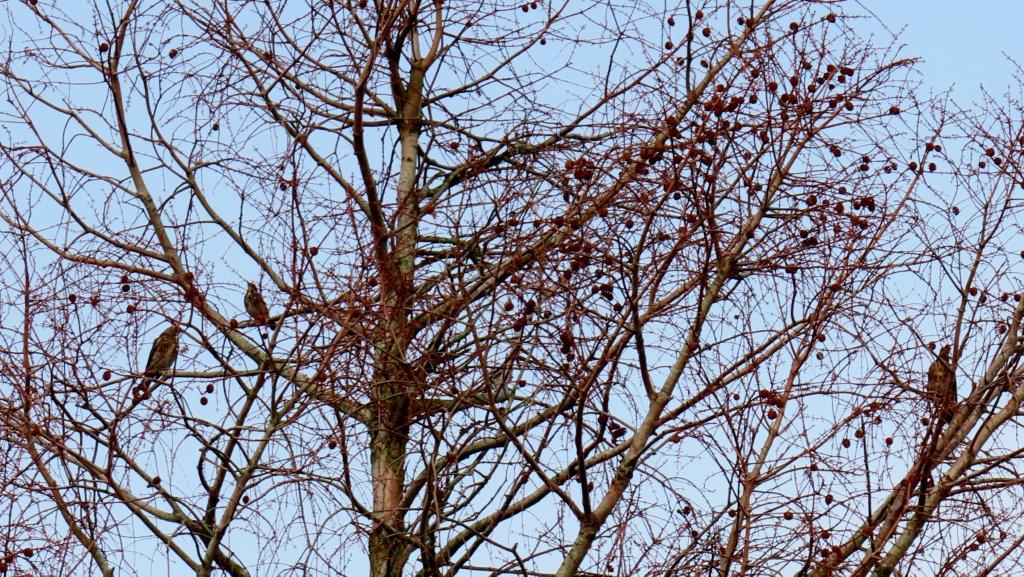
High in the treetops, bands of Fieldfares and Redwings were on the search for ripe berries, while finches foraged in the seedheads still standing proud in the borders and beds.
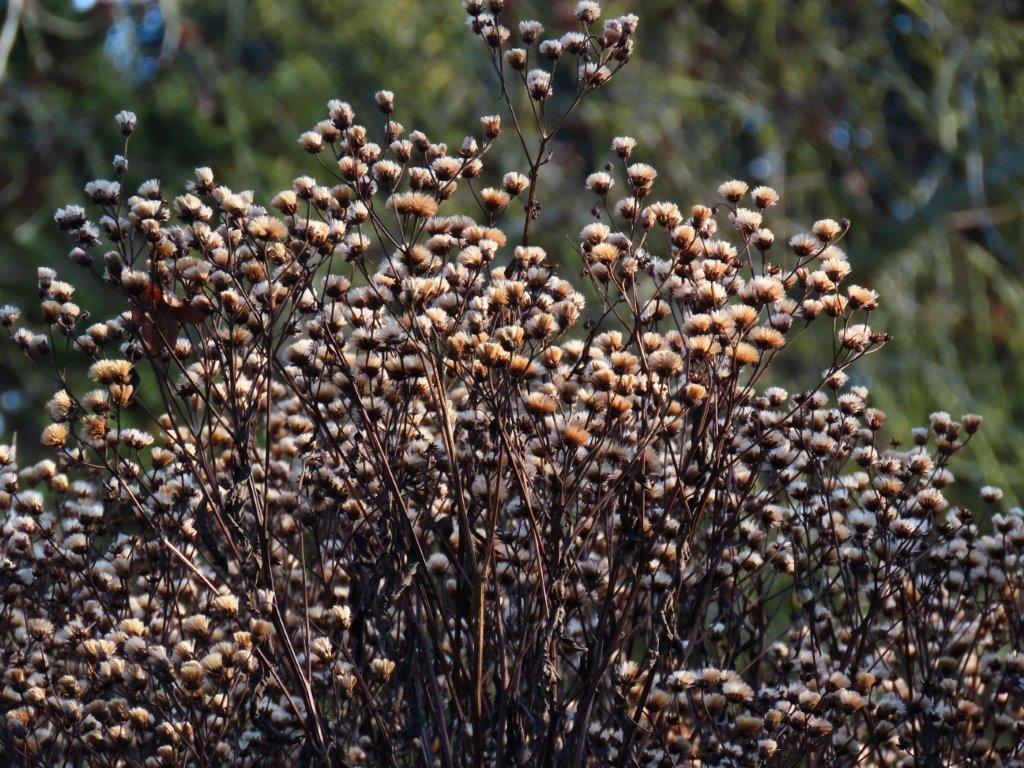
It really seems that the birds we share the space with are not significantly impacted by our presence: the human garden visitors are respectful of nature and significantly because the visitors do not come trailing dogs, the greatest disturbance factor of all.
What I was hoping to see was the Otter that was reported by the garden staff a few days earlier, the first time one has been seen there. Alas no, but I did see an unfamiliar mammal, a Muntjac in the Woodland Garden. Although very common in the surrounding area, I have never seen one before in the public part of the garden. This is very likely to reflect the month-long lack of disturbance. And of course if anything needs to be disturbed and displaced it is the voracious Muntjac!
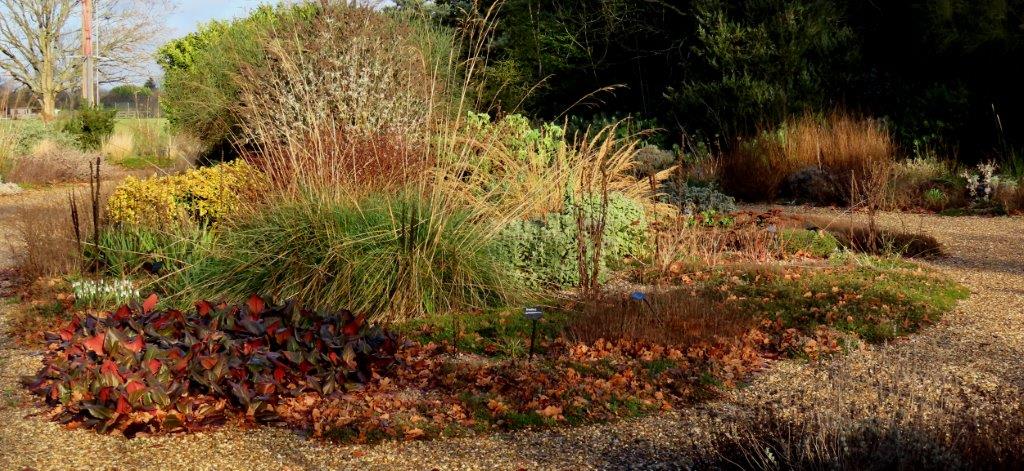
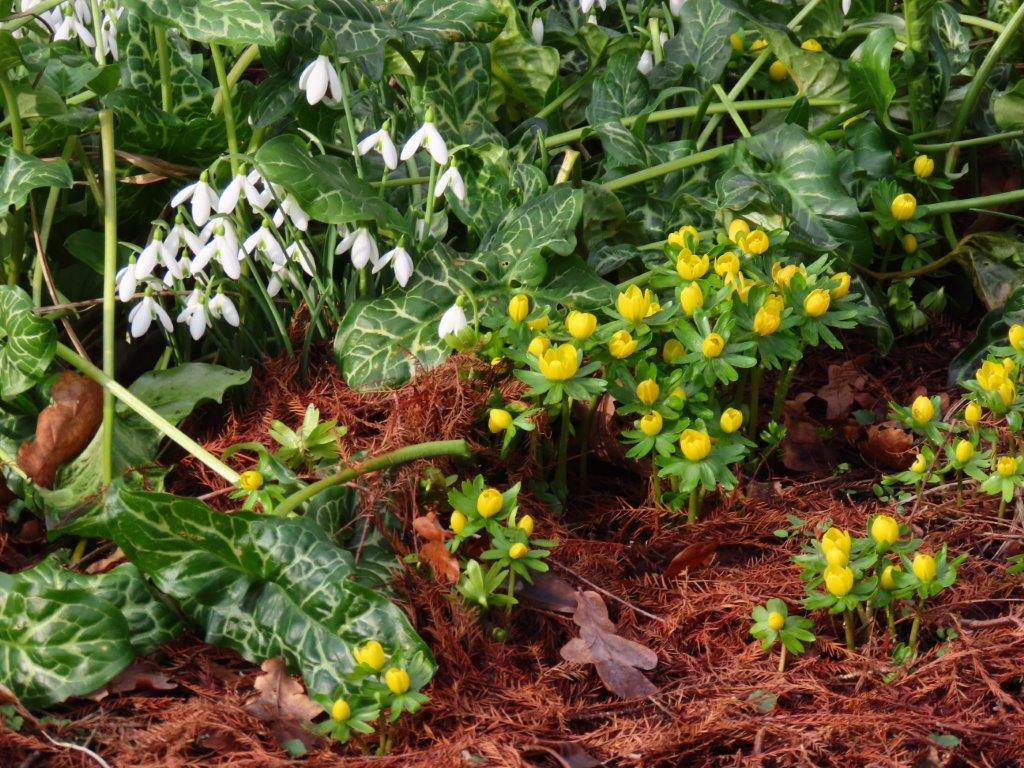
So as the garden reopening approaches we can all think of visiting with a clear conscience! And what a treat is in store. The Snowdrops and Winter Aconites are coming up to their best…
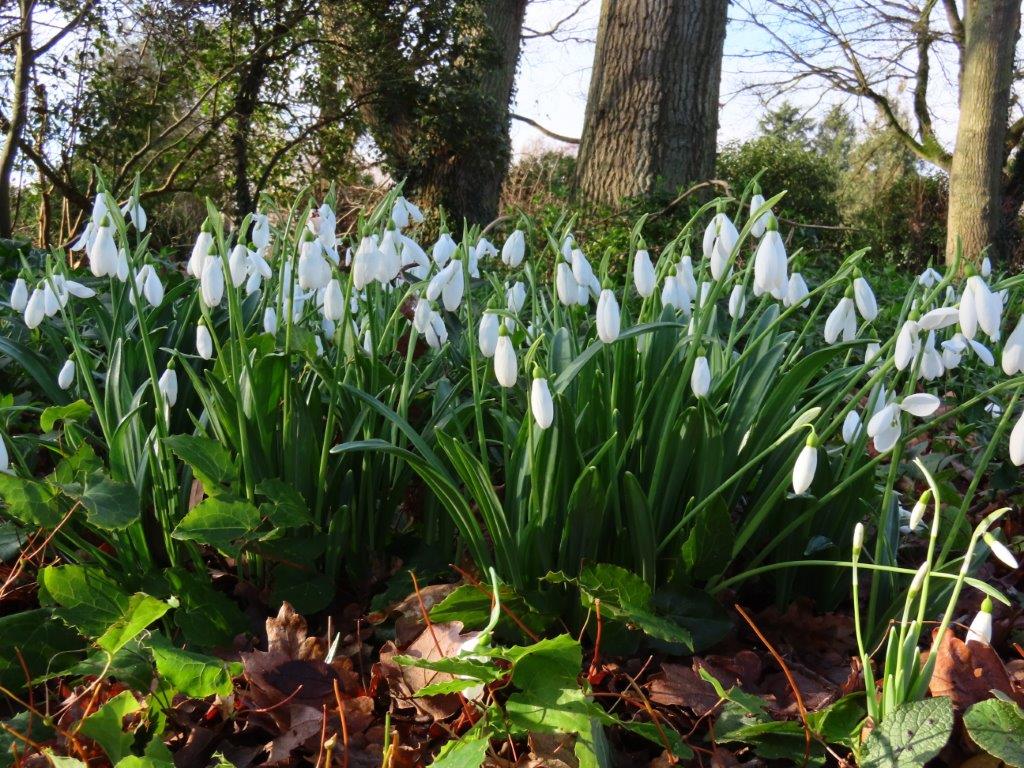
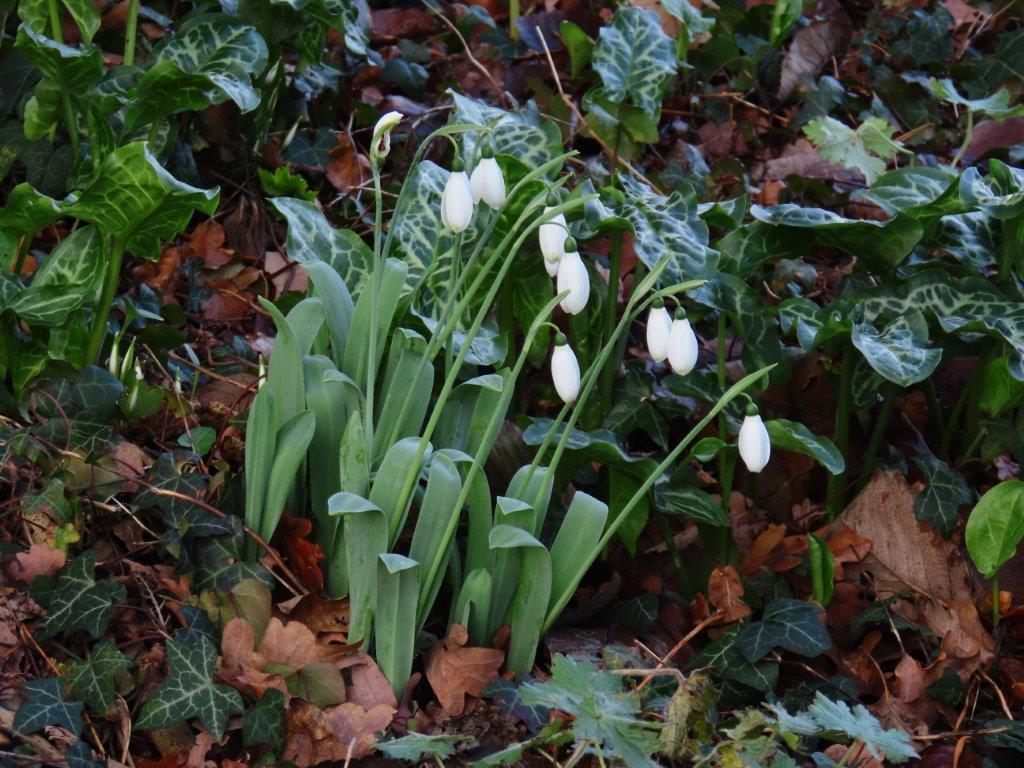
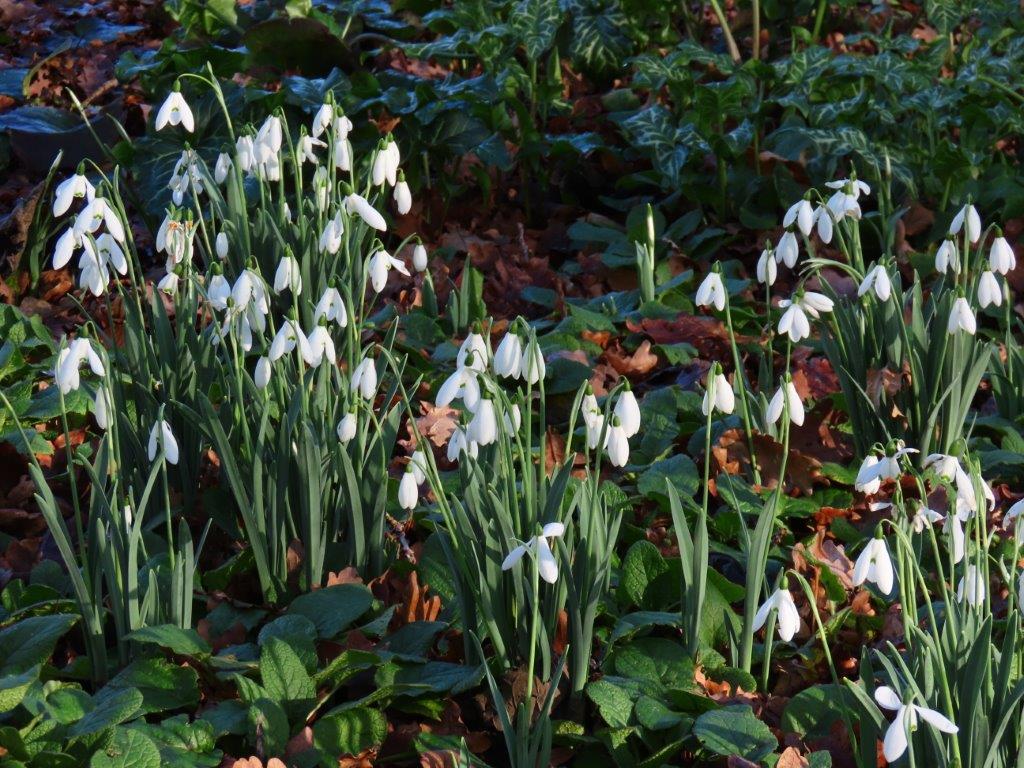
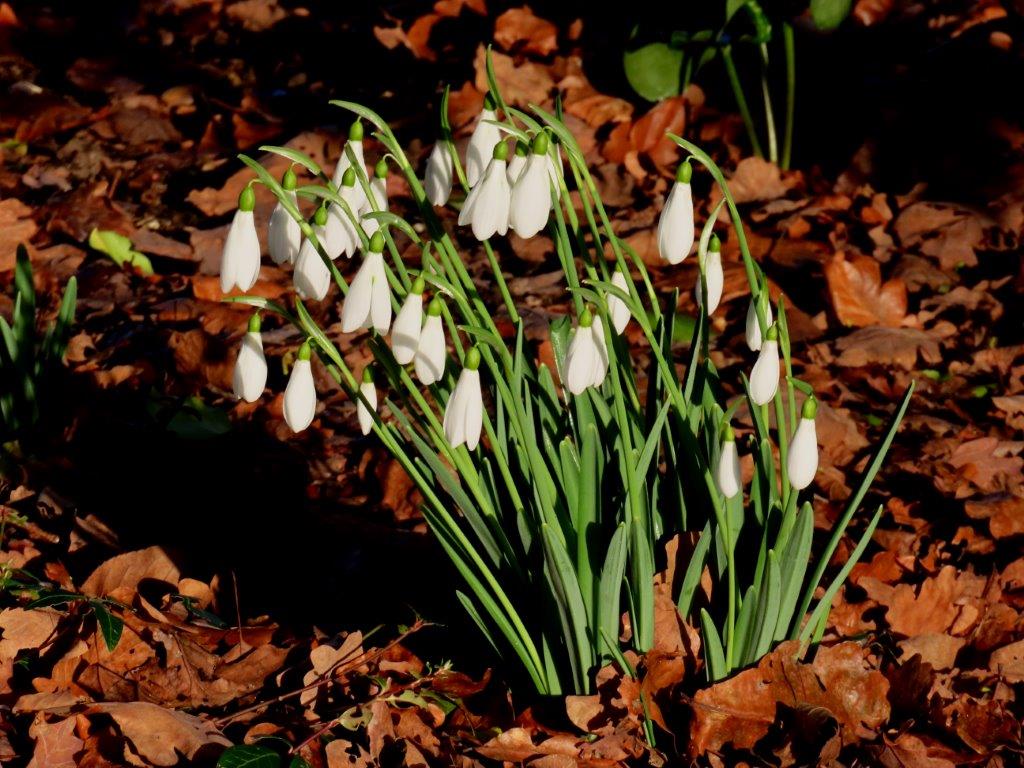
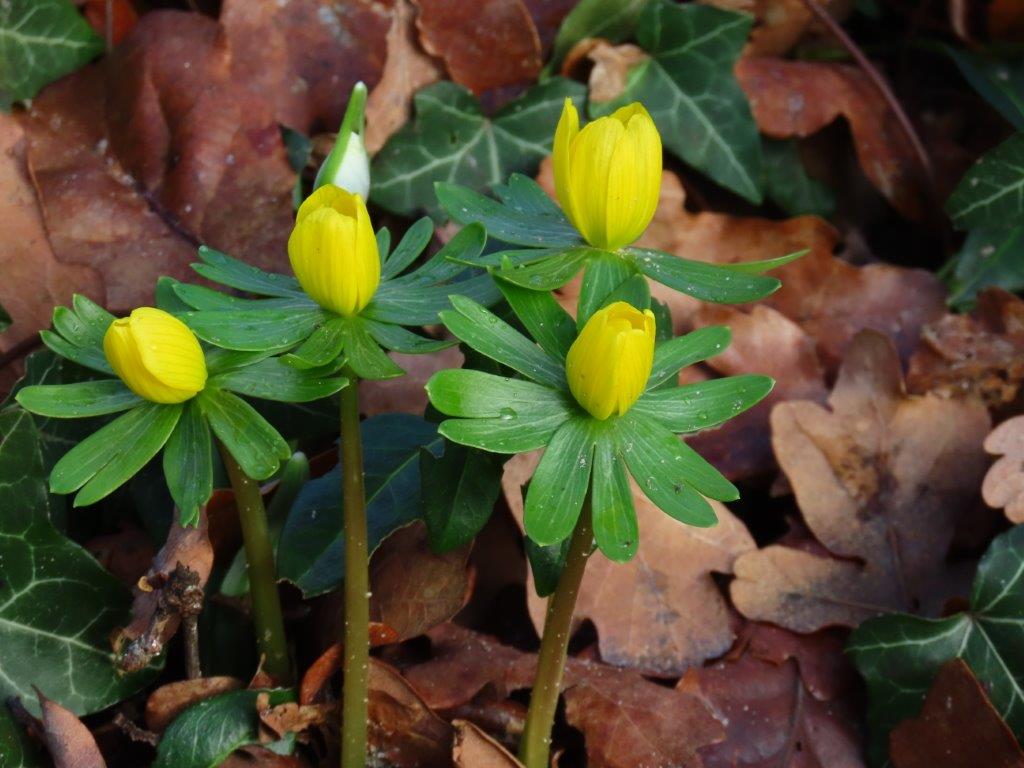
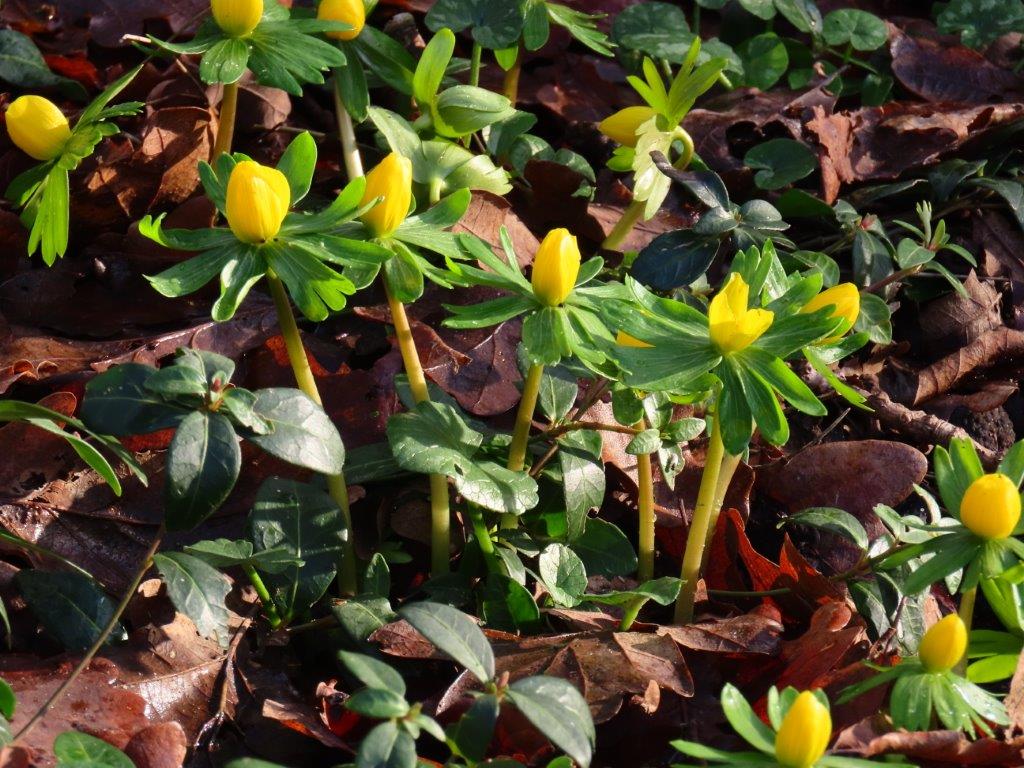
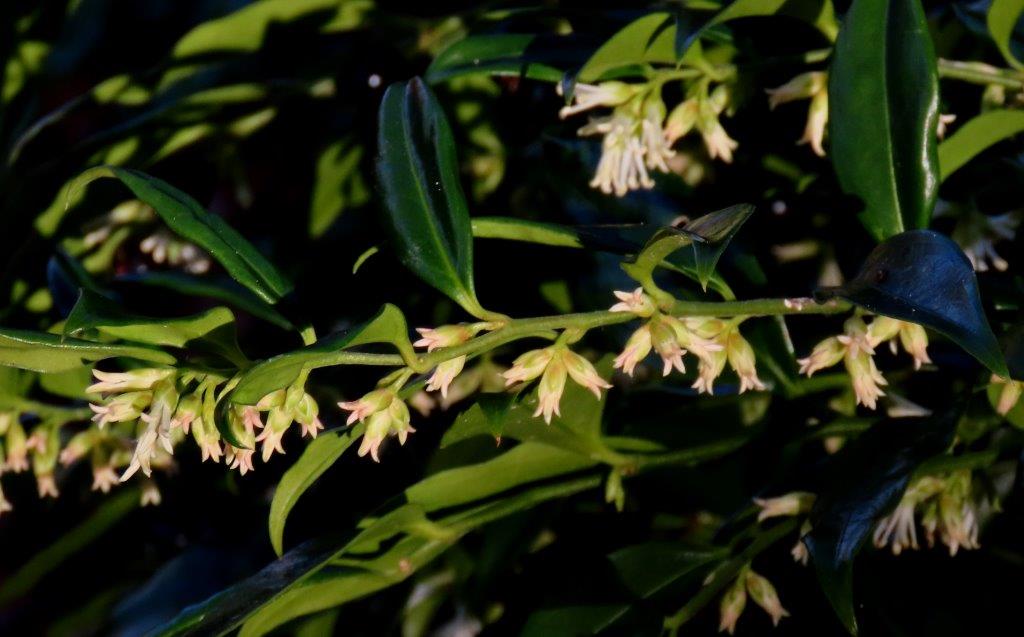
… along with other winter-flowerers bursting into bloom for the first bees.
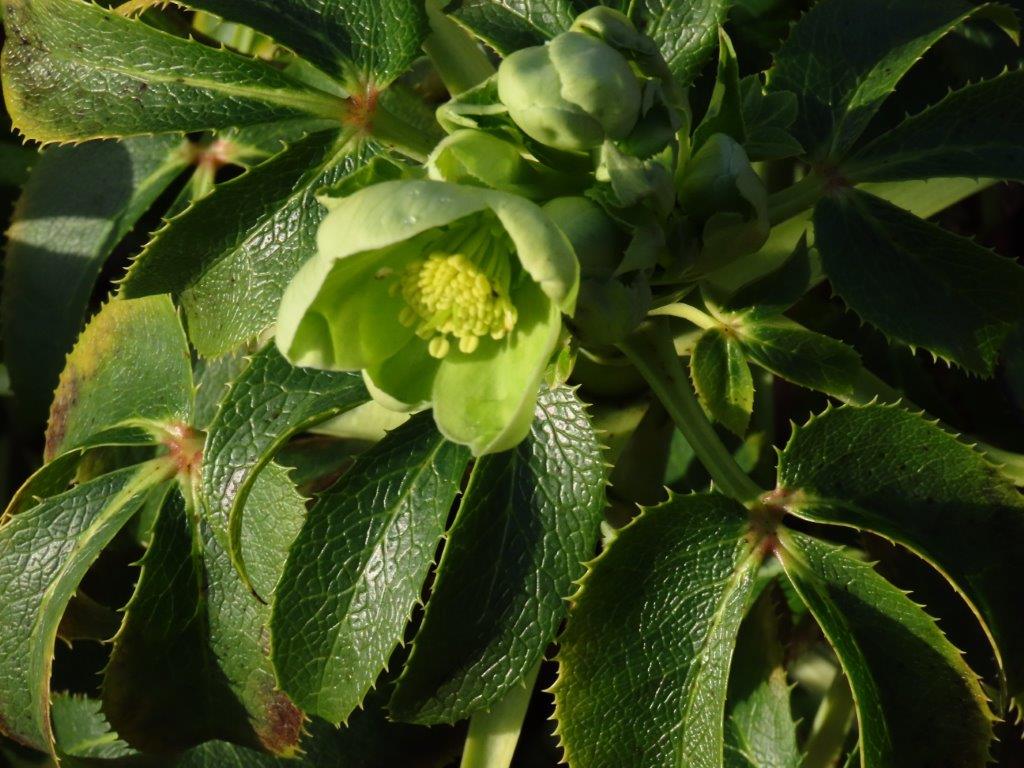
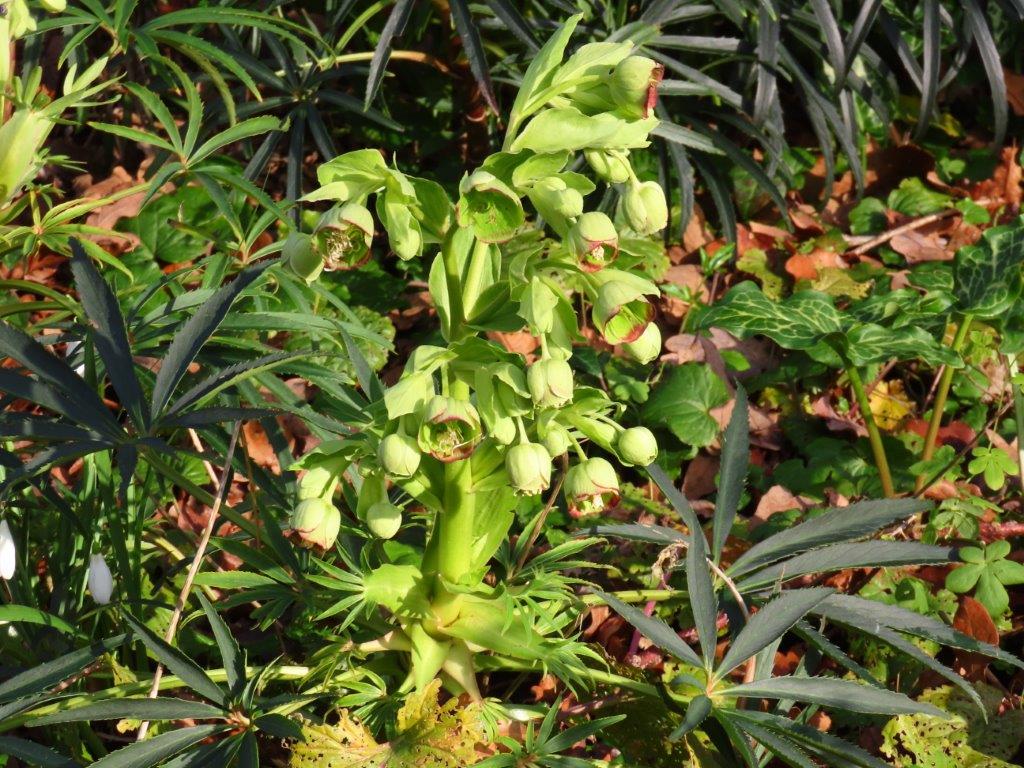
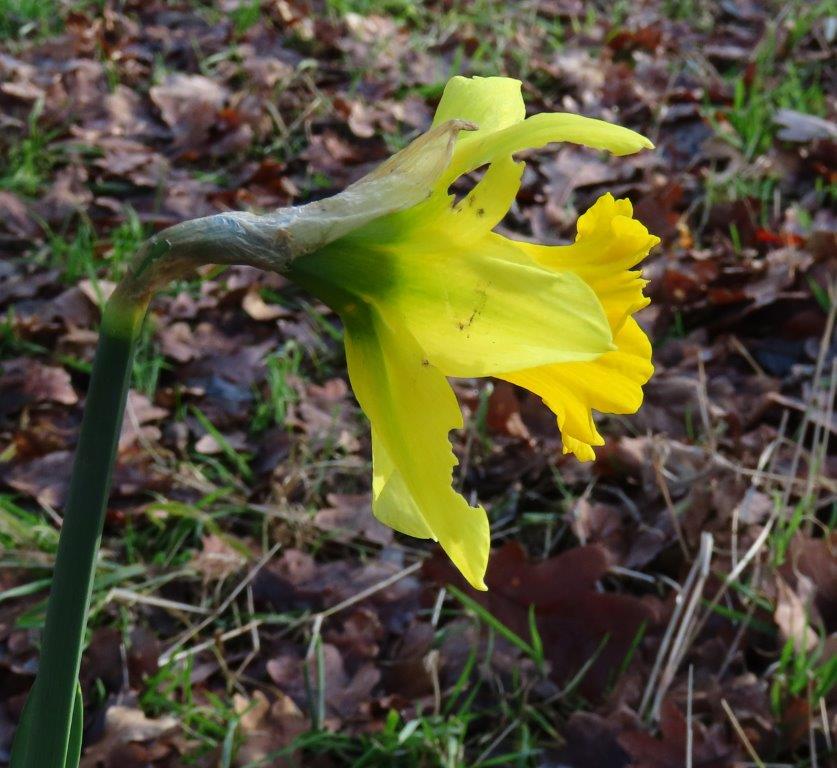
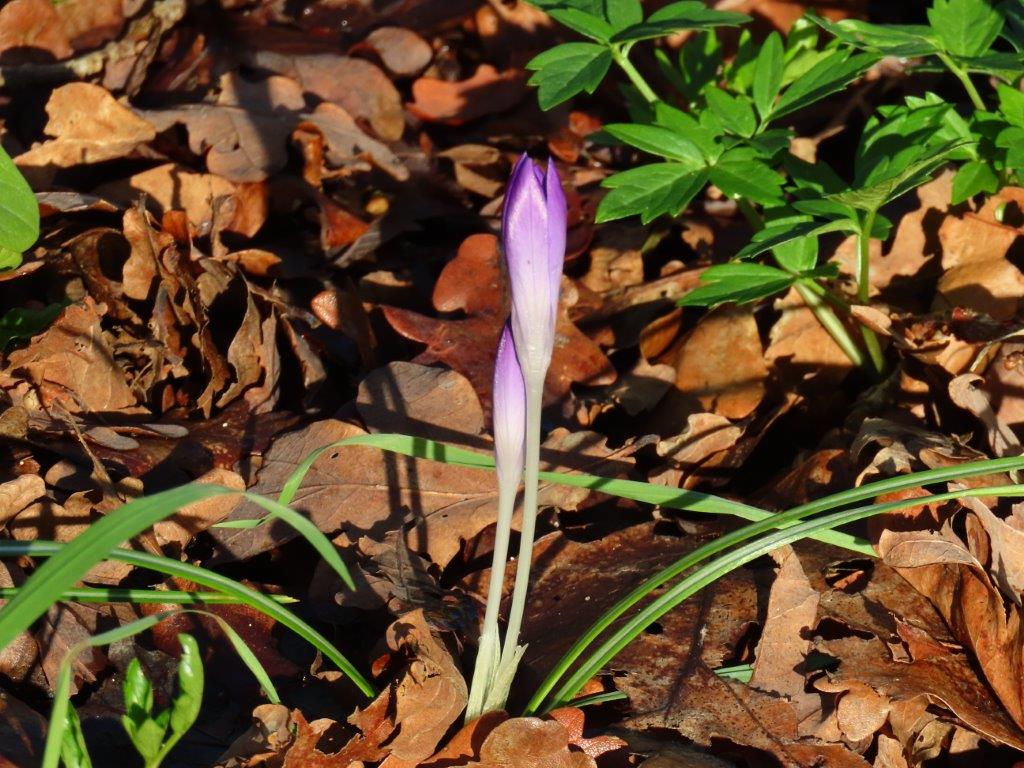
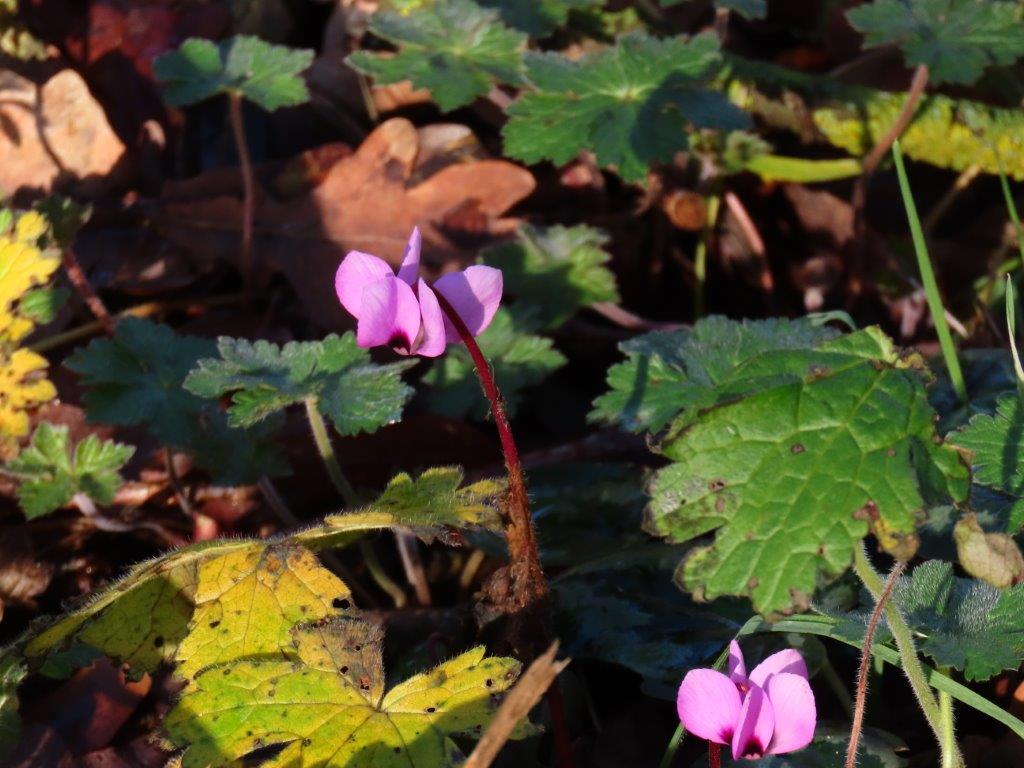
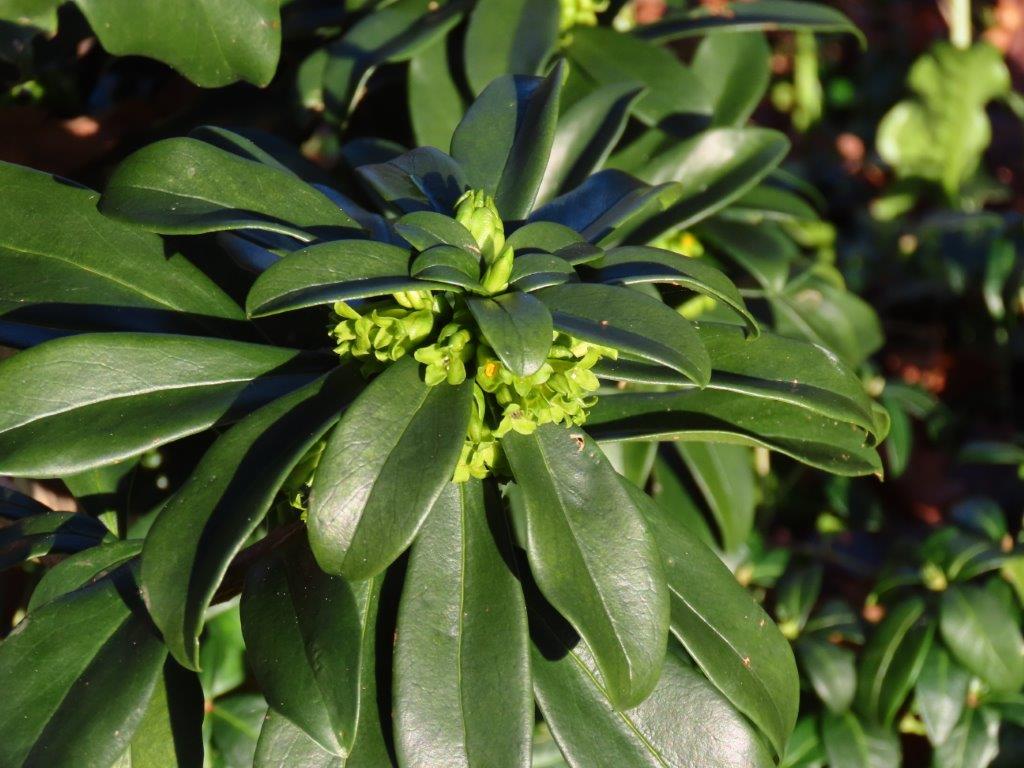
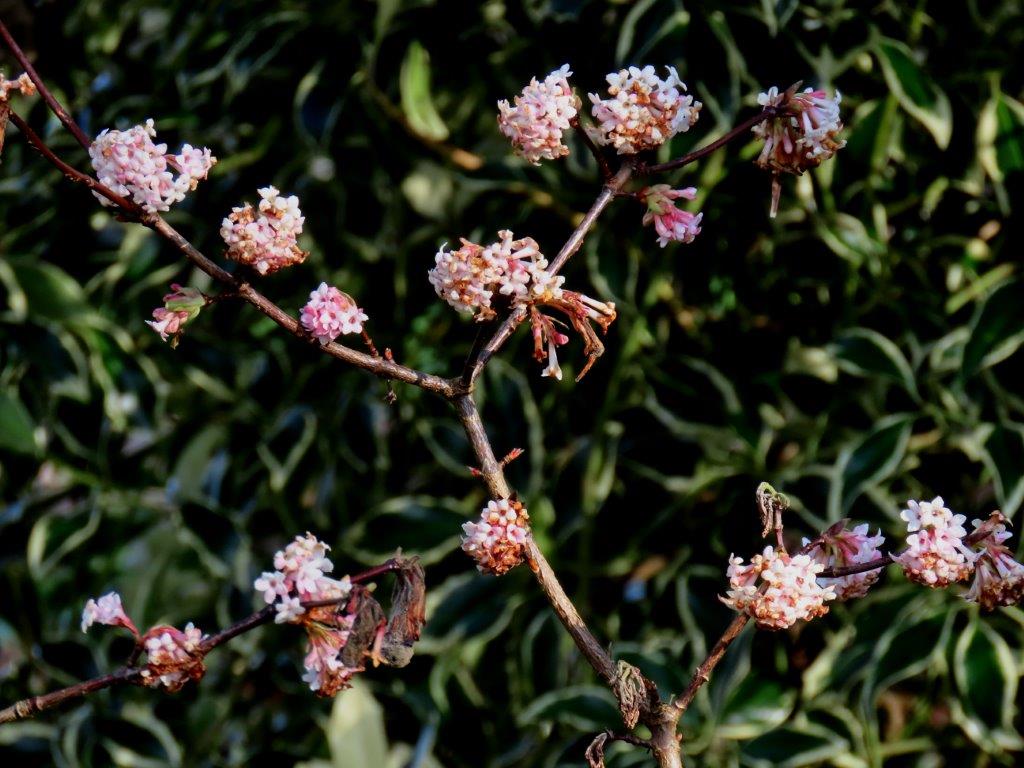
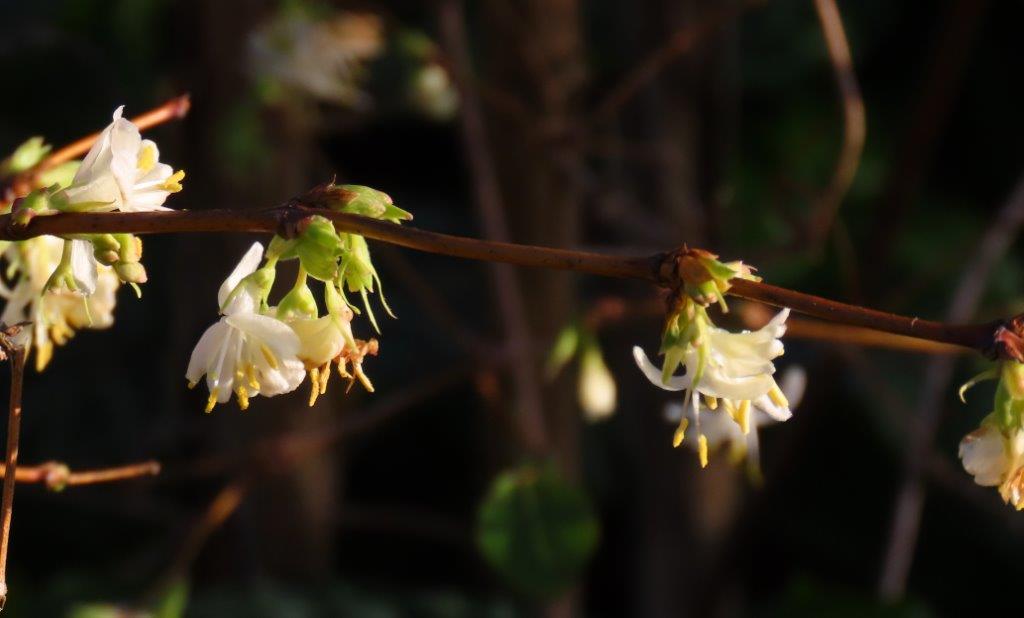
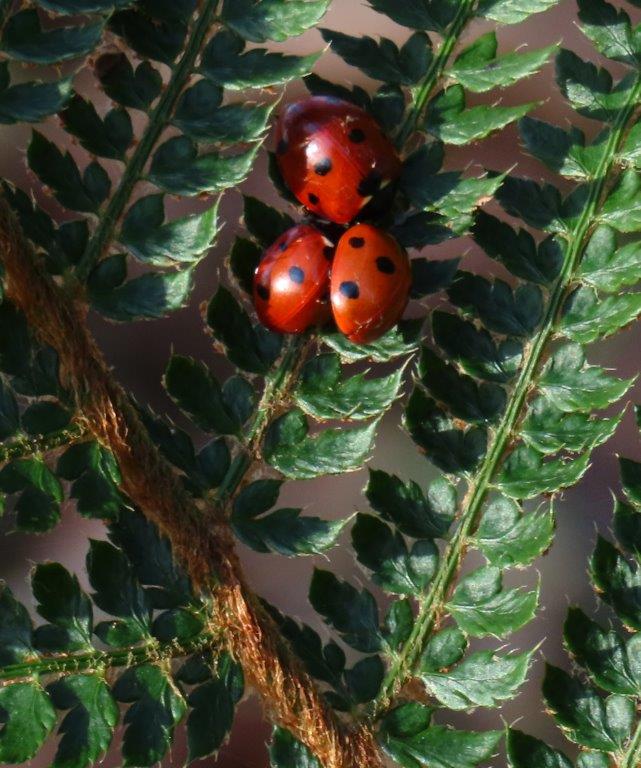
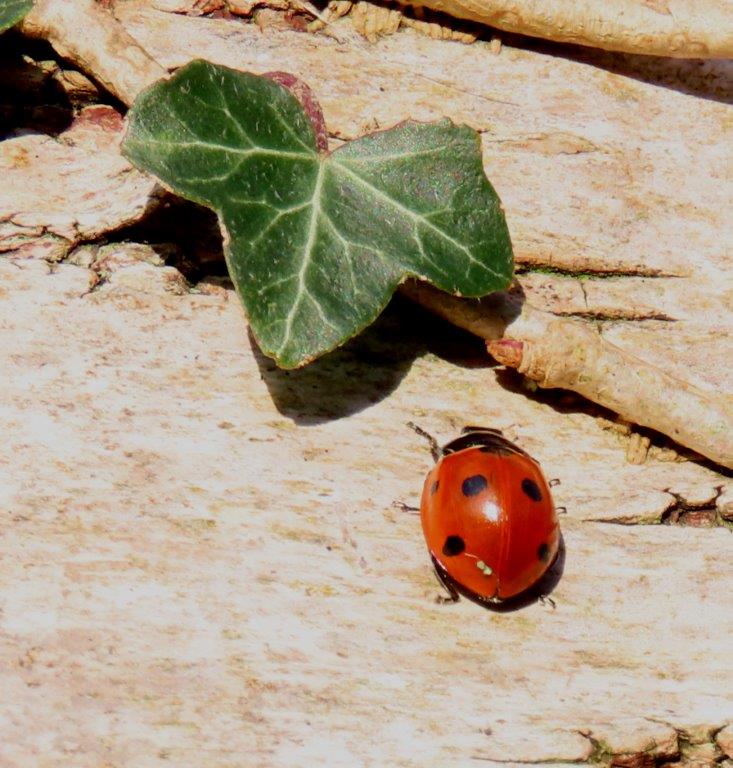
Blowflies were out already, taking advantage of the weak sunshine, and Seven-spot Ladybirds were just starting to become active, rousing from their winter clusters, ready to keep the plants free of aphids.
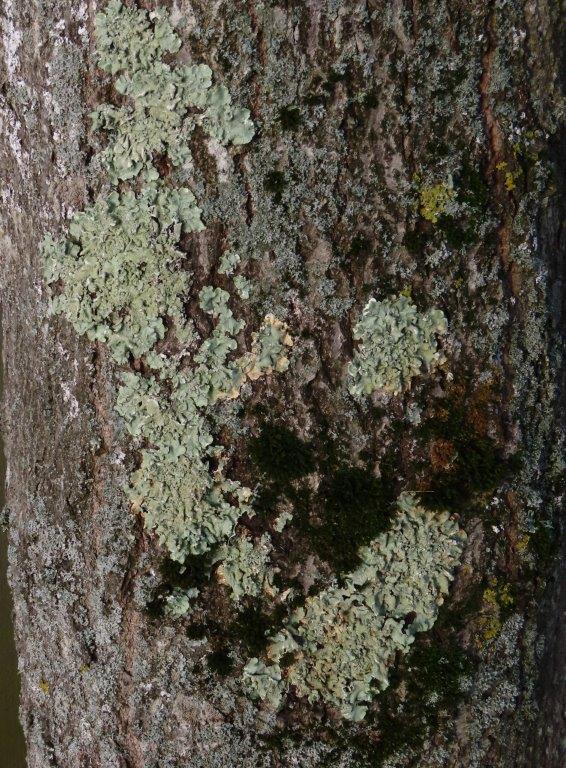
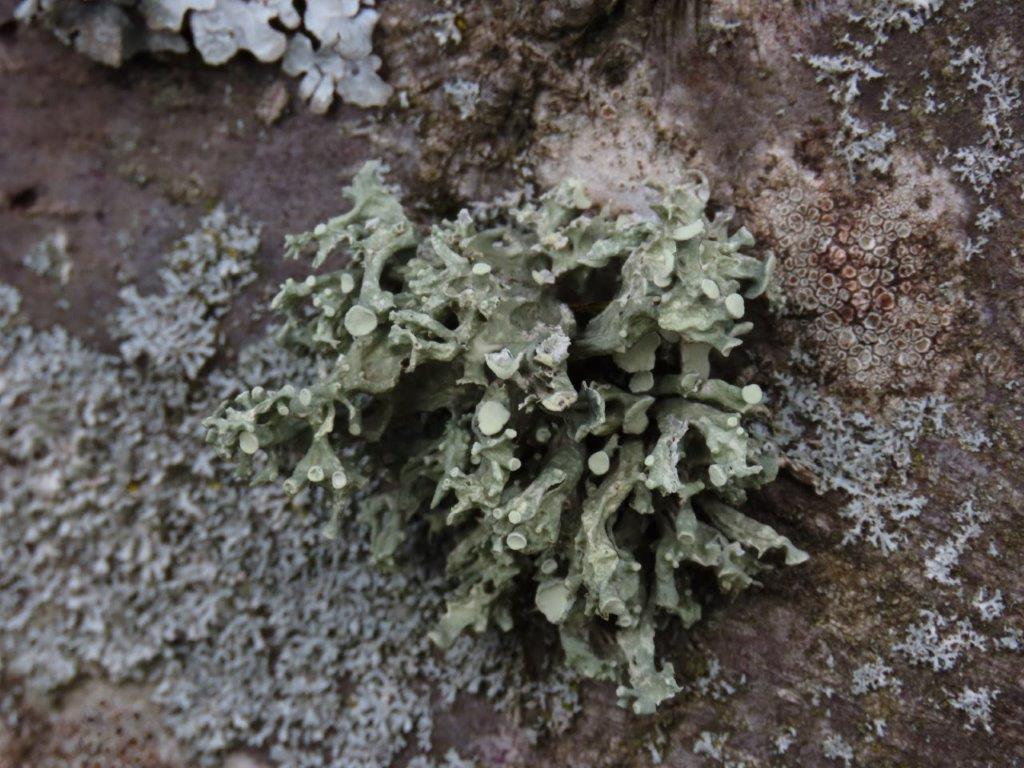
And it was also good to enjoy some of the unintentional garden delights, especially the lichens that are so easily overshadowed and overlooked at busier times of the year. On tree bark, there was Flavoparmelia caperata forming large patches, and the locally scarce Ramalina fastigiata forming several new clumps. Given that the latter was considered extinct in Essex in the 1970s due the the impacts of air pollution, this is very good news.
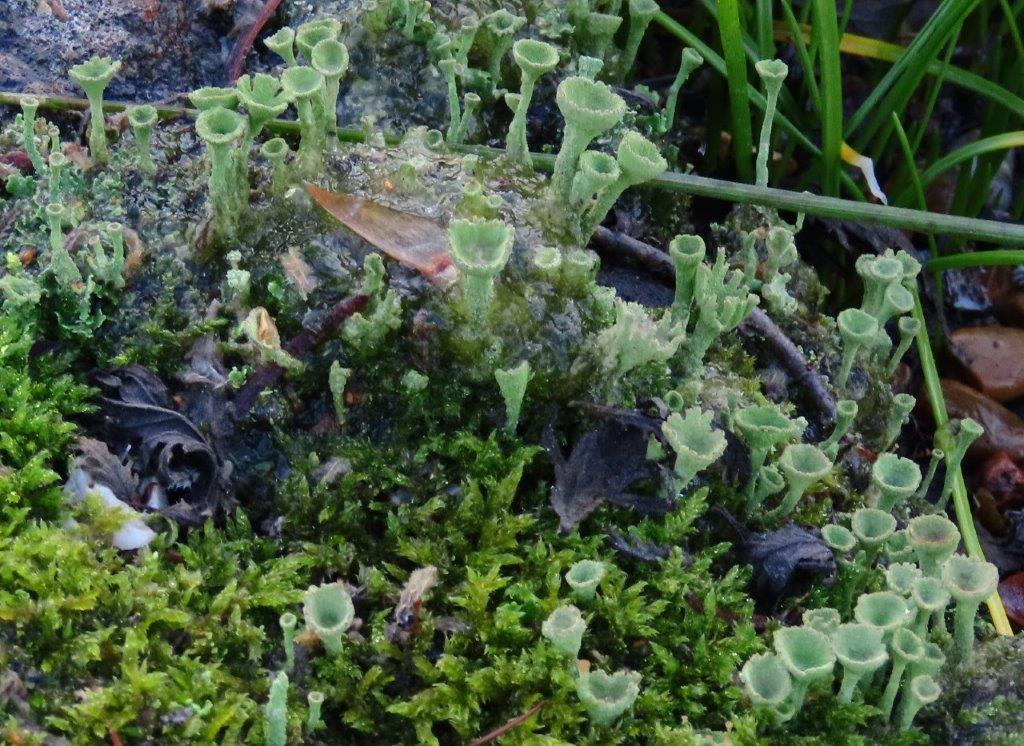
And much more widespread but surprisingly not recorded from the Gardens previously was the Trumpet Lichen Cladonia fimbriata, showed to me by the gardeners in the Scree Garden. I am so happy to have these interested eyes and ears on the ground!
The Gardens reopen on Tuesday February 3rd. Treat yourself to a breath of Spring!