Each year, the Botanical Society of Britain & Ireland organises a New Year Plant Hunt, encouraging botanists and other interested folk out of their midwinter slumber to see what plants are flowering. And traditionally this has been our first #WildEssex event of the year, a walk around Wivenhoe Waterfront on New Year’s Day, except as in 2025 when forecast bad weather dictated otherwise.
All data collected in this citizen science project are fed into the national record of what is flowering at this time: for more information see New Year Plant Hunt 2026. It is important to be part of a bigger project to aid learning about how British and Irish wildflowers are responding to climate change.
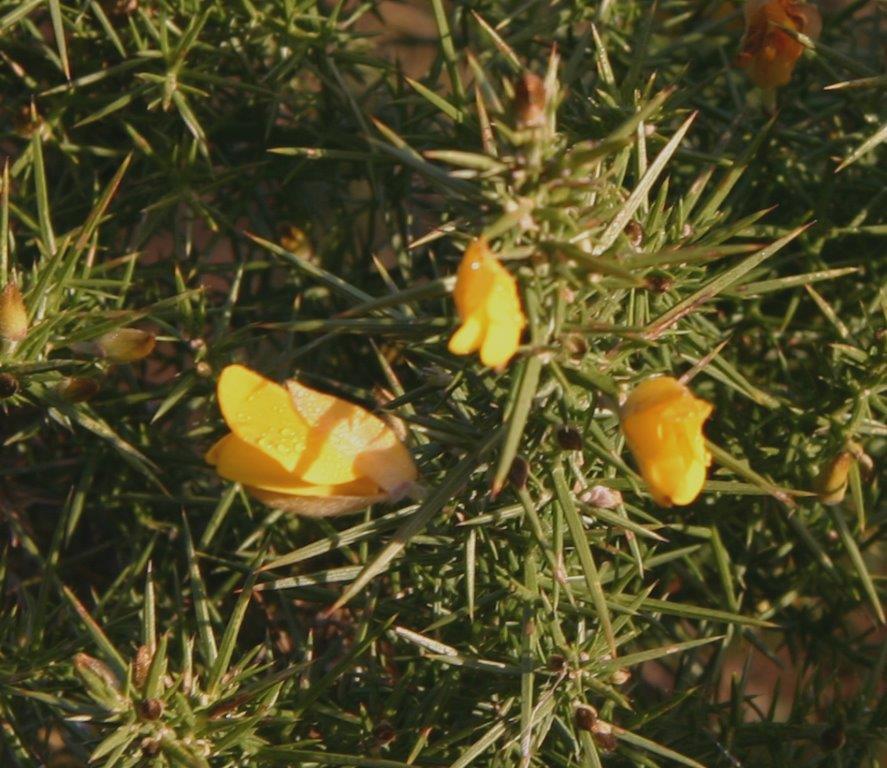
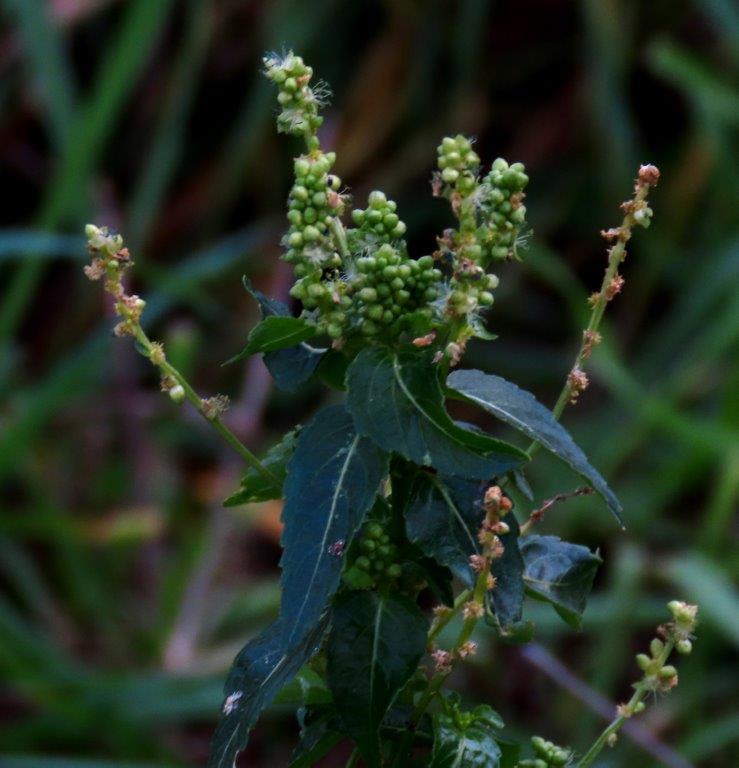
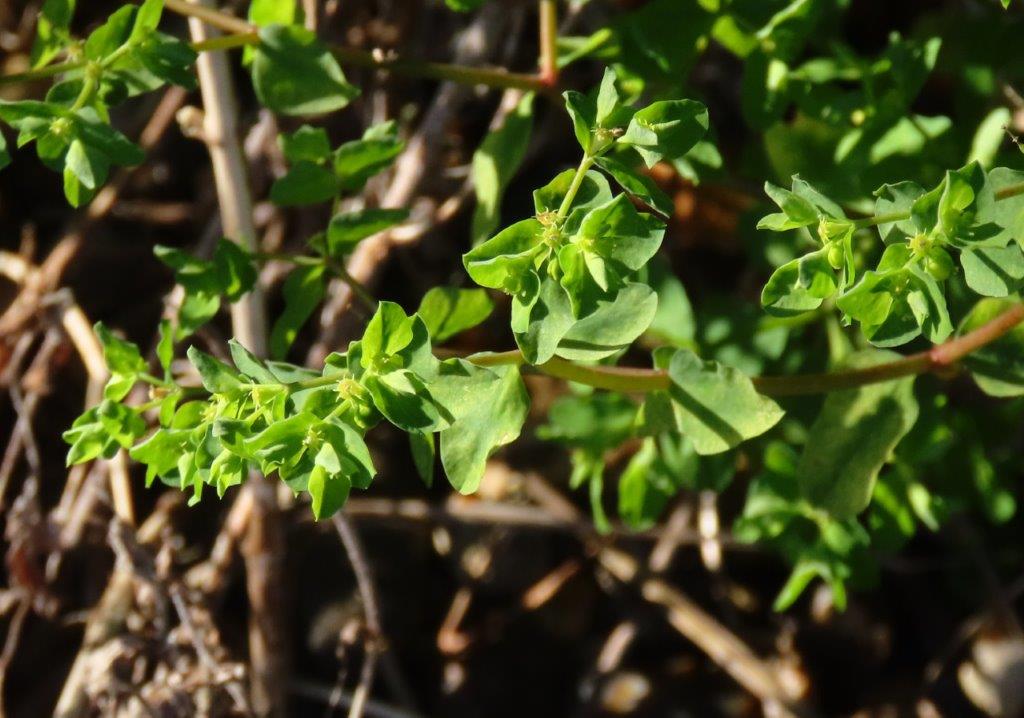
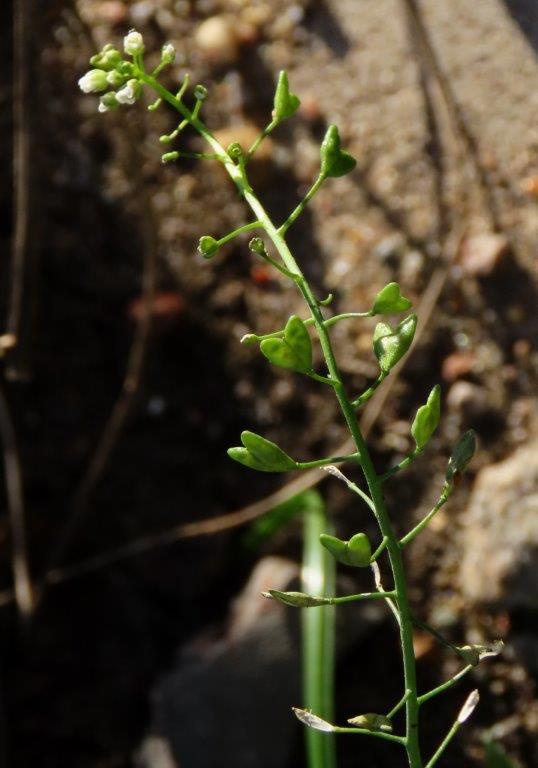
New Year’s Day 2026 was certainly more clement than 2025, sunny although pretty cold, barely above freezing, or should we say ‘normally cold’ by the norms we grew up with… Our band of 15 friends accompanied Jude and I and our special helper, scribe, photographer and flowerfinder Eleanor as we wandered round the usual route in the standard hour. It produced a good number of the ‘usual suspects’, shrubs that routinely flower in the depths of winter such as Gorse (apart from the usual Hazel that had been cut back severely) and annuals that flower at any time of year if the previous few weeks have been mild (as they were last autumn), including Annual Mercury, Petty Spurge, Shepherd’s-purse and Annual Meadow-grass.
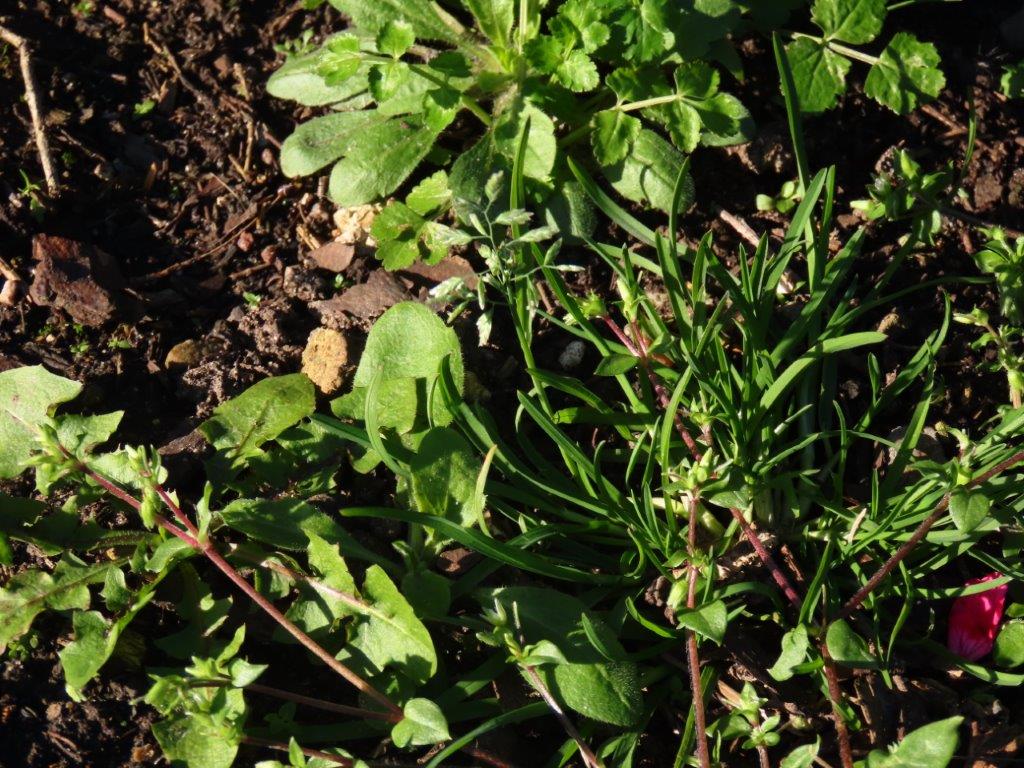
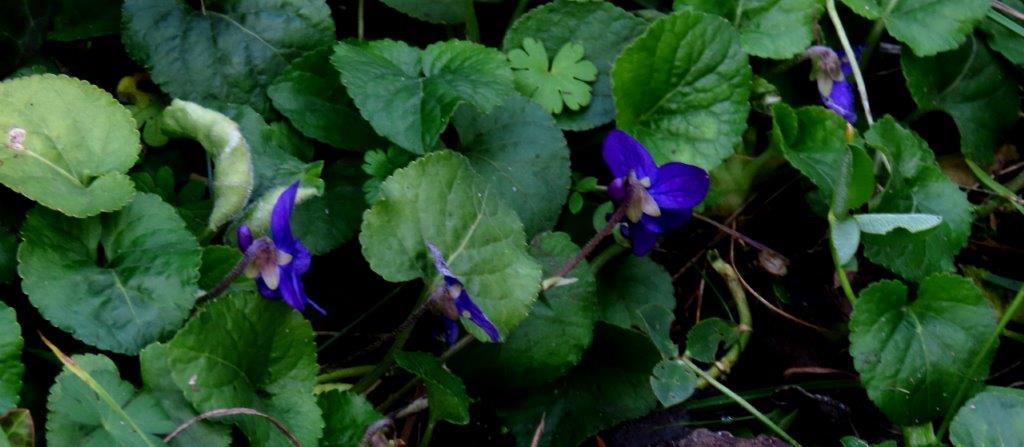
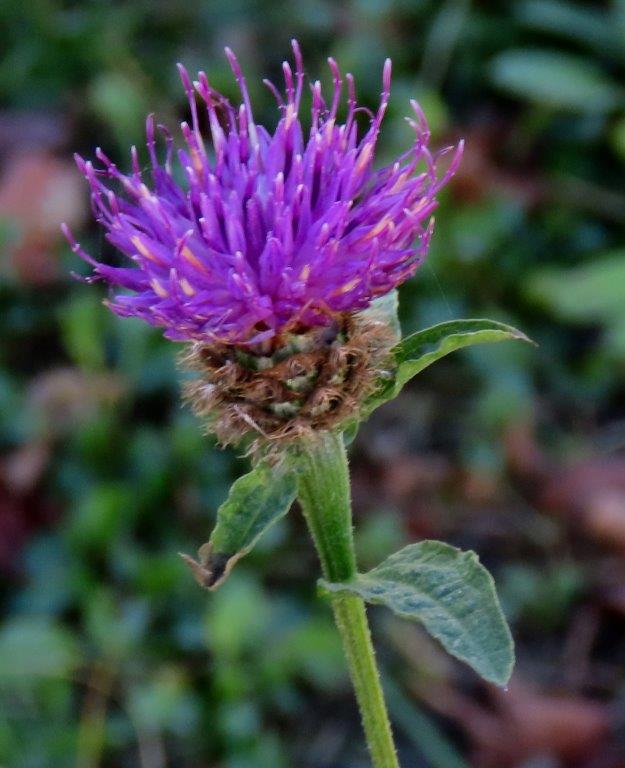
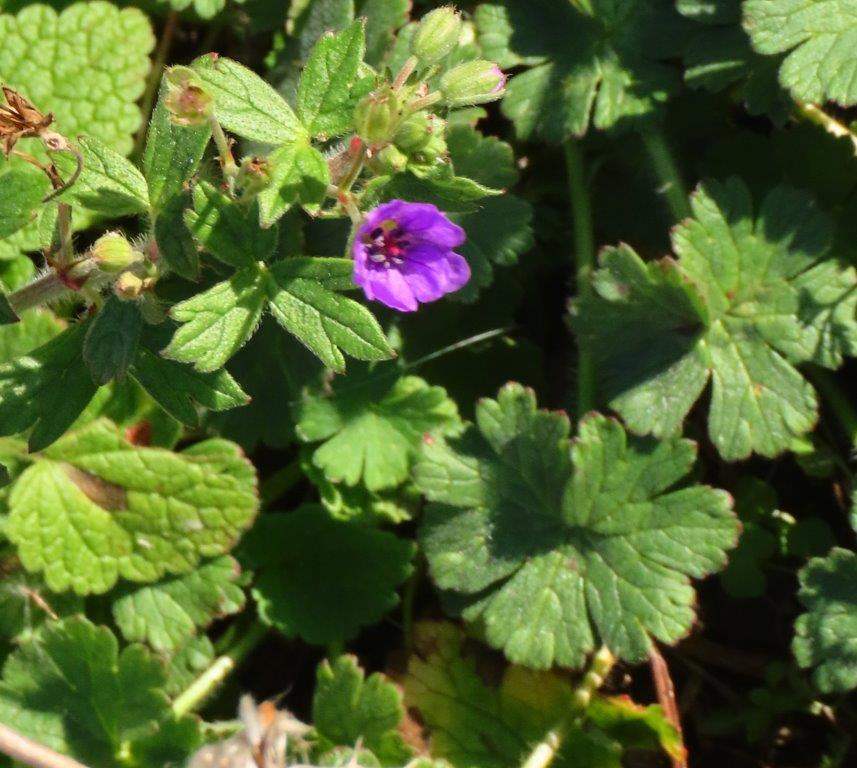
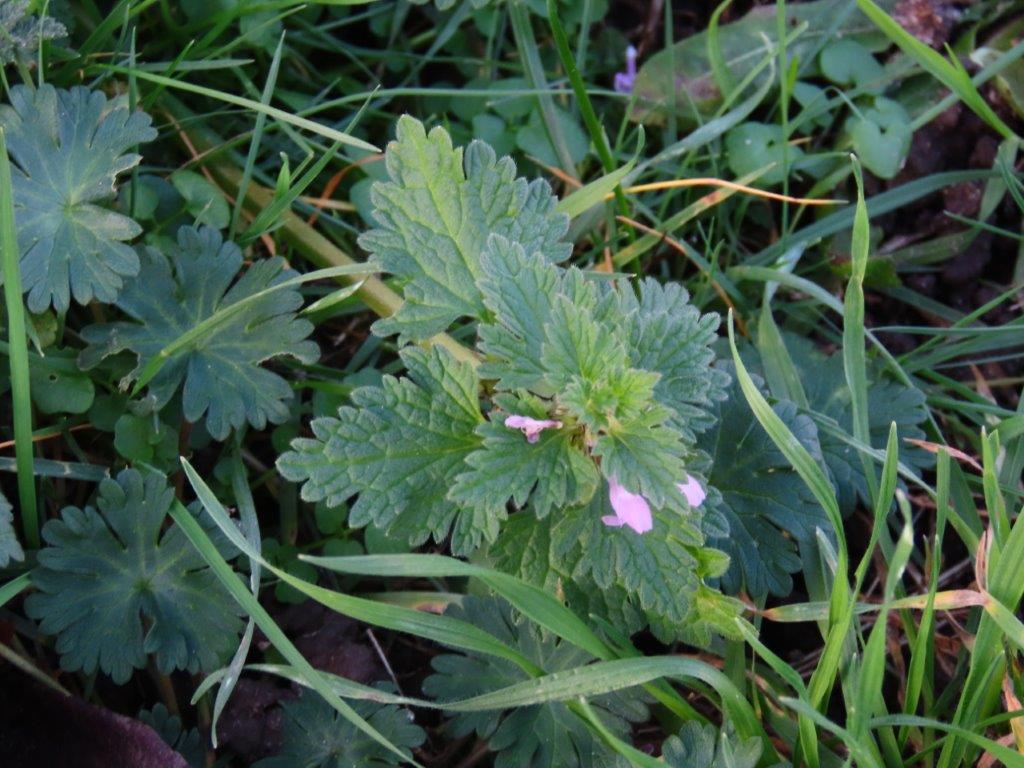
The few areas of permanent grass on our route had Daisies and Dandelions sparkling sparsely on them, together with Common Knapweed and Oxeye Daisy as a distant memory of the summer long gone, and Sweet Violet, the promise of spring. Along the fringes of the recreation area, Hedgerow Crane’s-bill was a new species for our NYPH list, as was Cut-leaved Dead-nettle, never very common in these parts, and growing alongside its more familiar relative, Red Dead-nettle, with more shallowly divided leaves and larger, darker flowers.

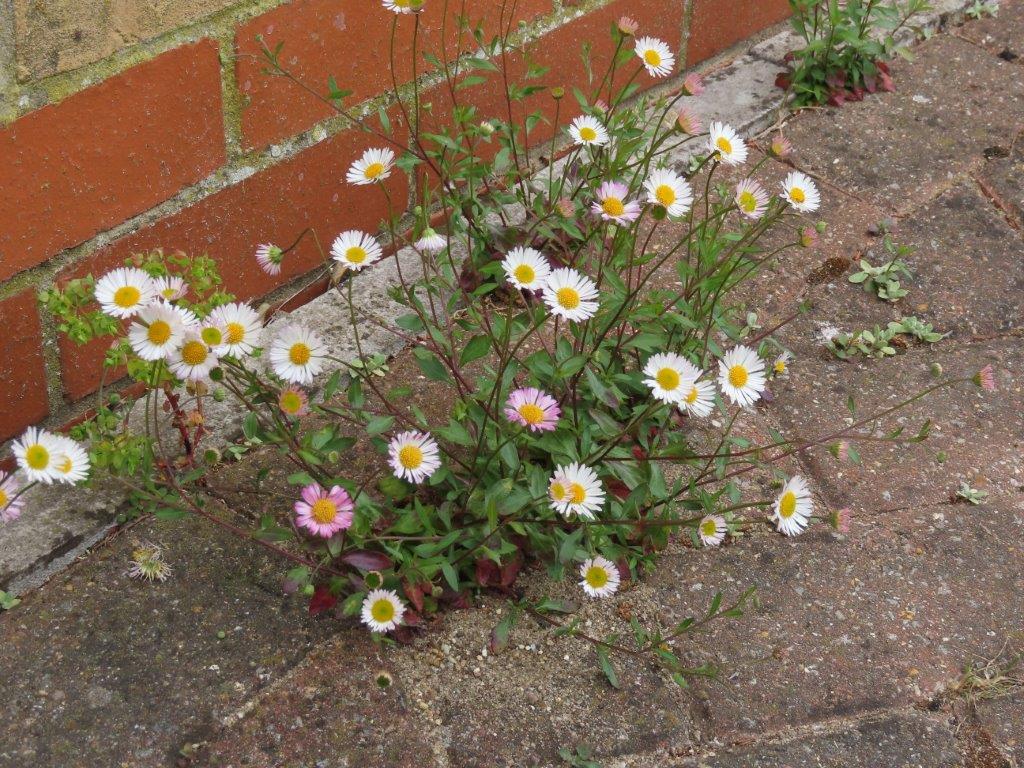
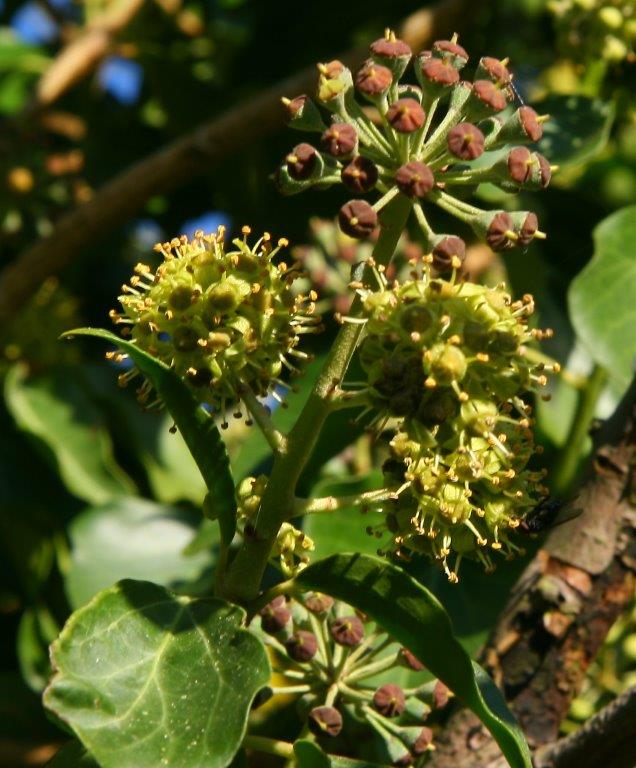
In the heart of the village, the older walls and brickwork supported Mexican Fleabane, Trailing Bellflower, Pellitory-of-the-wall and Ivy-leaved Toadflax, while it was quite a surprise to find Ivy flowers still open in places.
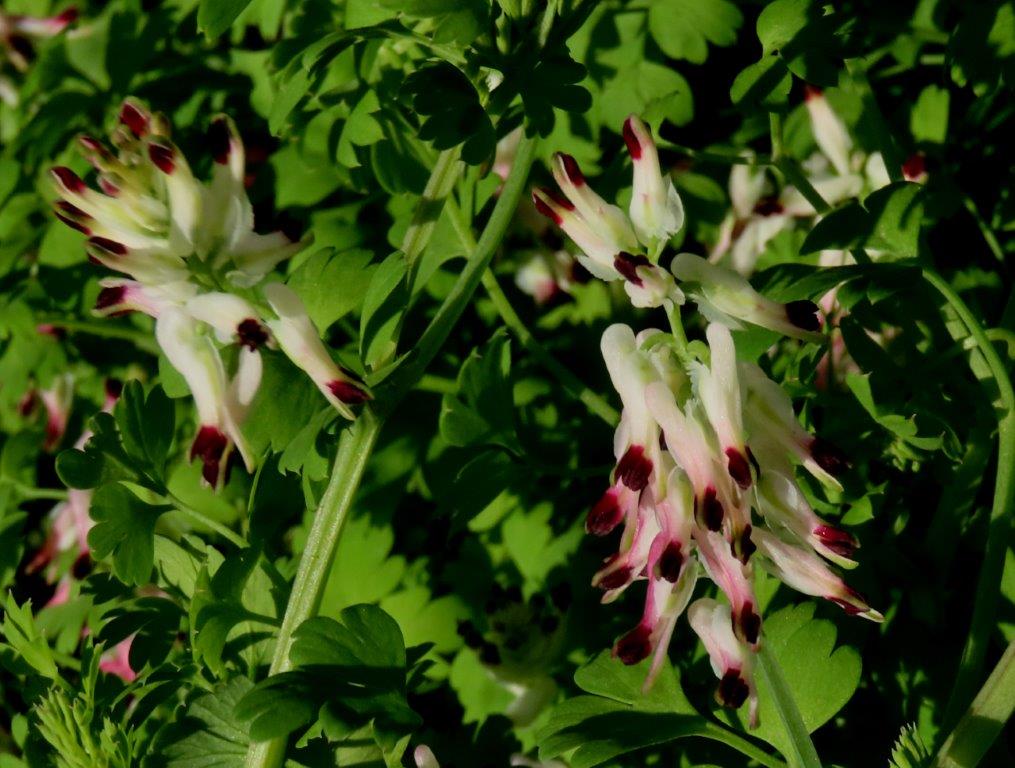
Along the waterfront itself, in the cracks of the block paving, our two specialists of this habitat, Four-leaved Allseed and Jersey Cudweed were both found just in flower along with the undoubted star of today’s show, White Ramping-fumitory. Rather scarce nationally, but widespread around coastal north Essex, it was in exuberant flower in planters and cracks along the waterfront, untroubled by any frosts so far this winter.

And at the end of the hour we found ourselves at the saltmarsh, where Common Cord-grass with its naughty bits glistening in the sinking sunlight added a final species to our tally:

All in all, 39 species in flower represents a new high for us (see full list here New Year Day PLANT HUNT Year on year) compared with 37 in 2025, 34 in 2024, 23 in 2023, 35 in 2022 and 30 in 2021, although one should fall short of celebrating – many of these plants should not be flowering now, and are doing so only because of the harm we have inflicted upon our climate…
There is of course another way of looking at it. Plants are not the only things responding to climate change: although we saw no insects being active on the day of our walk, it is undeniable that fewer insects are hibernating than used to be the case. And year-round activity needs year-round nectar and pollen resources, so any insect-attracting flowers such as Gorse and dead-nettles are important, even in the context of much richer supplies inside our gardens, as for example the gorgeous, subtly showy blooms of Virgin’s-bower Clematis cirrhosa. Happy New Year!!
These NYPH events are always free to participants, being as much as anything a chance to reconvene with old friends, both botanical and human, after the midwinter lull and start to look forward to the riches of the summer that is surely to come. But this year we did suggest that satisfied customers may like to contribute to the crowd funder to seek justice for the much-loved community oak tree in Wivenhoe, Old King George.
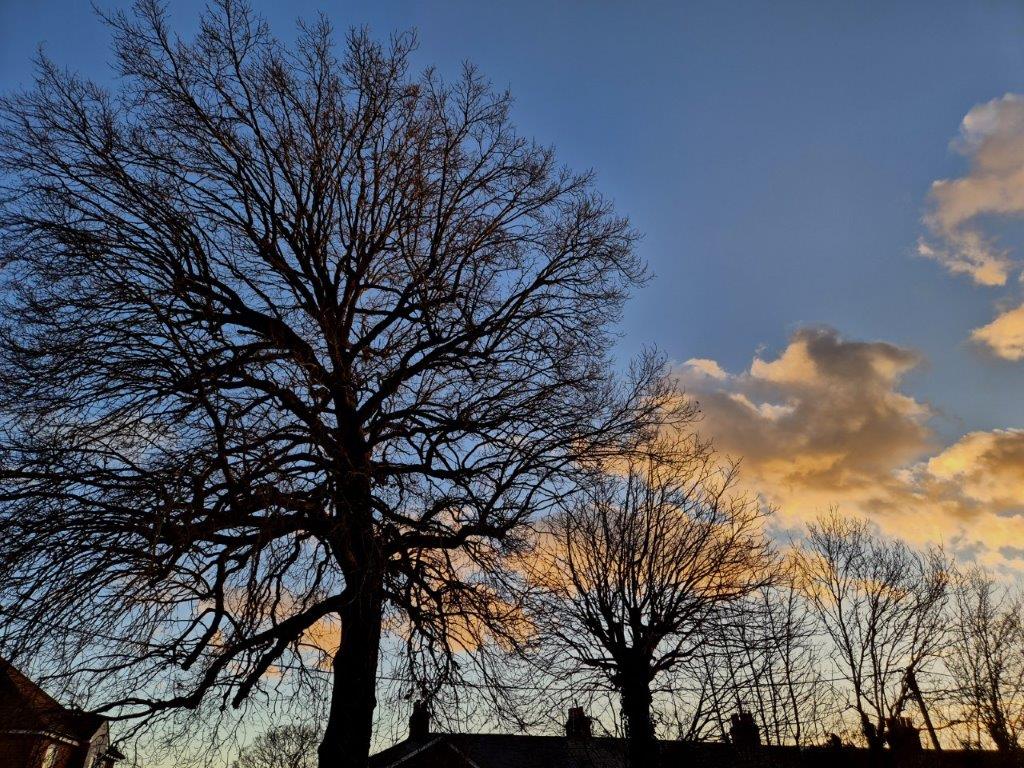
This tree has dominated our lives for the whole of 2025. The first part was covered in my blog of February: Saving Wivenhoe’s Old King George Oak Tree | Chris Gibson Wildlife. In essence, the tree is caught up in the grip of the insurer Aviva and Wivenhoe Town Council. Blaming it for subsidence, a death sentence was issued. This was fended off last winter by peaceful occupation by the Protectors, but the sentence was reaffirmed last month. And still now, as previously, all evidence pertaining to its guilt has been withheld from the public gaze. Despite the fact that the Protectors and their supporters funded and produced an (openly available) independent expert report which challenged the presumption of guilt. And another independent report with similar conclusions to ours was prevented from consideration by the council.
So we have had to take recourse in law. All we are asking for is full transparency: if the guilty verdict is supported by indisputable evidence, we would reluctantly accept it. A few days ago our legal team successfully won an injunction in the High Court to pause its felling which had been planned for early this year. A pause for democracy to be seen to be done.
Of course, this is expensive, hence the launch of our new CrowdJustice funder. Please consider contributing if you can using this link: Save Wivenhoe’s Old King George Oak tree