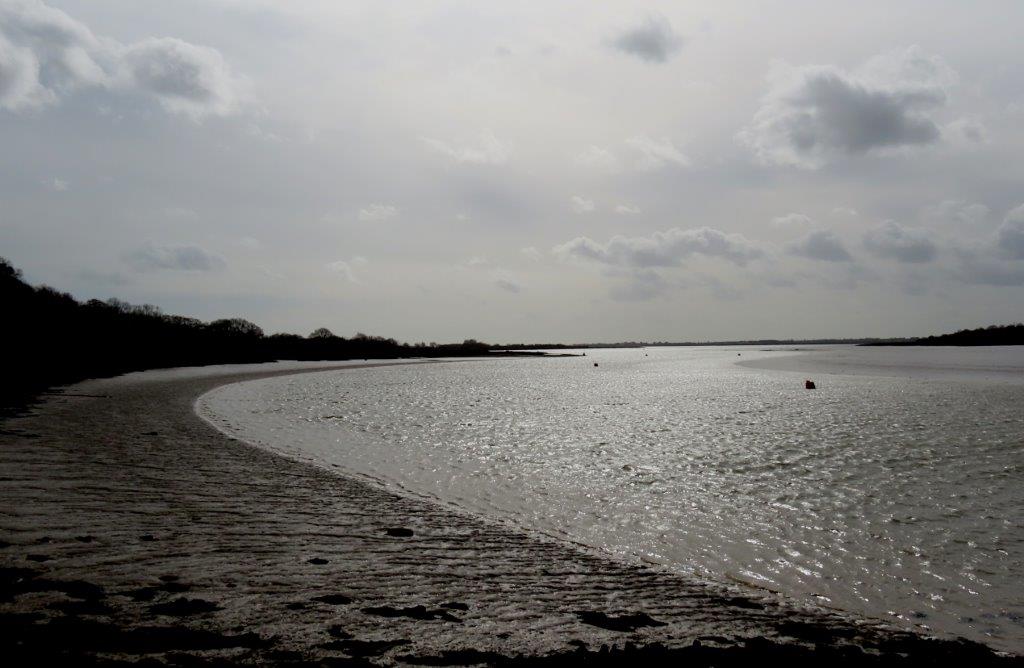
‘Spring’ perhaps more in theory than practice! It may have been mid-March, but the very cool breeze searing across the estuary and grey skies for much of the day made it feel like a return to winter. And as a reflection of the very wet winter past, another theme of the day was mud, especially on the clays lower down, as opposed to the Thames sands and gravels that cap the Essex Alps. But Naturetrek groups carry on regardless!
Starting around Ferry Marsh, all was quiet apart from the whispering churrs of Long-tailed Tits and angry chatter of a couple of Cetti’s Warblers, as so often only briefly glimpsed.
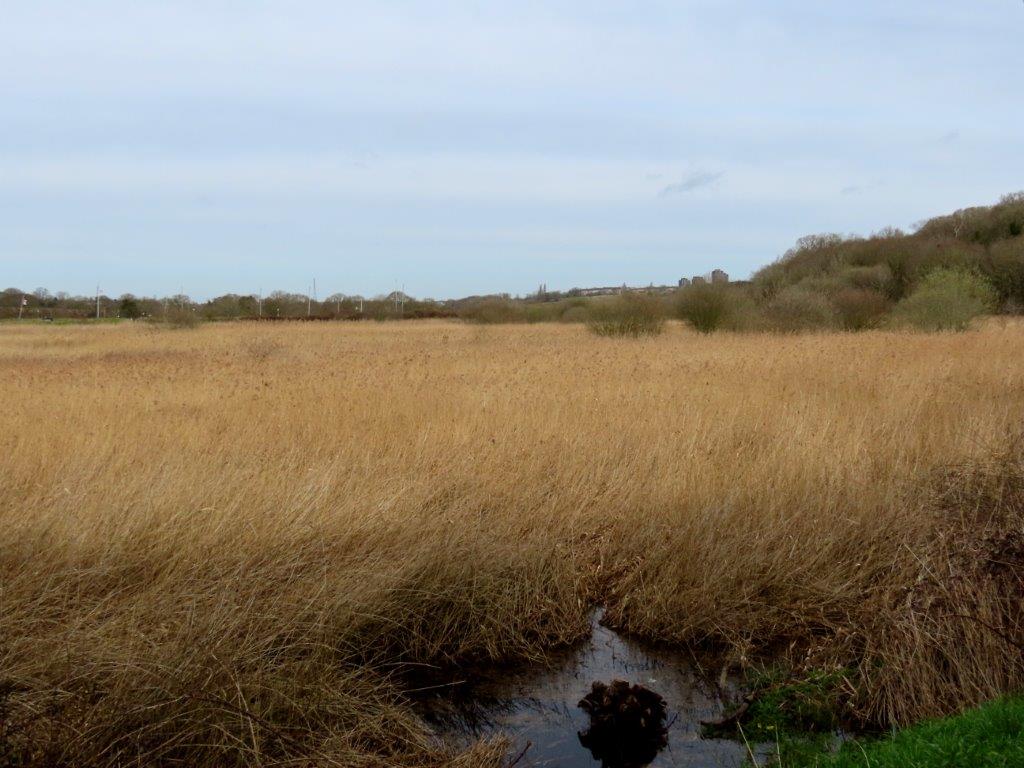
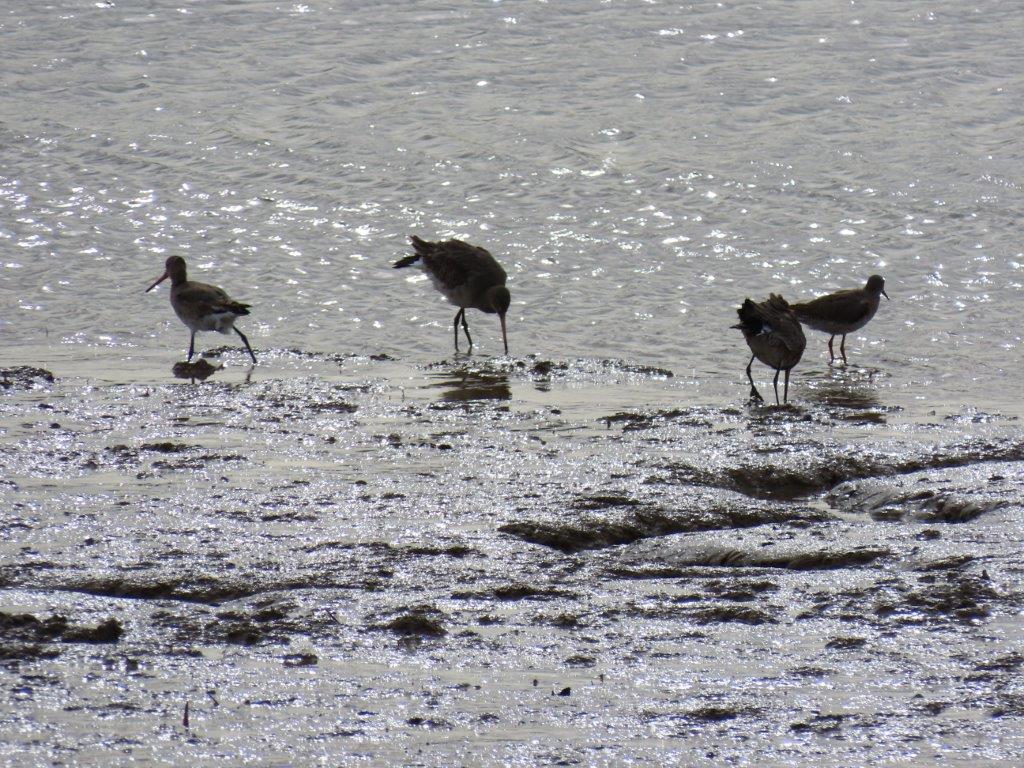
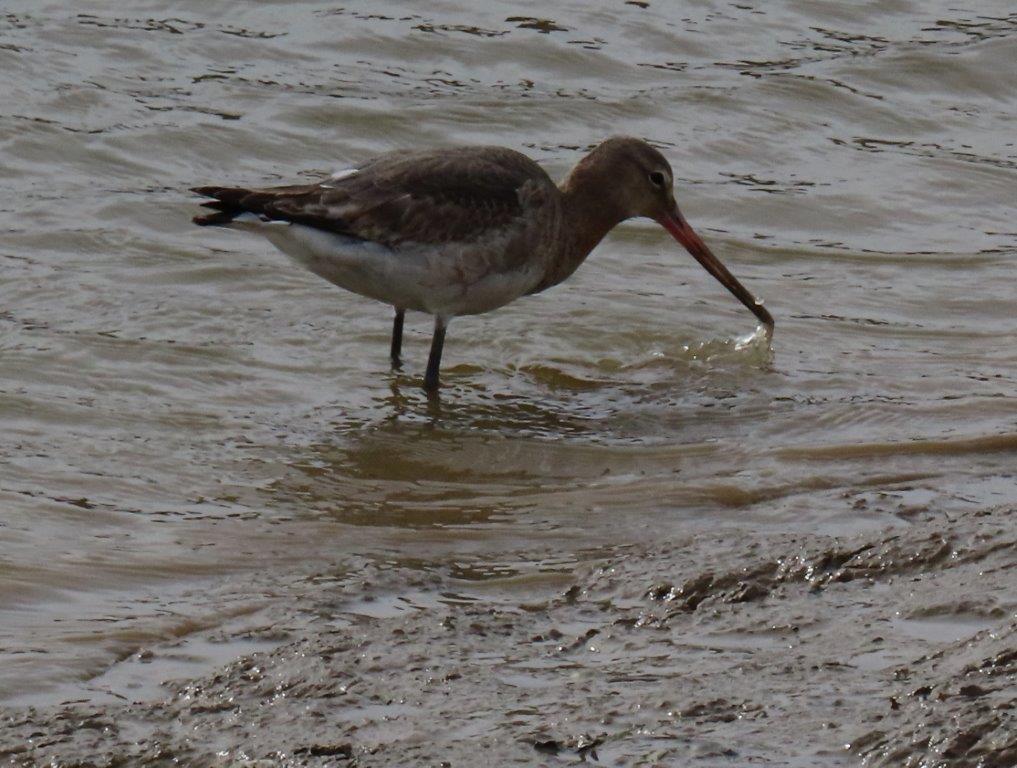
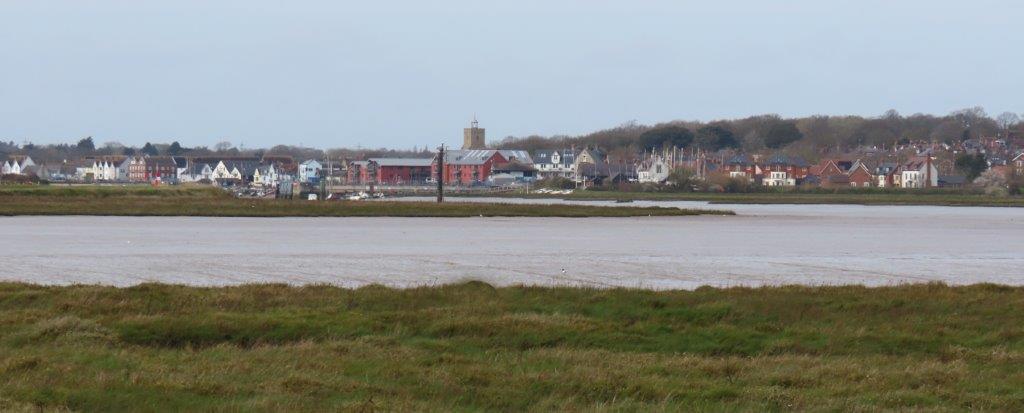
Down at the river upstream of Wivenhoe, the tide was falling away and the exposed mud supported Redshanks and Oystercatchers, with Black-tailed Godwits and Teals feeding in the shallows, and a Little Egret on the saltmarsh.
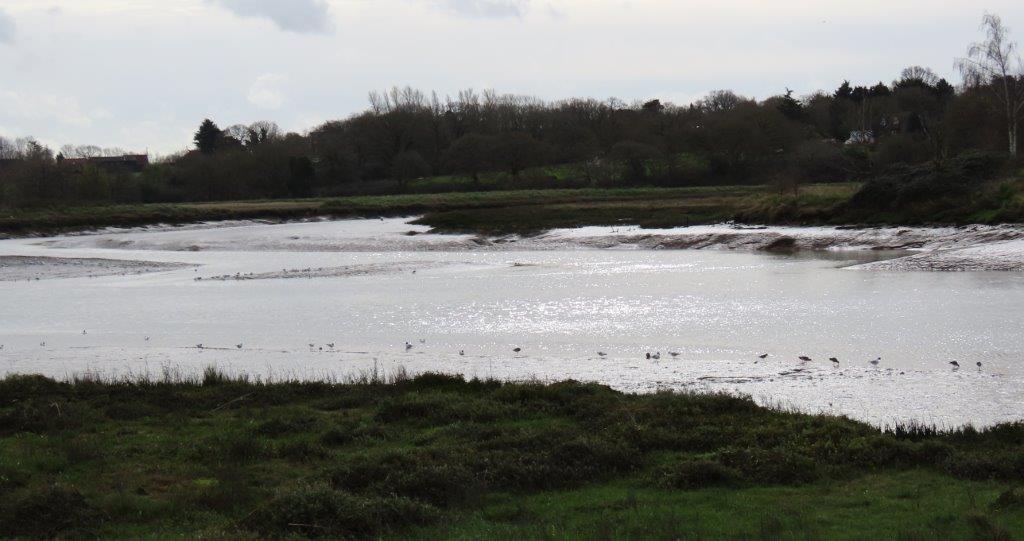
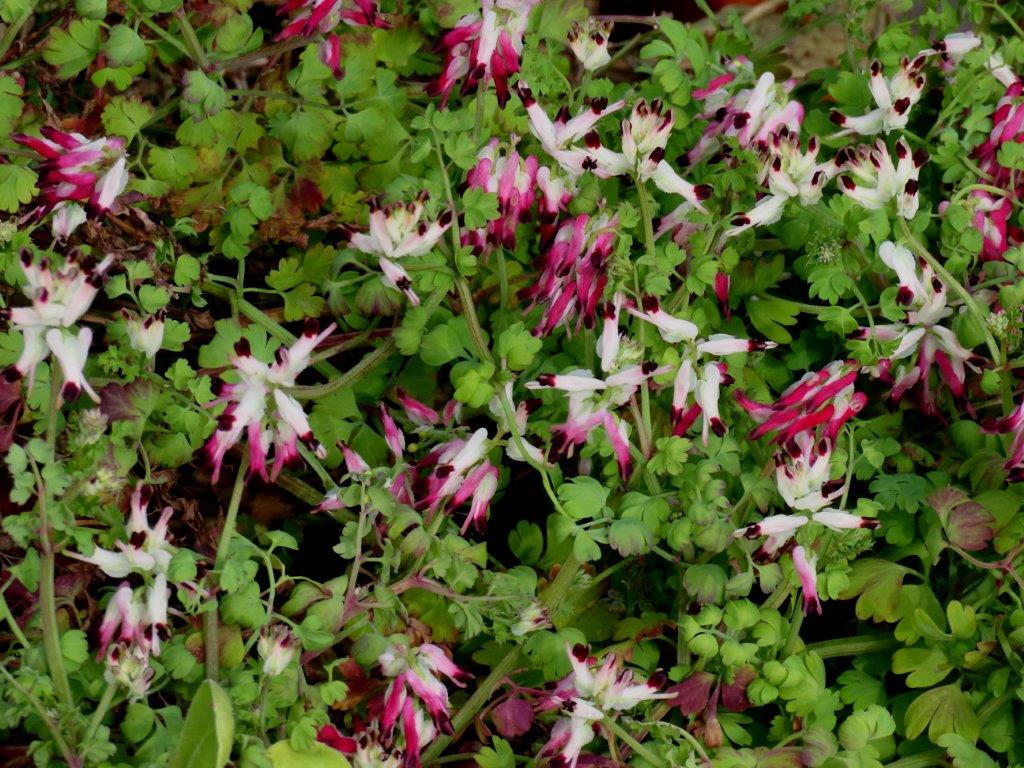
Along Wivenhoe waterfront, a chance to explore the changing socioeconomic trends that have shaped the town over the past fifty years ago as well as the eternal struggle against surge tides, the now-familiar rare plants were all present: Jersey Cudweed, Four-leaved Allseed and White Ramping-fumitory. Only the latter had flowers, but what a show!
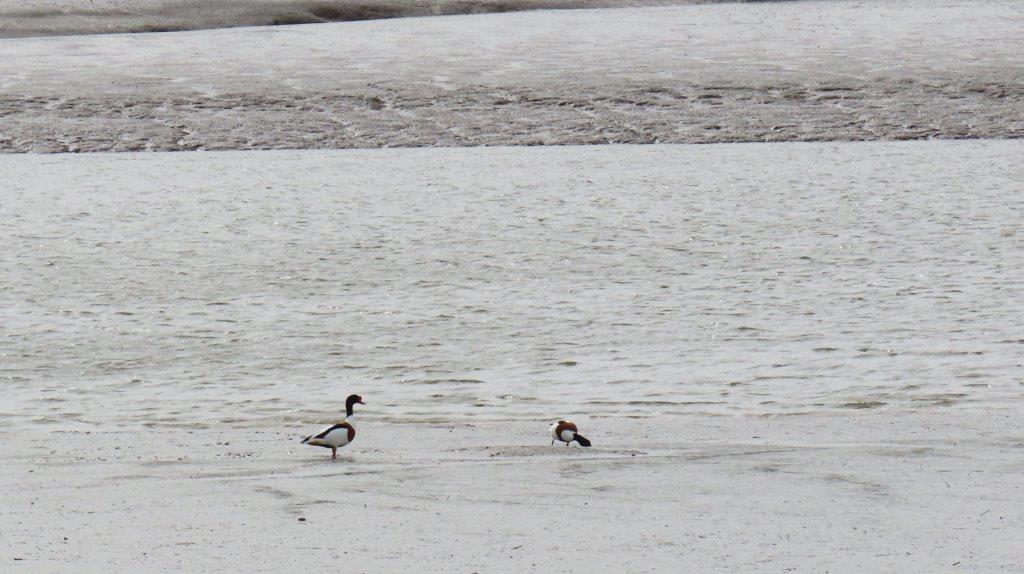
Below the Barrier and into the wider estuary, more of the same waders, including a large flock of 400 or so Black-tailed Godwits, and the first few Curlews. But no smaller species, nor any Avocets: presumably these were hunkered down out of the biting wind in a more sheltered creek. But there were good numbers of Shelduck wading through the sloppy mud, single Cormorant and Great Crested Grebe fishing in the channel and Buzzards circling over the woods.
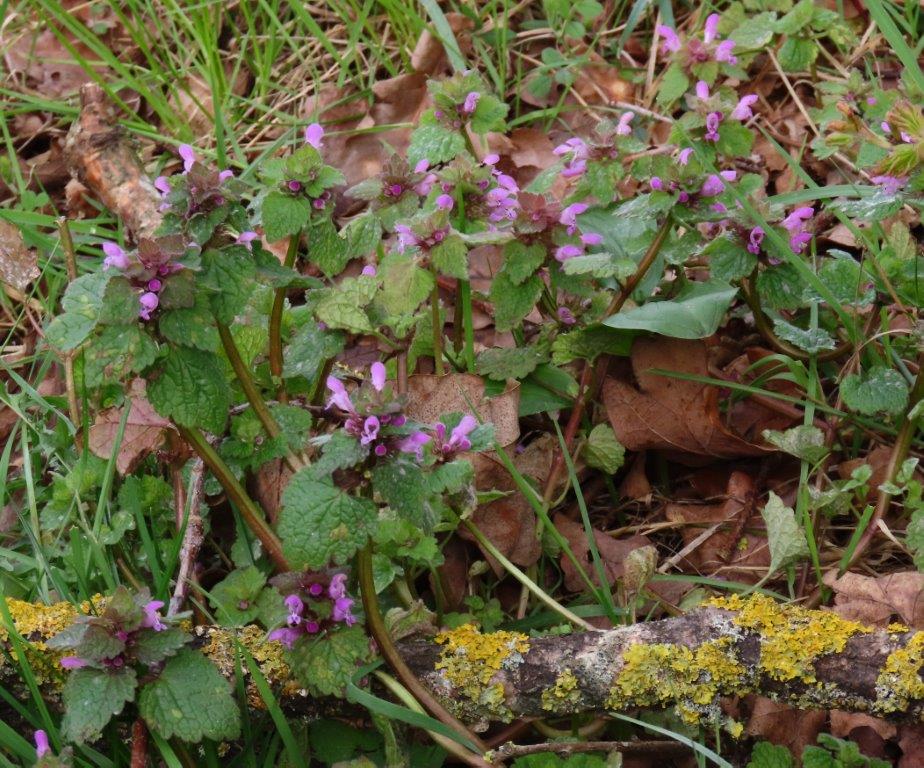
Along the seawall, especially on the warmer, south-facing slope, Hairy Bittercress and Red Dead-nettle were flowering, the latter a magnet for the few queen bumblebees foraging, making the most of their fur coats to be active when no other insects were.
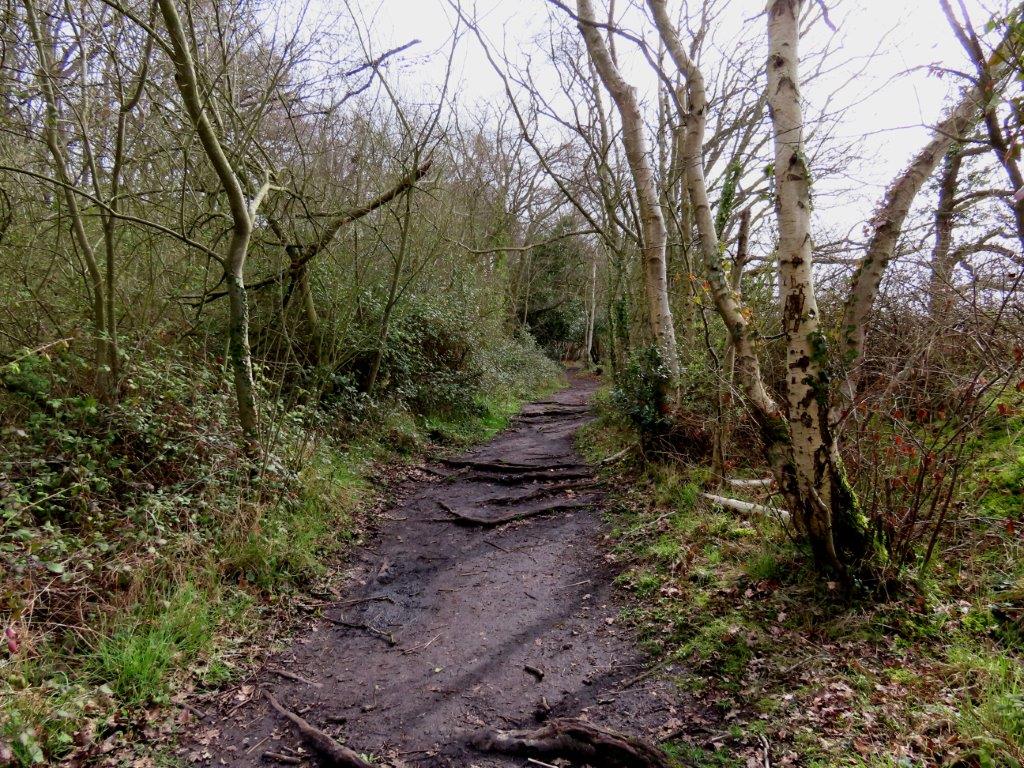
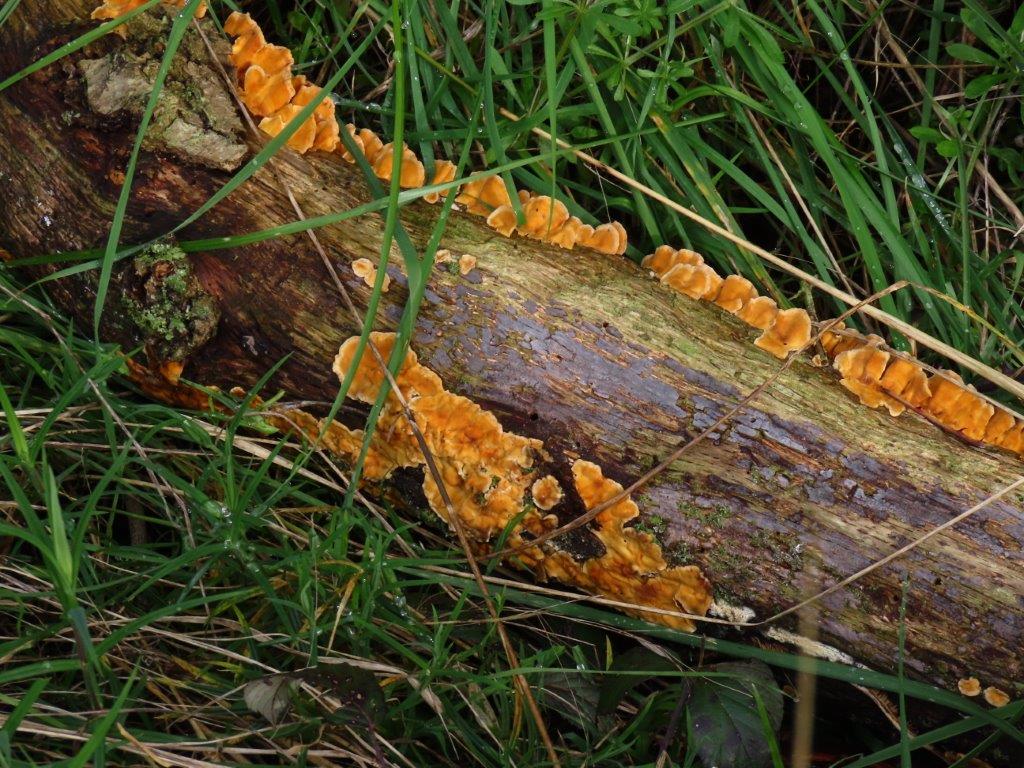
As soon as we got into the shelter of Grange Wood, the temperature rocketed, and the first of several Chiffchaffs started to sing, probably ones that arrived along with Sahara dust last week. The Silver Birch trees were covered in Birch Bracket fungi, while on windblown twigs there were both Orange Brain Fungus and Stereum hirsutum.
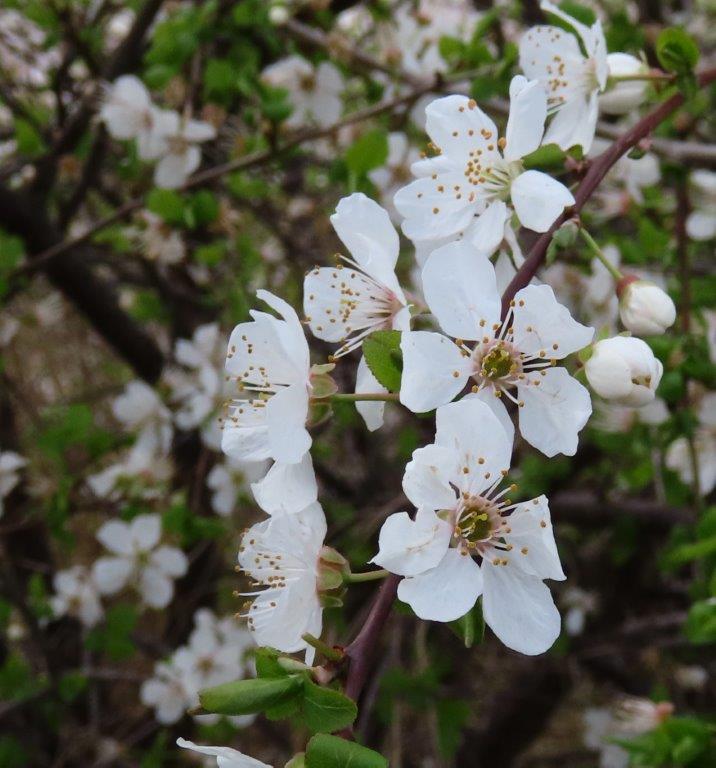
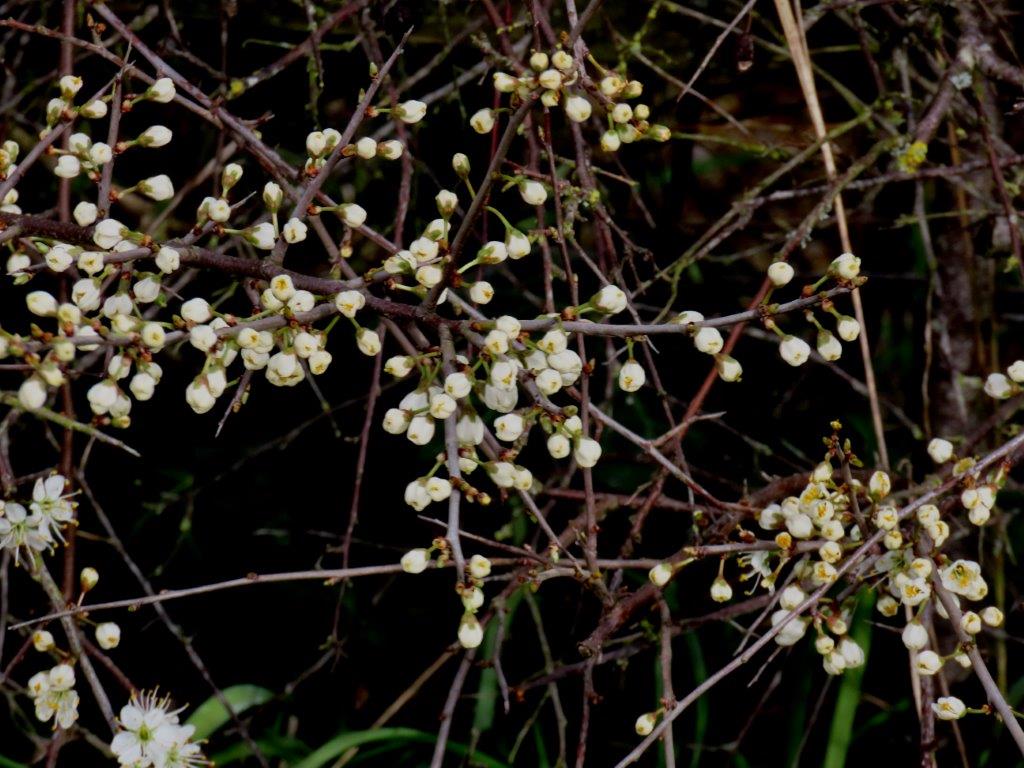
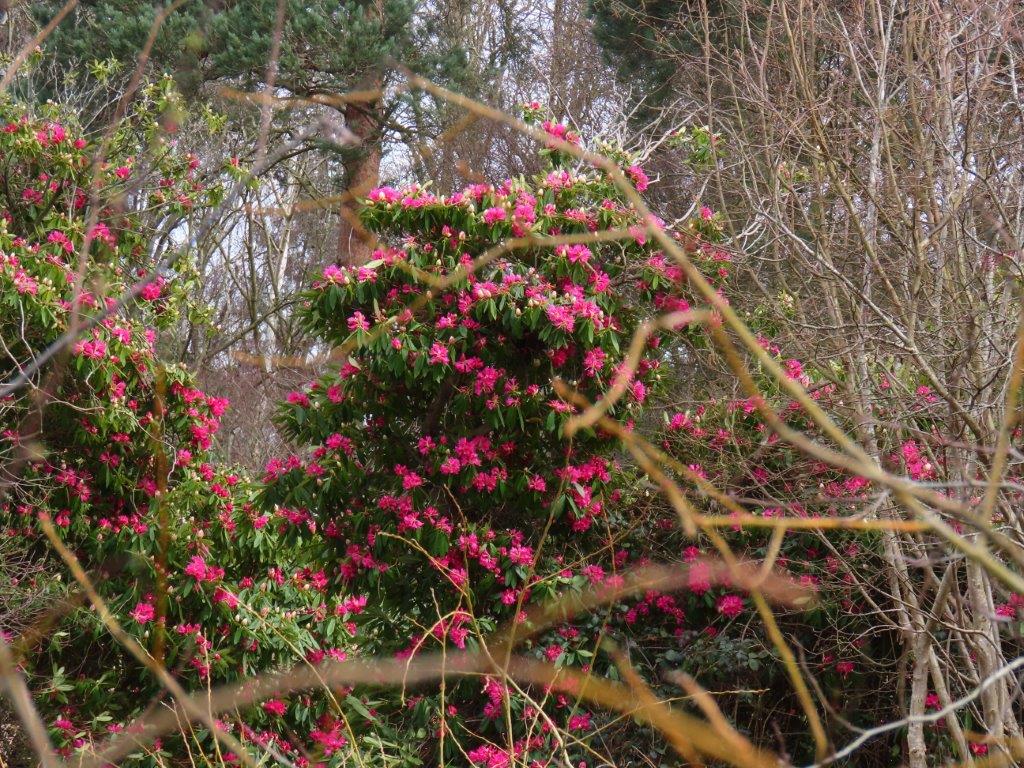
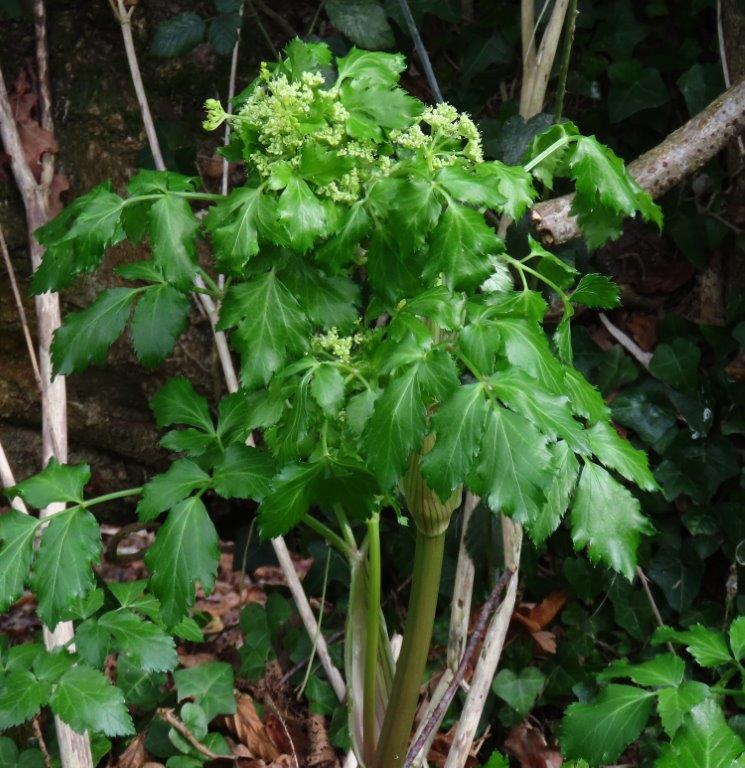
Cherry-plum flowers were just past their peak, while those of Blackthorn were just starting to burst. A precocious Rhododendron was in full flower and the first Alexanders flowers were erupting, soon to become the most important insect forage before the full flush of spring.
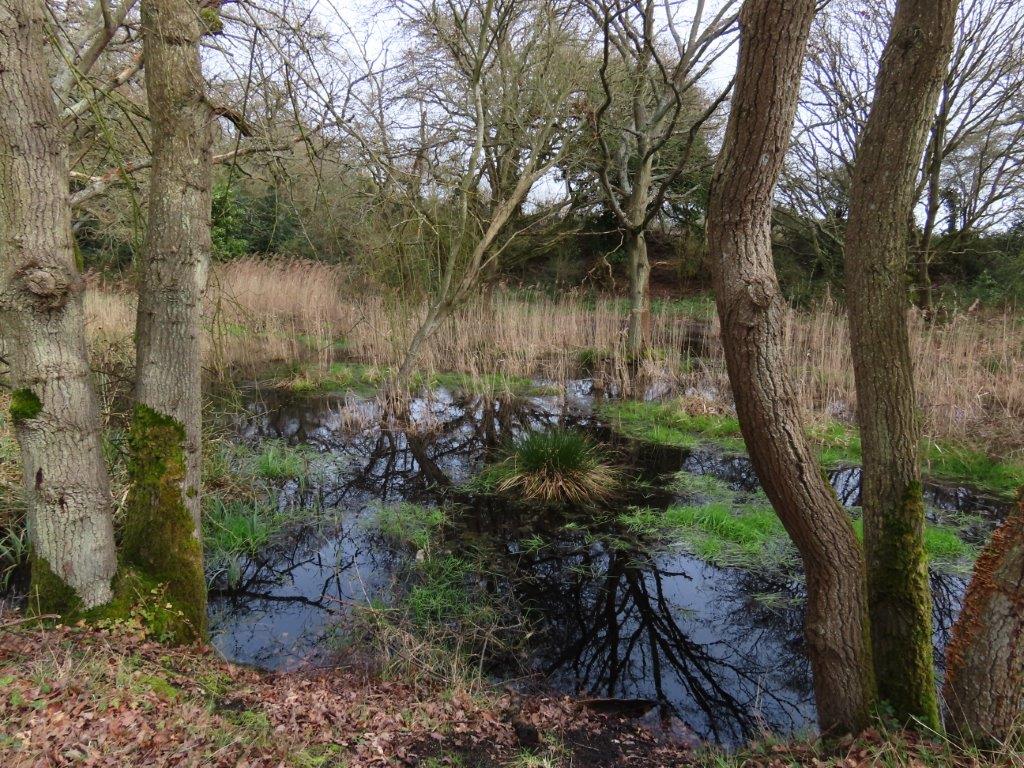
And the shady pools were just crying out for Beavers!
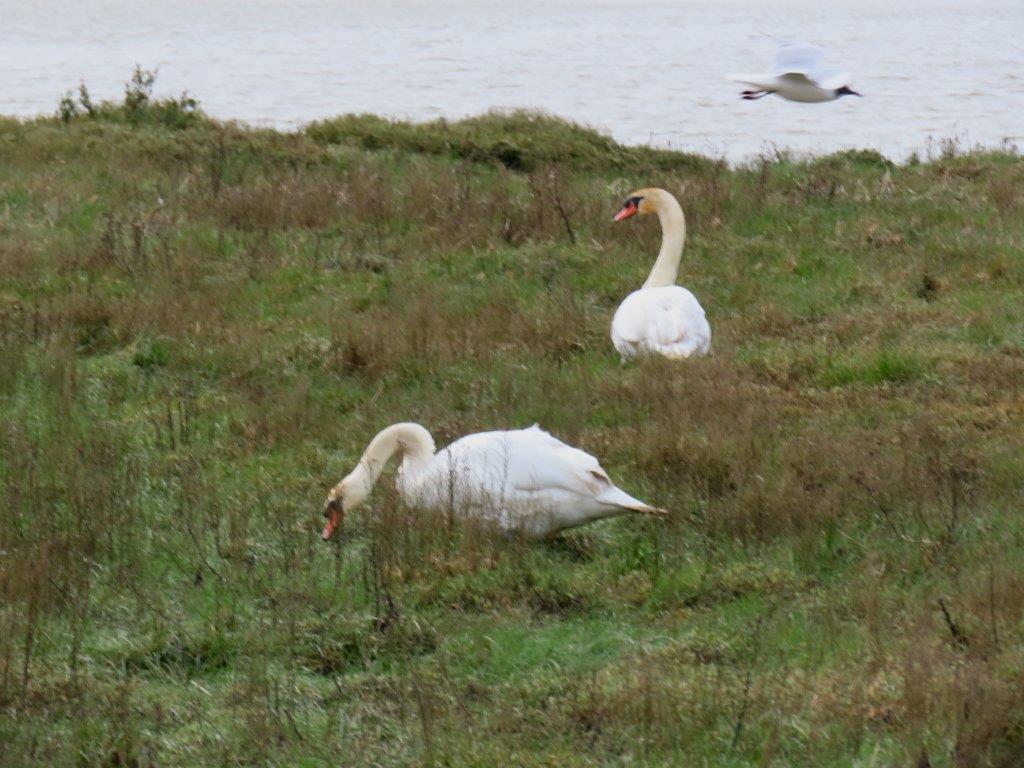
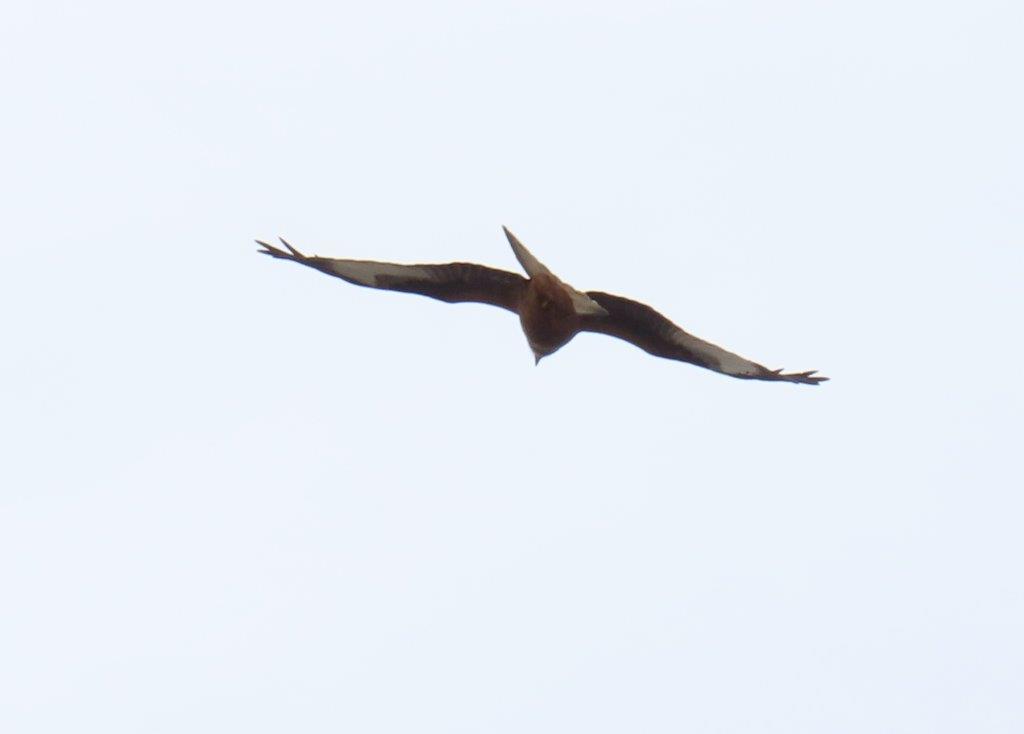
For lunch we were back in the chill wind, but rewarded with flocks of Wigeons and Brent Geese, with a trio of Mute Swans surprisingly grazing on the saltmarsh. A Red Kite, presumably one of the local breeders, drifted low overhead and Skylarks were singing from the fields, bringing the promise of spring even in the teeth of an icy wind.
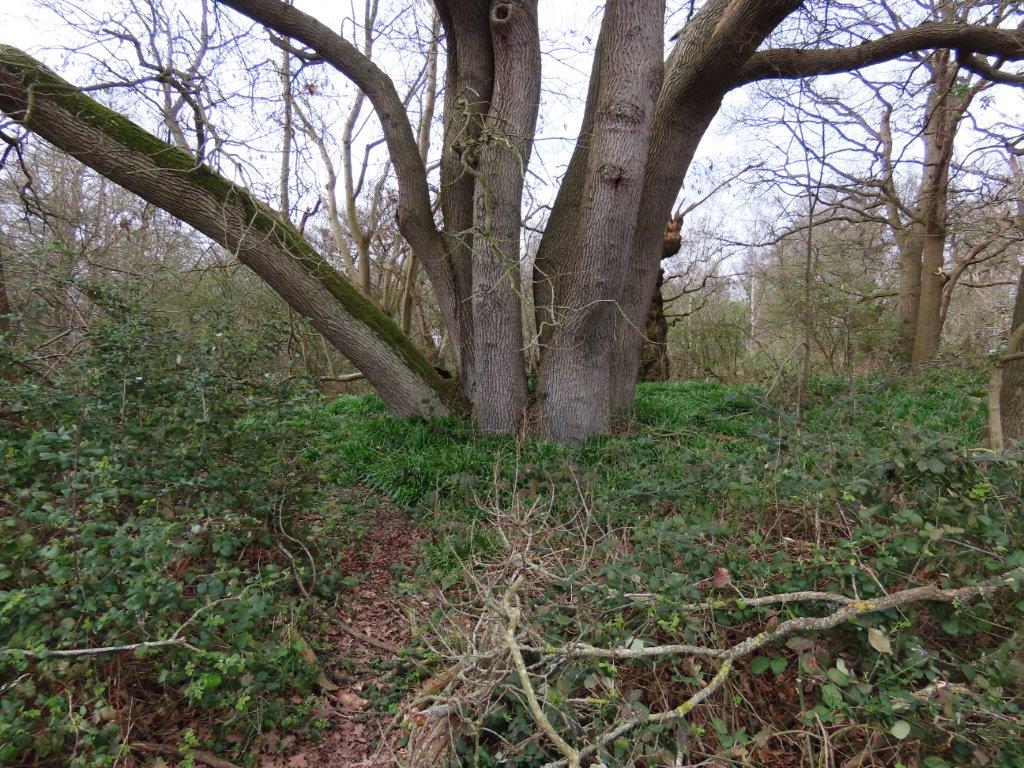
Heading up the hill to the top of the Essex Alps, moving from clay to gravel, we passed numerous vast pollards and coppice stools, mostly Oak but also Holly, boundary features of the ancient wood and the old trackway of Cutthroat Lane. Celandines were flowering, along with the very first Bluebells, amid the sprouting spring greens of Garlic Mustard and (more menacingly) Hemlock.
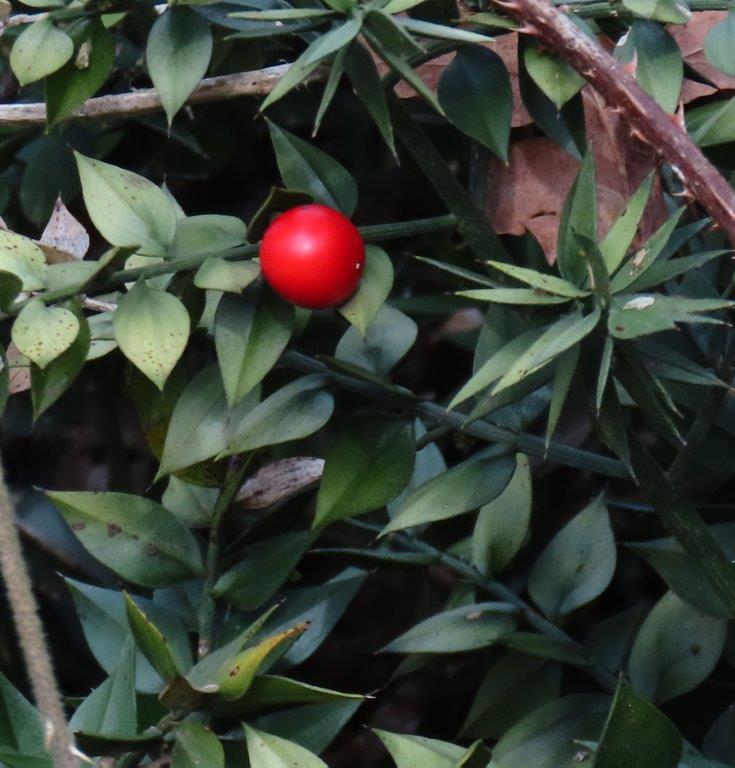
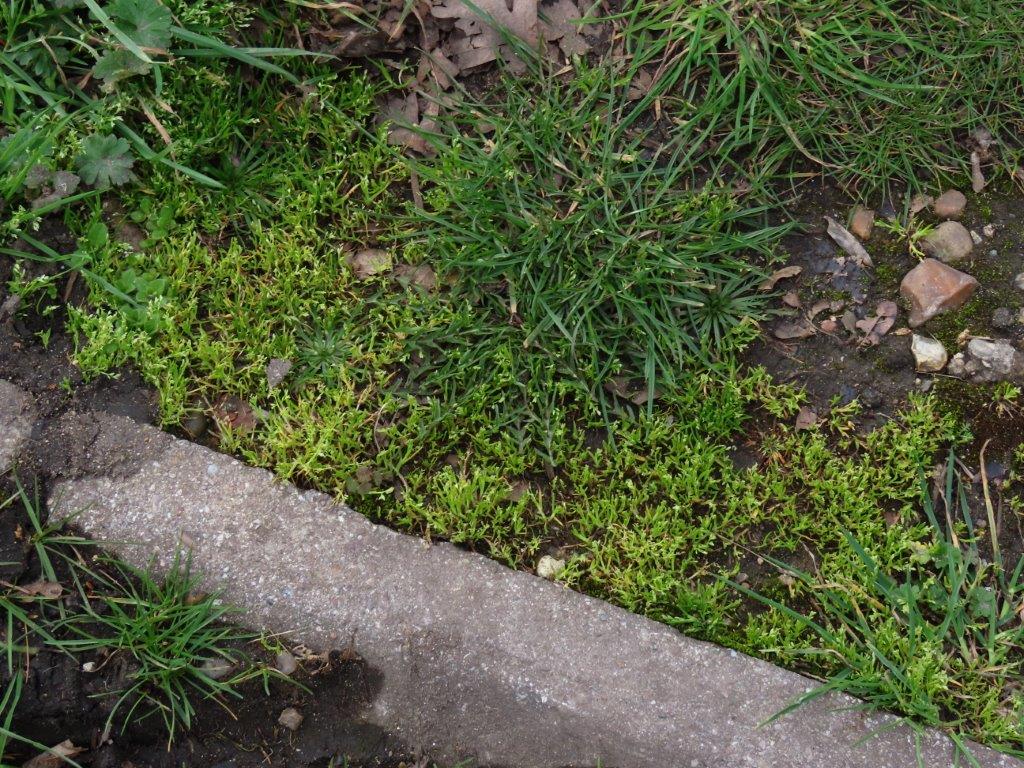
A Great Spotted Woodpecker and Jay showed themselves briefly along the lane, above large patches of fruiting, presumably ancient, Butcher’s Broom. And in the open at the end of the lane, acid-green in the verge highlighted a patch of Early Meadow-grass. Although we have known this plant close to the tide for the past five or so years, this is the first time I have found it inland round here.
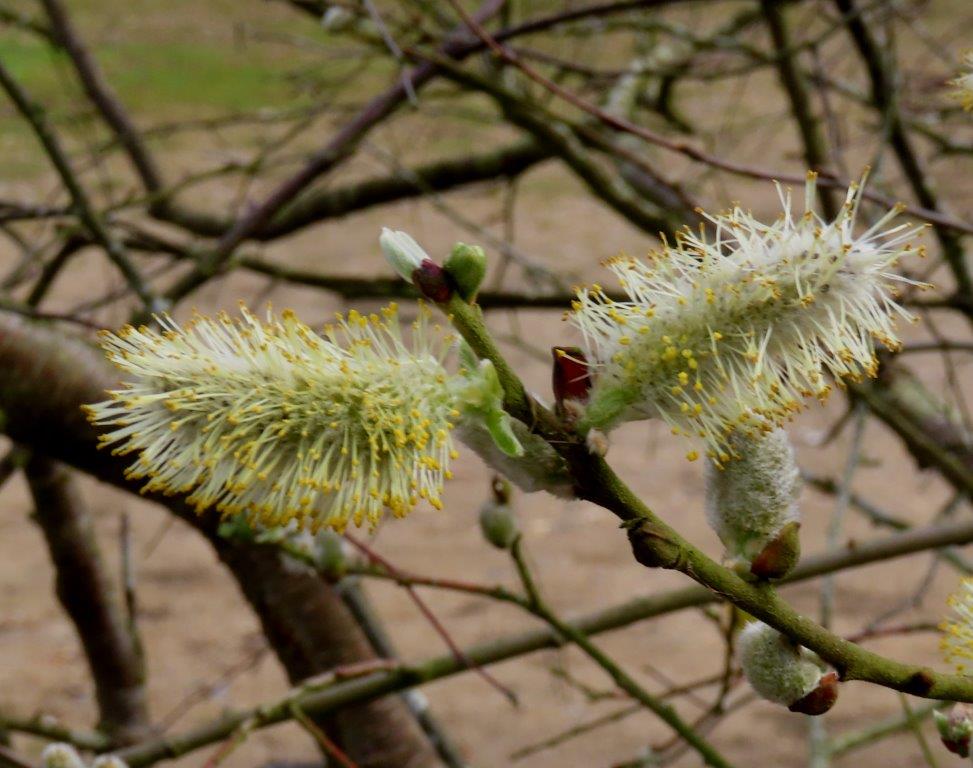
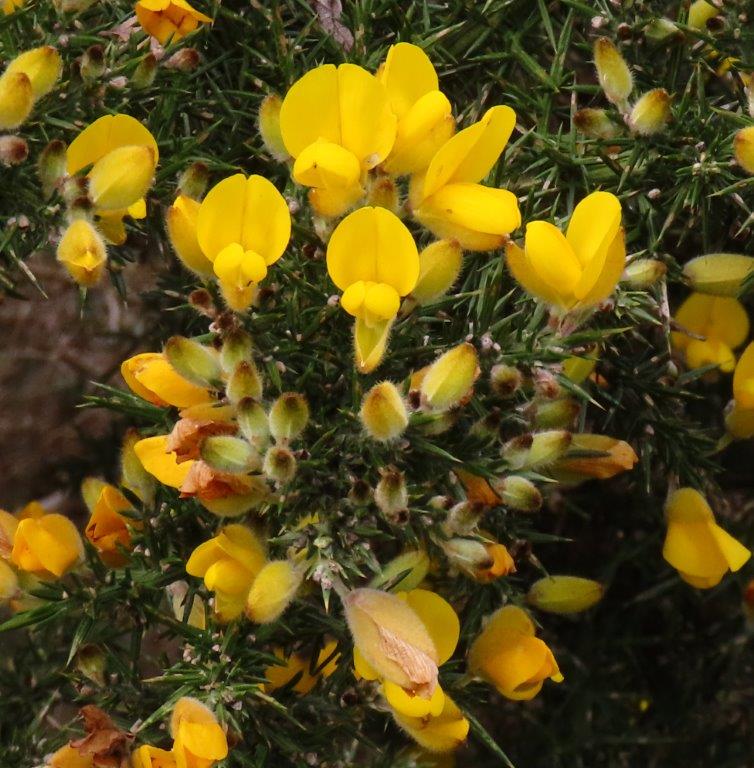
Heading into Cockaynes Reserve, the volume of bird song increased, with Robins, Great Tits and Chiffchaffs featuring prominently. Sallow and Alder flowers were out, along with luxuriant Gorse, attracting numerous bees and flies.
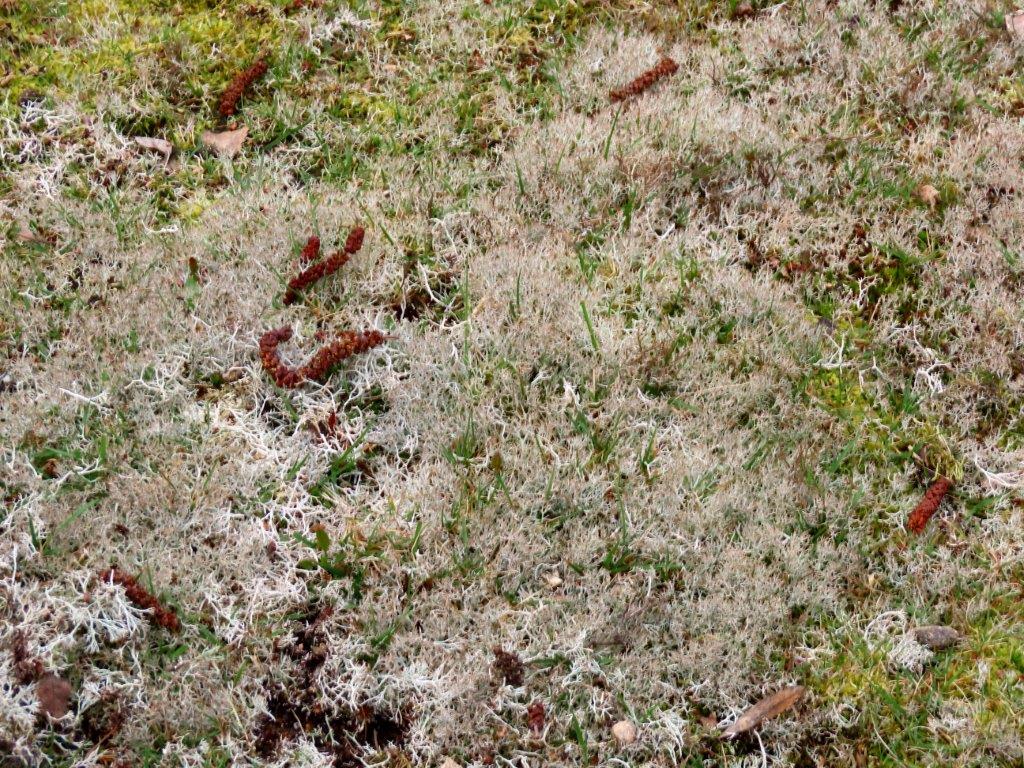
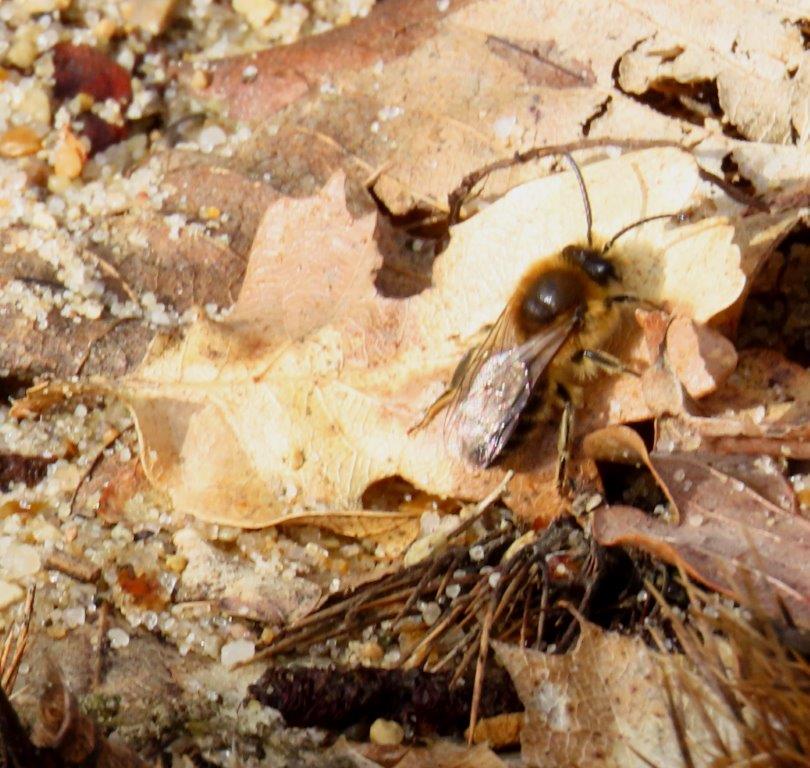
The lichen heath seems to get more extensive every time I visit, and the Bunny Bee colony was coming to life in the admittedly weak sunshine, while a Little Grebe sang from the gravel pits and Long-tailed Tits seemed to be prospecting for a nest site.
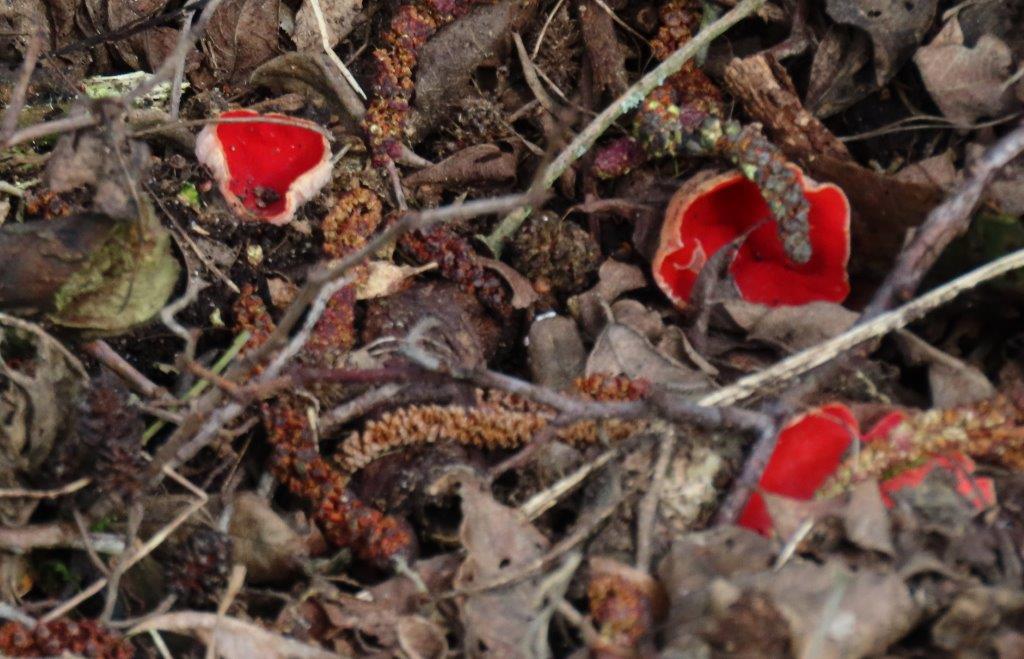
Then through Villa Wood, a magnificent showing of Scarlet Elf-cups, highlighting the feature without which probably the reserve would never have come into being.
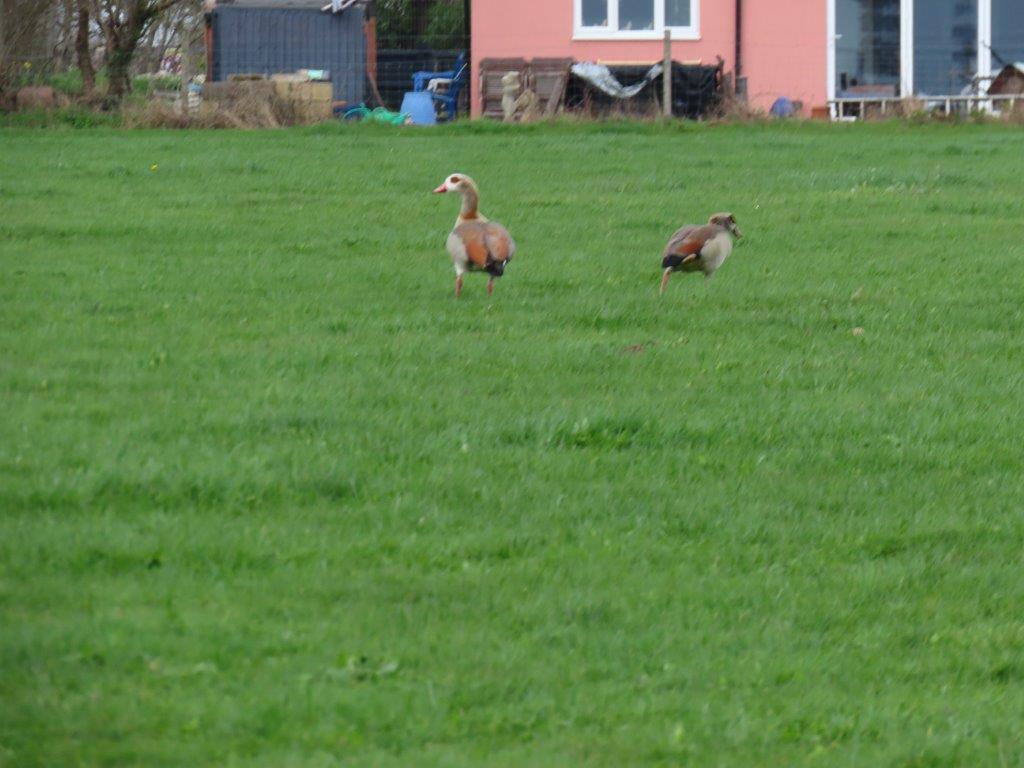
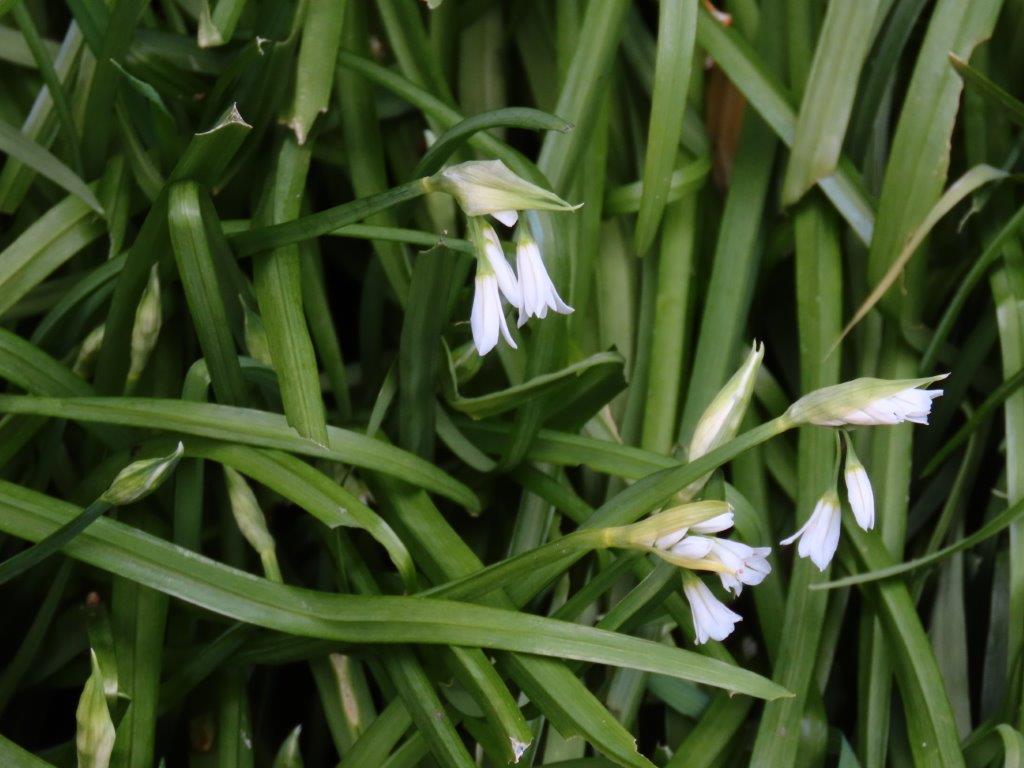
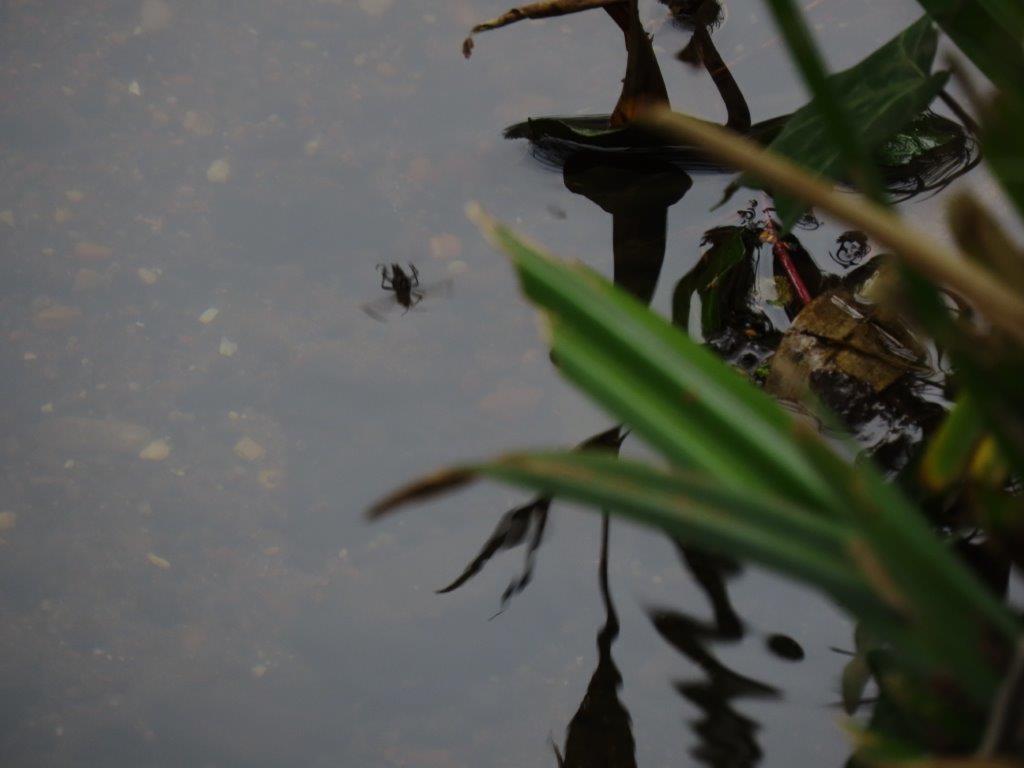
Heading back along the crest of the hill, the pastureland was graced not by the usual pair of Egyptian Geese, but three pairs and a singleton. From there the verges of Ballast Quay Lane were in fine flower, including Sweet Violets and the first few Three-cornered Leeks. Crossing Wivenhoe Brook, a peep over the parapet showed the continued presence of Water Crickets, the only local place I know for this bug.
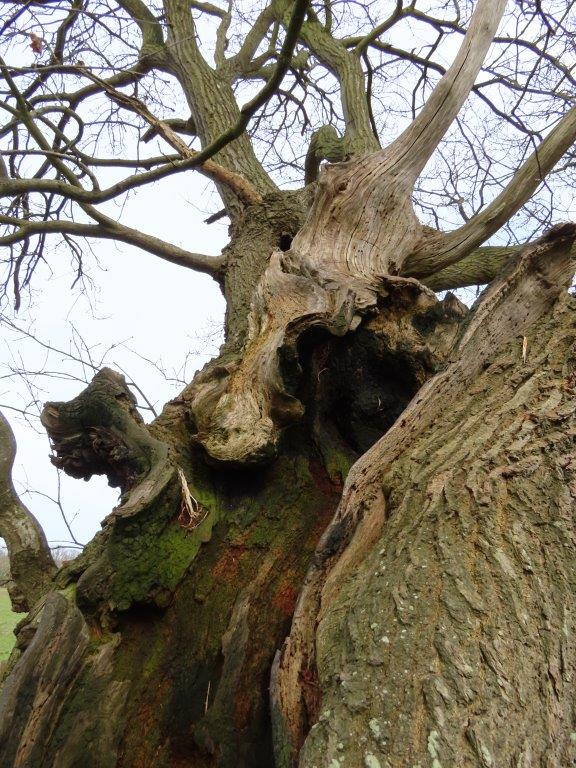
Bringing us at the end of of a great day’s walk to Old George, our ‘celebrity’ old Oak tree. Chance for me to relate the saga of despair and hope, one which should never have happened but for the avarice of the insurance company and the acquiescence of the Town Council in contriving to hide from scrutiny the ‘evidence’ by which it has been condemned. Fortunately now, at great expense to the Protectors (and more still needed!), his future now lies in the reasoned hands of the High Court…