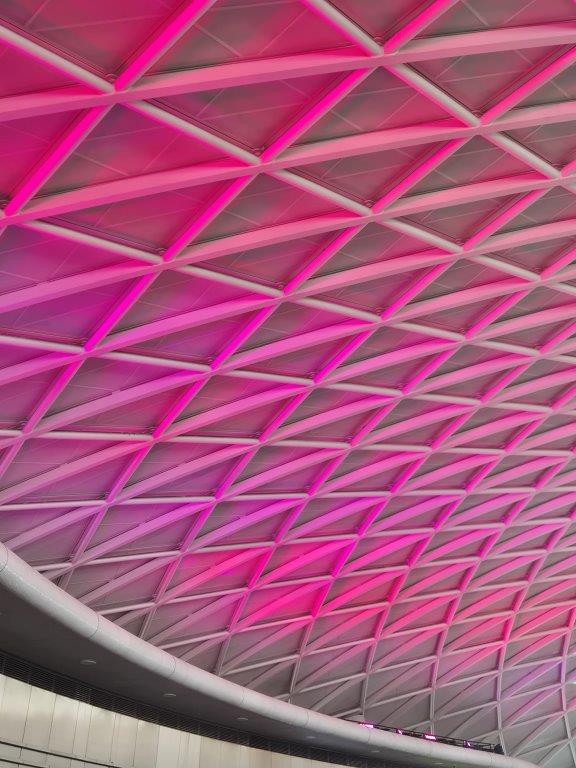
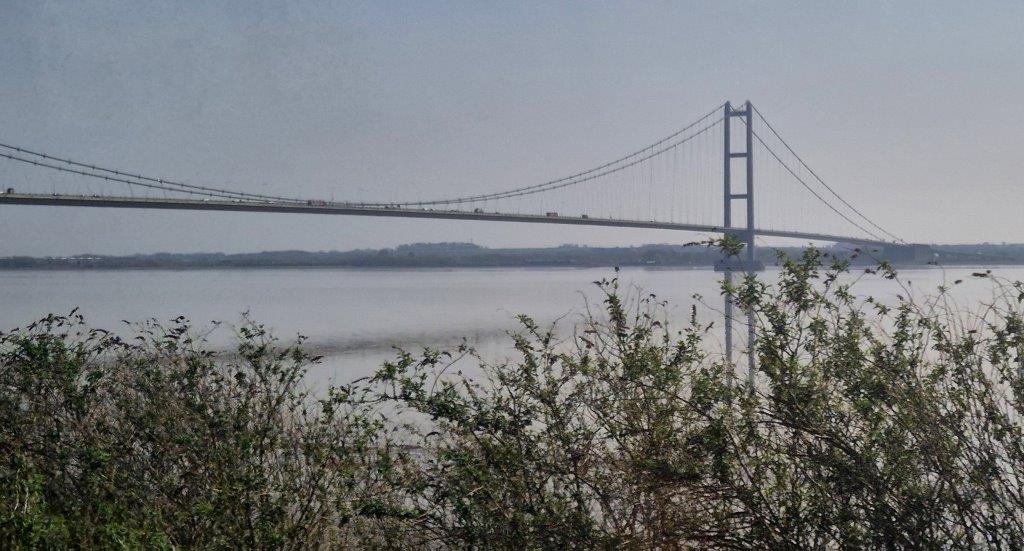
For some time now, Eleanor has been asking if ‘we can go to see where Papa grew up’, so for our April short break it was off to Yorkshire. The hottest day of April for many years was our travel day: the trains were busy but blue skies made for some lovely sights, from King’s Cross to Ally Pally to Peterborough Cathedral to the Humber Bridge…
After changing trains in Hull, I really started to notice the differences from my youth. It is more than a decade since I have visited the area, and more like half a century since I resided here for more than a day or two, so to see Red Kites and Buzzards as we crossed the plains of Holderness was to me remarkable. And the number of Roe Deer grazing the open fields … never were they the stuff of my childhood. But as for Brid itself, it was reassuringly familiar. Horrifyingly familiar. Such is the bittersweet recollection of times past!
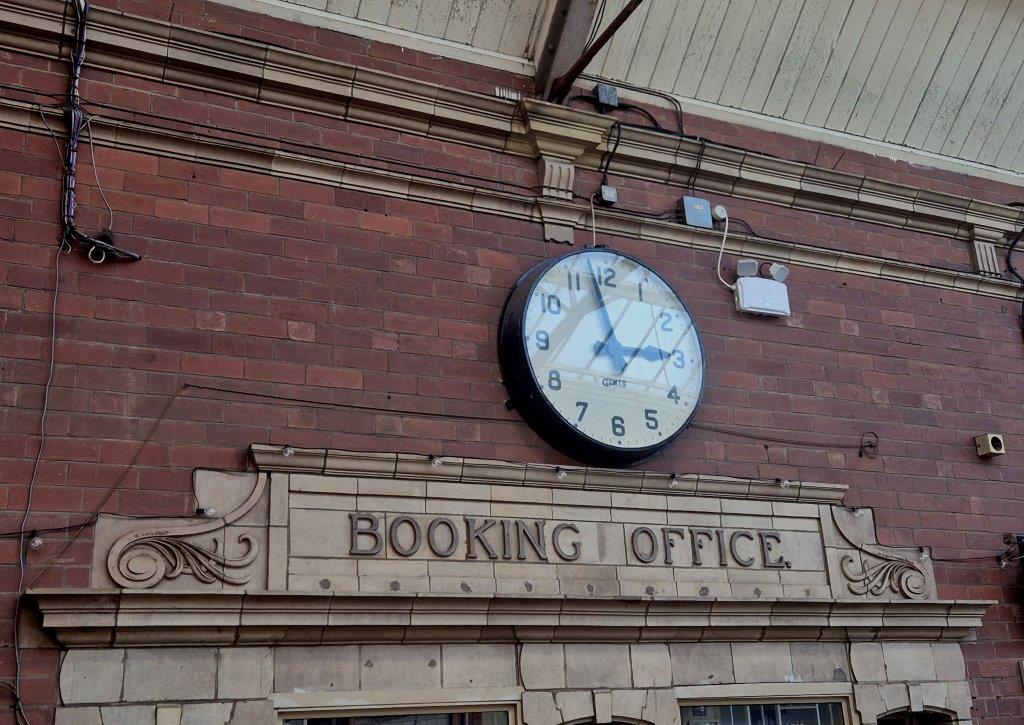
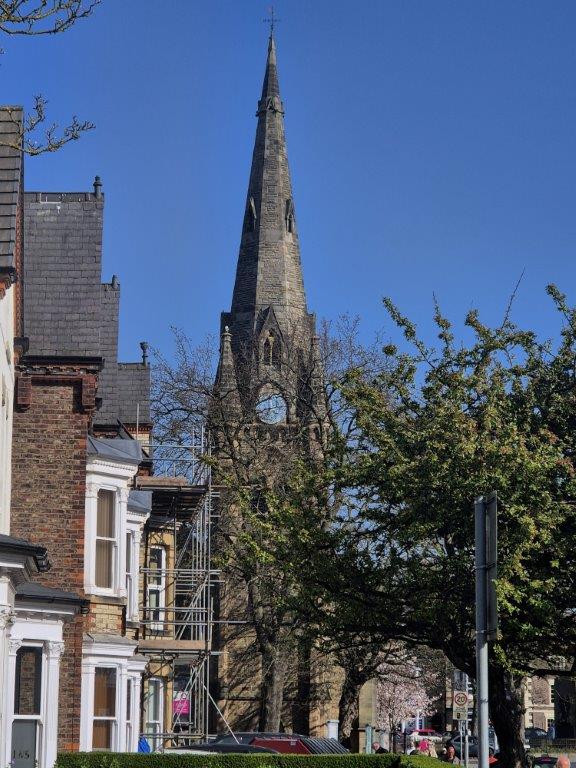
All the sights were still there: the harbour, the boats, the promenade, the churches, the guesthouses and the crowds…
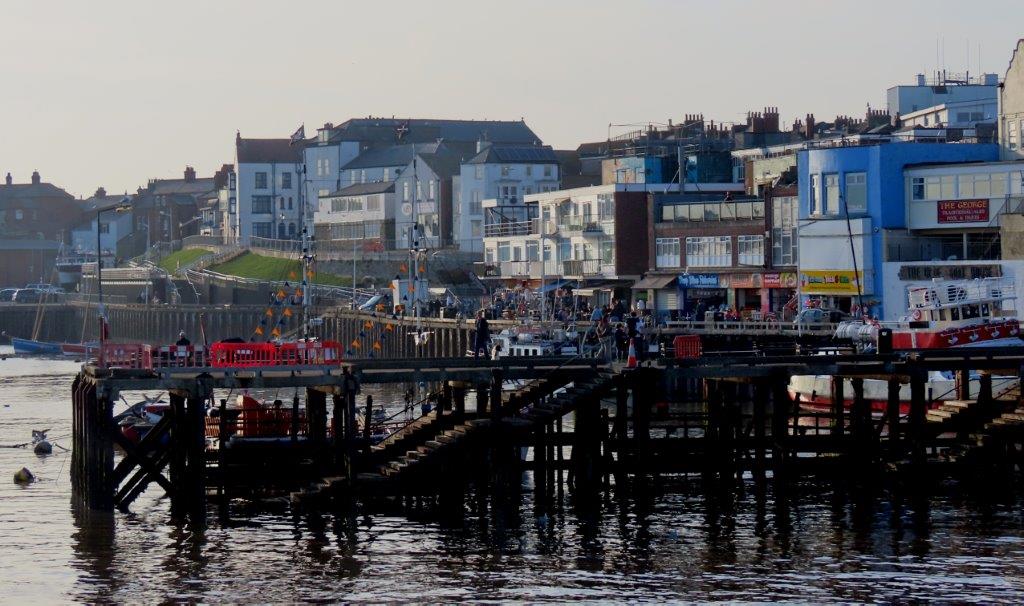
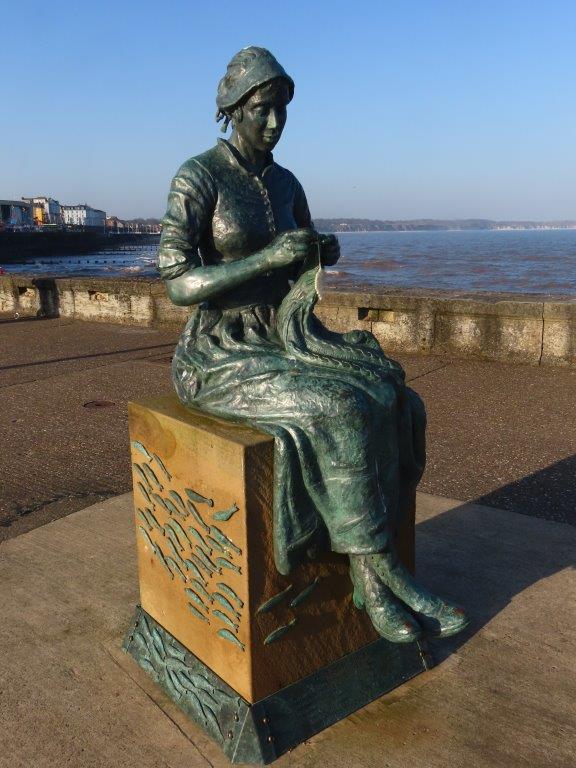
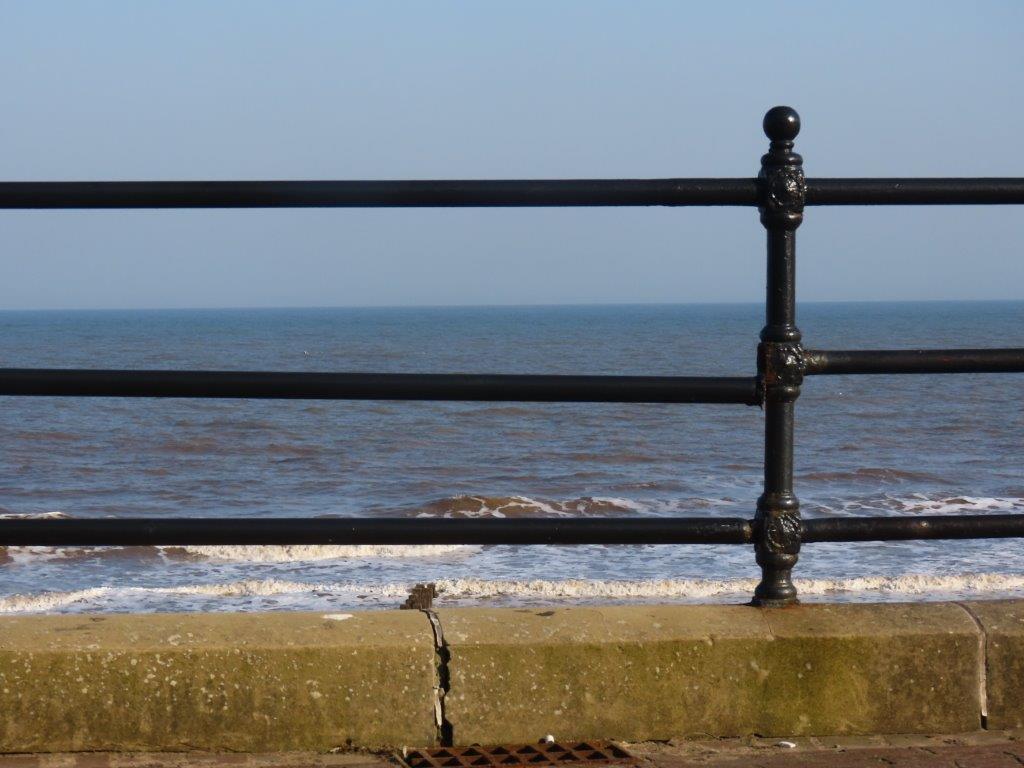
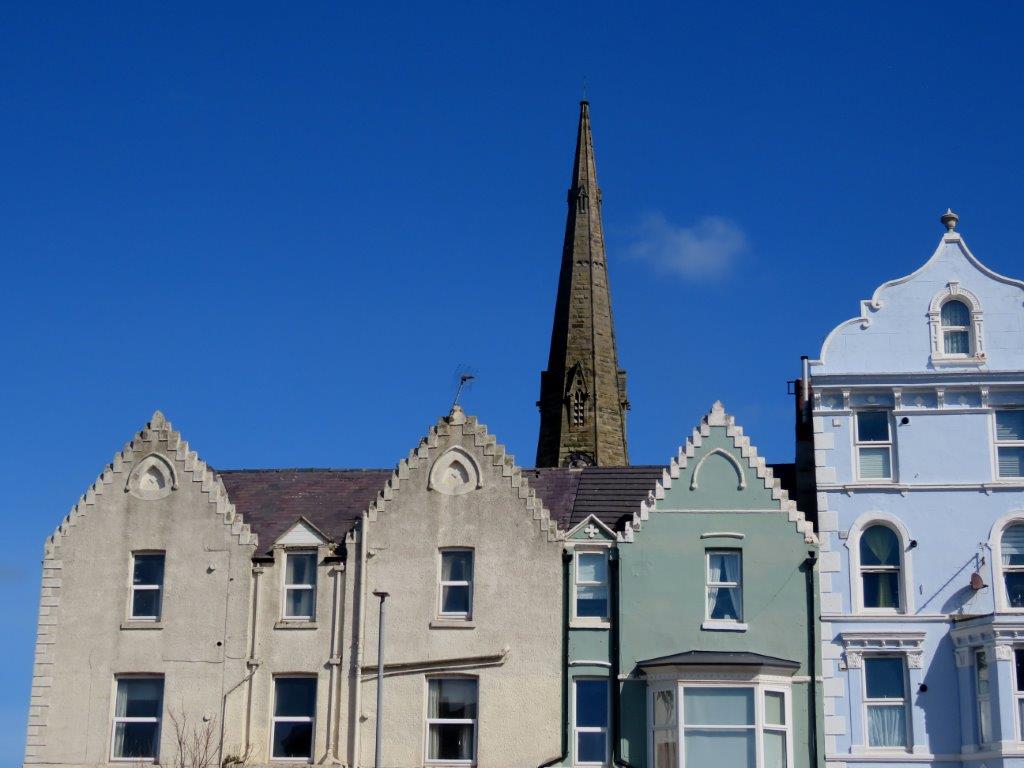
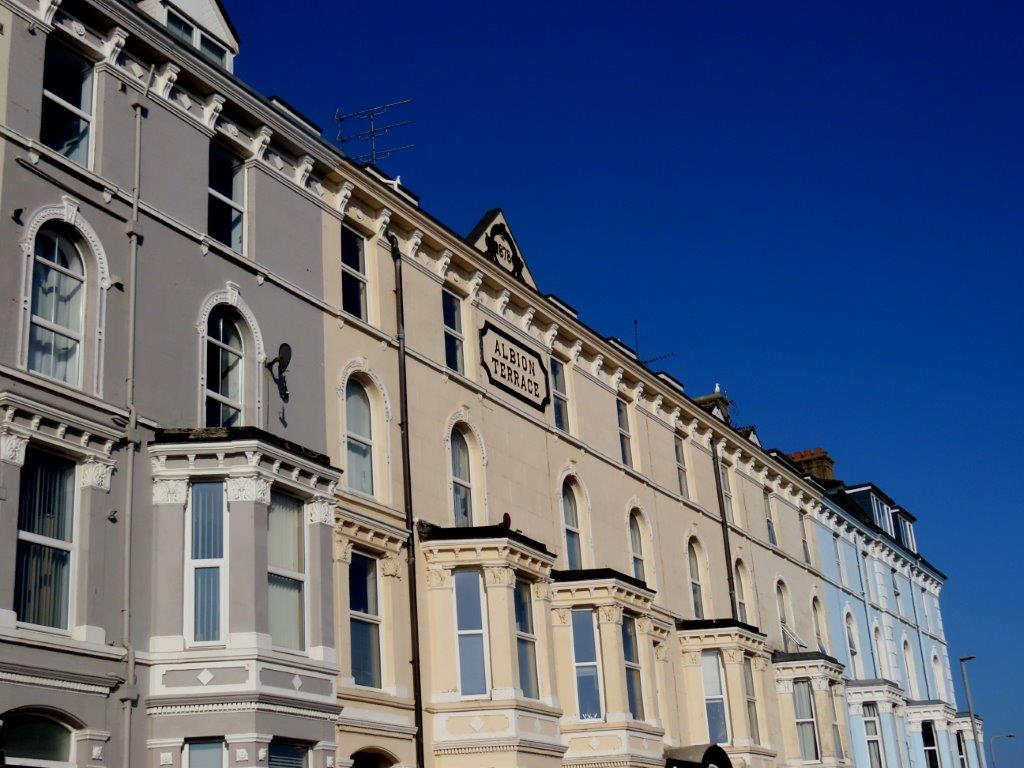
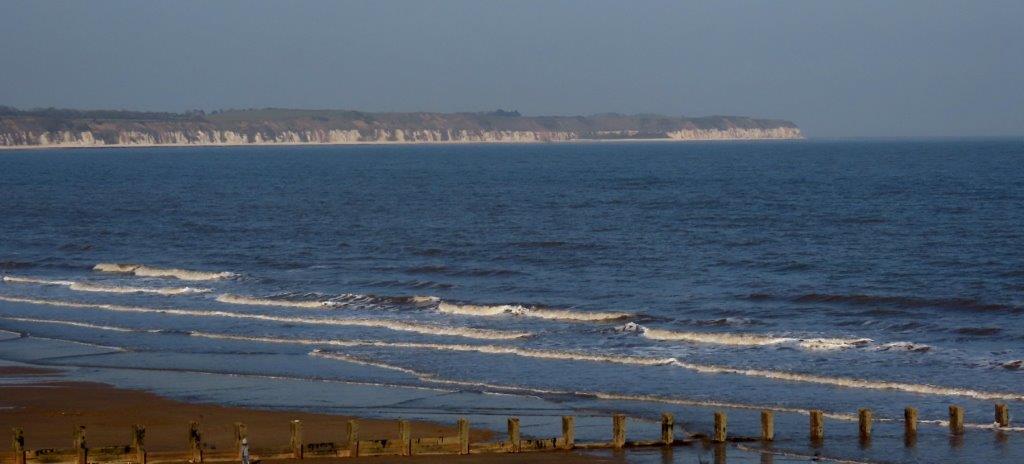
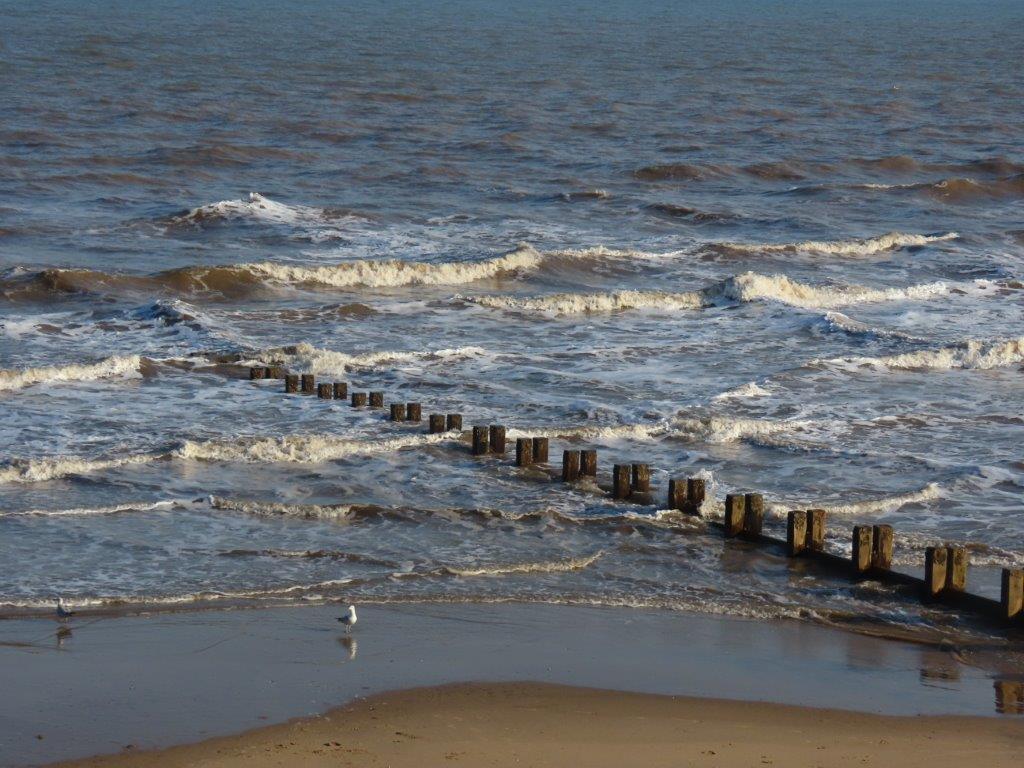
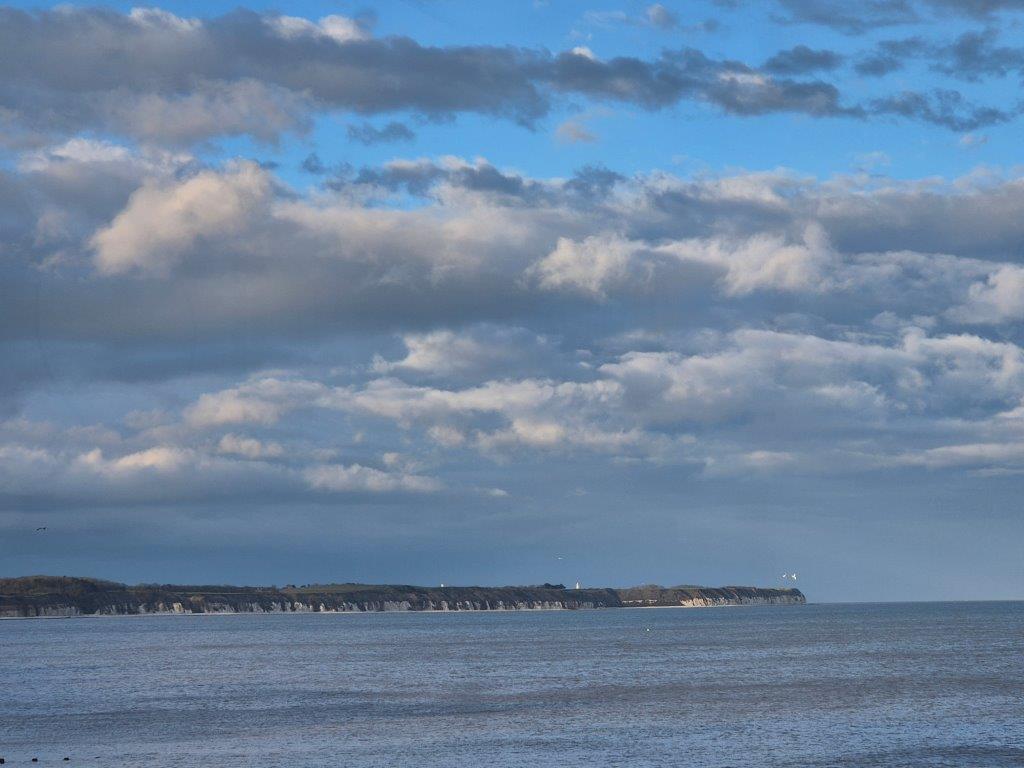
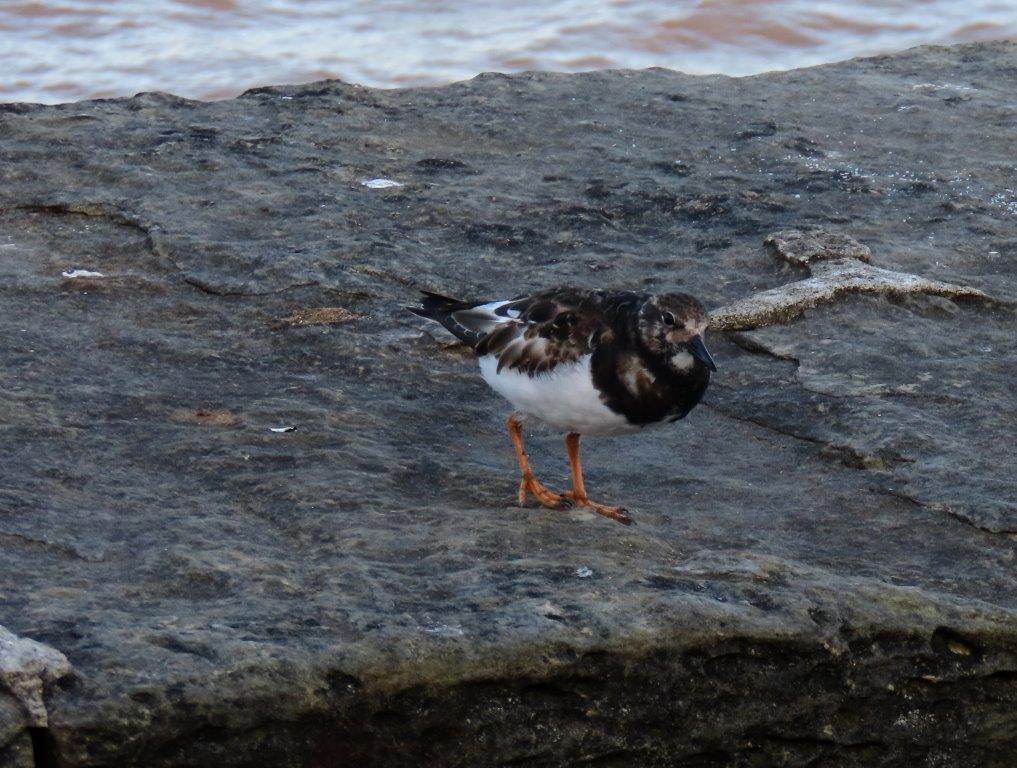
… all flanked by the waves that still roll in relentlessly under the watchful gaze of Flamborough Head, with Herring Gulls everywhere stealing sandwiches, and Turnstones trotting along the harbour wall.
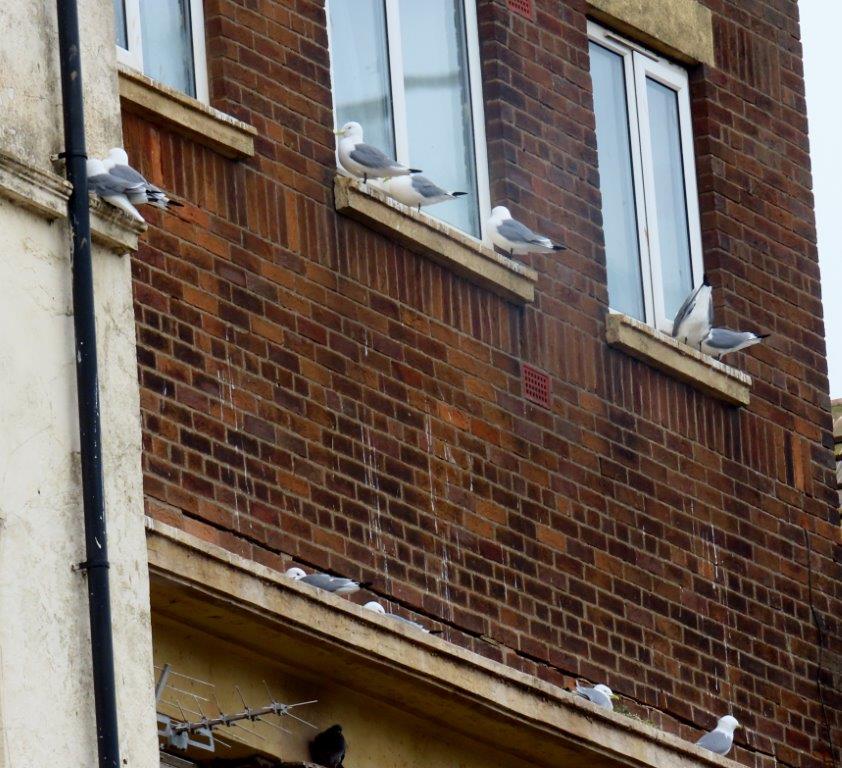
And lifting spirits with their wild cries, Kittiwakes. They started to breed on harbour-front houses as I grew up, but there are now many fewer than when I left for university. Seems they are not treated with the same respect as we found in Lowestoft last year.
My memory of the Floral Pavilion, a winter garden feature of the sea front, is its smell, of chrysanthemum from the blooms and lavender from the soap of the ancient incumbents (perhaps a bit of hyperbole there!). Anyway, this visit it proved to be just what we all needed: a safe soft-play area for Eleanor, and an adjacent bar and restaurant to keep us happy as she spent five hours hurtling around!
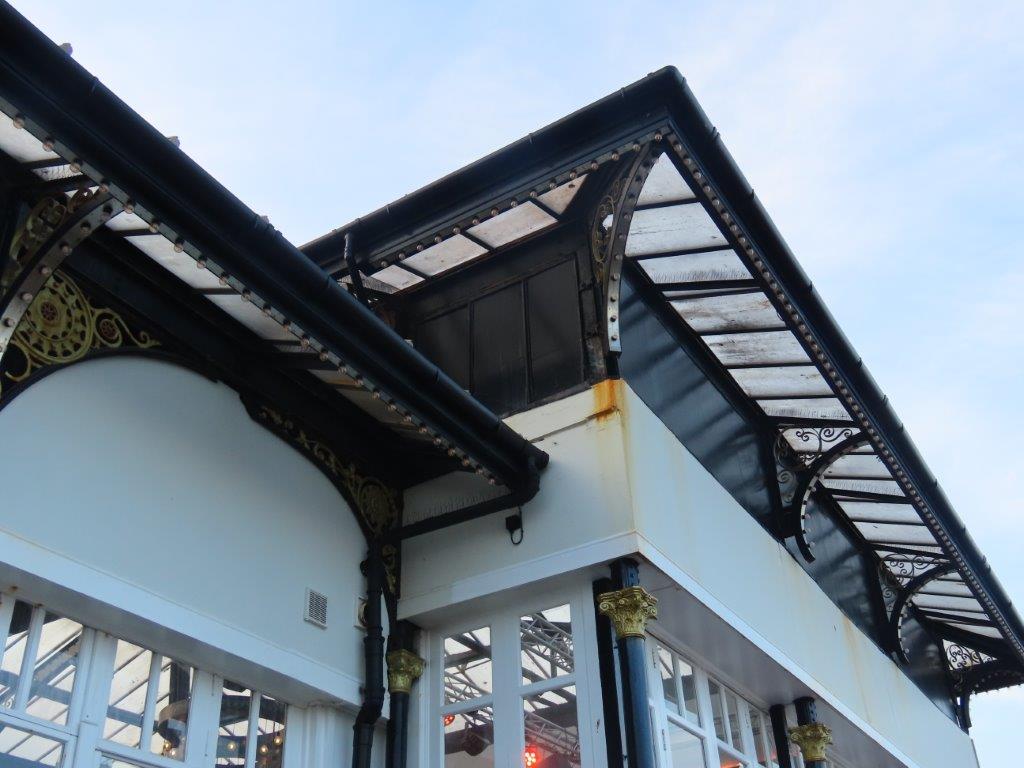
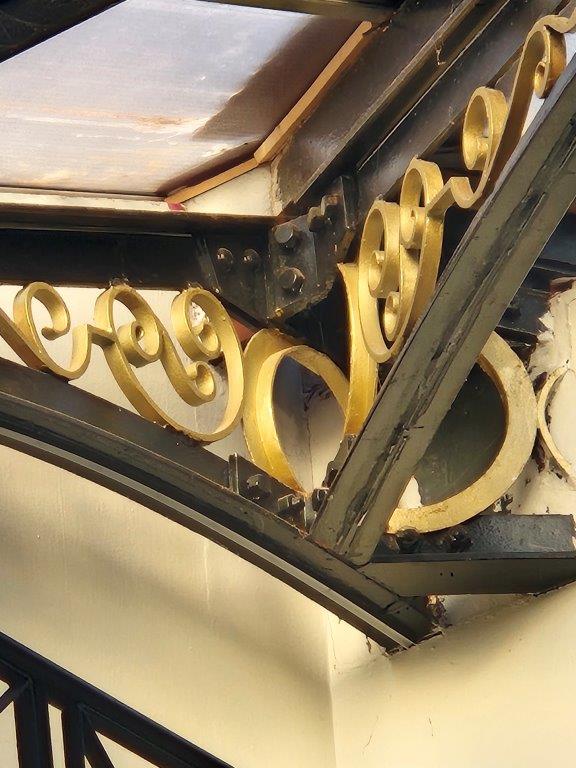
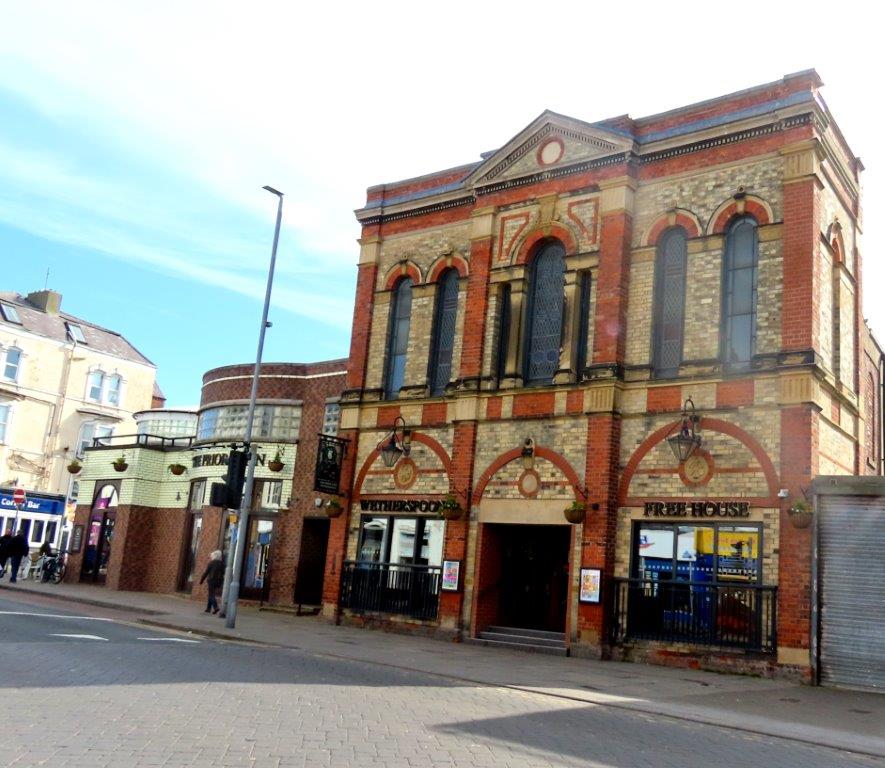
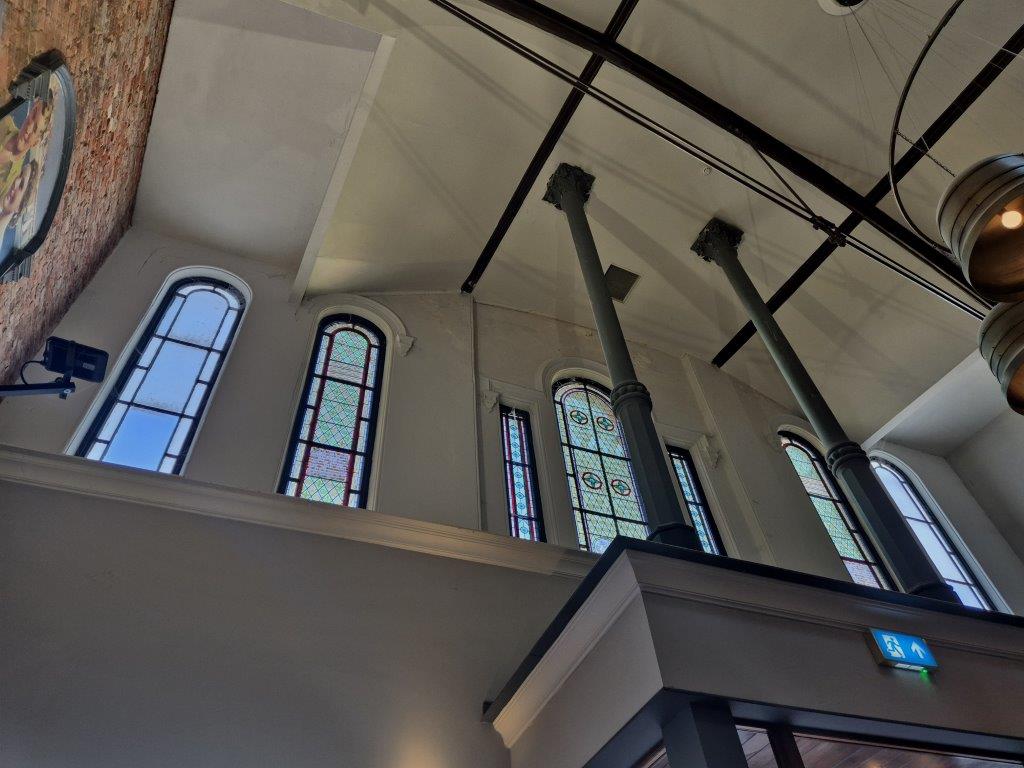
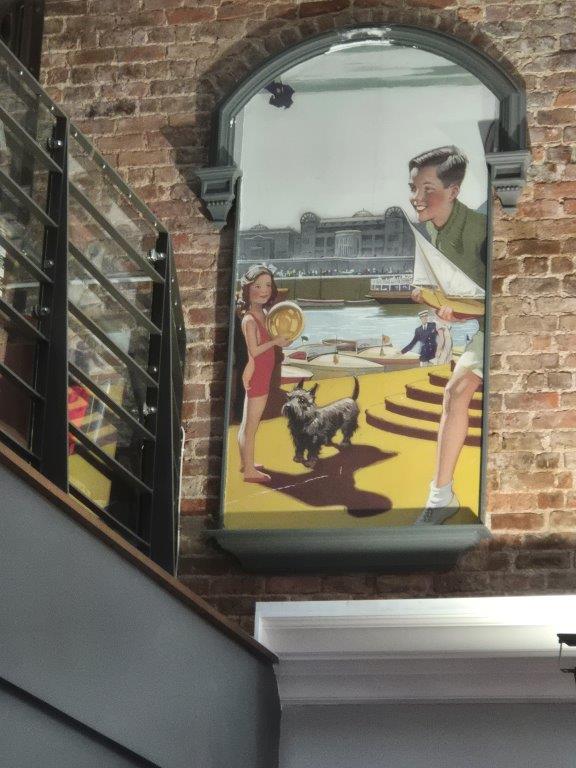
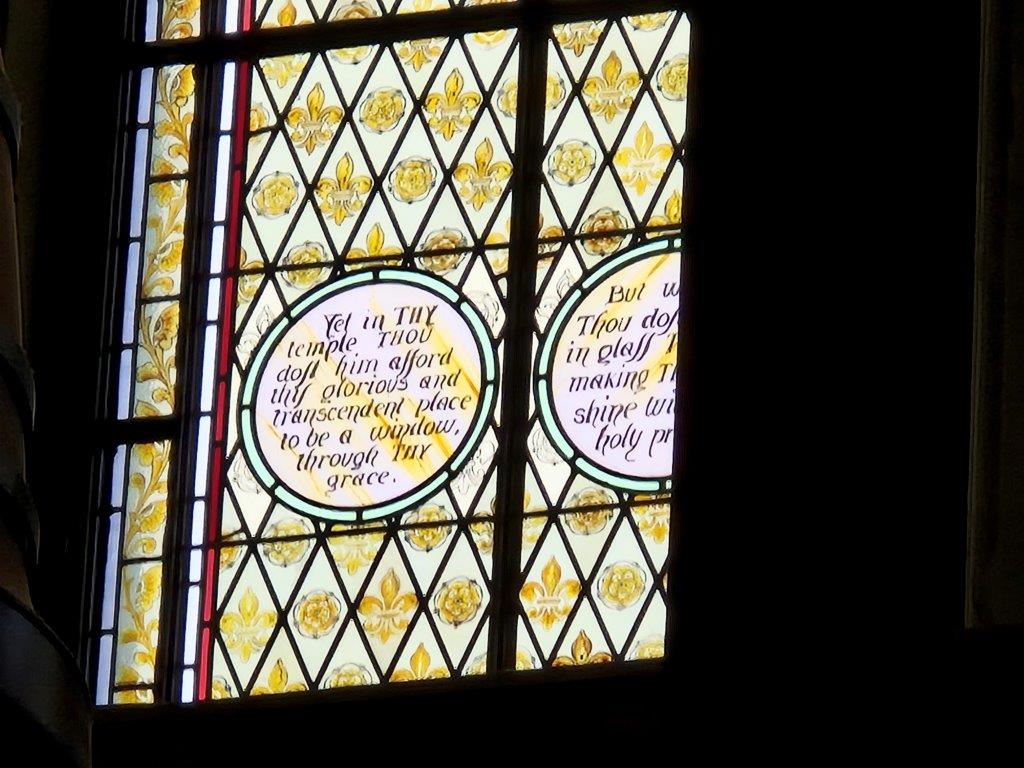
And the food there was really quite good, in contrast to several of the establishments we tried during our two-night stay. The Wetherspoons Prior John had sticky tables (what’s new!), but its surroundings are a sensitive re-use of a former Methodist Chapel.
But as for the Premier Inn restaurant, there were no saving graces. Breakfast was appalling, inedible, sporadic in appearance, the plates and cutlery, tables and chairs and carpets were all disgustingly filthy. That is my memory of Bridlington: a grey place with grey food…
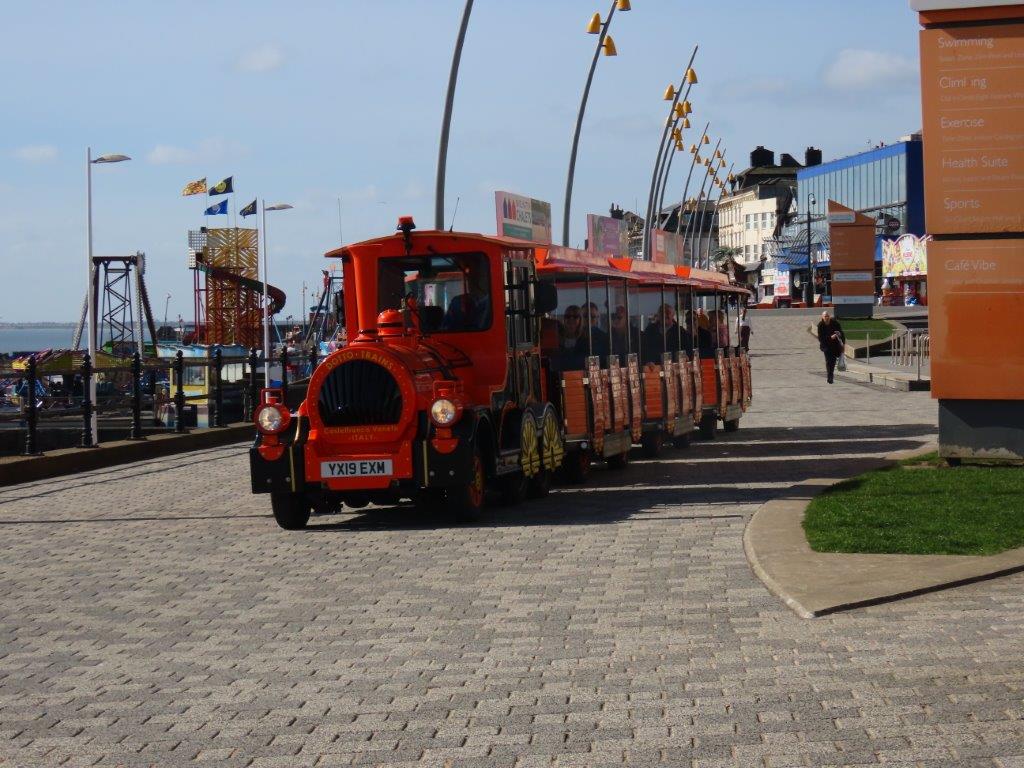
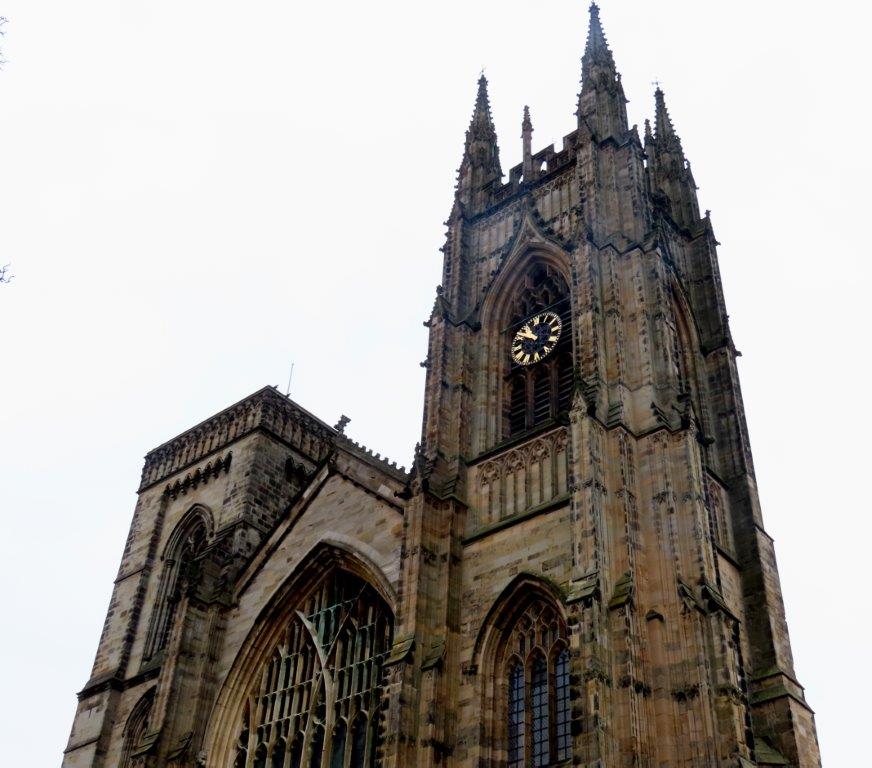
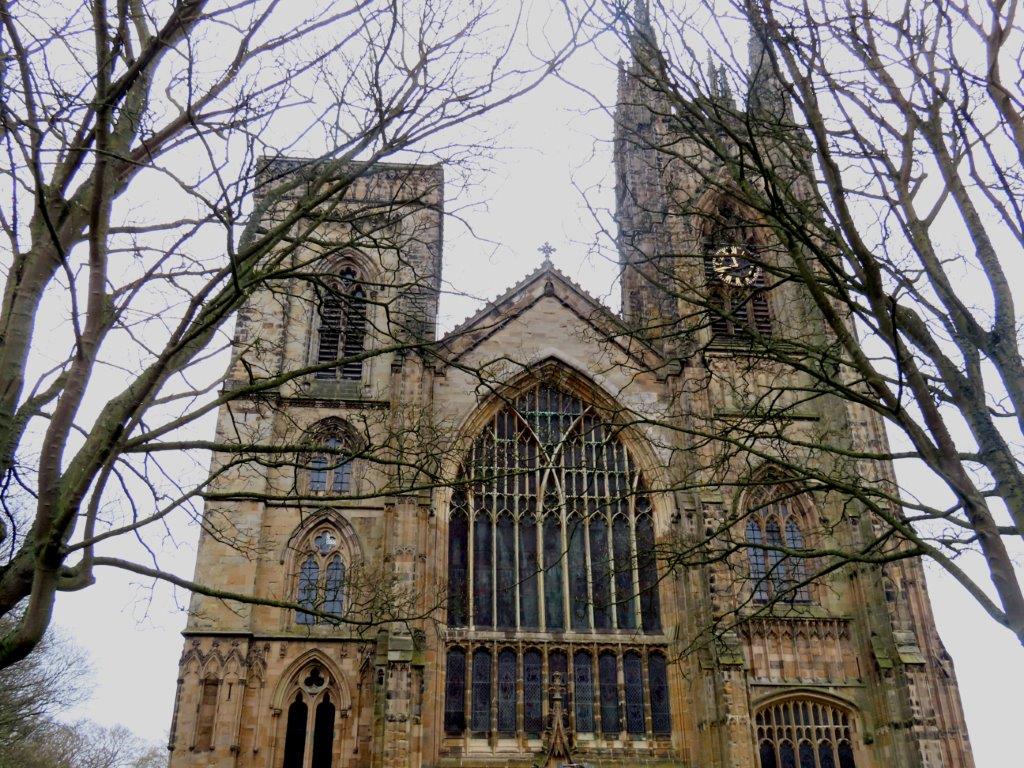
On our full day in Brid, we hunted for my past: my childhood house, Grandma’s flat, my schools, even the land train I worked as a conductor on in summer. And not a blue plaque in sight! Every morning I awoke to a very particular sight, the reassuring familiarity of the Priory church, and that is still pretty much unchanged.
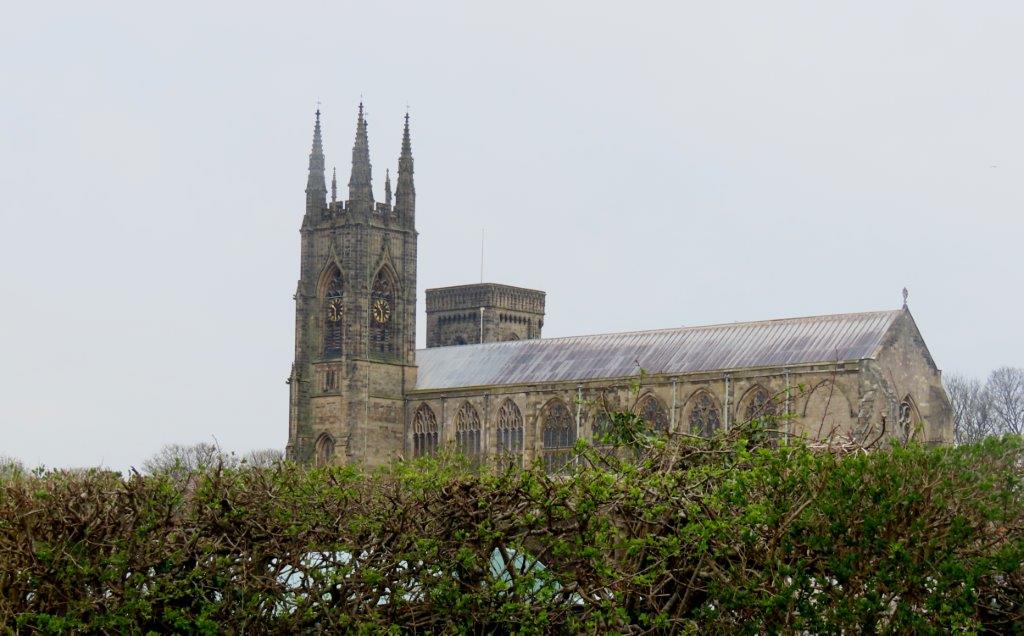
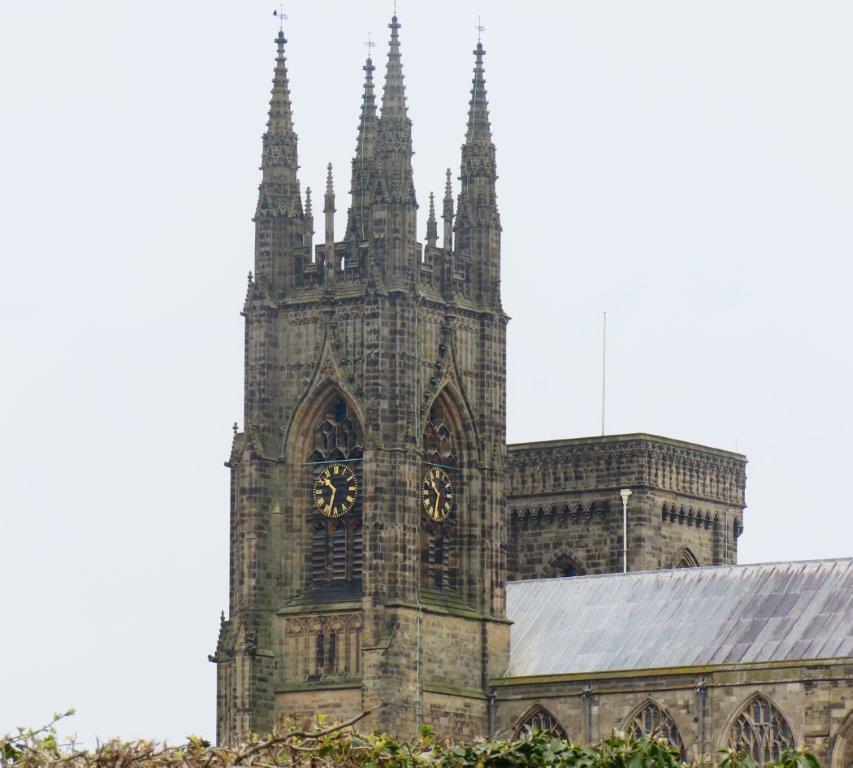
A magnificent building, this is only a small part of the vast pre-Dissolution Augustinian priory that was founded in 1113, its riches acquired on the back of a lucrative wool trade. And while the inside of the church was never a regular part of my youth, my older self – able to appreciate the architecture and art of such places in a secular way – was duly impressed.
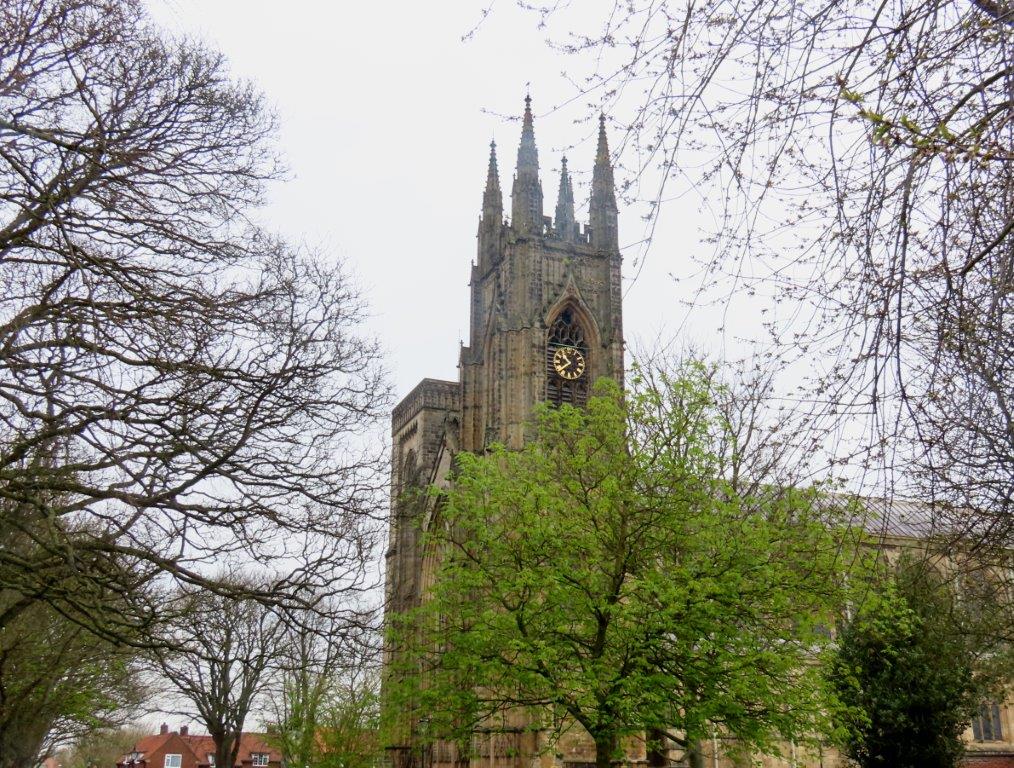
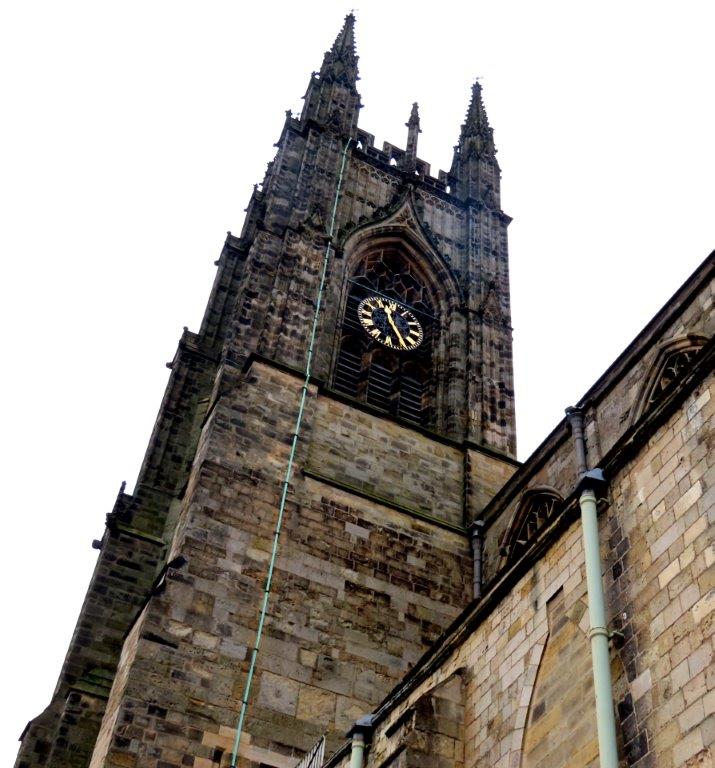
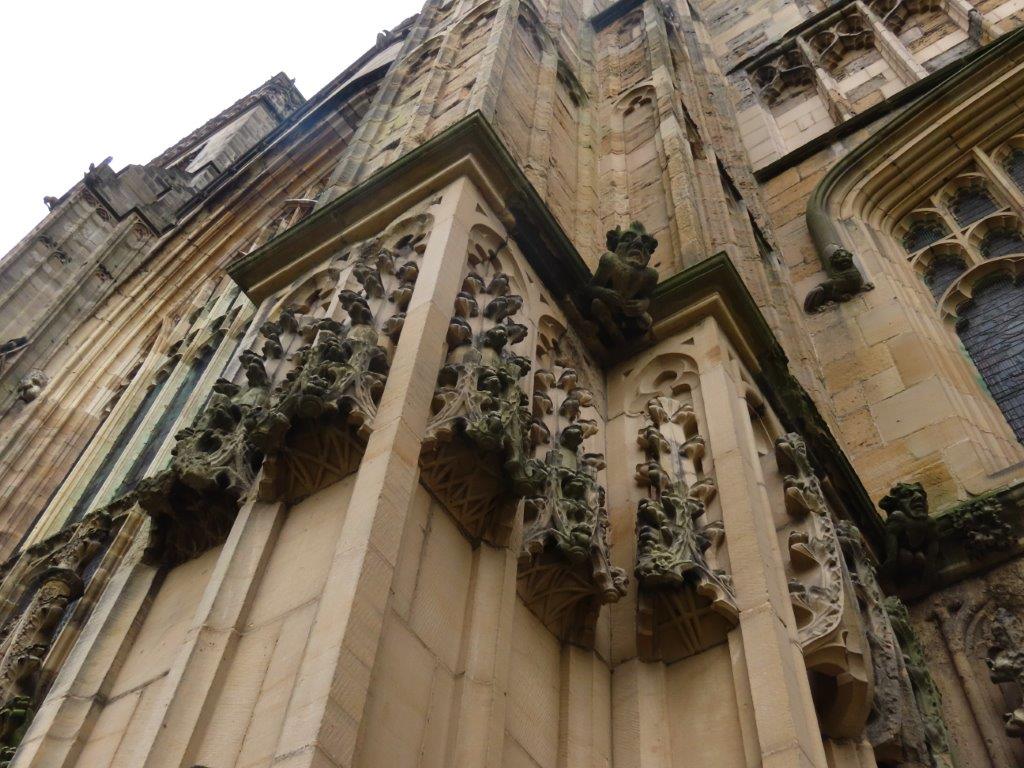
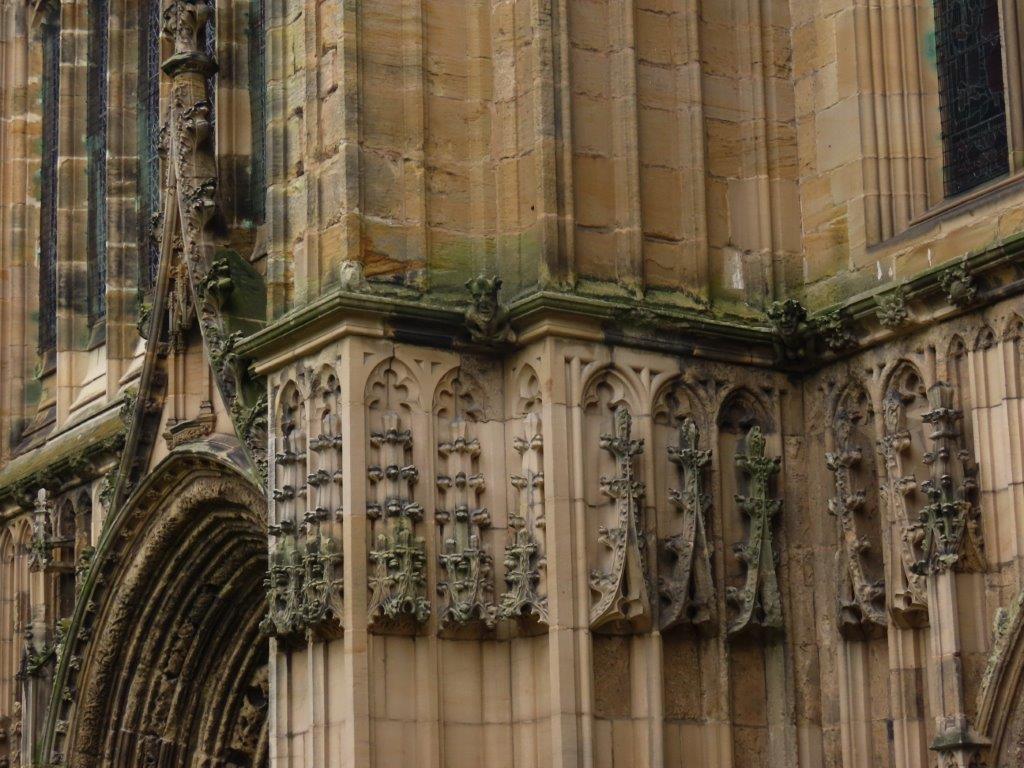
From the outside, the church doesn’t have the forbidding blackness of my mind’s eye – presumably its stonework has been cleaned. The church has always evolved with the times, with a particularly marked restoration and remodelling by George Gilbert Scott in the mid-19th century. He built up the two towers deliberately asymmetrically to reflect contrasting architectural styles on the body of the church, the older tower in Early English style and the other in a more ornate perpendicular style.
The interior space is lofty…
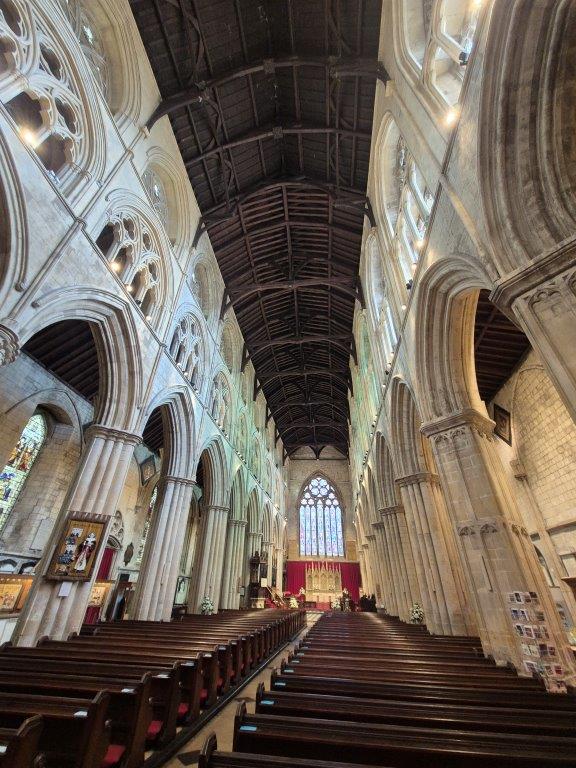
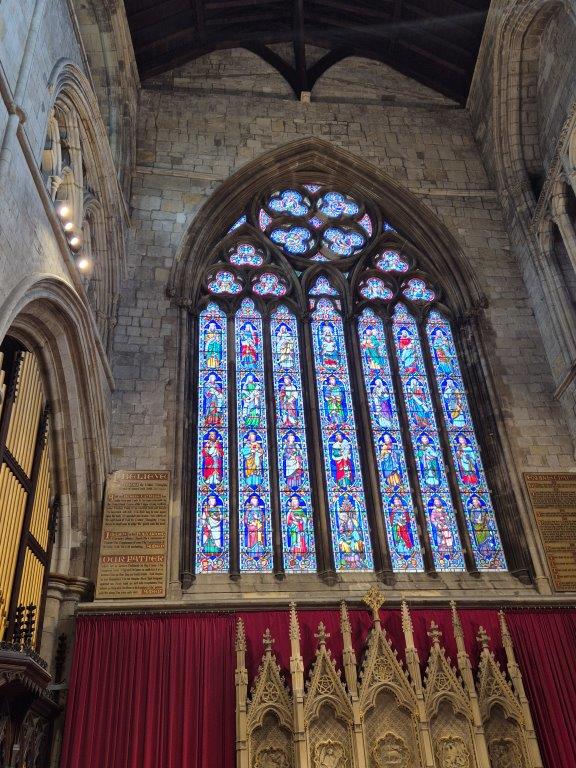
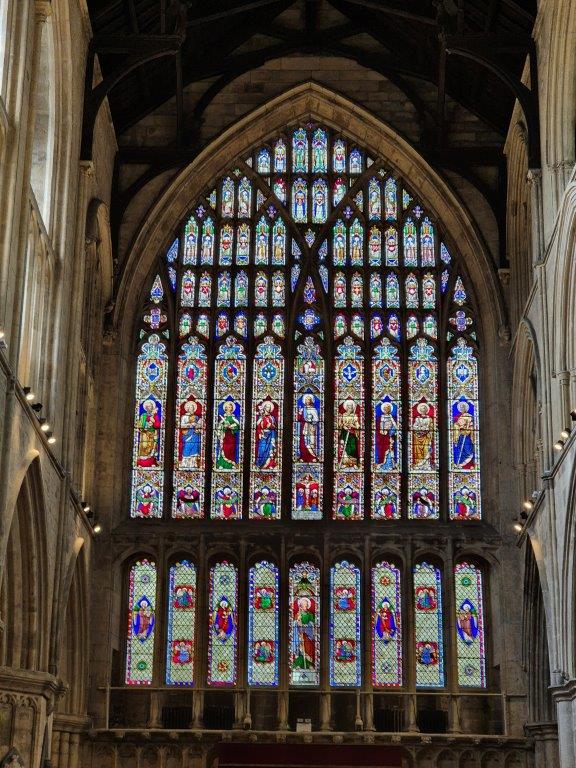
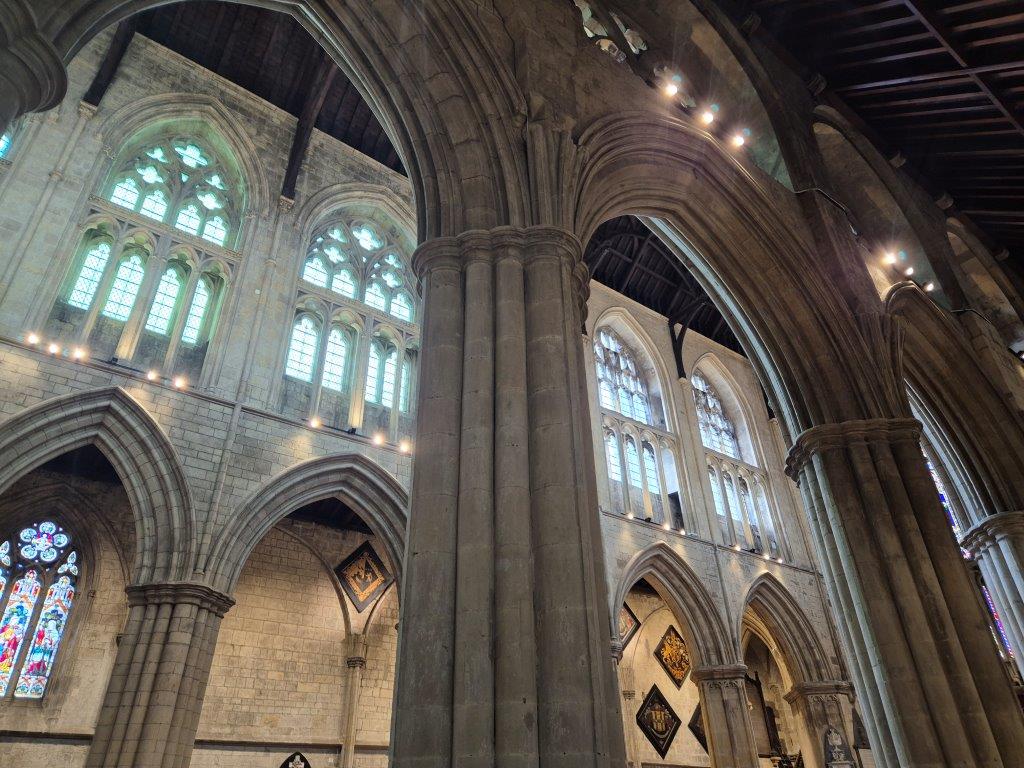
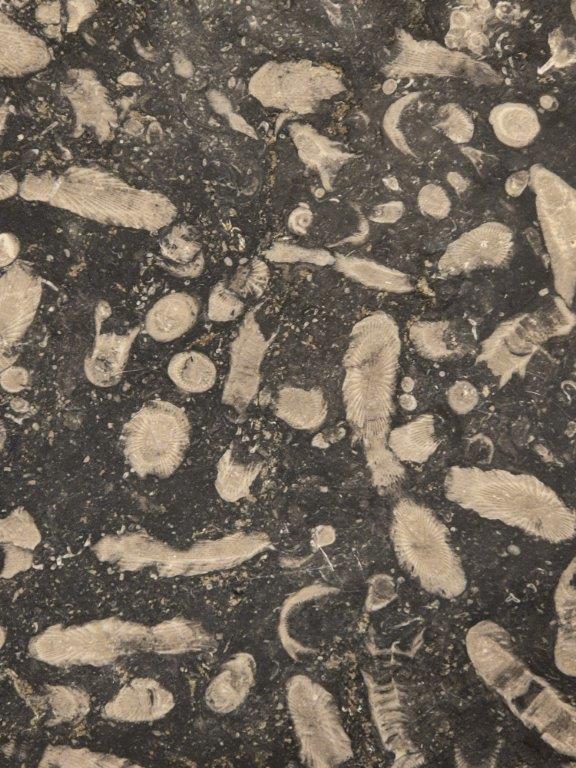
… and full of fine details, including a lovely sculpture of St John of Bridlington and stone flooring filled with marine fossils:
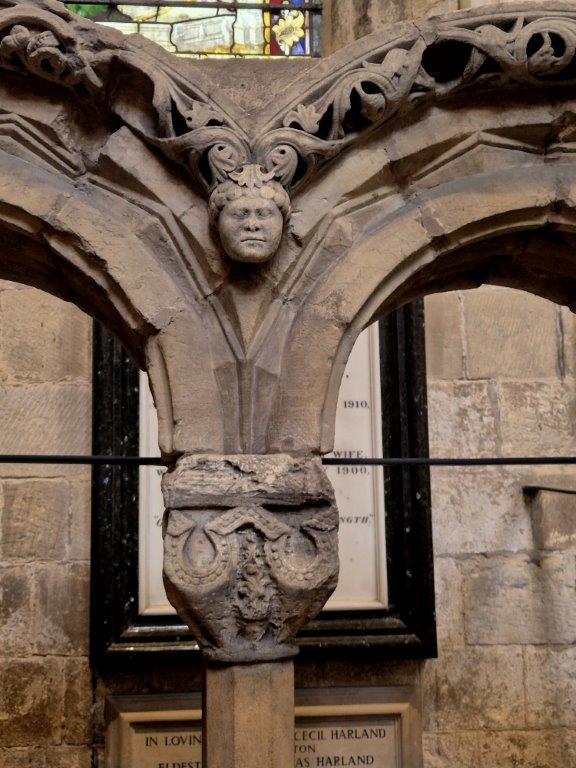
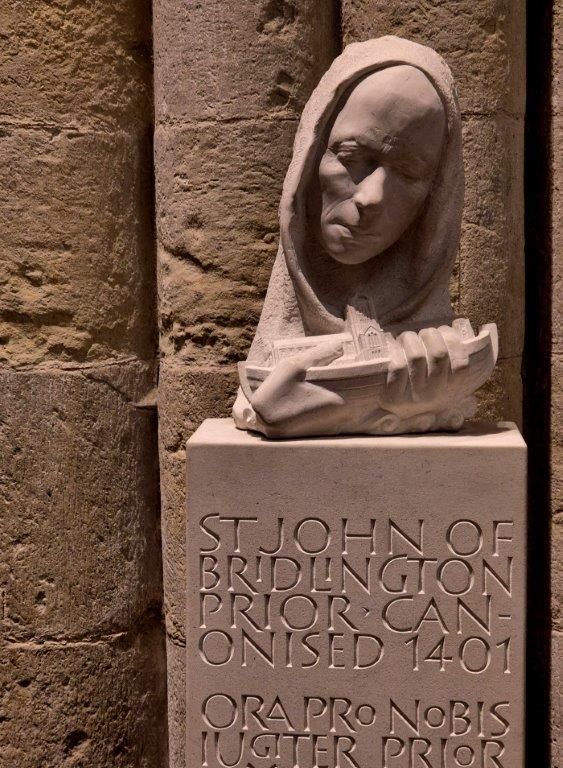
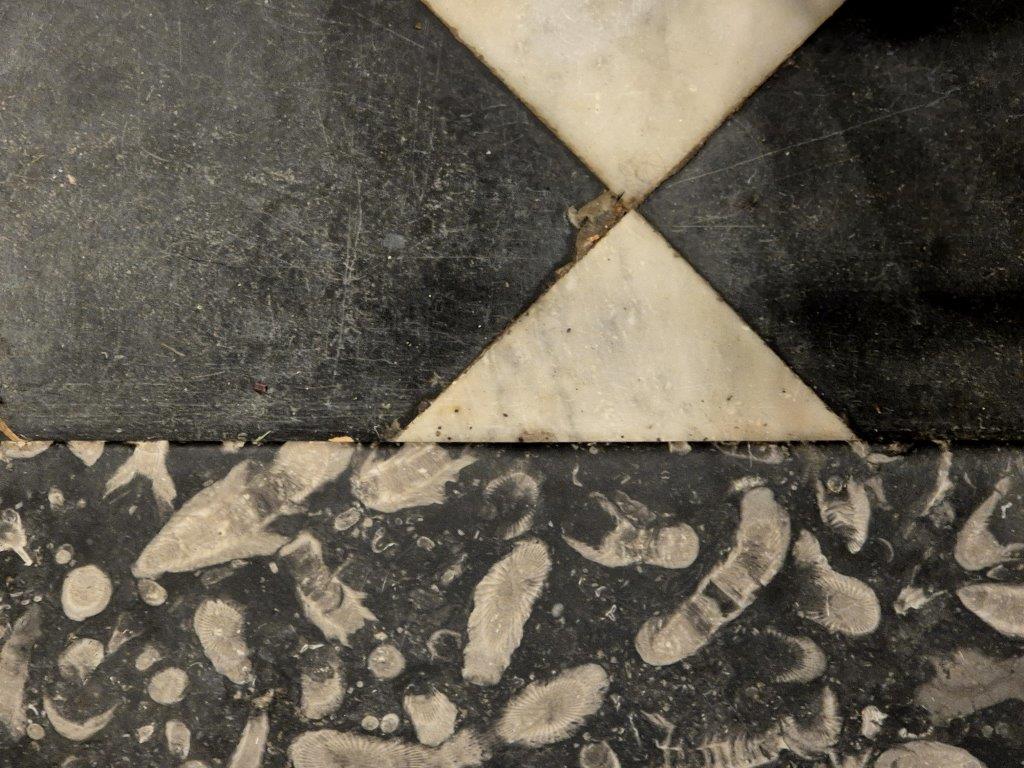
There was also an interesting set of tapestries, dating from 1994-5, depicting the history of the Priory:
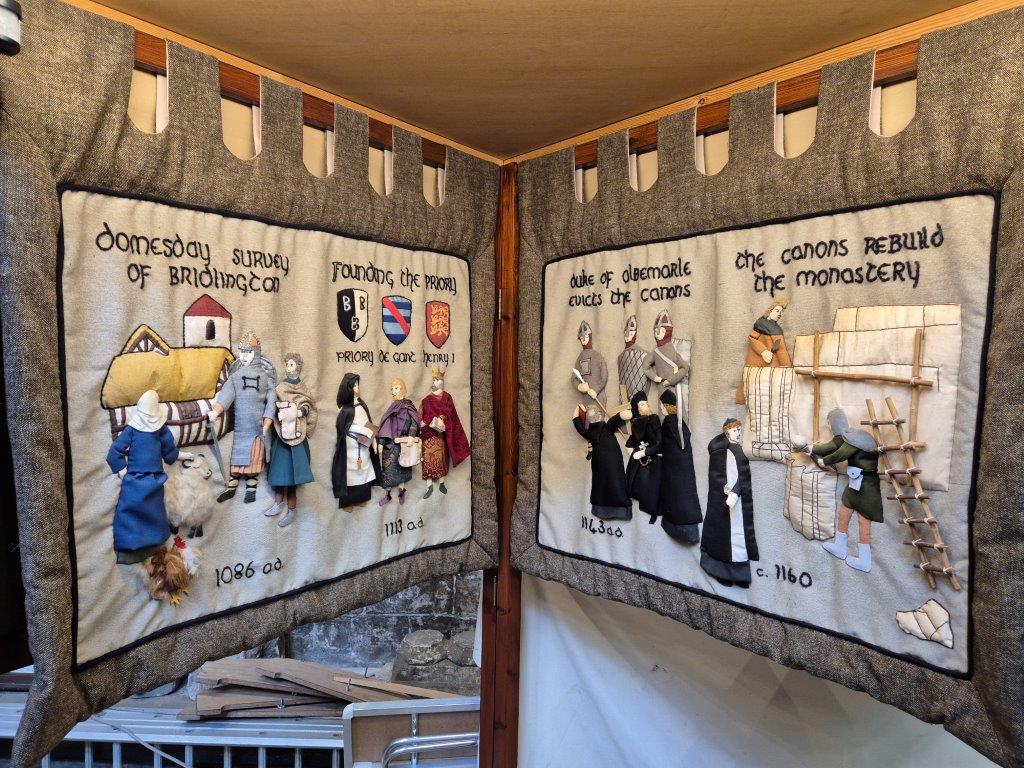
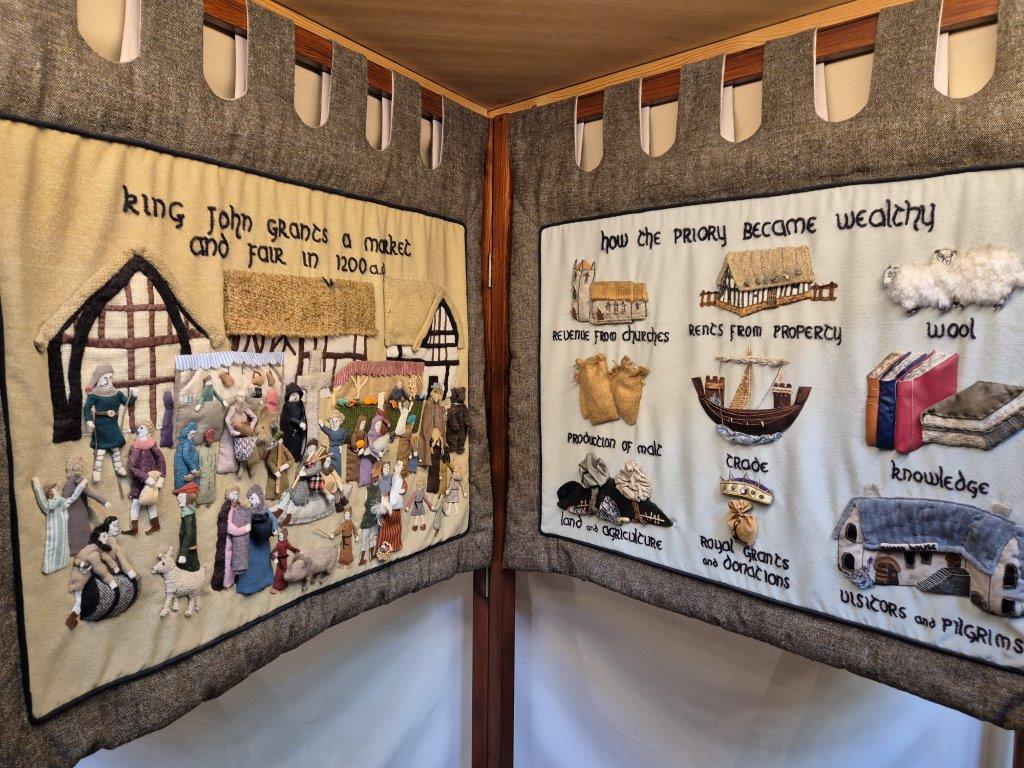
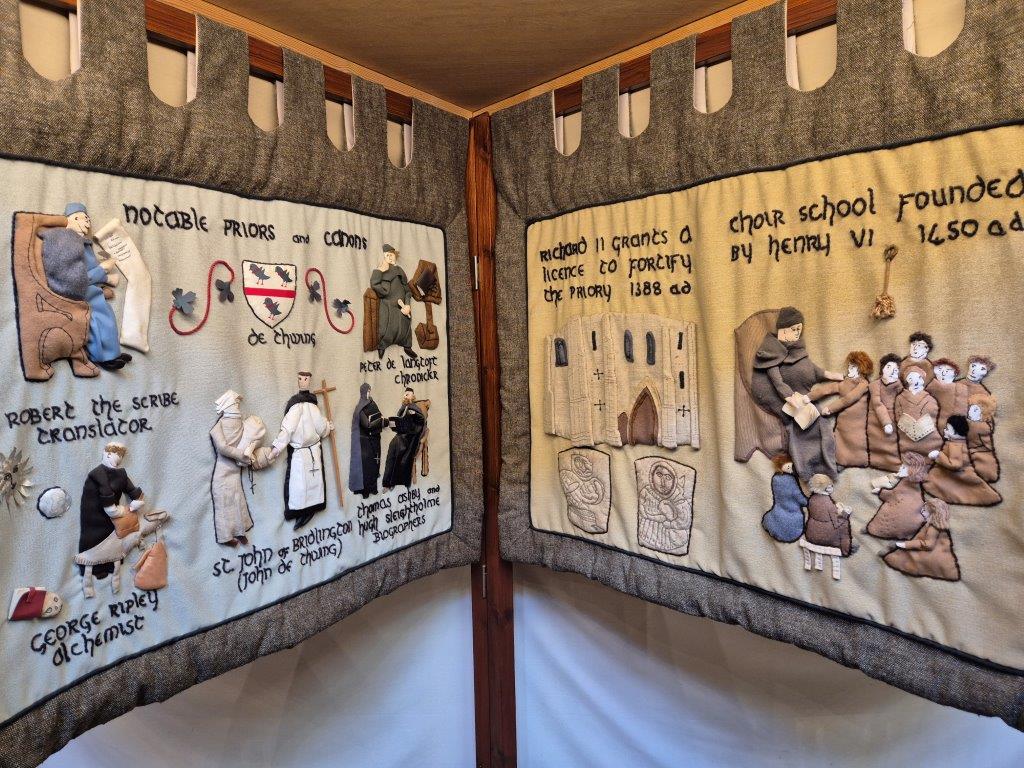
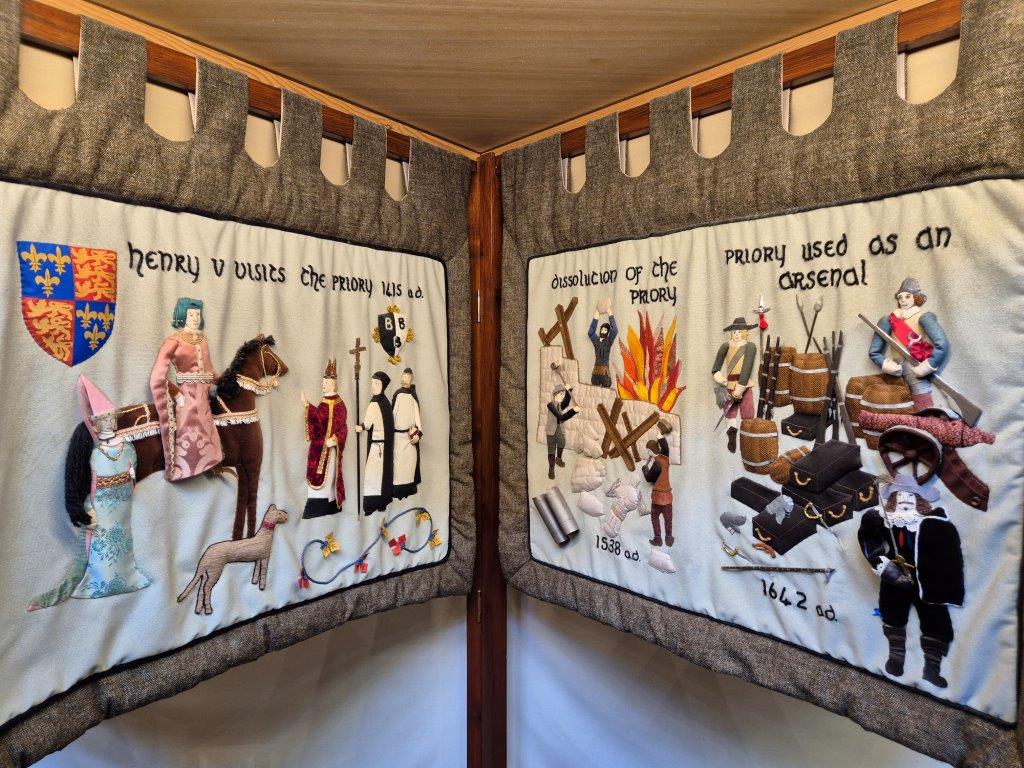
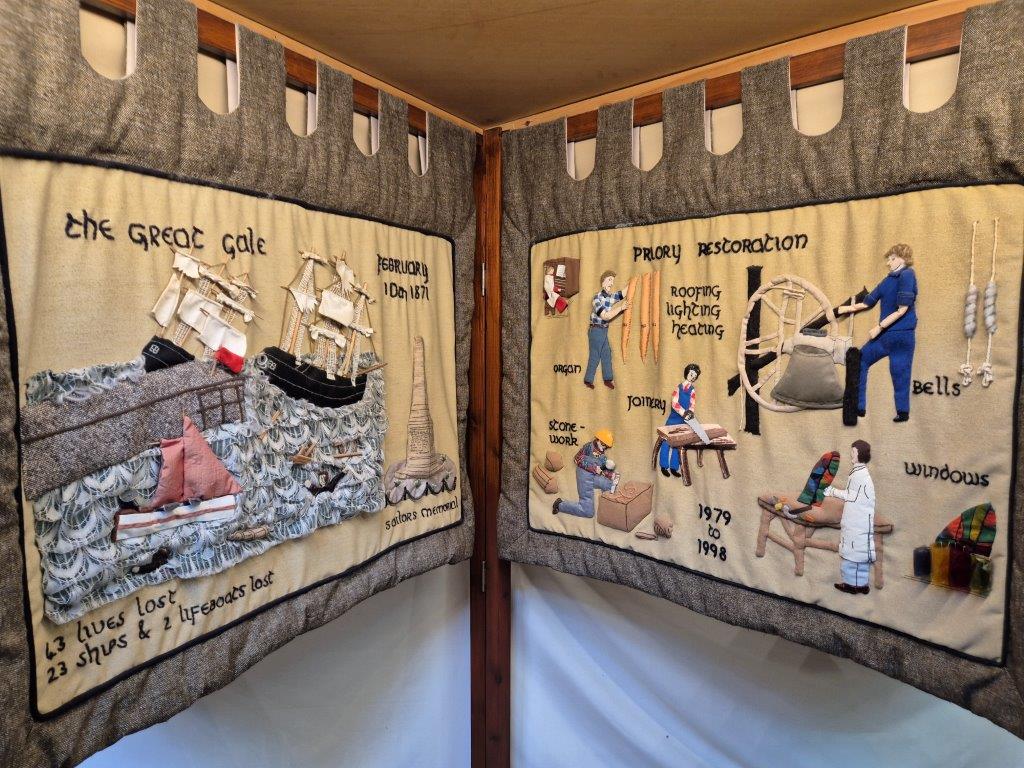
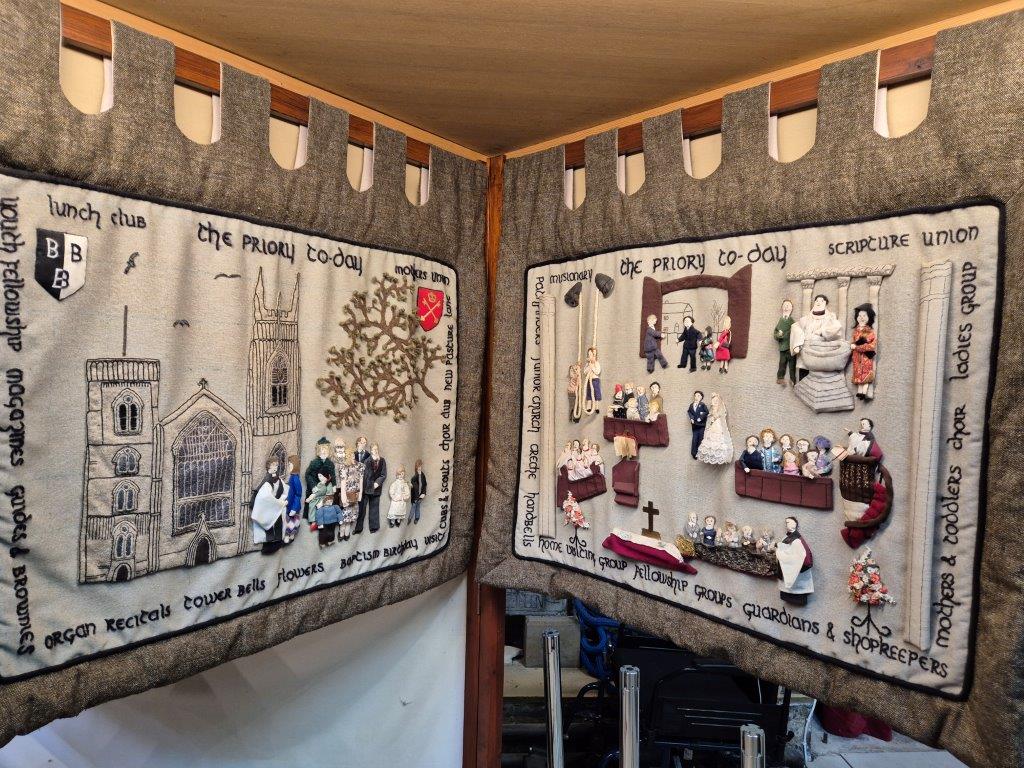
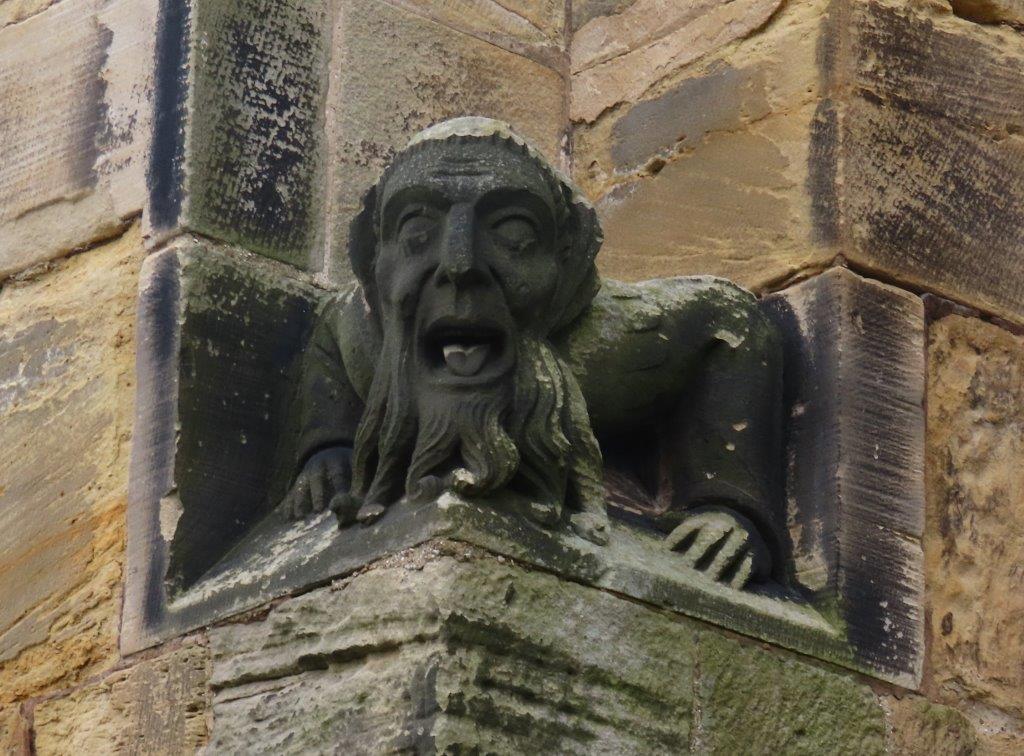
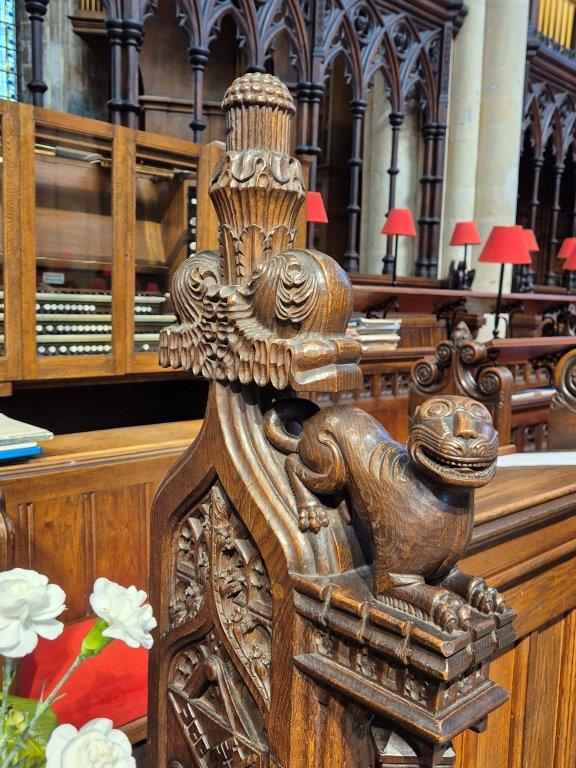
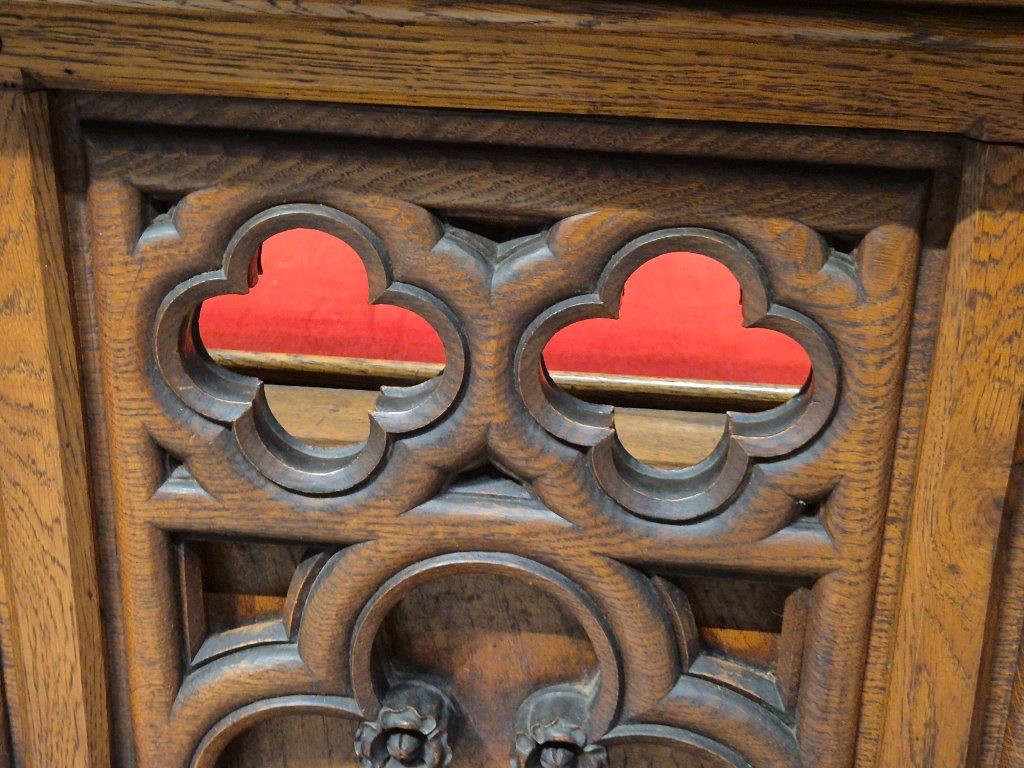
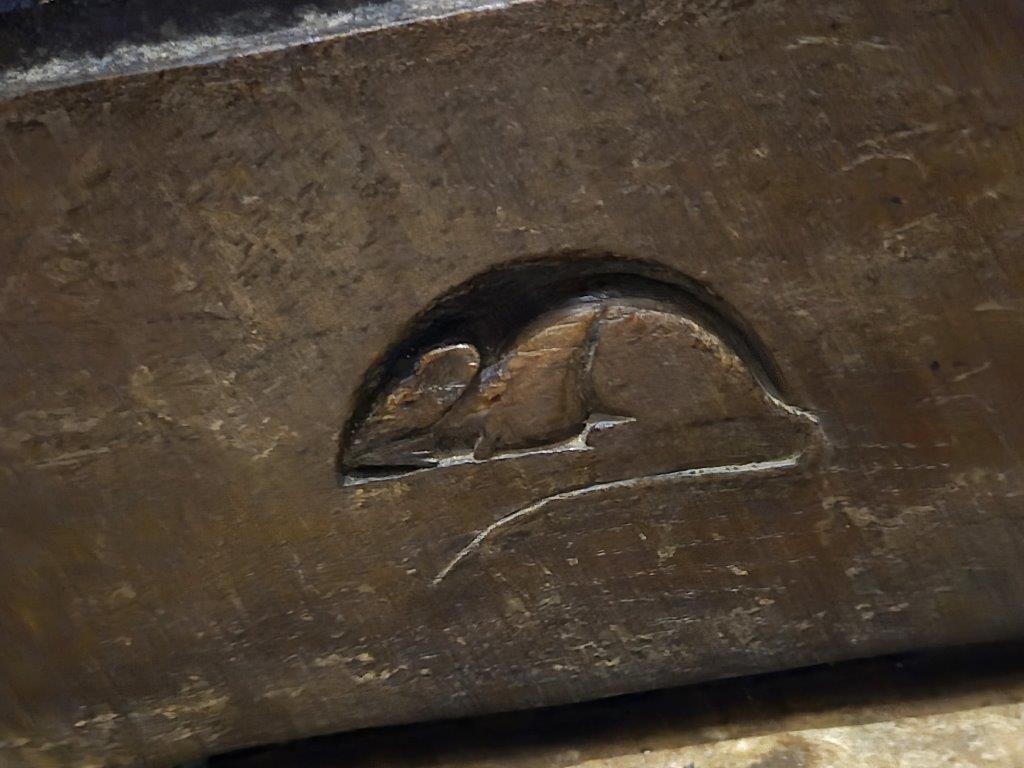
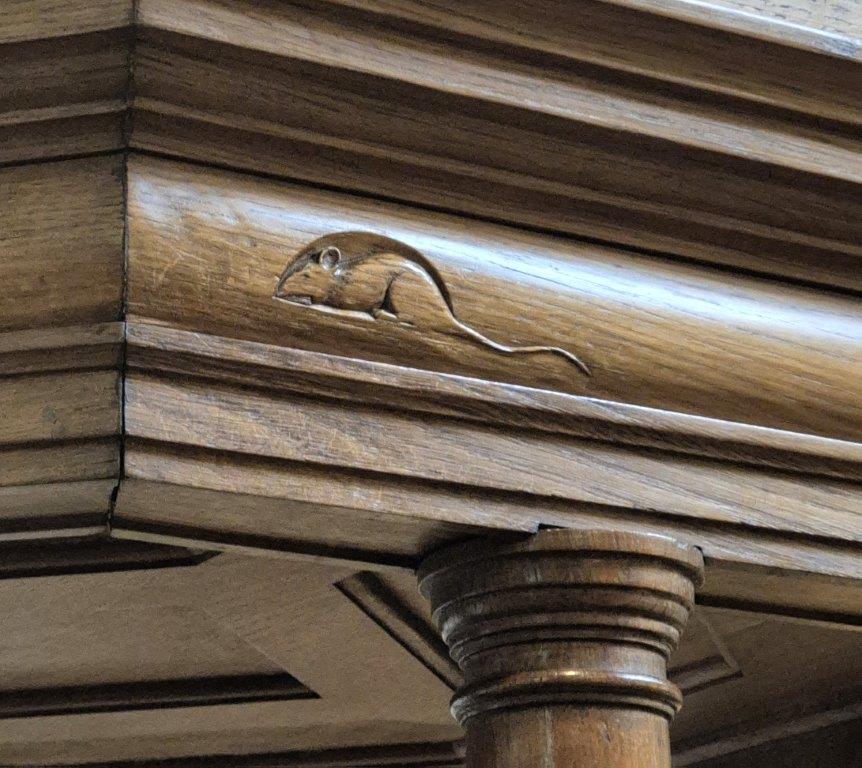
And one of the celebrated features of the church woodwork is the carved mouse figures courtesy of Robert ‘Mousey’ Thompson (1876-1955) and his descendants, furniture-makers based in nearby Kilburn, complete with child-friendly ‘hunt the mice’ guide!
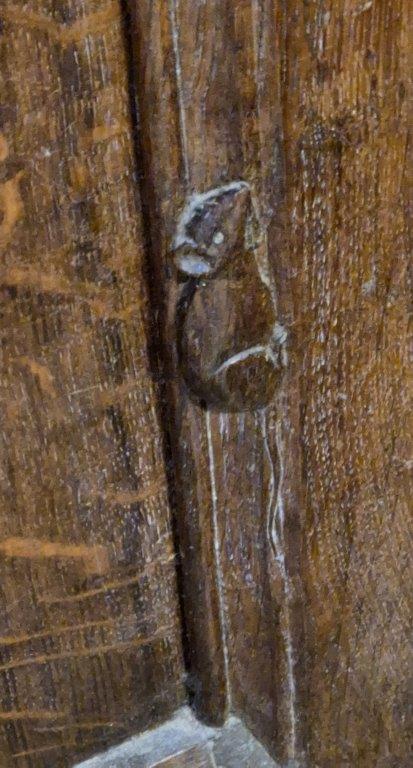
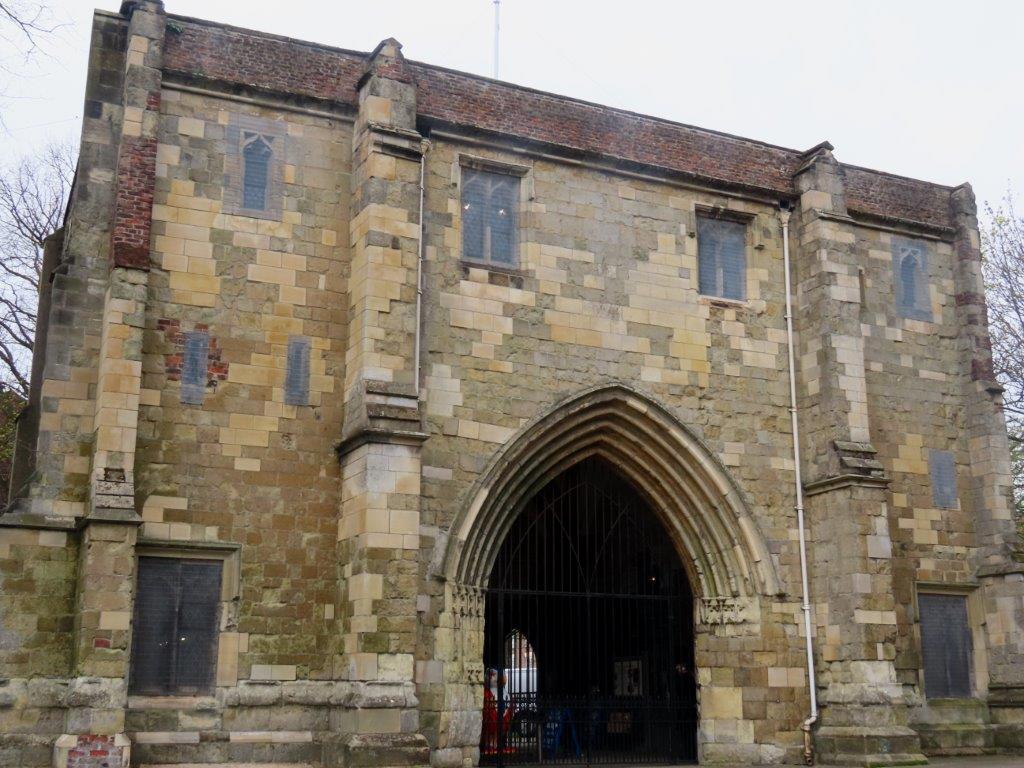
Outside the church the Bayle Gate, again a constant part of my history, not least because I was entranced by the pinned, locally-caught Death’s-head Hawkmoth the museum had in its collection fifty years ago. But I had no idea that this, the former principal entrance to the Priory, is itself Grade I listed in its own right.
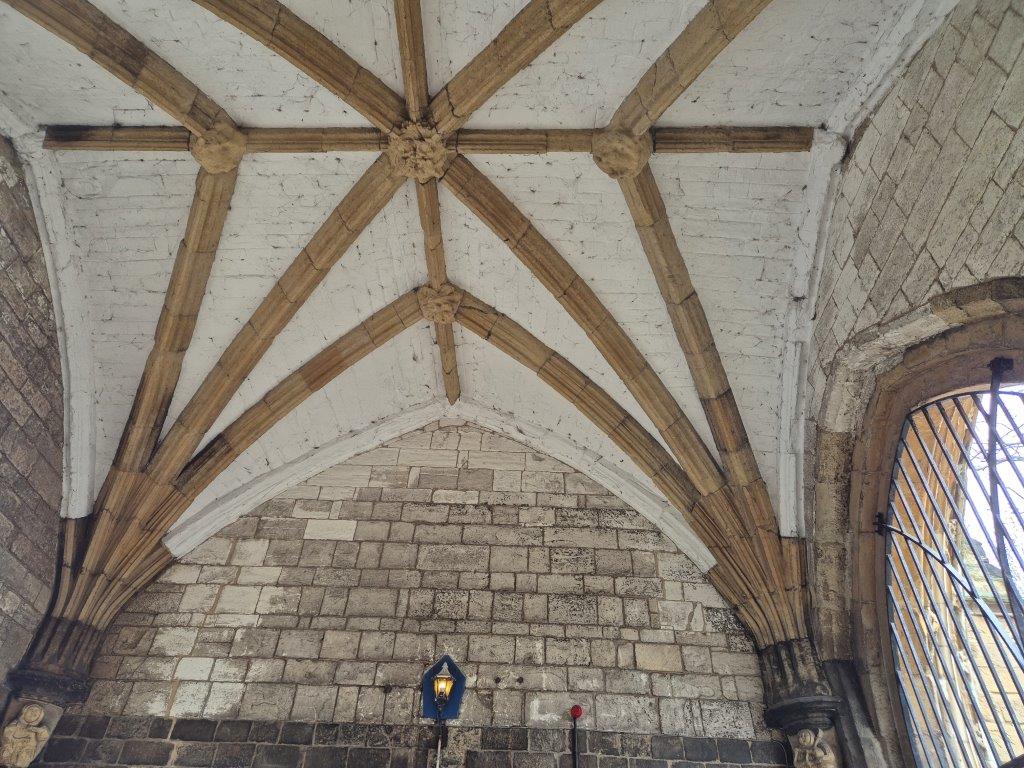
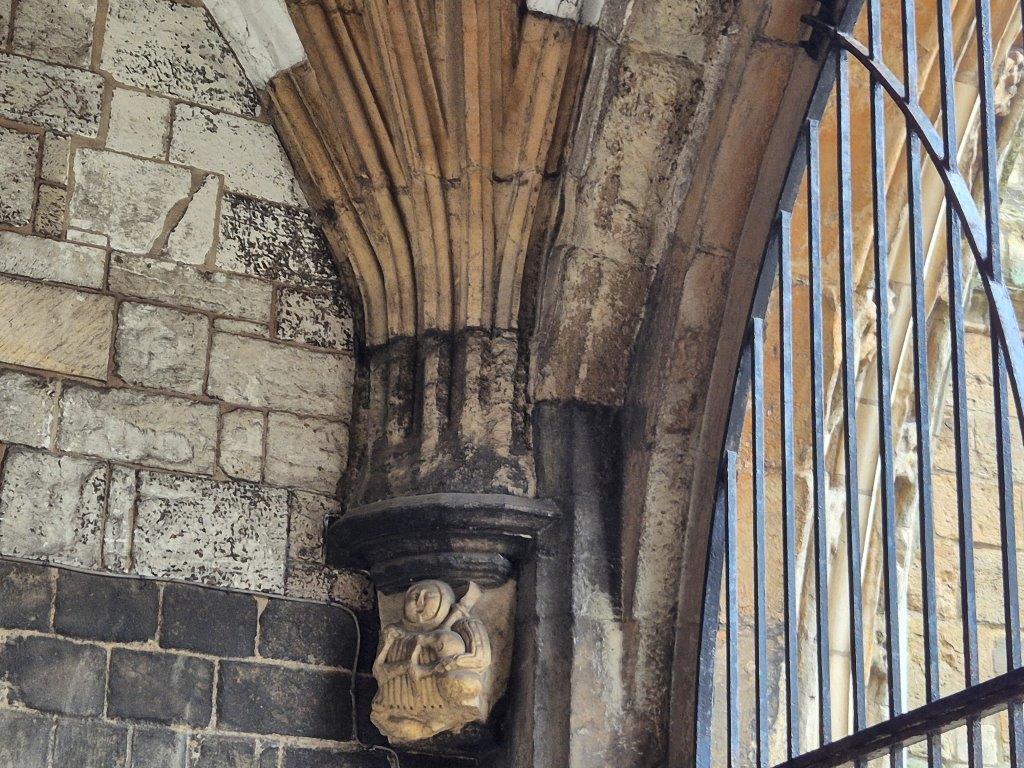
We had been hoping to head out by bus to Flamborough Head, but in the event the wind was too Siberian to make that a joyful prospect. So it didn’t really matter that the bus simply didn’t turn up, despite that the app was saying/lying it was ‘due’ and then had ‘departed’. This simply epitomises the Brid that needs to get itself into the 21st century: this day and age there is no reason why online resources are based on timetables rather than real life.
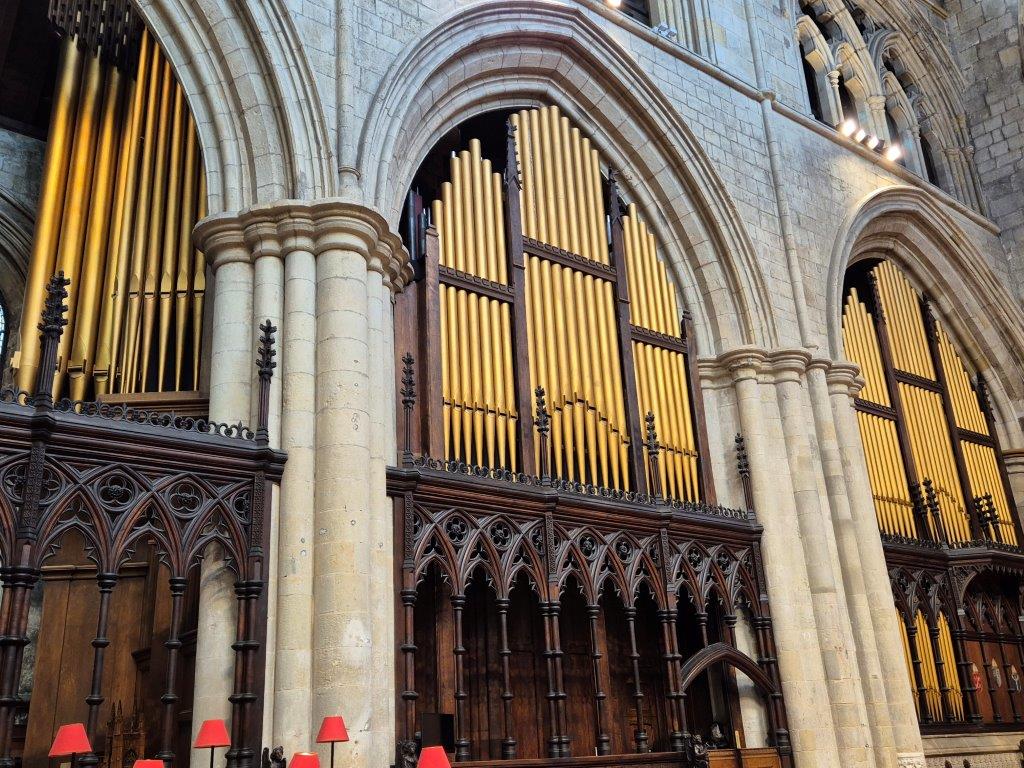
It was a mixed experience for me. I am not sure I ever want to return to a left-behind town with dead-end attitudes and the stench of Reform at every turn. Of course the birds of Flamborough and Bempton could be a reason to return, but I suspect the only thing that would draw us back for sure would be an organ recital in the Priory. The acoustics must be simply wonderful, and the organ is regarded as one of the finest in any British parish church, with its 32ft Contra Tuba pipe, the largest pedal reed in Europe apparently.
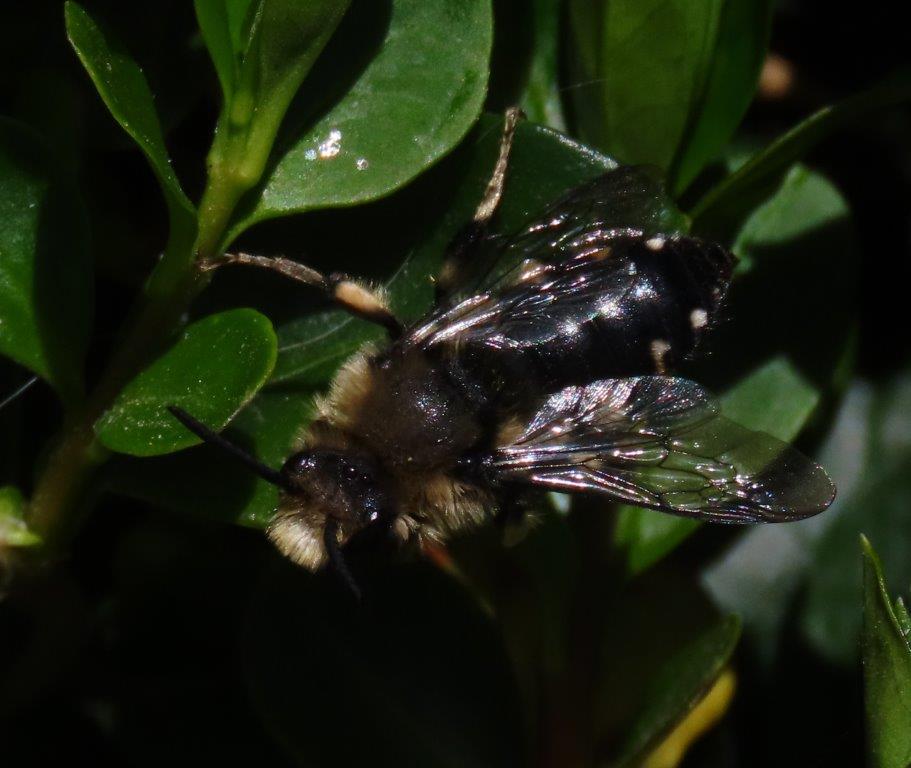
So on another sunny morning I was happy to wave goodbye to my past, albeit intrigued to find several Common Mourning-bees in the lee of a garden hedge, sheltered from the cold breeze. Now right at the northern extent of its British distribution, this again is something the younger me would not have been able to see in the area.
Our train took us over the rolling chalk landscape of the Yorkshire Wolds, and with a change at Seamer, through the Vale of Pickering, and pastures with tumbling displaying Lapwings. Then, passing by Kirkham Abbey and Skipwith Common, we pulled into York.
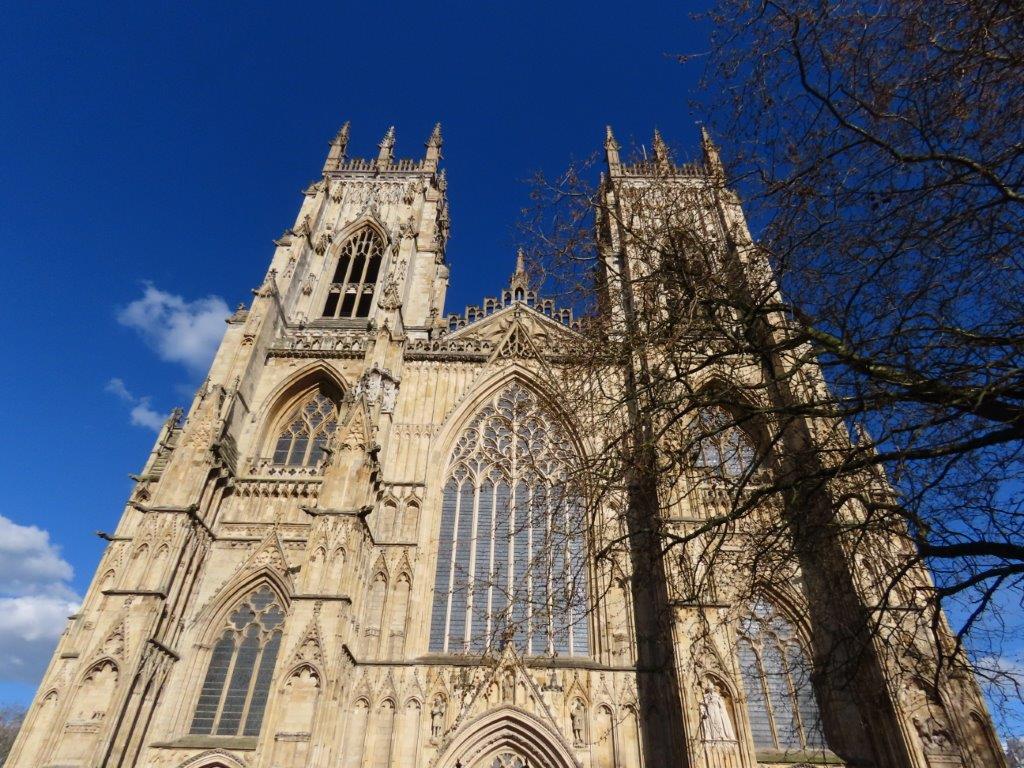
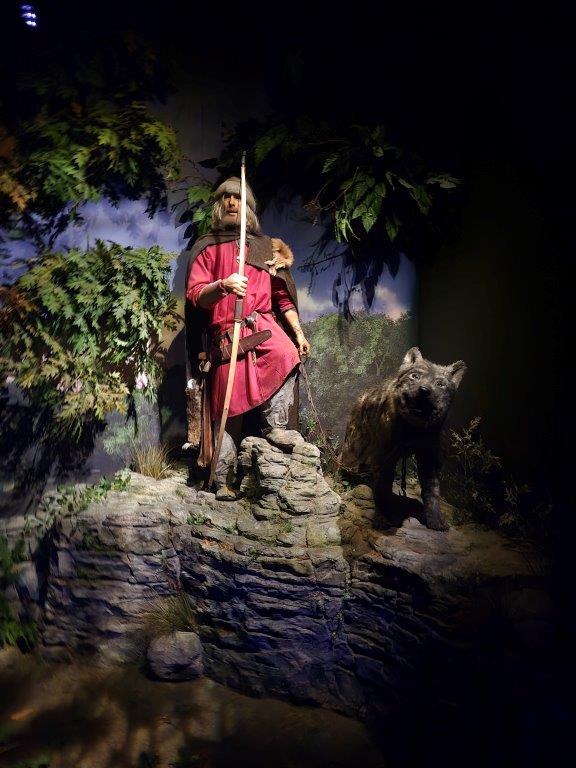
My first stint at university was at York and, freed from the parochial shackles of home, safe to say my memories of there are more positive. And we certainly found plenty to interest us all for a couple of days, including formal attractions like the Jorvik centre, bringing life to the local Vikings.
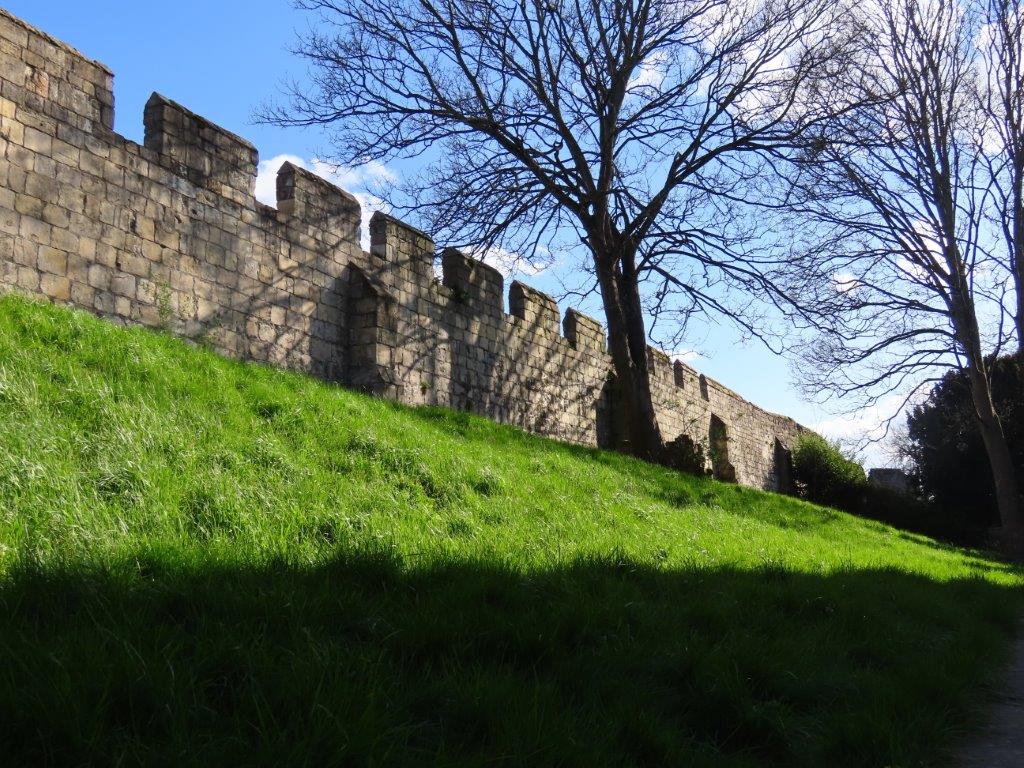
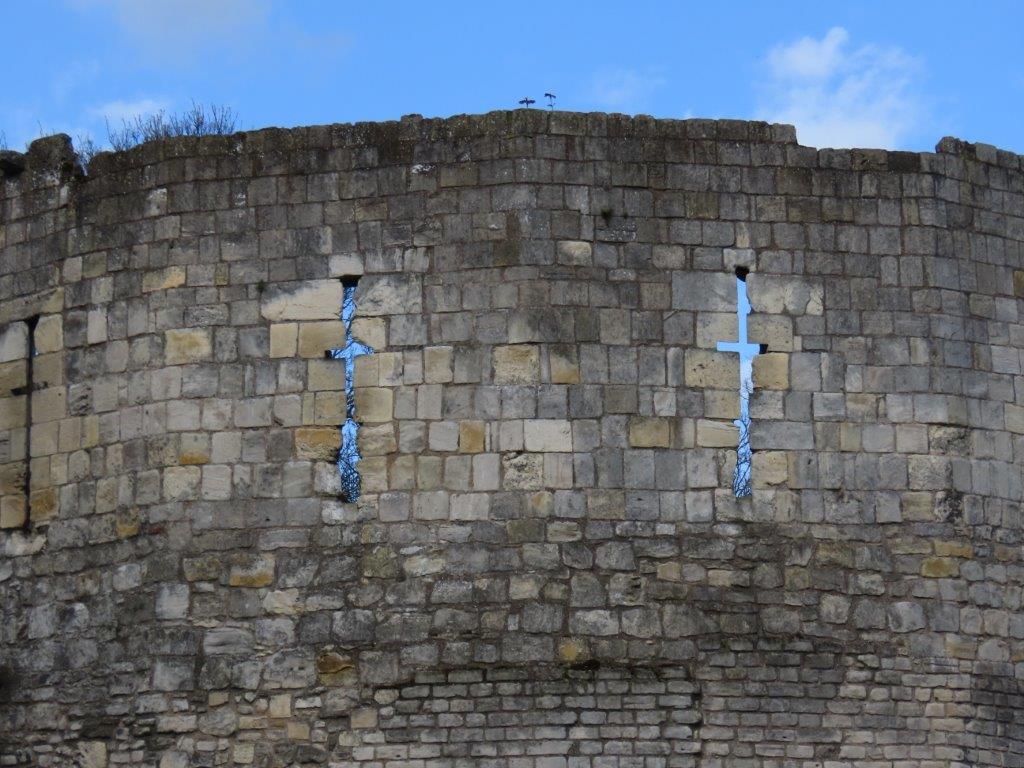
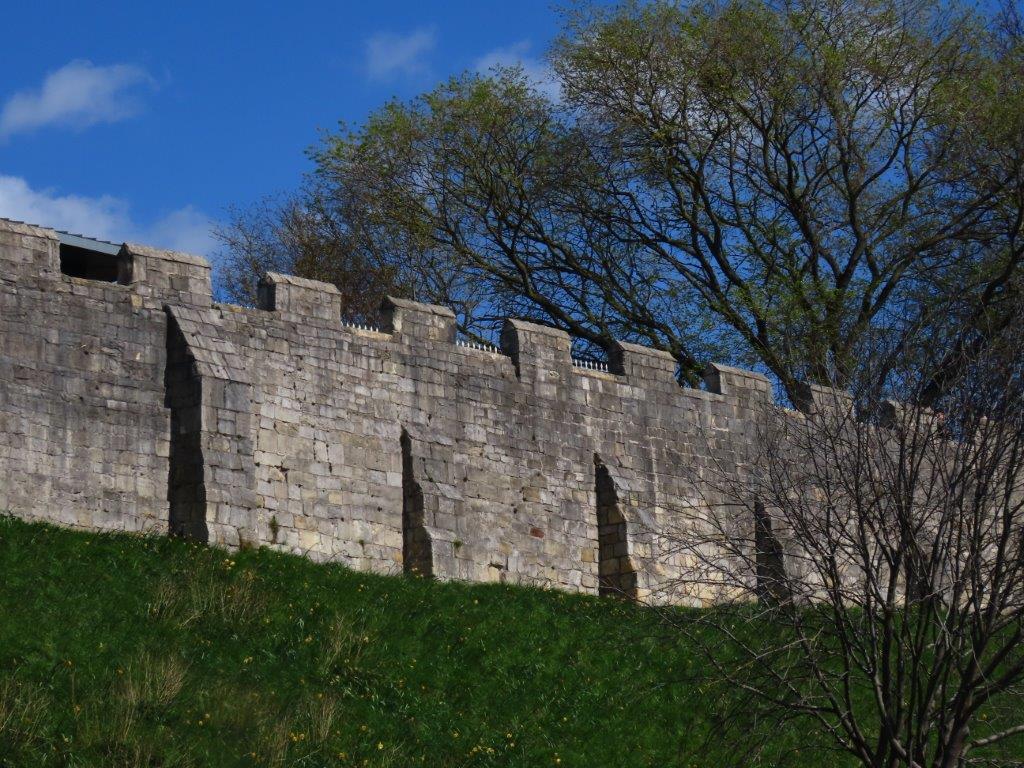
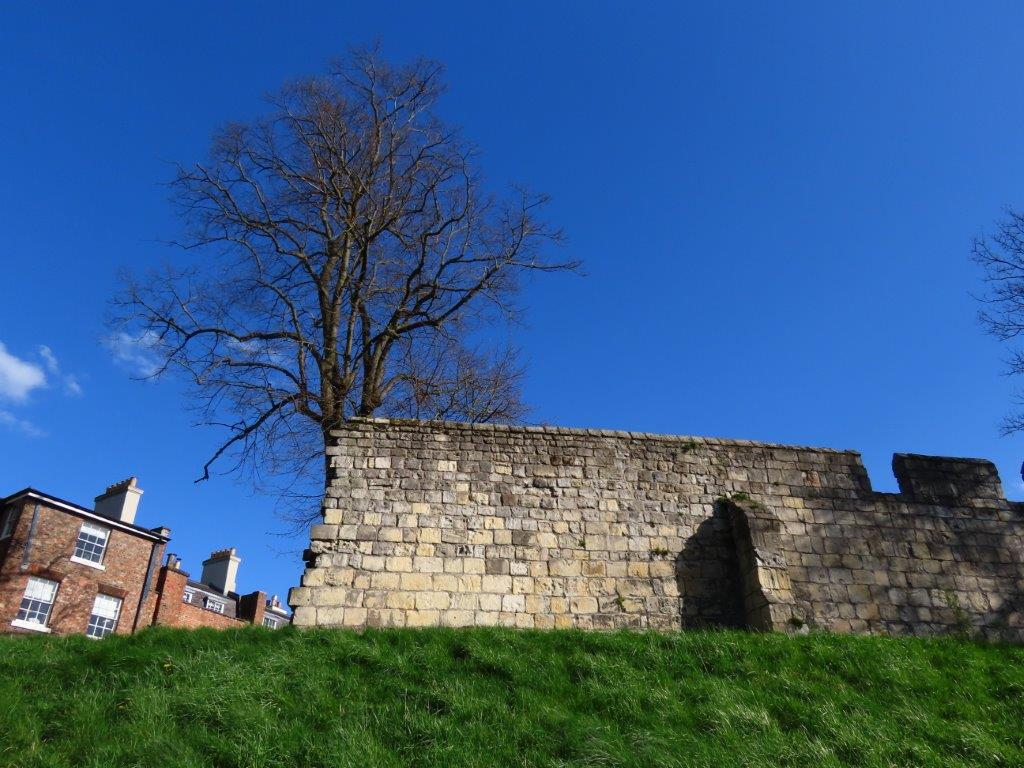
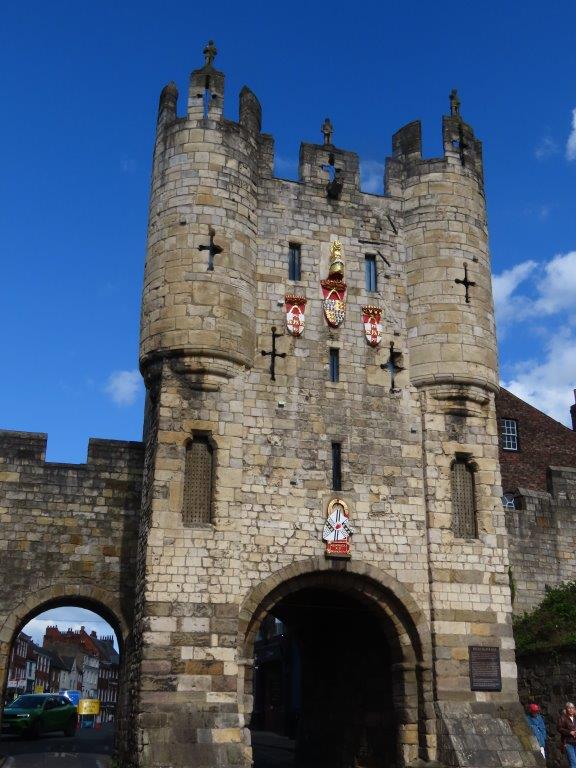
The historic walls were an excellent introduction, a near-continuous elevated encirclement of the centre, the longest and most complete medieval town walls in England, interrupted only by the River Ouse, running for 3.4 km, built mainly in the 13th century on earlier Roman/Viking earthworks.
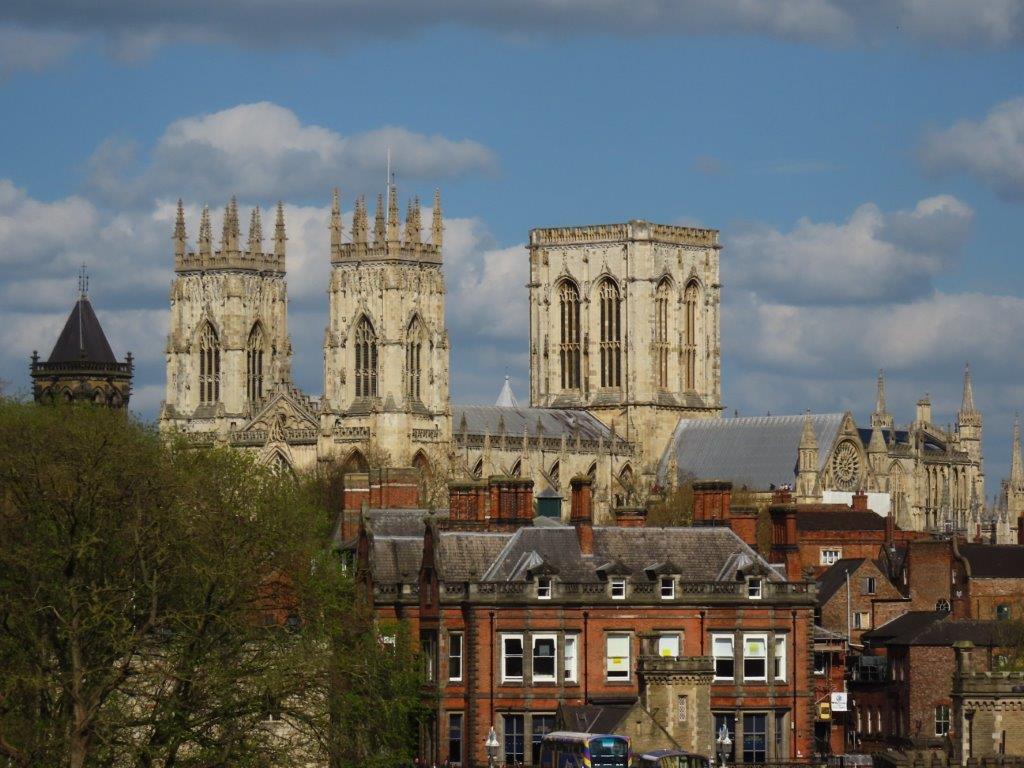
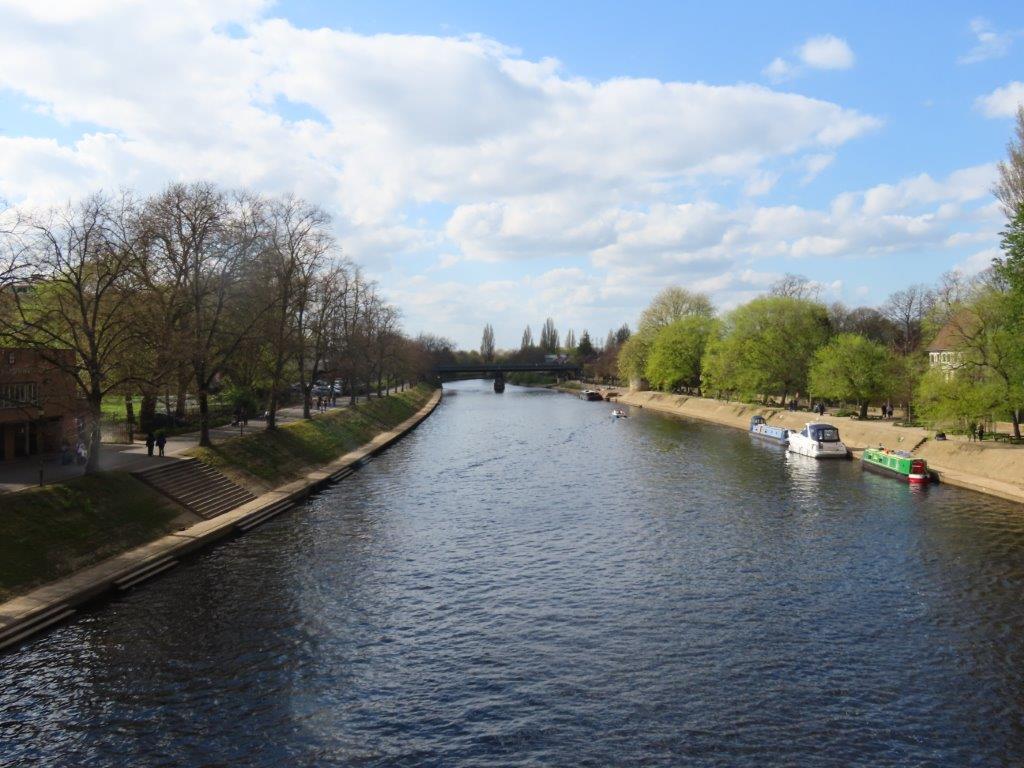
Views of history, of Wall-rue in the crevices, and close-up, tree canopy views of Sycamore bursting out:
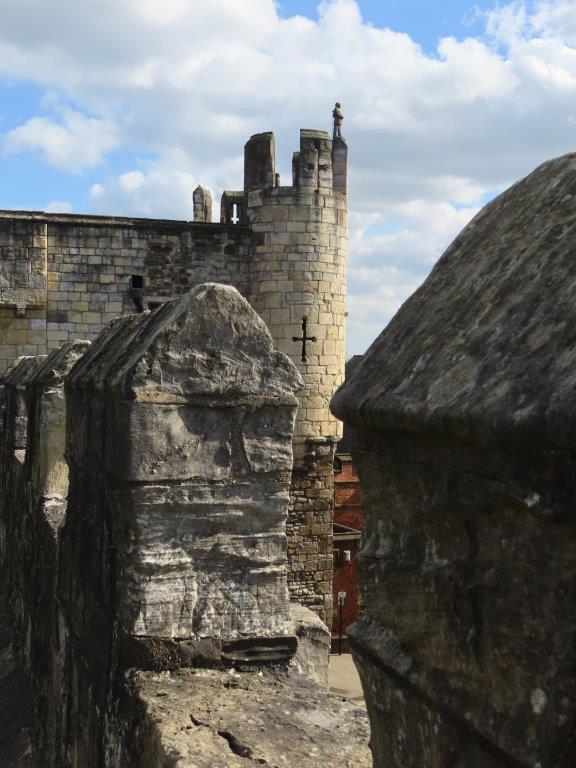
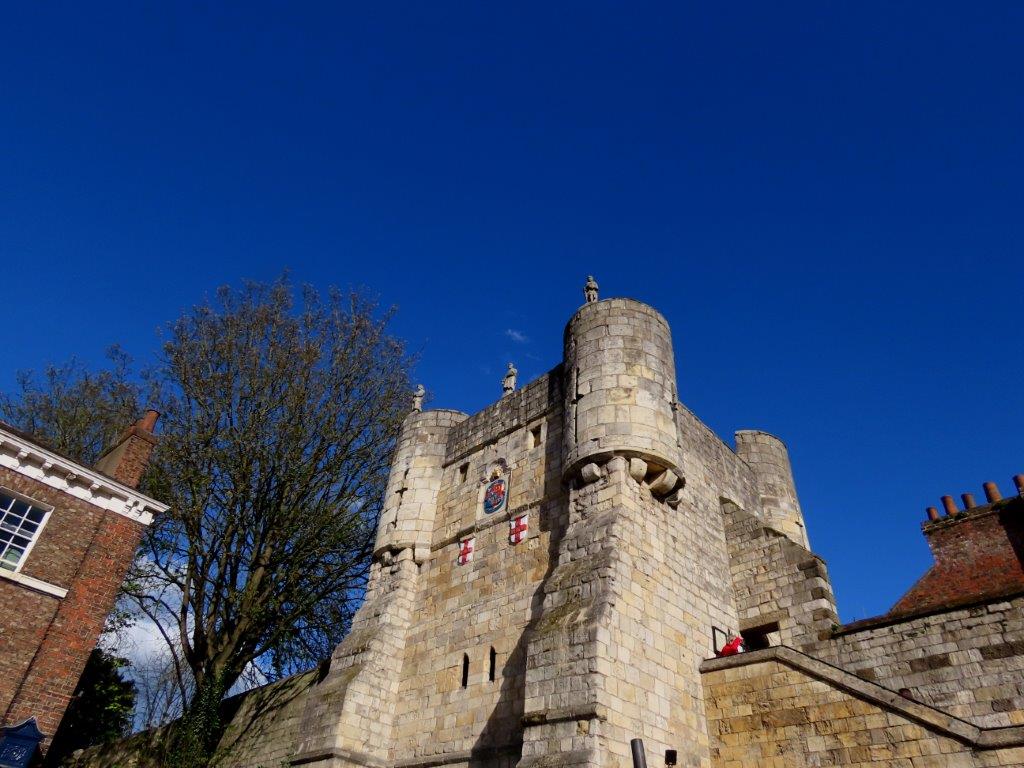
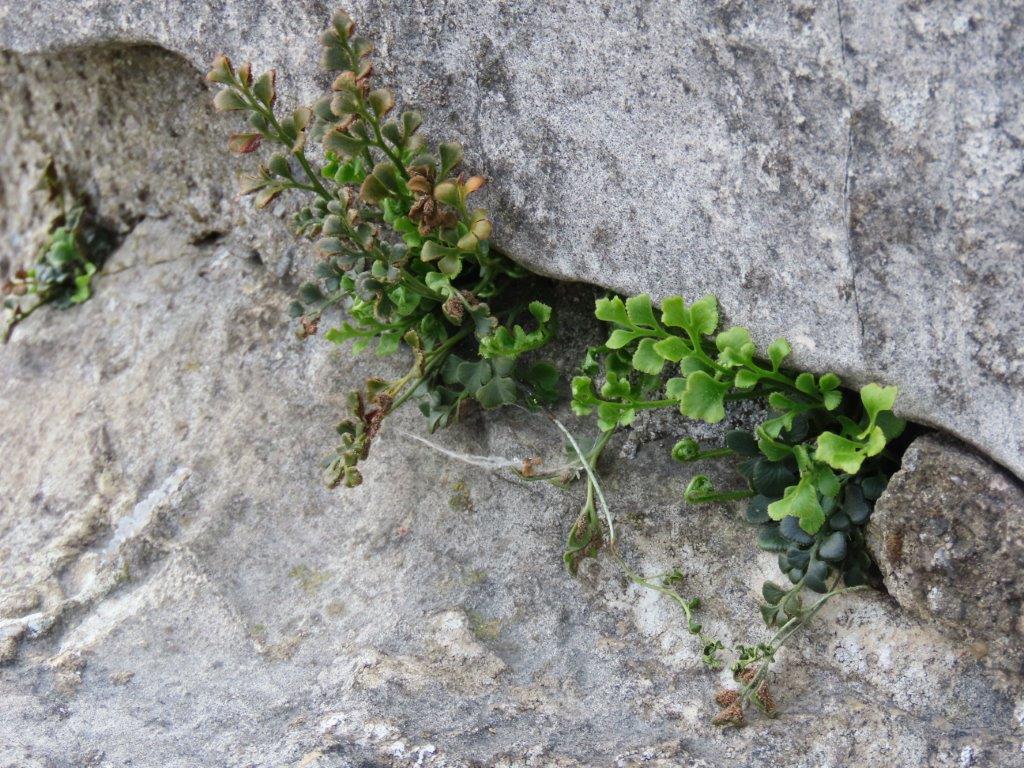
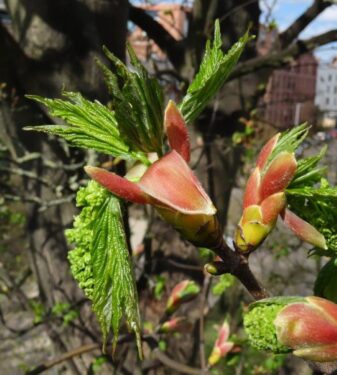
And as the sun started to set, the Minster bells drew us ever closer. But not inside…who needs to see the interior (at great expense) when the sunset is flickering its flames over the limestone masterpiece?
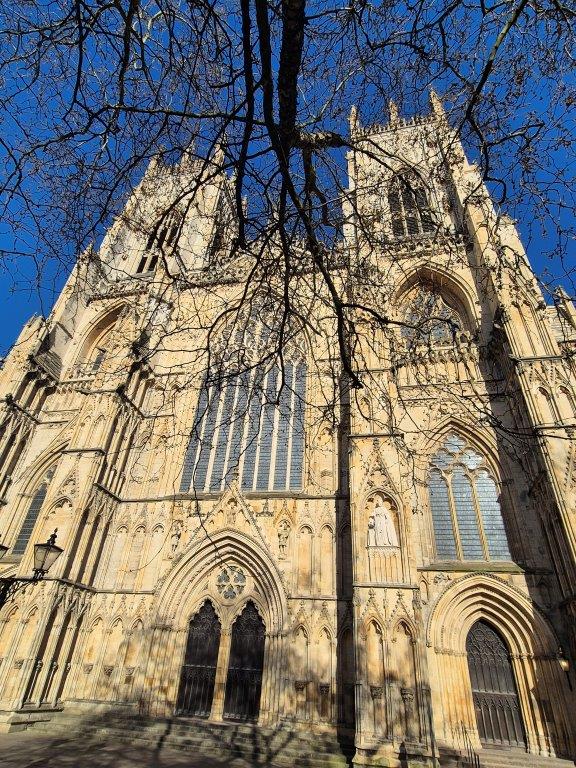
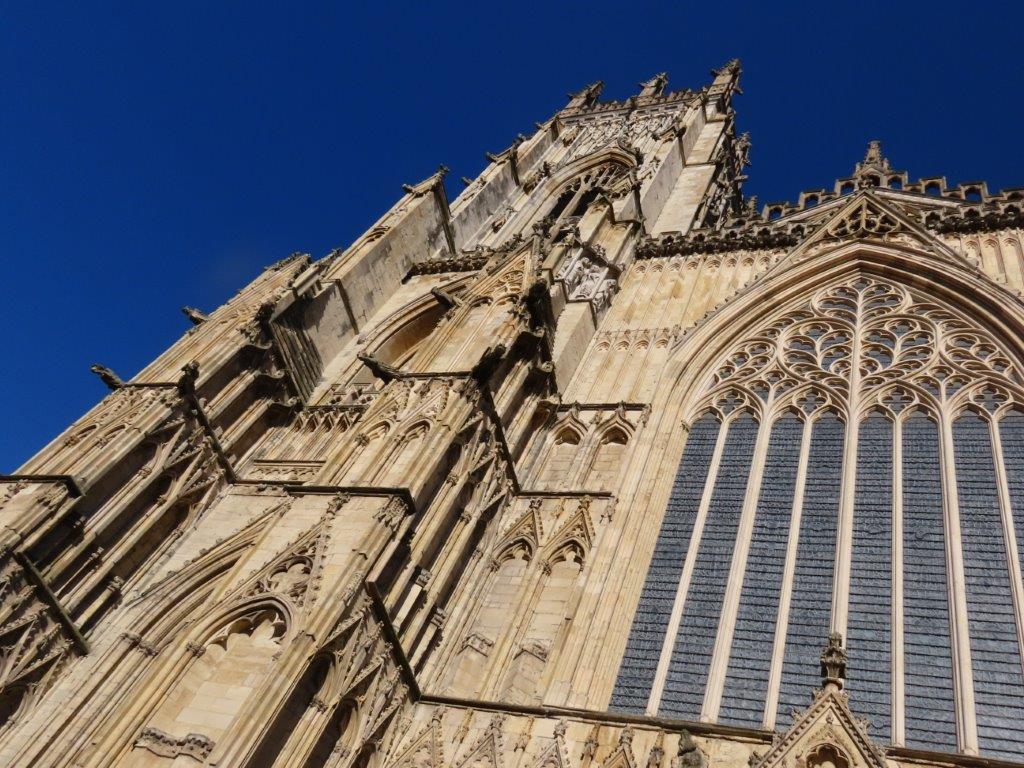
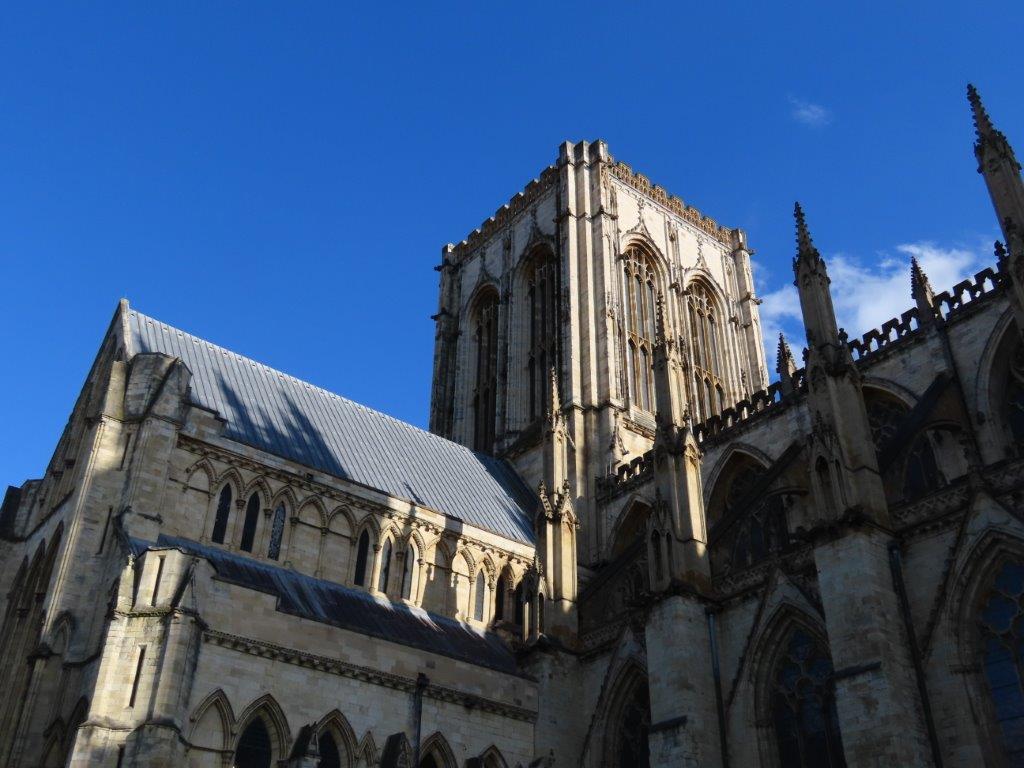
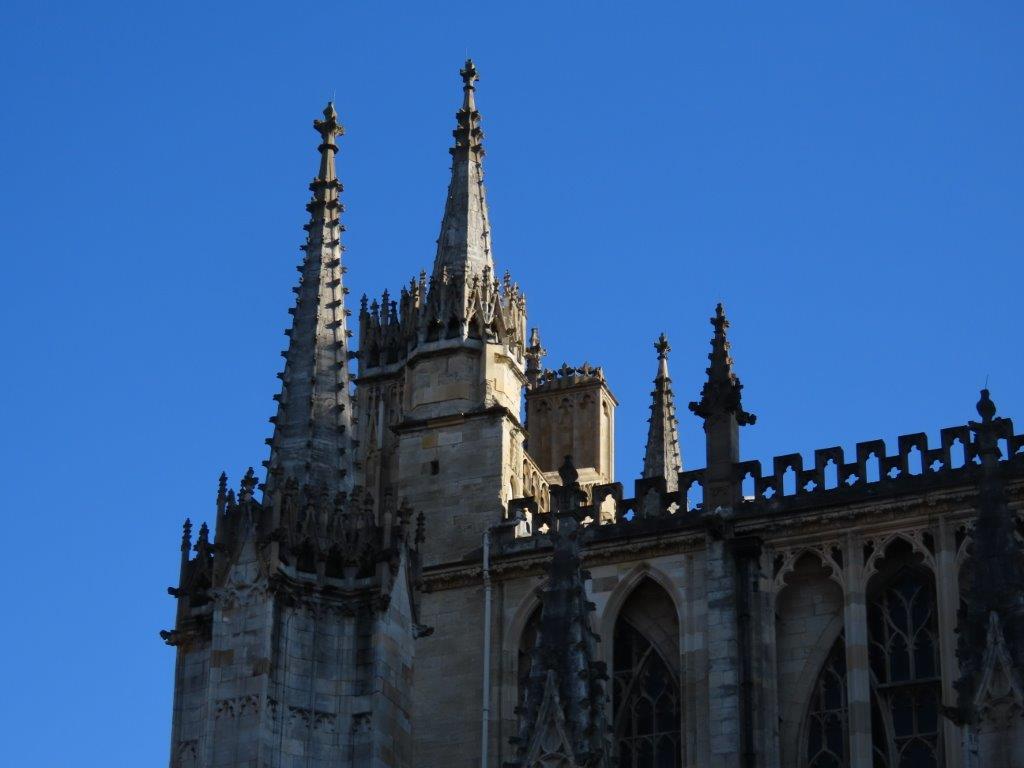
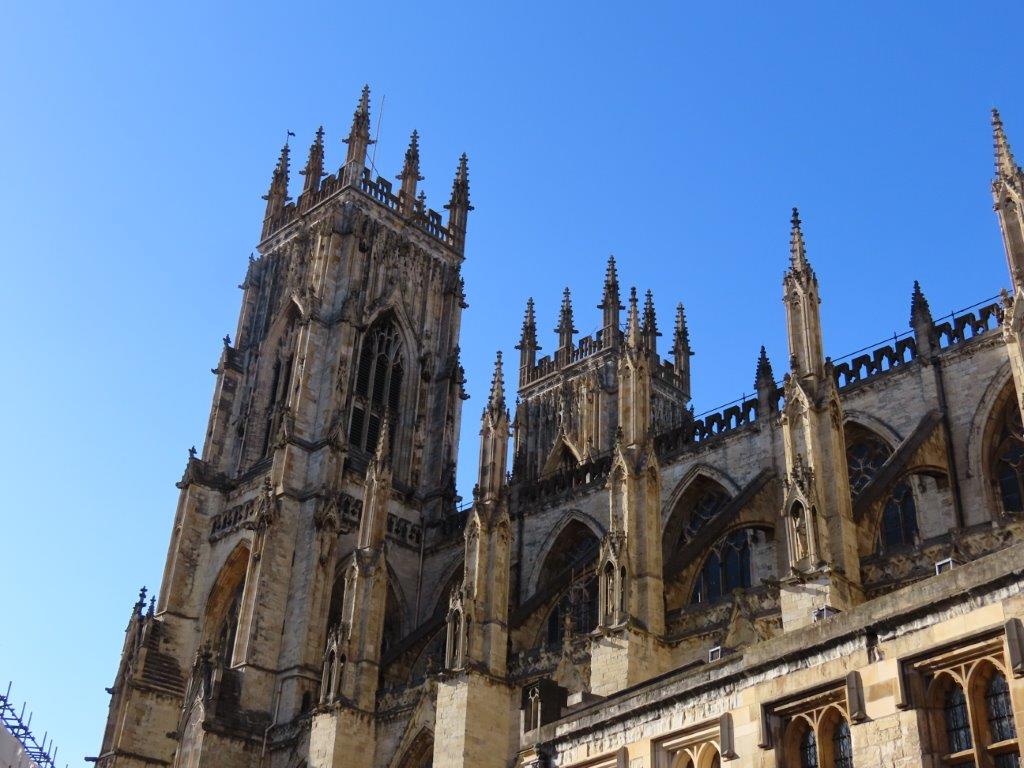
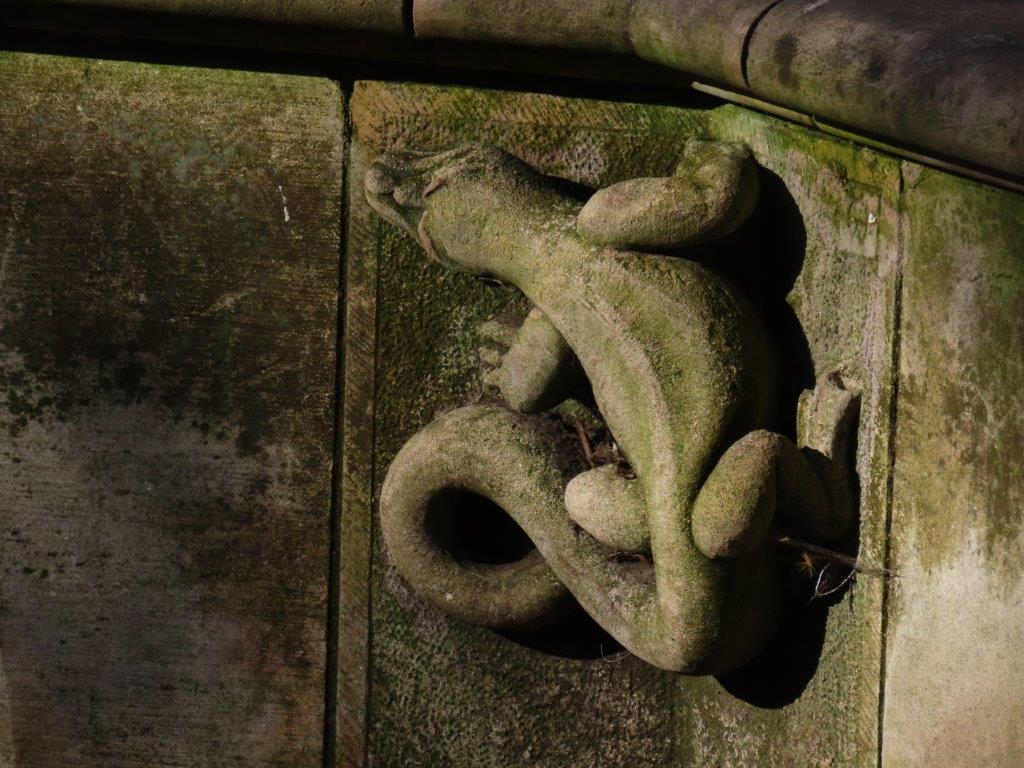
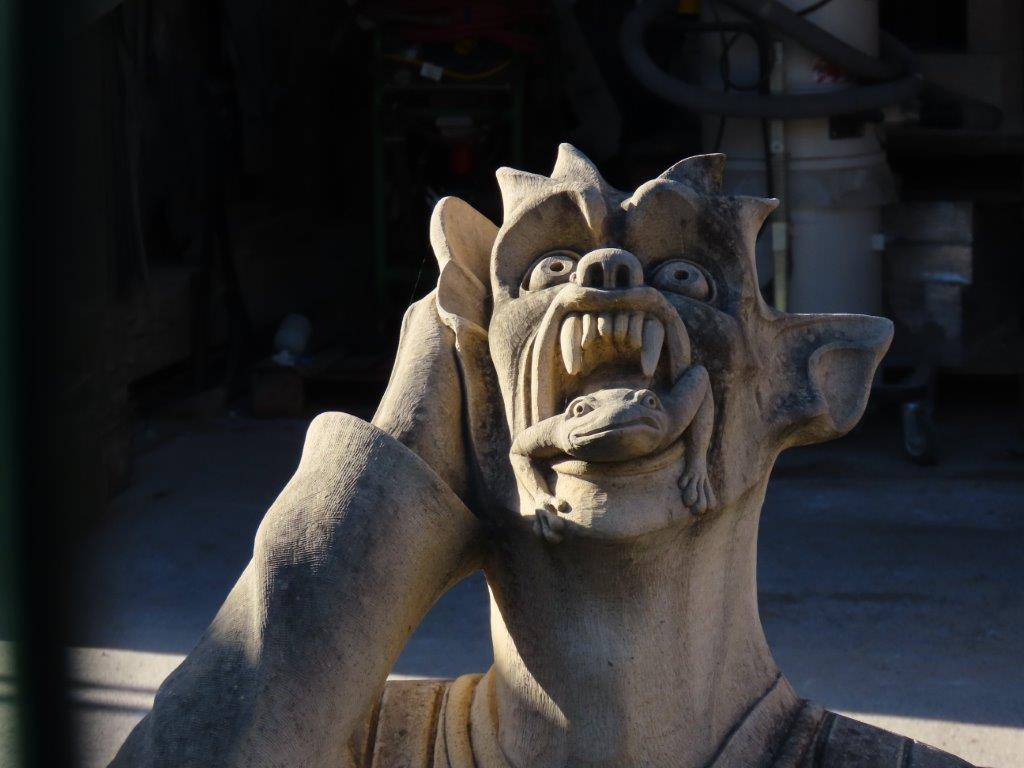
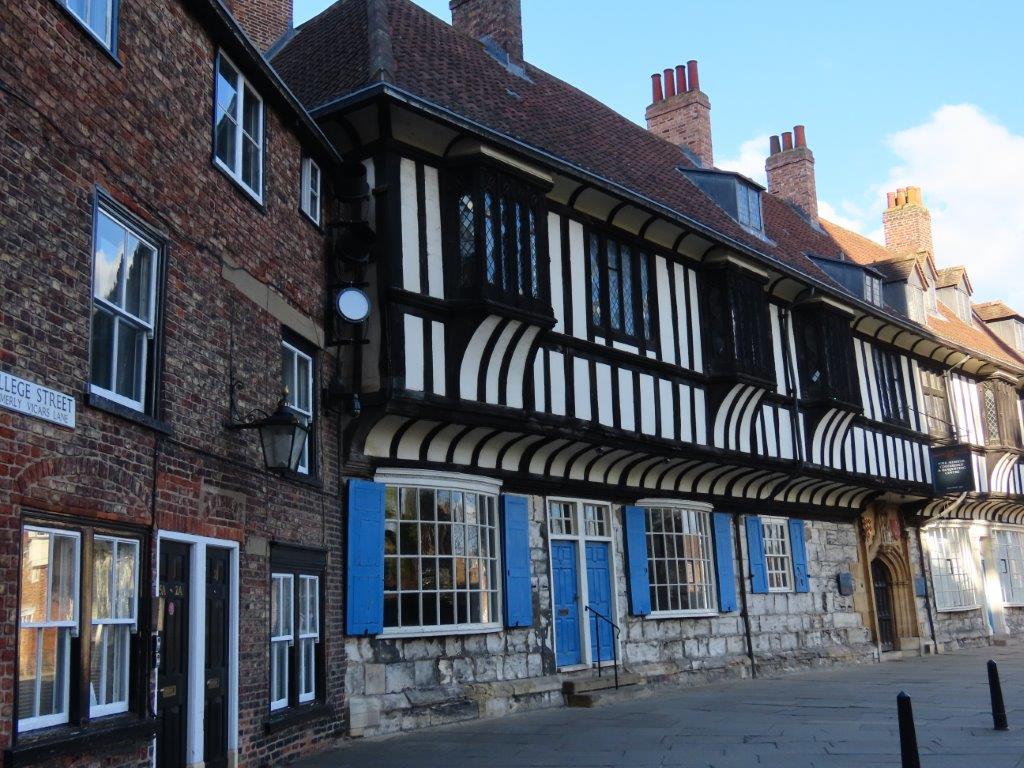
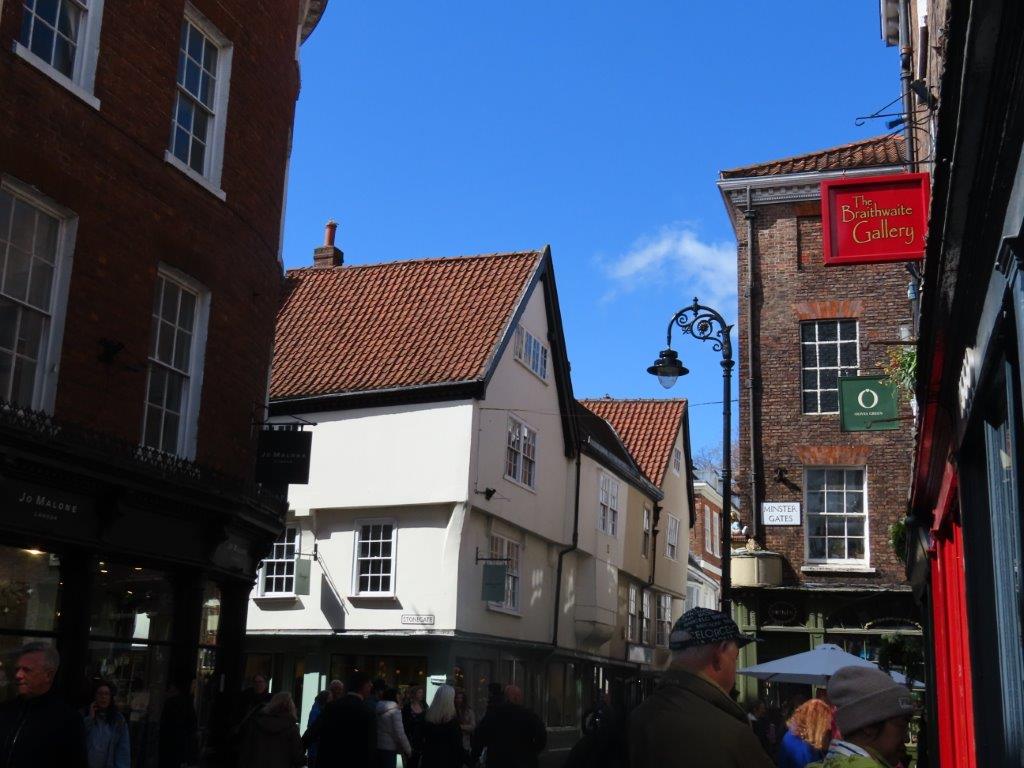
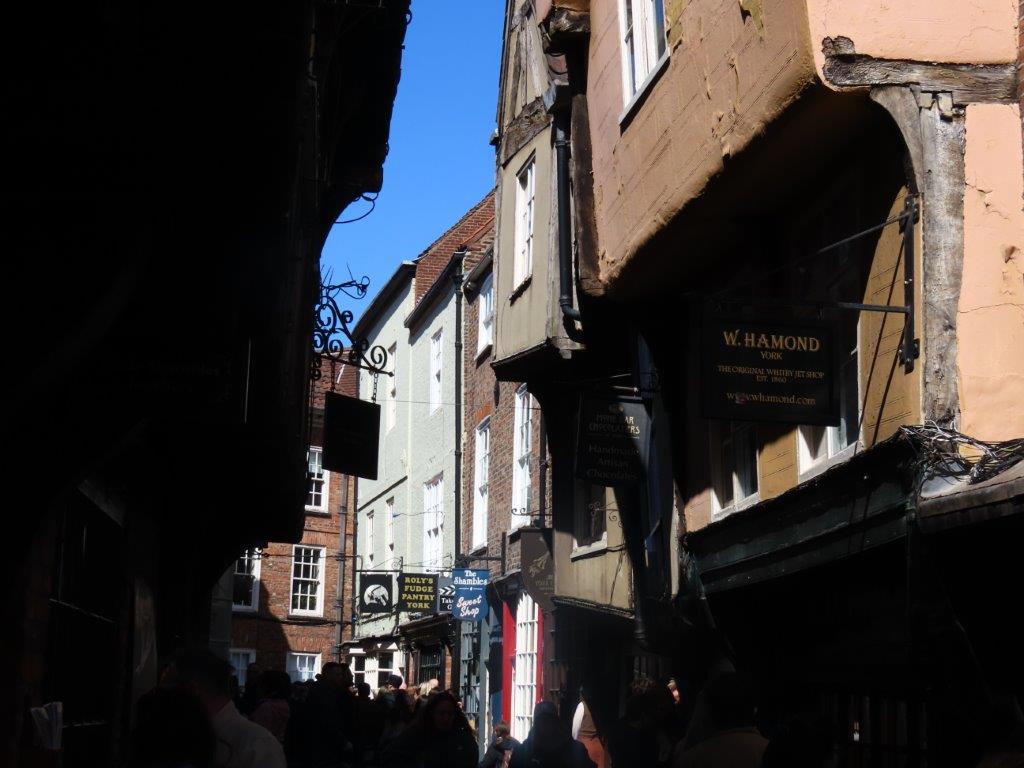
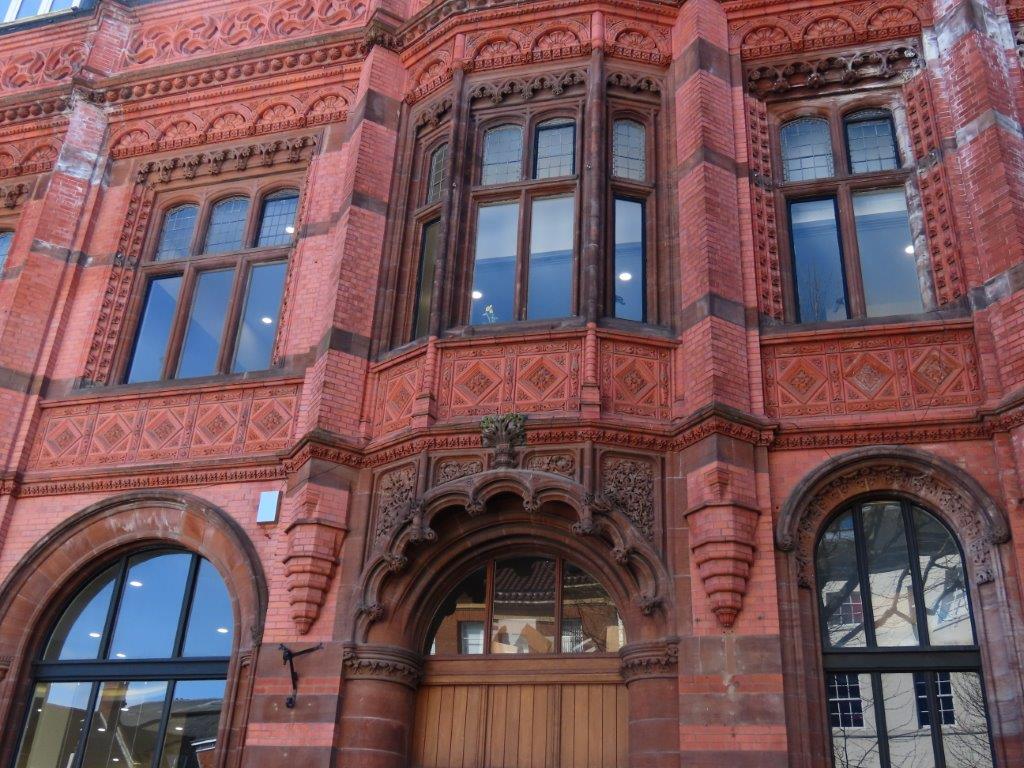
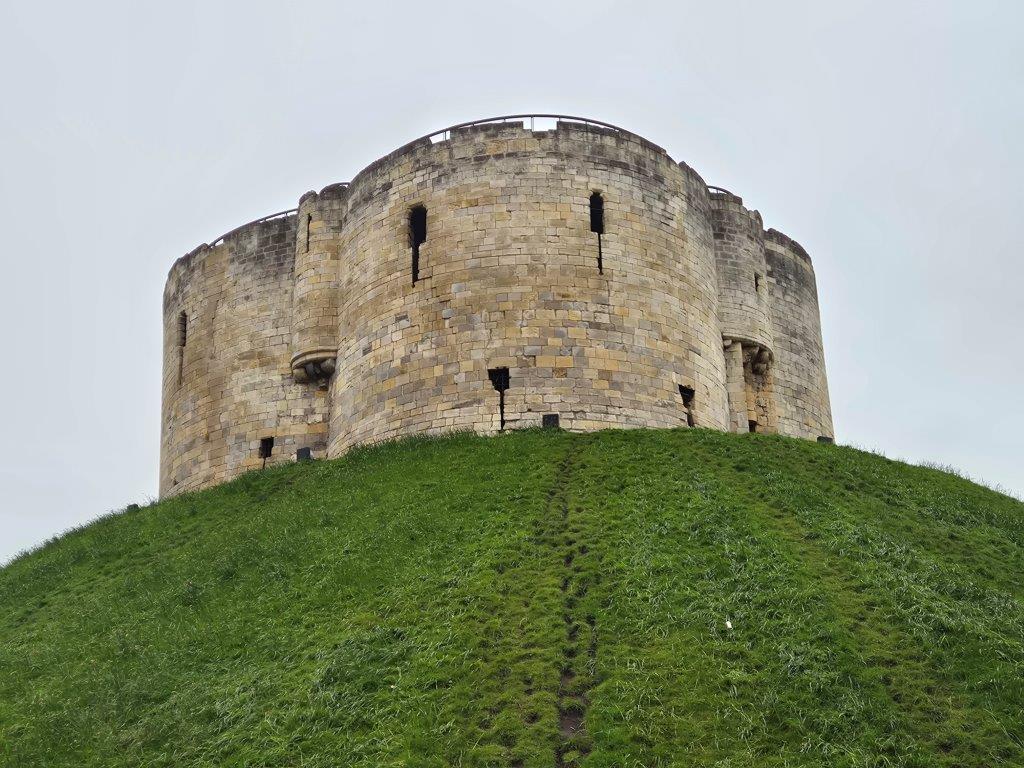
Then there were the bustling streets like the Shambles, and historic buildings at every turn, including Clifford’s Tower.
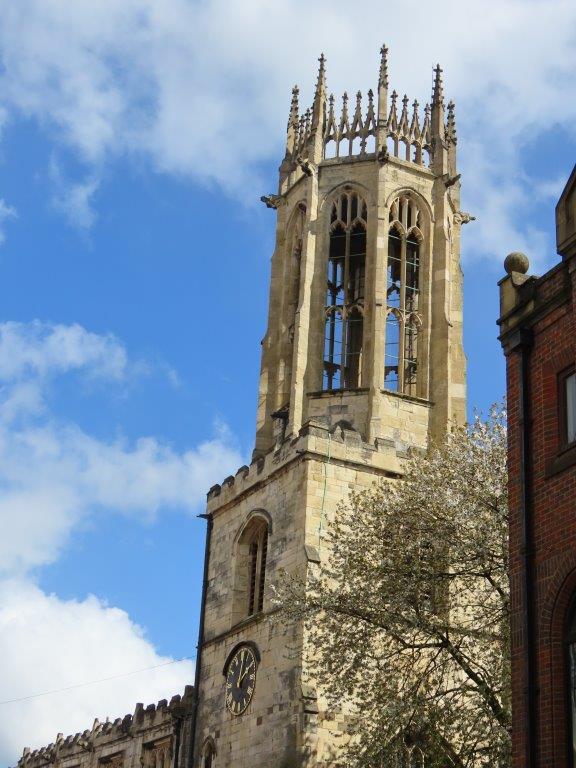
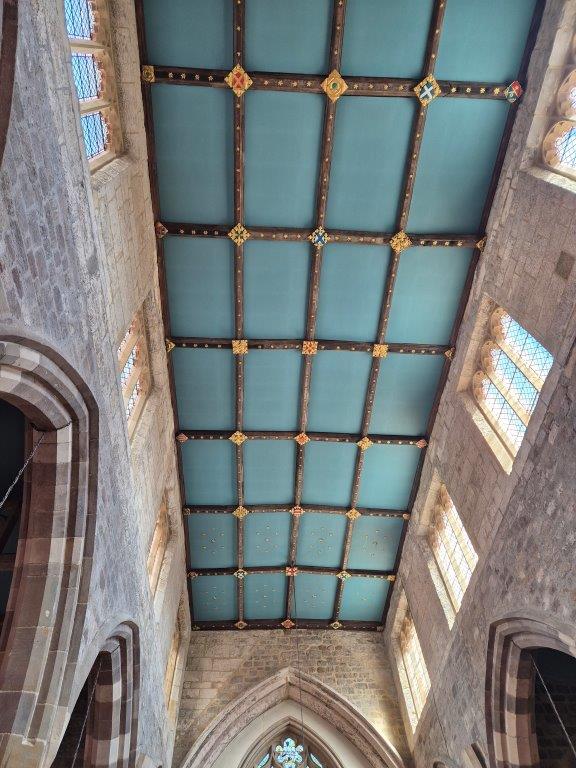
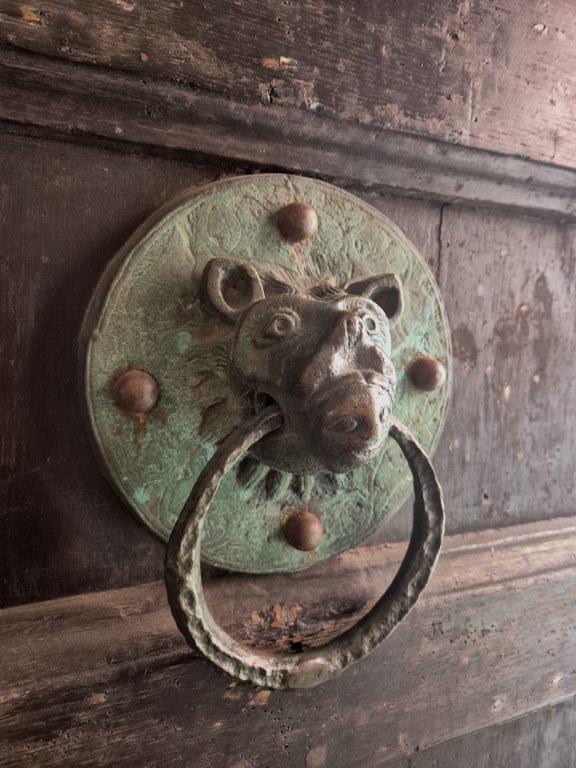
One particular church, All Saints, Pavement caught our attention the following day, shelter from a shower and another mouse-hunt! When it was built it was on the only paved area of the city, hence its name. Grade I listed, it has a distinctive octagonal 15th-century lantern tower. In the medieval period, a lantern was hung from the tower to act as a beacon for travellers in the forest to the north. The church, first mentioned in the Domesday Book, is the burial place of 34 Lord Mayors. And on the door, a 12th-century knocker depicting the Mouth of Hell.
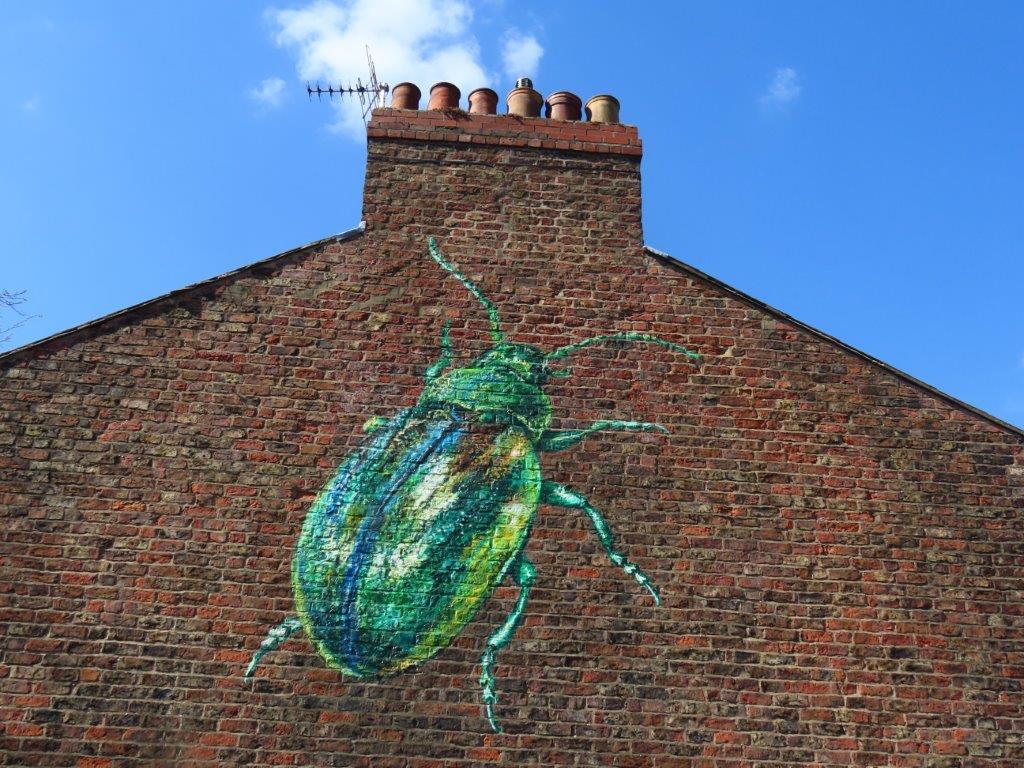
And on both days, when the sun came out, the highlight of York for us was the the Yorkshire Museum Gardens. We were hoping for Tansy Beetles but there were none showing here in their British stronghold. A nearby mural had to suffice!
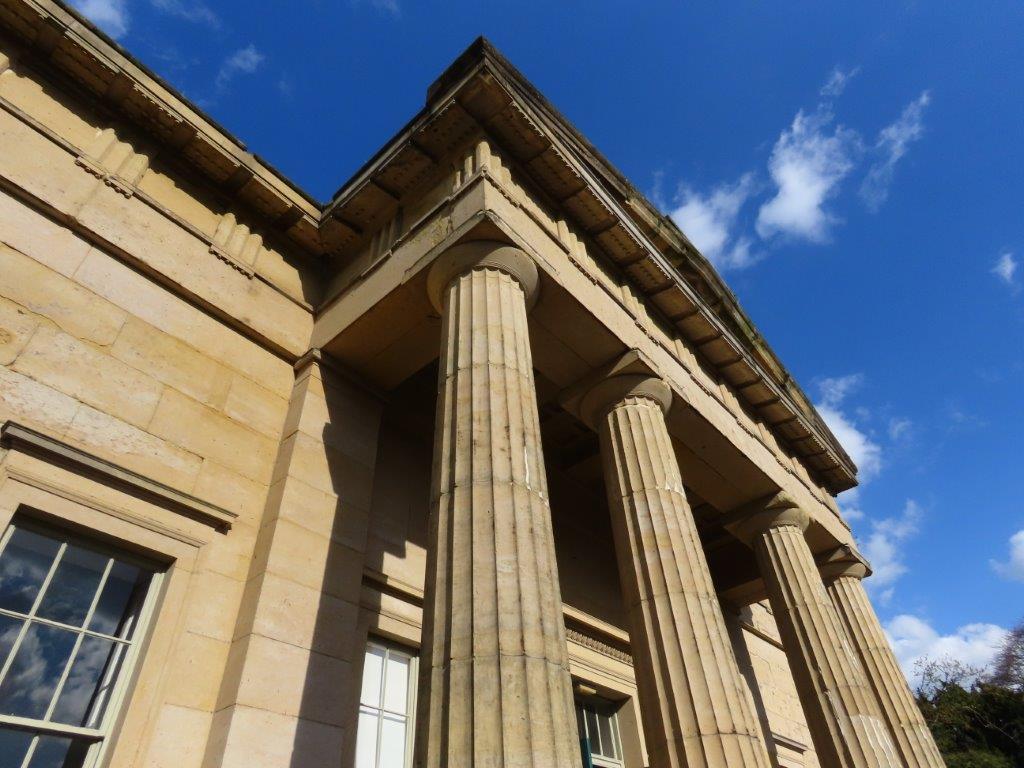
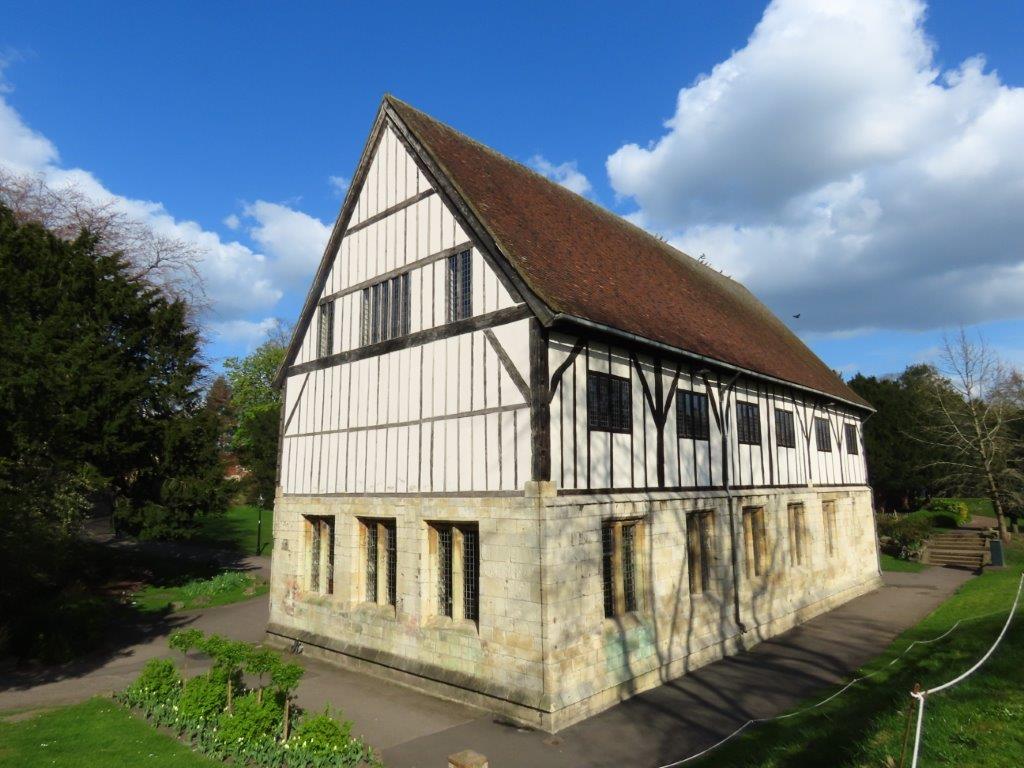
But Eleanor got her ice-cream (both times!) and we all got to see the sights, including the Hospitium and the ruins of St Mary’s Abbey.
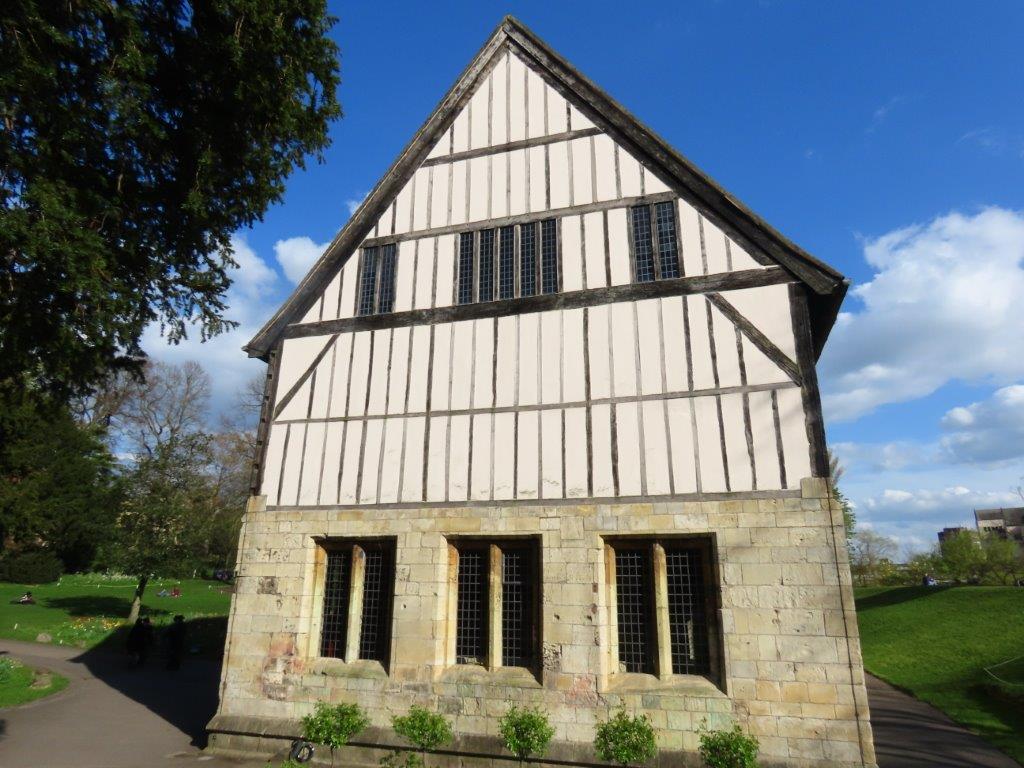
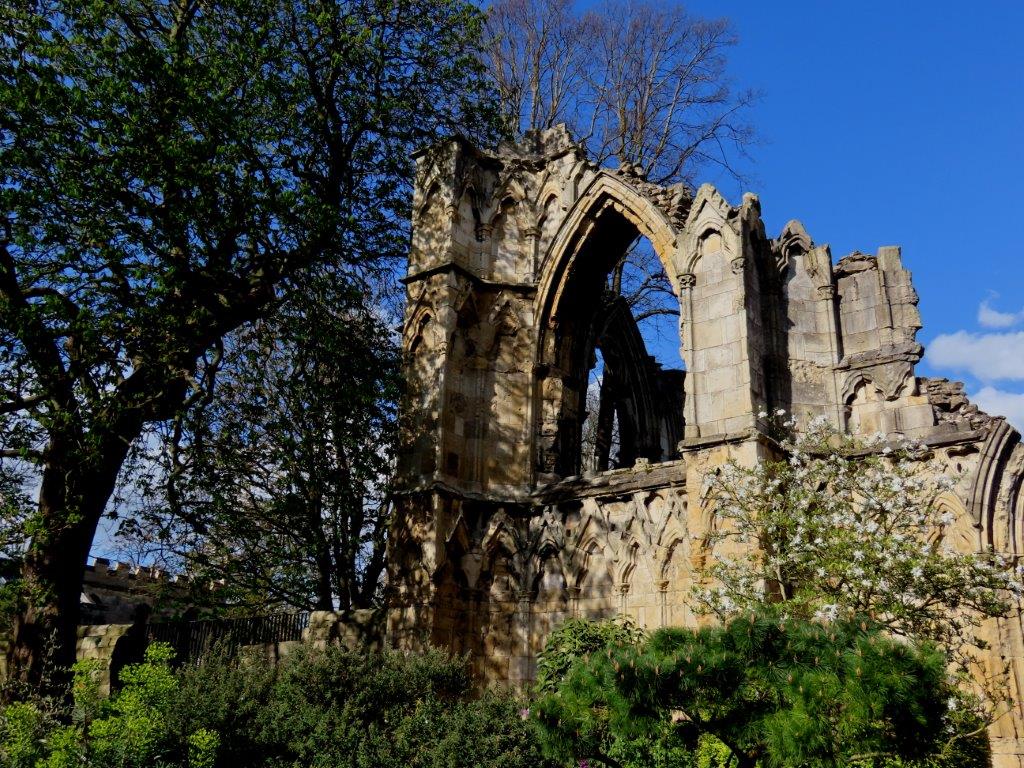
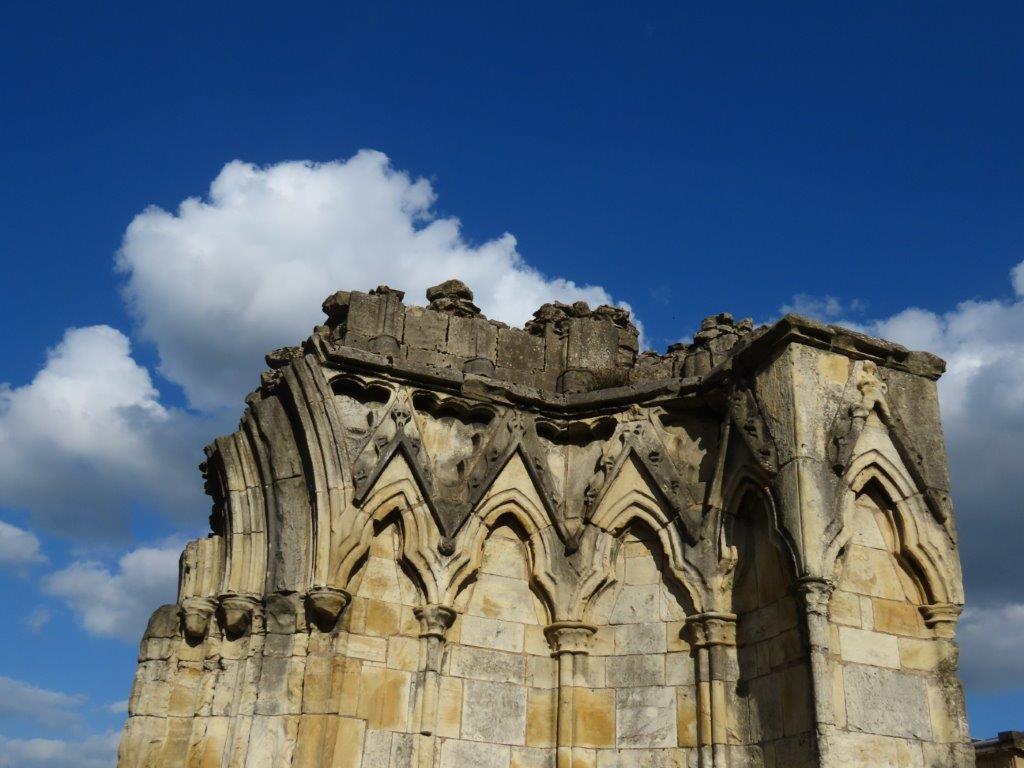
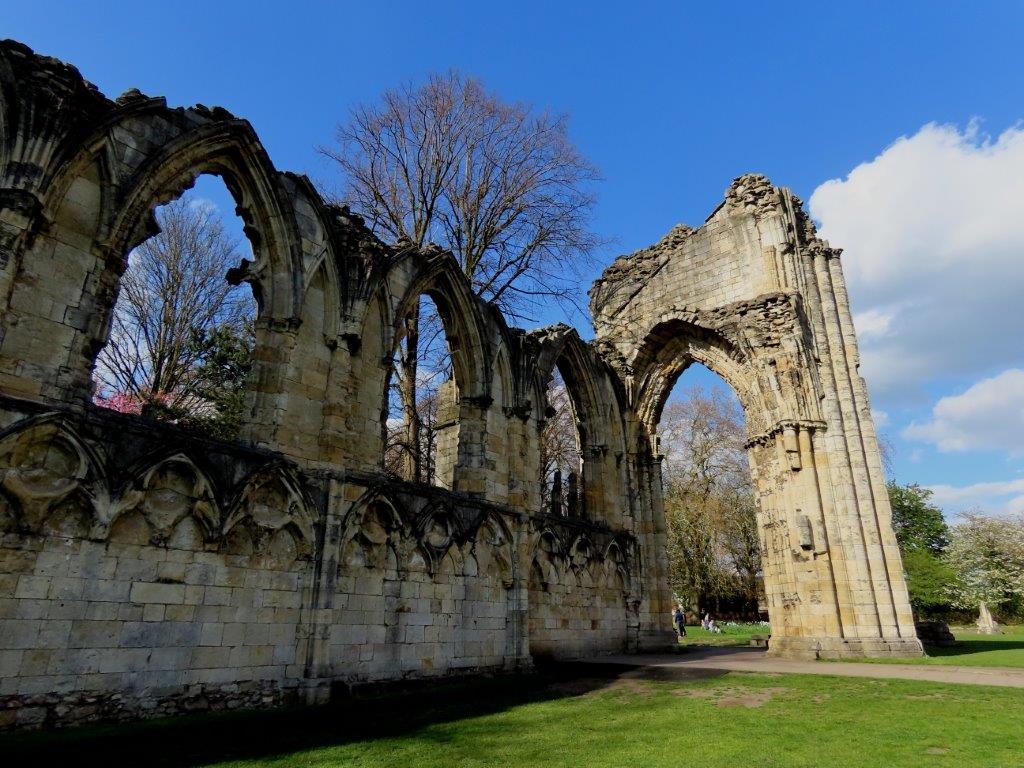
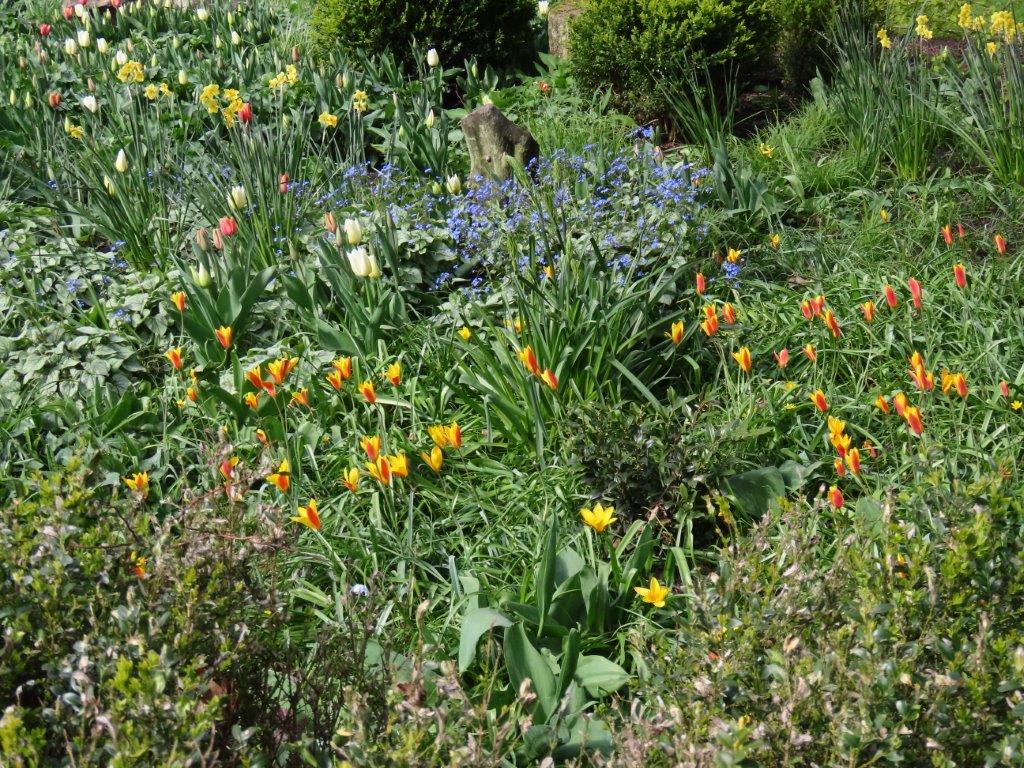
The gardens had plenty of interesting flowers and, at least out of the cold wind, a few Tapered Drone-flies and Orange-tailed Mining-bees, as well as Woodpigeons demolishing the Norway Maple flowers.
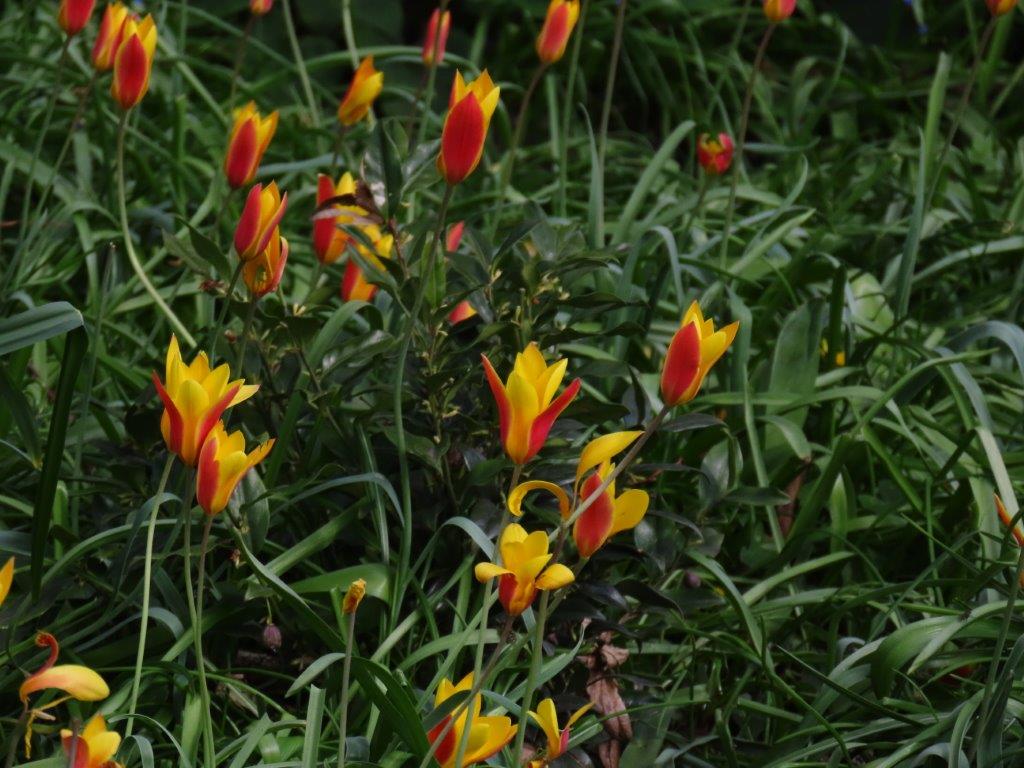
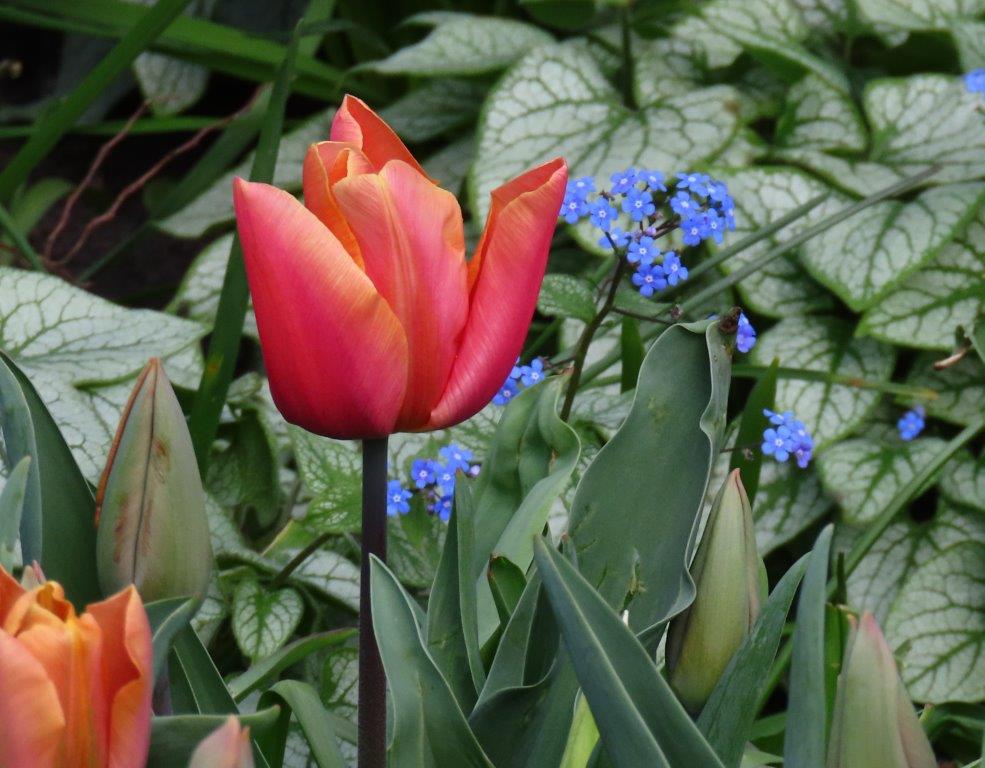
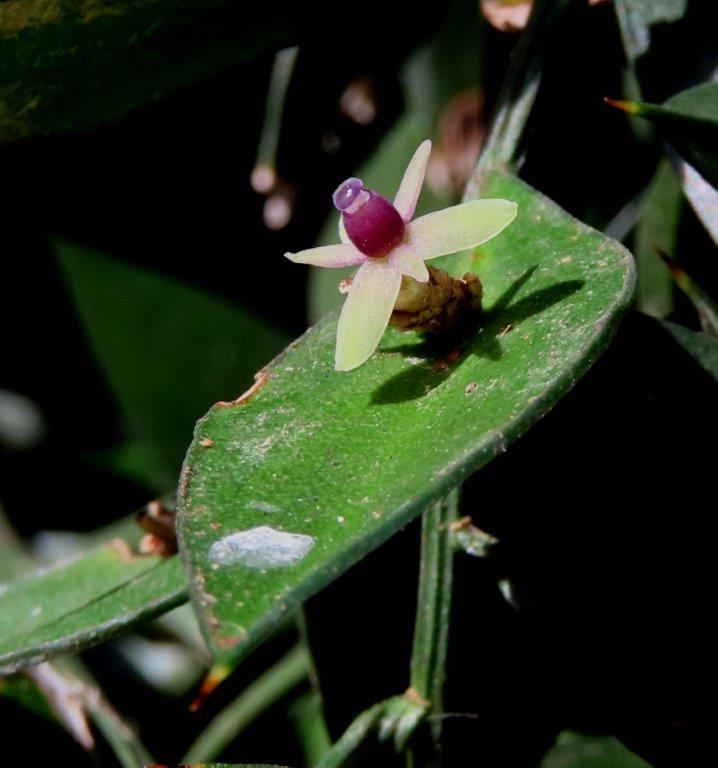
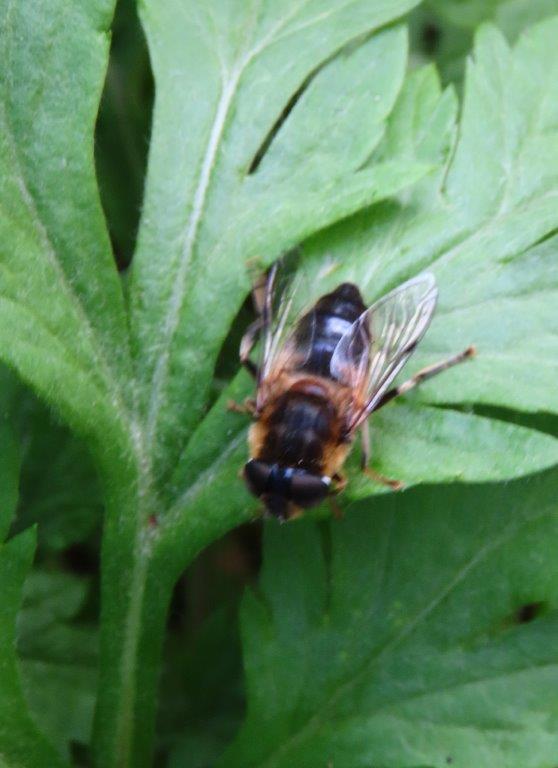
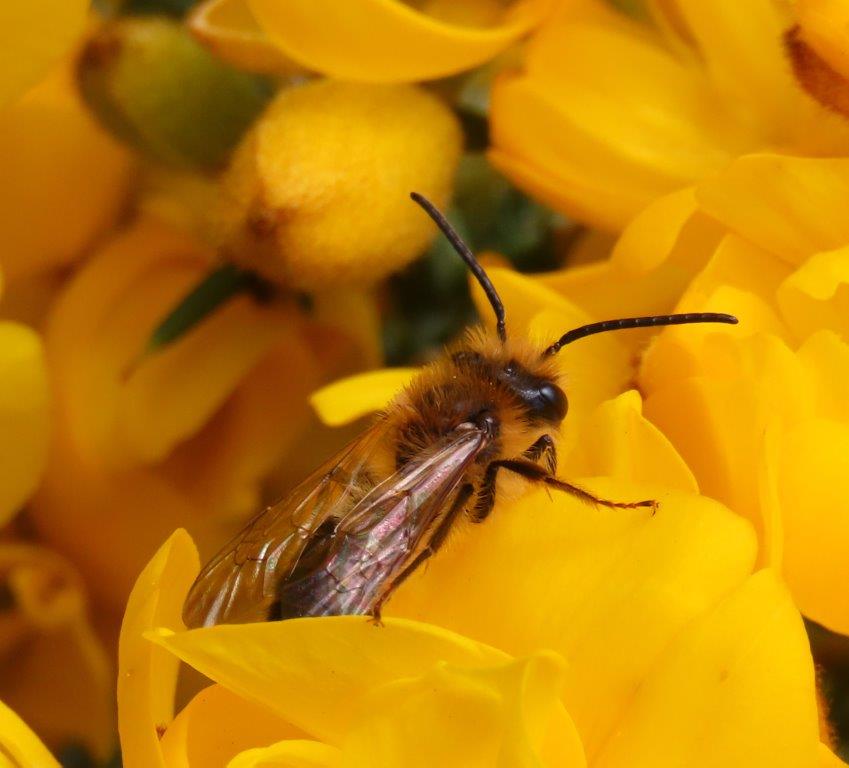
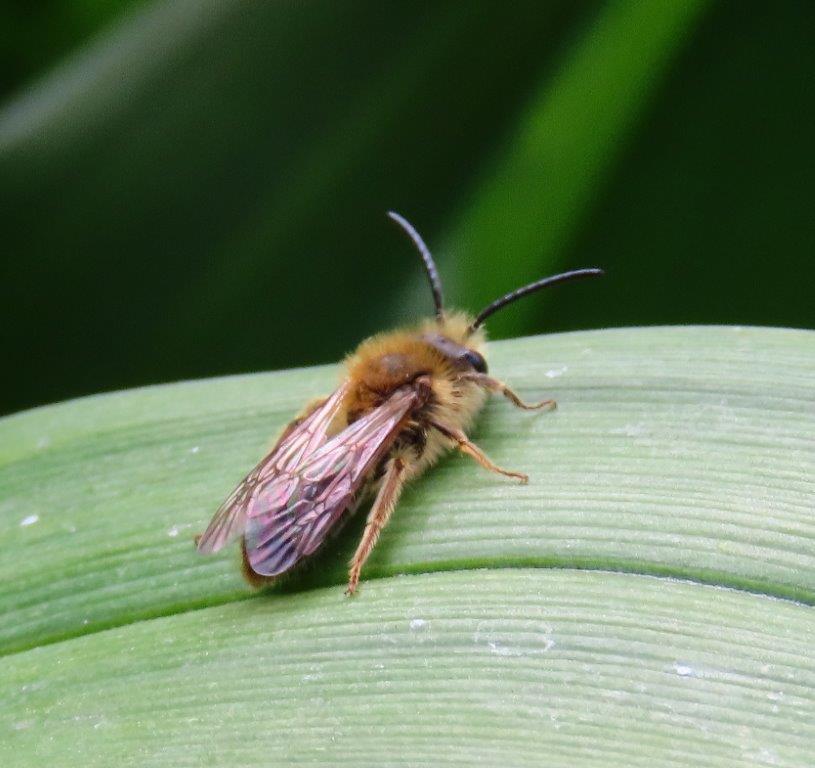
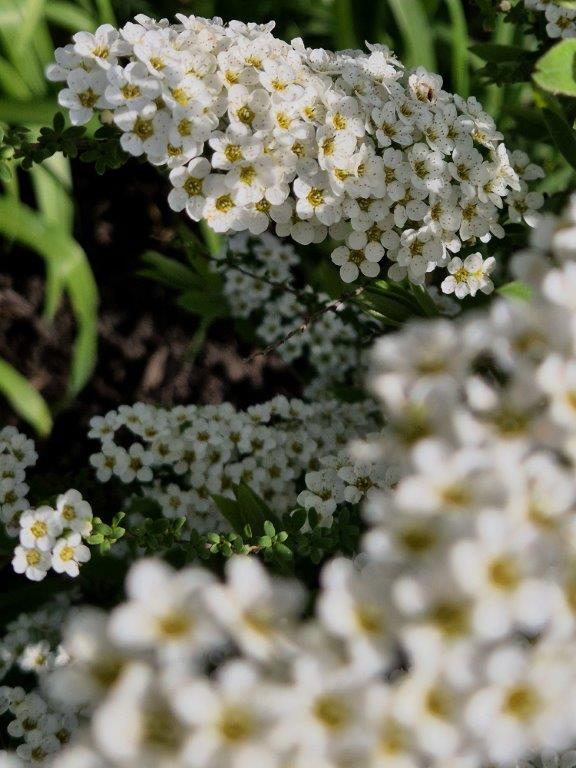
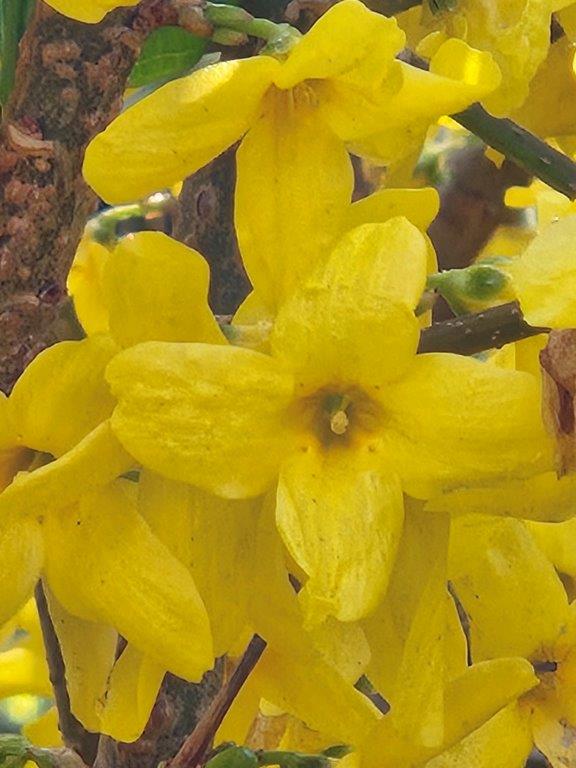
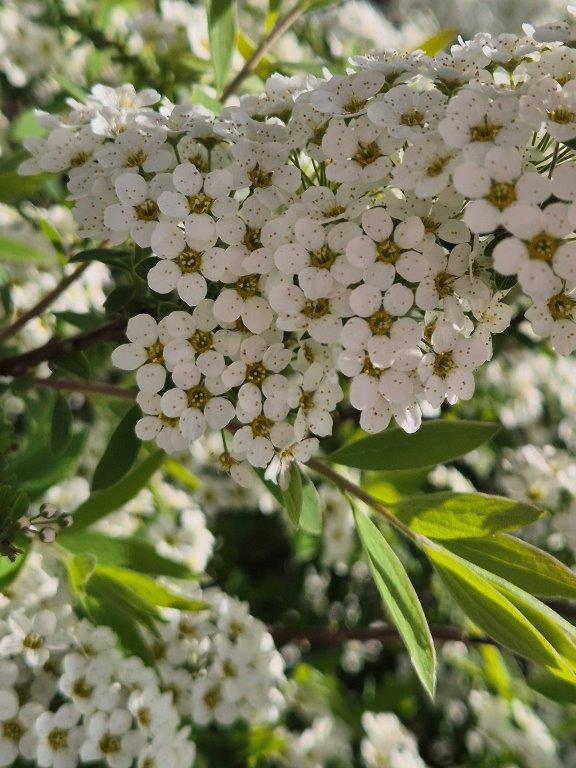
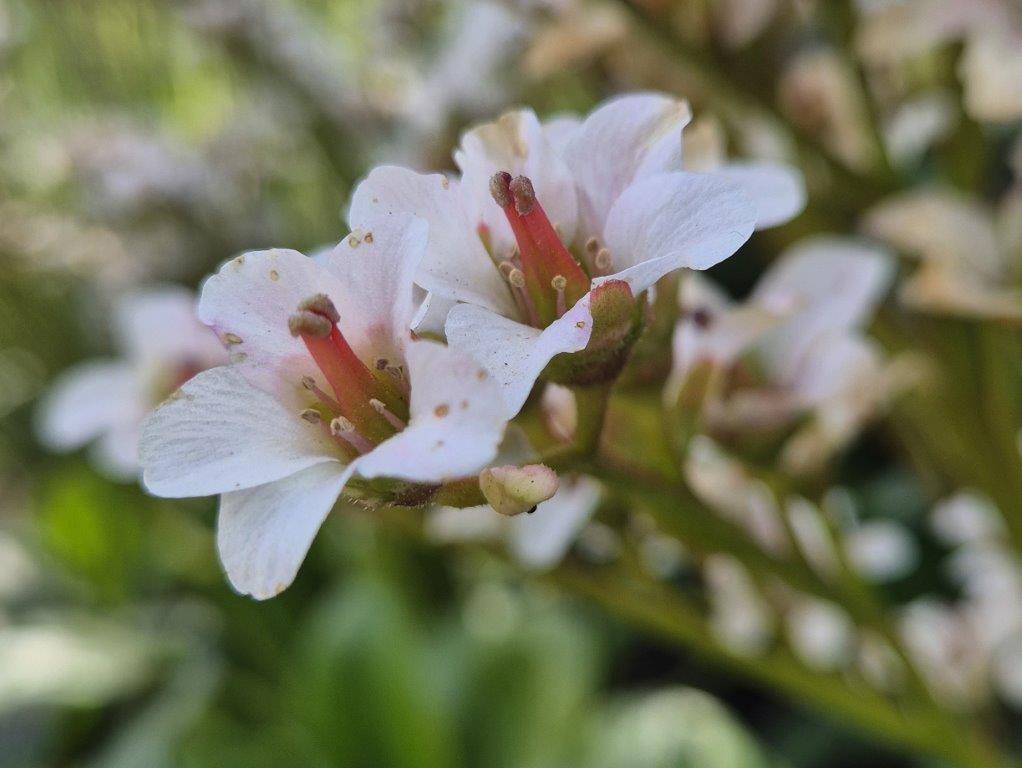
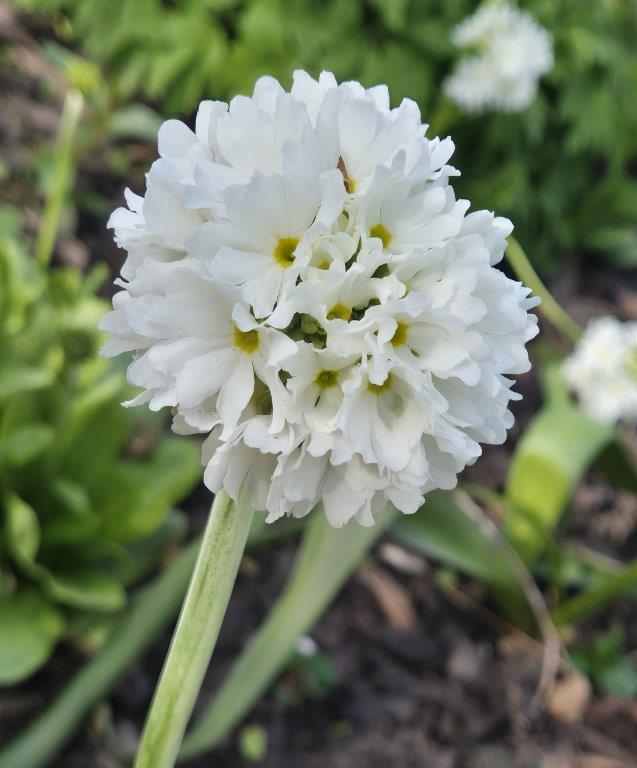
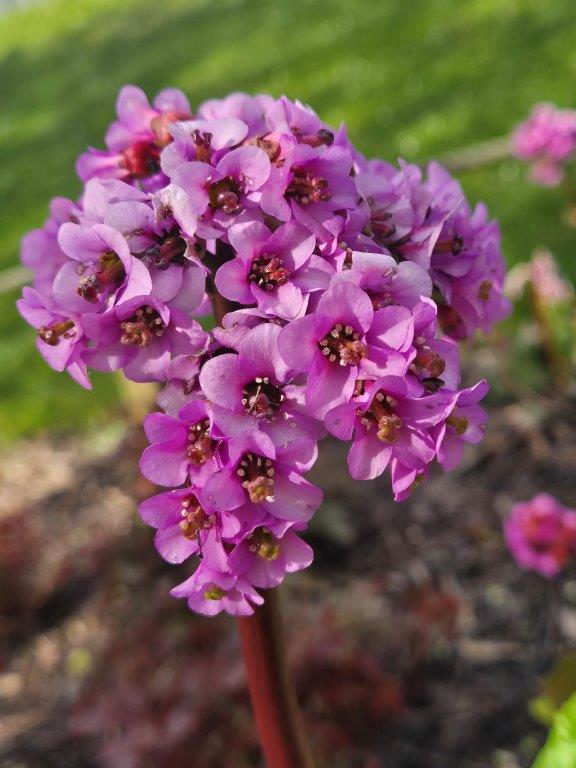
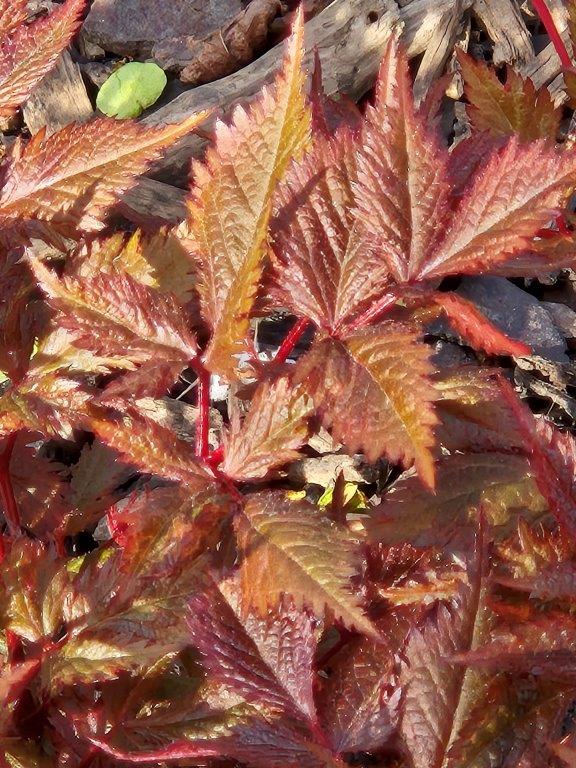
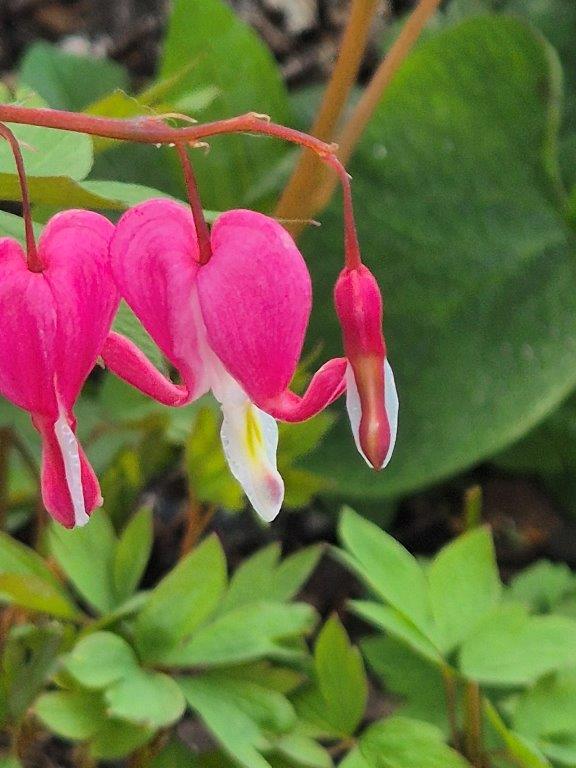
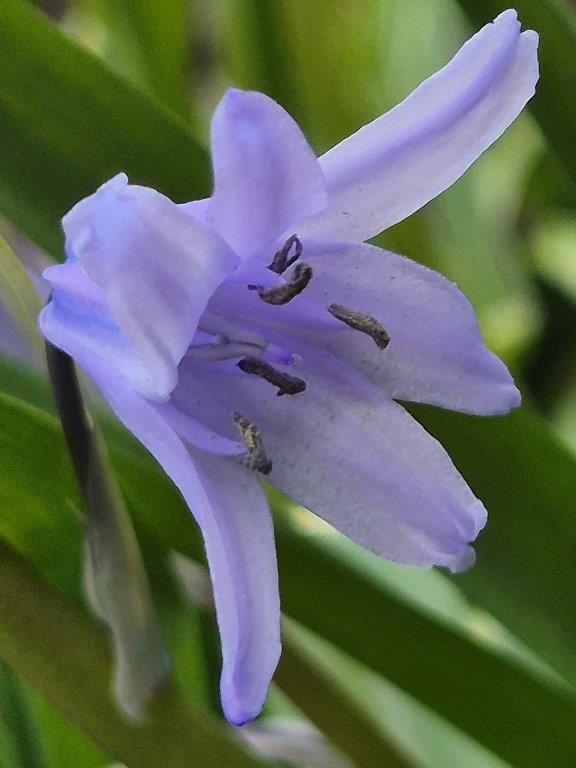
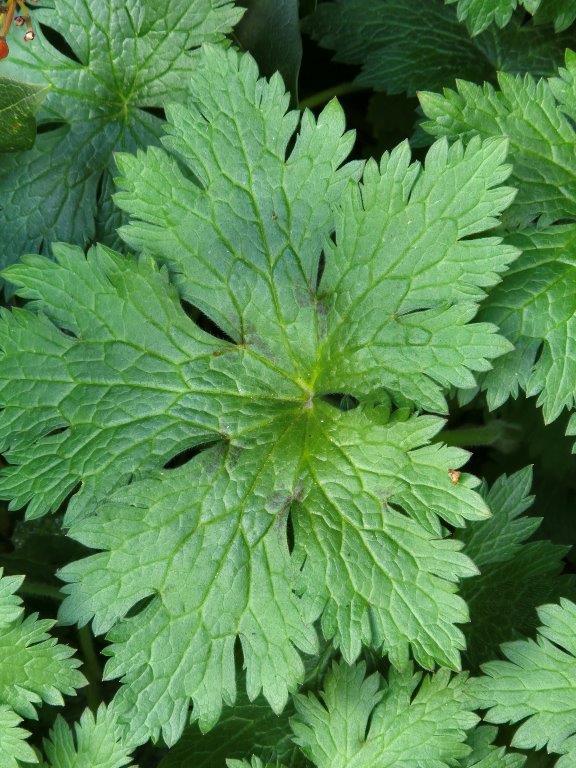
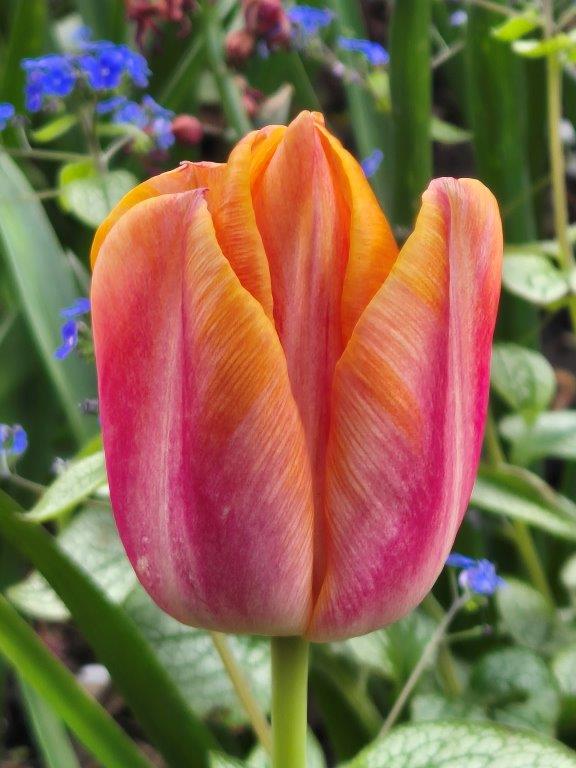
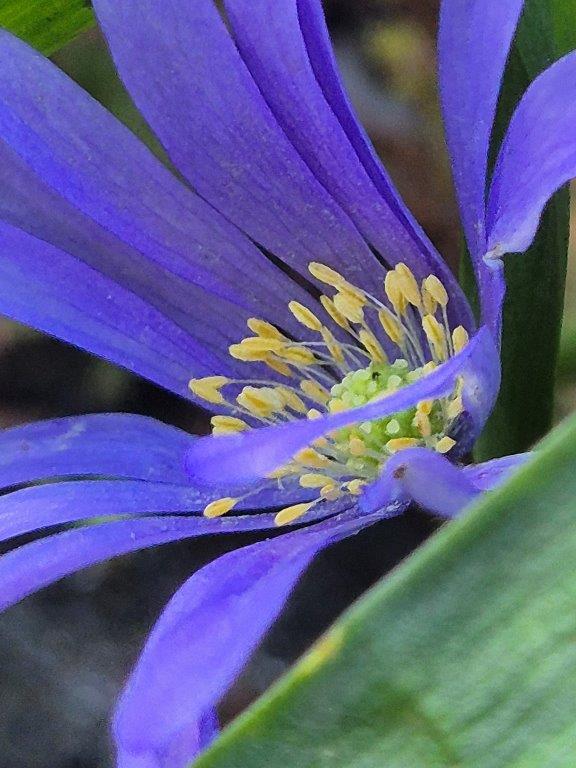
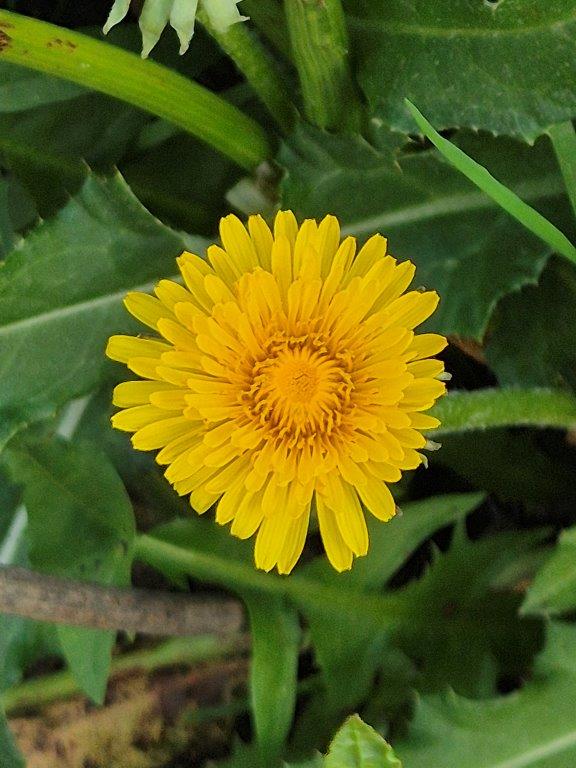
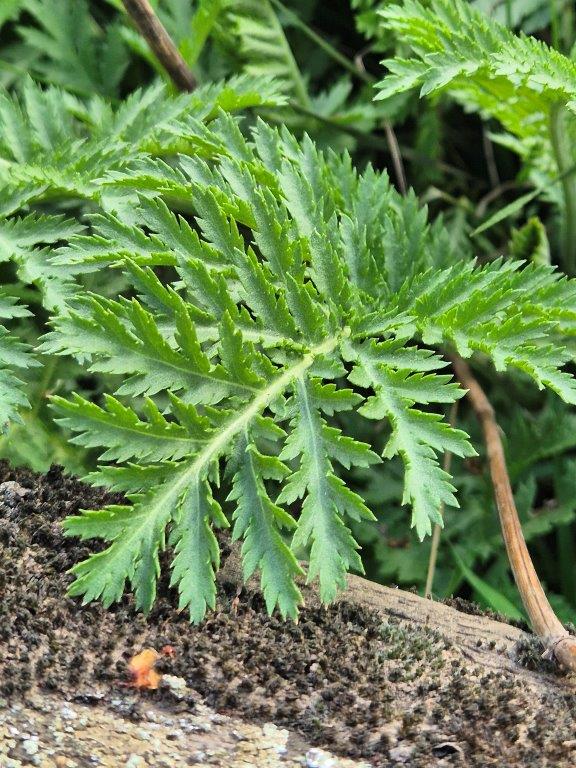
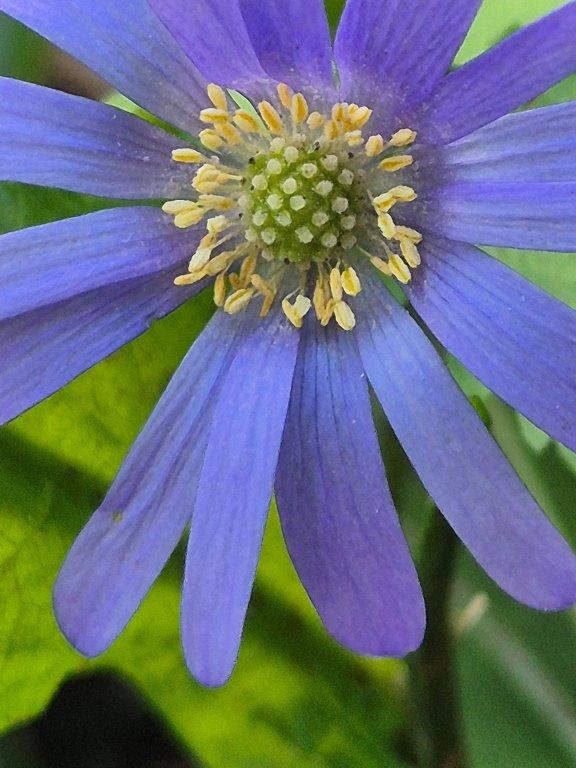
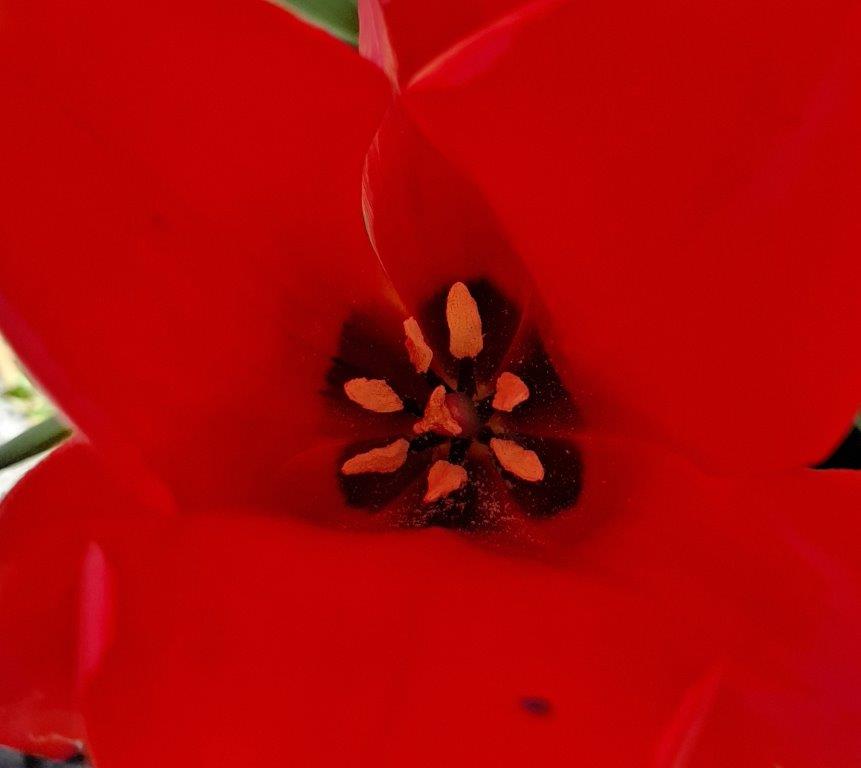
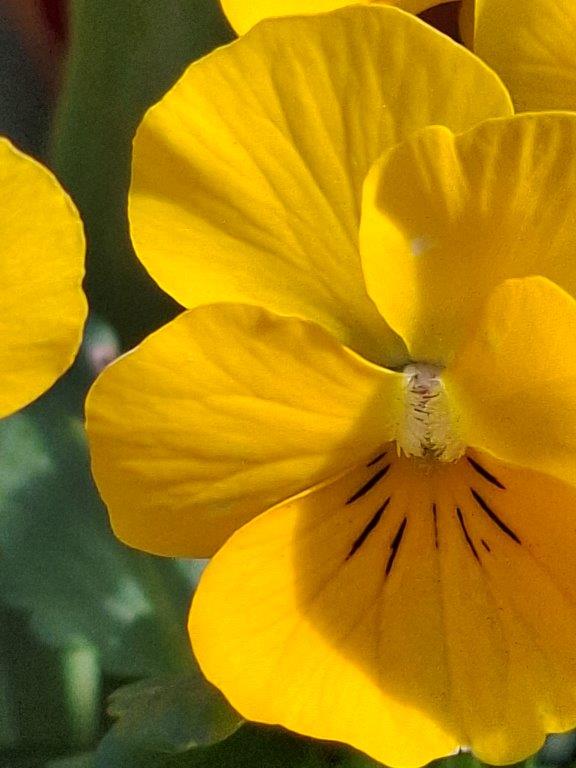
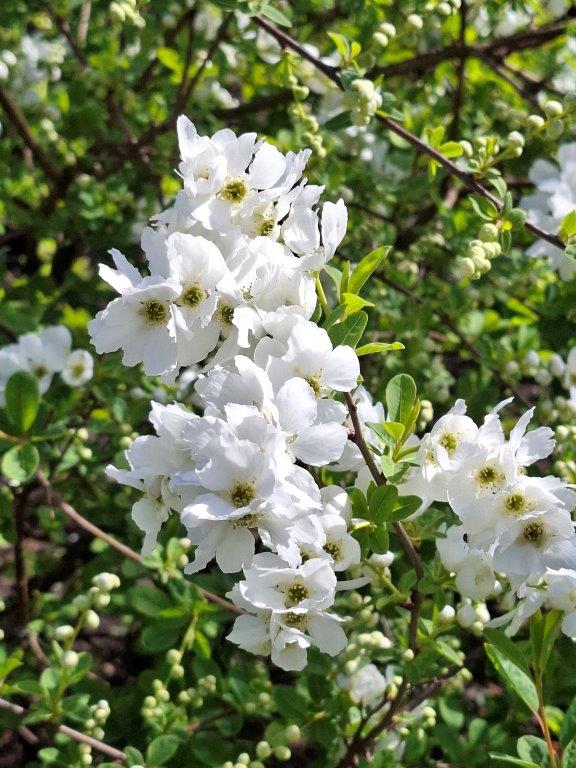
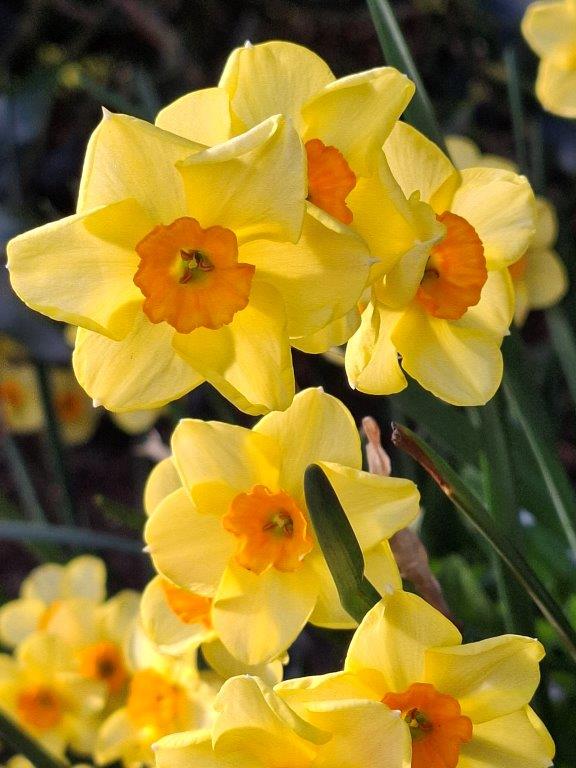
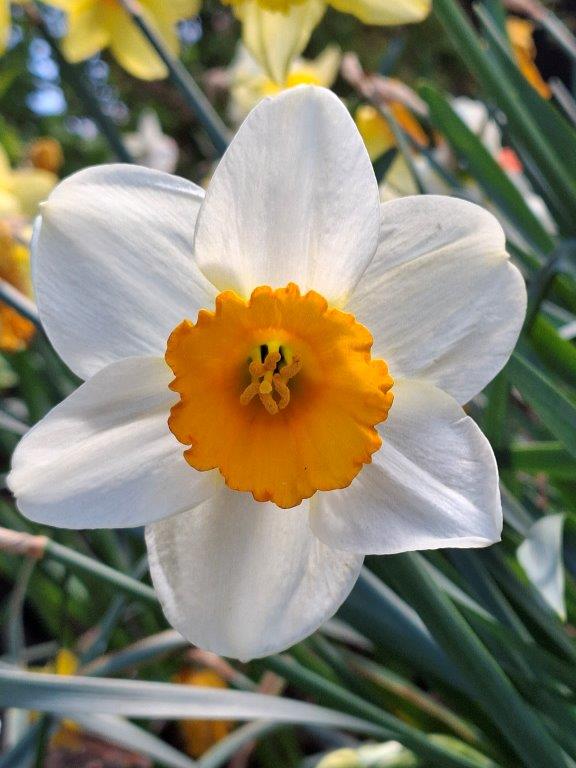
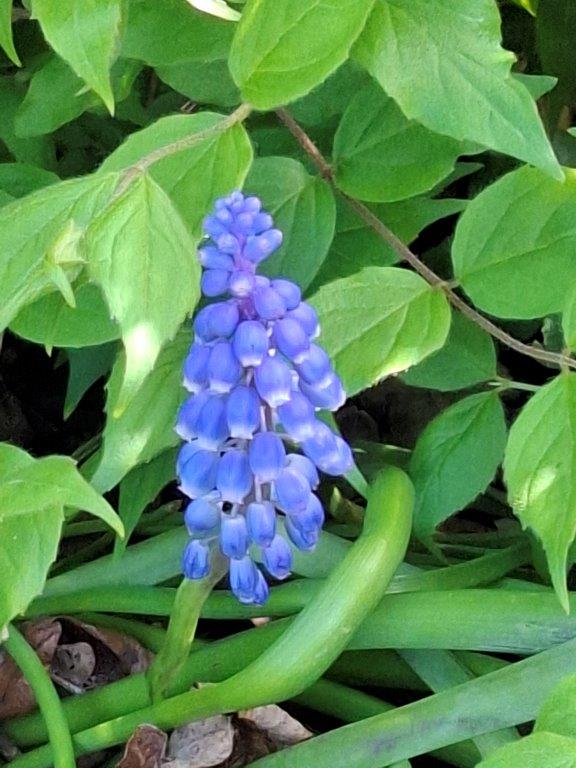
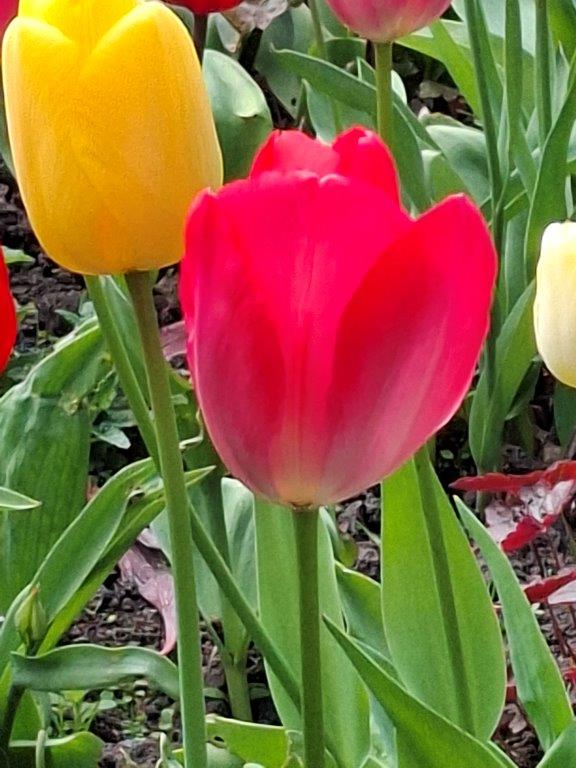
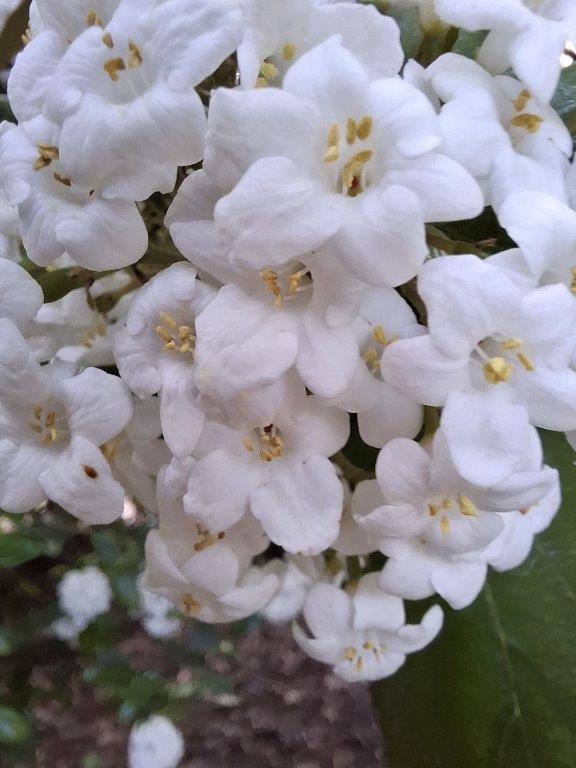
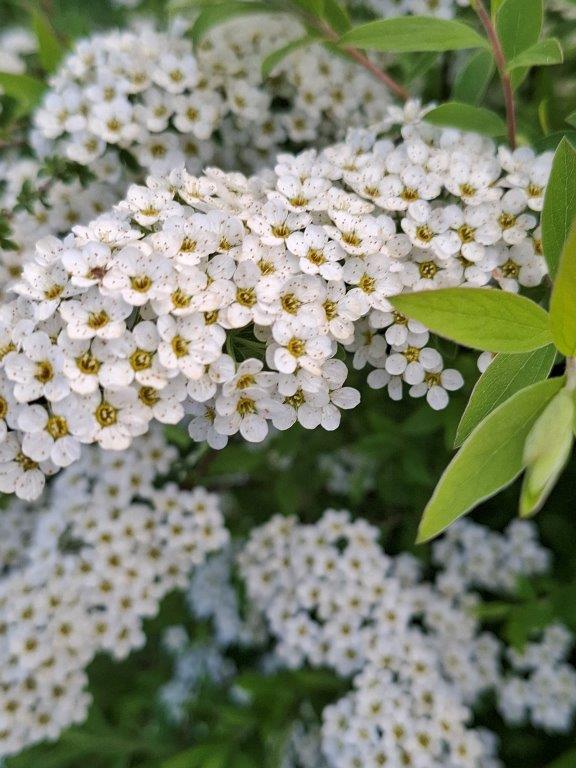
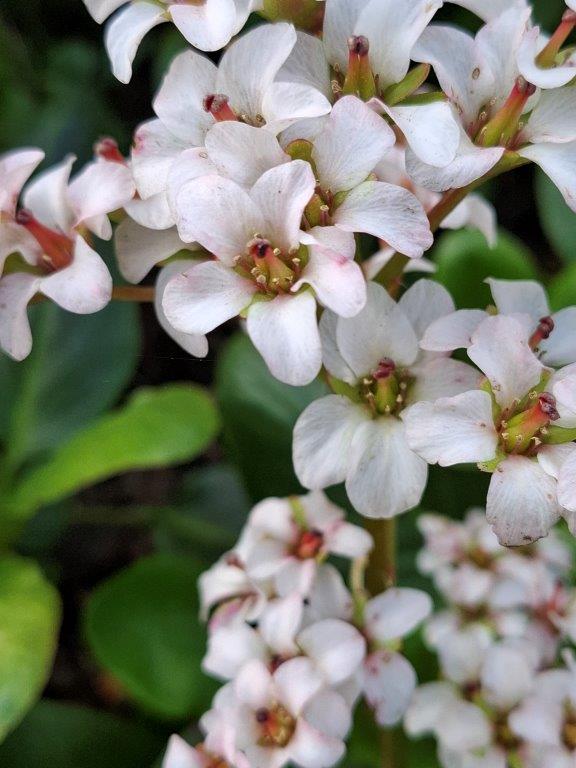
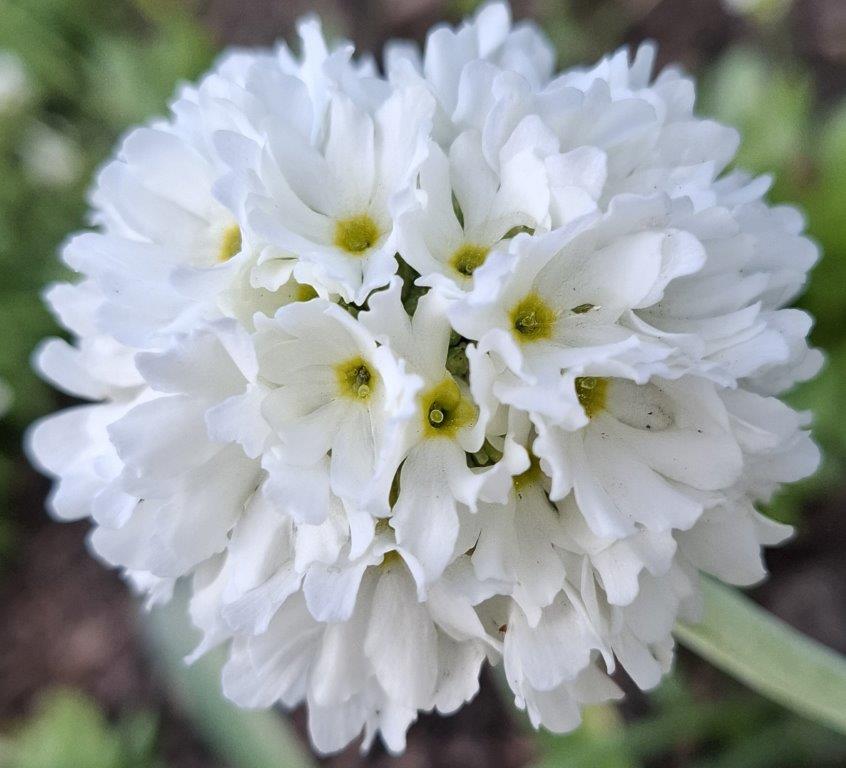
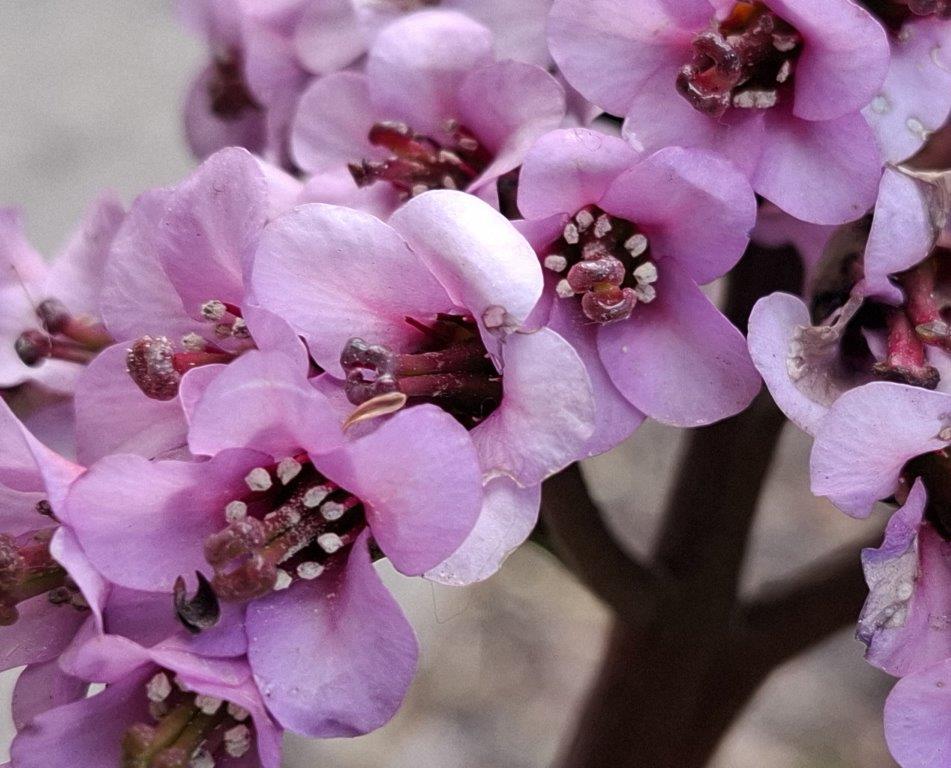
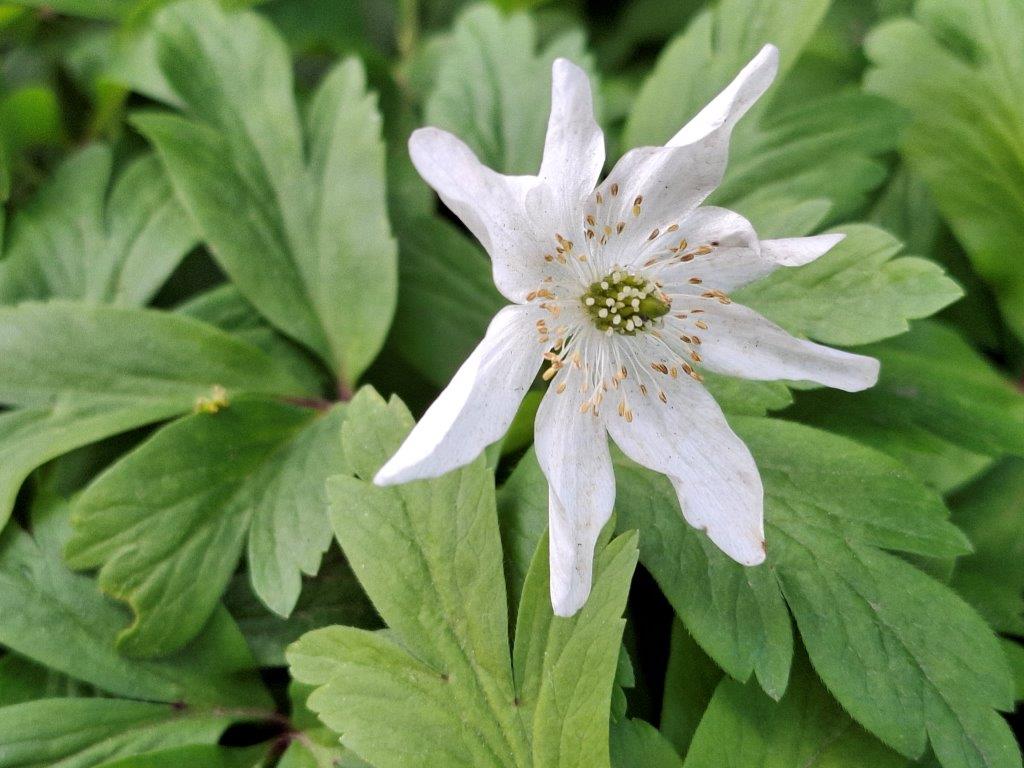
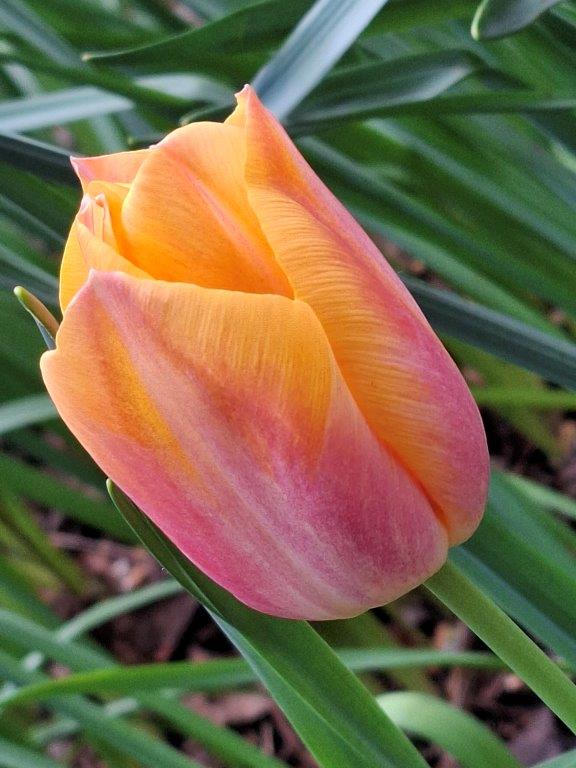
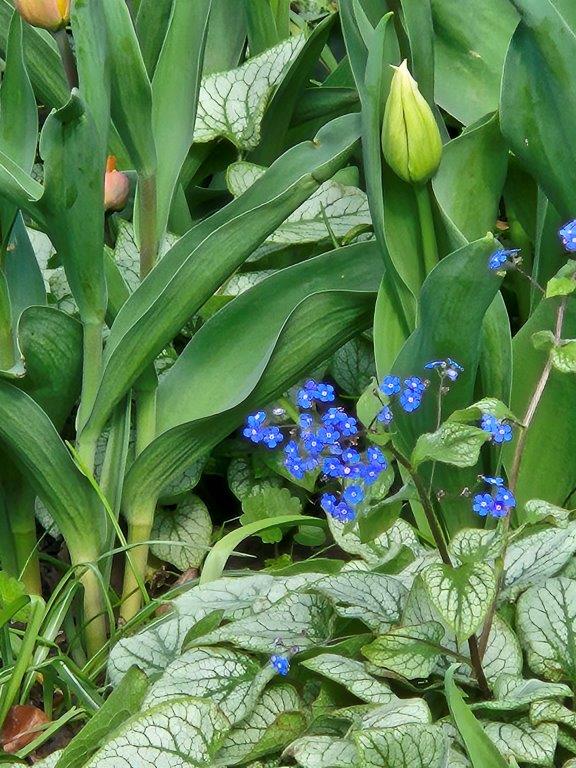
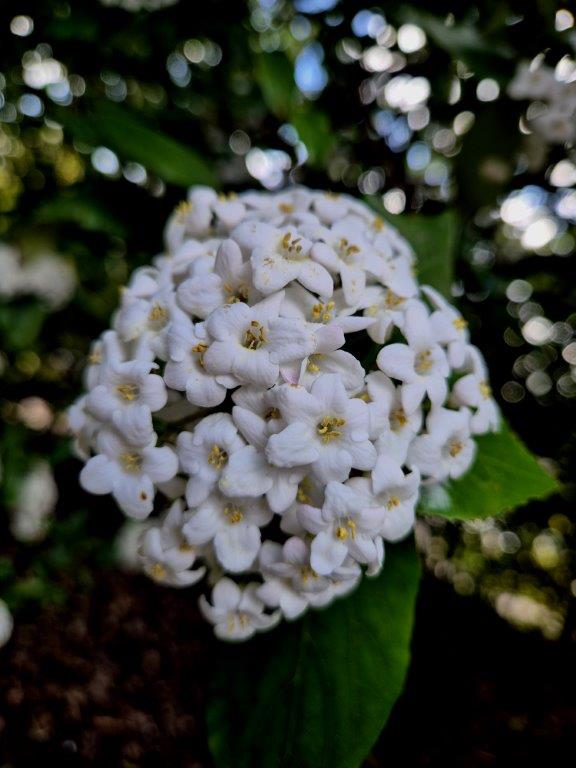
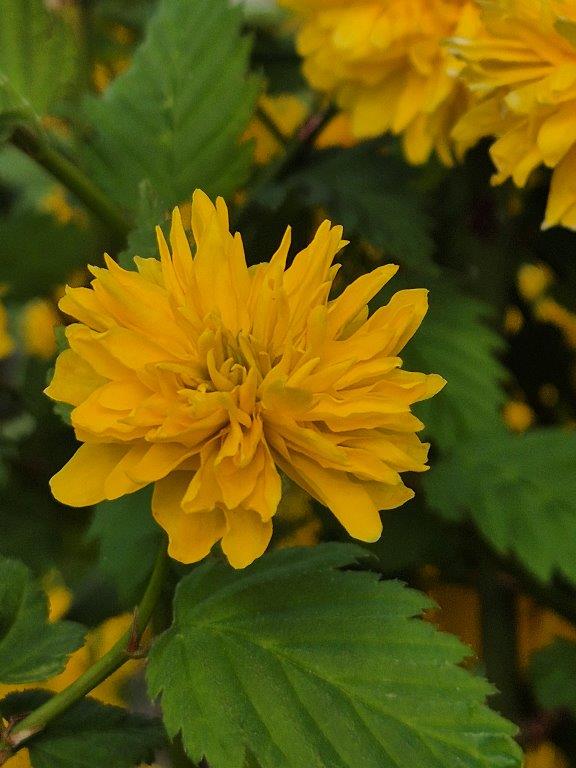
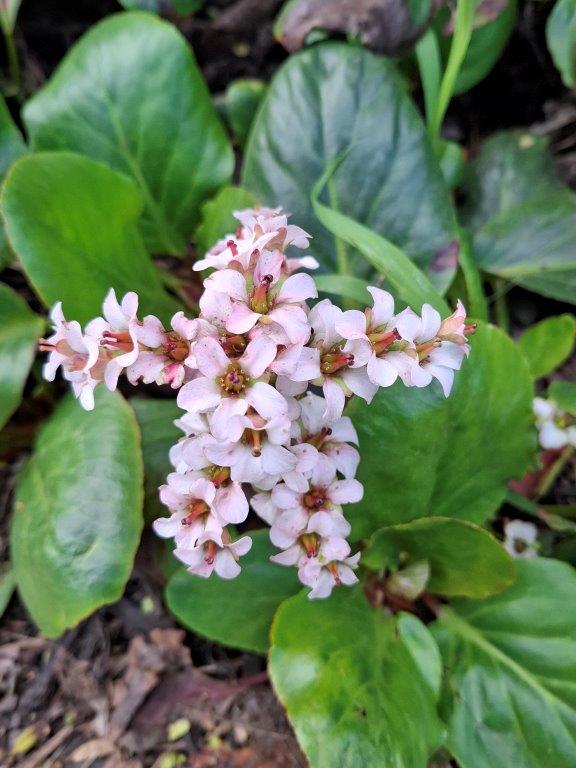
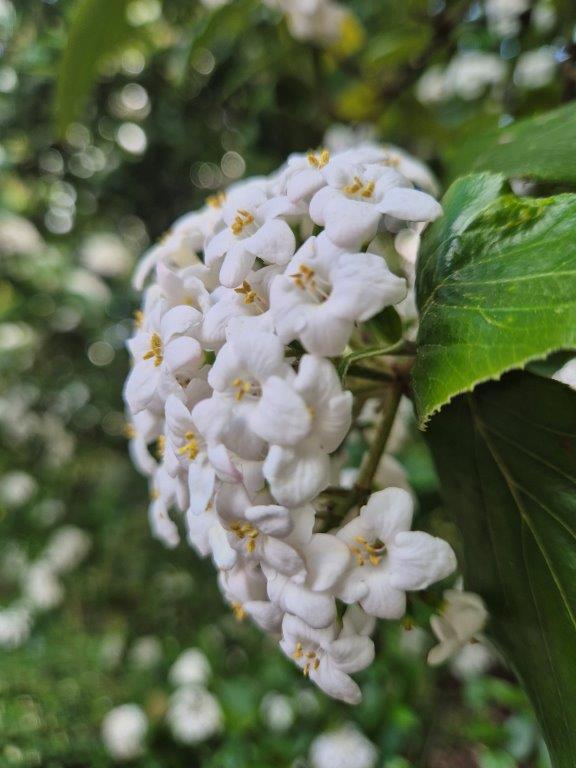
And the highlight of our holiday: the gardens were good for Eleanor too. Sometimes the Muse takes her, and she is happy for hours with a phone and some flowers. To finish this blog then, a selection of her photos from the Yorkshire Museum garden, photos I would be proud of. No names – just enjoy the world as seen through the eyes of an inquisitive eight-year-old! #ProudPapa.