Insect populations are ever-changing and those changes an endless source of fascination. In the first two weeks of May I have been to the gardens leading walks on two days and a further visit to try and reconfirm something I had seen on the previous occasion. And in that time the suite of insects has changed hugely, spring being ushered in by the advent of summer, even given the sometimes indifferent weather.
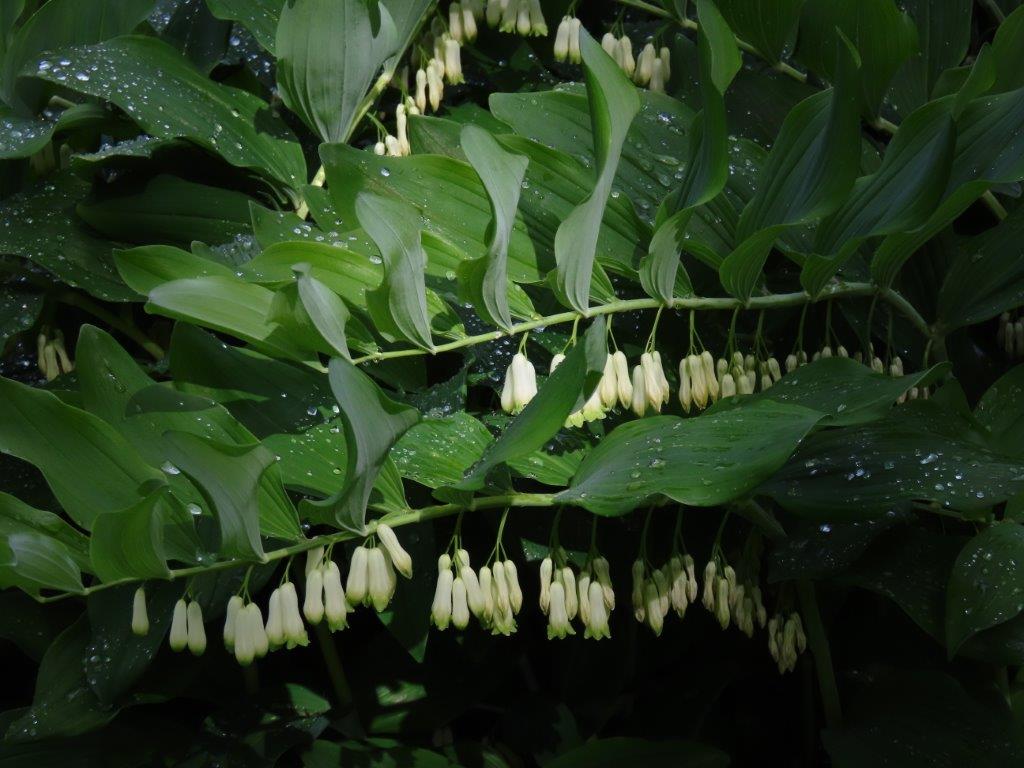
But there have been other changes too. We have seen several new arrivals to the garden, including sawflies, flies and beetles. Sawflies are actually wasps, ones that lack the wasp waist between thorax and abdomen, and have caterpillars rather like those of moths, rather than the grubs associated with most wasps. This seems to have been a Sawfly Spring, as I’ve seen more this year than ever before. There have been the regulars, Solomon’s Seal and Iris Sawflies all over their respective foodplants, and in a month or two the plants will be bearing the signs of larval chomping. Another species Selandria serva feeds on grasses, sedges and rushes, and has also been prominent around the garden – we have found it in the garden only a couple of times prior to this month. The National Biodiversity Network maps show only a couple of spots for this in Essex, but this is perhaps more down to the fact the sawflies are not a widely recorded group: spots on maps may represent more the distribution of competent observers rather than the beastie itself. All the comment below must bear that caveat!
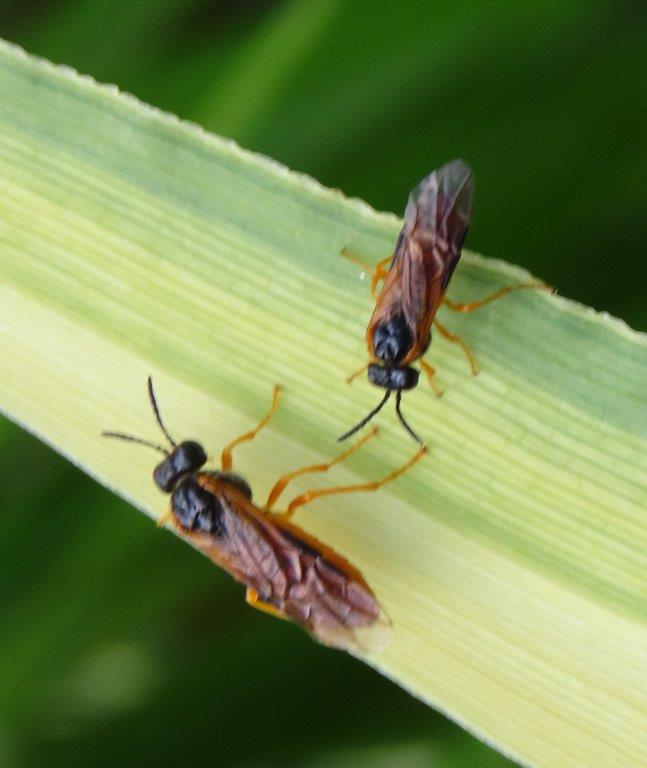
A couple of new garden records are of Macrophya species. M. albicincta is an Elder-feeder but doesn’t seem to have been recorded from Essex. And M. teutona seems even scarcer: it was first found in the UK last year near to Bury St Edmunds and the map shows just one other location close to the first. So ours might just be the third British record…and we would be a great place for it as its larvae feed on spurges.
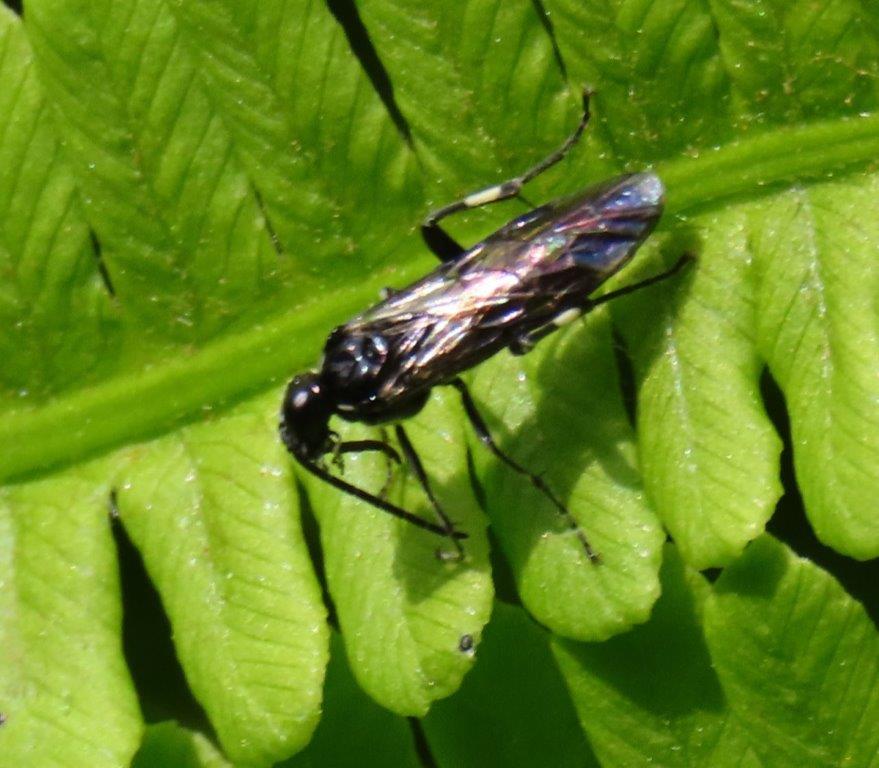
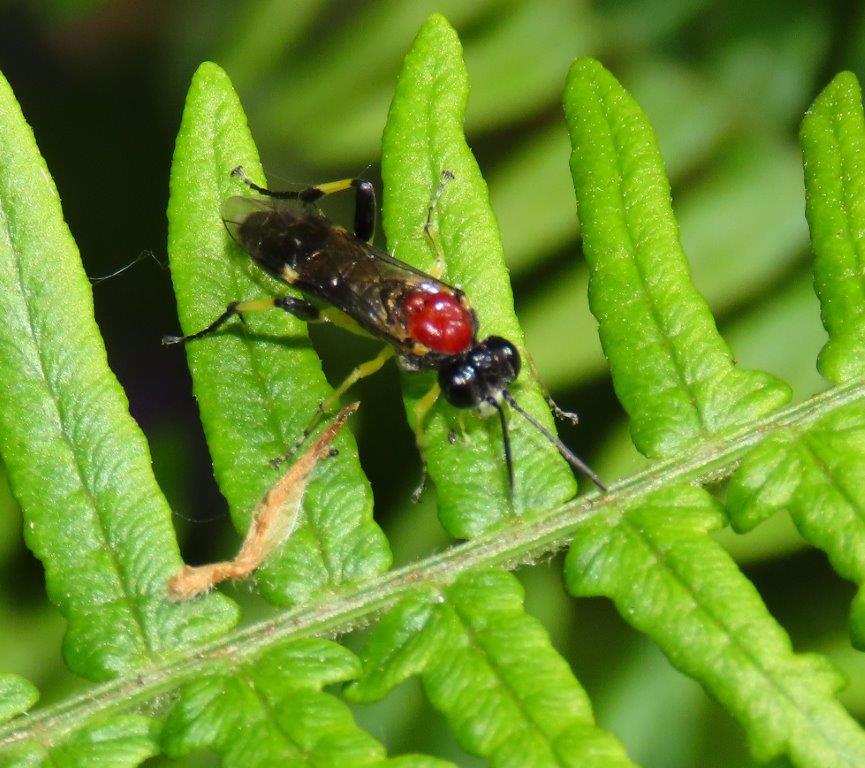
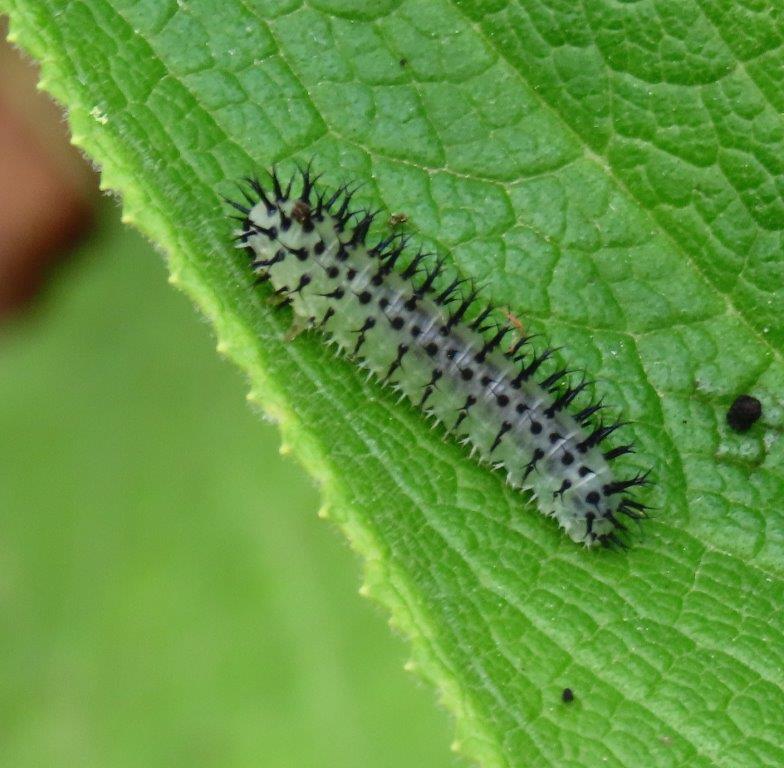
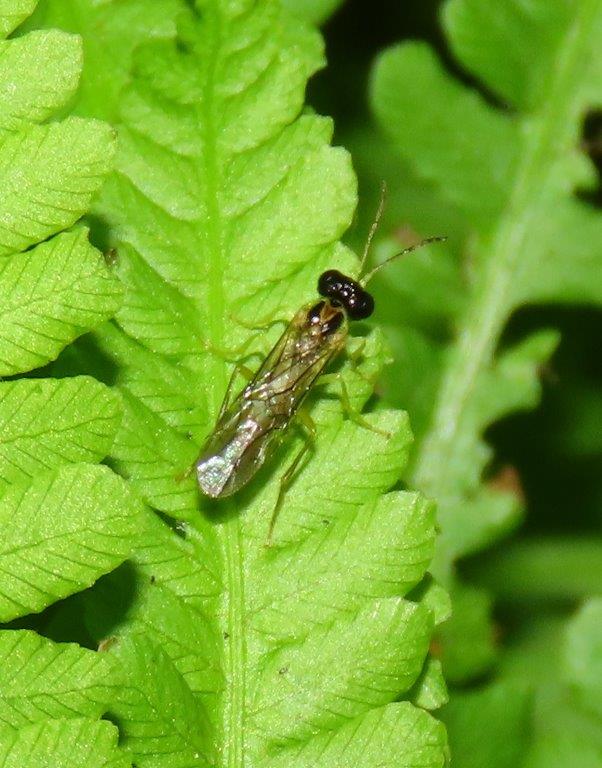
And more sawflies apparently new to Essex! Resting on a Foxglove leaf was the distinctive larva of Periclista pubescens, an oak-feeder and so had probably dropped from the tree above. And then were the lovely little black-headed sprites flittering around the bases of our ferns, Ostrich Fern especially. Evanescent creatures that almost disappeared as they were observed, they were Stromboceros delicatulus, the larvae of which feed on ferns and so not surprisingly recorded mostly in the damper corners of our nation.
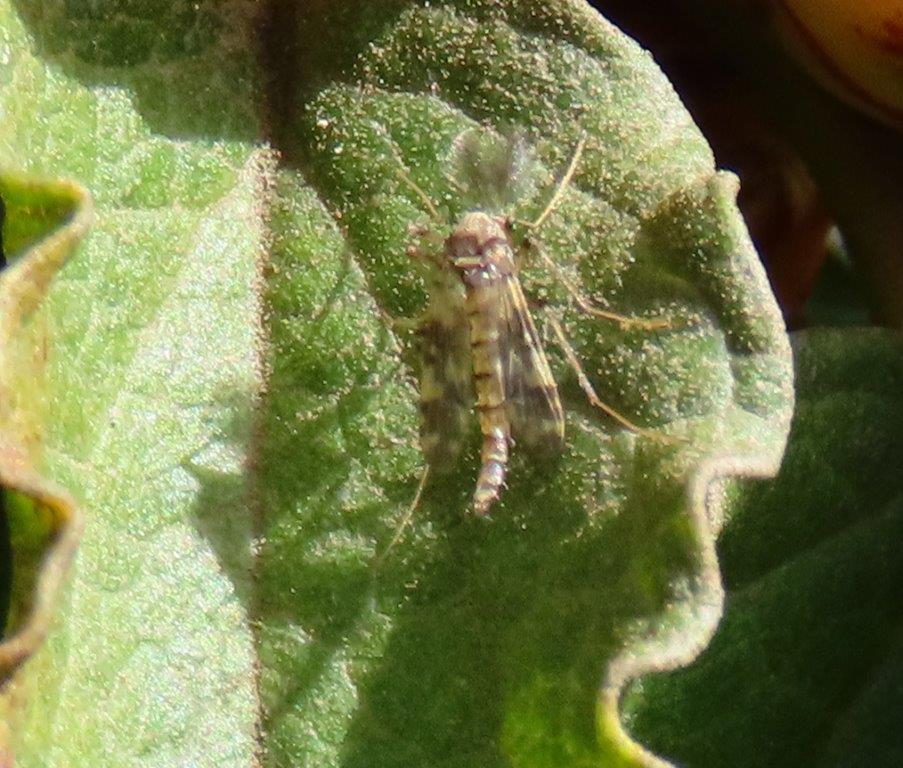
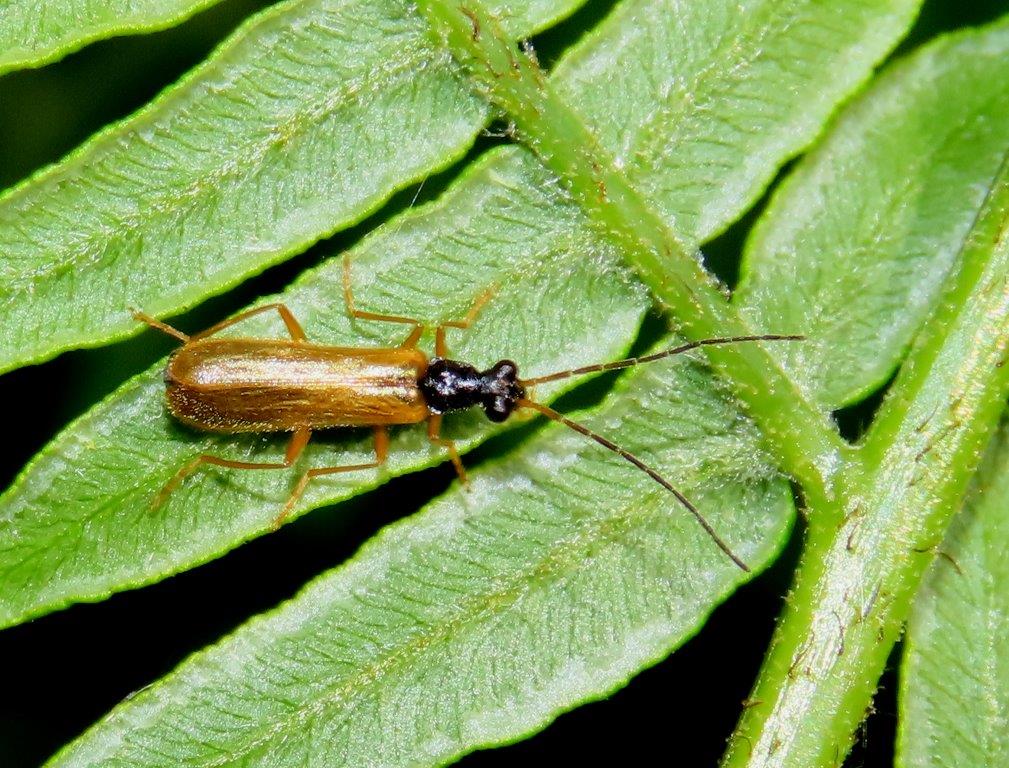
But new insects for the garden were not all sawflies. The cloudy-winged non-biting midge Psectrotanypus varius and soldier beetle Rhagonycha lignosa are both only sparsely scattered in Essex, most localities being in the west of the county.
But for me the most exciting newbie was another beetle, a spotty chafer Oxythyrea funesta that is an old friend from my travels in Mediterranean regions. It has cropped up sporadically in the UK, probably mostly from accidental imports with plants, but over the last decade seems to have become pretty well established, especially in London and round Portsmouth. There are probably a couple of other Essex records, at least one of which in a garden centre is likely to be an accidental import. No such likelihood with ours though, given that all our stock is home-grown.
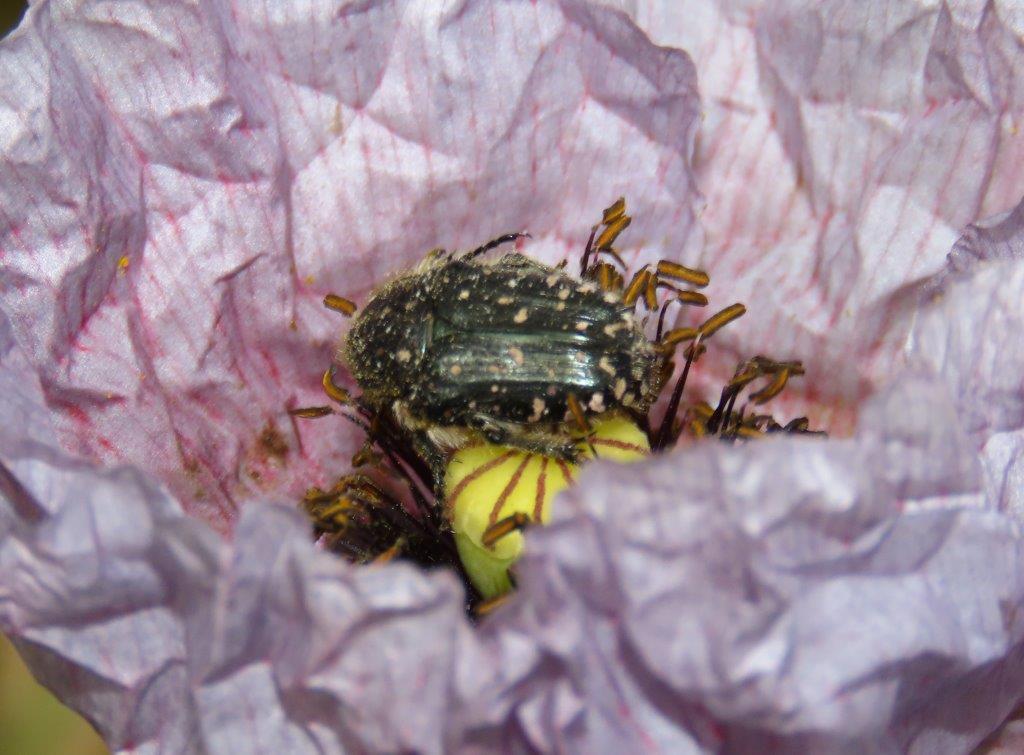
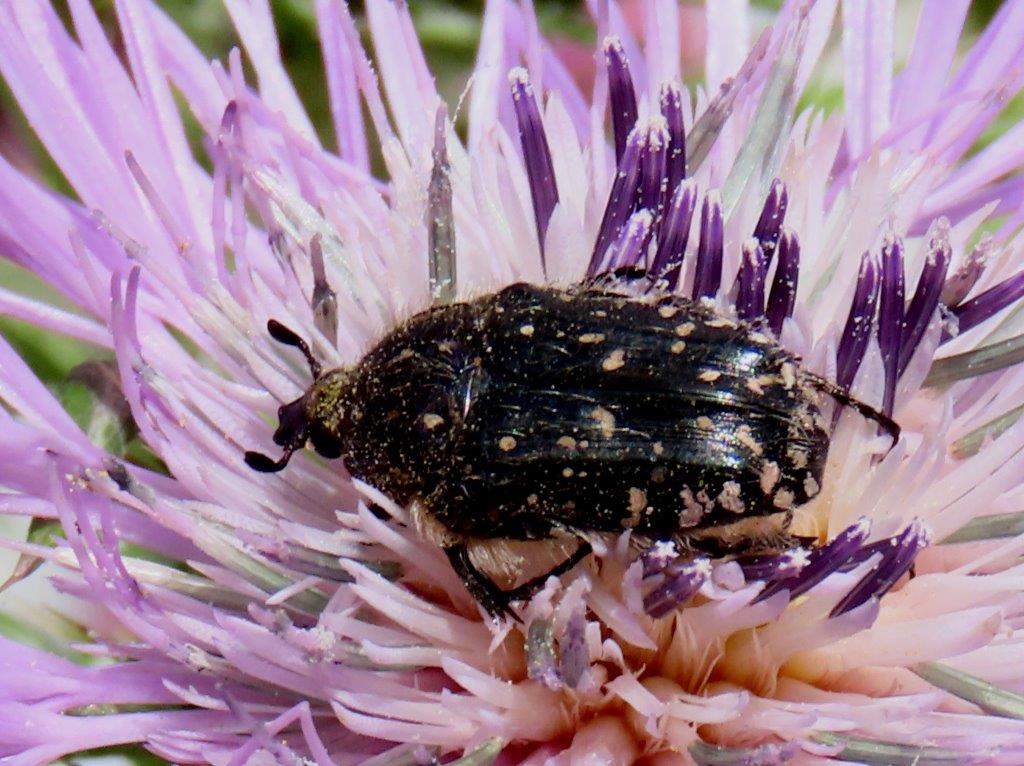
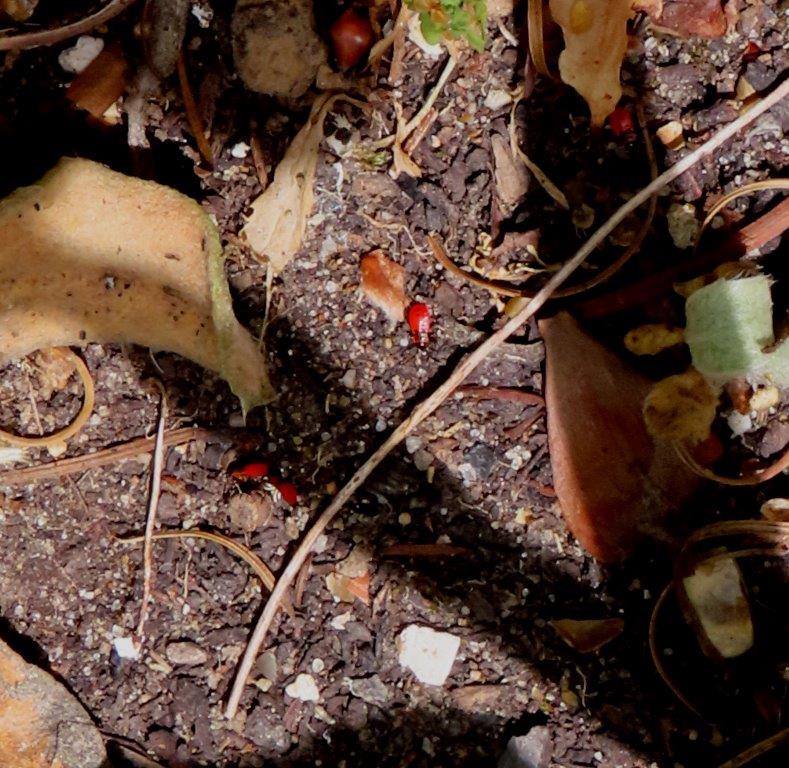
It was wonderful to watch it (or just possibly two of them) chomping the poppy and Galactites stamens in the hottest part of the garden, against the south wall of Beth’s house. The image of one sitting in Galactites will linger long in my memory, an instant transportation to one of the places I love most, Menorca. And if I am not travelling to such places so much any more, conscious of our granddaughter’s future in an already overheated world, I can console myself with the thought that I don’t need to: the Mediterranean fauna is coming to me! That impression was solidified yesterday when the soil below the chafer started to crawl with little orange morsels, first instar nymphs of the Firebug. Another constant companion in southern Europe, these have become established in Britain only within the past decade, including many places in northeast Essex. But hitherto, until the staff started seeing the adults a month ago, not in Beth Chatto Gardens: well, they are here now – and breeding!
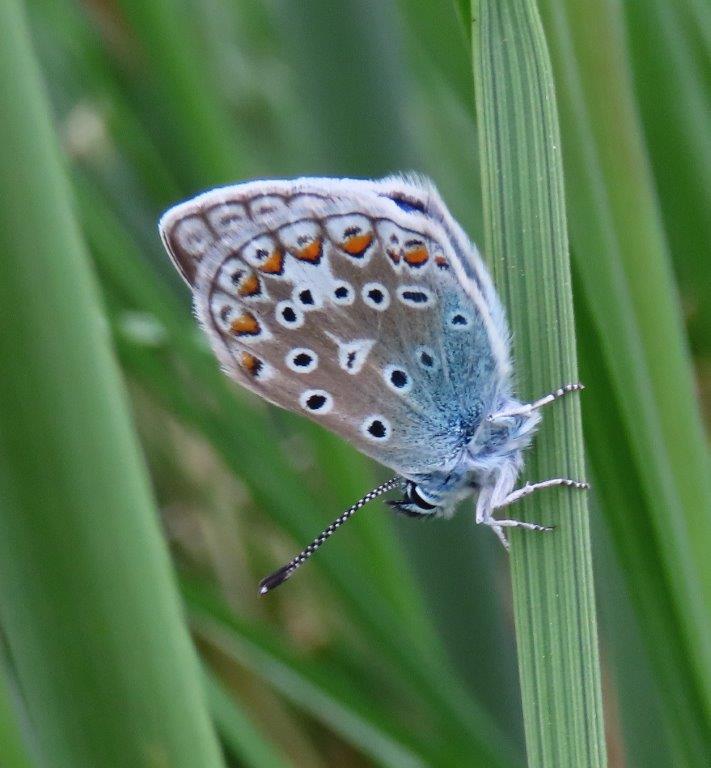
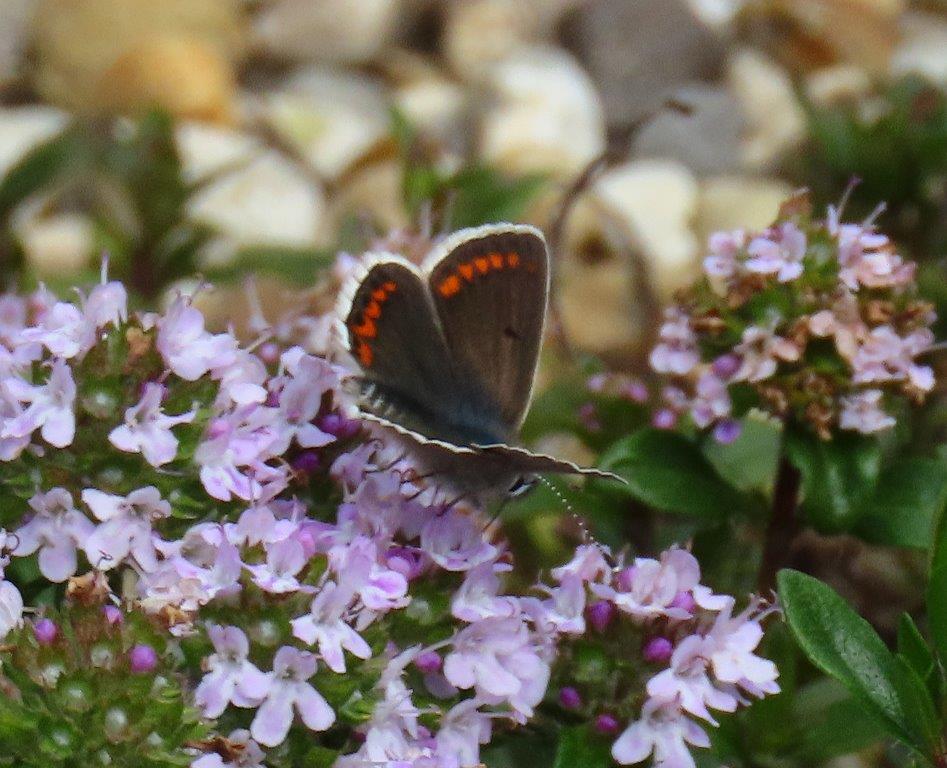
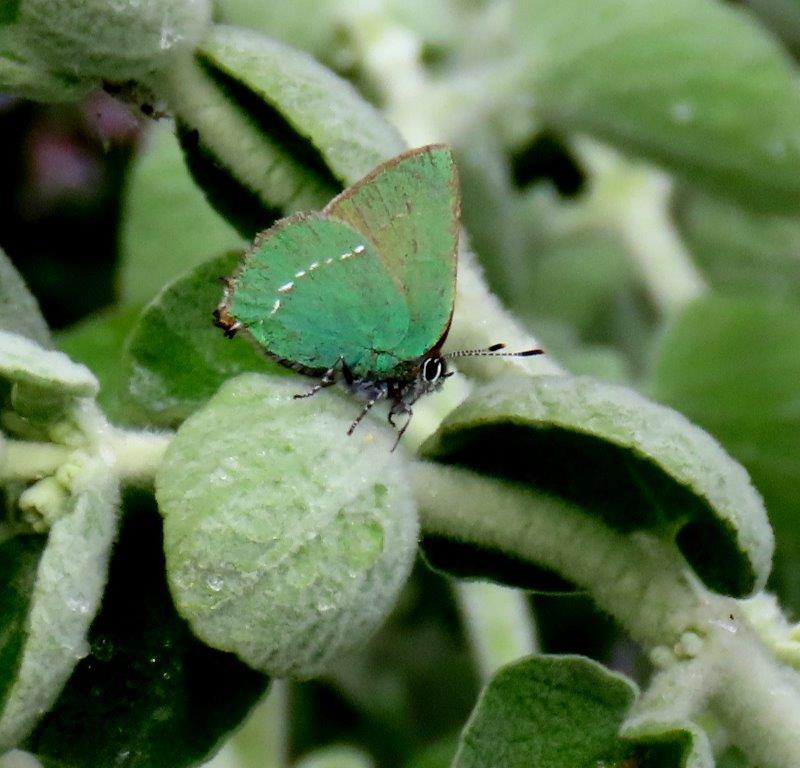
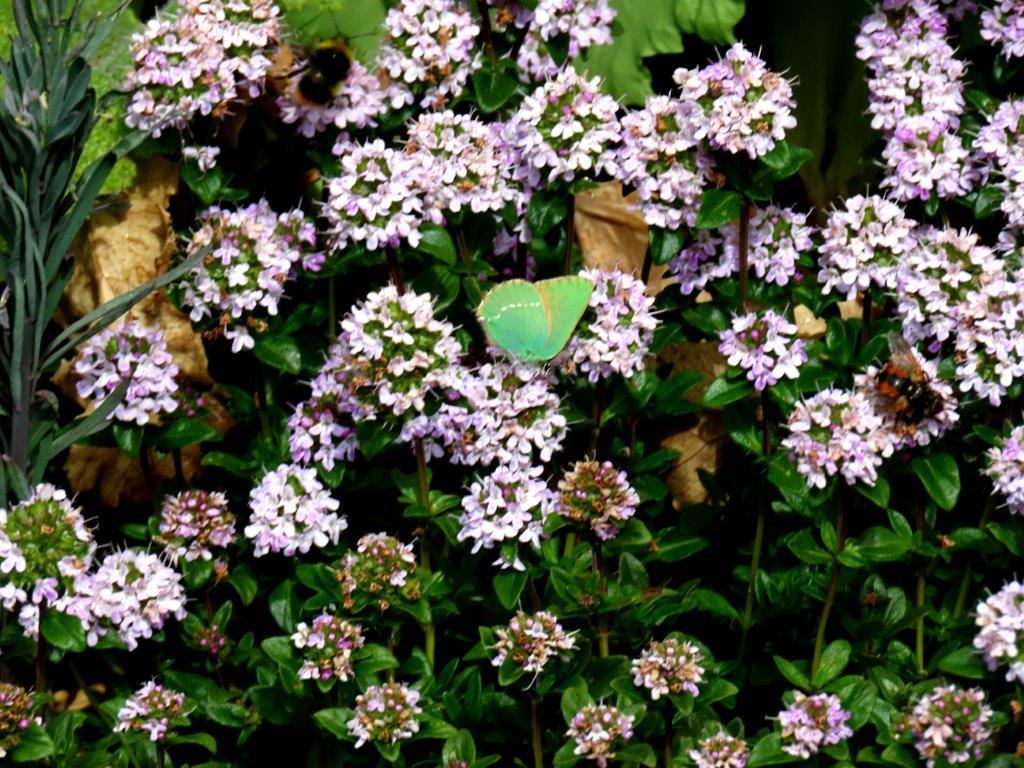
What of other sightings? Well, the butterflies seem to have hit their ‘June gap’ early. Most overwinterers and spring specialists have gone, but the summer emergers are starting, with both Common Blue and Brown Argus. And one of my groups was entranced by half-a-dozen Green Hairstreaks nectaring on a bed of Thyme, and resting much less obtrusively on surrounding vegetation.
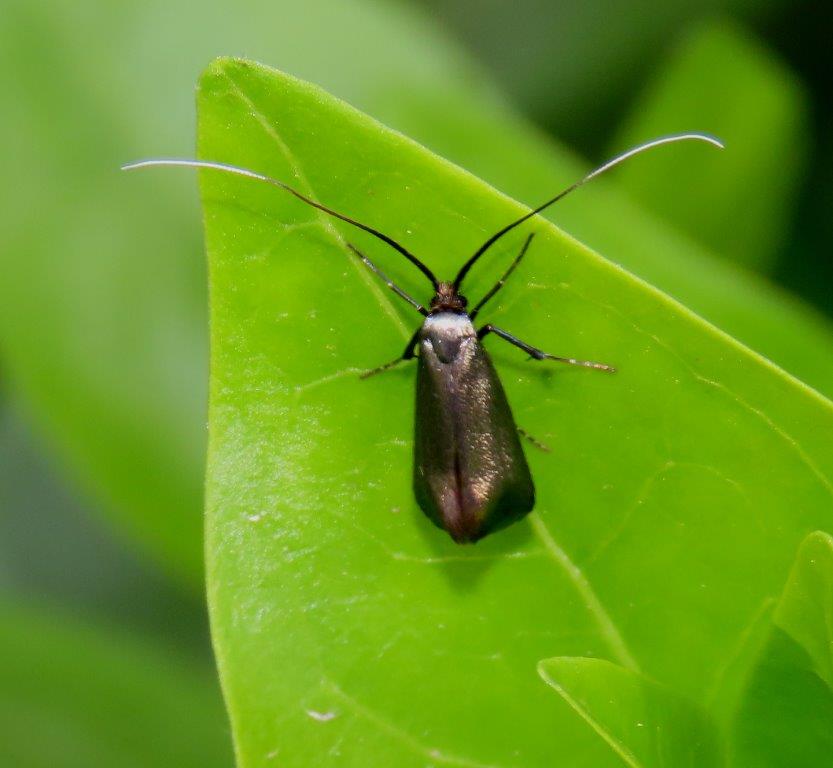
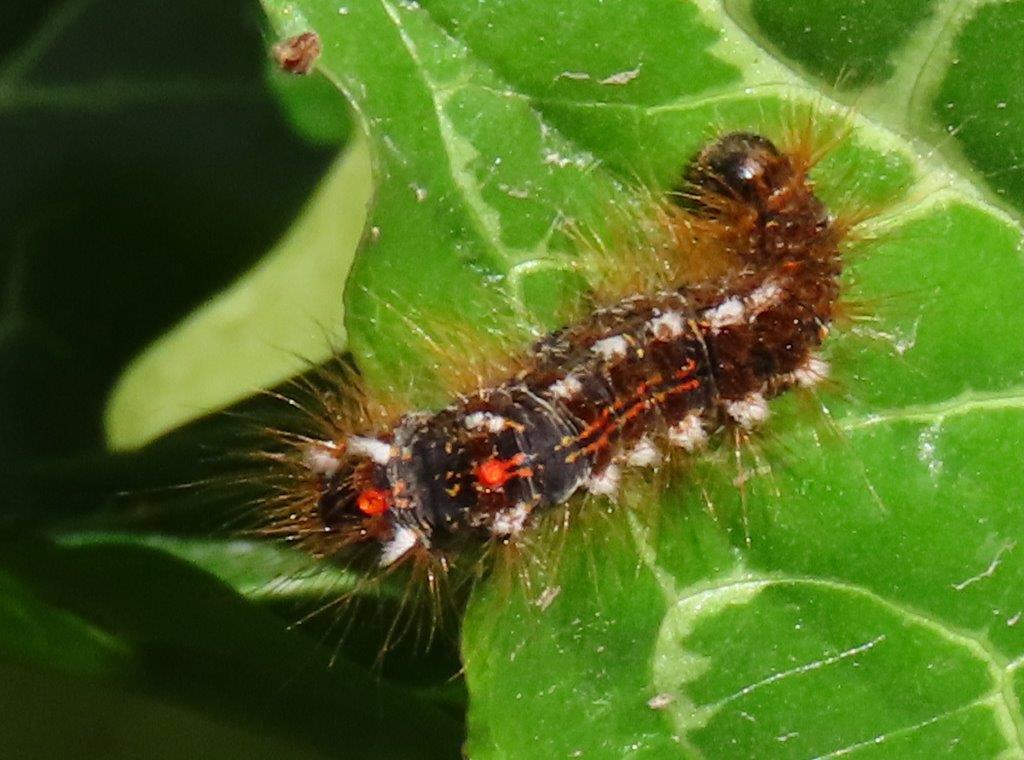
There was been a reasonably large emergence of Green Longhorn moths, dancing around when the weather was warm and still enough. And there seem to be Brown-tail Moths everywhere, thankfully not it seems in rampaging, defoliating hordes, but in some cases experimenting with food choice, such as Large Lord’s-and-Ladies.
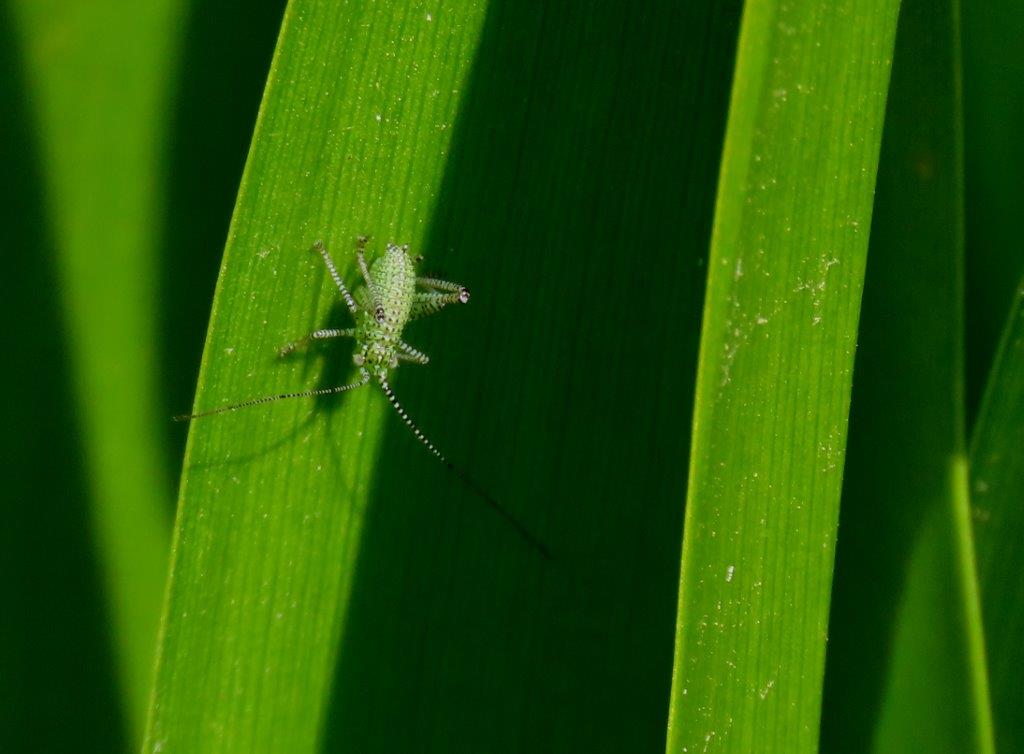
As summer approached so we are expecting the songs of grasshoppers and bush-crickets to fill our quit moment. And here they come, a first instar Speckled Bush-cricket is out of the starting blocks…
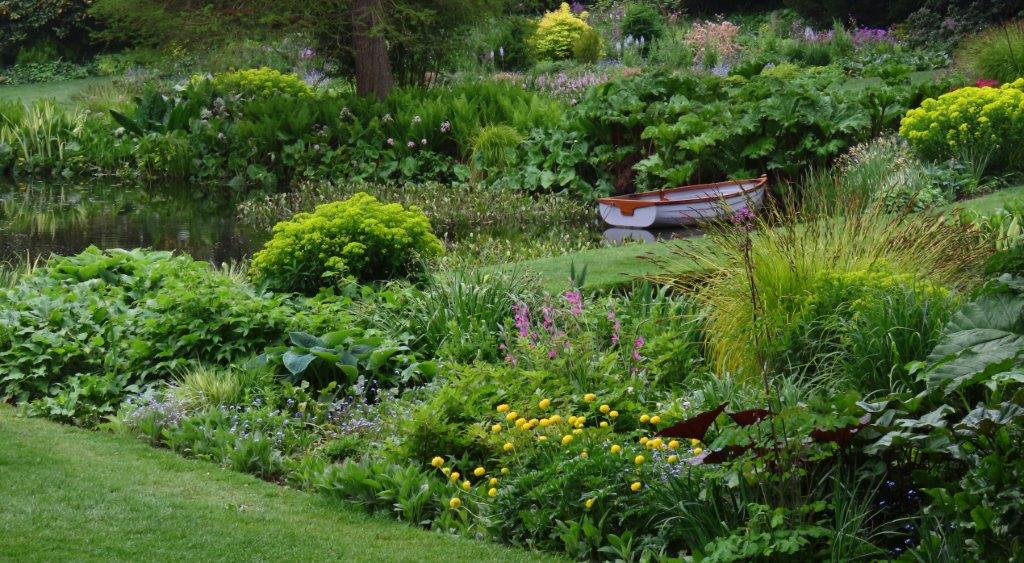
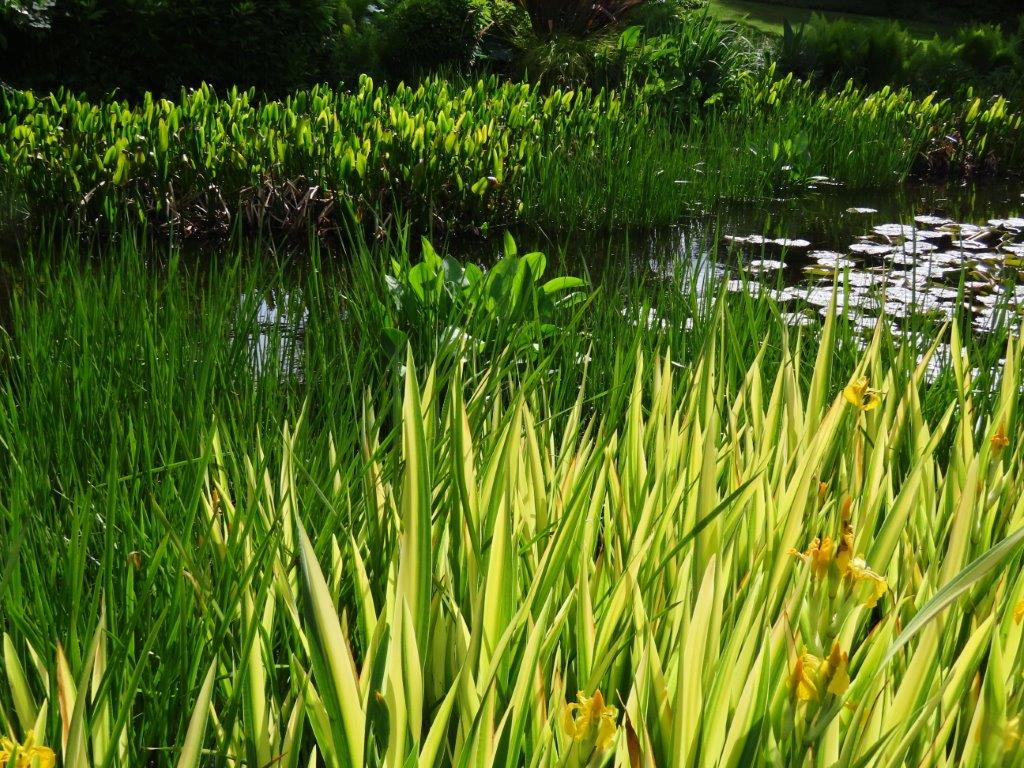
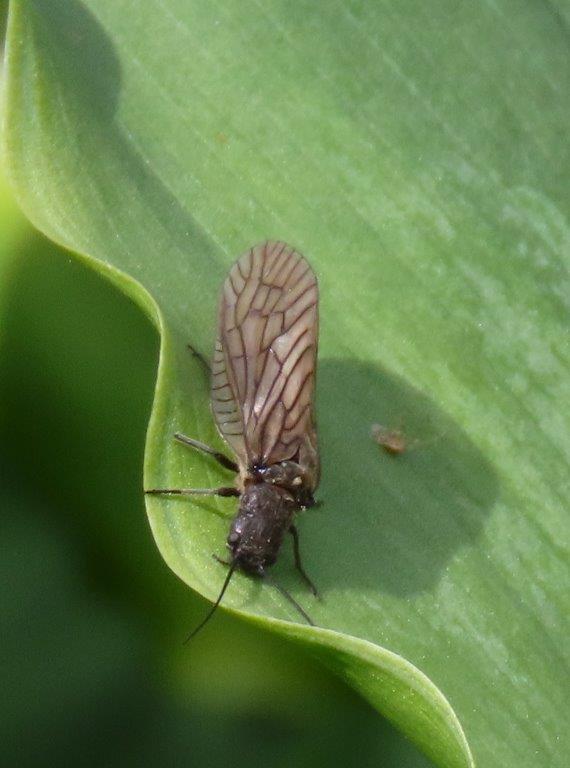
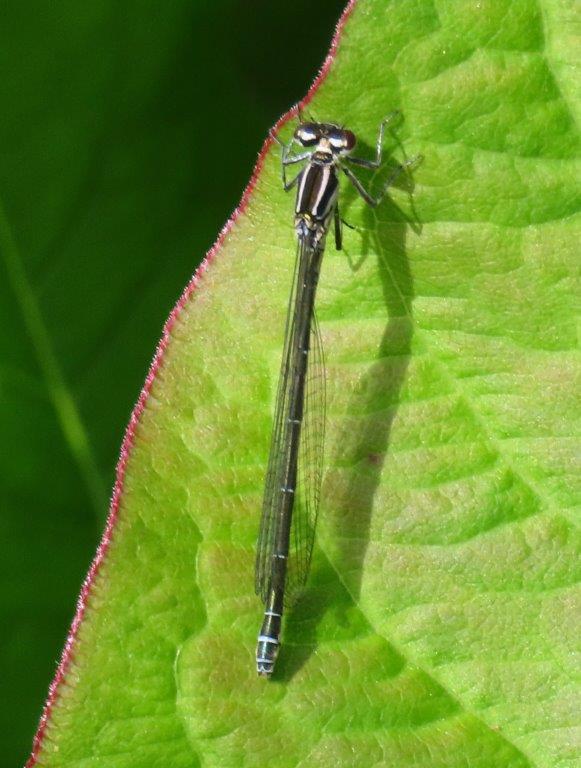
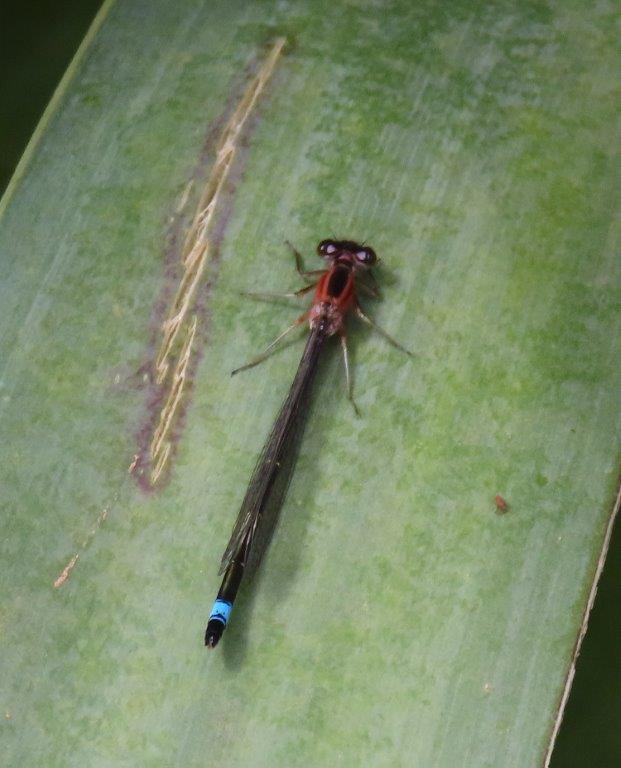
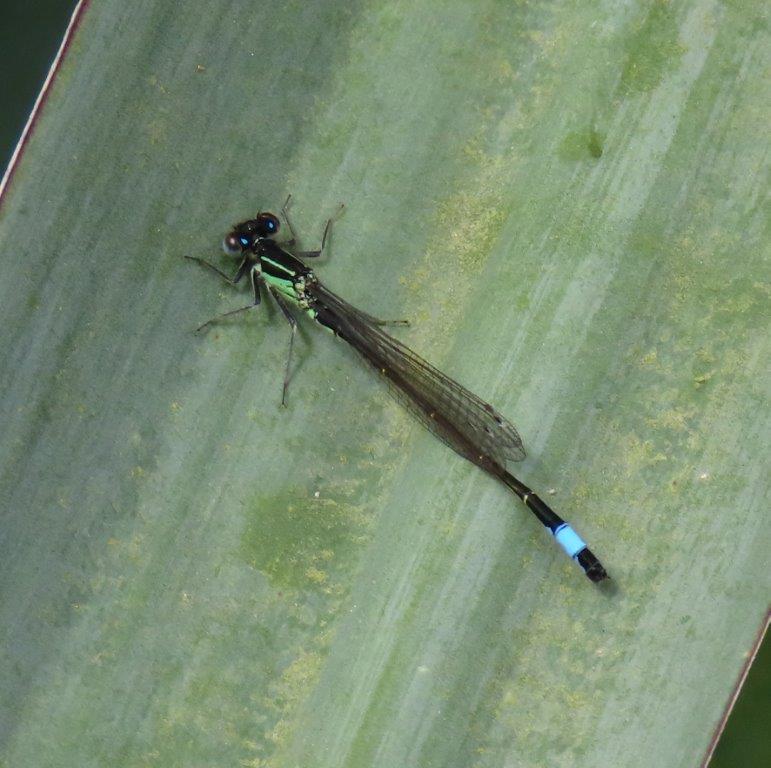
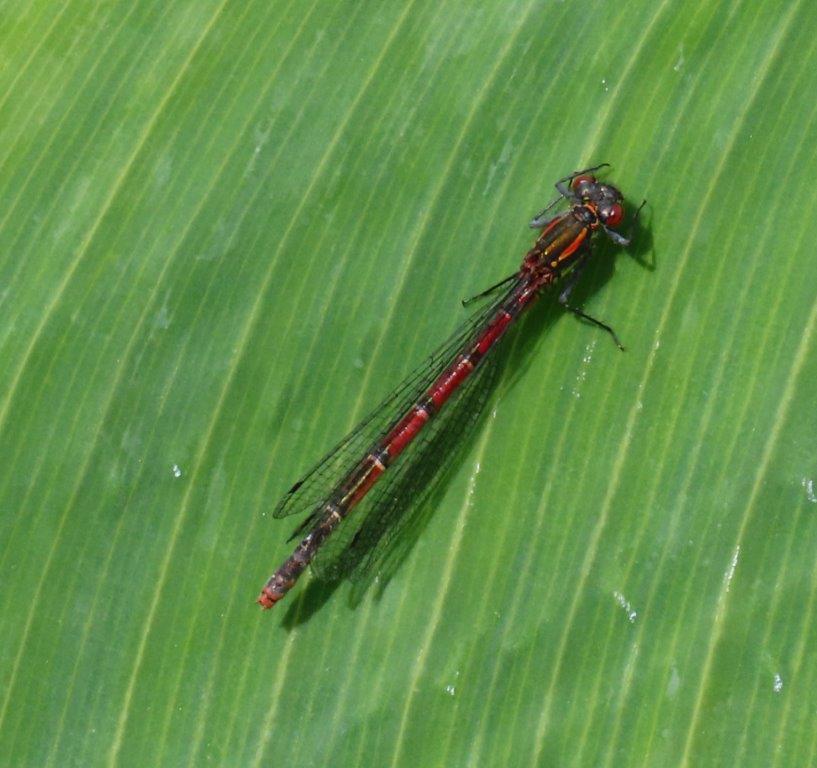
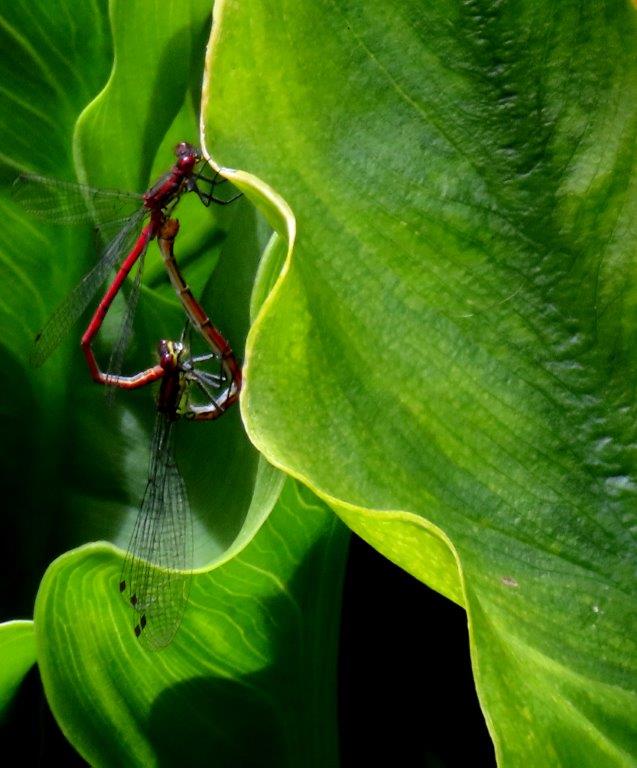
It is this time too when the ponds start to disgorge their delights around the gardens. No dragonflies yet (our ponds are large and take longer to warm up than garden ponds), but Alderflies are everywhere, along with three species of damselfly: Azure, Large Red and Blue-tailed (in two colour forms).
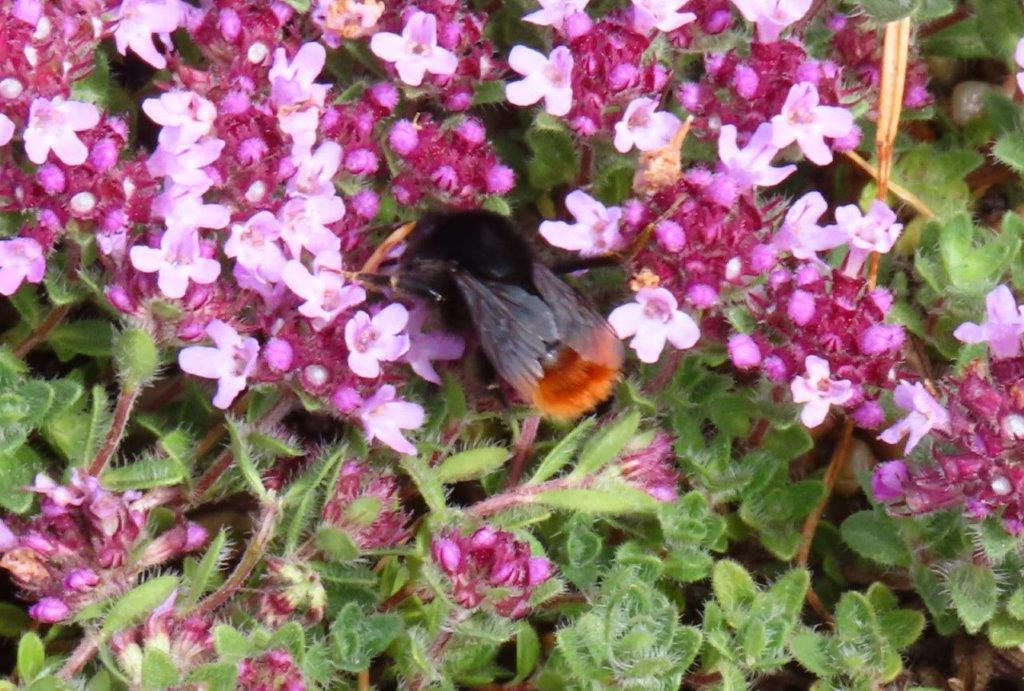
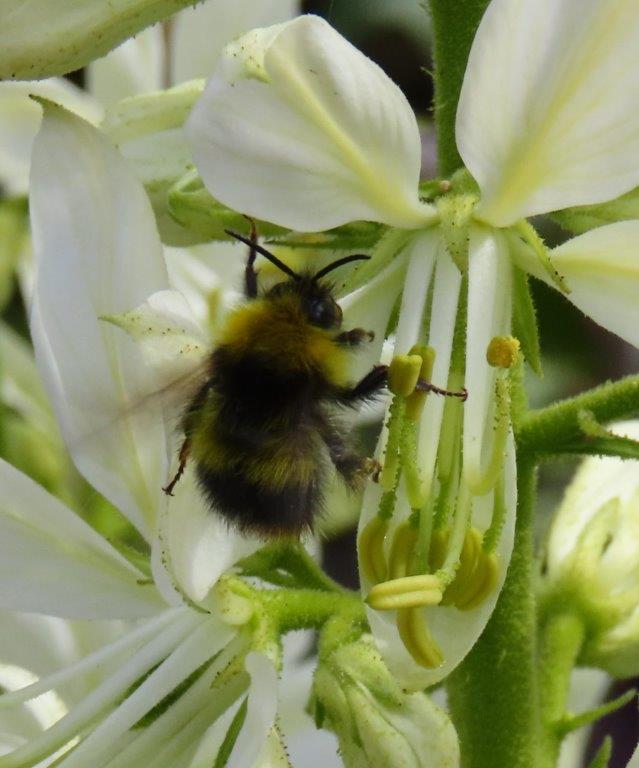
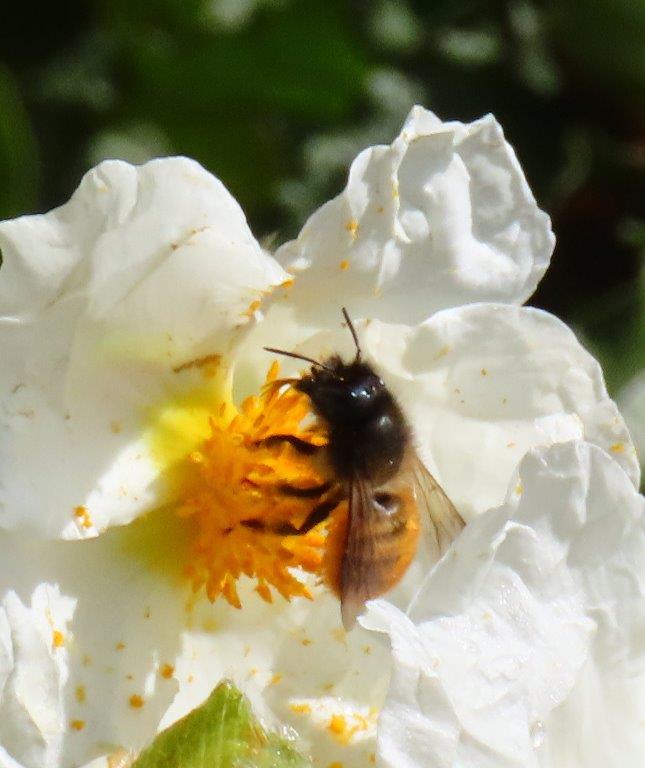
Bees have done well, with Red-tailed and Early Bumblebees more numerous than in recent years, and lots of foraging Red Mason-bees taking advantage of our floral offerings.
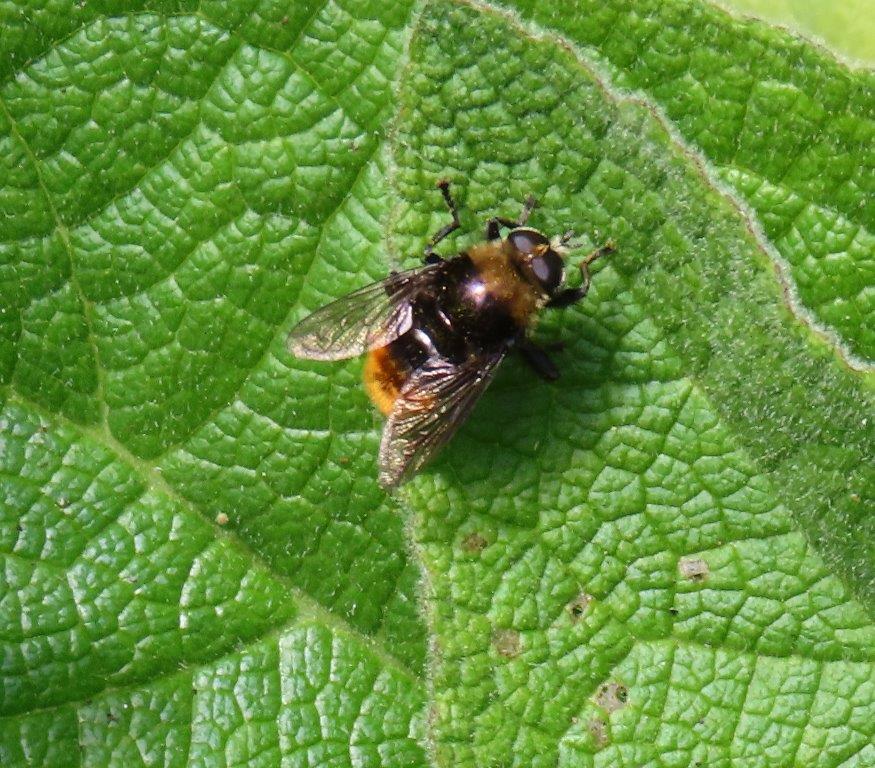
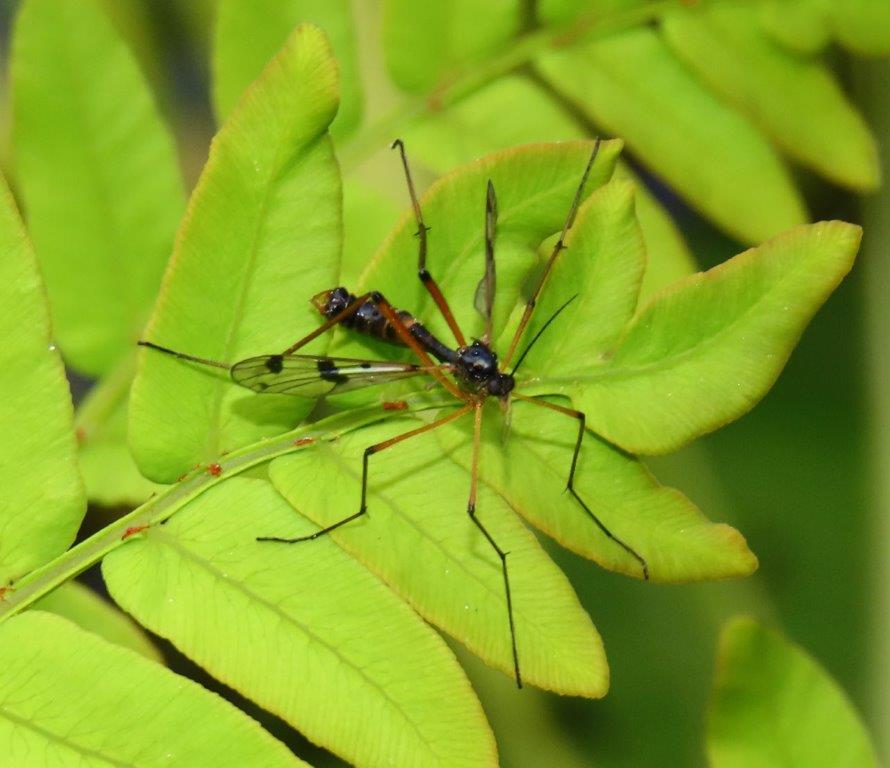
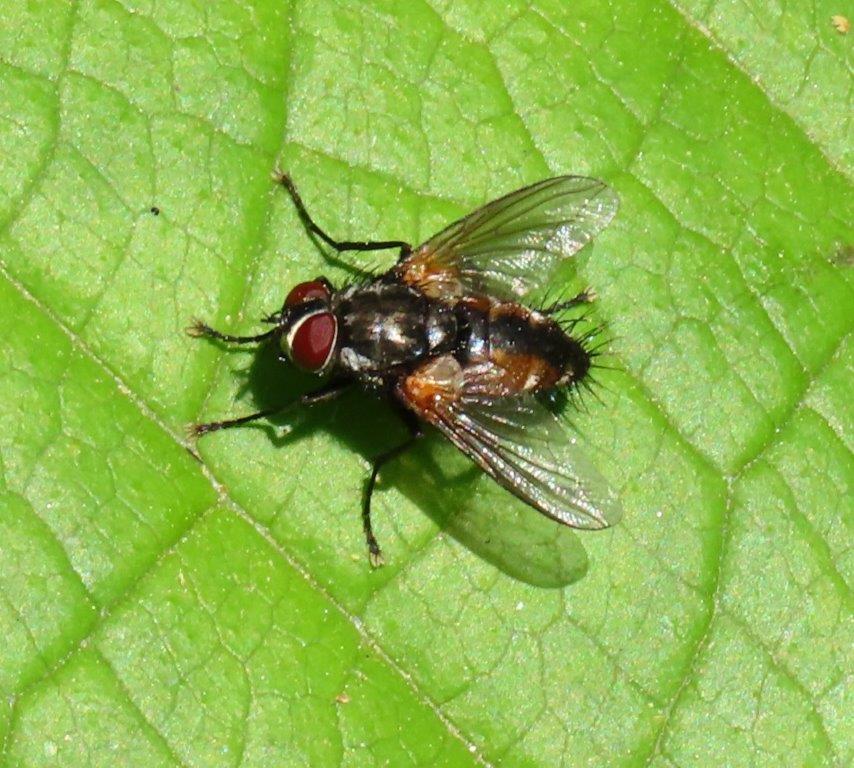
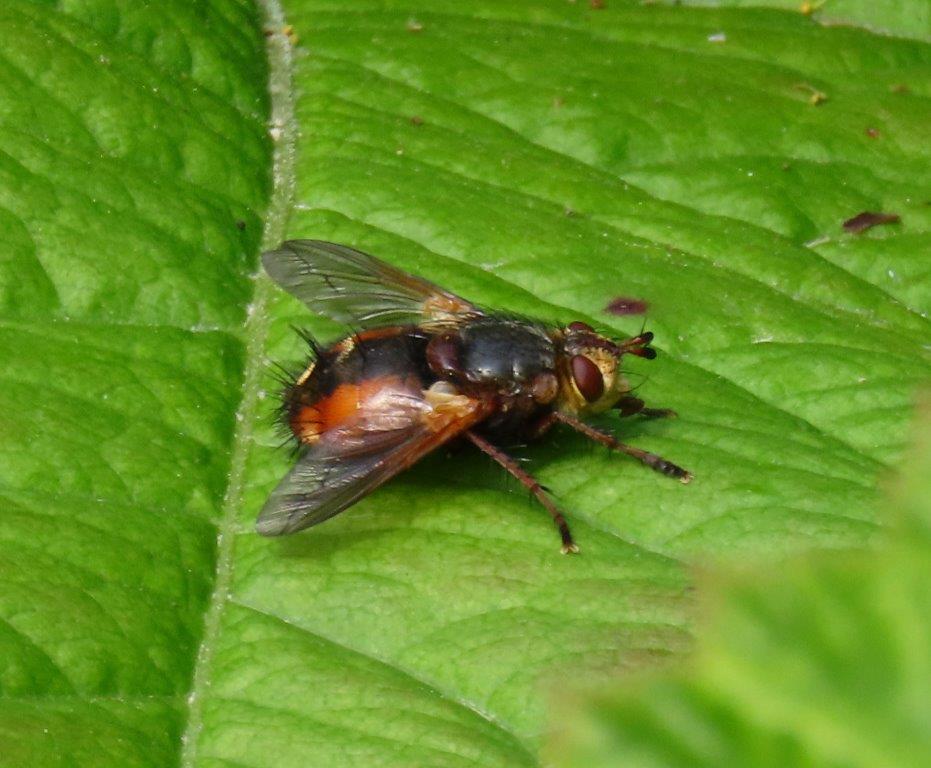
And other lovely things to see included flies, the Narcissus Bulb Fly, the cranefly Ptychoptera contaminata and a couple of parasite-flies, Thelaira nigripes and Tachina fera.
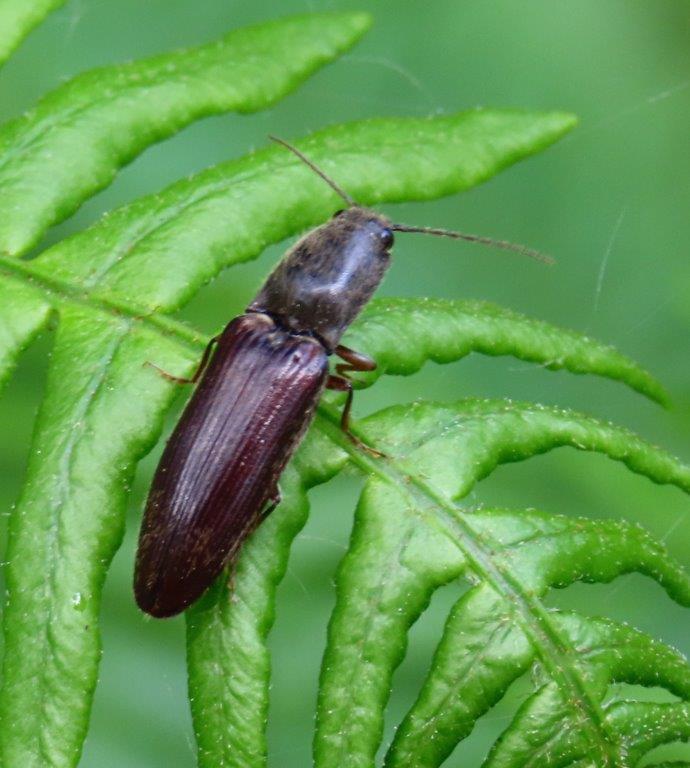
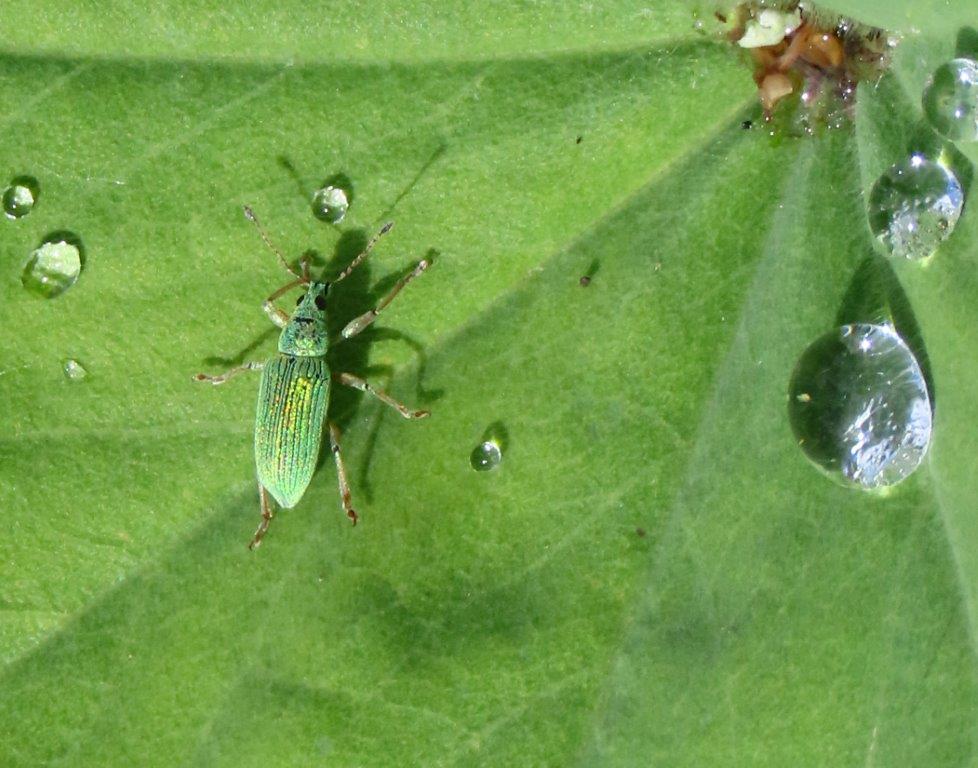
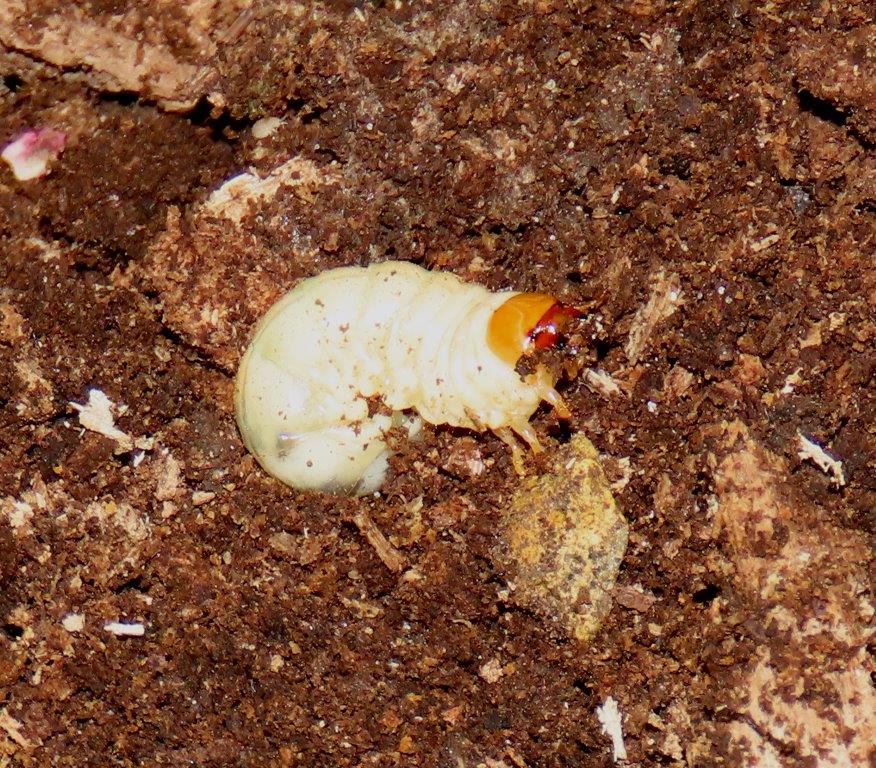
Beetles included lots of click-beetles, mostly Athous haemorrhoidalis, the shining-green weevil Polydrusus formosus and a whole herd of stag-beetle larvae the garden team found (and saved!) under a rotten tree trunk slice. Most probably these are Lesser, not the rarer Greater Stags, but we can hope!
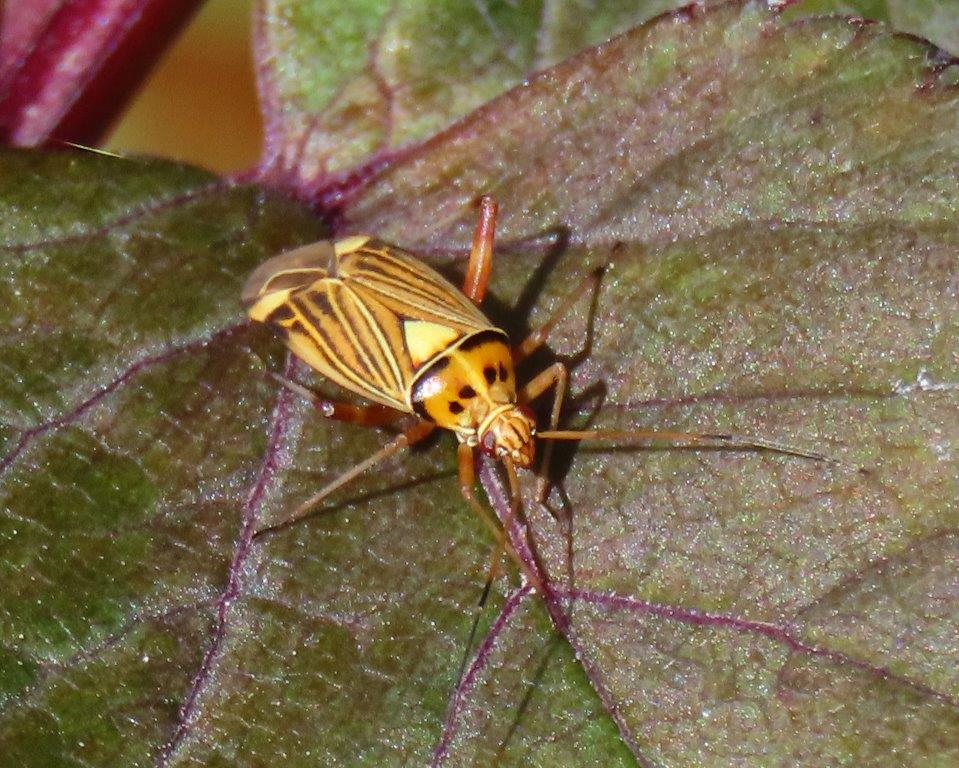
And finally a few bugs have been out and about, here Rhabdomiris striatellus, Harpocera thoracica and Hairy Shield-bug.
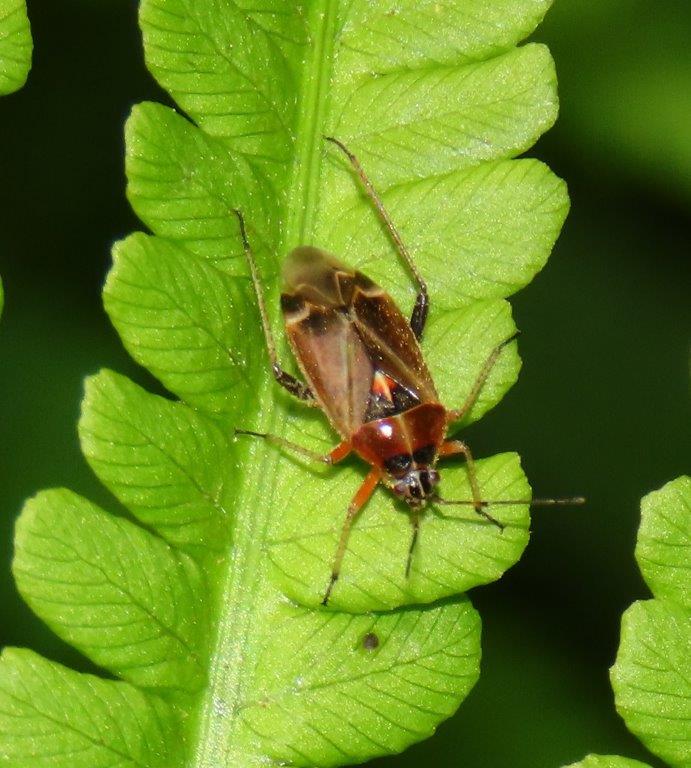
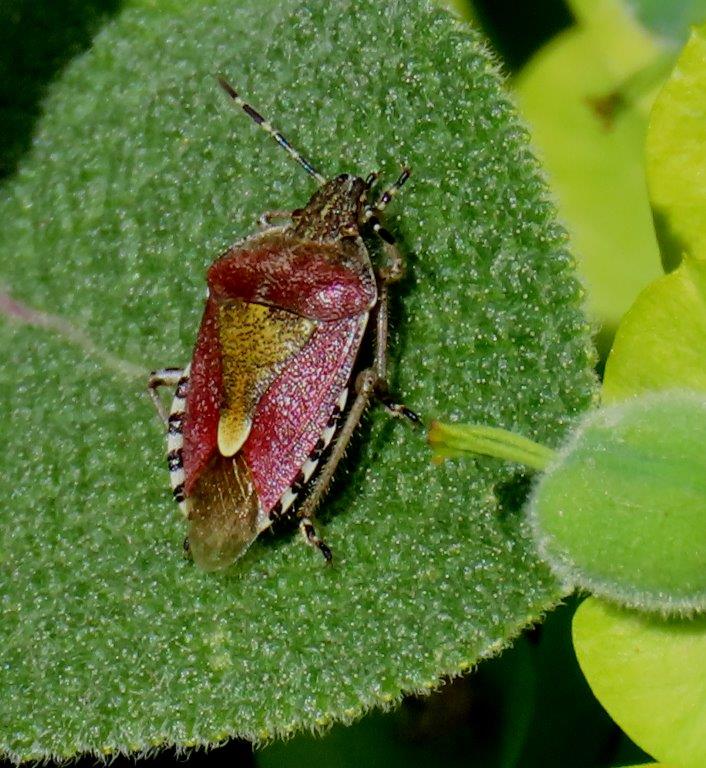
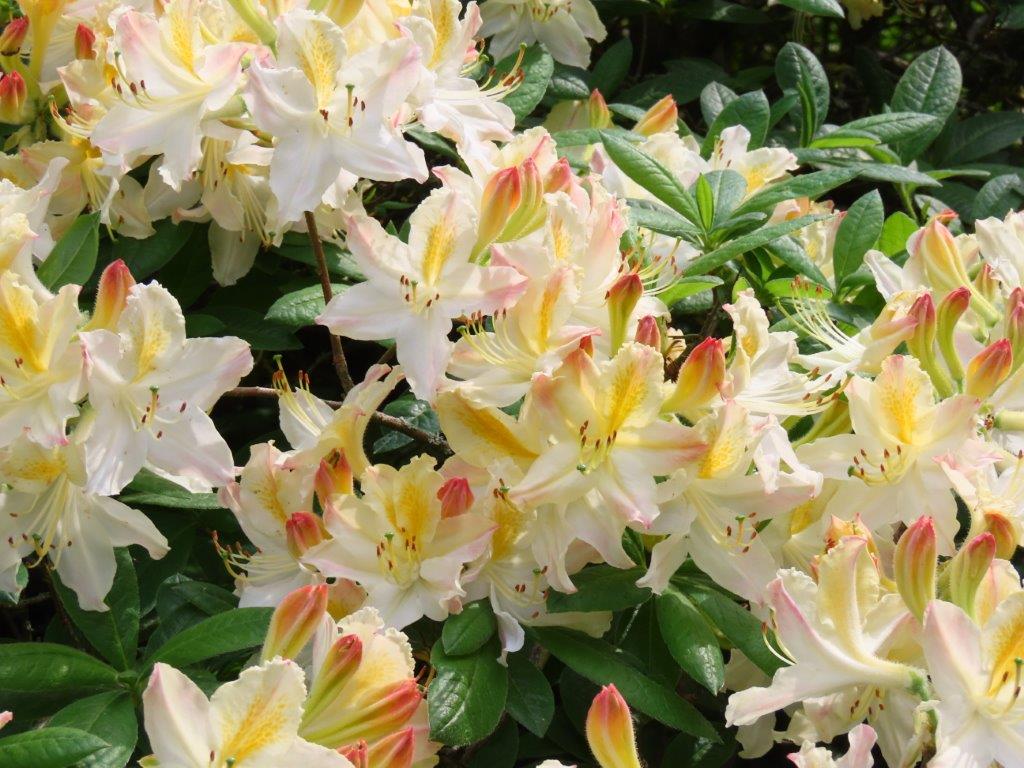
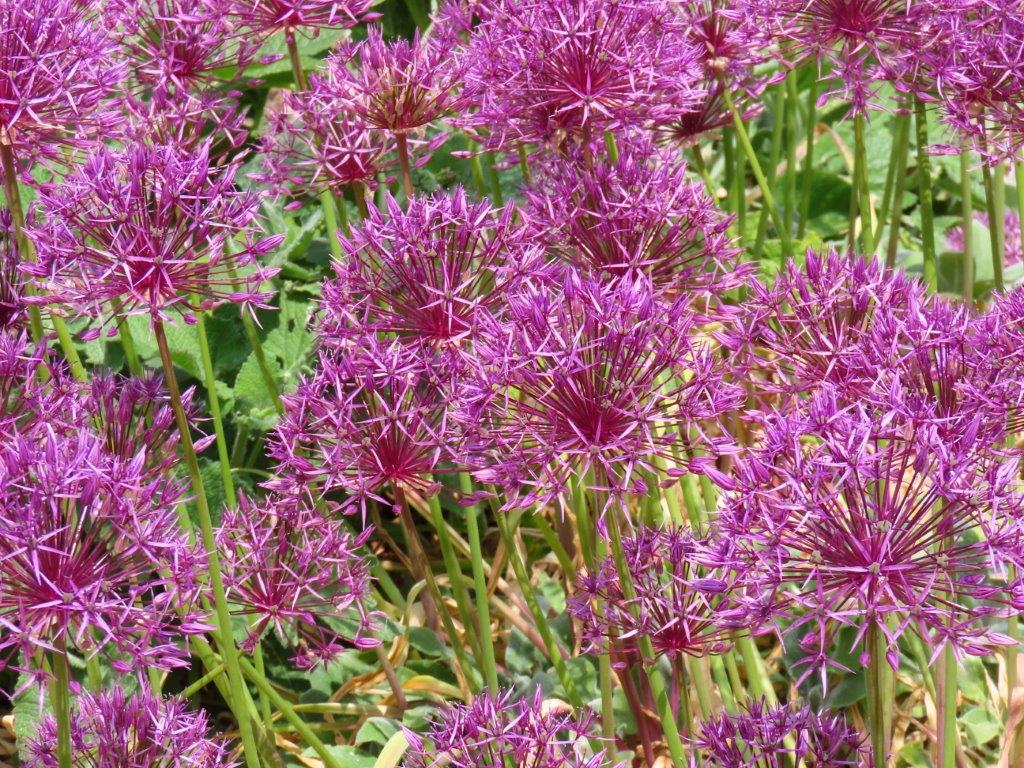
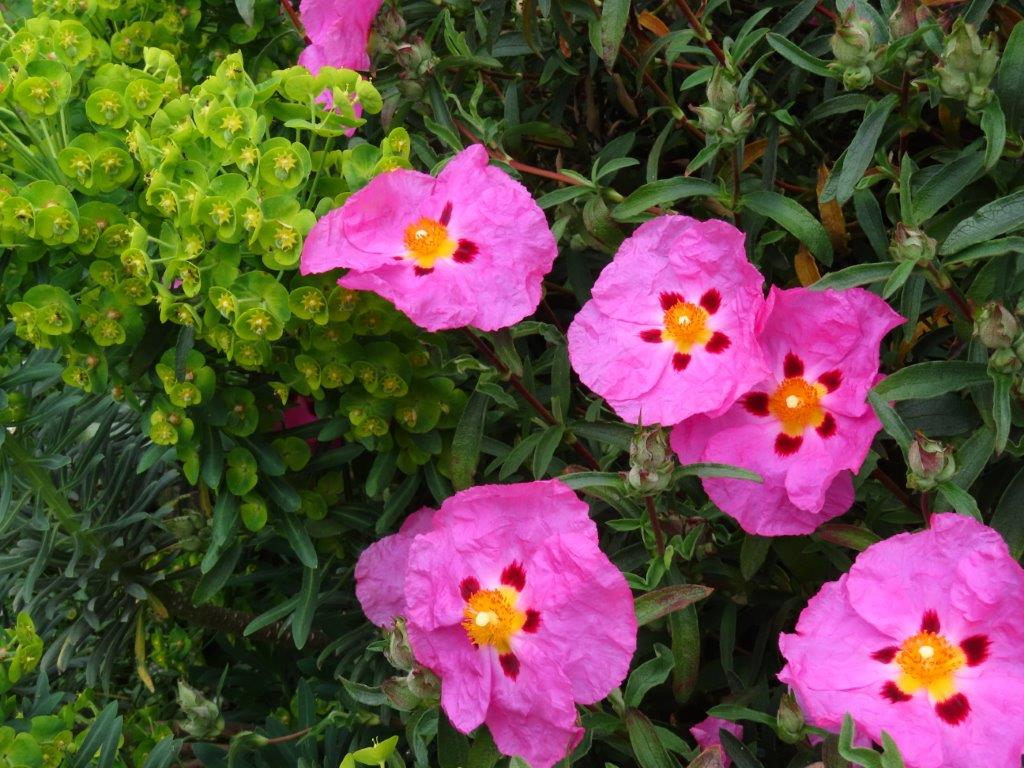
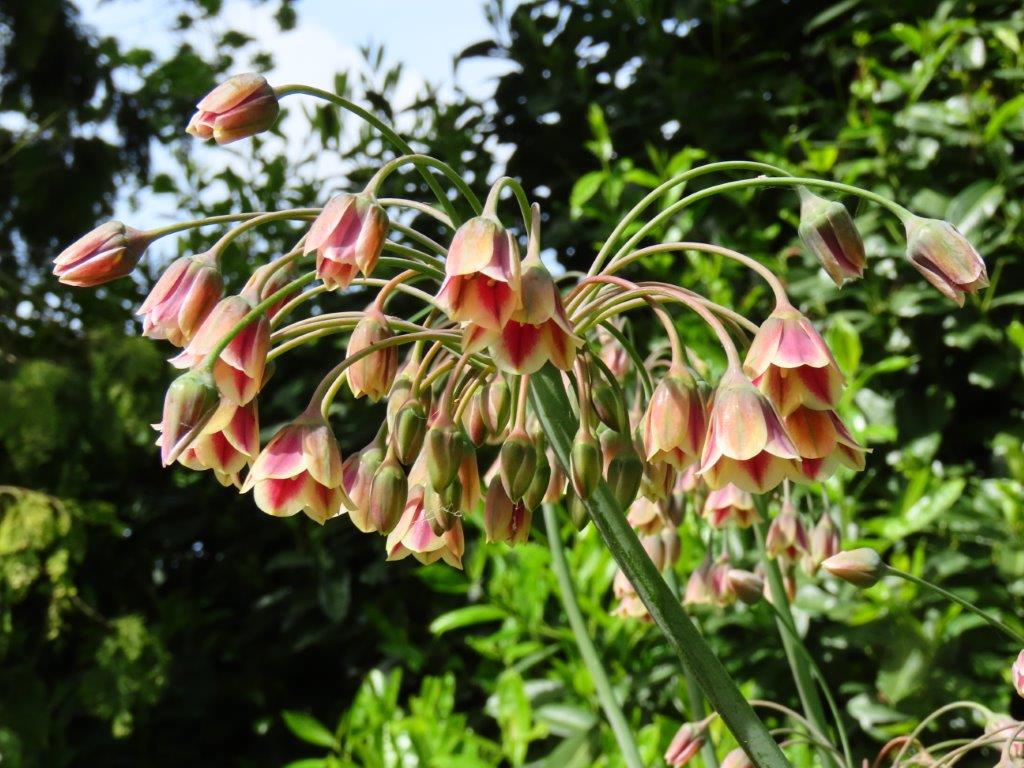
So a month of many delights, and the good news is there is another half of it to go! If you fancy looking at insects in Essex, there is really nowhere more exciting than Beth Chatto Gardens. You might even fancy joining one of my walks or moth events as advertised on Courses & Workshops – Beth Chatto’s Plants & Gardens? And if you turn up and it’s too cold or wet for insects, there are always the fantastic flowers…
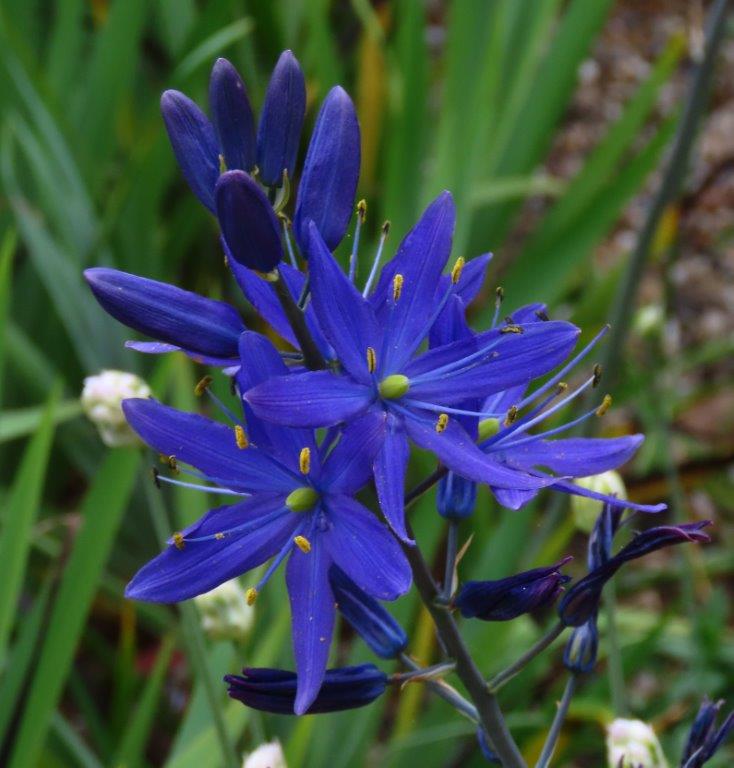
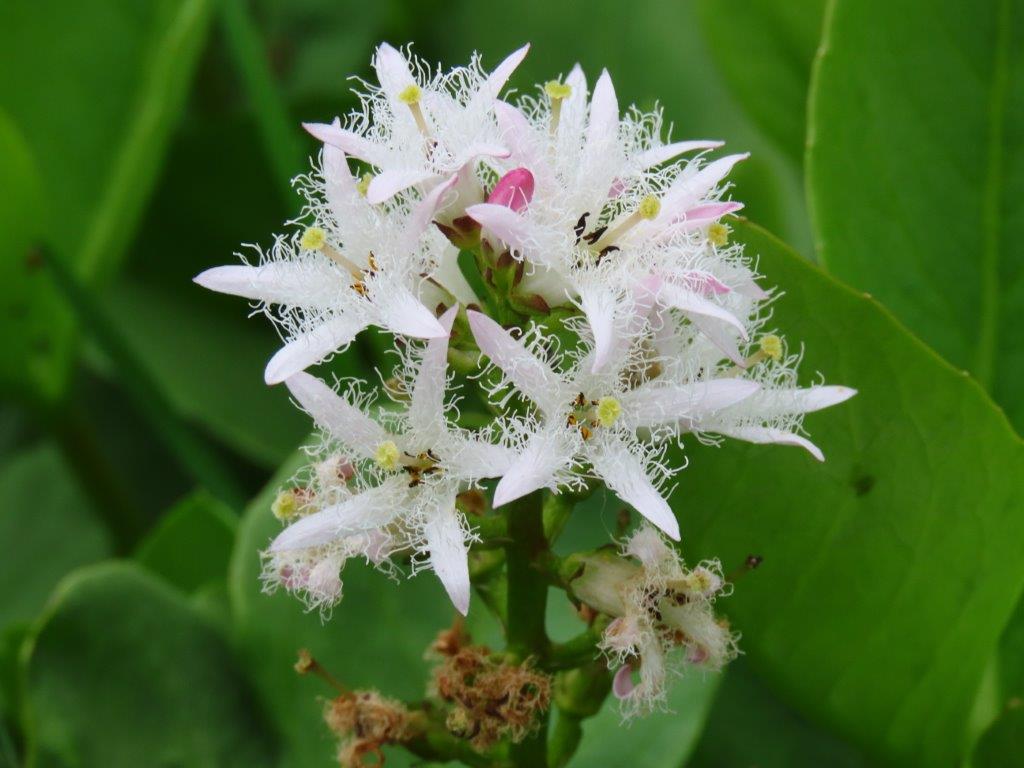
… including my absolute favourite, the gorgeous Bogbean. How can you resist?