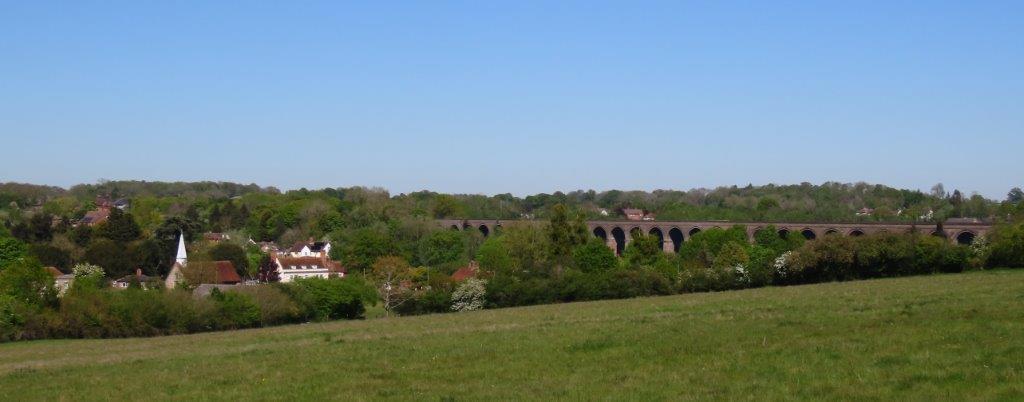
The mid-reaches of the River Colne, around Chappel, constitute a lovely, quintessentially Essex, mixed agricultural landscape, with extensive pasturelands in the valley bottom, either side of the clear, flowing river; arable on the high ground, parcelled up between hedgerows; and woodland, much of it ancient, on the valley slopes, embracing the spring-lines. An ideal place for long walks, not expecting to see anything rare, just Spring in all her glory, so last week I did that twice, first a full day with Naturetrek and two days later, a half day with #WildEssex.
The first walk started rainy, the first rain for a month, but soon gave way to sunshine, although a stiff northeast breeze kept the temperature down. Two days later, wall to wall deep blue skies, and lighter winds from a warmer, more southerly direction. The blue backcloth was ideal to appreciate the rainbow of greens, each tree providing its own interpretation before high summer dust dulls the difference.
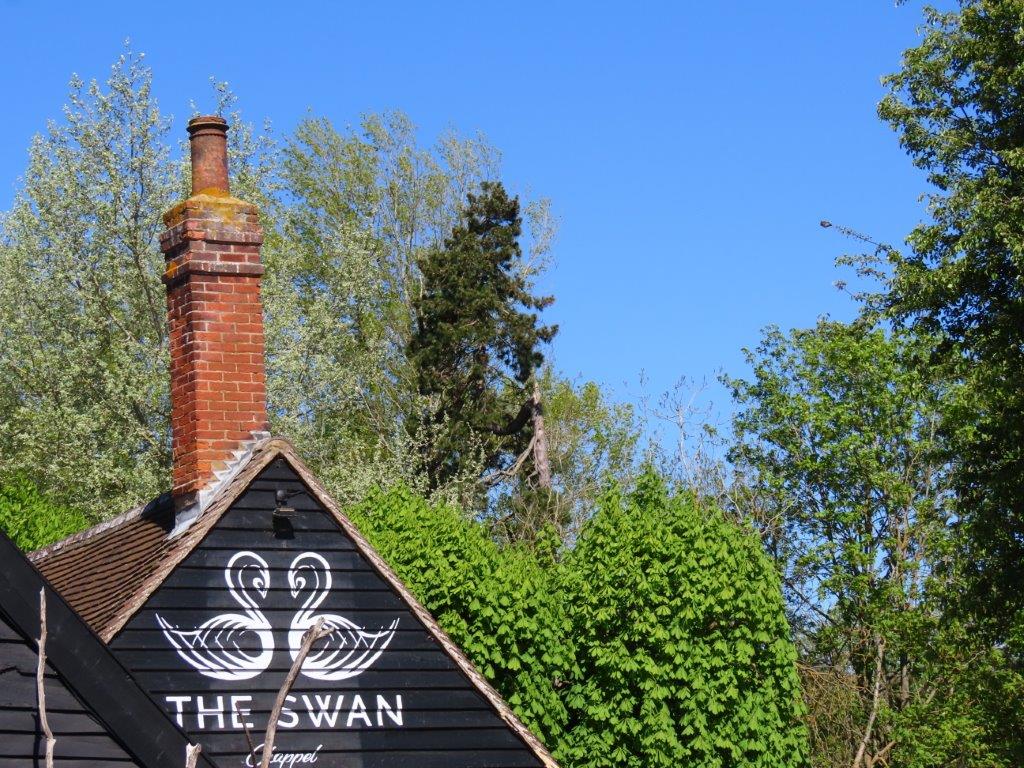
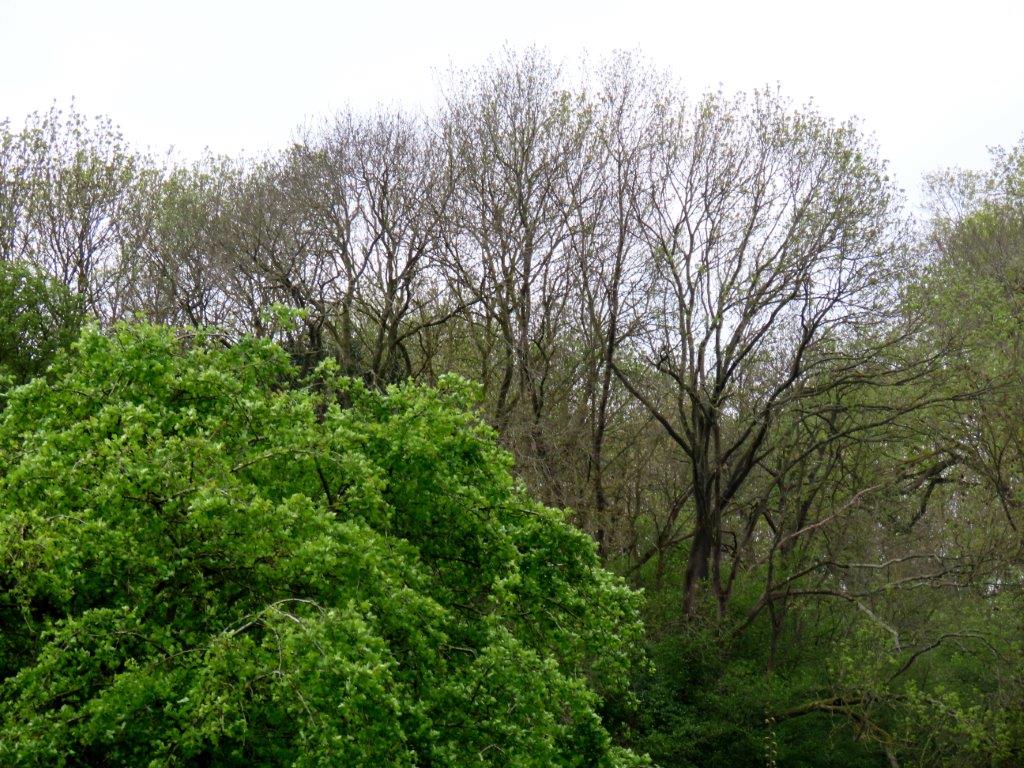
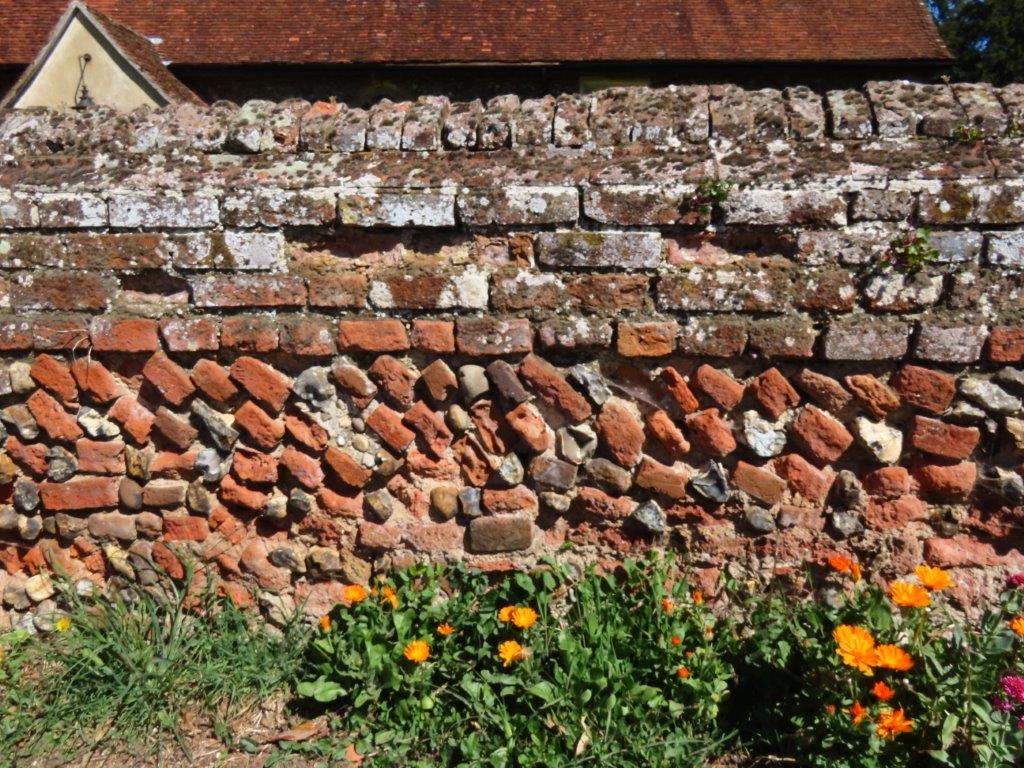
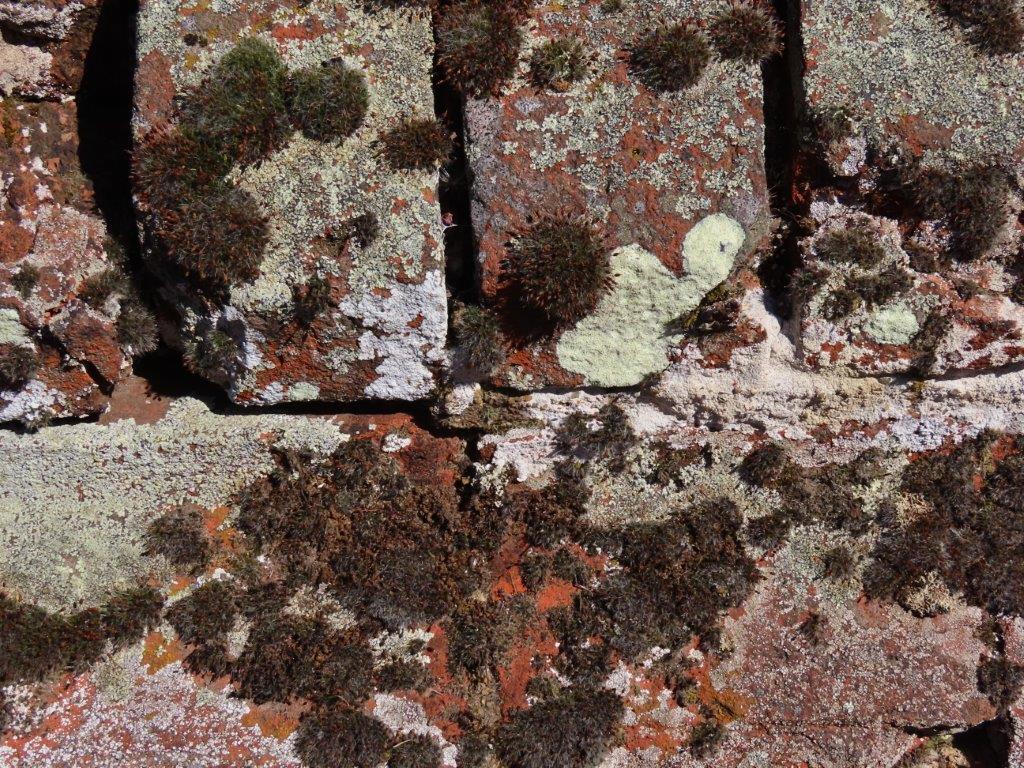
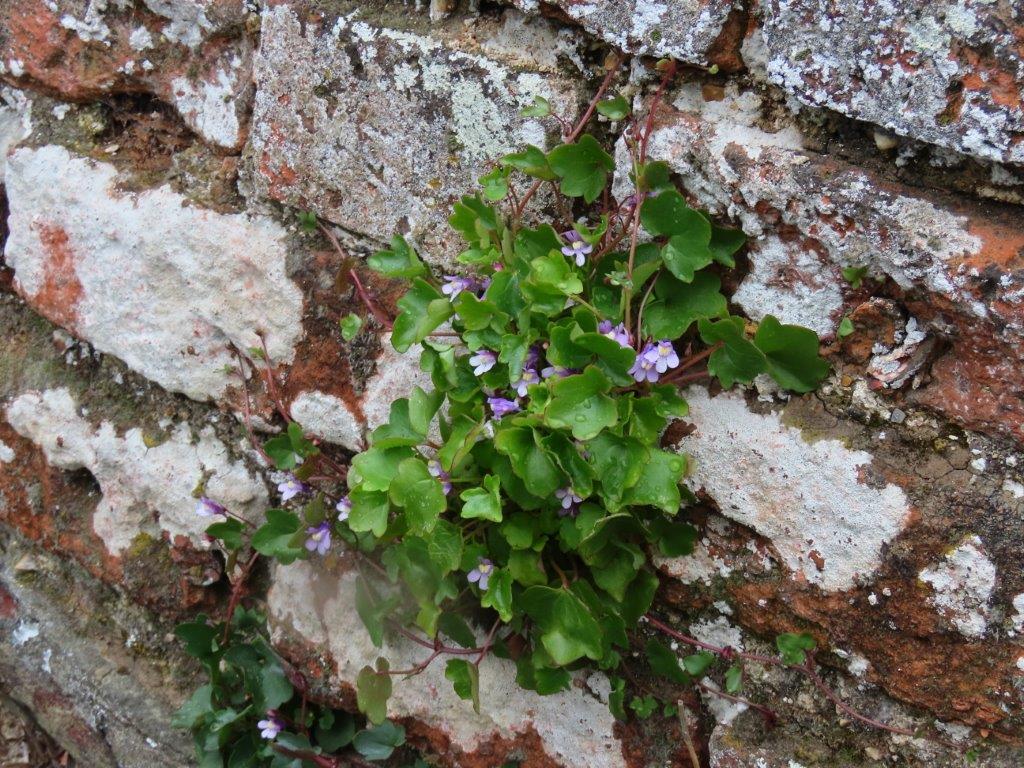
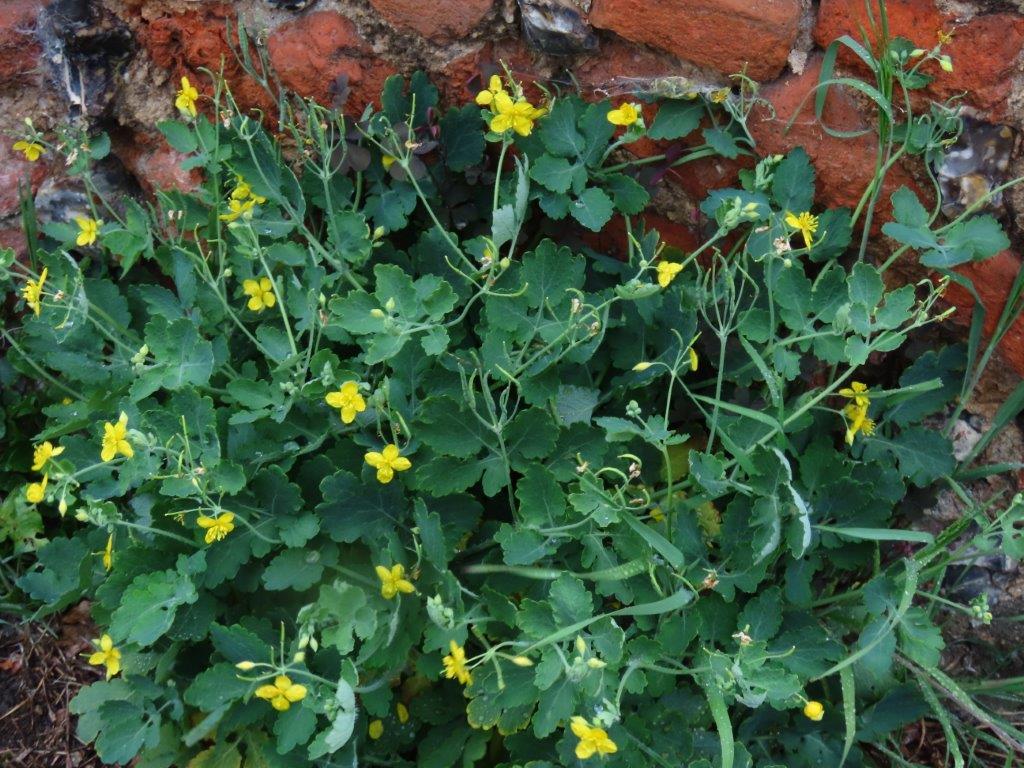
Starting from Chappel, wheezing Greenfinches, twittering Swallows and willows heavily infested with Mistletoe kicked the walks off, along with a fascinating cluster of historic buildings reflecting the diversity of bricks made in the local brickworks. The churchyard wall in particular features the old bricks, and supports a wealth of mosses and lichens, crevice plants like Ivy-leaved Toadflax, and ones such as Red Valerian and Greater Celandine using the wall as a storage heater to mimic their Mediterranean mountain homes.
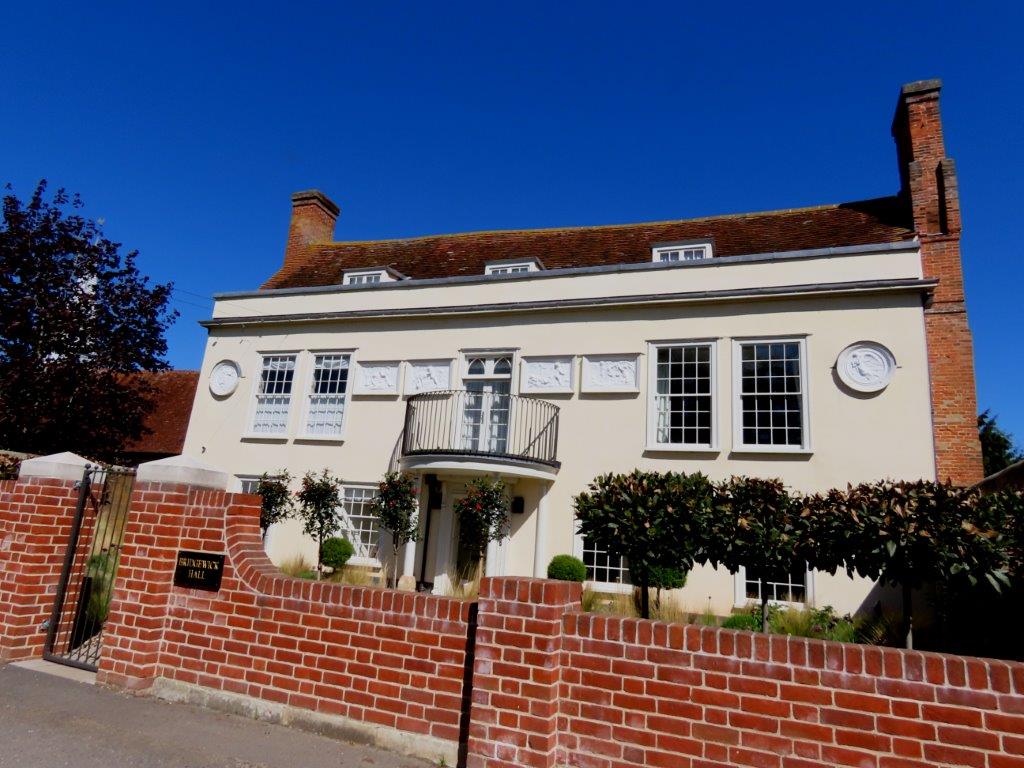
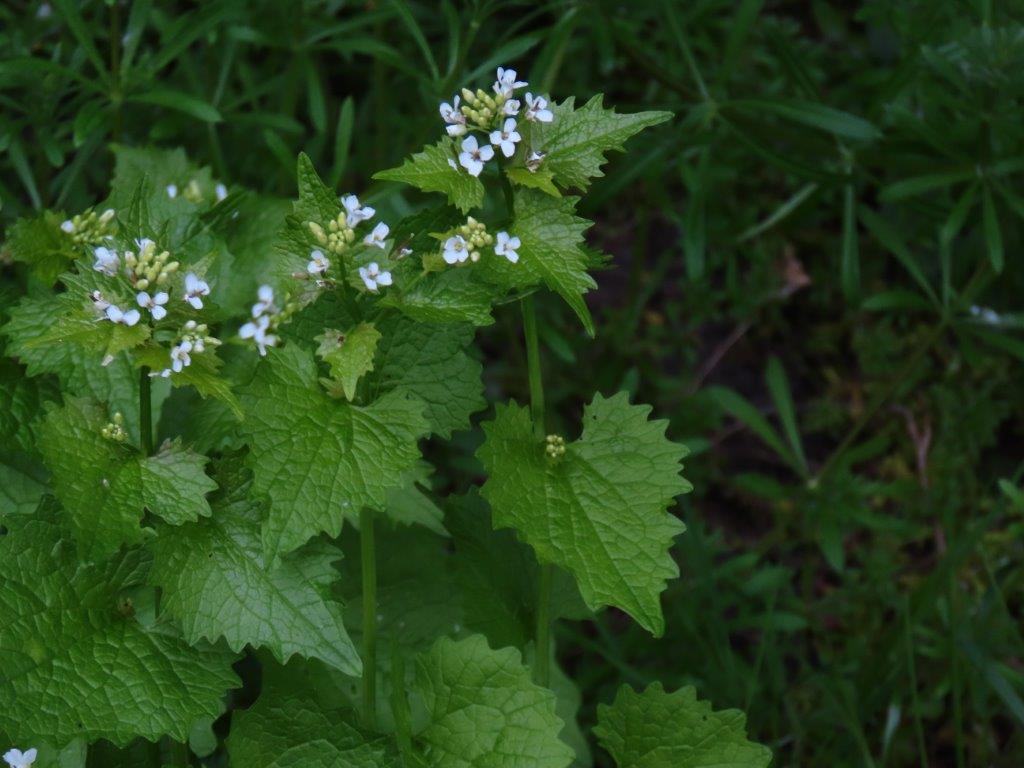
Heading upriver, the Colne flows between shaded banks, clad in Nettles, pinpricked white with Garlic Mustard: too early for the fluttering sprites, the Banded Demoiselles of summer, the waters were already providing flying life, in the form of Alderflies and mayflies.
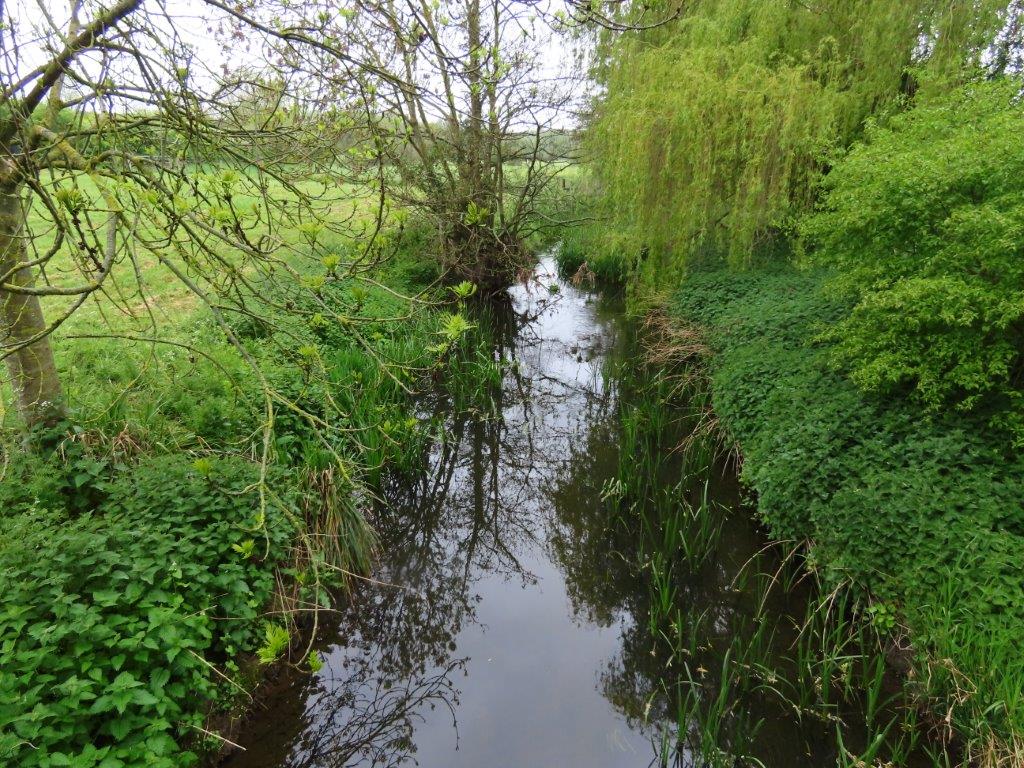
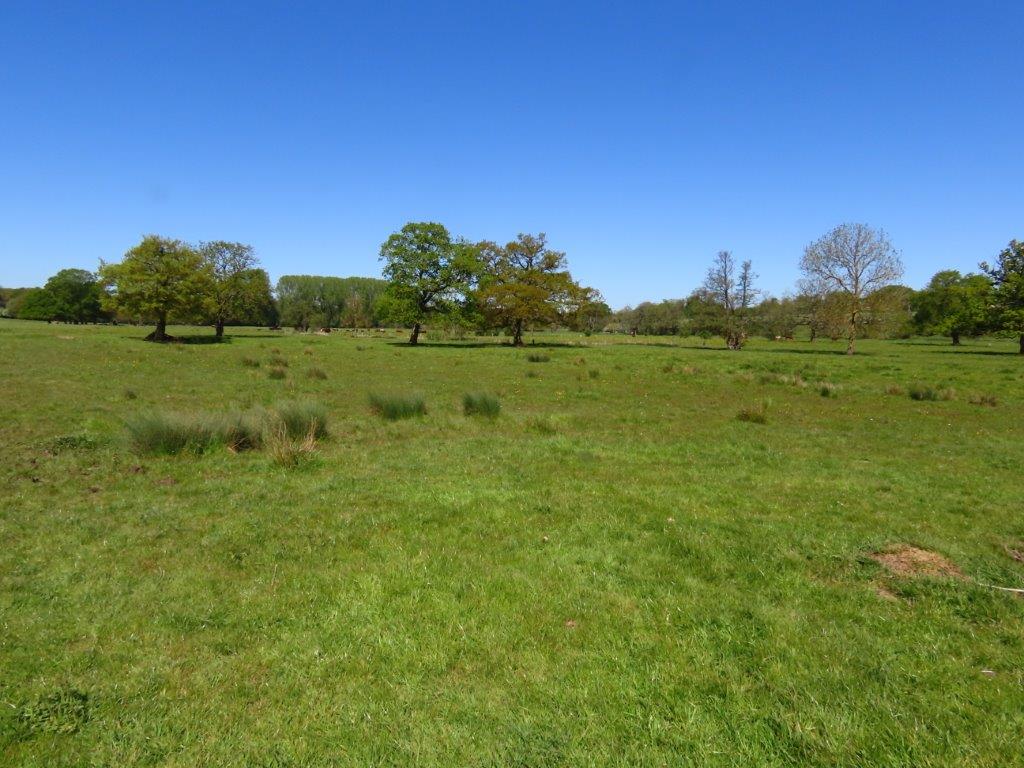
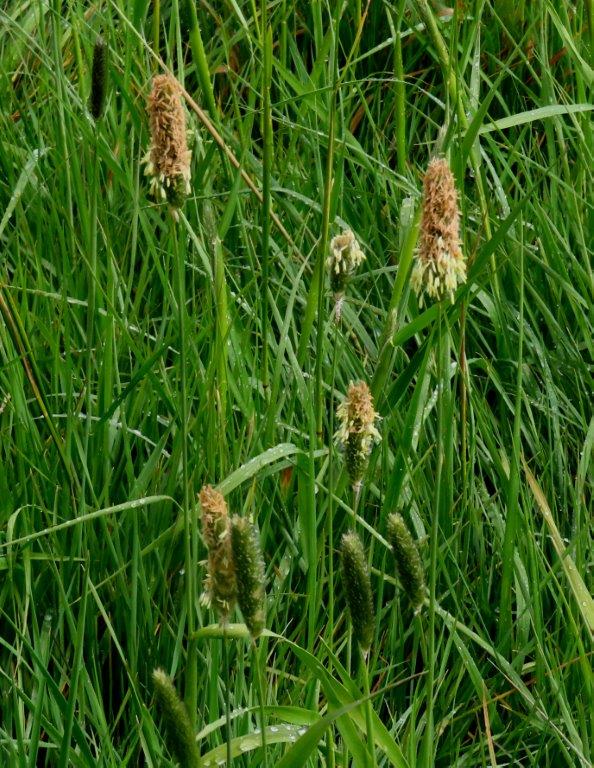
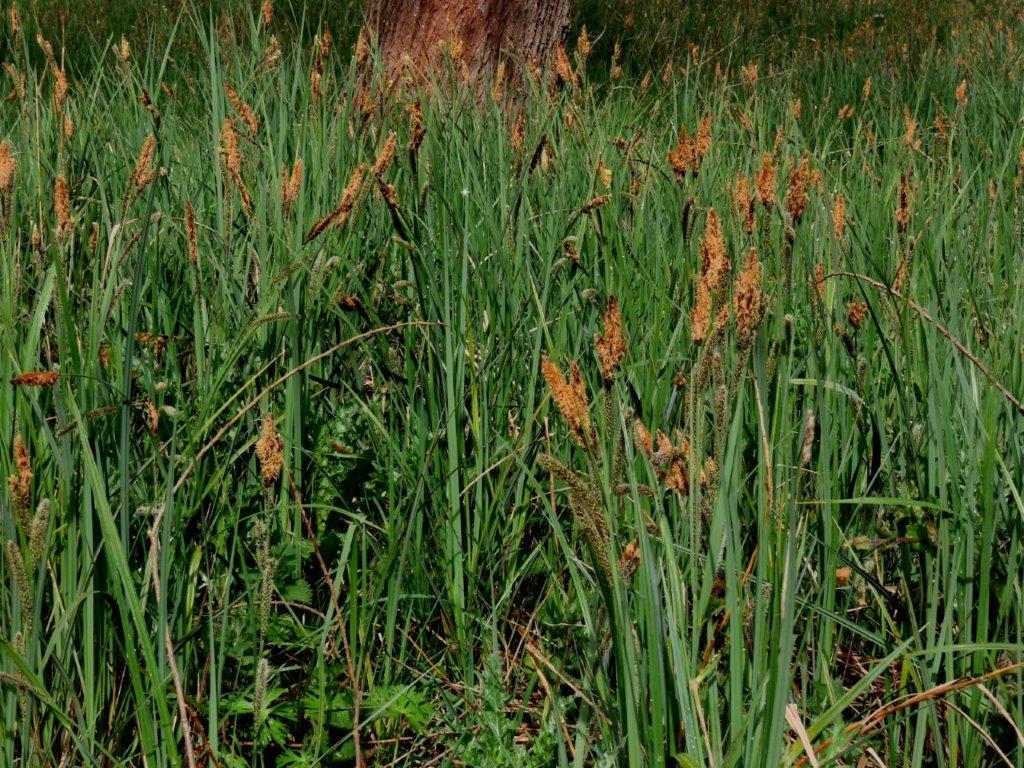
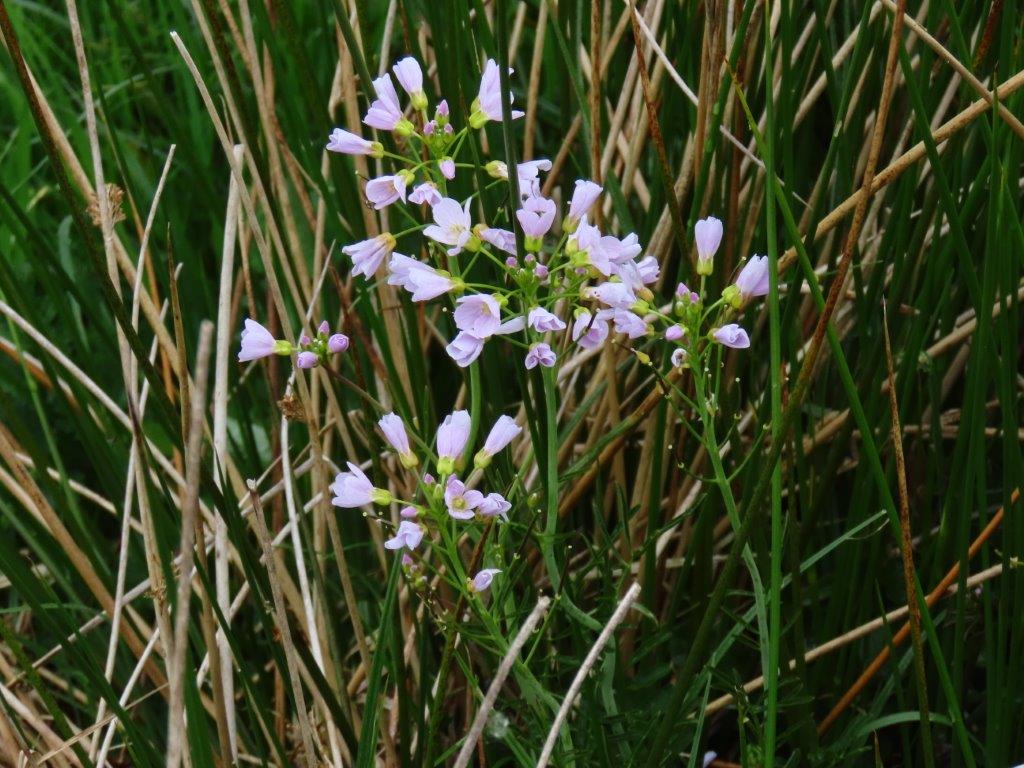
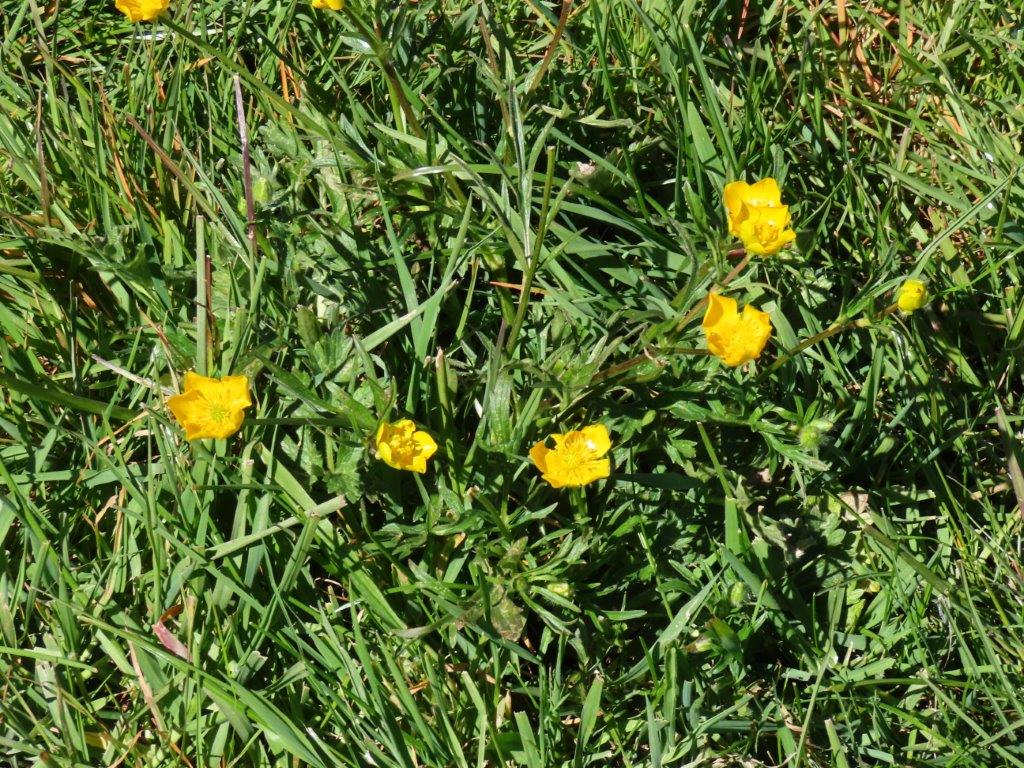
The open pastureland of the valley bottom is not especially diverse botanically, although there was Meadow Foxtail in the drier areas, Lesser Pond-sedge and Cuckooflower where damper, and a triumvirate of buttercups – Meadow, Bulbous and Creeping.
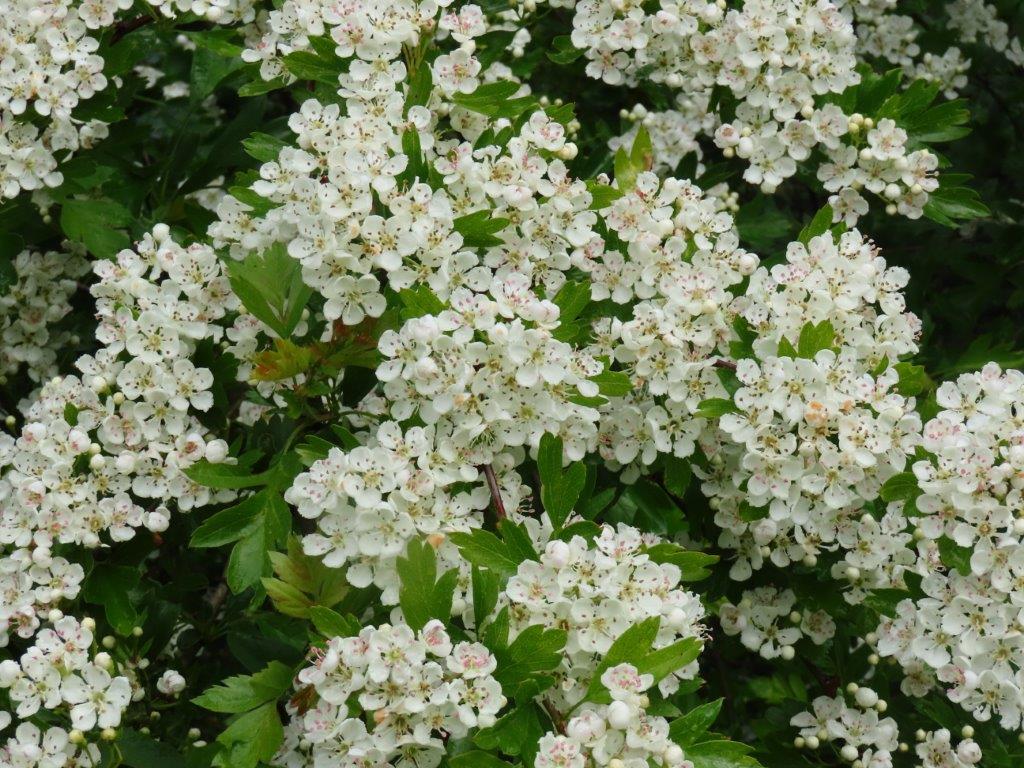
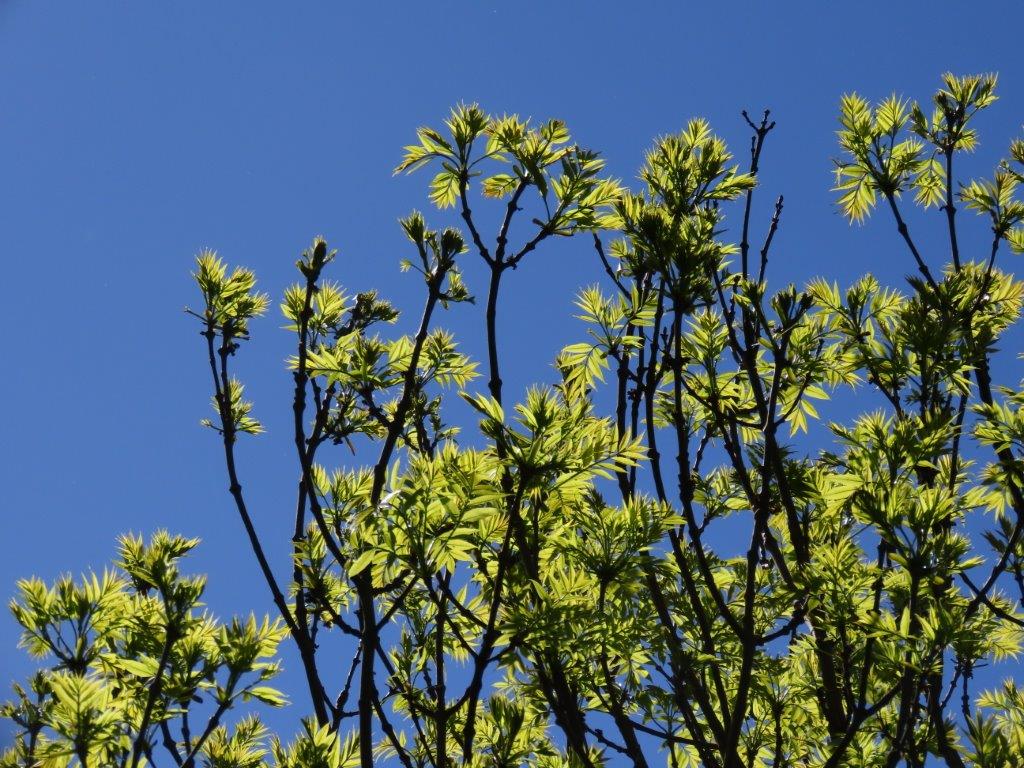
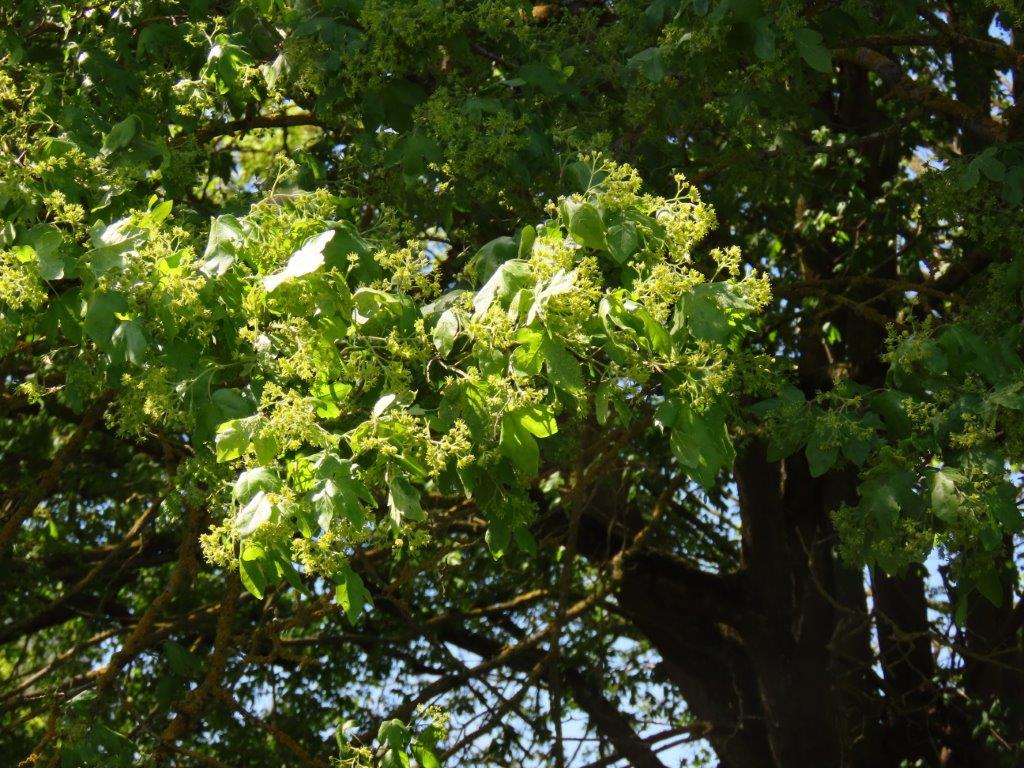
Hedgerows of Hawthorn in full fragrant bloom and Blackthorn, most well over but some bizarrely still in tight bud, provided shelter for patrolling Orange Tips and Green-veined Whites, and the last, tatty overwintering Commas alongside the first, scintillating blue Holly Blues, while Whitethroats, both Common and Lesser, sang from within, and Ash leaves and Field Maple flowers introduced their vivid yellow-green colour to the surroundings.
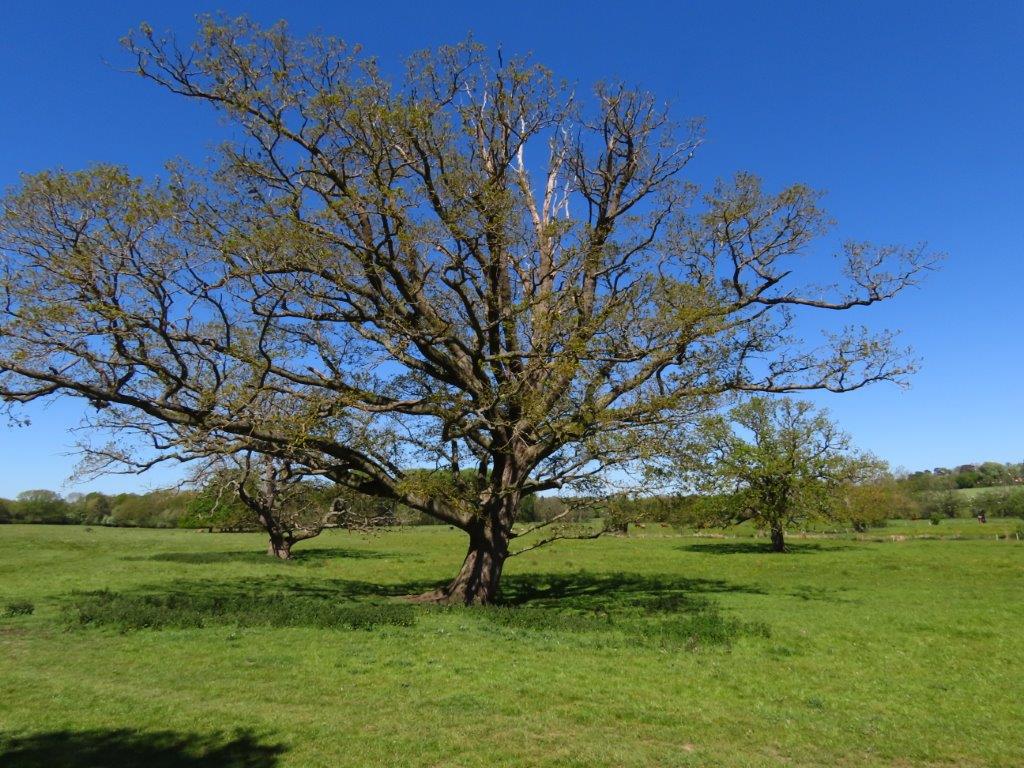
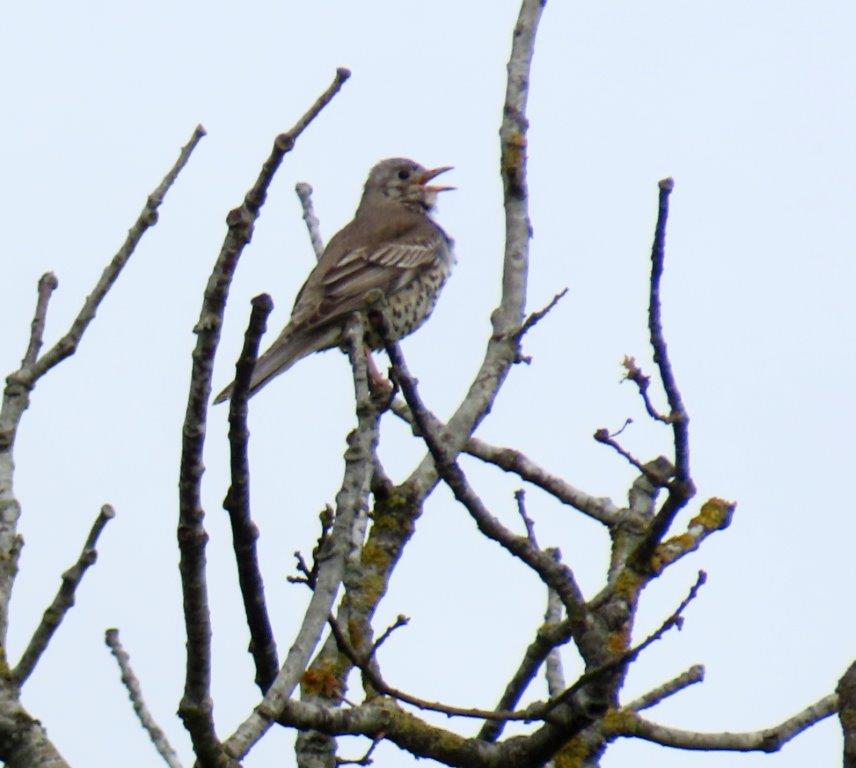
Buzzards, maybe three pairs, soared and displayed overhead, joined by a lone Red Kite, as a Mistle Thrush proclaimed territory atop the largest Oak.
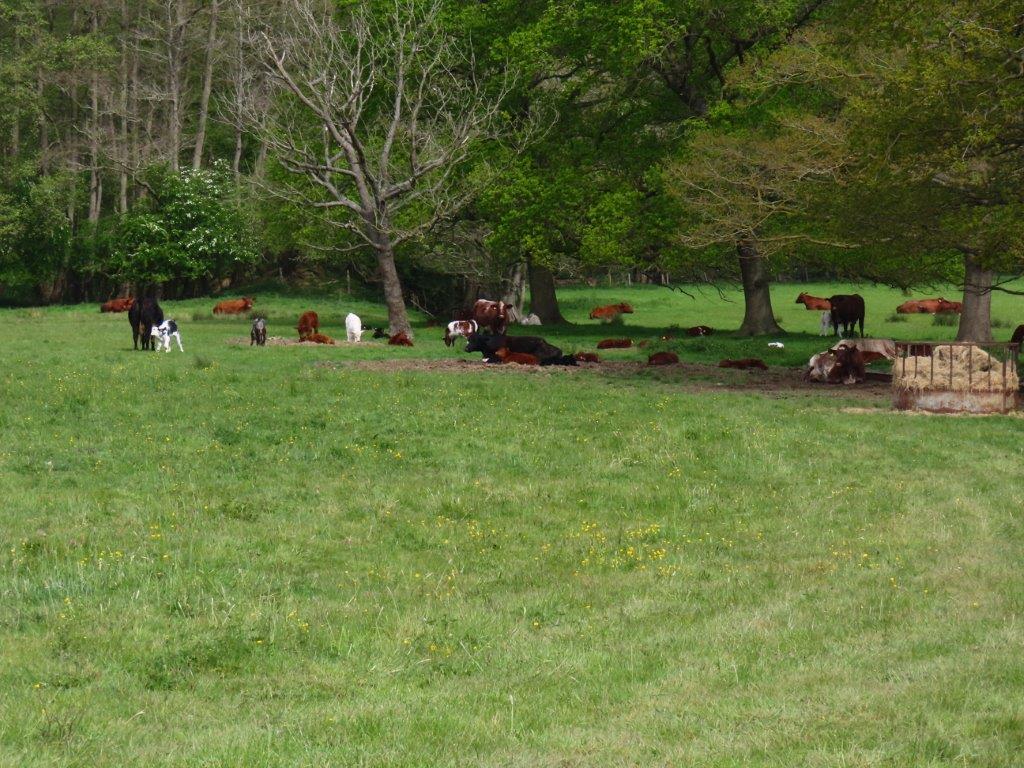
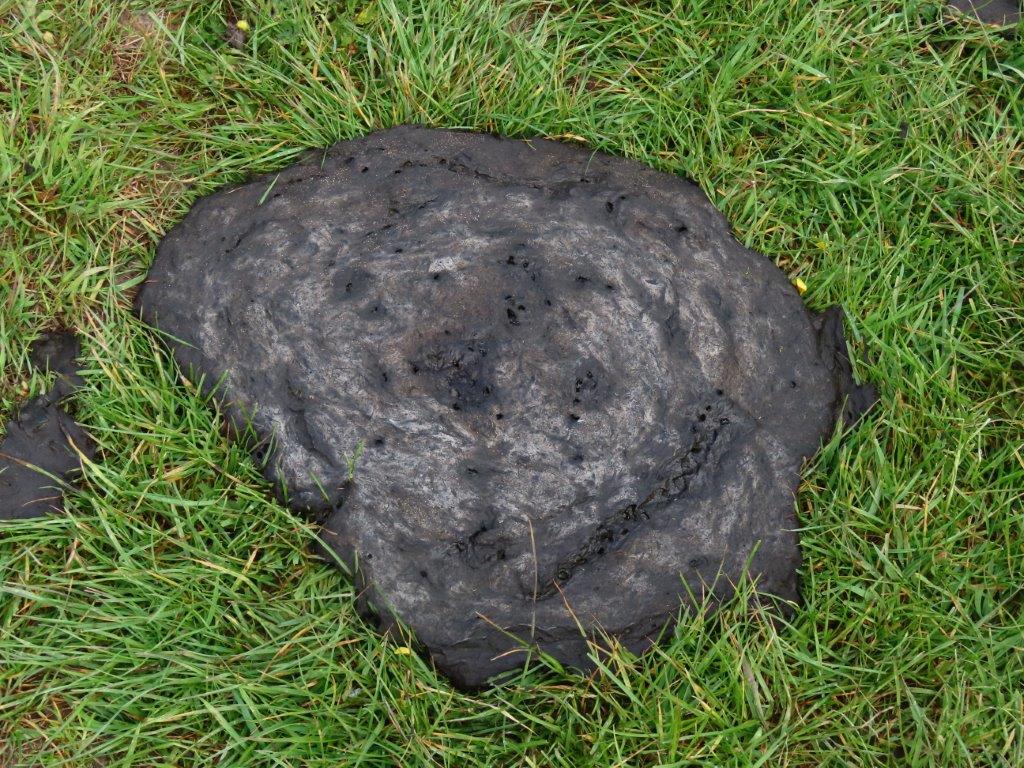
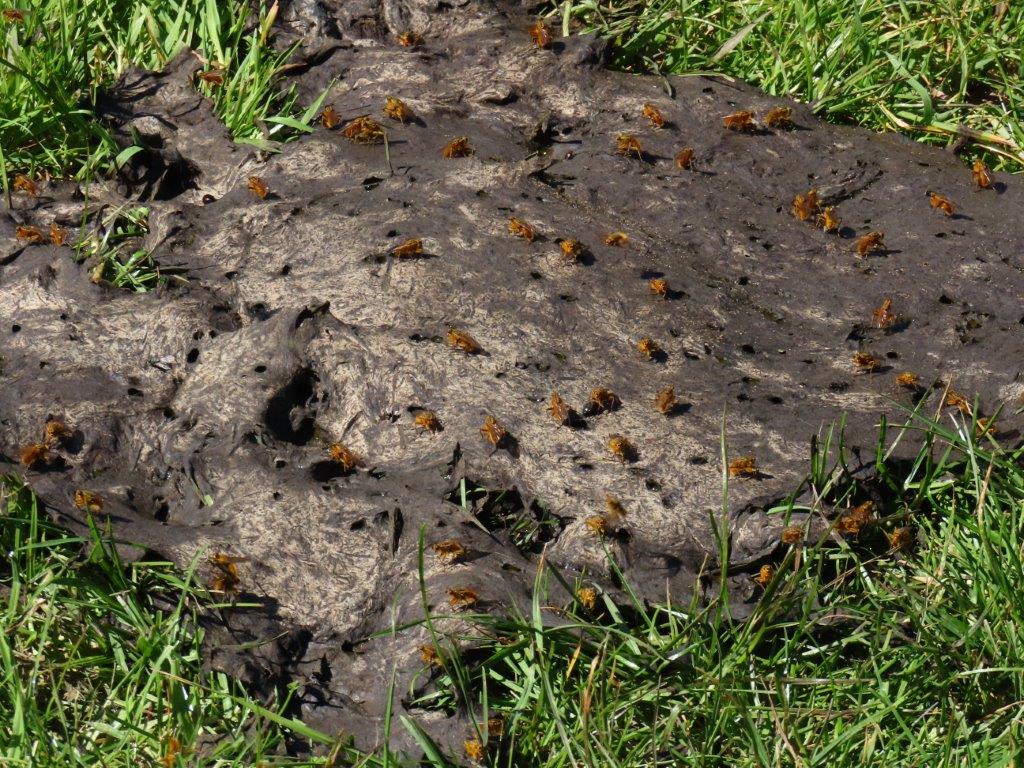
Cowpats! And happily, cowpats with insect holes, suggesting these cattle have not been treated with ivermectins which kill the rich diversity of dung. And sure enough two days later, a lot warmer, and the Yellow Dung-flies were out in force, feeding and frolicking.
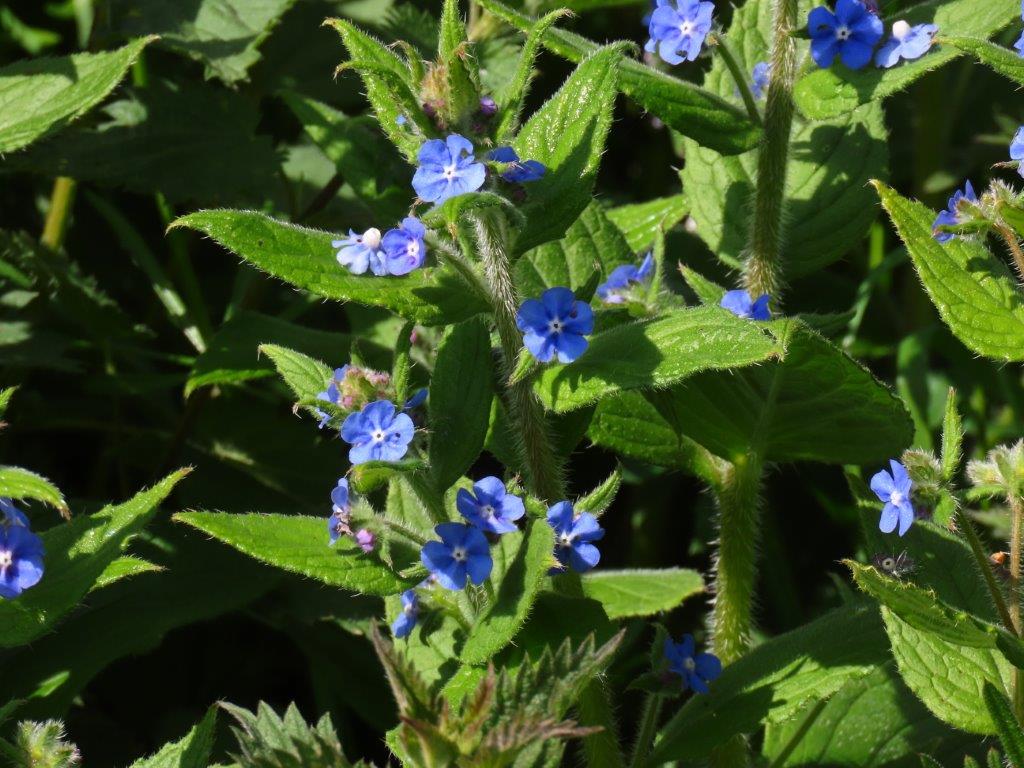
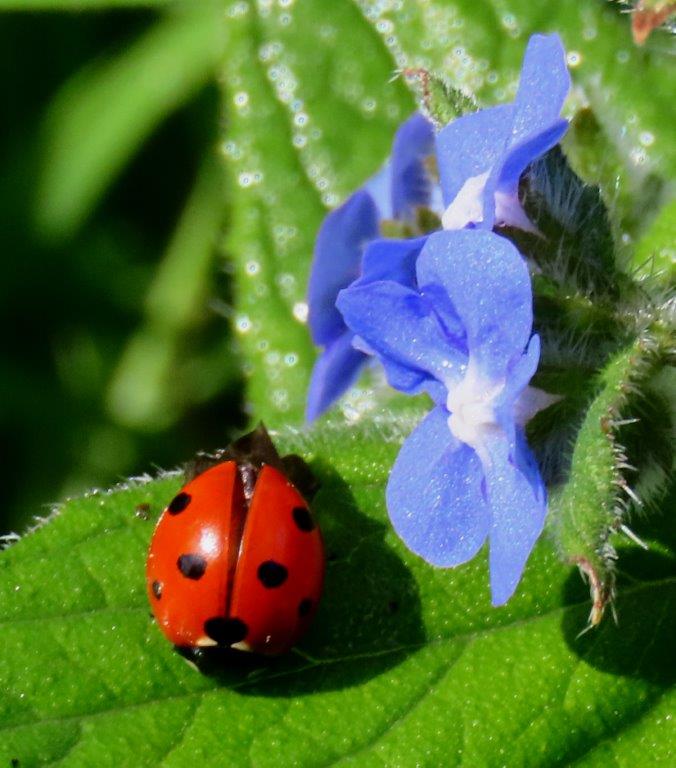
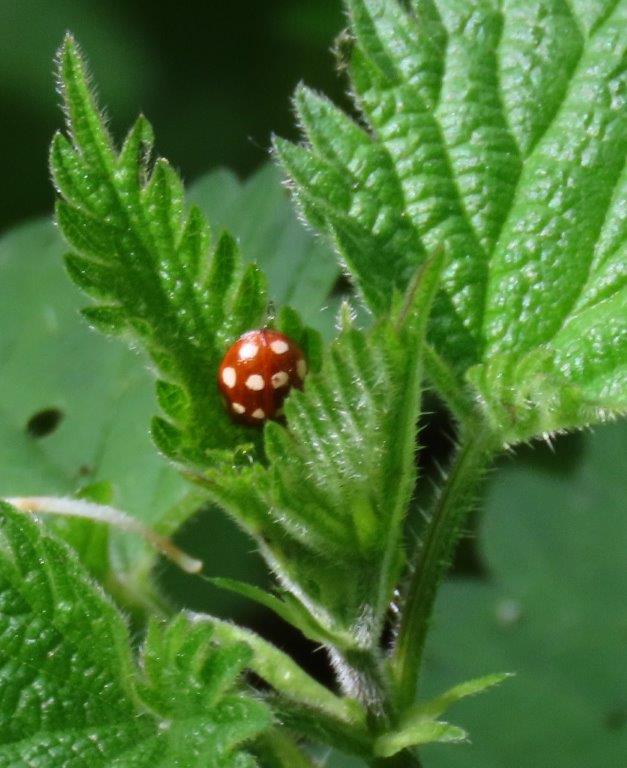
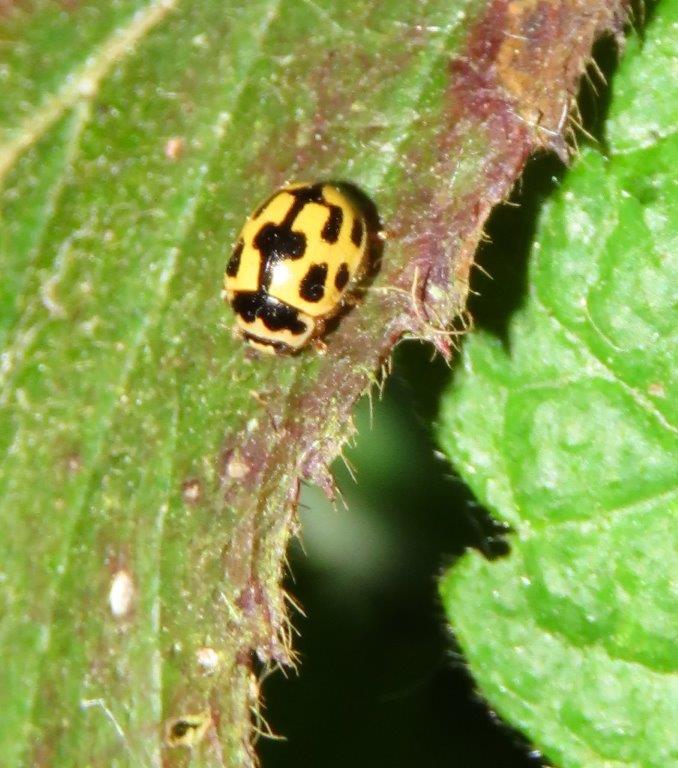
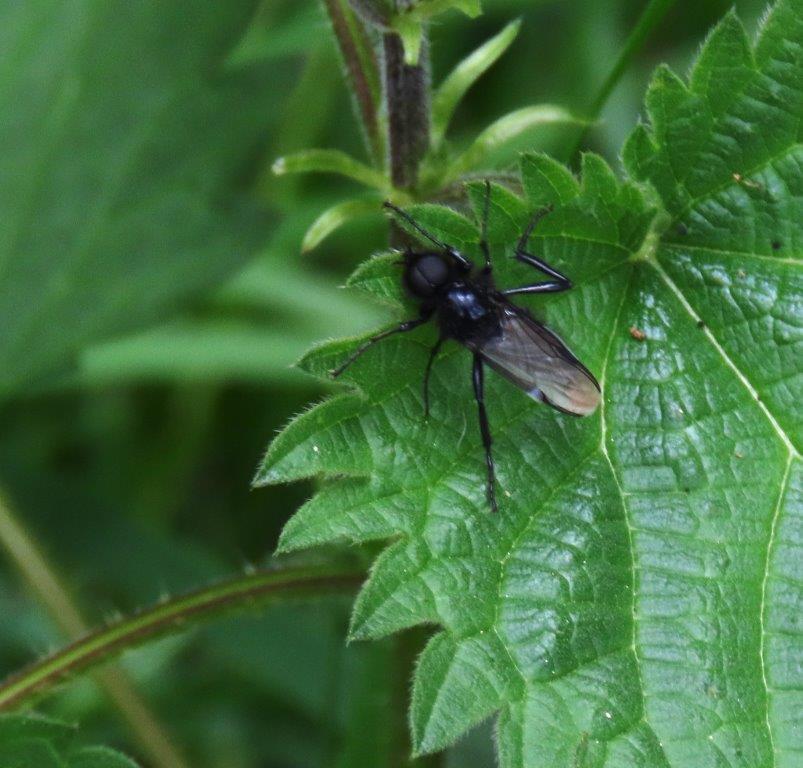
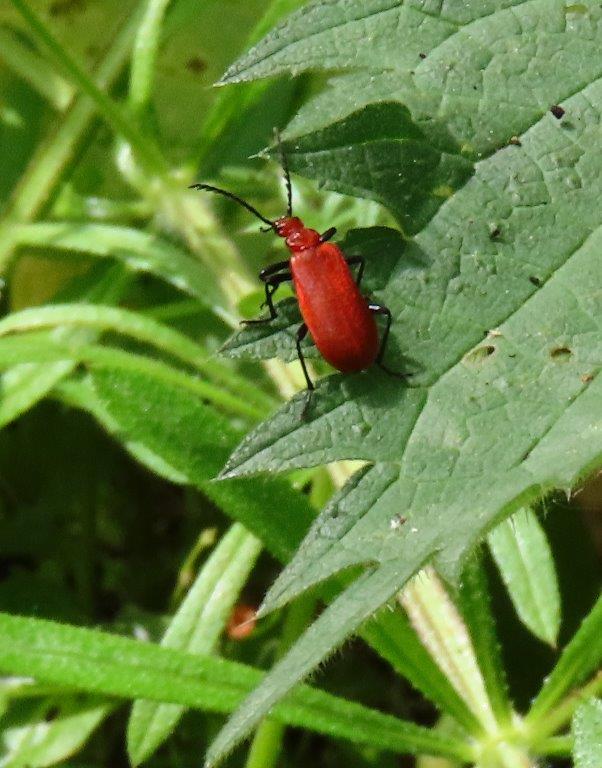
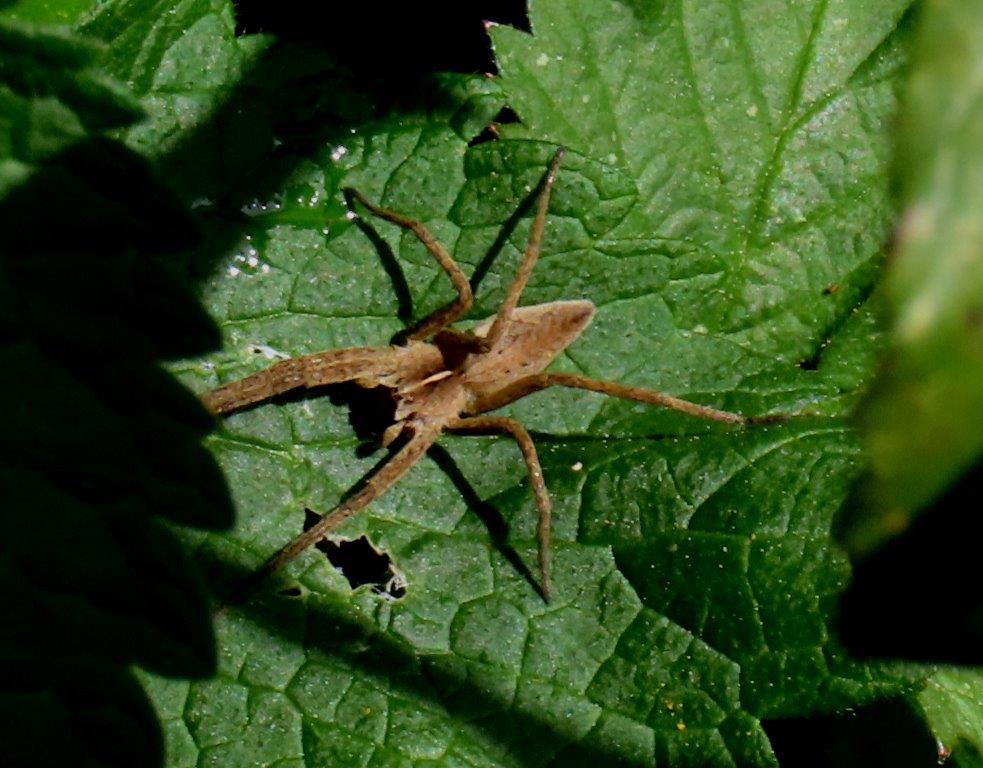
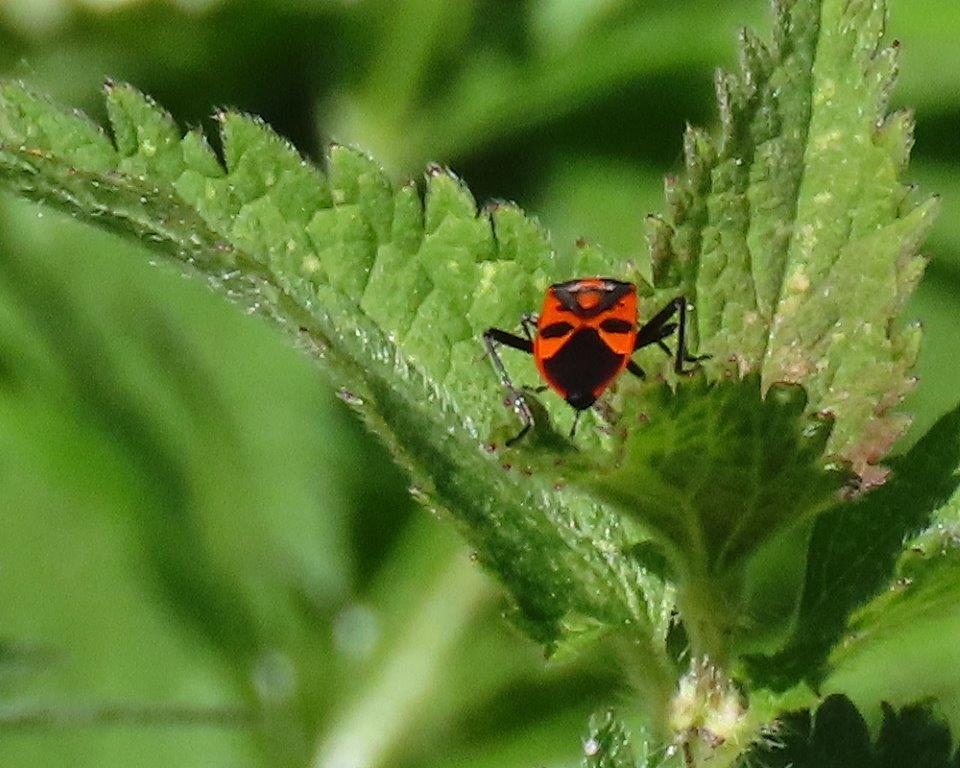
Back into more sheltered areas. Evergreen Alkanet amongst the Stinging Nettles provided boundless opportunities for Dark-edged Beeflies and ladybirds, mostly 7-spot but with Cream-spot and 14-spot as well. Several St Mark’s Flies rested alongside the first Red-headed Cardinal Beetles of the year, all under the watchful gaze of basking Nursery-web Spiders.
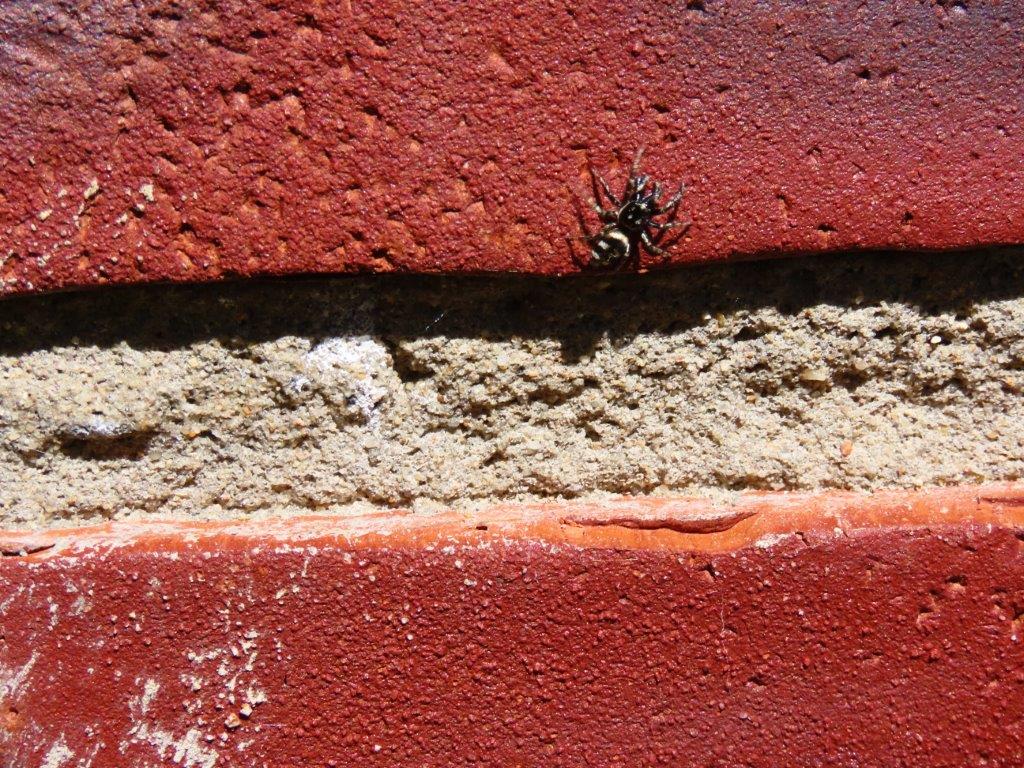
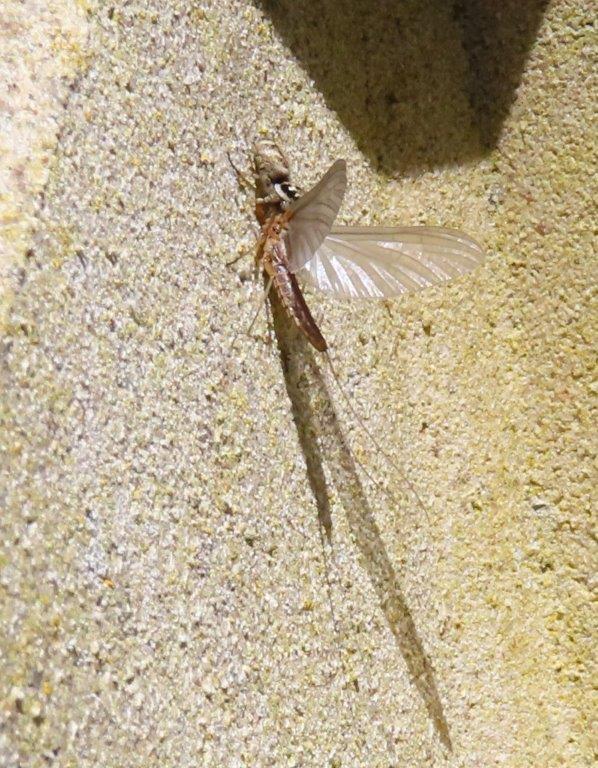
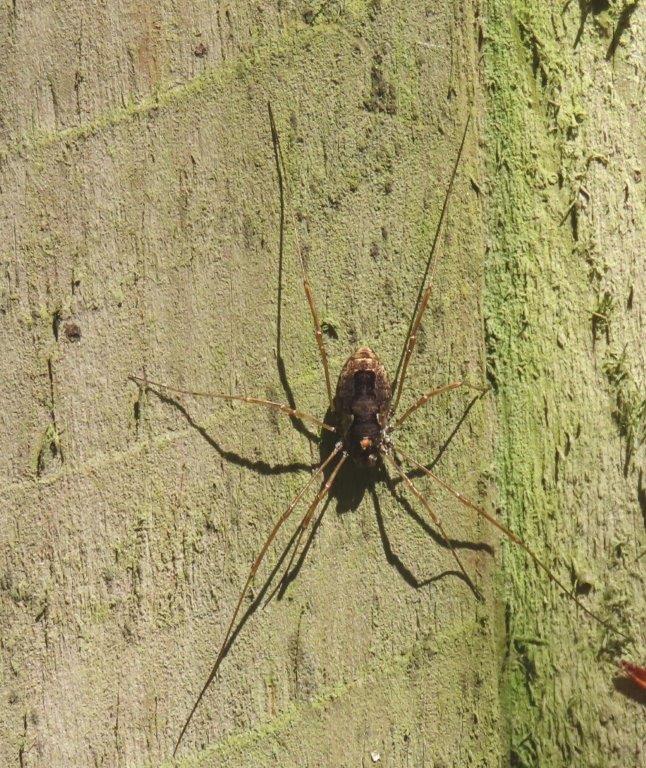
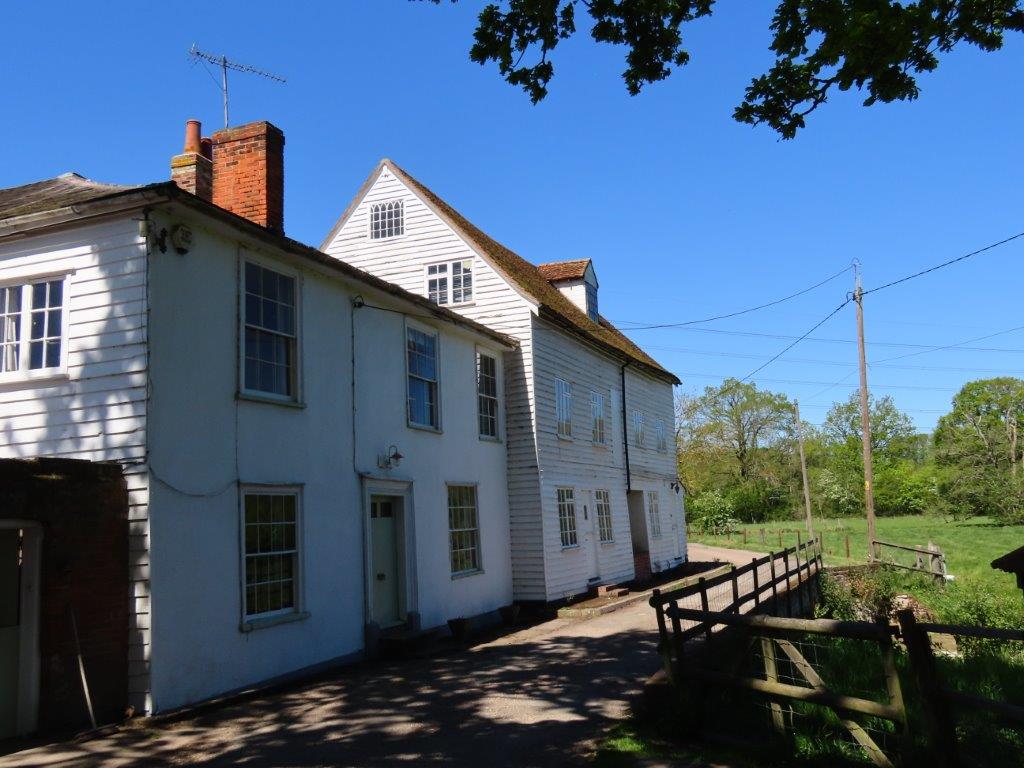
A sunny wall and wooden fence, providing security for an isolated mansion off the beaten track, was teeming with Zebra Jumping-spiders, one of whom had caught a meal in the form of a Pond Olive mayfly (not that I realised it until I looked at my photos back at home!). And in another bit of post-hoc reassessment, a harvestman on that fence would appear to be Platybunus pinetorum. First found in Britain as recently as 2010 and known mostly from more northern areas, this will be (if confirmed) the first record from Essex, and quite possibly East Anglia.
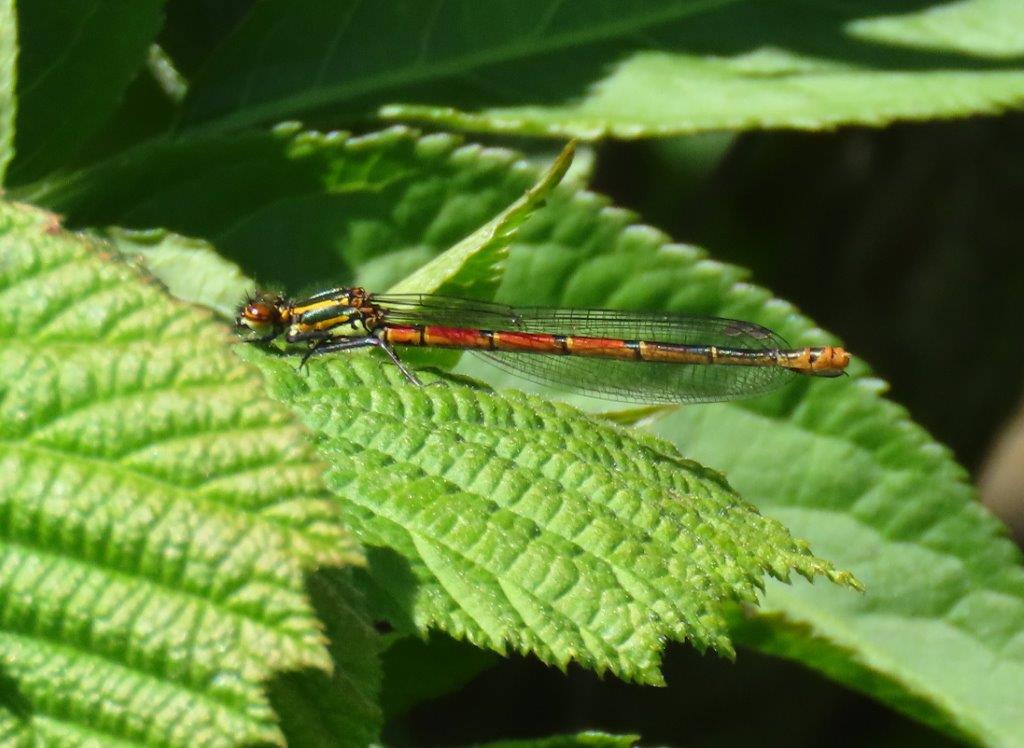
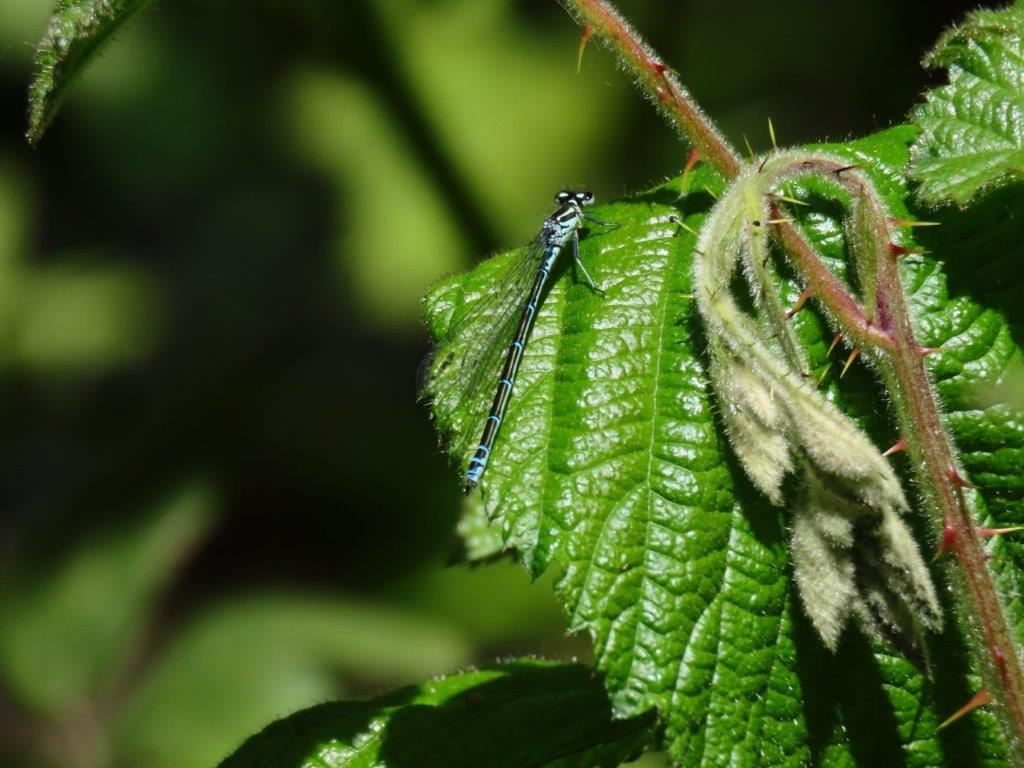
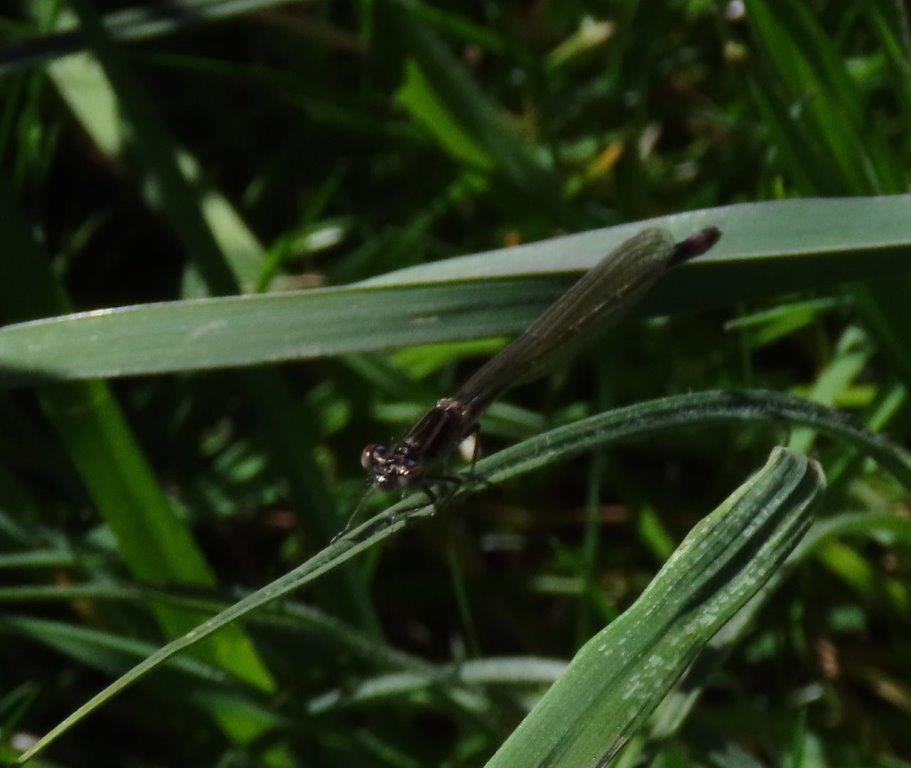
Close to the river, there were three species of damselfly: several Large Reds, always the first to emerge in the spring, with single female Azure and Blue-tailed, the latter so fresh it was practically colourless, a so-called teneral specimen.
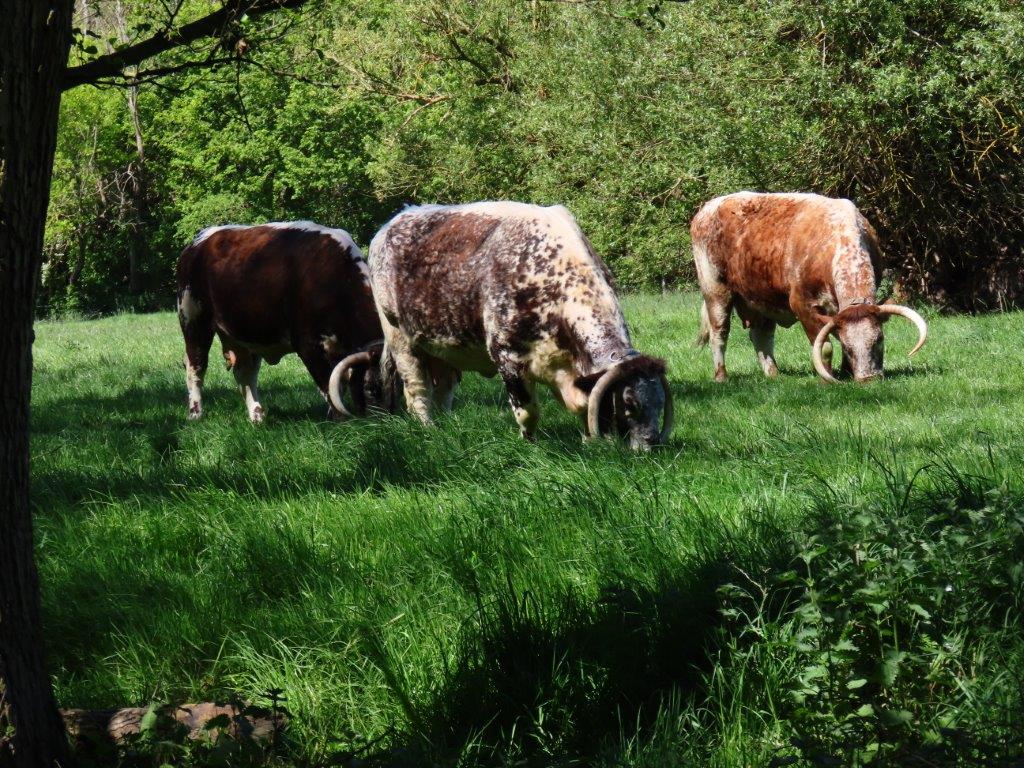
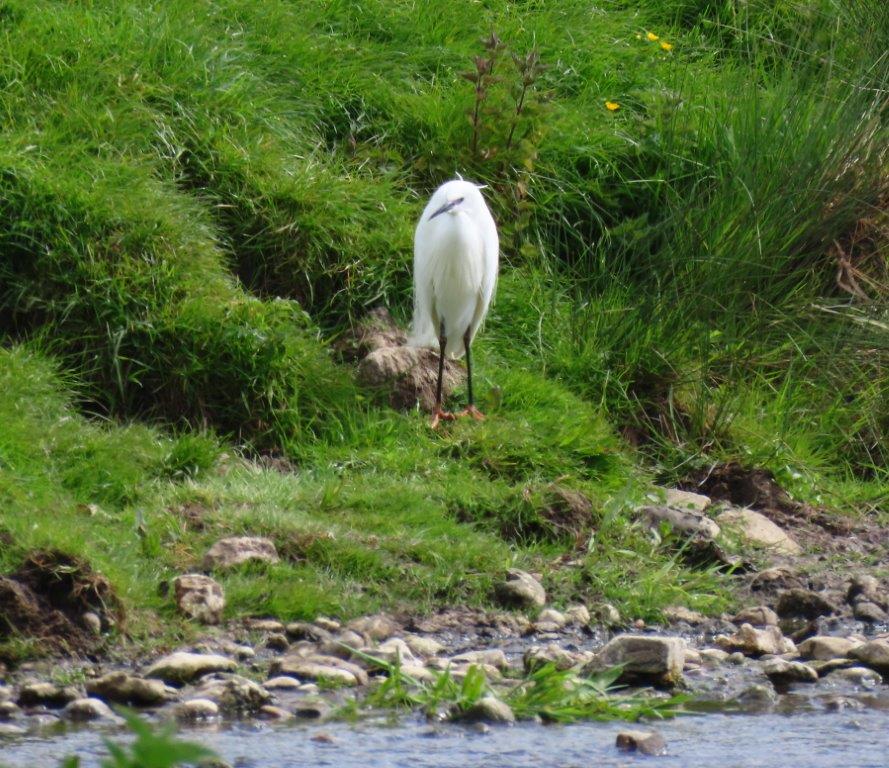
The final upstream section took us past fields of magnificent Longhorn cattle to one of the many former mills on the river, where Grey and Pied Wagtails fed, House Martins chirruped and swooped, a Kingfisher was heard, and a Little Egret bore witness to the inexorable march of climate collapse…
Thence into Chalkney Wood, a place I have been coming to for forty years. An inspiration! A Renaissance wood! A phoenix rising from the ashes of destructive early 20th century forestry policy: when I first knew it, Chalkney’s ancient woodland roots were buried under serried ranks of non-native conifer trees. Fortunately we recognised that those who attempted to destroy the old trees a generation previously had not been very efficient; green shoots of hope remained. And when in 1987 the plight of ancient woods was highlighted by the ‘hurricane’ that swept through our lands in October, it didn’t take too much of a push to guide the Forestry Commission down the path towards a sustainable future.
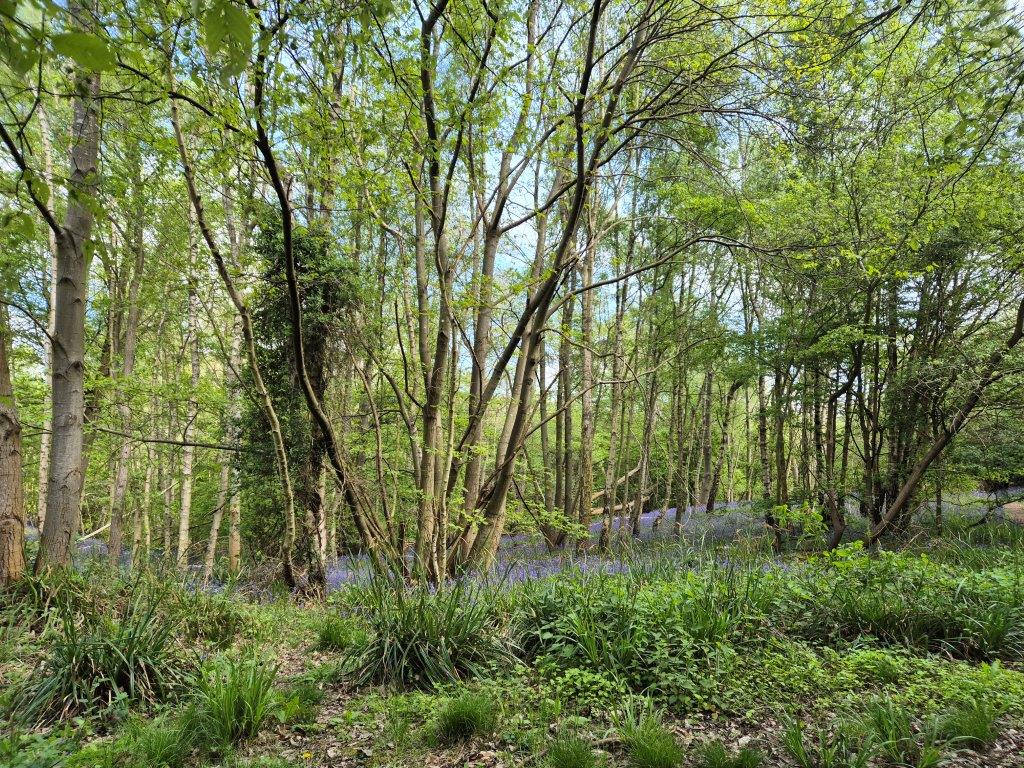
The conifers were removed ahead of their intended lifespan, light flooded back, life responded accordingly, and now thirty years later it is almost impossible to differentiate that part of the wood from the smaller portion that Essex County Council had presciently been able to rescue from the jaws of doom years before…
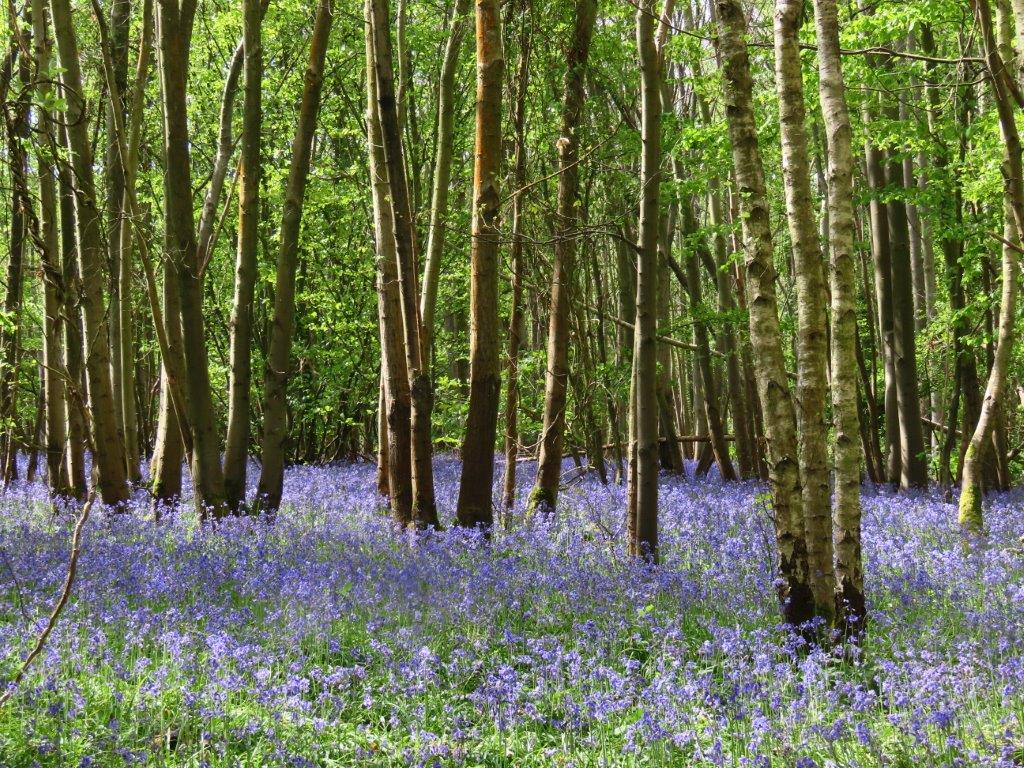
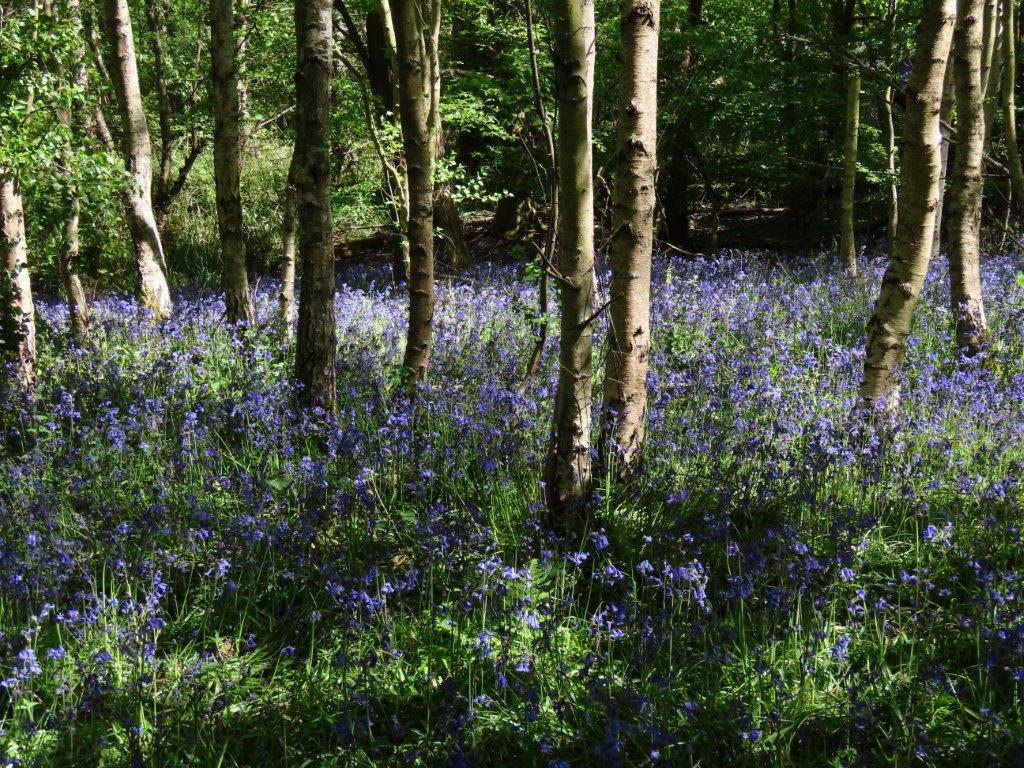
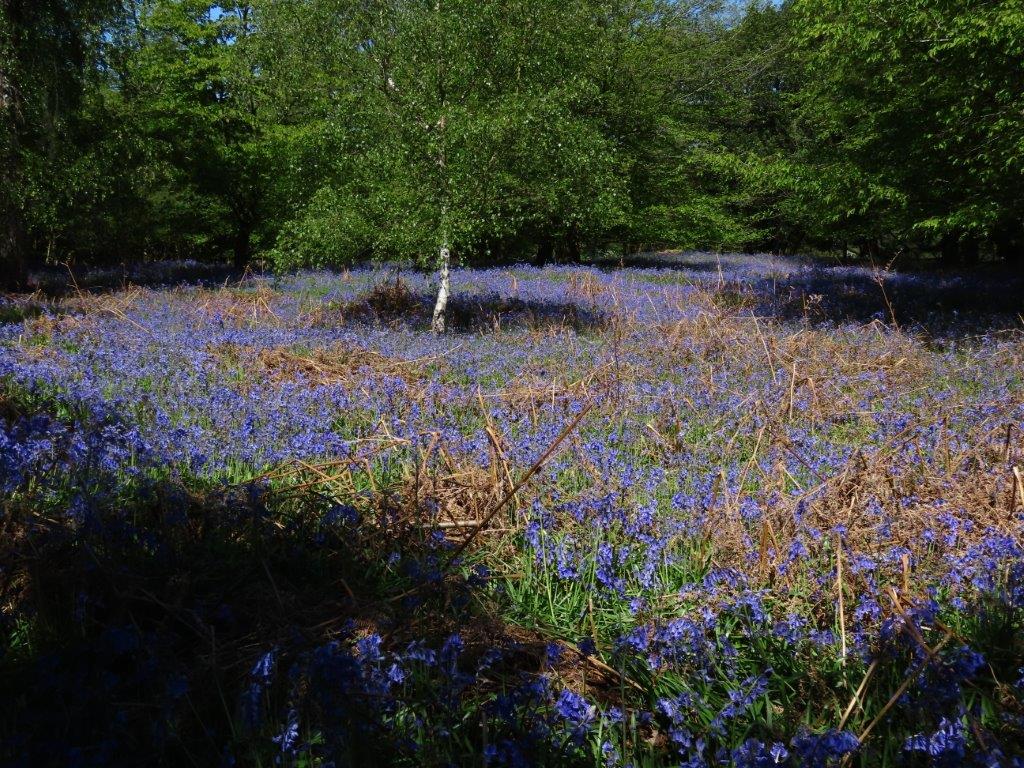
Over vast swathes of the wood, Bluebells were only just past their best, a colour scheme interrupted only on some damper patches where white Wild Garlic dominated. And both smelled as good as they looked.
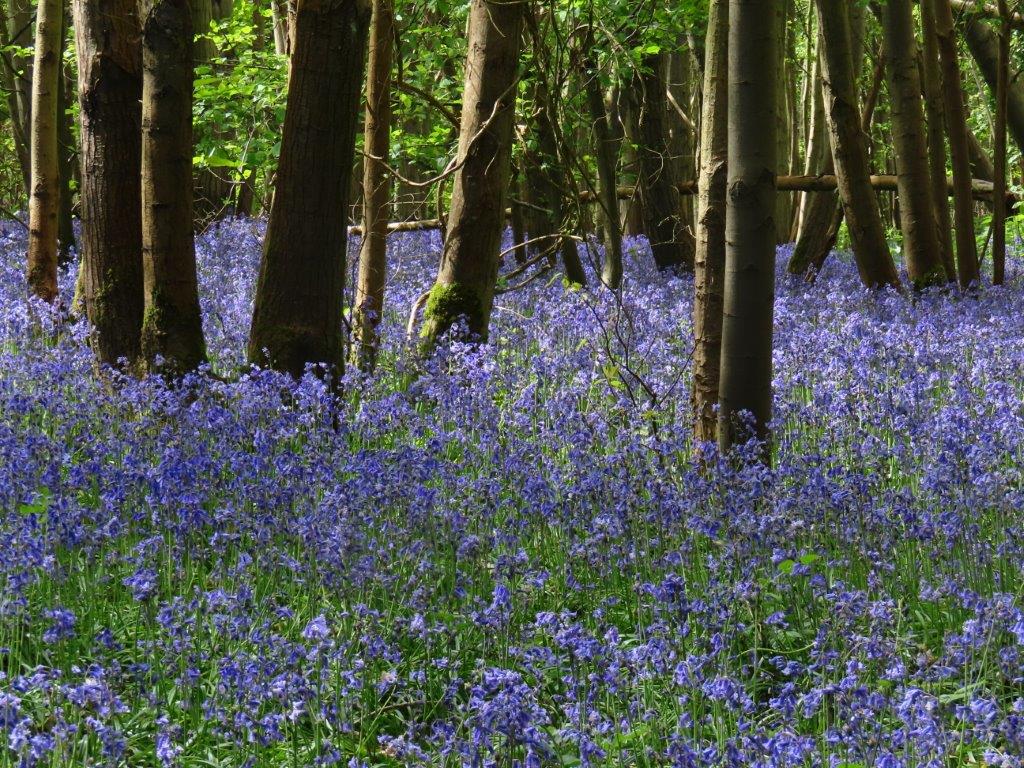
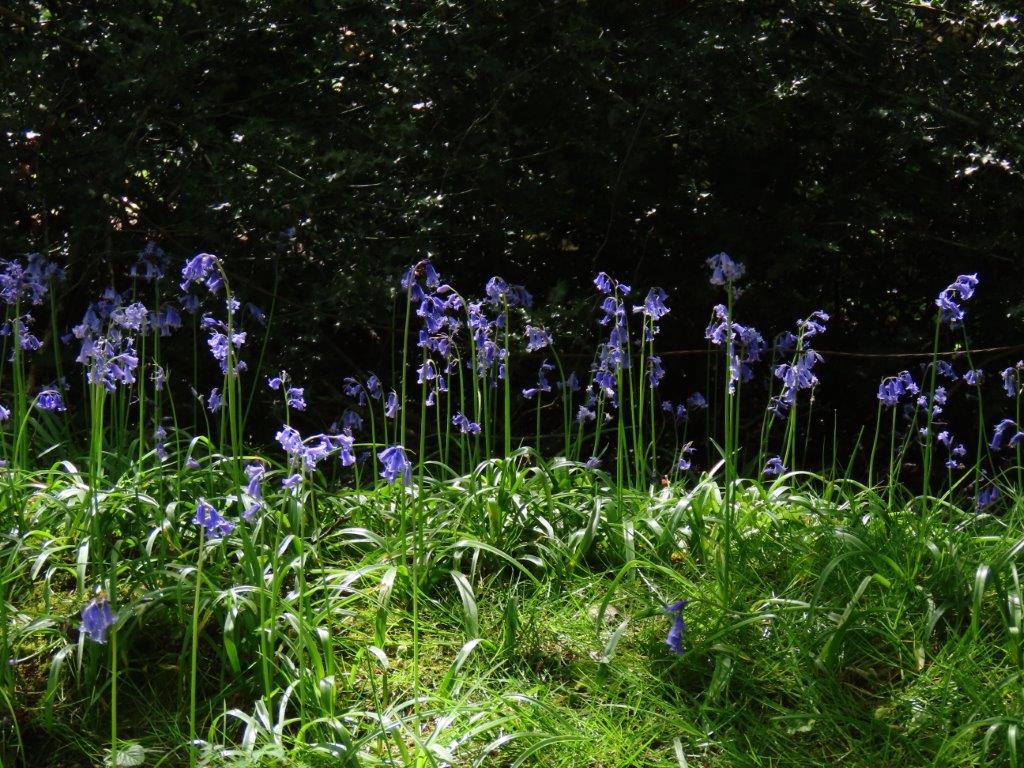
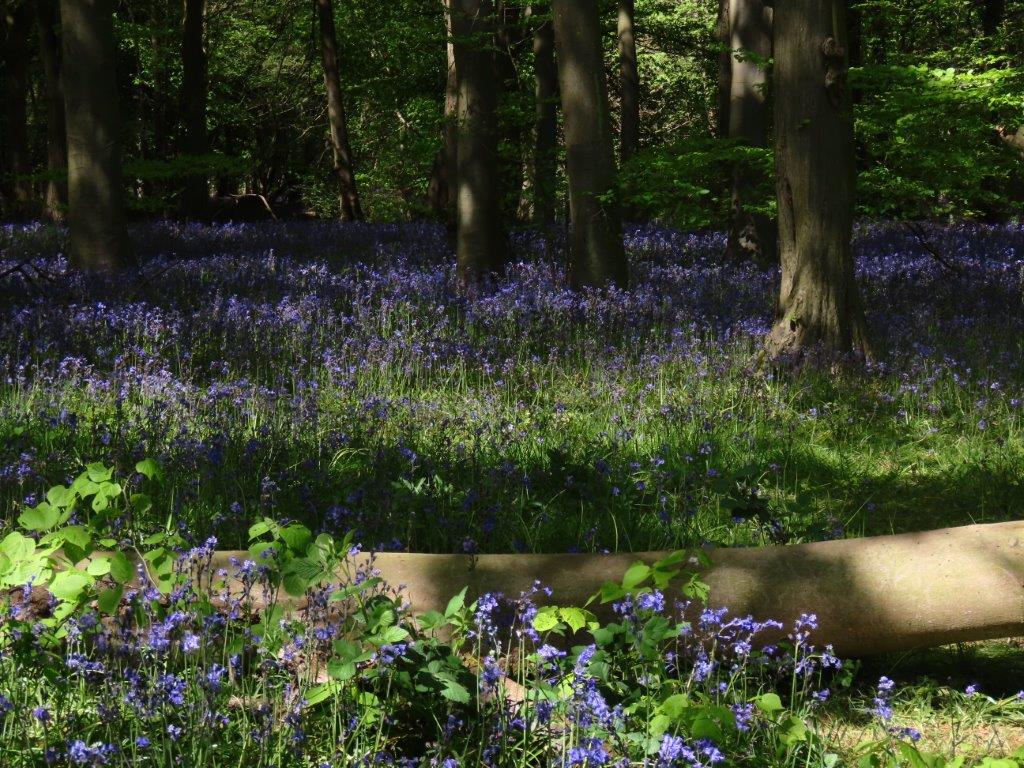
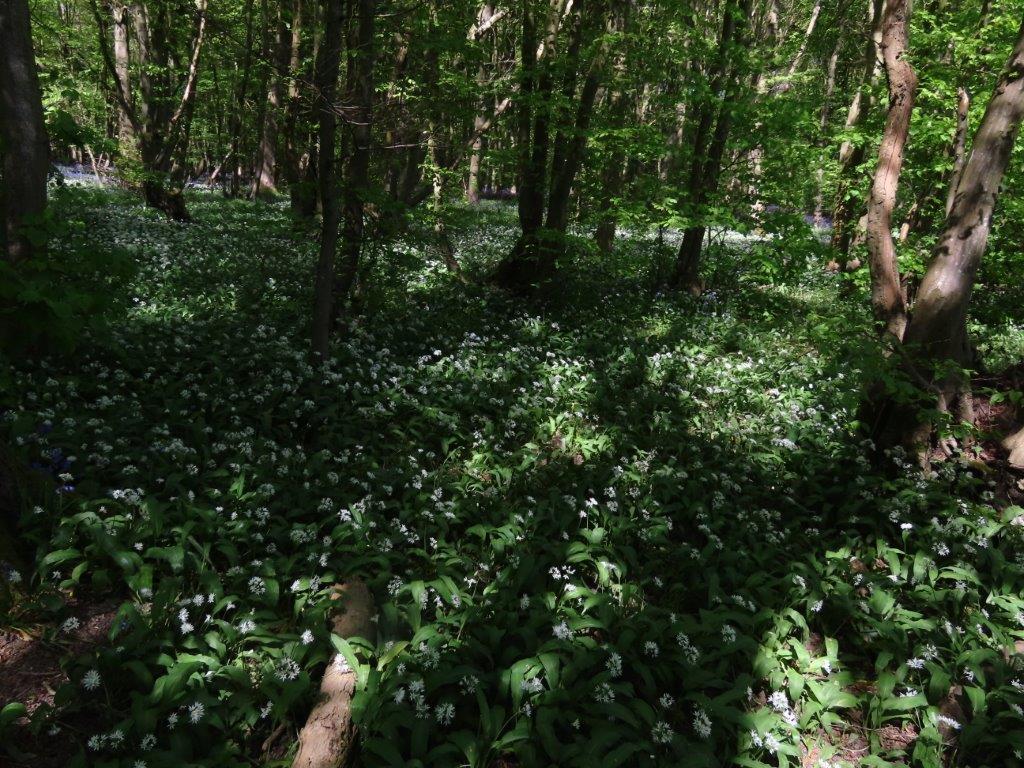
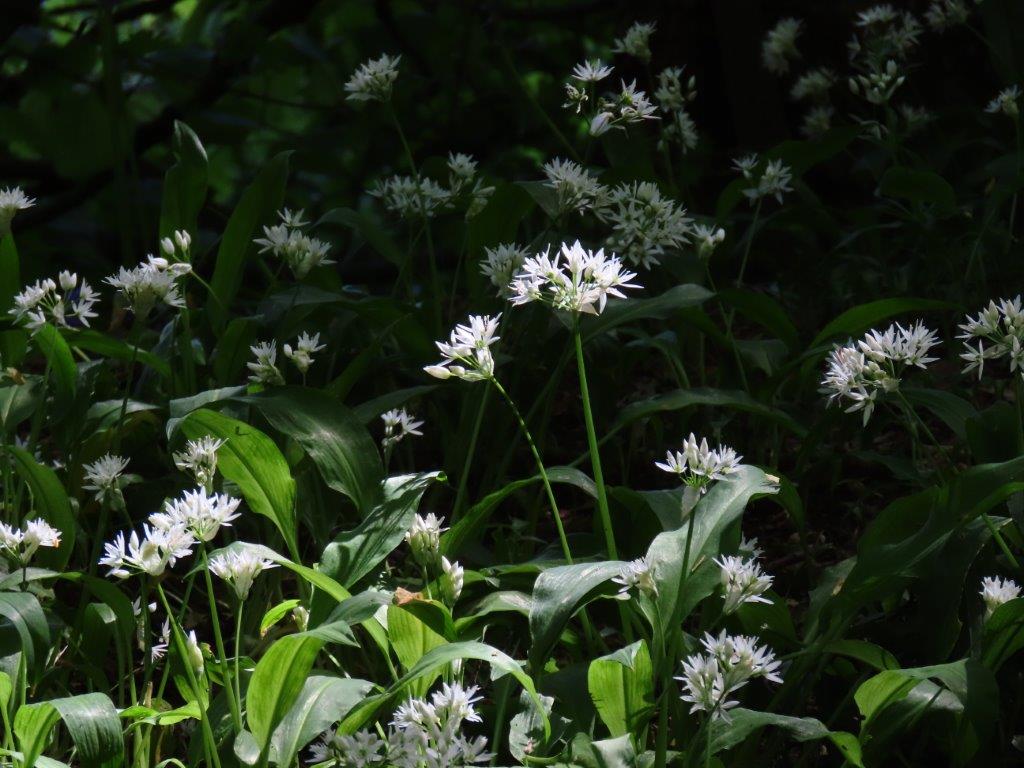
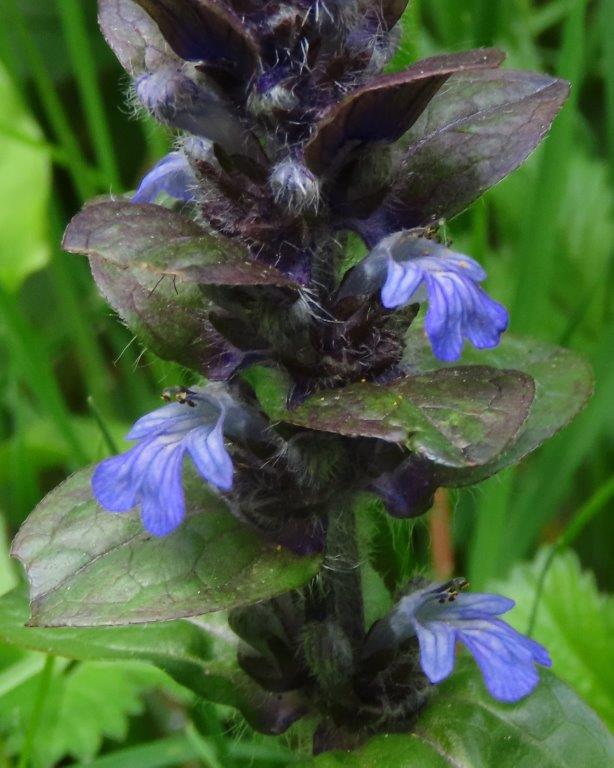
Other flowers included cushions of Greater Stitchwort and Ground Ivy, especially around the wood edge, and Bugle and Wood Speedwell lining the rides:
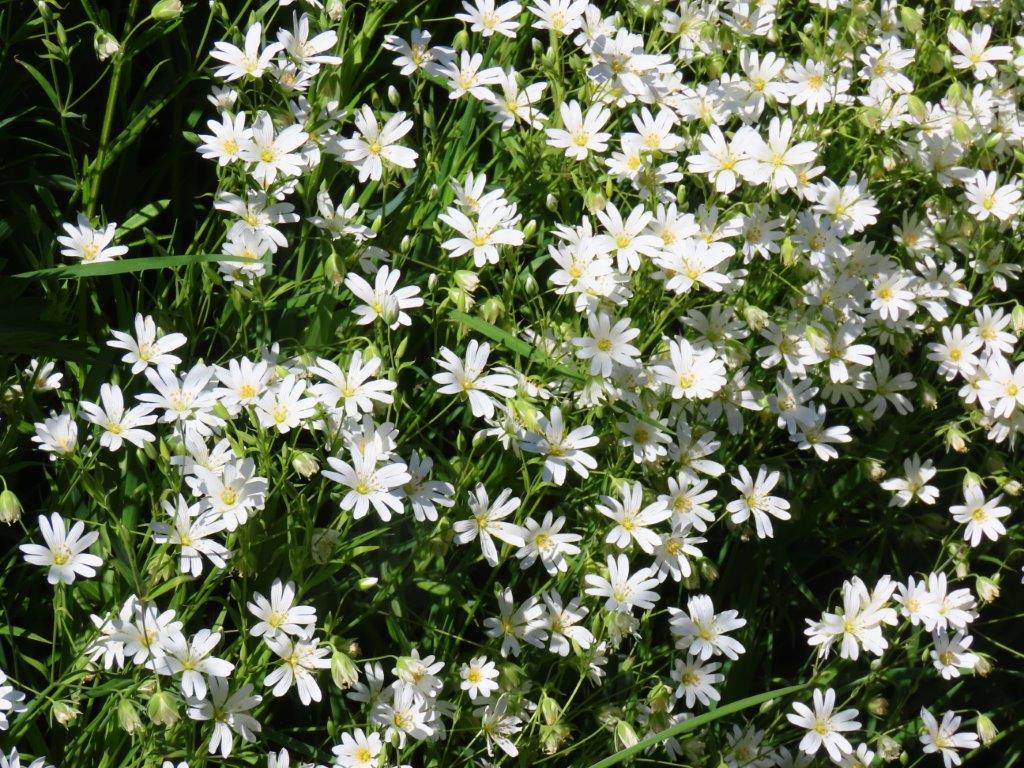
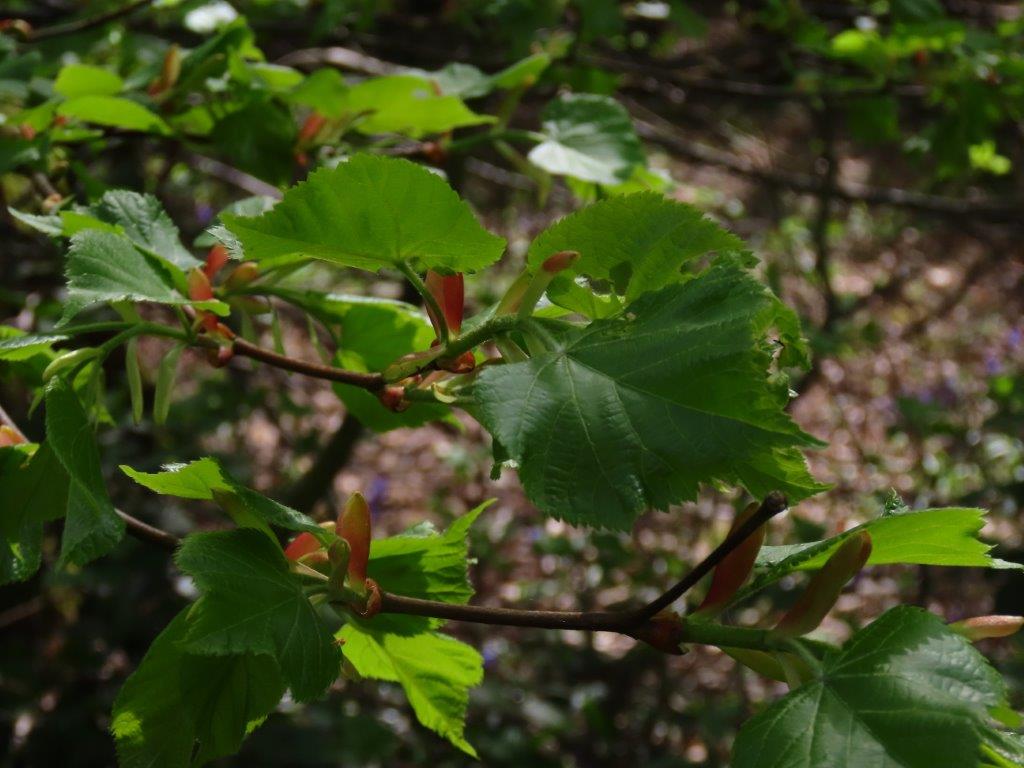
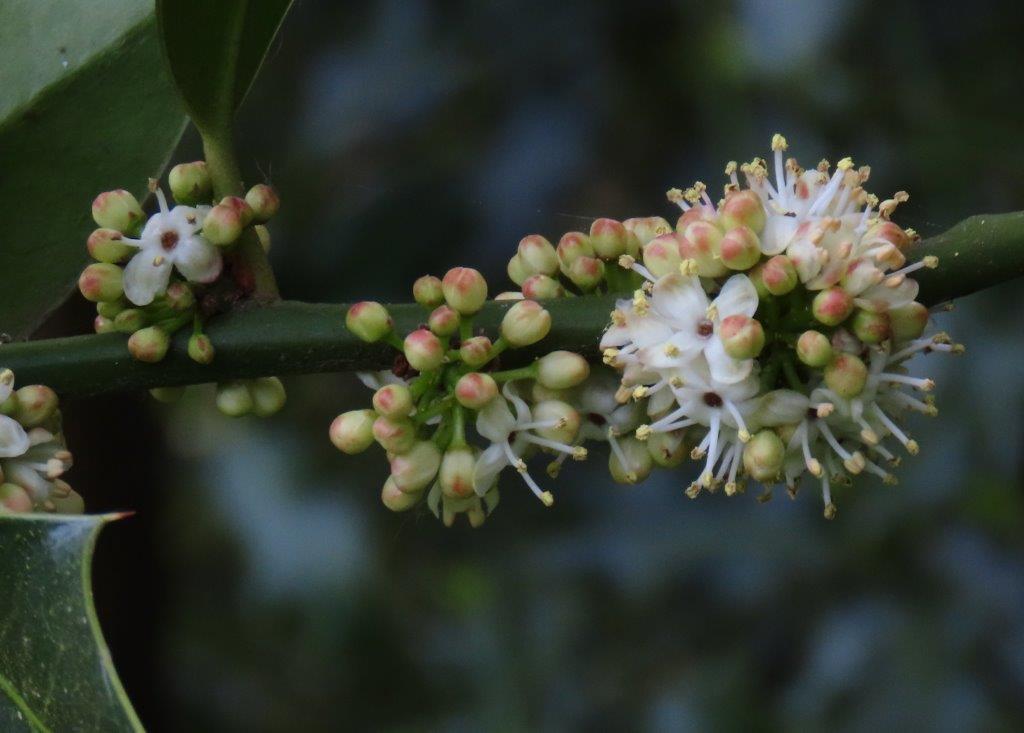
The dominant coppice trees are Hornbeam and Small-leaved Lime, the latter particularly beautiful as its pink-flushed buds open, and Hollies (of both sexes) flowered on the woodbanks. Blackcaps and Chiffchaffs sang everywhere, with a lovely Garden Warbler both days around the lunch stop.
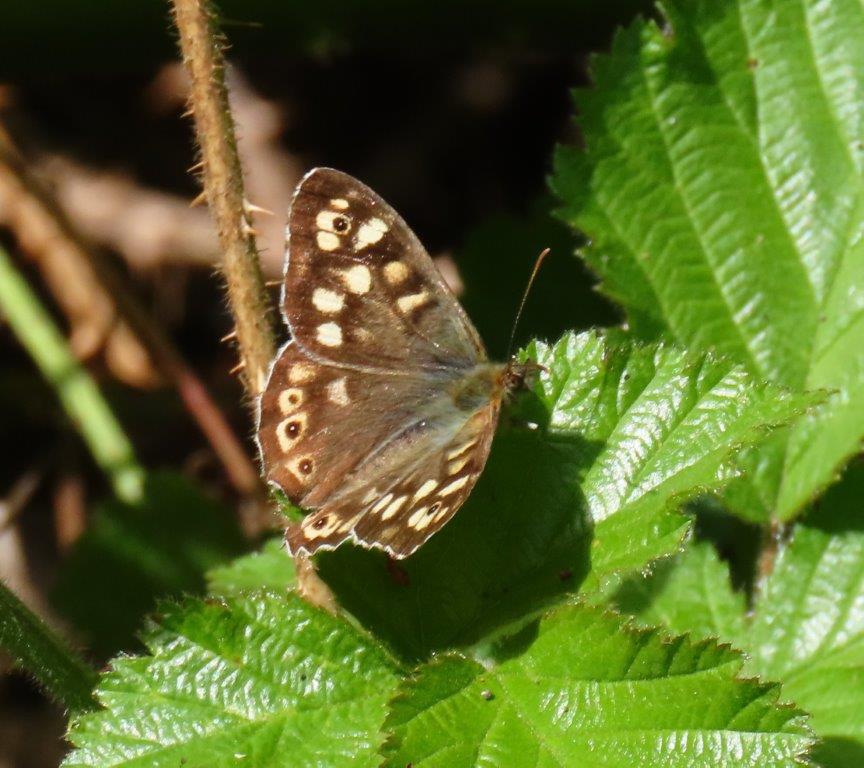
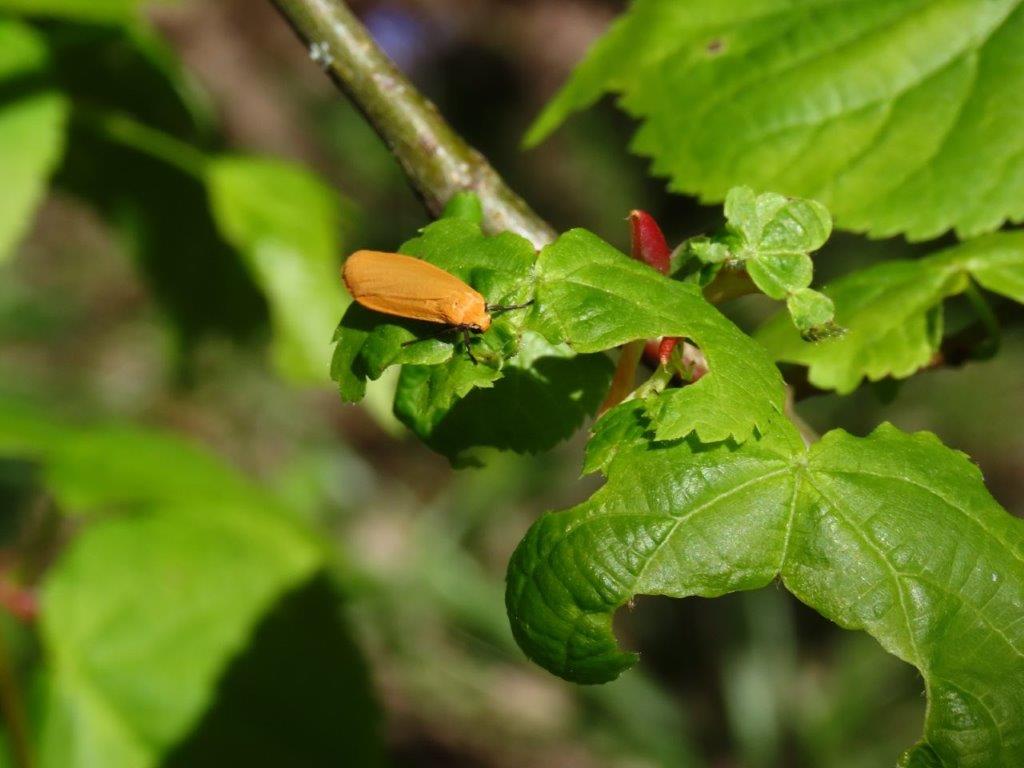
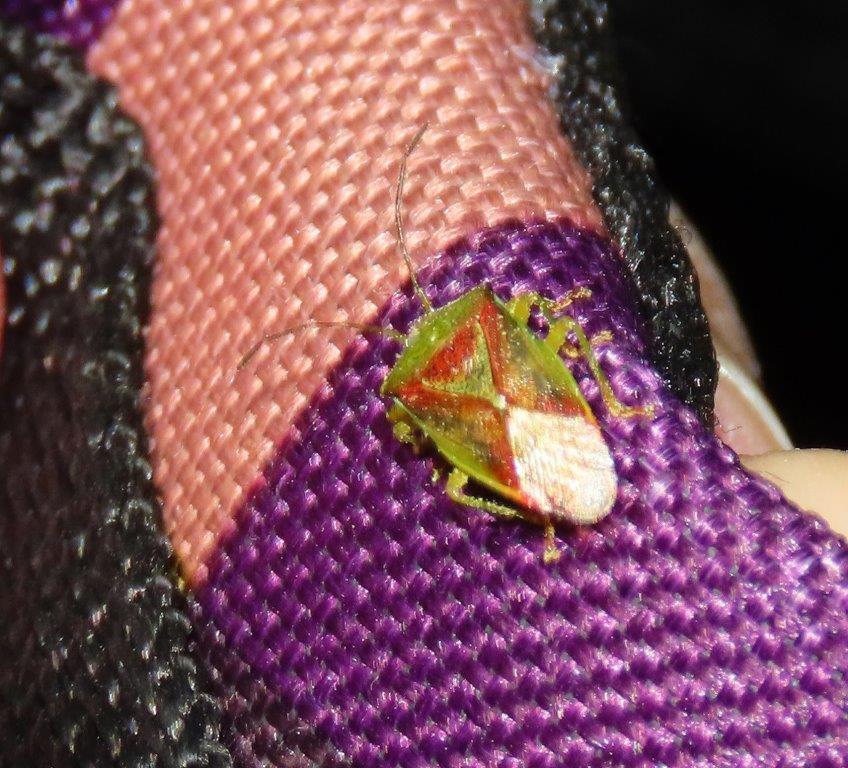
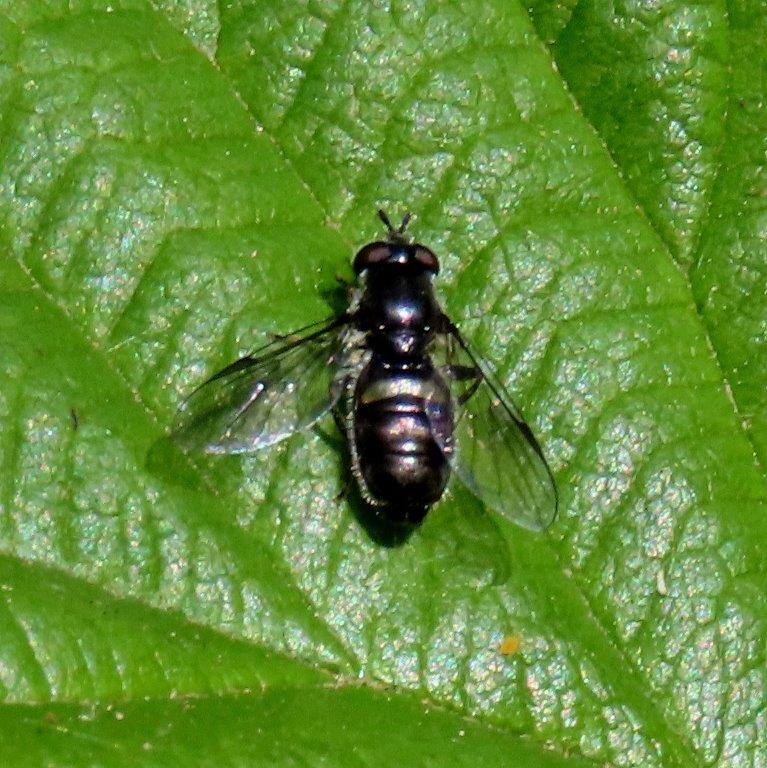
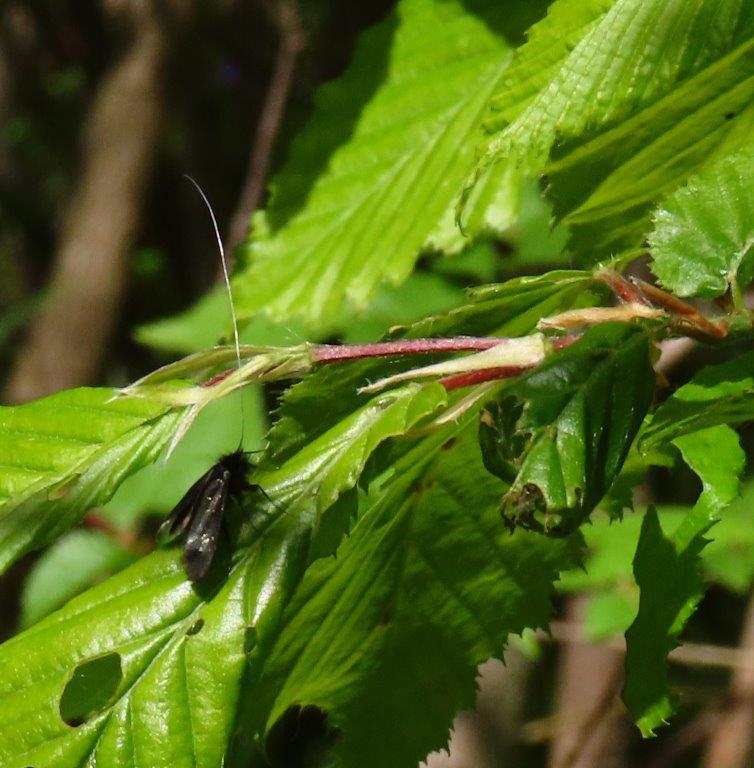
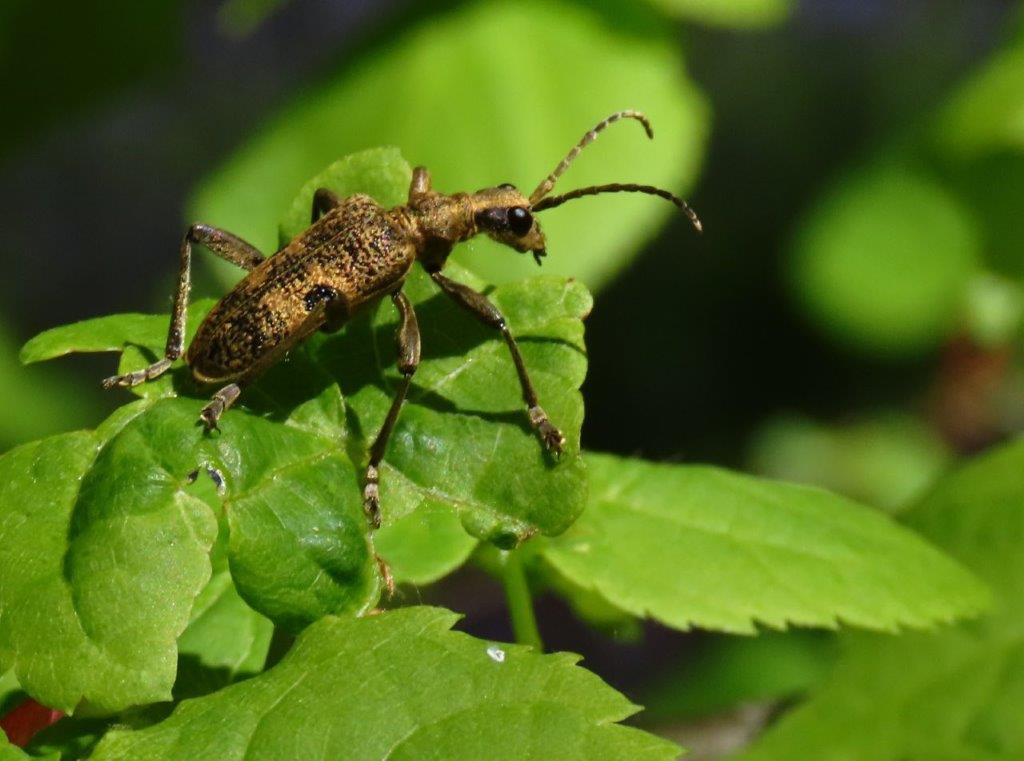
The sunny rides were also the place to find insects, including Speckled Wood, Orange Footman moth, Birch Shieldbug, the hoverfly Pipiza noctiluca, and two ‘longhorns’, Green Longhorn Moth and the beetle Rhagium mordax, rather scattered in Essex, being restricted to ancient woodland habitats.
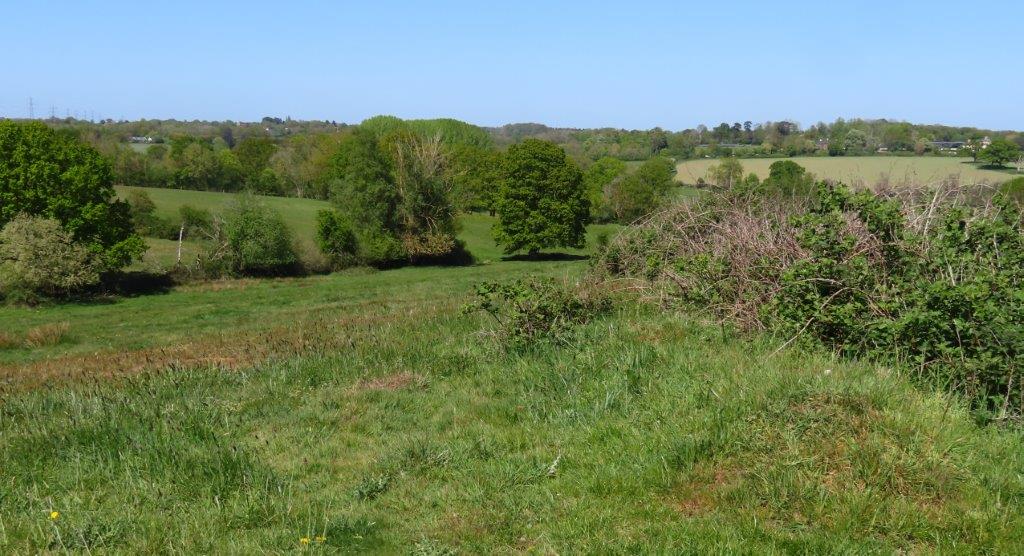
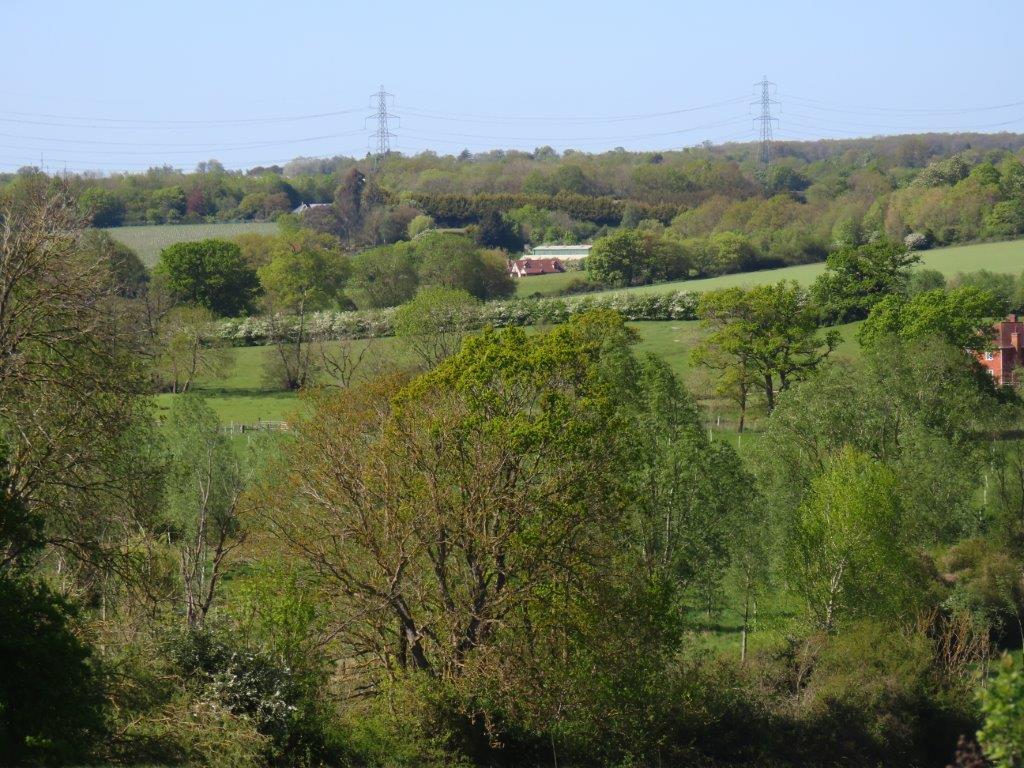
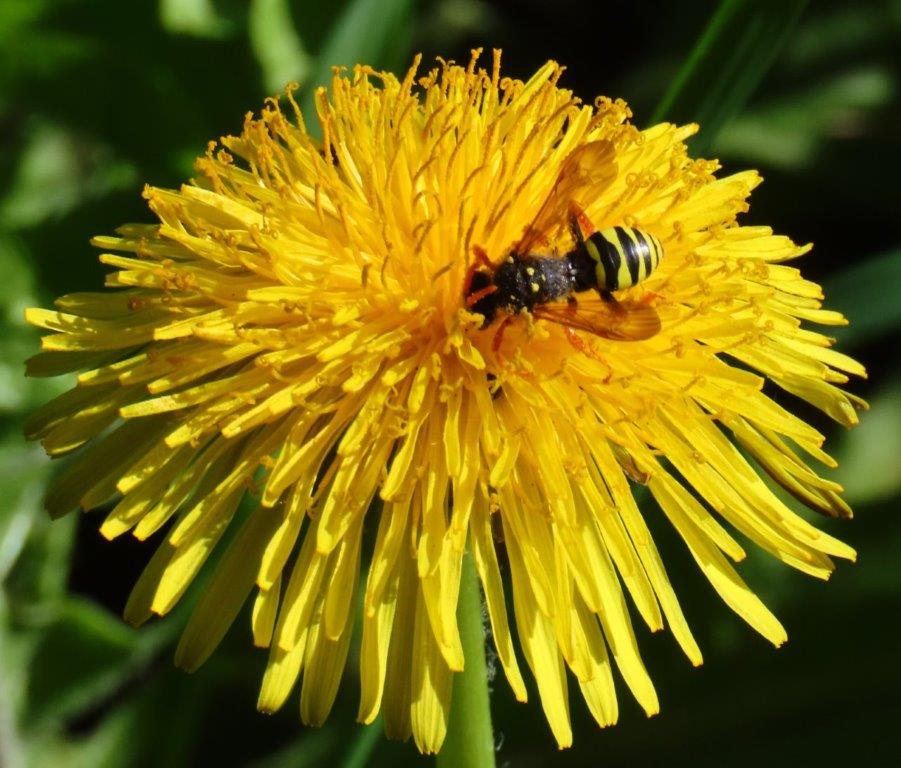
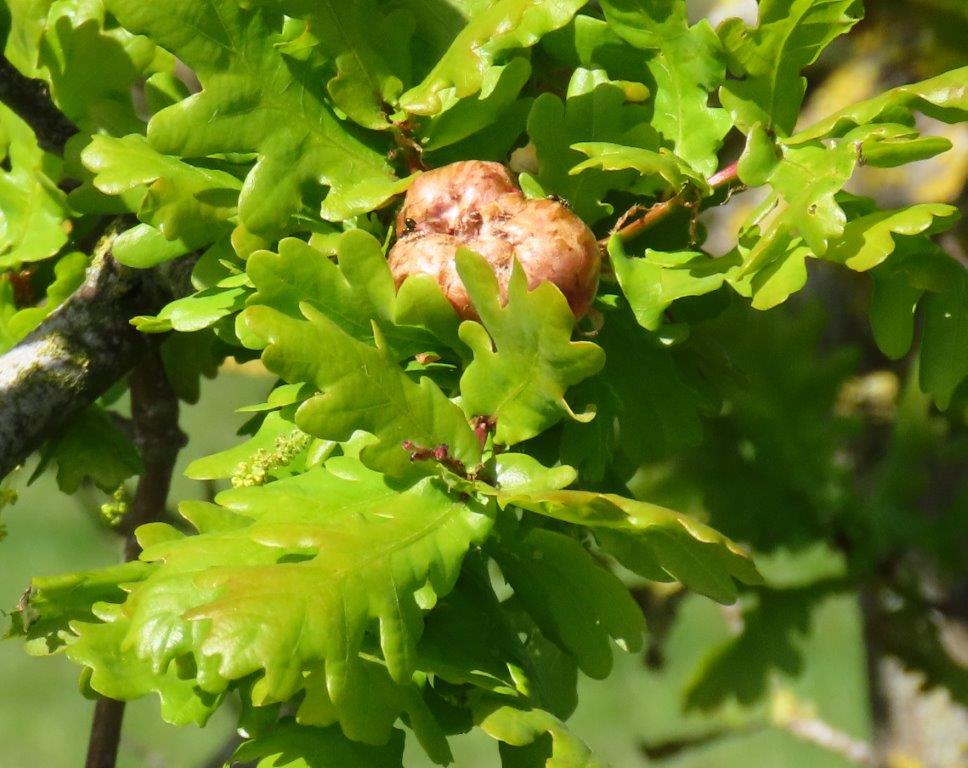
The return journey was along the hill tops (yes, Essex does have hills!) giving wonderful views over the unspoilt valley. Long may it remain that way. Dandelions as always attracted insects, here a Gooden’s Nomad-bee, and sheltered nettlebeds harboured Hairy Shield-bugs and a Cinnamon Bug. And stunted hedgerow Oaks showed the large, spongy oak-apple galls of the wasp Biorhiza pallida.
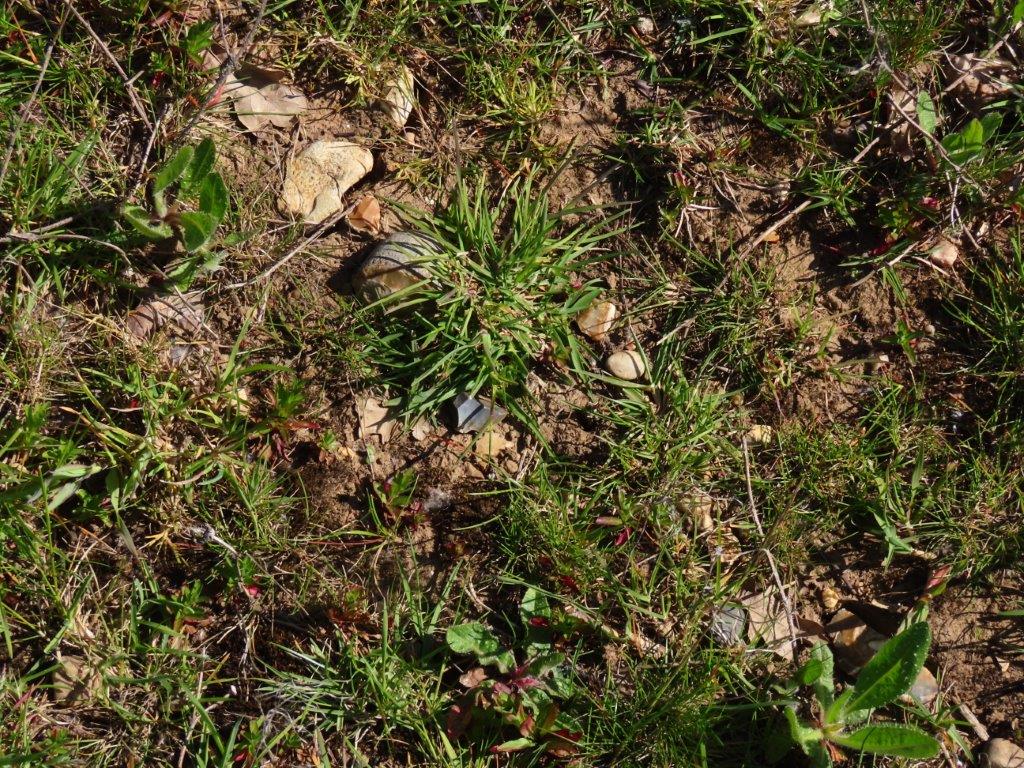
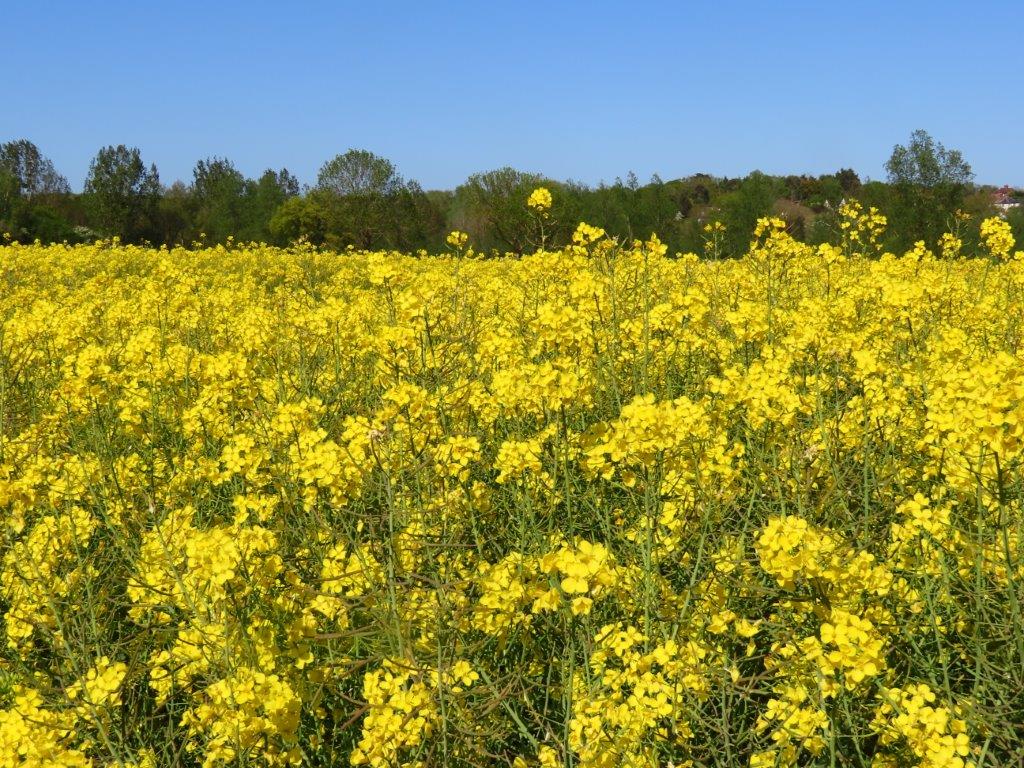
The eroded path gave a window into local geology, flint-rich chalky boulder clay deposited by the last outpost of the Anglian Glaciation, before at least the Naturetrek group plunged through a waist-high Rape field. It was surprising just how many insects there were in the monoculture, from Small Whites to Honeybees and several others. We can only hope the Rape was not bearing a lethal dose of neonicotinoid pesticides…
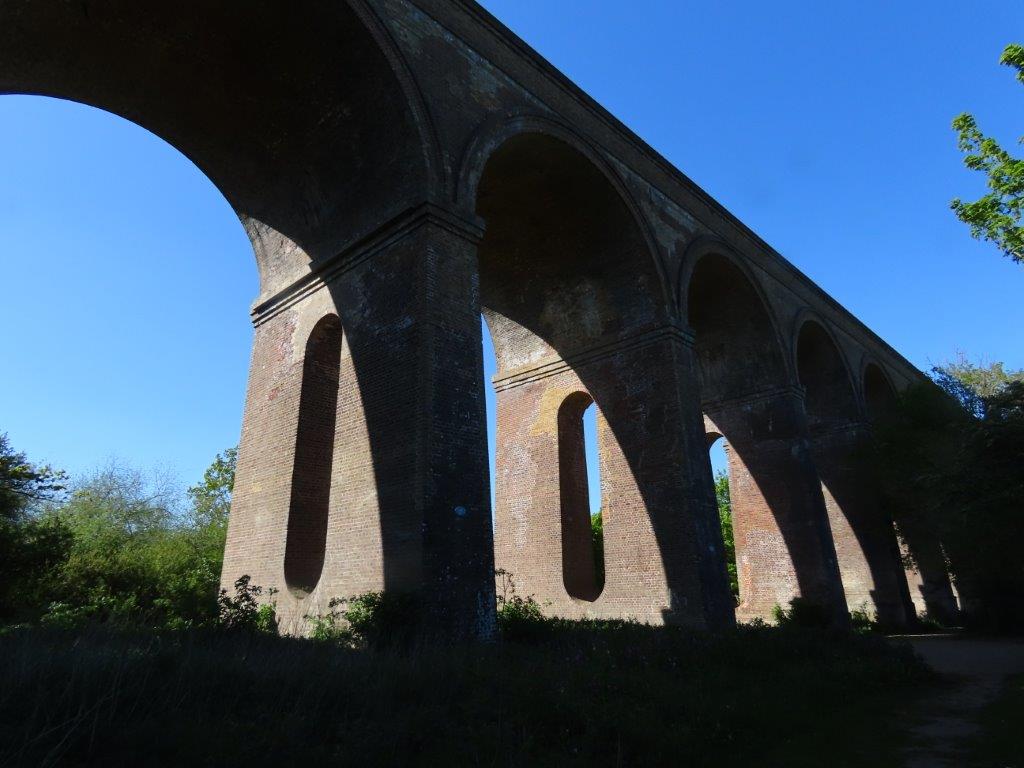
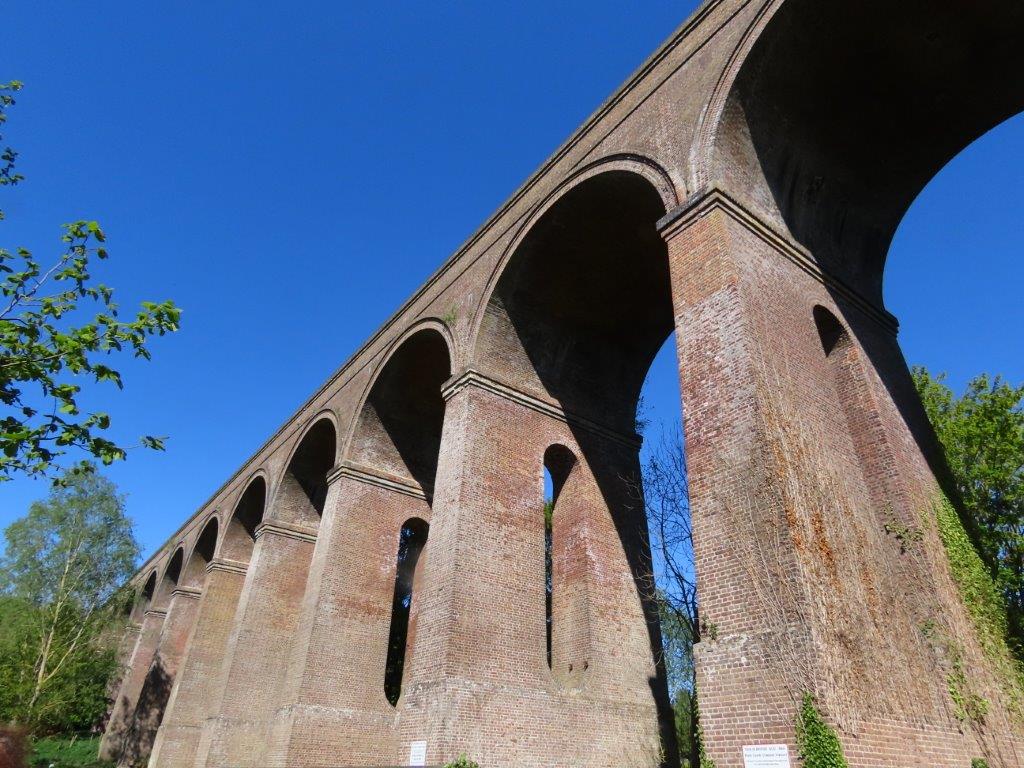
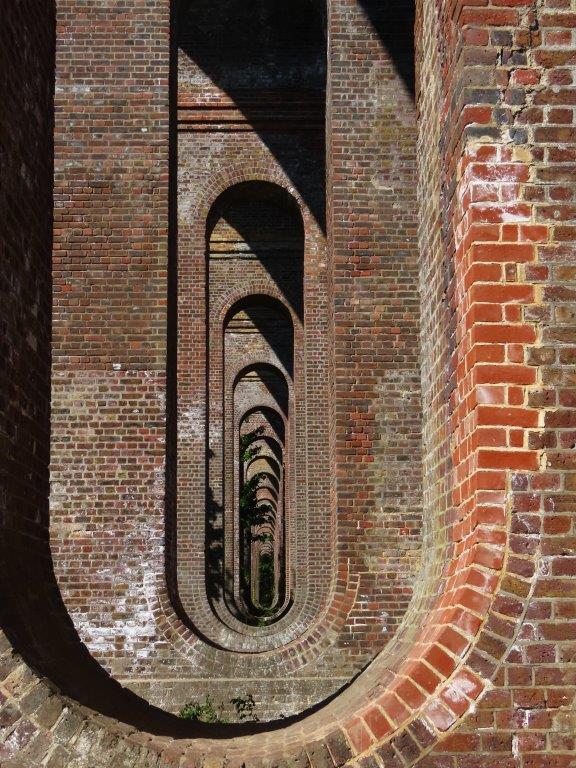
And finally everyone got to pay homage to Chappel Viaduct, up close and personal, at its very best in slanting sunlight, a graphic masterpiece of Victorian architecture, as sound now as when it was built 160 years ago. Worth the effort of visiting in itself, especially for those travelling by train and seeing views both of and from. All rounded off for some with a welcome drink at The Swan: the wild side of Essex at its best!