Blog Archives: Beth Chatto Gardens

Beth Chatto Outreach Sites: insects of the Meanwhile Garden & Chattowood

Working with the Beth Chatto team gives me all sorts of opportunities to explore the wildlife of gardens, not only the actual Beth Chatto Gardens, but also other gardens in which we have an interest. Below are two blogs I wrote for the Beth Chatto website in January 2026 relating to survey work I have undertaken at Colchester’s Meanwhile Garden and Chattowood, respectively.

Wildlife at the heart of the City: the Beth Chatto Meanwhile Garden

Original post: Wildlife at the heart of the City: Colchester’s Meanwhile Garden


Wildlife at the heart of the City: the Beth Chatto Meanwhile Garden


The county of Essex, much maligned, has a rich diversity of wildlife and wild places, with its coastlines and ancient woodlands widely recognised as of the greatest priority and value. But a close third to these are its brownfield sites, a legacy of the proximity to London and a gentle topography, ripe for development.

‘Brownfield’ or ‘previously developed’, call them what you will except ‘wasteland’. These places are anything but wasteland, full of wildlife, and bringing the benefits and joys of green into the lives of anyone who lives nearby, especially important to those of limited mobility.

Brownfield sites come and go with the ebb and flow of development, abandonment and redevelopment. Each is unique as a response to its history and locality. Each contains a unique mix of plants species, a multicultural mix of plants from around the world, that generally arrive under their own steam (eg members of the daisy family and willowherbs with long-distance wind-dispersal) or emerge spontaneously from a long-buried seed bank.

Wildlife at the heart of the City: the Beth Chatto Meanwhile Garden Wildlife at the heart of the City: the Beth Chatto Meanwhile Garden


The latest addition to the ranks of Essex brownfields is the Beth Chatto Meanwhile Garden in Colchester. For many years a bus station, when demolished it became an area of urban rewilding. But then a partnership between Colchester City Council and Beth Chatto Gardens saw the arrival of the gardening influence, to enrich it botanically for human and insect visitors alike, and to hold back the march of monoculture (especially buddleja and ailanthus) which would overwhelm its open sunny biodiversity in a matter of years if left unchecked.

Wildlife at the heart of the City: the Beth Chatto Meanwhile Garden


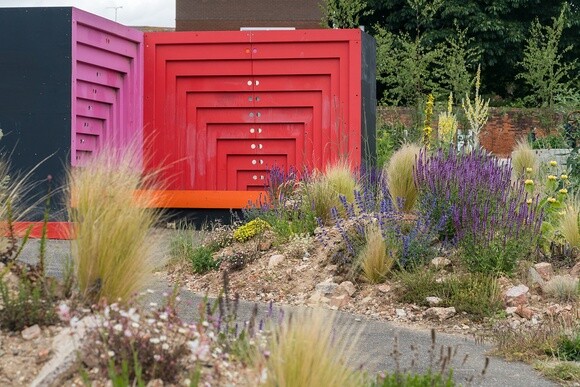
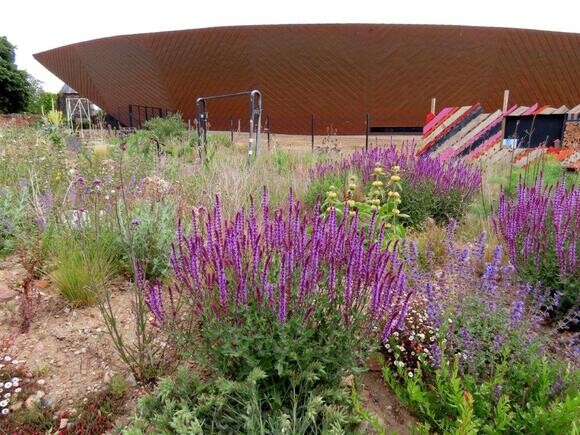
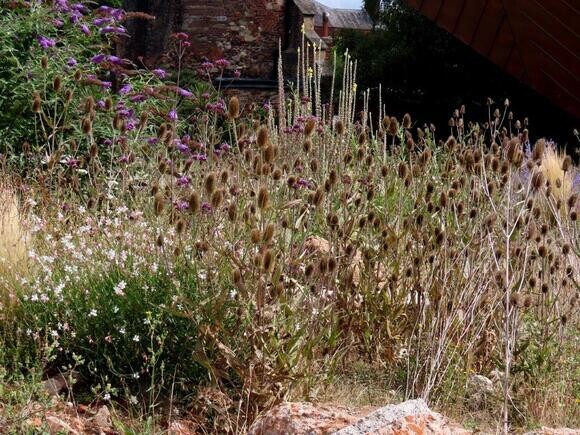
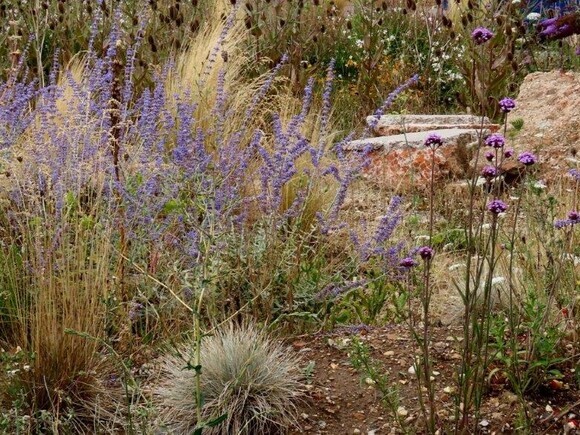
To some eyes it may not look much like a garden: bare ground, rubble, twisted and rusting metal, a mix of planted specimens and things that have just moved themselves in. But that’s Nature for you, and why should the ‘trimmed and tidied, primped and preened’ look be seen as desirable compared with this unplanned urban jungle full of life?

Wildlife at the heart of the City: the Beth Chatto Meanwhile Garden


The summer of 2025 represented the first full summer of the Meanwhile Garden since its creation in 2024. We followed its colonisation by insect and invertebrate life with monthly visits from April to September in fine weather. Each visit was only an hour long so this must be regarded as only scratching the surface of its biodiversity, a series of spot-surveys that nevertheless revealed lots of interest.

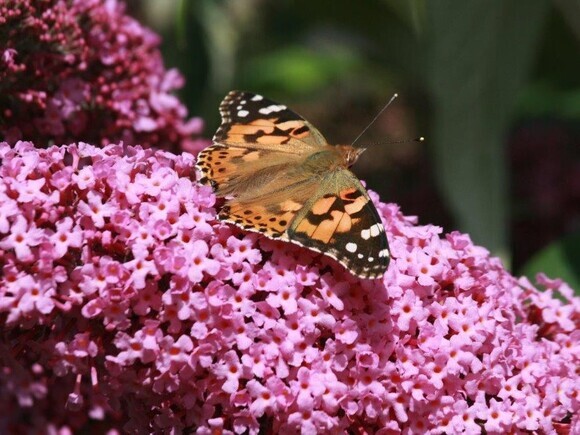
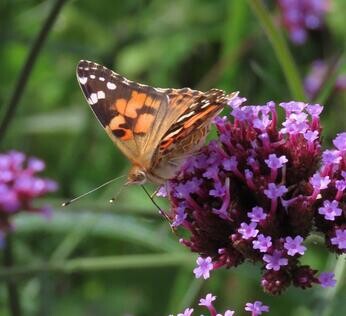
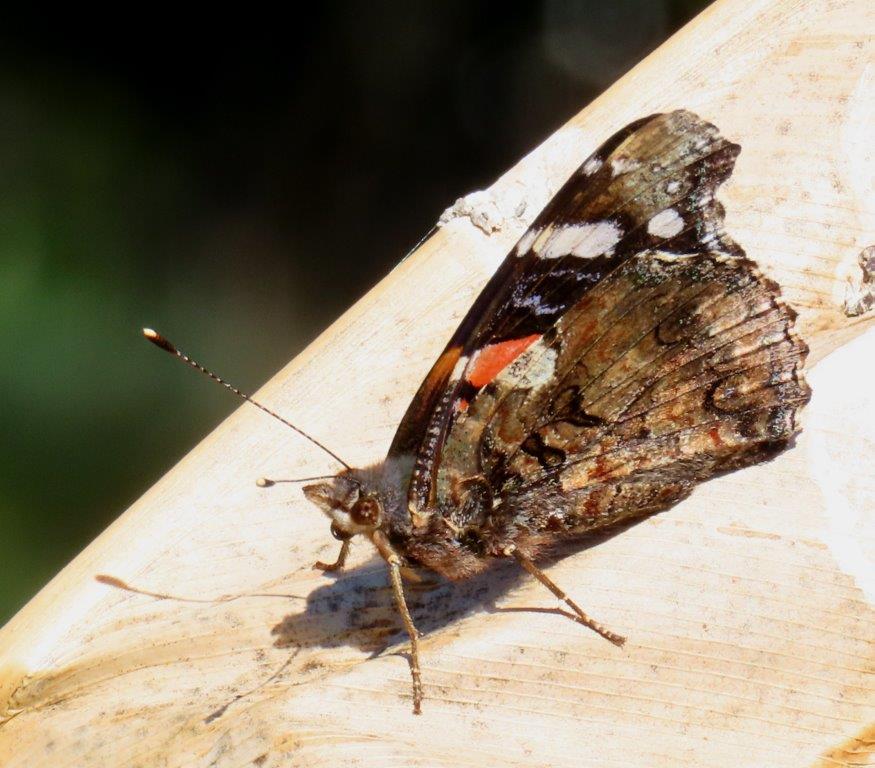
Any new habitat has to be colonised, and unless it is right next door to an existing habitat, insects are more likely to find it if they are powerful fliers. Many butterflies and moths are therefore good colonisers, and included Painted Lady among the array of summer butterflies, attracted especially to Buddleja davidii, often known as Butterfly-bush.

Wildlife at the heart of the City: the Beth Chatto Meanwhile Garden


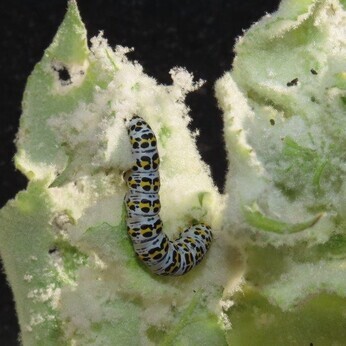
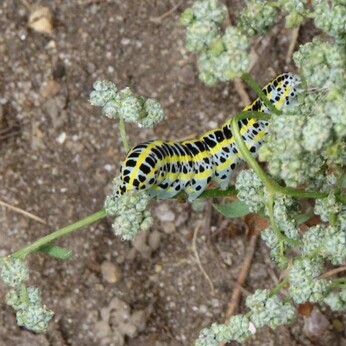
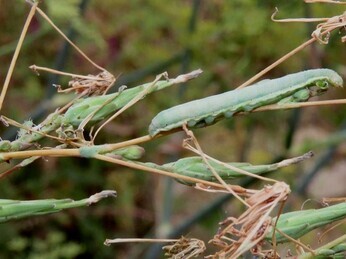
Moth colonists included three species with very distinctive caterpillars. The black-and-yellow-spotted Mullein Moth is common everywhere, while the Toadflax Brocade, more stripy but a similar colour pattern, is a relatively recent recolonist of the UK, and a specialist of brownfield sites and gardens in the south-east. Similarly the green Small Ranunculus, wonderfully camouflaged among the dead flowers of its foodplant prickly lettuce: extinct in the middle of the 20th century but now on brownfield sites across southern Britain.

Wildlife at the heart of the City: the Beth Chatto Meanwhile Garden Wildlife at the heart of the City: the Beth Chatto Meanwhile Garden Wildlife at the heart of the City: the Beth Chatto Meanwhile Garden


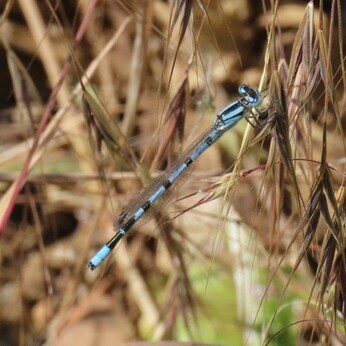
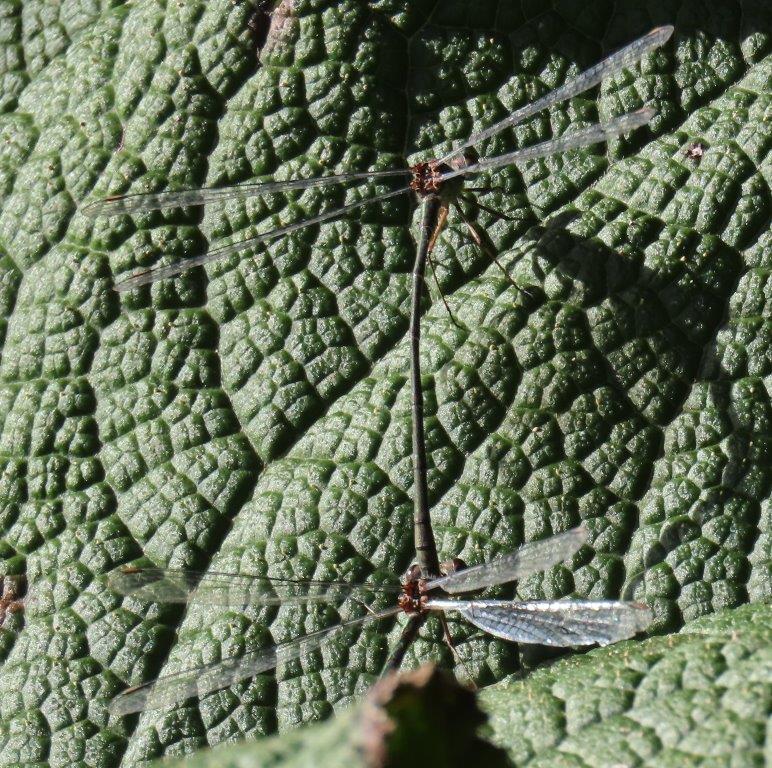
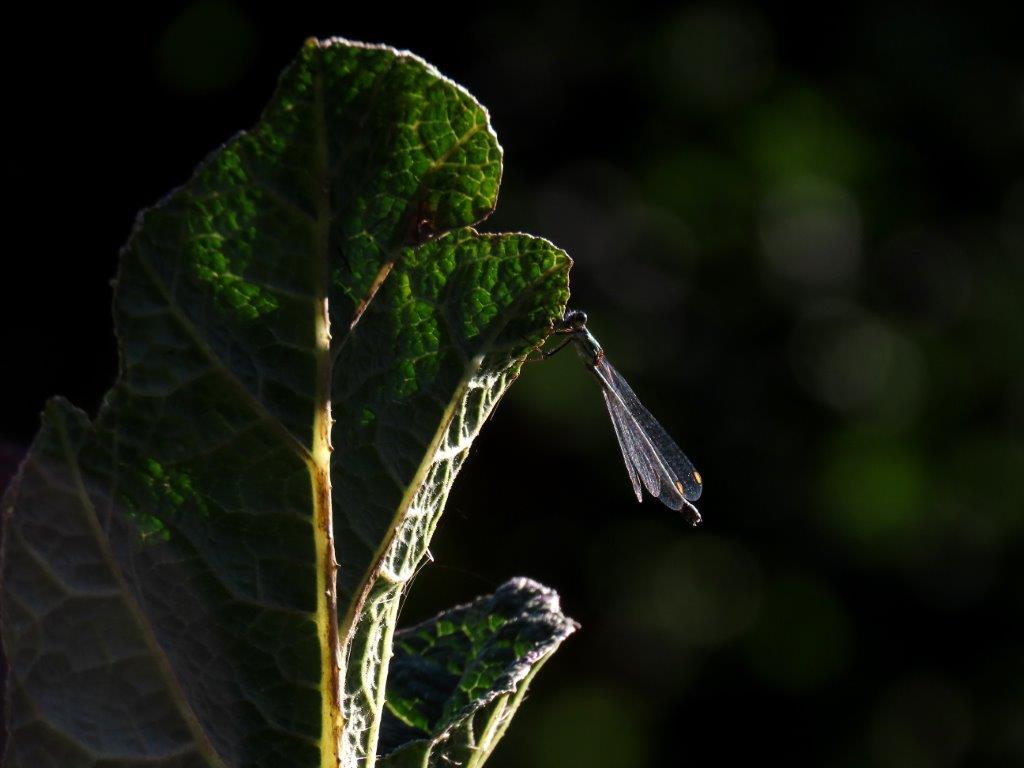
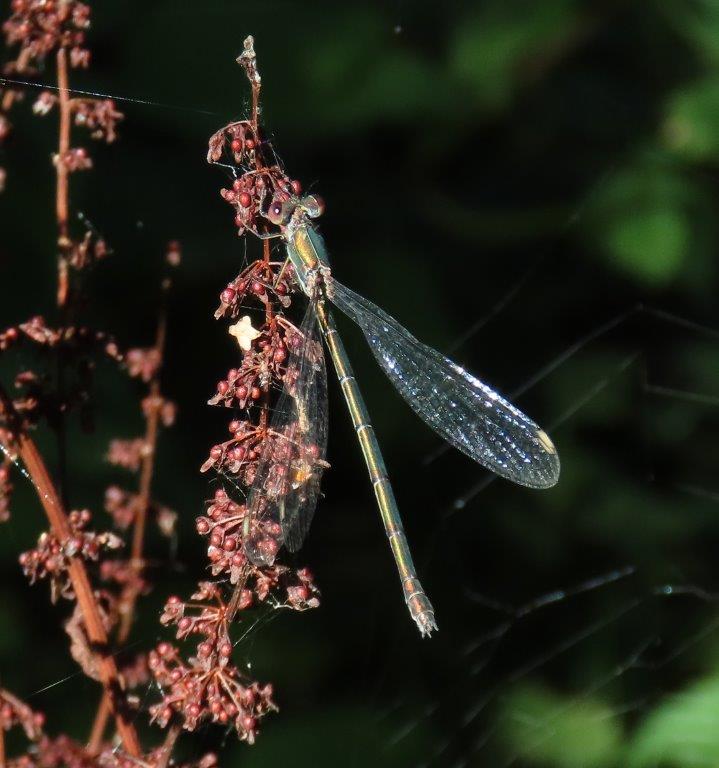
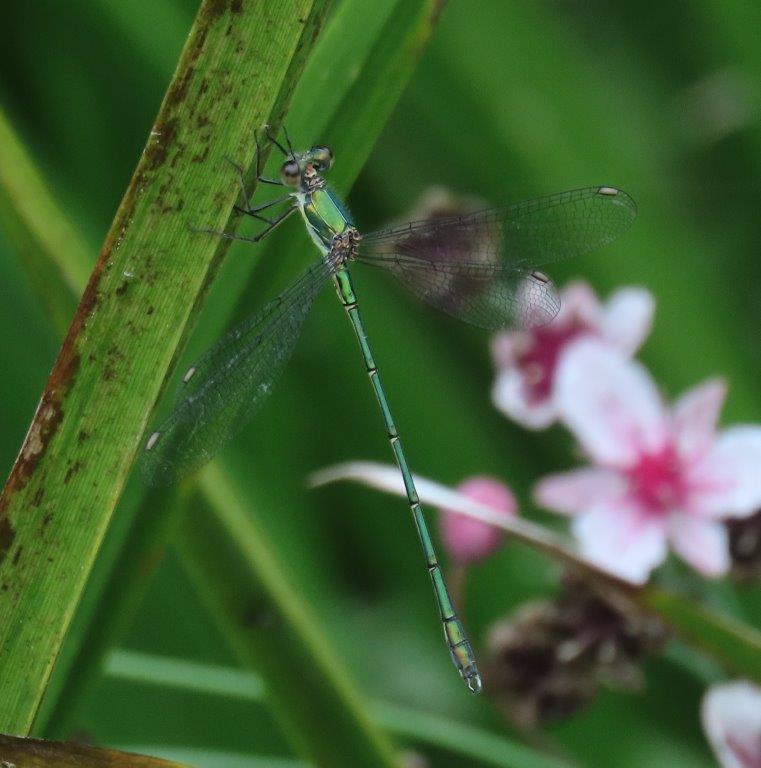
Given the lack of water in the Meanwhile Garden, all damselflies must have come some distance from their breeding ponds and rivers. We found two species, the Common Blue Damselfly (below) and Azure Damselfly.

Wildlife at the heart of the City: the Beth Chatto Meanwhile Garden


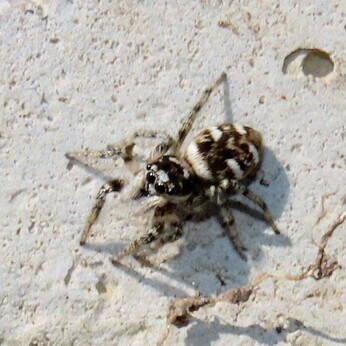
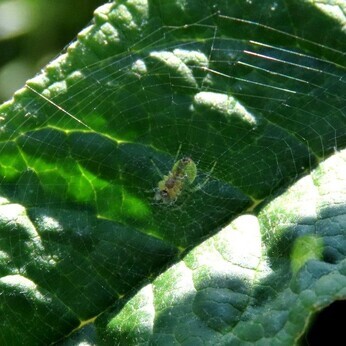
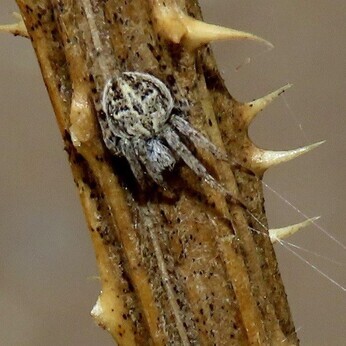
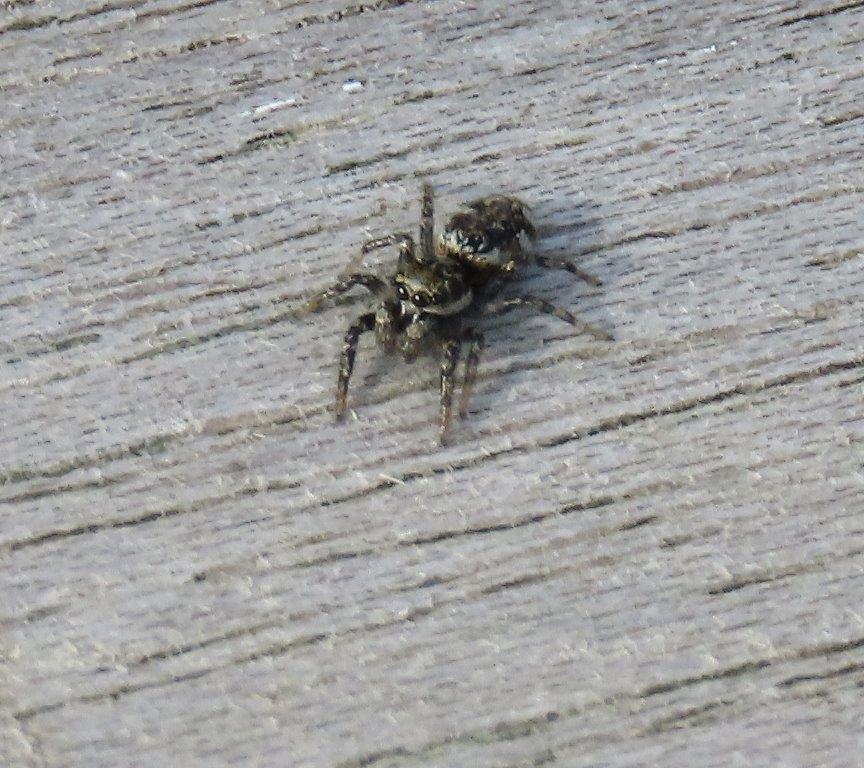
But not everything flies so well. Take spiders: they have no wings. But there were plenty around the garden in the first summer, presumably having arrived on the wind as spiderlings, ballooning on silken strands. Three of the species we found were the Zebra Jumping-spider, Cucumber Spider and Gorse Orbweaver, the latter more typically associated with heathlands.

Wildlife at the heart of the City: the Beth Chatto Meanwhile Garden Wildlife at the heart of the City: the Beth Chatto Meanwhile Garden Wildlife at the heart of the City: the Beth Chatto Meanwhile Garden


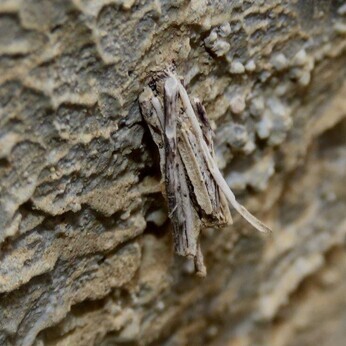
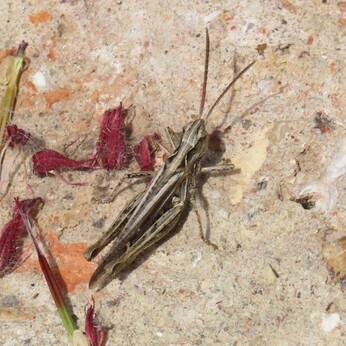
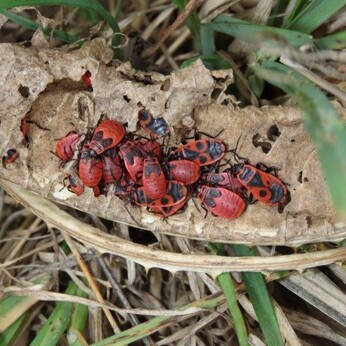
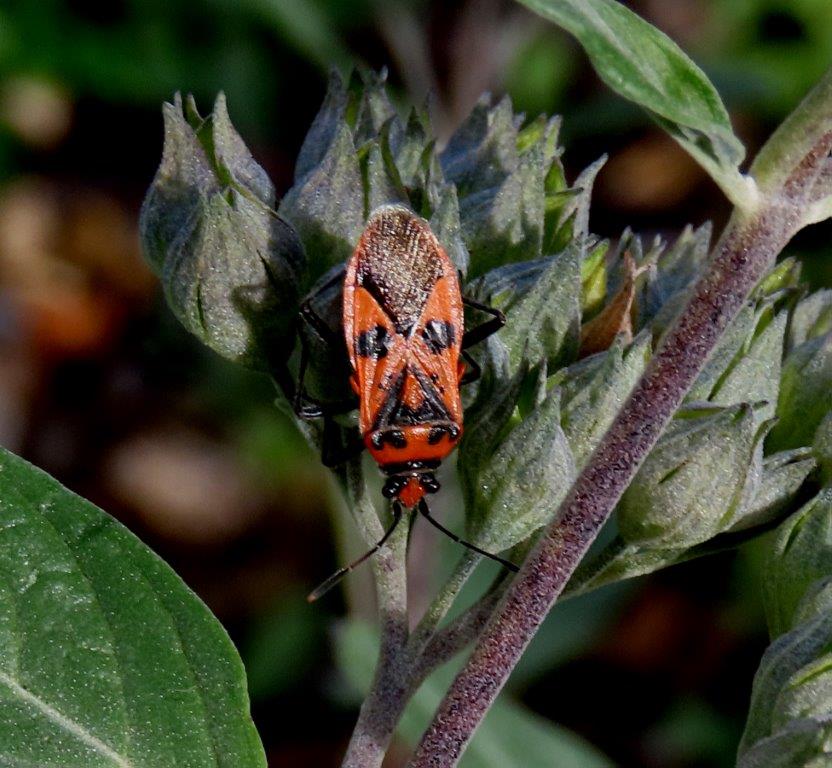
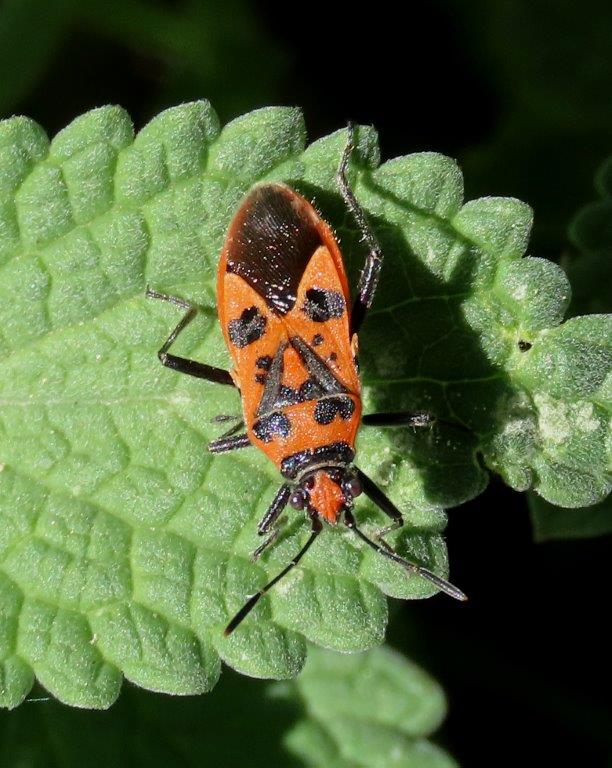
Bagworms are moths that spend most of their lives in a silk bag adorned with bits of their environment. Indeed females spend all their life in the bag. So they don’t fly. Grasshoppers can fly but not far, so to find three species suggests they have come from a nearby grassland. And Firebugs, another new arrival in the UK, are generally wingless. So how did these get to this brand-new site? Of course, there are lots of people passing by and through the garden, so it may be that the visitors inadvertently bring hitchhikers on their footwear or clothing.

Wildlife at the heart of the City: the Beth Chatto Meanwhile Garden Wildlife at the heart of the City: the Beth Chatto Meanwhile Garden Wildlife at the heart of the City: the Beth Chatto Meanwhile Garden


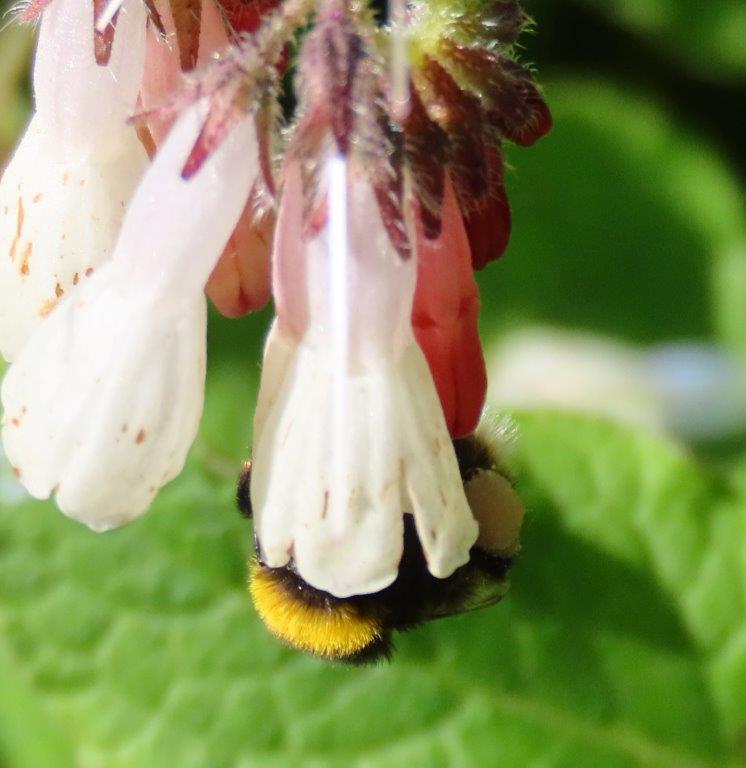
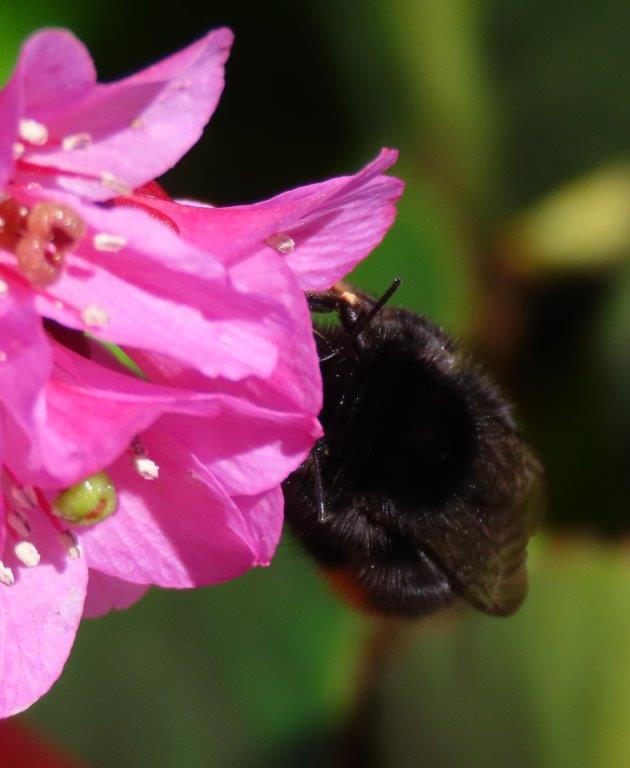
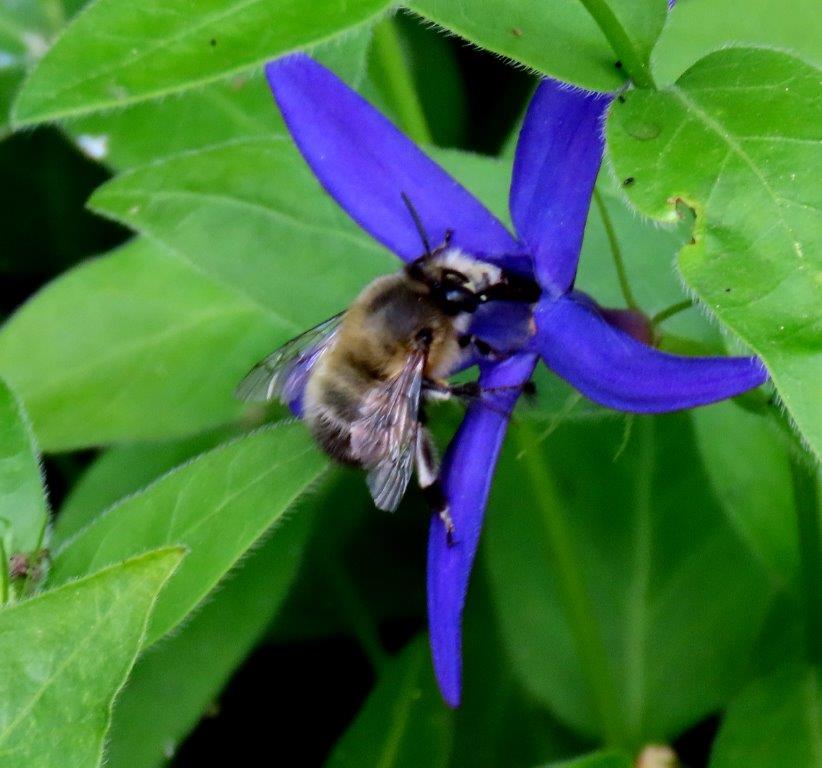
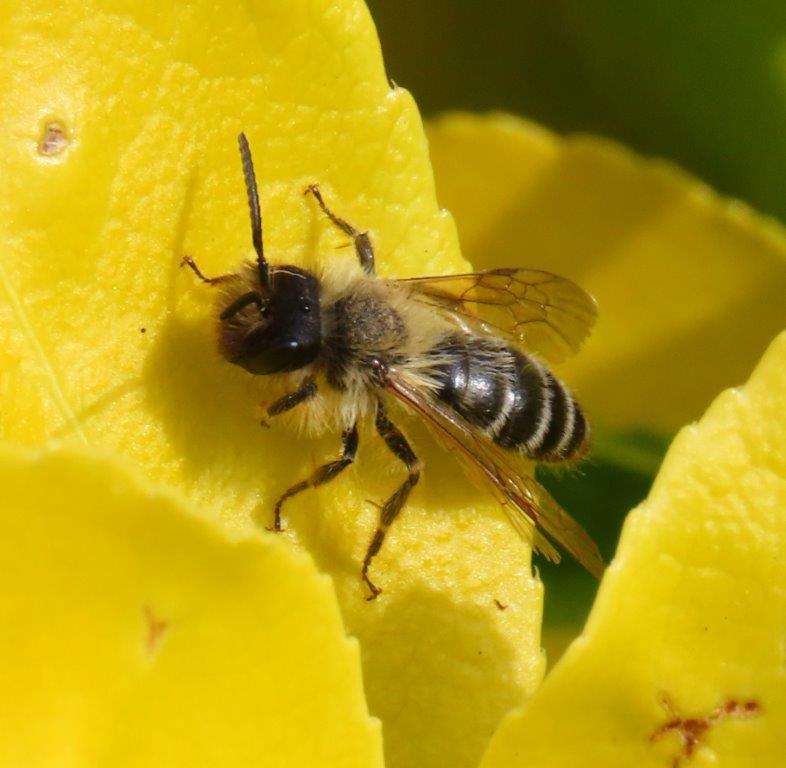
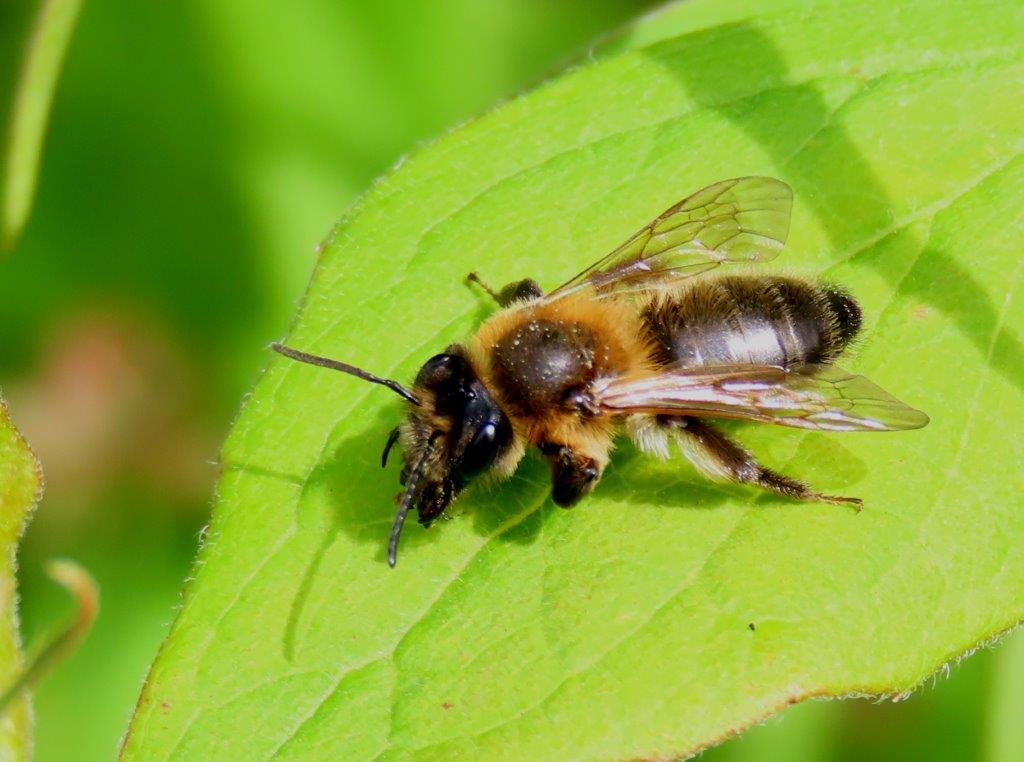
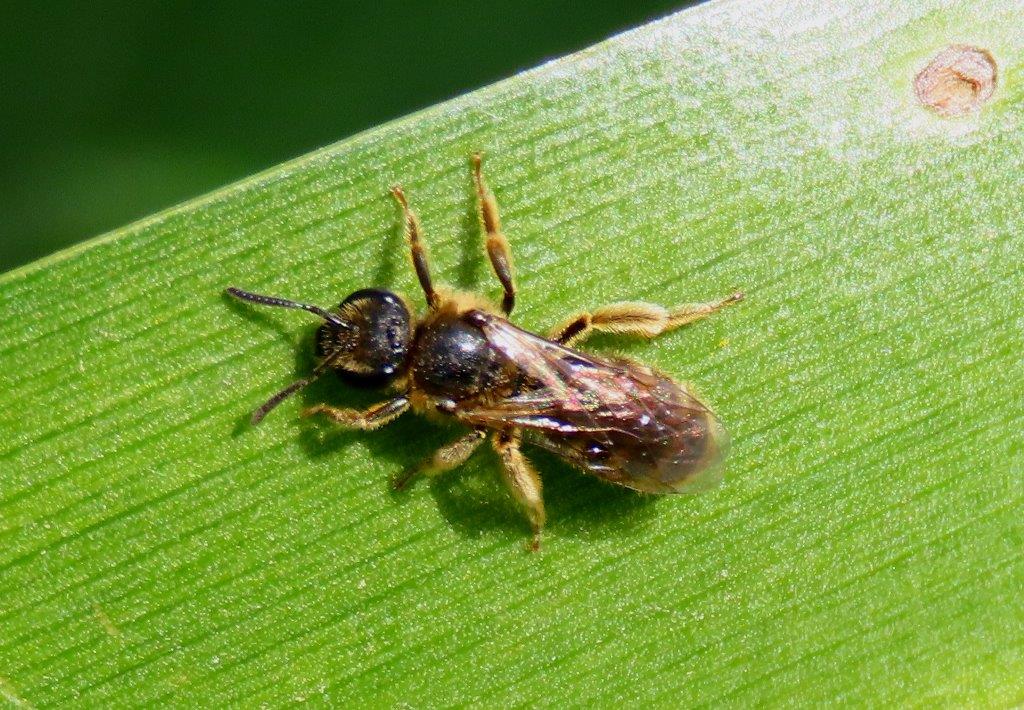
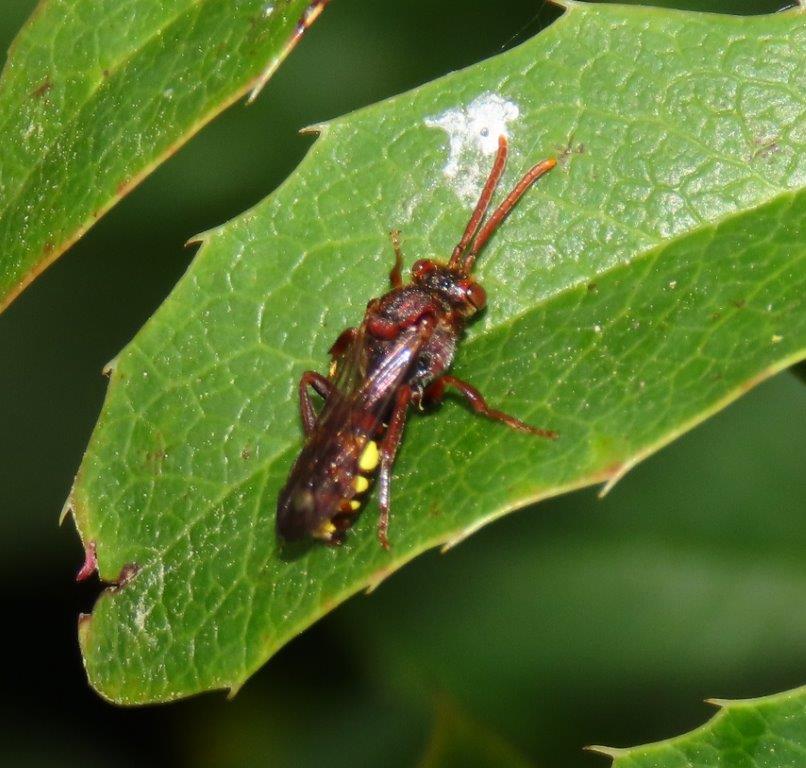
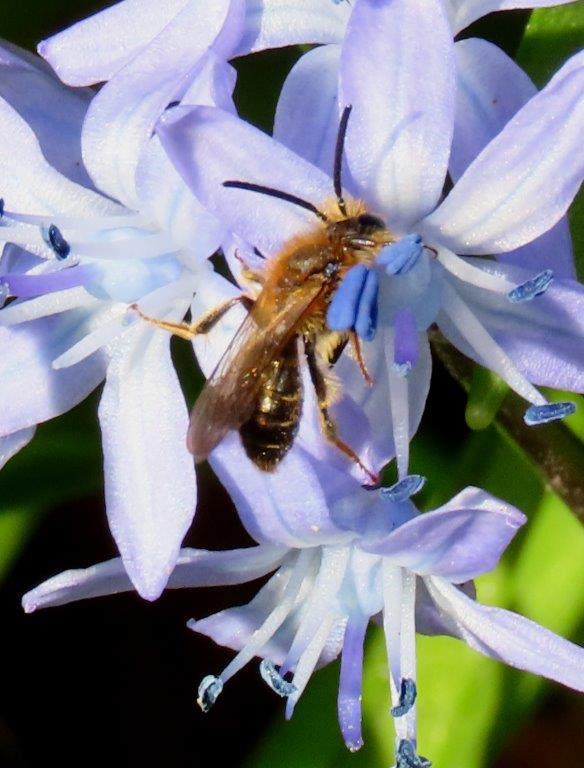
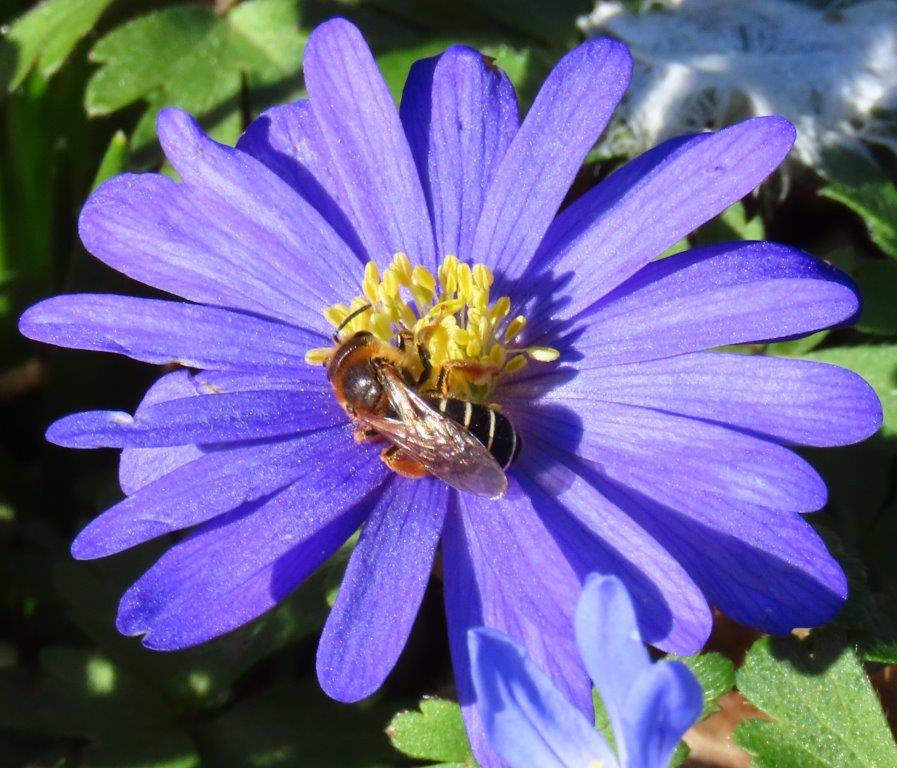
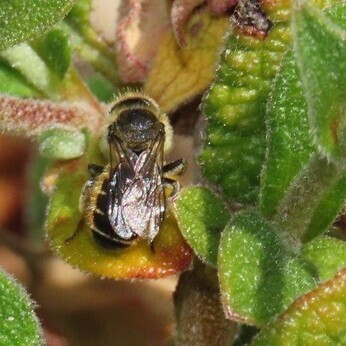
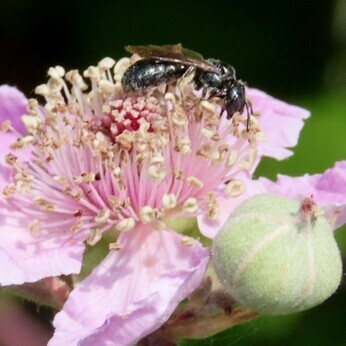
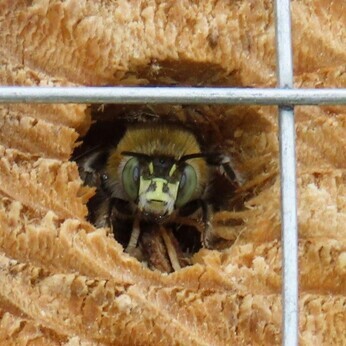
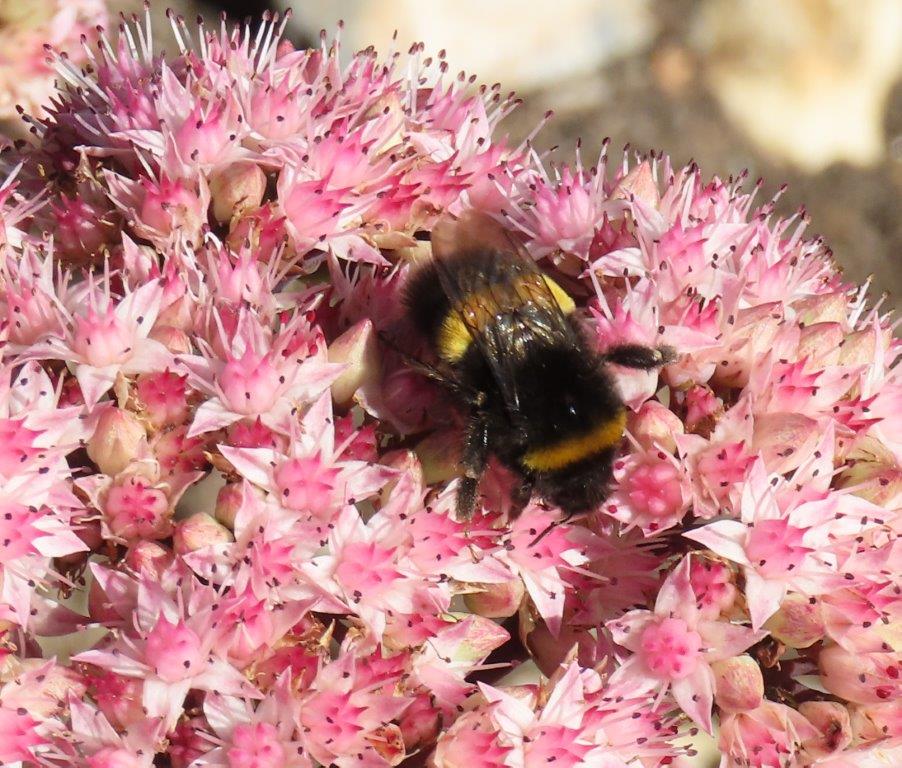
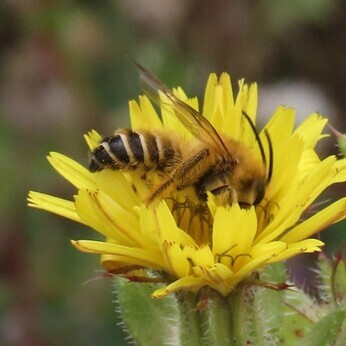
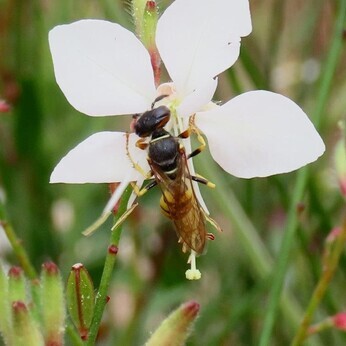
Visiting the flowers throughout the summer were many bees and wasps, attracted especially to the plants introduced by the Beth Chatto team. The selection below includes rare species, some brownfield specialists, and all are pollinators: particular note should be made of the Spined Mason Bee, Little Blue Carpenter Bee, and Pantaloon Bee, all of which are very scarce in the county, found mainly in the Thames-side brownfields. Bee Wolf was similarly rare until its recent explosive spread northwards, fuelled by climate change. All could well be breeding around the site, but one we know certainly is, the also-scarce Four-banded Flower-bee, taking advantage of the bee-hotel.
Wildlife at the heart of the City: the Beth Chatto Meanwhile Garden Wildlife at the heart of the City: the Beth Chatto Meanwhile Garden

Wildlife at the heart of the City: the Beth Chatto Meanwhile Garden Wildlife at the heart of the City: the Beth Chatto Meanwhile Garden

Wildlife at the heart of the City: the Beth Chatto Meanwhile Garden


I could go on through all other taxonomic groups – flies, beetles, bugs and the rest – and pick out special features of the garden in the same detail as the above. But suffice to say that in its first summer, Colchester’s Meanwhile Garden was packed with biodiversity, species both common and rare, many specialists of brownfield habitats and many that have benefited from climate change and are spreading northwards using these stepping stones in the landscape. The insects are using all members of the brownfield plant community, the showy garden plants especially for nectar and pollen and the spontaneous flora as larval food plants.

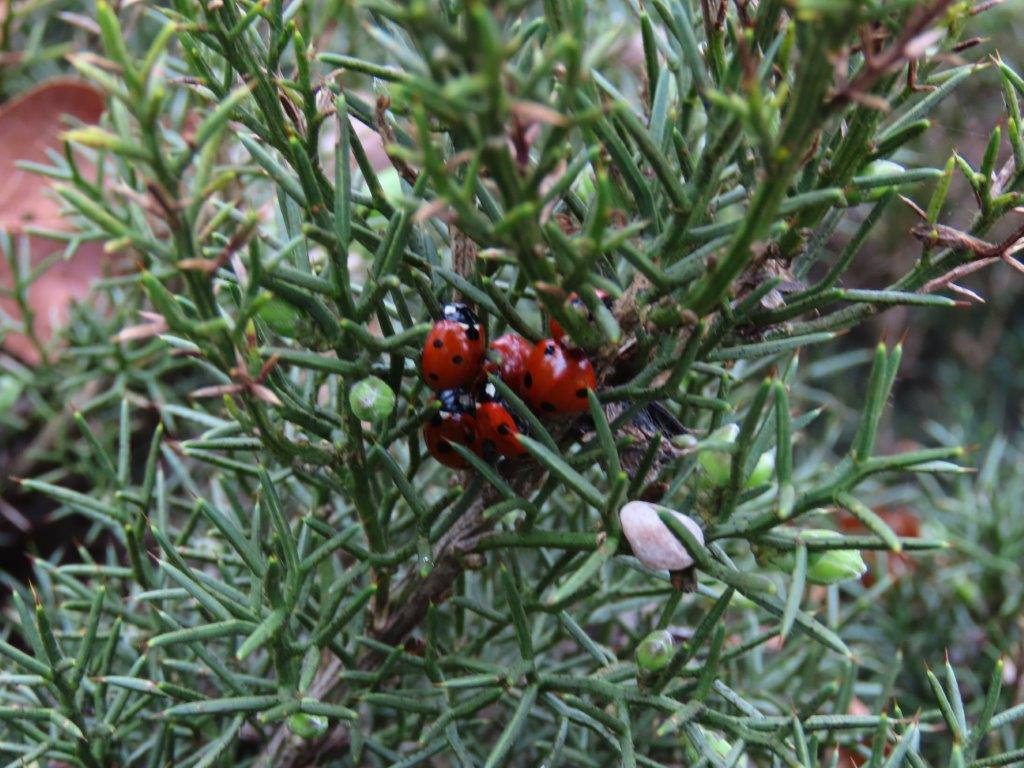
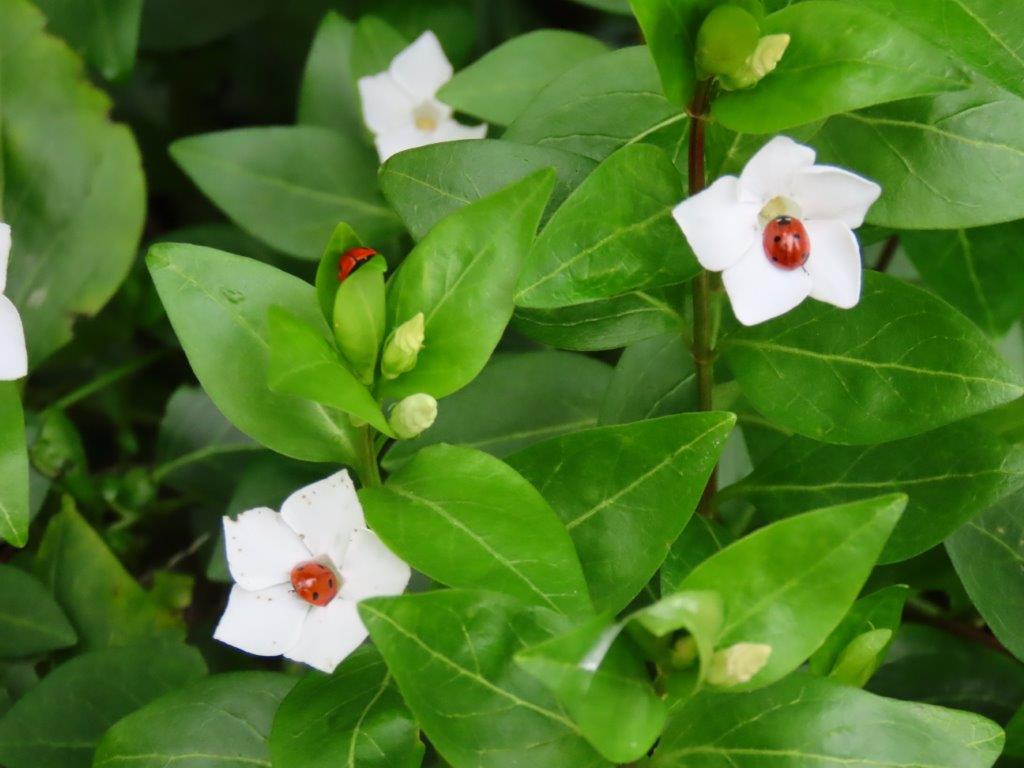
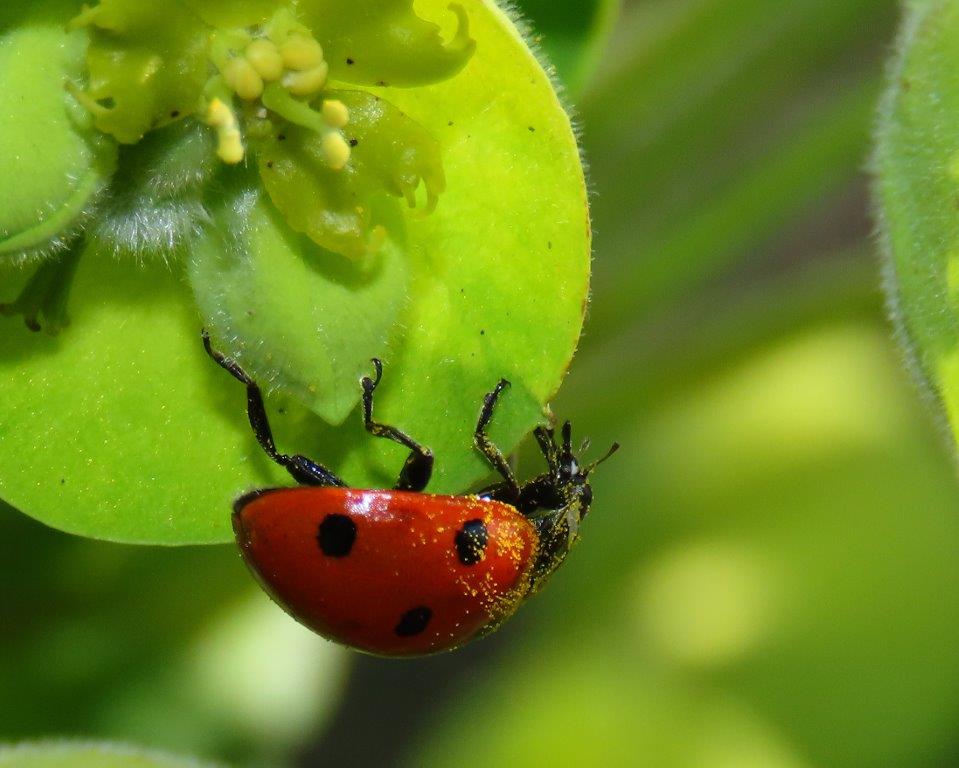
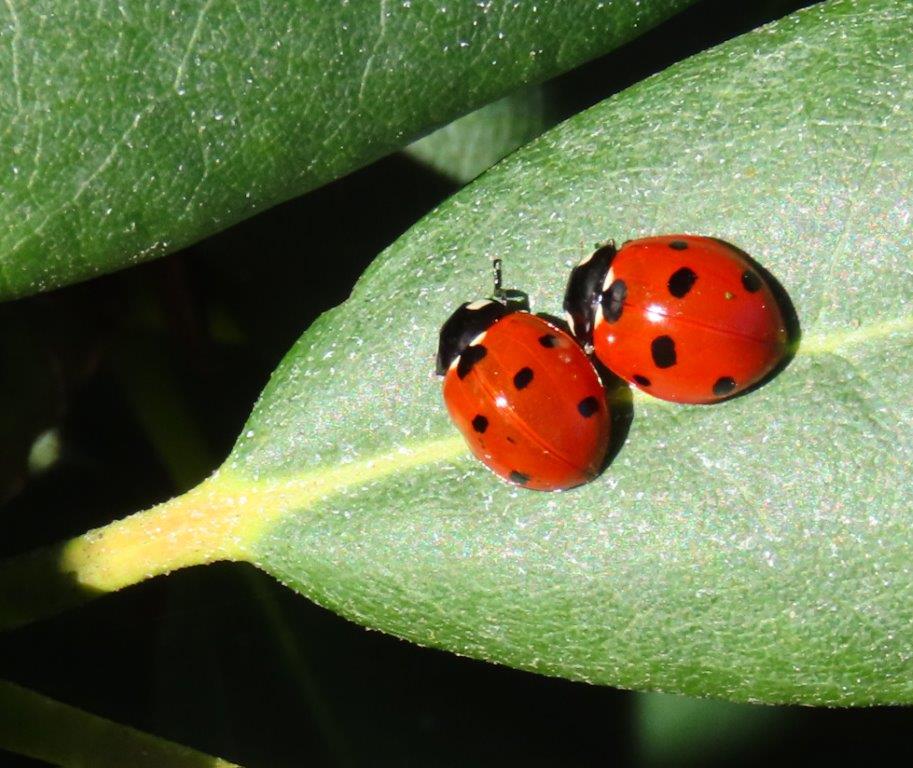
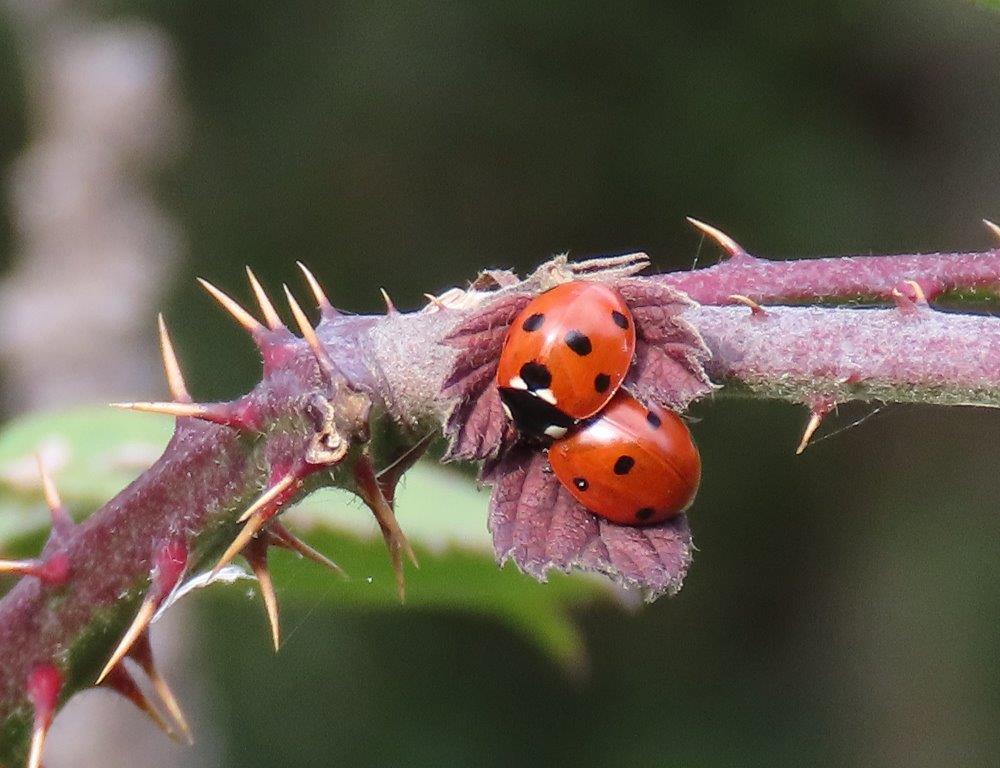
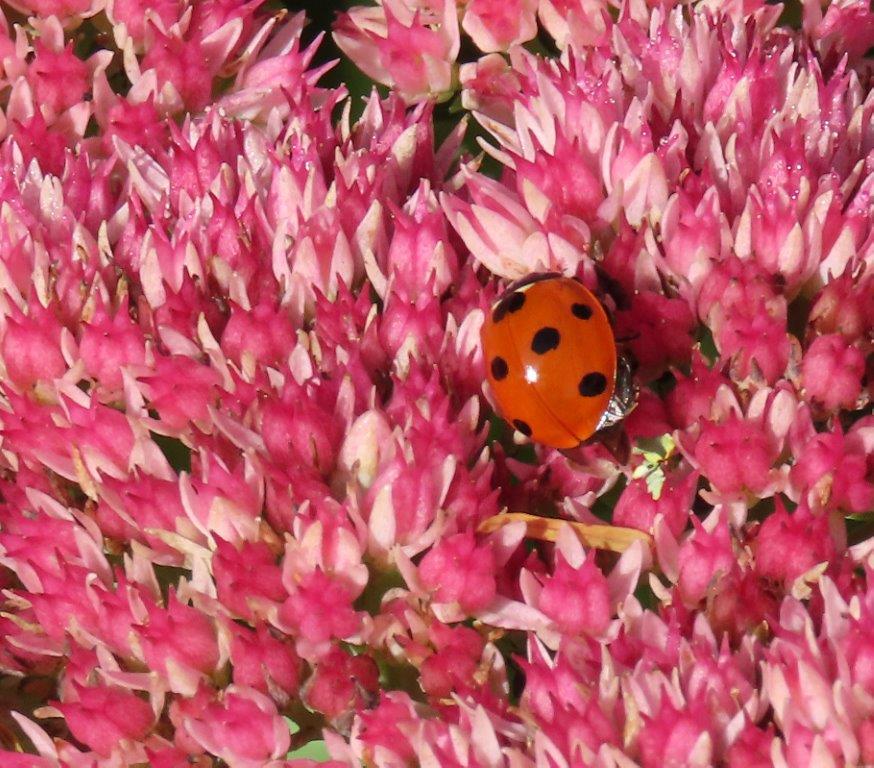
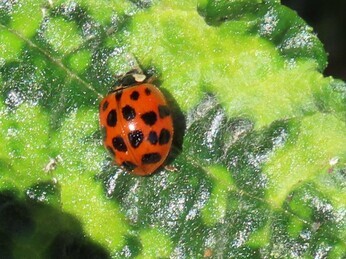
Our final sighting to mention is one of the most surprising to us. July 2025 will be long remembered for the almost unprecedented influx of ladybirds and hoverflies to coastal Essex, probably from the continent. Sadly, the influx which lasted about a week didn’t coincide with one of our surveys. But two weeks later we could still see its remnants, with Seven-spot and Harlequin Ladybirds in abundance (although the latter seemed not to feature among the hordes of incomers).
Wildlife at the heart of the City: the Beth Chatto Meanwhile Garden Wildlife at the heart of the City: the Beth Chatto Meanwhile Garden


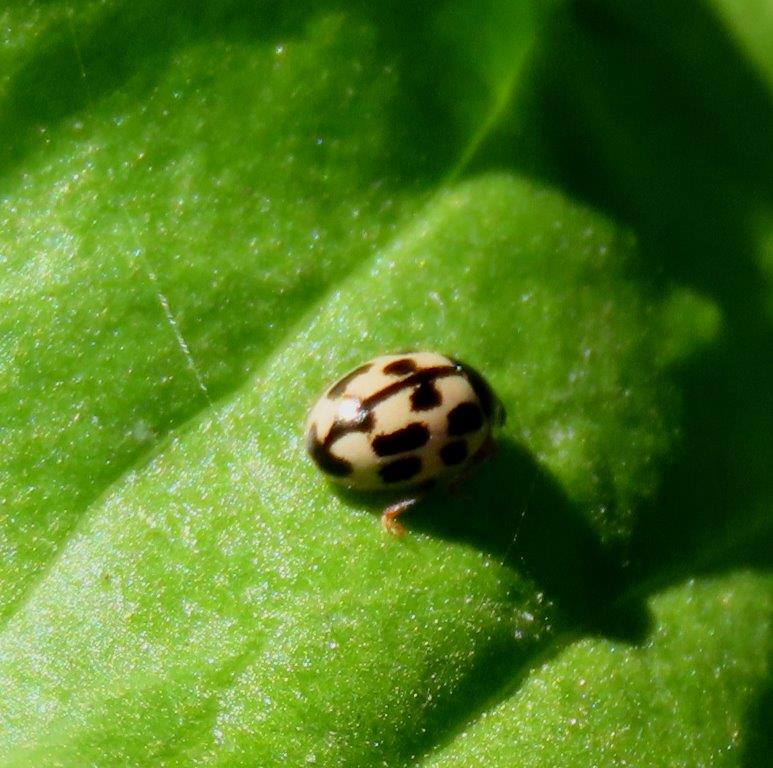
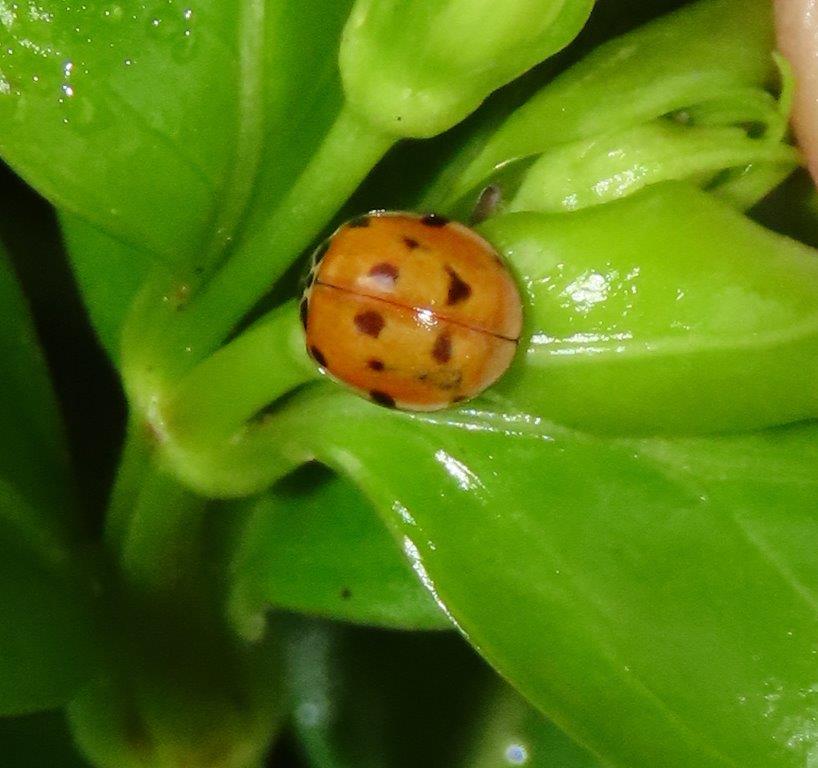
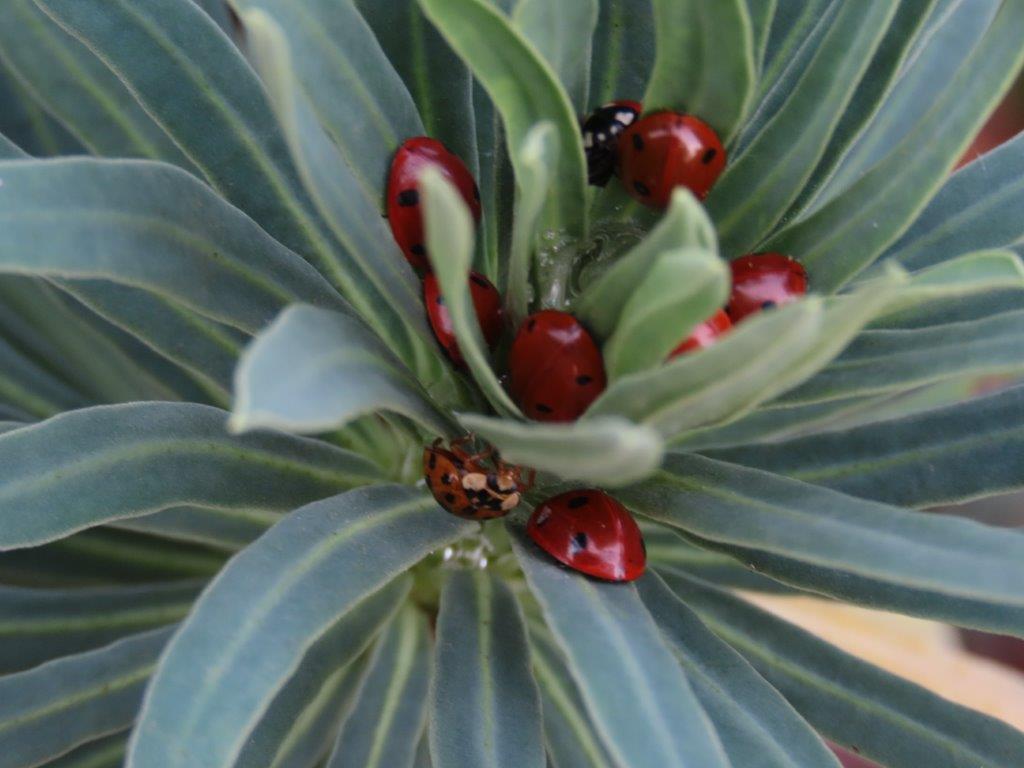
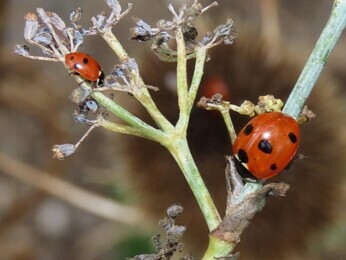
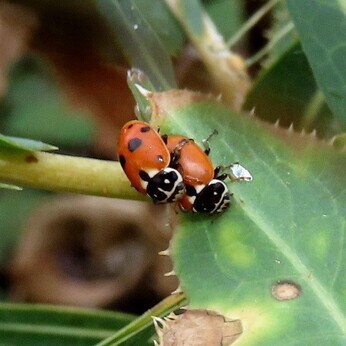
But what attracted our attention was the number of a much smaller beastie, Adonis’ Ladybird. This is another scarce species in Essex, and one that seems to be concentrated close to the Thames, on brownfield sites and arable margins. Prior to this visit we had seen only a bare handful ever in Essex, and the first record from Beth Chatto Gardens was during the influx two weeks earlier. But in the Meanwhile Garden we found dozens, in the July and two subsequent surveys. Most were found on Fennel and Teasel, conveniently at eye-level, but they were everywhere. Will this be carried over to the second full summer? We hope to find out, continuing these surveys for the whole of the coming summer. And we do expect to see changes, some species lost, others appearing: the dynamic lifeblood at the heart of brownfield biodiversity.
Wildlife at the heart of the City: the Beth Chatto Meanwhile Garden


The Beth Chatto Meanwhile Garden is a brownfield site like no other, at the interface between natural urban habitat development and gardening. We have no idea how long it will last: the idea of a Meanwhile Garden is that it represents a productive use of an area of land that may ultimately be destined for development. If it ends up being lost, that would be a sad loss for the city centre, but we can at least be happy that the site has pulled its weight for the natural world in the interregnum, and formed an inviting, attractive talking point about the way we want our urban surroundings to look.

Chris & Jude Gibson (with thanks to other occasional surveyors – David Gates, Eleanor Mucklow and Angie Reid)

Chattowood and its insects: the first four years

Original post: Chattowood and its insects: the first four years

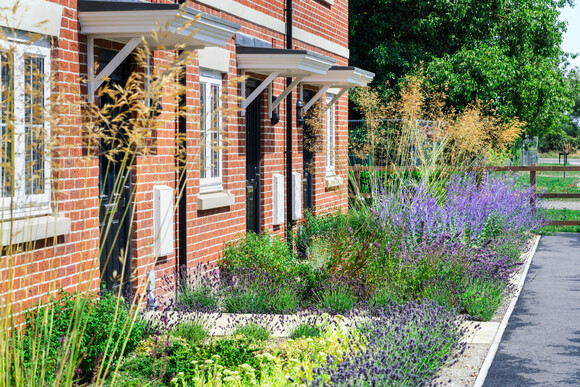
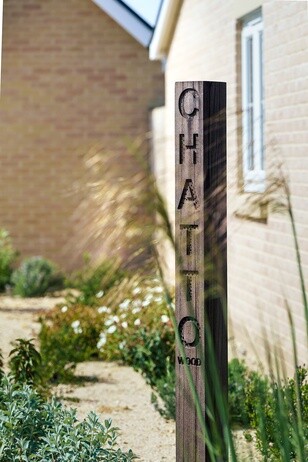
Some of our readers may have seen the Beth Chatto Gardens outreach site Chattowood recently on BBC Gardeners’ World (catch up here). When, some five years ago, a neighbouring developer wanted to use the name ‘Chattowood’ for a new housing estate, Julia (Beth’s granddaughter) agreed on condition that they worked with us on the landscaping for the estate.

Chattowood and its insects: the first four years


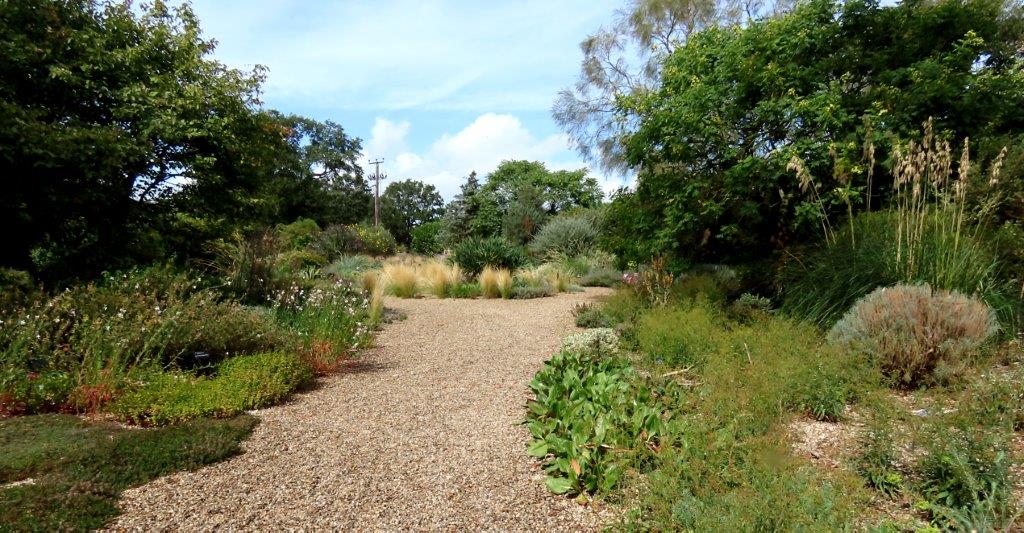
Chattowood sits atop the same ridge of low hills as our garden, so we had a useful model to work towards. In our garden, Beth and Andrew came up with the concept of ‘Right Plant, Right Place’, using plants suited to the soil and climate conditions to minimise the need for further intervention, especially here in the arid south-east the need to avoid having to waste water on droughty soils.

Unfortunately, although lying on the same underlying geology, London Clay with a capping of Thames gravels, the recent agricultural history of the Chattowood site meant it was covered in a veneer of excessively fertile topsoil, really out of character if what you are seeking to something akin to Beth’s revolutionary Gravel Garden.

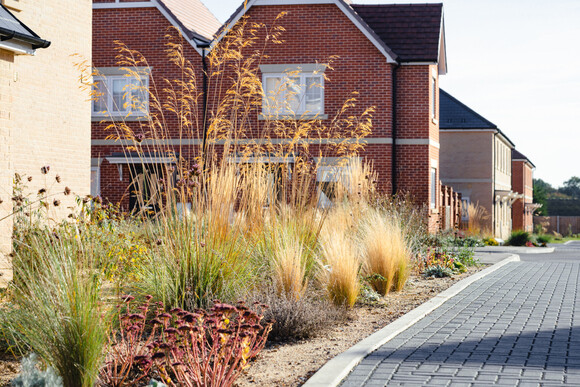
So the first thing was to lose the topsoil, stripping off some 30cm, and replace the same depth with locally quarried sharp sand and gravel, effectively making the place ‘right’ so that the ‘right plants’ could be brought in, based upon a palette of those in our Gravel Garden. One key requirement was drought-tolerance, another was attractiveness (to us – these are in effect front gardens) and the final one, benefits to wildlife, especially attractiveness to pollinators and other insects.

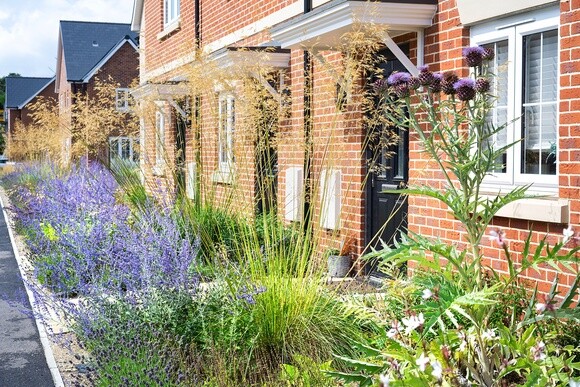
All that was needed then was for the garden management to be taken out of the hands and vagaries of individual householders, and Chattowood was born. As the Gardeners’ World piece showed, this is turning out to be broadly popular among the owners, some having even taken to try and replicate this in the back gardens they still control! The gardens look good with flowers throughout the year (see plant list), without any need for watering, even in drought conditions, and so resting lightly on the world in respect of its ecological footprint.

Chattowood and its insects: the first four years


At the outset we realised this could be an important template for future development, at least in similar climate zones, so we set about trying to evaluate the importance of these gardens for wildlife. It just happens that immediately adjacent is a ‘traditional’ estate, all mown grass and lollipop trees, an ideal comparison against which to judge the success (or otherwise) of the Chattowood approach.

Since the first planting I have been monitoring the use of the Chattowood gardens by insects in side-by-side comparison with the next door estate. I spend the same time in each estate, logging everything larger than a ladybird, and identifying it where possible without interrupting the flow of the survey, trying to do each estate in 20 minutes to reduce the degree of double-counting of often very mobile insects.

This is not so much a biodiversity survey (which would have taken much more time to ensure correct identifications) but a bioabundance survey. While everyone is, or should be, concerned about biodiversity loss (ie extinctions), the lower abundance of life we are seeing is just as concerning. Remember that your average Blue Tit won’t mind if it eats one or ten species of aphid, so long as it gets enough to eat! Arguably, it is bioabundance, not biodiversity, that underpins all food chains, including those that support our own species.

A high level overview of the surveys shows most importantly a constant, significant imbalance between the Chatto-style gardens and the adjacent traditional front gardens. It would appear that there are typically ten times as many macroinvertebrates (mostly pollinators) on our side of the divide. I think it may be best not to pay too much heed to the data from 2022 which indicated an even greater imbalance as surveys were undertaken that year only after midsummer.

year surveys total number of larger insects in Chattowood total number on the other side, the traditional estate ratio Chattowood: traditional
2022 6 (19 Aug-22 Sept) 120 6 20:1
2023 6 (17 Apr – 4 Sept) 233 28 8.3:1
2024 7 (7 Apr – 17 Sept) 240 25 9.6:1
2025 6 (24 Apr – 19 Sept) 426 39 10.9:1

The message is clear: plant the right plant in the right place and it will reward not just us but also the natural world. And what are the right plants in this context? Clearly this will vary across the country, but here in Essex, salvia, oenothera, verbena, lavandula, buddleja and santolina seem favoured and these should be suitable in most areas provided that free draining ground has been created to avoid the roots becoming waterlogged.

Chattowood and its insects: the first four years


The broad data also show clearly how much better 2025 was across the board than either of the two previous years. On the Chatto side, there were some 75% more, while on the other side of the great divide there were around 50% more, although it must be recognised that sampling effort was not exactly consistent between years. This pattern was widely repeated everywhere, so we cannot claim it as one of the successes of Chattowood!

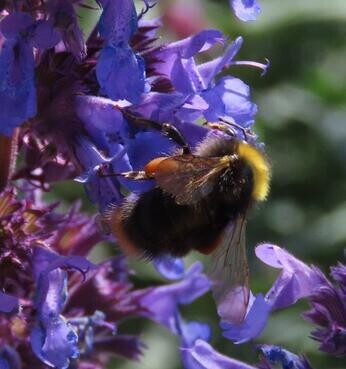
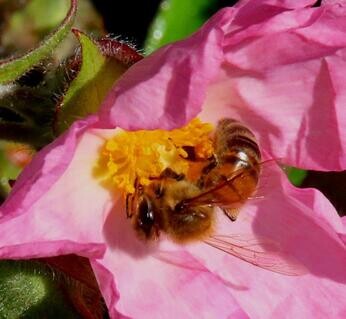
The vast majority of the larger insects attracted to Chattowood were pollinators, species that habitually trawl around the landscape to find flowers with appropriate nectar and/or pollen resources. Just over a half of the thousand or so counted in my surveys were bumblebees, of at least five species. Another 15% were honeybees, with 5% solitary bees.

Chattowood and its insects: the first four years Chattowood and its insects: the first four years


Flies made up about one-tenth of all observations, half of which were hoverflies with the remainder from a range of families.

Chattowood and its insects: the first four years Chattowood and its insects: the first four years


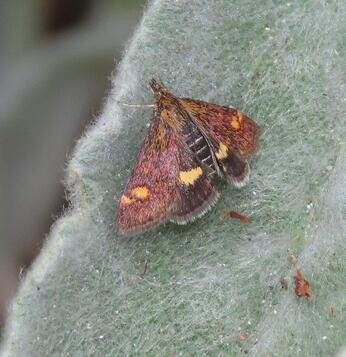
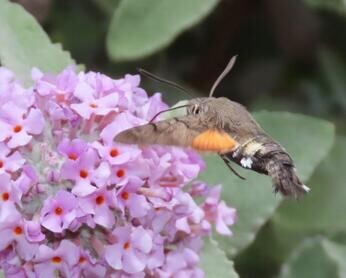
Of course many of the most showy insects are butterflies and moths, whose numbers together made up just 5% of all observations. A total of nine species of butterfly were observed, together with two noticeable day flying moths, hummingbird hawk-moth and mint moth.

Chattowood and its insects: the first four years Chattowood and its insects: the first four years Chattowood and its insects: the first four years


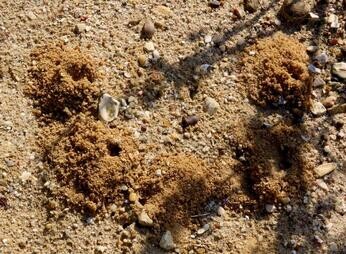
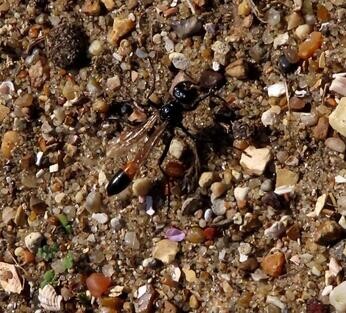
With the passage of time it has been noticeable that the number of ground nesting insects has increased in the older Chattowood plantings: I suspect that as a crust has developed on the surface of the sand nest holes don’t collapse. Three species at least colonized from 2024 onwards: bee-wolf, ivy bee and sand wasp. The first two are not too surprising given that they have undergone significant spread from southern regions in recent decades due to climate change, but the sand wasp is different. It has always been found in appropriately sandy areas, for example along the Suffolk coast and around Tiptree Heath, but is not known in the Beth Chatto Gardens nor anywhere nearer than maybe five kilometres’ radius from Elmstead Market. It just goes to show that these habitat-specific creatures are moving around our landscape, often much more than we imagine, and that if we provide the right habitat, so they will find it.

Chattowood and its insects: the first four years Chattowood and its insects: the first four years Chattowood and its insects: the first four years


Our garden staff also reported finding earthworm casts on the pure sand in autumn 2025, and fungi growing out of it. Both are significant, indicating that organic matter is collecting in the upper layers, perhaps related to the crust that allows bees and wasps to nest. The bare sand is developing an ecology: what lies beneath the surface is adding complexity and life. The gardens are still changing, and changing for the better for wildlife, and as long as there is something to learn I shall be out there counting!

Chattowood is a tribute to Julia’s vision and persuasiveness, the hard work of the Beth Chatto and Lanswood teams and the forbearance of the householders, and provides a vision of a sustainable future for gardens and housing developments, especially living in the global greenhouse. What an antidote to the sterile, ecopathic trend for ‘plastic grass’ and the like!

Chattowood and its insects: the first four years


Dr Chris Gibson, Beth Chatto Gardens’ Wildlife Advocate
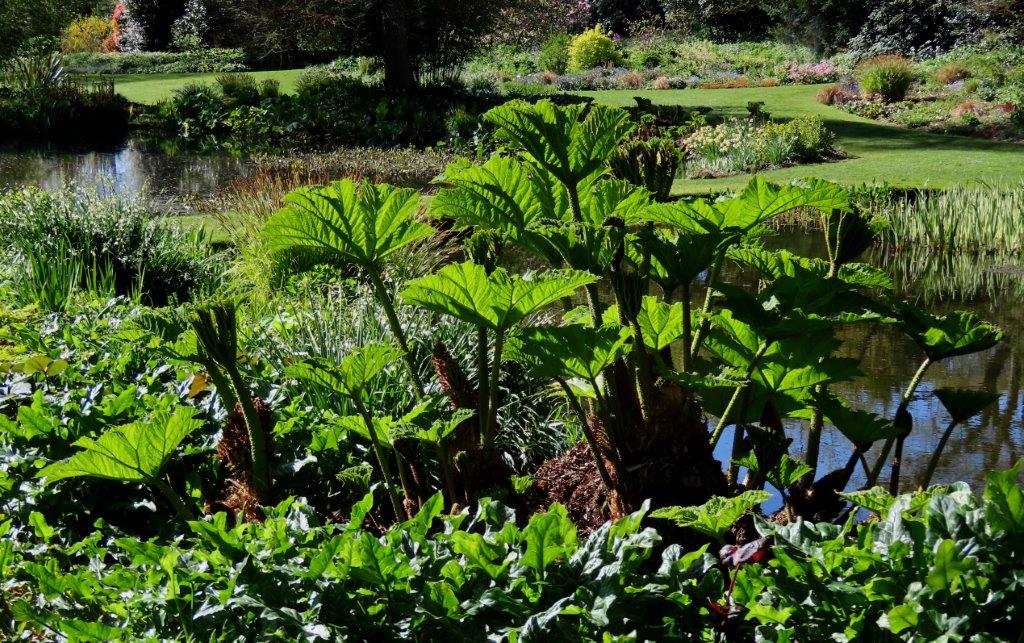
 

The Wild Side of Beth Chatto Gardens, awakening from winter slumber

In midwinter, the Beth Chatto Gardens get a well-deserved rest. No visitors for a month, while the staff get on with essential maintenance and preparing for the growing season to come.

So I thought a visit would be in order to see if and how the birds around the garden are responding to the relative lack of disturbance. Aside from a few more Mallards on the ponds, though, I could see and hear very little difference: Robins and Song Thrushes in full spring song, along with Blue and Great Tits constituting the bulk of the soundscape.

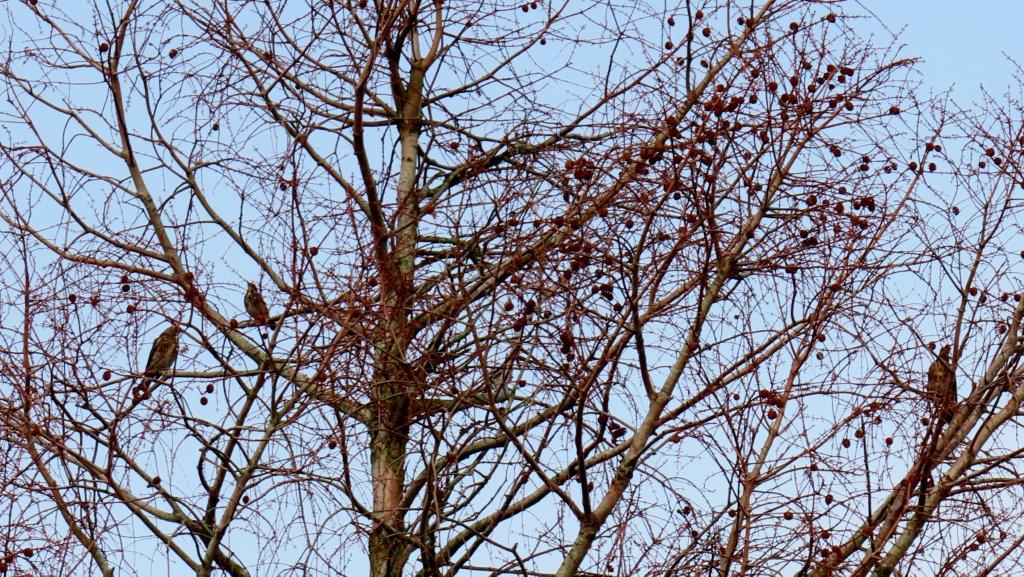
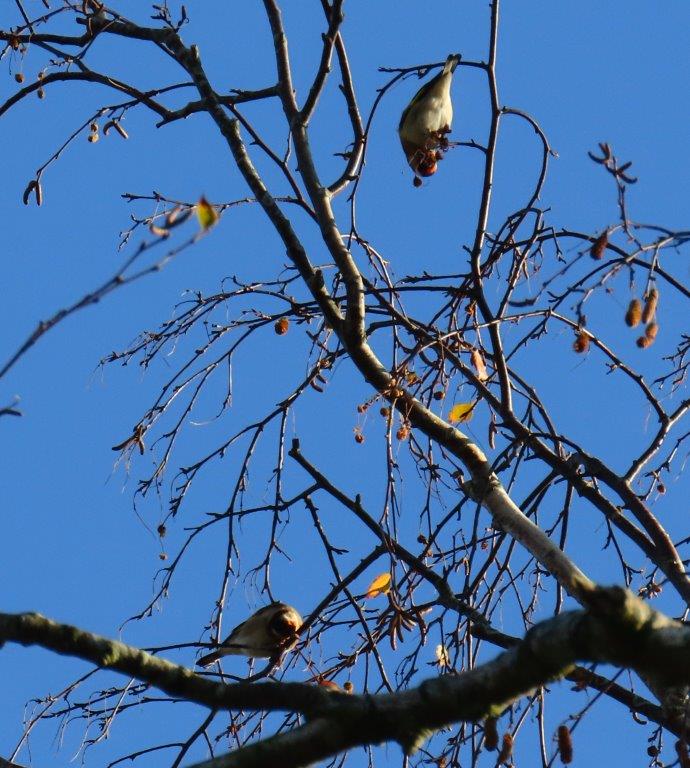
High in the treetops, bands of Fieldfares and Redwings were on the search for ripe berries, while finches foraged in the seedheads still standing proud in the borders and beds.

It really seems that the birds we share the space with are not significantly impacted by our presence: the human garden visitors are respectful of nature and significantly because the visitors do not come trailing dogs, the greatest disturbance factor of all.

What I was hoping to see was the Otter that was reported by the garden staff a few days earlier, the first time one has been seen there. Alas no, but I did see an unfamiliar mammal, a Muntjac in the Woodland Garden. Although very common in the surrounding area, I have never seen one before in the public part of the garden. This is very likely to reflect the month-long lack of disturbance. And of course if anything needs to be disturbed and displaced it is the voracious Muntjac!

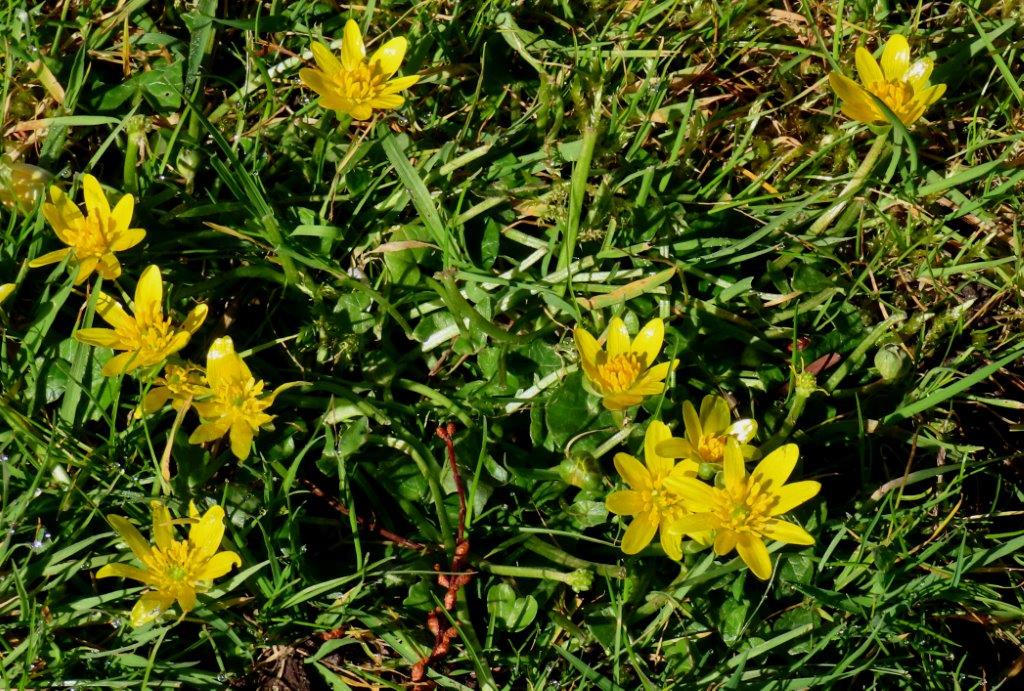
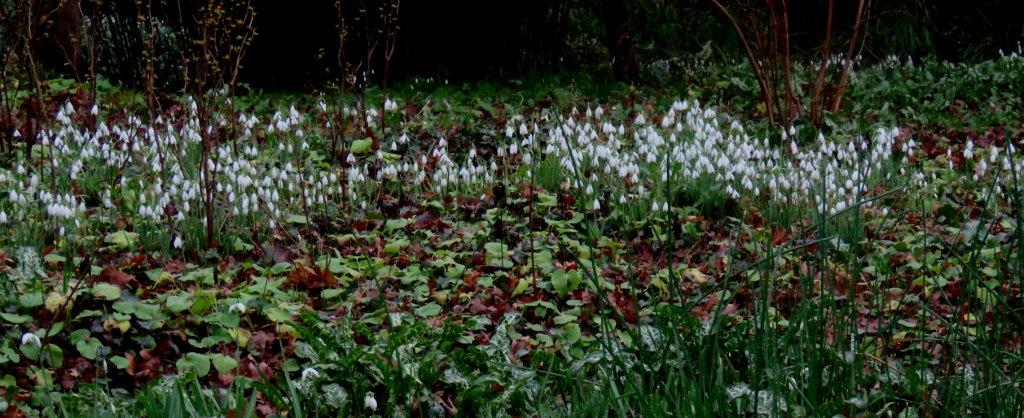
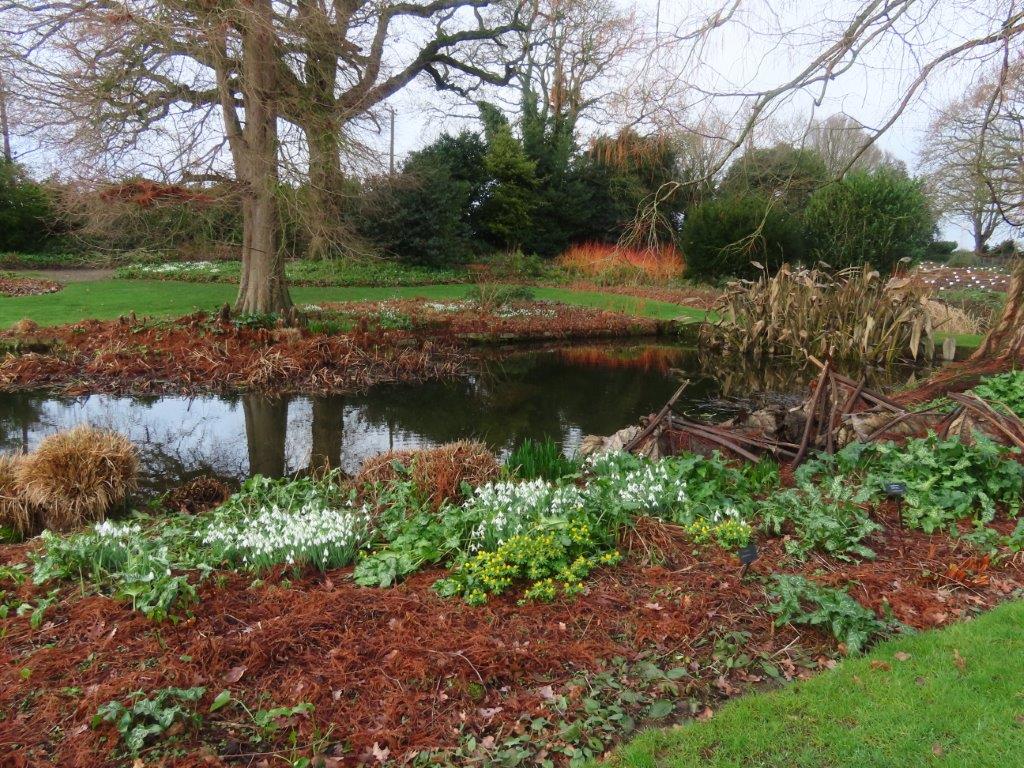
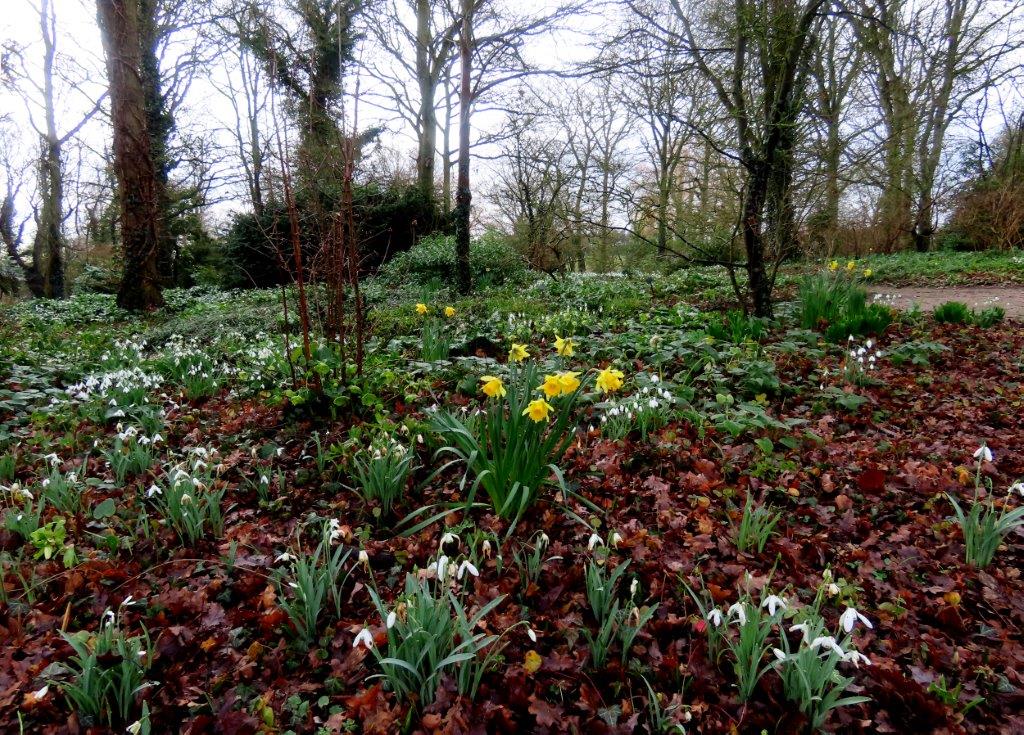
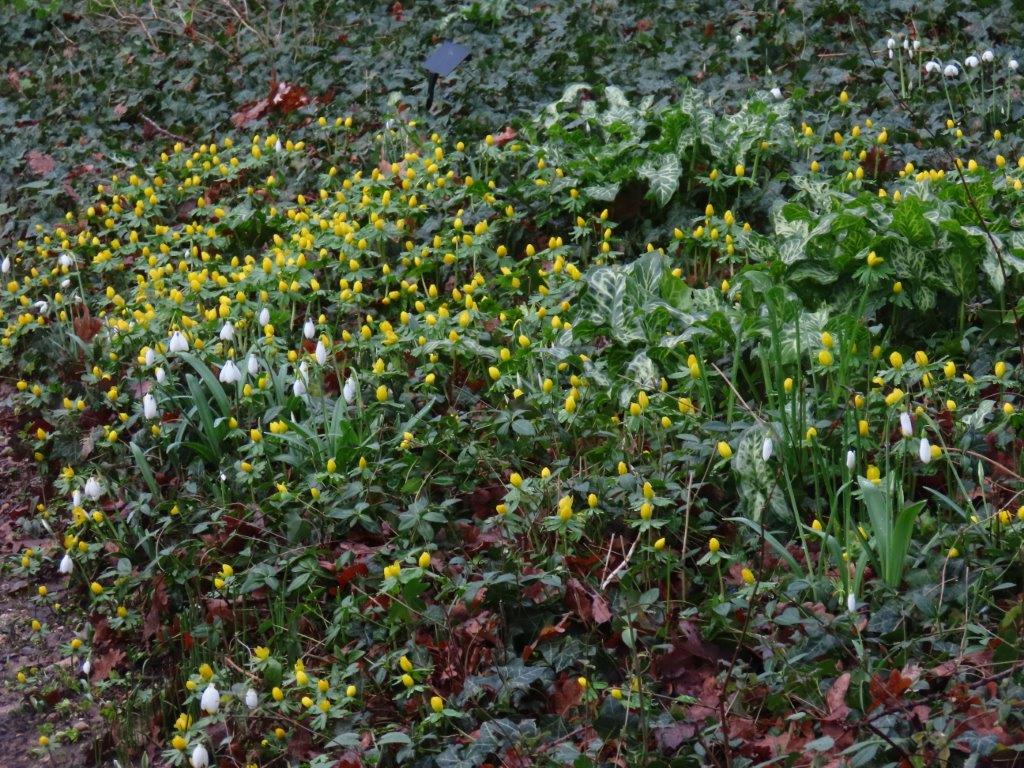
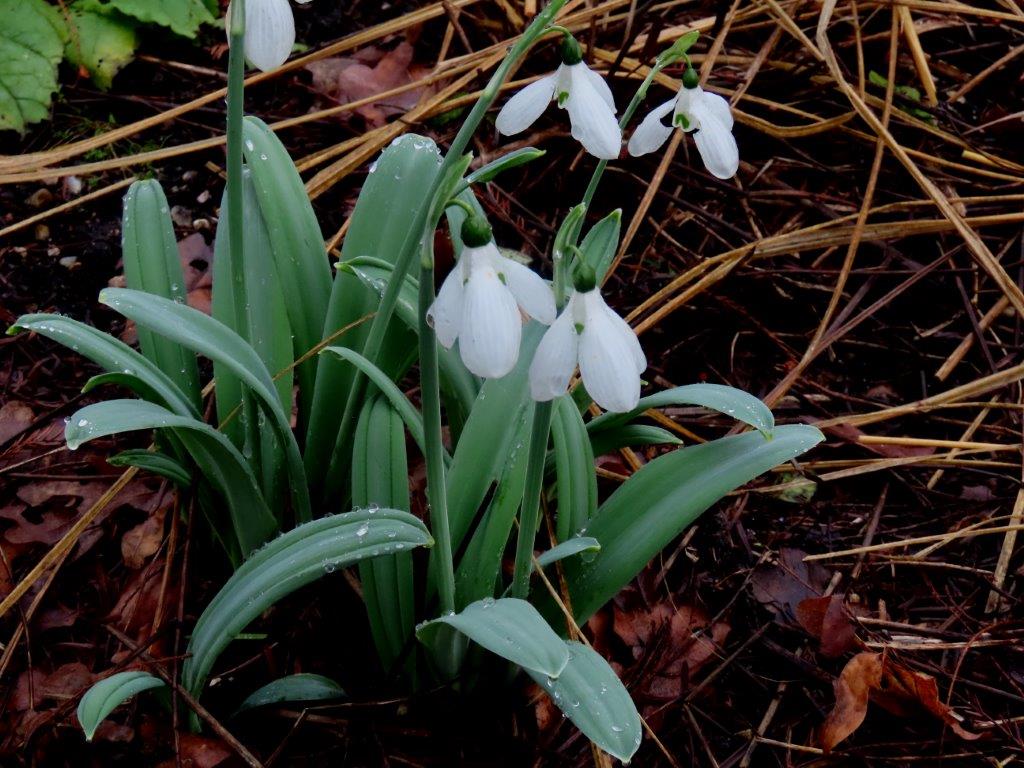
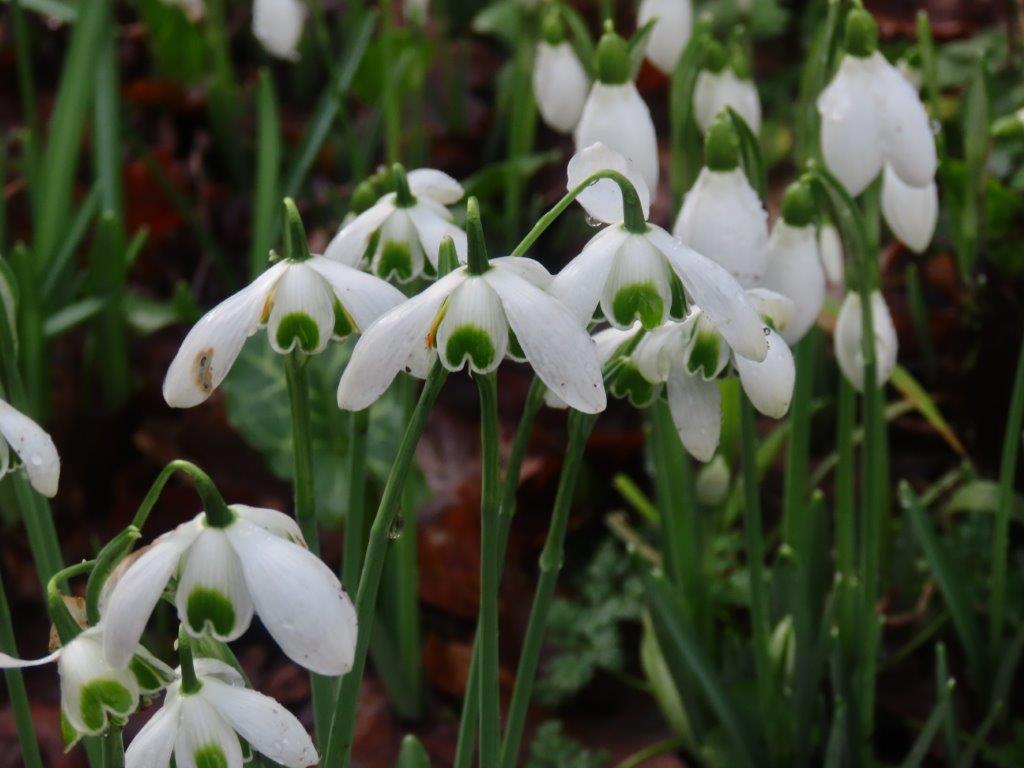
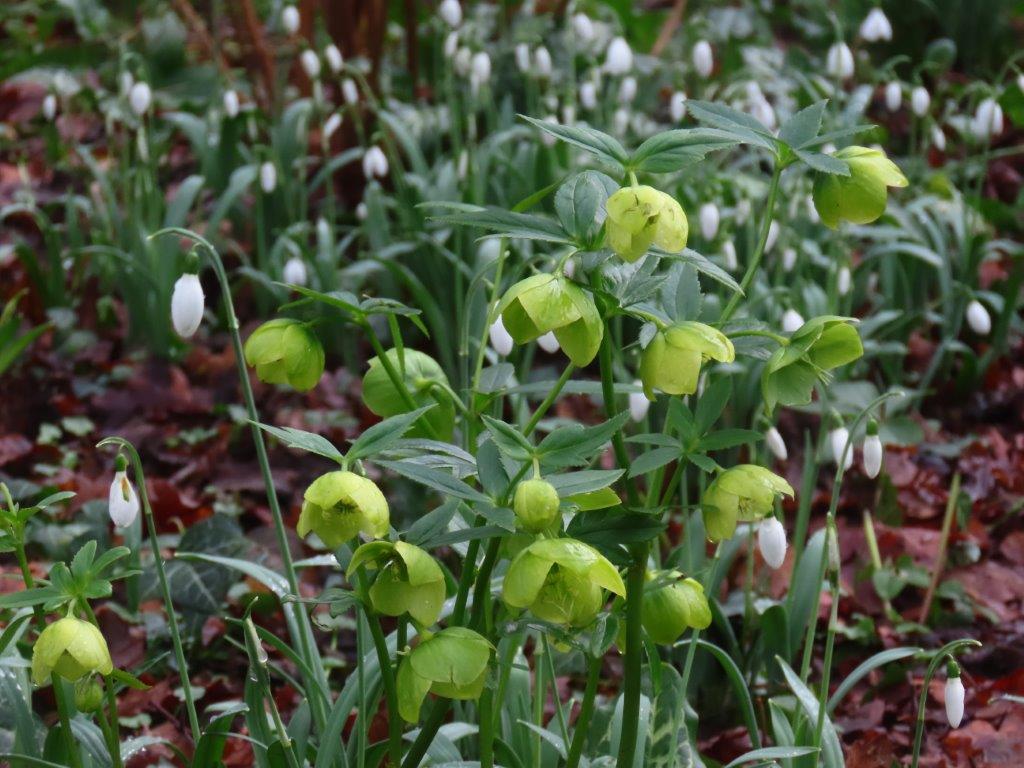
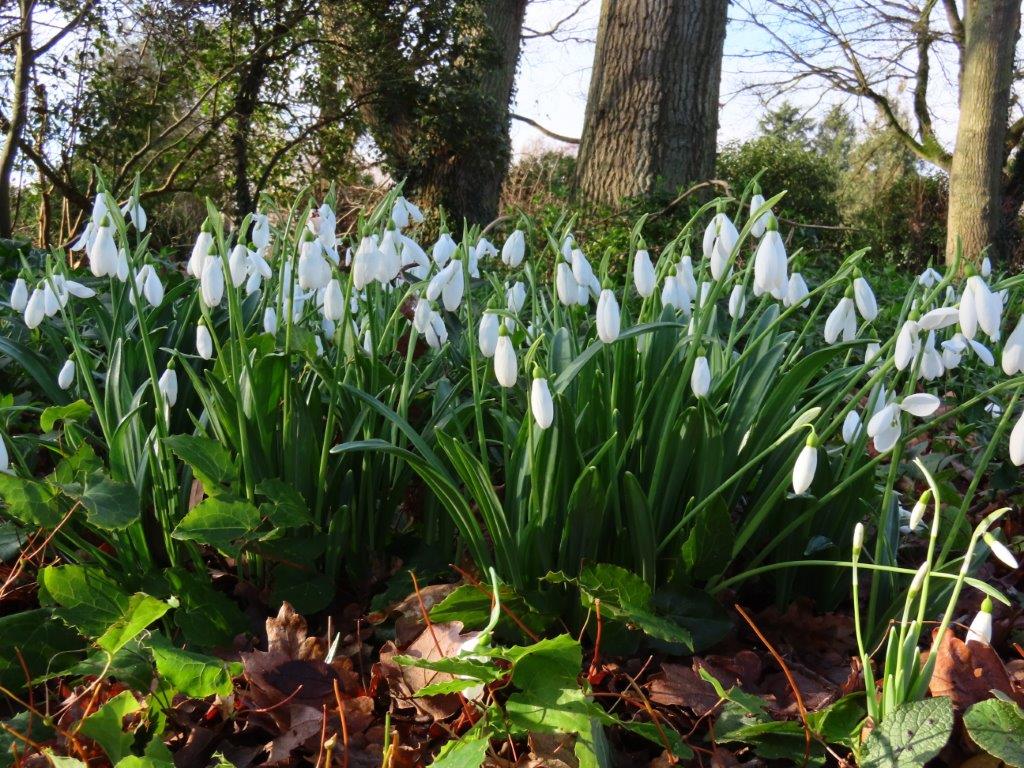
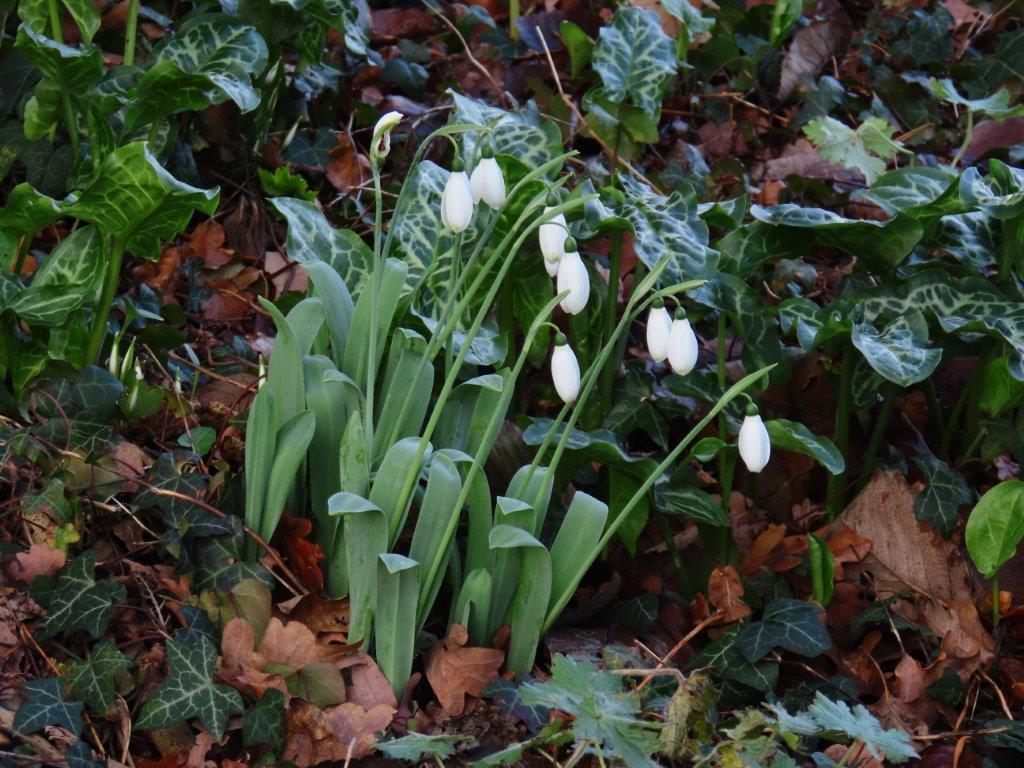
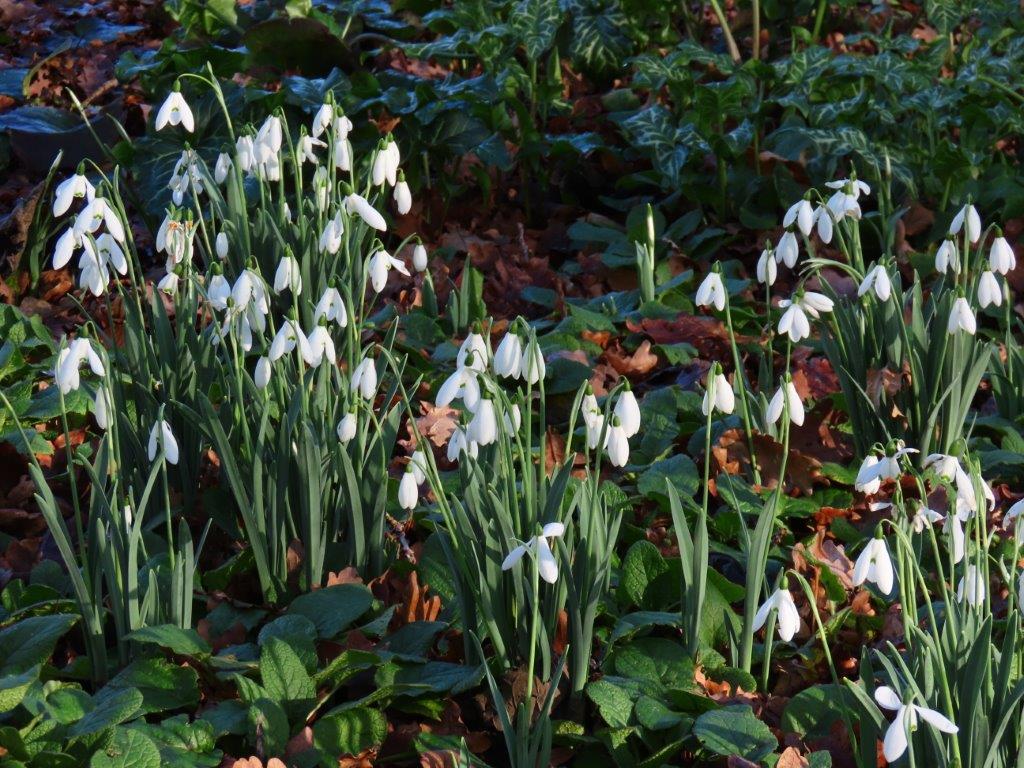
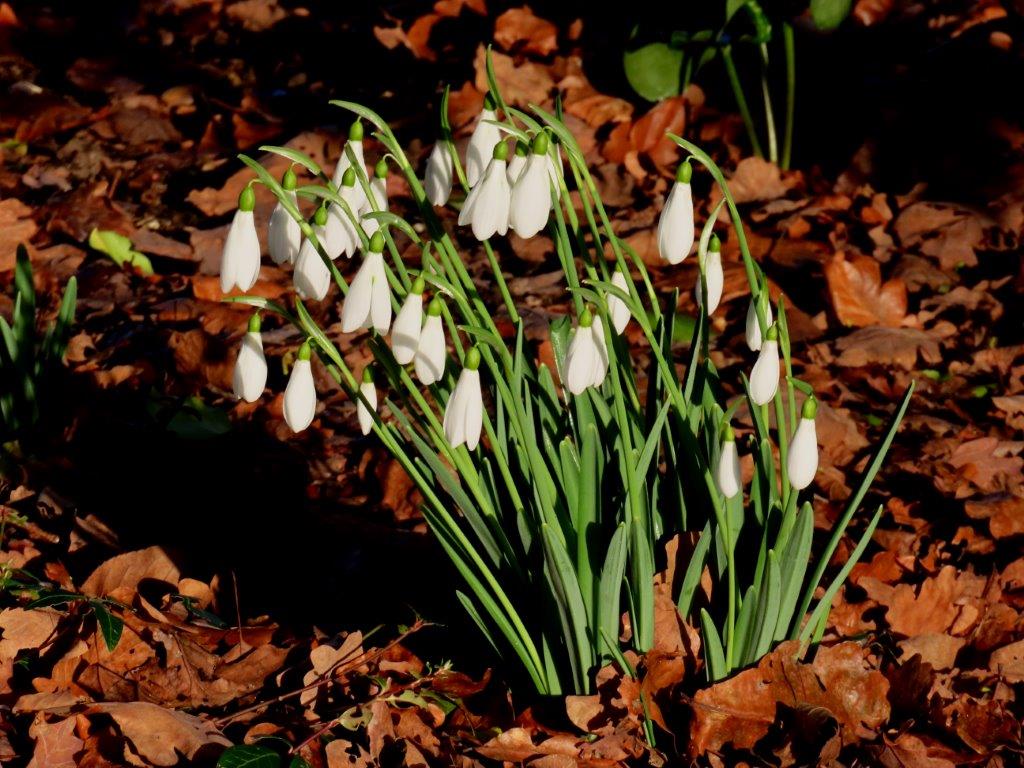
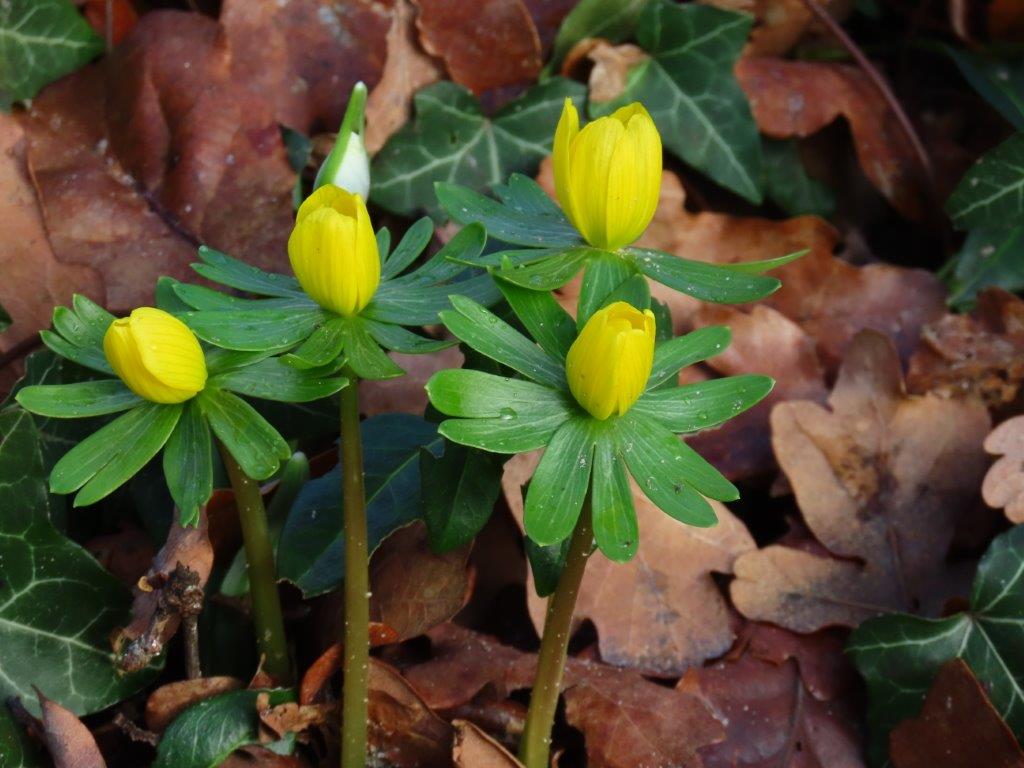
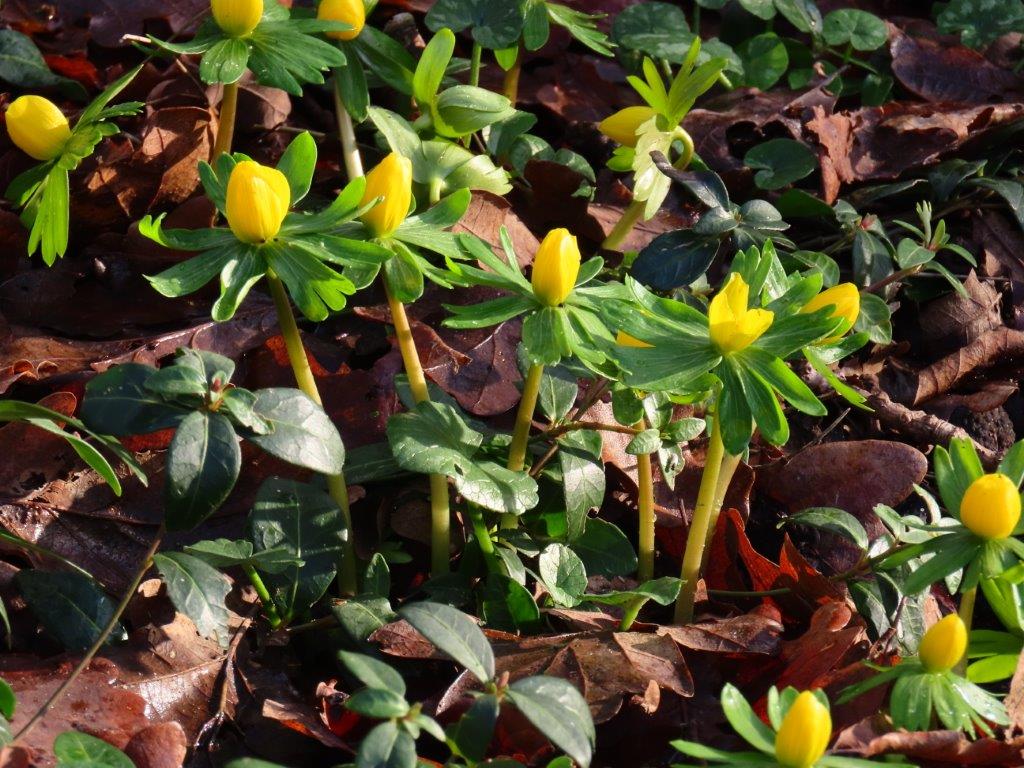
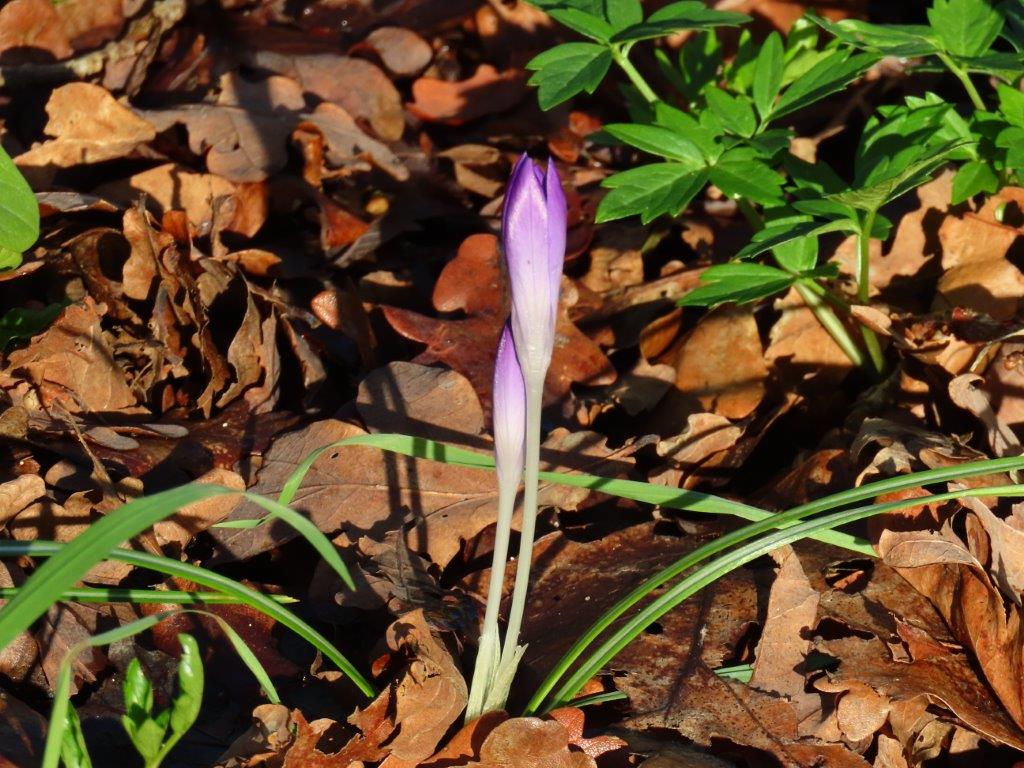
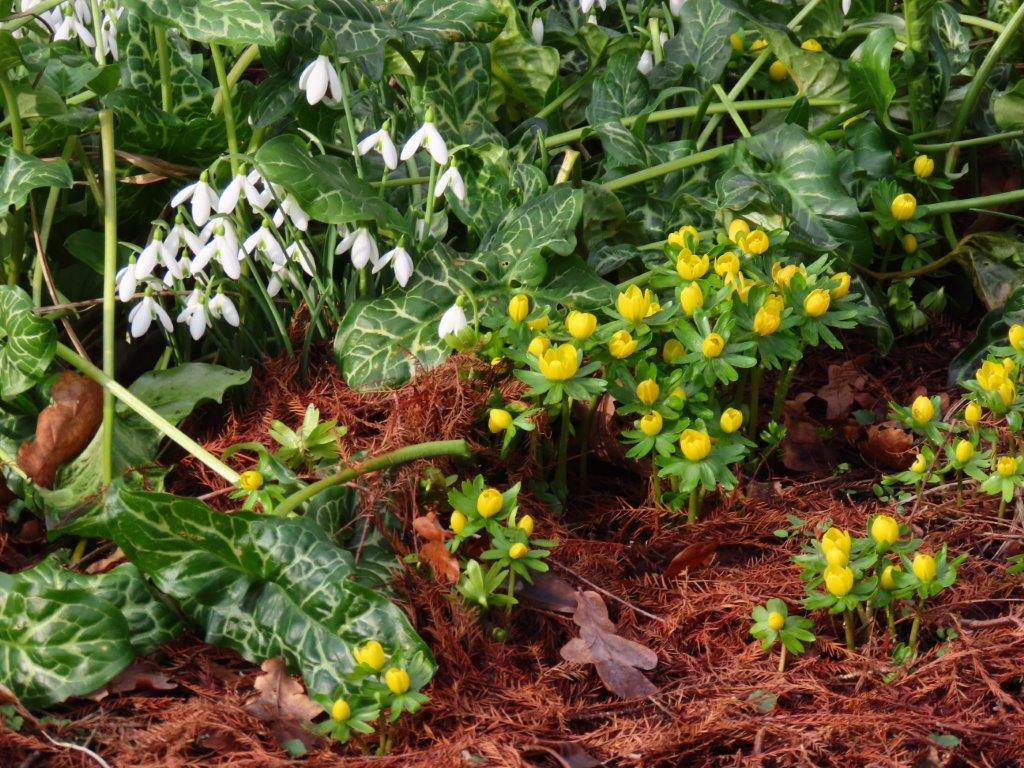
So as the garden reopening approaches we can all think of visiting with a clear conscience! And what a treat is in store. The Snowdrops and Winter Aconites are coming up to their best…

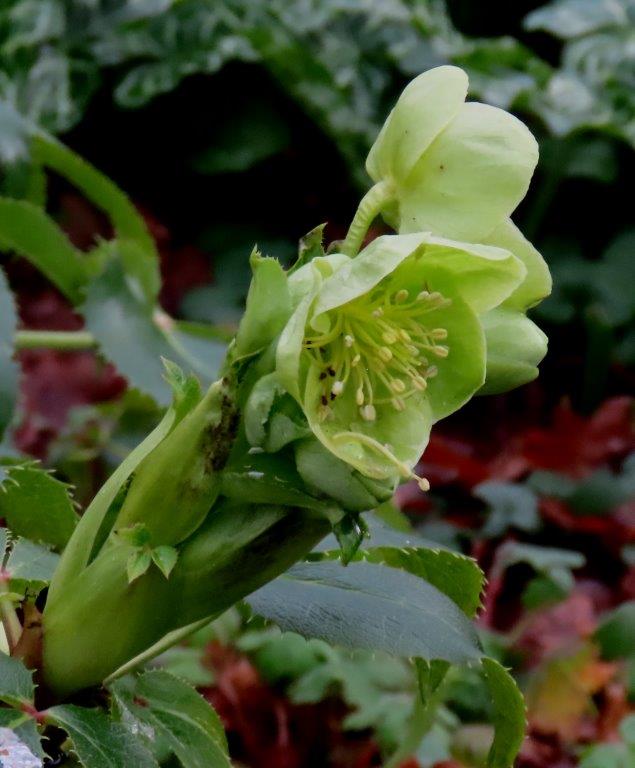
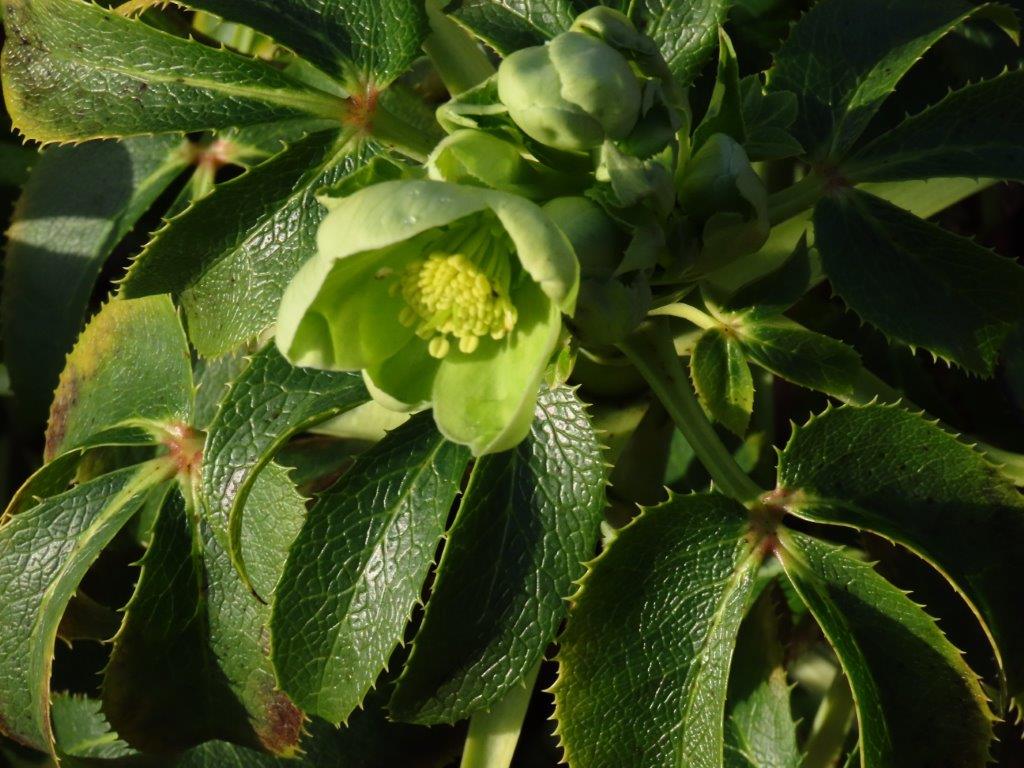
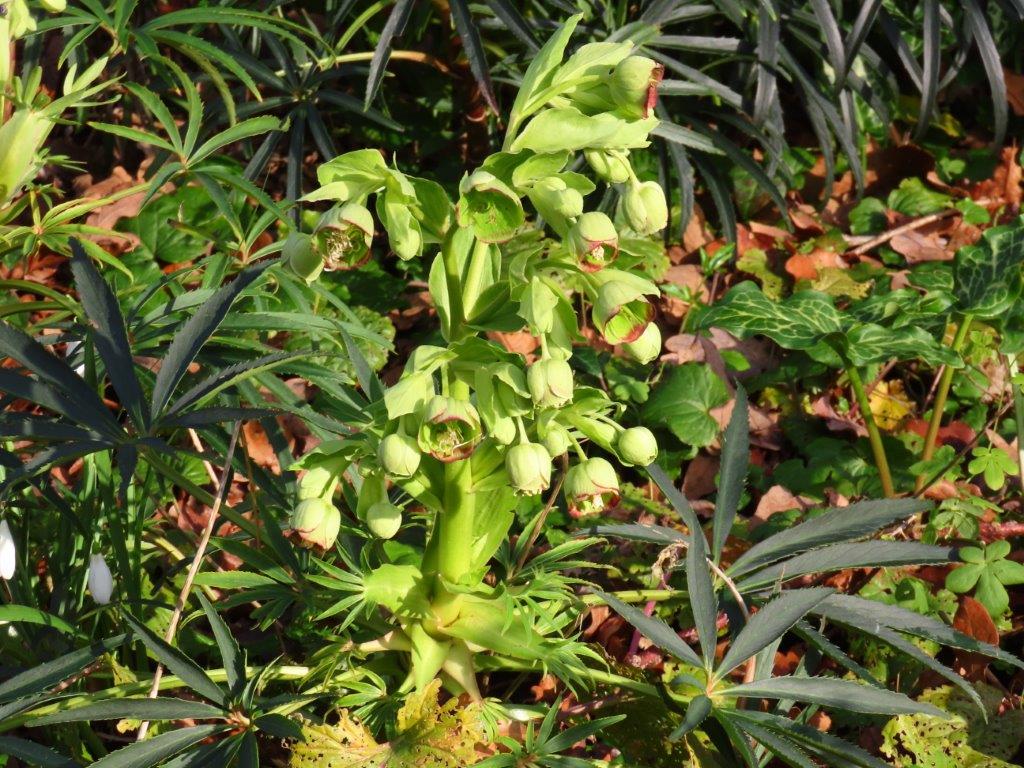
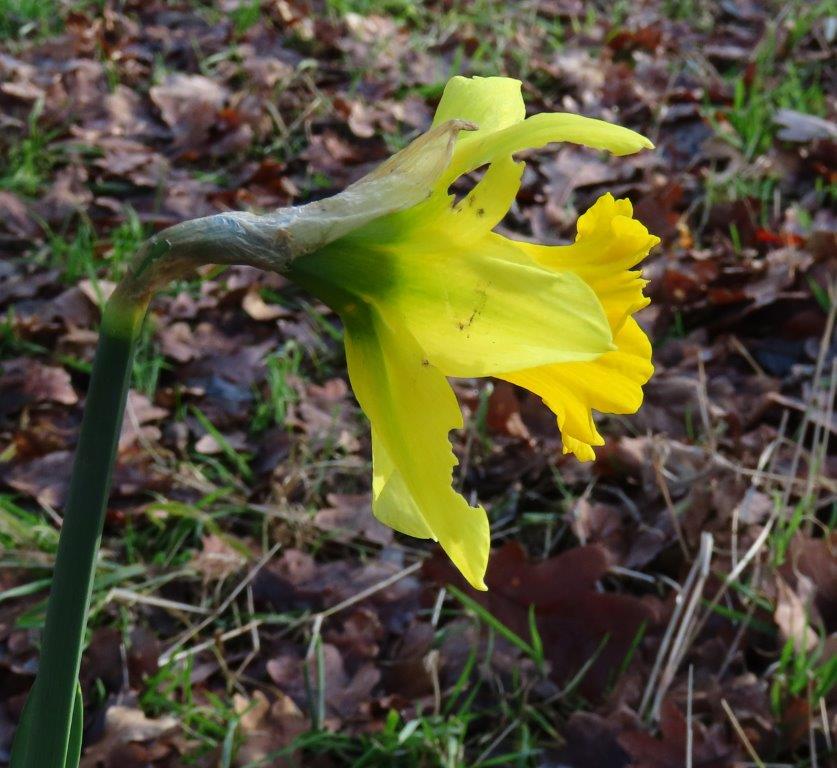
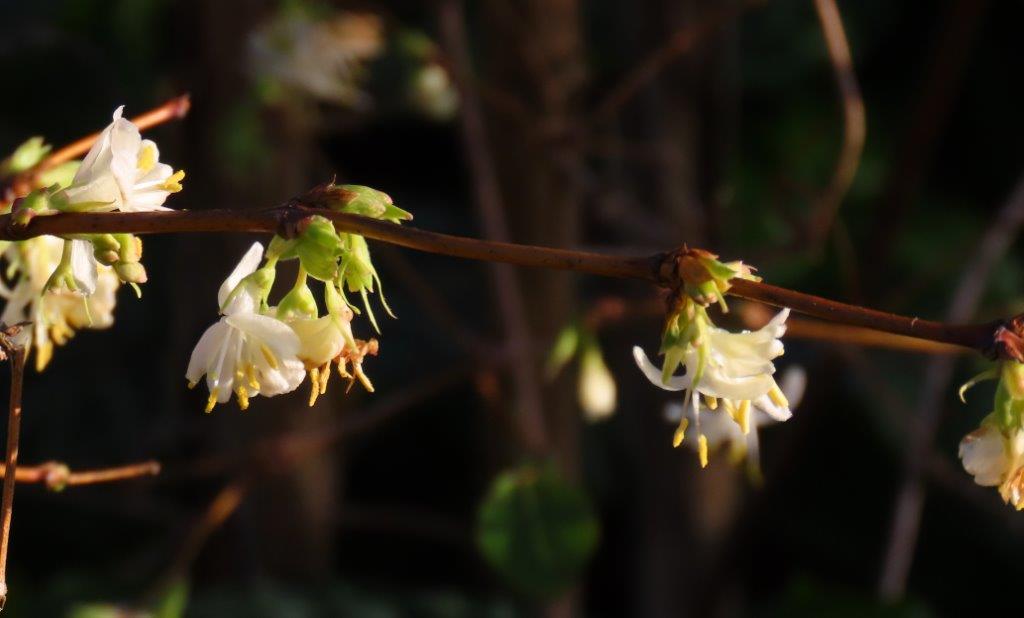
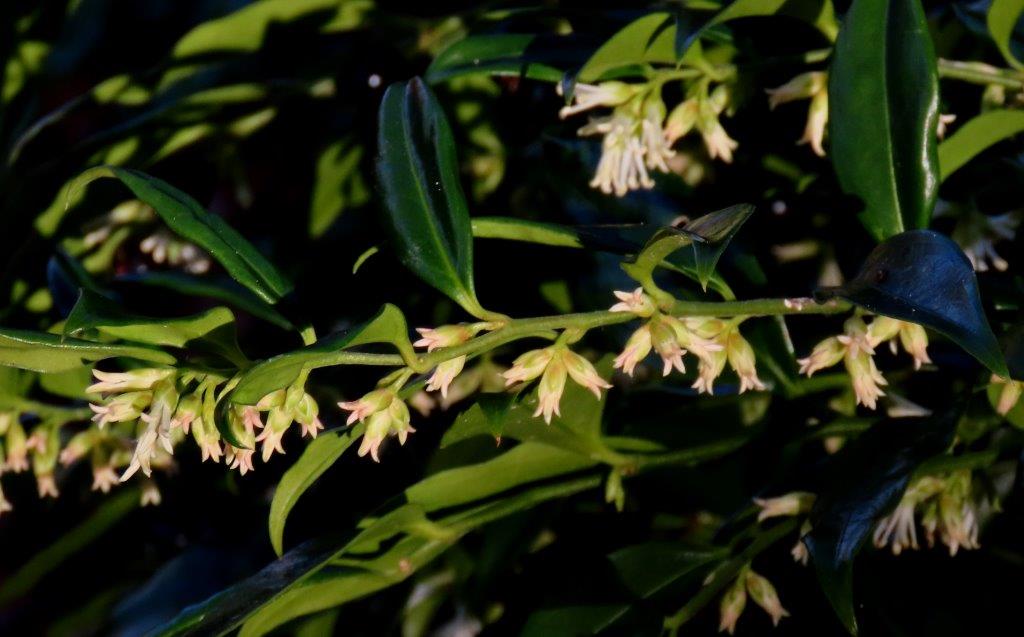
… along with other winter-flowerers bursting into bloom for the first bees.

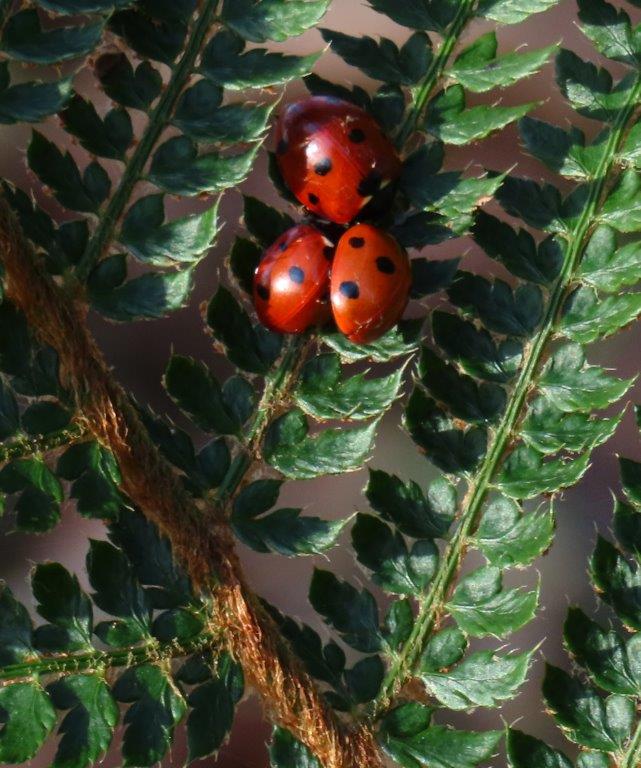
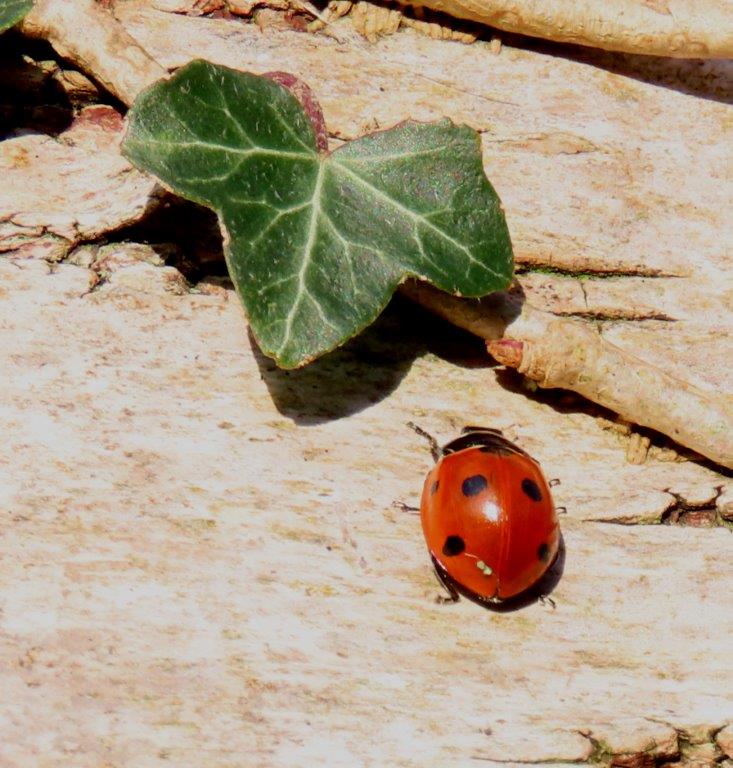
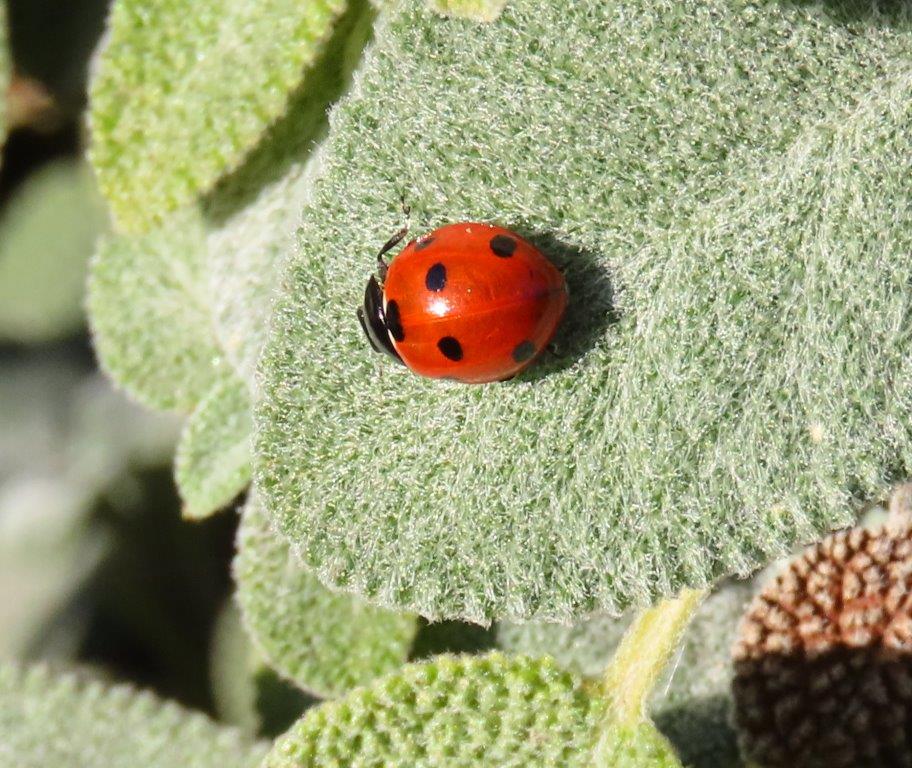
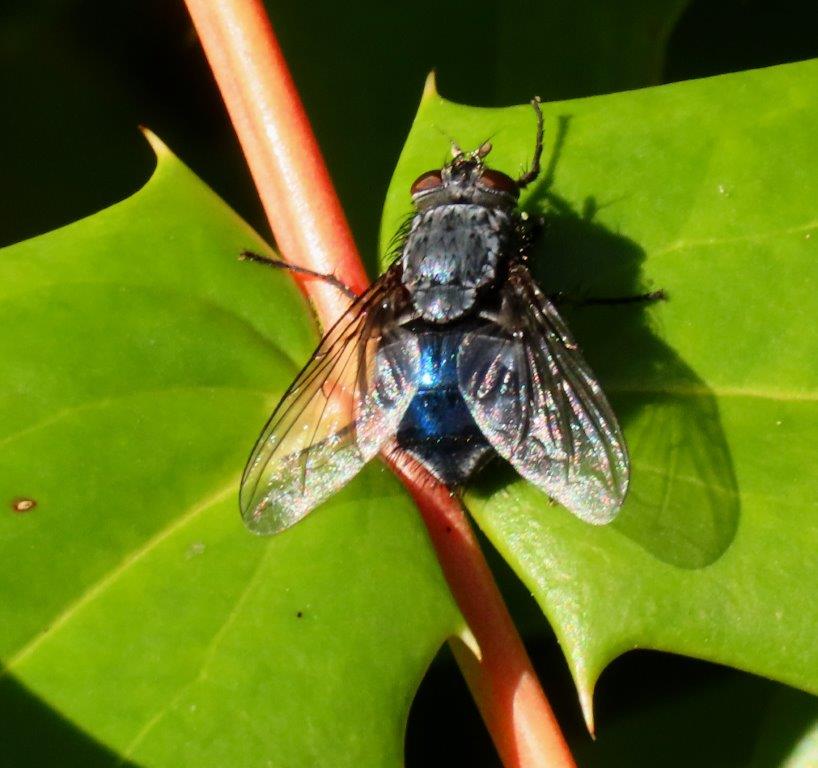
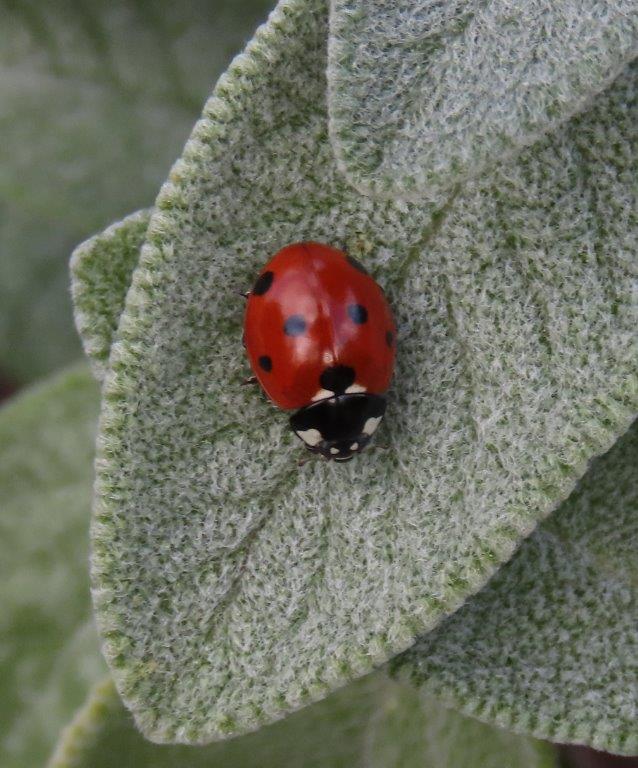
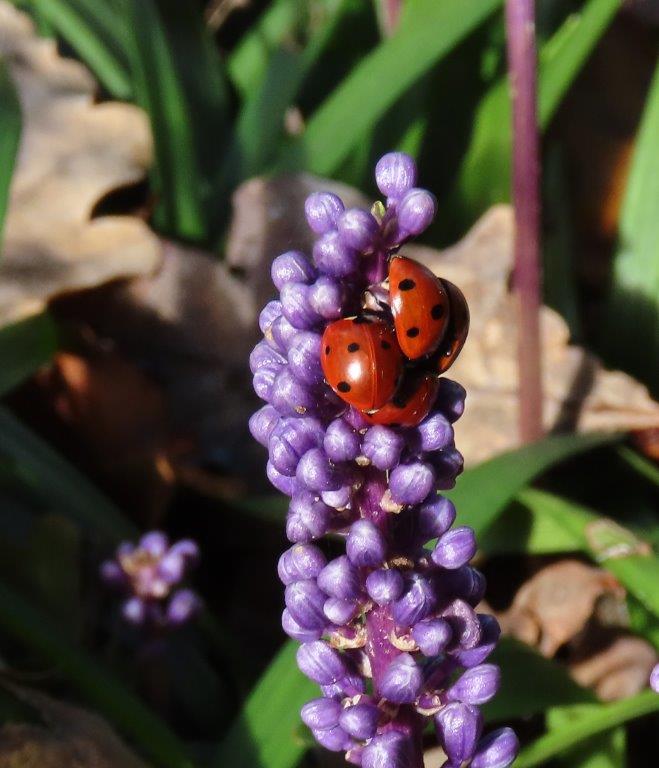
Blowflies were out already, taking advantage of the weak sunshine, and Seven-spot Ladybirds were just starting to become active, rousing from their winter clusters, ready to keep the plants free of aphids.

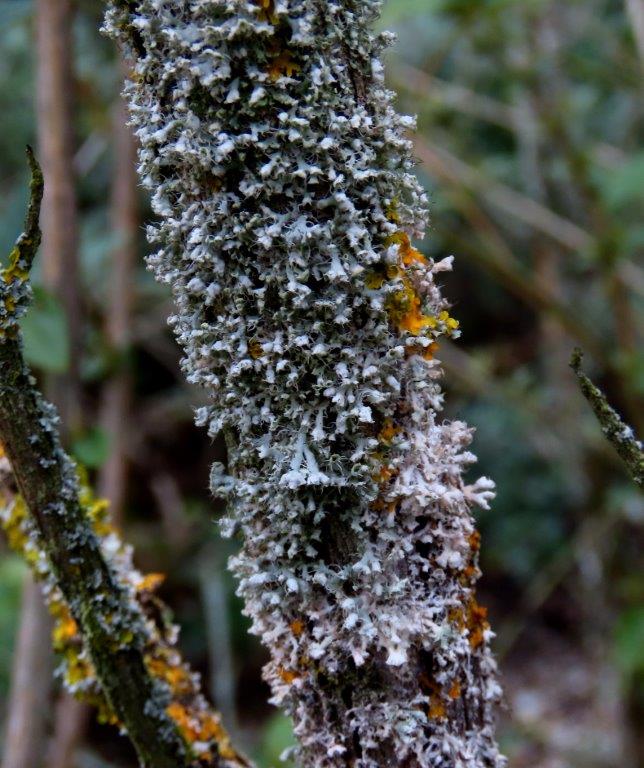
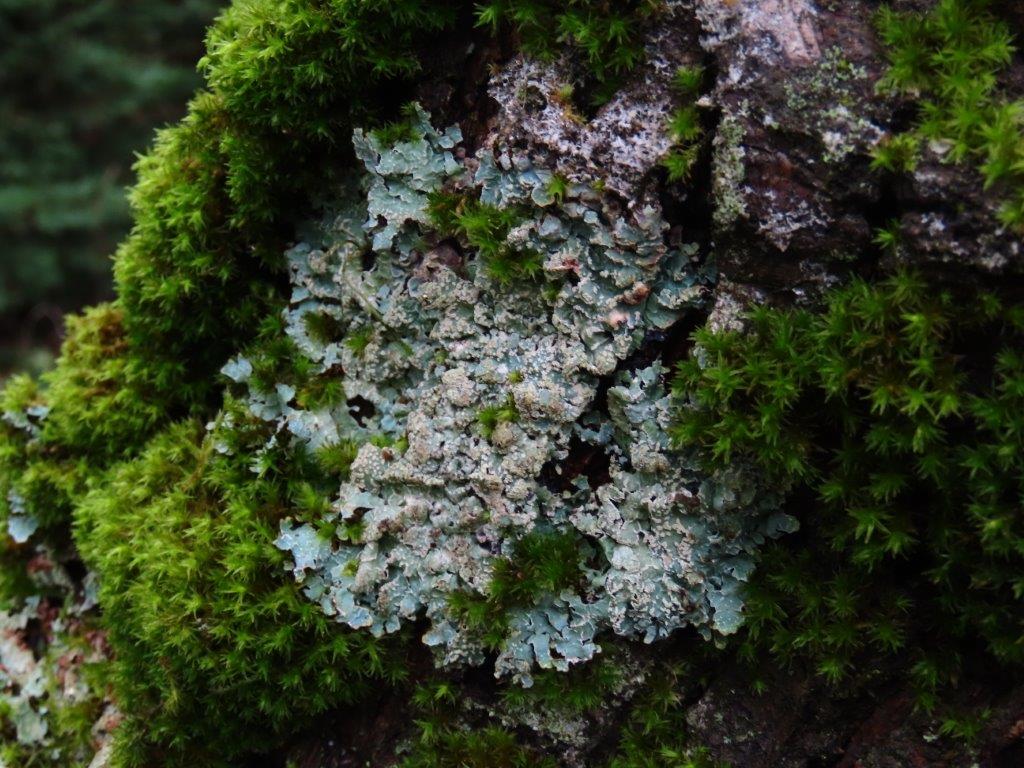
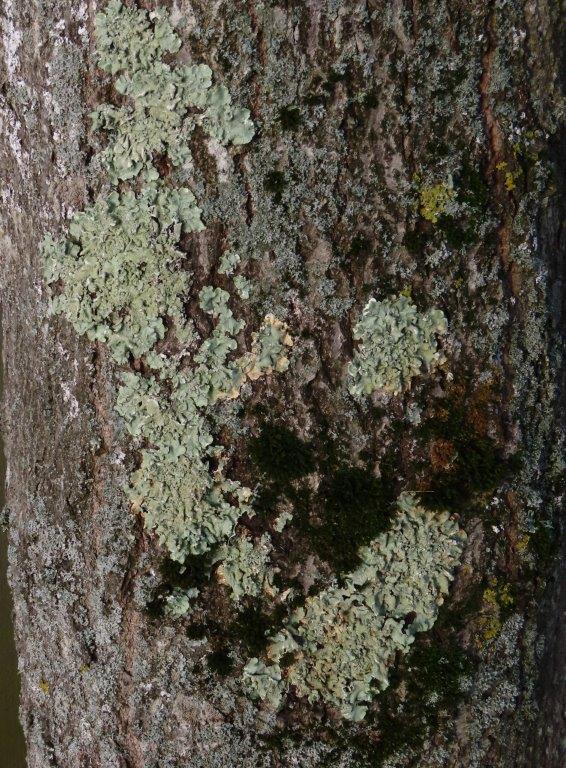
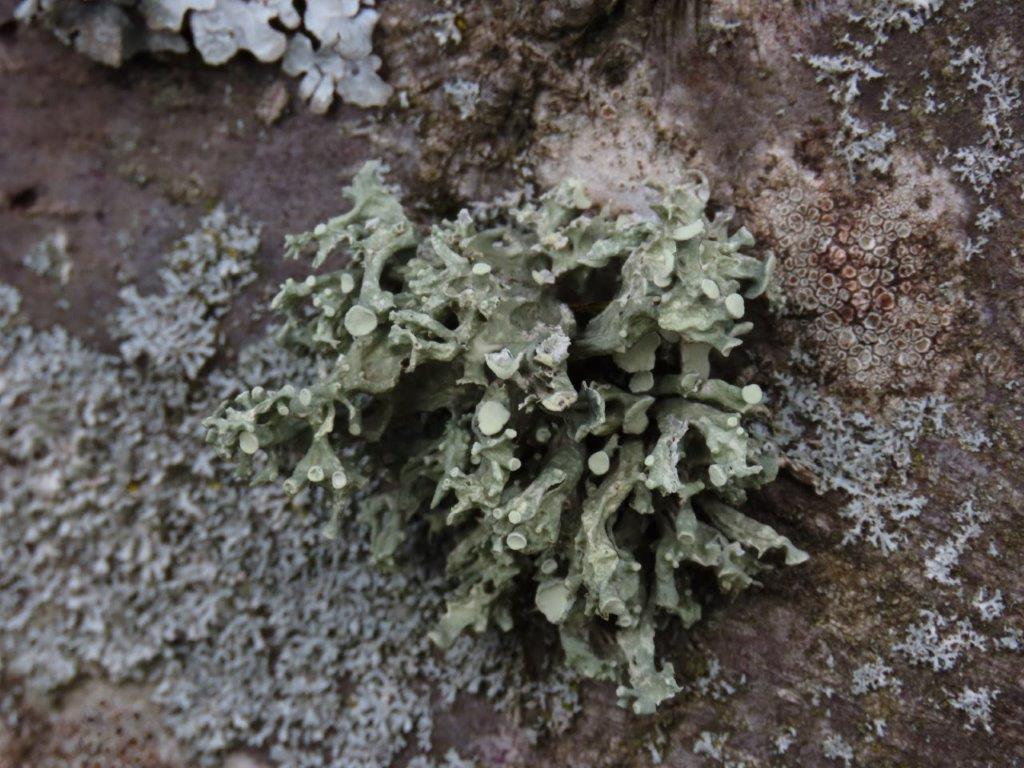
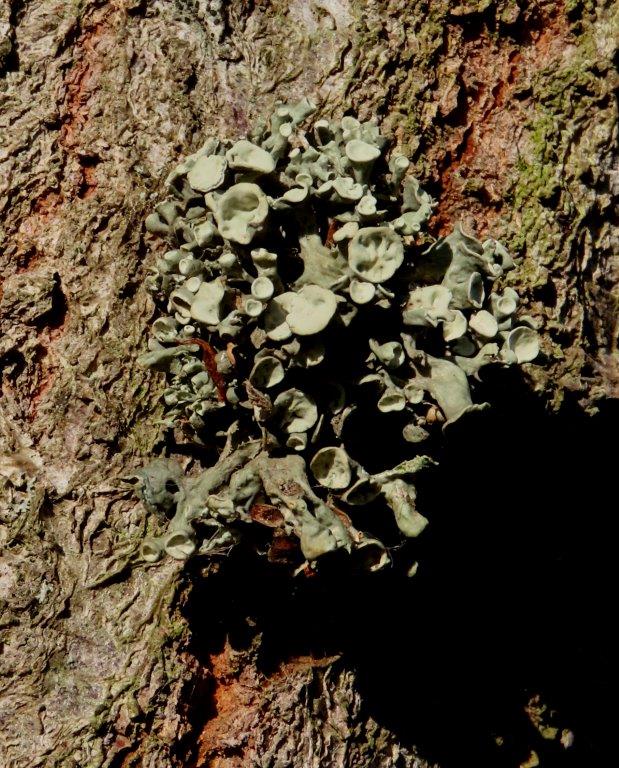
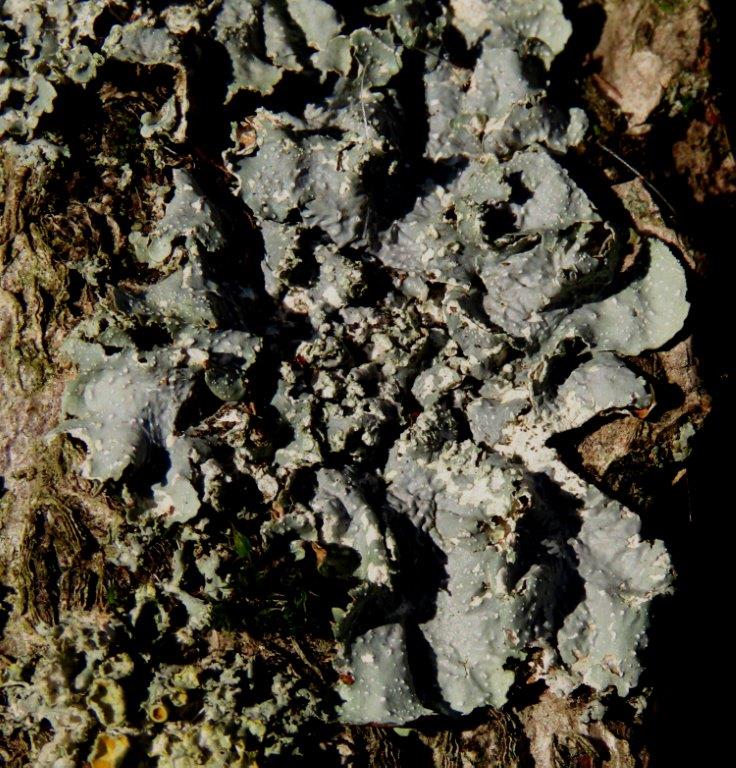
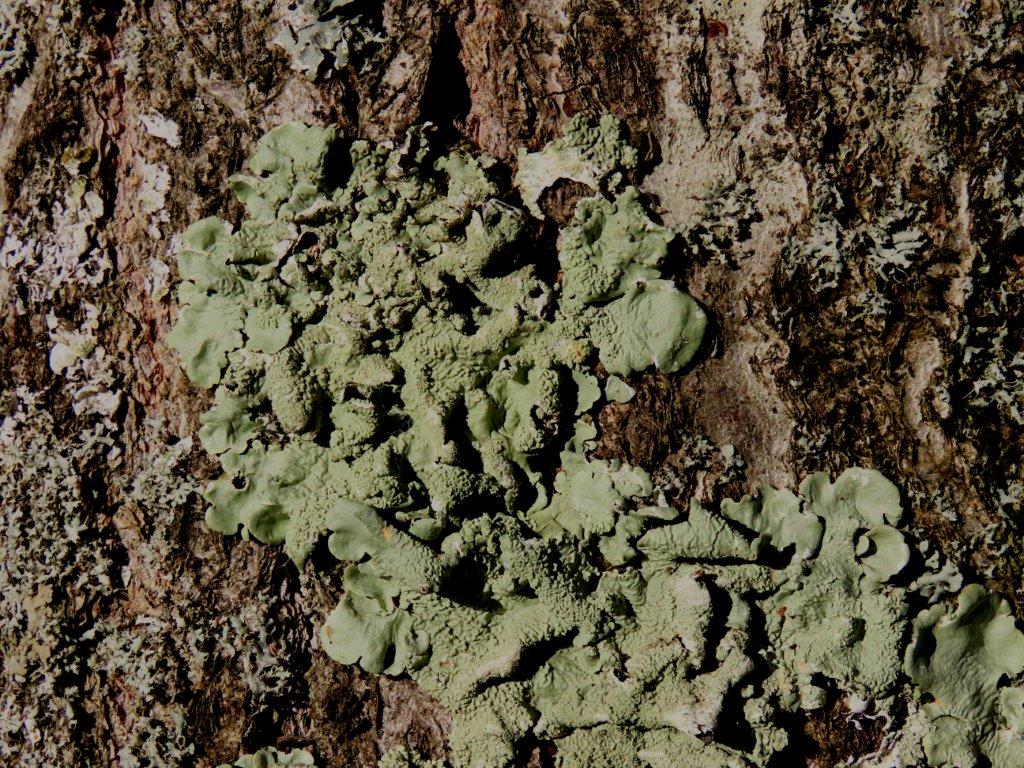
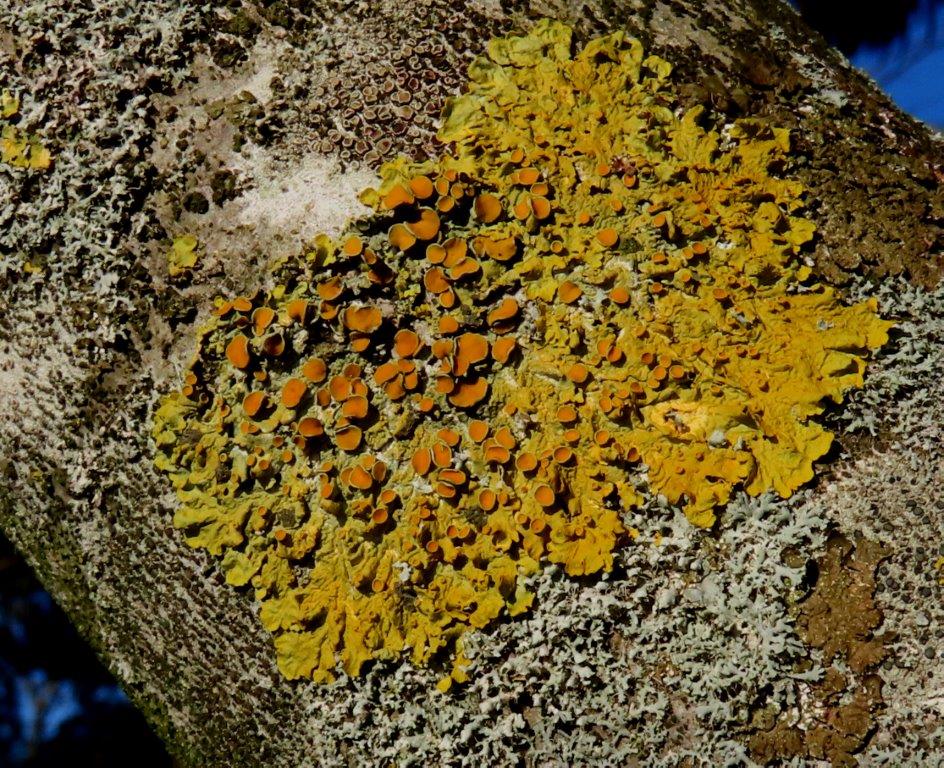
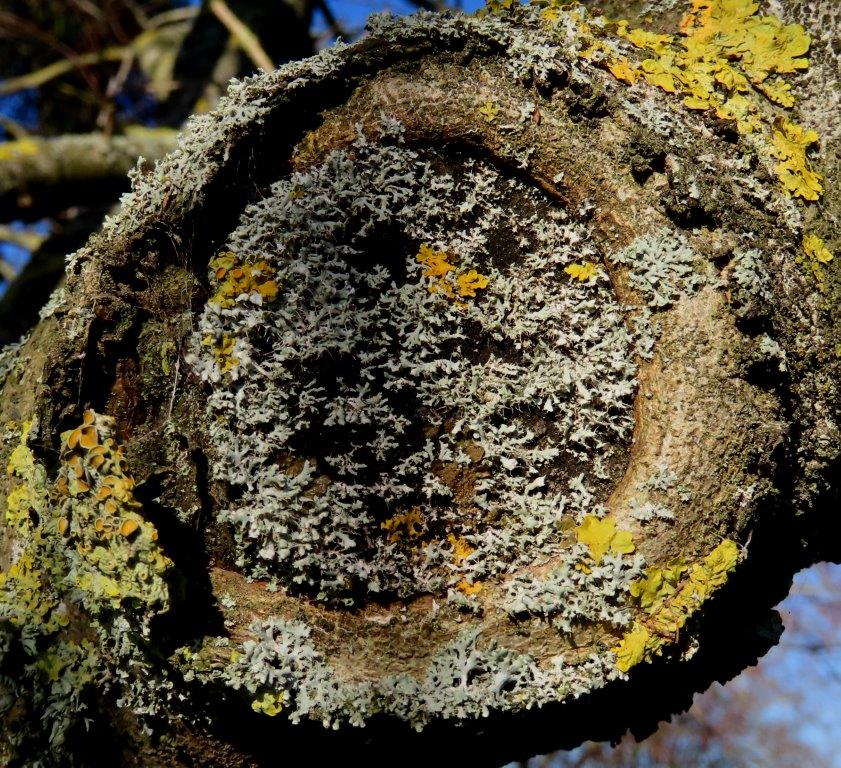
And it was also good to enjoy some of the unintentional garden delights, especially the lichens that are so easily overshadowed and overlooked at busier times of the year. On tree bark, there was Flavoparmelia caperata forming large patches, and the locally scarce Ramalina fastigiata forming several new clumps. Given that the latter was considered extinct in Essex in the 1970s due the the impacts of air pollution, this is very good news.

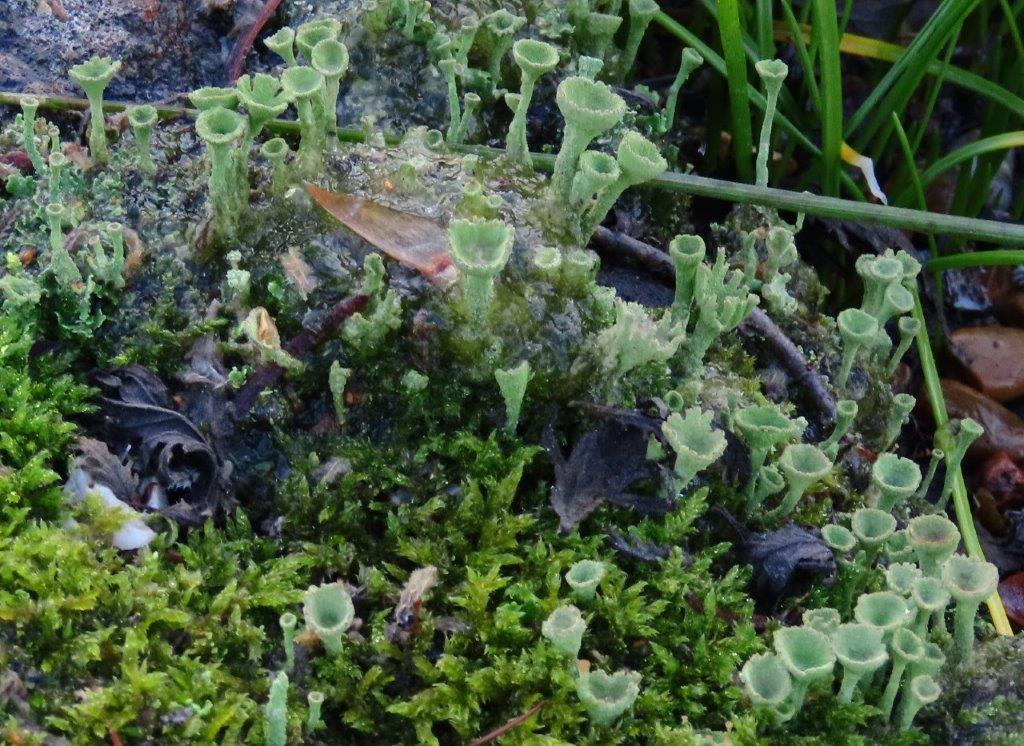
And much more widespread but surprisingly not recorded from the Gardens previously was the Trumpet Lichen Cladonia fimbriata, showed to me by the gardeners in the Scree Garden. I am so happy to have these interested eyes and ears on the ground!

The Gardens reopen on Tuesday February 3rd. Treat yourself to a breath of Spring!

The Wild Side of Beth Chatto Gardens: settling in for the winter pause…

Mid-December, just a week from the solstice, and I am back in the gardens for my final walk of the year. Yes, the wind has stripped all the leaves from the trees that shed them, but it still feels more like autumn, with above-average temperatures (perhaps the norm nowadays) despite thick grey cloud with just a few glimpses of weak sunshine.

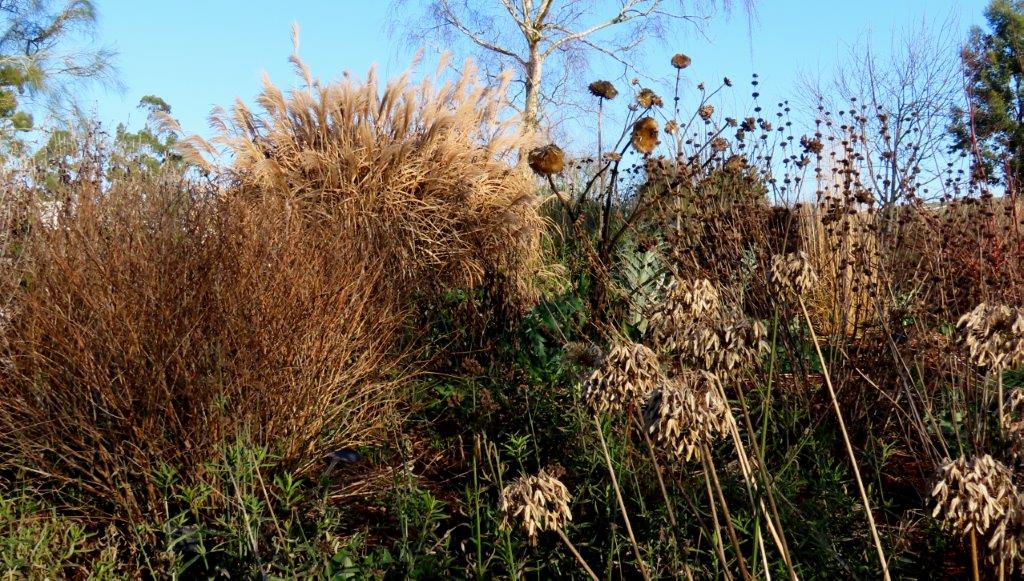
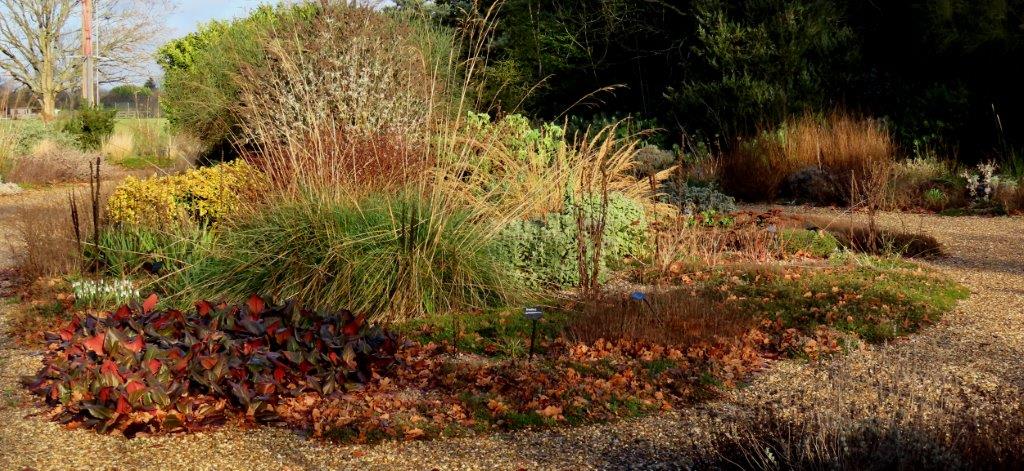
Brown is the dominant colour, a sign that nature is dying back before the renewal to come.

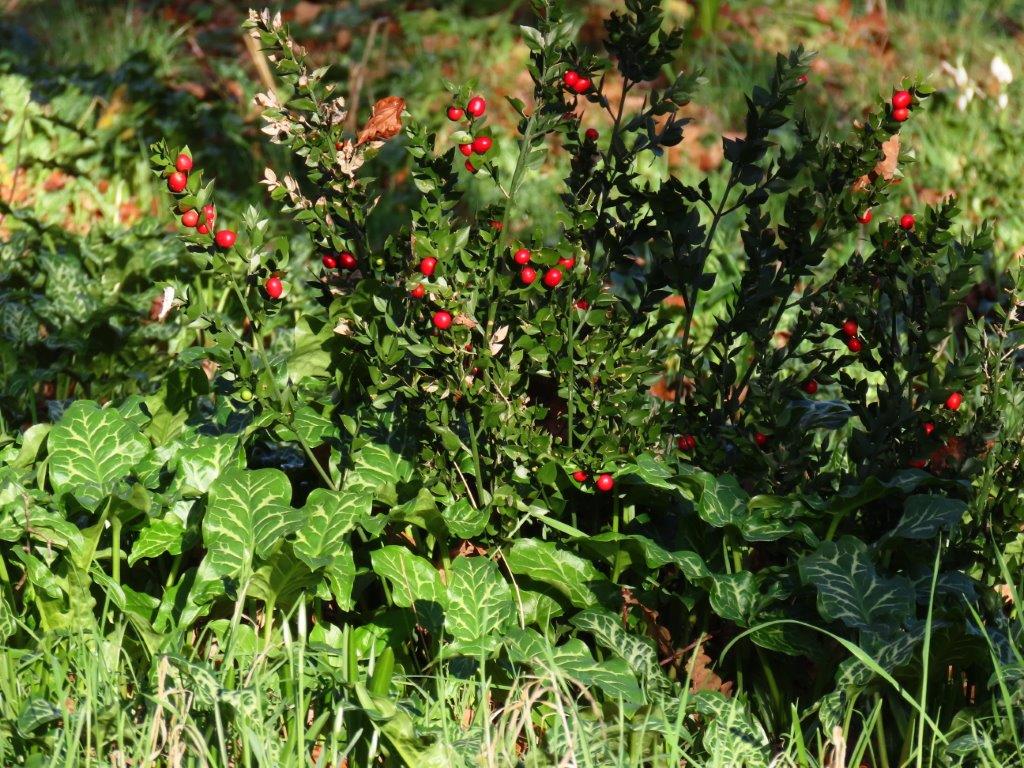
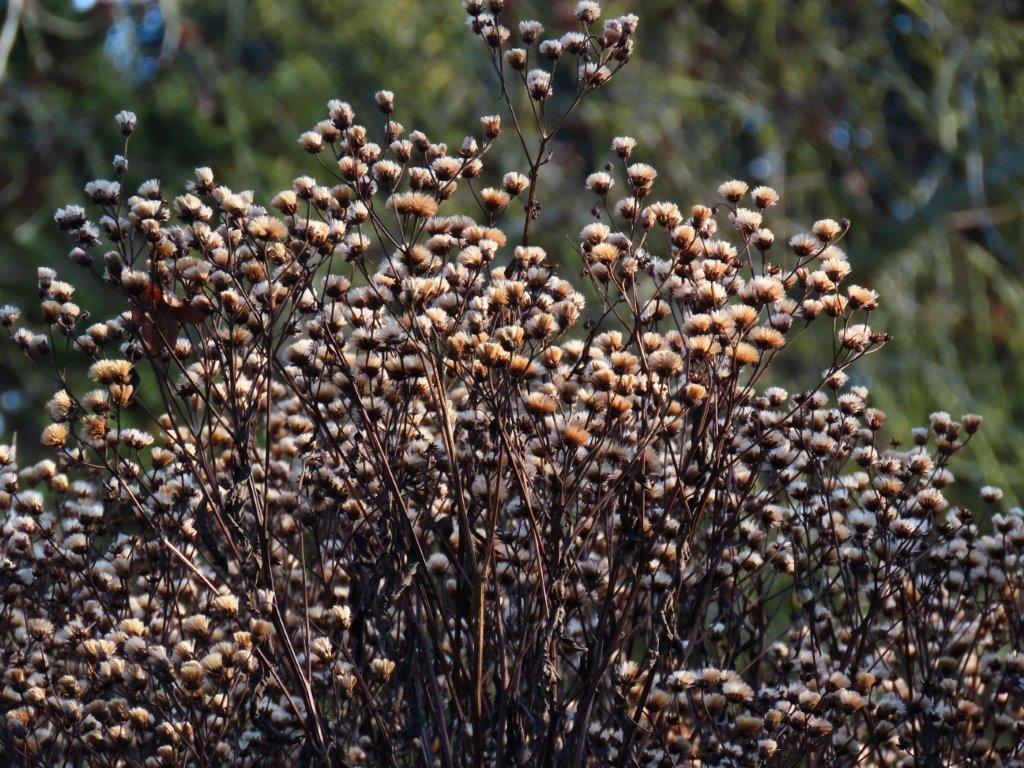
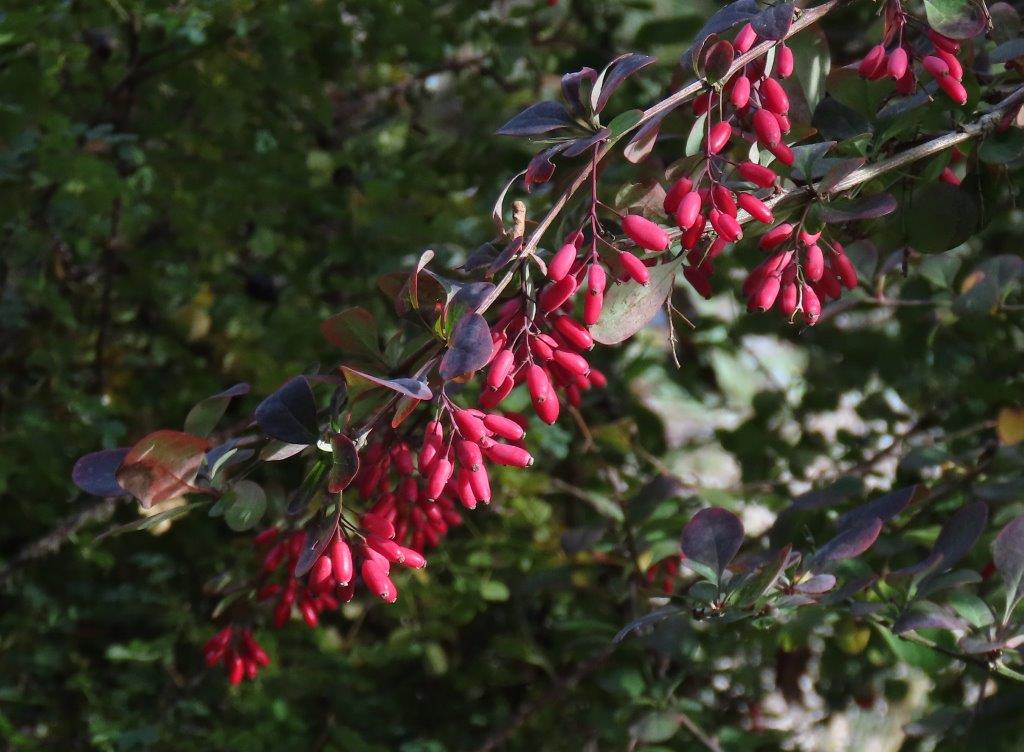
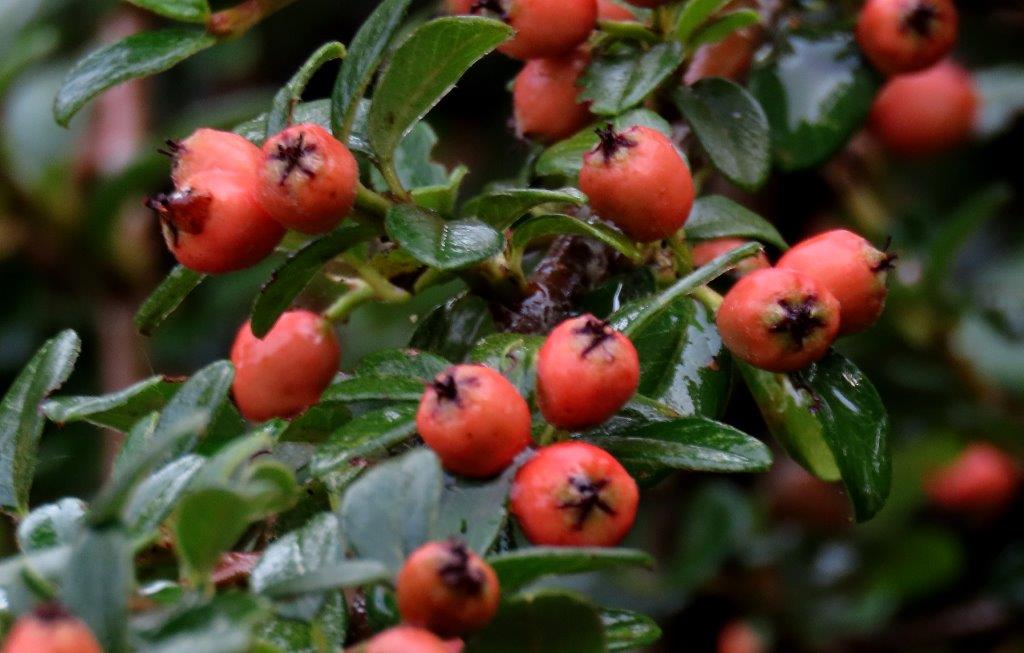
But there are splashes of colour, the berries that will feed our winter thrushes over the colder months, along with untrimmed grasses, their flowerheads still full of seeds for the finches.

And just starting to ripen, the Ivy berries, which will become the main, vital food resource should the later winter period turn cold: they will keep the Woodpigeons, Blackbirds and many others alive when all of the rest of the fruits are gone.

There are still a few insects – bees and hoverflies mainly – on the wing, and they are taking full advantage of the relatively few flowers. There are the hangovers from autumn…

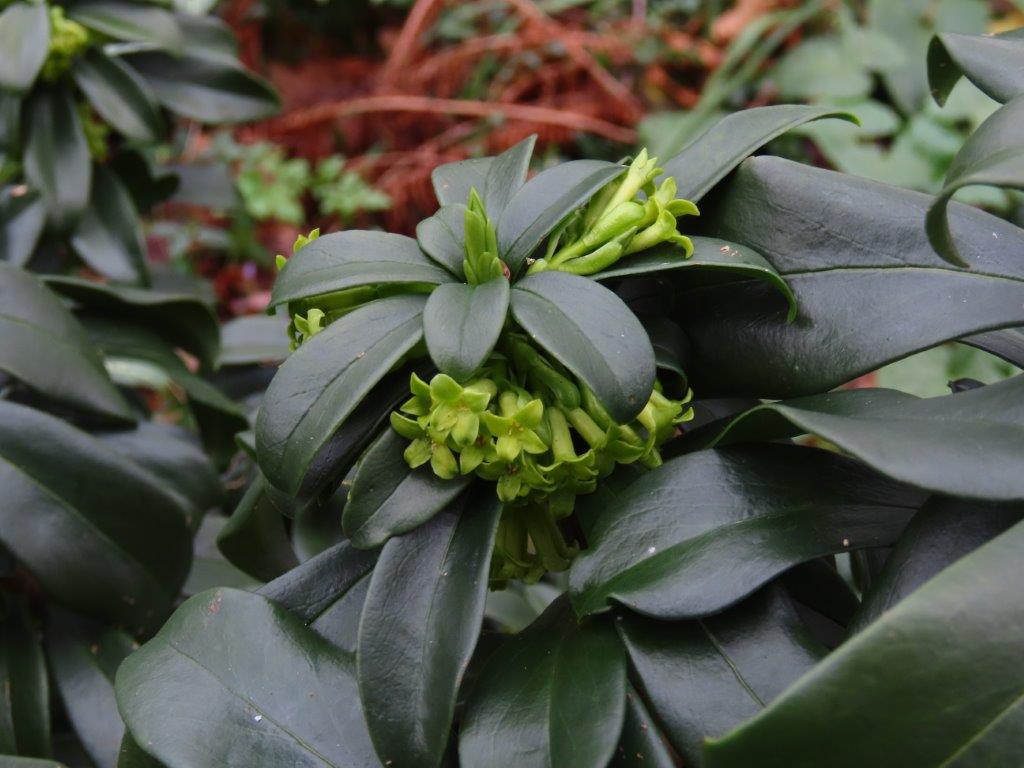
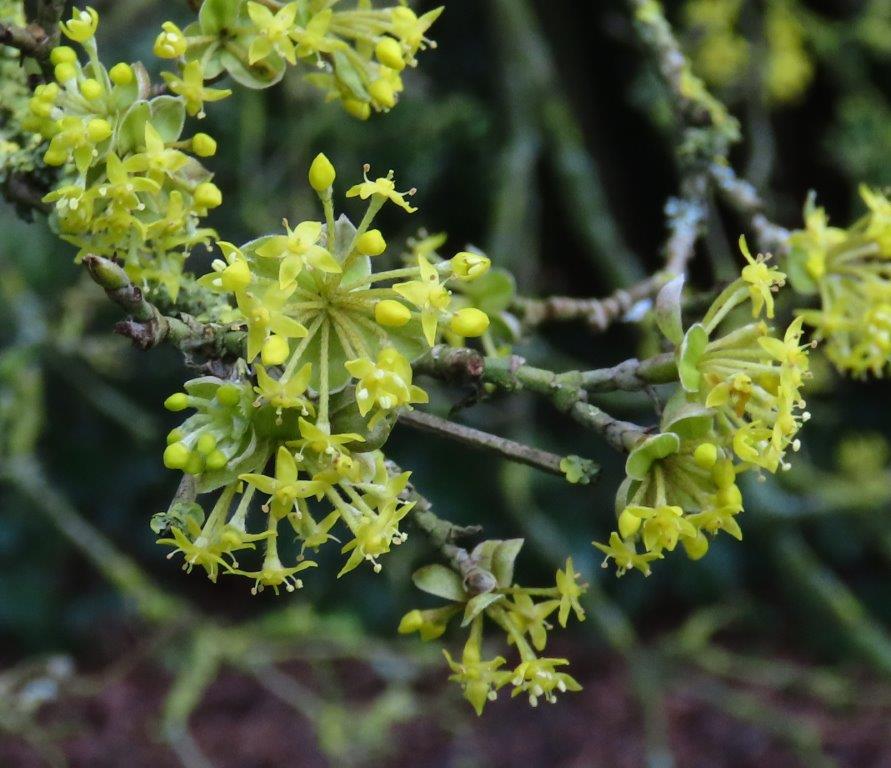
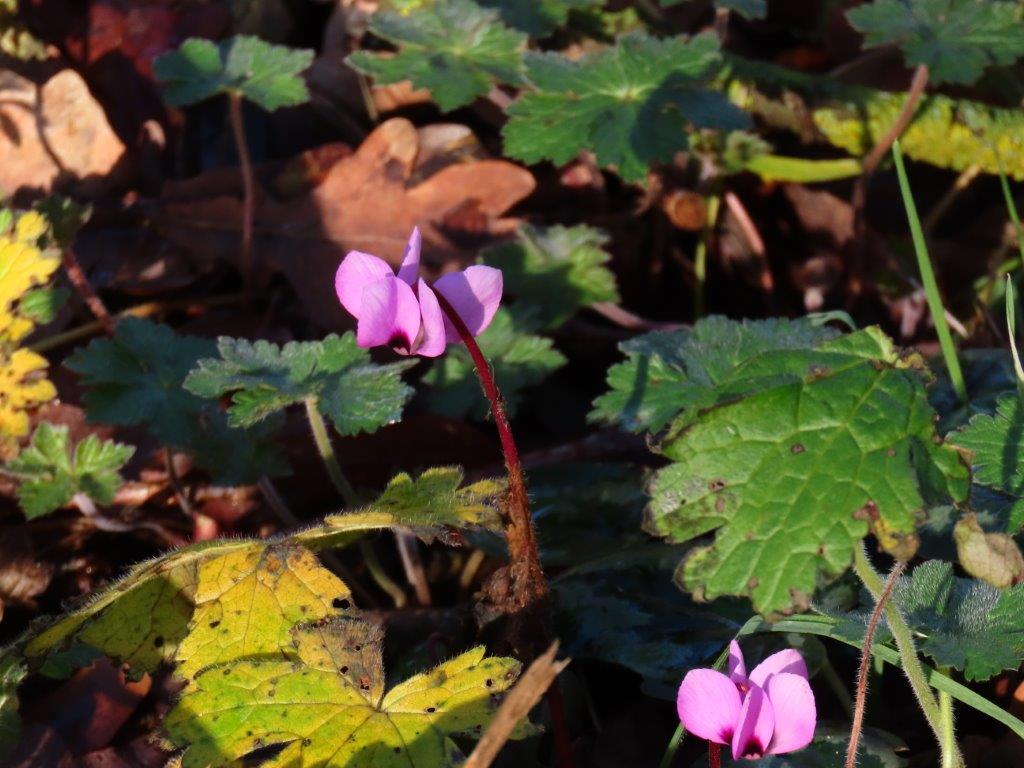
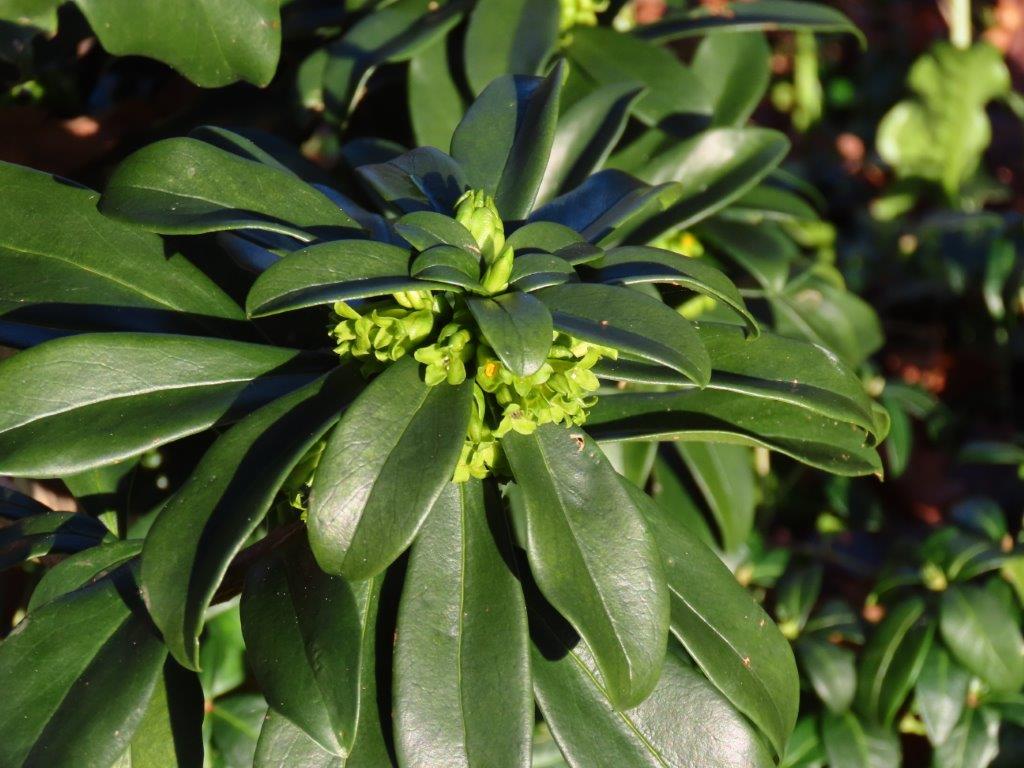
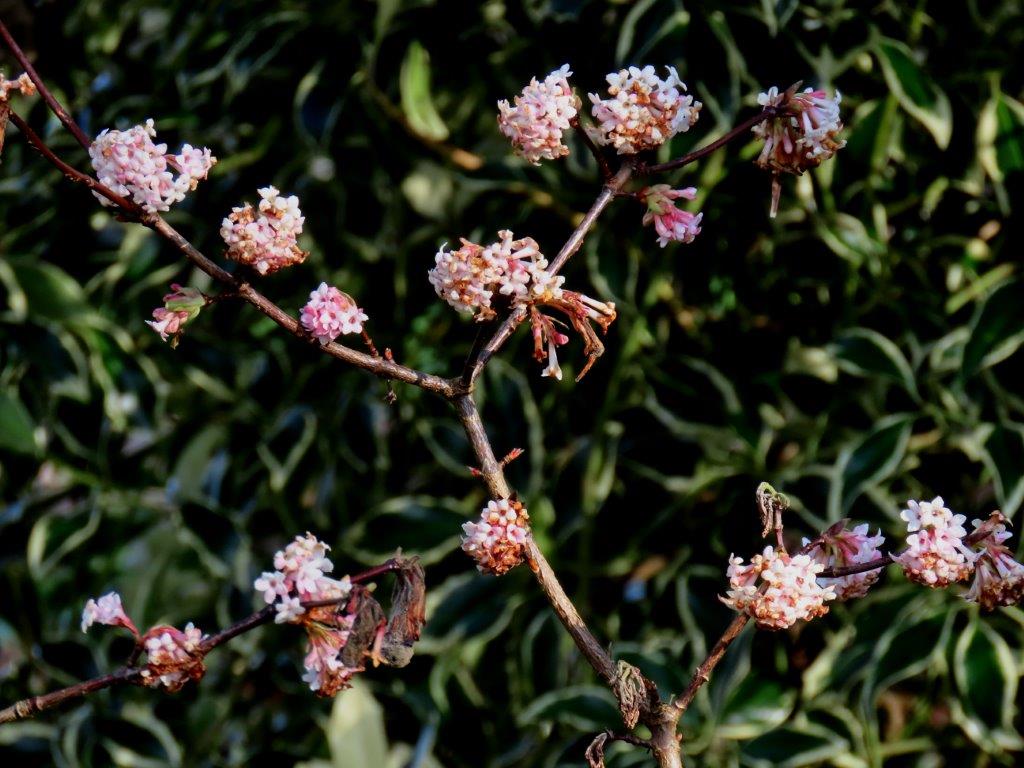
… the typically winter-flowering shrubs and climbers…

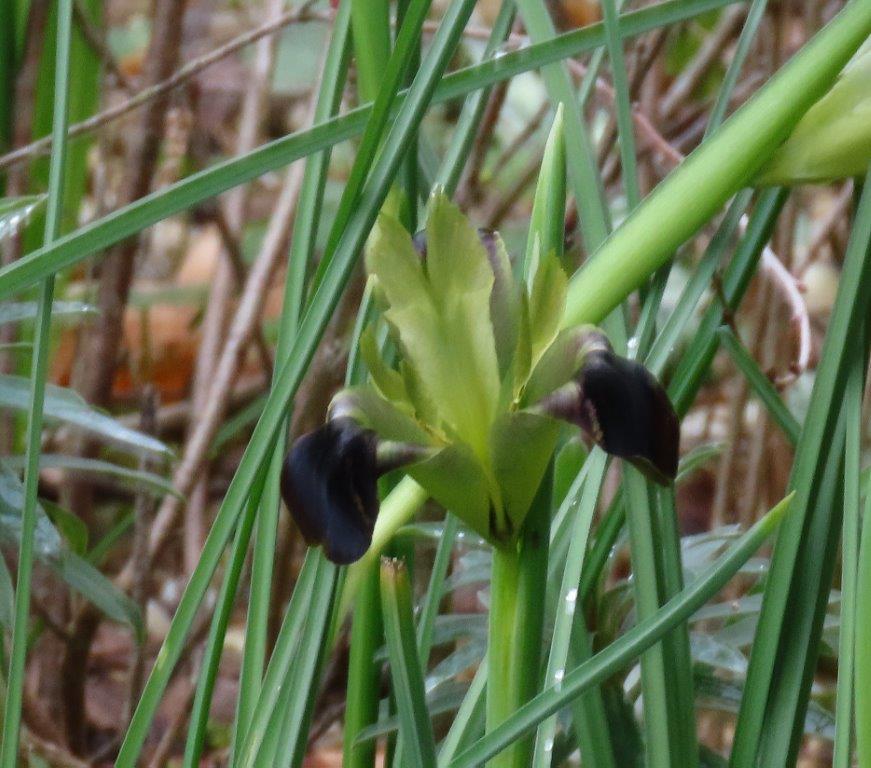
… and the first few harbingers of the spring that will surely come.

At the same time, new, fresh leaves are emerging, starting to push aside the brown autumnal carpet. The new year is on the starting blocks! And the birds sense it too, with singing Robins and Song Thrushes filling the still air with joy.

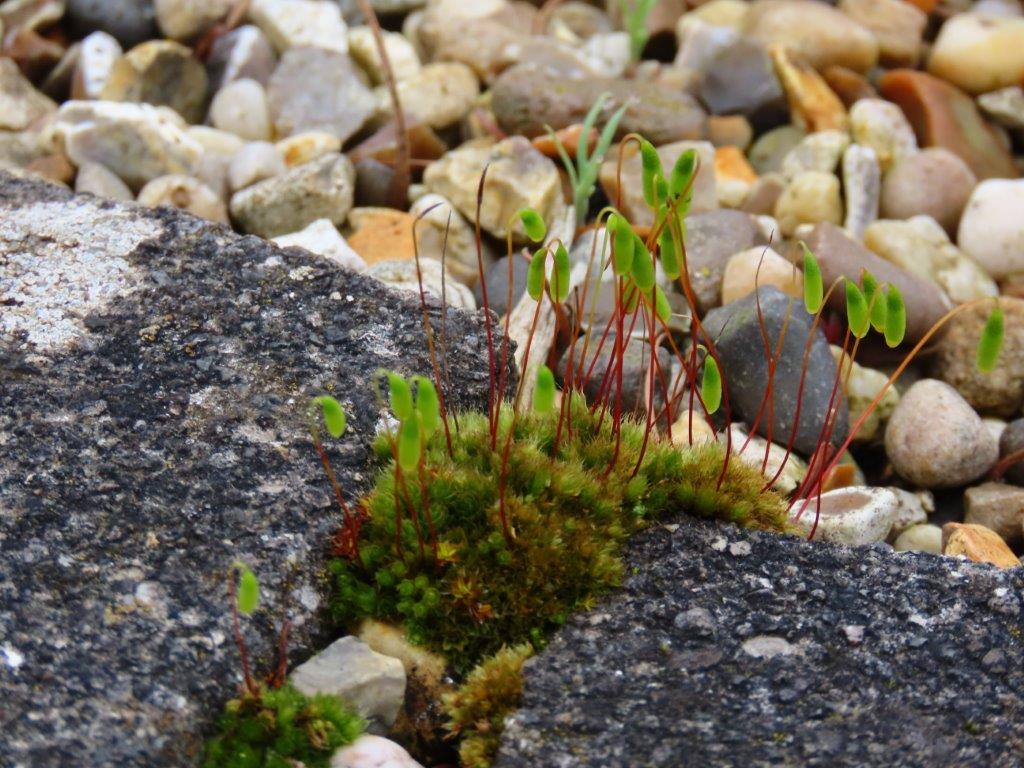
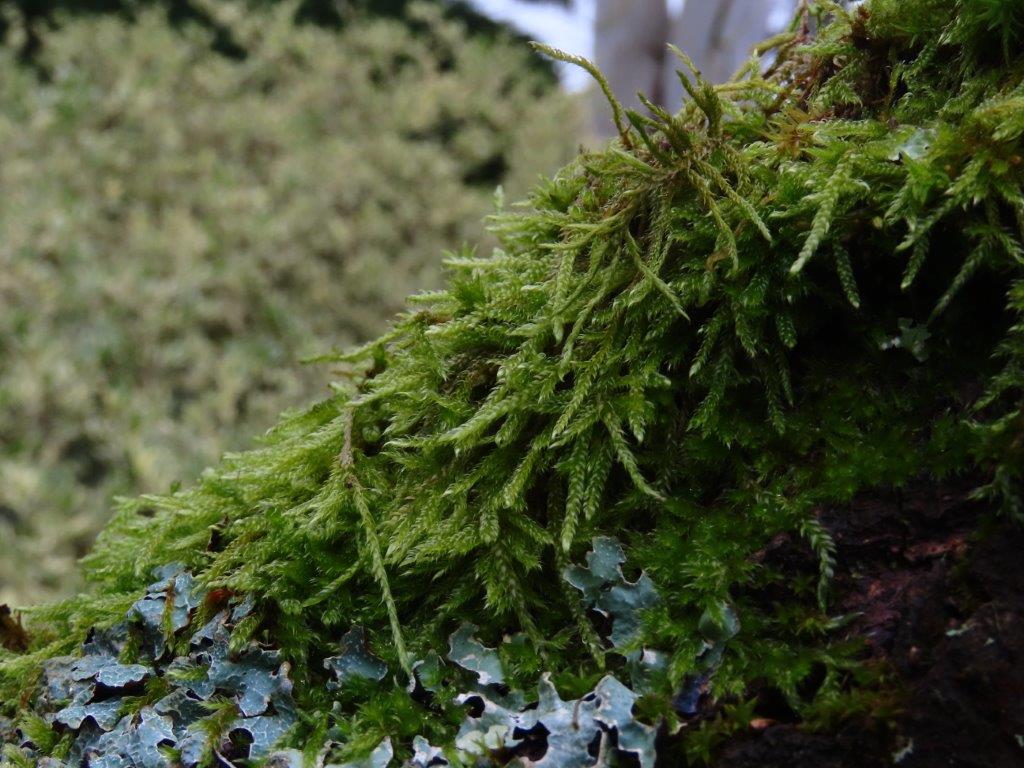
While this may be downtime in the garden, it does give us opportunity to look closely at some of the less showy inhabitants that keep on going whatever: mosses in the paving cracks, including Grimmia pulvinata and Tortula ruralis.

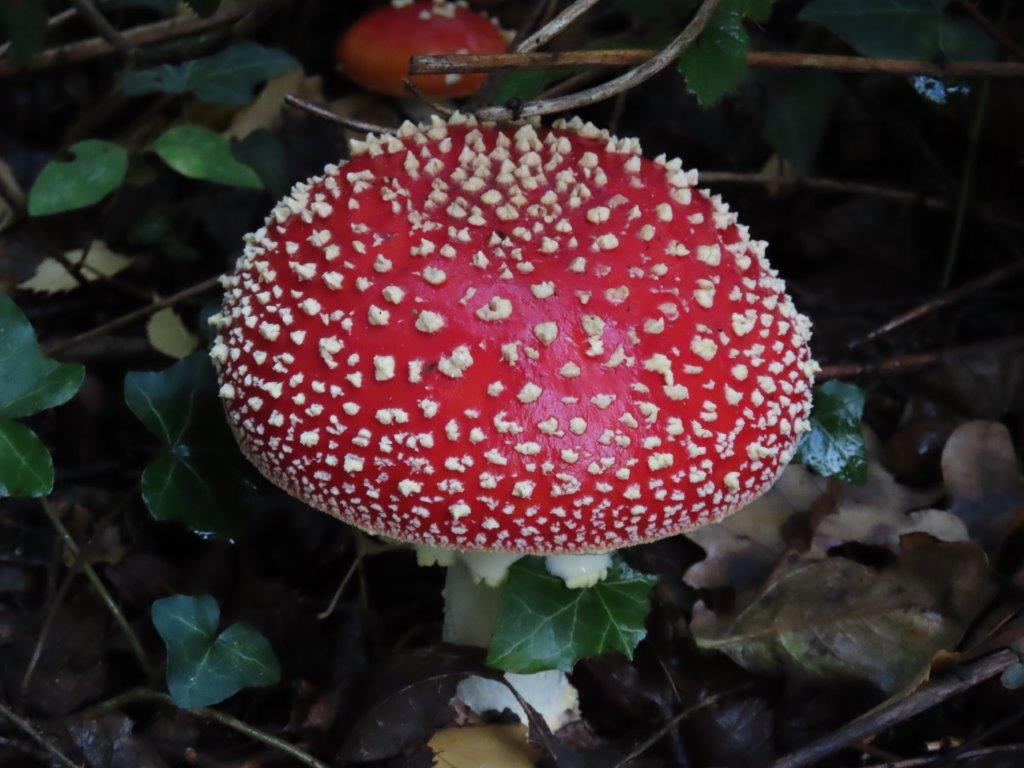
And in the Woodland Garden the Collared Earthstars that made their first ever fruiting appearance for the garden team a couple of weeks ago are still going strong!

xxxxxxxxxxxxxxxxxxxxxxxxxxxxxxxxxxxxxxxxxxxxxxxxxxxxxxxxxxxxxx

So another year comes to an end in the Beth Chatto Gardens. Time to look back on what has been a quite remarkable year for wildlife. For me, the highlights began in March when a couple of Treecreepers were creeping around the Silent Space, although only briefly – the larger trees of the Water Garden became their summer home. Other bird highlights included the first garden record of a Cetti’s Warbler, in October.

Often a spring highlight but never wholly reliable is one of our most delightful little butterflies, Green Hairstreak. This year was a good year for them, from mid-April into early June.

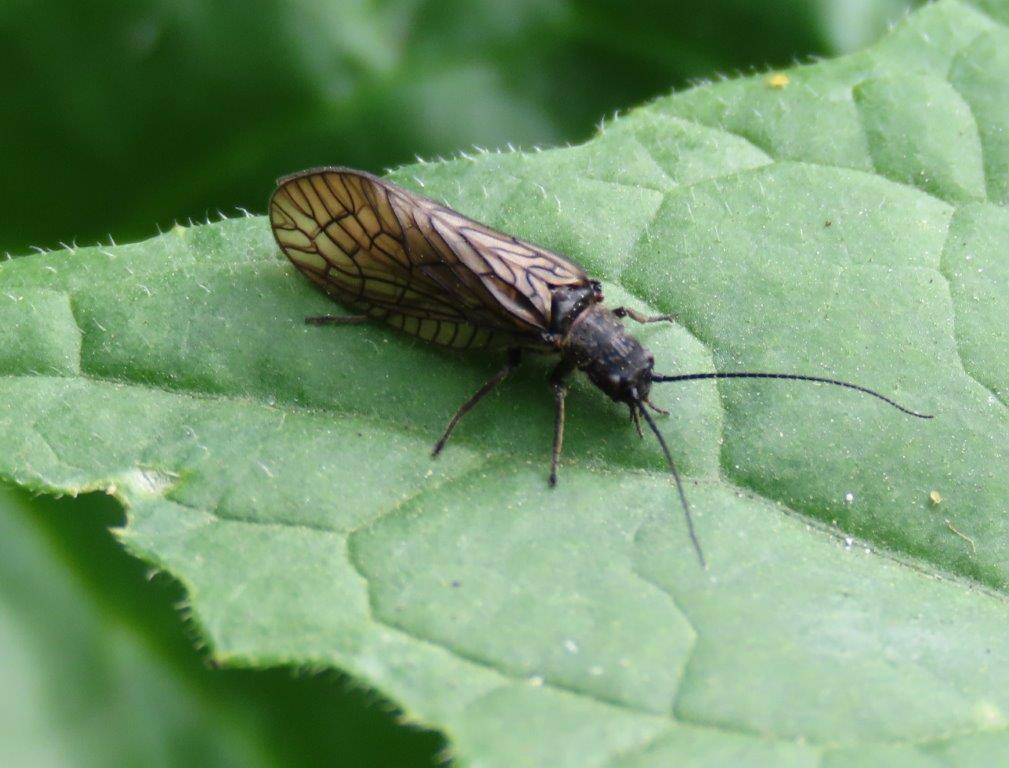
Insect numbers started to shoot up from June, and there were more Four-spotted Chasers around the ponds, often posing perfectly, than I have seen before. A sawfly (possibly Tenthredo colon) taught me something of which I was previously unaware, that some sawfly adults are predators, this one demolishing an Alderfly.

And our Moth Morning the same month produced excellent numbers of Elephant Hawk-moths and (here) the scarcer Small Elephant Hawk-moth.

June and July produced hitherto unprecedented numbers of Jersey Tiger moths around the garden…

… while early July witnessed the ‘insect blizzard’, a remarkable influx of hoverflies and ladybirds in particular, which cleared the garden of Black Bean Aphids in just a few days before they moved on through. And associated with this influx was rarer fare, including a couple of Long-tailed Blue butterflies, a first for the garden and perhaps only the seventh record for Essex. Ever!

Another influx was of Stomorhina lunata, the Locust Blowfly, a parasite of locusts originating from much further south in Europe, or perhaps even Africa. We have had one previous record of this fly (in 2016) which was only the third in Essex (and perhaps 30 nationally), but in August and September we were seeing them in multiples of ten or more at times, part of a surge of records nationally.

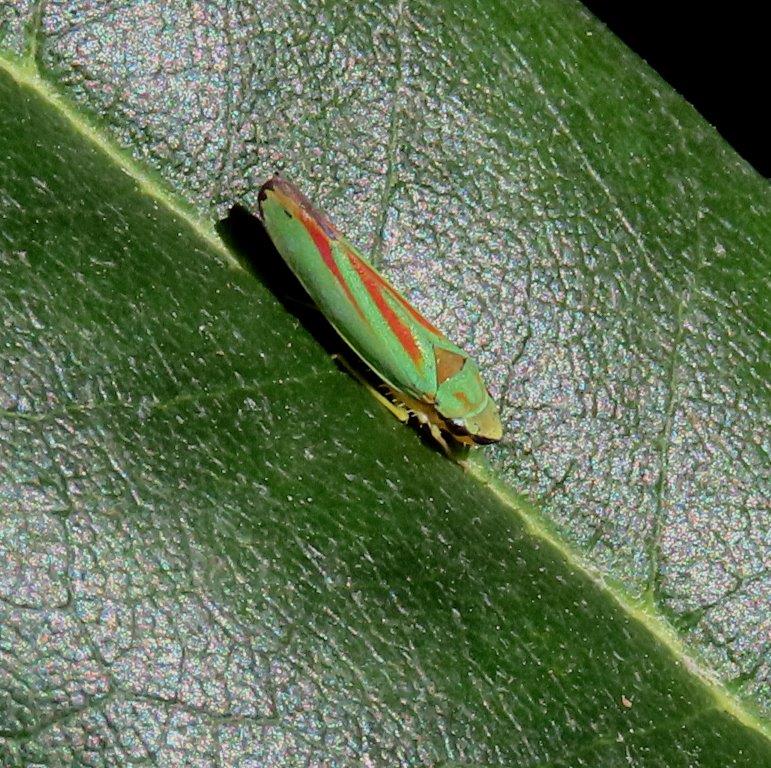
Of concern to rhododendrophiles maybe, but that beautiful creature the Rhododendron Leafhopper put in its long-anticipated first appearance in September. This was to be expected as it seems now to be found on Rhododendron almost throughout Essex, but for some reason had missed us out.

And for me the absolute highlight of highlights (from October) was the appearance of another parasitic fly, this one on shieldbugs, called Ectophasia crassipennis. Another most beautiful insect, this was only the second time it has turned up in Essex, and was the first time I have ever seen it away from the Pyrenees.

In a few days time, the cycle of the year will start to turn again, and we will see the return of the light. I for one look forward to 2026 being just as exciting, if not more so, than 2025.

The Wild Side of Beth Chatto Gardens: Winter arrives!

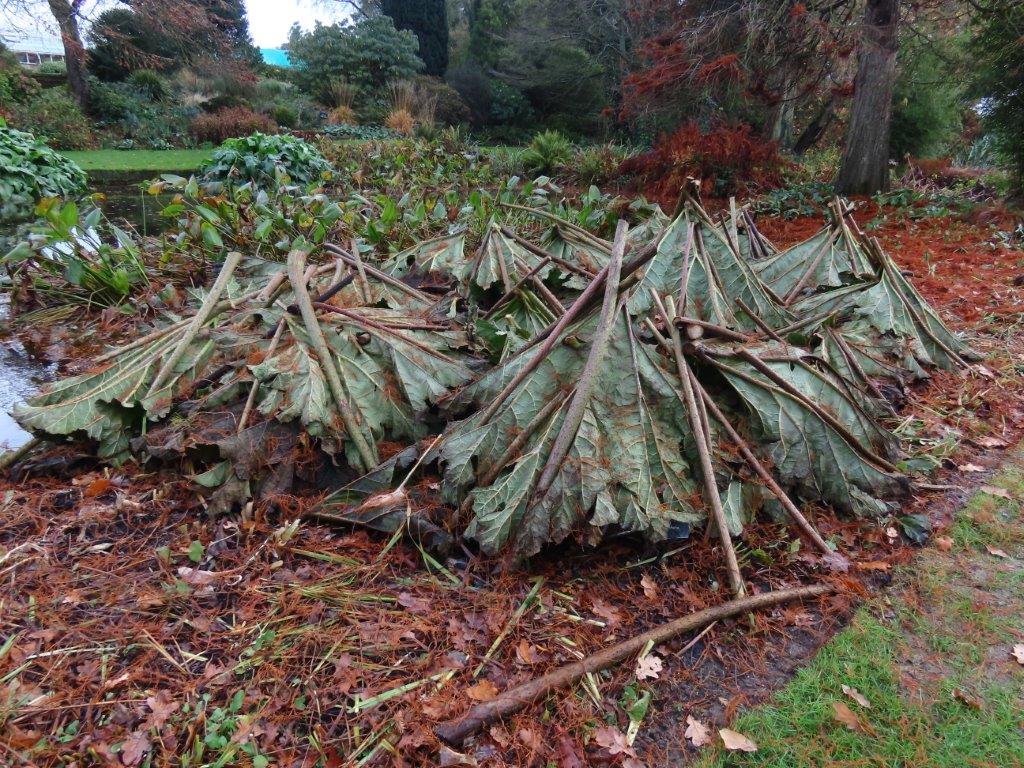
My two visits at the end of November could hardly have been more different. The first was a wet day, very wet indeed save for a brief dry hour giving me the chance to savour the winter browns under leaden skies.

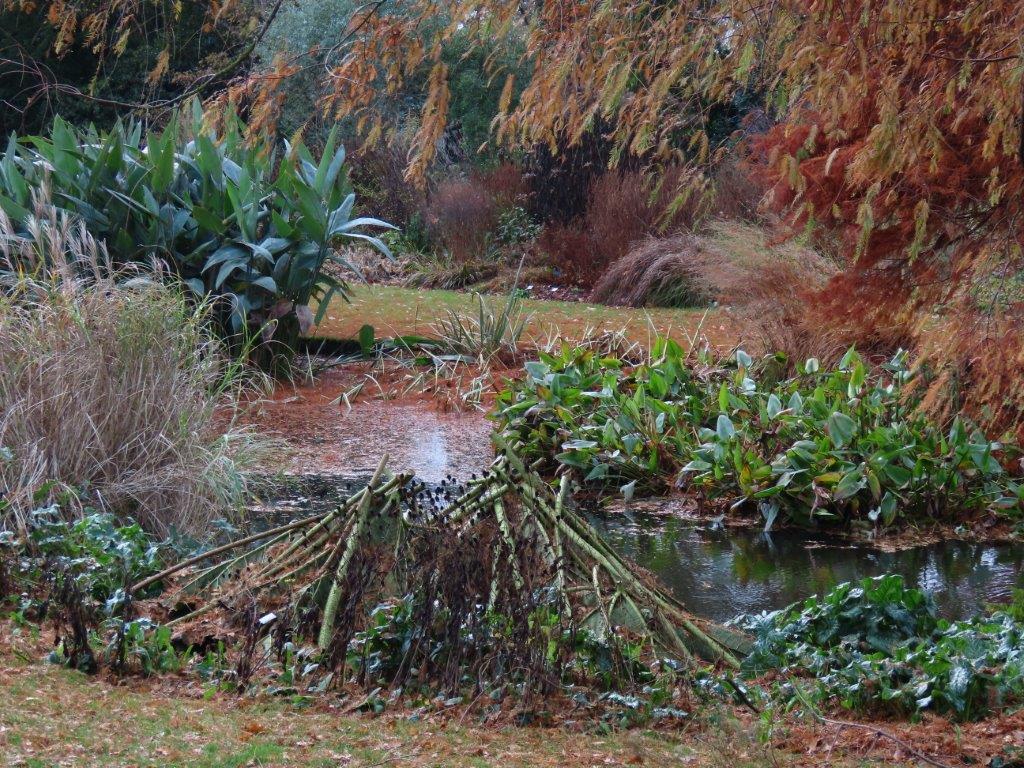
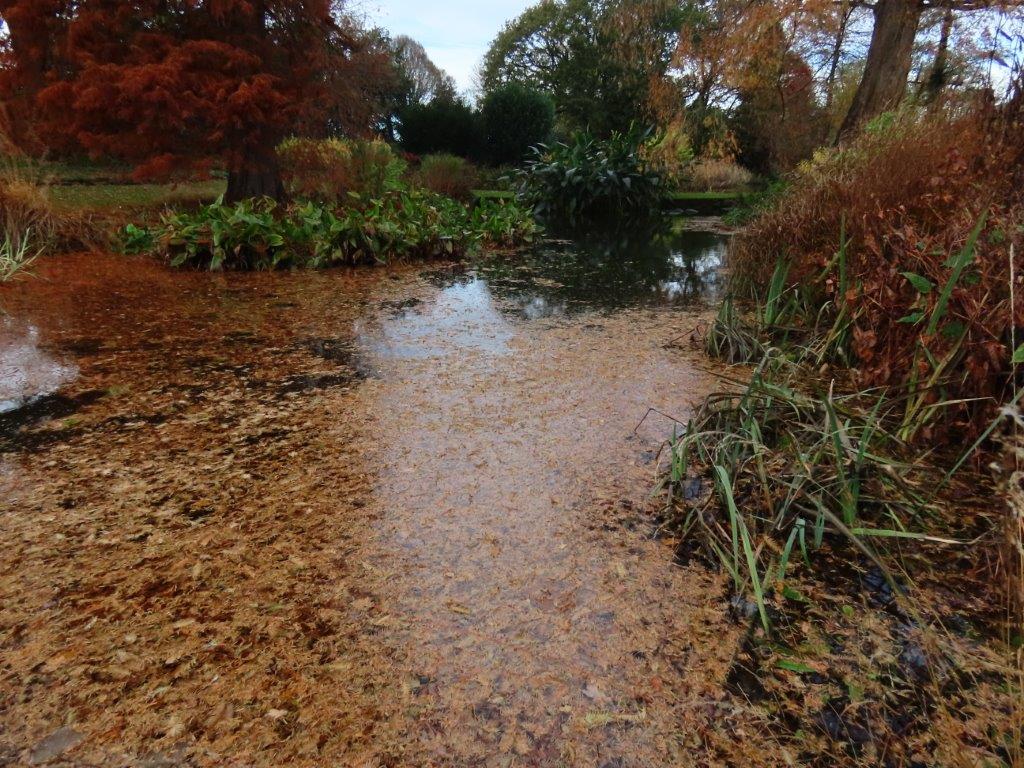
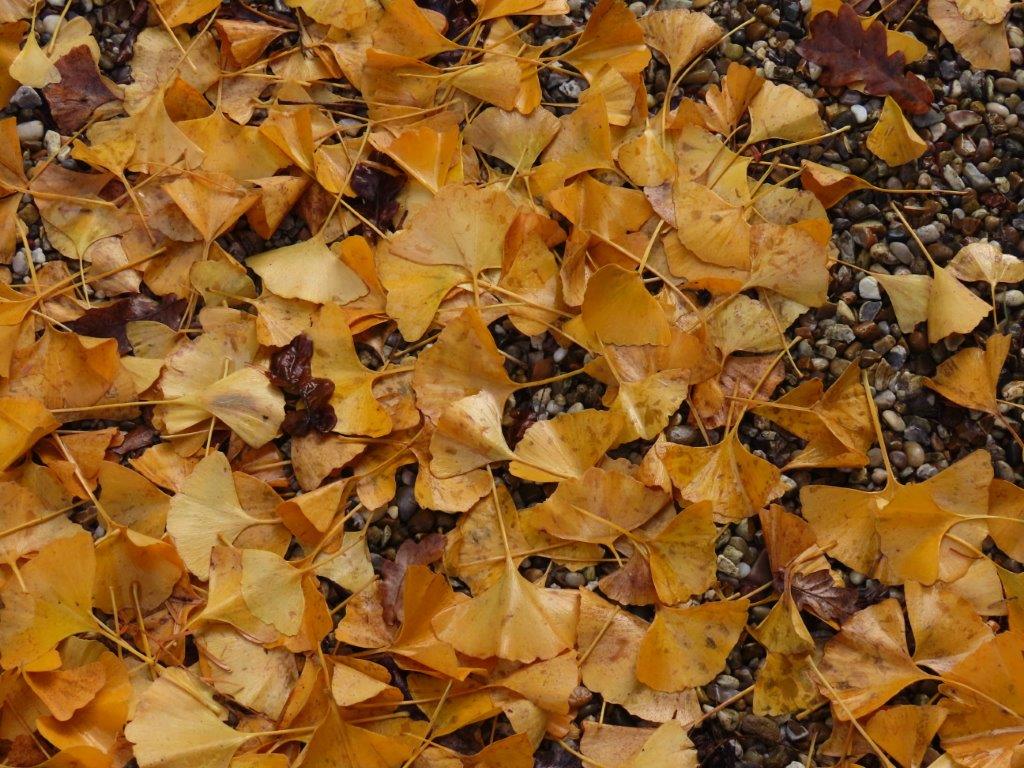
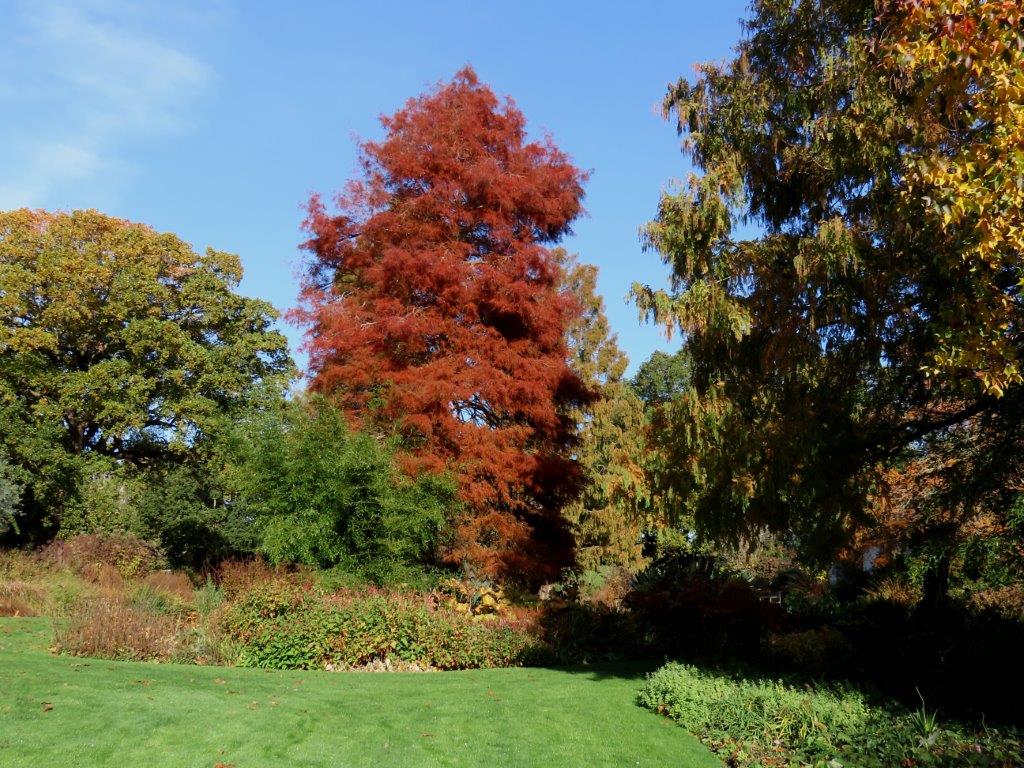
Leaf-fall in the previous wind and heavy rain coated every surface of the garden with the dejecta of Swamp Cypress, Dawn Redwood, Ginkgo and others, their groundscapes merging seamlessly into the gloom.

Too cold by far for any insect interest in the remnant flowers…

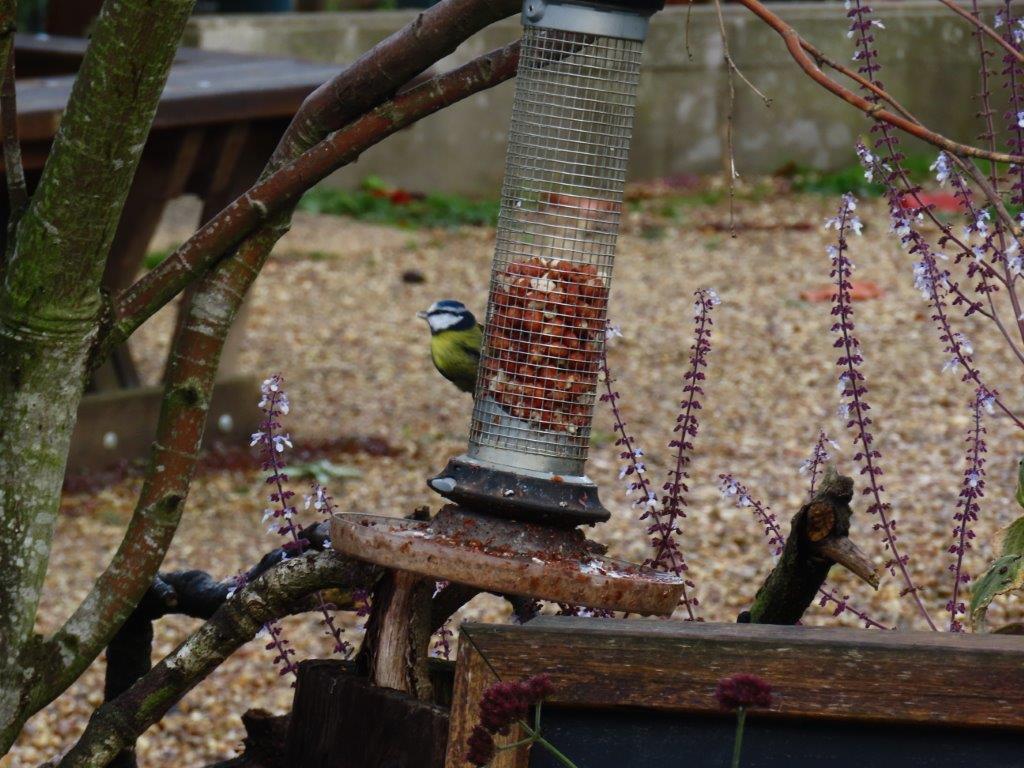
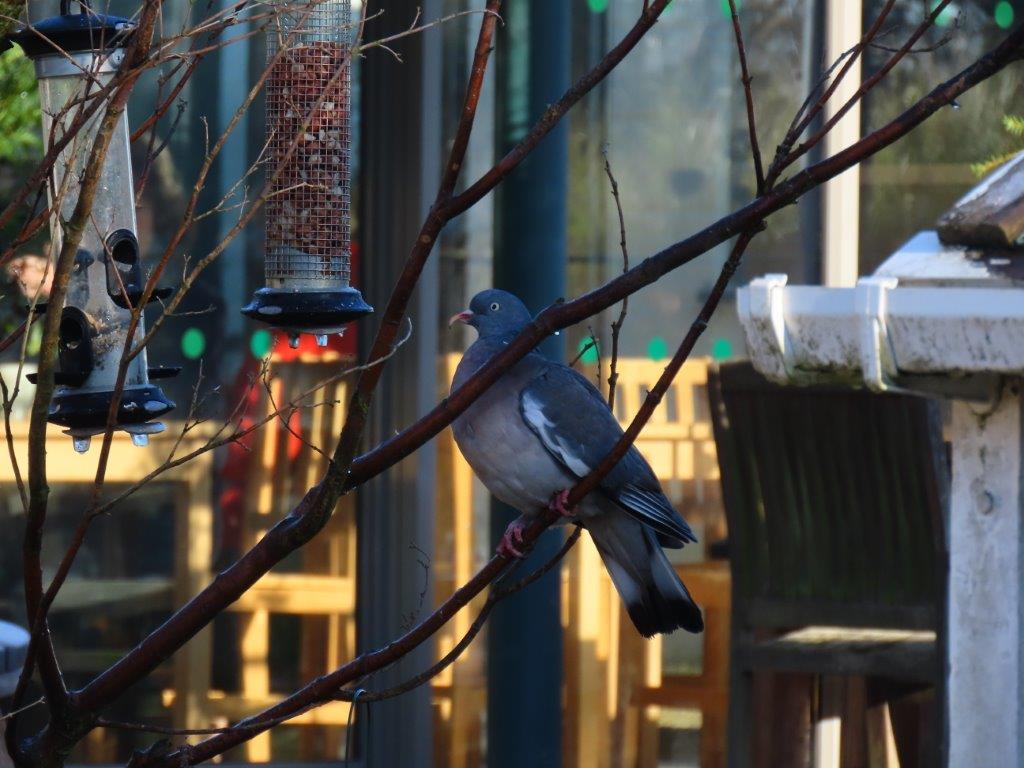
… and even the berries seemed not to be attracting the birds: the feeding station by the tearoom was the epicentre of activity.

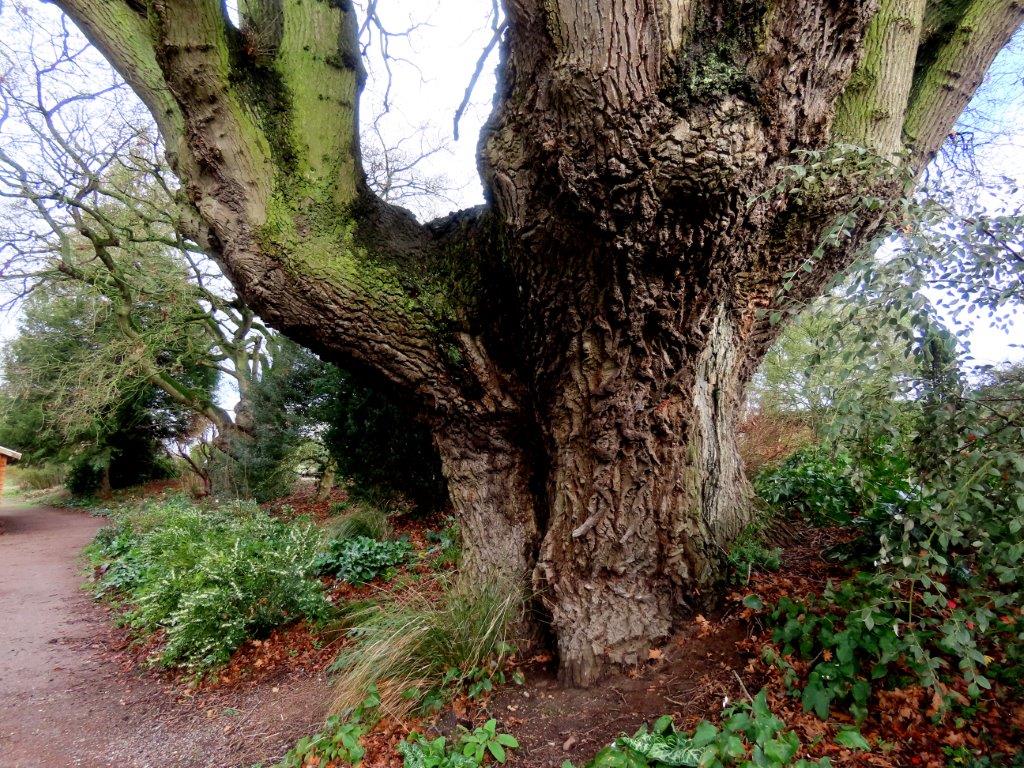
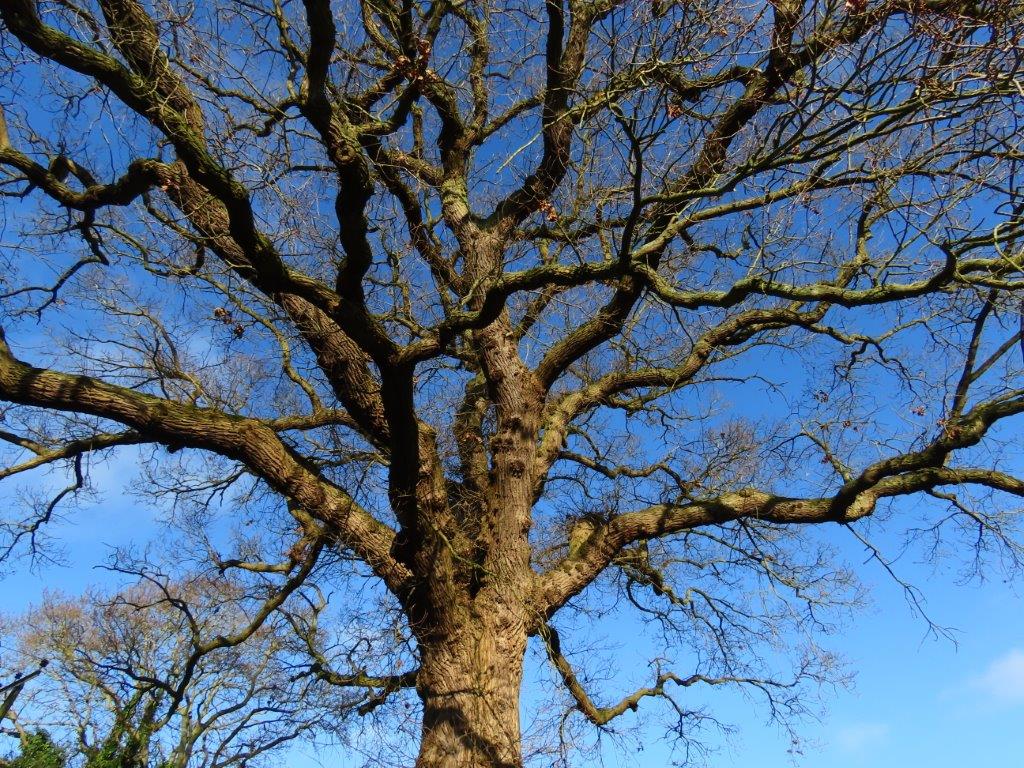
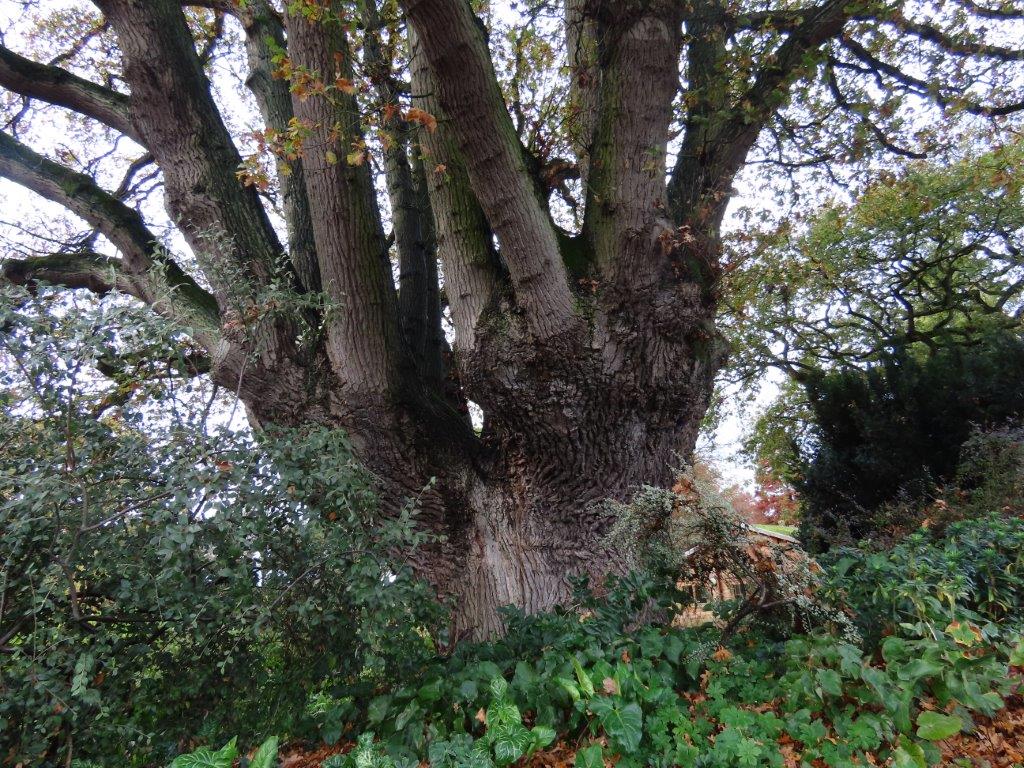
But our oldest garden inhabitant looked magnificent, its grandeur undiminished by the lack of light.

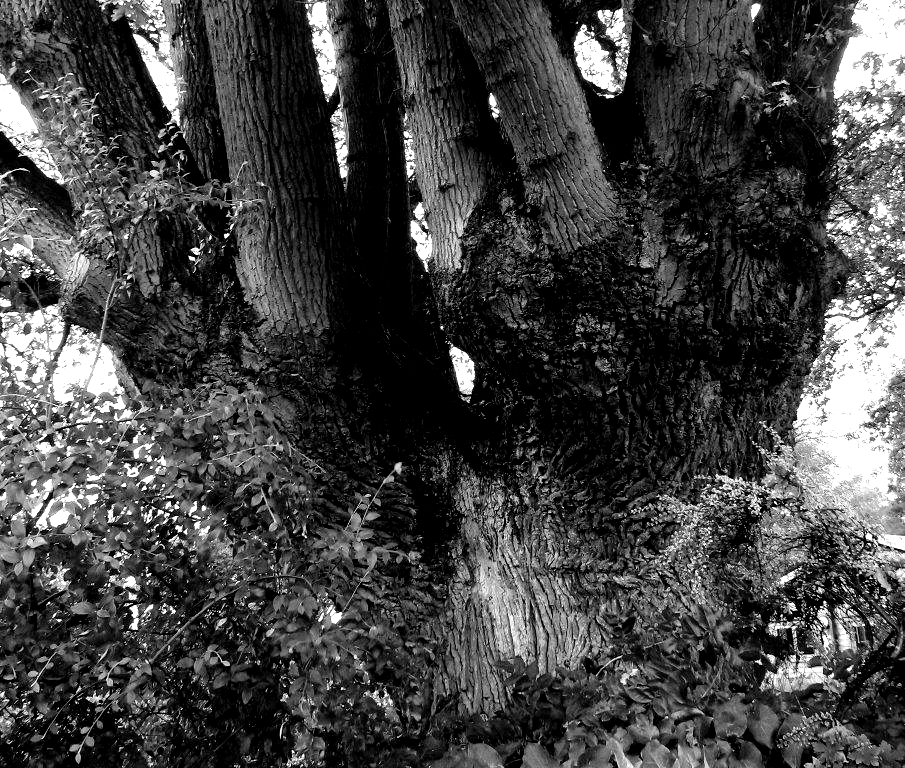
In fact removing all colour from the scene draws attention to the sculptural qualities of its ancient bole:

A week later it was all very different. The intervening days had seen a fair amount of rain, along with a couple of frosts, the first of the season. But the sky was blue, Robins were singing and the sun was warm, although even at lunchtime frost still lingered in the shady corners.

Winter sun coming from a low angle served to intensify every vestige of colour in the landscapes and plantscapes and add drama to the shapes and shadows:

Birds still visited the fast-food joint, but were also active throughout the garden. Large numbers of Blackbirds, with a few Mistle Thrushes and Fieldfares, were devouring berries, with Jays chasing acorns…

… and  Goldfinches, Redpolls and Chaffinches eating seeds high in the Birchtops.

In the Gravel Garden, a fresh flush of Sickle-leaved Hare’s-ear formed a flowery filigree, as Seven-spot Ladybirds carried on resolutely hunting aphids.

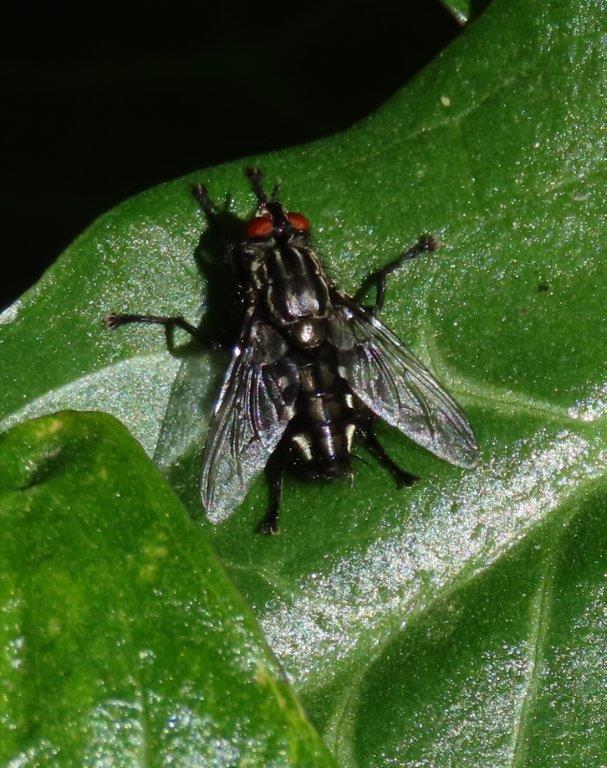
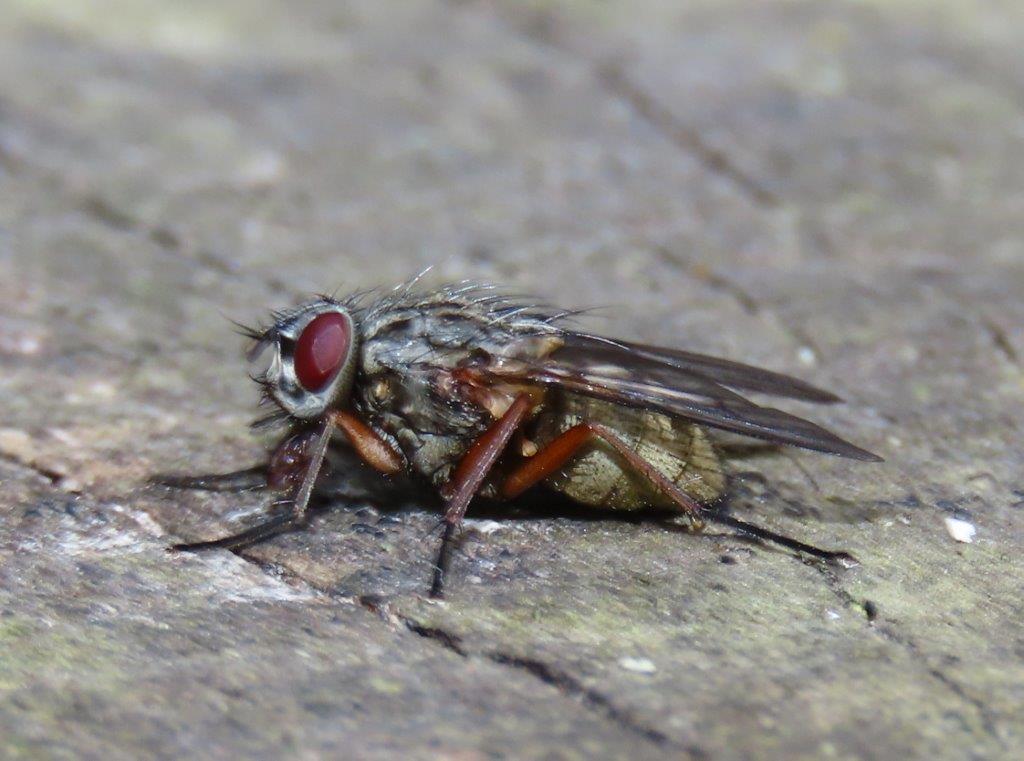
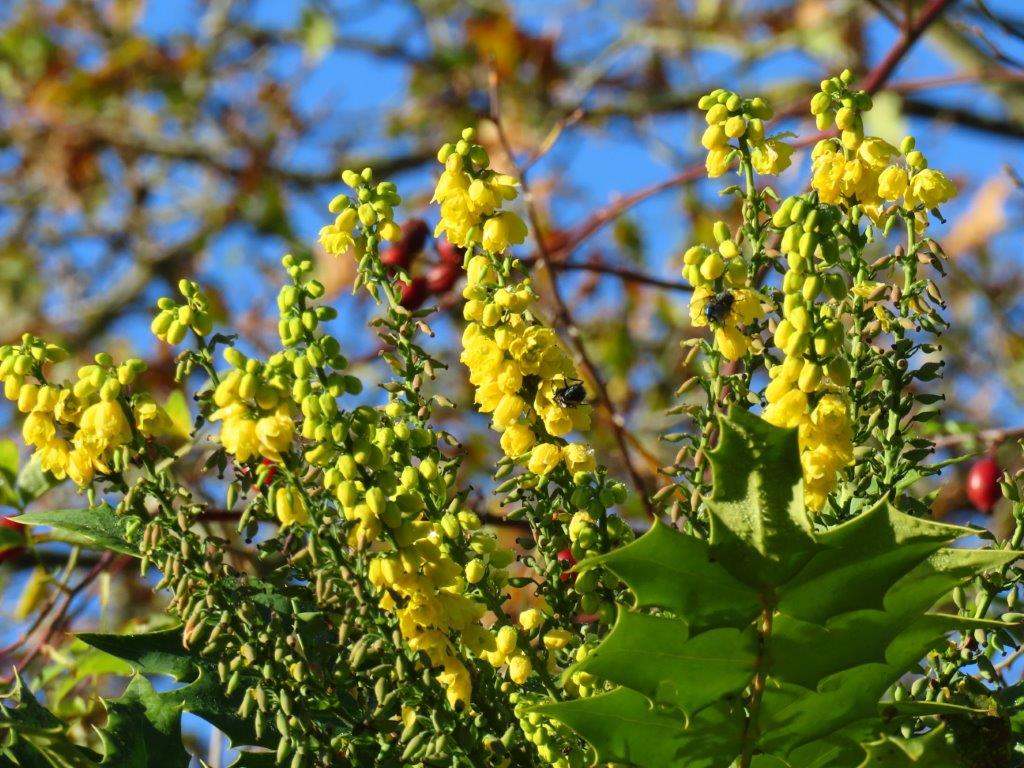
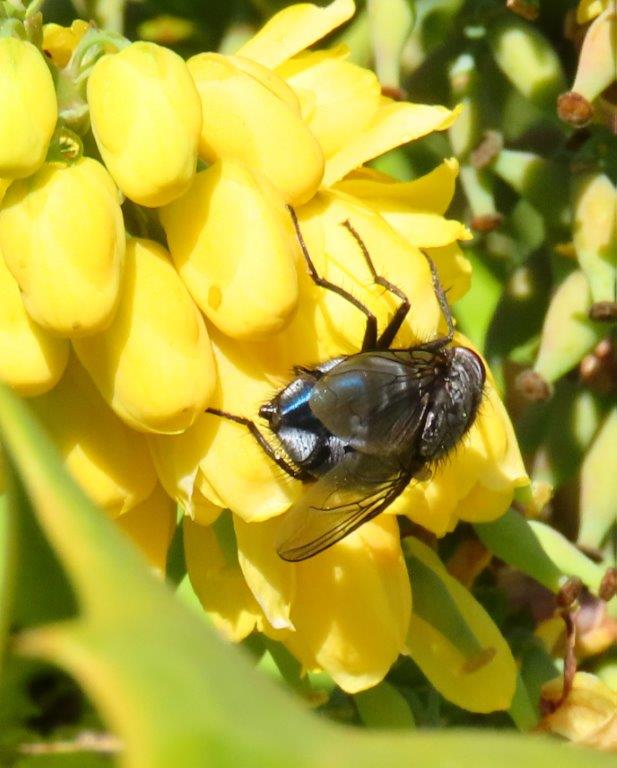
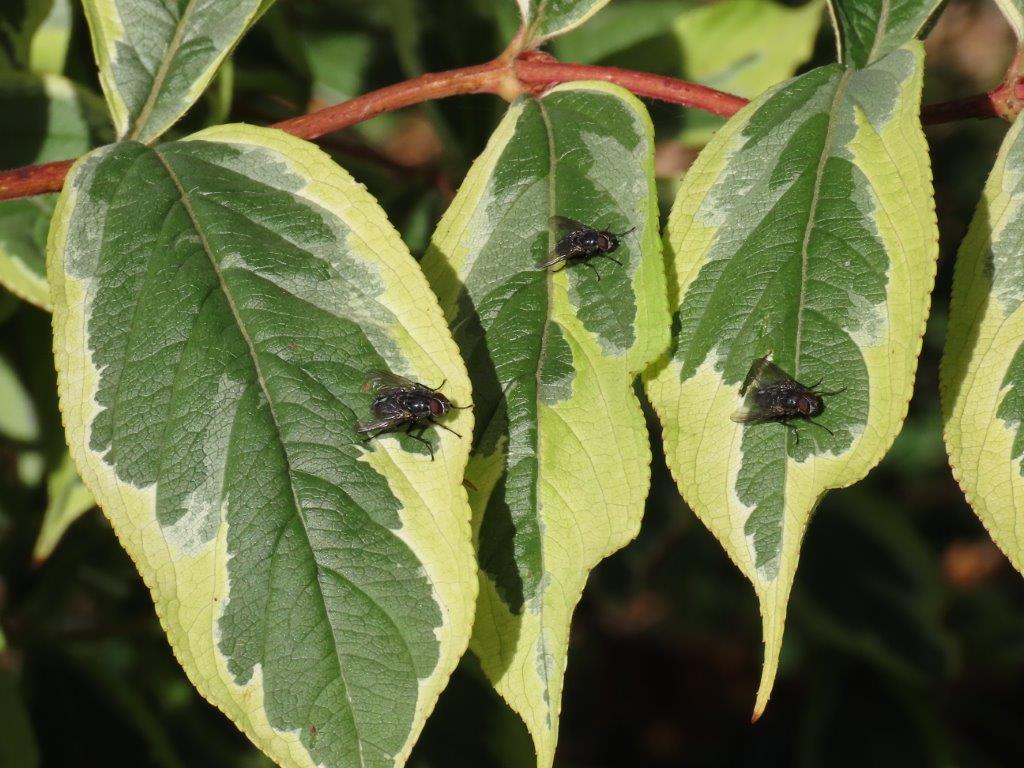
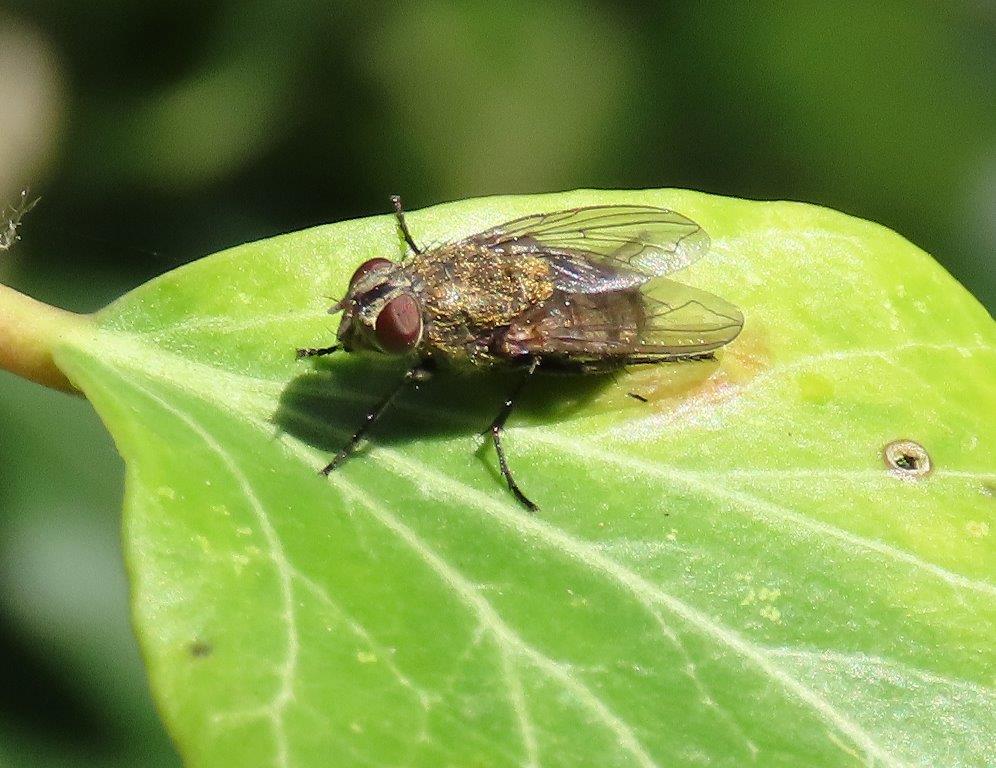
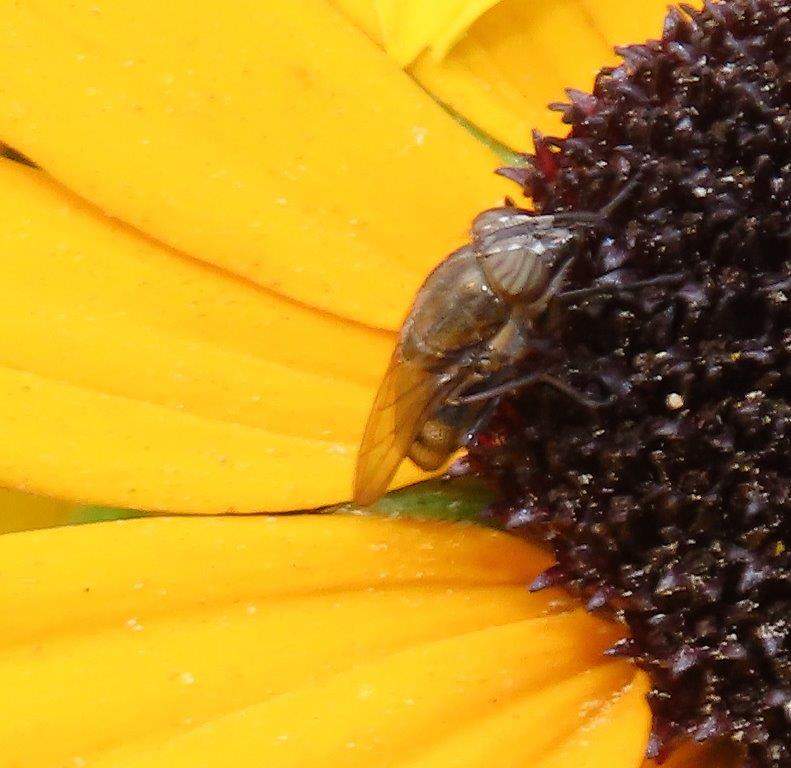
But the flower of the moment was Mahonia. In full sunlight and full bloom, its Lily-of-the-valley scent pooled intoxicatingly in the still air and it was teeming with flies, especially Calliphora bluebottles, feeding at the flowers and basking on the leaves. Many might not get excited by such creatures, but we do! They pollinate as well as any bee, they are food for insectivorous birds, and without their maggots we would be knee-deep in unrotted animal carcases…

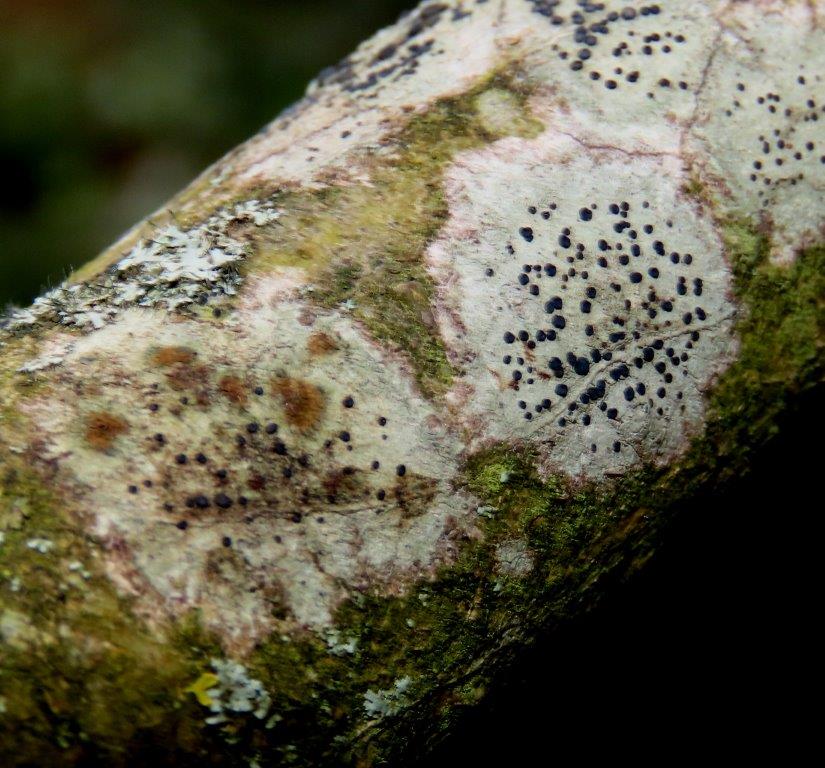
It is at this time of year, when leaves are off most of the trees and trunks illuminated by winterlight, that thoughts turn to lichens. Just a few from a wander round the car park included two that seem to be pretty scarce in Essex. Ramalina fastigiata, extinct in Essex in the 1970s due the the impacts of air pollution, has shown a slow recolonization since, but mostly in the westernmost fringes of the county – the latest map from the British Lichen Society shows only a single spot in the Tendring Peninsula, around Weeley.

There is a similar dearth of Lecidella elaeochroma records locally, with just two in our neck of the woods, from just west of Clacton and Elmstead Market respectively.

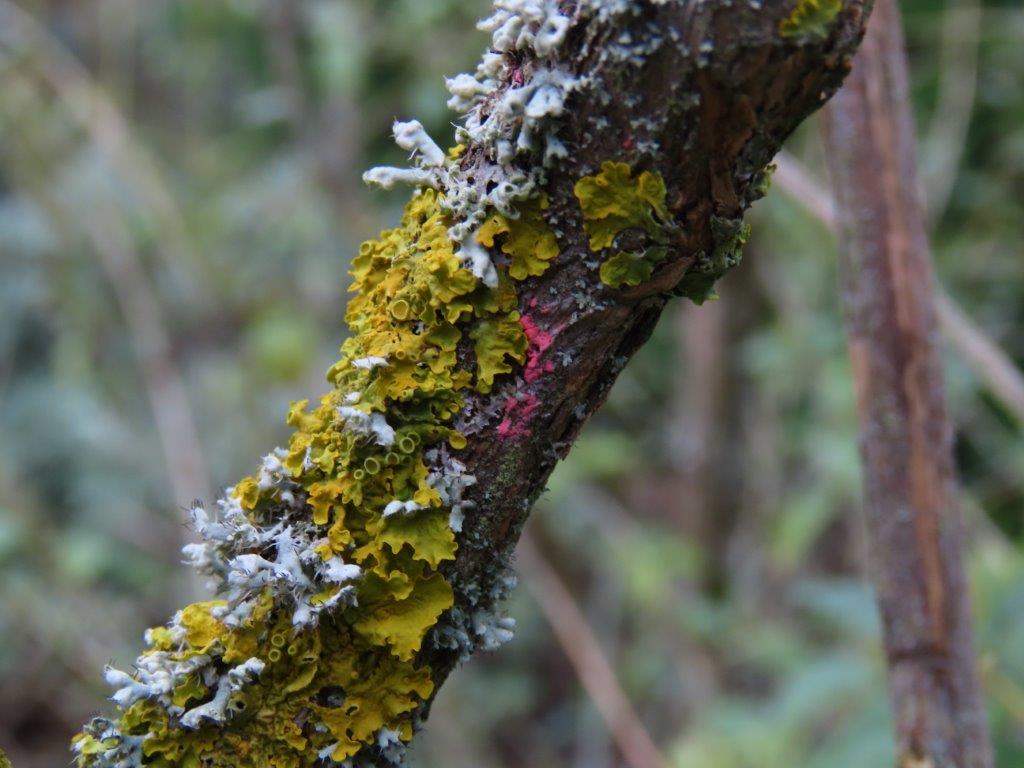
Then there were the commoner species, grey ones such as Physcia adscendens, Physcia tenella, Punctelia subrudecta and Flavoparmelia caperata…

… along with the very common Sunburst Lichen Xanthoria parietina, those in full sunlight more golden than those in partial shade, and one showing the pink spot of the parasitic fungus Illosporiopsis christiansenii, another apparent rarity in Essex with the National Biodiversity Network Atlas showing just one Essex site, near Southend.

Of course, comments about the scarcity of lichens and lichenicolous fungi should always be caveated by the fact that few folk record them, and perhaps their apparent distribution actually reflects the distribution of active naturalists. Nevertheless, despite their lack of popularity, lichens are wonderful structures and form lovely lichenscapes that add interest and splashes of colour to the winter scene. But please don’t feel you have to stay in the car park: the garden has so much more to offer at every time of year!


The Wild Side of Beth Chatto Gardens: wildlife among a visual feast of foliage, fruits and flowers

During late October, I made two visits to the Gardens, both in great weather, but very different. For the first I was alone with my camera and thoughts, basking in the fiery glow of autumn, but the second, a few days later, was with a throng of up to 30 excited kids and parents on a bug hunt. It was absolutely delightful to be among such an array of sharp eyes, able to spot the teeniest morsel, and to see them enthralled by ladybirds, spiders and bugs. Such infectious enthusiasm for exploring their world boosts my motivation to want to protect it for their futures. And the joy on the face of one little girl when a dragonfly landed on her jumper will last a lifetime, mine and hopefully hers!

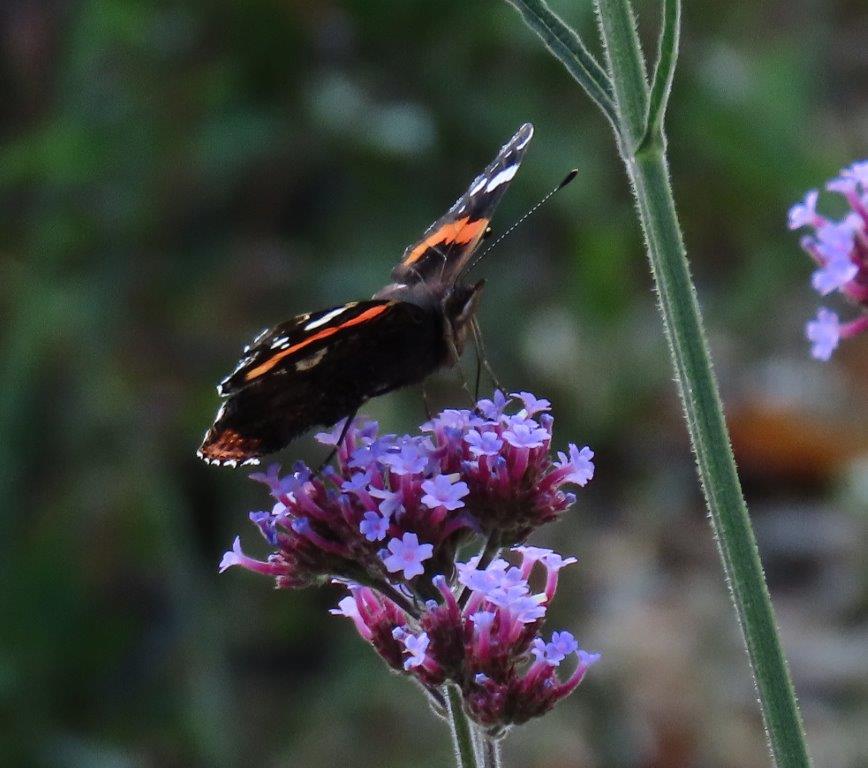
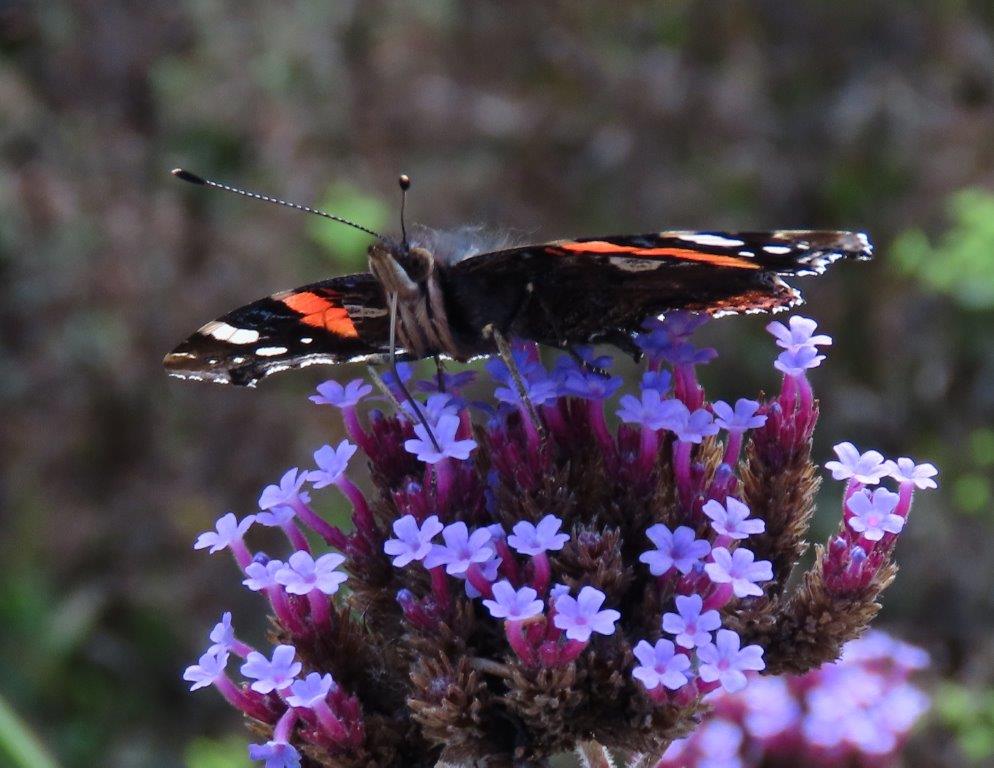
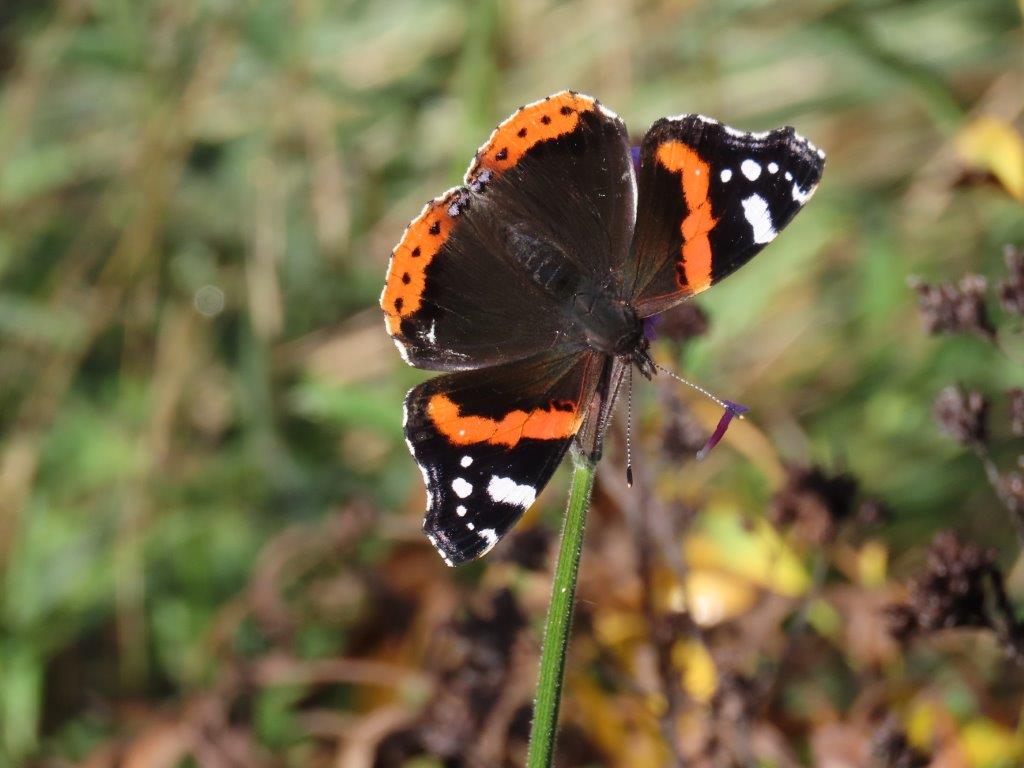
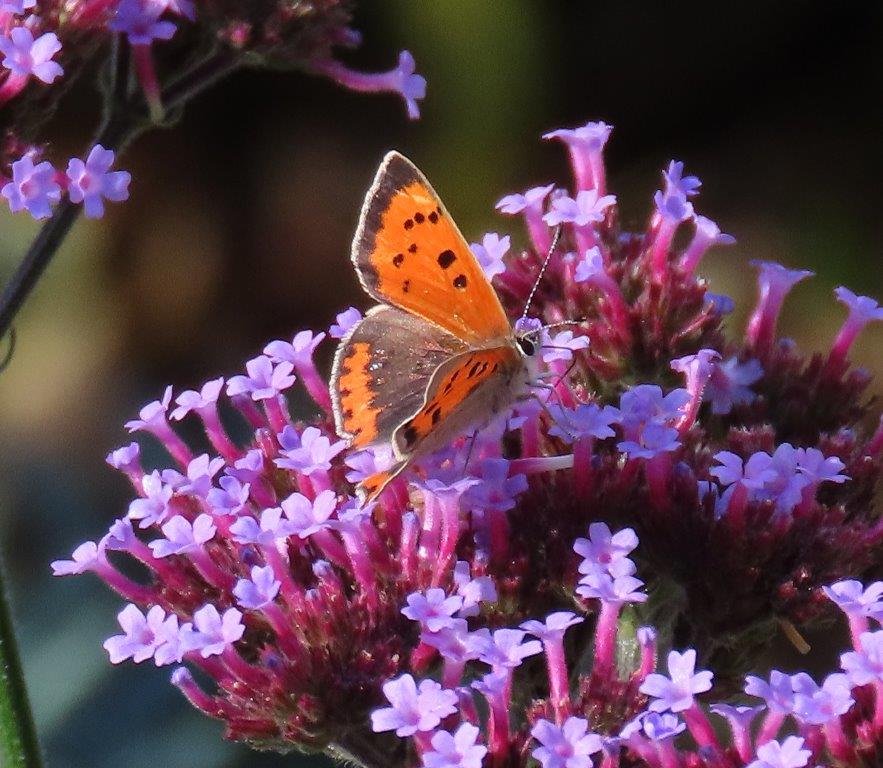
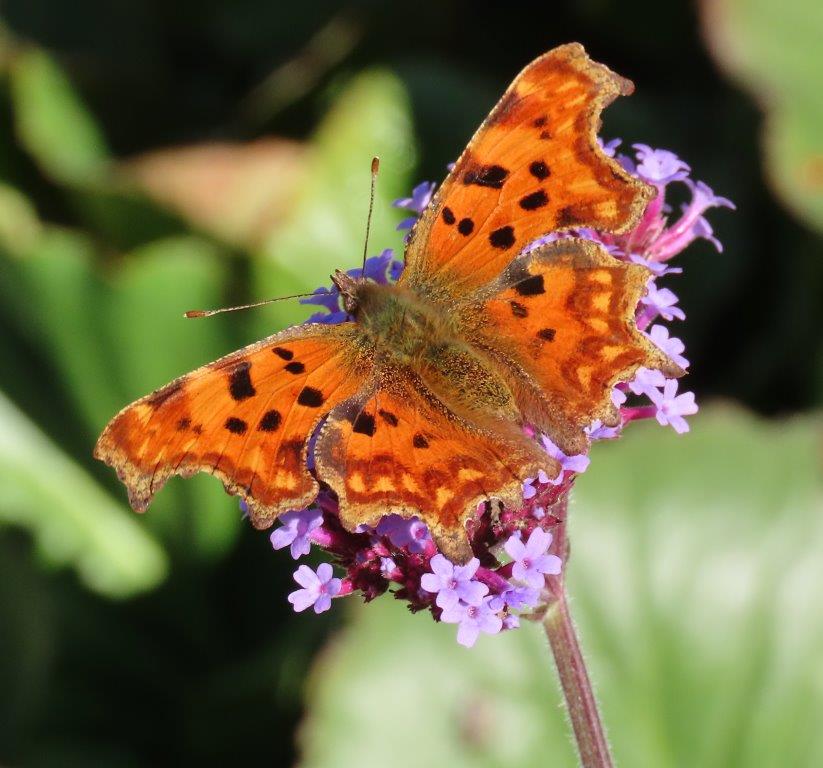
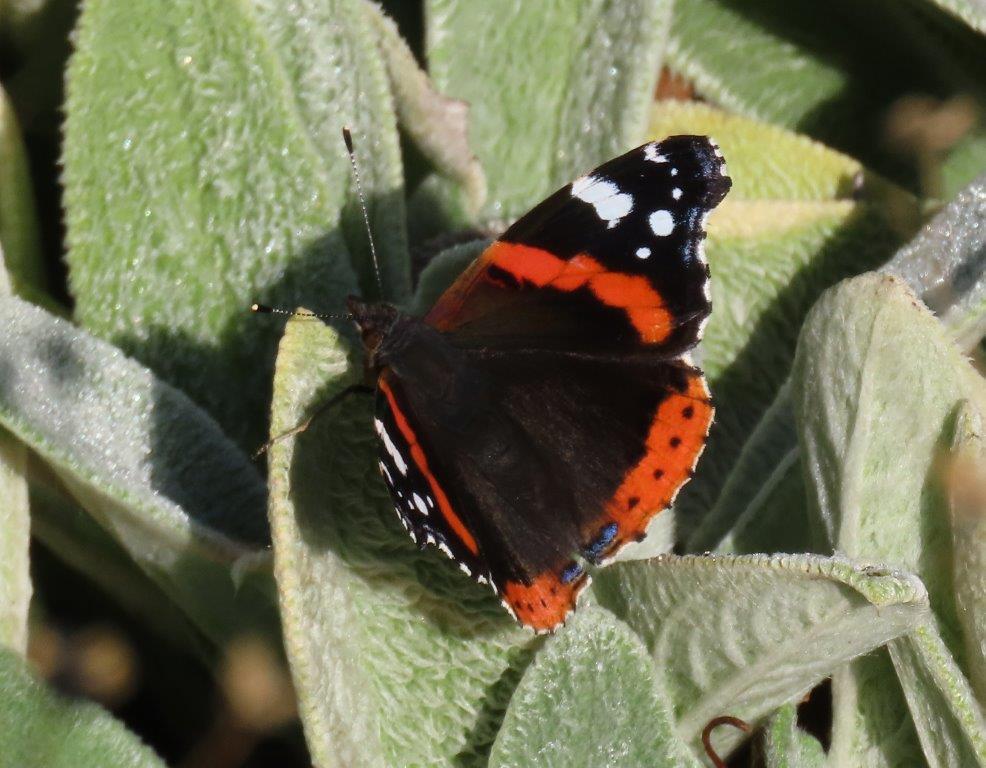
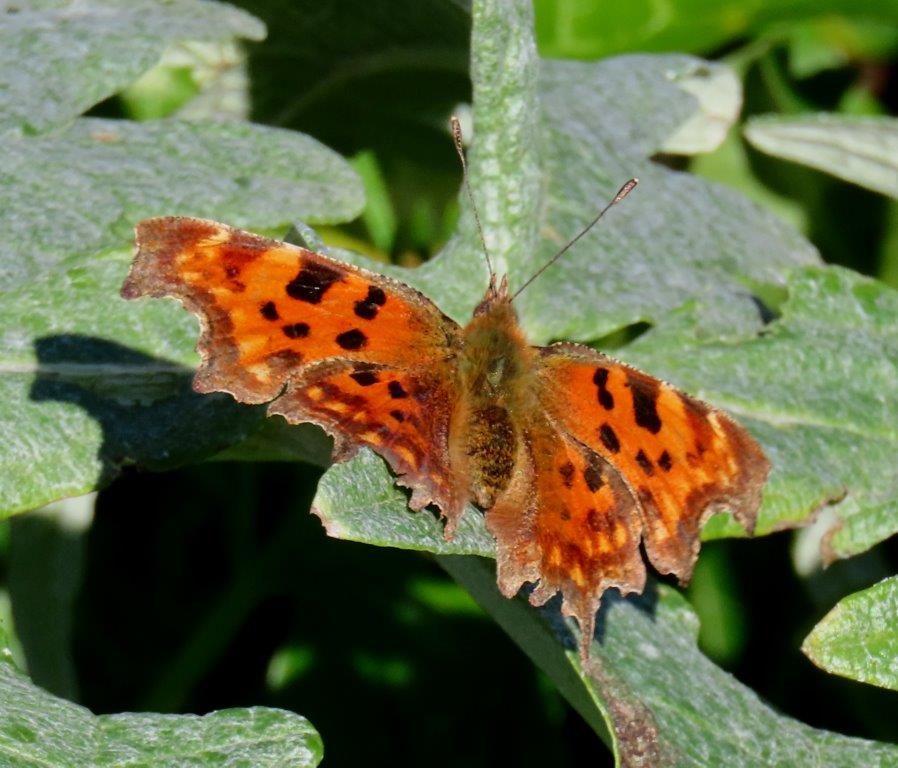
Late season butterflies, especially Red Admirals and Commas feeding up before hibernation, were still on the wing with a surprisingly late, newly emerged Small Copper, nectaring especially on Verbena bonariensis.

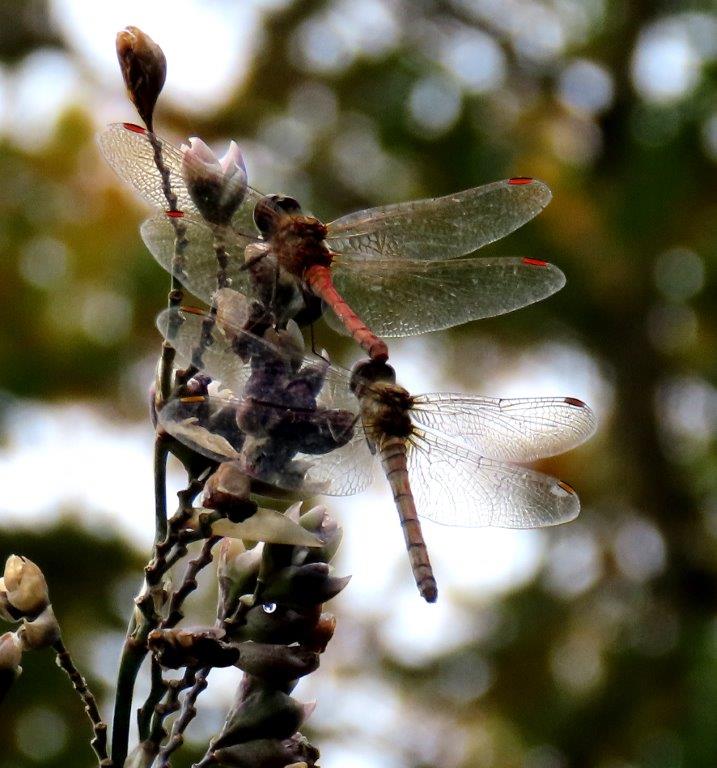
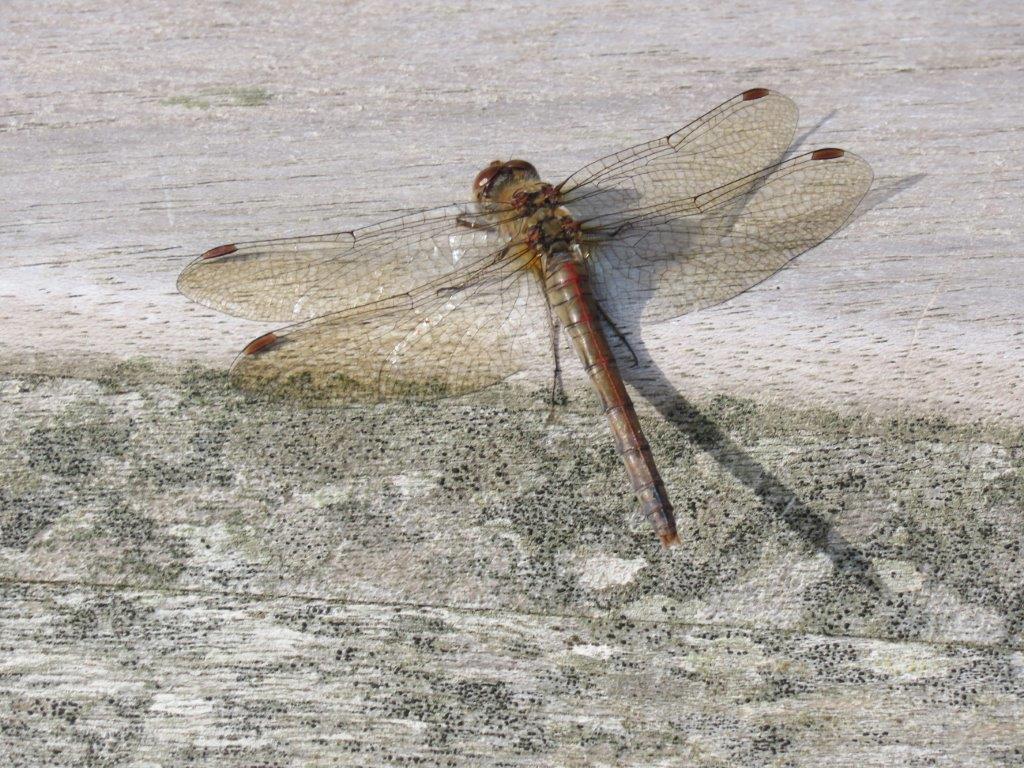
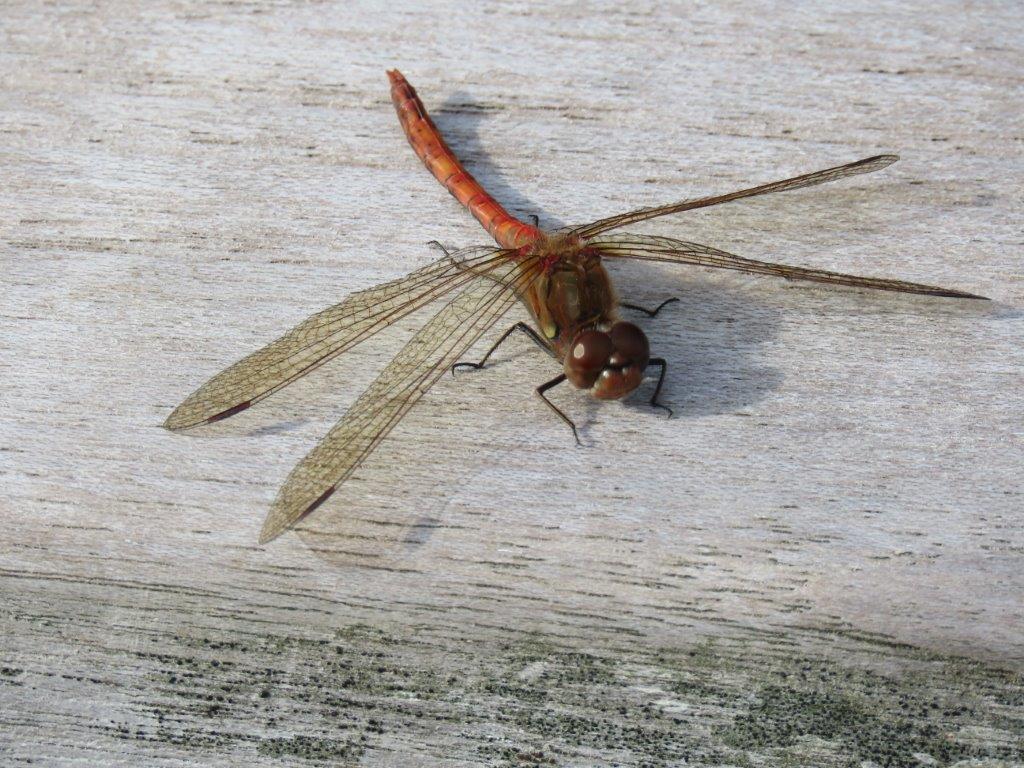
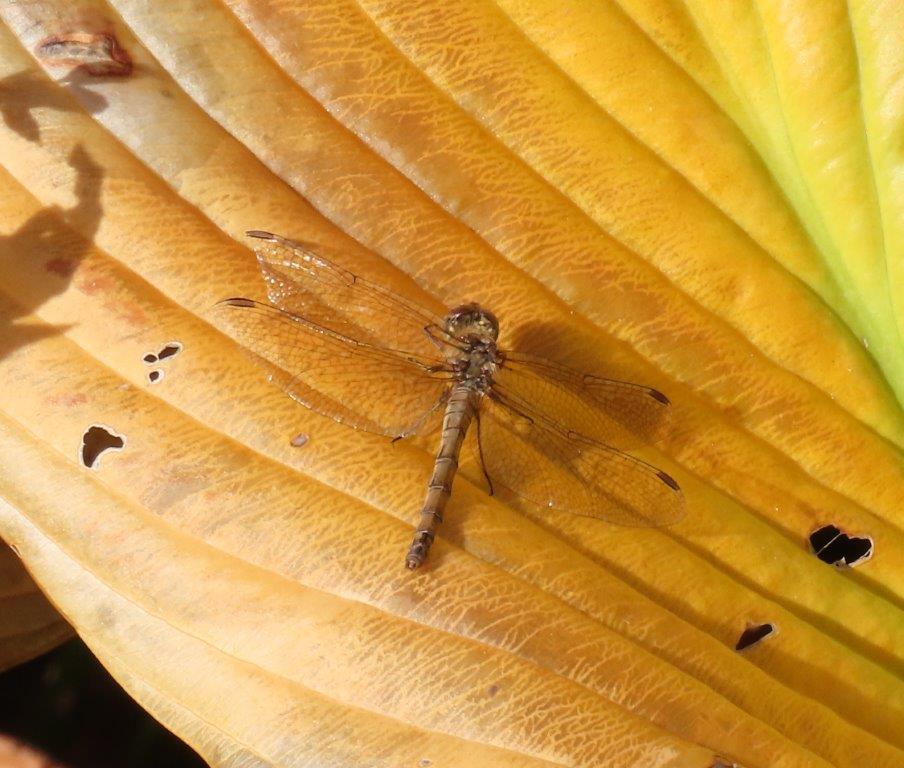
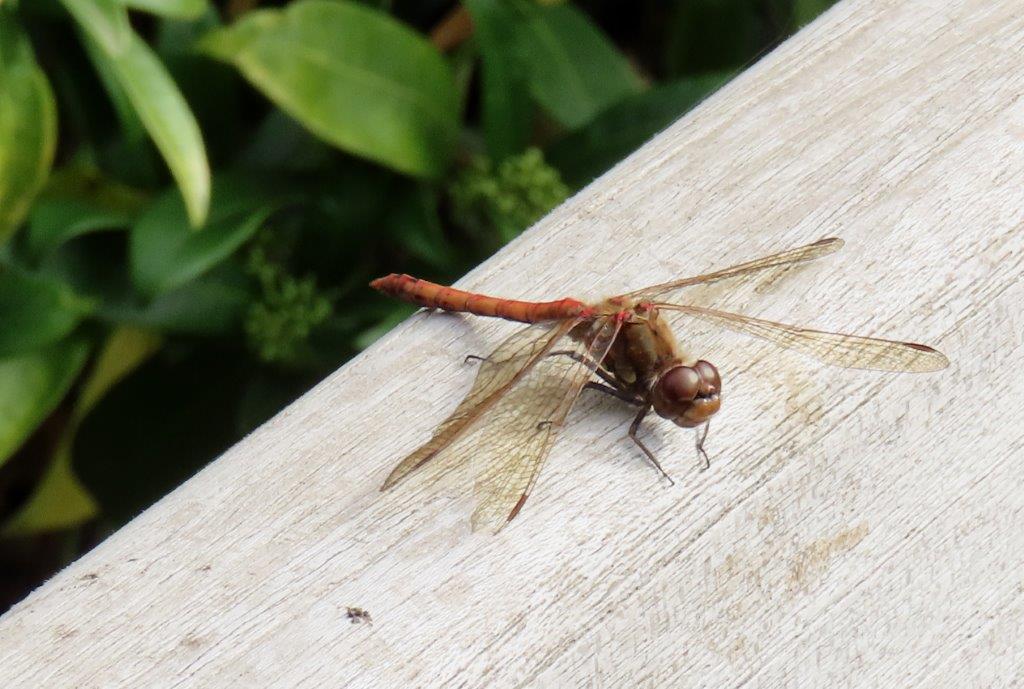
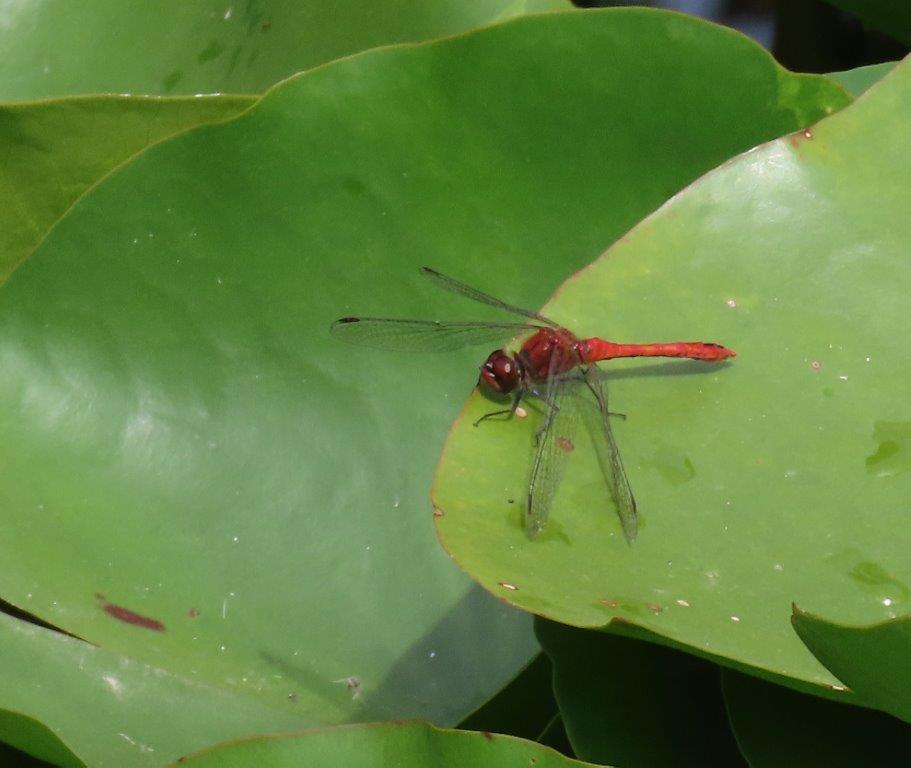
Likewise the late dragonflies and damselflies, basking, hawking and mating in a last gasp of summer before the cooler weather brings this generation to a close. Most numerous were Common Darters, some looking rather battered by the month end…

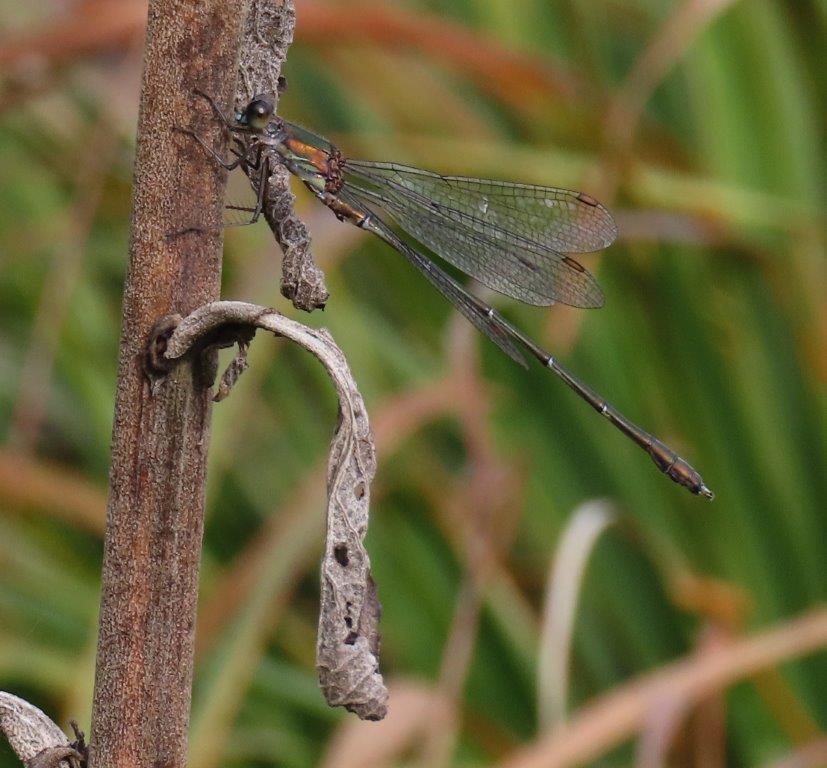
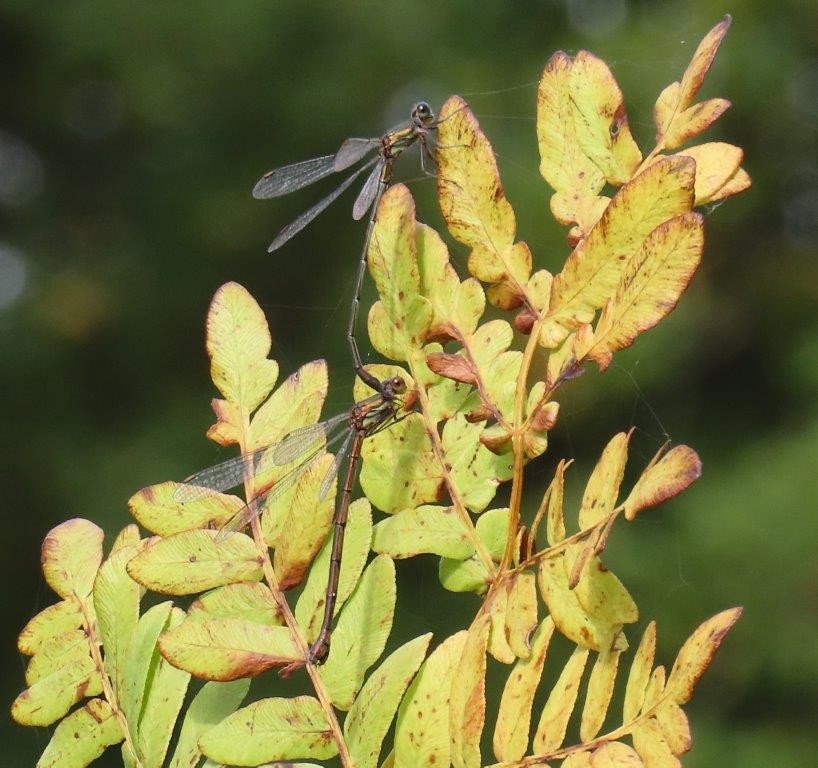
…along with Willow Emeralds. Which of these species will take the honours of being the last one of the year?

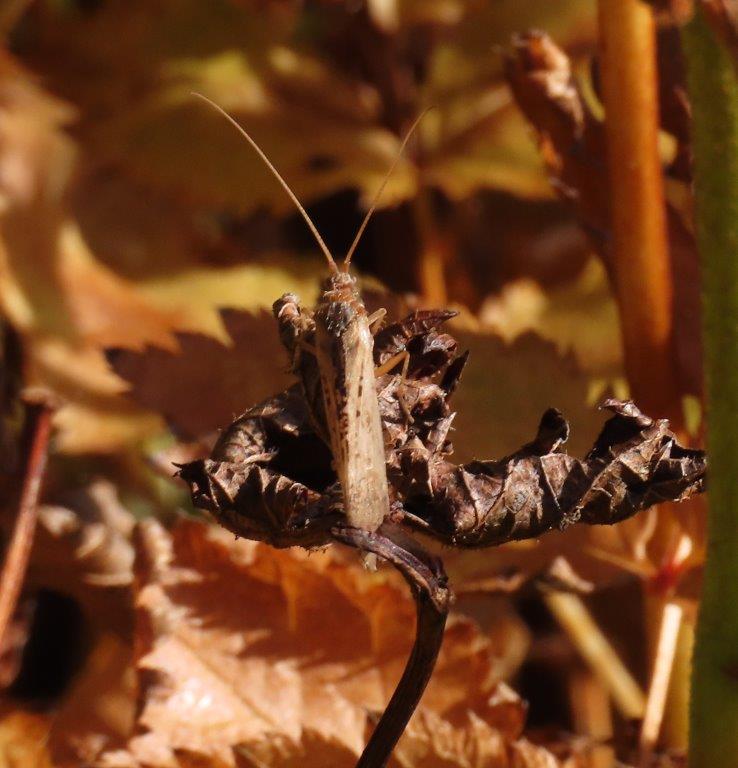
And sharing the aquatic immature stage of dragons and damsels, although as larvae instead of nymphs, a caddis-fly found camouflage among the browning poolside vegetation. These are tricky to identify, but this is one of the many, quite similar, Limnephilus species.

A few bumblebees, especially Common Carders, were still active, along with plenty of Common Wasps and a few Hornets, all of which apart from the queens are destined to perish shortly:

The most numerous insect group around the garden was the flies, whether groups of midgey minutiae dancing in the fading sunlight, or larger ones basking on sunlit leaves and wooden benches, or feeding at the fading flowers.

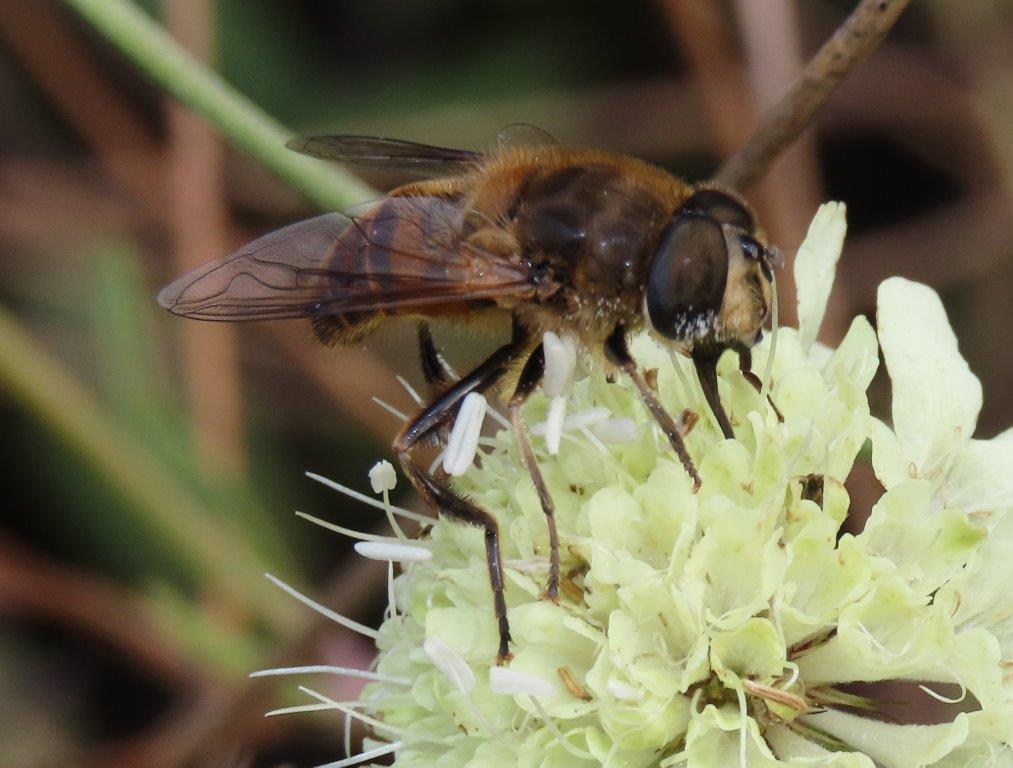
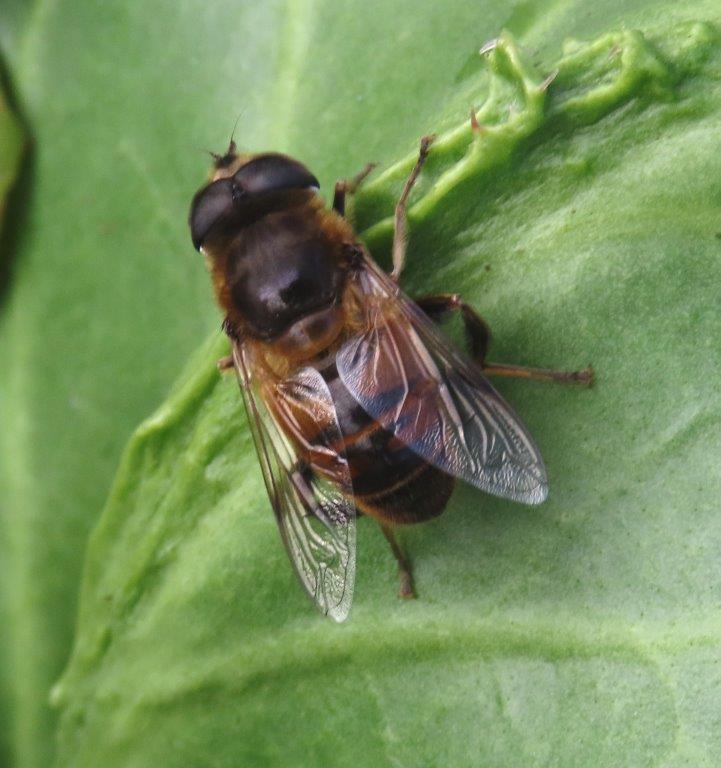
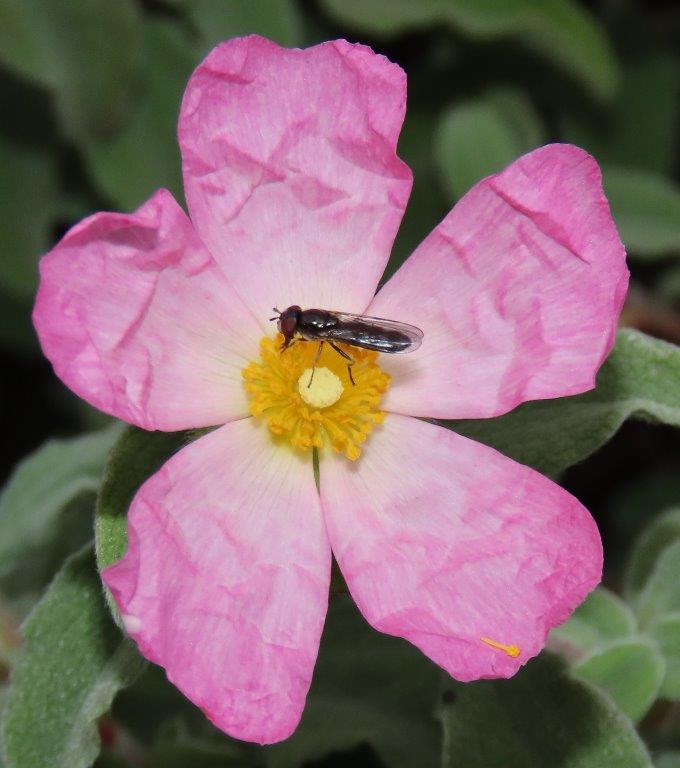
Hoverflies included Drone-flies and Grey-spotted Sedgesitter….

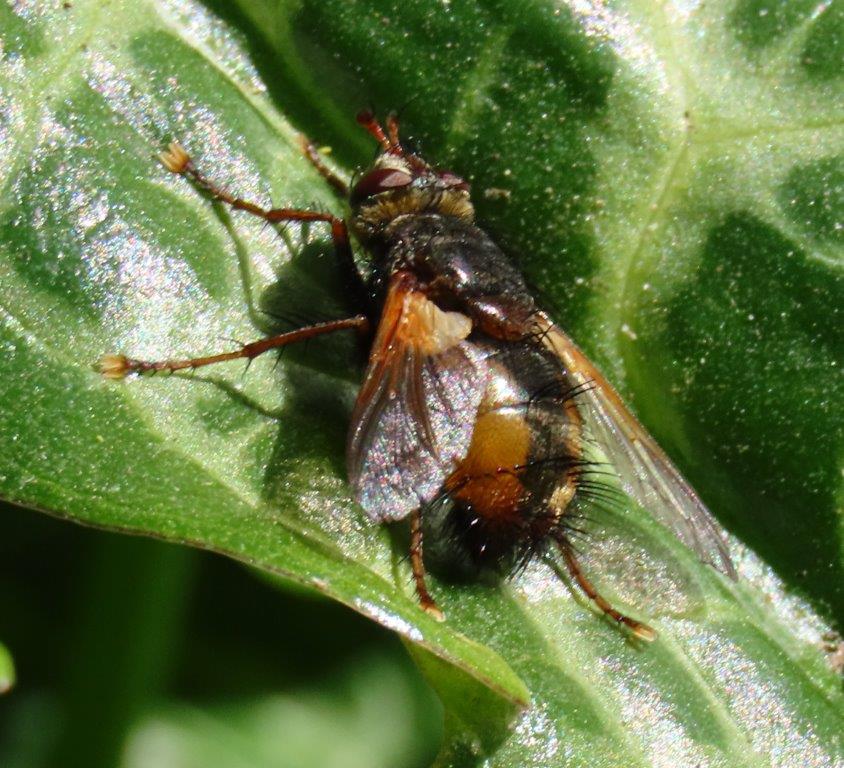
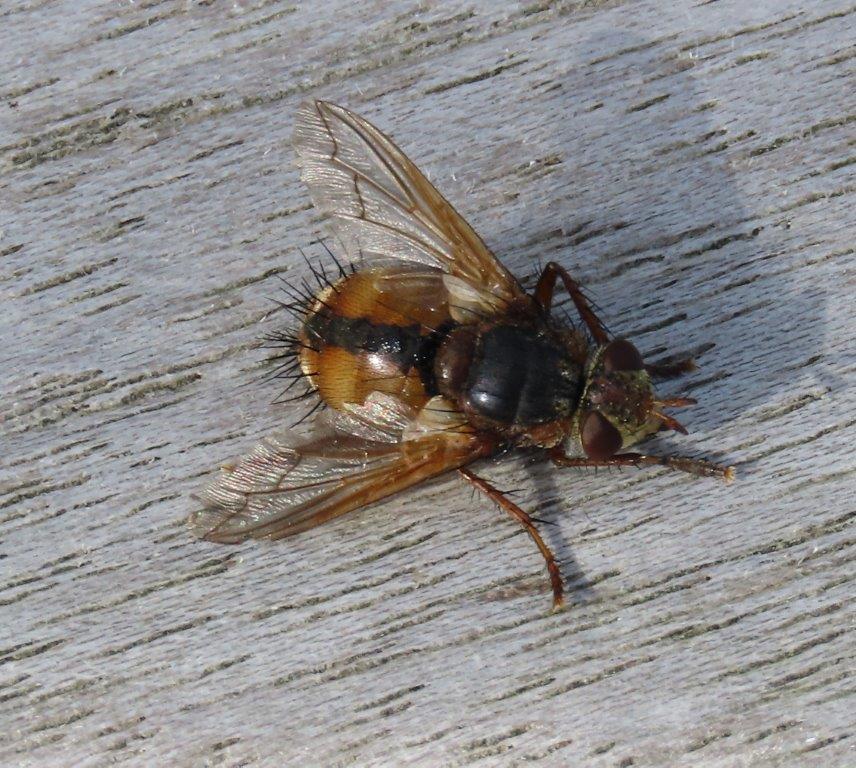
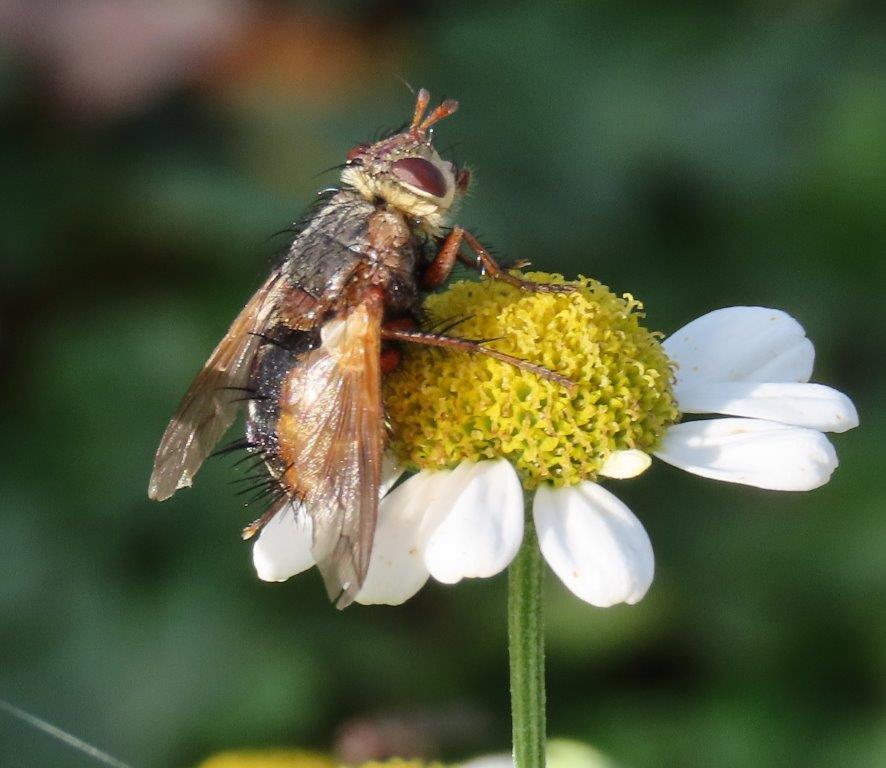
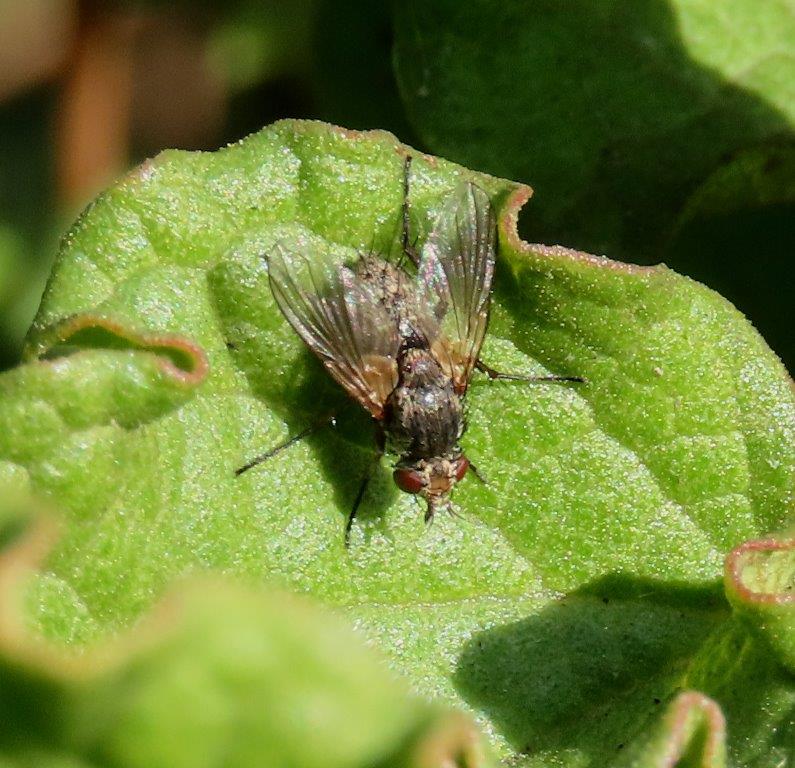
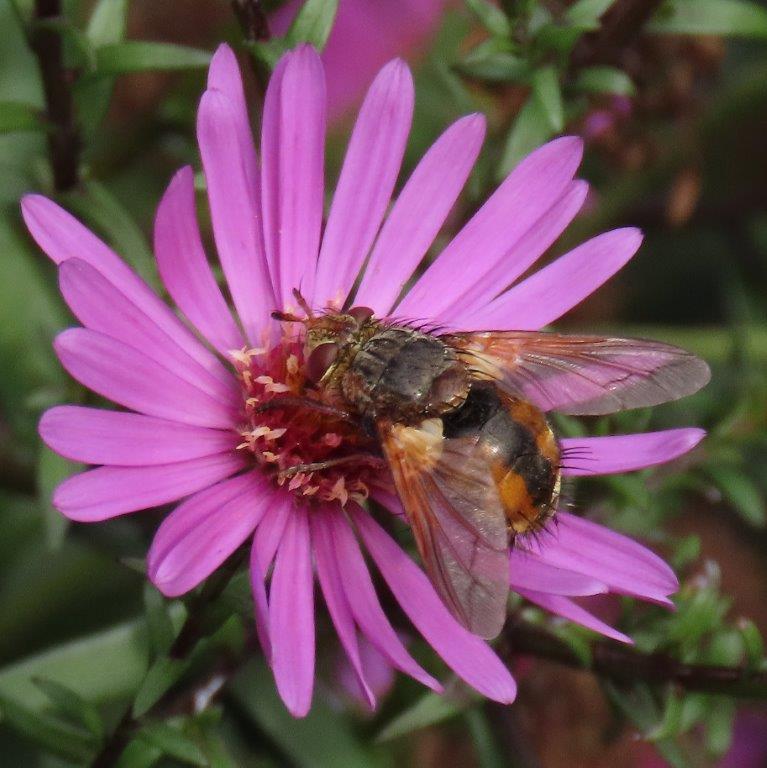
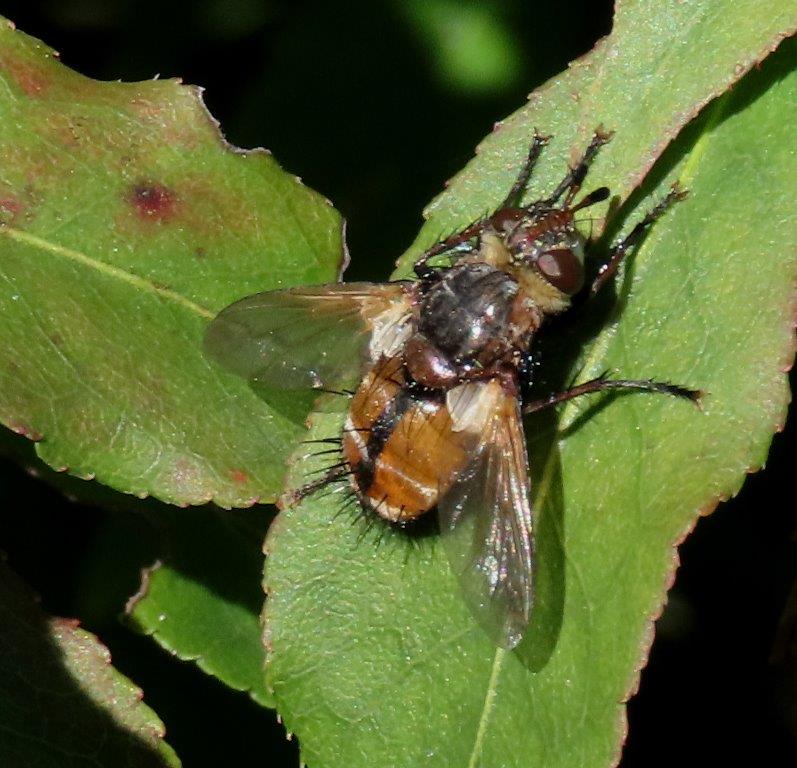
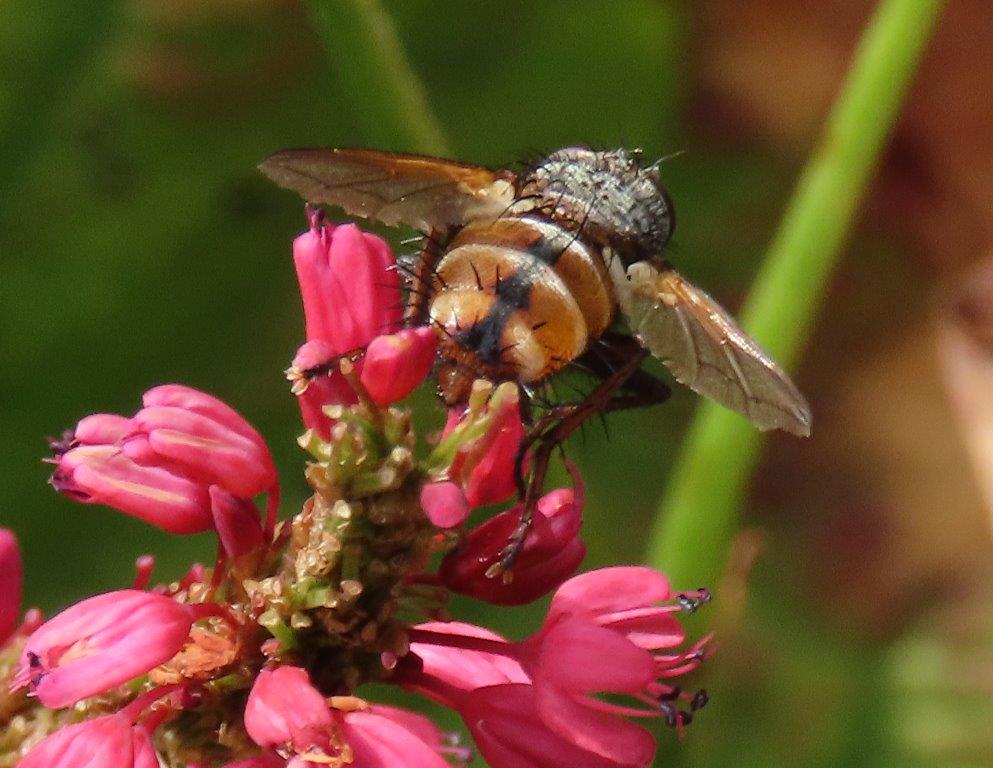
… but the specific identity of tachinid parasite-flies is more difficult to be sure of. The large ones with orange sides ‘used to be’ Tachina fera, but another pretty much identical species T. magnicornis has arrived recently in the UK, so we cannot now be so certain.

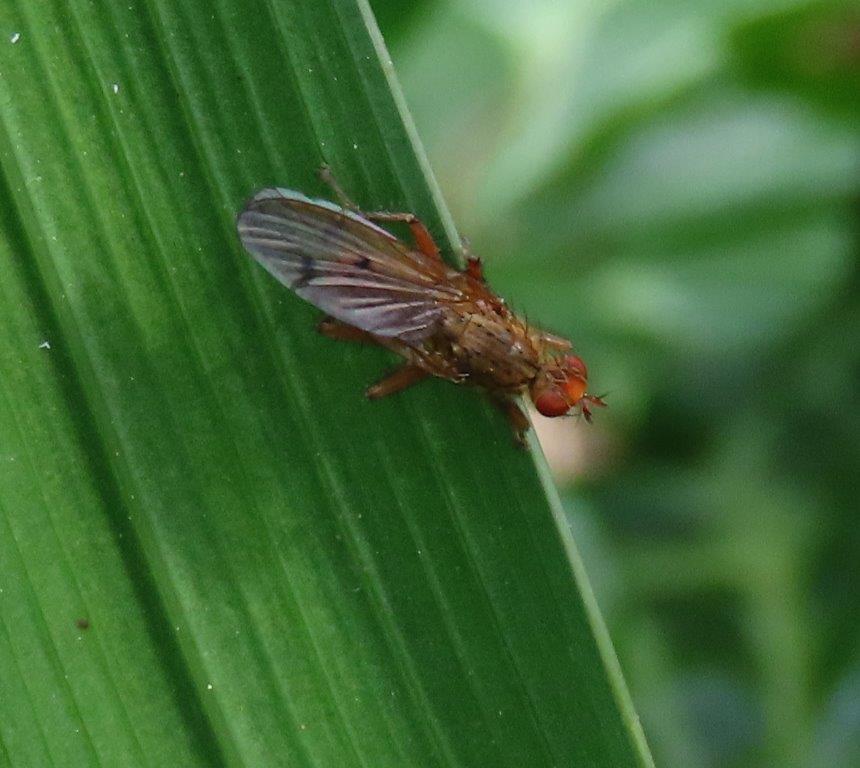
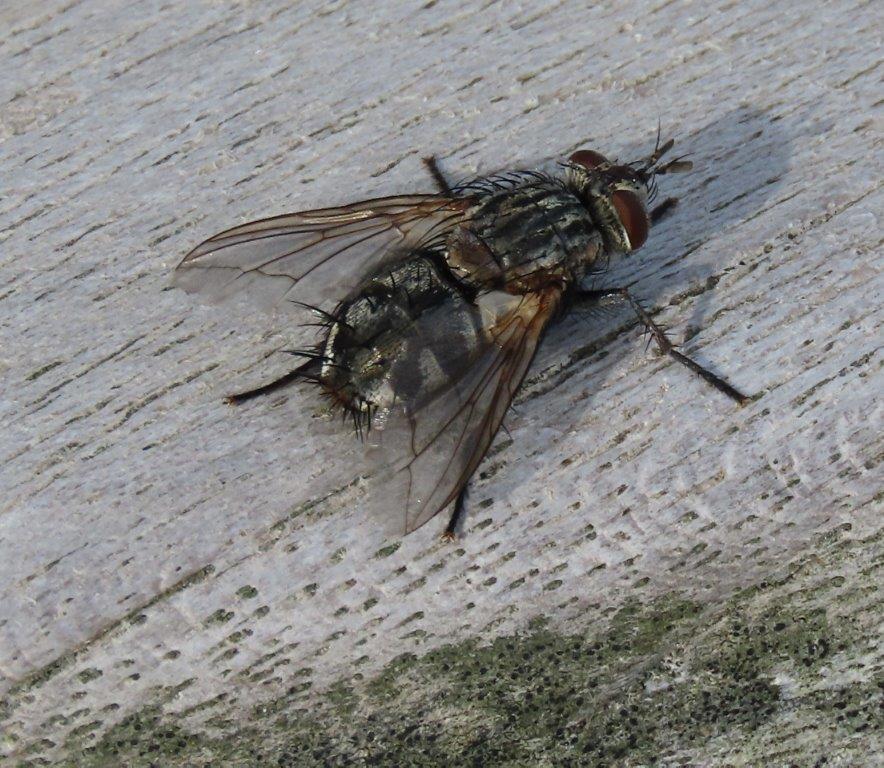
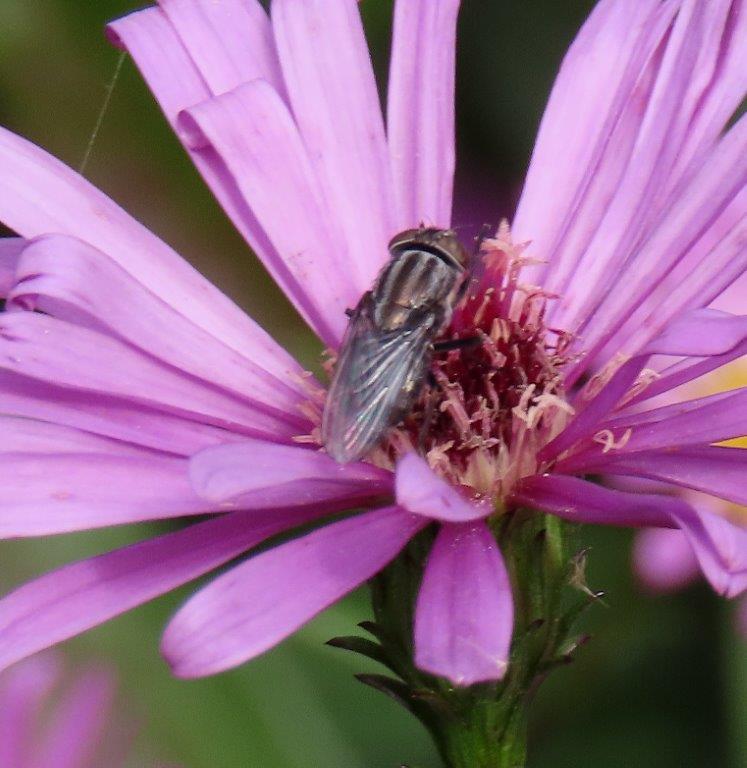
And the two below can only be assigned to genus, Linnaemya sp. and Siphona sp.

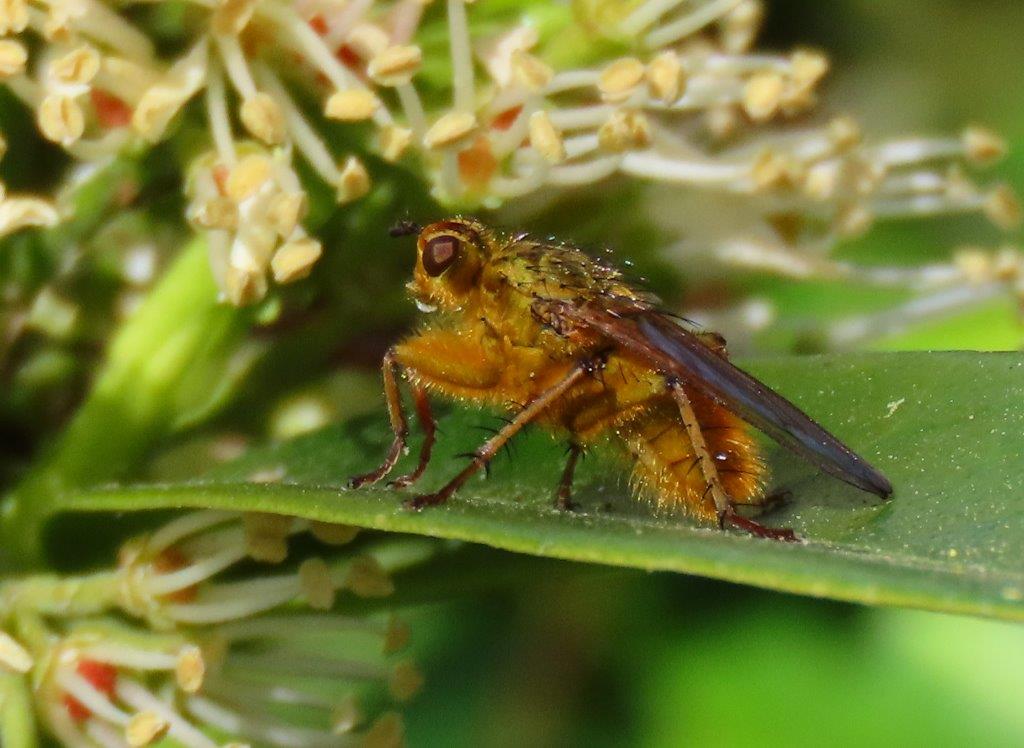
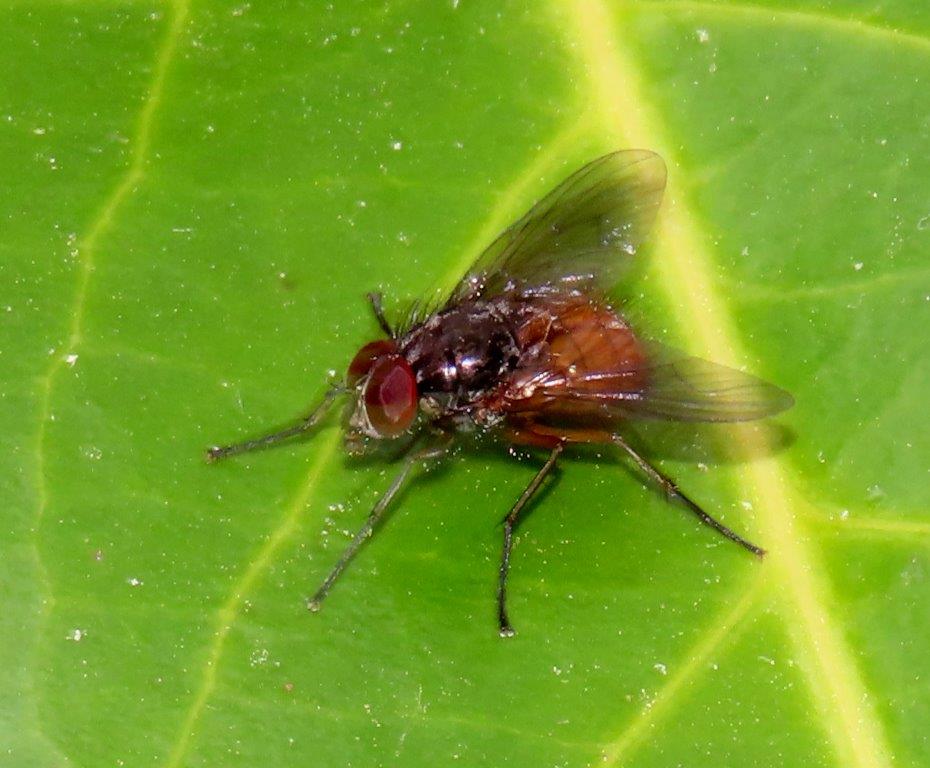
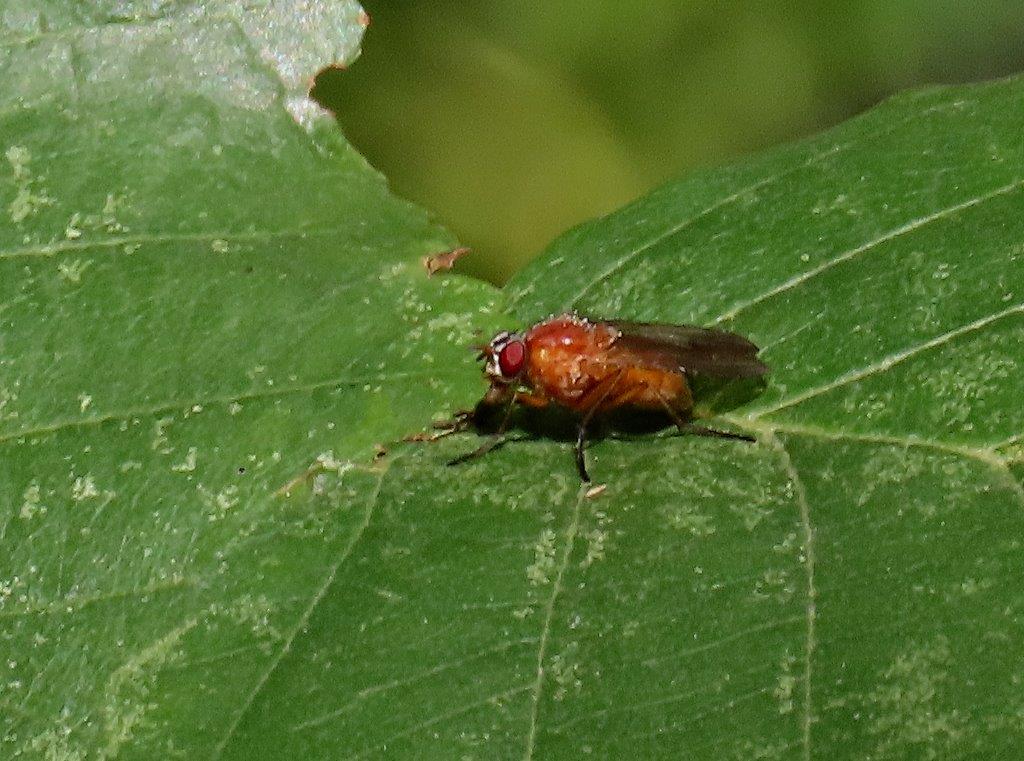
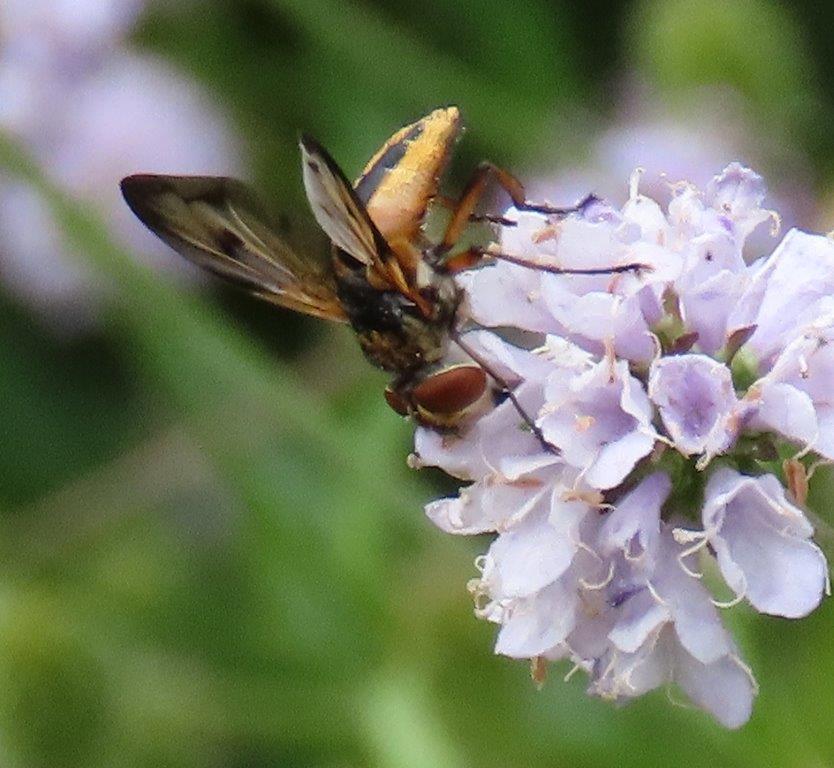
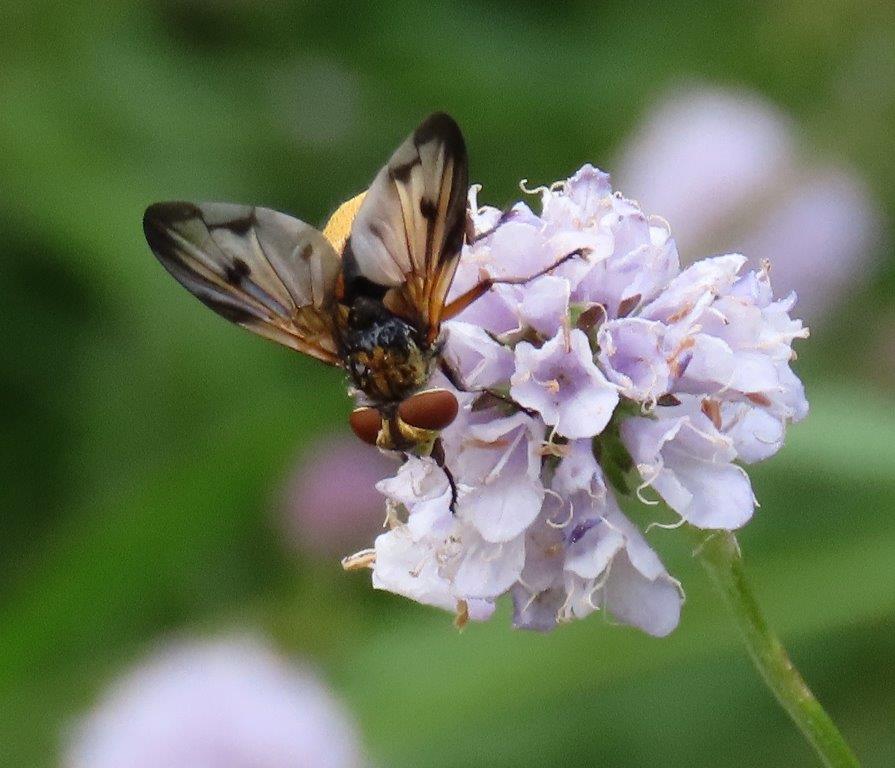
A final fly, strikingly orange with smoky wings, was Thricops diaphanus, from the housefly family. The Essex Field Club map shows only eleven previous records for the county, all in the western half.

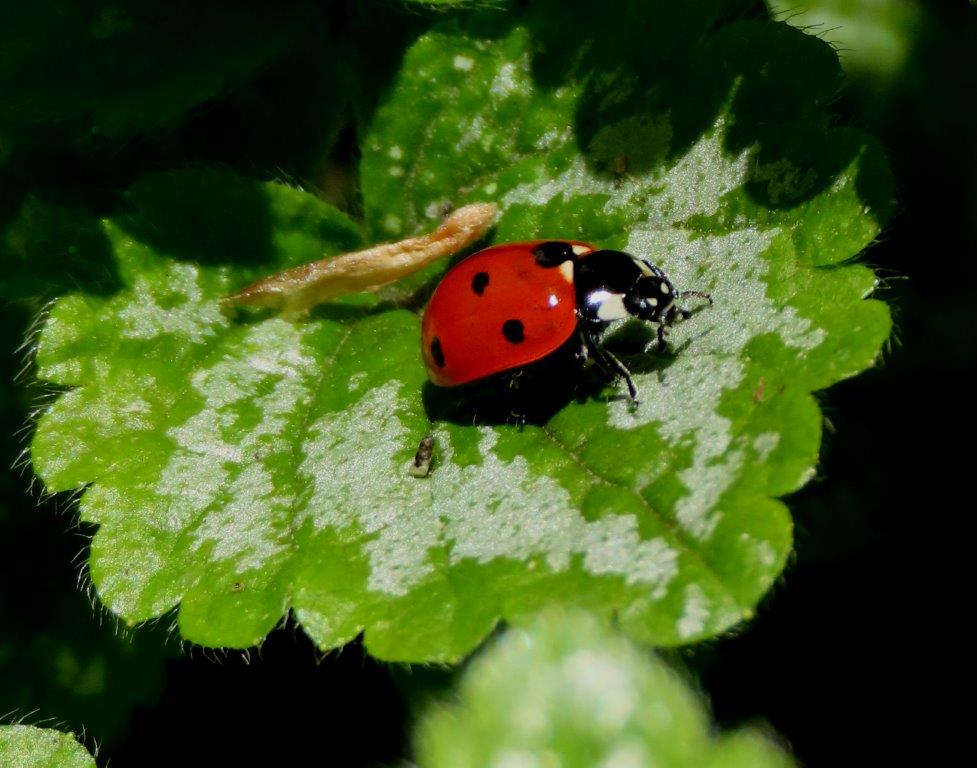
Ladybirds, the kids’ favourites were to be found everywhere, mostly Seven-spots with a few Harlequins, but they are now starting to congeal into what will become their overwintering aggregations:

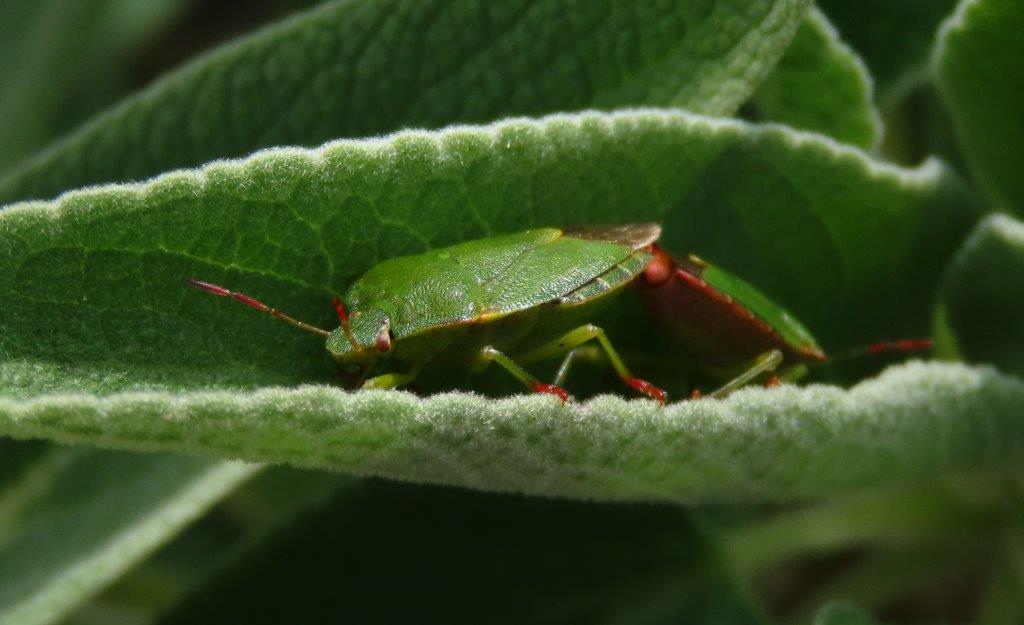
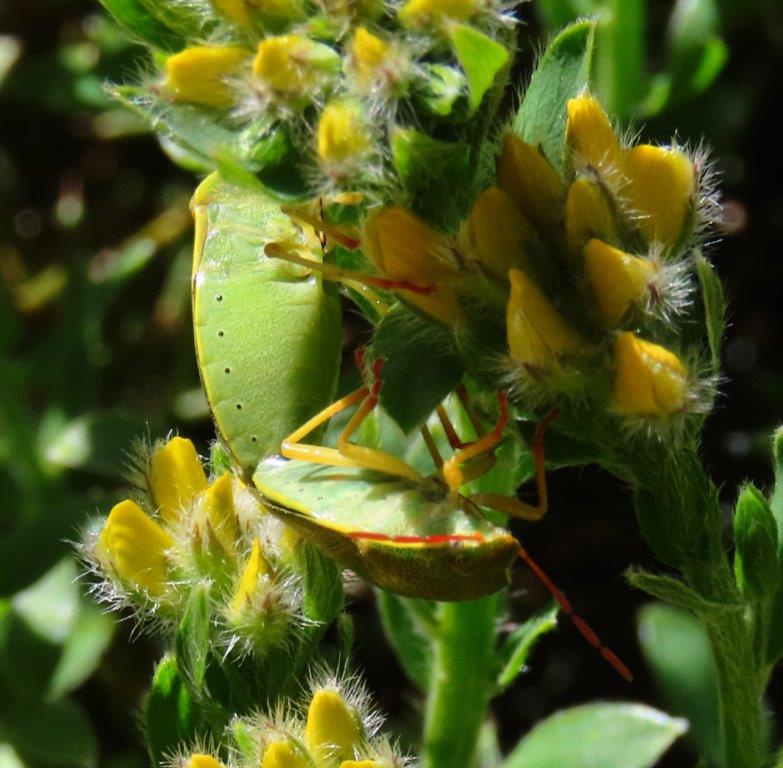
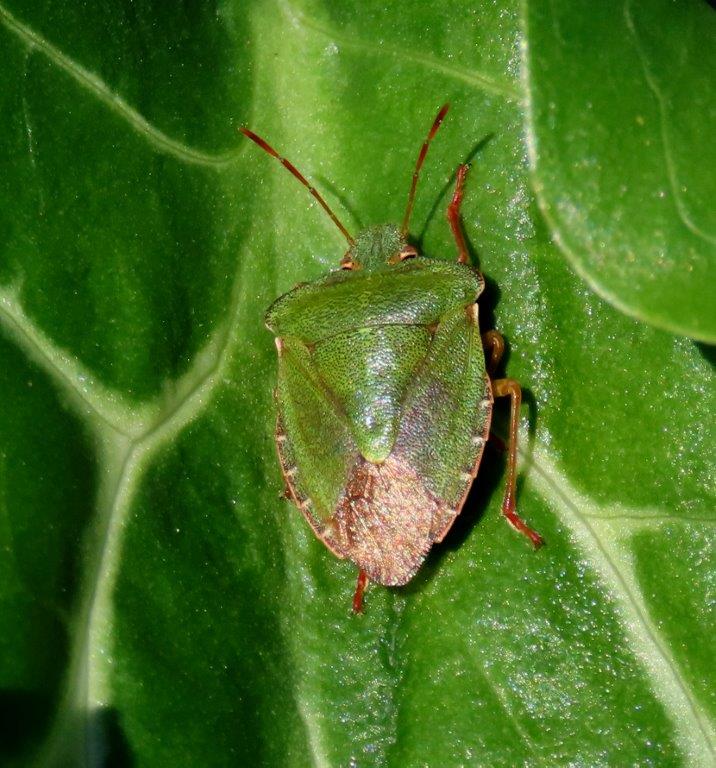
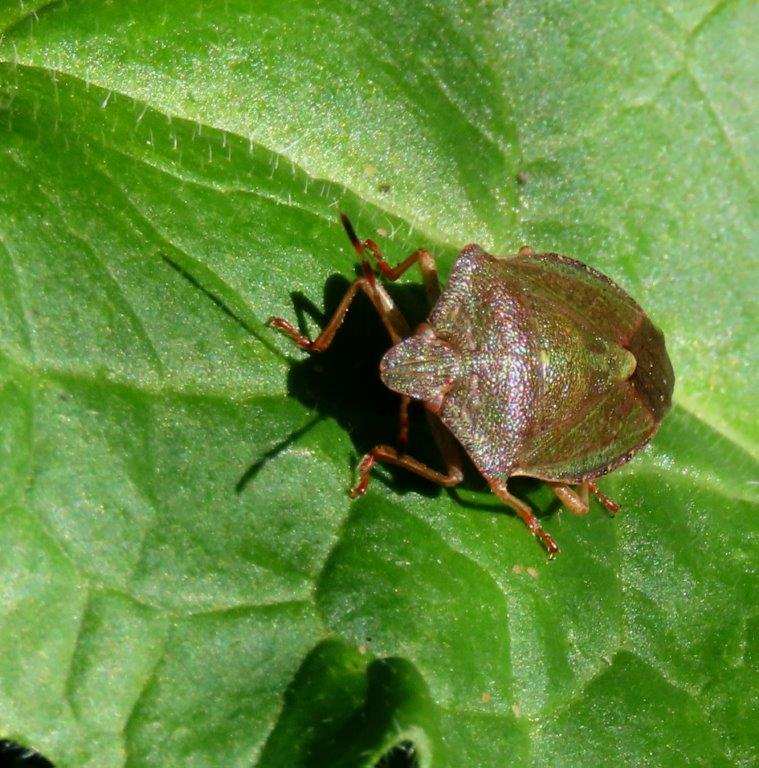
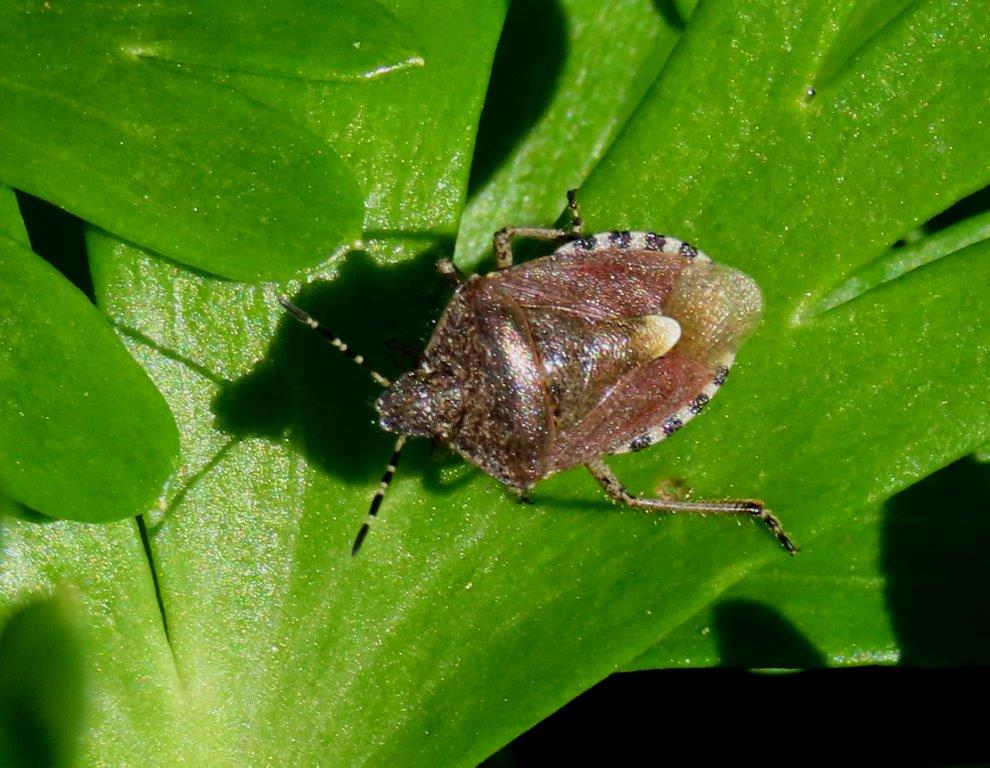
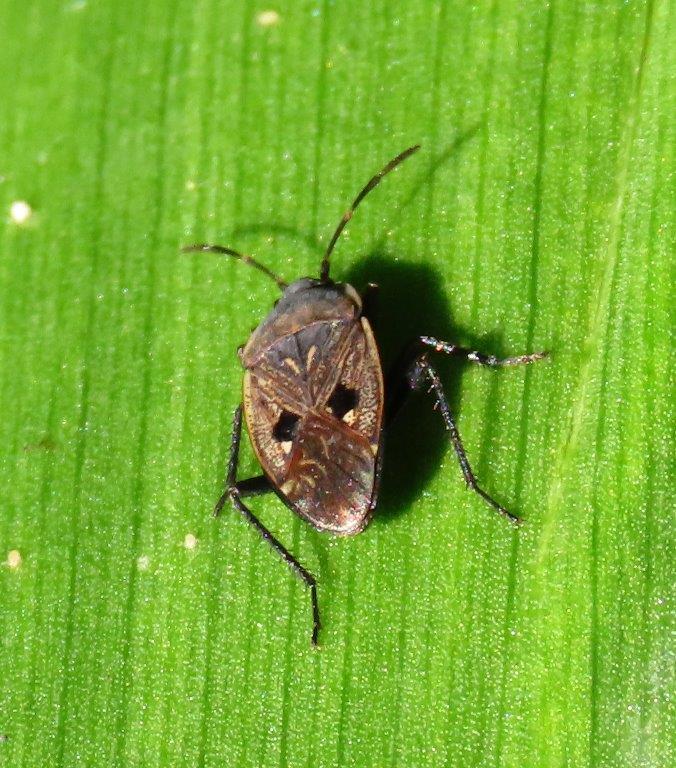
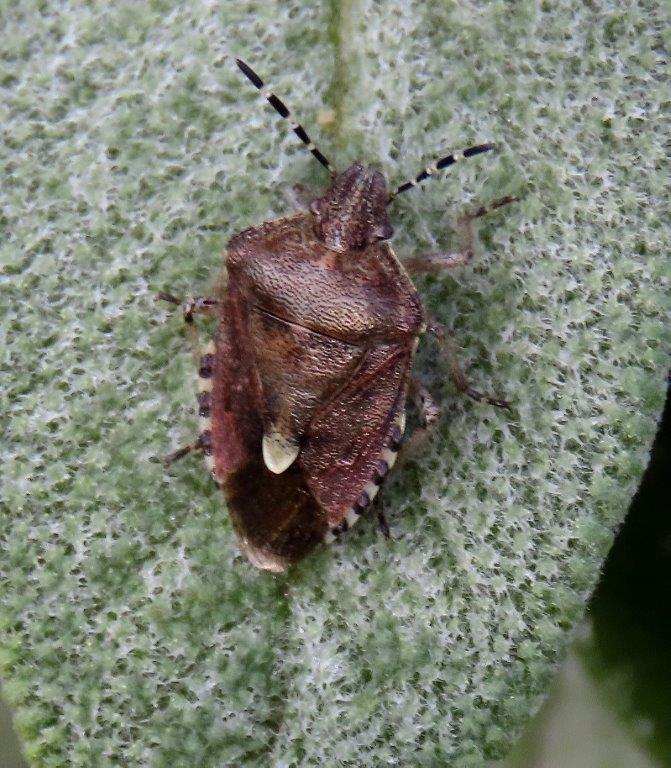
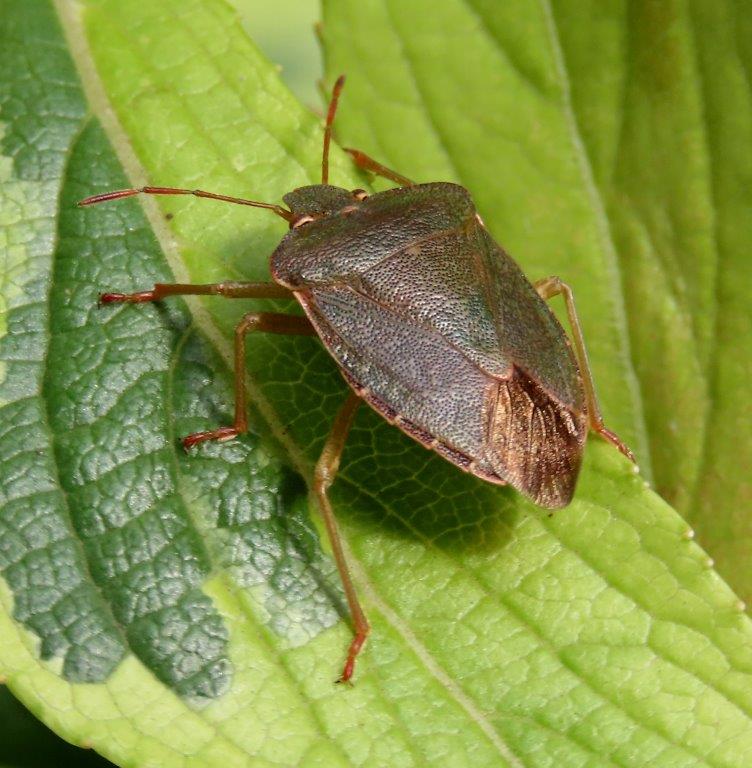
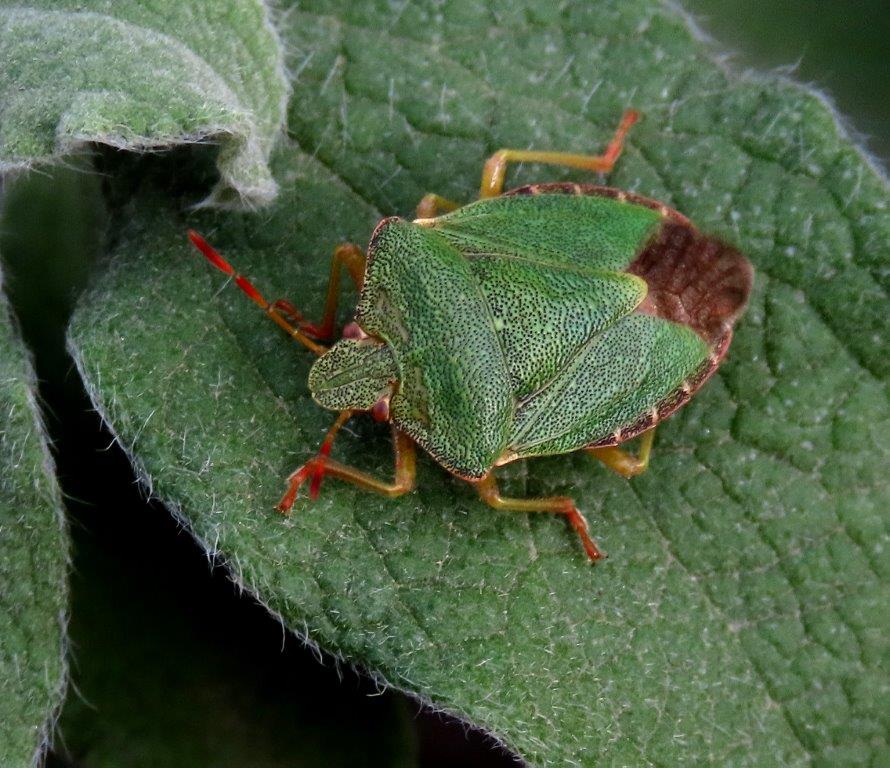
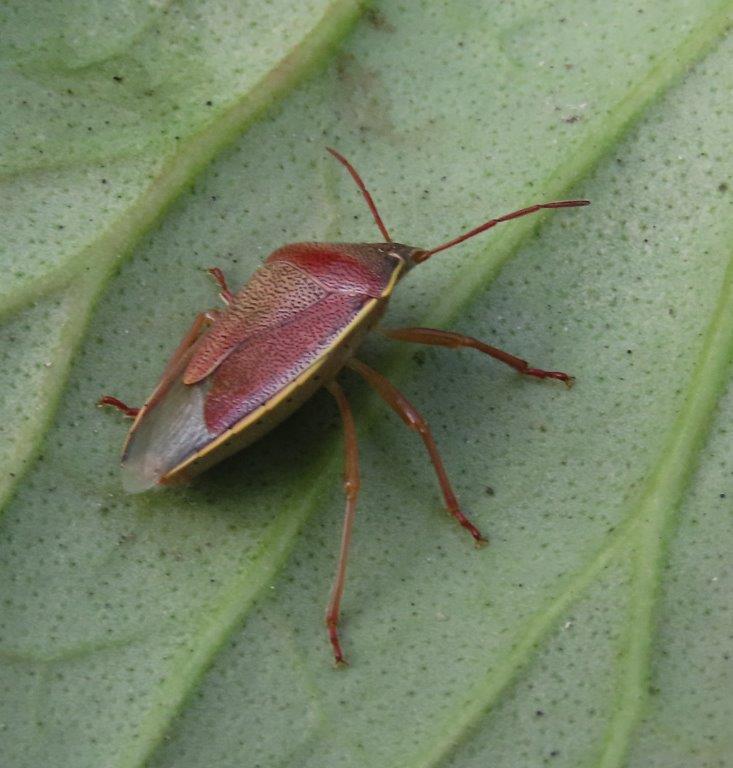
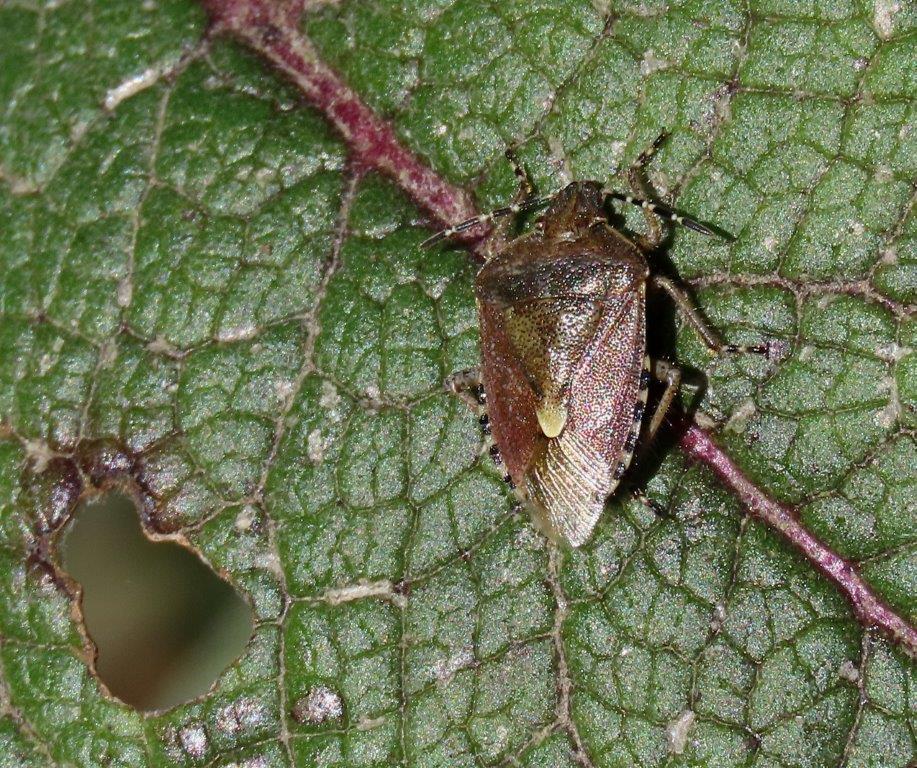
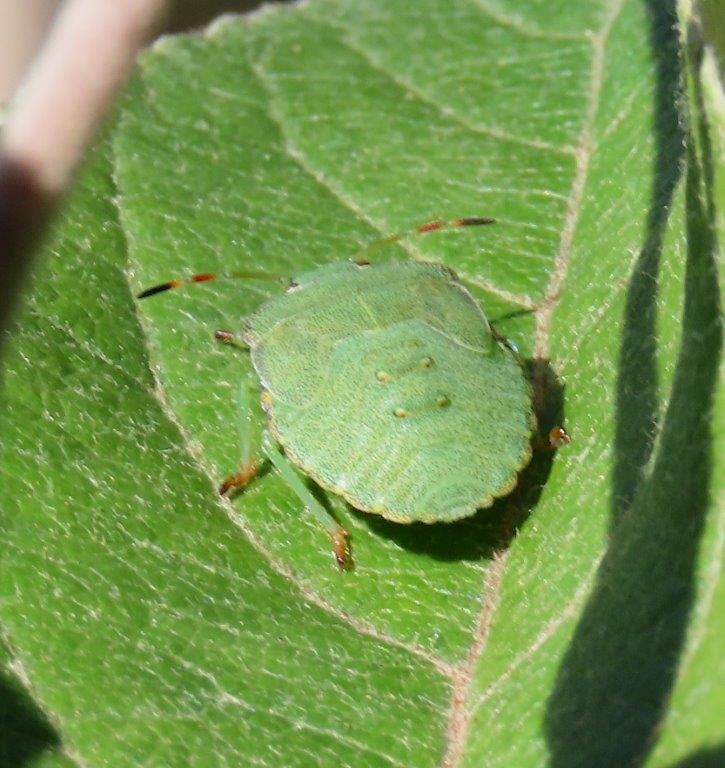
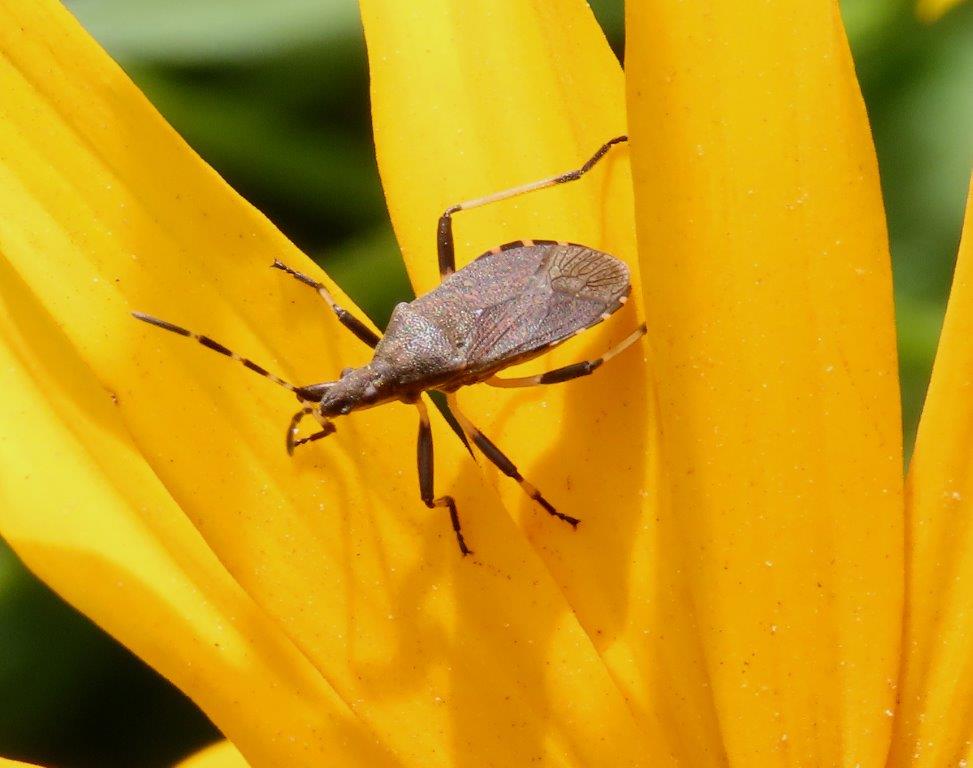
But perhaps the most remarkable insect feature of these walks were the true bugs, more than I have seen all summer. Most numerous were Hairy Shieldbugs along with Green Shieldbugs, some still sporting summer green but others browning into winter camouflage:

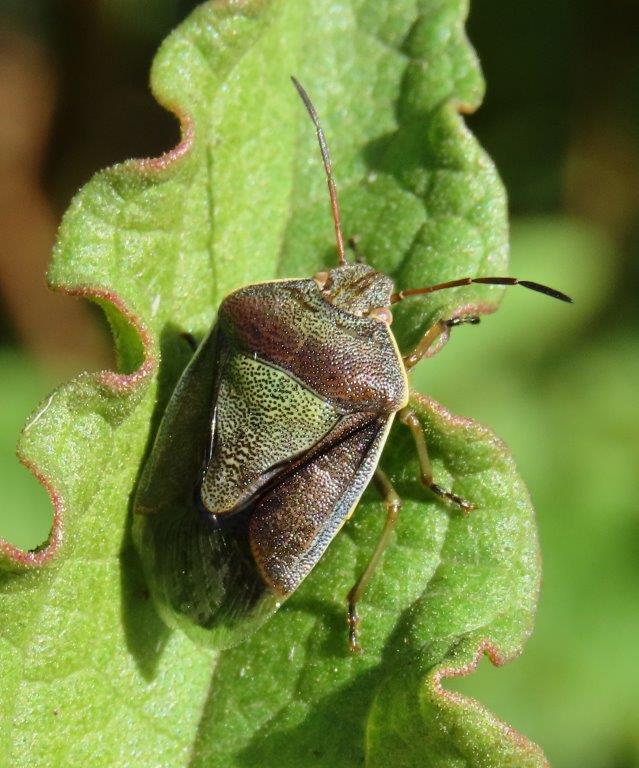
Gorse Shieldbugs too, also changing colour but always with the distinctive pale rim: remarkably, these are only the second and third garden records, and neither was on their traditional foodplant of Gorse…

Cinnamon Bugs were especially obvious during the first walk, while a single Bishop’s-mitre (again with only a couple of previous records here) was expertly spotted by one of the kids:

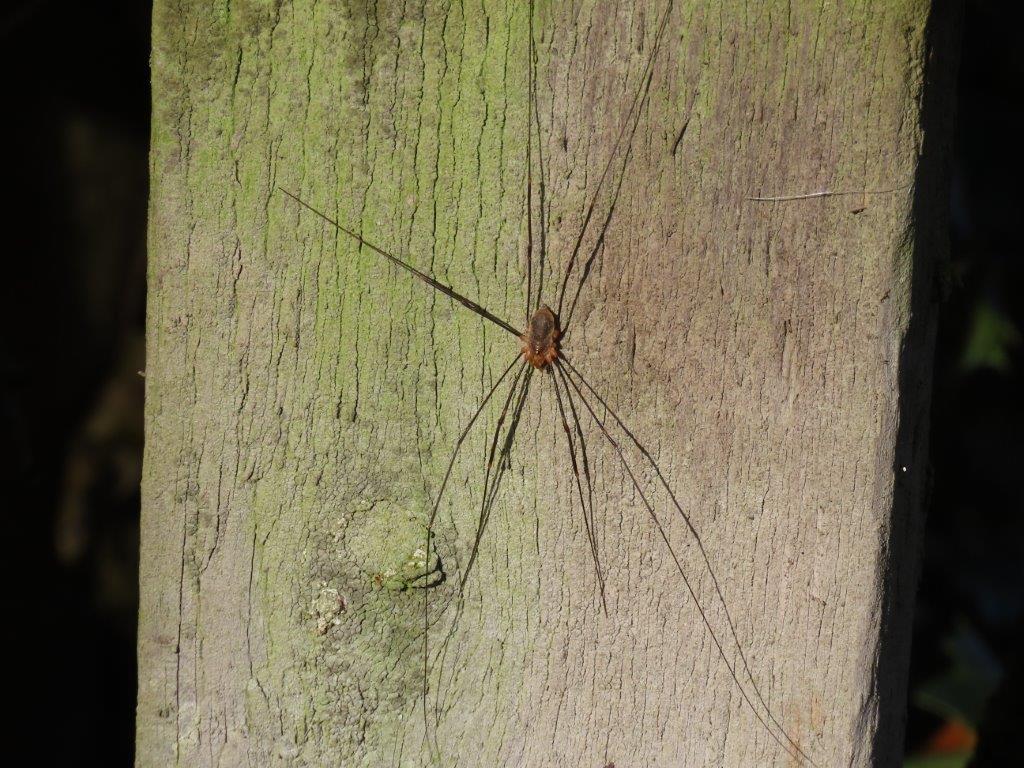
Moving to ‘other invertebrates’ Zebra Jumping-spiders and the harvestman Opilio canestrinii are both found regularly in the garden…

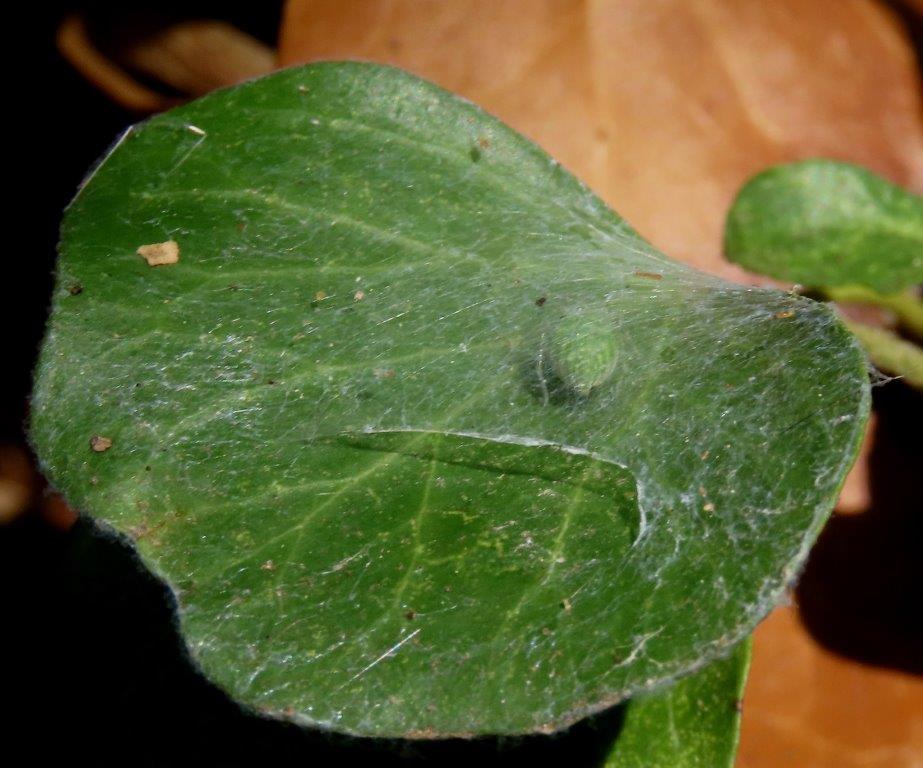
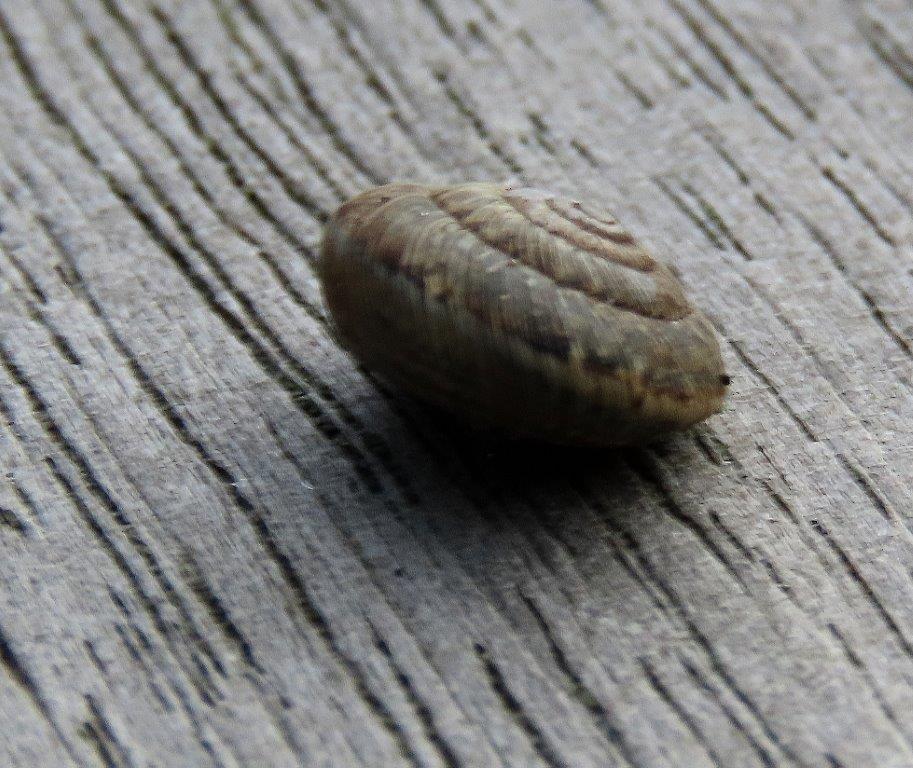
… but a Nigma walckenaeri, nestling under its horizontal web, and a Wrinkled Snail Xeroplexa intersecta were both new.

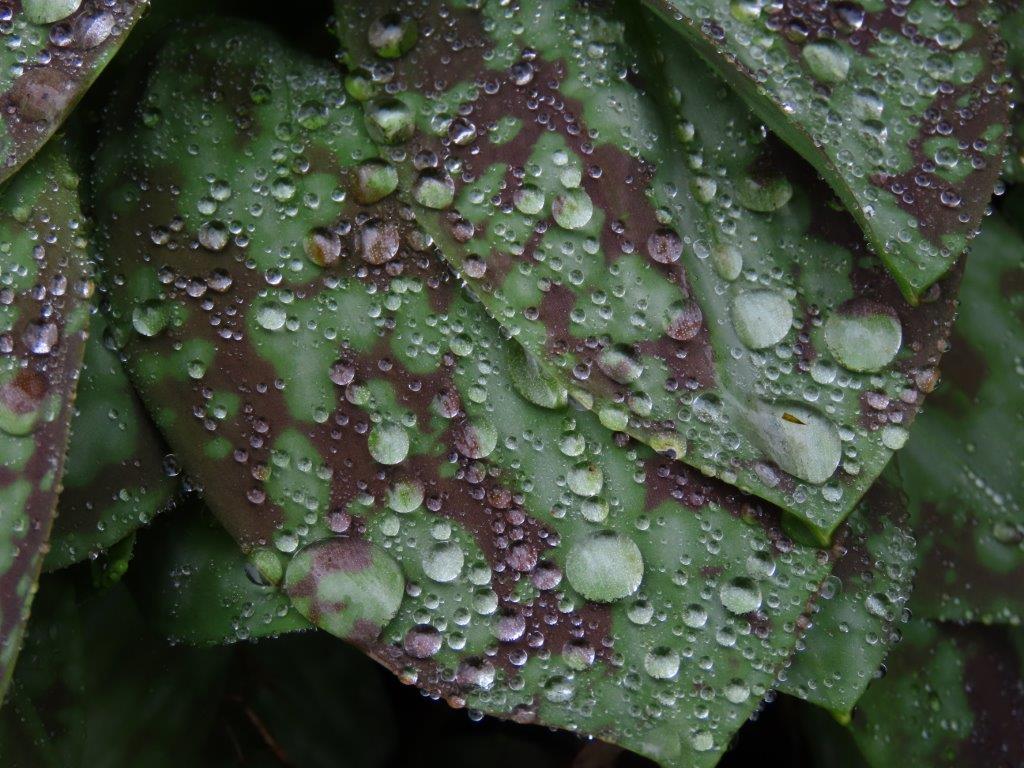
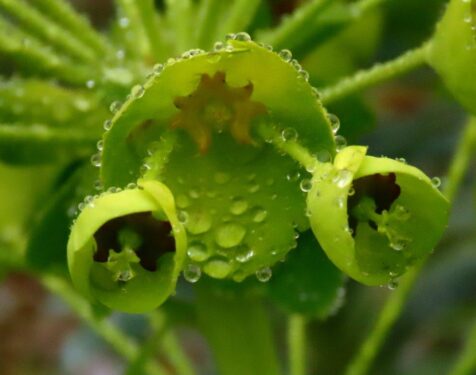
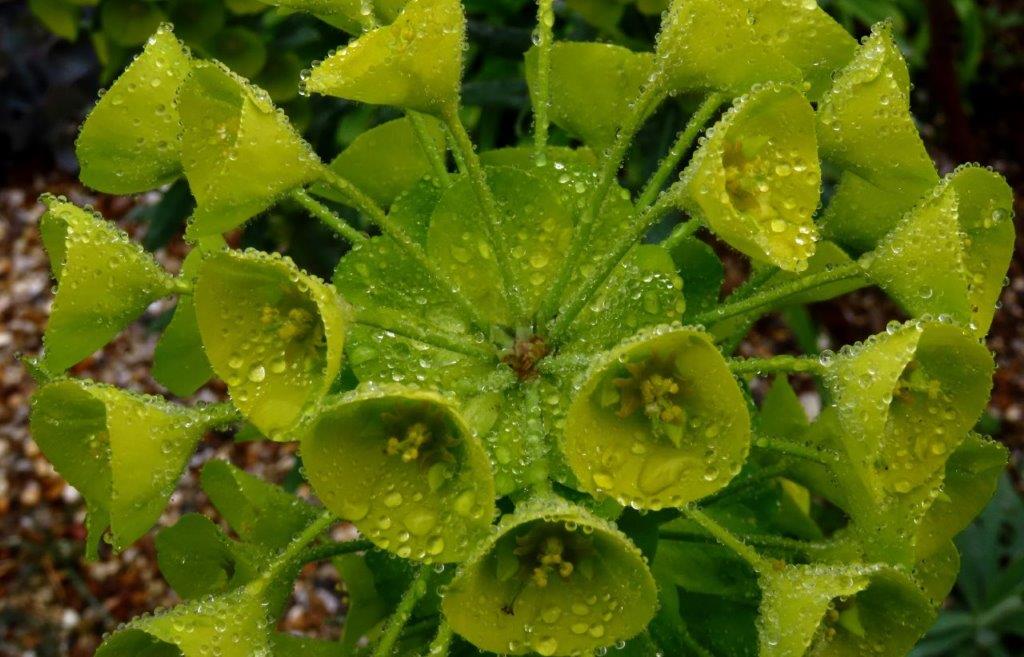
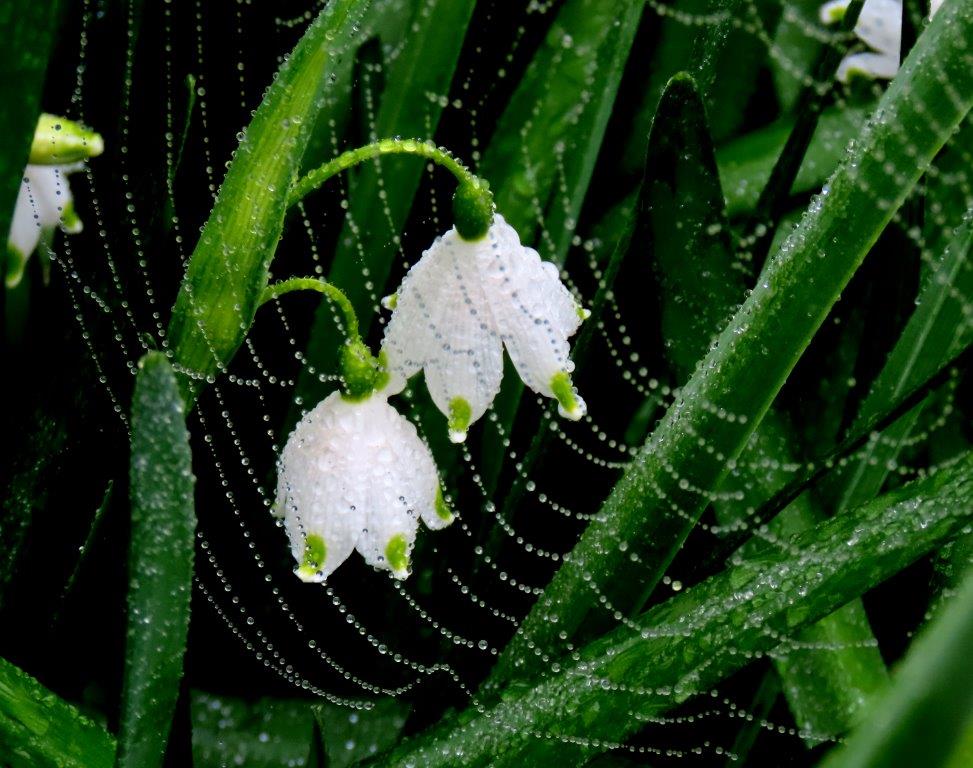
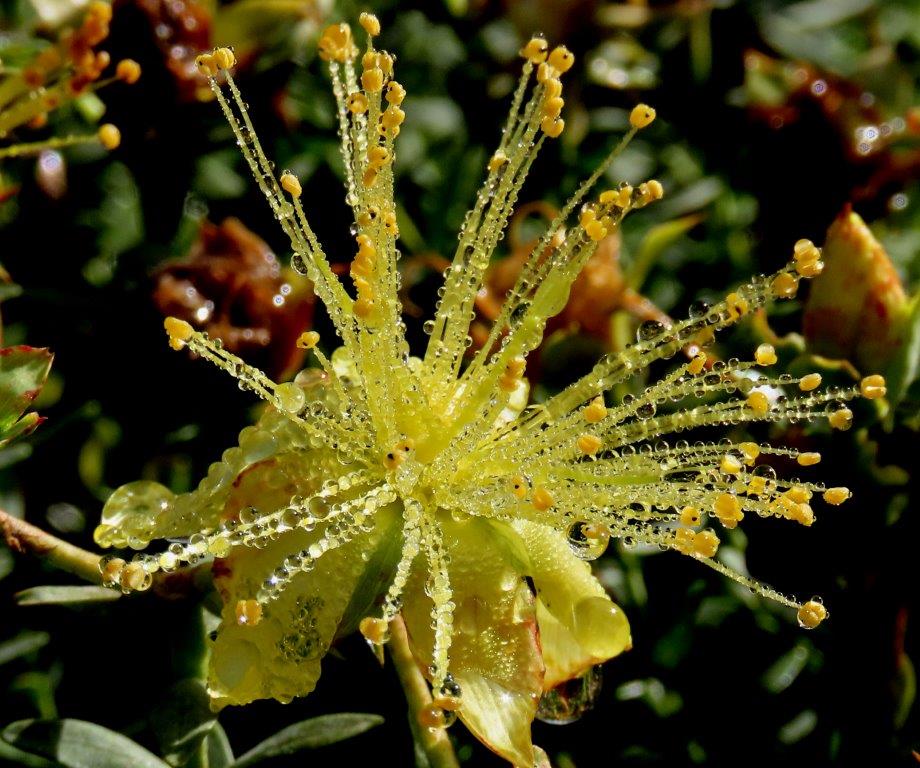
Amid all this invertebrate enthusiasm and abundance, it was easy to overlook the remaining flowers lighting up and providing a much-needed insect resource in the gardens, beauty made even more dramatic when bejewelled with droplets from the previous nights’ rains:

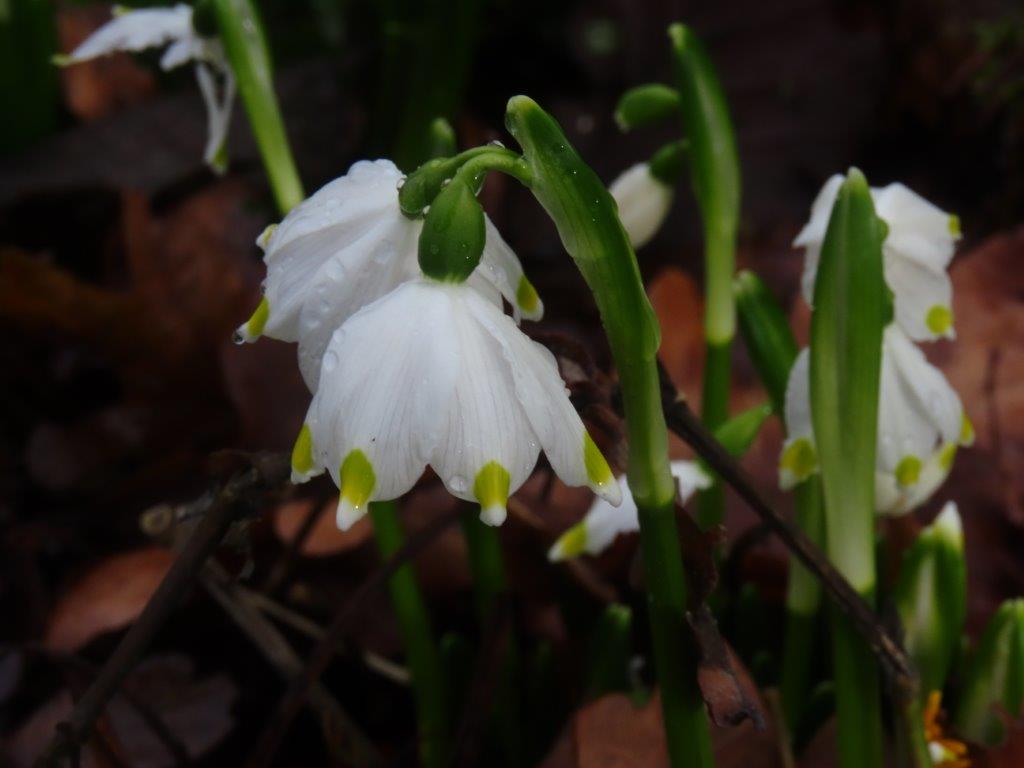
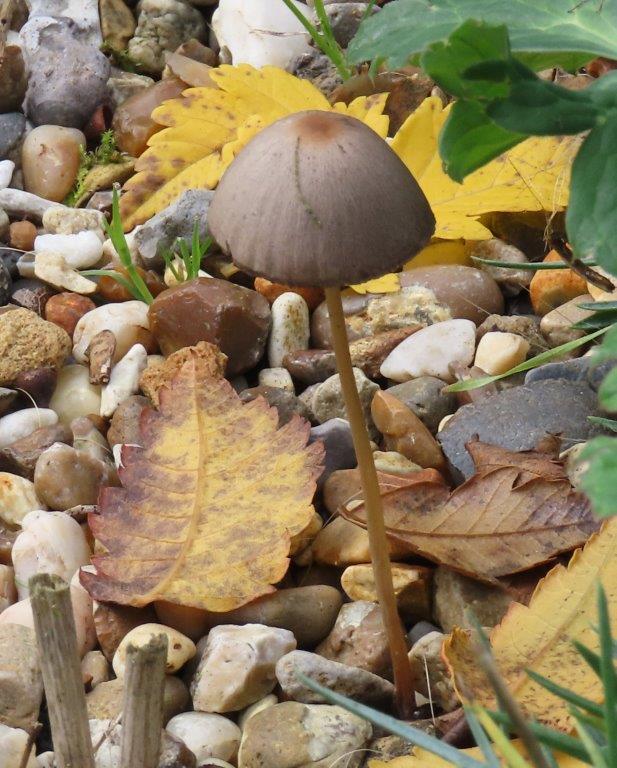
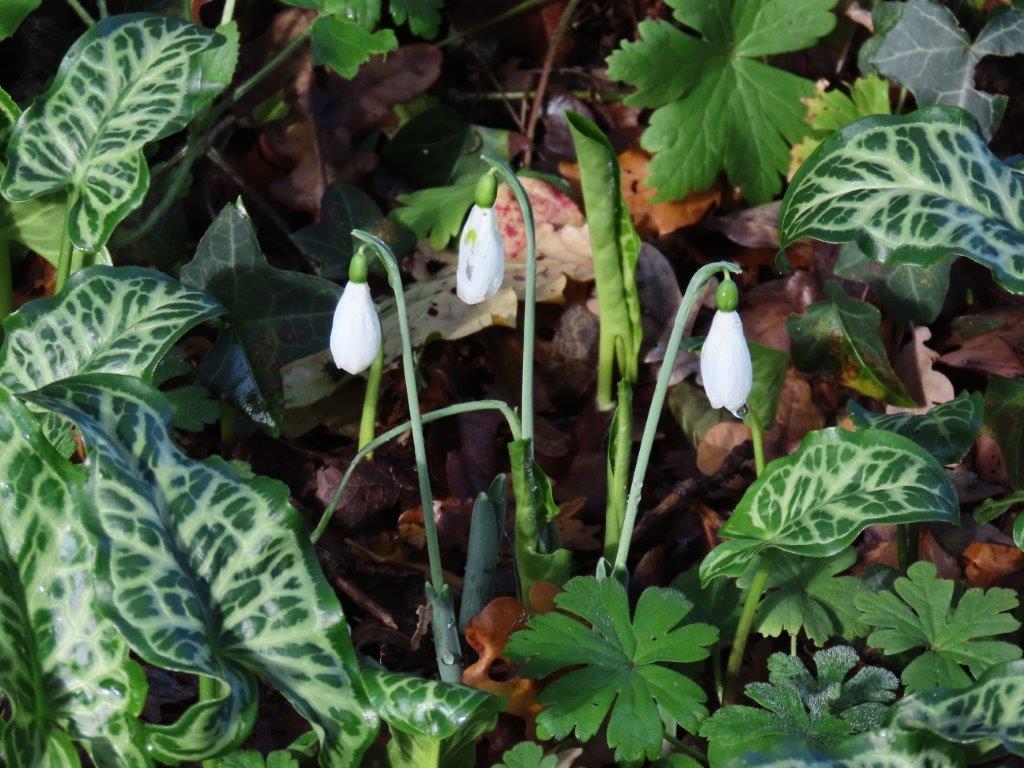
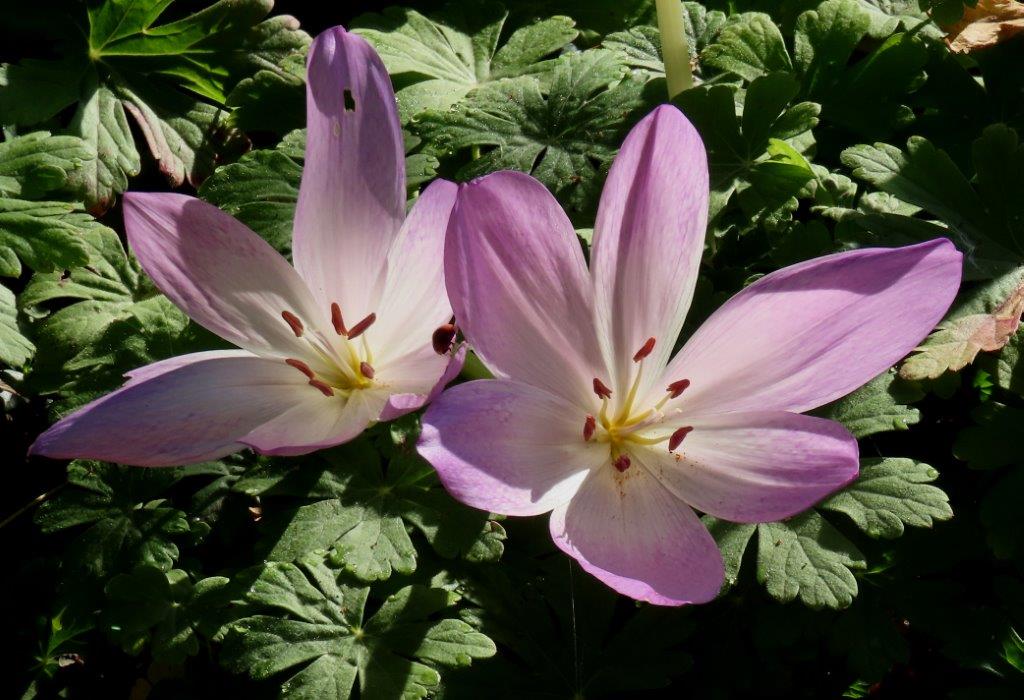
While the fruits and fungi speak of autumn, the Snowdrops (probably Galanthus regina-olgae, which typically flowers in late autumn) at least provide a hint of assurance that the dark days will pass!

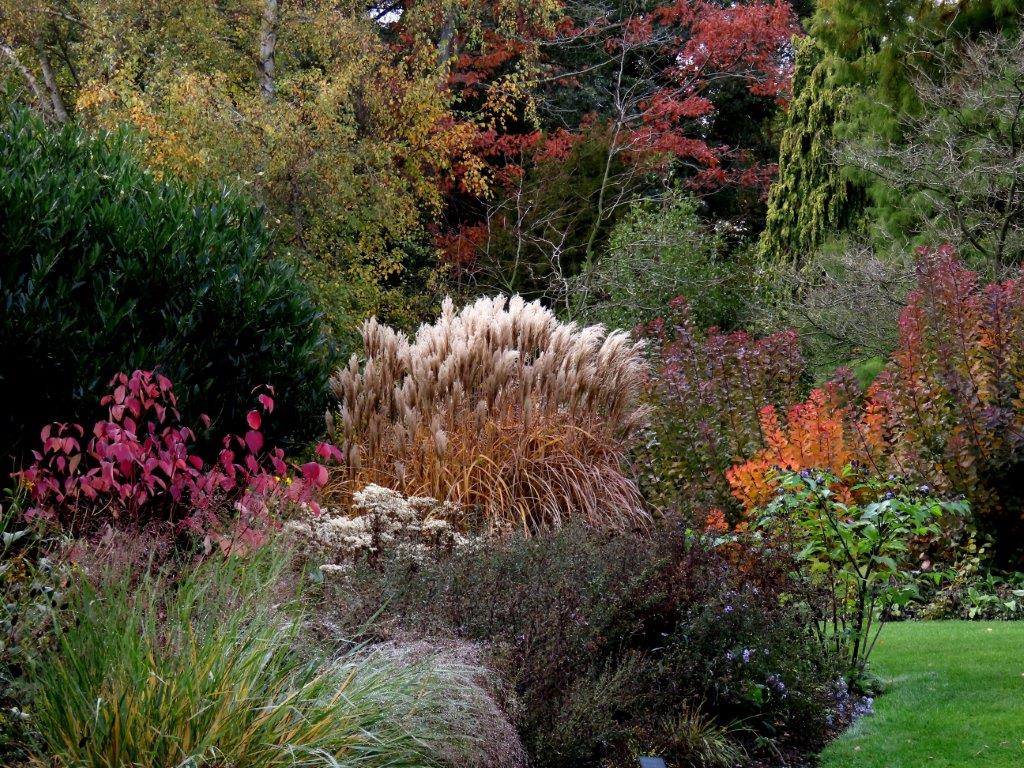
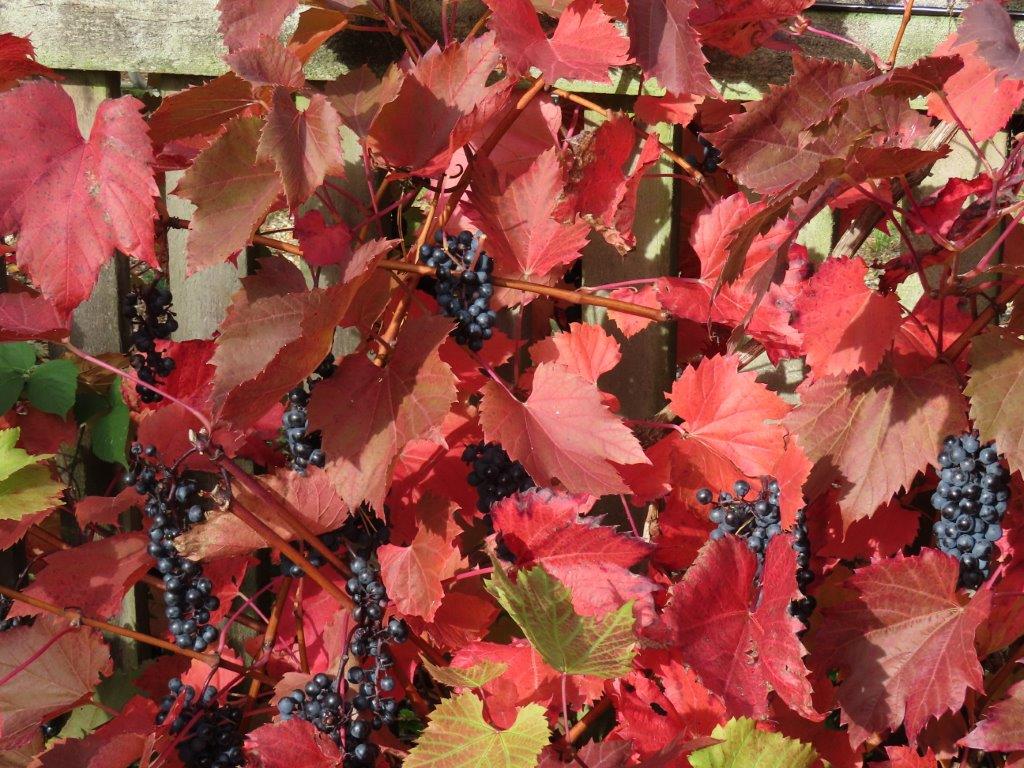
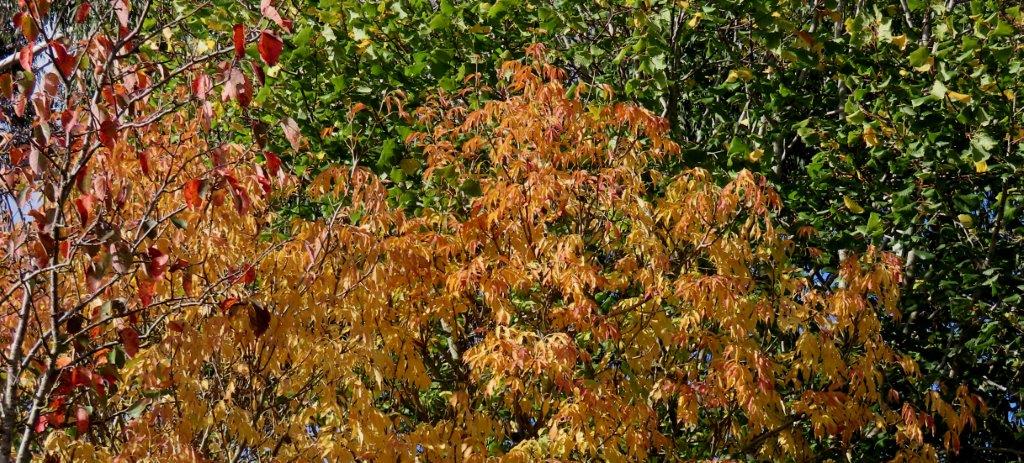
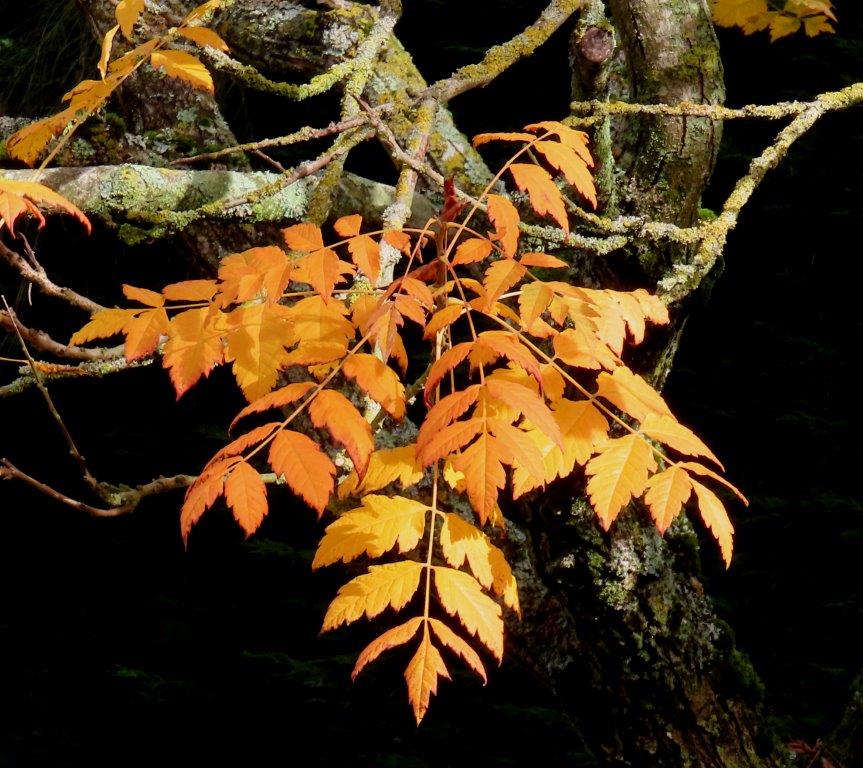
Together with the birds – Redpolls and a Kingfisher during the first walk, and overhead Skylarks and a noticeable increase in presumably immigrant Blackbirds, Song Thrushes and Robins on the second – such was the bounty of this autumn, that I almost forgot to enjoy the kaleidoscope of colours. Almost, but not quite… so here is a final flourish of the gardens at their seasonal peak!


The Wild Side of Beth Chatto Gardens: a lull before the first storm of autumn…

Early October can be such a wonderful time. Still warm enough for shorts, still nature going about its preparations for the coming cold, seemingly with increasing urgency. And the first few days of the month this year were just that in the Beth Chatto Gardens, although with the first named storm of the season, Amy, due in a day or two, things could change rapidly… Thankfully I had the opportunity to make a couple of visits, both unfortunately rather short.

For now, the gardens are looking fruitful, showing some of the stresses of a multi-drought summer, but still in fine fettle. And for the insects there are still all manner of nectar and pollen resources out there to be exploited:

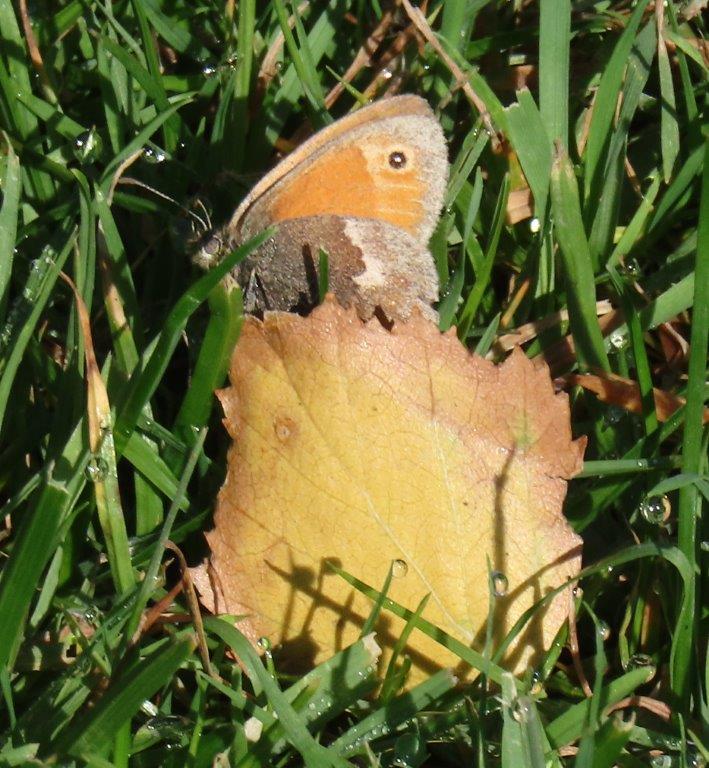
The most obvious visitors are still the butterflies, albeit in reduced numbers and diversity. Red Admirals, Commas and Large Whites were the commonest, with a very few Small Coppers, Small Heaths, Common Blues and Holly Blues, the latter by now probably on its third generation of the year.

Likewise, especially around the ponds, dragonflies and damselflies were still noticeable, basking, hunting and mating: Migrant Hawkers over the water, Common Darters everywhere including egg-laying couples in tandem, and Willow Emeralds, again some in mating formation, in the trees and marginal planting.

In the woodland garden, the leaves are colouring rapidly, especially that harbinger of autumnal glory Amelanchier. 

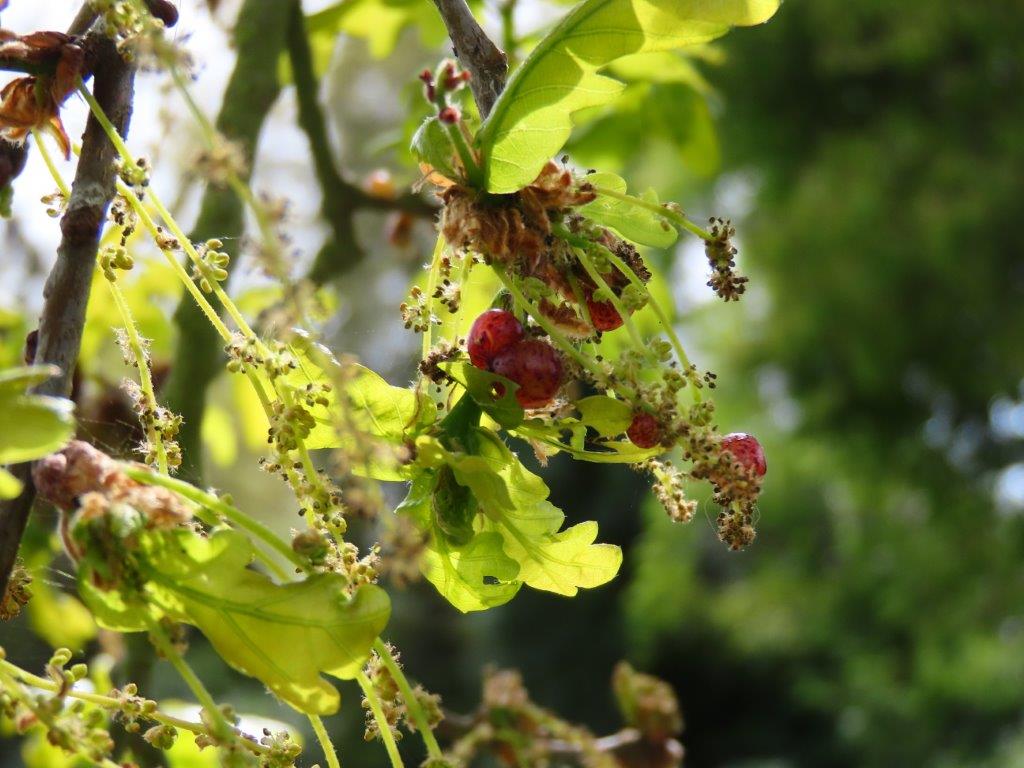
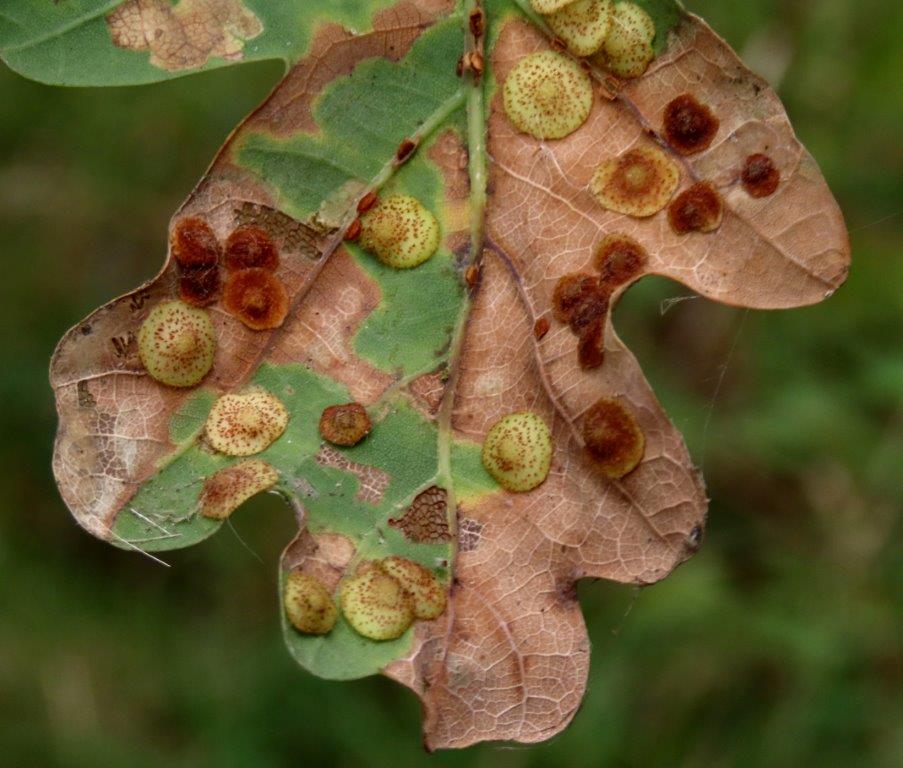
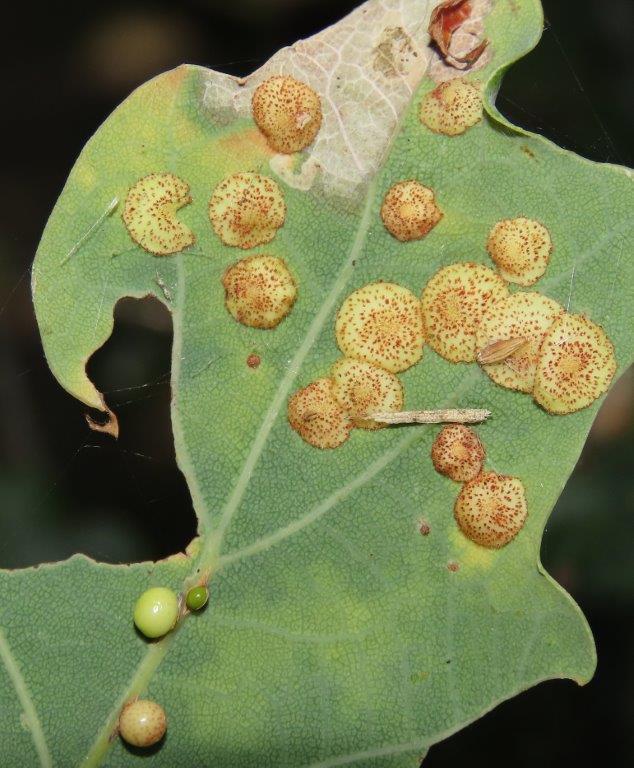
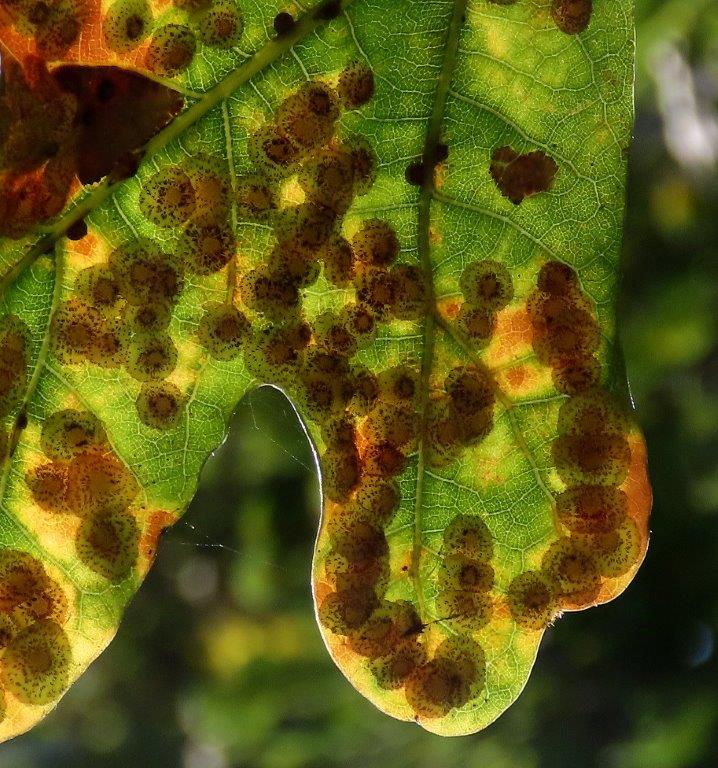
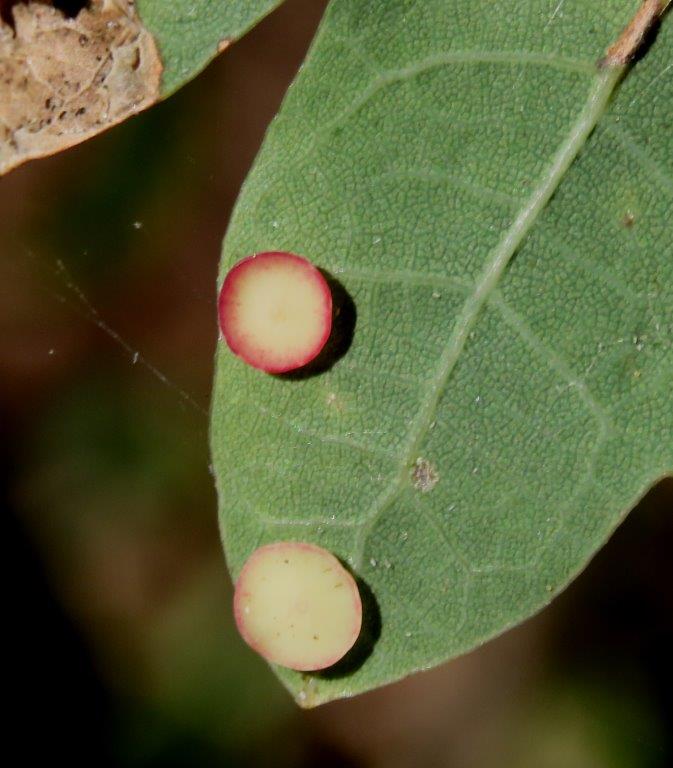
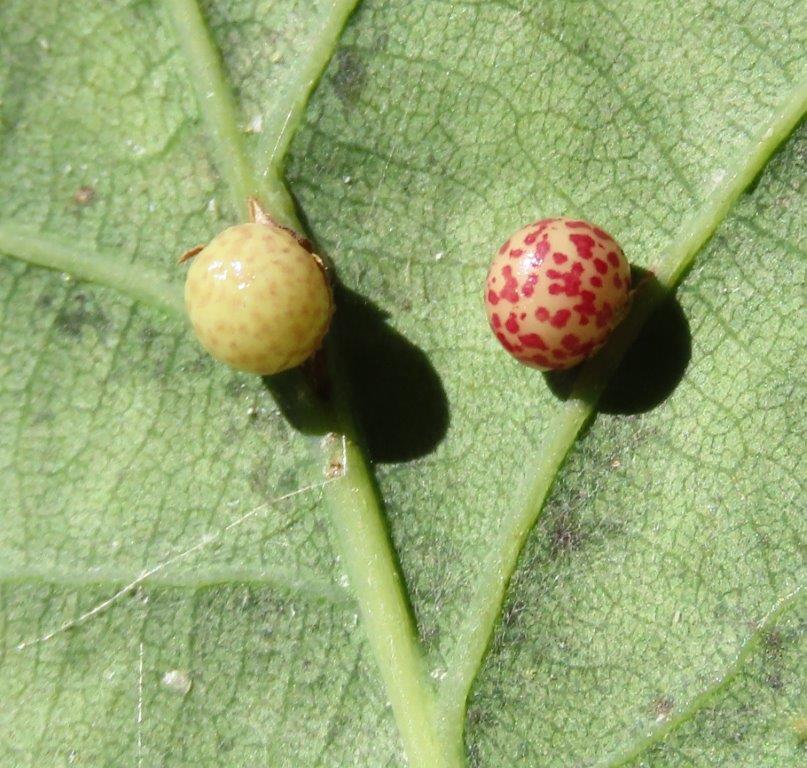
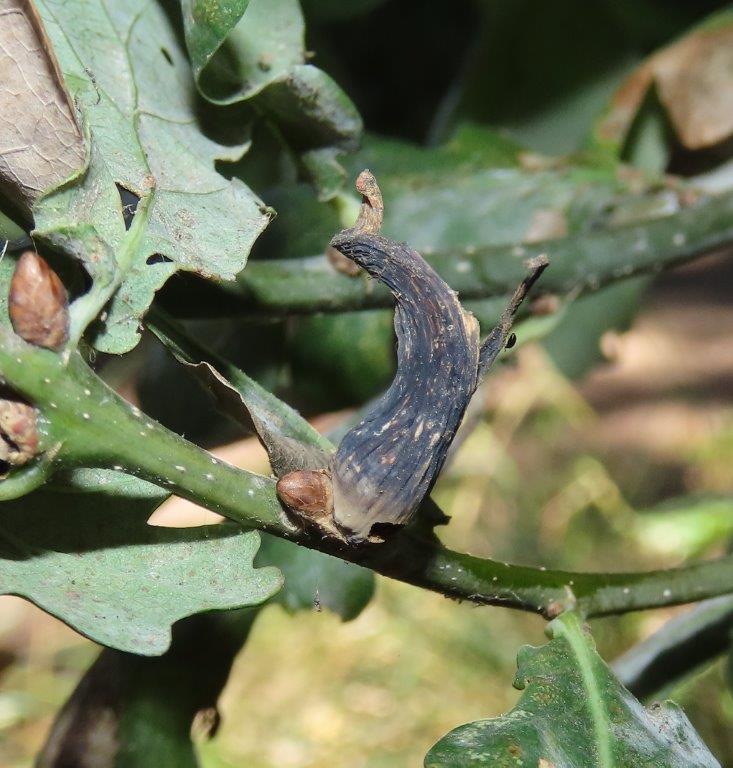
The Oak leaves bear their customary array of galls, here Spangle Galls although the smaller, darker ones may well indicate they have been hyper-parasitized. ‘Big fleas have little fleas, little fleas have lesser...’ etc comes to mind!
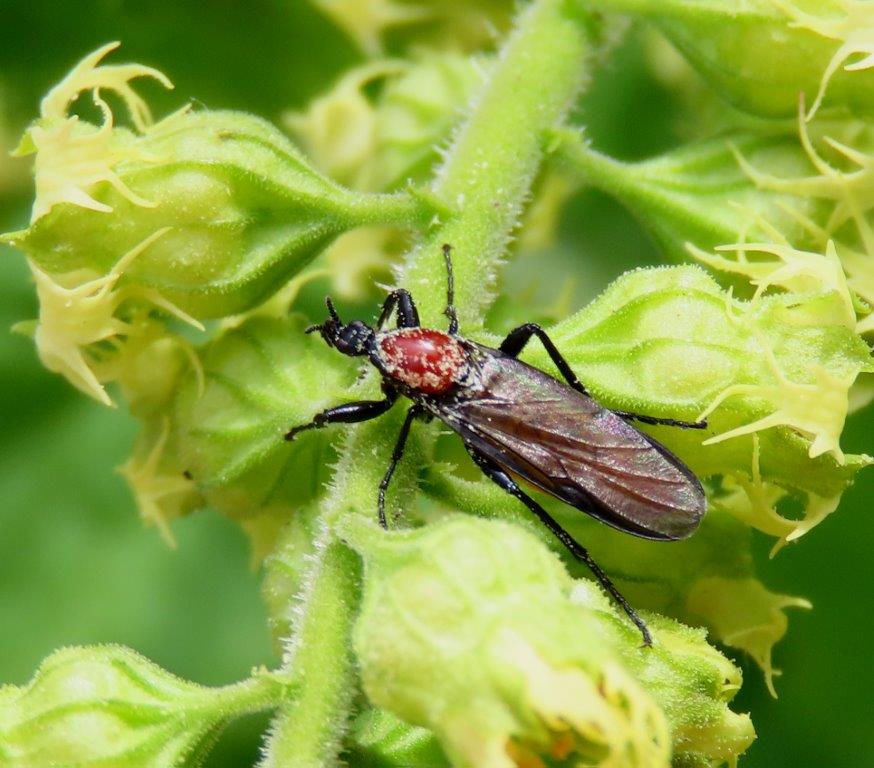
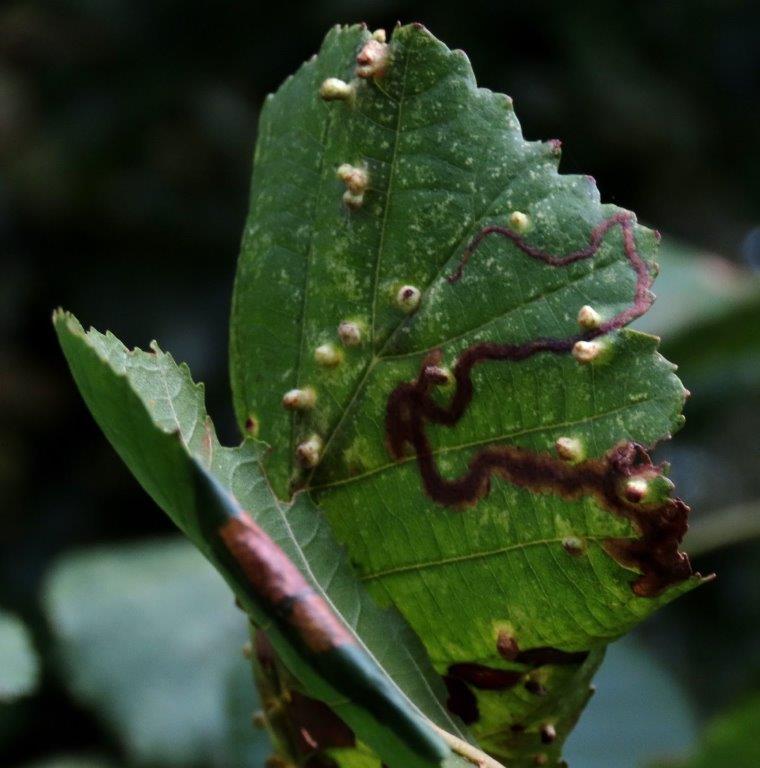
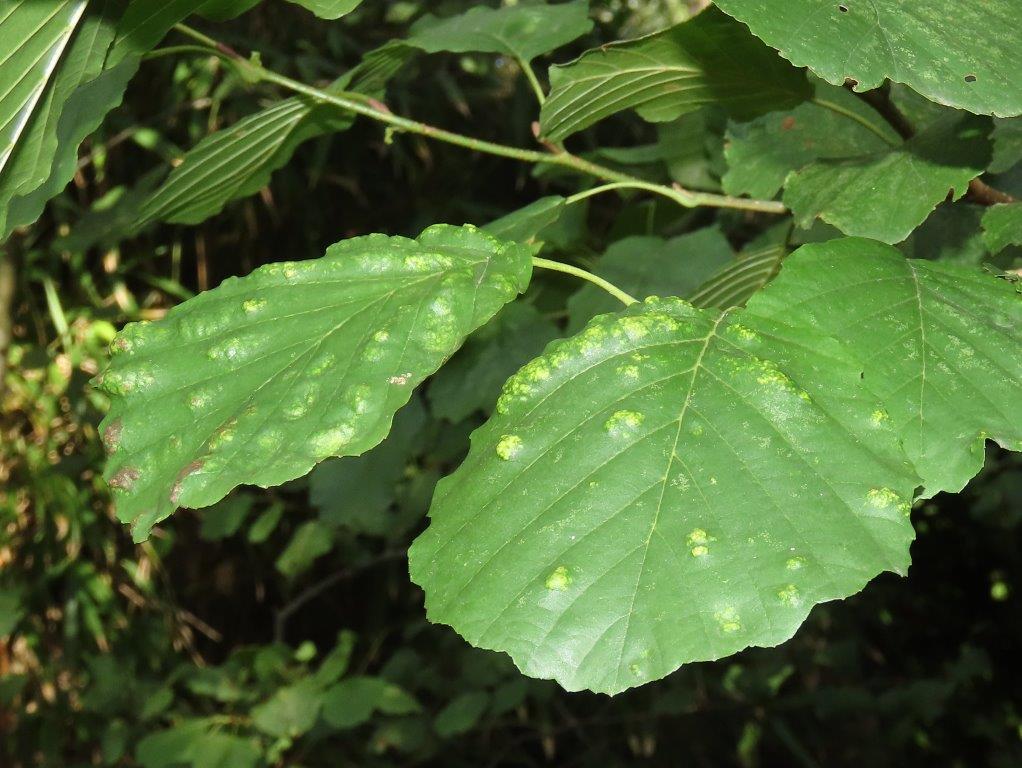
Spangle galls are caused by tiny wasps, but the pustular galls on Alder leaves are caused by even tinier mites, Eriophyes laevis.  And this leaf also has a leaf-mine, the manifestation of someone feeding inside the leaf (but not triggering abnormal growth, hence it is not a gall). Leaf-mines can be caused by a variety of insects, from moths to beetles, but this is made by the larva of a leaf-mining fly Agromyza alnivora. One leaf and two identifications without ever seeing the organism, just their symptoms.

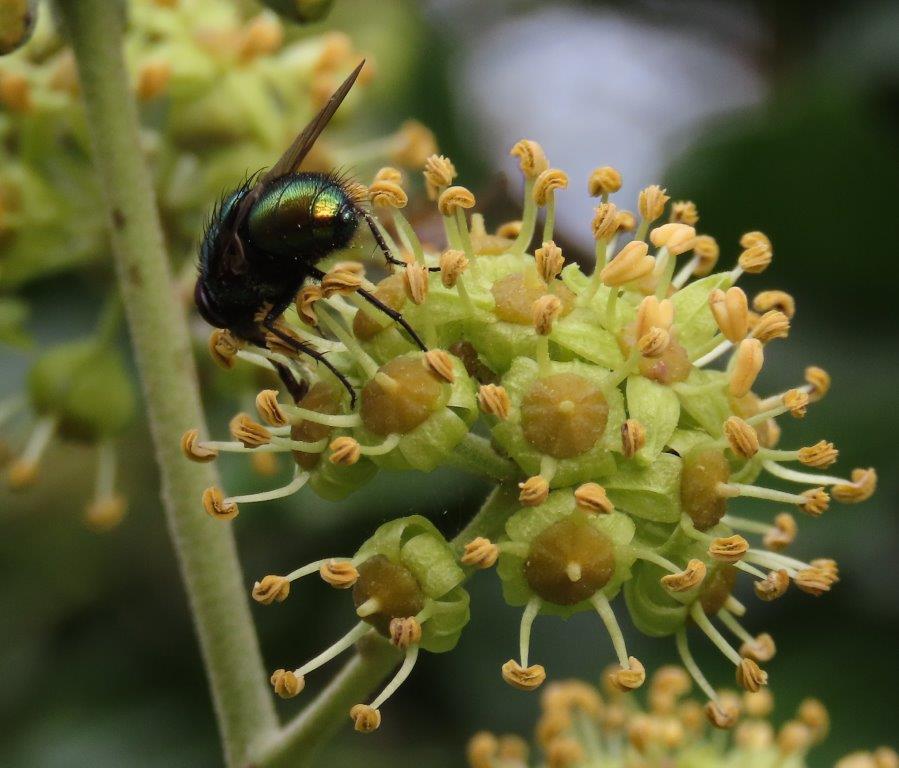
A few Ivy plants around the shady areas were, as always, buzzing with life attracted to the vital late-season nectar and pollen source of their flowers.

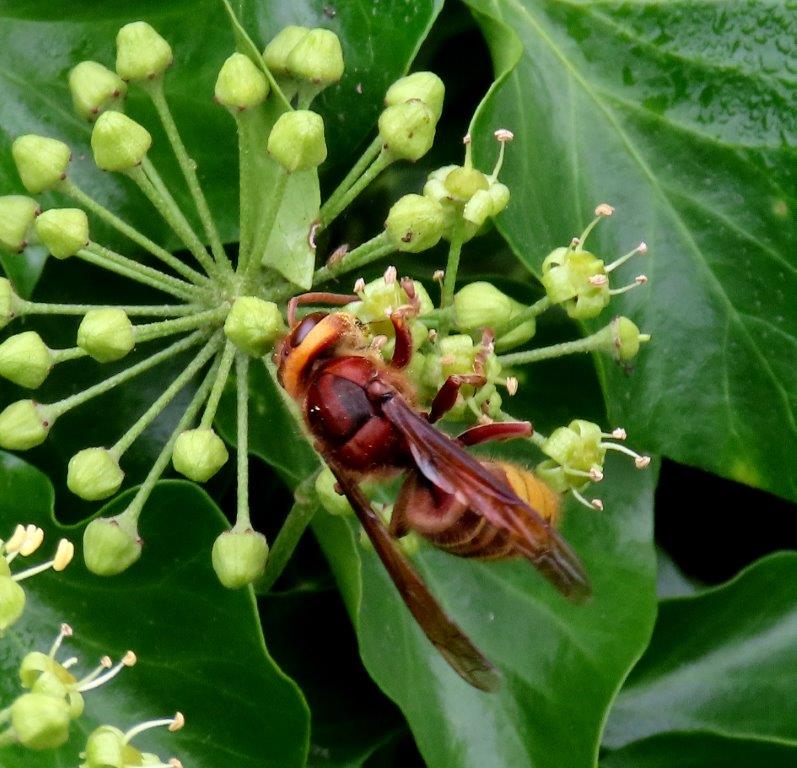
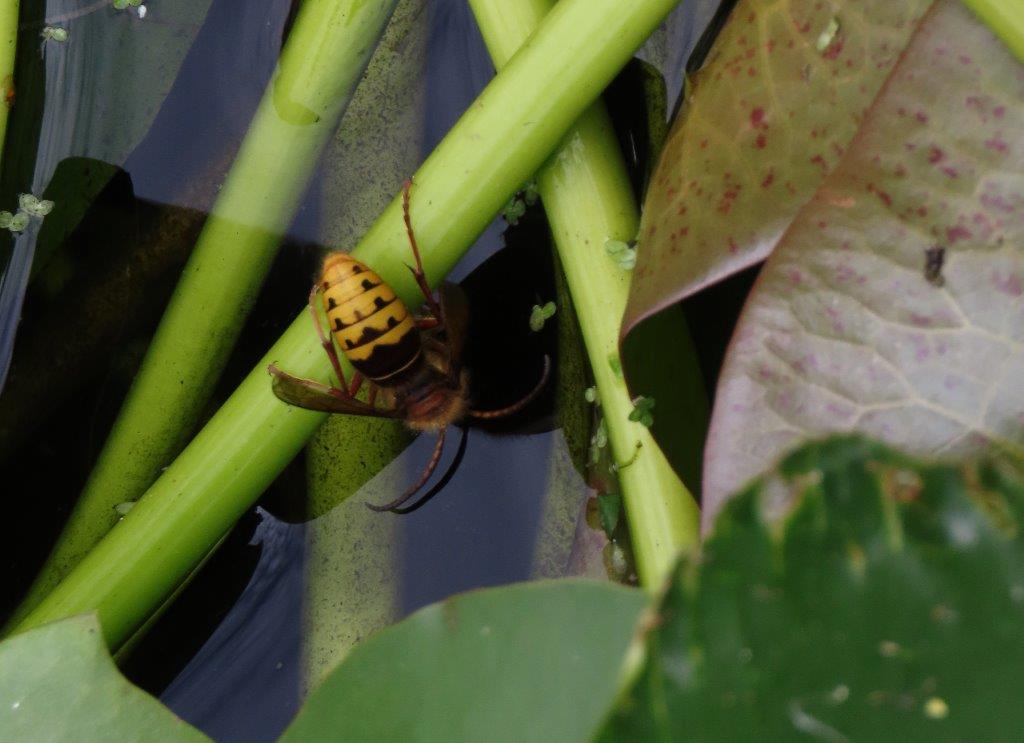
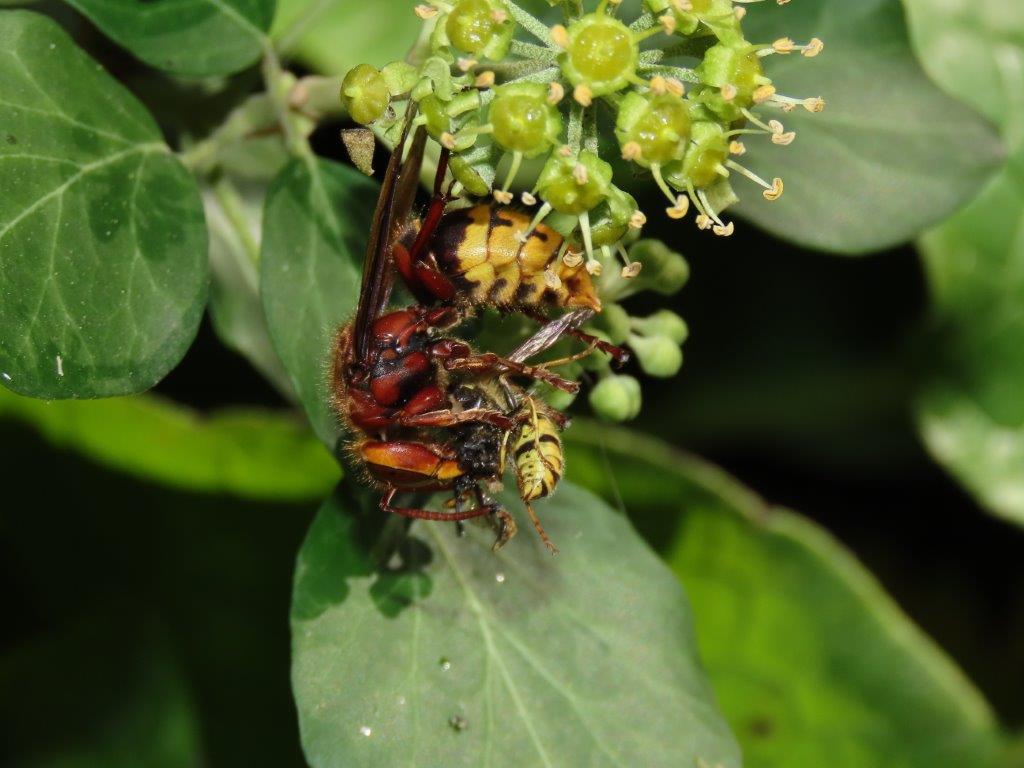
Hornets were particularly active on the flowers, drinking the nectar for themselves, then flying menacingly through the greenery like  sharks hoping to pounce on an unfortunate insect to kill and take to their nest.
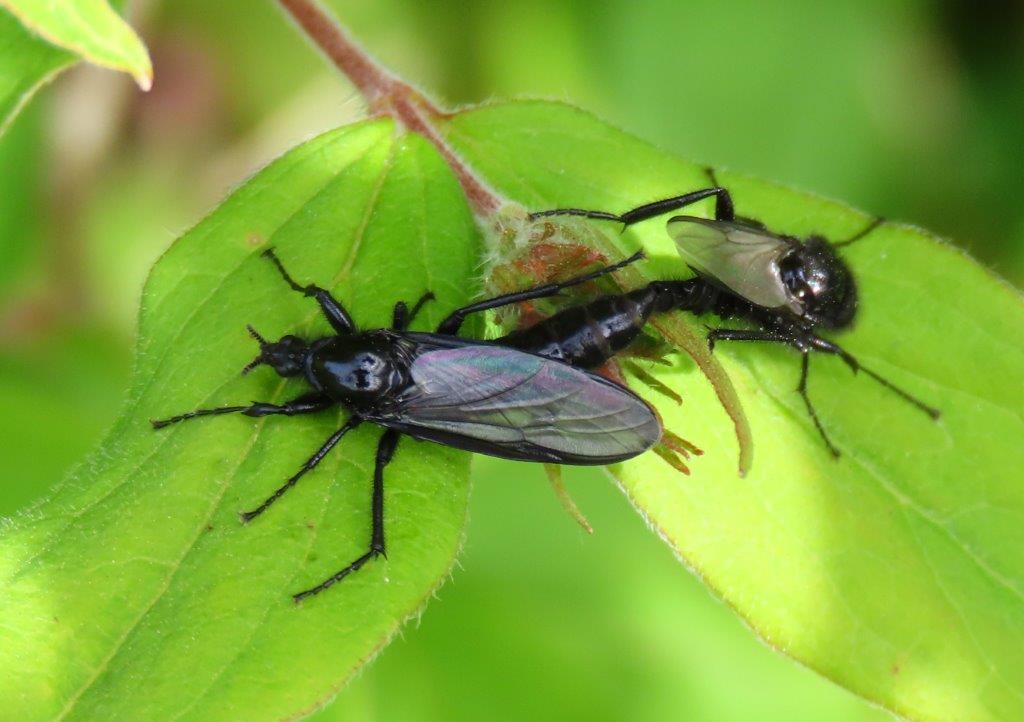
But it is thirsty work being a Hornet! Only males seemed to be visiting this watering-hole.

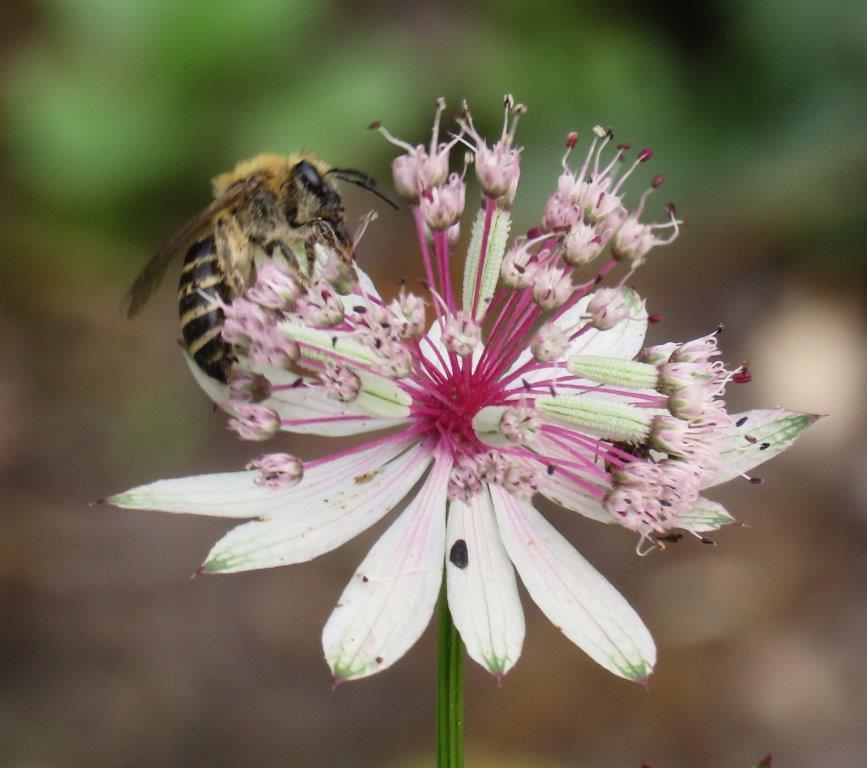
We don’t have much Ivy in the main part of the gardens, which probably explains why I was able to watch an Ivy Bee feeding on Astrantia. The bees are supposed to feed almost exclusively at Ivy, though in extremis may turn to members of the Daisy and Heather families. Perhaps Astrantia is a good alternative too: after all the Ivy family and Carrot family are closely related, and Hedera and Astrantia share a similar contracted umbel flower form.

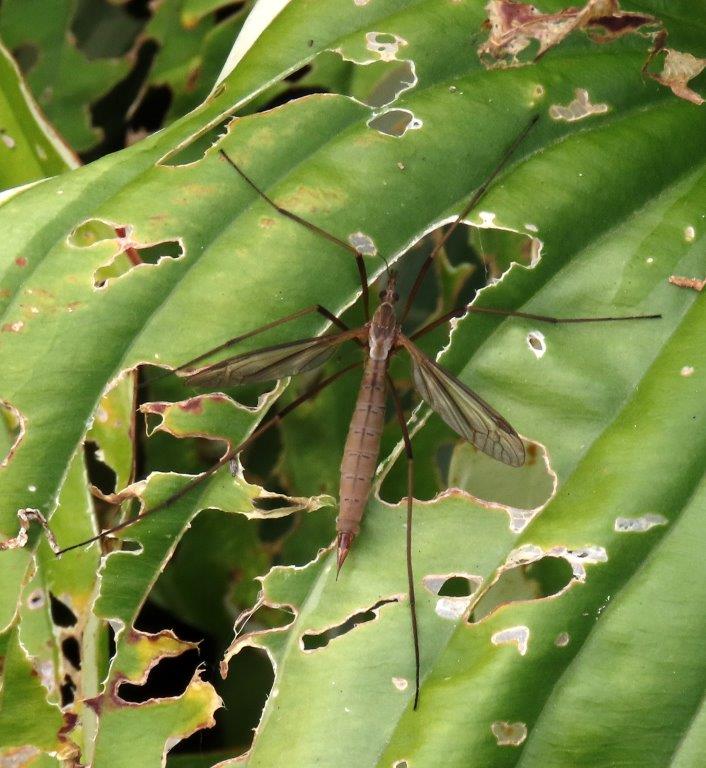
By October  the power is draining from the sun’s rays so there are insects to be found basking to warm up. Crane-flies, here Tipula paludosa, seem now to be coming out in reasonable numbers, ungainly fliers and fair game for any insectivorous bird (or dragonfly).

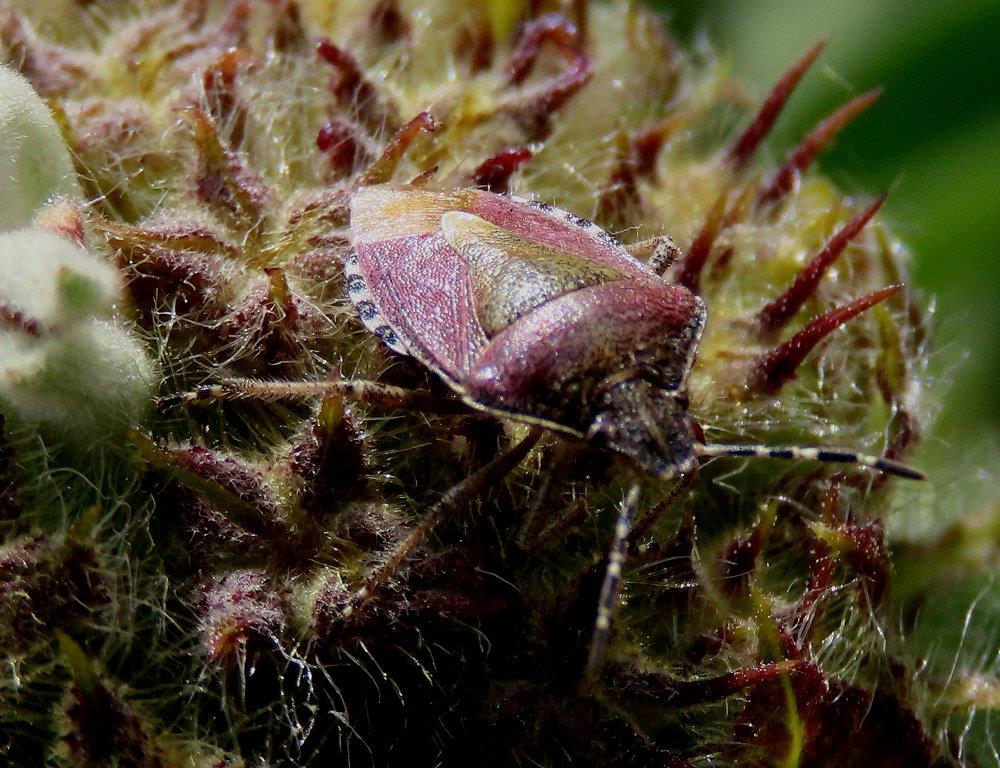
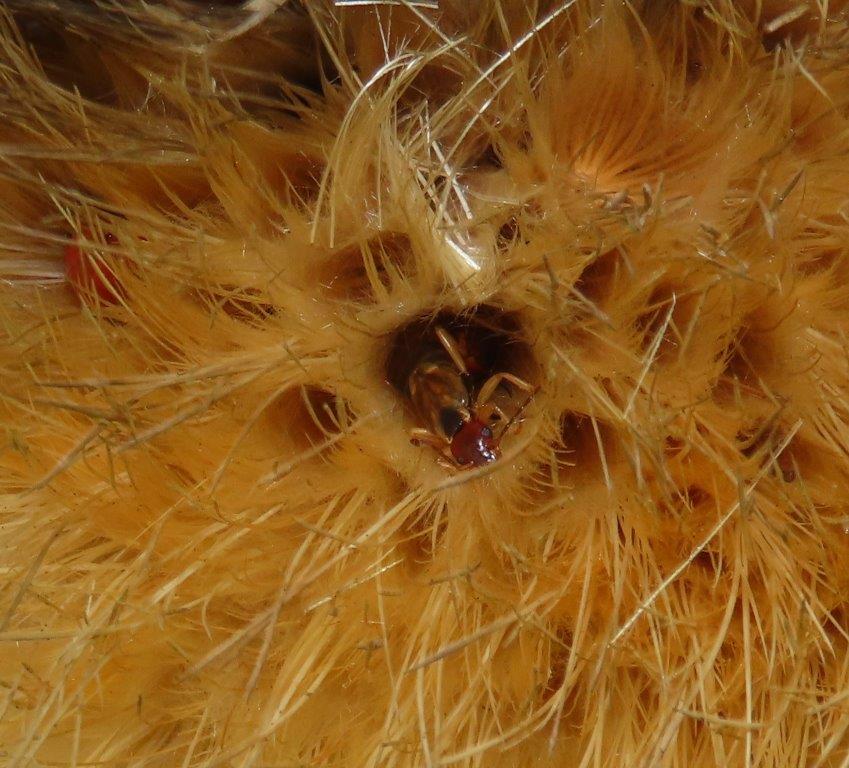
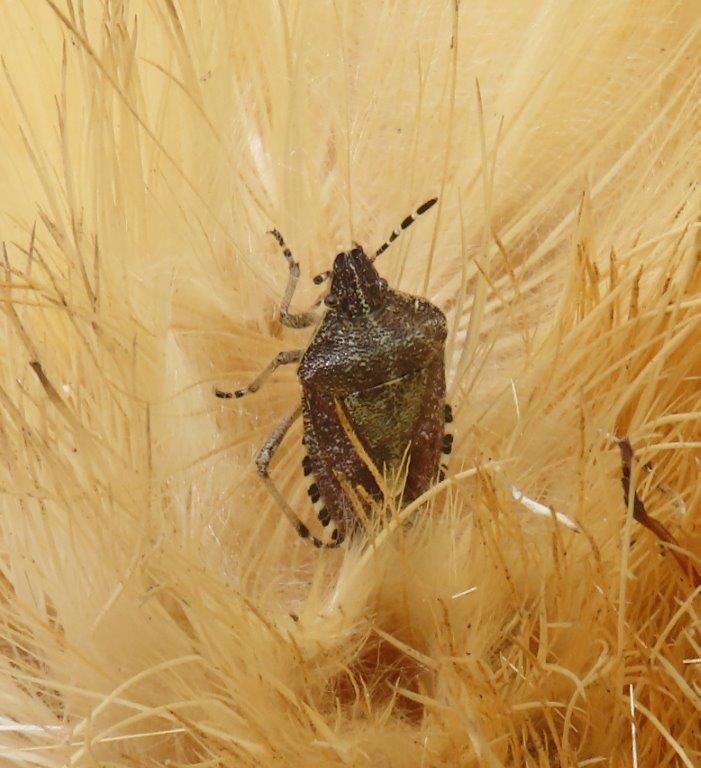
Perhaps this Hairy Shieldbug had selected a sun-warmed bed among the insulating fur of a Cardoon seed-head as its cosy winter refuge?

Otherwise my eyes turned repeatedly to the late-flowering nectar and pollen sources. Honeybees were on a wide range of flowers, especially from the Daisy and Scabious families; bumblebees too, especially Common Carder-bees at the moment, and they can continue flying as it cools, given they have their own fur coats.

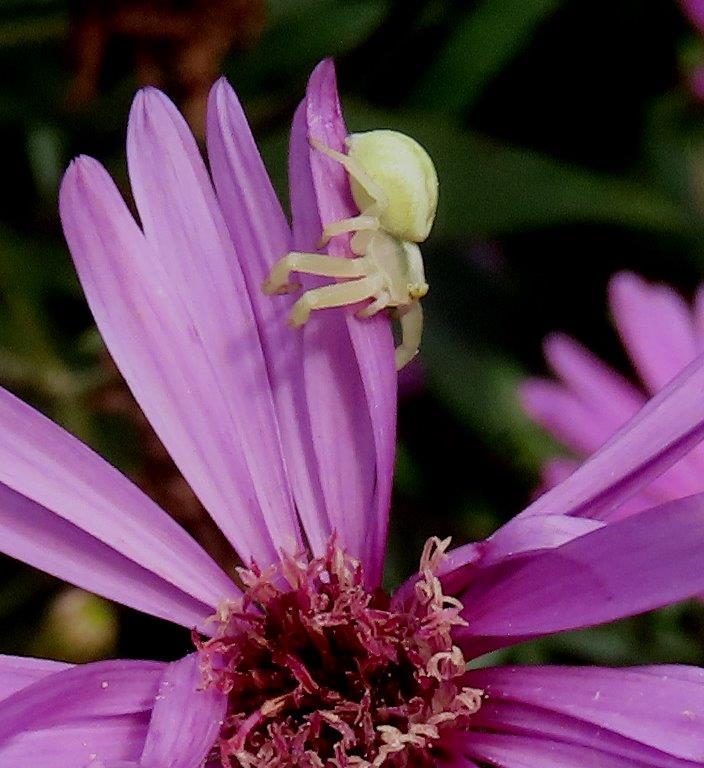
And where there’s prey, there are predators, although the success rate of this Flower Crab-spider may well be limited by its choice of backdrop…
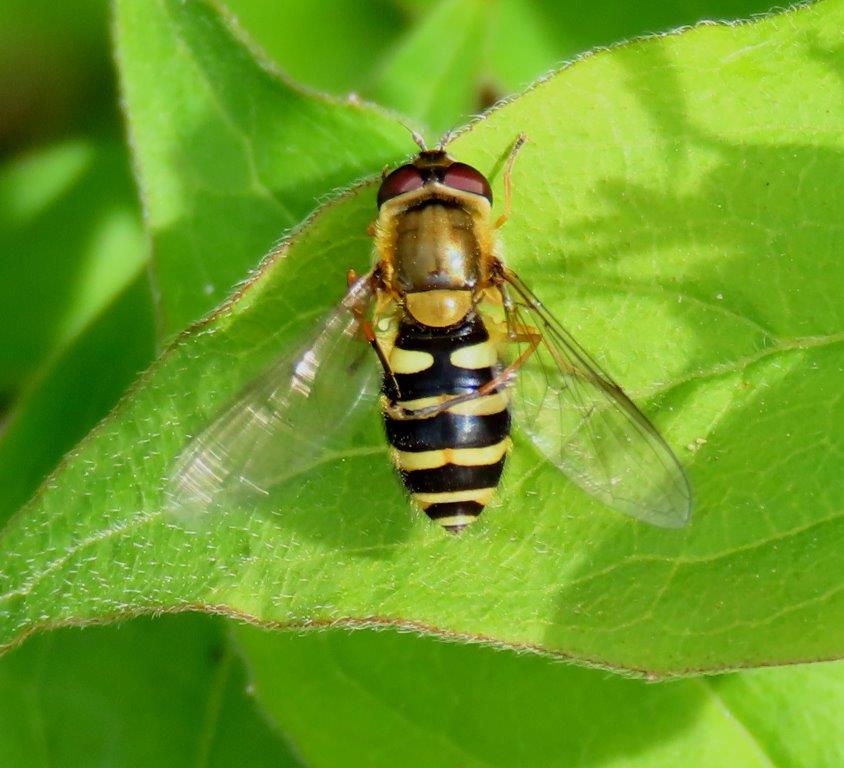
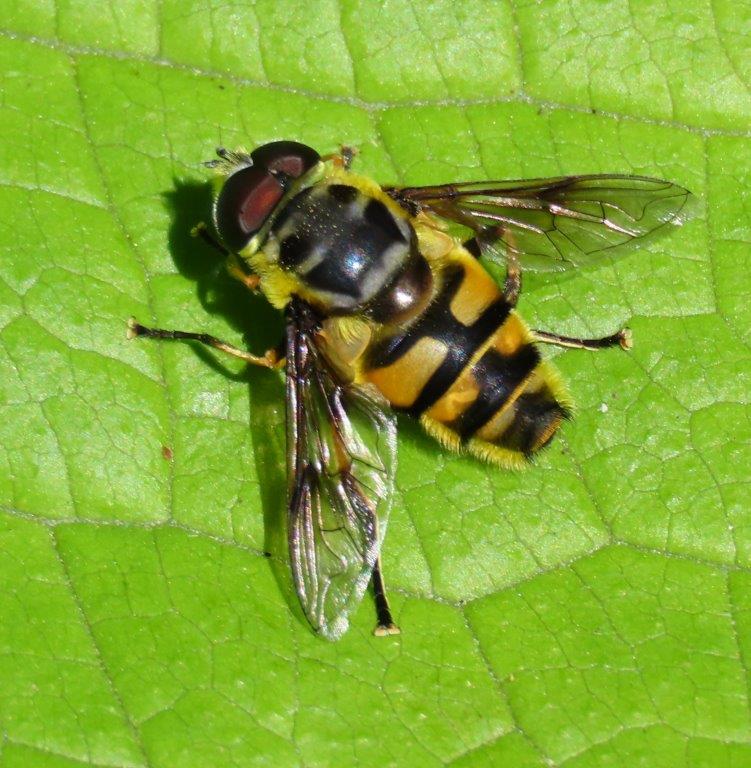
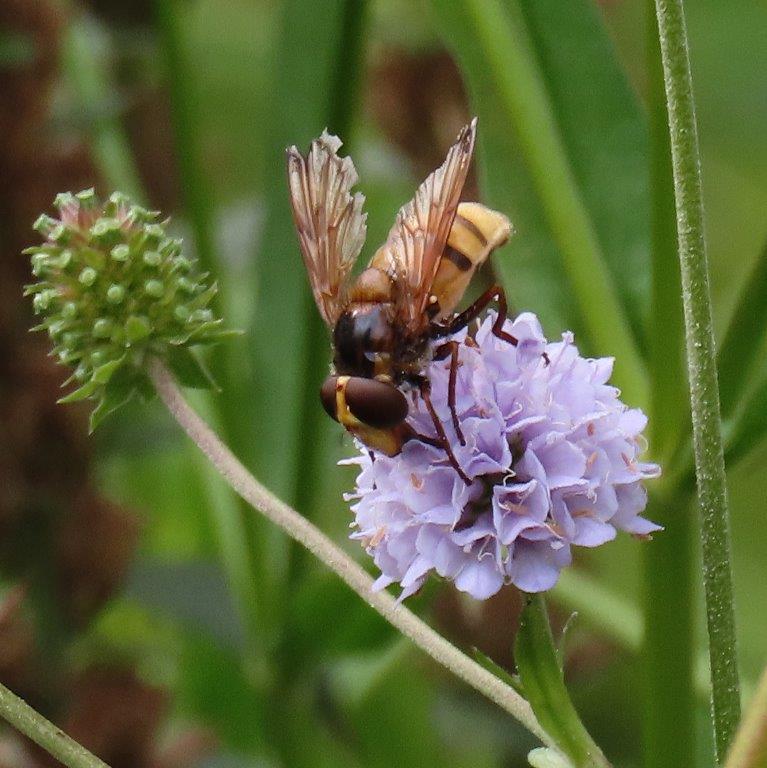
It was good to see one of our larger hoverflies, the wasp-mimic Wasp Plumehorn Volucella inanis, an Essex Red Data species that has only infrequently been seen before in the gardens. Until we compile the Beth Chatto biolist I remain at the mercy of my memory, but Google shows me at least one previous example, from August 2023…

Wasp Plumehorn lives as a parasite in the nests of wasps and Hornets. And there are many other parasites that also contribute to keeping natural balance in the garden. One group is the tachinid parasite-flies, such as Tachina fera, whose larvae feed inside lepidopteran  caterpillars.

Then there was another Locust Blowfly Stomorhina lunata. These are scarce immigrants to UK from southerly climes where they breed, their larvae being parasites of locusts. We had one here about eight years ago, and then a small influx in early August this year, so maybe our native grasshoppers and bush-crickets should watch out…

And finally, the real prize of these visits, this gorgeous fly Ectophasia crassipennis, also a parasite, but of shieldbugs. Related to the equally beautiful Phasia hemiptera which was first seen in the garden in late July, when I was otherwise occupied, Ectophasia is even rarer, with only one previous Essex record I know of, and it is the first I’ve seen in this country.

As usual, the Beth Chatto Gardens came up with the wildlife goods. But what was especially remarkable was that my second visit lasted just 15 minutes. And in that short space of time I saw all three of the last-mentioned specialities, AND heard a Cetti’s Warbler singing, another garden first!


The Wild Side of Beth Chatto Gardens: autumn plenty

I expected the final set of Wildside Walks for the year were going to focus upon nature preparing itself for the season to come. And yes, we looked at that although it all felt a bit superfluous as we were experiencing a short-lived, day-long heatwave, with temperatures around 26º Celsius, full sun and a light breeze, truly a (presumably) last blast of summer.

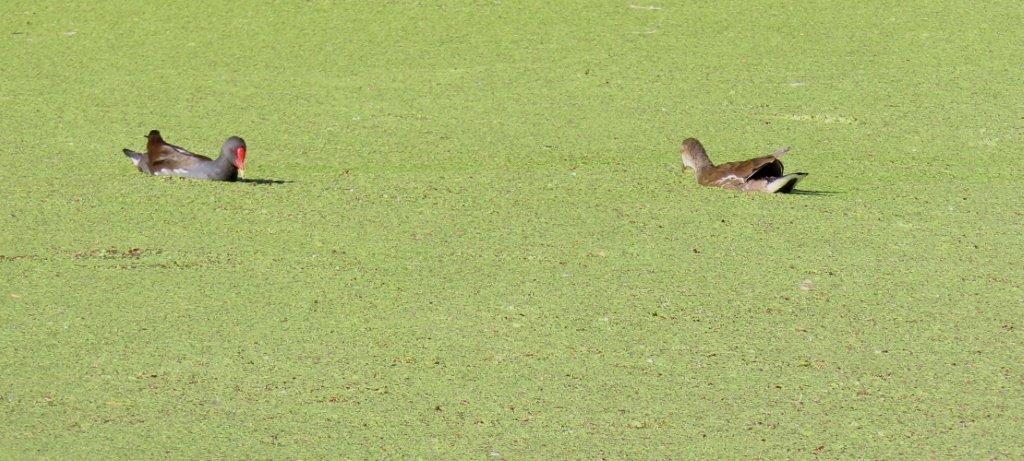
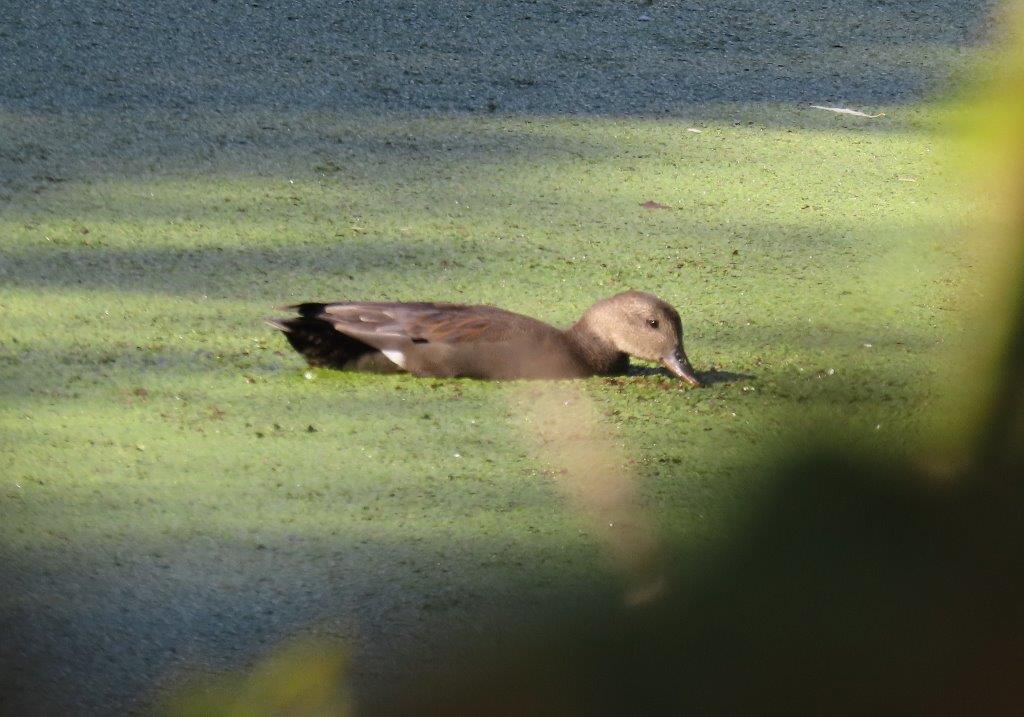
Chiffchaffs were in good song, a fleeting remembrance of spring, but soon quelled by the mournful, minor-key autumnal song of Robins, the twittering overflight of Swallows and the reedy wheezing of Siskins in the Alders. Down at the Reservoir, the Moorhen broods are growing fast, and the Mallards were joined by a pair of Gadwalls in the Duckweed soup…

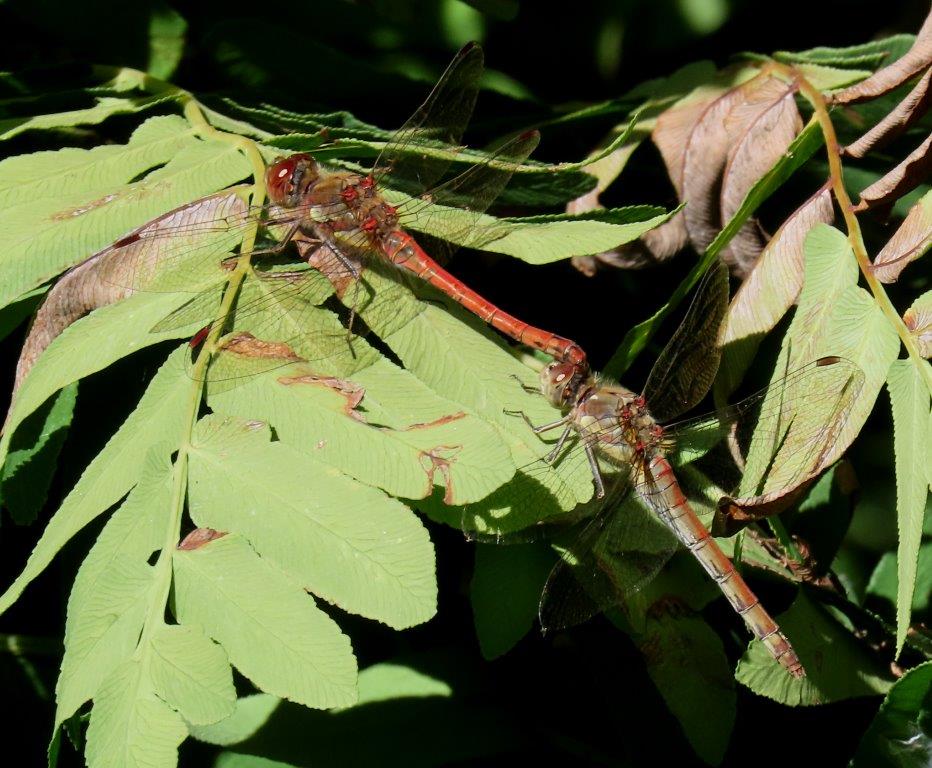
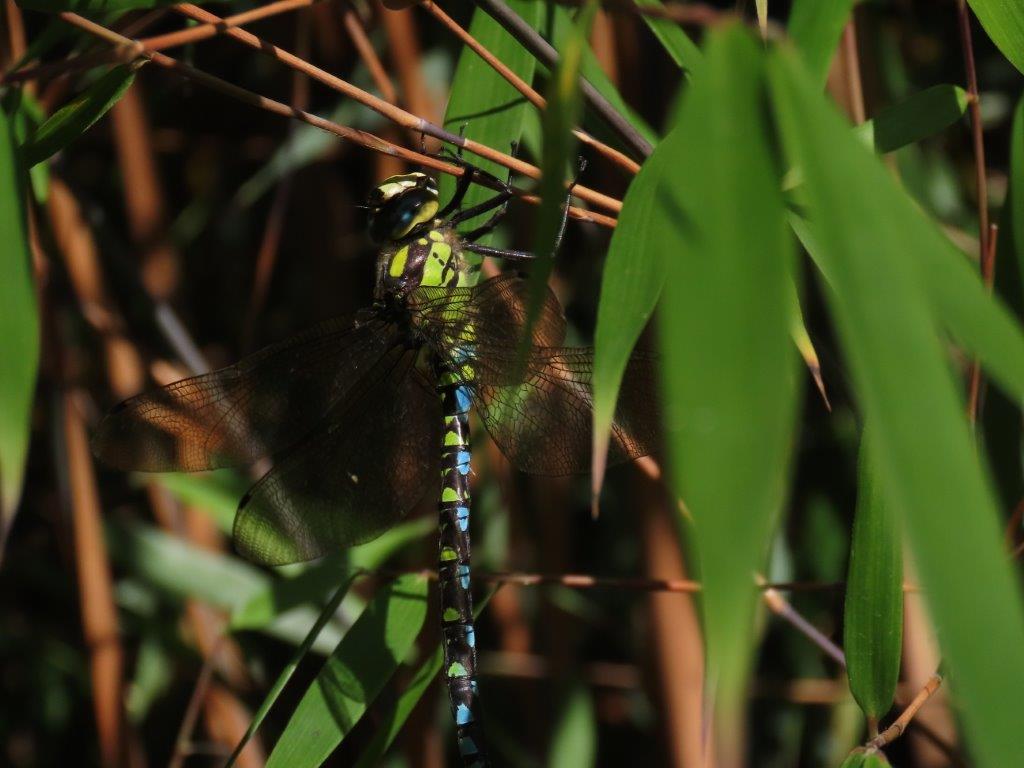
Also around the ponds, there were still plenty of dragonflies and damselflies, with Common and Ruddy Darters, Migrant and Southern Hawkers, and most numerously Willow Emeralds, with lots of mating pairs fluttering about.

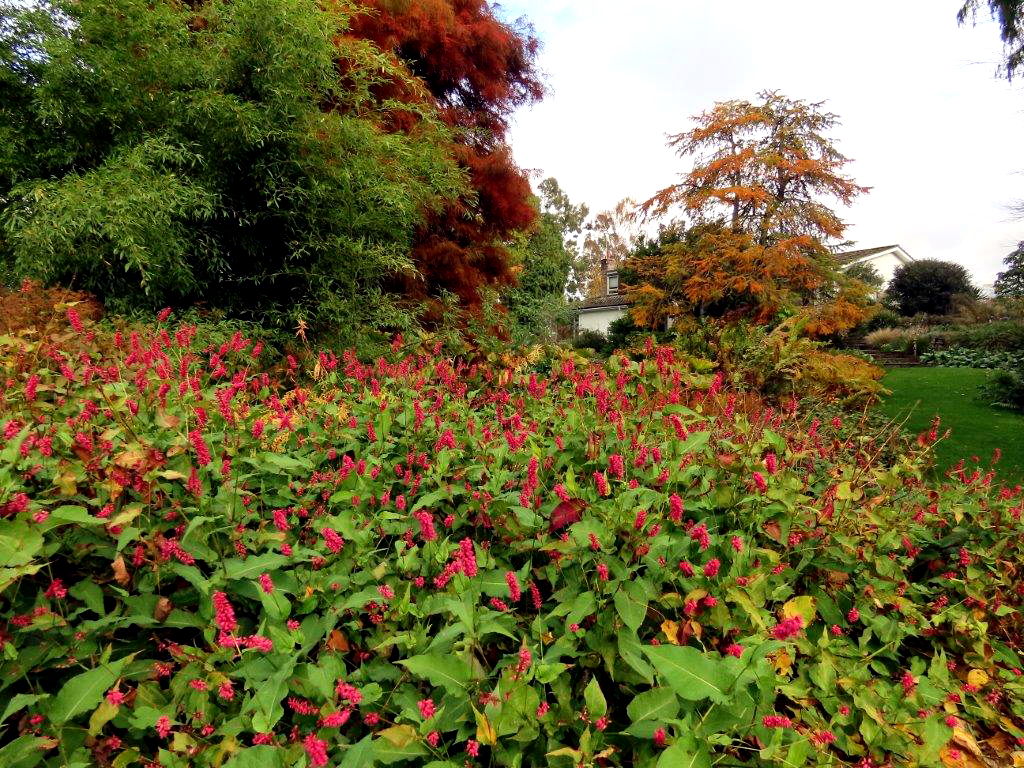
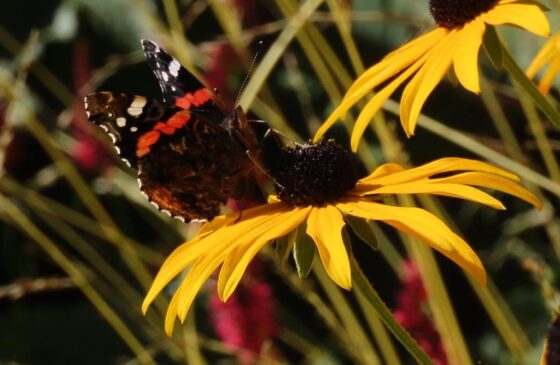
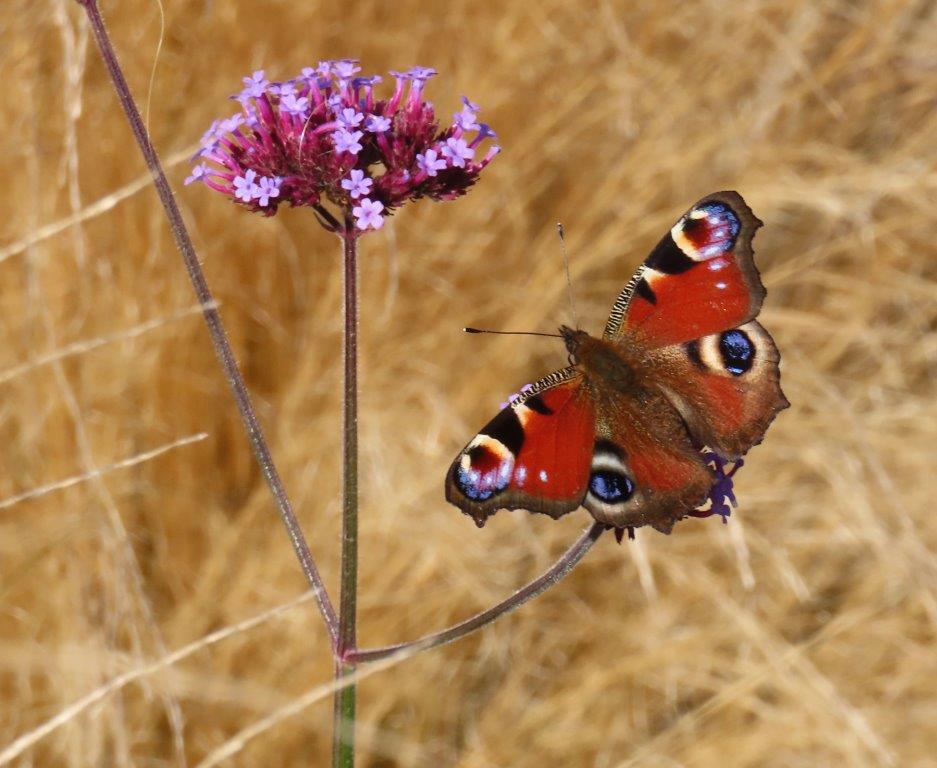
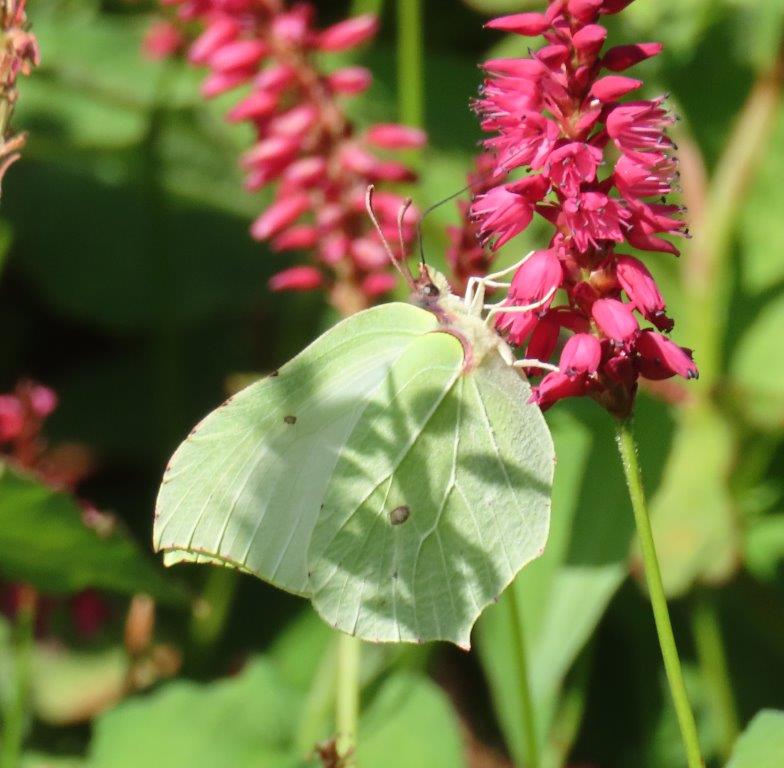
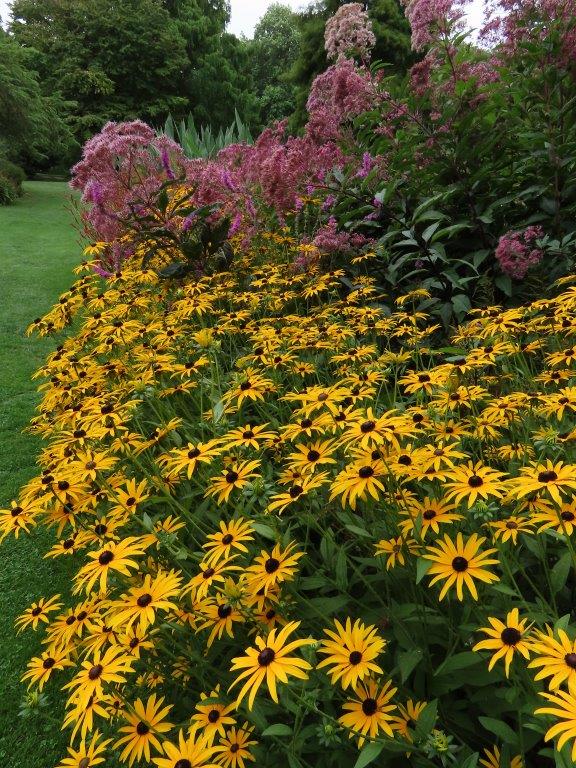
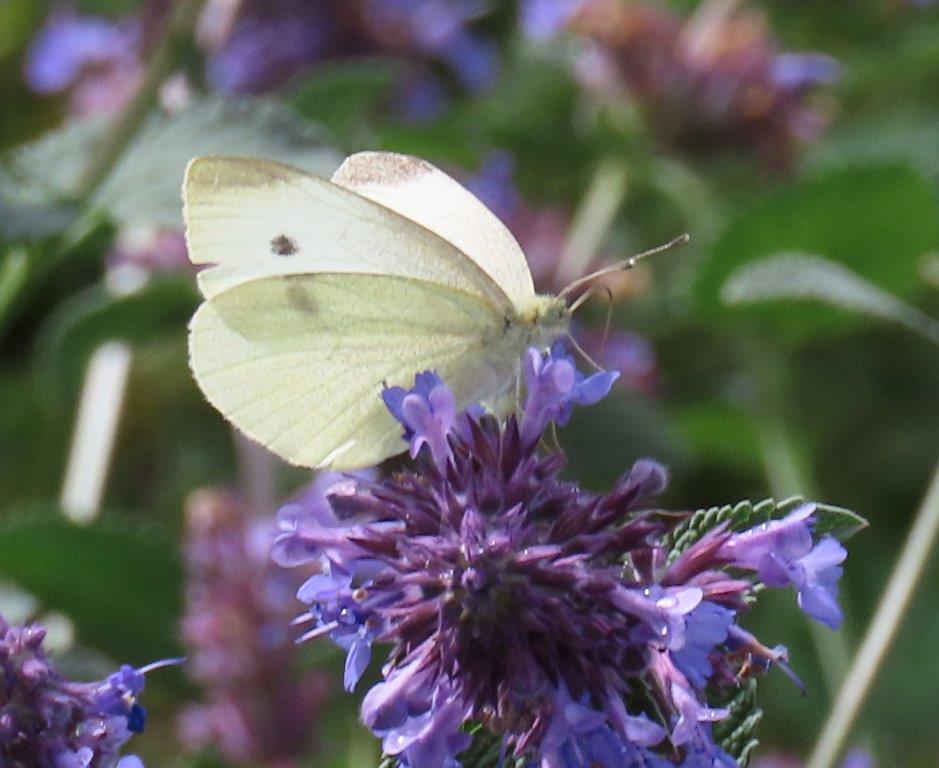
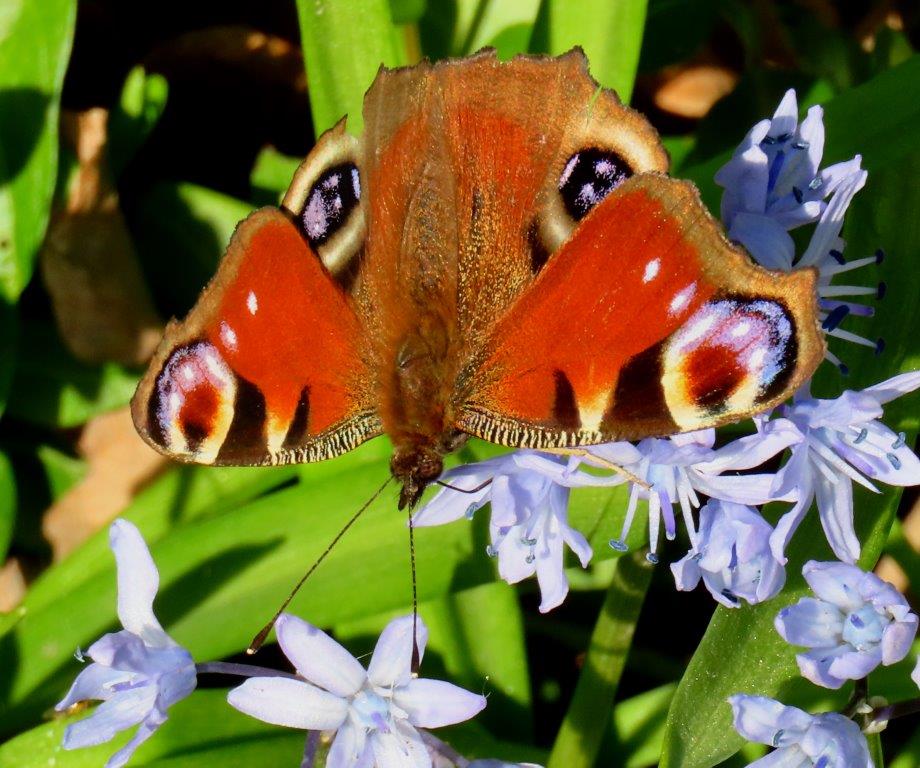
In the borders and beds, Rudbeckia, Verbena and Bistorta were pulling in the butterflies, especially Commas, Red Admirals and Peacocks, along with the ‘cabbage’ whites, and single Brimstone, Painted Lady, Small Heath and Common Blue. Sadly however, the Hummingbird Hawkmoth I had seen a few days previously was nowhere to be seen…

Bees and ladybirds were visiting the ice-plants in particular, always reliable at this time of year…

… and of course Ivy, the autumn pollen and nectar source par excellence. Hornets were everywhere, trawling noisily through insect-attracting flowers and leaping on anything too slow to get out of the way: the wasp in the photo below was despatched in seconds.

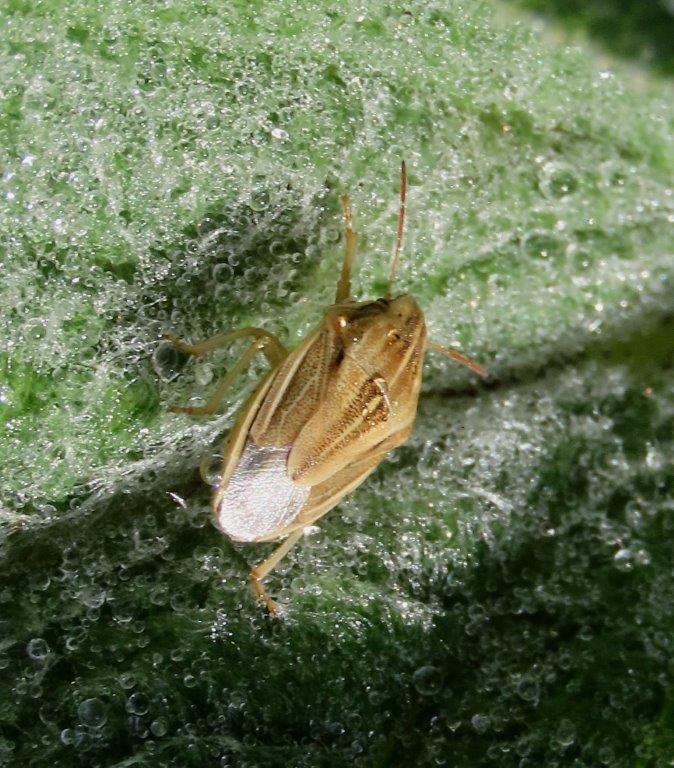
As the Sun’s intensity declines, so the importance of sun-basking increases so the insects can go about their business of feeding and breeding without becoming prey themselves. There were tachinid parasite-flies like Tachina fera, various other flies (just look at the covering of pollen!) and parasitic wasps, together with an array of true bugs: Cinnamon Bug, Dock Bug, Hairy and Green Shield-bugs. Plus a long-anticipated new species for the garden: Rhododendron Leafhoppers have been spreading since their arrival in Britain almost a century ago and are found on most local Rhododendron leaves, but not until now within our garden. Rhododendrophiles may hate them as they may help to spread diseases between host plants, but they are undeniably spectacular, while rhododendrons have very limited positive wildlife values. I love the bugs!

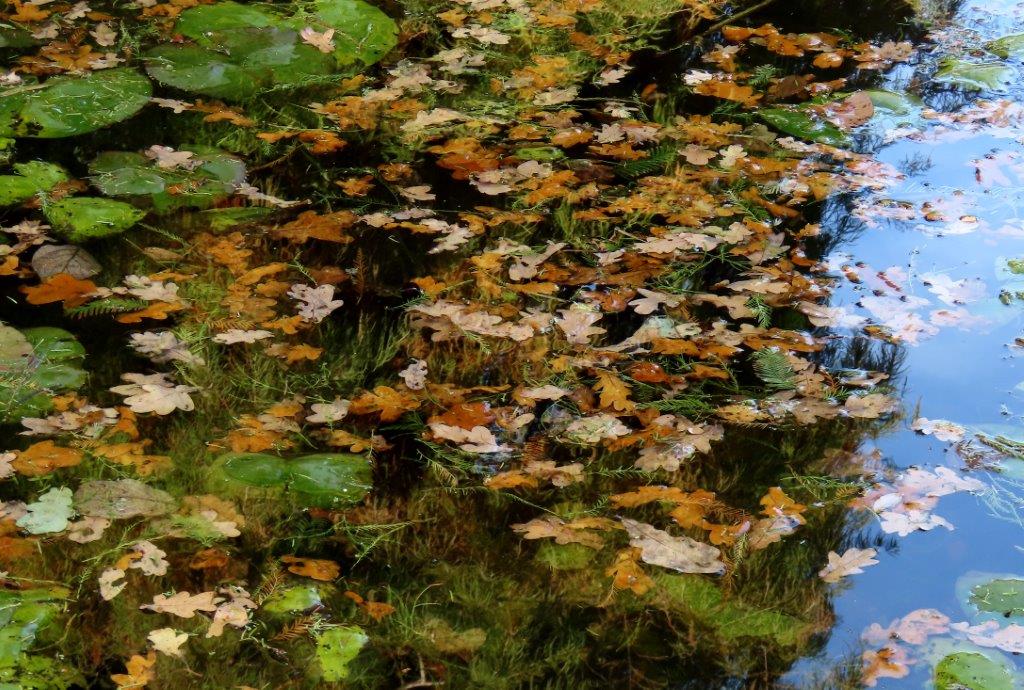
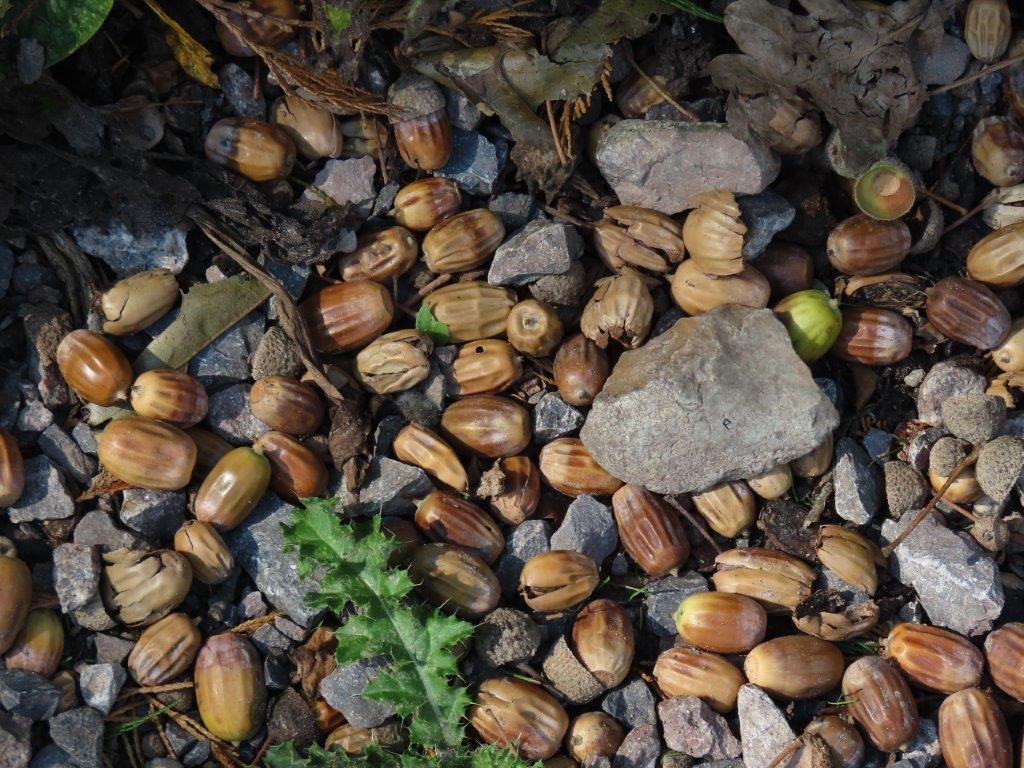
At this stage of autumn, our thoughts turn to Oak trees, especially in mast years like this with an abundance of large acorns.

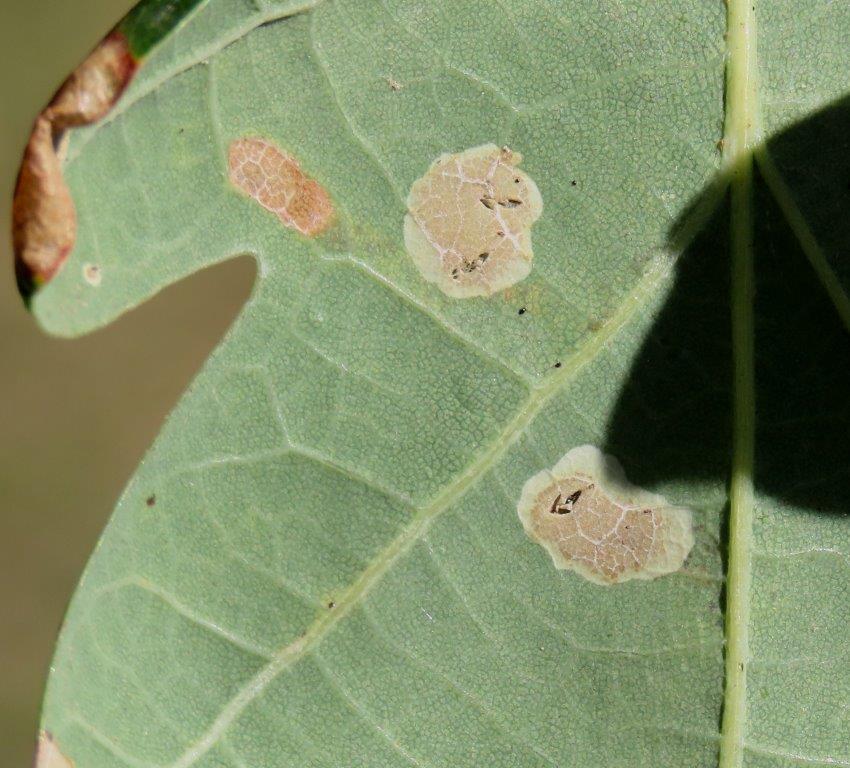
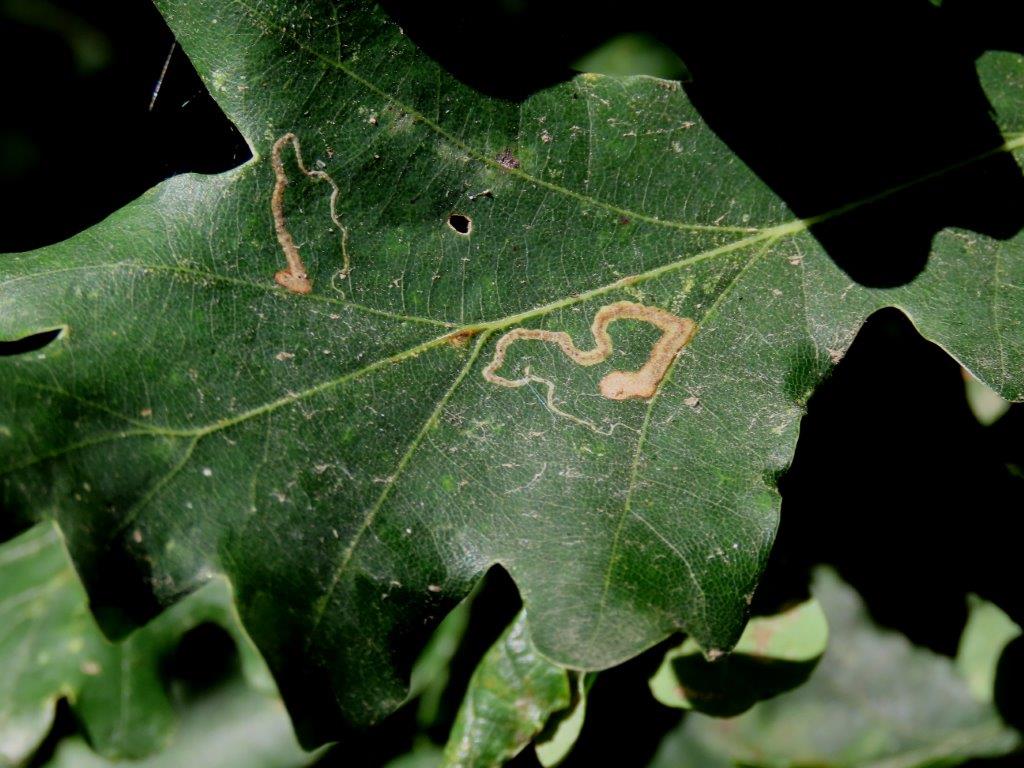
The leaves are starting to look their age, many coated in mildew, nibbled or hosting the internal workings of leaf-mining insects, such as the sinuous galleries of the micromoth Stigmella ruficapitella (or similar).

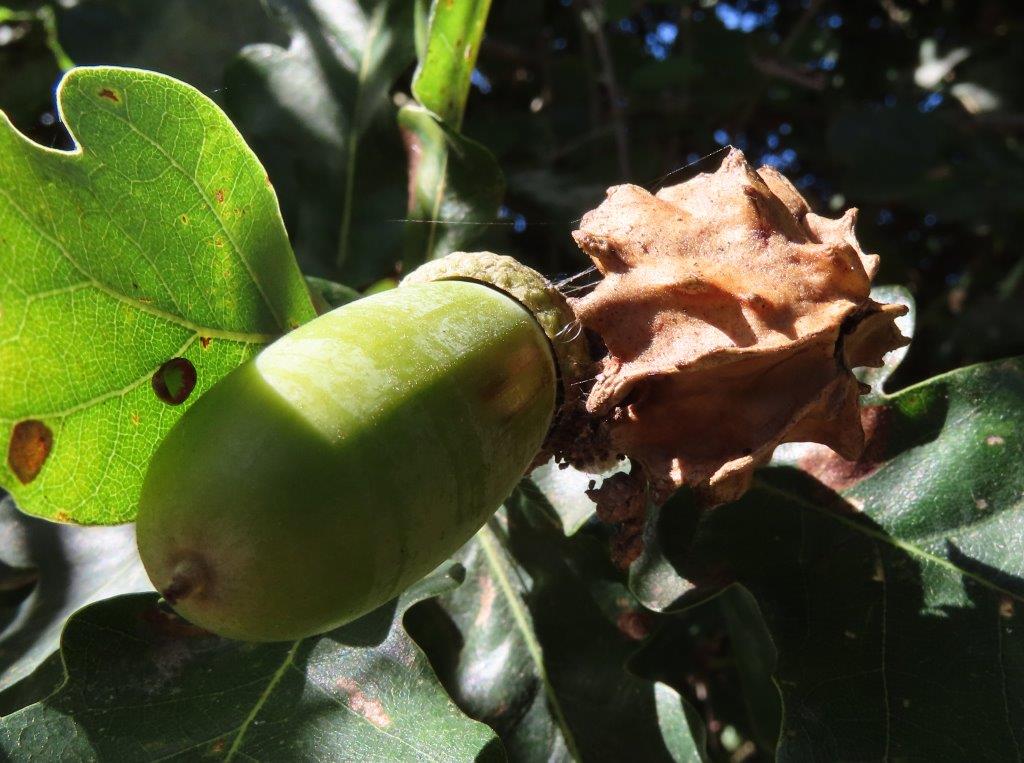
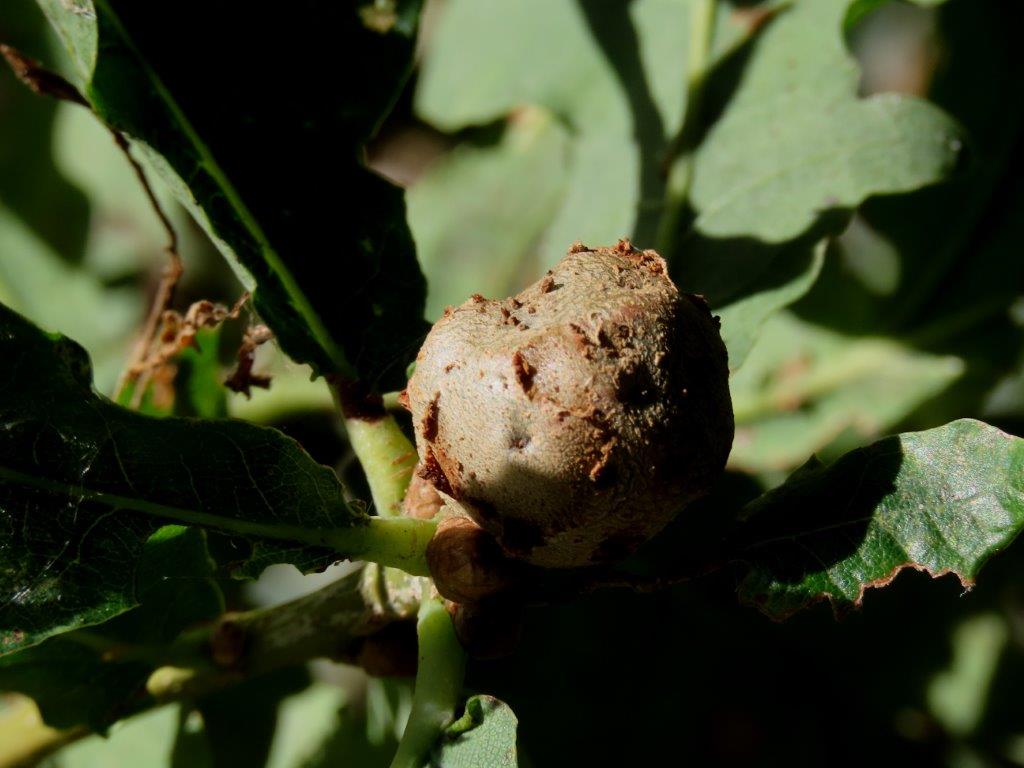
And then there are the galls, distinctively shaped structures that signify the fact that tiny gall wasps are infecting the tree: Spangle Galls, Smooth Spangles, Oyster Galls, Knopper Galls, Cola Nut Galls and Ramshorn Galls are shown here, the latter also a new record for the garden.

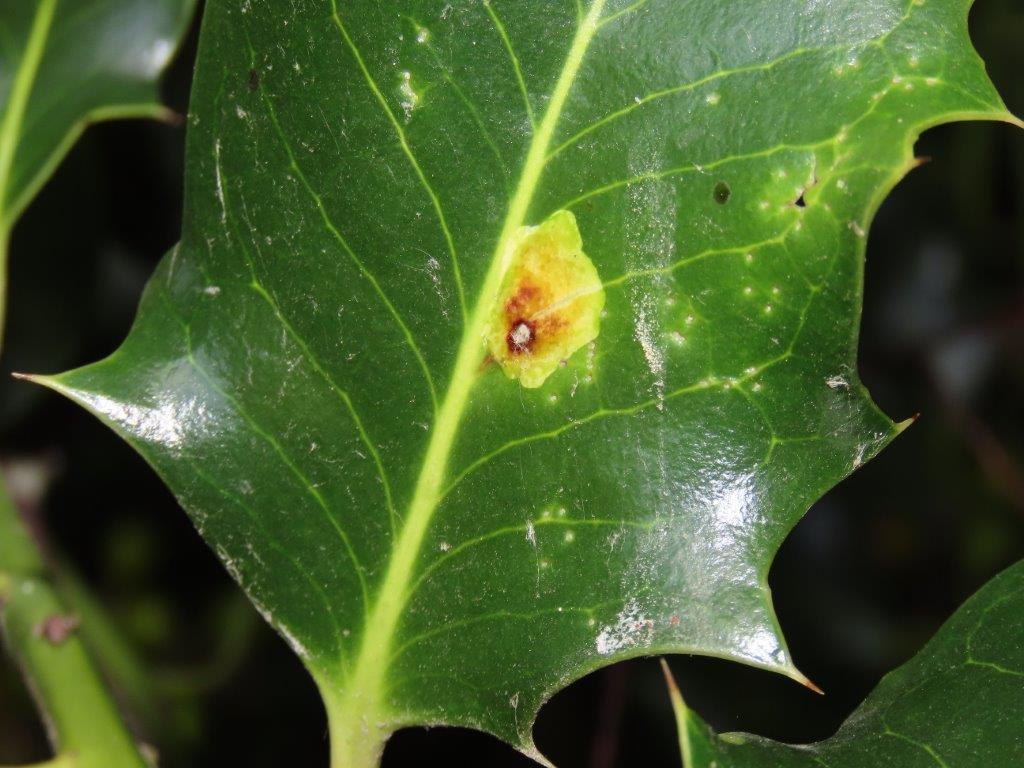
There are of course many other types of gall-causers and leaf-miners, and plant species that exhibit them. The Holly Leaf-miner is a type of fly and the rough, raised galls on Alder leaves are caused by the mite Acalitus brevitarsus.

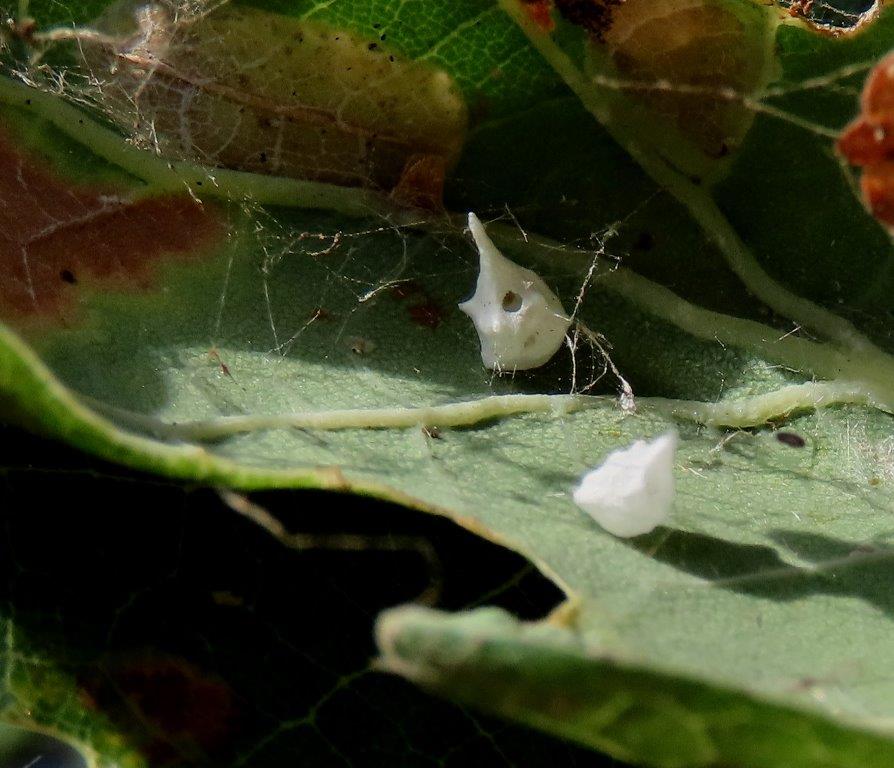
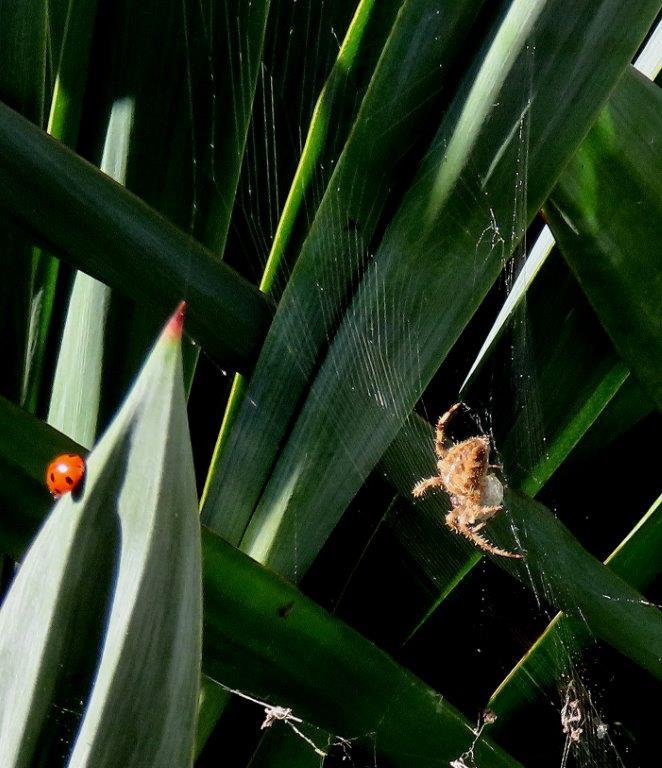
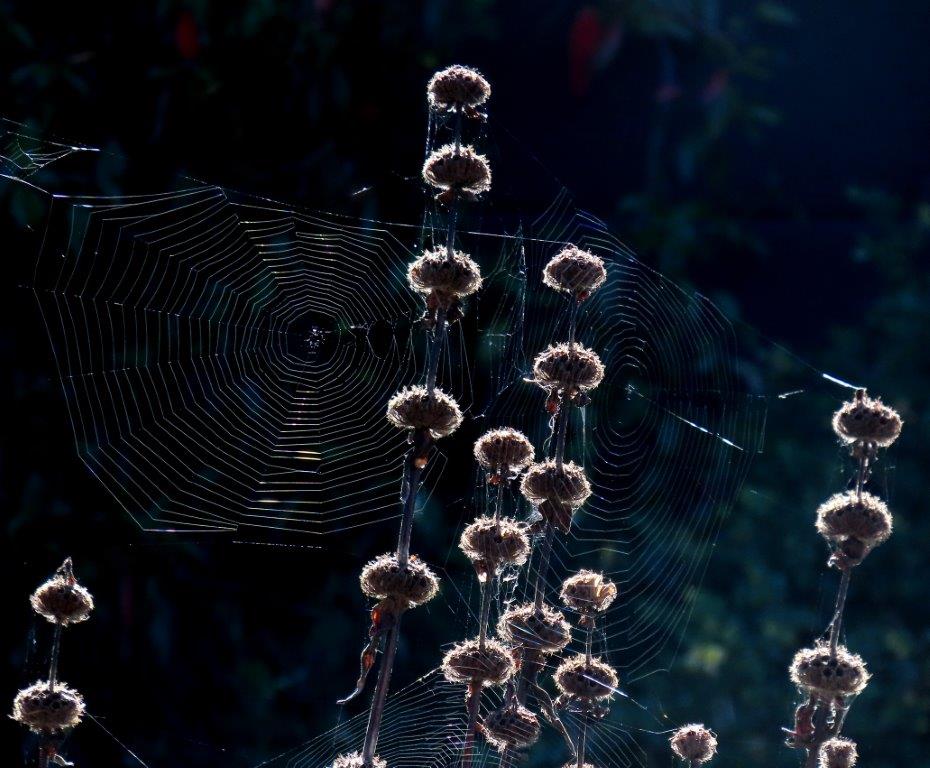
And searching leaves for galls and mines can also turn up other delights, such as the sputnik-shaped white egg-sacs of a small spider, Paidiscura pallens, again possibly the first time it has been recorded here. Indeed spiders and their webs are always a constant feature of autumn, none more impressive than the common Garden Cross Spider.

And so we come to the end of my Wildside Walks for the year. Thanks to all who joined them, or enjoyed reading about them. I hope they will return next spring: keep an eye on the events page of the Beth Chatto website Courses & Workshops – Beth Chatto’s Plants & Gardens or the page on my own website dedicated to the Beth Chatto Gardens Beth Chatto Gardens – activities and events | Chris Gibson Wildlife.

The Wild Side of Beth Chatto Gardens: all set for an early Autumn

It has been great to get back into the gardens after a month’s absence. And it has been ‘all change’: the rains of late July provided merely a brief respite, and drought has reasserted itself, with the effect of producing an exceptionally early autumn.

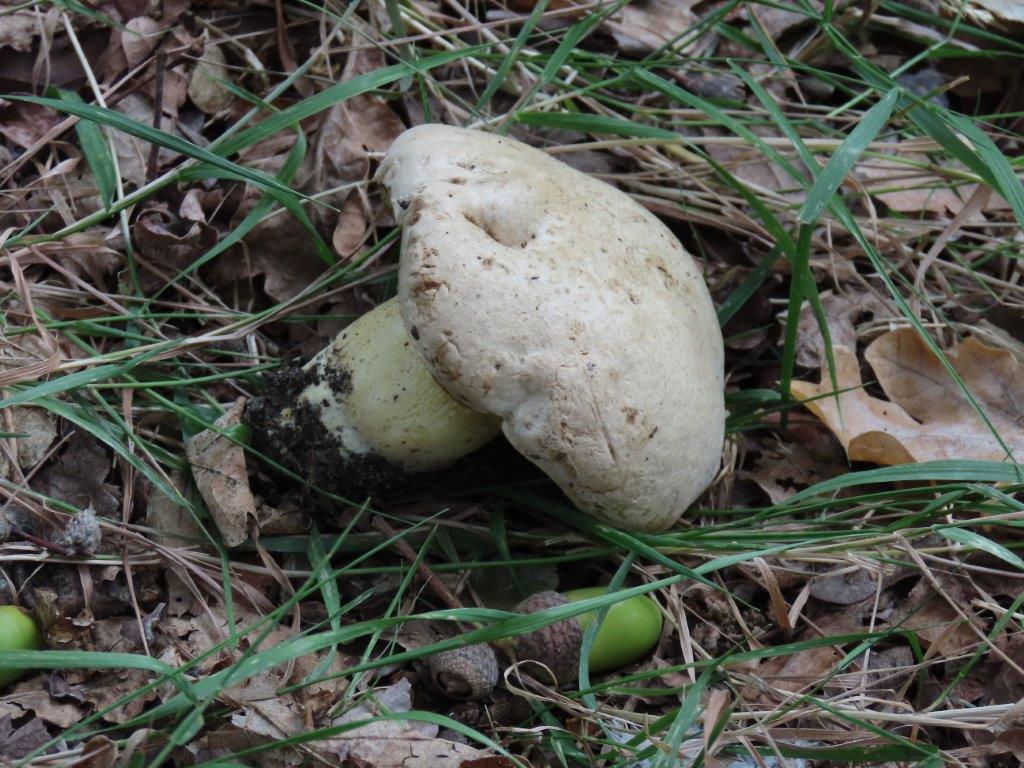
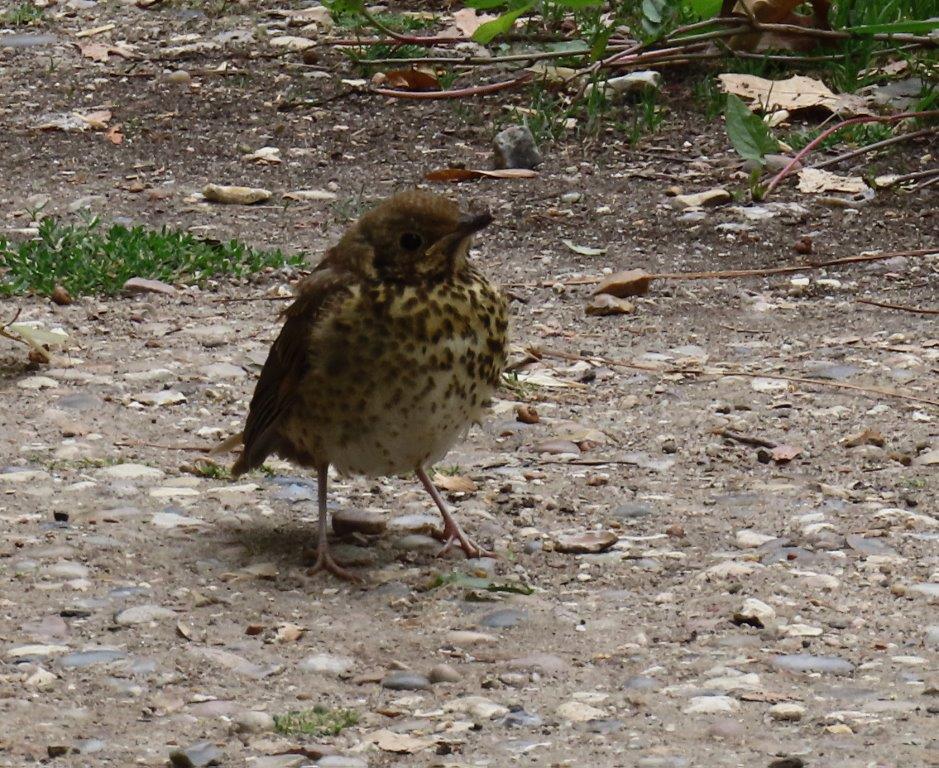
Many flowers are fading, leaves are colouring, fruits are forming and even a few fungi are sprouting, including Boletus radicans. Fledgling birds like this Song Thrush are all around the garden, and there has been a steady stream of Swallows heading southwards overhead.

Of course by the ponds and in the damper corners, drought is less of an issue and here late summer is at its most luxuriant, with still plenty of aquatic insect activity, especially Ruddy Darters and Willow Emeralds.

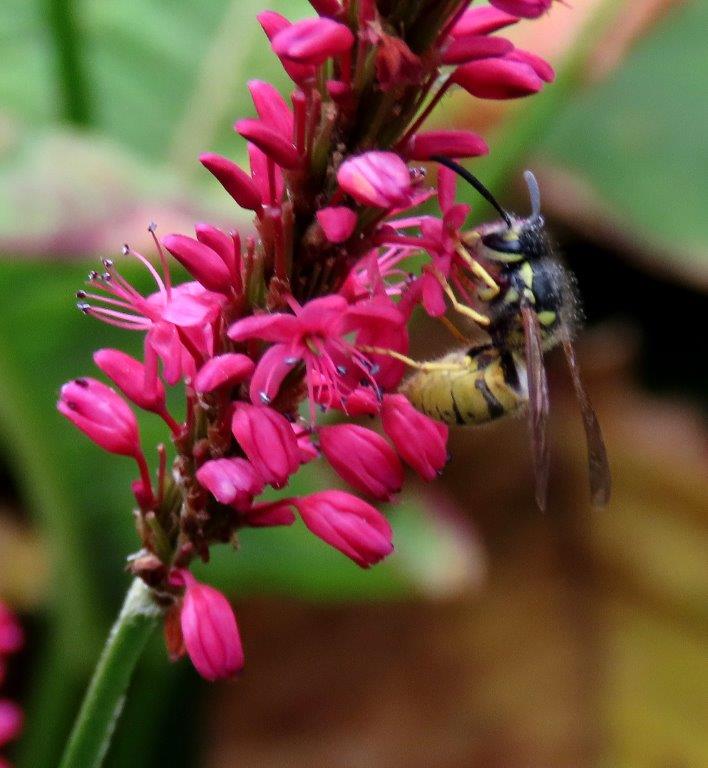
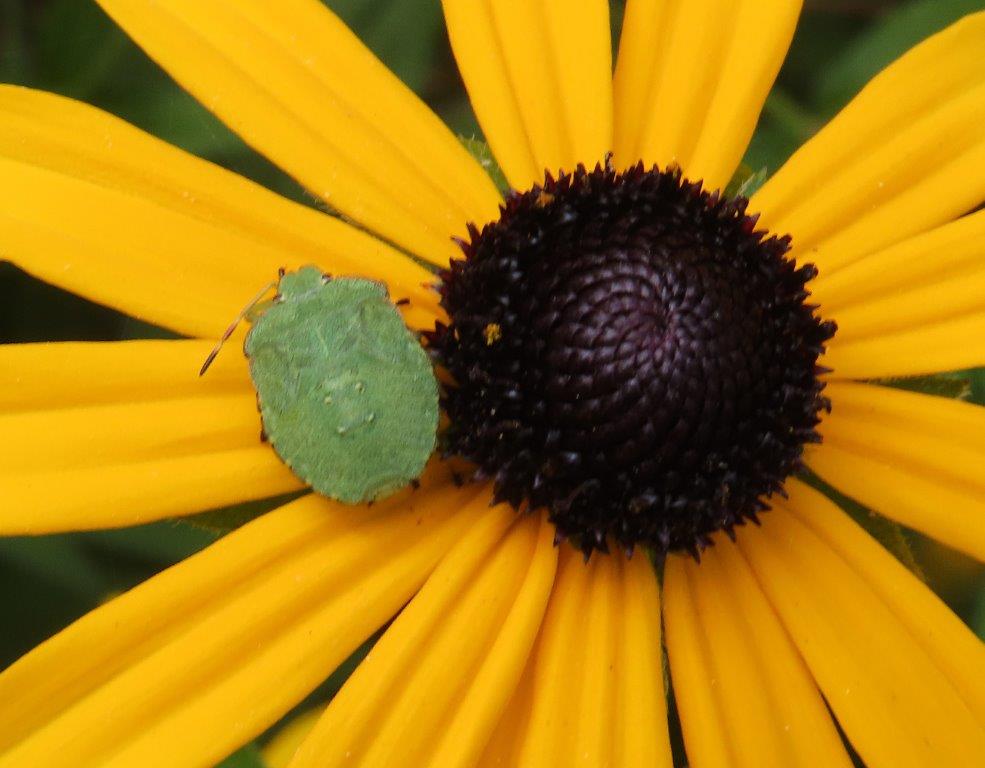
Pride of place flower-wise must go to Bistorta amplexicaulis and Rudbeckia, side-by-side and buzzing with life, the former especially with social wasps and tachinid parasite-flies such as Tachina fera, the latter with all manner of flies and bugs like Green Shieldbug.

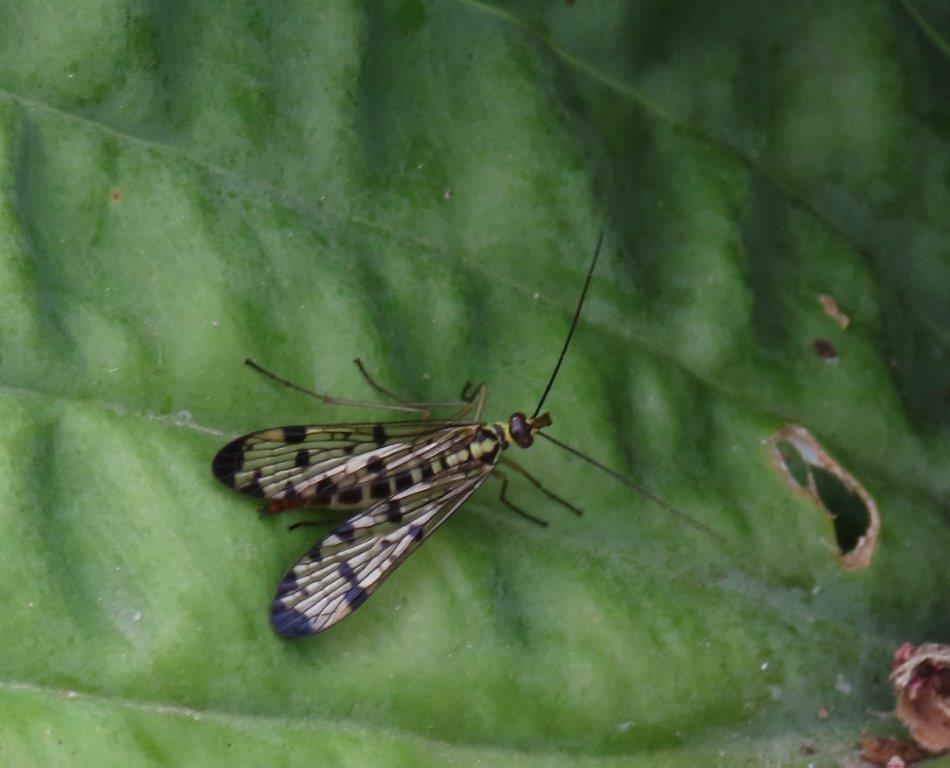
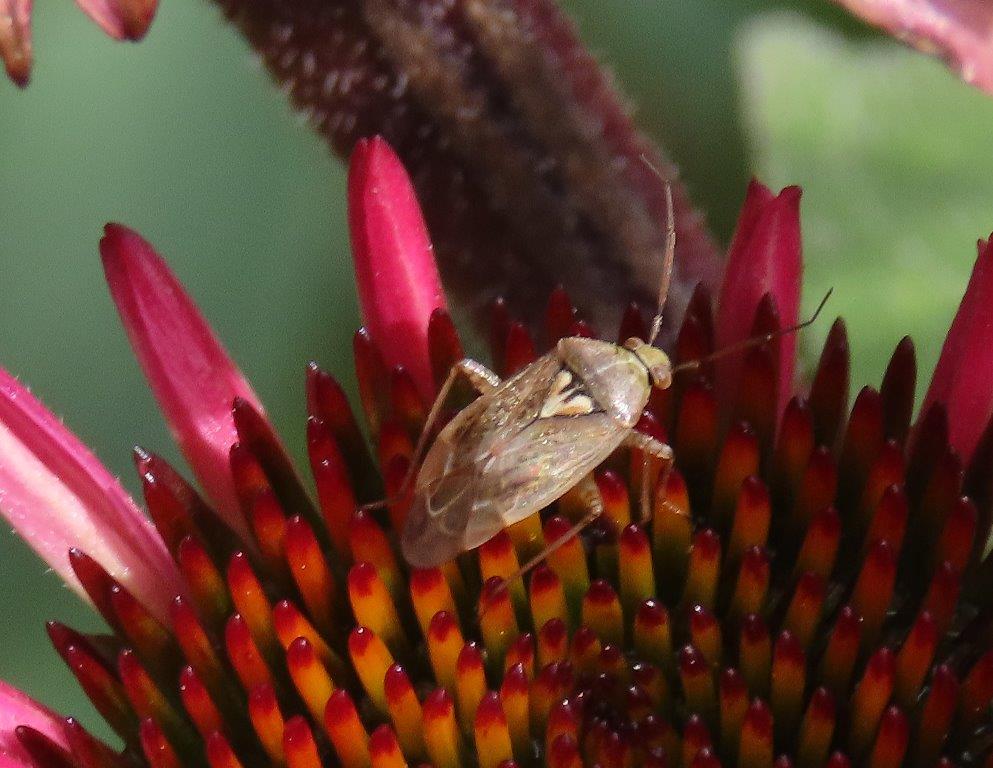
Plenty to see around the rest of the garden as well, including German Scorpionfly, Dock Bug, Tarnished Plant-bug and the autumnal micromoth Agriphila geniculea, with butterflies such as Small and Green-veined Whites and Commas still active when the sun emerged.

And as always, a few less common species. The Field Digger-wasp Mellinus arvensis is only thinly scattered across most of Essex, although with concentrations along the Thames bank and the gravels around Colchester. I have seen it in the gardens only a couple of times previously.

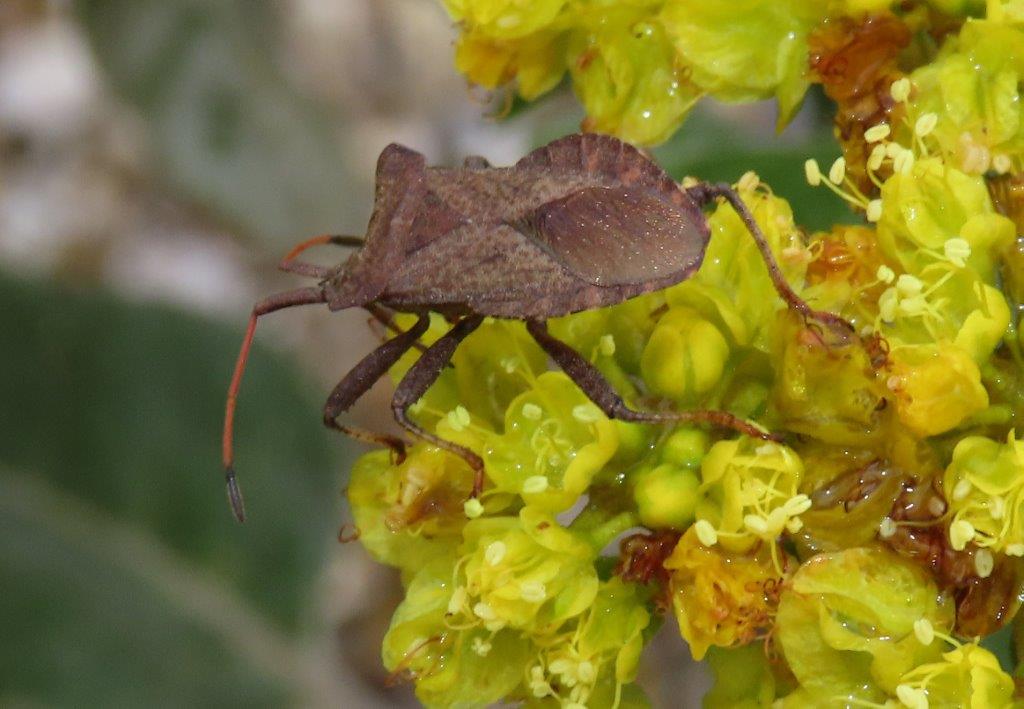
The sawfly Selandria serva has, according to the maps, only a very few Essex localities, but this is surely down to under-recording and under-reporting of what is not a popular group among non-specialists. What is more certain is that the Spurge Bug Dicranocephalus medius is genuinely scarce in the county, with the map showing just two localities. One of those is my previous sighting in the garden in April 2024, no more than ten metres from today’s on the Rudbeckia.

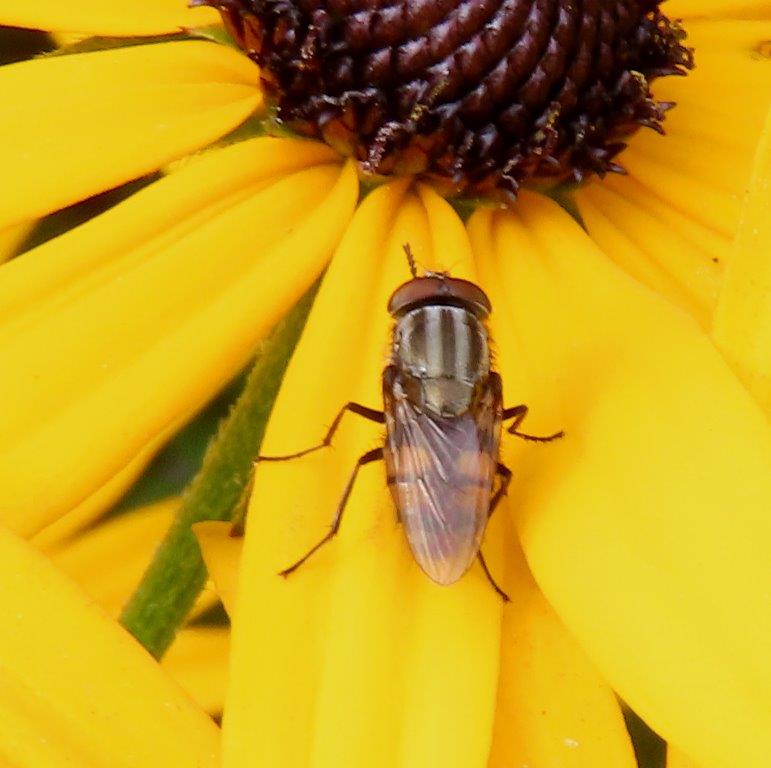
And staying with the Rudbeckia, best of all was an extraordinary number of Locust Blowflies Stomorhina lunata, maybe ten in total in one small area. We found one of those in the garden back in October 2016. At the time there had been only two previous records from Essex of this distinctive fly that lives as a parasite of desert locusts. It is still believed to be entirely migratory to this country, probably from Africa, but it has certainly increased over the past decade, and there have been reports from elsewhere of much larger numbers than ever before. Look out for a blowfly with stripes like a hoverfly, a longitudially striped thorax, a protruding beak, and stripy eyes, especially in the less well marked female. Wonderful to see so many!


The Wild Side of Beth Chatto Gardens: after the Ladybird Blizzard…

My July Wildside Walks around the Beth Chatto Gardens came with a backstory. Just over a week previously, we had seen an influx of insects into north-east Essex that was unprecedented this millennium. Two previous blogs cover the events of that week: I didn’t have time to get to the gardens while the influx was actively under way so we had to enjoy the spectacle from Wivenhoe Lower Lodge and Walton-on-the-Naze. In fact I have to go back to the long, hot summer of 1976 to recall such numbers…

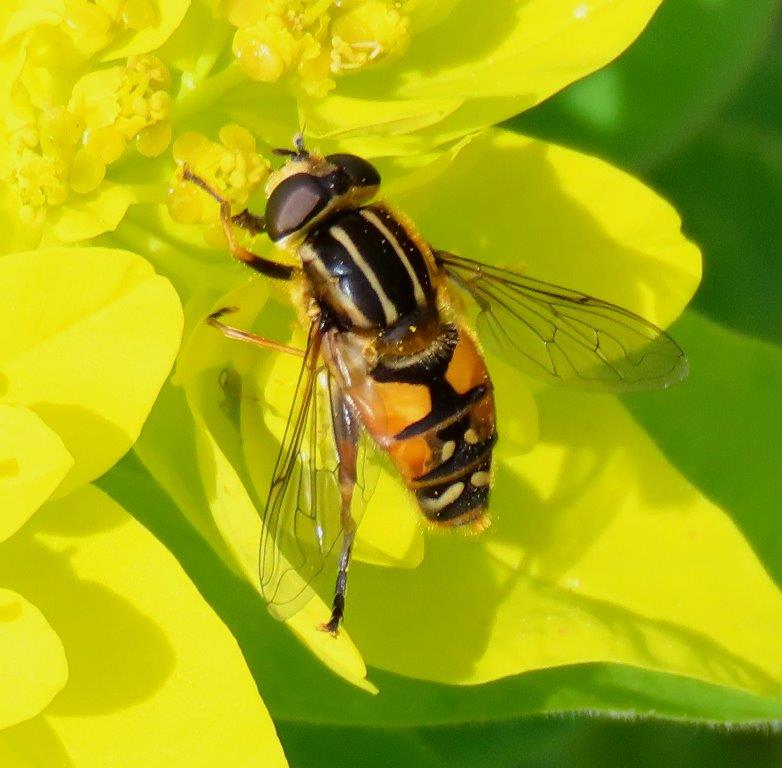
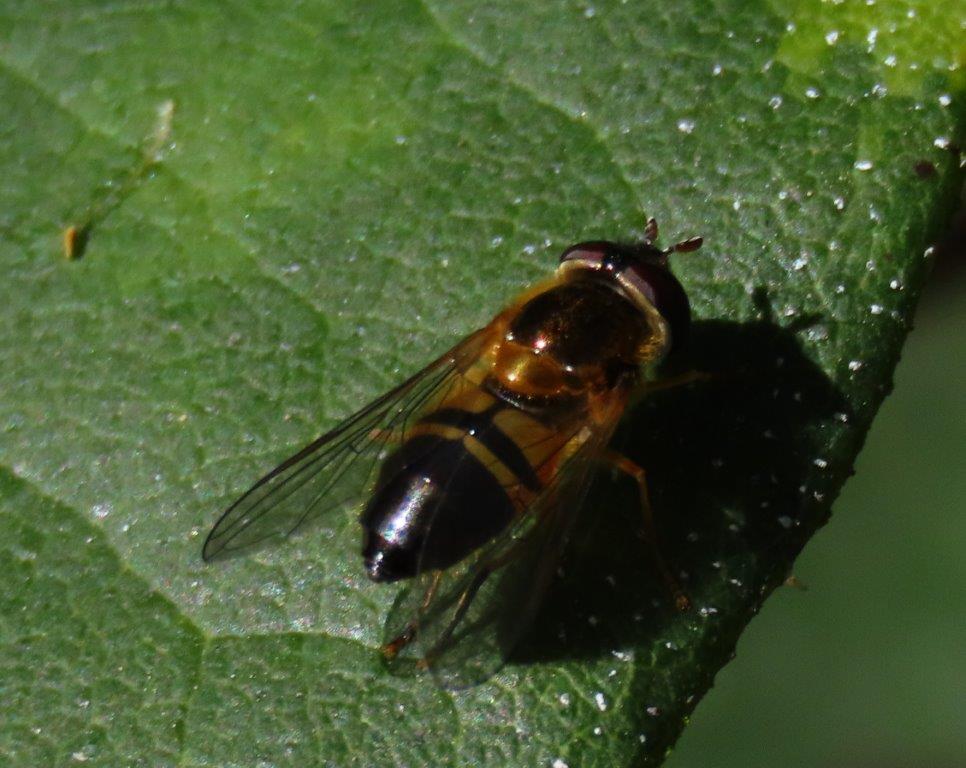
I did however manage to get to the gardens the day after the insect blizzard and found the flowers to be dripping with hoverflies and ladybirds. In keeping with our observations from the previous couple of days, all ladybirds seemed to be 7-spots, and the hoverflies were of six main species: Eupeodes corollae, Eupeodes luniger, Syrphus ribesii, Episyrphus balteatus, Sphaerophoria cf scripta and Scaeva pyrastri.


A week later, for the walks, things had quietened down a lot. Yes, there were still many more than the (recently) ‘normal’ number of insects (aside from aphids which the hungry hordes had hoovered up), but clearly many of the ladybirds and hoverflies had either been eaten or moved on. We were in Blackpool four days after our influx, and noticed a significant arrival of ladybirds there, perhaps ‘ours’, having crossed the North Sea and pushing on, boldly going places where there might still be aphids left to eat.

As always there were some star plants, doing the heavy lifting and feeding the most insects: lavenders, marjorams, sea-hollies, buddleias, scabiouses, fennels and spurges. Anyone wanting to enhance their own garden for summer wildlife could do a lot worse than to bring in some of these, or their close relatives.

Coming as this did right at the start of the Big Butterfly Count 2025 citizen science survey, I’ll start with the butterflies. In total, fifteen species were spotted and I could have easily added another five or more had I gone searching specifically for them.

The above were just a few of those on offer but, in terms of number, pride of place must go to the Gatekeepers. They were everywhere, seeming to love the marjoram especially.

And there was much more than just the butterflies. There were of course the remnants from the previous week’s arrivals: ladybirds and hoverflies.

Then there were several other hoverflies that seemed not to be represented in the main influx such as Drone Fly and Batman Hoverfly, while tachinid parasite-flies were also noticeable, especially Tachina fera and Eriothrix rufomaculatus.

Hogweed Bonking-beetles were numerous, and not restricting themselves to their favoured umbel inflorescences, while a Black-and-yellow Longhorn beetle nibbled the Eryngium majestically, pushing aside the hoverflies as it fed.

Many different bees and wasps were active on all the favoured flowers, and more. As well as bumbles and honeys, bees included miners and leaf-cutters, solitary bees that seem to be doing well here this year, perhaps related to their being apparently fewer Honeybees dominating the floral resources. Leaf-cutters have also been busy cutting discs from leaves, like a garden Matisse, then inserting them into suitable nesting holes.

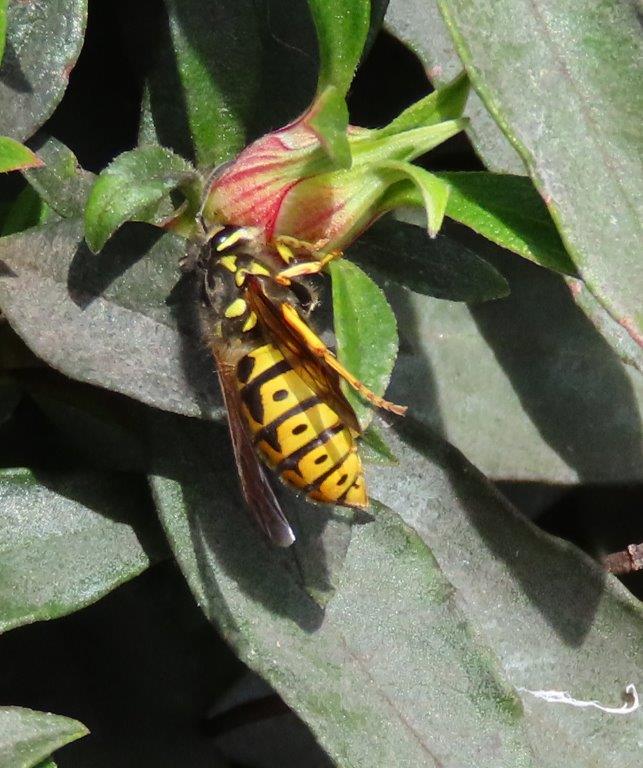
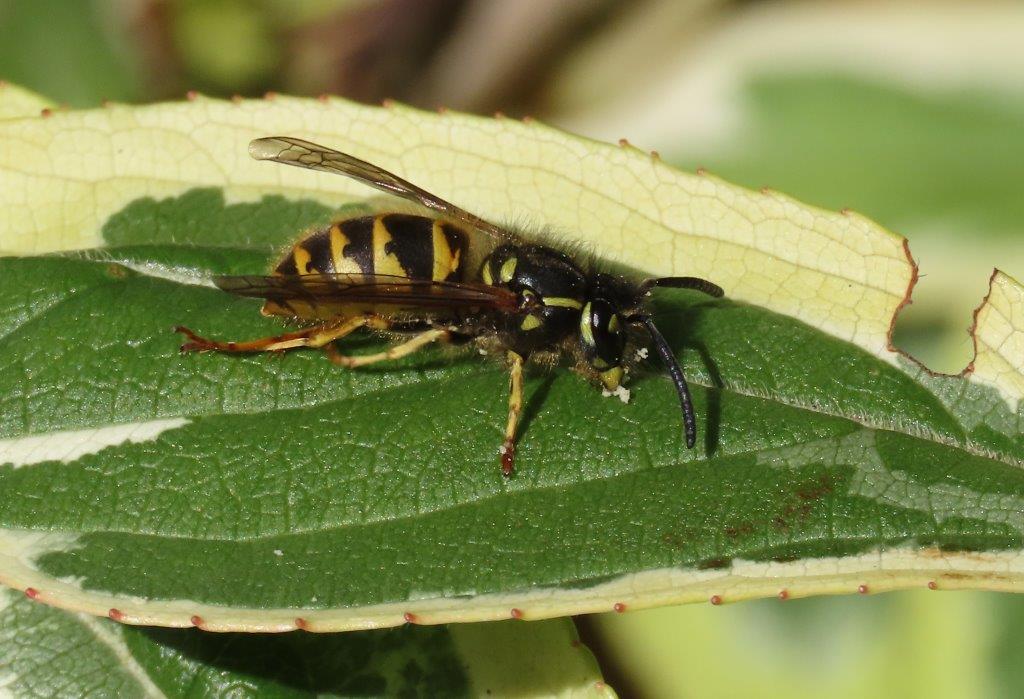
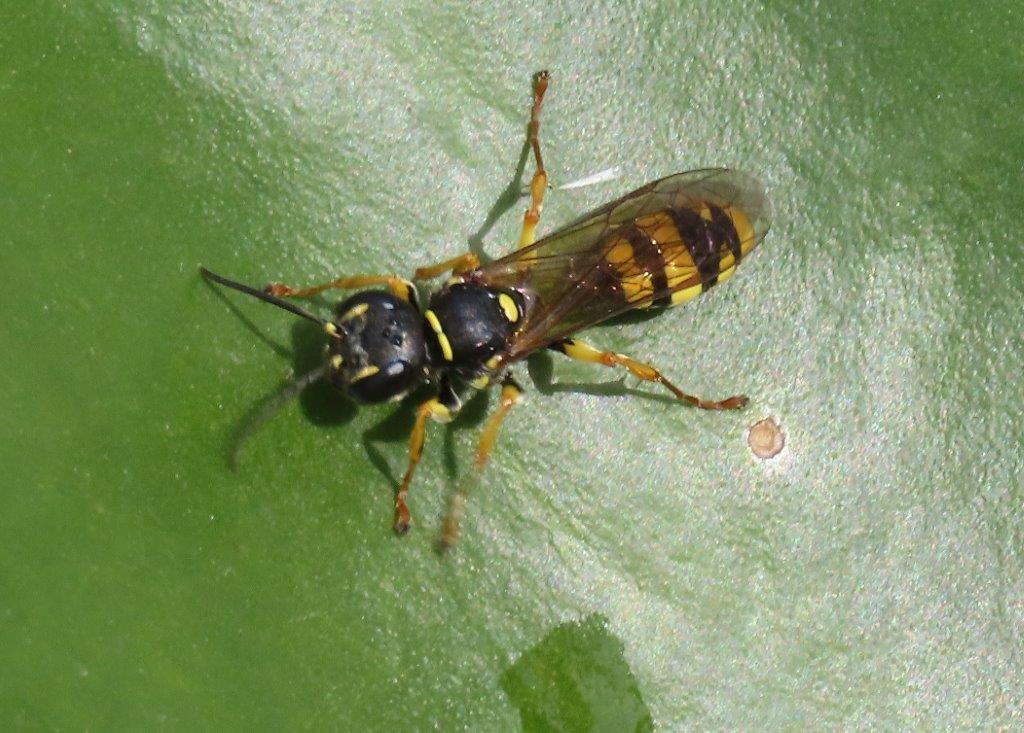
The social Common, German and  Median Wasps (two colour forms of the latter pictured here) fed alongside solitary wasps like Bee-wolf and Ornate-tailed Digger-wasps Cerceris rybyensis:

With so much action on the flowers, not surprisingly there were those hoping to take advantage, including Flower Crab-spiders and Blue-tailed Damselflies, ‘sit-and-wait’ and ‘in-flight’ predators respectively. And with all that going on up top, our attention was rather deflected from the insects feeding on the leaves and stems such as this Hairy Shieldbug.

But probably the most notable thing about these walks was the number of ‘firsts’, at a range of scales. There was a first for me in this garden (although others have reported it as it has spread to our part of the world over the past five years): a Jersey Tiger moth. Another day-flying moth, albeit rather worn, was a Six-spot Burnet, probably the first garden record. And a dead Bank Vole was the first I have identified with certainty here, having not done any small mammal trapping surveys.

Three bugs were new to the garden list, although probably have simply been overlooked in the past: Nysius senecionis (just five previous records on the Tendring Peninsula, here with the small plasterer bee Colletes daviesanus for scale, showing how easy it would be to miss), Orthops campestris (only three Tendring records, all right by the coast) and Liocoris tripustulatus (widespread across Essex, albeit with records concentrated in the south of the county, which probably says more about the distribution of active recorders than the species itself!).

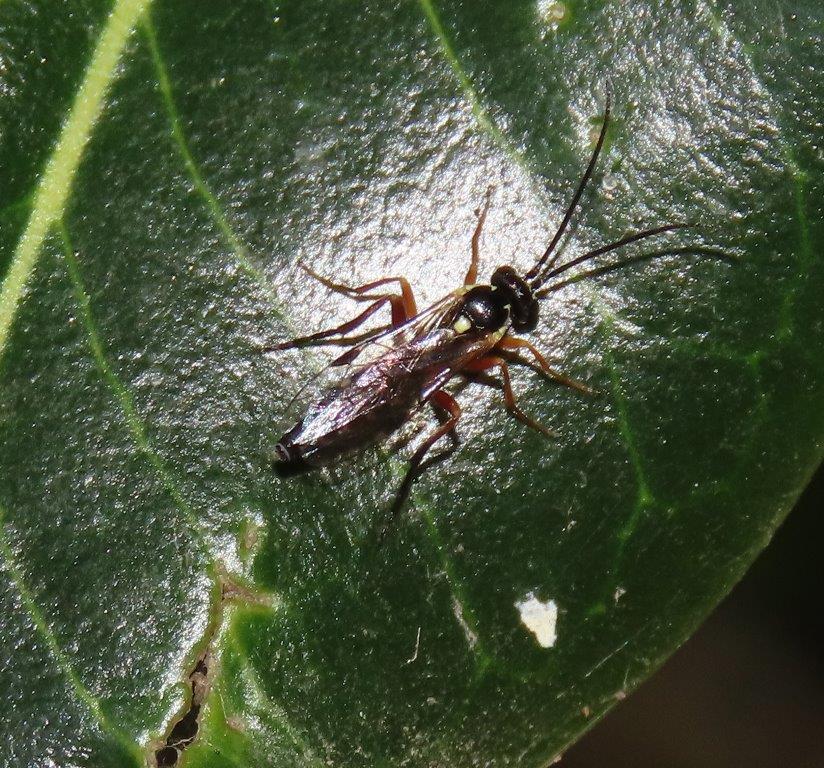
A Large-headed Resin-bee Heriades truncorum was the first garden record. This species has spread from being a south-eastern rarity in the last two decades, but in Essex has generally been found on brownfield sites by the Thames and west of Colchester: its two recorded localities on the Tendring Peninsula are both right by the coast. Perhaps caught up with the influx of Seven-spots, a single Adonis Ladybird (small, with spots weighted to the front half of the wing-cases) was also new to the garden list. This is found mainly in sandy areas and on brownfields sites, so in Essex it is most frequent west of Colchester and along Thames-side. Likewise the  lovely little fly Cistogaster globosa, a parasite of shieldbugs, that is found mainly in the same two areas of Essex, but rather more sparsely. And another parasite, the ichneumon wasp Ctenichneumon panzeri (if identified correctly: they are many and tricky) is recorded on the National Biodiversity Network Atlas from only 14 locations nationally, none of which is anywhere near Essex. The latter is surely down to under-recording.

But this is certainly not the case with the insect highlight of the day: two Long-tailed Blues, again probably ones that had been caught up in last week’s immigration spectacular. Not only is this a new garden record, there are only seven previous Essex sightings, and I have never before seen it in the UK. Safe to say, I got rather excited!

Although widespread in mainland Europe, Long-tailed Blue has rarely been proven to breed in this country, and its occurrence is generally the result of immigration. And so is unpredictable, irregular and always a delight. What a way to mark the first day of this summer’s national butterfly survey!

My next set of Wildside Walks are scheduled for 19 September, booking through the Beth Chatto website at 11AM or noon. Especially if we get some useful rain, I would expect the summer to continue in a similar insect-rich vein. While many of the current star plants are coming to a natural end, there are more to come. The various forms of Bistorta amplexicaulis  together with the daisy family (coneflowers, hemp-agrimonies, black-eyed-Susans and Michaelmas-daisies, for example) should prove some of the insect-feeding stars for the next two months.

I make no apologies for finishing by repeating what I have written in a previous blog in relation to this year of insect riches.

We must not let complacency set in, and stop doing all we can to save the future planet just because (unusually) there are lots of insects around. Nothing has changed fundamentally compared to last year when I was complaining of the Silent Summer. The same pesticides are used profligately. Habitat loss and fragmentation is increasing in the drive to build more houses to satisfy a ‘crisis’ promoted by housebuilder lobbyists. And climate collapse is accelerating, especially with world ‘leaders’ in thrall to big oil.

There are always oscillations around a declining trend. Last year was a trough, this looks like a peak. It may well be due to weather patterns of the last few months. And almost certainly many of the insects we have been seeing in coastal Essex are not home-bred. Thank goodness for immigration, as in so many aspects of life.

It is years like this one that give me hope though. As a conservationist over the past four decades, I have seen the continuing, worrying decline of wildlife, but I cling to hope that if nature is given the chance it can and will bounce back. It has to…

The Wild Side of Beth Chatto Gardens: Midsummer madness!

It was the day before Midsummer for the June Wildside Walks, just coming up to the peak time for insect activity. But the weather may have different ideas – a couple of months with almost no rain are starting to parch the landscape and if this continues, it may be that the high summer peak is lesser than we would hope for, especially given the busy, buzzy days we have had recently.

But for now, the floral riches are ready and waiting…

Especially in hot weather much activity centres on the ponds, and here there were four species of damselfly…

…and a couple of dragonflies: Emperors, always on the go and typically impossible to photograph, and Four-spotted Chasers, real posers and justifying the four pictures here!

On the Lysimachia round the ponds, there was a sawfly larva with a distinctive black mark on its head. This turned out to be Monostegia abdominalis, the only sawfly that feeds on this genus: although probably overlooked and under-recorded, there appear to be no previous records from Essex on the NBN Atlas. Sawflies suffer from under-recording a lot, especially as there are few good identification resources. Take Iris Sawfly, all over our waterside irises this year and very obvious, that is shown from just three spots in Essex on the NBN Atlas, a wonderful resource but only as good as the data that are provided to it!

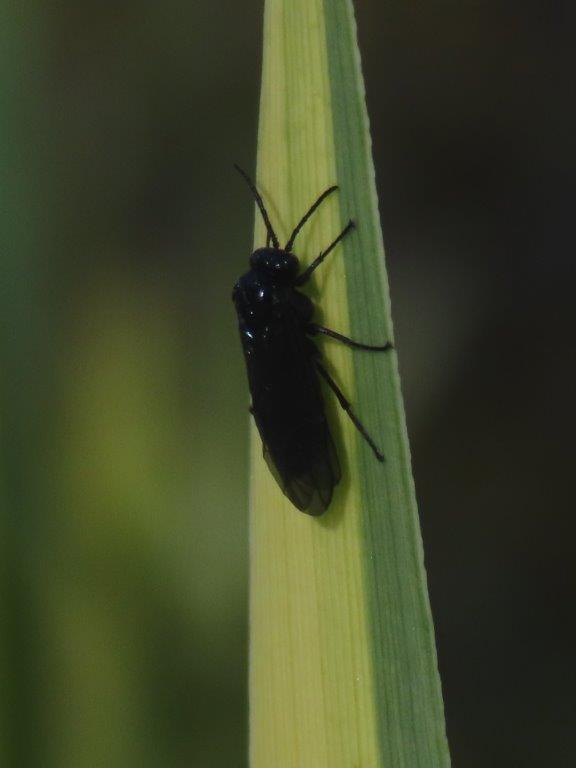
Of course some sawflies are rather better known, especially the larvae of Solomon’s-seal Sawflies that are making their mark on our plants (our badge of honour!). And right at the moment there is a huge emergence of what may be Turnip Sawfly adults although they don’t seem to be associated with their customary food plant family, Brassicaceae.

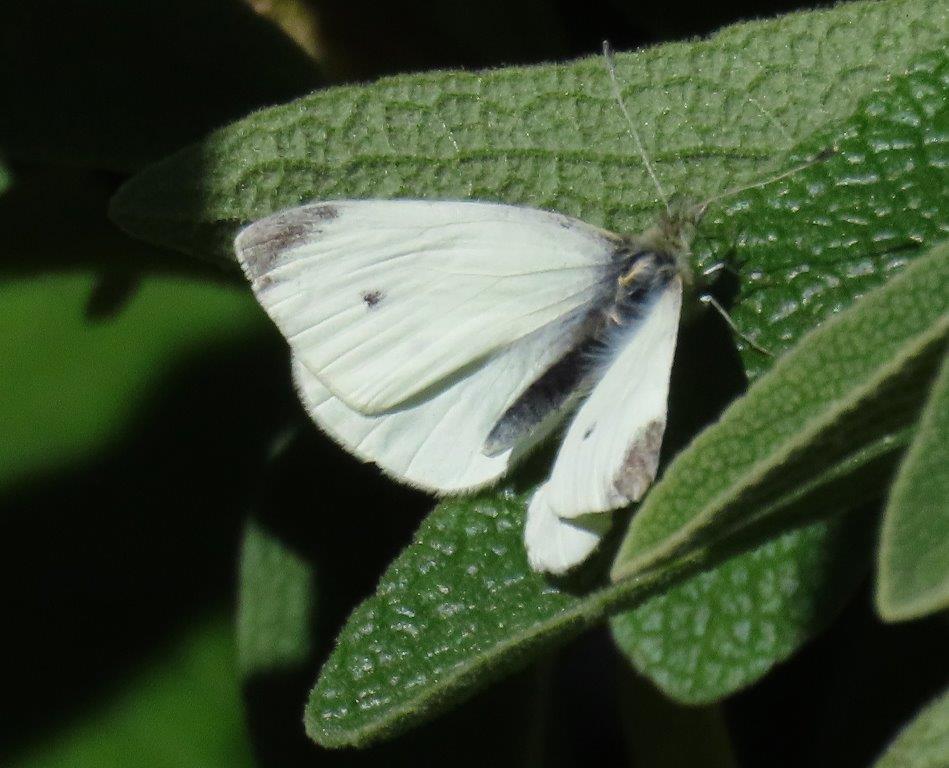
Butterflies are rarely numerous in the ‘June gap’, but their diversity is increasing slowly. A Painted Lady pointed to recent immigration, newly emerged Brimstones, Small Tortoiseshells and Commas were on the wing, while both Large and Small Skippers, Common Blues, Meadow Browns and Purple Hairstreaks set the scene for July.

True bugs included a showy Hawthorn Shieldbug, together with large numbers of the recently arrived species Closterotomus trivialis in both its colour forms. First found in the UK in London in 2009, by 2020 it had reached our garden.

A selection of the beetles on show included a fine, warningly coloured Wasp Beetle, many metallic green Thick-thighed Beetles and (rather less welcome) a Vine Weevil…  And it seems that ladybirds have been breeding well this summer, to judge from the number of larvae, including those of Harlequin and 14-spot Ladybirds.

There were a few Common Scorpionflies flittering among the leaves in search of insect prey…

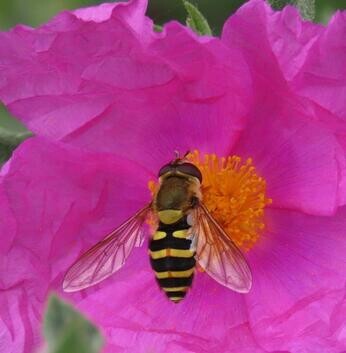
… and plenty of hoverflies, waspy ones such as Syrphus ribesii and Eristalis arbustorum and less marked species like Xylota segnis and a Cheilosia.

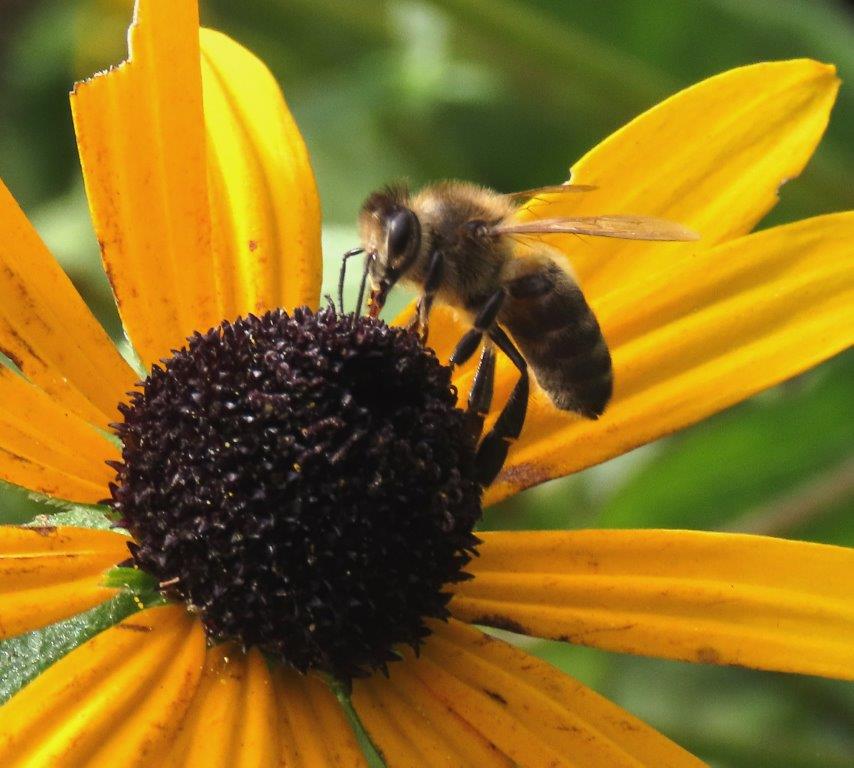
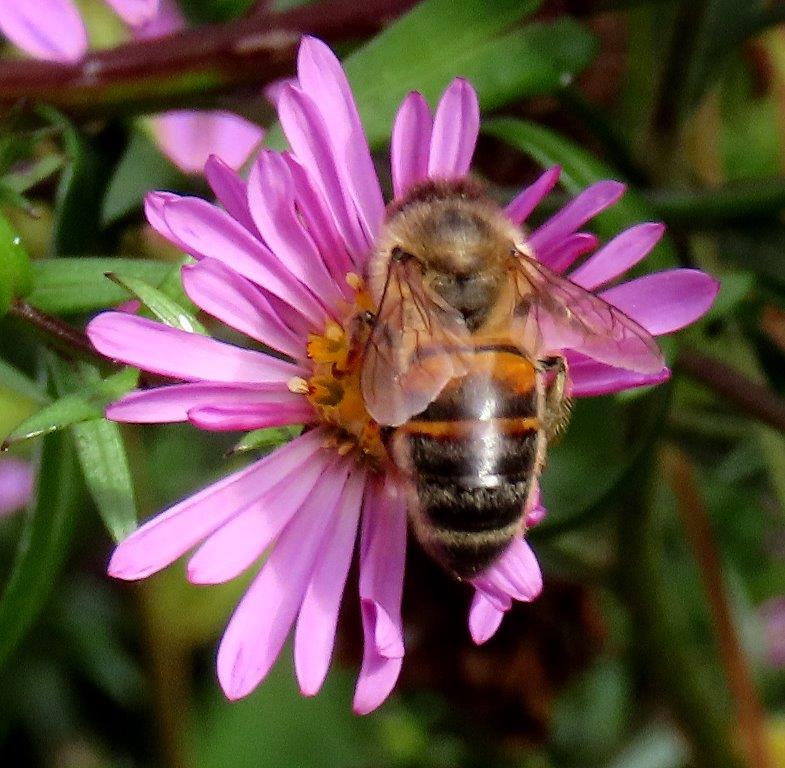
Moving on to the Hymenoptera (bees, wasps and ants), of course Honeybees were everywhere. One has to wonder how many other bees there would be if what are essentially livestock were not taking such a large proportion of our flowers’ resources. But  one didn’t make it: it was only when I looked at the image later that I noticed it was covered in flies, and at third glance that it was dead in the jaws of a White Crab-spider.

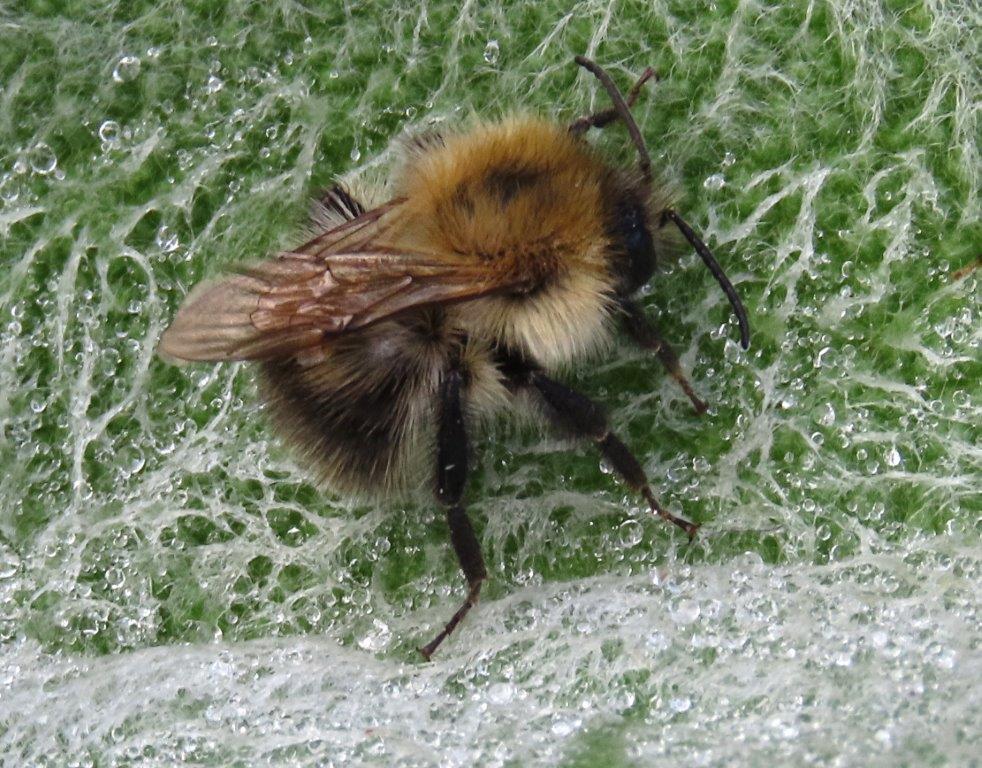
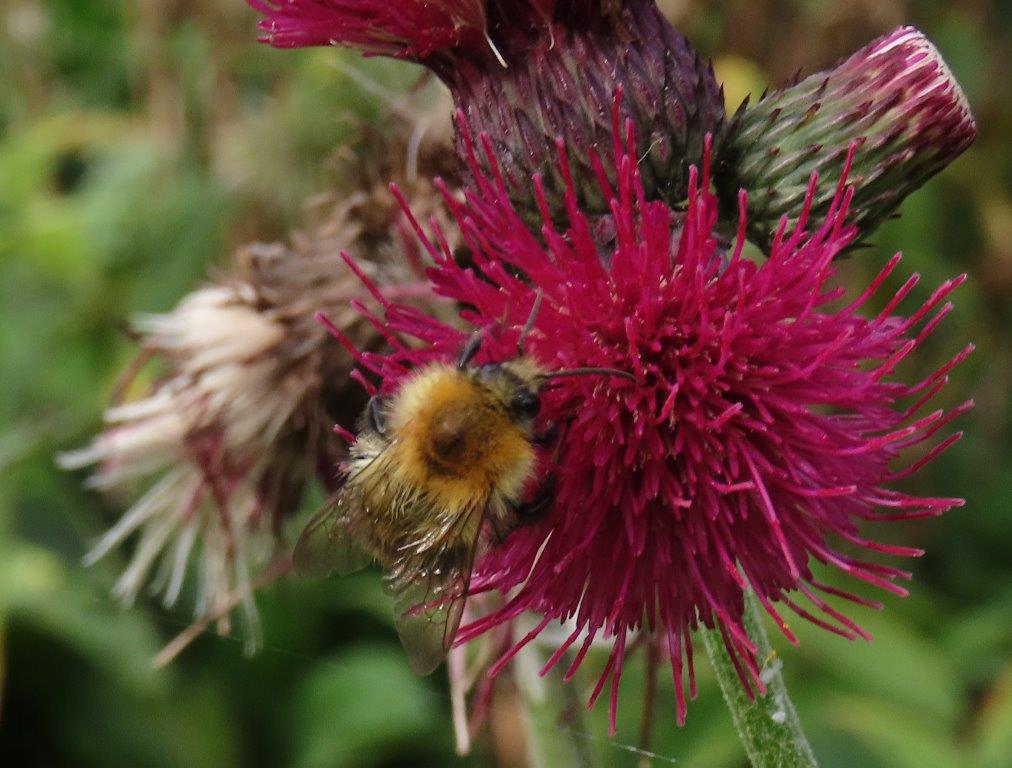
It is wonderful to hear the buzz of bumblebees again after the Silent Summers of the last two years. As always, Buff-tailed and White-tailed were most numerous (but with many more of the latter than last year), while Early Bumblebee and Vestal Cuckoo-bee (a species that lays its eggs in other bees’ nests) were also performing.

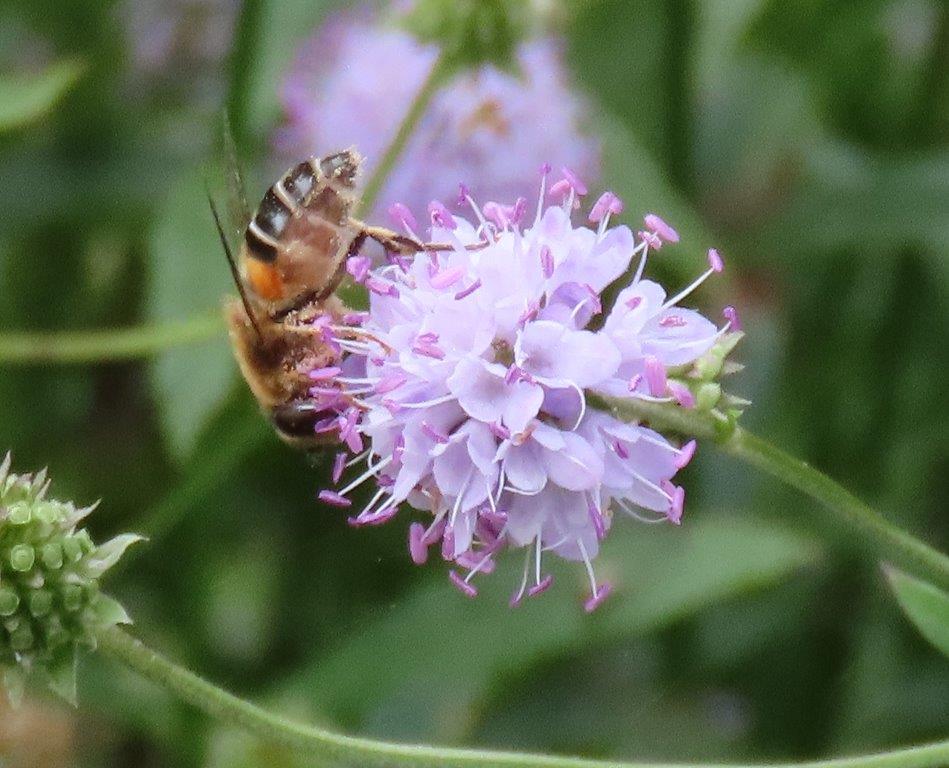
Solitary bees too. Whereas bumblebees and Honeybees store collected pollen in the saddlebags on their hind legs, others use the hairs under their abdomen, like this leafcutter Megachile on Cistus, and the mason bees on white Galactites.

Mining bees are also very important pollinators, but very had to identify: the ones here may be Andrena minutula, bicolor and flavipes.

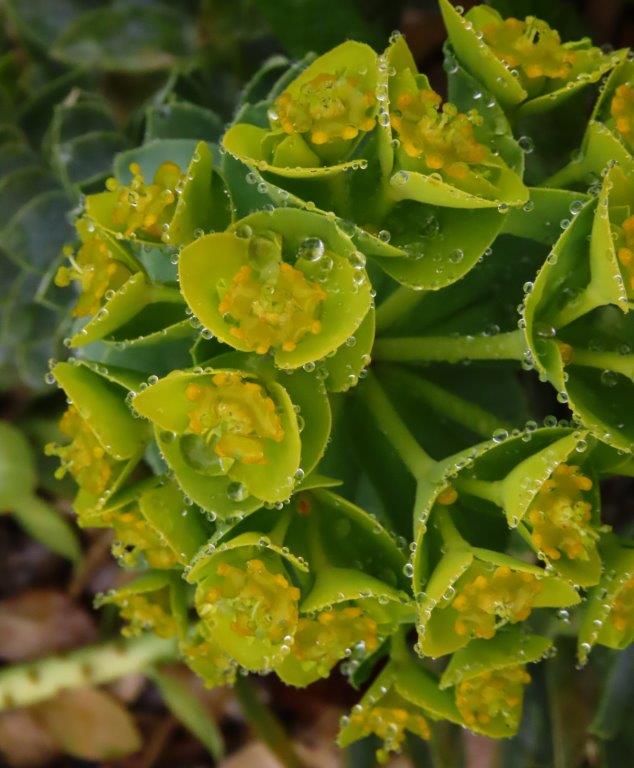
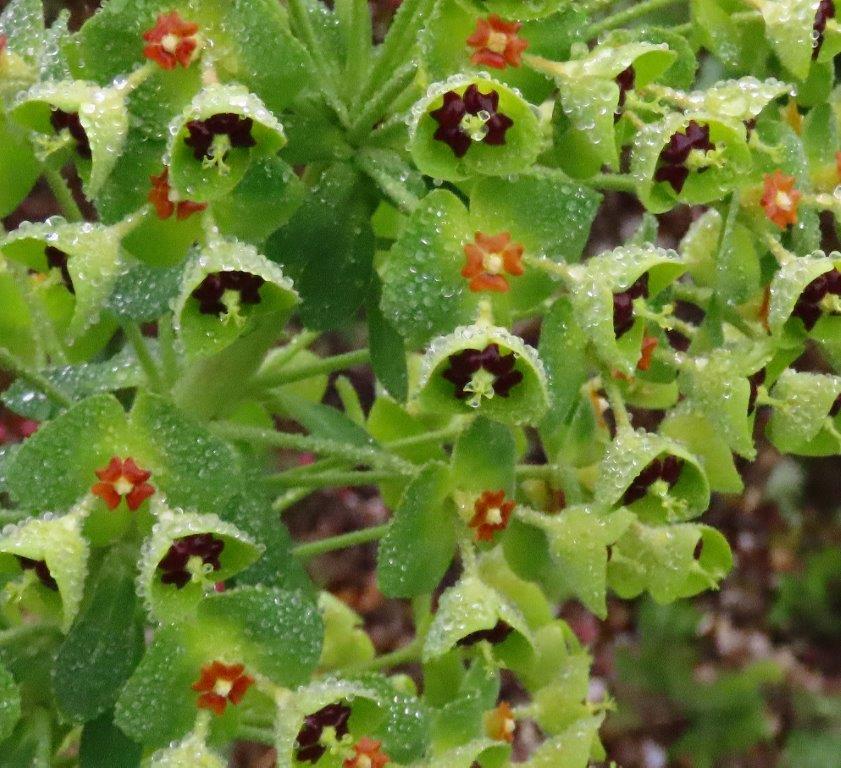
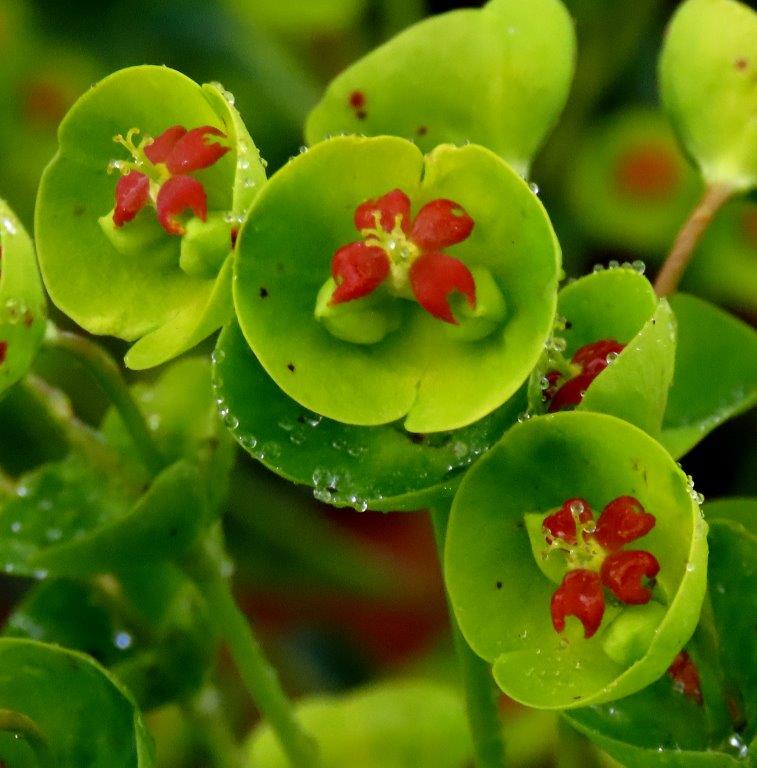
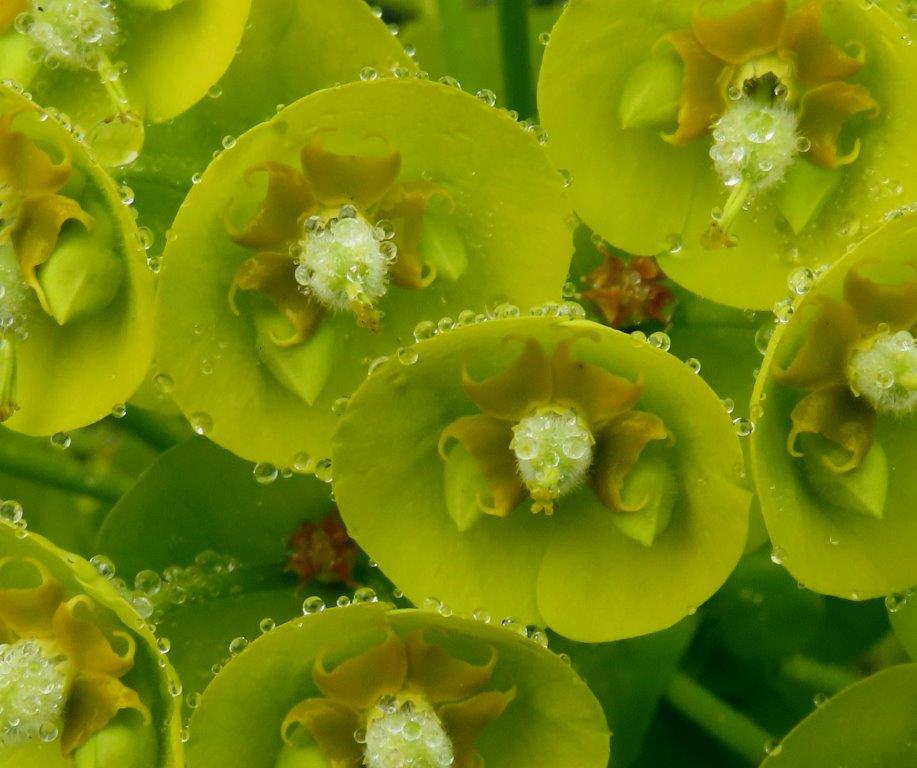
Solitary digger wasps didn’t want to be left out of the picture either. These generally feed insects, especially caterpillars, to their developing young, but the adults require nectar: Cerceris rybyensis and Ectemnius continuus were foraging from the nectar-glands of  Euphorbia.

Campanula latifolia was a particular focus of pollinator activity. I was photographing (probably) a Gwynne’s Mining-bee deep in the flowers, but again only on examining the photos on the computer did I realise that it had been photobombed by something even more interesting: a Campanula Carpenter Bee, a first for the garden, and only rather thinly scattered across the county.

And our bee hotels were simply buzzing with life! It was an absolute delight to be immersed in so many insects in every part of the Gardens.

Depending on the weather, this summer could go either way from here. If drought persists, the promise of early summer may fizzle out, but if rain comes (within reason) we could be in for a bumper few months. And there are certainly the flowers coming along to help support such an abundance:

The next couple of Wildside Walks are planned for 18th July. If you are interested in joining me, please book through these links – 11am and 12am. And if moths are something you would like to know more about, there’s our Moth Morning the following day…

Midsummer moths in the Beth Chatto Gardens 2025

Hopes were high for a bumper haul on the night before the solstice, with the nighttime temperature falling no lower than 19 degrees. And as we opened the trap it was clear that our group was in for a great time…

Everyone’s favourites of course are the hawkmoths. The colour was provided by fifteen Elephant Hawks and half a dozen Small Elephants, and the awe-inspiring size (and weight) by the single Privet Hawk. This took a liking to Jude, and a few seconds after she released it safely into a bush five metres away, it flew straight back, landed on her shorts, and stayed there for an hour. Must have known it was safe from an over-attentive Robin!


Cinnabars, Rosy Footmen and a couple of Brimstone Moths contributed to the wonderful kaleidoscope of colour …

… while Burnished Brass, Buff Tip and Buff Arches added metallic reflections, incredible camouflage and intricate designs.
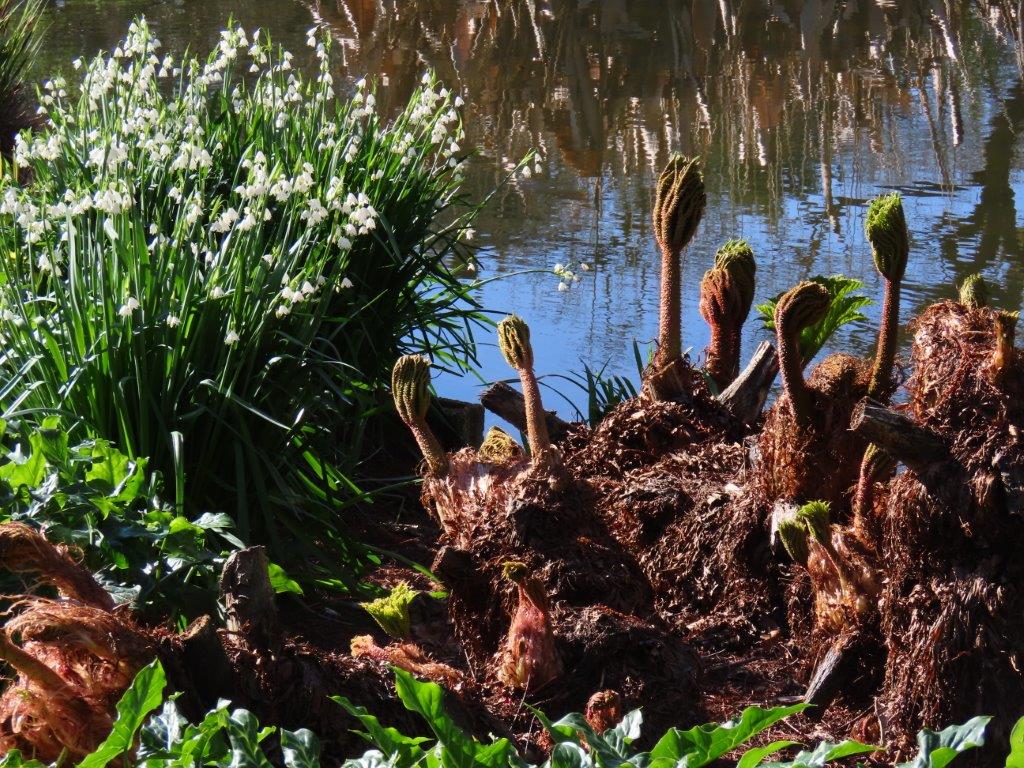
And just a few others to show the huge range of colour and form, and their wonderful names: Peppered Moth, Clouded Border, Scorched Wing, Angle Shades, Treble Brown-spot, Small Waved Umber, Lackey, Beautiful Hook-tip and Common Emerald:

Apart from moths that normally live in the surrounding vegetation, it is also possible to catch species from afar whose migrations may bring them from far-flung corners of the continent. The L-album Wainscot and Delicate are both examples of moths that until recently were considered to be exclusively migrants to the British Isles, but may now have developed breeding populations. So whether the ones we caught were migrants or residents we shall never know.
Even smaller moths are interesting. Some of the smaller macromoths included Green Pug, Short-cloaked Moth and Festoon, the latter a scarce south-eastern species associated with ancient woodland and veteran trees.

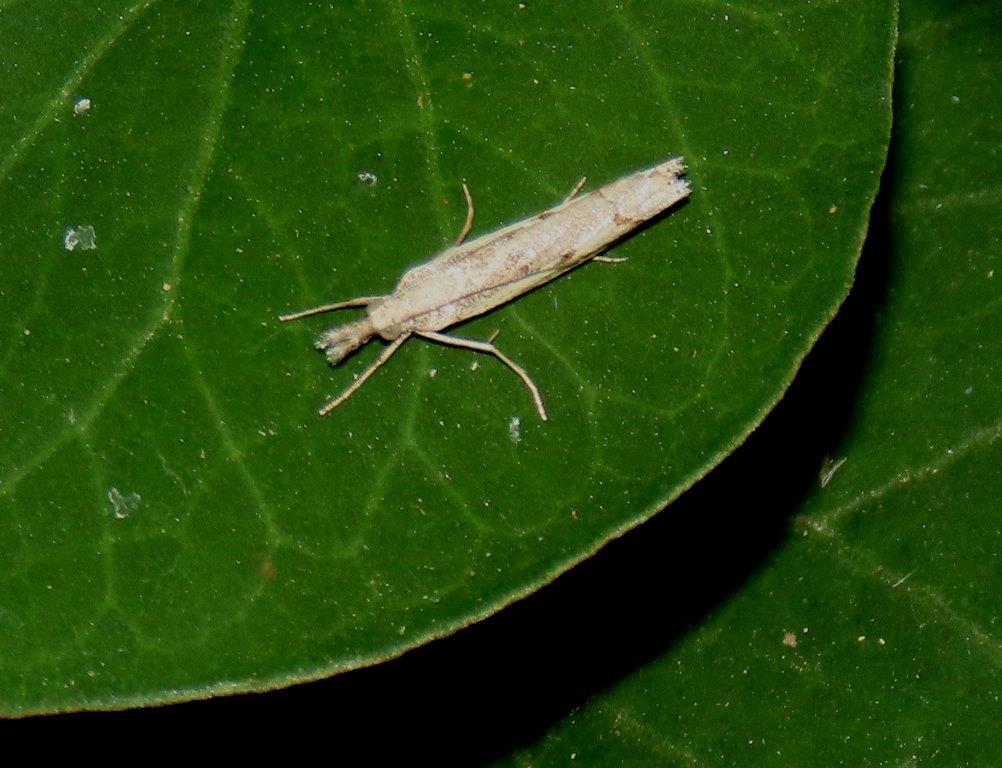
Micromoths often slip under the radar because of their size, or are ignored because they are difficult or impossible to identify without killing them first, something we would never do. But some are as large or larger than the smaller macromoths, like the European Corn-borer, Archips podana and the aptly named Beautiful Chinamark. The latter is not only a new record for the garden, it is only thinly scattered through Essex and one of the few moth species whose caterpillars live underwater, feeding on our water plants.

Many micros though are smaller, and arguably less distinctive, though some like Argyresthia brockeella, only 5mm long, can only be described as spectacular. And then we get to the smallest of all, a minuscule 2.5mm long, the leaf-miners whose tiny caterpillars feed between the upper and lower surfaces of a leaf. There are many of them: this one is Ectoedemia subbimaculella whose larvae feed in oak leaves.

As well as moths, the trap also attracts other night-flying insects. These included water beetles and caddisflies, aquatic insects perhaps misinterpreting the light as moonglow reflecting of a pond, together with an Orange Ladybird, a mildew-feeding species that I had not previously found in the Gardens.

In total we recorded 100 species of moth (31 micros and 69 macros) with an estimated haul of  some 400 individual moths, the best such event we have run here in the past four years. The full list can be found at this link: bc-moths-june-25

All that and the chance to spend a little time taking in the beauty and tranquility of the garden before the gates are opened.

And never fear, after the group dispersed to enjoy the gardens’ delights more fully, we set about releasing the moths safely into vegetation, away from the attentions of a very inquisitive Robin, and another chance to spread the magic of moths among unsuspecting garden visitors!

If you are interested in joining one of these mornings, the next is on 19th July (booking at Marvellous Moth Morning – Beth Chatto’s Plants & Gardens) and keep an eye on the Beth Chatto website for future events next year.
 

The Wild Side of Beth Chatto Gardens: Wildside Walks start up again…

It was a pleasure to recommence my Beth Chatto Gardens wildlife walks for visitors a few days ago. The sun was shining, and at least when sheltered from the chill north-easterly breeze, the garden was buzzing with both people and insects!

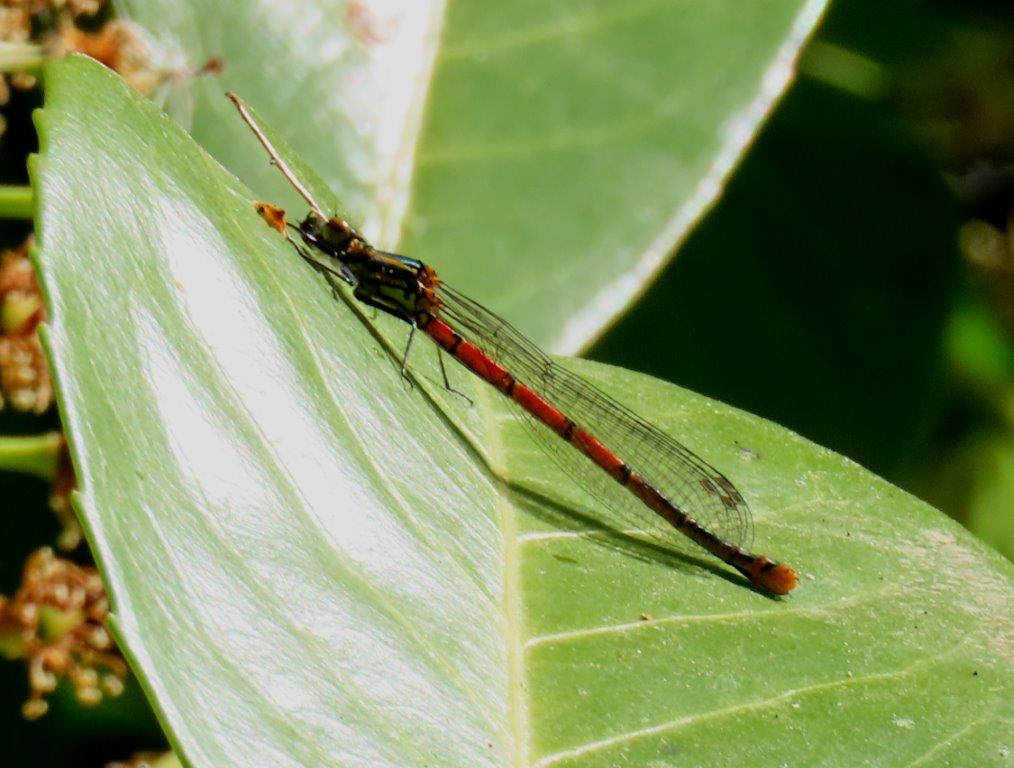
Perhaps the greatest insect activity was around the ponds, with marginal vegetation full of resting Alderflies, flittering Small Chinamark moths (moths with uniquely aquatic larvae), a couple of dashing Broad-bodied Chaser dragonflies and everywhere, damselflies: resting, flying and mating. There are now three species on the wing, Large Red, Blue-tailed and Azure Damselflies, leaving their exuviae – the empty nymphal shells – on the leaves of marginal plants like Bogbean.

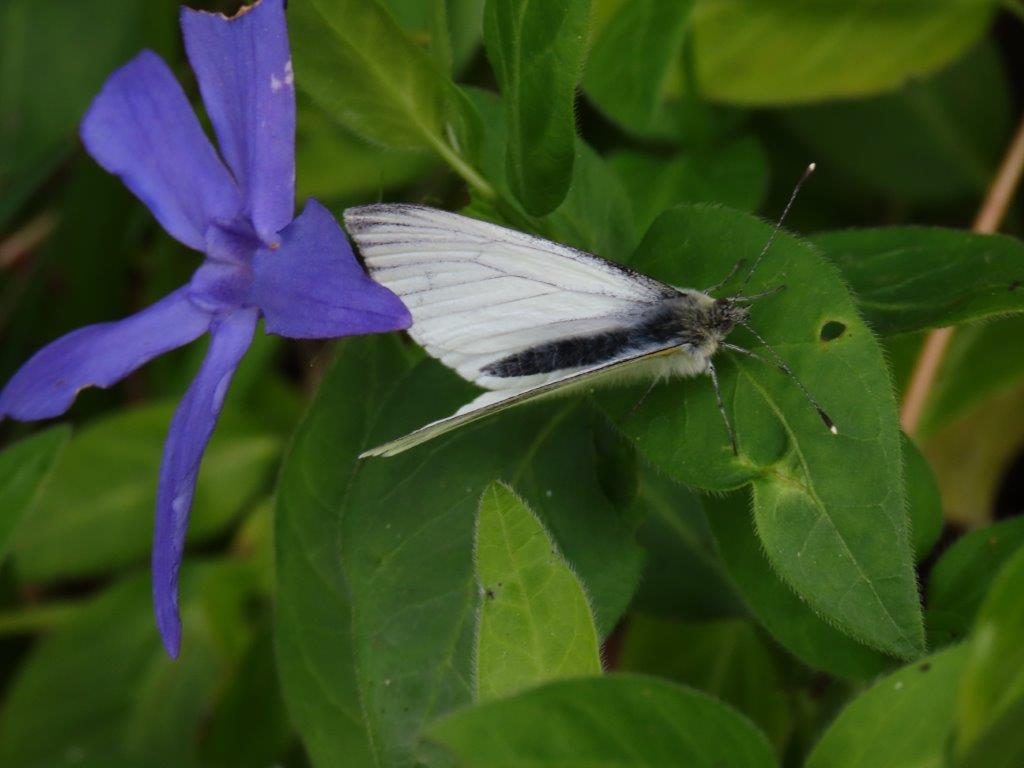
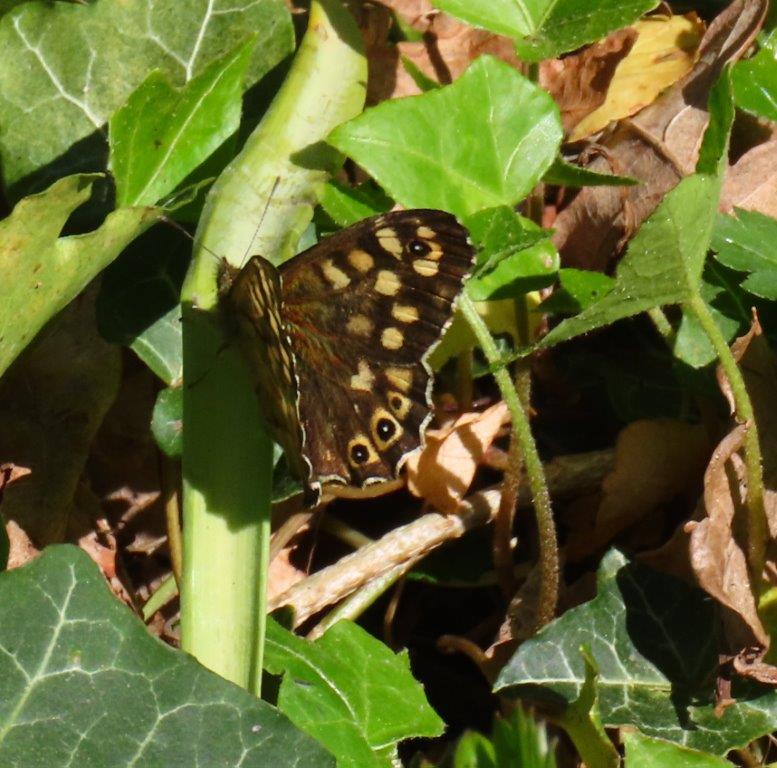
Overwintering butterflies are all but over, with only a female Brimstone and a couple of  Red Admirals seen during the morning. But spring emergers, like Holly Blues, Orange Tips, Green-veined Whites and Speckled Woods put on a good show…

… and there were several Green Hairstreaks among the pondside foliage, some by now looking very battered, although others in full iridescent green glory. A Painted Lady haunted the Reservoir Garden, perhaps presaging a good immigration year for them, and in the same area a vibrant, fresh male Common Blue ushered in a shard of summer.

During the daytime, it is possible to see both day-flying moths and night-flyers that have been disturbed from their place of shelter. The latter group was represented by a Water Ermine, almost pure white, a scarce moth in Essex found in wetland habitats especially in the north-eastern coastal fringes. And lovely day-flyer was a Small Yellow Underwing, more widespread inland in grassy places, but always a delight to see. Both are new species for the gardens, I believe… just a pity that both avoided being photographed!

No such problem with the caterpillars though, here a single Brown-tail, Mullein Moth on the Verbascum and seemingly everywhere on Euonymus, festoons of silk and associated defoliation from Spindle Ermine larvae. It looks dramatic, but the Spindle bushes will likely not be killed, and the moth may not reappear next year…


And looking at the few remaining Spindle leaves, I was pleased to find a new gall for the garden, a leaf-roll made by Spindle Leaf-edge Mites Stenacis euonymi. Not only new for the garden, but according to the National Biodiversity Network Atlas distribution map, scarce in the county with the only other Essex records coming from Hatfield Forest in the far west. As so often though, this might reflect under-recording rather than genuine rarity.

So much to see at every turn. A bunch of bugs (Cinnamon, Hairy Shield-, Green Shield- and Dock Bugs, plus the plant bug Harpocera thoracica)…

… the first nymphal Dark Bush-crickets I have seen this summer…

… a couple of soldier-beetles, Cantharis rustica and C. livida

… and much, much more.

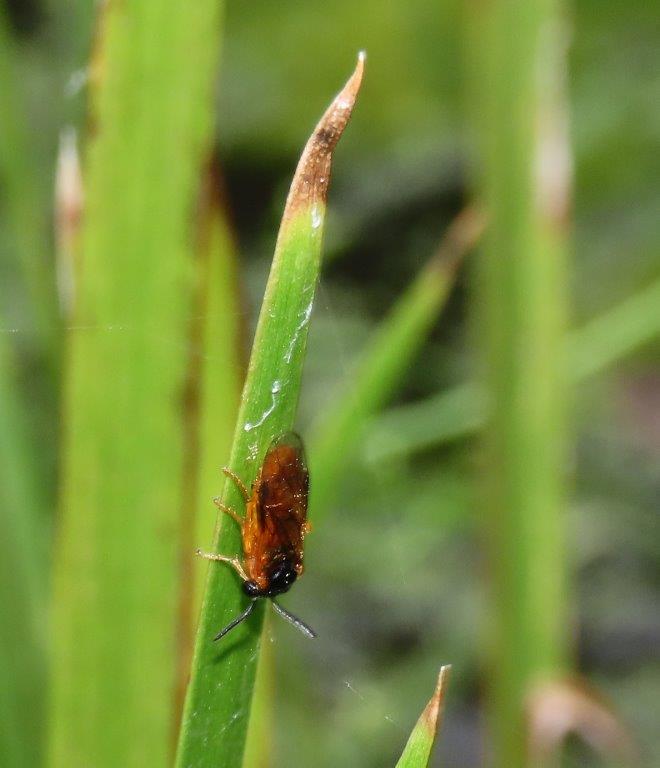
And finally, a trio of interesting  sawflies, a group of wasps without a ‘wasp-waist’ that have caterpillars that munch leaves. At rest on Iris leaves, there were Iris Sawflies, parents of the larvae that will be eating a raggedy hole in the leaf-blades in a month or two. The second, with a distinct black mark on its forewings, might well be the Dark Birch Fusehorn Arge fuscipes, a black species recorded at only 22 sites nationally. And then there was the red-tinged Tenthredo (probably T. colon, though some are very hard to tell apart). This was eating an Alderfly, interesting behaviour indeed: I had no idea they were predatory, joining our army of friends maintaining balance in the garden. I am used to seeing related species in showy flowers, but it seems that some at least may not be taking nectar as I assumed: they may equally be lying in wait for other insects to arrive. I learn something new every time I visit. And again, this seems not to be a common species (the NBN map shows no Essex localities), although the under-recording caveat certainly applies here.

This summer is already shaping up to be a good one for garden wildlife, with insects more obvious than the same time last year, although we could do with some rain before an intense drought sets in!

On top of all this, Chiffchaffs, Blackcaps and Robins were in full song, together with single Greenfinch, Goldcrest and Cetti’s Warbler, the latter being the first time I have ever heard the species around our garden. The new records keep on coming in!

The next couple of Wildlife Walks are planned for 20th June. If you are interested in joining me, please book through these links – 11am and 12am. And if moths are something you would like to know more about, there’s our Moth Morning the following day…