We have often led a walk up to the Cockaynes Reserve searching for Spring, but never have we had such wonderful weather for it as yesterday. And it was only 3rd of March! Azure skies, light winds and warm sunshine were just what we needed after the grim, grey gloom of February.
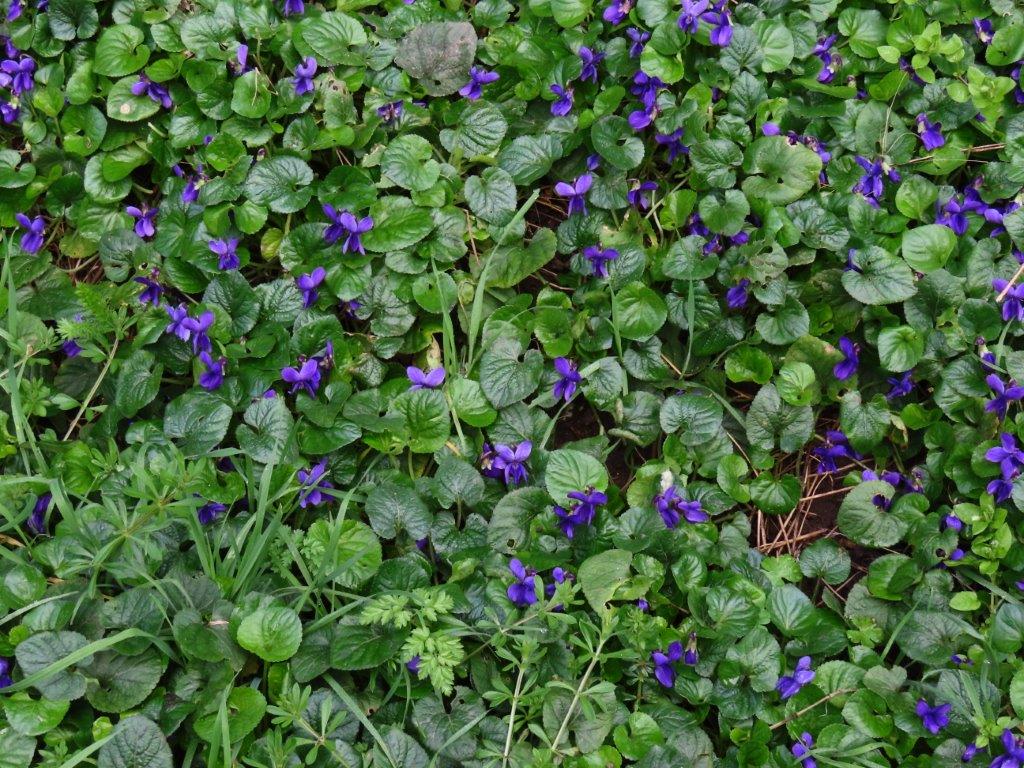
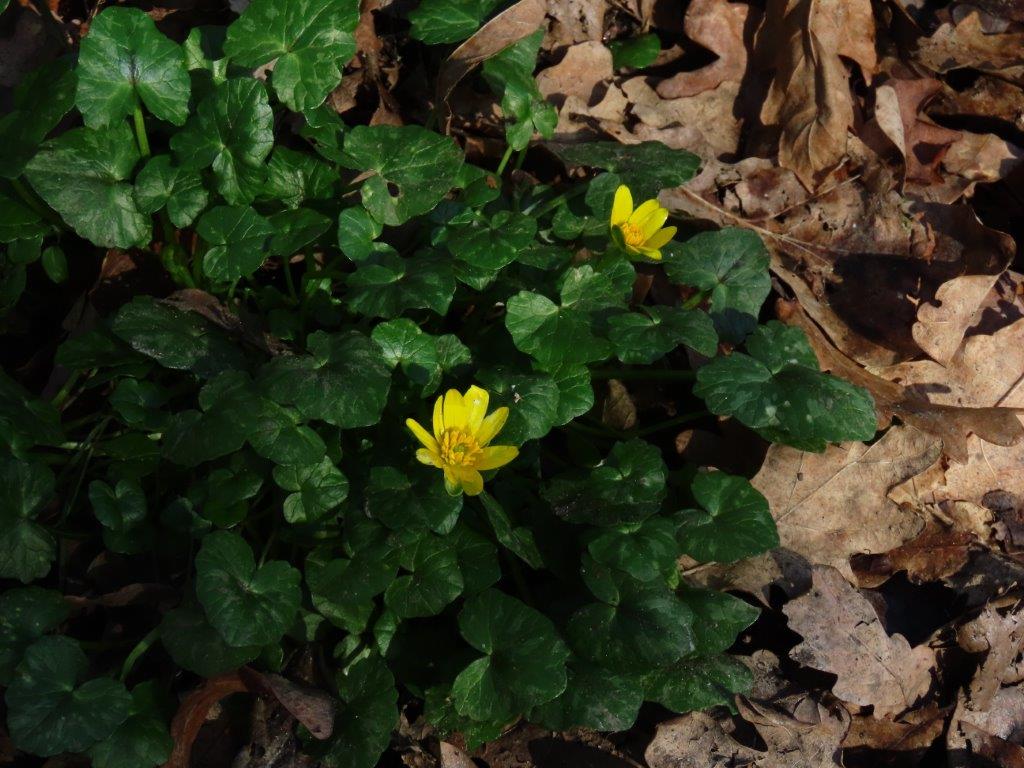
And it seems nature needed it too as it was out in abundance. As we walked up Ballast Quay Lane, starting with the customary chirrups of the gaggle of House Sparrows, the air was alive with Greenfinches singing/wheezing and Great Tits getting frisky, while the verges were blooming with Sweet Violets and Lesser Celandines.
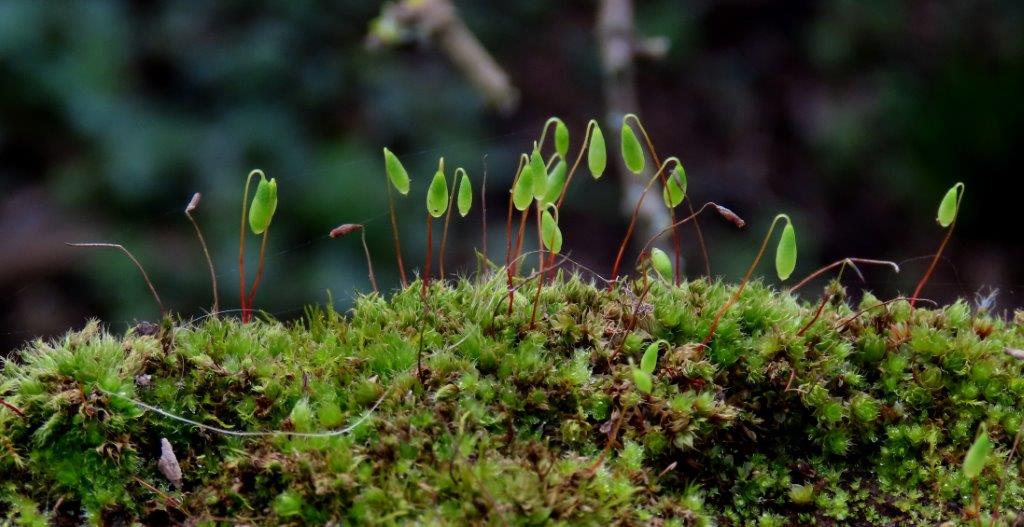
And everywhere a rainbow of greens, from the dusty, dull, dark Ivy green to the vibrant emerald of fresh Hawthorn leaves and moss spore-capsules.
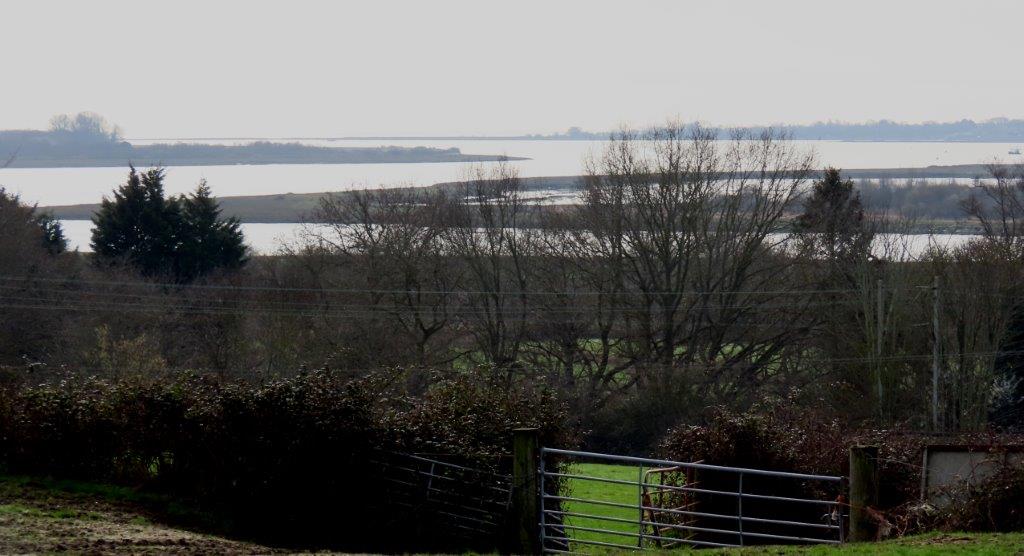
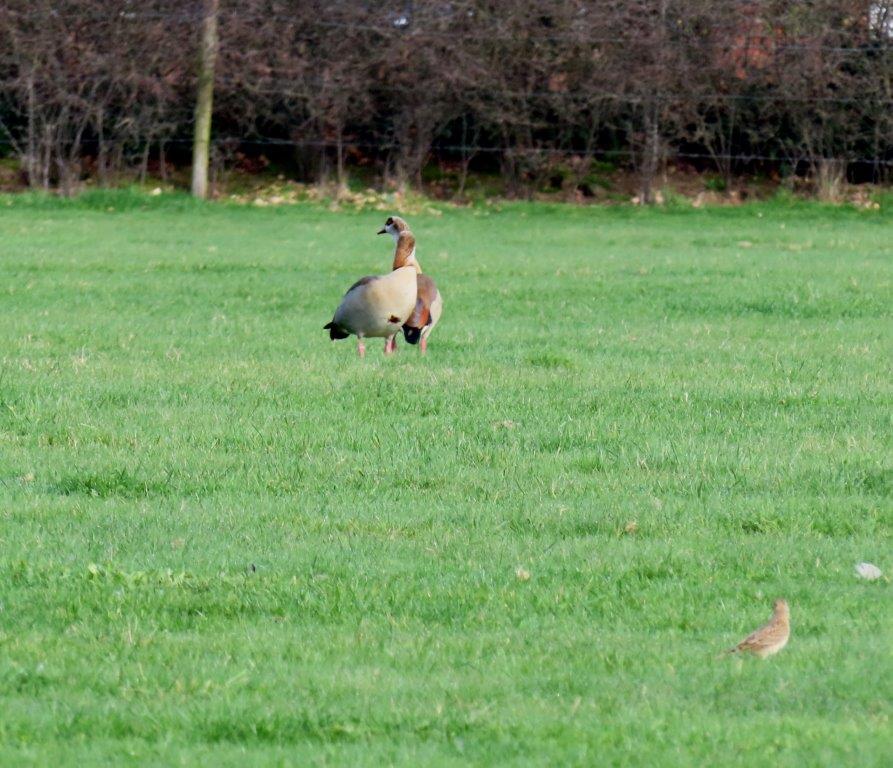
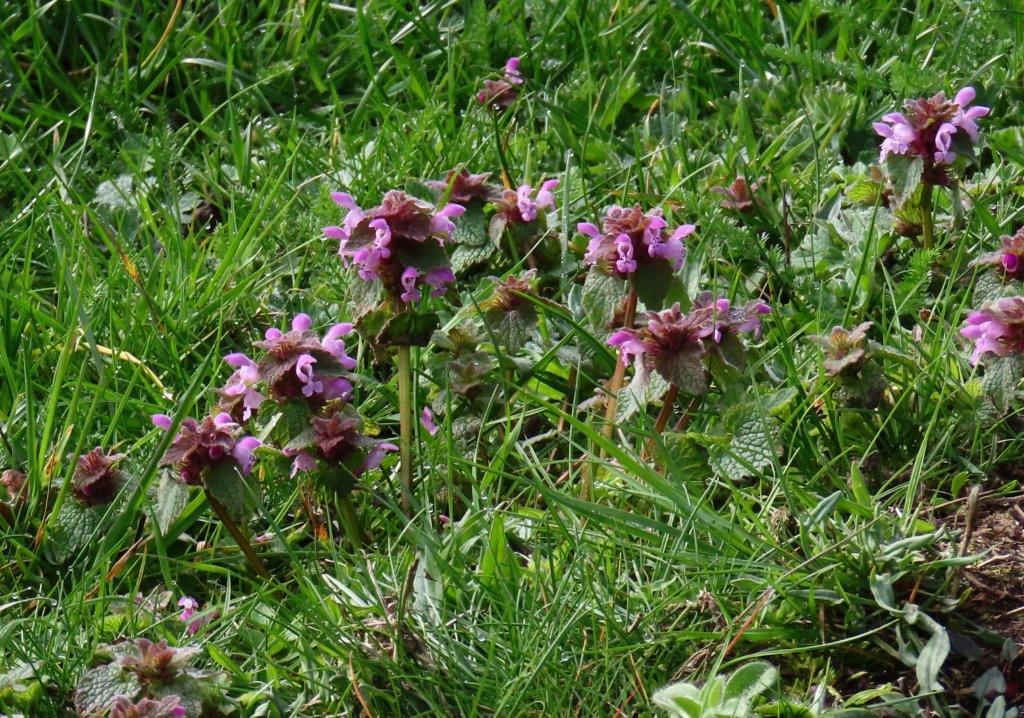
As we crossed the open fields, enjoying some of the best views of this part of the world from the top of the Essex Alps, Skylarks filled the air with exuberance as Rooks probed for grubs, and in the distance a couple of Egyptian Geese grazed. Red Dead-nettle, Common Field Speedwell and Bulbous Buttercup flowers were shining among the twinkling Daisies and Dandelions.
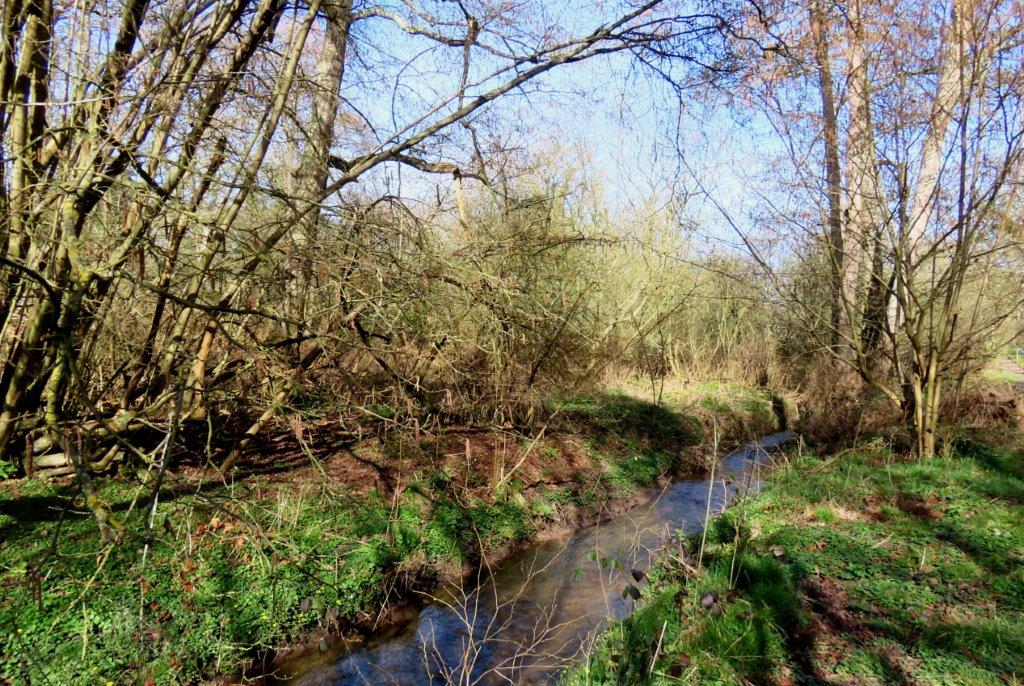
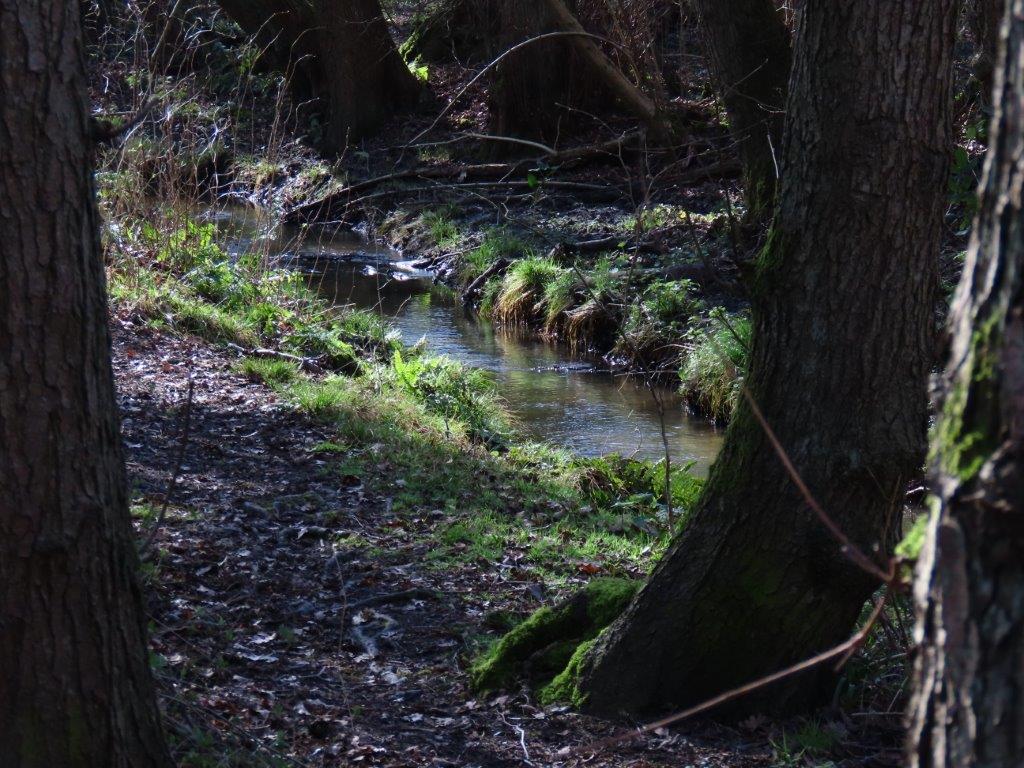
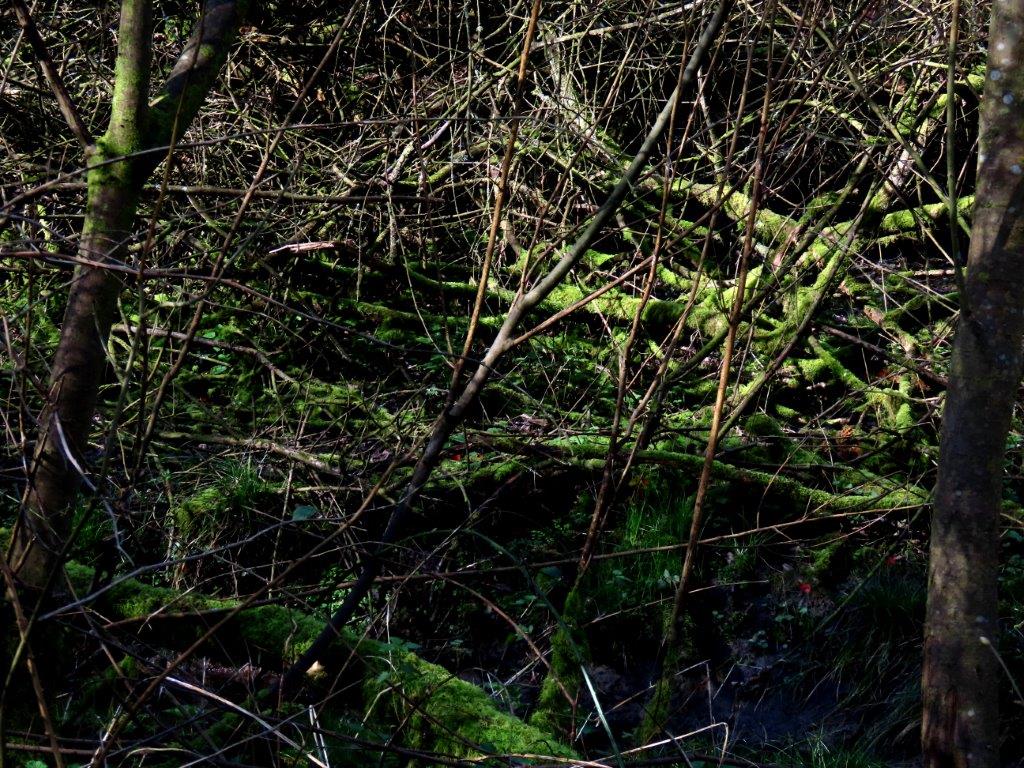
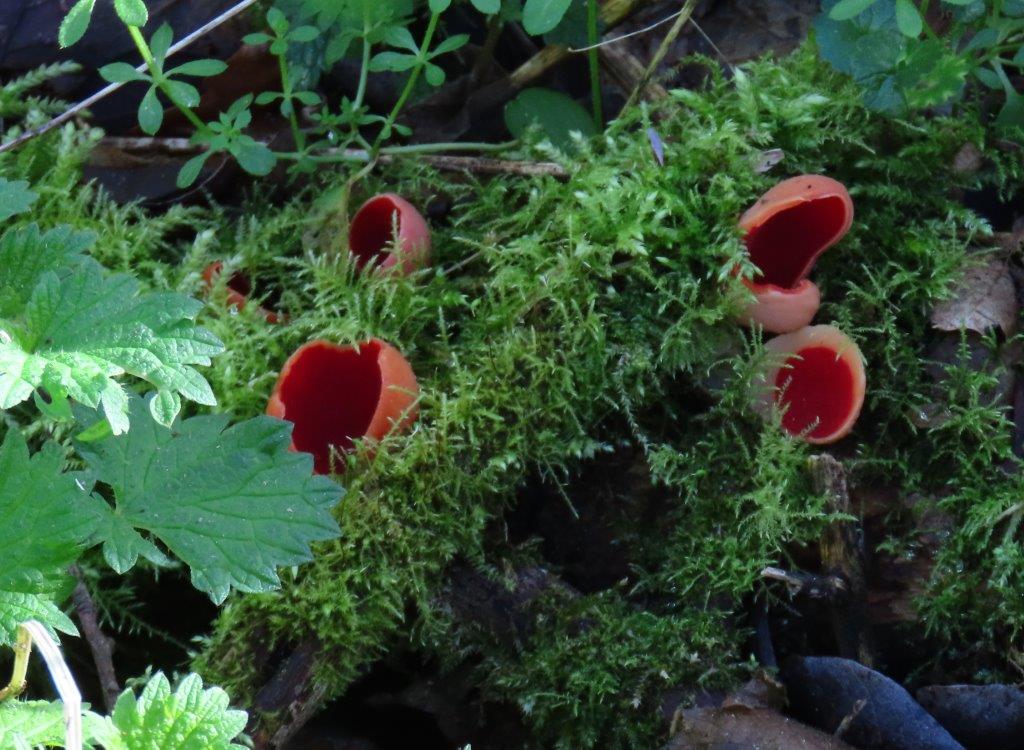
Turning into Villa Wood alongside Sixpenny Brook, we entered a moss-clad world, the haunt of our Scarlet Elf-cups, the reason this reserve exists. Perhaps not so many as last year’s bumper haul, but they were there, mantled in mossy green, and maybe still more to come.
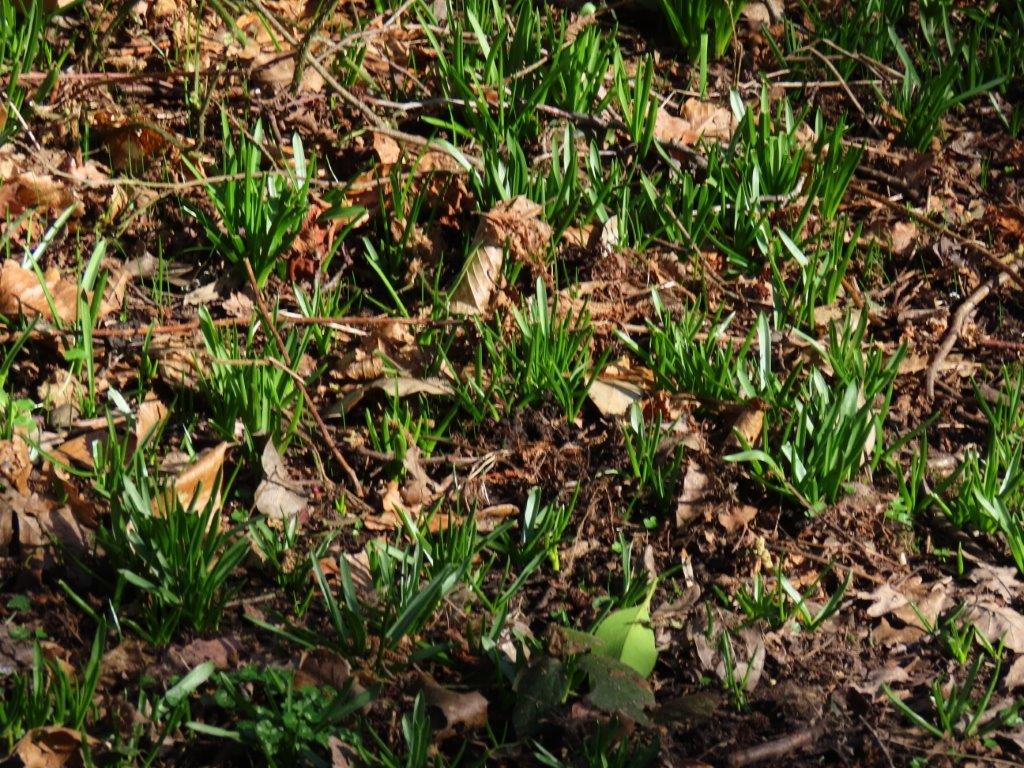
Spring is a time of rapid change but also delayed gratification: the spearing shoots of Bluebells will be transforming this woodland floor in six weeks or so:
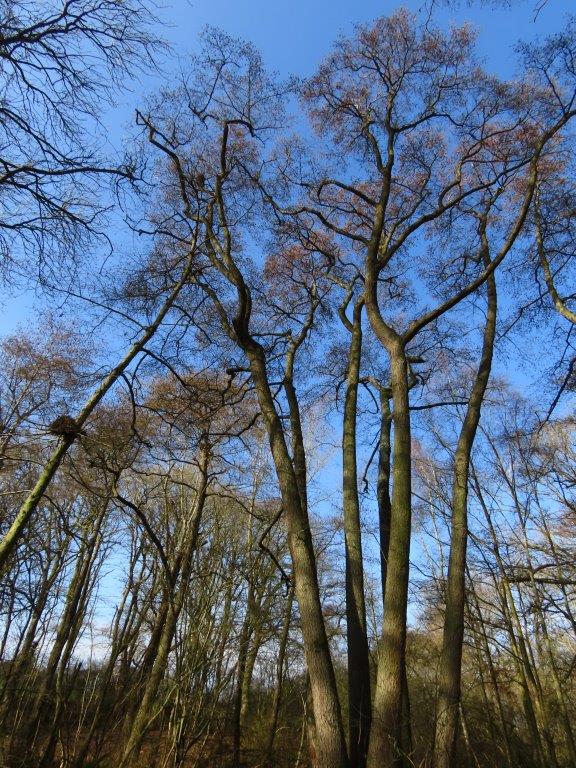
Sibilant twitterings in the Alder tops revealed a party of at least 20 Siskins, and the first of half-a-dozen Chiffchaffs sang, surely new arrivals on the recent deep southerlies laden with Sahara dust.
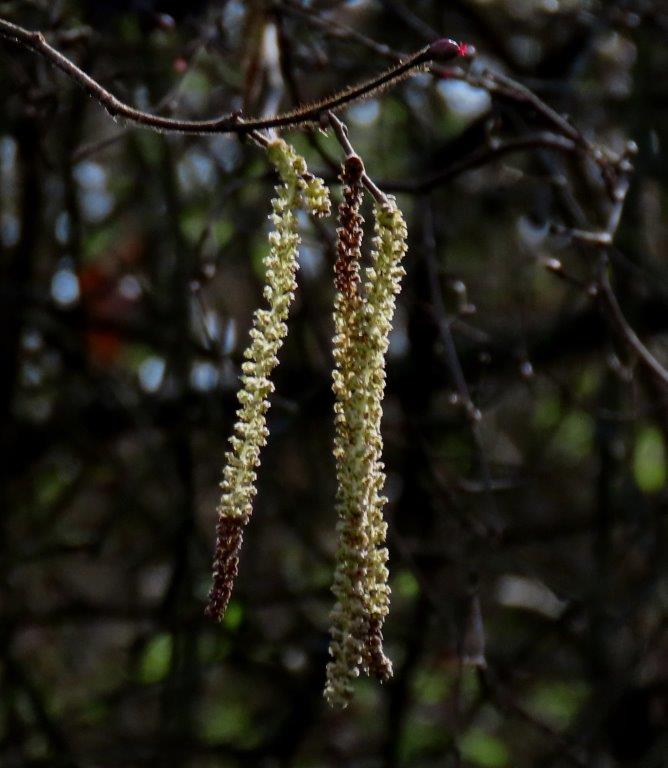
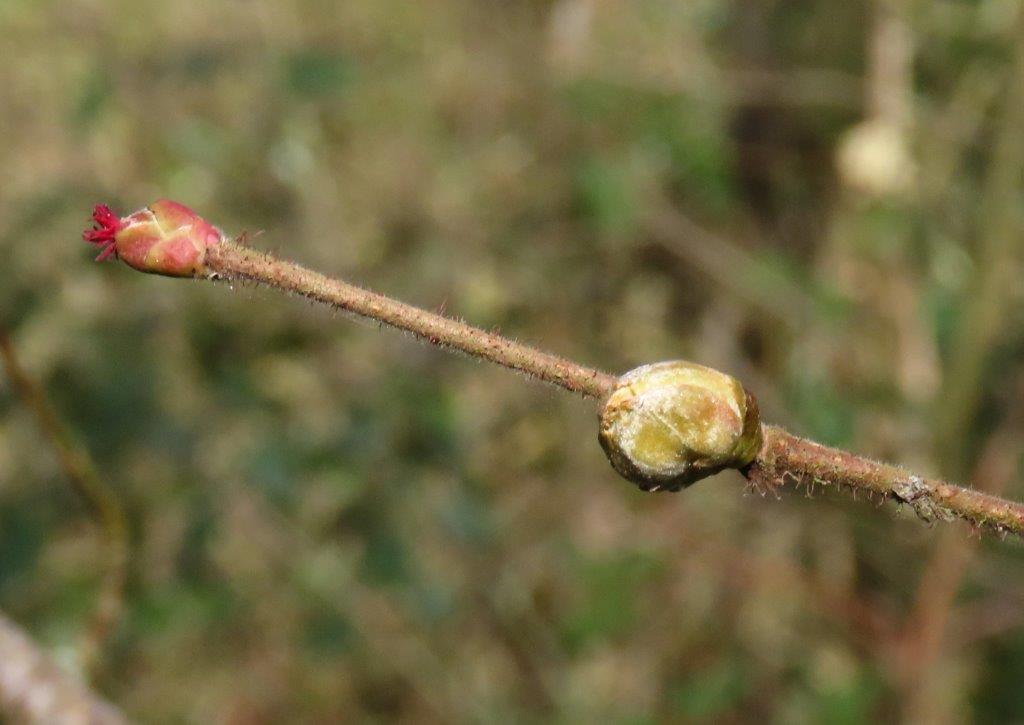
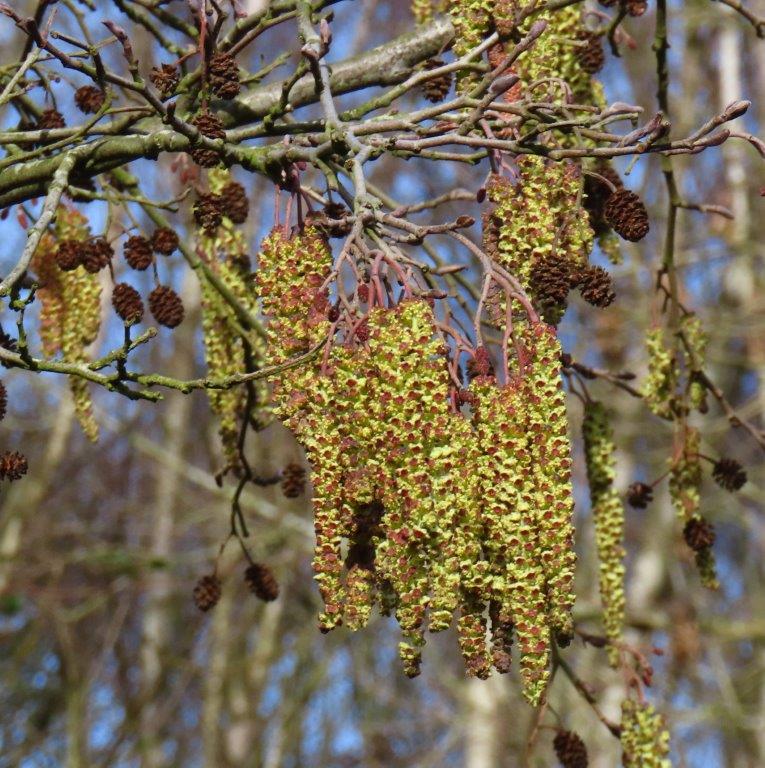
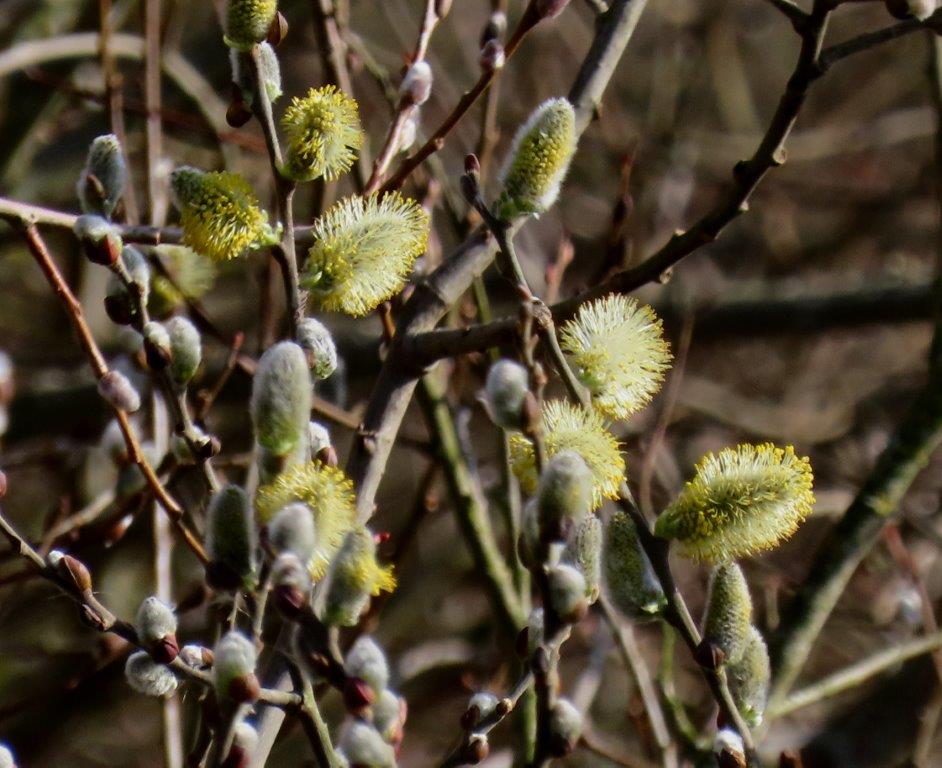
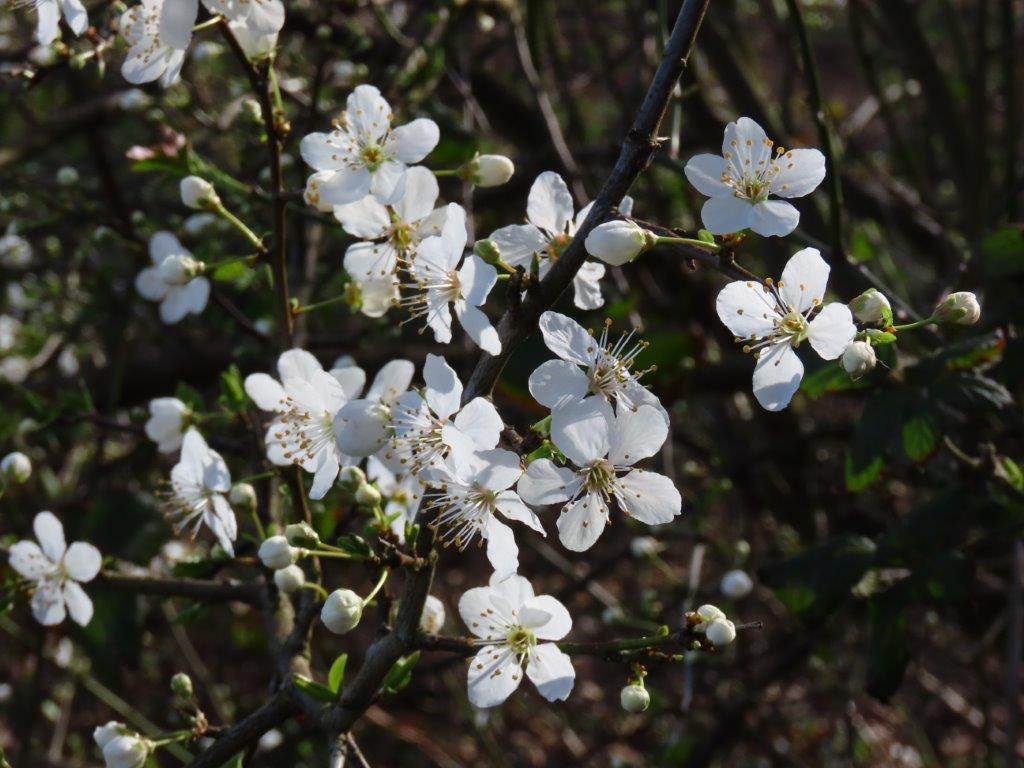
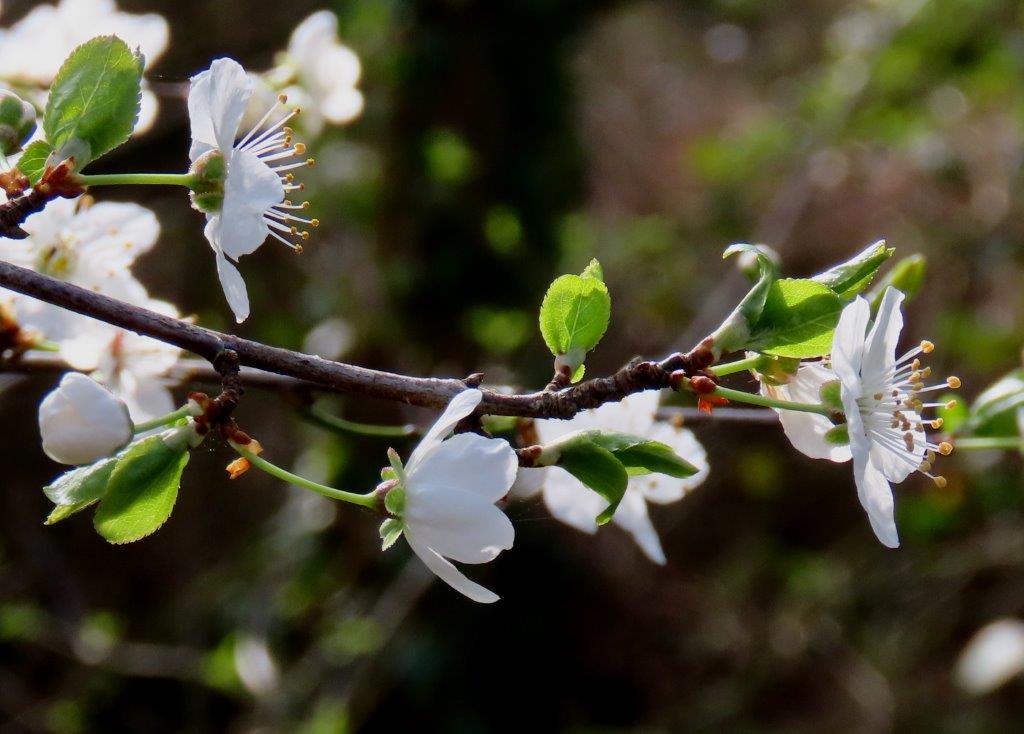
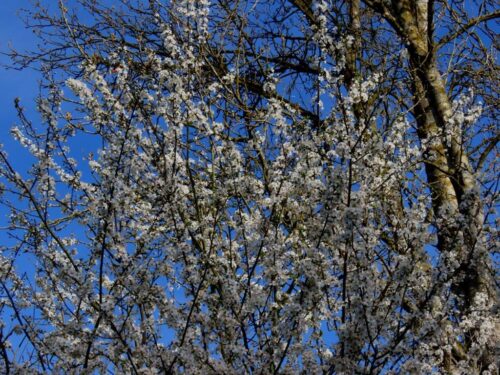
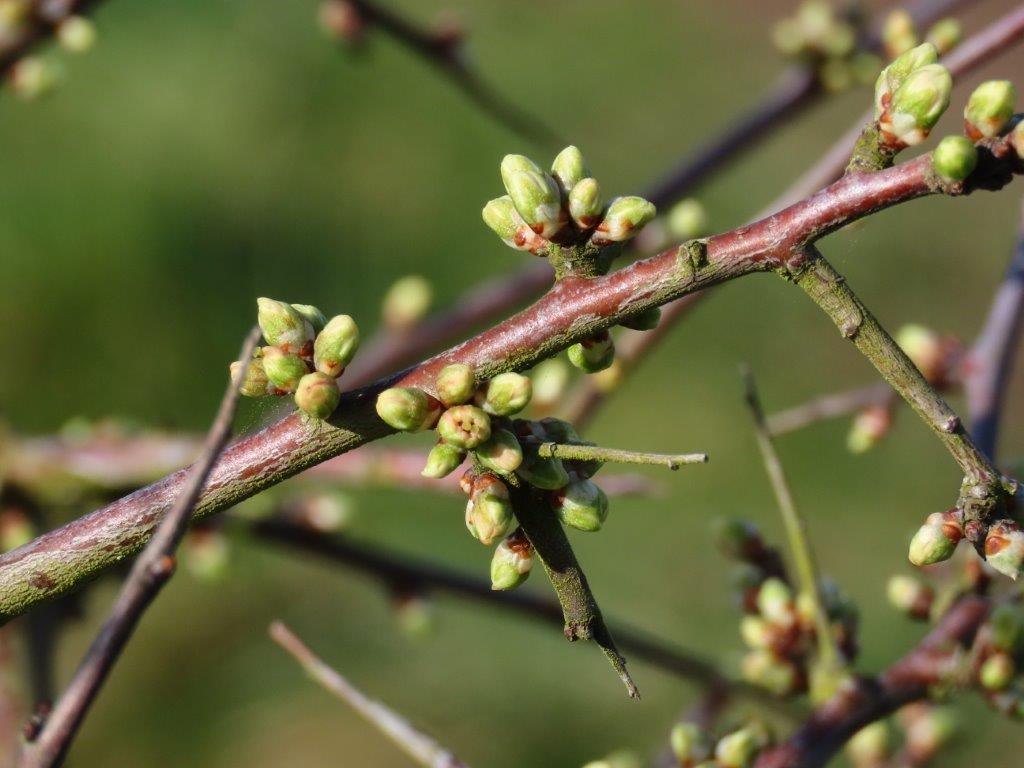
Hazel flowers, always the pre-Christmas first sign of the Spring to come, going over, and the Big Bud galls starting to form; Alder catkins peaking with Silver Birch still to come; Sallow pompoms just bursting, attracting numerous bees; and Cherry-plum in full flower with Blackthorn bud-burst perhaps a couple of weeks away: Nature’s Calendar in full flow!
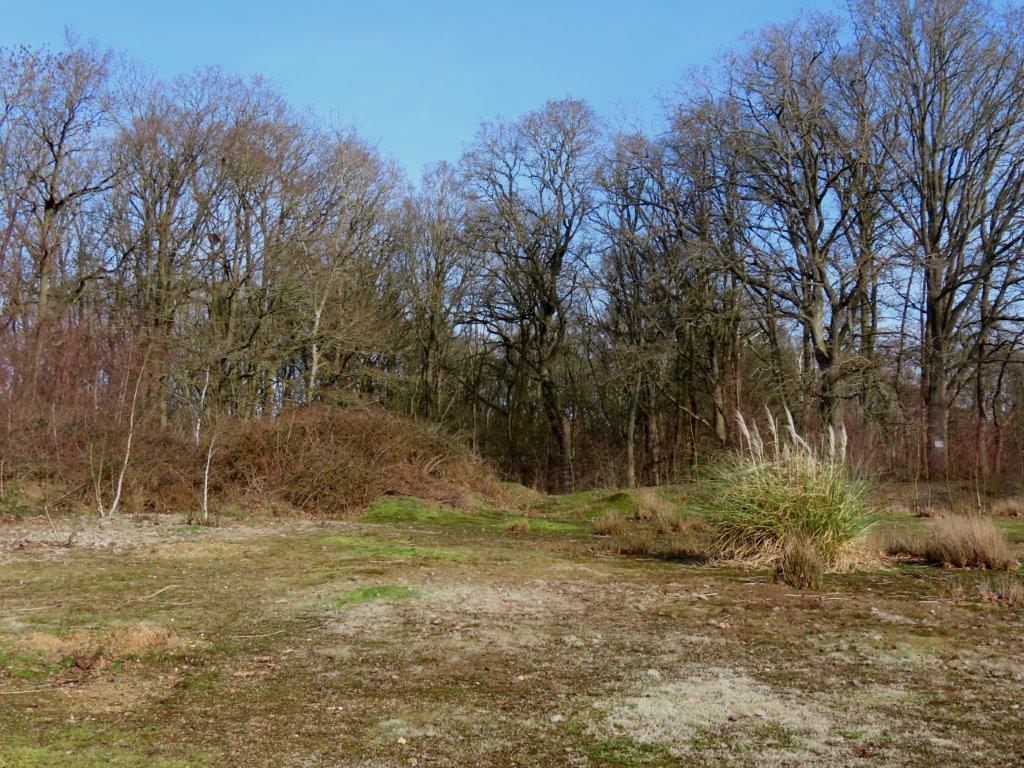
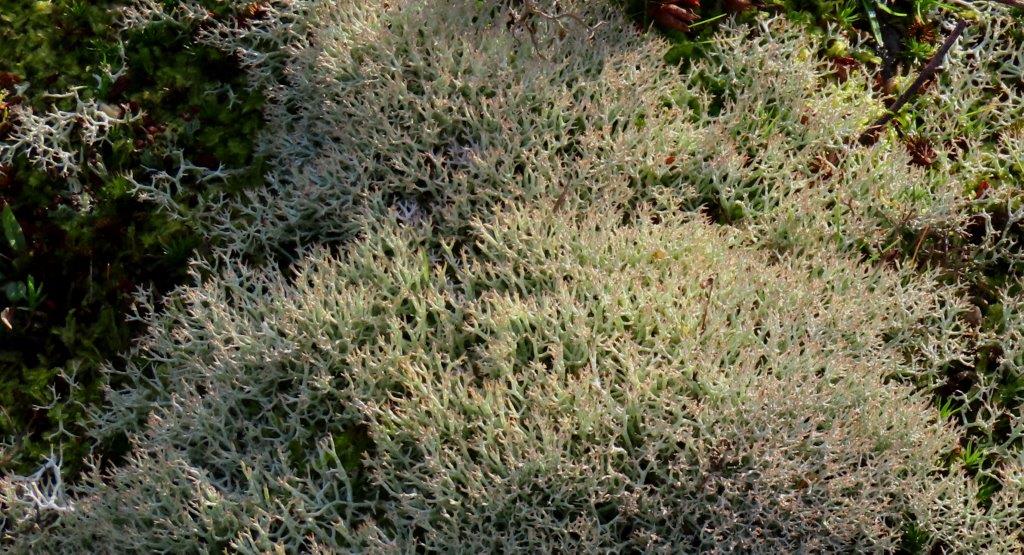
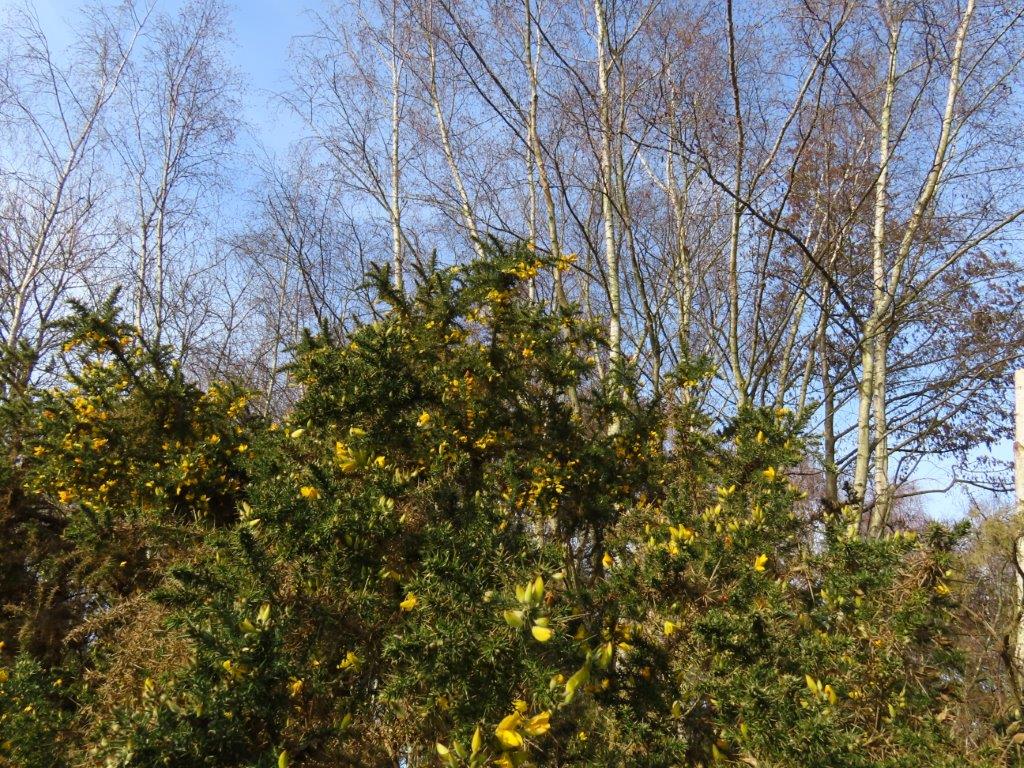
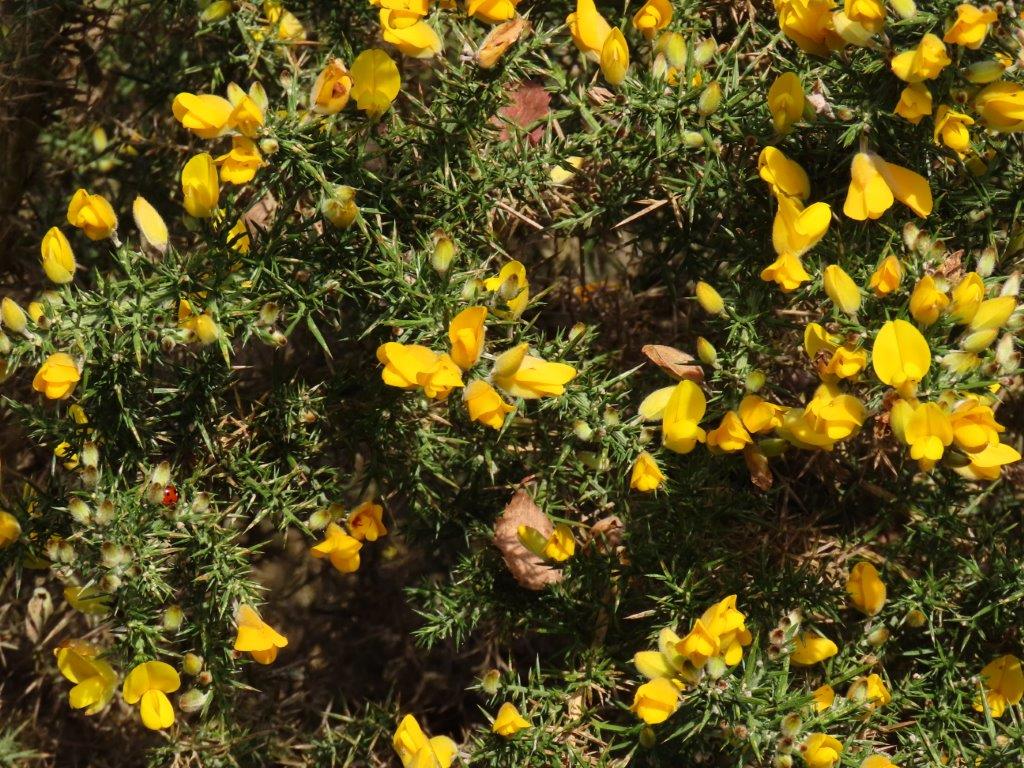
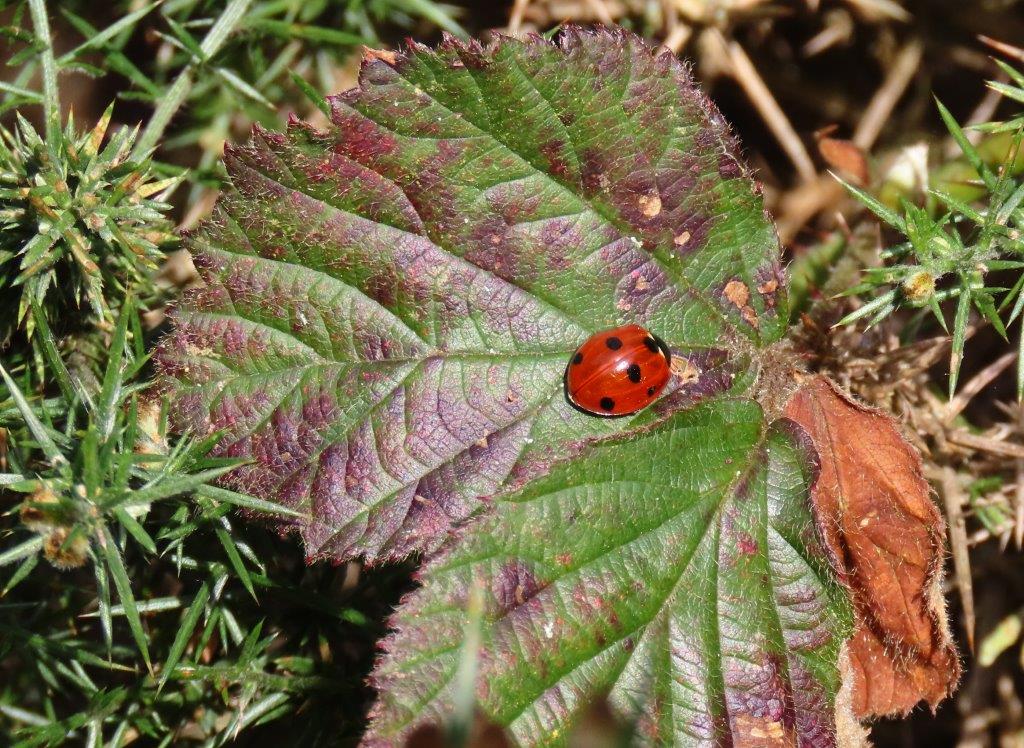
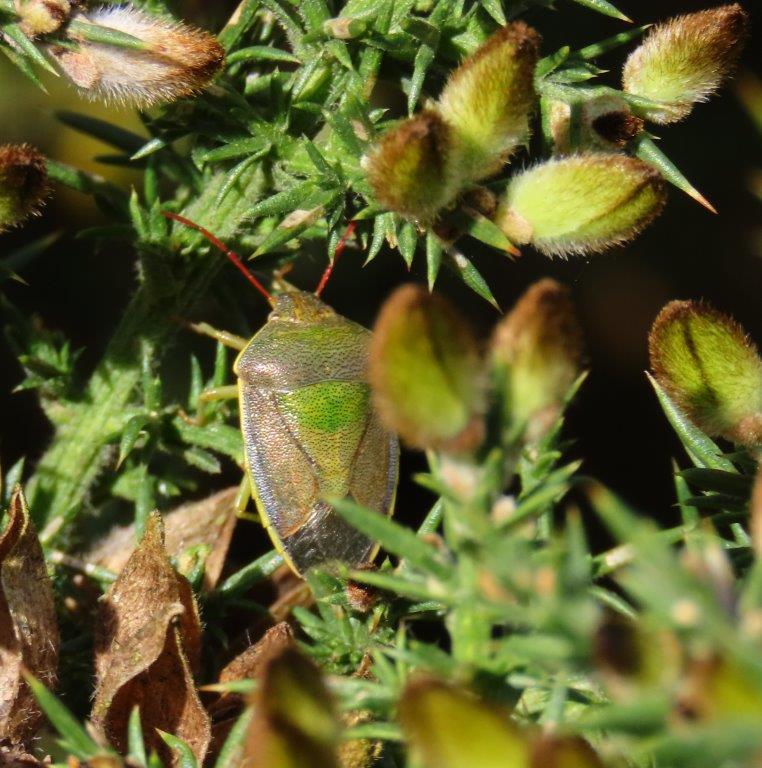
Onto the heath, the glorious Gorse flowers hid the glistening nuggets of Gorse Shield-bugs, so well camouflaged among the emerging buds. Queen bumblebees bumbled through the flowers, and there were Seven-spot Ladybirds everywhere. Much more numerous than I have ever seen before at this time of year, these are presumably the offspring from last July’s mega-influx.
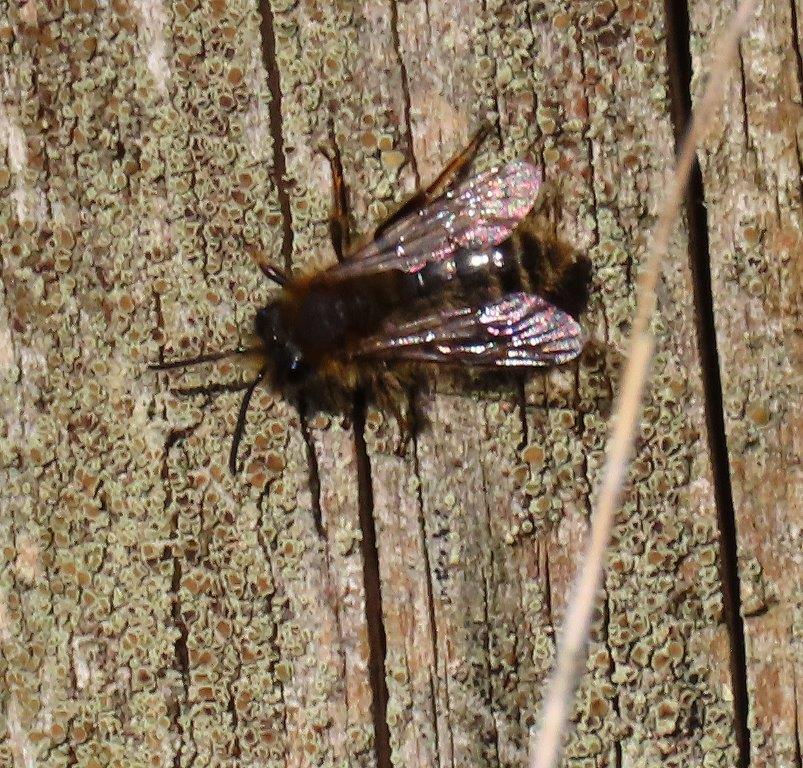
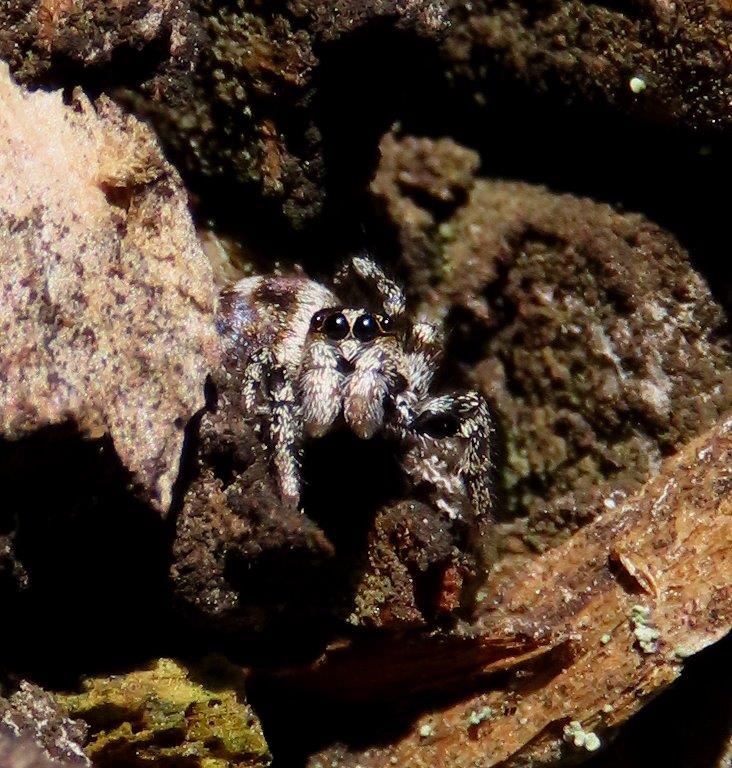
Basking on a fencepost nearby was what may be an early Gorse Mining-bee, along with a pugnacious Zebra Jumping-spider, ready to take us all on! The bee bank was teeming with Bunny Bees, one of the key features of this reserve, and especially pleasing as only a day previously, on my recce in similar sunshine, I had seen just a couple.
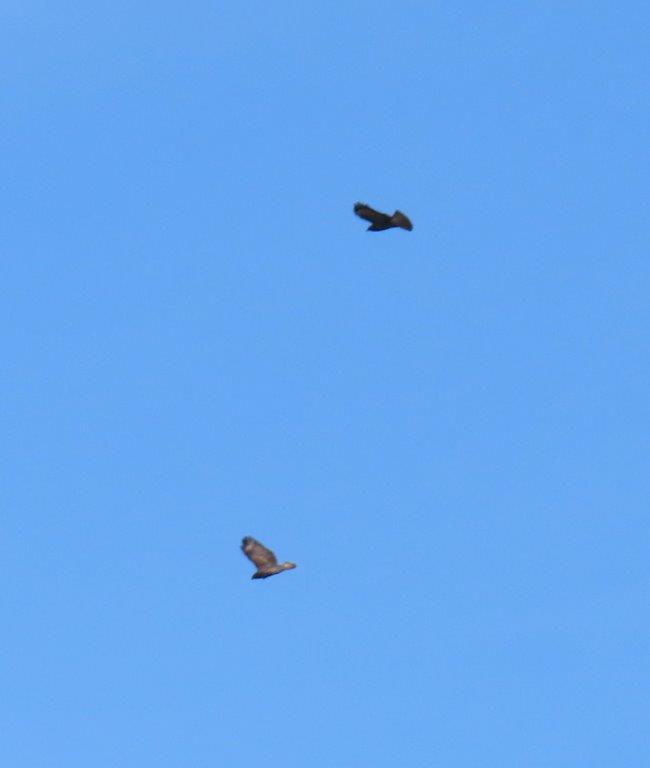
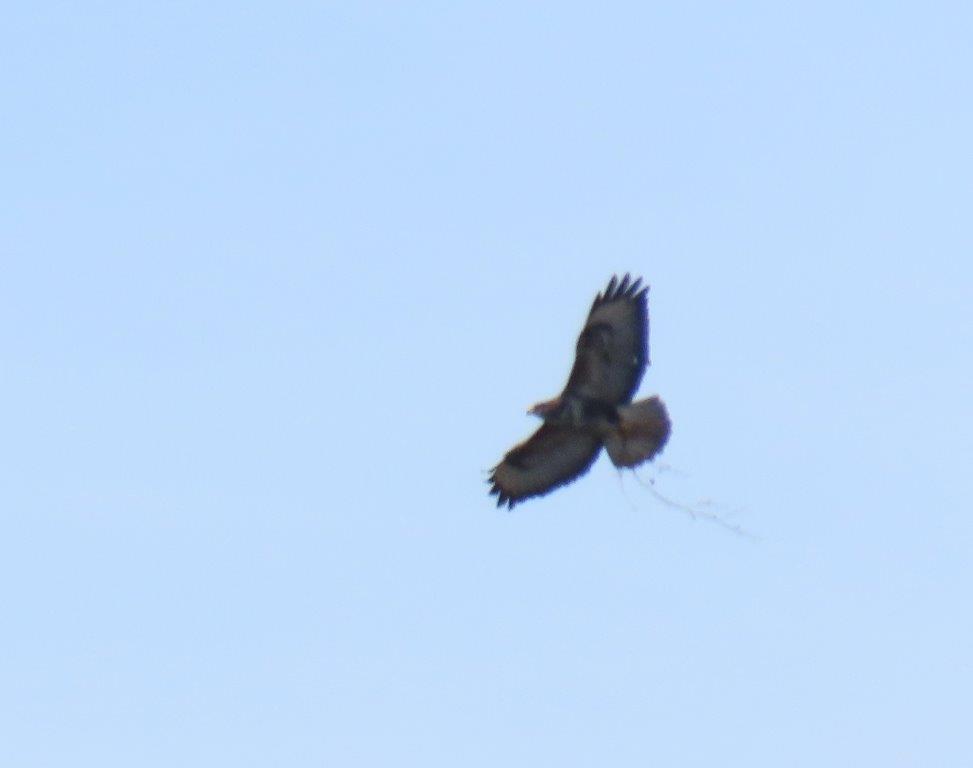
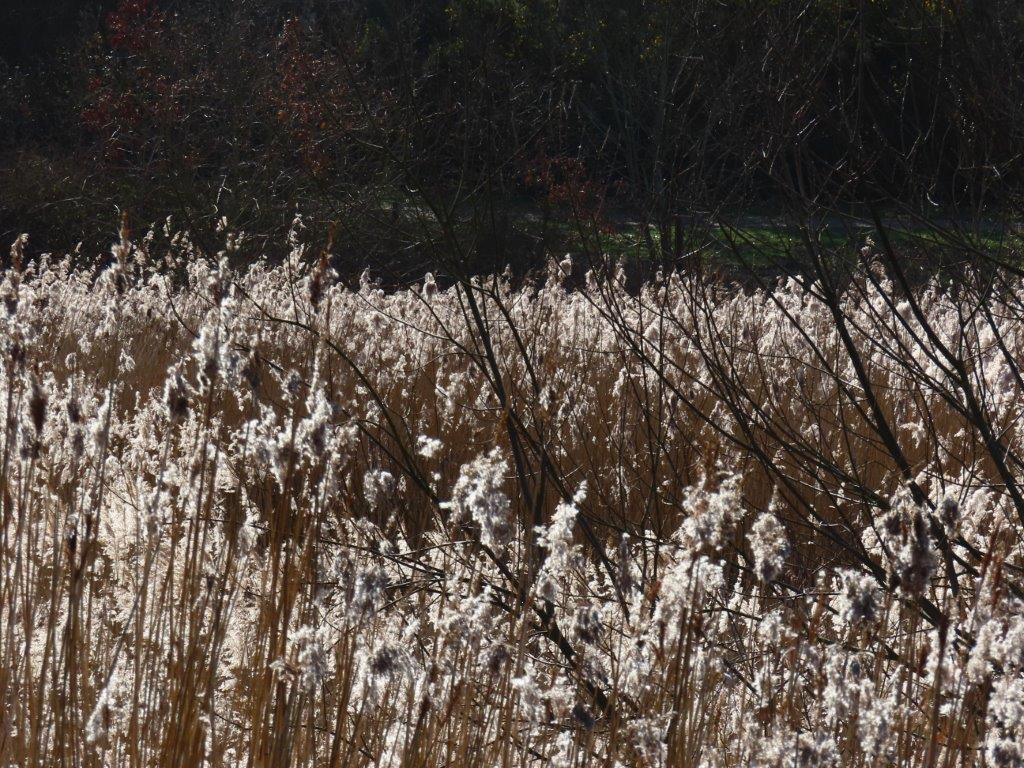
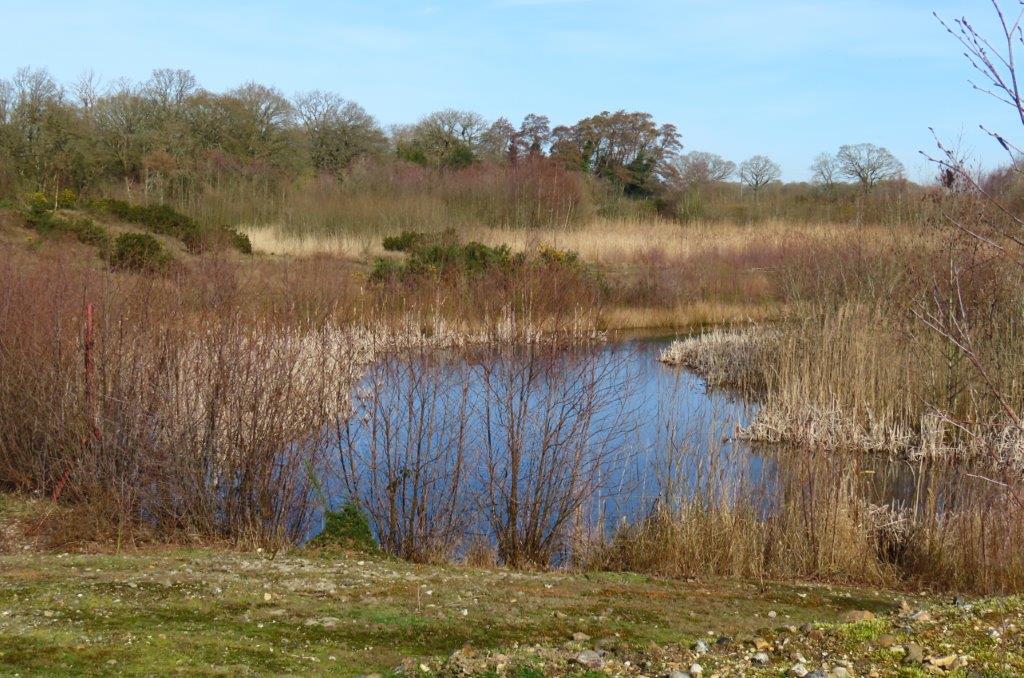
Two lots of Buzzards were overhead, mewling in display flight and carrying nesting material, while a female Marsh Harrier quartered the reedy willow scrub.
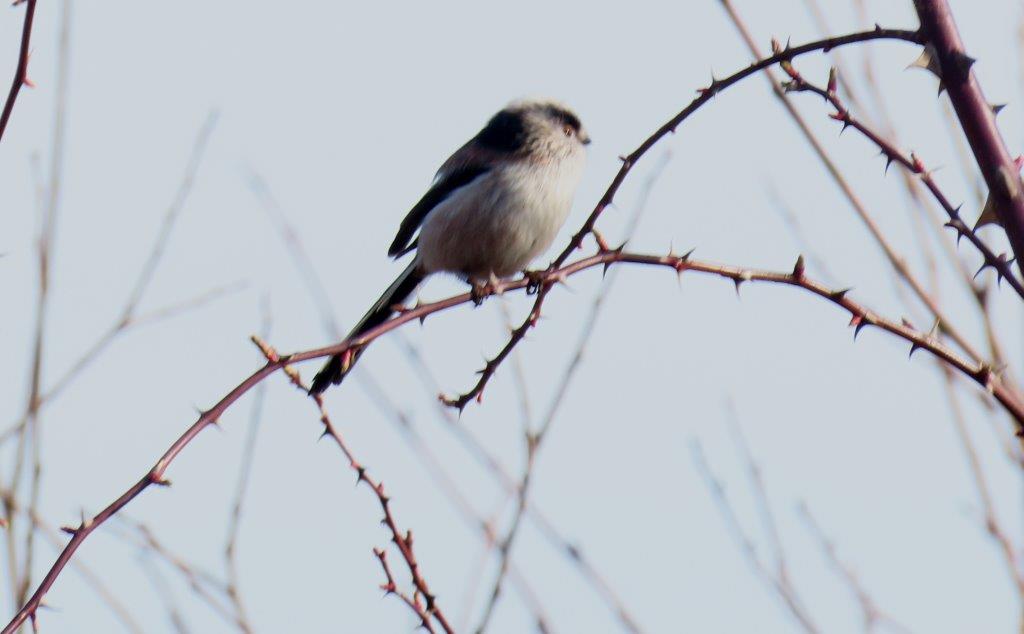
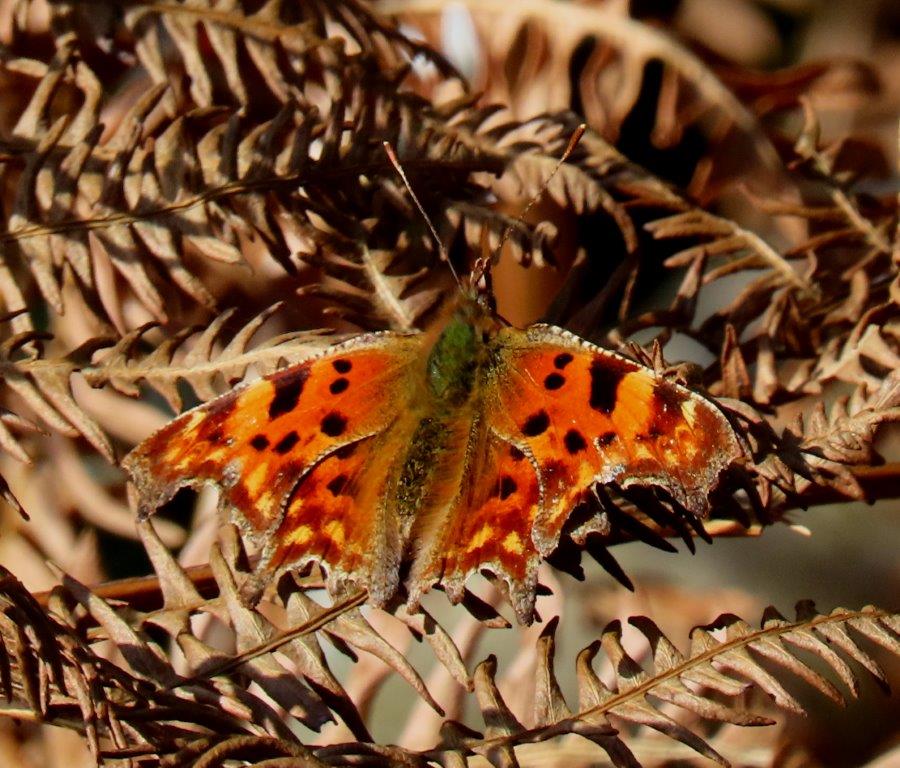
Several pairs of Long-tailed Tits seemed to be setting up territory and there were fleeting flypasts of both Peacock and Red Admiral, though no sign of yesterday’s Comma, my first butterfly of the year. Nor were there any of the Hairy Shield-bugs on show: such is the excitement and unpredictability of the natural world. But the final reward for we two leaders was back in town, just after the last of our group peeled away, the most vibrant male Brimstone crossing our path …