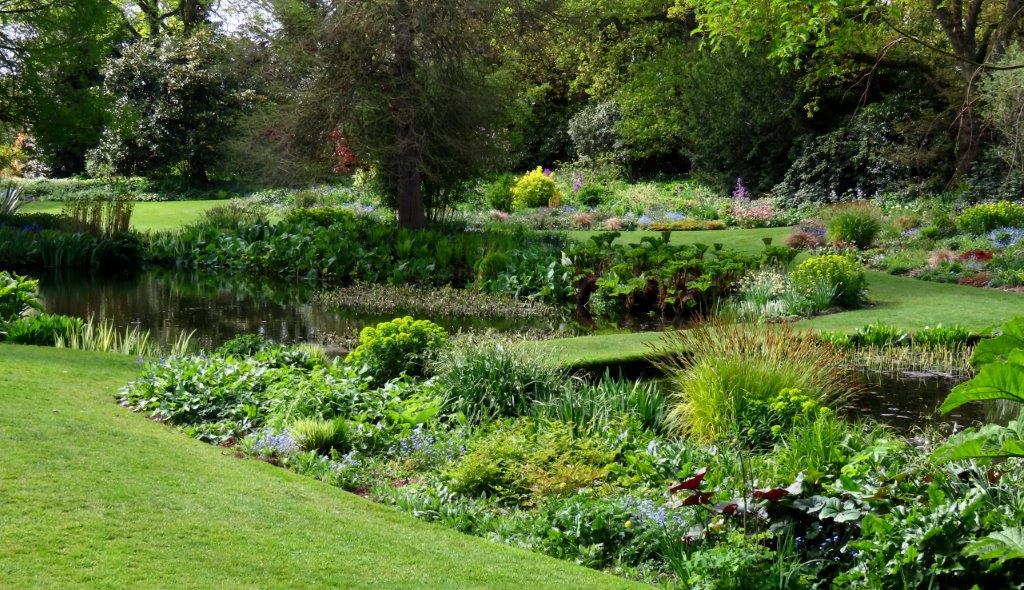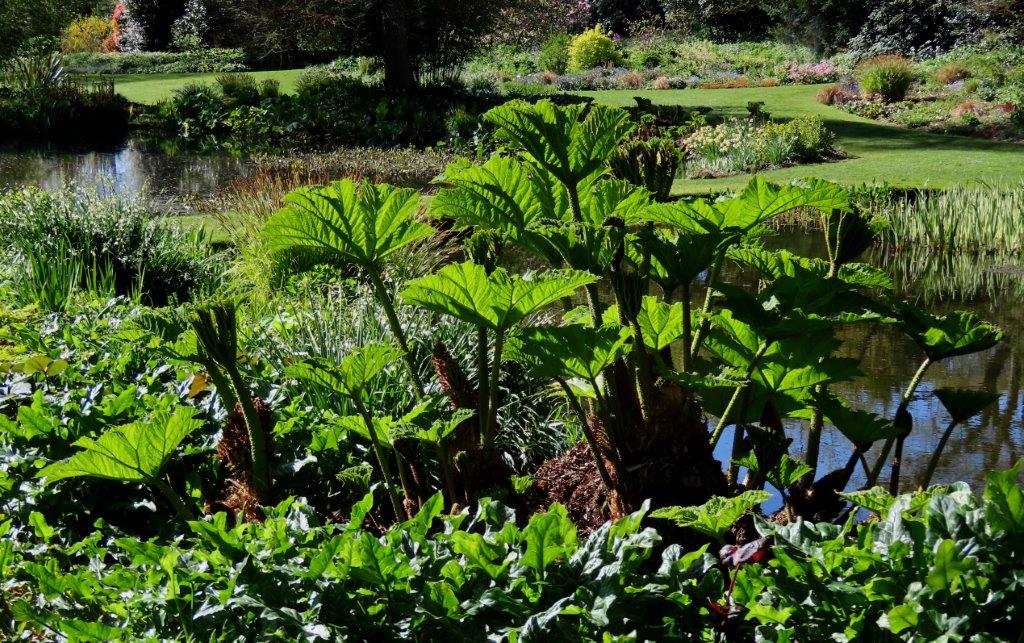
April saw me heading to the gardens on three occasions in mid-month, twice to lead walks (two for the National Garden Scheme and the first two of my summer monthly WildSide walks) and one just me and my camera, a moment of peace in a mad world.
Five walks on three days in just a little over a week might seem like overkill, but this time of year it really isn’t. In the full flight of spring, nature can change perceptibly every few days. And this year was no exception, especially as the lack of rain for about five weeks and rising temperatures completely changed track from the past wet winter, and pushed us into incipient drought. These mood swings of nature, actually more like handbrake turns on a sixpence, are what we must expect and live with in the climatically weirded future. And so must our garden plants and wildlife. Some will not be able to, so my advice as always is get out there now and appreciate just what riches we have!
The speed of change was almost frightening. Take that wonderful yellow peony Paeonia mlokosewitschii (aka Molly the Witch), in tight bud on my first visit, full flower six days later and three days futher on, starting to fade. A plant of highly transient glory, but a favourite of the garden bees!
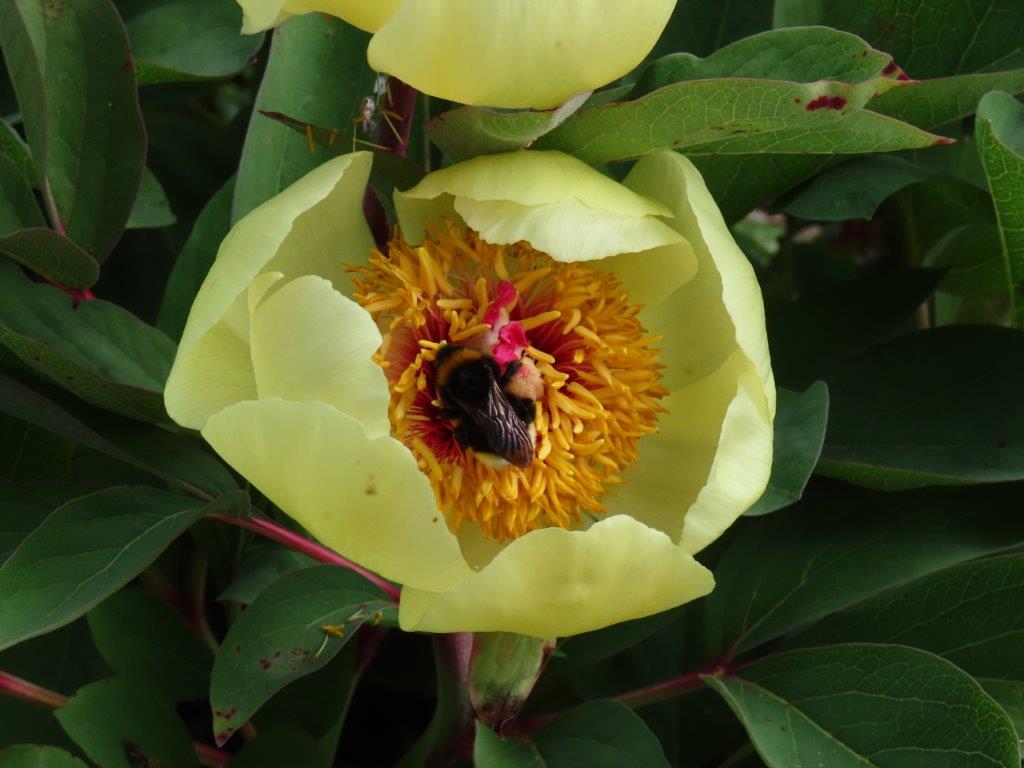
Many other flowers of course, a plethora of potential food sources for insects and a delight to photograph:
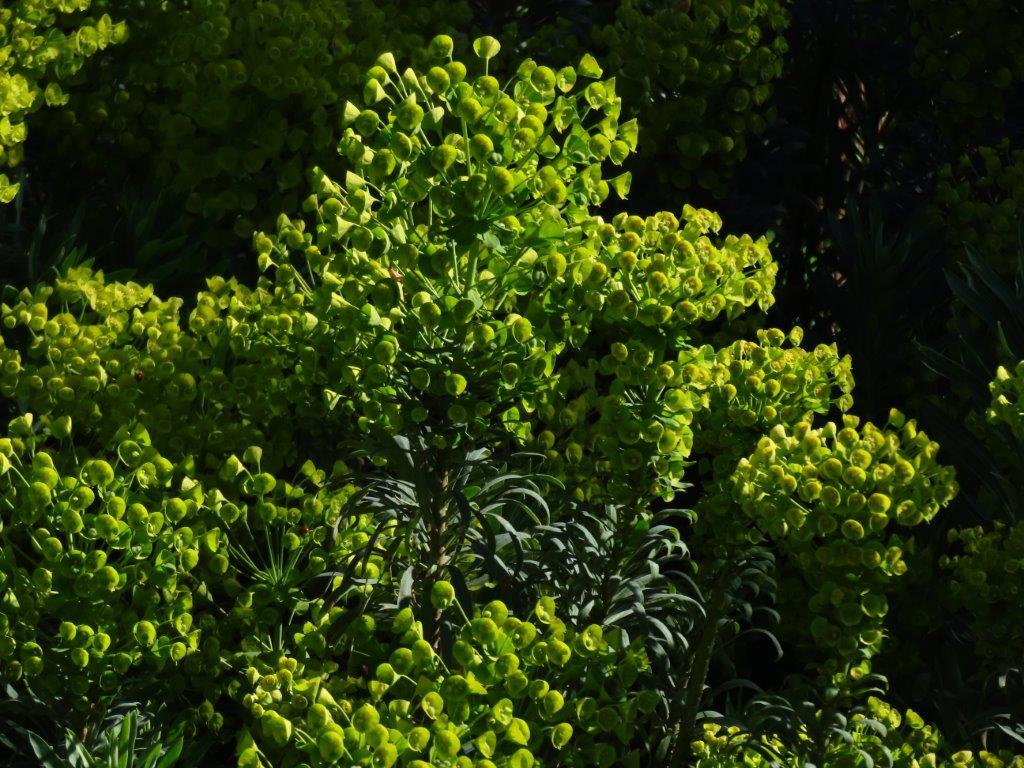
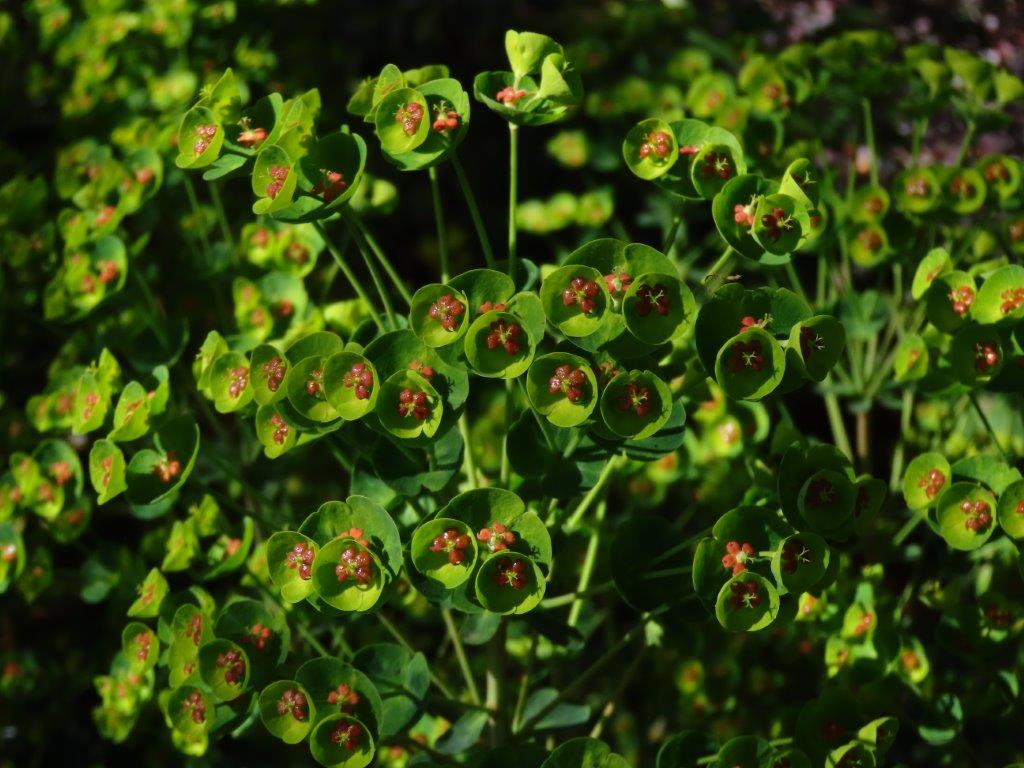
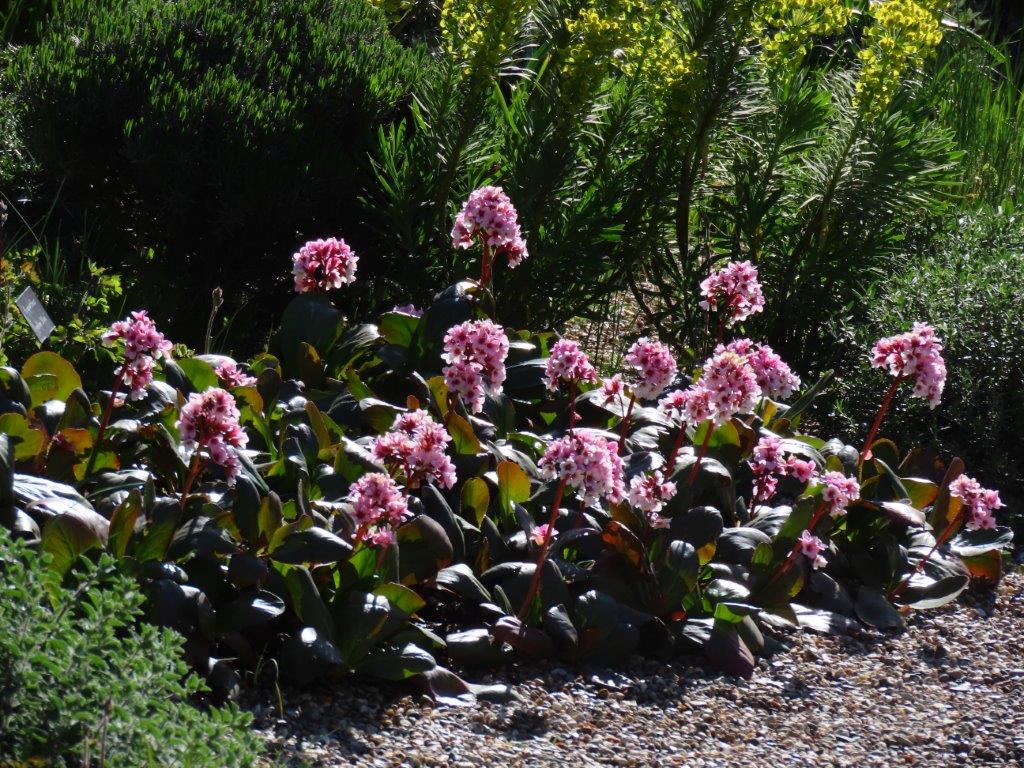
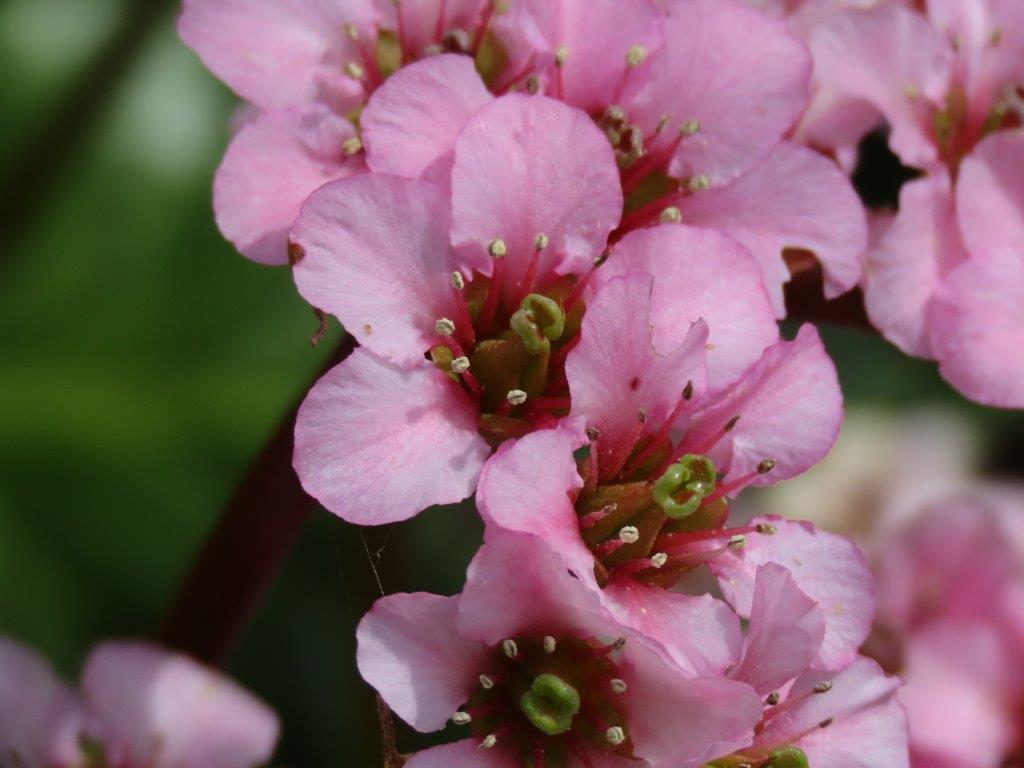
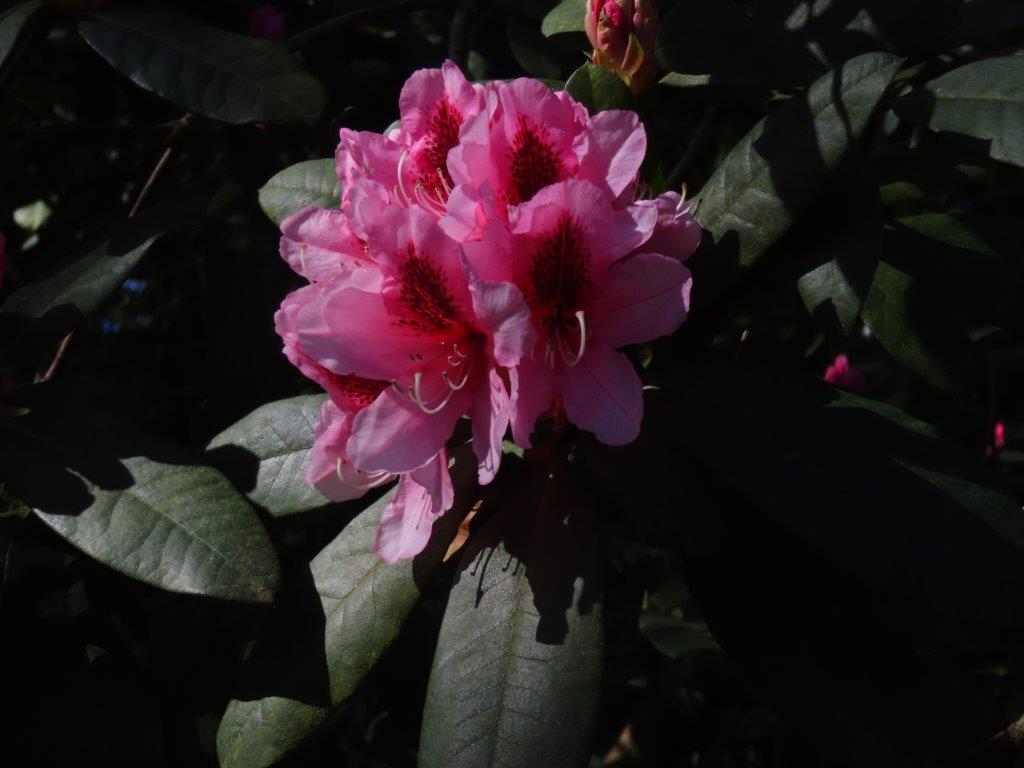
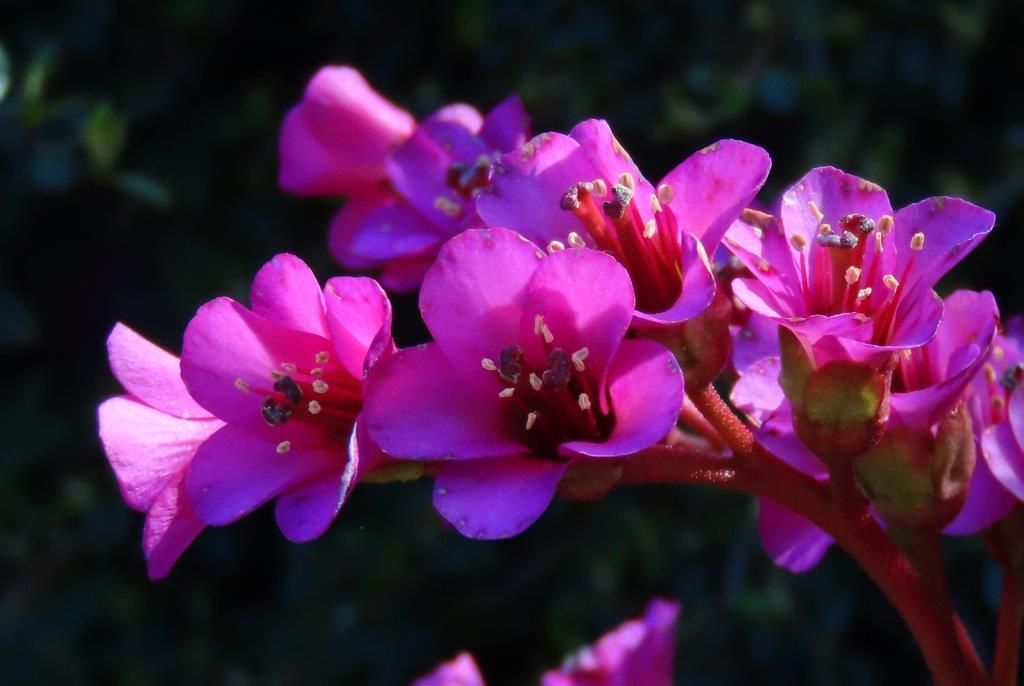
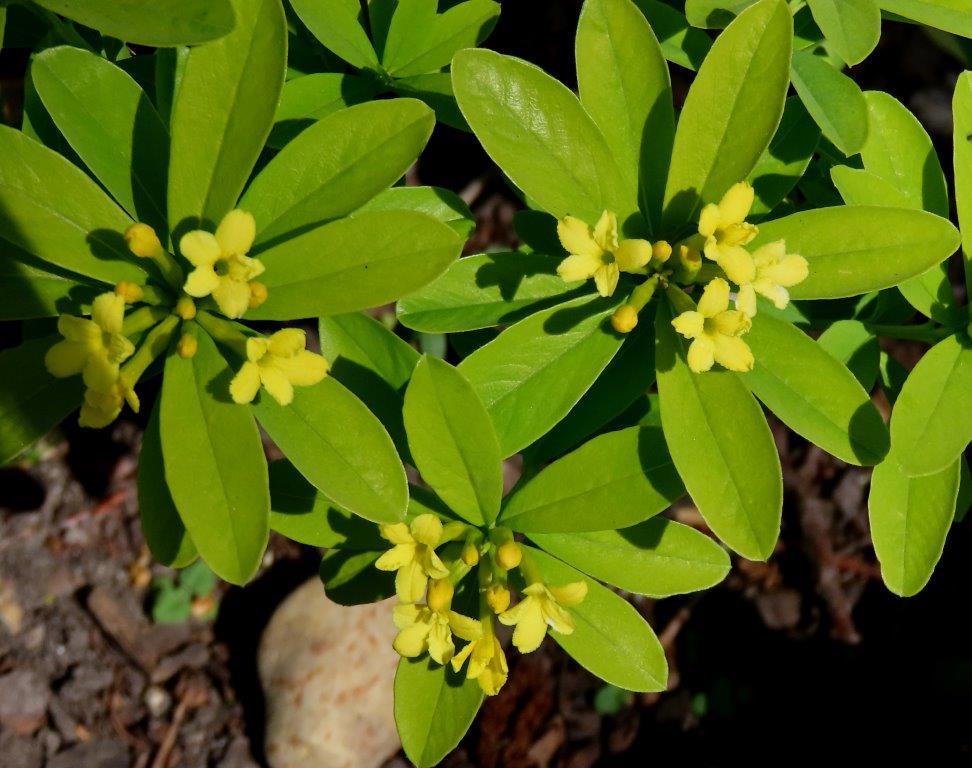
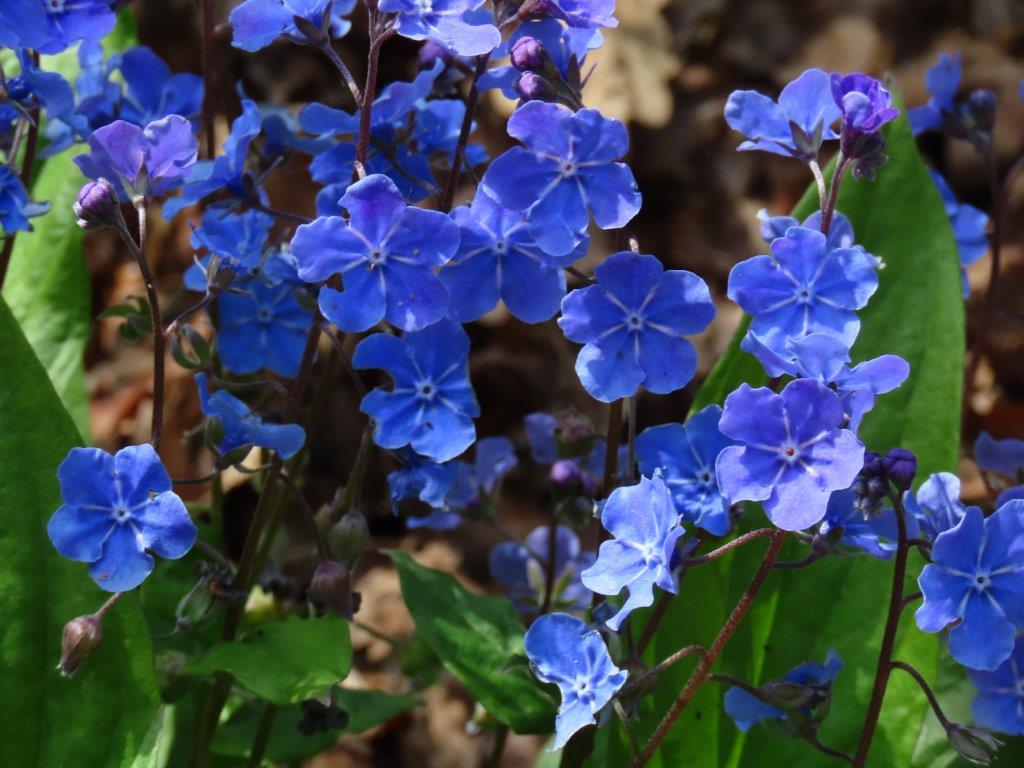
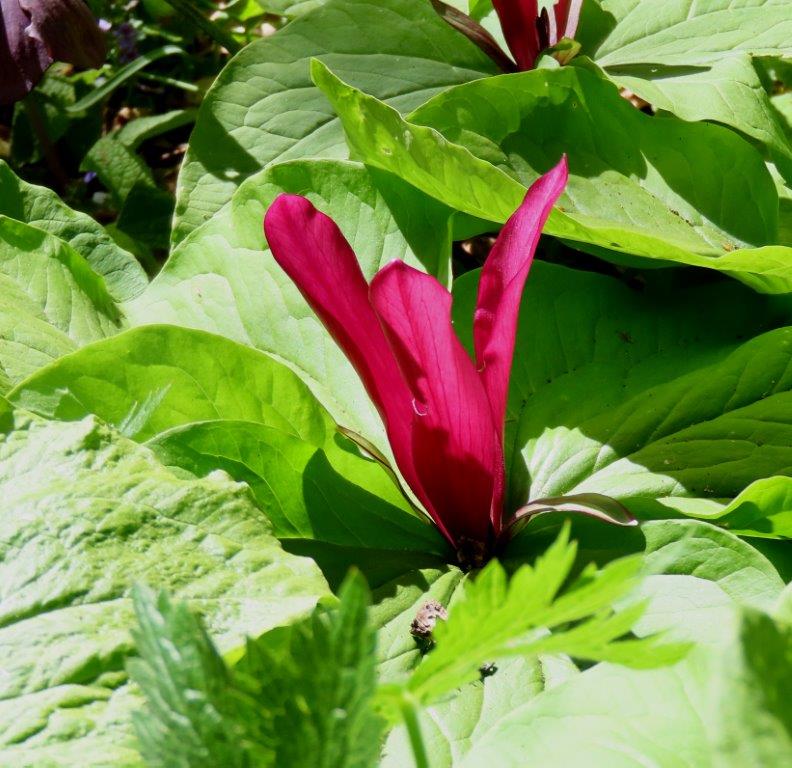
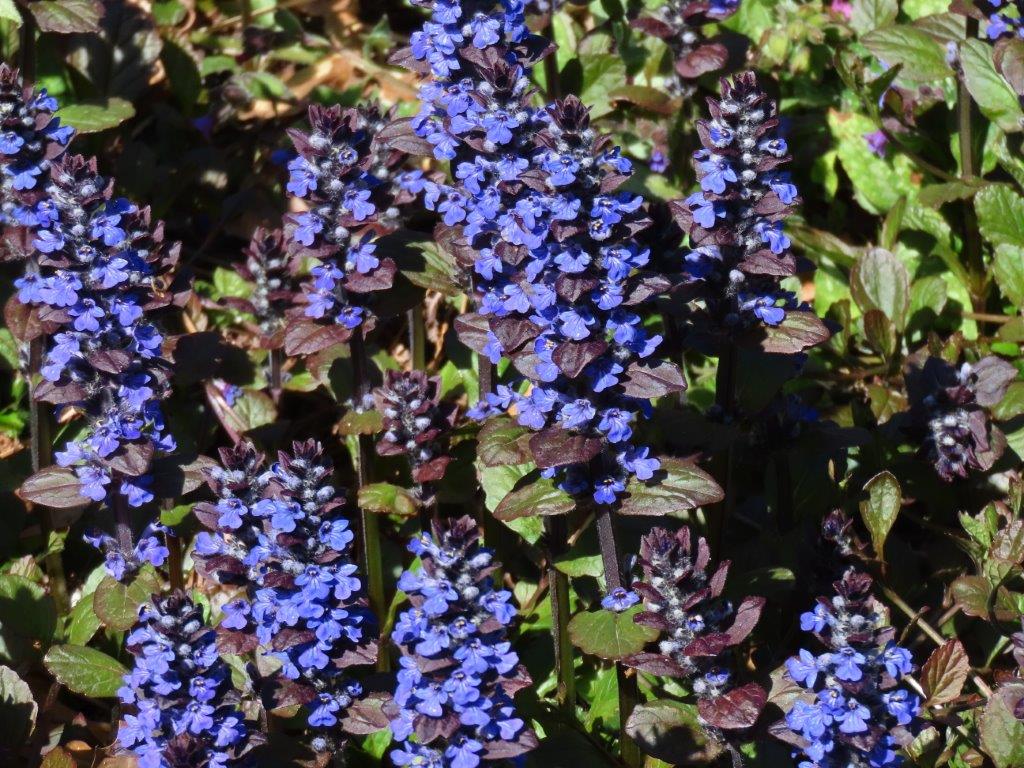
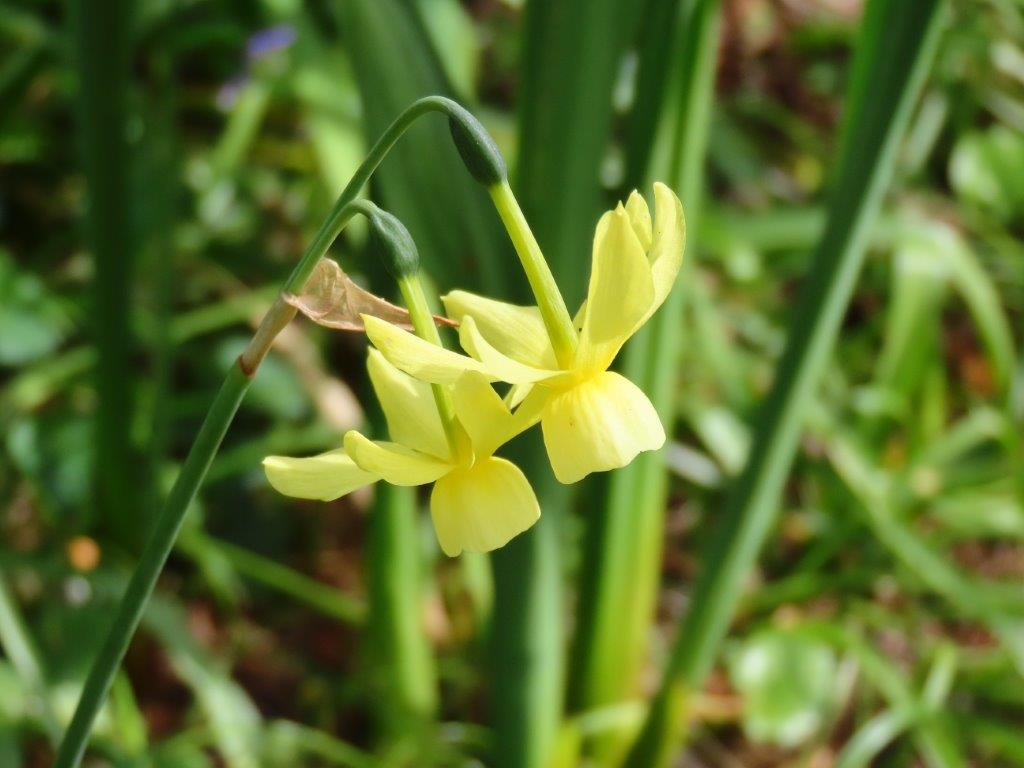
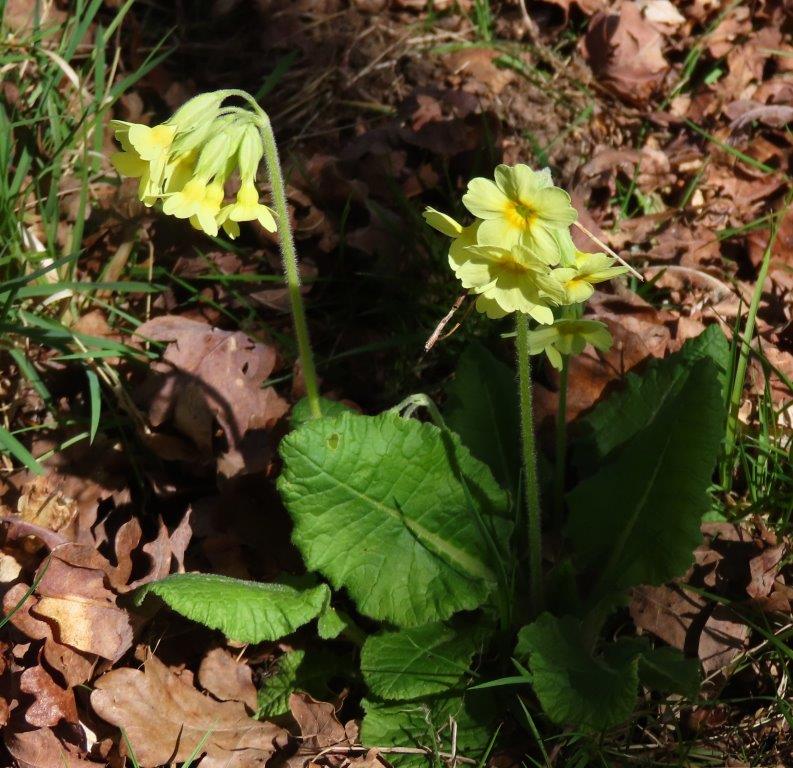
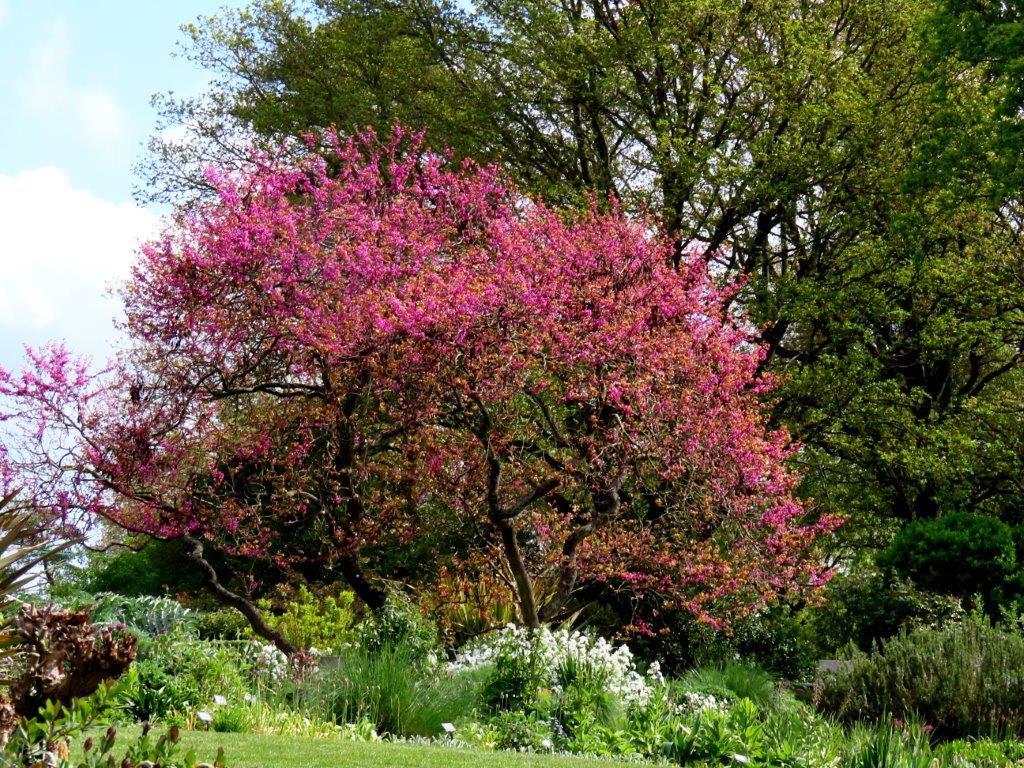
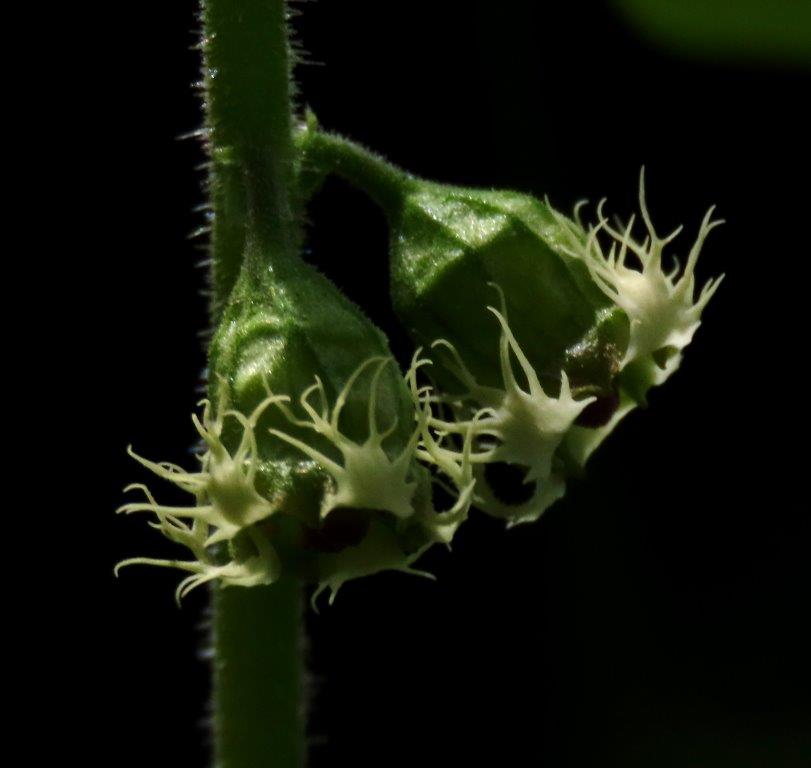
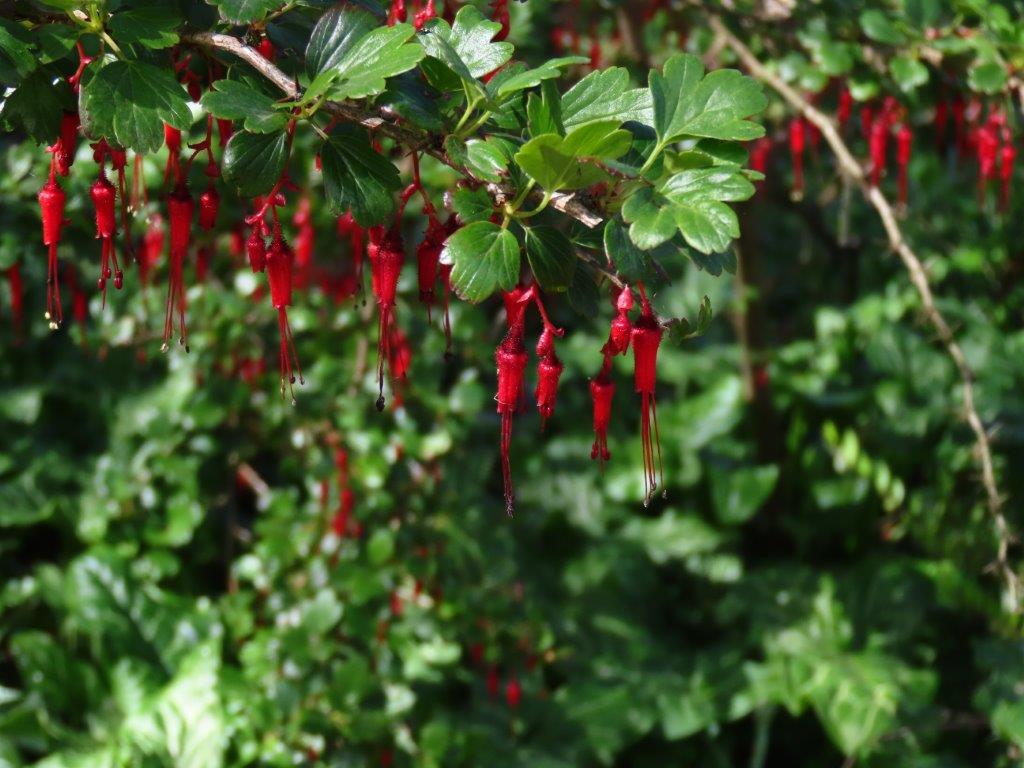
And not to be outdone, the unfurling fern fronds and red maple foliage added their own highlights to the masterpiece of spring:
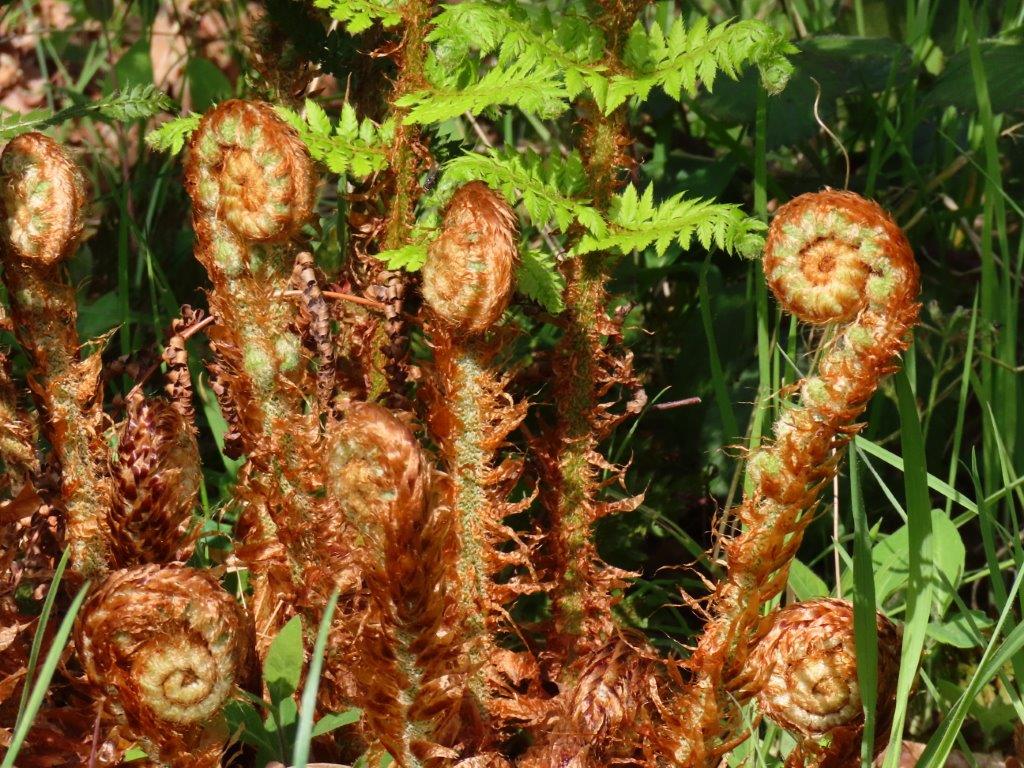
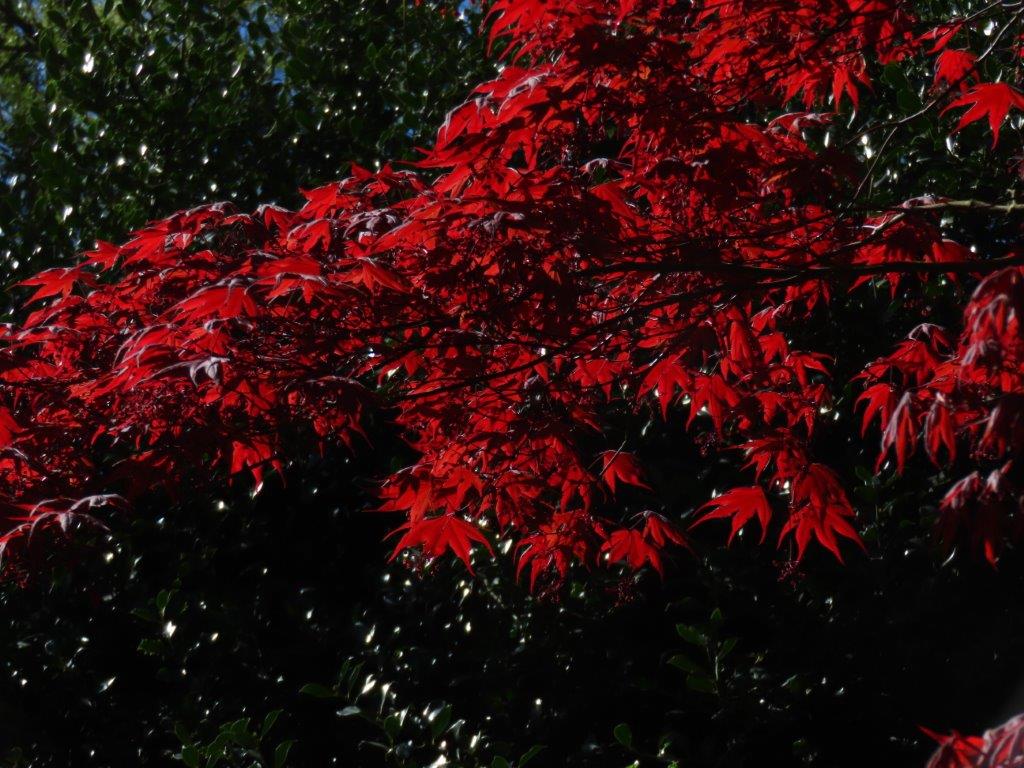
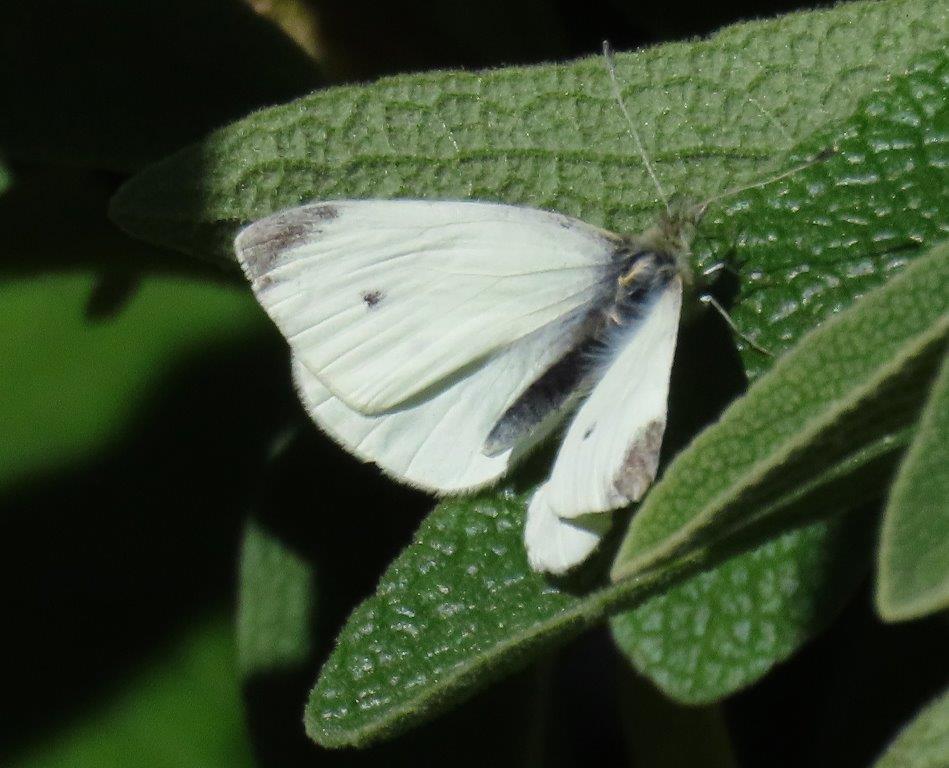
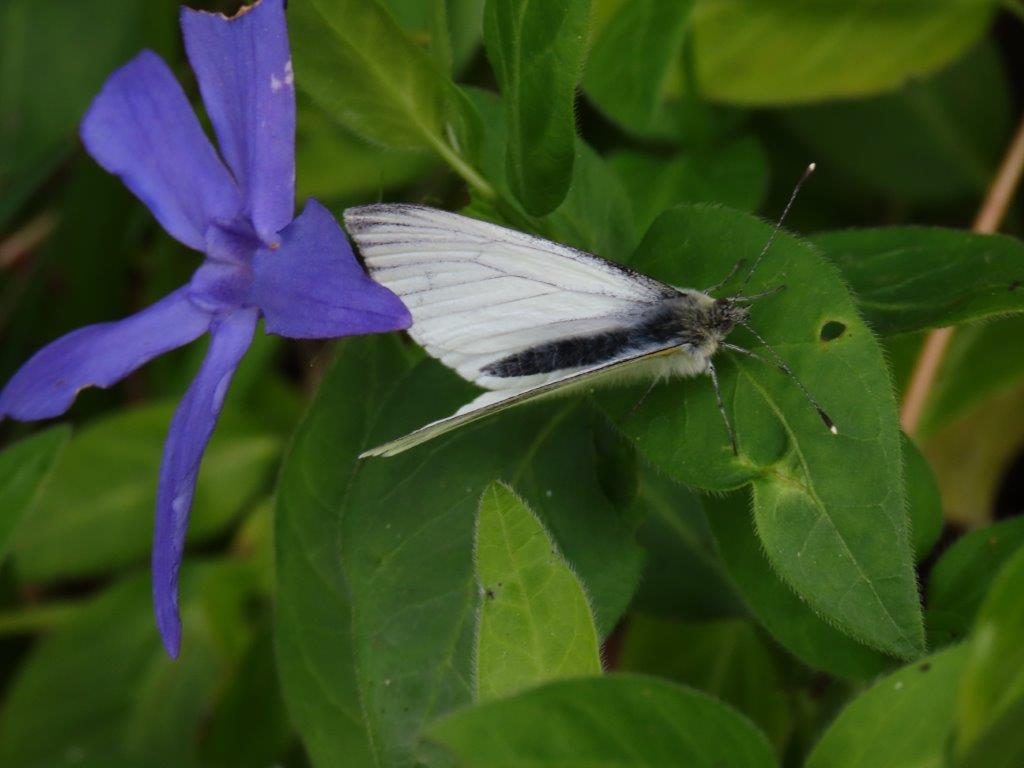
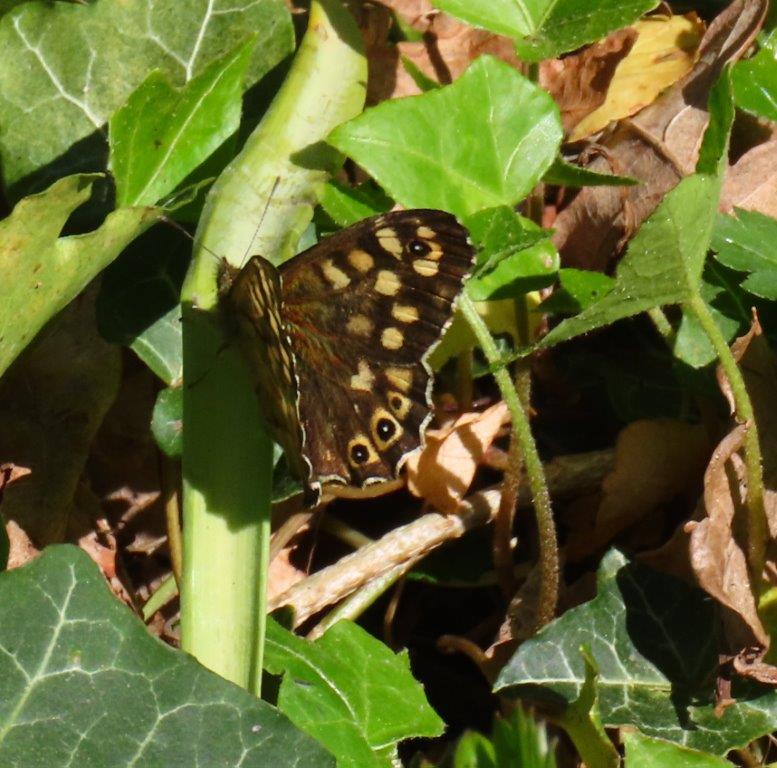
Butterflies have yet to emerge in real force, especially since the overwinterers have started to fade. But the whites are putting on a strong show, with Small, Green-veined and Orange Tip by the first visit, Large White joining them by the final date, along with the first Green Hairstreak and Speckled Wood.
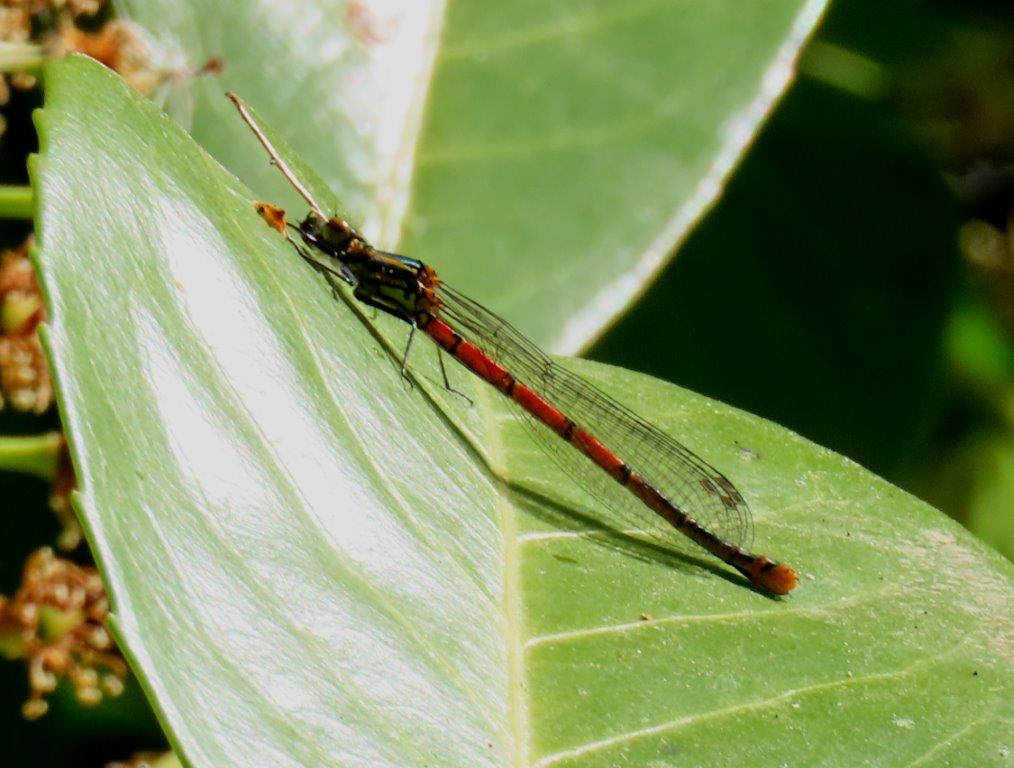
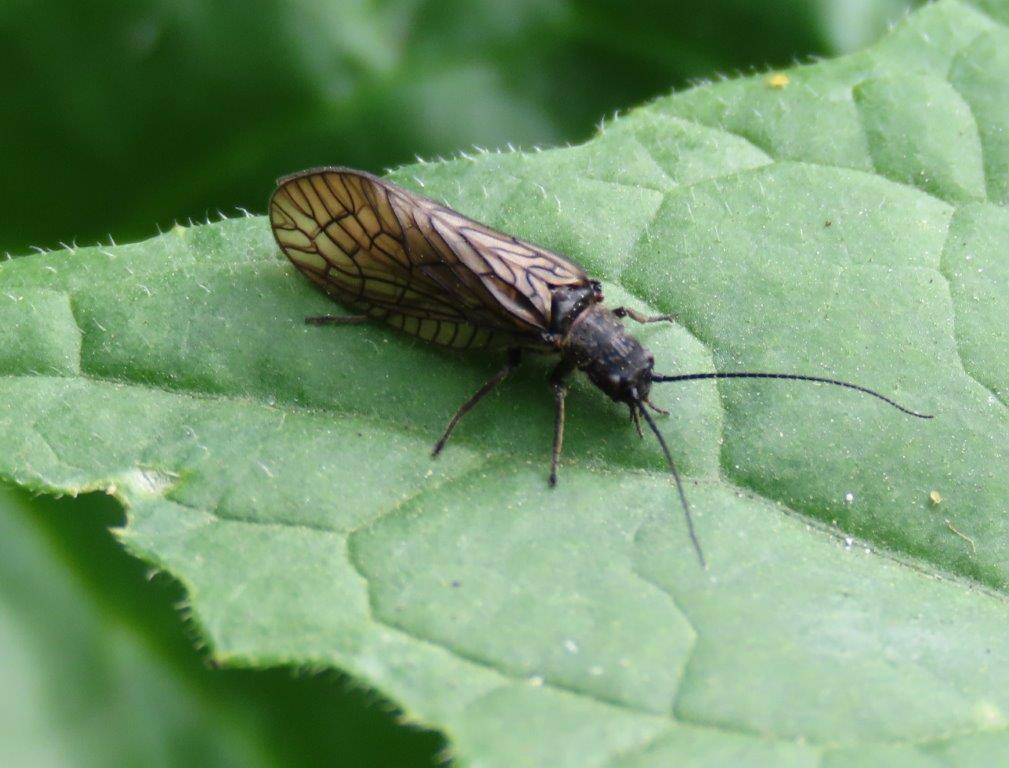
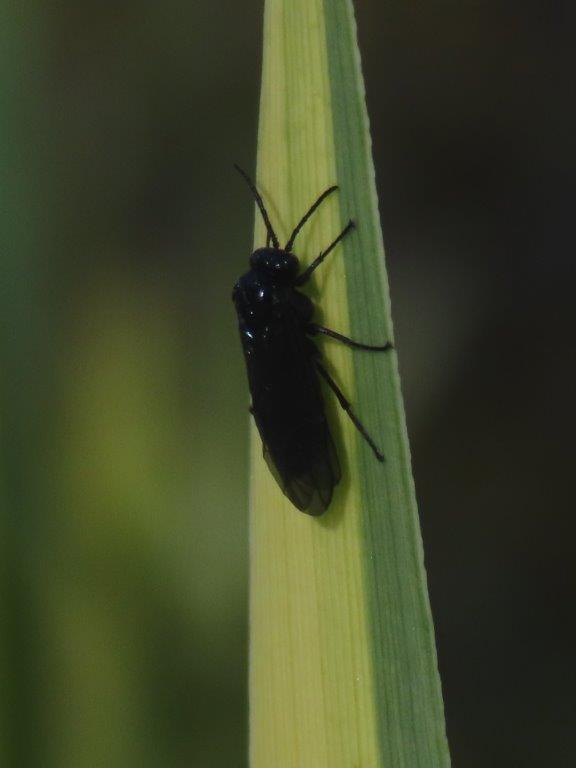
The first visit also coincided with the first emergence of the year of Large Red Damselflies, always the earliest of its group to appear, along with other aquatic insects like Alder-flies, and remarkable numbers of adult Iris Sawflies, on and around the emergent iris leaves and whose larvae will be responsible for nibbled edges to leaves this summer.
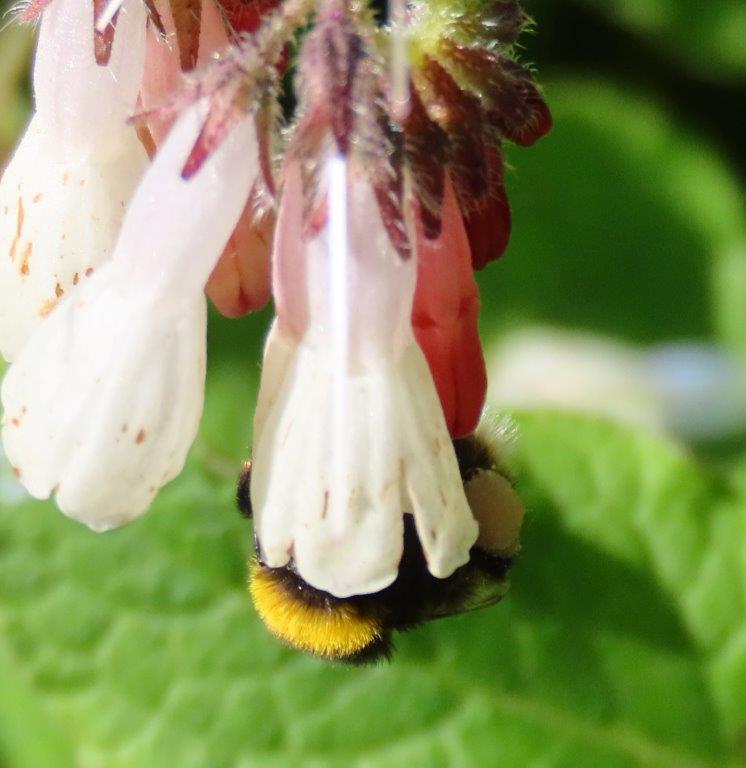
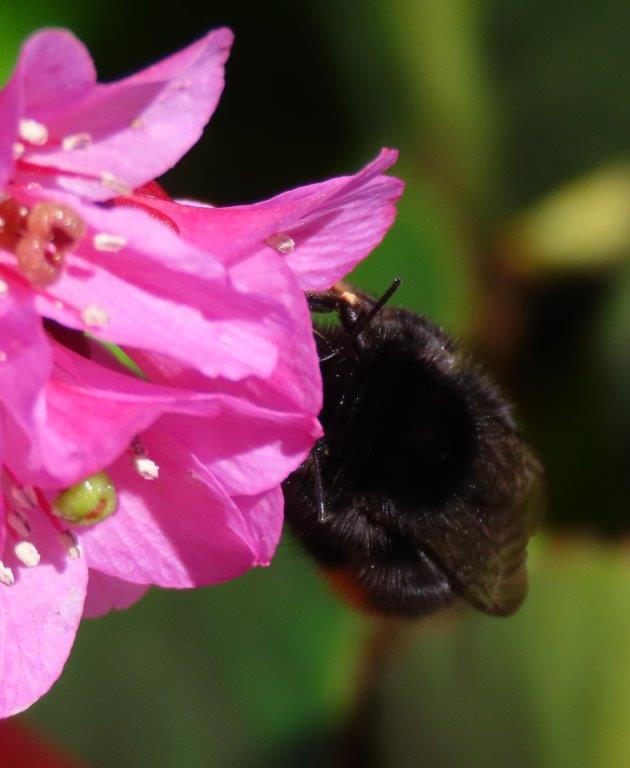
Back on dry land, there were plenty of the usual bumblebees, including rather more Red-tailed than we have come to expect in recent years:
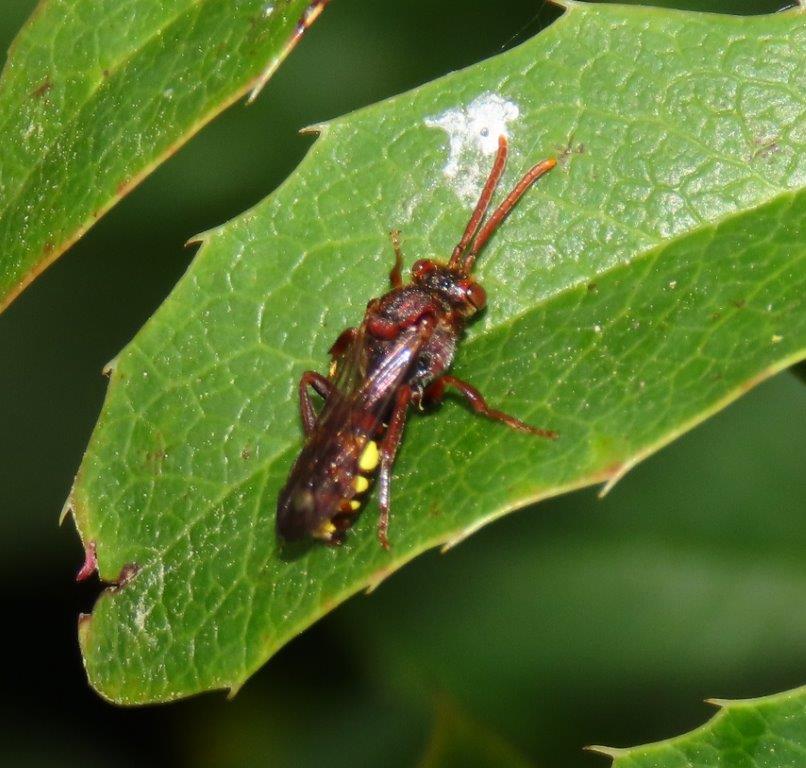
Hairy-footed Flower-bees were still patrolling the borders of comfrey and lungwort, not only for food but also for each other, with many interactions between amorous males and seemingly uninterested females noted! Other solitary bees included Yellow-legged and Chocolate Mining-bees, one of the furrow-bees, and Flavous Nomad-bee. The several species of nomad-bee seem to be in remarkable numbers this spring compared with previous years…
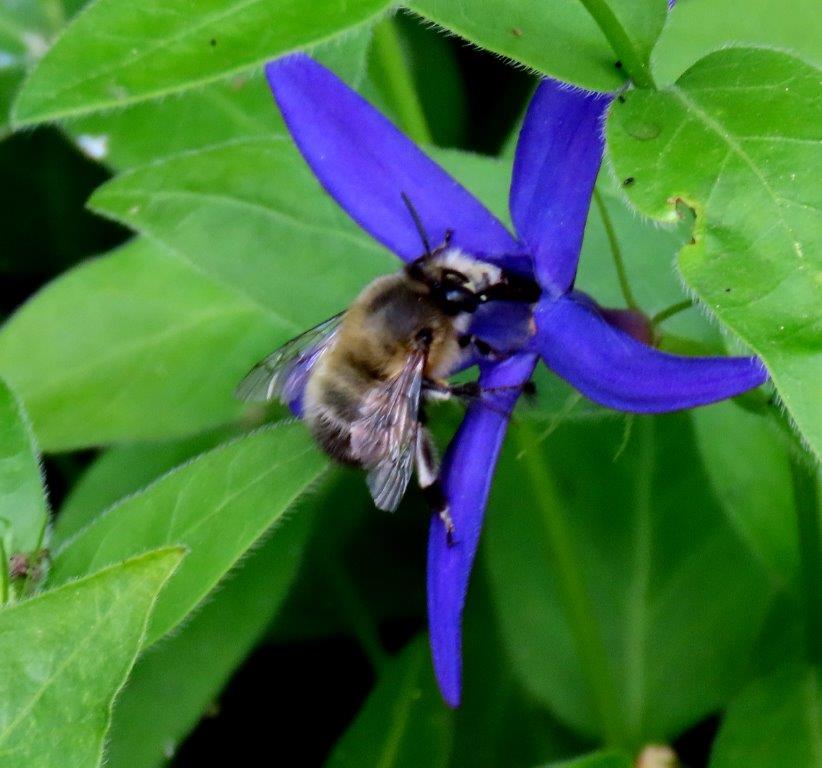
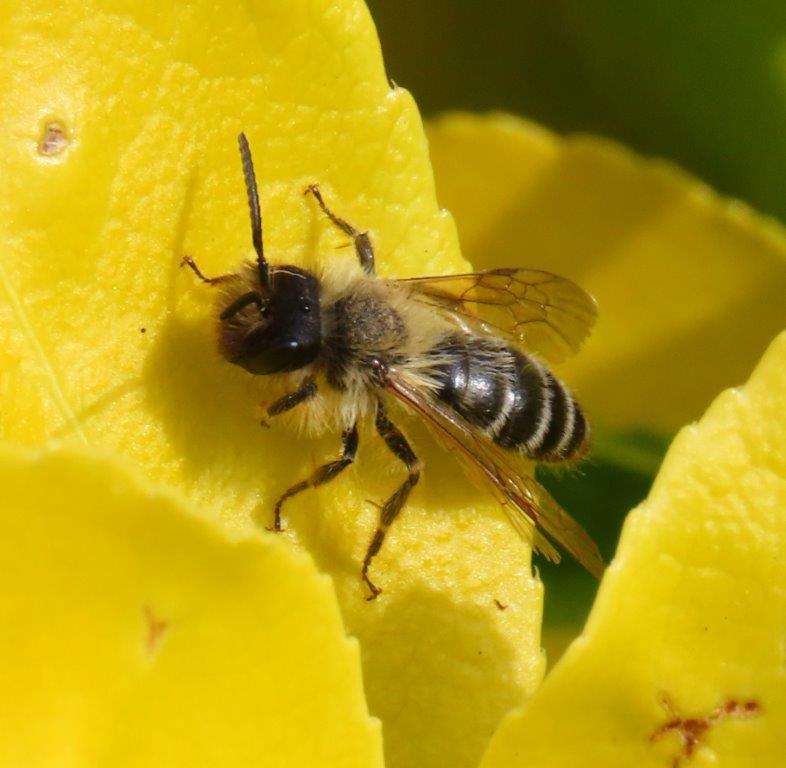
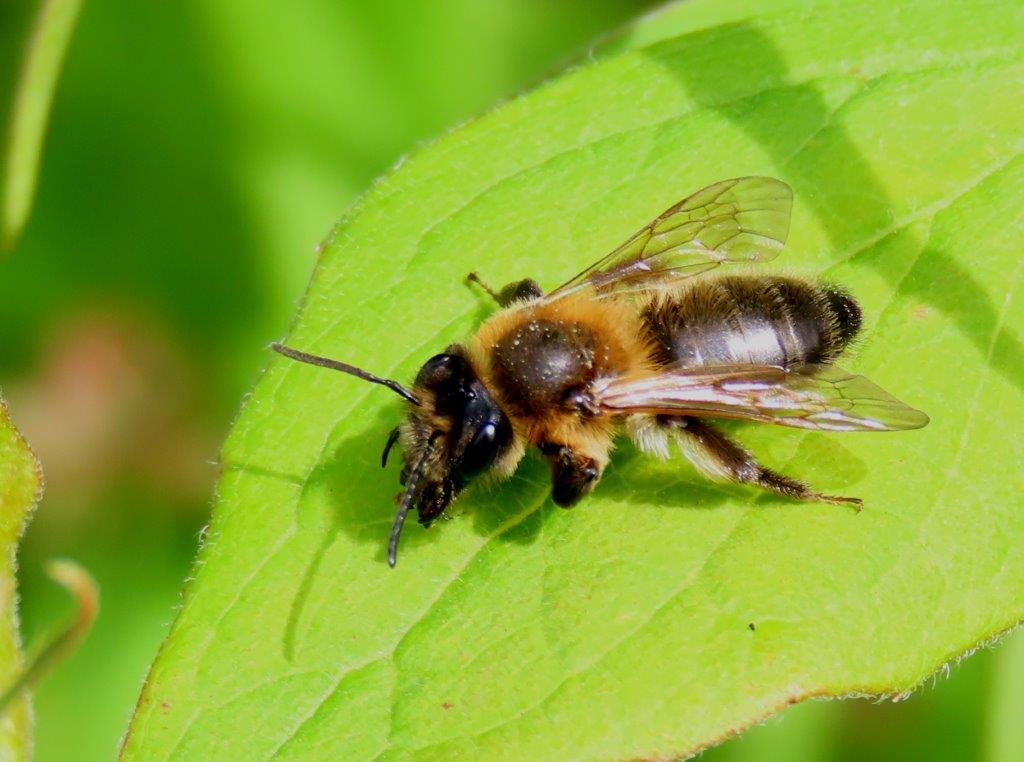
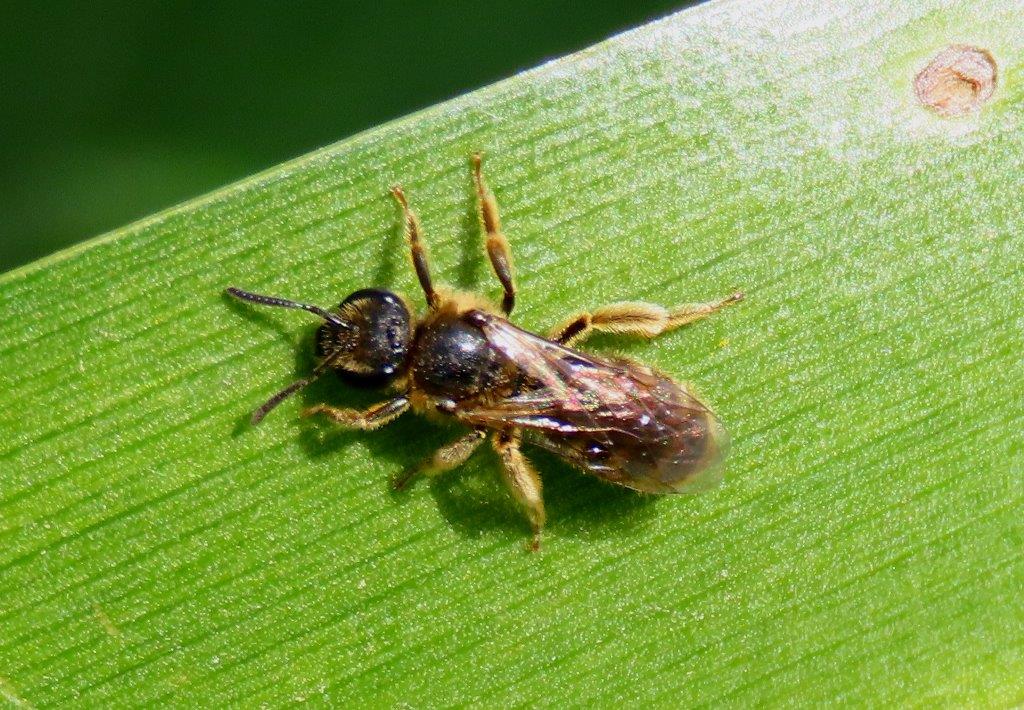
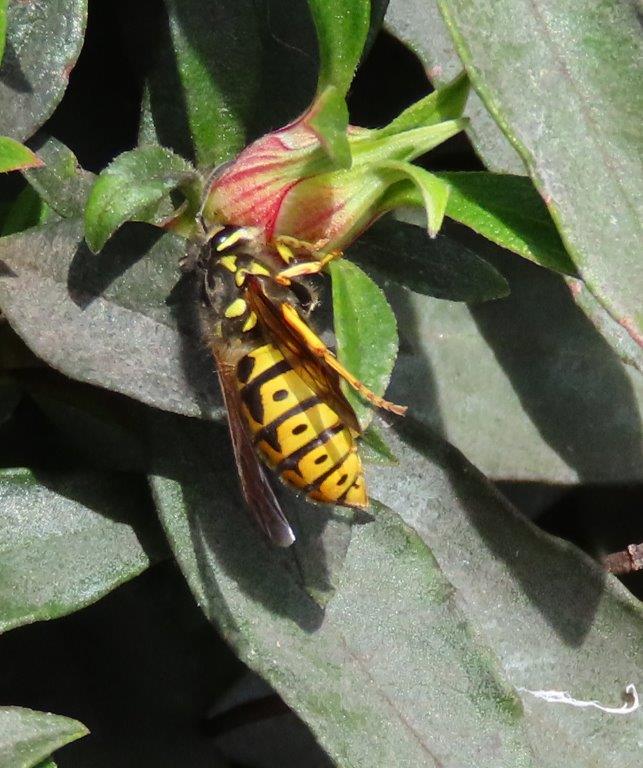
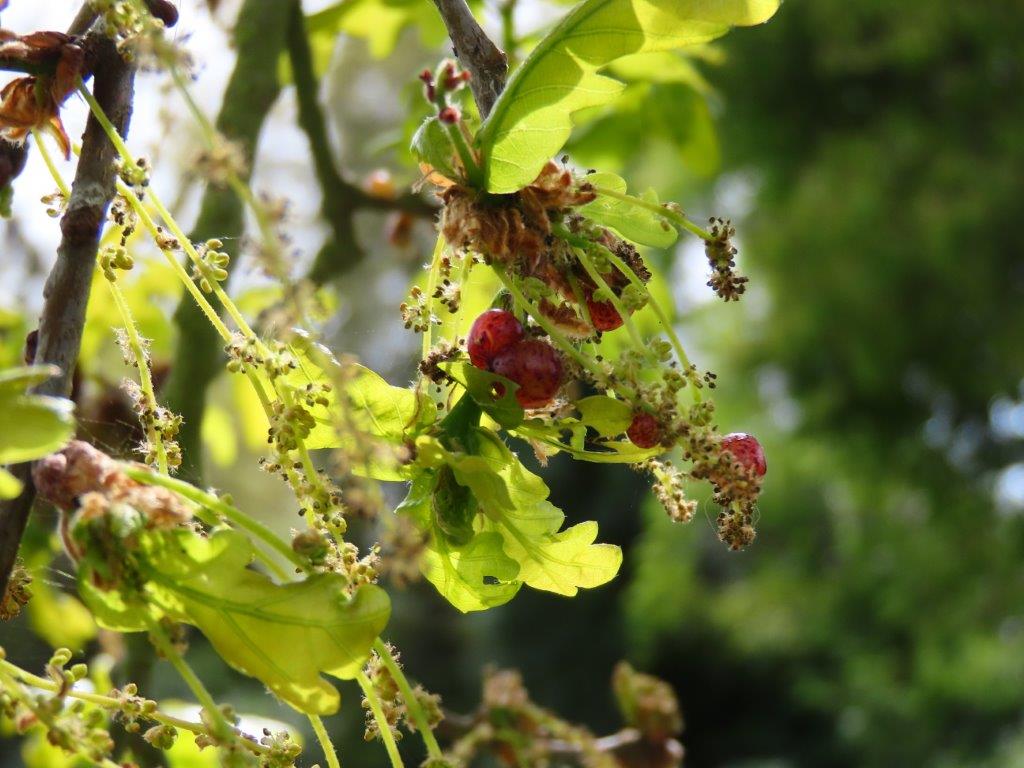
Two others from the same insect group, Hymenoptera, were queen Common Wasps, feeding and rasping wood to build their nests with, and the currant galls of the spring generation of the Spangle Gall Wasp on Oak catkins:
Moving to flies, some of the most numerous were the Bibio species. first B. lanigerus and B. anglicus, with the first true St Mark’s Fly B. marci on the first visit. 14th April is early for this species, named because it emerges on or around St Mark’s Day, 25th April. During the second visit, they were very numerous, and by the third, almost gone – perhaps down the throats of birds, as they are favourites of Swallows.
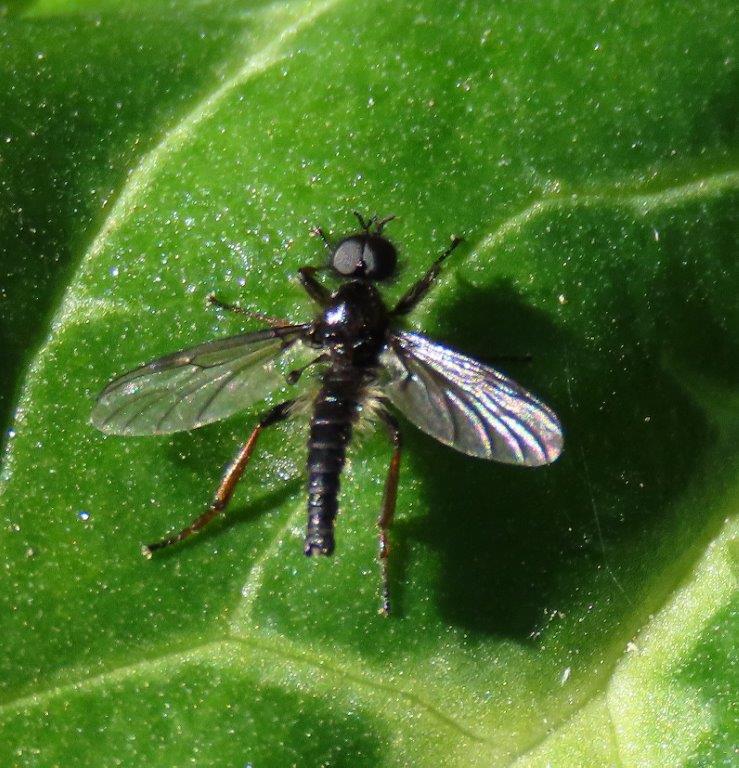
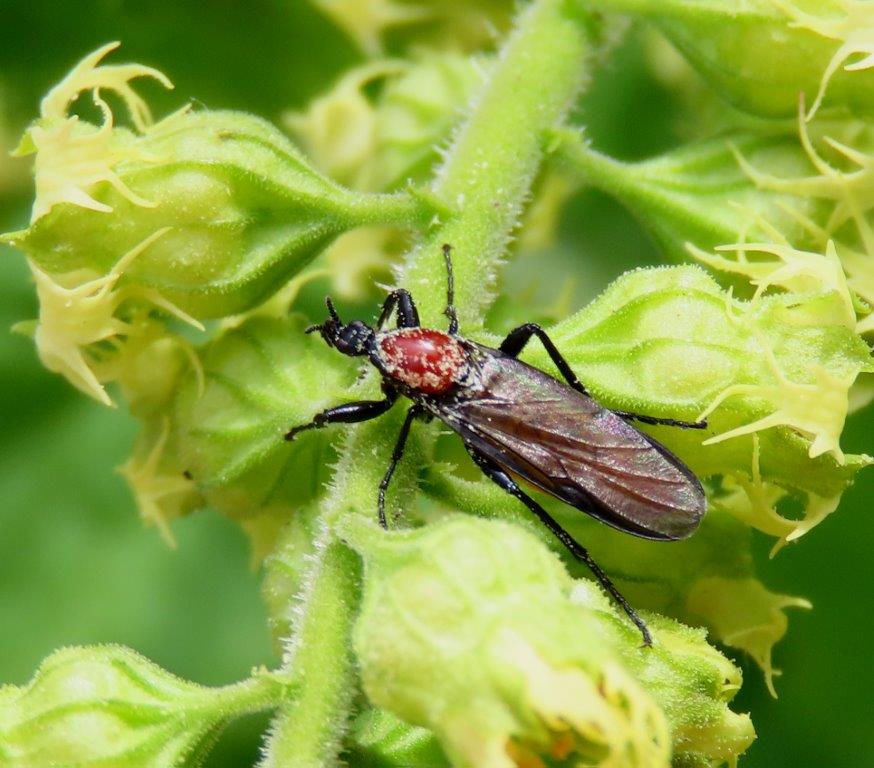
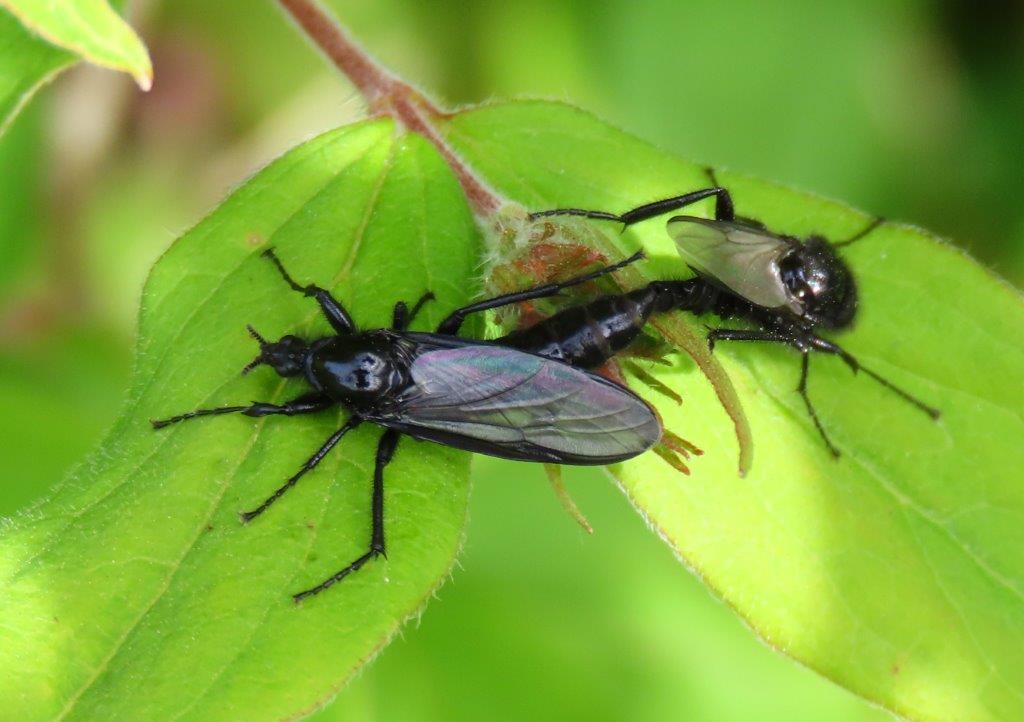
Hoverflies increased greatly through the month, and included many flower-flies Syrphus sp., together with Batman and Footballer Hoverflies , and lots of Epistrophe eligans.
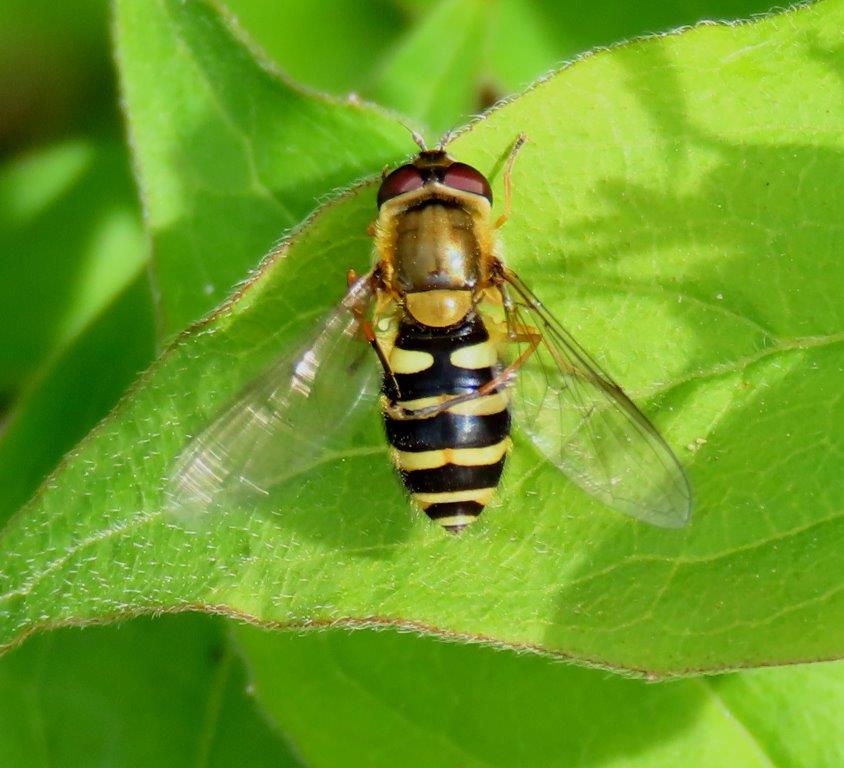
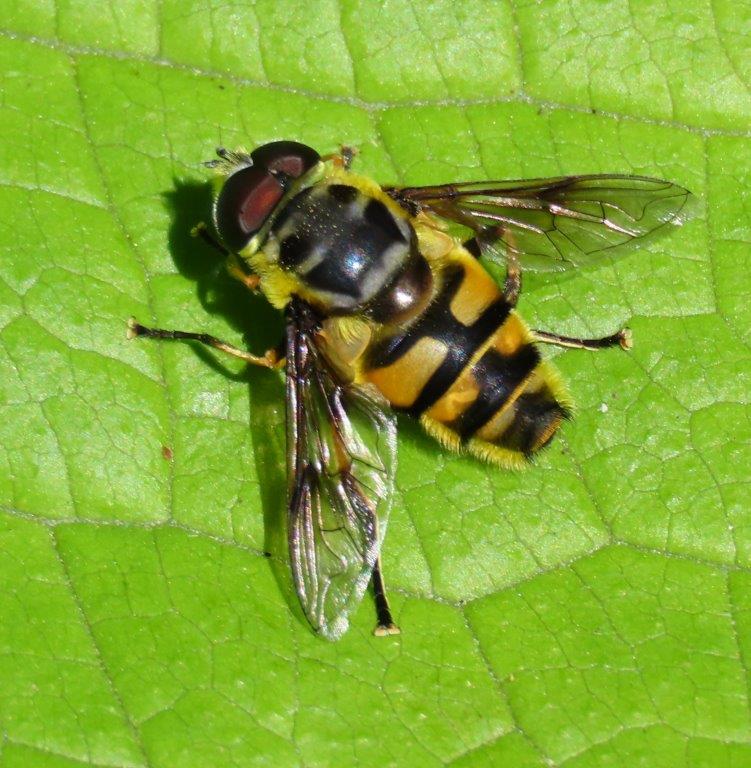
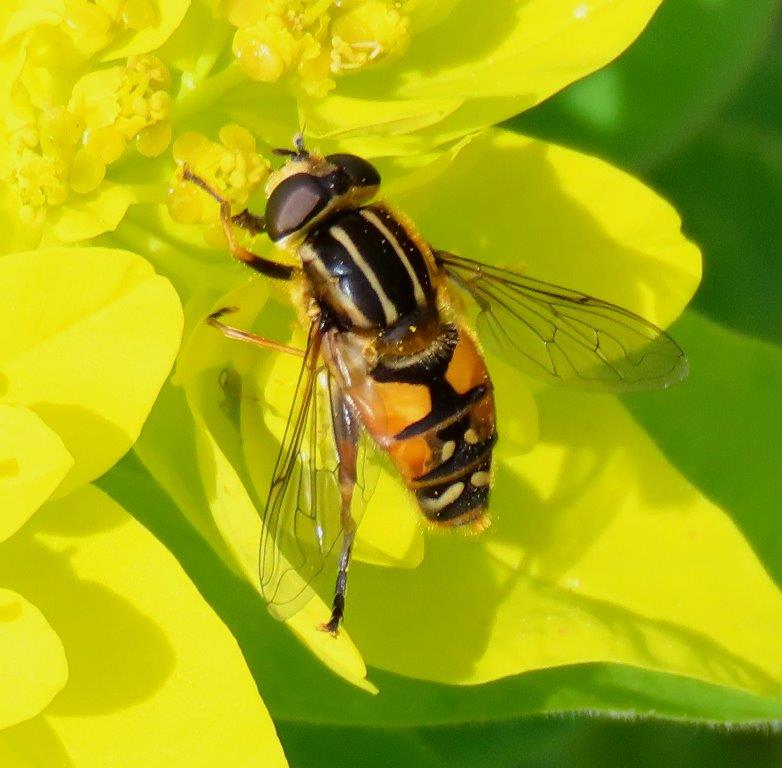
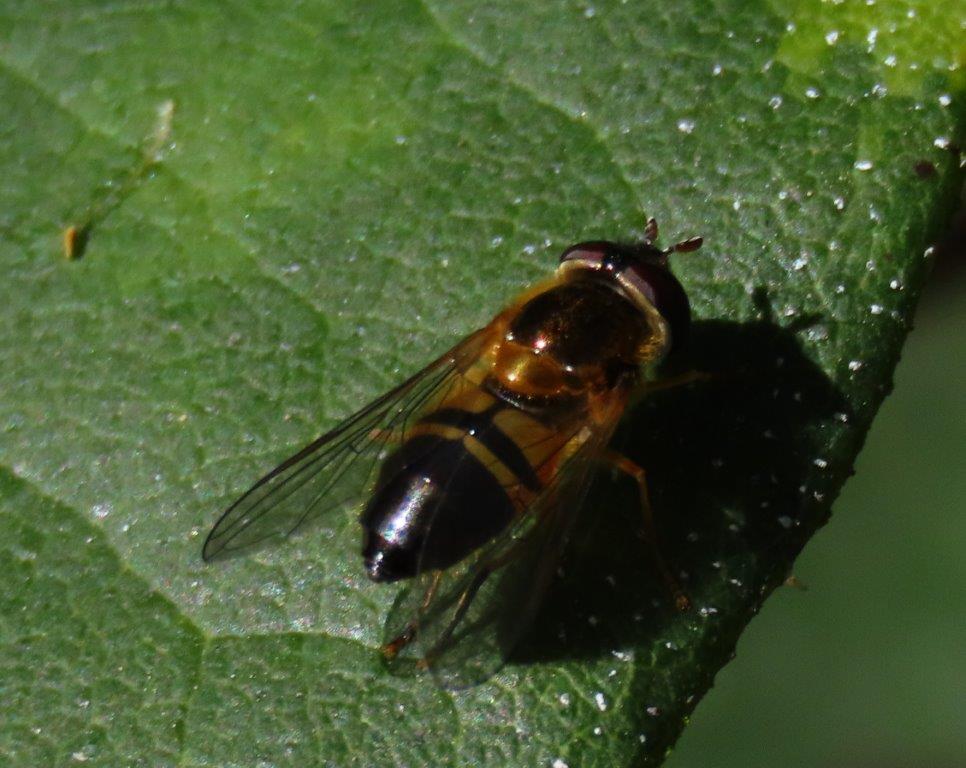
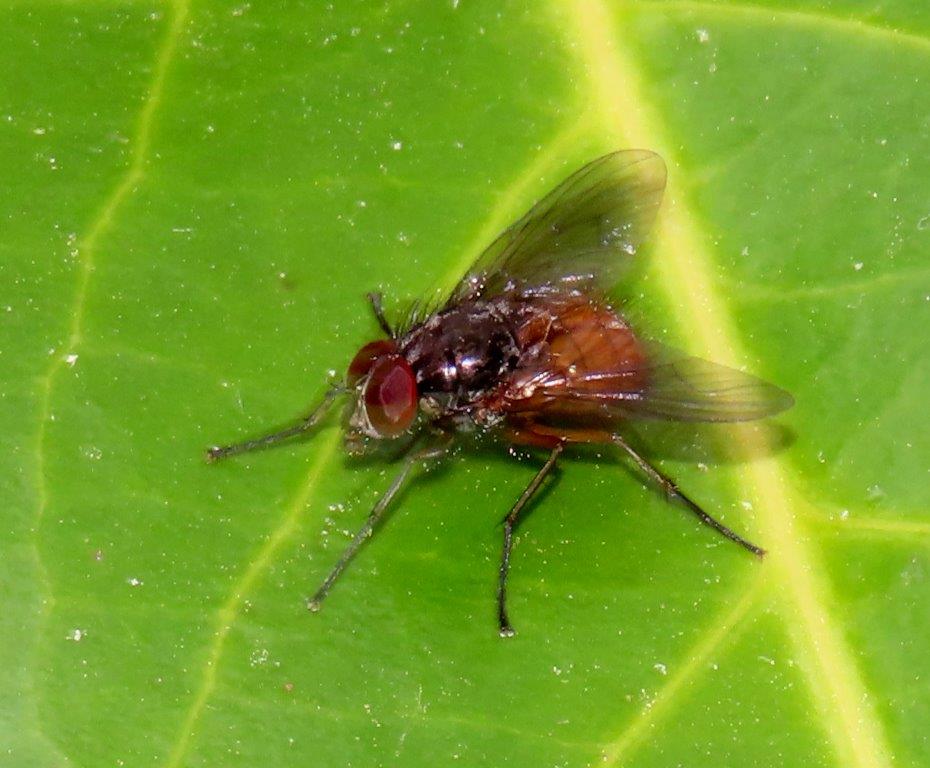
Other easily recognised flies were Yellow Dung-flies, the dance-fly Empis tessellata and the parasite-fly Tachina fera…
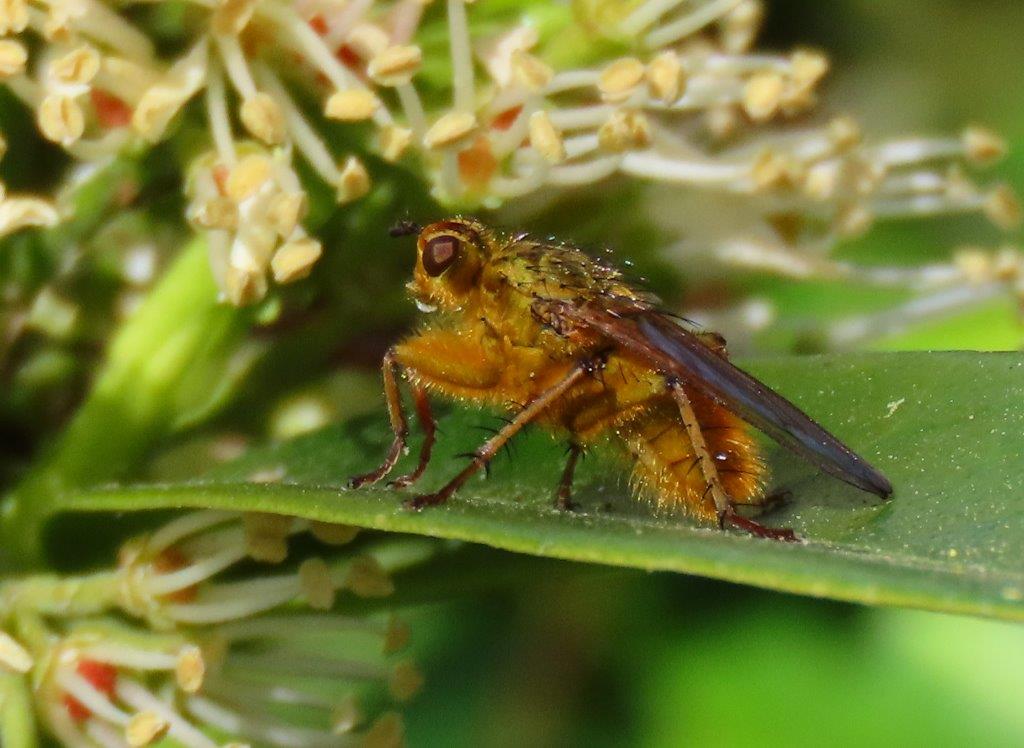
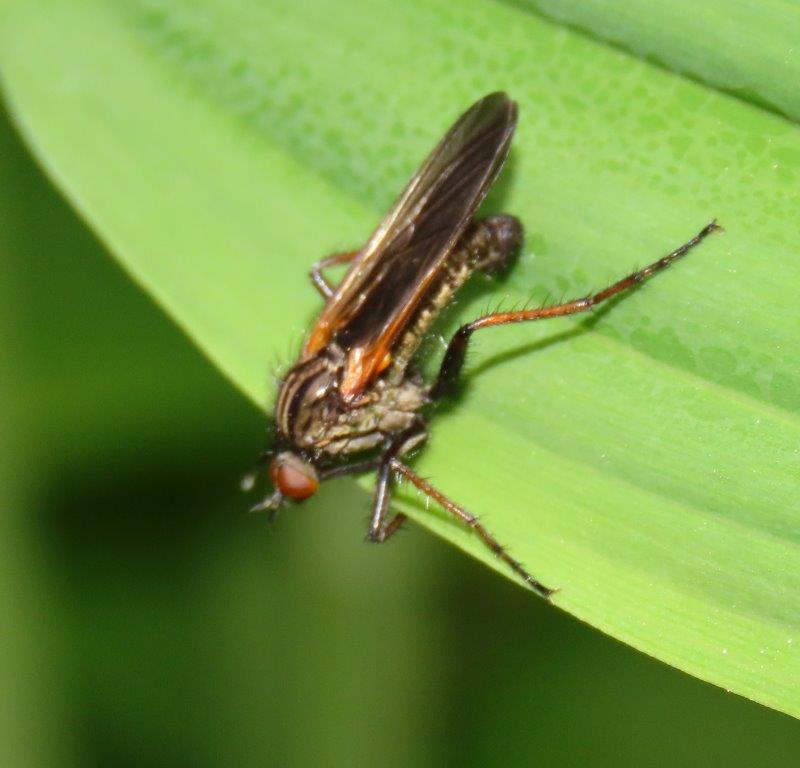
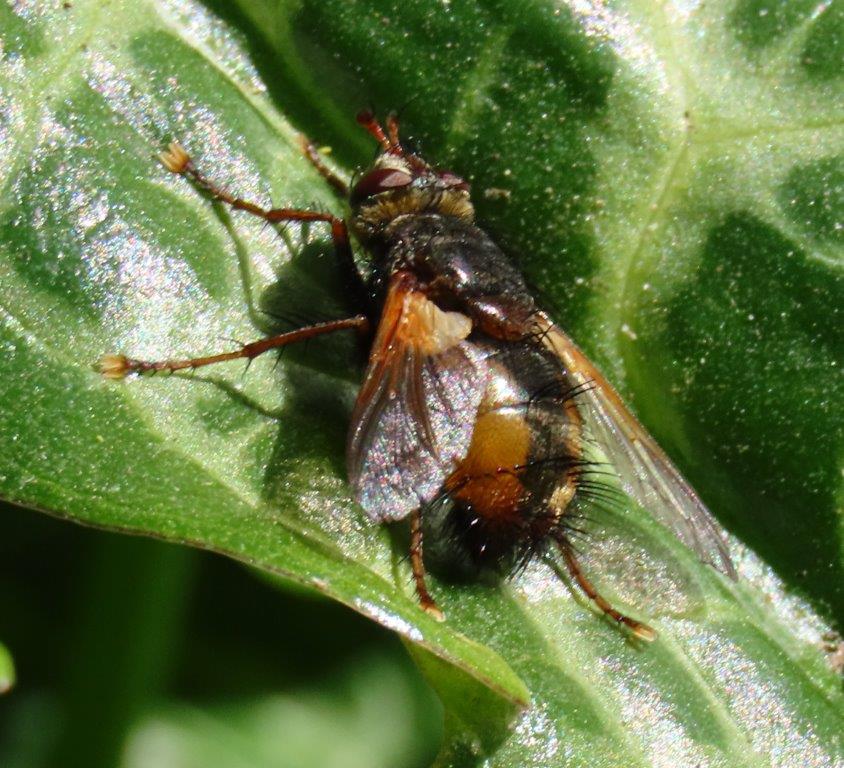
… along with many other less distinctive, but still important , parts of our garden’s biodiversity.
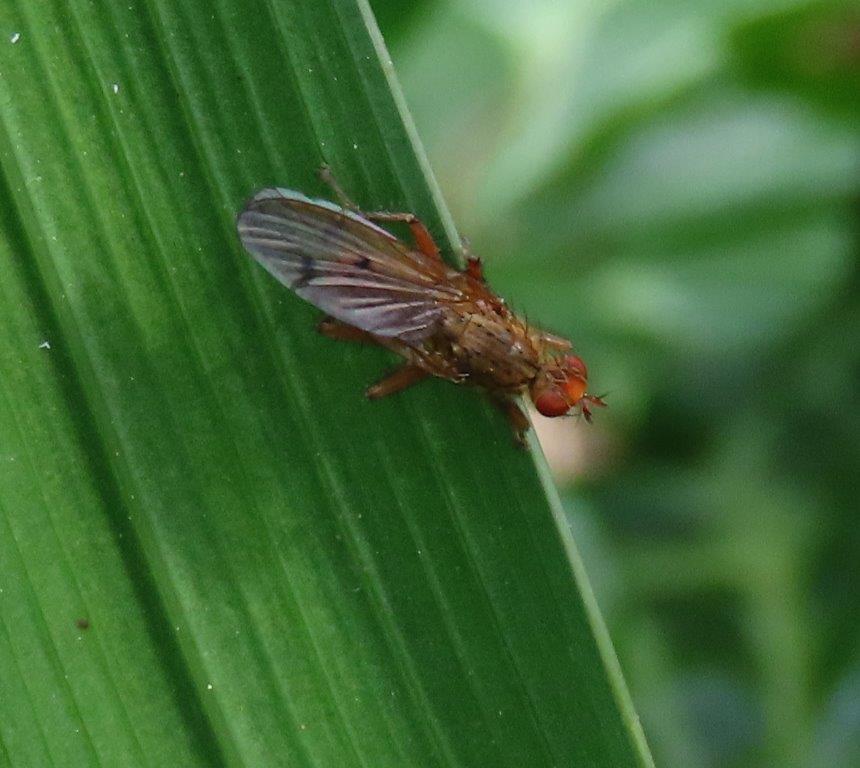
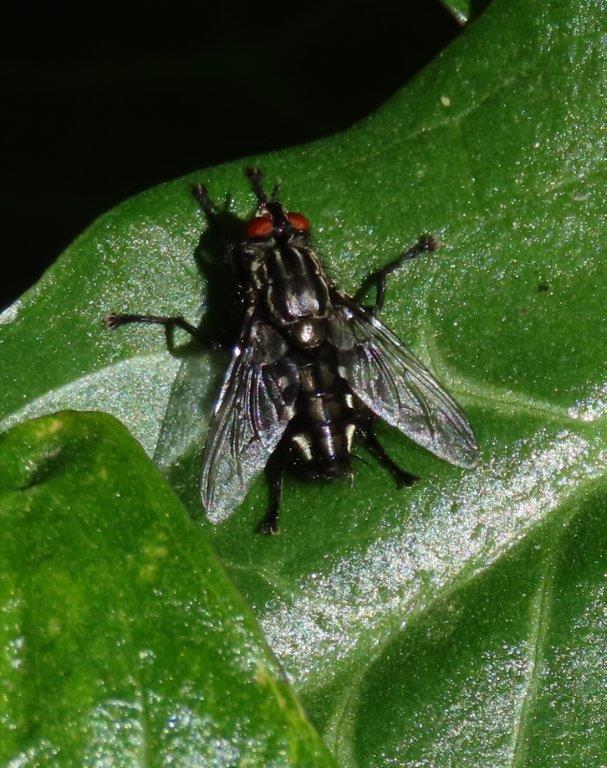
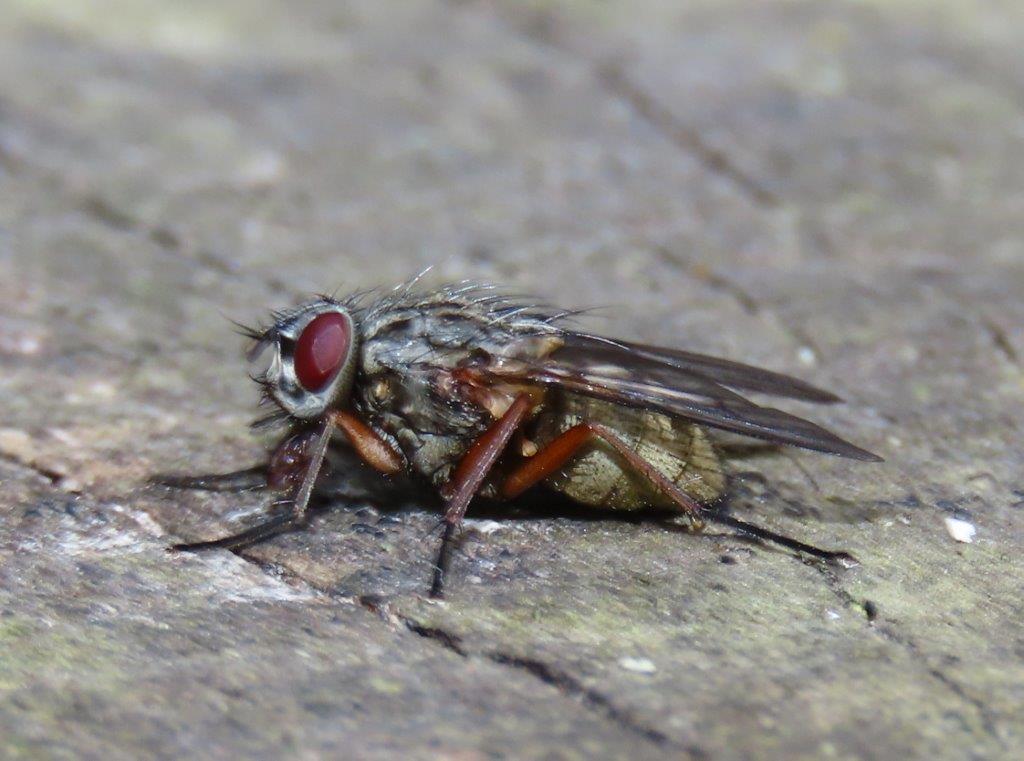
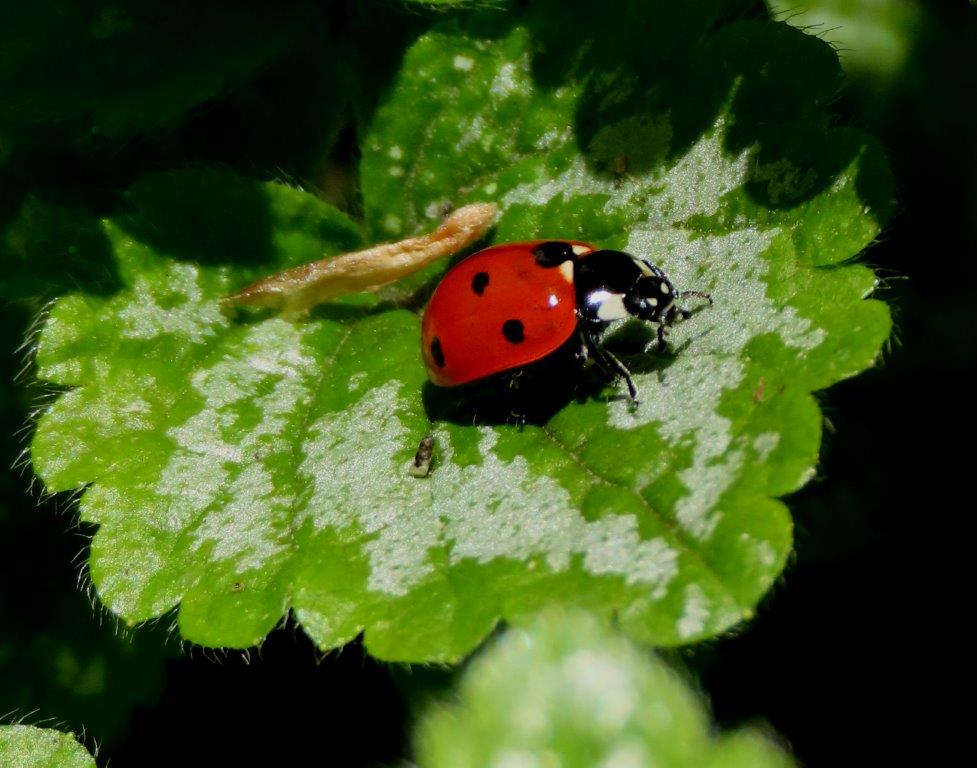
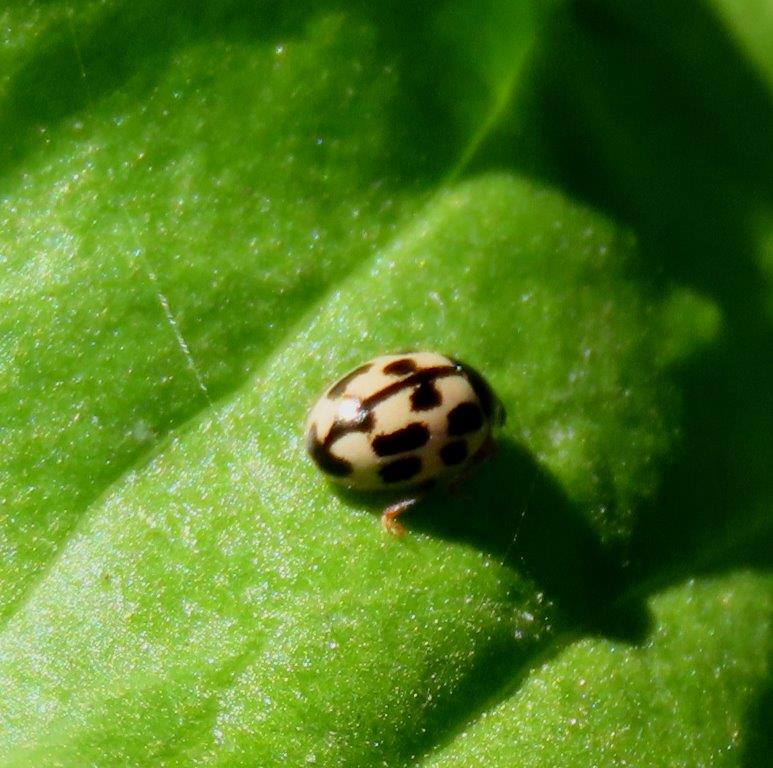
Ladybirds are still more abundant than I have ever seen before at this time of year, the offspring no doubt of those that arrived en masse last July. And while most are 7-spots, a selection of other species such as 14-spot Ladybird is starting to emerge.
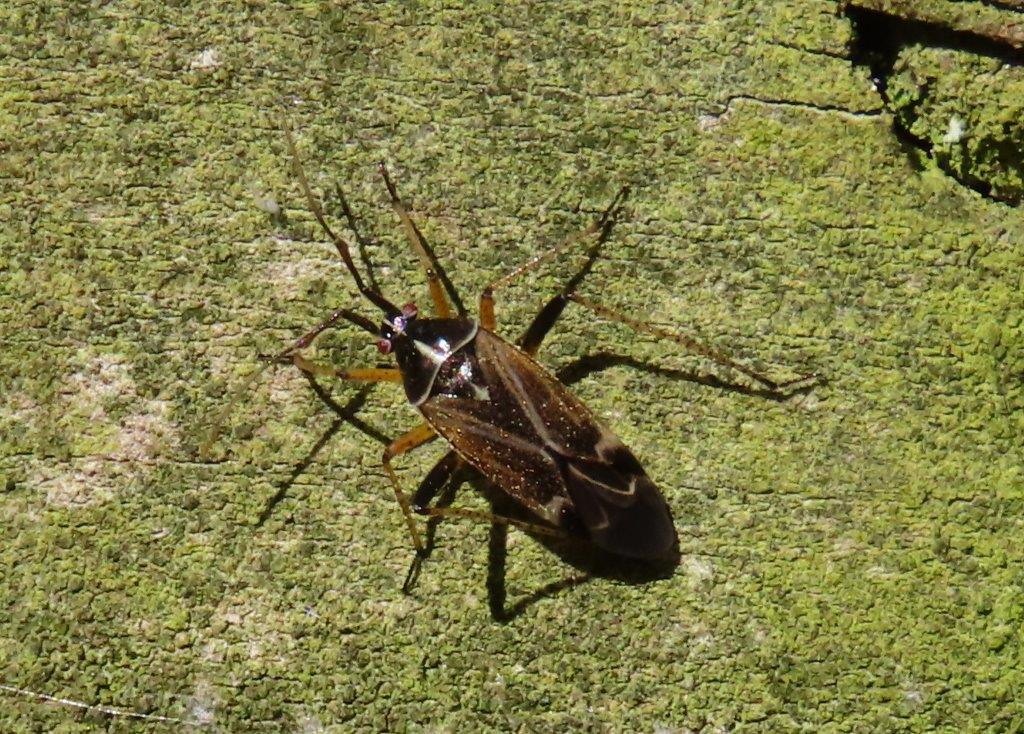
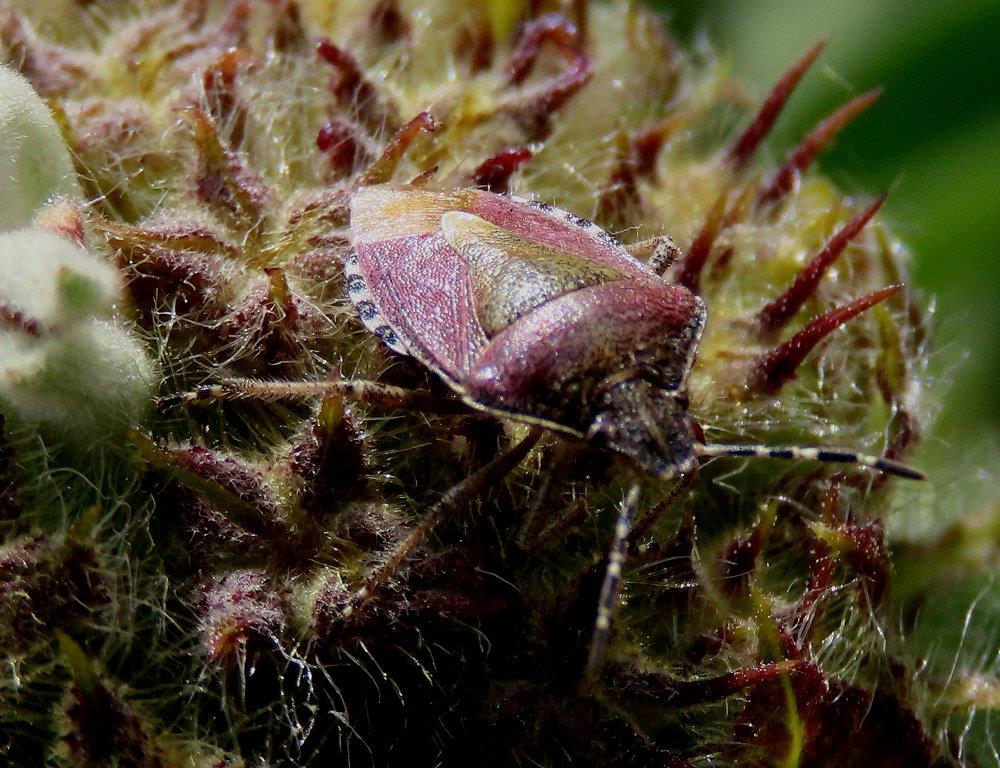
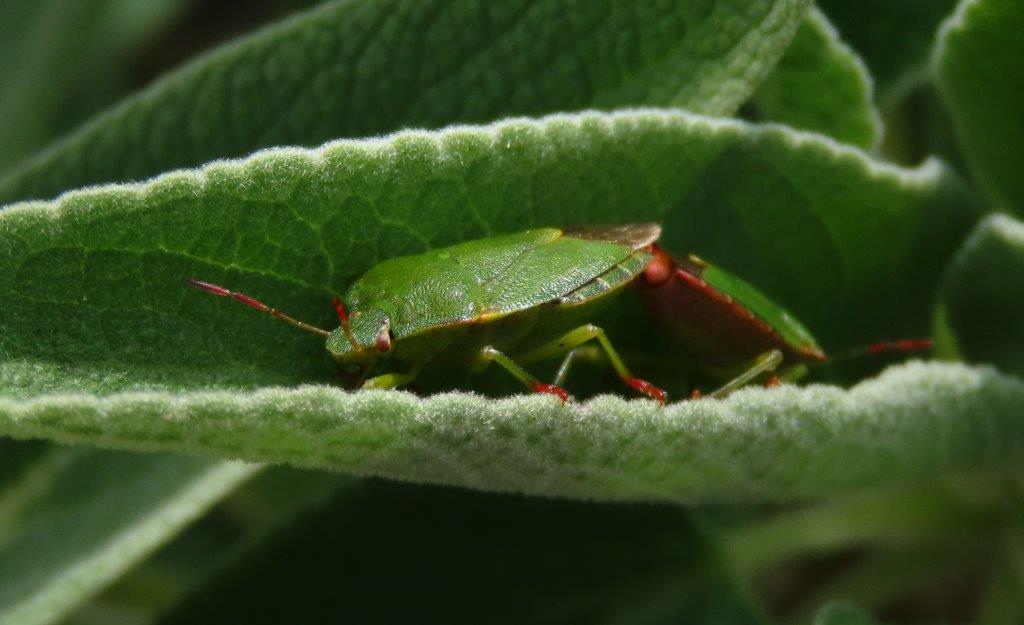
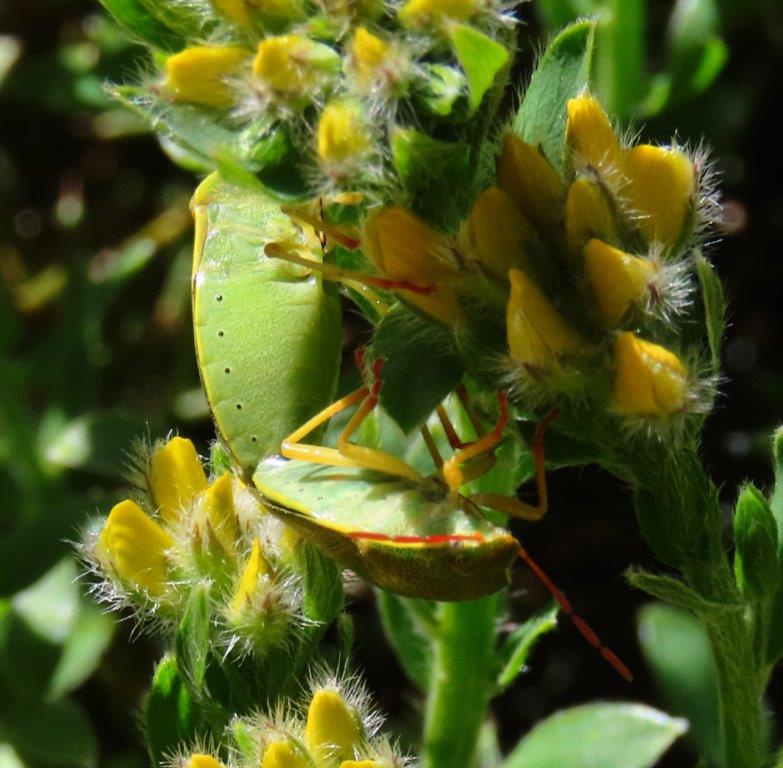
Bugs included the first Harpocera thoracica of the year, with plenty of Hairy and Green Shield-bugs, and also a lovely find of a mating pair of Gorse Shield-bugs, a rather uncommon creature in the garden.
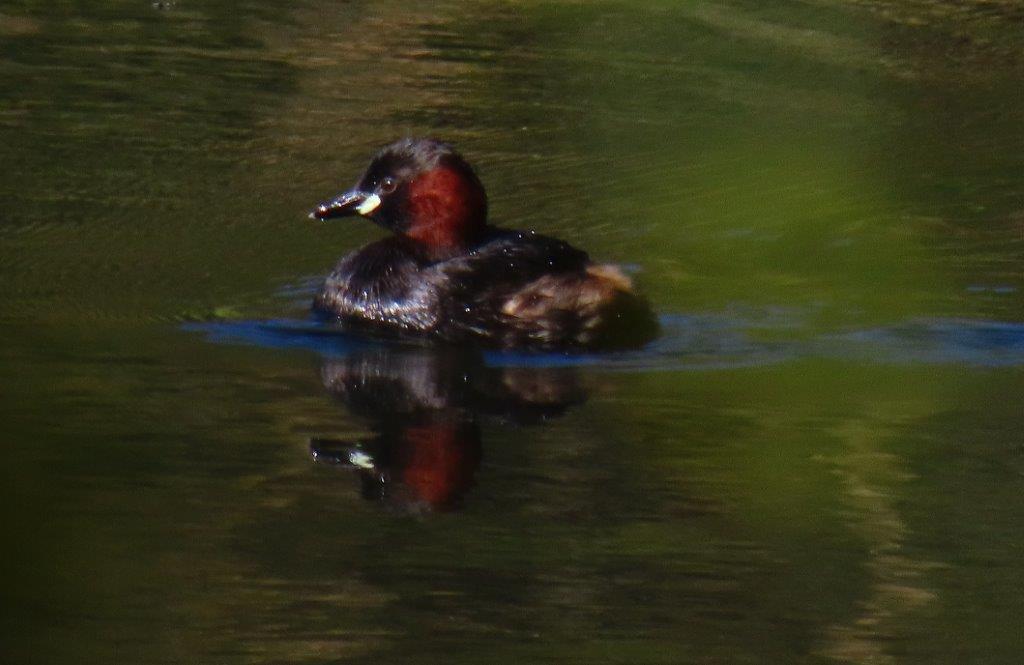
On the reservoir, Dabchicks were singing and a pair of Tufted Ducks has seemingly settled in. All around the garden, birds are in song, residents like Greenfinch, Robin, Goldcrest and Song Thrush, alongsideside the summer visitors, especially Chiffchaff and Blackcap.
On the first two visits a Cetti’s Warbler was singing on the edge of the garden, only the third record for the site, but on the third visit its apparent territory had been filled by a singing Whitethroat, again not common in the garden. And overhead plenty of action too, from feeding Swallows to displaying Buzzards, flyover Egyptian Geese and Red Kites, along with Mediterranean Gulls and a Lesser Black-backed Gull, both rarely appearing in our sights.
Another fantastic month in the Beth Chatto Gardens, the incidental nature reserve!