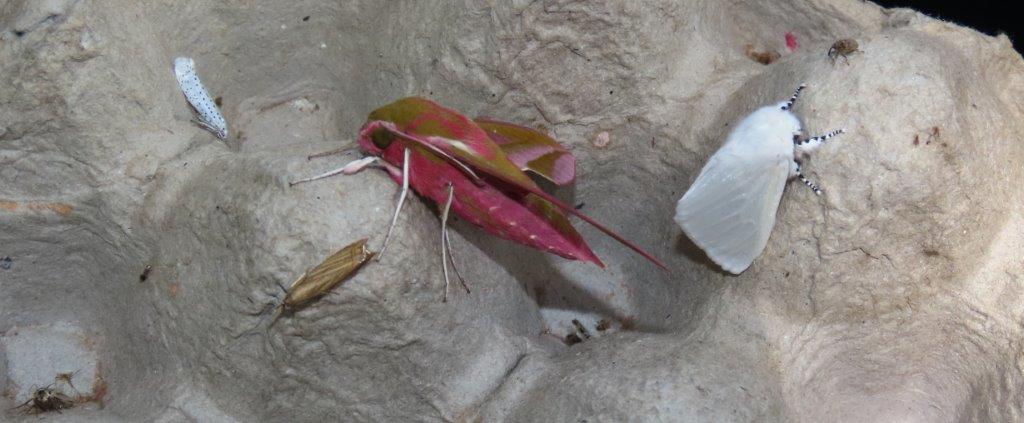
After a successful exploratory event in 2025, Moth Club returned to the Minories garden at the end of June this year. Fortunately, given the propensity of hot bulbs to shatter in rain, we were able to place the trap in the Folly, out of harm’s way, safe from the thunderstorms and heavy rain that swept through overnight.
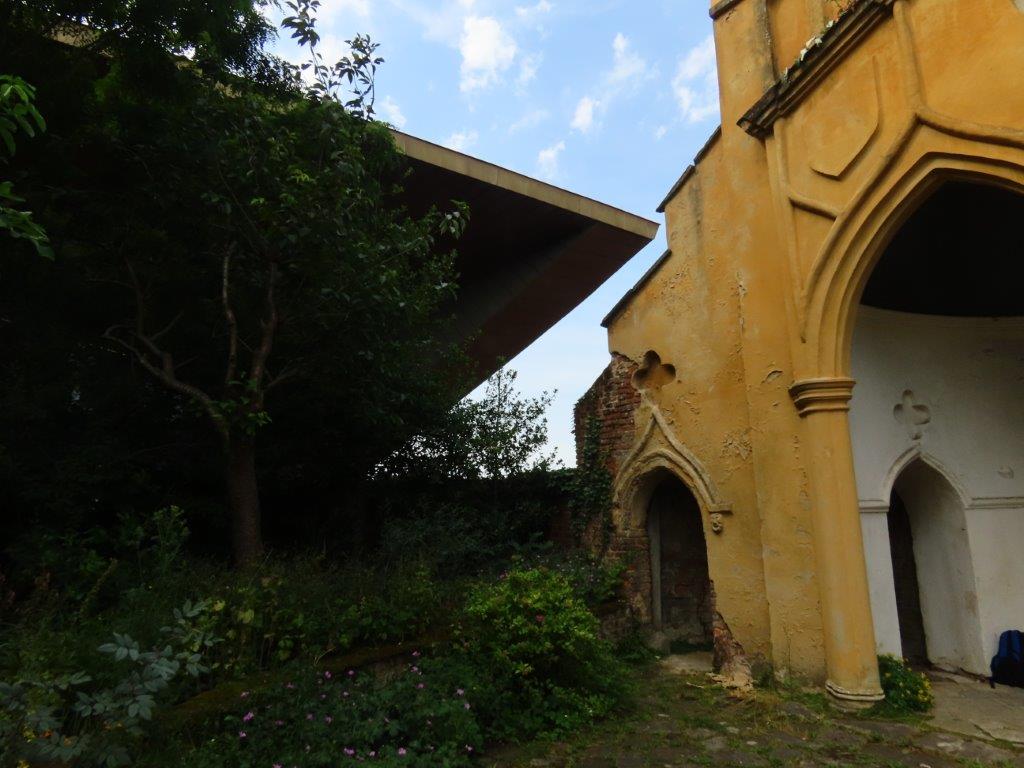
The thundery breakdown came after three days of record-breaking (not in a good way!) heat. Indeed when we walked into the garden first thing to turn the trap light off, the feel of heat was amplified by the highest humidity I have ever known. So the moths’ welfare came to the fore: we protected the trap from the rising sun and the free-range moths within the folly from marauding Wrens, and awaited the arrival of the booked participants.
Mothing in the heart of the city is always uncertain. The Minories garden is a green oasis amid intensive development, and the trap light could easily be diminished in effectiveness as a result of the multitude of other light sources which shine as the city sleeps. But on the positive side, the garden is close to the Meanwhile Garden, a noted biodiversity hot-spot, and just across the road from Castle Park which provides green links right down to the River Colne.
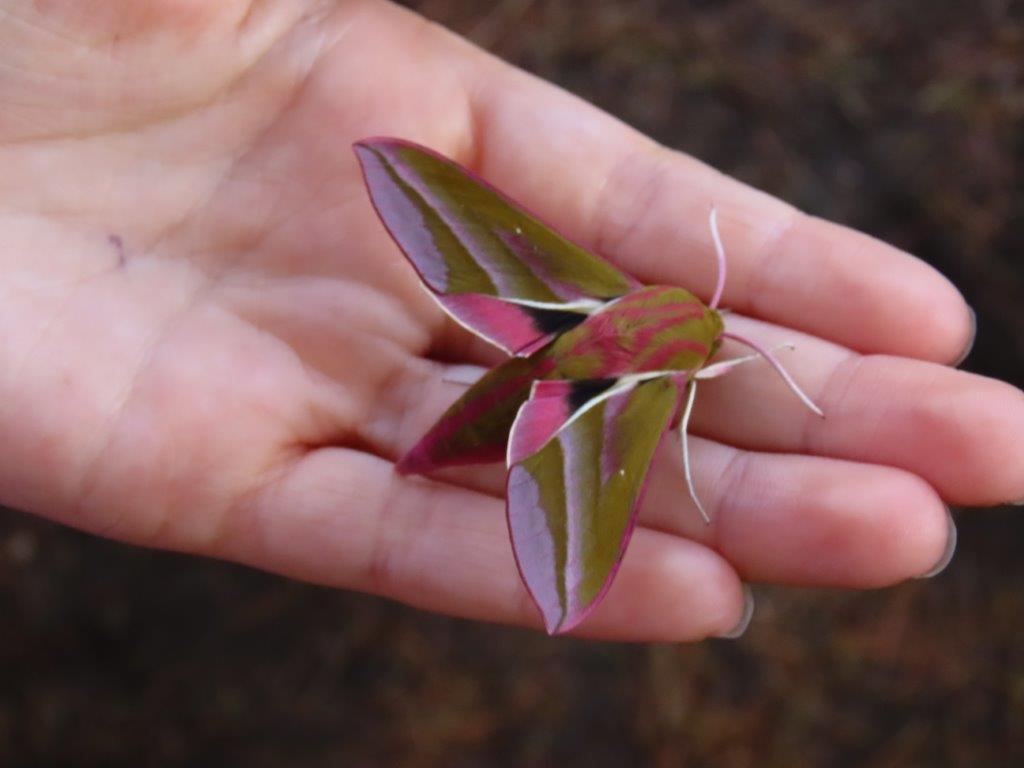
Before we even delved into the trap, it was clear that there were going to be some highlights, in the shape of six pristine Elephant Hawkmoths, all much appreciated as they allowed themselves to be gently passed around.
Overall there were probably some 400 moths, and a myriad of other insects in the trap, although the moth species seemed skewed towards the often smaller micromoths as we found also last year. A full list of our findings can be found here Minories Saturday Morning Moth Club, with last year’s catch for comparison
The most abundant macromoths were Riband Wave in all its colour forms, Dwarf Cream Wave and Least Carpet, the latter probably feeding upon the festoons of Wild Clematis that grow out of the lime-rich mortar of the Roman Walls.
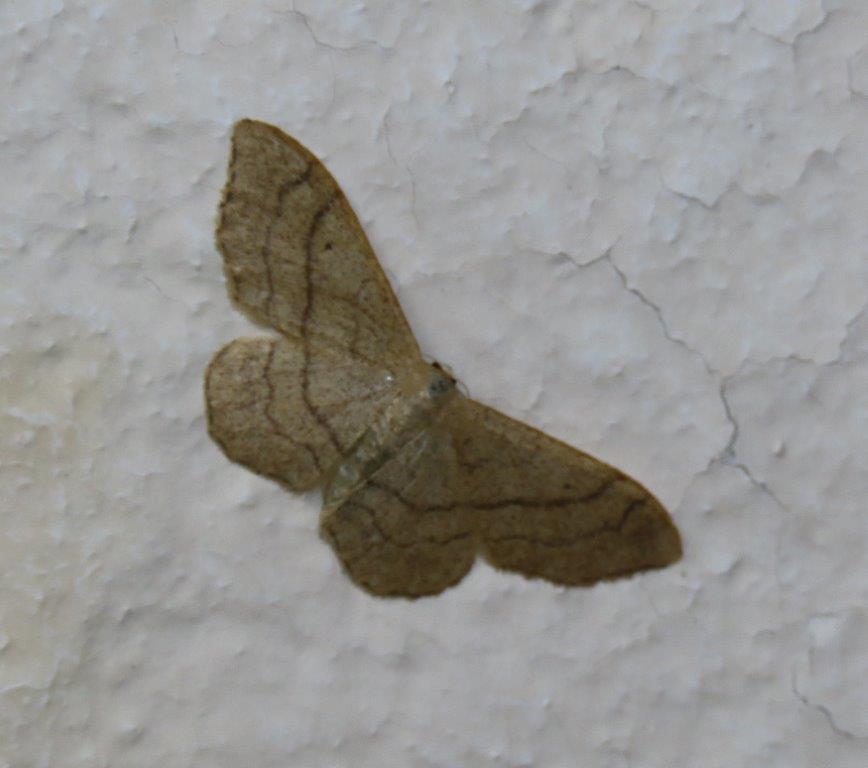
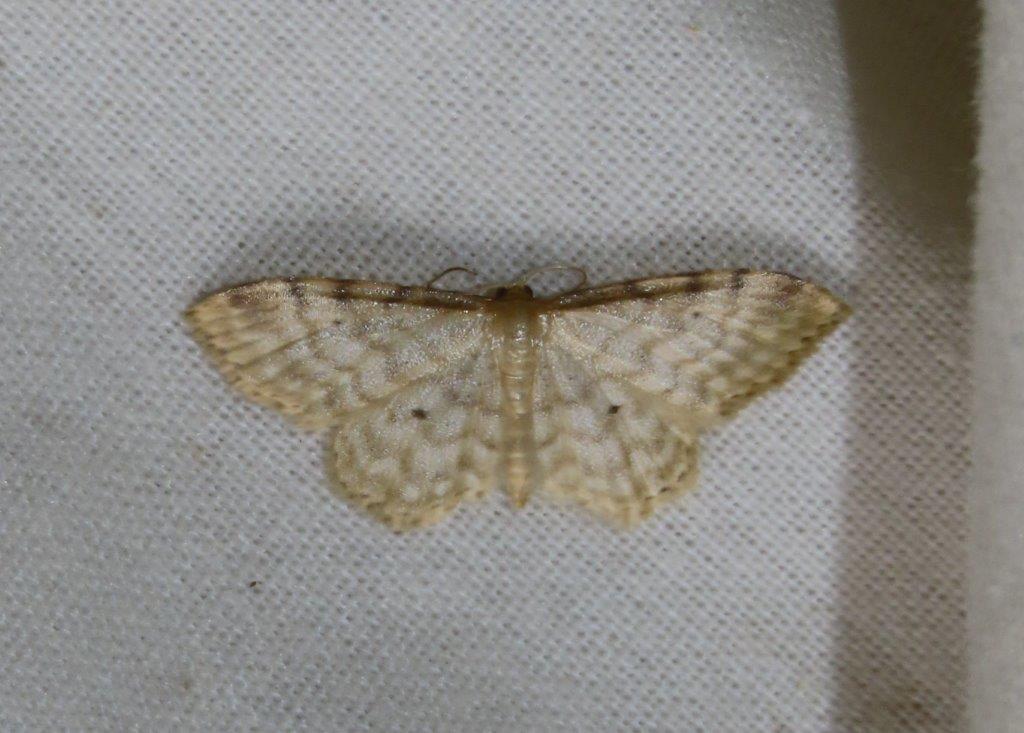
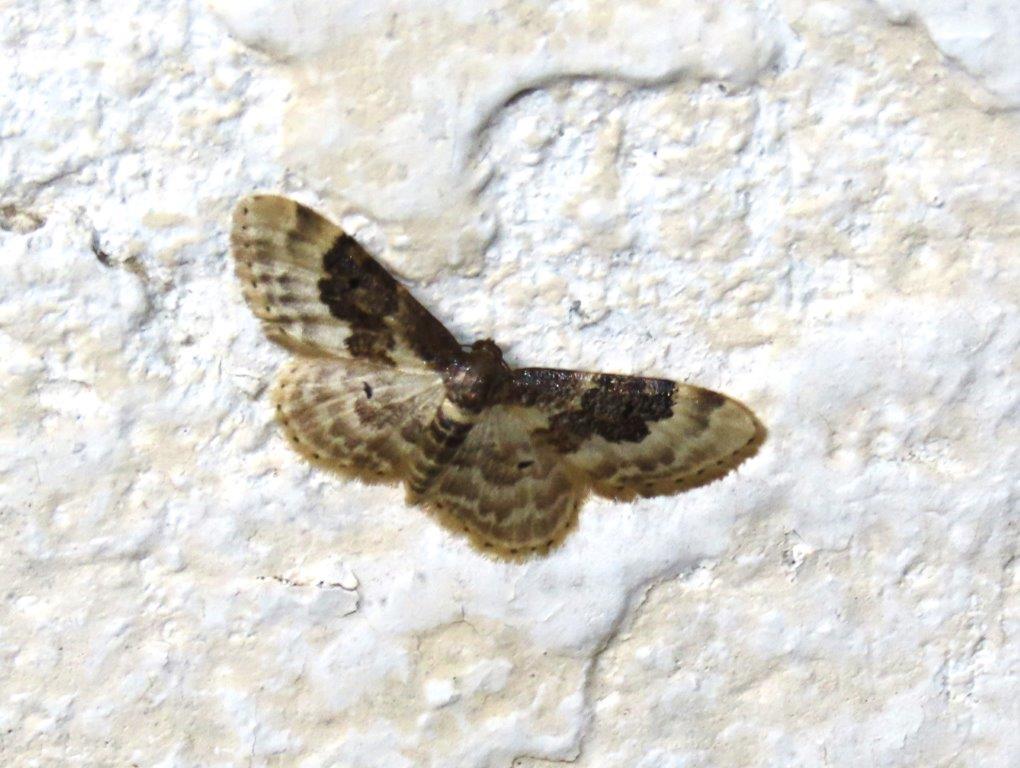
A selection of other macros included Pebble Hooktip, Phoenix, Willow Beauty and Clouded Silver…
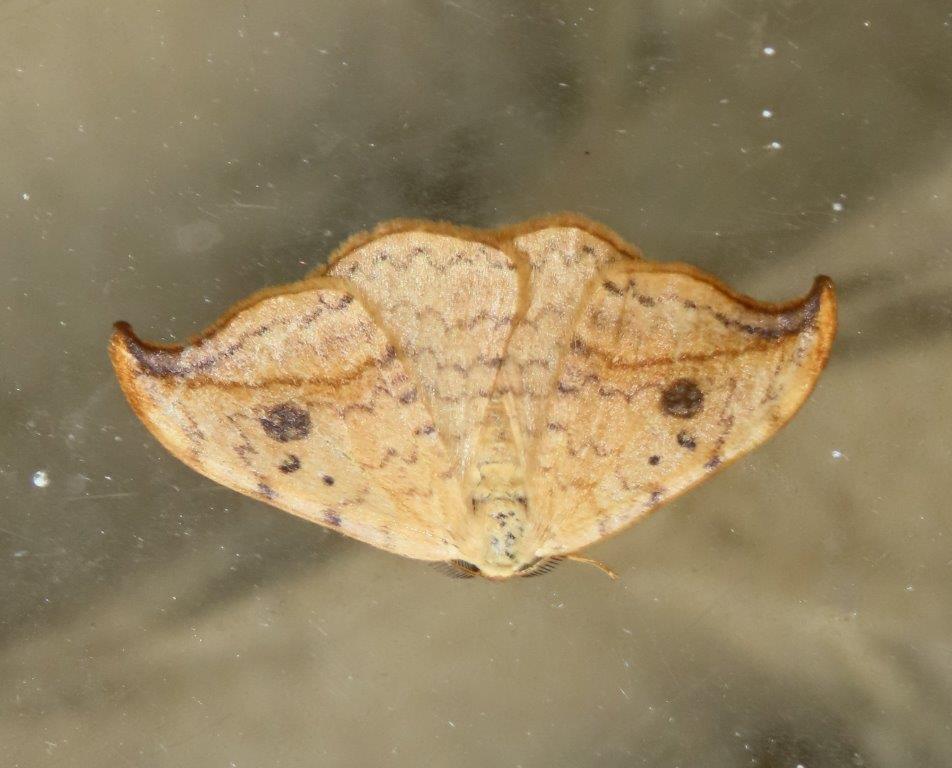
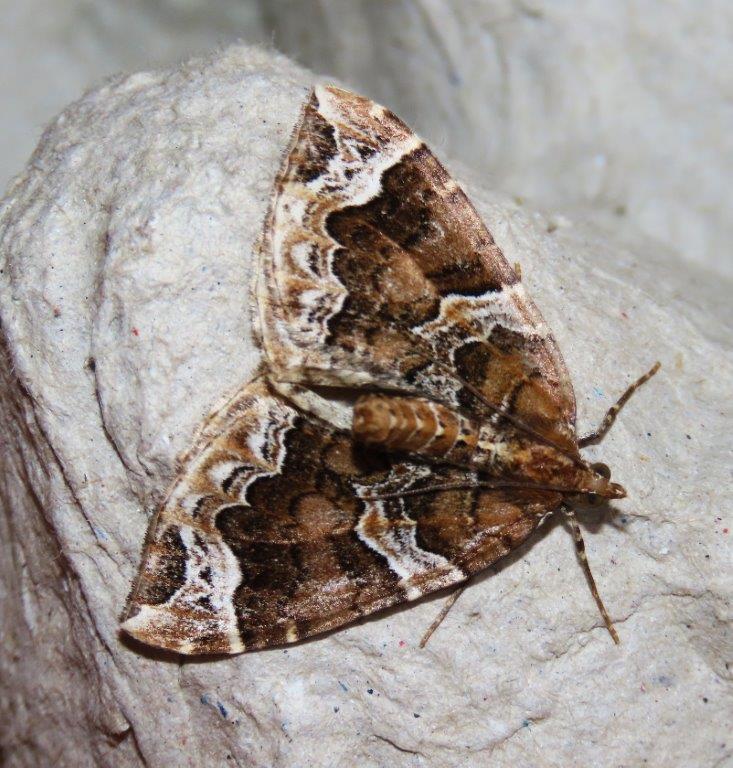
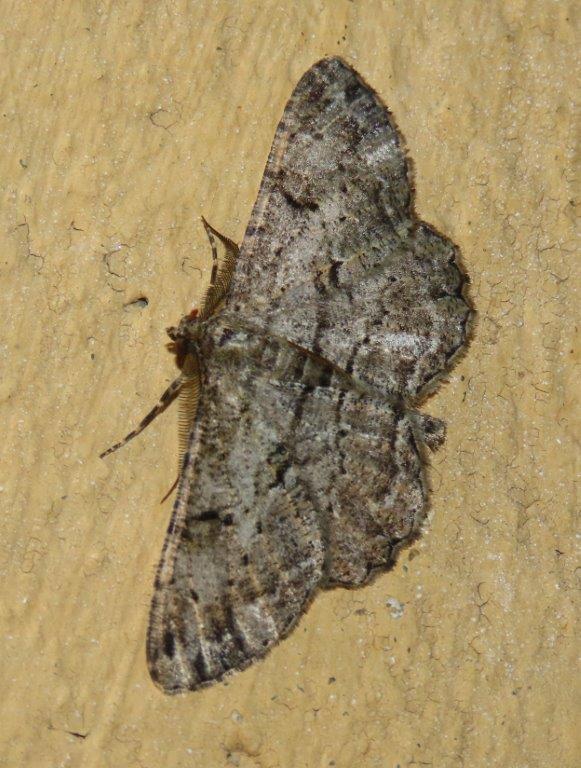
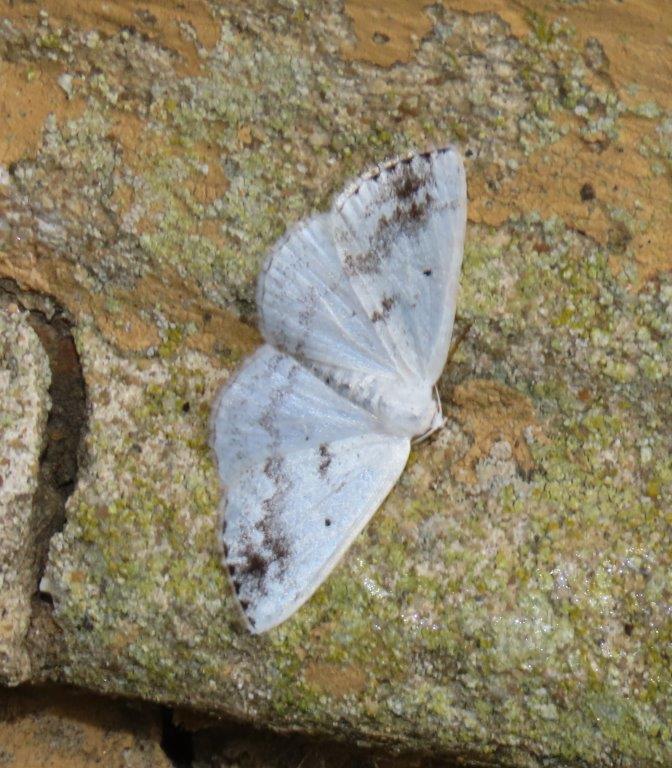
…Miller, Marbled Beauty, Poplar Grey, Broad-bordered Yellow Underwing, Flame and Grey or Dark Dagger (the two species cannot be separated externally and must be killed for internal examination, which we will not do!)…
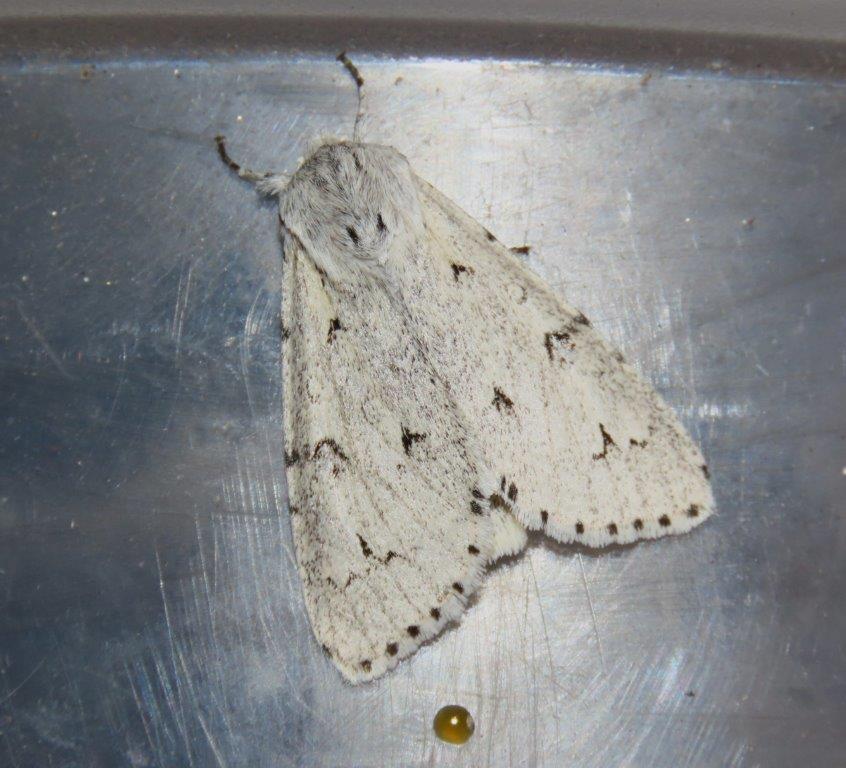
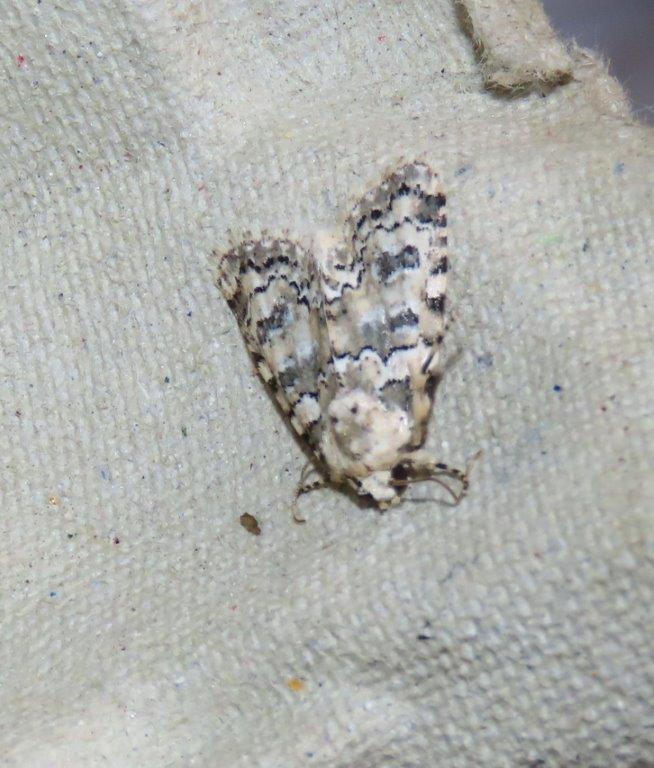
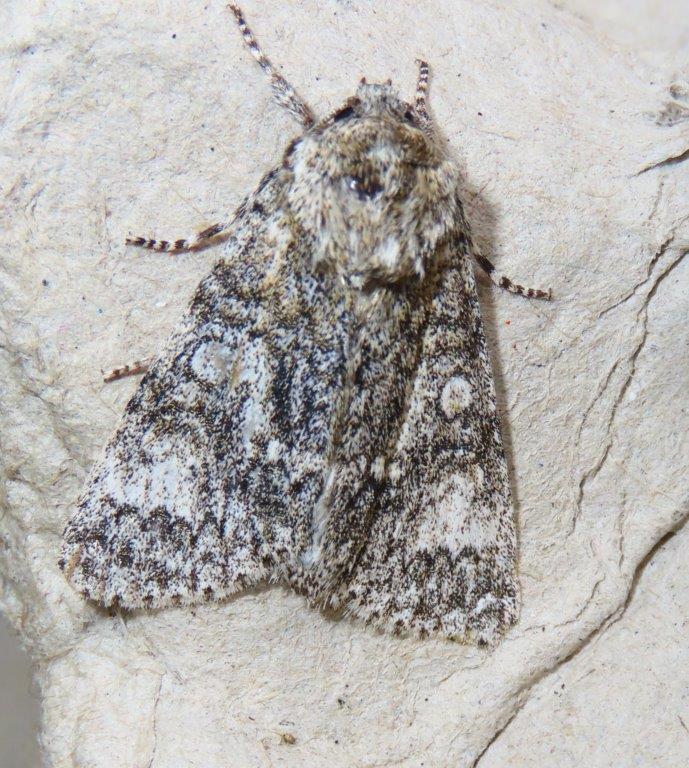
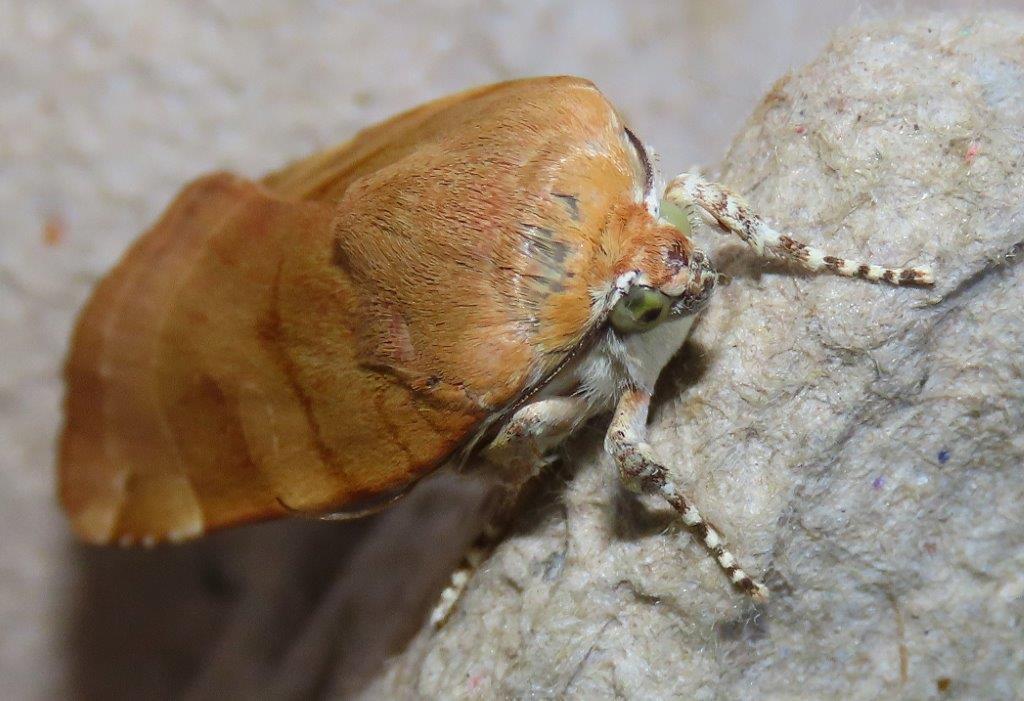
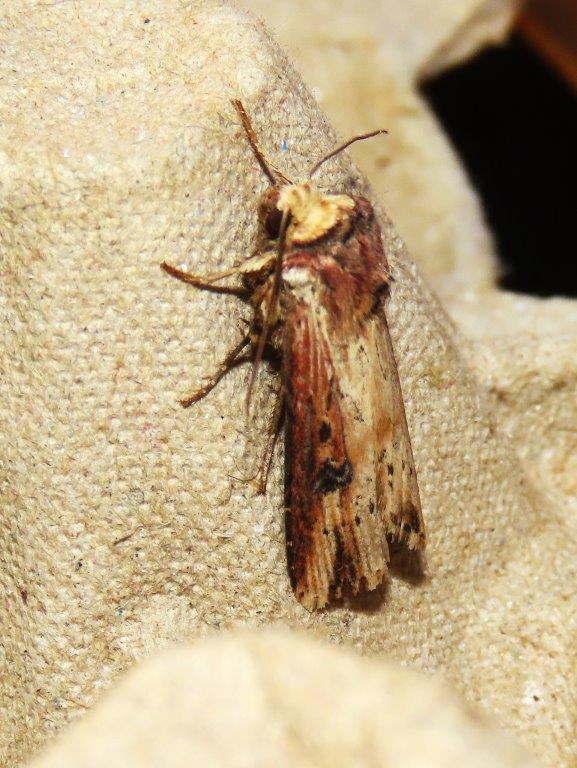
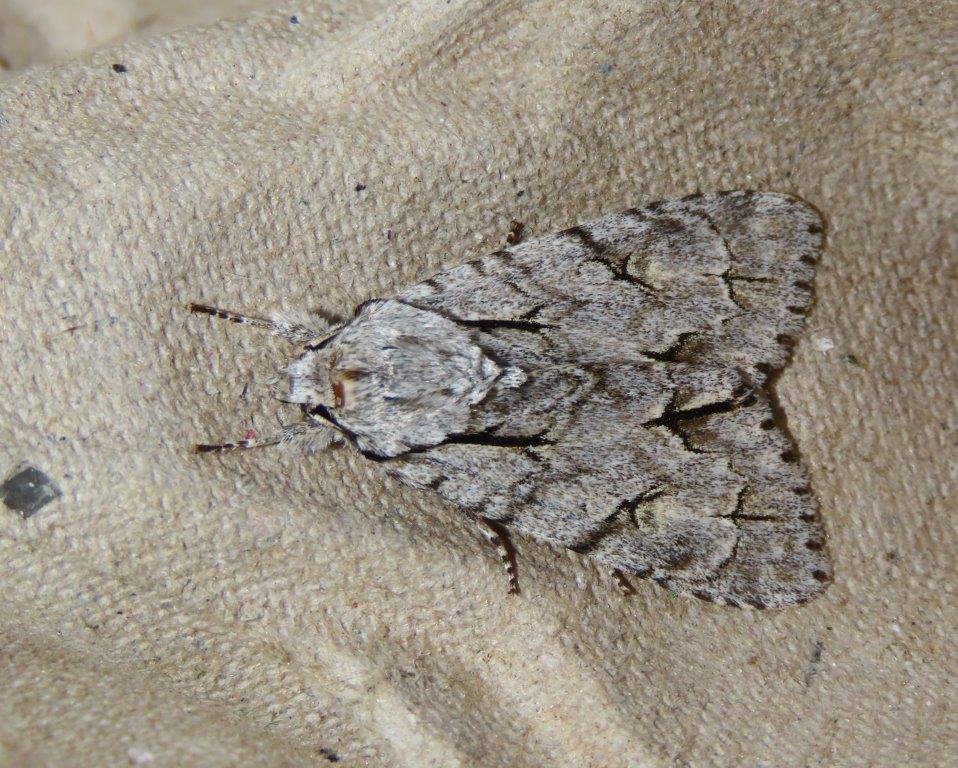
… Vapourer, Short-cloaked Moth and White Satin…
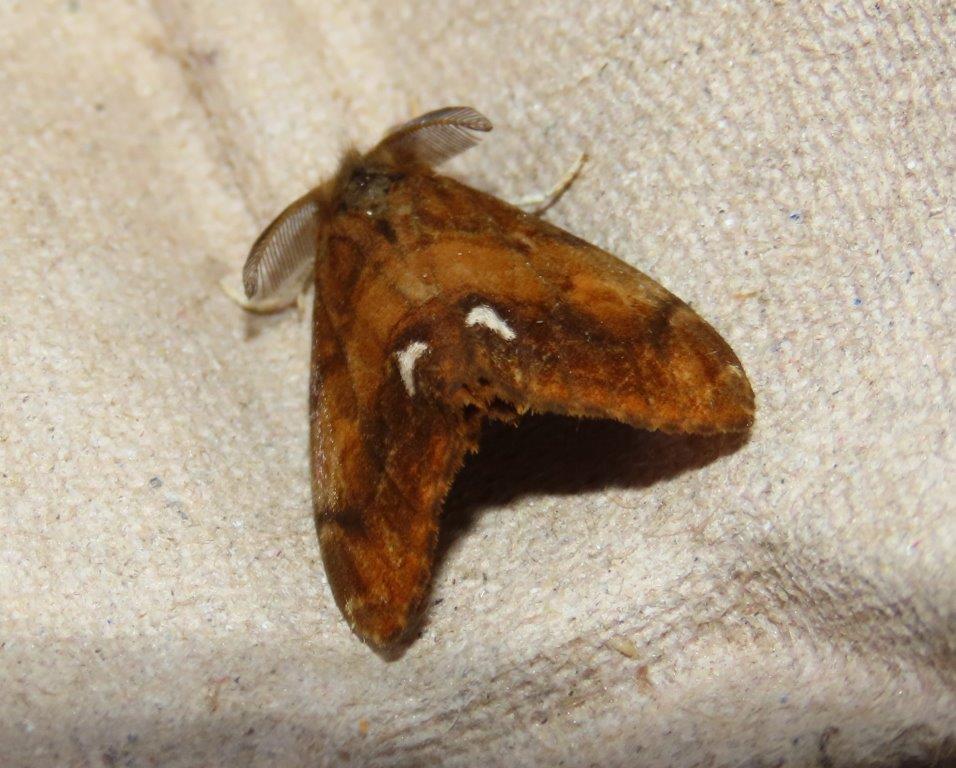
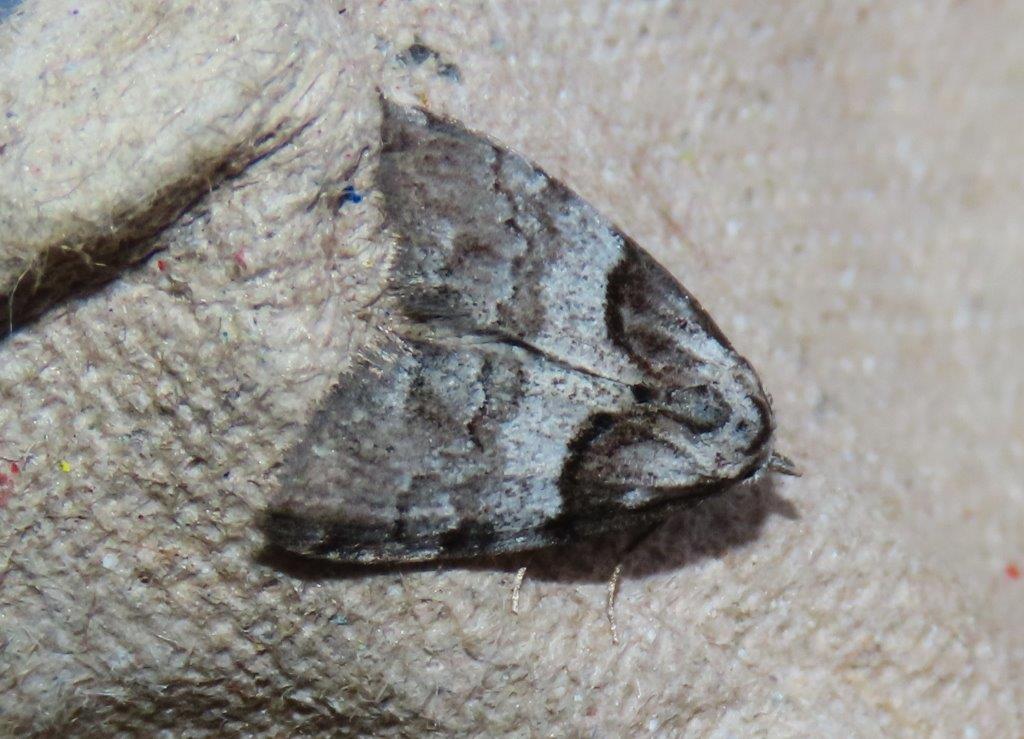
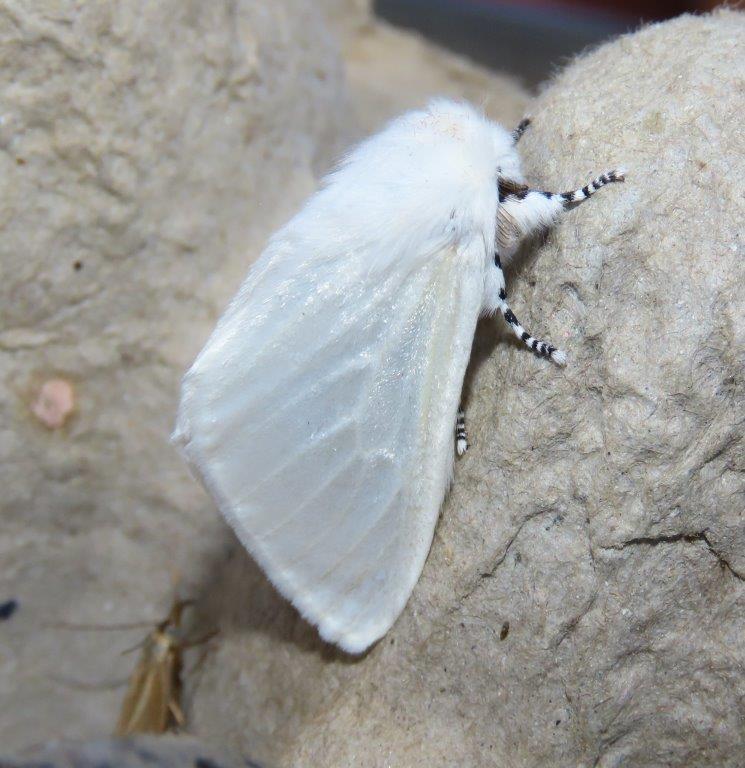
… and Silky Wainscot, a largely coastal species that may well have found its way to us through the green corridors.
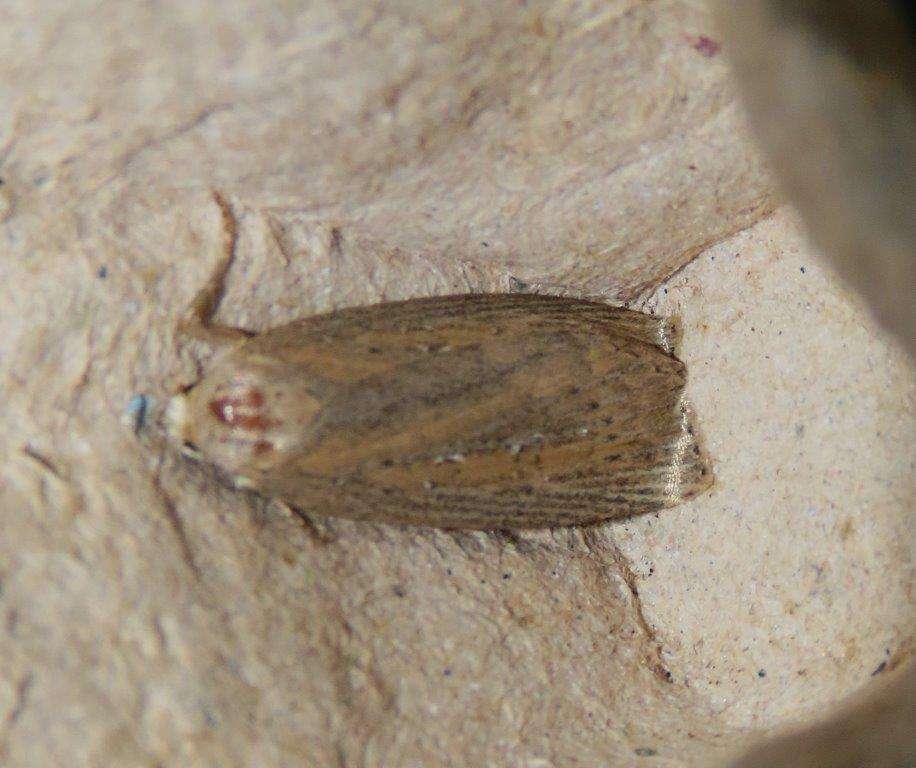
The most numerous micromoths were Garden Grass Veneer and three rather similar Small Ermine species: Bird Cherry, Apple and Willow, the latter at least possibly wanderers from the near-Continent.
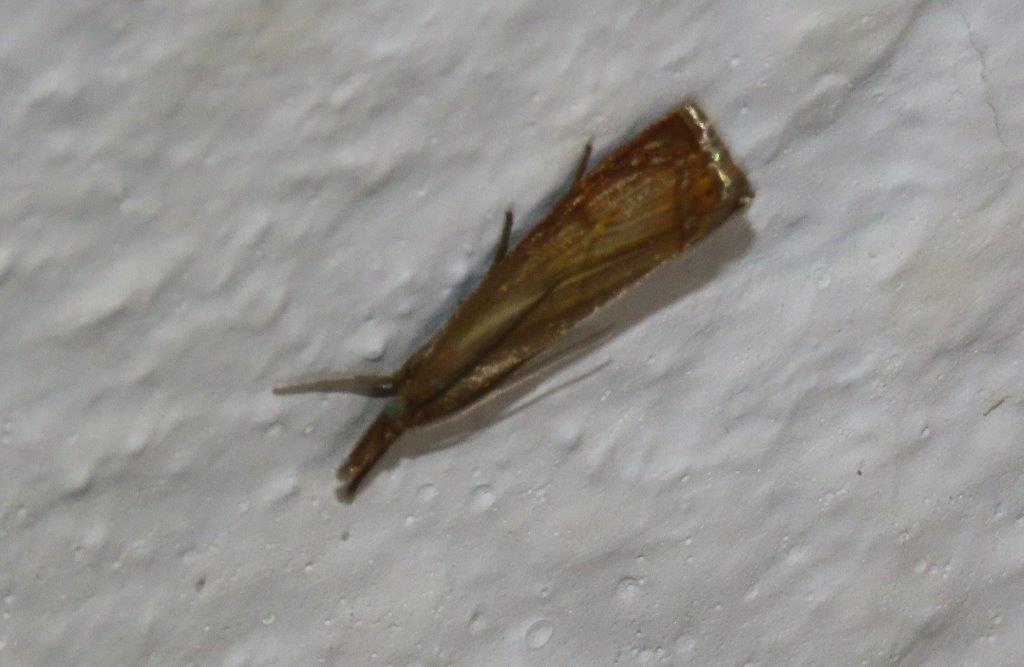
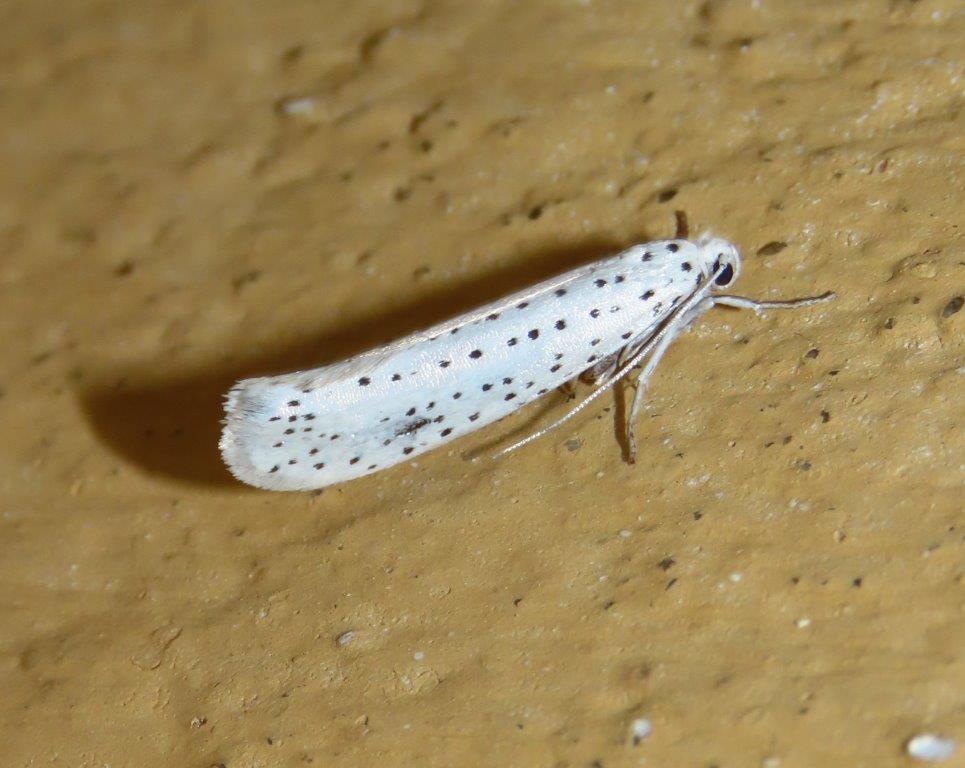
Then there were some distinctive ones, displaying well the fact that micros can be beautiful tiny scraps of life: Agapeta hamana, Argyresthia goedartella and A. spinosella, Gold Triangle, Coleophora deauratella and Mother-of-Pearl…
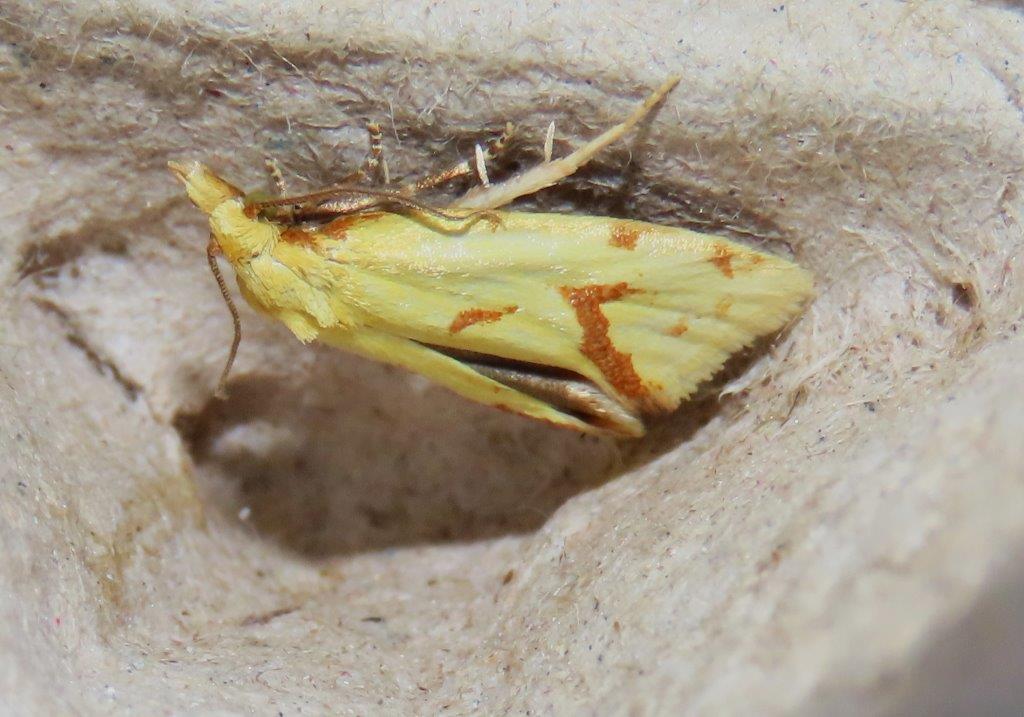
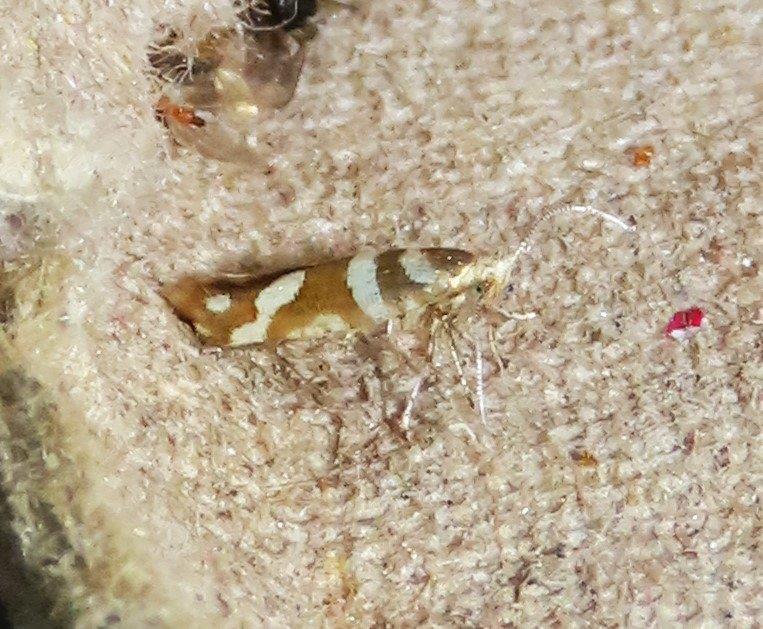
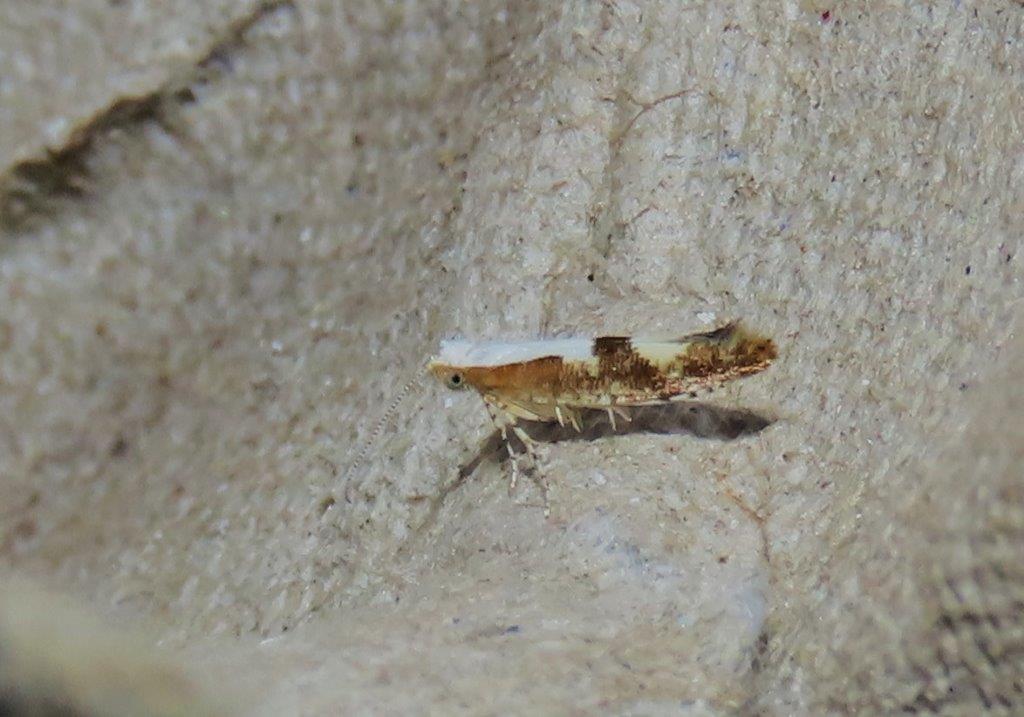
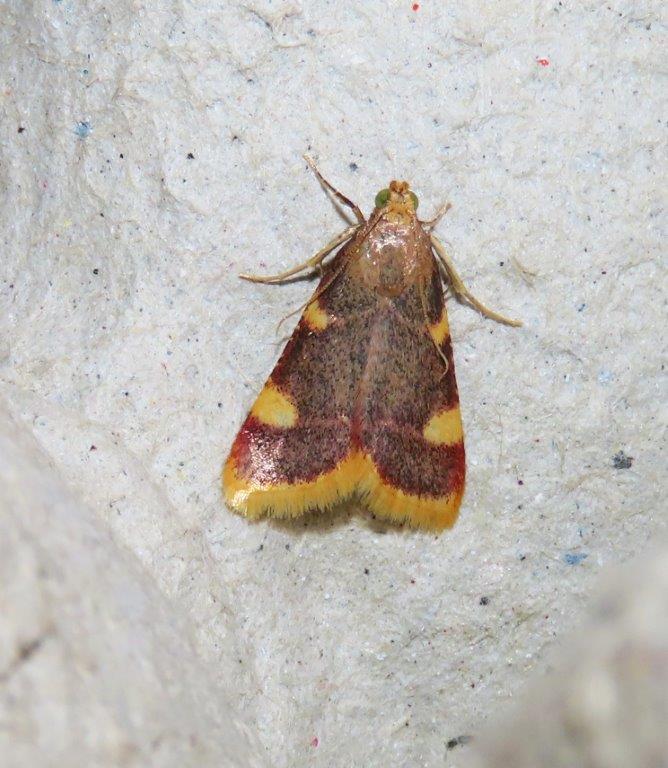
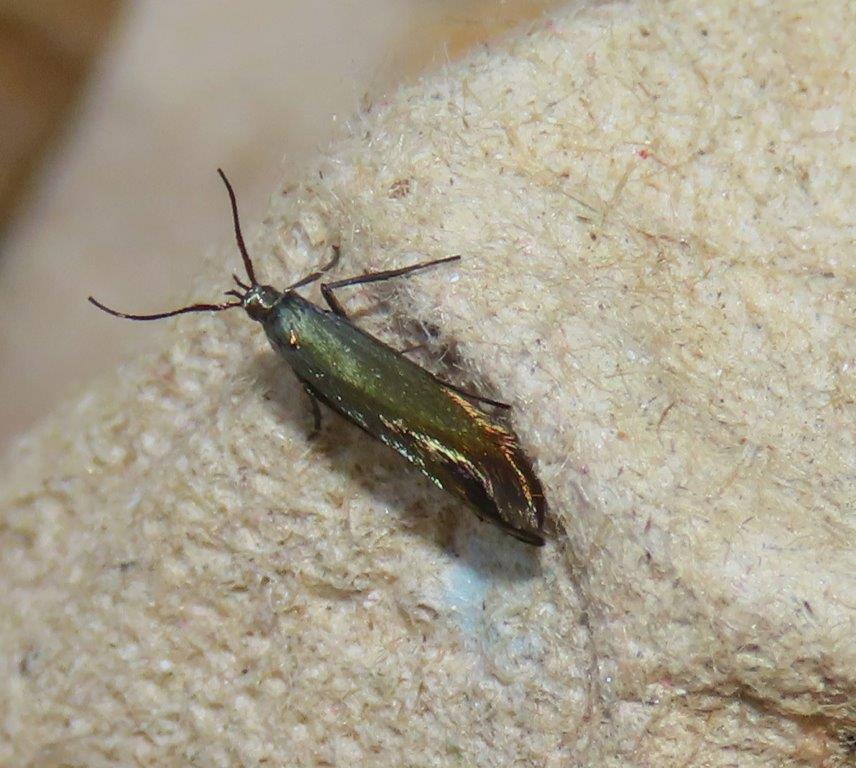
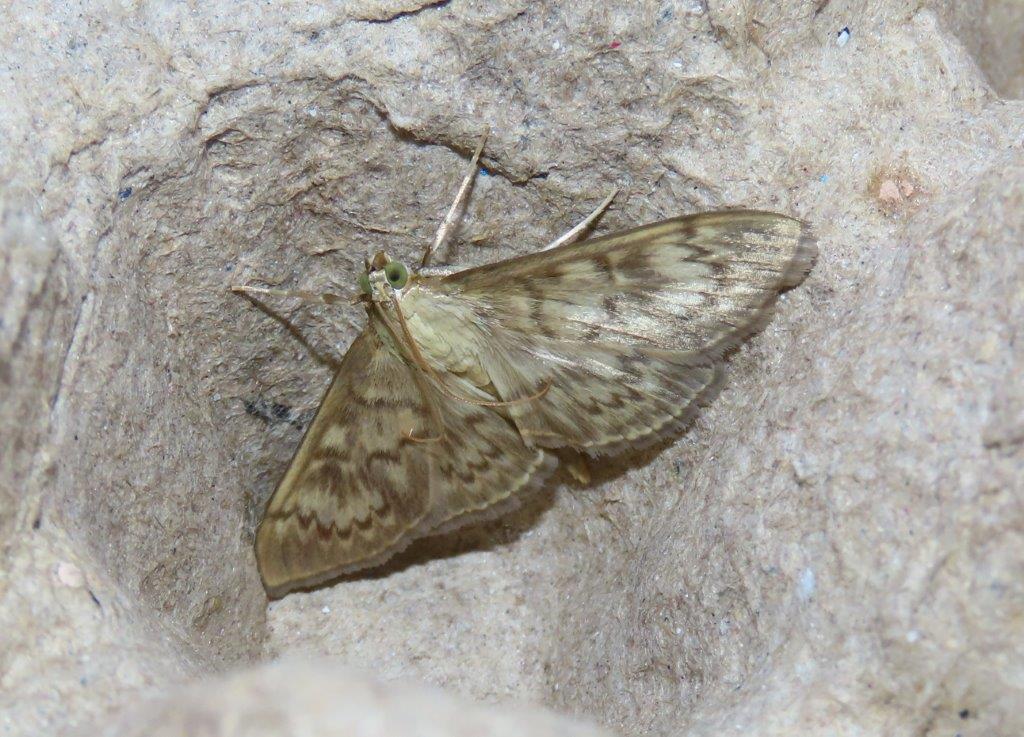
… Acrobasis tumidana, Recurvaria nanella and Tachystola acroxantha (the latter a recent colonist of this country, probably originating in Australia) …
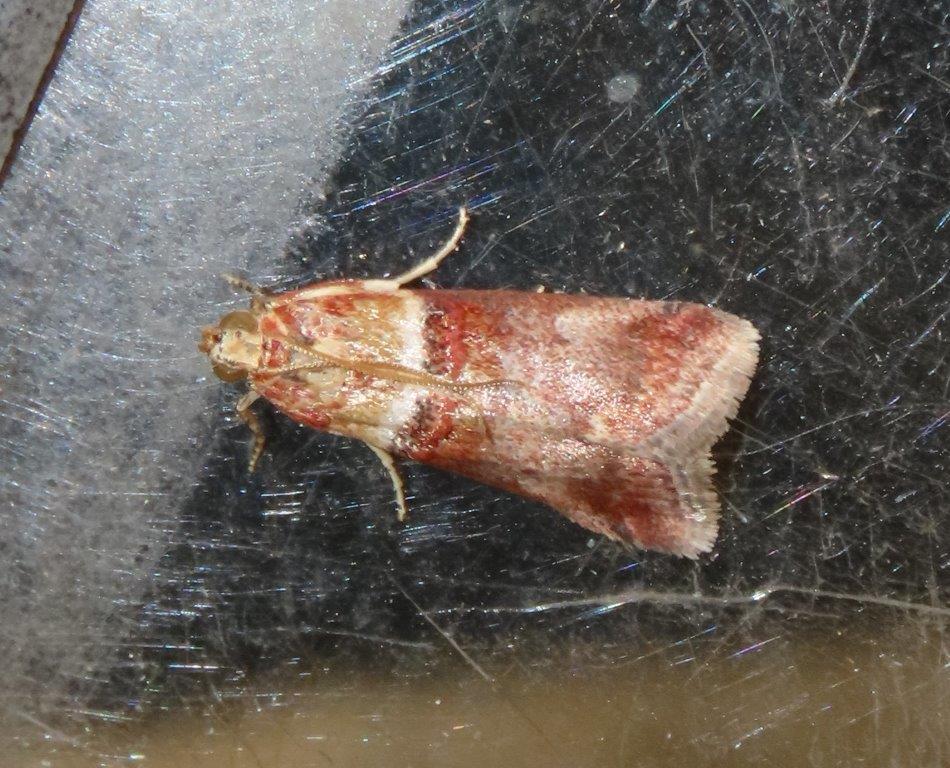
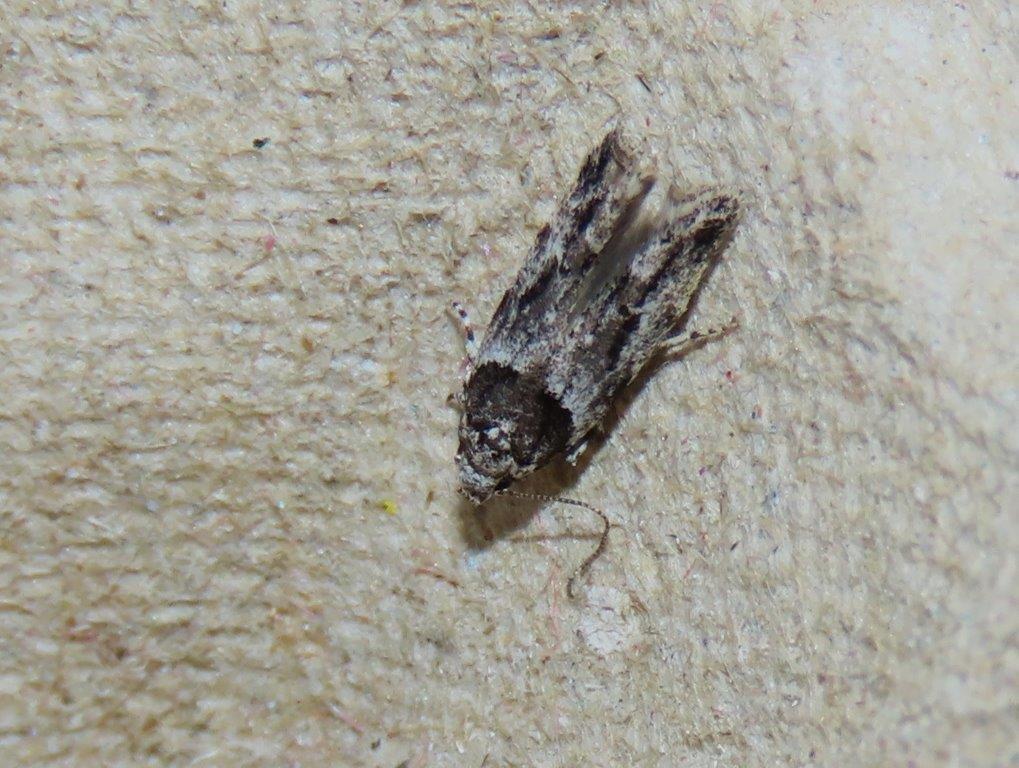
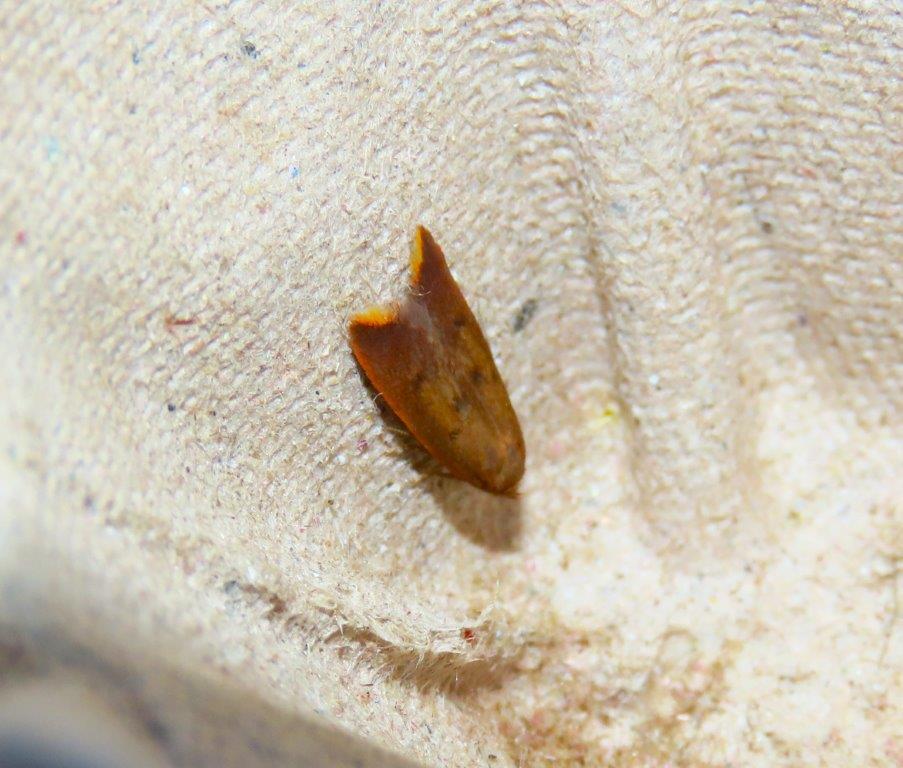
,… and another couple of inseparable pairs, at least to ethical entomologists: Caloptilia robustella/alchimiella and Endothedia gentineana/marginana.
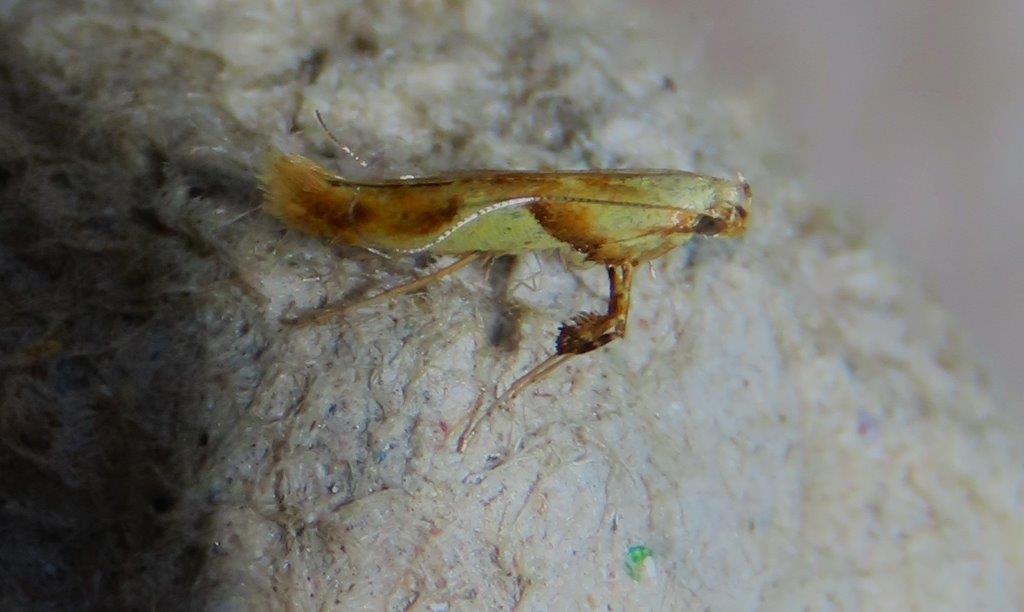
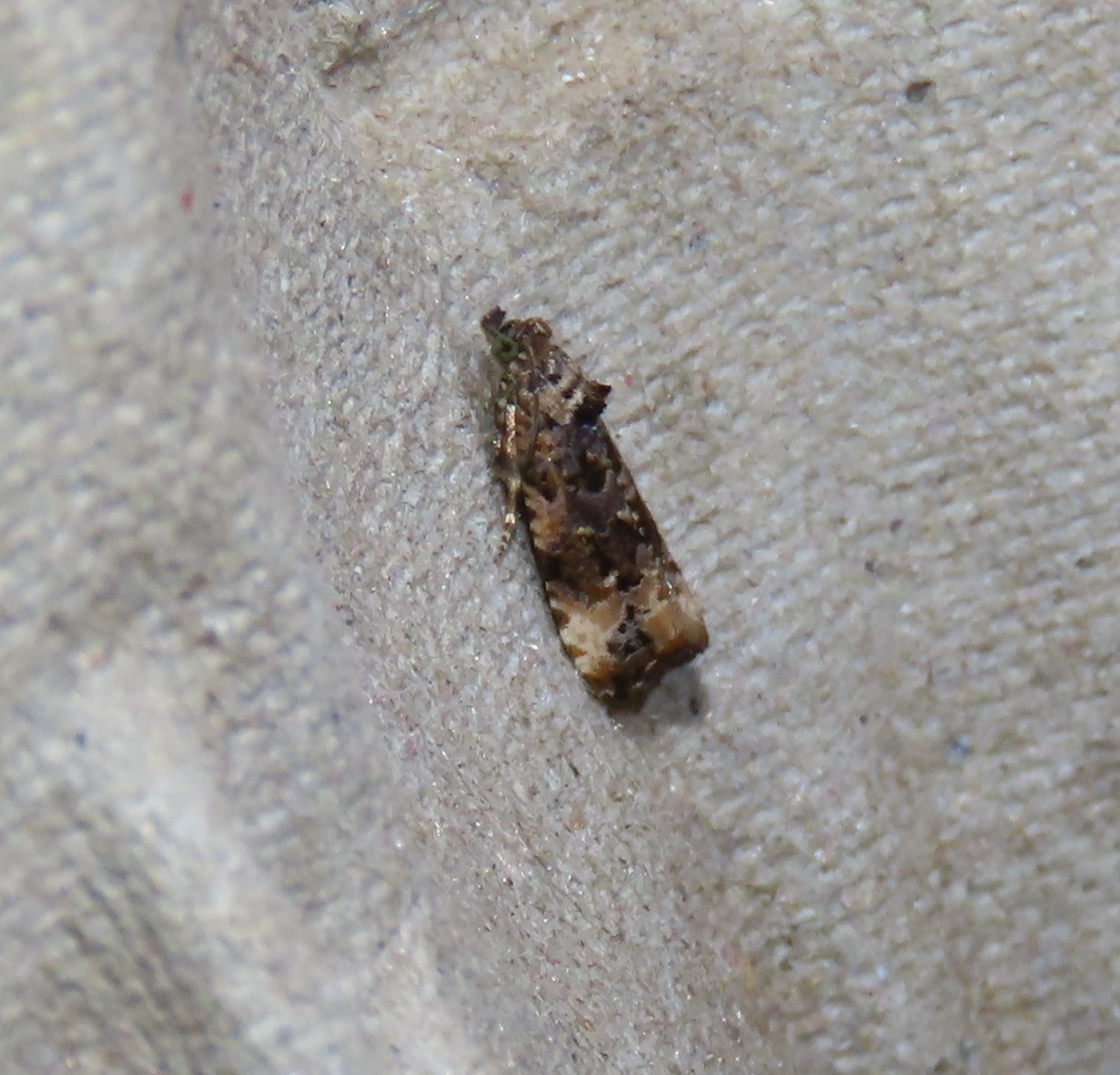
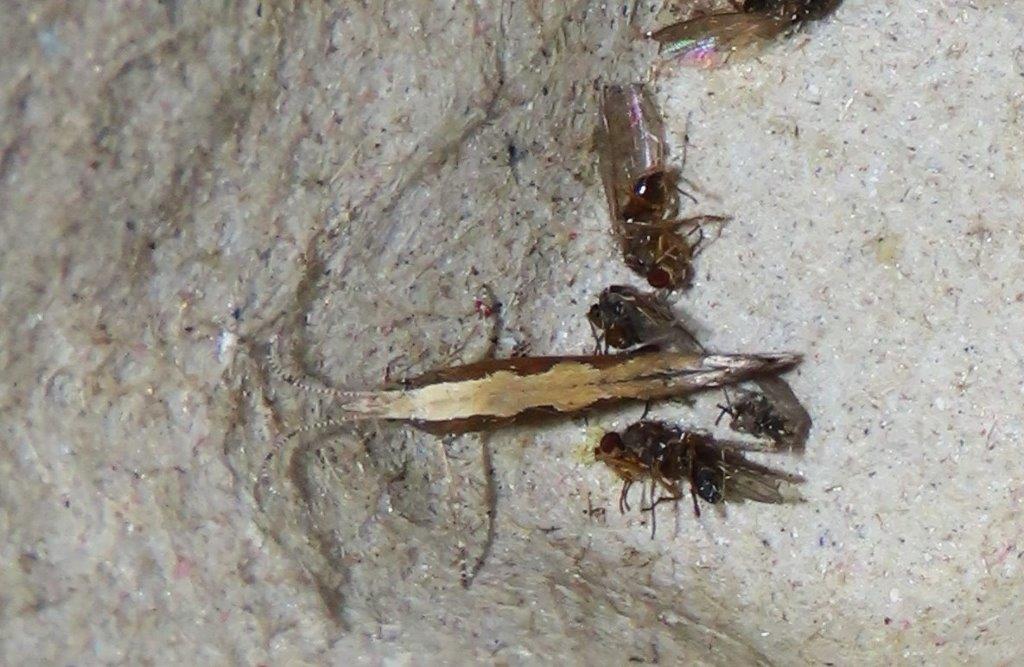
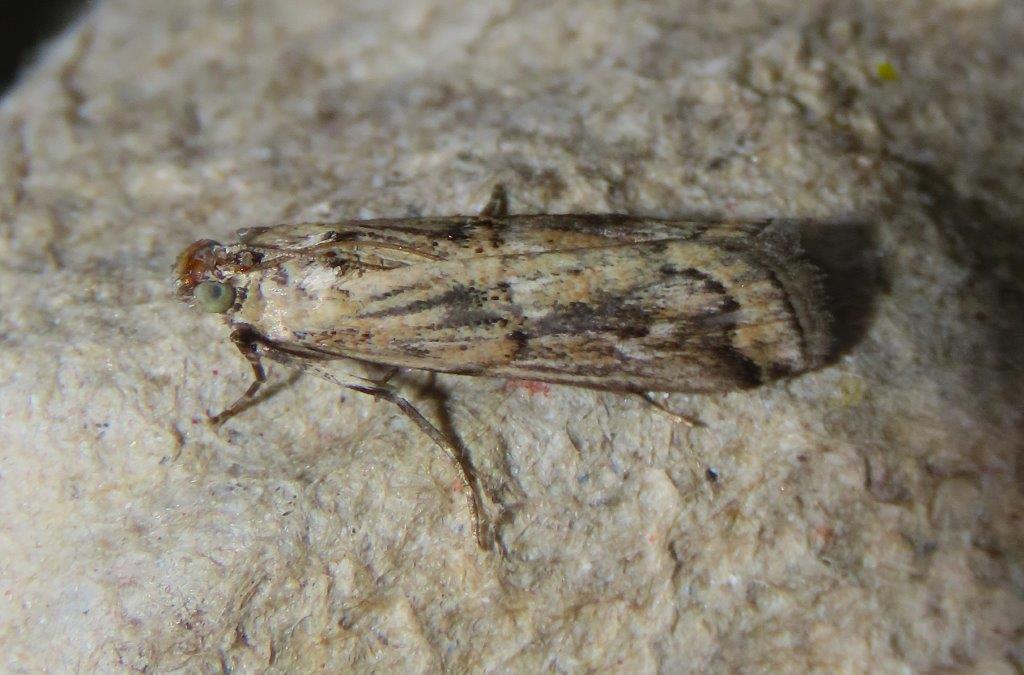
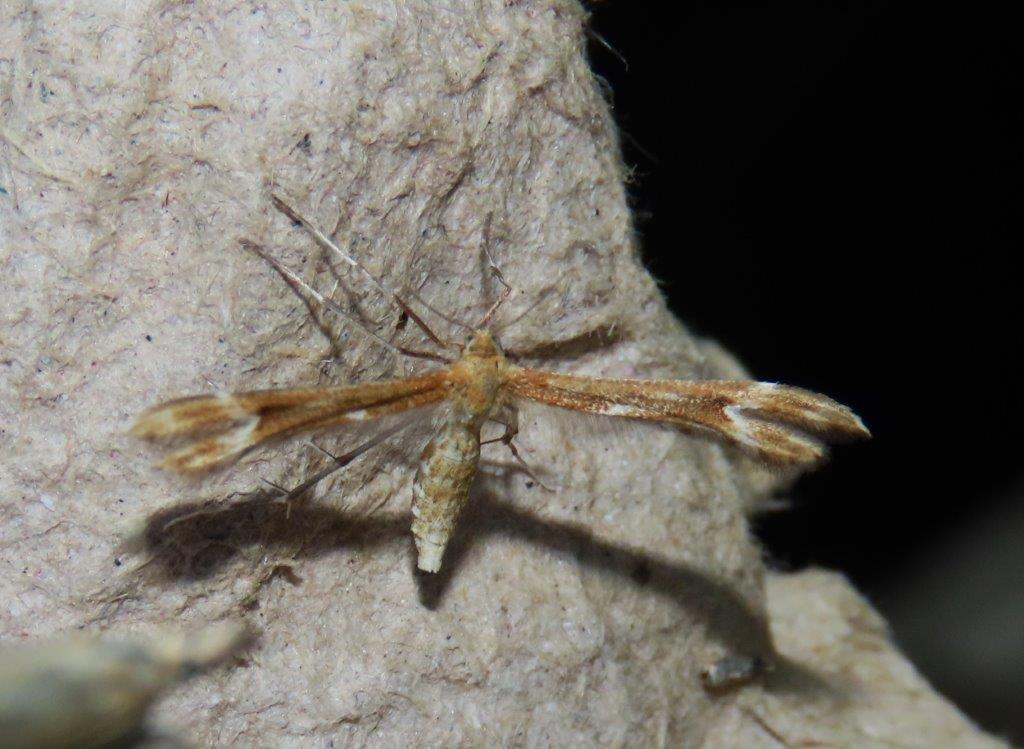
Wanderers potentially from far afield also included Diamond-back, Pempelia genistella (a Gorse-lover perhaps coming from Middlewick Ranges?) and Crescent Plume, which feeds on Rest Harrows, the nearest of which is probably Spiny Restharrow in the grazing marshes of the tidal Colne towards Rowhedge.
Many other insects fly by night, and they too ended up in the trap, including a green lacewing Chrysopa carnea, Forest Bug and the plant bug Oncotylus viridiflavus …
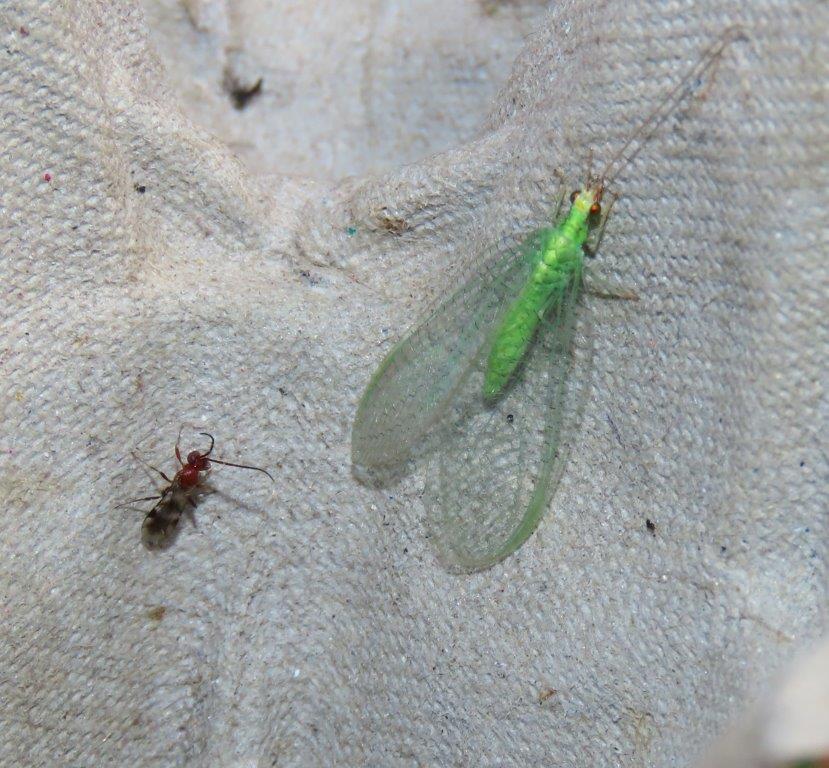
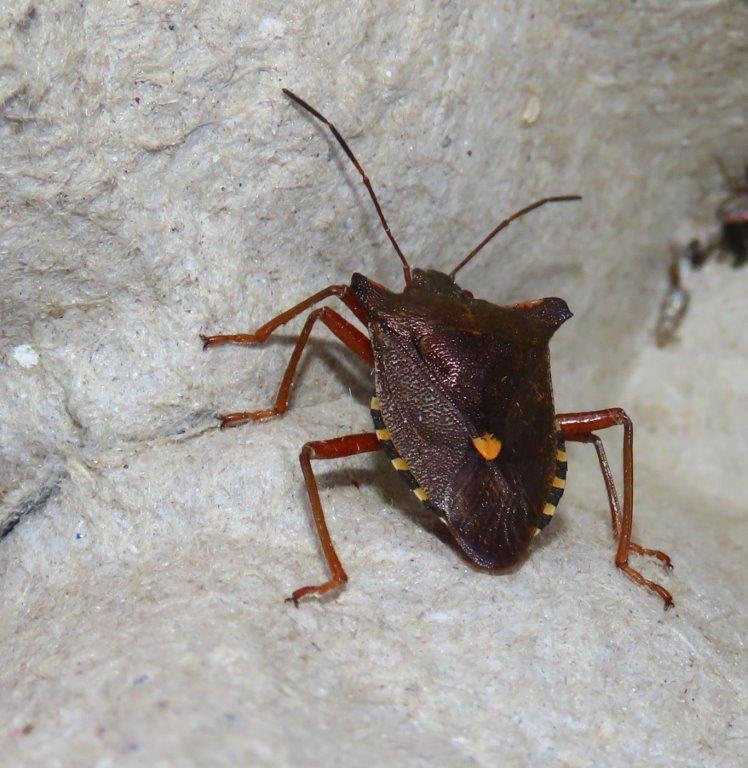
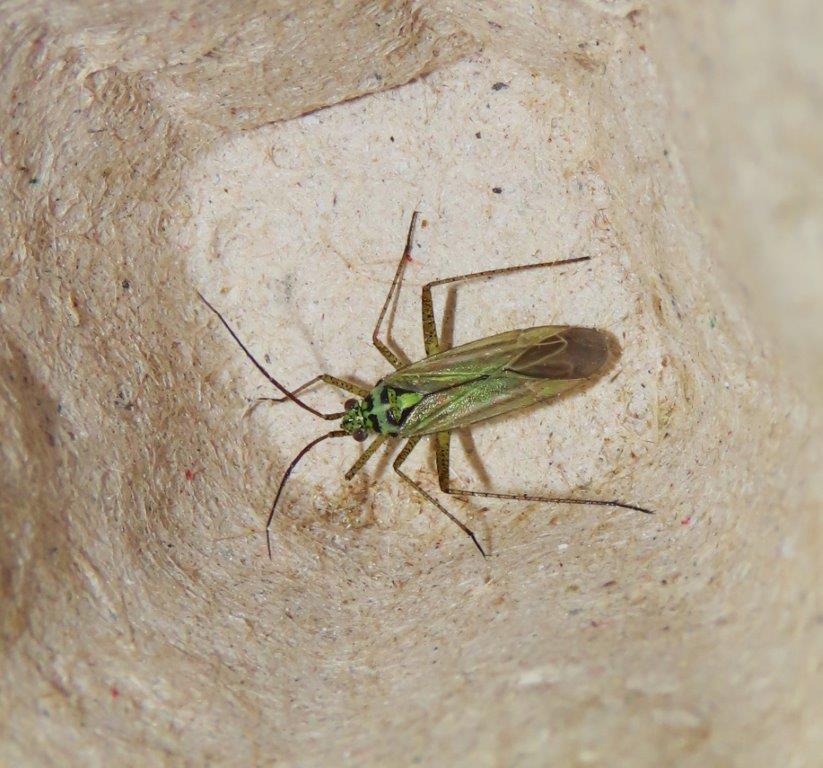
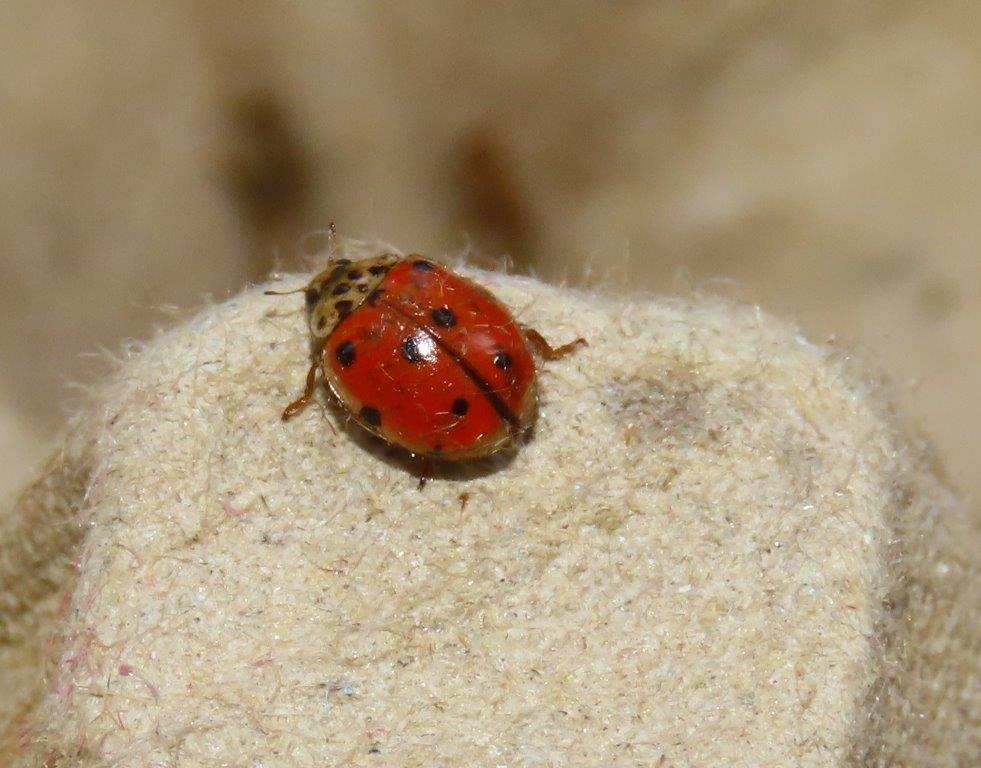
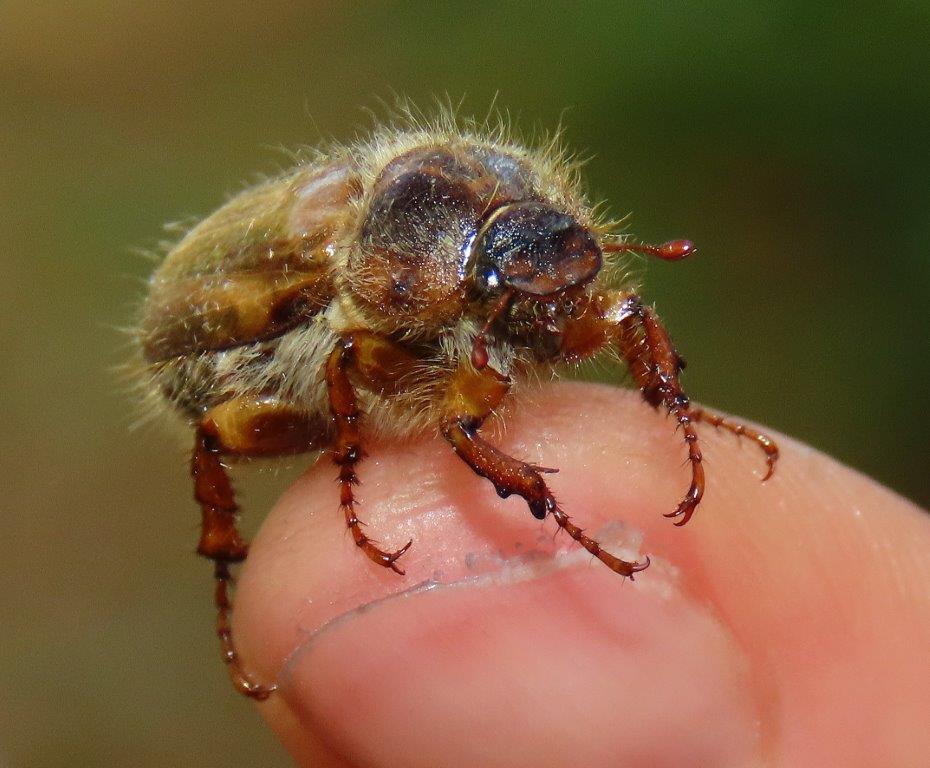
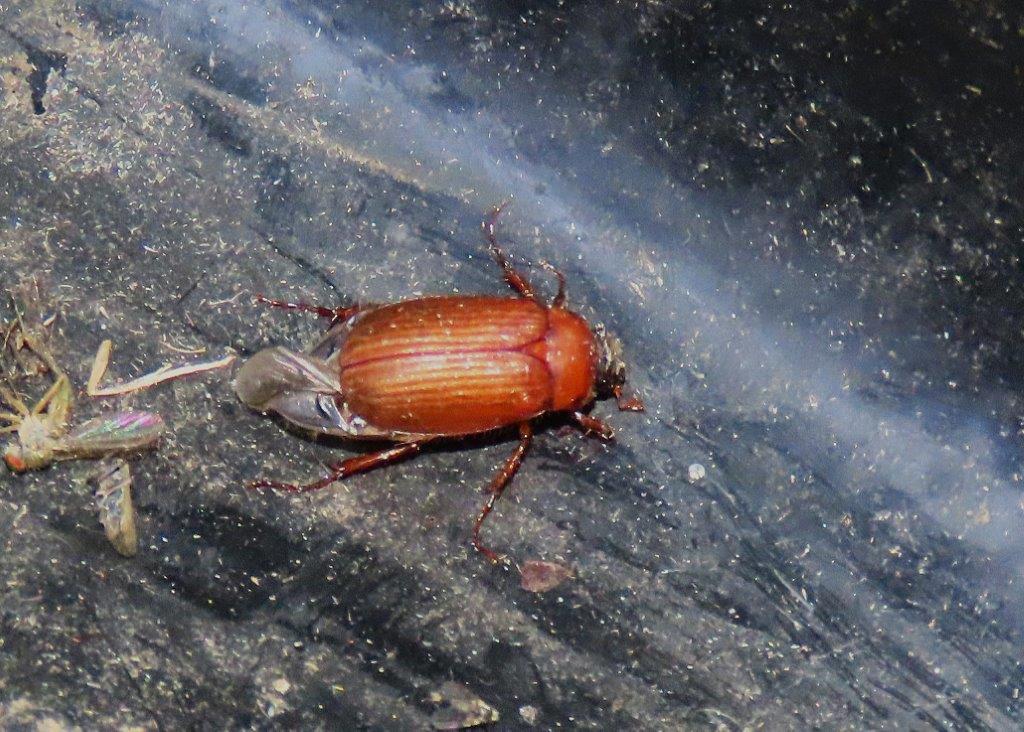
… together with 10-spot Ladybird, Summer Chafer and very excitingly another Brown Chafer. Not previously recorded in this part of the county, we found the latter a week previously in Beth Chatto Gardens, and then in midweek in the Wivenhoe garden of a couple of friends.
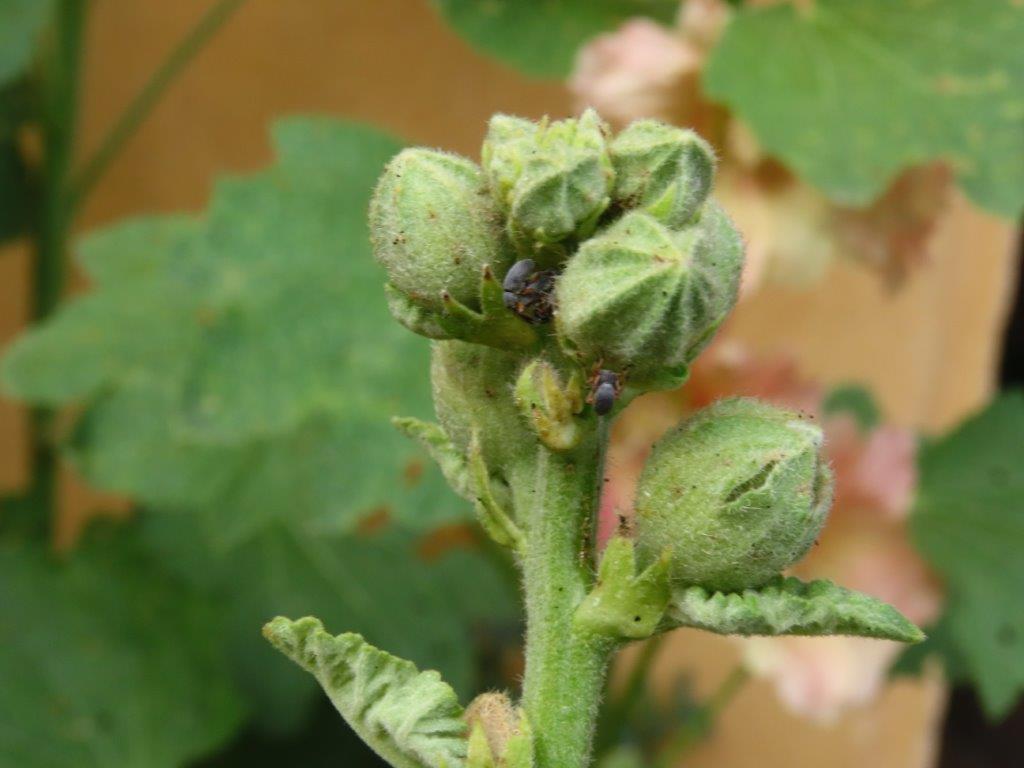
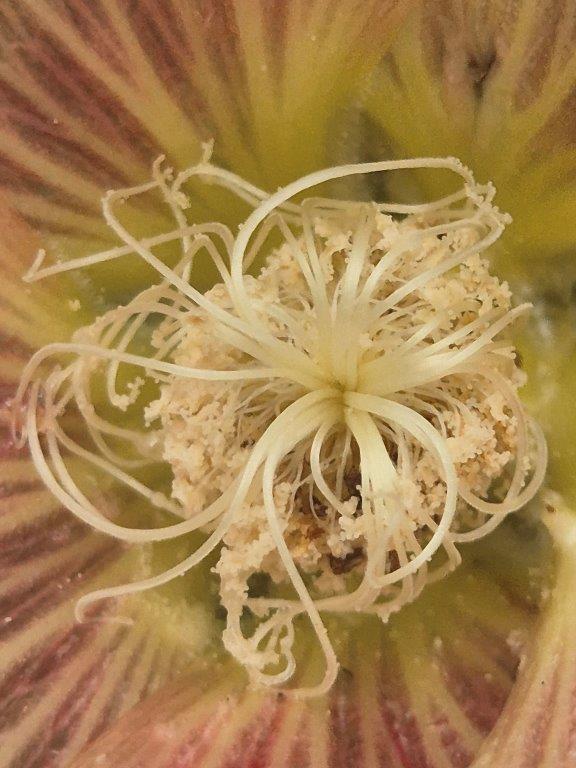
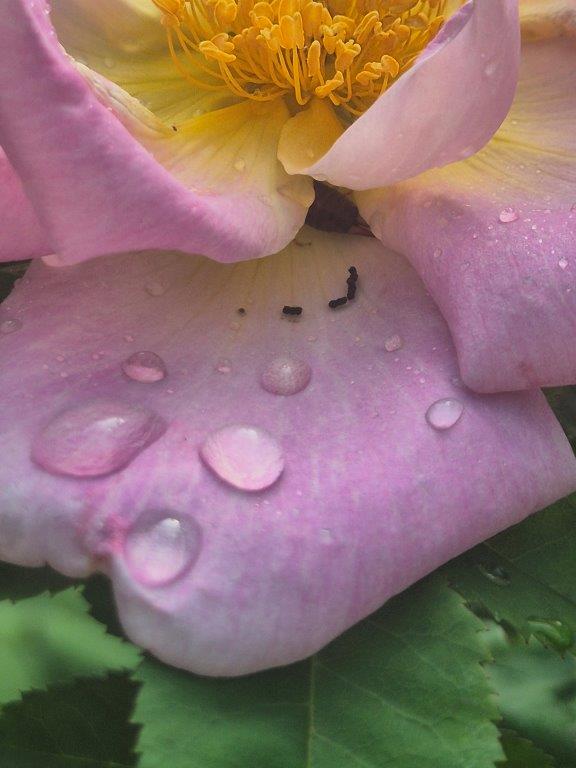
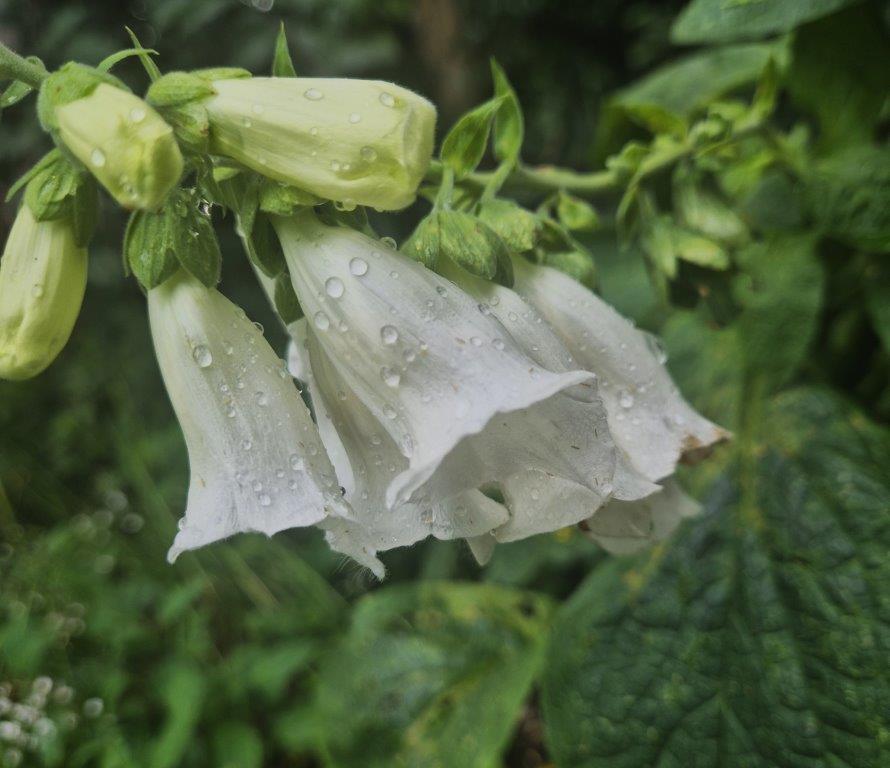
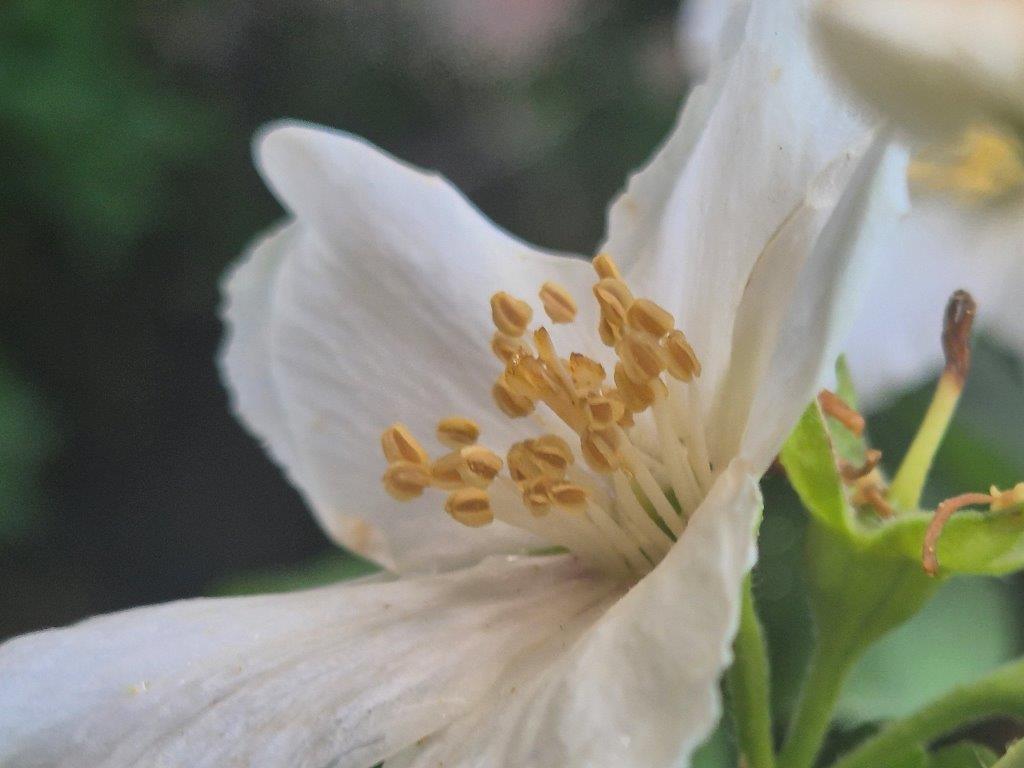
And if the fare in the trap became too much of course there was still the lovely garden to look around in the rising heat. Hollyhock Weevils, as always, were up to no good in tandem on the Hollyhocks, but as for the plants, I shall leave it as usual to the camera of Eleanor, our eight-year-old granddaughter to tell the visual story of flowers and rain through her growing eyes…
Moth Club will return for one more session this year, on 25 July, all bookings via the website Night Garden Moth Discovery with Chris Gibson | Colchester | The Minories. A month apart, the trap contents should be very different, and will always surprise. That is the beauty of moth trapping…its like Christmas every day!