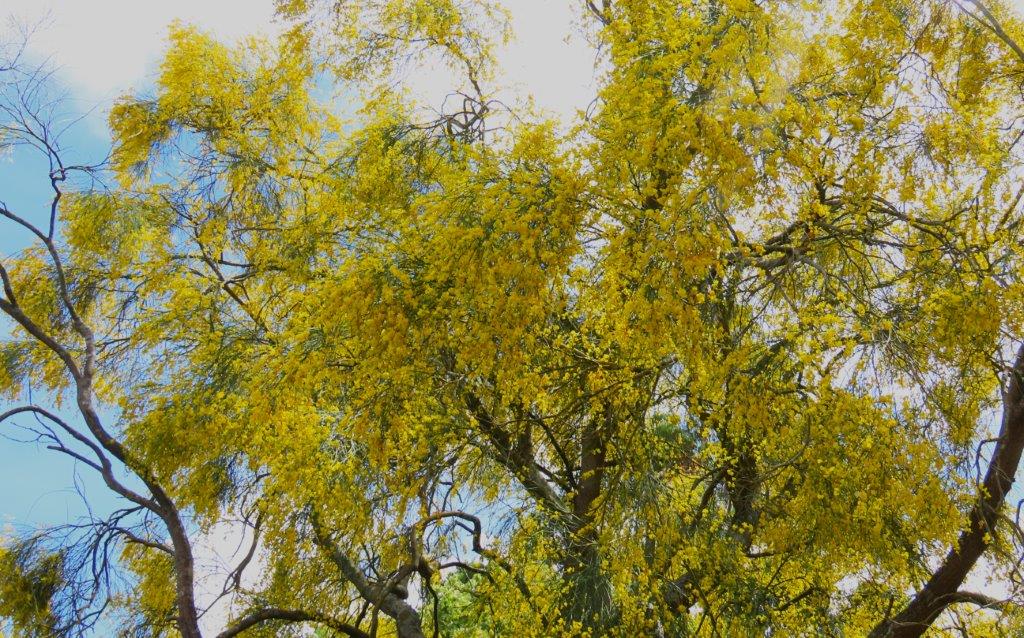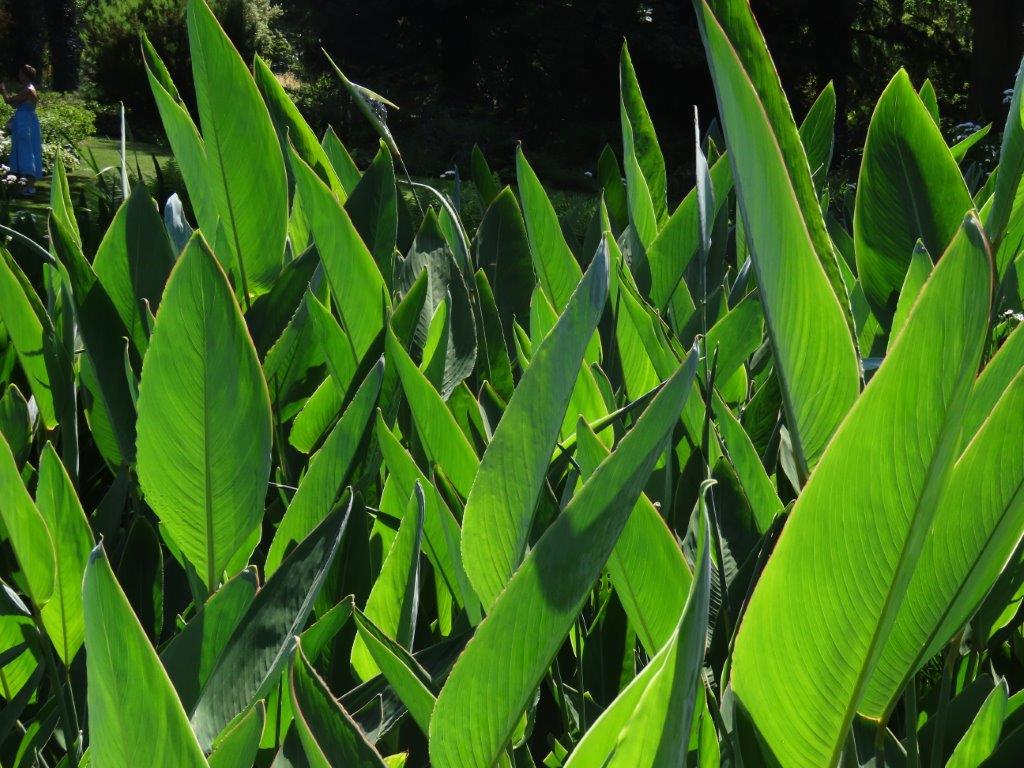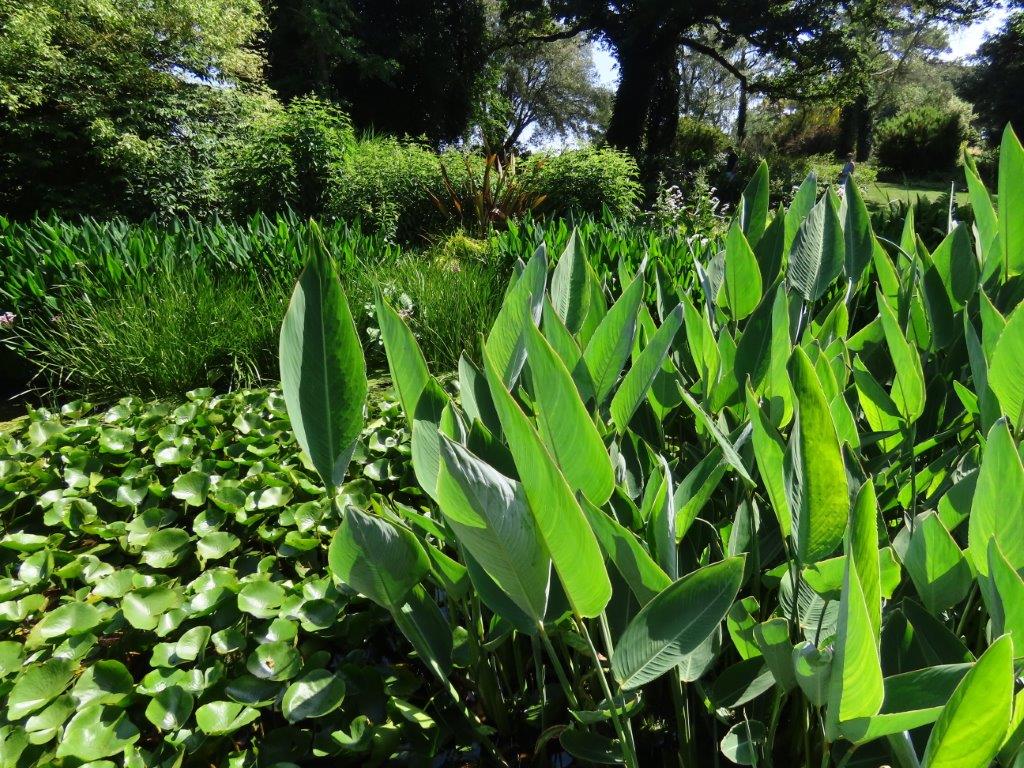
June was a month of two halves. After the record-breaking May heatwave broke down at the very end of the month, the first two weeks of June were damp, with some very heavy rain, before the even more record-breaking heatwave reasserted itself. Is anybody listening to the cries of the Earth?
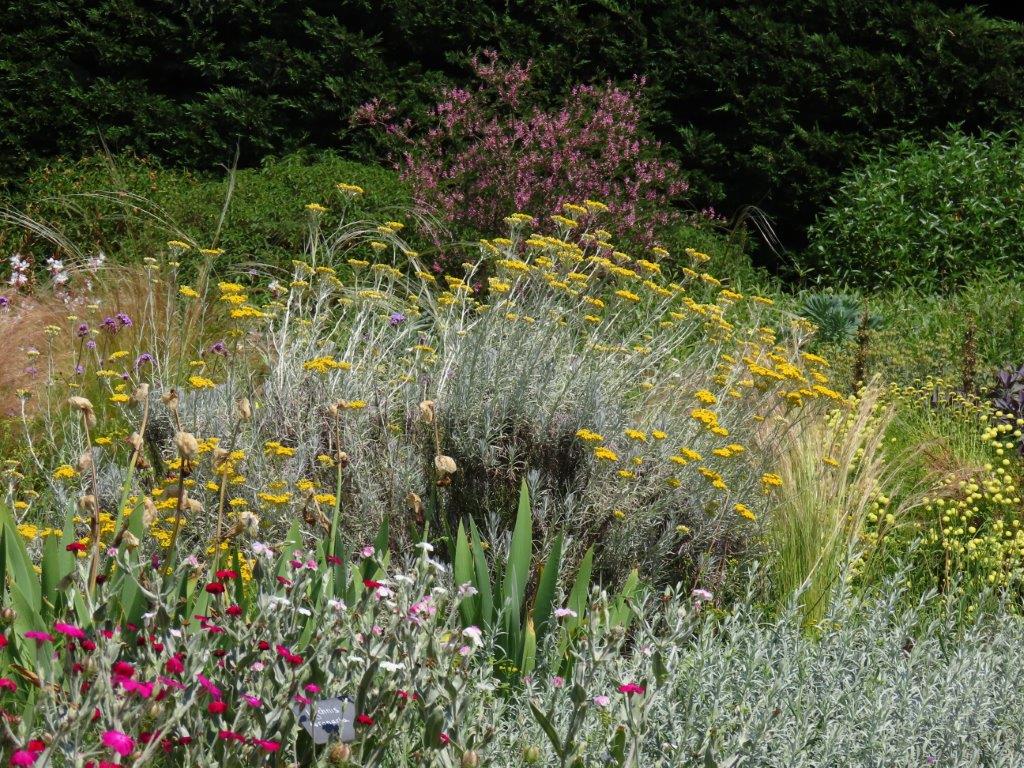
My visits to the garden were all in the latter half and included a moth event covered in this blog Midsummer Moths 2026 at Beth Chatto Gardens | Chris Gibson Wildlife, successful up to a point but I think showed signs of the impact of the vagaries of the weather.
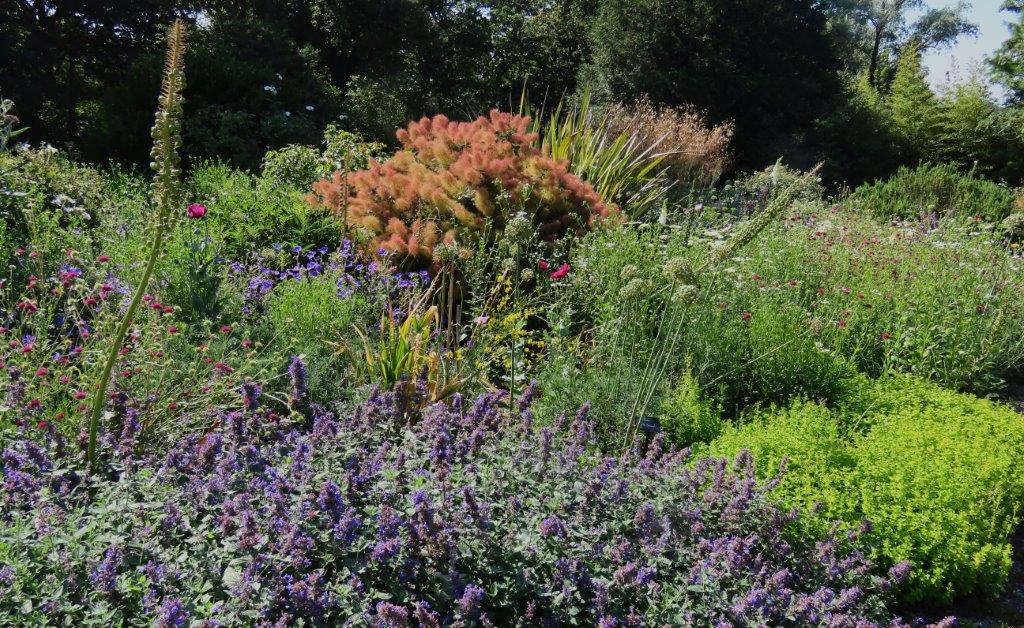
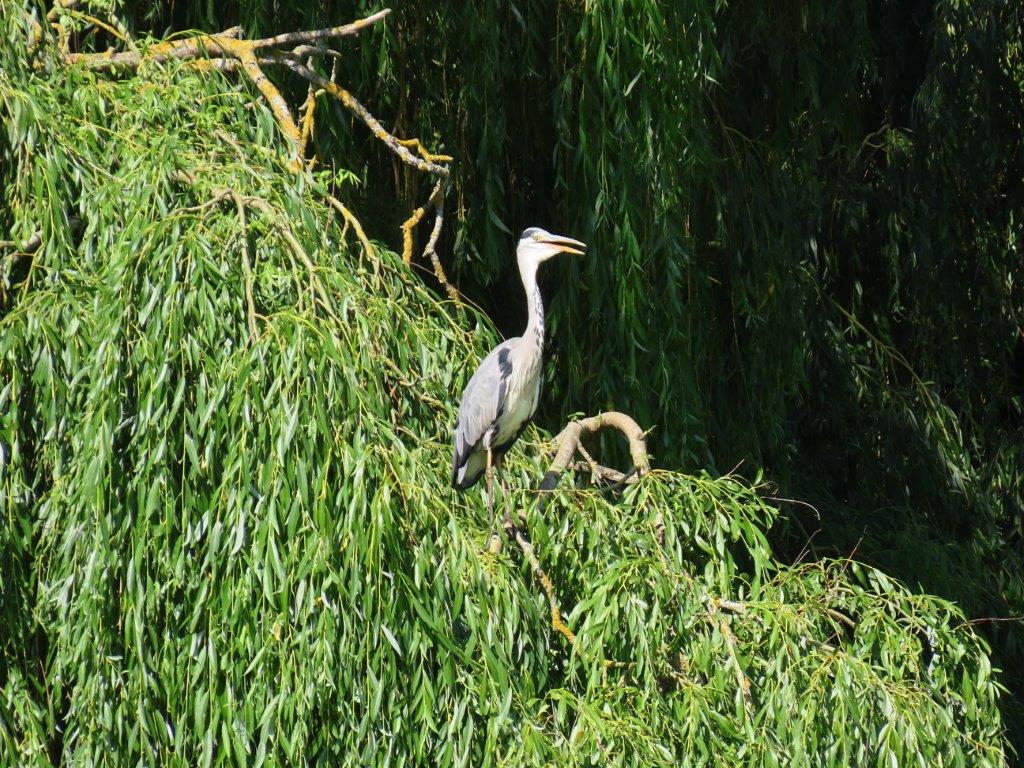
Bird broods were very much in evidence, including Great and Blue Tits, Blackcaps and Blackbirds. Three singing male Whitethroats and four Goldcrests were presumably proclaiming territories for their second broods, and my personal first record of a Coal Tit in the garden was also of a singing bird, perhaps a second-brooder that may have first bred elsewhere. Grey Herons seem to be dispersing from their heronries, with several flying over and one at rest by the Reservoir for some hours, while Swallows and a Kestrel were feeding over the long grass of the overflow carpark.
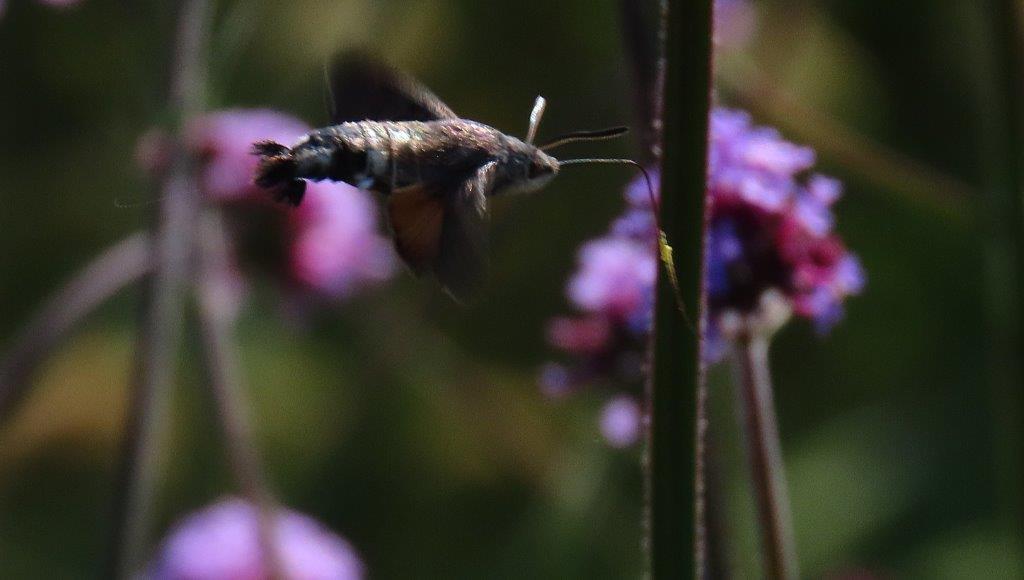
In the garden through the heat, insect activity during the hottest part of the sunny days was much reduced, but by seeking out the cooler times and shady spots, it was possible to find plenty of interest. But not always to photograph it: Silver-washed Fritillary, Rose Chafer and Willow Emerald damselflies were all zipping around, refusing to settle. And always active were the Hummingbird Hawkmoths that occasionally showed especially in the Reservoir Garden:
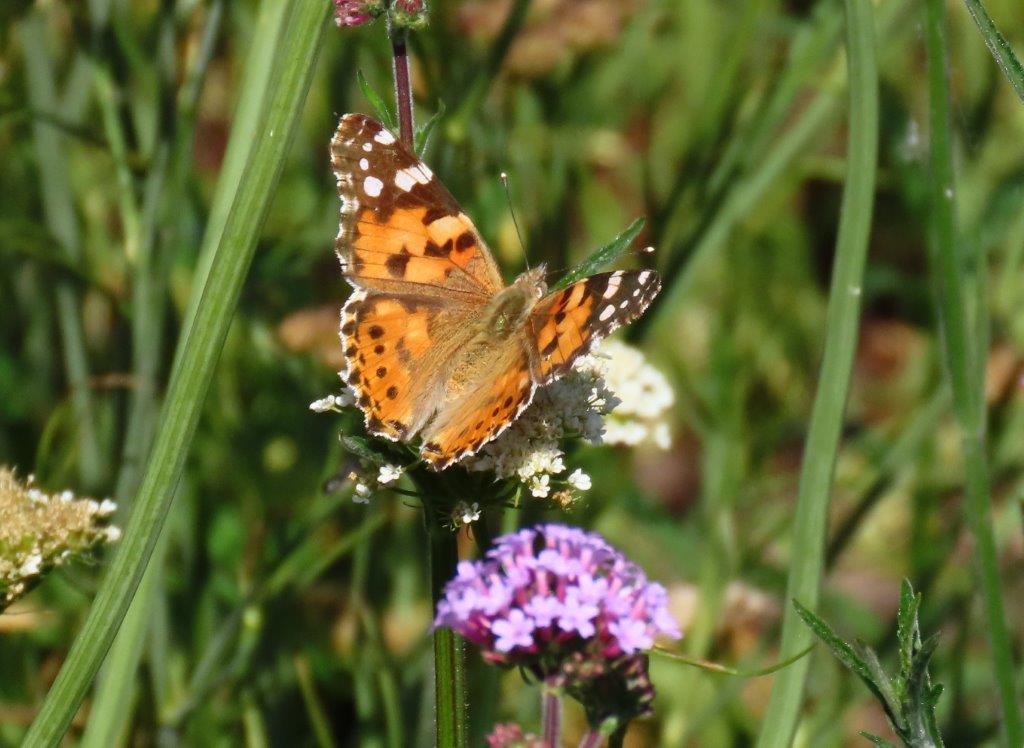
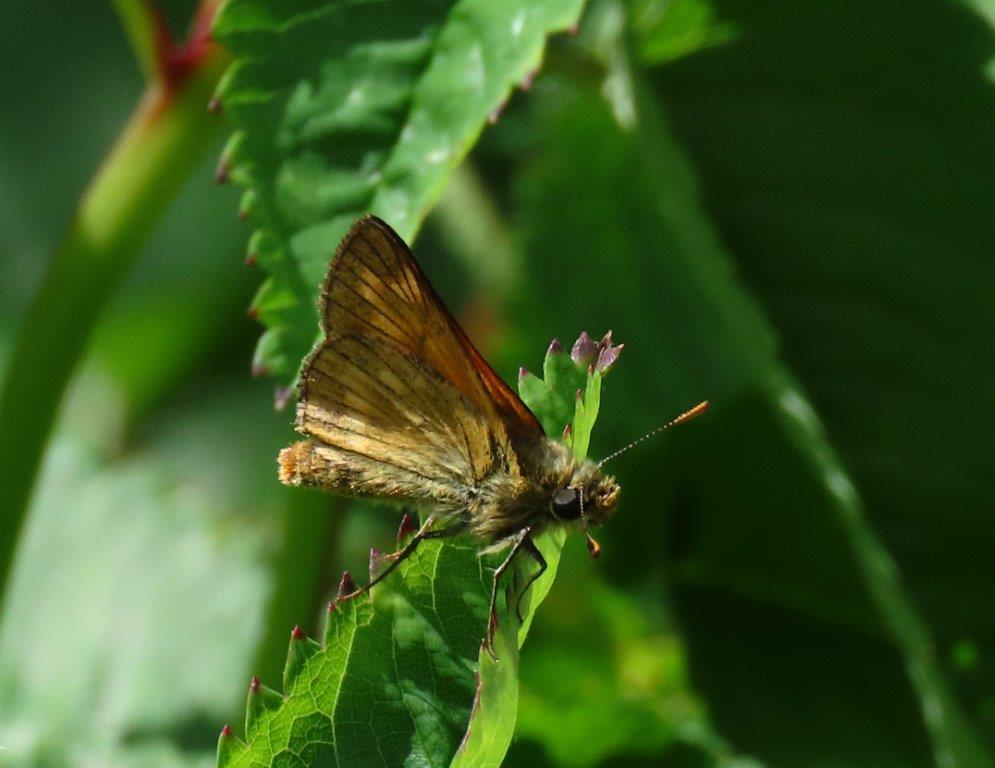
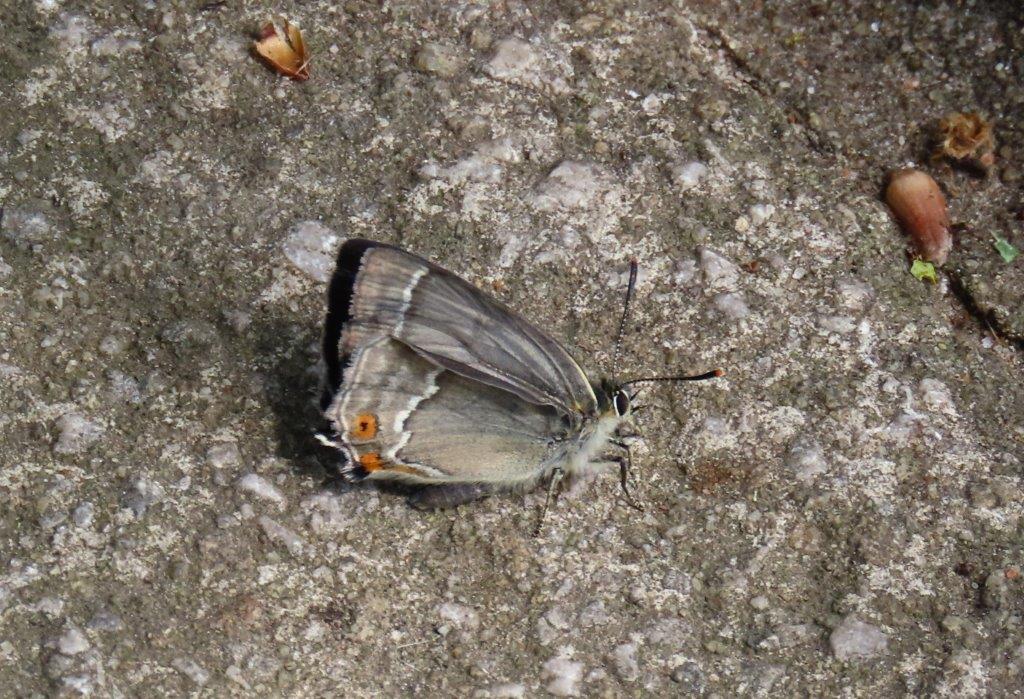
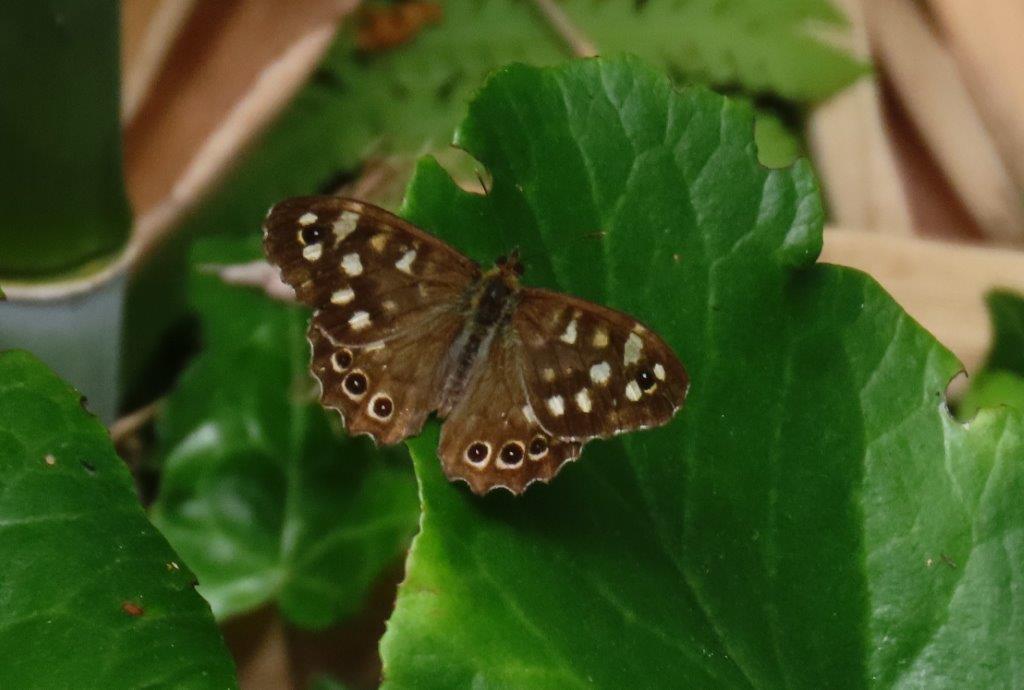
Painted Ladies have been present throughout the month, those at the end especially being pristine and presumably the offspring of previous immigrants. And the summer butterflies are starting, with Large and Essex Skipper (the latter the first confirmed record for the garden) and Purple Hairstreaks occasionally descending from the Oak canopies, while Speckled Woods loitered in the sunflecks.
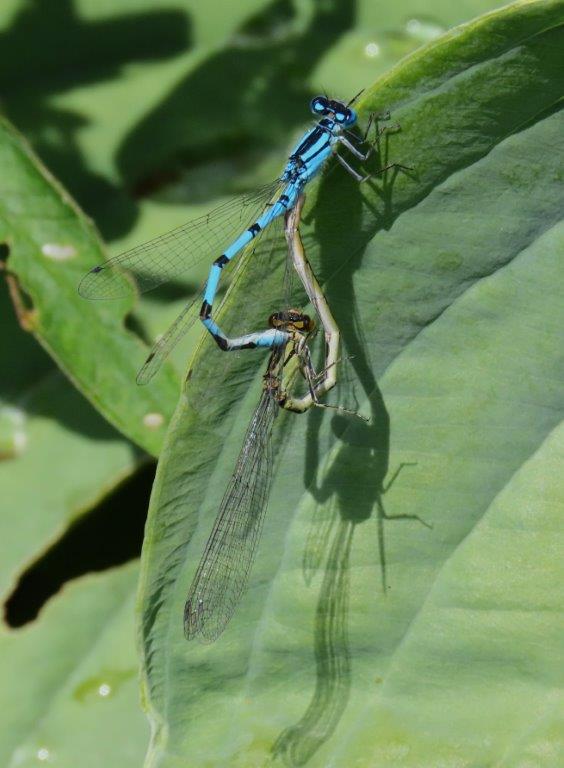
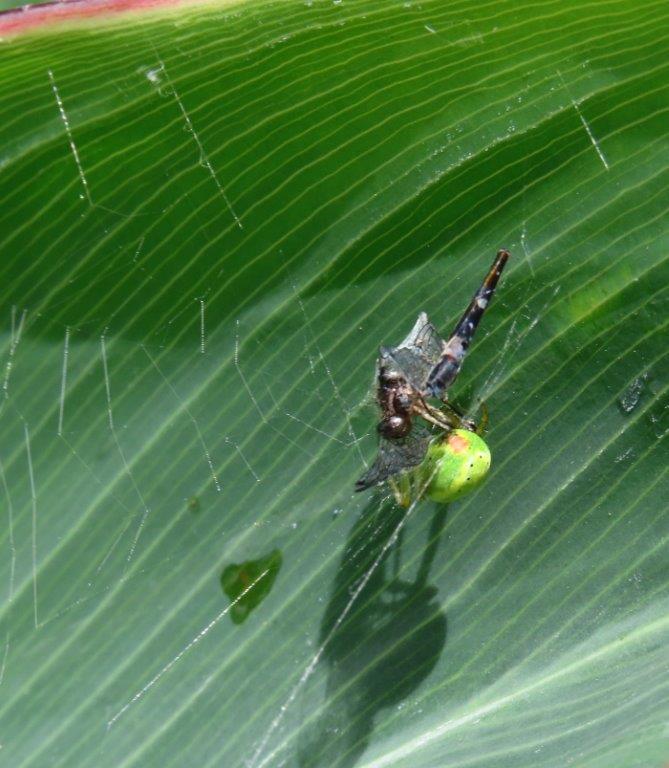
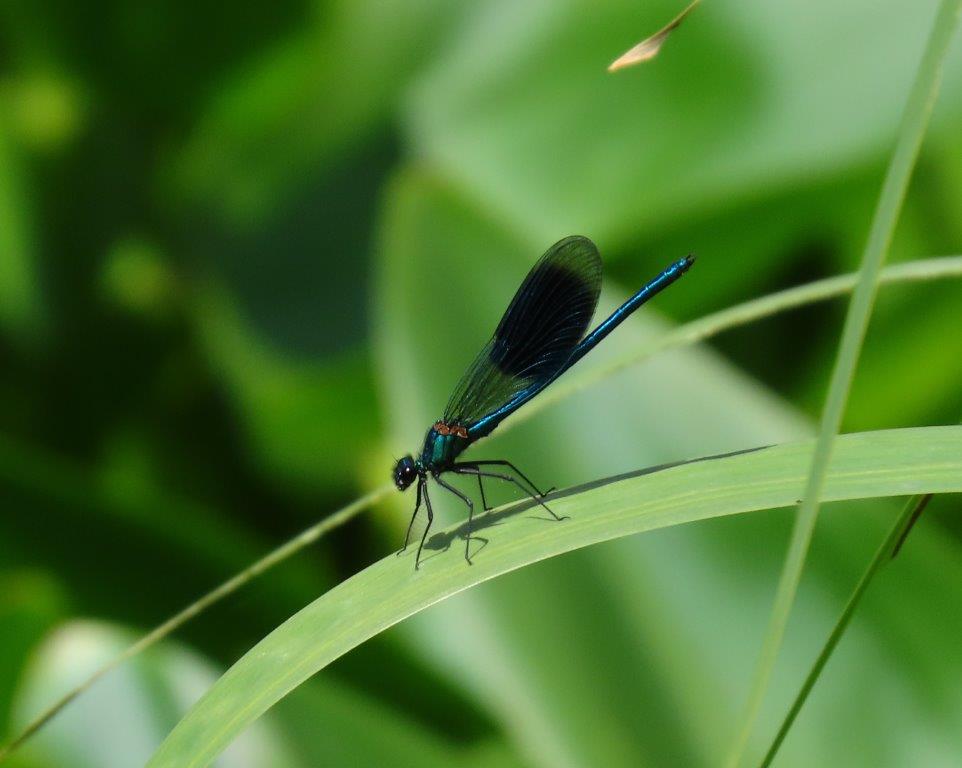
Dragonflies and damselflies have continued to perform well, especially around the ponds, including a coordinated emergence of Common Blue Damselflies that proved a bounty for the Cucumber Spiders. But most exciting were the Banded Demoiselles: after a few years when they have appeared with us sporadically and unpredictably, this month finally they seem to have consolidated. Let’s hope they stay!
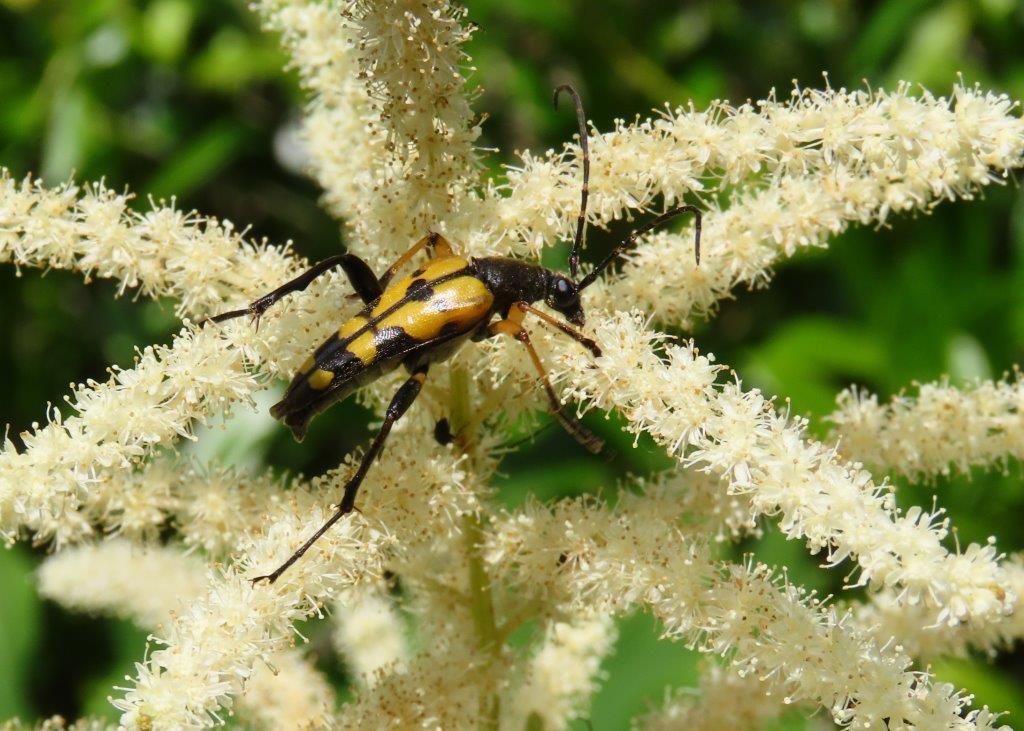
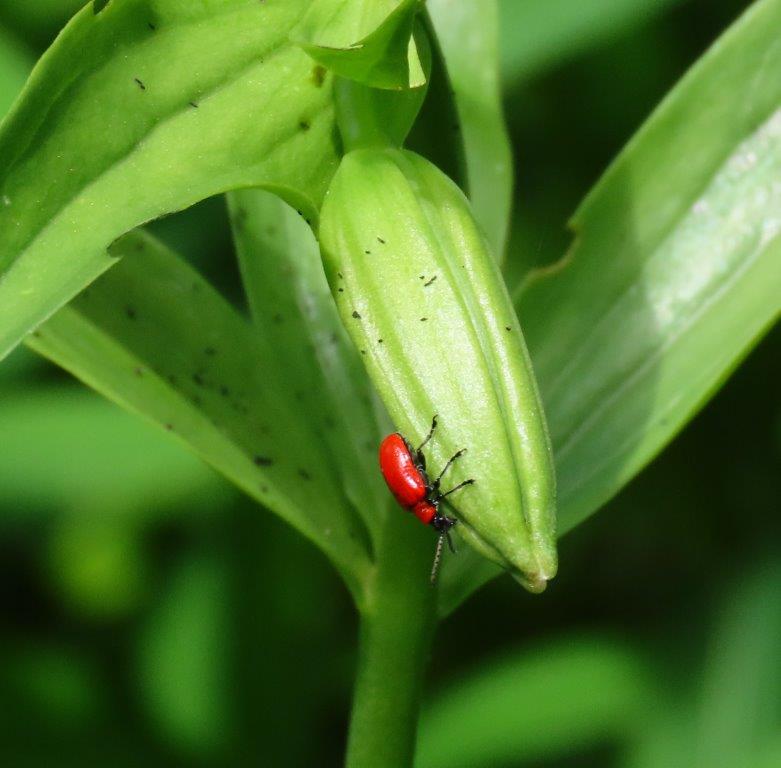
Of course there was plenty more to see as well, including Yellow-and-black Longhorn, Lily Beetles and masses of pollen beetles…
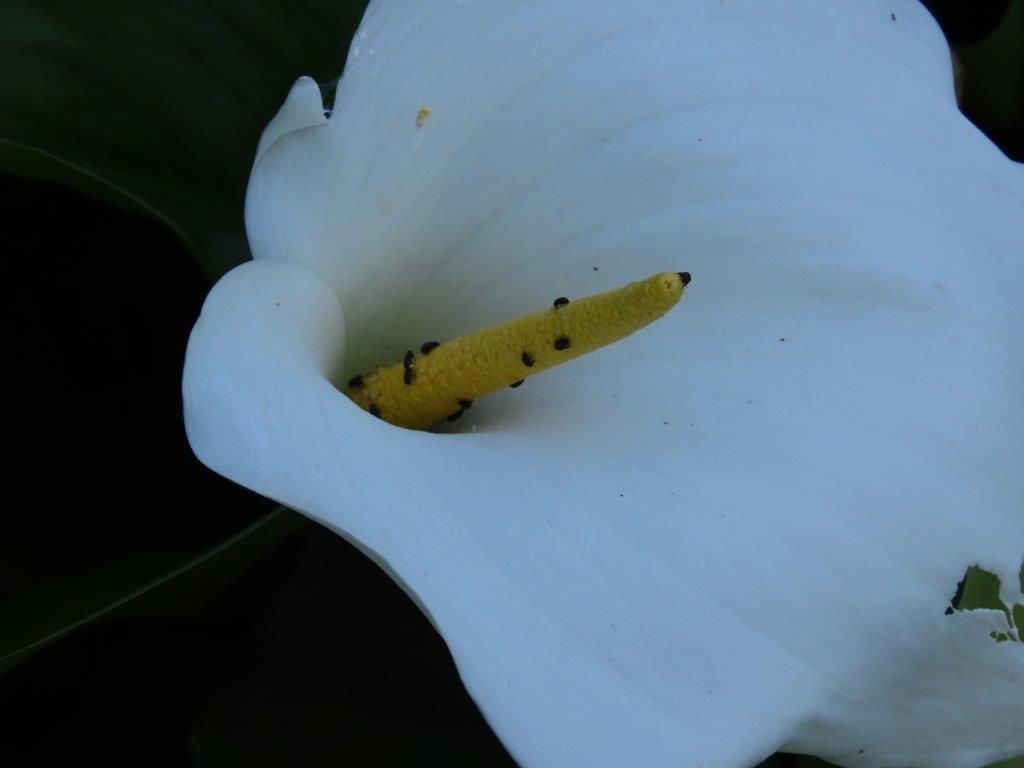
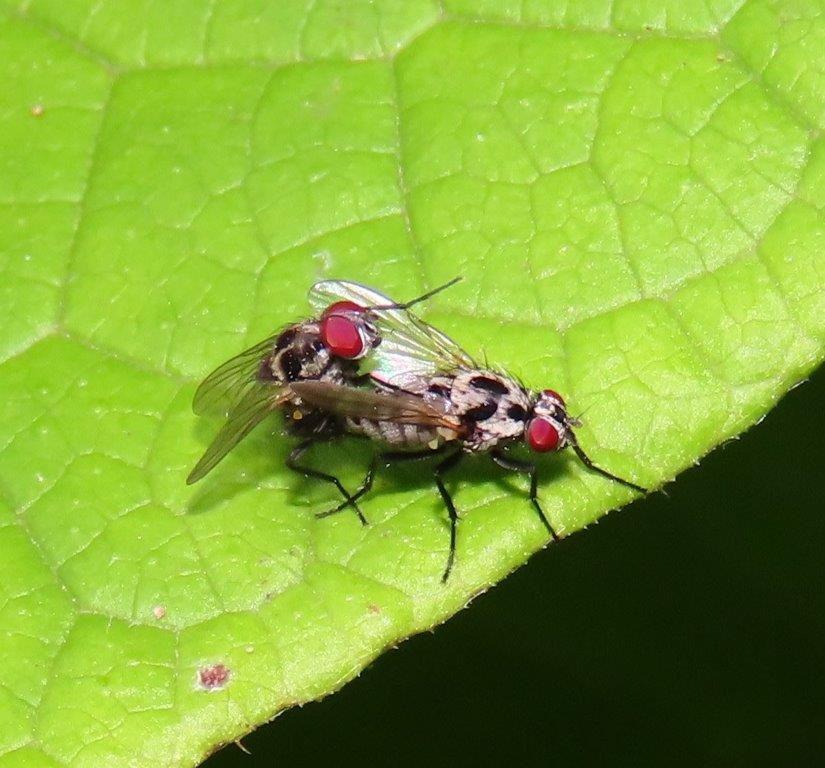
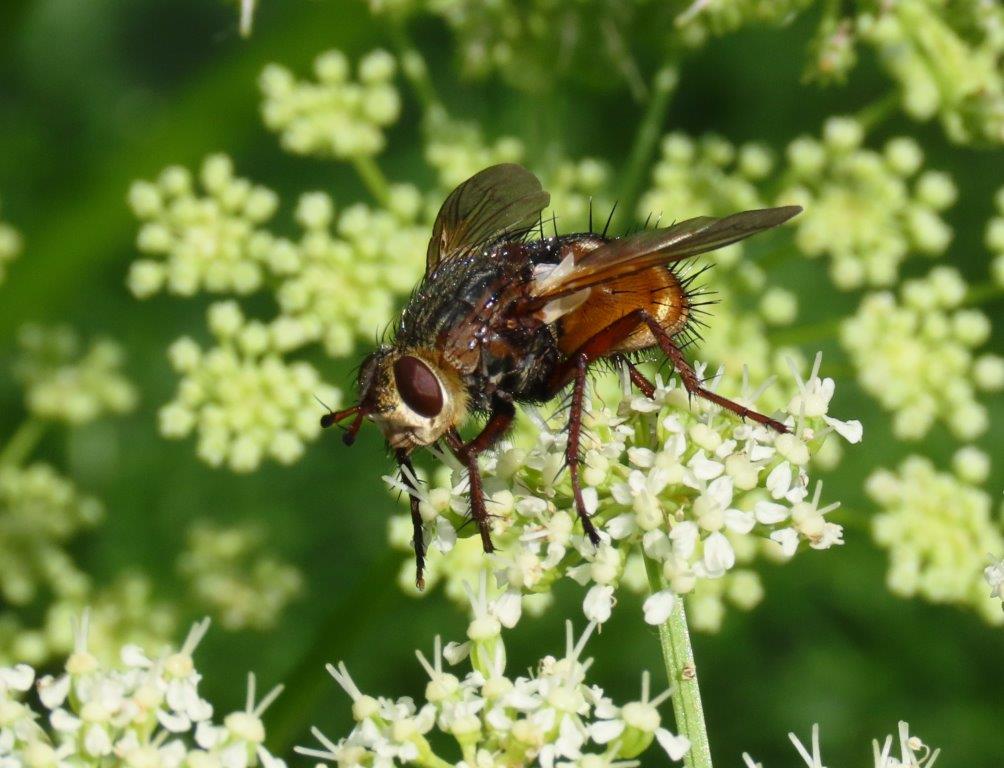
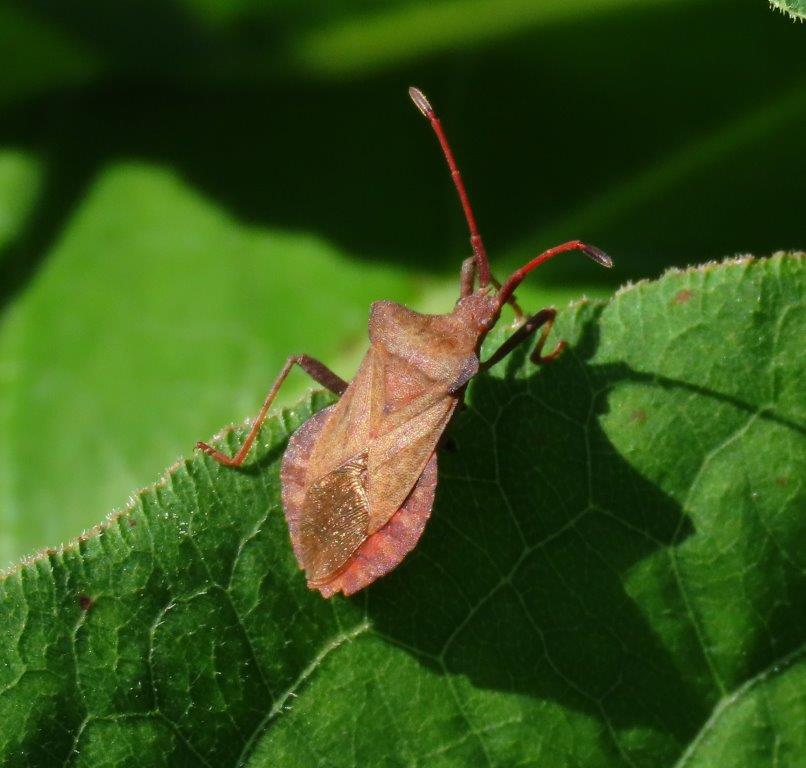
… mating Fencepost Flies, nectaring Tachina rufa agg. parasite-flies and sunning Dock Bugs …
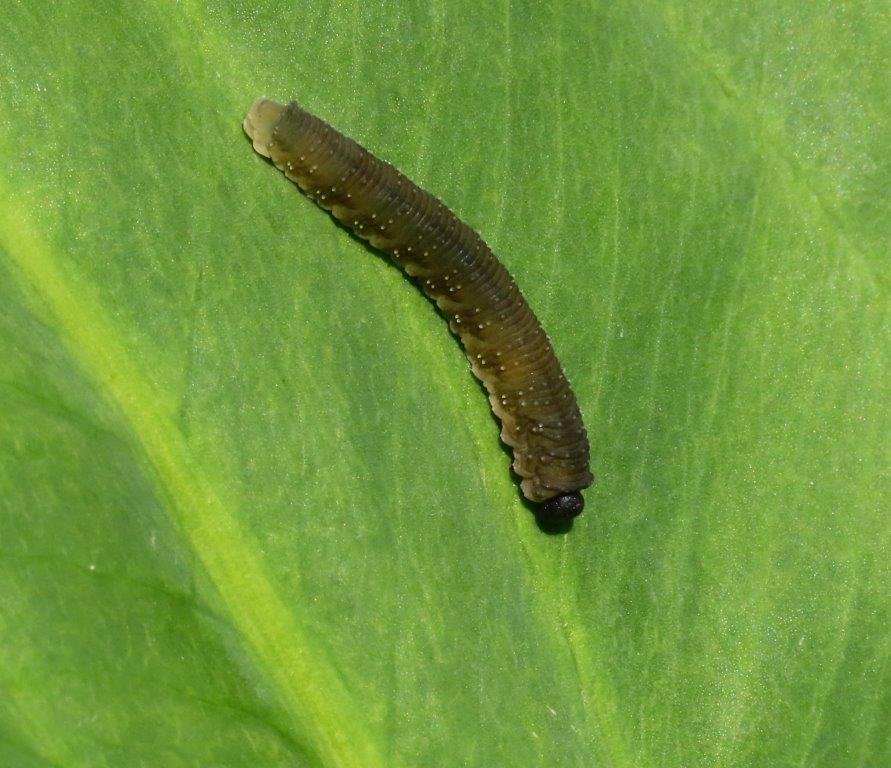
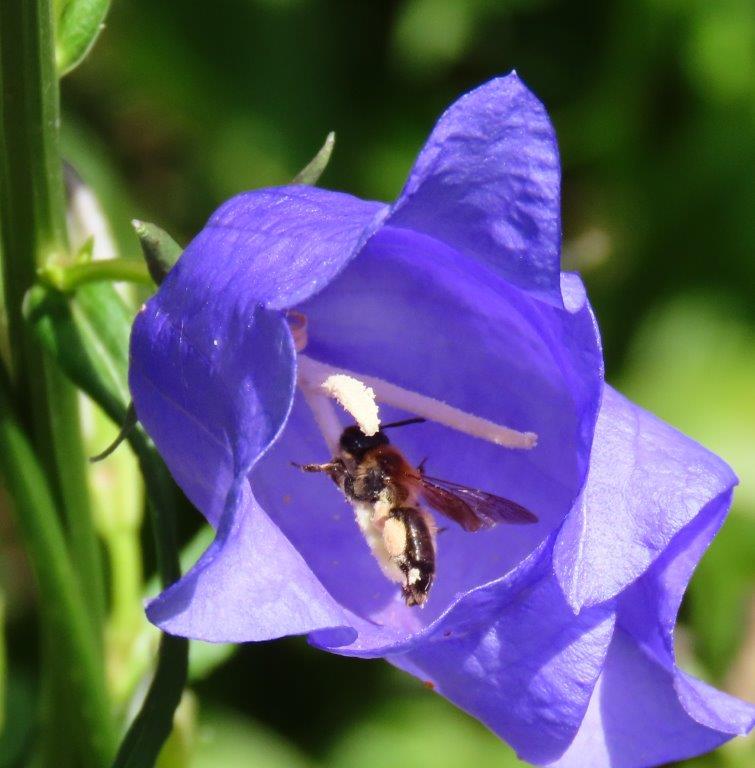
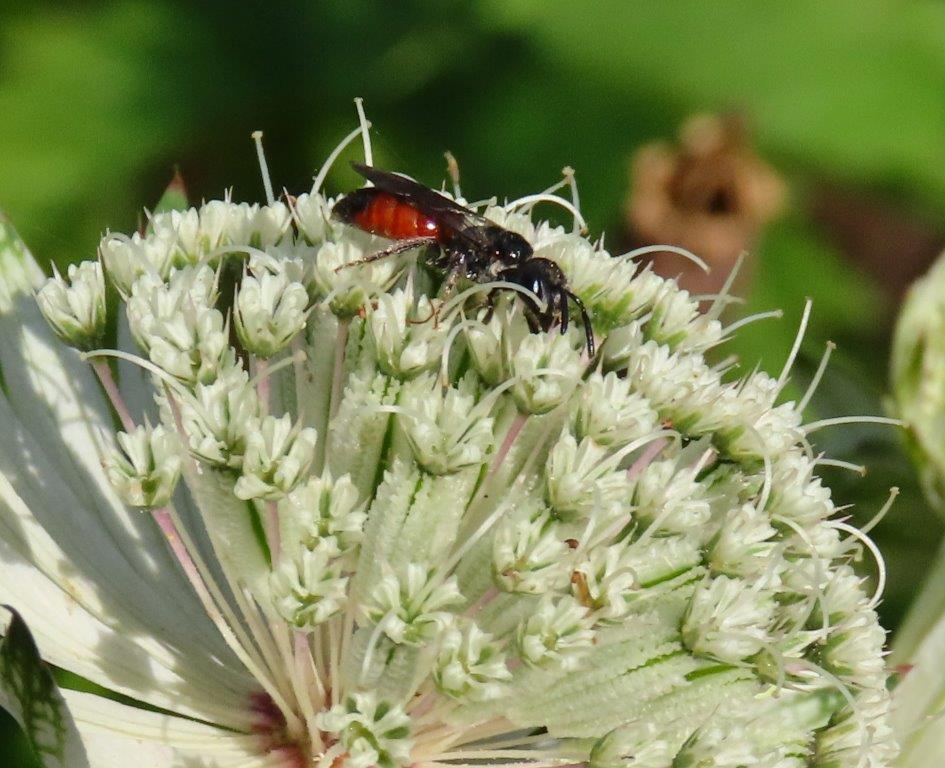
… plus lots of lovely Hymenoptera: Iris Sawfly larvae, Gwynne’s Mining-bees in the Campanula flowers, Sphecodes blood bees that feast on nectar but whose larvae parasitise mining-bee nests …
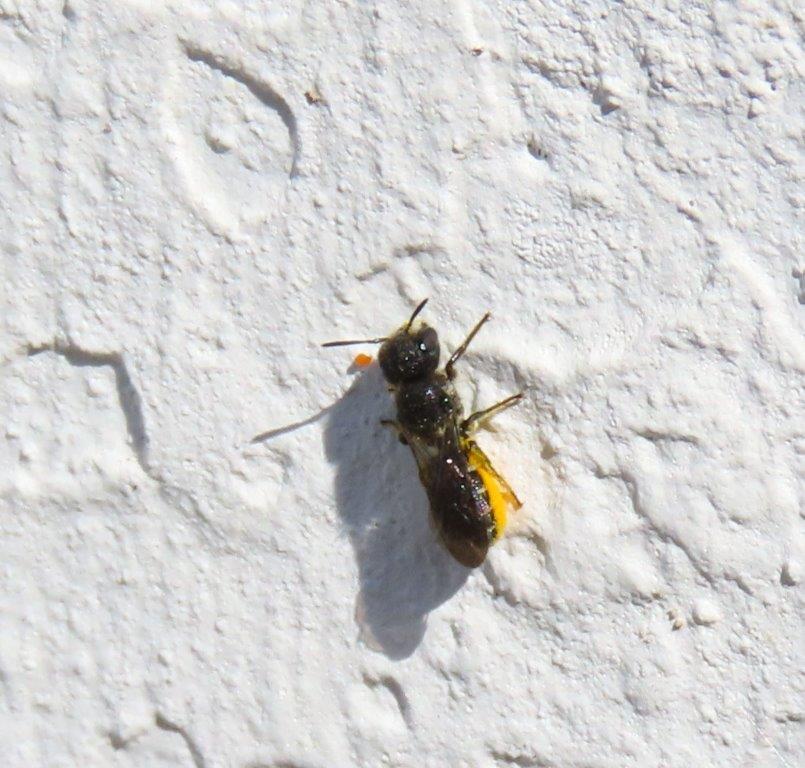
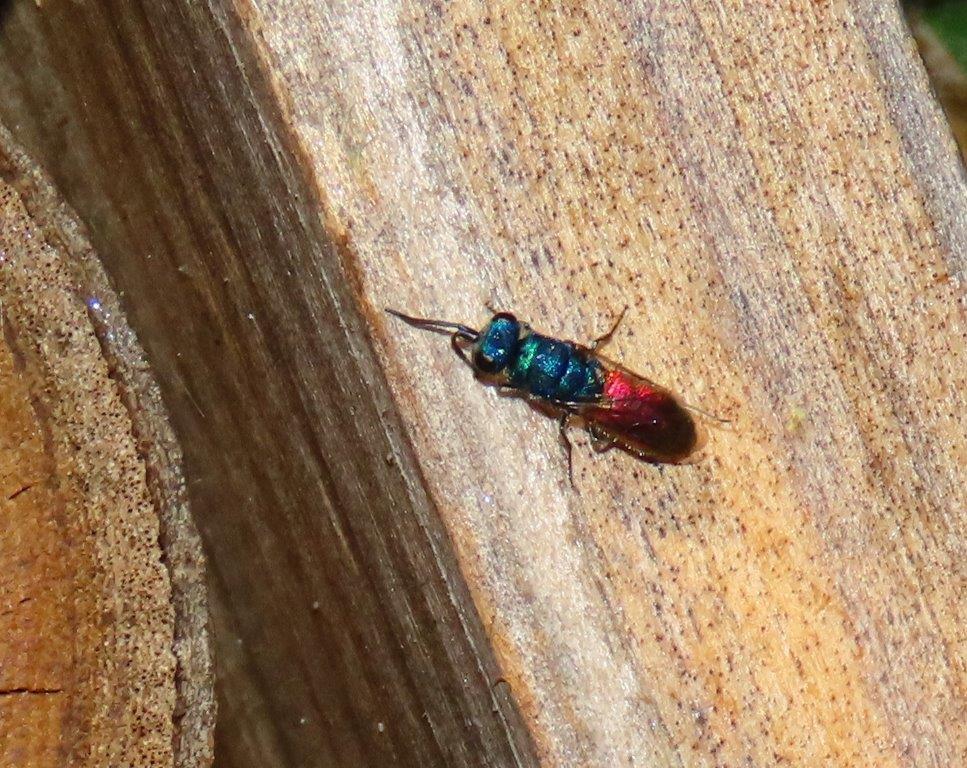
… and around the bee hotel, Large-headed Resin-bees and a ruby-tailed wasp Chrysis ignita agg., the latter another parasite but on certain solitary wasps.
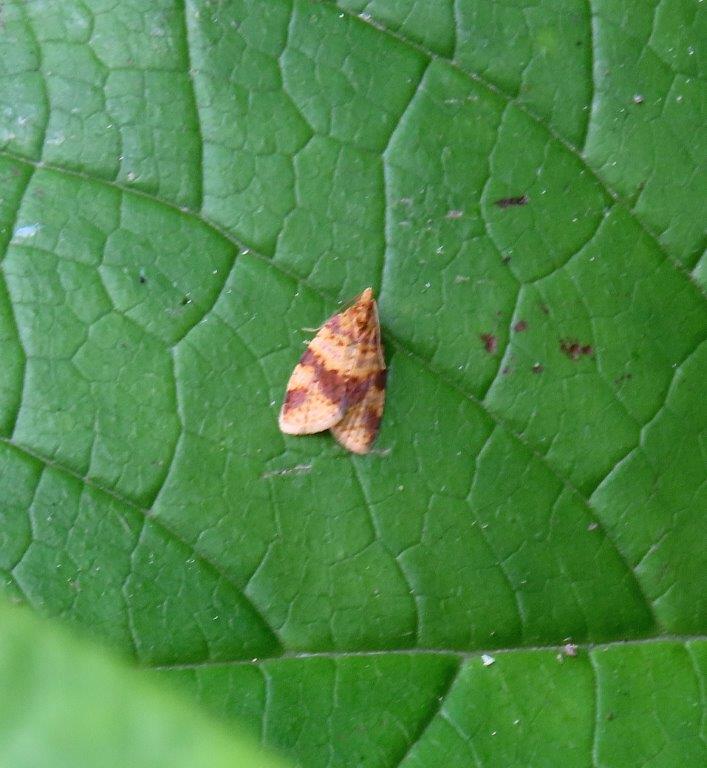
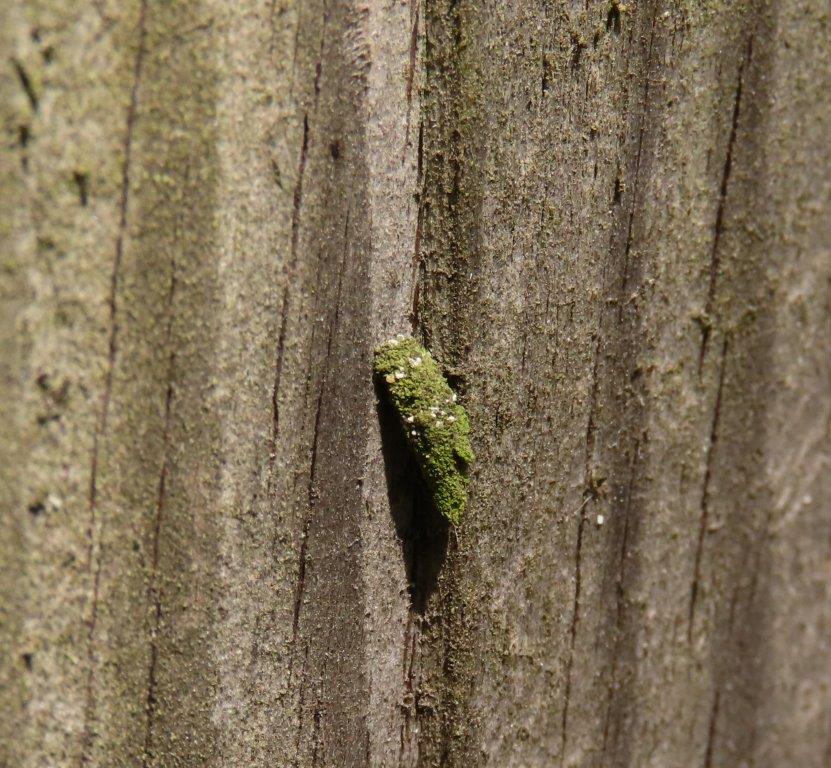
And as always a goodly array of new finds for our garden list, as well as those already mentioned, including a couple of moths, Epagoge grotiana and Virgin Bagworm…
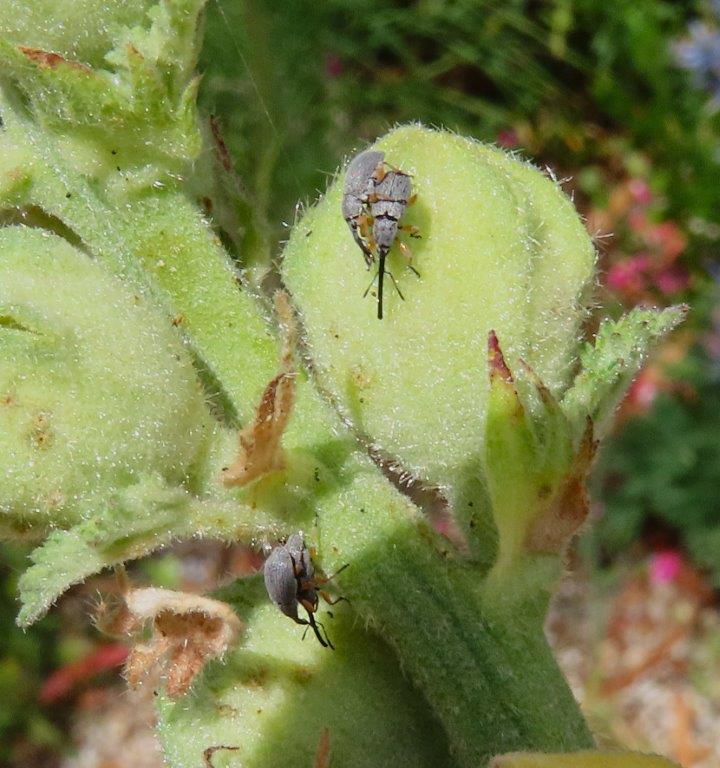
… lots of Hollyhock Weevils, a fairly new arrival in the country that appeared for us in Wivenhoe three years ago …
… two ants, Myrmica rubra and Temnothorax nylanderi …
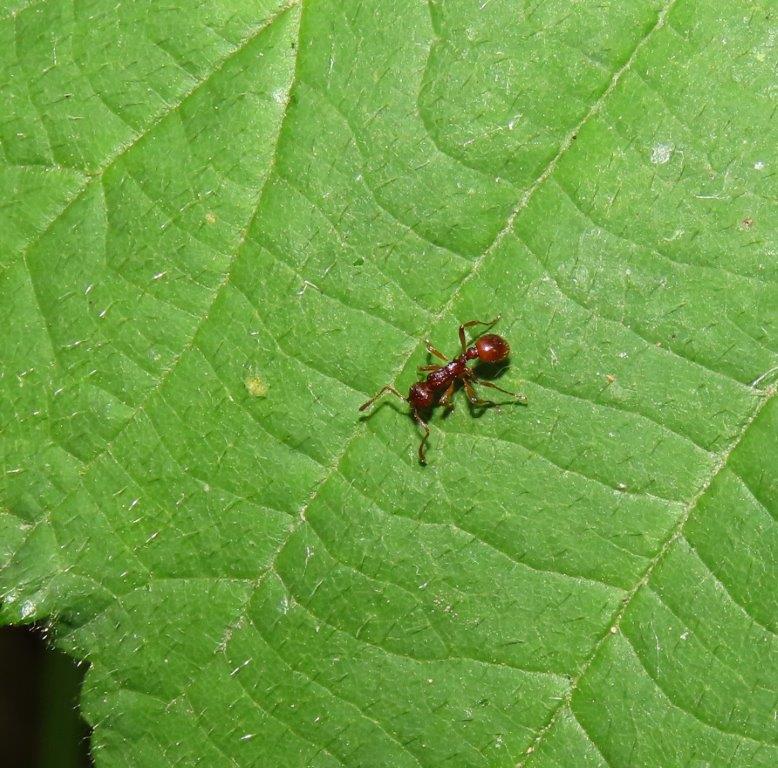
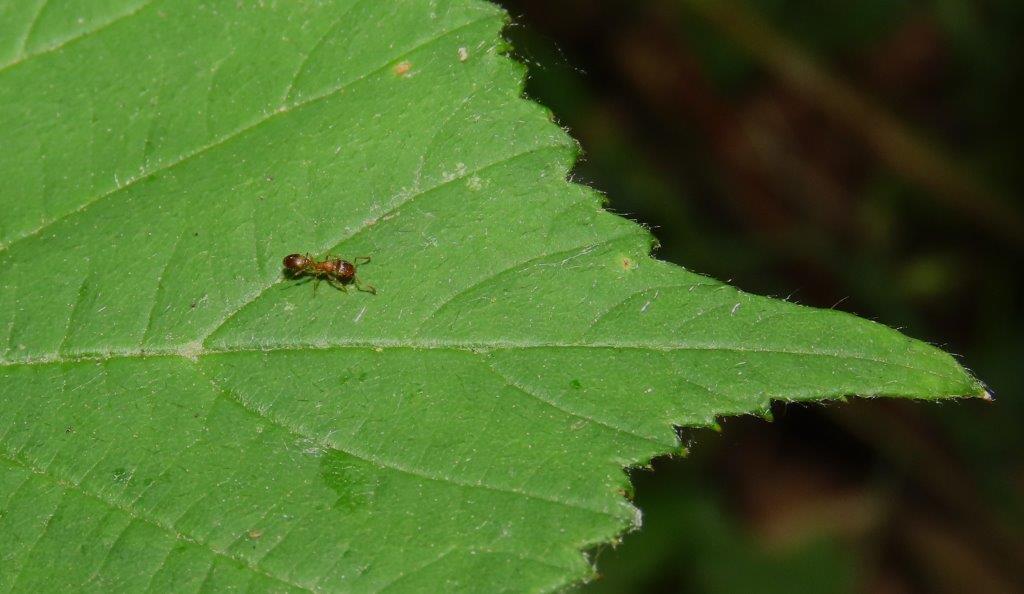
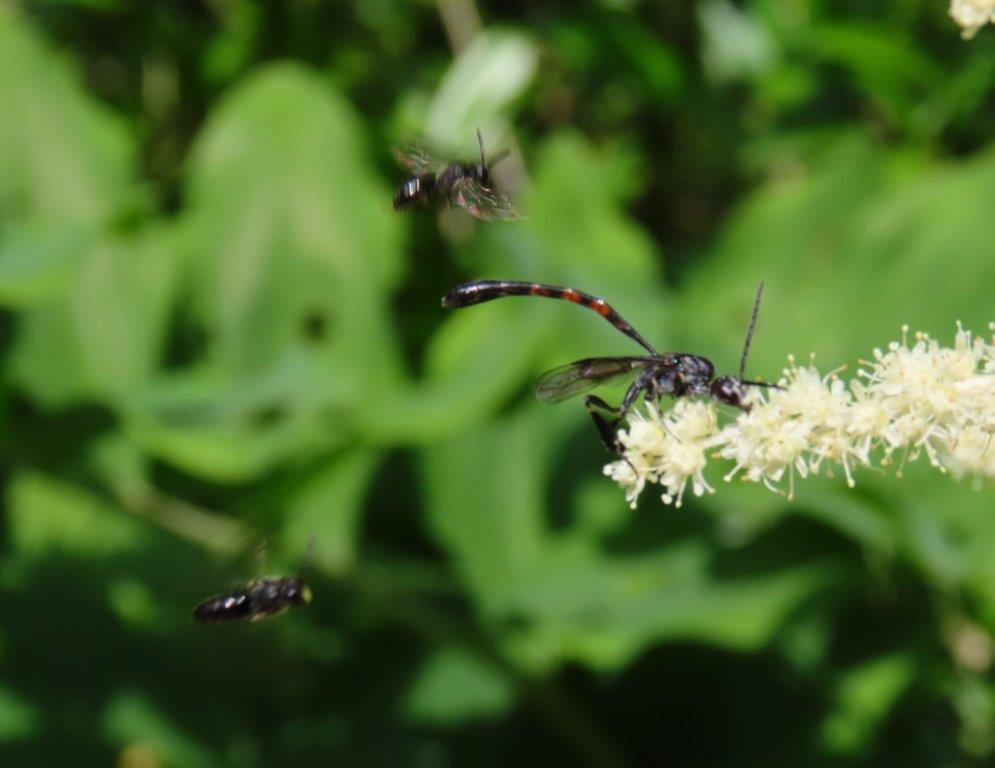
… a parasitic javelin wasp Gasteruption sp., being buzzed by Yellow-faced Bees …
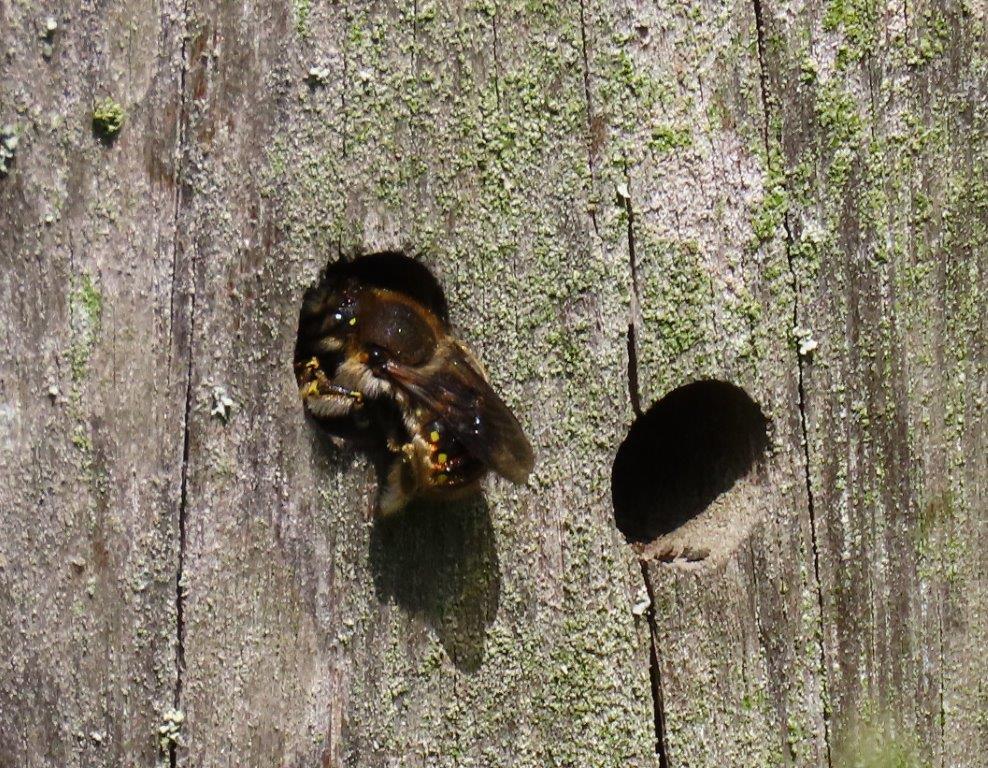
… and Wool Carder-bee nesting in our bee-post.
So it was quite a challenging month because of the weather. Maybe July will settle down, and if anyone wants to join me, my Wildside Walks on 17th July and our Moth Morning on 18th July are all open for booking on the website Courses & Workshops – Beth Chatto’s Plants & Gardens.