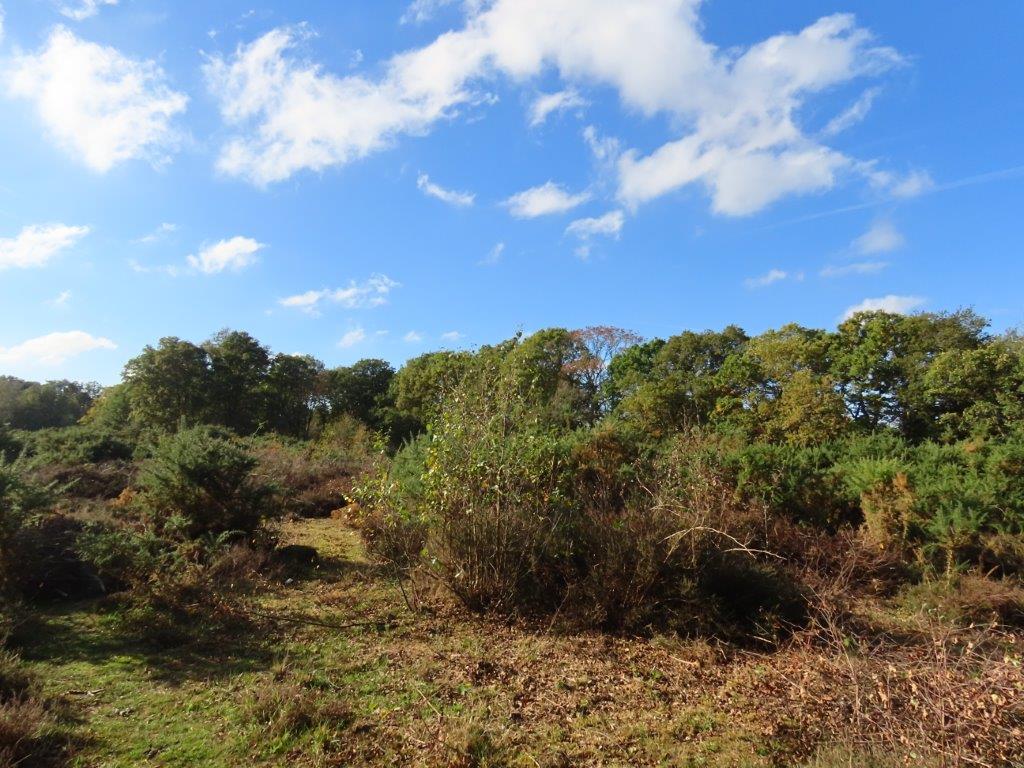
It was a beautiful, still, bluesky day in late October, so what better to do than take advantage of our wonderful bus-passes and head out to one of my former professional stamping grounds, Tiptree Heath, probably still the premier remaining lowland heath in Essex.
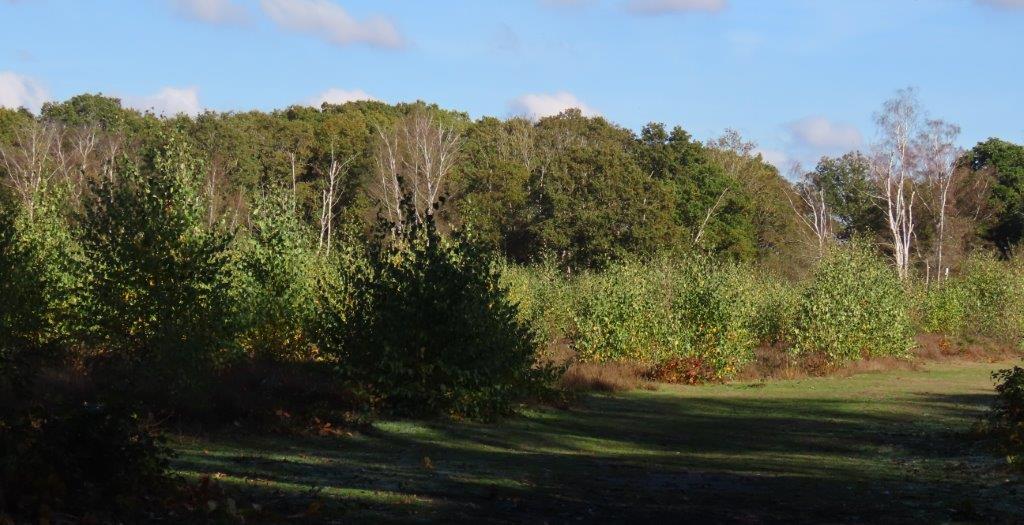
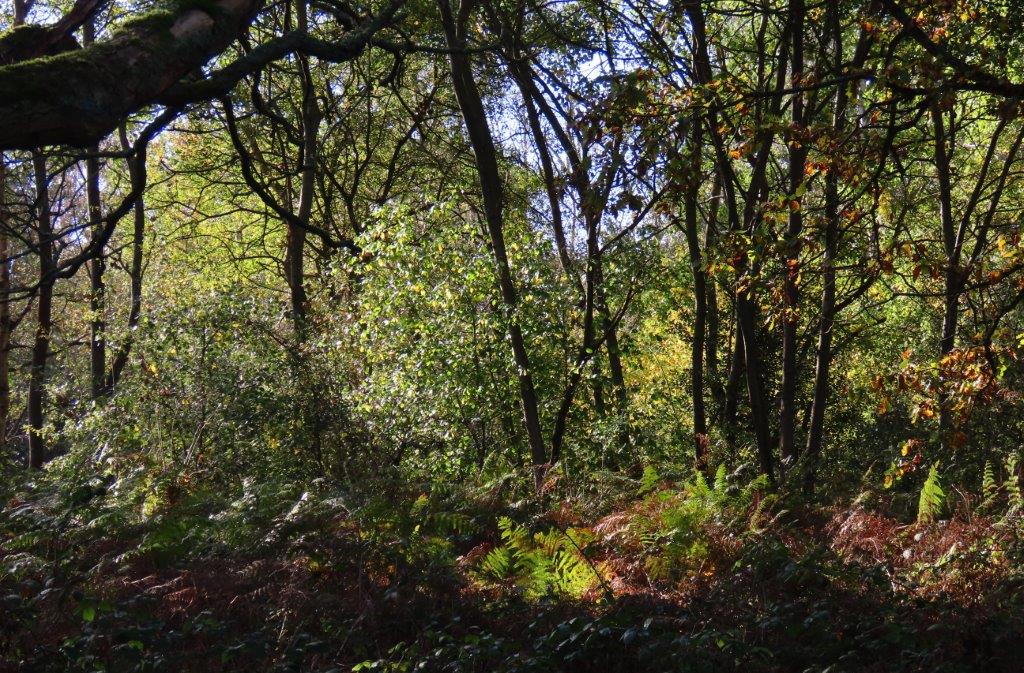
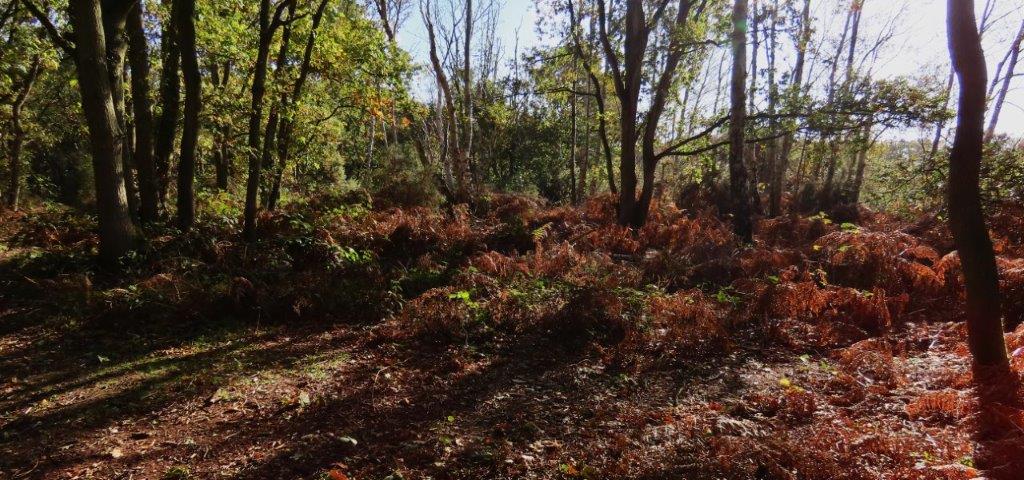
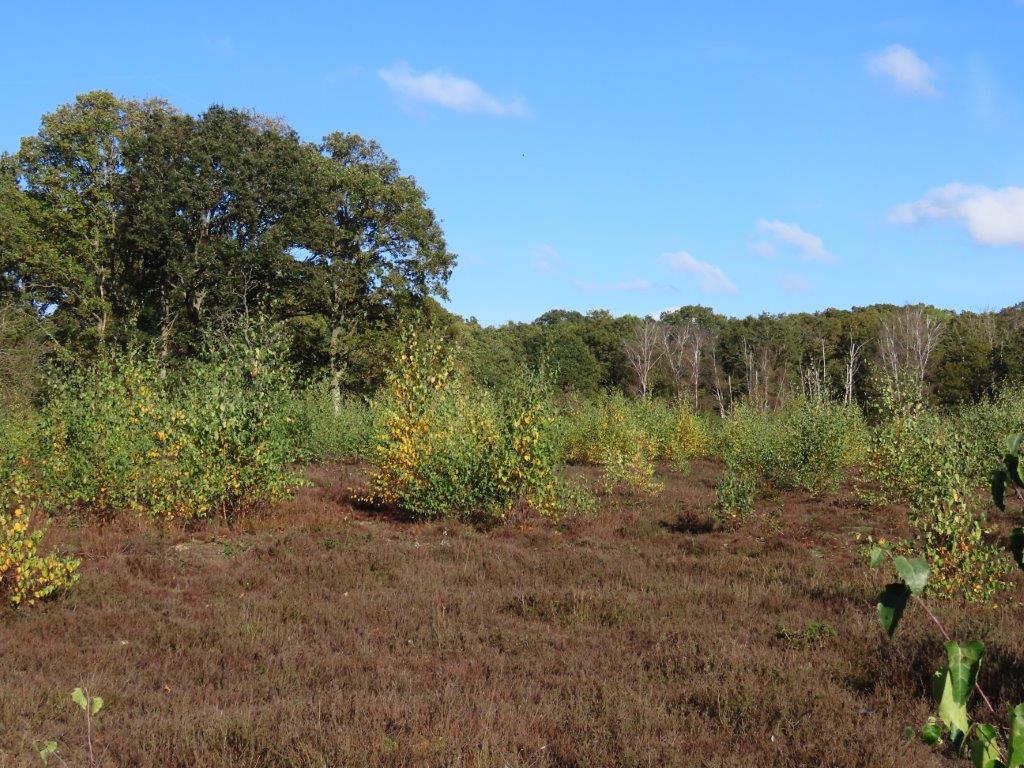
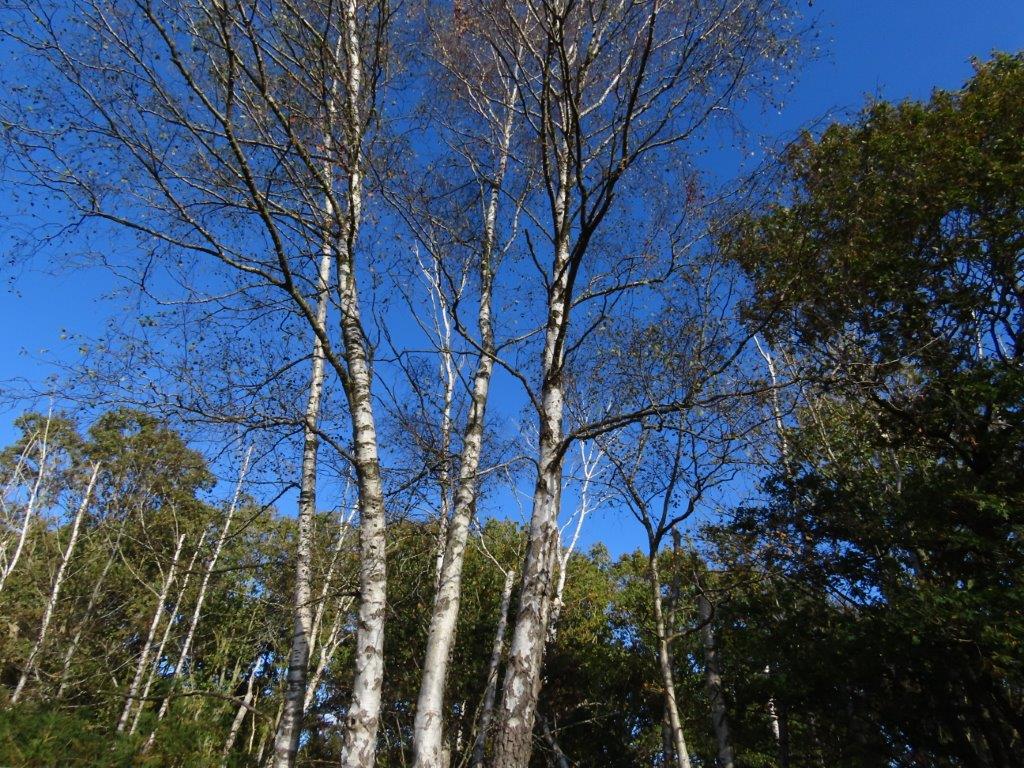
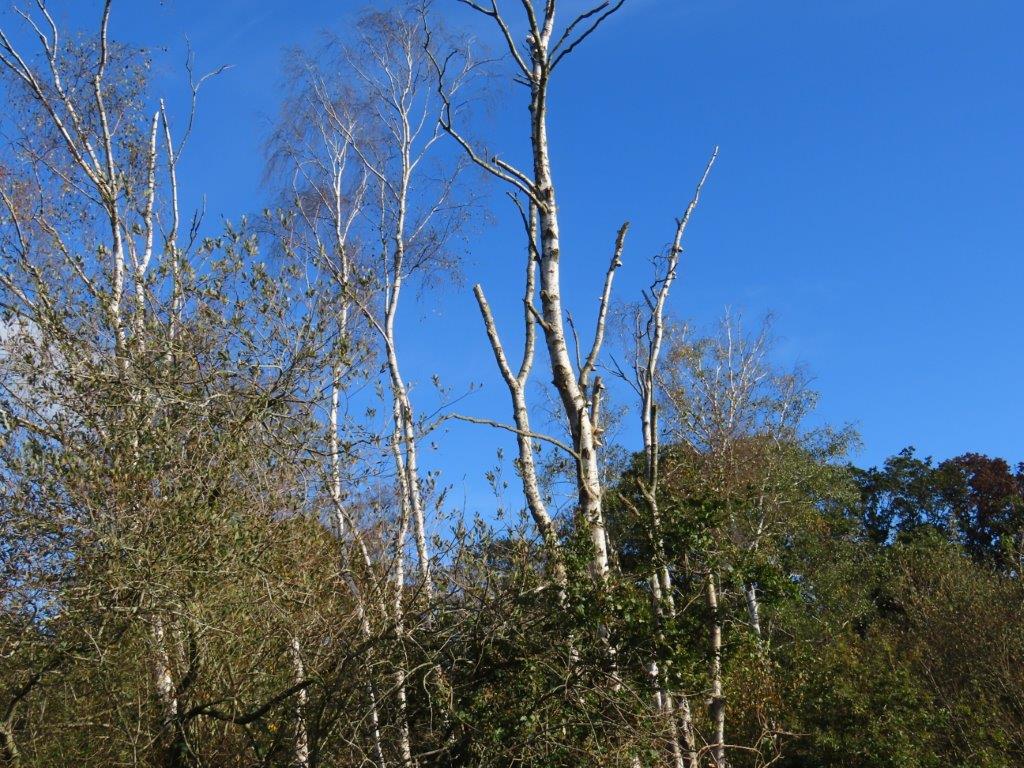
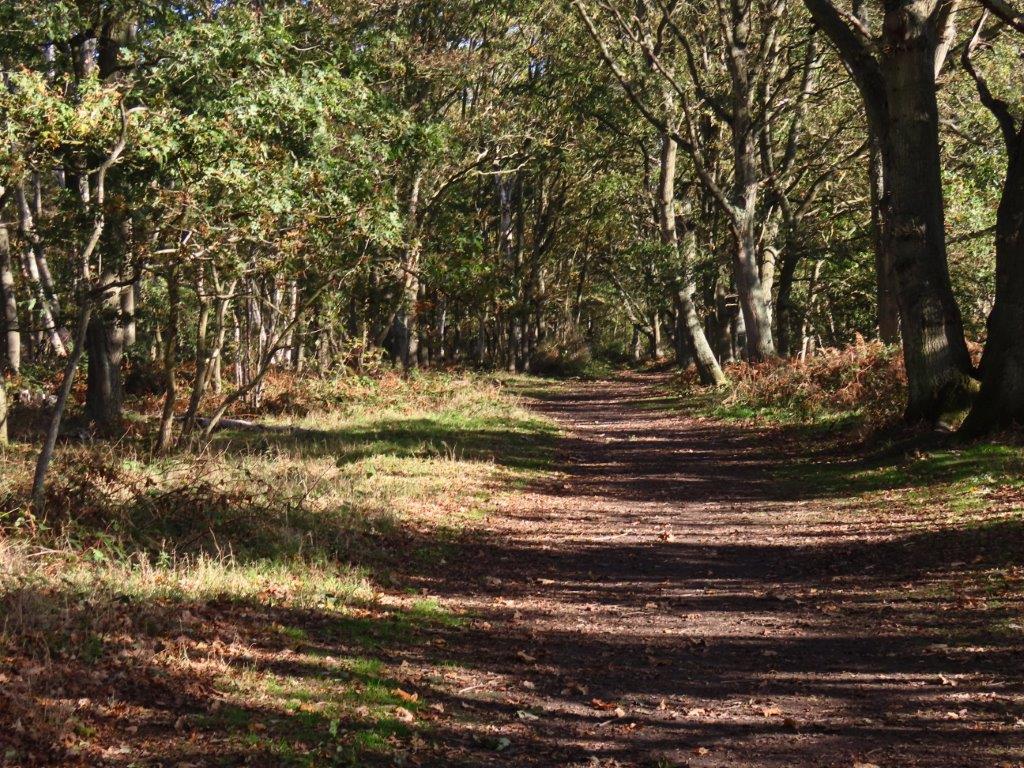
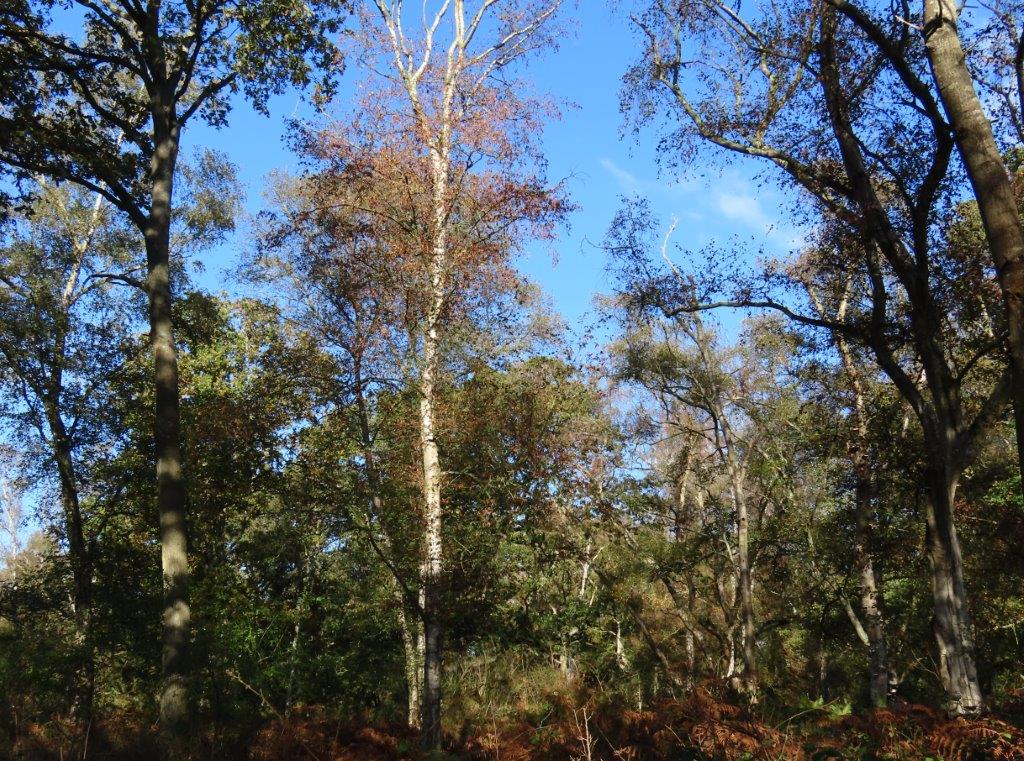
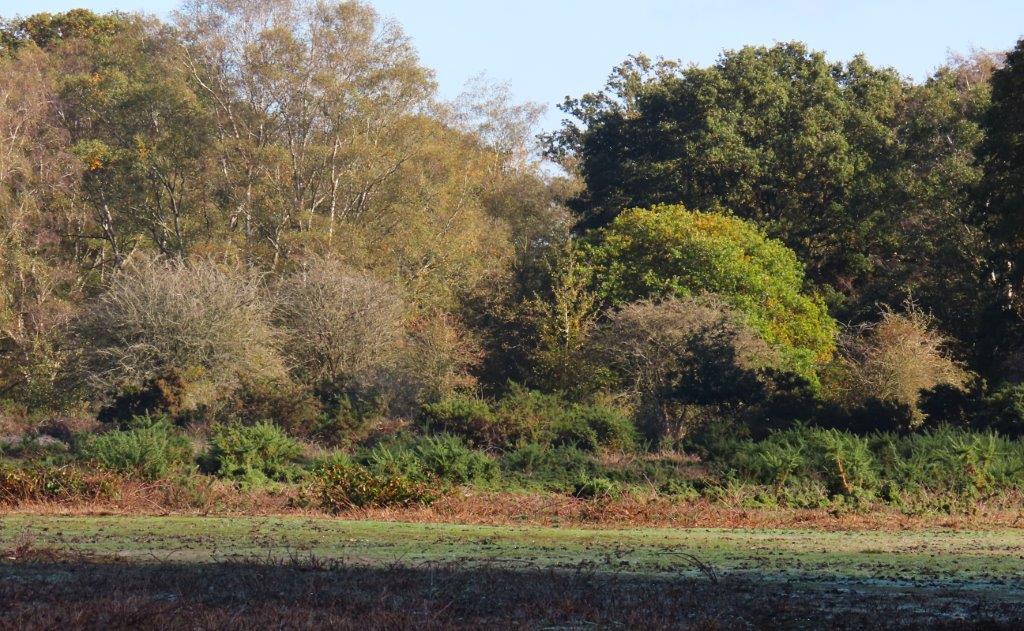
Autumnal colours swept in swathes across the heath; Birch and Bracken leaves, especially, coloured the landscape, punctuated by the striking white of Silver Birch bark.
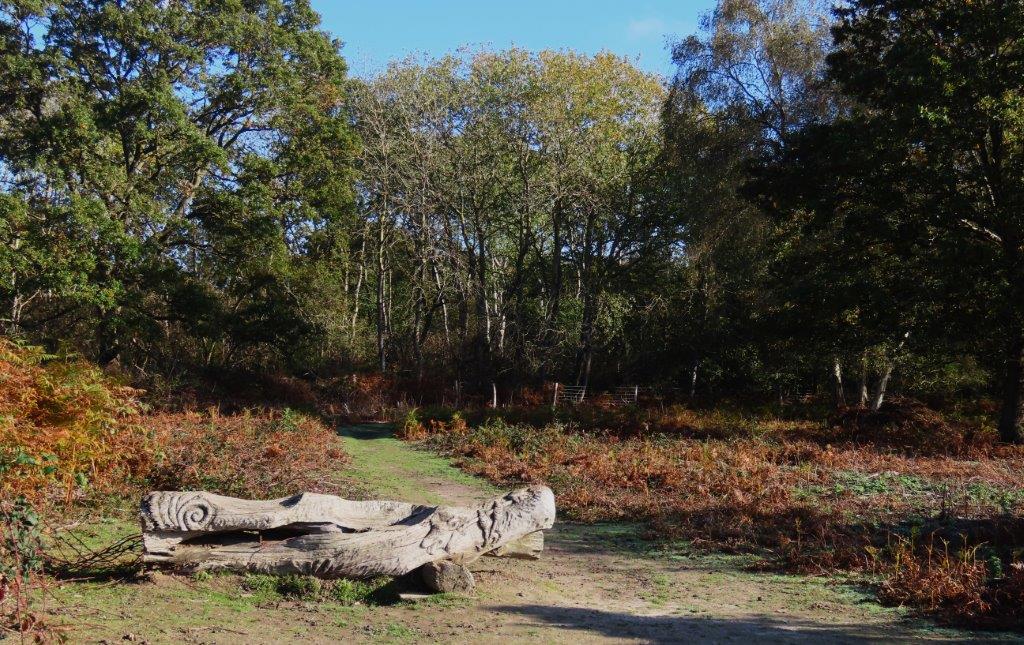
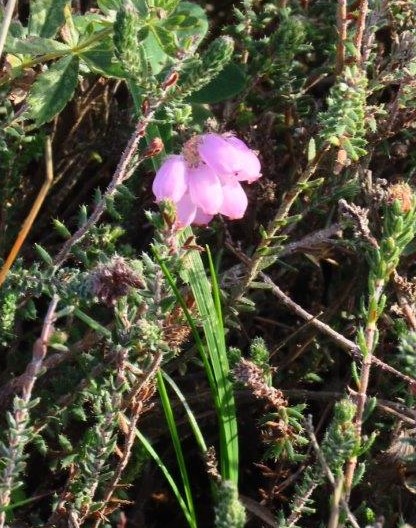
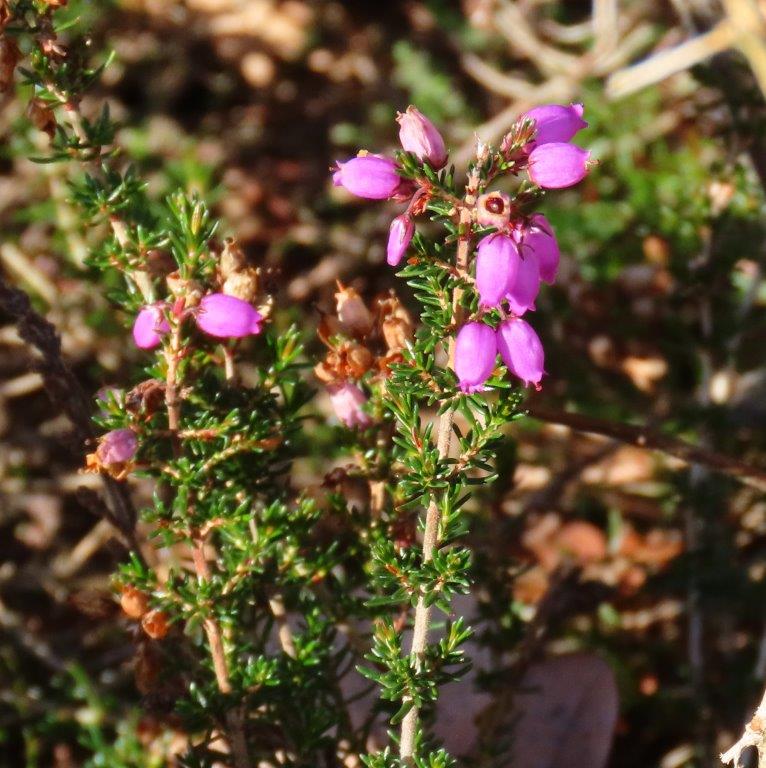
Well past peak flowering time, Common Heather was completely finished, but there were still a few sprigs of the other two heather species, Cross-leaved Heath and Bell Heather in bloom, at what is perhaps the only site in Essex now for all three common lowland species.
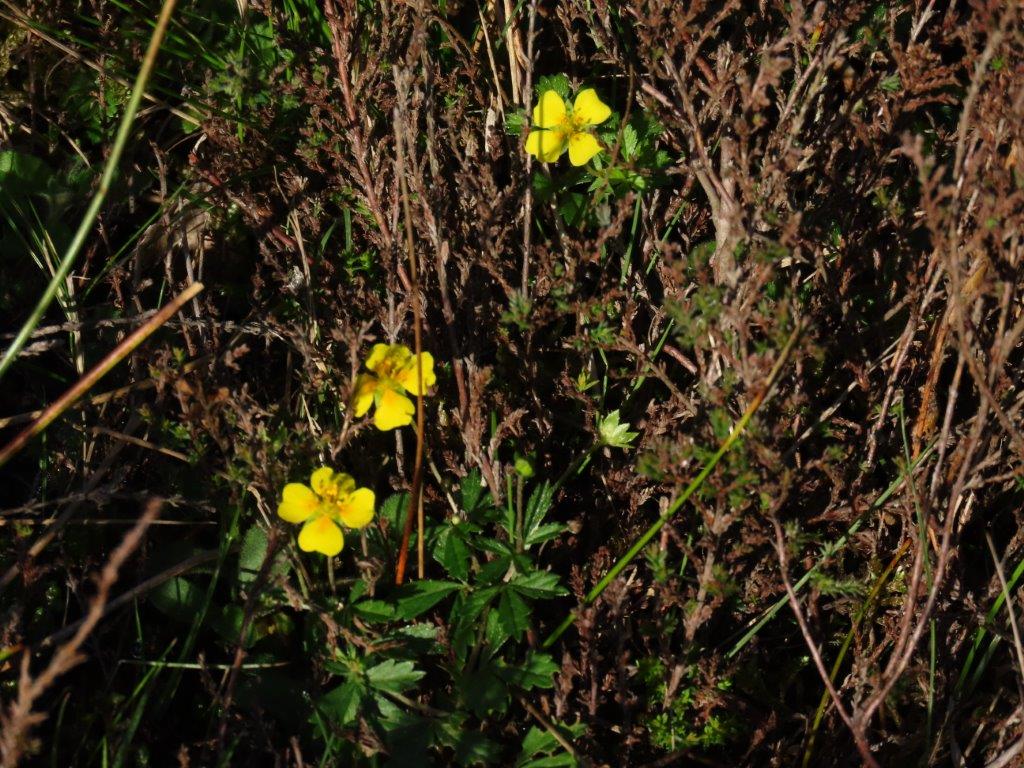
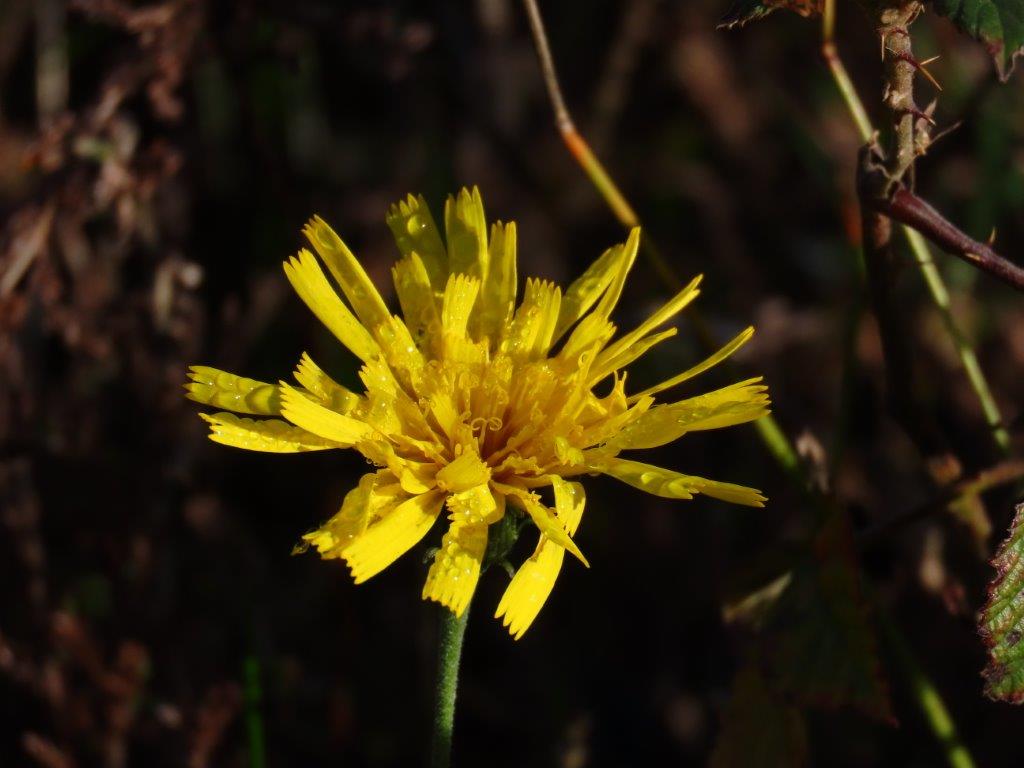
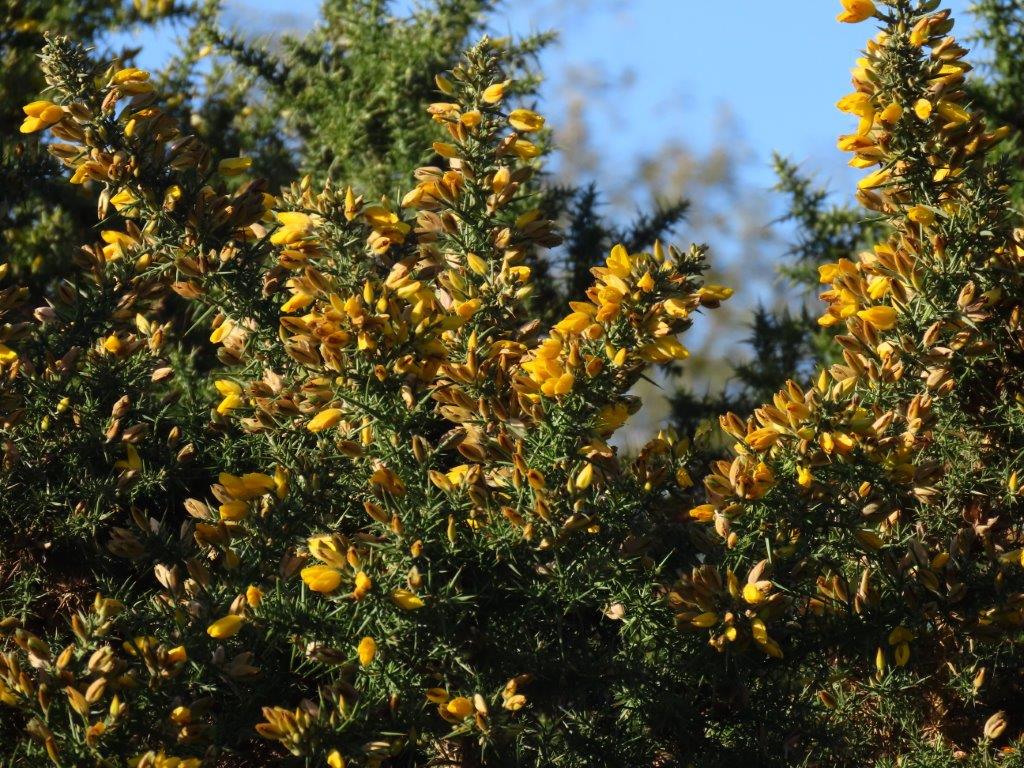
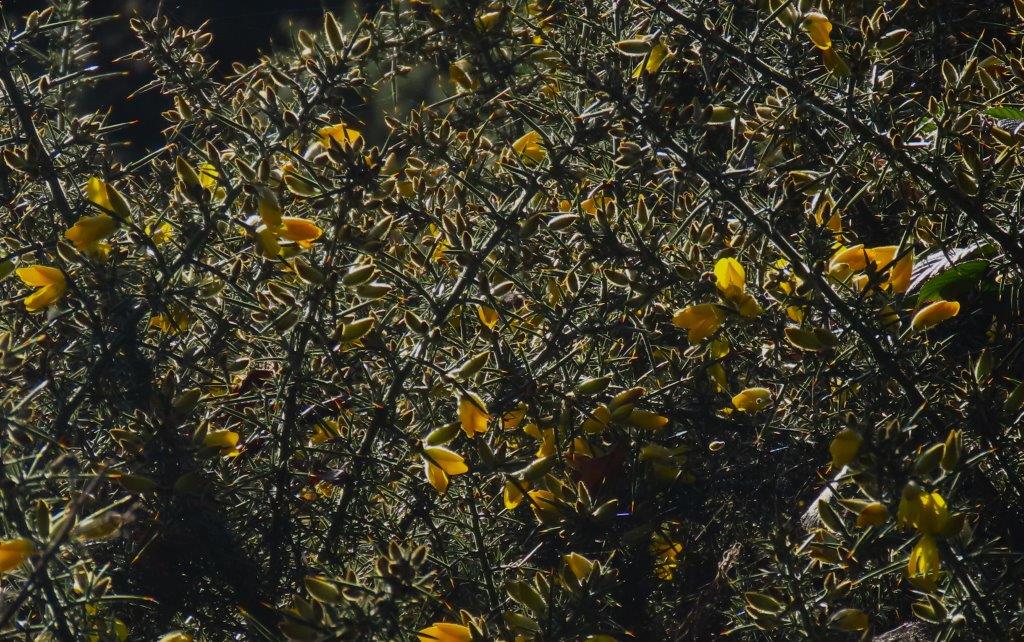
On the more open heath areas, Tormentil and a Hawkweed (possibly Hieracium sabaudum, but the specimen was too scrappy to be sure, and all species are very similar!) were still showing, and of course the midwinter wildflower par excellence, Gorse, was just starting to bloom.
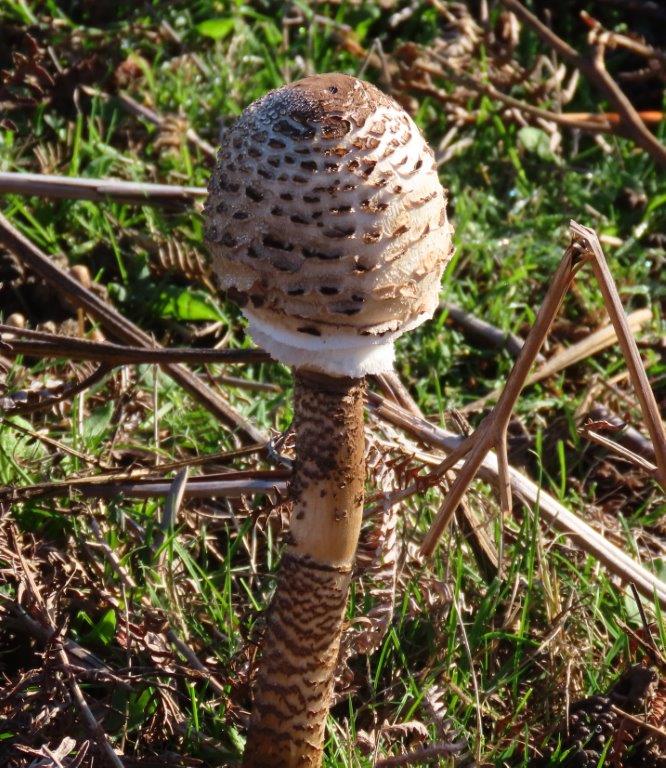
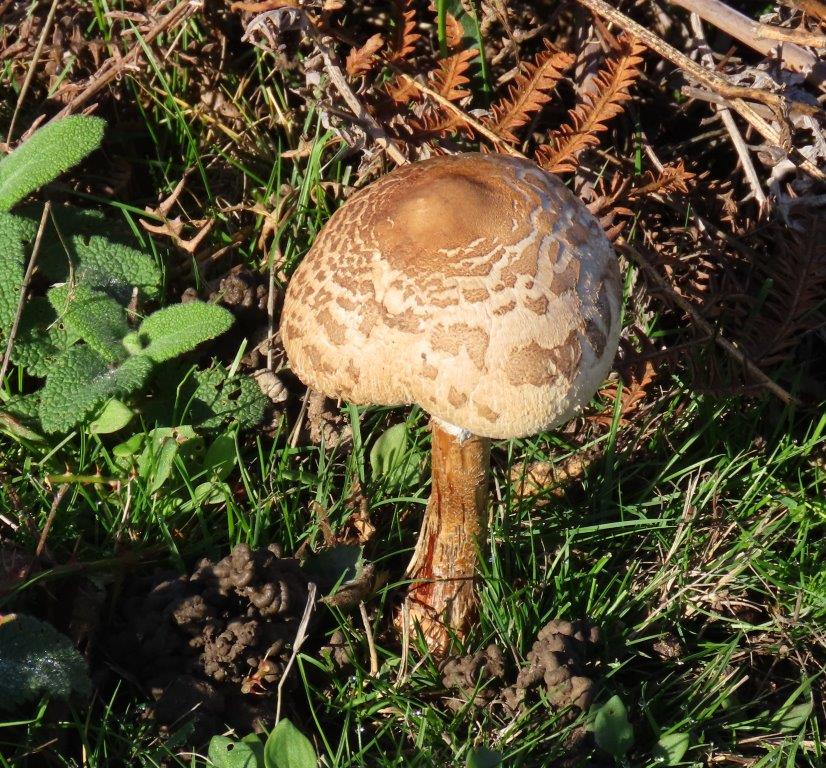
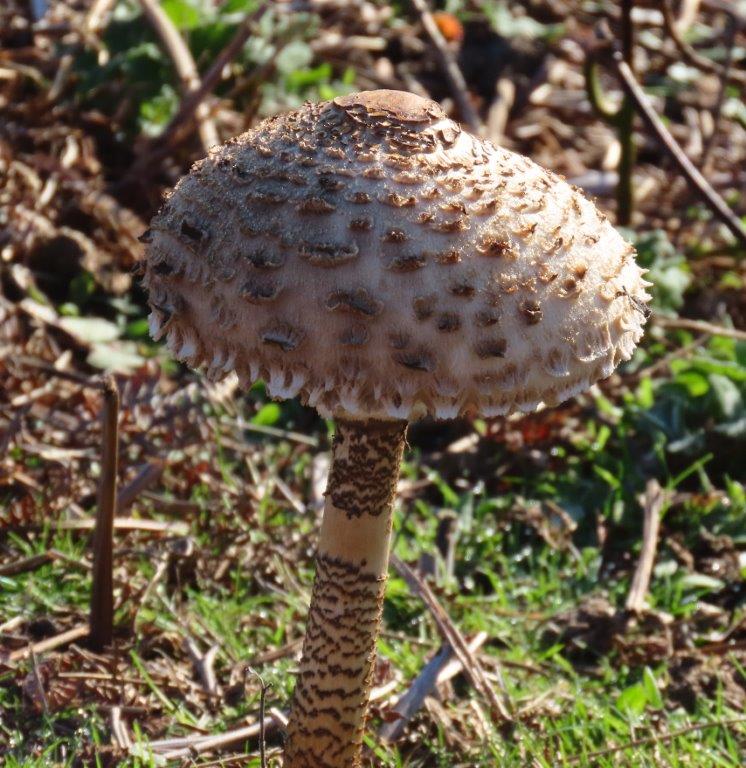
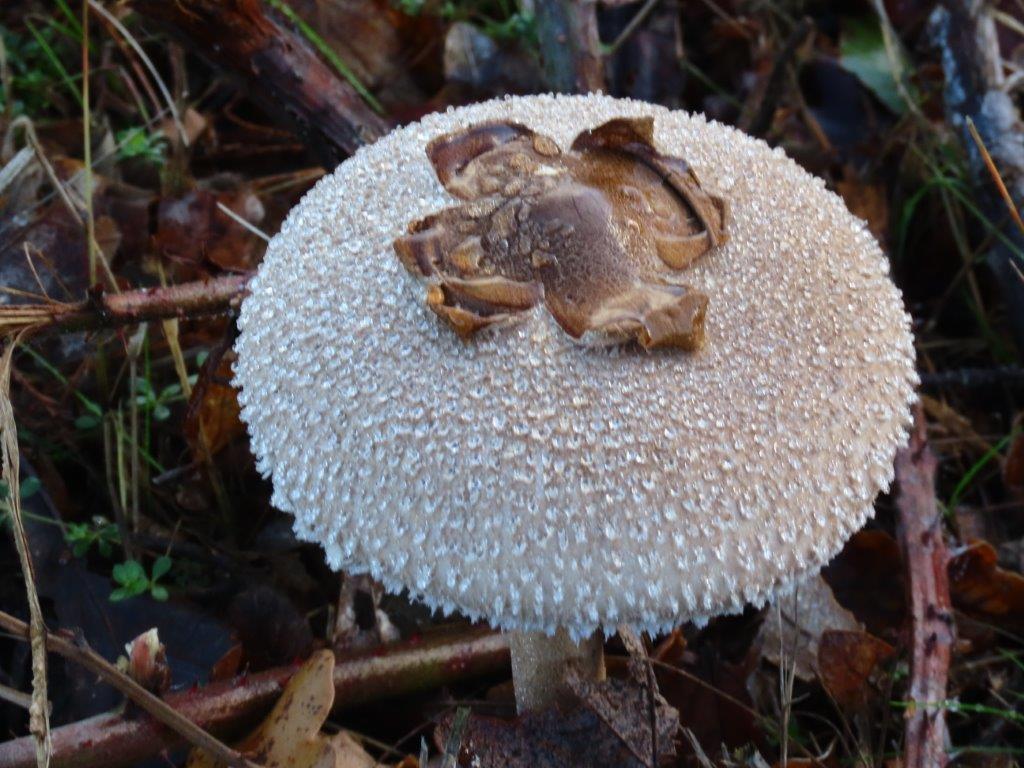
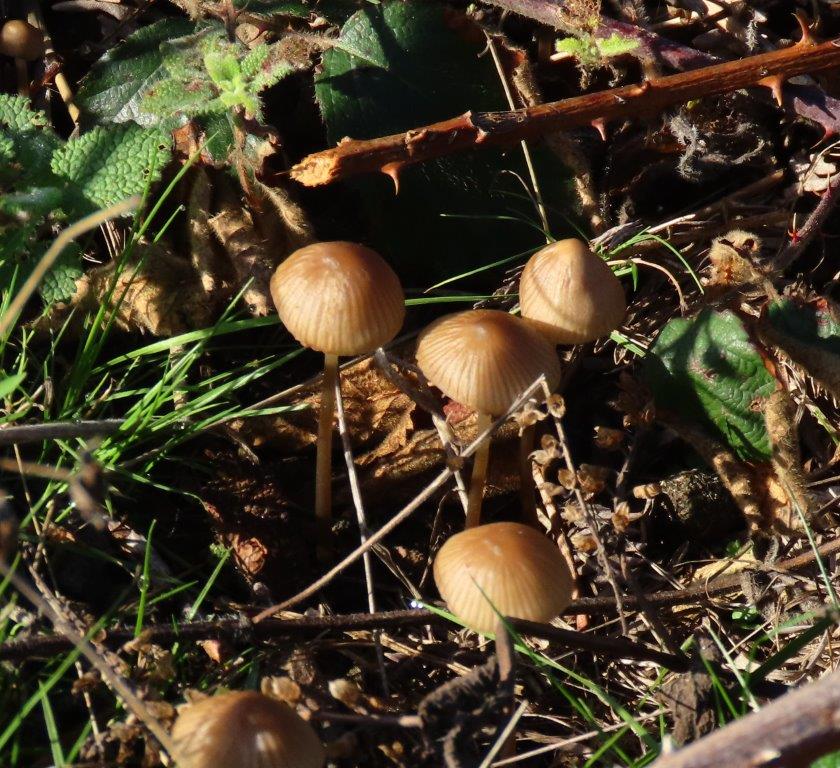
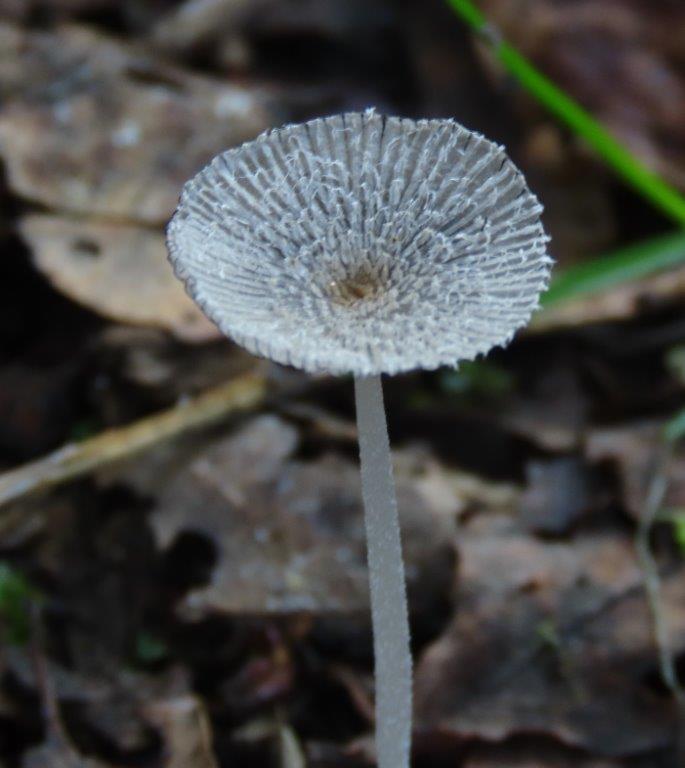
We had been half expecting to find lots of fungi fruiting after a hot summer and recent rains, but the showing was restricted to a few relatively common species. Long may it remain that nature has the capacity to surprise us and confound our expectations. Most numerous were the Parasols on the open, pony-grazed patches: all could well have been simply Common Parasols, but they looked so different that two or three species could easily have been involved. Alongside there were also a few Mycena, the archetypal little brown fungal jobs.
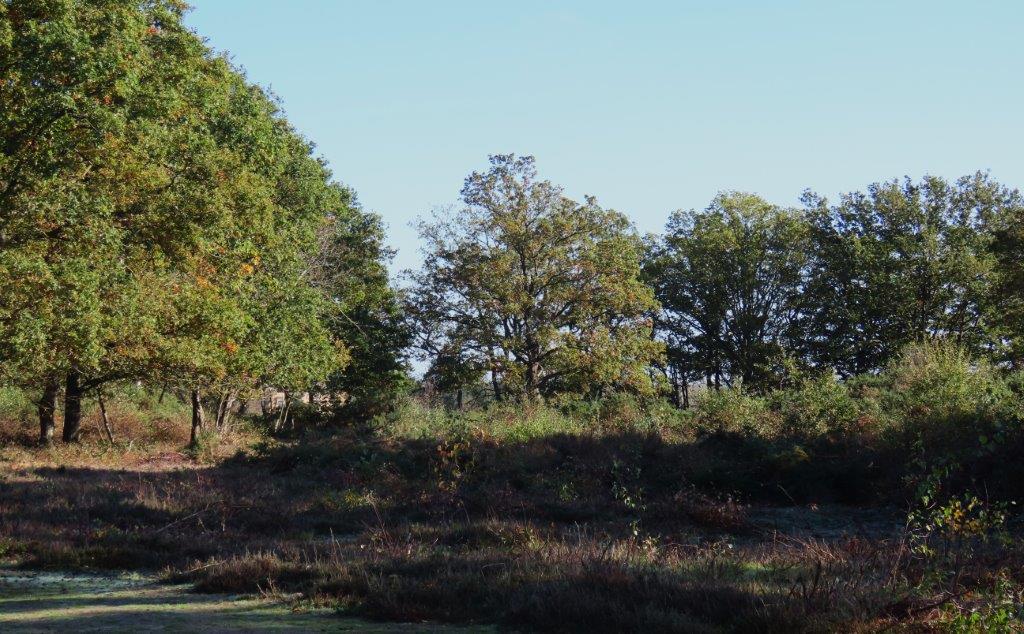
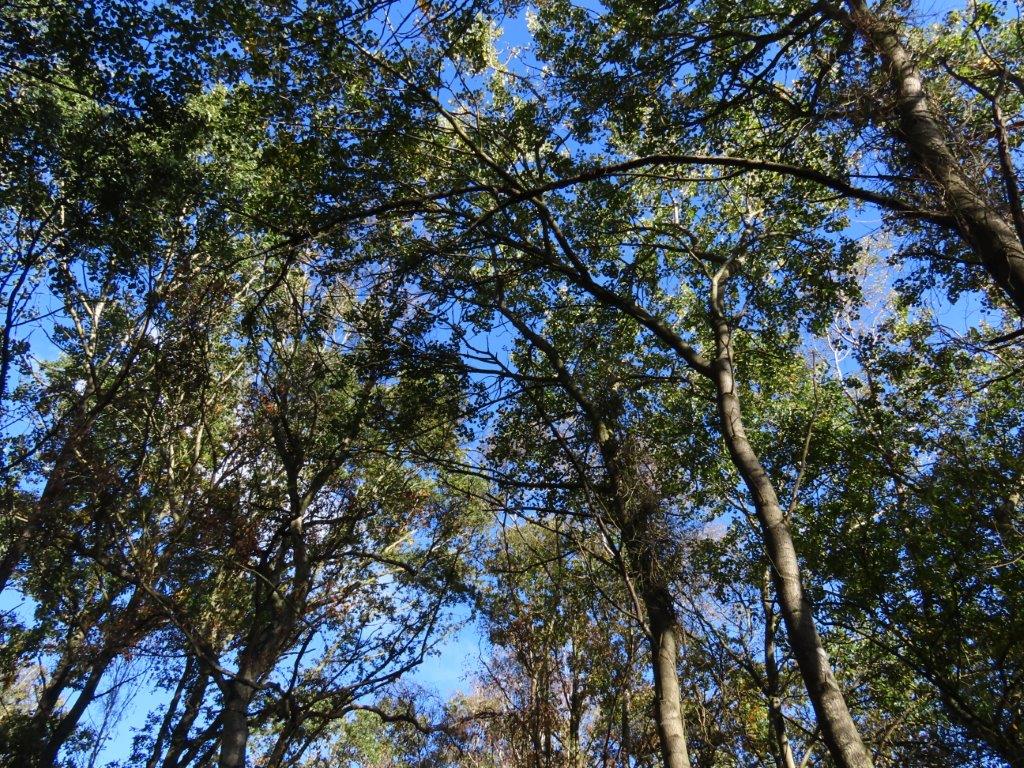
Especially around the fringes of the former heath, woodland has grown up, especially since common grazing faded out in mid-20th century, and Rabbit grazing pressure was eliminated by myxomatosis shortly thereafter.
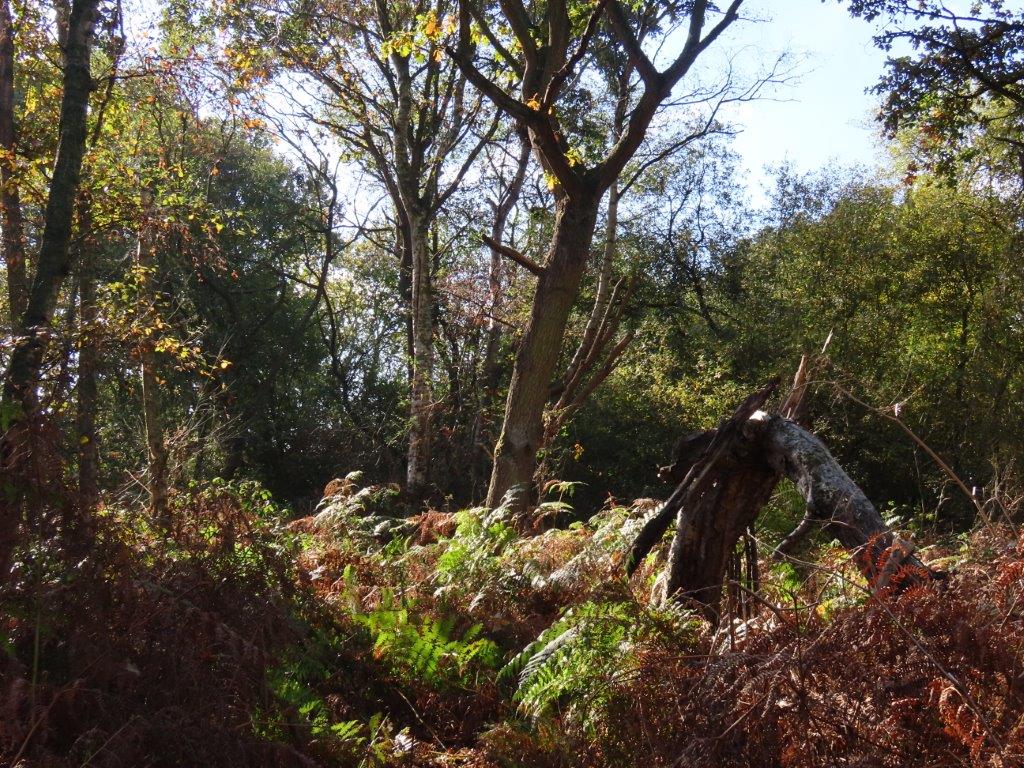
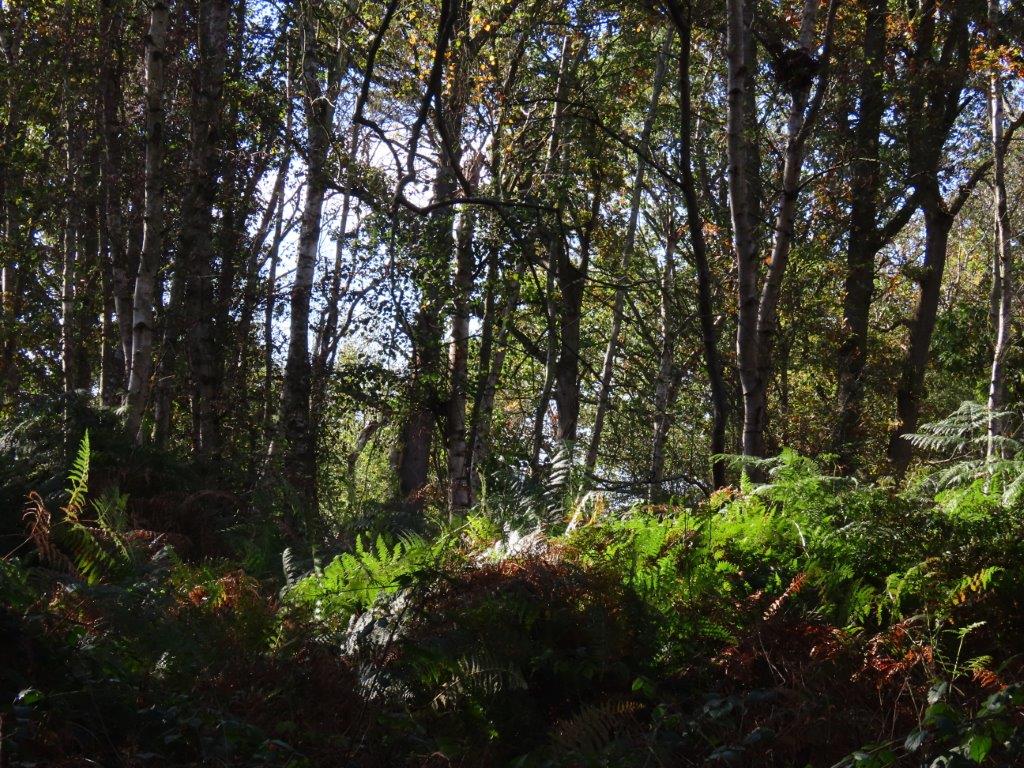
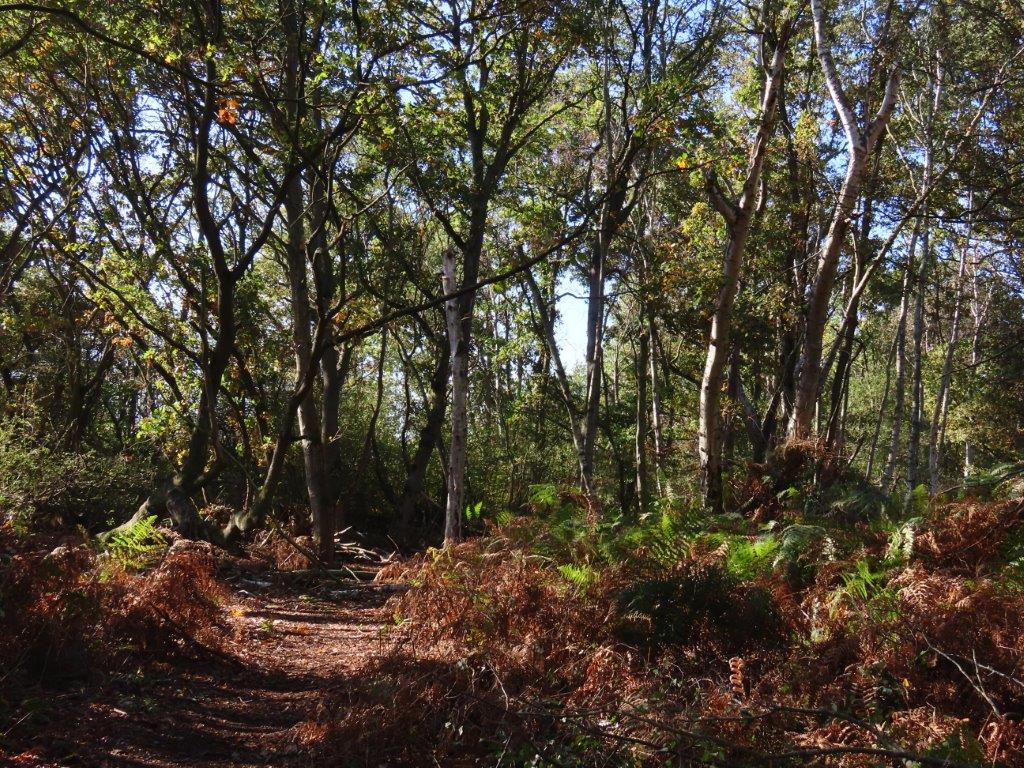
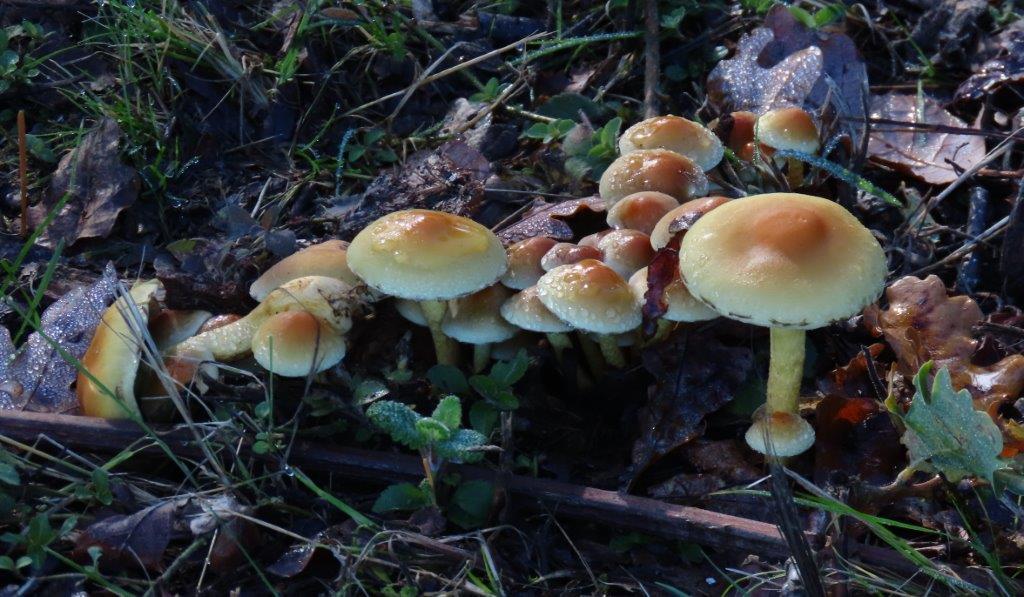
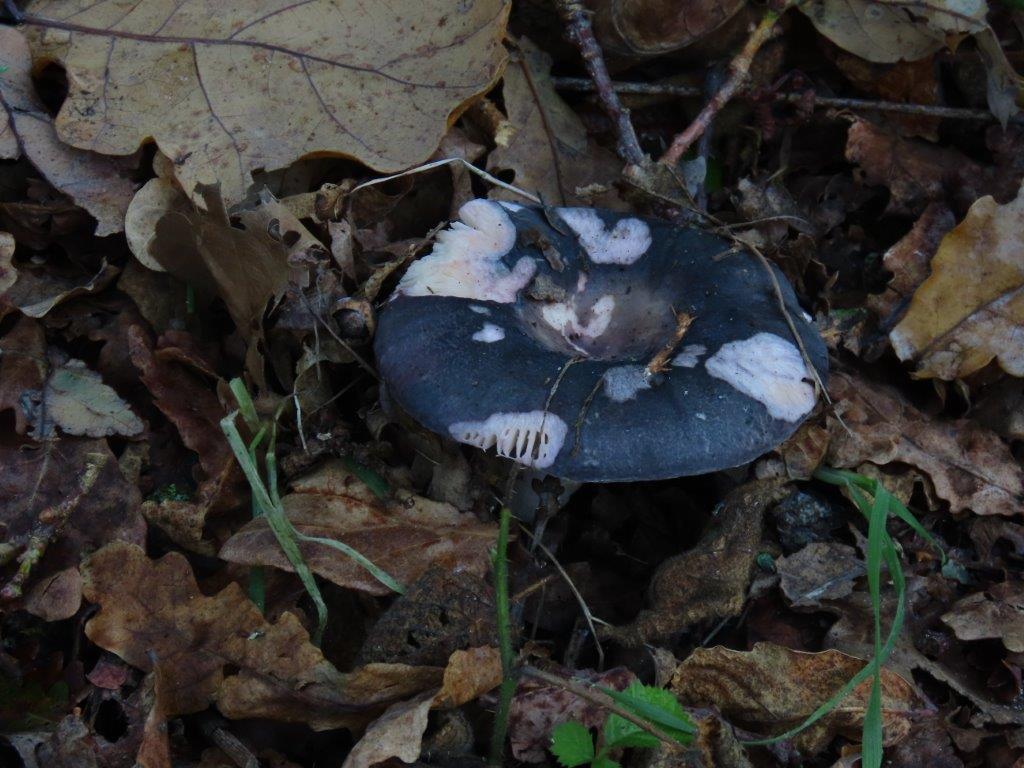
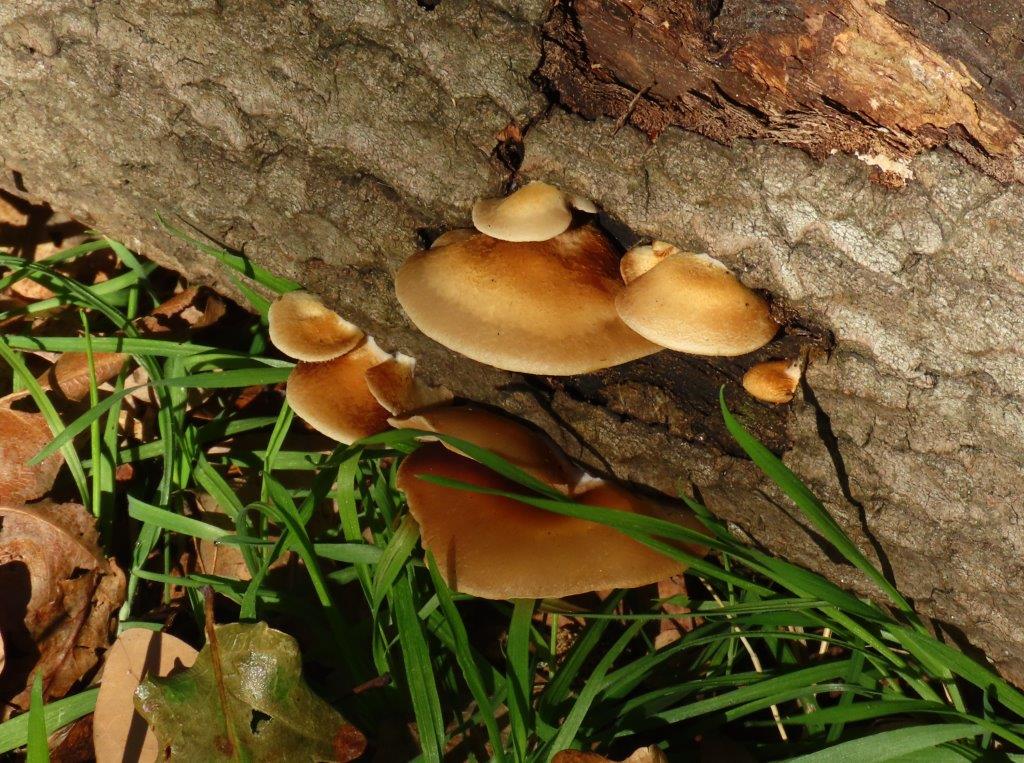
But where the heath has been swamped by trees, there were a few different fungi. Under Oaks, there were Sulphur Tuft, Russula parazurea and Coprinopsis lagopus, while growing out of fallen trunks were Peeling Oysterlings Crepidotus mollis, with very soft-textured, rubbery fruiting bodies
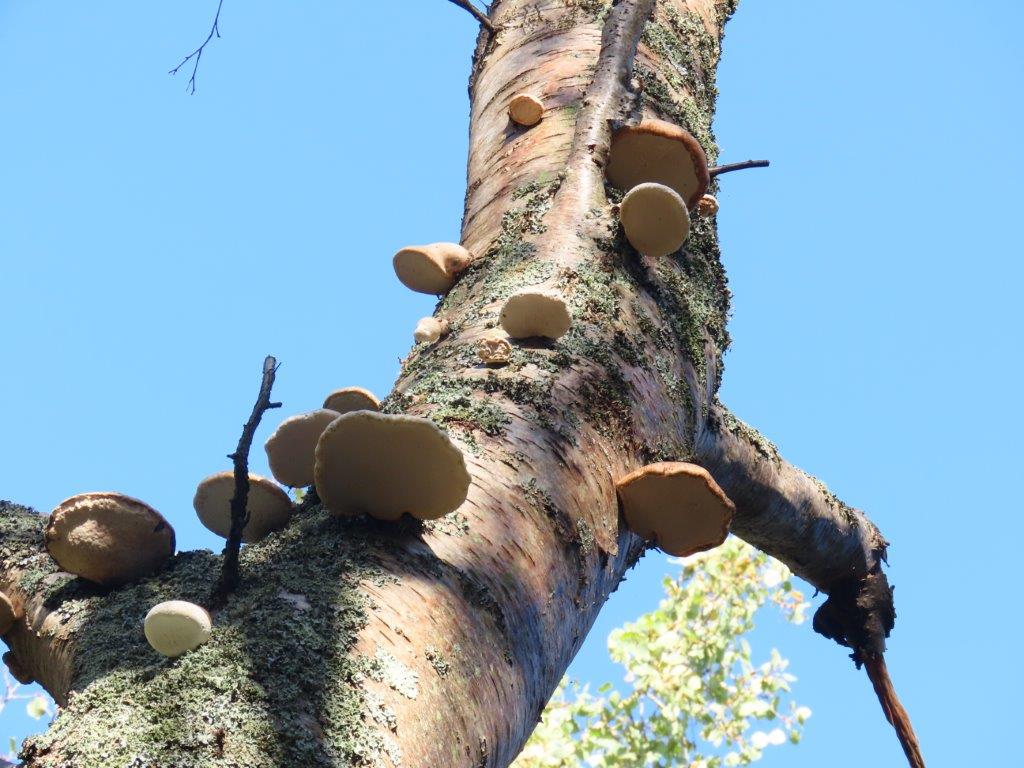
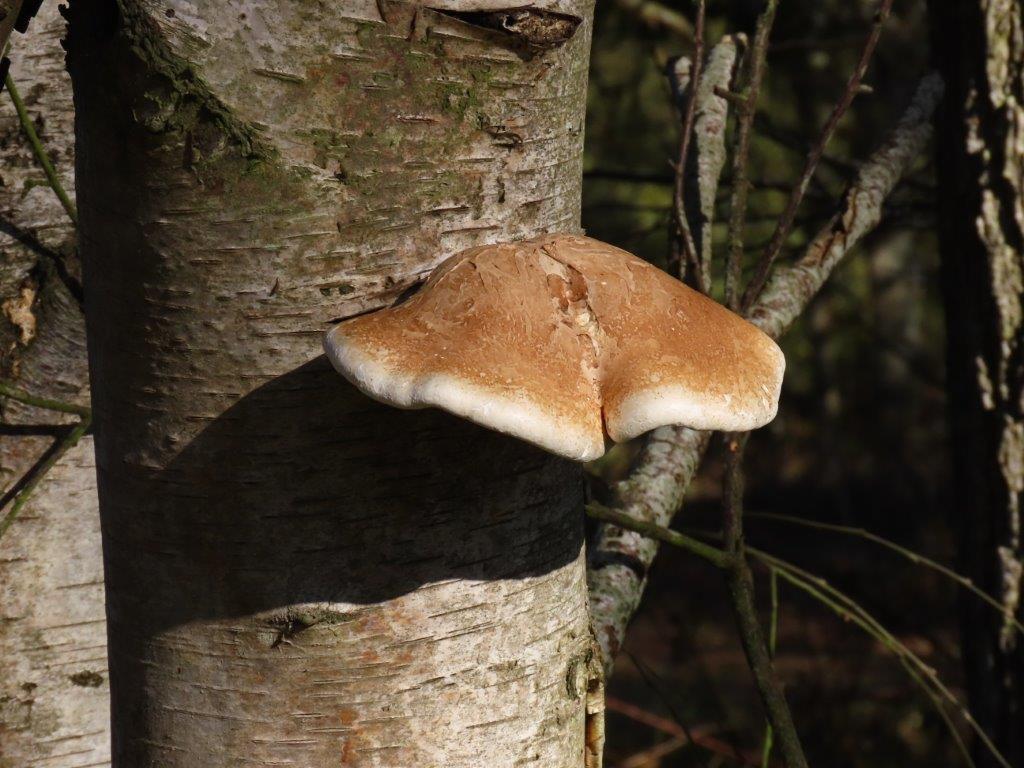
And although no Fly Agarics were springing up around the Silver Birches, the dead and dying trunks were producing a good crop of Birch Brackets, often alongside Great Spotted Woodpecker nest holes, along with Blushing Bracket, Turkey -tail, and the vivid orange crusts of Phlebia radiata.
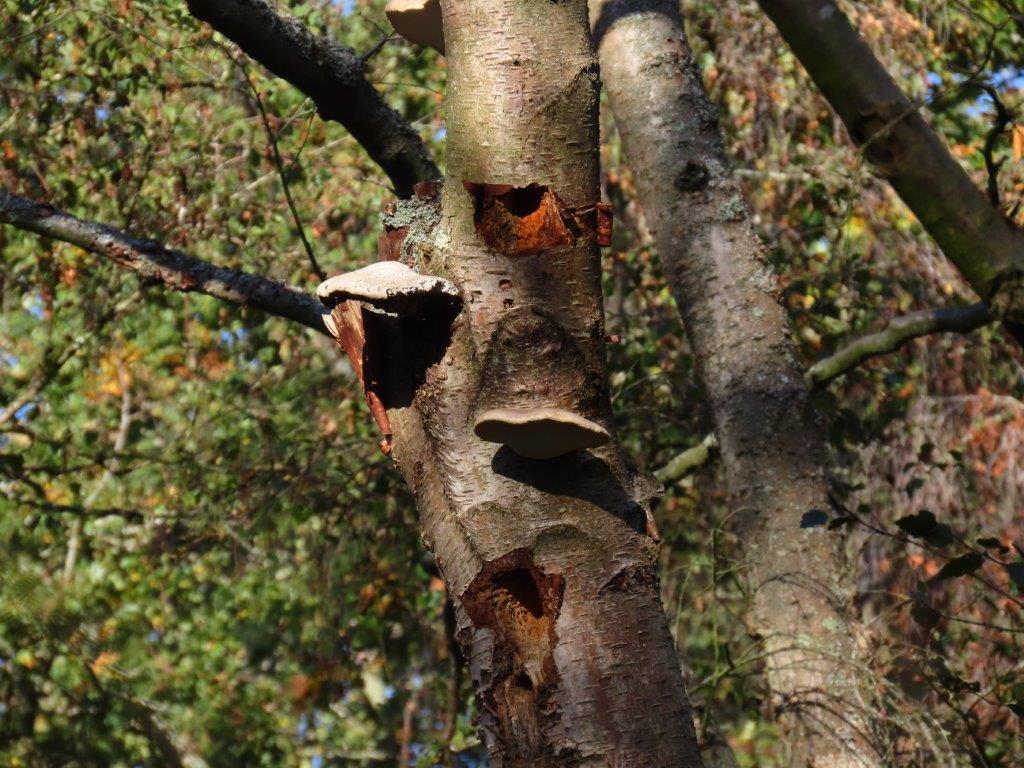
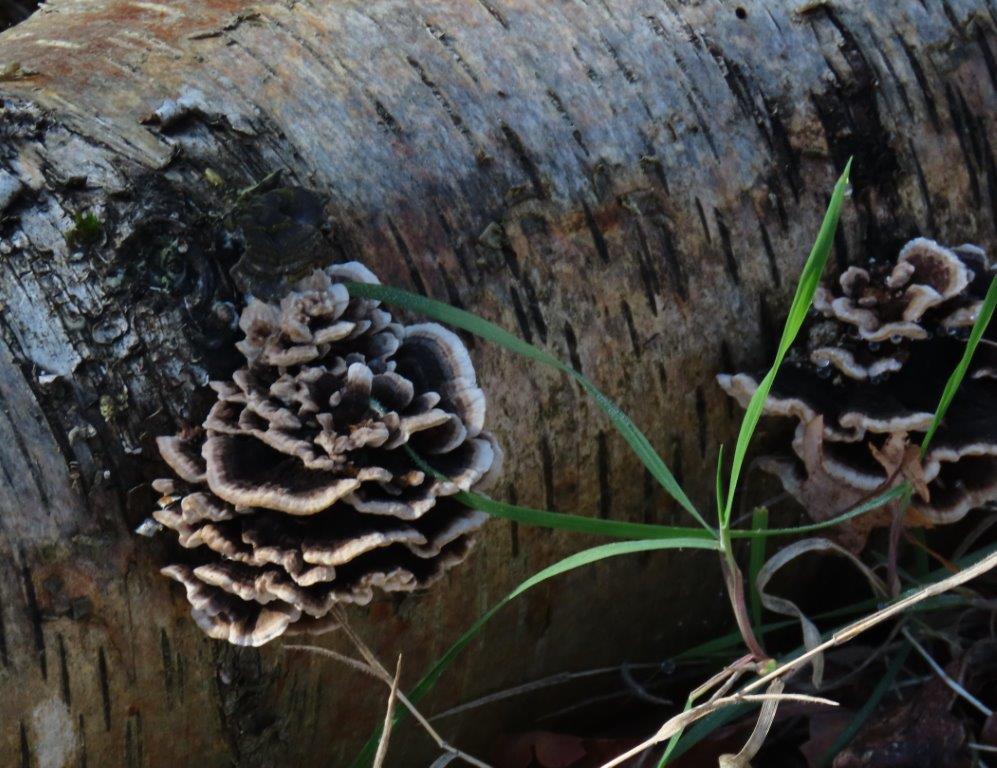
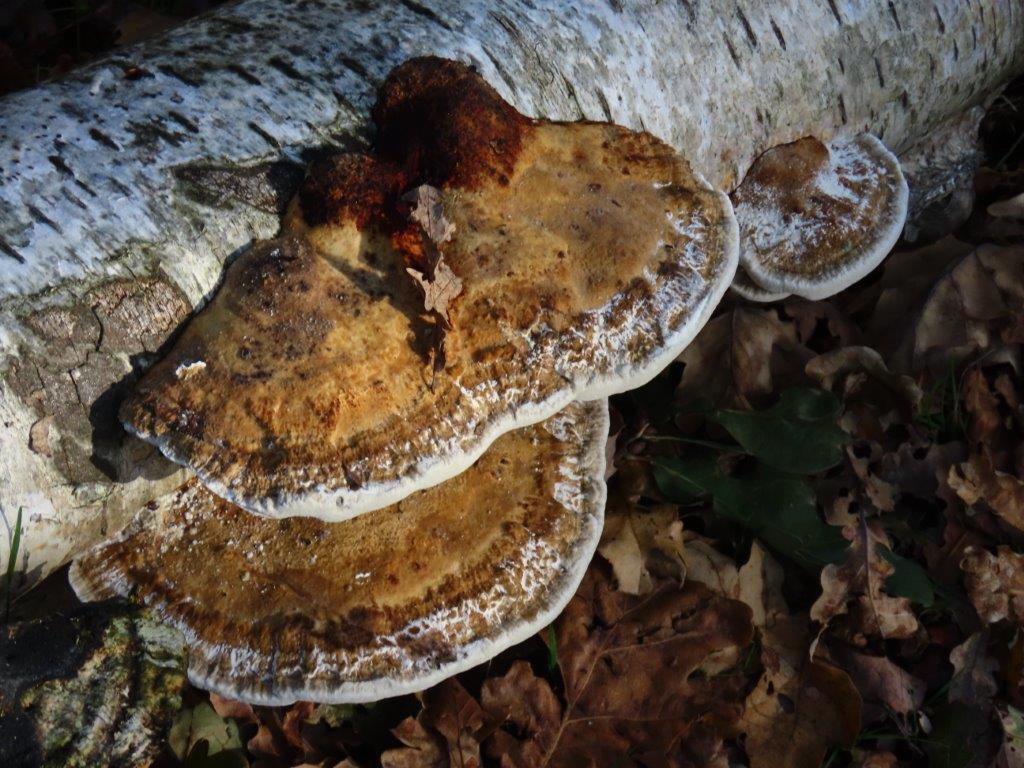
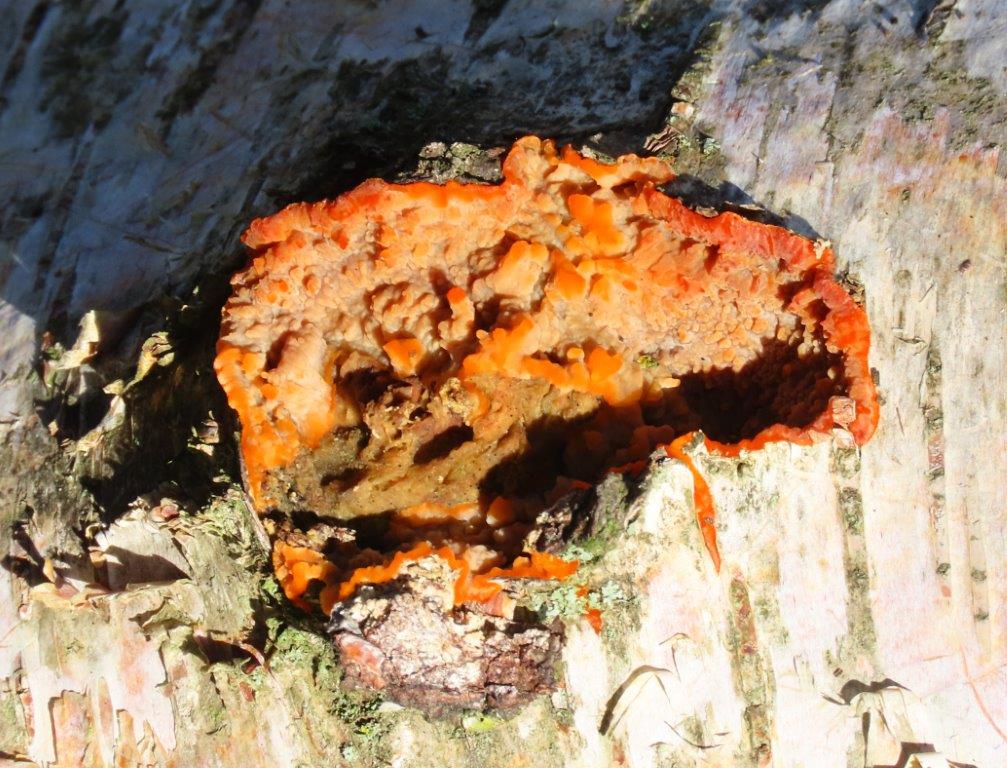
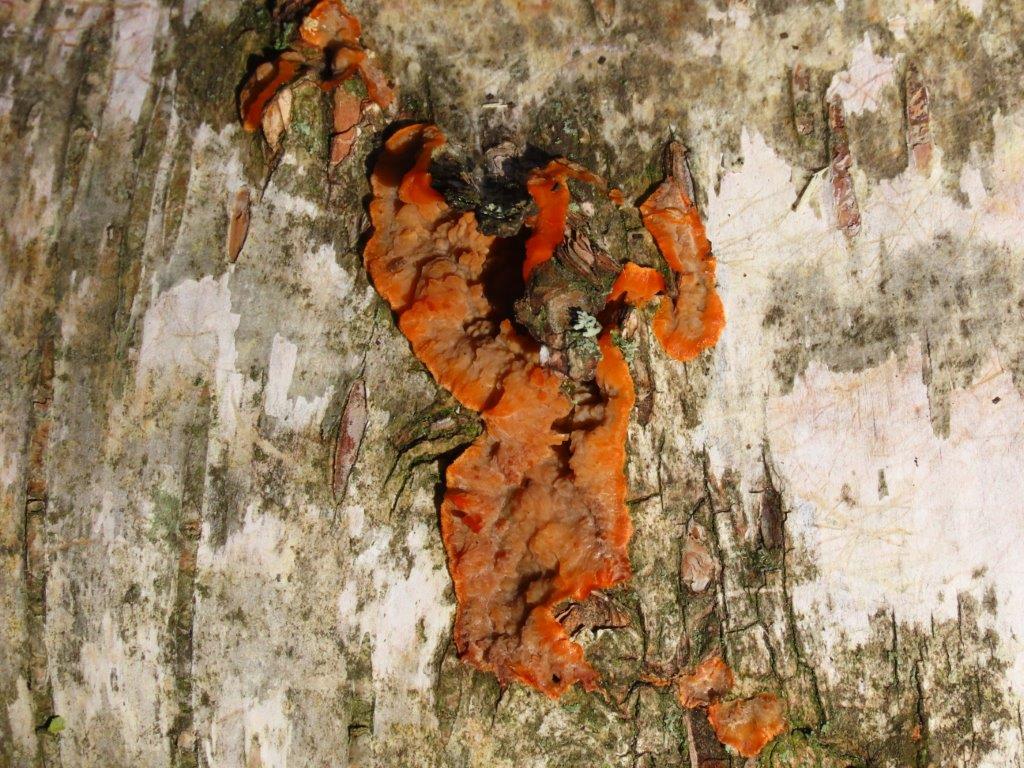
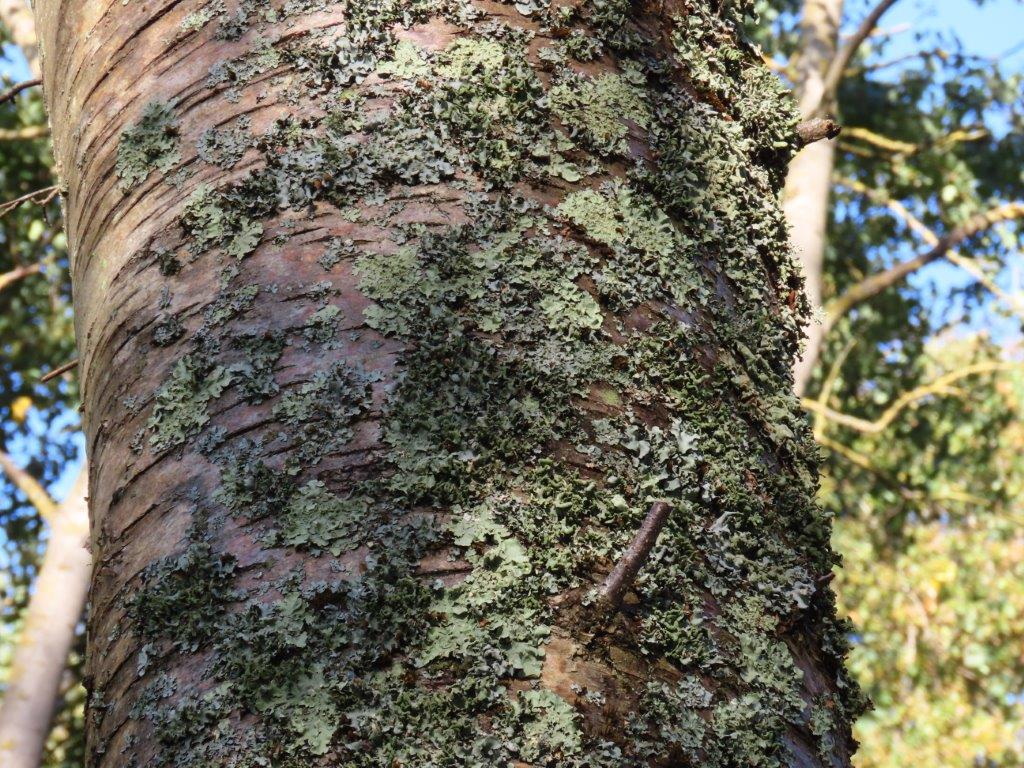
On many of the still-standing trunks, a luxuriant growth of lichens pointed towards the improvements in air quality over much of Essex over the past couple of decades.
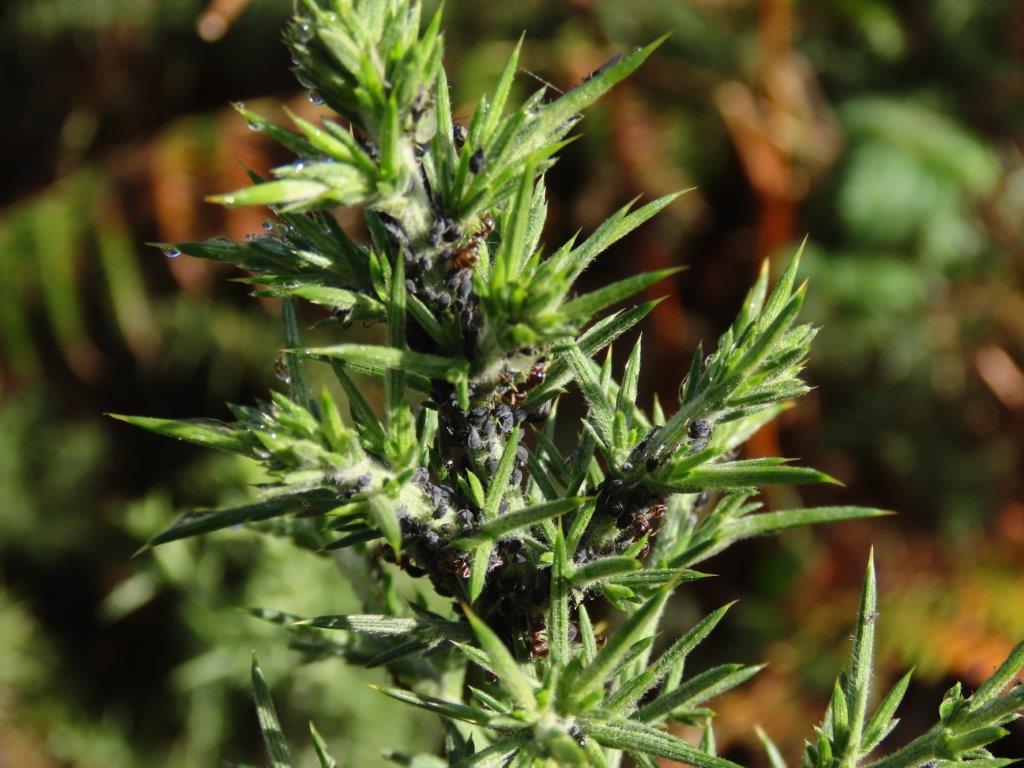
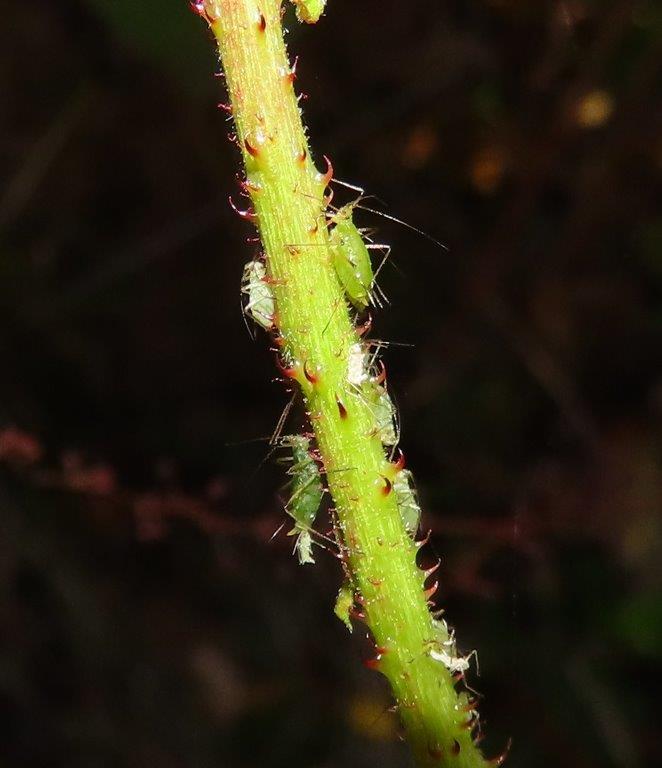
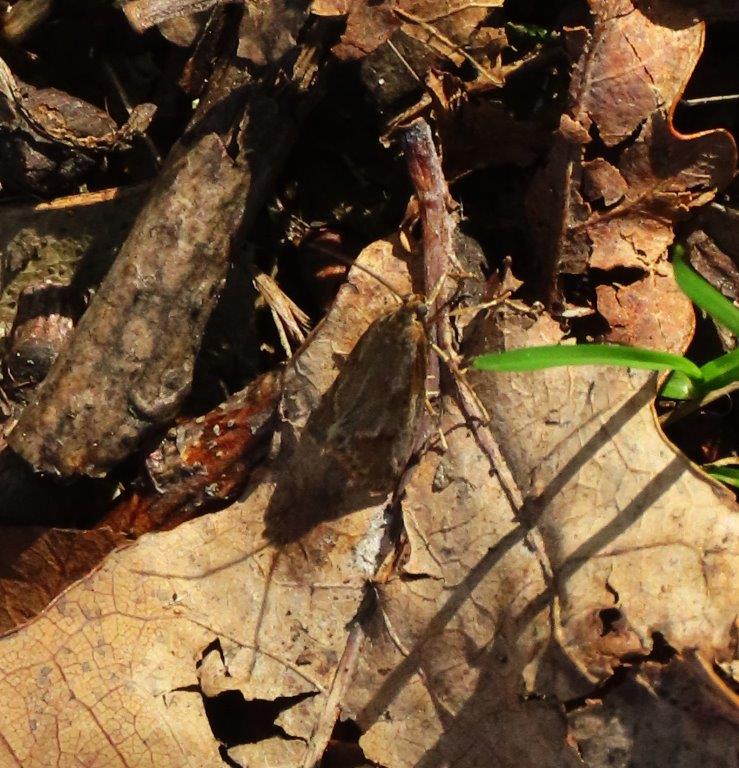
Not too many insects were to be found, even in the sunnier patches. but aphids are always a good bet, and there were Aphis ulicis, distinctively blue-grey on the fresh tips of Gorse, and, on Bramble stems, Blackberry Aphids Macrosiphum funestum. A single fluttering micromoth landed for us and proved to be Diurnea lipsiella, variously known as the November Tubic or Late Reveller, a characteristic late autumnal species of Oak woodland on acidic soils. In Essex, its patchy distribution clearly picks out wooded heaths like Tiptree, Epping Forest, Danbury Ridge and hills at the back of Southend, as well as one or two around Colchester.
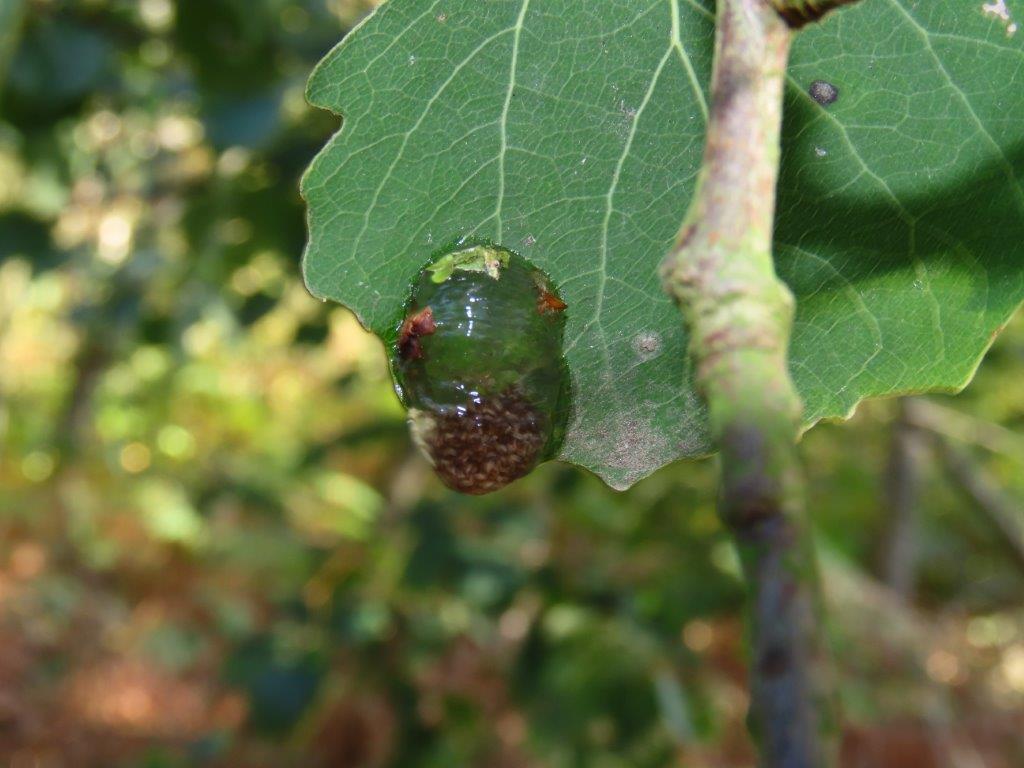
Most exciting of all though, we were under an Aspen grove when Jude noticed a clear gelatinous glob on a leaf. We had no real idea where to start, but the search terms ‘jelly blob on leaf’ came up with what we believe must be the answer, so-called ‘tree snot’, the egg-mass of the caddisfly Glyphotaelius pellucidus. Although, if so, she must have been lost – the ponds were a couple of hundred metres away and even the almost-dry stream was a long way for an egg-filled female to fly.
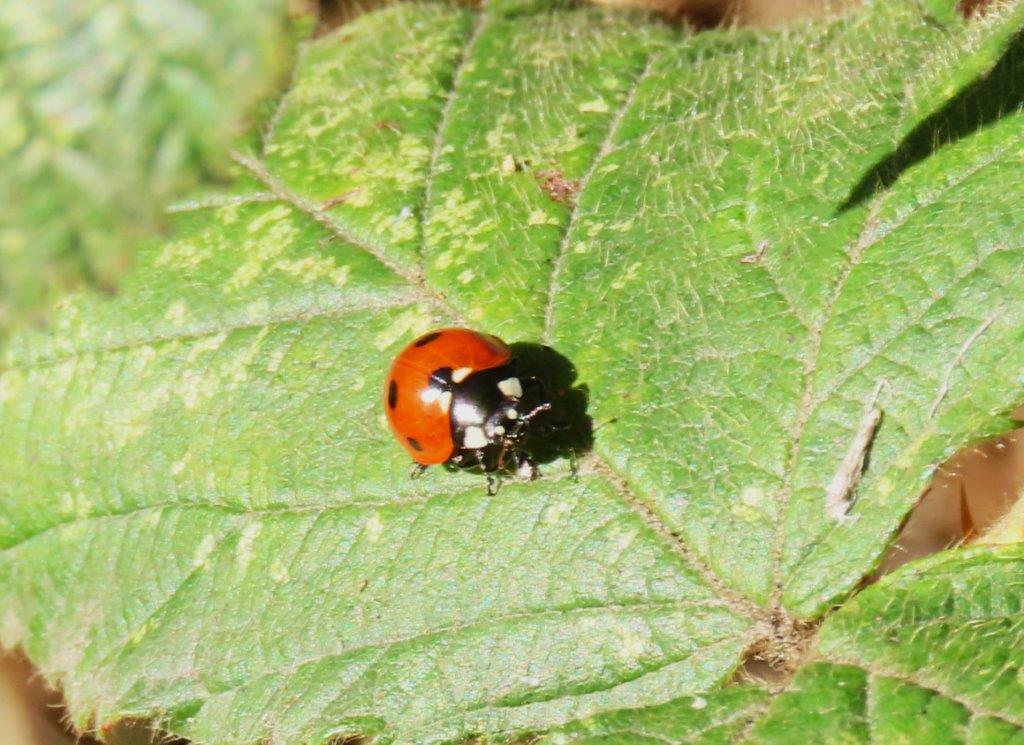
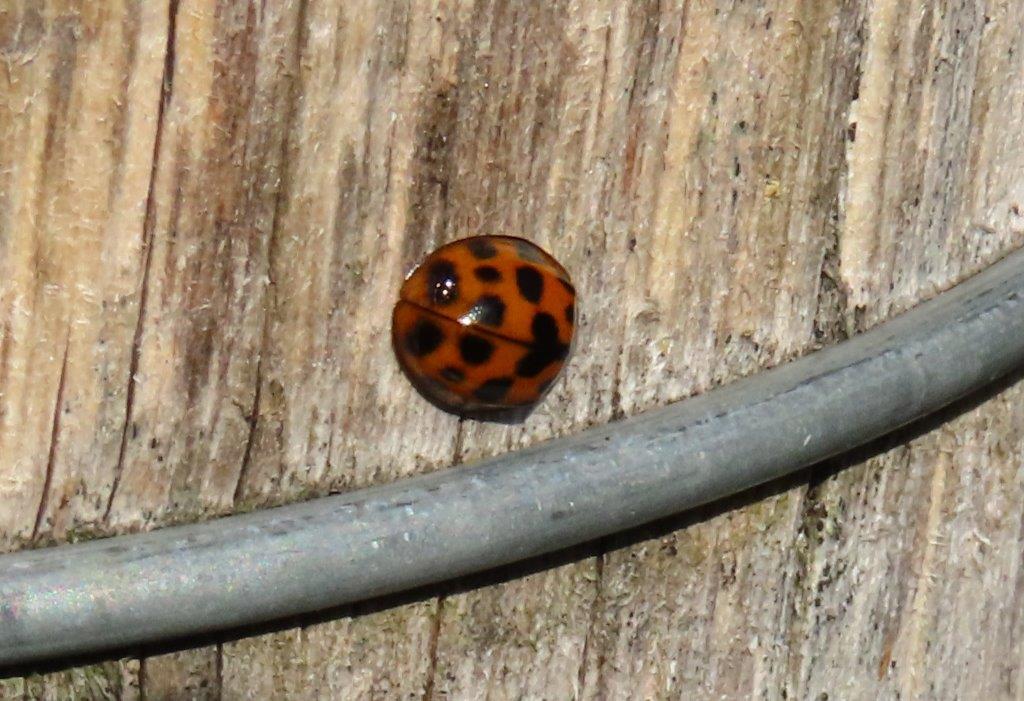
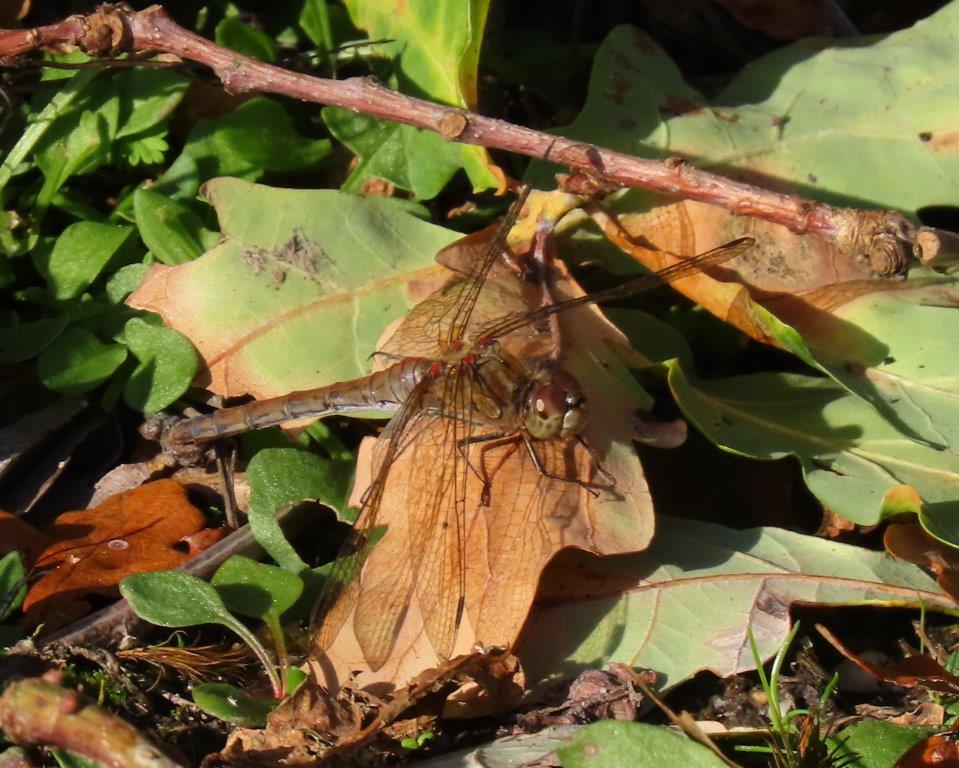
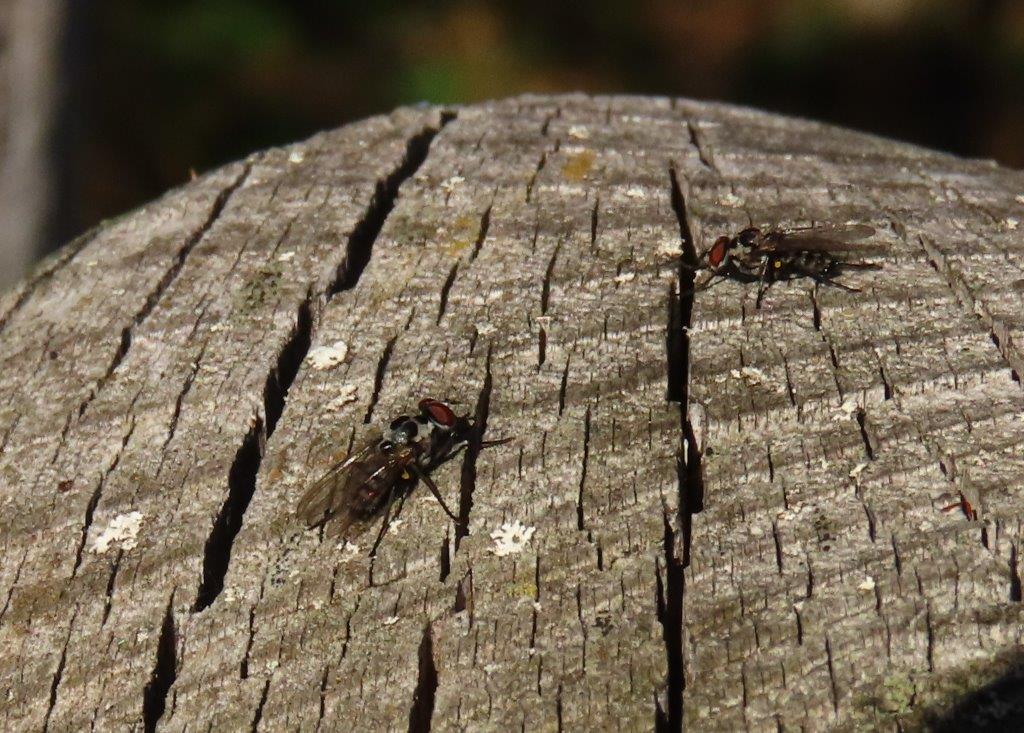
In the sunnier spots, insects were basking to warm up. These included 7-spot and Harlequin Ladybirds, along with Common Darter dragonflies and the appropriately named (by us!) Fencepost Flies Anthomyia procellaris.
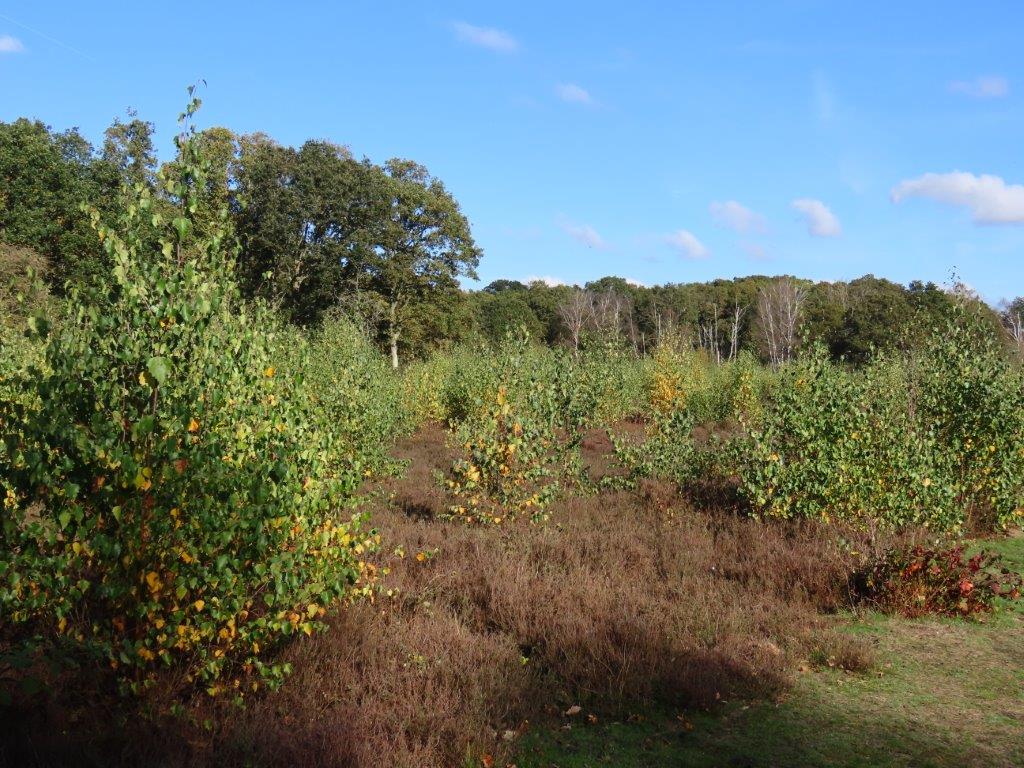
It is good to see that some of the habitat management practices I helped to develop almost forty years ago are being continued, especially the rotational, rather severe, removal of trees from choking the open heath.
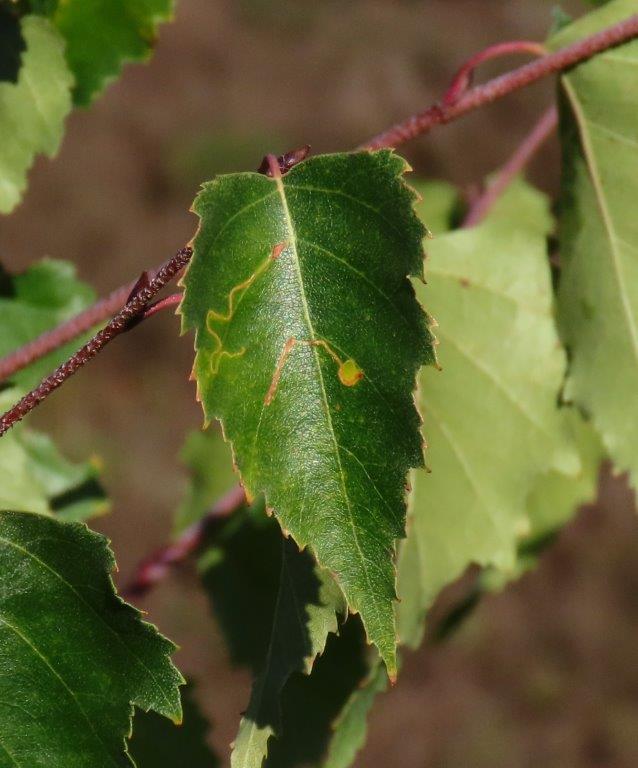
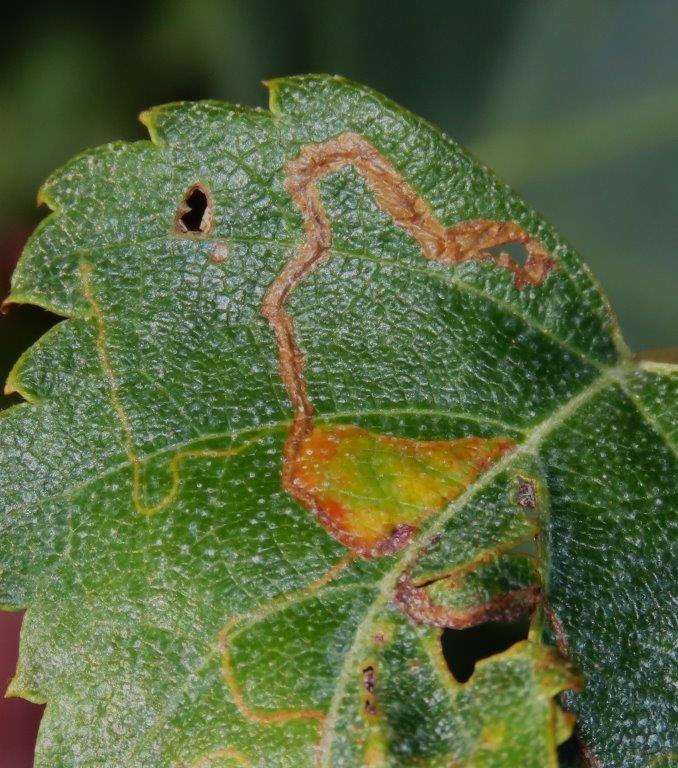
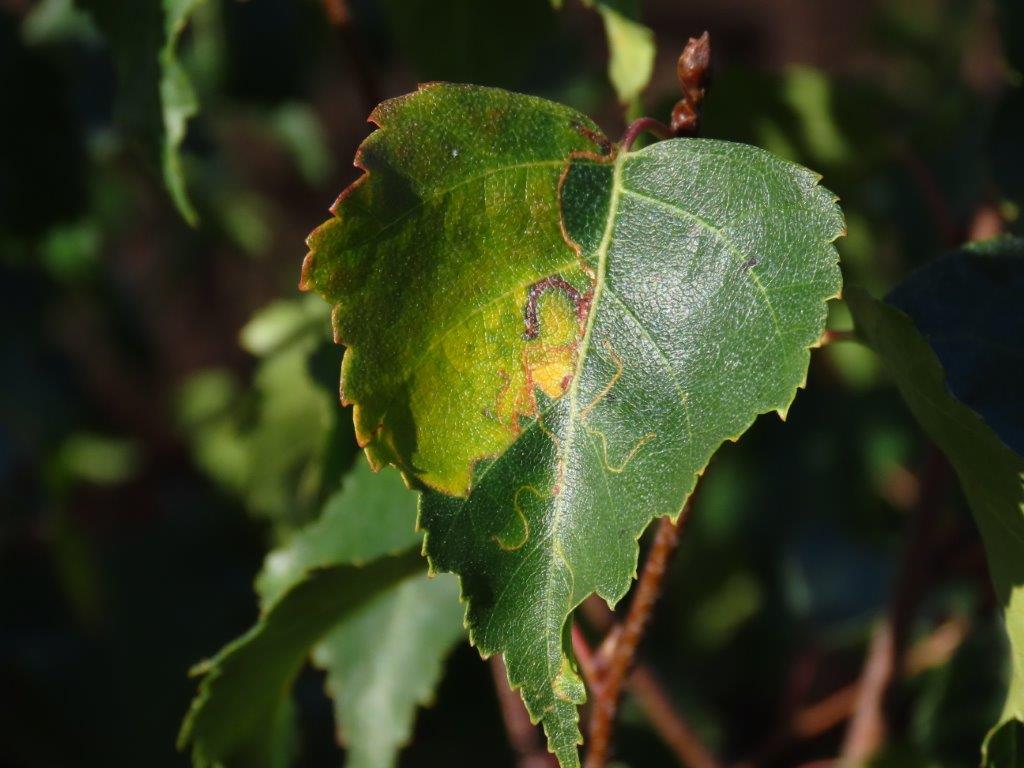
But the sapling birches do have their wildlife value, especially apparent at this time of year as leaf mines. Several different creatures were making their marks on the waning leaves. Some wre more-or-less sinuous galleries (micromoths such as Lyonetia clerkella and possibly Stigmella species) while others are large blotch-mines, which are much more difficult to identify, but could be made by moths, beetles or sawflies.
When I assumed responsibility for the site in the mid-1980s the most solid Heather patch on the site, and possibly in the whole of Essex at that time, was on the site where the community had cleared the heath to make a football pitch some thirty years previously. But the ground proved to stony, and the site was allowed to rewild as a rectangle of Heather heath. Whether intentional or not, it now seems the ‘football pitch’, which inspired our later work is now almost pure Gorse, with rather little Heather.
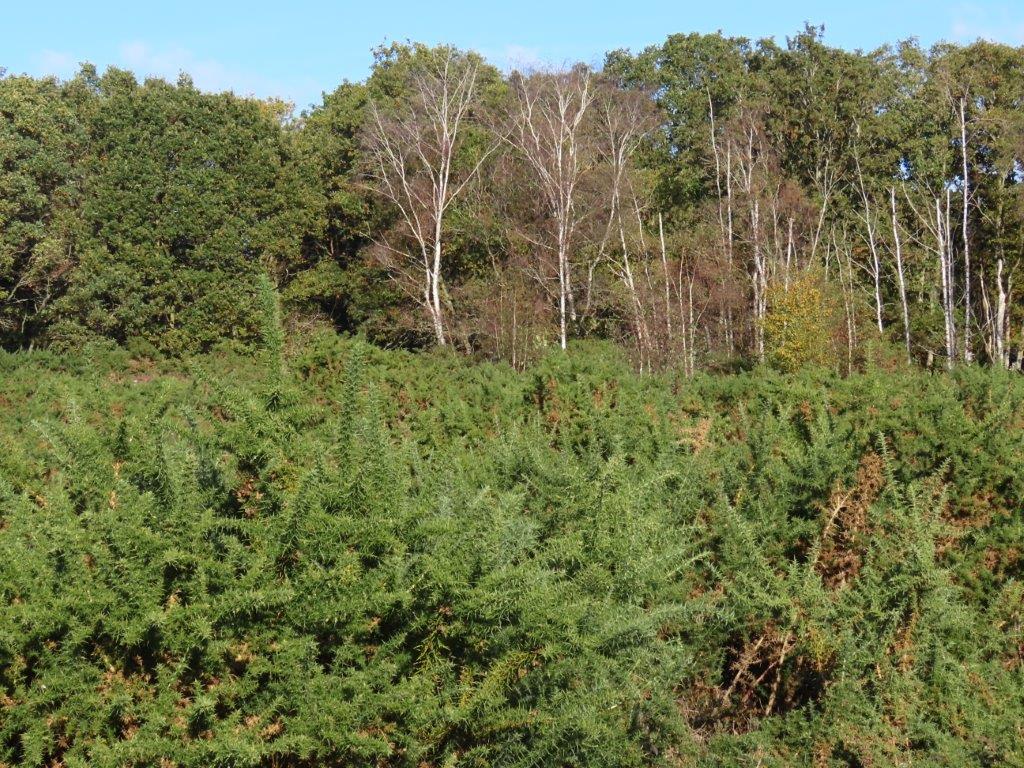
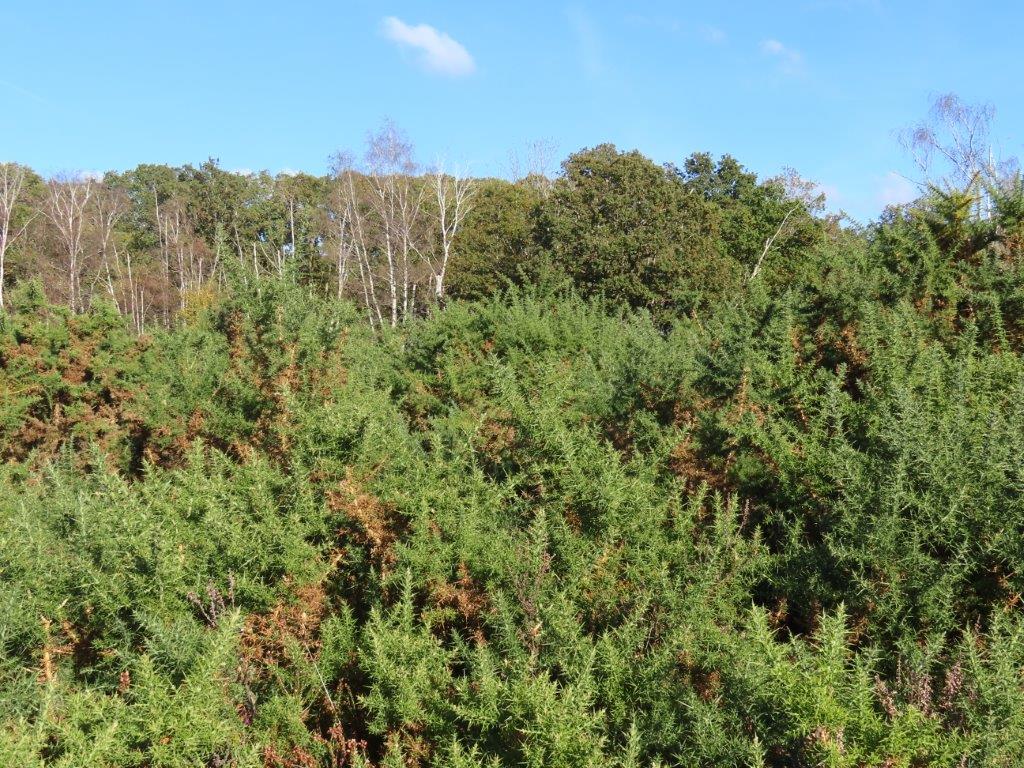
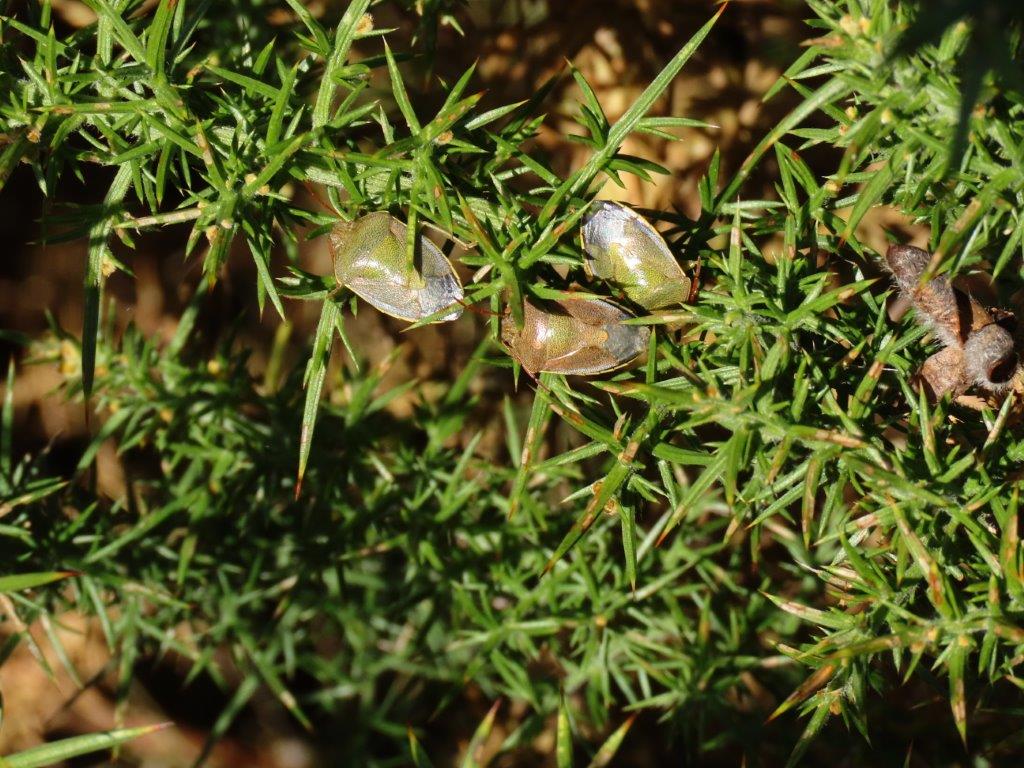
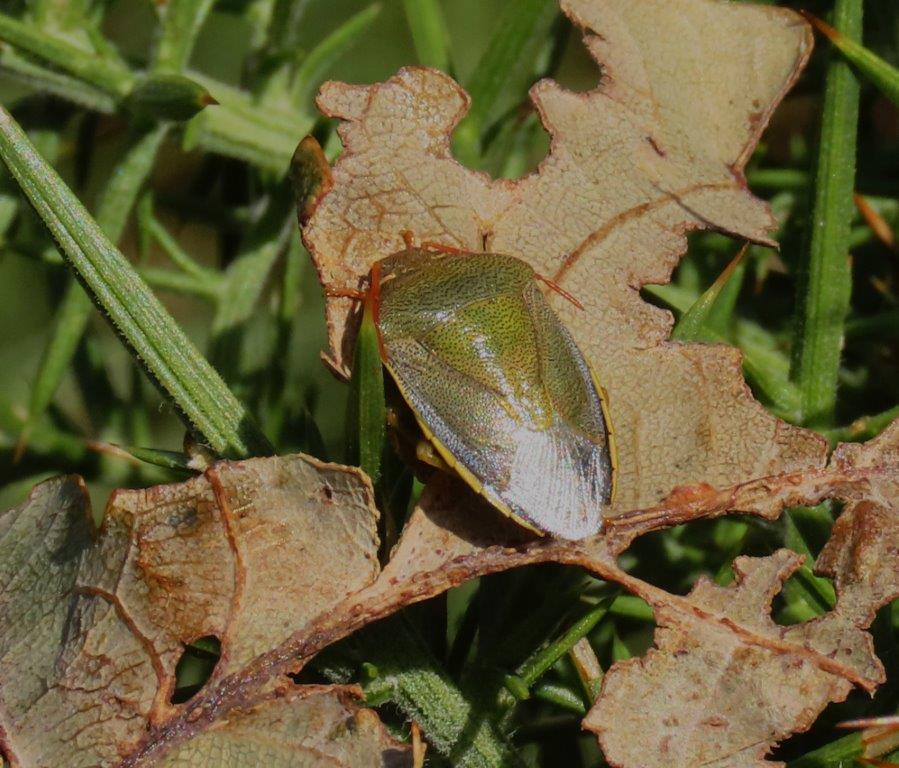
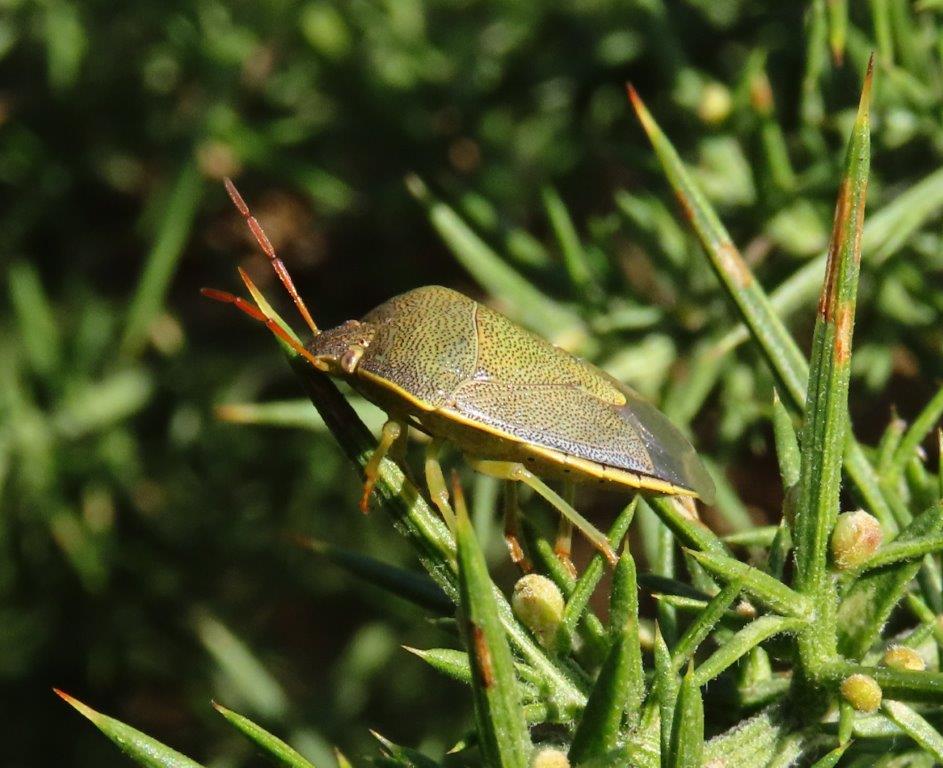
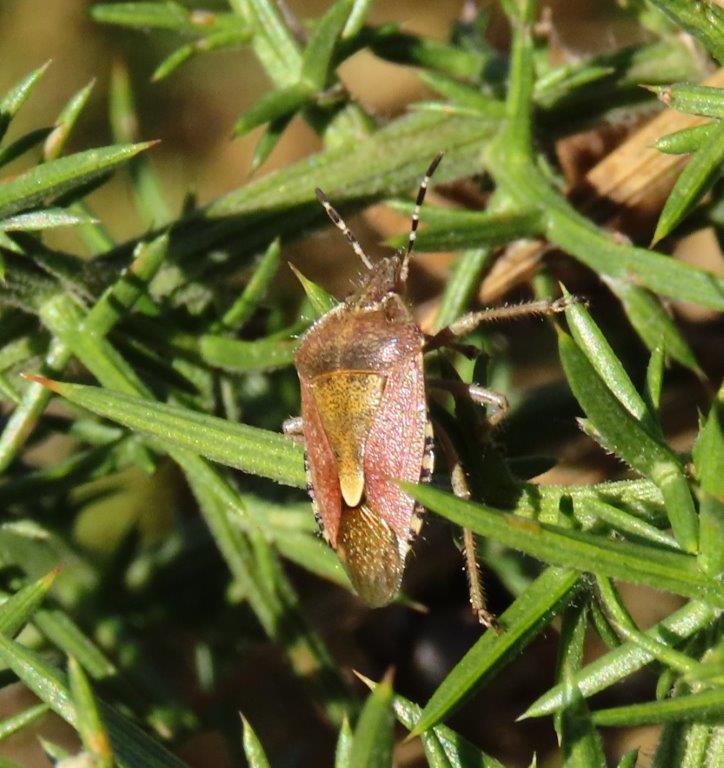
But in the low-angled, bright autumnal sun, this block of gorse really came to life, sparkling with the shining wings of hundreds of Gorse Shieldbugs, more than we have ever seen anywhere, along with a few Hairy Shieldbugs for good measure.
A fine final flourish of our walk, and what better way to round it off than lunch in the local pub…
Easier said than done. The heath is one one side of the road, and the Ship Inn is on the other. And while the road is speed-limited, the flashing speed sign indicated that perhaps half of all vehicles were hurtling past at well above the speed limit. And there was absolutely no provision for pedestrians to cross the road: no lights, no crossing, not even a simple halfway-house traffic island. Nothing.
Some may accuse me of hypocrisy, as I do drive. But I keep to speed limits, irrespective of the pressure of expectation from those behind me. And I drive a small car, not one of the people-crushing monsters that only a few years ago would have been called trucks but now seem to be de rigueur, at least in Tiptree. We were the ones patiently queueing for ages to then take our lives in our hands. If Essex County Council or indeed the local population had any interest in the common good, rather than pandering to the self-appointed ‘right’ of motorists not to be slowed down by mere pedestrians it could, and should, have been very different.
As it is, although the landlord gave us a warm welcome, the food was good and the price excellent, we are unlikely to return until the crazy, arrogant traffic is properly calmed.