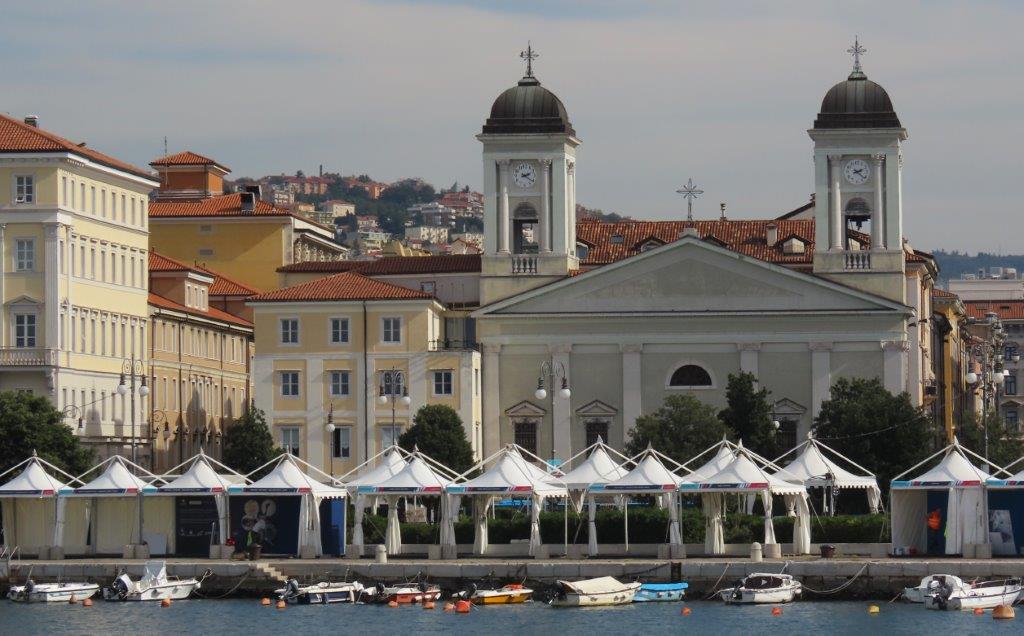
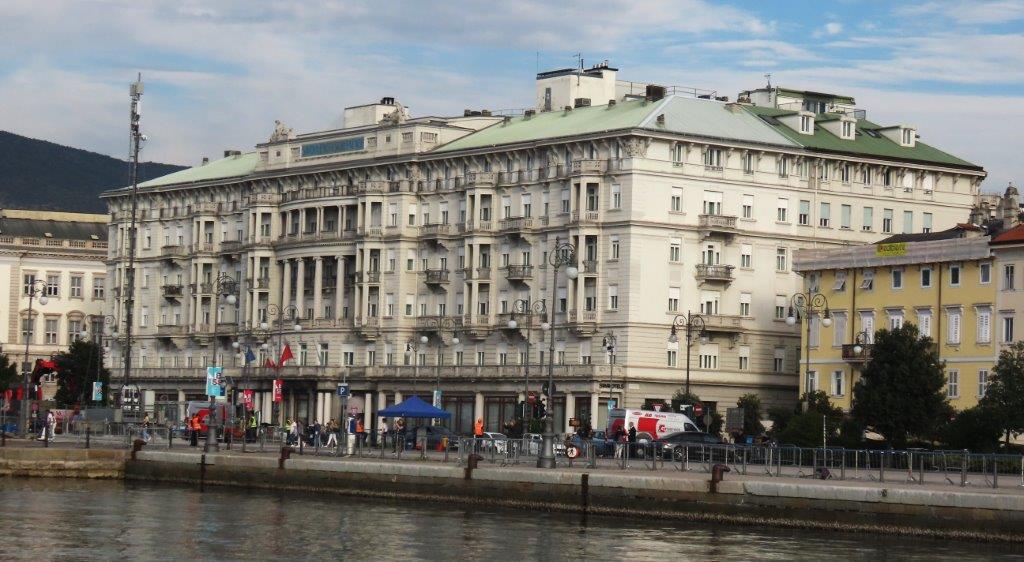
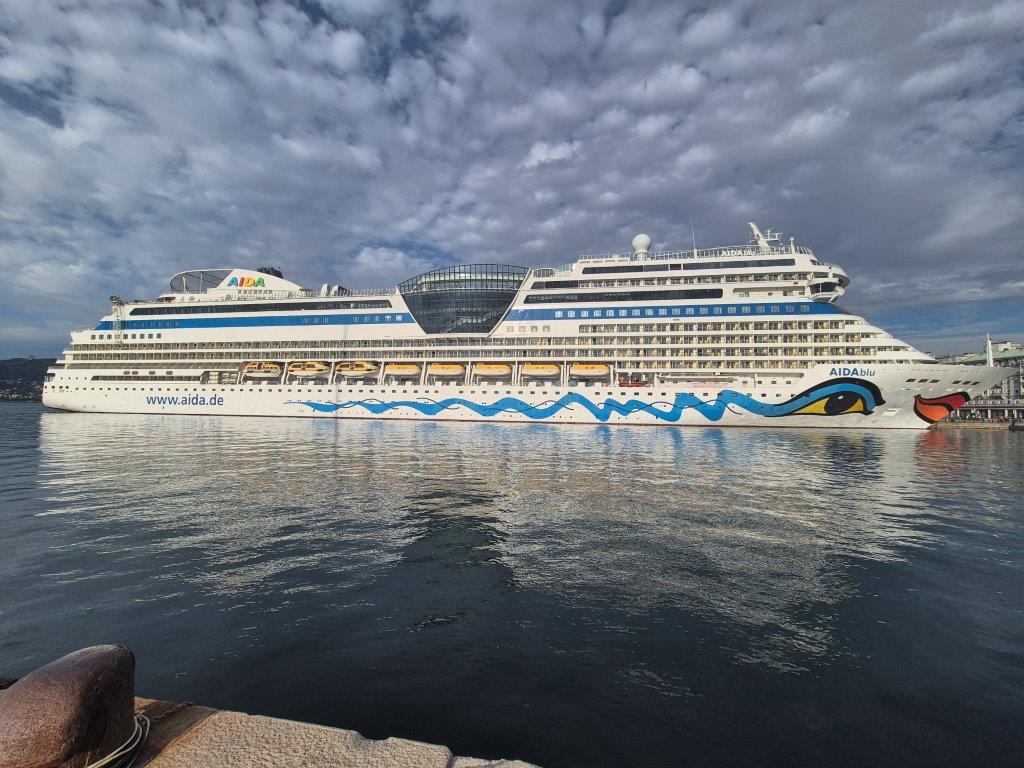
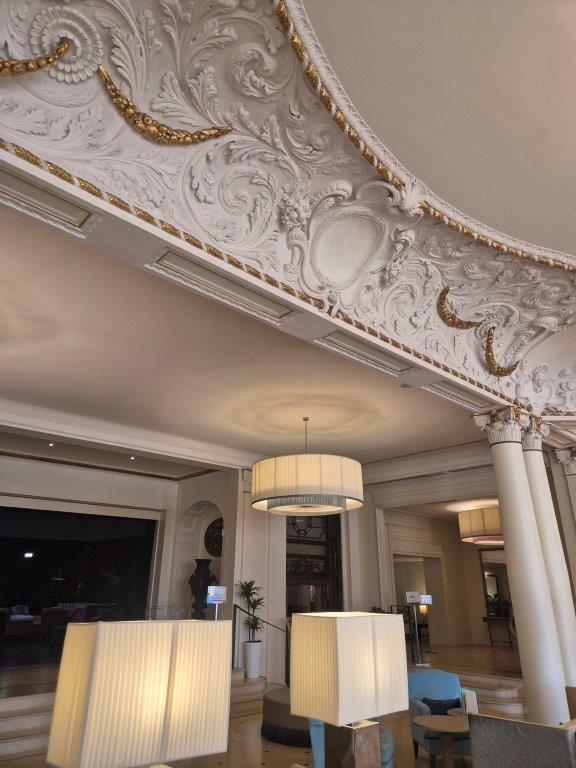
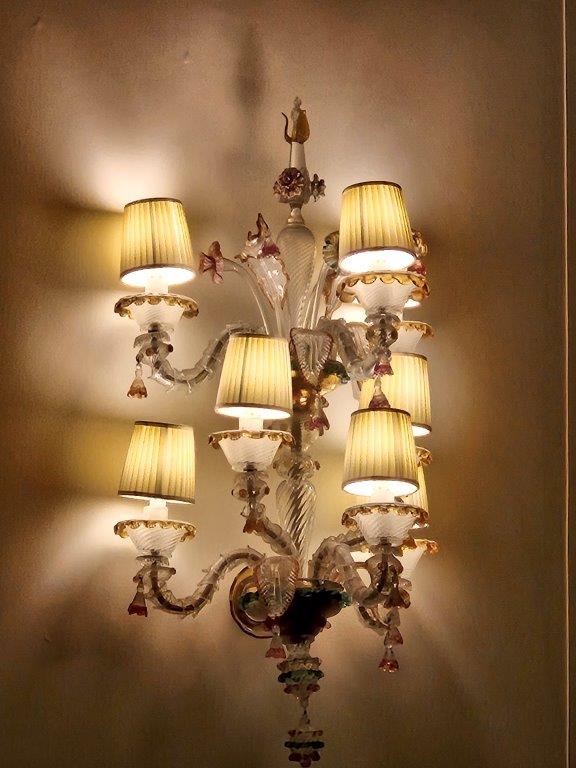
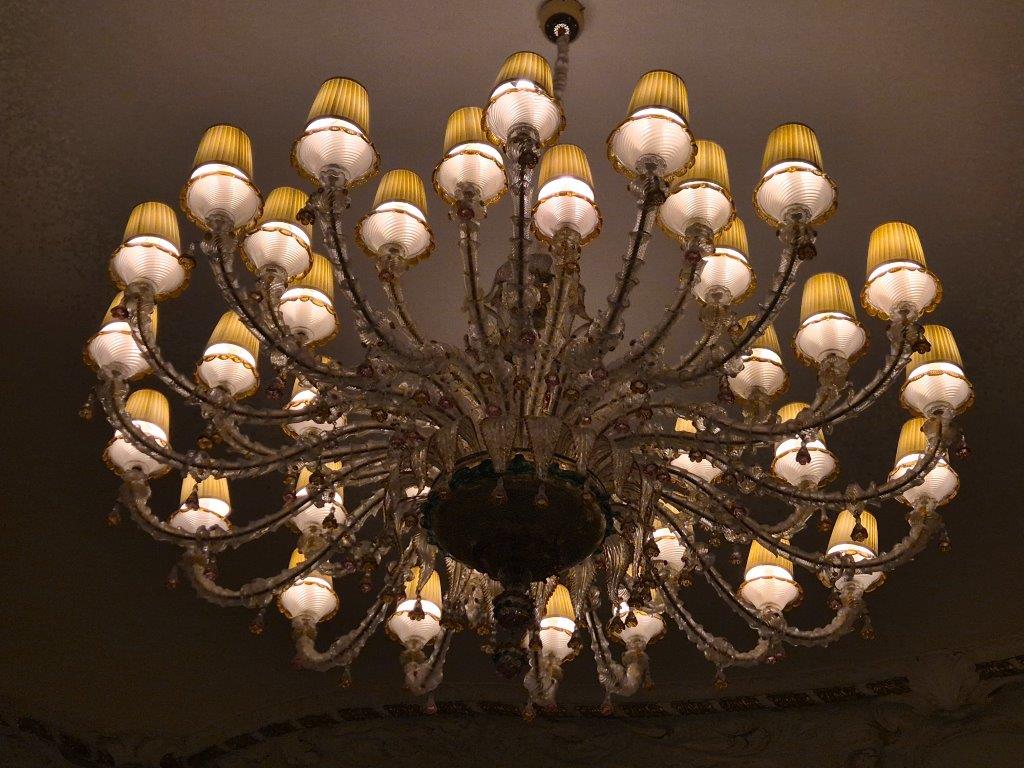
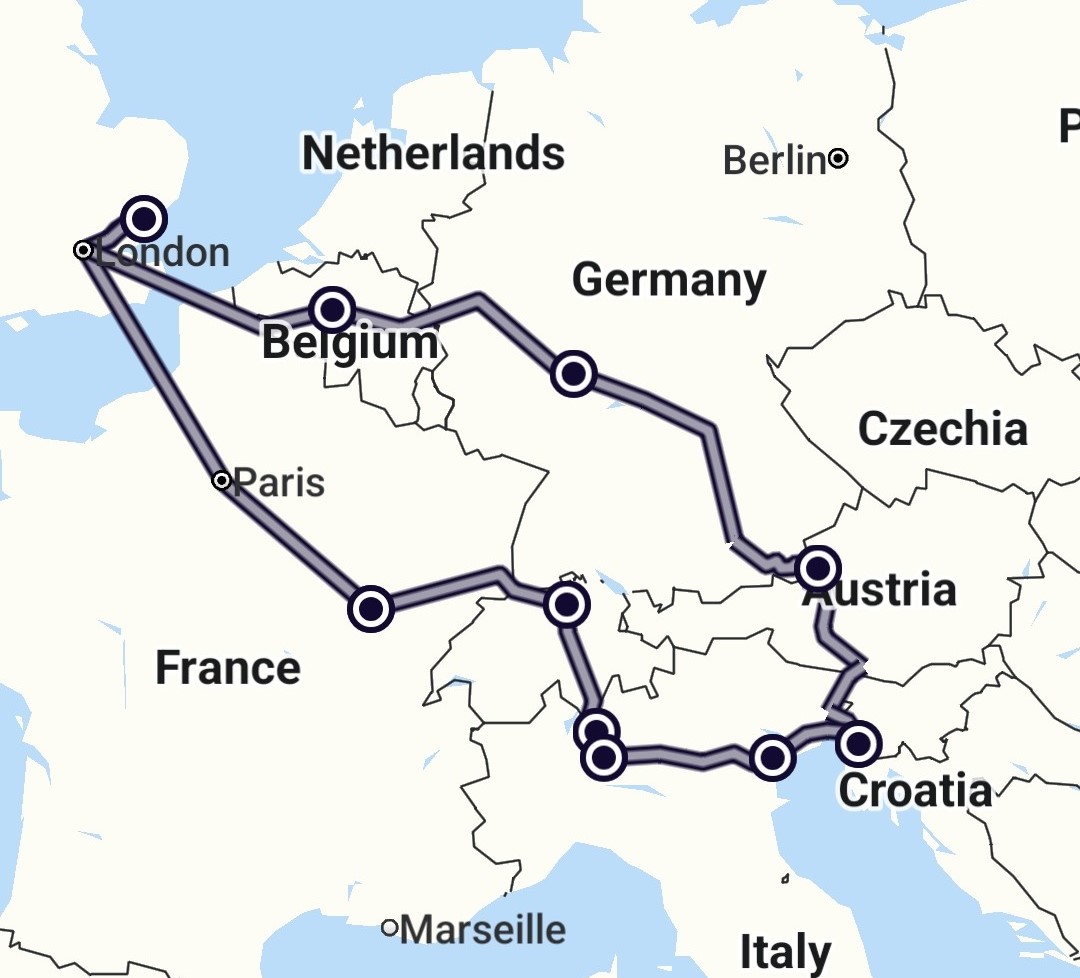
And so we eventually rolled into Trieste after a three-day adventure on the railways of Europe. But first impressions were not entirely favourable: the roads and pavements were chaotic, and there were people scurrying everywhere. Much of the chaos stemmed from the preparations for the Barcolana, the largest sailing regatta in the world, due to start a week hence, but in addition there was a cruise ship in port, and it was a sunny Sunday afternoon! A recipe for chaos … but our hotel, the Savoia Excelsior Palace, proved more than a match for that: a serene, stylish, palatial place designed to soothe. Maybe a little more expensive than we are used to paying, we got a very good price and it was worth it for the little taste of luxury.
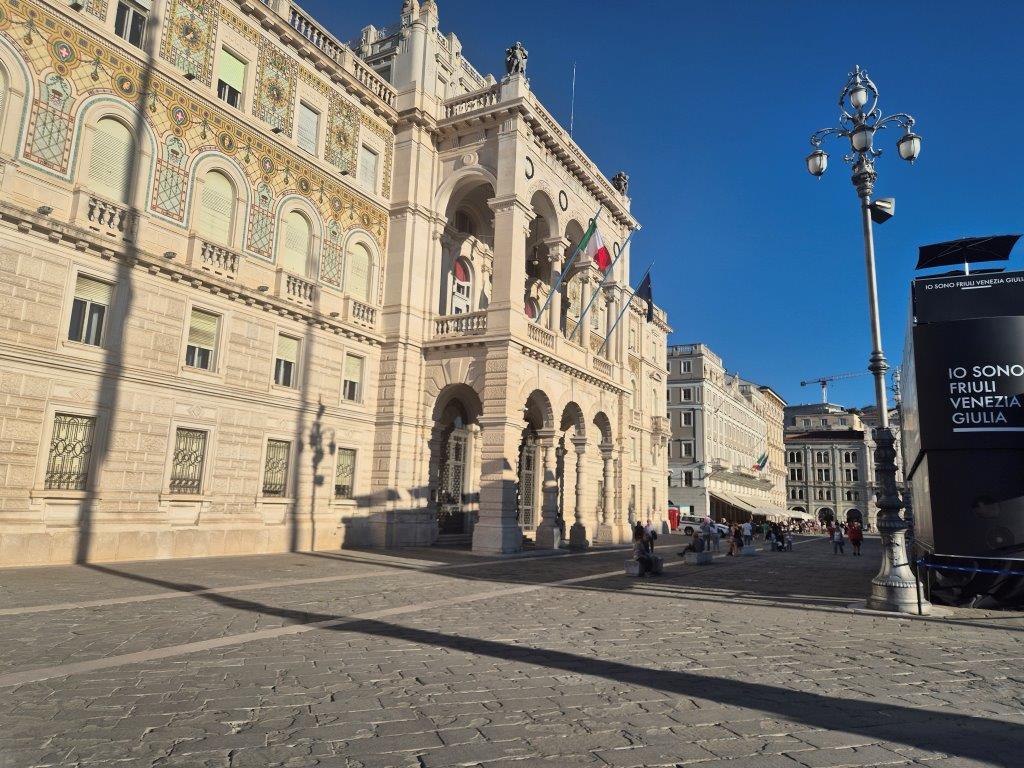
Suitably restored, after an hour unpacking it was off to explore our immediate surroundings to continue our gastronomic wander across Europe. And found it very close by in the Piazza Unità d’Italia. Already we were becoming accustomed to the bustle, and even the marquees and other paraphernalia from the Barcolana were not enough to stop us settling down at the nearest hostelry, the Caffè degli Specchi.
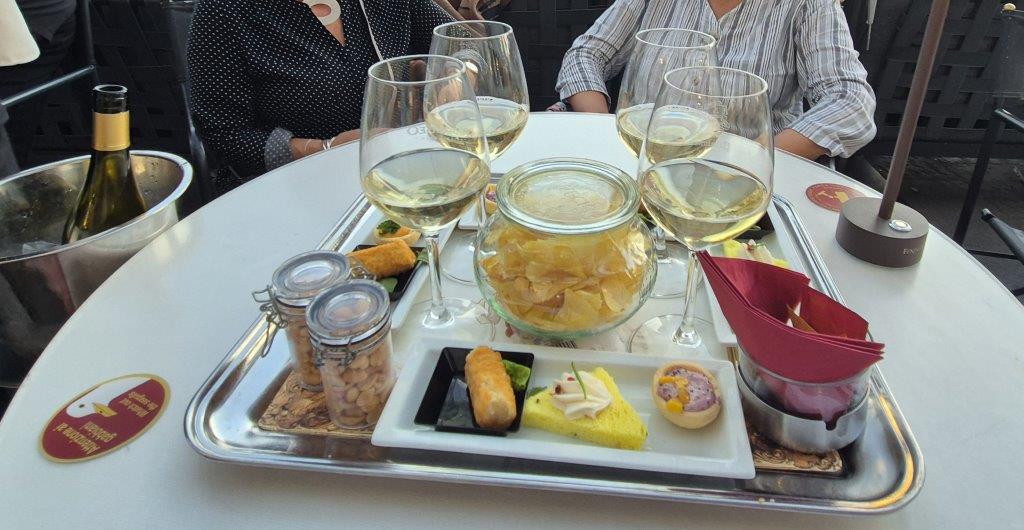
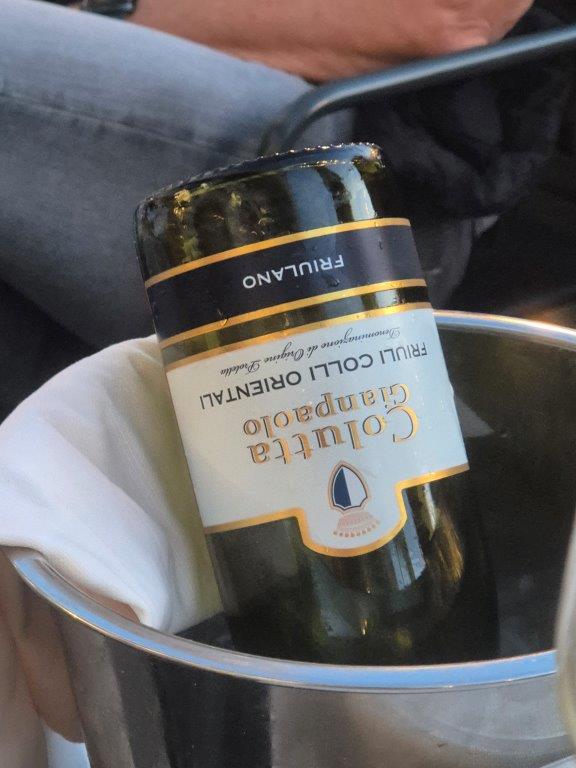
A bottle of local wine was duly ordered, a splendid zesty Friulana with sparkling overtones of grapefruit and orange peel, which came with the usual nuts and crisps. And then an unexpected selection of savoury canapés for each of us, followed by a hearty bowl of tuna and tomato pasta!
So it would have been rude to move on as we’d planned….so we stayed put, ordered another bottle, got the cold snacks again, and left comfortably full. Four of us satisfied for the princely sum of €48! A bargain, very tasty, and a wonderful introduction to the food of Trieste. Then back to the hotel, time for a nightcap which also came with snacks, including watermelon with feta and local cheese with raspberry jam…
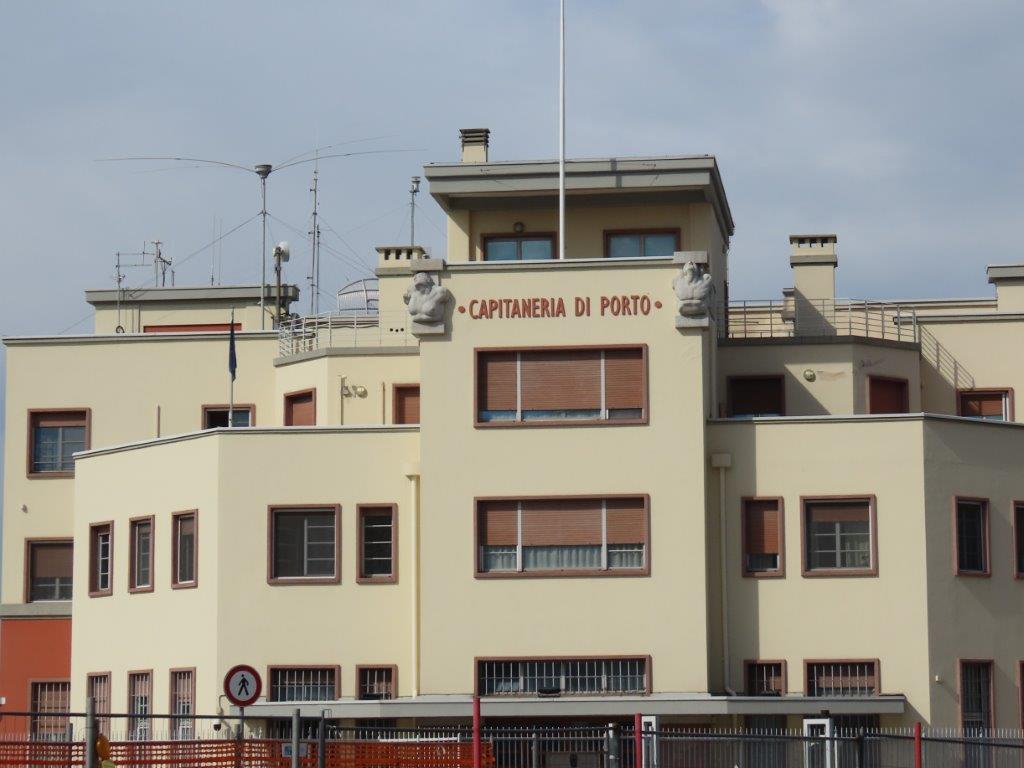
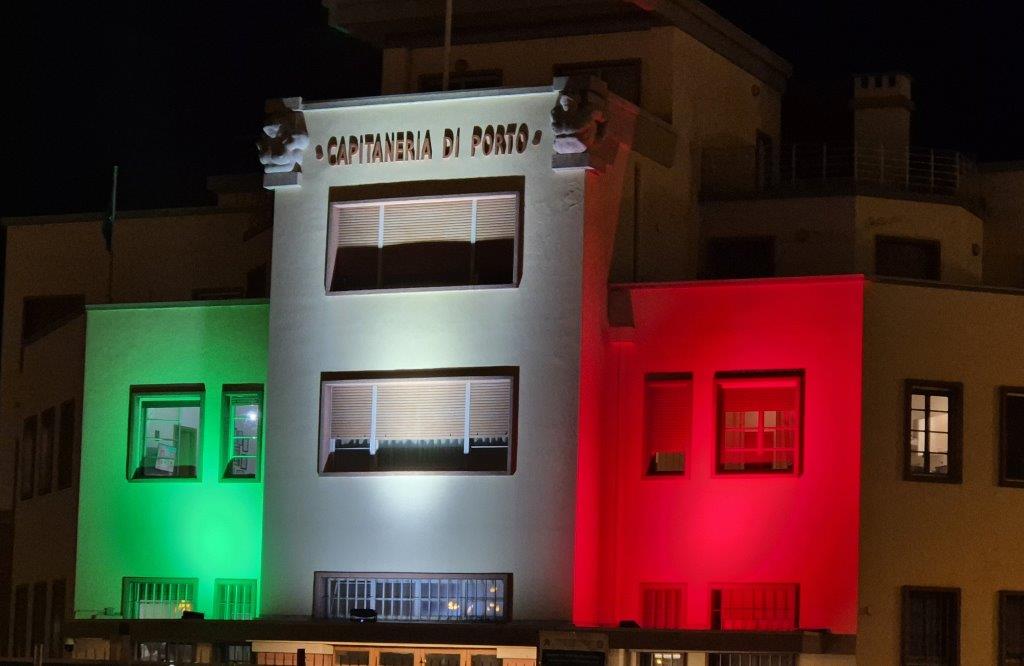
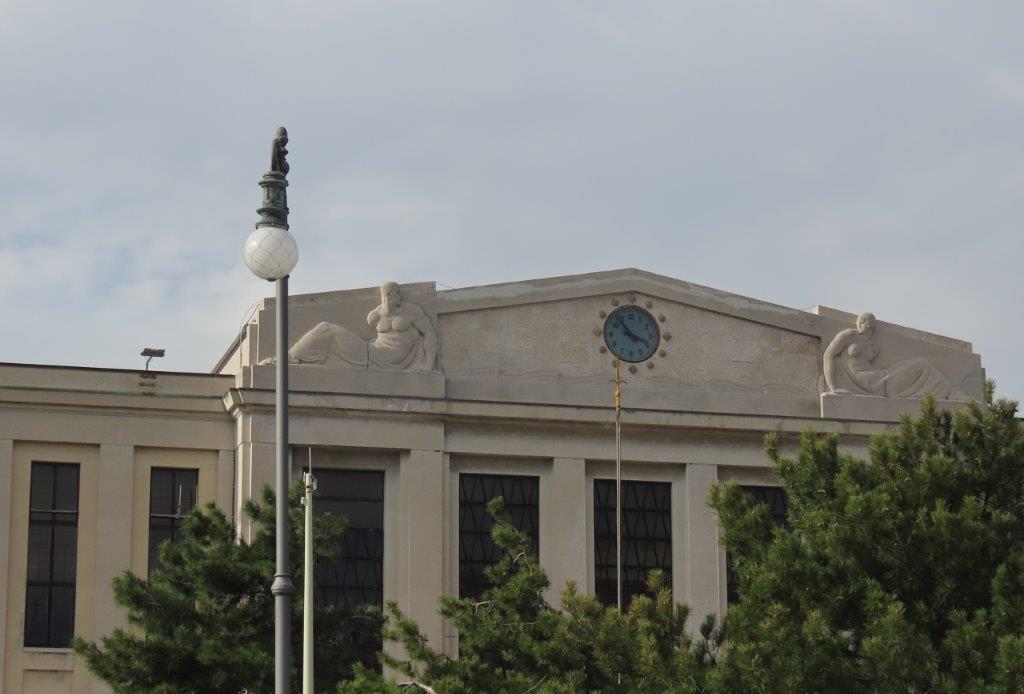
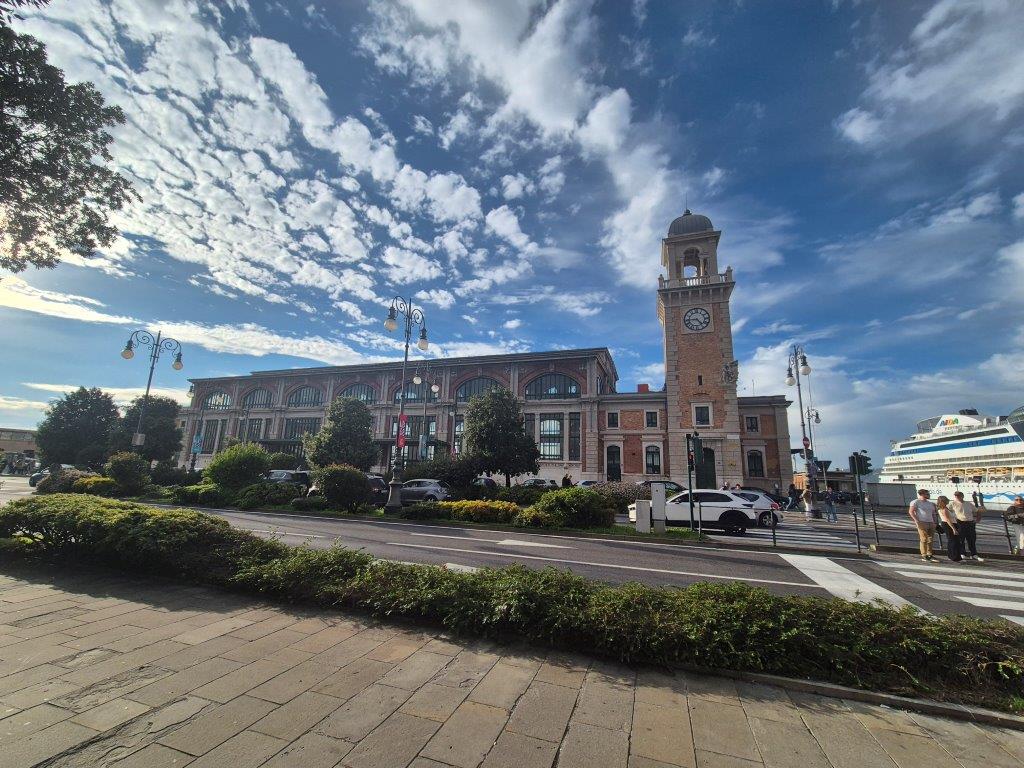
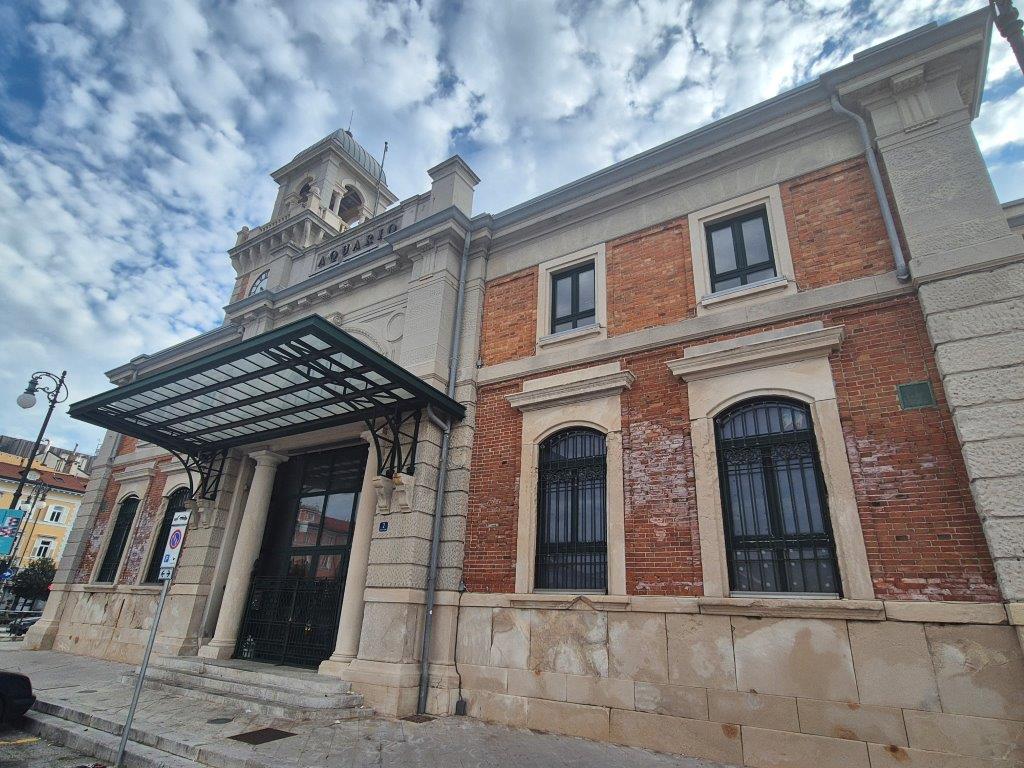
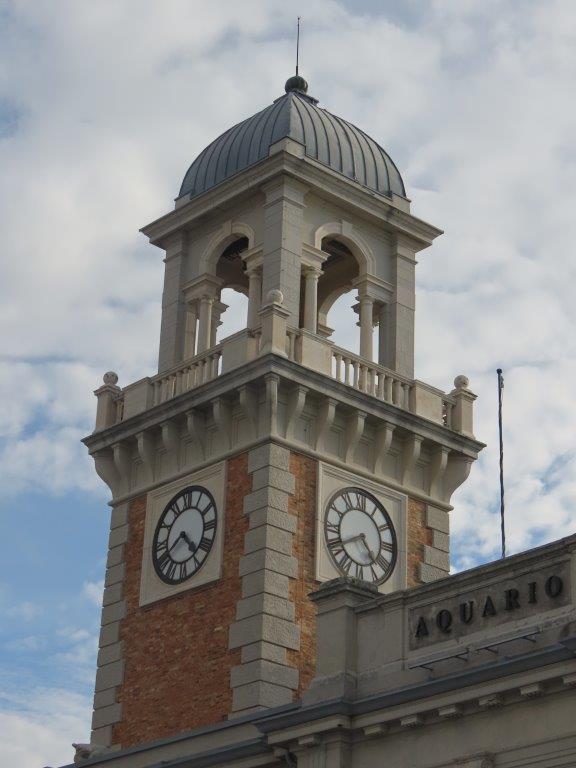
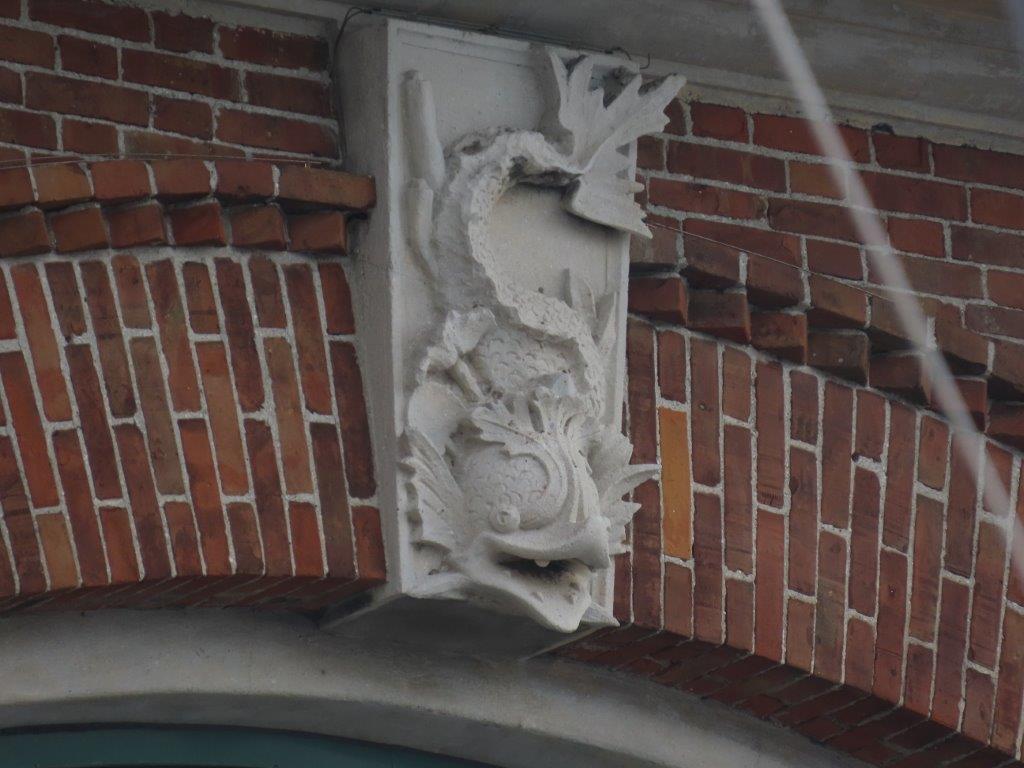
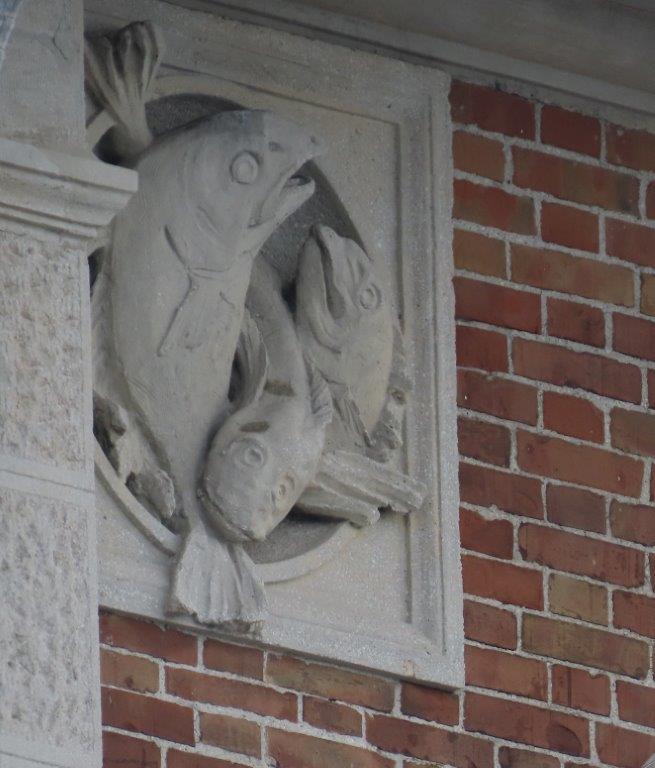
Trieste has always been an important port, indeed it was considered the most important seaport of the Habsburg empire which controlled much of eastern Europe for more than 500 years up to WW1. So it isn’t surprising it has so many wonderful buildings, although it is a little sad that, like Hastings or Southend, most are cut off from the sea by a main, busy road. But there are some that keep their maritime links, including the Port Authority building that doubles as an Italian flag at night; the Statzione Marittima, an Art Deco passenger terminal turned conference centre; and the Aquarium (sadly closed for redevelopment), an Art Nouveau former fish market, adorned externally with all manner of marine life.
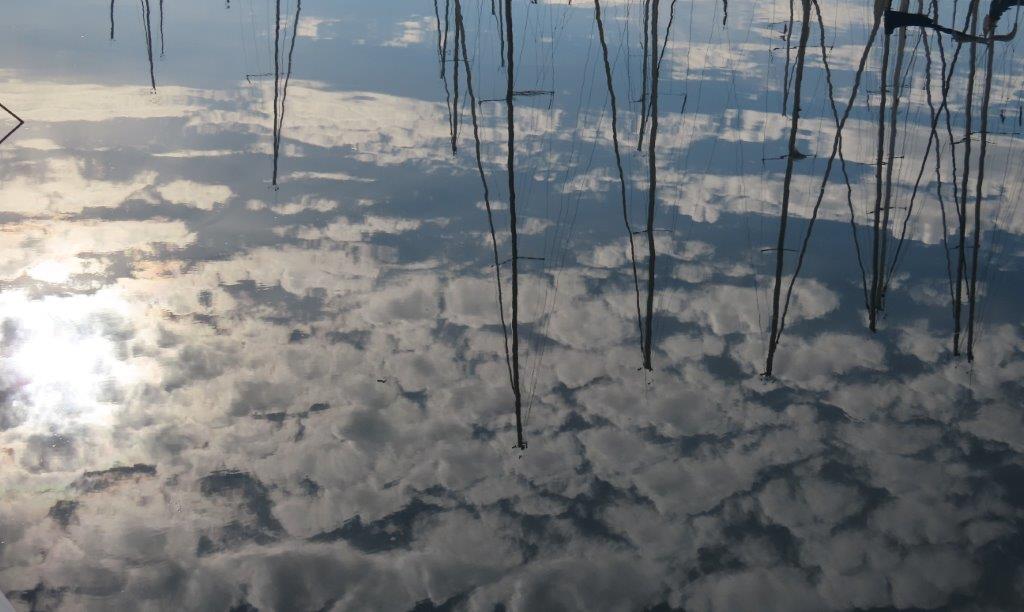
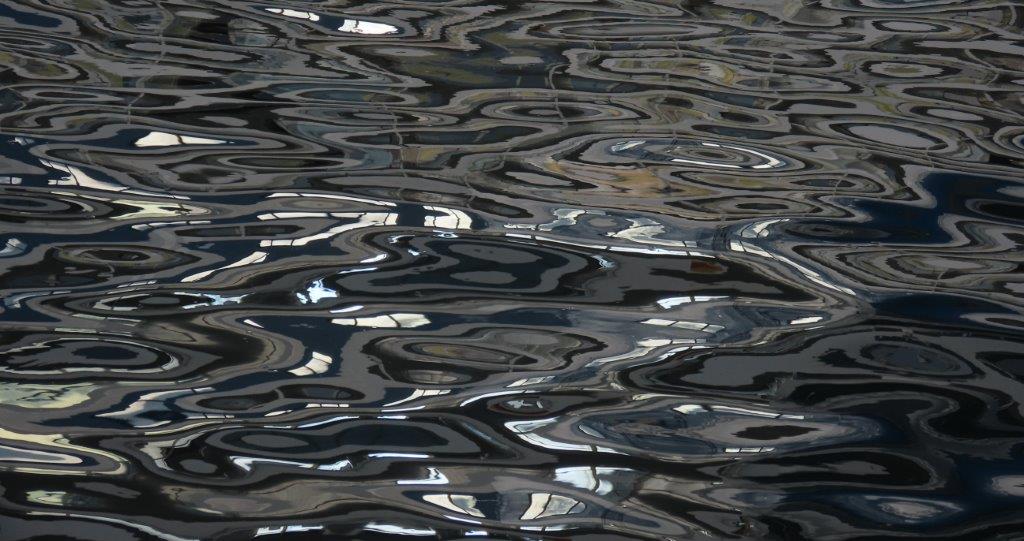
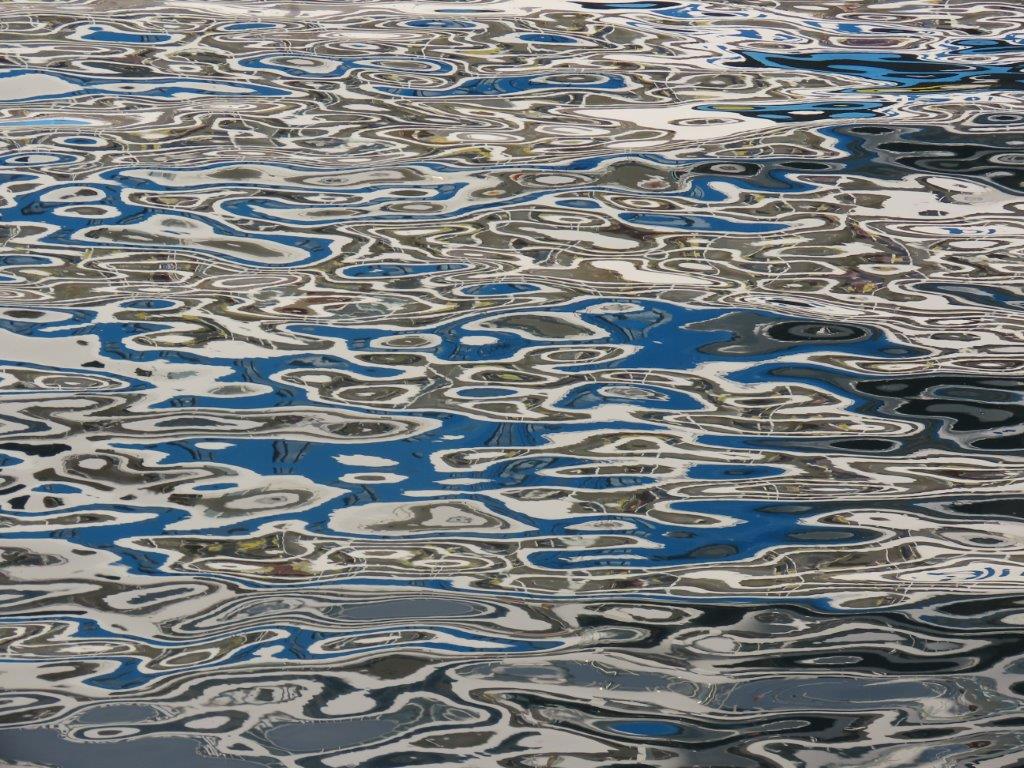
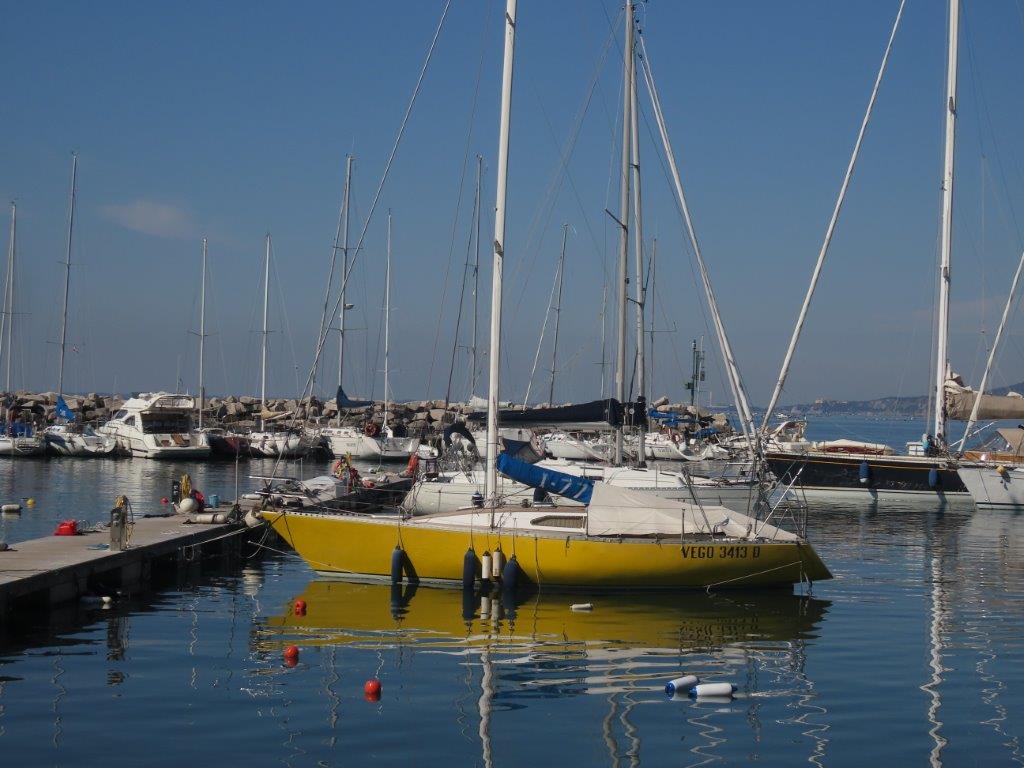
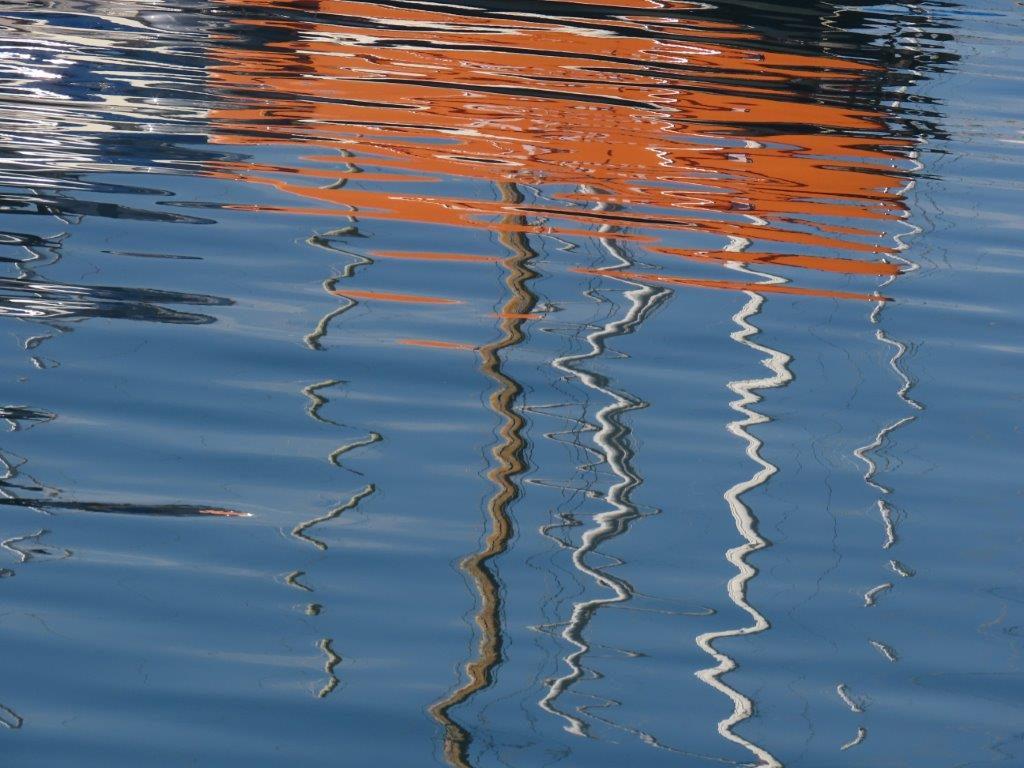
Otherwise sailing and cruising dominate the scene, providing reflectascapes at every turn:
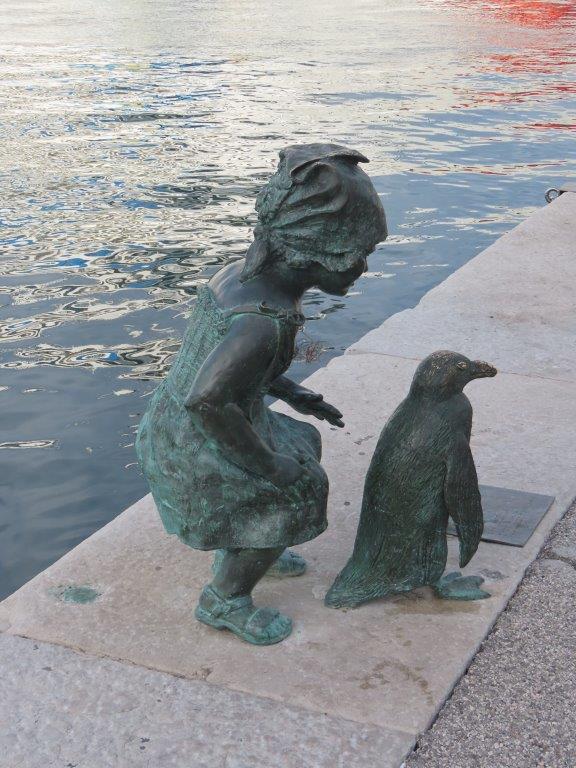
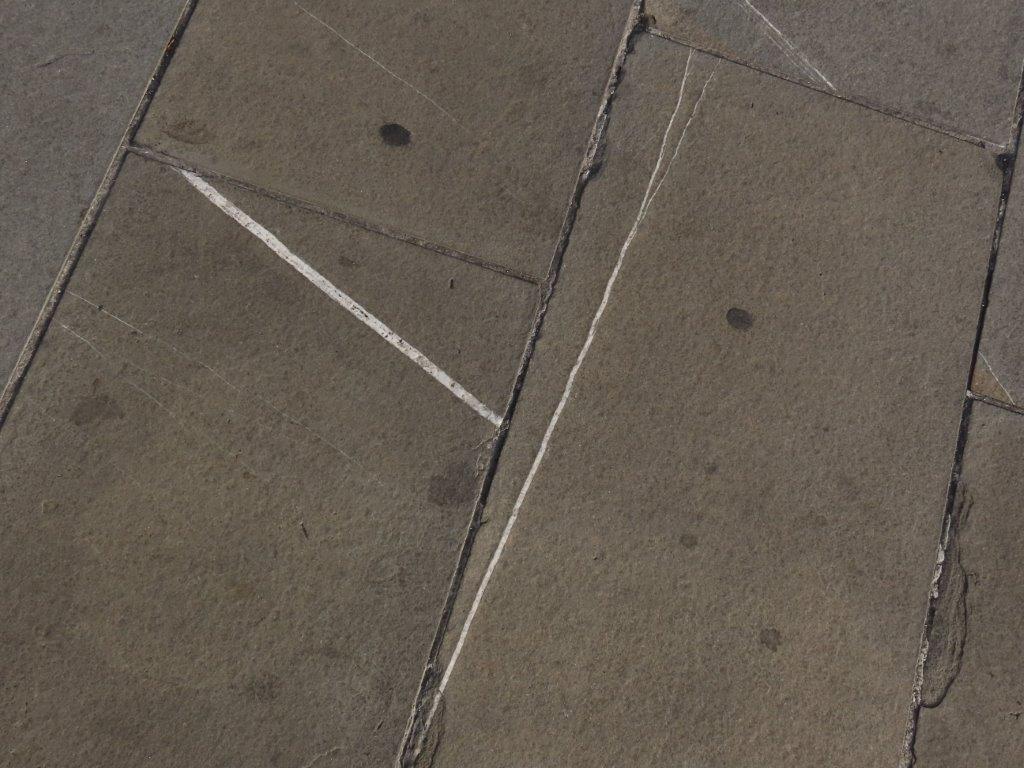
The promenade has its own art, both sculptural and horizontal, in the form of quartzite seams spearing through the flagstones:
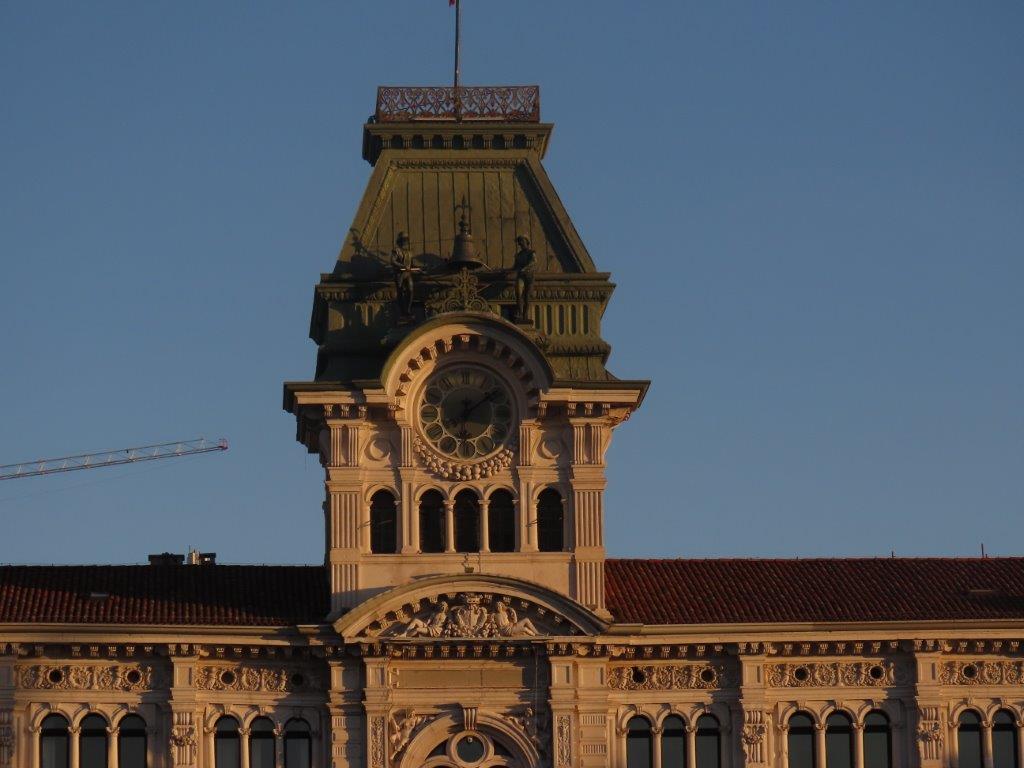
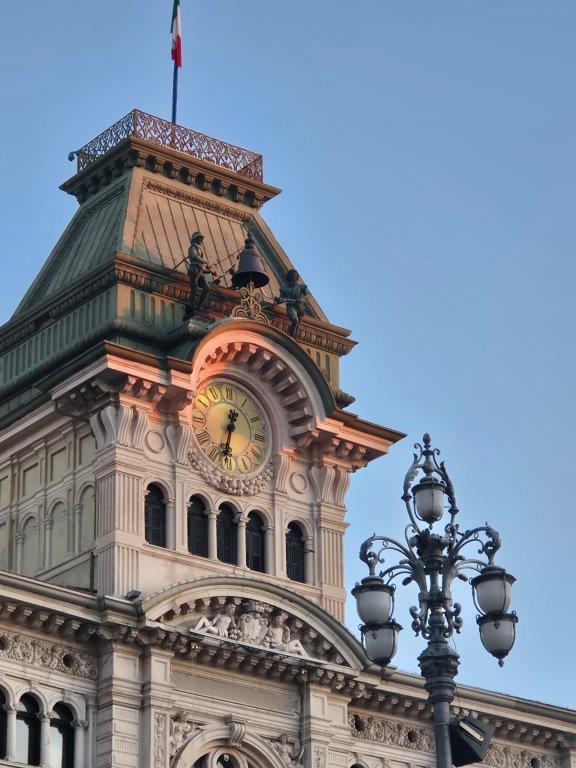
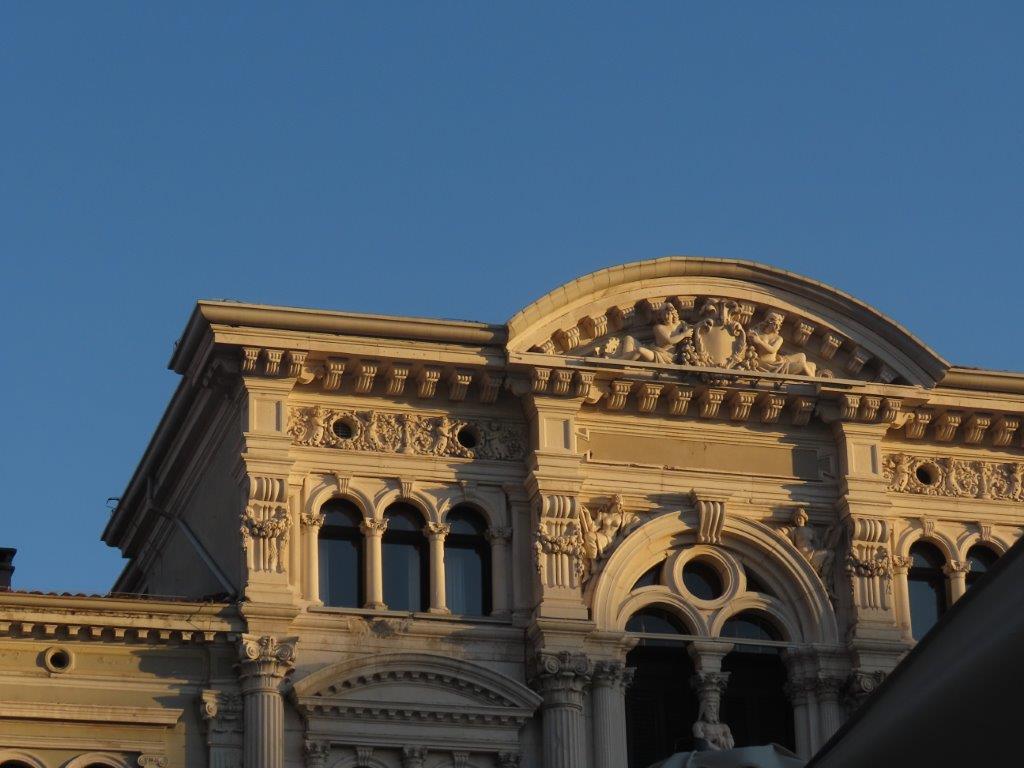
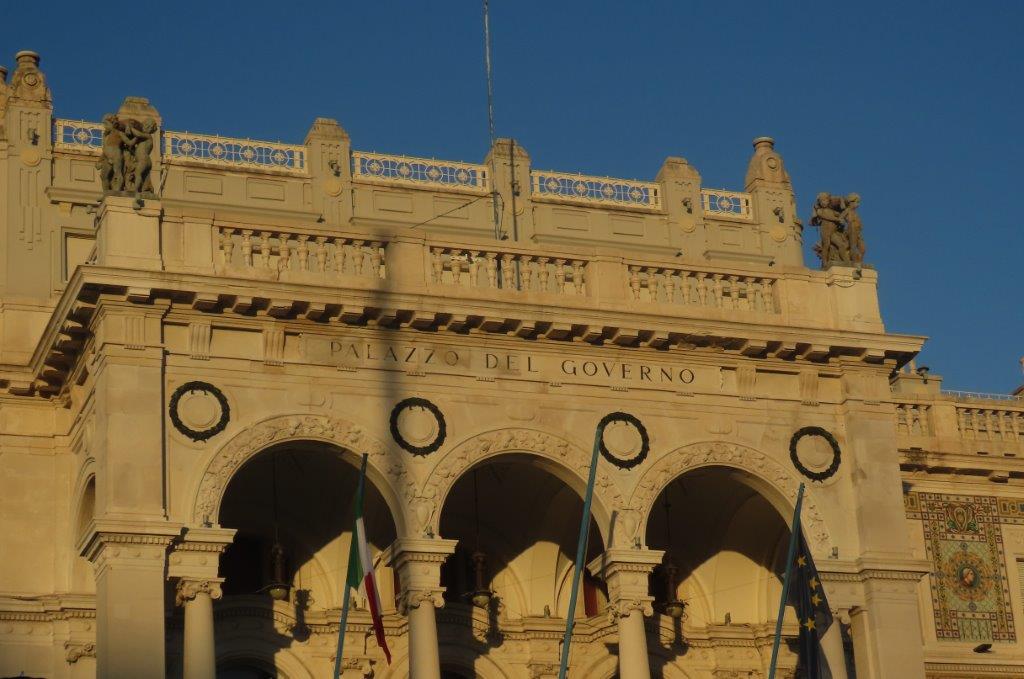
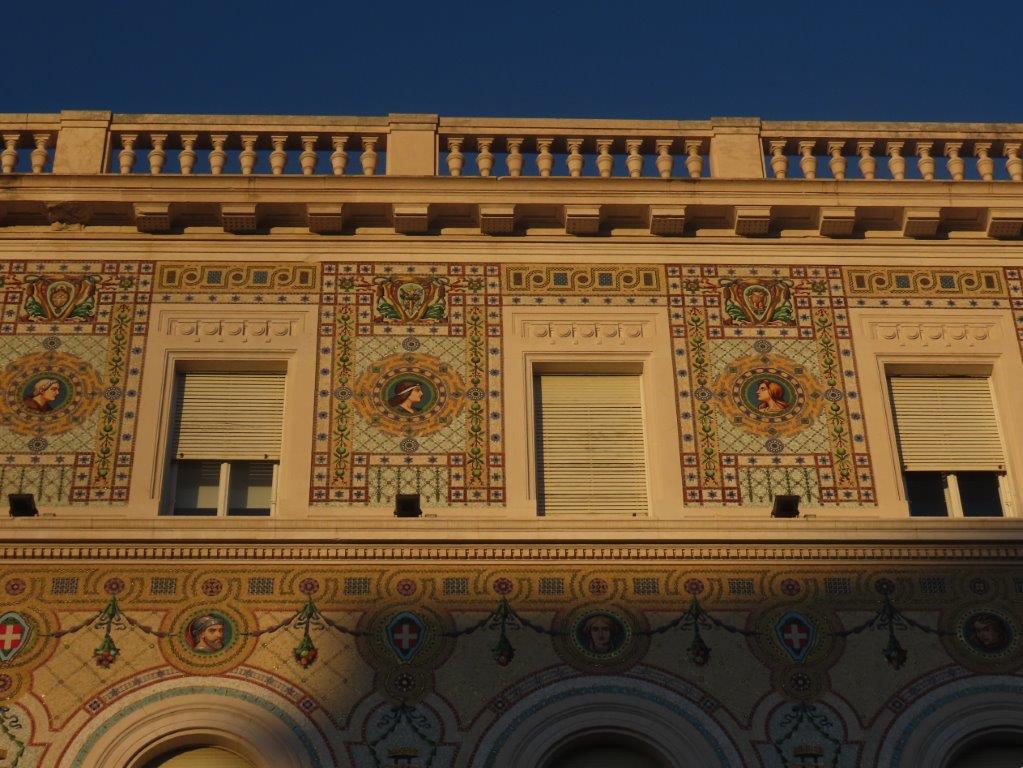
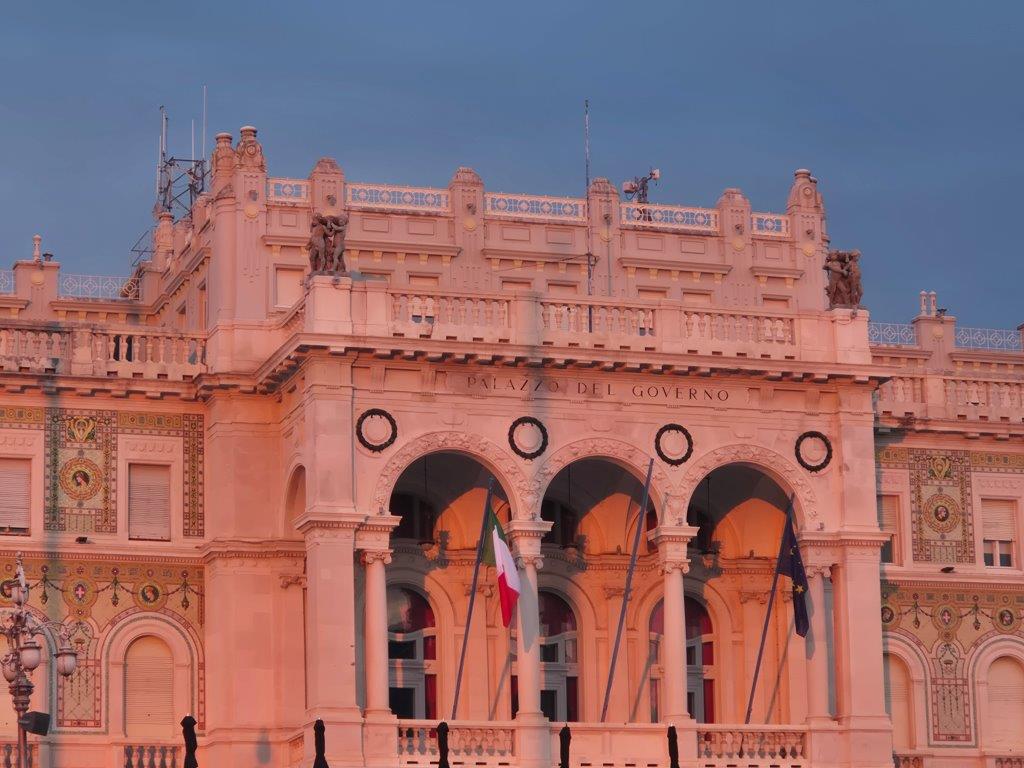
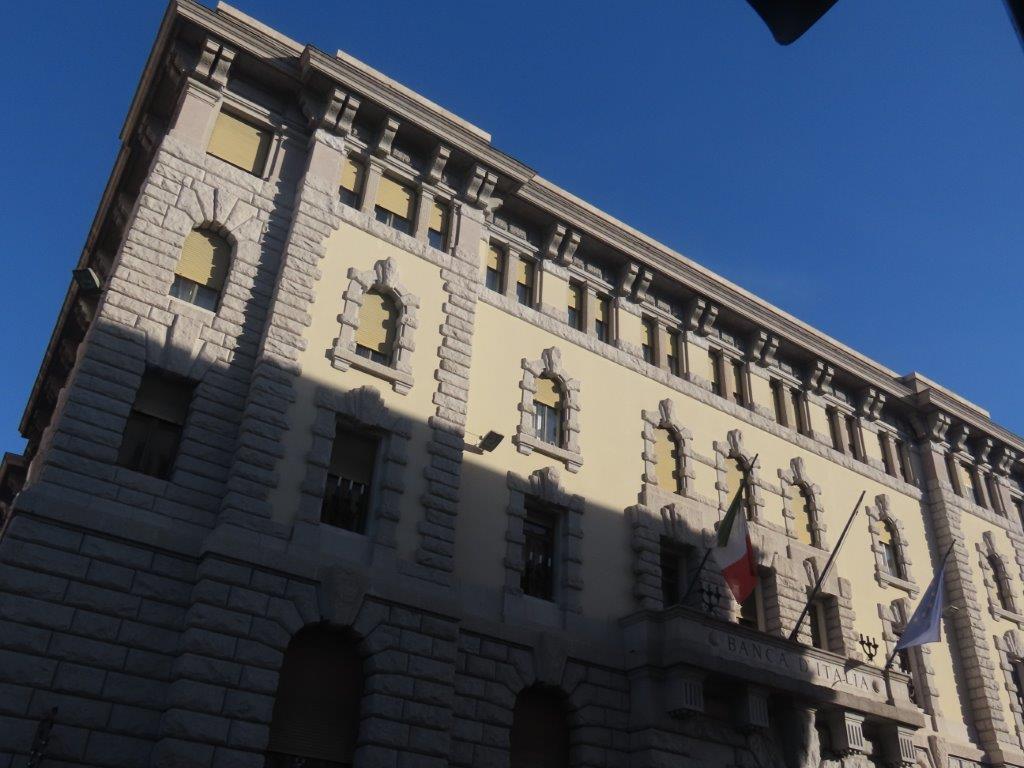
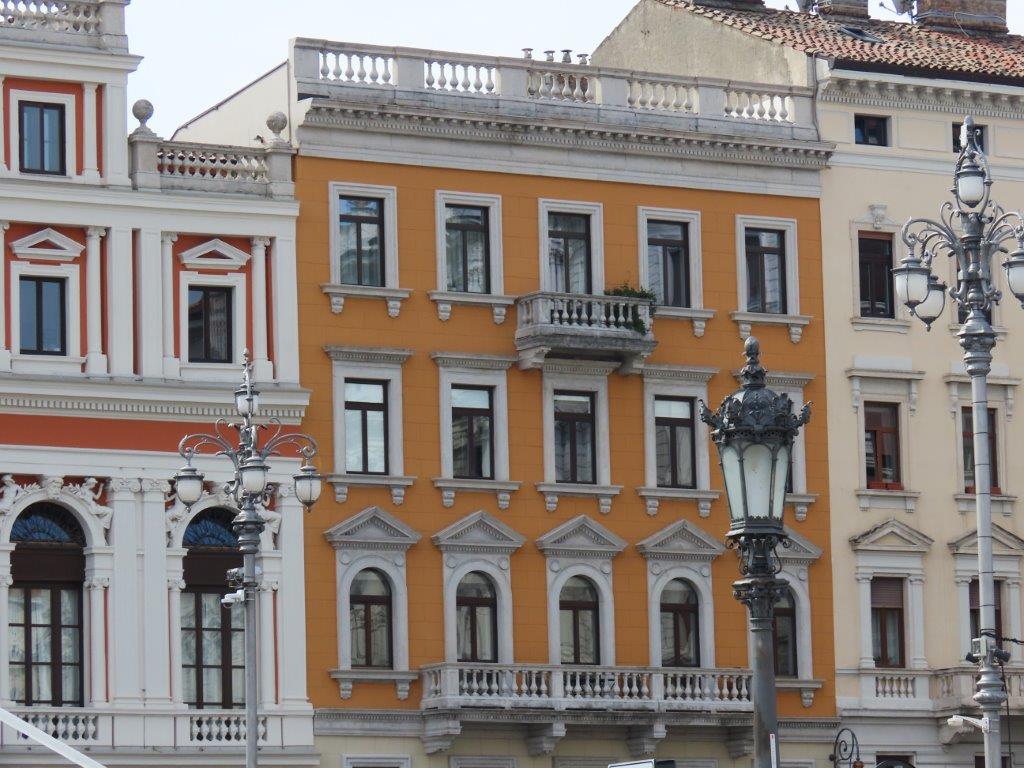
Moving inland, across the road, monumental historic buildings are everywhere, many in a baroque Austro-Hungarian style from the latter part of the 19th century. Around the Piazza Unità d’Italia, for example, sit both the City Hall and the Palazzo del Governo, with its colonnades and intricate mosaics, and capturing the glow of the setting sun in its limestone blocks.
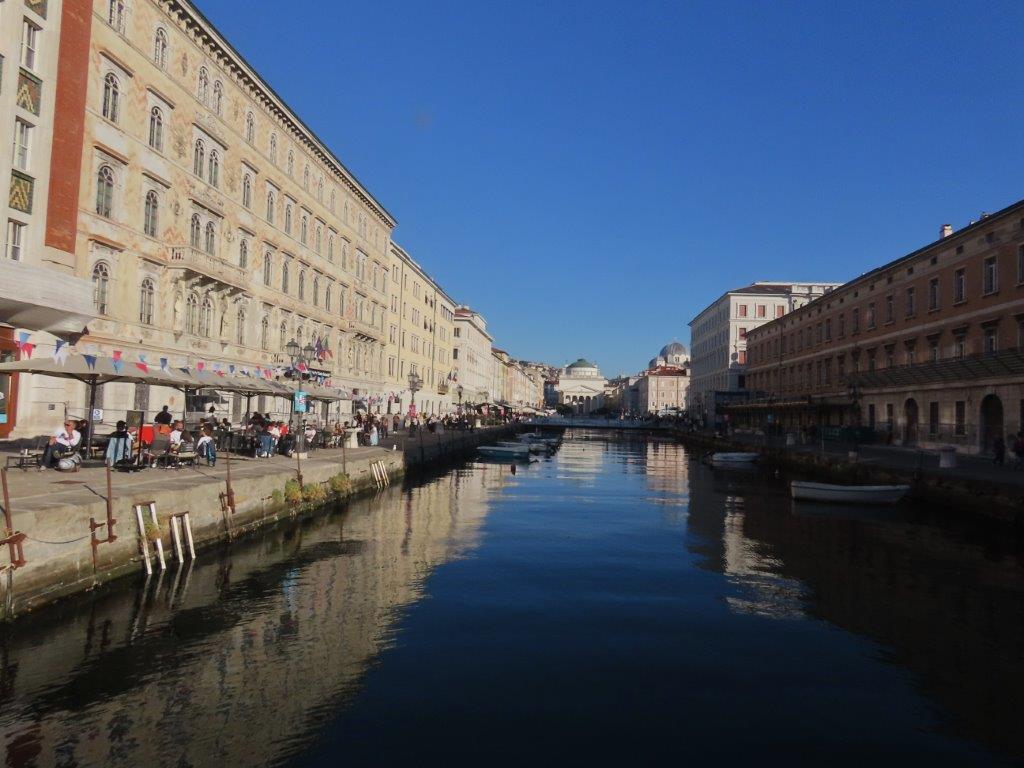
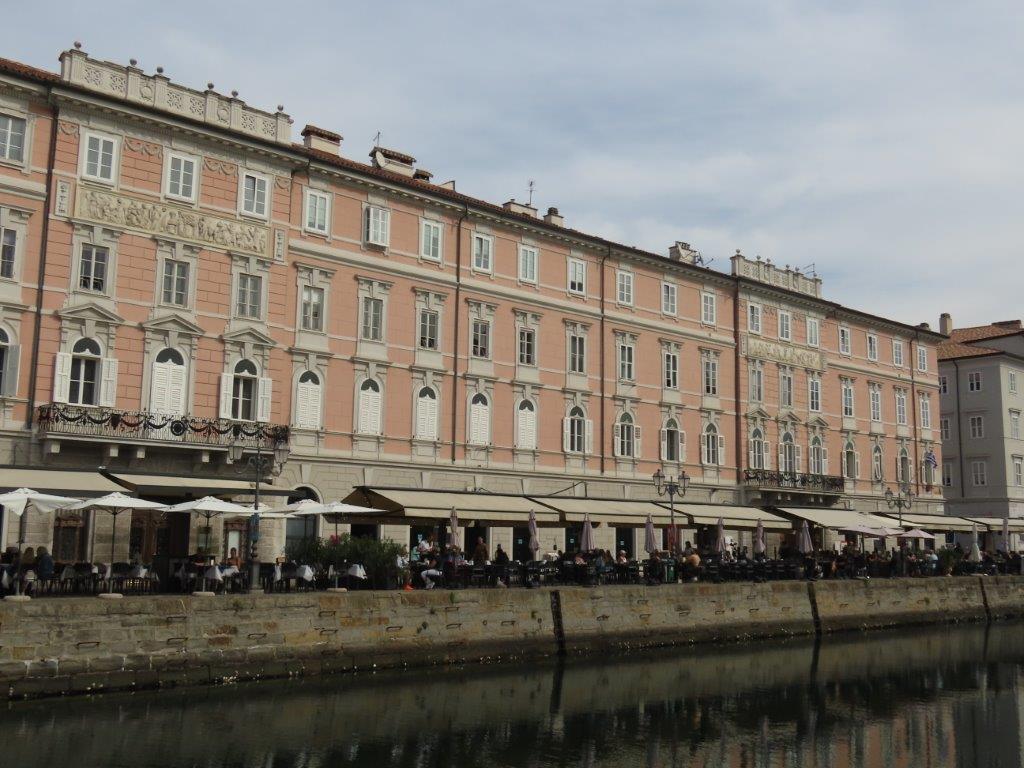
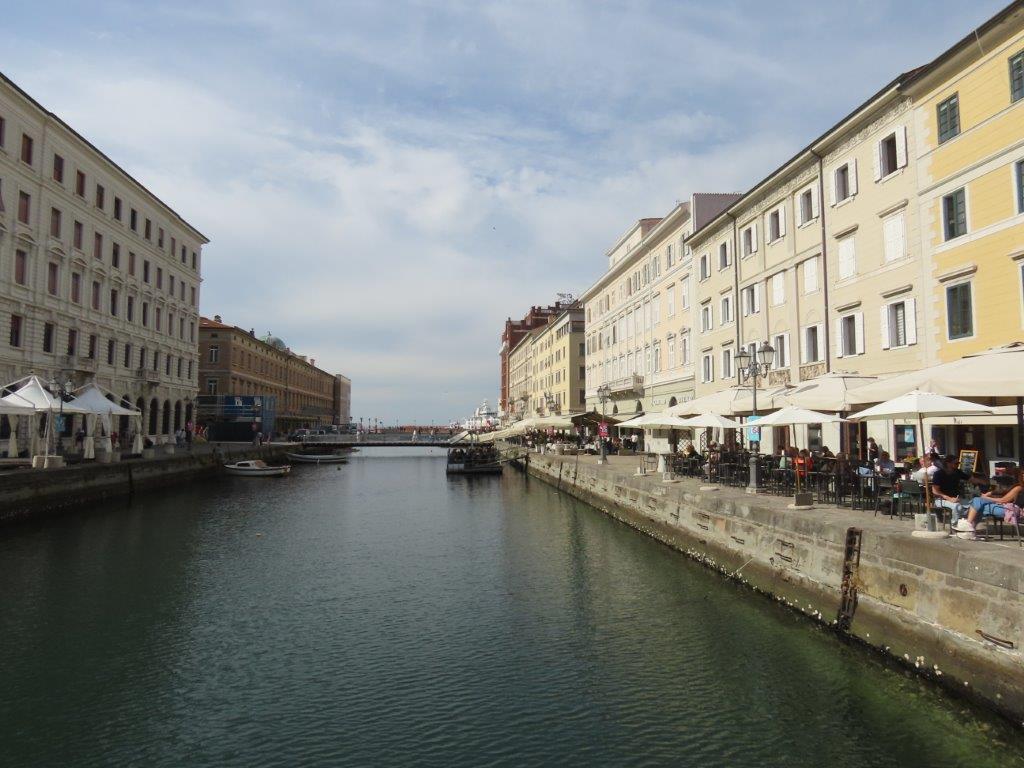
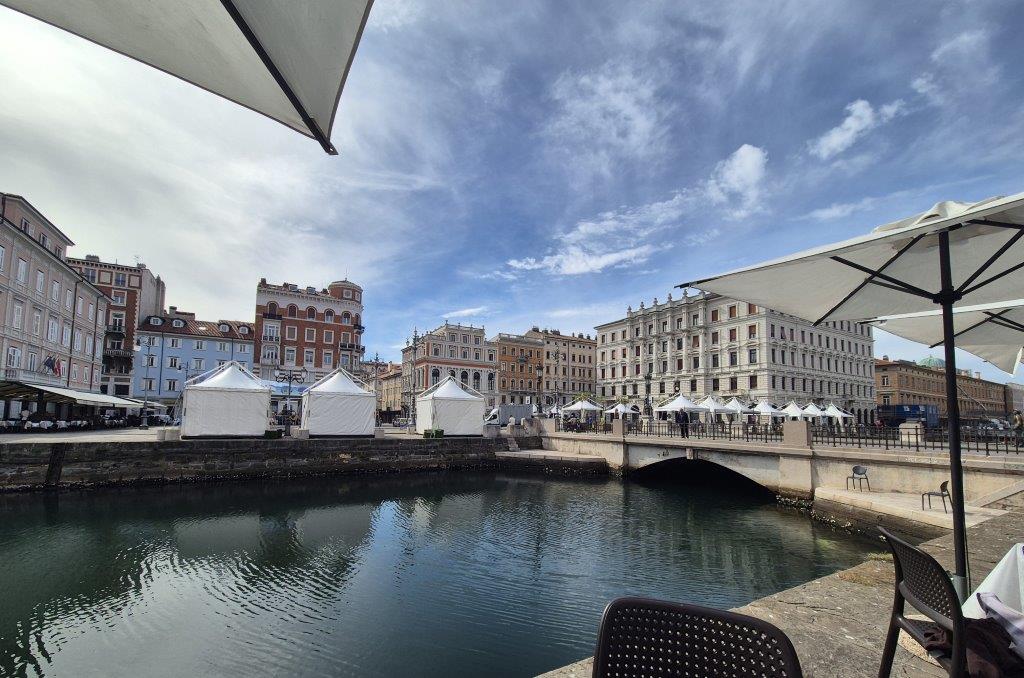
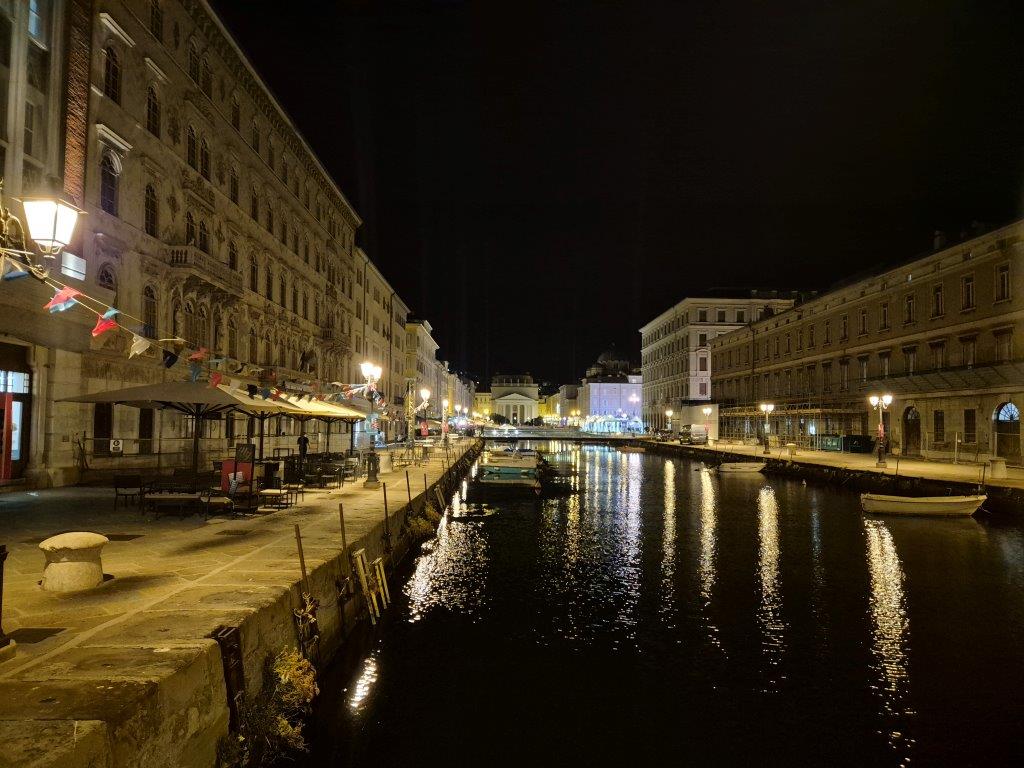
A centrepiece of the waterfront is the Canal Grande completed in 1756 as a sea-trading dock, and now surrounded by another array of historic buildings and eating establishments:
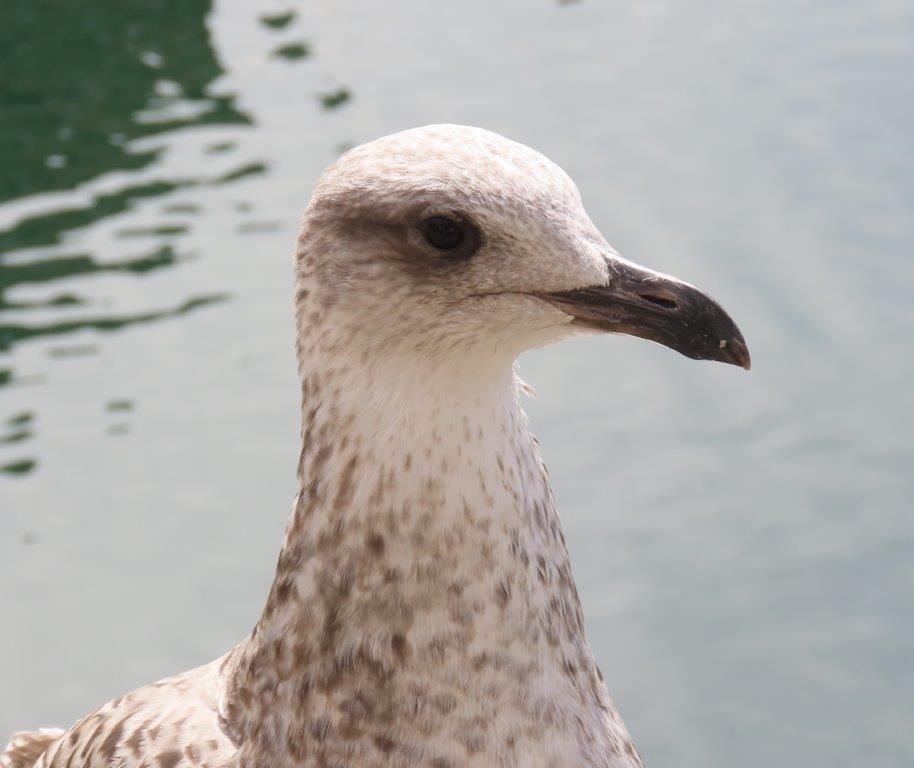
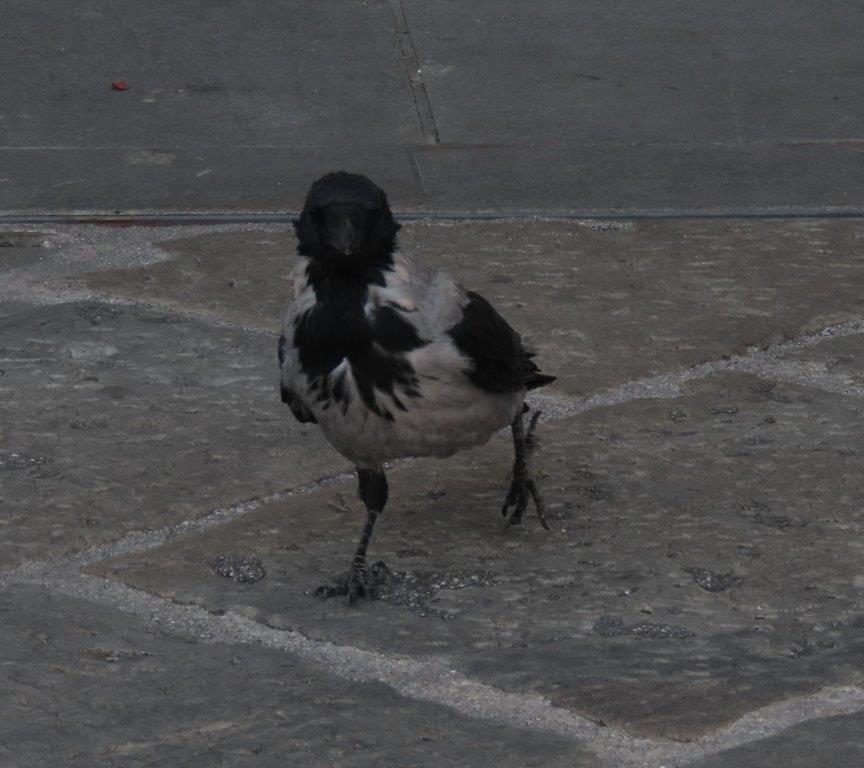
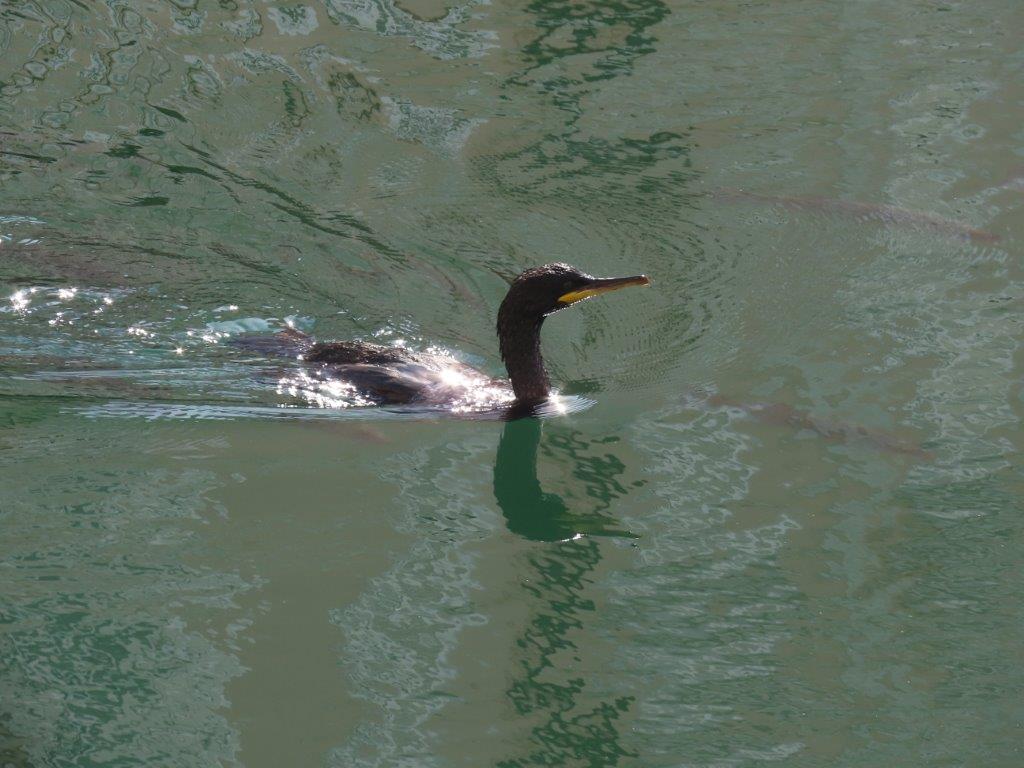
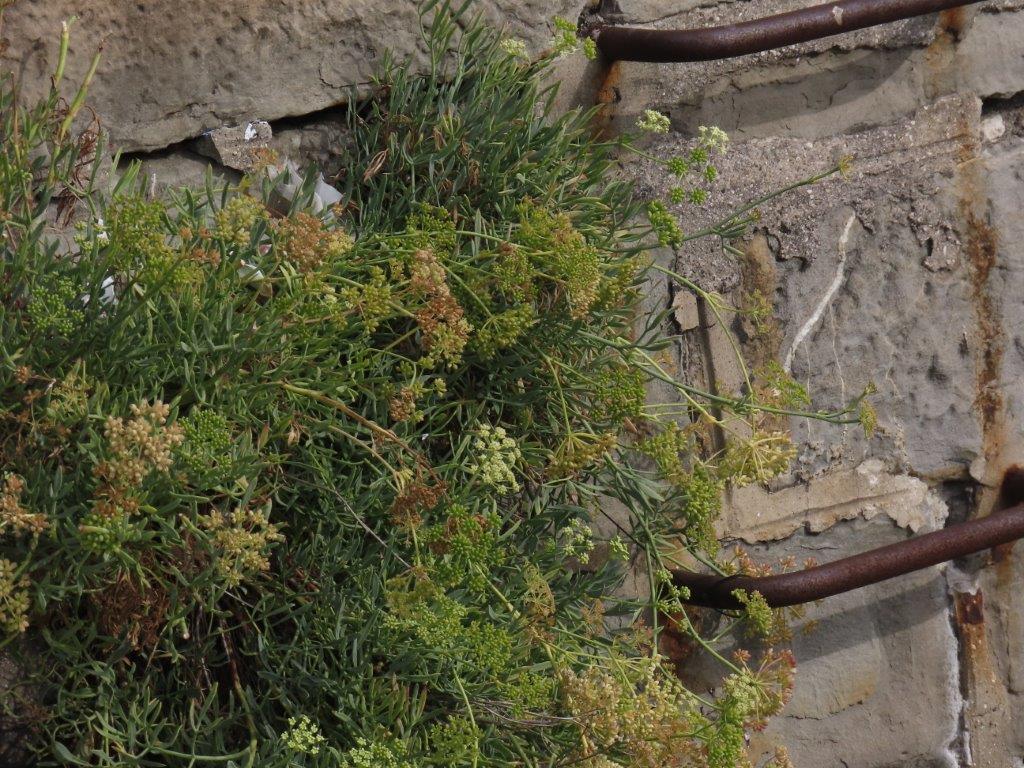
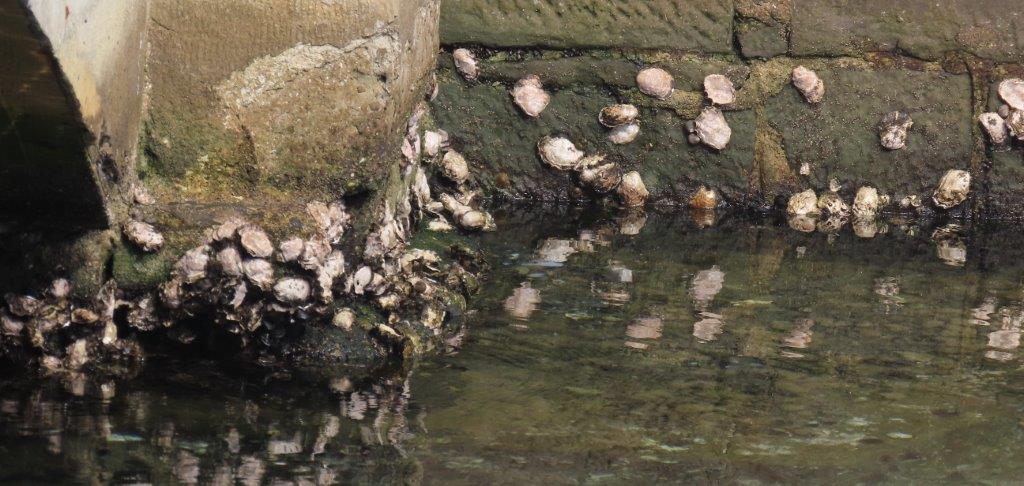
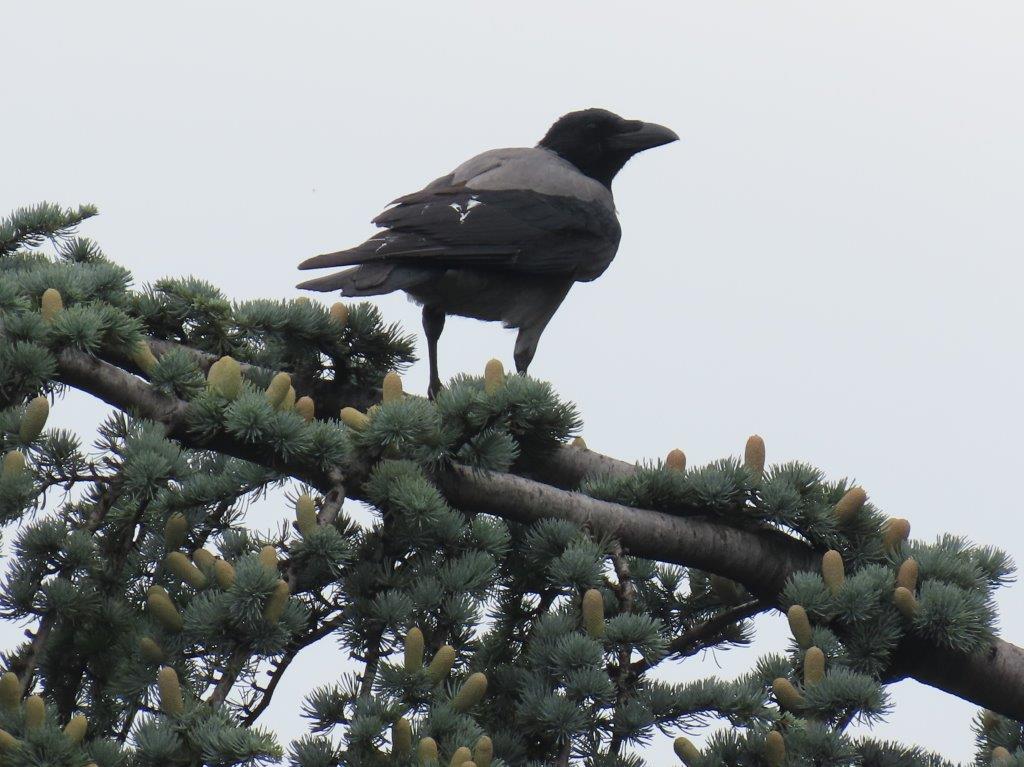
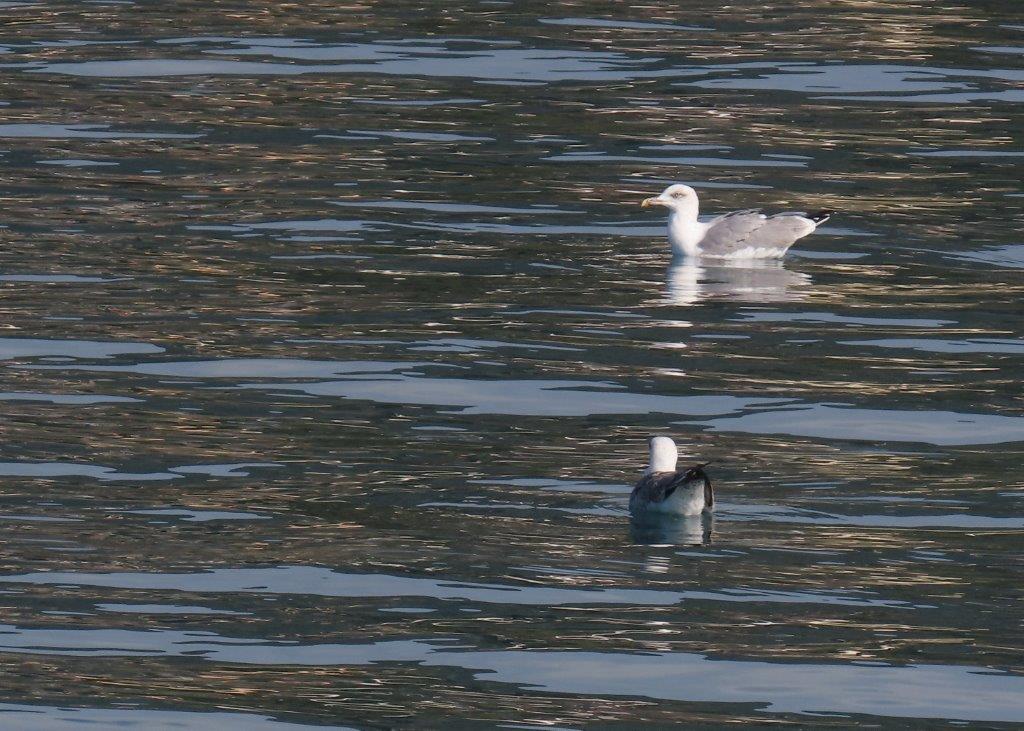
Of course we made full use of the restaurants, both by day and by night: a perfect combination of pasta or pizza and seafood. And especially by day enjoying the scavenging antics of Yellow-legged Gulls and Hooded Crows and fishing Mediterranean Shags, while the walls of the canal revealed Rock Samphire and Pacific Oysters, a gastronomic combination seemingly not on offer on dry land.
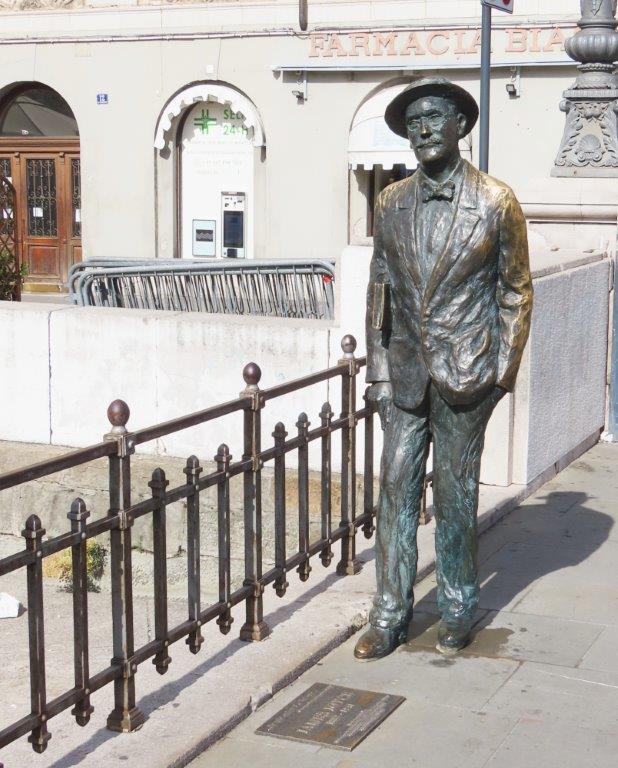
But perhaps the greatest delight came just along from the James Joyce statue, the best ice-cream we have ever tasted, from the Bar le Delizie. Sadly no photos, as the late afternoon sun was melting them rapidly, but my two scoops of white chocolate and lemon were superb, and Jude felt the same about her dark chocolate with yoghurt and berries. We felt that the ice-cream slot on our holiday food scorecard was comprehensively ticked!
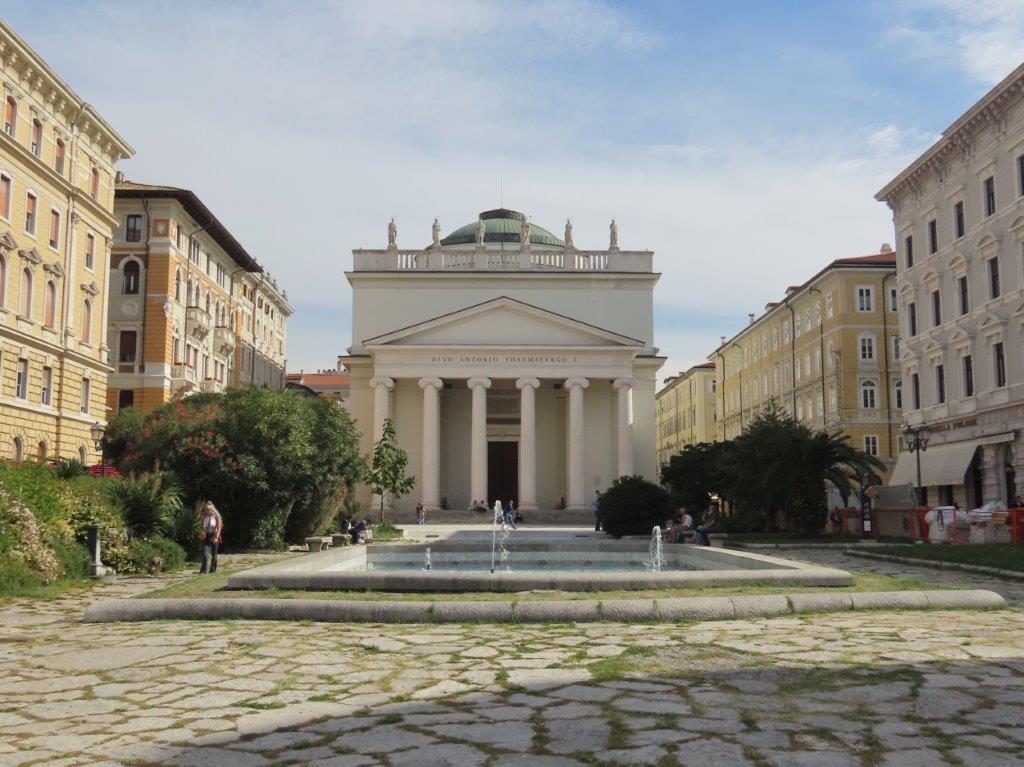
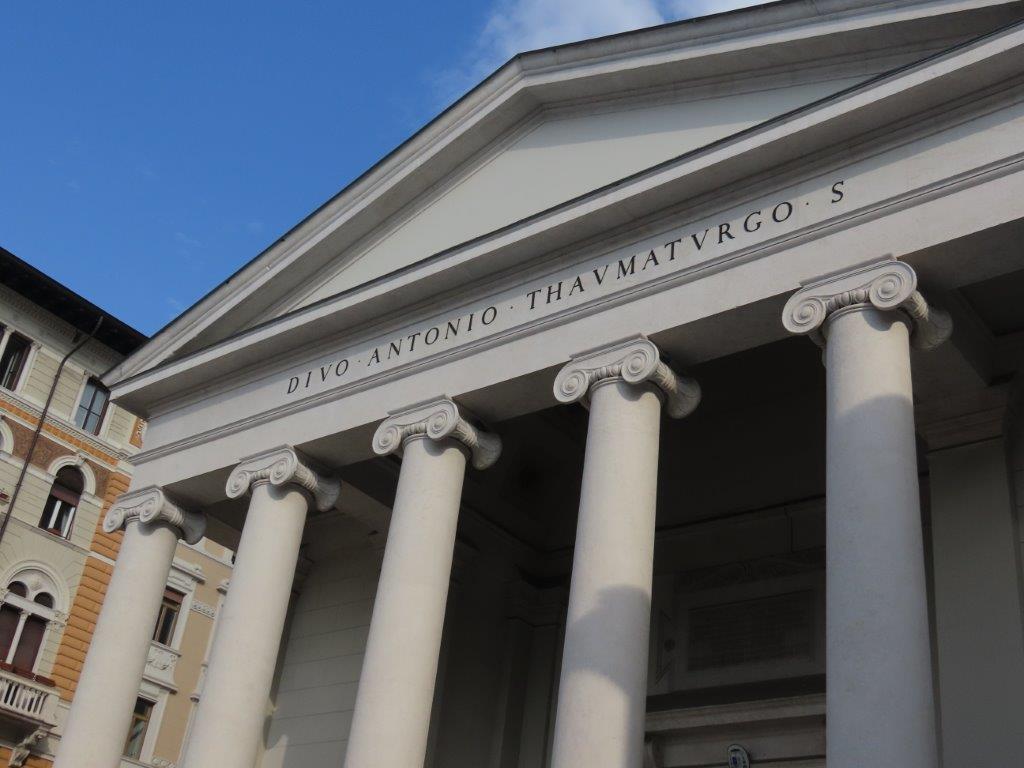
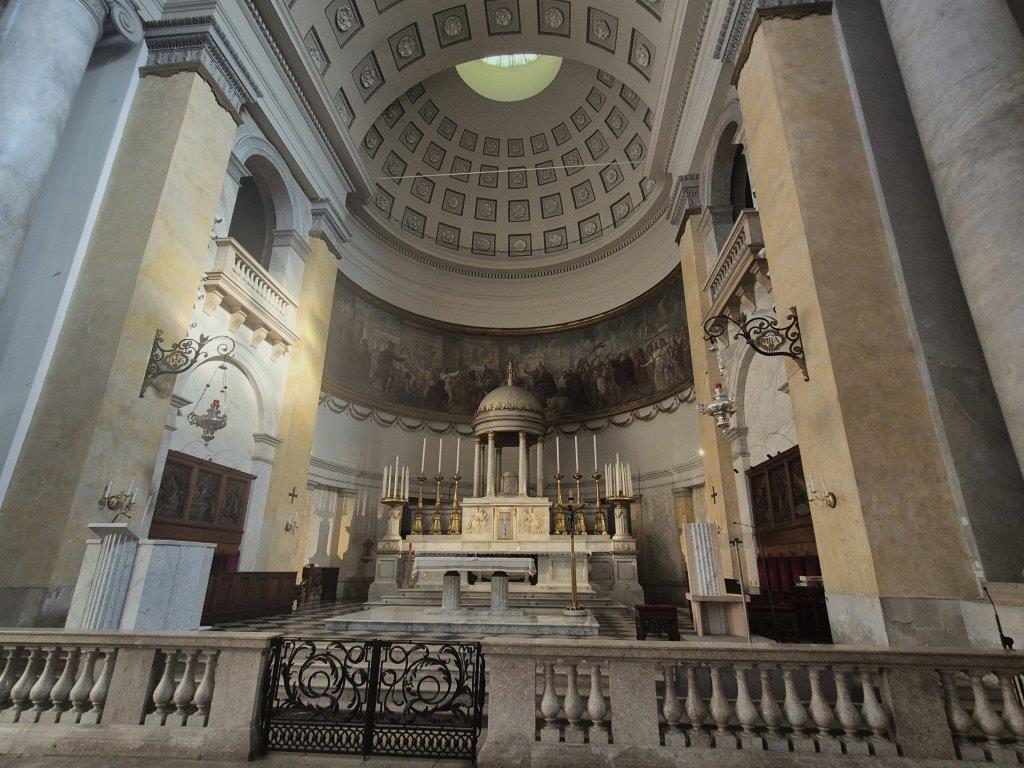
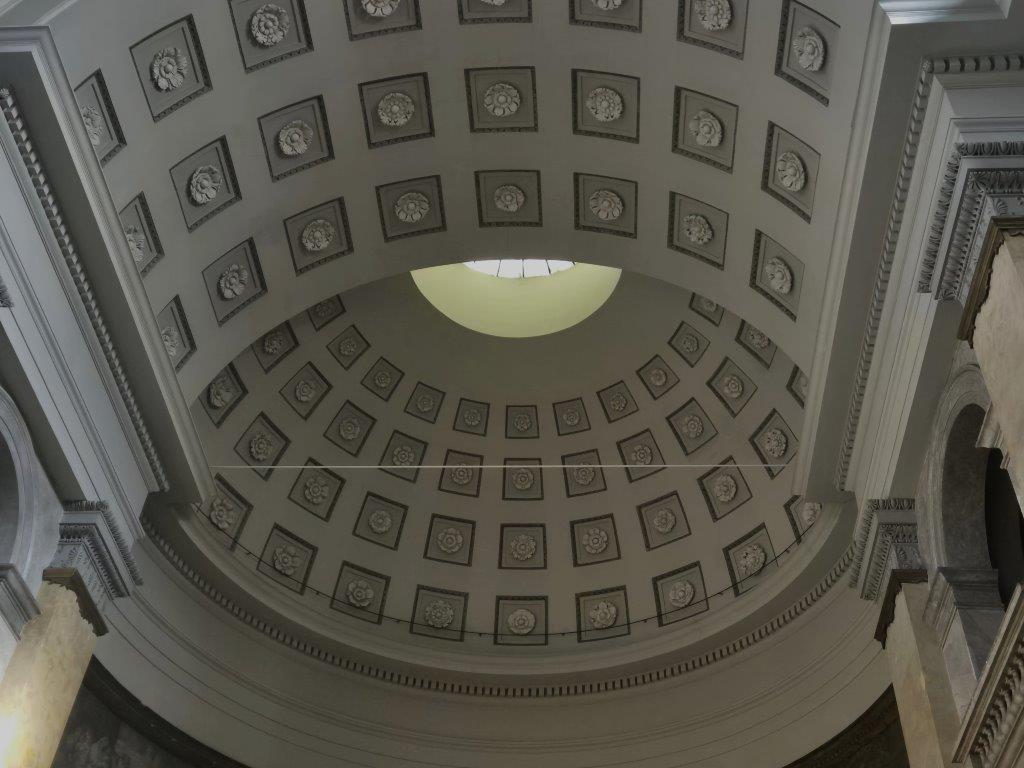
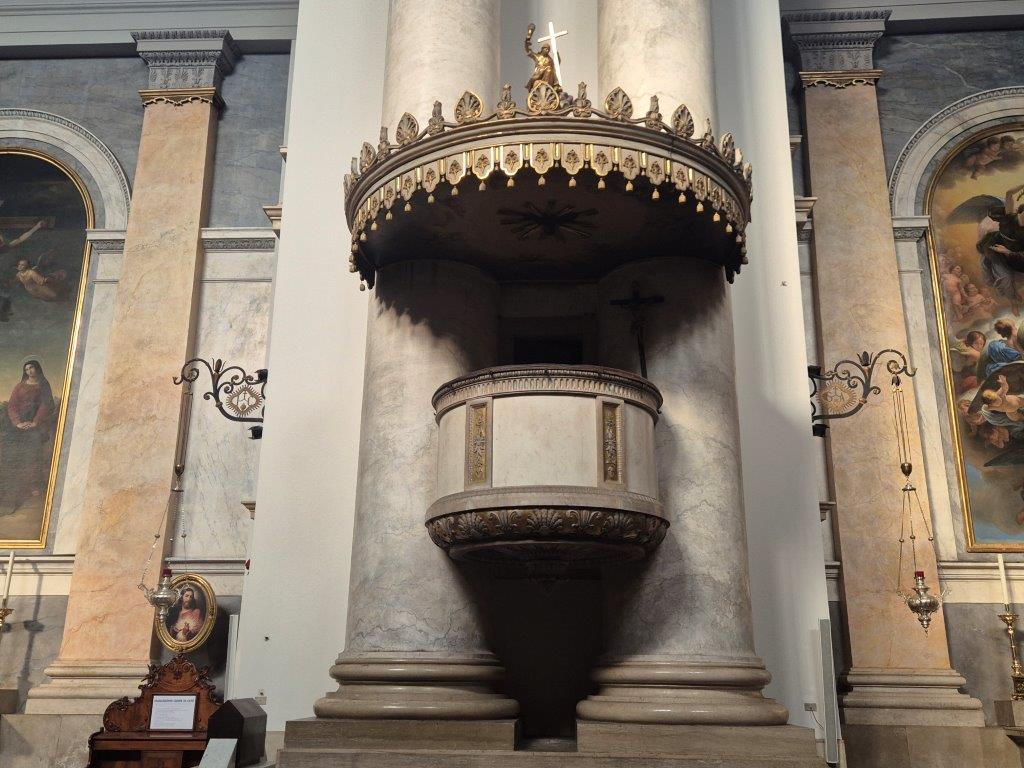
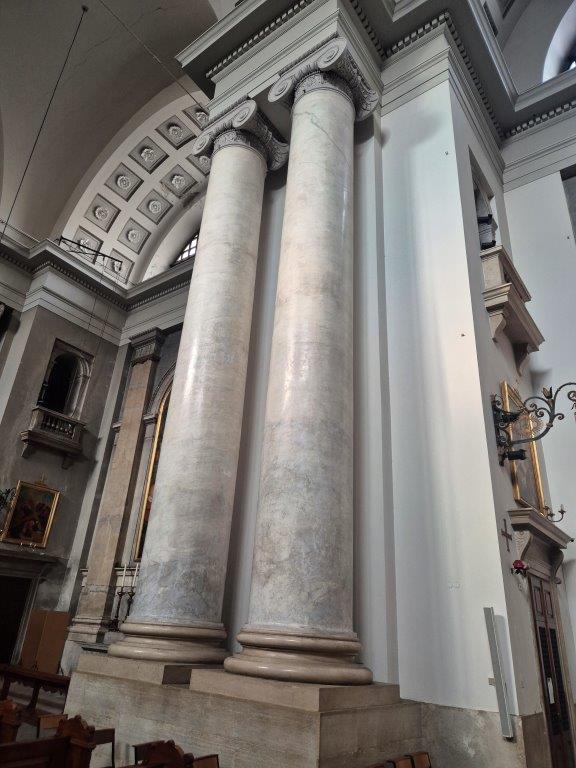
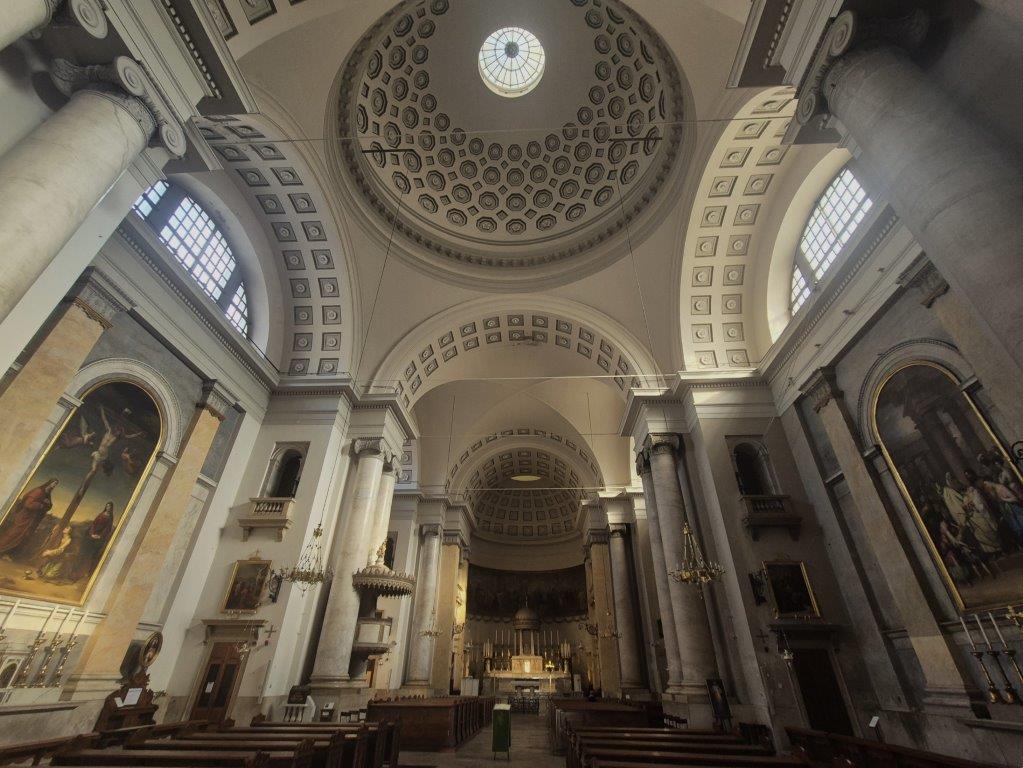
The reason we were dawdling with beer and then ice-cream by the canal in late afternoon was that we were waiting for the two churches that overlook it to open. Sant’Antonio Taumaturgo stands at the former head of the canal, now overlooking a tree-fringed piazza. Dating from the early 19th century, it was imposing although in a rather lifeless way …
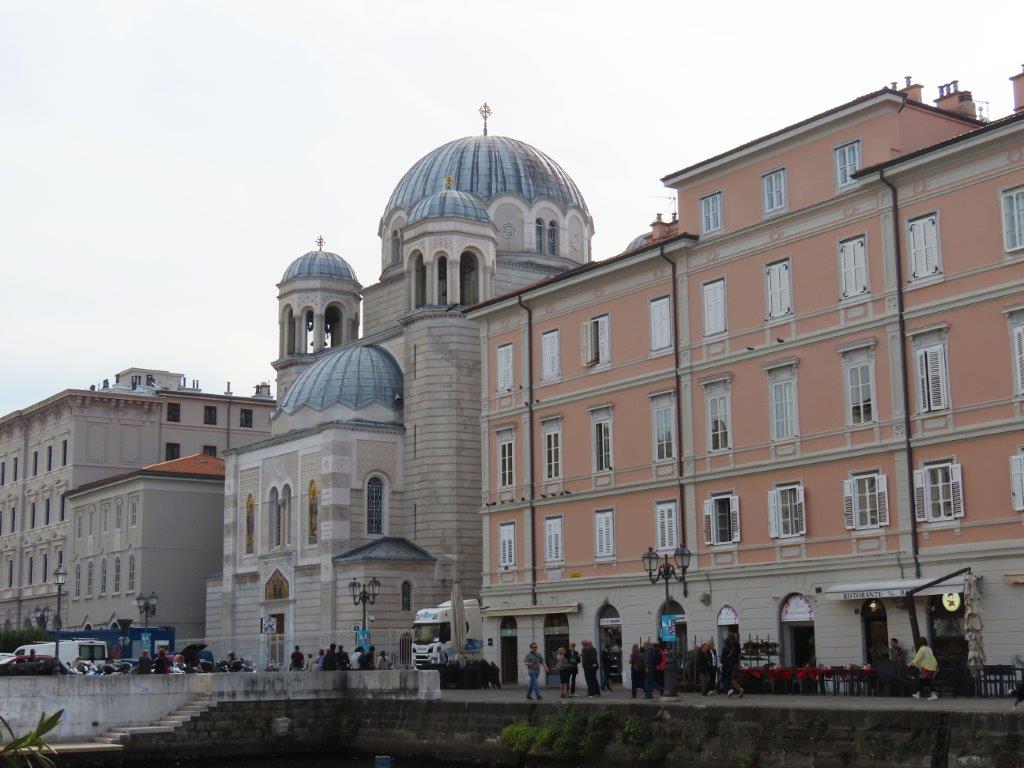
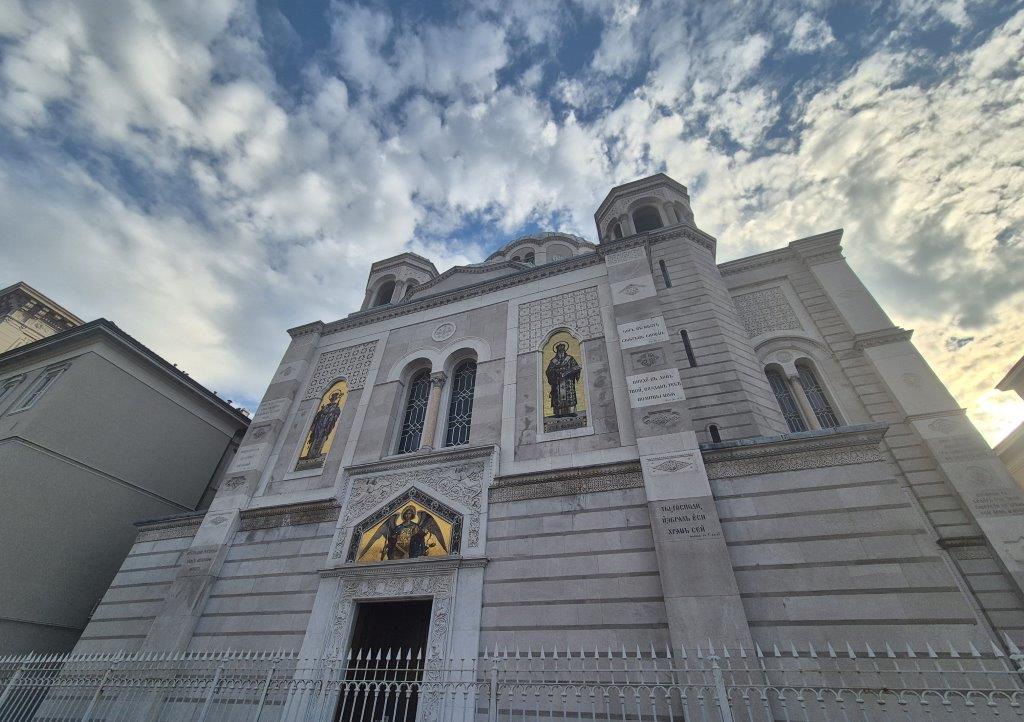
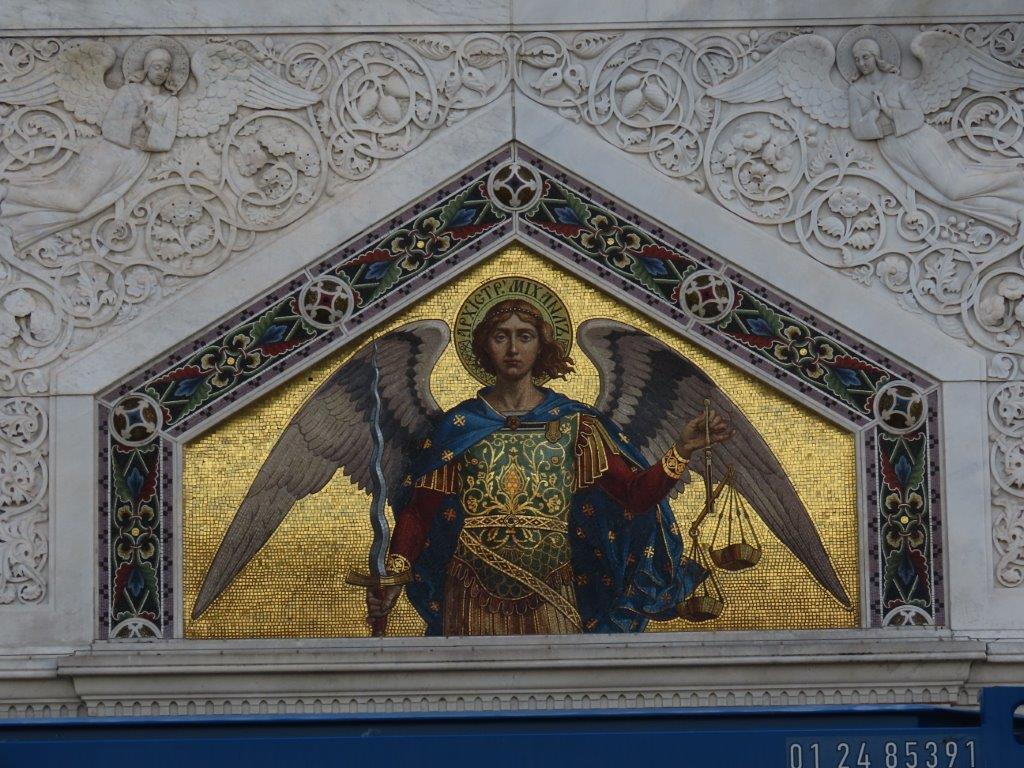
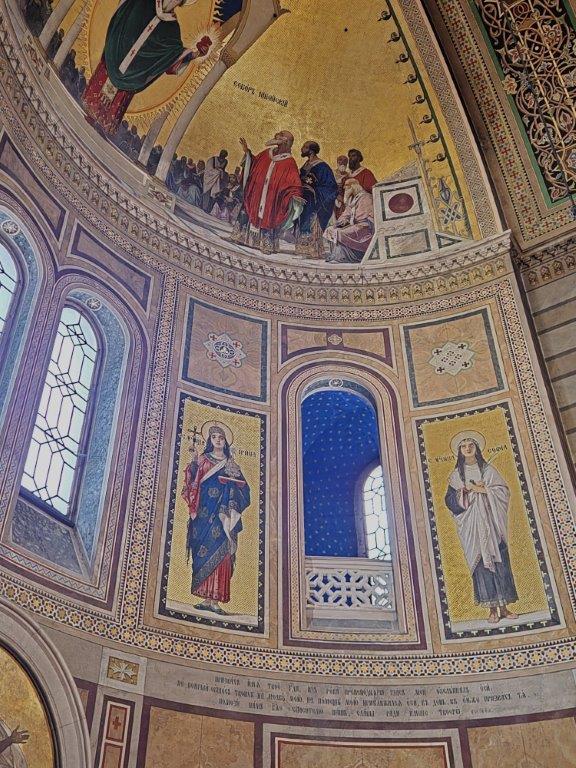
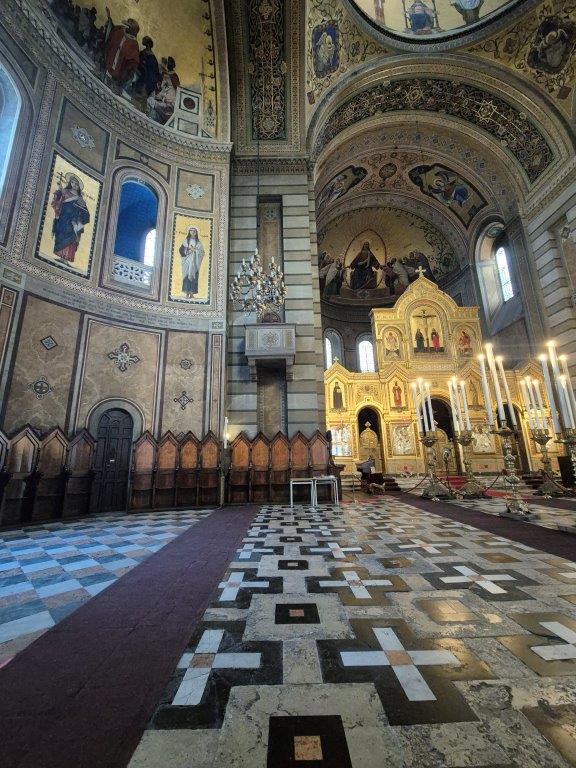
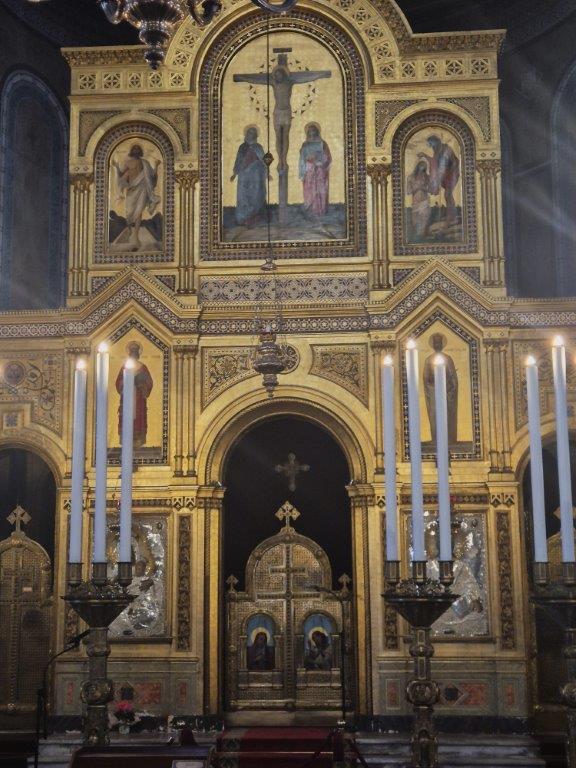
But in sharp contrast the Serbian Orthodox Saint Spyridon was full of light, music, colour and life, both inside and out.
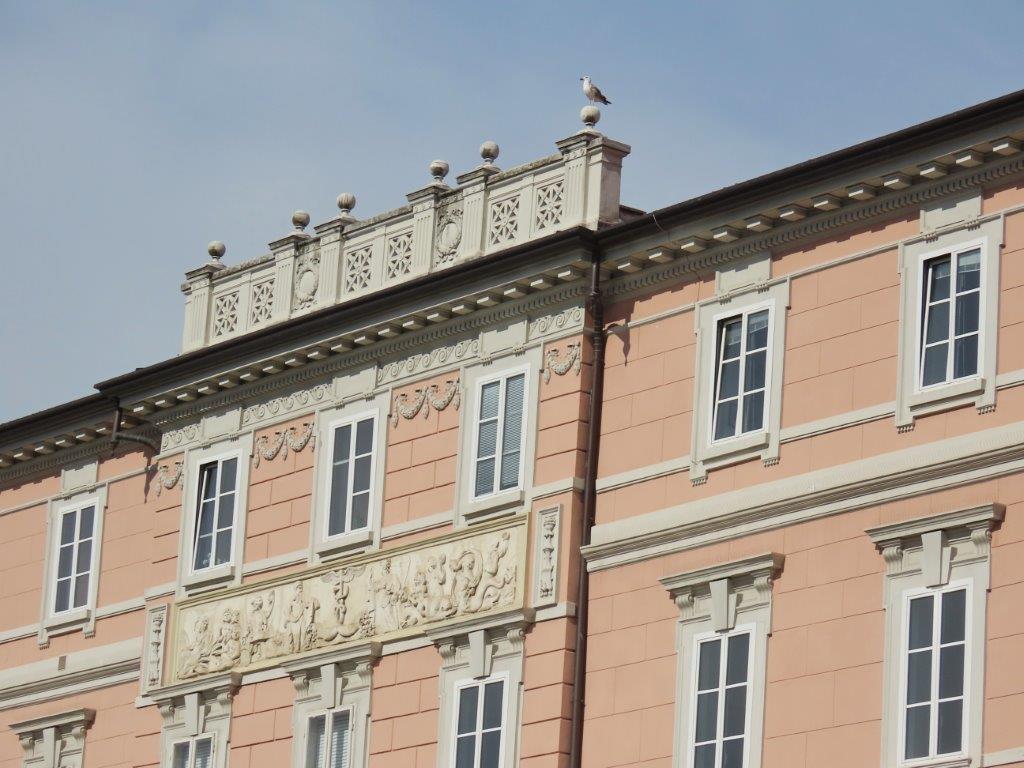
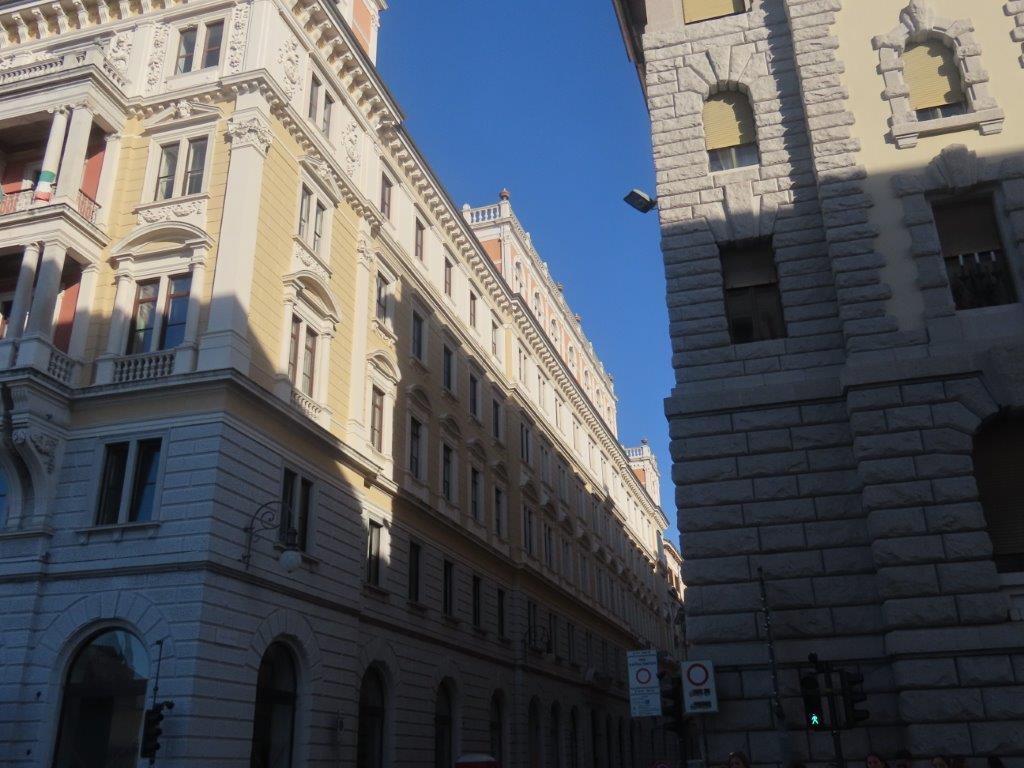
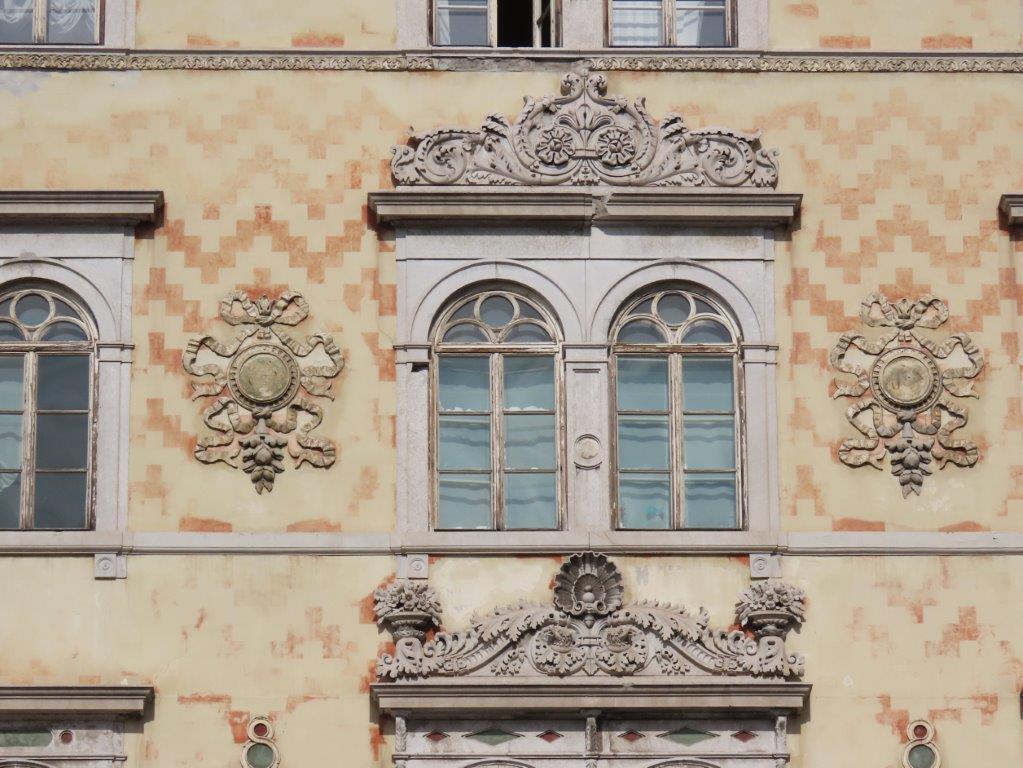
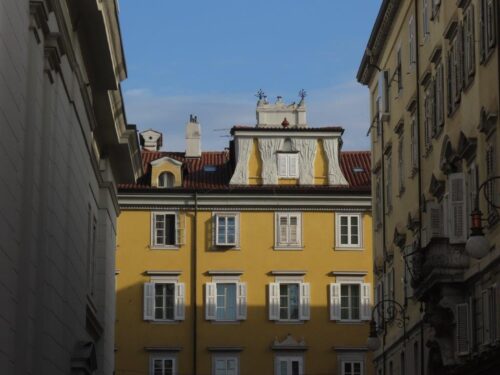
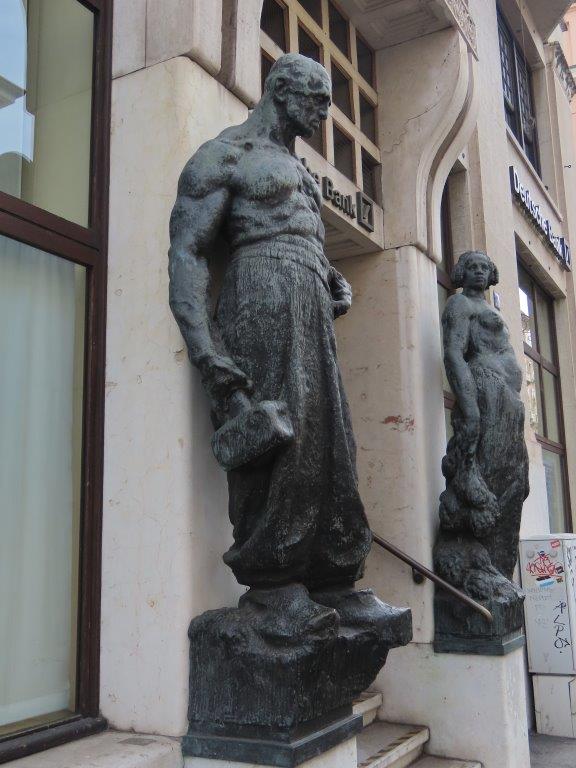
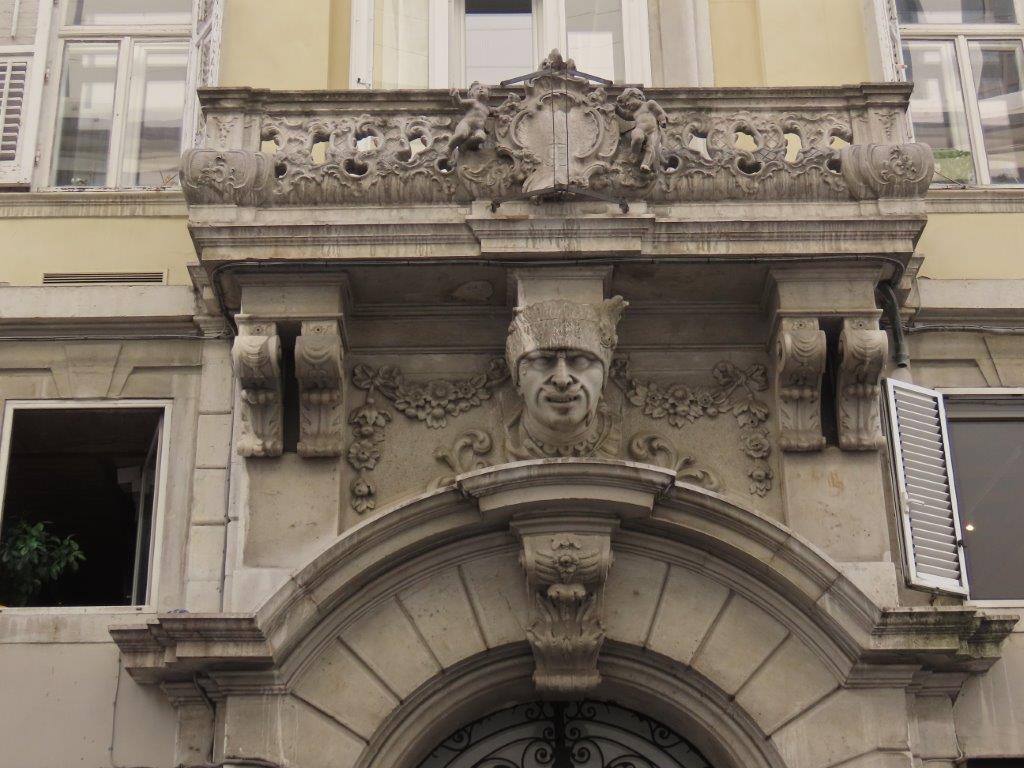
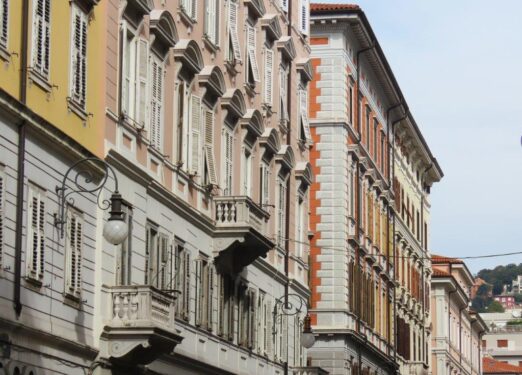
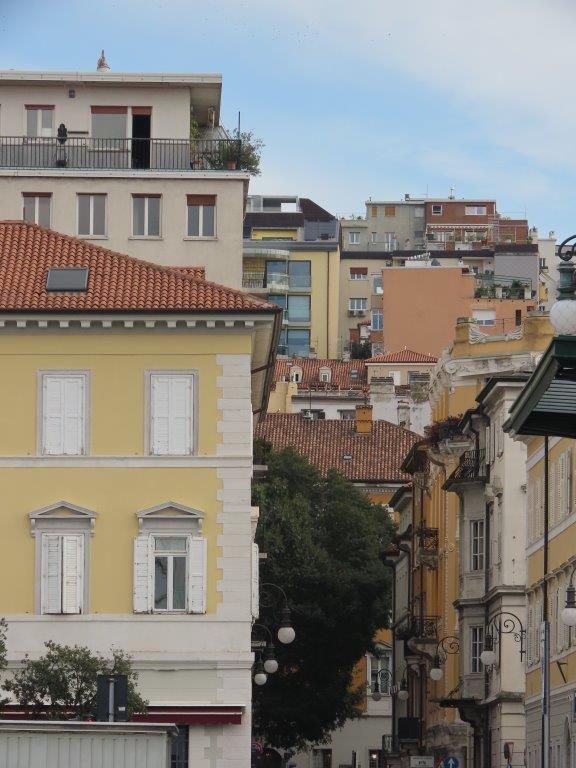
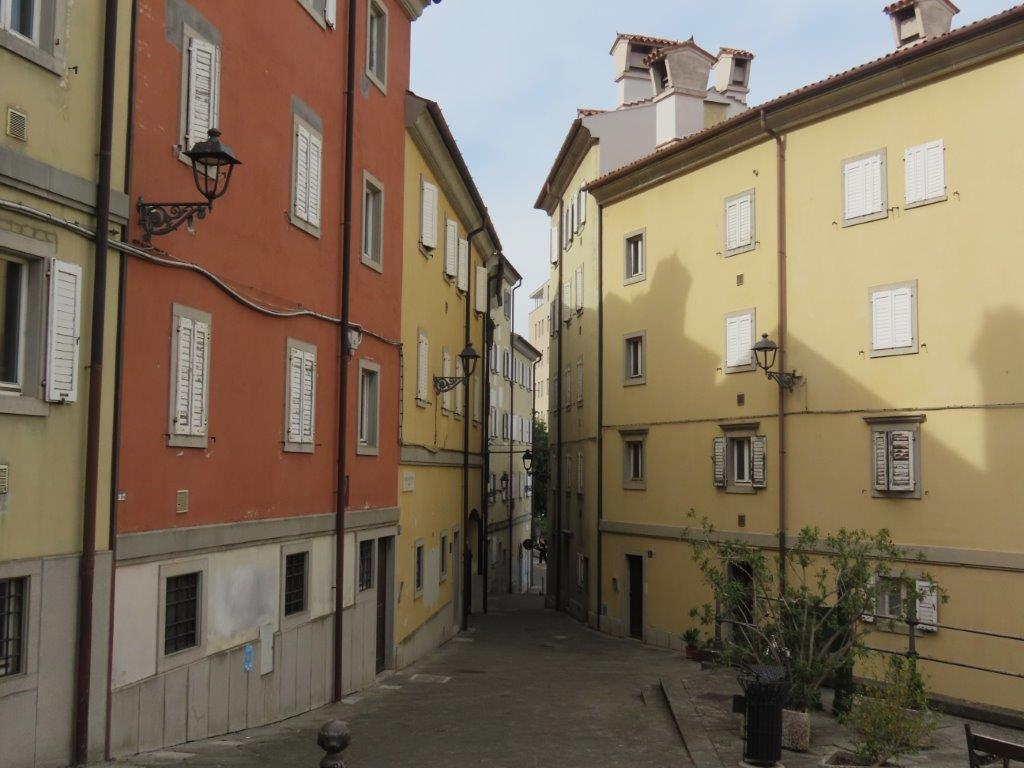
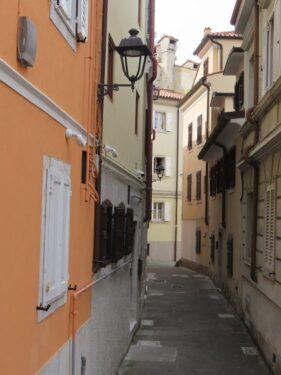
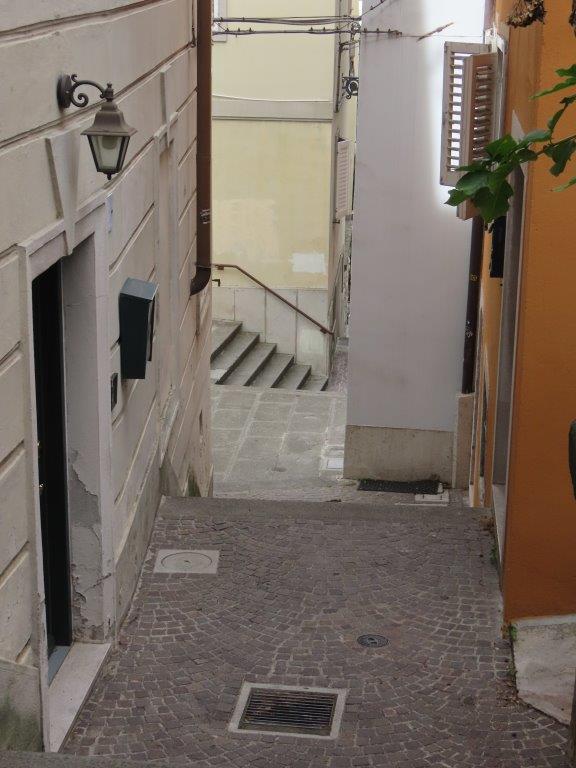
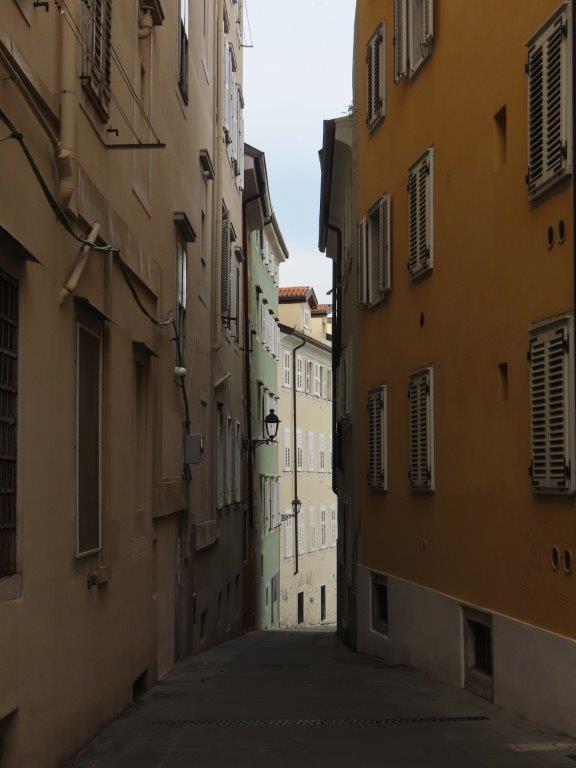
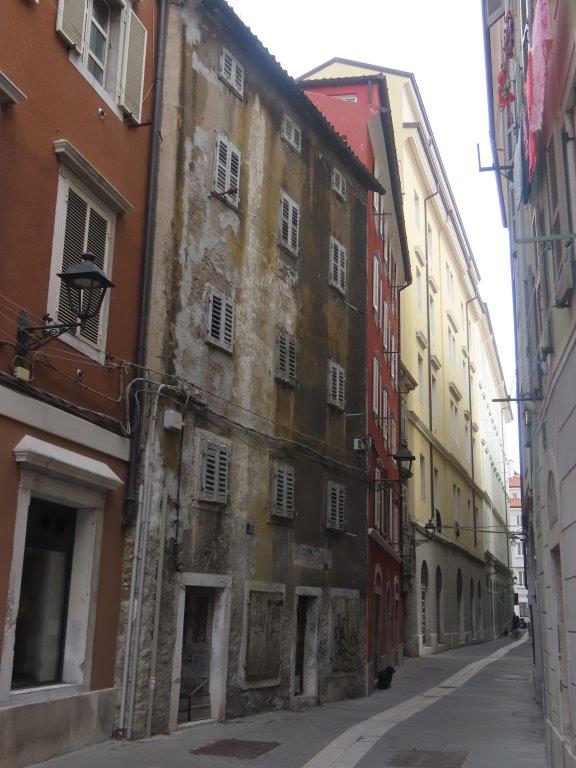
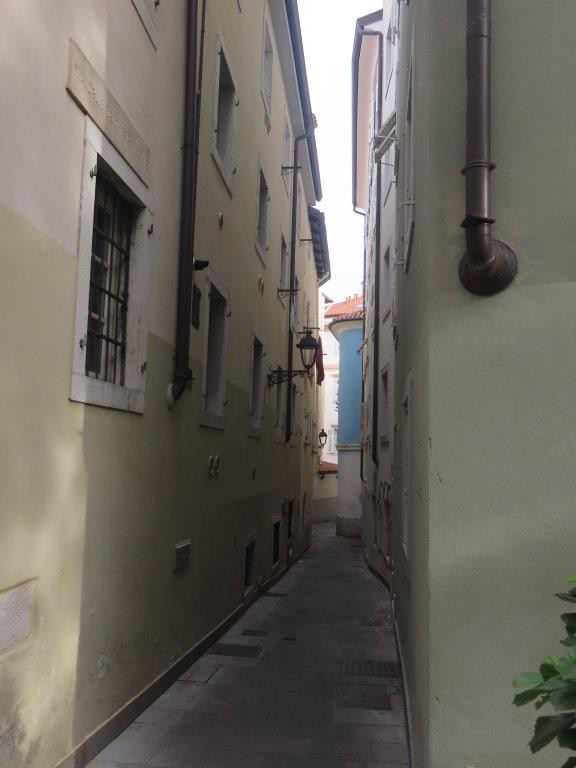
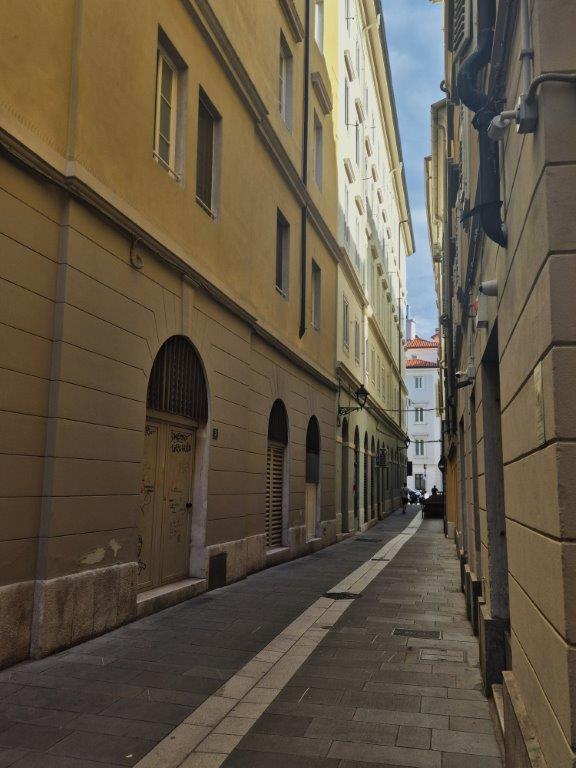
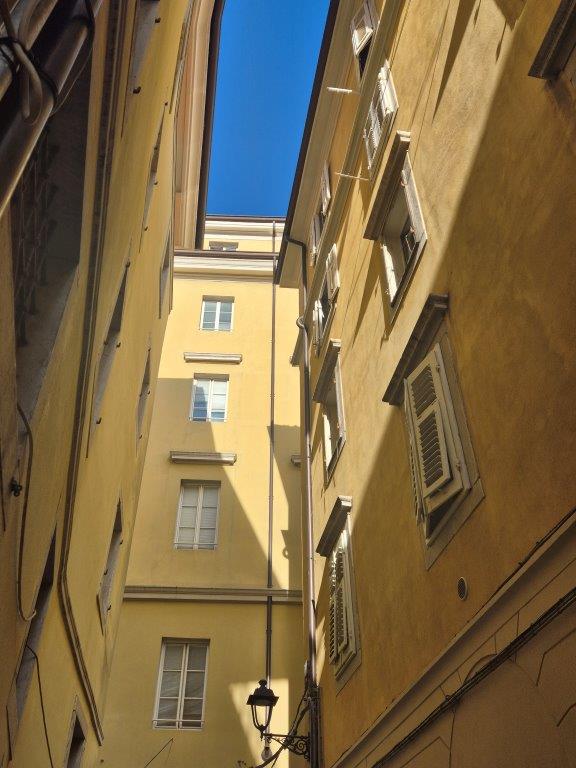
Away from the honeypot squares, fascinating architectural and artistic detail appeared in every street view. Always look up!
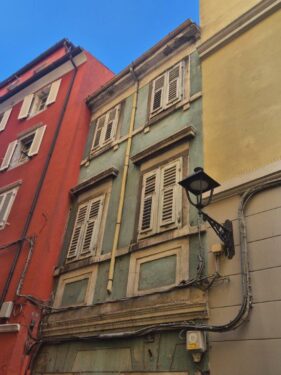
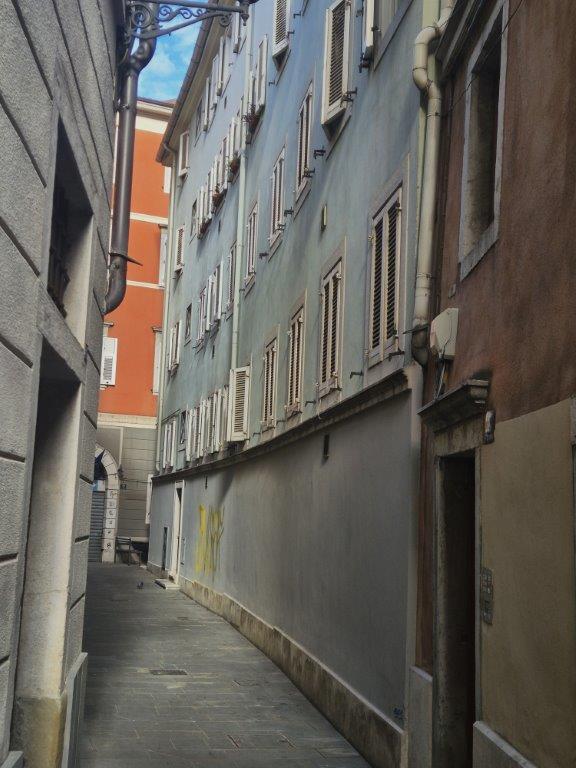
Heading further inland, the city started to rise up the slope, and largely pedestrianised streets felt more real, without the pristine veneer of the showpieces lower down:
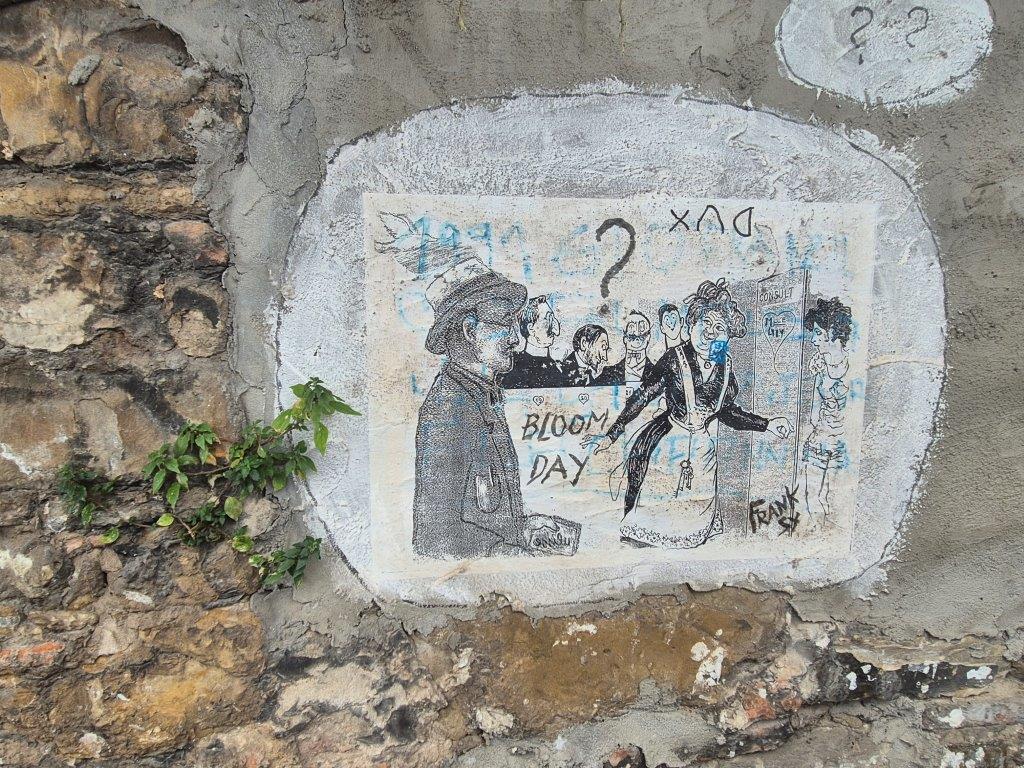
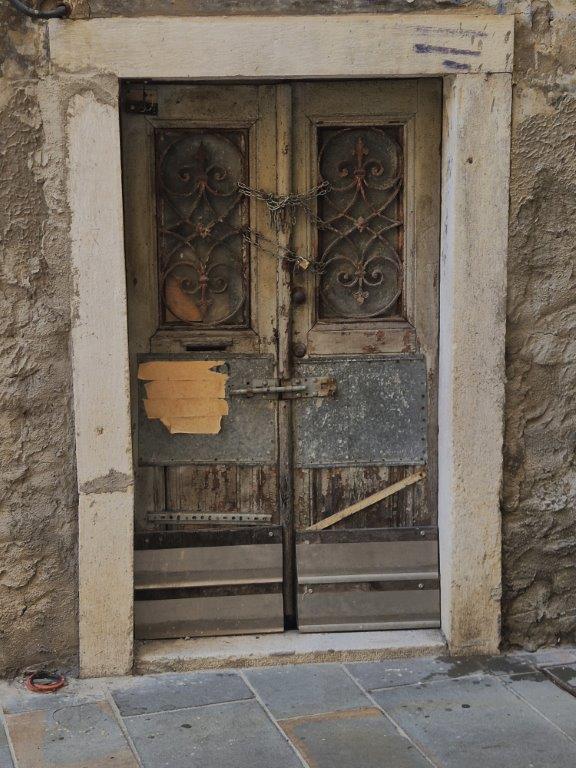
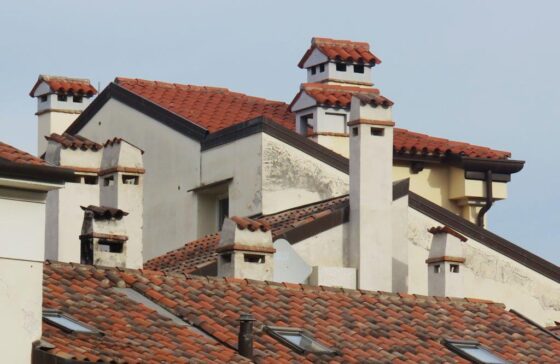
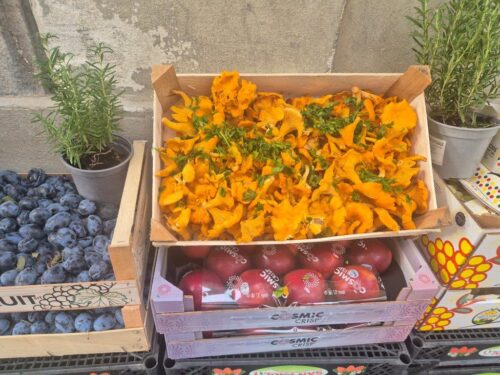
… with wall art, ramshackle doors, rooftop jumbles and displays of fruit and fungi for sale adding to the experience.
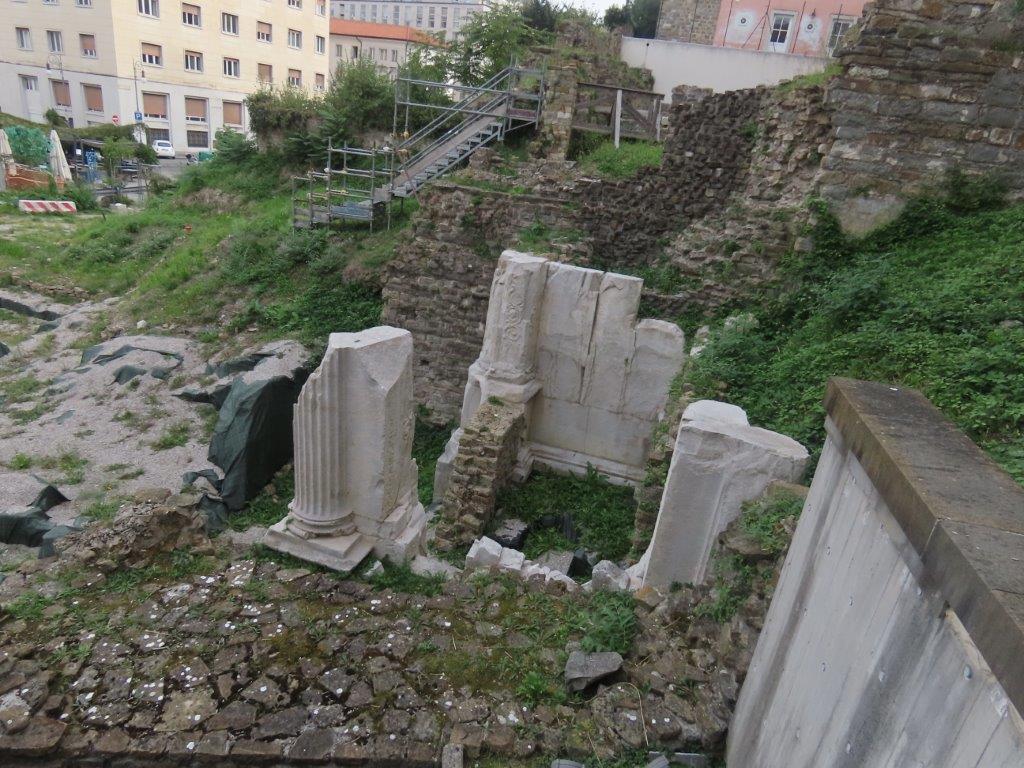
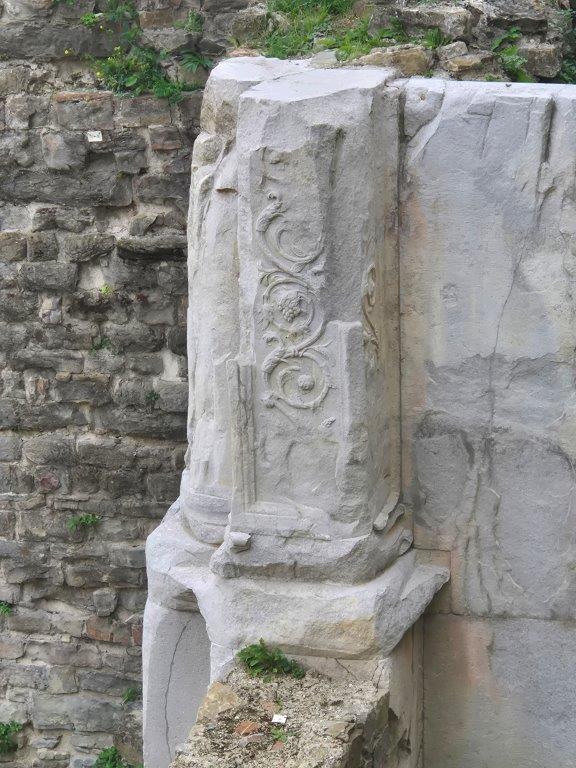
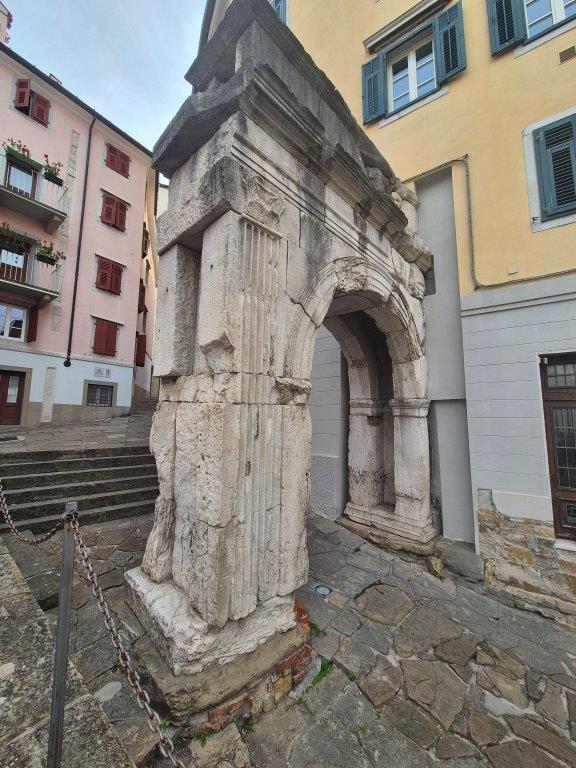
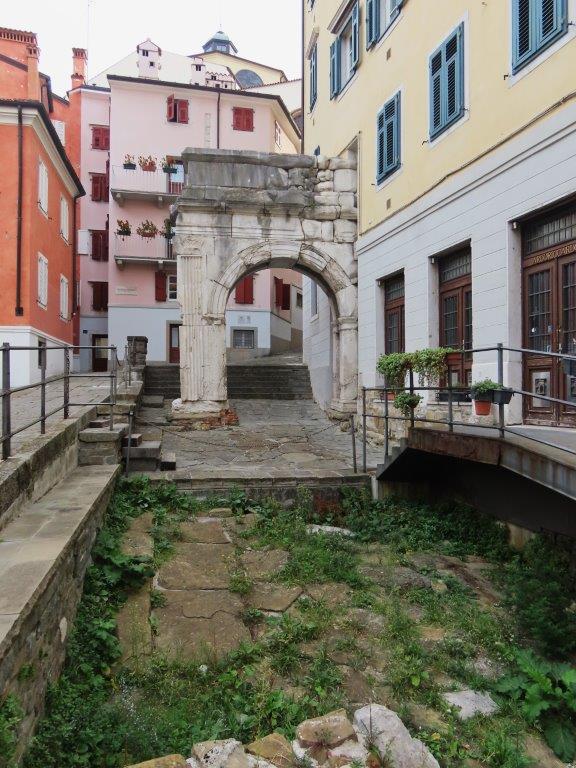
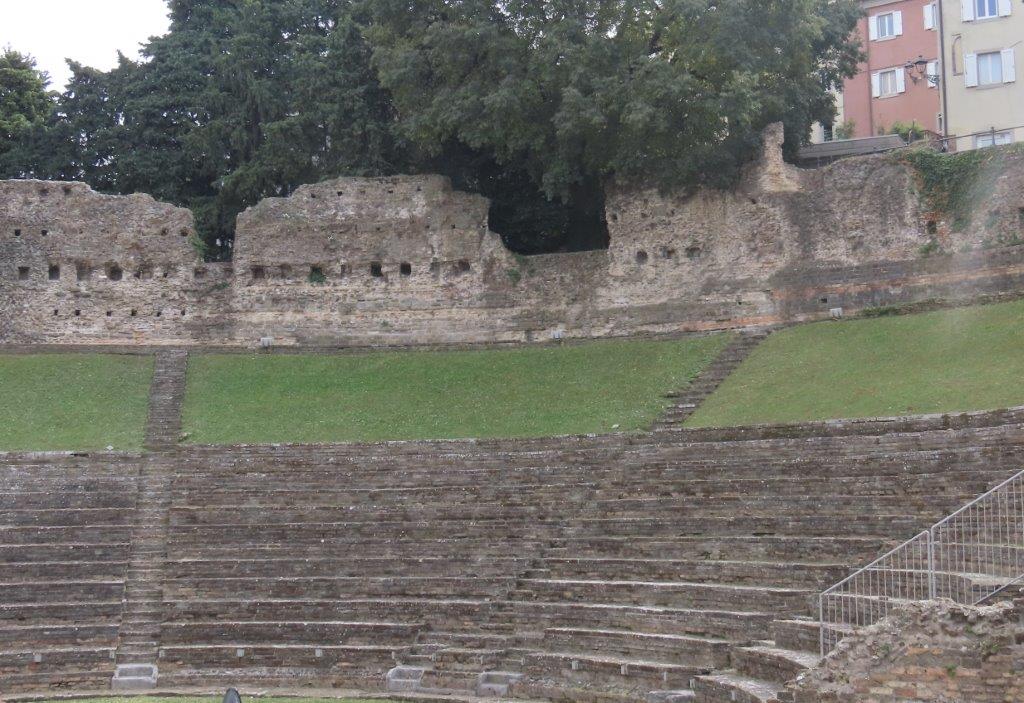
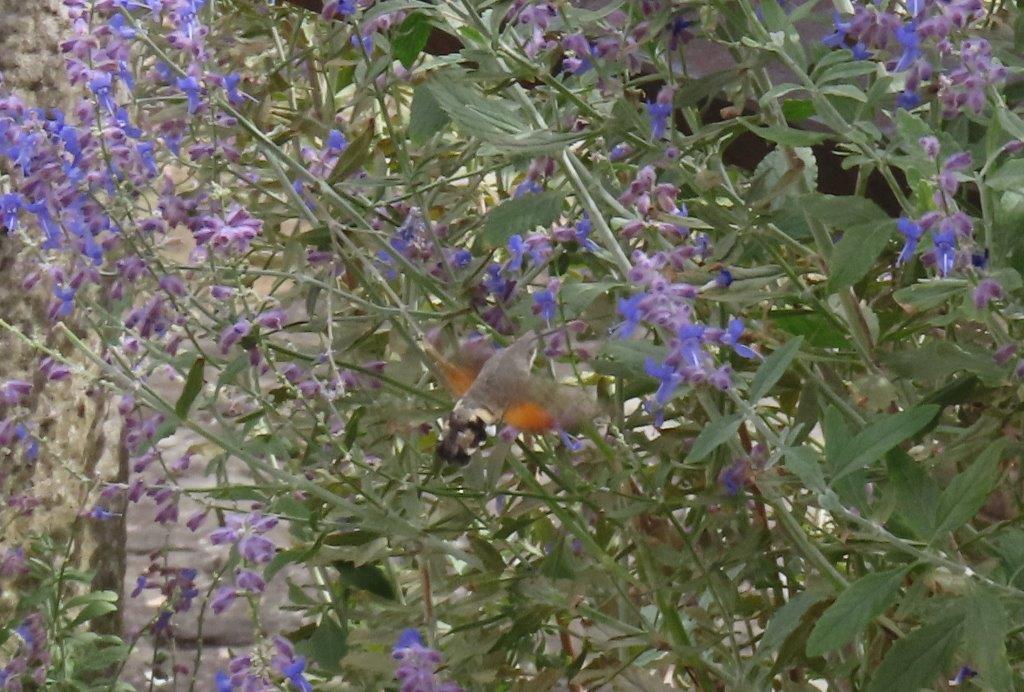
But the history goes much deeper. Roman sites in the old city all dating from the 1st century BC to the 1st century AD included the remains of the settlement of Tergeste, the Arch of Riccardo and the Roman Theatre, around which Hummingbird Hawkmoths were very actively feeding on flowers growing out of the walls.
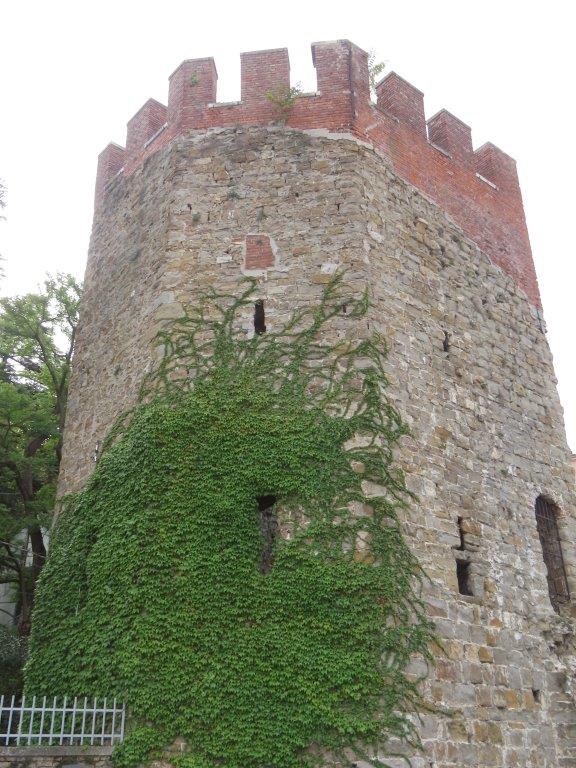
Moving up the hill and forward in time, Tor Cucherna is a mediaeval stone tower forming part of the old city walls.
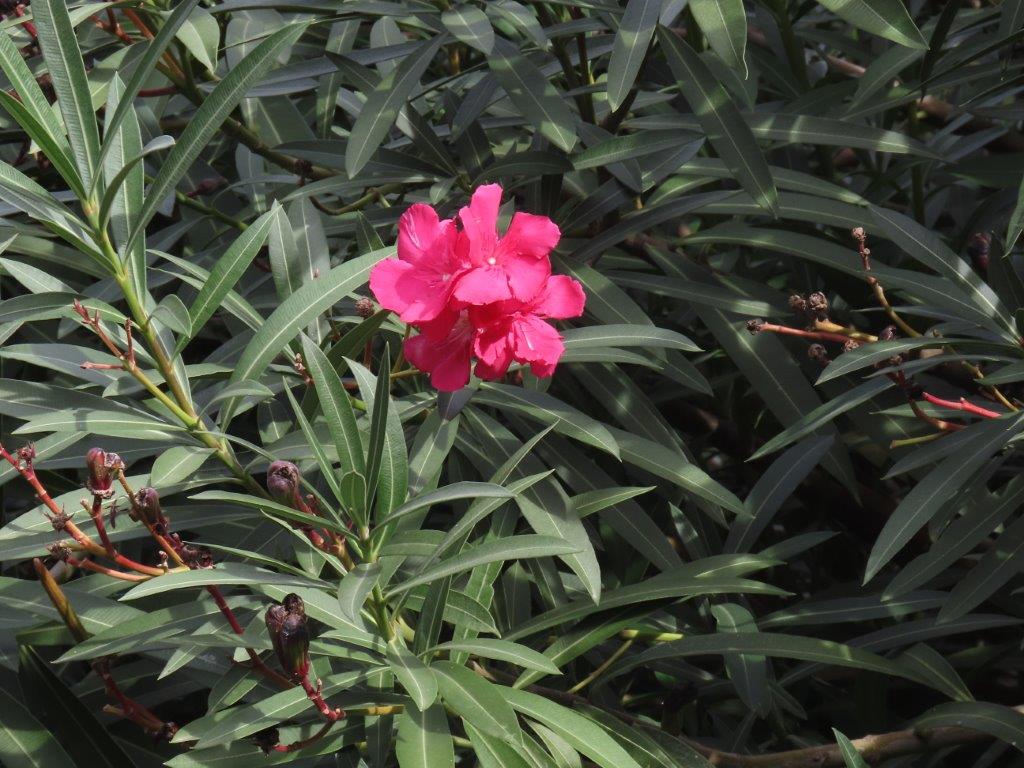
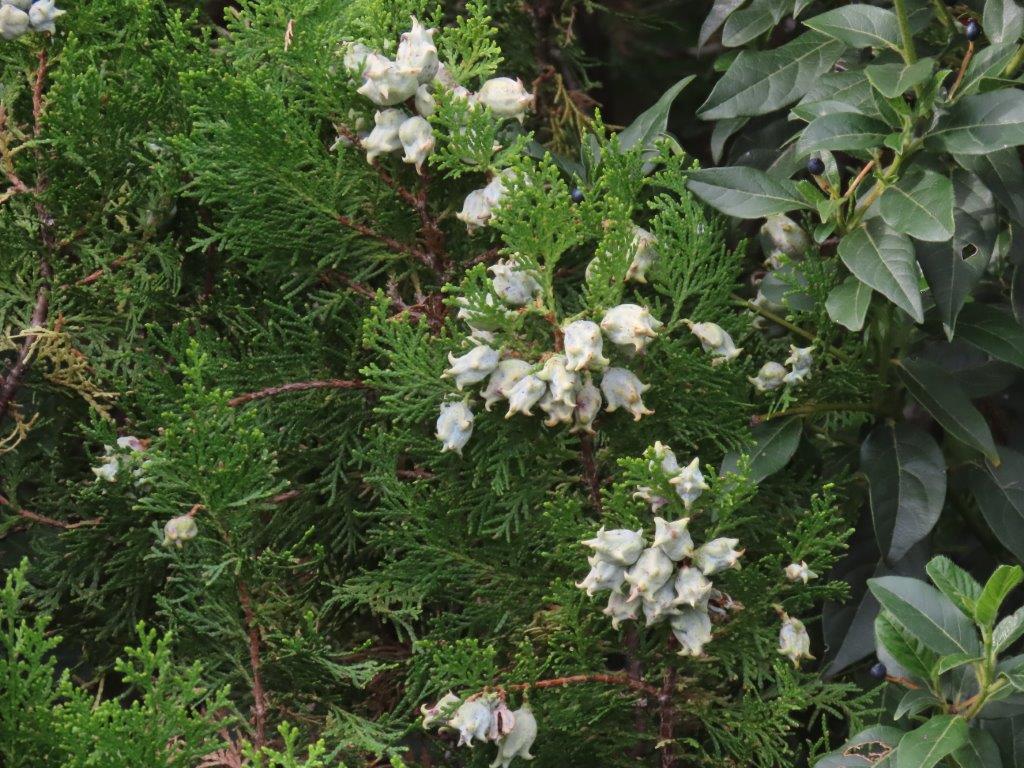
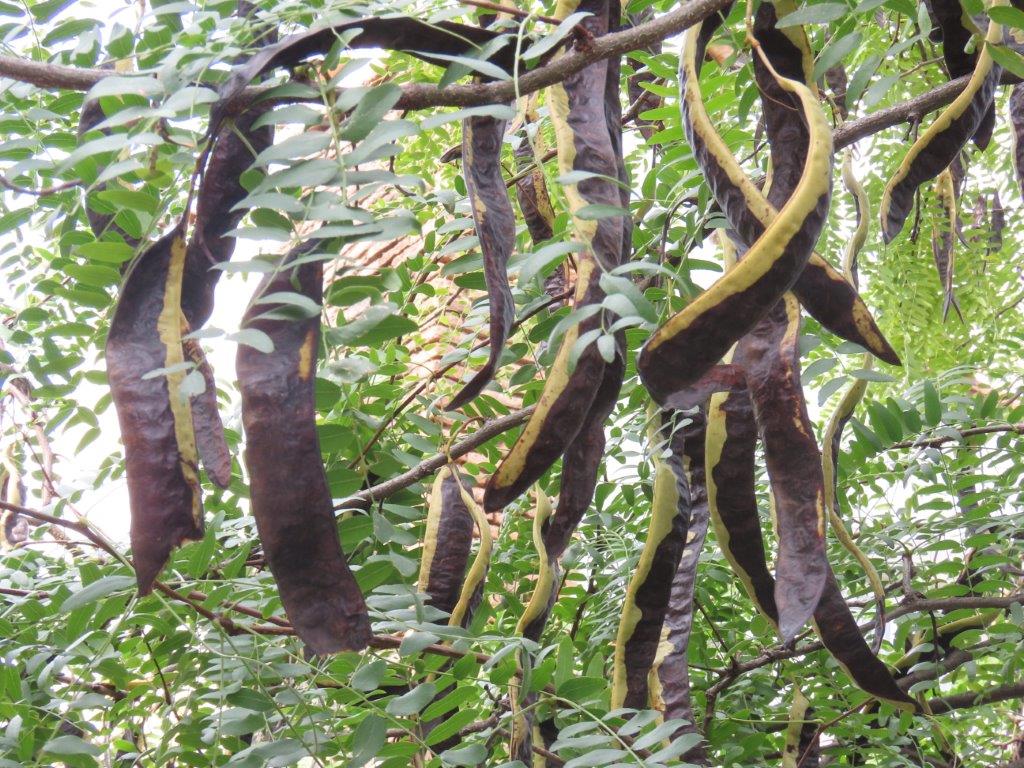
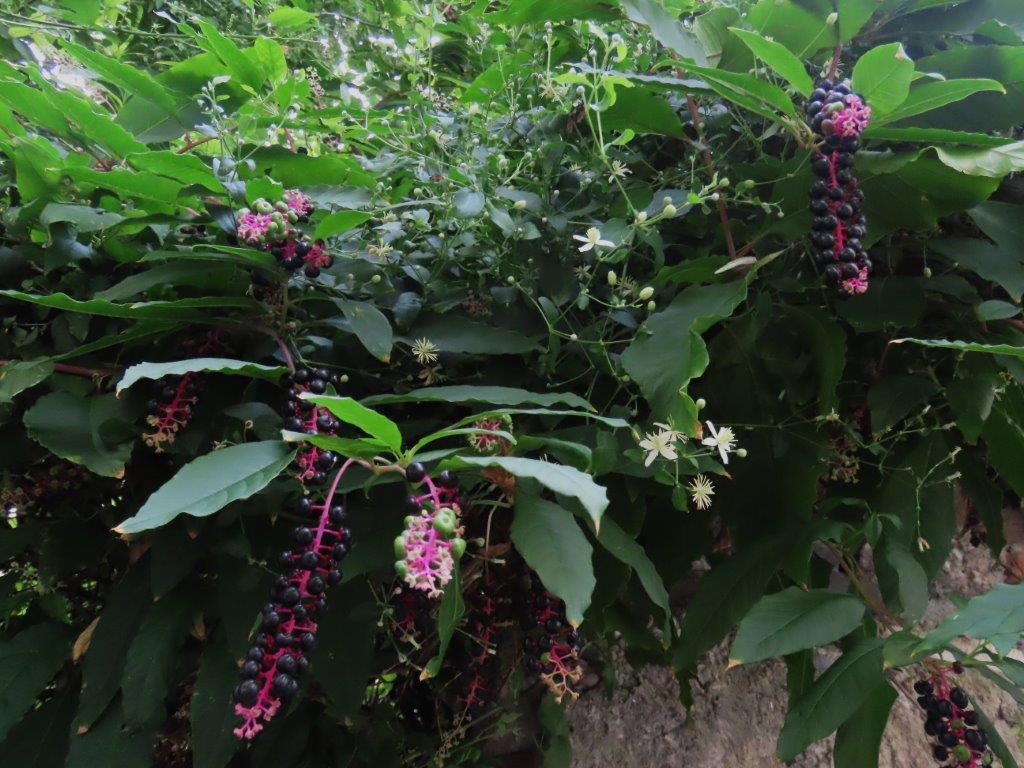
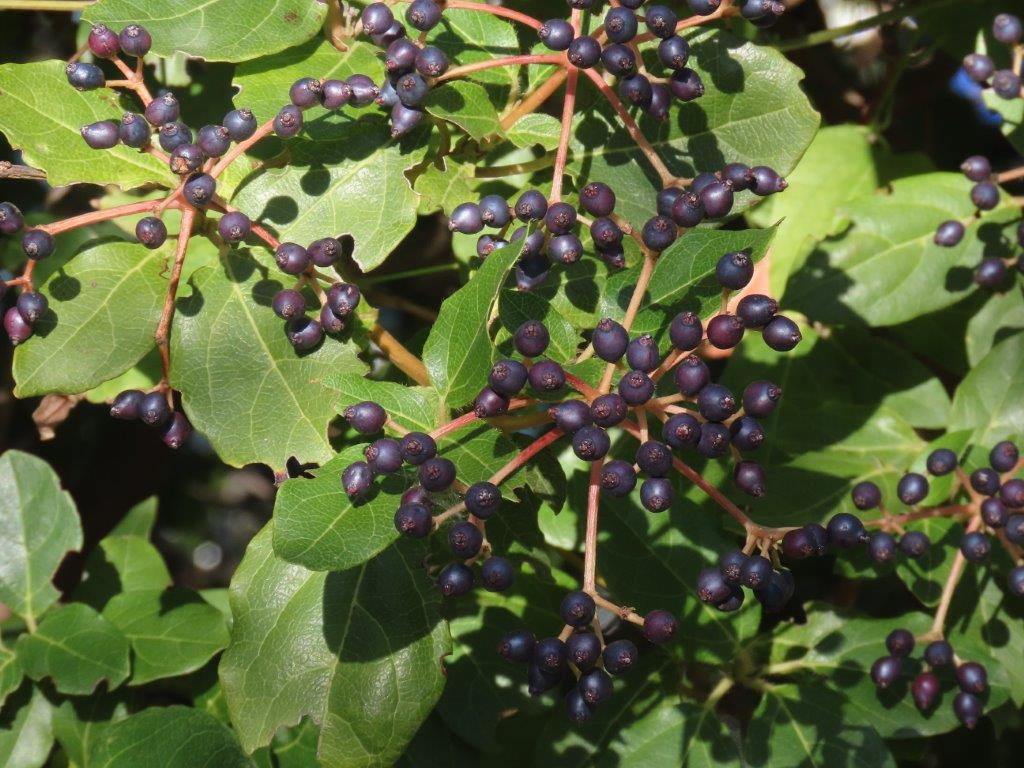
And within those walls at last some green spaces, with flowering Oleander, Platycladus orientalis and Gledistsia triacanthos in fruit and both Pokeweed and Wild Clematis tumbling out of the walls.
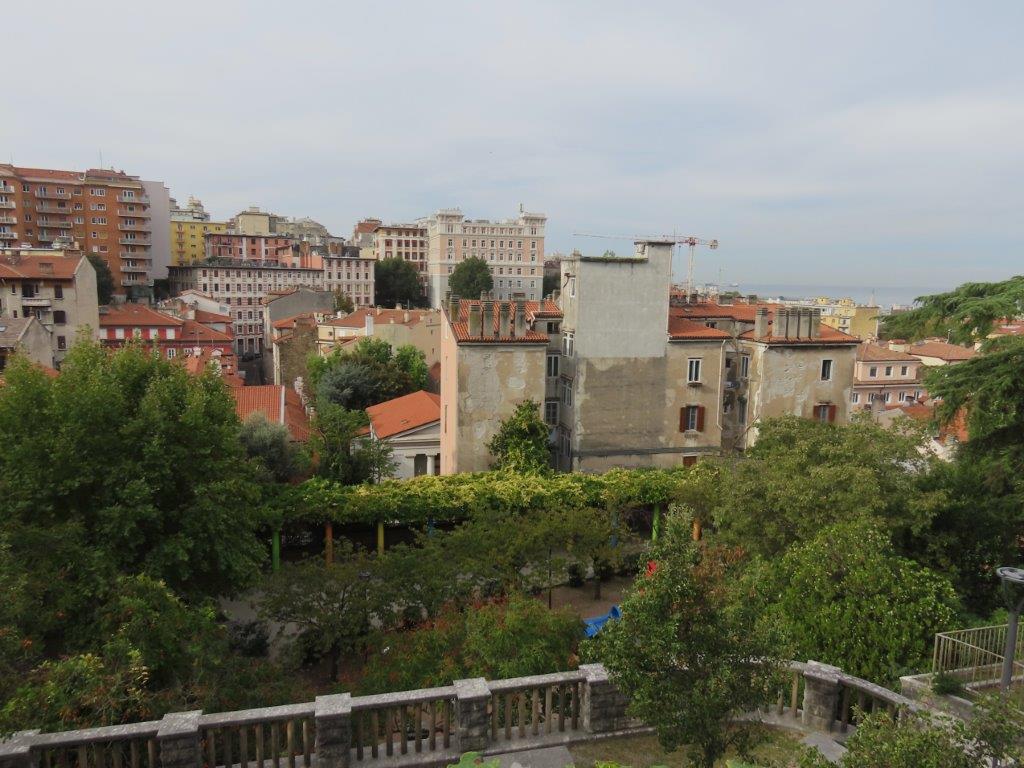
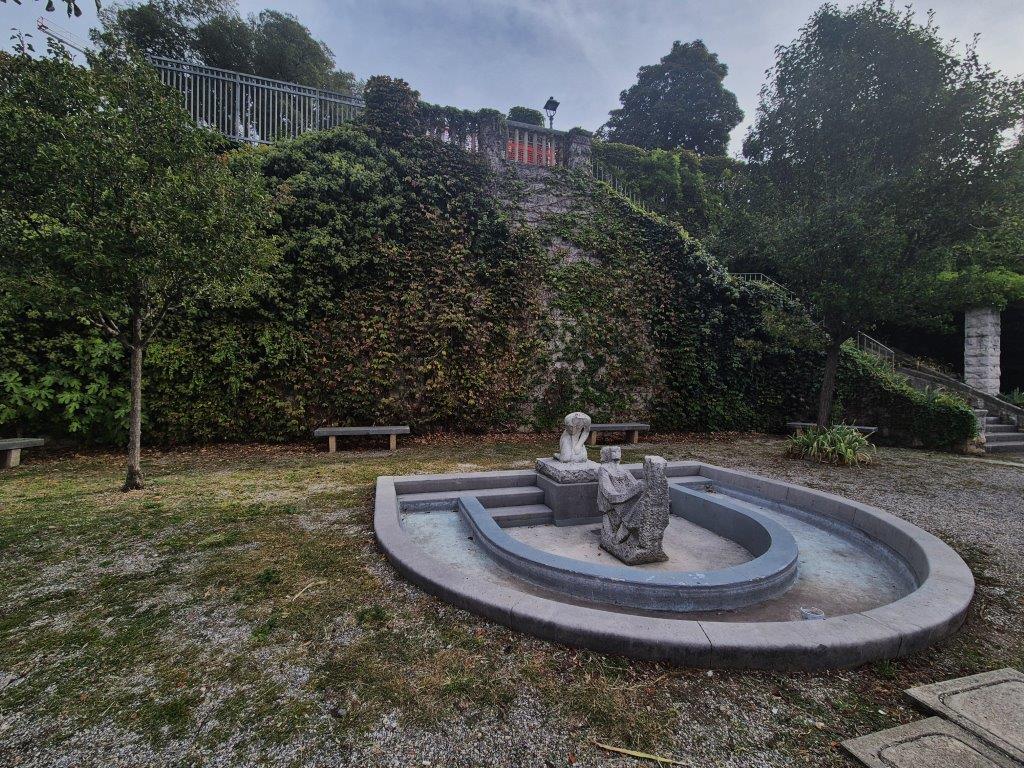
The terraced Garden of Via San Michele gave views of the lower part of Trieste, and Jude was able to help a local chap in a successful search for his two wandering cats …
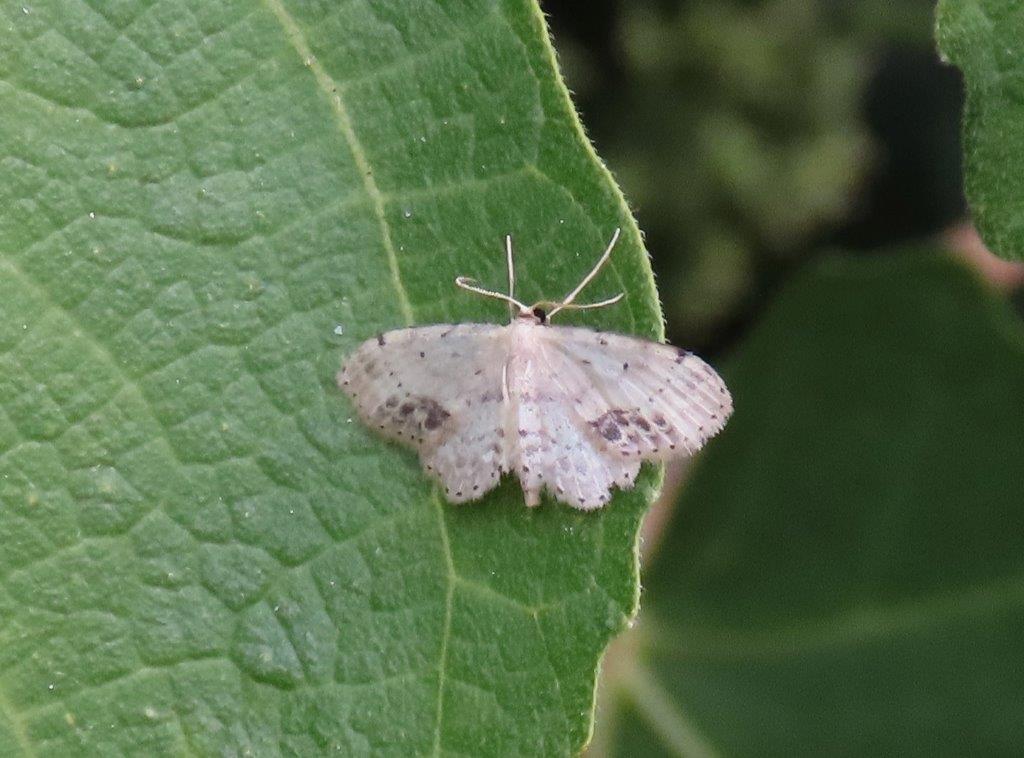
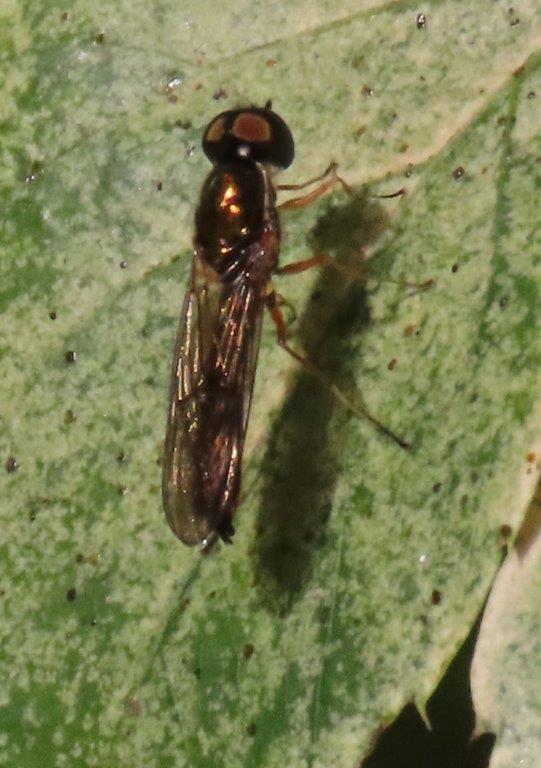
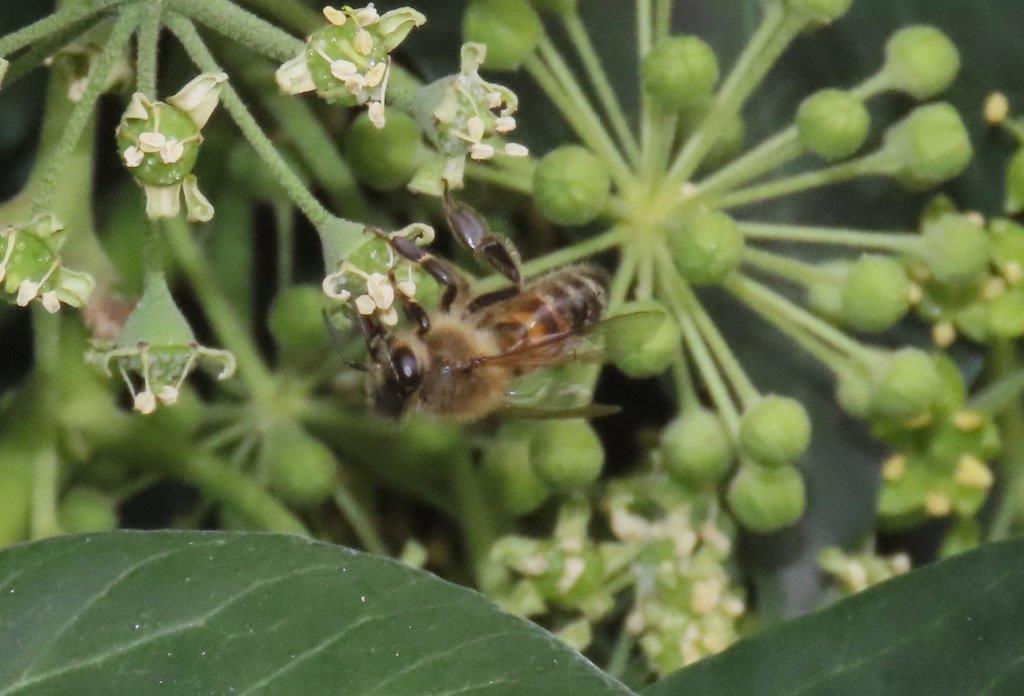
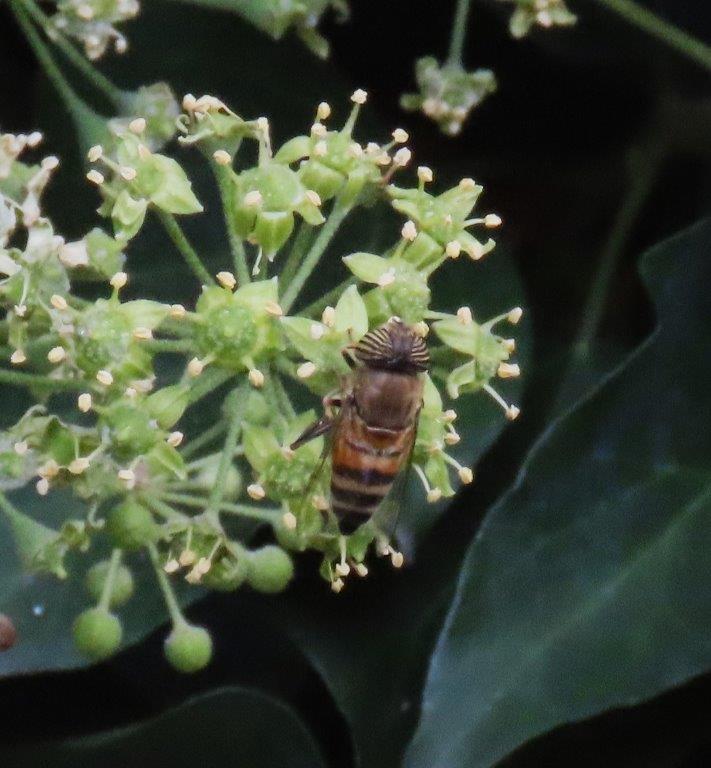
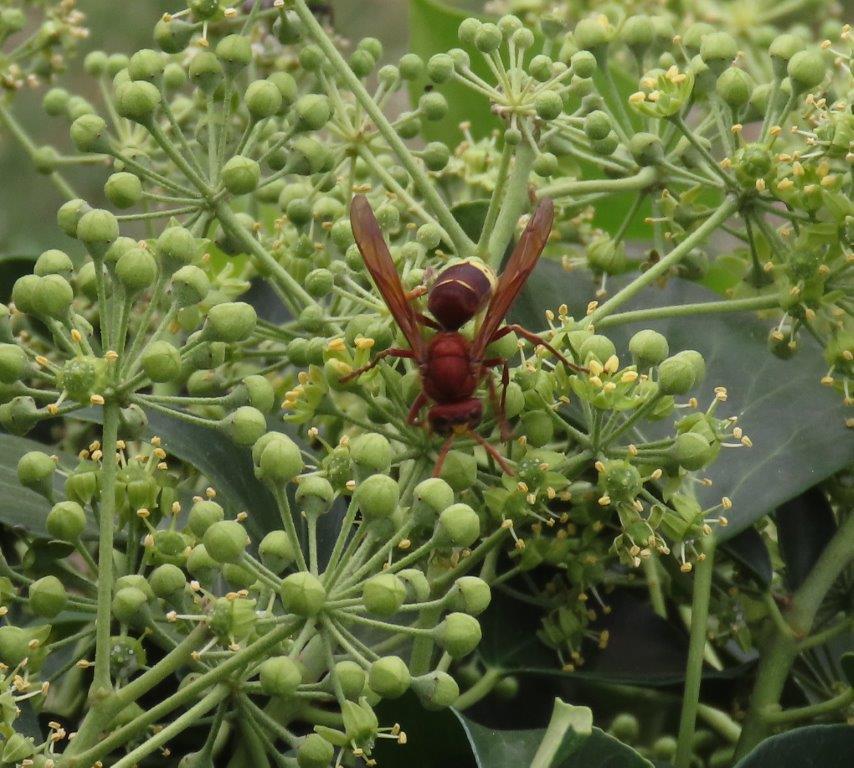
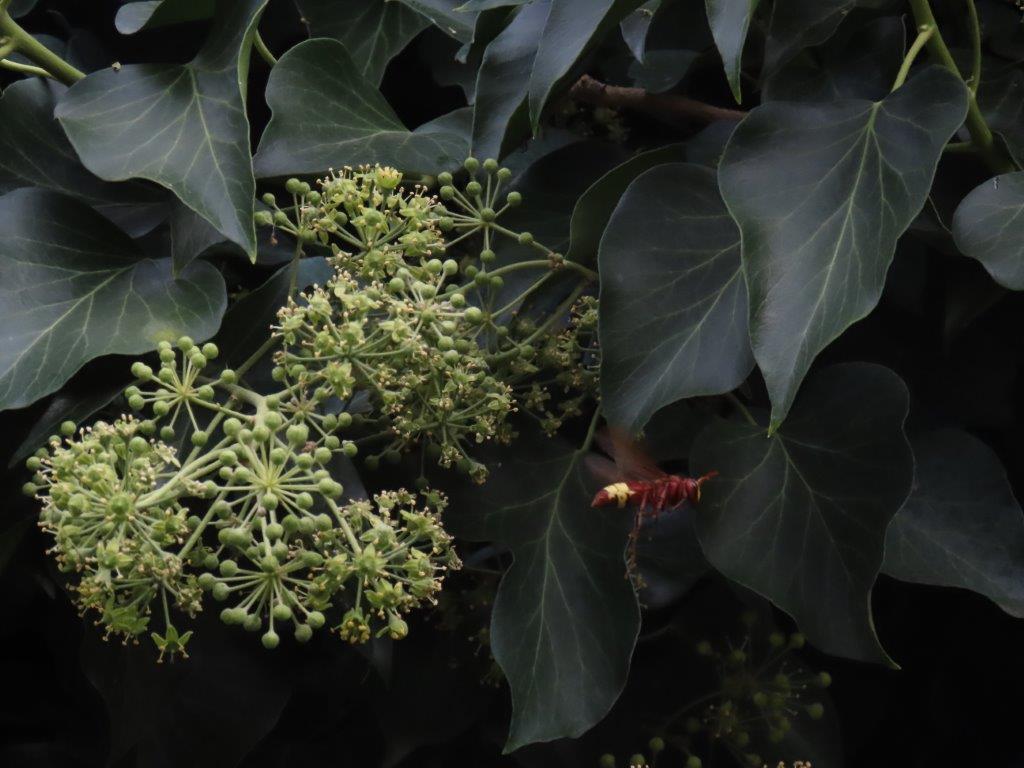
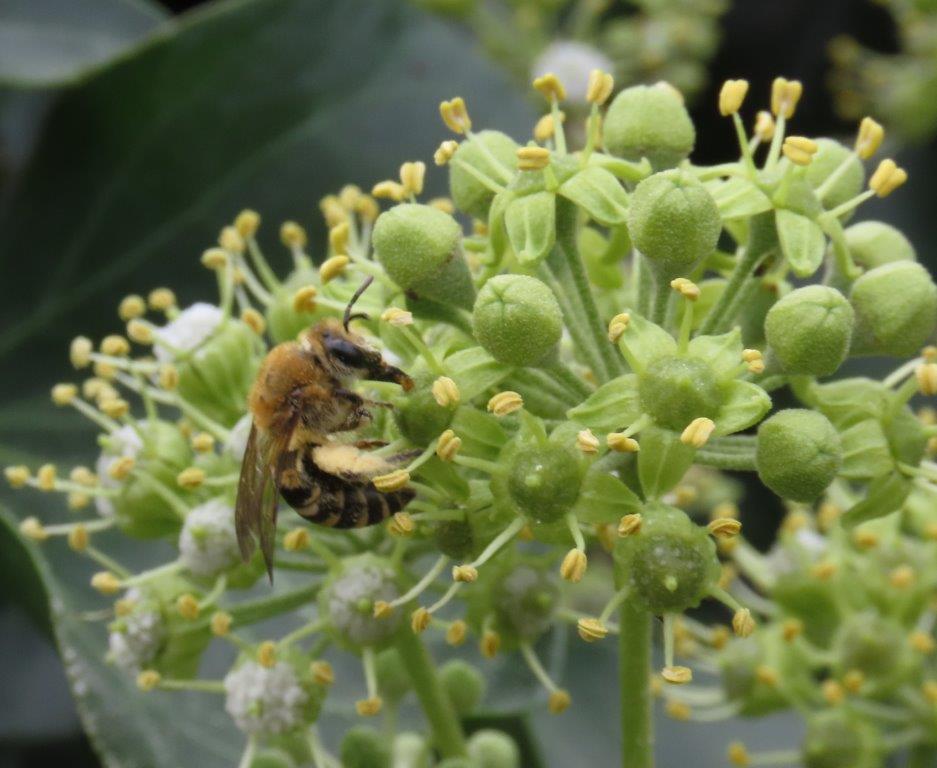
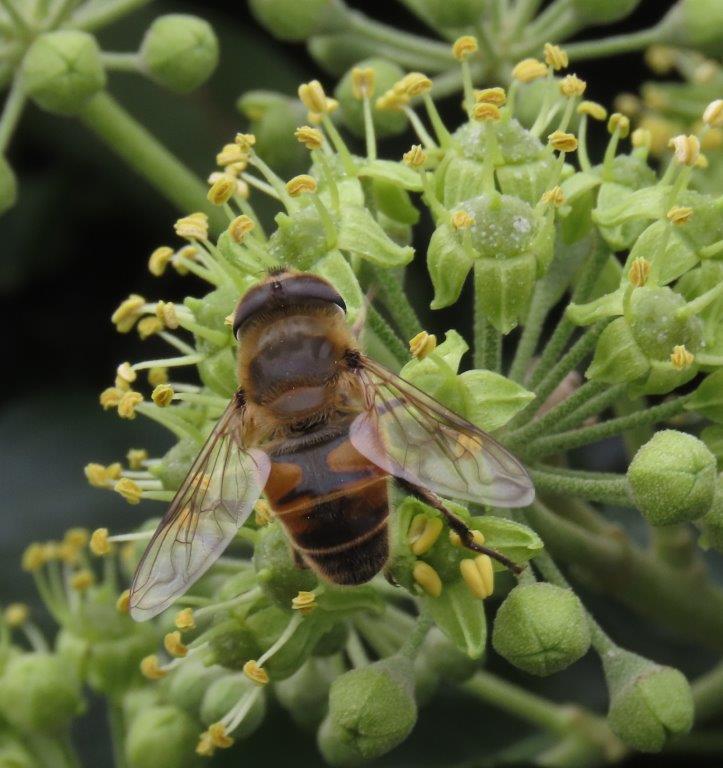
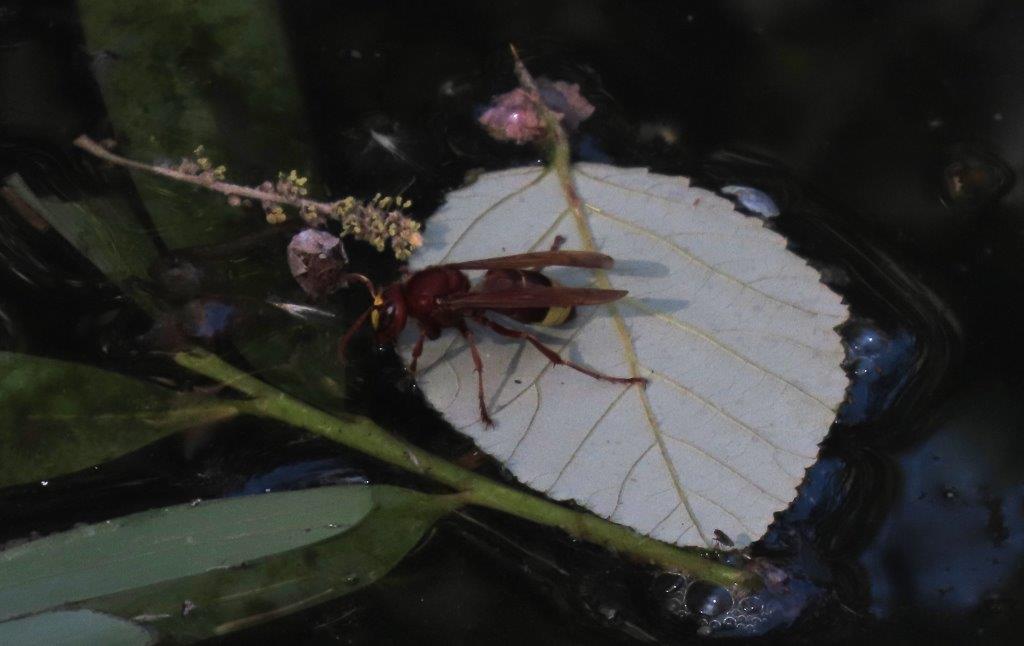
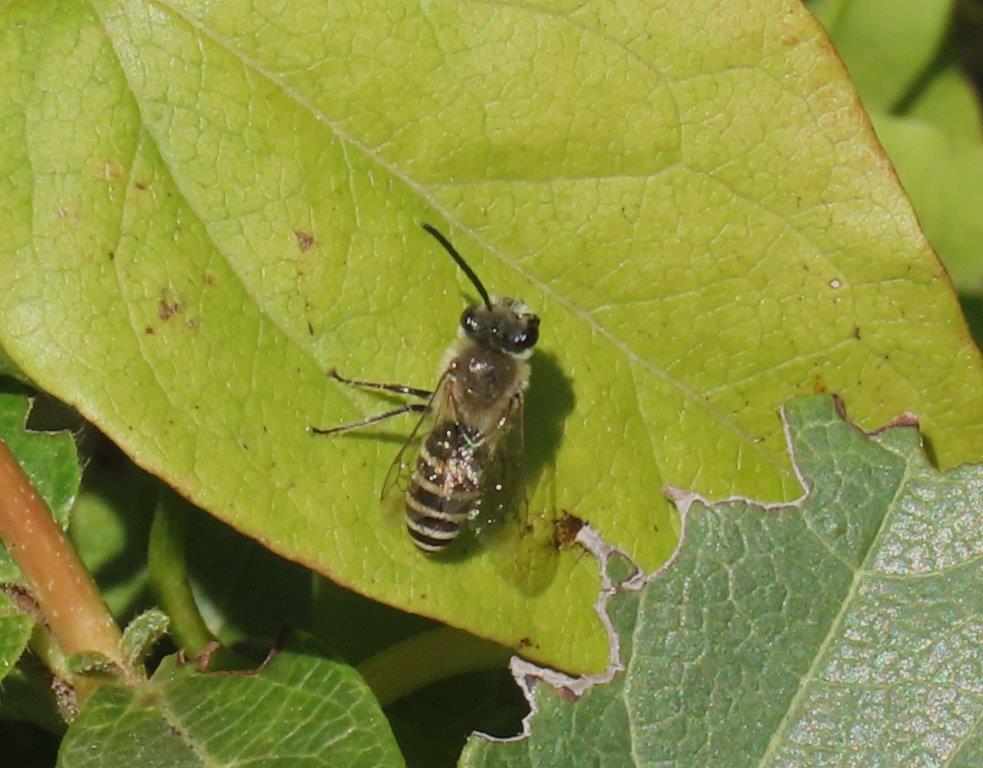
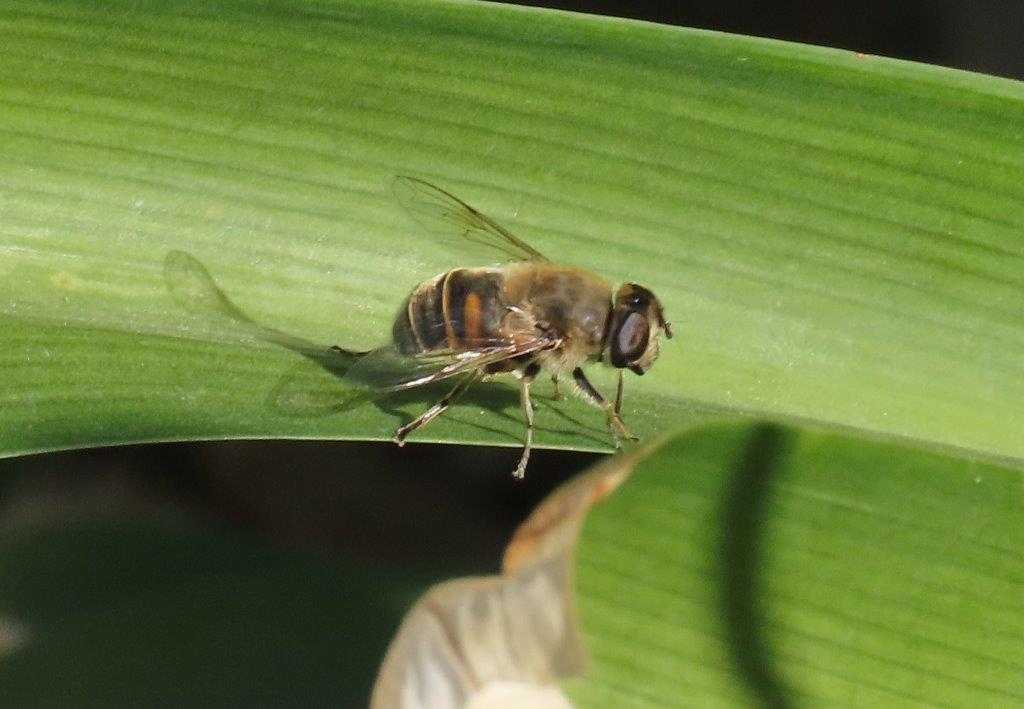
… while I focussed upon the insect life on the festoons of flowering Ivy: Single-dotted Wave moth, a soldier-fly Sargus bipunctatus, lots of Honeybees and Eristalinus taeniops, a hoverfly with remarkably striped eyes. And trawling among them, like sharks around a coral reef, several large Oriental Hornets Vespa orientalis. Possibly native in Mediterranean Europe, this hornet is not the Asian Hornet Vespa velutina that is spreading across Europe and into the UK, but both species are voracious predators of other insects including Honeybees. Oriental Hornet is also spreading northwards under the influence of climate change and may be one waiting in the wings to establish at home, and indeed does occasionally appear with imported produce, although it is not considered to be as much a risk as Asian Hornet.
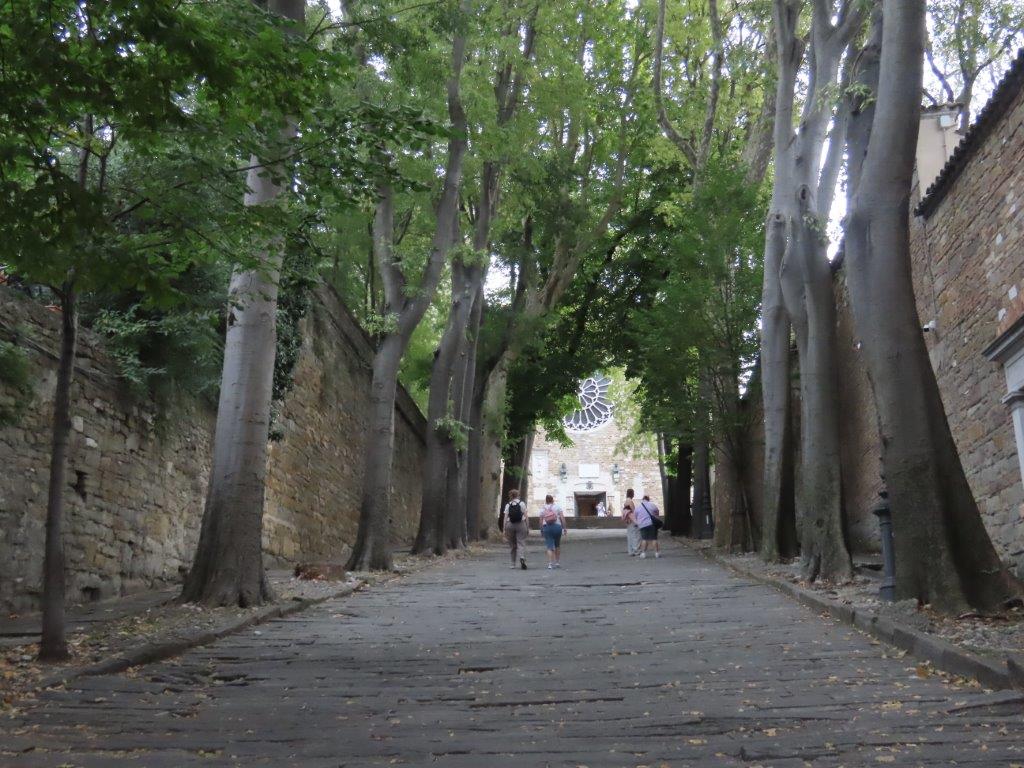
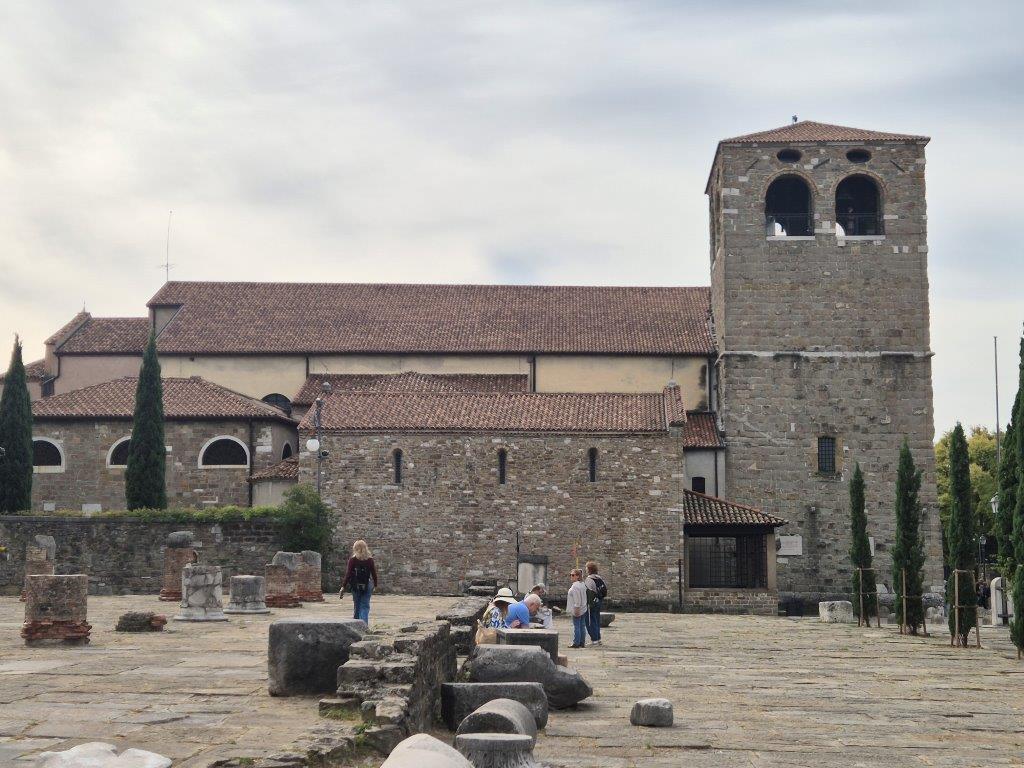
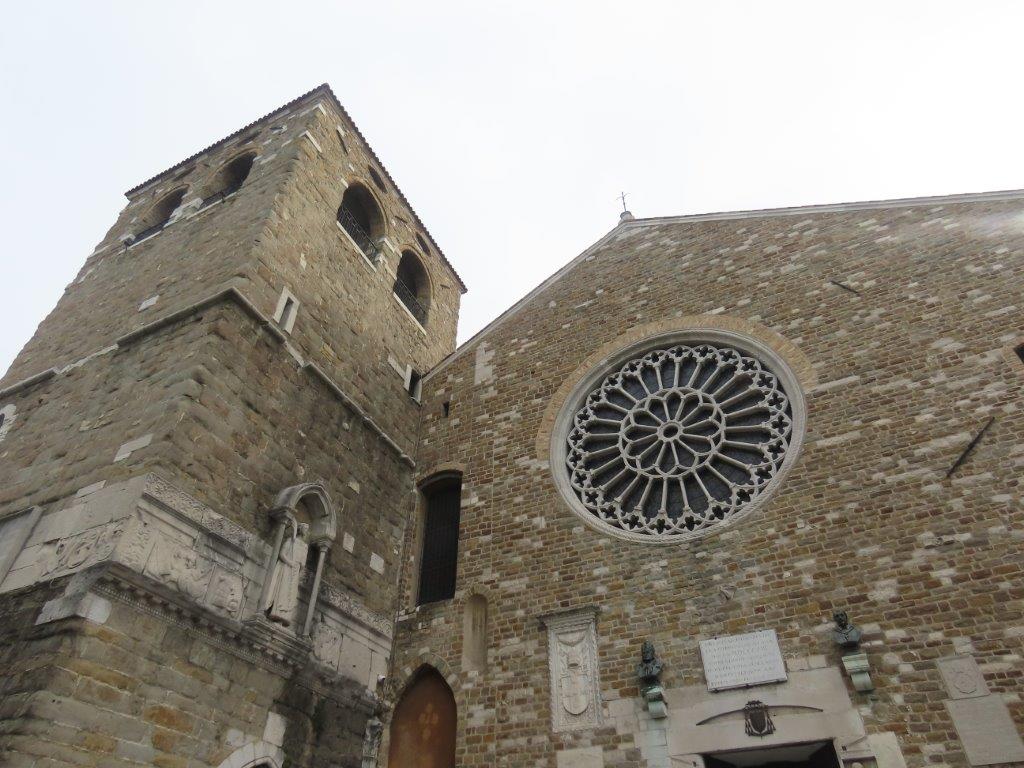
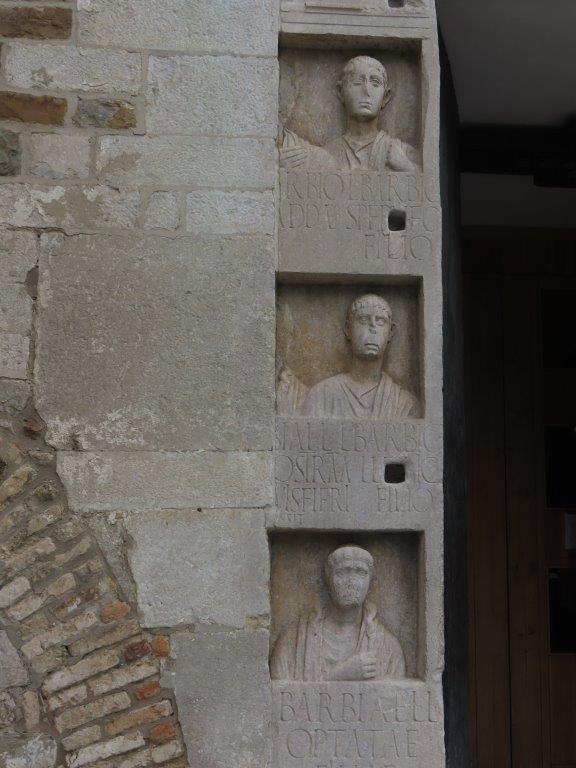
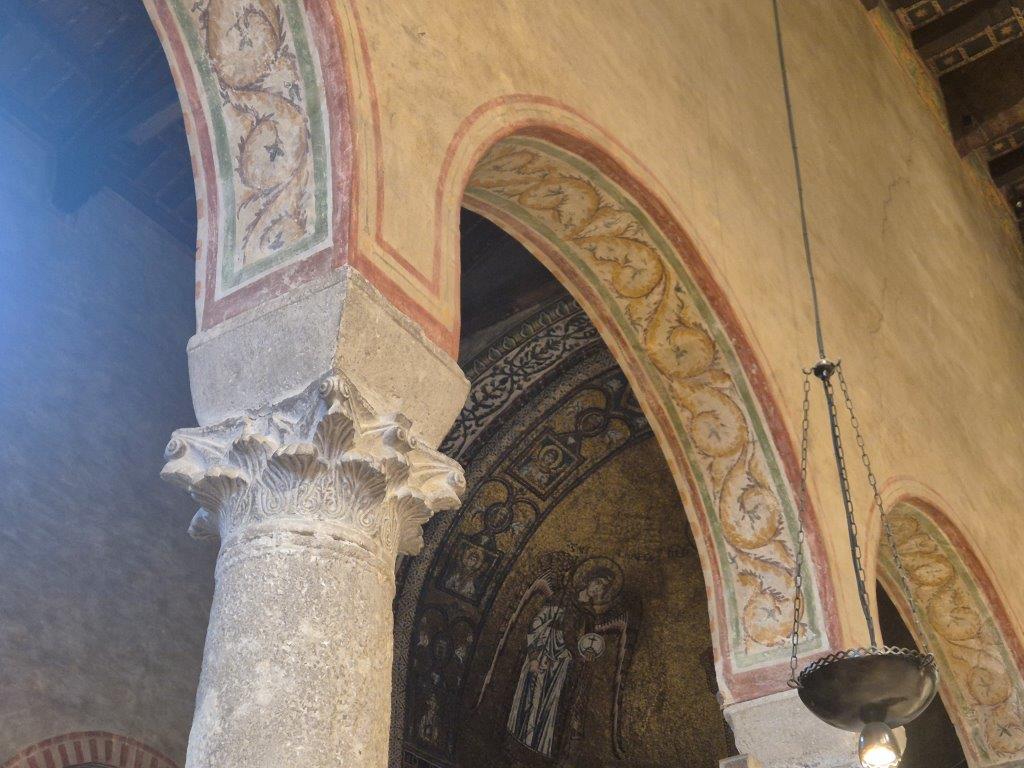
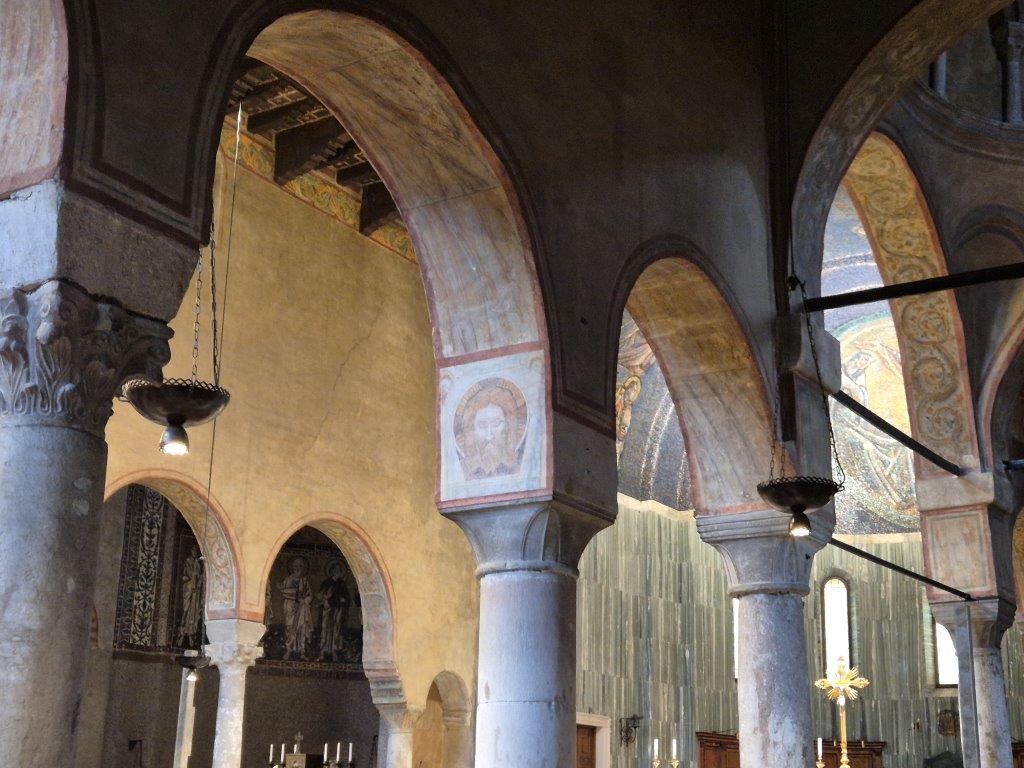
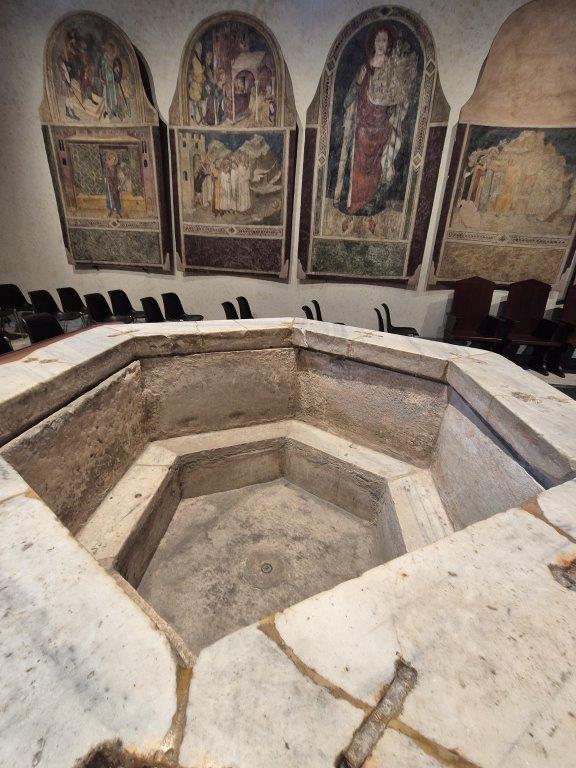
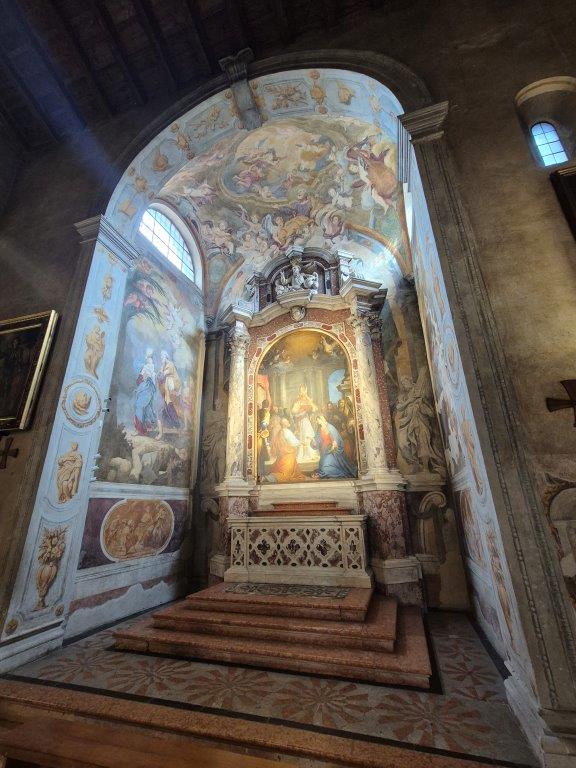
Continuing ever upwards we arrived at the Cathedral of San Giusto, dating from the 14th century but built on top of a Roman temple.
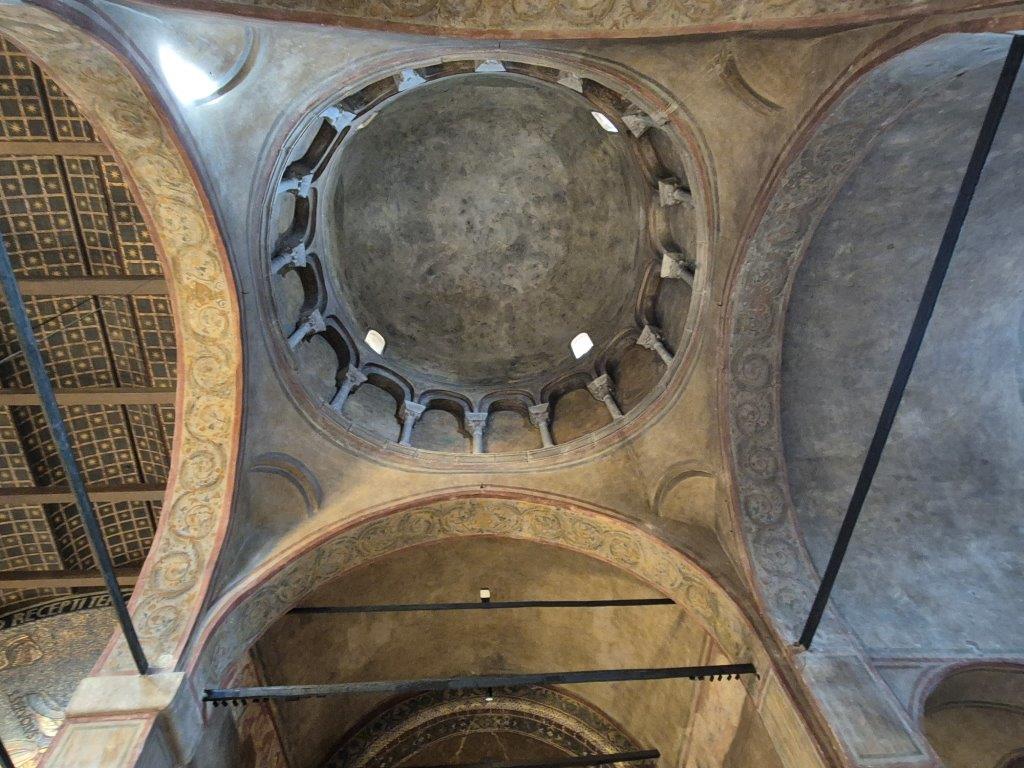
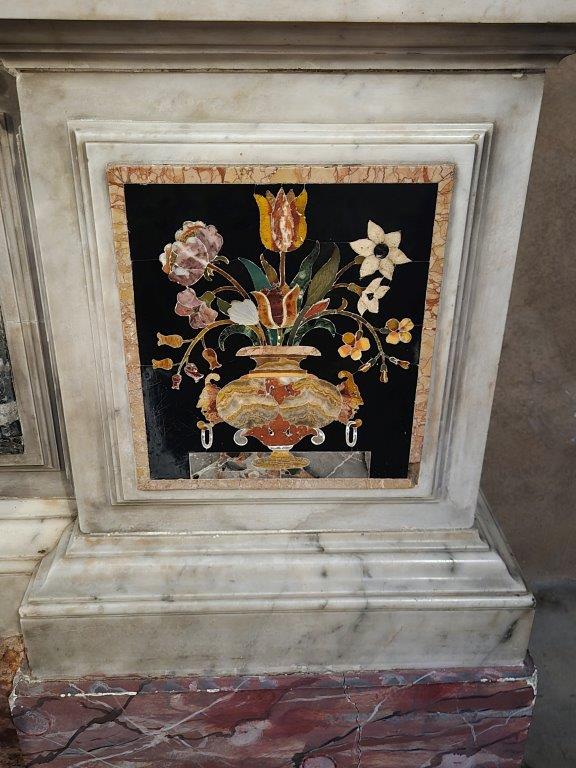
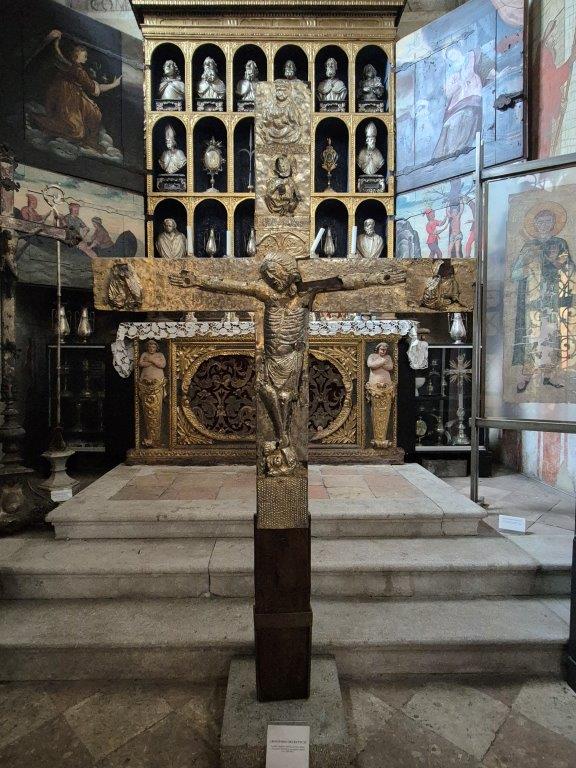
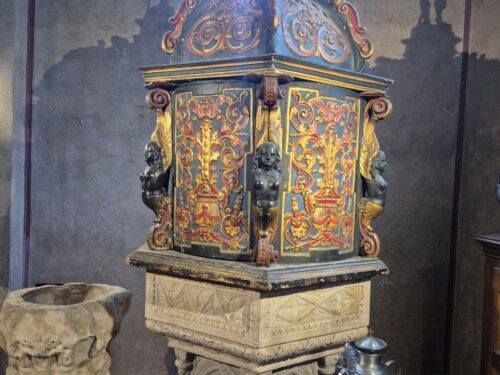
The interior of the cathedral features frescoes and other artworks…
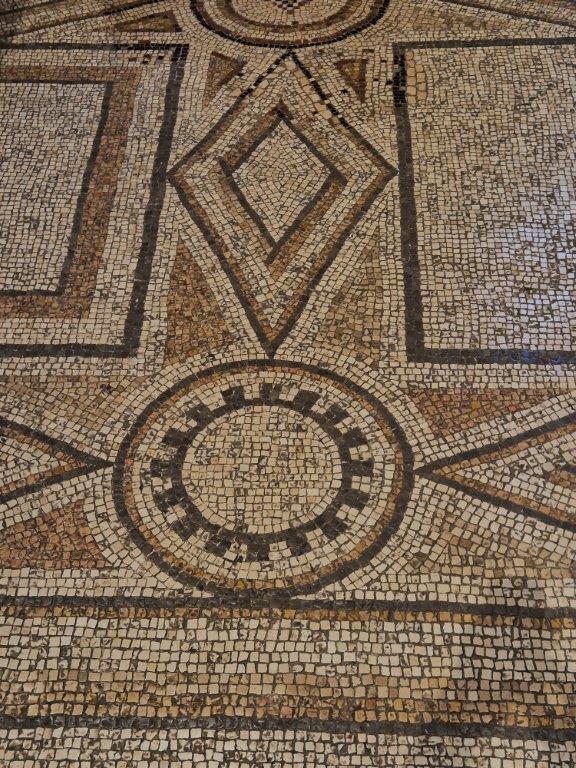
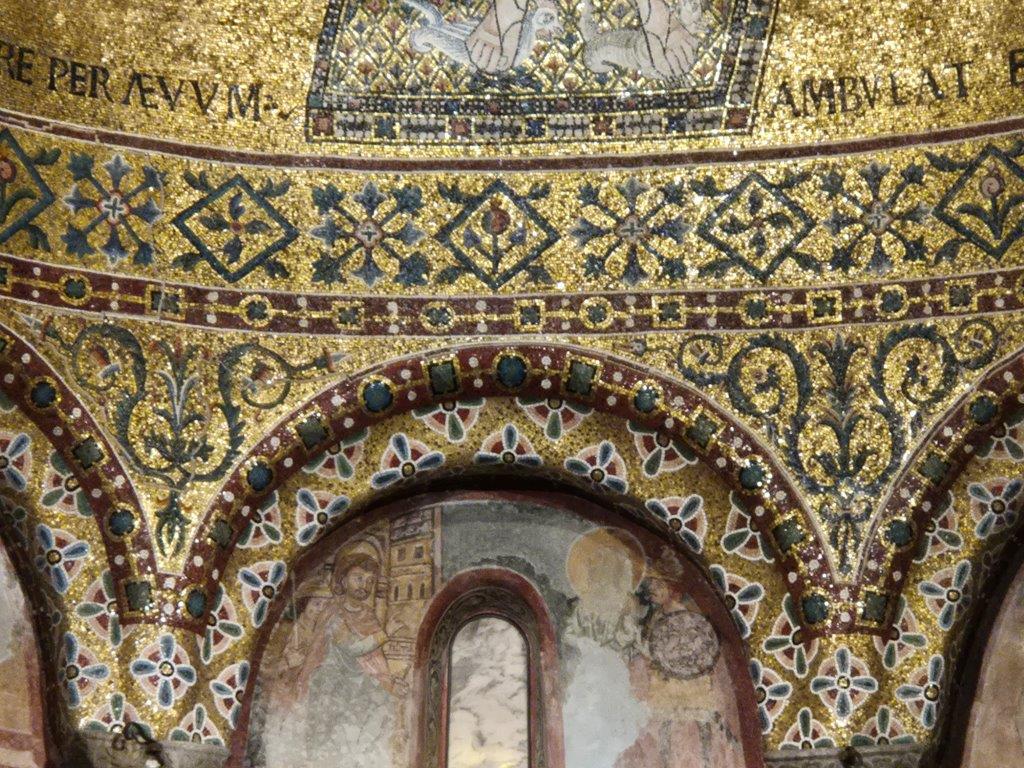
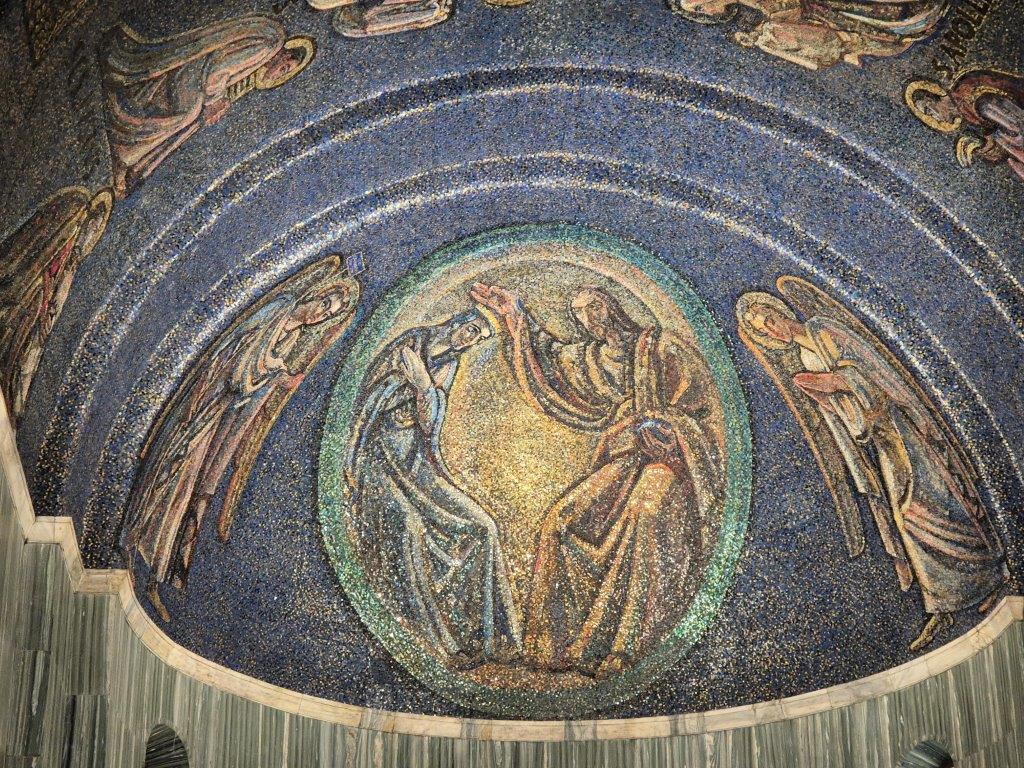
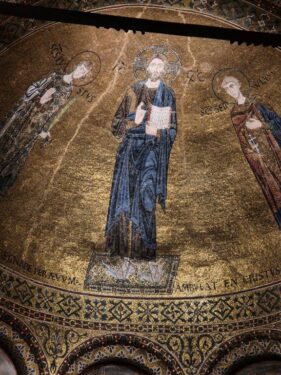
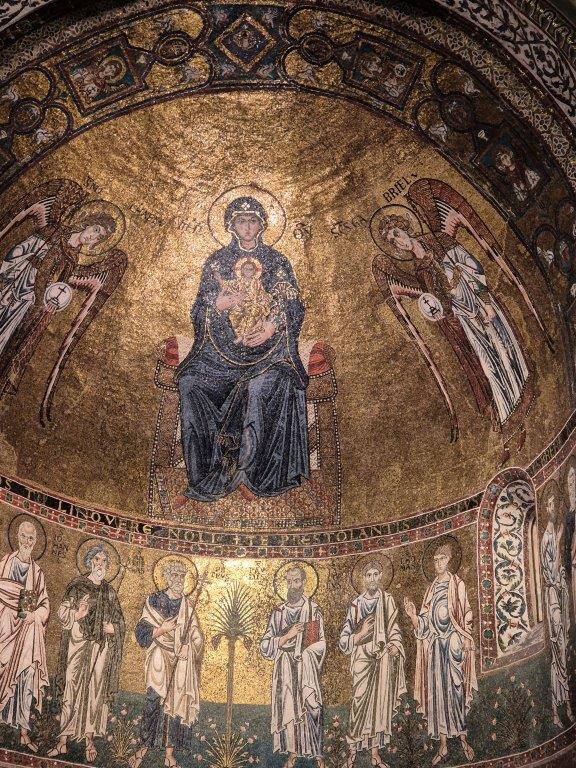
… including mosaics, both on the floor and most impressively in the three internal semi-domes, glittering with colour and gold when the lights are on. Take a pocketful of loose change to activate the lights and see the mosaics at their best!
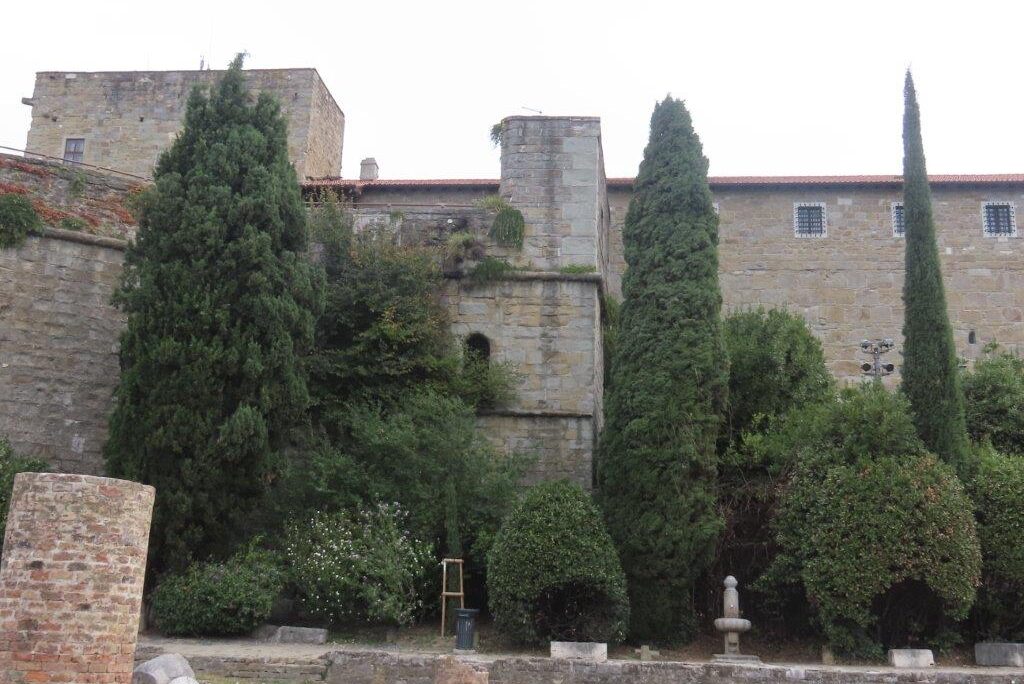
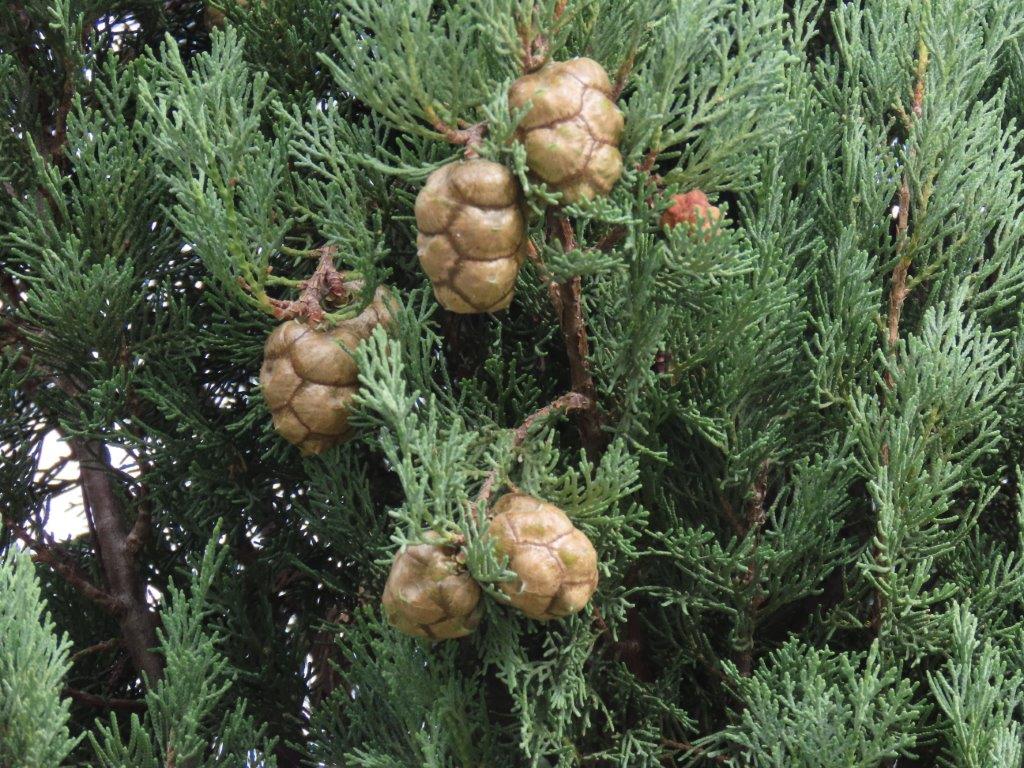
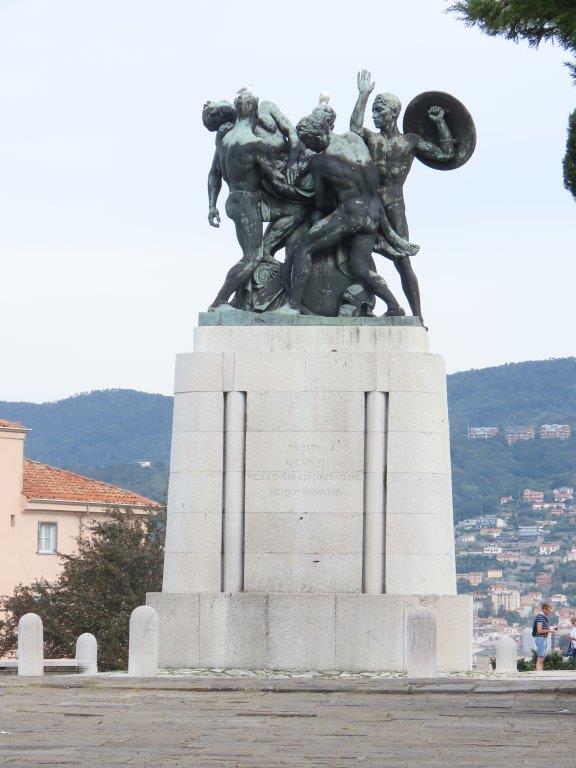
The cathedral is perched high on the hill, alongside the castle, clad in Italian Cypress trees, and the Monument to the Fallen of WW1.
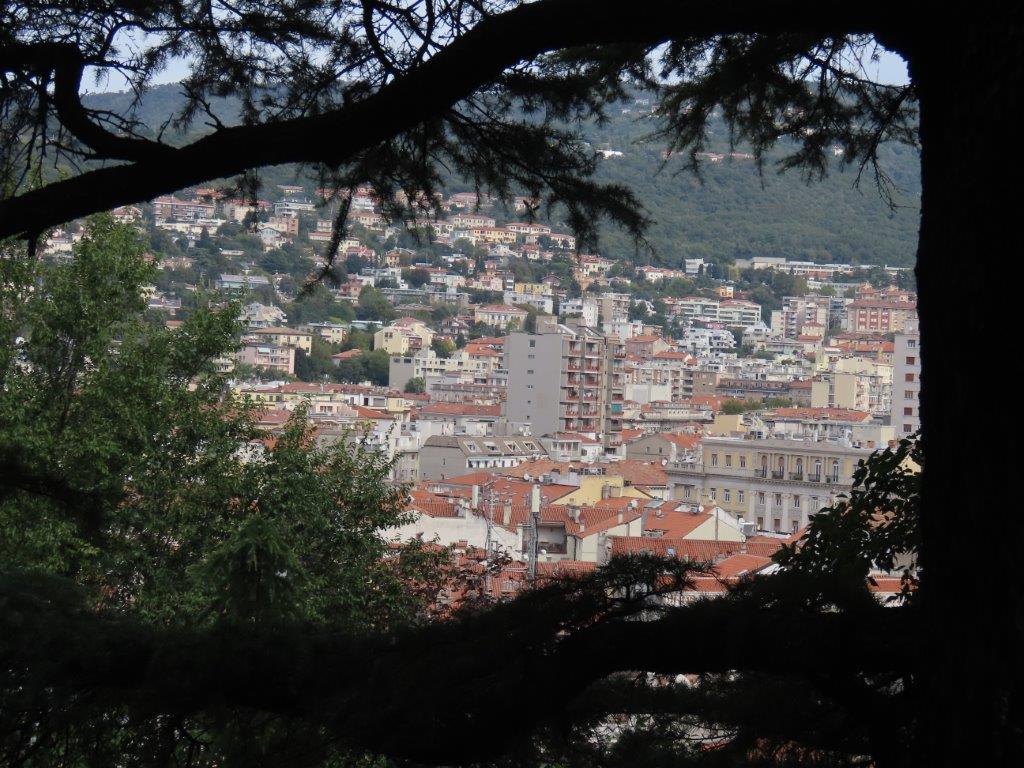
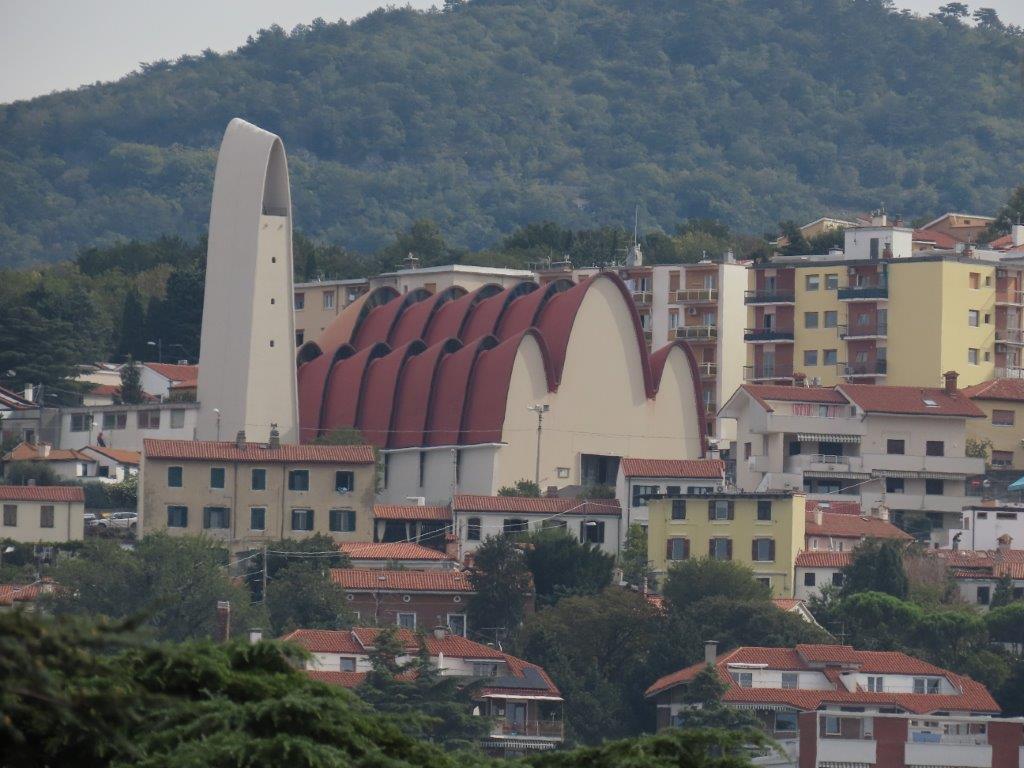
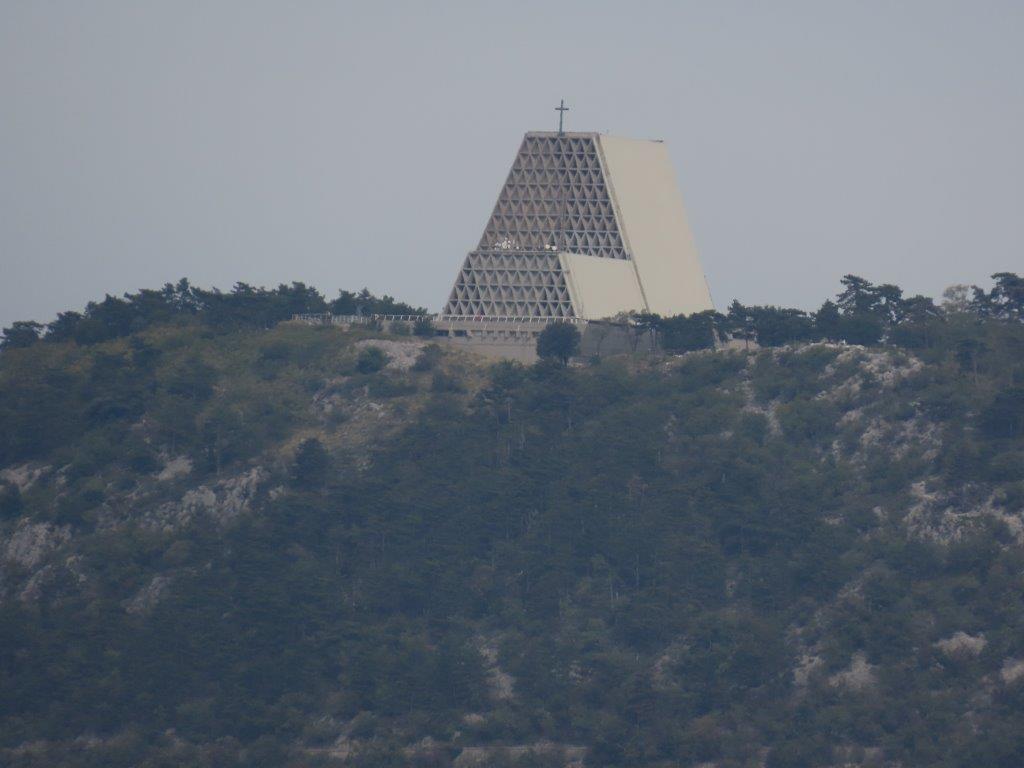
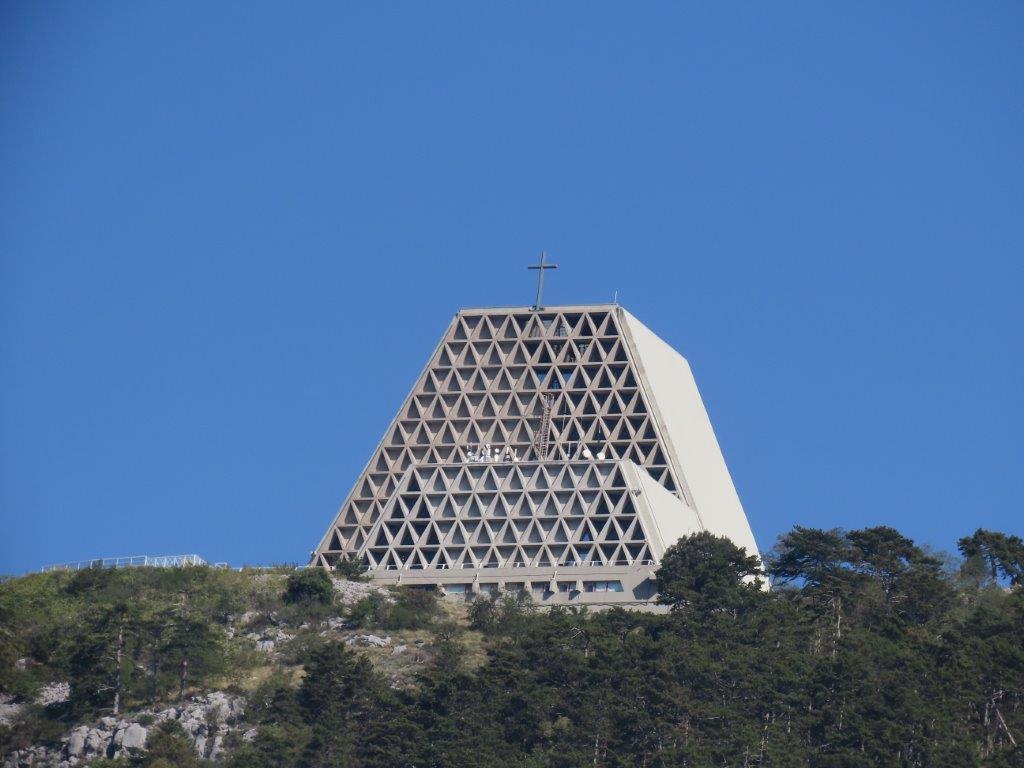
And the hilltop also provides views across the whole city, including two further churches, both Brutalist in design: St Aloysius Gonzaga, with wave-like roof and offset concrete belltower, and perched atop the Karst limestone ridge the Temple of Monte Grisa, modular concrete triangles with a shape that gives rise to its nickname of il Formaggino, ‘little cheese wedge’.
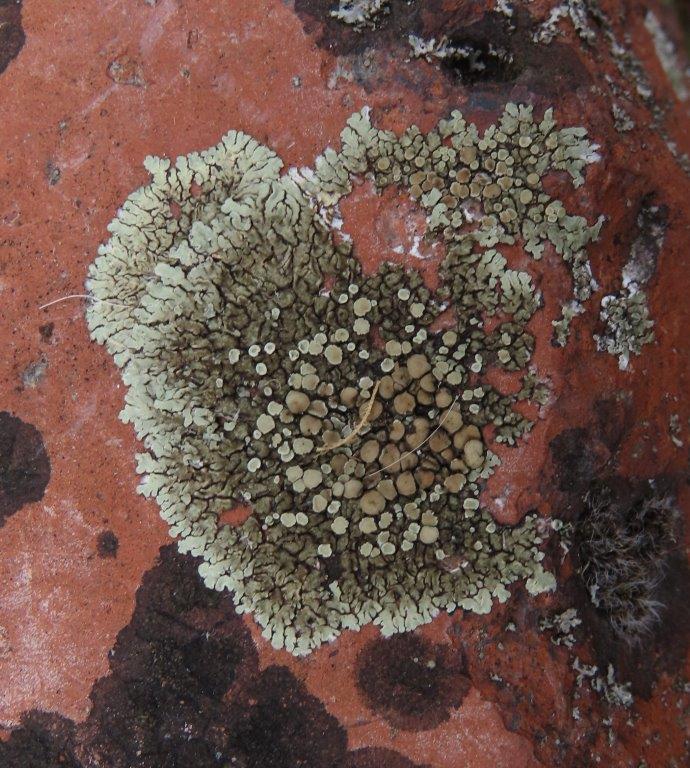
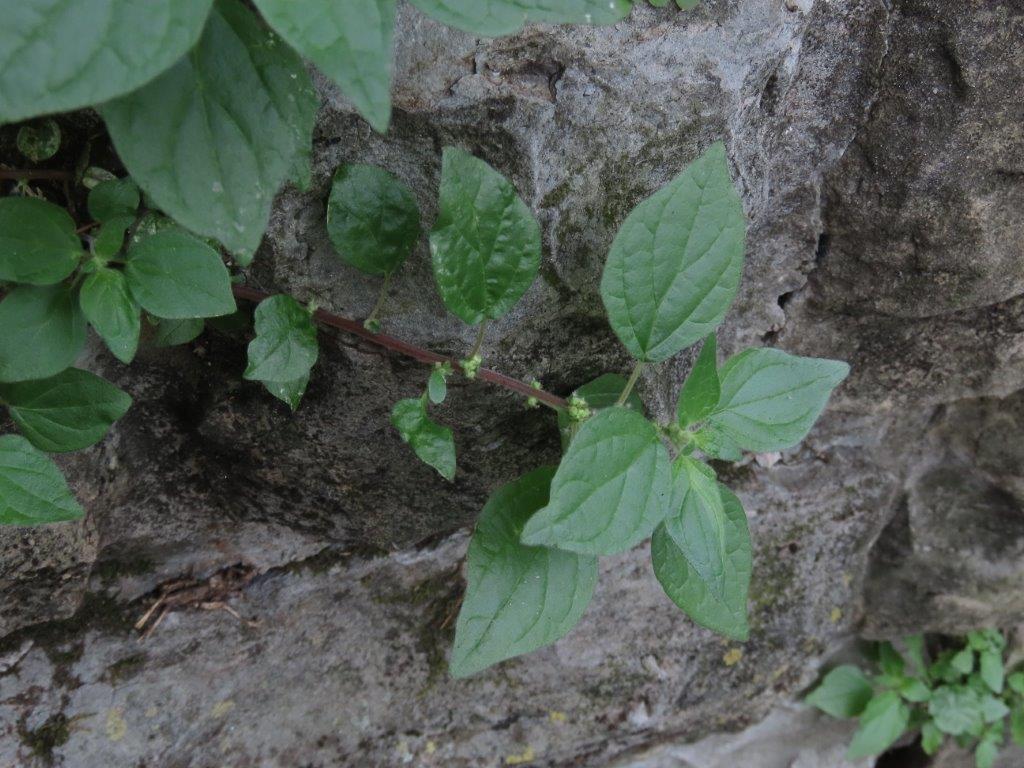
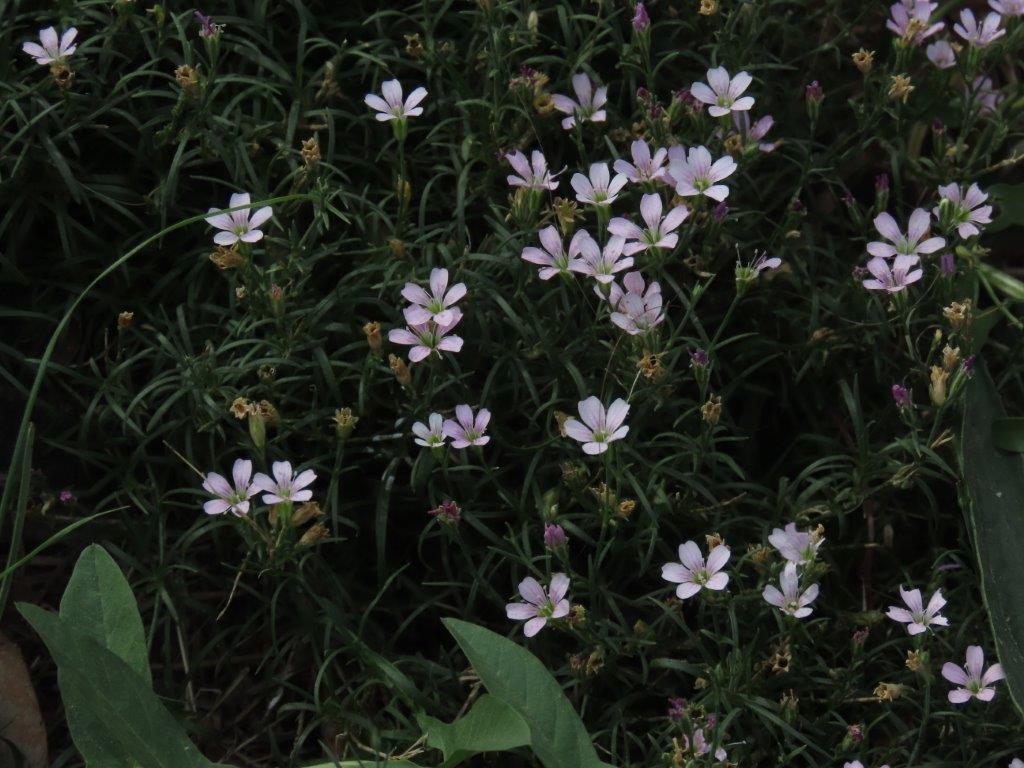
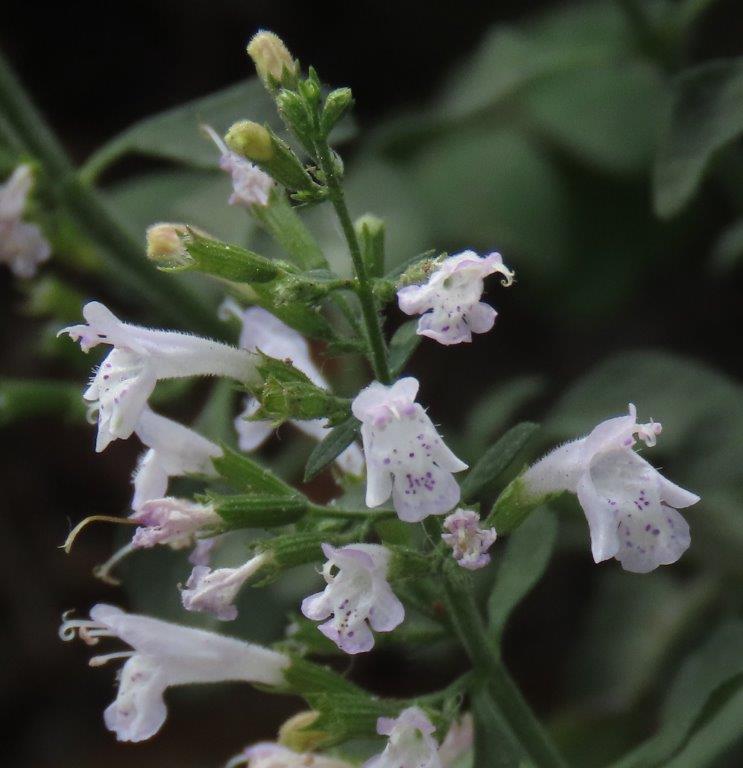
Around the sides of the hill, there is space for more green, with Hooded Crows in the trees, lichens on and Pellitory-of-the-wall growing out of the rocks and bricks, and Tunic-flower and Lesser Calamint in the dry grassland.
And more flowering Ivy, here with legions of Ivy Bees and Drone-flies…
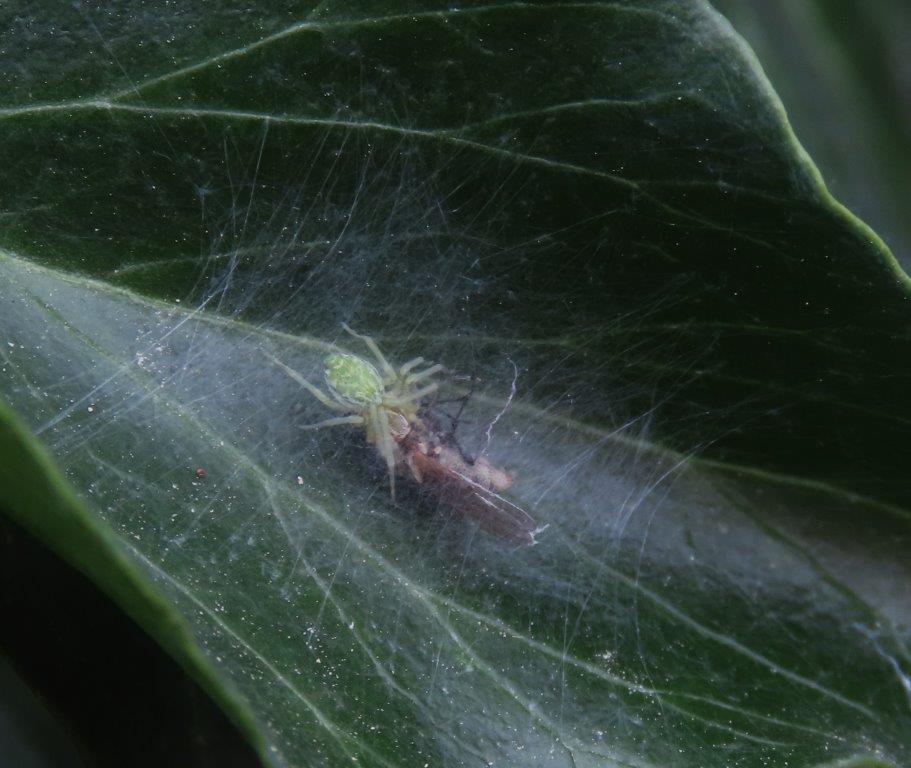
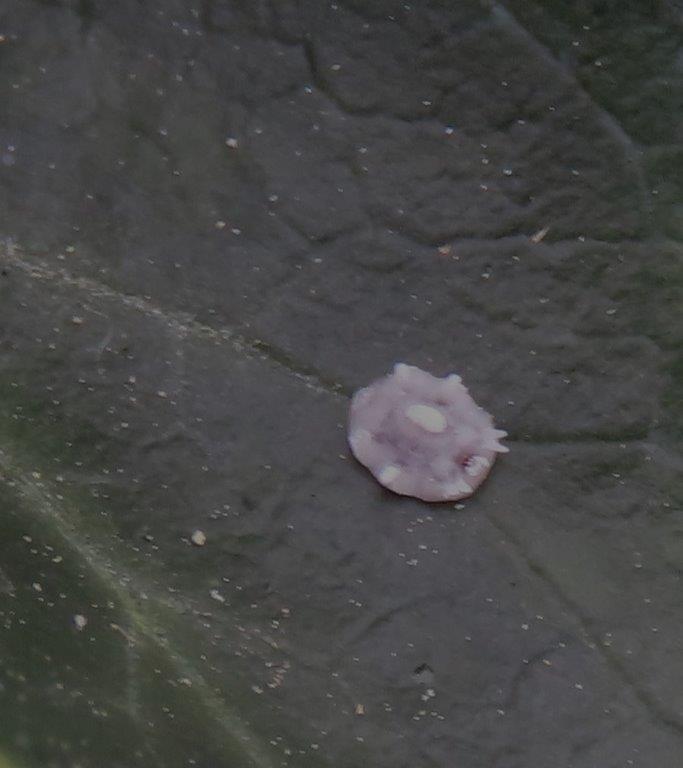
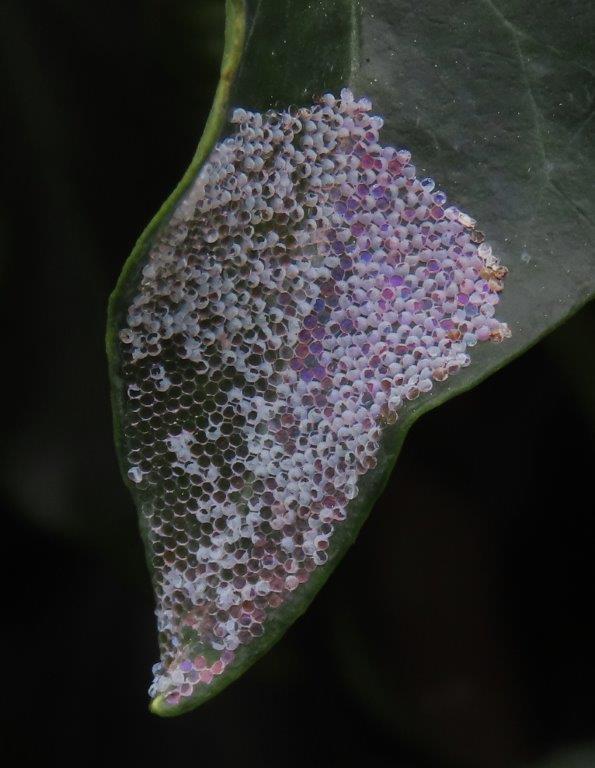
… while the leaves harboured the spider Nigma walckenaeri, Ceroplastes wax scale-insects and a beautiful array of (presumably) moth eggs that had just hatched.
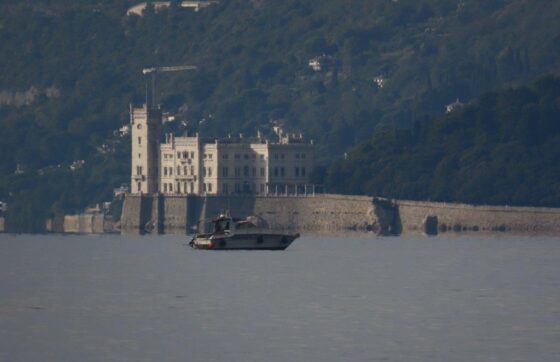
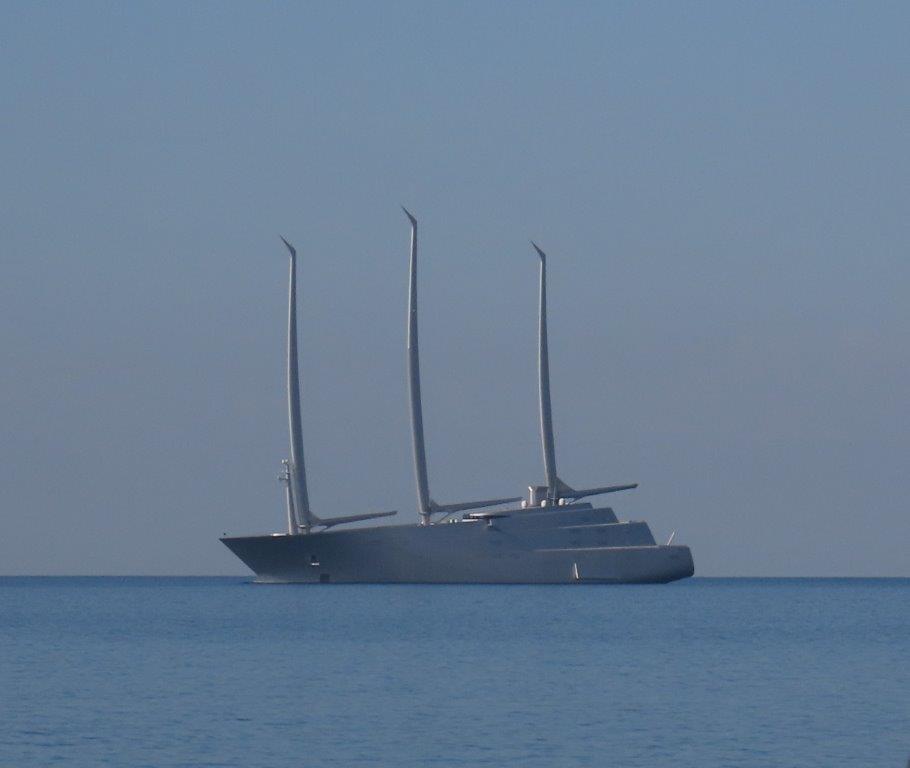
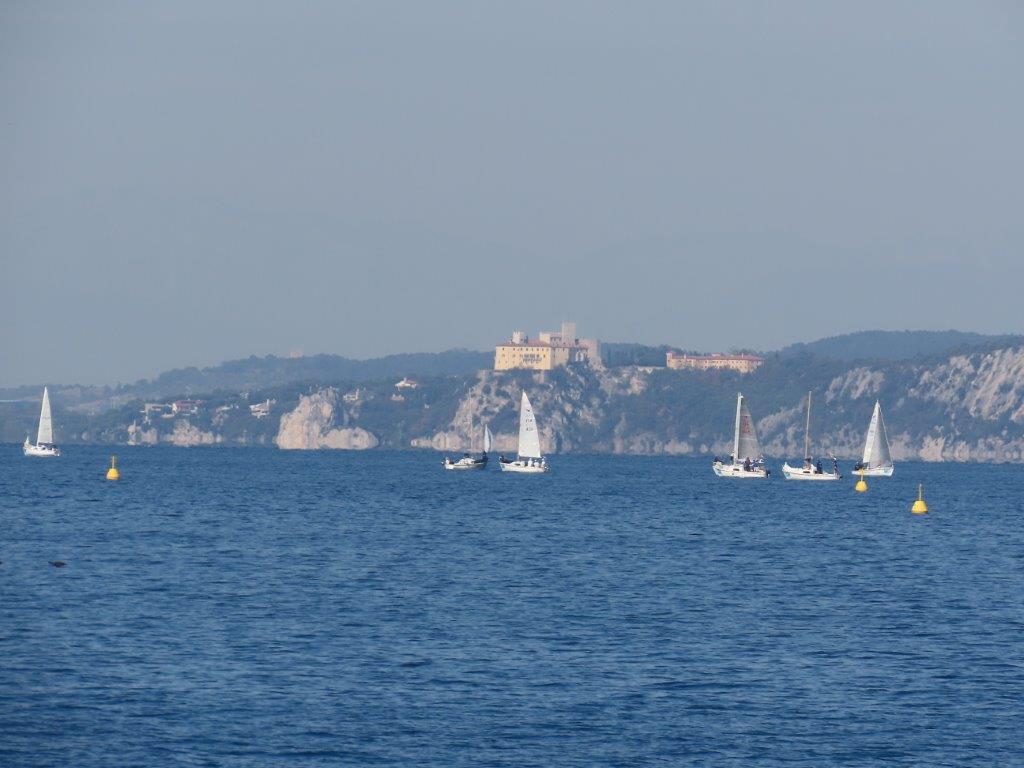
For our second full day we headed out by boat to Miramare Castle, a few kilometres up the coast, on a millpond sea, surrounded by lots of Yellow-legged Gulls and with views across the Gulf of Trieste, including a rather forbidding looking superyacht at anchor.
Menacing indeed, this is known as the White Pearl, and is owned by the Russian billionaire Andrey Melnichenko. 144m long, its masts are taller than Big Ben…
Launched in 2017, it was almost immediately impounded in Gibraltar over unpaid construction costs, and subsequently seized by Italian authorities in 2022 as a result of sanctions stemming from Russia’s invasion of Ukraine. Mr Melnichenko may come to regret his $600 million outlay….
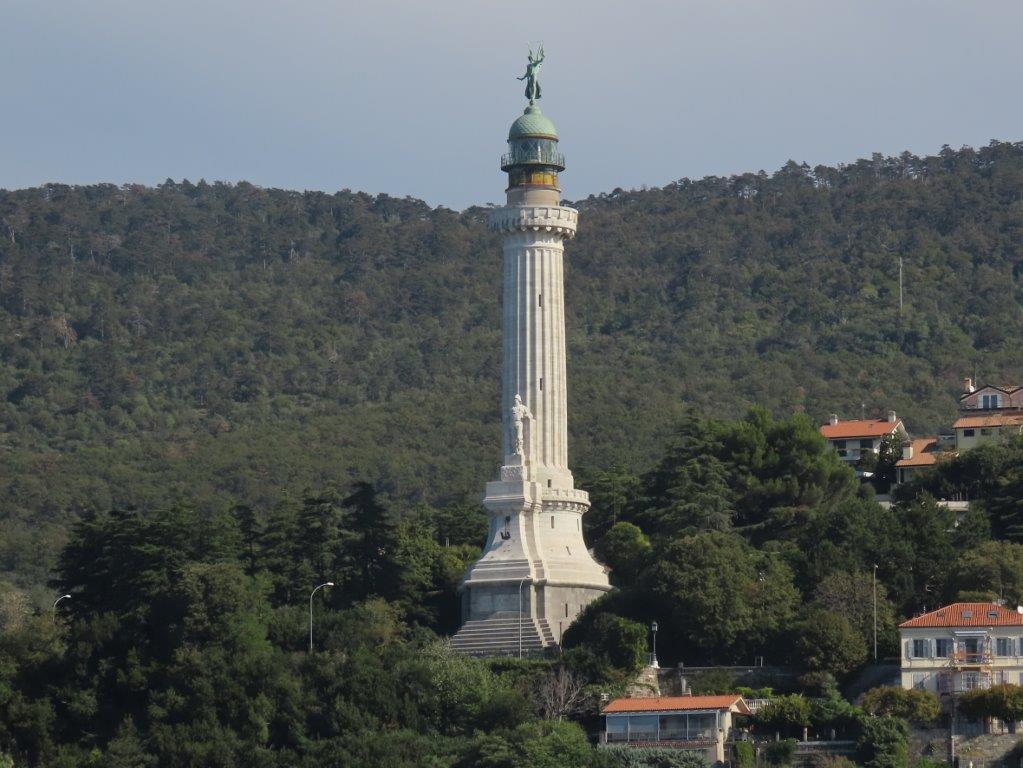
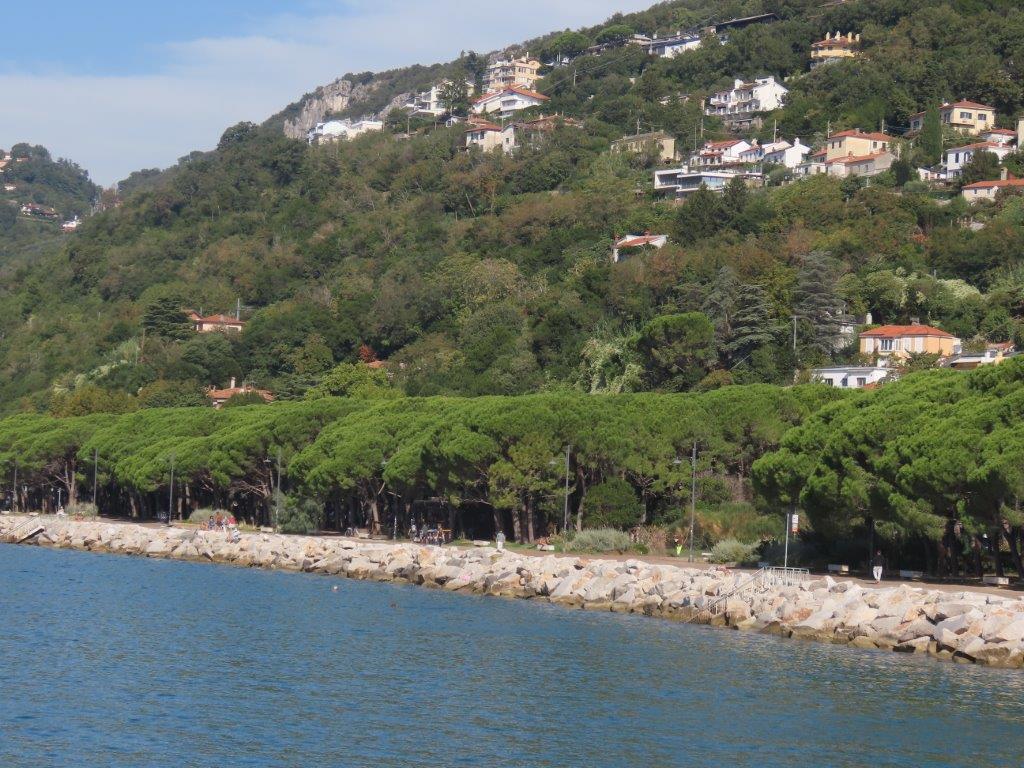
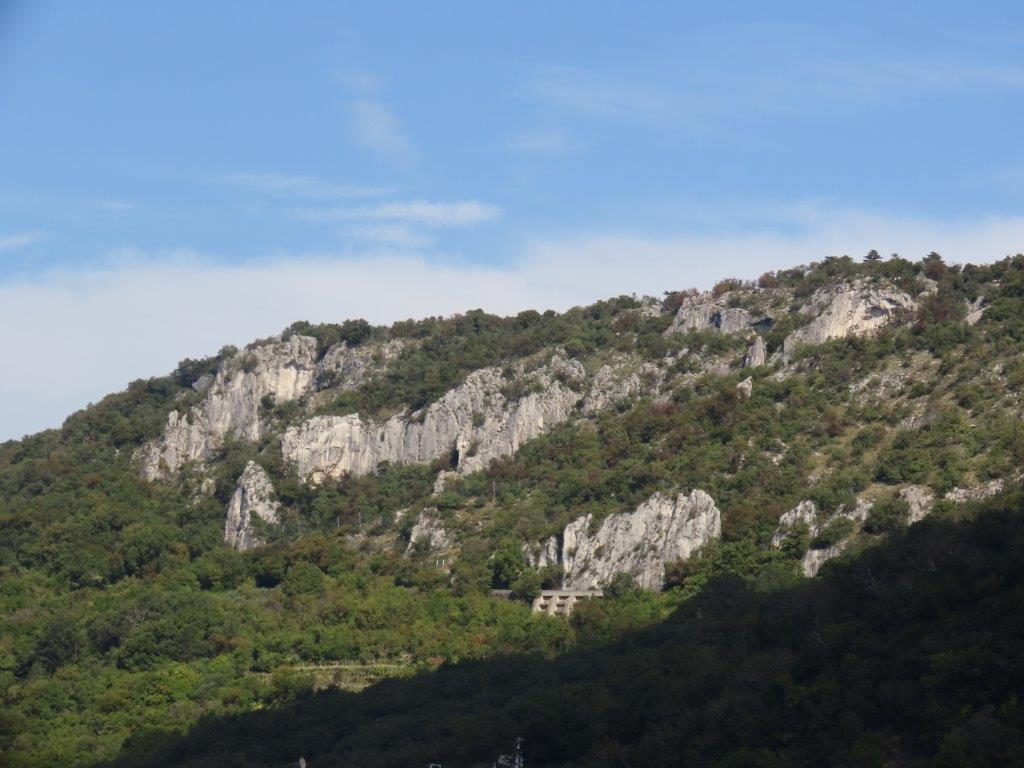
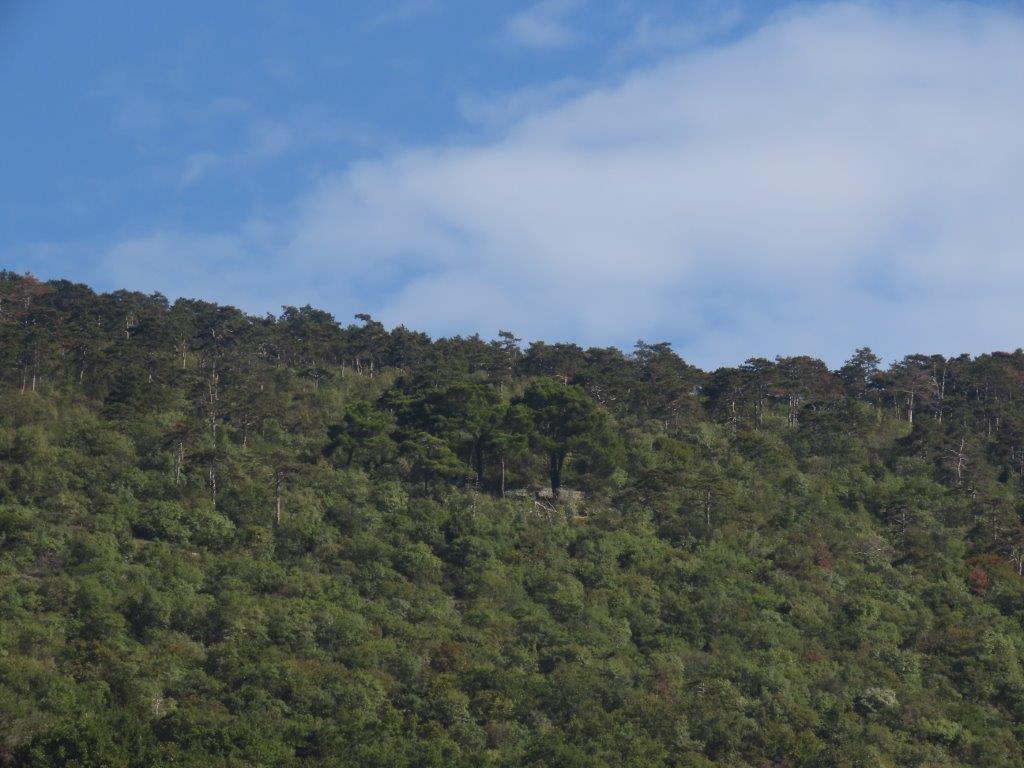
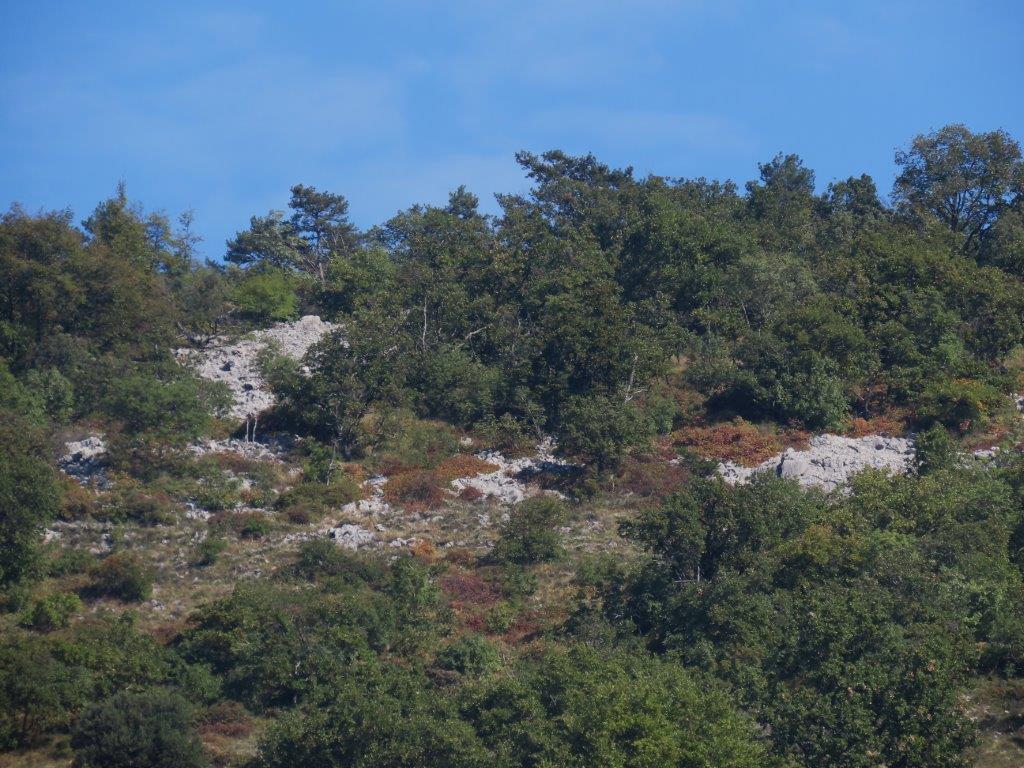
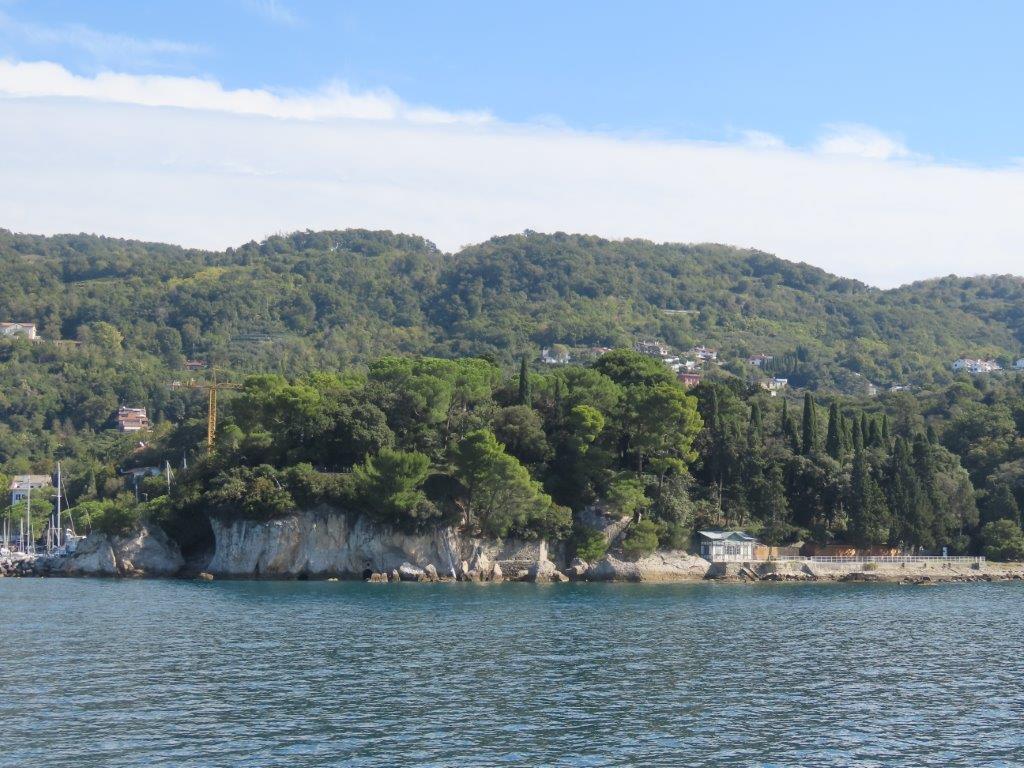
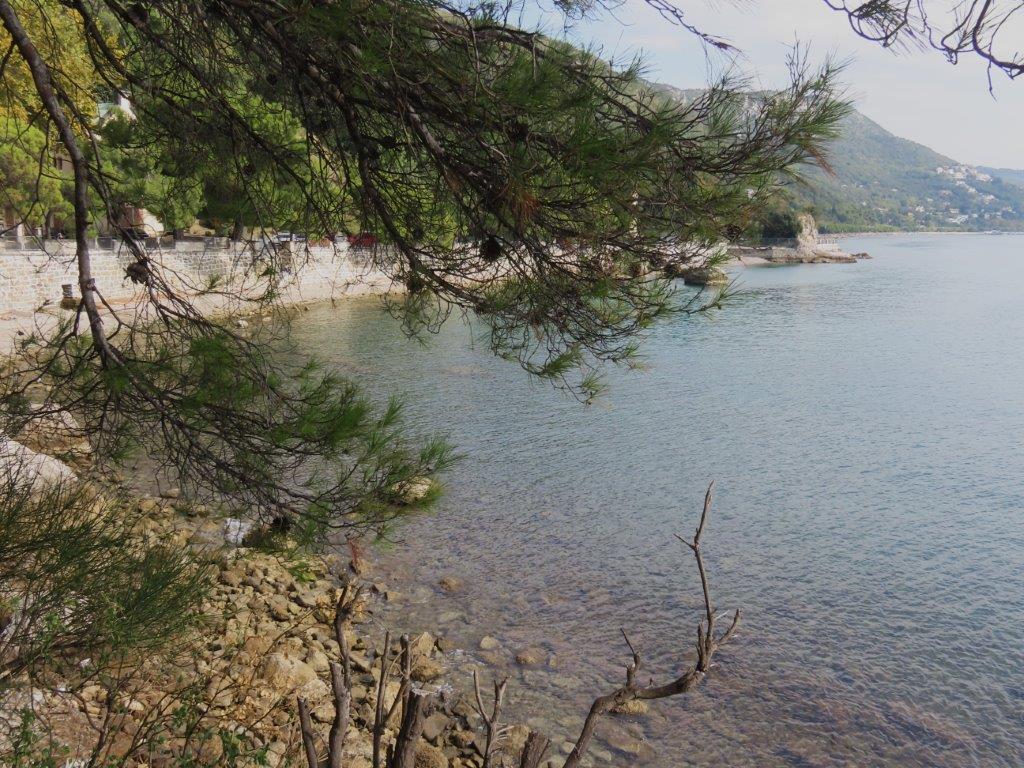
Looking landward, we passed the Victory Lighthouse and the Formaggino, skirted the Barcola pinewoods, and looked up to the Karst, a wonderful mix of woodland and scrub, with limestone outcrops.
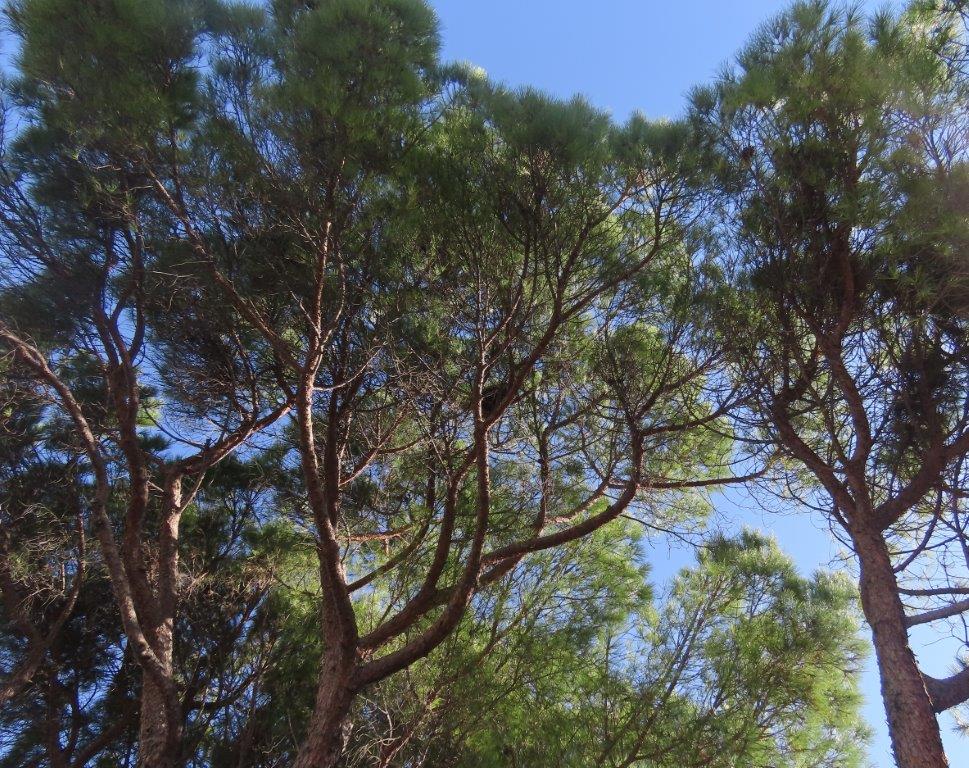
Rounding the peninsula, with views up the coast to Duino Castle, we docked at Grignano marina and naturally first stop was the beach bar! A delightful ‘special local menu’ brunch consisted of seafood and vegetarian fried nibbles, including pickled sardines on bread. Yum! And of course a glass of local wine, under the shade of the Aleppo Pines.
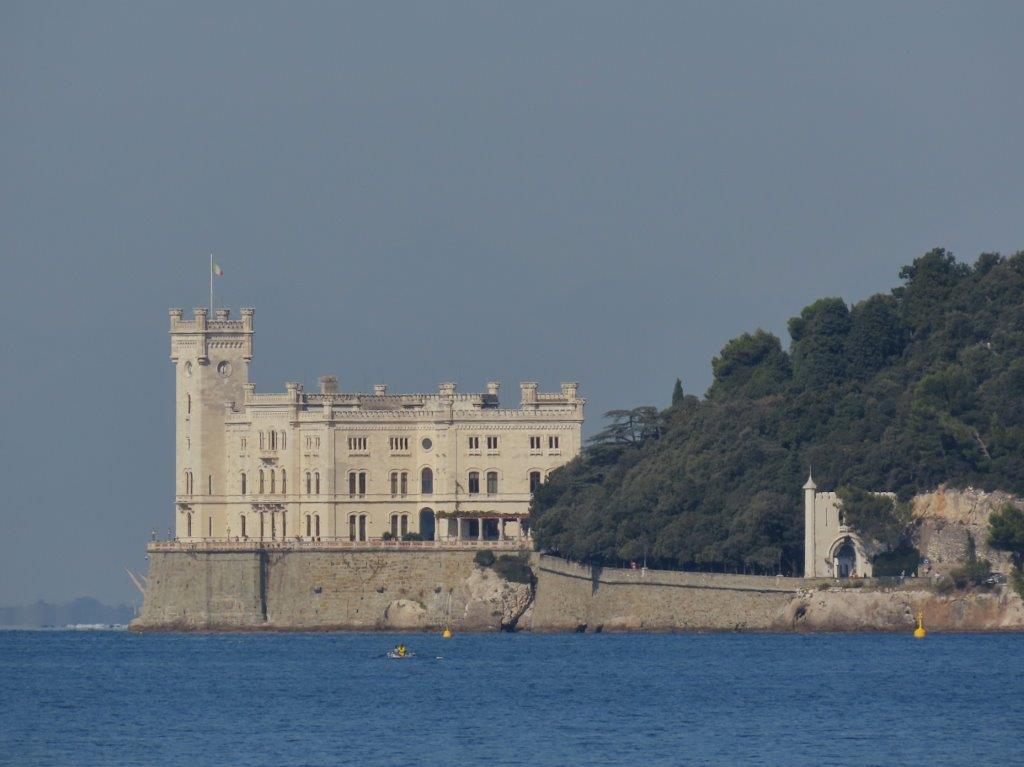
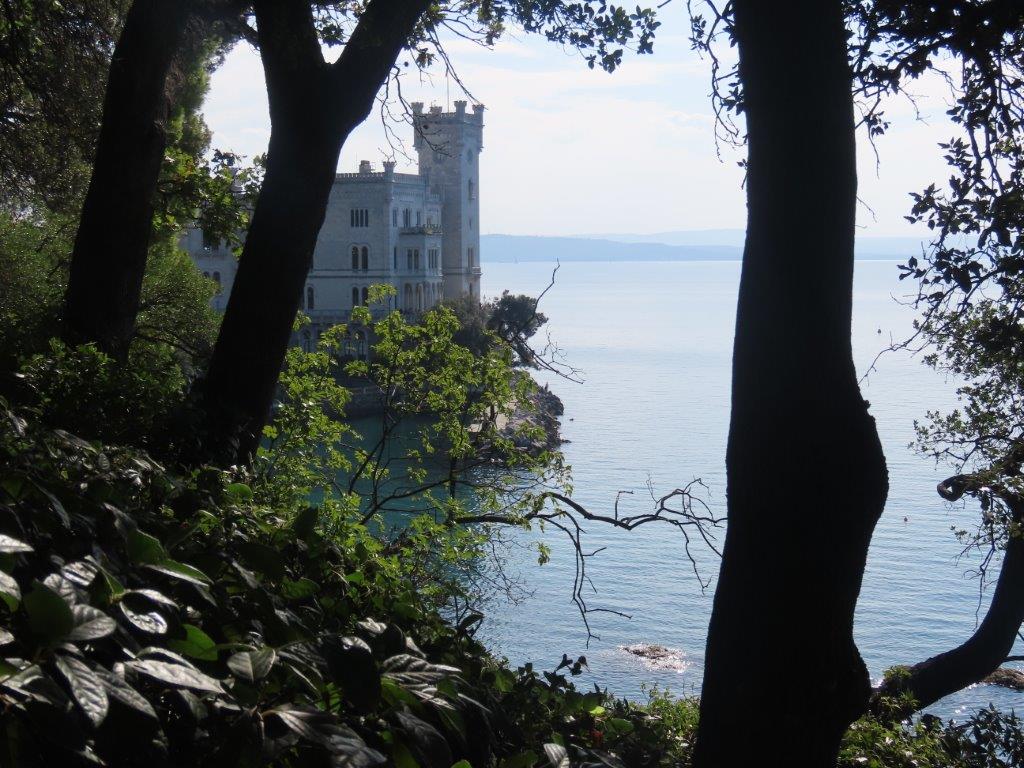
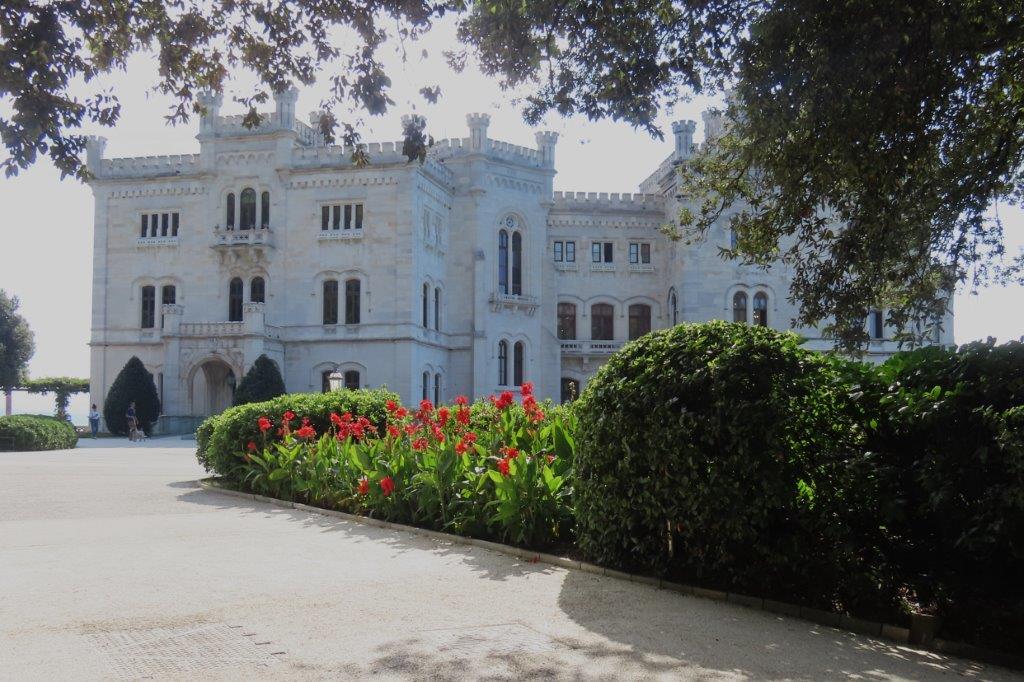
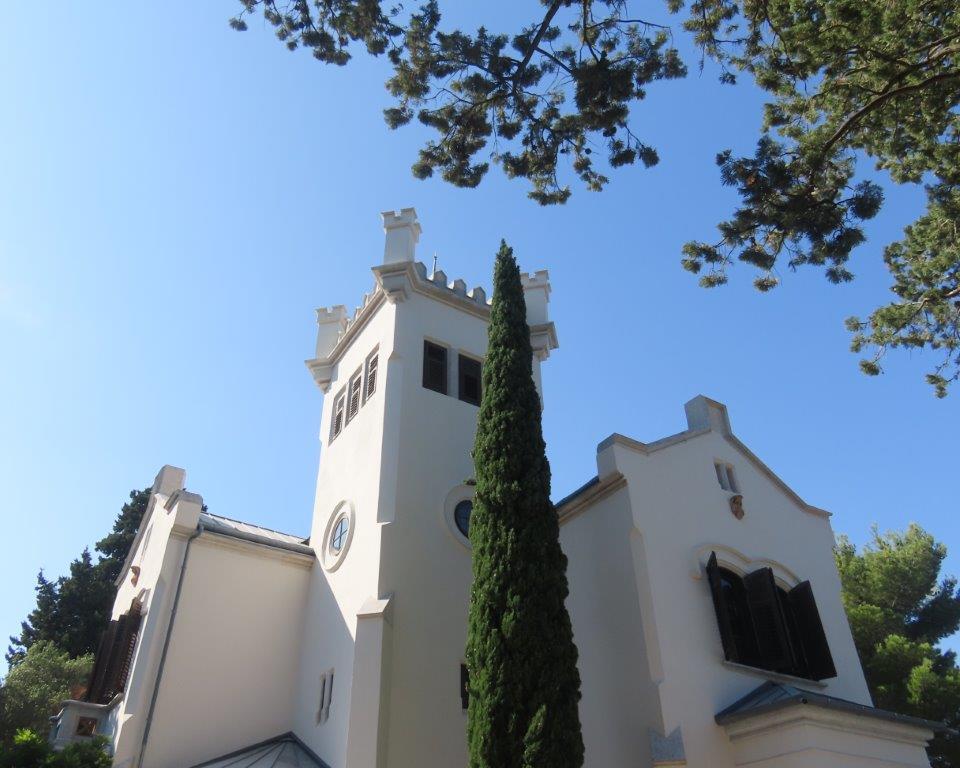
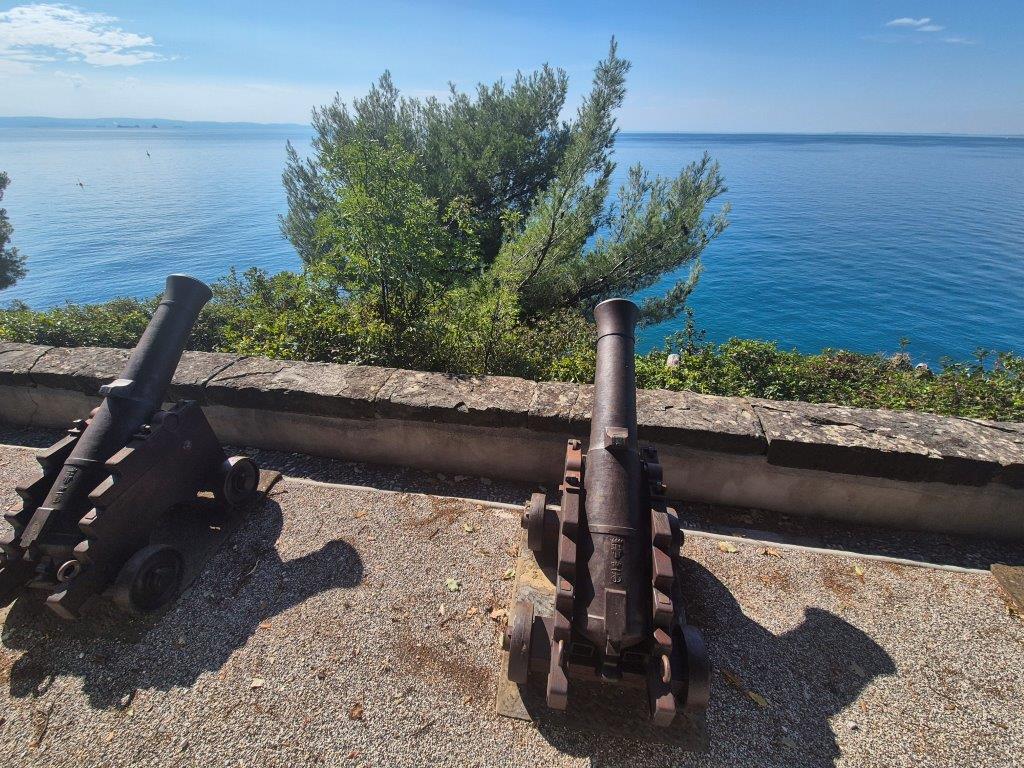
Built for Archduke Ferdinand Maximillian of Habsburg in the mid-19th century, Miramare Castle and the adjacent castelletto are often described as ‘fairytale’. So, eschewing the whimsy of the not-too-distant past, we instead explored the park and gardens within which they are set.
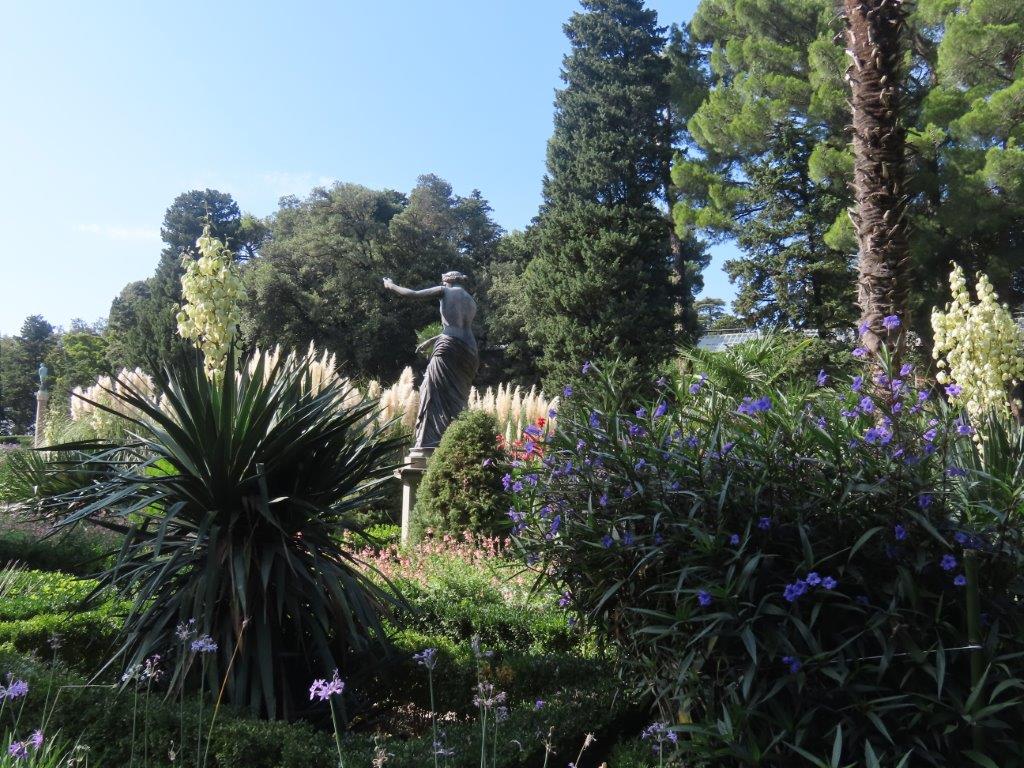
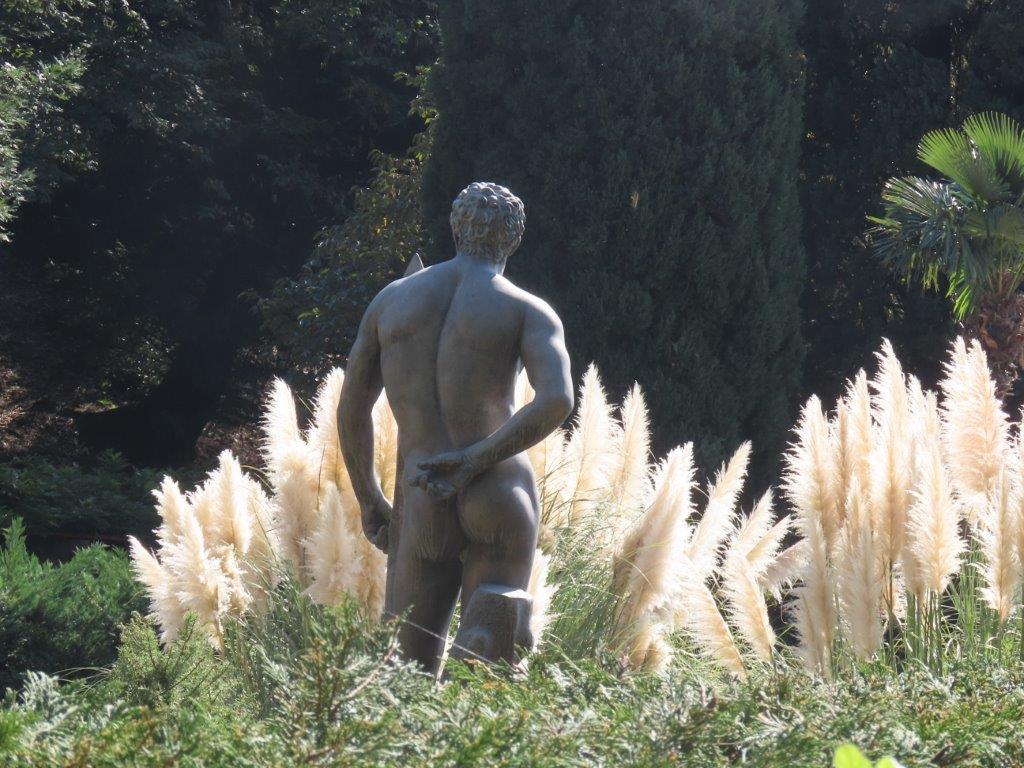
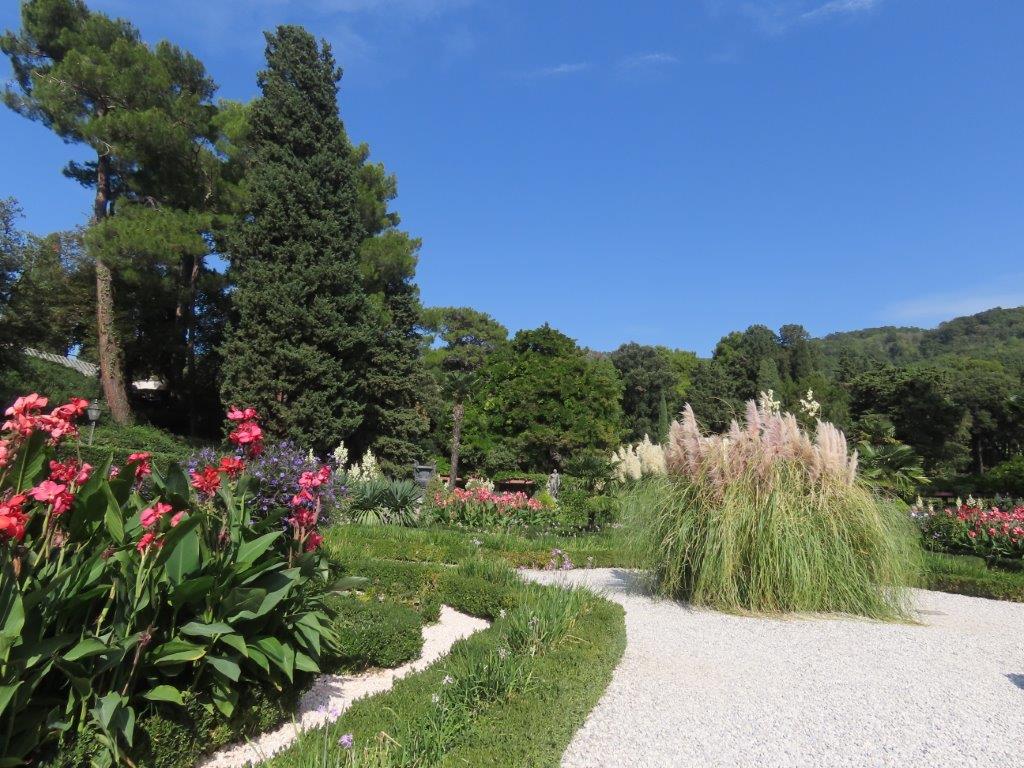
The formal gardens, set with many sculptures, are Italianate in style…
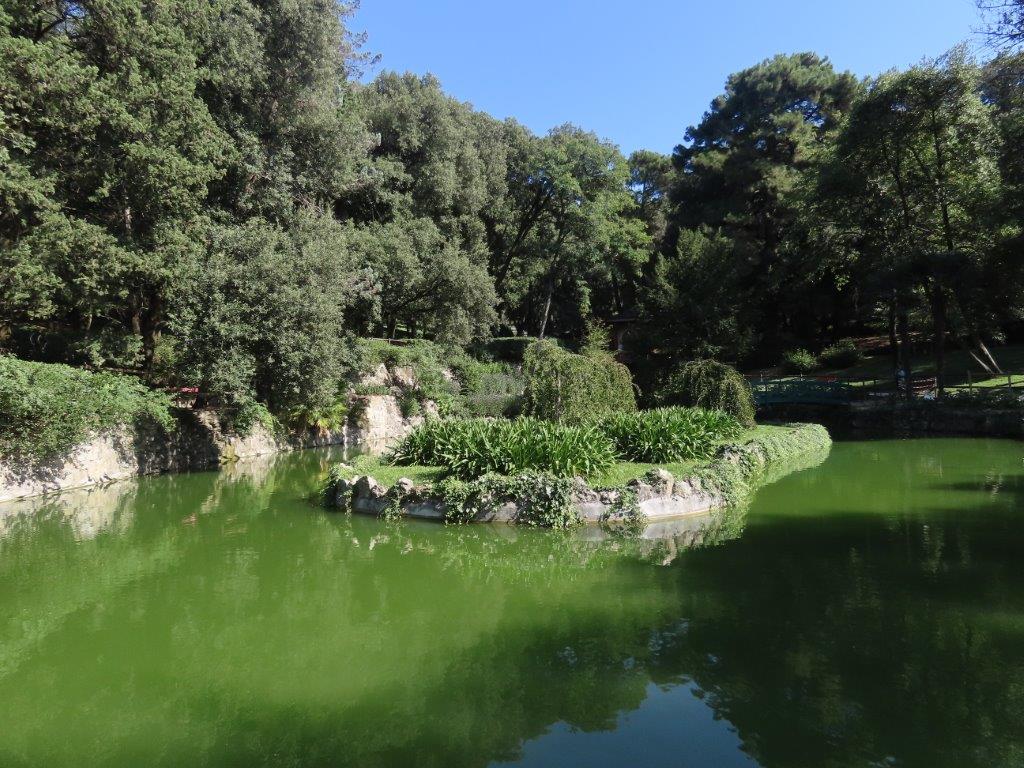
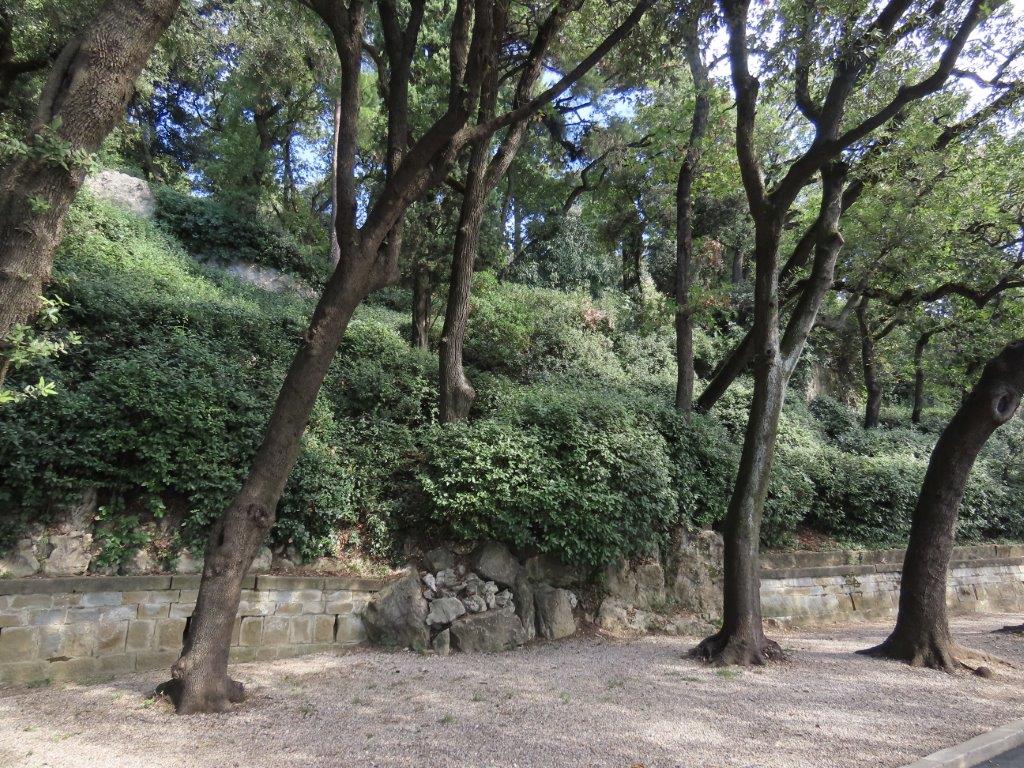
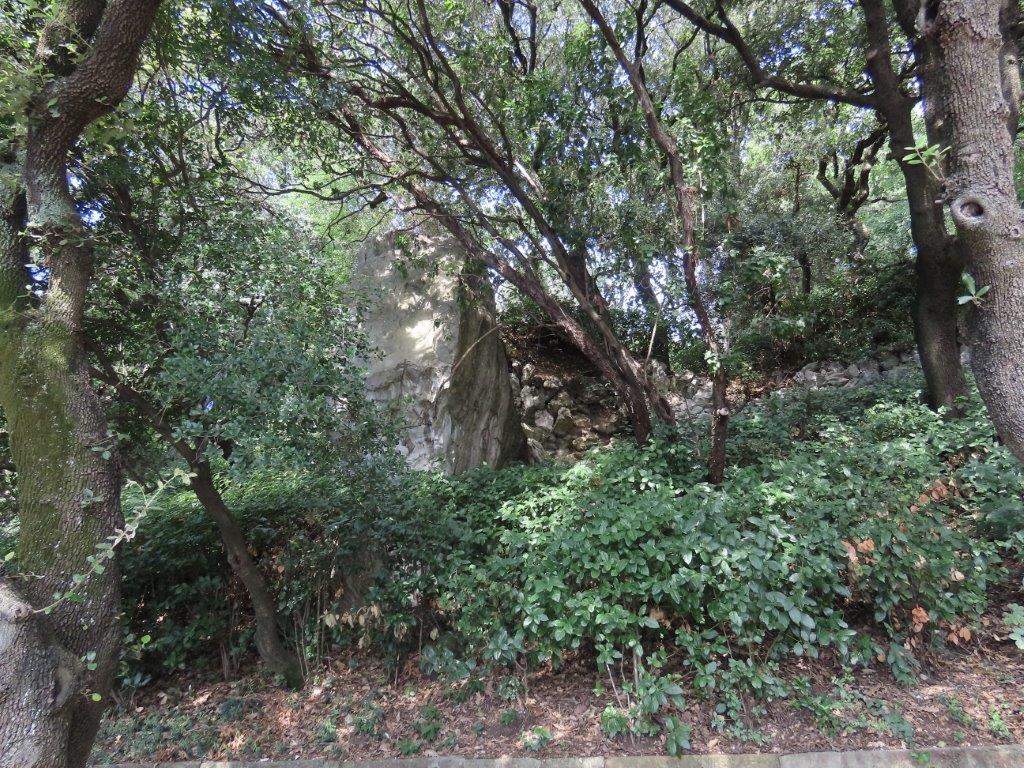
… but the more interesting wilder areas of Holm Oak, pine and Strawberry-tree woodland, were reassuringly informal, albeit that (it is claimed) the Archduke oversaw all the planting here on what was an exposed limestone promontory.
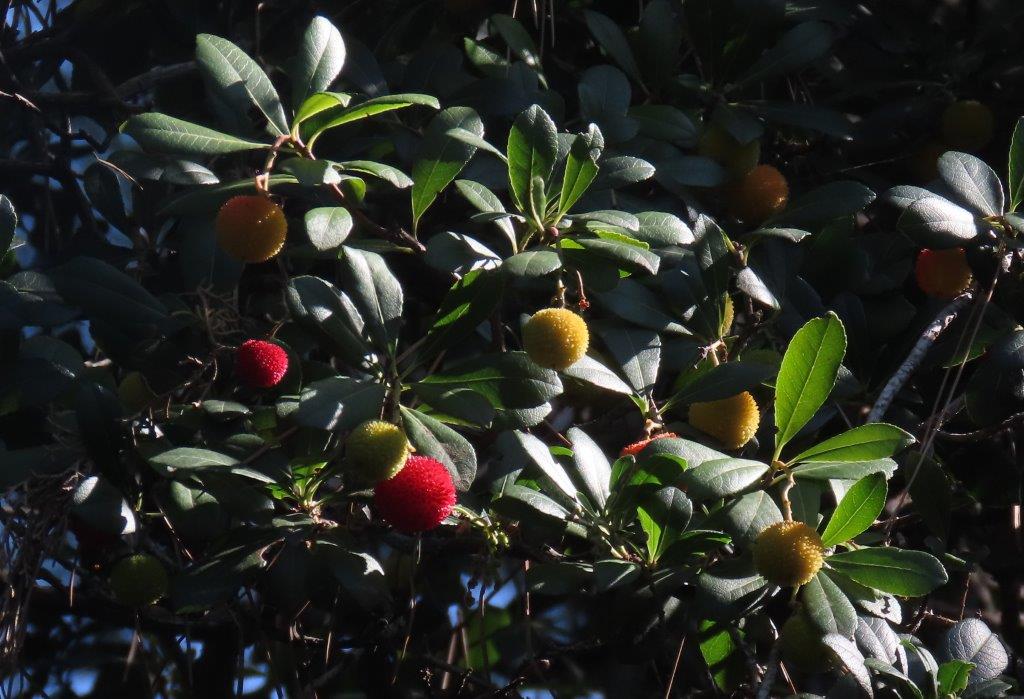
Strawberry-tree in fruit called us to search for the eggs or larvae of Two-tailed Pashas, but to no avail. We did however see an adult fleetingly, regally circling a clearing, brushing off the unwanted attentions of both a Vagrant Emperor dragonfly and an Oriental Hornet.
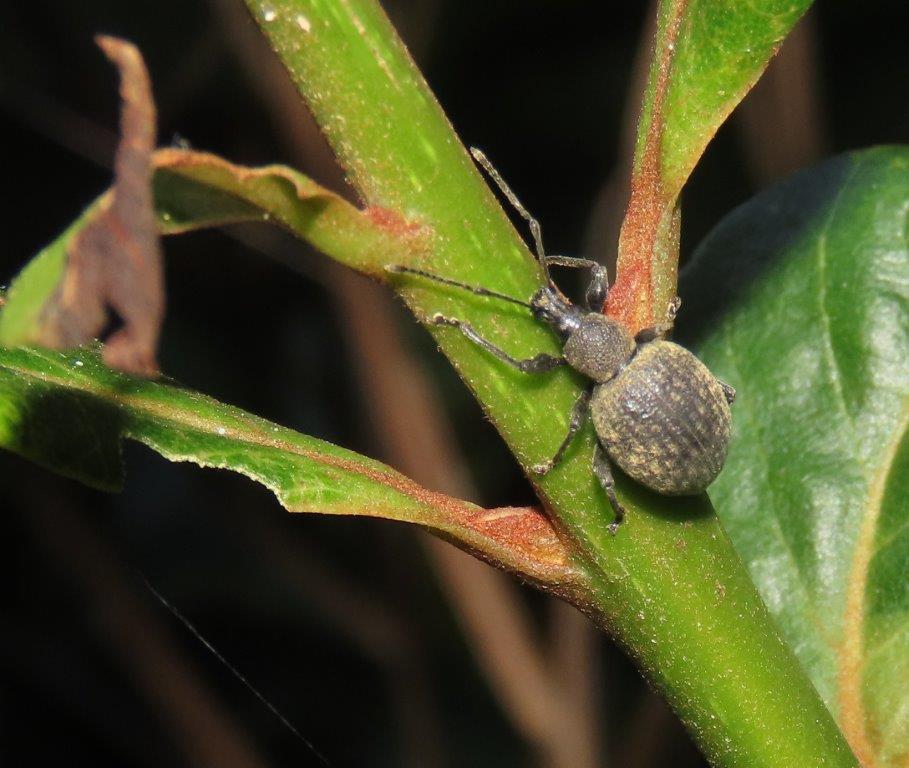
Other shrubs and small trees included Laurustinus, its leaf-edges much munched by Vine Weevils:
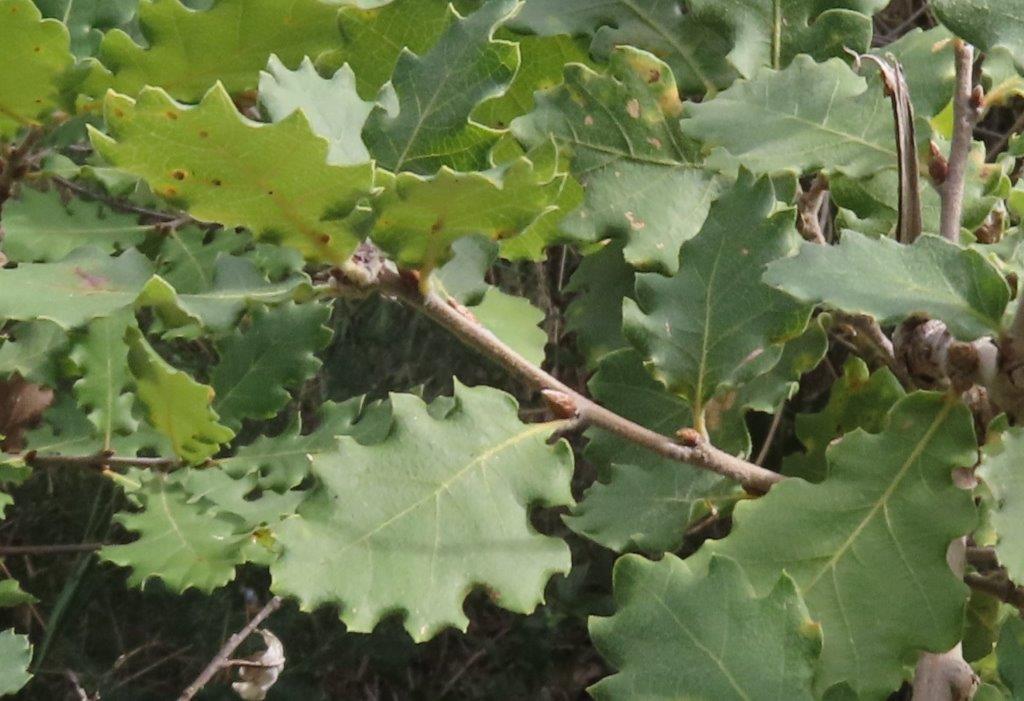
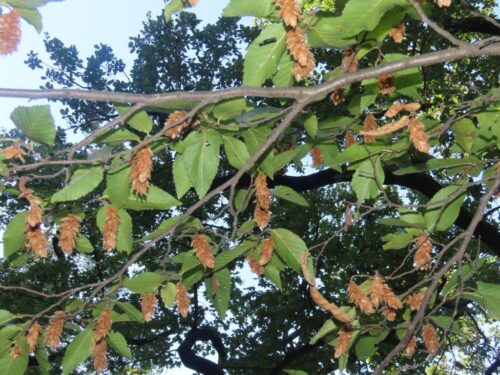
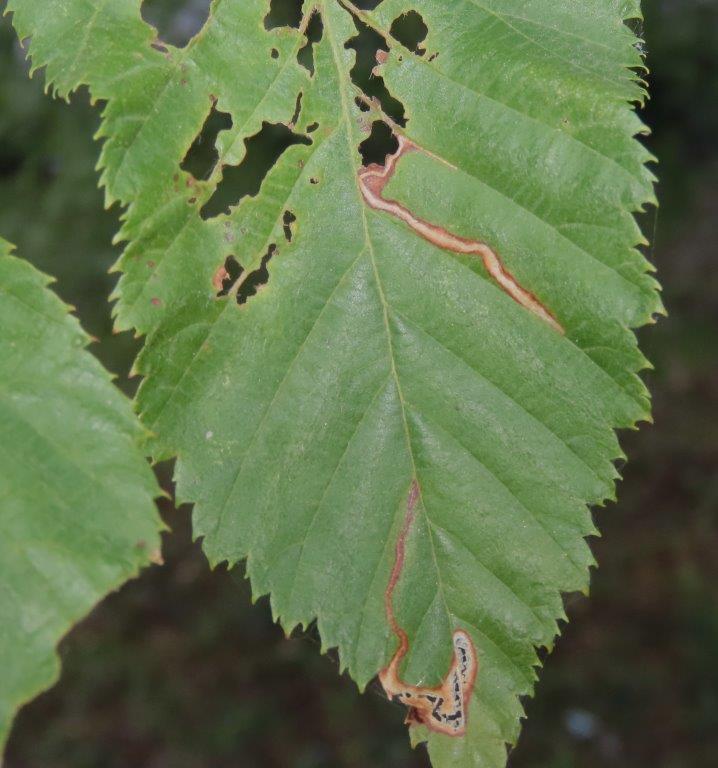
And Downy Oak and Hop-hornbeam, both trees that are often proposed as future garden/forestry species for us in the UK as climate envelopes are shifting. For the latter at least, it was good to see it being used by a leaf-mining micromoth, so if brought here, the birds might still have something to eat.
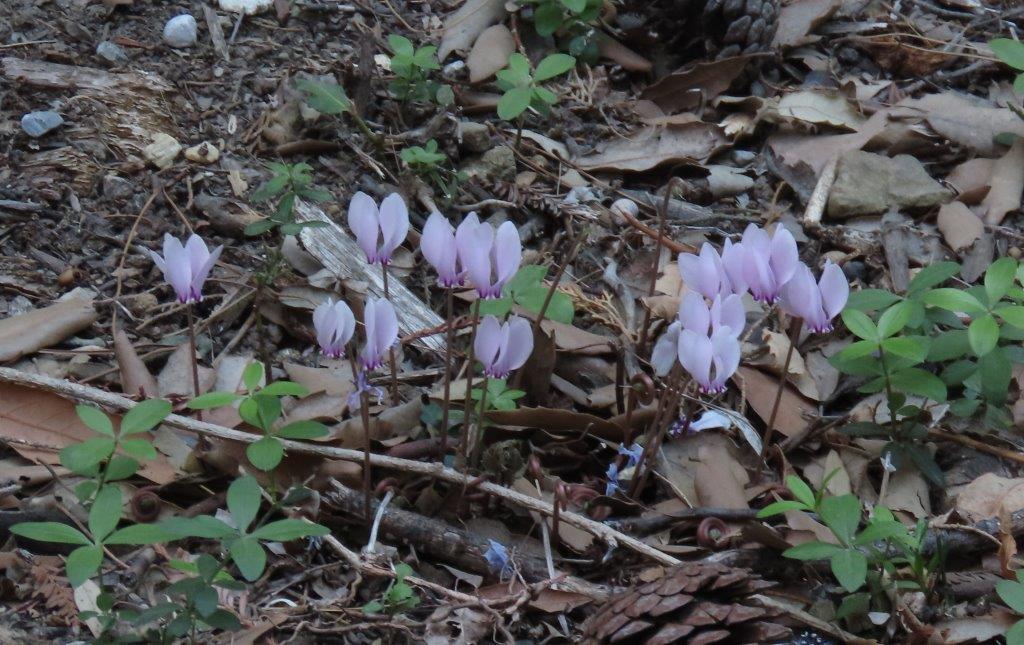
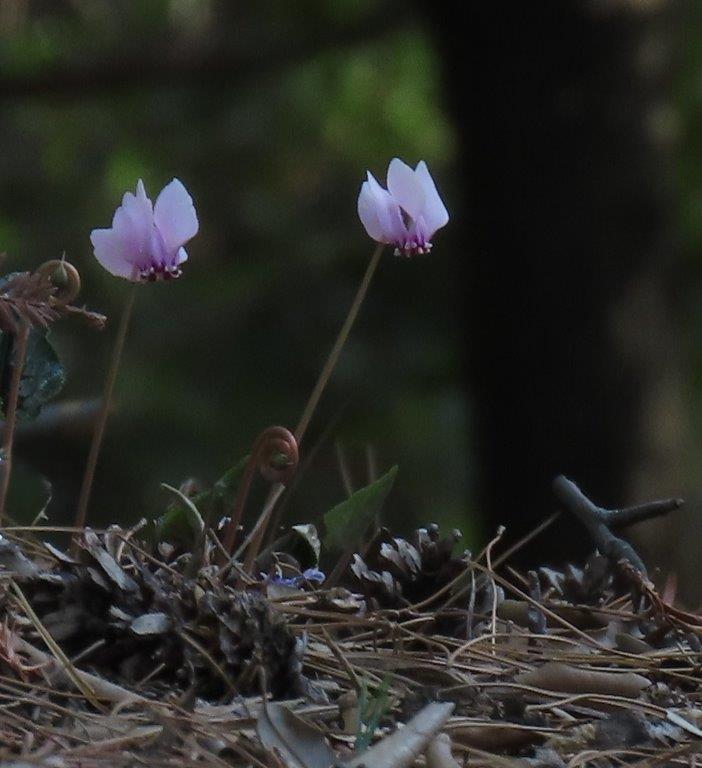
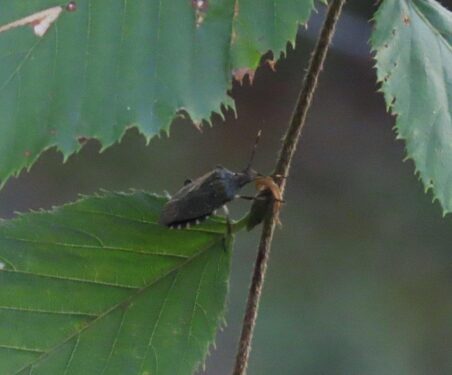
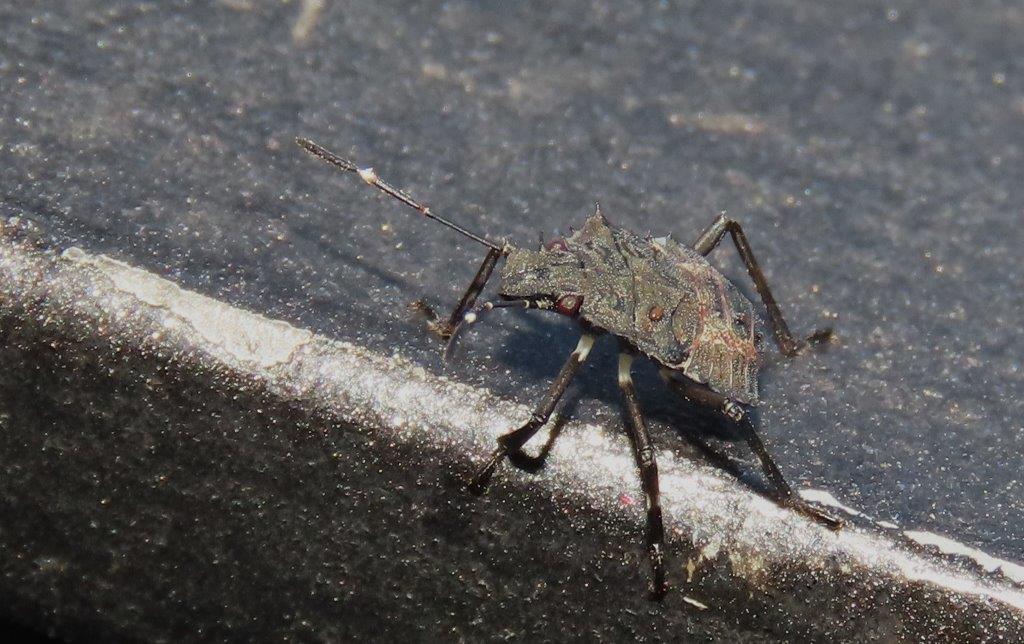
In the shade of the trees, Cyclamen purpurascens provided shots of colour, and Brown Marmorated Stink-bugs were active. These bugs which originated in the Far East were accidentally imported, it is thought, to Zurich in 1998 from whence they have spread, causing much consternation because of the damage they cause to agricultural crops.
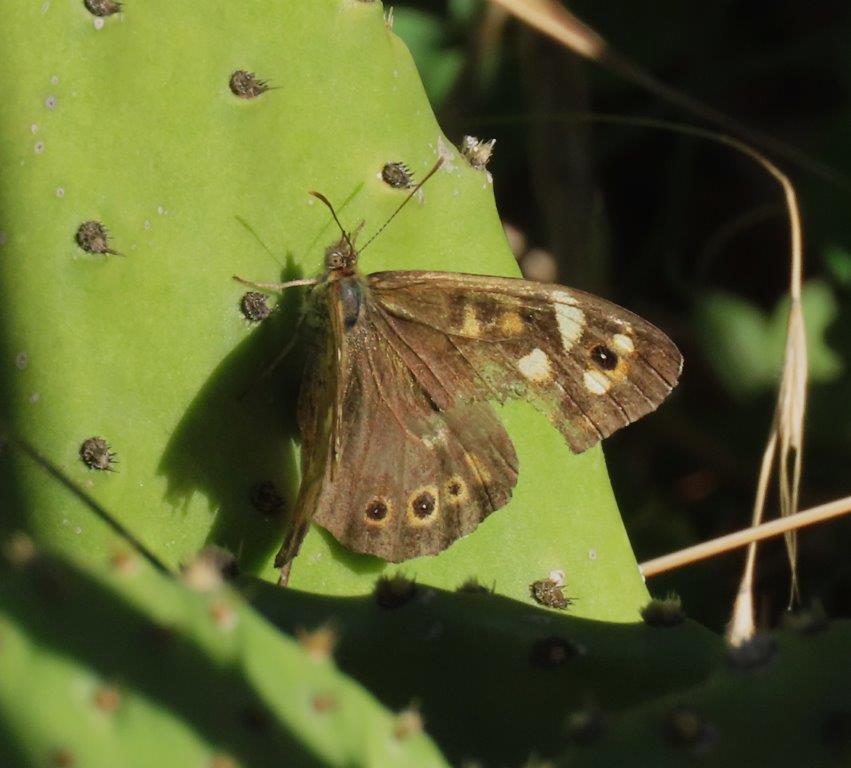
In the clearings, Speckled Woods were flying, these being the same cream-blotched subspecies as ours: draw a line from here to Cornwall, and everything to the south-west will be of the orange-blotched form. And Ploughman’s-spikenard was in full flower:
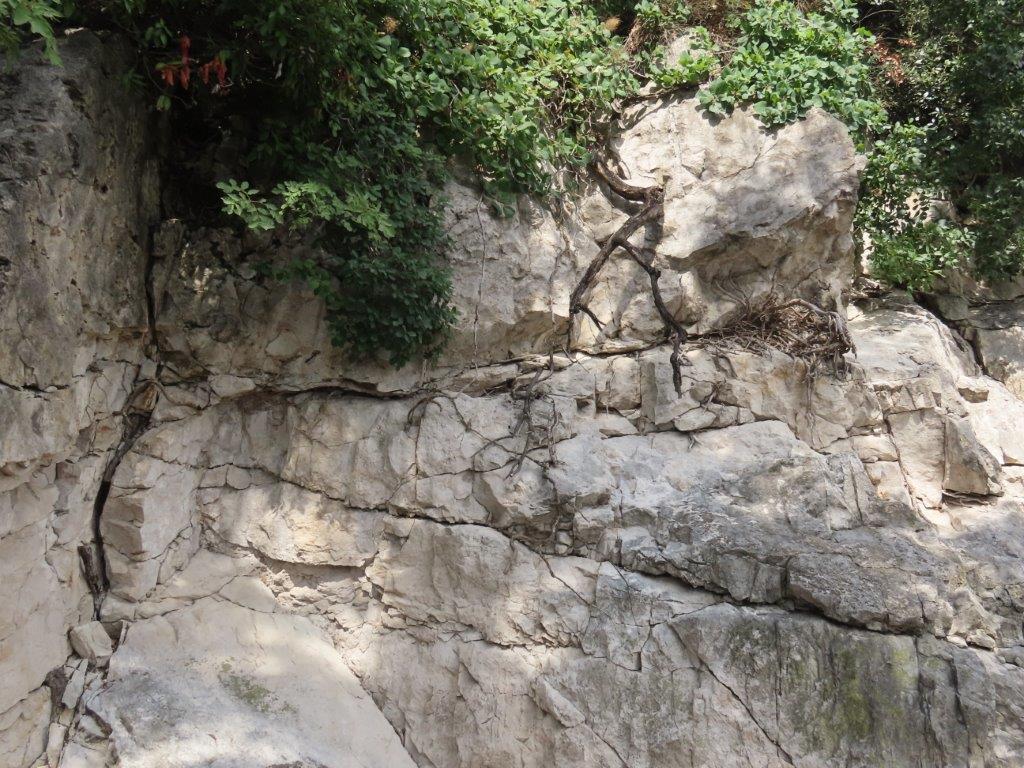
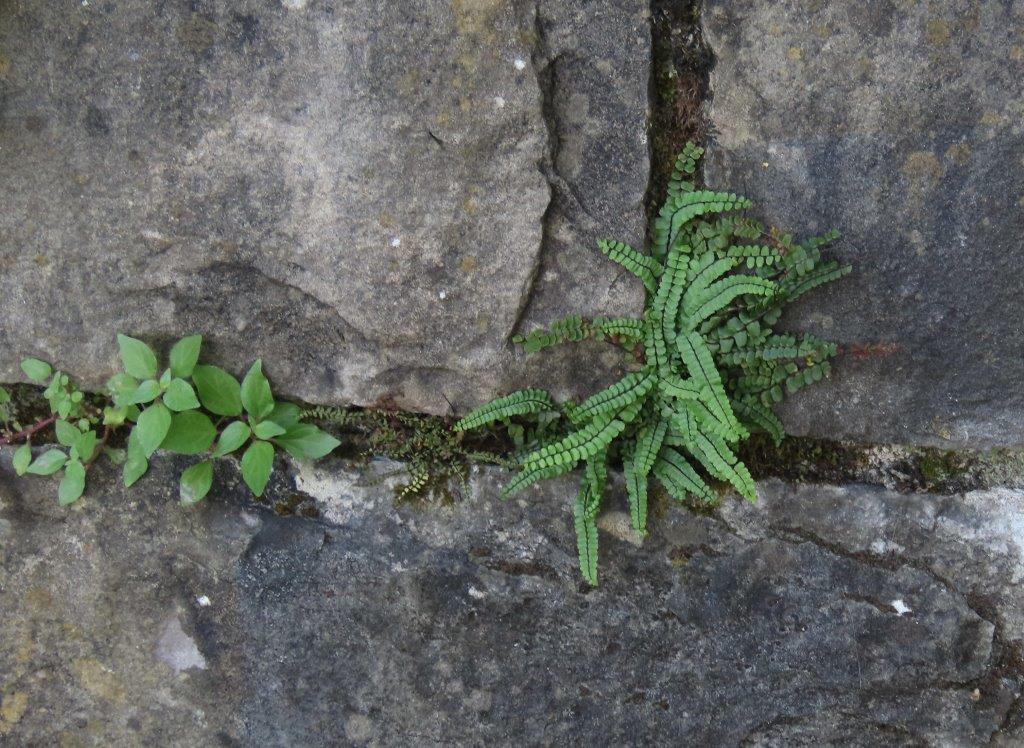
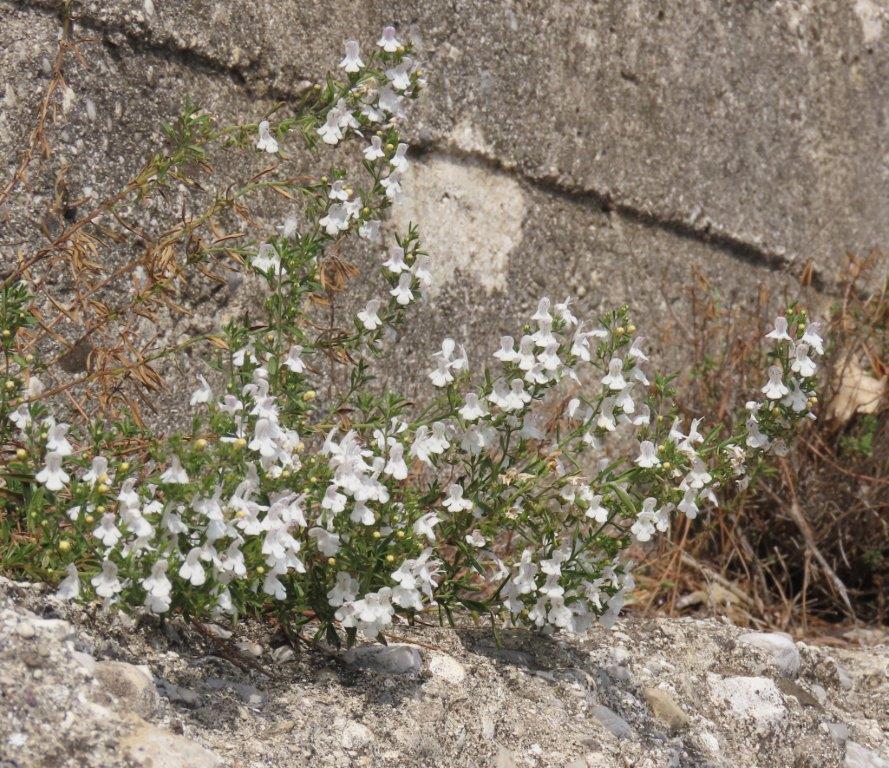
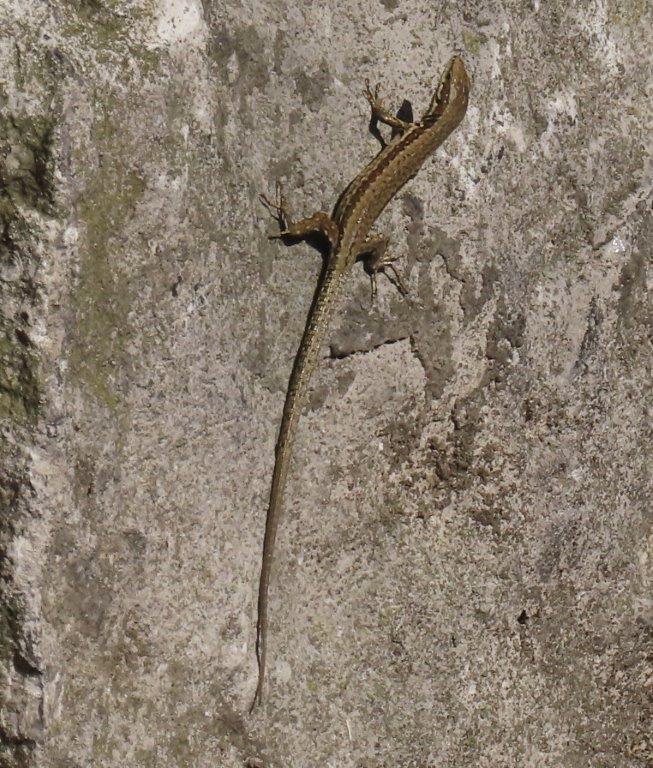
On the shady side of rocks and walls, Maidenhair Spleenwort was a familiar face to us, with the equally familiar herb Winter Savory on the sun-blasted faces, the same places as favoured by basking Common Wall Lizards.
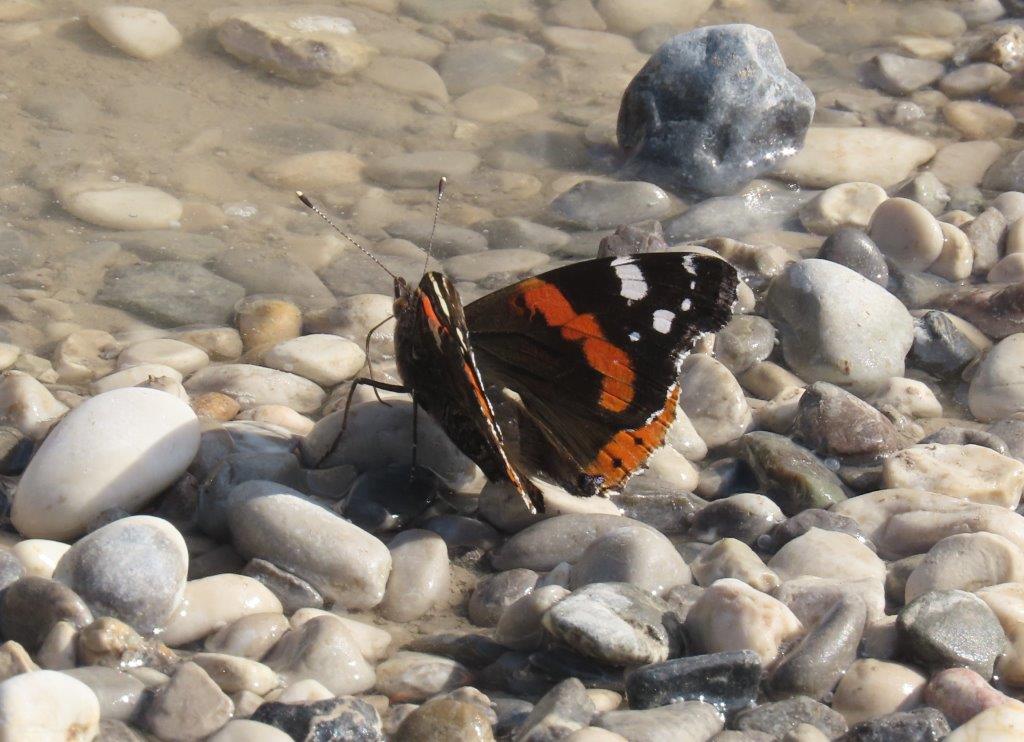
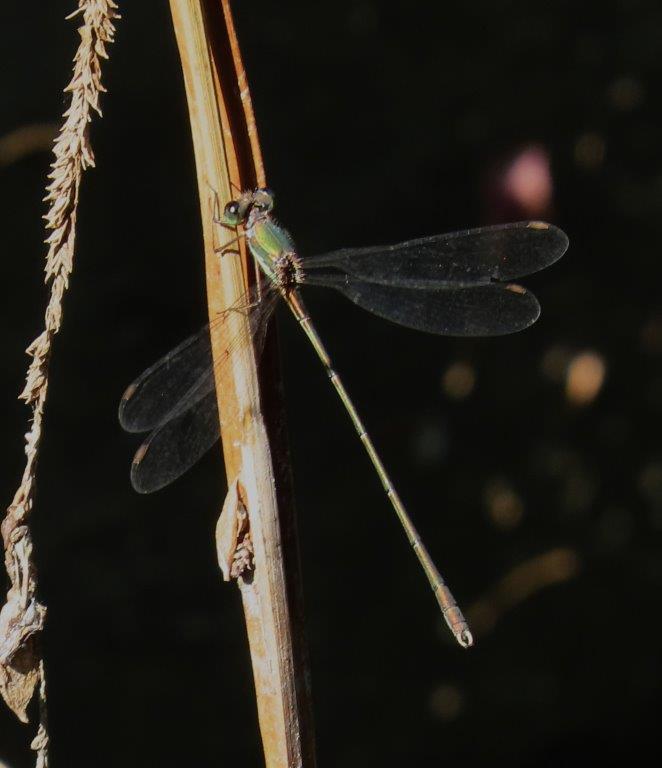
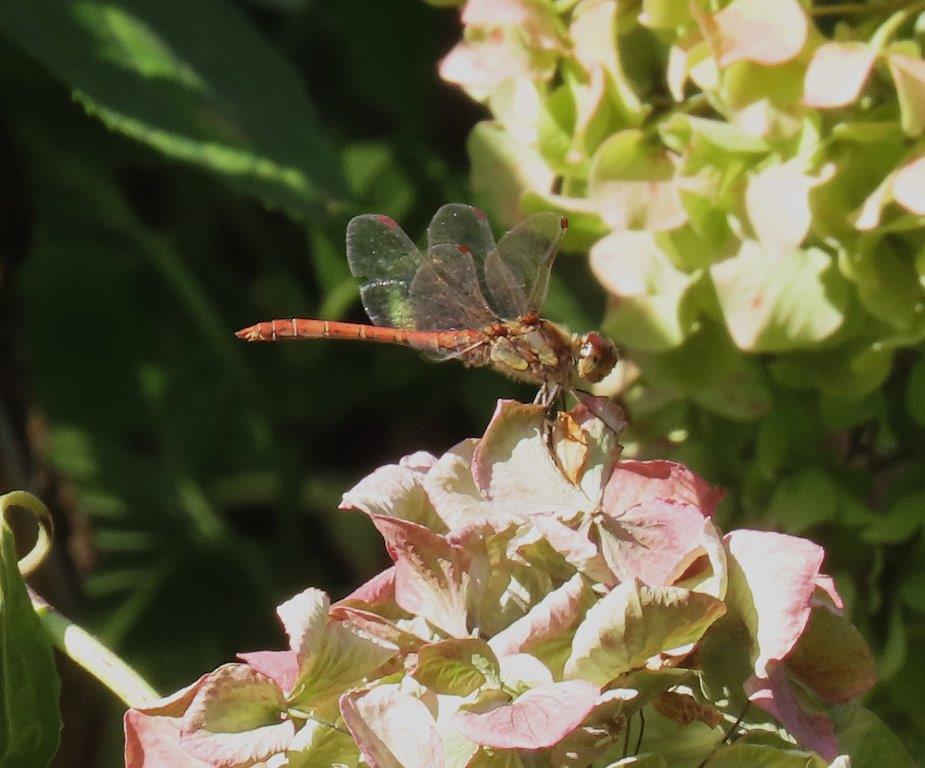
The natural attraction of pools on a hot day was obvious around the garden, with drinking Red Admirals and Oriental Hornets, bees and hoverflies basking, and hunting Western Willow Emeralds and Common Darters.
As ever, a plethora of wildlife was not photographed, including Cleopatra, Painted Lady and Small Copper butterflies and Migrant Hawker dragonflies around the garden, with Nuthatches and Great Spotted Woodpeckers among the trees.
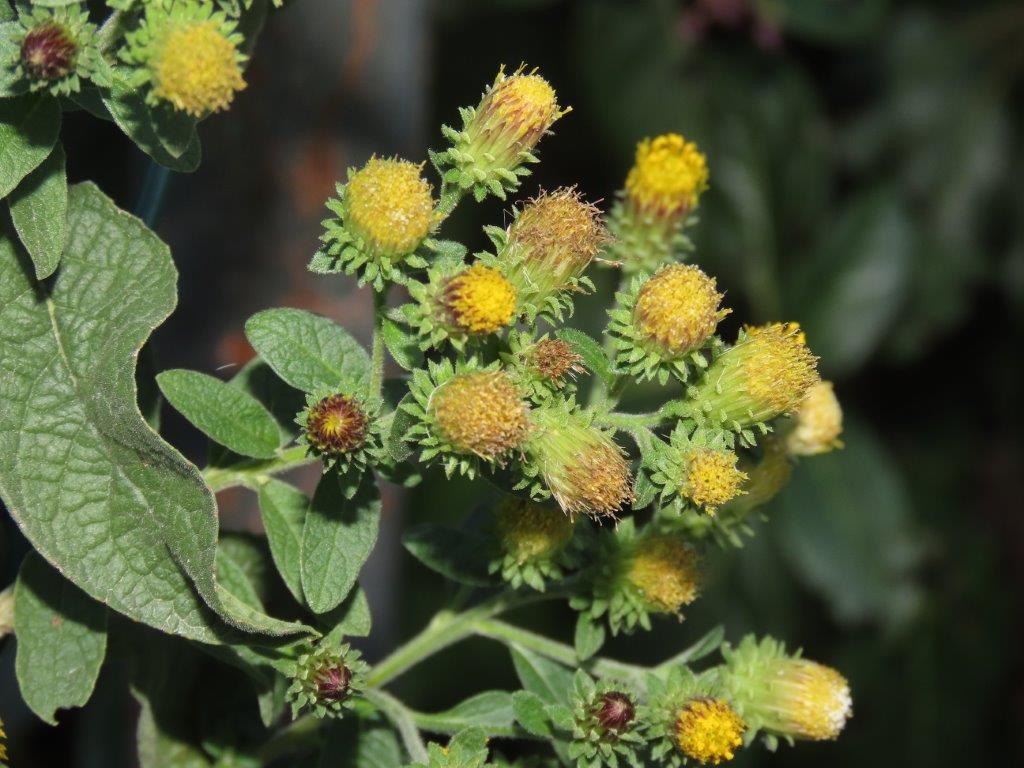
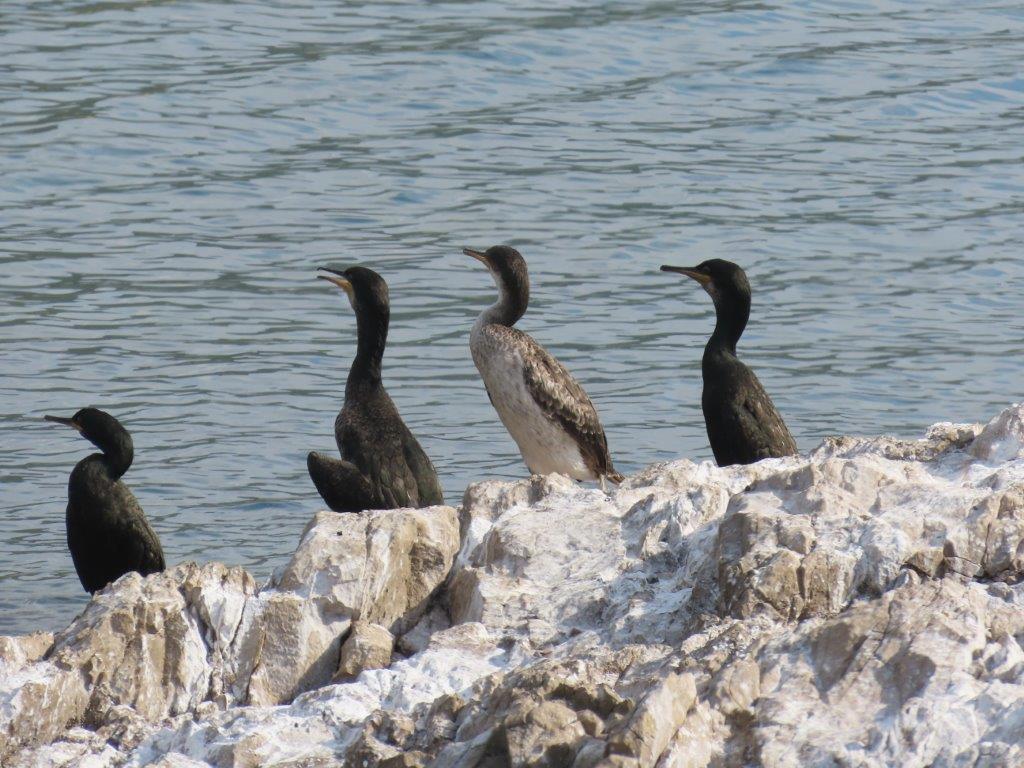
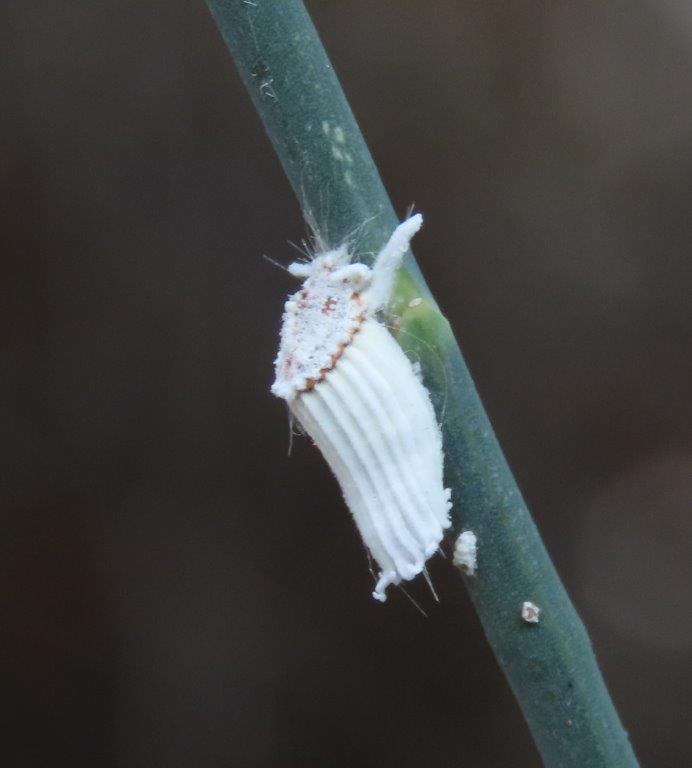
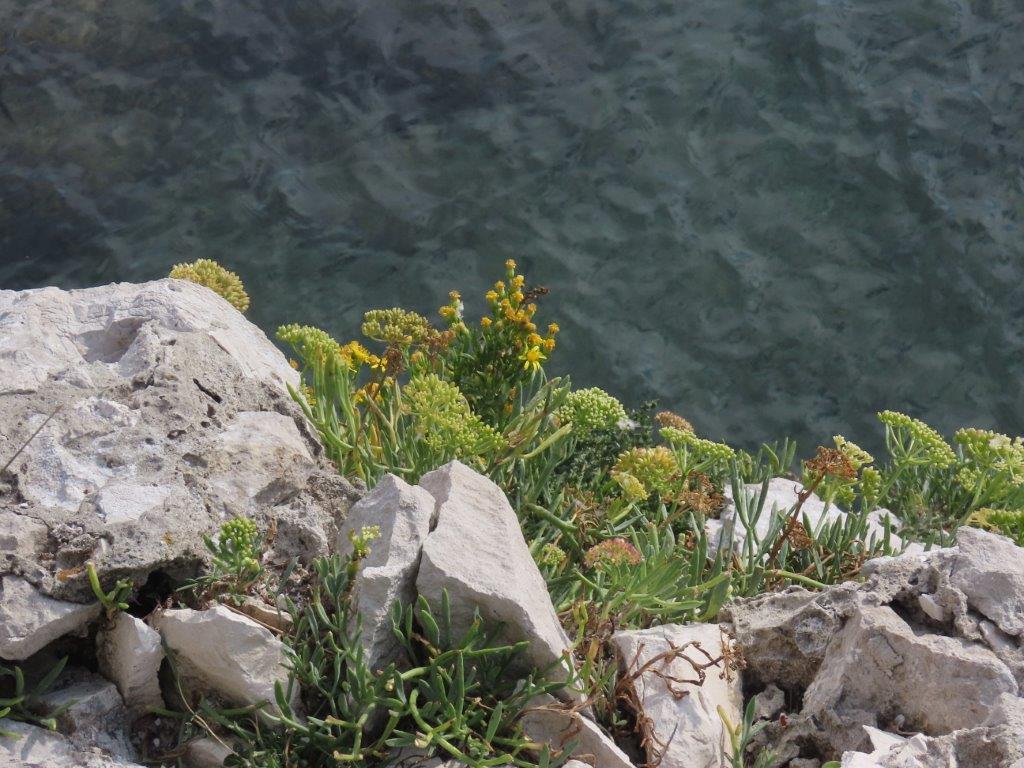
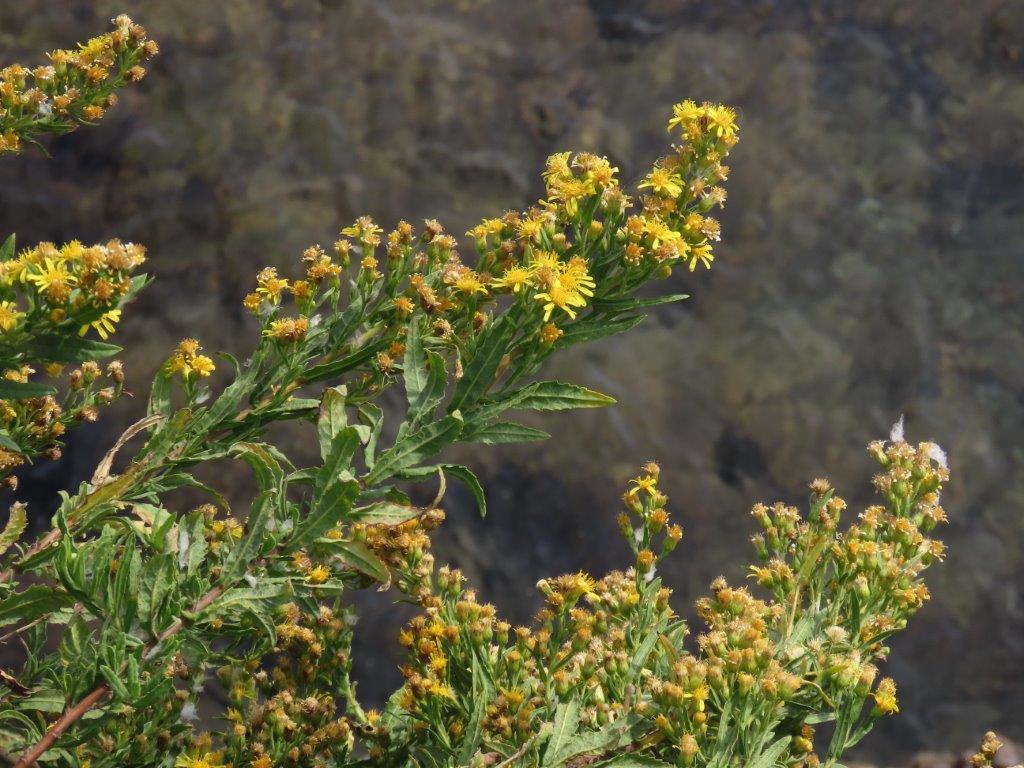
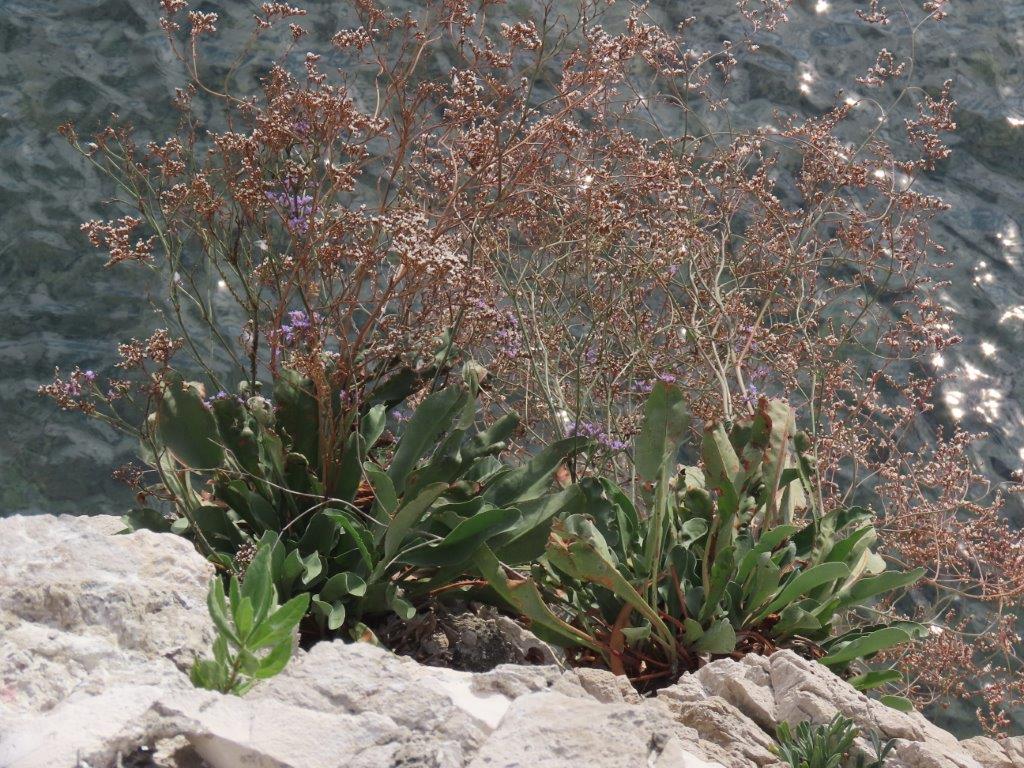
Then continuing the walk round the peninsula, we watched Mediterranean Shags on the rocks, found Cottony Cushion Scales on Spartium junceum, Sticky Fleabane and Rock Samphire on the cliff edge, along with a broad-leaved rock-dwelling sea lavender. The genus Limonium is difficult, with a multiplicity of local species, but this looks not unlike Limonium latifolium, a native of the Black Sea coast, but widespread now in gardens.
Which brought us very neatly back to the coast road, and a bus stop back into the city, for beer and ice-creams to celebrate a lovely day out.
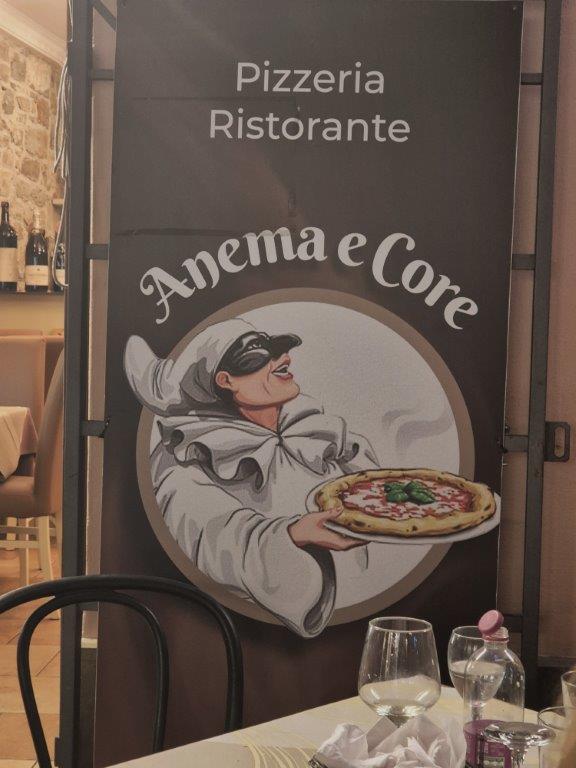
For our final evening meal in Trieste we headed away from the honeypots and into the pedestrianised back streets. A great decision, as Anema e Core (‘soul and heart’) provided one of the very best meals of our entire holiday: my spaghetti allo scoglio was just perfect. And the atmosphere of the street as the day came to a close, with the beautiful people of the city wandering past, all confident in their own beauty, was captivating, as we enjoyed a delicious bottle of Friulano, a crisp white packed with the aromatic notes of local herbs and meadow flowers.
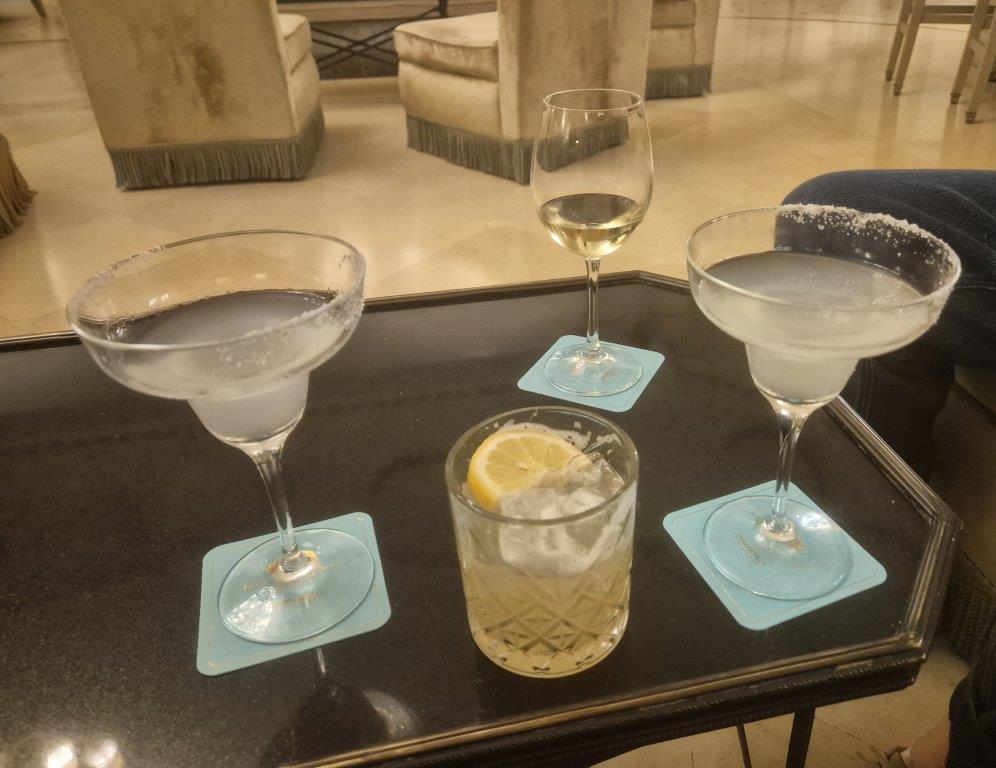
And so back to the hotel. This time it was cocktails, whiskey sour for me, and margarita for Jude, time to relax, enjoy the ambience of the hotel setting, and prepare for an early departure the following morning.
After the chaos of Sunday evening, Trieste had got under our skin!