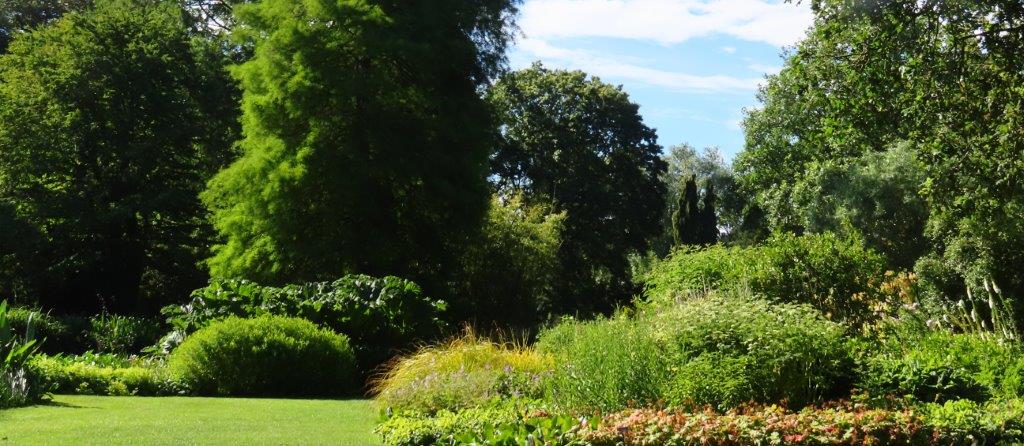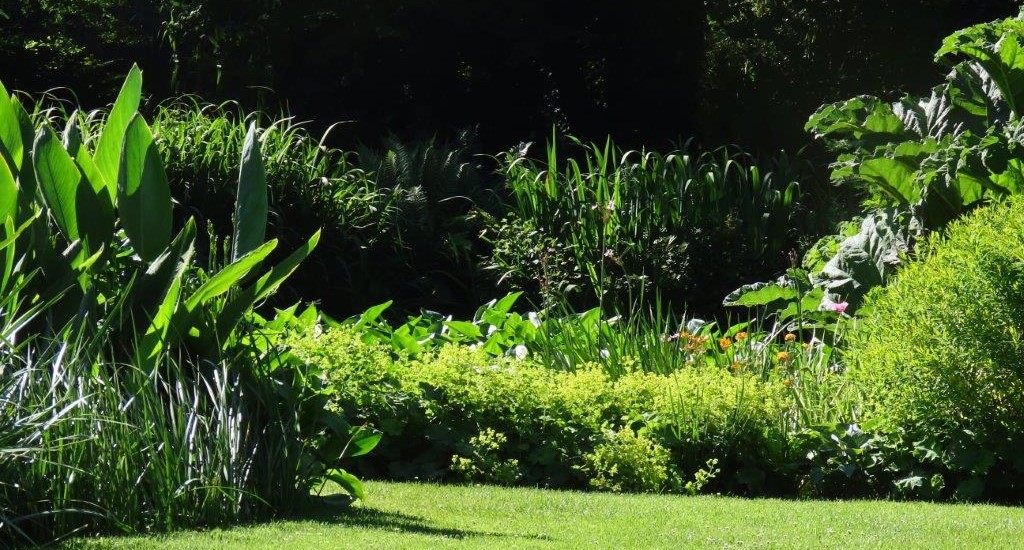
Our June moth event in Beth Chatto Gardens took place as normal just before the equinox. On the face of it the night was perfect: calm, humid and very warm, with temperatures not falling below 20ºC. But such are the uncertainties (and joys!) of moth trapping, reflecting not only weather on the night, but also recent weather extremes (eg the May drought and more recent downpours) as well as seasonal trends, that in fact we were a little disappointed. Or thought we were until we totted up the total and found we had recorded four more species than on the equivalent date in 2025, last year being the record-breaker to date. For a full listing over the years, see here BC MOTHS TOTALS.
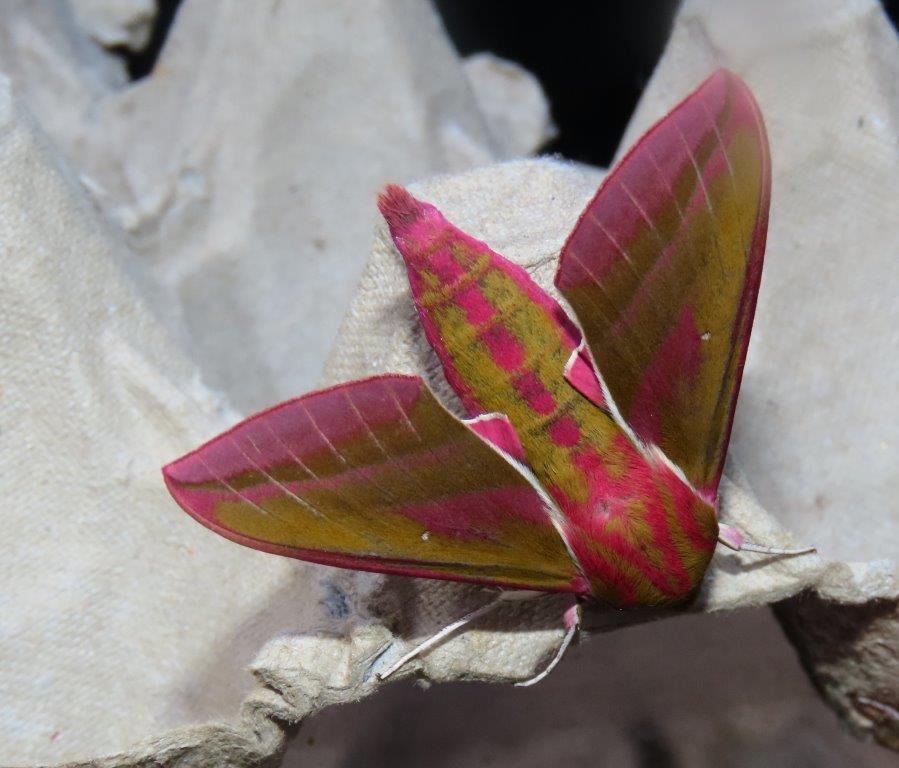
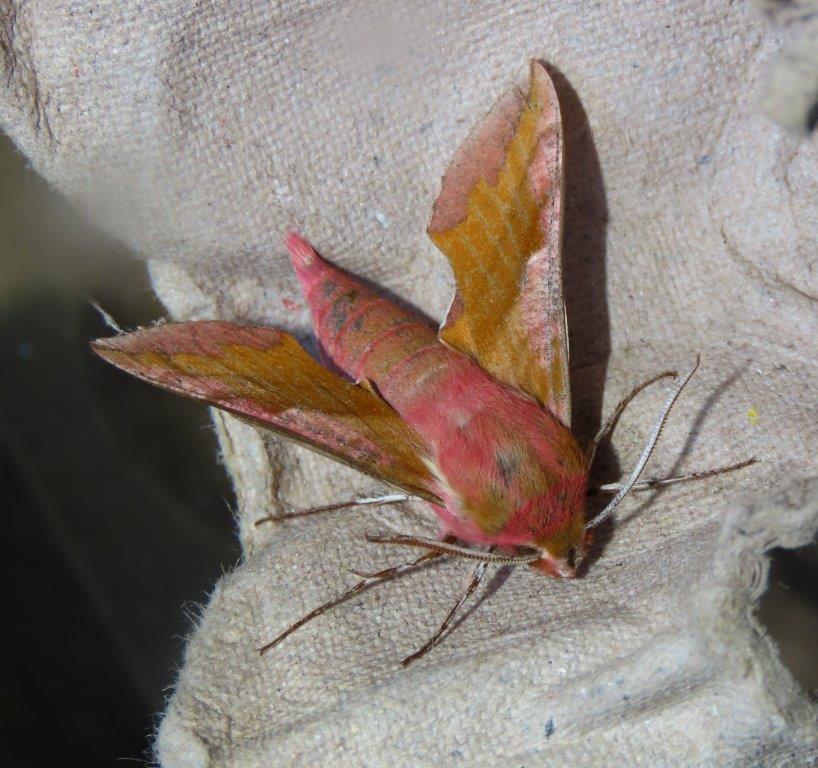
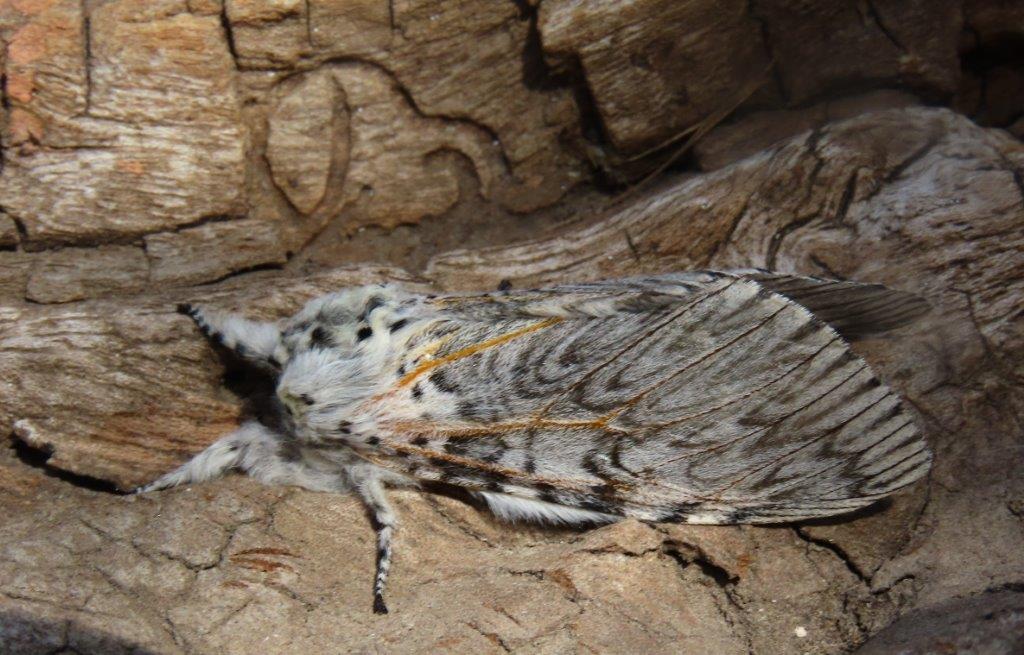
71 macromoth species and 33 micros is certainly a good haul, but the slight disappointment was at the number and especially diversity of the big, bright ones, the crowd-pleasers. And again, we cannot really complain at the twenty or so Elephant Hawk-moths, a couple of Small Elephants, six Buff Tips, Swallowtail Moth, Ghost Swift and a lovely Puss Moth, mostly compliant and happy to be passed gently around the early morning crowd. The Ghost Swift even laid eggs as we watched, scattering them freely where it was resting, rather than as with most species attaching them firmly to their substrate.
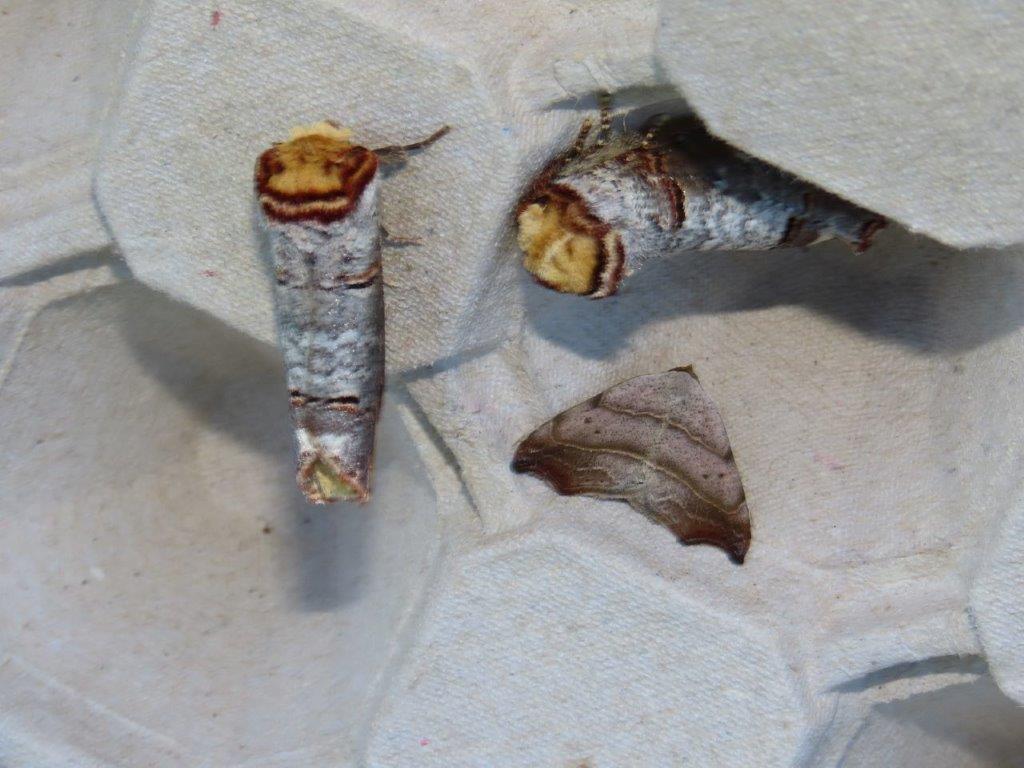
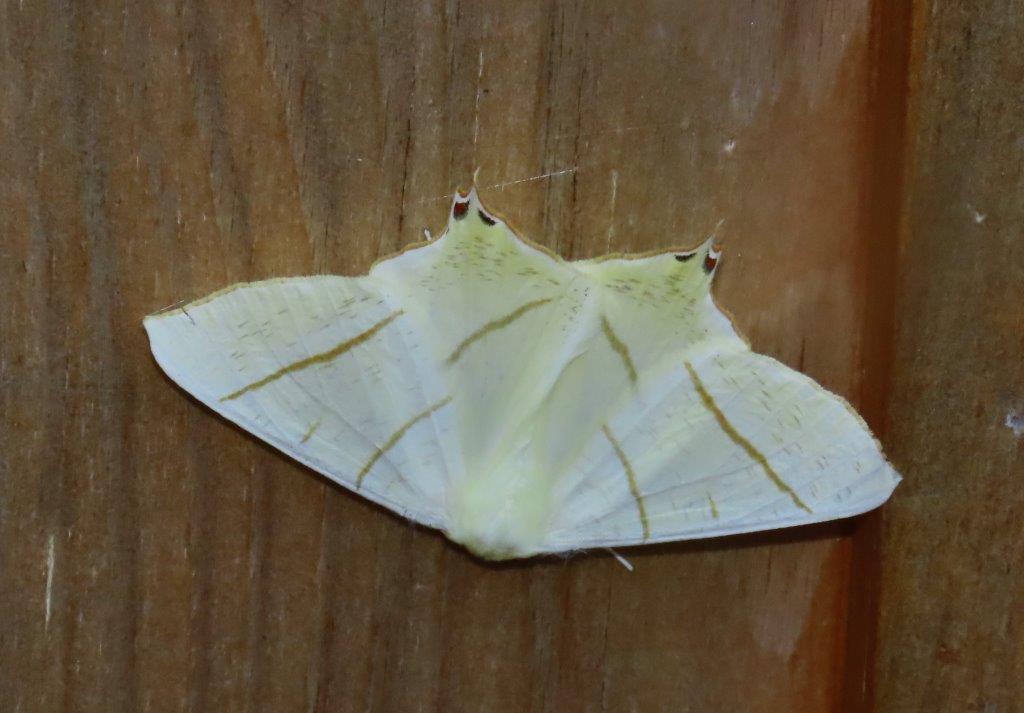
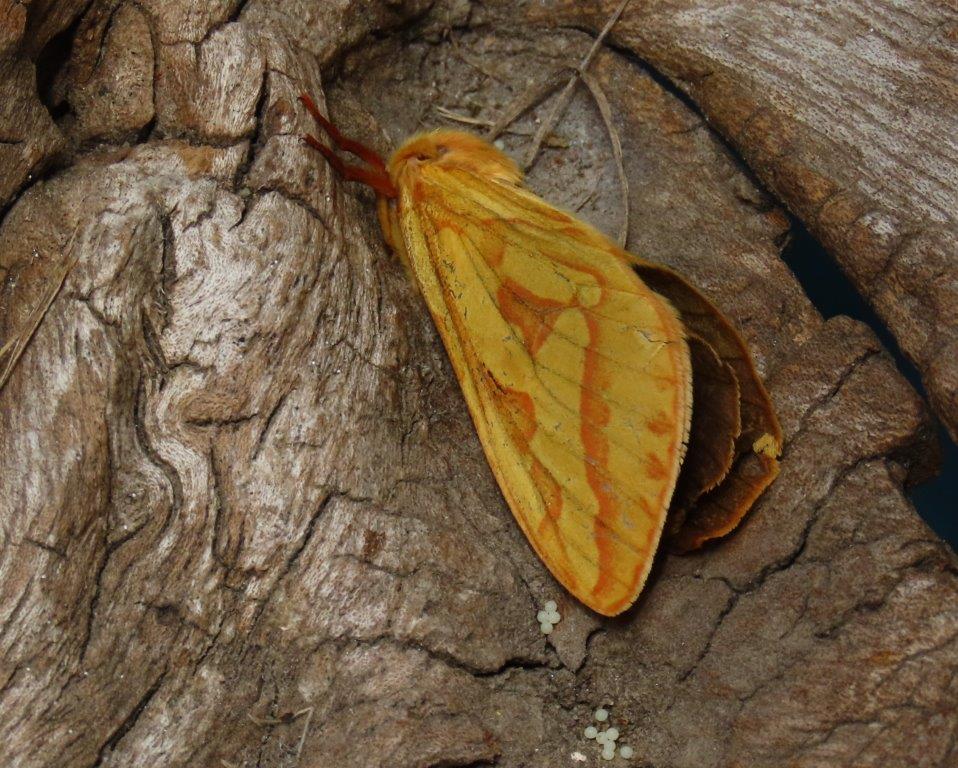
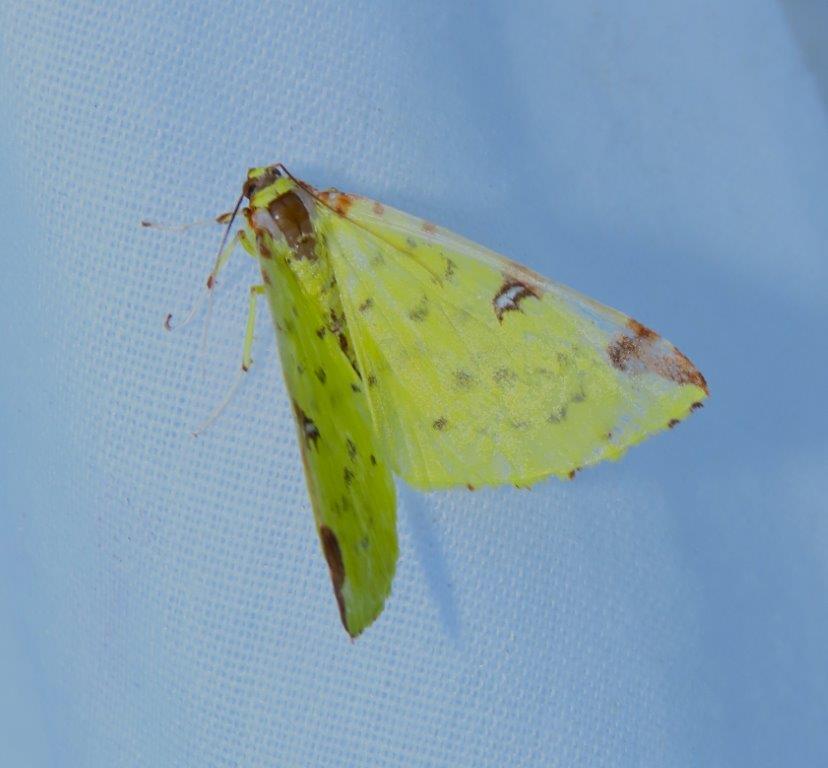
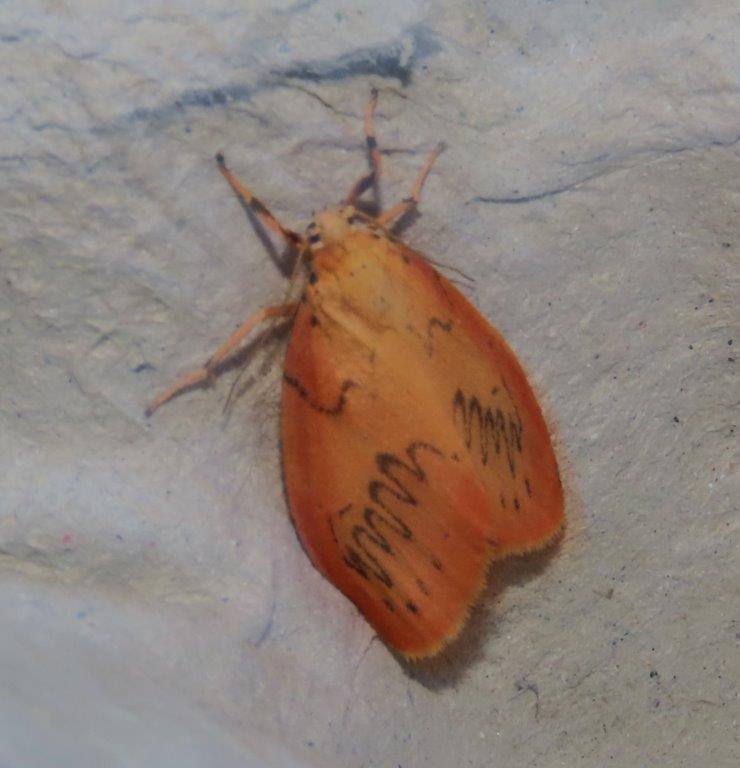
Among the smaller macromoths were colourful ones such as Brimstone Moth and Rosy Footman…
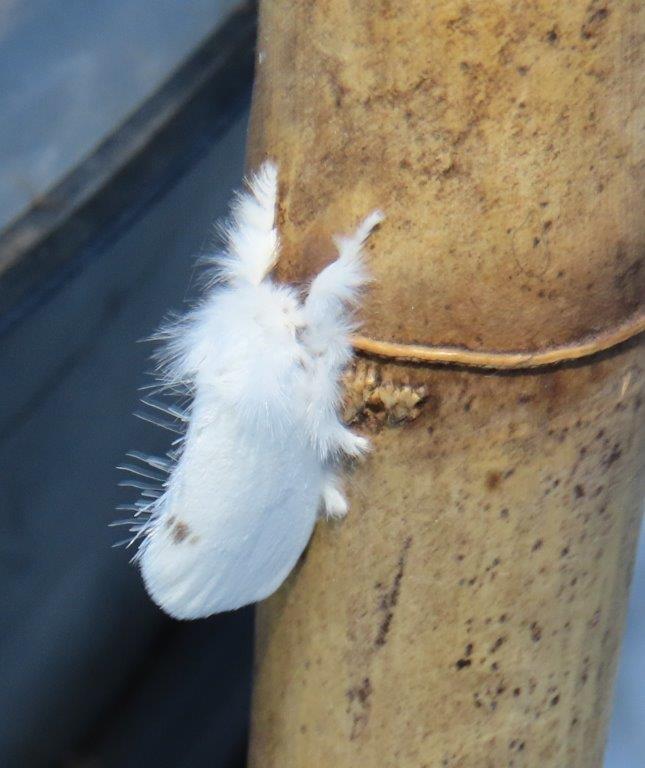
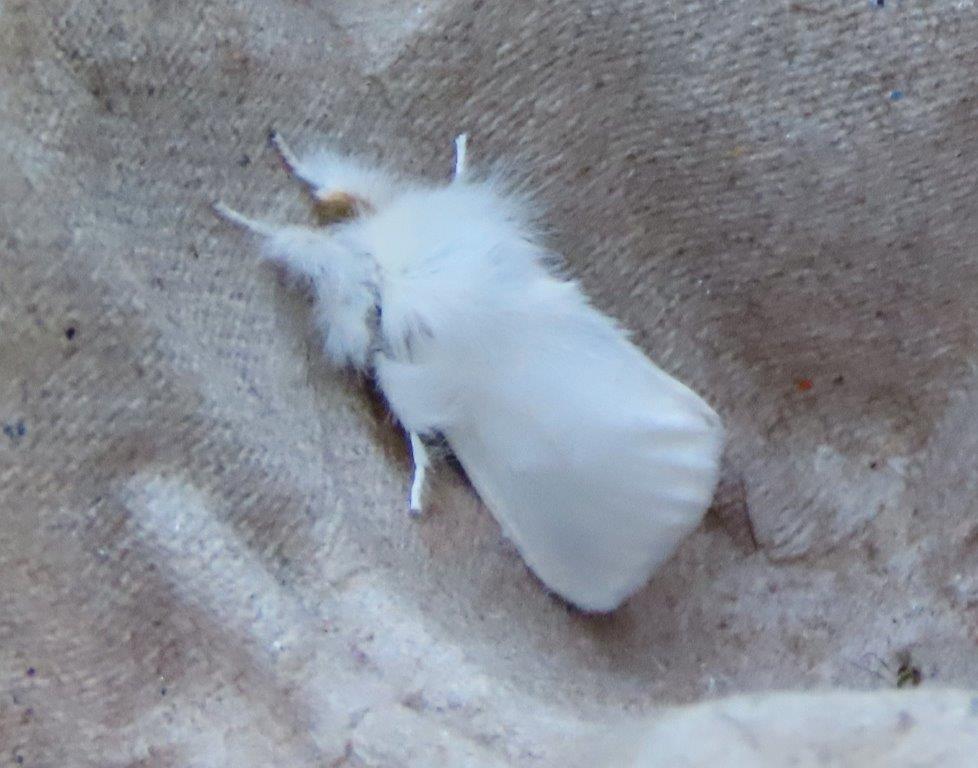
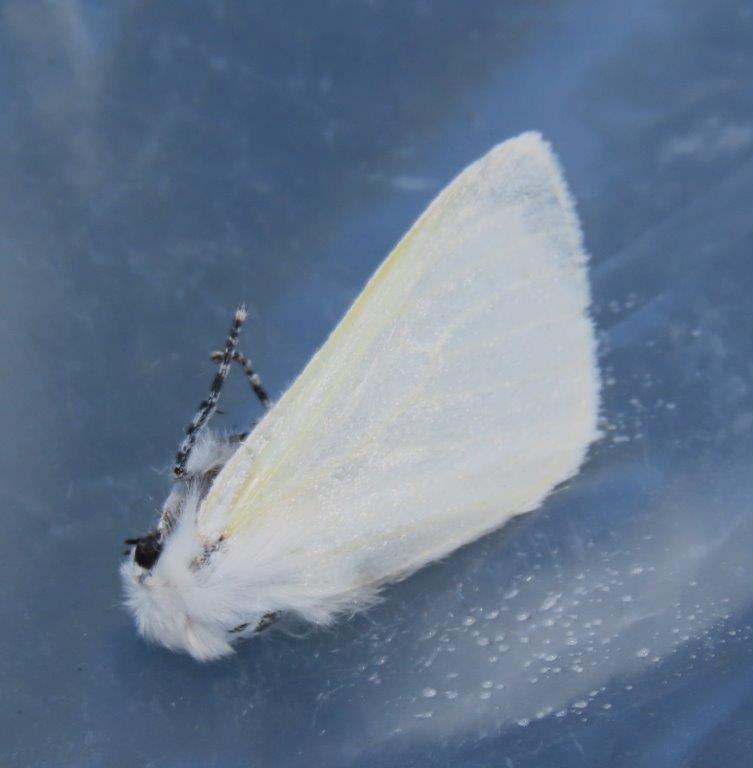
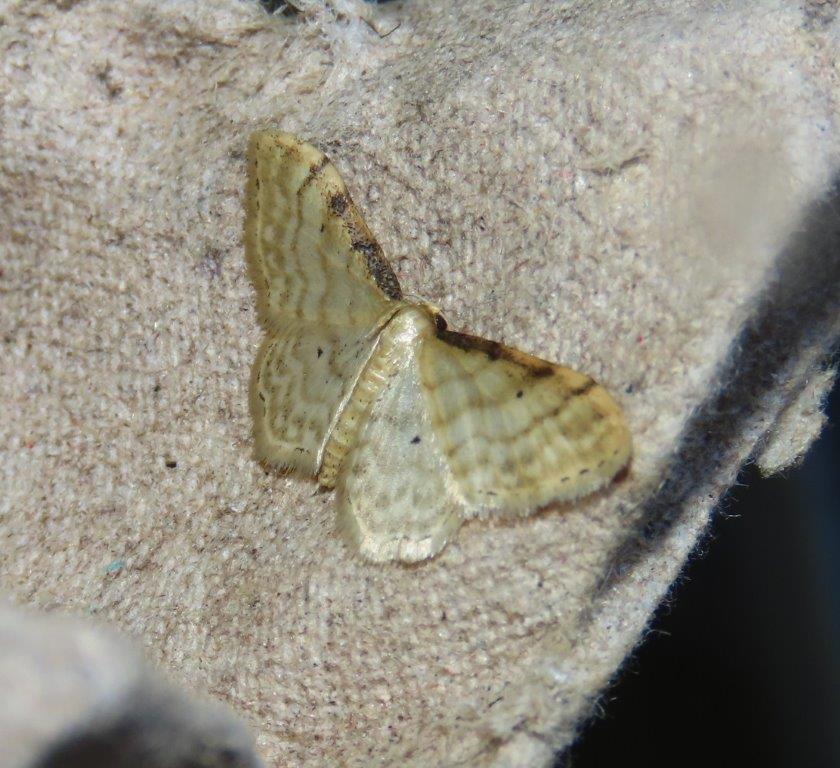
… whitish ones, like Yellow-tail, Brown-tail, White Satin (playing dead!), Miller and Dwarf Cream Wave…
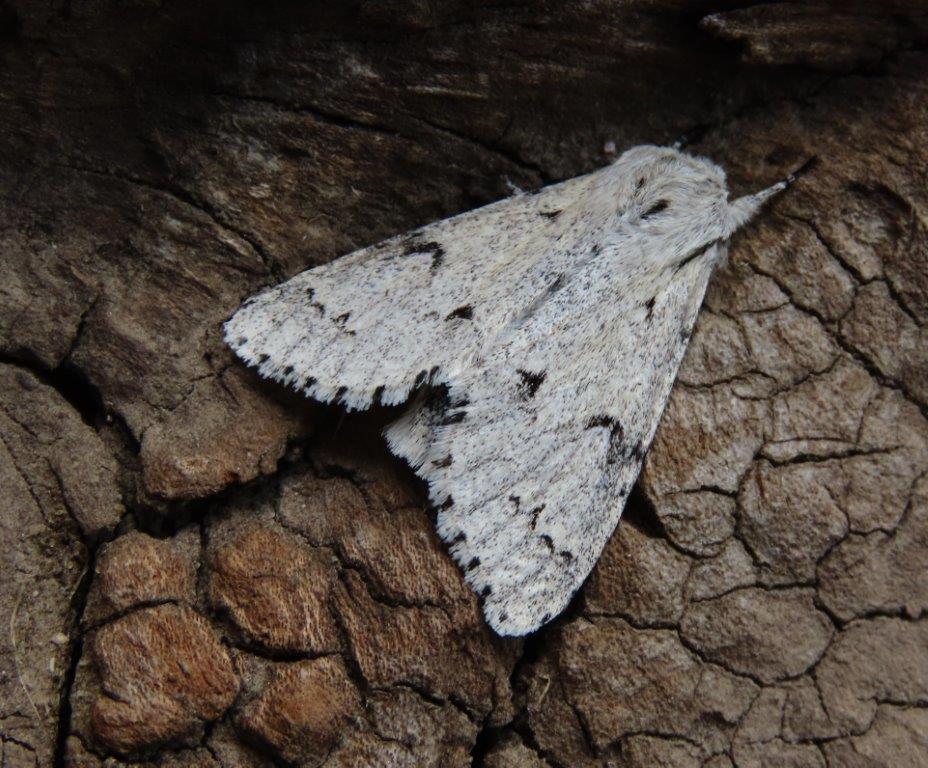
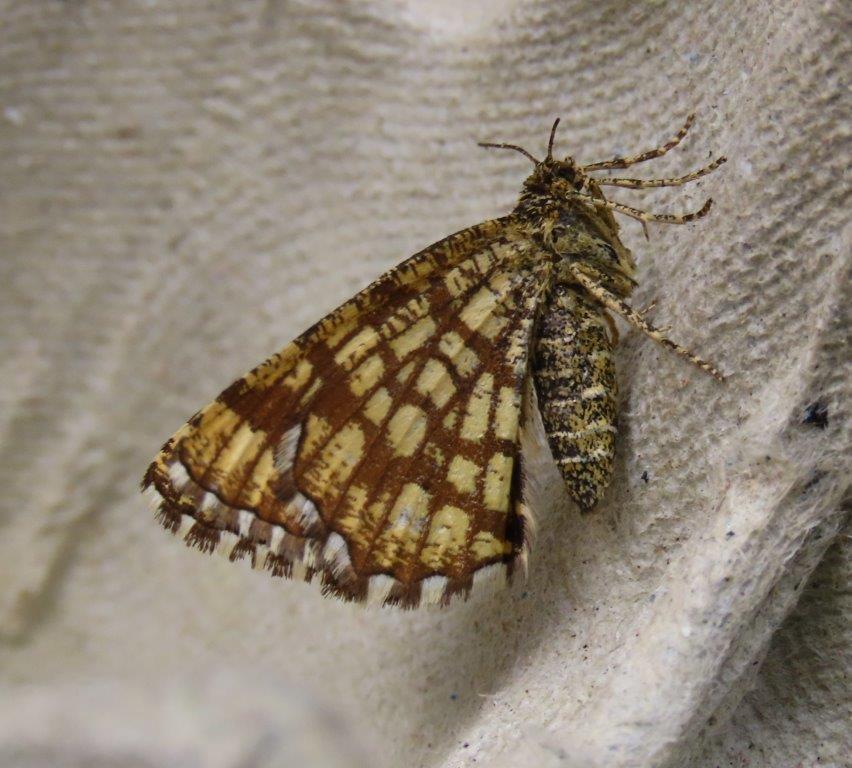
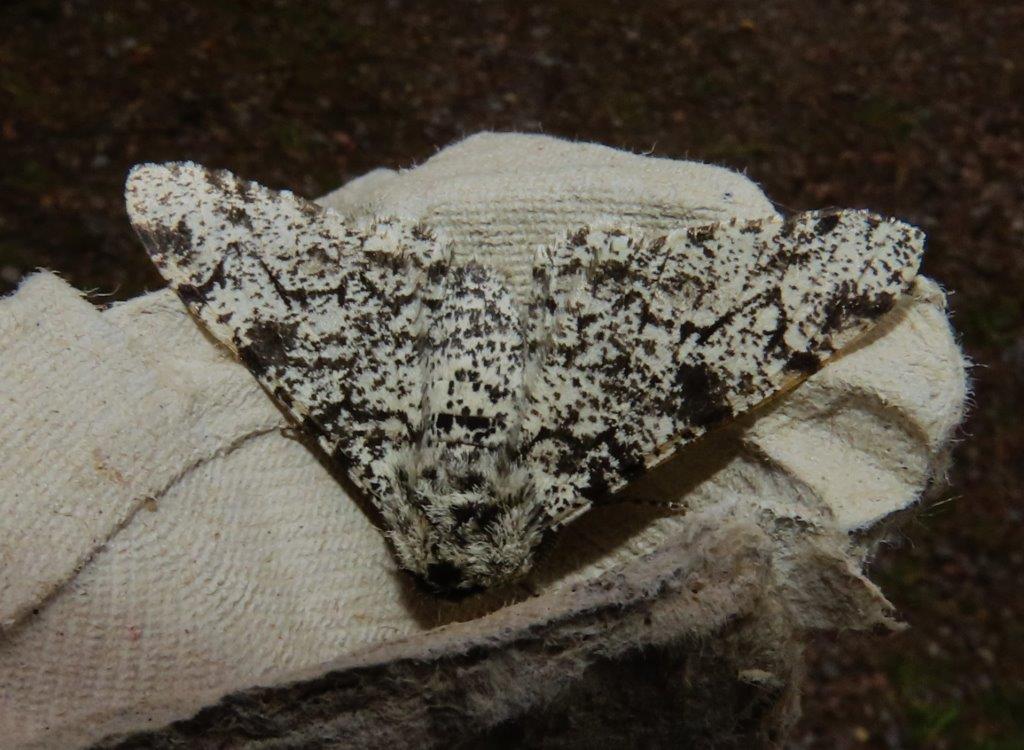
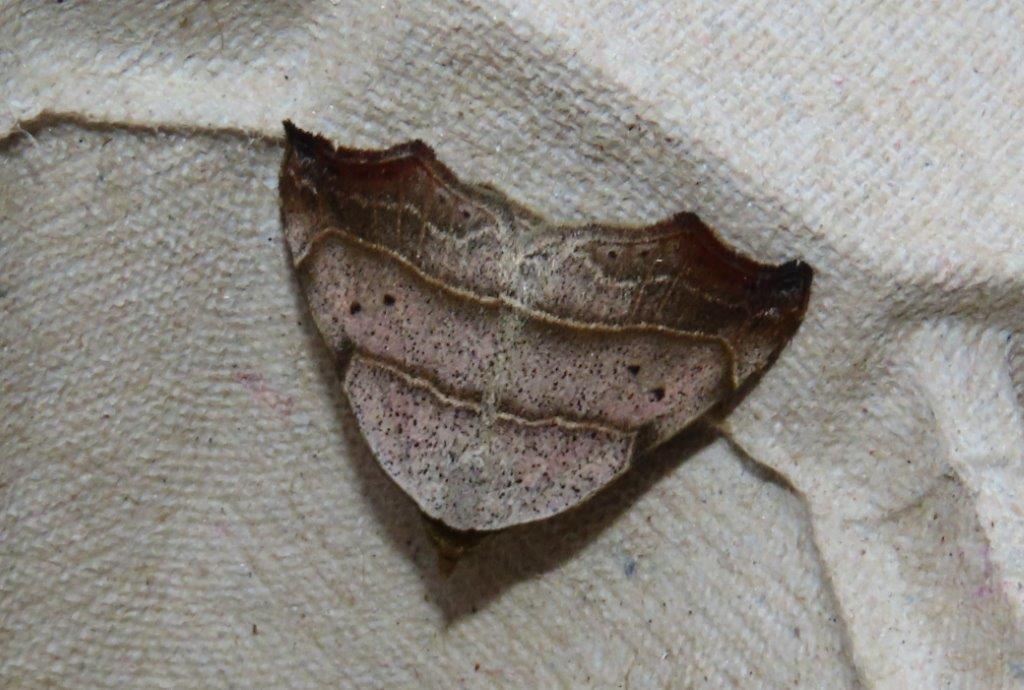
… distinctively speckled and barred ones: Latticed Heath, Willow Beauty and Peppered Moth …
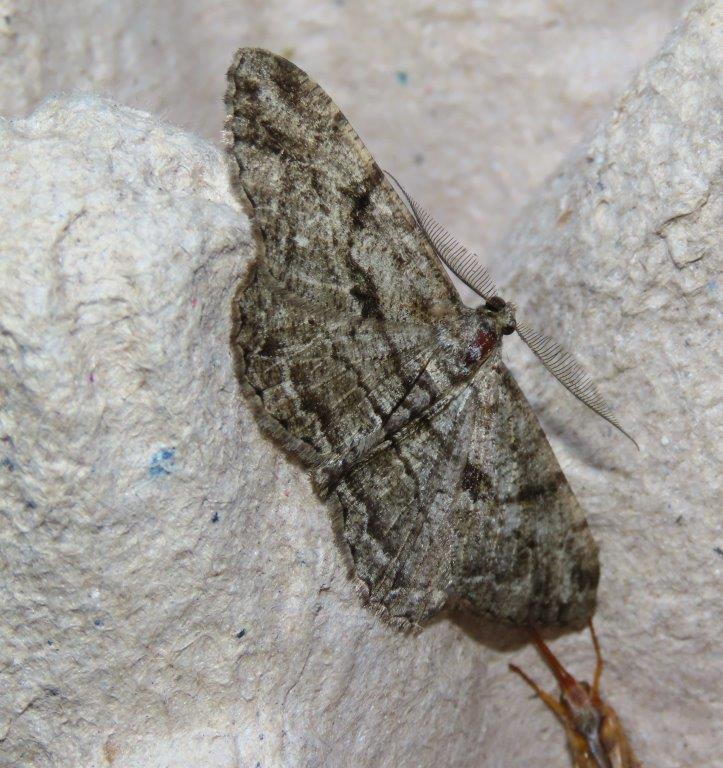
… and a whole host in every shade of brown: Lackey, Fen Wainscot, Dotted Fanfoot, Clay, Cypress Carpet, Uncertain, Dingy Shears, Bright-line Brown-eye and Minor Shoulder-knot, a litany of names almost as euphonious as the Shipping Forecast!
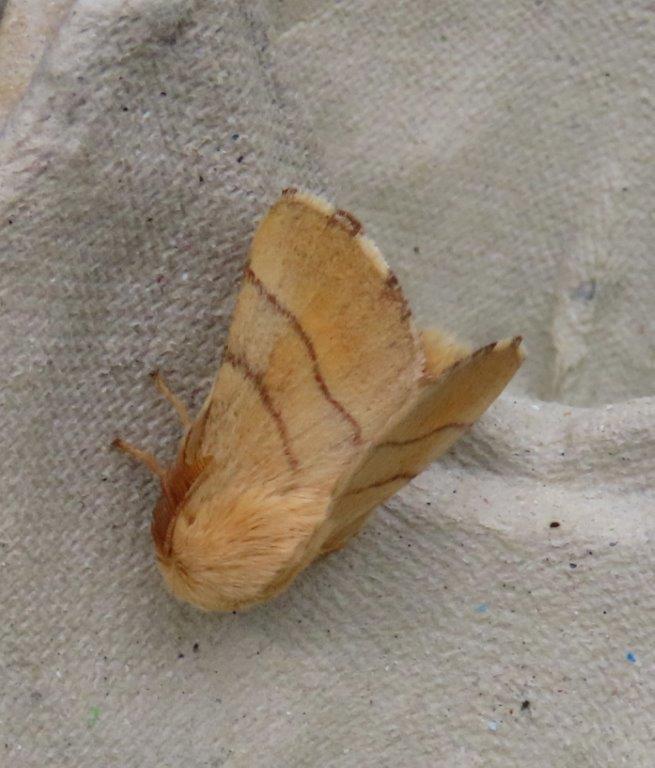
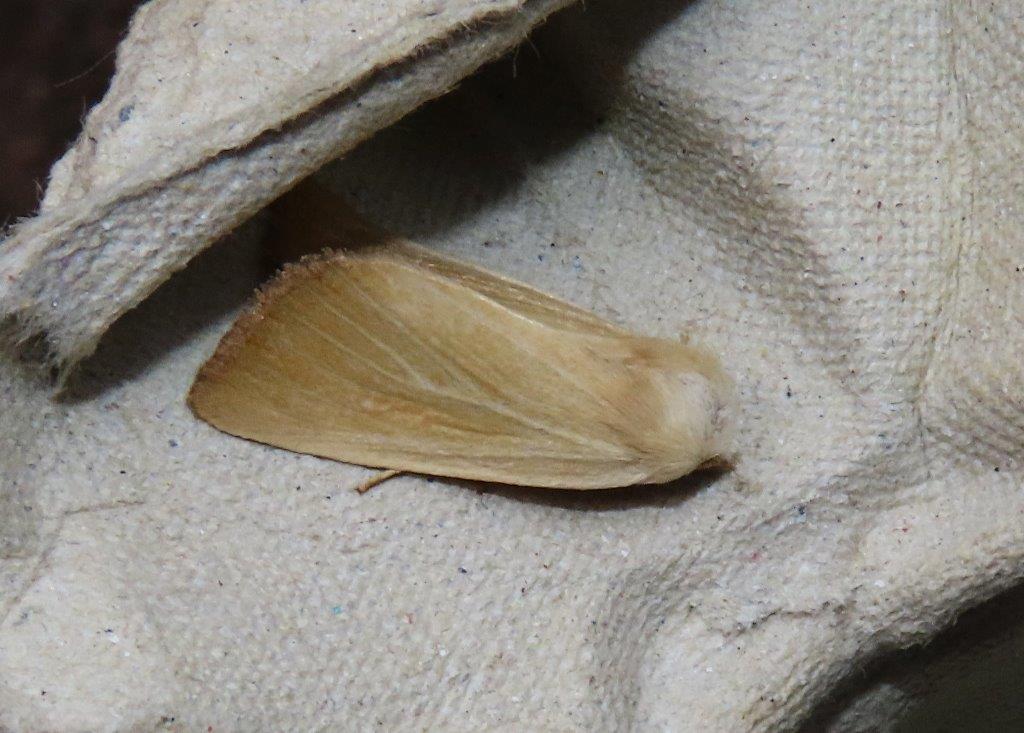
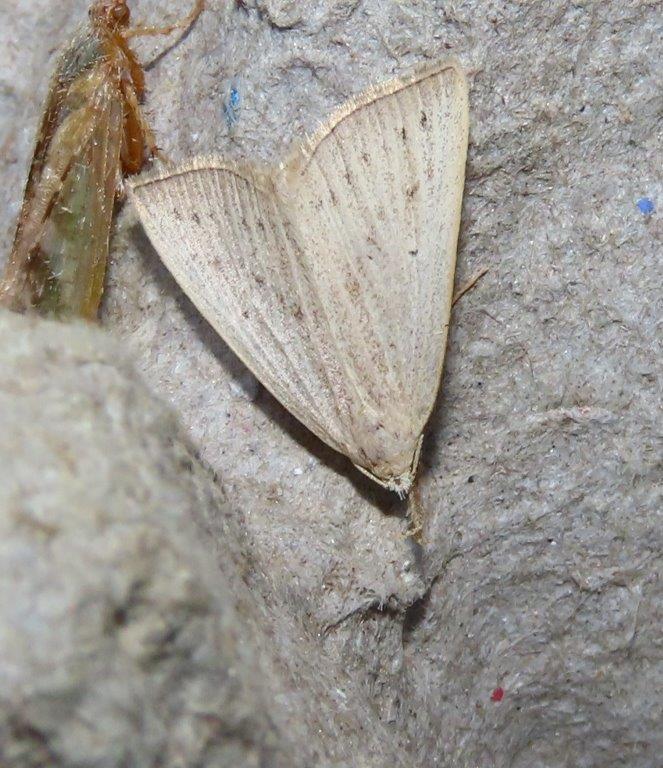
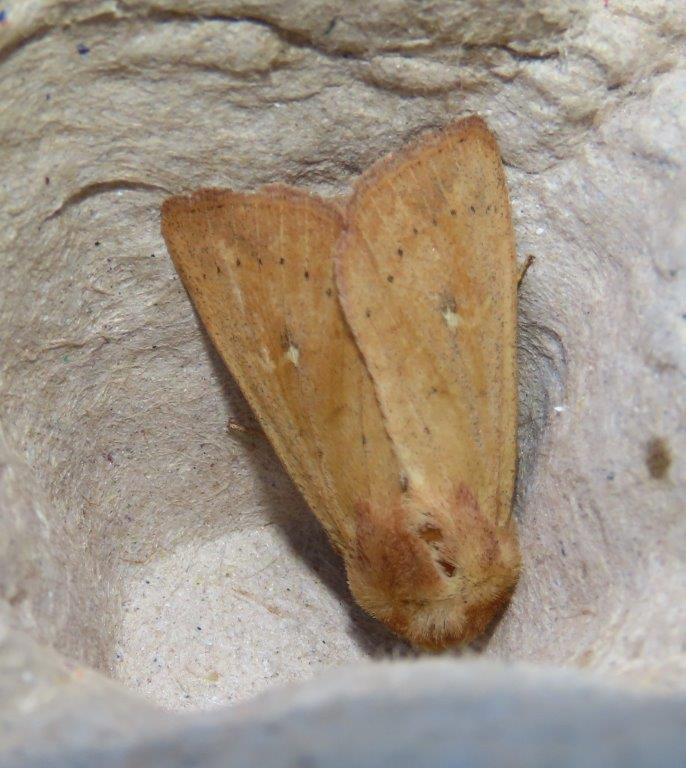
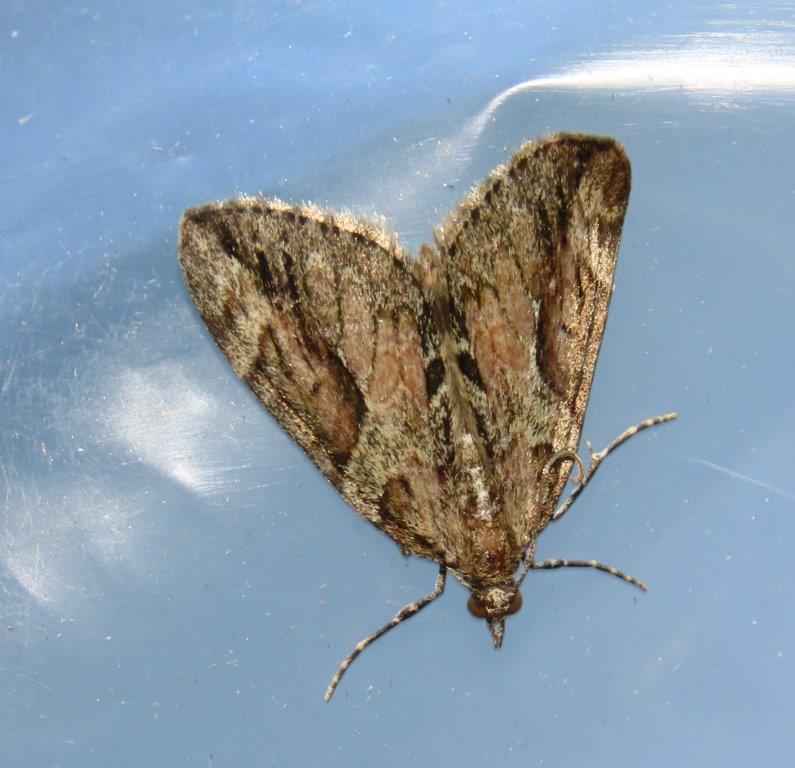
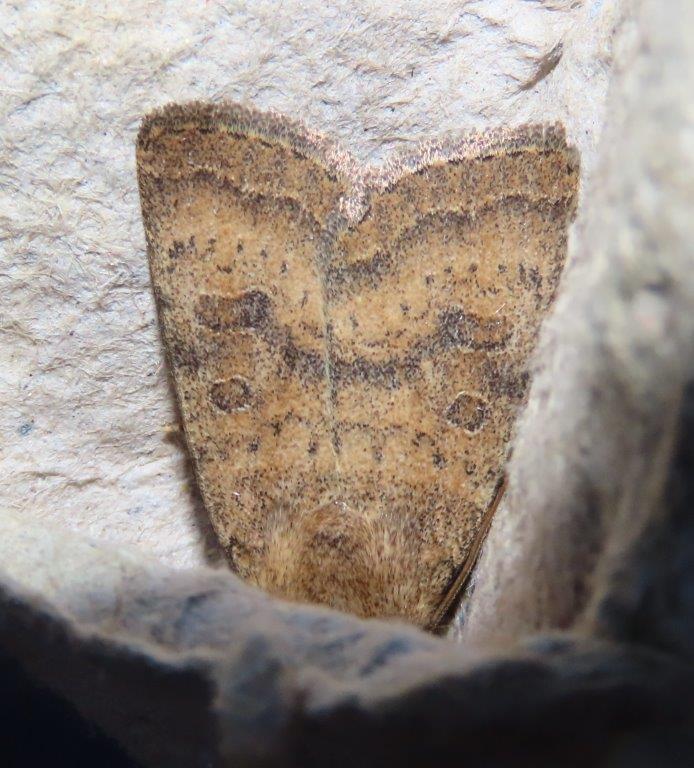
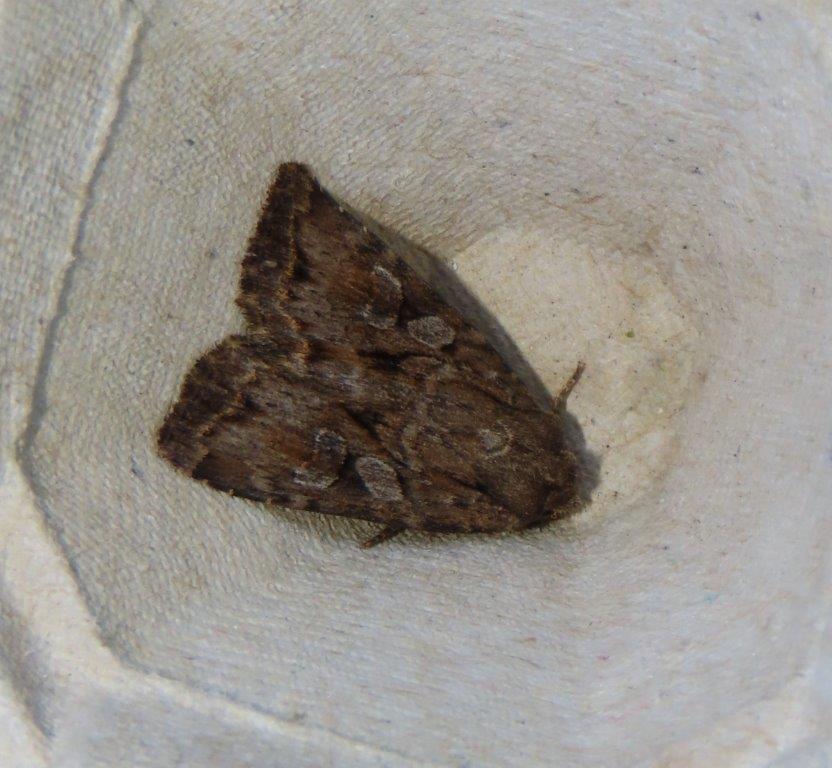
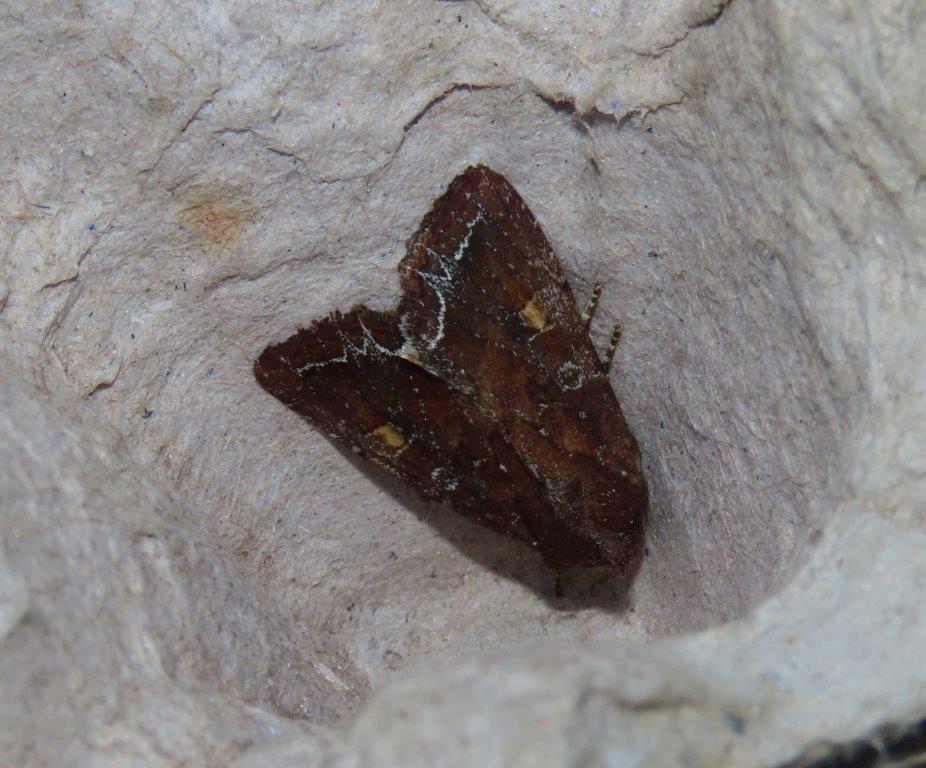
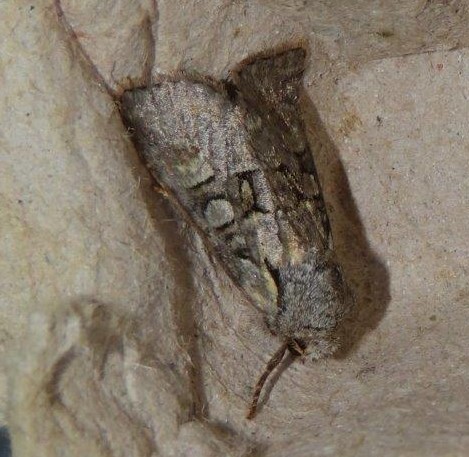
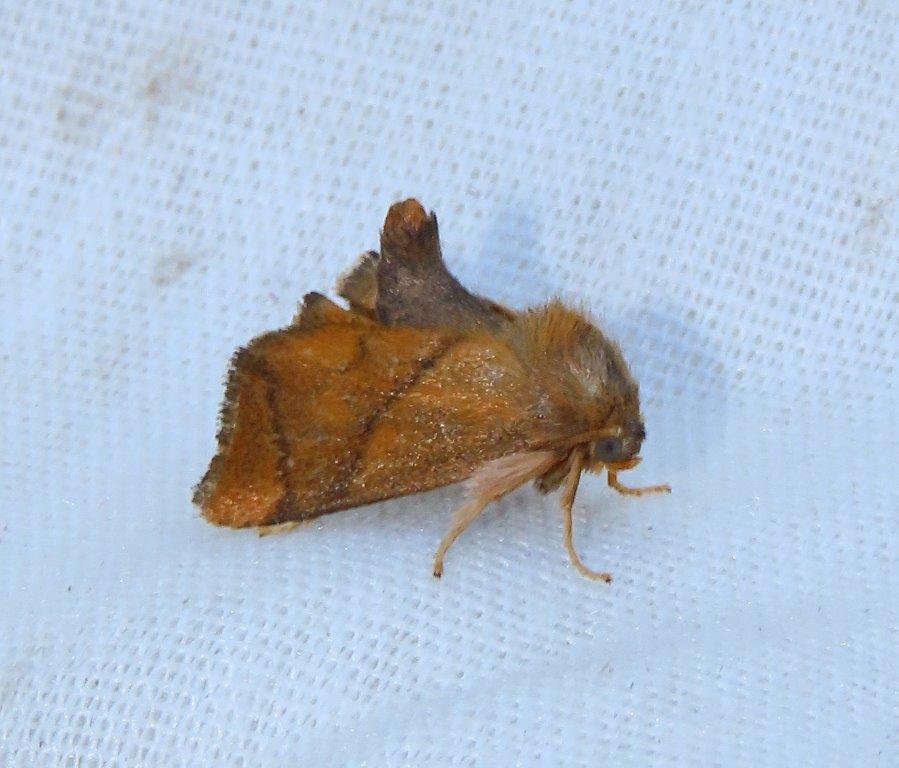
Some of the brown ones are also distinctive by having shaped wings like Beautiful Hooktip or a characteristic resting posture, like the Festoon, the latter a nationally scarce species of old oak trees in the south-east of the country.
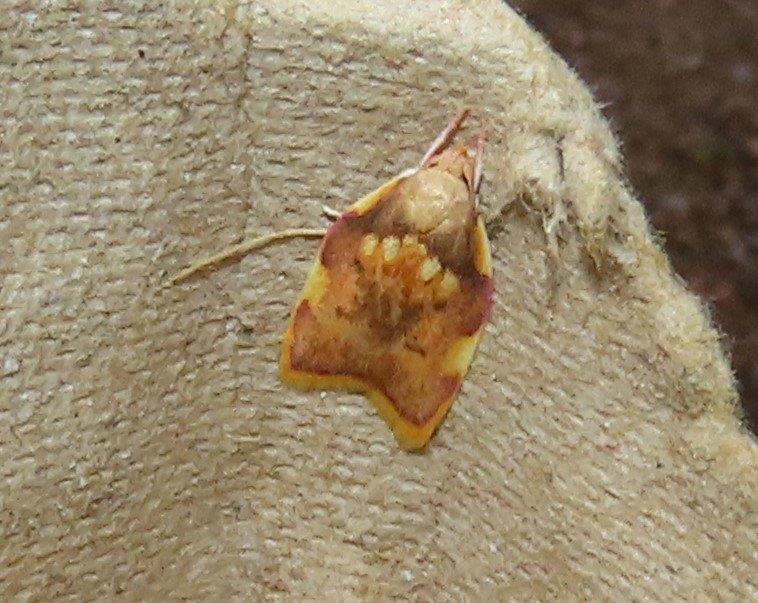
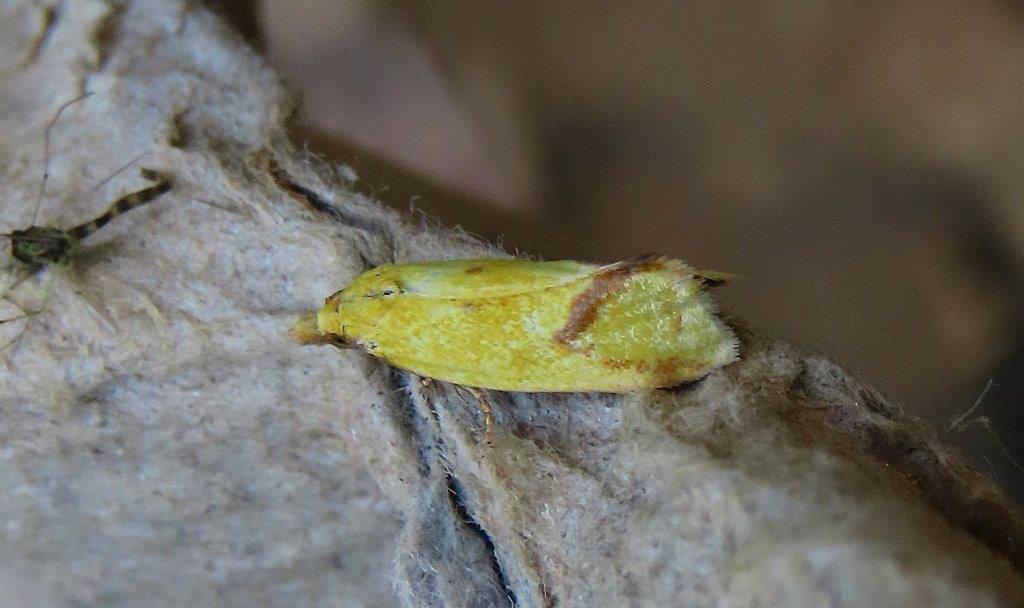
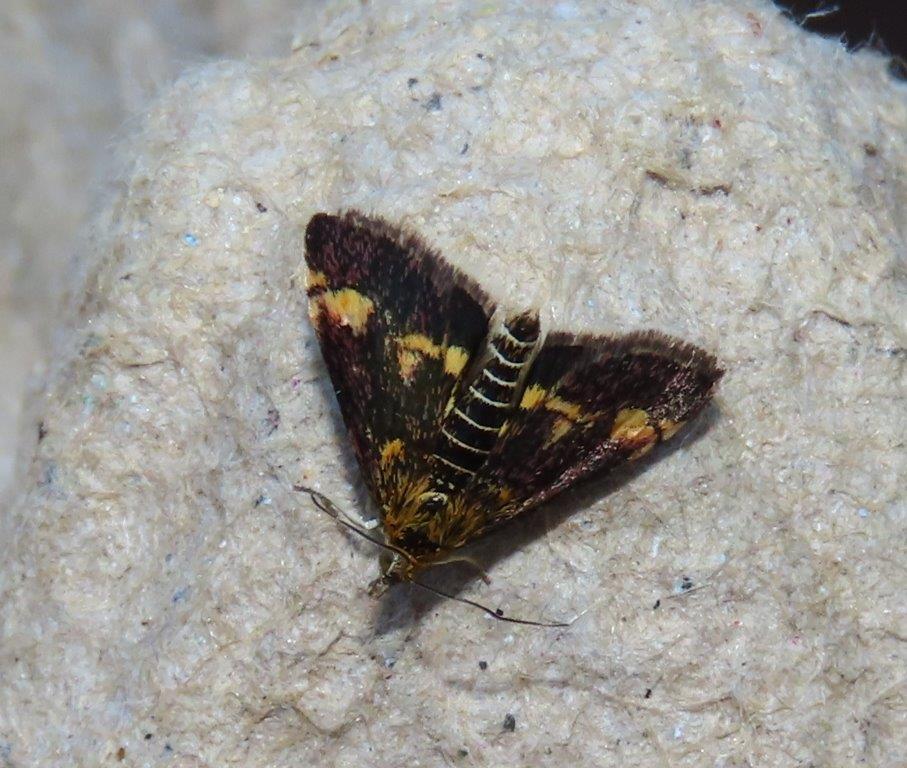
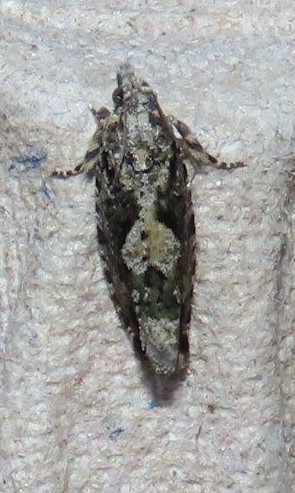
Micromoths seemed to constitute a higher proportion of the catch than in previous years. But not all micros are small and some are rather beautiful, and certainly should not be overlooked, even though they often don’t have widely used English names. Here are some of the more colourful ones: Carcina quercana, Agapeta hamana, Lozotaeniodes formosana and Mint Moth…
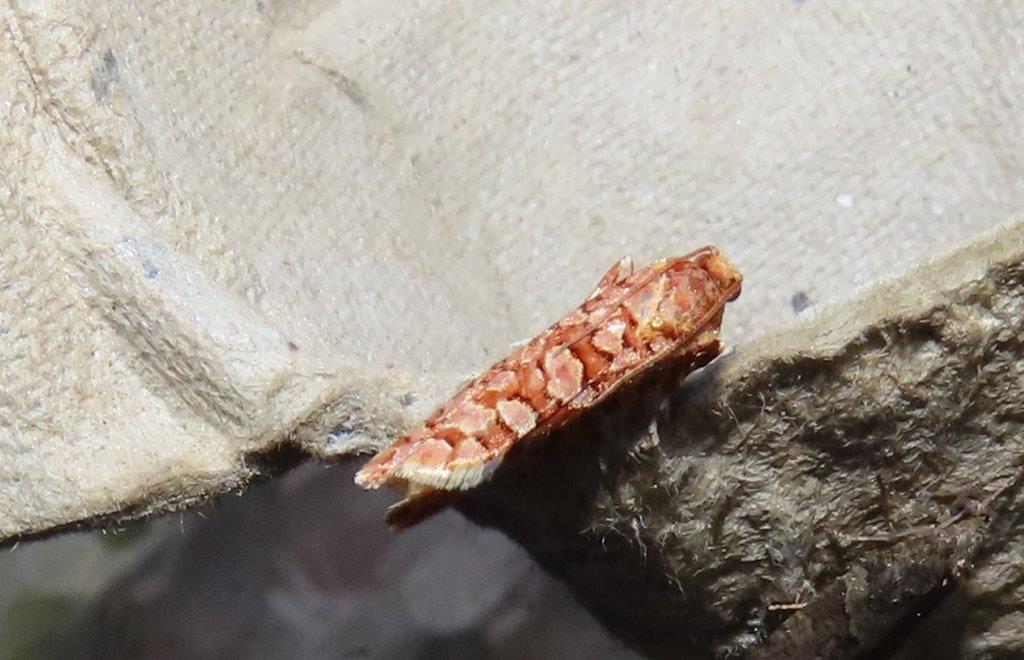
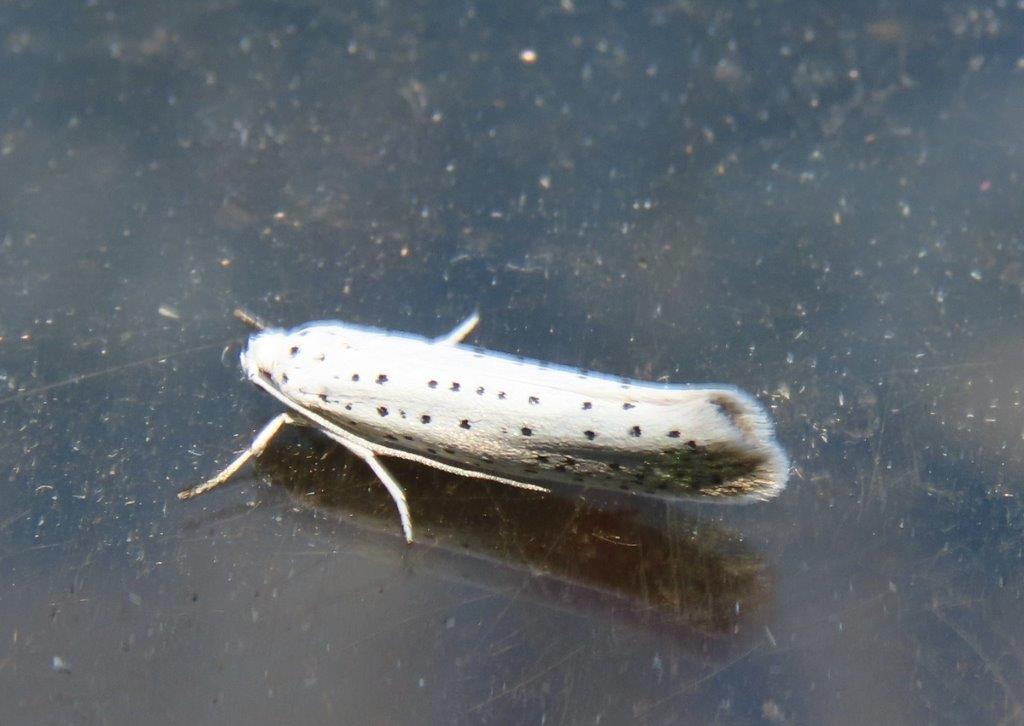
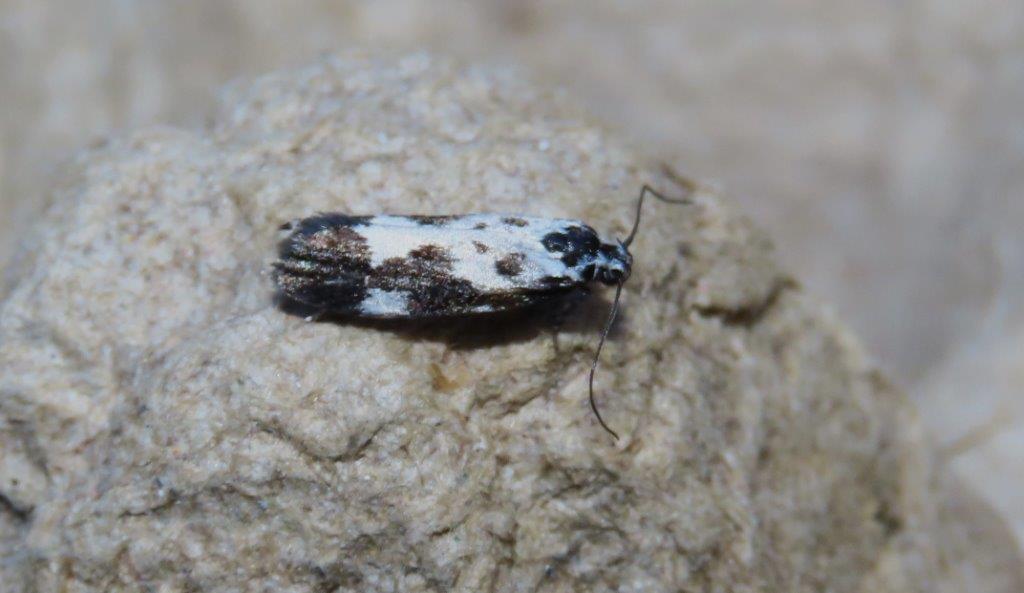
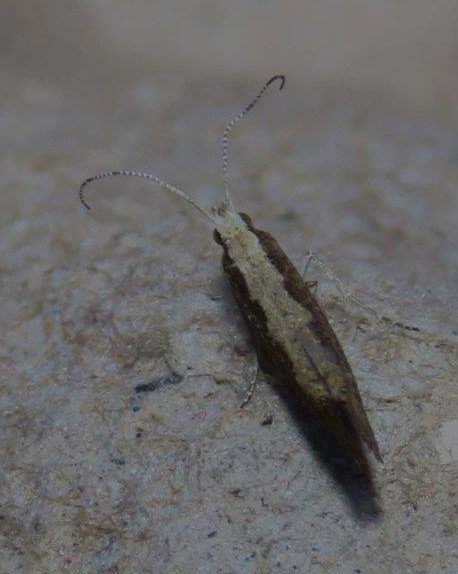
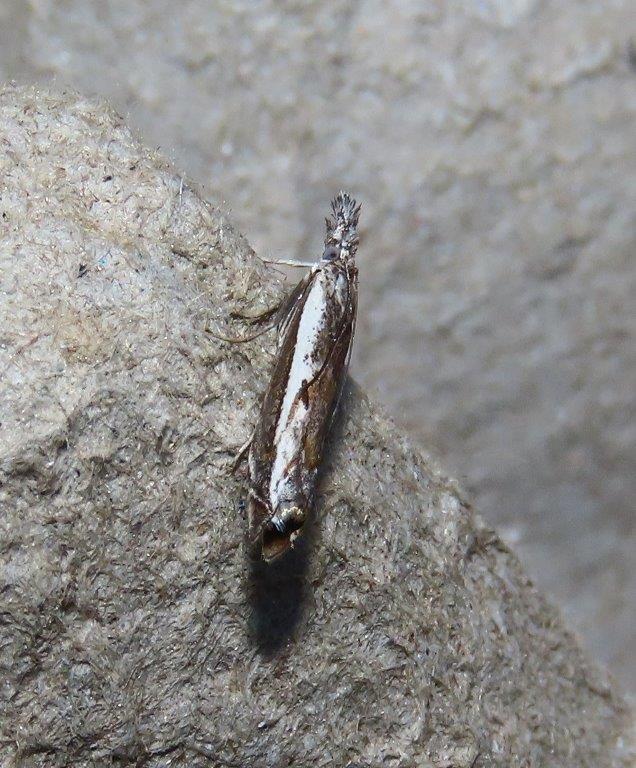
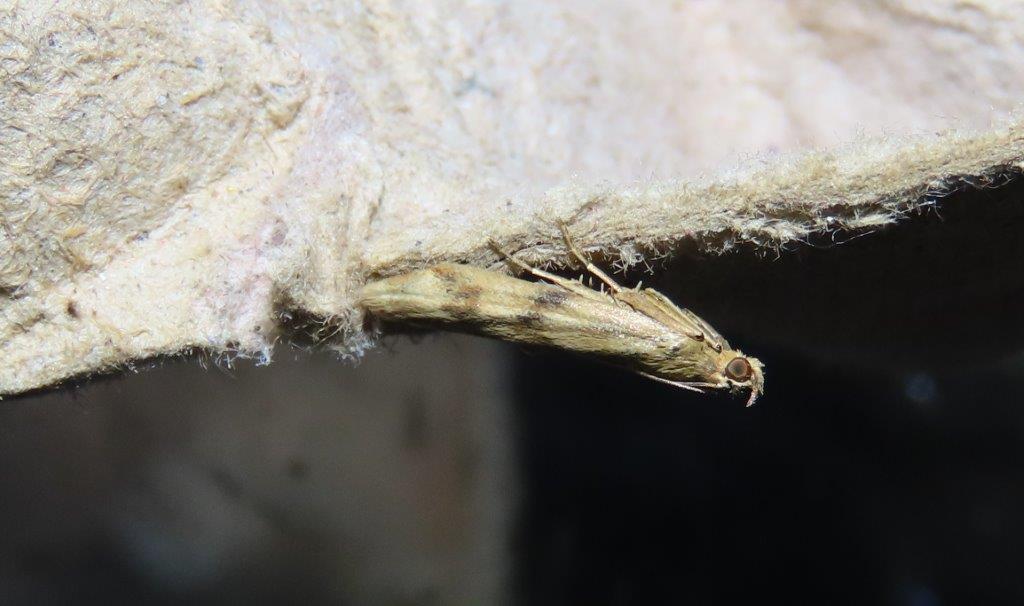
… and equally striking monochrome morsels: Bird-cherry Ermine, Ethmia quadrillella, Diamond-back, Platytes alpinella, Zeiraphera isertana and Homoeosoma sinuella.
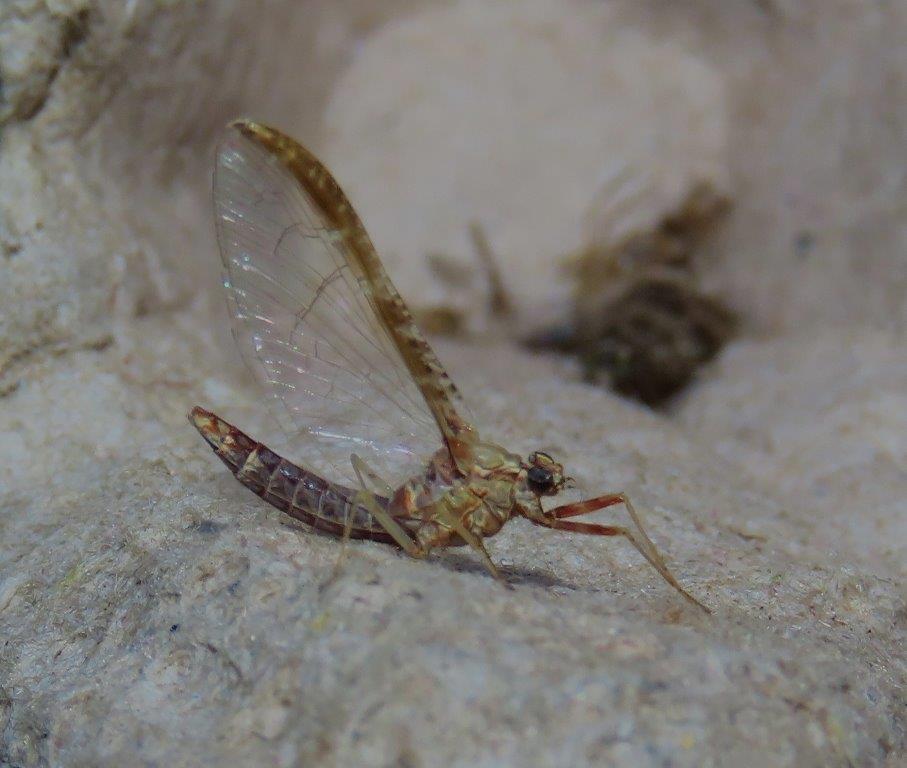
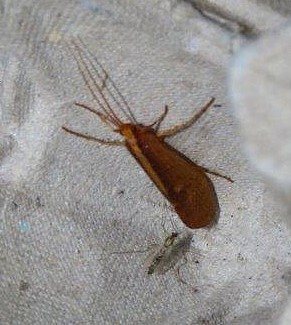
And always interesting is the bycatch of other insects attracted to the light, including pond-dwellers (in their pre-adult stages) such as the mayfly Cloeon dipterum and the caddisfly Stenophylax permistus …
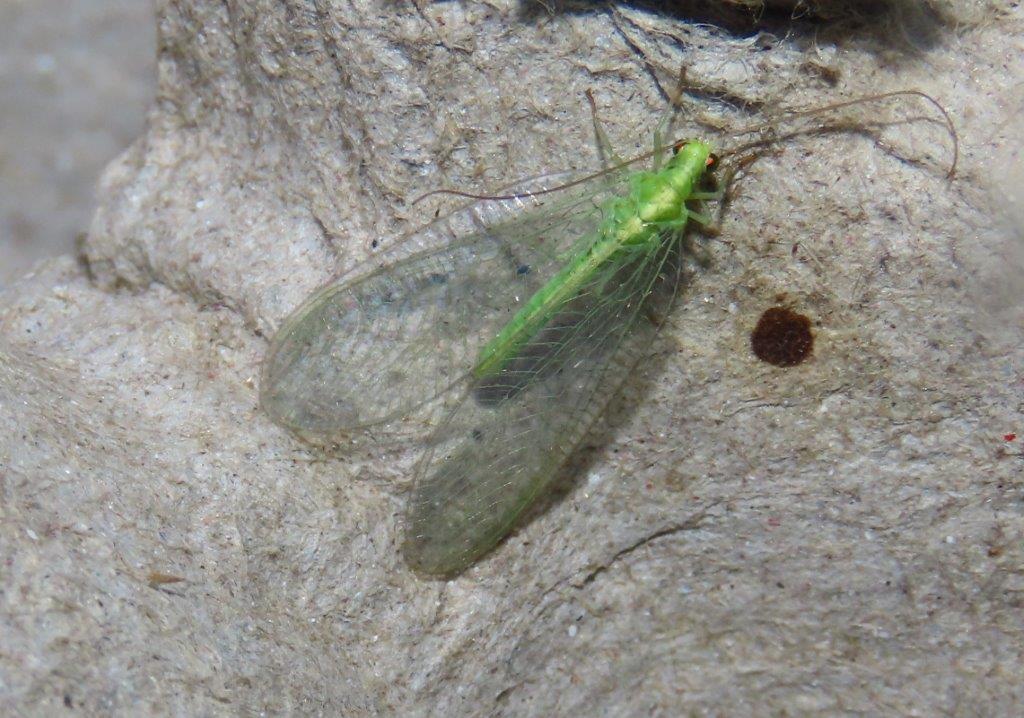
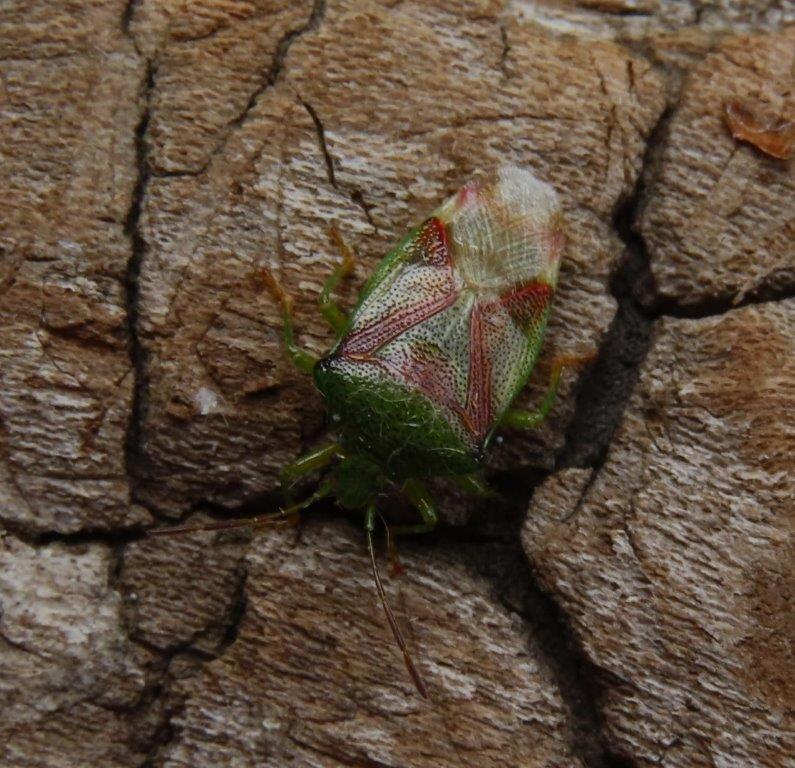
… a green lacewing Chrysopa carnea and Birch Shieldbug…
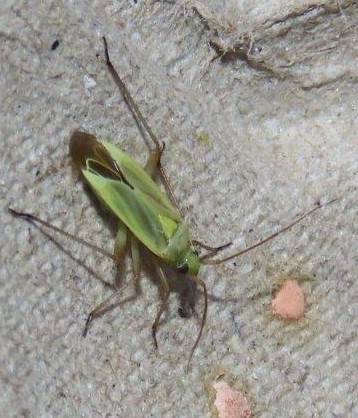
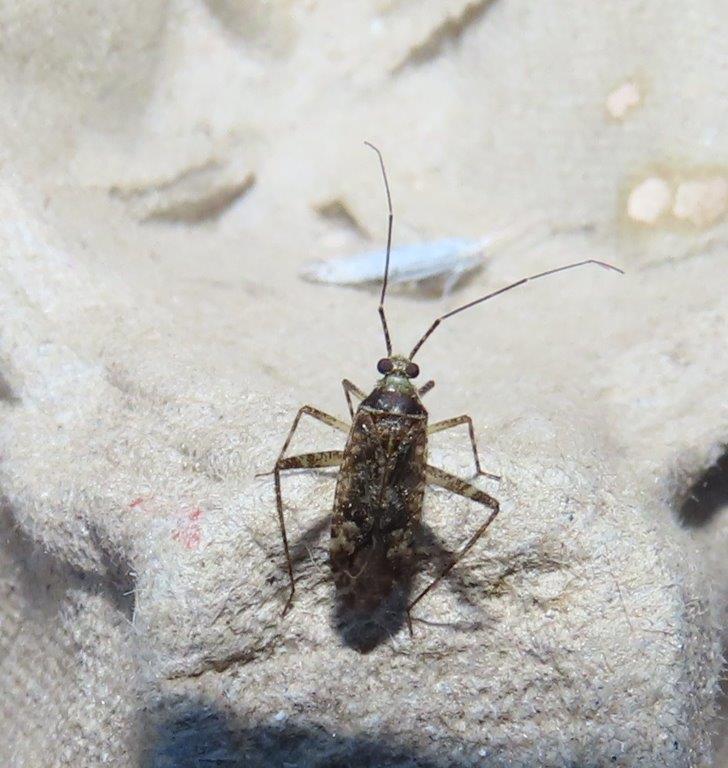
… a couple of plant-bugs Stenotus binotatus and Phytocoris dimidiatus.
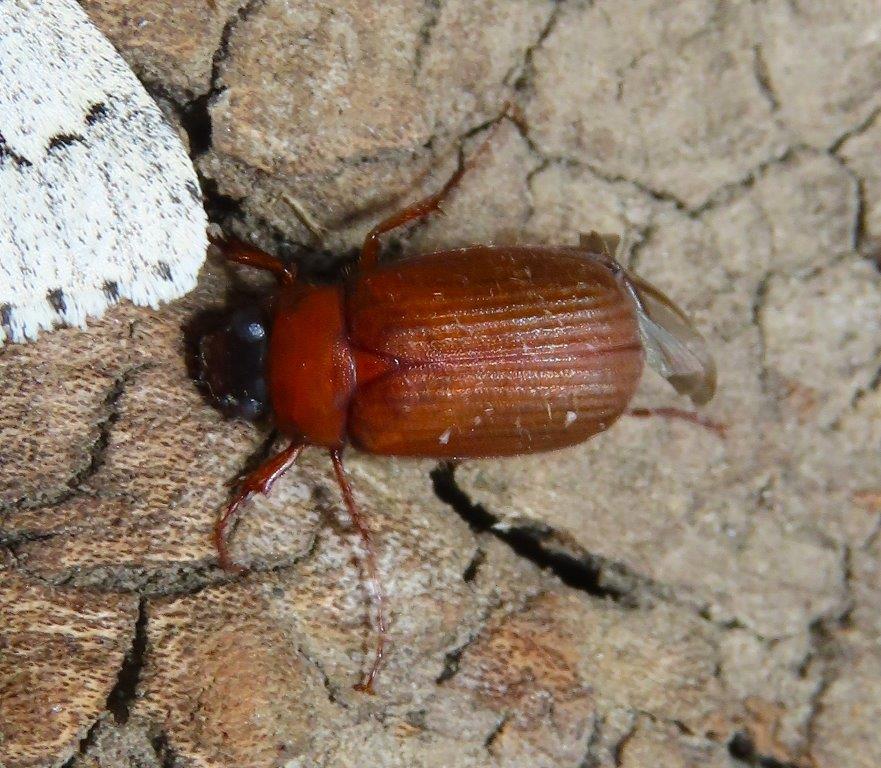
And when all was counted up at the end, we found in the trap some 35 new insects for the garden list: moths, bugs, caddisflies, a mayfly and best of all a Brown Chafer Serica brunnea, with only about four previously recorded sites in north Essex.
Moth-trapping (and release unharmed) provides a window into the night life of the garden, as well as giving the privileged opportunity for attendees to experience the delight of the early morning calm before floods of garden visitors arrive. So if anyone fancies it, our second event is planned for 18 July, booking via the Beth Chatto website at Marvellous Moth Morning – Beth Chatto’s Plants & Gardens