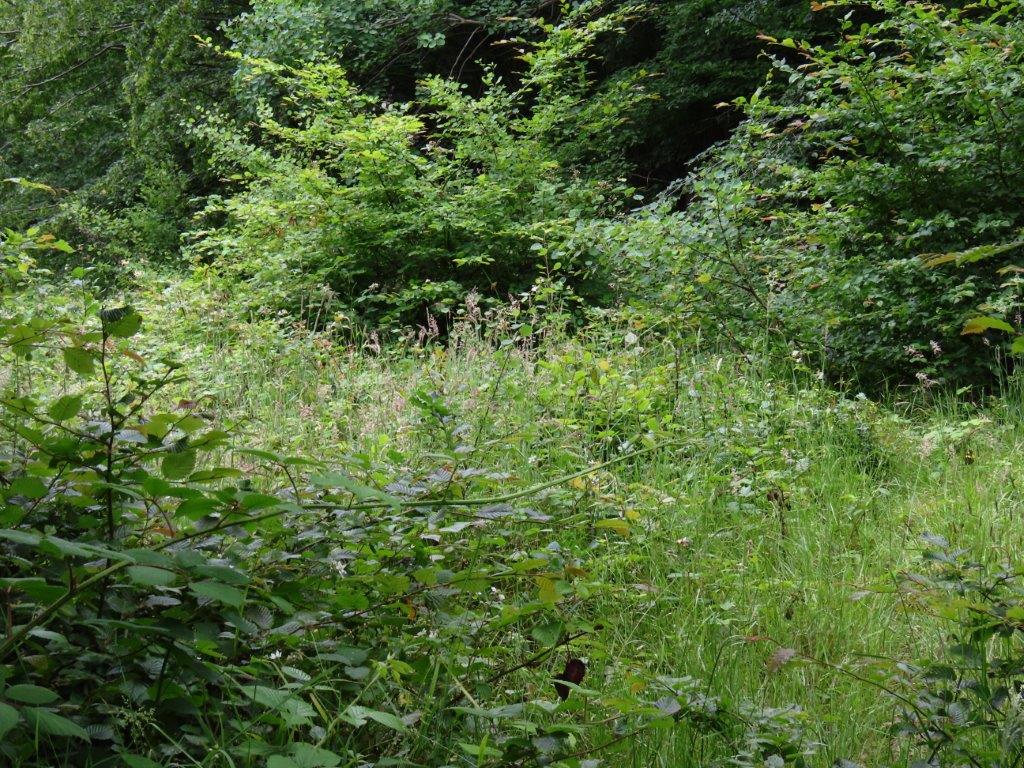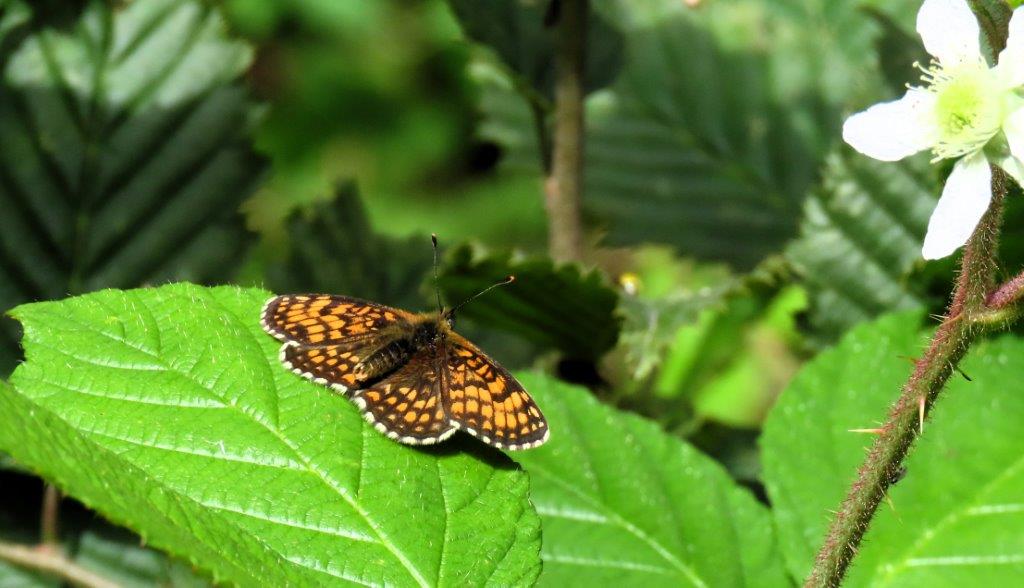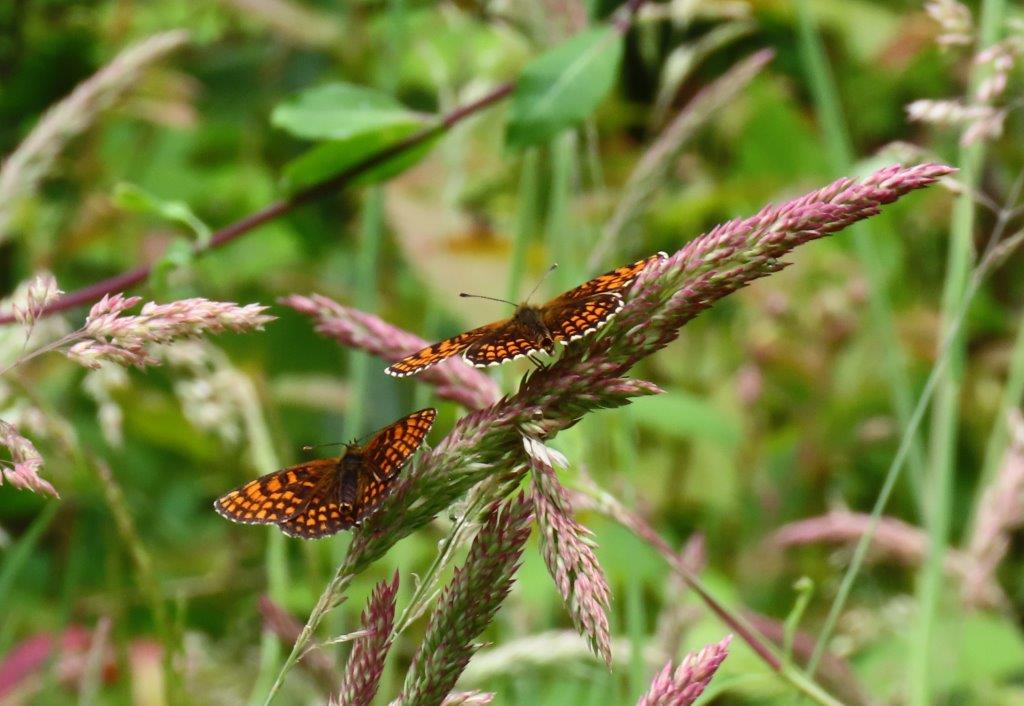
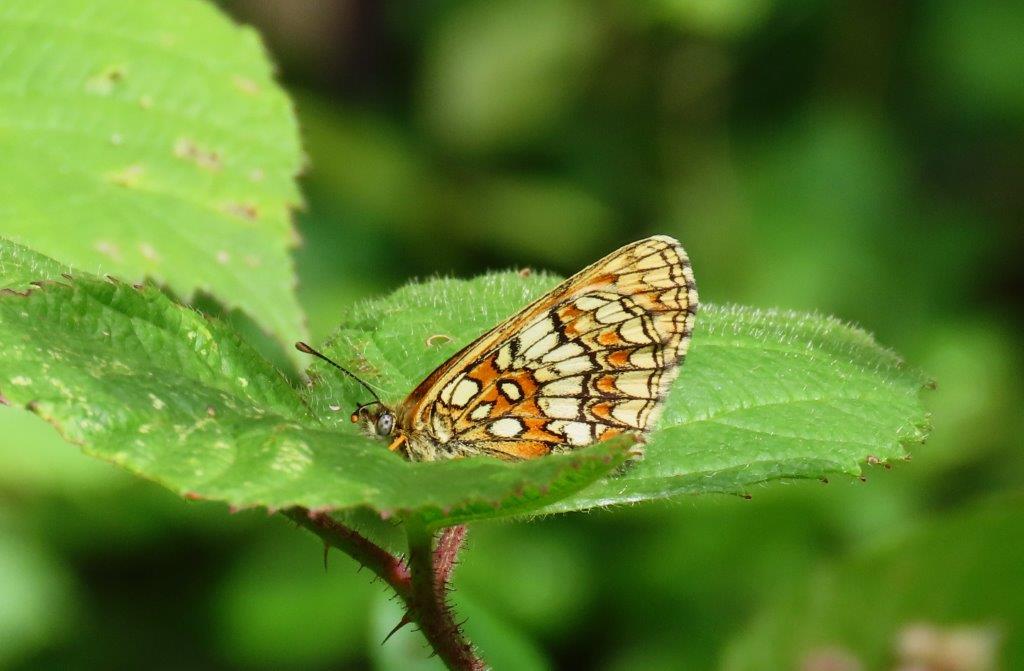
As has now become traditional, early June sees me heading to Hockley Woods atop the hills to the rear of Southend, leading Naturetrek day trips in search of Heath Fritillaries at one of their premier British sites. But nothing is guaranteed, and things can go wrong. The preceding two days had torrential rain, 30mm or more, so would they have survived? Indeed, would they even have emerged yet given our odd weather this spring, of drought followed by downpour.
The day dawned grey and breezy, but mild and with a promise of afternoon sun. When we started the walk it was still cloudy and I felt there were fewer insects about than usual, probably due to the rain. But as always we had plenty of things to look at that were not butterflies. The ancient woodland habitat is impressive, at 130ha the largest contiguous series of ancient semi-natural woods in the east of England.
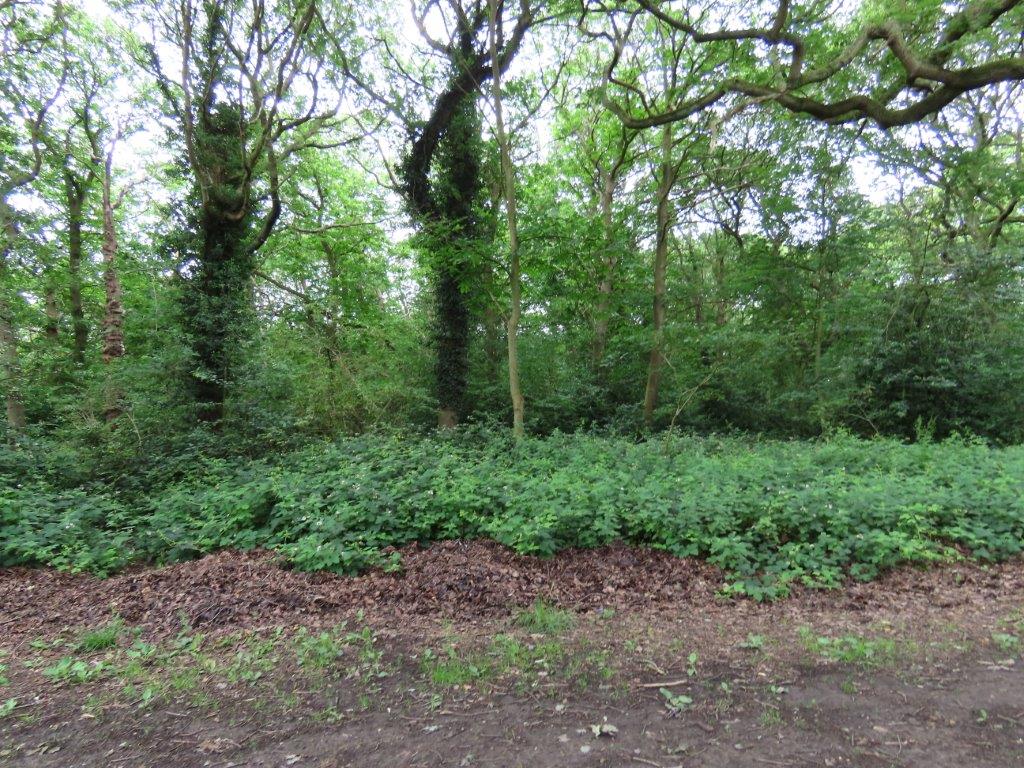
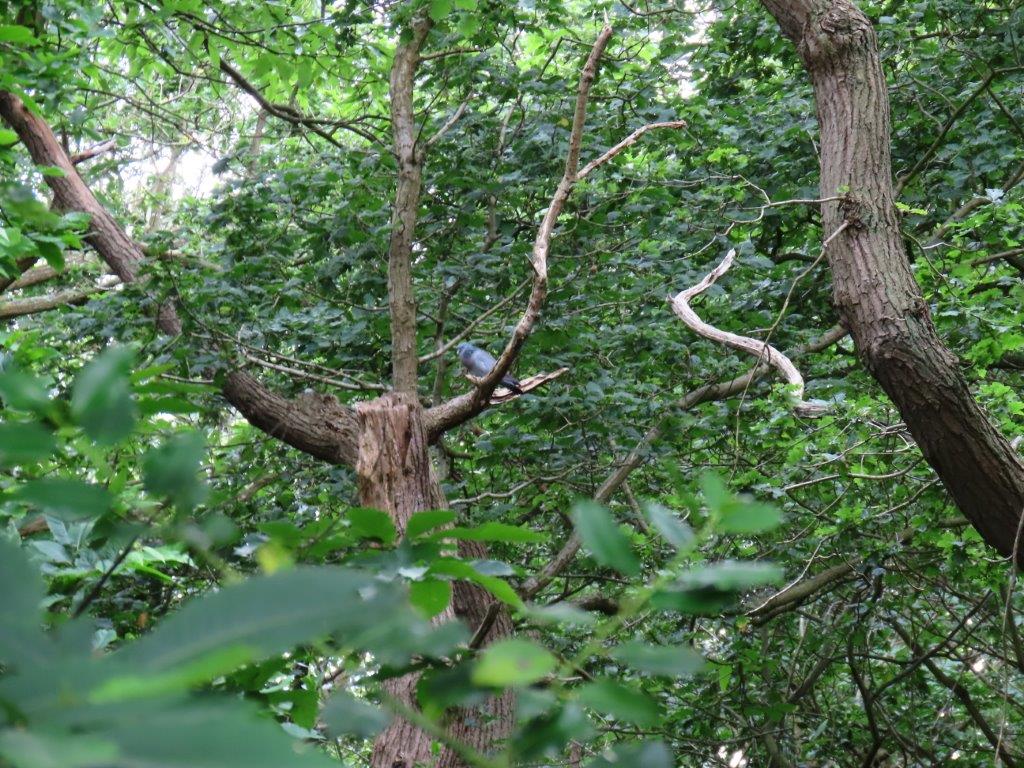
The trees in the woodland picked out the geological preferences of each species, with multi-layered influences overlain from historic land use, management and other interventions. Many of the canopy trees are oaks, not the usual oak of the east but the normally western Sessile Oak, or its hybrid with Pedunculate Oak. A number of them seem to have died recently, while others show signs of bleeding lesions that could signal the beginning of the end: this might be expected as result the stresses these trees must be under as a result of climate change, and is not a bad thing – the woods are overstocked meaning that insufficient light penetrates to the ground floor to produce the maximum biodiversity the habitat can. If we don’t have Wild Boar (yet!) to cause natural disturbance and break up the gloom, then maybe disease will do it for us?
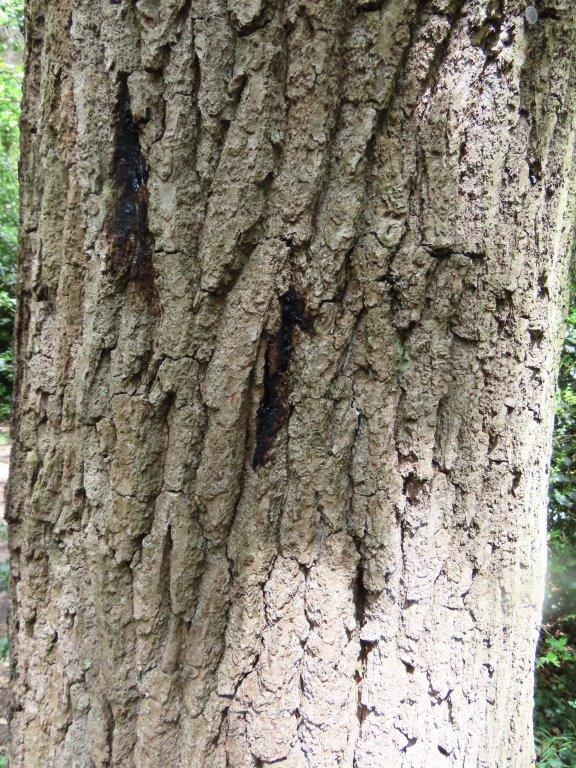
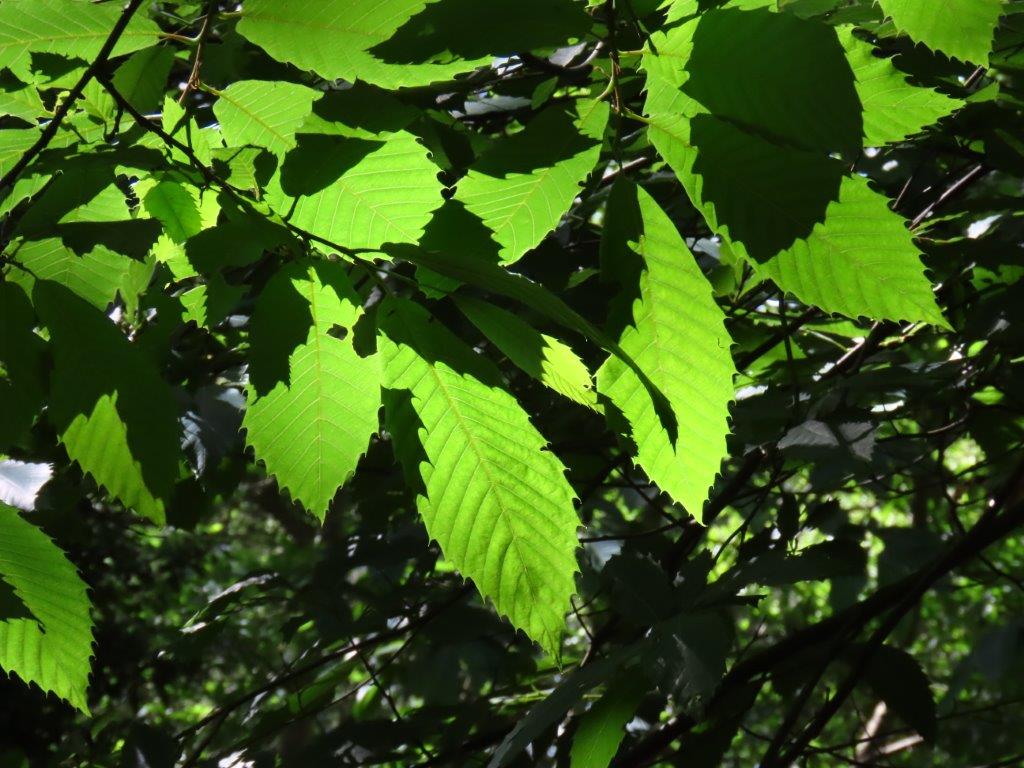
Hornbeam is one of the dominant understory trees, typical of London Clay, but as in much of Essex supplanted in places by Sweet Chestnut, brought here by the Normans, and preferred in the Middle Ages when woodlands had to work for a living. There was also Ash (much showing signs of Ash Dieback infection), Elder (indicative of aerial nutrient enrichment) and Wild Cherry, picking out the springline between clay and gravel…
… and less frequently Hazel, Sallow, Aspen, Wild Service, Crab Apple and others.
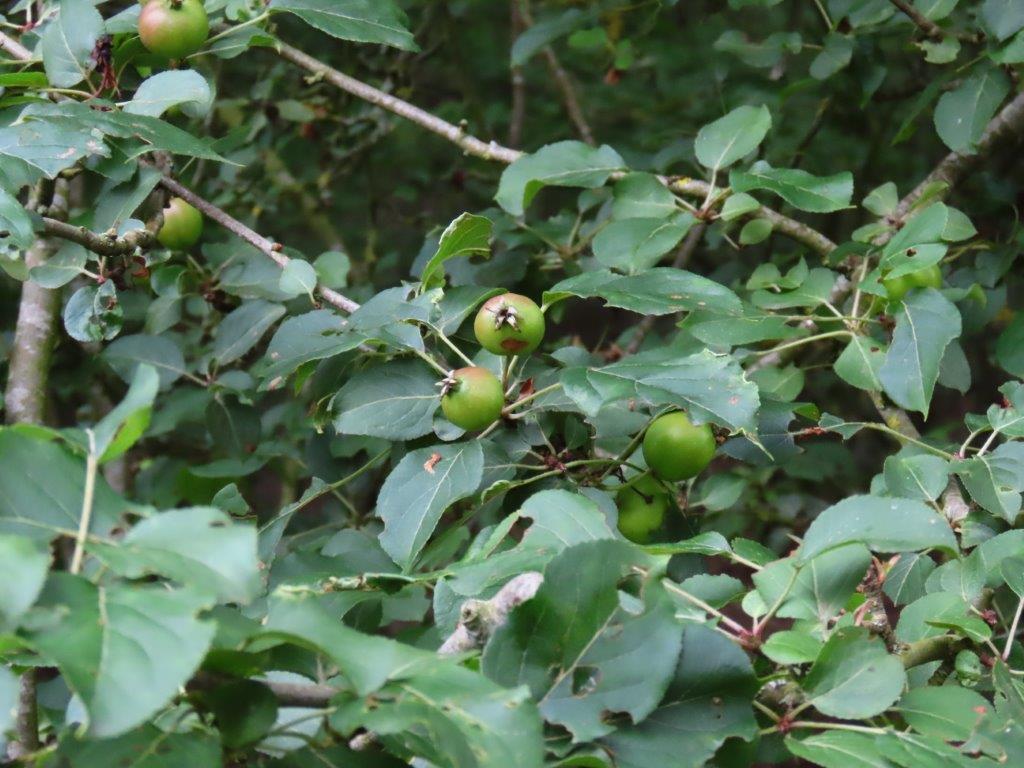
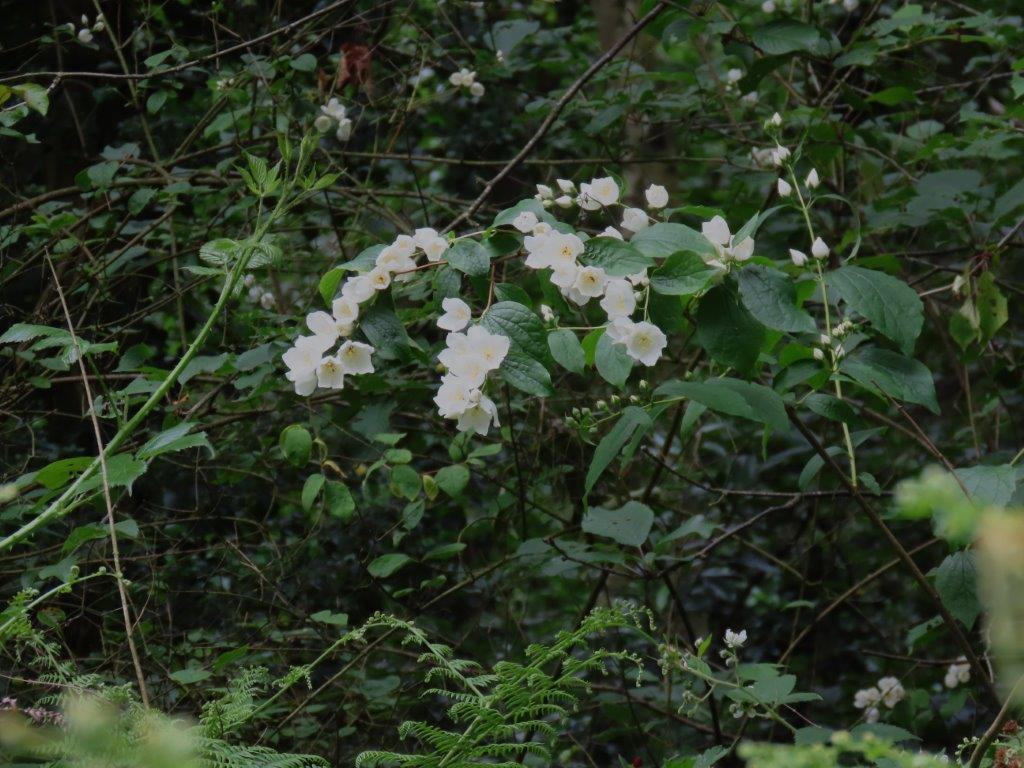
Almost all were well munched by caterpillars – this is a good year to be a baby Blue Tit! – the only exceptions being the non-natives, Sweet Chestnut and invading from gardens at the wood edge, Cherry Laurel and Mock-orange.
Other birds included singing Wrens, Blackcaps and Stock Doves, and calling Great Spotted Woodpeckers and Nuthatches.
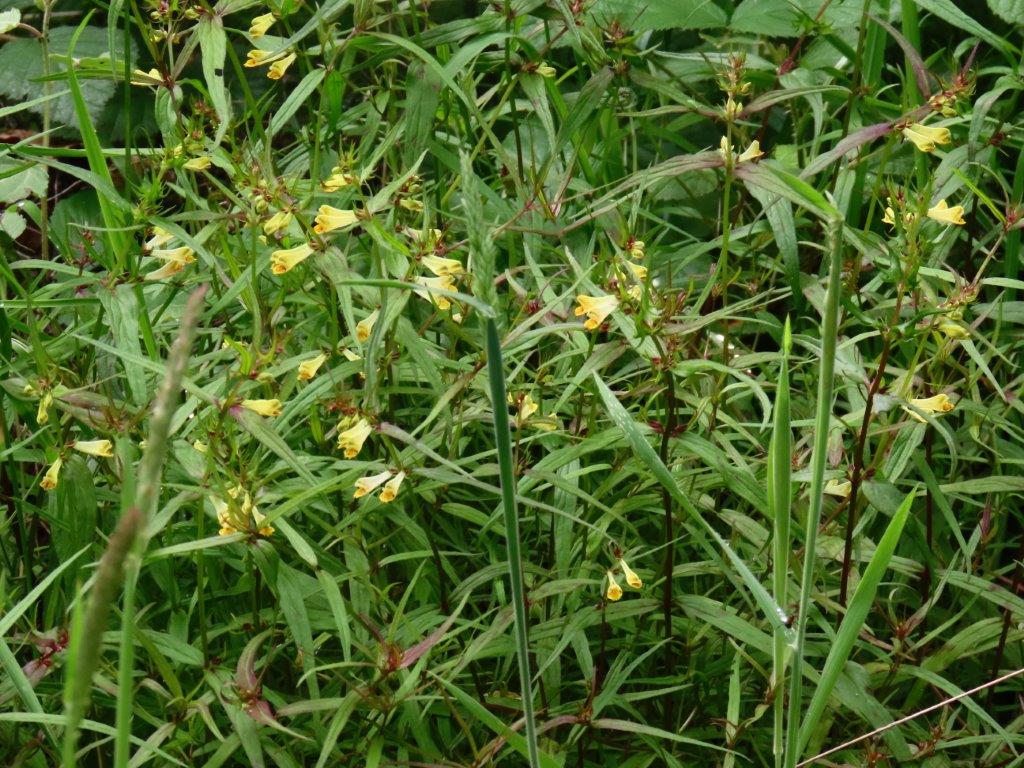
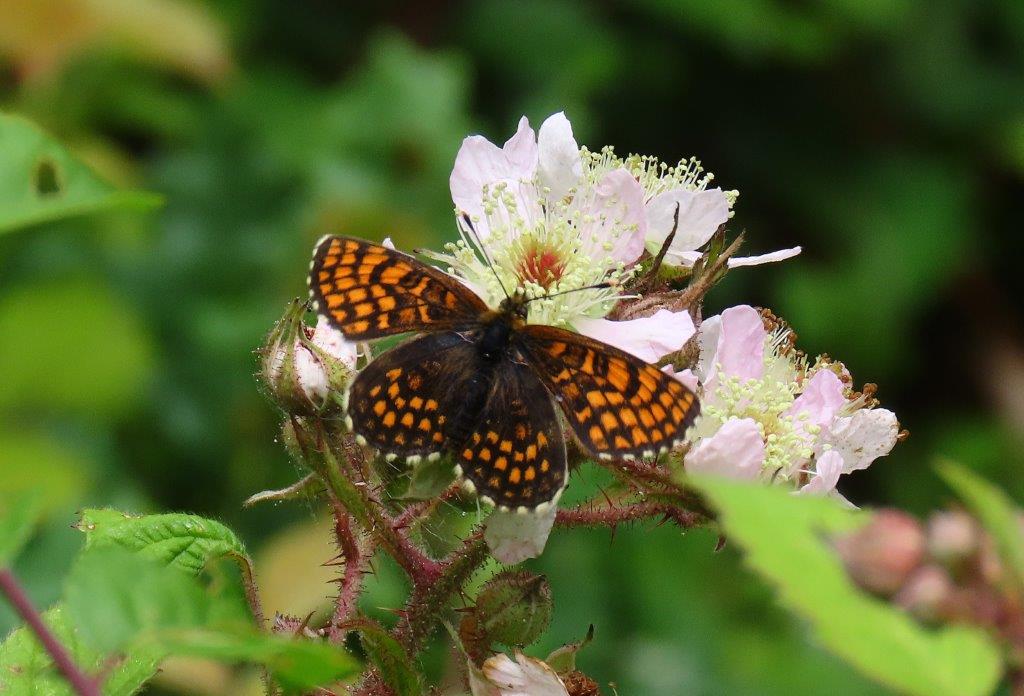
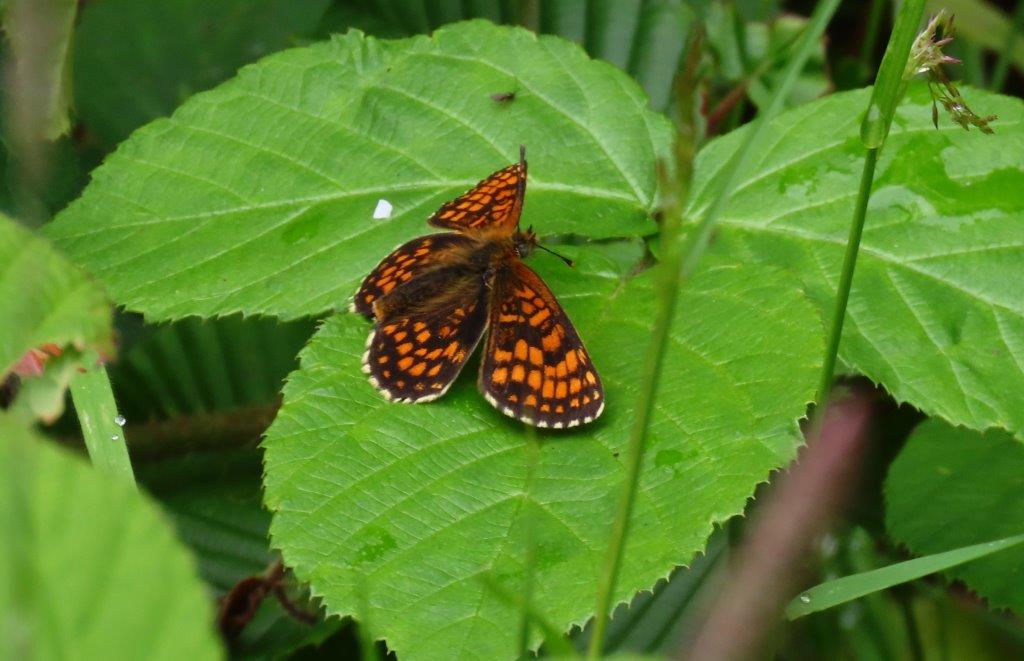
But very soon the sun was glimpsed and then appeared more purposefully around lunchtime. And so the insects emerged, including (phew!) Heath Fritillaries in the first patch of their larval foodplant, Common Cow-wheat. The rest of the walk brought us maybe a hundred in all, all pristine, presumably overnight emergers. I guess the following couple of warm days will have seen the peak for the year.
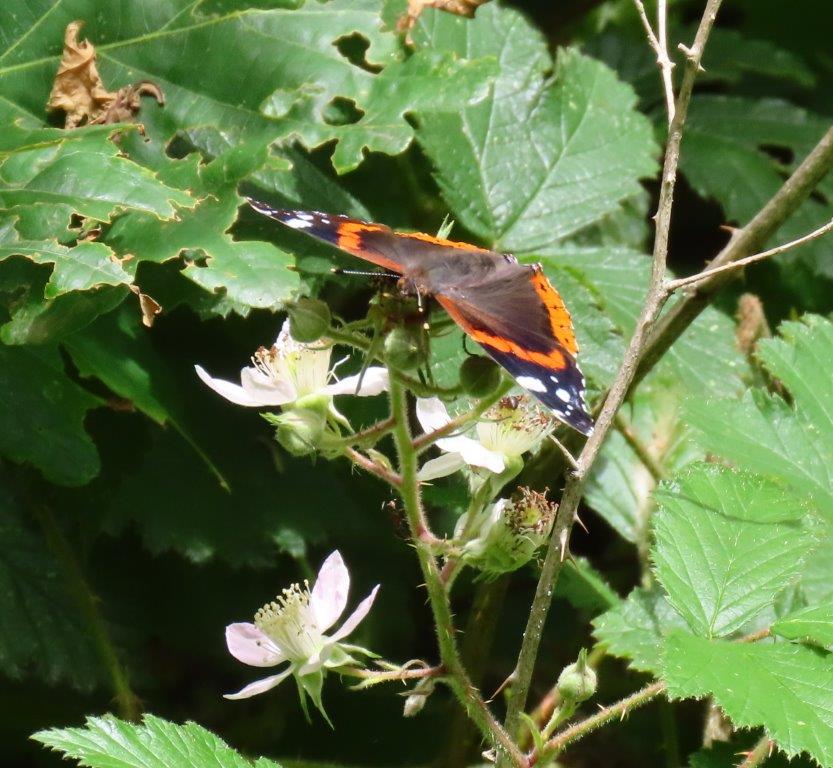
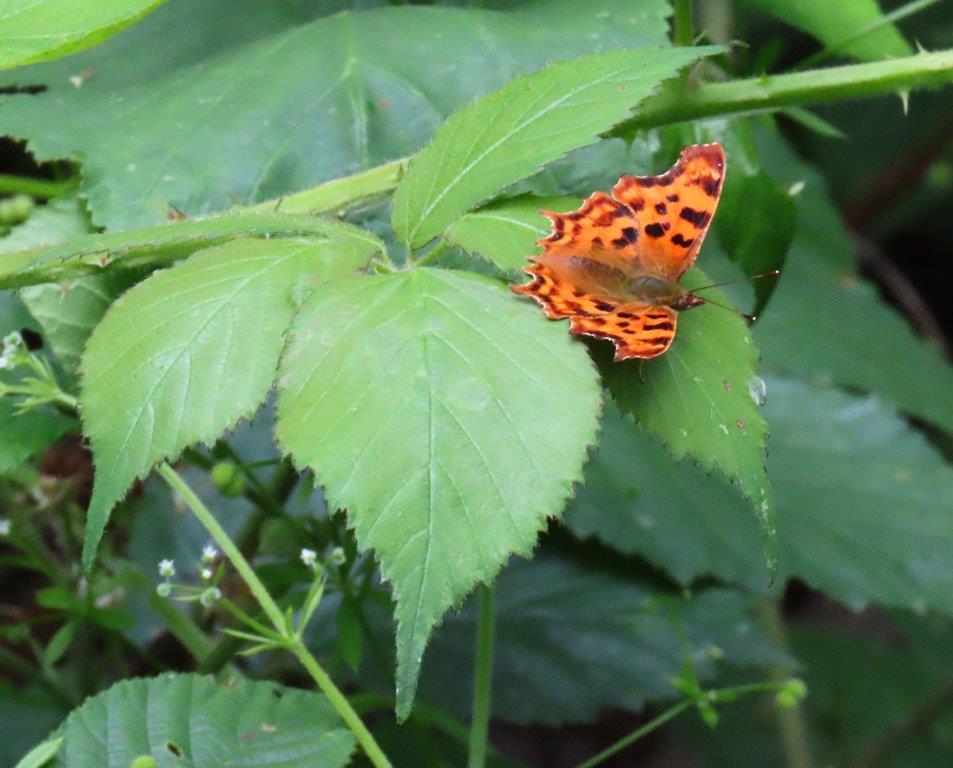
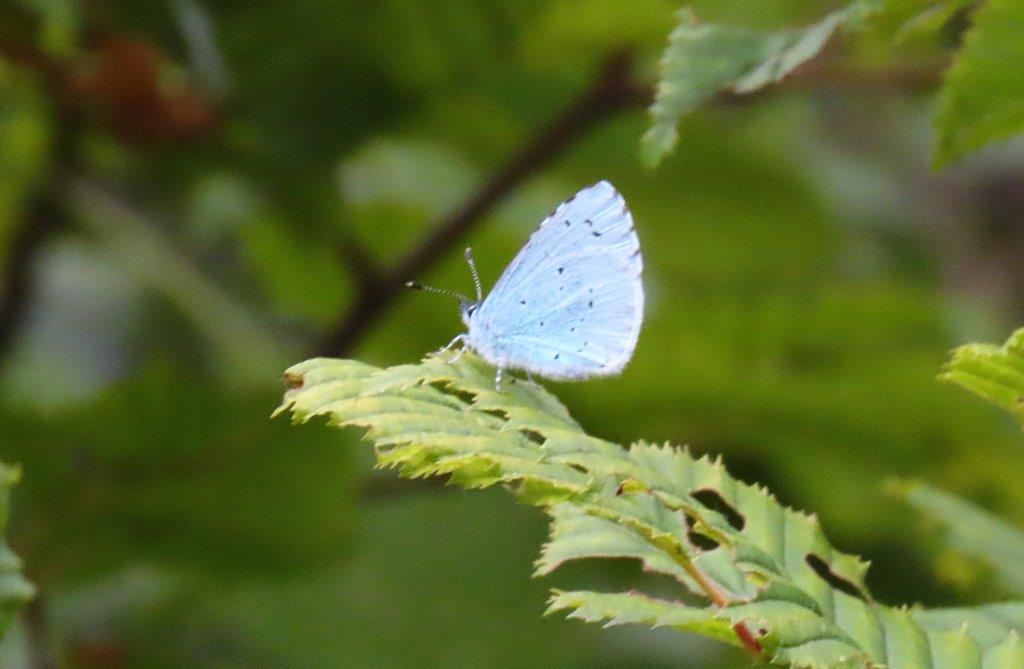
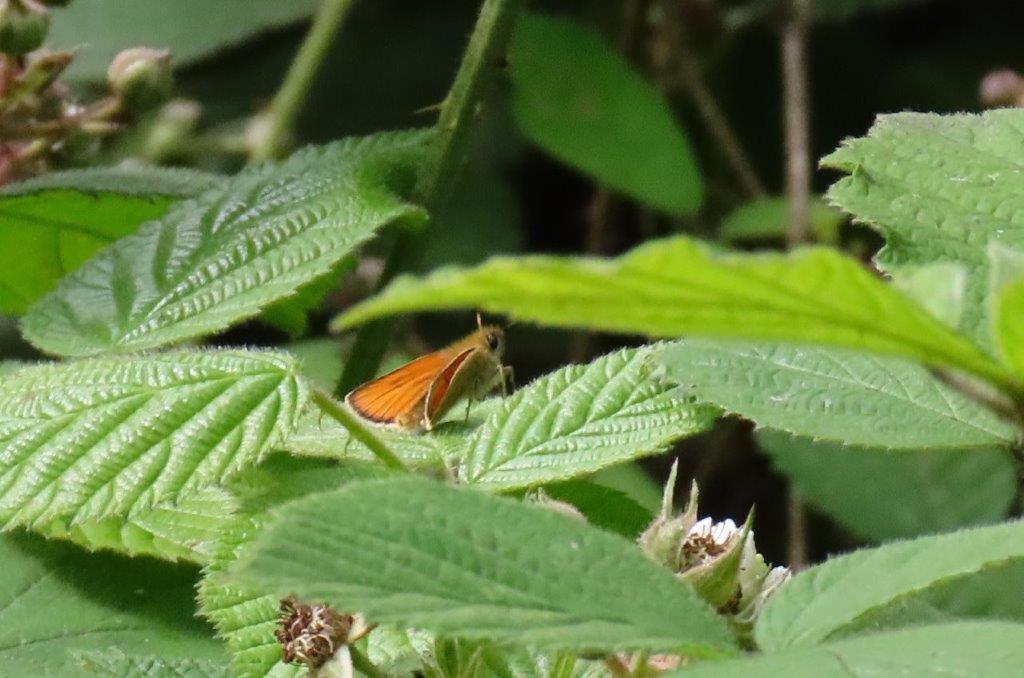
Other butterflies slowly mounted into a respectable list, including Comma, Holly Blue and Red Admiral, with Meadow Brown, Essex Skipper and a single Silver-washed Fritillary marking the advent of high summer.
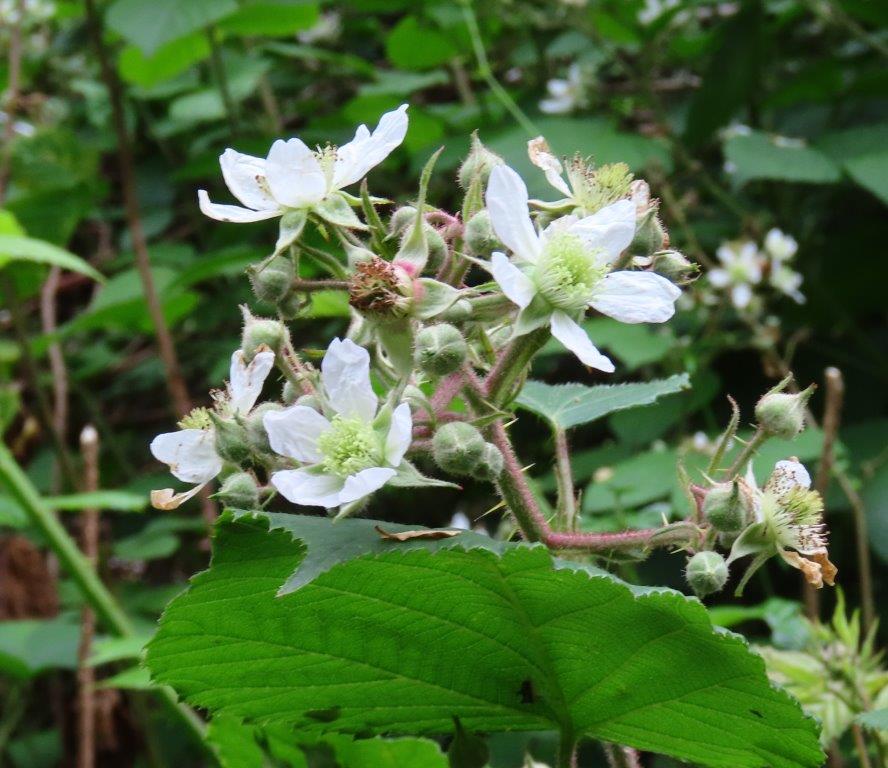
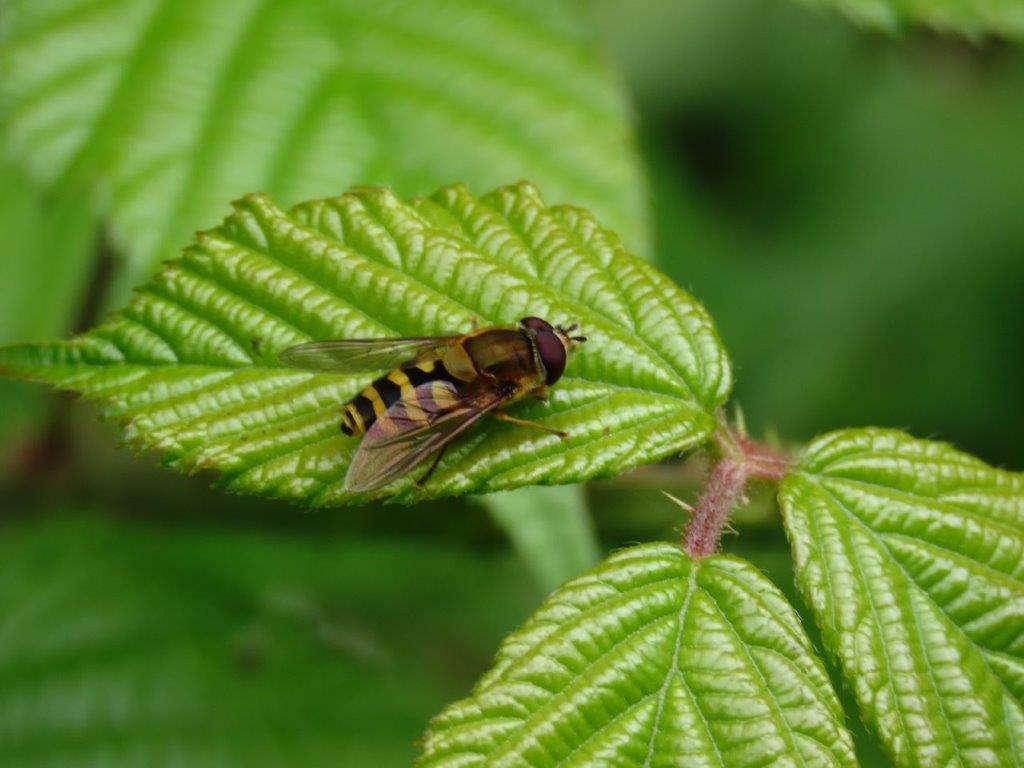
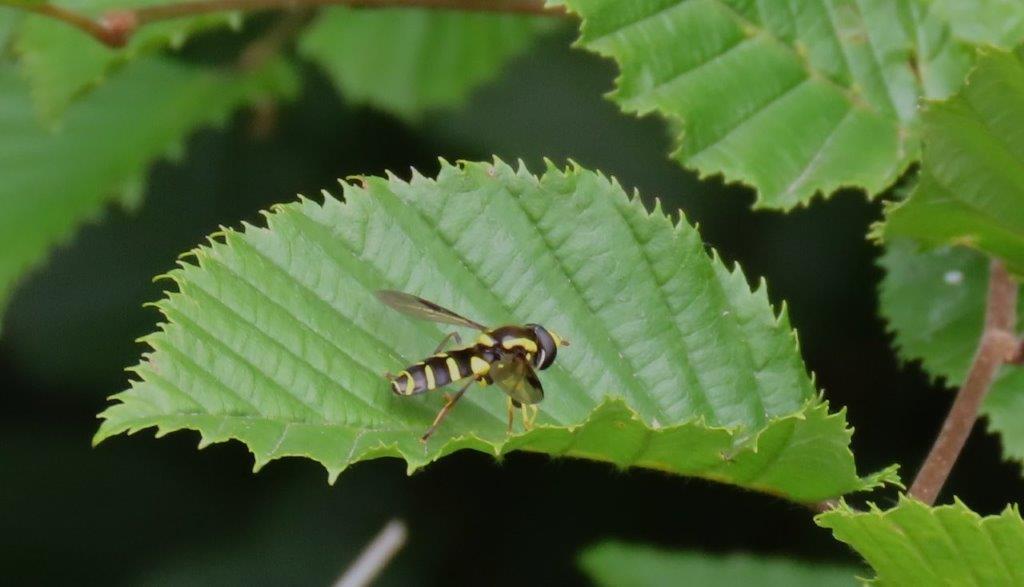
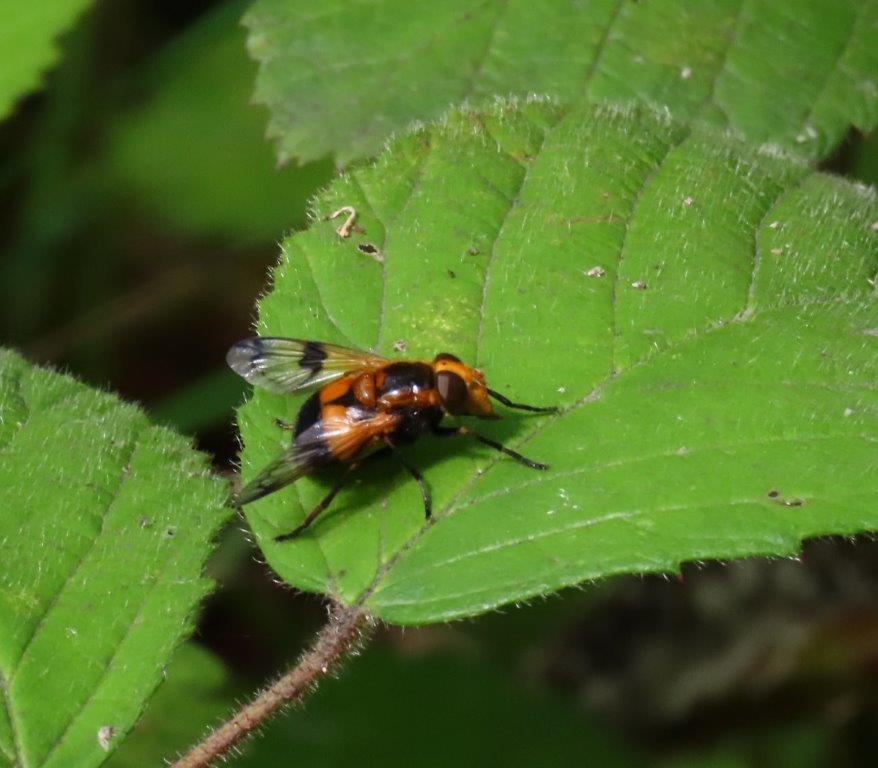
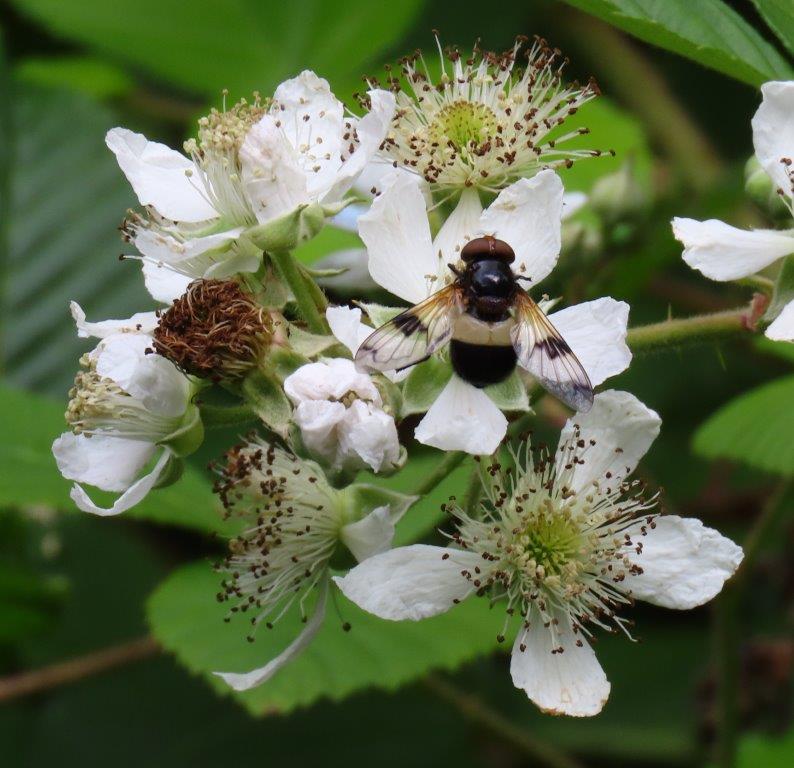
Other insects were also out in abundance in the sunlight, thanks to the trees sheltering the wide rides from the chilling breeze. Brambles were the main forage source, visited by hoverflies of all sorts: Batman, Marmalade, Footballer, Tapered Drone-fly, Superb Dayglower, Syrphus sp., Pipiza noctiluca, the Essex RDB species Volucella inflata and more Large Pied Hoverflies than I have ever seen in one place before.
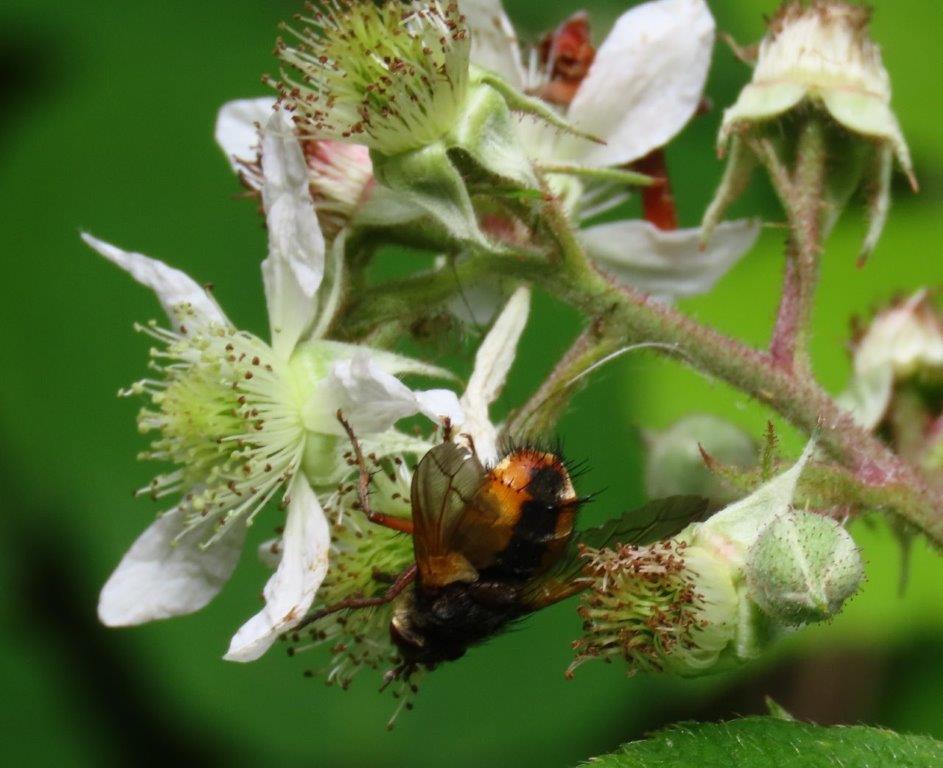
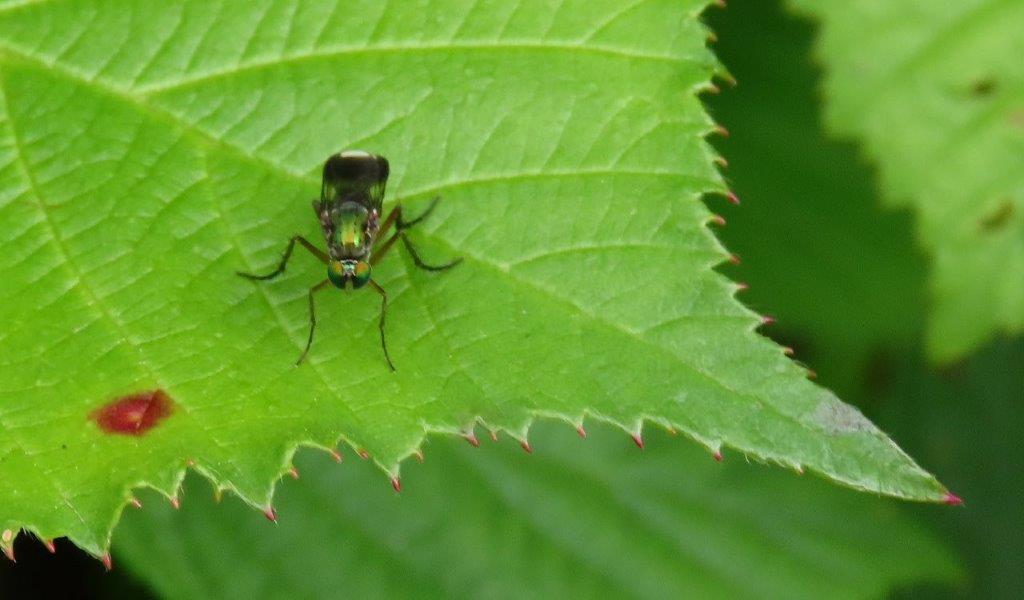
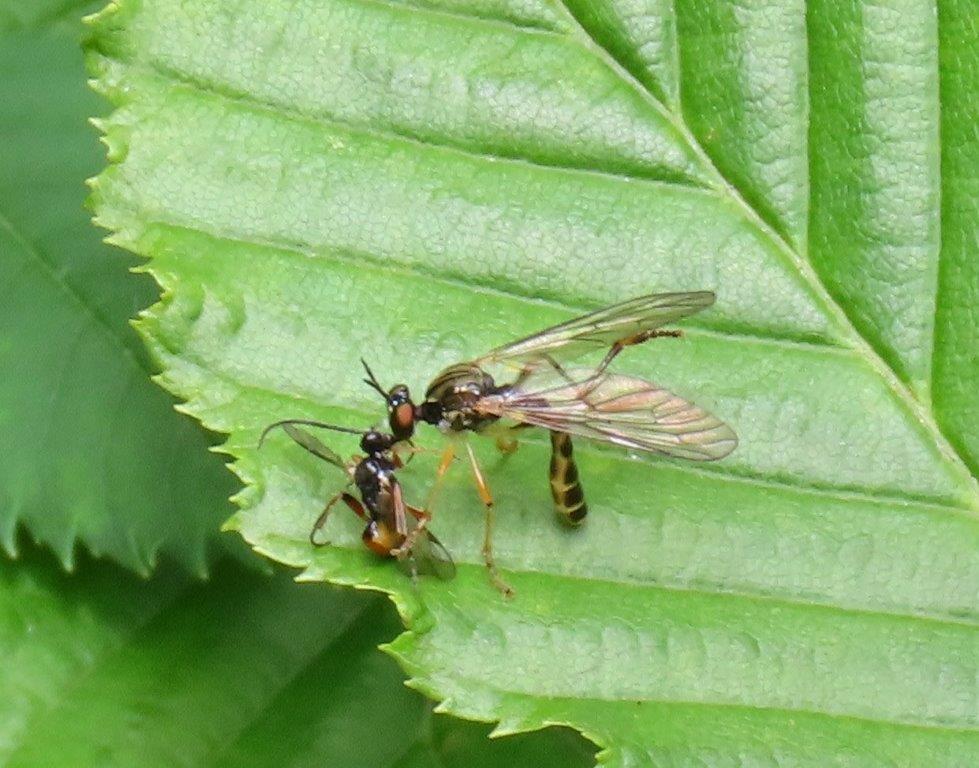
Amongst the other flies were the parasite-fly Tachina rufa, the Semaphore Fly Poecilobothrus noibilitatus and the robber-fly Dioctria linearis, here enjoying lunch seemingly in one of its scattered Essex strongholds.
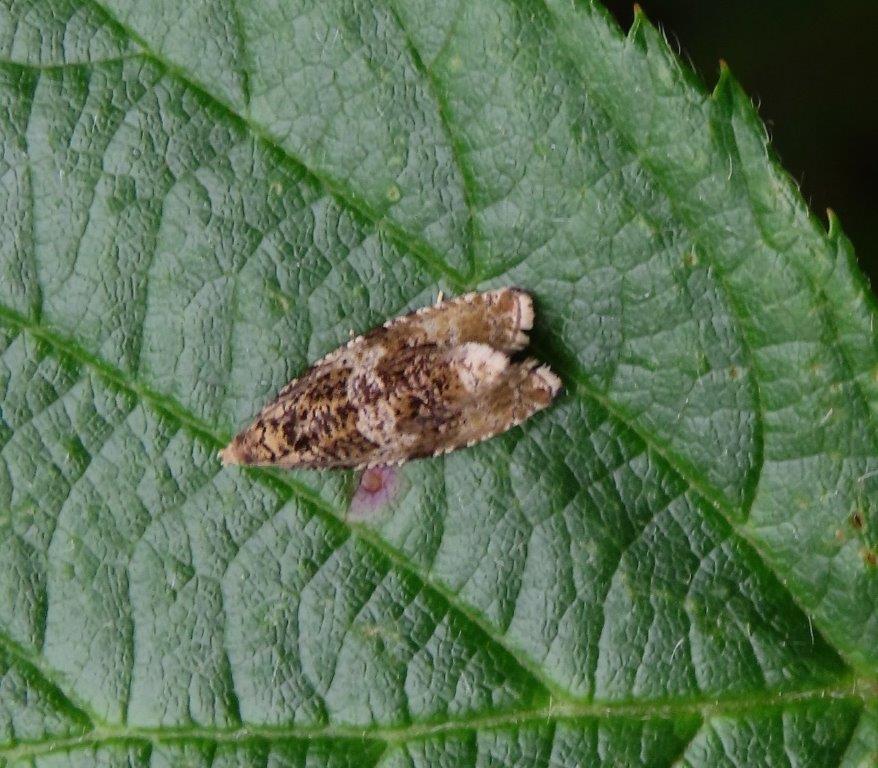
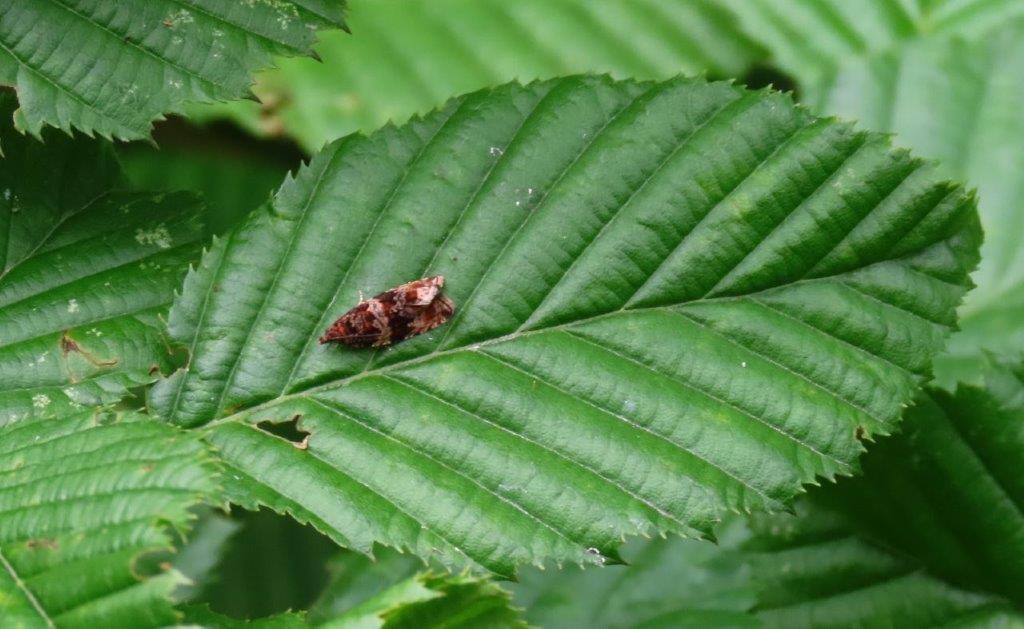
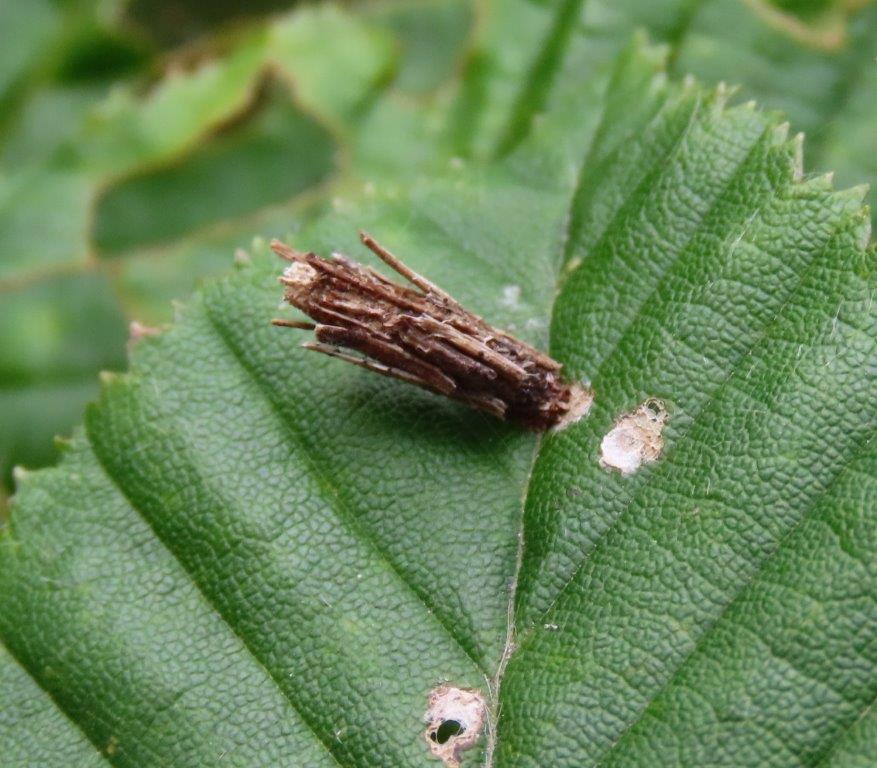
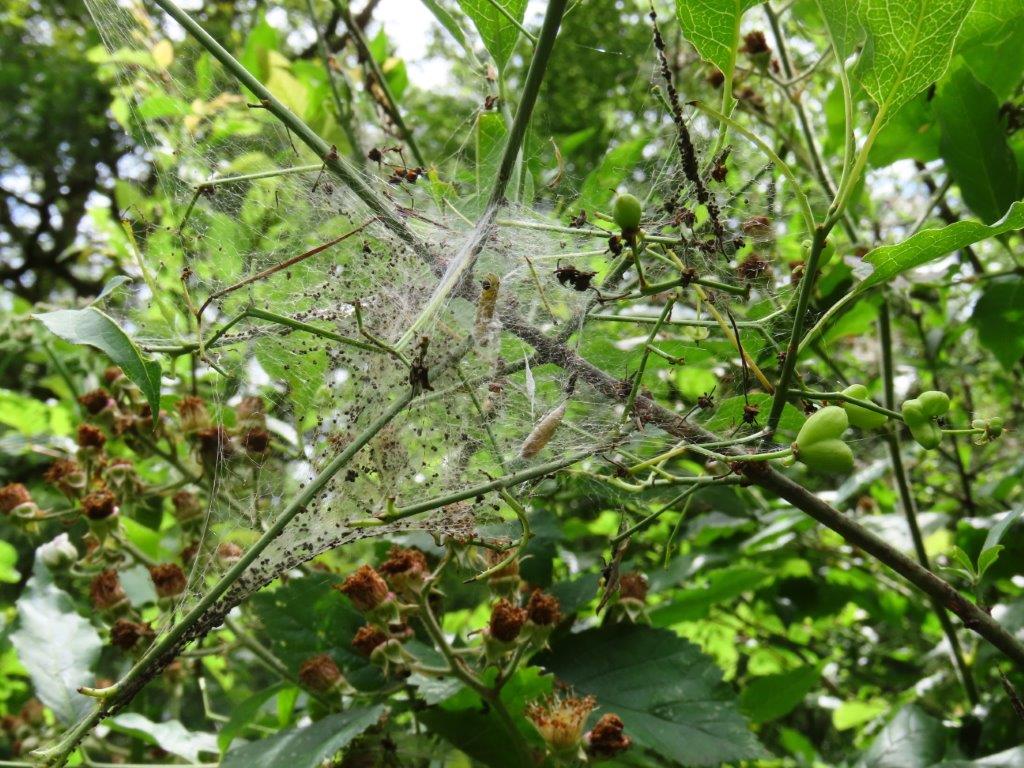
A diverse array of micromoths included the tortricids Celypha lacunana and C. cespitana, Common Bagworm and the larval webs of Spindle Ermine:
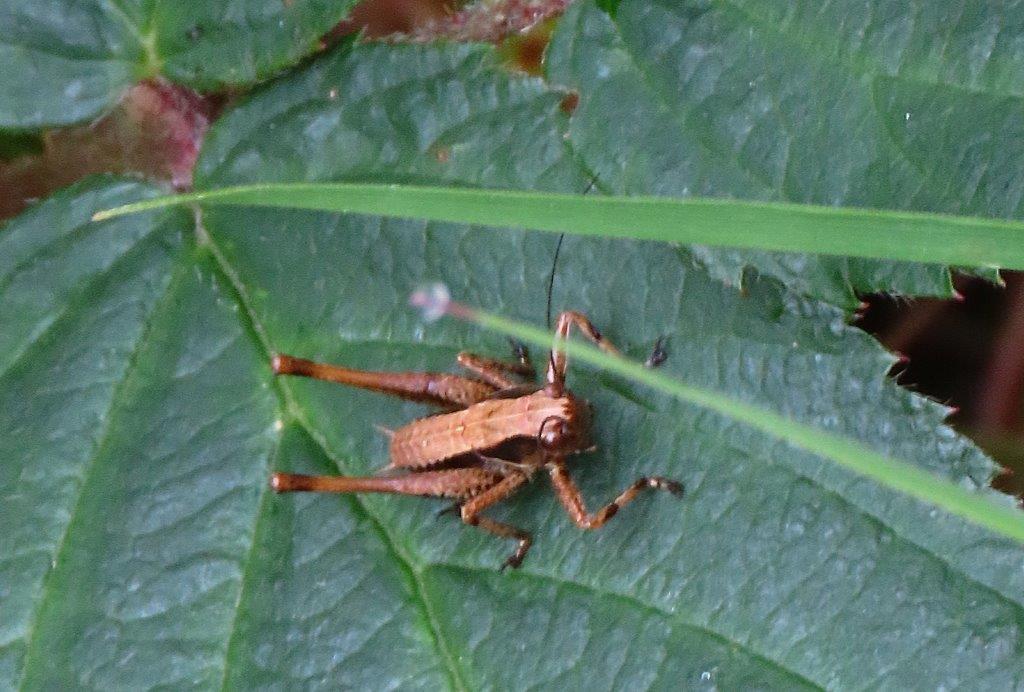
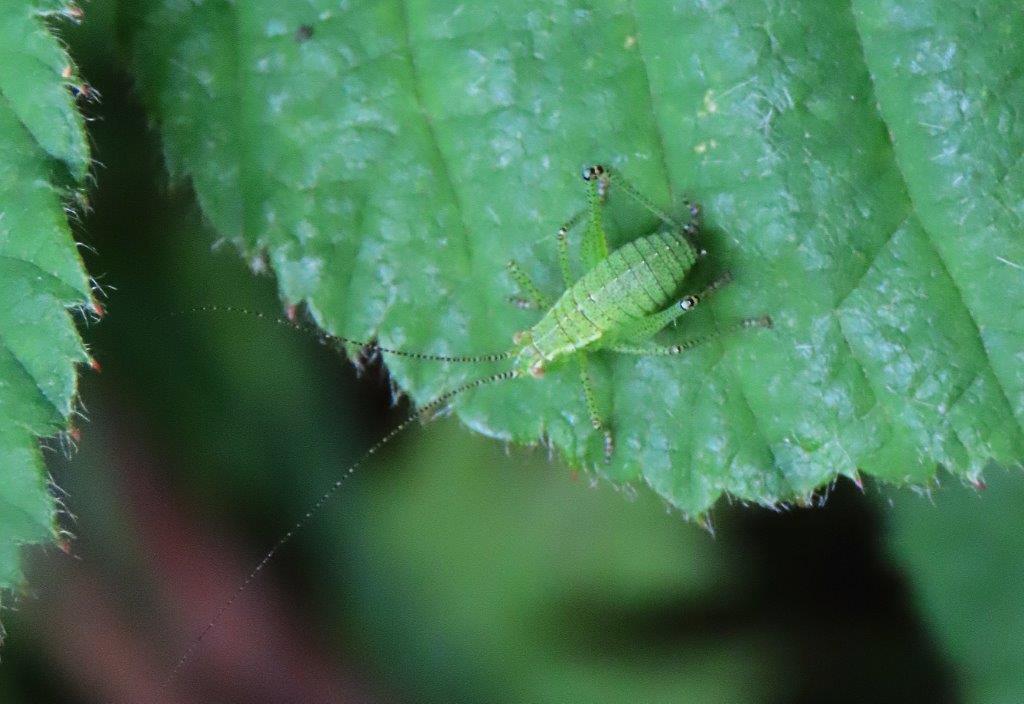
In a nod to the advancing summer there were nymph Dark and Speckled Bush-crickets sitting on many a leaf:
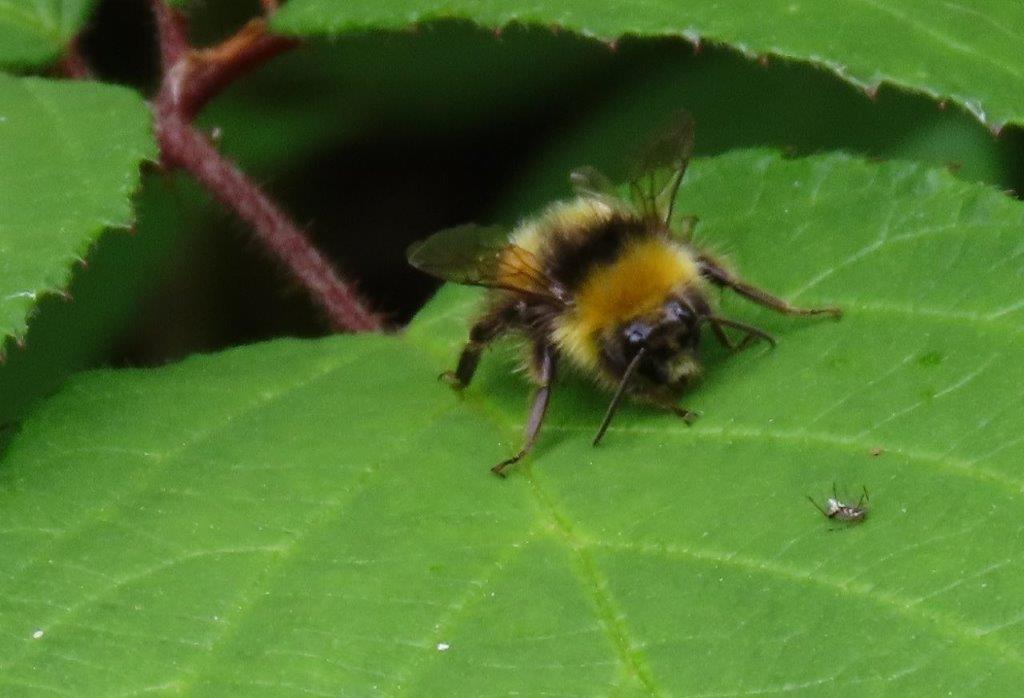
Bumblebees were very active, predominantly Buff-tailed and Common Carders with a few Red-tailed and Early Bumblebees for good measure, while Wood Ants were everywhere, wandering, carrying prey and seeds, nesting and milking aphids:
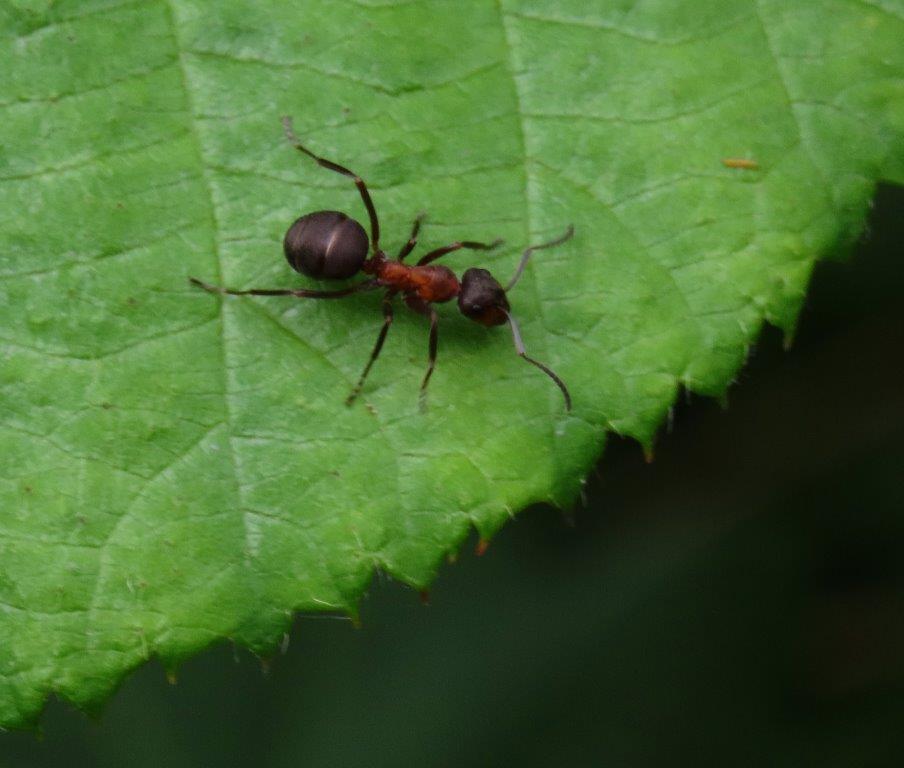
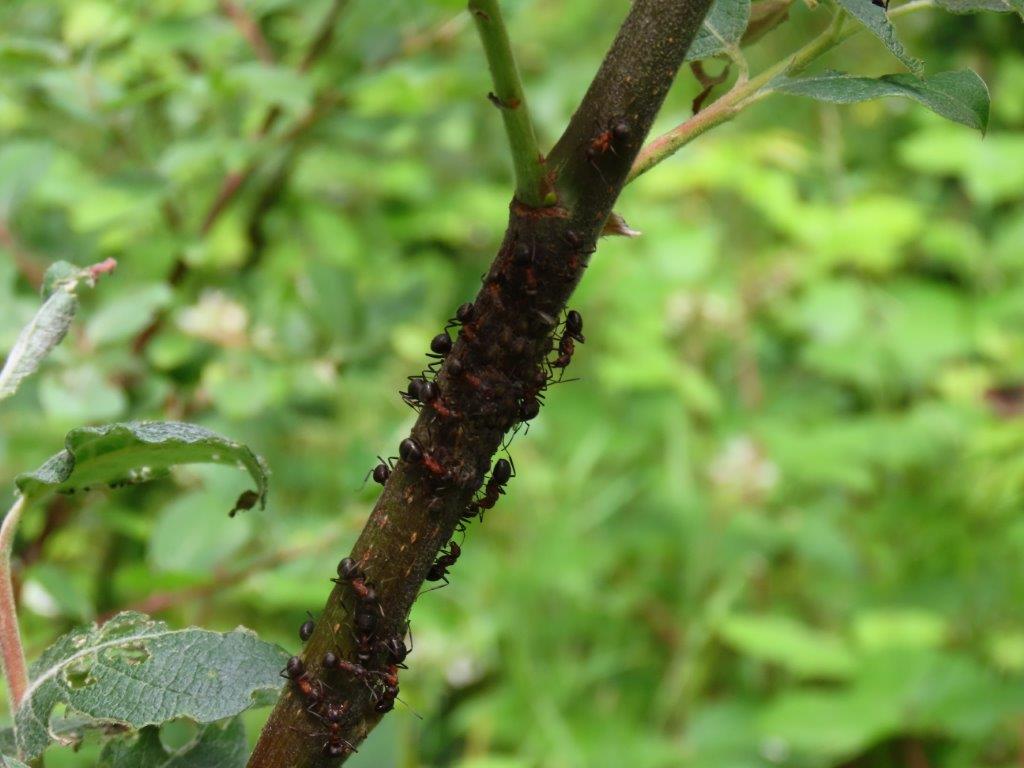
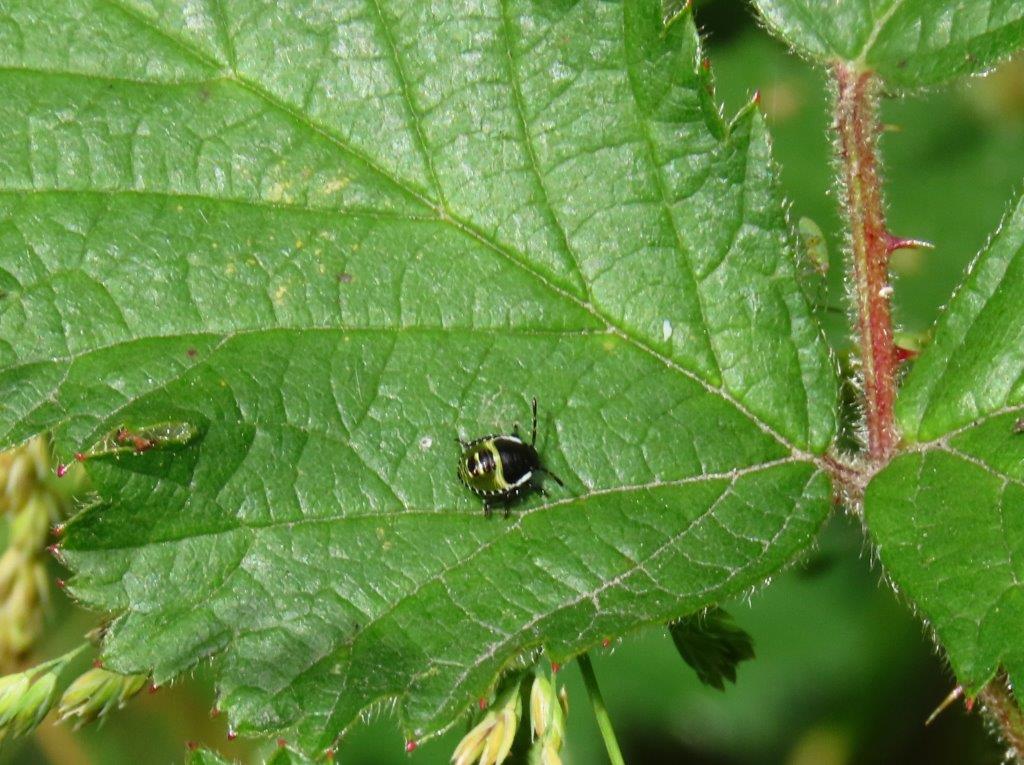
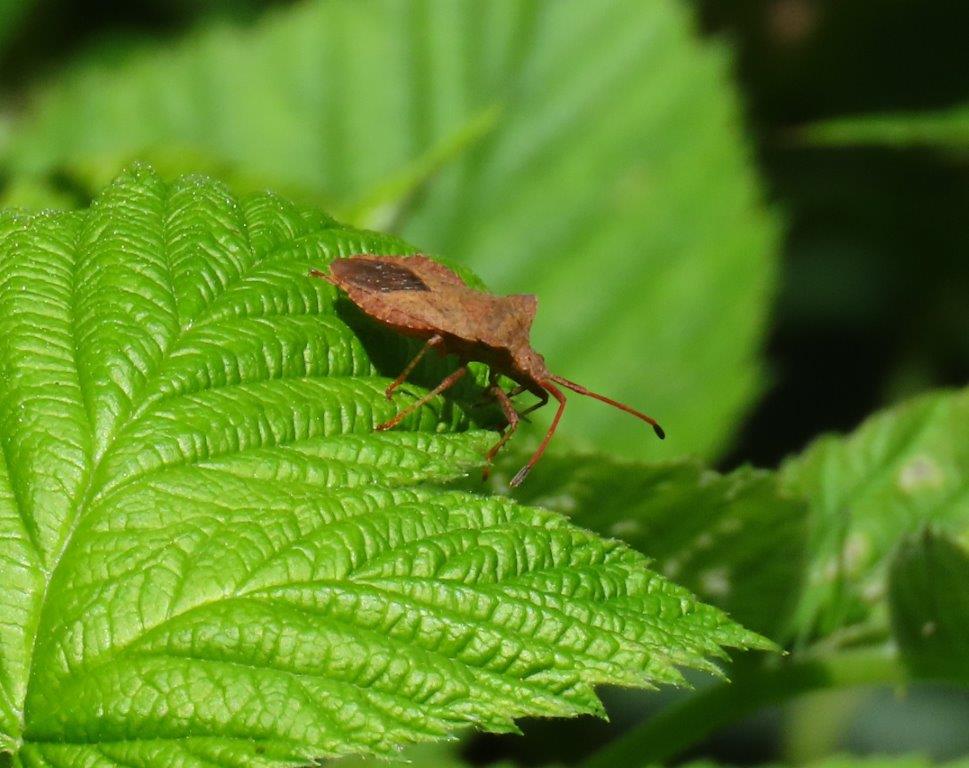
Black Bean Aphids were very apparent, in common with many places this spring, also a bonanza for ladybirds hopefully to come, while other bugs included nymphal Green Shieldbugs and adult Dock Bugs:
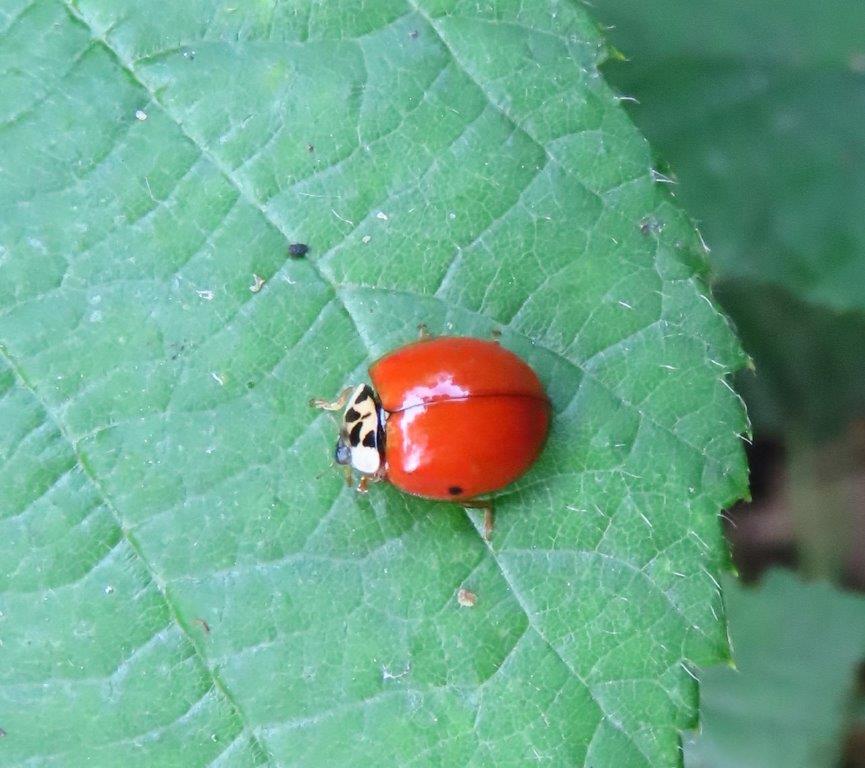
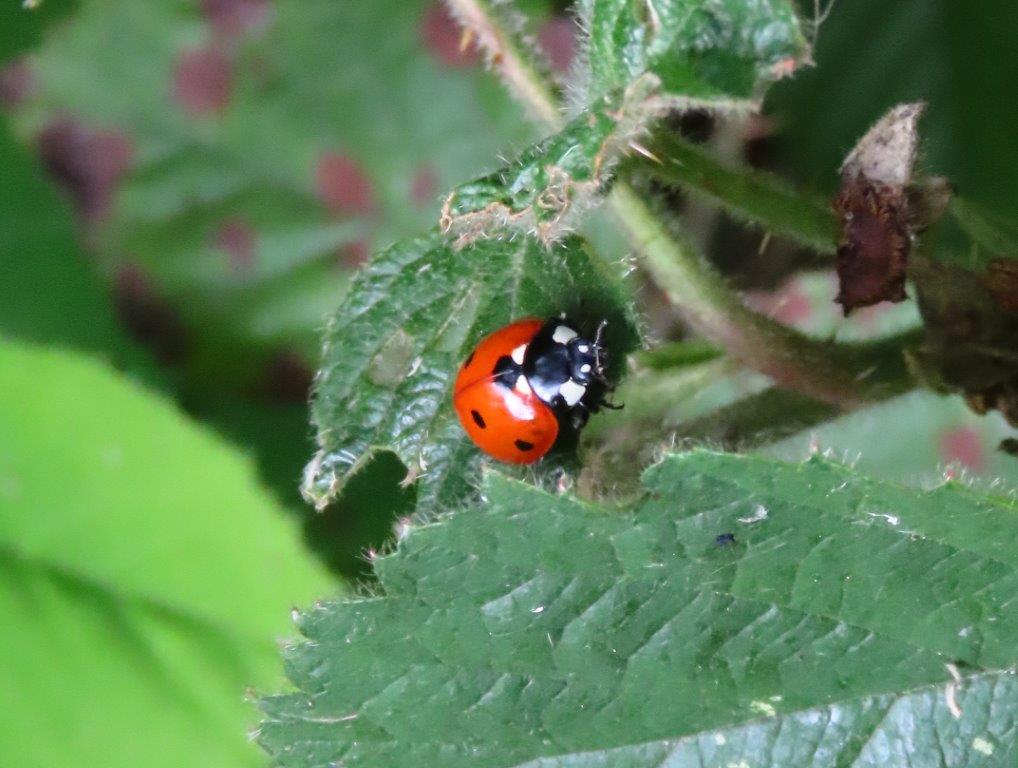
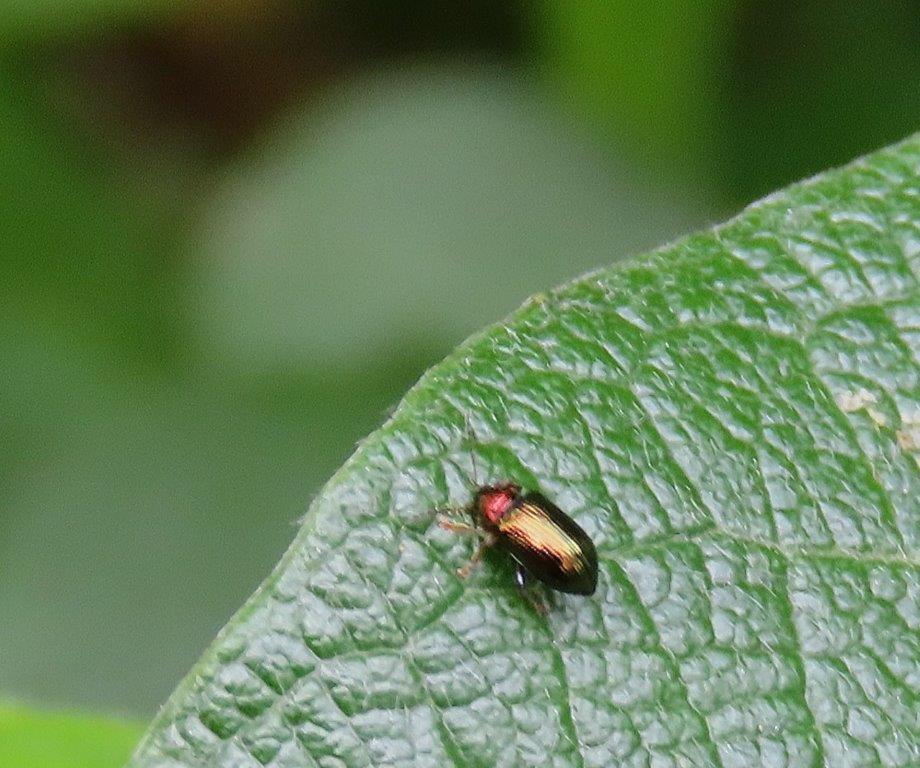
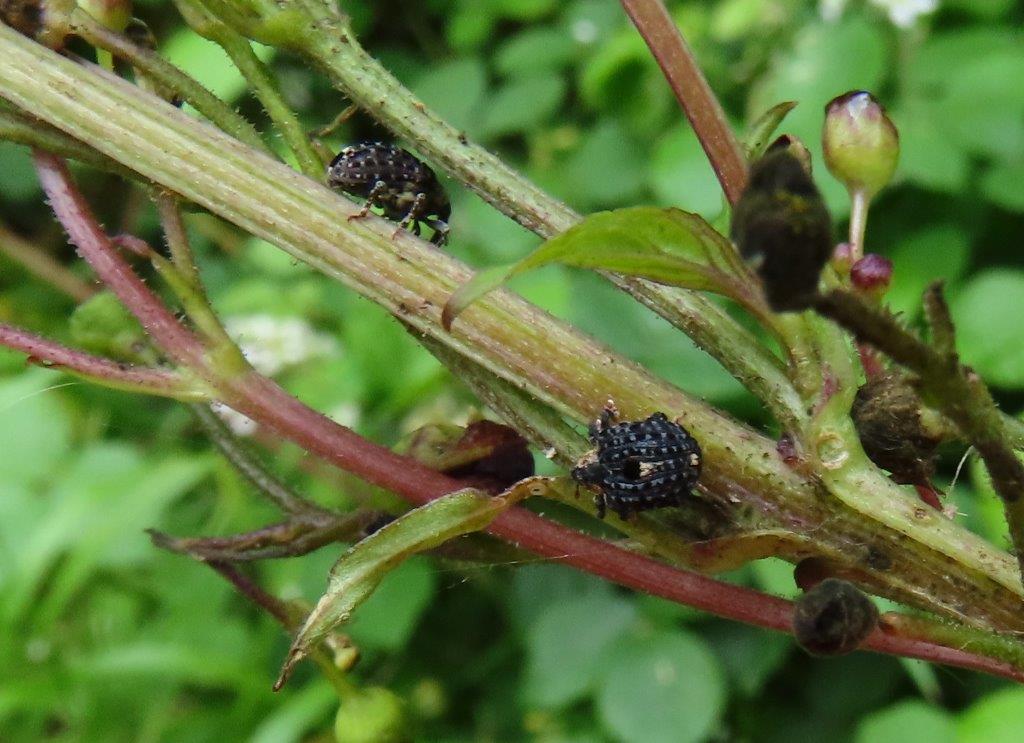
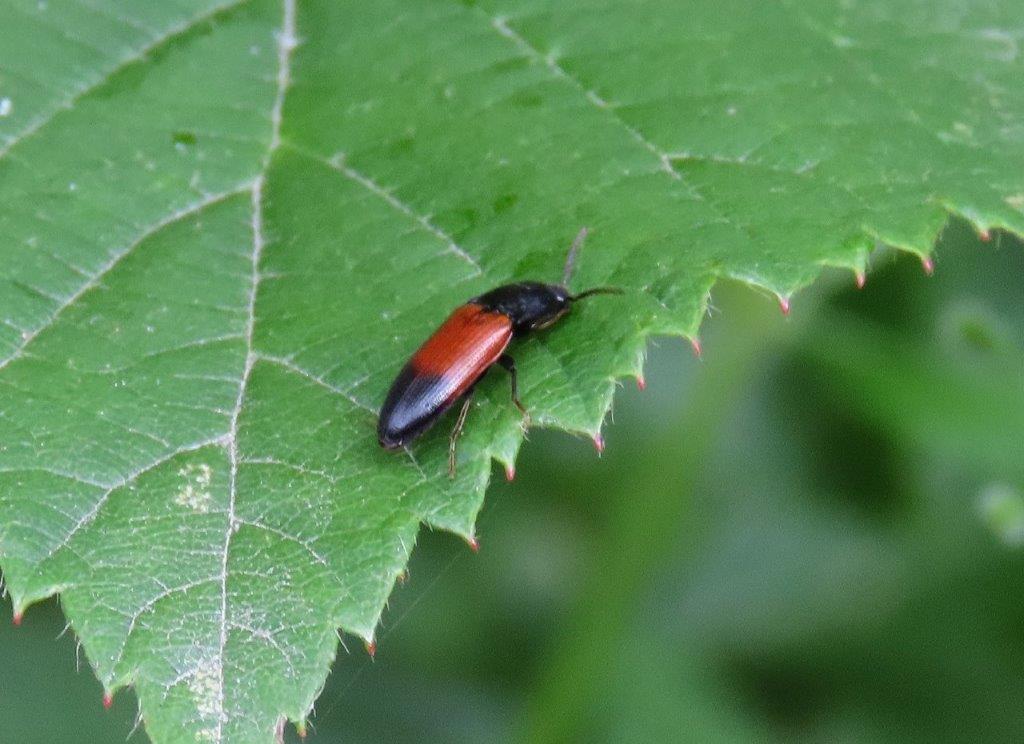
And in a final flourish of insects, the beetles: Seven-spot and Harlequin Ladybirds, Willow Flea Beetles glistening like jewels, Figwort Weevils on almost every Common Figwort flower and a very scarce saproxylic click-beetle in Essex Ampedus balteatus.
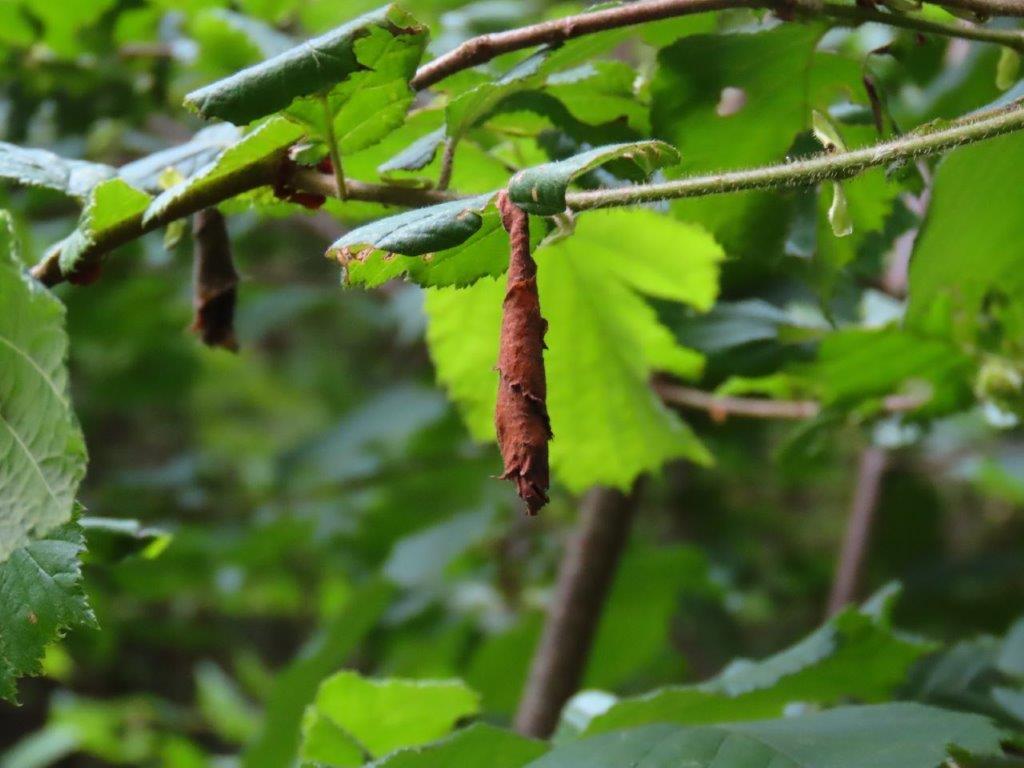
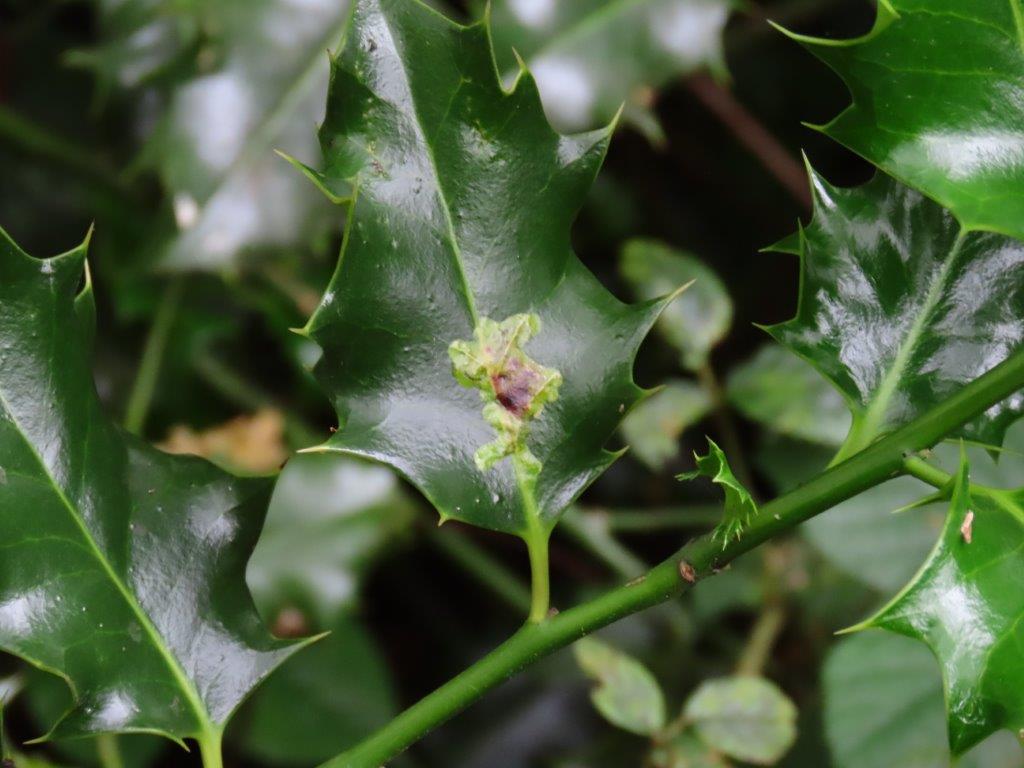
Insects and other invertebrates do not of course to be actually seen to be identified if their life leaves distinctive structure or patterns. Thus we found the mysterious dangling leaf rolls of the Hazel Leaf-roller Weevil and leaf-mines of the Holly Leaf-miner Fly…
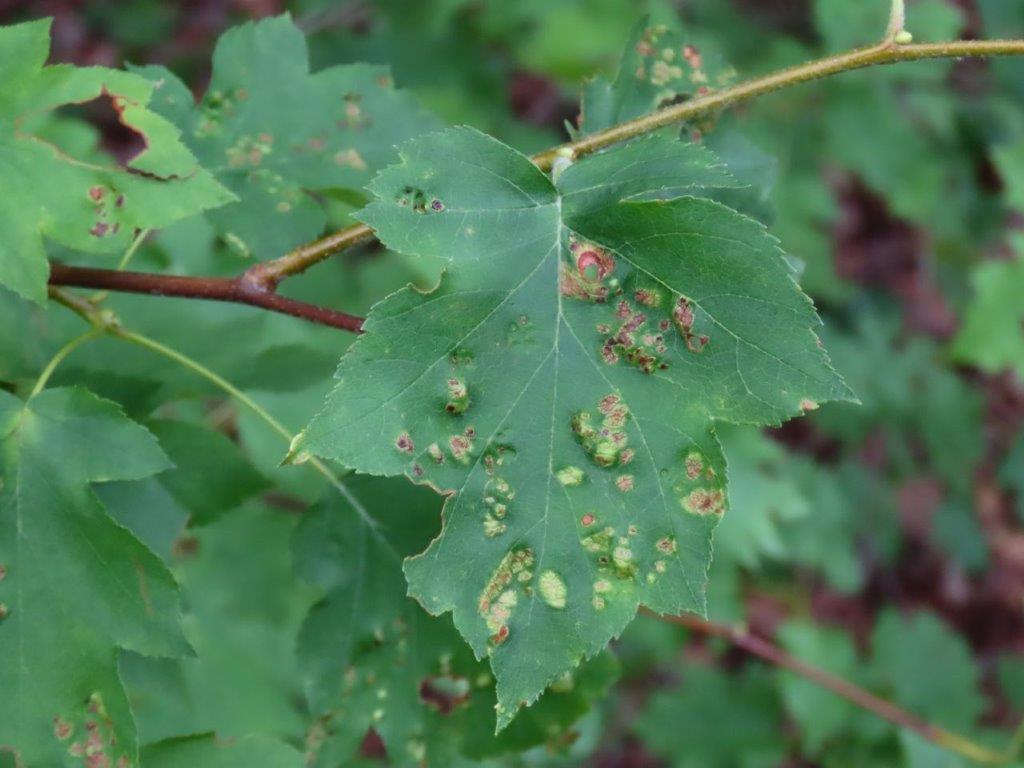
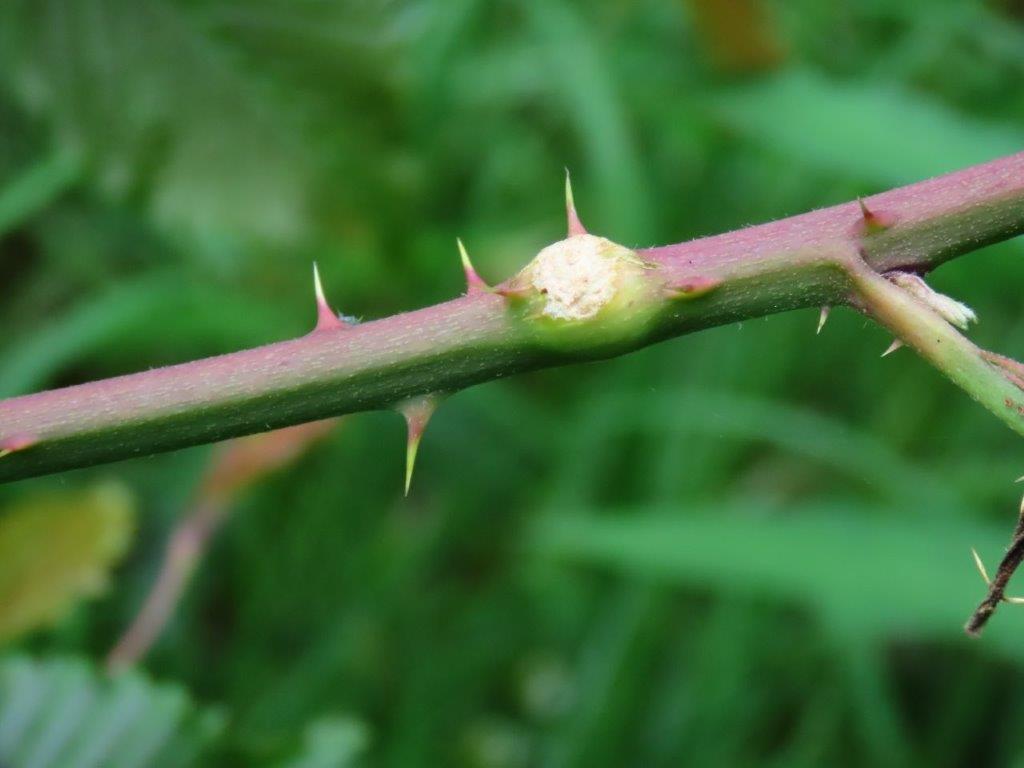
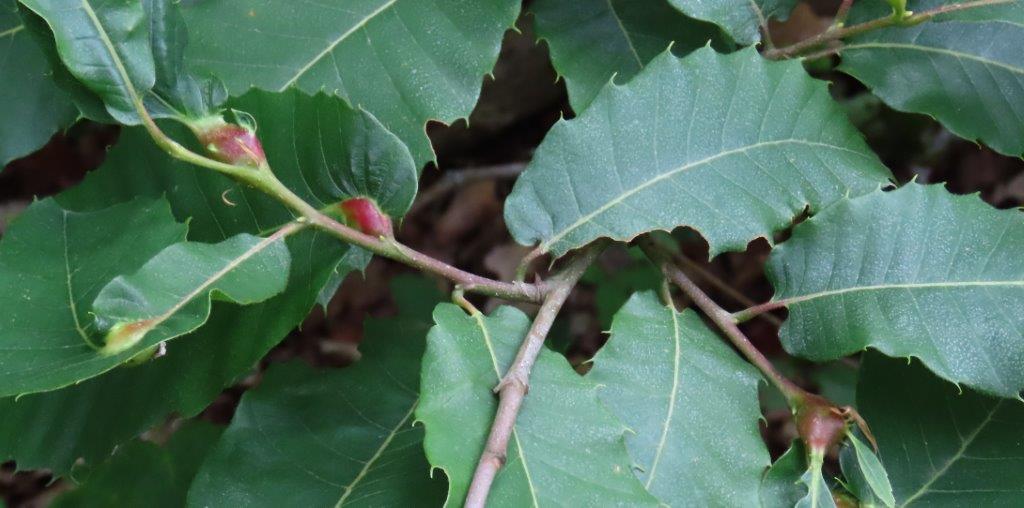
… along with a number of distinctive galls including the pouch galls of the mite Eriophyes torminalis on Wild Service leaves, the swollen stem galls of the gall-midge Lasioptera rubi, known from very few other Essex localities, and the new British arrival the Asian Chestnut Gall-wasp galls that I first recorded at this site last year, but are now appearing throughout.
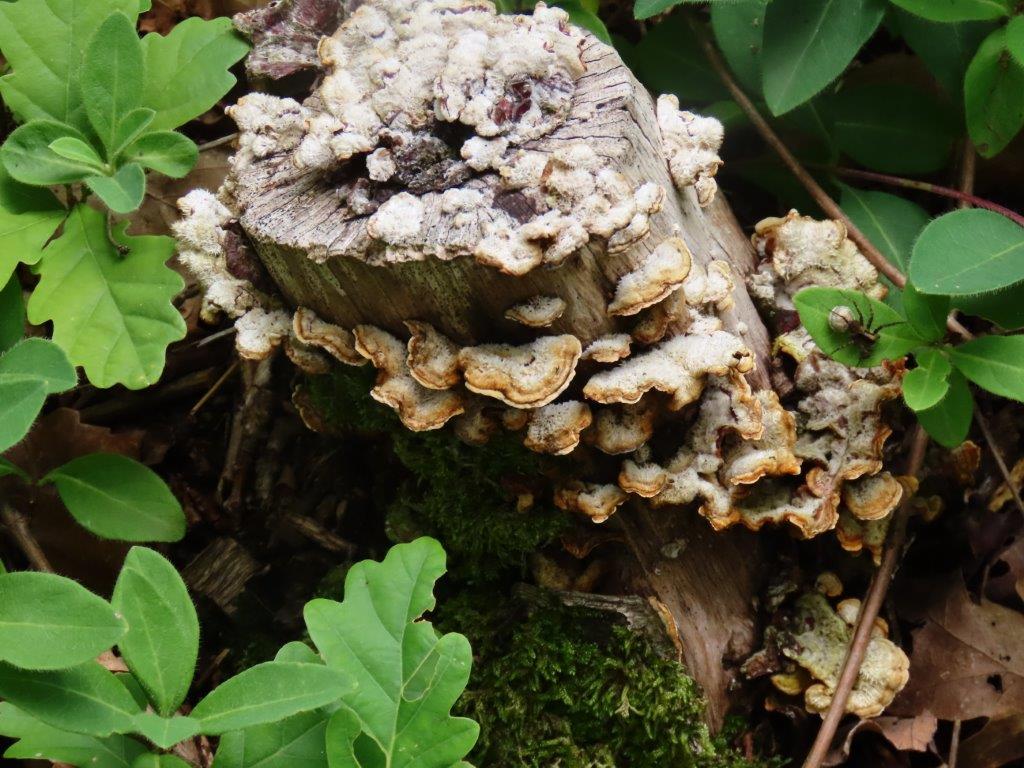
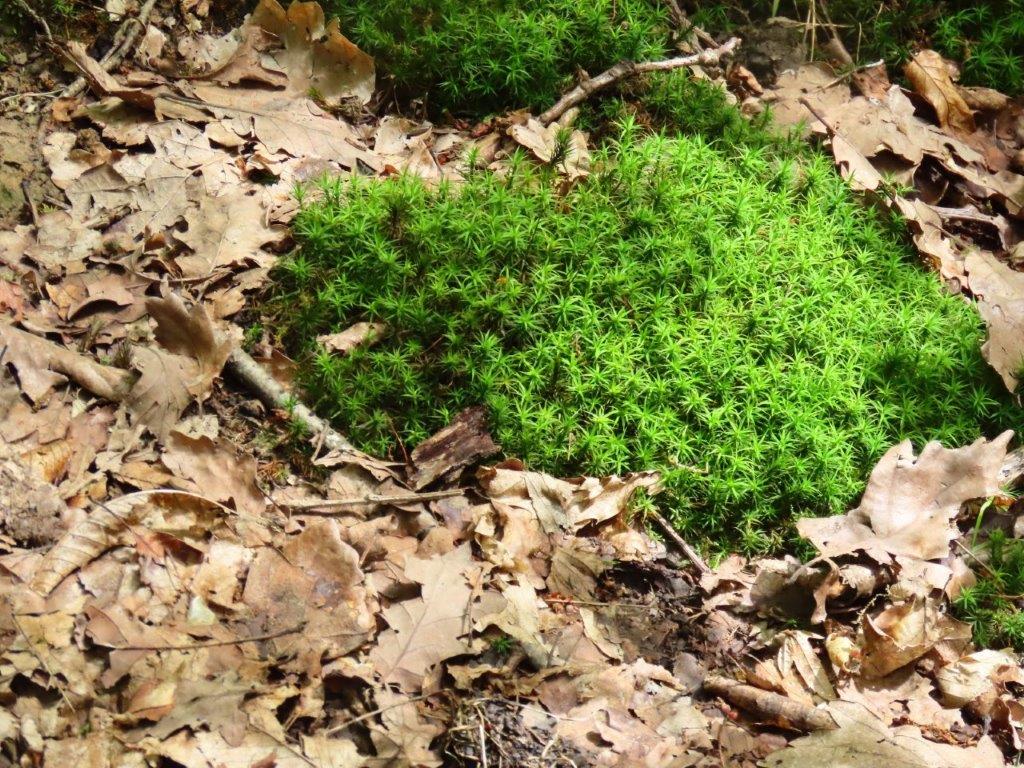
In the shadier sections of wood, fungi and mosses put on more of a show from Turkey-tail to Polytrichum formosum:
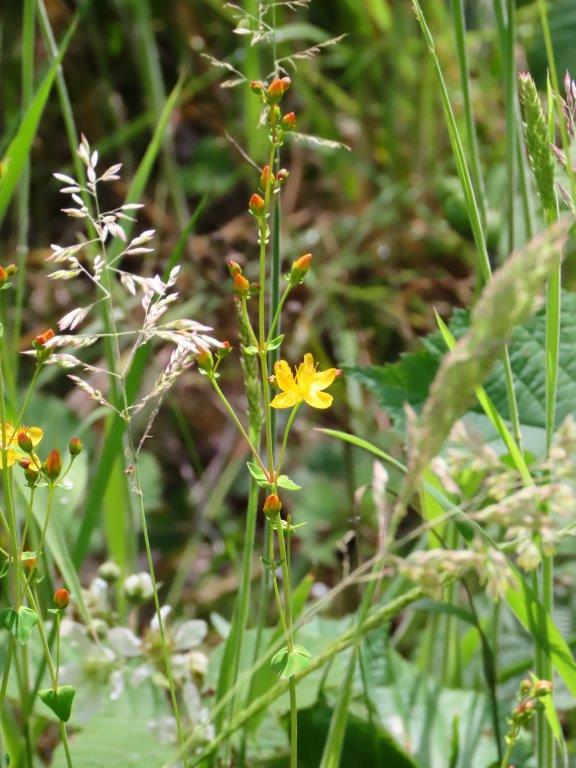
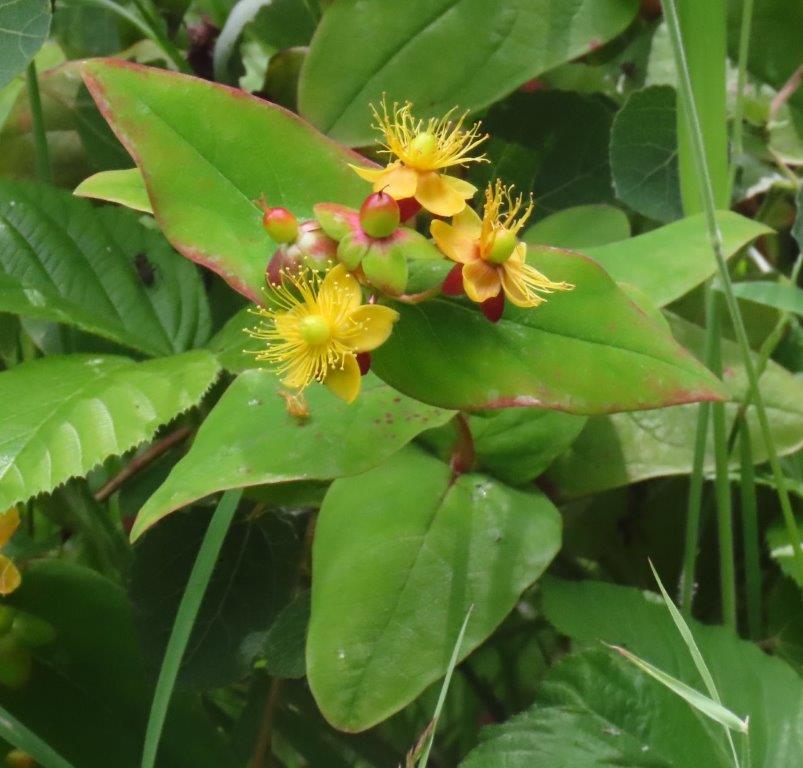
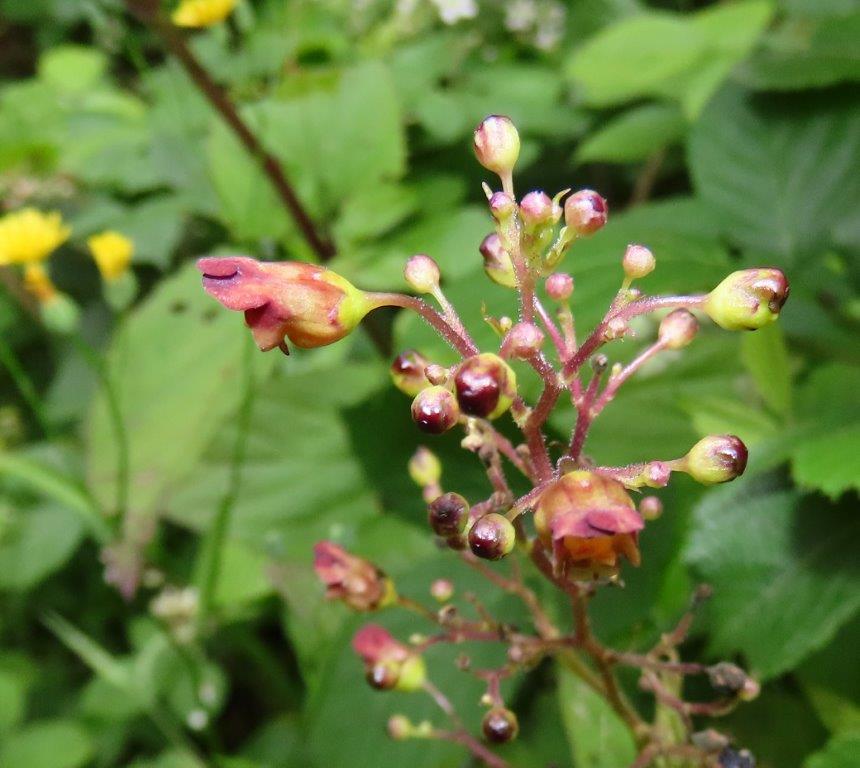
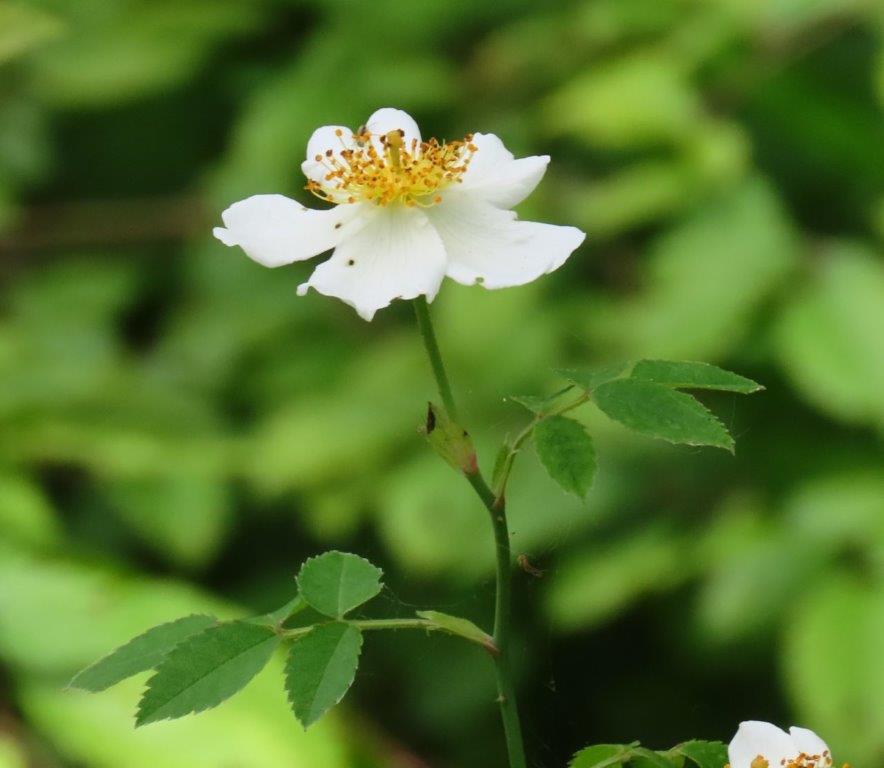
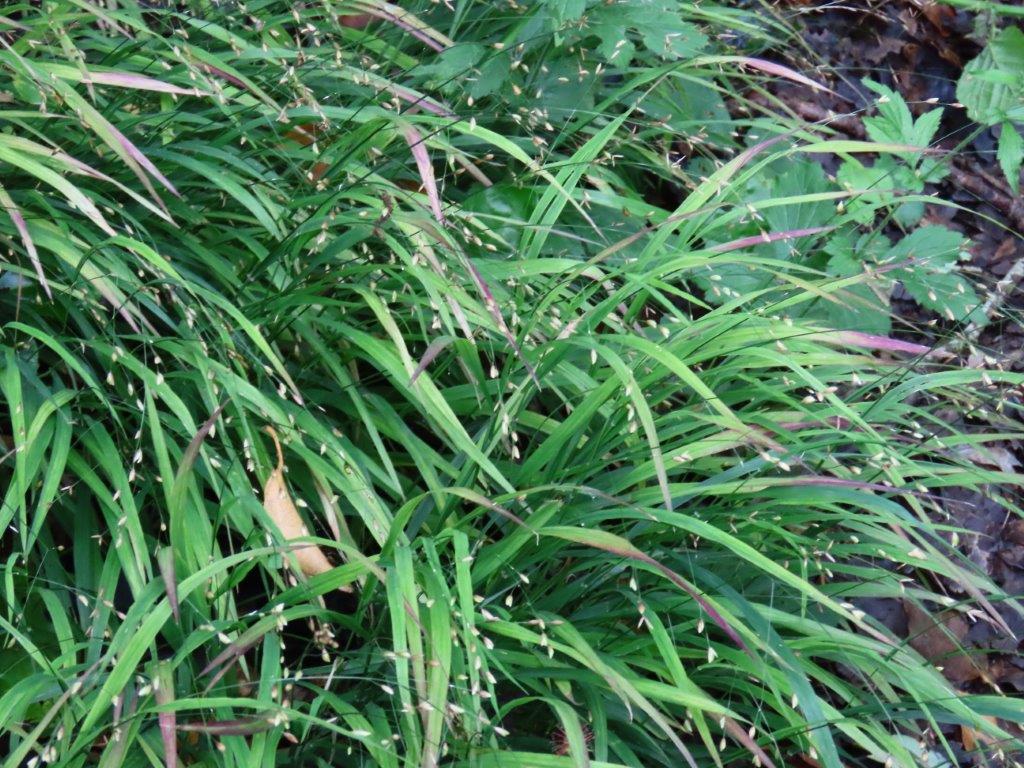
And other flowering plants included two species of Hypericum, Slender St. John’s-Wort and Tall Tutsan, Field Rose, Common Figwort and the lovely grass Wood Melick:
All in all, it was a wonderfully diverse day with delights and highlights from all taxonomic groups, a veritable cornucopia of biodiversity. As one of the group said as fritillaries flittered in the sun around her like wood-sprites, it feels like a ‘little bit of Heaven’. Thanks to Rochford District Council for making it happen – it would take only a few years’ neglect, for example when a new administration with different priorities assumes power, for the woods to become overgrown and the whole wildlife spectacle come tumbling down.