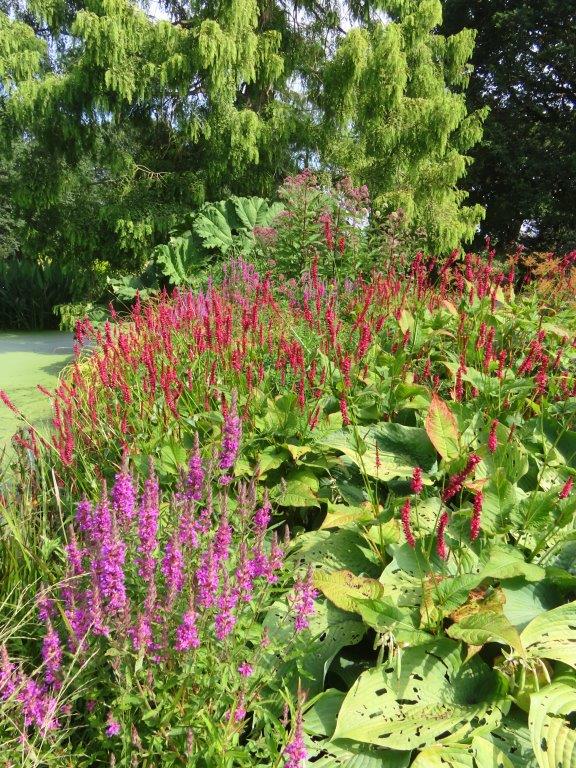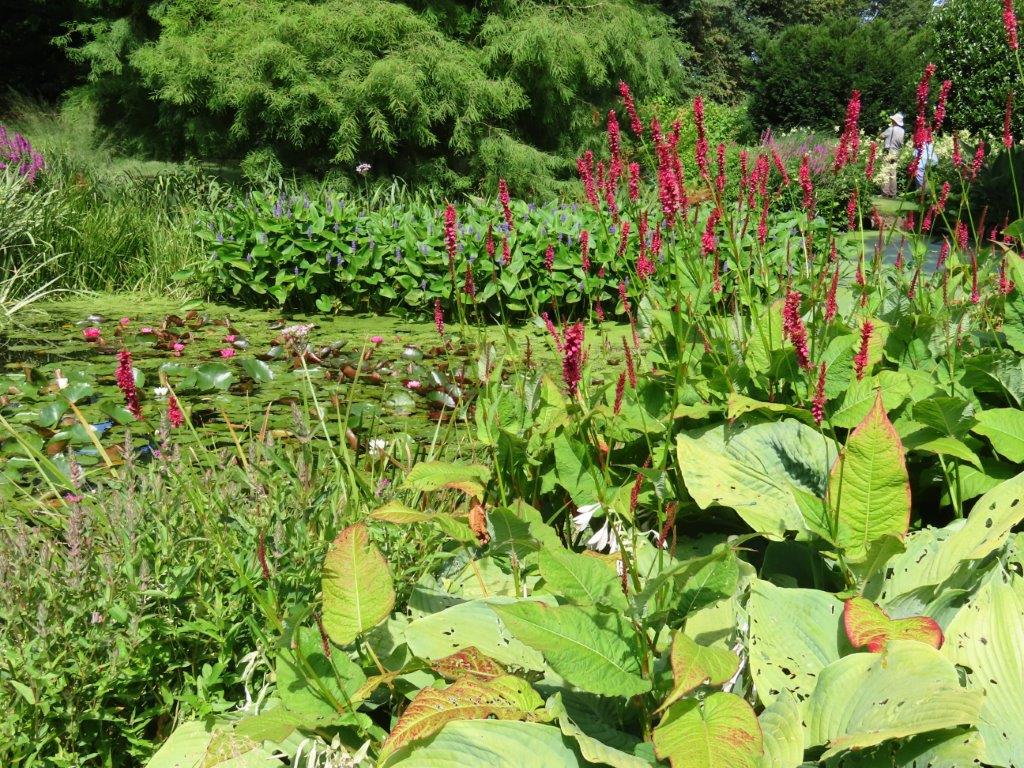
July: another month with almost no rain. The hum of summer pervaded the garden, if a little subdued especially in the heat of the hottest days. We’re in the midst of an unprecedented three successive heatwaves and almost continuous drought.
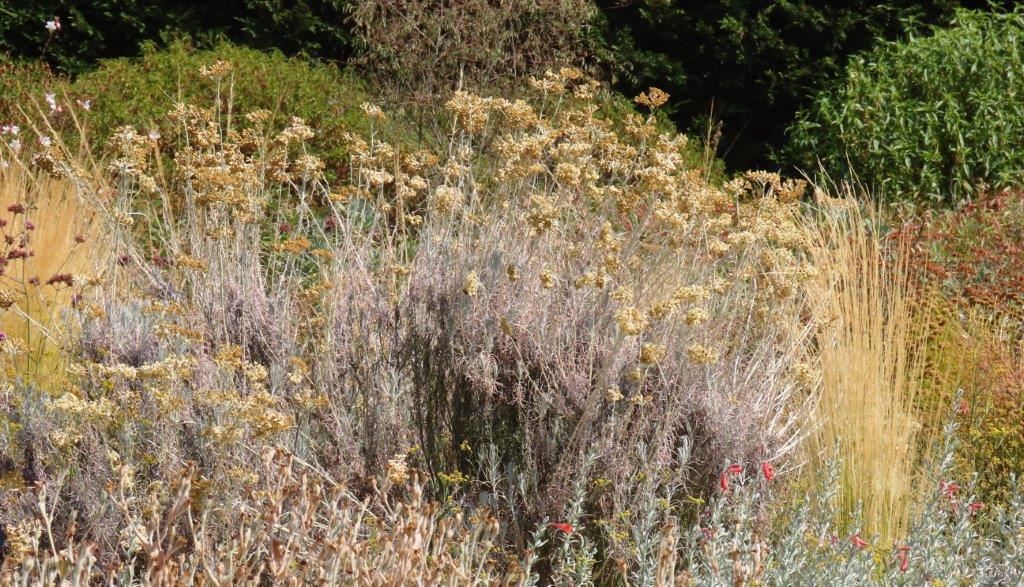
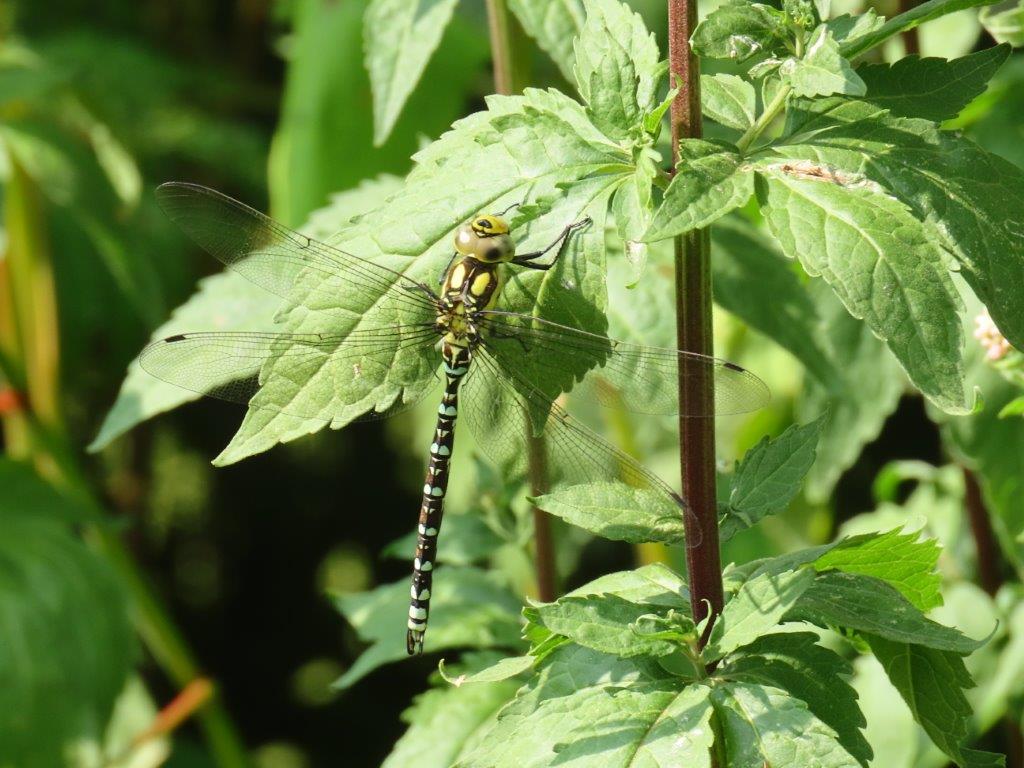
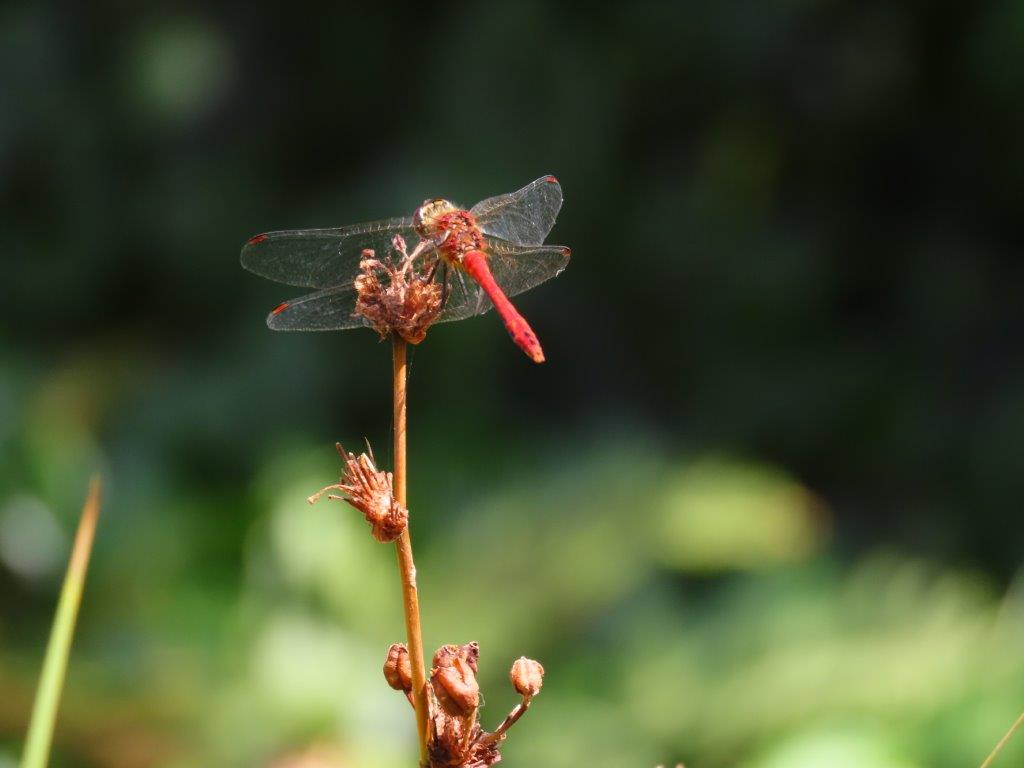
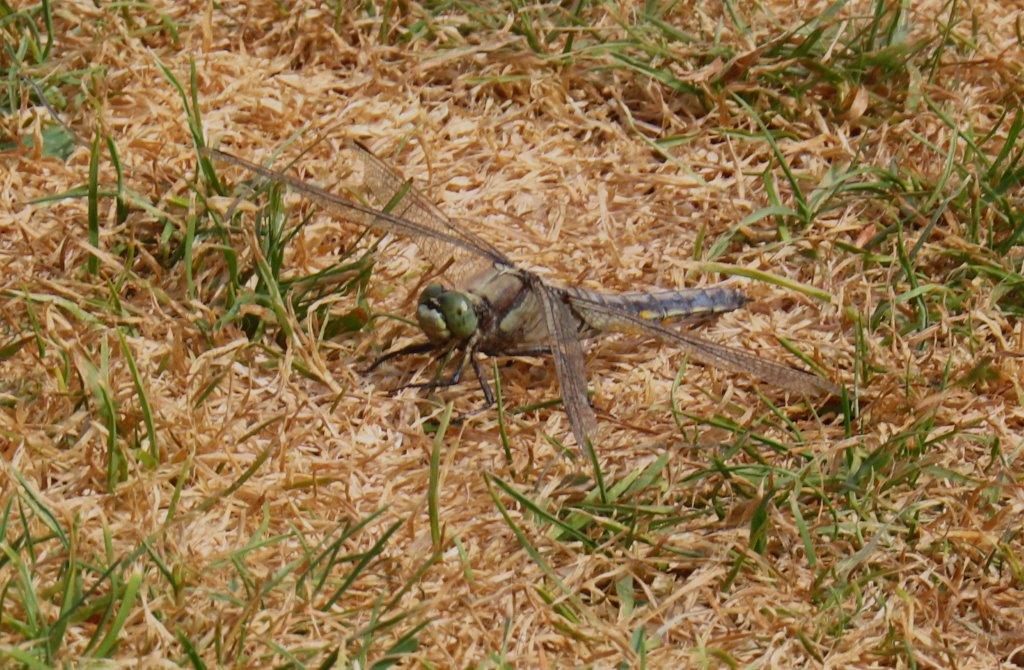
I had a busy month leading walks round the garden, but still found time to sit (in the shade!) and look. The full complement of dragonflies and damselflies has now emerged from the ponds with Willow Emerald, Southern Hawker, Ruddy Darter and Black-tailed Skimmer all flying.
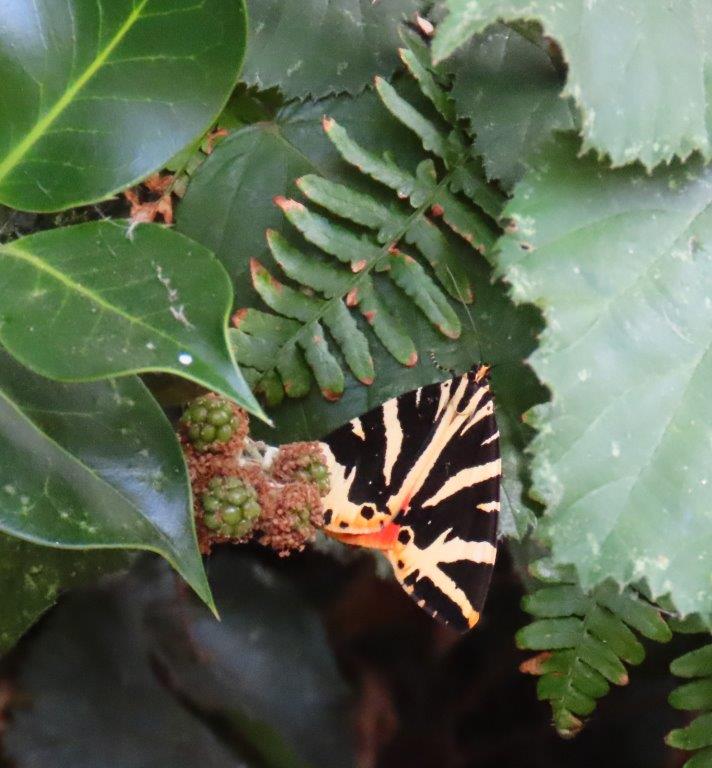
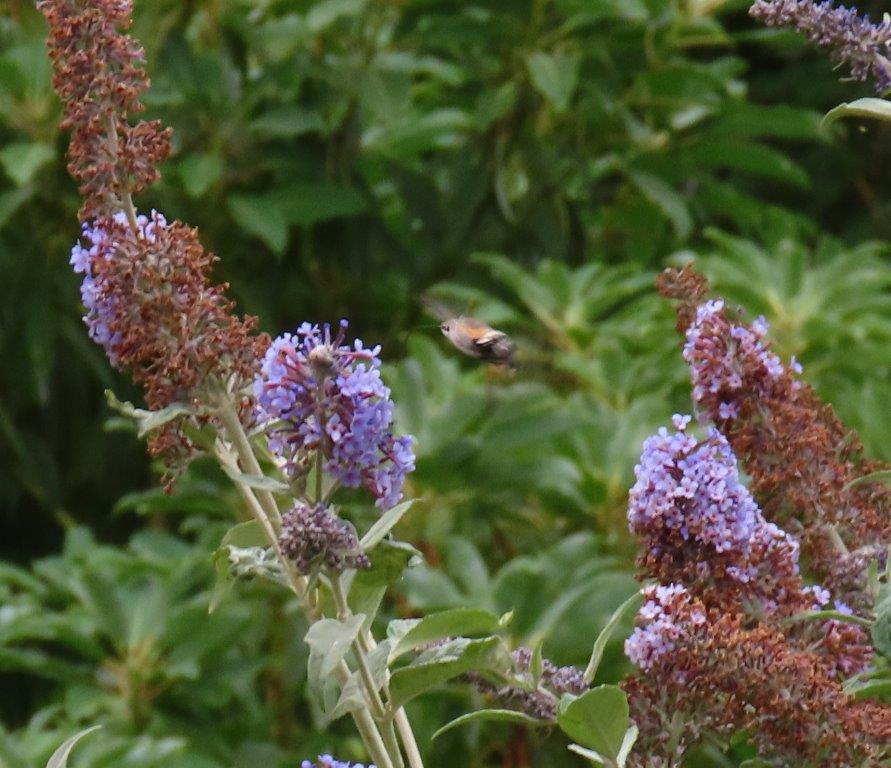
Jersey Tigers have put on their now-expected emergence, a flurry of orange, black and white. Hard to believe that these have been with us for less than five years, having spread here under the influence of climate change. Hummingbird Hawkmoths have also been flying around the garden by day, feeding at Buddleja and other tubular flowers. This summer has seen quite a good arrival of these moths that have flown in from the continent; who knows when they will appear as permanent residents…
The same is true of Painted Ladies, ever-present this month following an influx earlier in the summer. Only Gatekeepers have been in larger numbers, feeding especially on Marjoram, alongside Common Blues, Brown Argus and other resident species.
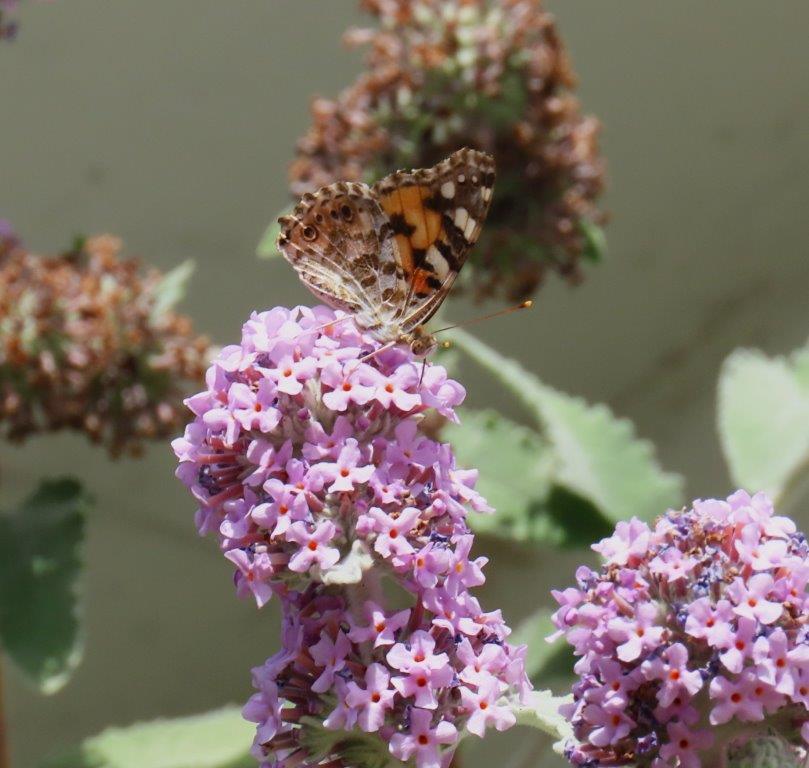
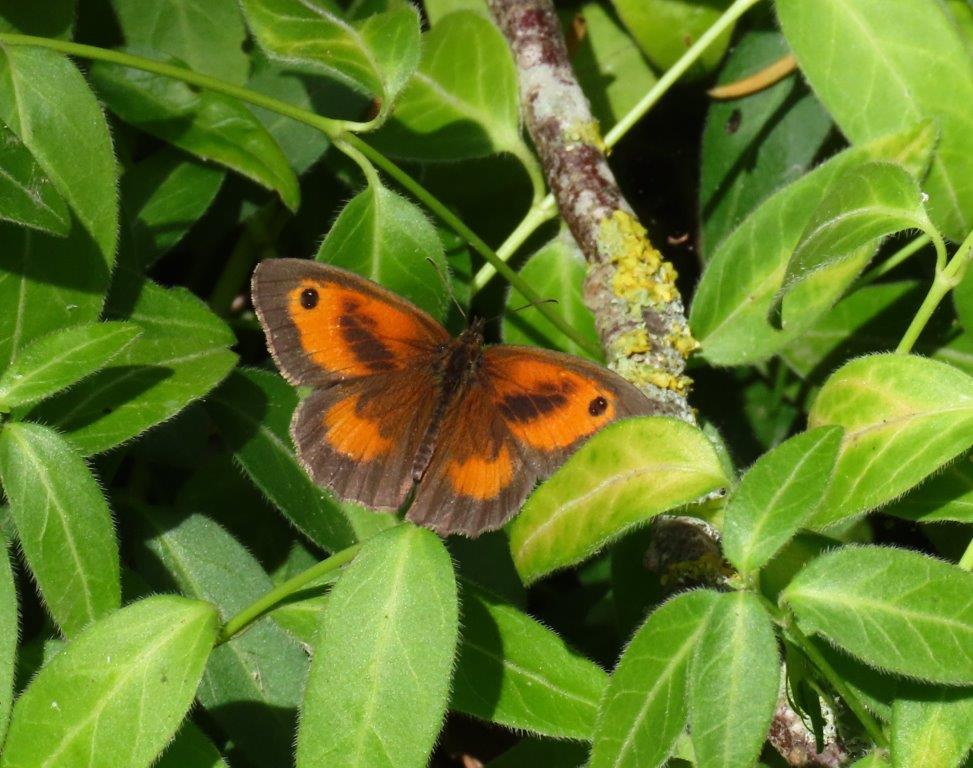
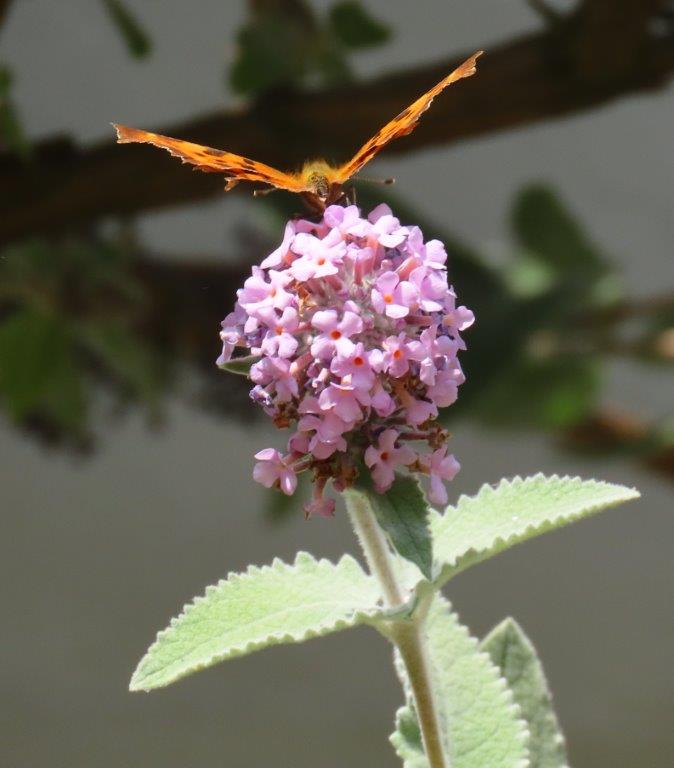
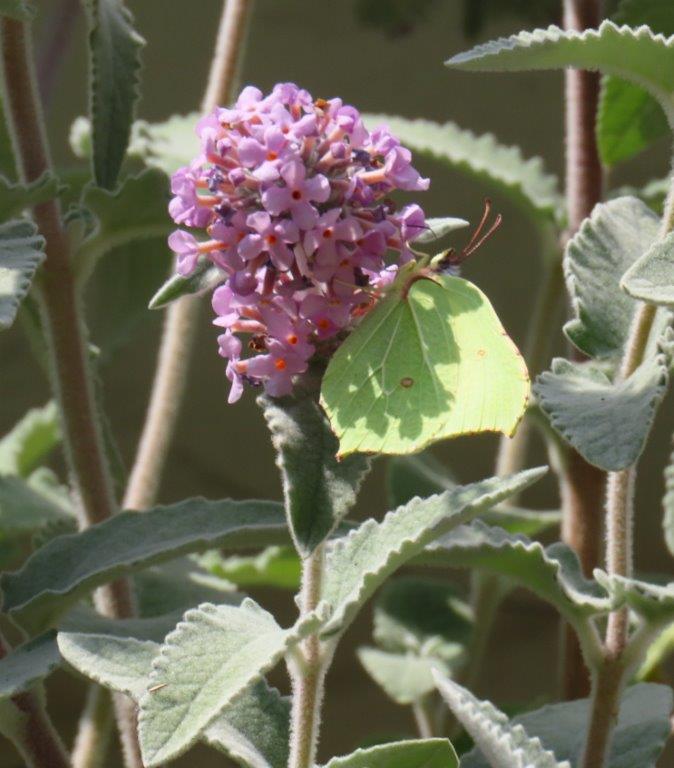
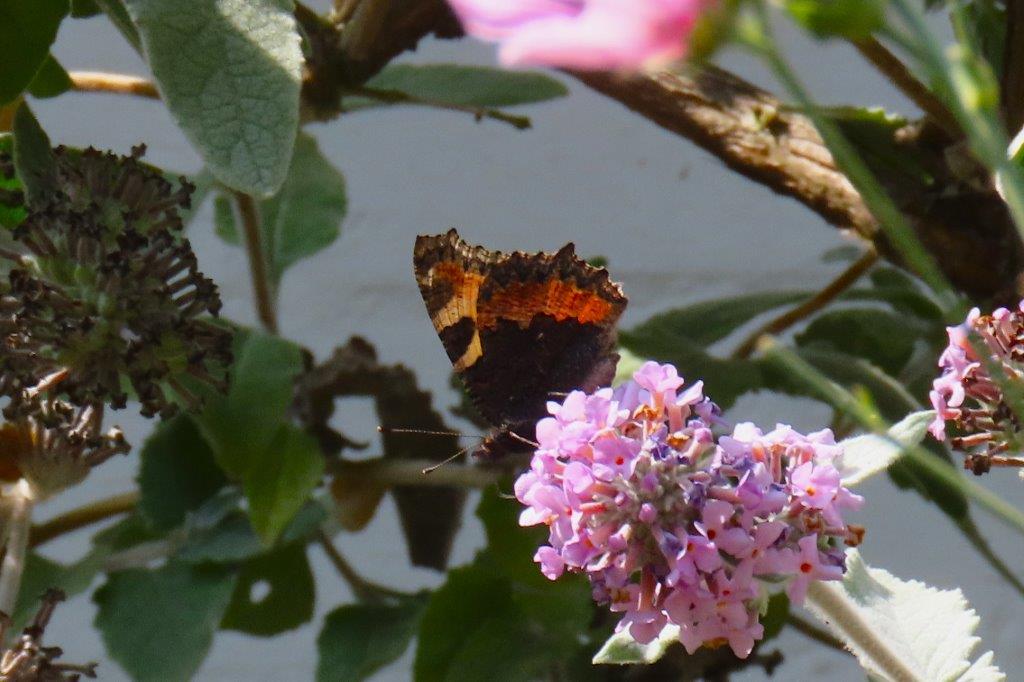
Some other butterflies included Comma, Red Admiral and similarly familiar ones, including the first new-brood Brimstones, plus a few Small Tortoiseshells, very scarce this year presumably due to the relatively recent establishment of a new parasitic fly in this country.
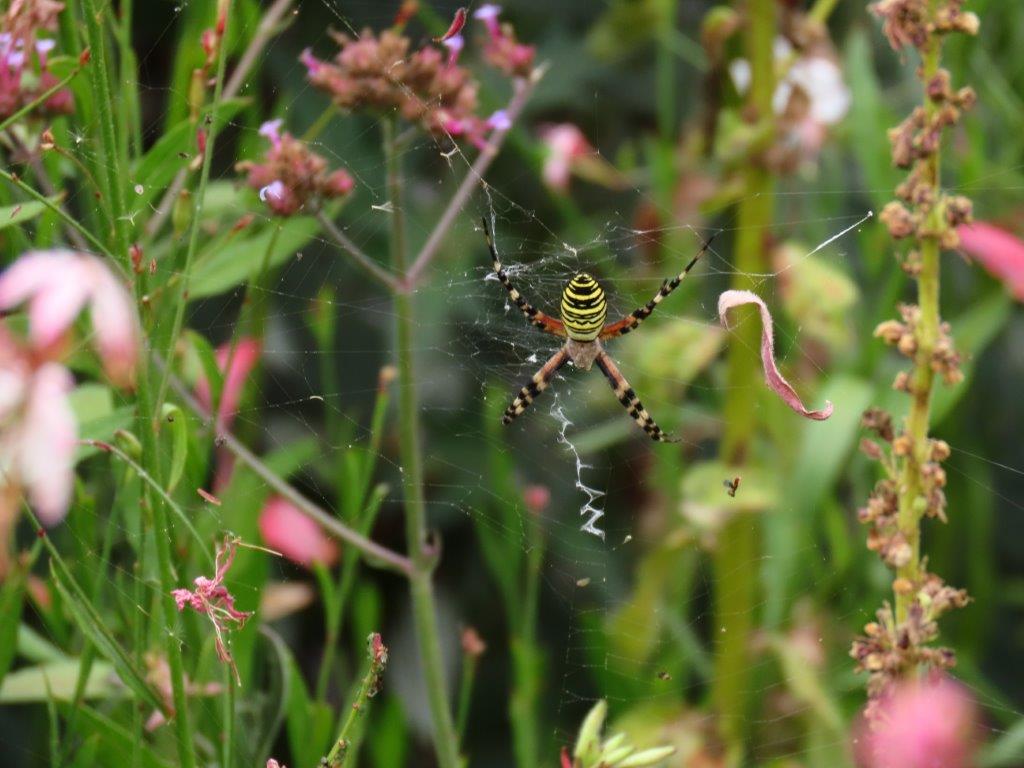
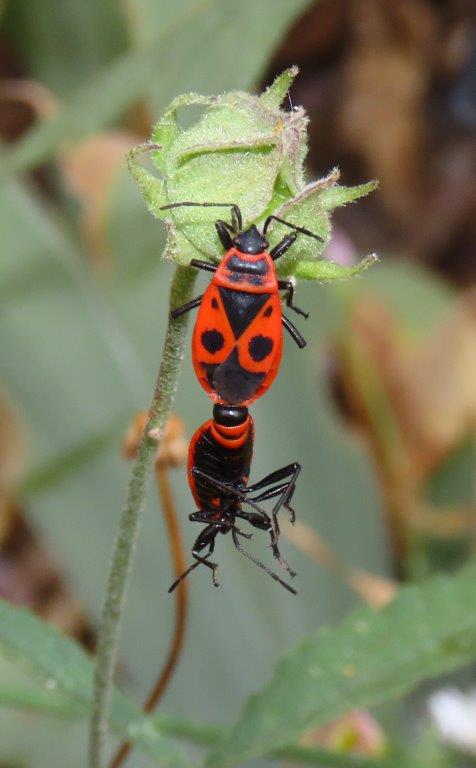
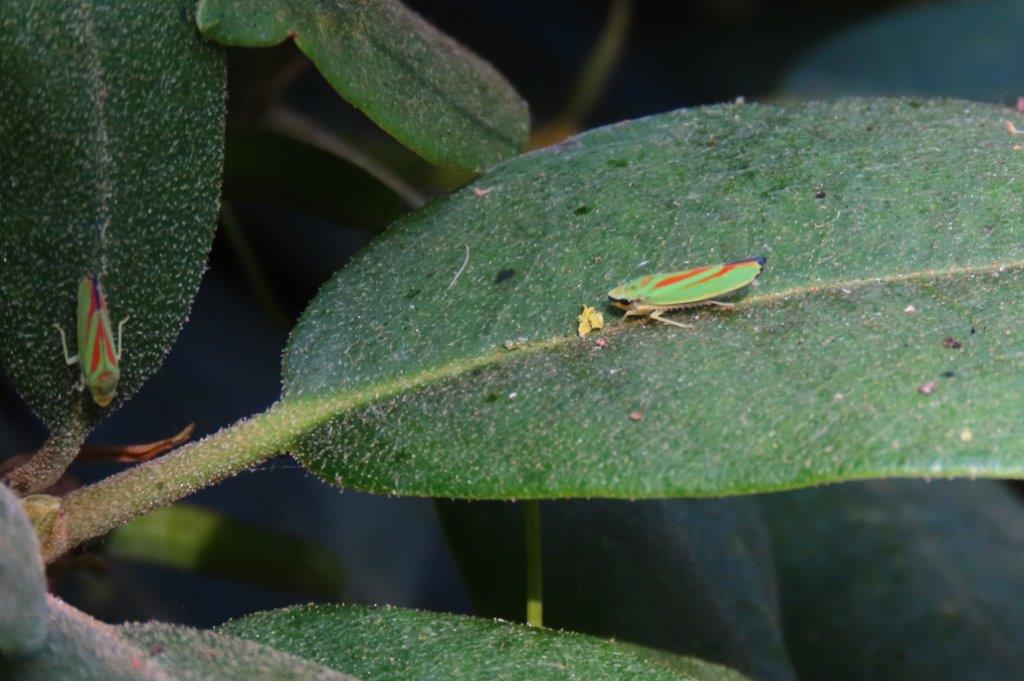
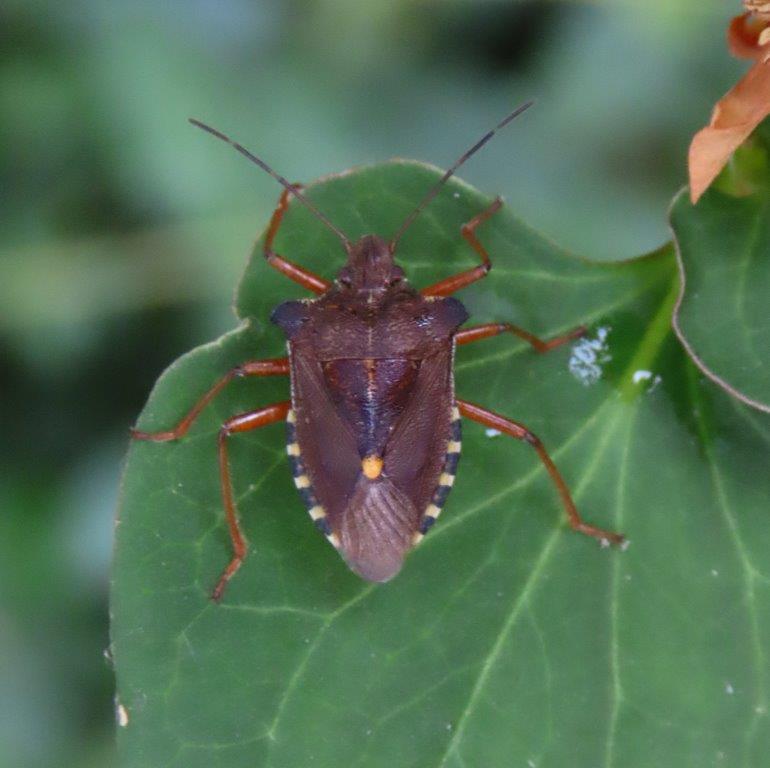
Other new colonists over the past few years have also been apparent, such as Wasp Spider, Firebug (making more Firebugs, so we should be getting more!) and Rhododendron Leafhopper, only the second time I have seen this in the Gardens.
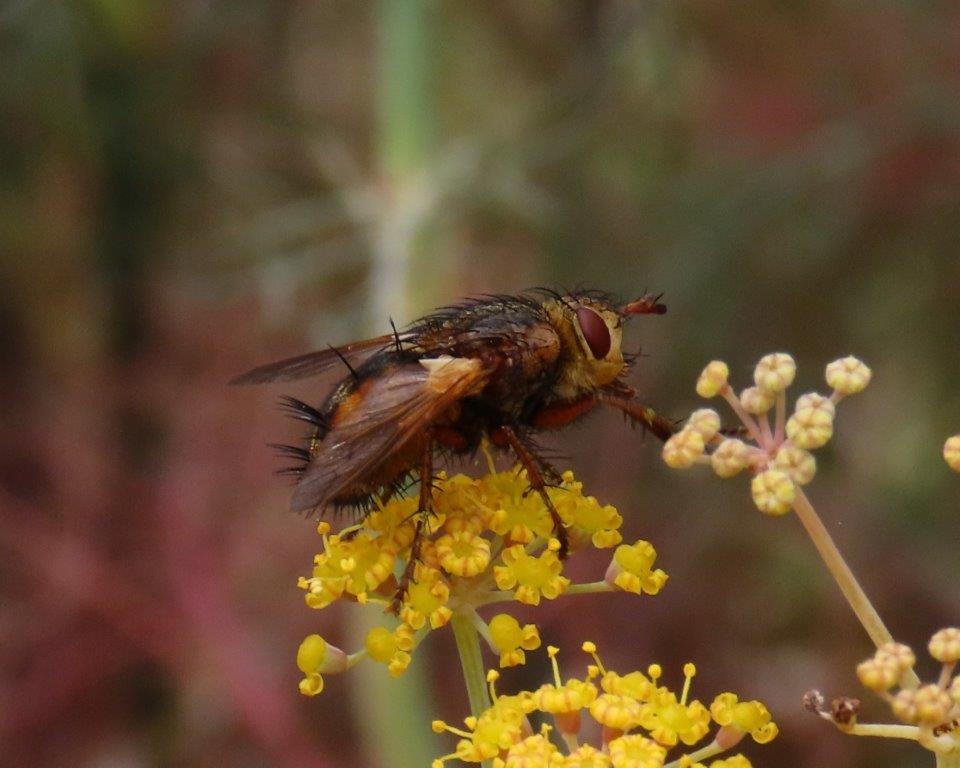
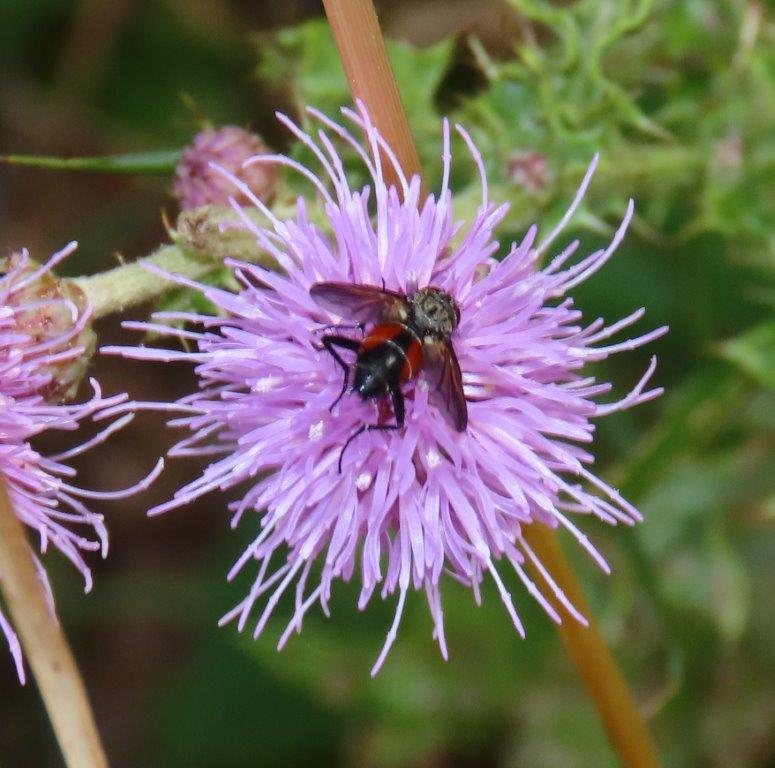
Parasite-flies have been very obvious, including Tachina fera and Eriothrix rufomaculatus, parasitic on larvae of other insects, and all helping bring natural balance to the garden.
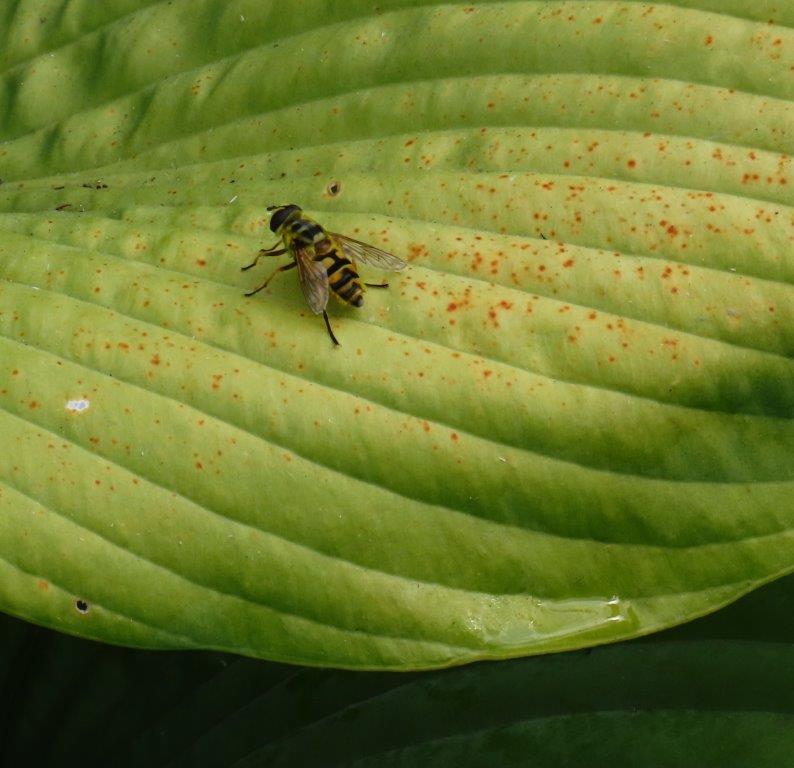
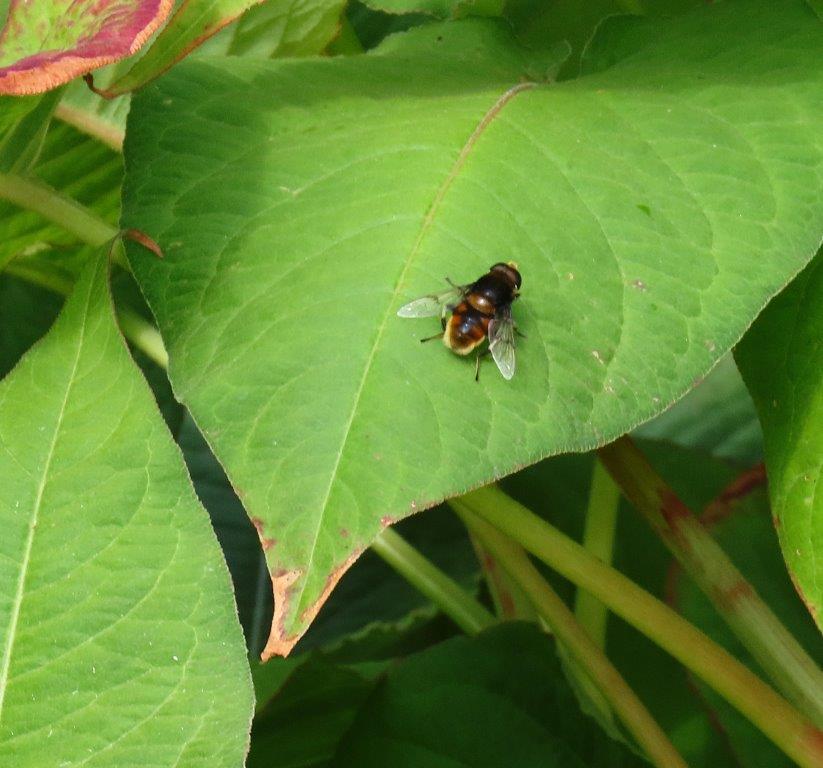
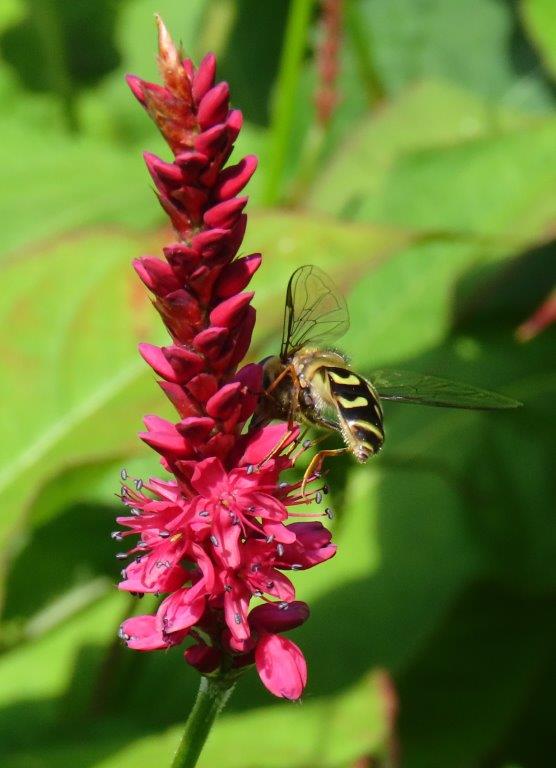
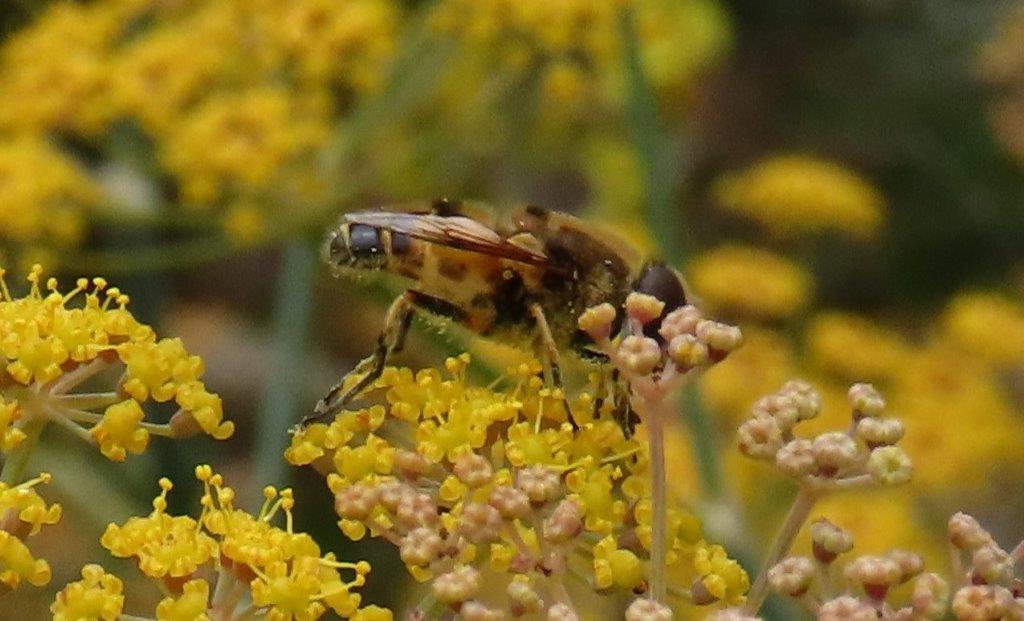
Hoverflies have added their buzz to the soundscape, common species like Batman and Marmalade Hoverfly, together with less common ones like the Furry Dronefly, here in two colour forms mimicking different bee species, and Hornet Hoverfly.
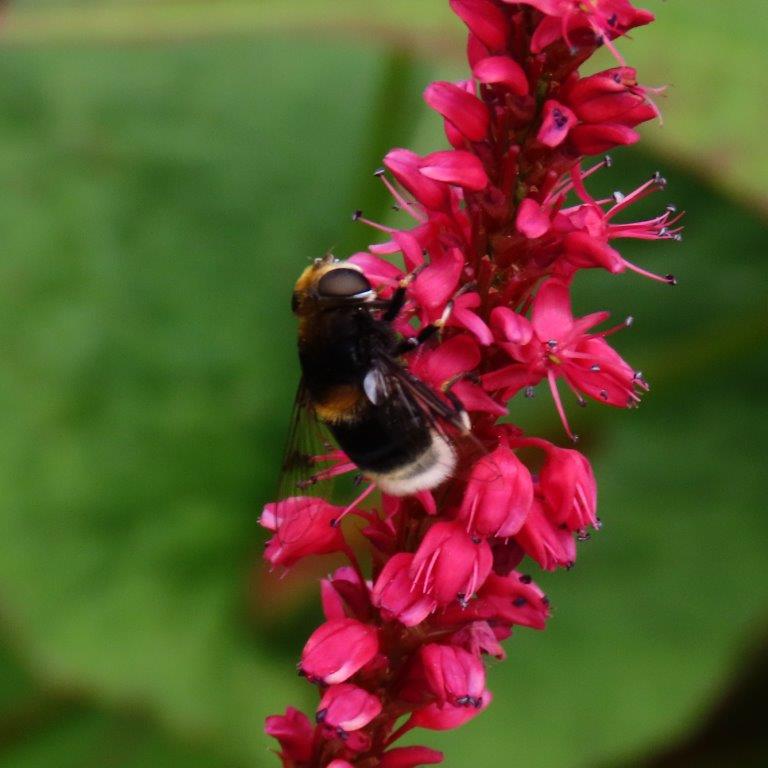
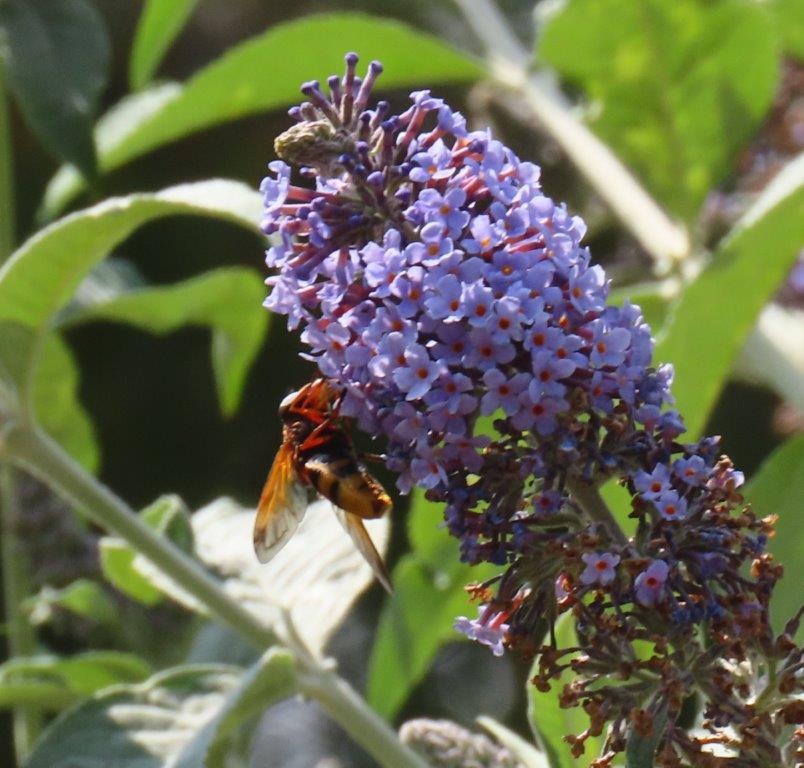
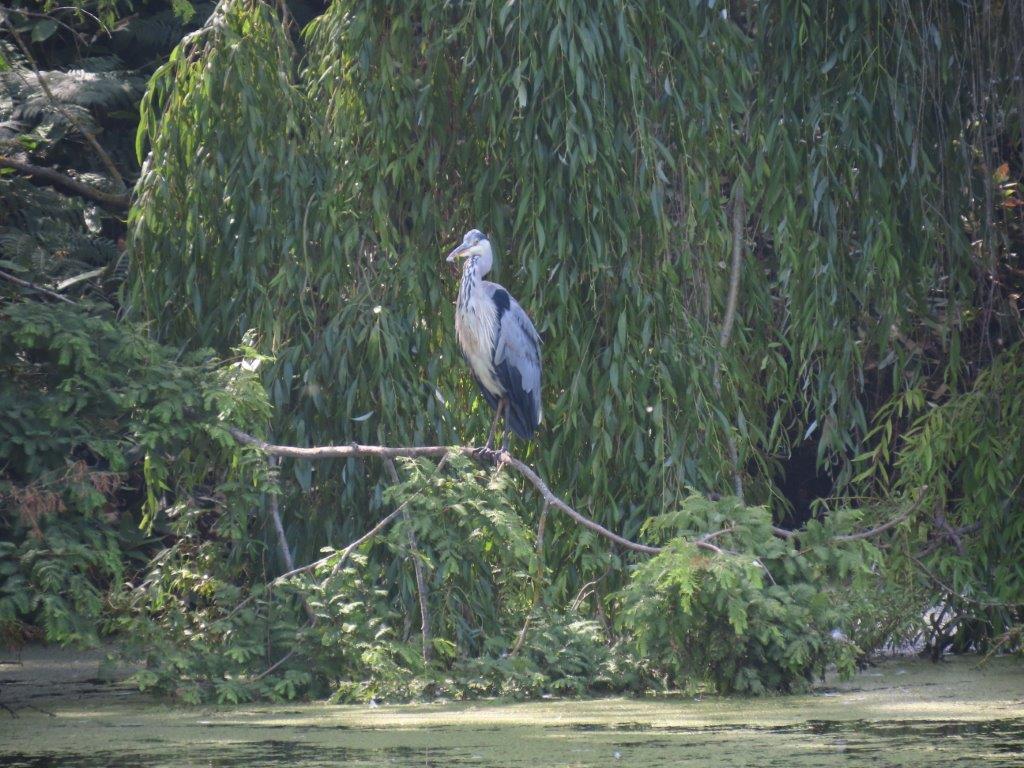
As always there have been plenty of other things to enjoy as well, from Grey Herons around the Reservoir to Forest Bugs and Bee-wolves.
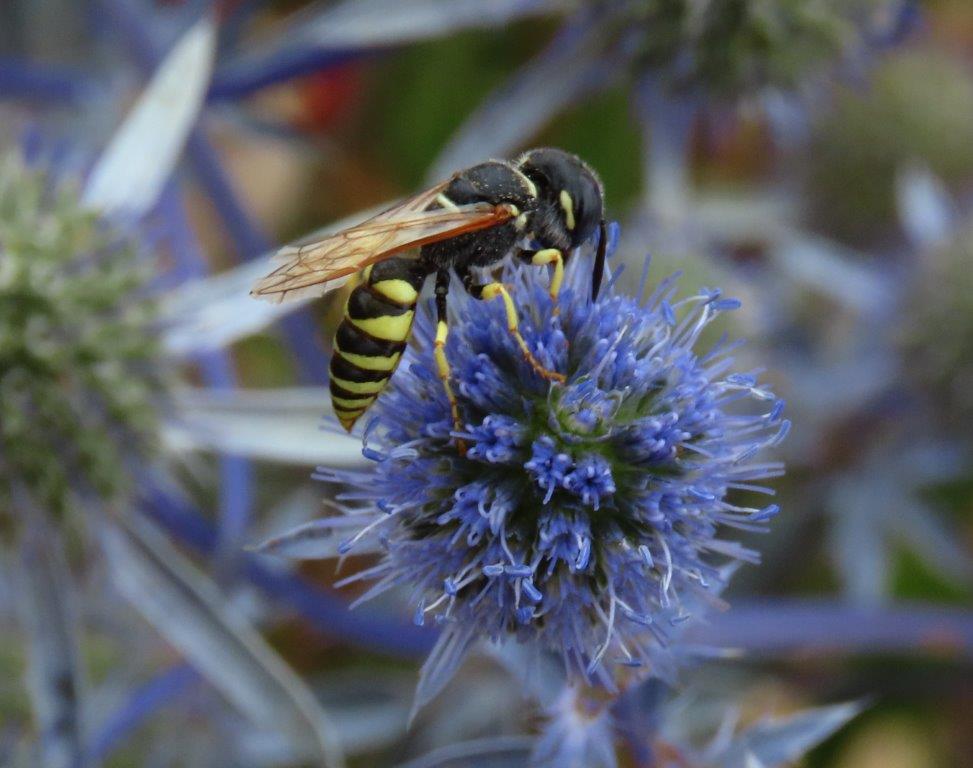
This was also the month we ran a moth trap over two nights, reported in detail here, and this alone added about forty new species to the burgeoning garden biodiversity list. But as always, casual observations added to the total. Several of these were leaf-mines and galls, a bit of a niche study …
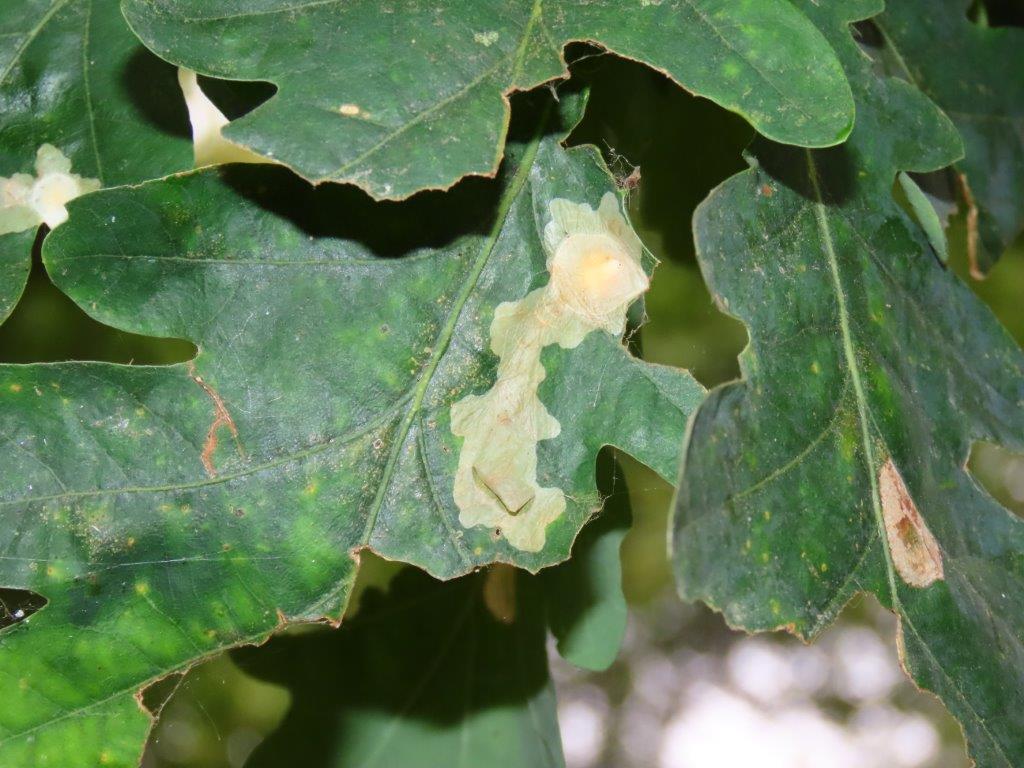
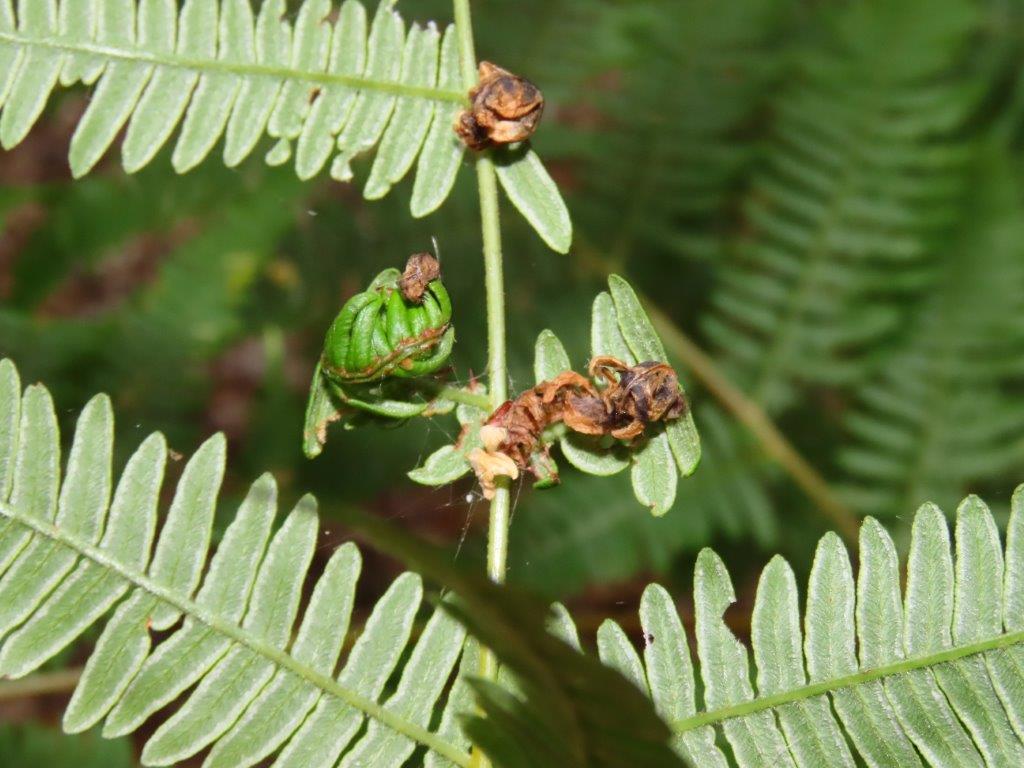
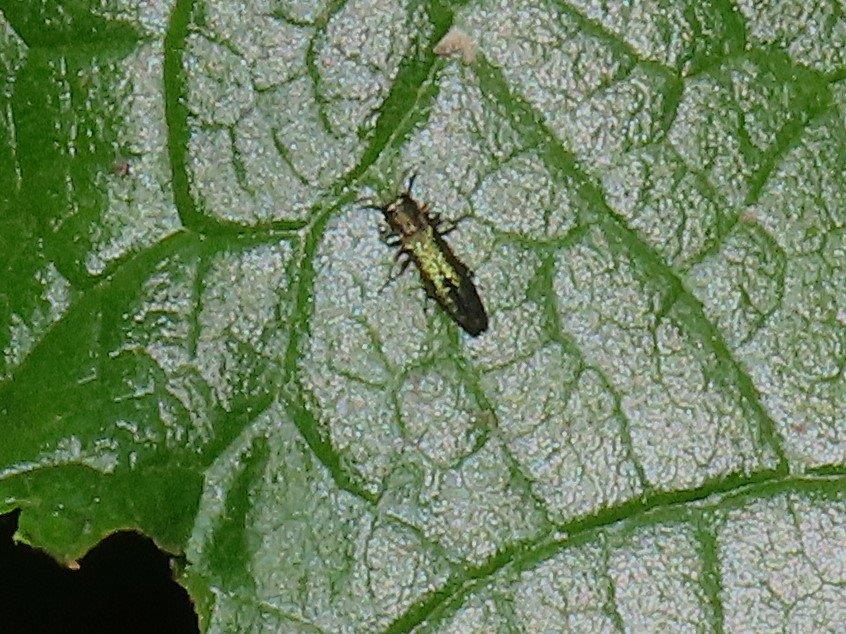
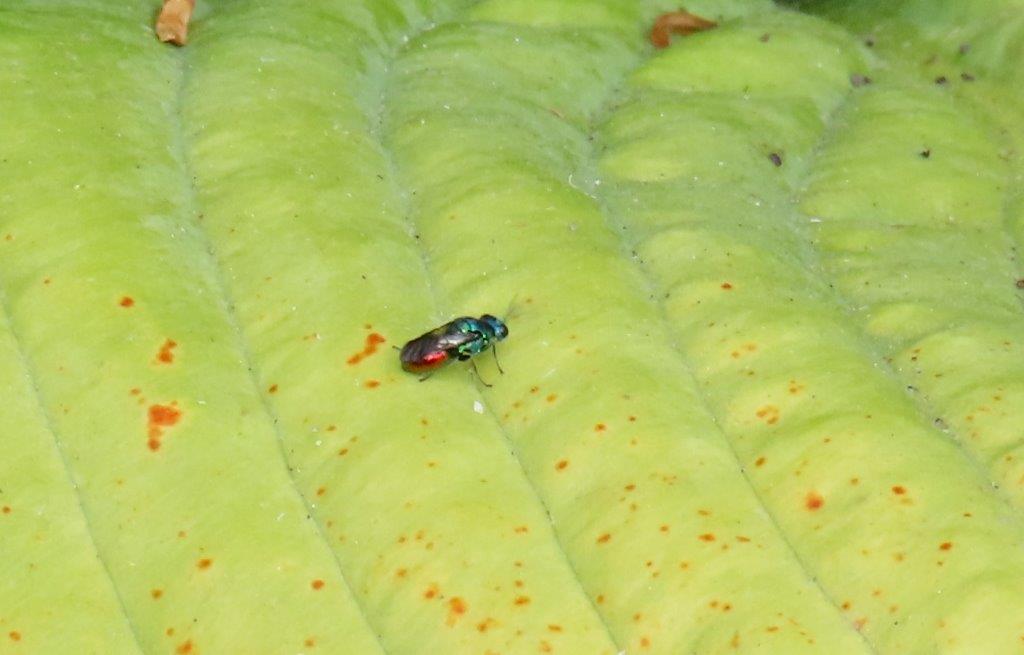
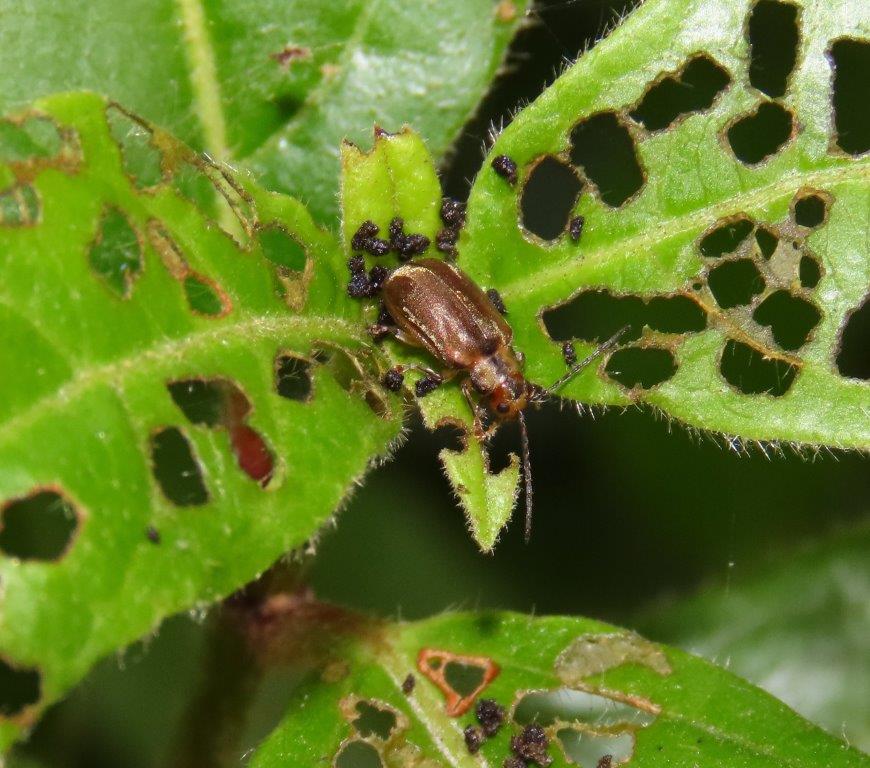
… but there were others as well, from a couple of hoverflies (Scaeva selenitica and Eristalis horticola) to a jewel-wasp Pseudomalus auratus, a jewel-beetle Agrilus laticornis and the Viburnum Leaf-beetle.
As to what is in store for the rest of the summer depends largely on whether there is rain. But even if the drought persists, there will be things to see. There is always wildlife to see in a garden that prides itself as putting the right plants in the right place, right for us, the plants and for the insects that depend on them!