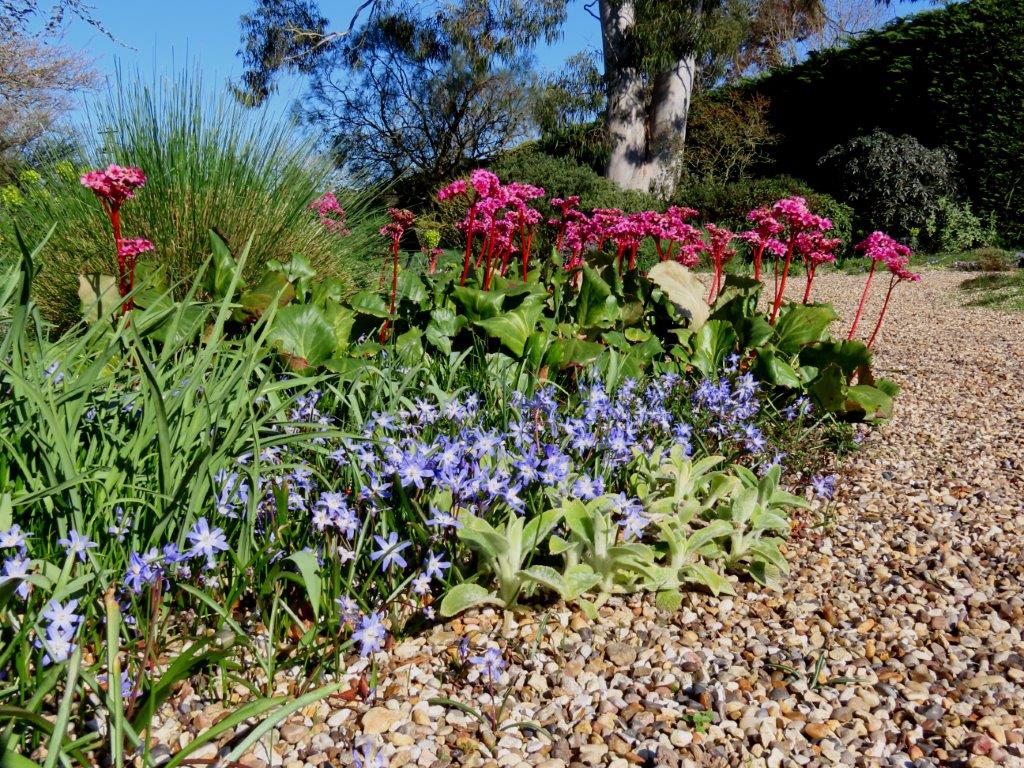
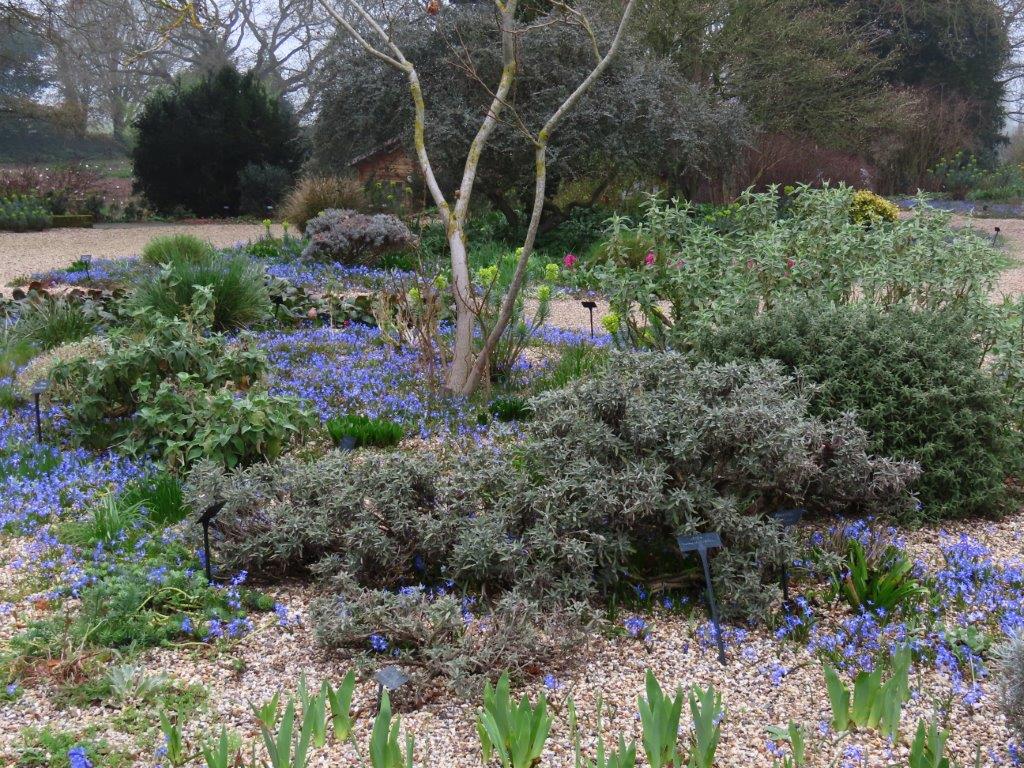
There comes a time every spring when one suddenly realises that whatever the vagaries of the British weather, spring is here to stay. The tipping point is sometimes as early as the start of March, but in other years it can be a good month later. In 2026 it seems to have come right in the middle of those extremes.
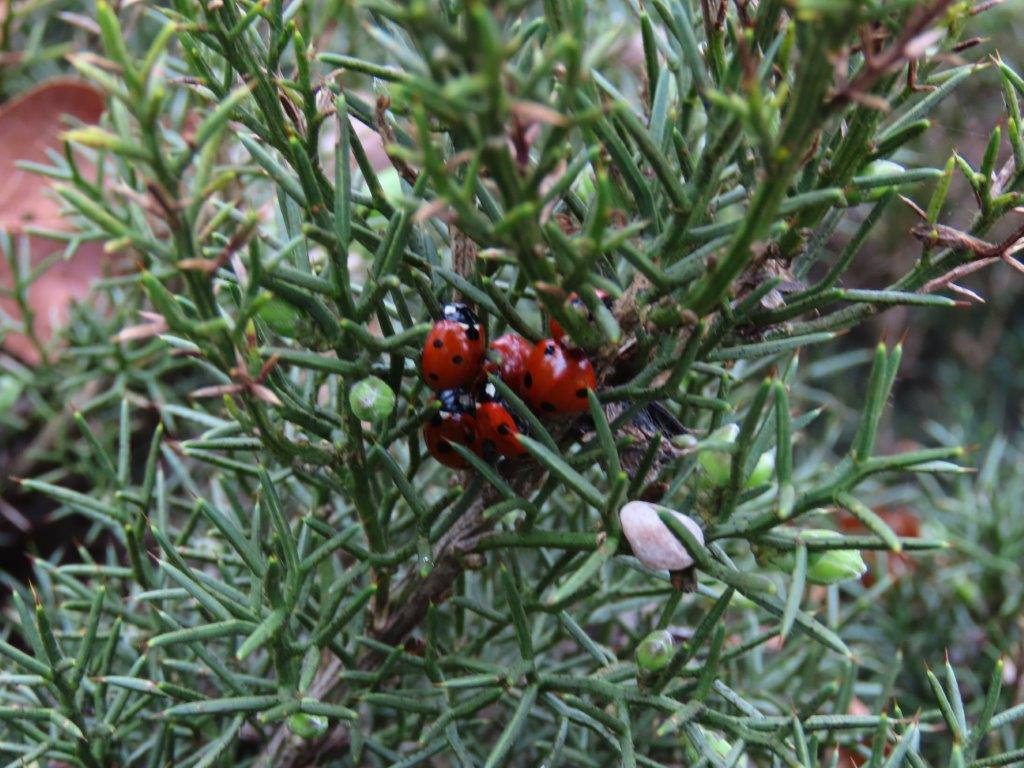
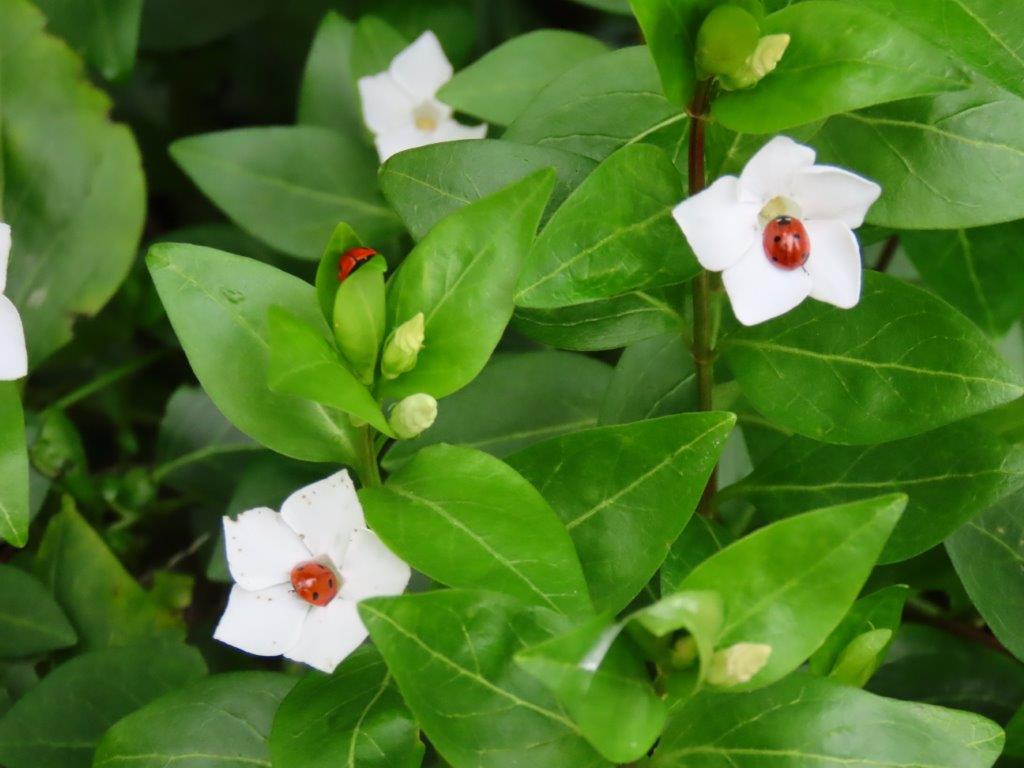
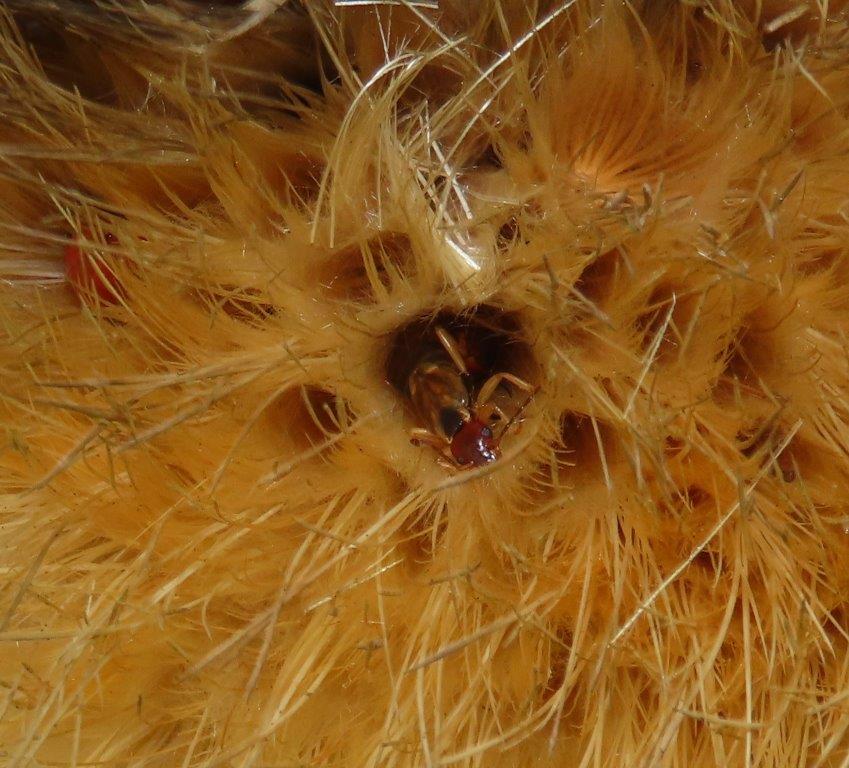
While the first two weeks of March saw a few glimmers of warmth, the overall impression was of cool days, sometimes breezy, damp (if not as downright wet as the preceding winter) and the occasional snatch of welcome sun. When Jude and I visited in the first week, it was misty and grey all day, rather chilly, and mist turning to fog in the afternoon. So we weren’t really expecting to see much in the way of insect life, and most of what we did find – masses of Seven-spot Ladybirds – were well hunkered-down or wrapped in a fur coat like this Common Earwig…
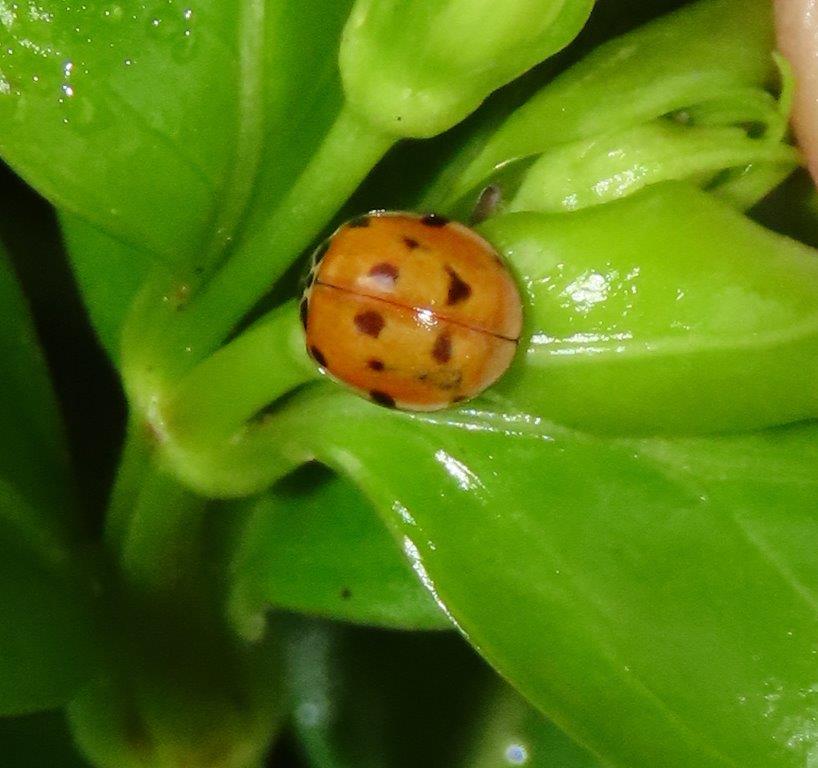
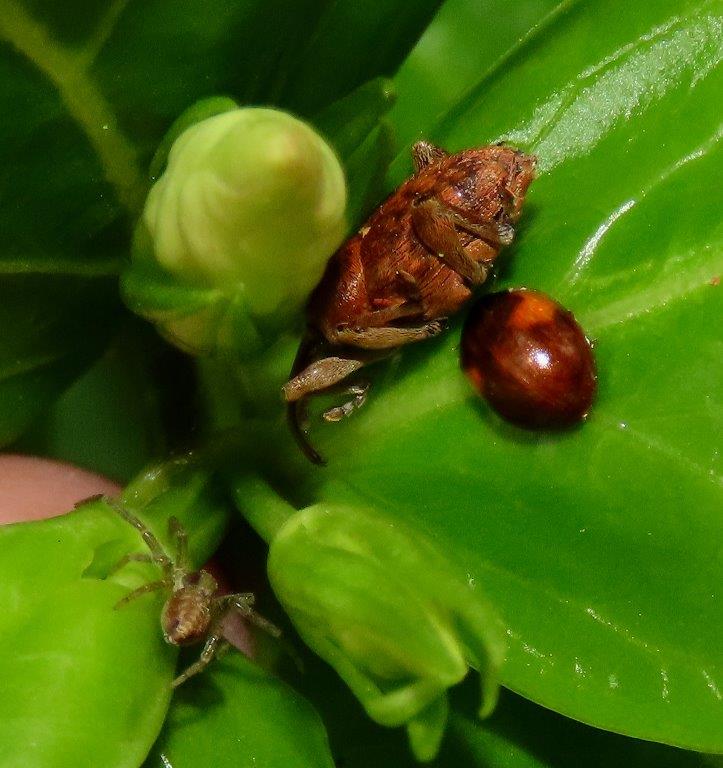
Of course Jude with her incredibly acute close vision also found some noteworthy stuff, including two colour-forms of Ten-spot Ladybird. Although this is one of the commoner British species, remarkably it seems to be the first time it has been found in the garden, at least according to our as yet incomplete biolisting. The two-spotted form was sharing a cosy niche with an Acorn Weevil and a spider.
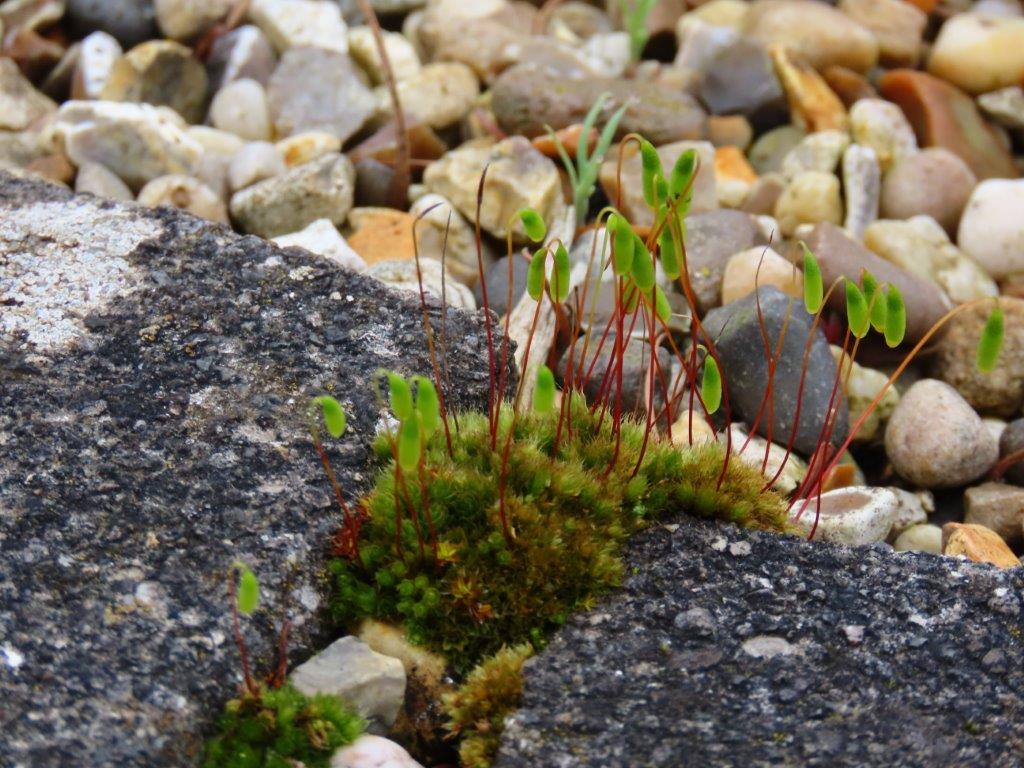
Also new for the records, certainly overlooked in the past, was the moss Bryum capillare, its spore capsules standing bright and proud in the gloom.
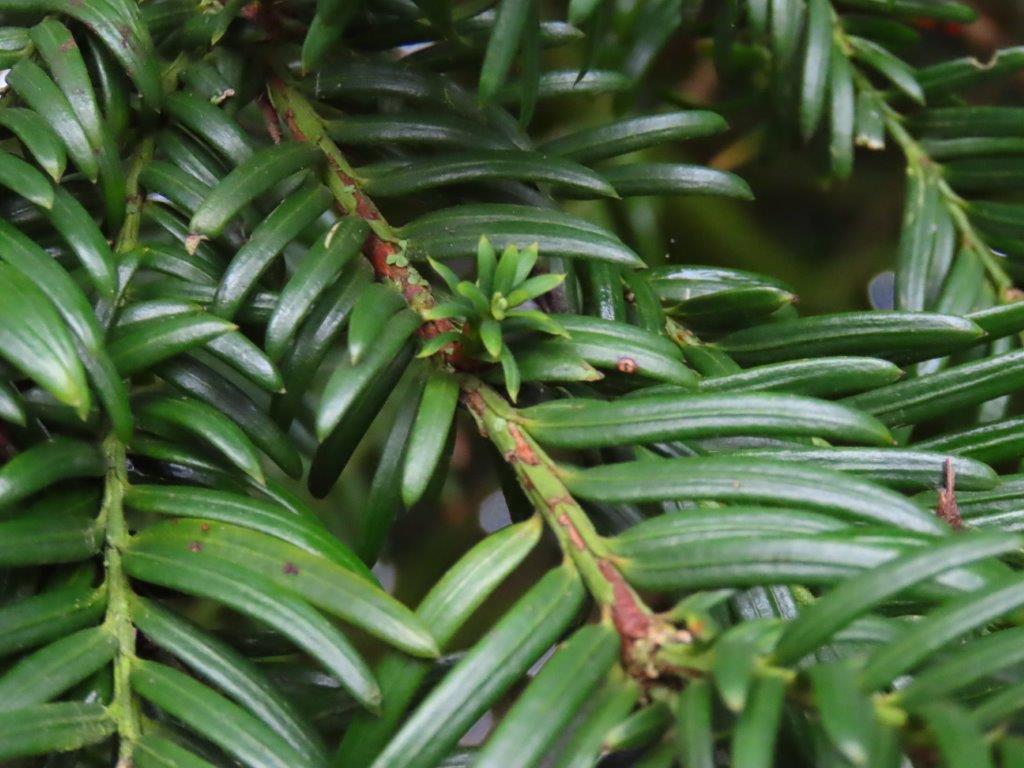
And the same comments apply to the first record from the garden of a Yew gall caused by the fly Taxomyia taxi. This may be present wherever there is Yew, in gardens, parks and the wild, but it seems always to be under-recorded: the Essex Field Club map has only two spots on it.
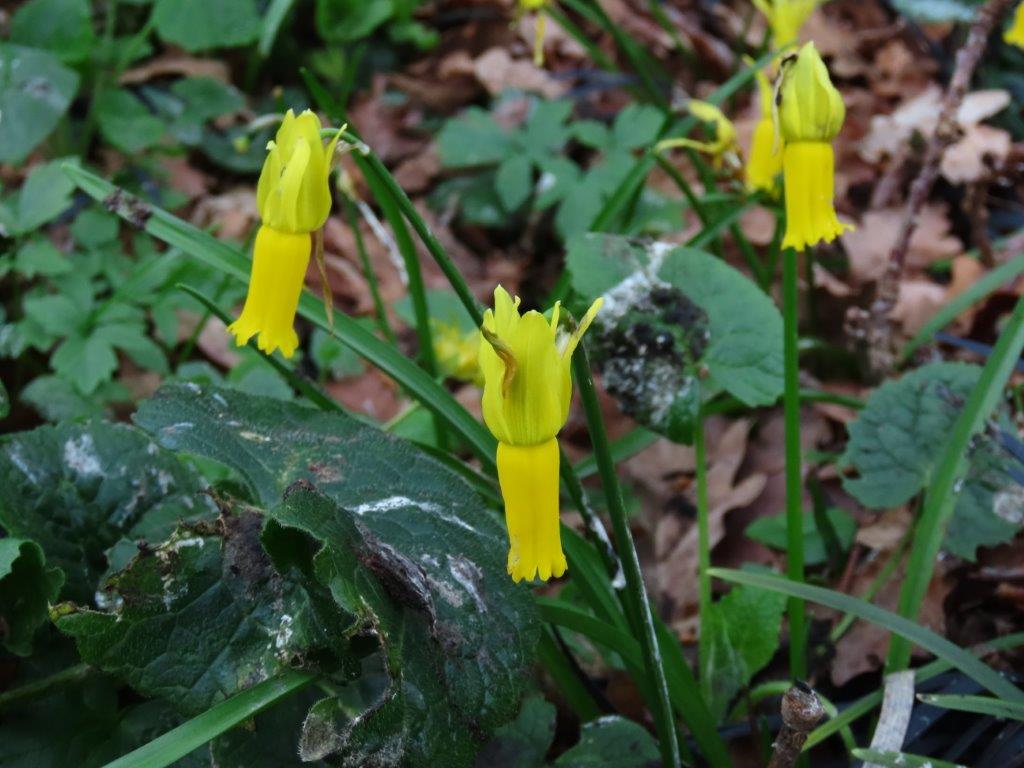
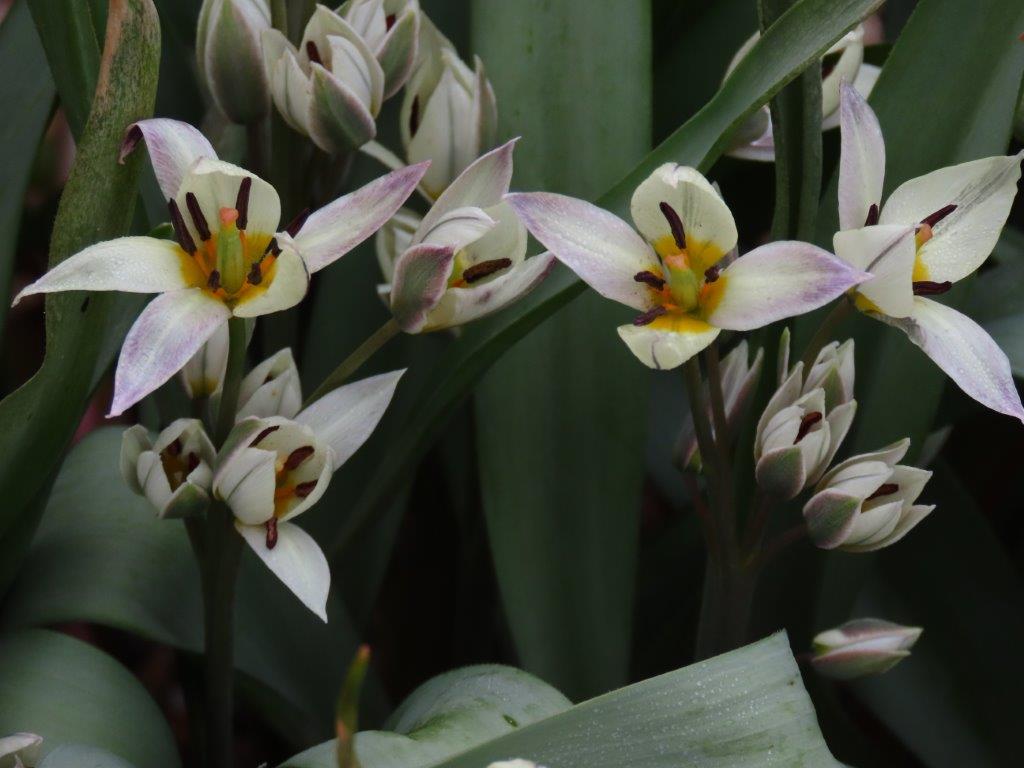
Almost apologetically in the mirk the really special spring flowers like species daffodils and tulips were starting to appear. And Chiffchaffs were singing, probably newly in from their Mediterranean wintering sites, carried here a little prematurely by the Sahara-dust-laden winds at the end of February.
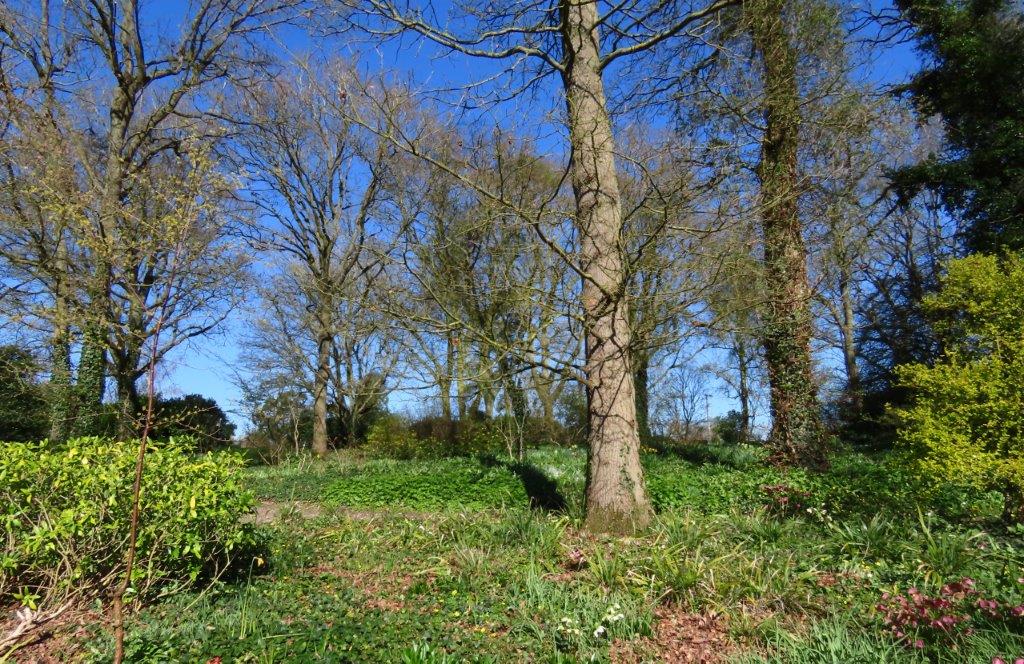
But two weeks later it was a very different picture. A couple of warm sunny days saw spring unleashed into the lives and hearts of a myriad of happy, smiling visitors. The Chiffchaffs, now perhaps half-a-dozen, expressed the joy of the season very effectively. As did two singing Stock Doves, the first time I have noticed territorial behaviour in the garden, and (now I come to think of it) possibly the first Stock Doves I have ever recorded there. Adding to the chorus were Chaffinches, at least three male Goldcrests and a Green Woodpecker in song, along with the mewling calls of displaying Buzzards overhead.
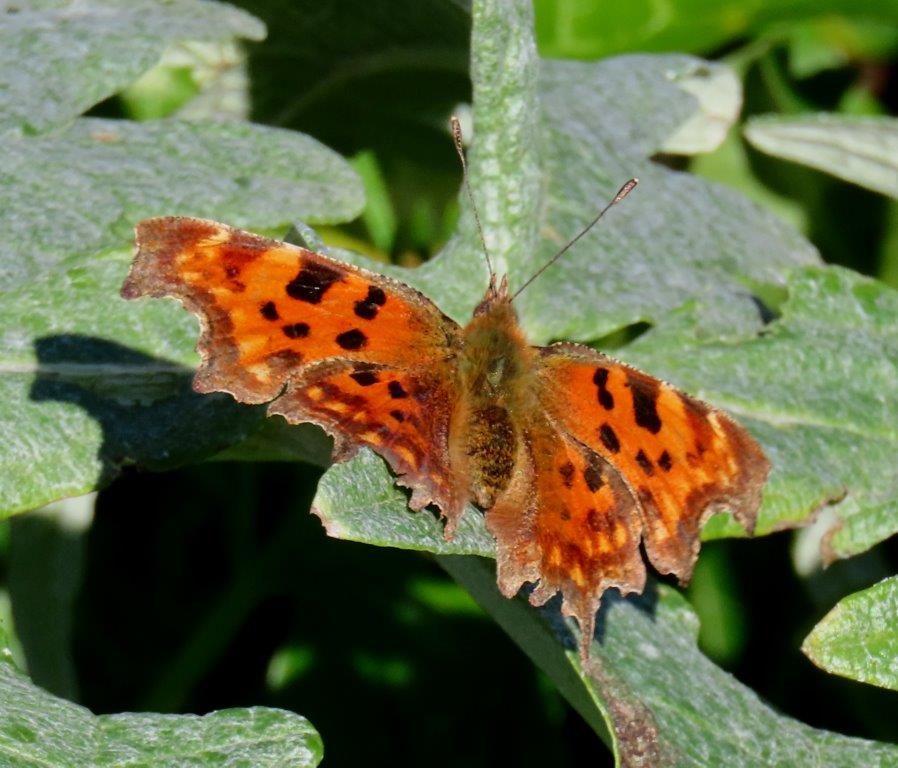
Four species of butterfly were on the wing: Comma, Peacock, Red Admiral and a rapid fly-past couple of male Brimstones. All species that overwinter as adults, it won’t be long before the spring-emergers like Orange Tips are with us!
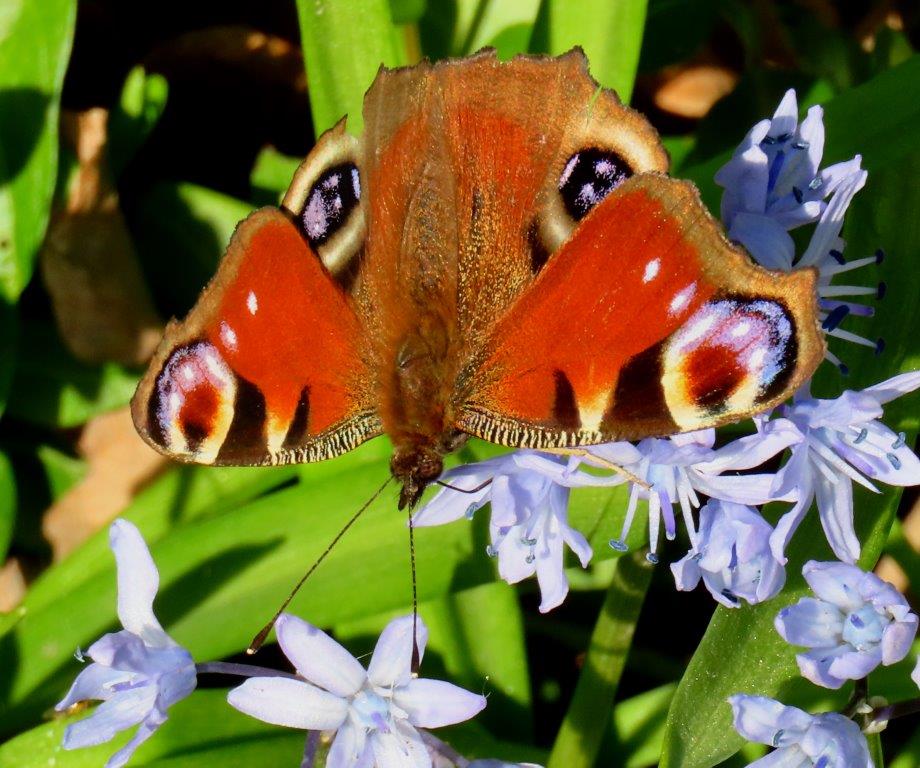
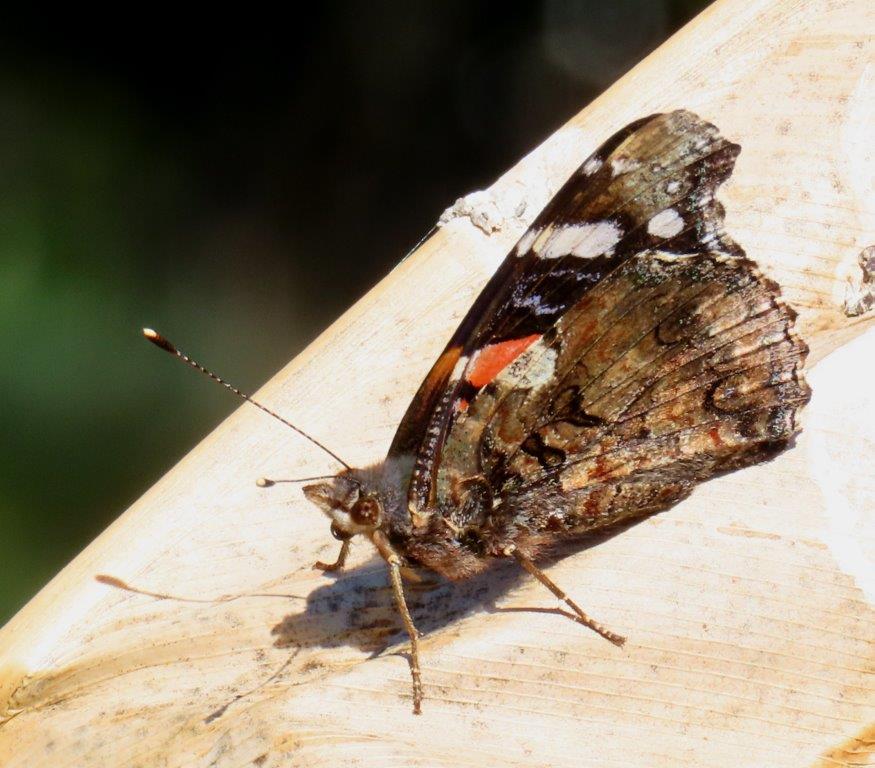
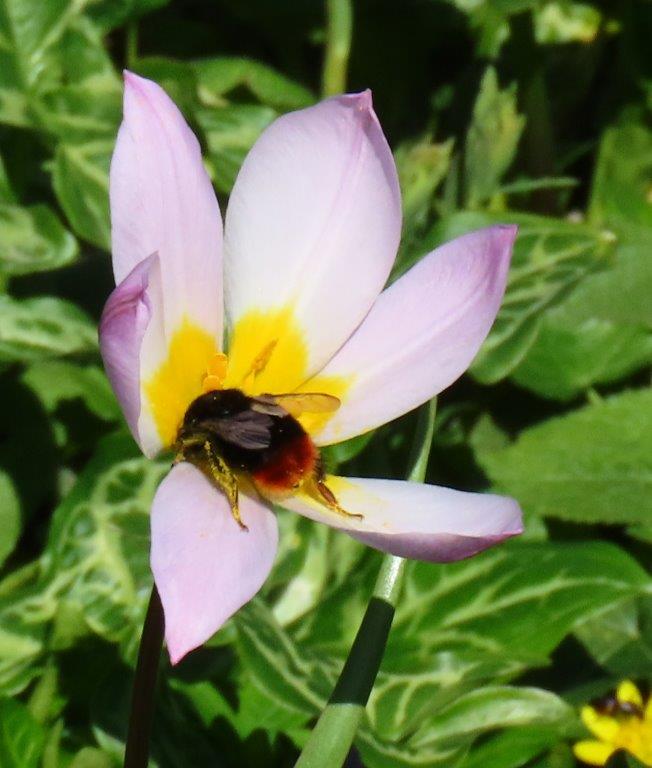
Bees too, with bumbles (Buff-tailed and Red-tailed queens, the latter for me the first of the year) and lots of Honeybees especially on Skimmia ‘Kew Green’ and Scilla bifolia.
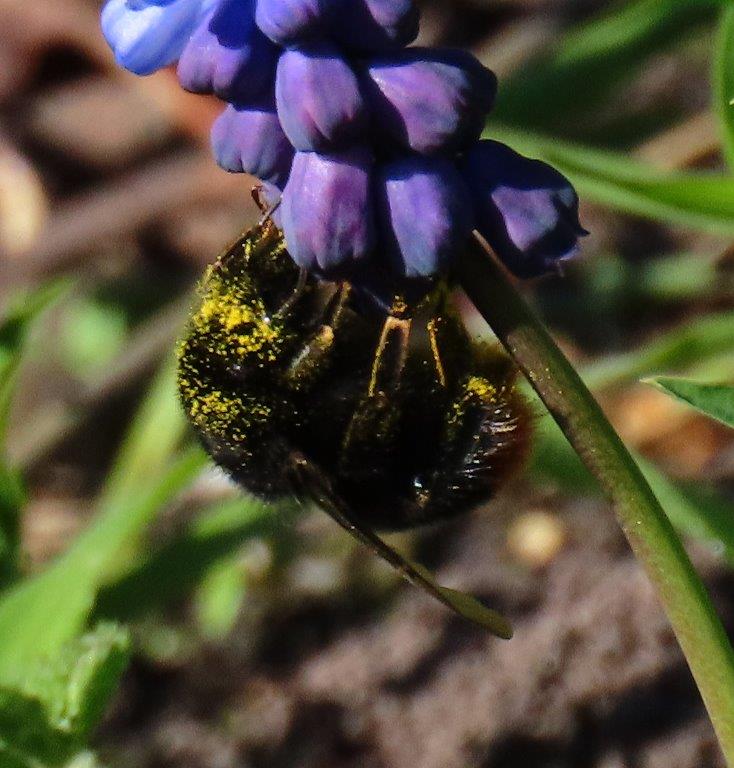
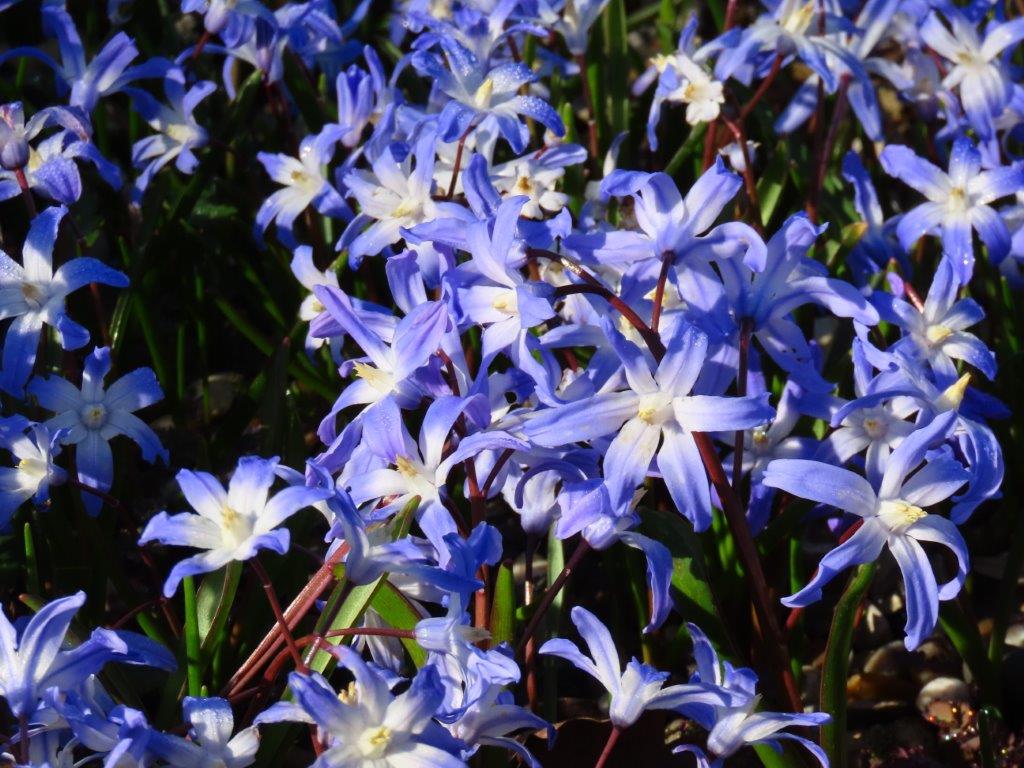
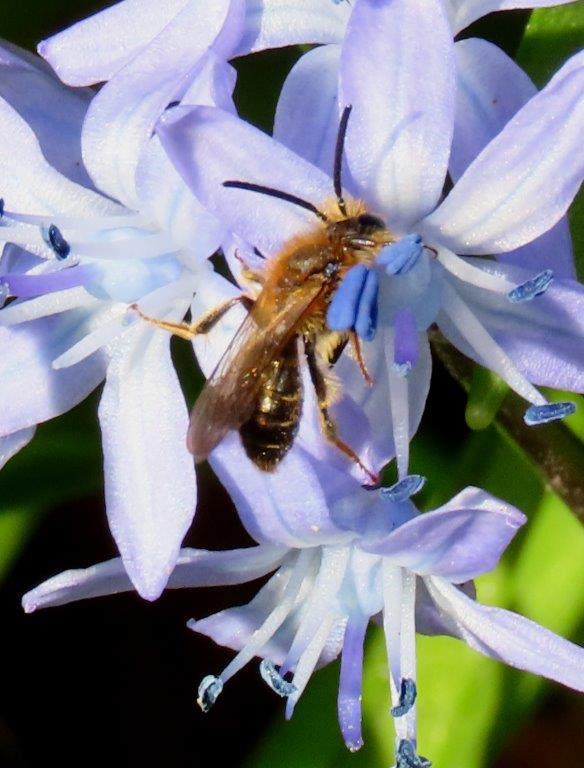
The Scilla was also the focus for many solitary bees, including Andrena dorsata and A. minutula agg.
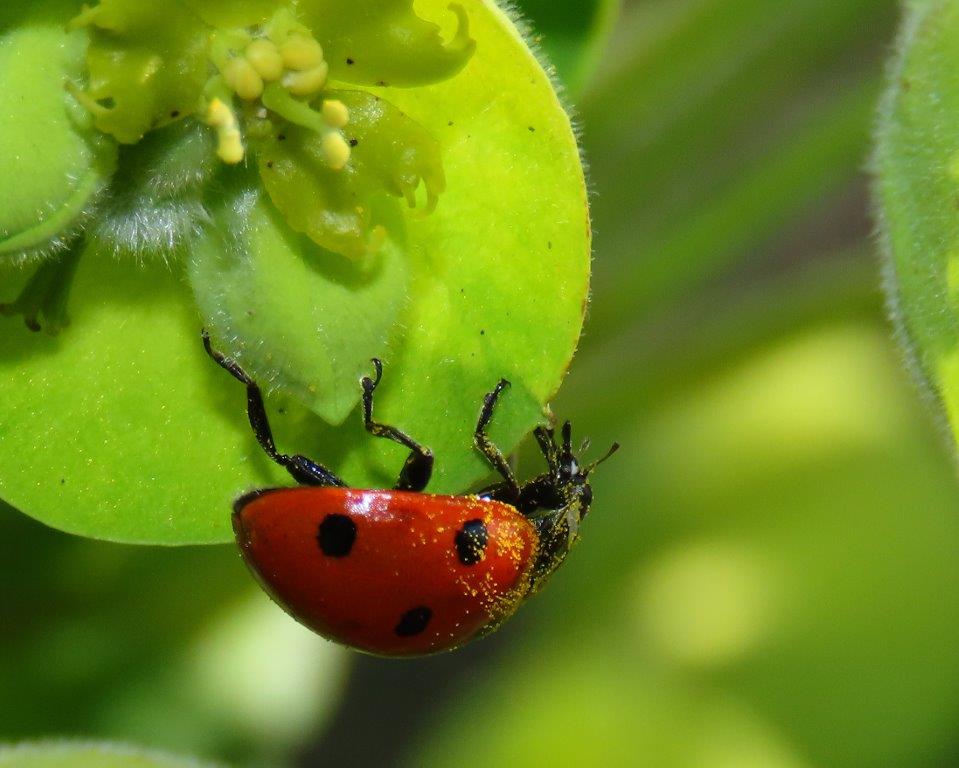
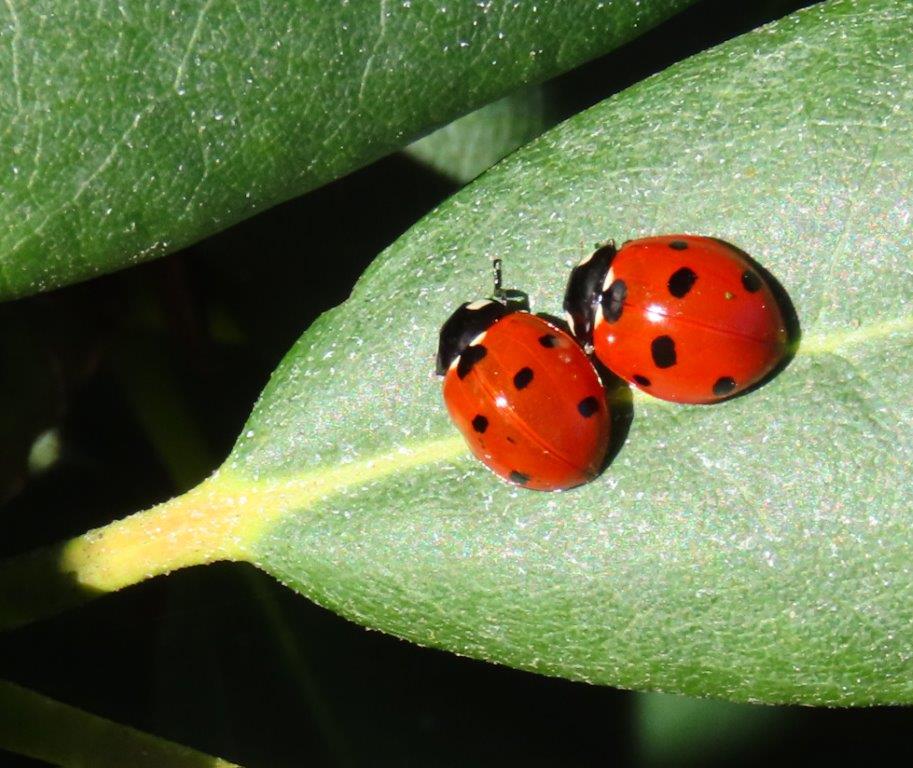
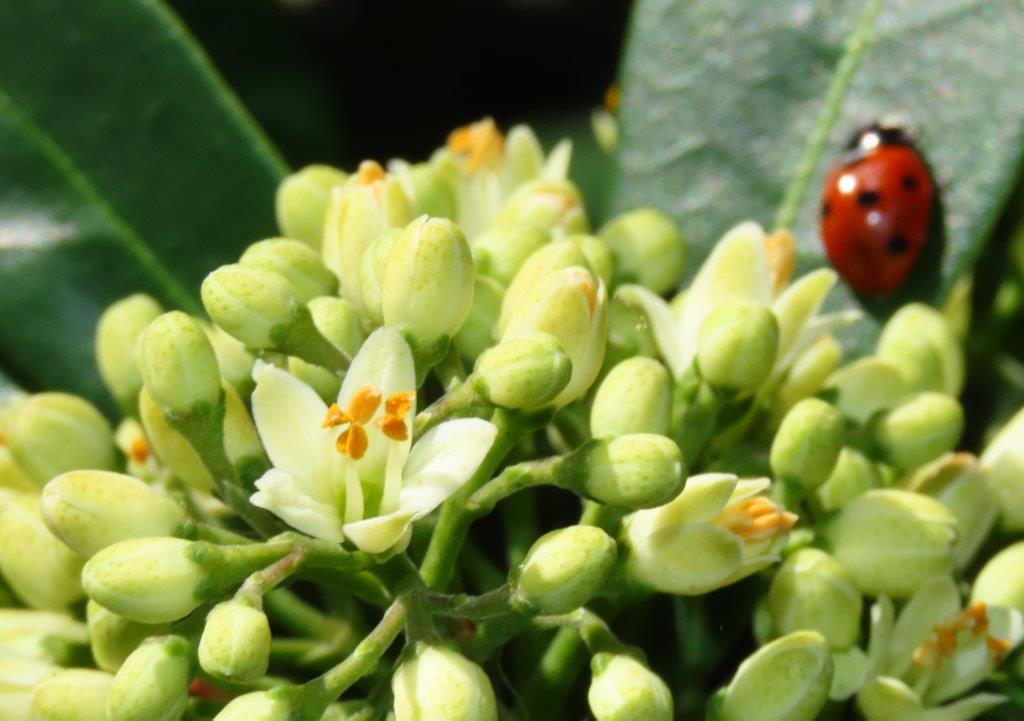
Ladybirds were everywhere, as seems to be the norm this year, AND now getting active, strutting their stuff as predators, pollinators and partners; most were Seven-spots with just a few Harlequins.
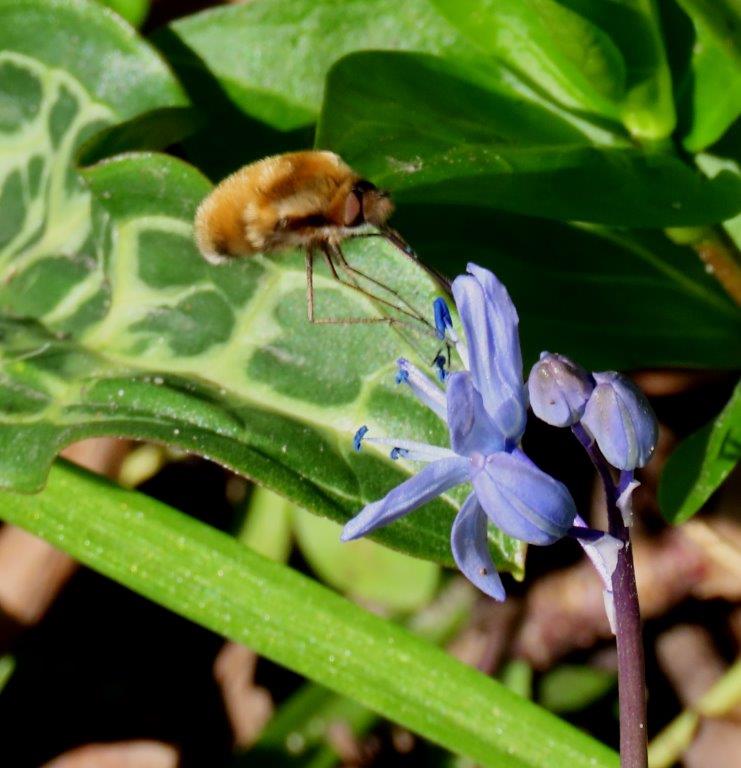
Several Dark-edged Beeflies were feeding or resting around the flowery borders: the first beeflies of spring are always a thrill!
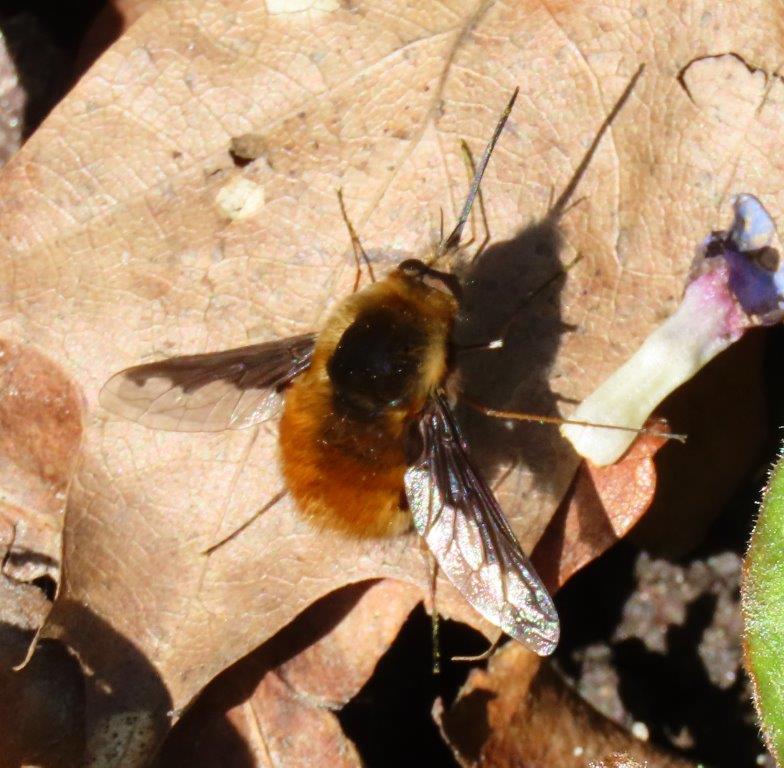
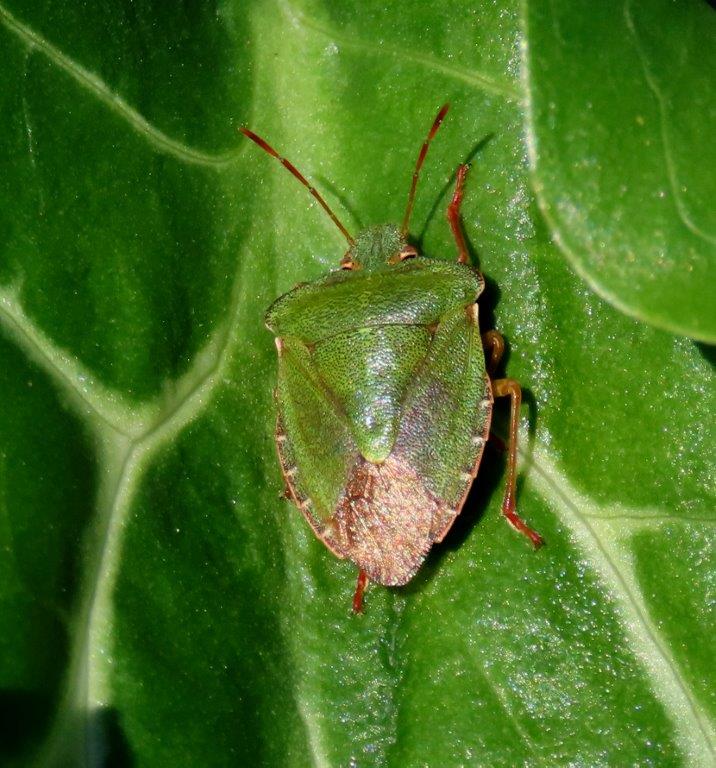
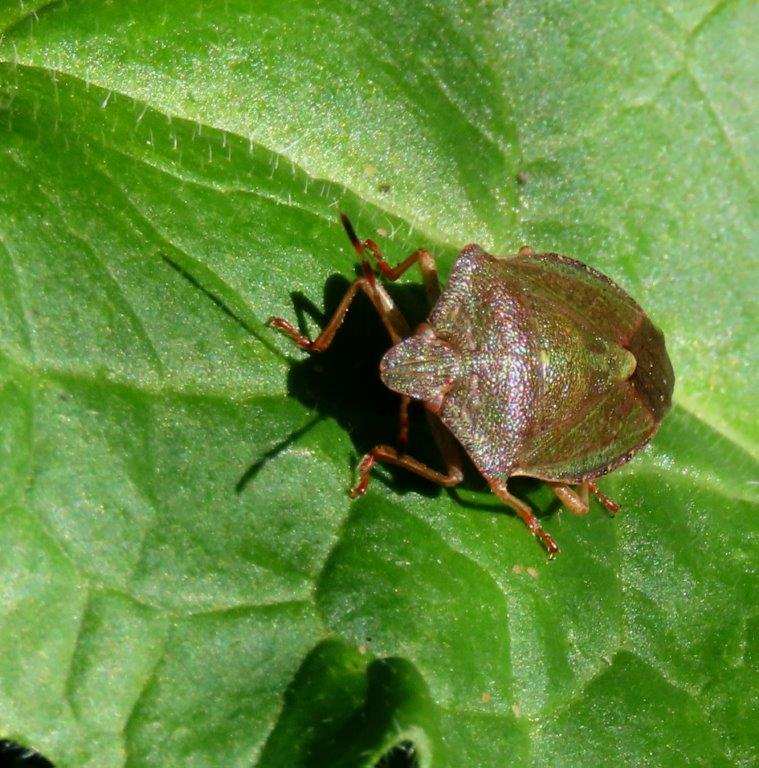
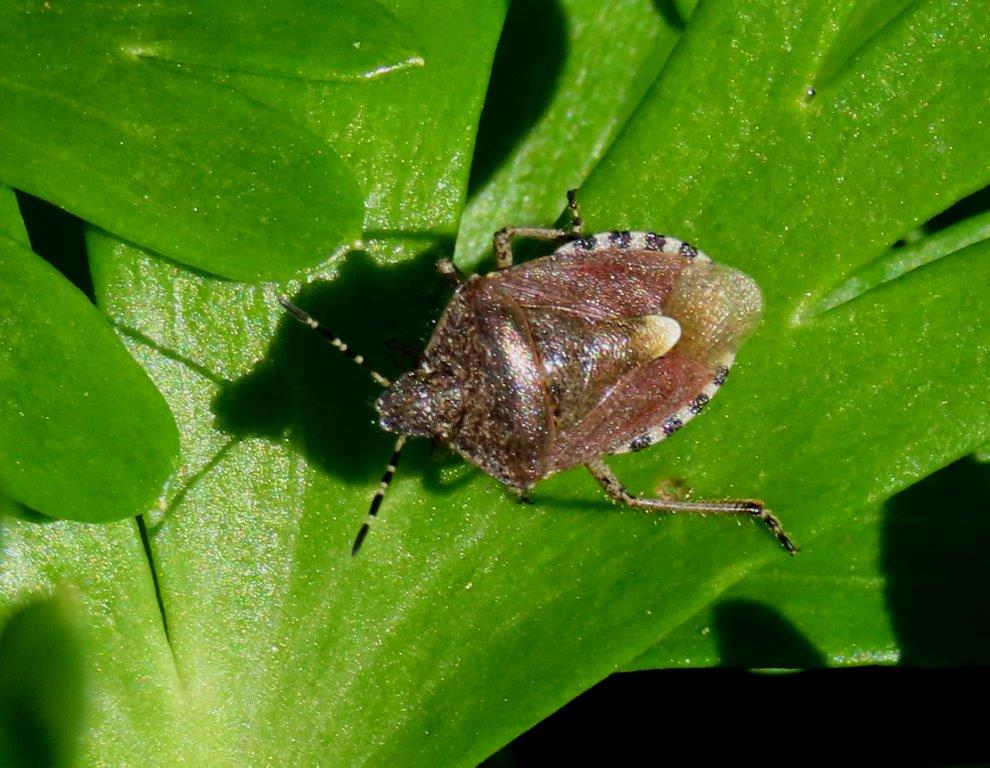
And shieldbugs were also out in force, mostly Green Shieldbugs greening up nicely out of their brown winter plumage, together with a few Hairy Shieldbugs.
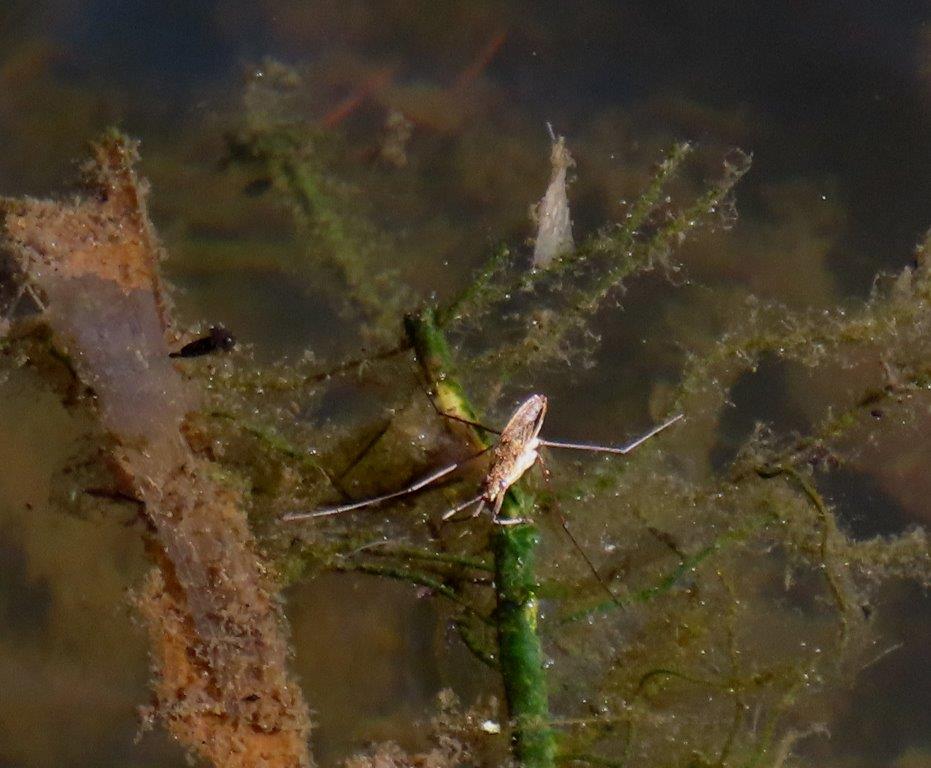
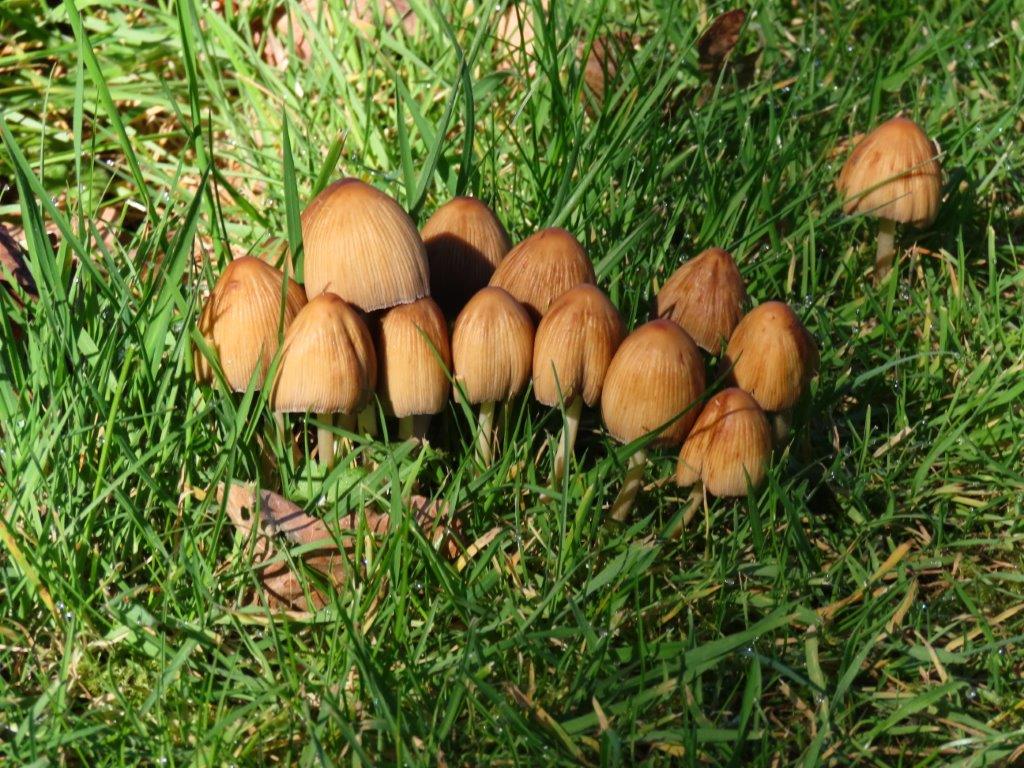
As with the previous visit, there were also new records for the Gardens. A couple of very common species whose names have seemingly evaded being written down anywhere in the past were the Common Pond-skater Gerris lacustris and the ink-cap fungus Coprinellus micaceus, equally common although of course only fleetingly visible when its fruiting bodies emerge.
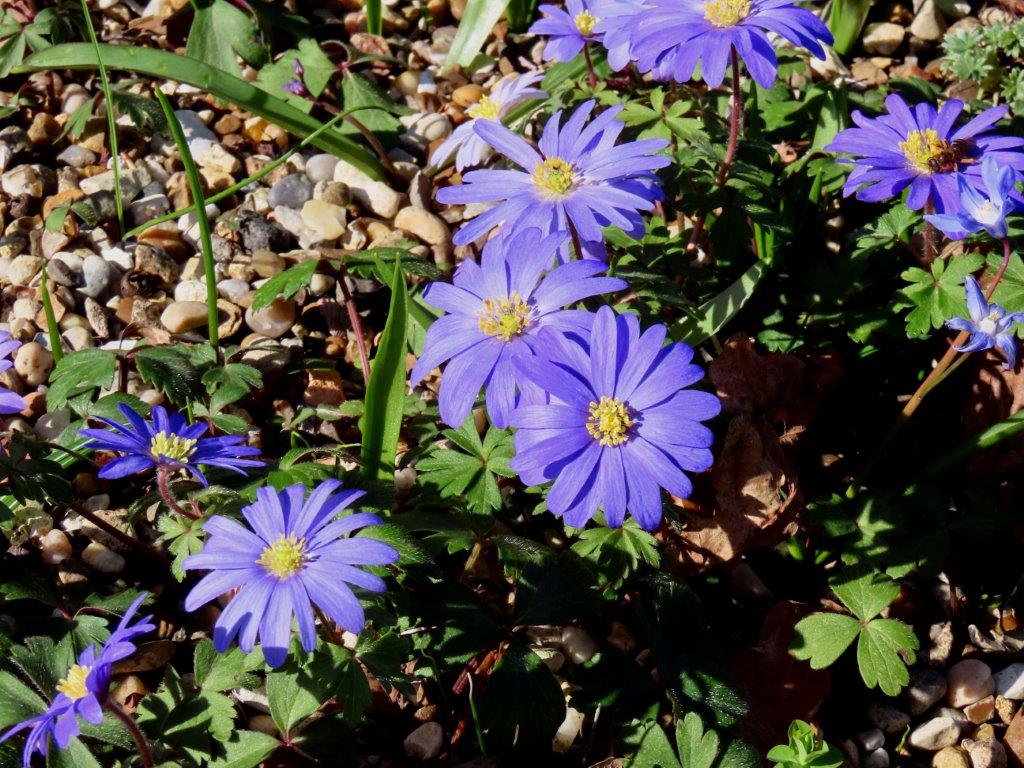
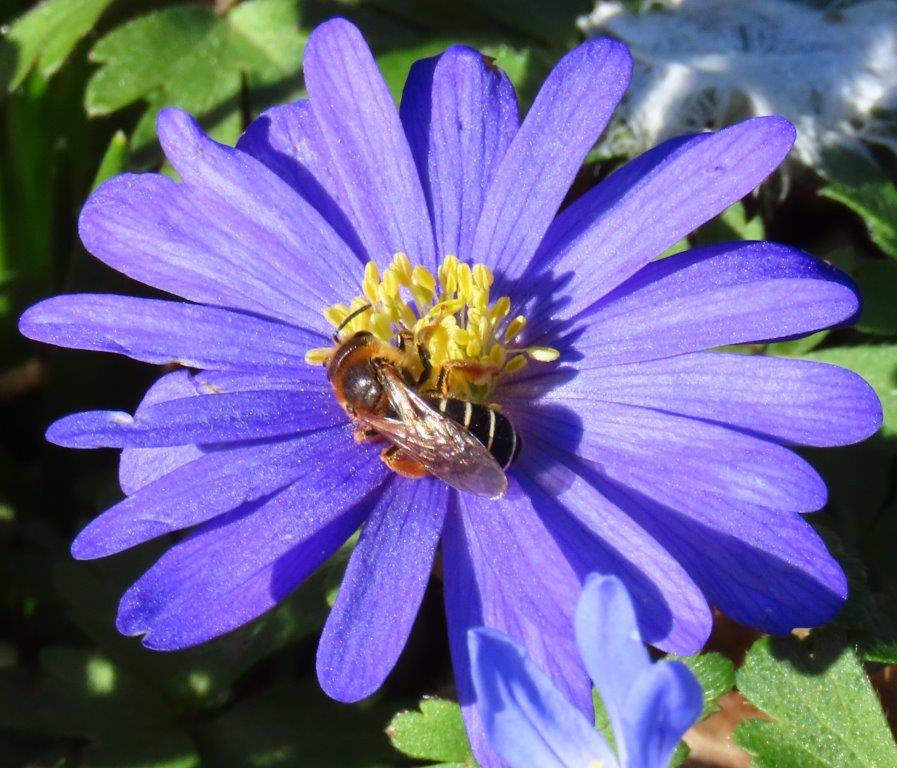
On Anemone blanda there was the distinctive stripy Orange-legged Furrow-bee Halictus rubicundus, new to the garden and indeed with only a few records, mostly coastal, in the Tendring district.
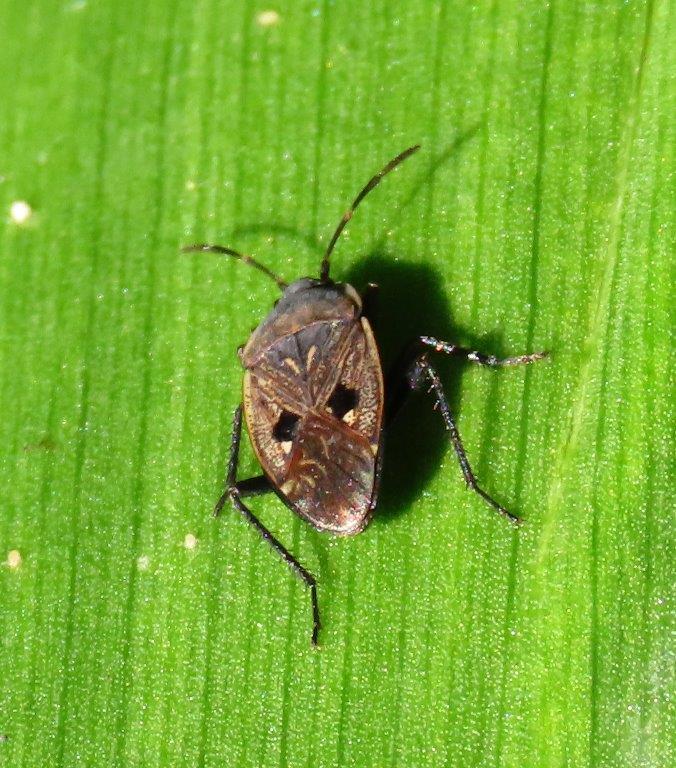
And an exciting new bug for the garden was the ground- bug Graptopeltus lynceus. This is traditionally associated with Echium species but seems increasingly to be moving to other Boraginaceae, of which we have lots; it was very close to a flowering patch of Trachystemon. It is classed as Rare in Essex, with just eight scattered records, the nearest being one just west of Colchester.
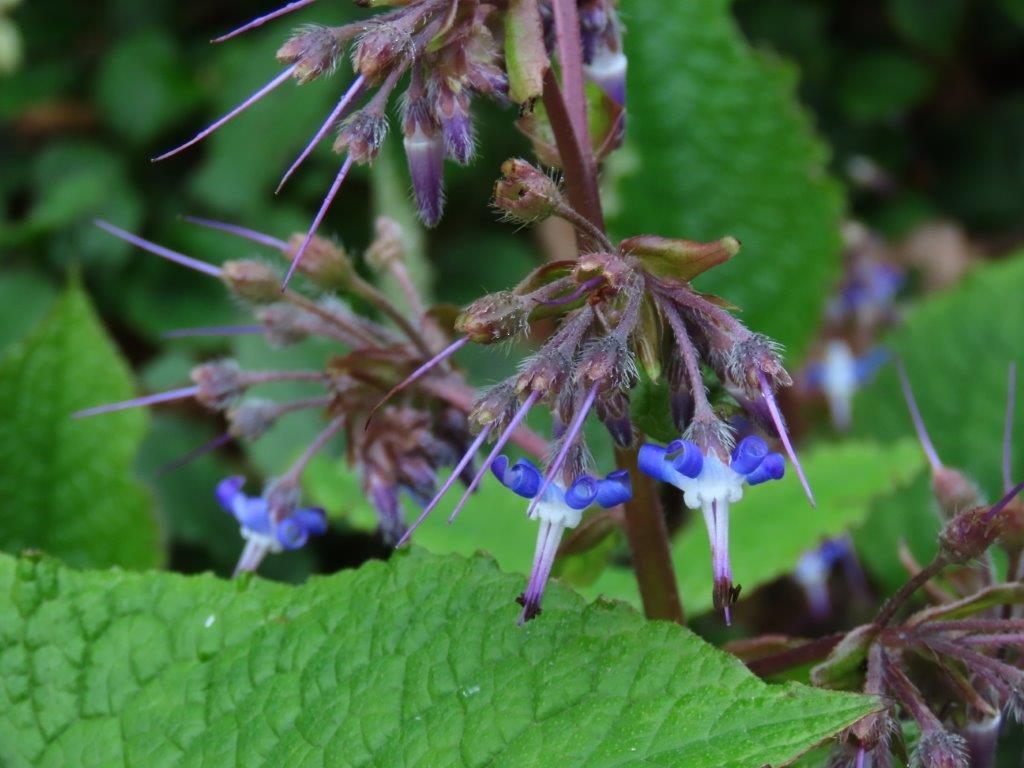
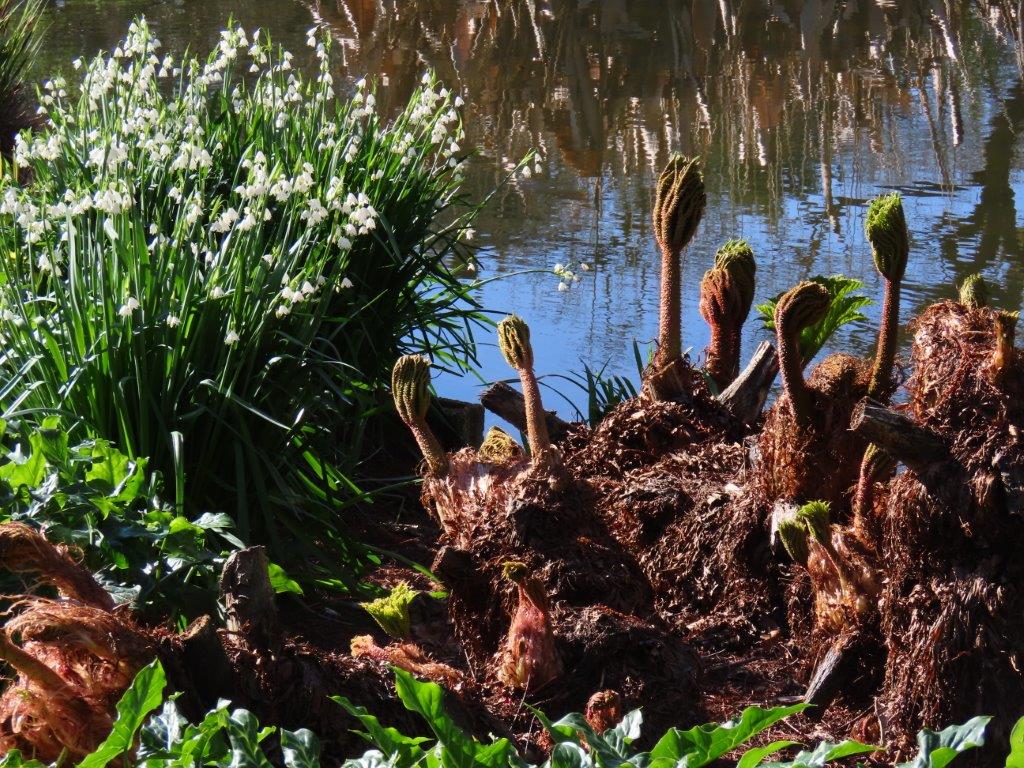
And of course spring flowers of every description, no hint of apology now and a wonderful pick-me-up after a dreary old winter!
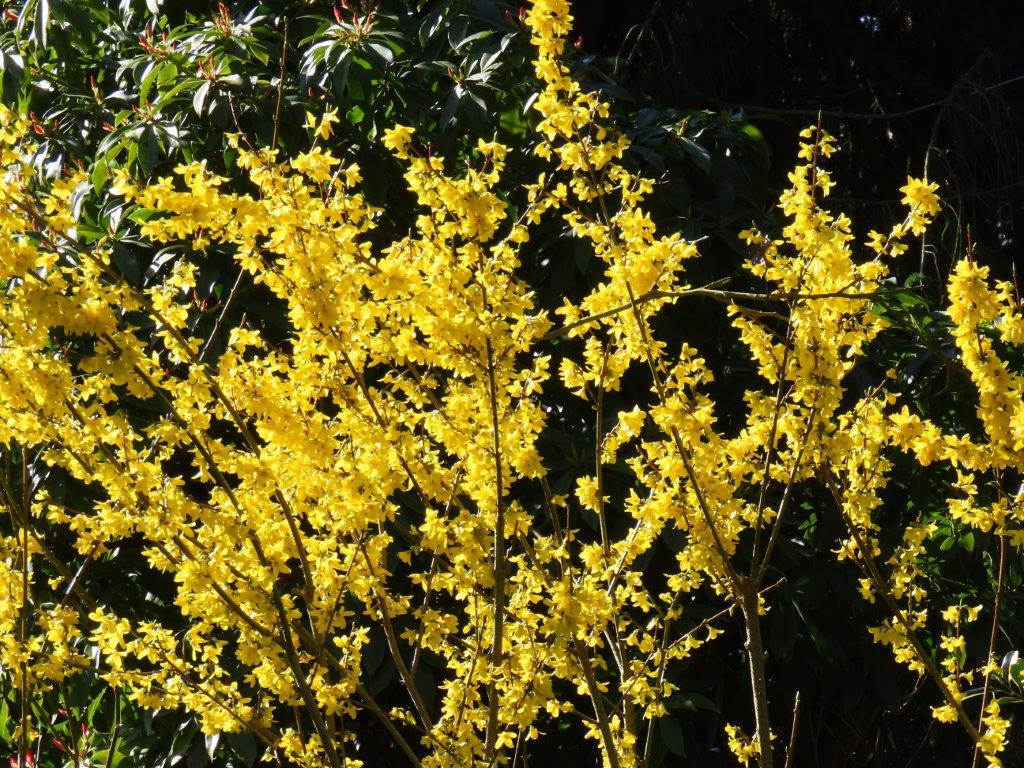
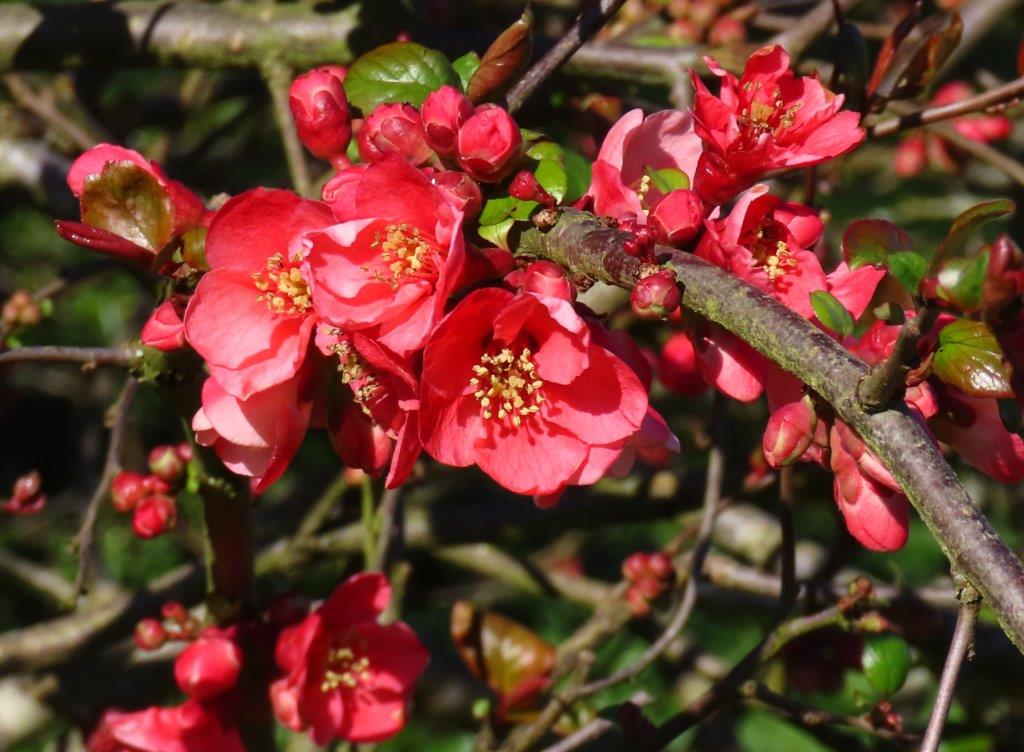
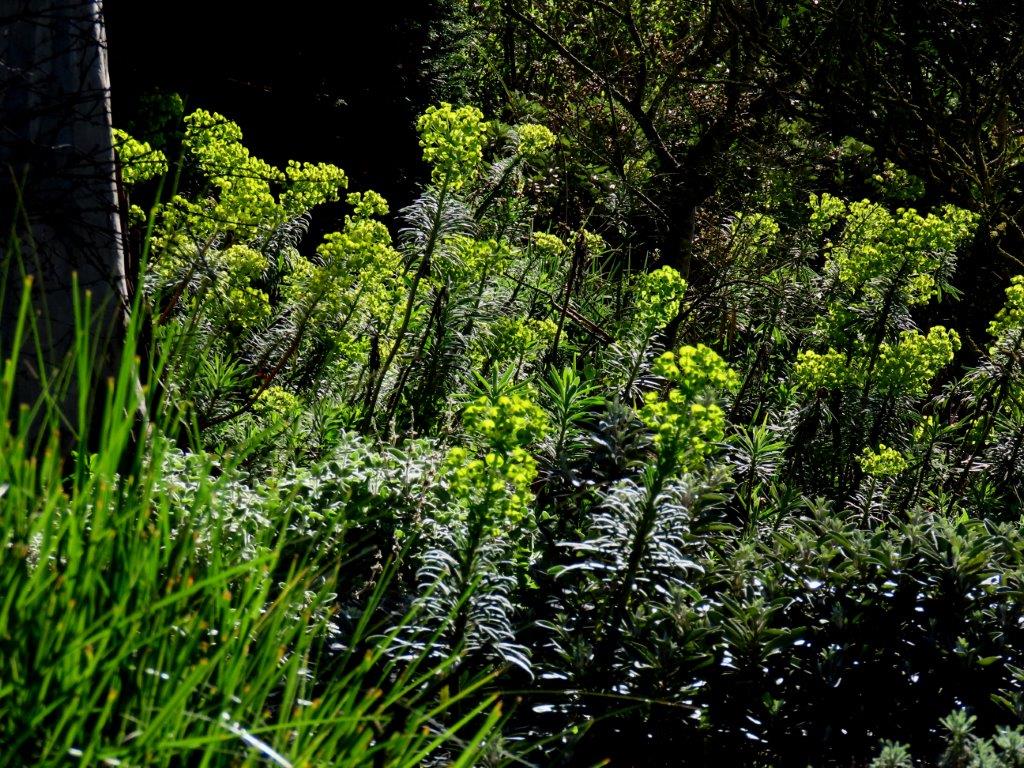
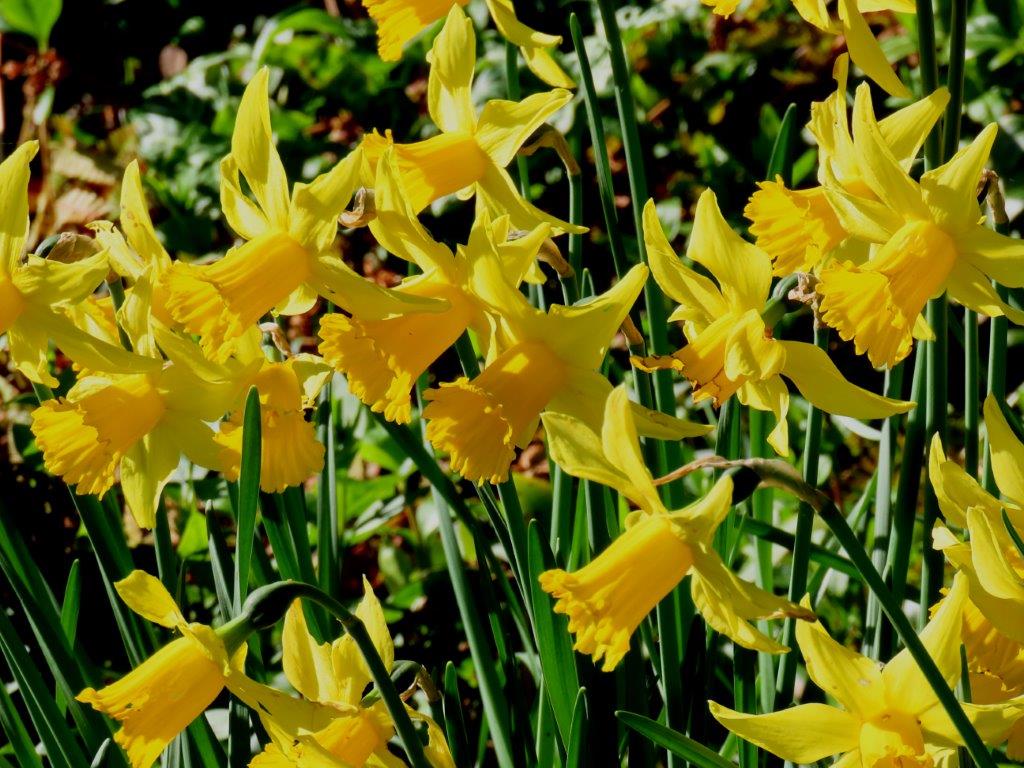
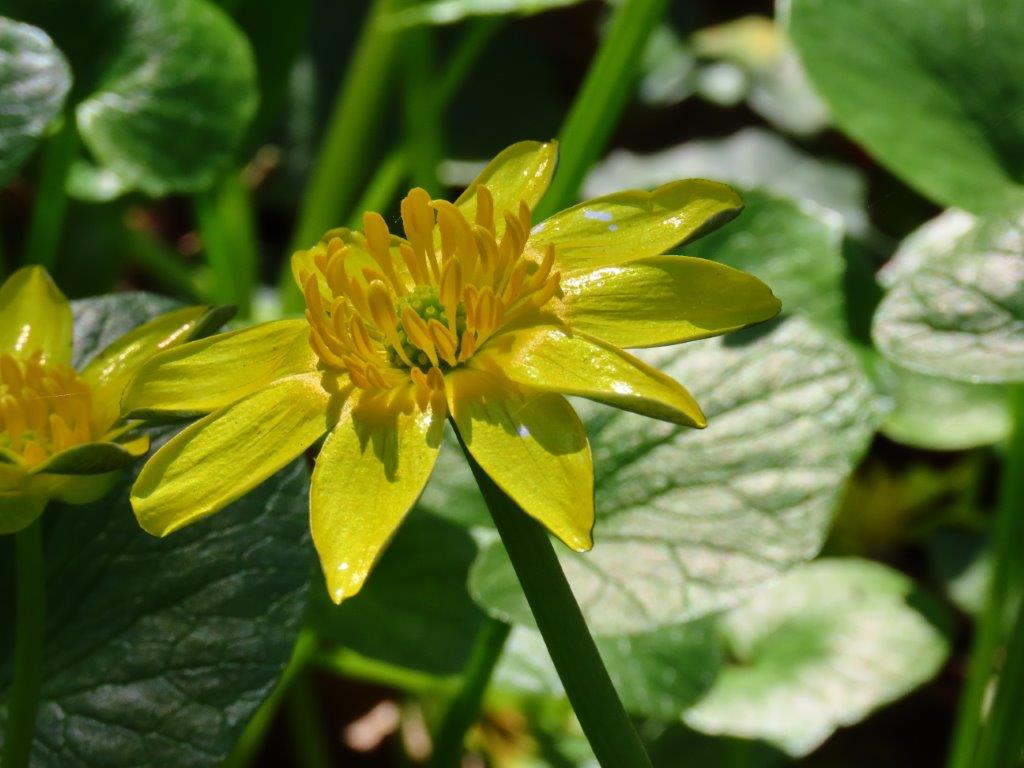
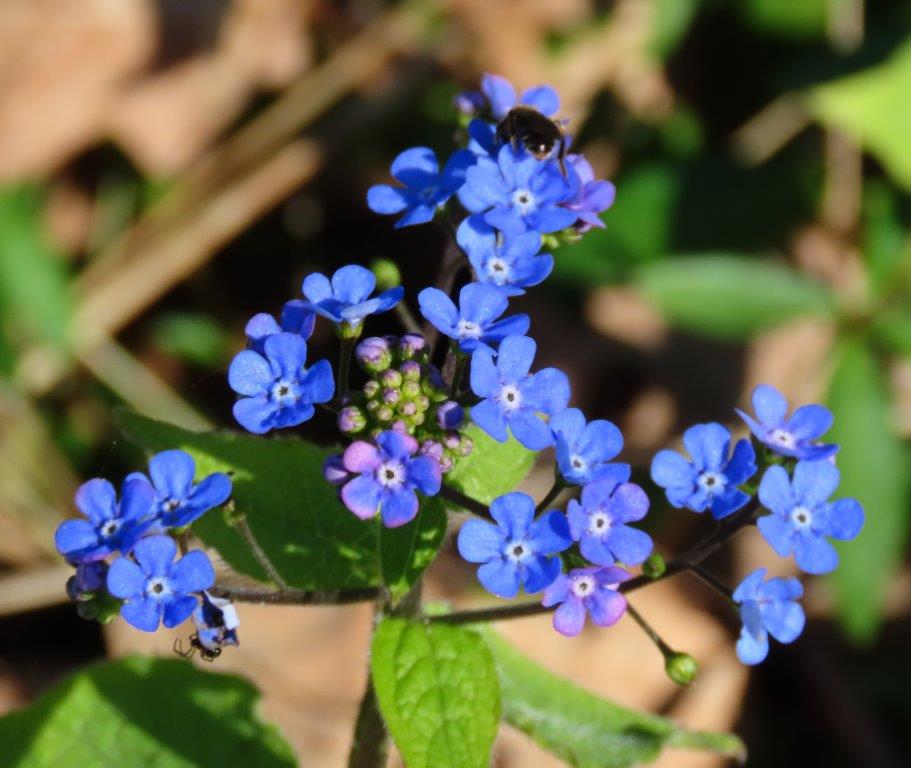
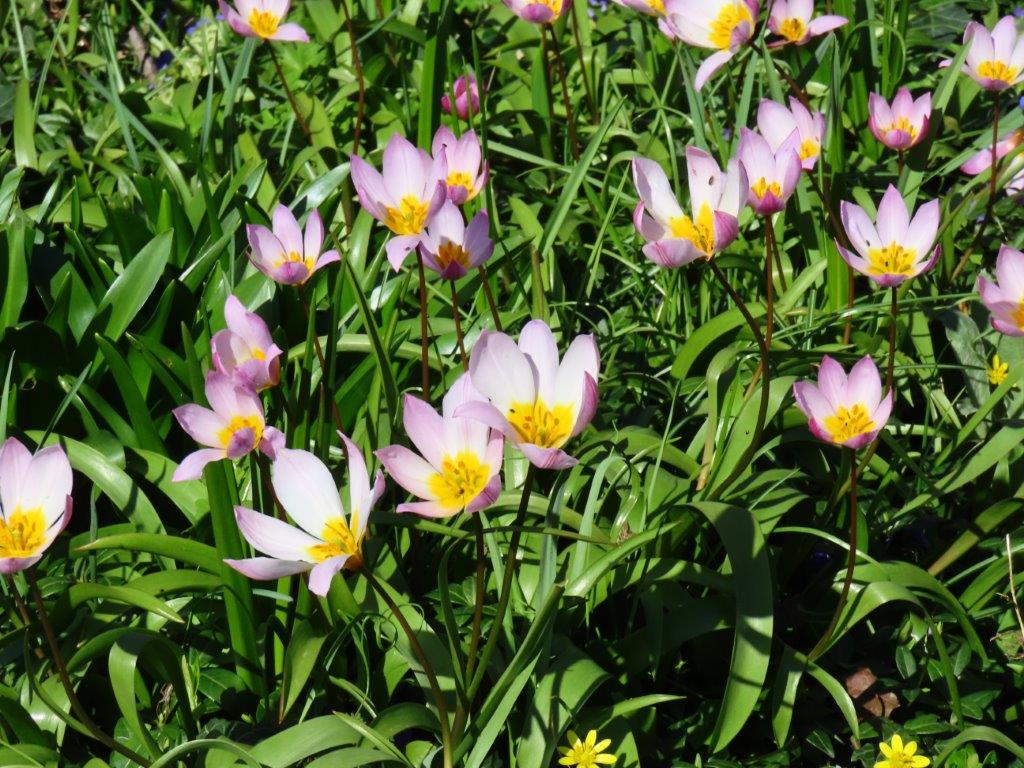
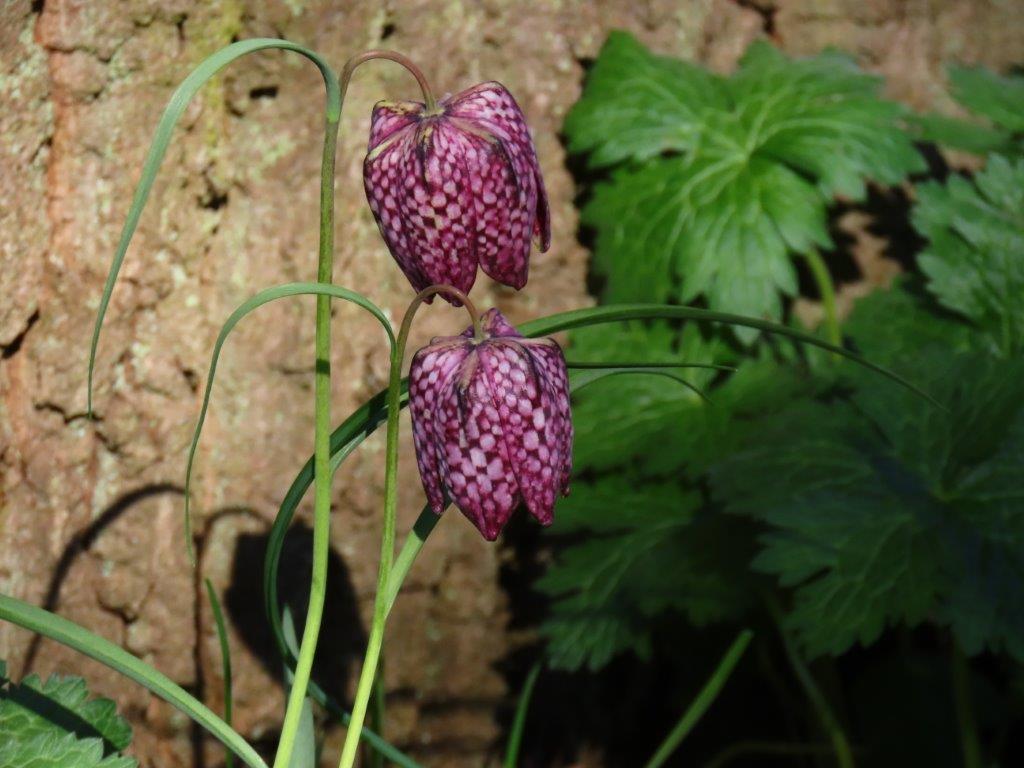
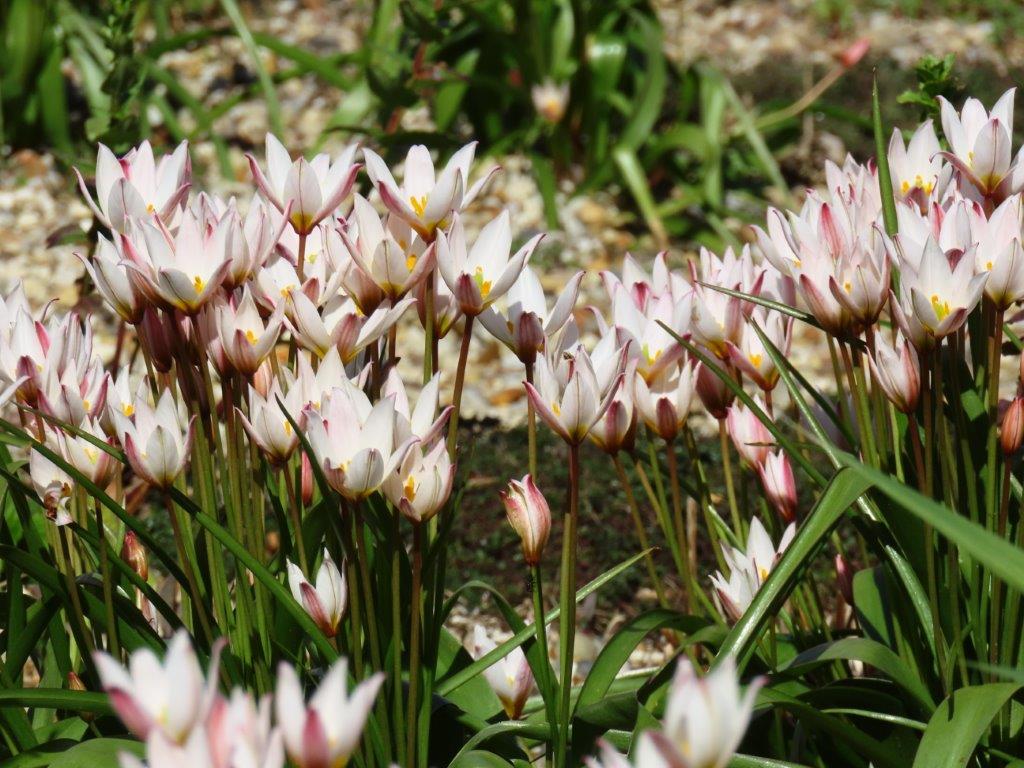
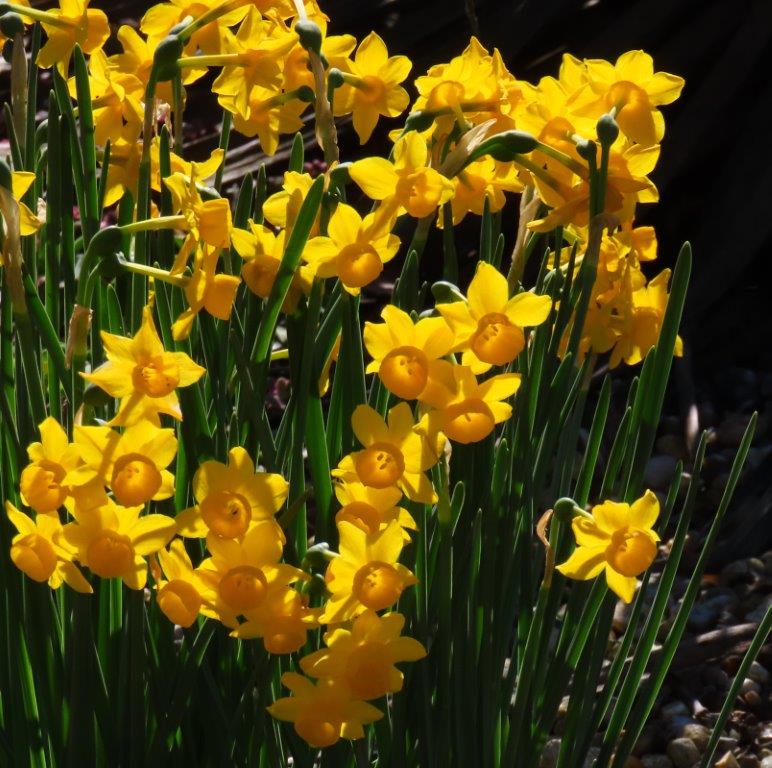
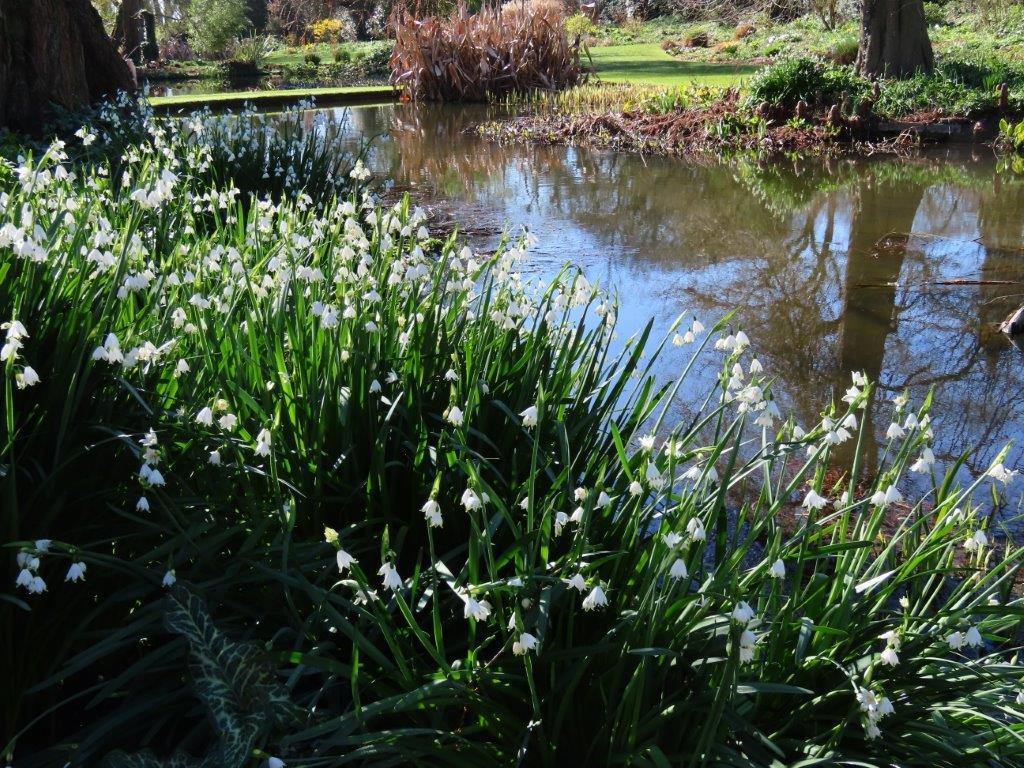
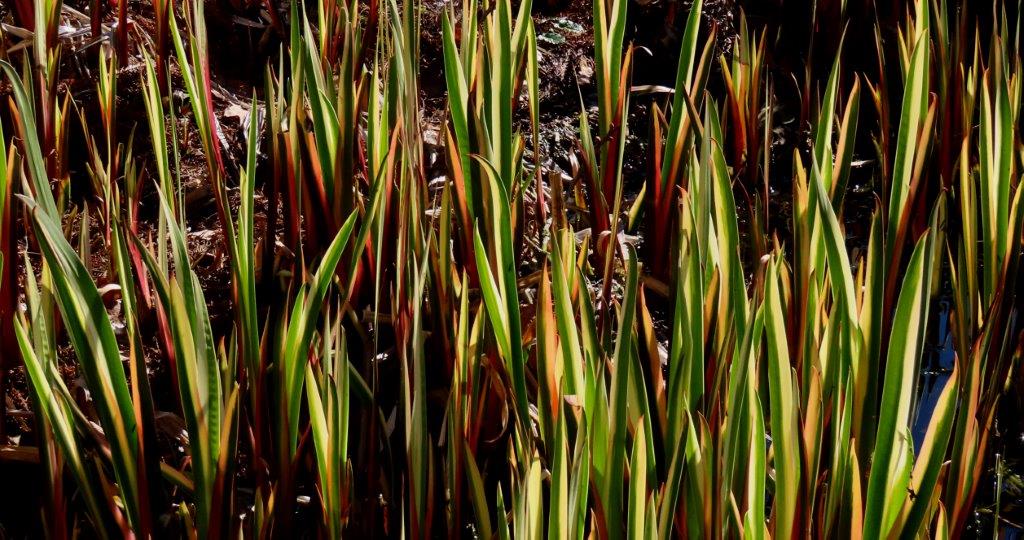
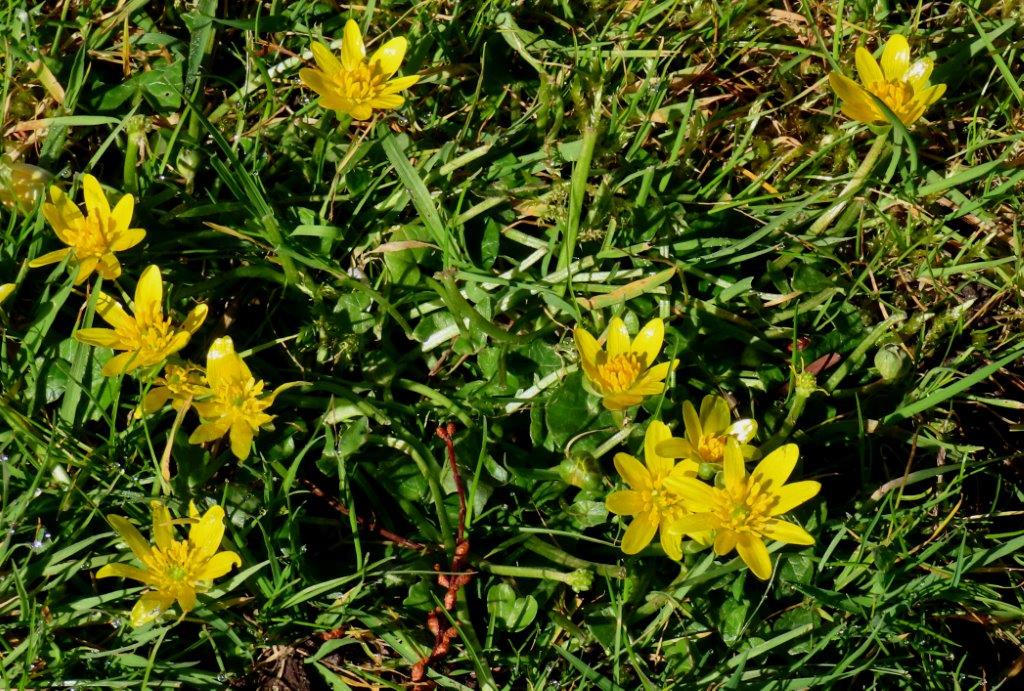
Beth Chatto Gardens, THE place to be at this time of year. Where else would you find Lesser Celandines blooming in the lawns rather than being hounded out as ‘weeds’? Do visit, and help Rewild your Minds.