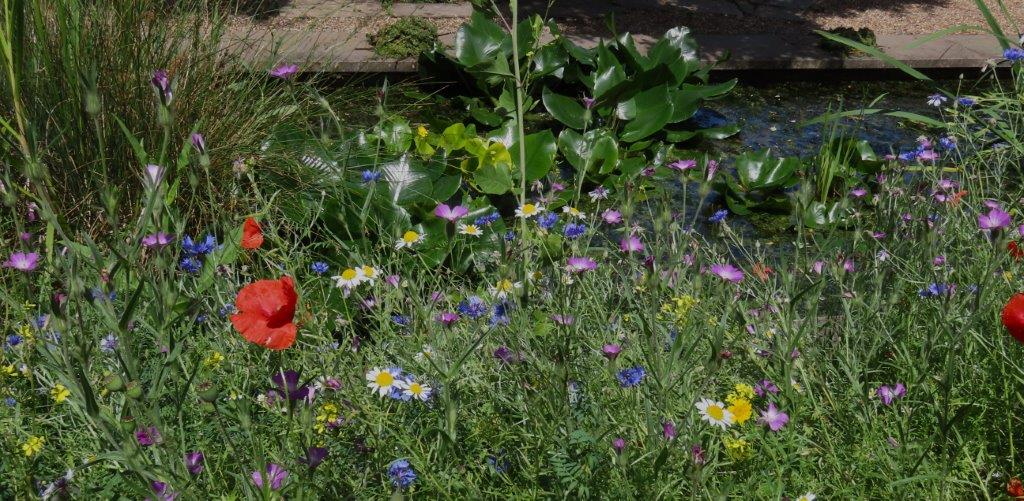
June is always a peak month for seeing the delights of a botanic garden, so last week for me it was three in three days, dodging the rain. The chance for some ‘extreme botany’, taking photos of plants from all over the world, including usefully some rare British plants without the need for long treks into the wilds!
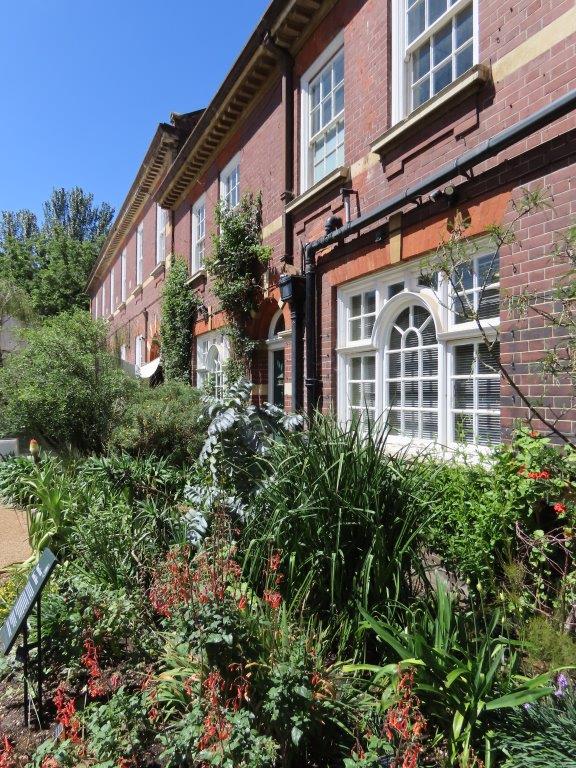
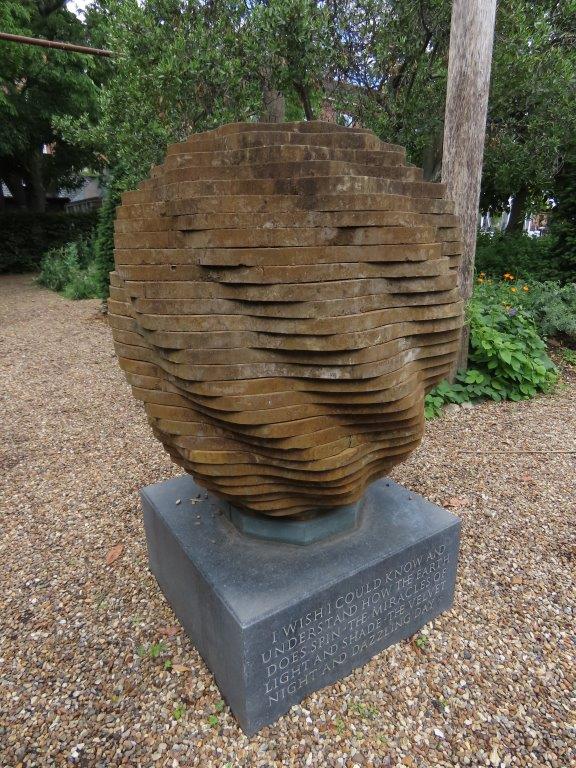
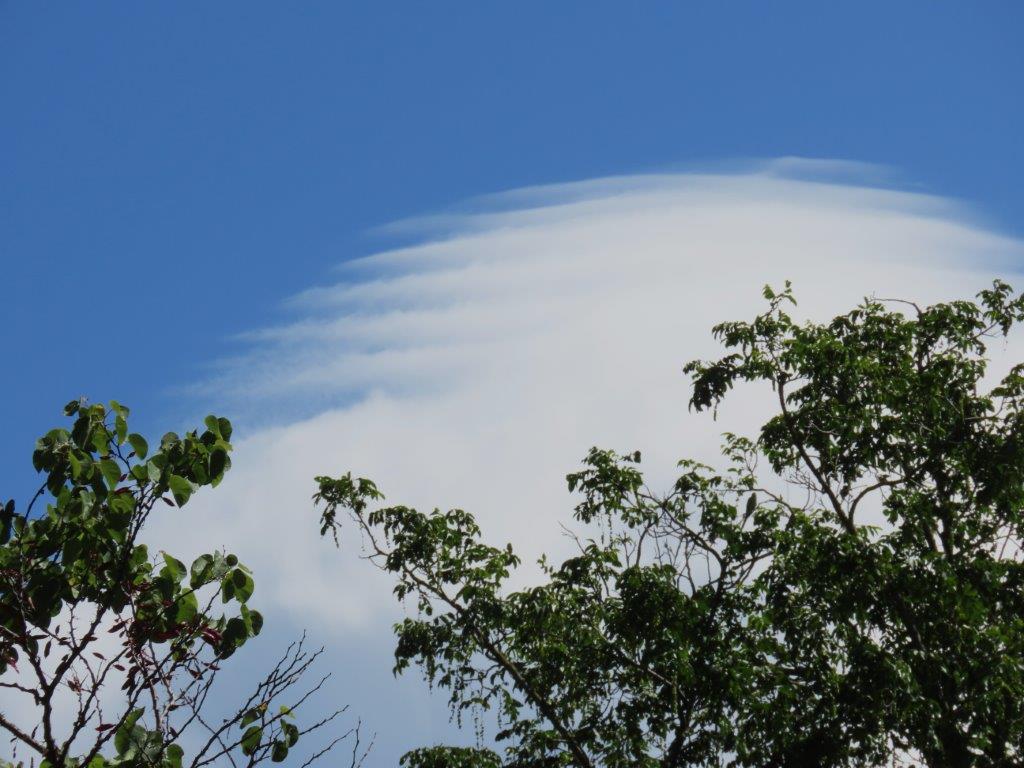
First, Chelsea Physic Garden. Only our second visit there, the warm sun was interspersed with a couple of sharp showers, but it was lovely, the blue sky adorned with lenticular clouds:
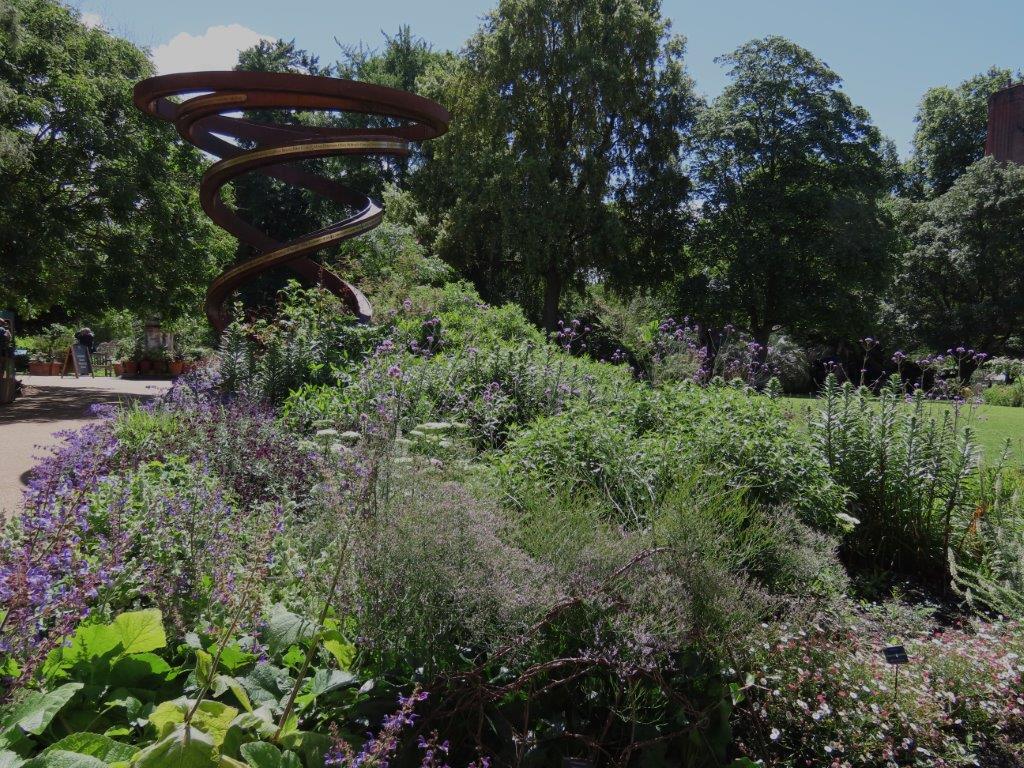
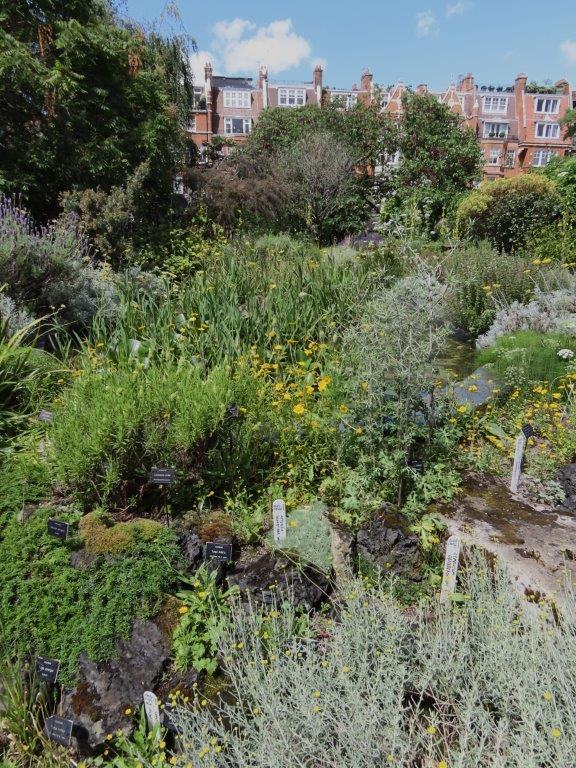
Lots of interesting plants here, of course, many with a medicinal bent, although not exclusively:
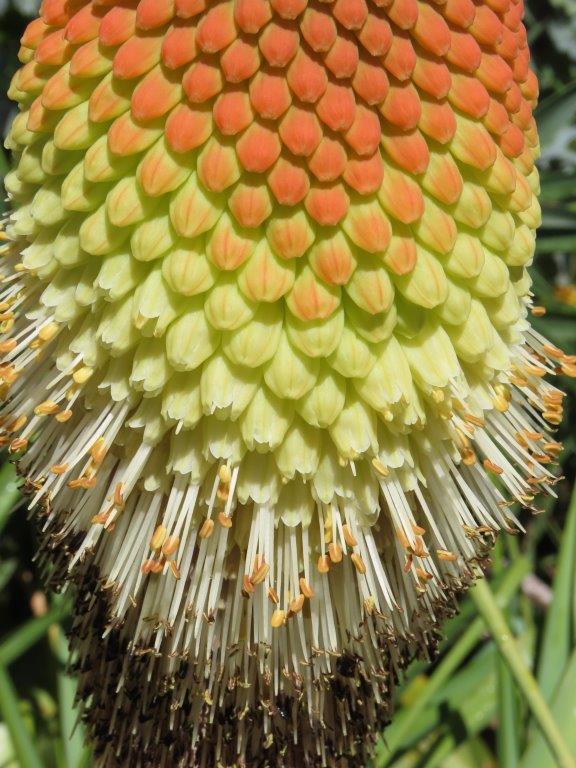
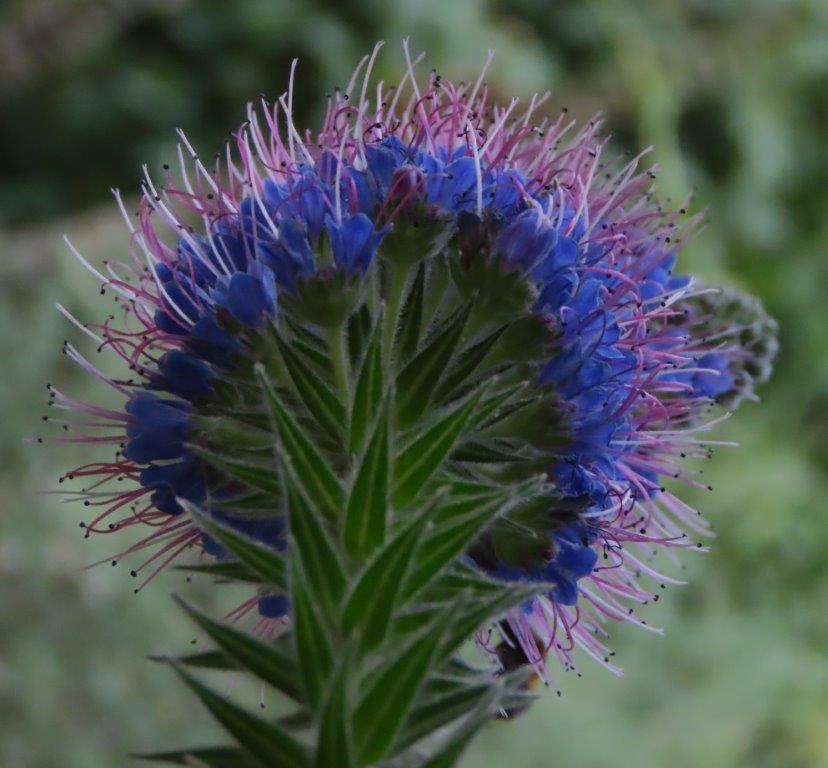
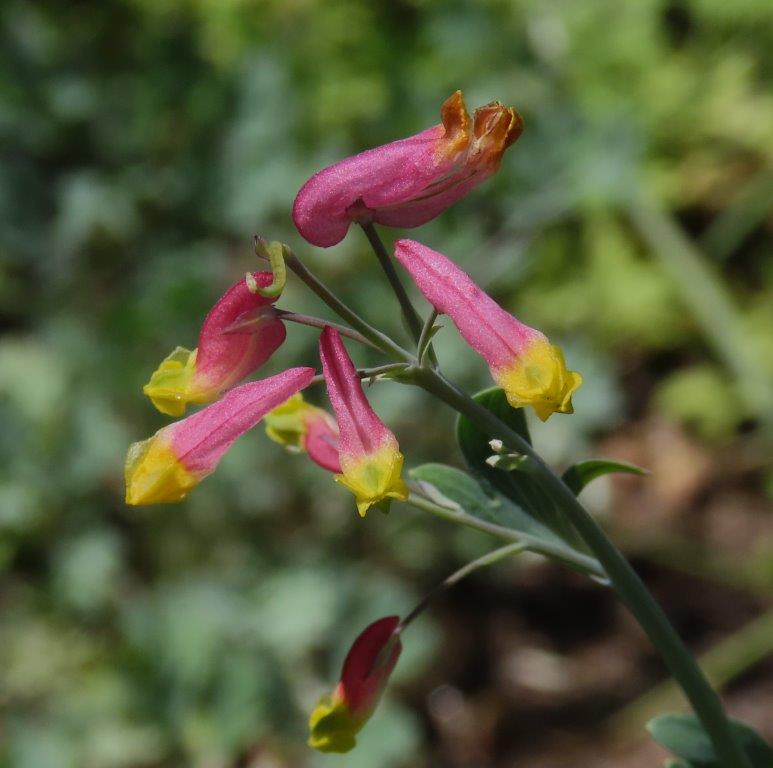
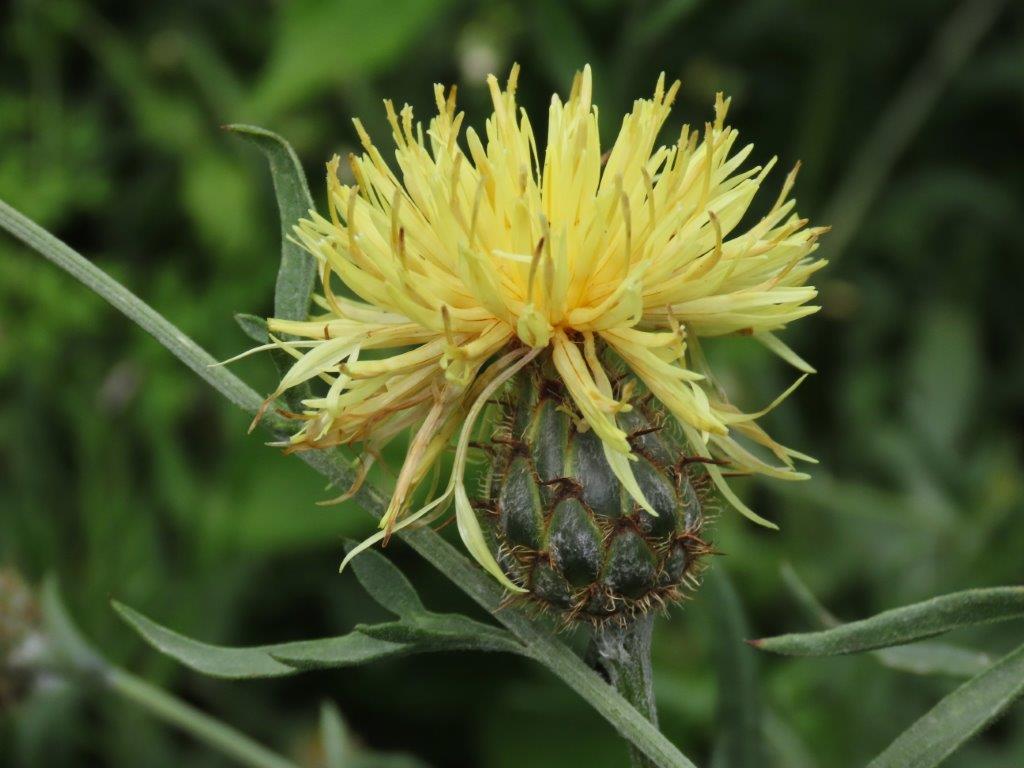
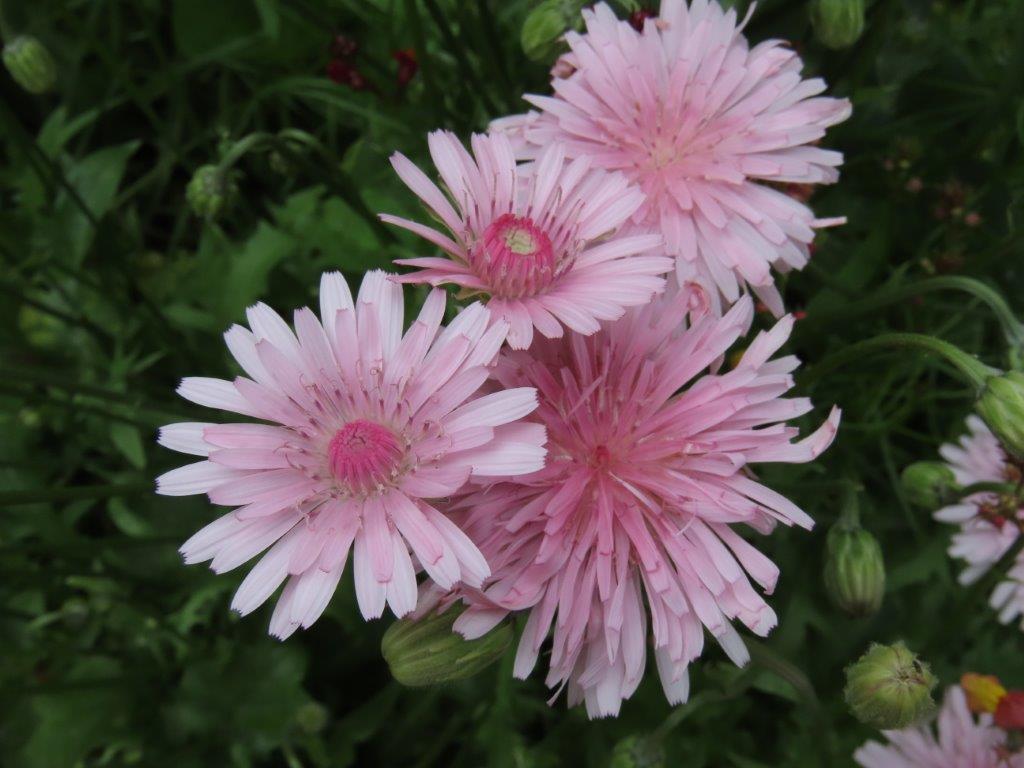
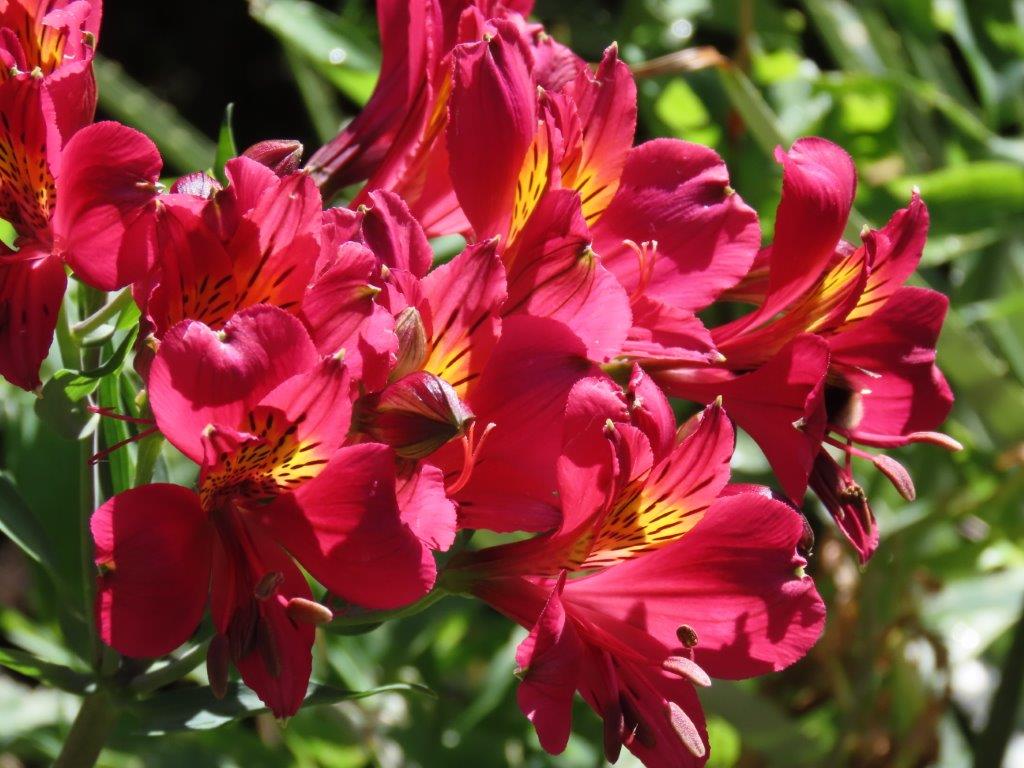
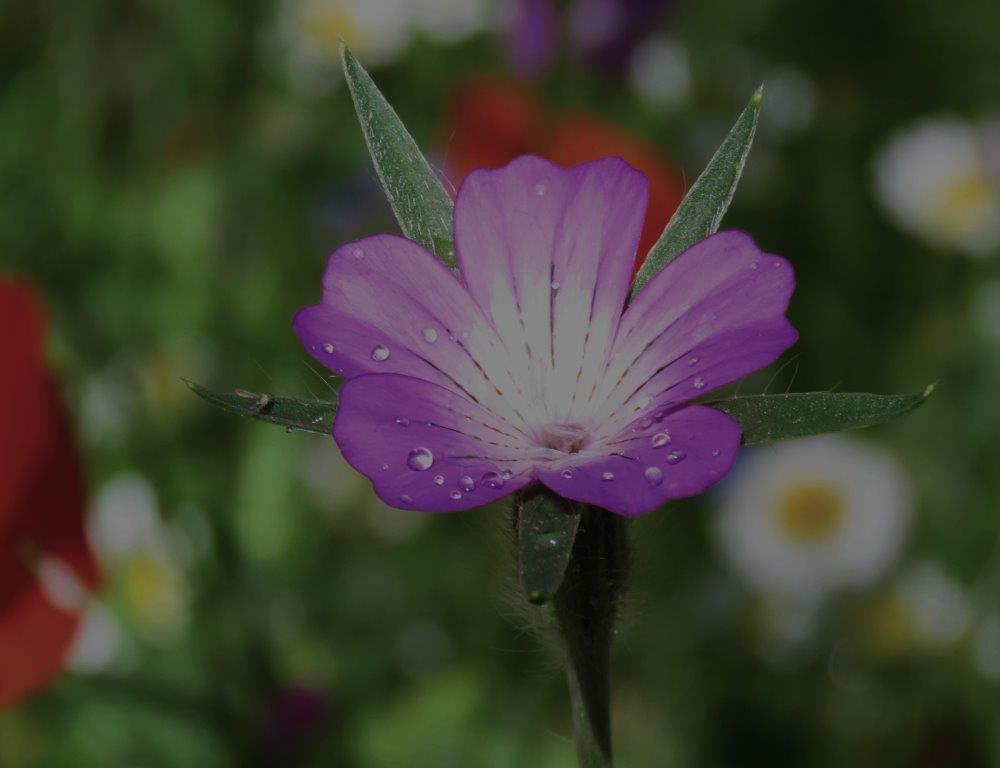
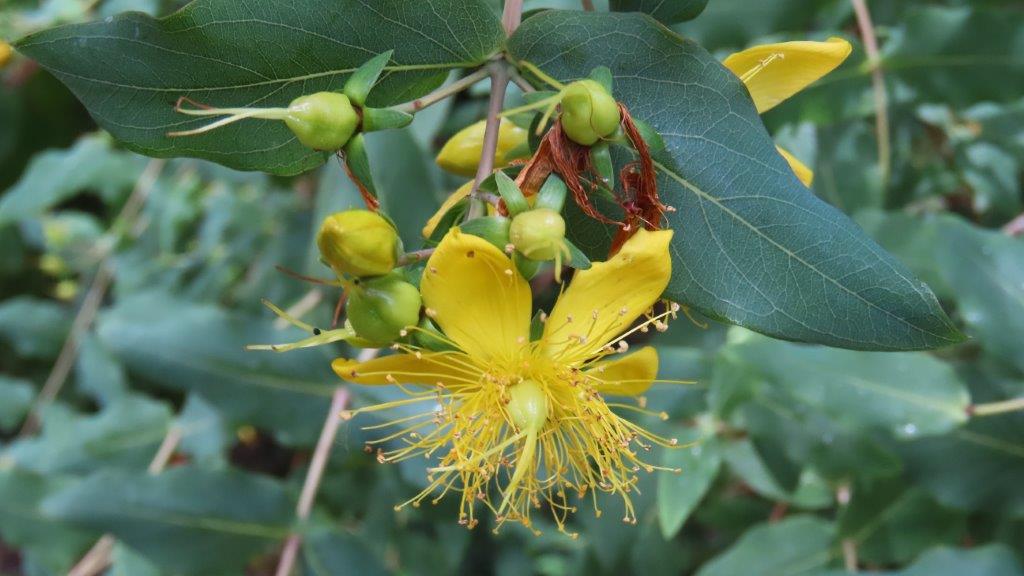
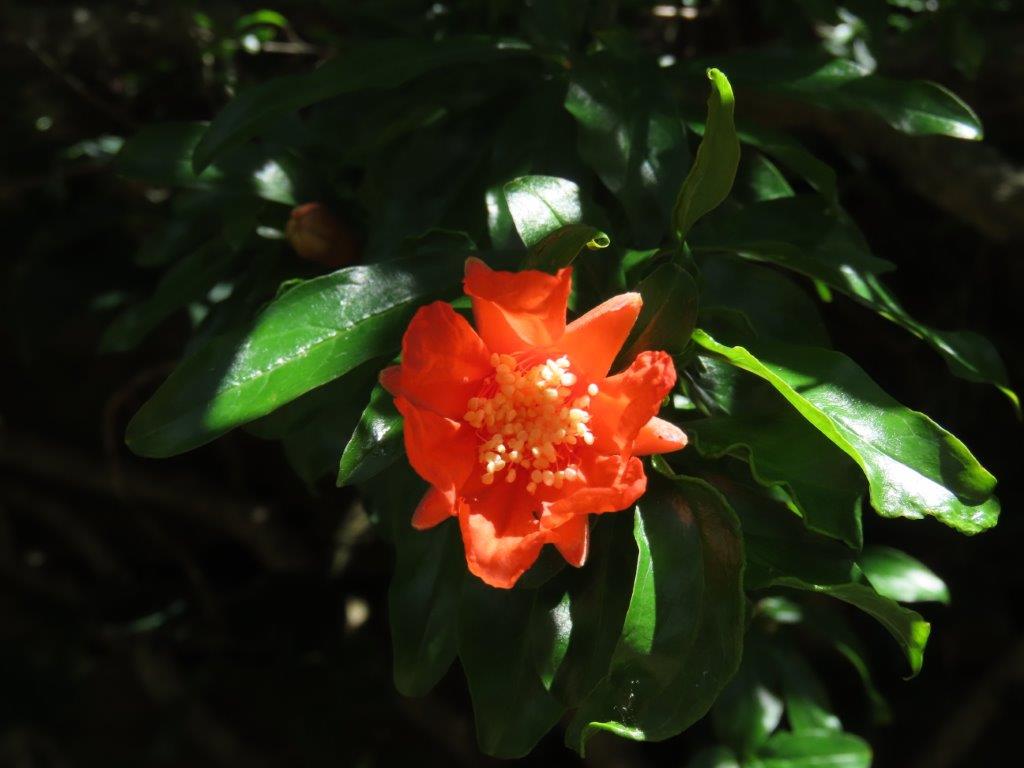
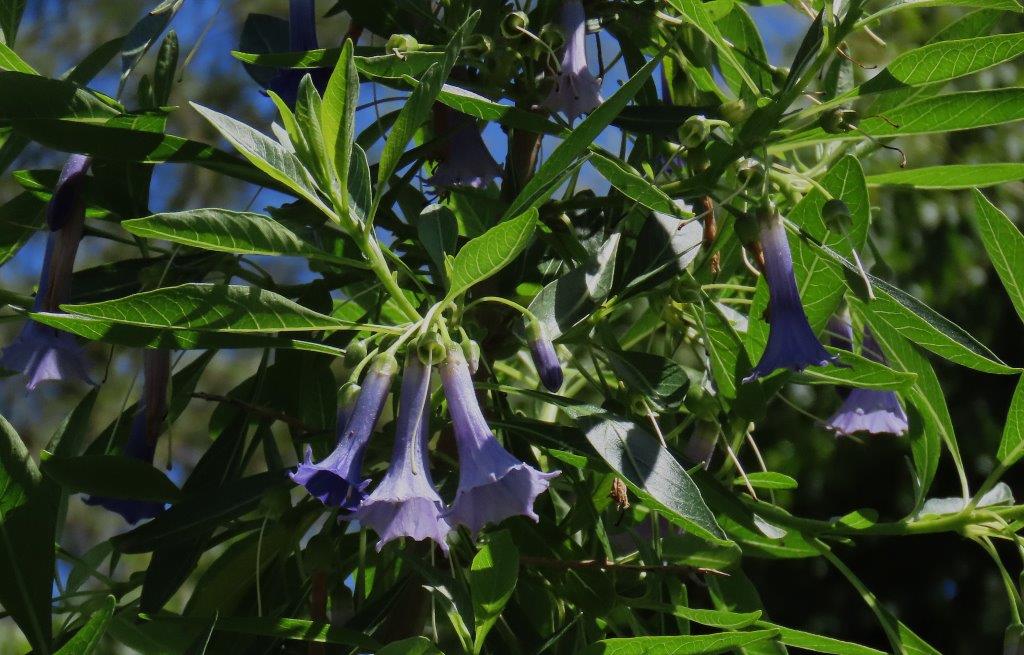
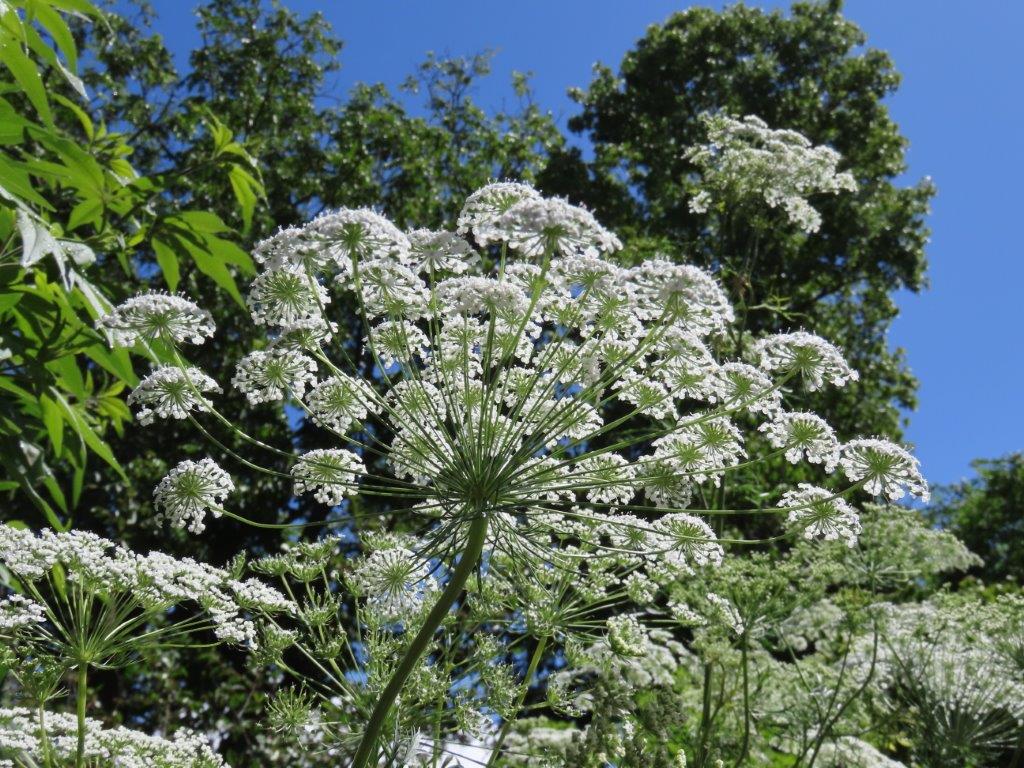
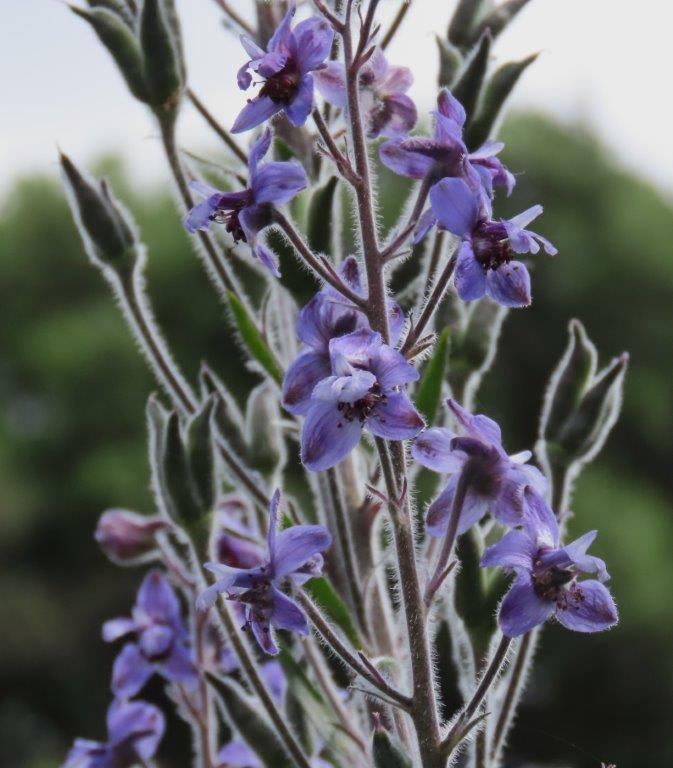
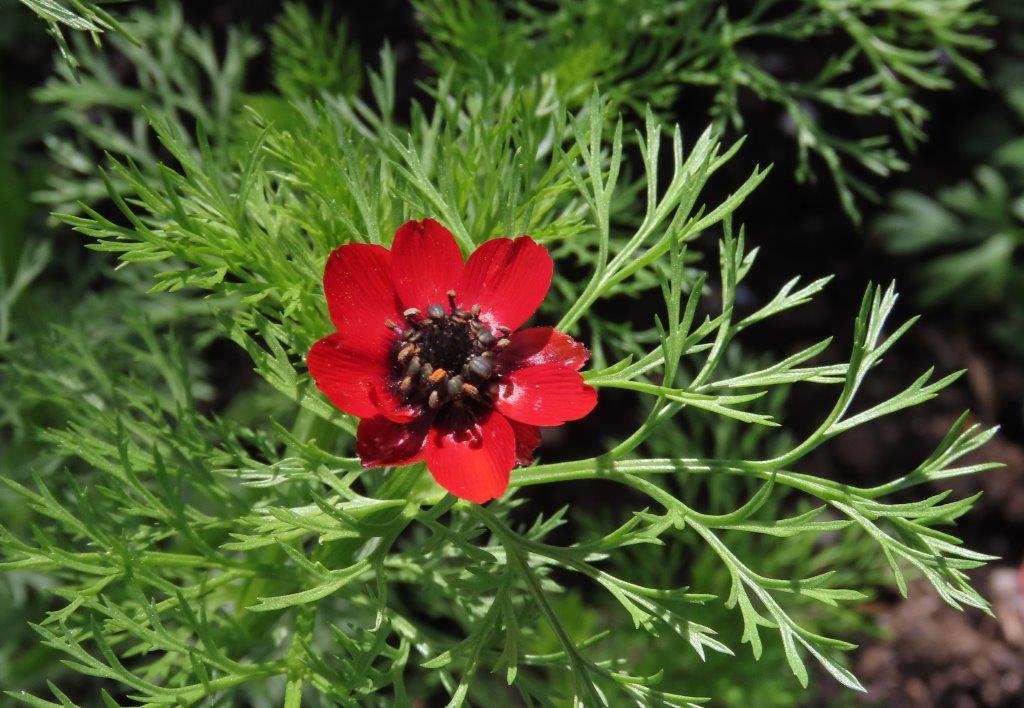
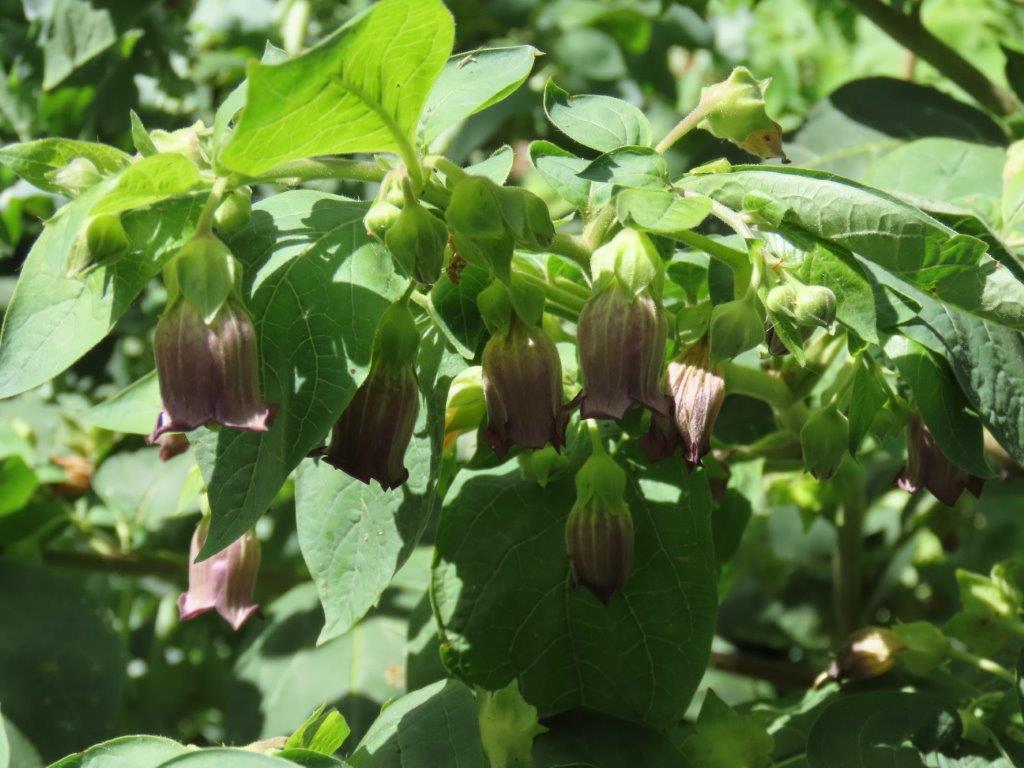
And not just showy flowers: seeds, leaves, stems and fronds were all interesting and photogenic too:
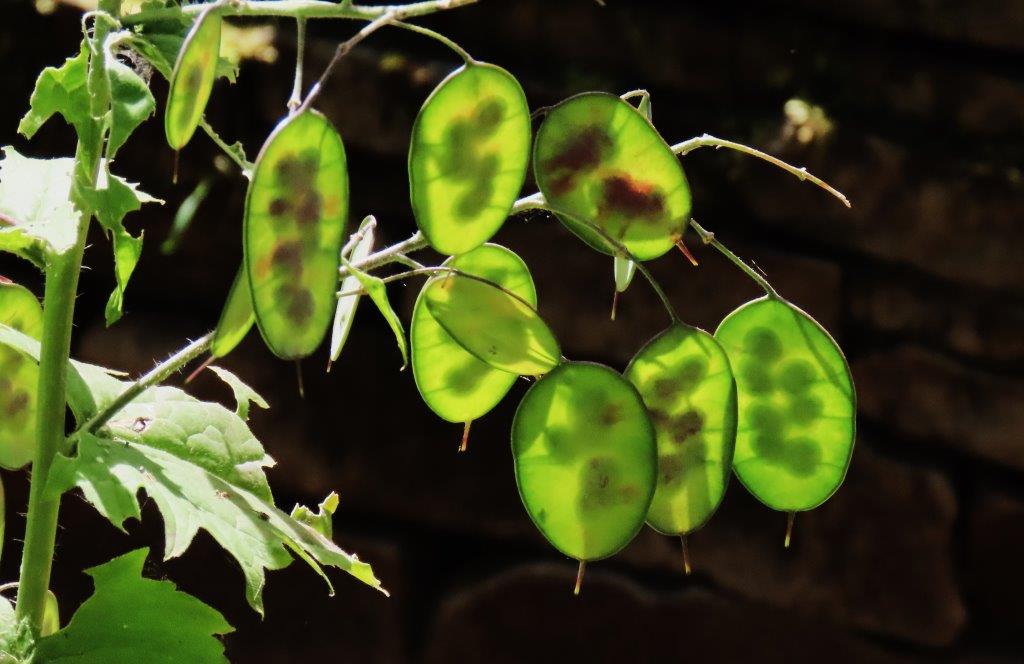
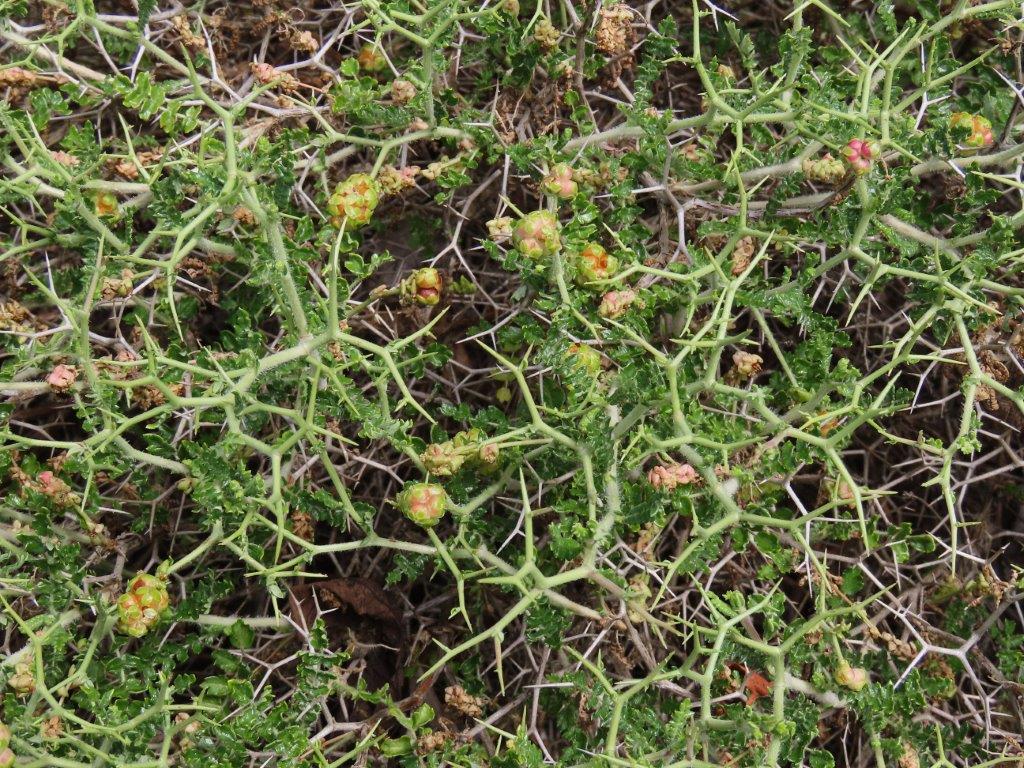
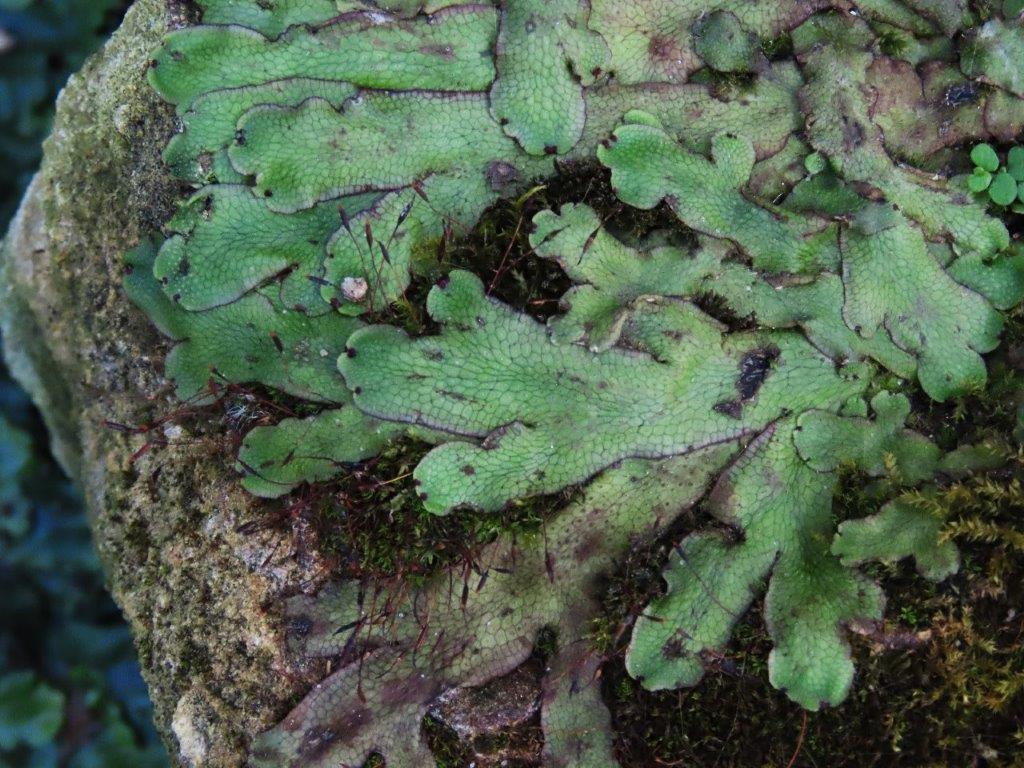
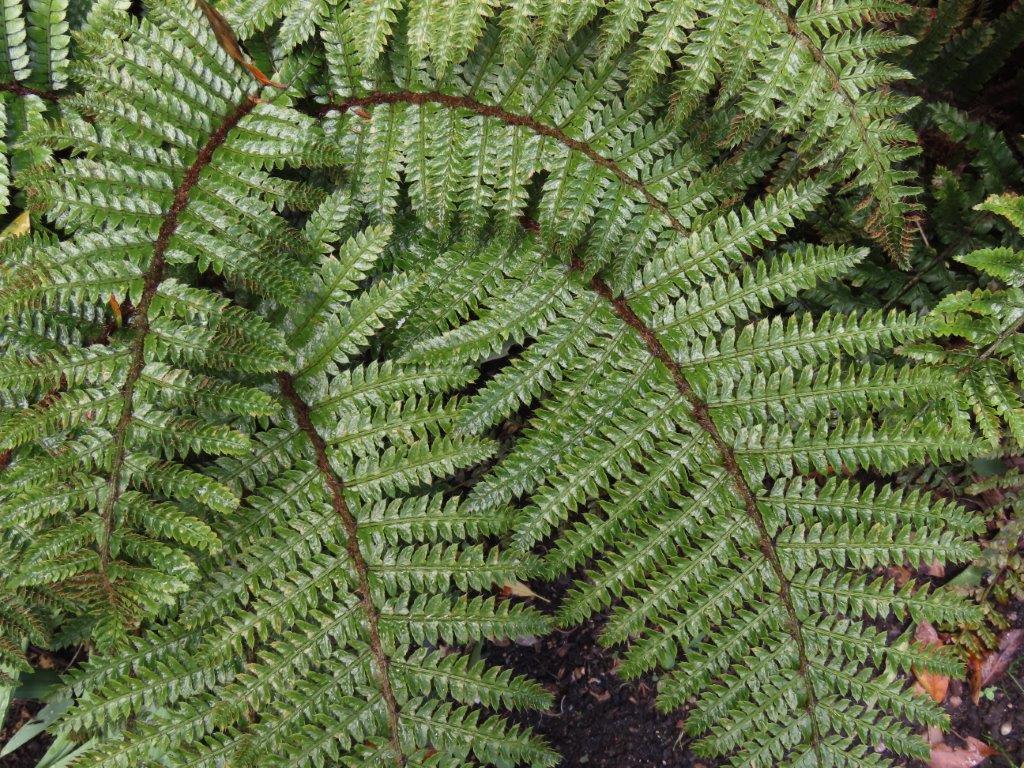
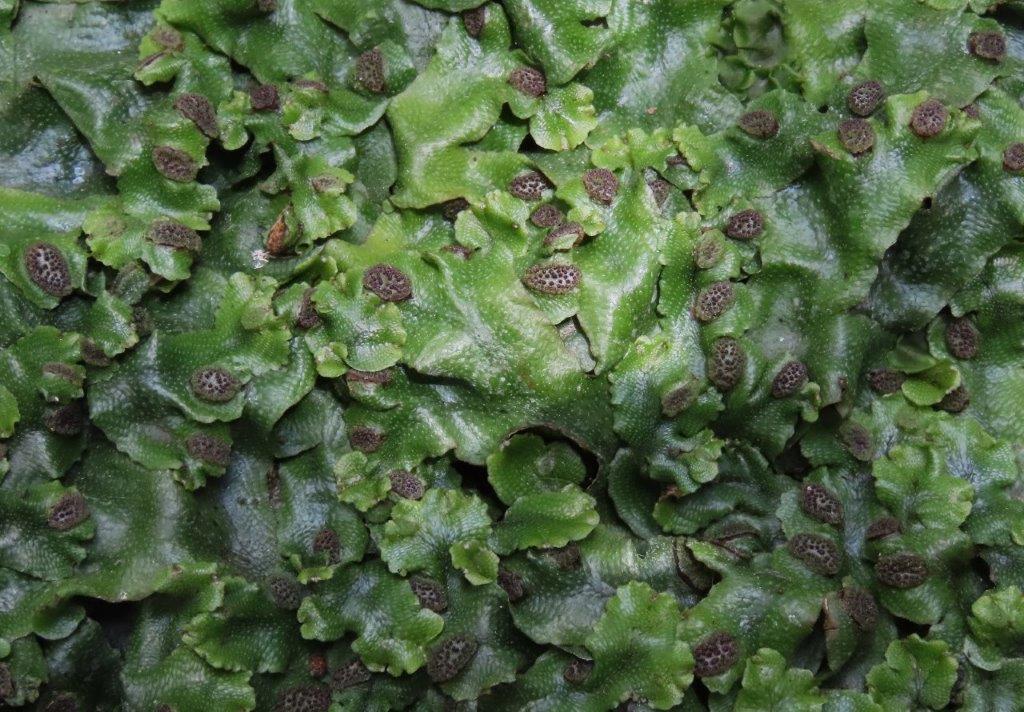
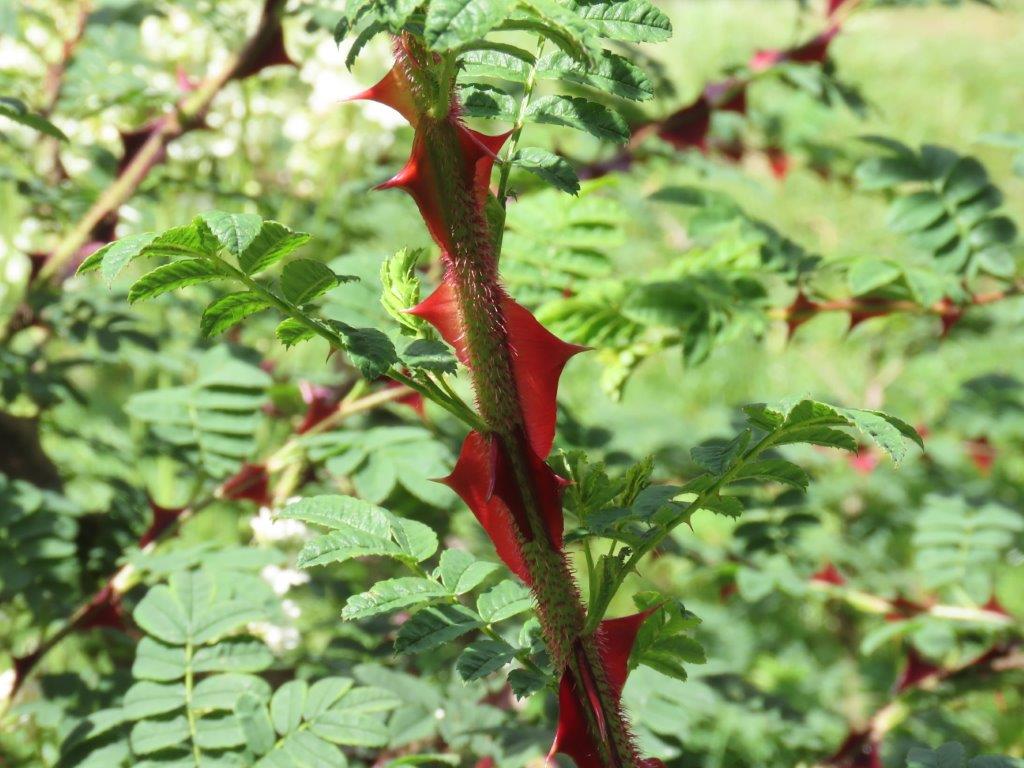
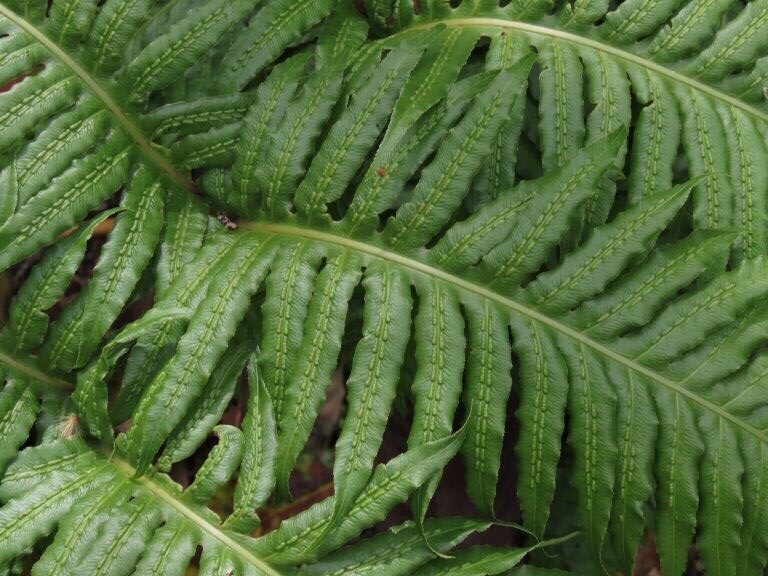
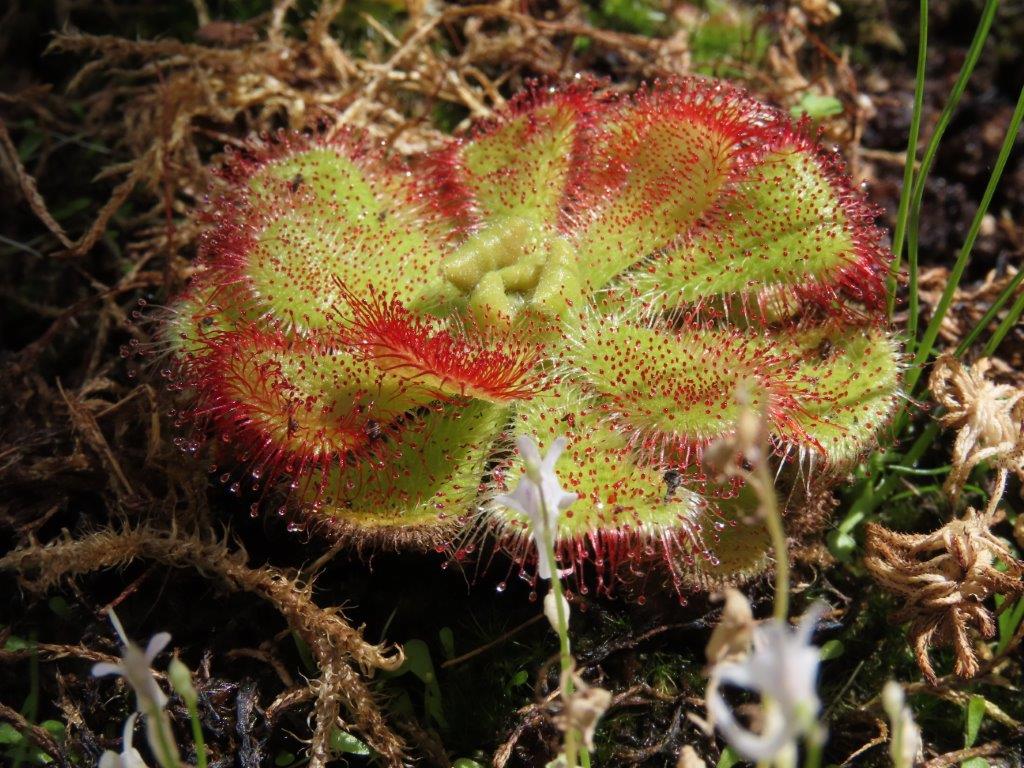
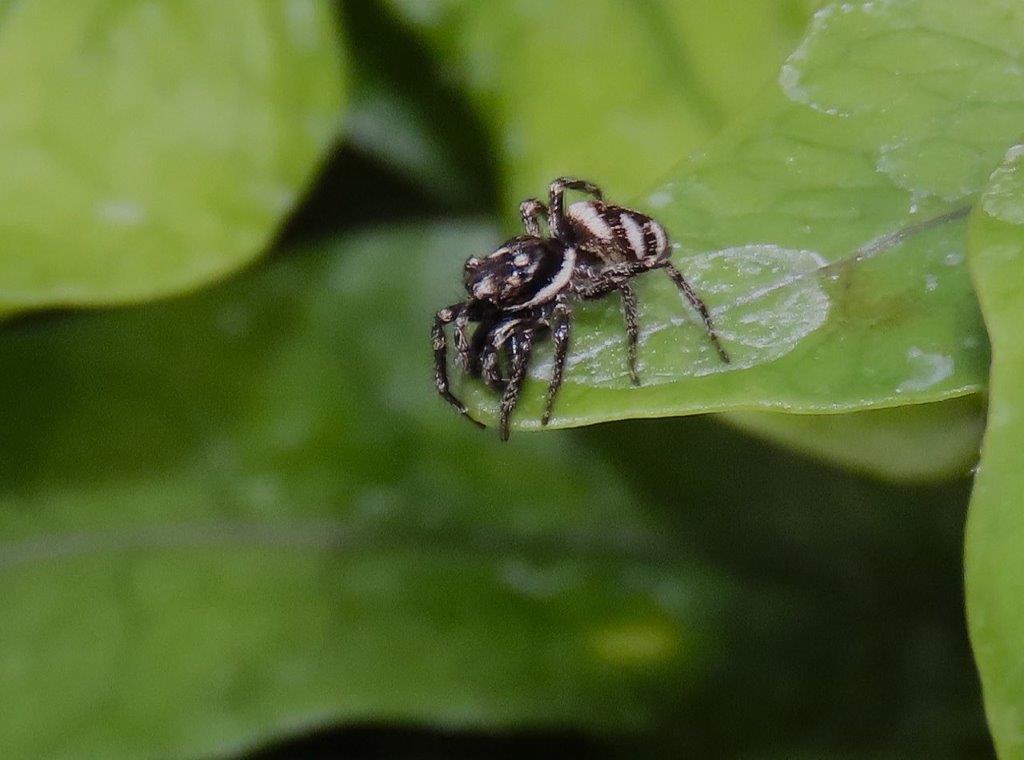
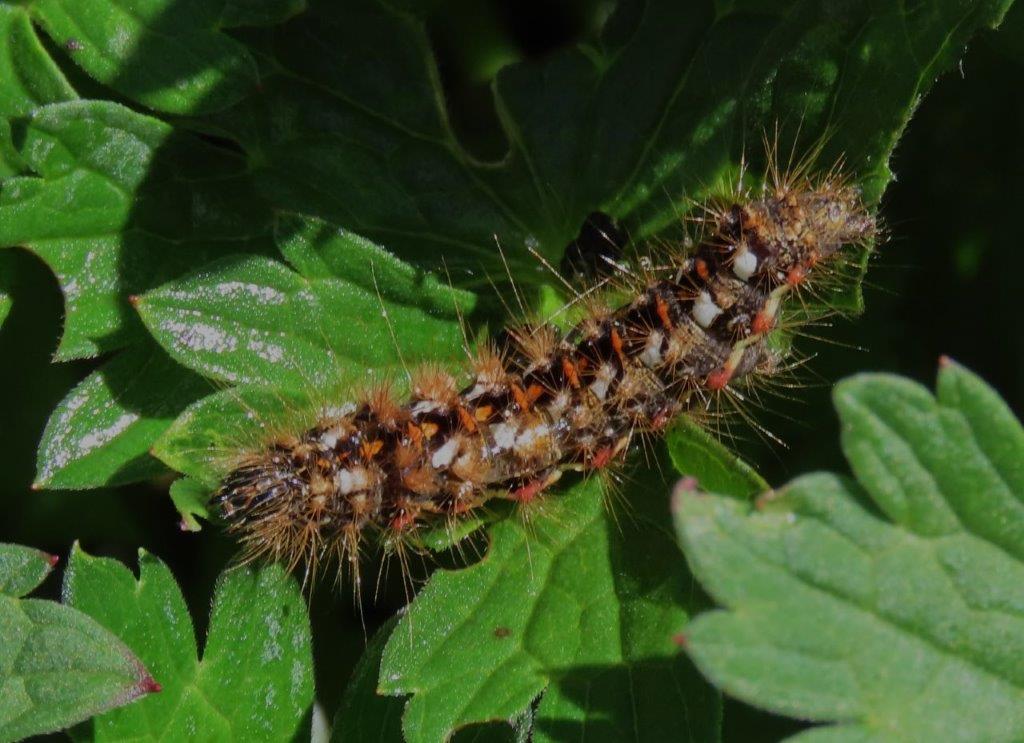
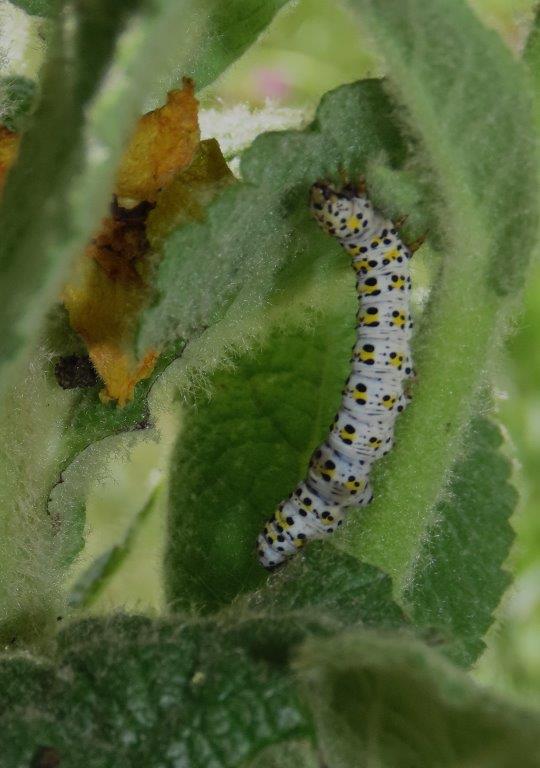
And in the hot, sunny interludes the insects and other invertebrates performed for us, surprisingly abundant given the position of the garden almost surrounded by the metropolis. These included Zebra Jumping-spider, and Mullein and Knot Grass caterpillars, hopefully indicating the garden is managed without recourse to poisons…
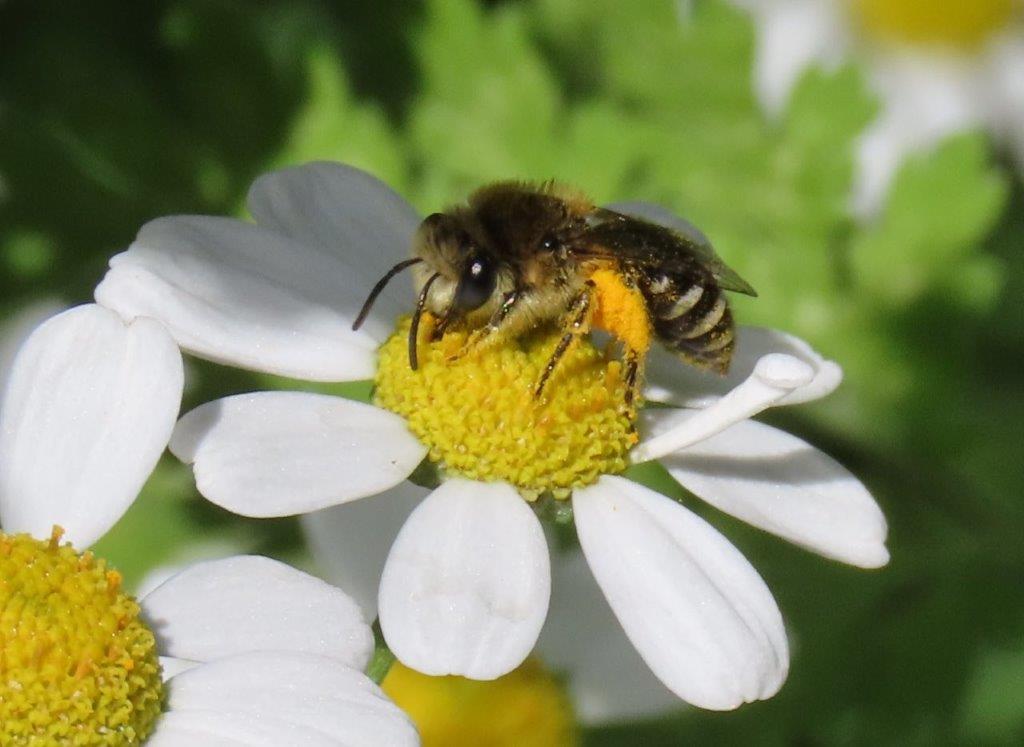
… diverse bees, including Colletes daviesanus agg, Osmia leaiana agg, Gwynne’s Mining-bee, Wool Carder-bee and Honeybee….
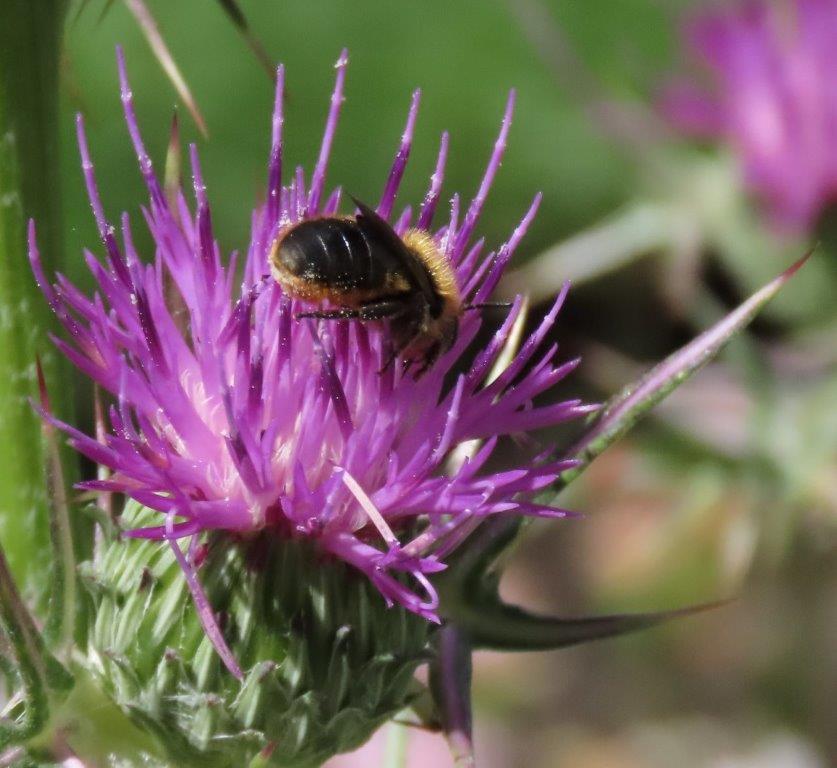
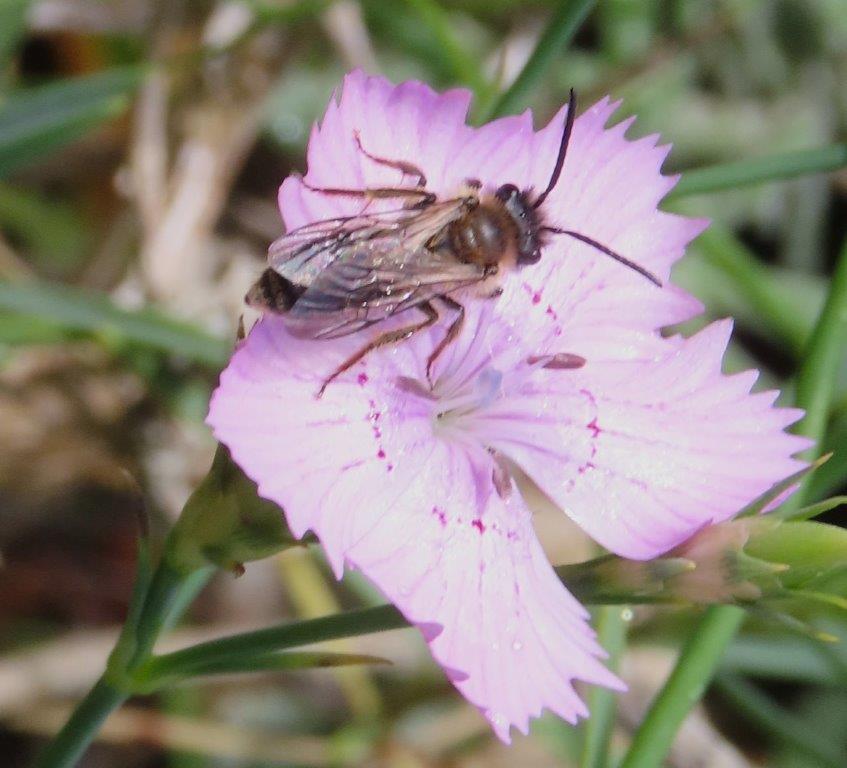
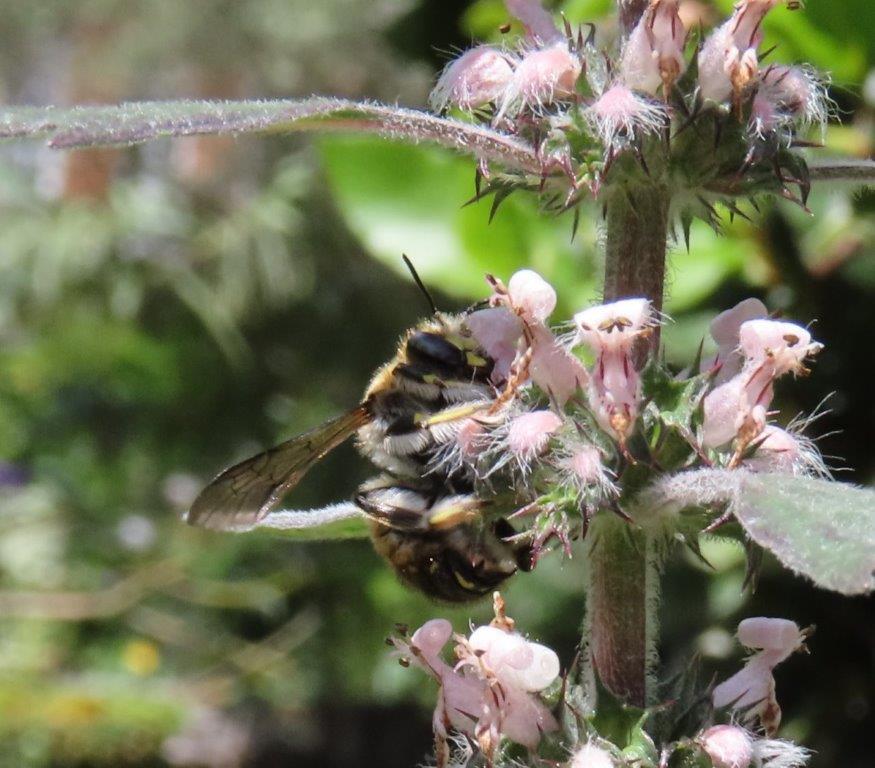
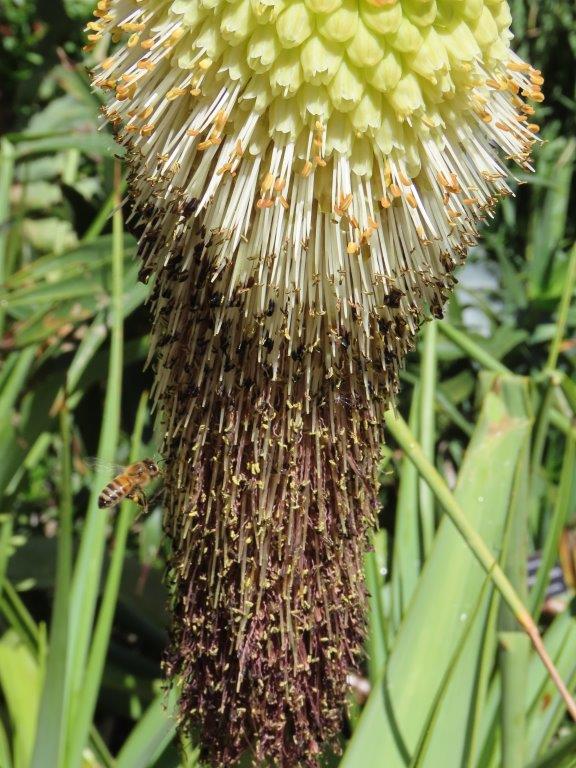
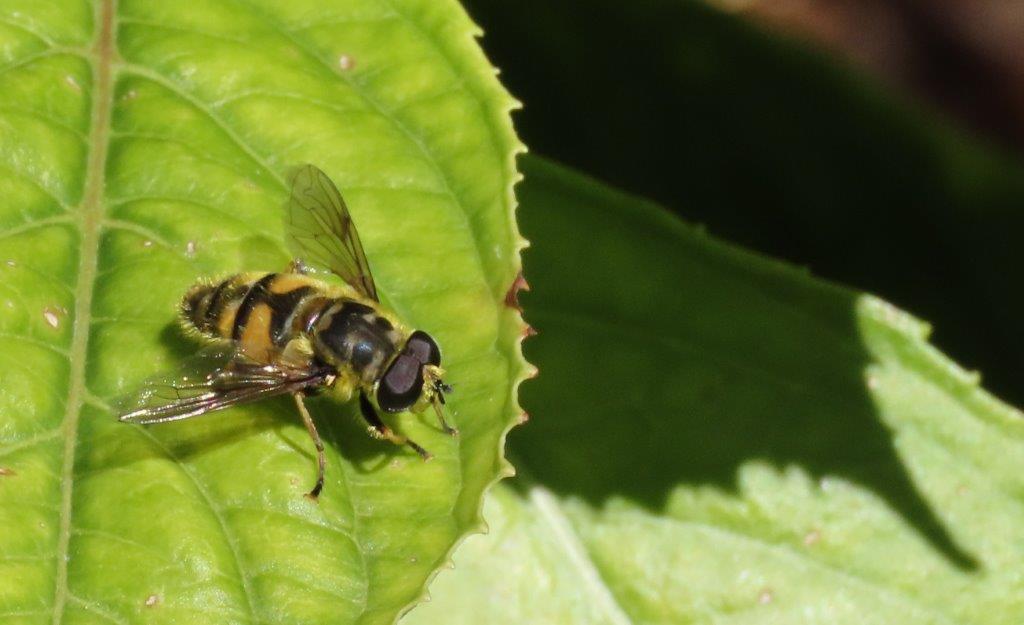
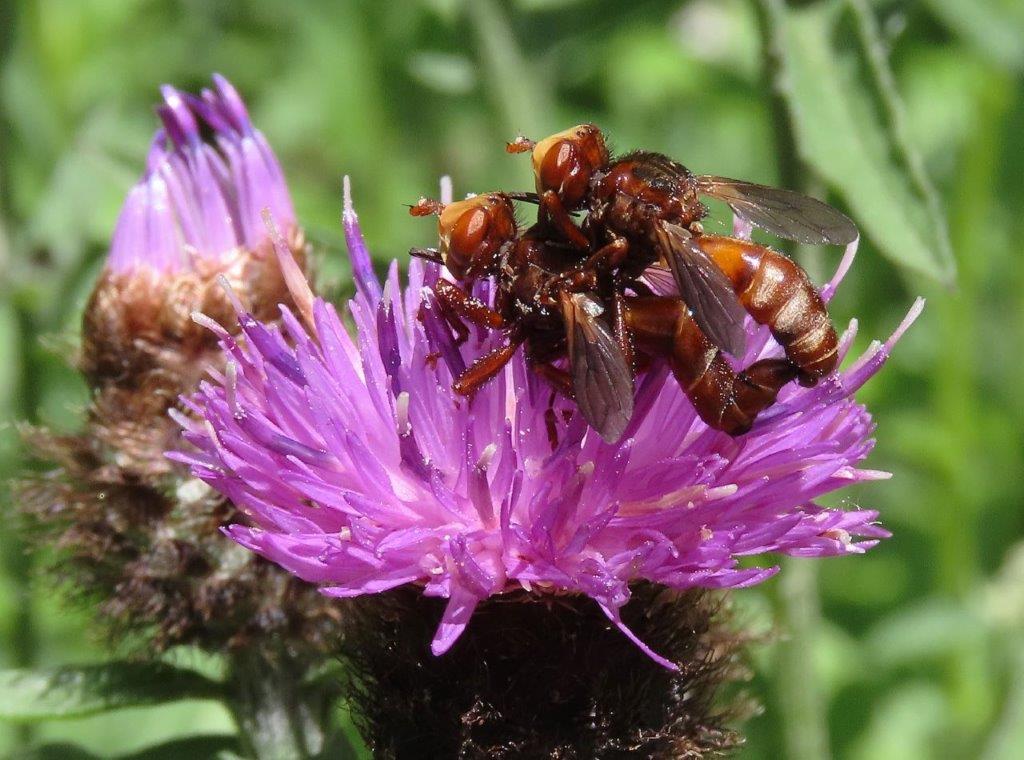
… Batman Hoverfly and Ferruginous Bee-grabbers (‘Gargoyle Flies’ to us!) mating….
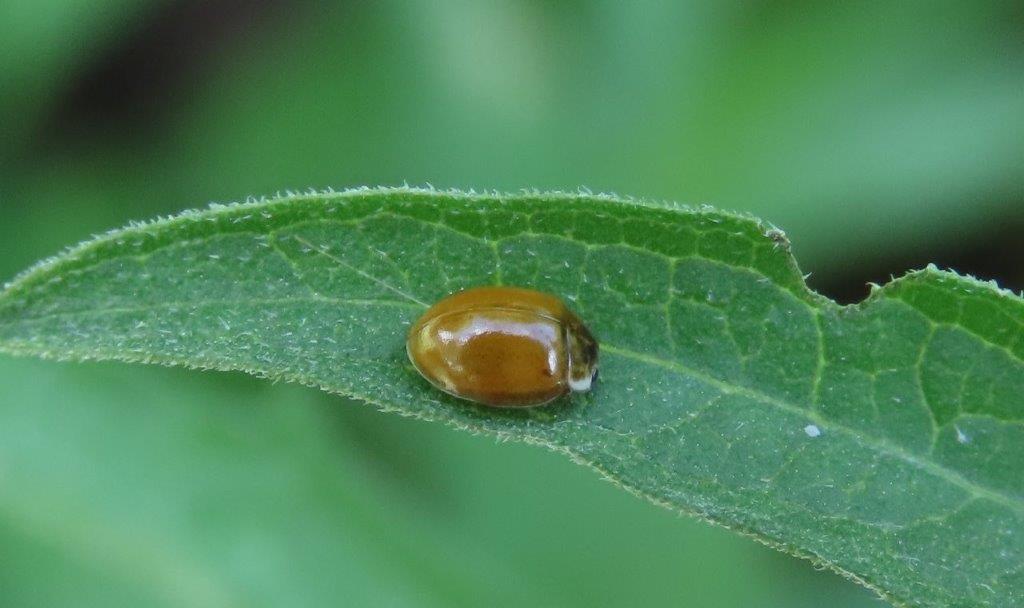
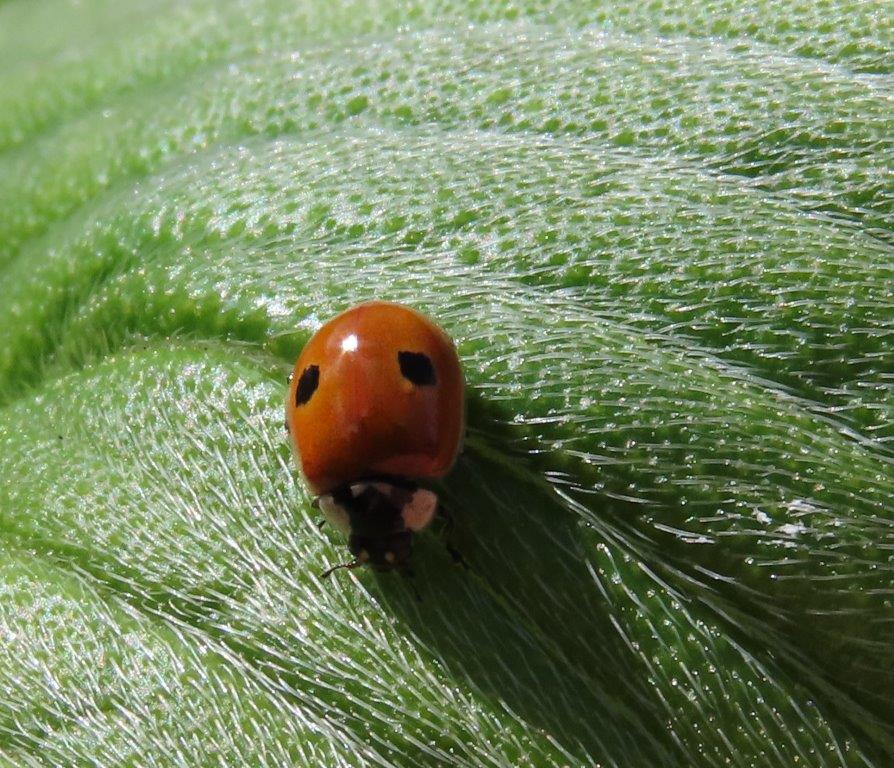
… 10-spot and 2-spot Ladybirds (the latter seems to be resurgent this year)…
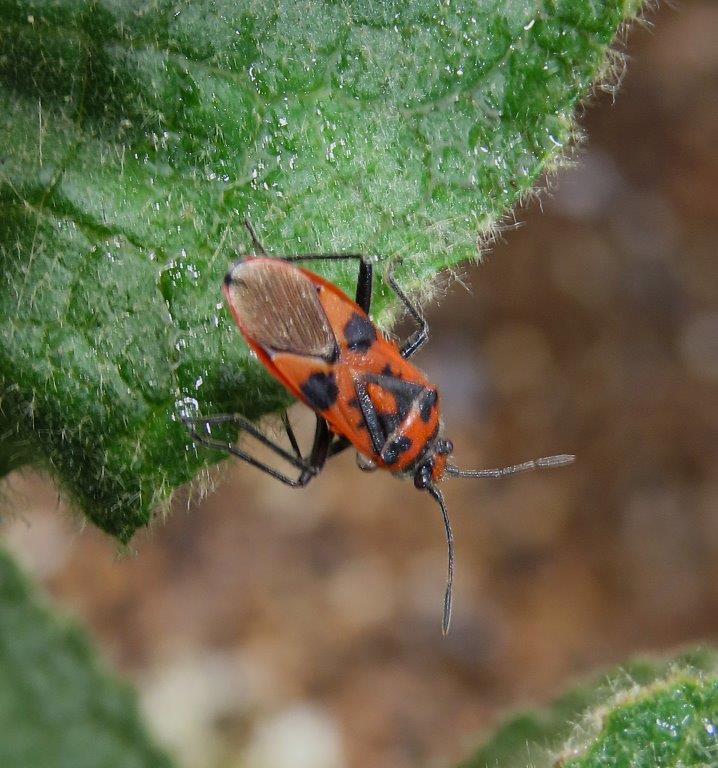
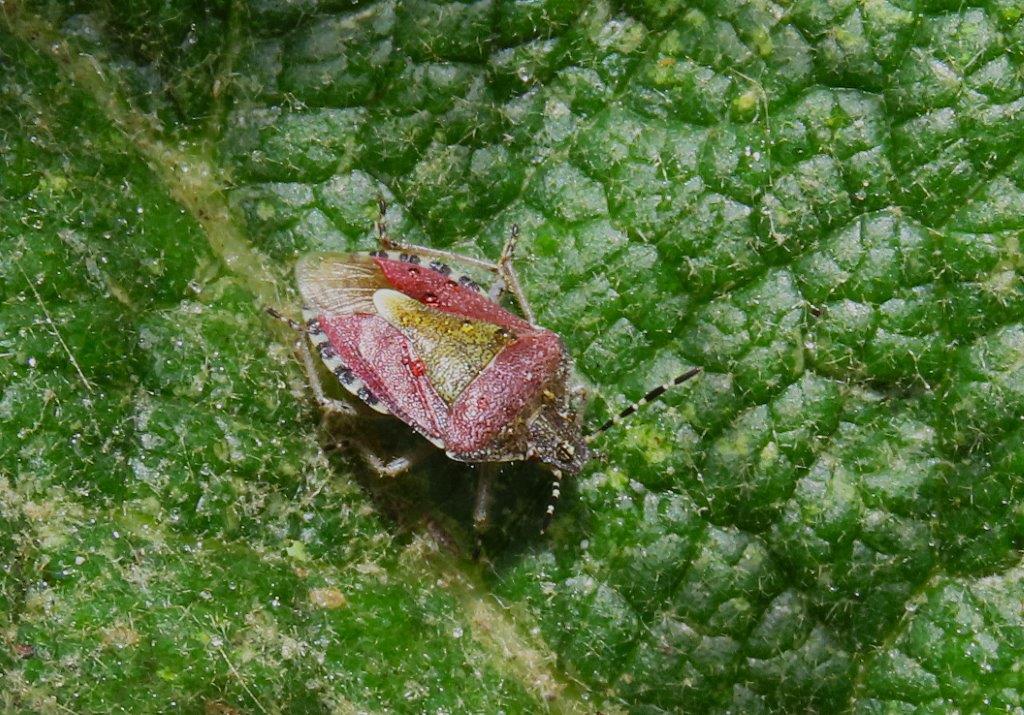
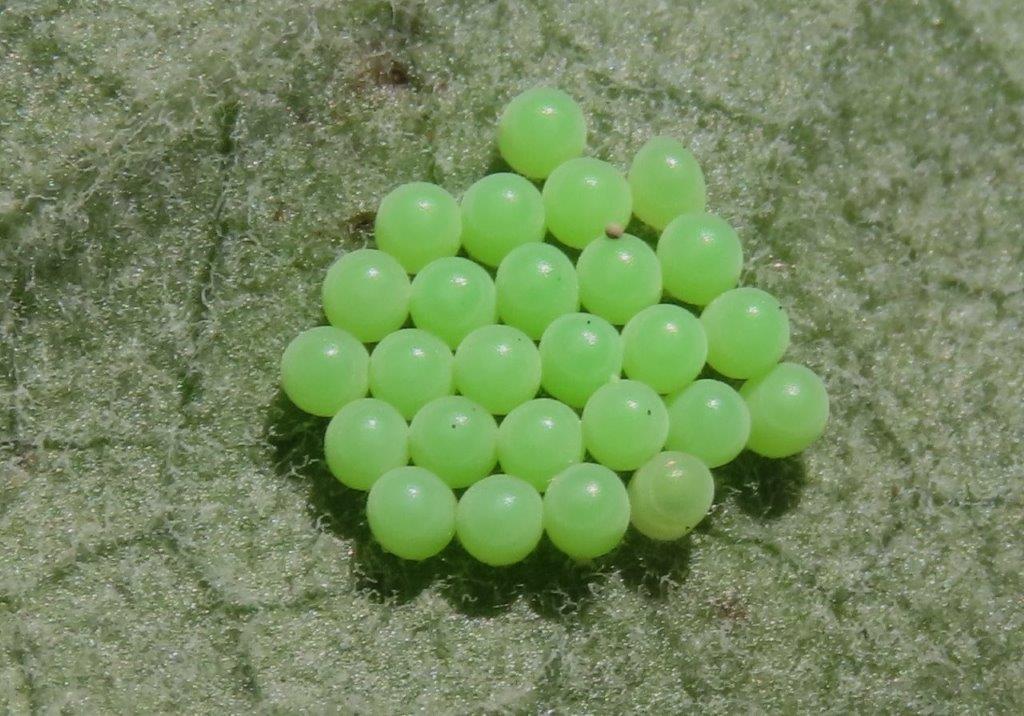
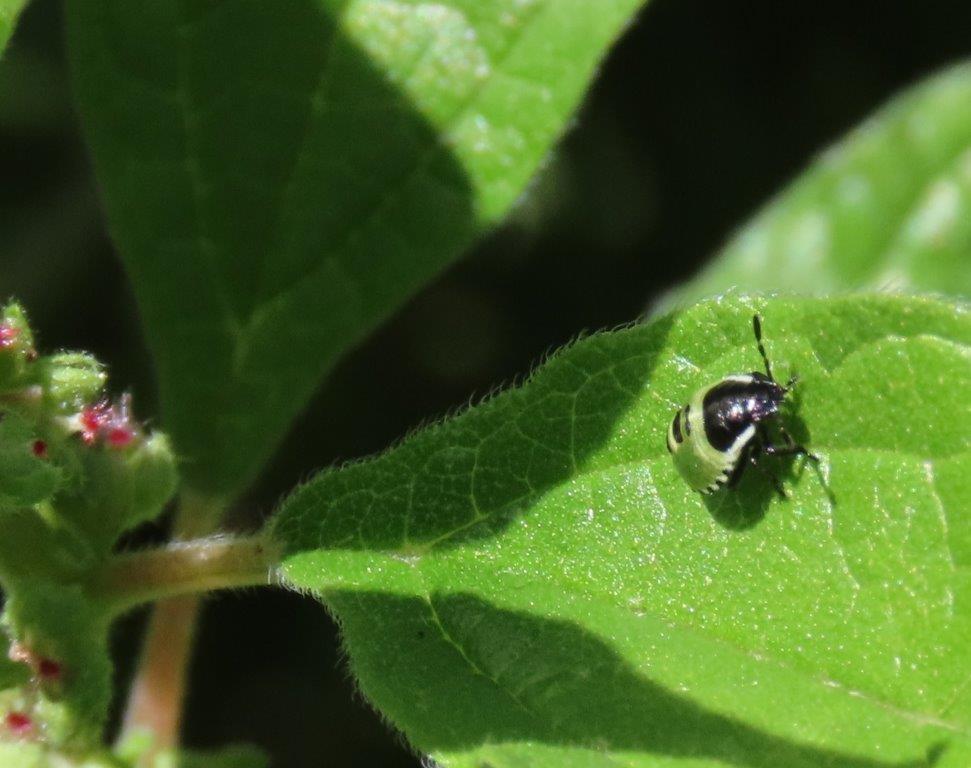
…Cinnamon Bug, Hairy Shieldbug and the eggs and nymph of Green Shieldbug…
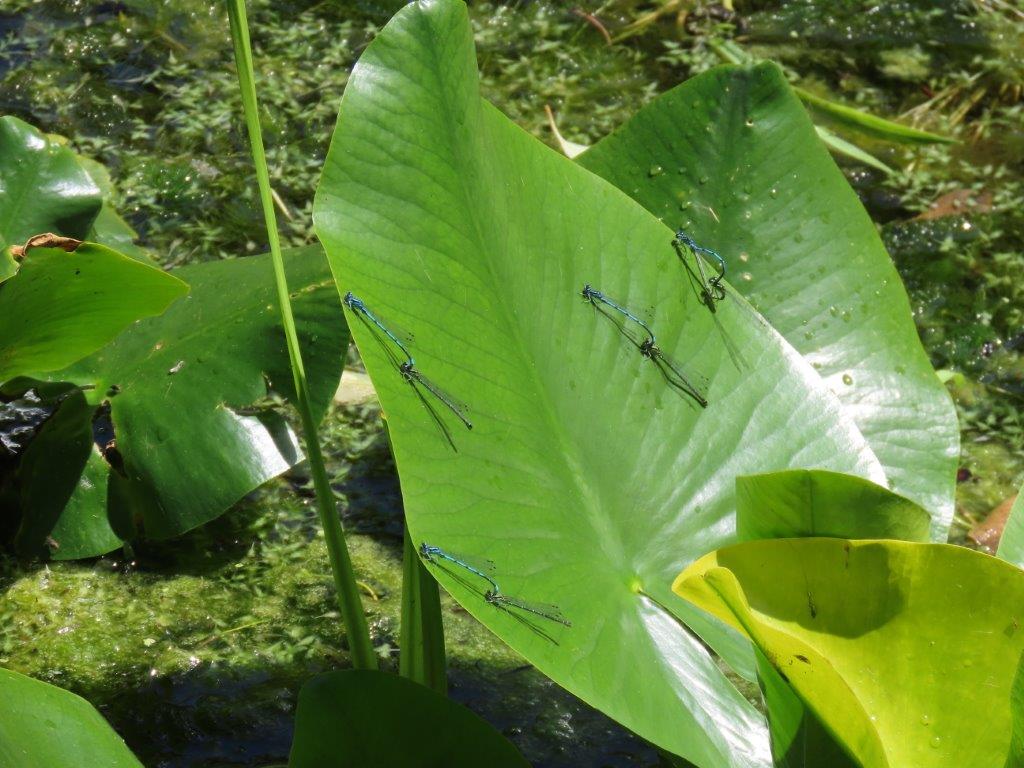
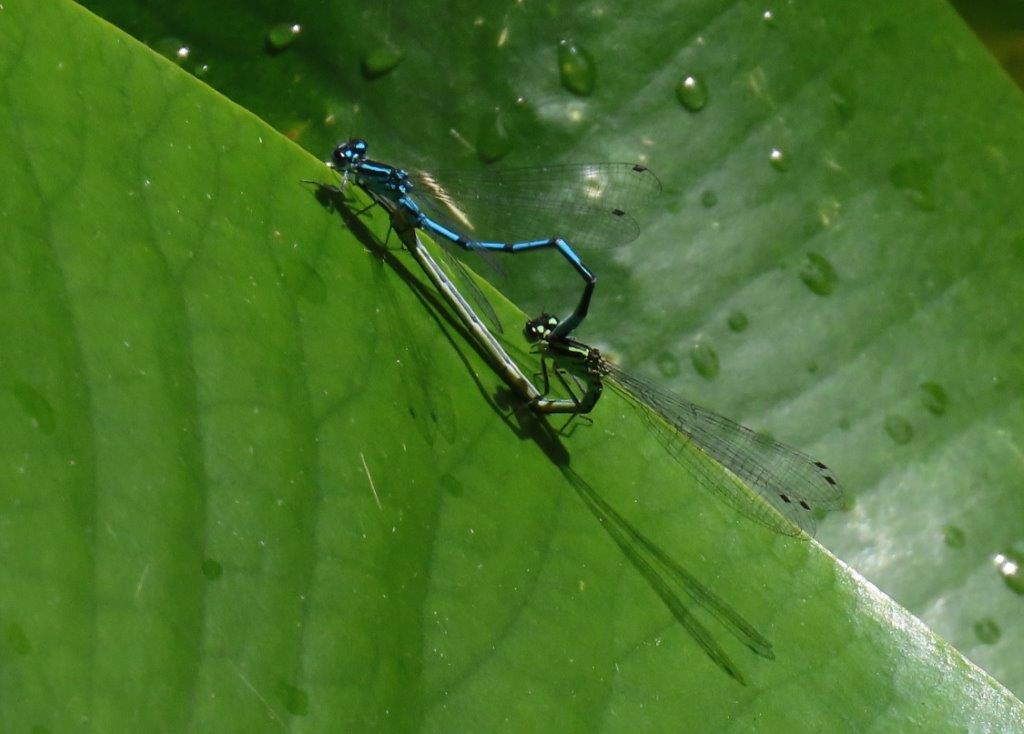
… and lots of Azure Damselflies busy making more Azure Damselflies.
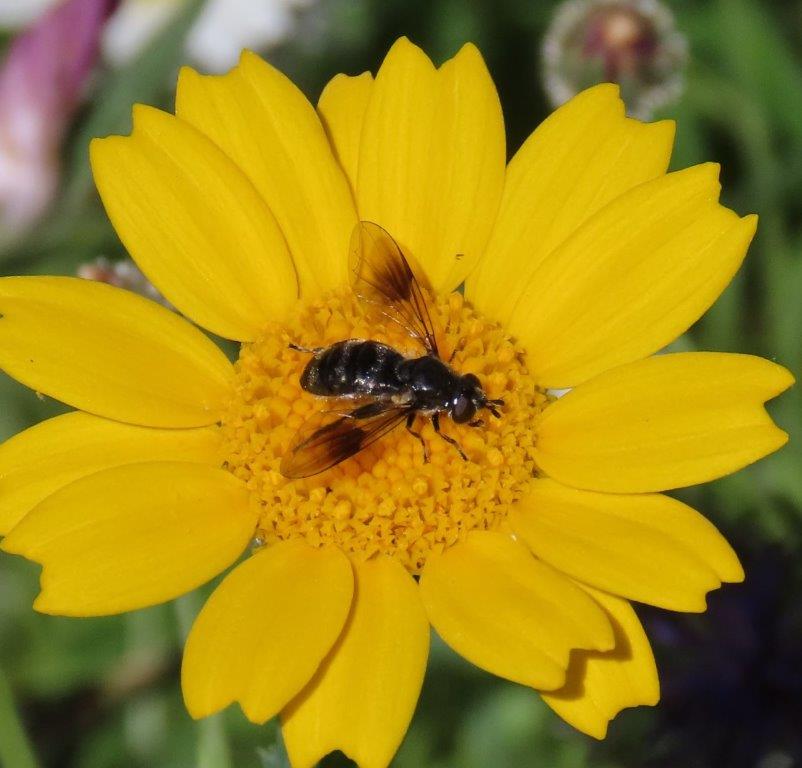
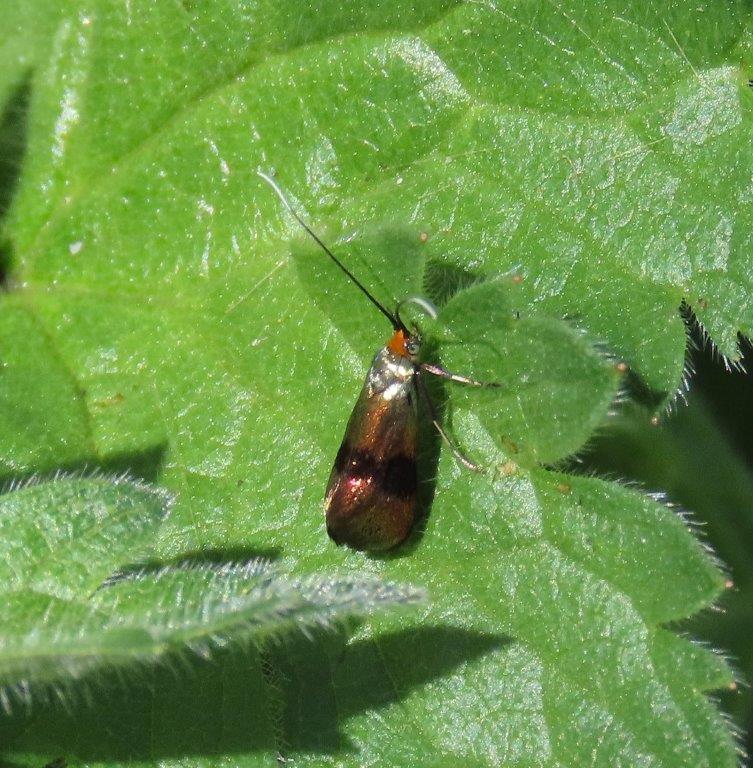
Perhaps the most interesting finds, none of which are shown from London on the NBN maps were the cloud-winged hoverfly Pipiza lugubris (with recorded sites no closer than Cobham and Grays) and the banded metallic longhorn moth Nemophora fasciella, a scarce East Anglian species that the map shows reaching only as far south and west as Dartford, an apparently significant range extension.
Then it was over to Oxford Botanic Garden, again my second visit.
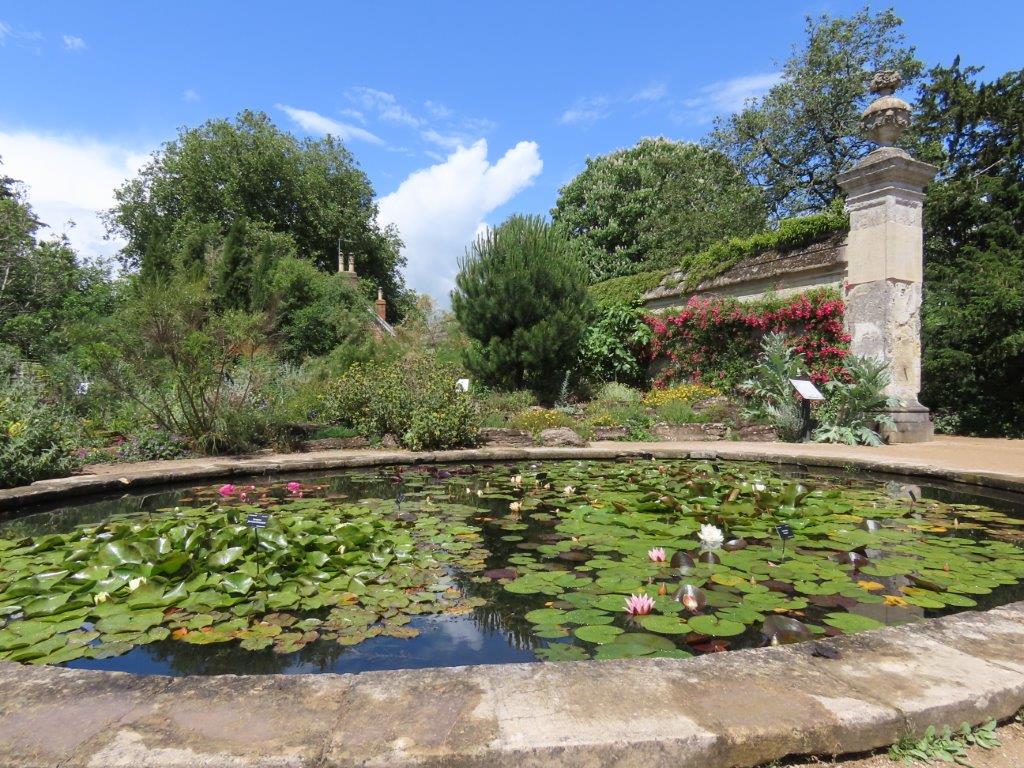
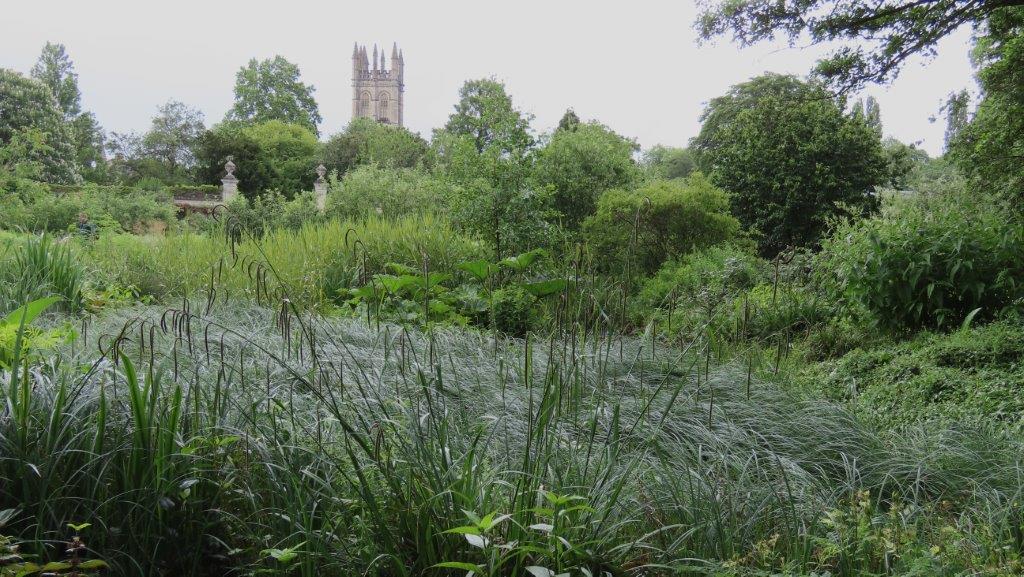
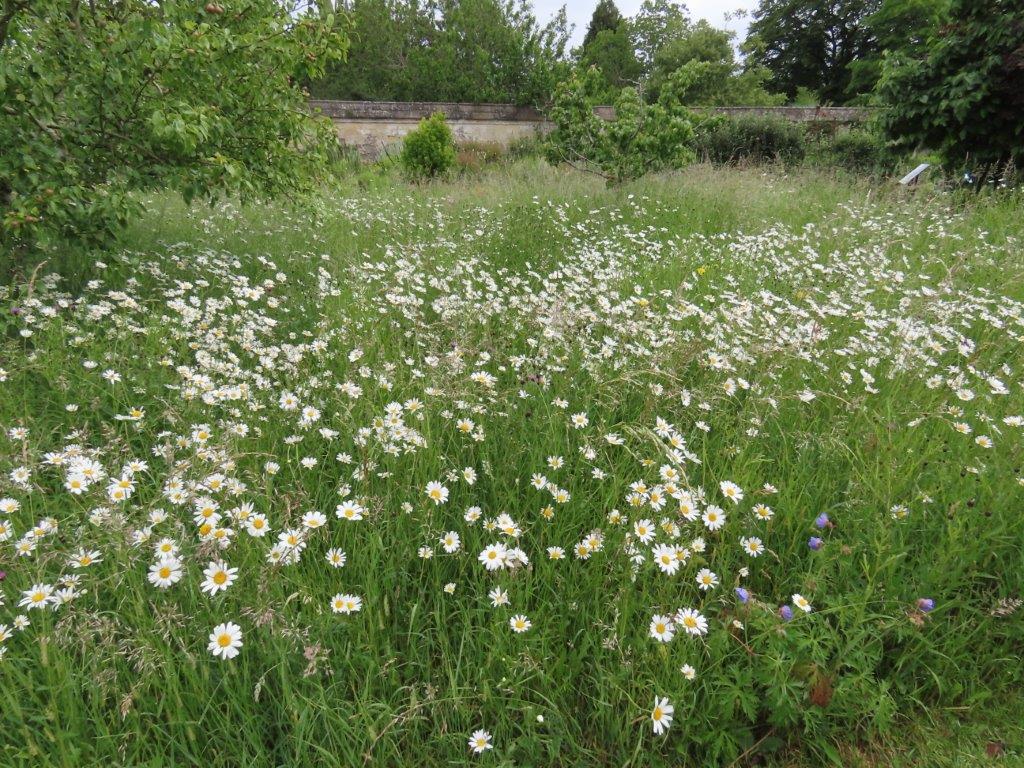
Here is a treasure trove of botanical riches, with some important conservation collections of endangered endemic plants from places like the Canary Islands and other Atlantic islands gathered in Britain’s oldest botanic garden.
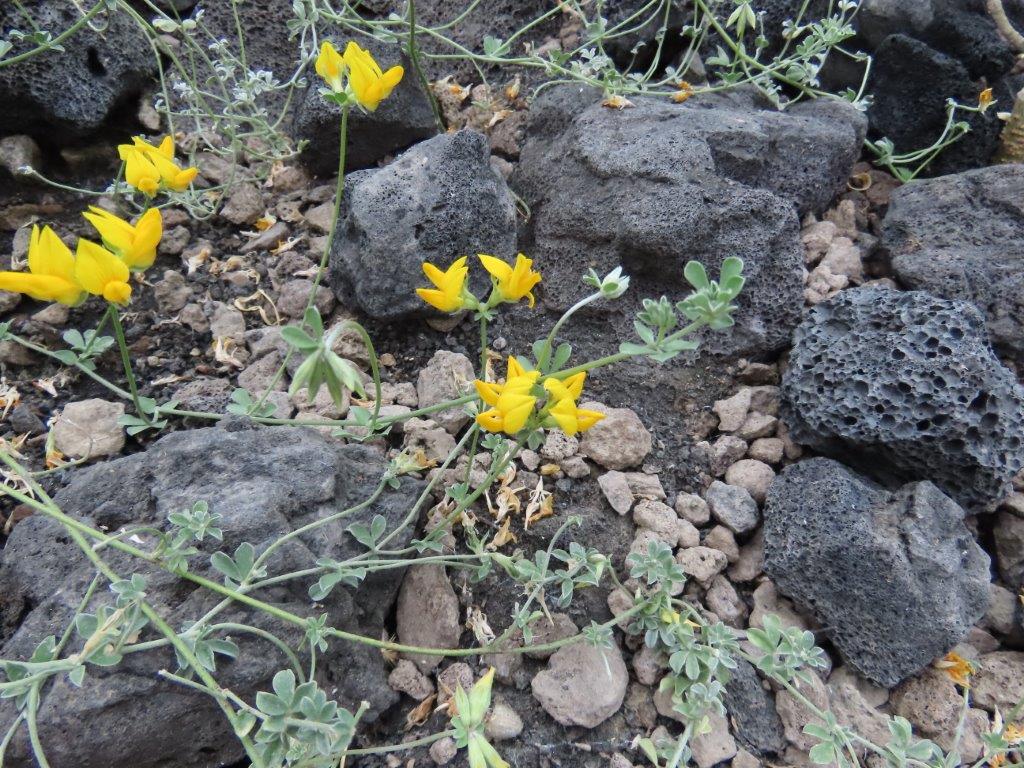
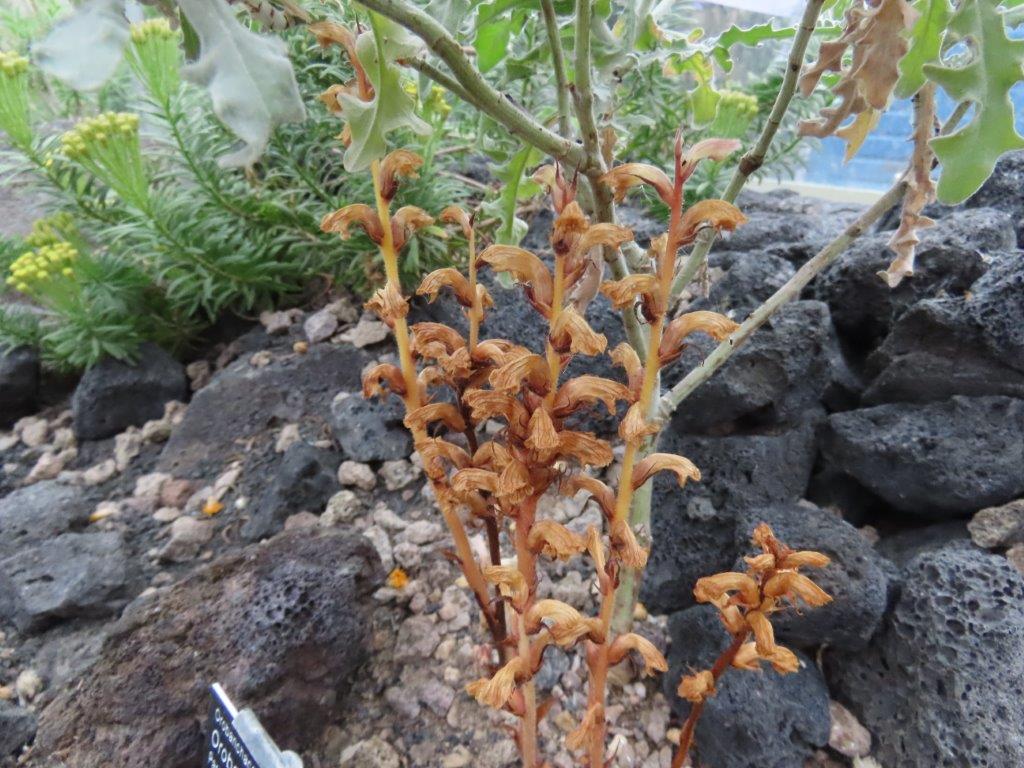
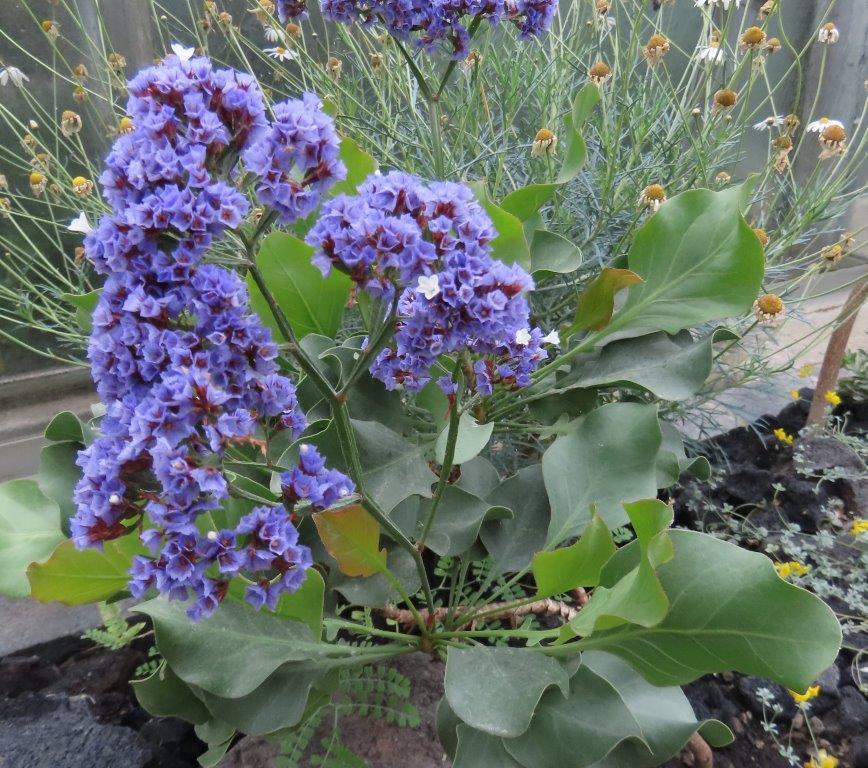
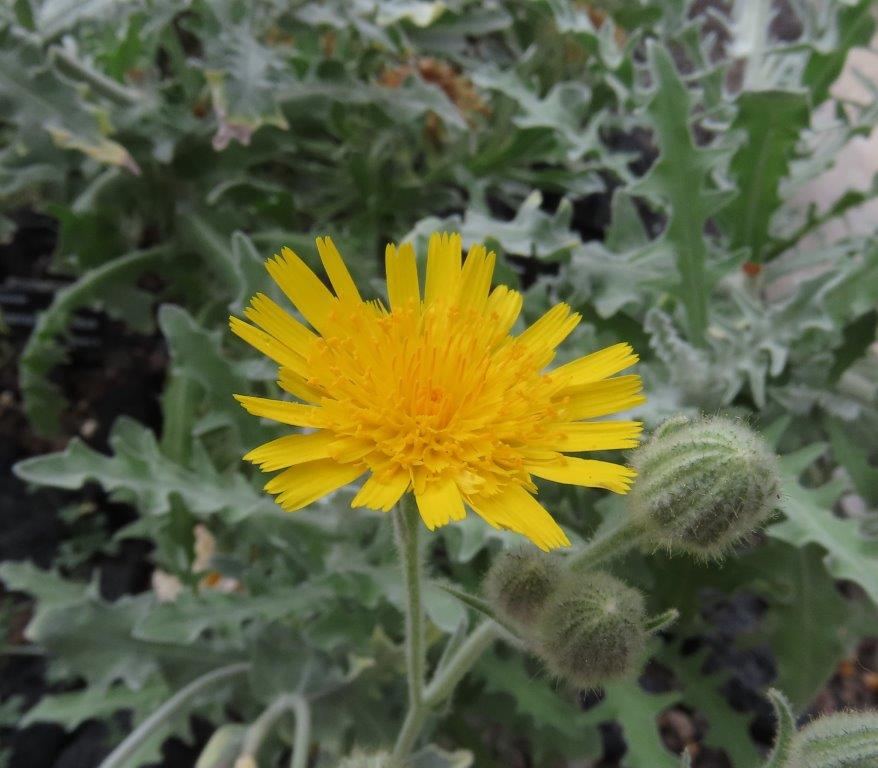
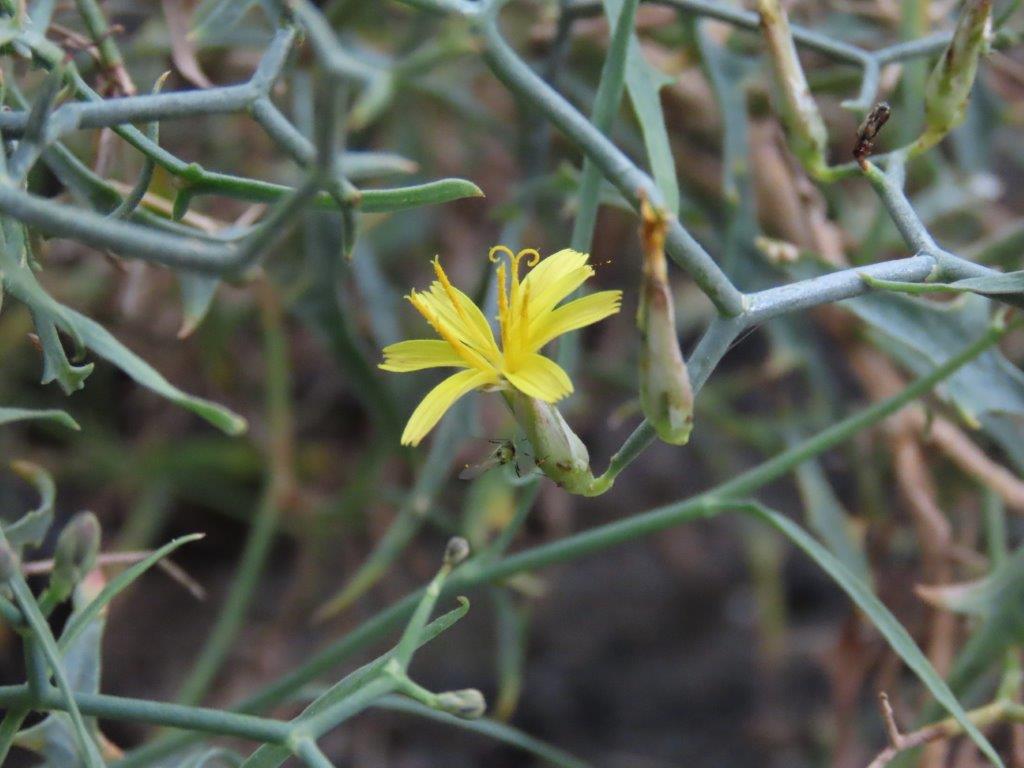
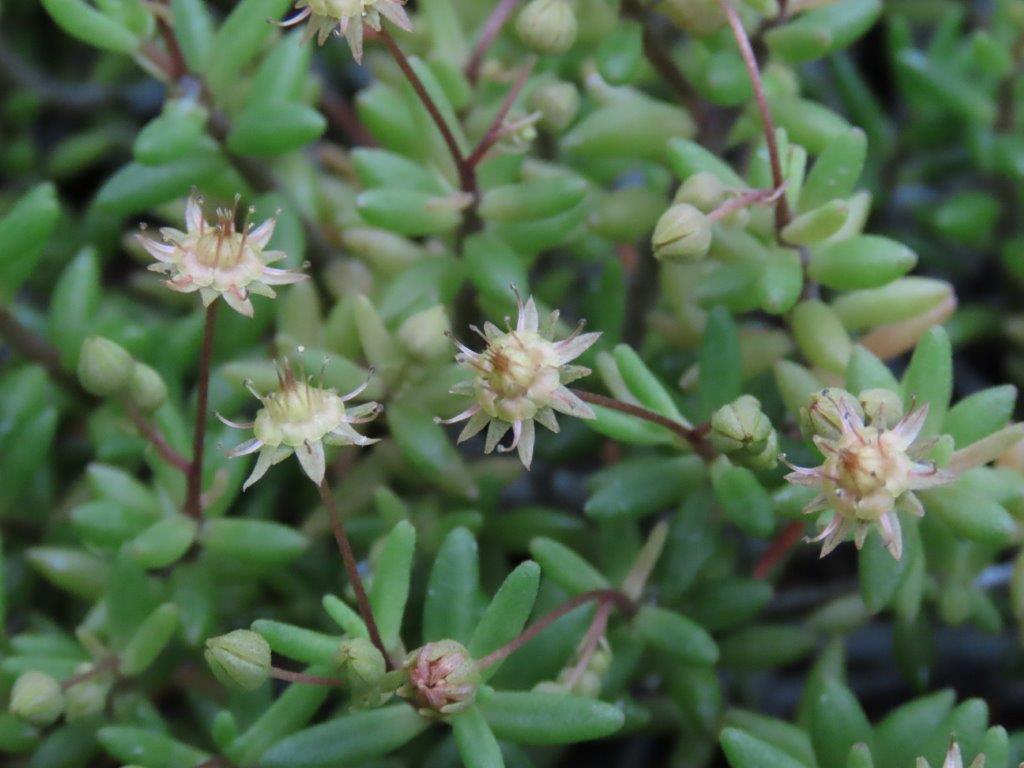
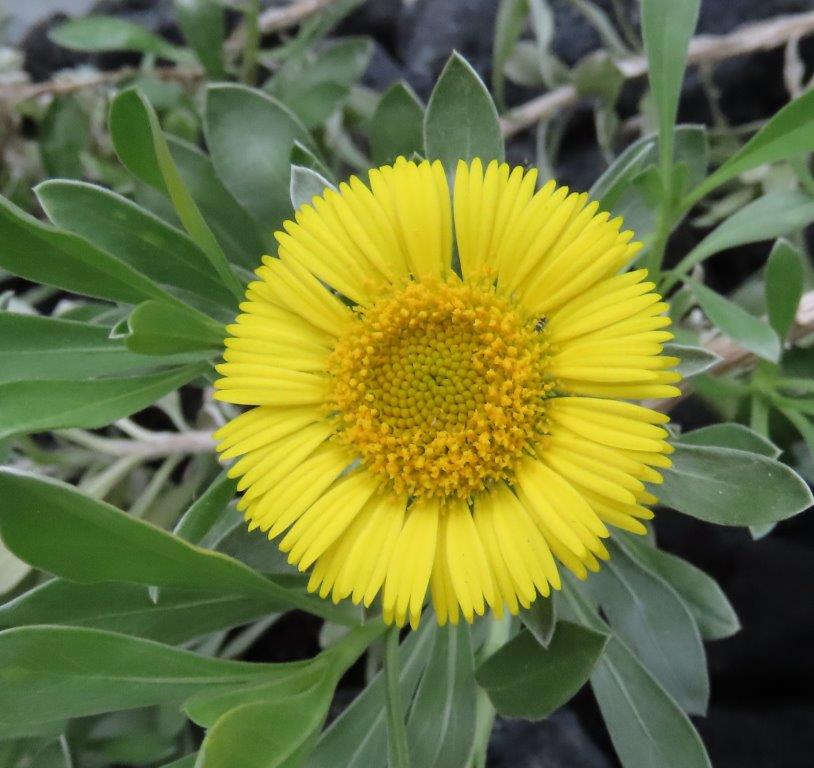
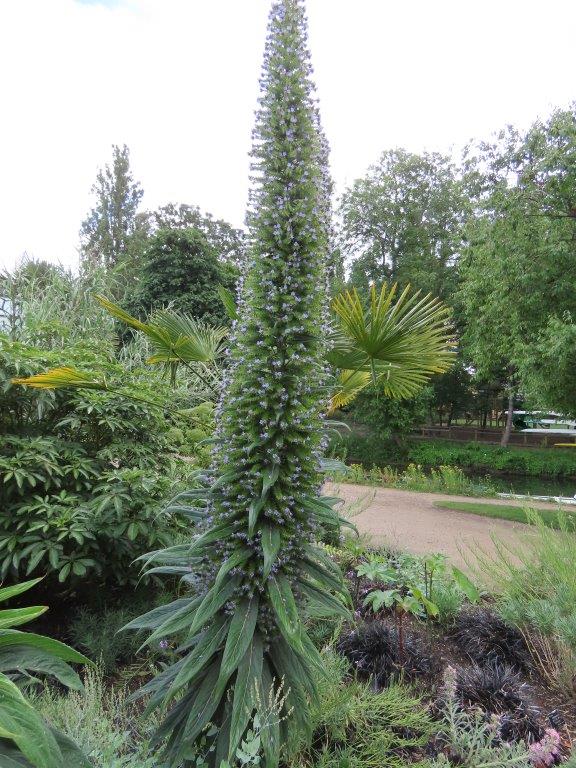
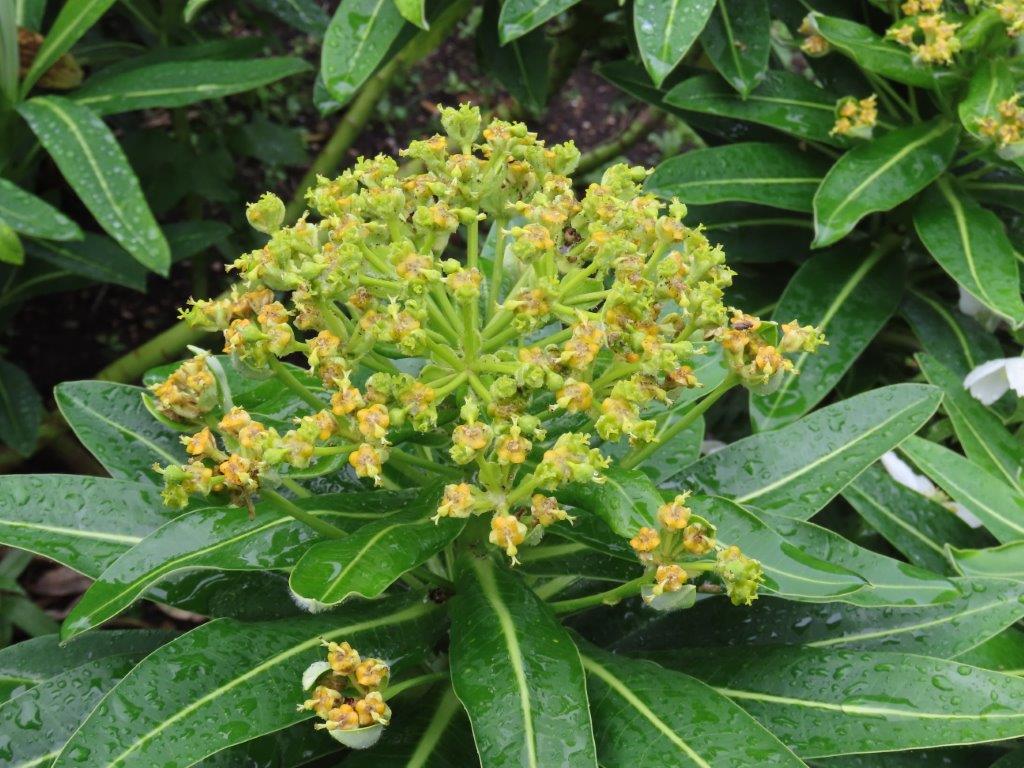
And much more, including in the glasshouses, providing welcome shelter from the repeated torrential and thunder downpours as well as lots of interest.
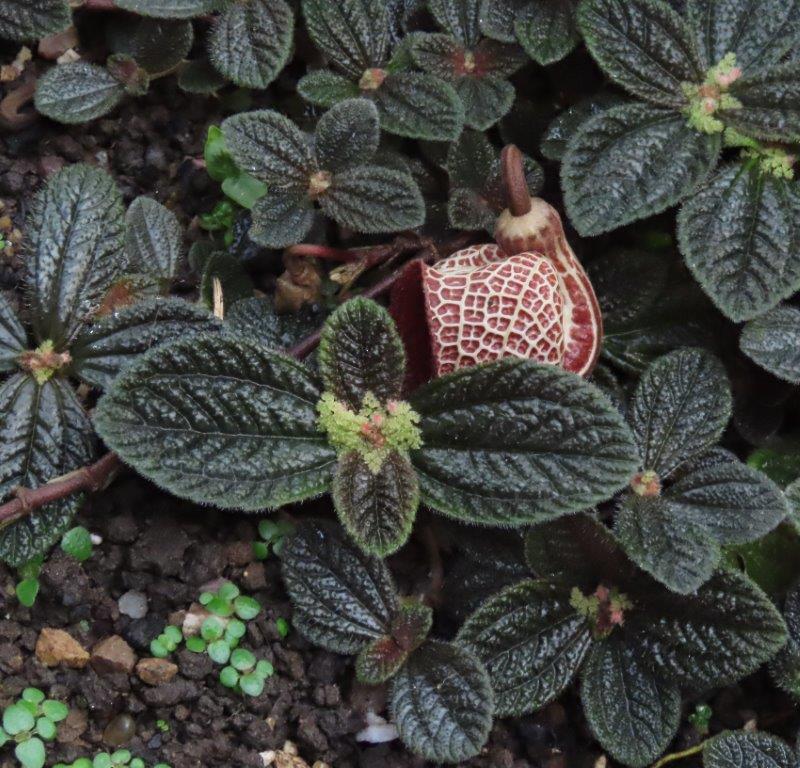
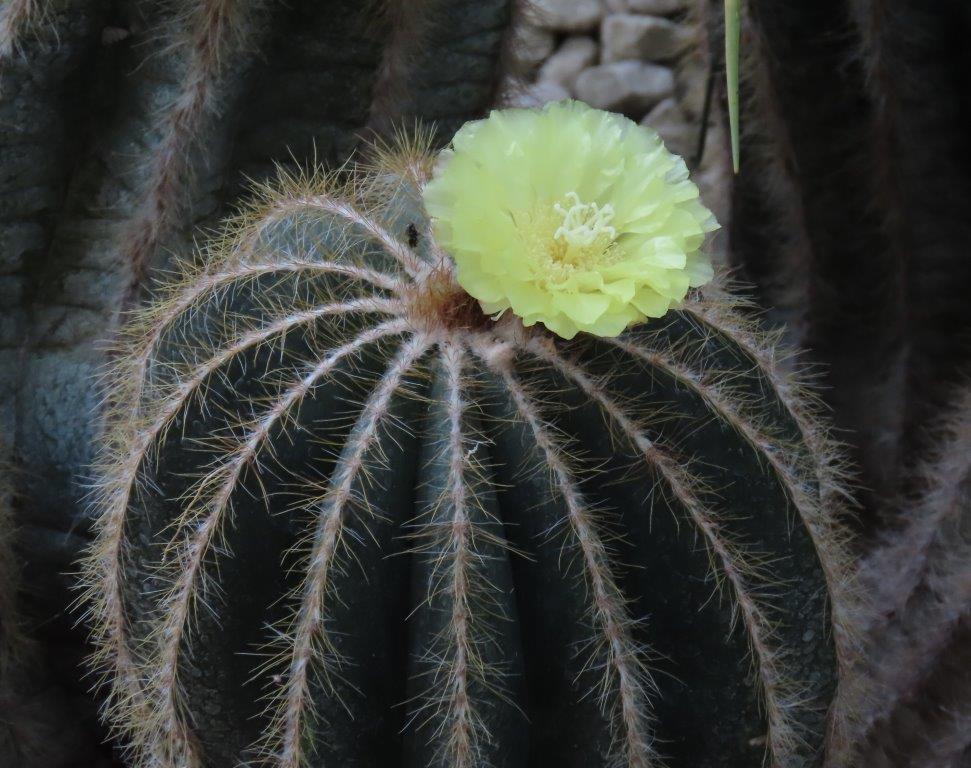
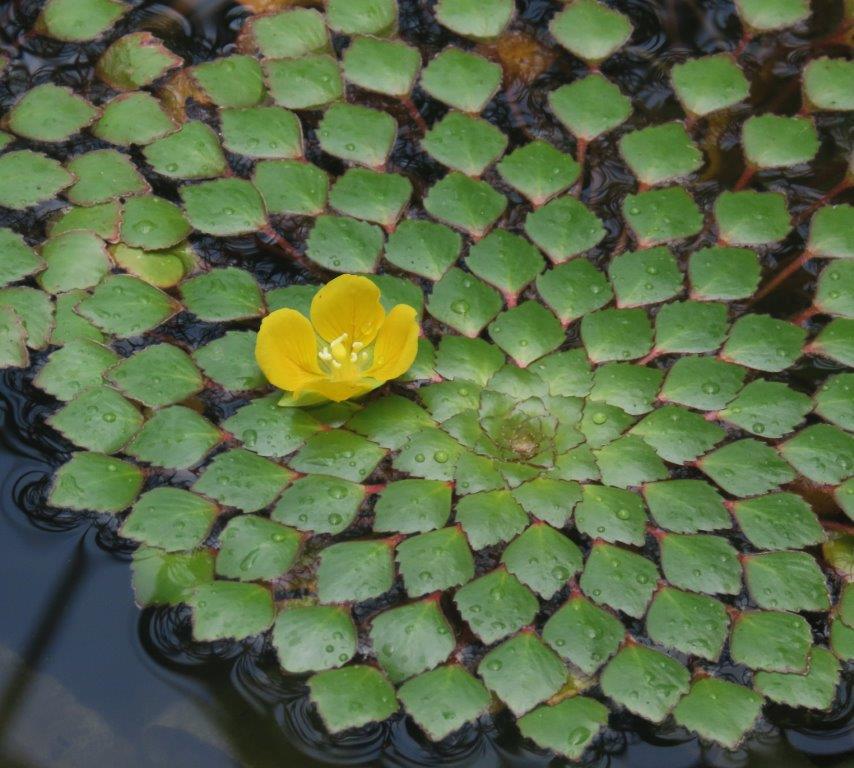
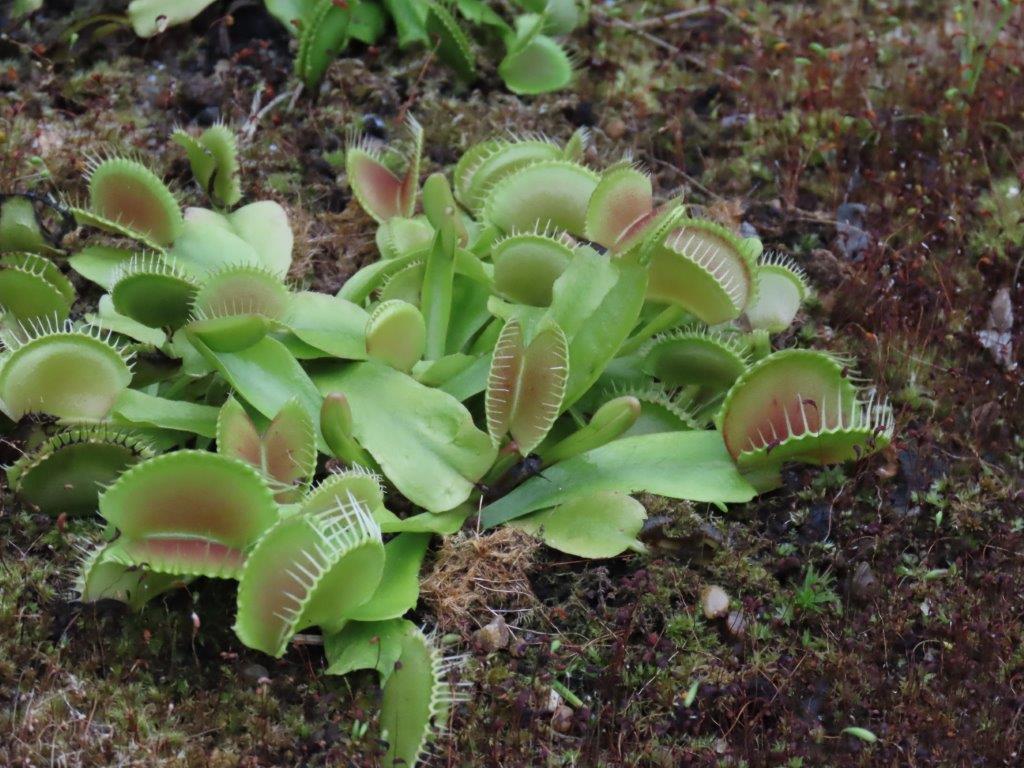
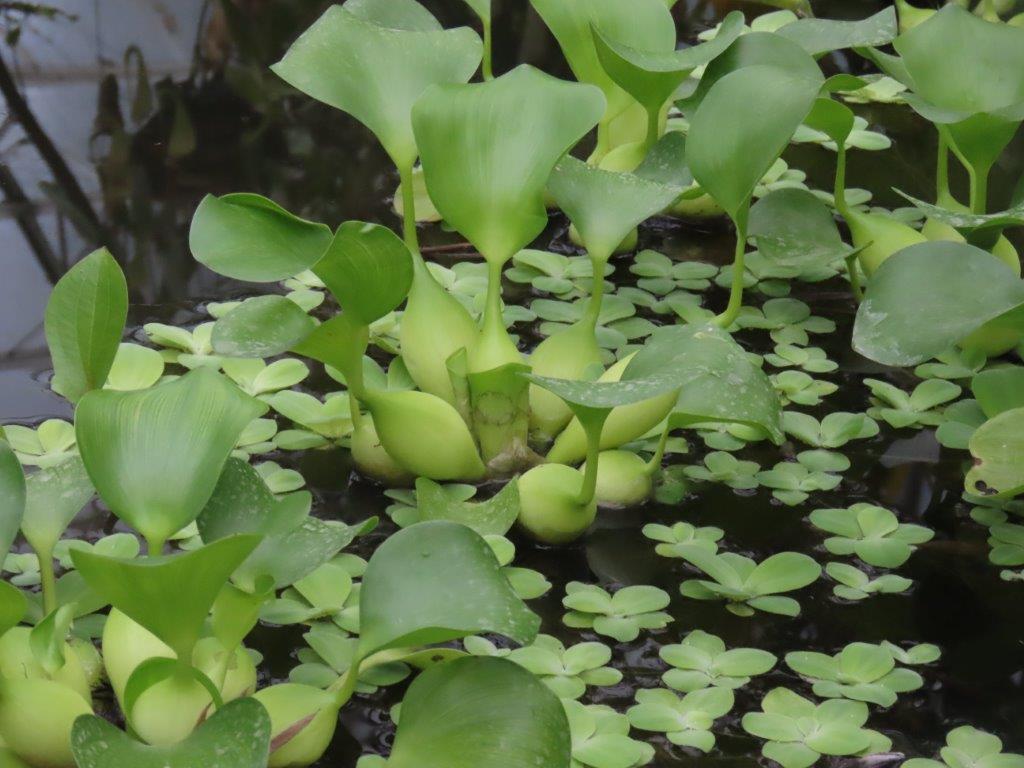
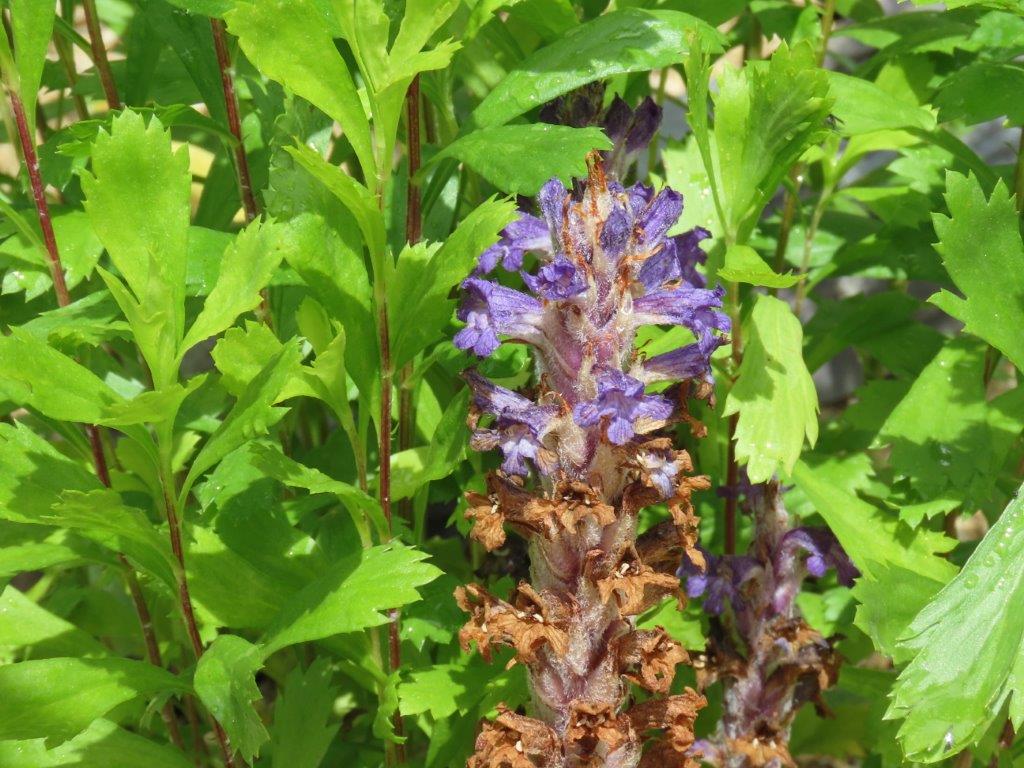
The gardens are well laid out, with themed sections. Sadly the parasitic plant bed, of particular interest to me, was well past its best. A May visit might be better some time.
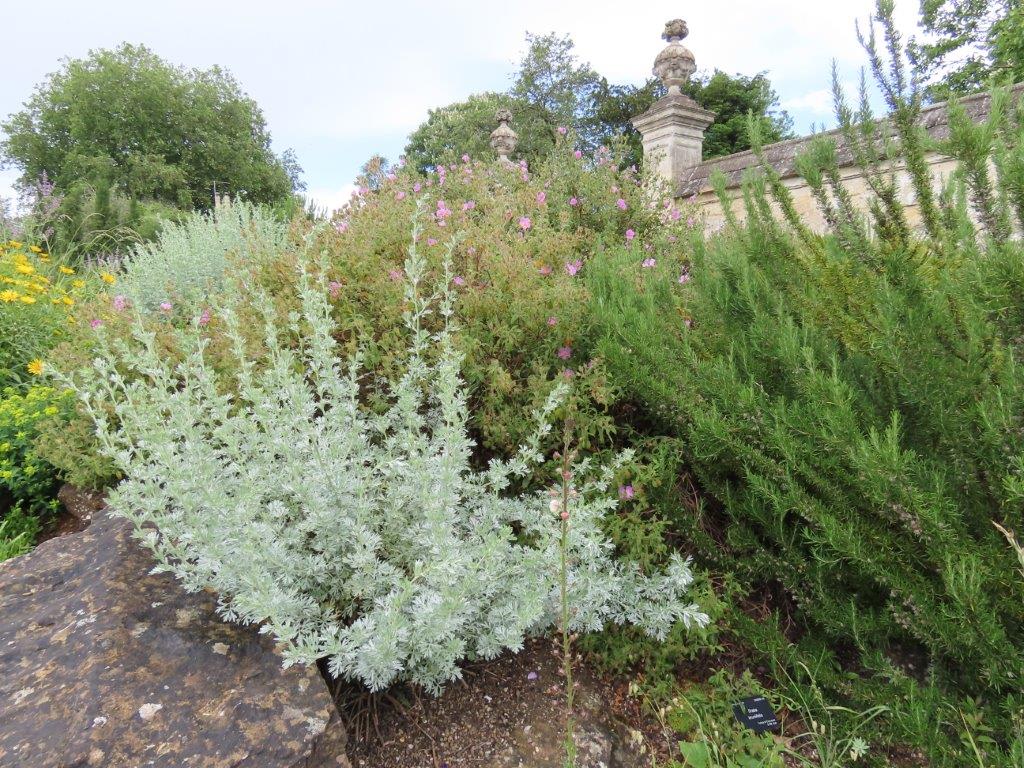
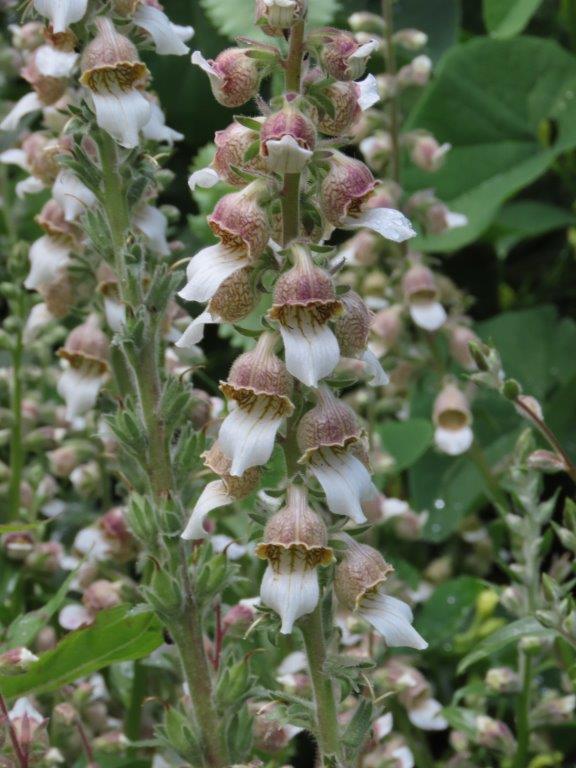
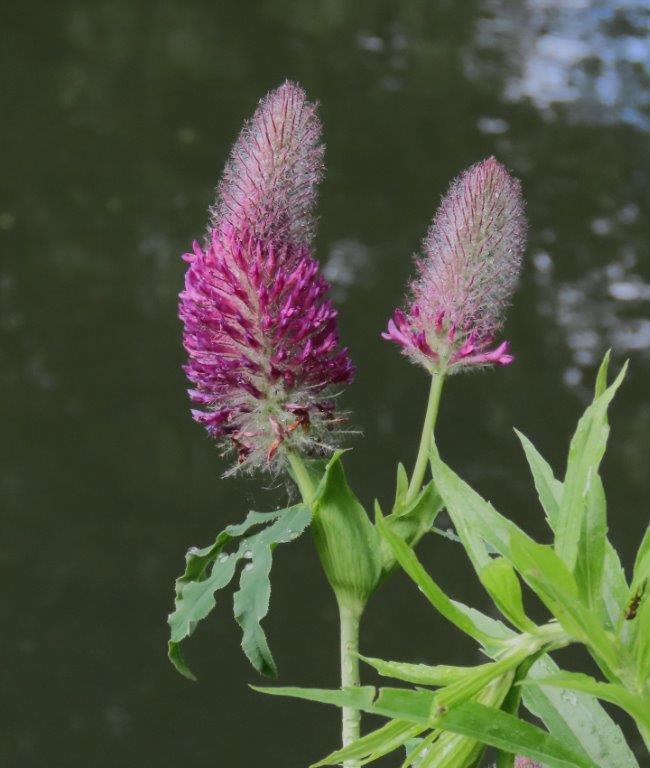
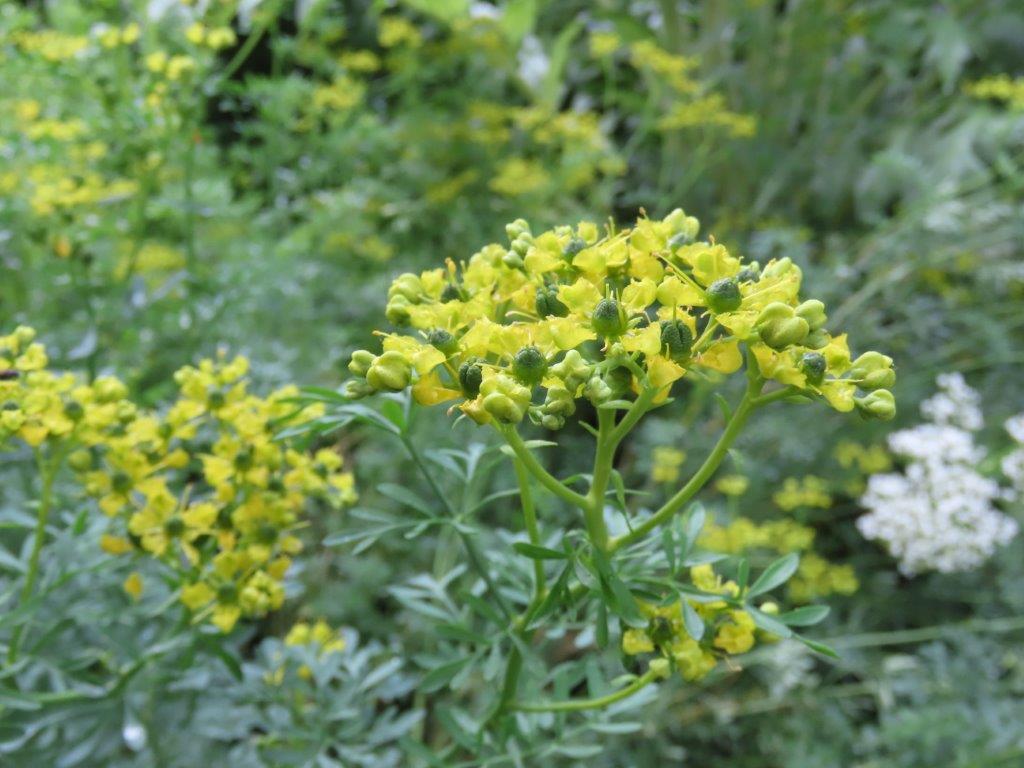
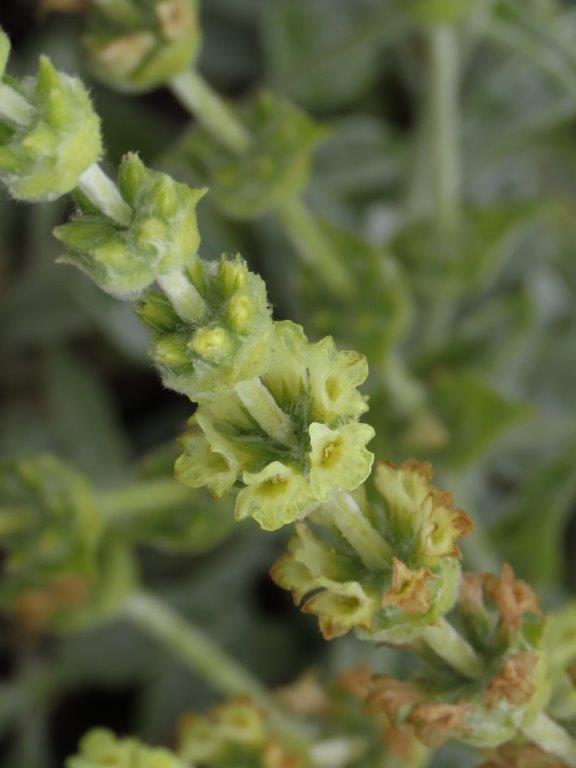
But the Mediterranean rock planting was wonderful, bringing back the memories, sights and smells of many past visits, and without the incessant nibbling pressures of goats disfiguring the plants! This included a section on the specialities of Crete, one of my regular haunts in the past and a place where the endemics often have to be really searched for, and then sometimes in inaccessible spots:
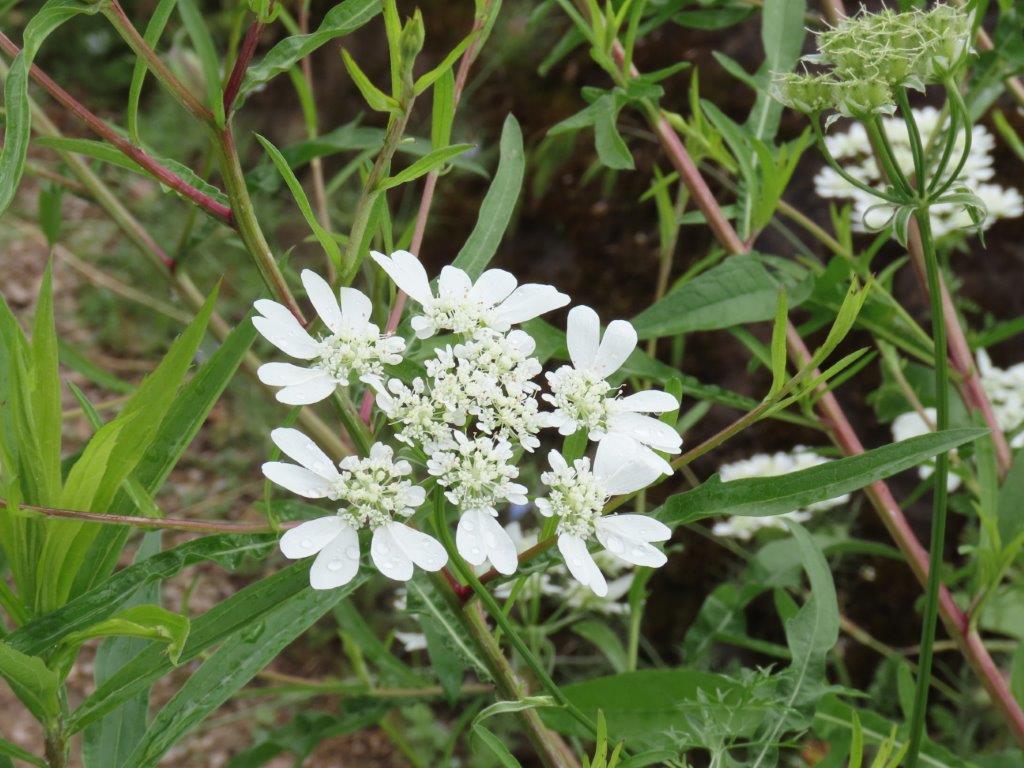
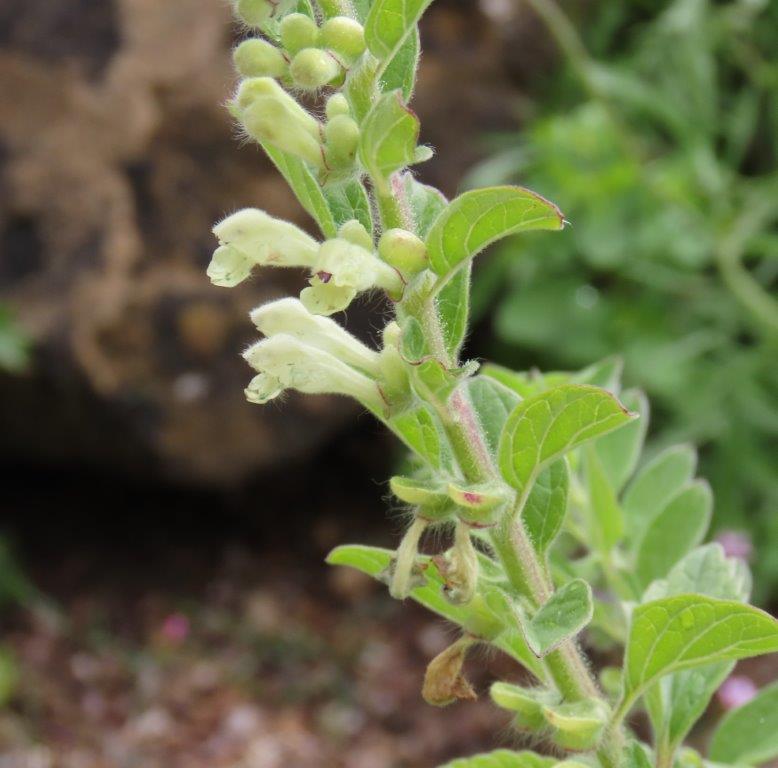
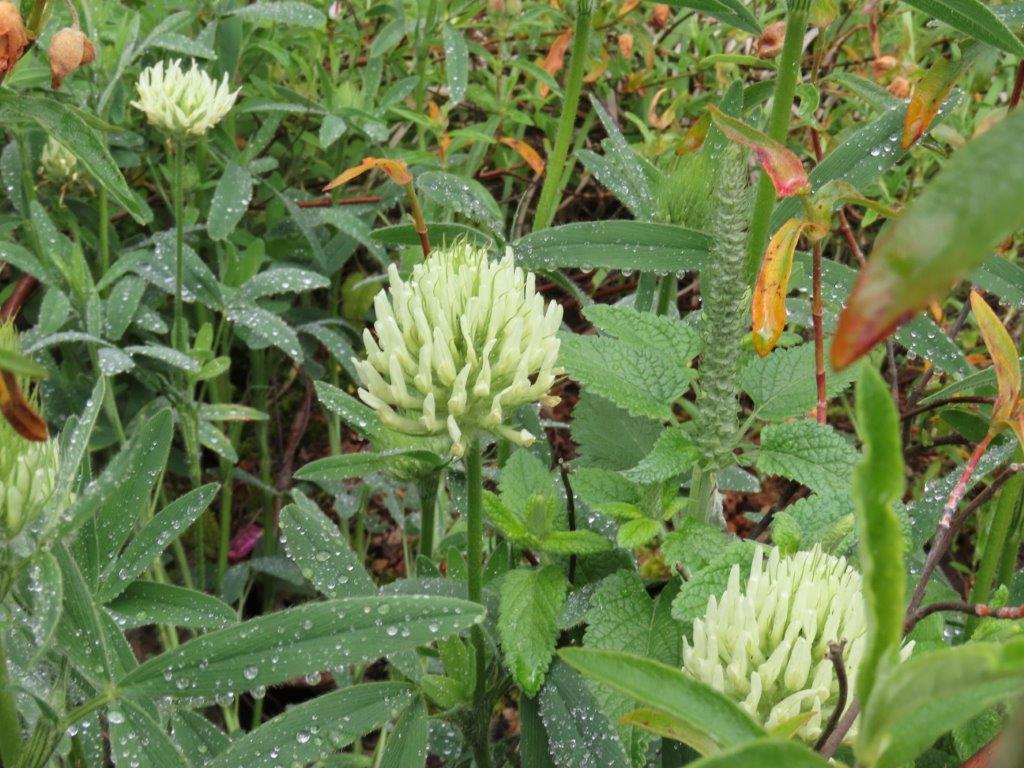
Insects were few and far between because of the rain, but included a Painted Lady and a Footballer hoverfly.
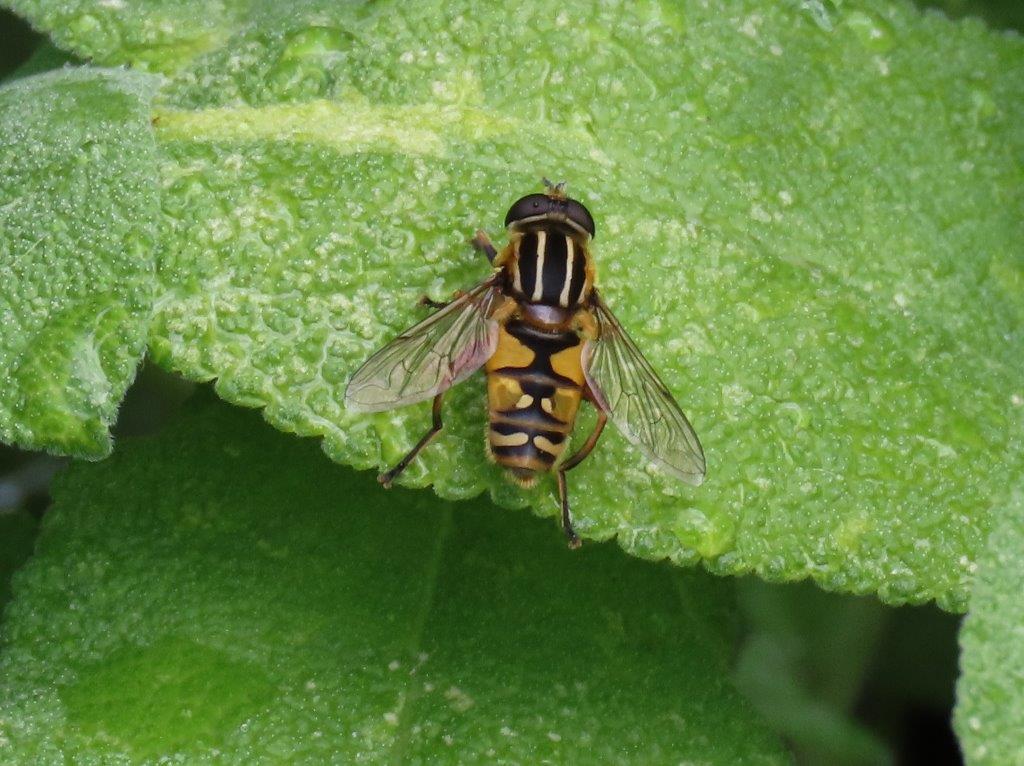
Finally was the Harris Garden at Reading University. This was my first visit, but sadly restricted by a much more organised band of heavy rain which washed out the morning plans.
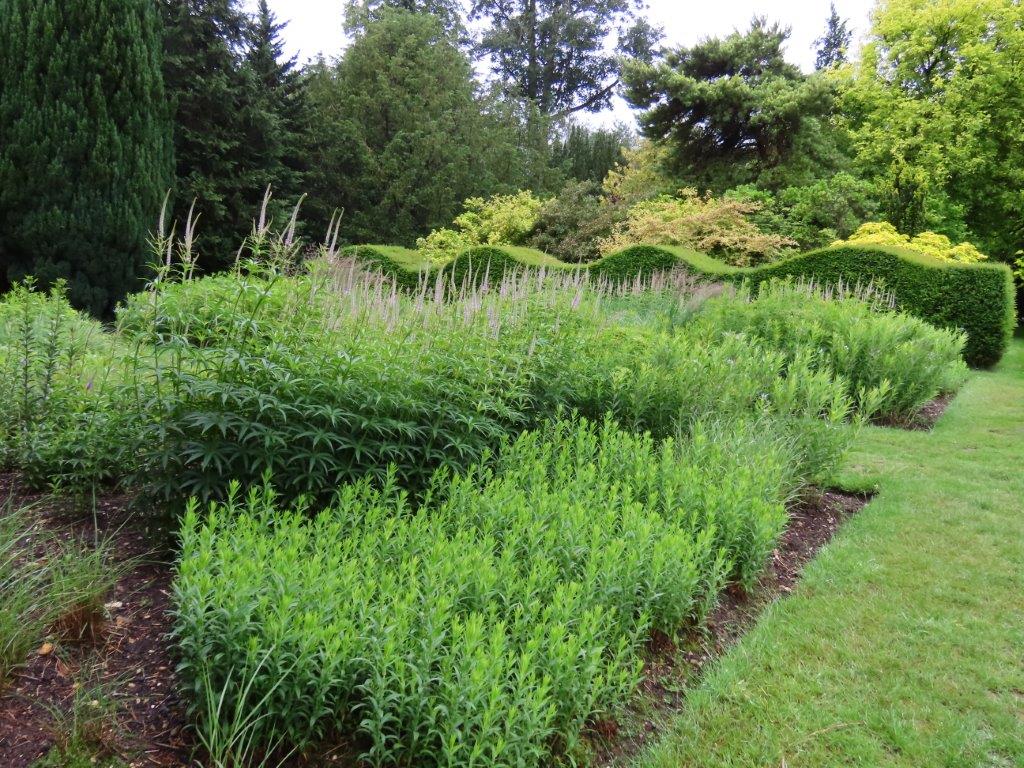
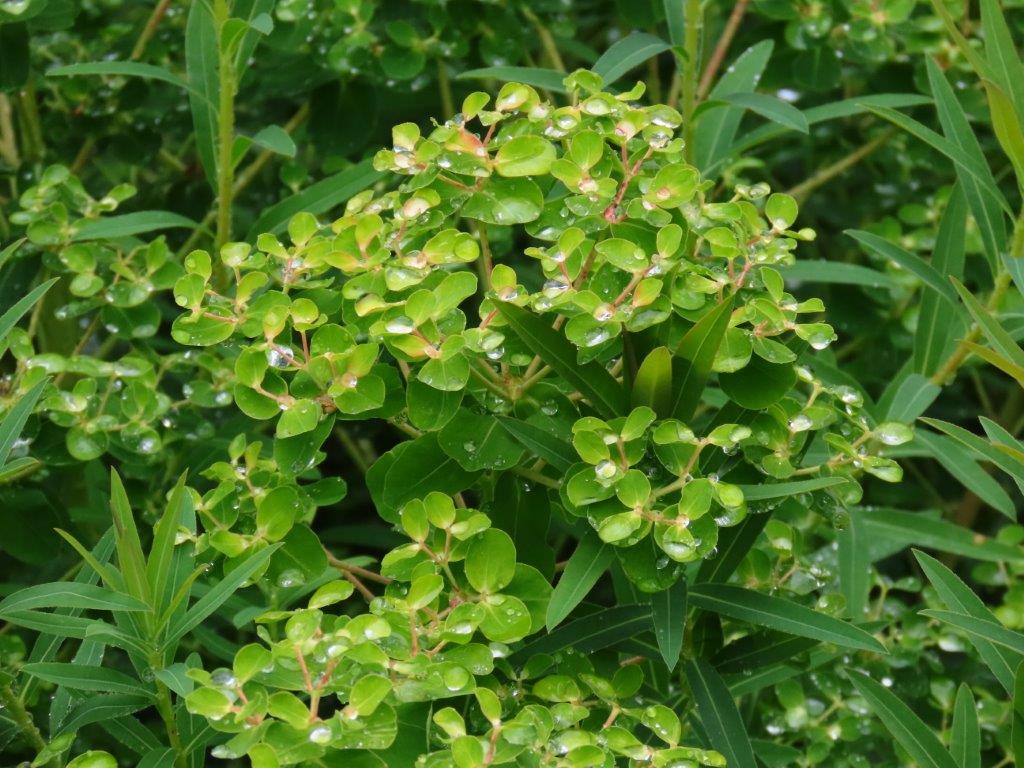
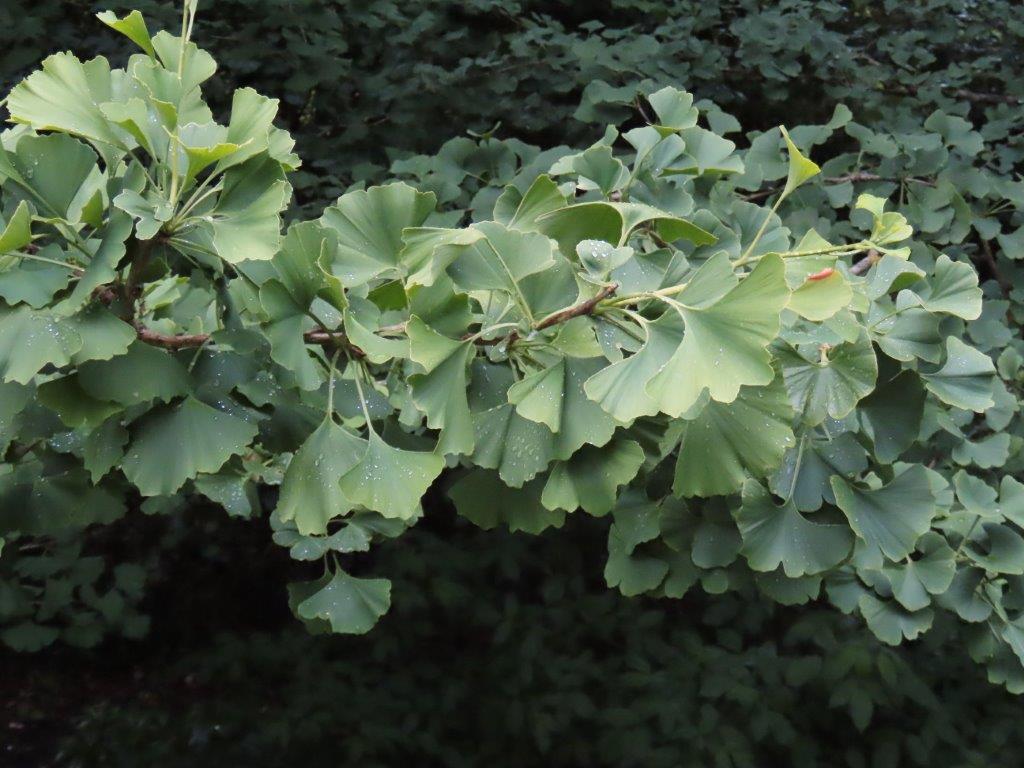
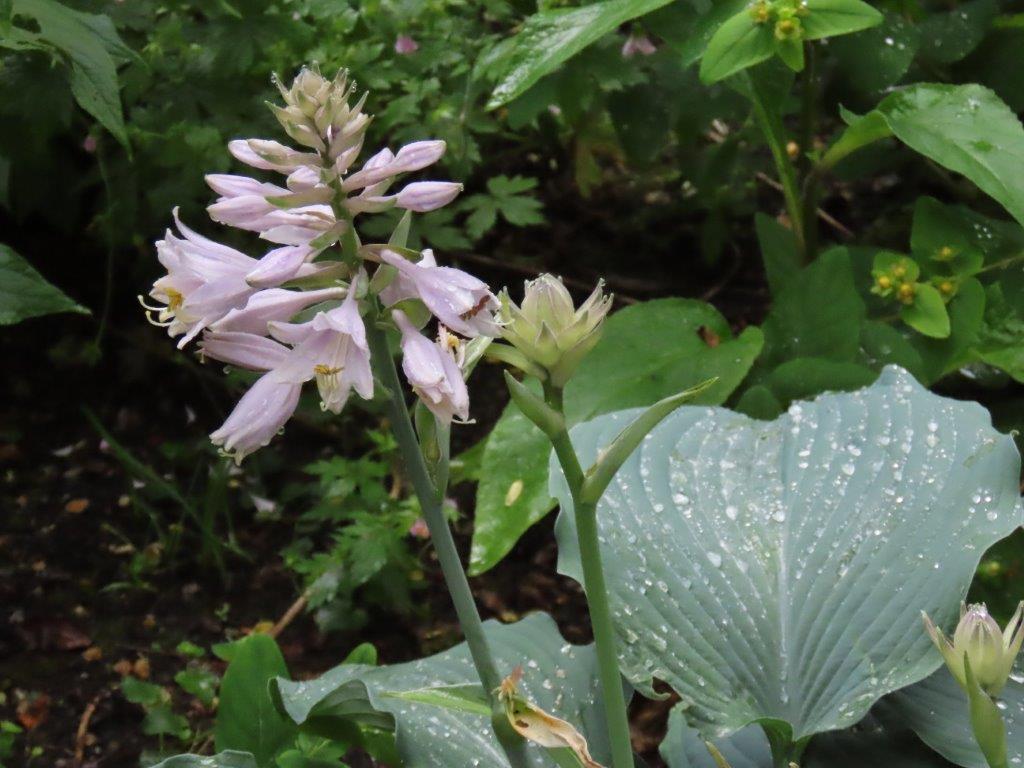
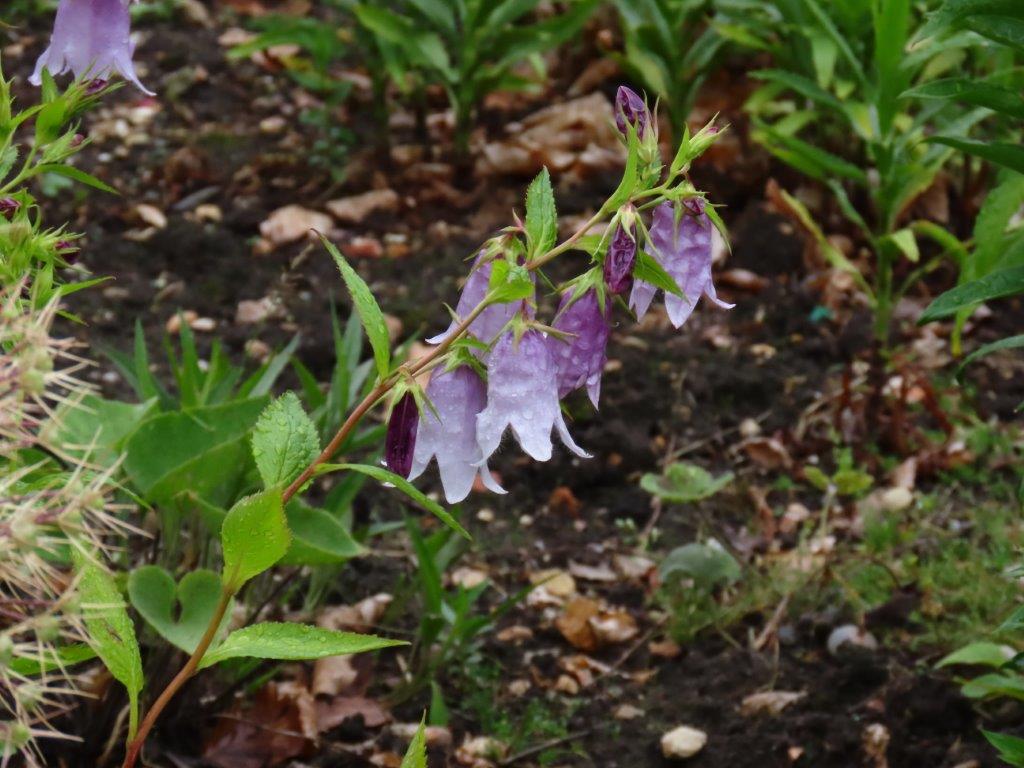
It had passed through when I reached the Harris Garden at Reading University. But… was it the gloom, or was it that this was clearly one of the lesser British botanic gardens? More a flowery park with some interesting trees, it made little attempt to engage people in the wonderful world of plants. The labelling was sporadic (and not always accurate) and there seemed to be little effort at interpretation. I was disappointed, although the value of any urban greenspace that is not mown within an inch of its life cannot be overstated, and a school party bug hunting in the meadows was noisily joyous.
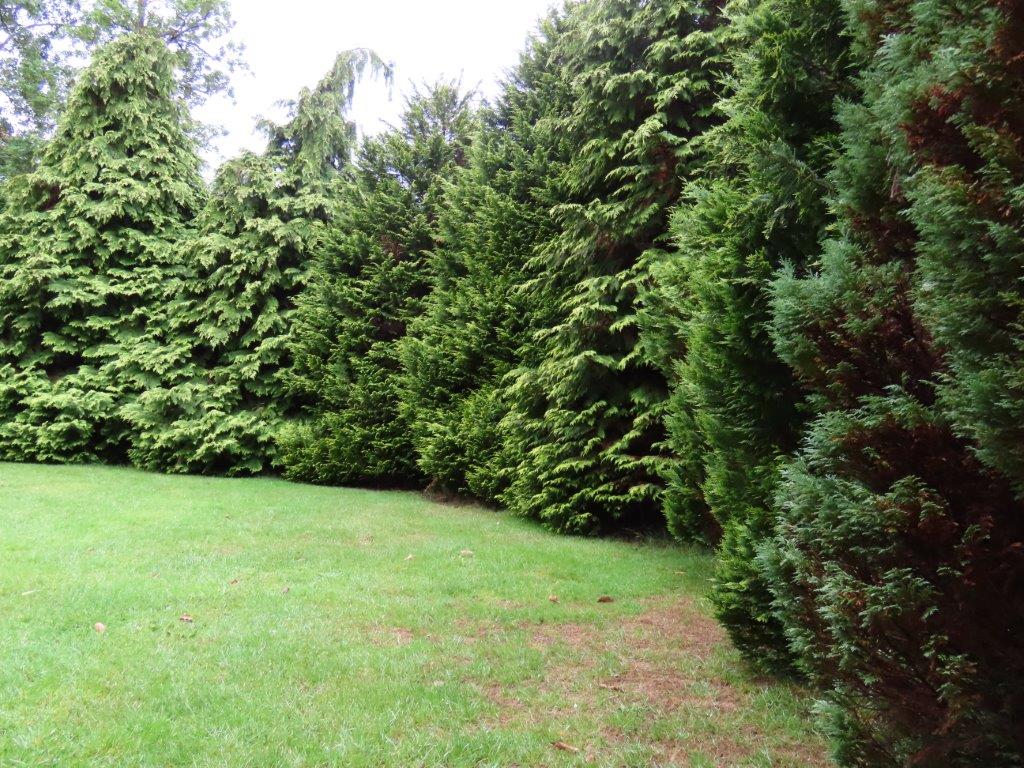
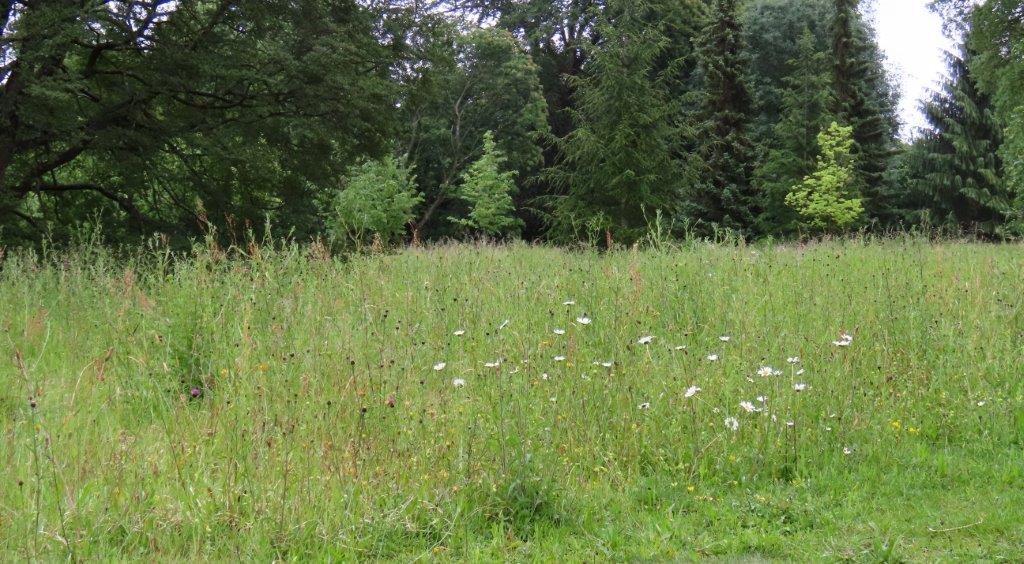
While its website suggests it is a valuable teaching and research resource for the University, I felt it was rather limited, especially in comparison with Oxford, and others like Cambridge I know well. Perhaps this is the result of the closure of the Plant Science department, followed by transfer to the responsibility of the Estates Department. I just hope that this apparent dumbing down has not also been reflected in the internationally significant herbarium of preserved specimens.
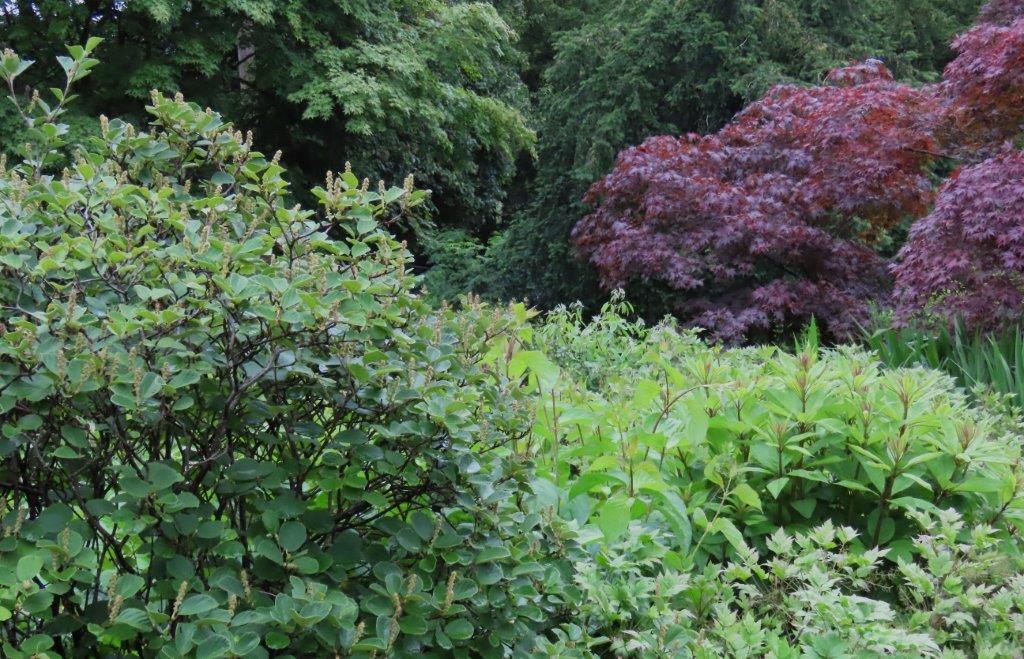
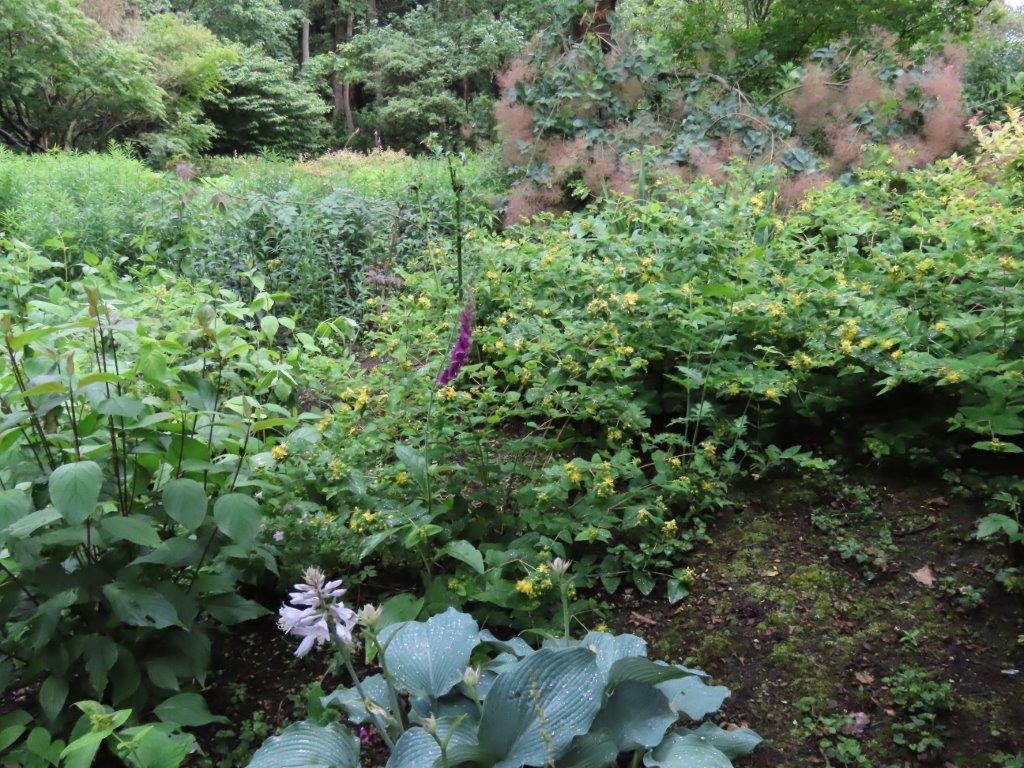
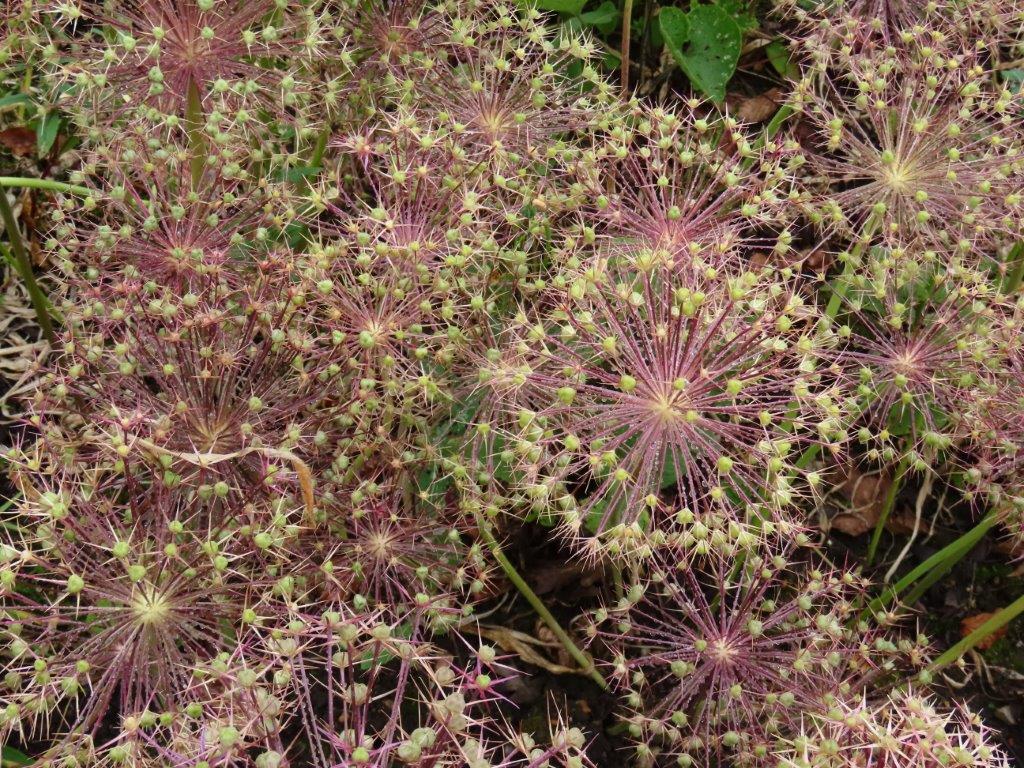
So, what flowers there were were dripping with recent raindrops, attractive maybe but of little use as an identification resource.
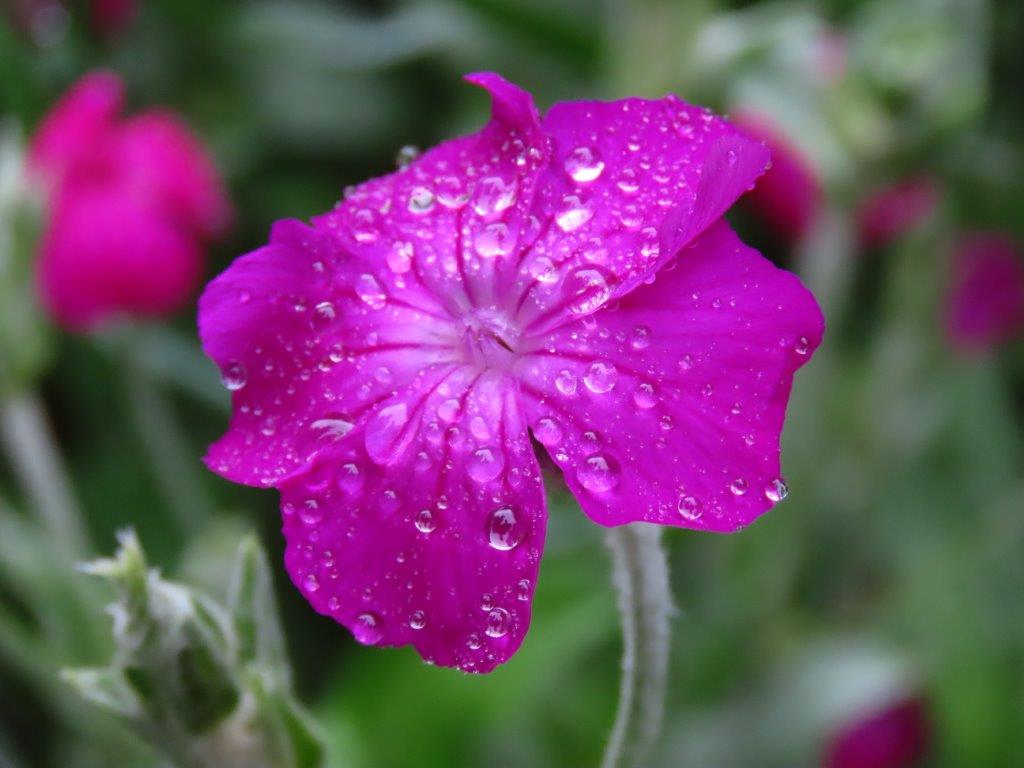
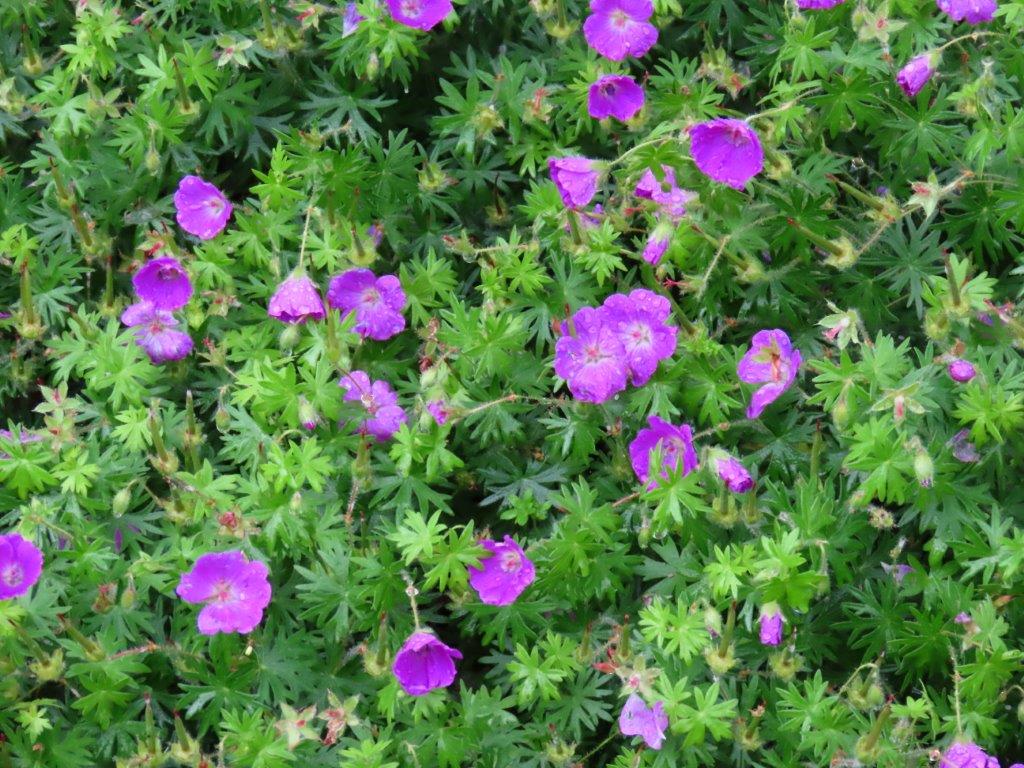
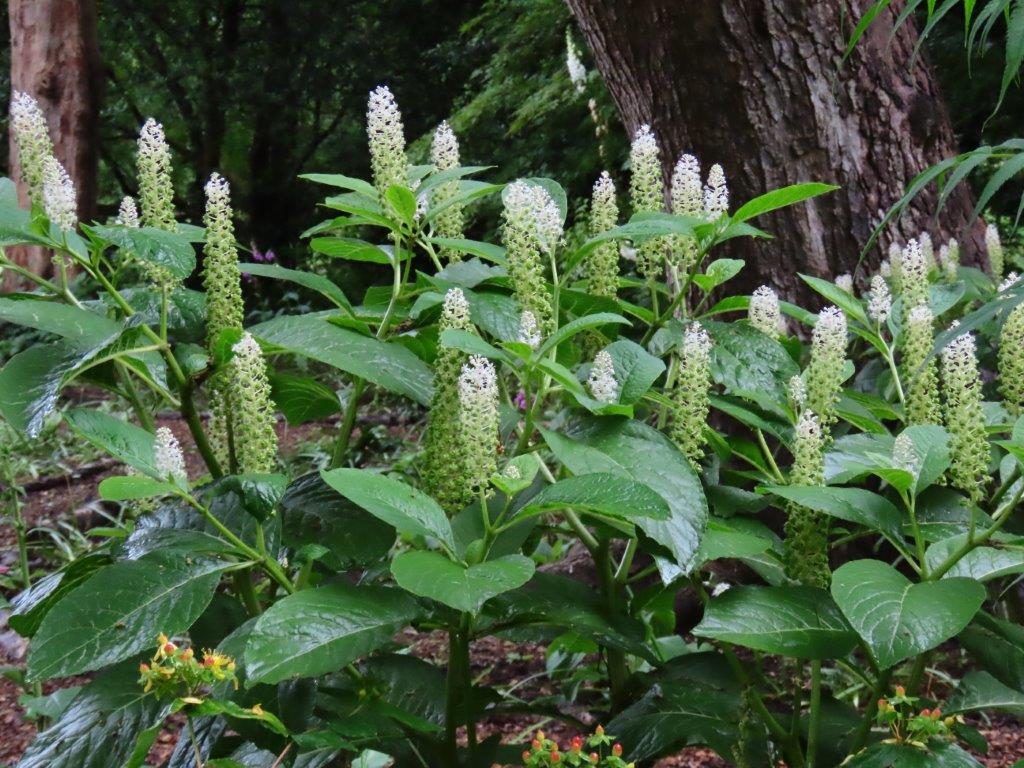
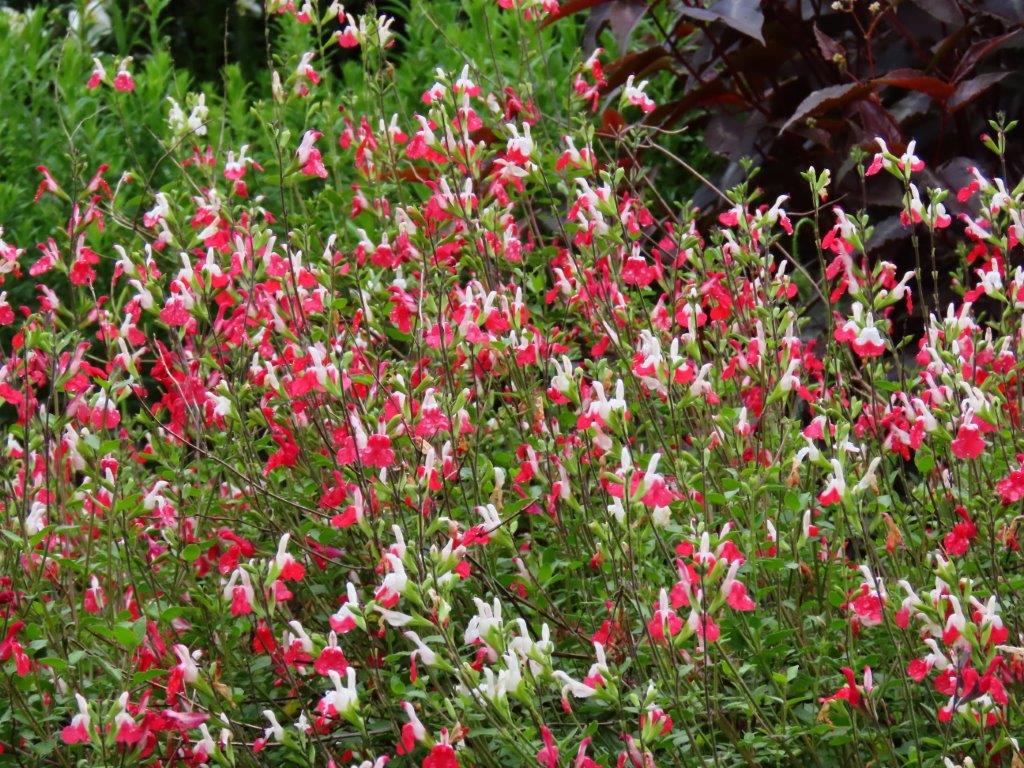
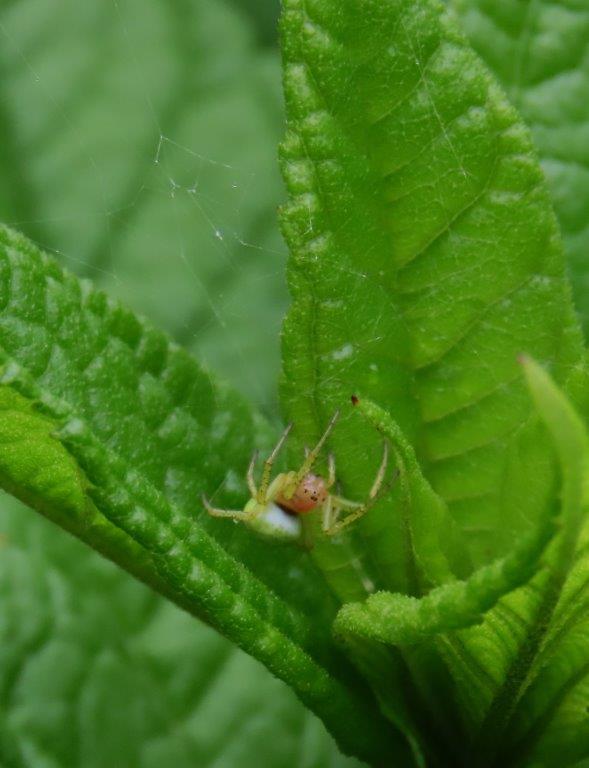
And the only other wildlife a solitary Cucumber Spider waiting in vain for dinner!
Three botanic gardens in three days, not all successful but overall very enjoyable, each a cheap or free day out (for Chelsea, remember to check for ‘2 for 1 by train’ offers) and, for me, the chance to immerse myself fully in plants and what they attract, always a joy, whatever the weather!