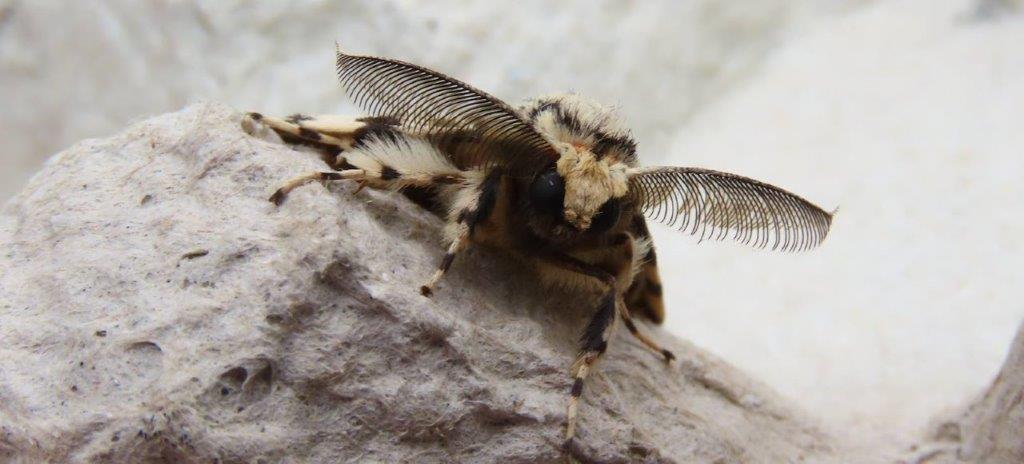
The second outing for our moth trap into Beth Chatto Gardens this year came just as the unprecedented third heatwave of the summer broke down, albeit not into a tumult of thunderstorms. The drought remained but the night temperature fell to a delightfully chilly 13 degrees. I had little idea what to expect as I opened the trap: it could have gone either way…
I characterised the previous trapping a month earlier as a qualified disappointment: the overall number of moths and species was lower than I hoped for given the heat of that particular night, and it felt the haul lacked a little in colour and the ‘big game’. The same was true this last weekend: it produced almost as many moths and almost as many species; plenty to see but just lacking a bit of spice.
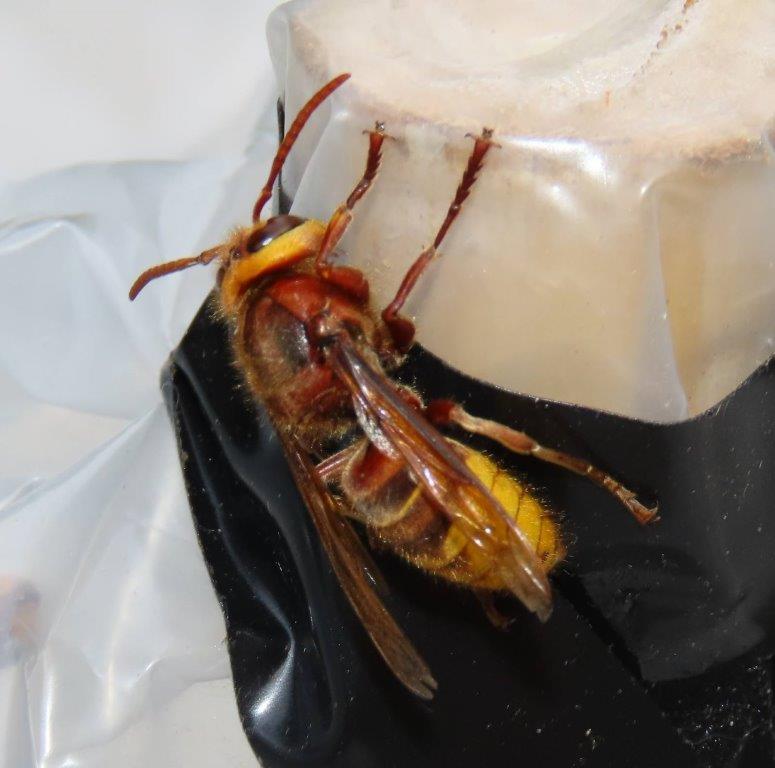
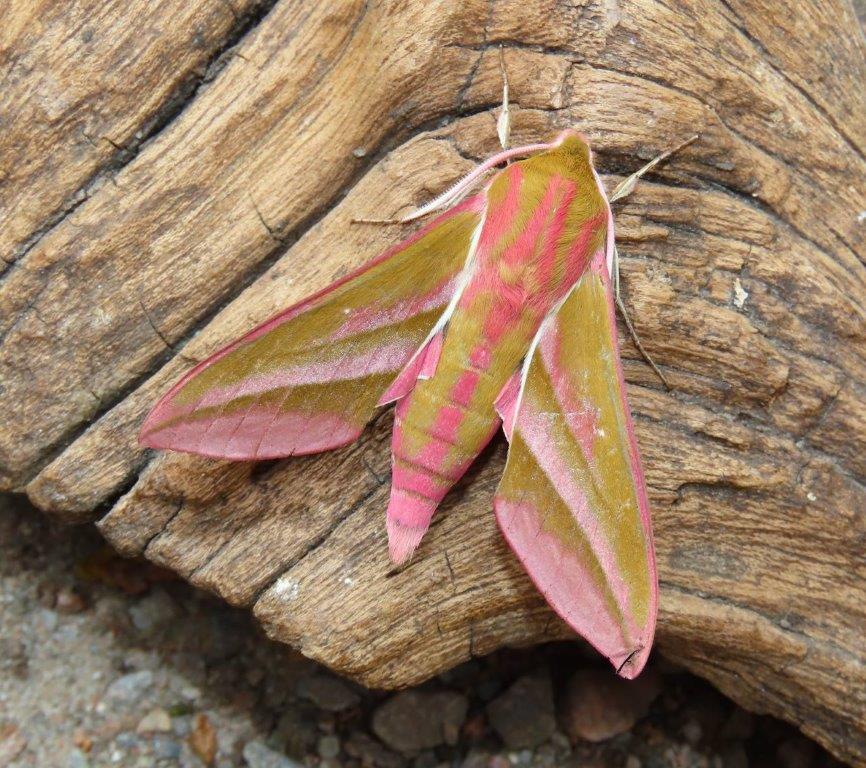
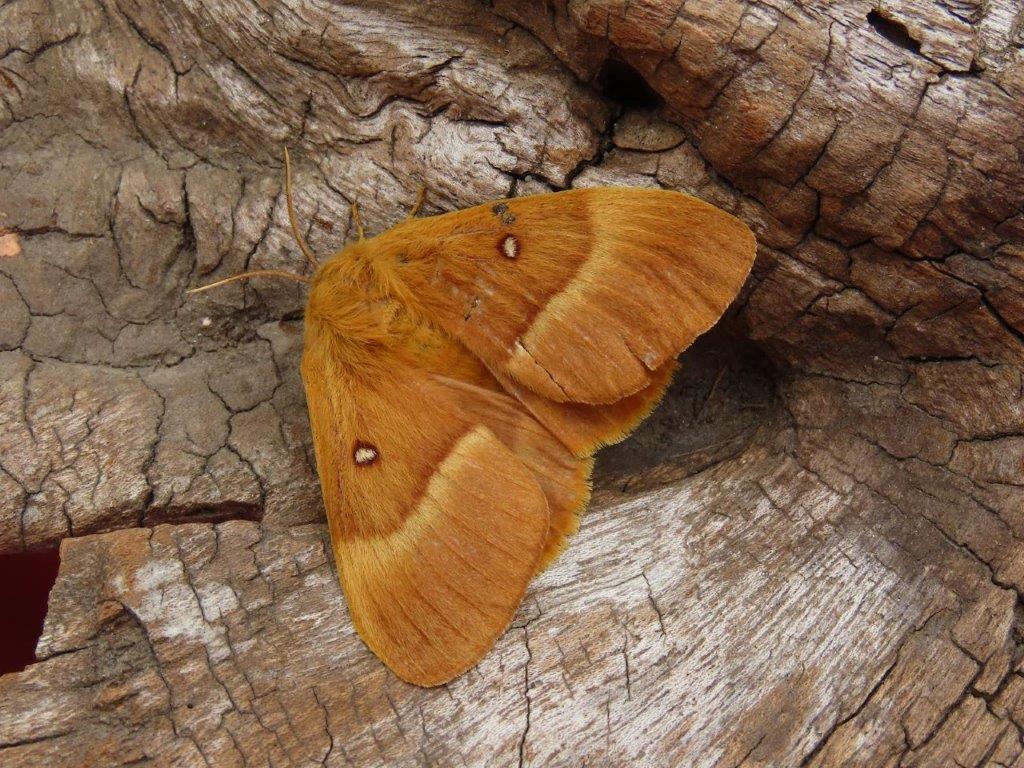
At first view I was worried, though. Sitting on the outside of the trap was a Hornet. Even a small number of Hornets or other social wasps can cause carnage in a trap, but not this time. Just one Hornet outside, one and an equally predatory Common Wasp inside, and no obvious mortality. And the ‘big and beautiful’ were crown-pleasers: an Elephant Hawkmoth and two Oak Eggars…
Other ones distinctive in colour, pattern or posture included Rosy Footman, Black Arches, Scarce Footman and September Thorn…
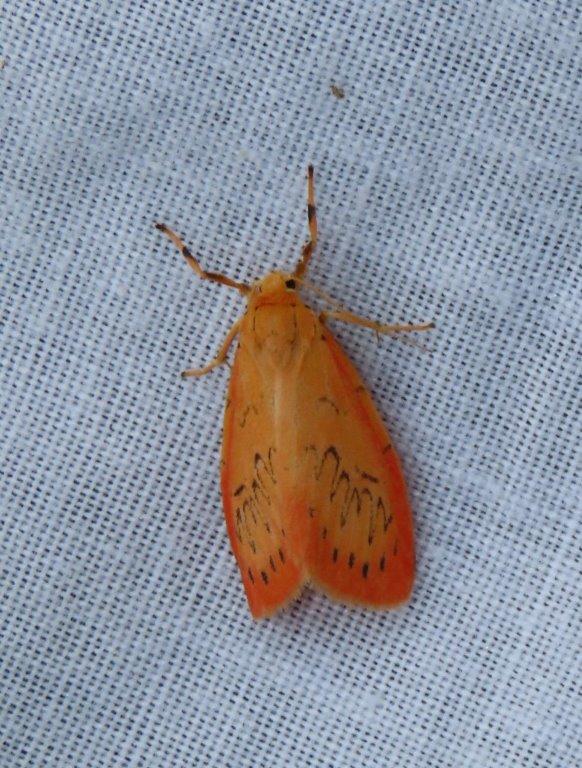
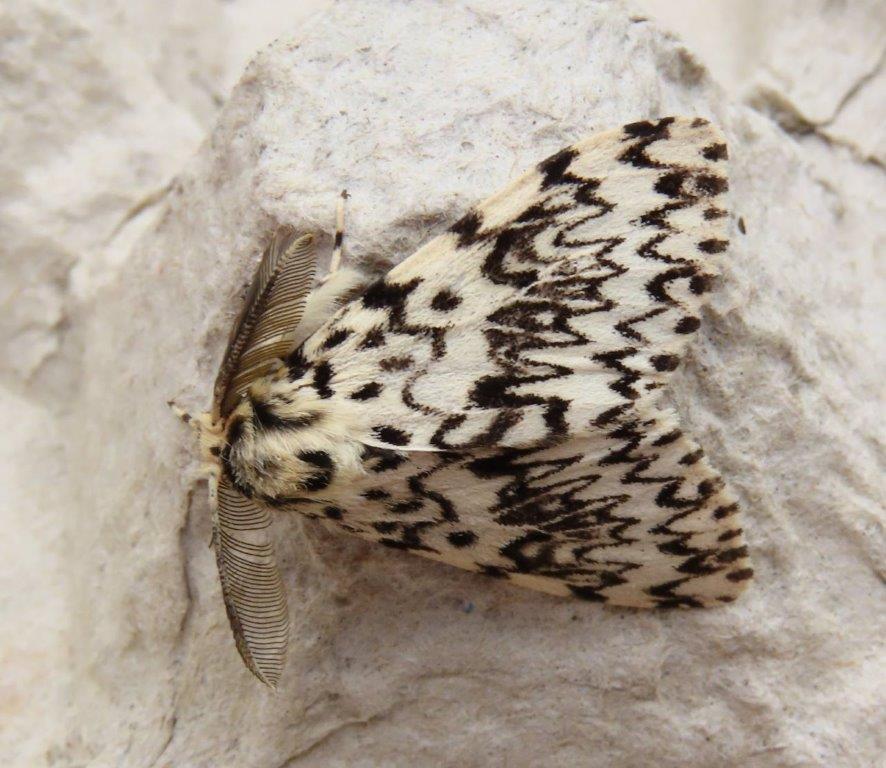
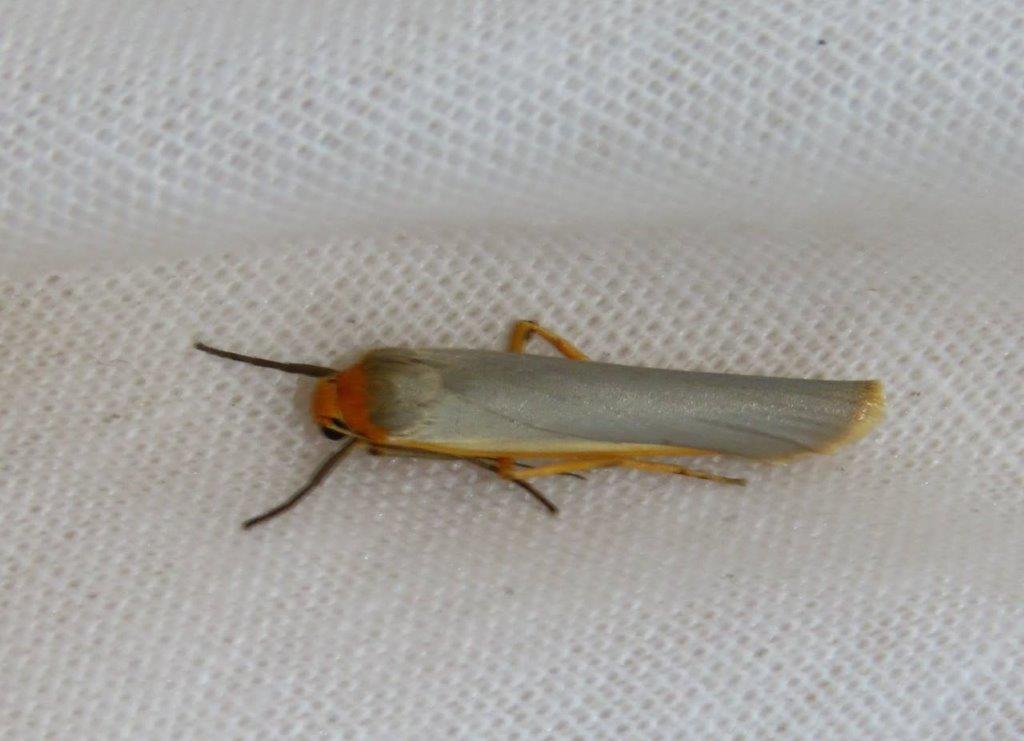
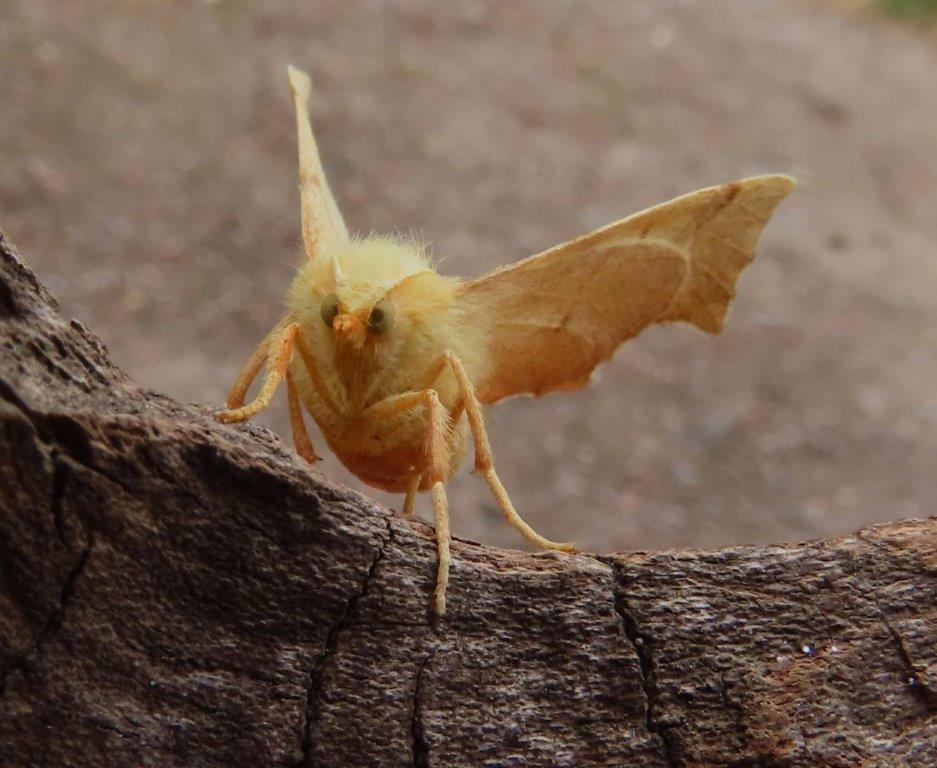
Equally distinctive, though less obtrusive, were those hiding in plain sight and reliant on camouflage either as bark (Dark Arches, Iron Prominent) or bird poo (Lime-speck Pug, Least Carpet and Scorched Carpet)…
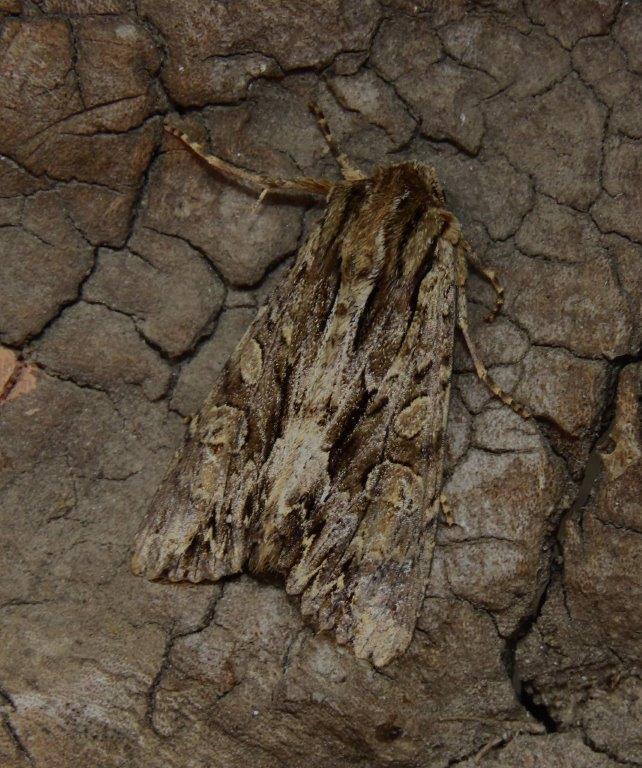
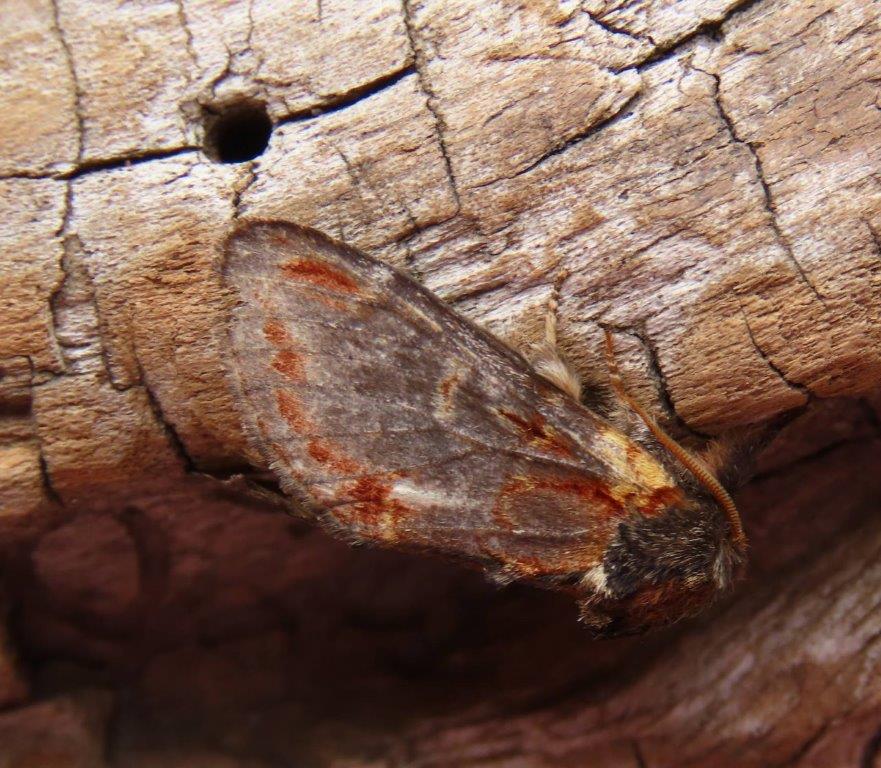
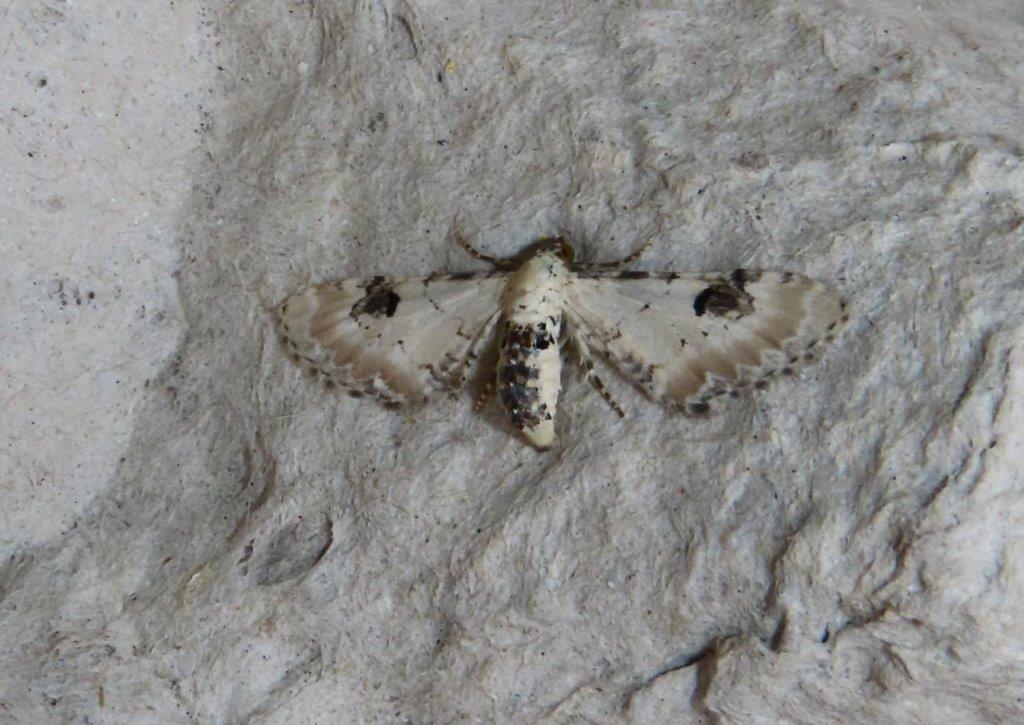
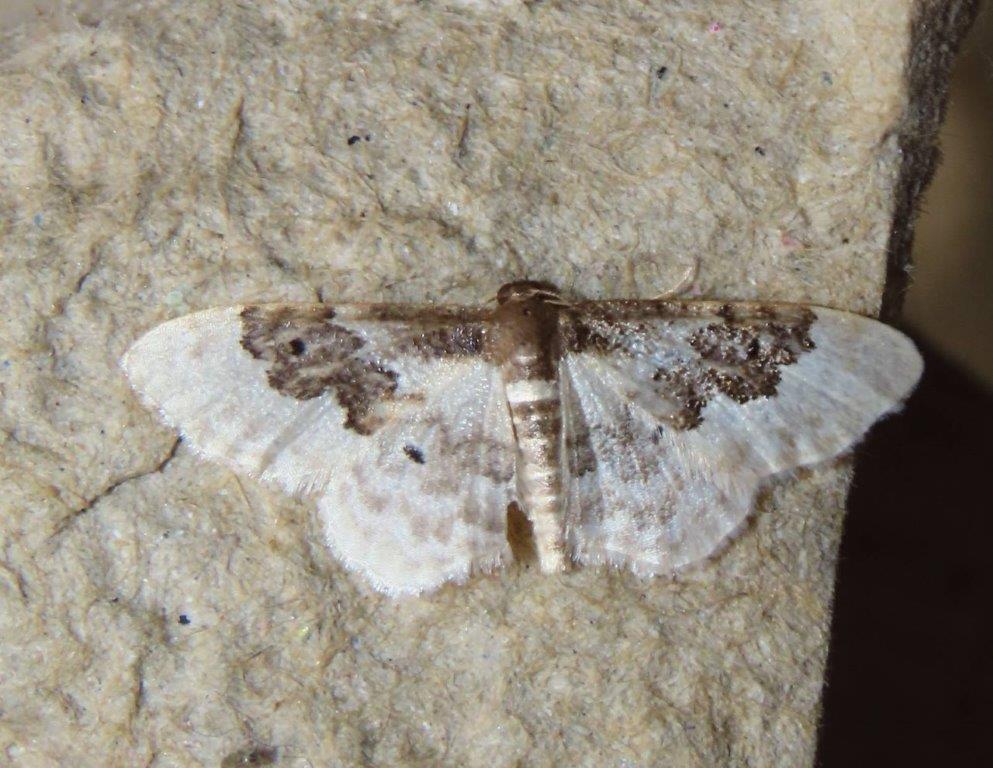
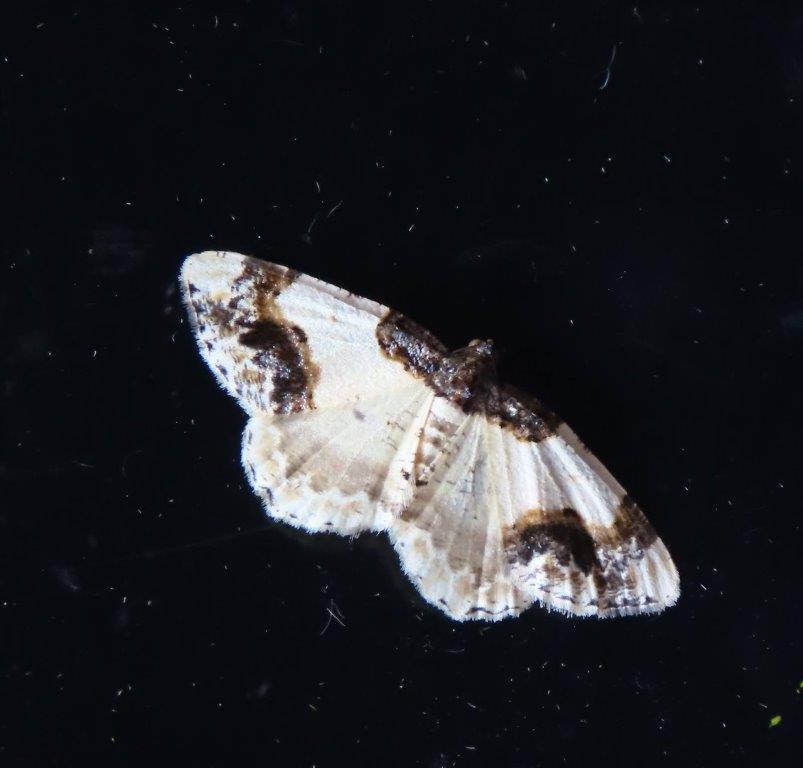
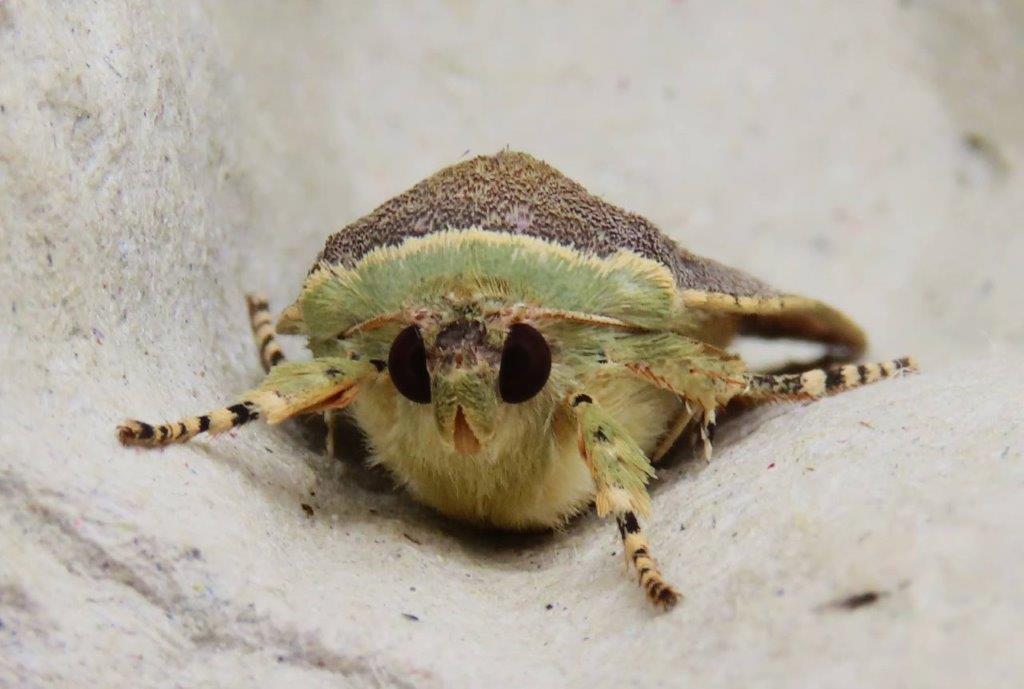
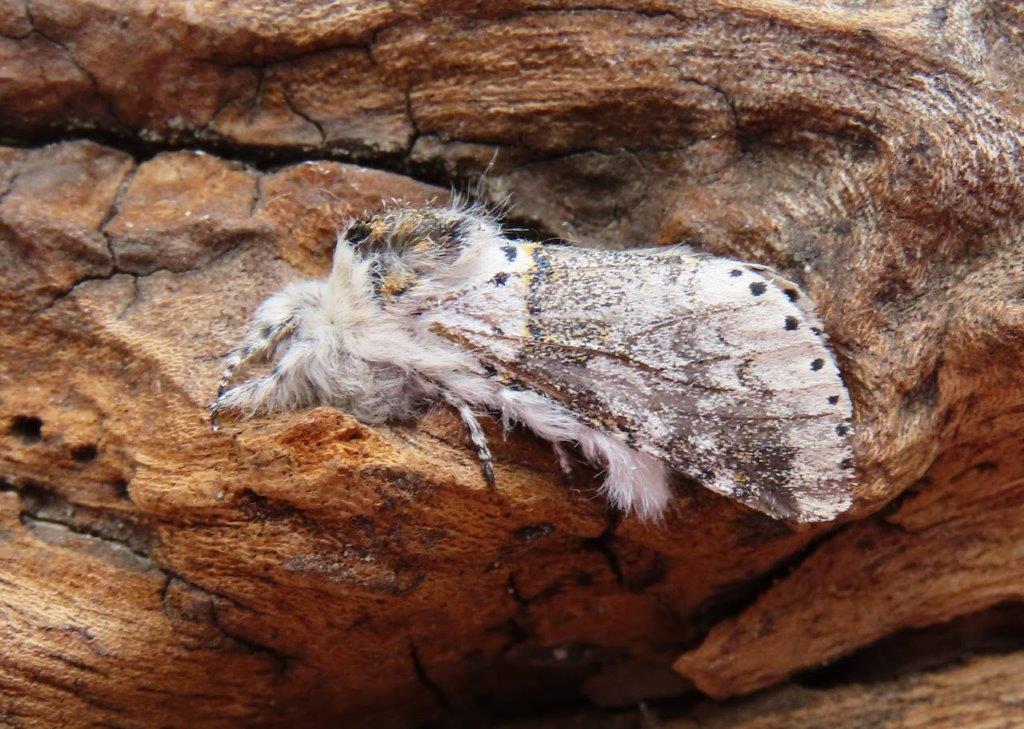
Another selection of macromoths helps complete the picture of their diversity and the delightful poetry of many of their English names: Large Yellow Underwing, Dingy Footman, Maiden’s Blush, Pebble Prominent, Twin-spotted Wainscot, Nutmeg, Spectacle, Lesser Broad-bordered Yellow Underwing and Sallow Kitten.
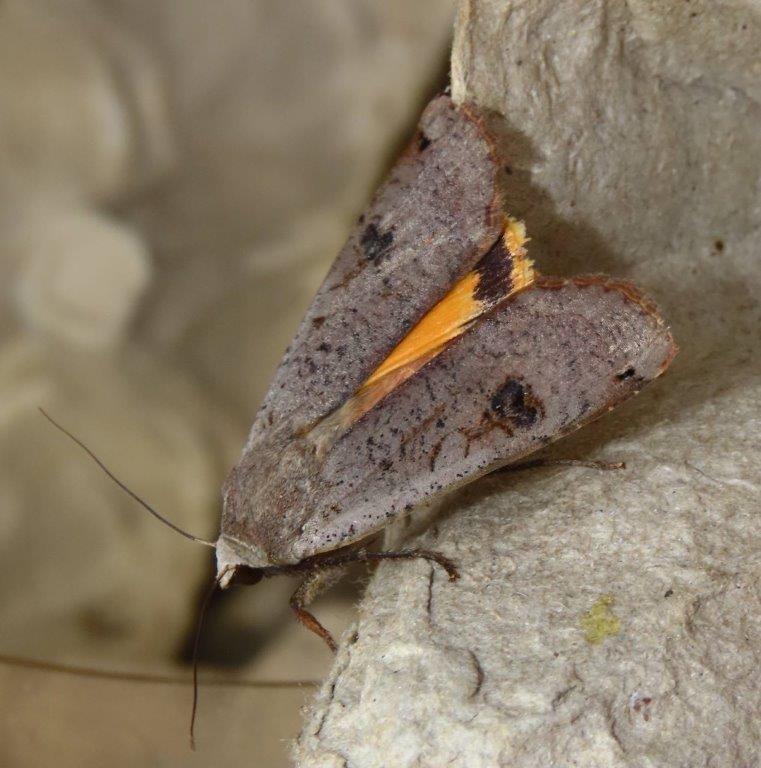
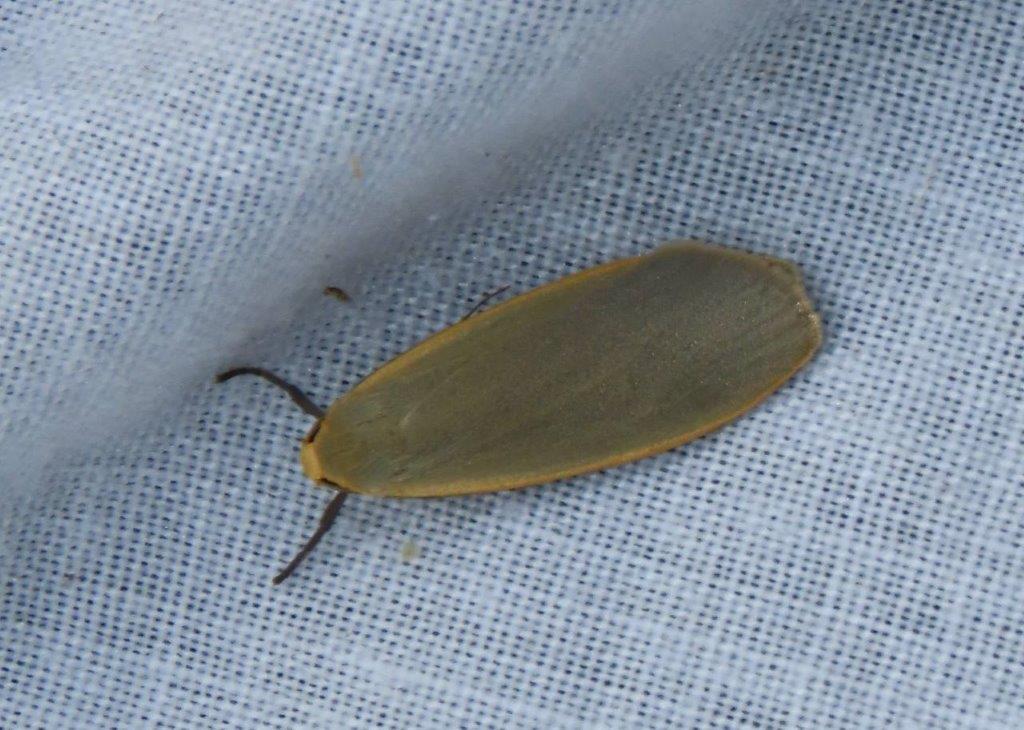
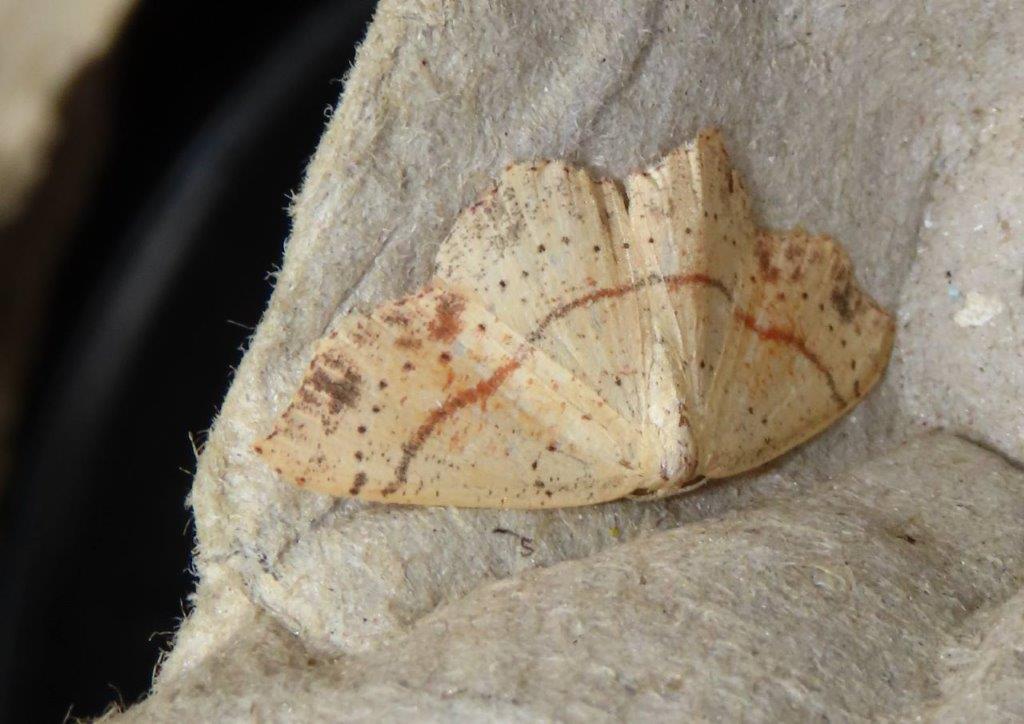
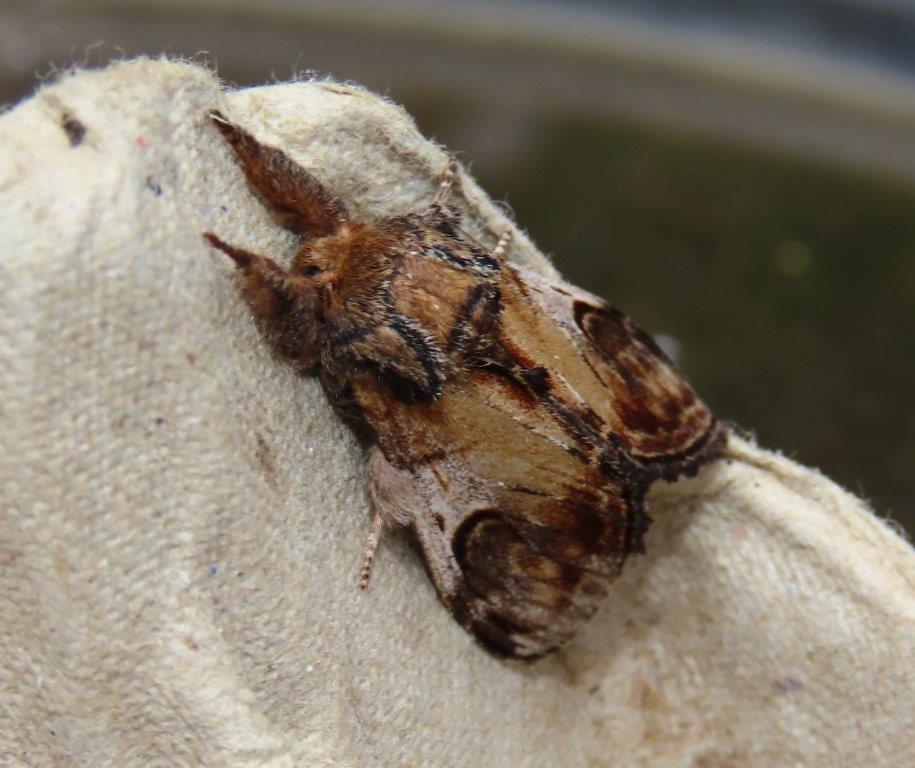
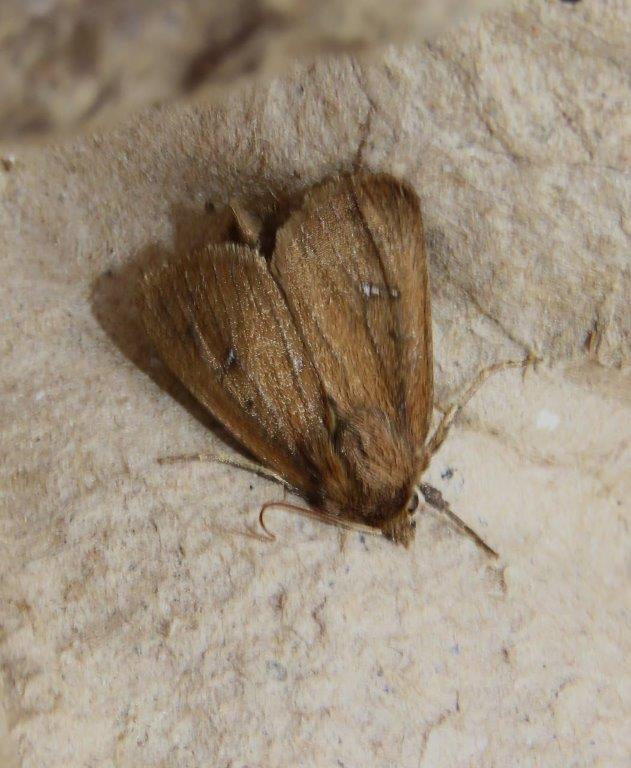
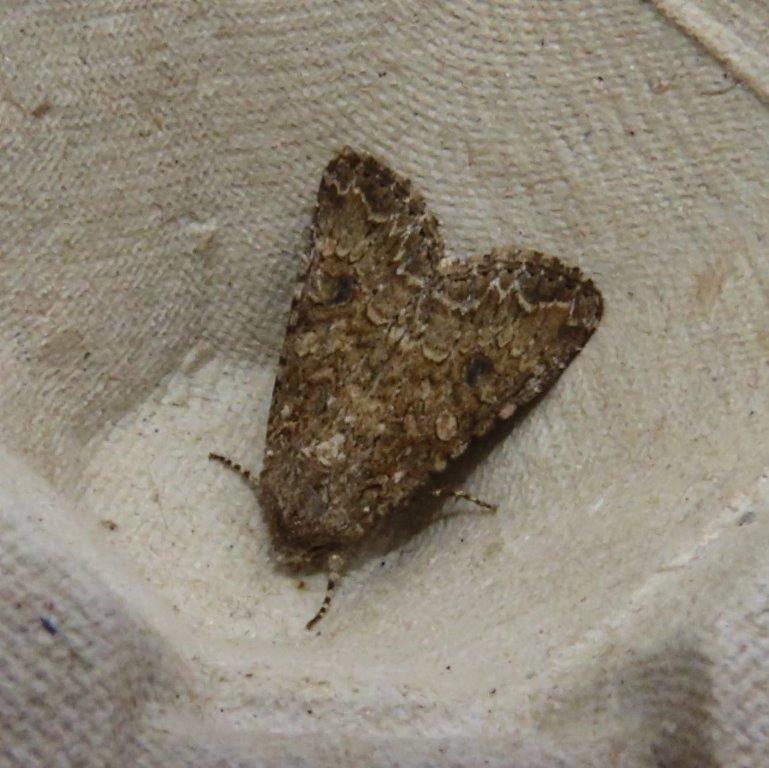
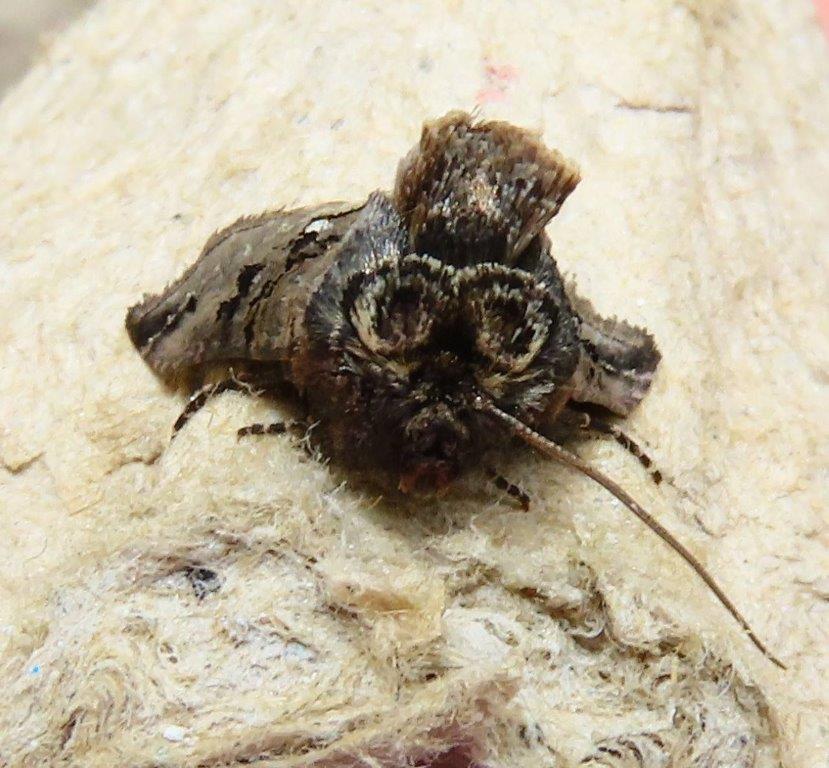
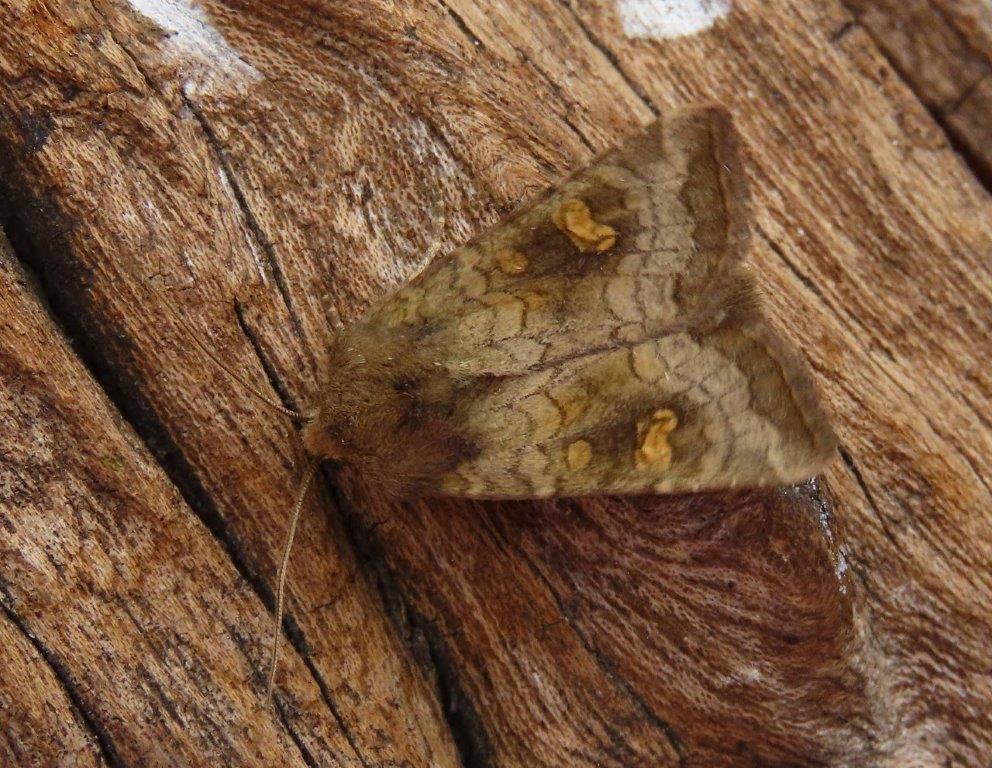
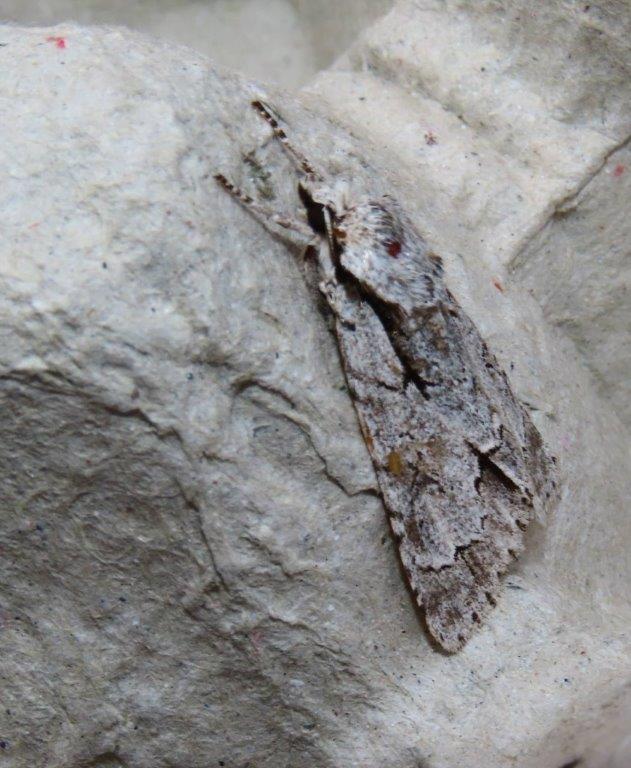
It is a simple fact though that even the macromoths are not always identifiable to species on external appearance. Some identicouples or moresomes can be specifically identified only by killing them and examining their unique genitalia, which of course is something we will not do. So the below must remain as Ear Moth (one of four possible species), Grey or Dark Dagger, and one of the three possible Common Rustics.
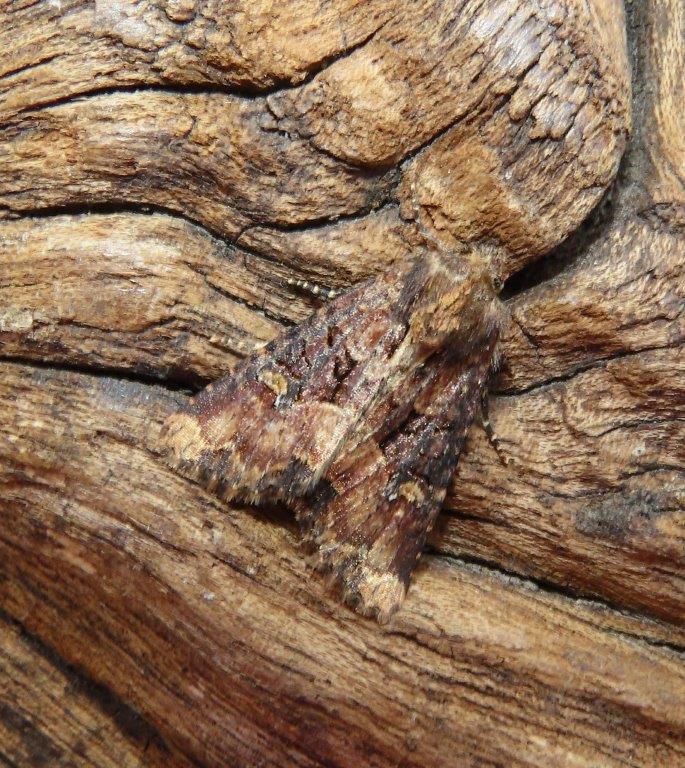
Turning to the numerous micromoths, most frequent were the several species of grass moth, along with small ermines of at least five species: Bird Cherry, Apple, Willow, Iceplant and Orchard Ermines.
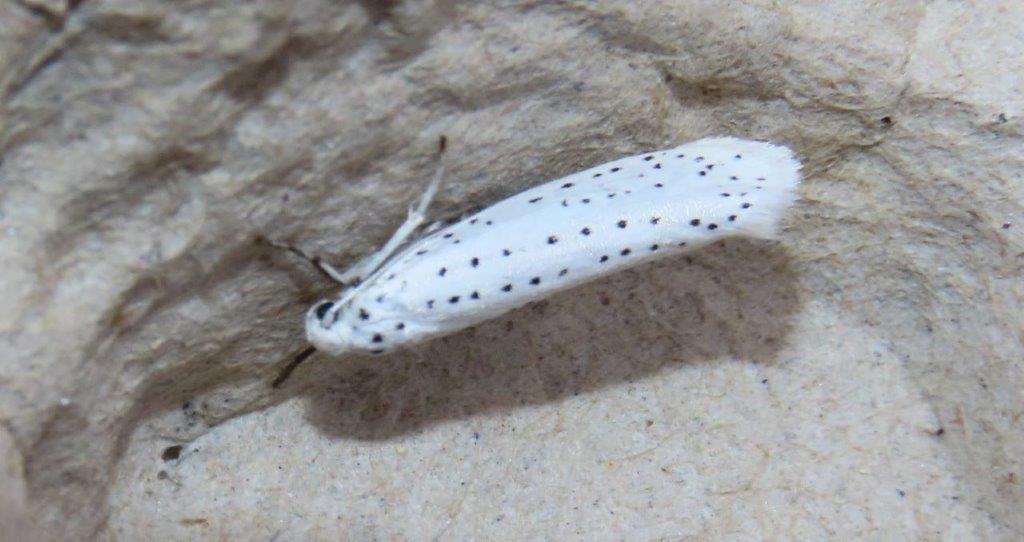
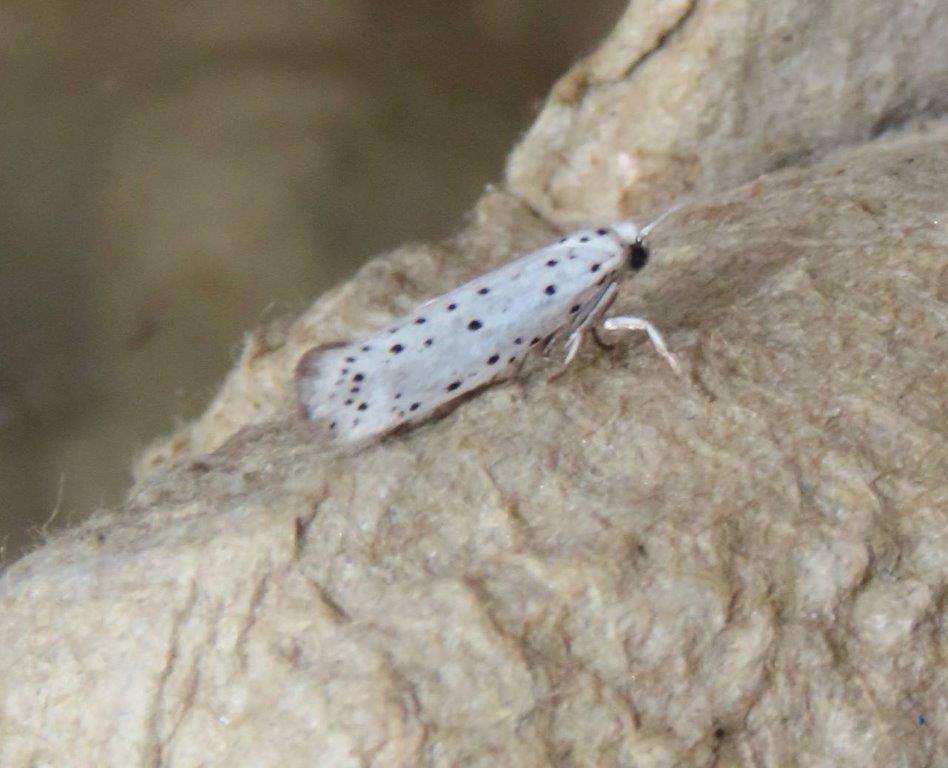
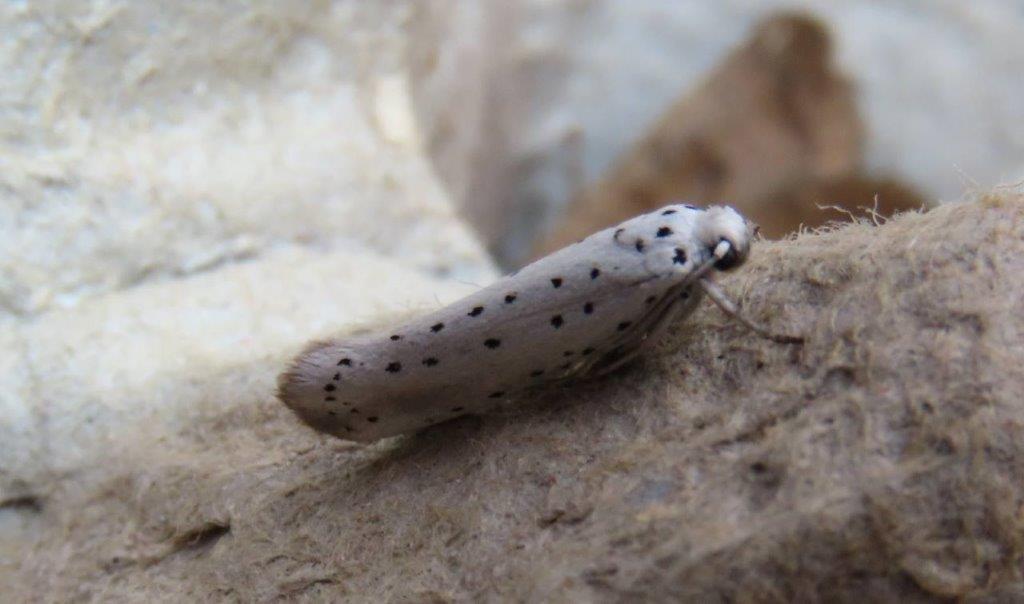
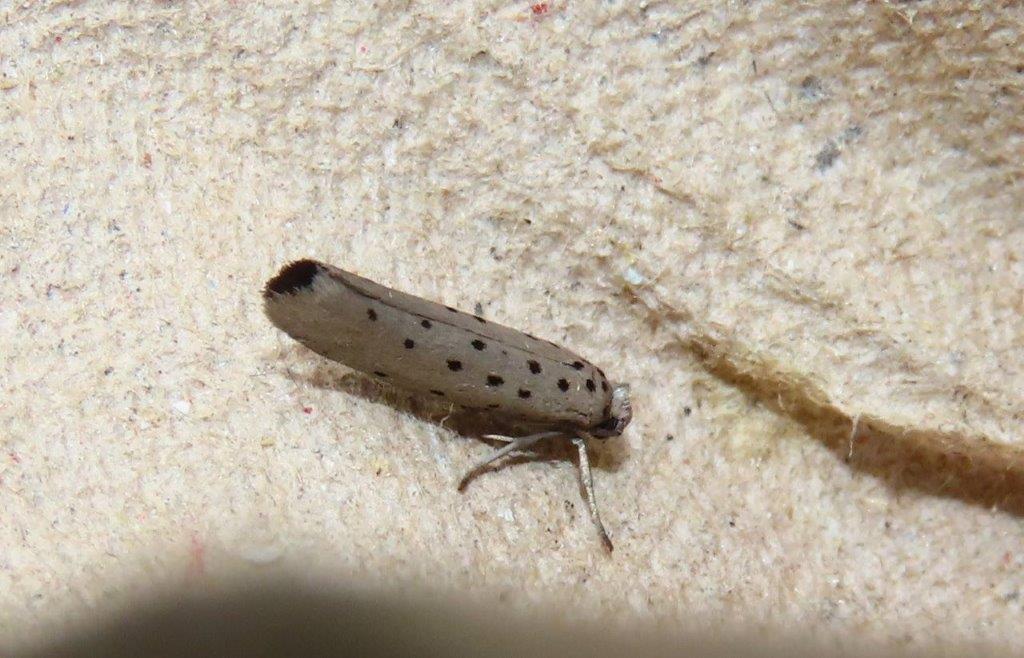
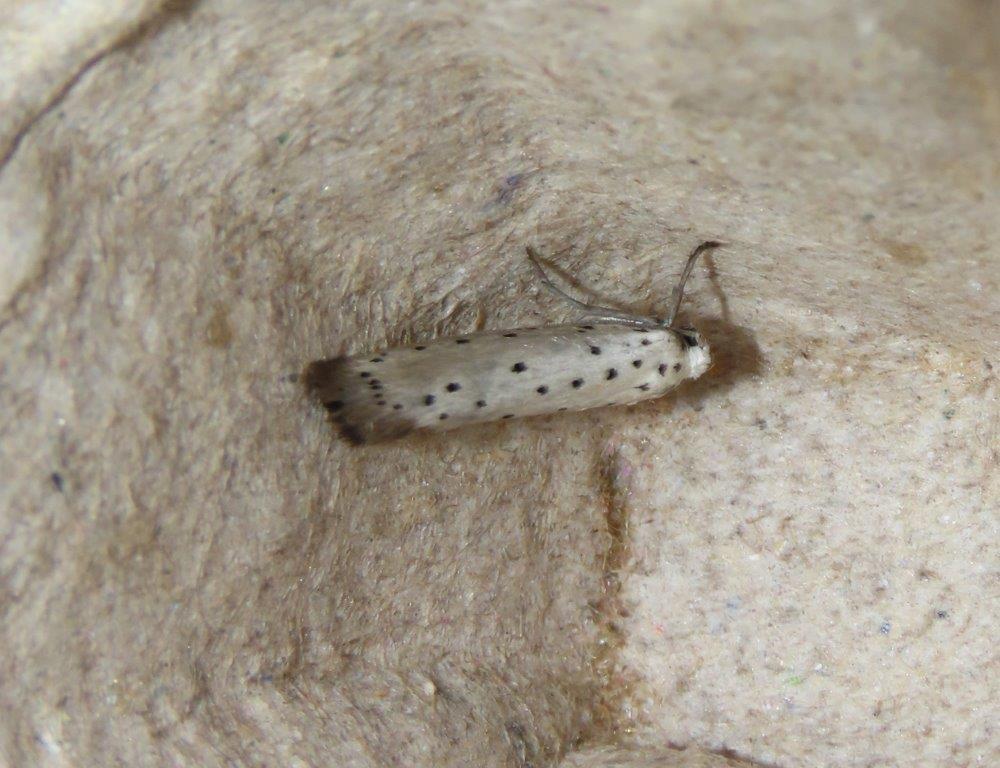
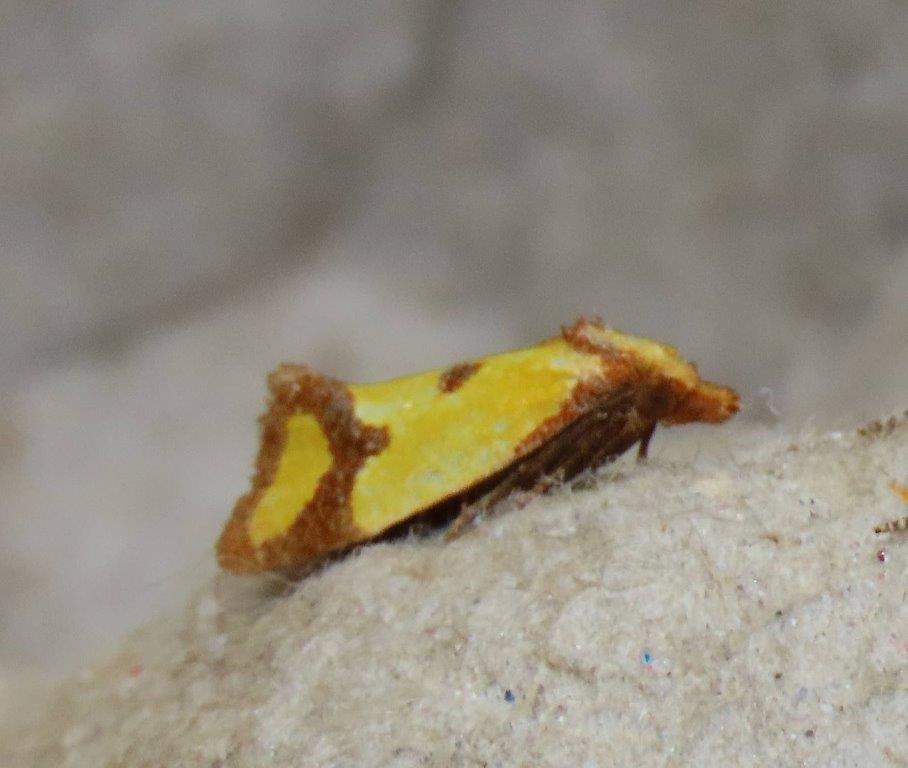
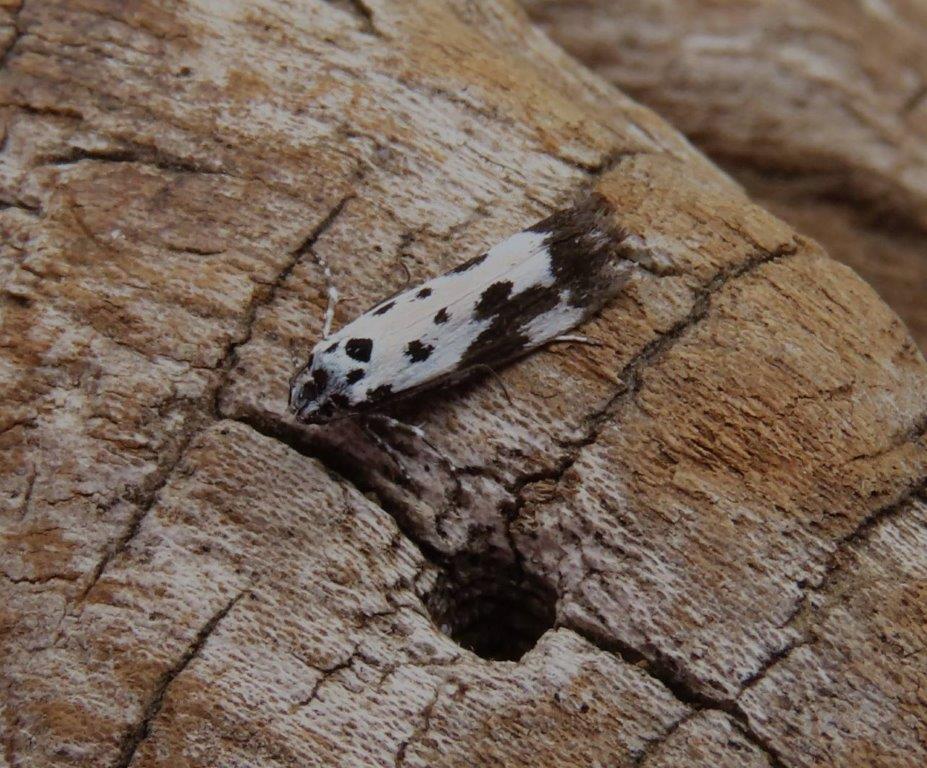
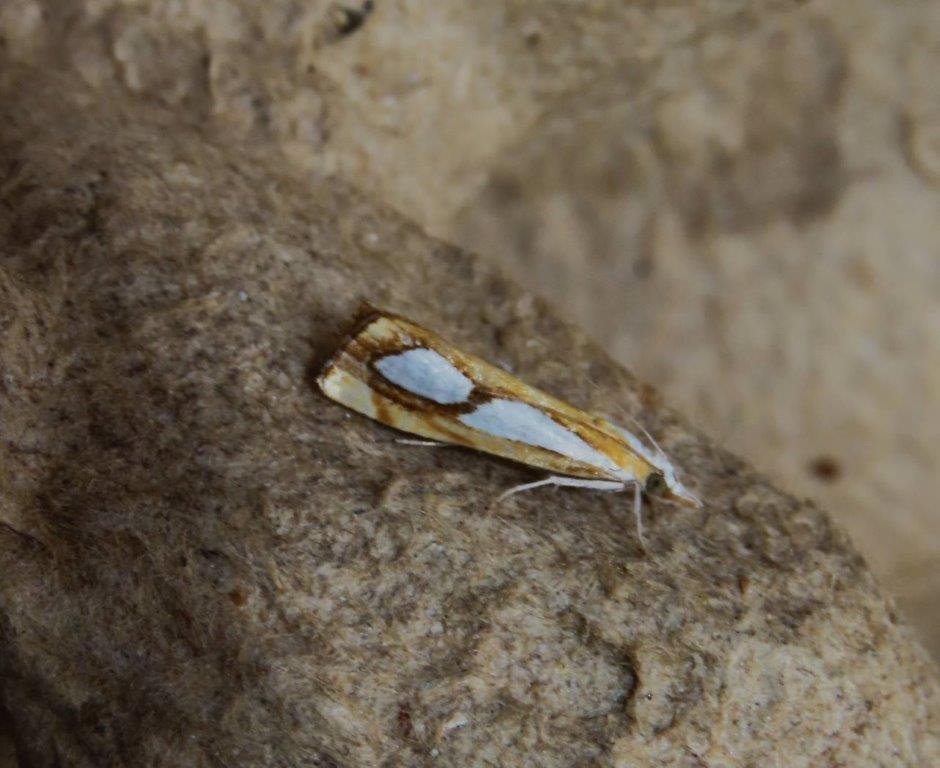
Micros may (generally) be smaller but can be very attractive and/or distinctive, such as Agapeta zoegana, Ethmia quadrillella, Calybites phasianipennella, Water Veneer and Catoptria pinella:
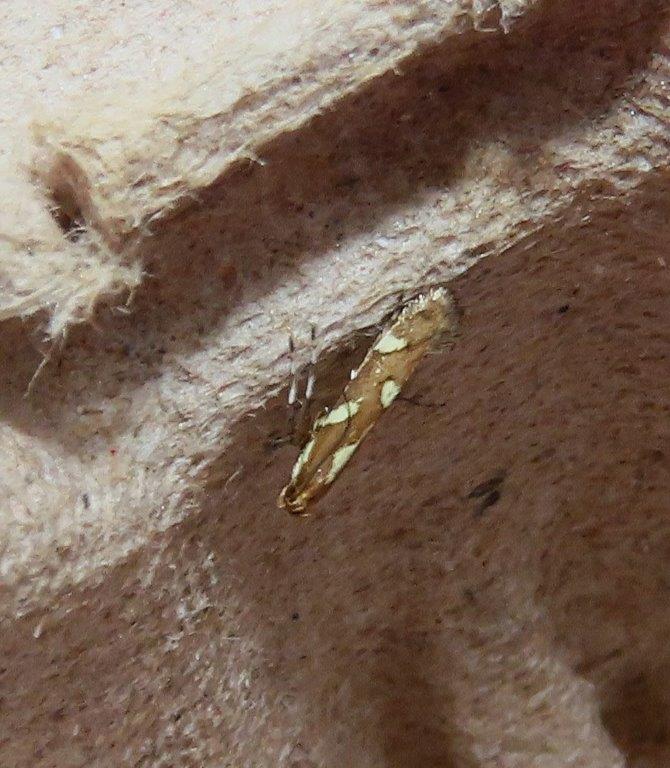
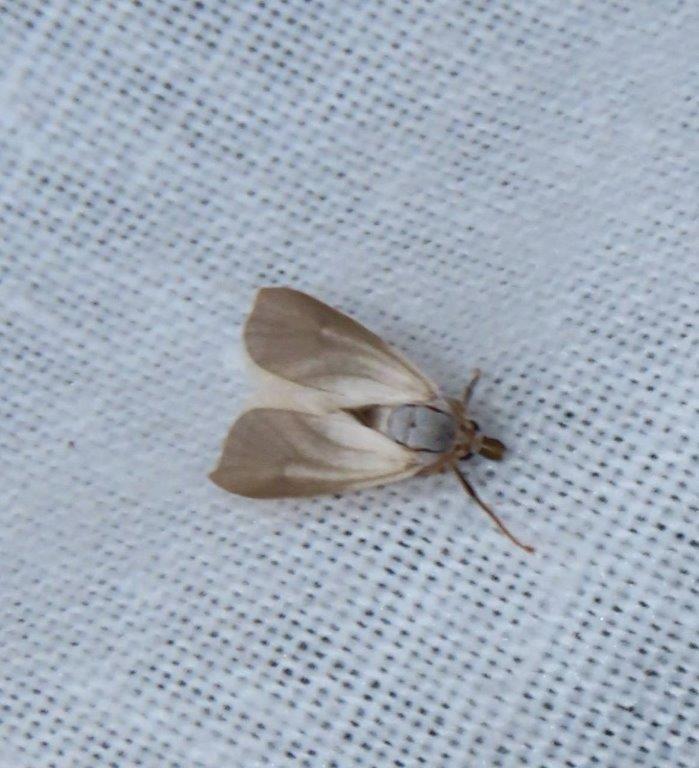
Many moths are well-known as migrants to the UK from the Continent, and at this time of year a moth trap may well contain several specimens indicative of a recent immigration event. That was the case at the weekend, despite the fact that the breeze was northerly, with several Willow Ermines, Diamond-backs and Small Mottled Willows, along with single Silver Y, Dark Sword-grass, Rush Veneer and Rest Harrow, the latter until recently being considered a real rarity.
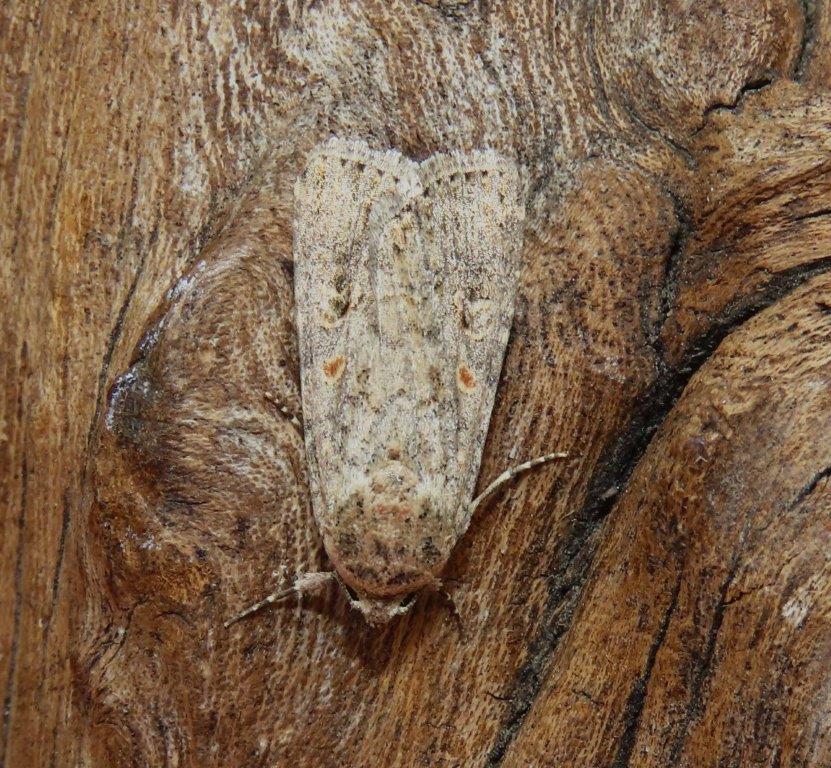
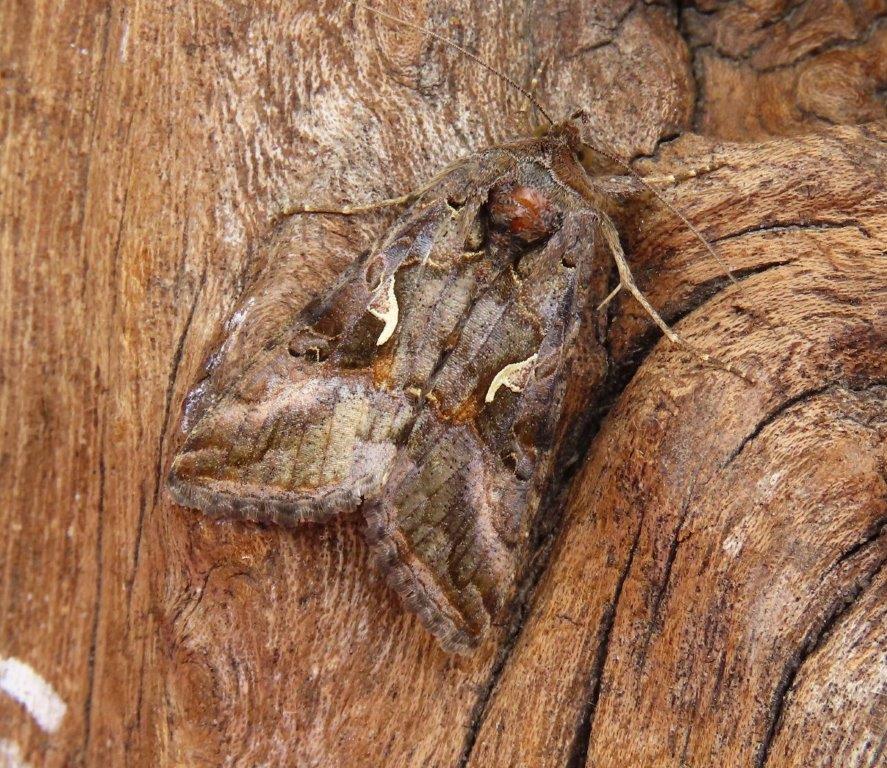
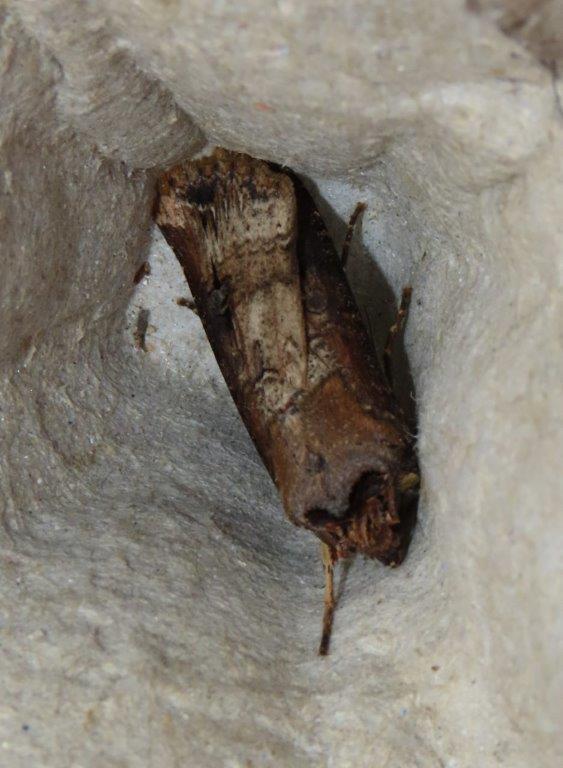
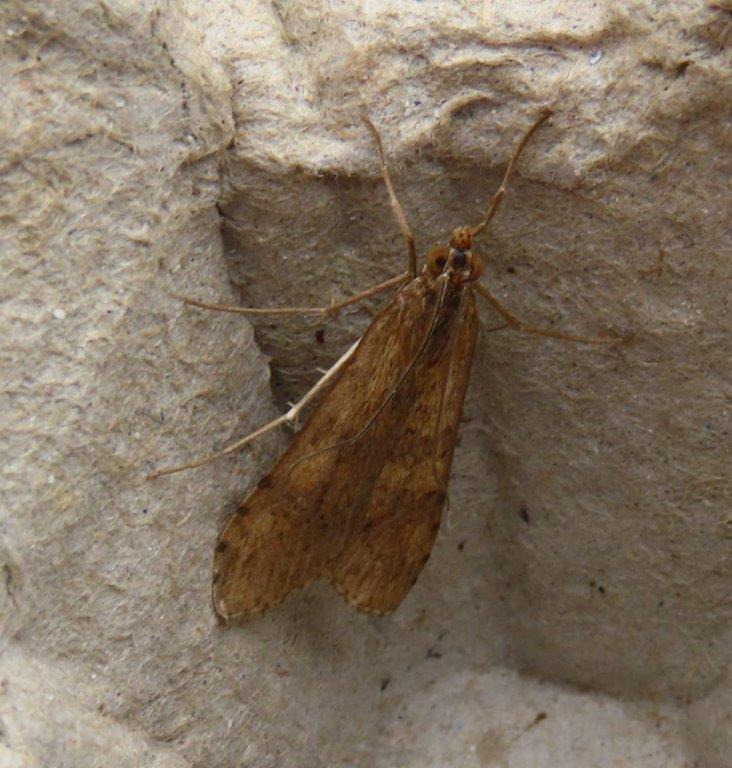
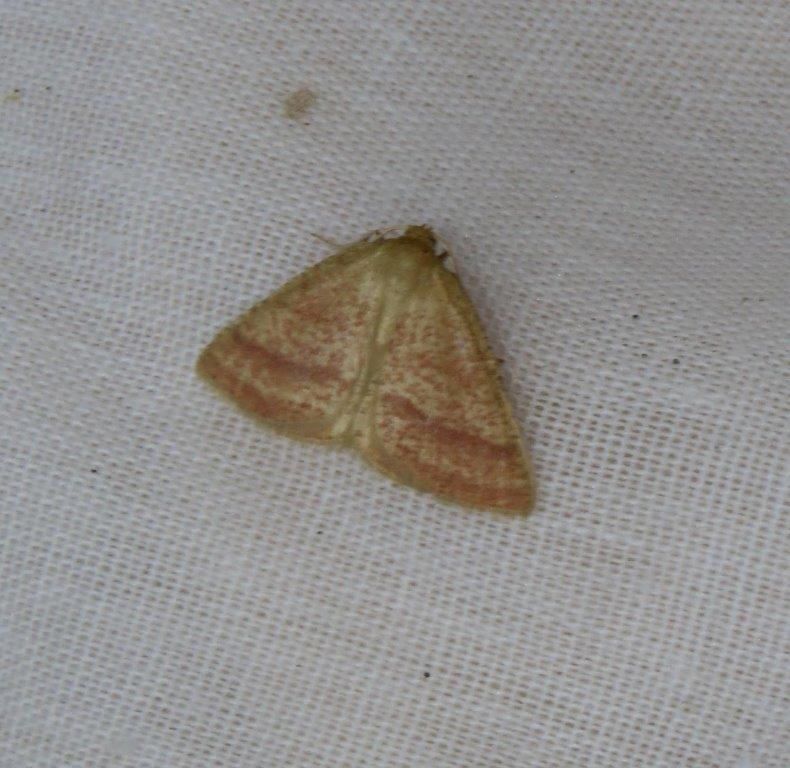
Hitherto migrant moths can and do sometimes establish breeding populations, and we had a selection of those too, with Tree-lichen Beauty, Cydia amplana and Plumed Fanfoot, first recorded in Britain in 1987, 1990 and 1995 respectively, and now likely to be breeding in and around the gardens.
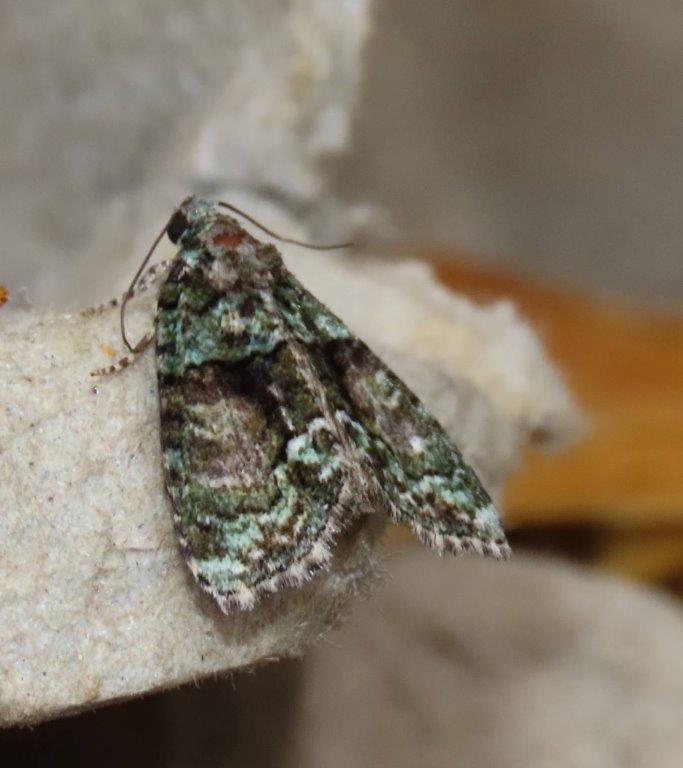
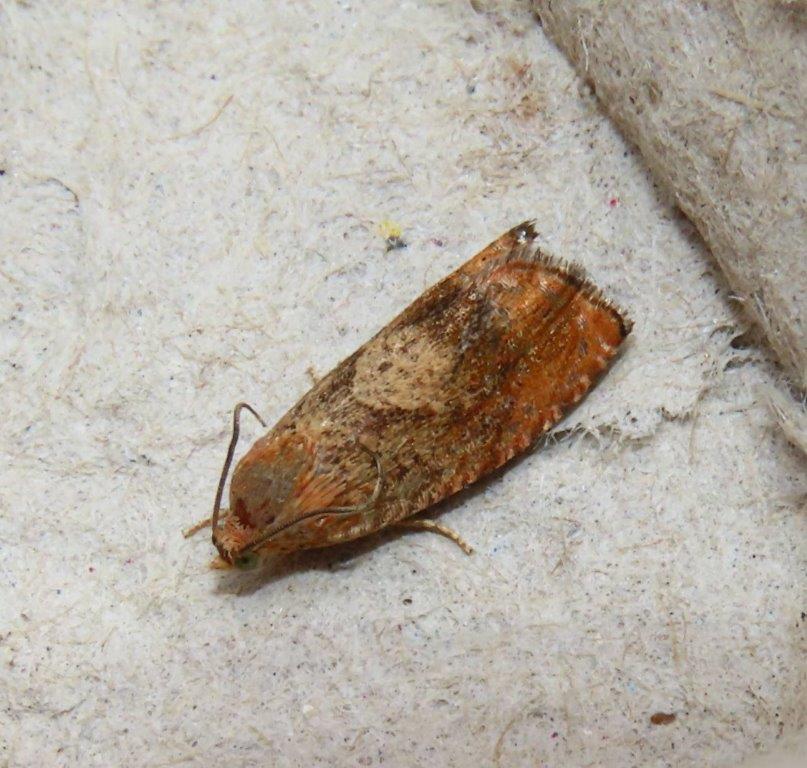
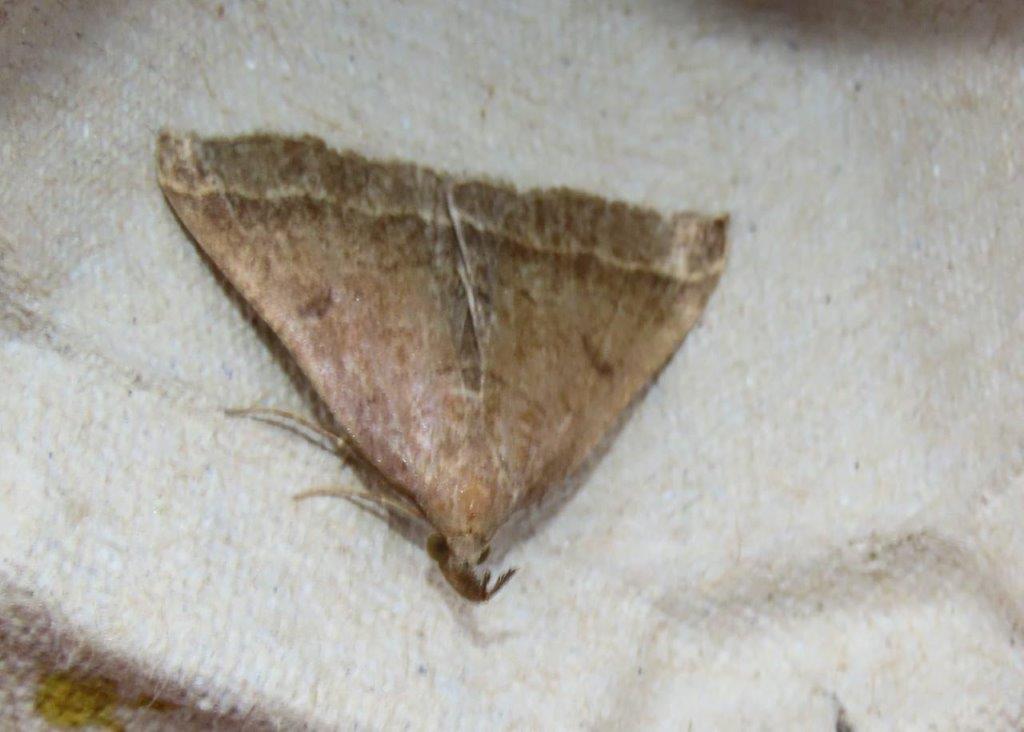
All in all, the night’s haul amounted to about 350 moths of 96 species – see here for a full list and comparison with previous trapping at this site BC MOTHS TOTALS to July 26. This included more than thirty species new to the garden list: because we run the trap here only a couple of times a year, there is always ample opportunity to expand that list further! Running the trap in different locations and in different months would certainly add considerably to our overall biodiversity list.
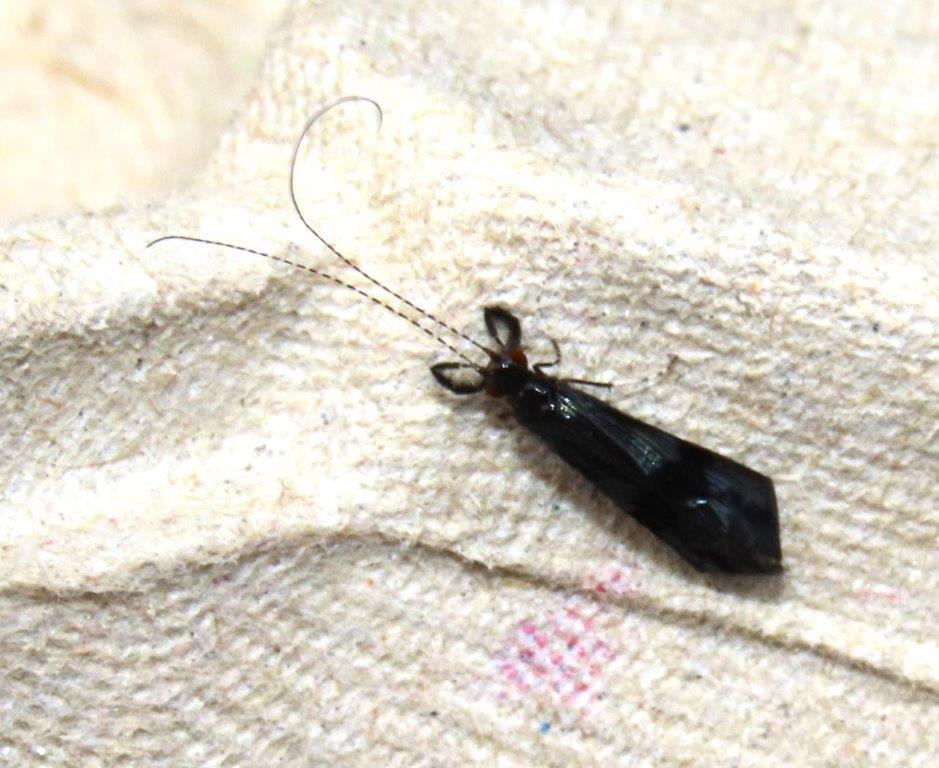
As always, creatures other than moths found their way into the trap. Caddisflies are regular visitors, especially given the proximity of their aquatic breeding habitat, and included Glyphotaelius pellucidus and Mystacides azurea.
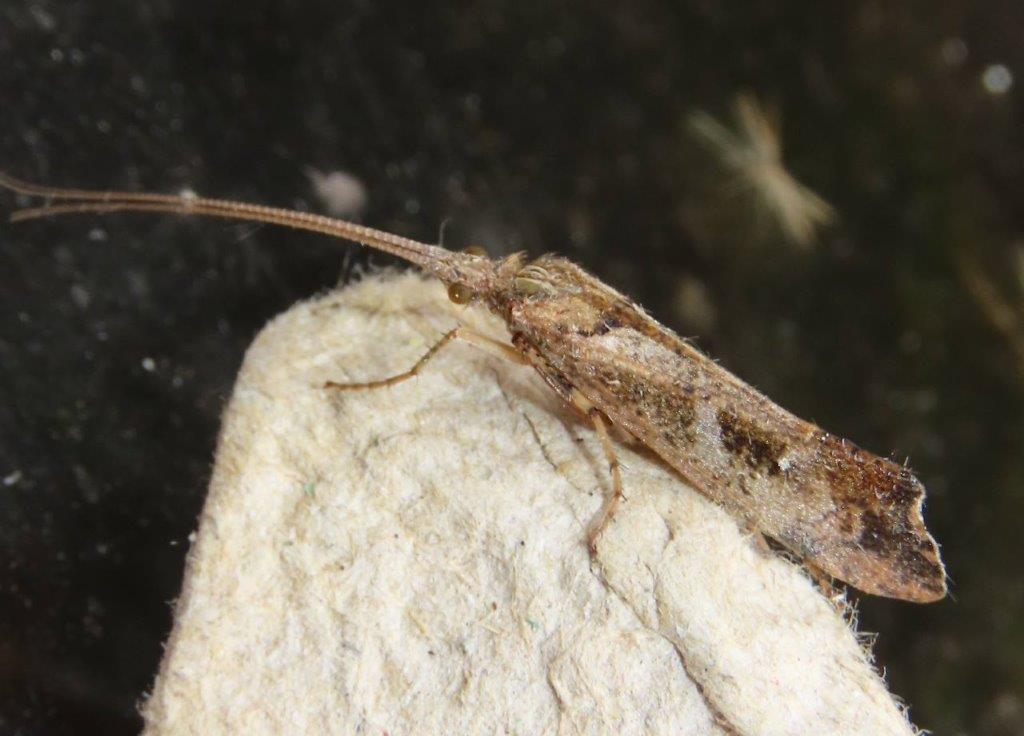
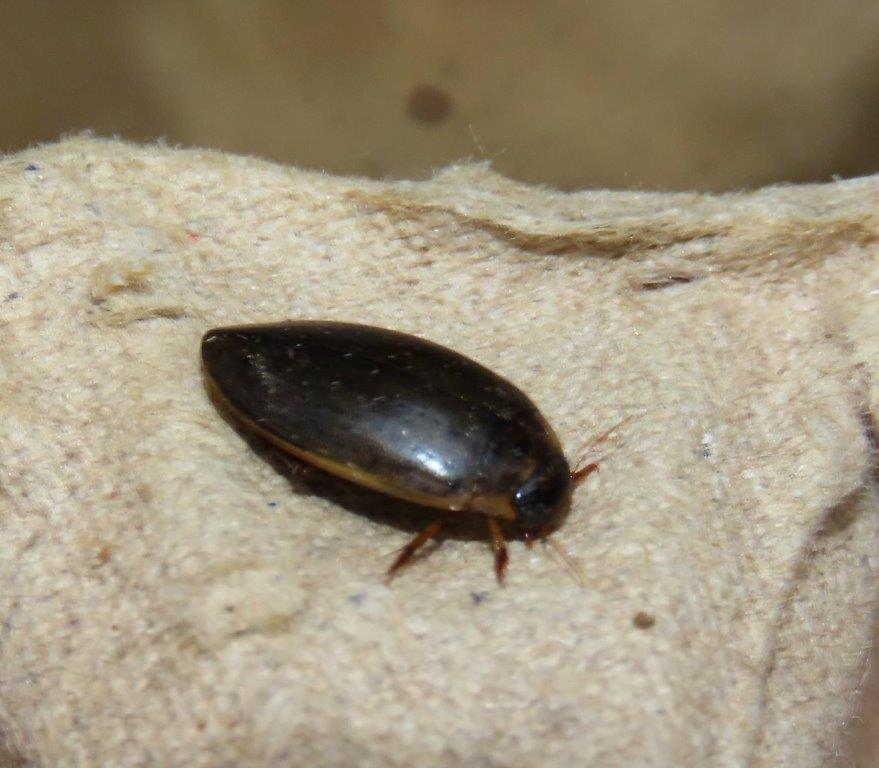
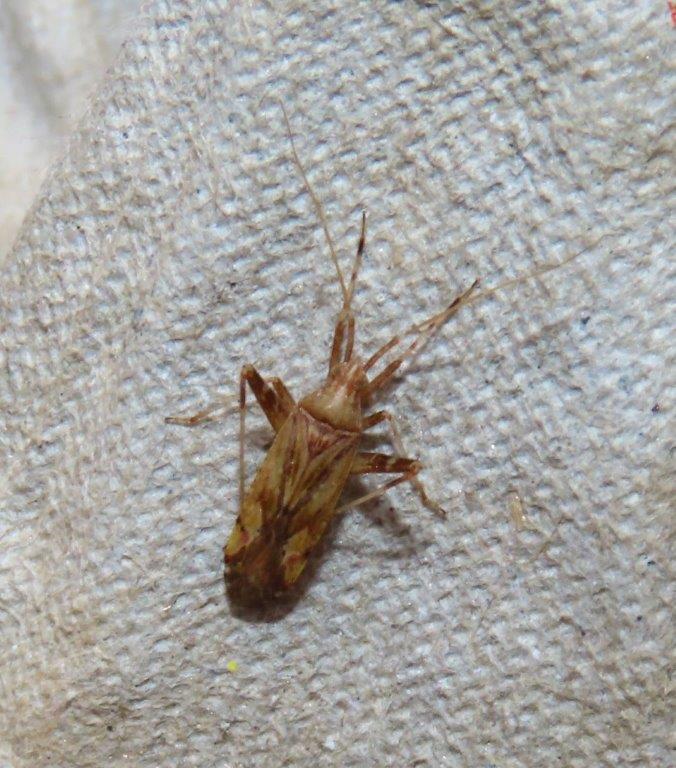
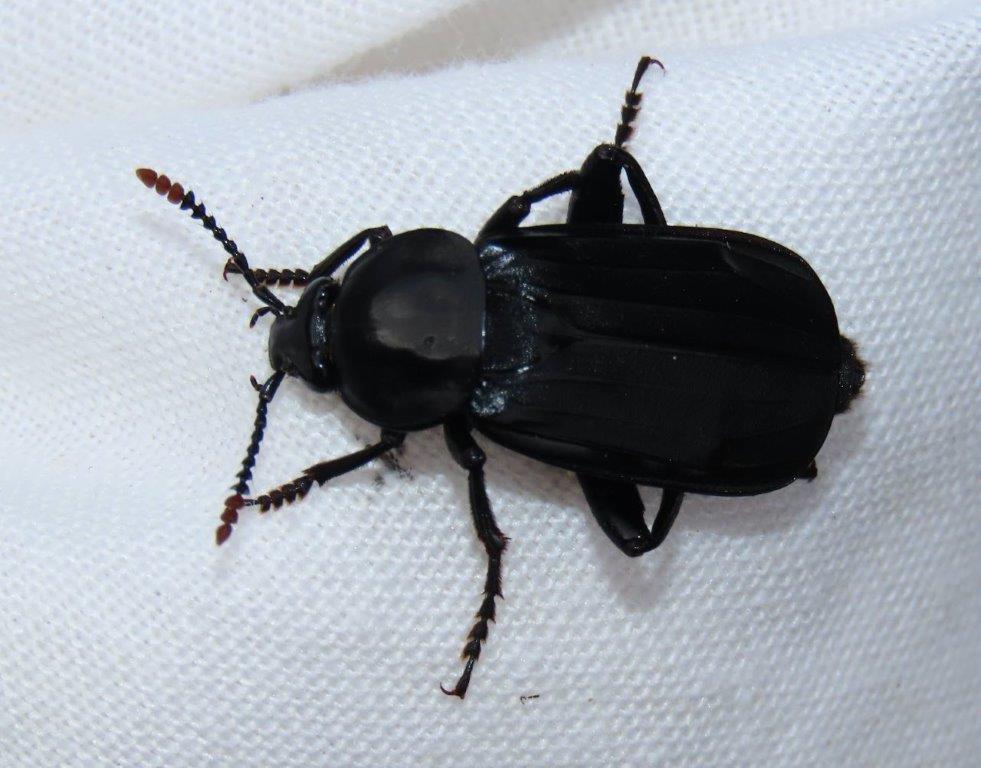
Another pond-dweller was the Supertramp Beetle Rhantus suturalis, one that is well known for dispersing at night and seeking out fresh ponds by the light of the Moon. A plant bug Phytocoris varipes was the first time we have recorded it in the garden, and the most dramatic element of the by-catch was a carrion-beetle Necrodes littoralis, a species best known from coastal strandlines, and indicative of the wondrous, largely unnoticed, flux of insects under the cover of night.
Our group also had time for a quick walk around the gardens and managed to see a couple of characteristic day-fliers, Jersey Tiger and Hummingbird Hawkmoth, along with a selection of butterflies, shield-bugs, dragonflies and damselflies.
*****************************************************
The trap was again pressed into action a few nights later, to prepare for a kids’ mothy session at the start of the summer holiday. With focus on experience rather than identification, we didn’t produce a full list for that event, but just appended new ones to the weekend trap results.
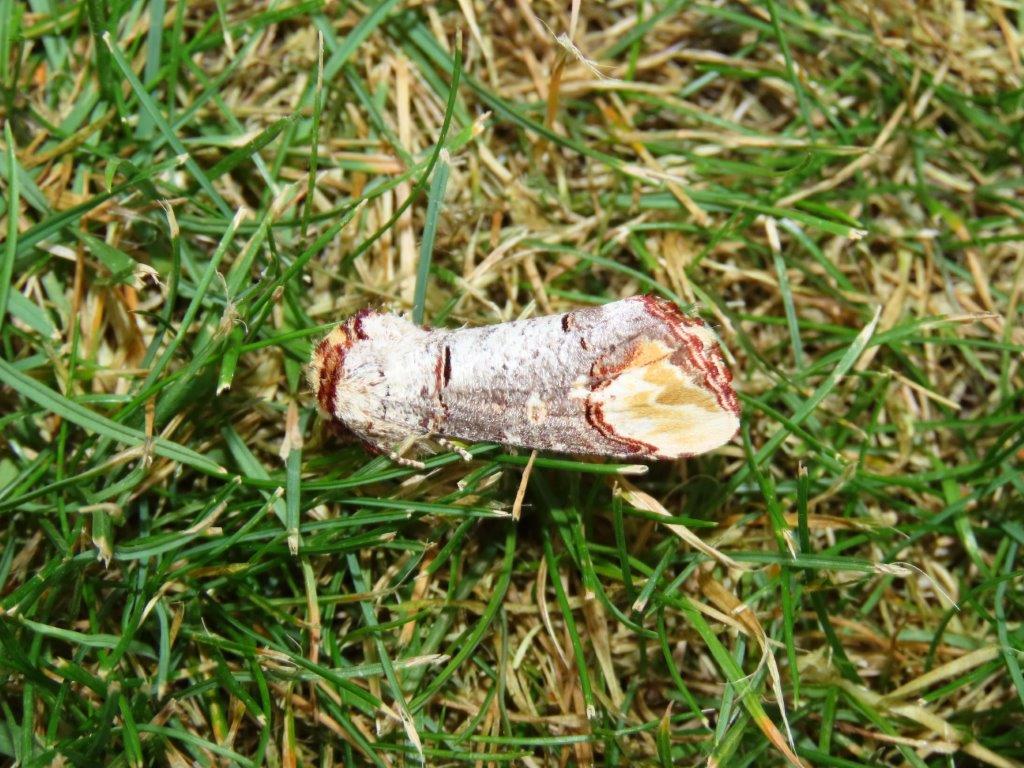
And what an experience it was for them, especially enthralled by the size of the Oak Eggar, the pattern on the Black Arches and the birch-twig camouflage of the Buff-tip. The latter was extremely compliant, allowing itself to be handed gently round all the little hands massed around the trap, one by one until even those who were initially scared had a go. And then it was released into safety, content in the knowledge that it might just have changed the life of one or more of the kids.
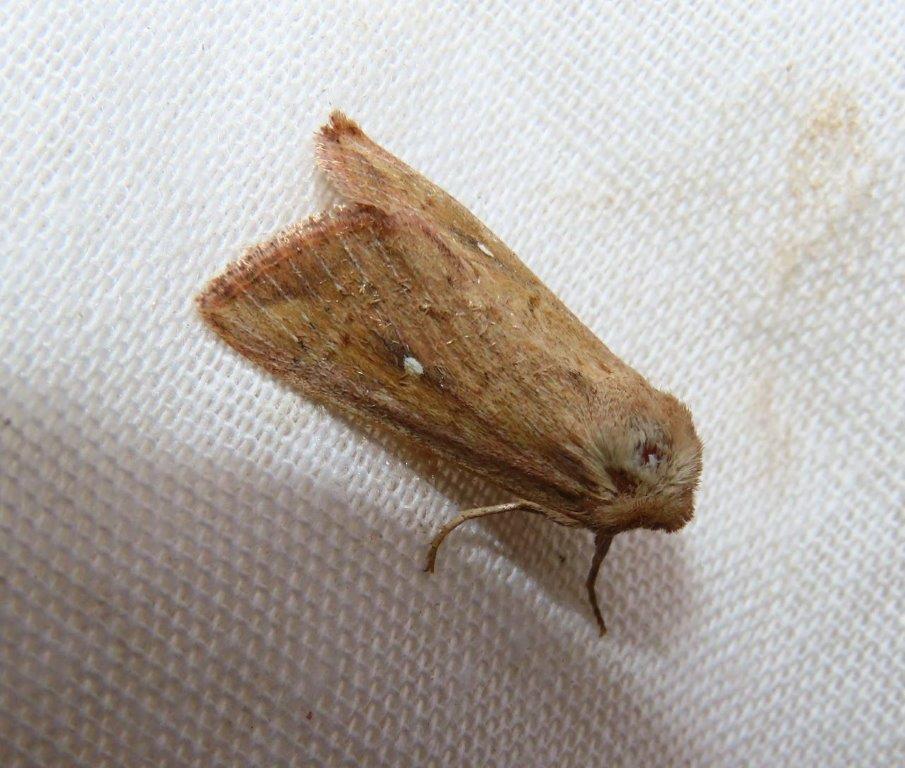
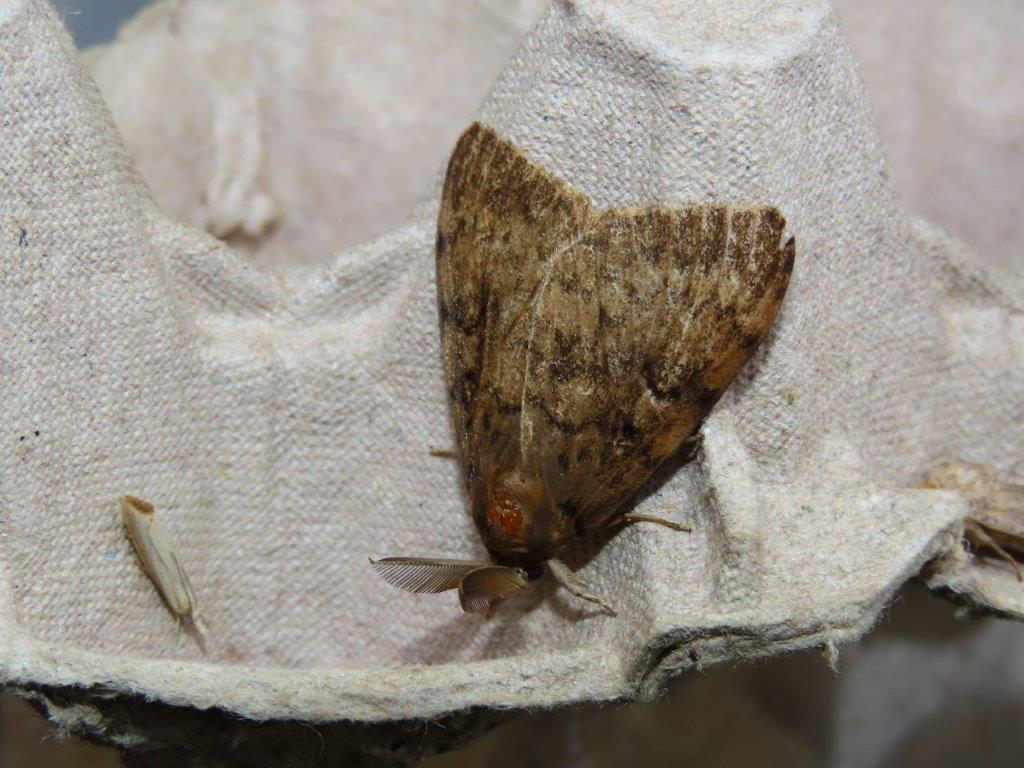
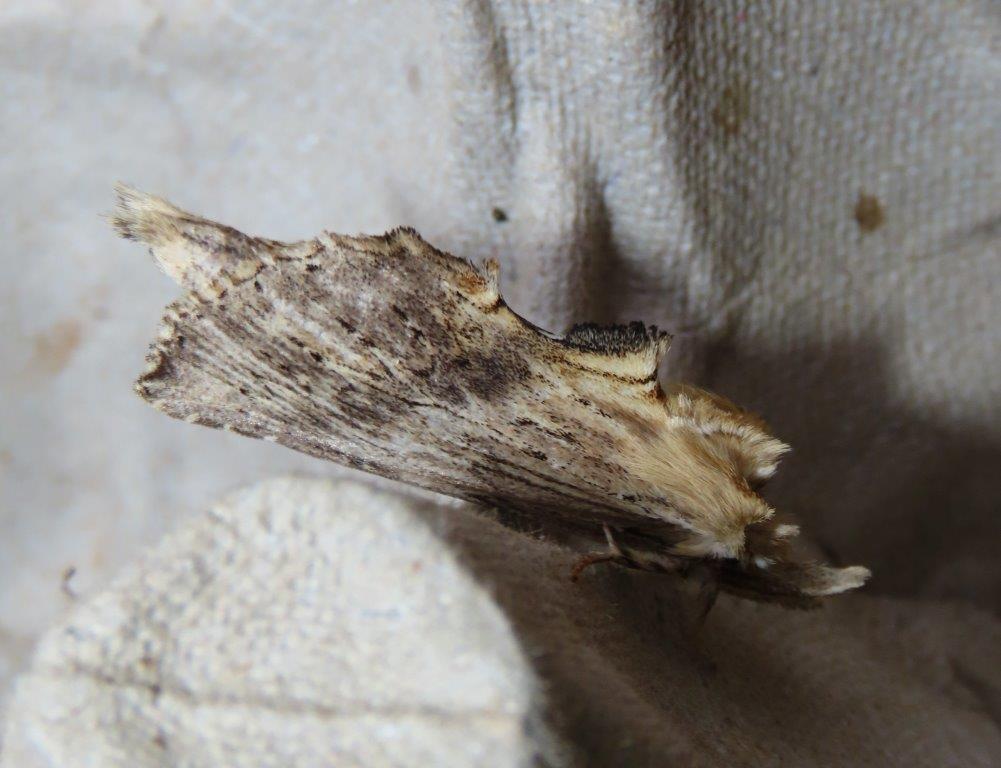
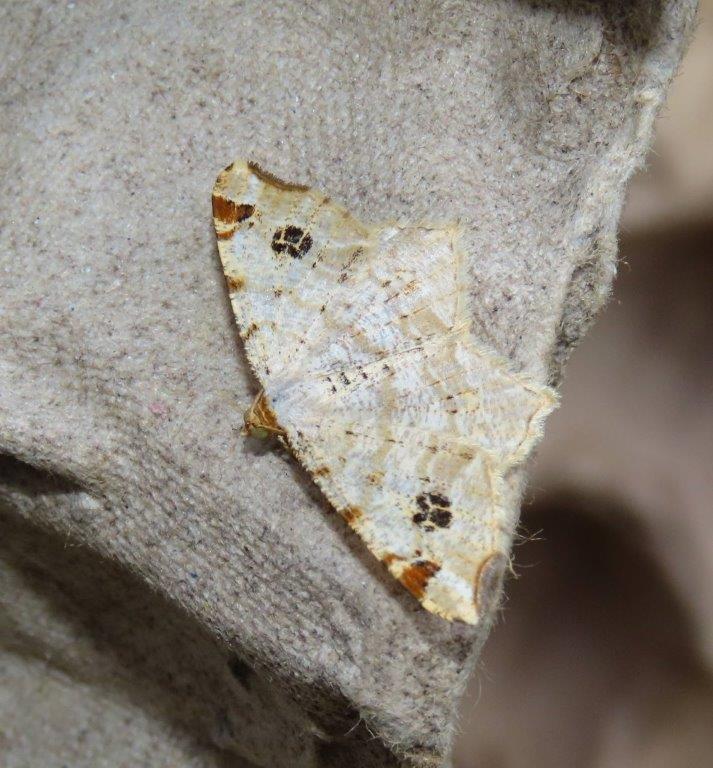
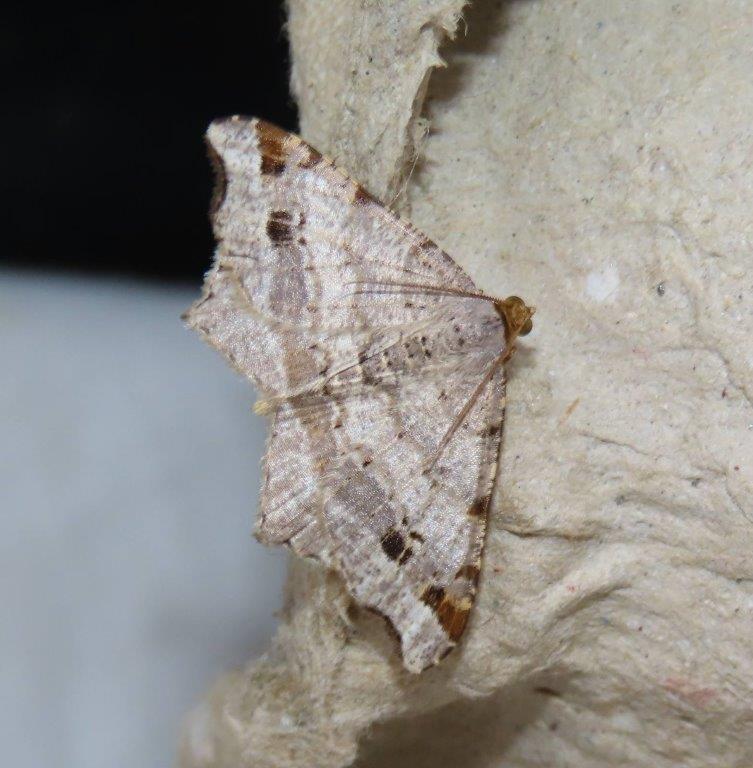
And remarkably, given that we had trapped only four nights’ previously, I found about 25 moth species that had not appeared in the trap on Friday night and, of those, nine were were completely new to the ever-expanding garden biodiversity list. Some of the absentees from the Moth Morning event were White Point, Gypsy Moth, Pale Prominent, Peacock Moth and Sharp-angled Peacock.
Hopefully the Moth Mornings will be back next summer, and after the joy of the kids’ moth event, I would love that to become a fixture too. Watch the Beth Chatto website events page for more details.