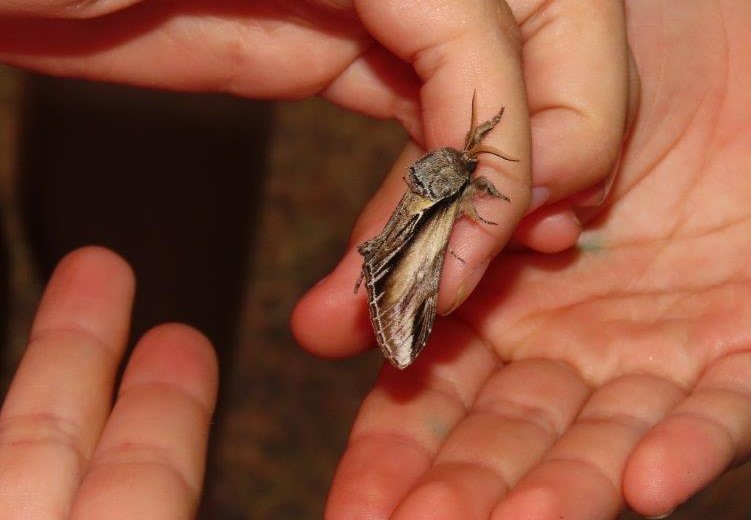
Compared with the first one a month previously, our second Saturday morning moth club of the summer in the Minories garden was a little disappointing, with fewer moths of fewer species. In part this might have been the result of competing light sources, but the overwhelming reason must have been the weather. Not a drop of rain had fallen on the garden since the very night the trap was last set; the ‘lawn’ had turned to dust, and the plants of the garden were drooping as if in collective mourning for the state of the climate.
And the moths that were found told much the same story, new arrivals to this country, or species previously restricted to favoured warm localities on the south coast that have been able to expand their range as our temperate isle becomes ever more unpredictable and extreme. Seeing these new things is obviously interesting, but recording them is also important so we can try and understand (and maybe manage) the risks of climate collapse to our wildlife and indeed our own lives. A full list of all we recorded, with previous events for comparison, is found here: Minories Saturday Morning Moth Club to July 26
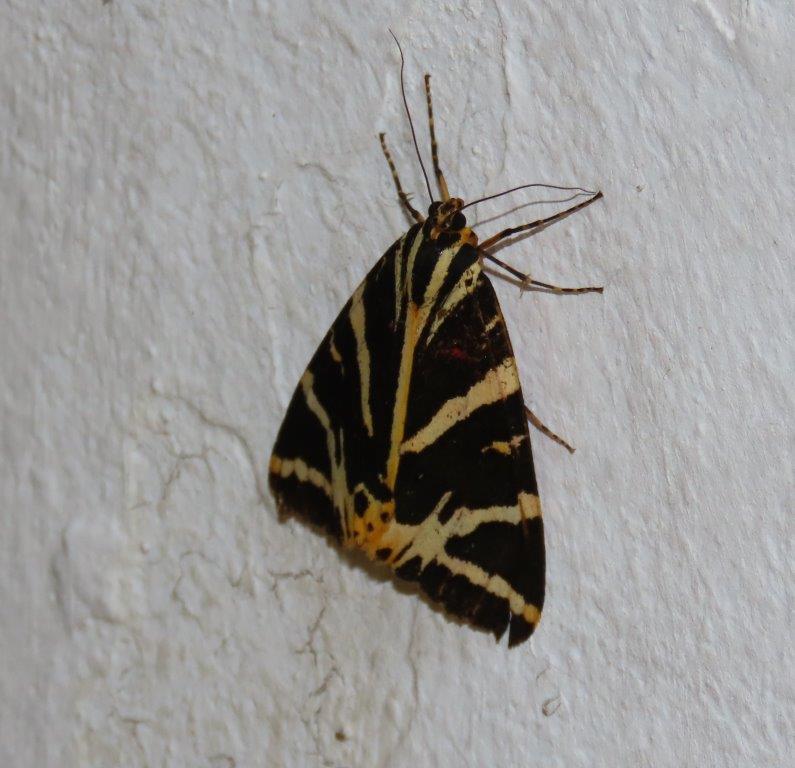
Biggest and brightest was the Jersey Tiger, of which there were three in and around the trap. This started to spread from the extreme south coast of Devon around the start of the century, and started to move through London and up the Lee valley into Essex shortly thereafter, although it has been regular in the north-east of the county only since about 2020.
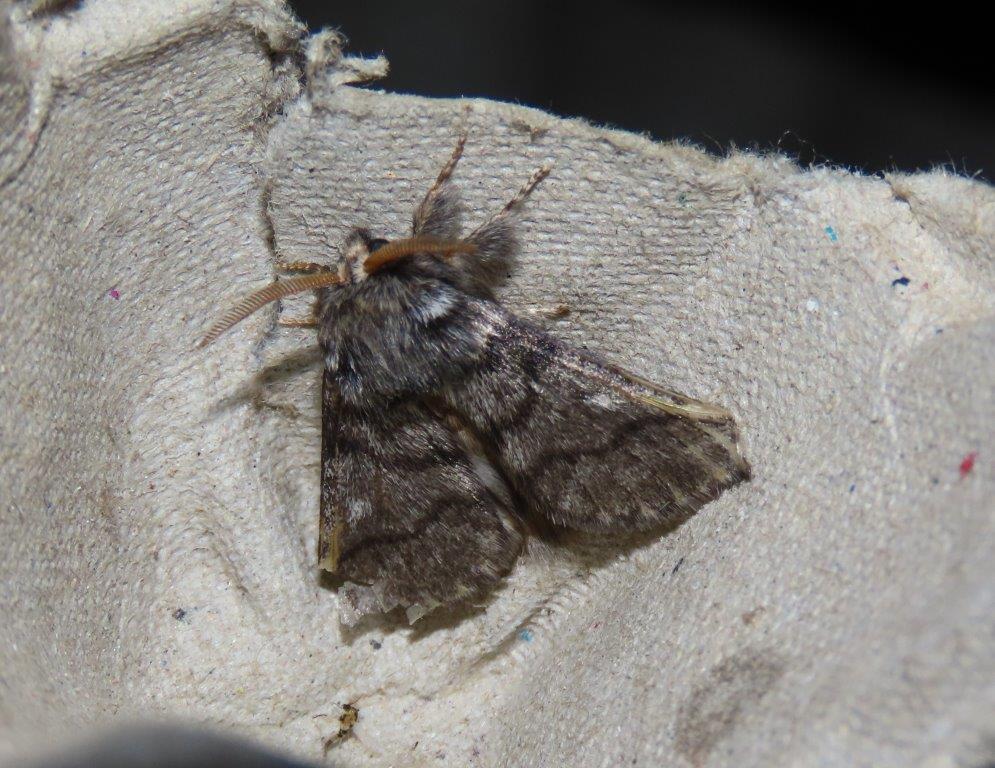
A Gypsy Moth sadly evaded my camera, but it paused long enough for everyone to see its extravagantly feathery antennae. Originally a fenland species, this became extinct in those areas around 1900, but a new resident population has been founded around London since 1995, despite the attempts of the Ministry of Agriculture to eradicate it because of the risk of severe defoliation of important forestry or amenity trees. By now it is widespread in Essex albeit patchily distributed away from London fringes.
The Oak Processionary Moth shares a similar history, except that it never had a permanent UK population until around 2005. The first few windblown immigrants were found in Essex and elsewhere from 1995, but true colonisation came after batches of eggs were assumed to have been imported on horticultural produce a decade later. But irrespective of the mechanism, it was probably only a matter of time, and now it has spread out from London across the south-east of England, again in spite of official attempts at closing the stable door….
Box Moth is another one believed to have colonised via horticultural trade, this from the Far East. First seen in the UK in 2007, it reached Essex by 2009, and nowadays Box in gardens is a thing of the past, except to those gardeners (NOT at the Minories!) who are happy to kill the world with poisons if it creates a pristine, albeit lifeless, garden.
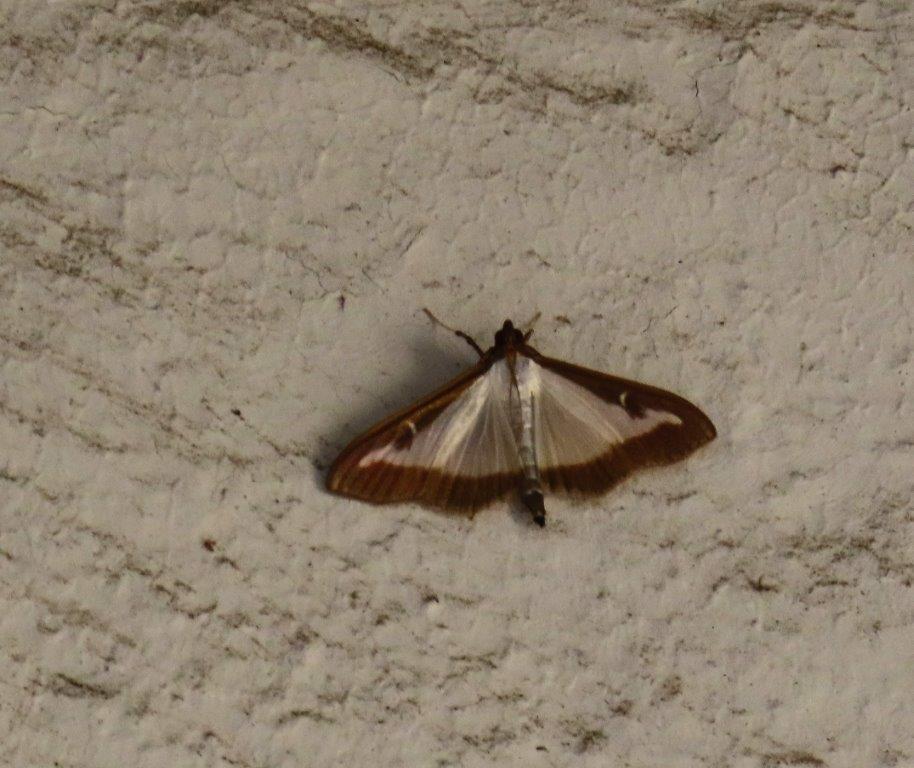
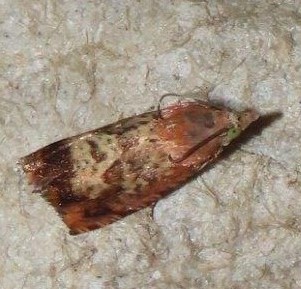
The latter is one of the larger micromoths, but there is also a host of the smaller micros that too have taken advantage of natural and/or unnatural vectors and a warming climate. Cydia amplana arrived (probably naturally) in 1990, was first found in Essex in 2004, and is now widespread across the county. Blastobasis adustella is a native probably of Australasia that was accidentally introduced into western Europe and the UK in the latter half of the 20th century, possibly via Madeira and other mid-Atlantic islands.
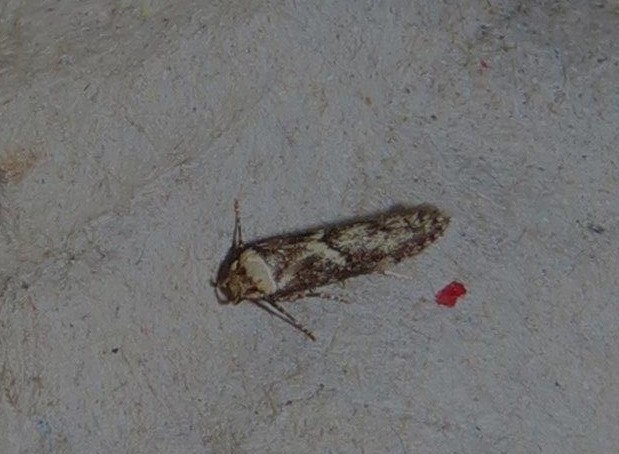
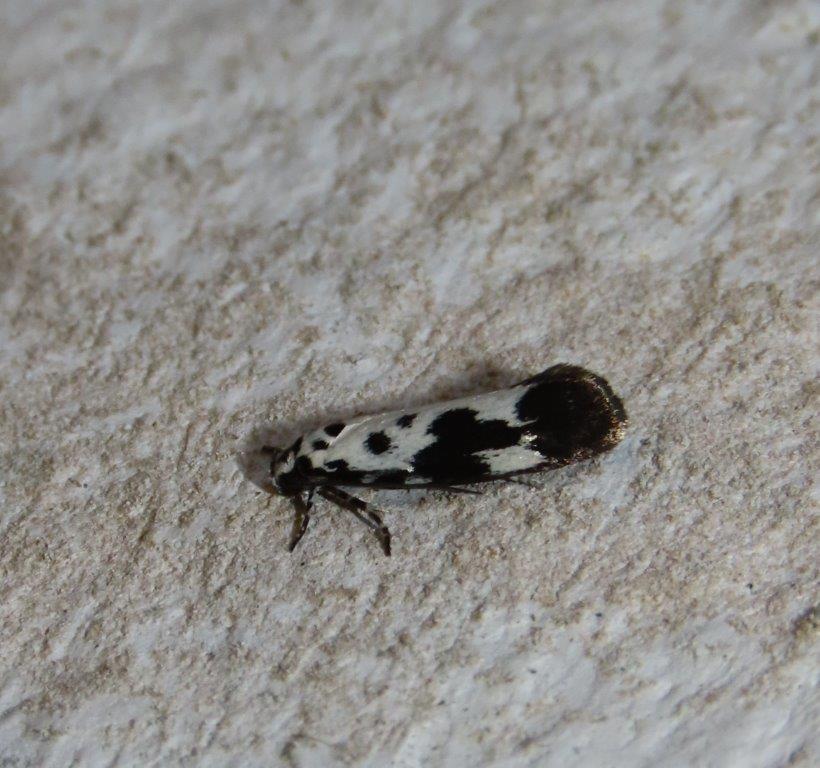
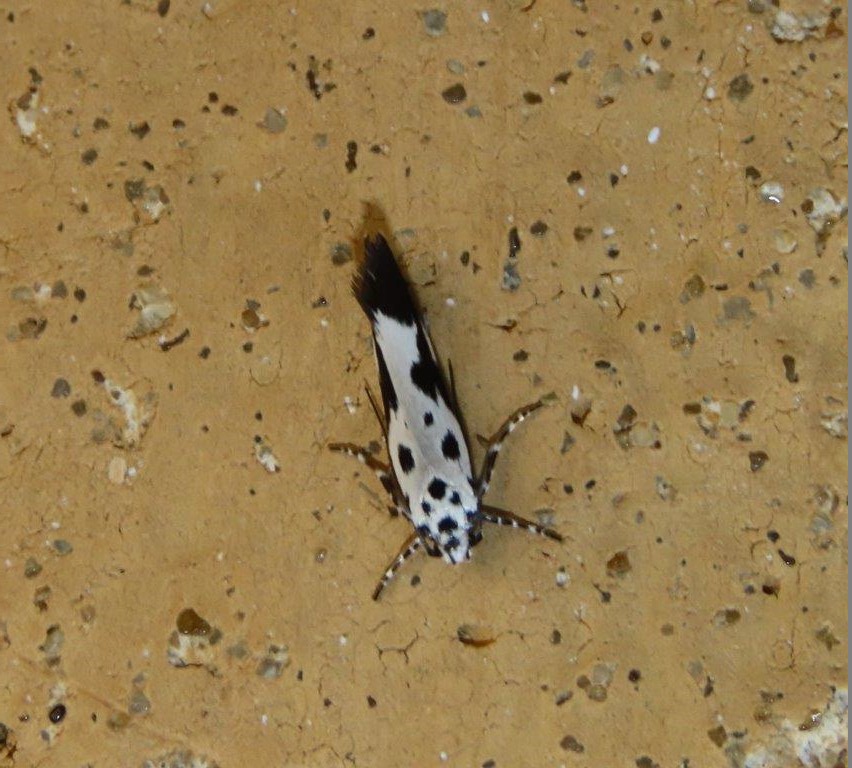
And Ethmia quadrillella has always been local in the country, found historically in fenland areas where its main foodplant Comfrey is found; it has now spread throughout Essex, probably as Comfrey has spread through urban environments, and the climatic warming may have allowed it to feed successfully on a wider range of memebrs of the Borage family.
There were of course other moths in the trap as well, including macromoths like Willow Beauty, Peppered Moth, Least Carpet and Haworth’s Pug…
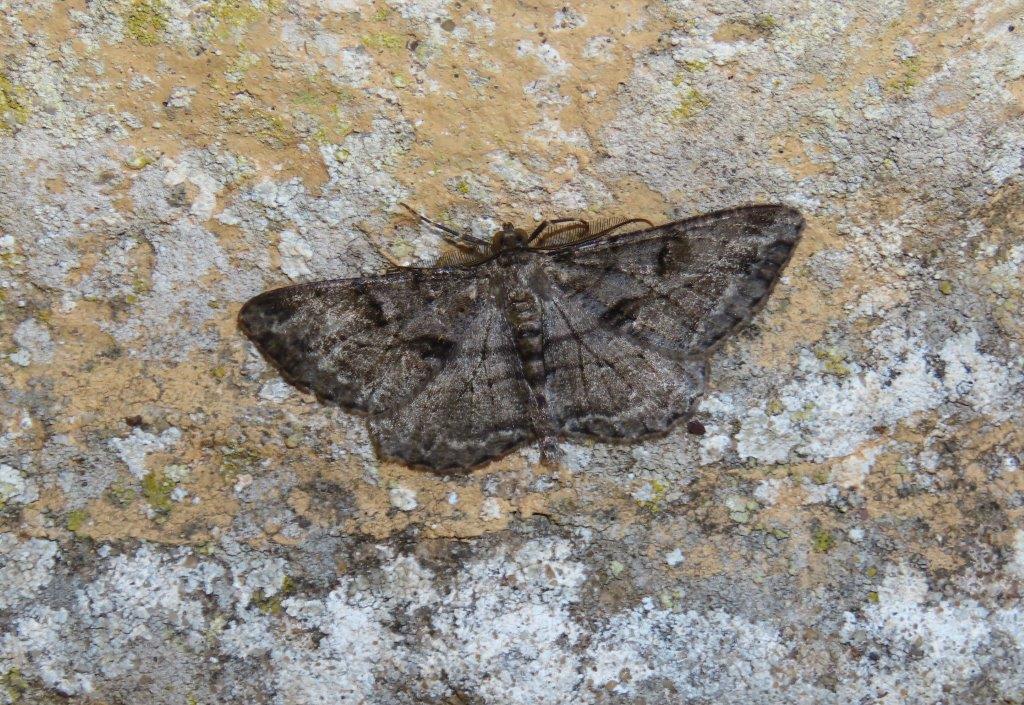
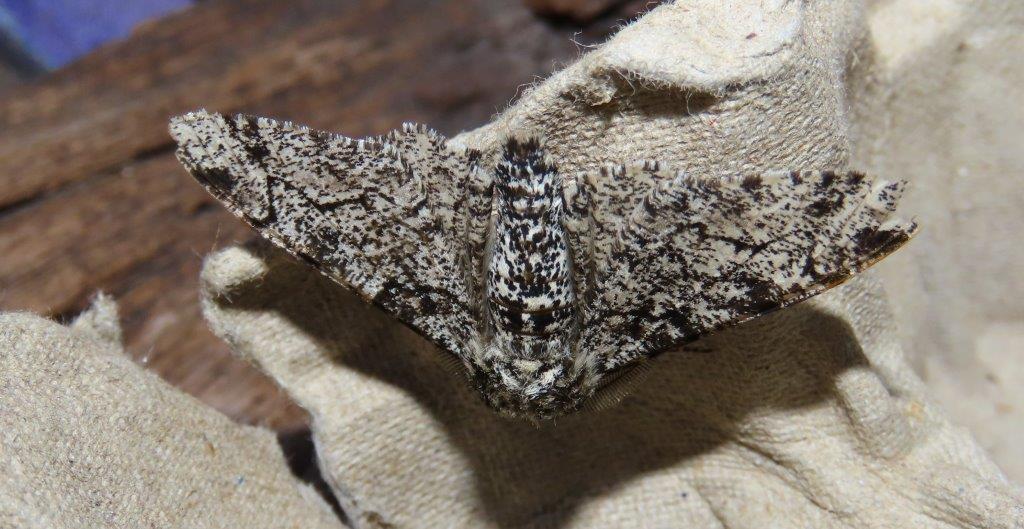
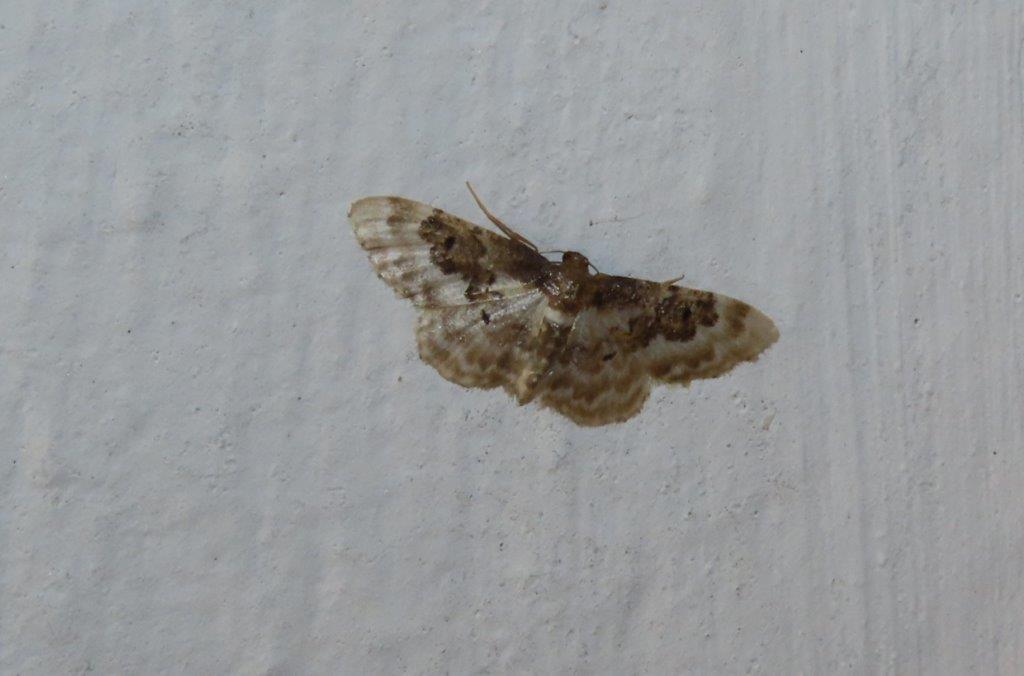
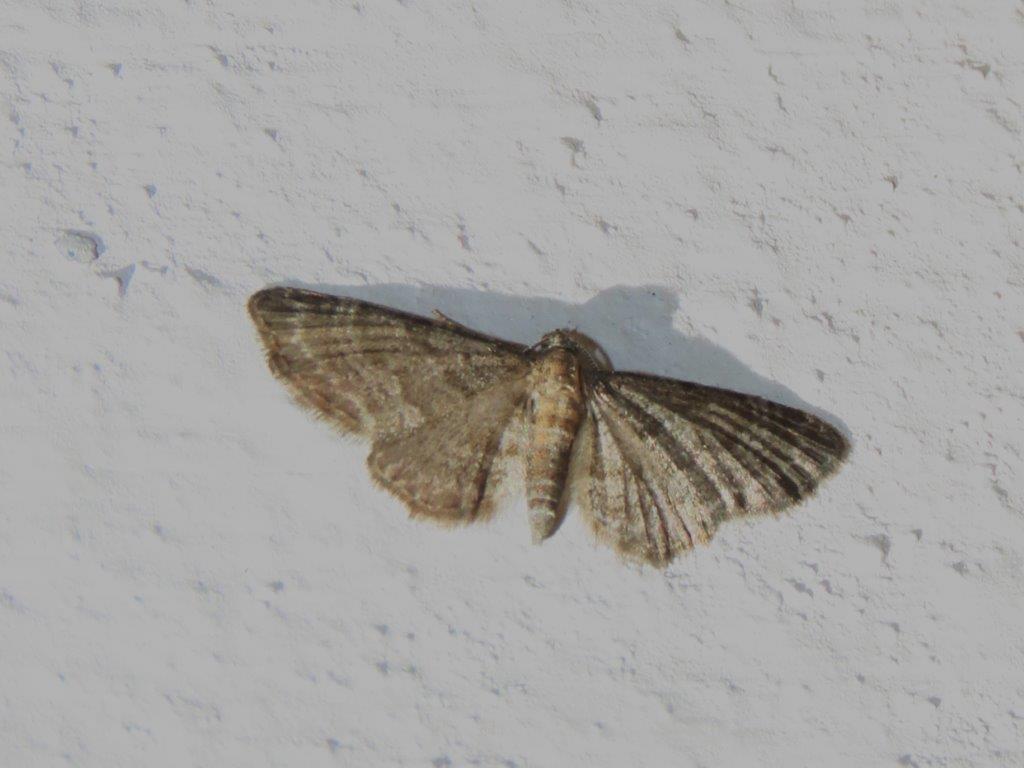
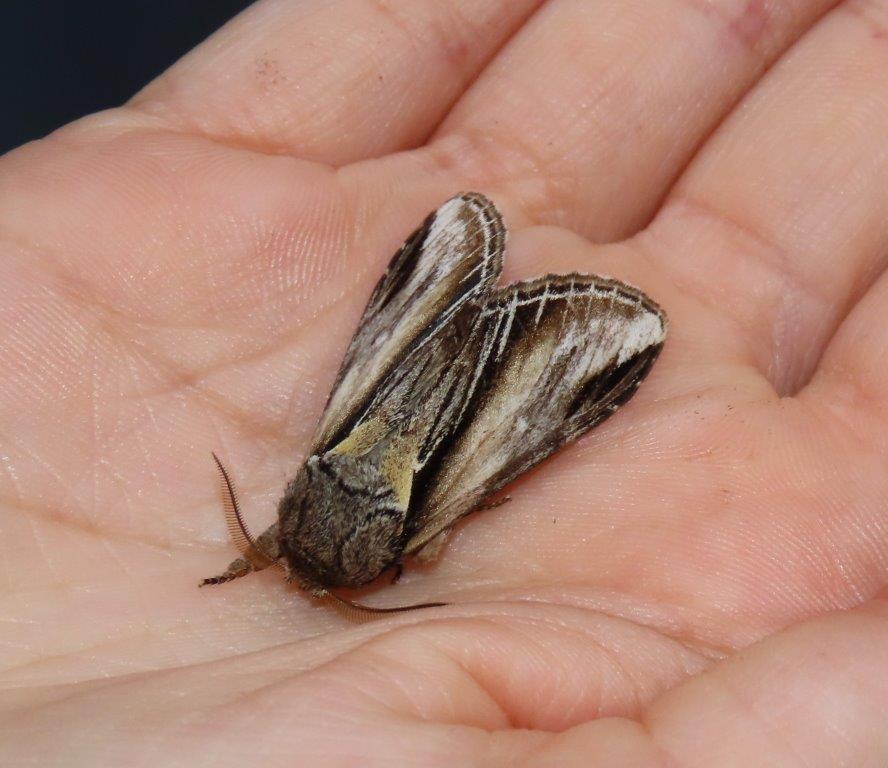
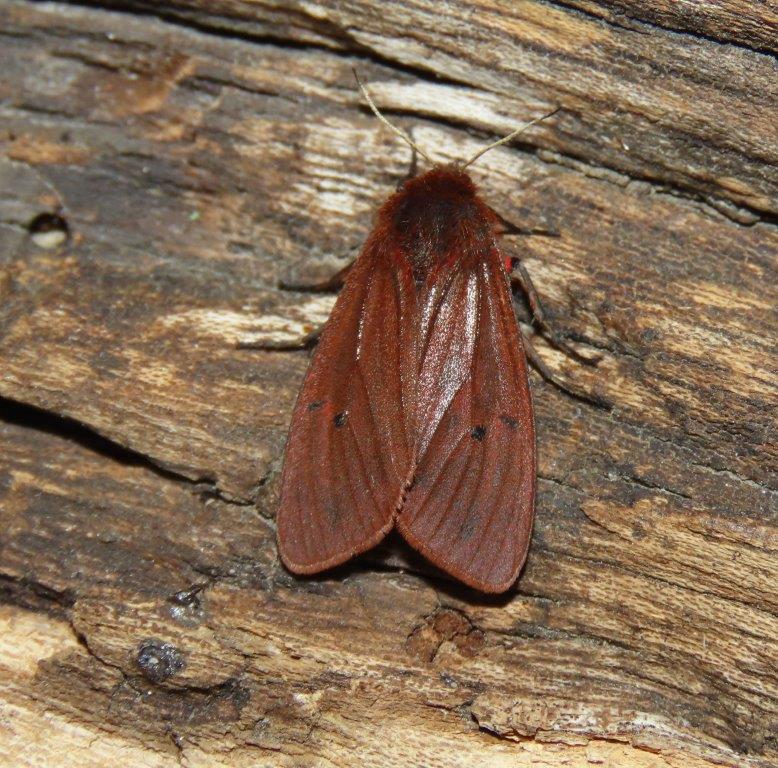
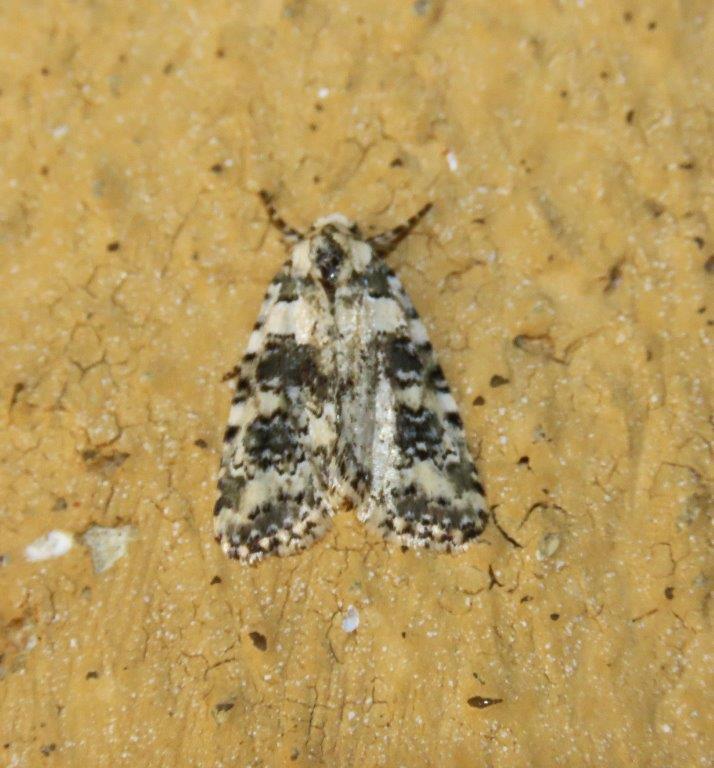
… Swallow Prominent, Ruby Tiger, Marbled Beauty and Cloaked Minor …
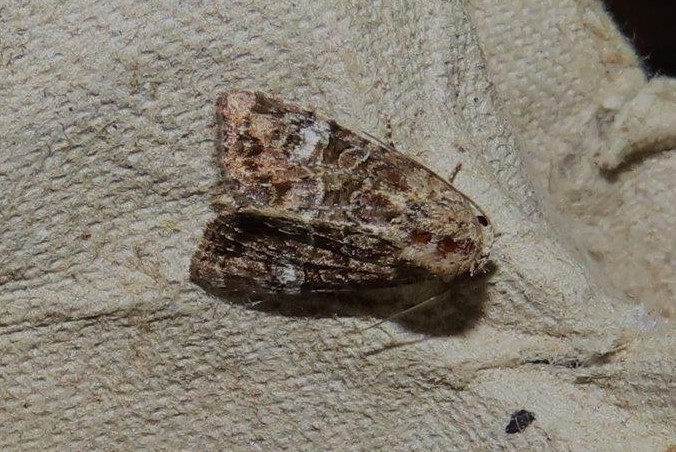
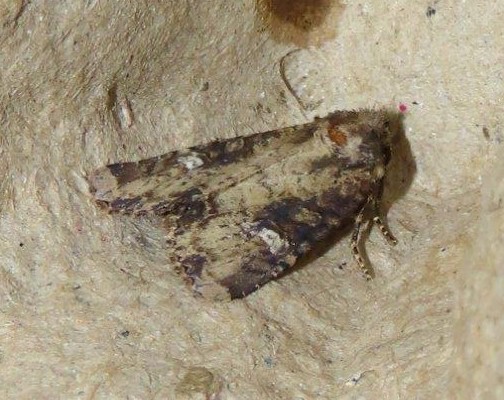
… and a selection of forms that cannot be identified conclusively without killing and dissecting them under a microscope (which of course we will not do!), here one of the three Common Rustics and one of the four Ear Moths.
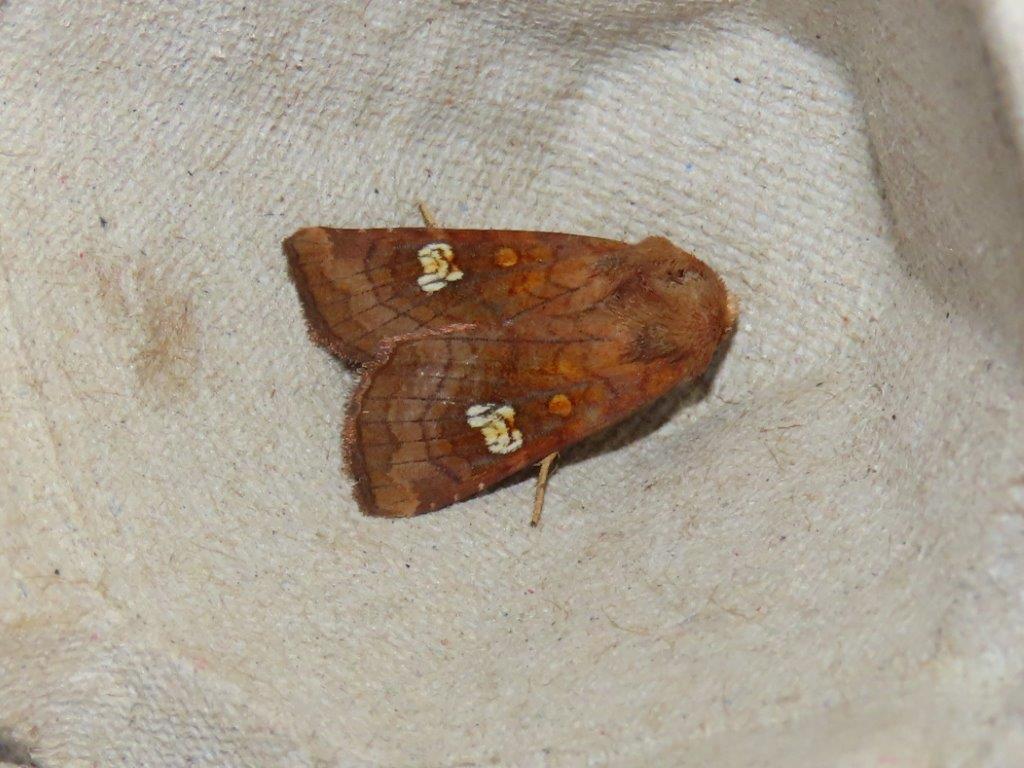
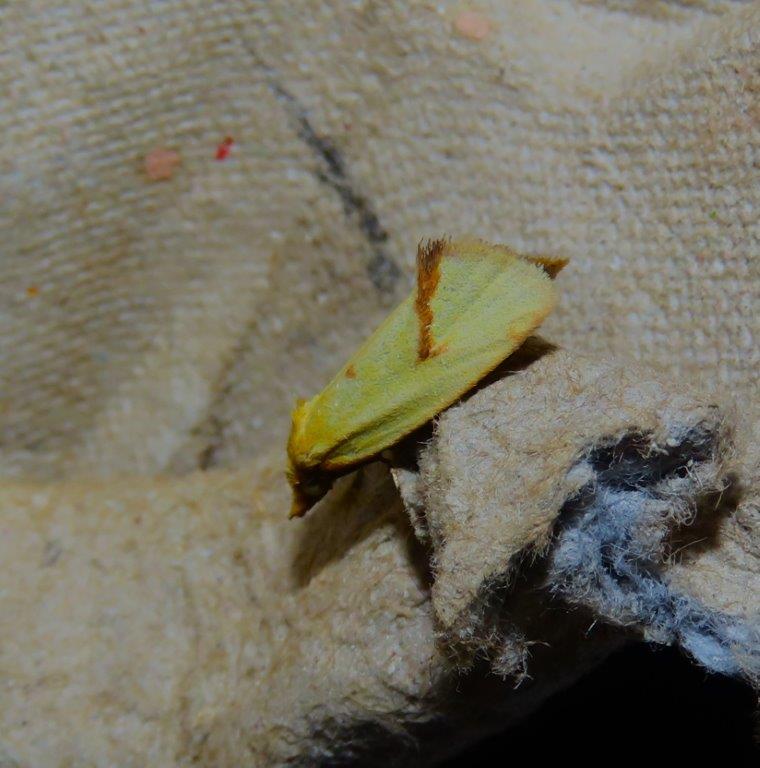
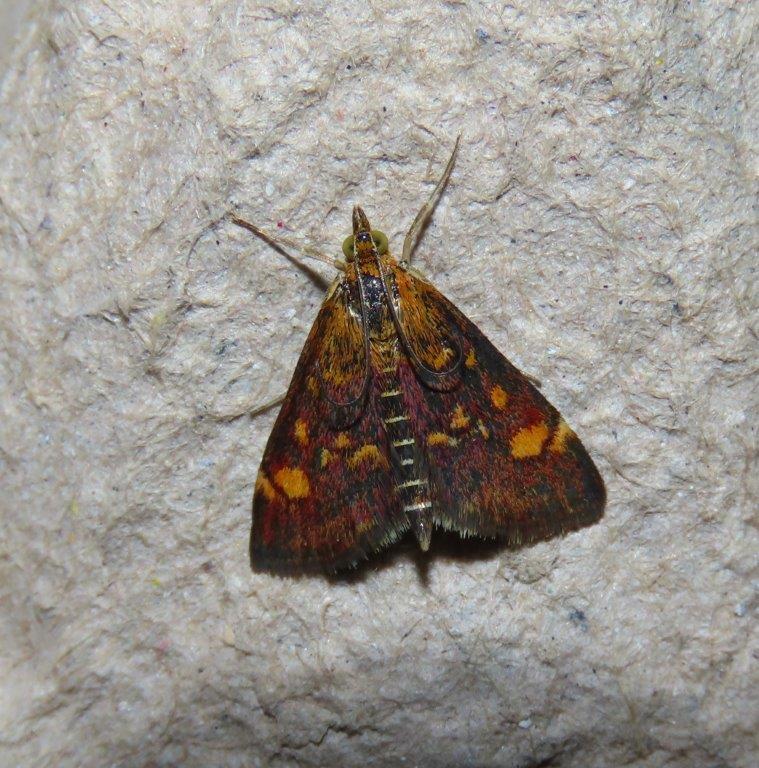
Other micromoths ranged from the colourful: Agapeta hamana, Mint Moth and Carcina quercana …
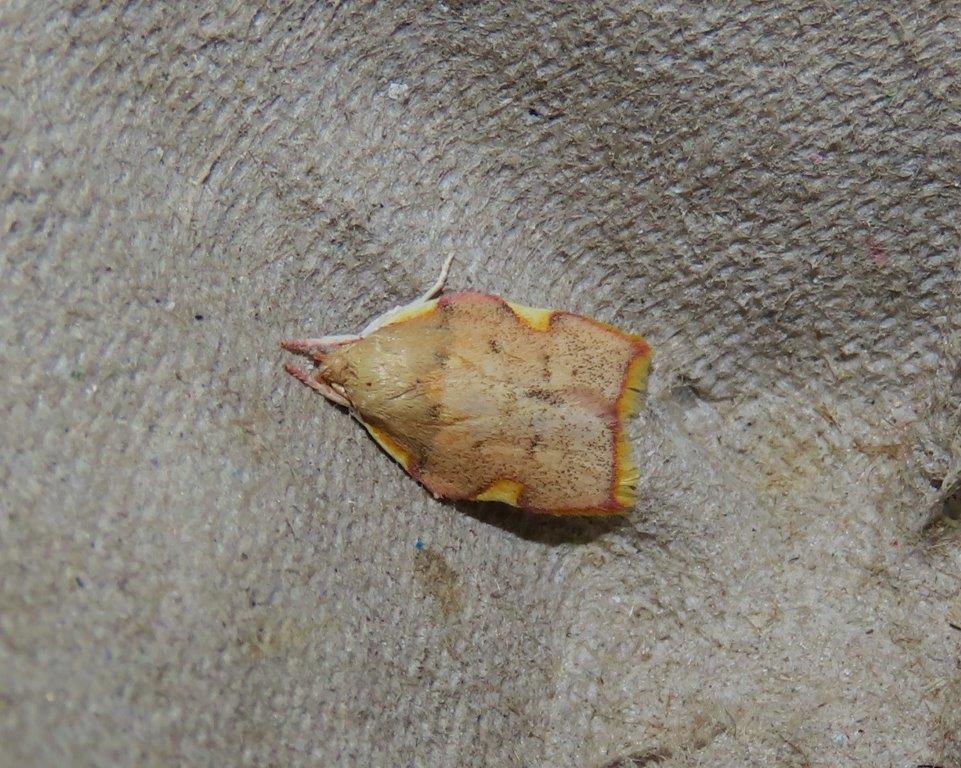
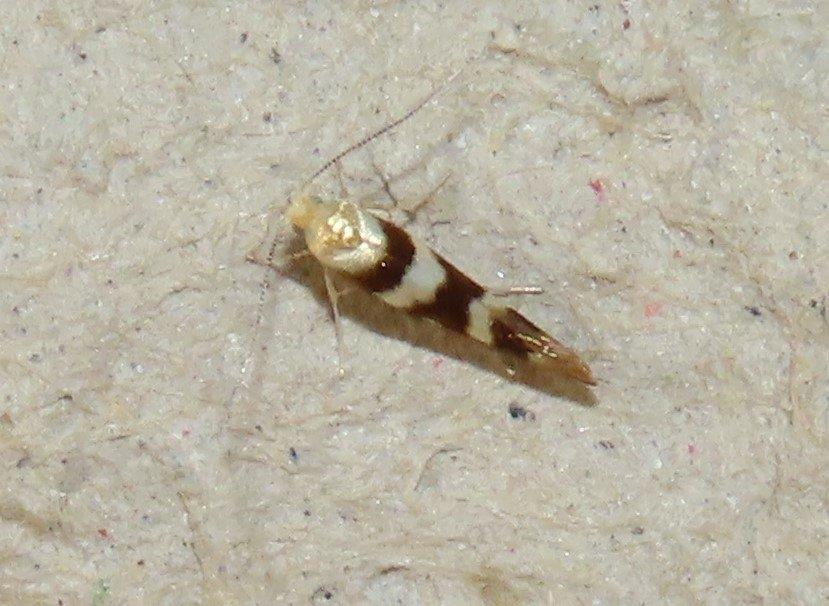
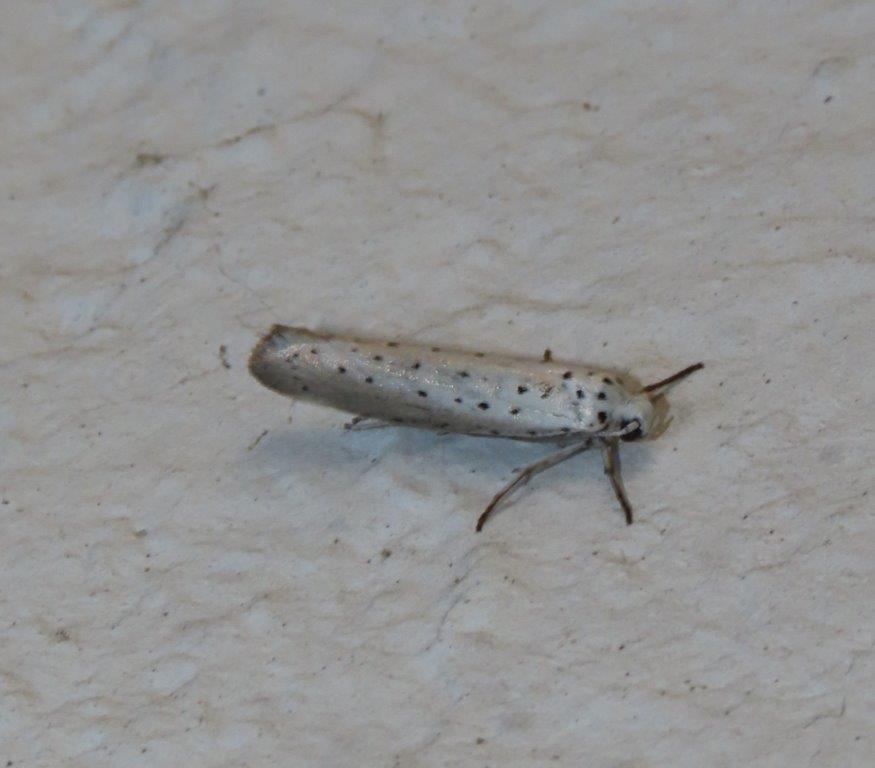
… to the intricately patterned Argyresthia goedartella, several Small Ermine species and Euzophera pinguis …
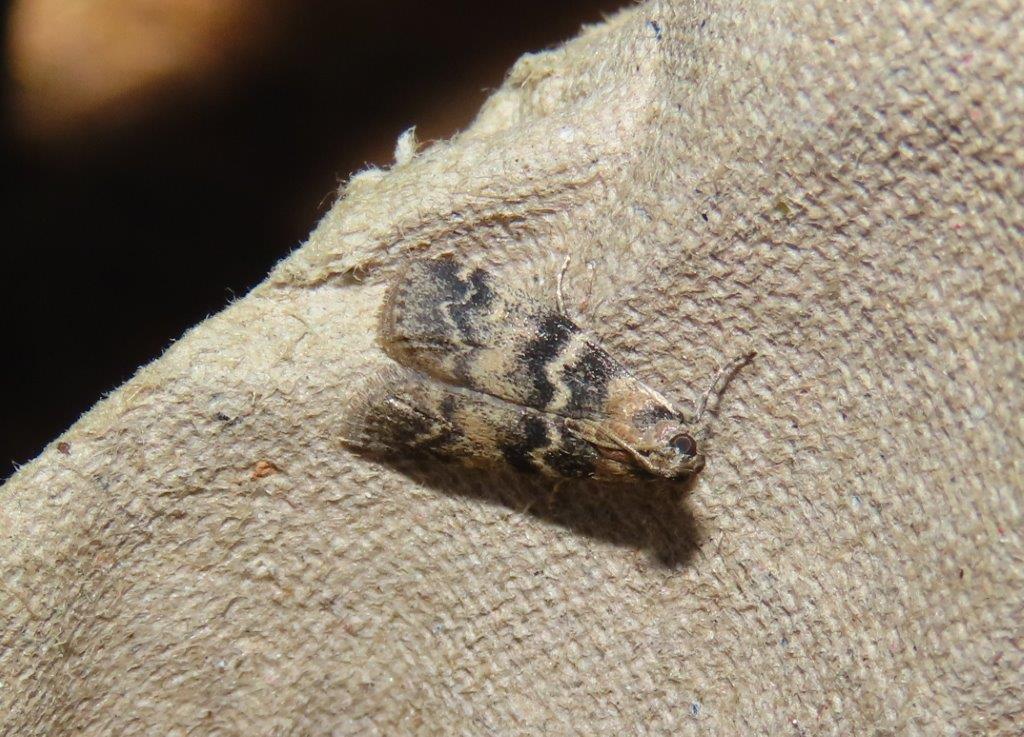
… and many in shades of grey or buff: Cydia splendana, Eudonia mercurella, Coleophora clypeiferella and Agriphila straminella.
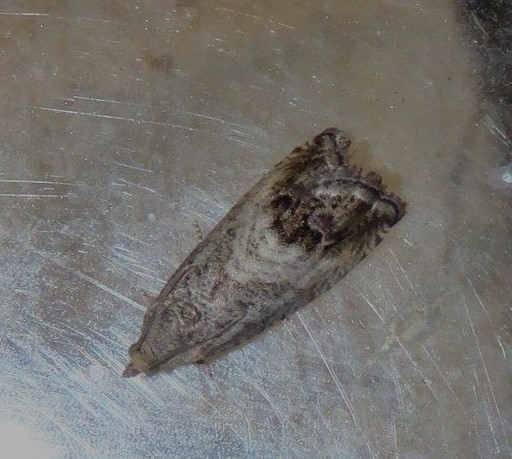
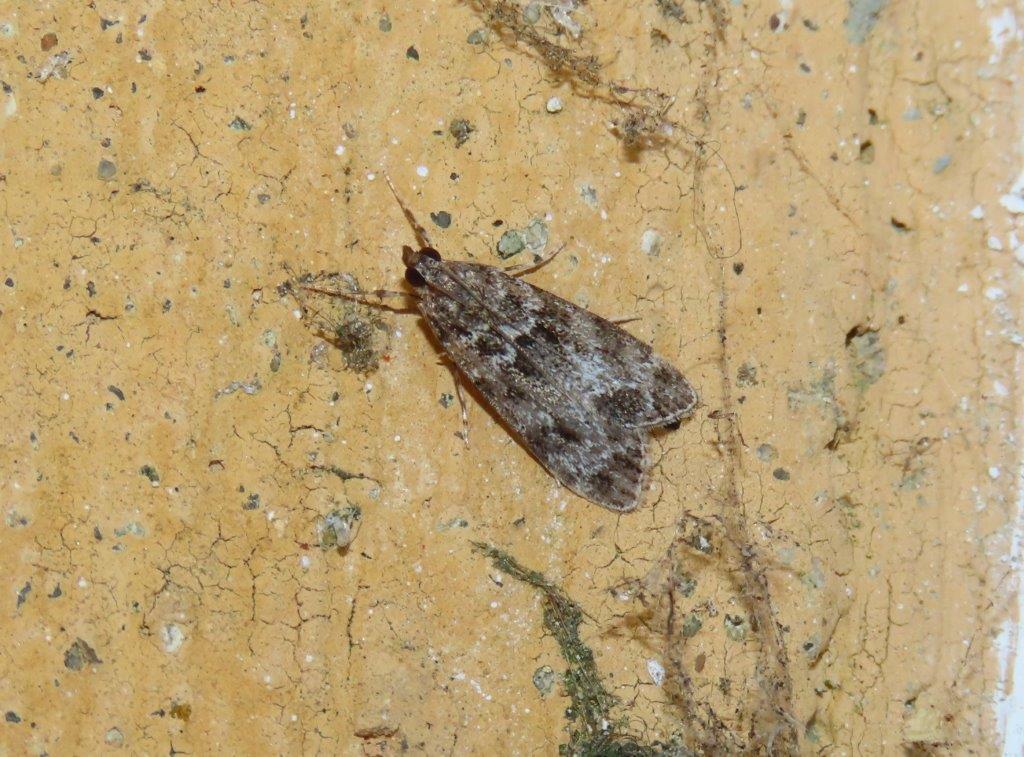
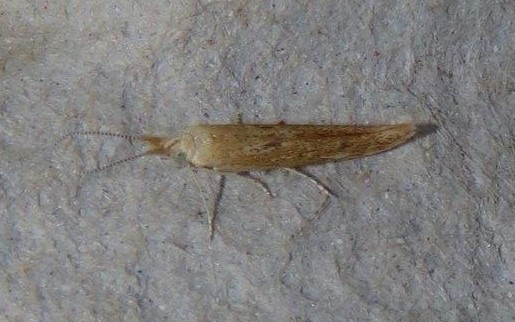
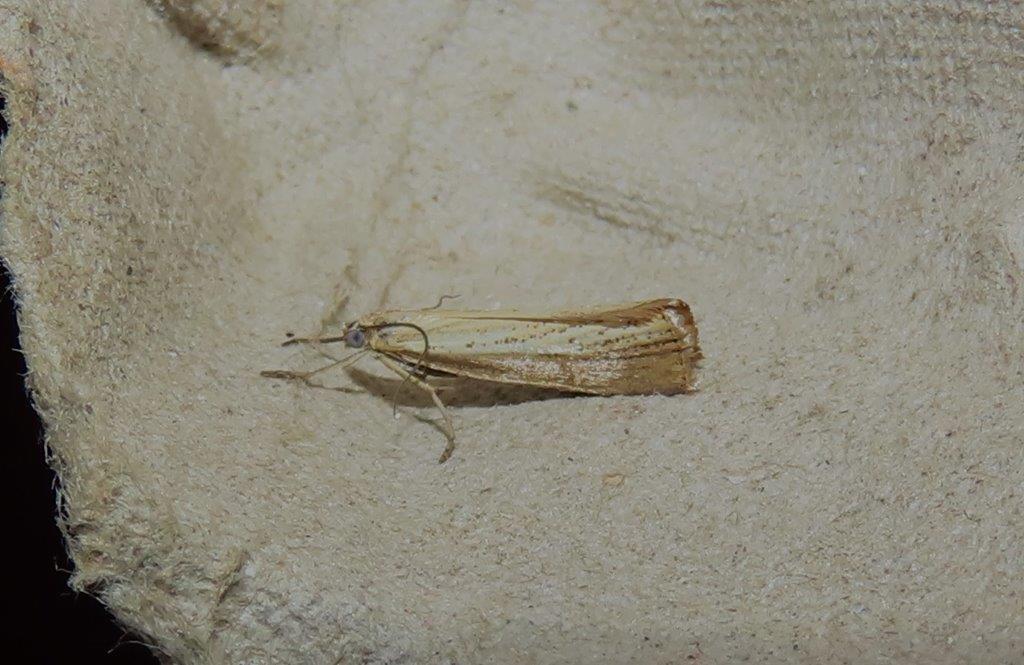
And one final moth, one of the smaller ones but really quite numerous, the Water Veneer, which lives on aquatic plants as a caterpillar, and can realistically have arrived in the garden only from the River Colne, and as part of a mass emergence: the adults live only for a very short time, hours rather than days, and this there is a great evolutionary incentive for synchronised emergence.
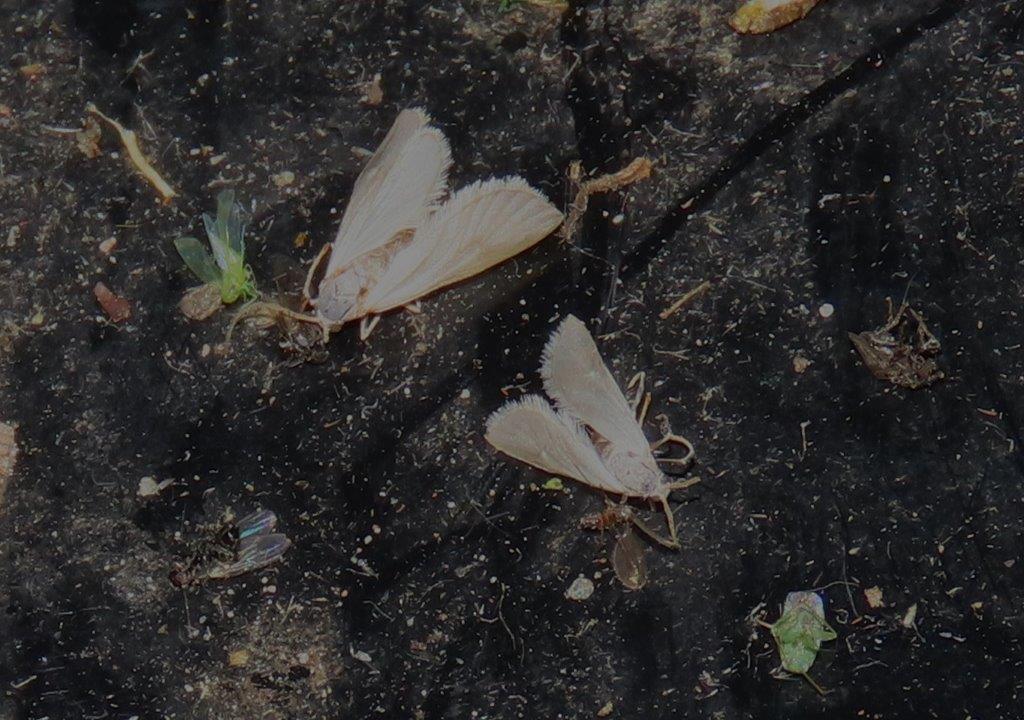
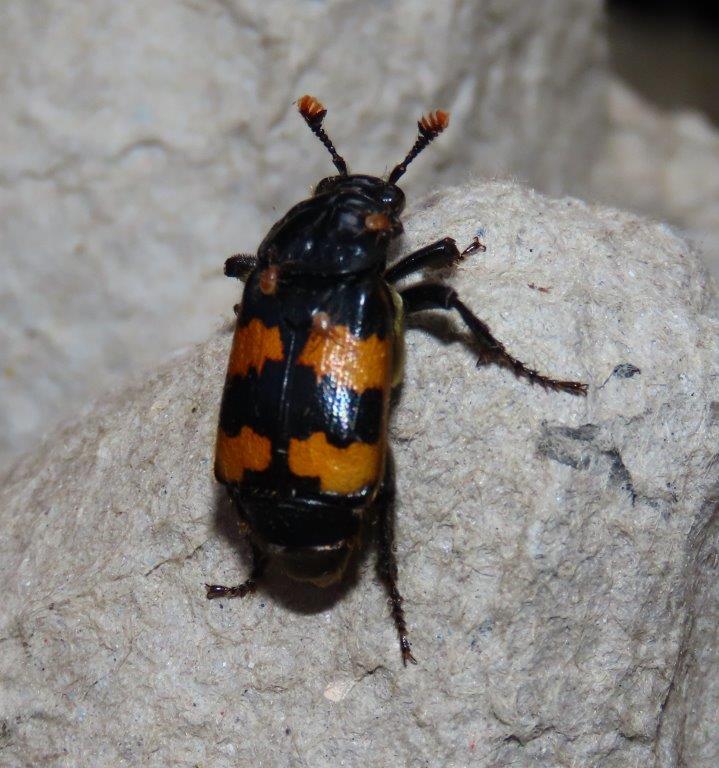
But it was not all about moths. There are lots of other insects flying around by night, and many of those are equally attracted to the light of the trap. There were green lacewings, ladybirds, Strawberry Seed-beetles and a Common Carrion Beetle – large, black and orange, and with many hangers-on in the form of mites…
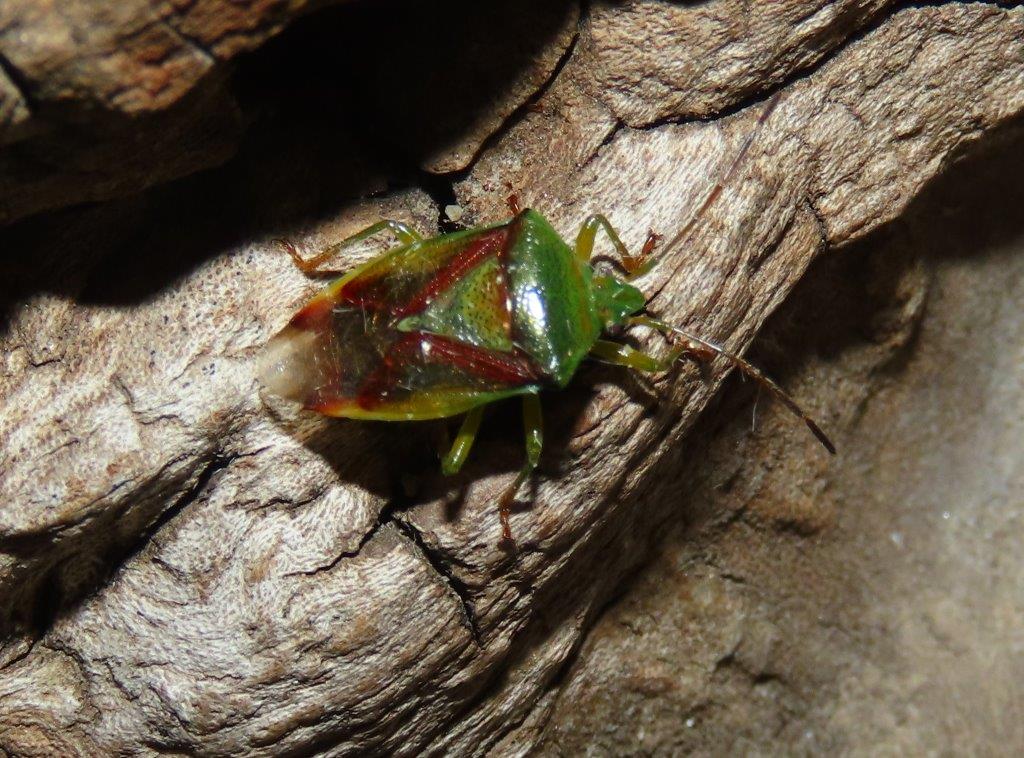
… and a wonderful array of true bugs. Several Birch Shieldbugs presumably wandered from the local Silver Birch in the garden, famously planted there by Yoko Ono.
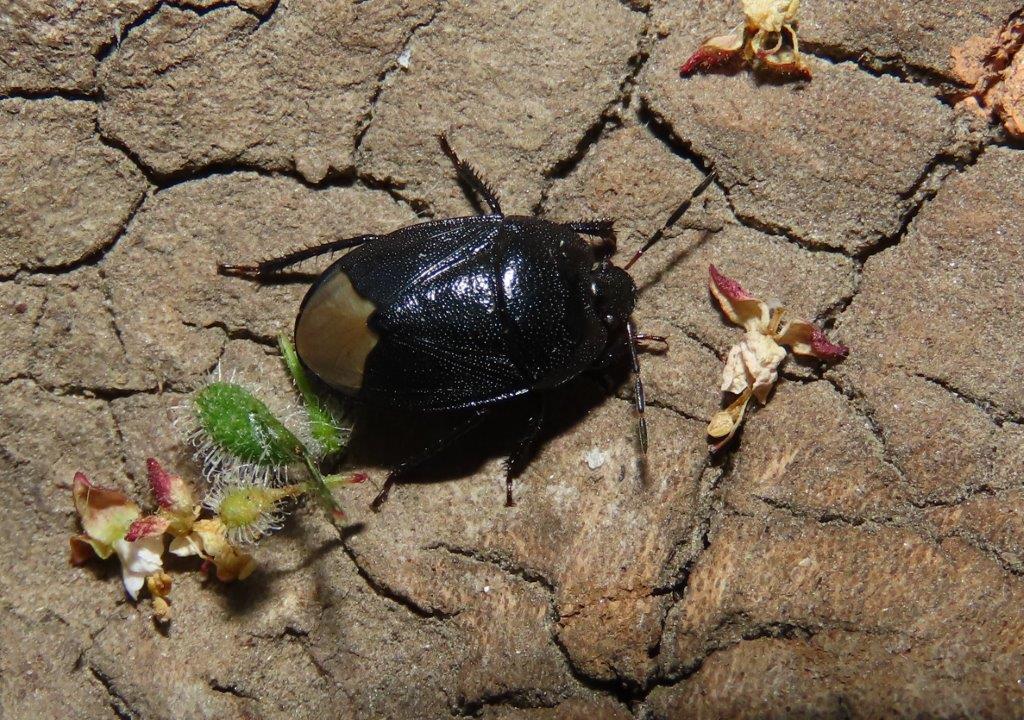
Half-a-dozen Forget-me-not Shieldbugs spoke of a strong local population of what is always an unobtrusive ground-dweller. Its Essex strongholds are along Thames-side and in the Colchester area; I have found it especially abundant around the ruins of St Botolph’s Priory, where it may be feeding on the related Green Alkanet, but in the Minories garden there are several members of the Borage family that may be able to support it.
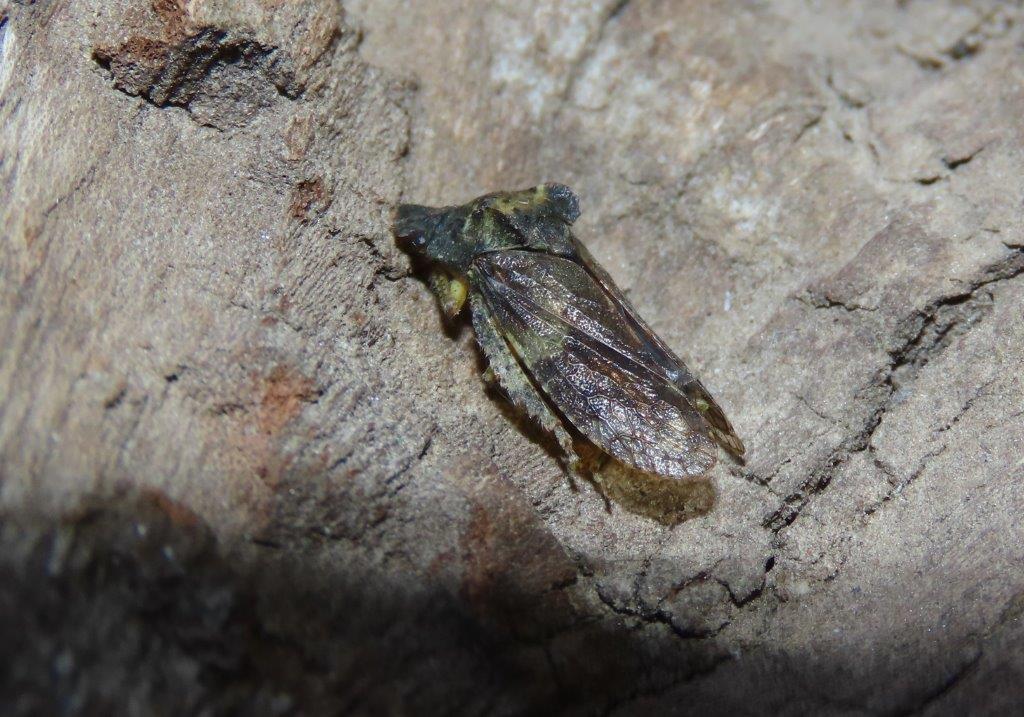
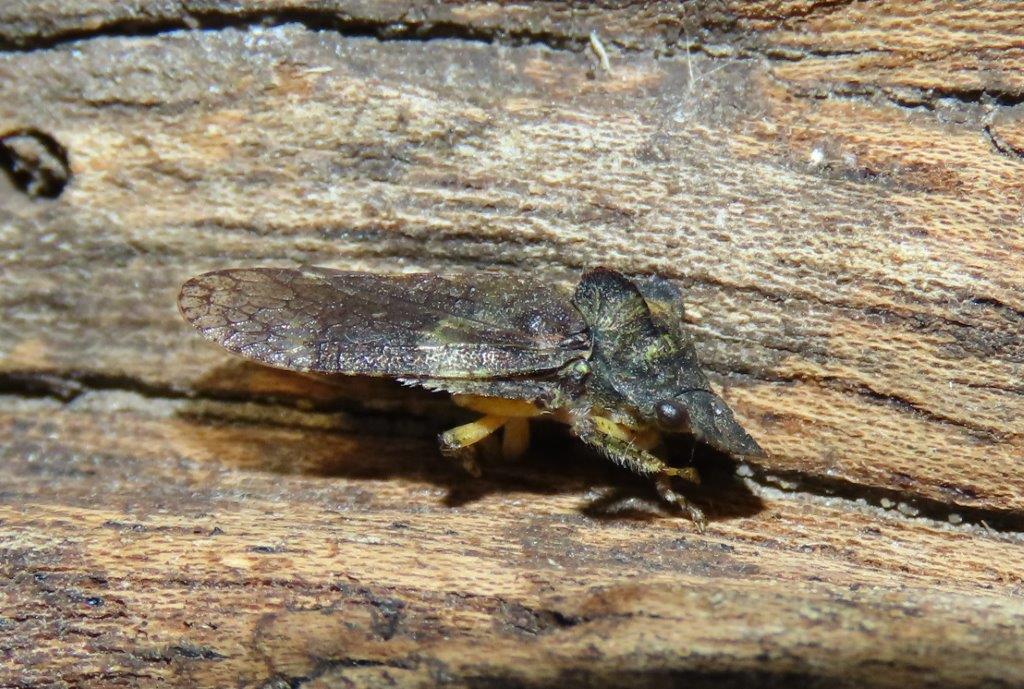
In the trap there were also three examples of the Eared Leafhopper, again not a common species in Essex, especially in the east of the county. This is a remarkable looking creature, and the second photo shows well why I think of this as the Mouse Bug!
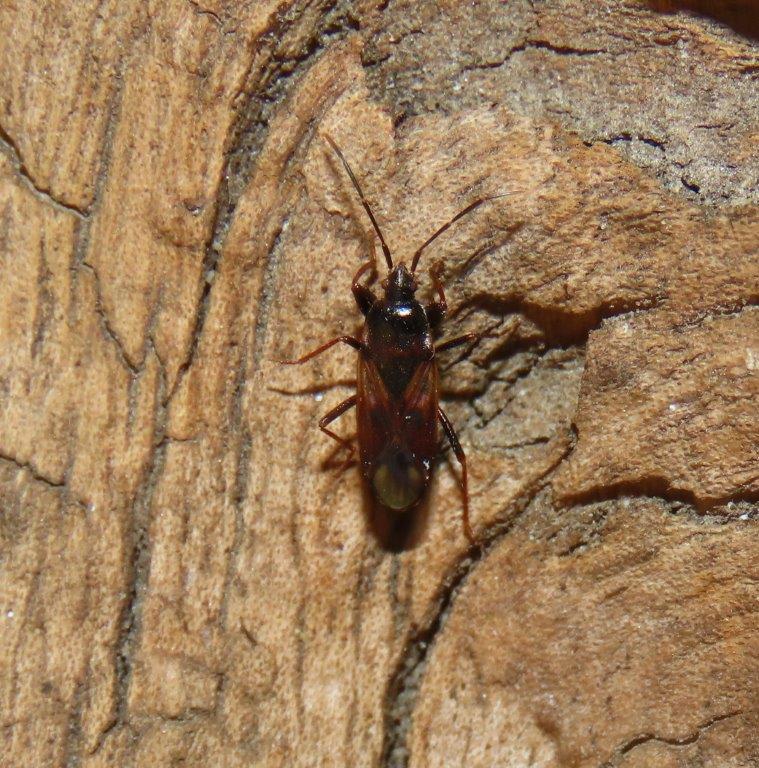
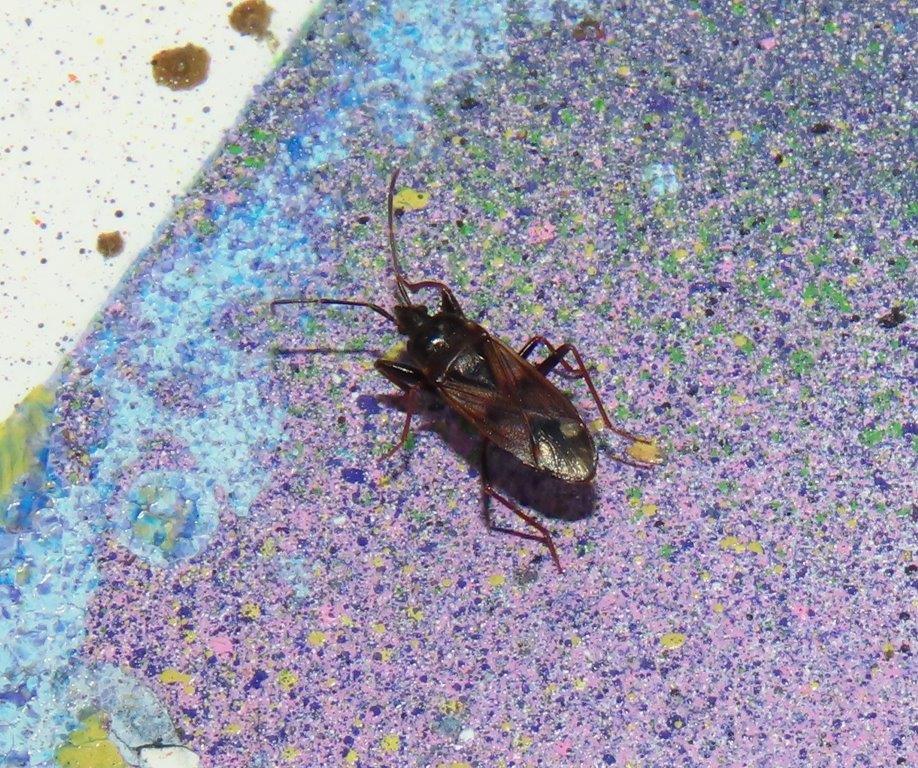
And finally, once I had ruled out several other similar species, Eremocoris fenestratus, a Red Data species nationally, with just seven previous Essex records, none of which came from the Colchester area. Formerly restricted to Juniper on the Chilterns, it is believed to have become extinct last century, before it recolonised from 2010 onwards, probably brought in with related conifers introduced into gardens.
The bugs were so fascinating that we might just need to think about renaming Moth Club if we run it again next year! Thanks David and Jude for their helping hands, and to Eleanor. I was so proud of her gently passing moths from finger to finger of the younger ones in the audience, and for confidently showing our special guest Phil Jupitus the Jersey Tiger on the Folly!