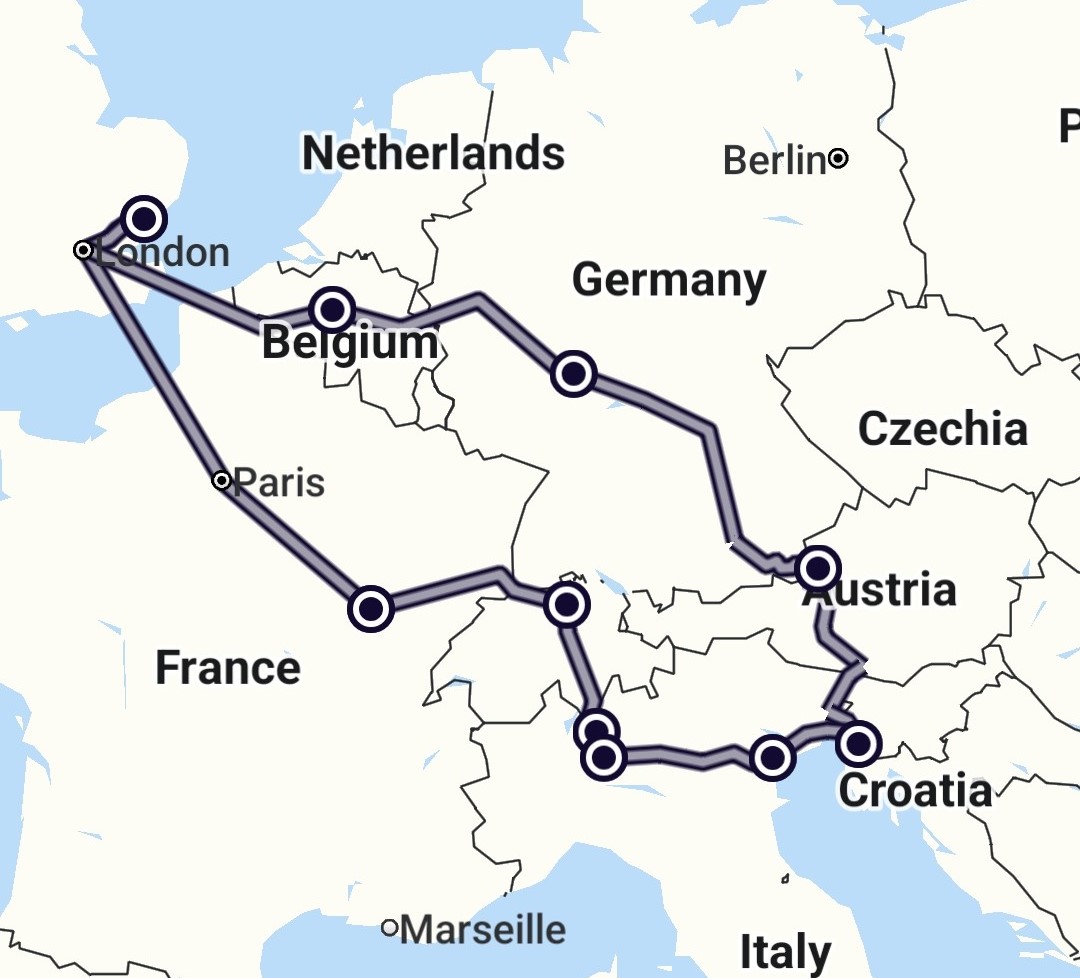
It was an idea hatched over too much wine with a couple of friends almost a year previously. But at the start of October, fantasy became reality: Interrail passes, train seat bookings, hotel rooms sorted: we were on our way! A trip by train to Trieste, in northeast Italy, right on the border with Slovenia. A long way, but nine days to play with, three nights at our destination with five at intermediate coaching stops, taking in six countries, traversing the Alps twice.
Our first experience of interrailing, we tried to limit the journeys to between 5 and 6 hours a day. Clearly we needed to approach it with the attitude that the travel is as much a part of the holiday as the destination, watching the landscape unroll and evolve as we passed through each region, experiencing the sights, sounds, smells and tastes of all our stopping points. Looking, learning and enjoying every step of the way!
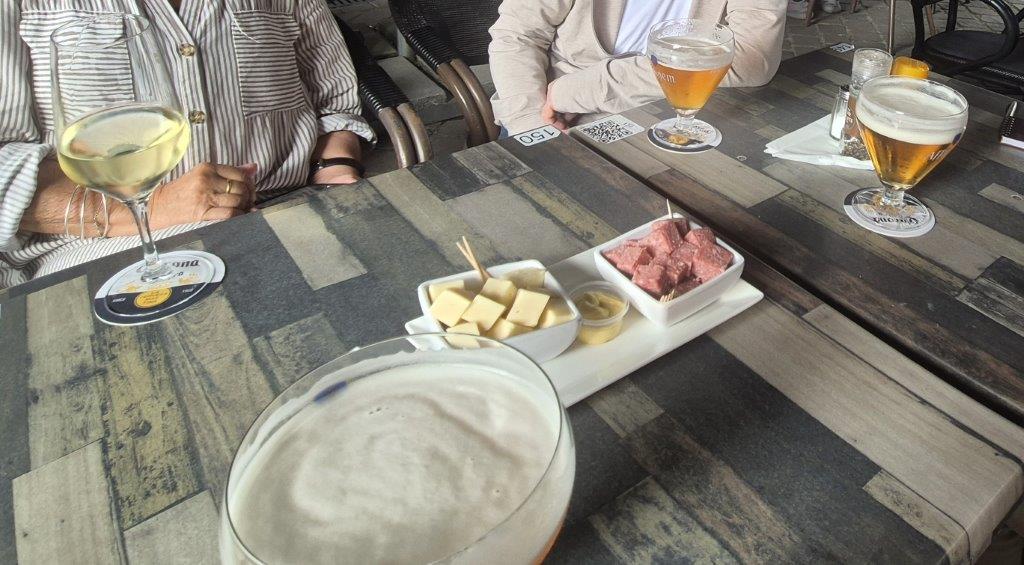
Our trip started in sunshine, and so it remained for almost the whole of the time. Eurostar to Brussels by early afternoon, so of course it was time to start our gastronomic extravaganza in our favourite from previous visits, Brasserie Belge, right by Bruxelles-Midi: chips and mayo, cheese and salami chunks with mustard, and of course Belgian beer. We were back!
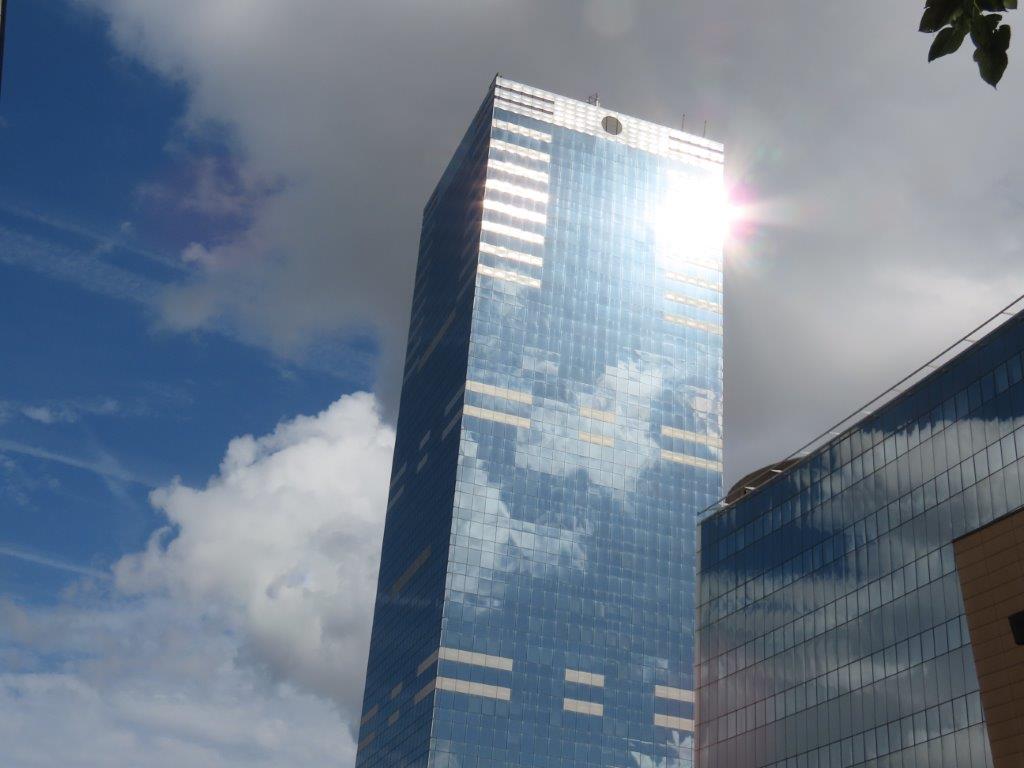
Duly fortified, it was into the city to find our stylish hotel, the Bedford...
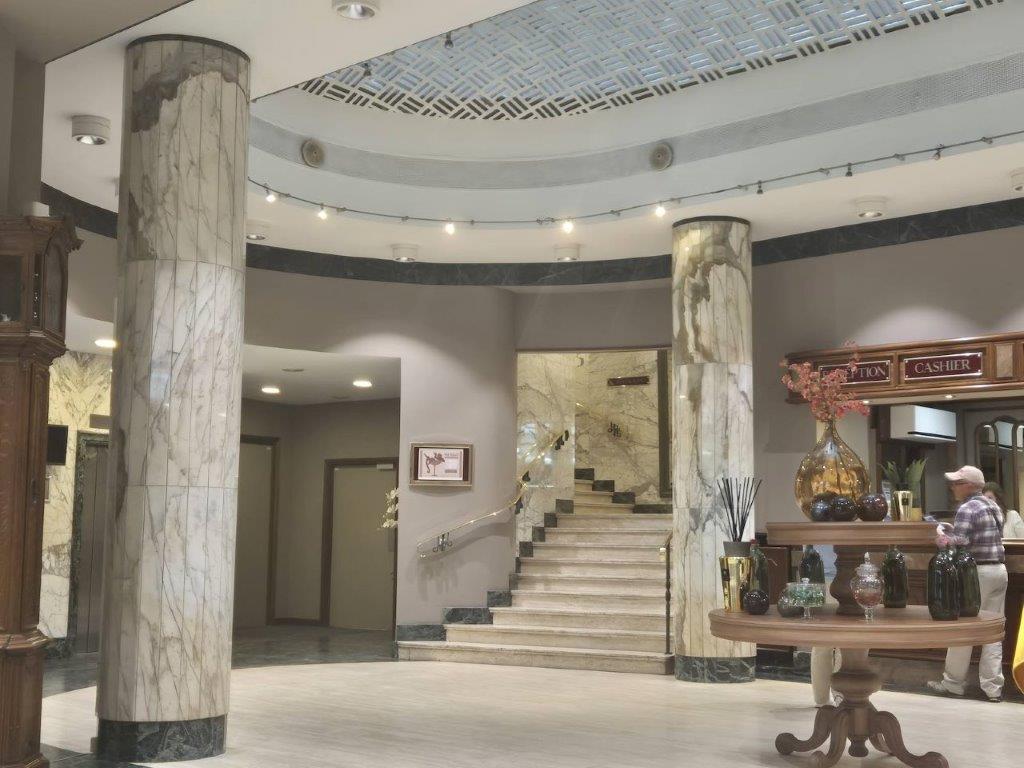
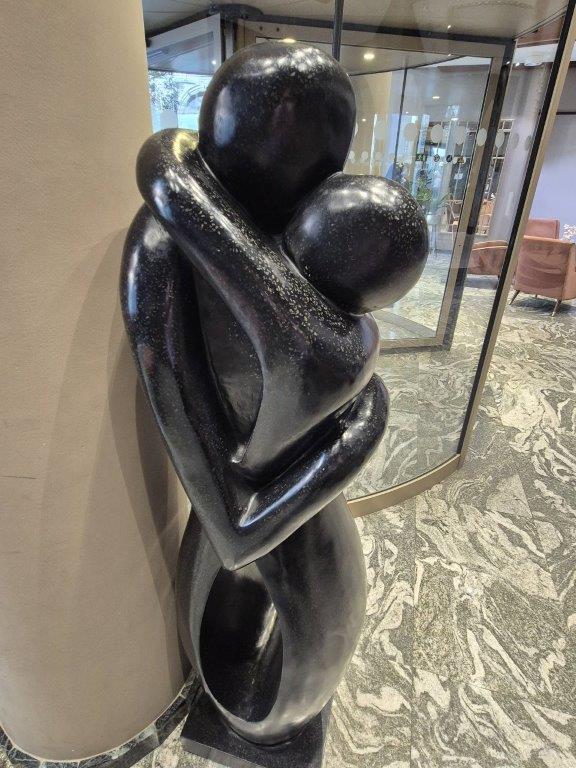
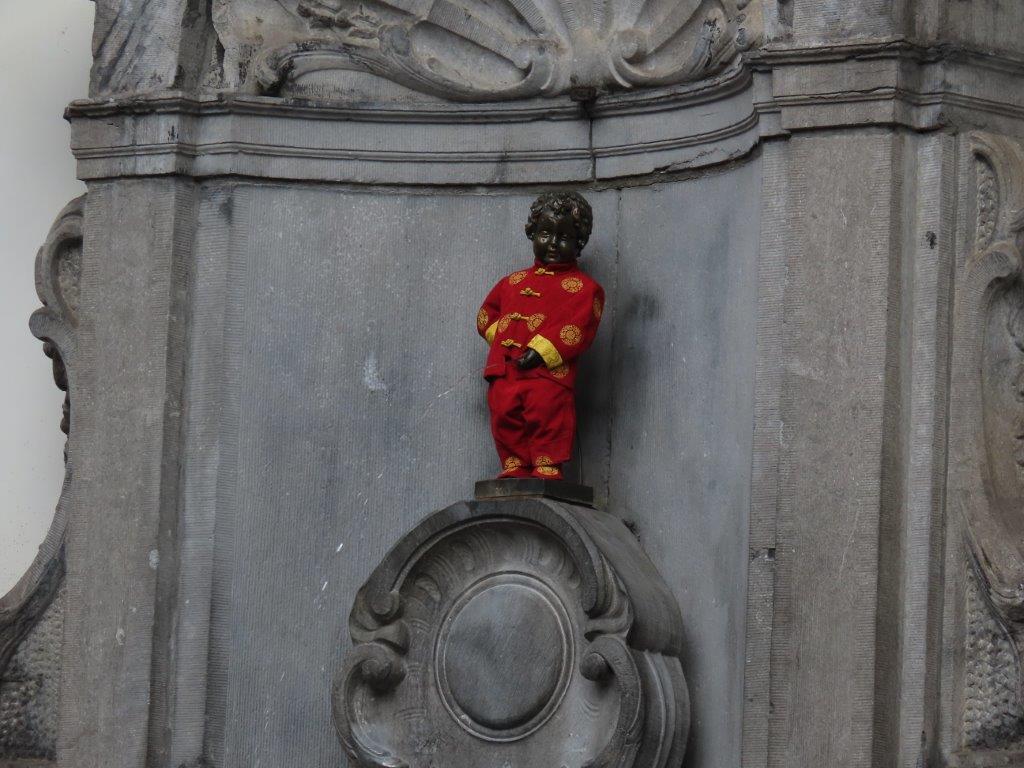
… and then, via (of course) the Manneken Pis, which was very crowded, to the Grand-Place, which surprisingly was rather quiet.
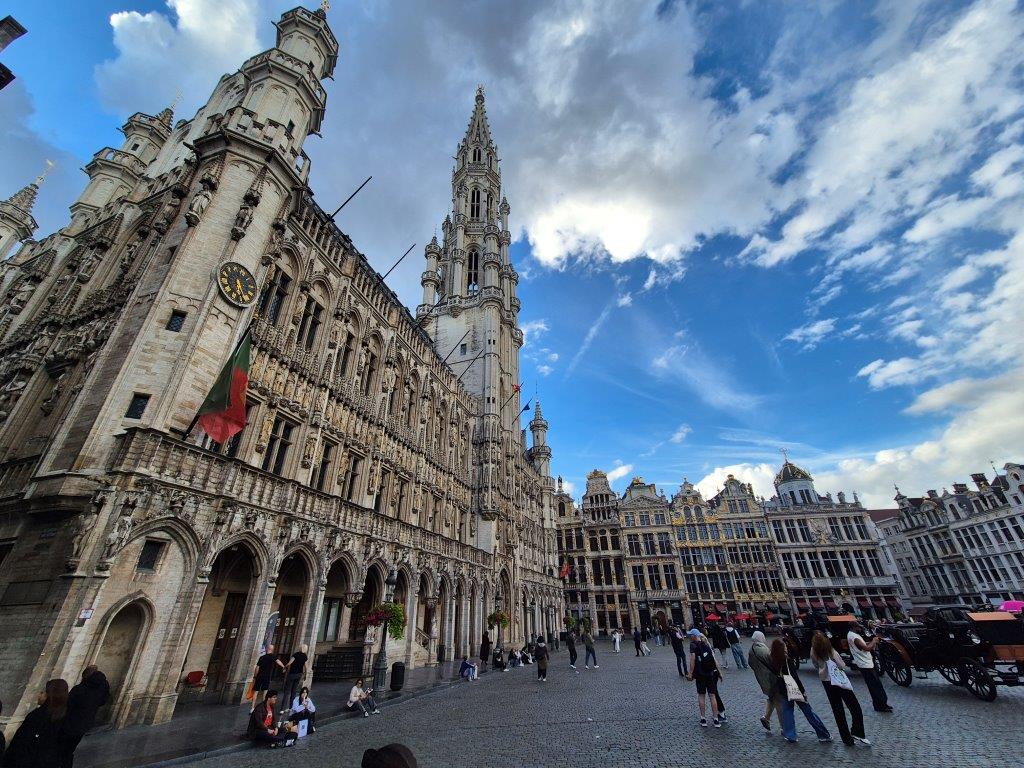
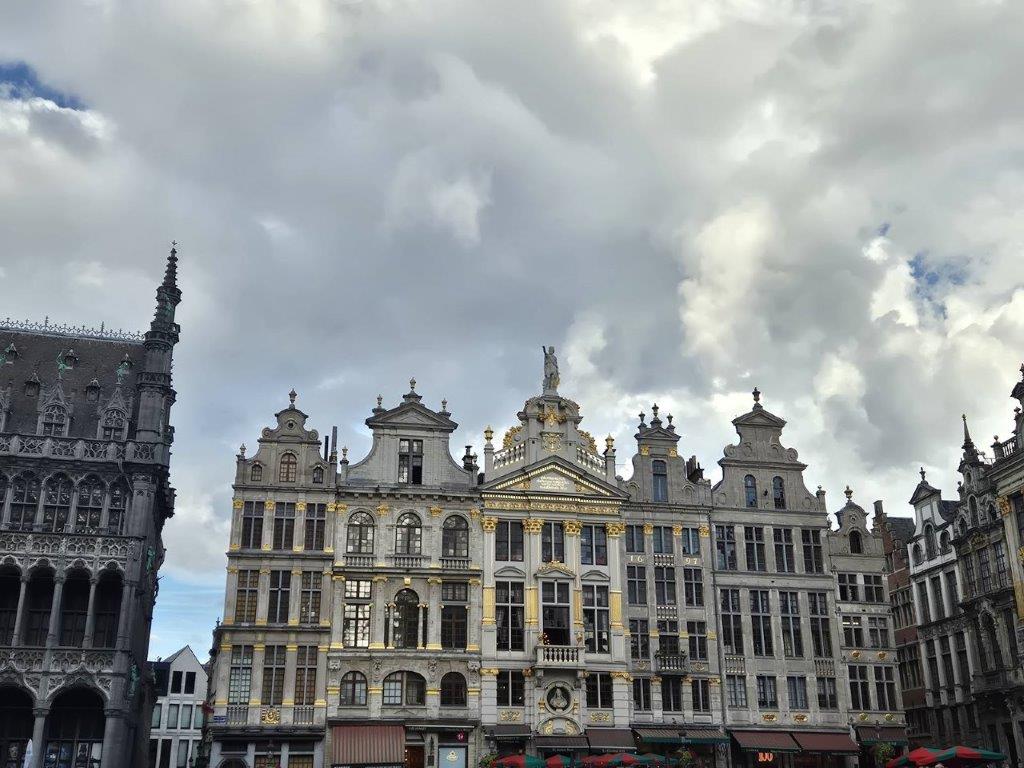
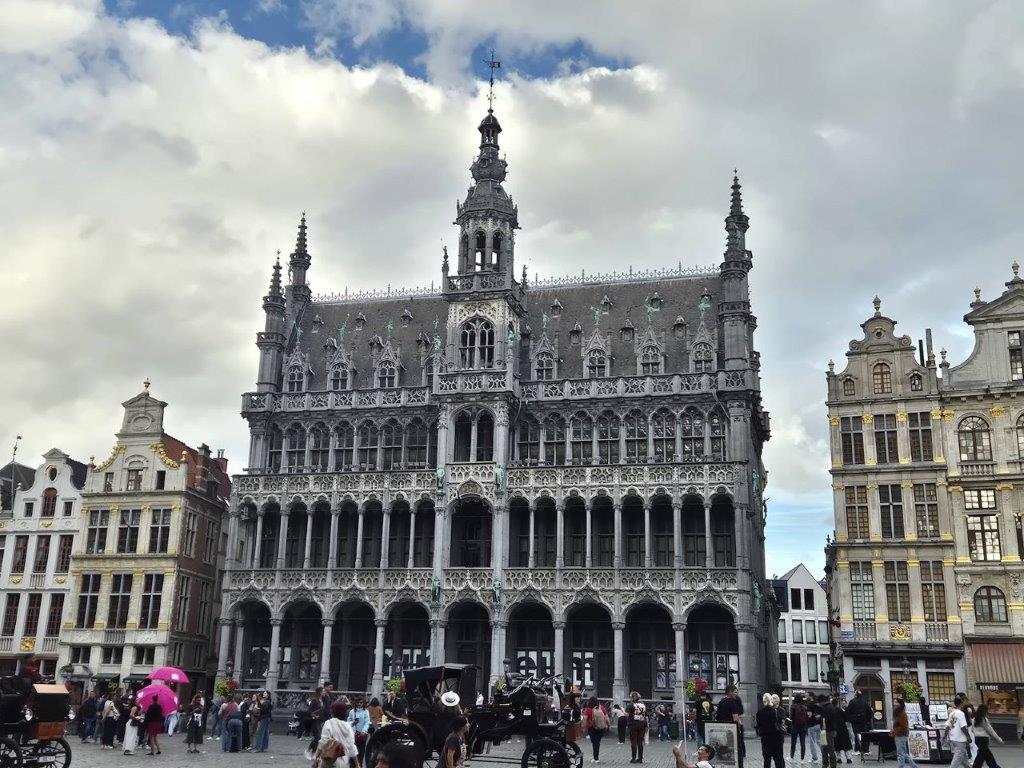
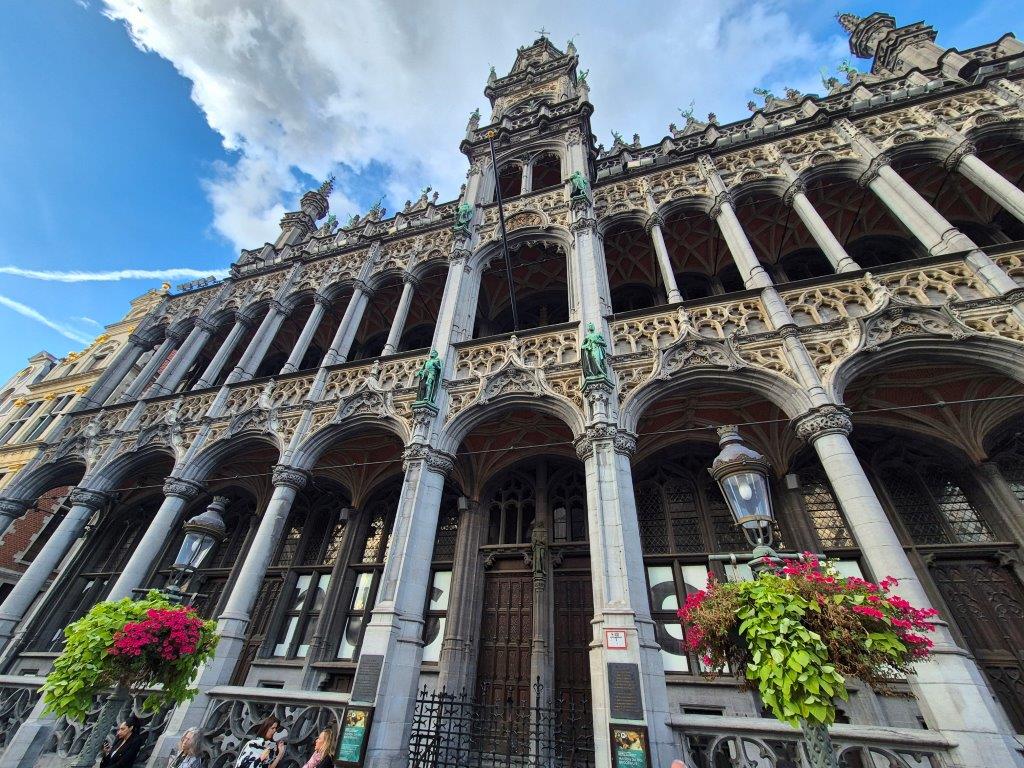
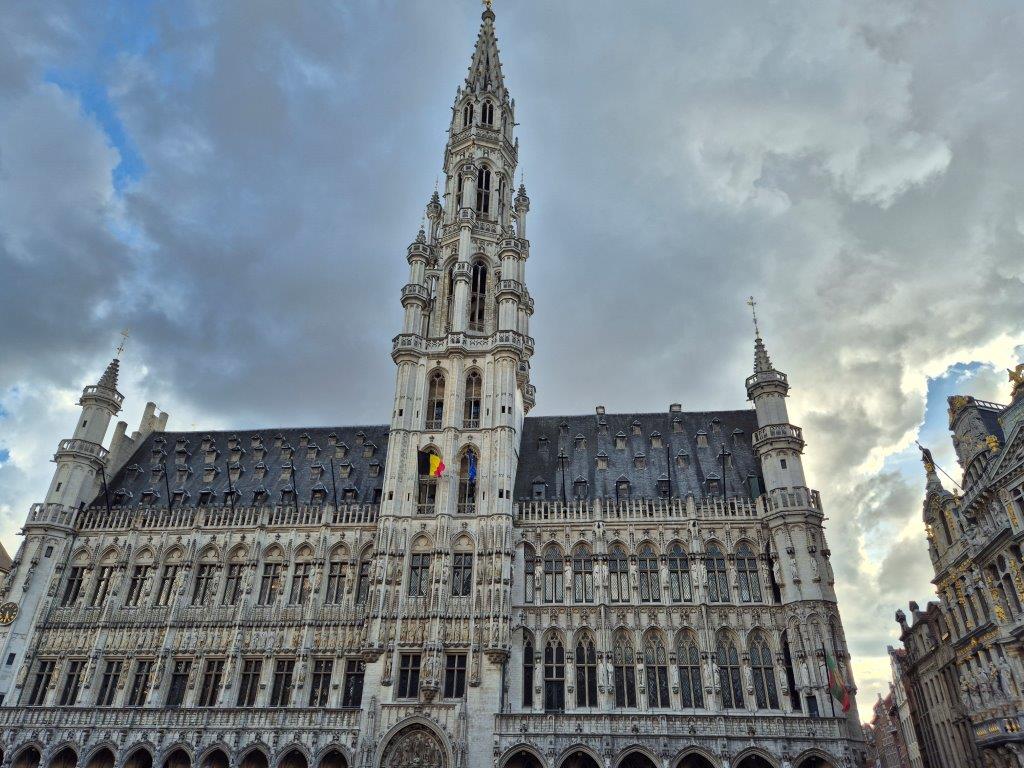
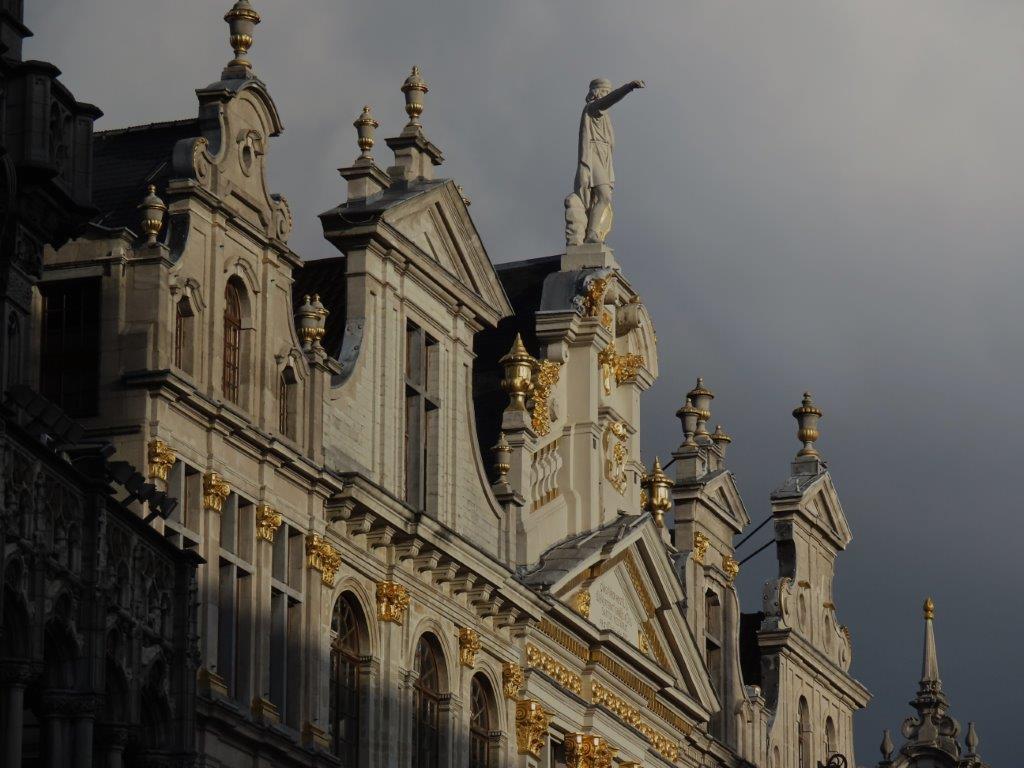
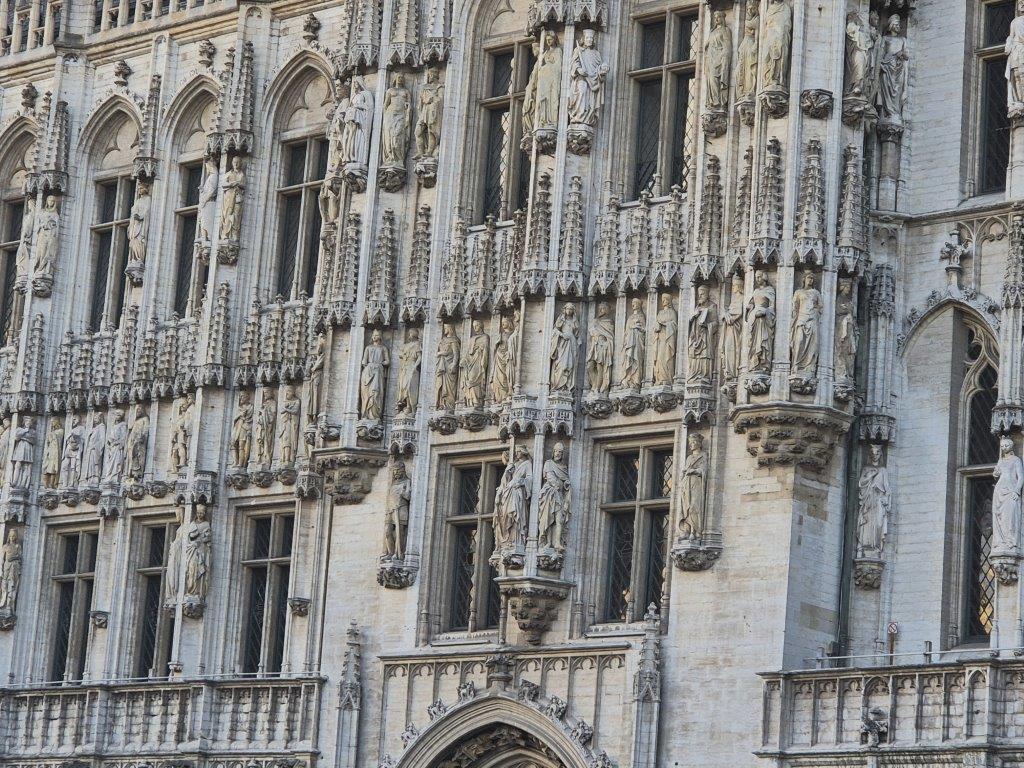
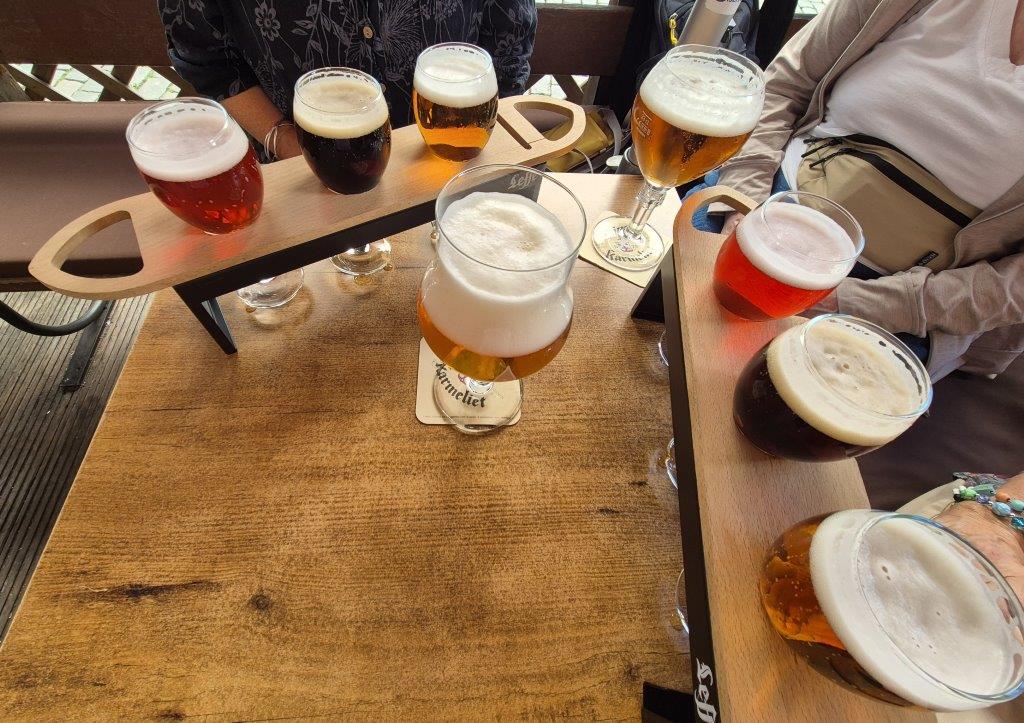
Such magnificent built surroundings of course called for another drink, which for some involved tasting flights of Leffe!
A great opportunity to stop and stare, to appreciate the artistic detail as well as the architectural grandeur, and enjoy the sinking sun illuminating the gilded scene.
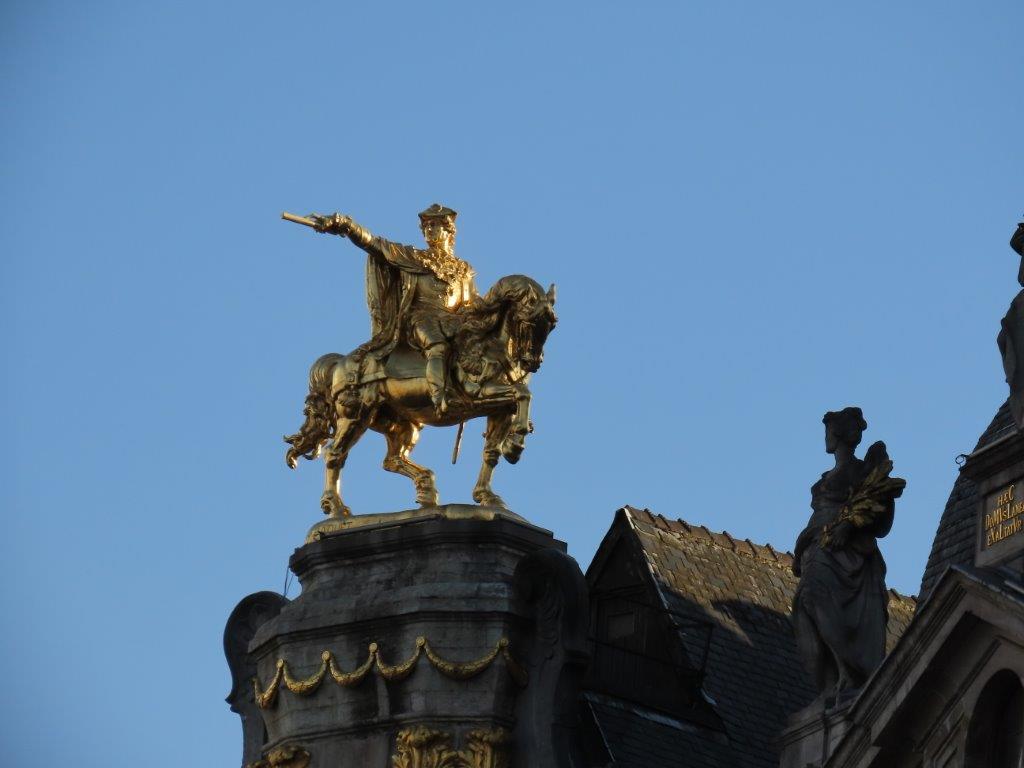
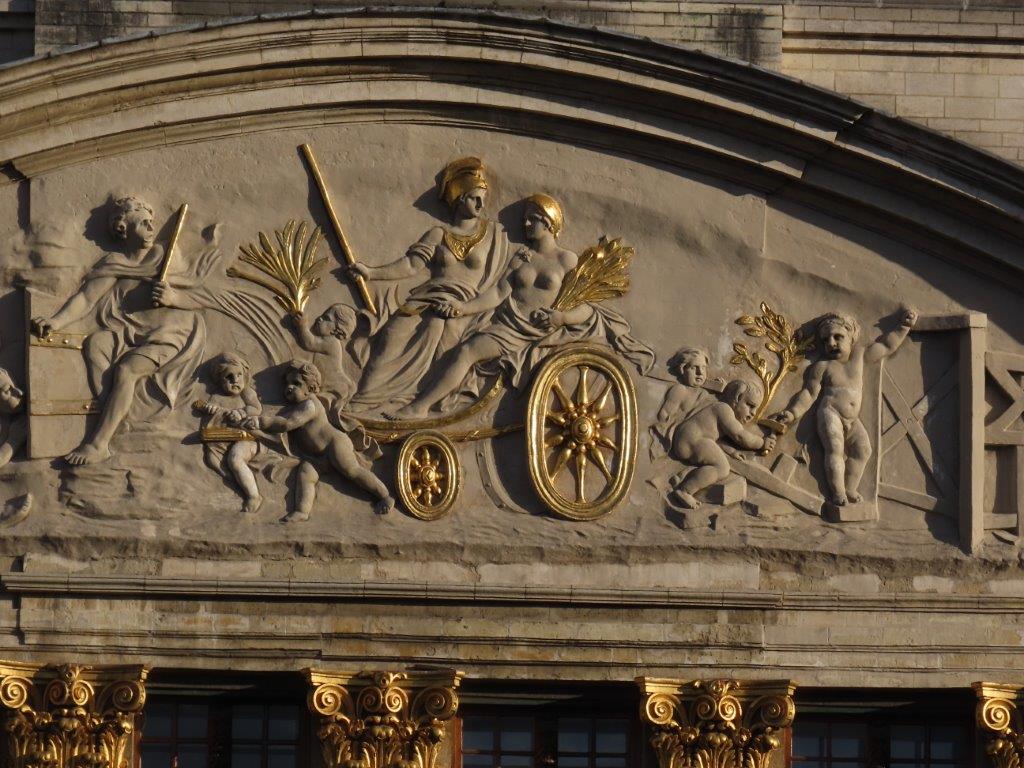
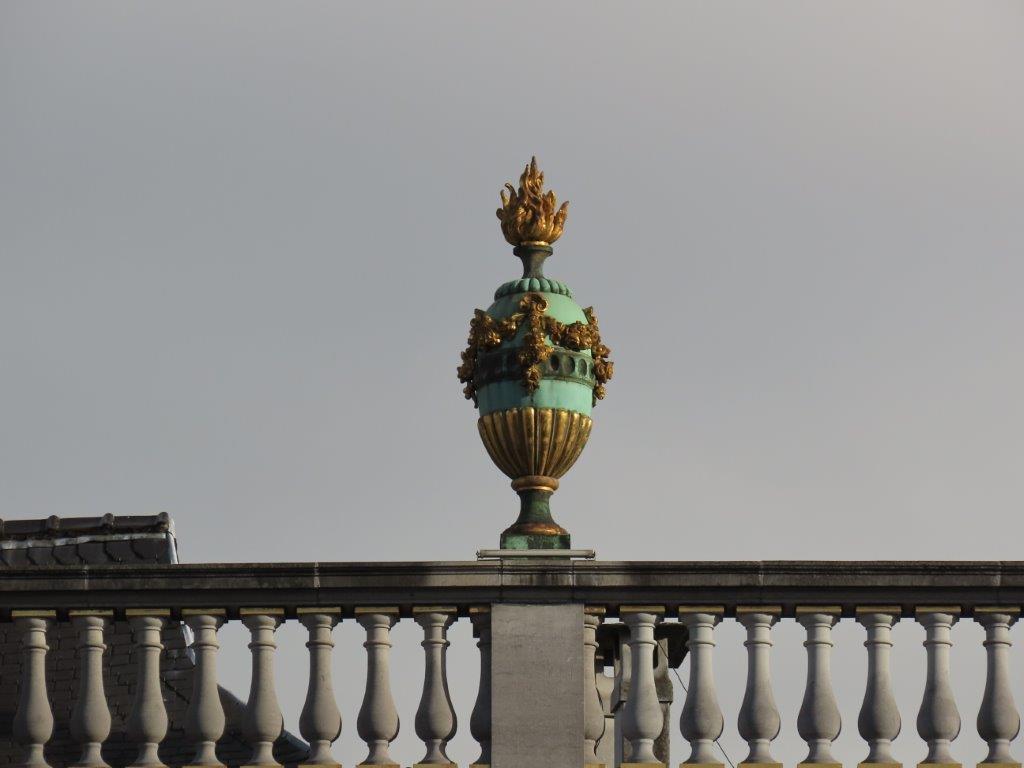
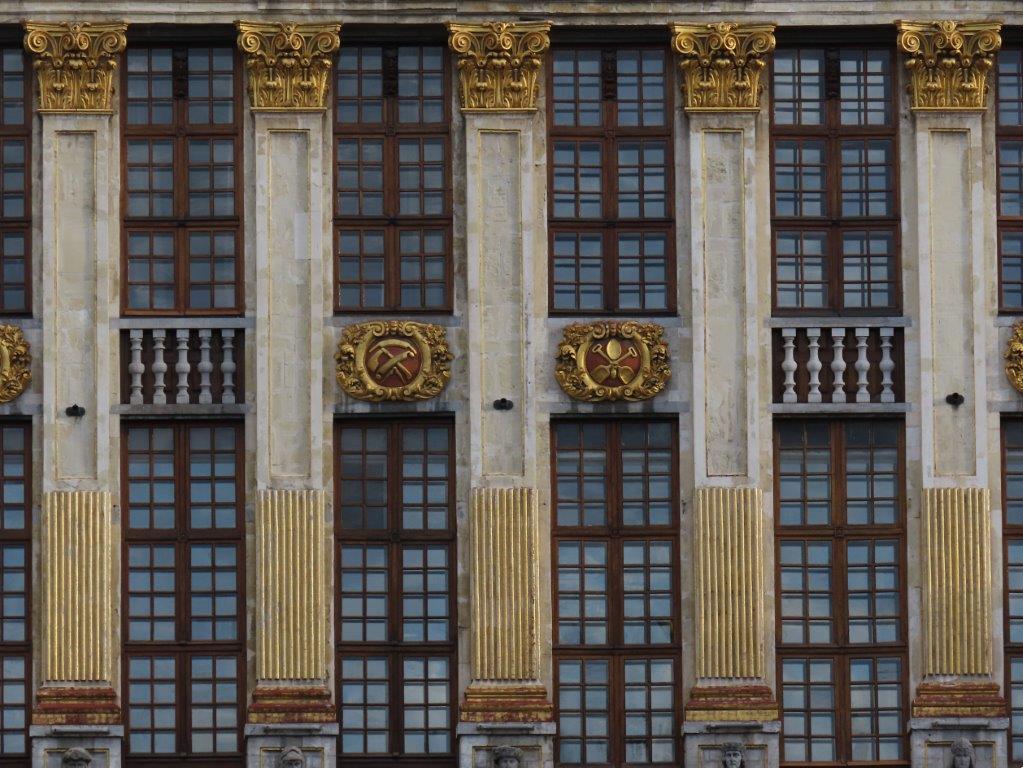
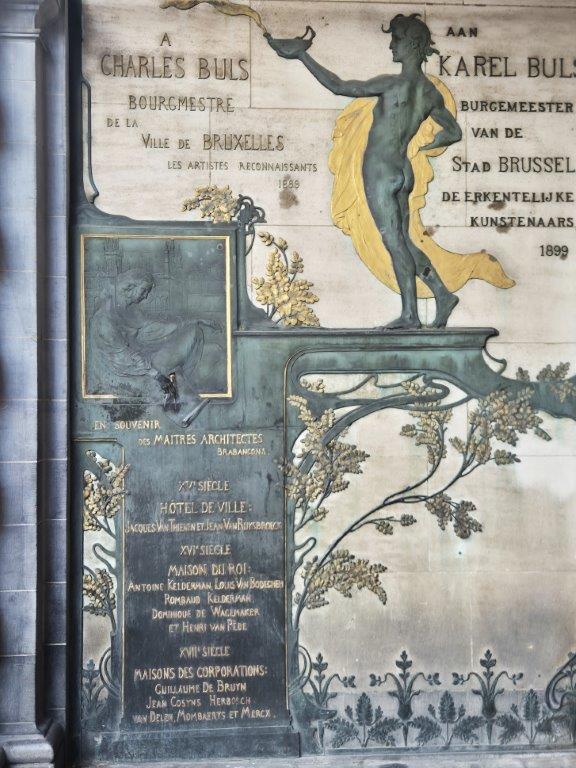
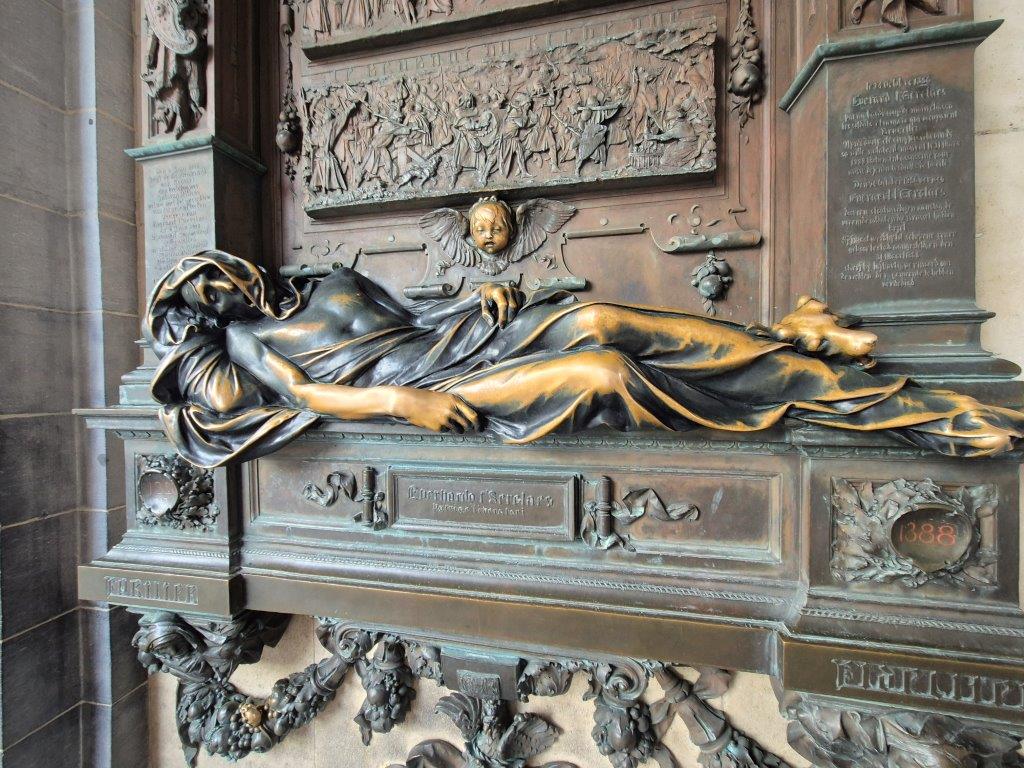
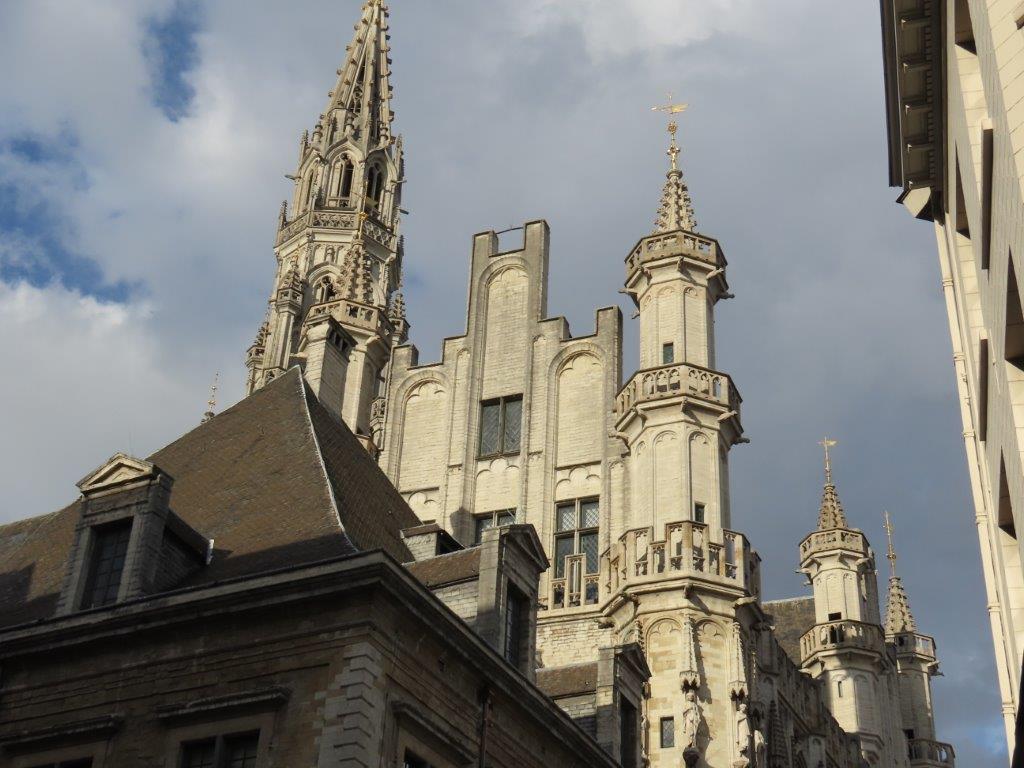
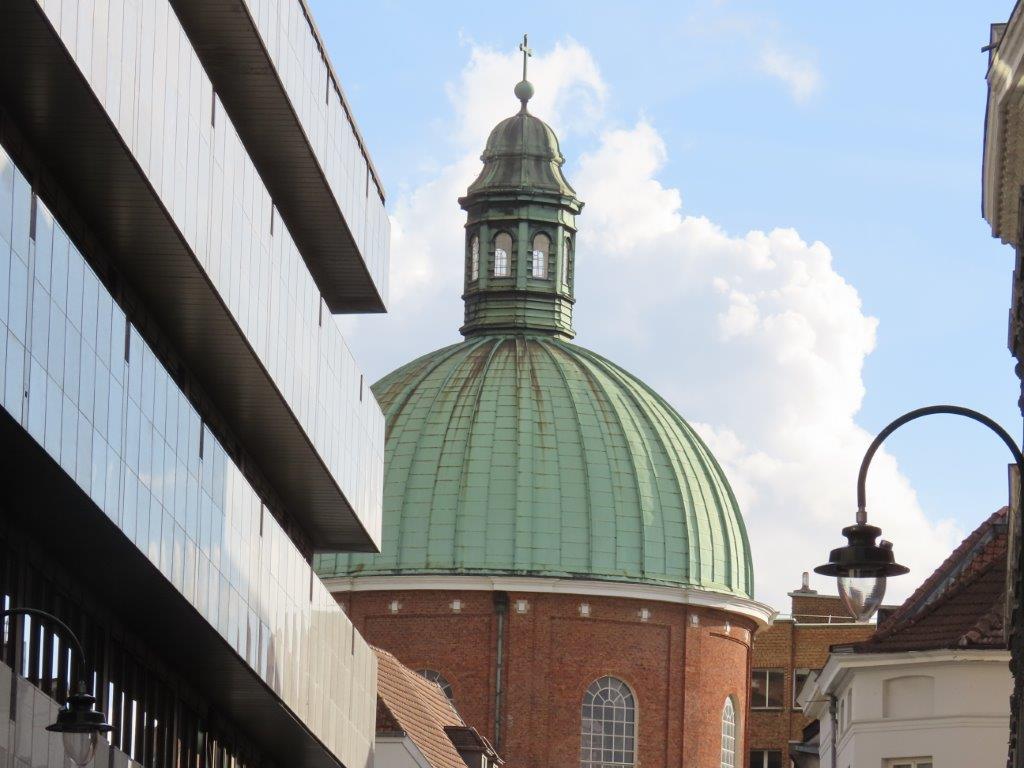
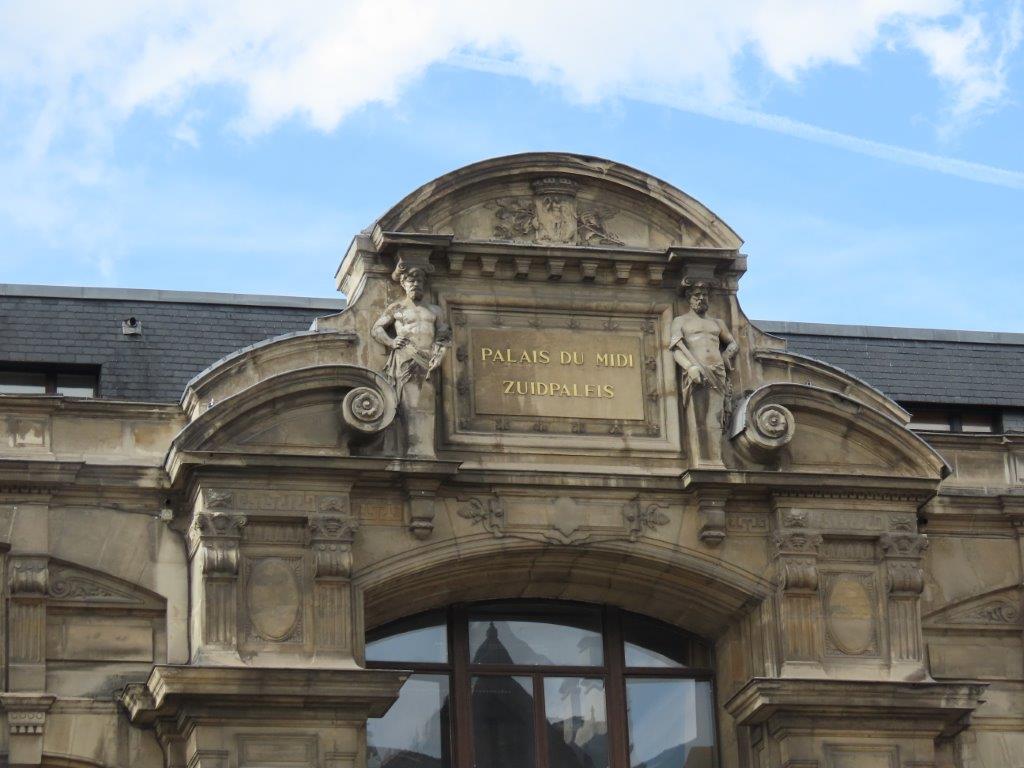
The whole city centre seemed stuffed with sights to savour, both historic and modern, at every turn:
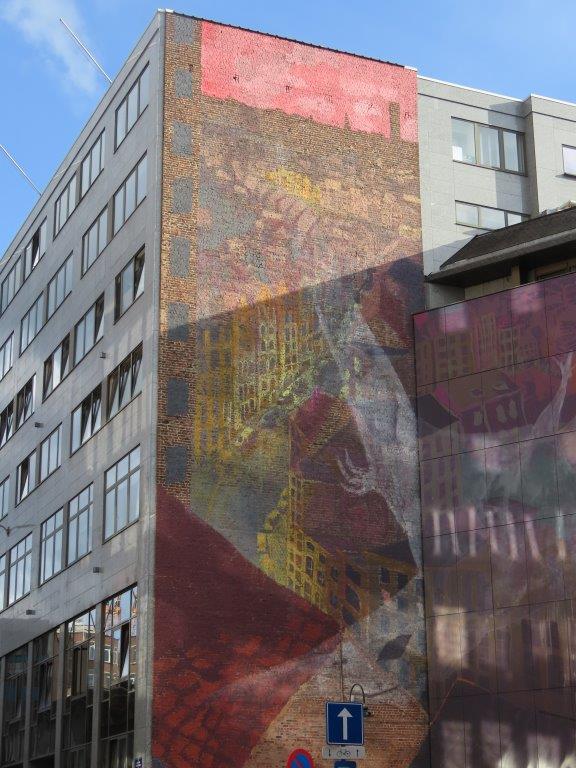
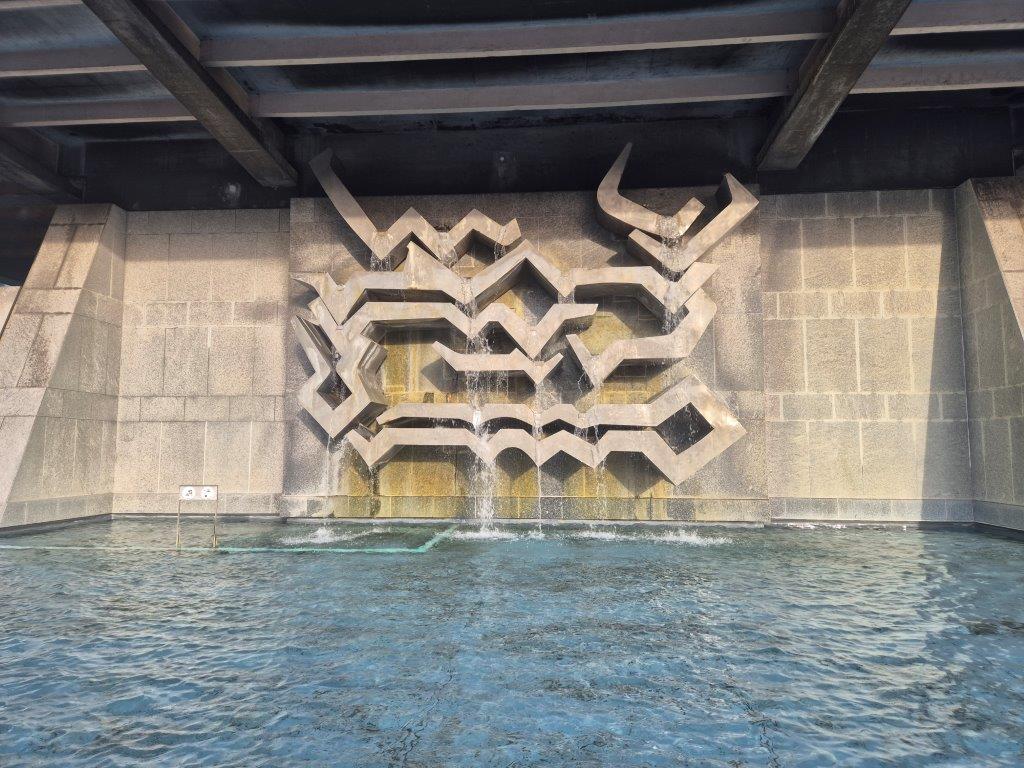
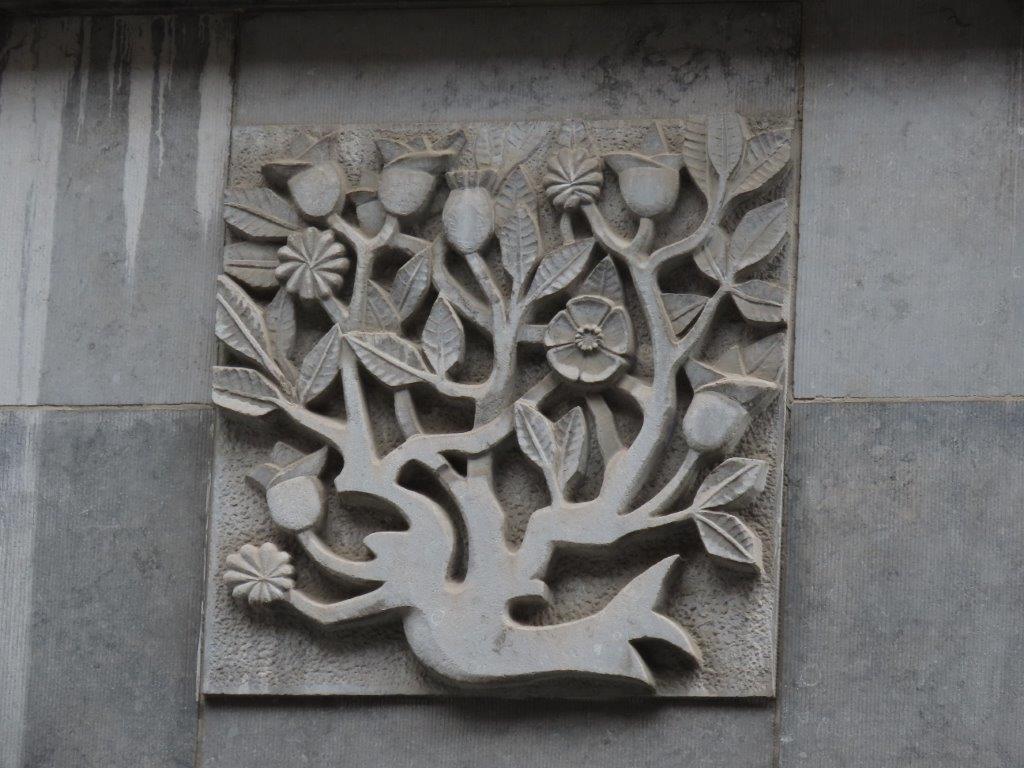
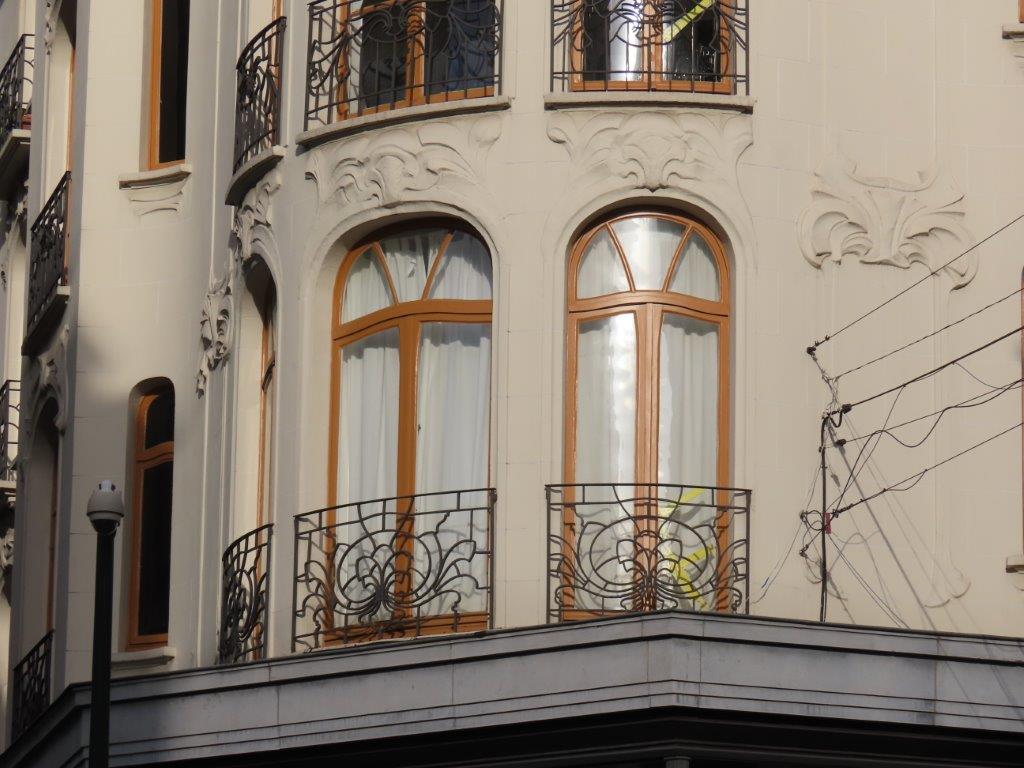
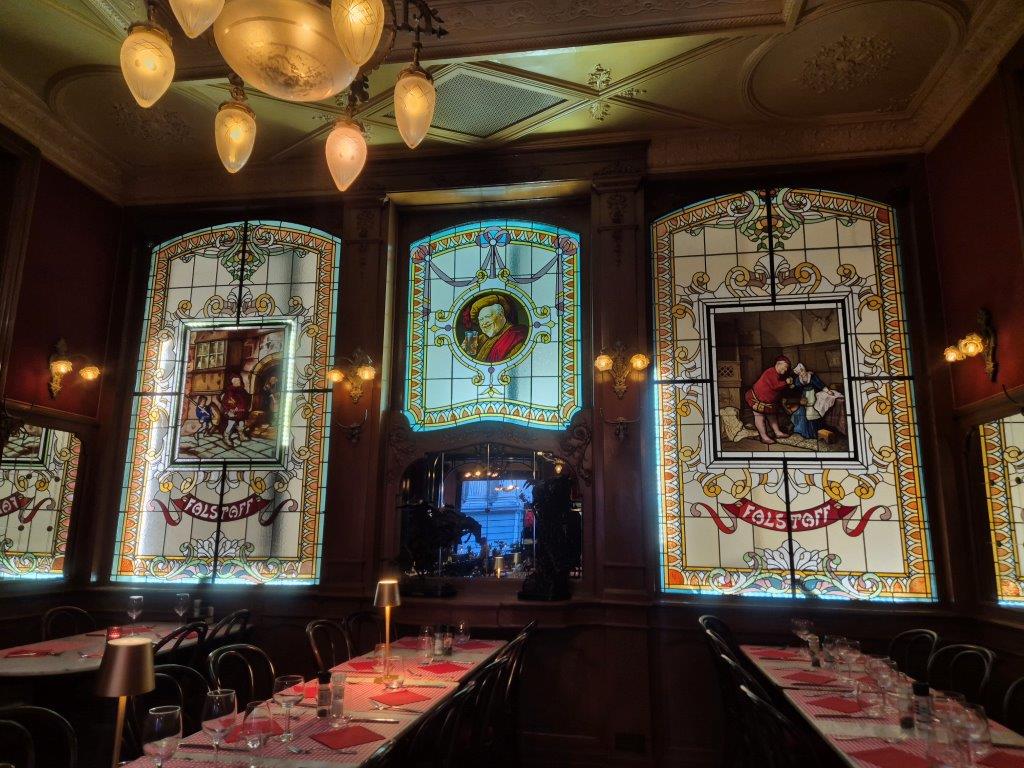
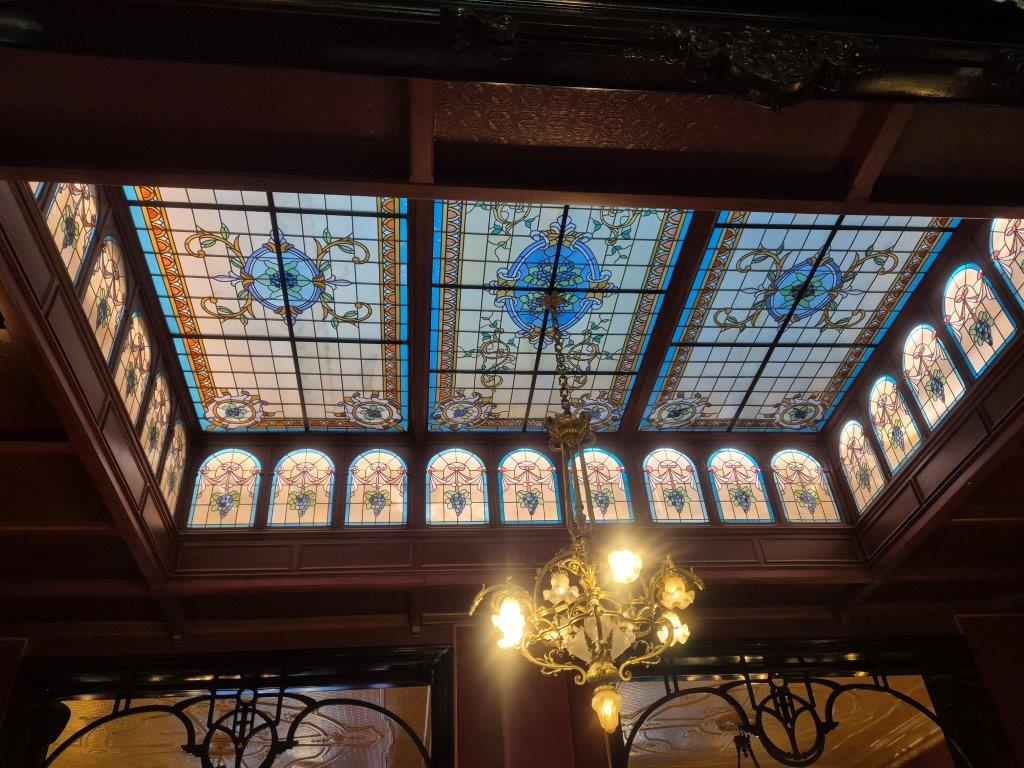
Among the plethora of eating-places, we chose Falstaff, with its original stained glass dating from the very start of the 20th century:
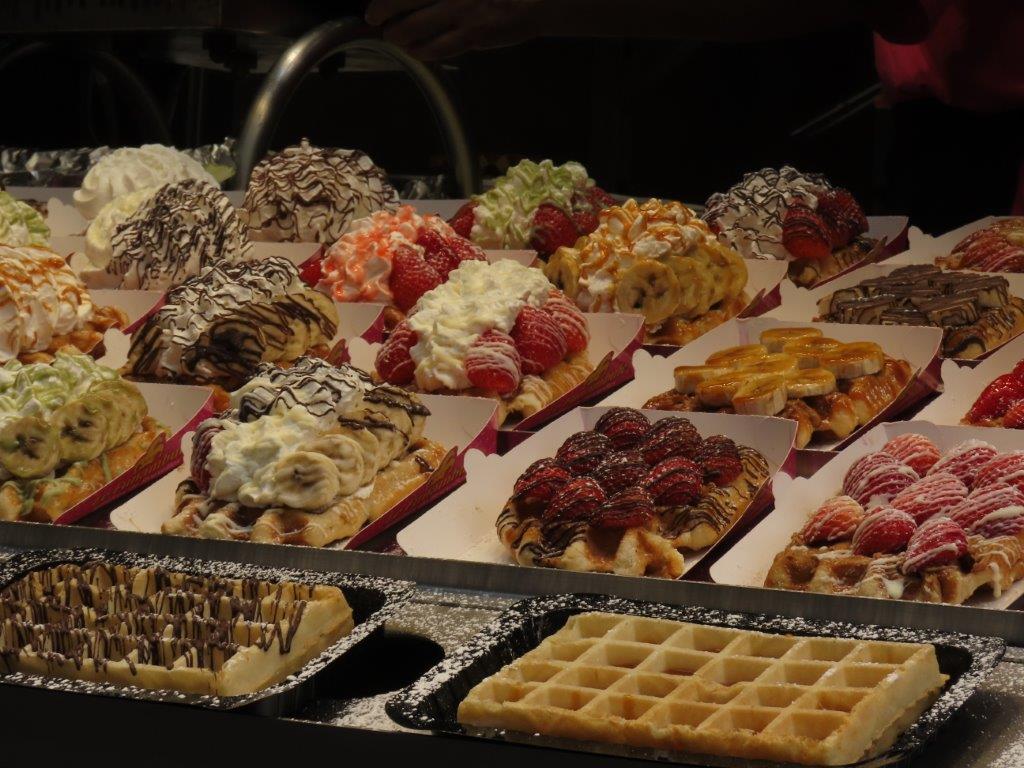
And I got my mouth-watering moules, with garlic sauce that stayed with me (and Jude!) for the next day! But such was the meal that waffles, despite the enticing shopfronts, had to wait until the following morning, breakfast back by the station ready for the next leg to Frankfurt.
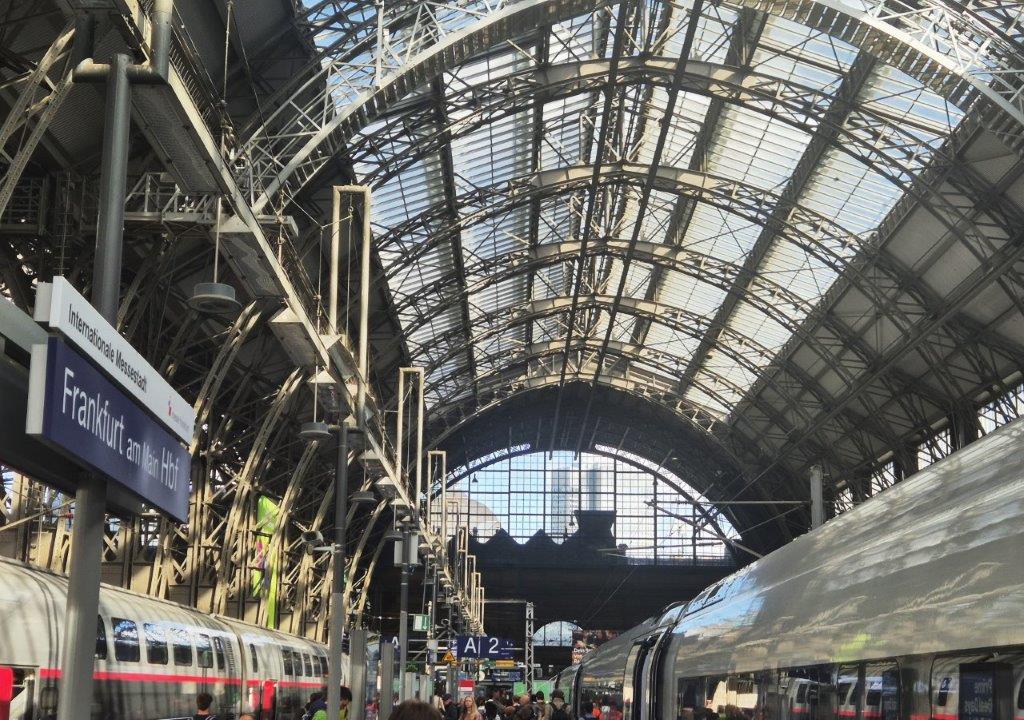
Leaving Brussels in our wake with the Atomium twinkling in the distance, before long we crossed into Germany, clocking Aachen as an interesting-looking destination for the future, through Cologne (another of our past favourites) and to Frankfurt by mid-afternoon. This leg picked up a delay of ten minutes, but that was the only significant delay of the entire trip, and that meant we were able to check in to the Holiday Inn Alt Oper as soon as we arrived.
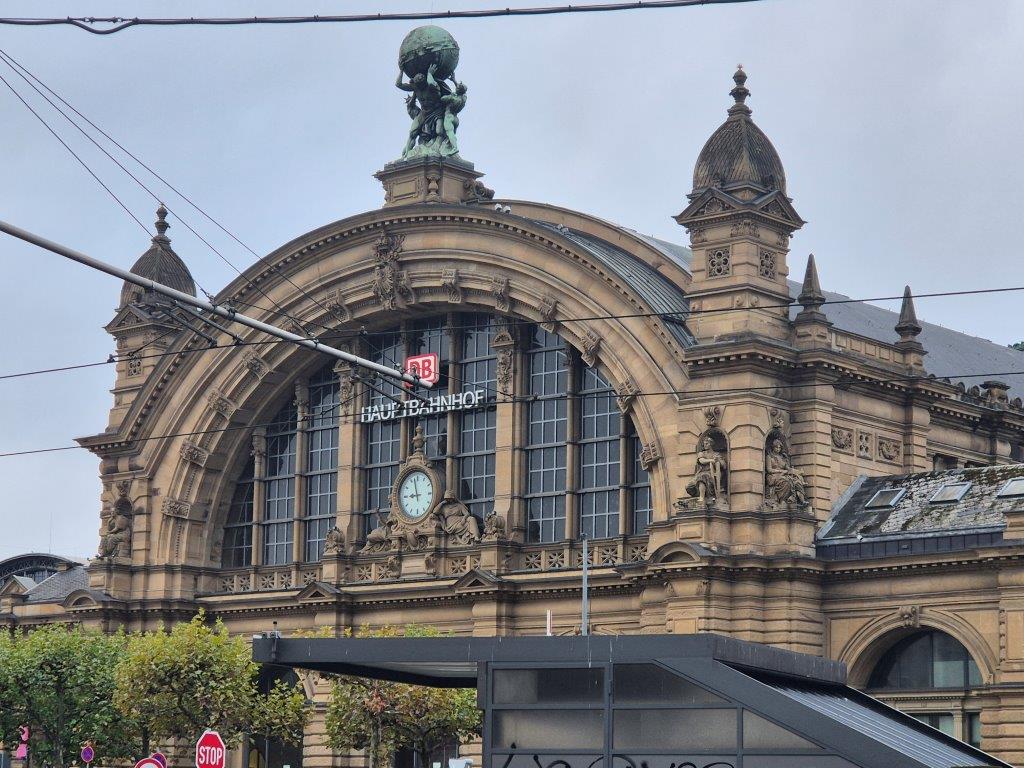
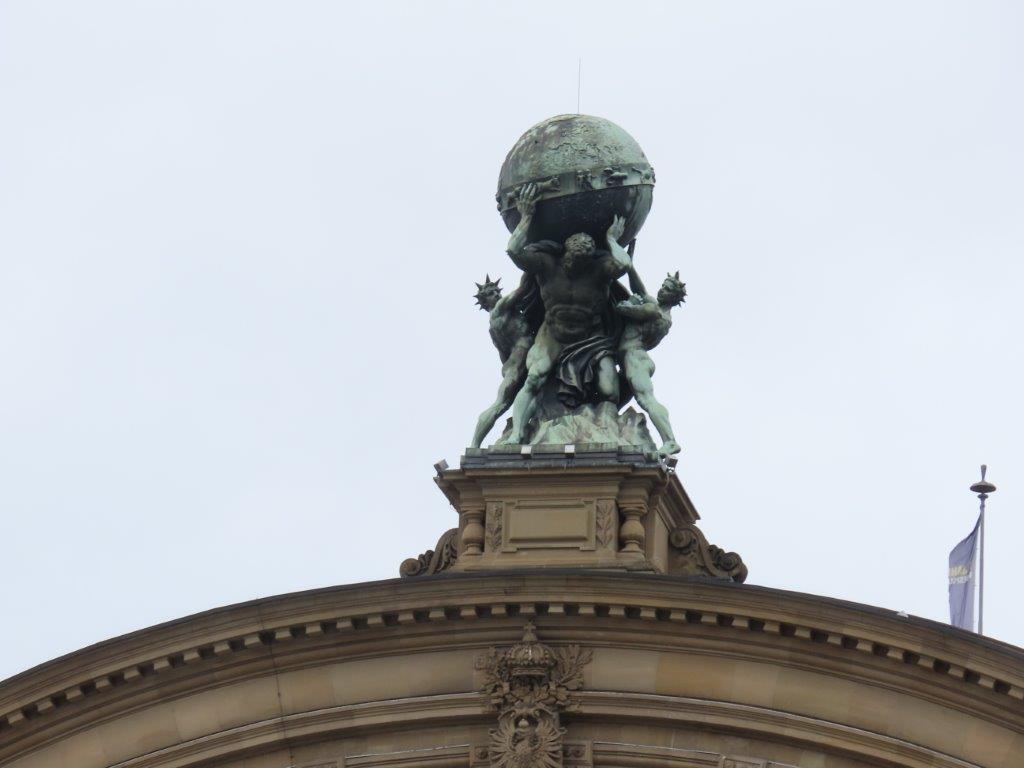
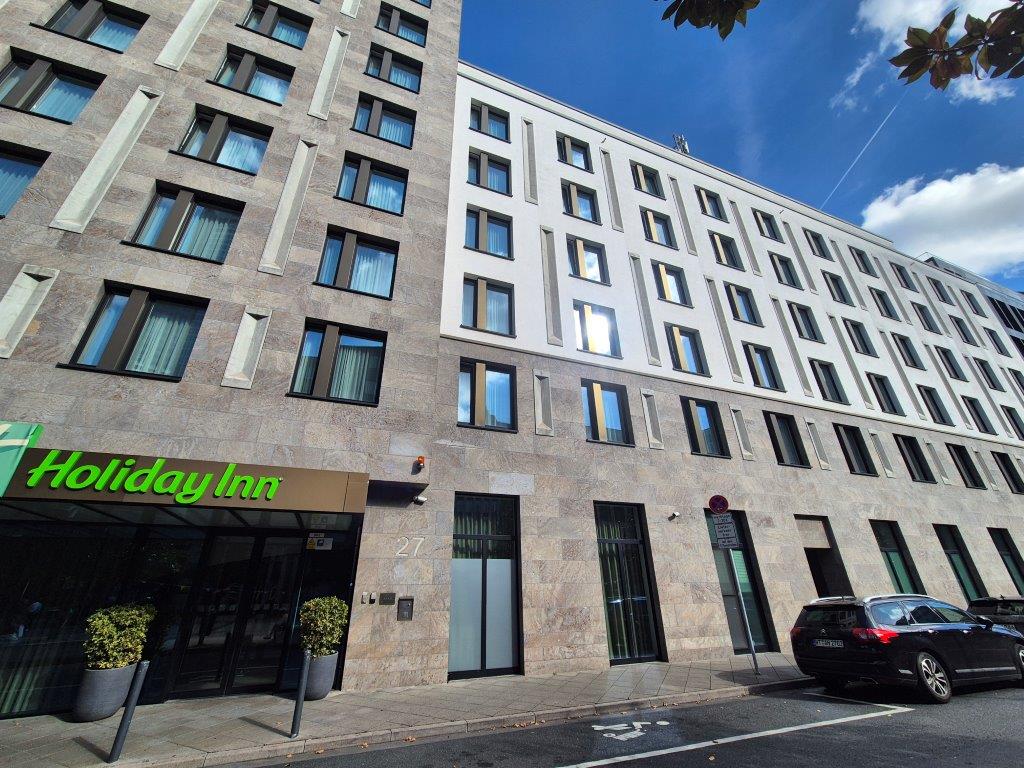
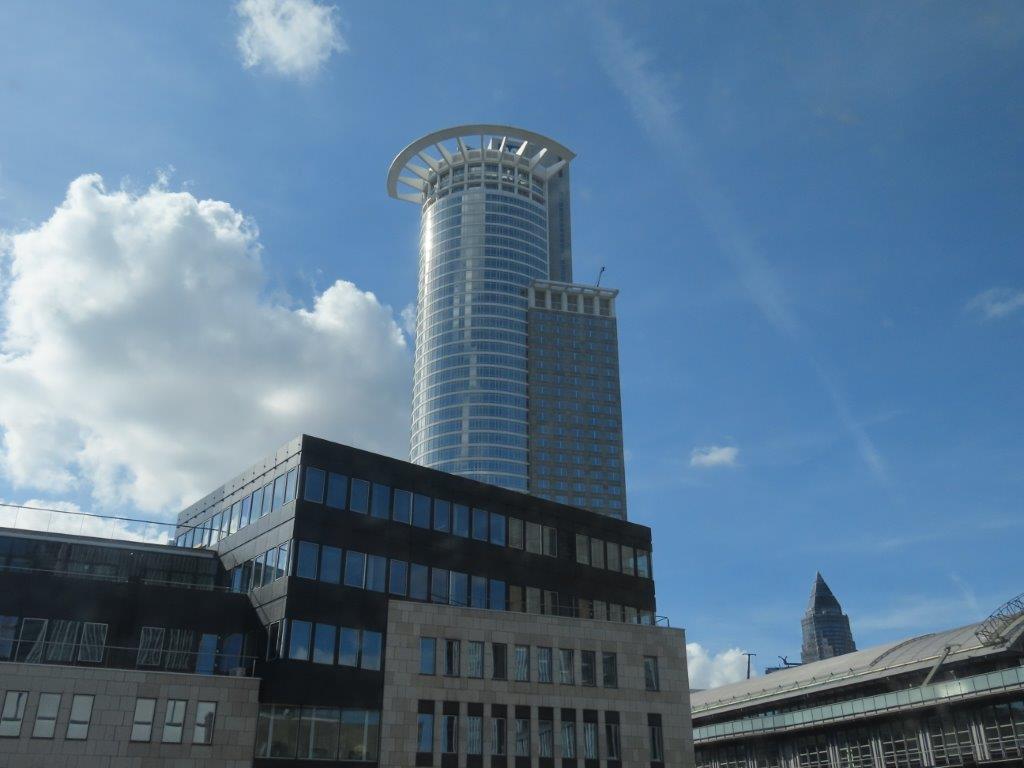
Ours was a lovely airy room, but no time to sit around: at this time of year sunlight is at a premium! Frankfurt is another city with remarkable buildings, another set of photo opportunities as we made our way to the Palmengarten.
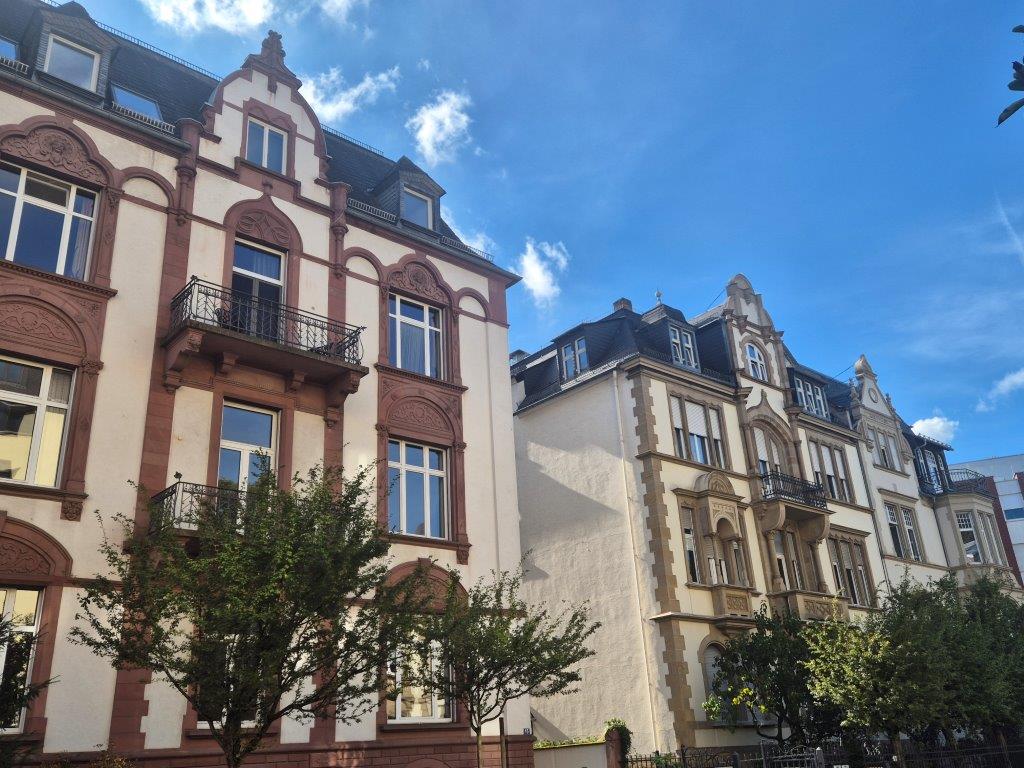
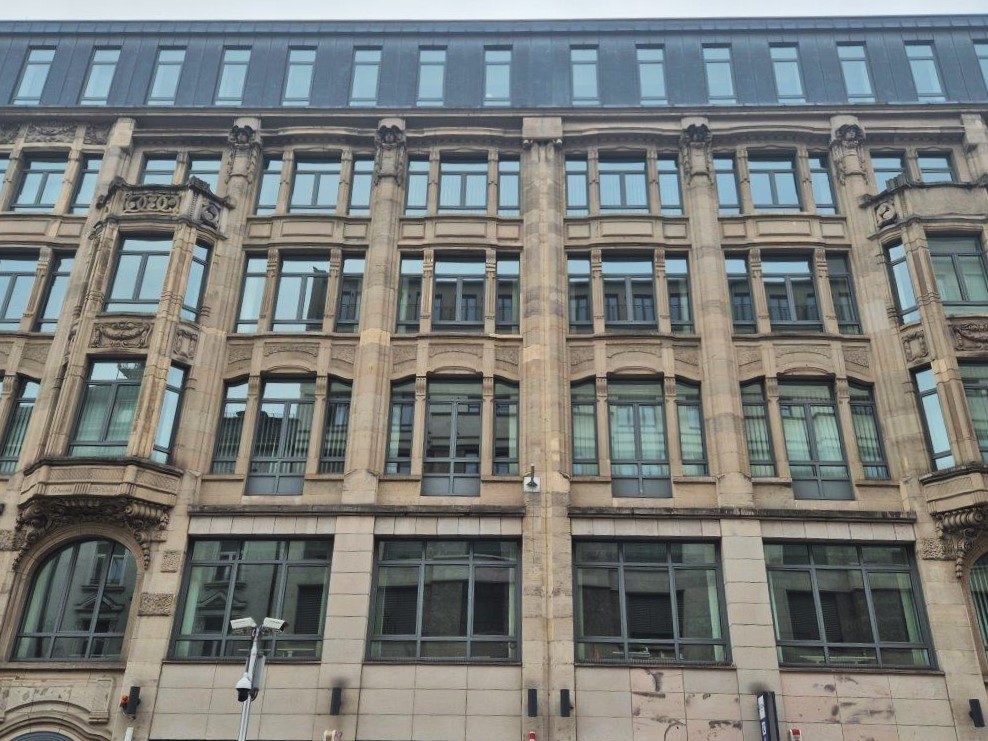
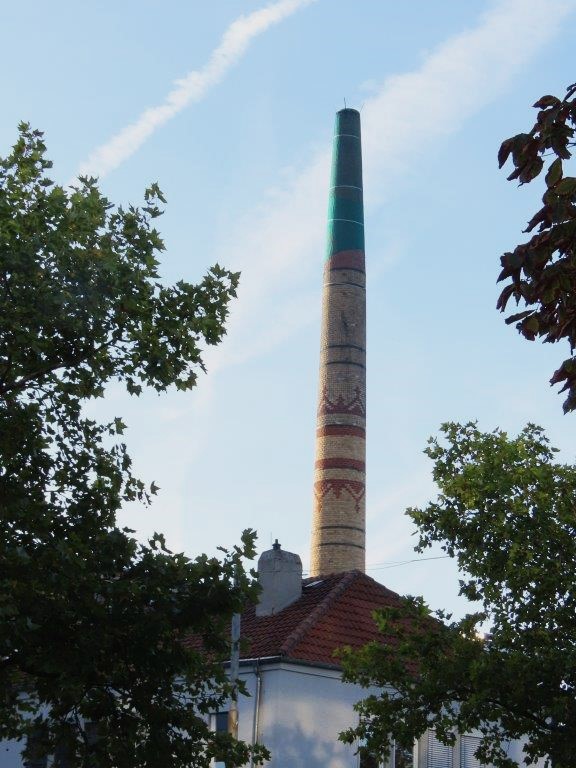
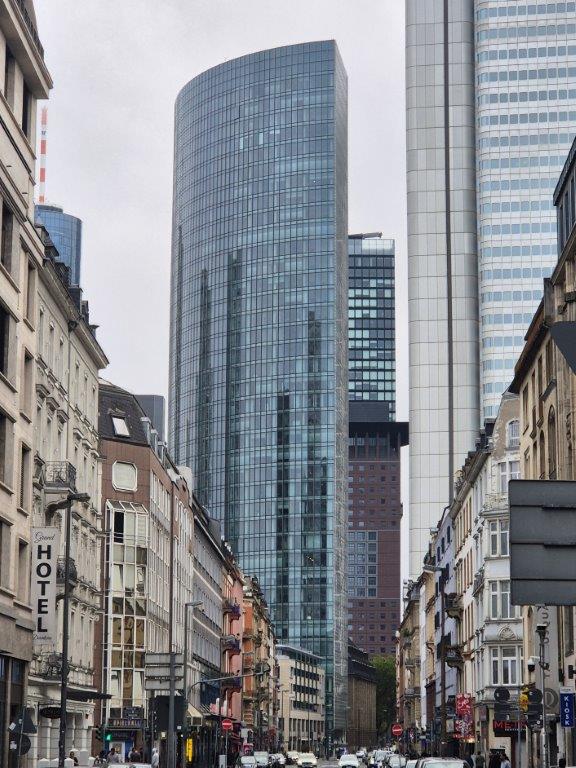
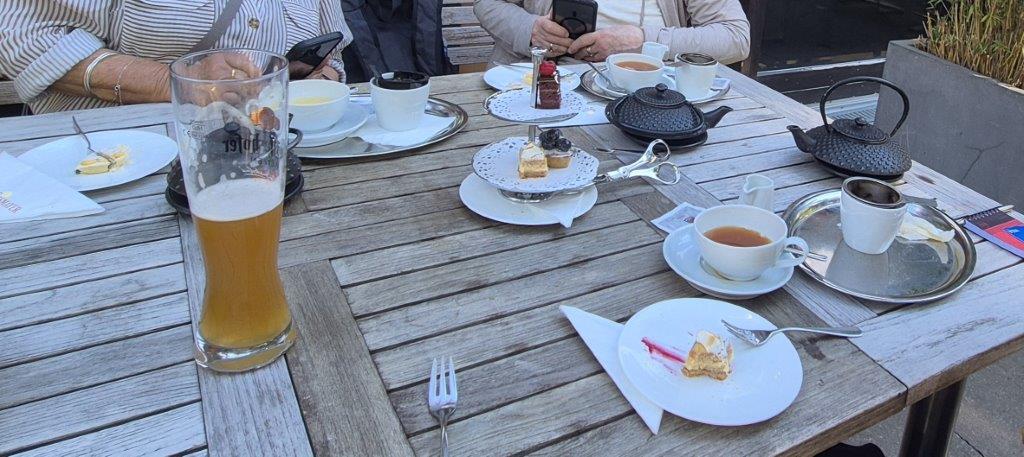
Rather than head straight away deep into the gardens though, the café summoned us, with tea and cakes for some and a lovely weissbier for me, already developing a taste for the evolving gastroscapes of the trip.
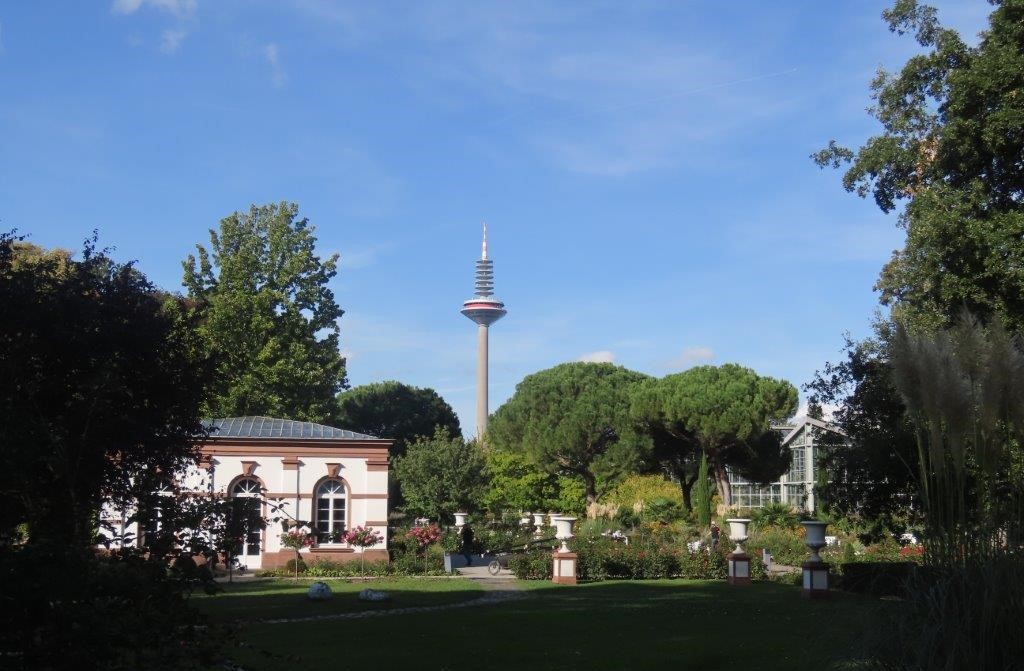
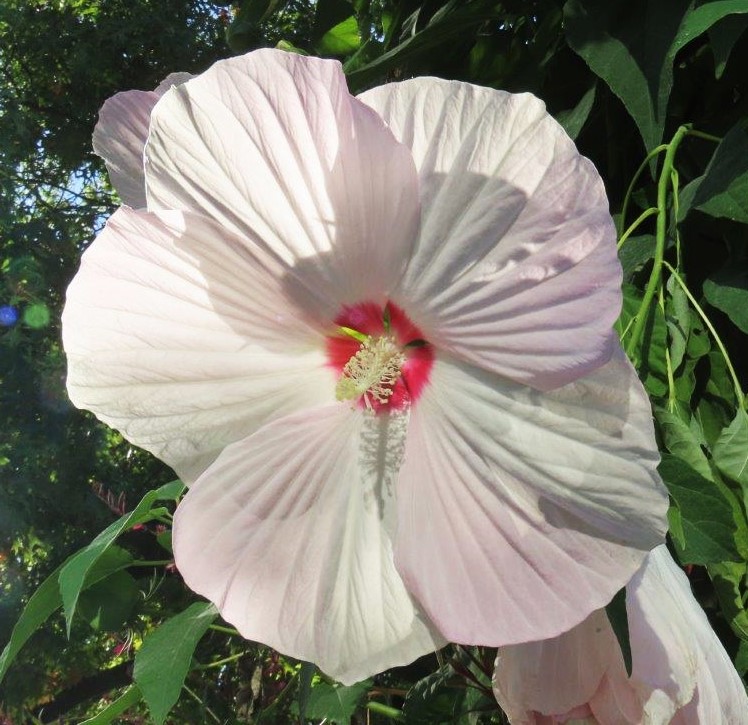
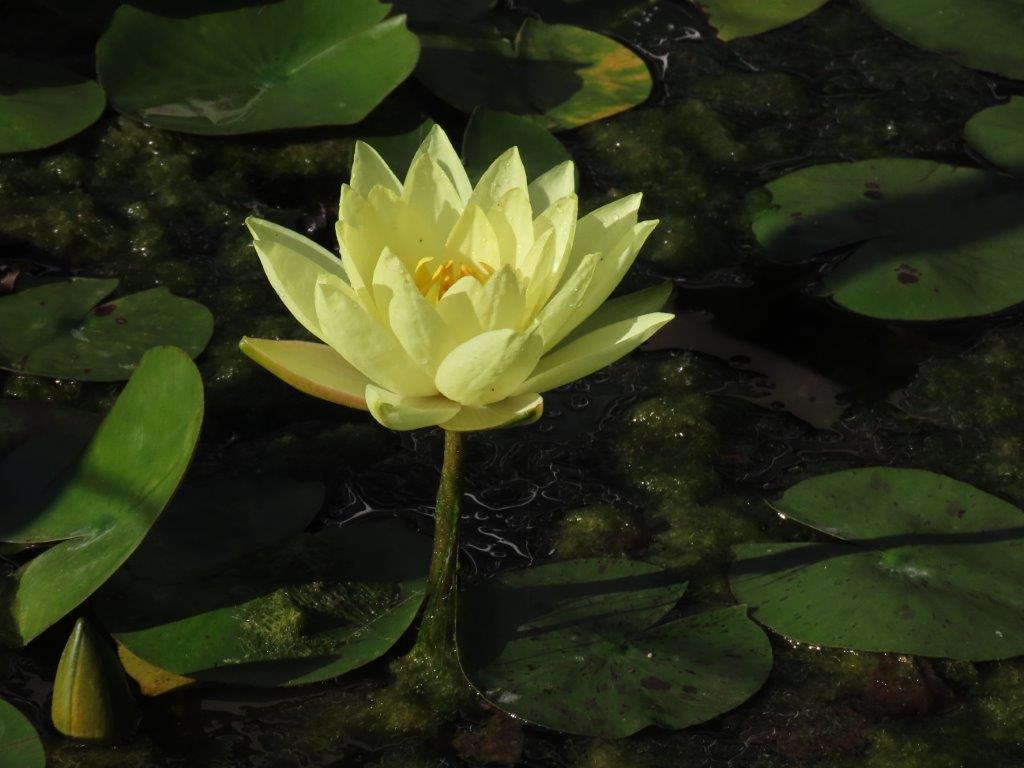
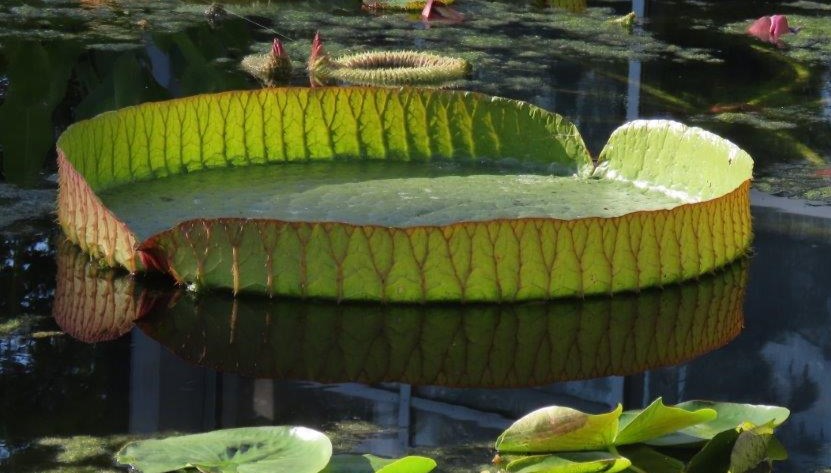
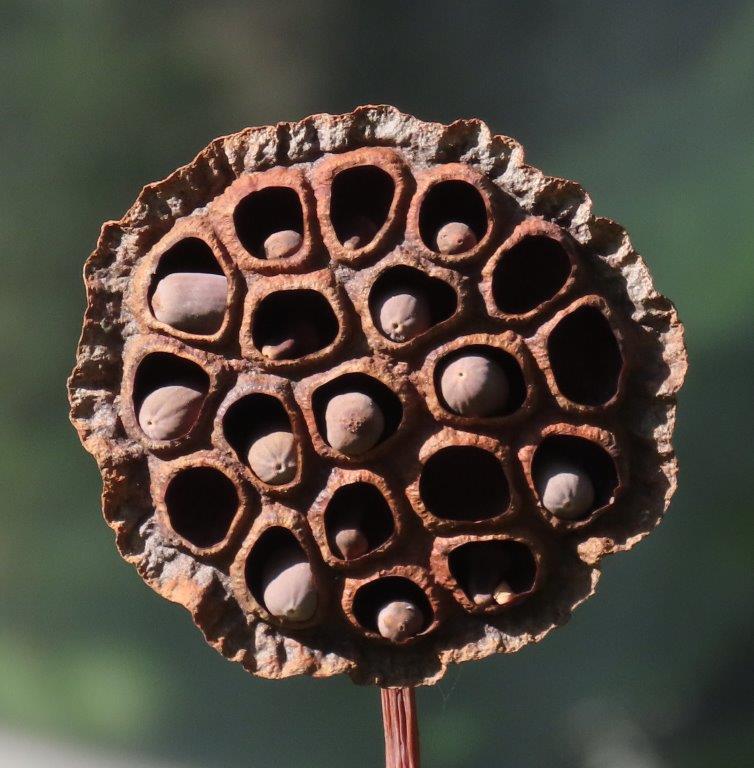
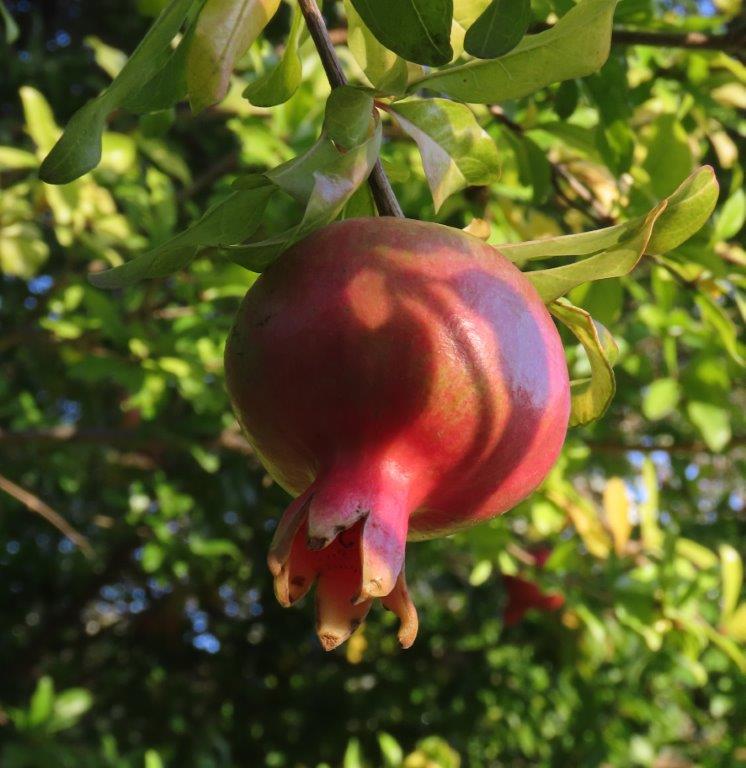
And so into the gardens: flowers, seeds and fruit …
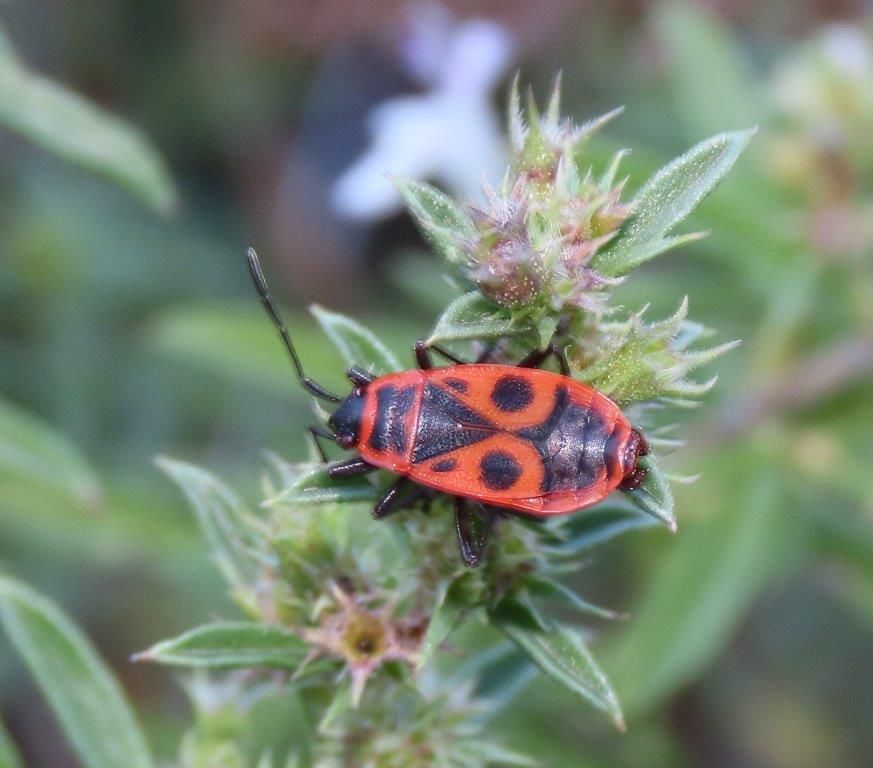
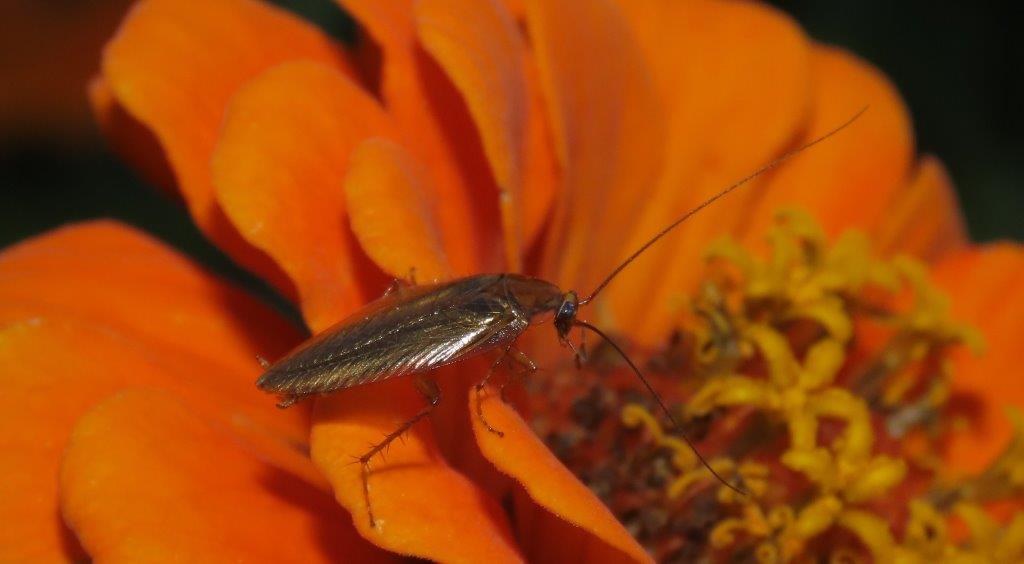
Insects included a few Firebugs, although not their favoured on mallow or lime seeds, a phenomenon we are starting now to see at home as their population has exploded this last summer. And sitting in full view was an Amber Wood Cockroach, a species that until the start of this century was restricted to those warmer parts of Europe south of the Alps. But as with so many insects it is spreading north, now well into Germany and elsewhere, and even into the UK, although probably not established with us yet.
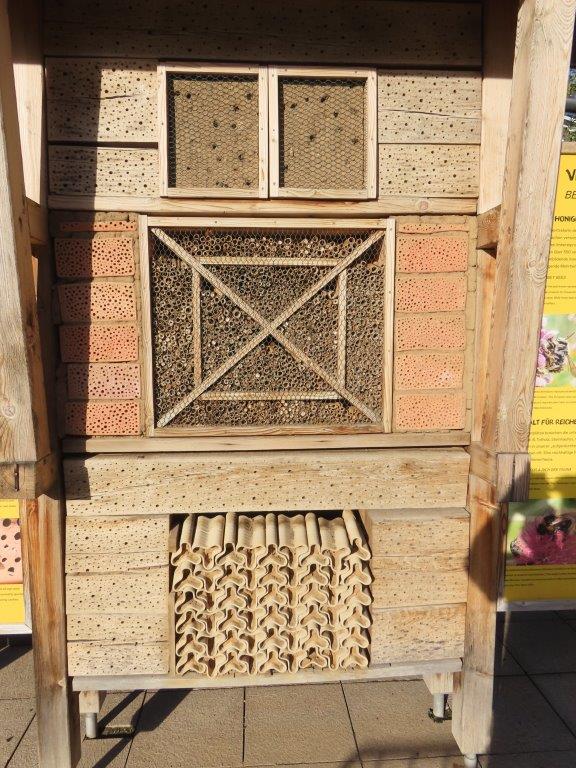
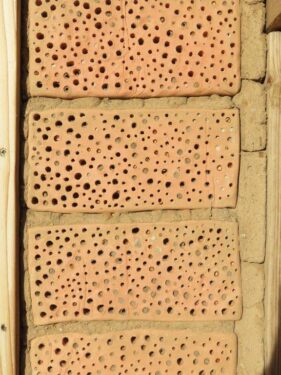
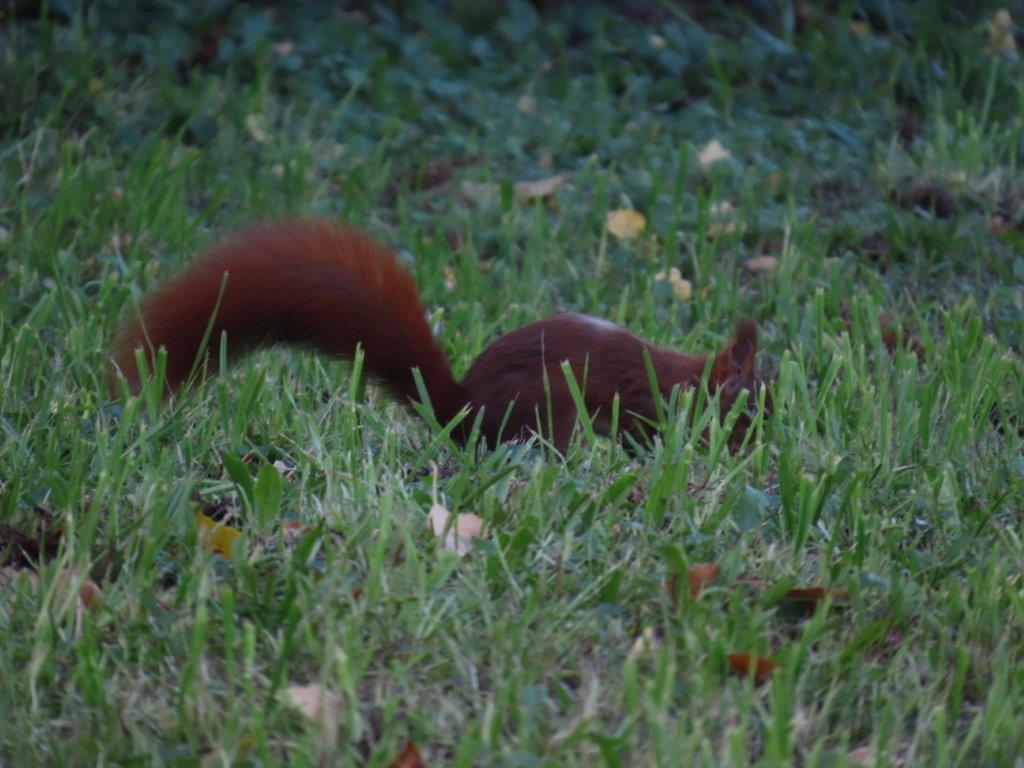
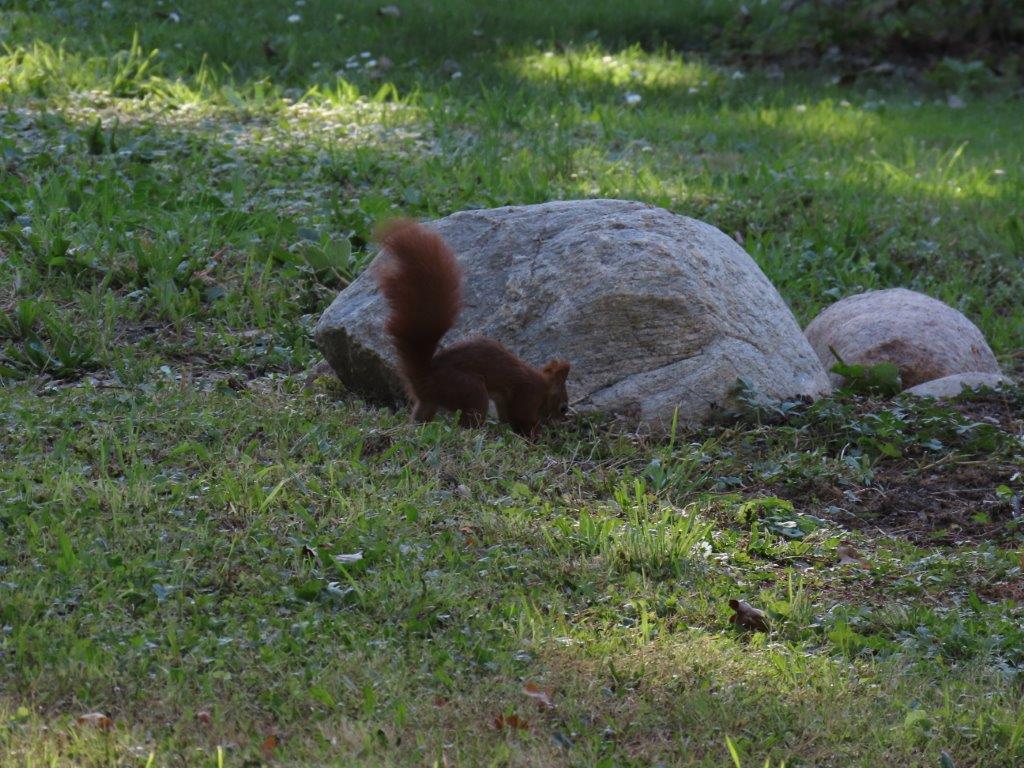
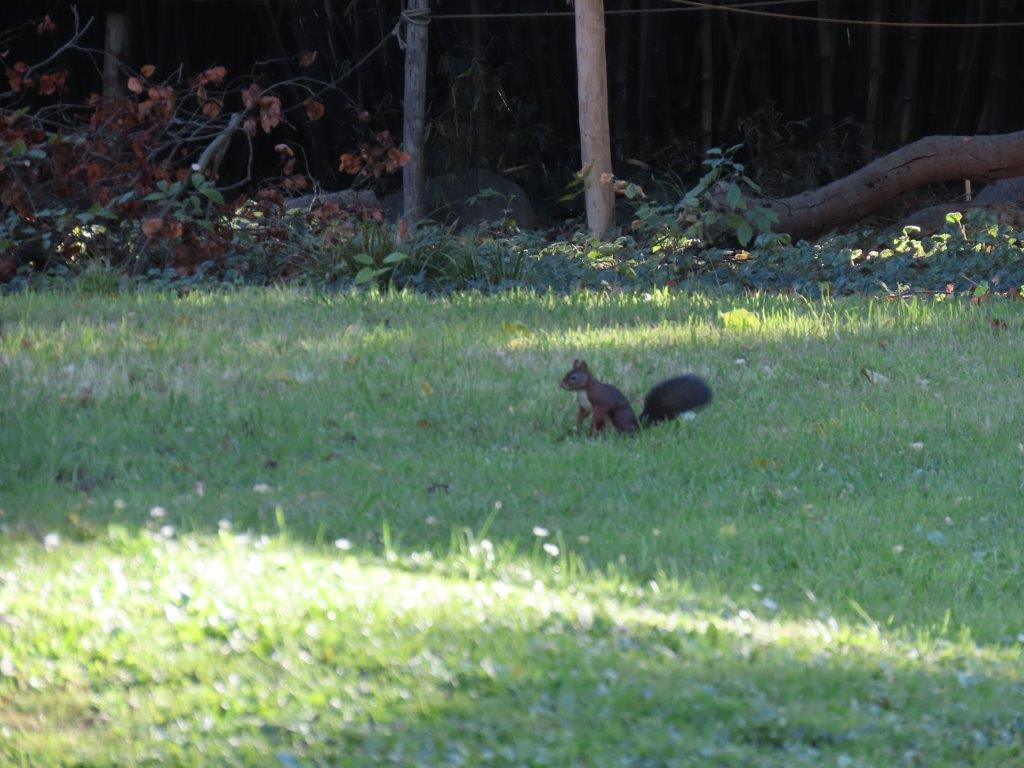
Then there was the largest bee hotel we have ever seen, one with seemingly high occupancy rates, and a scattering of Red Squirrels (including blackish morphs), busy burying caches of food for the winter.
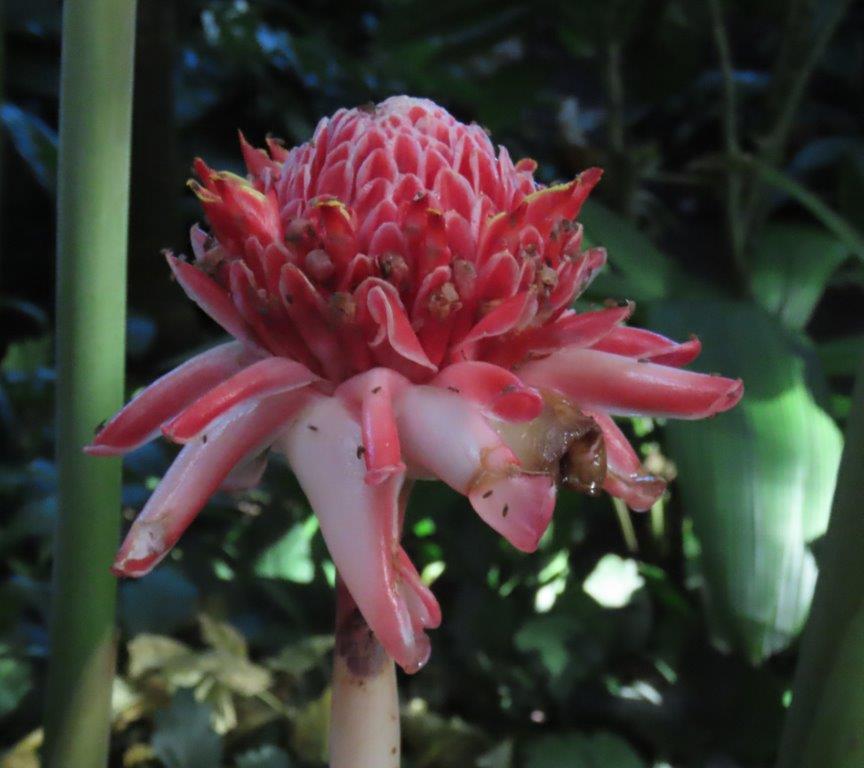
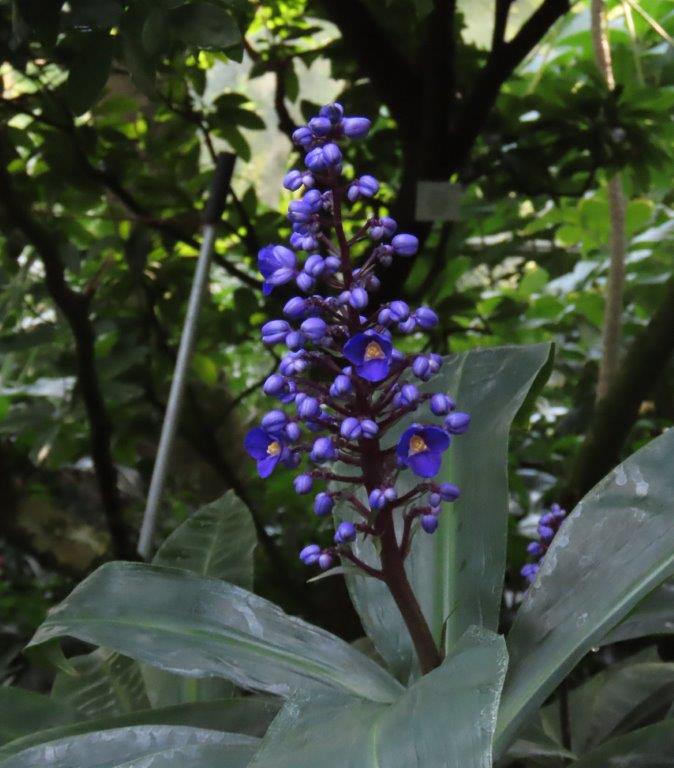
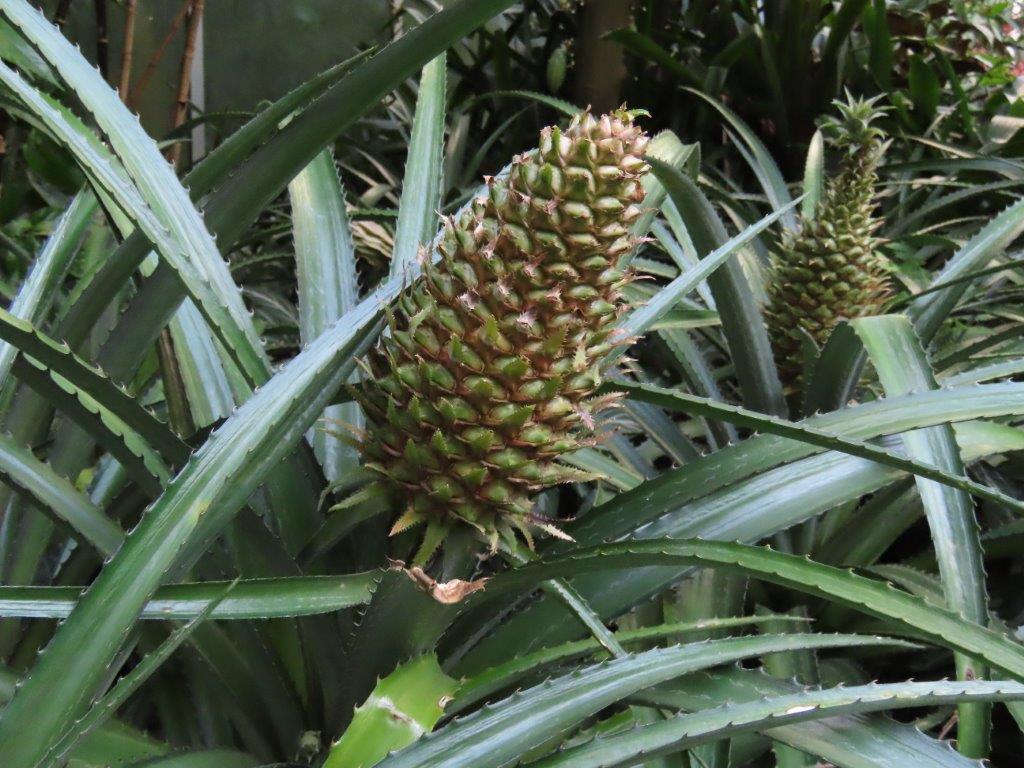
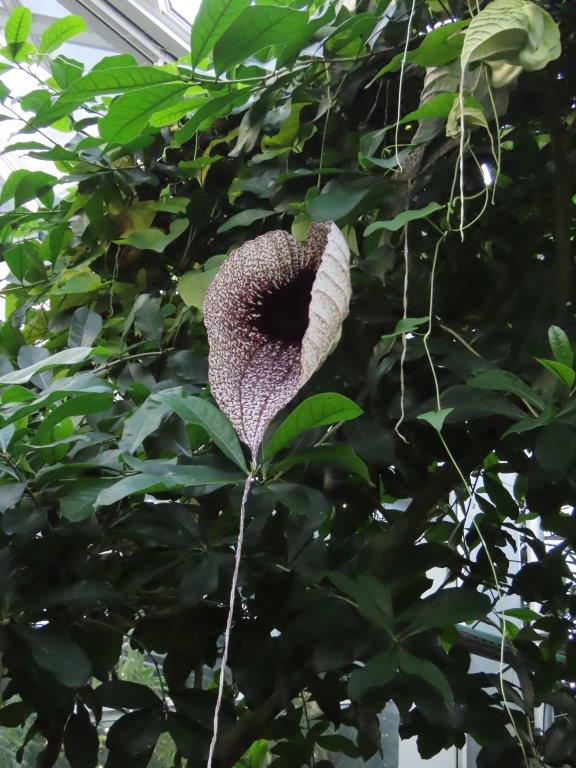
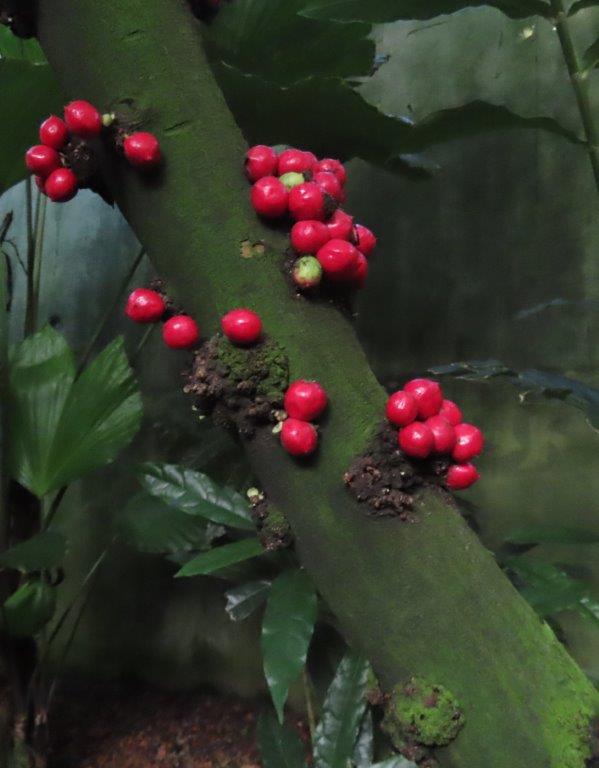
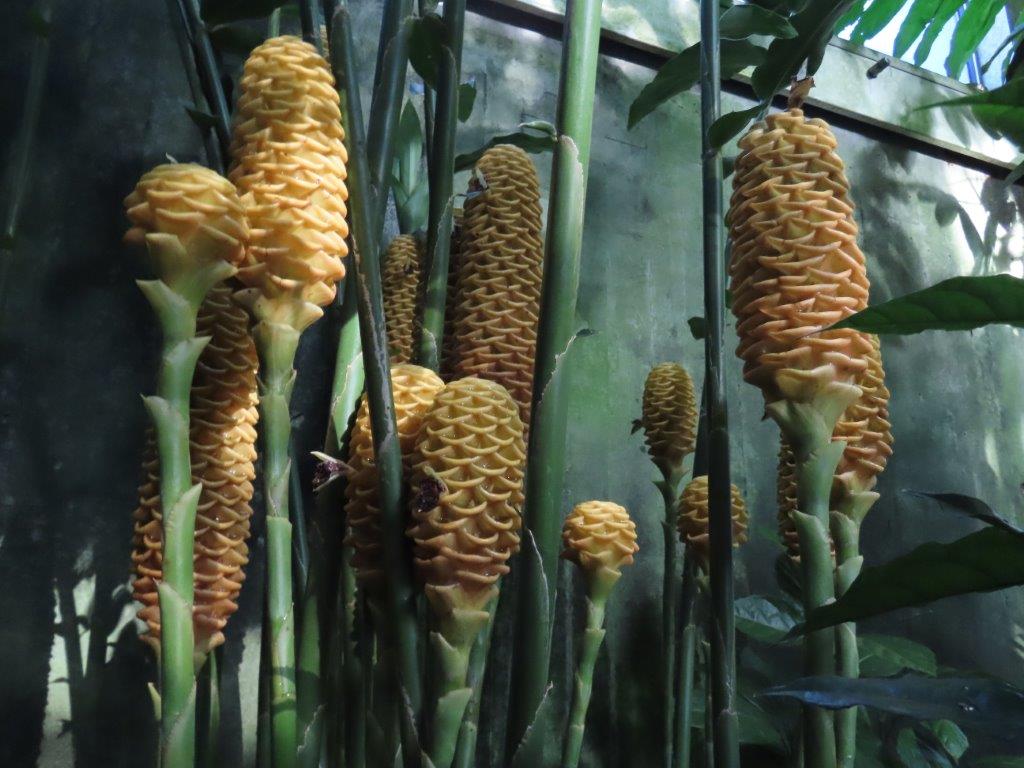
The glasshouses are very impressive, with interesting plants from around the world and over a wide range of ecological conditions:
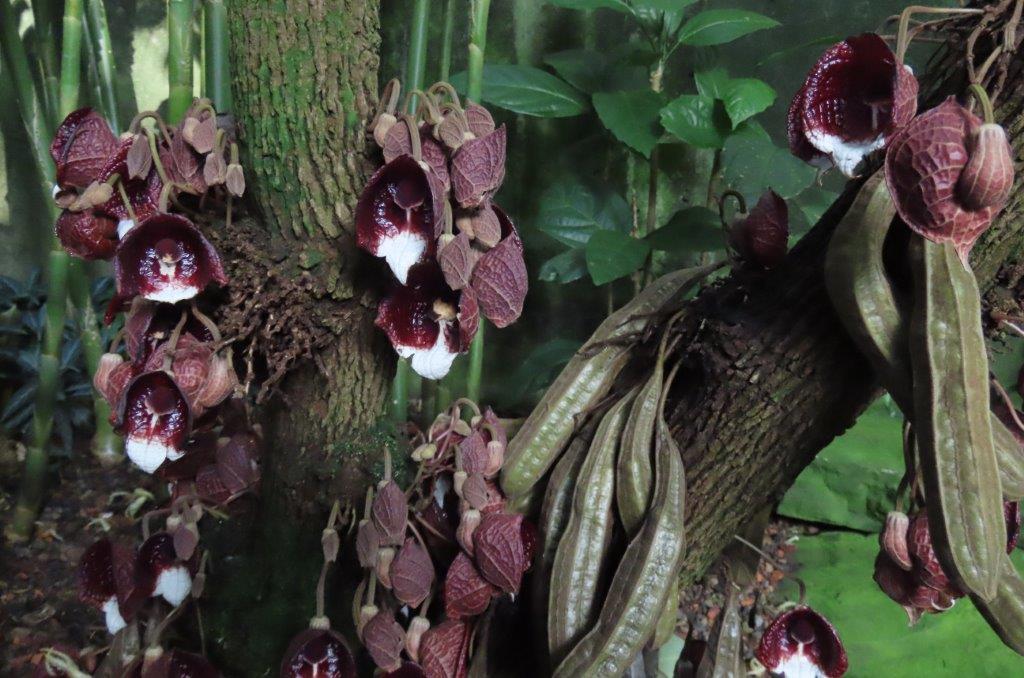
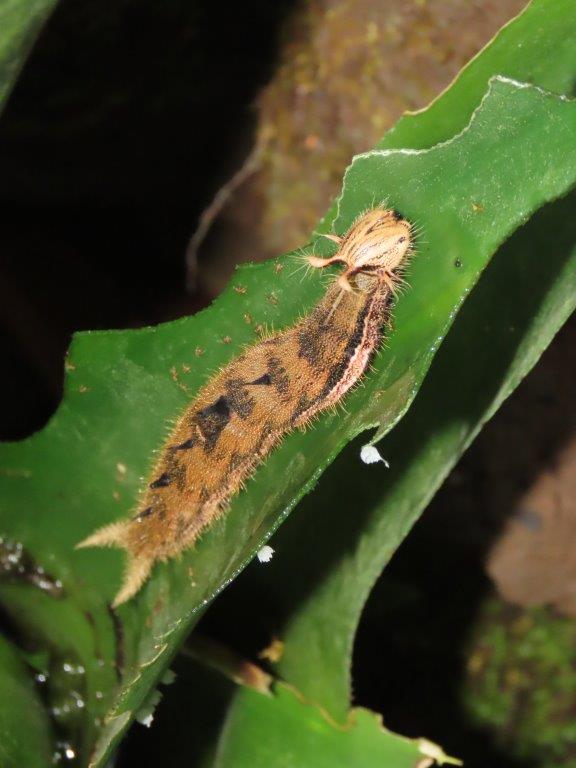
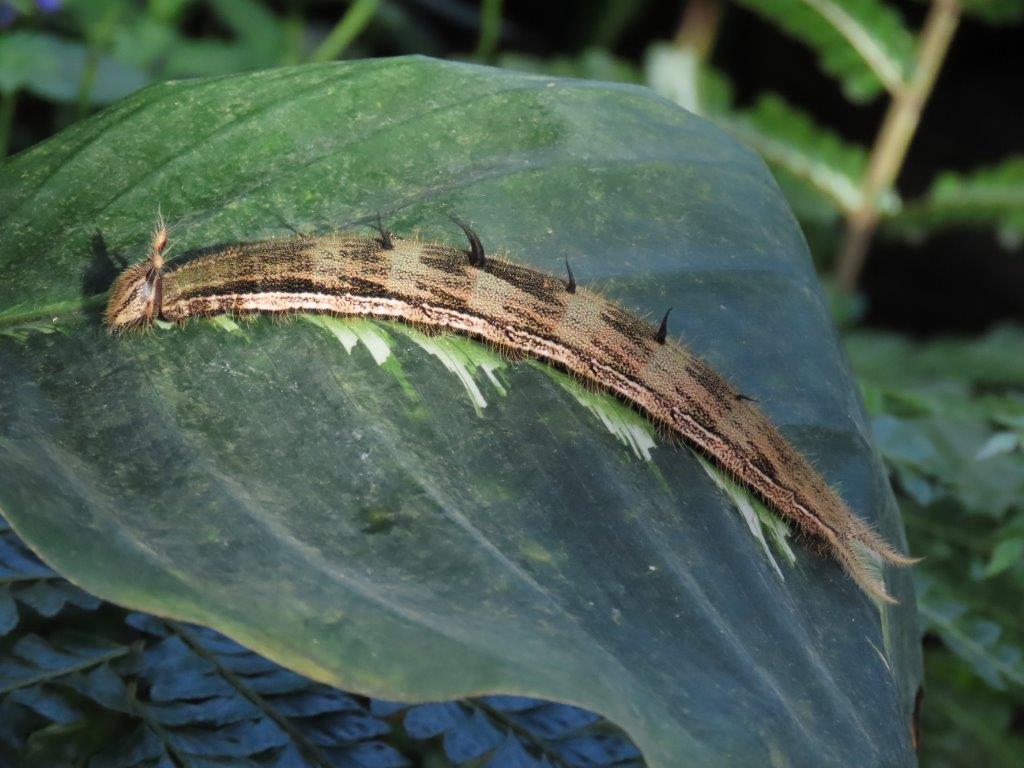
And finally another glasshouse, hosting tropical butterflies and plants that support them or, like Begonias, thrive in the same jungly conditions:
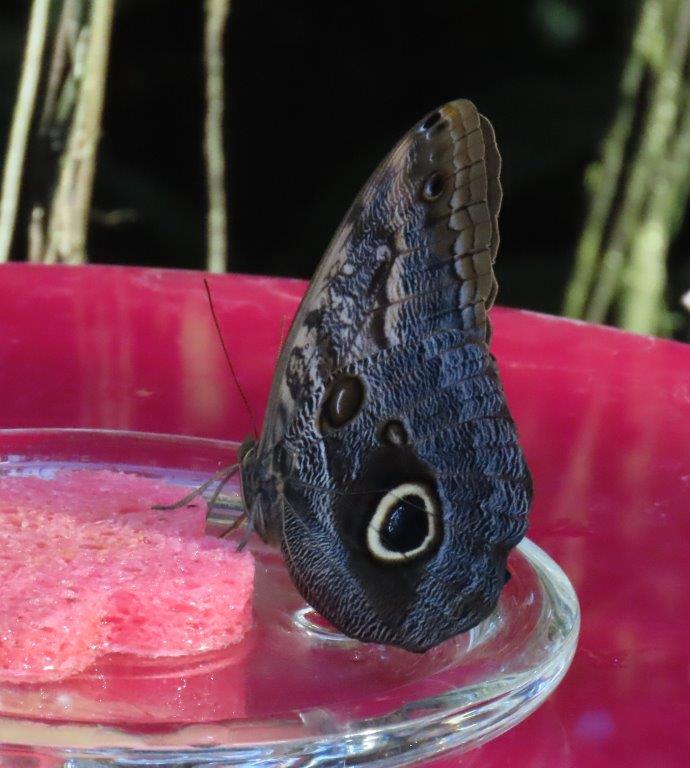
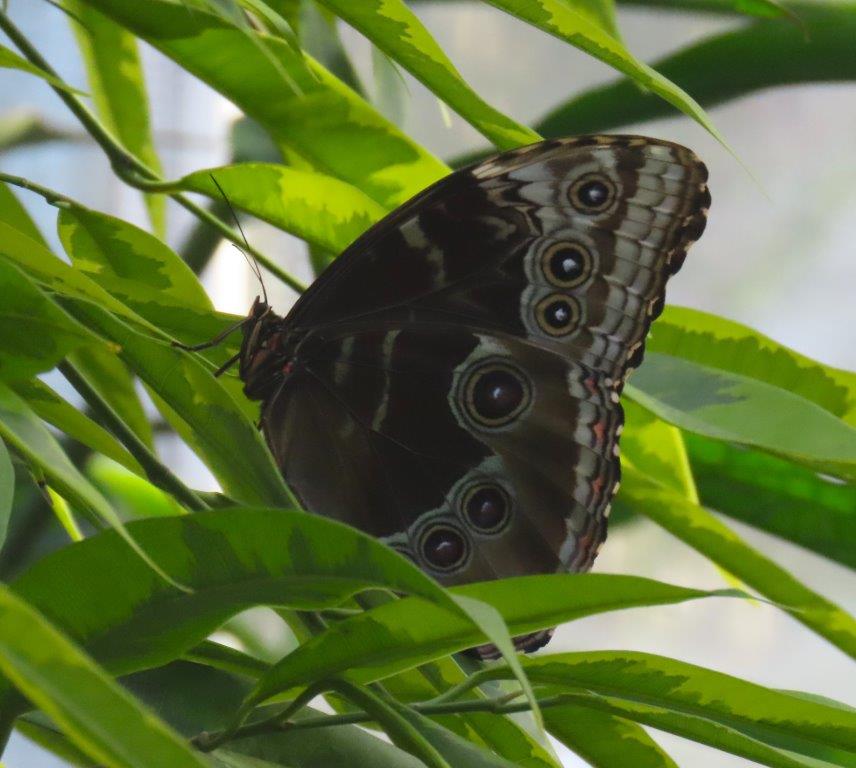
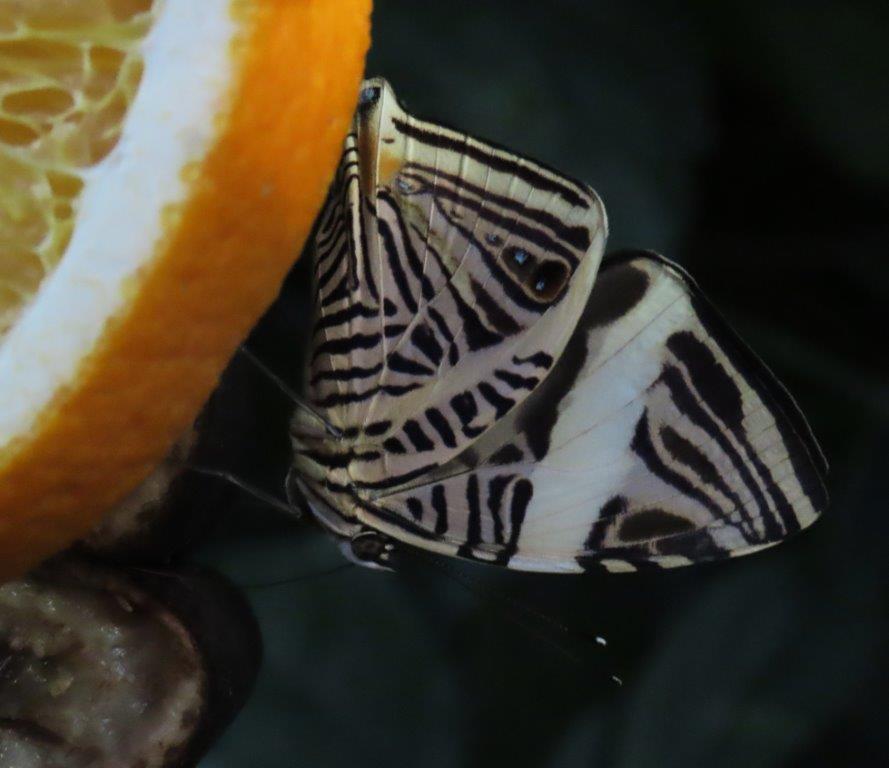
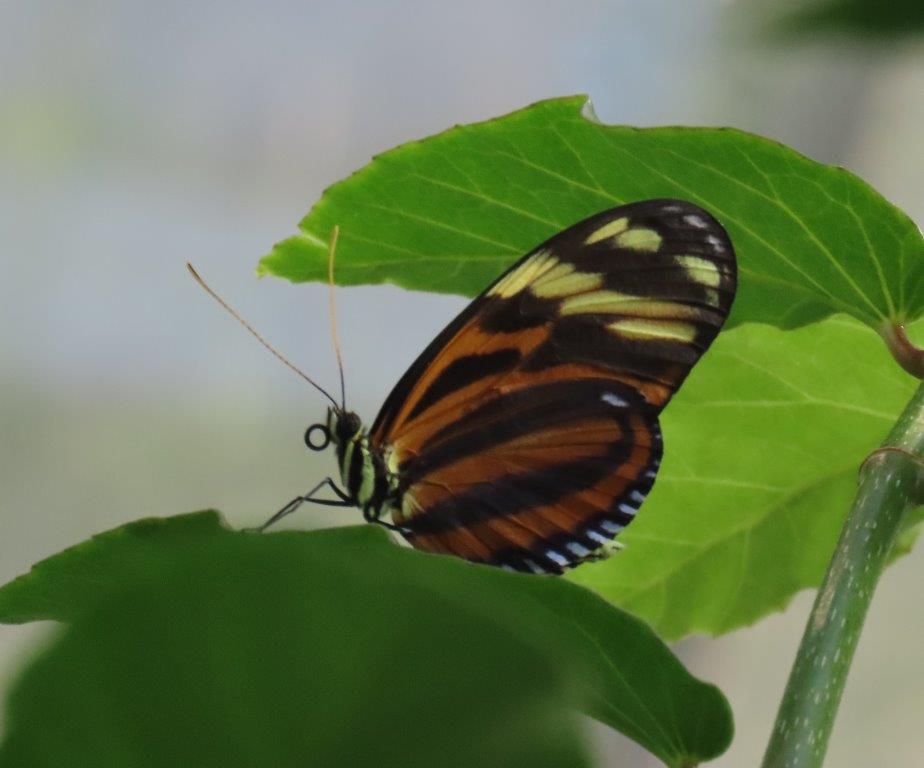
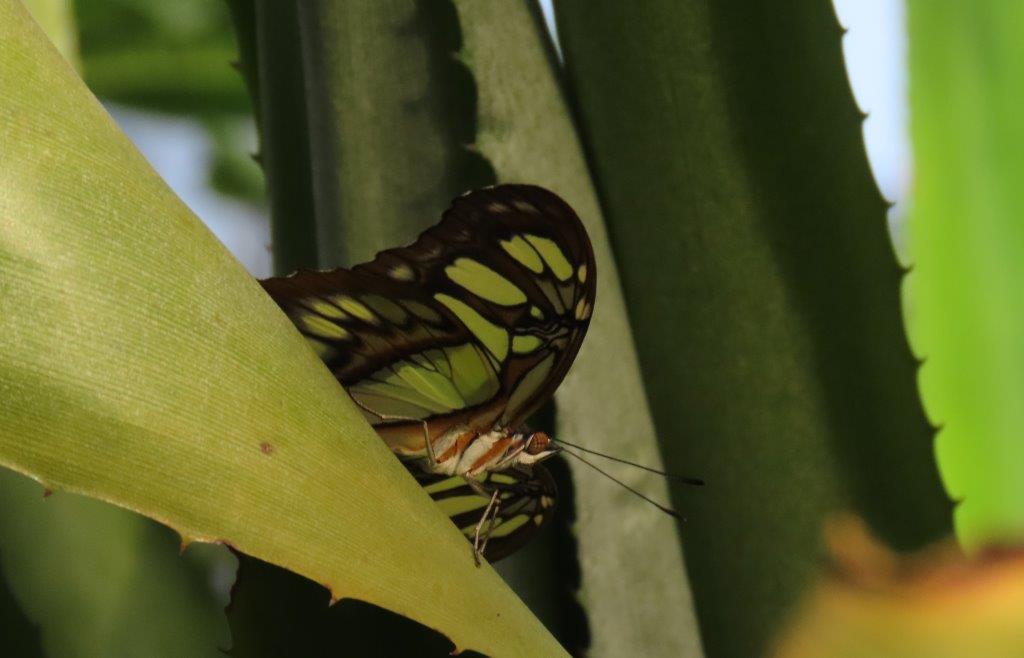
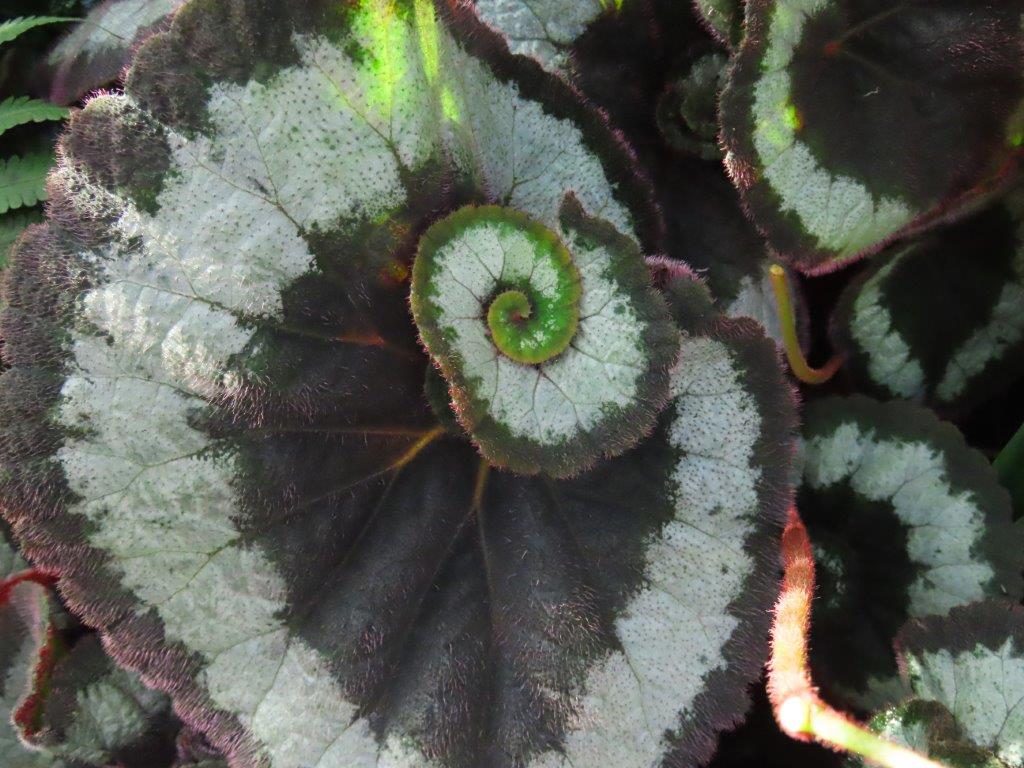
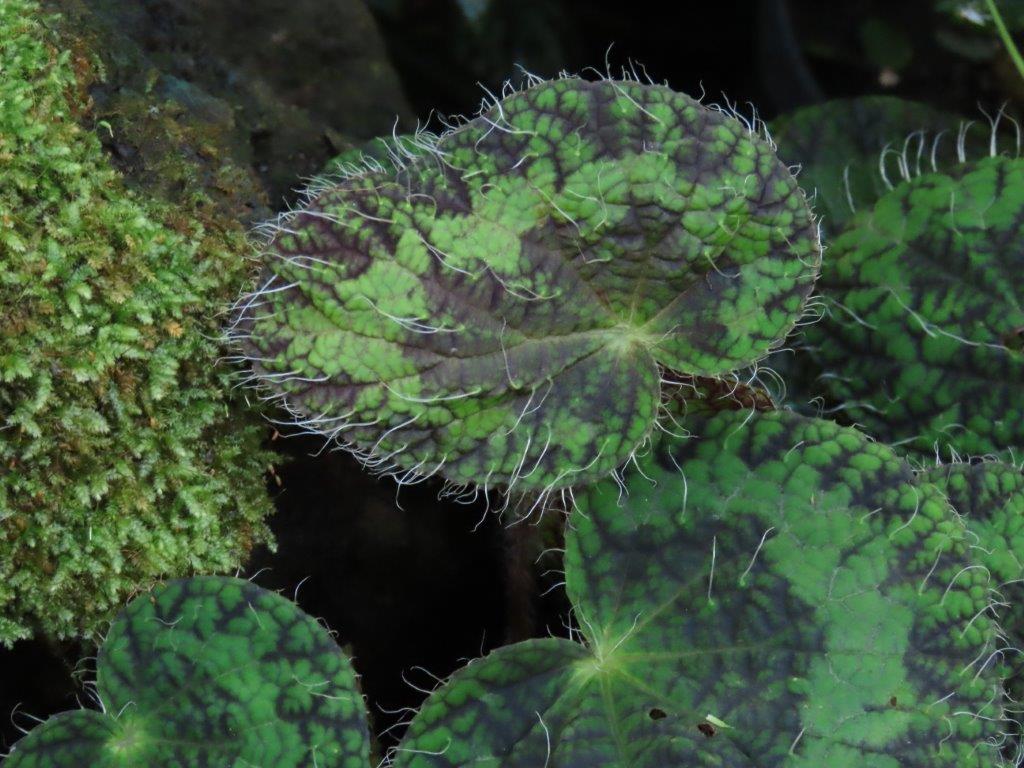
And not just the adults, but some larvae as well, including perhaps the most dramatic caterpillar we have ever seen, that of an Owl Butterfly.
From there it was onto the metro, emerging in the heart of Frankfurt Old Town. Or more accurately, the New Old Town: the city centre was largely flattened by WW2 bombing, and then replaced with car parks and a Brutalist town hall. But between 2012 and 2018 the old town was rebuilt, in part faithful historical reconstructions along with modern buildings designed according to historical precedent.
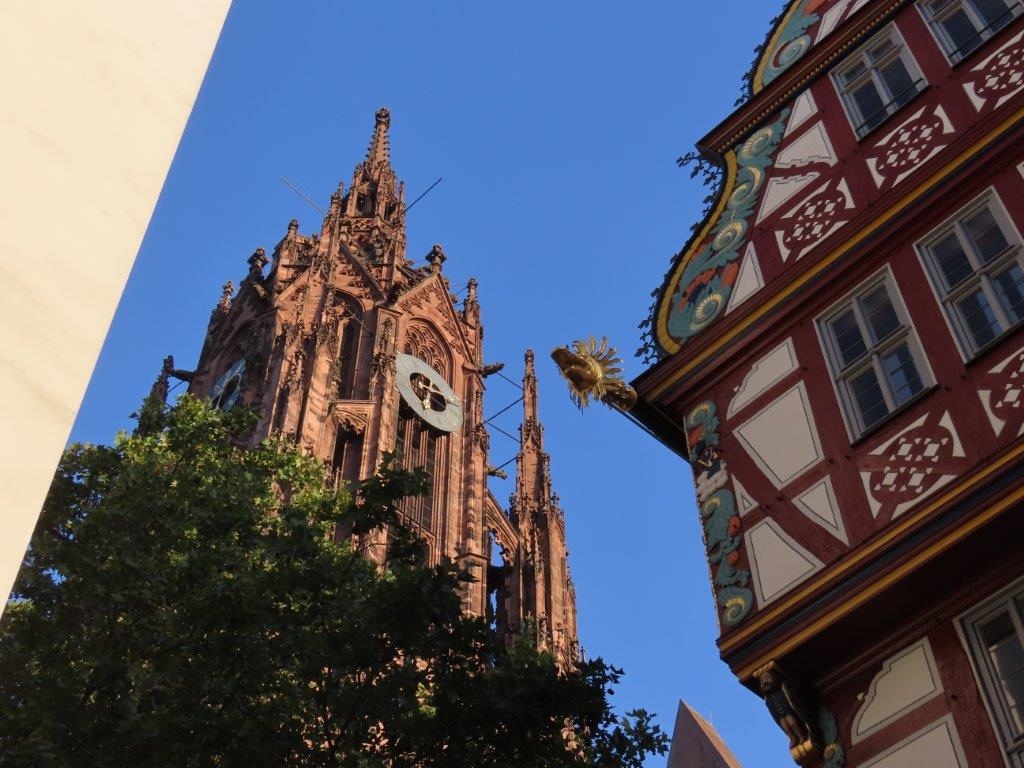
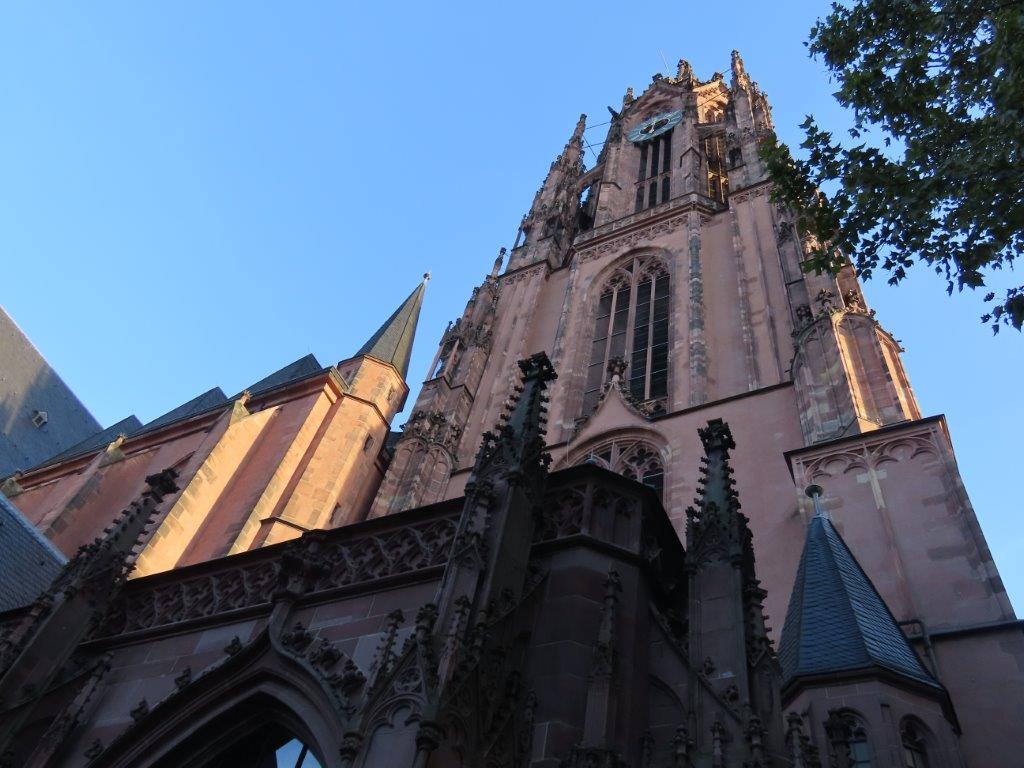
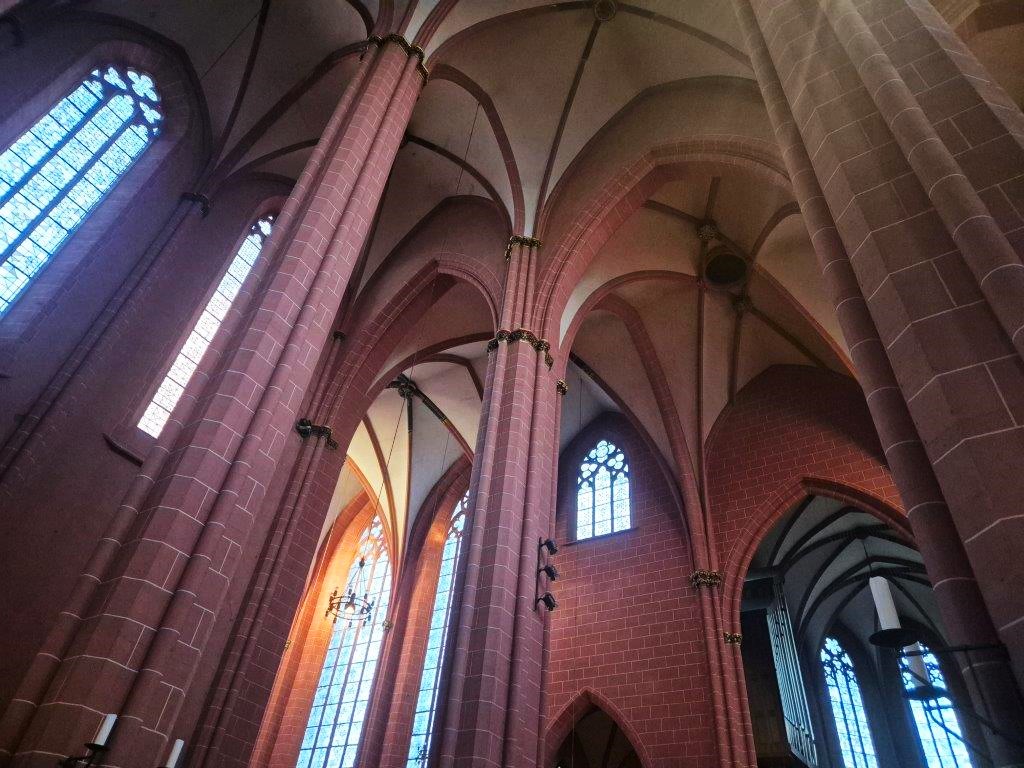
Is this history or pastiche? Nowhere is that question more relevant than in the Cathedral. The site of a church since the ninth century, it became the main church of the city until it was destroyed by fire in 1867. Rebuilt in its present style, it was then severely damaged during the war, and rebuilt yet again in the 1950s.
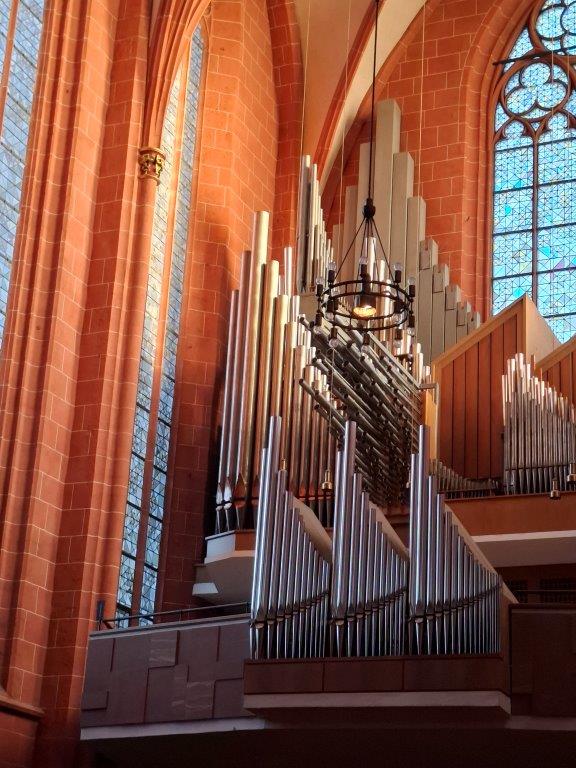
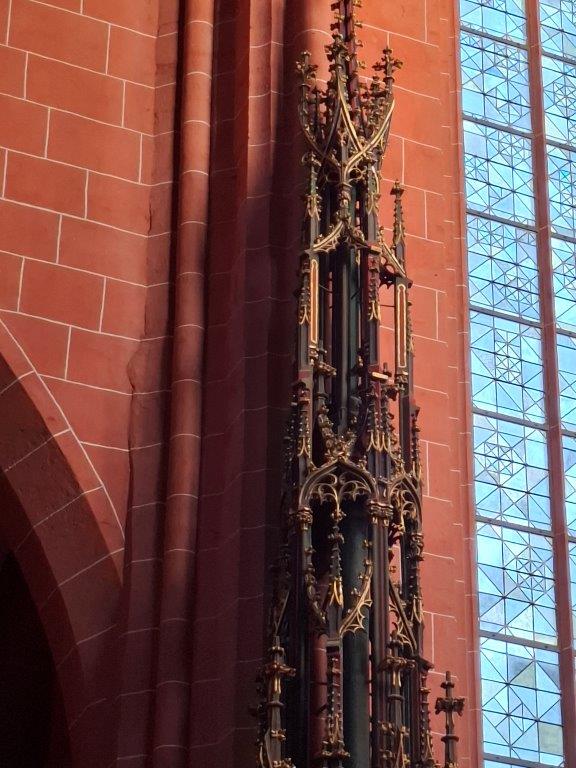
It is certainly an impressive space, and a symbol of defiance against the horrors of war. But in the same way as one cannot recreate an ancient wood, maybe you cannot rebuild the time that constitutes patina of history.
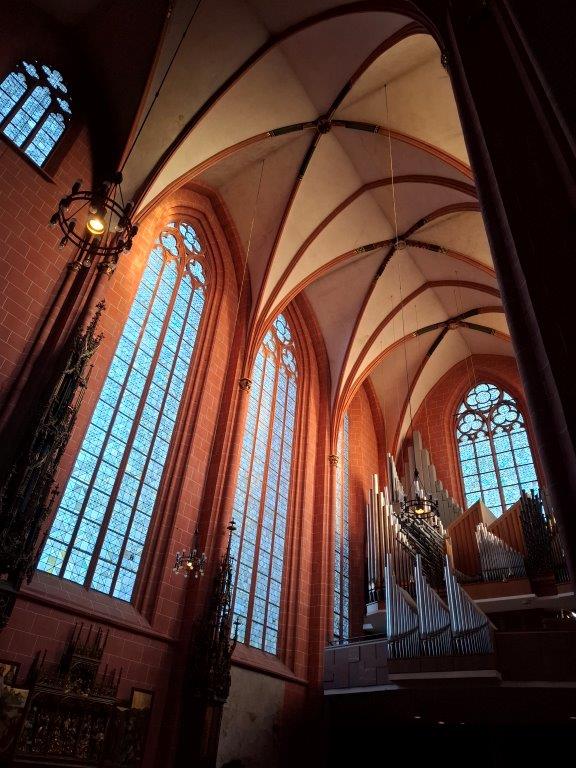
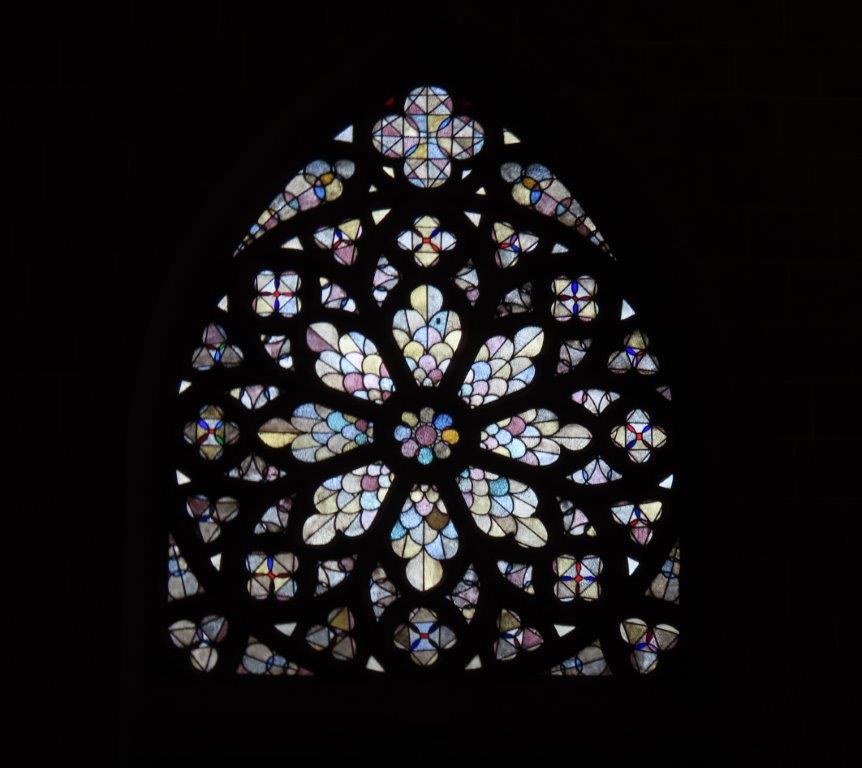
And to add to its almost Disneyesque character, scratching the surface reveals the artifice. Local red sandstone may have been used in some of the the rebuild, but why then are the joints between the building blocks seemingly painted on? And indeed in places, the red colour seems to be wearing off? How much of its terracotta splendour is skin deep? But then again, one of the purposes of monumental buildings should be to make one think and question!
By now it was dinnertime: currywurst and weissbier for me, a giant pretzel for Jude, and bratwurst for the others. All very pleasant sitting outside, accompanied by a street opera singer, but the Nazi helmet he seemed to be wearing was a little discomfiting…
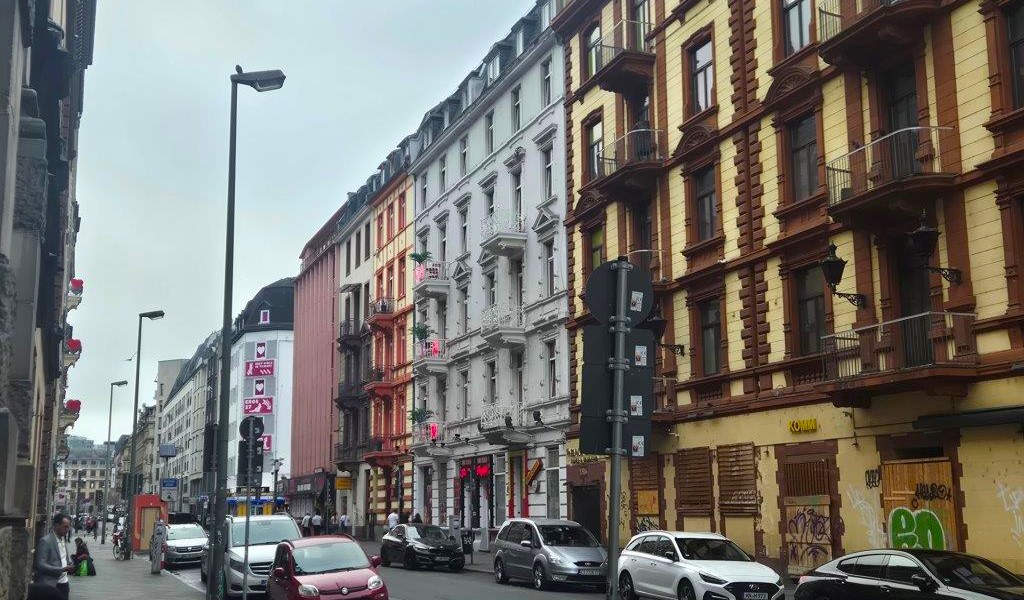
Then walking back to the hotel, we turned a corner and found ourselves right in the glow of the red light district. It was a bit of a shock, upsetting to think of those trapped in the trade by force or economic necessity, and those equally trapped in the very evident world of drugs. But at the same time, it was almost thrilling to witness the vibrant night-time economy in full flow, a city within the city. And at no point did we feel threatened. Next morning, as we headed back through to the station, the nightlife had been absorbed back into the fabric of the streets, leaving a vague atmosphere of the morning after the night before: revellers who had not made it home, addicts in corners oblivious to the dawn, a few ladies even then on offer in the breakfast cafés.
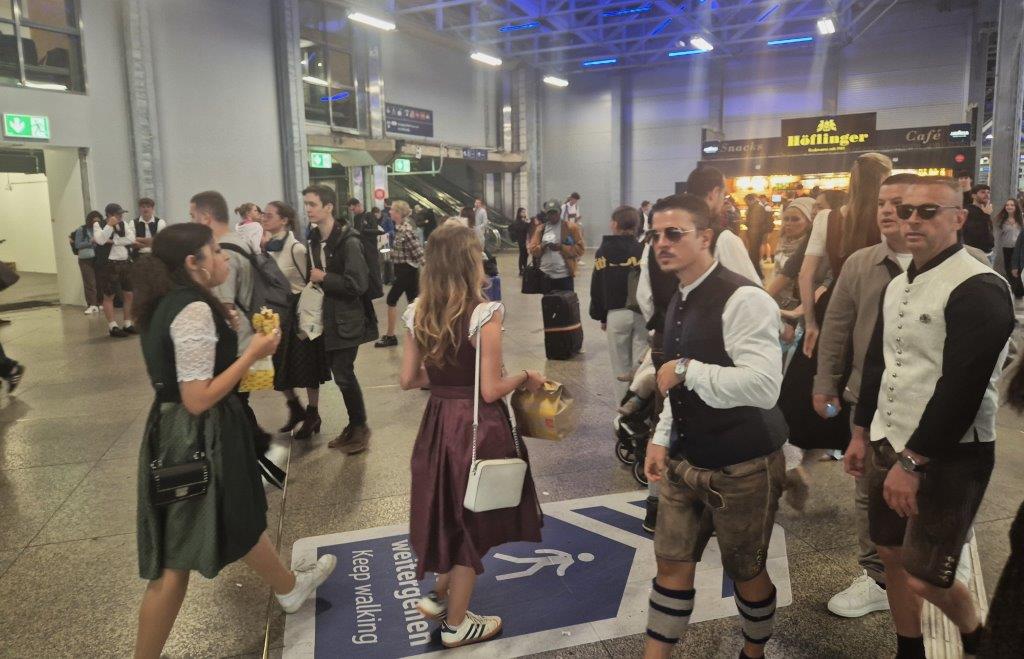
From Frankfurt the train took us into Bavaria, through Nürnberg and to Munich, where we had half an hour to wait for our connection to Salzburg. Munich was mayhem… we hadn’t appreciated we were passing through during Oktoberfest! The surge of lederhosen in the station concourse drove us outside, where Jude spotted a hotel across the road. It was worth paying a little extra so we could enjoy a glass of wine and get to a loo as we waited.
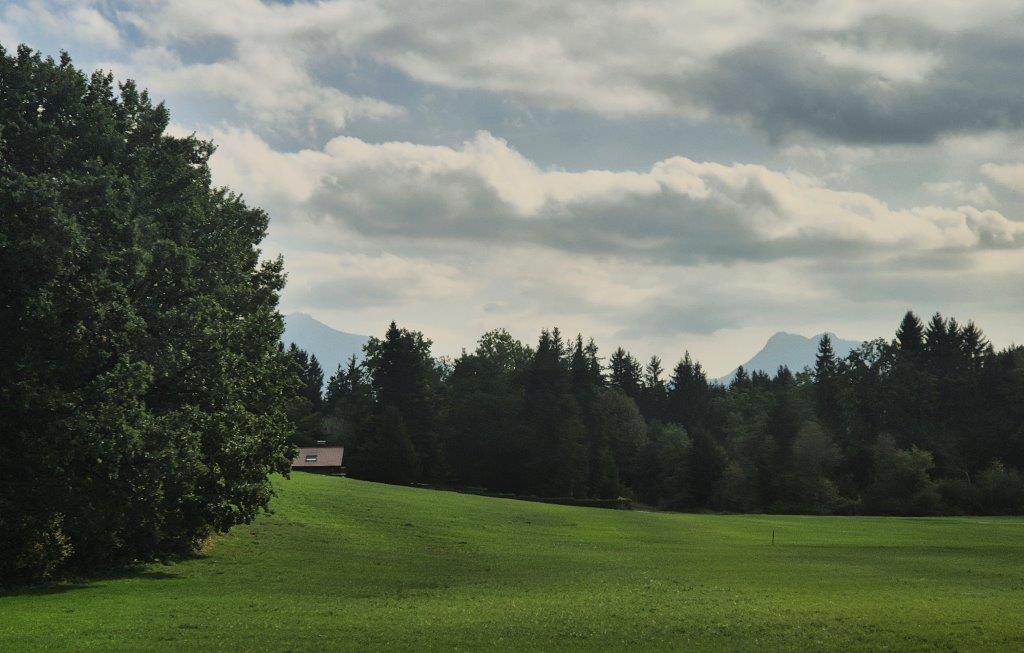
From Munich southwards, the landscape turned ever greener and the Alps drew ever closer. Onion-domed churches started to appear in the landscape, with Ravens and Buzzards in the skies above.
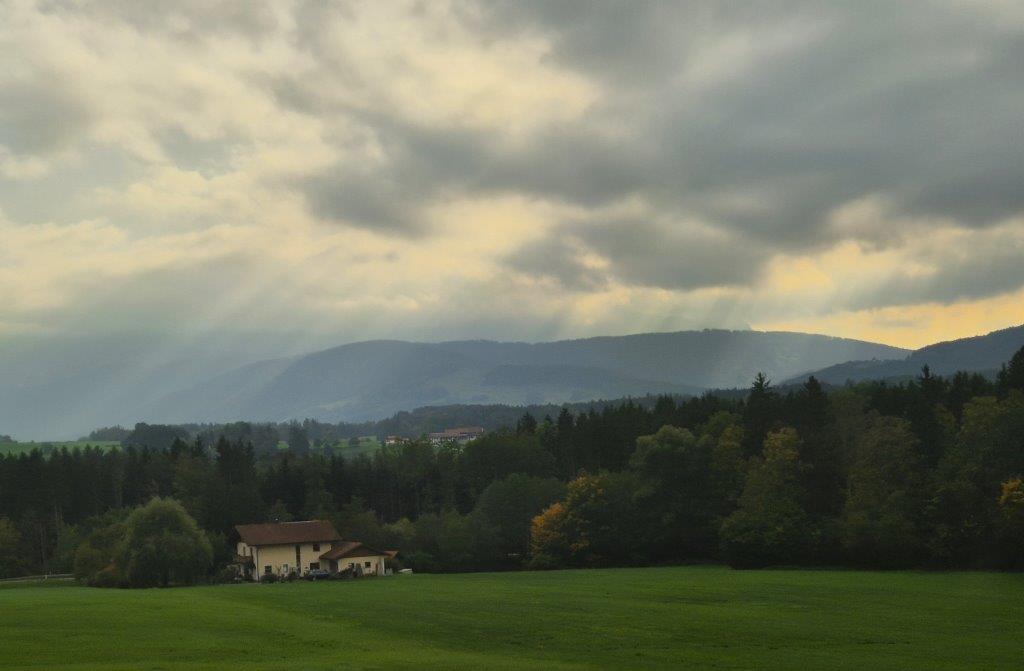
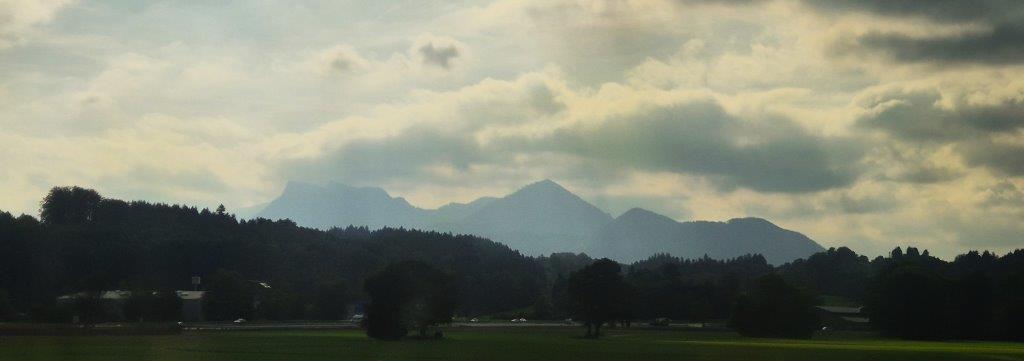
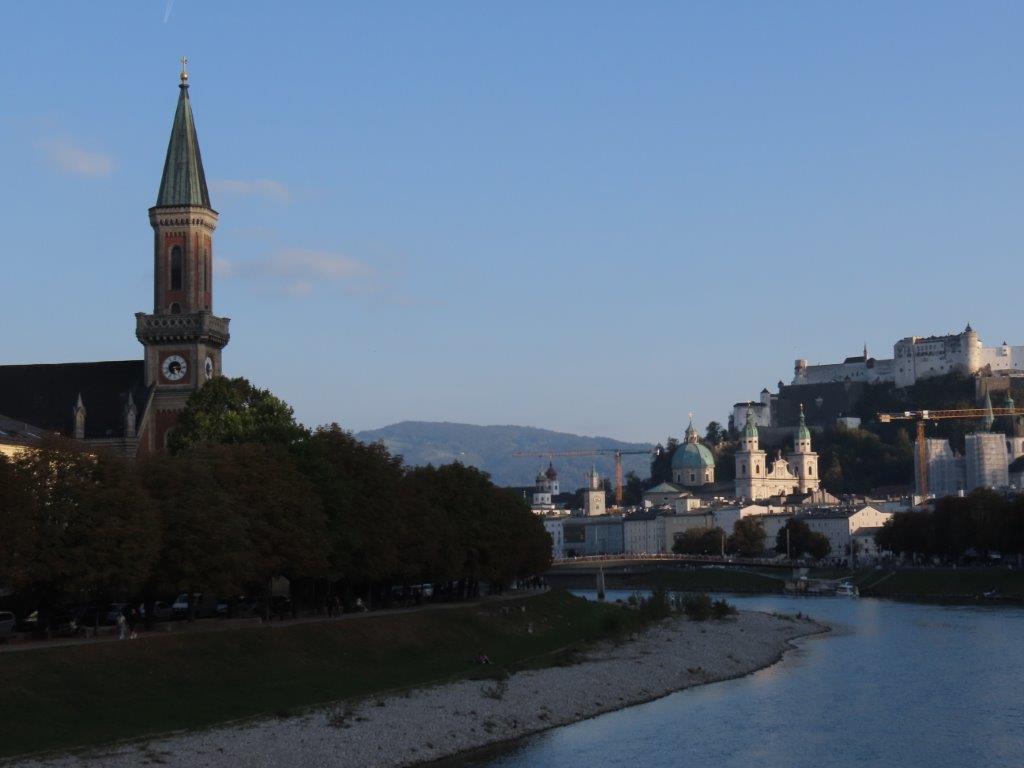
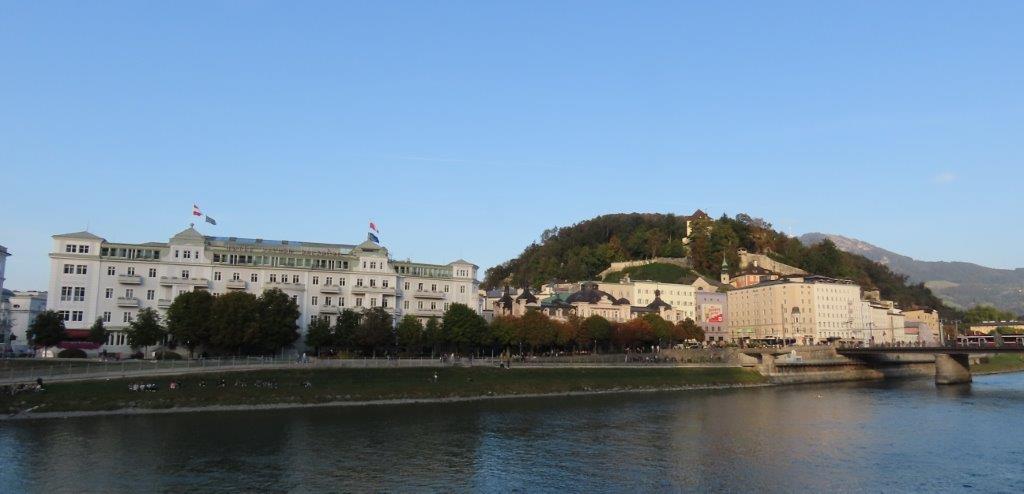
And then in mid-afternoon we crossed from Germany into Austria over the River Salzach, with Salzburg nestled between river and mountain, a chocolate-box image.
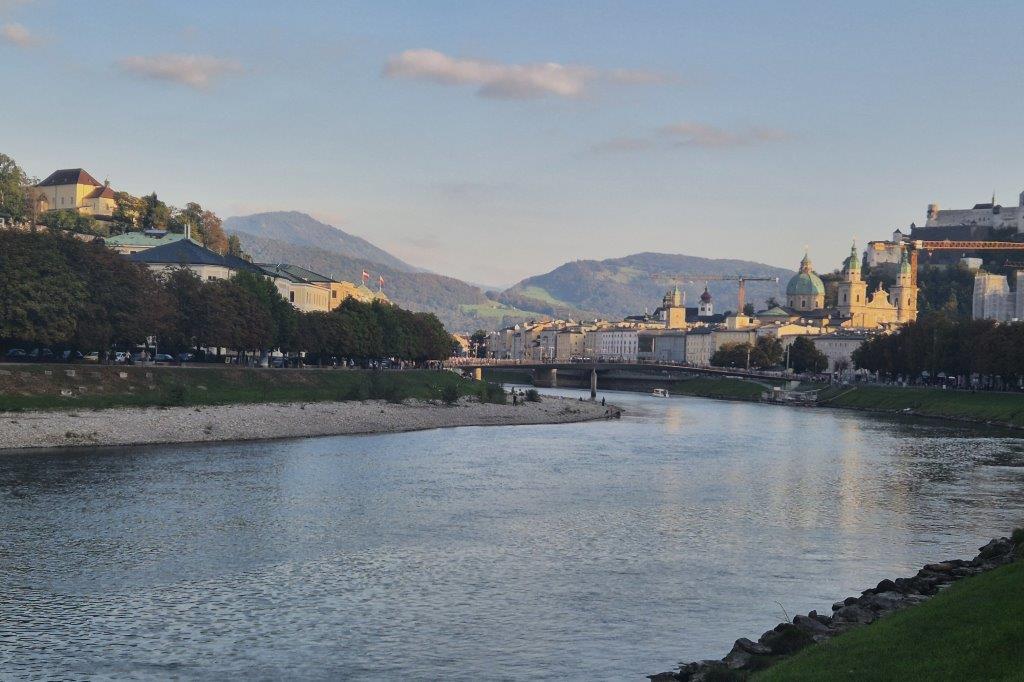
Maybe it was because we had little time to explore, or that we were there only for a busy Saturday evening, but the ‘picture postcard’ failed to engage me. Salzburg proved to be my least favourite of all the places we visited.
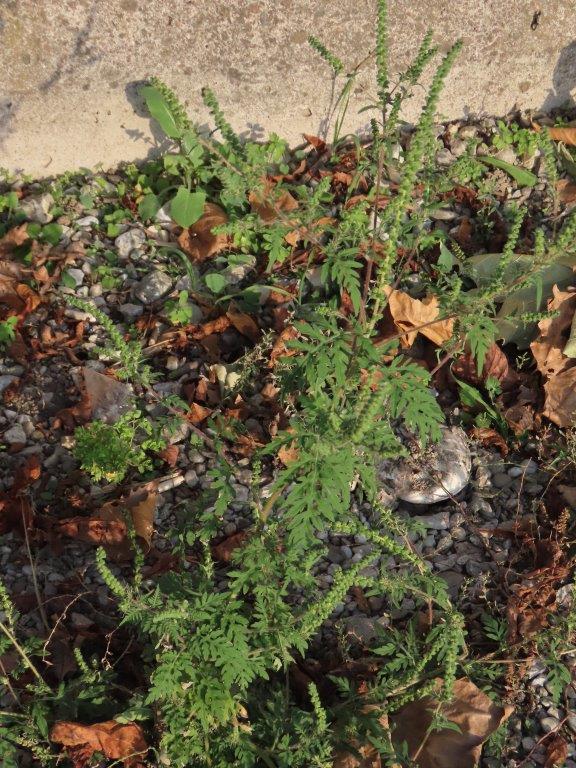
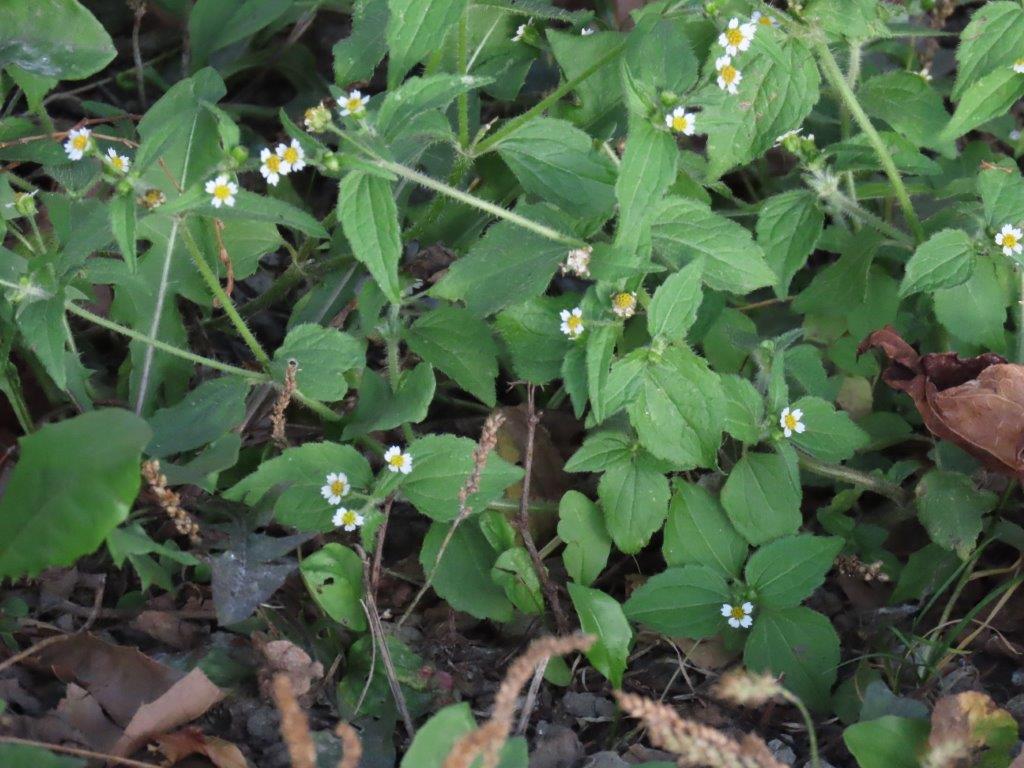
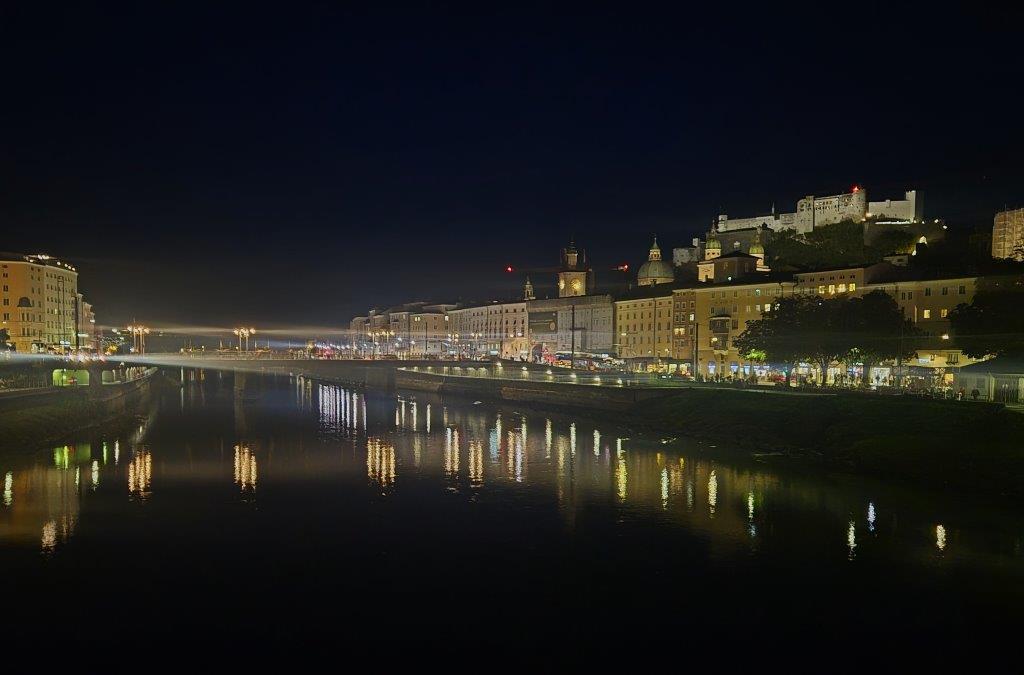
Although our hotel had little in the way of facilities (like a bar!), it was close to the river, where we headed for the evening, crossing a footbridge to the Altstadt. No time or opportunity to visit the cathedral or Mozart’s birthplace, but houses hewn into the cliffs were impressive. And the road verges featured both Ragweed and Shaggy Sodier.
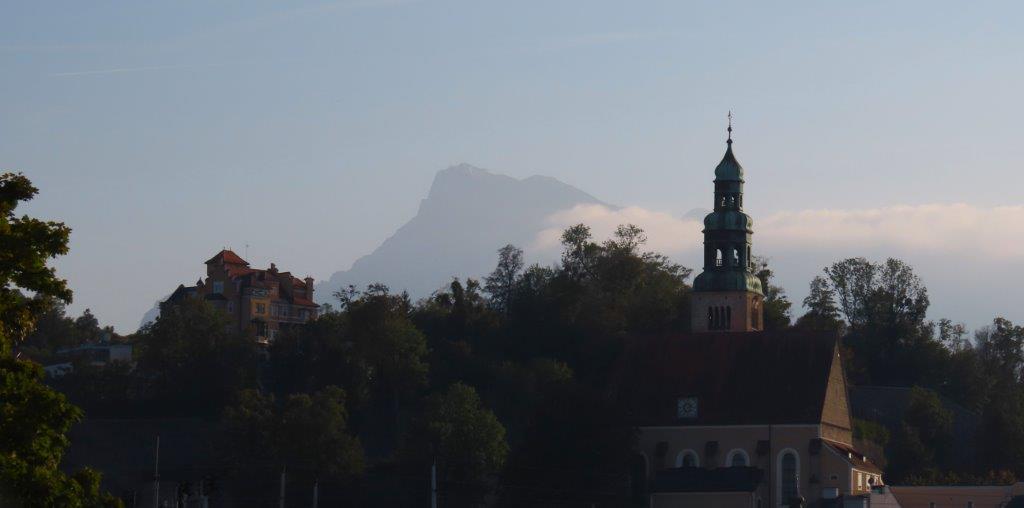
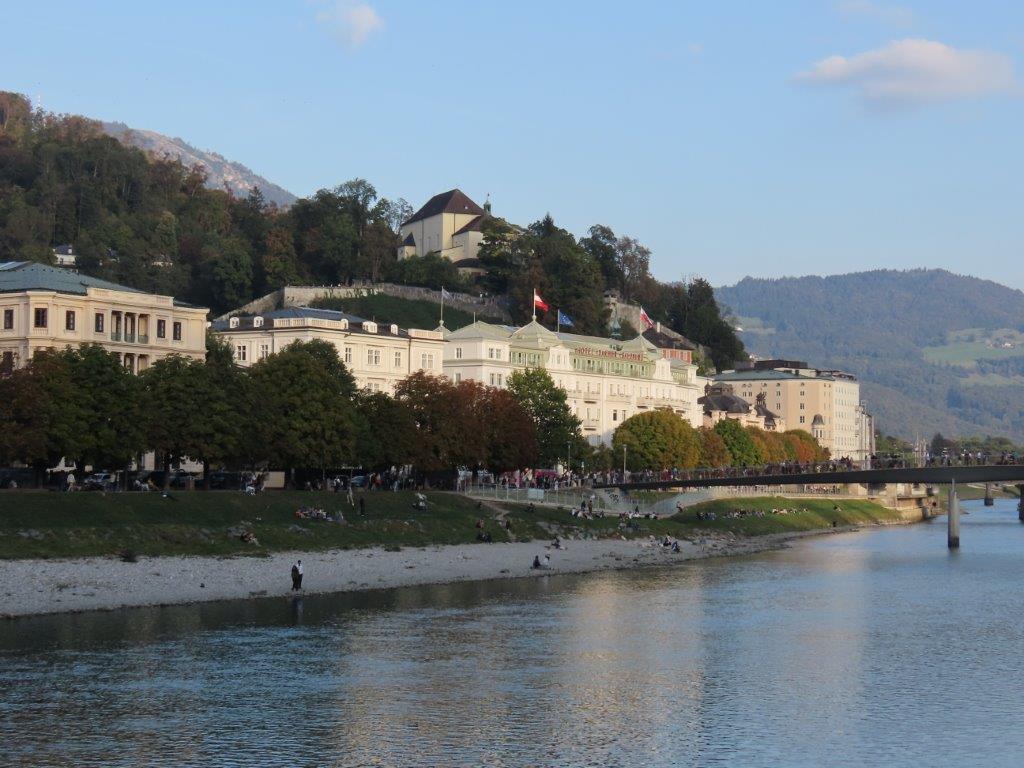
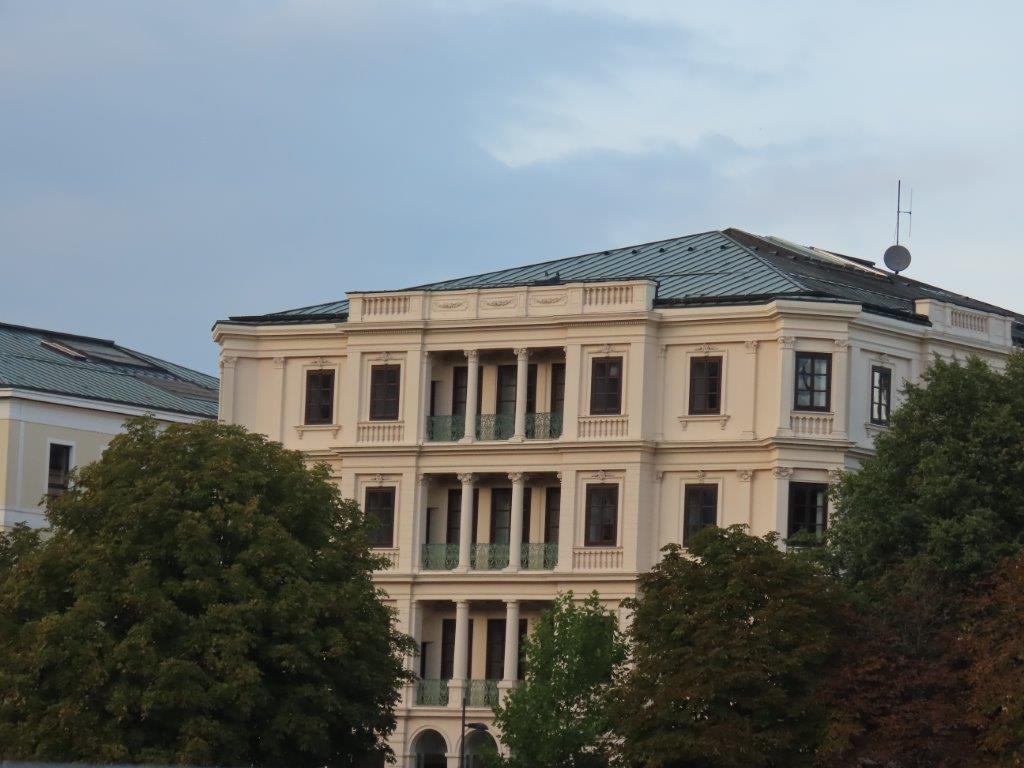
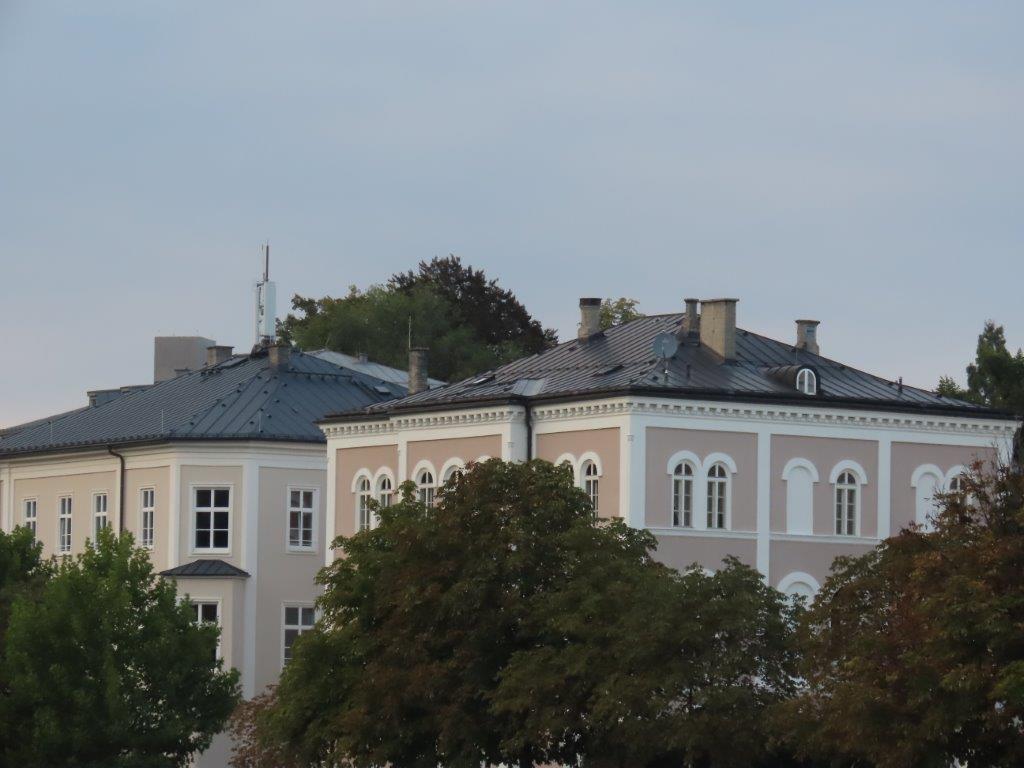
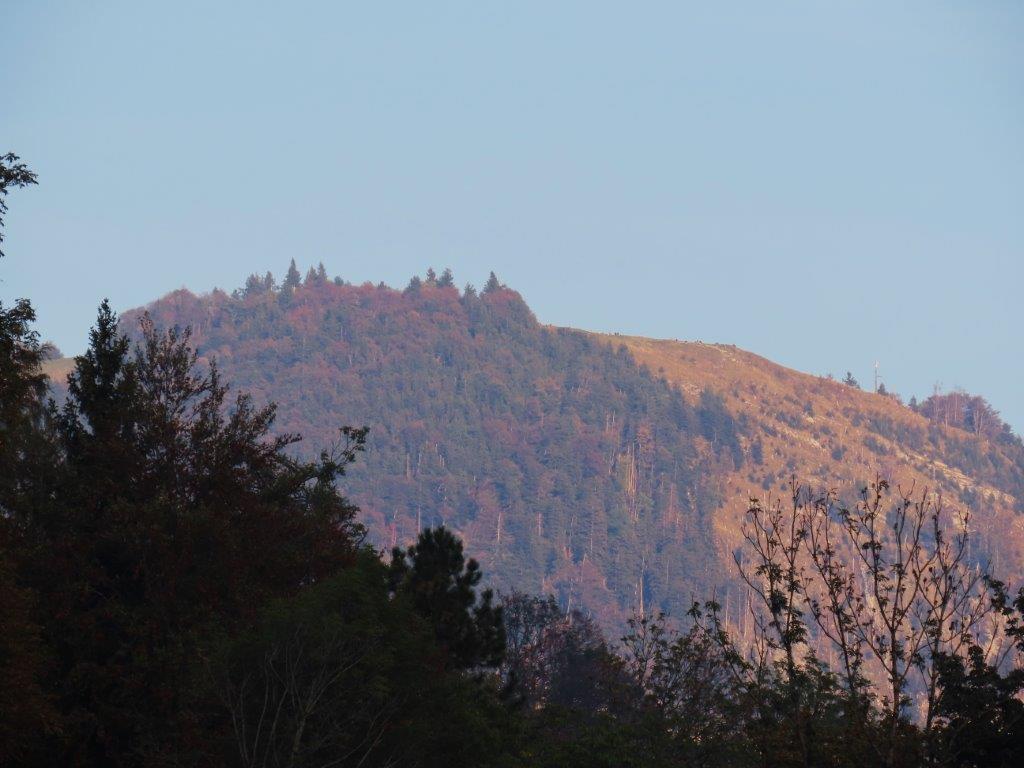
By the next bridge a spot to sit and drink, the palatial residences and hotels dominating the far bank but almost inconsequential given the grandeur of the mountain backdrop. Grey Wagtails flickered along the water’s edge and high in the sky a flock of Alpine Choughs played around the peaks to the gentle chiming of a busker playing a hammer dulcimer.
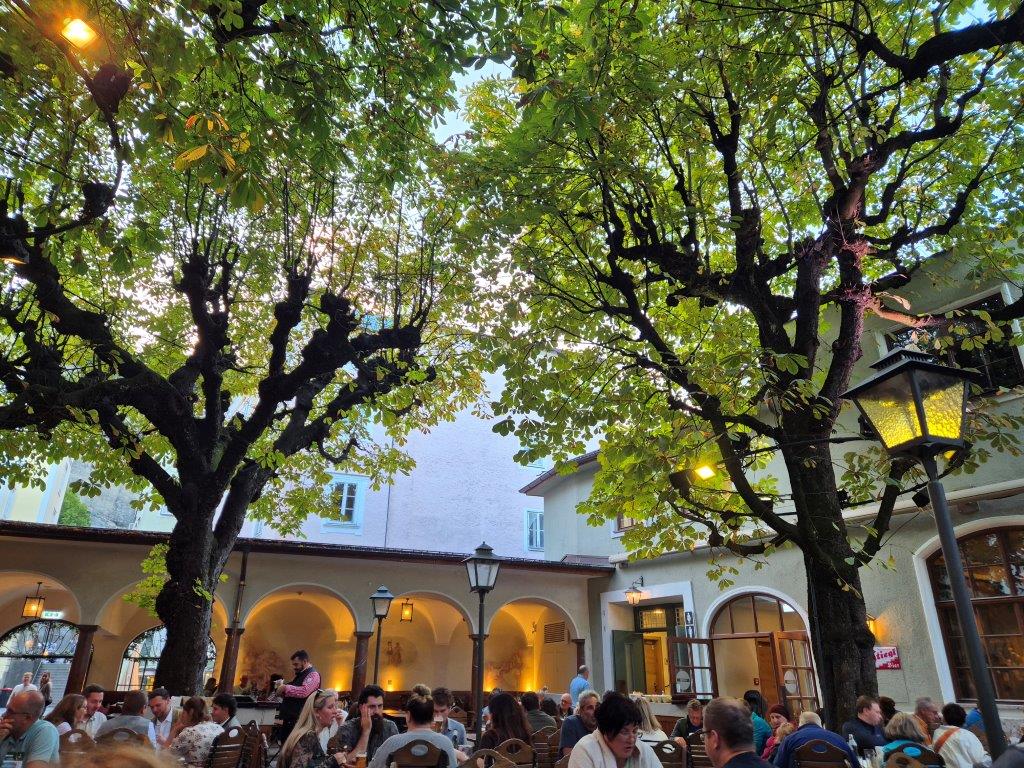
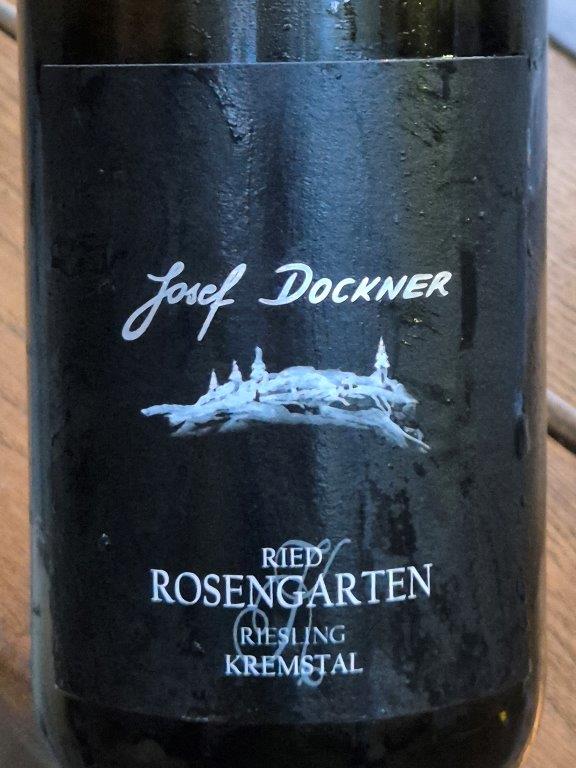
Time for some food, and here the Altstadt provided an ideal biergarten experience, an open courtyard where plate-filling pork schnitzel laced, as is tradition, with cranberries provided what some of us wanted. Simple platefuls, and so filling that the apple strudel was never contemplated. And a bottle of flowery Riesling really hit the spot!
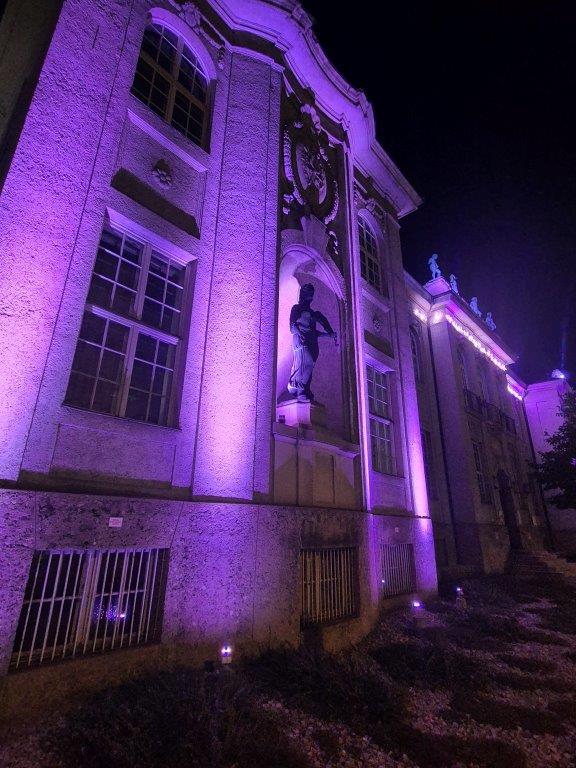
Walking back through the city in the dark, there was a consensus for a nightcap, and I came across the highly rated Hirschen hotel bar close to our hotel. A good choice: schnappes or white wine all round, and we were well fed and watered for another early start, the final leg of our outward journey.
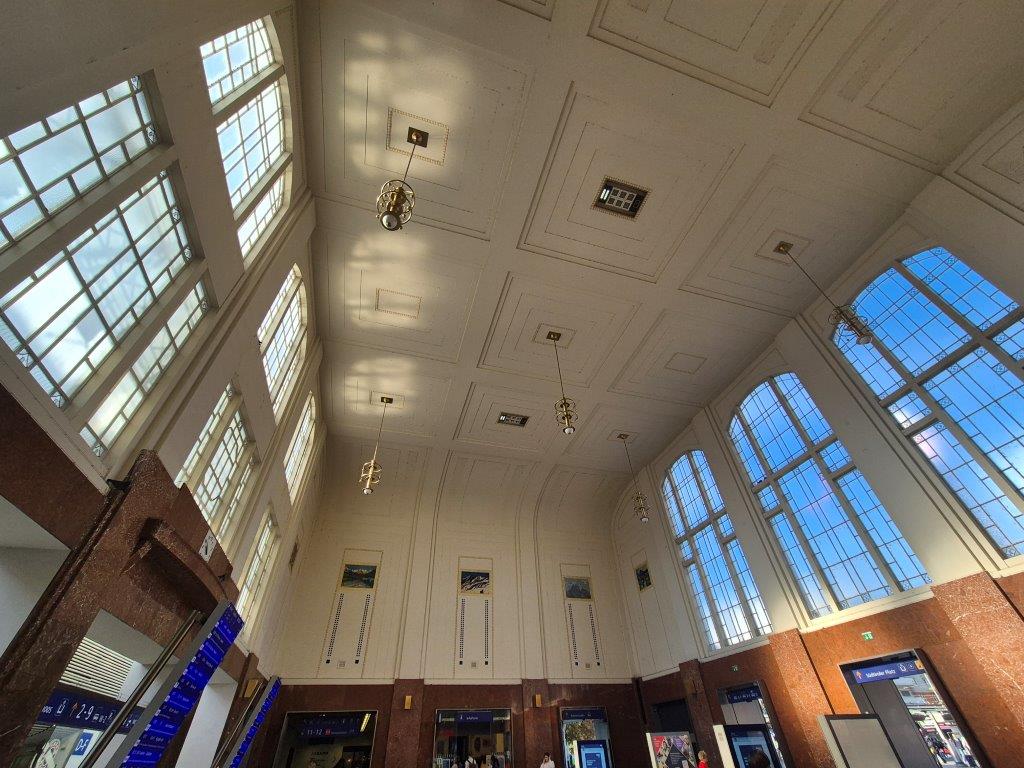
Perhaps being Sunday, the station was very busy, but we eventually managed to eat breakfast and buy our usual travelling lunches. Cans of G&T may have been involved! And queueing gave us the chance to appreciate the historic Art Deco booking hall.
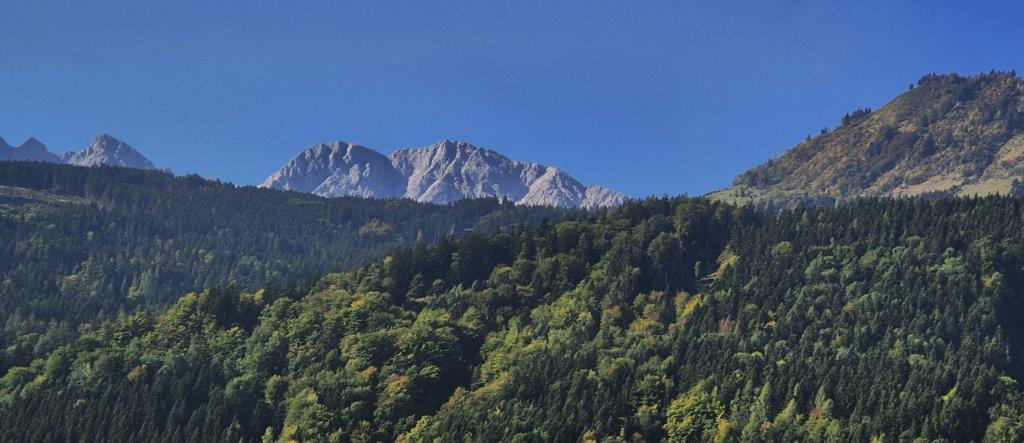
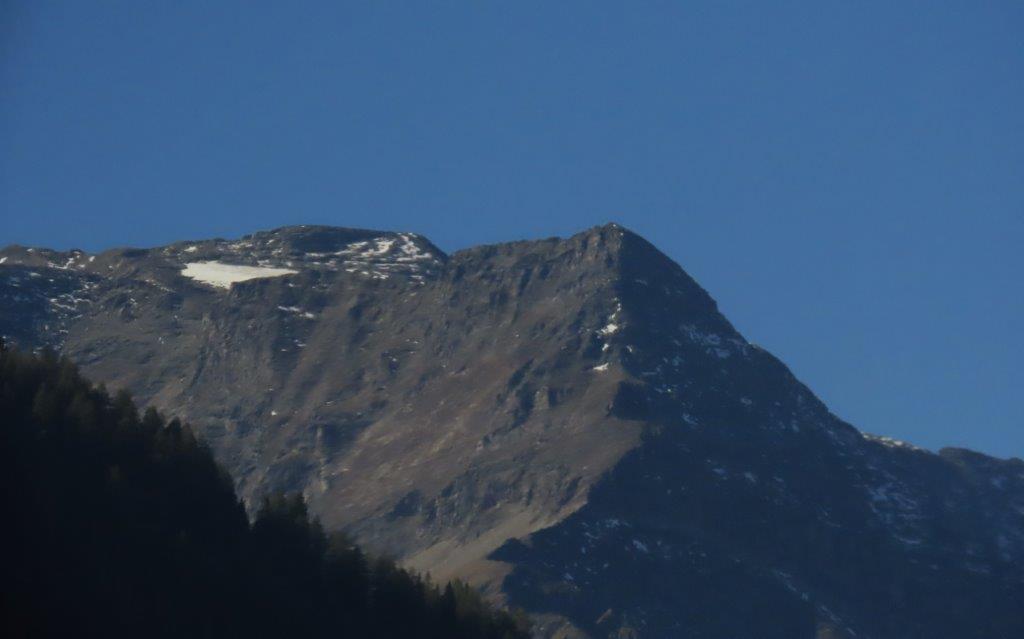
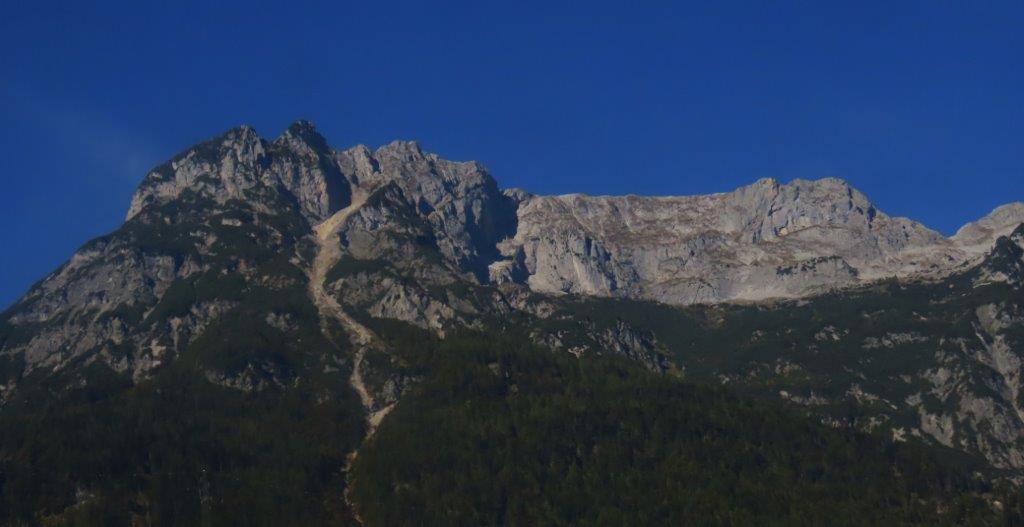
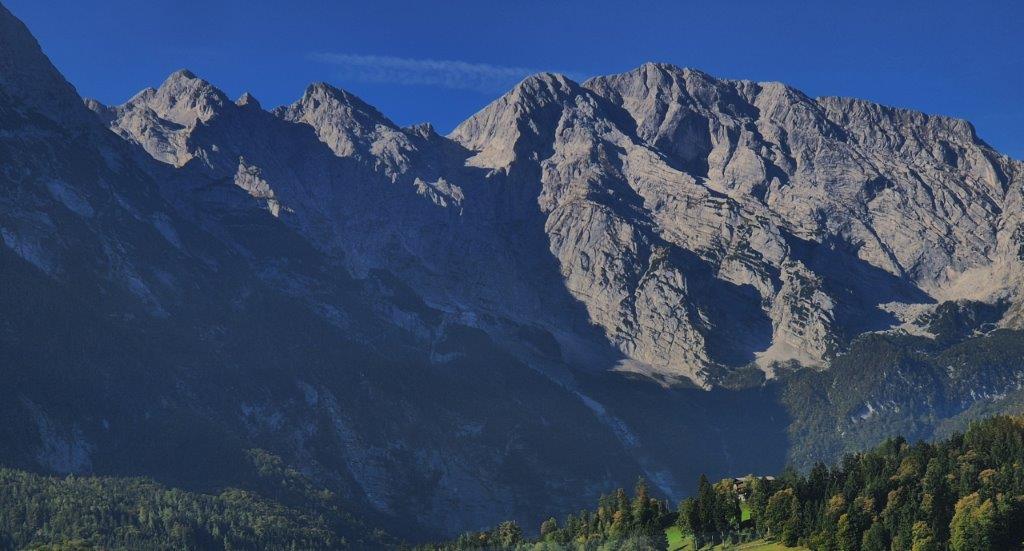
And we were off through the Alps in perfect blue sky weather, remarkable vistas at every turn of the track, although only a couple of snow patches spotted on the highest tops.
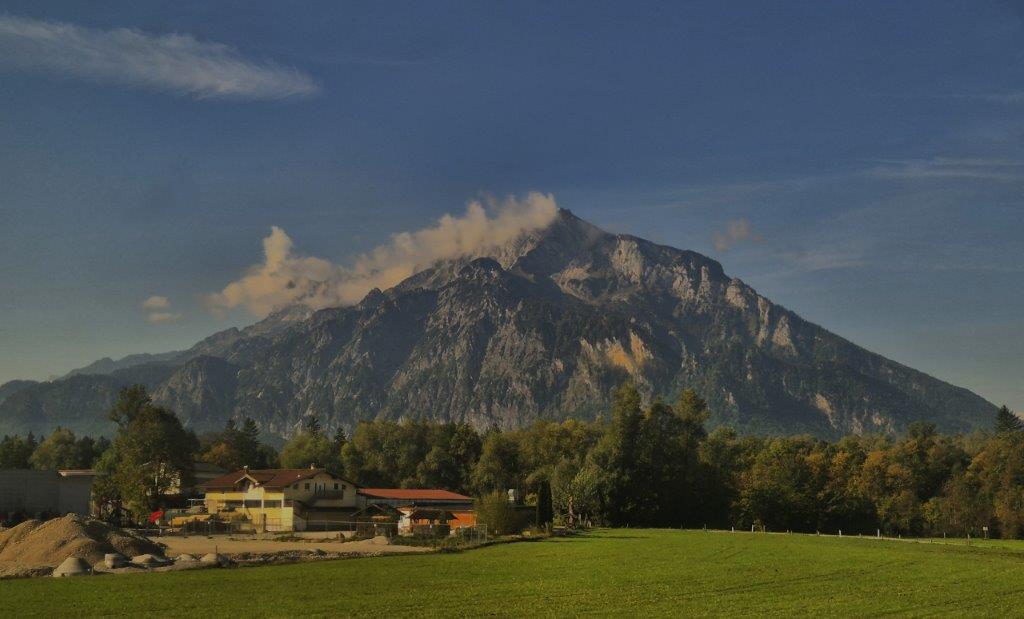
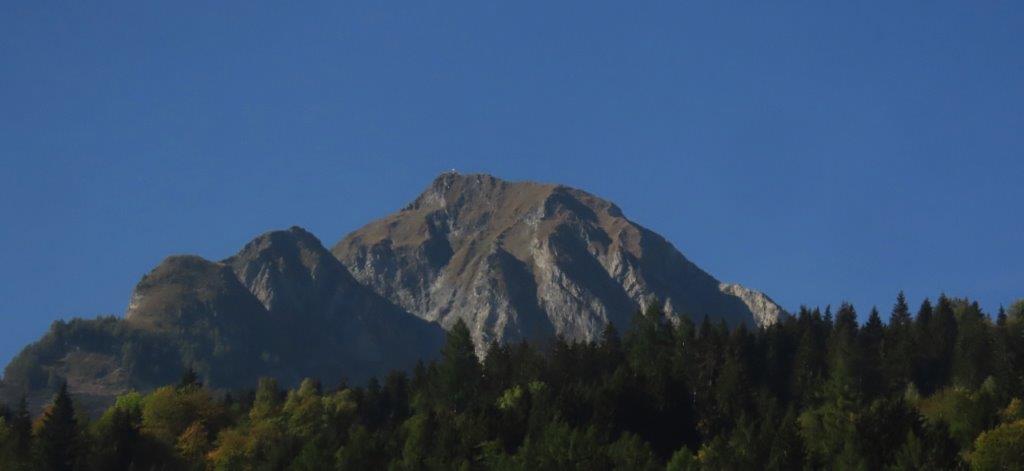
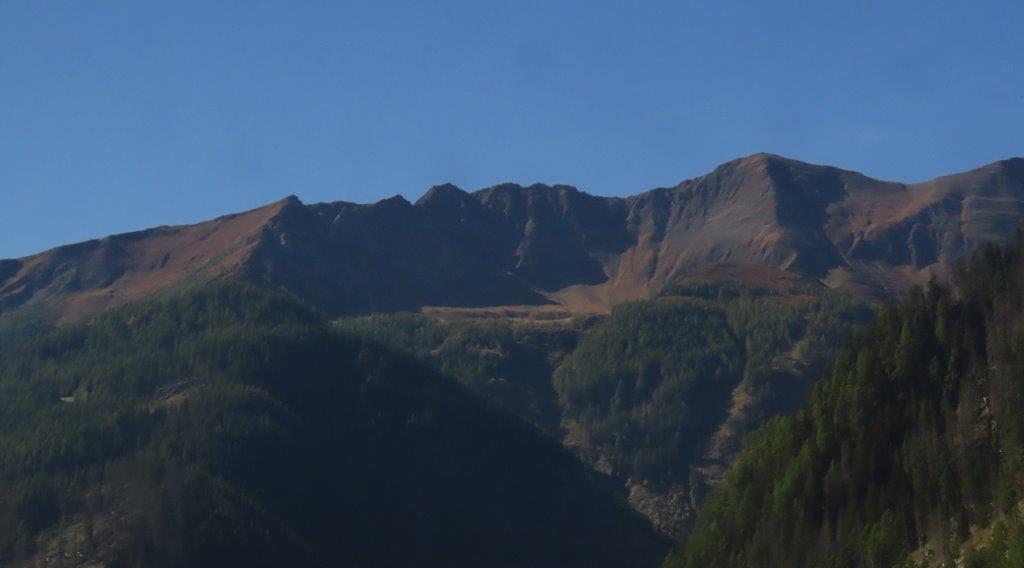
We almost ran into a problem at Villach, where our planned transfer time was only ten minutes. Our train was nine minutes late…but our connection was also delayed, so all turned out fine.
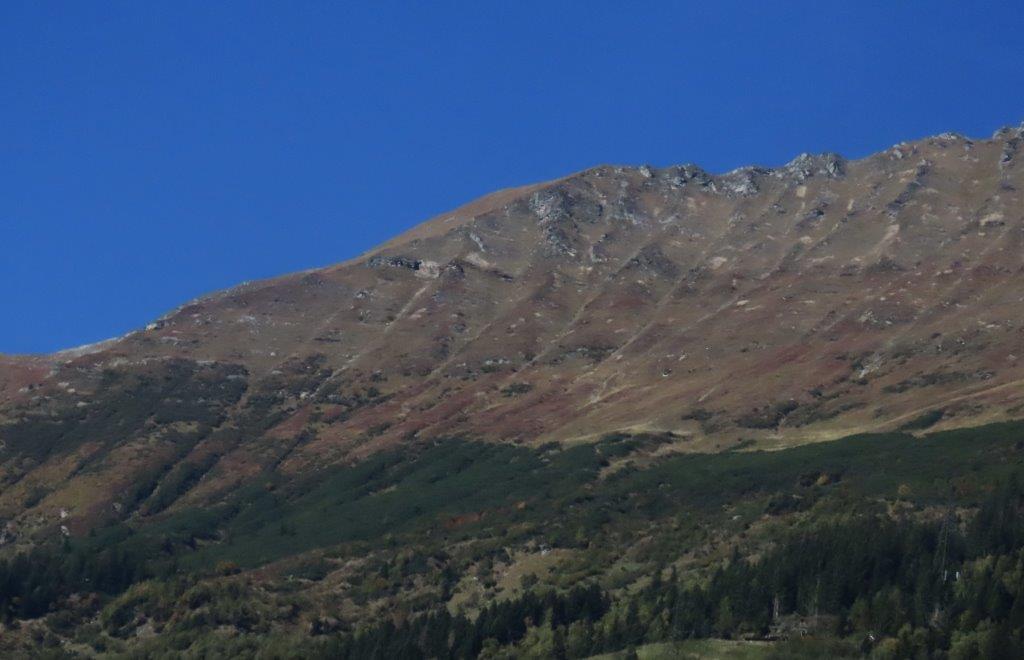
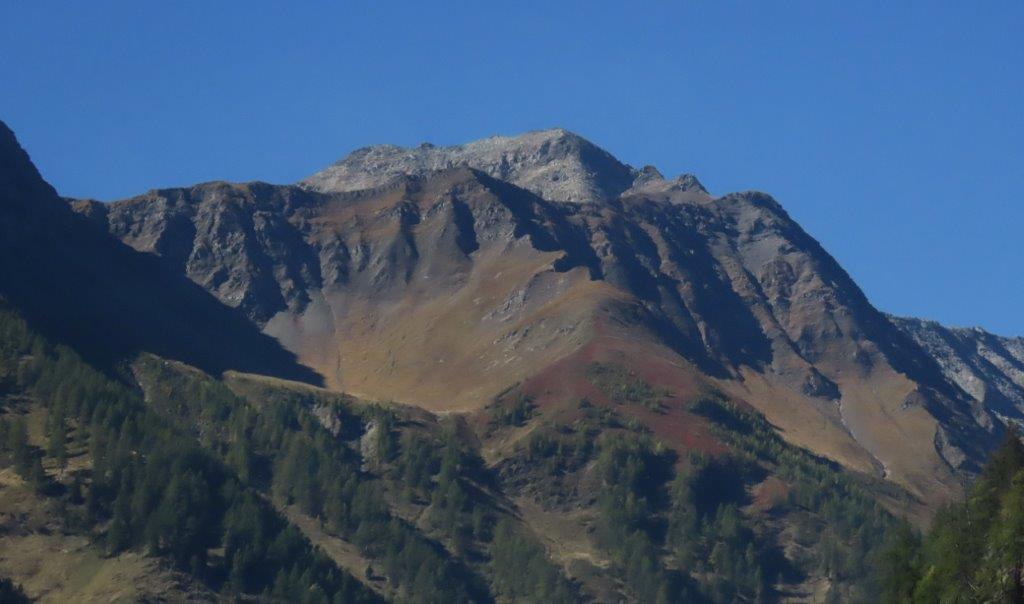
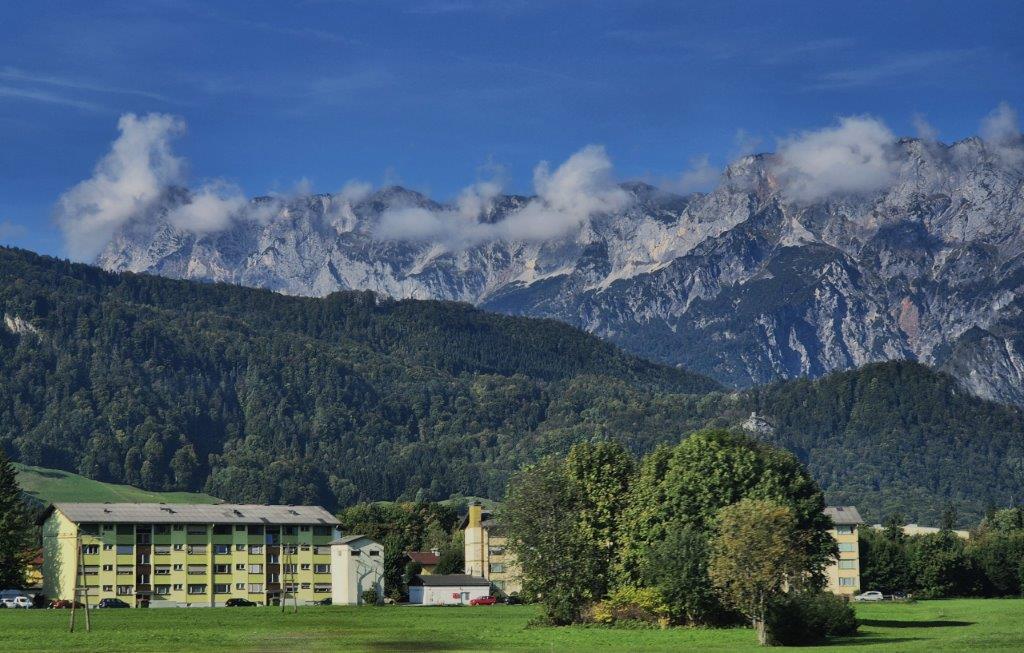
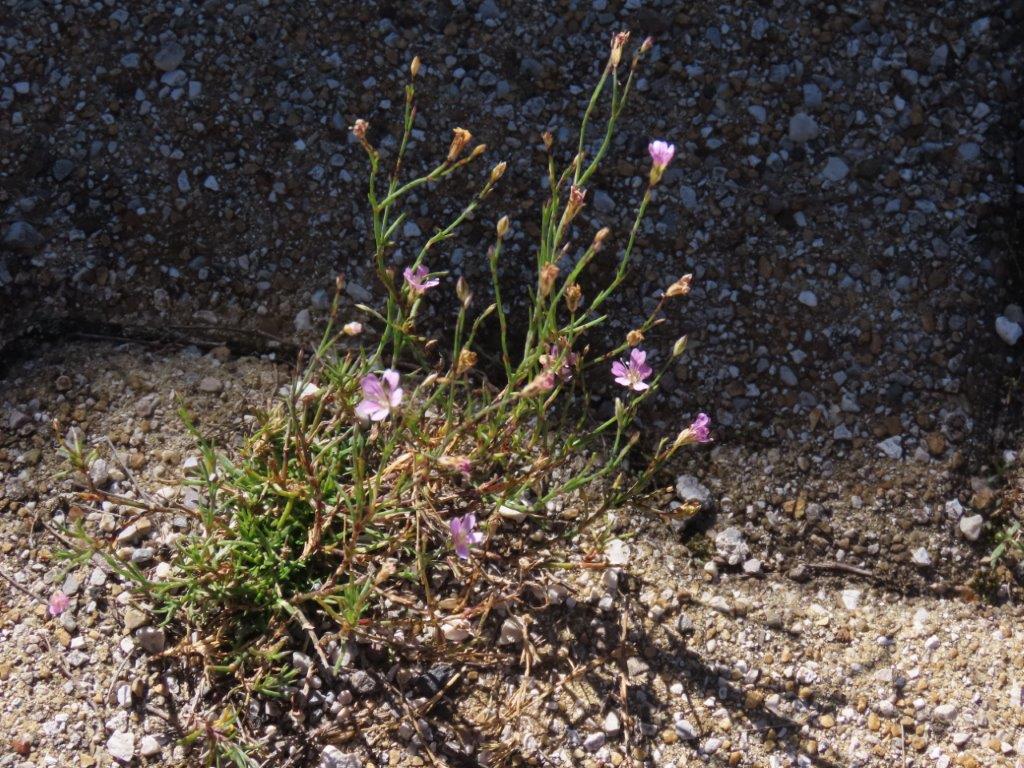
And so we crossed into Italy, with the wonderful rugged peaks of the Slovenian Triglav mountains forming a spectacular backdrop. This train was supposed to take us all the way through the mountains to Udine, but came to a halt at Tarvisio Boscoverde. It was going no further. A wait on the platform allowed me chance to look at a few plants, including Tunic-flower Petrorhagia saxifraga flowering resolutely in the platform paving cracks.
And shortly a train arrived from Venice, decanted its cross-alpine travellers into our train, while we climbed aboard the new arrival. What I found utterly remarkable, given the often chaotic state of seat bookings in the UK, was that the self-same booked seats we had occupied from Villach were waiting for us!
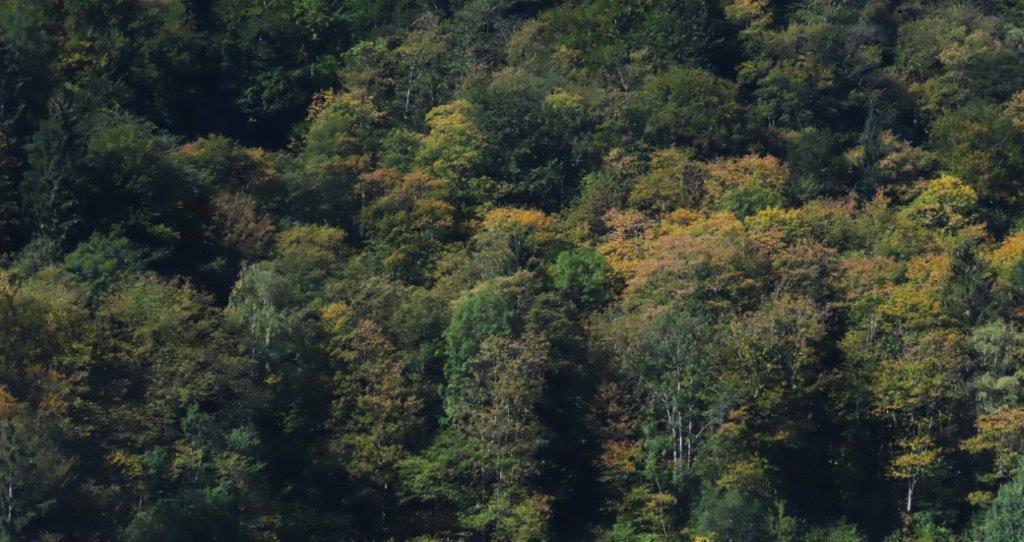
All too soon the high mountains were behind, woodland clothed the landscape and in the foothills our route crossed several large expanses of outwash gravels, currently dry valleys filled with the river-borne load from glacial and fluvial erosion higher up. In years past I have visited some of these, and yes, they are as desert-like as they appear, although as always, even in deserts special wildlife has adapted to fill the space.
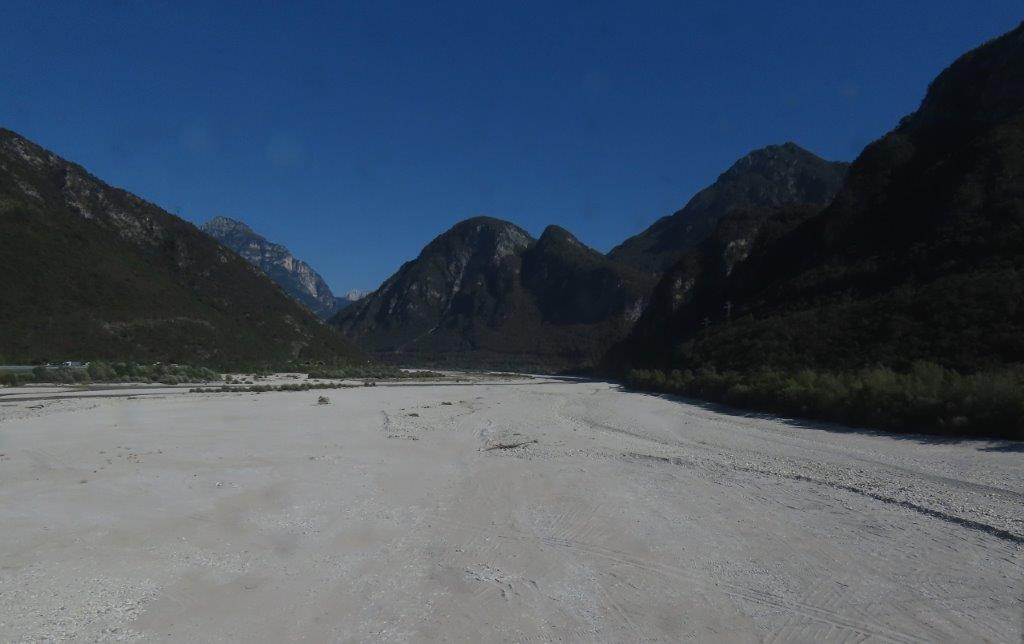
Udine was our final transfer, onto the regional train service to Trieste. Now we were in the Mediterranean lowlands, with the Karst limestone rising up to the east, and before long the north Adriatic came into view. Passing the industry of Monfalcone and Duino Castle, and heading through Sistiana, memories came flooding back of the Honeyguide tours I led around there in the past, in 1997 and 2006.
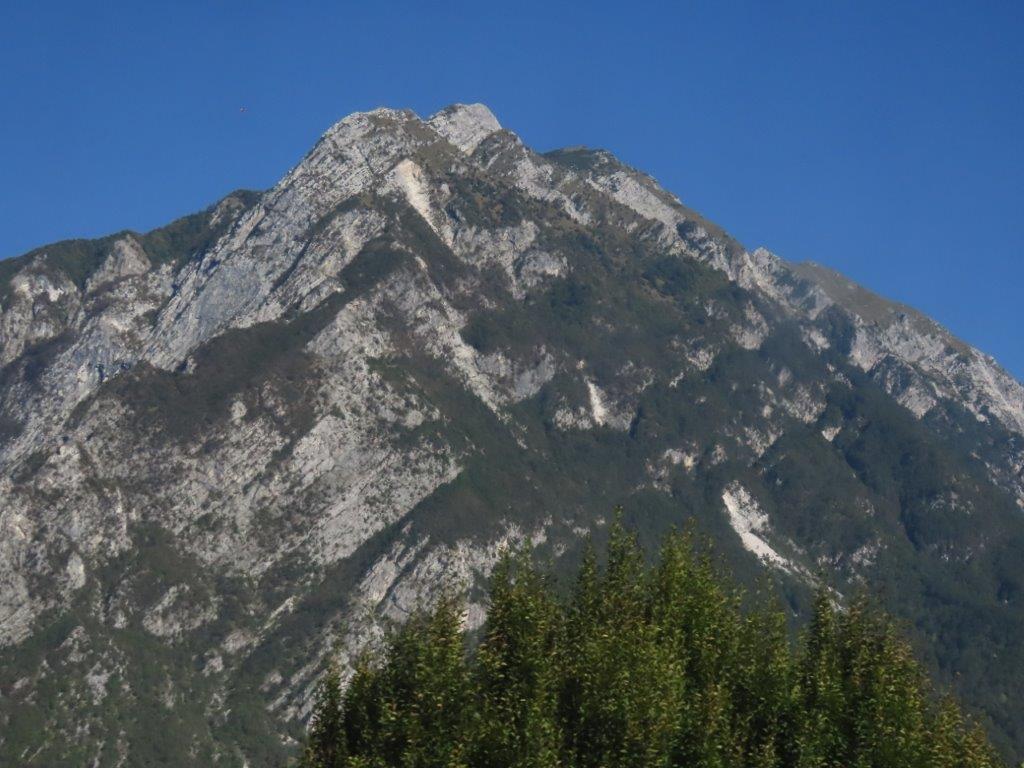
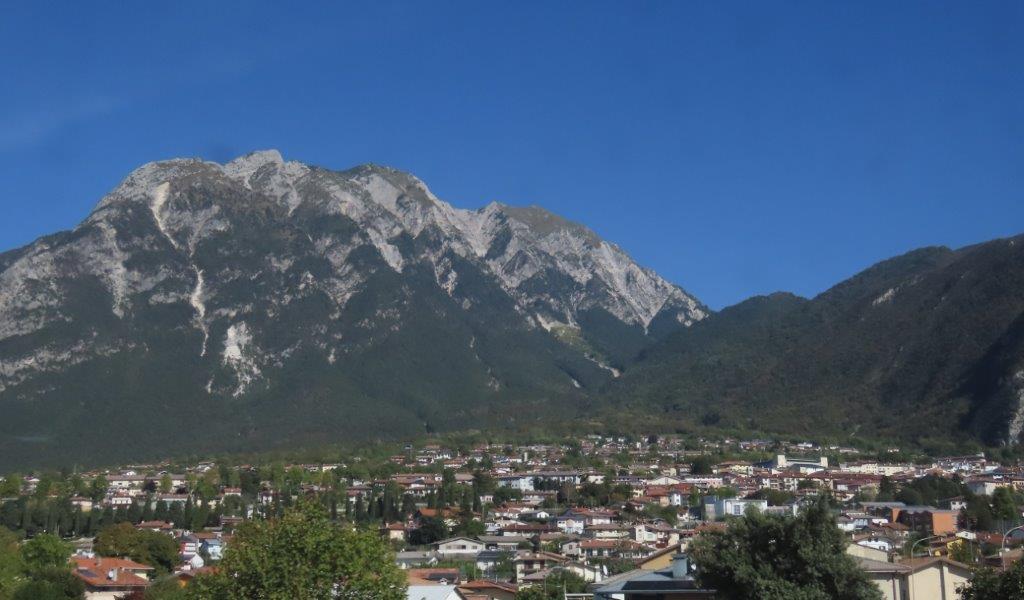
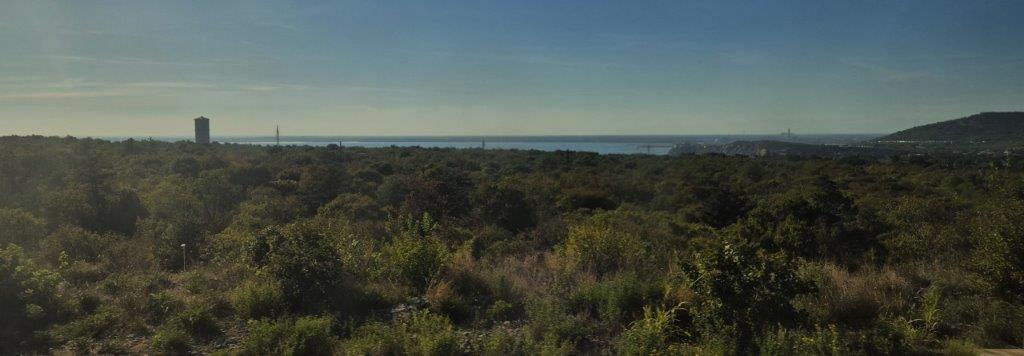
And so we rolled into Trieste, exactly on time, after our longest day of travel, six-and-a-half hours on four trains. All tickets worked, all transfers worked, all seat bookings worked – better that I could possibly have imagined. The months of getting to grips with the Interrail app had paid off. Time now to relax!
_____________________________________________________________________
Still to come:
Part 2: Three days in Trieste
and Part 3: The journey home, featuring stops in Como and Dijon.