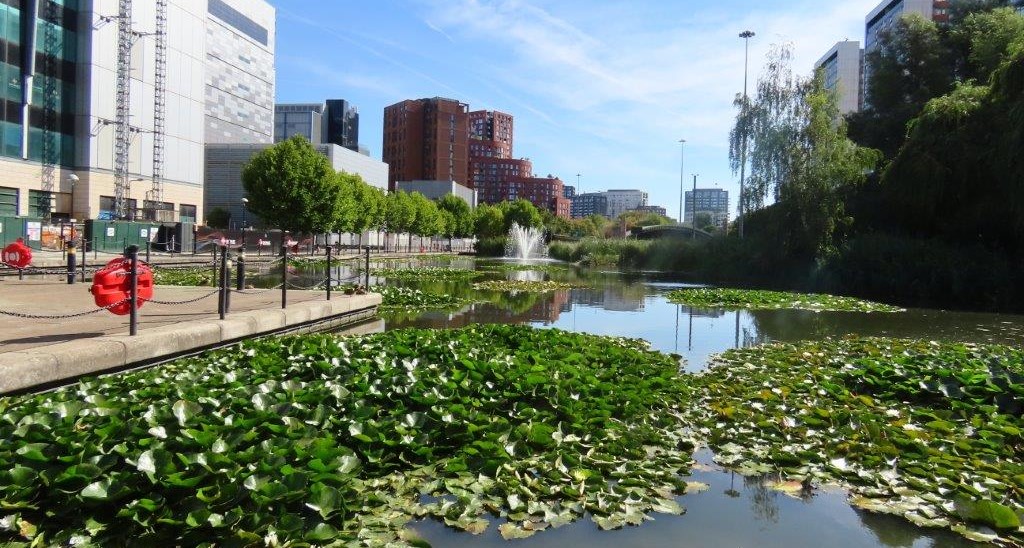
It was a sad sign of the times that our train journey into London for a couple of days ground to a halt near Romford because of a lineside grass fire. Maybe it is only mass disruption like this that will force people to confront the reality that so many choose to ignore? Anyway, our delay meant we changed plans, and instead of going first to the hotel we went straight to our evening destination, Cody Dock.
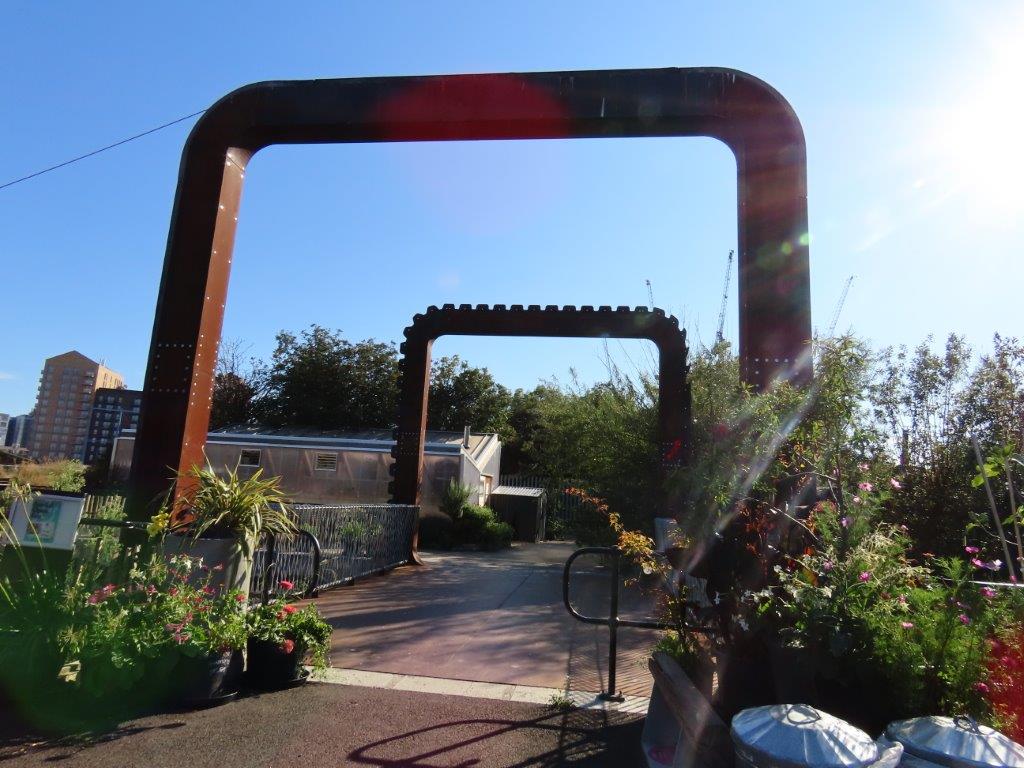
We first came upon this place in March while walking along the lower Lee valley to Stratford, and really enjoyed the breakfast, atmosphere and location. So when we discovered their beer and bat evenings, we readily built a short break around one of those!
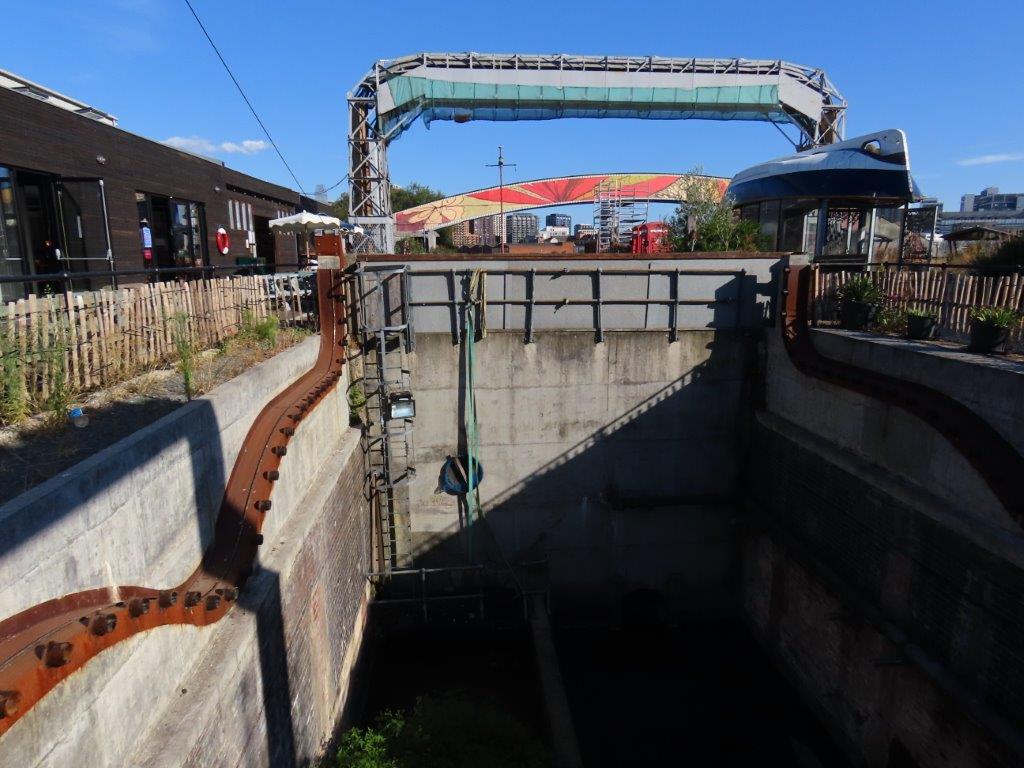
And we were not disappointed. The project team and volunteers are doing a great job around the dock, including biodiversity enhancement, monitoring and education. But first a juicy burger and a pint or two of local tap lager, chatting with other early arrivals in the warmth of the evening sun.
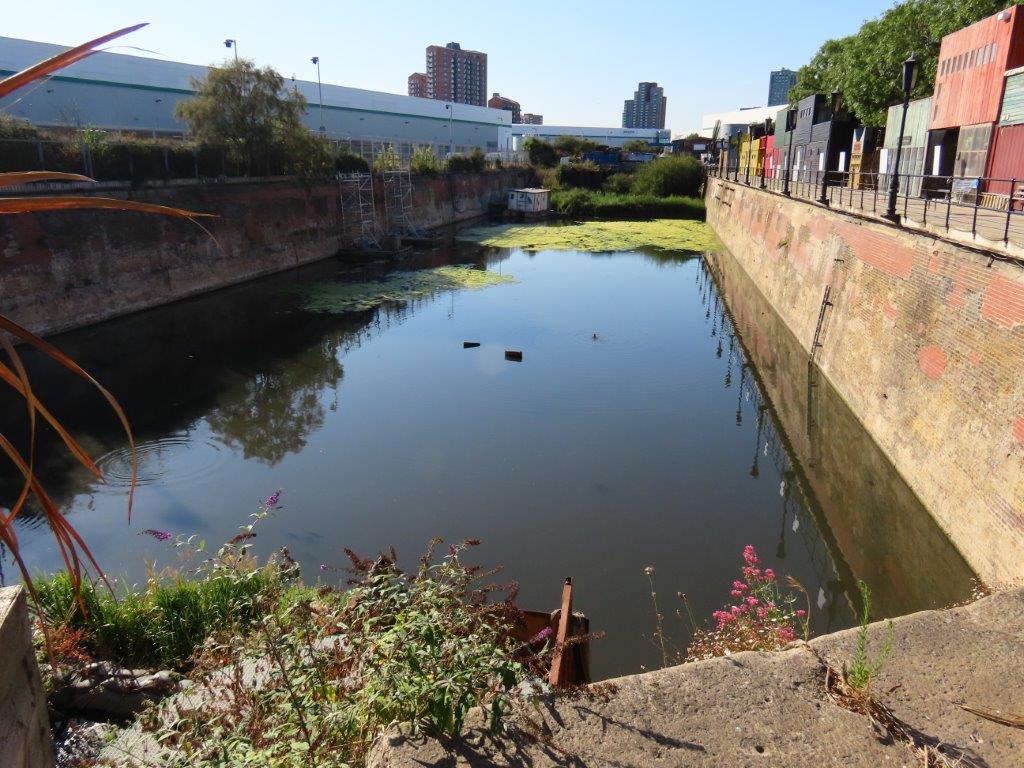
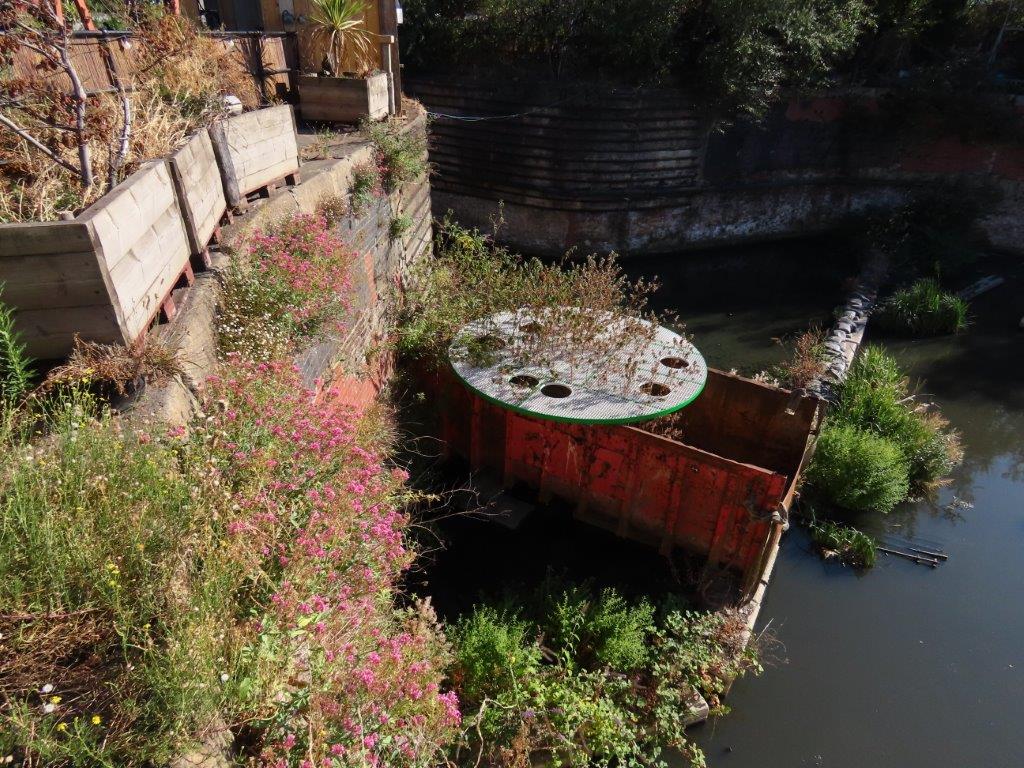
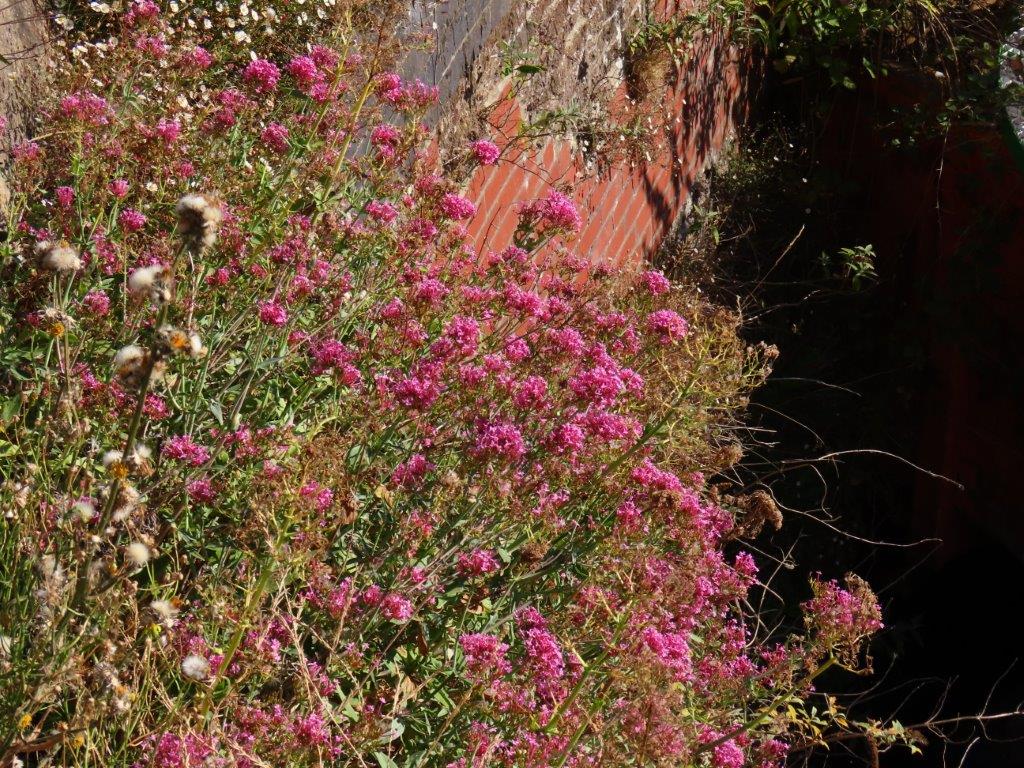
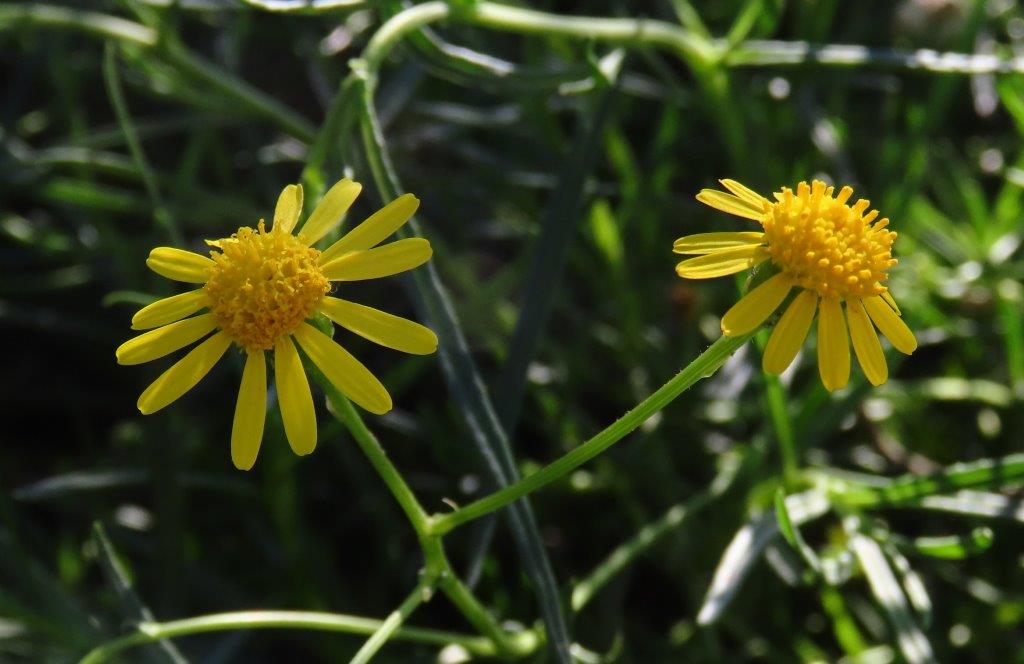
The old dock was a lovely sight with patched brickwork detailing the passage of history, Sand Martins nesting in crevices and flittering all around over the show of brownfield beauties, including Red Valerian and Narrow-leaved Ragwort.
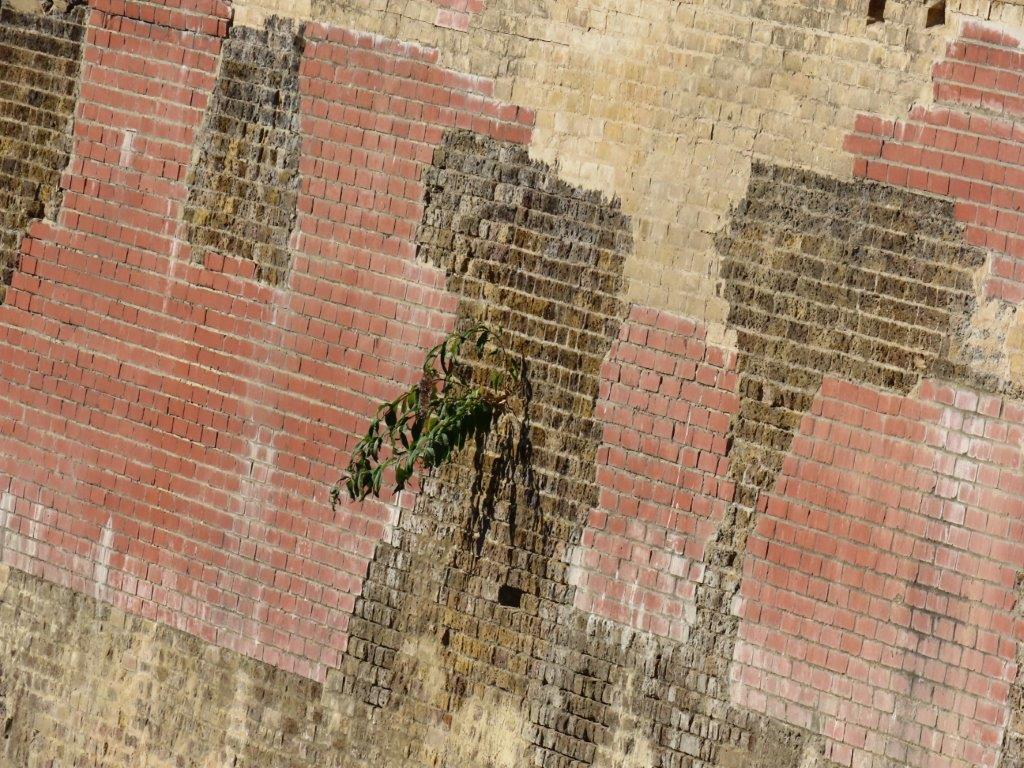
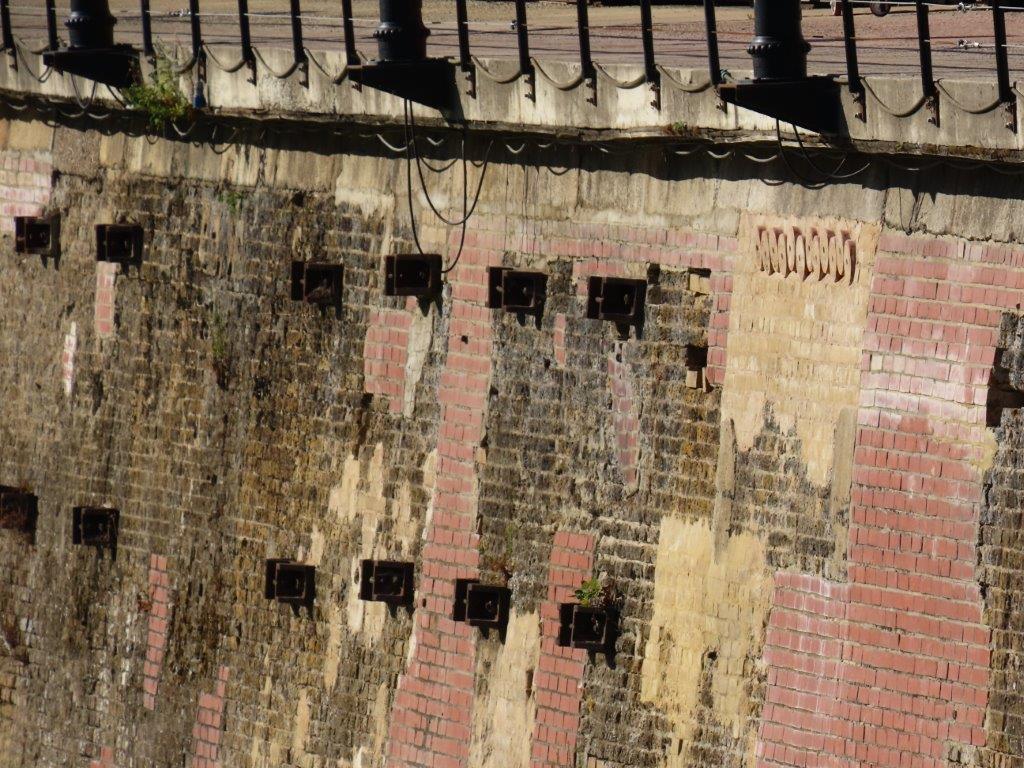
Then it was time for bat event: informative talks, a bat-themed pub quiz, and at sunset the walk. The hinterland is unprepossessingly industrial, but tree-lined dark ways form bat corridors. Almost as soon as we started, but especially in the tiny Memorial Wood, a belt of trees around an open space, the bat detectors echoed with the sound Common Pipistrelles rattling around, more bat activity here in East London we have heard anywhere for many a year.
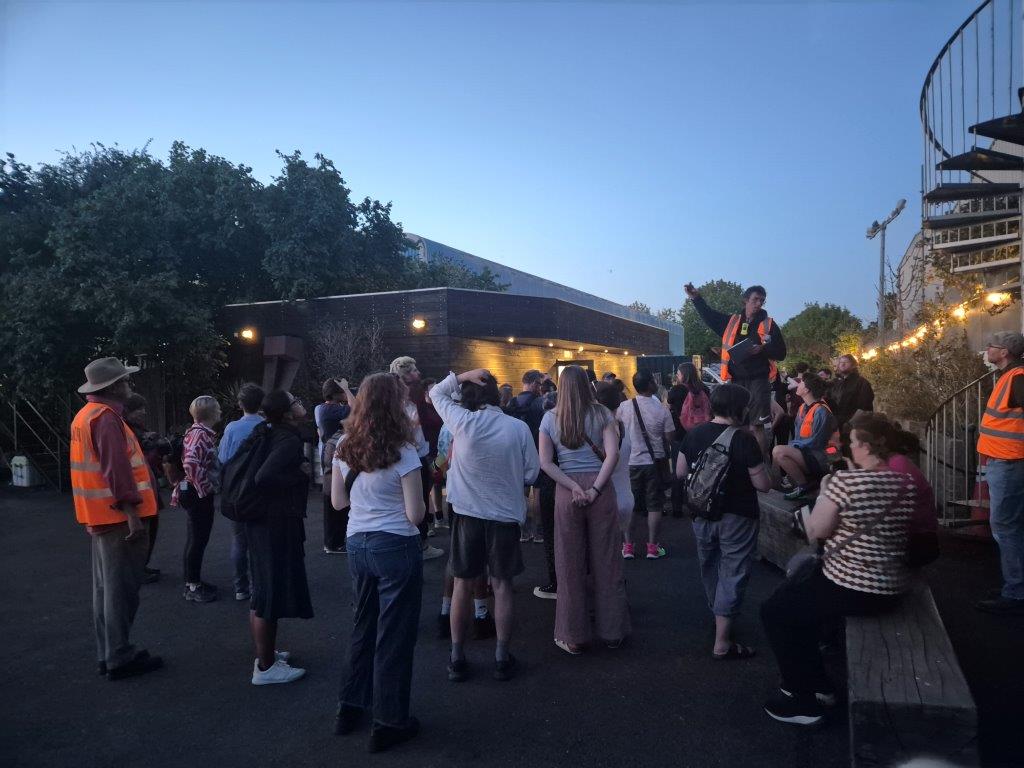
Fifteen detectors among 60 folks ensured that every good flypast resulted in a gasp of collective thrill. We loved the atmosphere and people (we felt old!) and will be back.
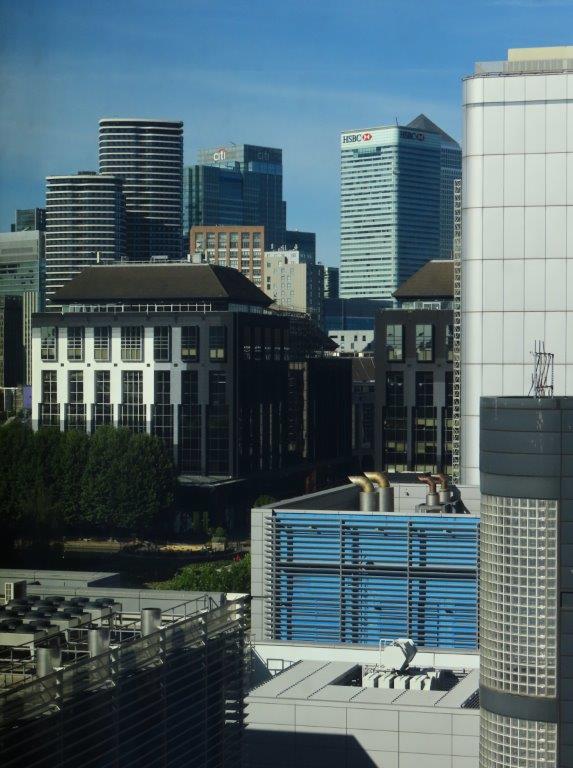
So it was a late arrival at the Travelodge Docklands – where we stayed last time – a very pleasant, modern, quiet and relatively inexpensive base from which to explore London. And although we were only on floor 8 out of 17, a good view when we woke after a late night!
An al fresco breakfast from Tesco came next, around the very pleasant water features which have been extended and improved considerably since we first set foot in that area a decade or more ago heading to the Bow Creek reserve.
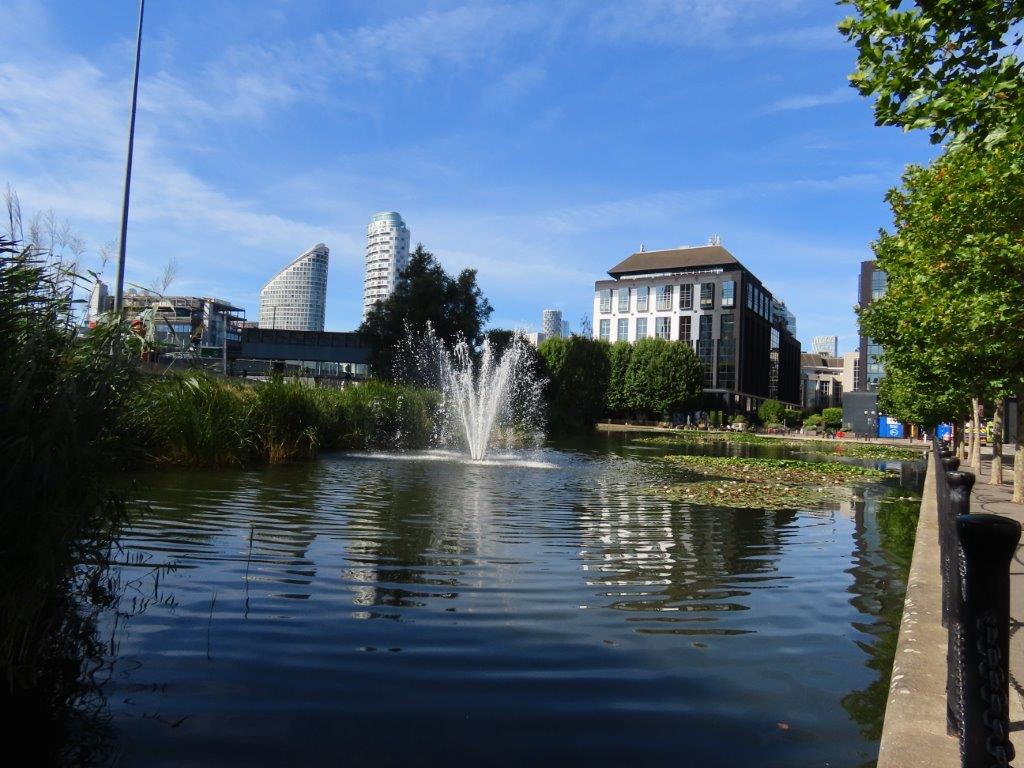
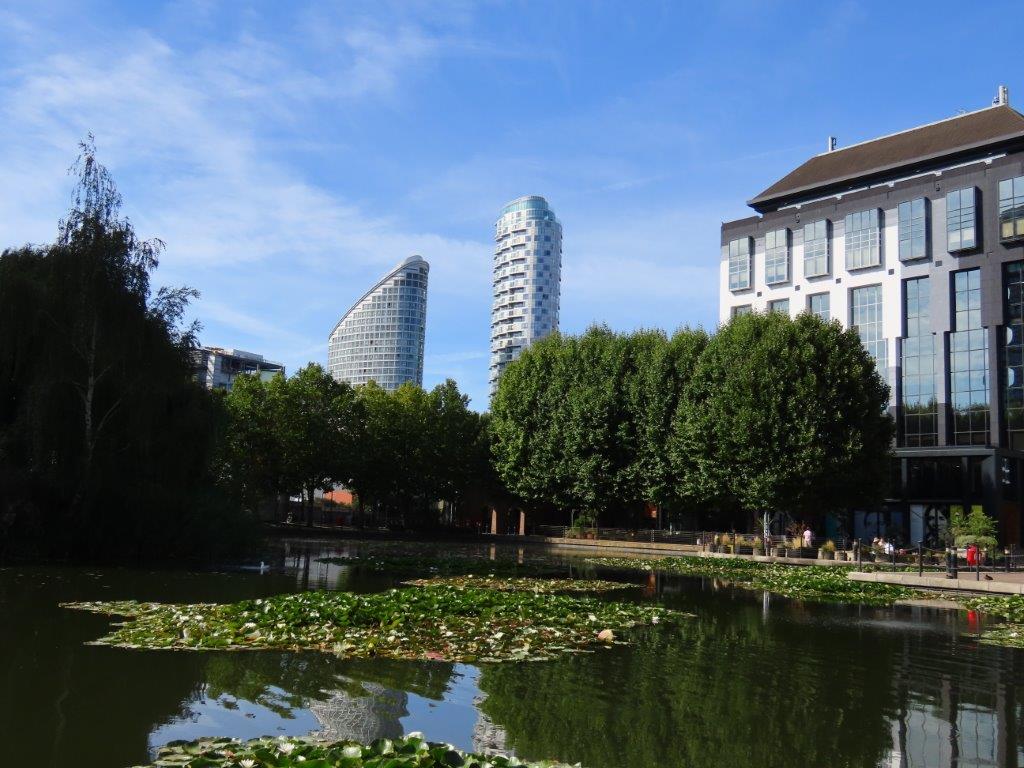
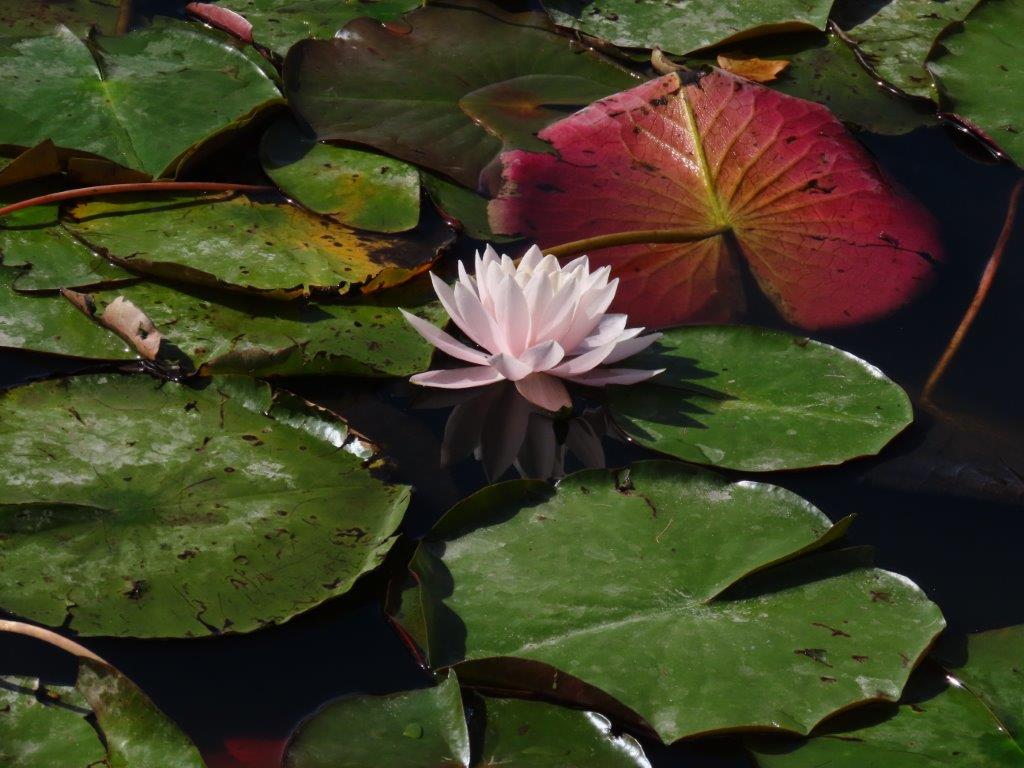
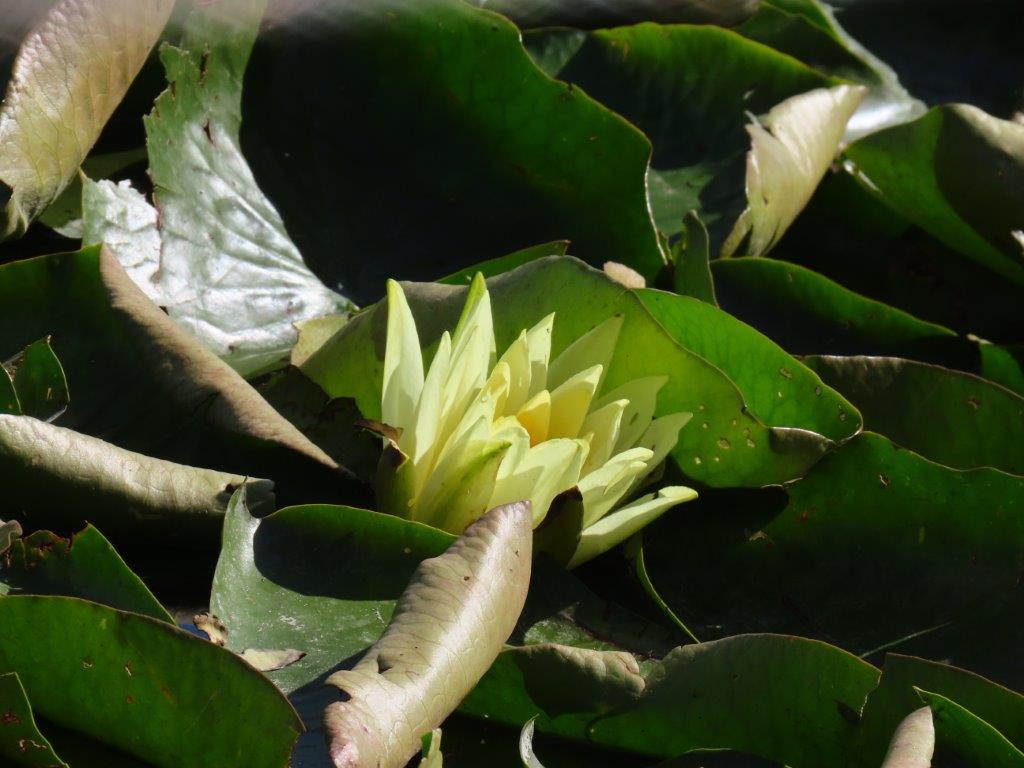
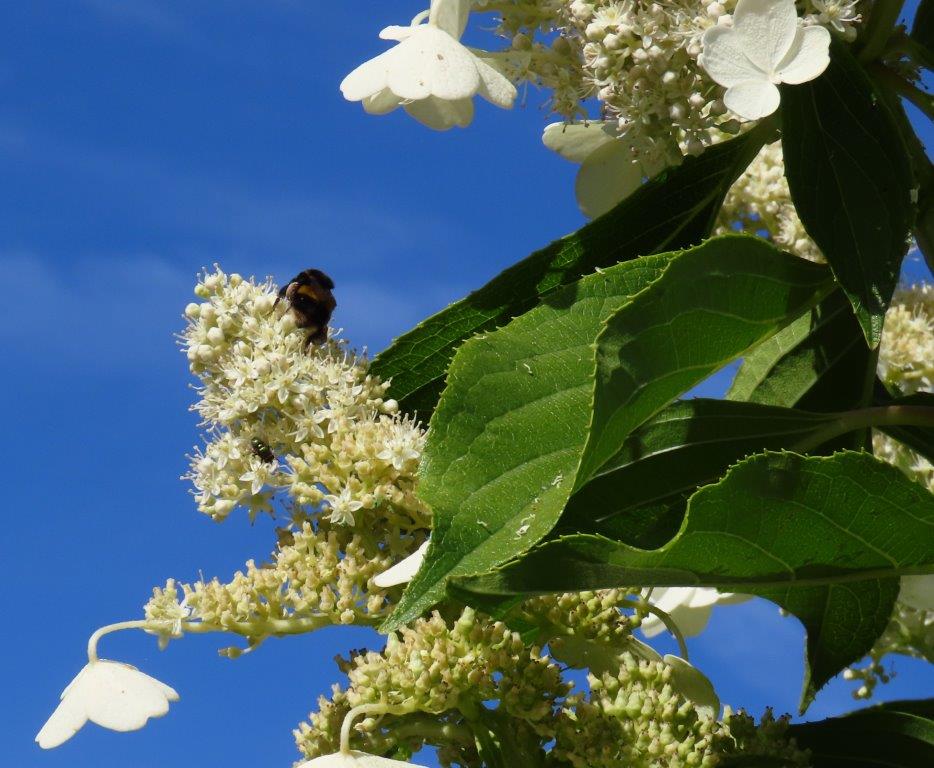
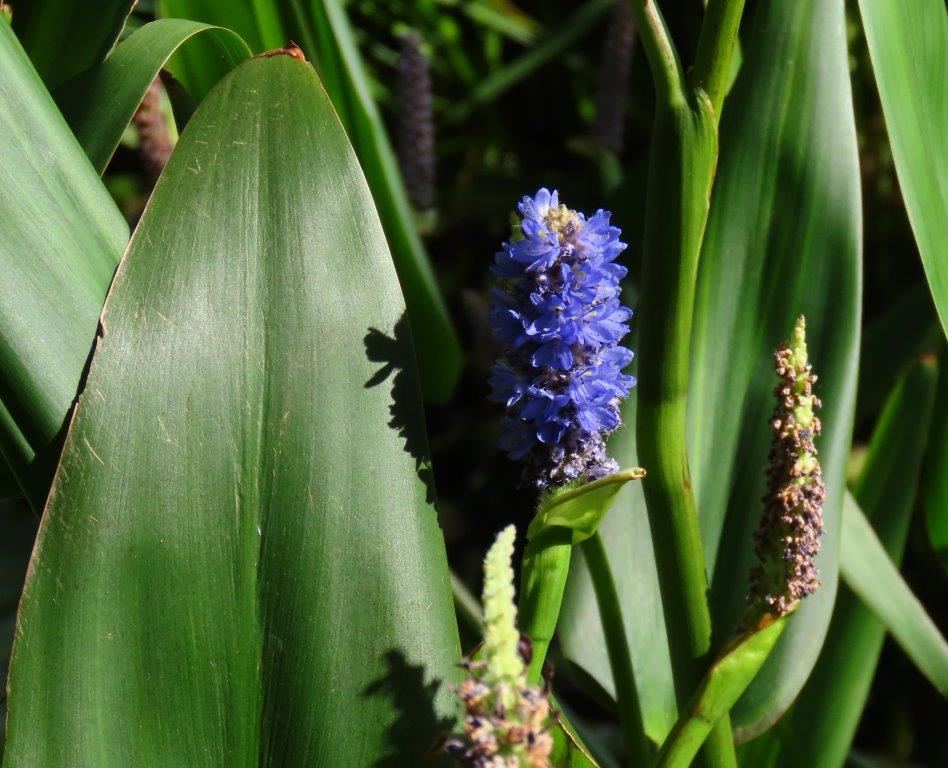
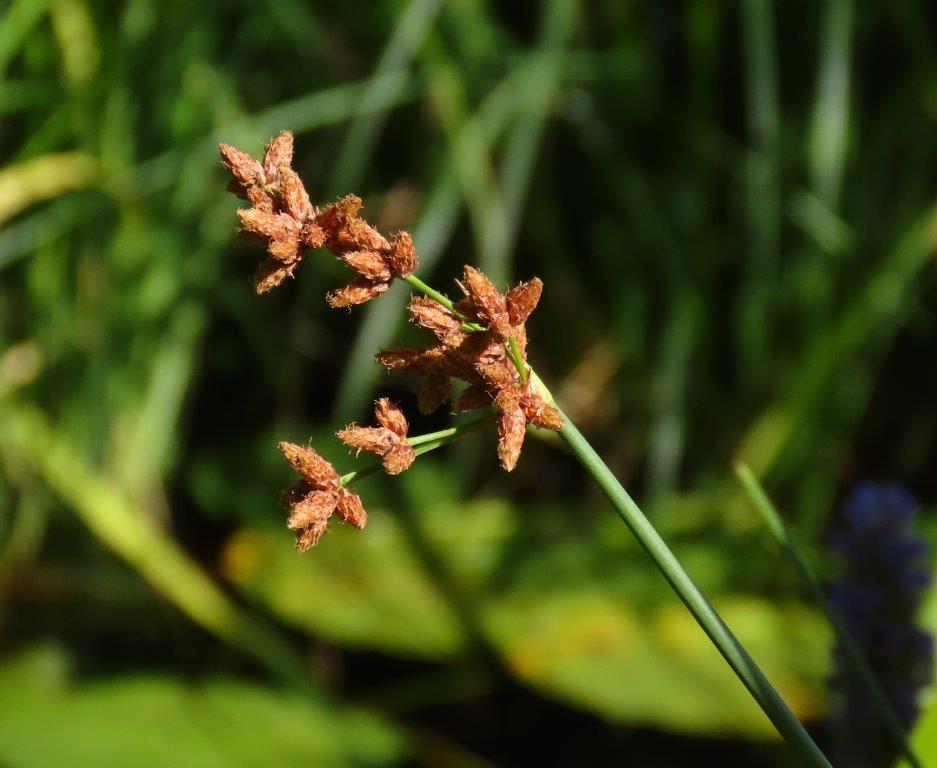
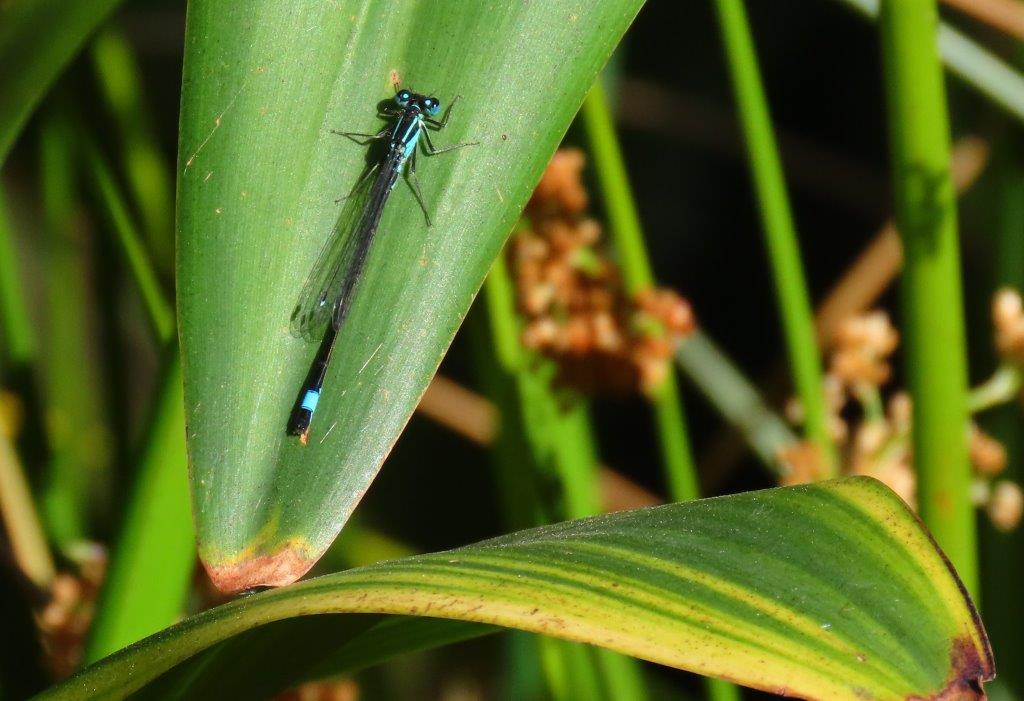
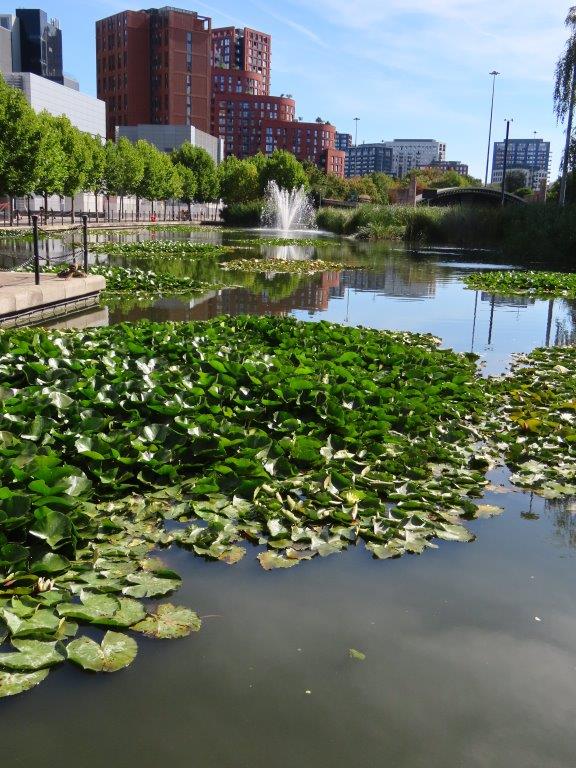
The newest water is a very formal water garden, surrounded by Hydrangea paniculata, attracting numerous bumblebees and greenbottles, and stuffed with Pontederia and true Bulrush (aka Common Club-rush) and Blue-tailed Damselflies flittering all around.
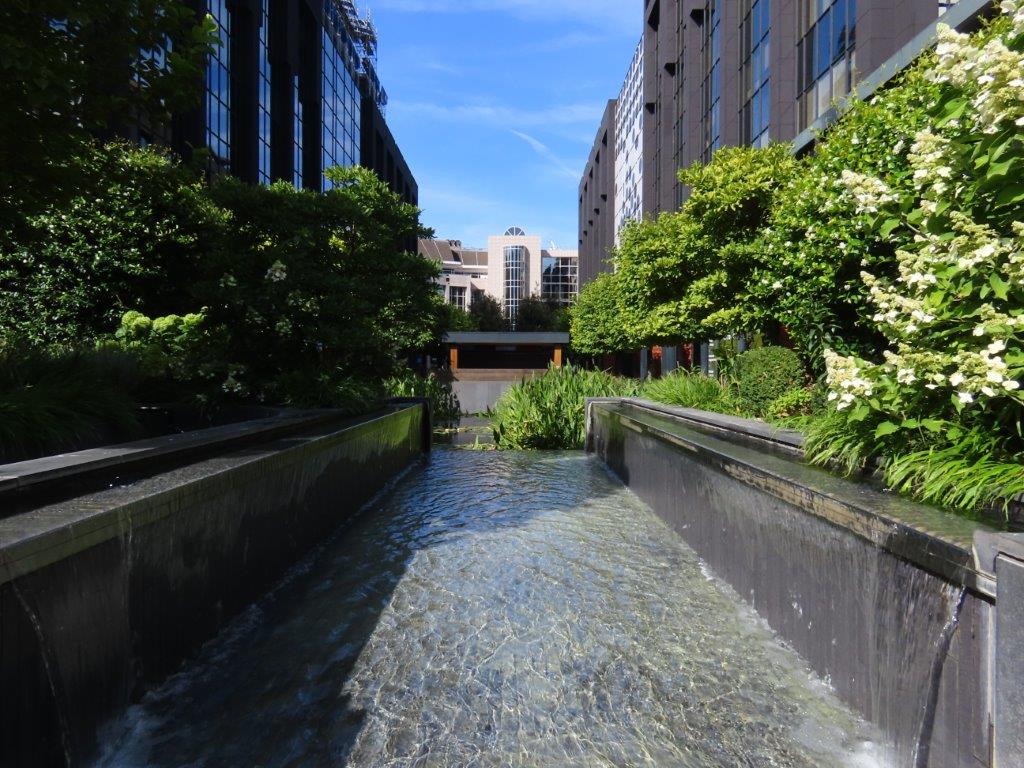
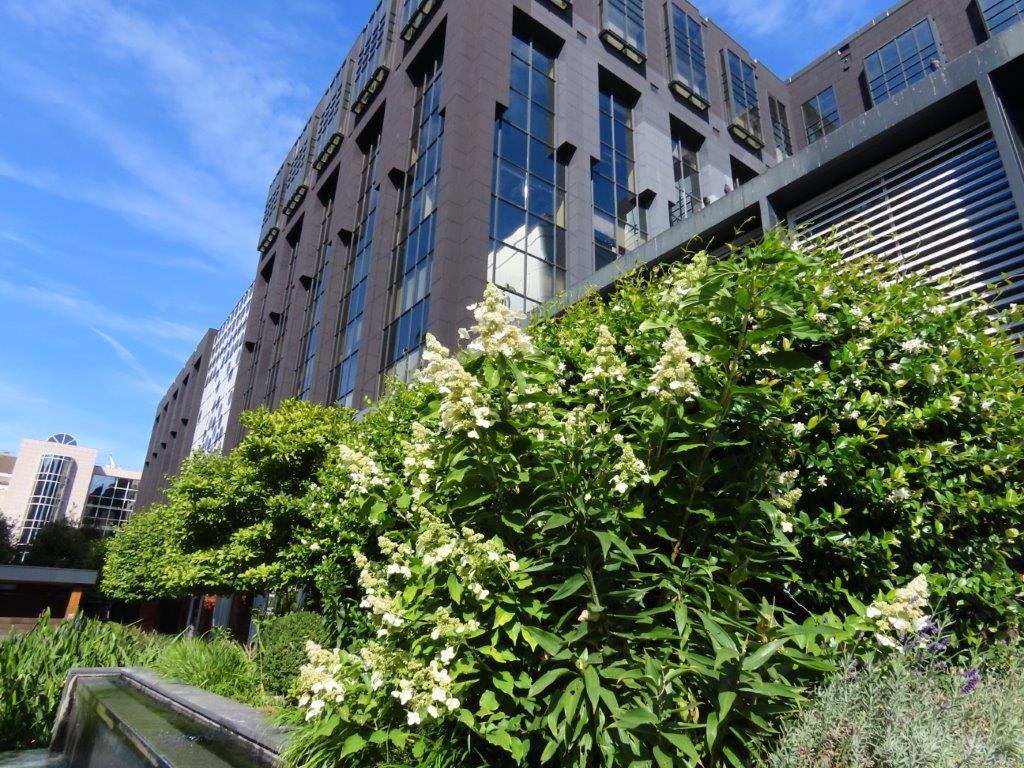
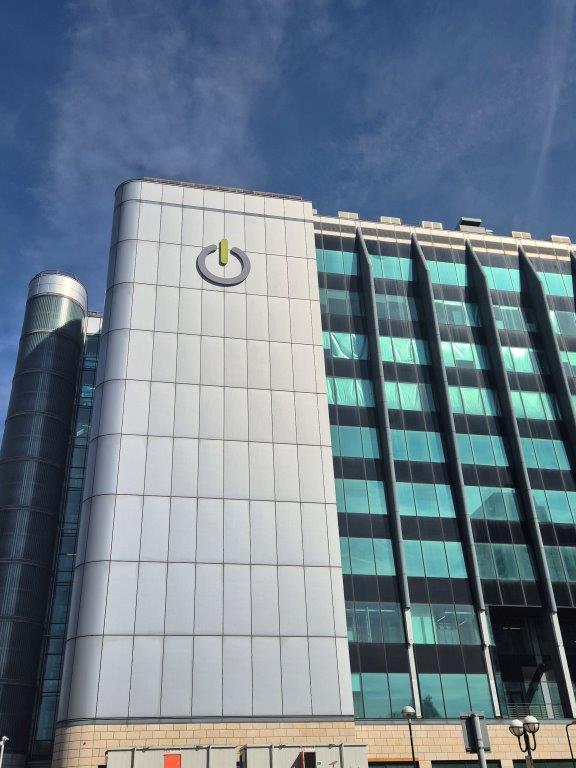
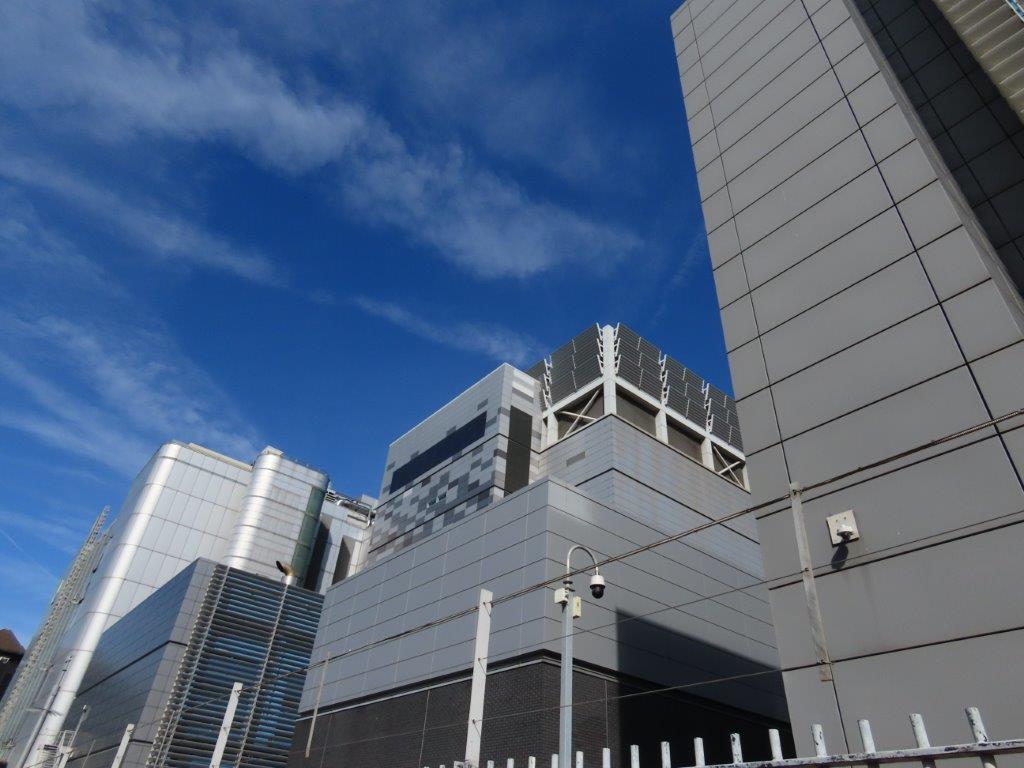
The landscaping is needed to offset the impact of all the new developments, but even the most modern buildings, even the forbidding-looking data centres have their artistic appeal…
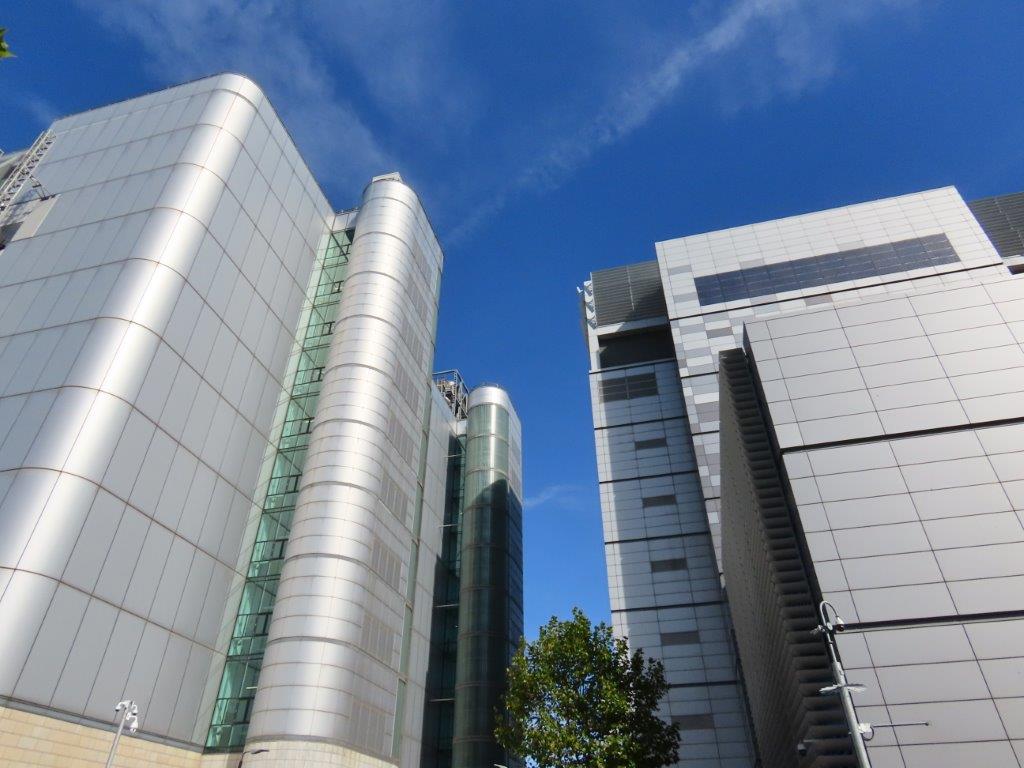
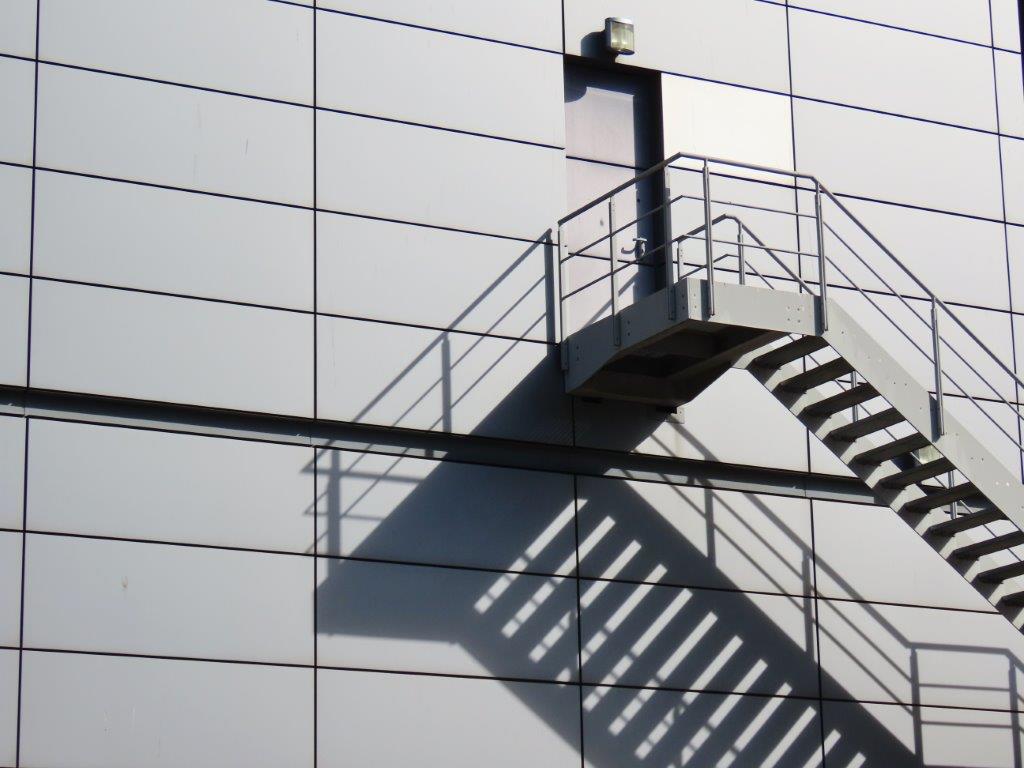
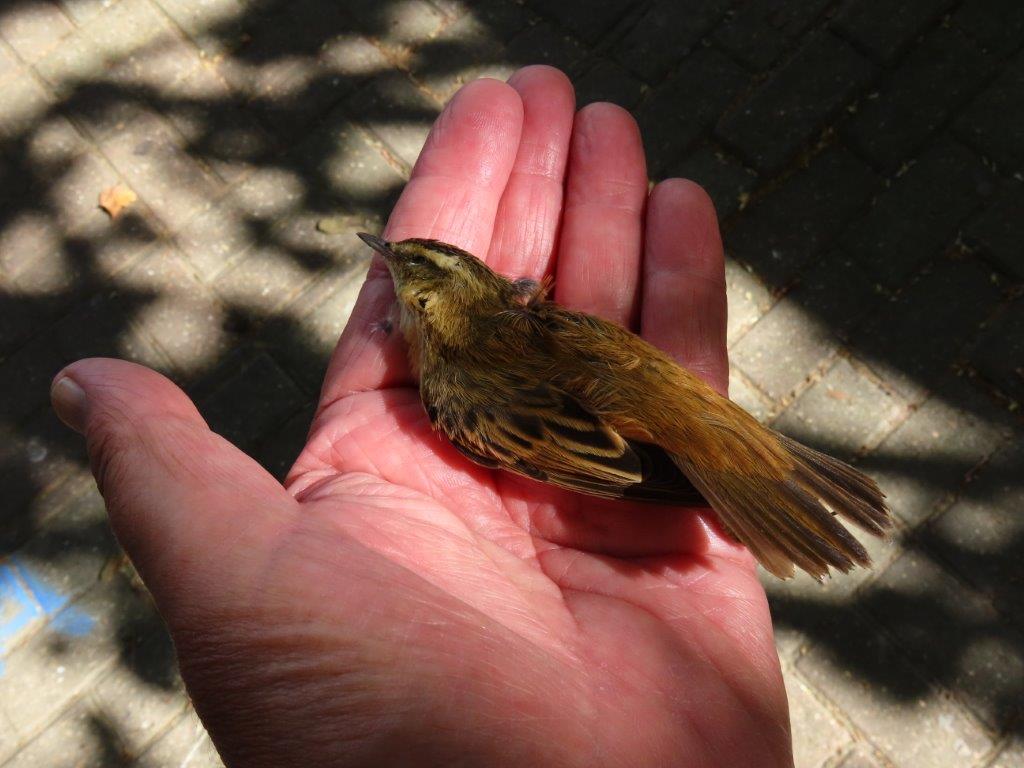
But sadly, glass and steel do reflect light, and birds can see that as a way to fly. A young Sedge Warbler, perhaps one that had just fledged from the local reedbed, will sadly never make its inaugural flight across the Mediterranean and Sahara…
The elevated East India DLR station has good views of Docklands, and over the Thames to Greenwich…
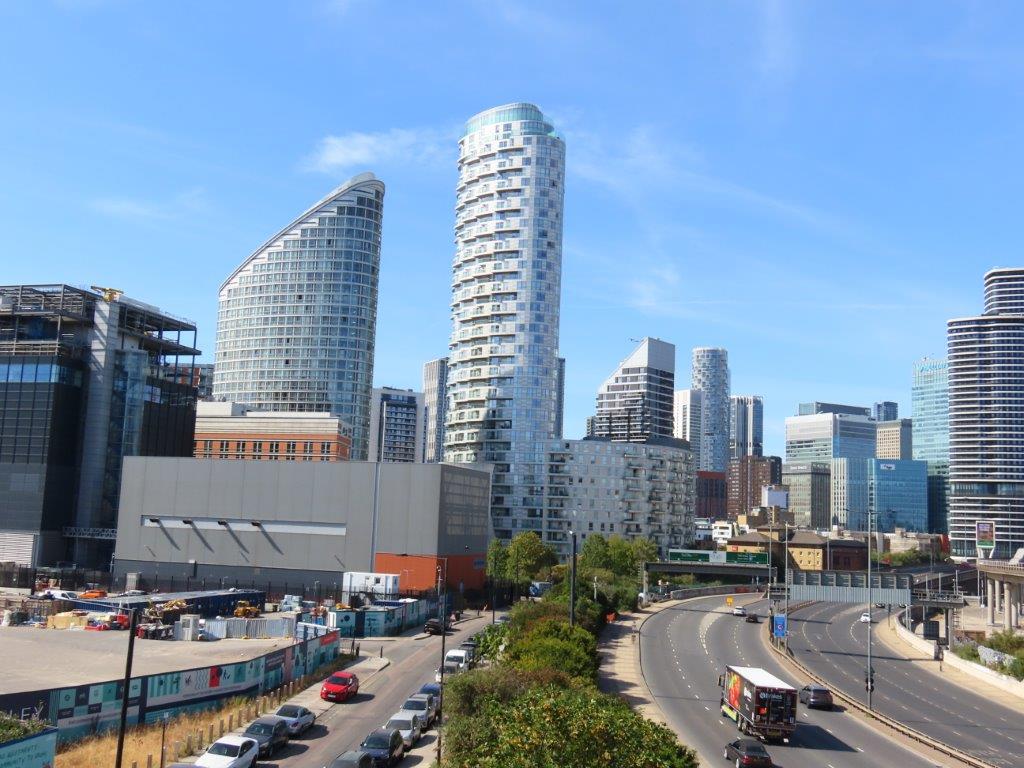
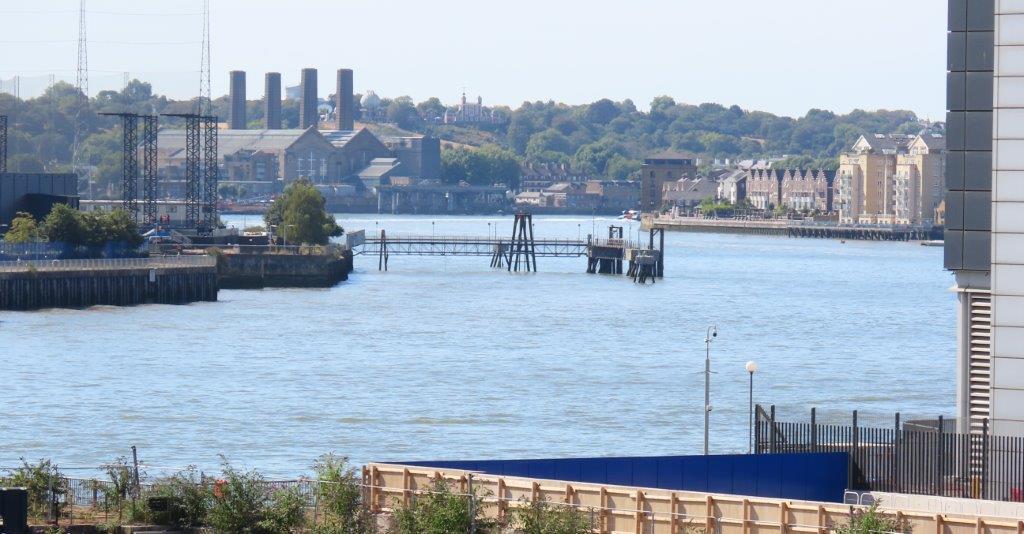
… and from there an easy run via Bank to our intended exploration of Soho.
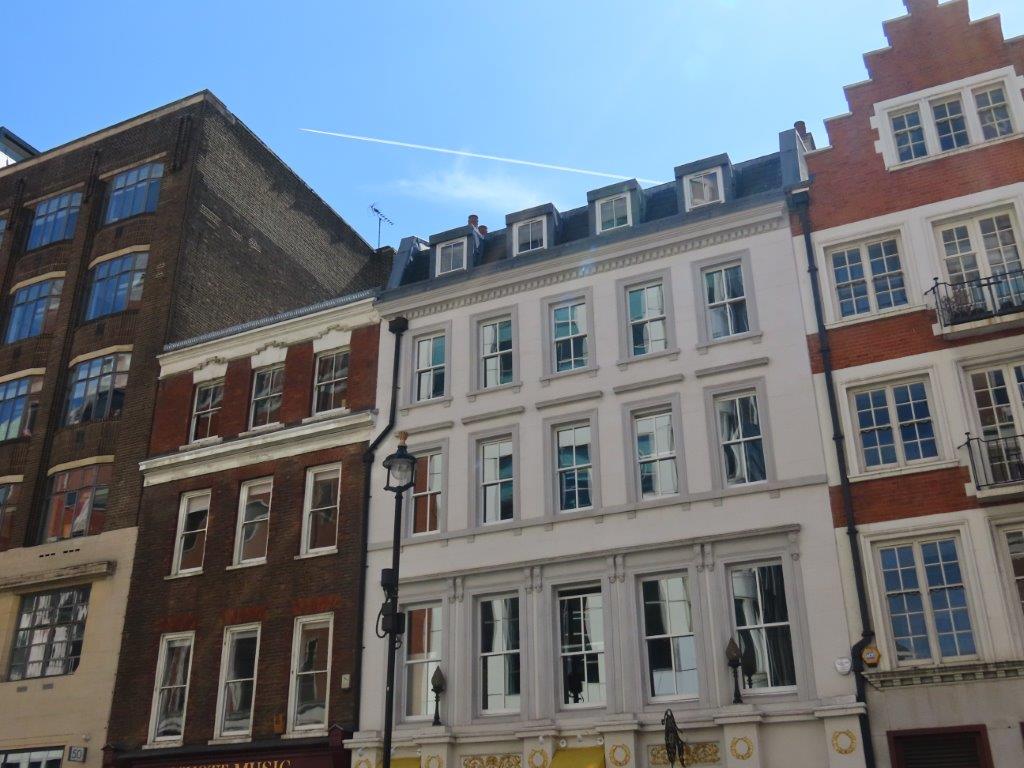
Oxford Street on a Saturday was perhaps not the best place to loiter, to look up and see the real buildings behind the façade of shopping.
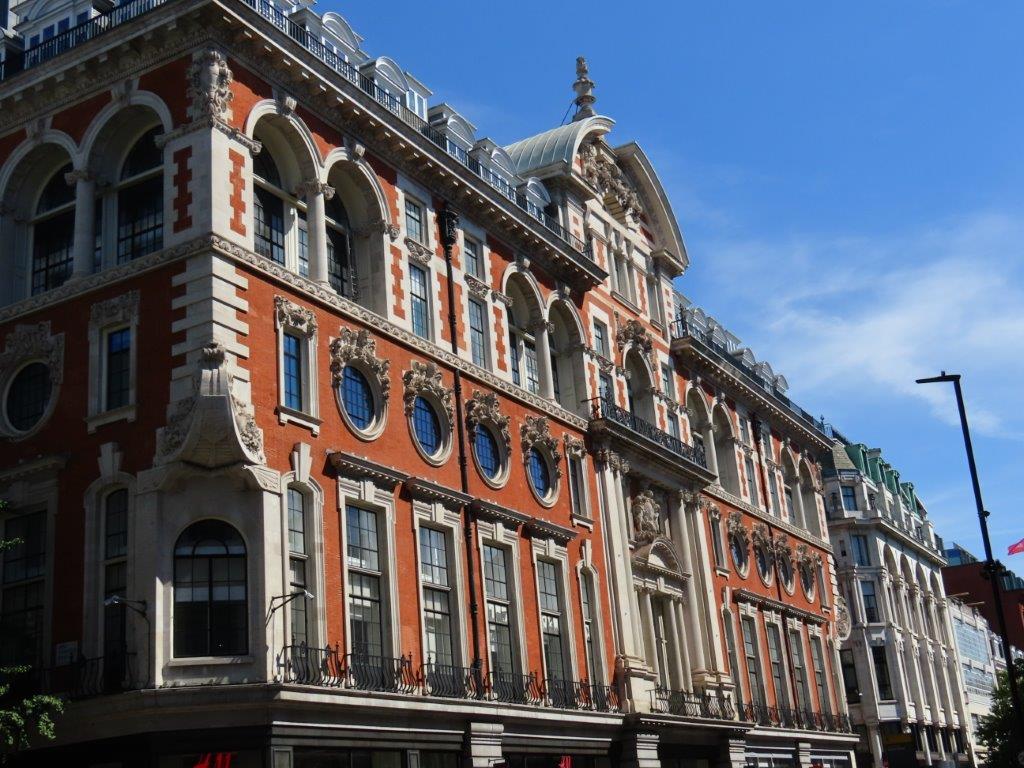
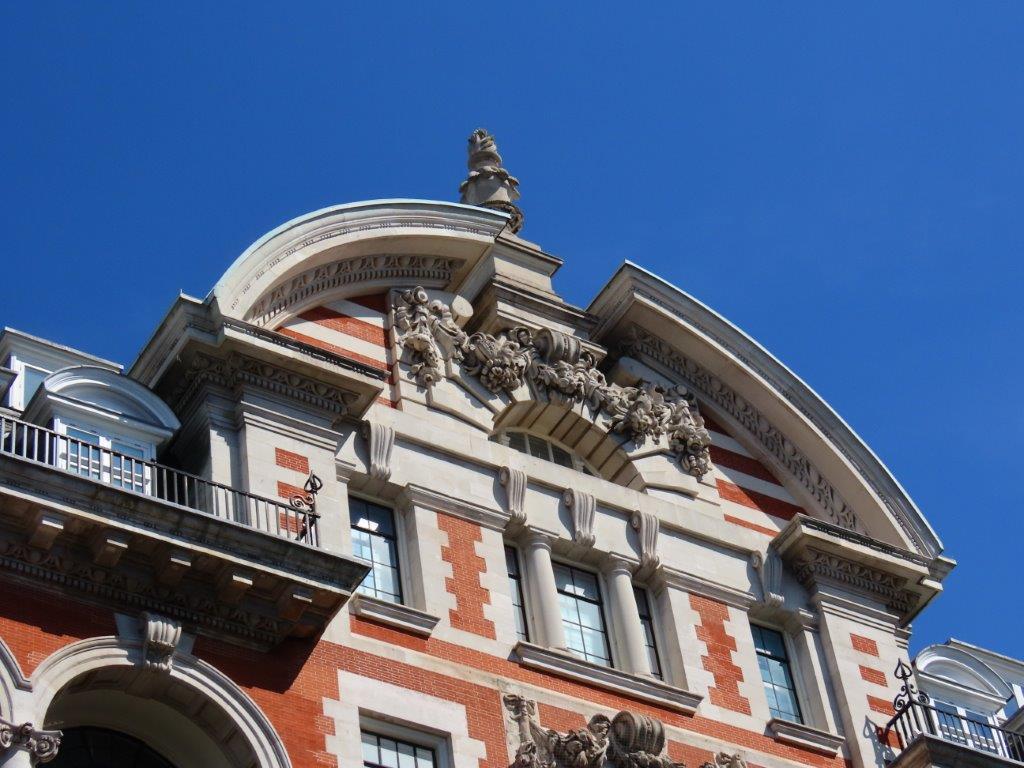
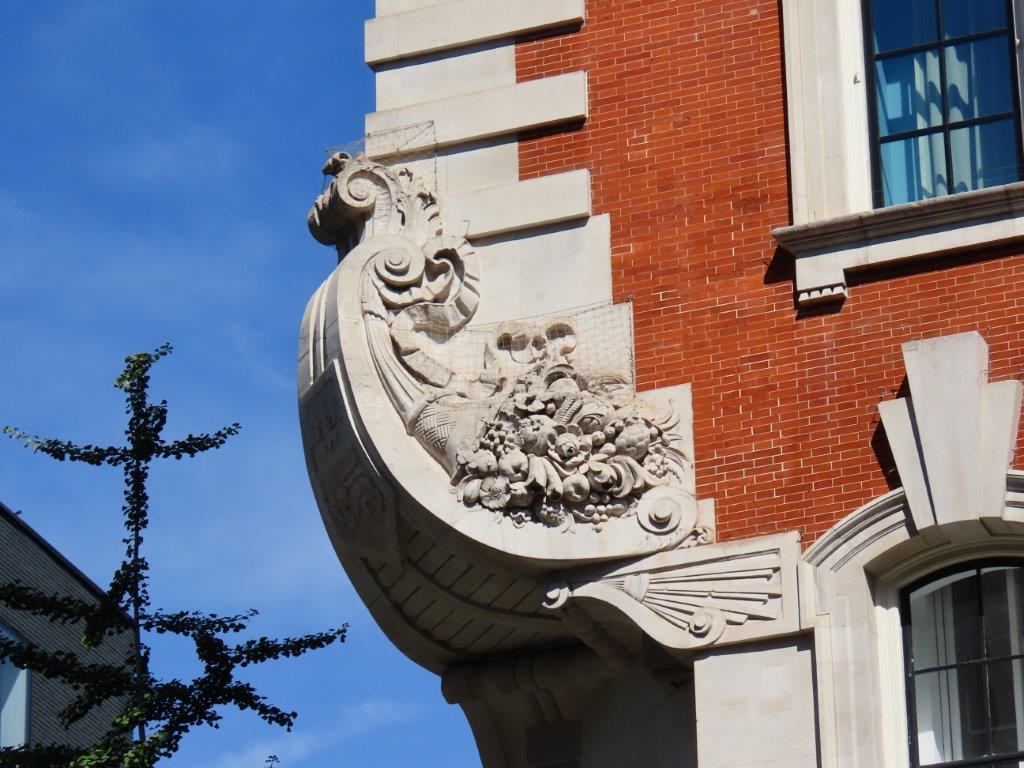
But perhaps the most magnificent was actually built as a department store. Now called United Kingdom House, it was built as the Waring & Gillow department store in 1906, its design apparently influenced by that of Hampton Court Palace.
Heading off the main artery, next we visited the Photographers’ Gallery to see an excellent, interesting, in part very moving exhibition of the work of female Japanese photographers, a real bonus as we hadn’t investigated previously what might be on there.
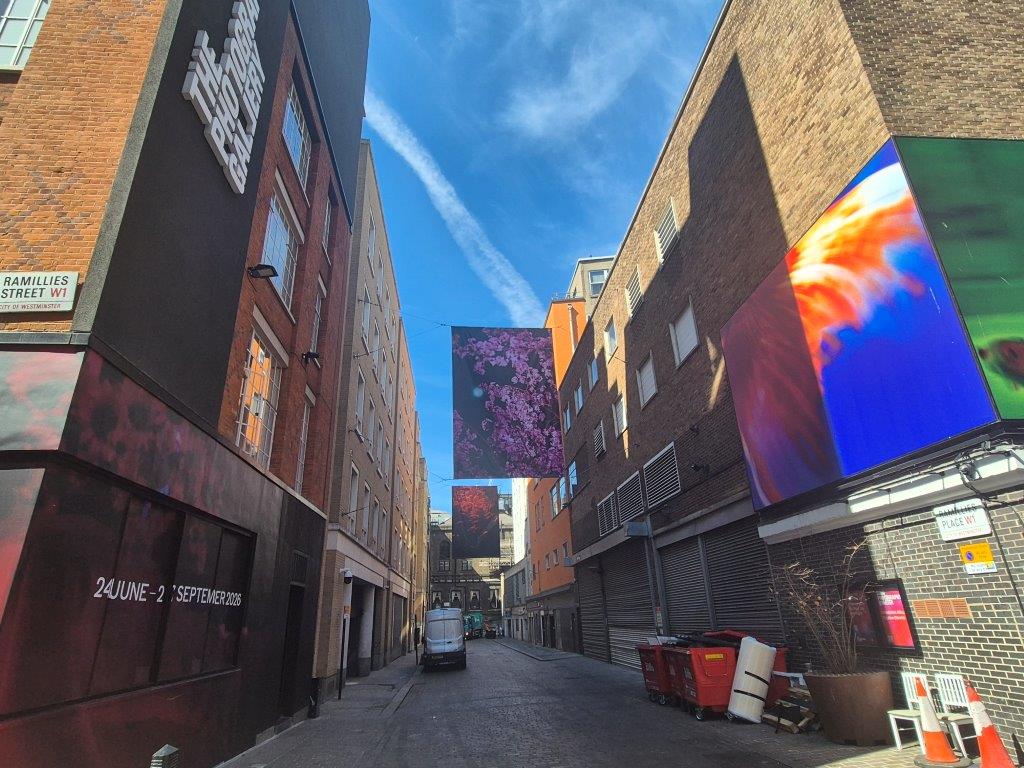
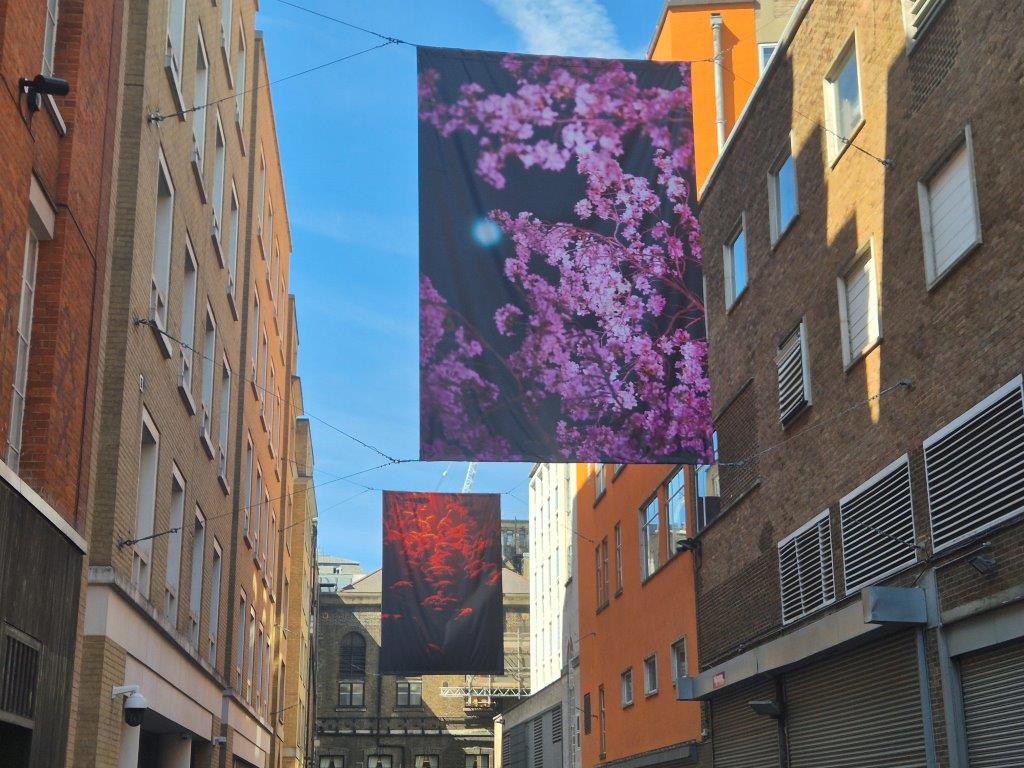
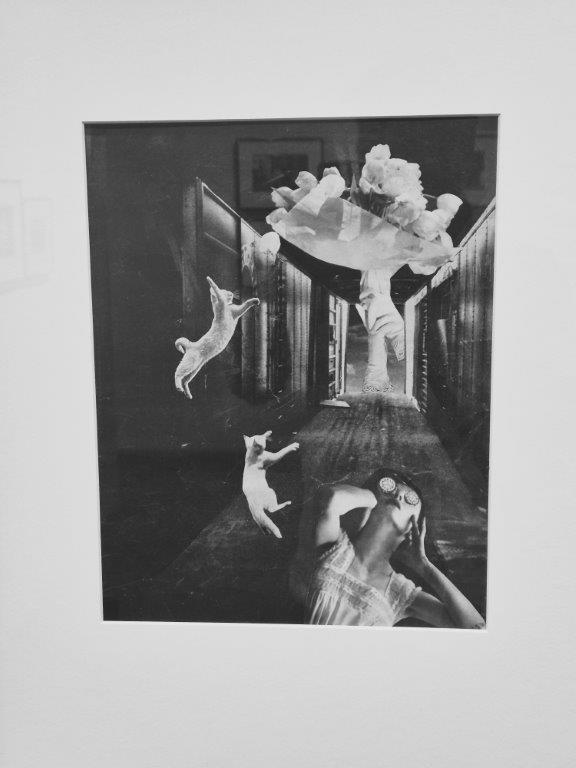
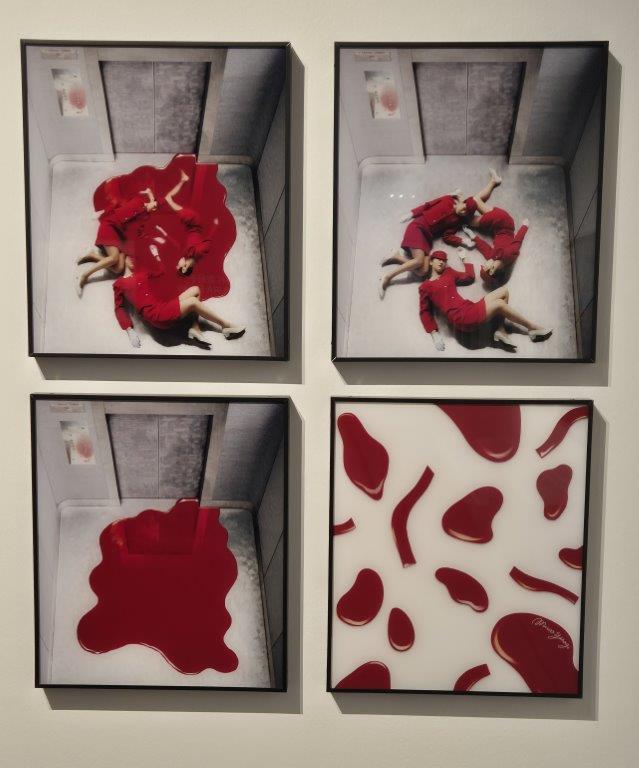
Thence into Carnaby Street and the heart of Soho, with street art in the forefront of our sight, rather than the shopping experience.
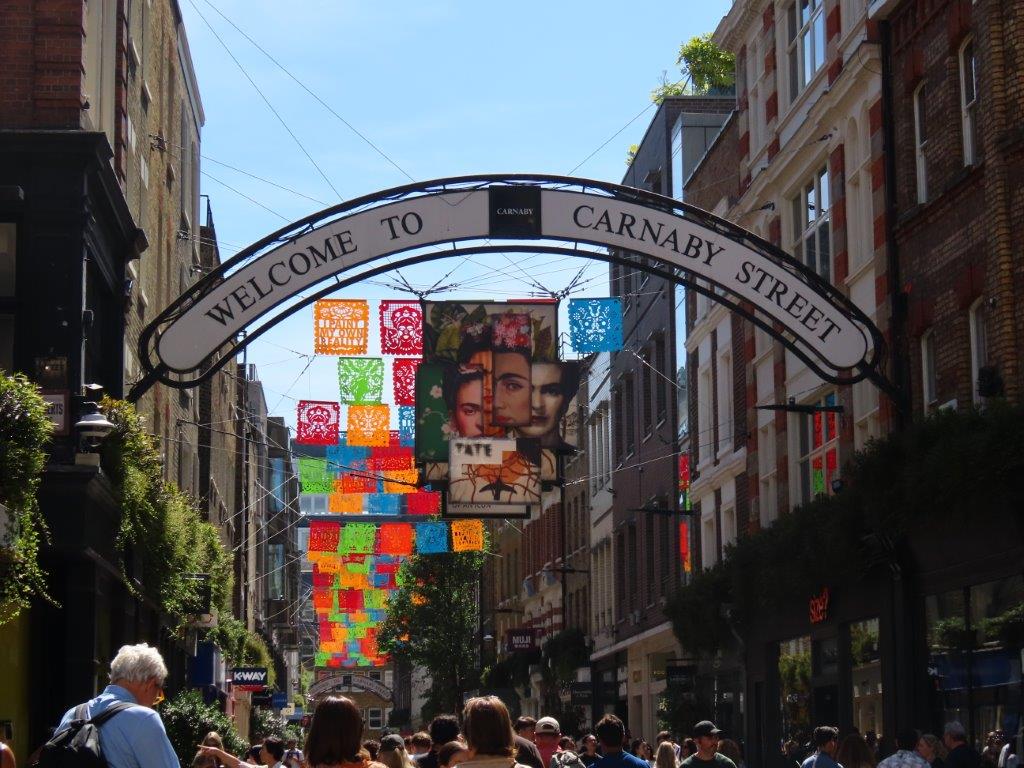
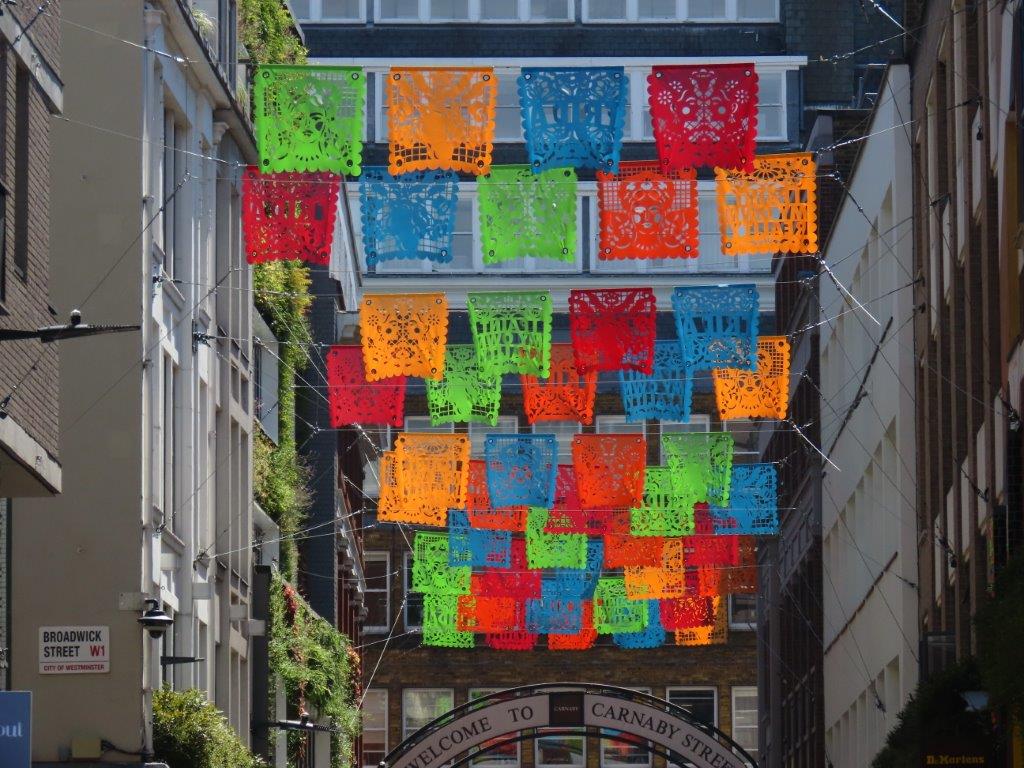
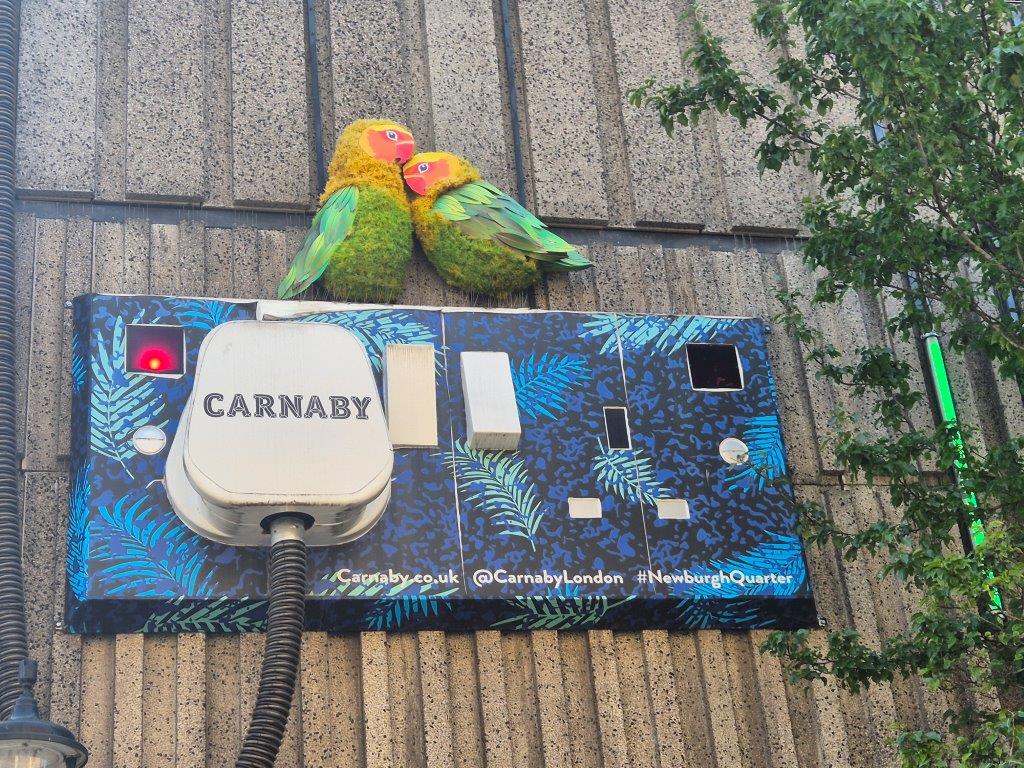
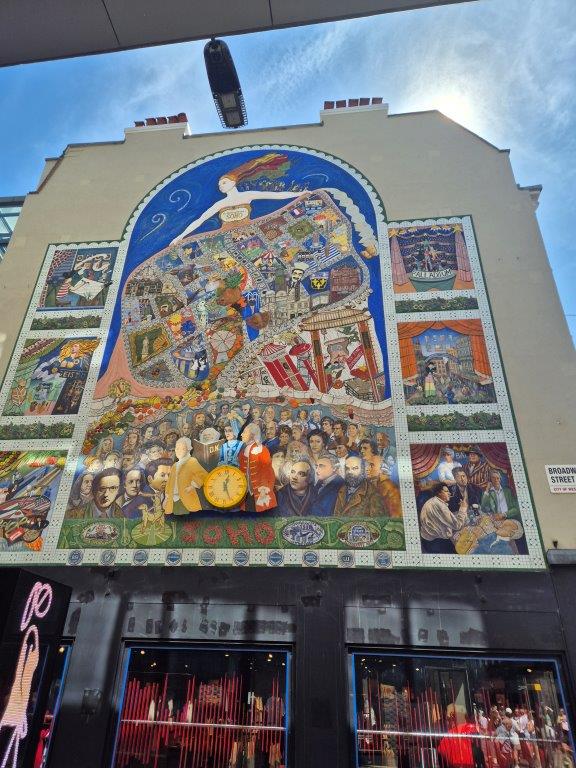
But also the architecture above street level, a real revelation as neither of us had ever really trodden those streets before. There was the Marshall Street Leisure Centre, originally a public baths, so with essentially the same use for the past century: with Art Deco styling, the present building dates from 1931.
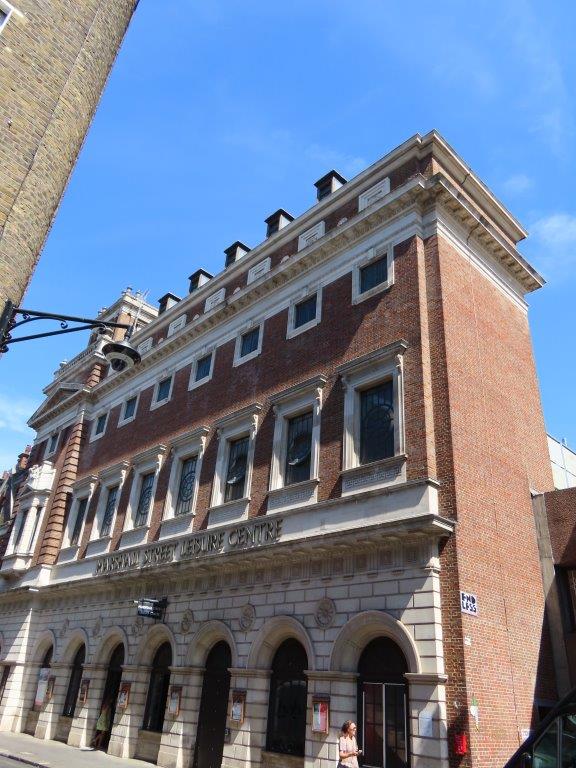
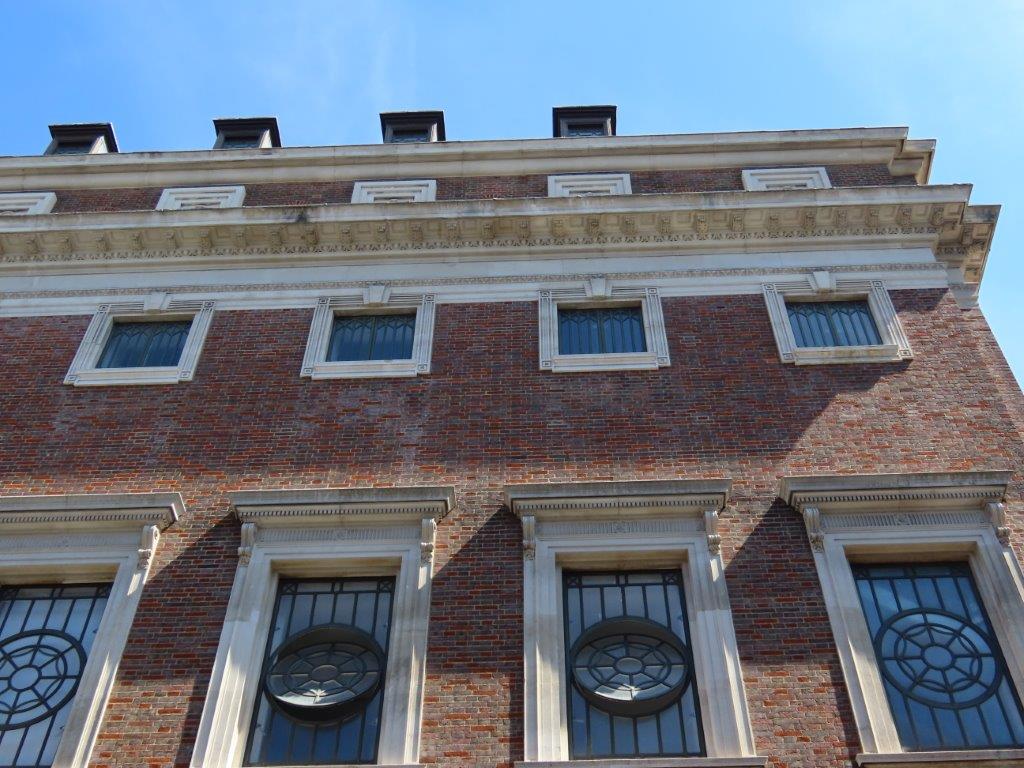
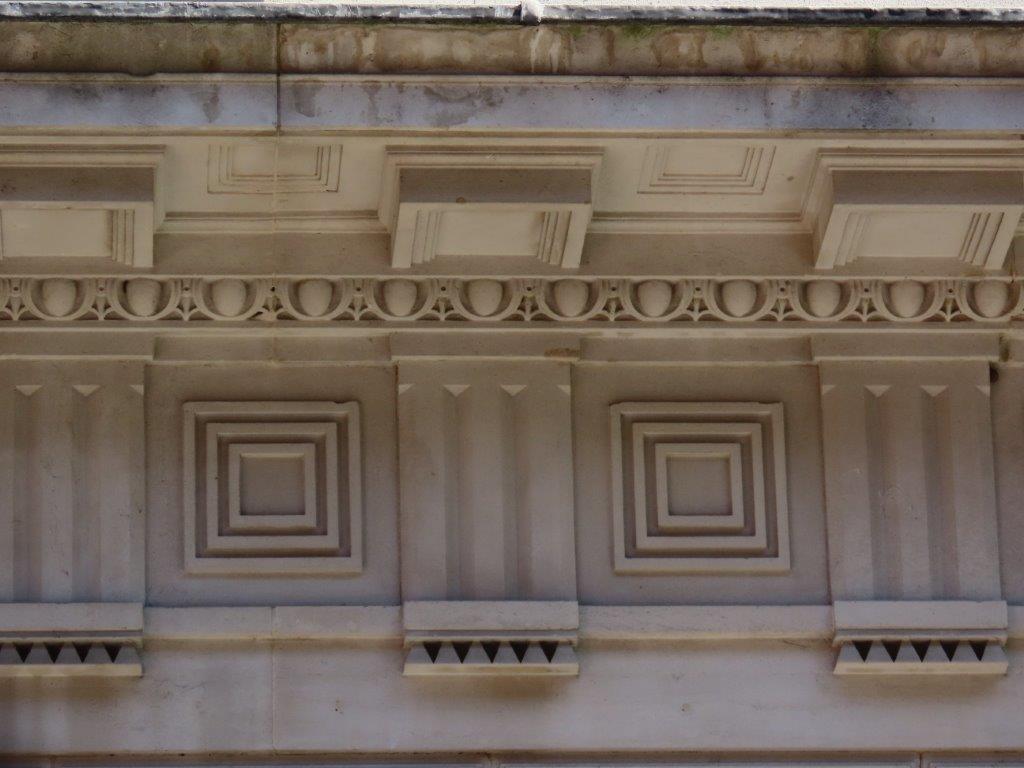
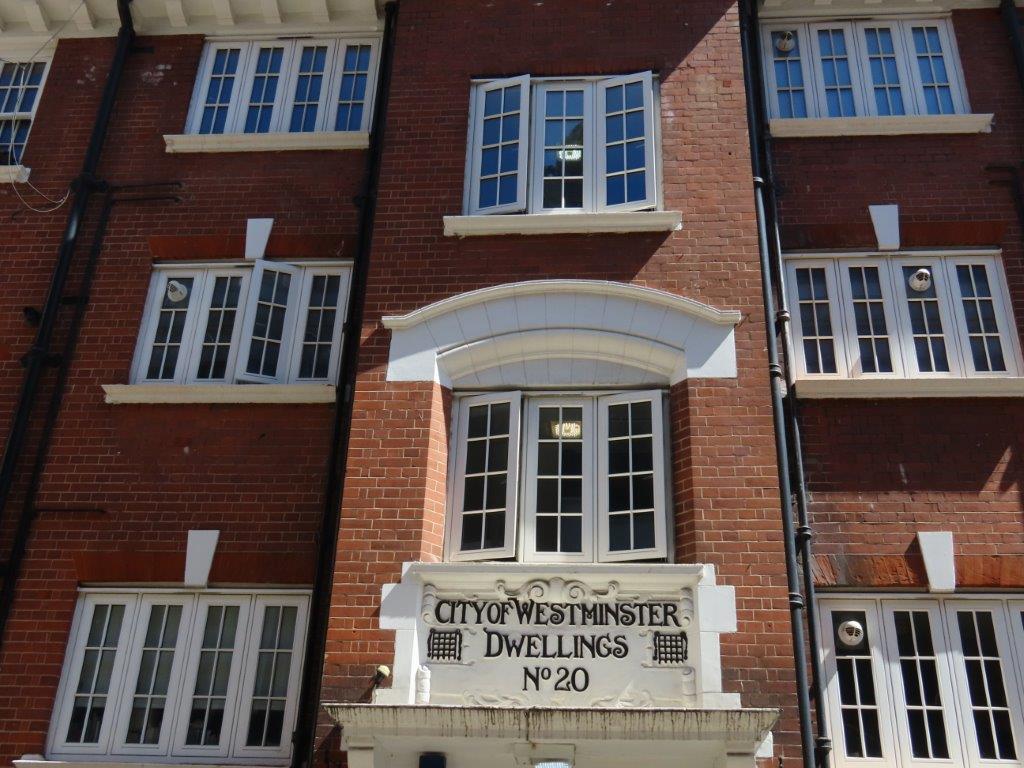
Next door, the City of Westminster Dwellings, a municipal tenement built in 1904, and intended as affordable housing for the working class…. The block is still residential now, but presumably the demographic is rather different!
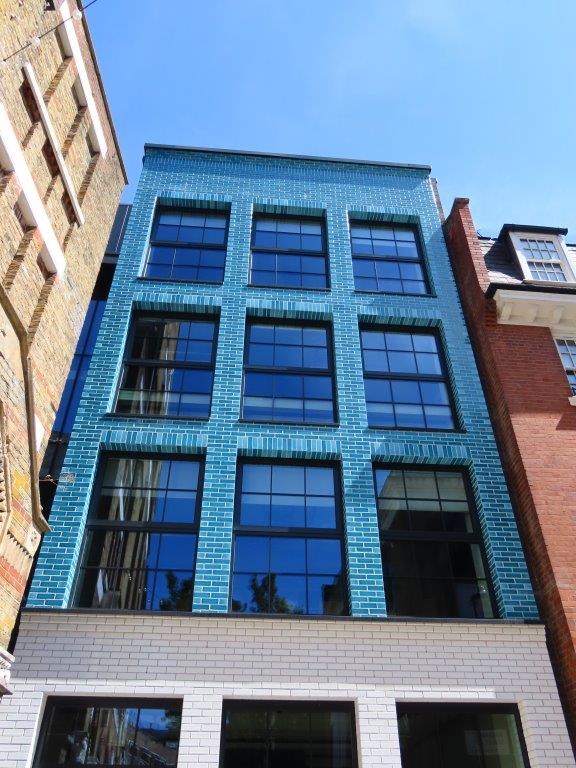
And then just a few steps further up Marshall Street, a very different building, known as 45 Foubert’s Place, with glazed turquoise brick facade a complement and contrast to all around it, including Craven Schools & Lecture Hall, an 1874 Victorian Gothic school originally with separate floors for infants, girls and boys.
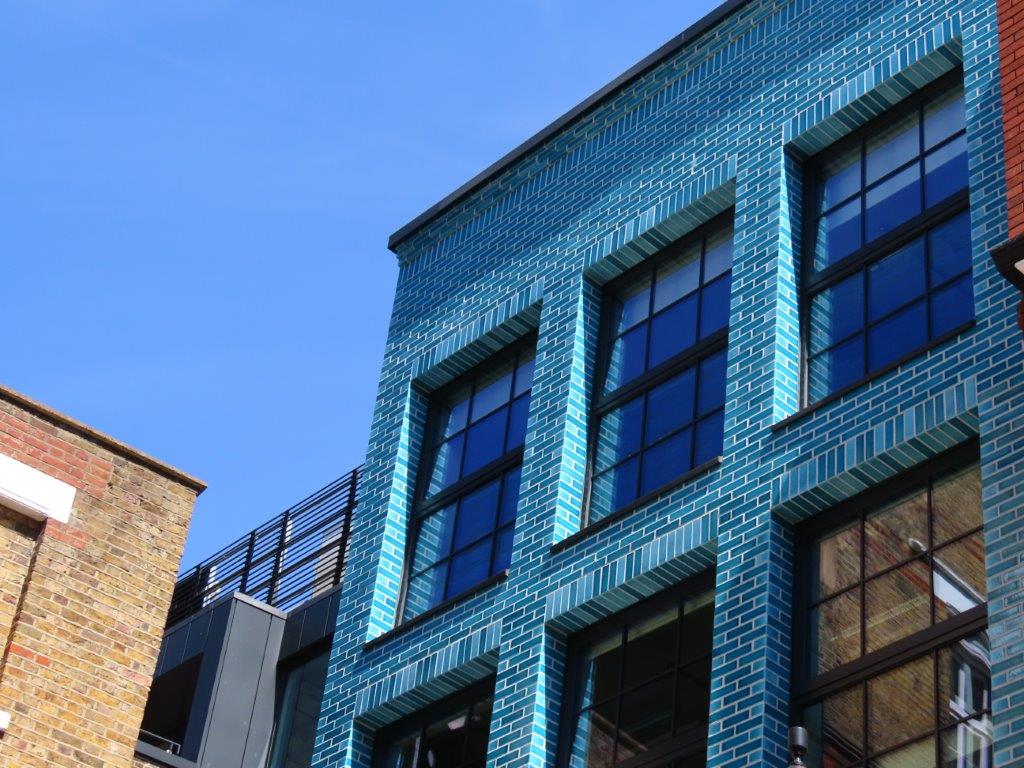
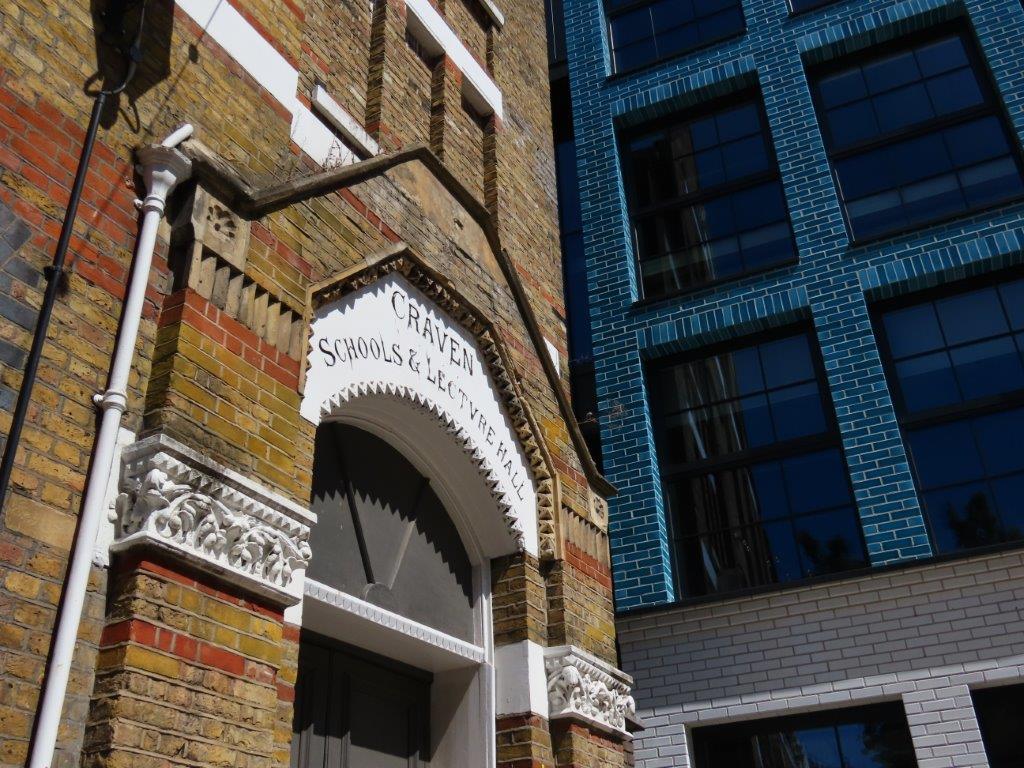
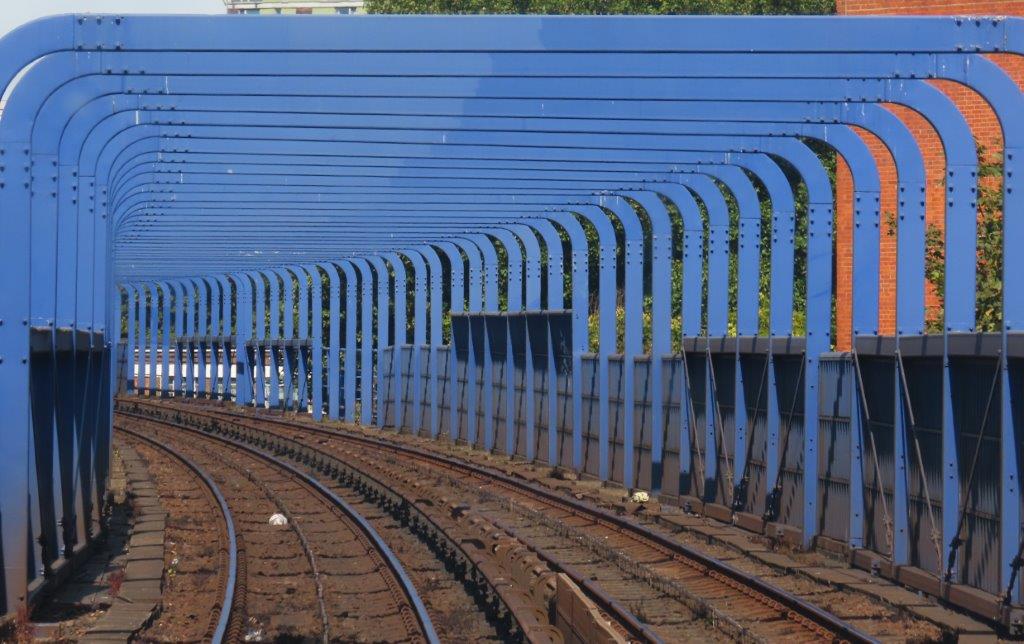
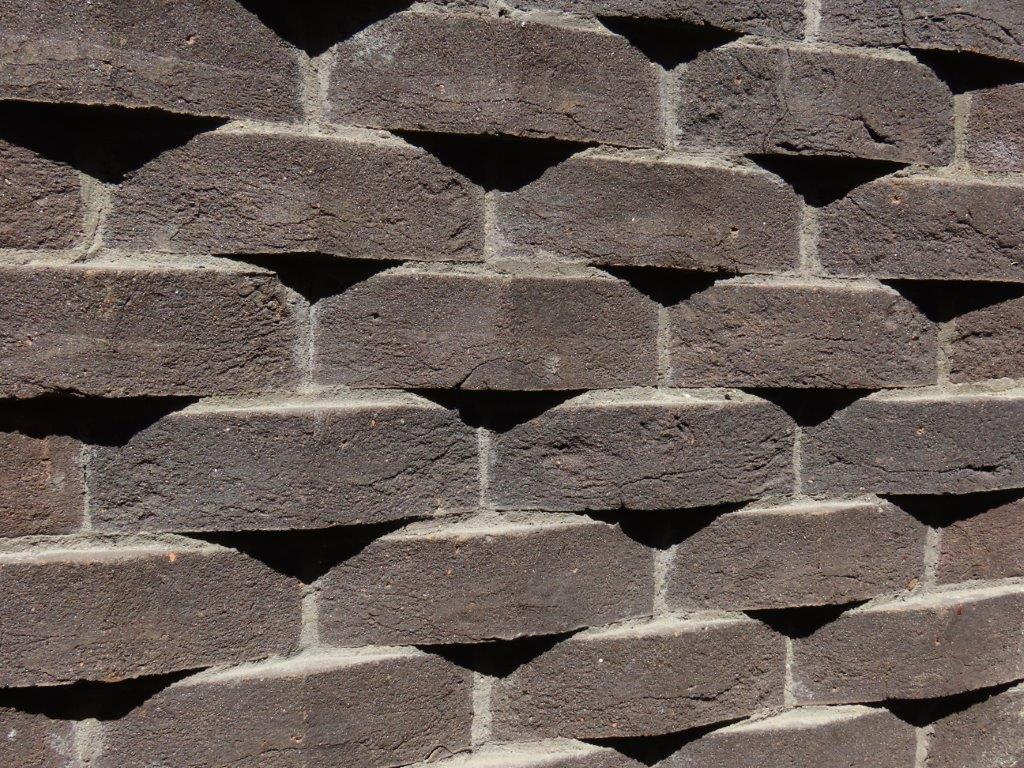
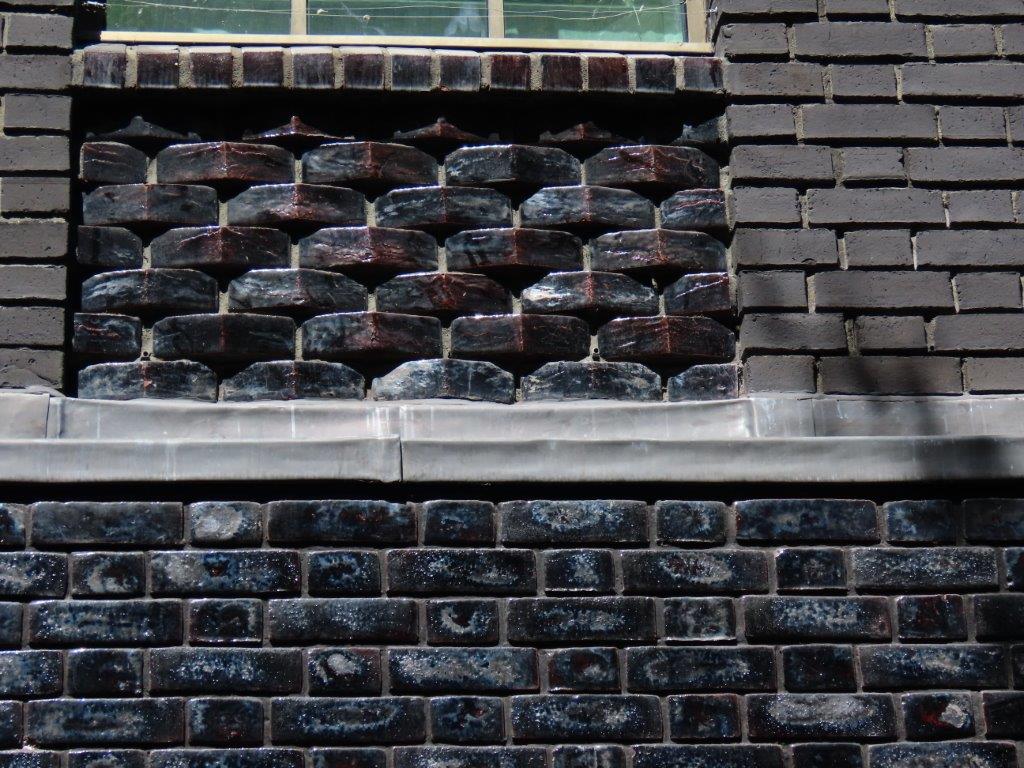
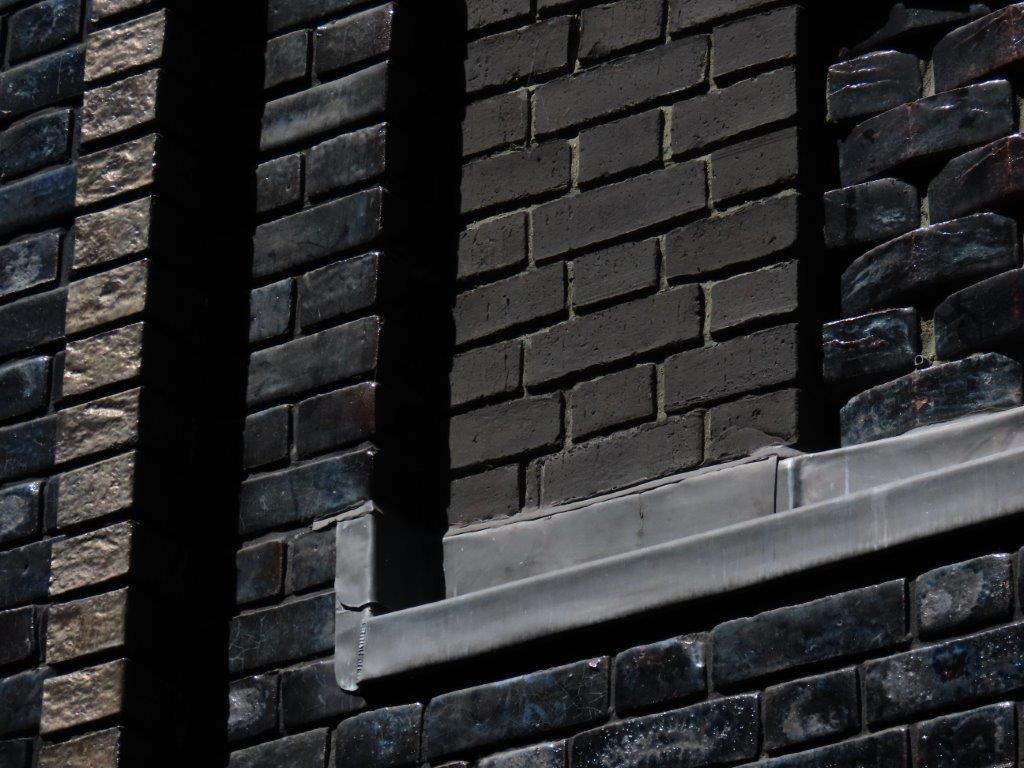
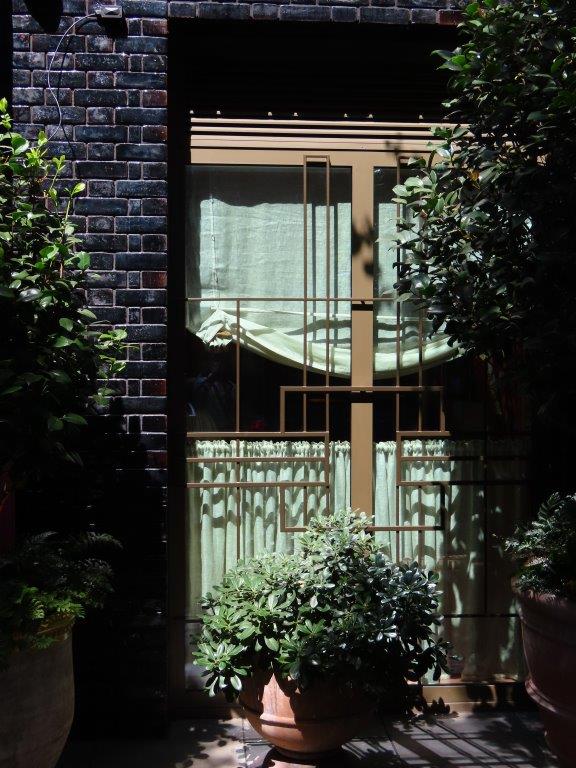
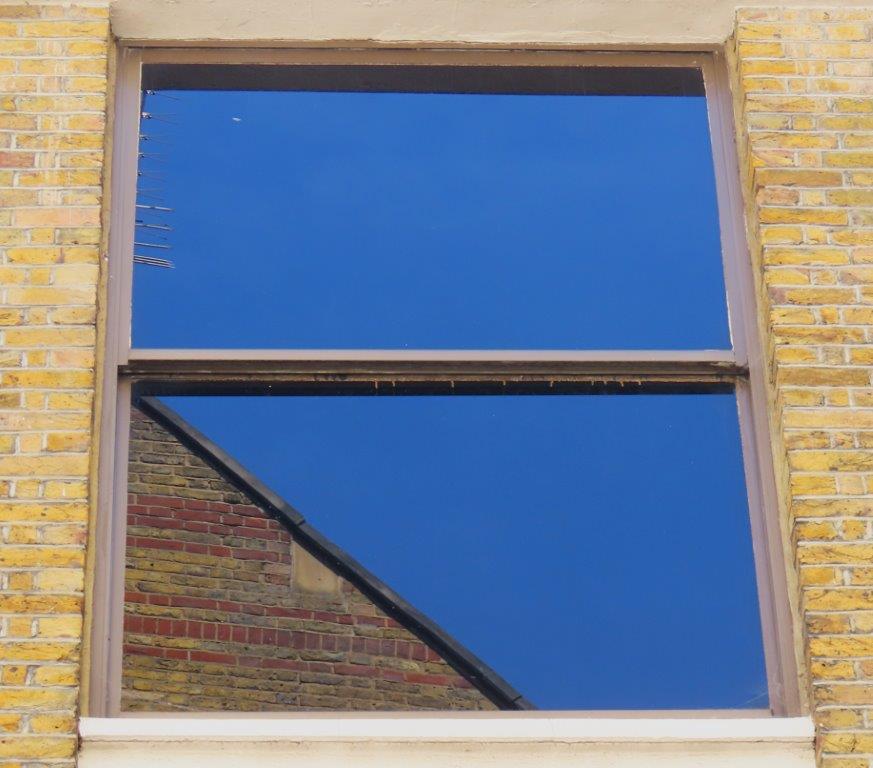
Then there were the arty details, disappearing vistas, decorative brickwork, and even simple reflections of a clear blue sky, a great excuse to linger in the shade of an increasingly fierce day. Going the full Mondrian?
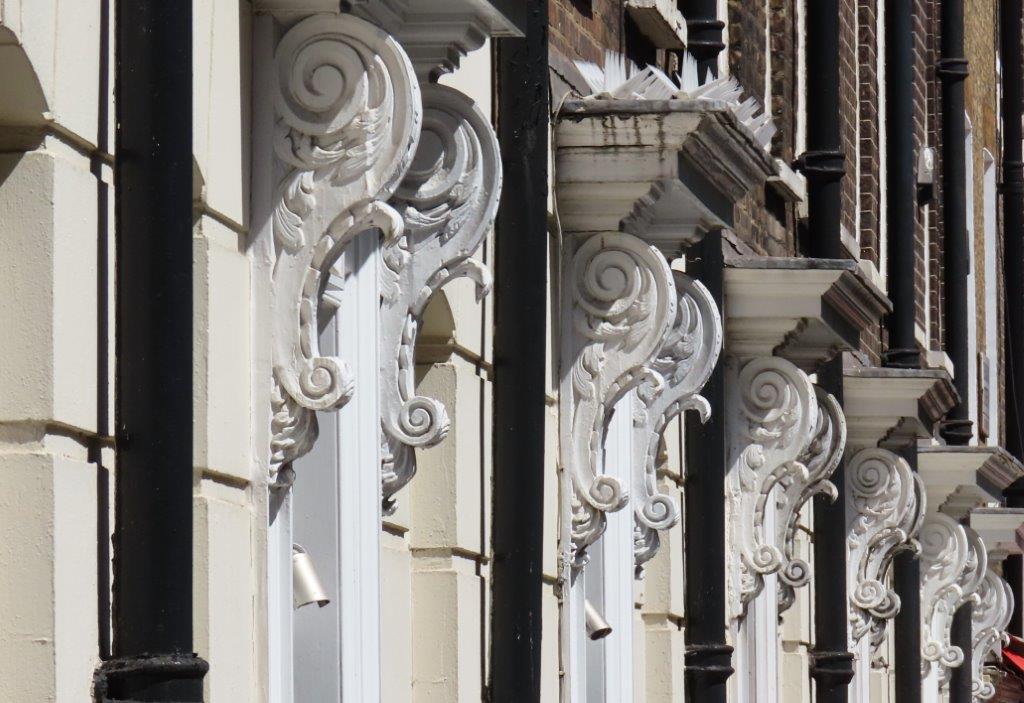
No wonder that we stayed indoors with good friends from then, eating in the Real Greek, and then heading for a drink (which turned into several!) in the John Snow pub, named after the doctor who traced the London cholera outbreak of 1954.
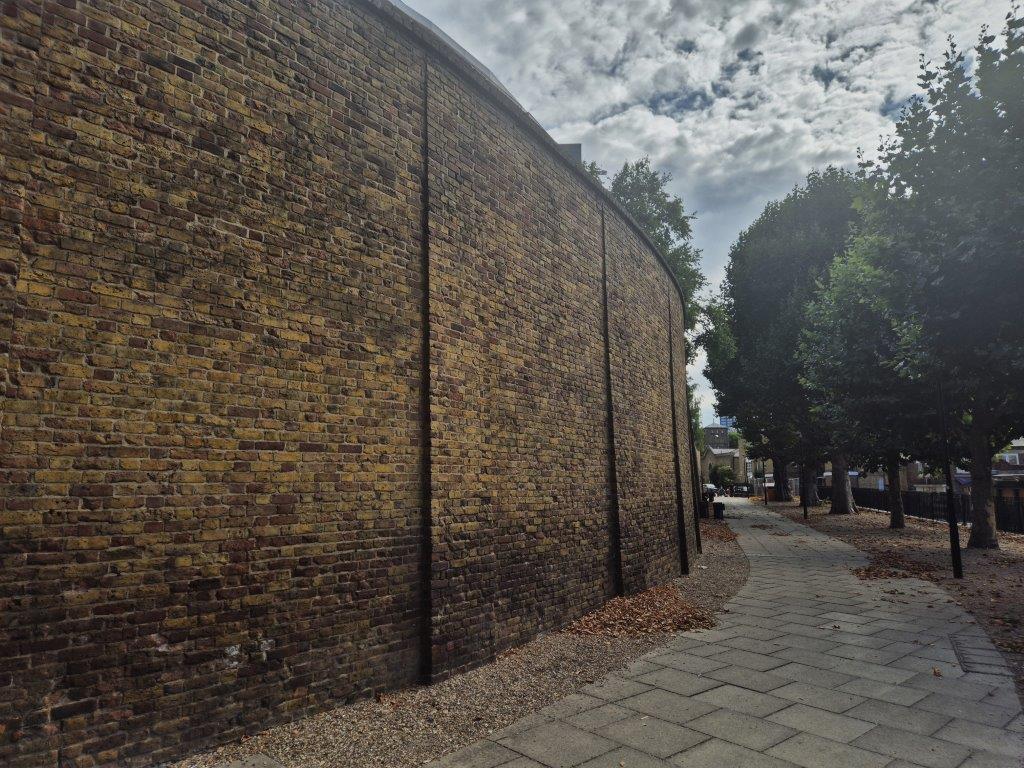
Our final day again dawned hot and sunny, another day of trying to keep cool at all times. Trying, but failing! It was breakfast once more courtesy of Tesco, before we walked to Blackwell DLR station alongside a very impressive, substantial old brick wall, reminiscent of that we know from around Woolwich Arsenal.
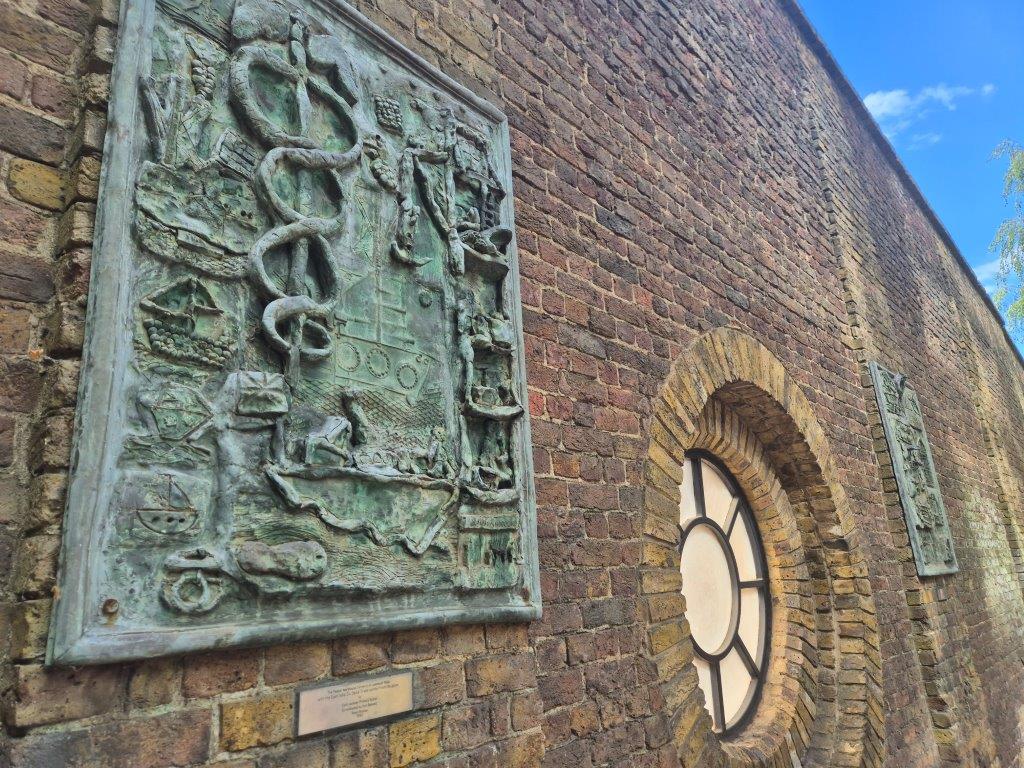
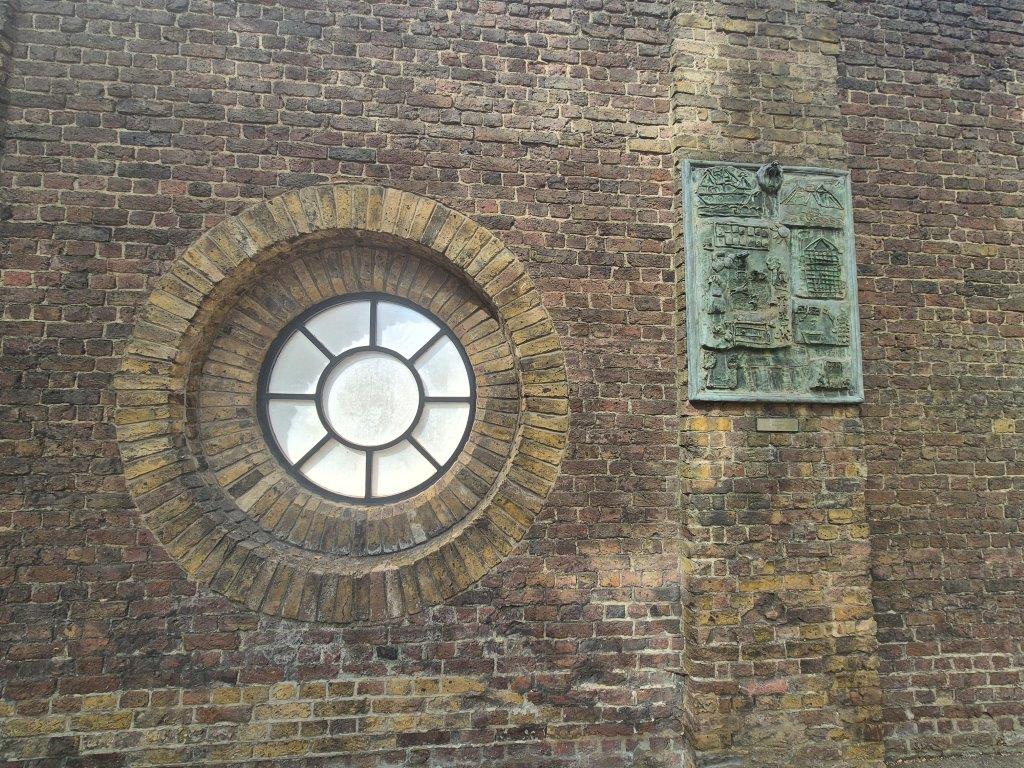
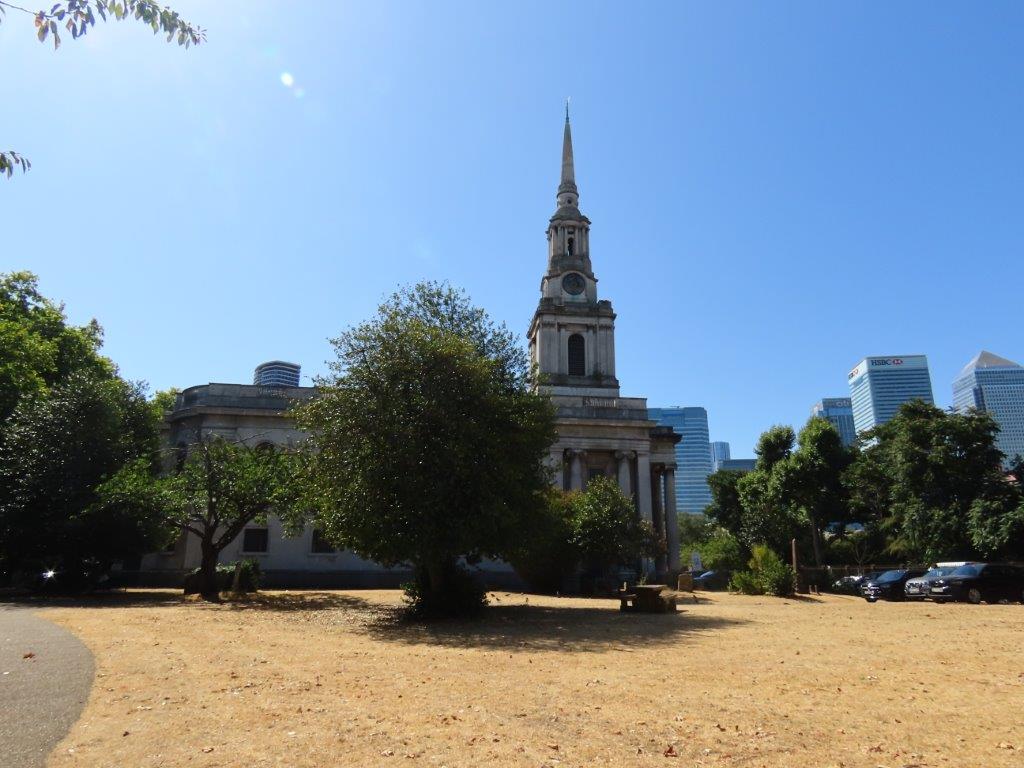
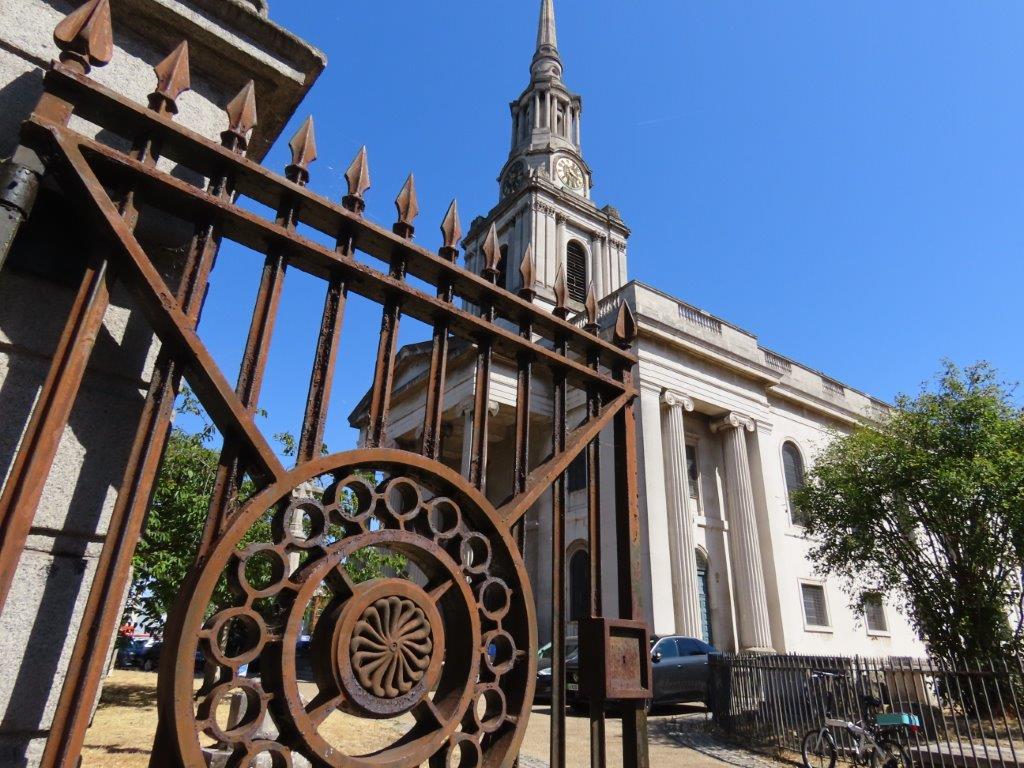
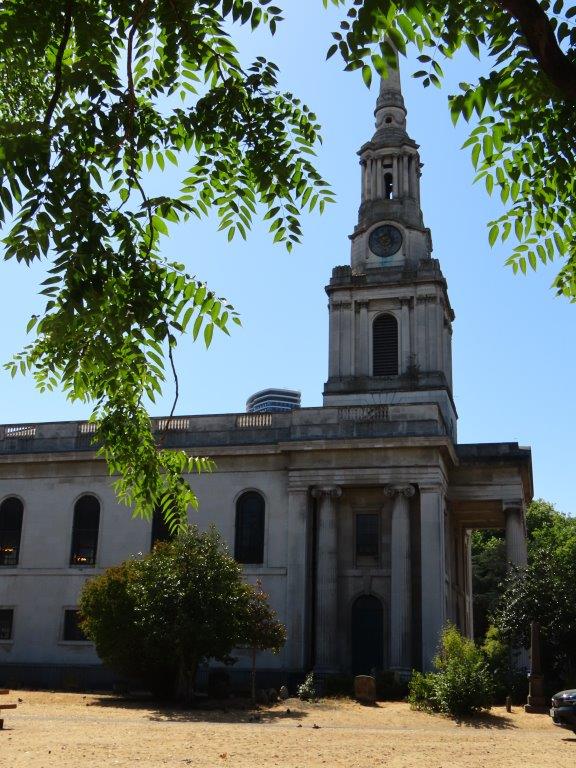
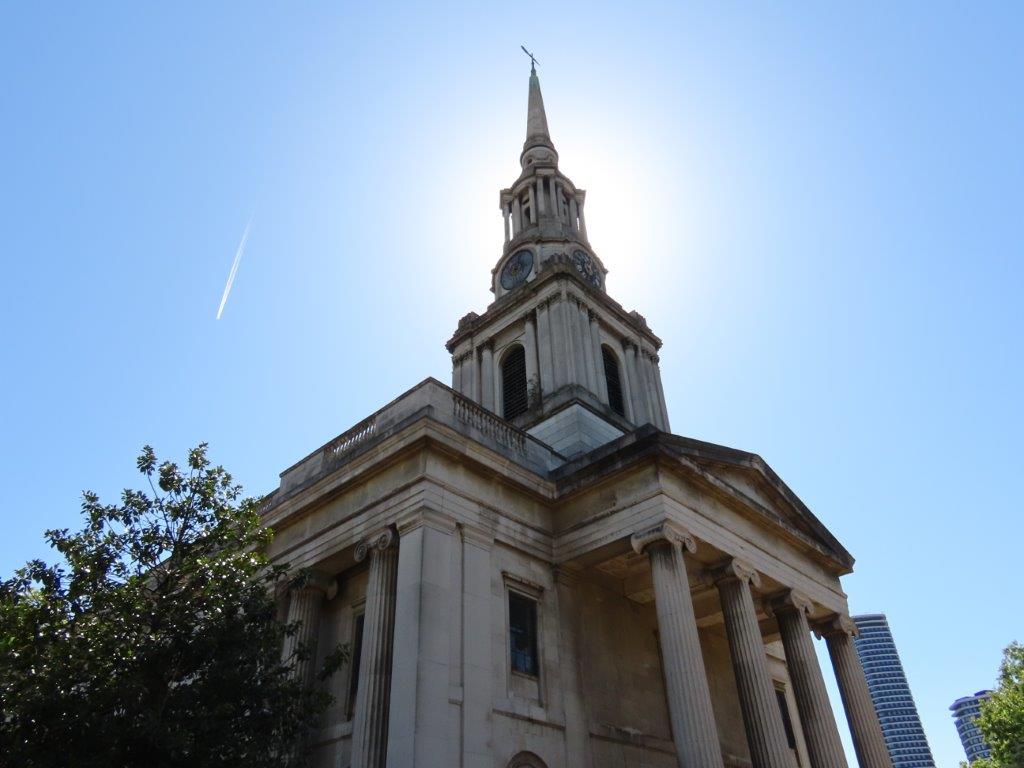
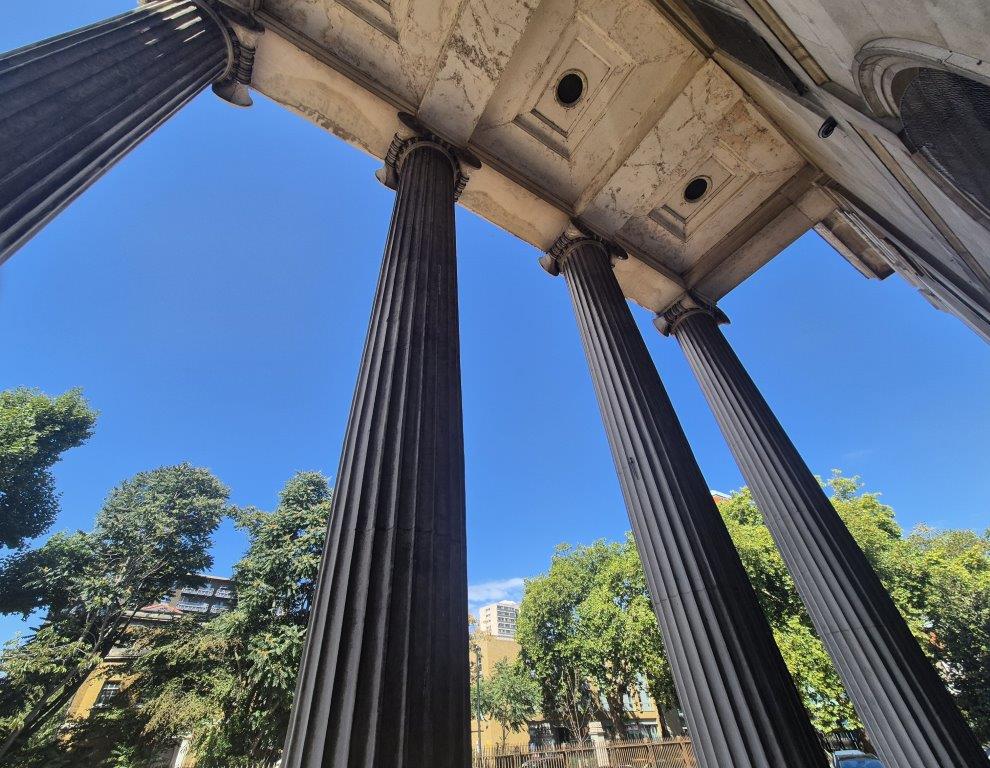
A short bus ride took us to All Saints’ Church, set amidst its desert-like lawn. Impressive from the outside, we didn’t venture inside as there was a service taking place, except to use the classical portico for very welcome shade.
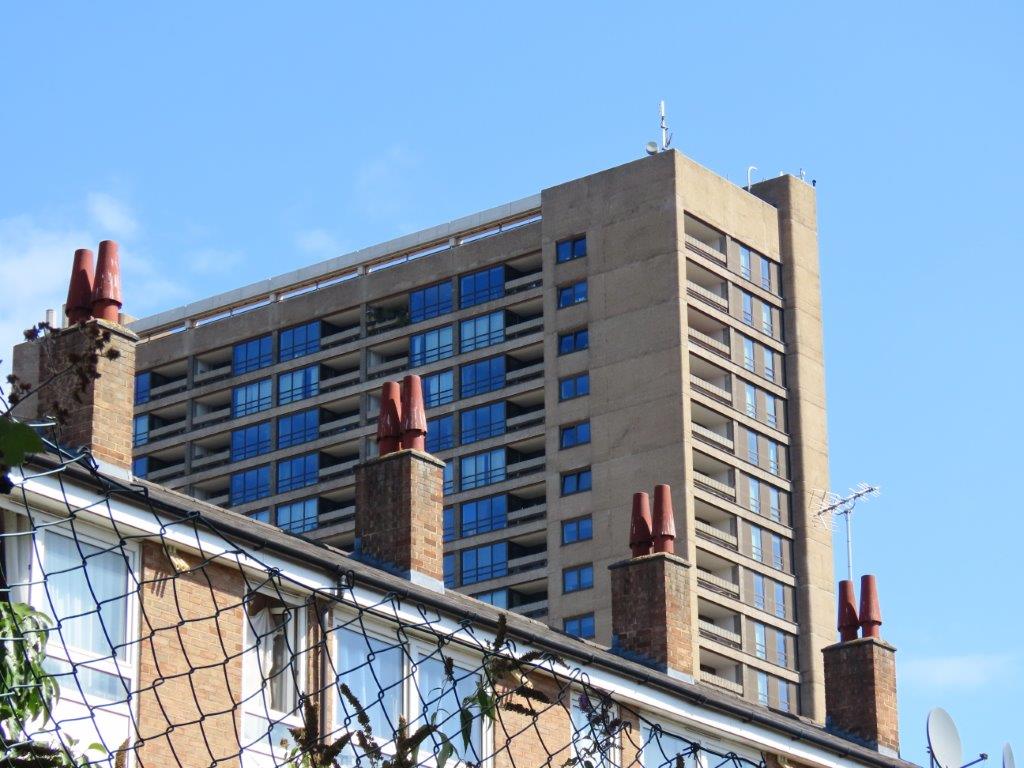
From there it was but a short stroll to the other main reason for this weekend: to get up close to Balfron Tower, a Brutalist edifice we have long admired from a distance. Almost straight off the bus, there it was peeping over the shoulders of the back streets of Poplar.
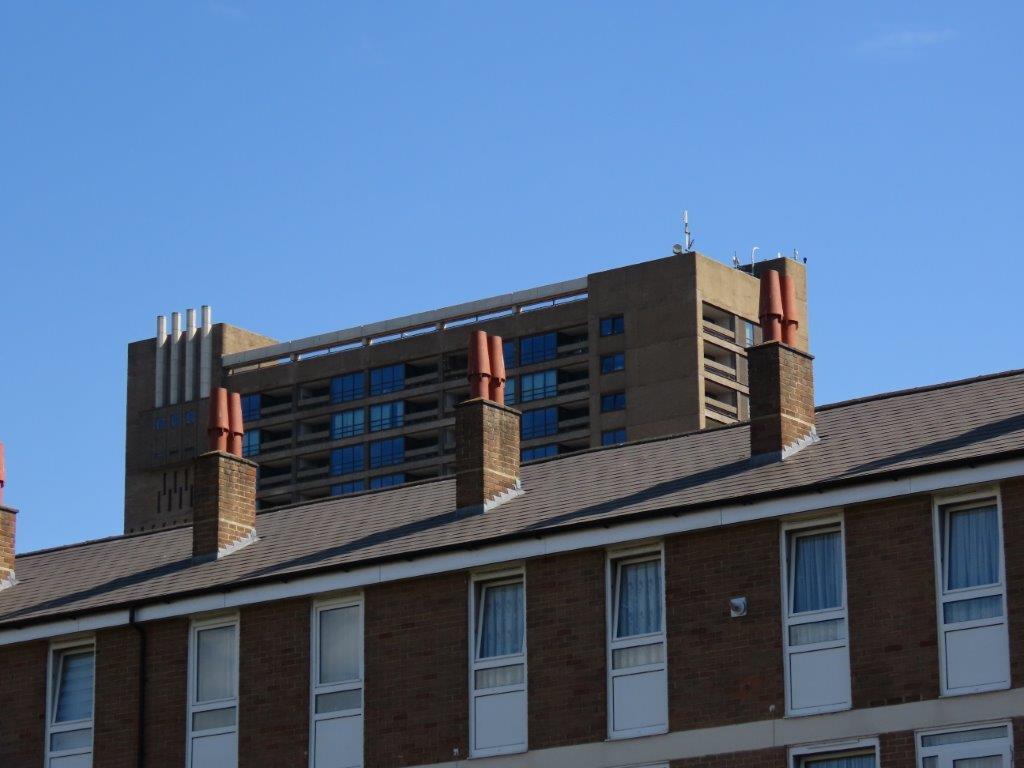
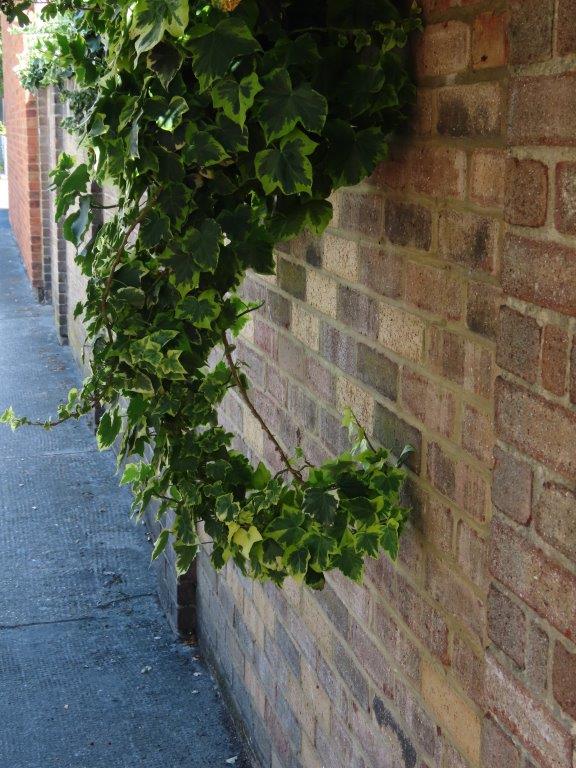
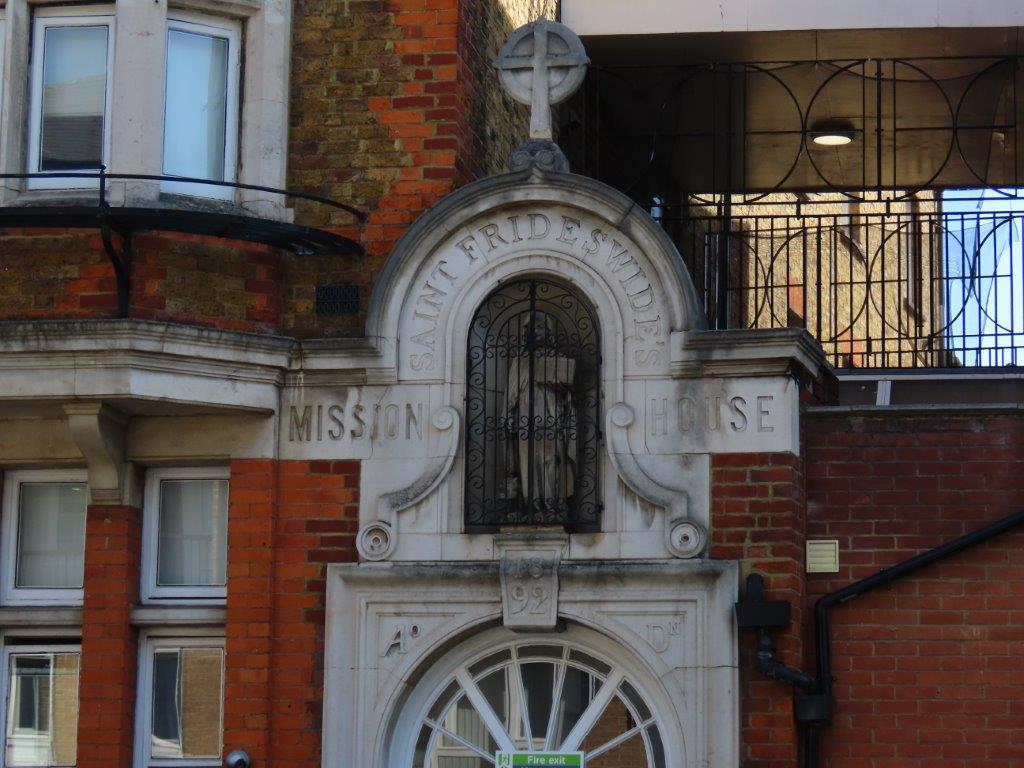
But first we had to navigate our way past the Ivy elephant (!!) and the rather unassuming St Frideswide’s Mission House. The eponymous saint was a Saxon princess and abbess who died in 727 and became patron saint of Oxford and its University; the Mission House was built in 1892 by Christ Church, Oxford, to support poor dockworker families in Poplar, and apparently served as inspiration for Call the Midwife. Although having never seen a minute of that show, I cannot comment!
The glimpses of the tower do not prepare you for the first full view, as you approach through the wooded garden that surrounds it, a vast, brooding 27-story presence that springs sharply into focus.
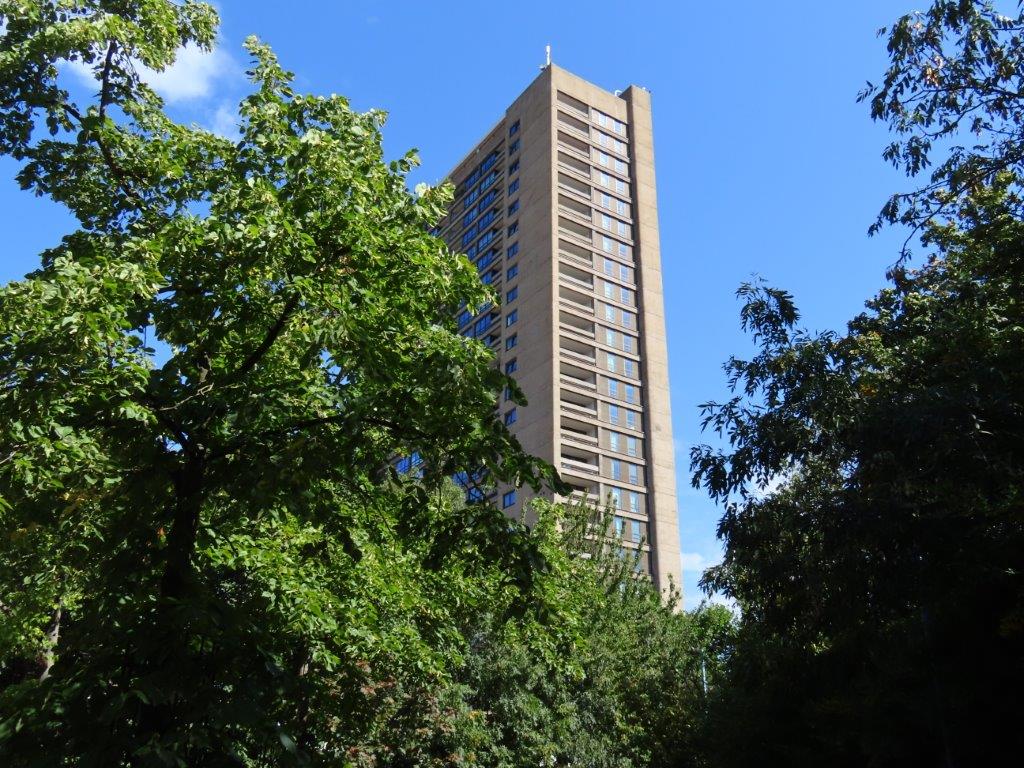
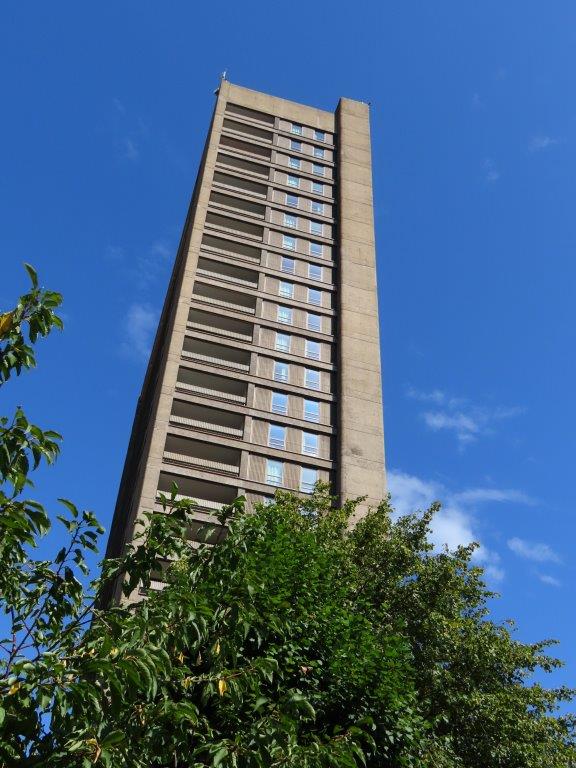
An absolute masterpiece of Brutalist architecture, it was designed by Ernő Goldfinger and finished in 1967; Goldfinger liked it so much he reserved one of the upper flats for himself. It is almost a pair with the Trellick Tower that he produced five years later, a place that is on our radar for a visit some time.
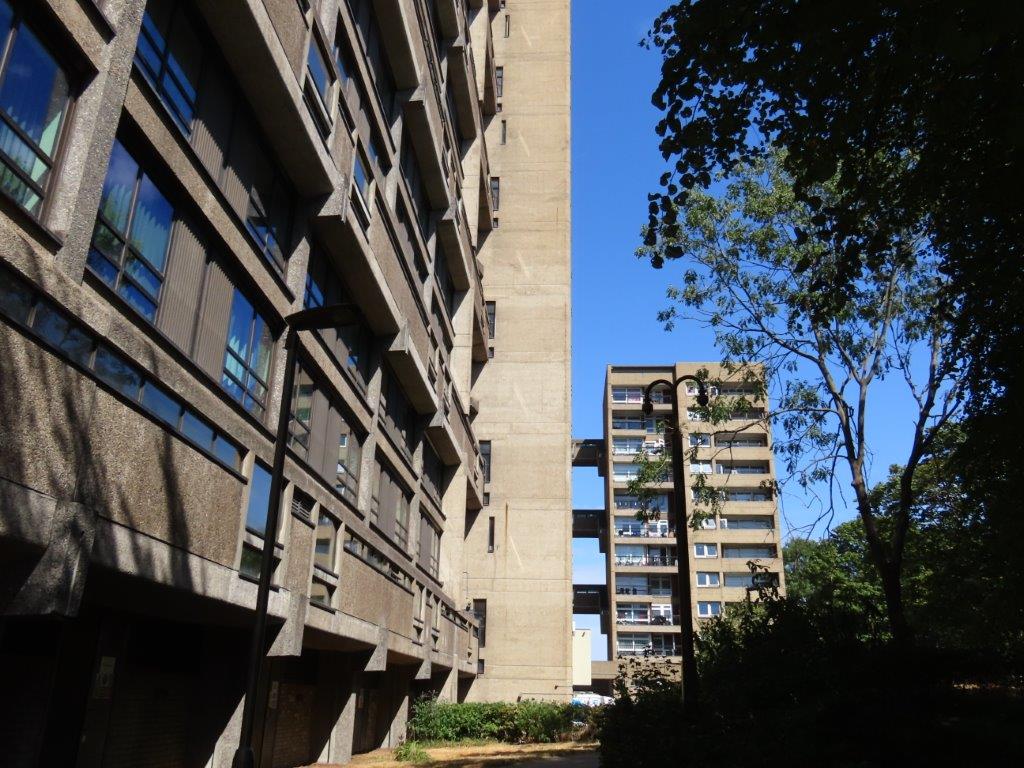
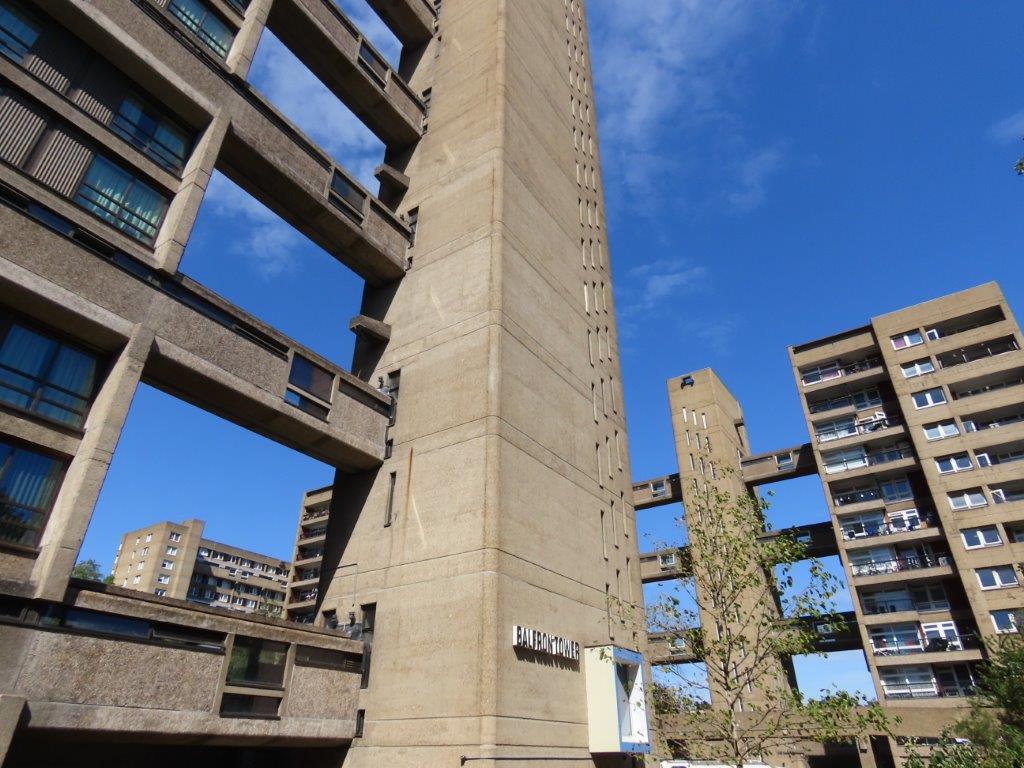
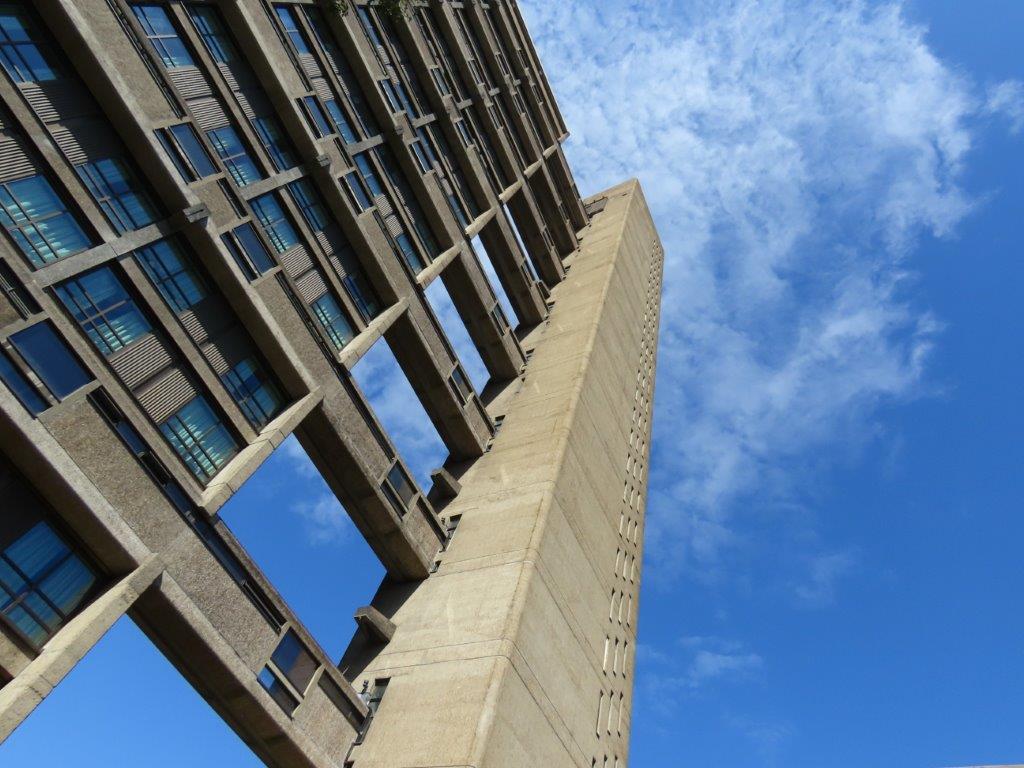
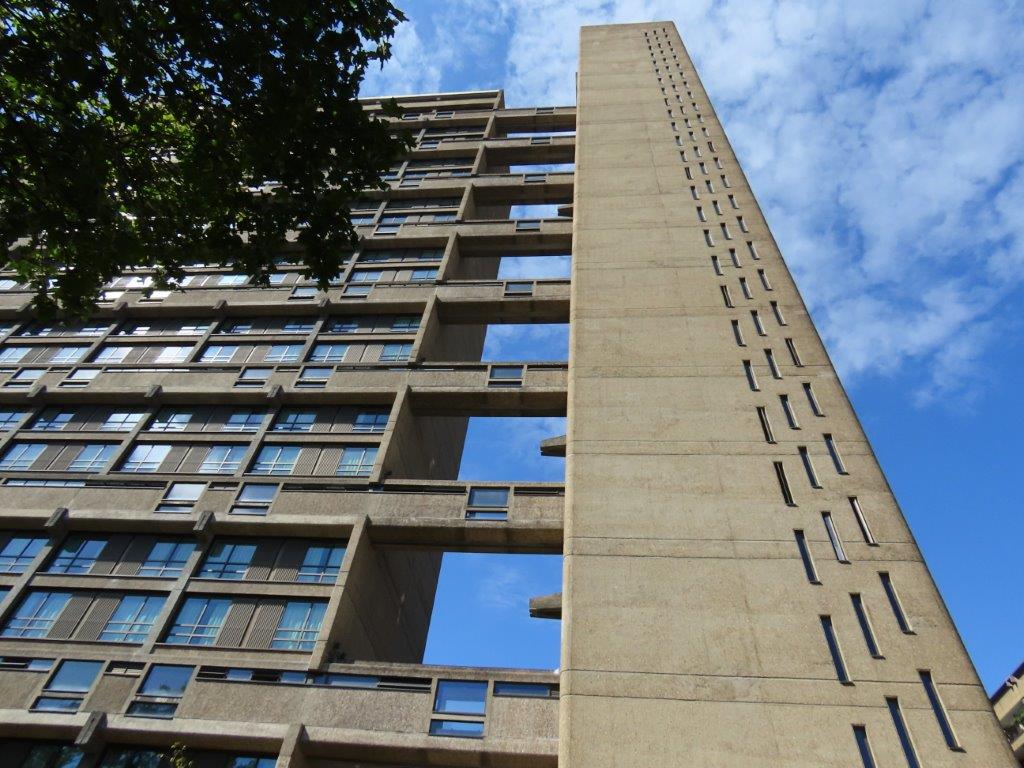
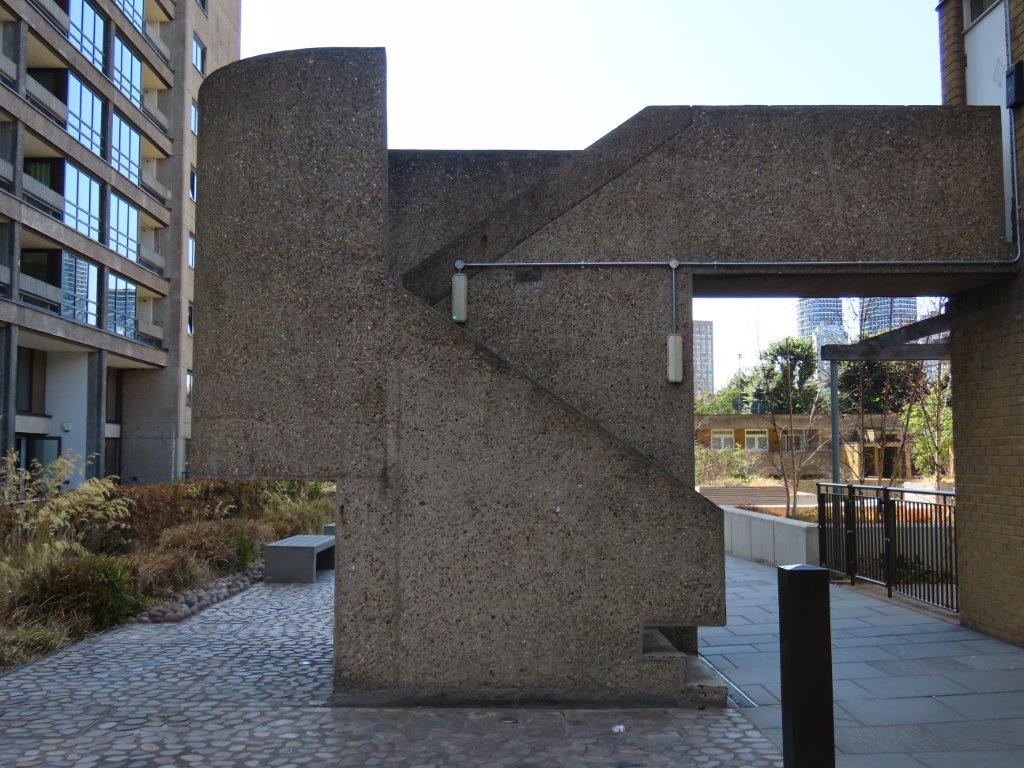
Although no longer fulfilling its original purpose as social housing, it was wonderful to walk around and feel so at home among the concrete, as befits someone who spent five years at UEA, Norwich!
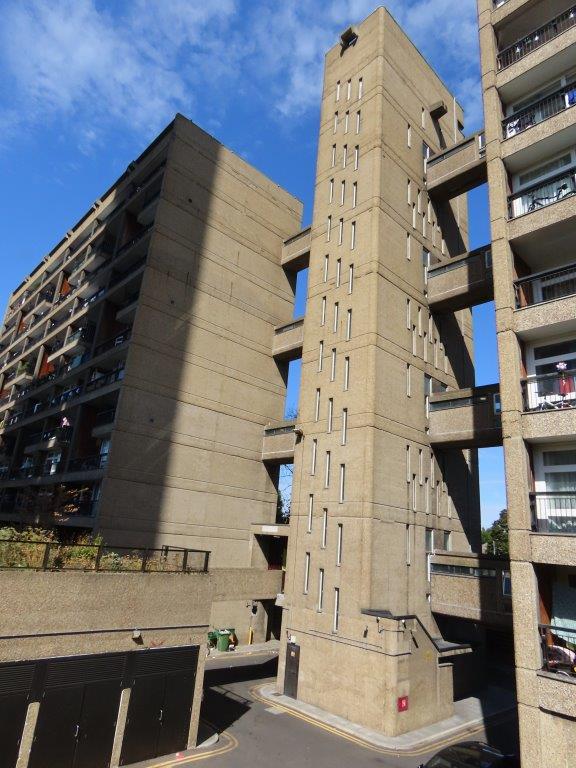
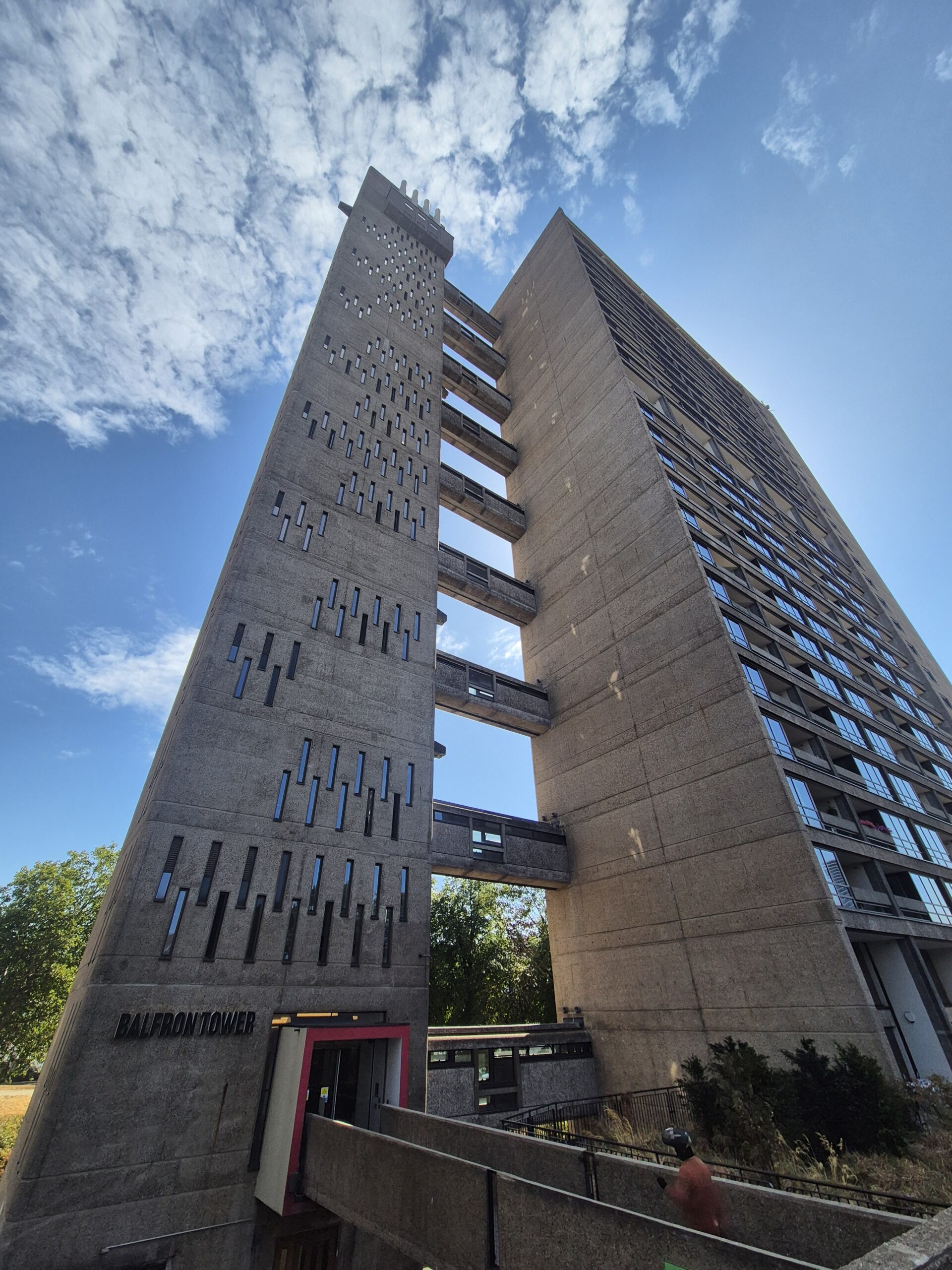
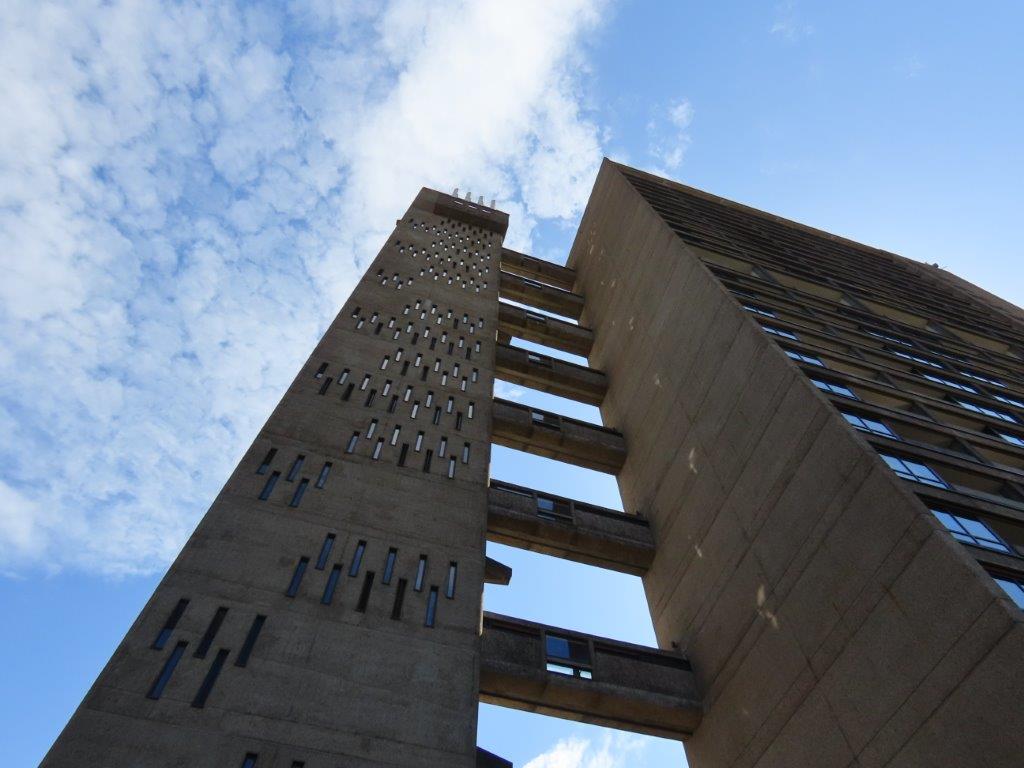
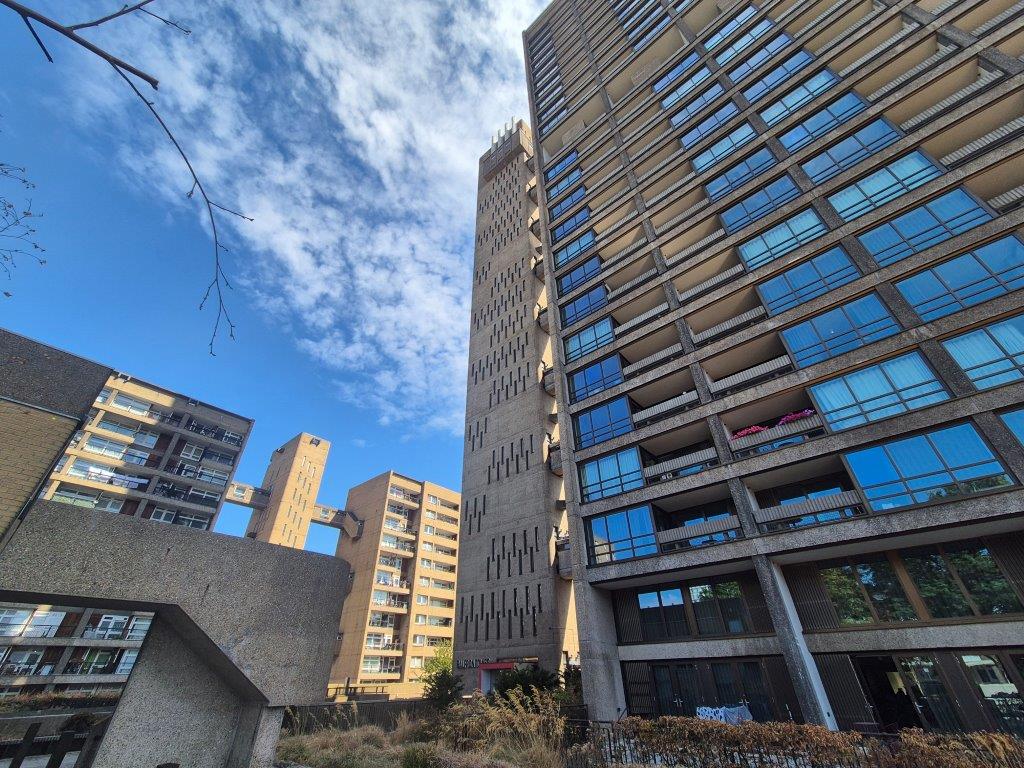
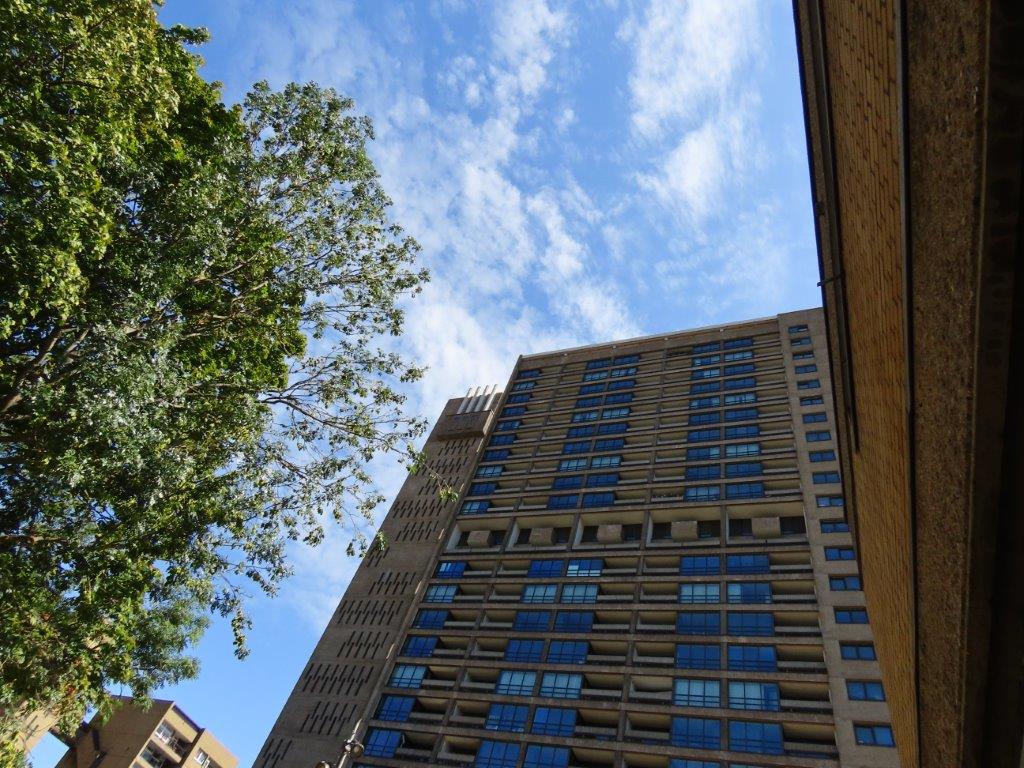
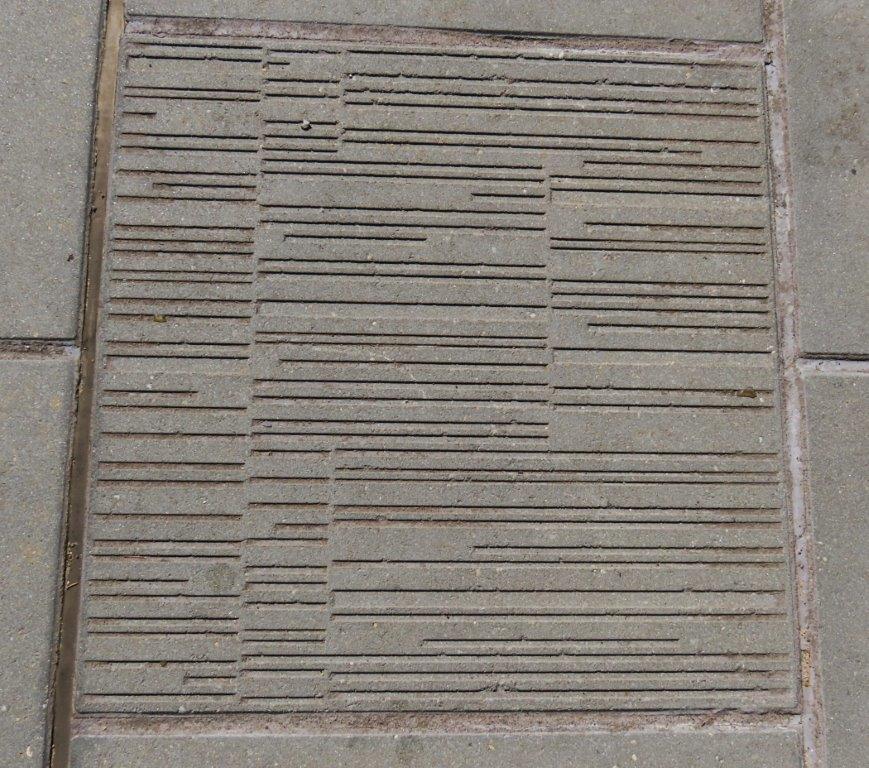
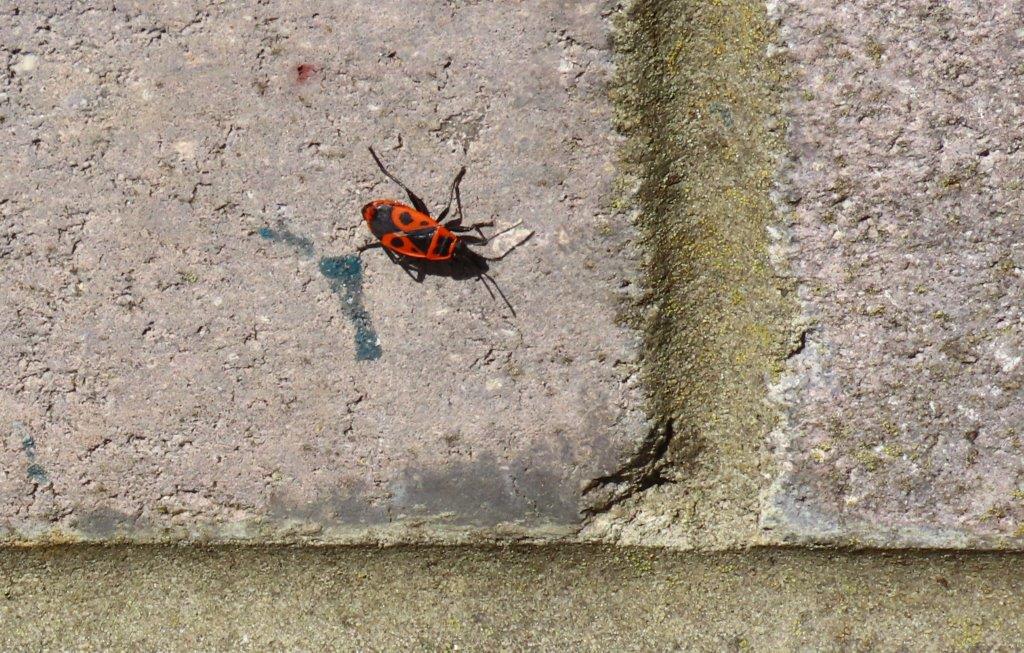
And not just the main buildings, the walkways and stairwells as well, plus the occasional artily textured paving slab all added to the picture, as indeed did the Firebugs scurrying around, feeding on fallen Lime seeds.
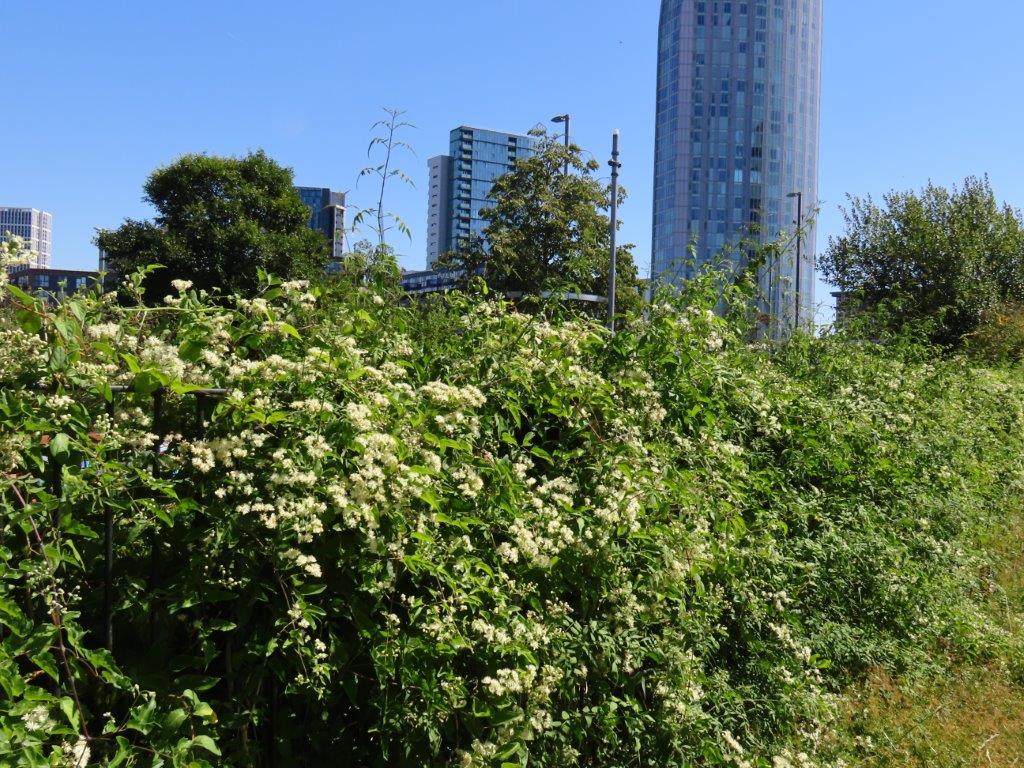
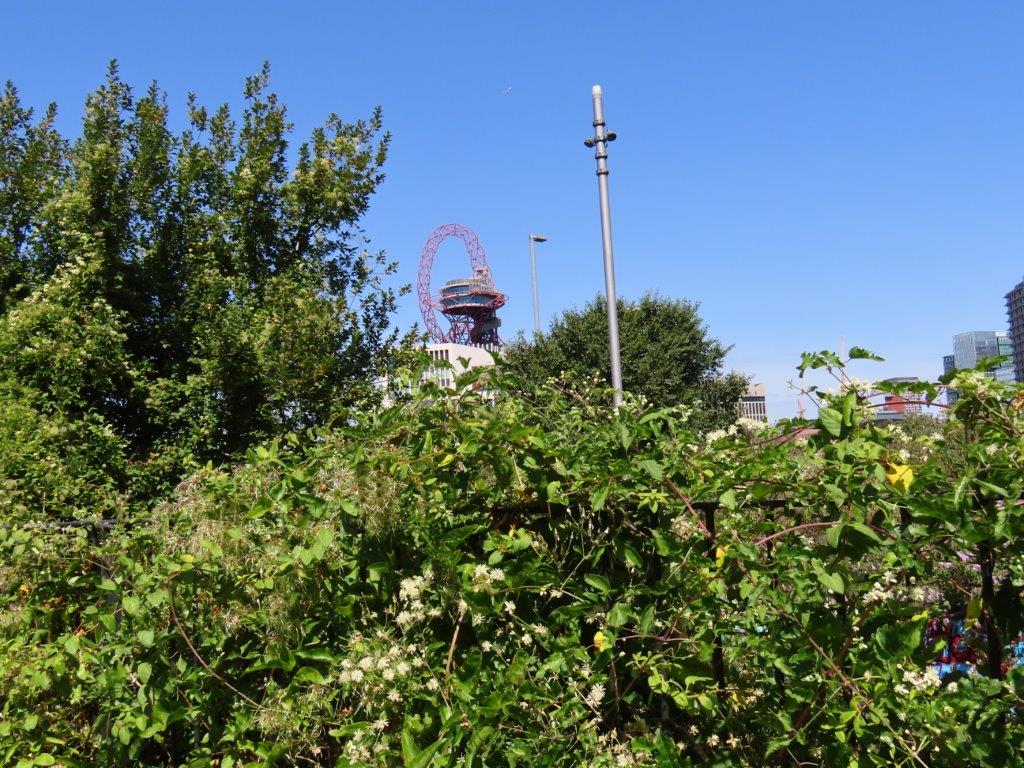
But soon it was back onto the DLR towards Stratford, with just a final wander around Pudding Mill Lane station. It might have been fun to wander among the ABBA-themed throngs around the ABBA Arena; we had no idea of the lengths that some would go! Collective noun: ABBAriginals? But we turned our back on them, onto the Greenway and back among the London urban flora we know and love, here with Buddleja and Wild Clematis in prominent flower alongside the City Mill River and on top of Bazalgette’s Northern Outfall Sewer.
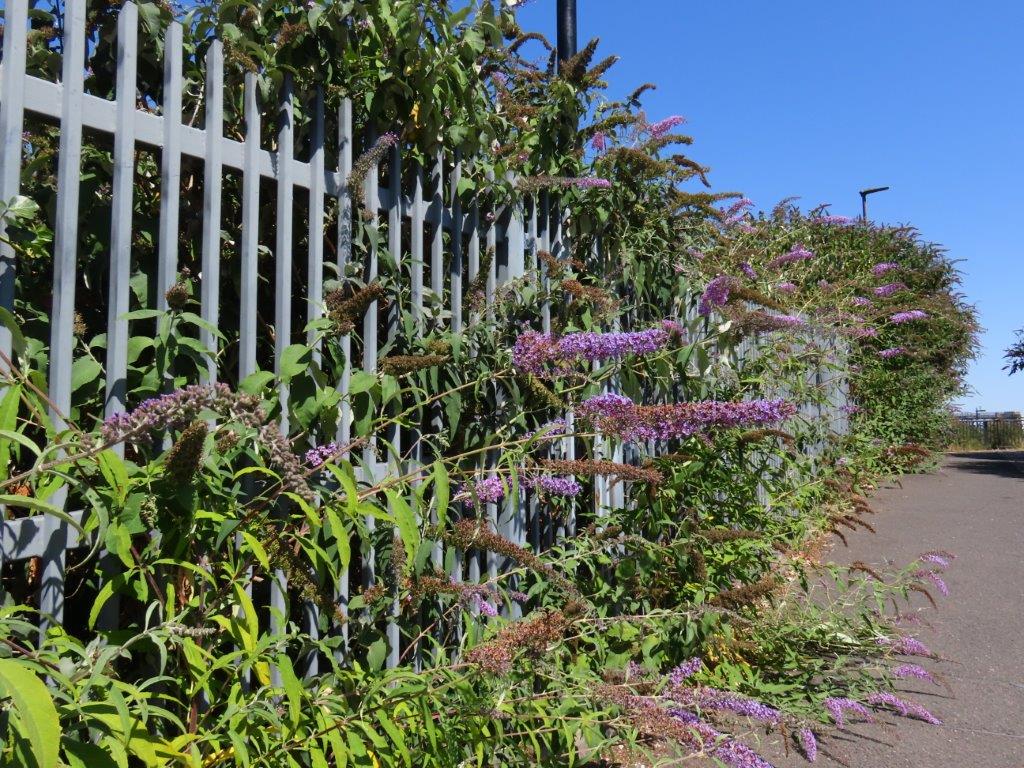
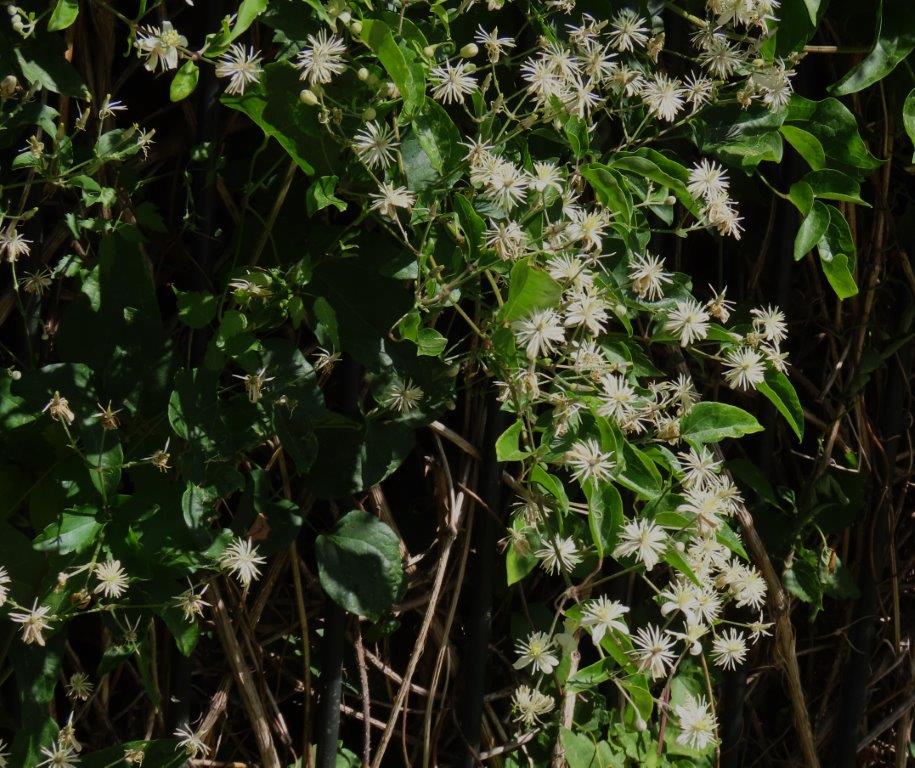
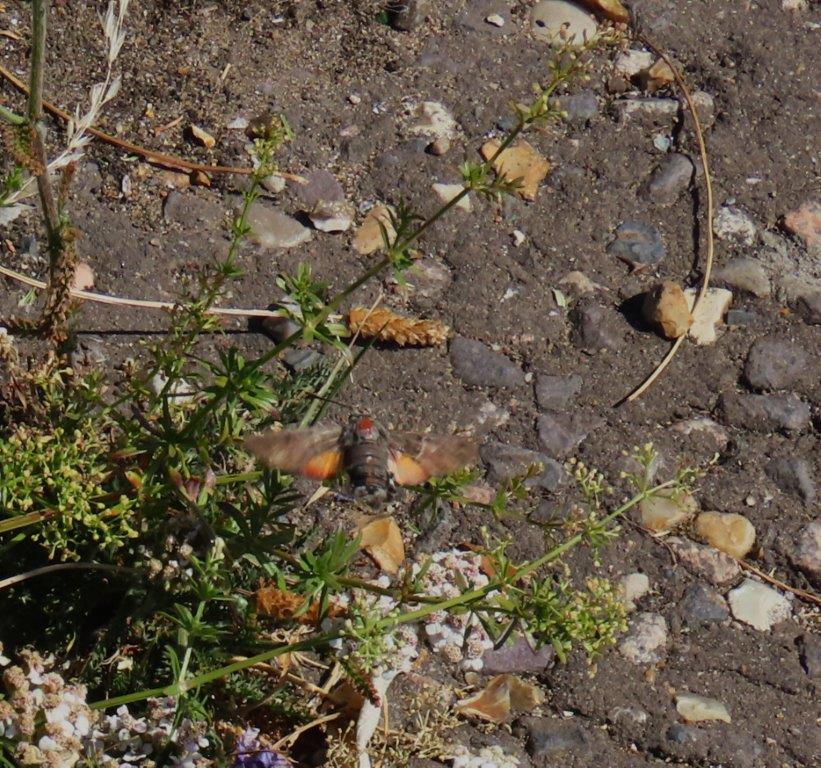
Too hot for many insects (and for us!) except for a lone, tattered, female Hummingbird Hawkmoth assiduously egg-laying on the bedstraws. A thought-inducing finale to our minibreak, perhaps a sign of things to come in our overheated climate future. A future of winners (like the Hummers) but legions of losers too…