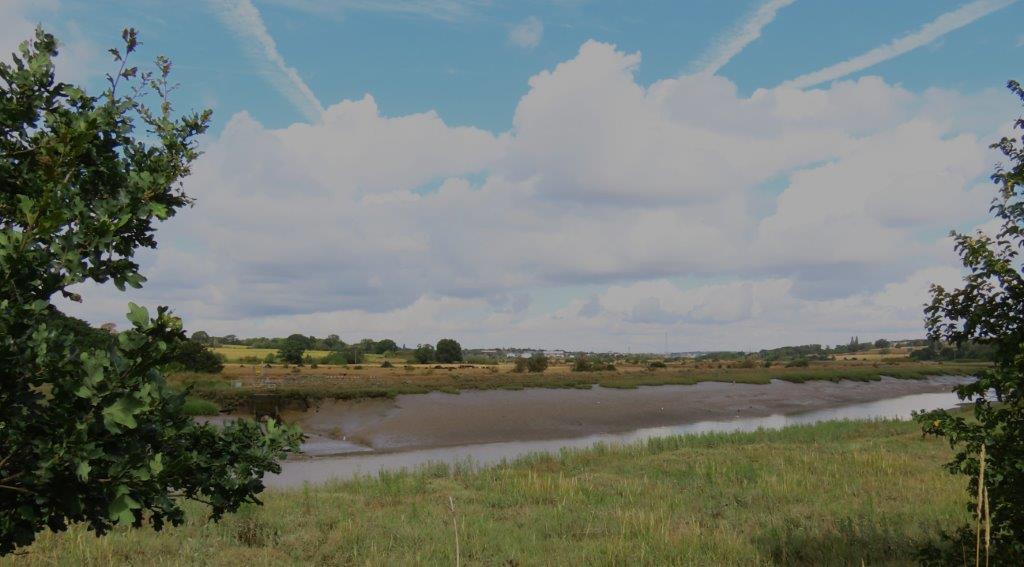
It was the day after the first rain in North Essex for more than two months. But it barely touched the sides: the wild side of Essex was brown, crispy and drooping, droughted to the extreme by an unprecedented summer of heat. But still we persevered, slowly and steadily focussing on the minutiae of life, as well as the geology, landscape, history, estuary life and townscape: everything that makes Wivenhoe special.
For the first stop, we had only to walk 10 metres from our meeting point, into the Station Community Garden. There one of the overriding themes of the day started to evolve: the wildlife and human impacts of climate change. In this case, it was highlighted by the arrival of two new species from more southern climes in recent years: Firebugs and Hollyhock Weevils, both feeding on the garden Hollyhocks.
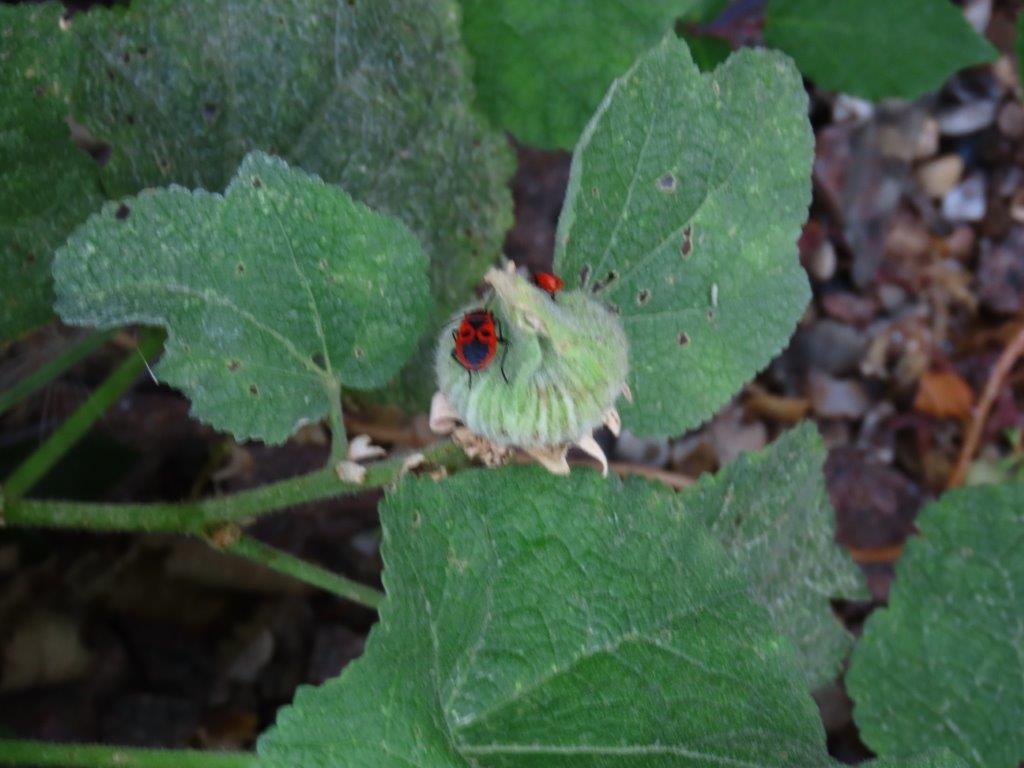
The evident interest of the group meant that I ransacked my store of stories about these creatures and changes, and then I realised more than thirty minutes had passed! Clearly I had a very receptive audience to the bigger picture, keen on an amble not a ramble, and I adjusted my plans and expectations from the day, which proved the right decision given the scorched earth of some of the habitats further from town.
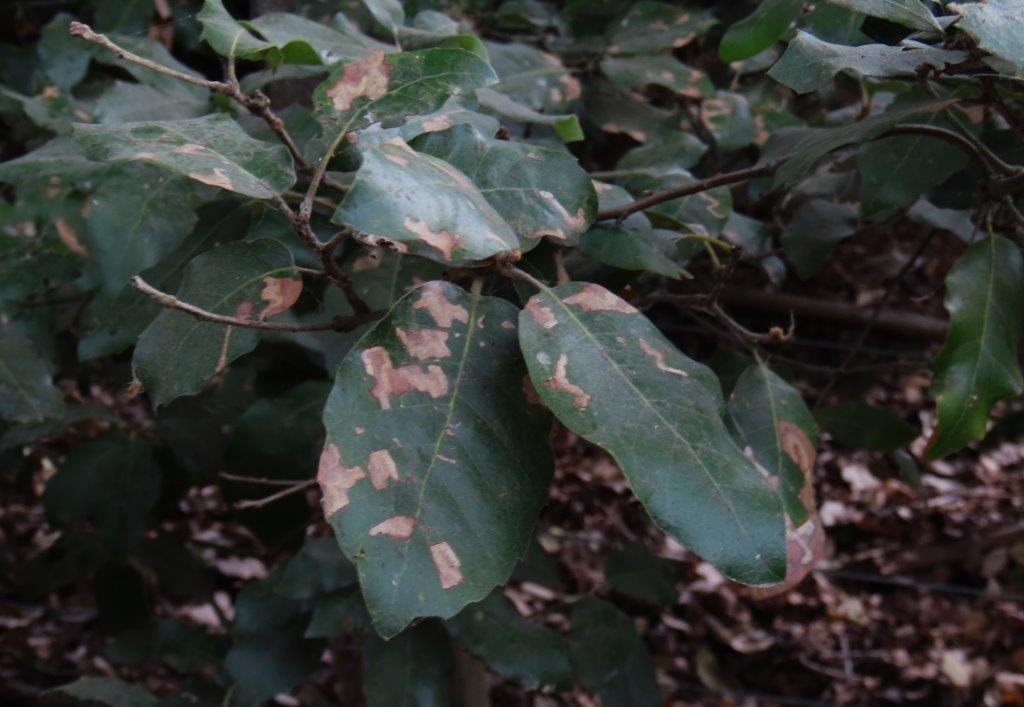
The next stage of the walk was along the cycleway towards Colchester, one of the earliest parts of the National Cycle Network to be created, part of Route 1 that now runs from Dover to Aberdeen. The fringing trees and scrub revealed all manner of biodiversity, hidden to all except those who stand and stare… Oak Mildew Erisiphe alphitoides coating the lammas leaves, galls of Blackthorn Mite Eriophyes prunispinosae and leaf-mines of the micromoth Ectoedemia heringella in Holm Oak.
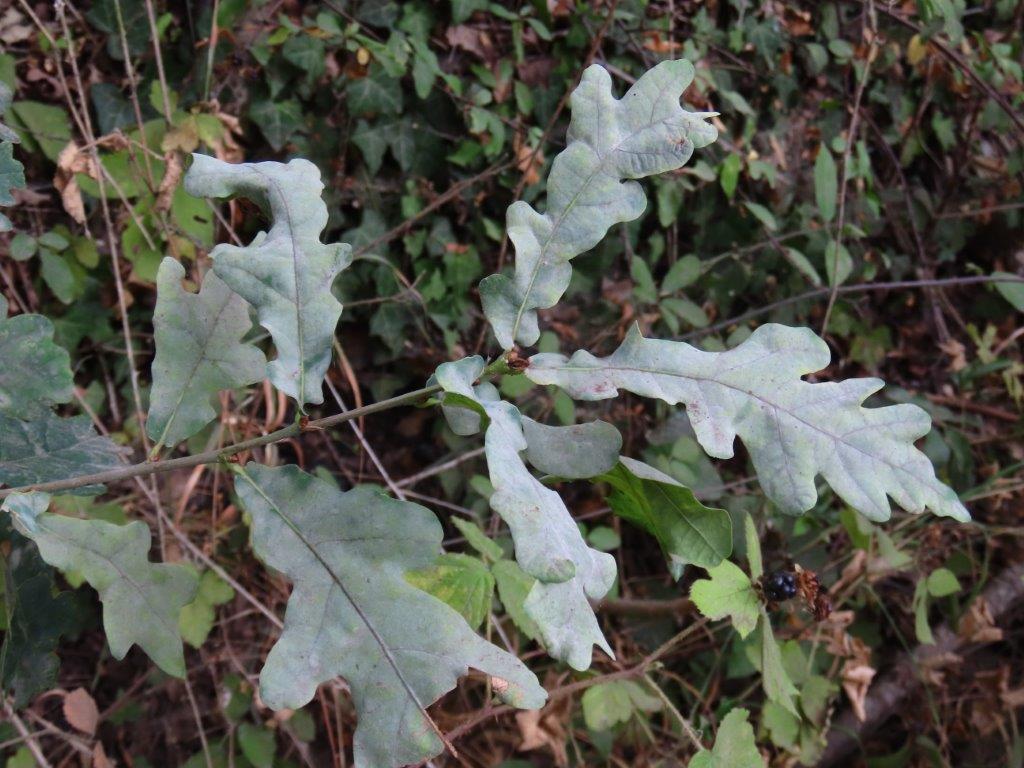
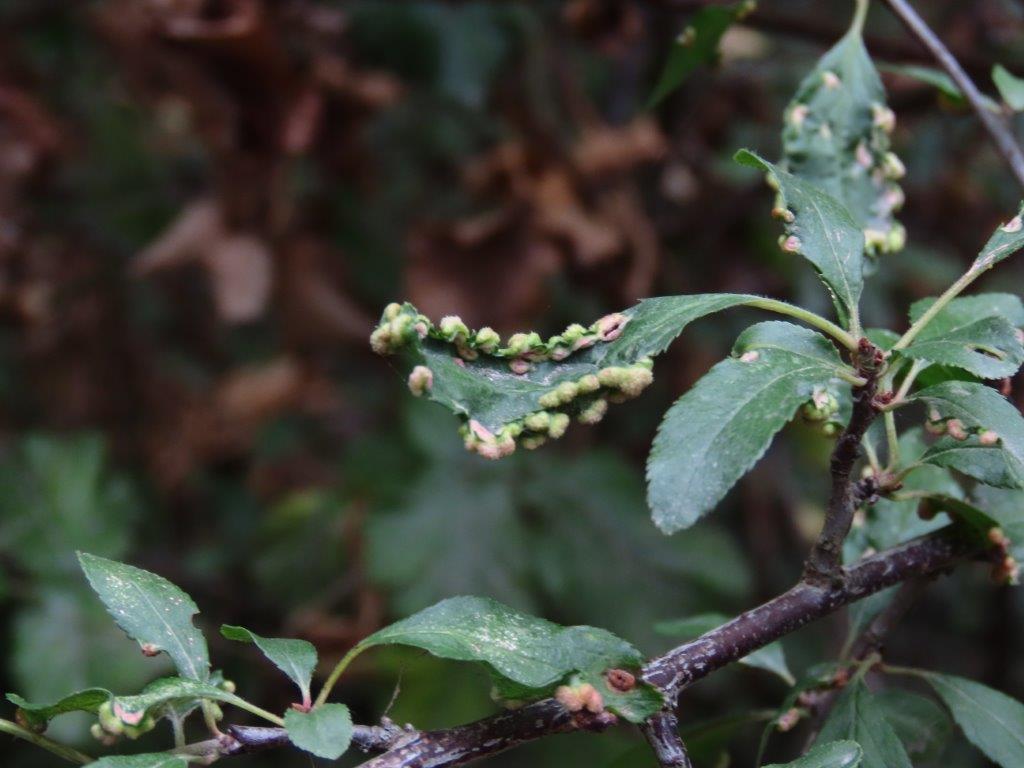
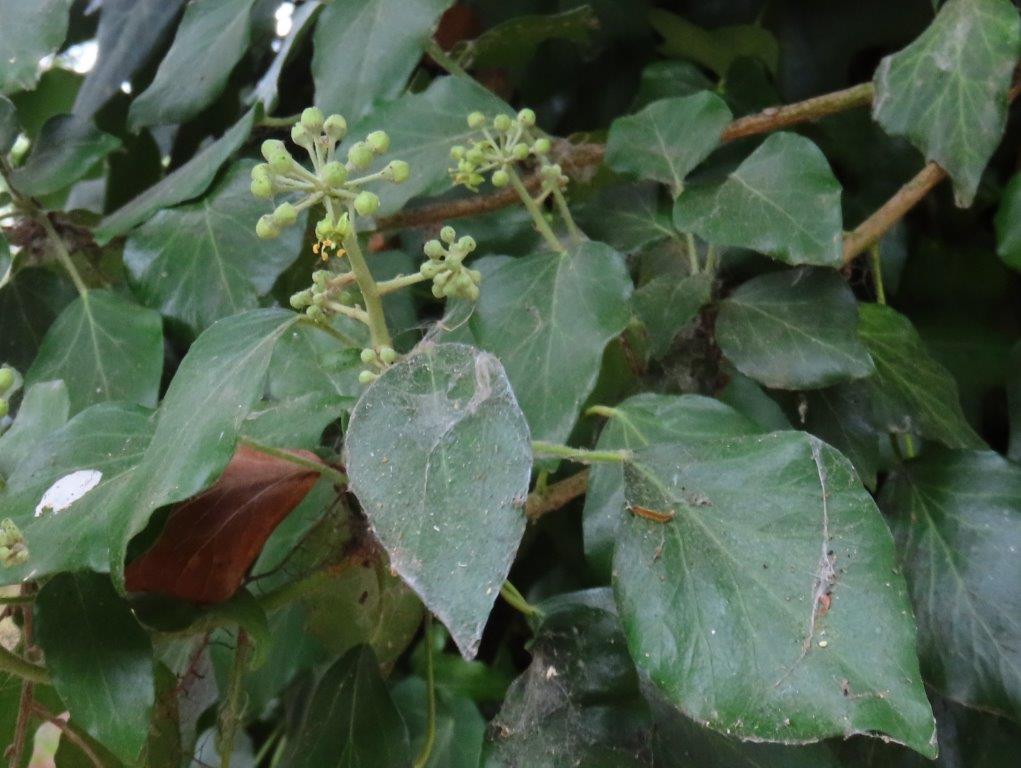
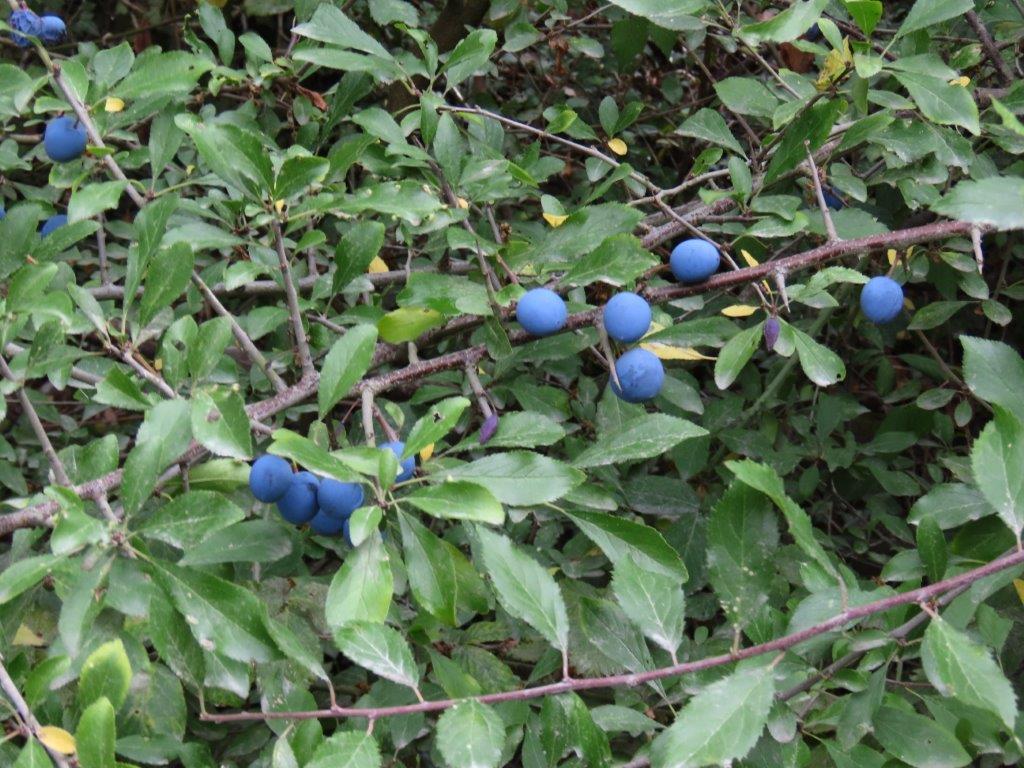
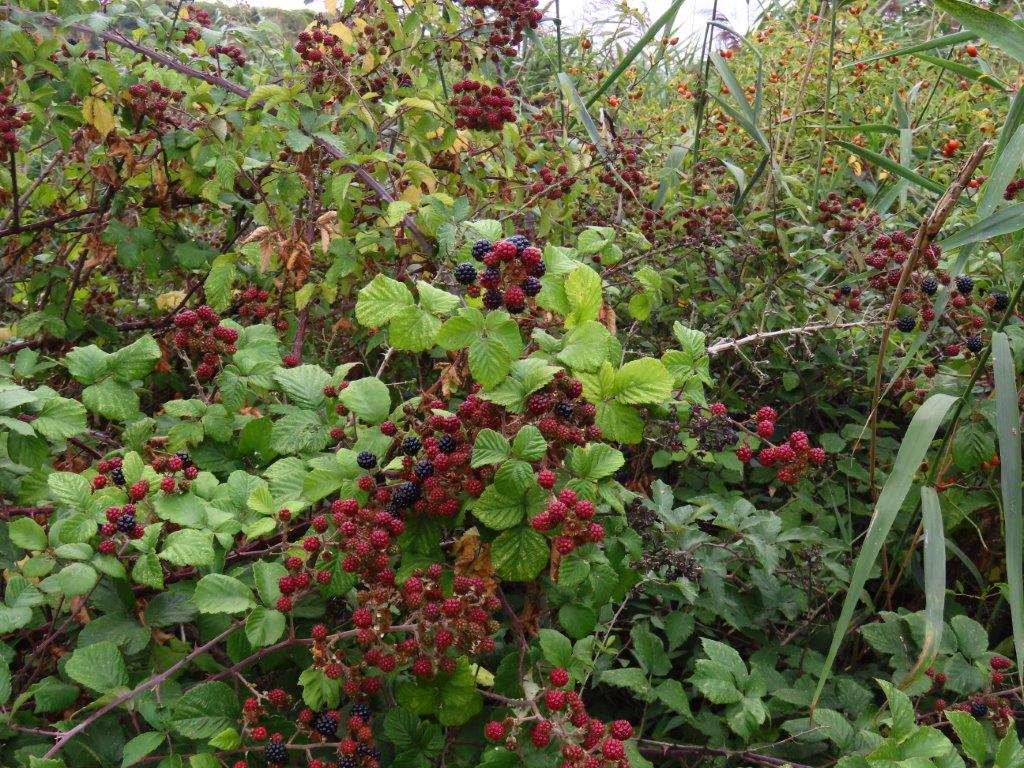
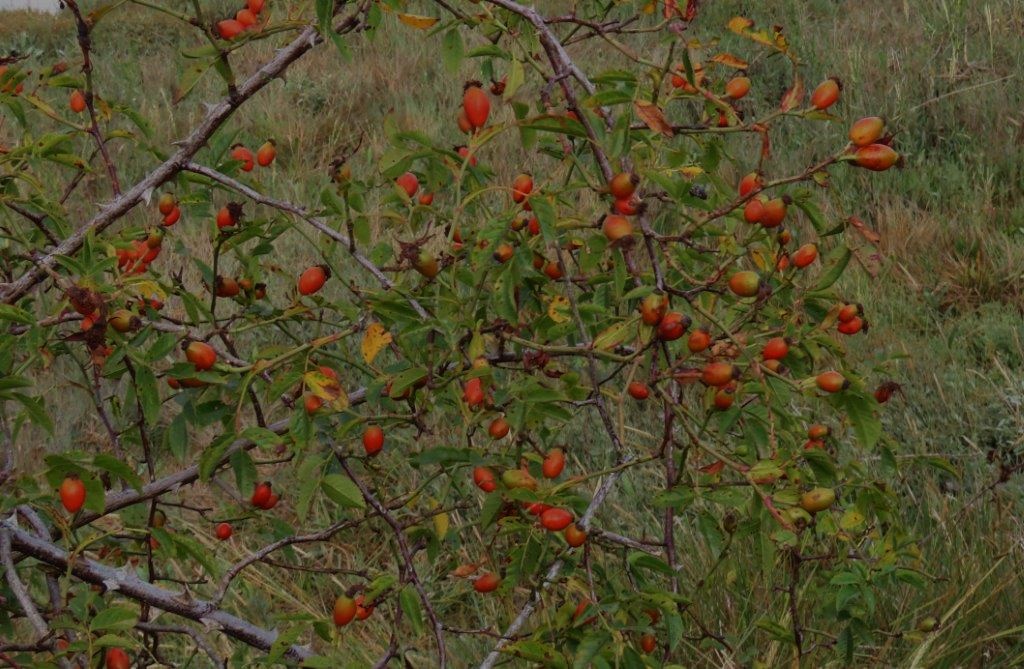
Ivy flowers were just starting to open. These will soon be the richest source of insect food imaginable, steering our bees and butterflies into an uncertain winter, while the birds will be supported by wild fruits, such as sloes, blackberries and rosehips. Given the lack of summer rain, it seemed surprising that the fruit was swelling as much as it was.
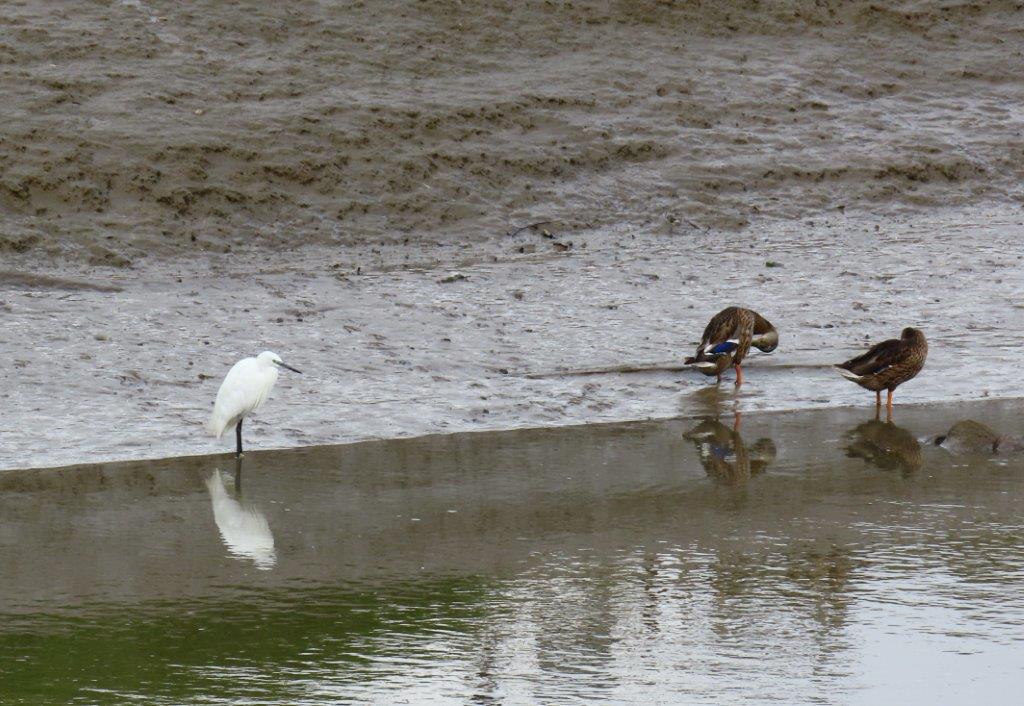
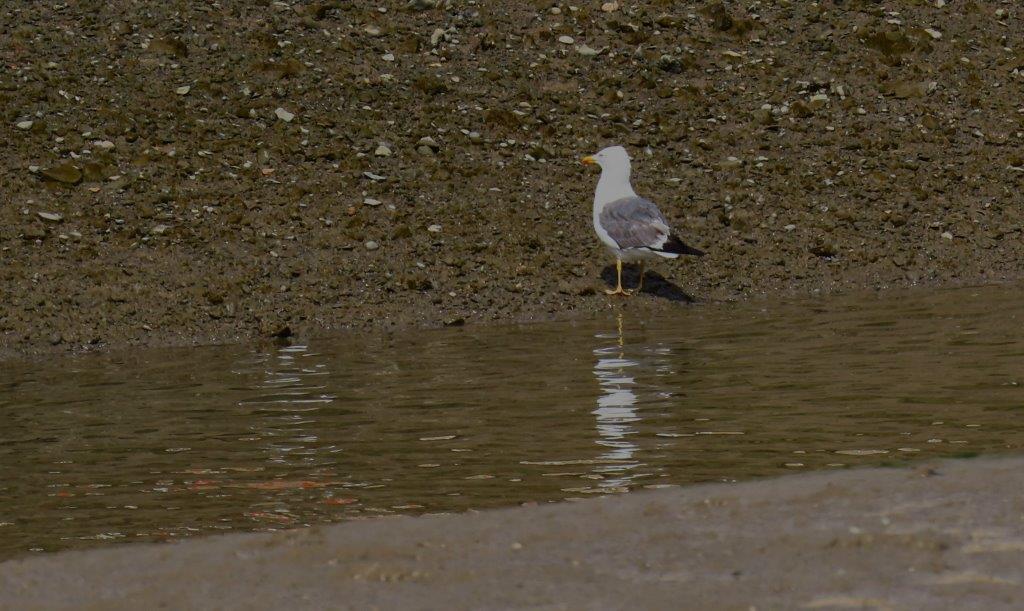
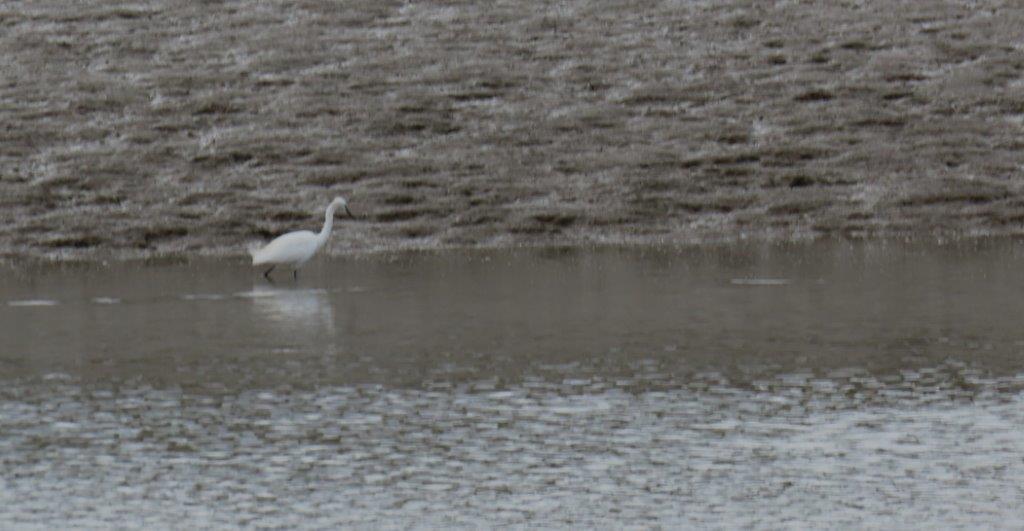
Moving onto the Ferry Marsh sea wall, our first glimpse of the estuary. The tide was out but there were very few birds: a few Mallards, a fishing Cormorant, and fly-over and feeding Little Egrets. And of course the gulls, mostly Black-headed along with a few Lesser Black-backs, one of the juveniles of the latter colour-ringed and presumably locally rooftop-reared.
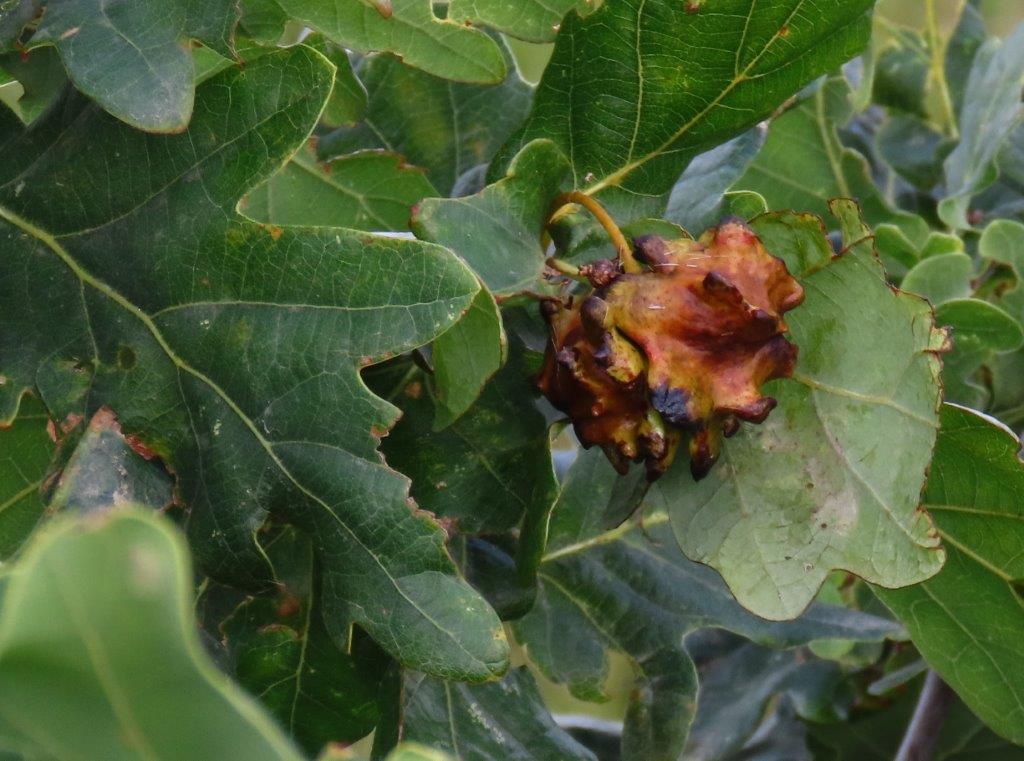
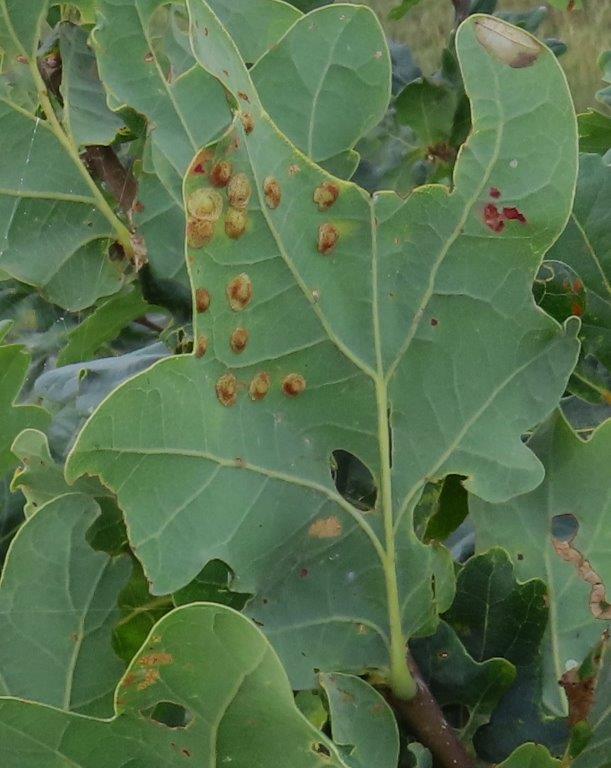
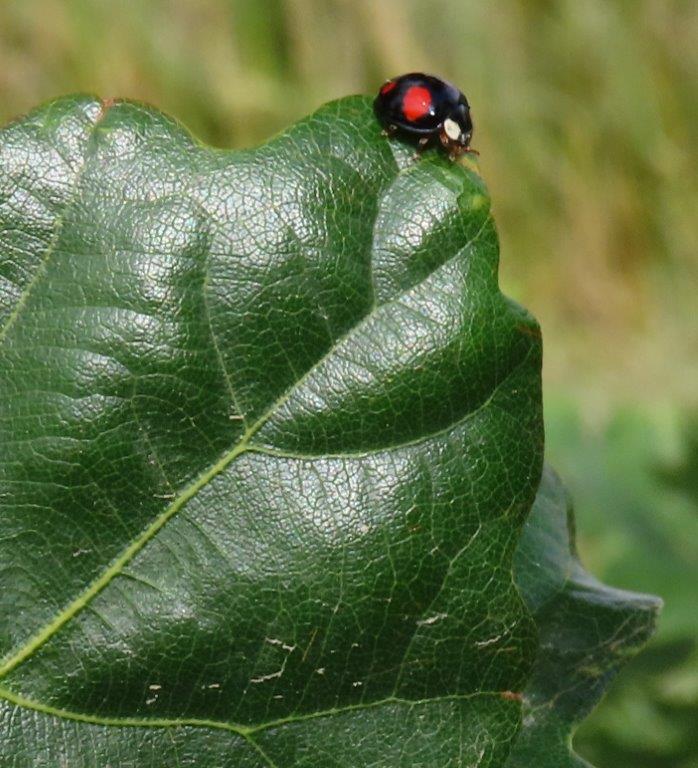
Stunted Oaks on the sea wall featured an array of galls, including Knopper Galls on the acorn cups and Common Spangle-galls on the underside of some leaves, and one harboured a very striking form of Harlequin Ladybird.
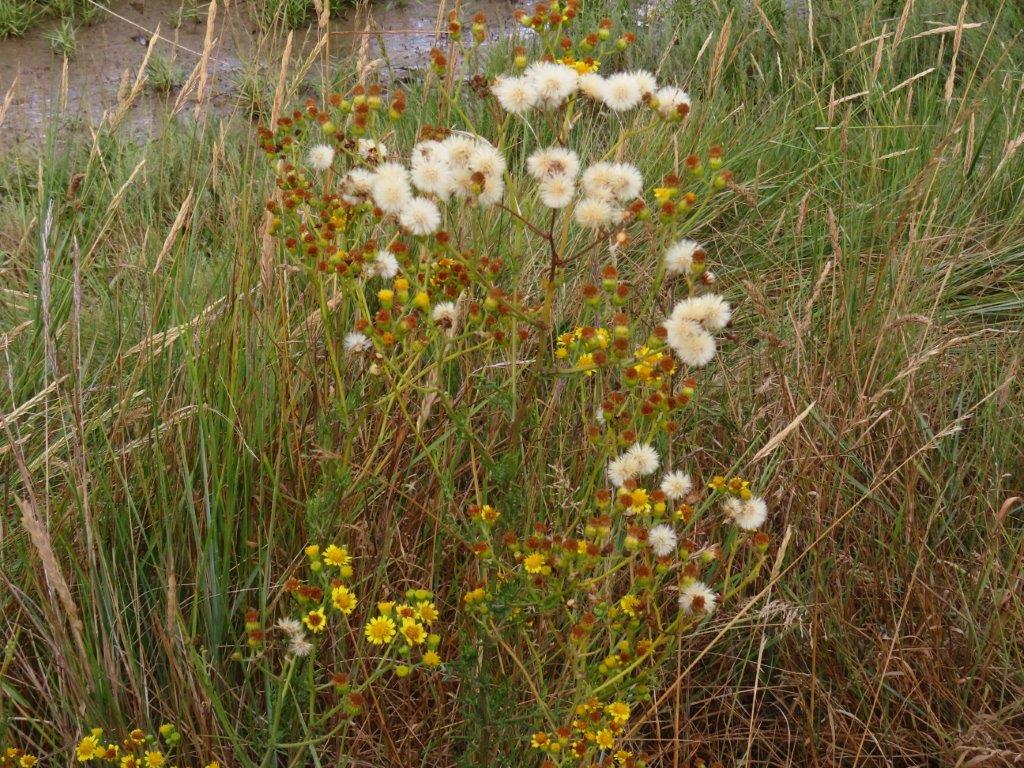
One result of the drought was a near absence of flowers on the sea wall. There were a just a few flowering Bristly Oxtongues, along with Hoary Ragwort, typically a late-flowerer but now rushing headlong into seed.
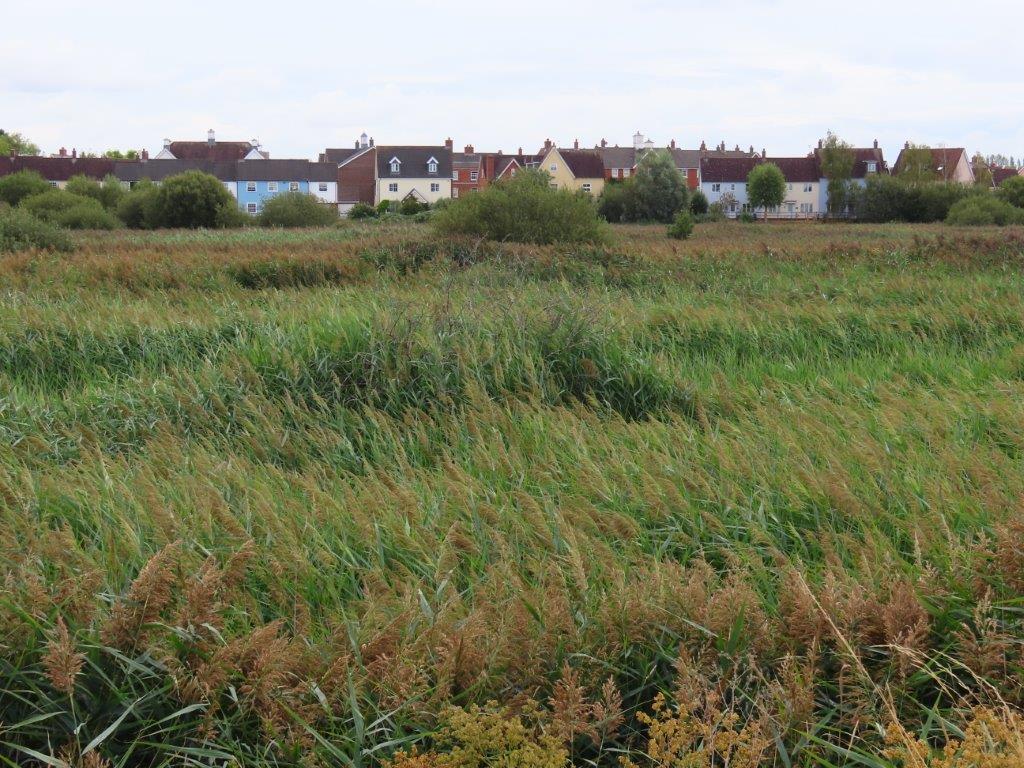
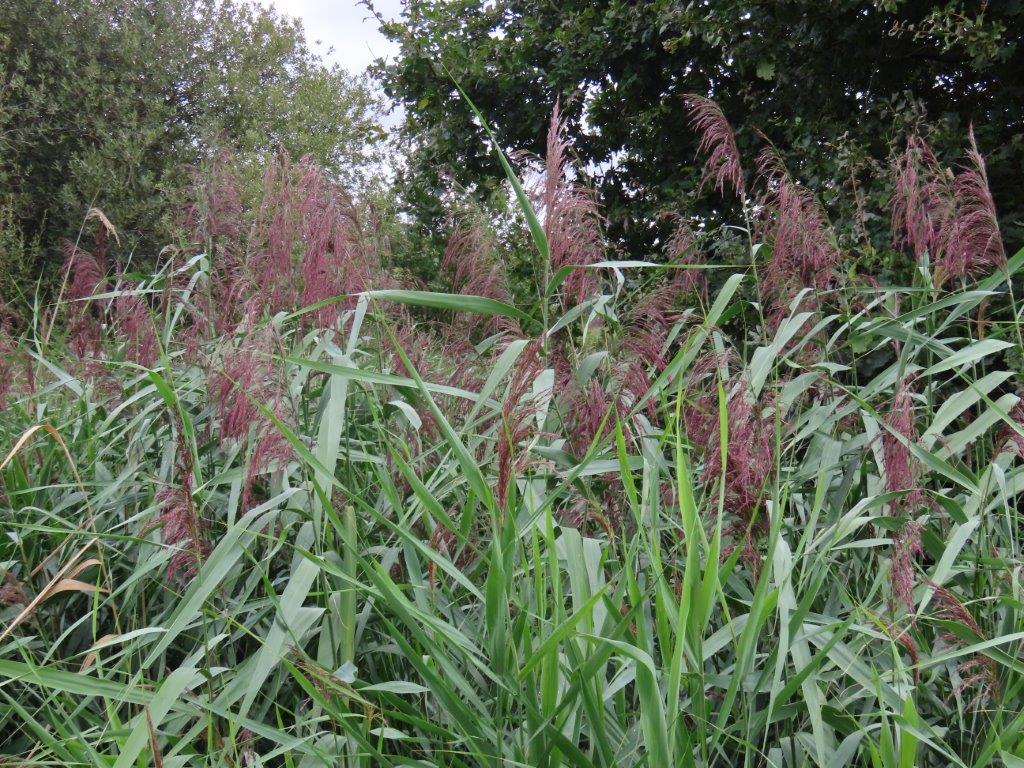
The elevated position of the sea wall gave good views over the reedbed, although there was little to see or hear (it is that time of year), apart from a very occasionally singing Cetti’s Warbler and some Whitethroats, probably a family, keeping together with contact calls. Overhead, both Swallows and House Martins hawked for flying insects.
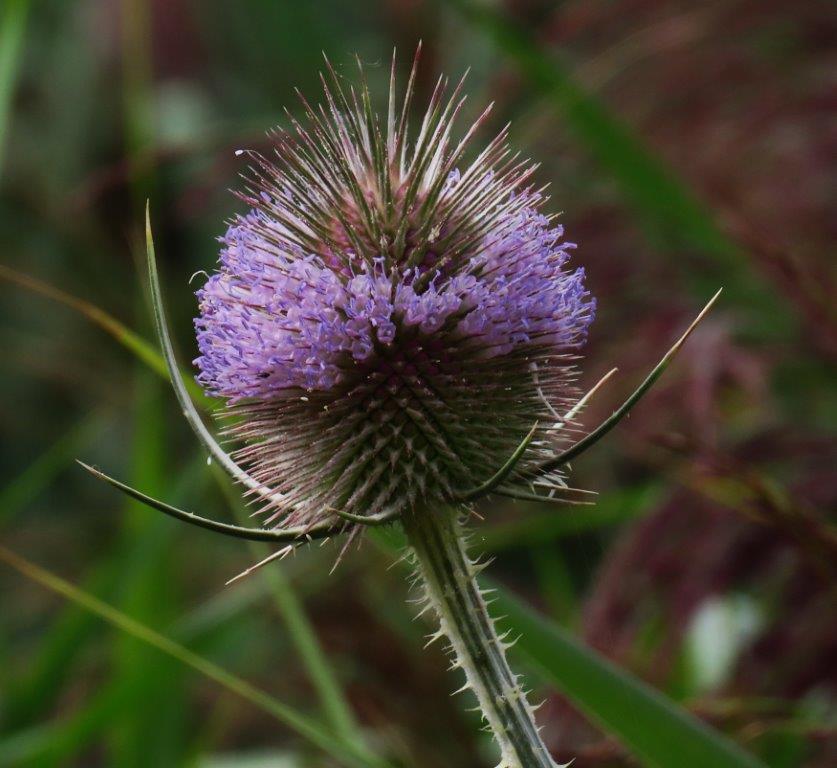
As soon as we went down to reedbed level, temperature and humidity increased, as did insect activity, including several hunting Migrant Hawker dragonflies. Flowering Teasel showed what a huge resource for late-summer pollinators its flowerheads can be, and the leaves of Dittander picked judiciously from above the dog leg-lifting zone provided a refreshing horseradish hit for all.
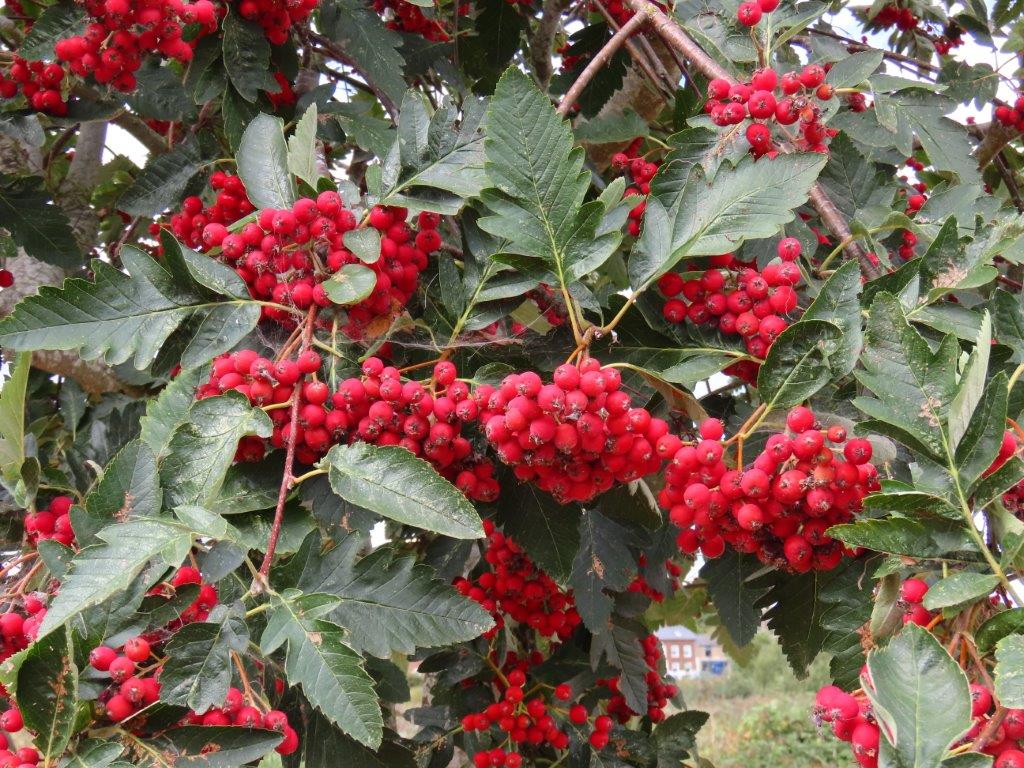
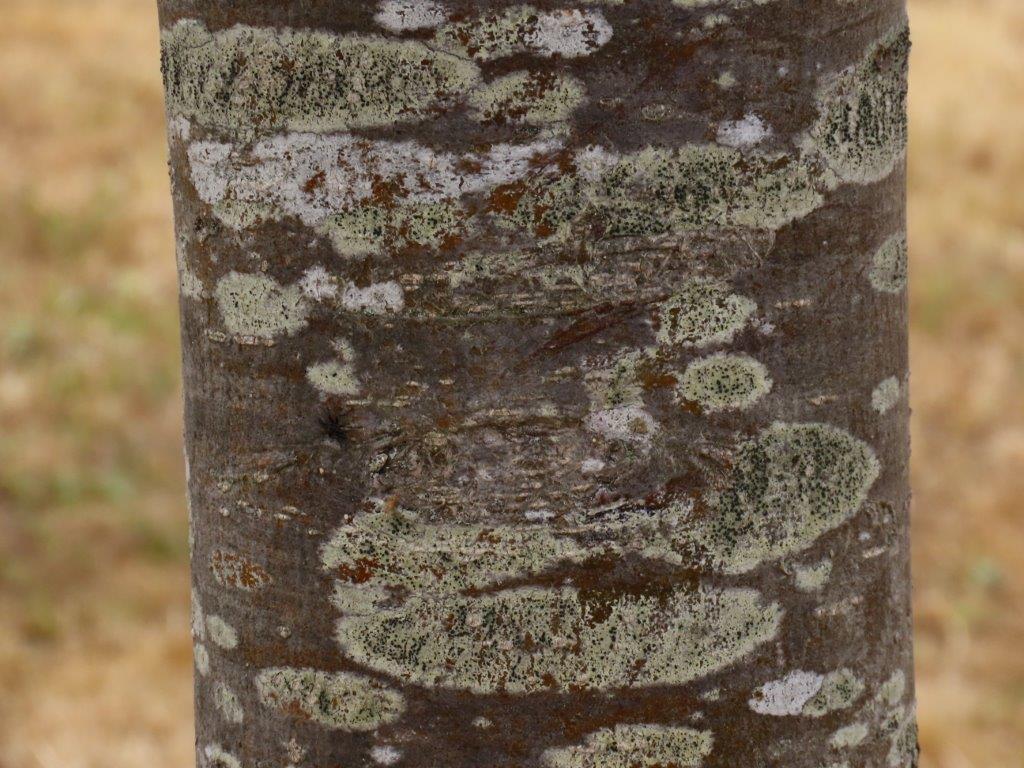
Estate trees showed the considerable value of many to native wildlife, as well as casting welcome shade. Swedish Whitebeam was in full fruit and will feed birds over the coming autumn, while its bark was a suitable substrate for lichens responding to reductions in air pollution that have been achieved in recent years.
Thence onto Wivenhoe West Quay, attractive re-use of a former port on one side, tidal mudflats and marshes on the other.
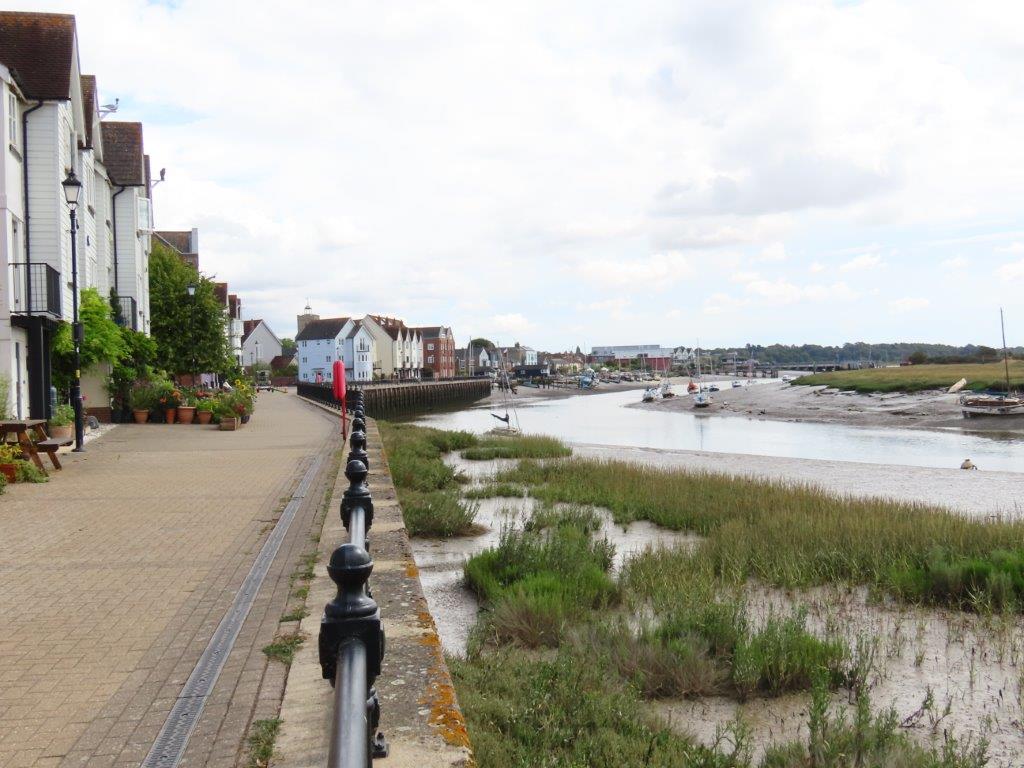
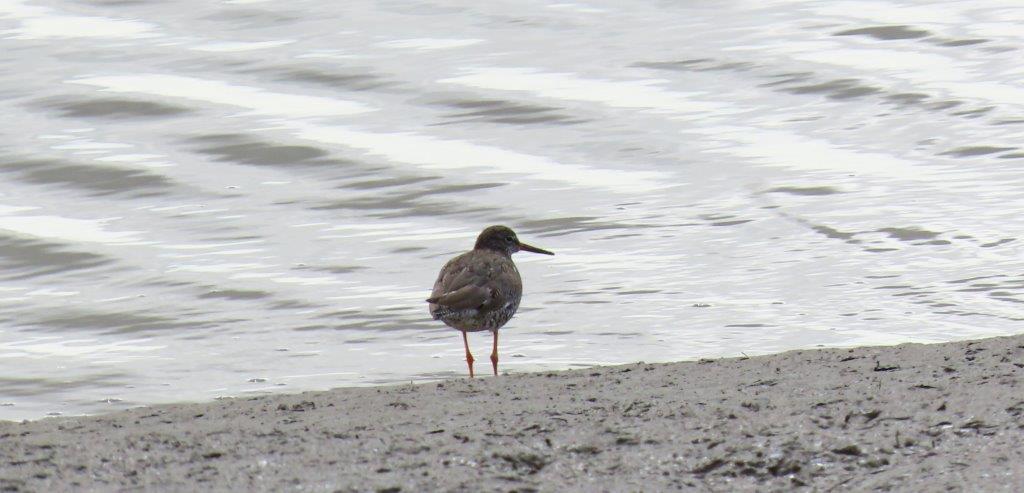
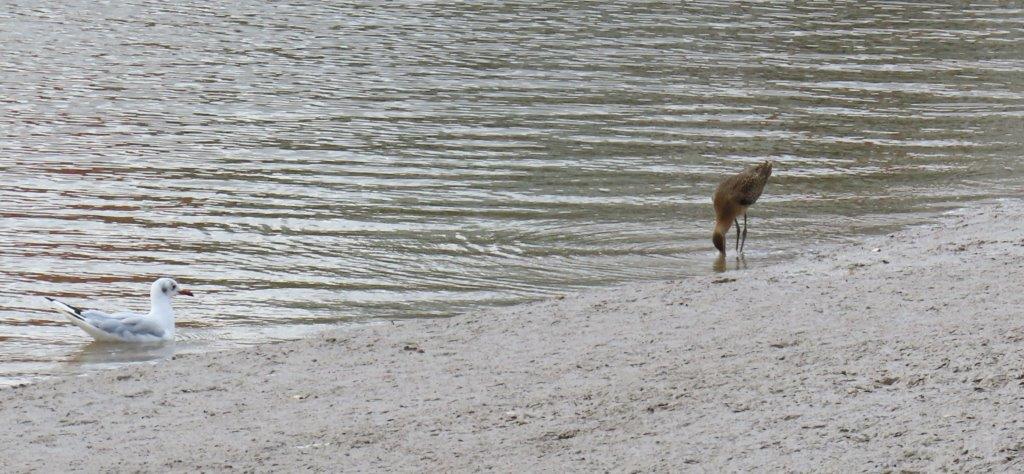
The mud had feeding Redshanks, a single Black-tailed Godwit recently returned from its Icelandic breeding haunts, and single Lapwing and Curlew, probably having bred rather closer to home in the moors of the north country.
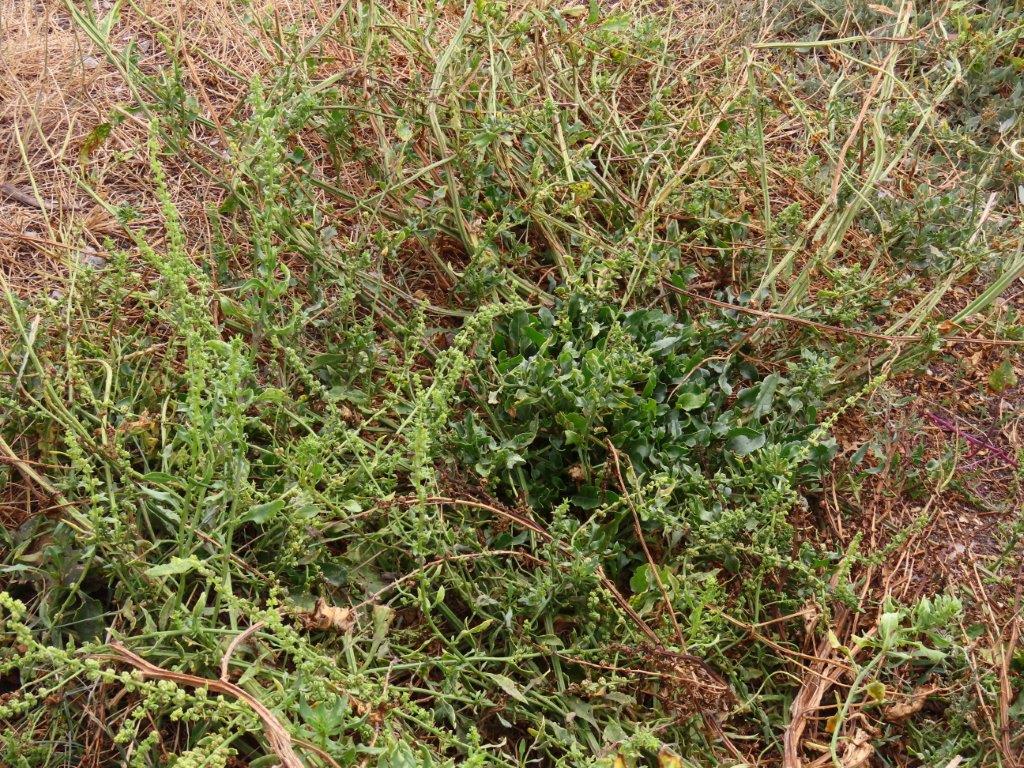
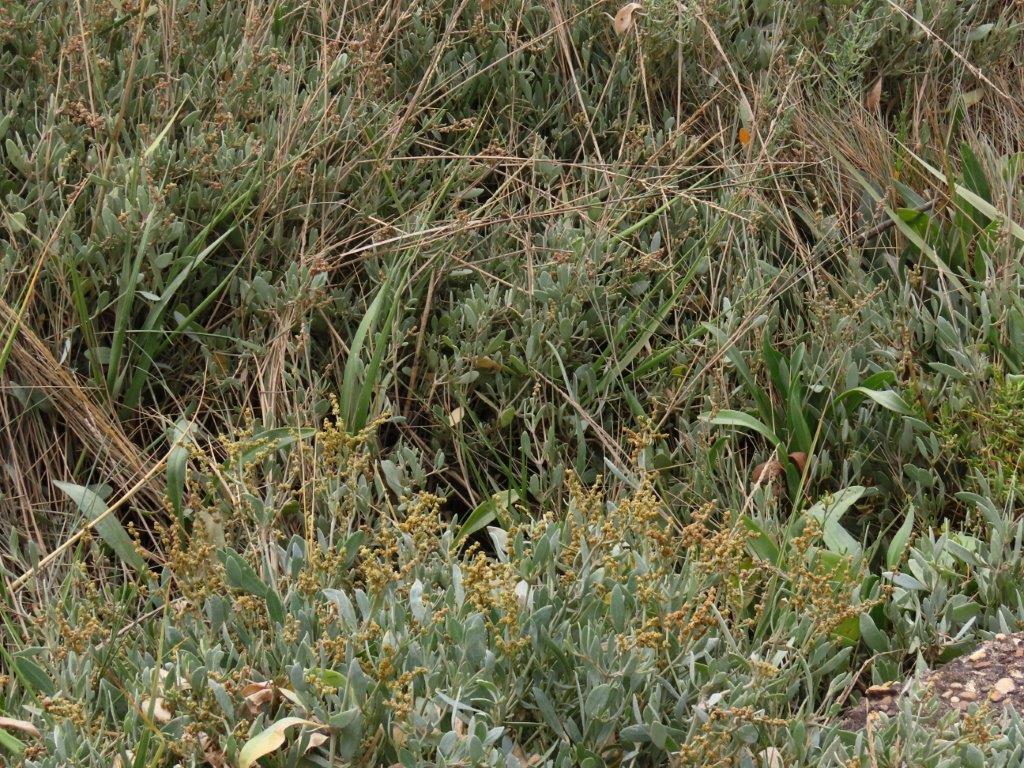
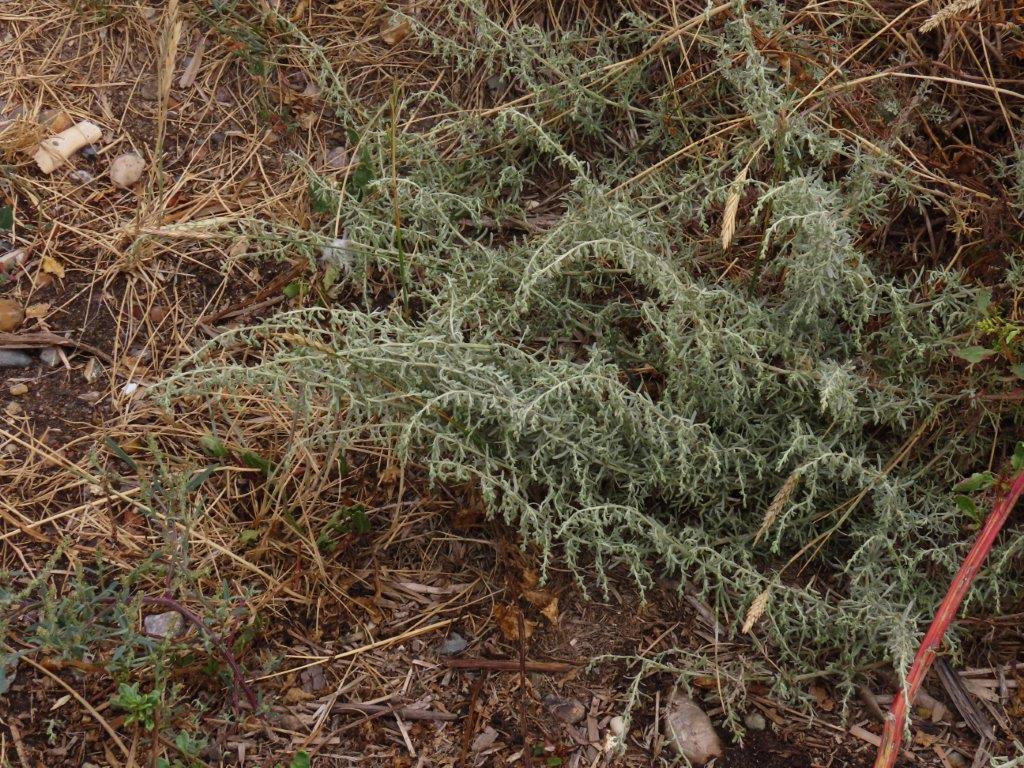
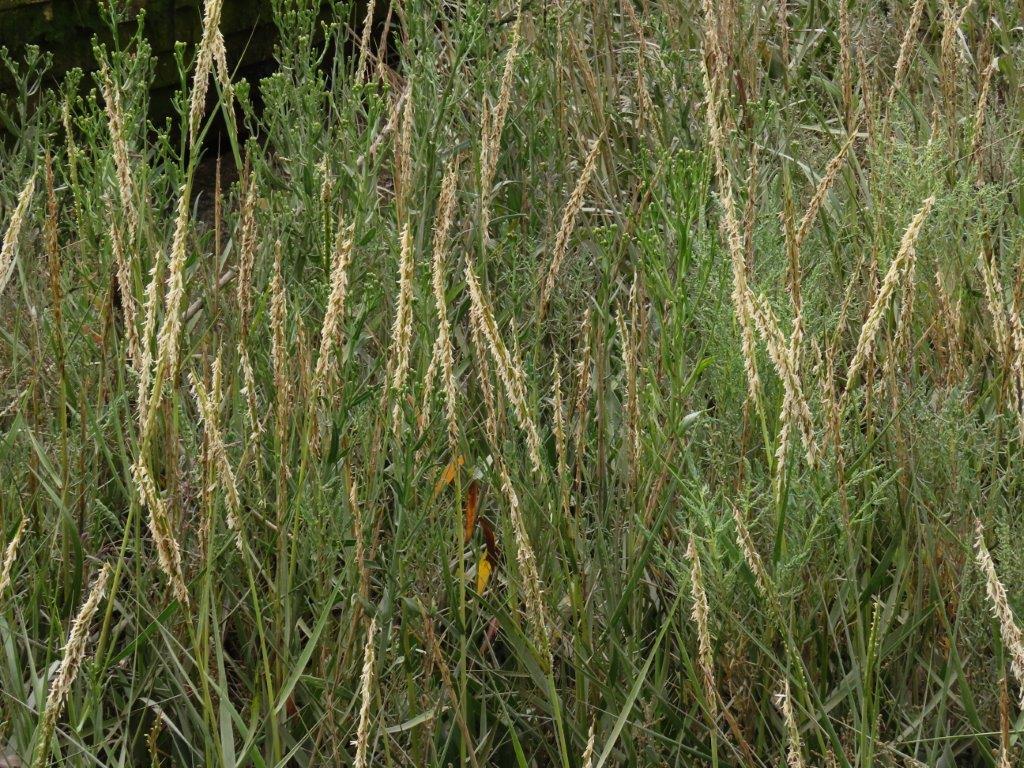
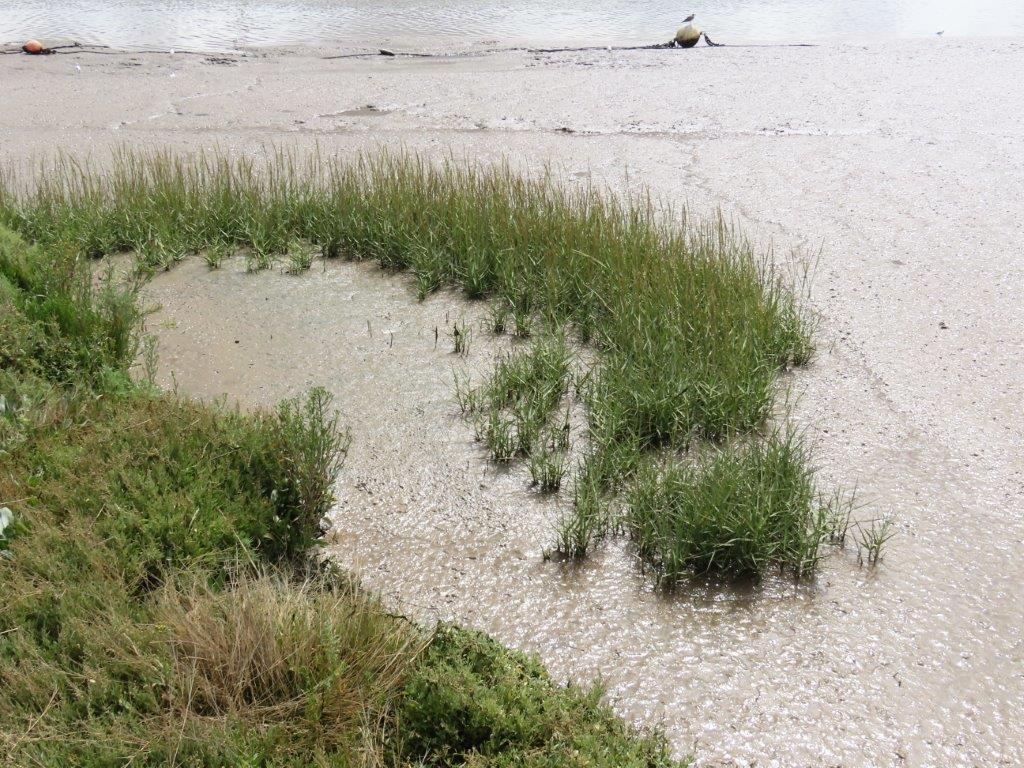
And the tidal saltmarshes showed a fine range of salt-tolerant plants, including Marsh Samphire (or Glasswort), Sea Beet and Sea Purslane, the ‘desalination plant’ par excellence, together with the relatively newly evolved (through hybridisation and chromosome doubling) Common Cord-grass, on the marsh but also spreading down onto the mudflats.
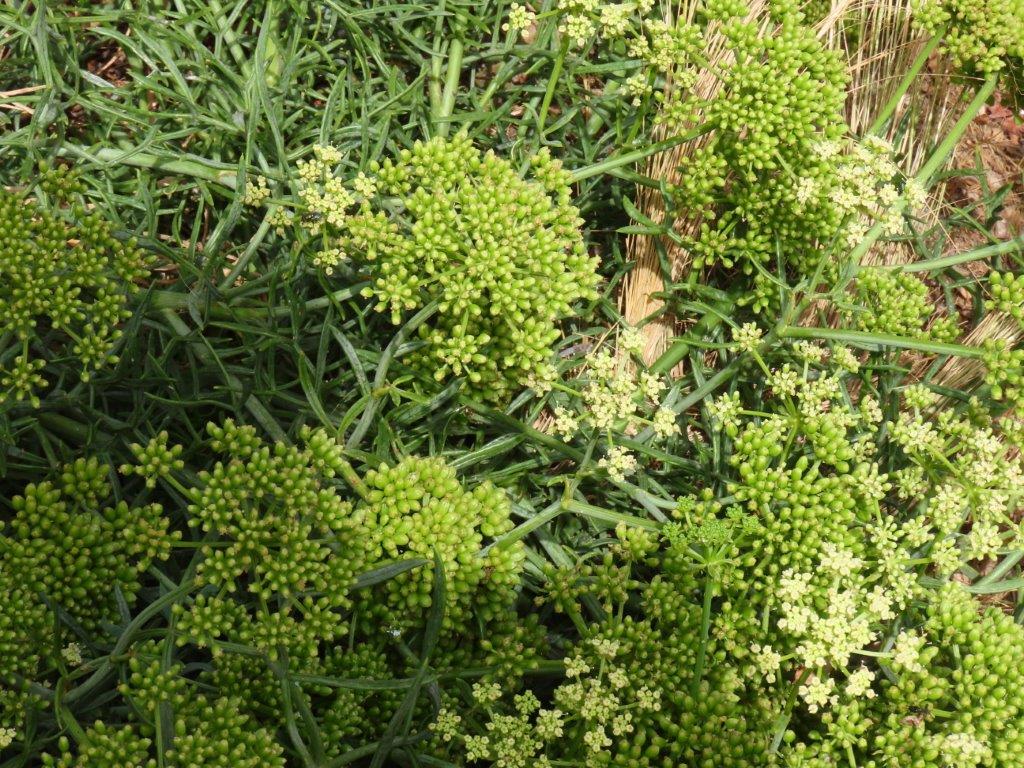
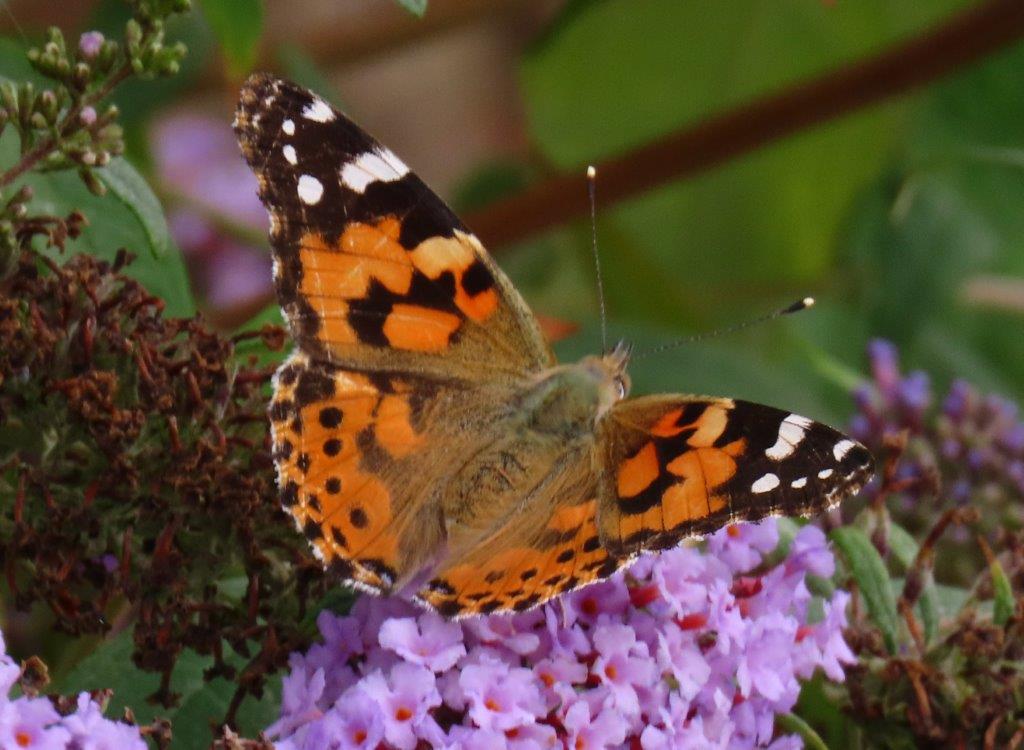
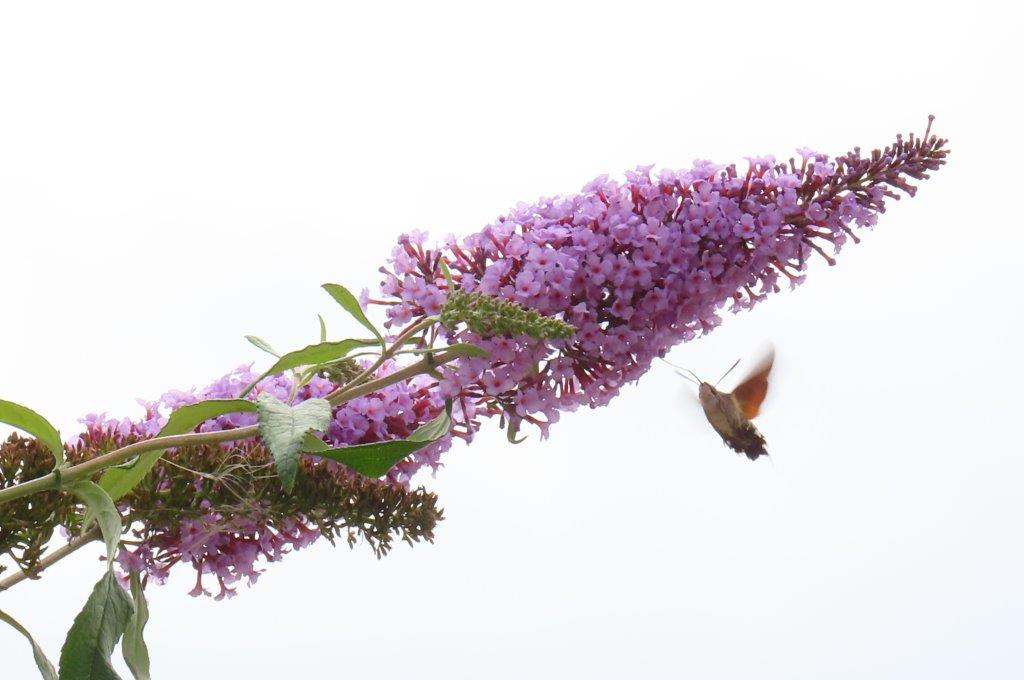
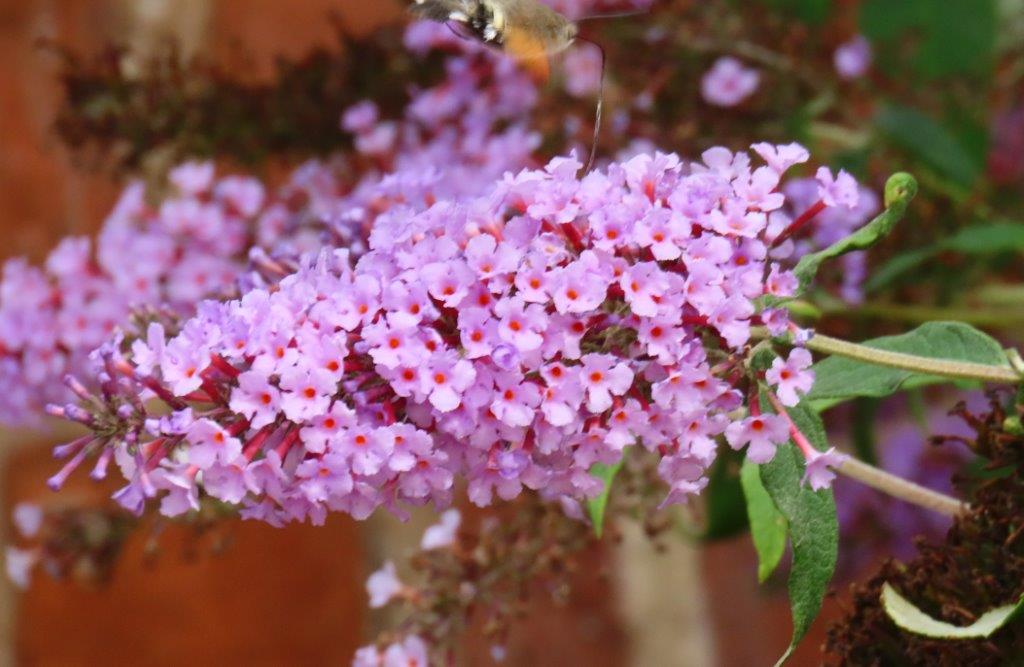
After lunch (thanks to Sara at the Rose & Crown for allowing us to use their loos), we continued along the frontage of old Wivenhoe. Lovely gardens spilling over into the wild gave us Fennel and Rock Samphire, two more sets of scents and flavour, and Buddleia living up to its other name of Butterfly-bush with a couple of pristine, locally reared Painted Ladies as well as an assiduously feeding Hummingbird Hawkmoth, bobbing in and out of the camera frame. How long will it be before we stop referring to these as immigrants to Britain?
Wivenhoe waterfront is a palimpsest of overlapping histories, from fishing, ship-building, and ports to art and commuterland residential. But all these uses are set within the context of a tidal river, always a resource, on days like today benign, but on others a threat. Hence the reassuring presence of the Wivenhoe flood-defence barrier downstream…
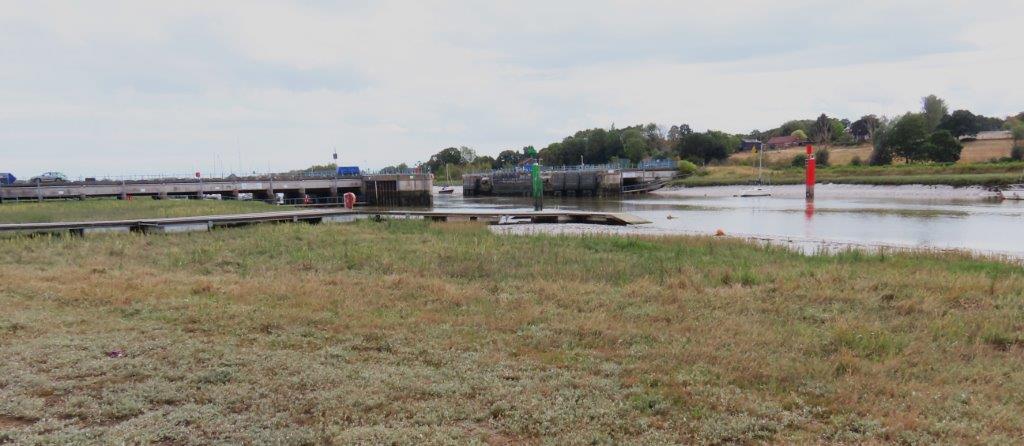
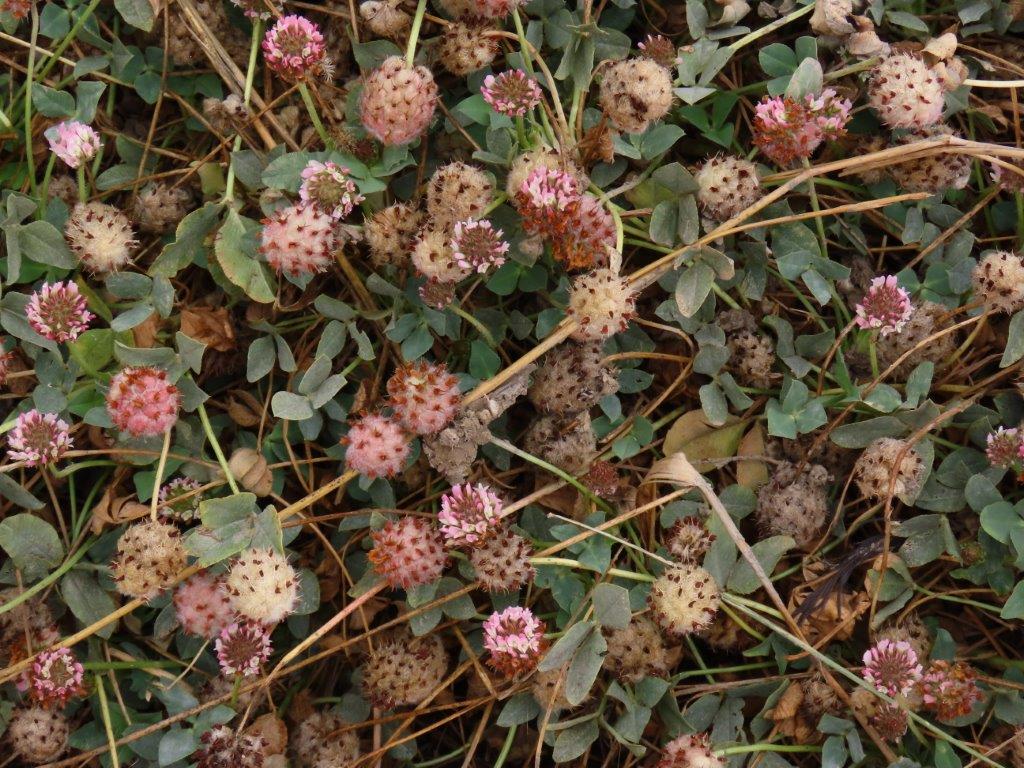
Beyond the barrier, the highest line of the unconstrained tide was the location for Strawberry Clover, as lovely in seed as in flower.
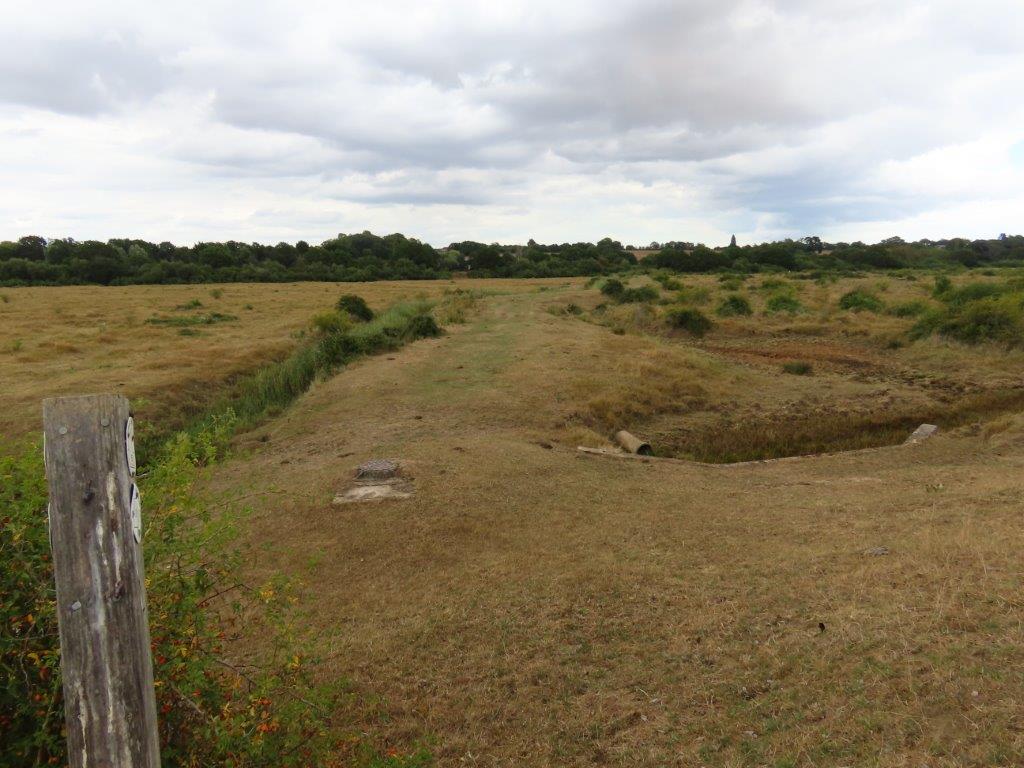
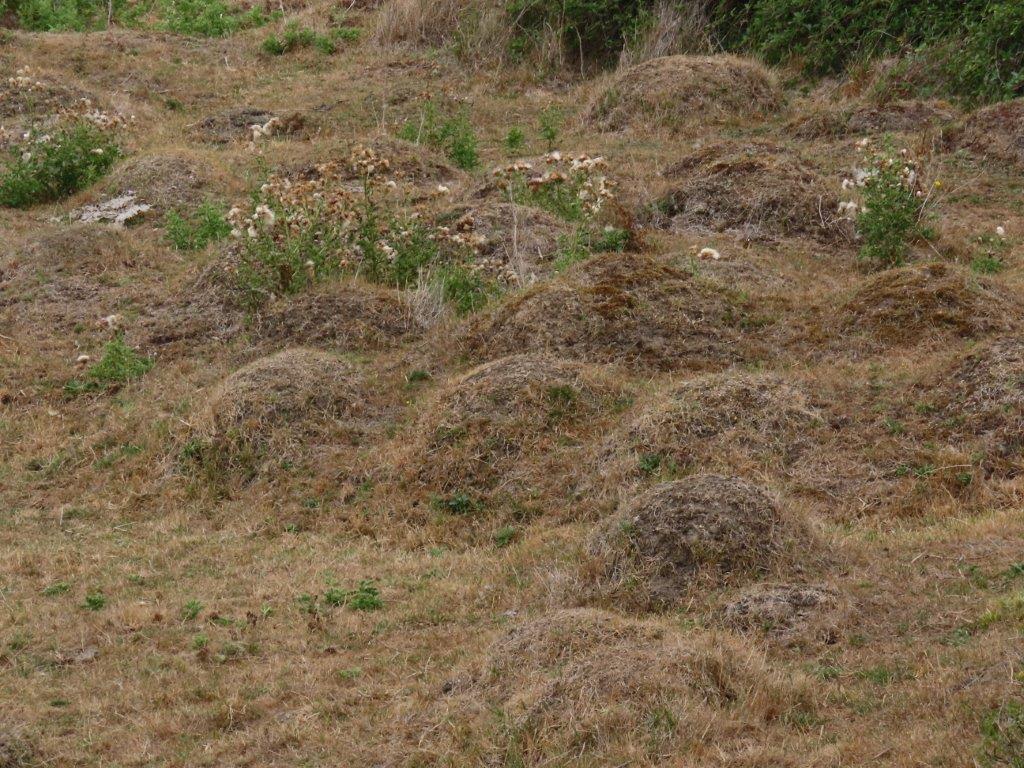
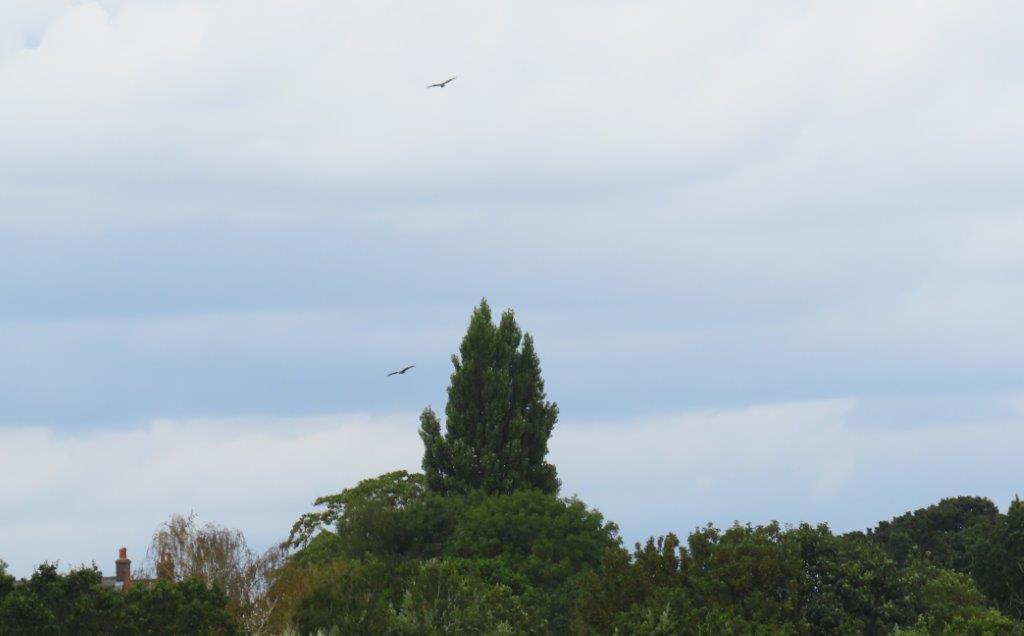
Barrier Marsh failed to live up to its name, barely a blade of green grass to be seen, although making it easier top see the ancient trackway of the Chase, historic access for an otherwise landlocked parish to the resources and opportunities of tidal waters, along with the massive, perhaps up to 400 year-old, anthills on the probably never ploughed eastern ‘marsh’. From our sea-wall vantage point, raptors hove into view in the form of Buzzards and a pair of Red Kites, while a Kestrel remained stubbornly at rest atop a dead tree and a Green Woodpecker flew silently from anthill to abandoned, rewilded railway line.
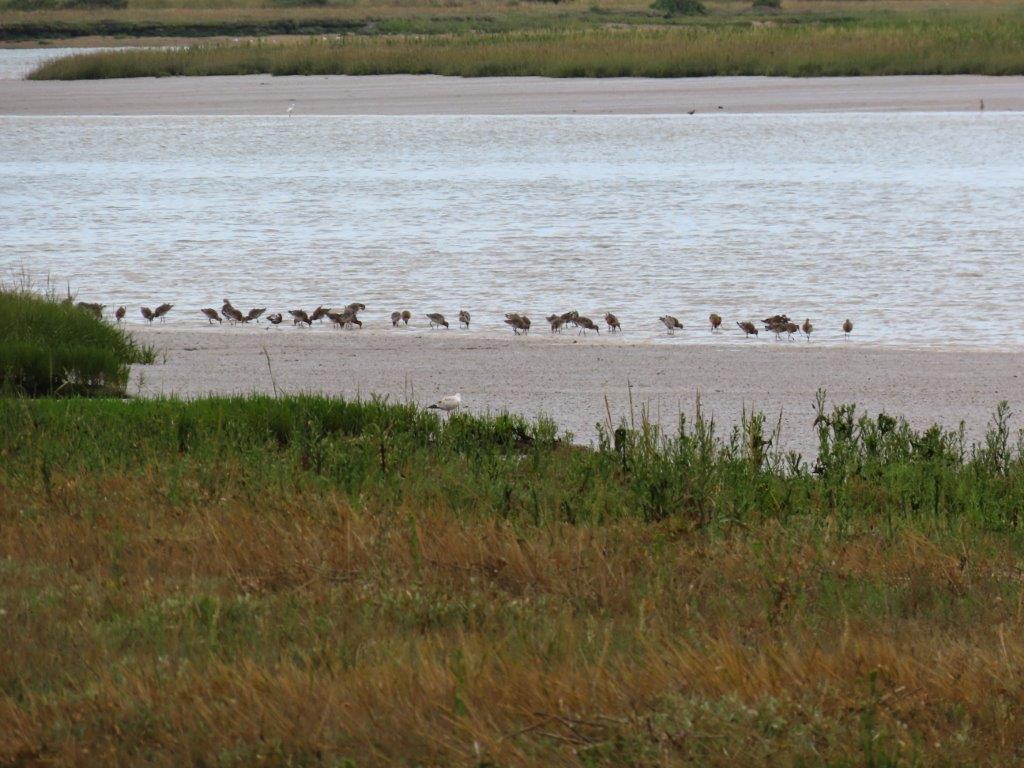
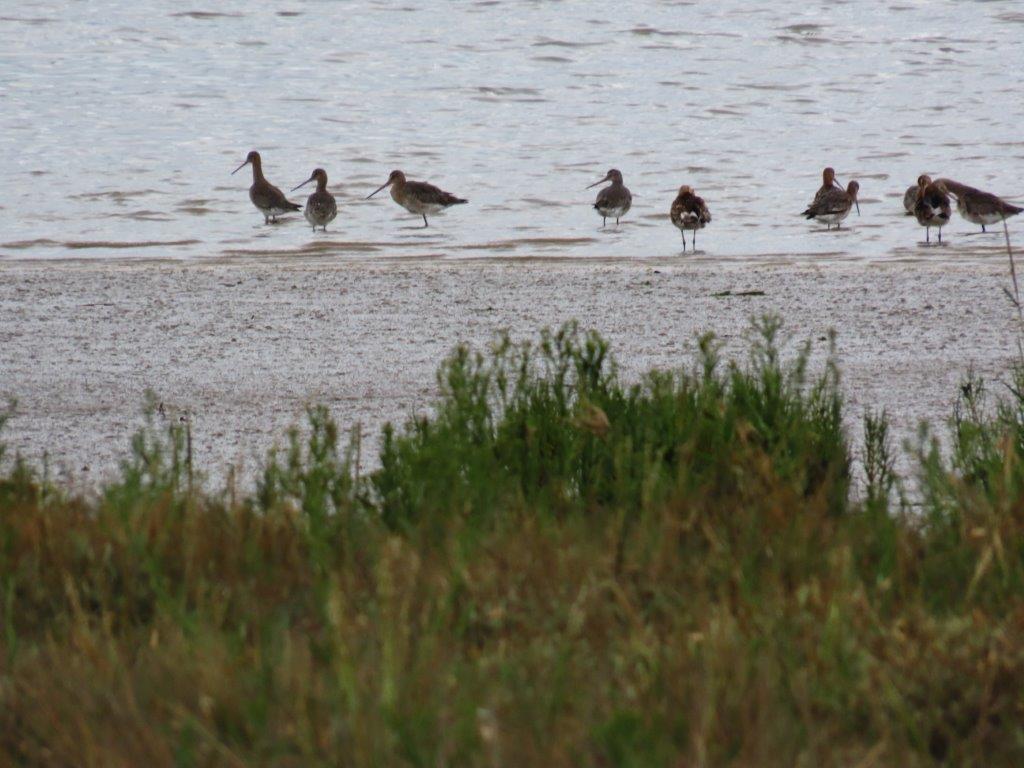
By now the tide was flooding and the waders started to show their numbers, just one Avocet, a handful of Curlews, low tens of Redshank but maybe 400 Black-tailed Godwits, although sadly they chose to head to high-water roost on the other side of the estuary.
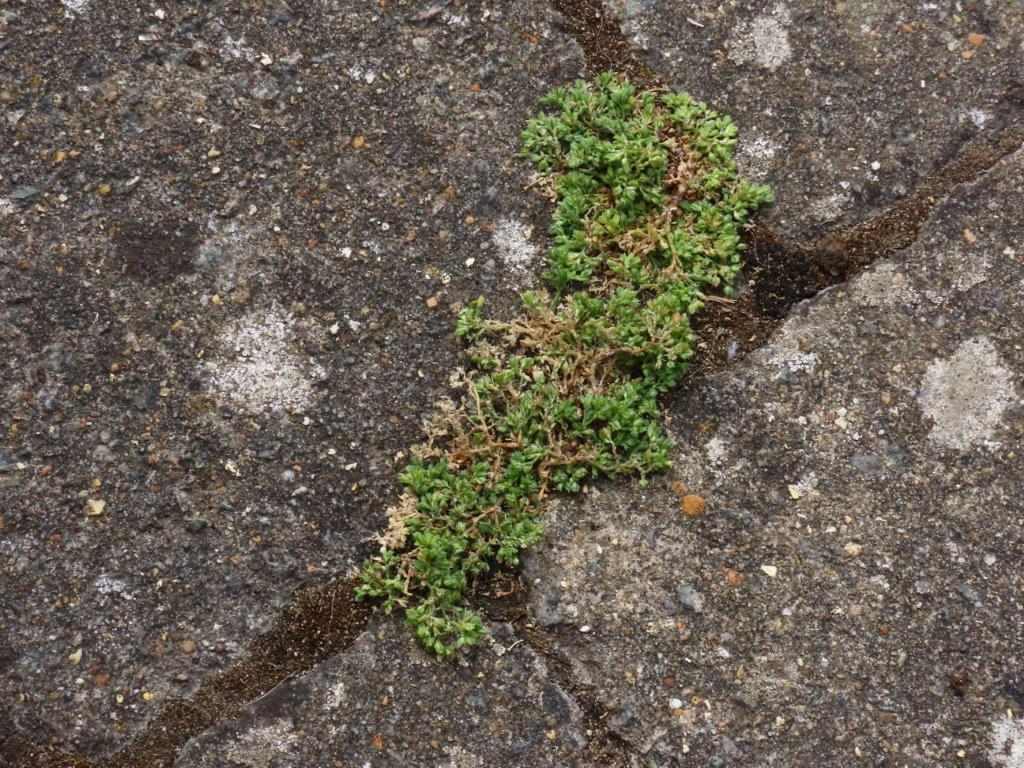
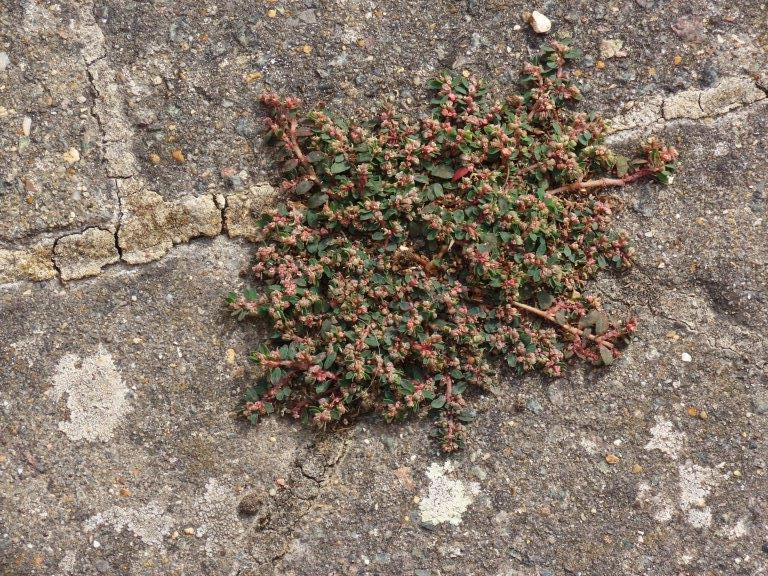
All that was left was to wander back through Wivenhoe. The Shipyard produced two of its specialities, stunted, trampled, droughted but seemingly very well settled Four-leaved Allseed and that ‘new kid on the block-paving’ Spotted Spurge.
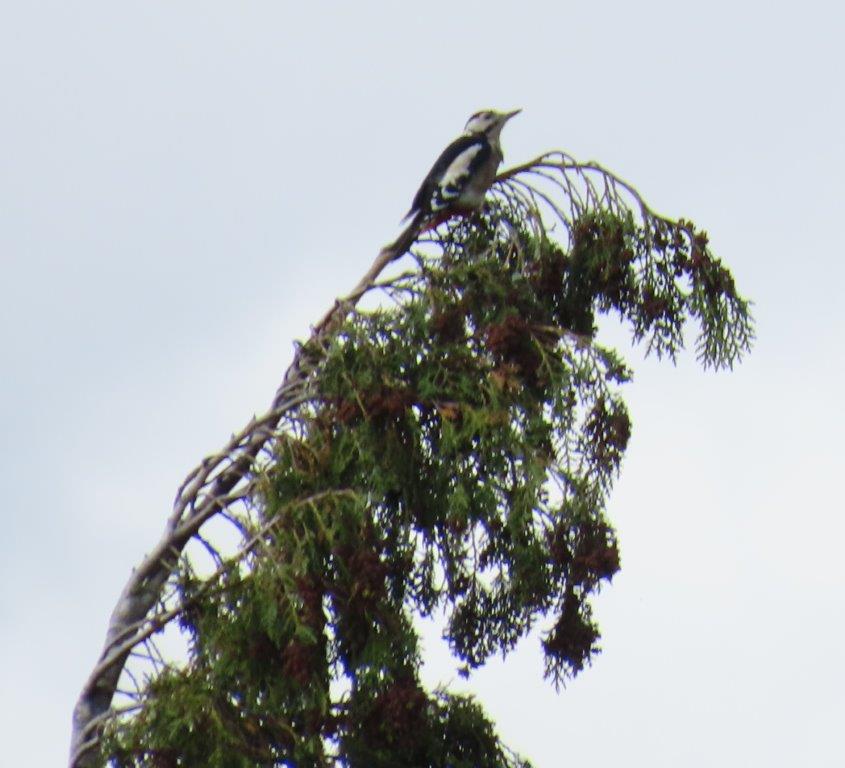
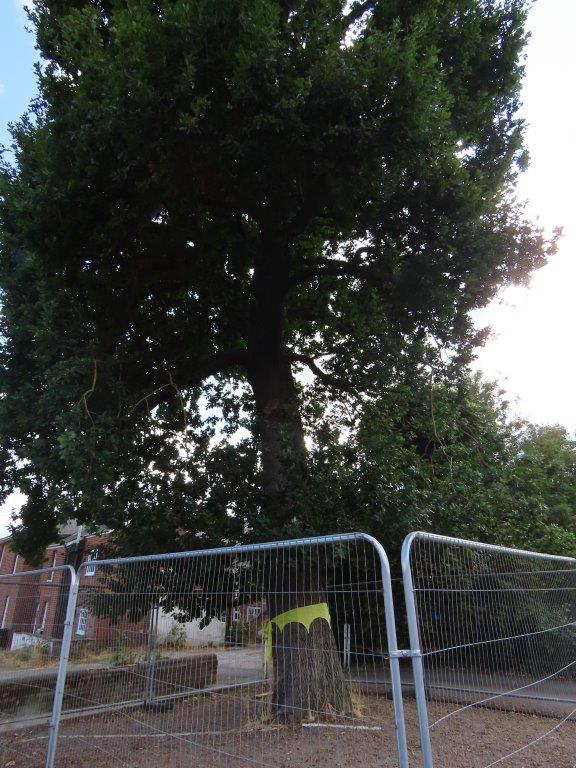
The gardens of Queen’s Road gave us a tree-topping, ‘chick’-ing Great Spotted Woodpecker that held its high ground for several minutes, before we got back to our final two stops of the day. The ‘Old King George’ Oak still stands despite antipathy from Aviva and apathy from the Town Council; for now it is secure and cannot be felled as an interim injunction is in place. We are hopeful this will be confirmed at a High Court hearing we understand may be coming up…
And finally into the King George V playing field, the former front garden of the now-long-gone Wivenhoe Hall, introducing a new, useful word (‘quincunx’) for the Scrabble enthusiasts, and demonstrating just how parched the uplands have become over our unprecedented summer.
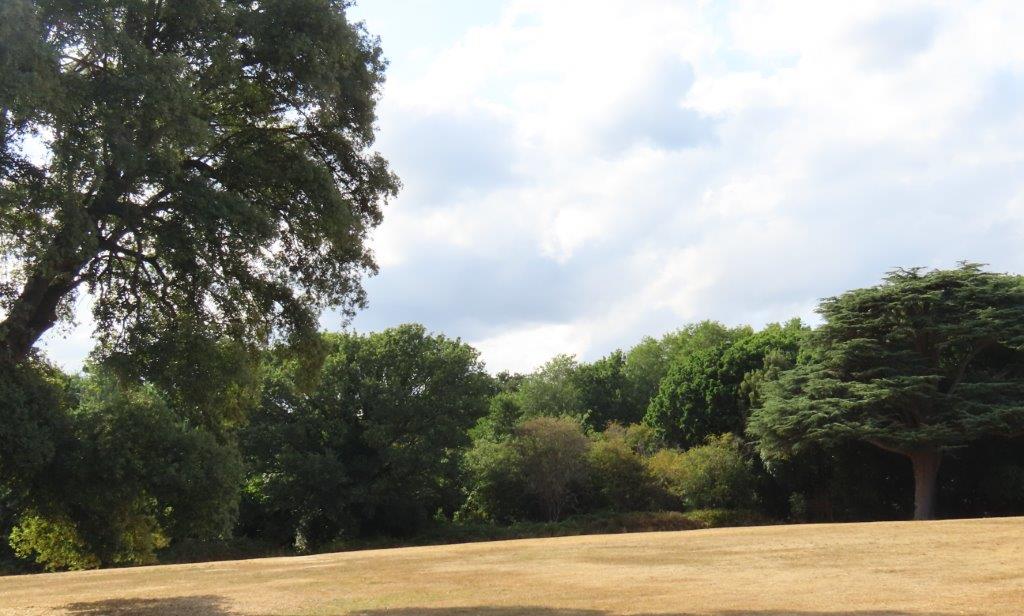
All in all, a very different Naturetrek walk. Unique in fact. We covered less than half the distance we usually do, but in the same time. Fortunately this particular wonderful group seemed to appreciate a gentle day of stories from and about Wivenhoe. Thanks to all!