Blog Archives: Cockaynes Reserve

The Wild Side of Essex: Spring on the Colne Estuary

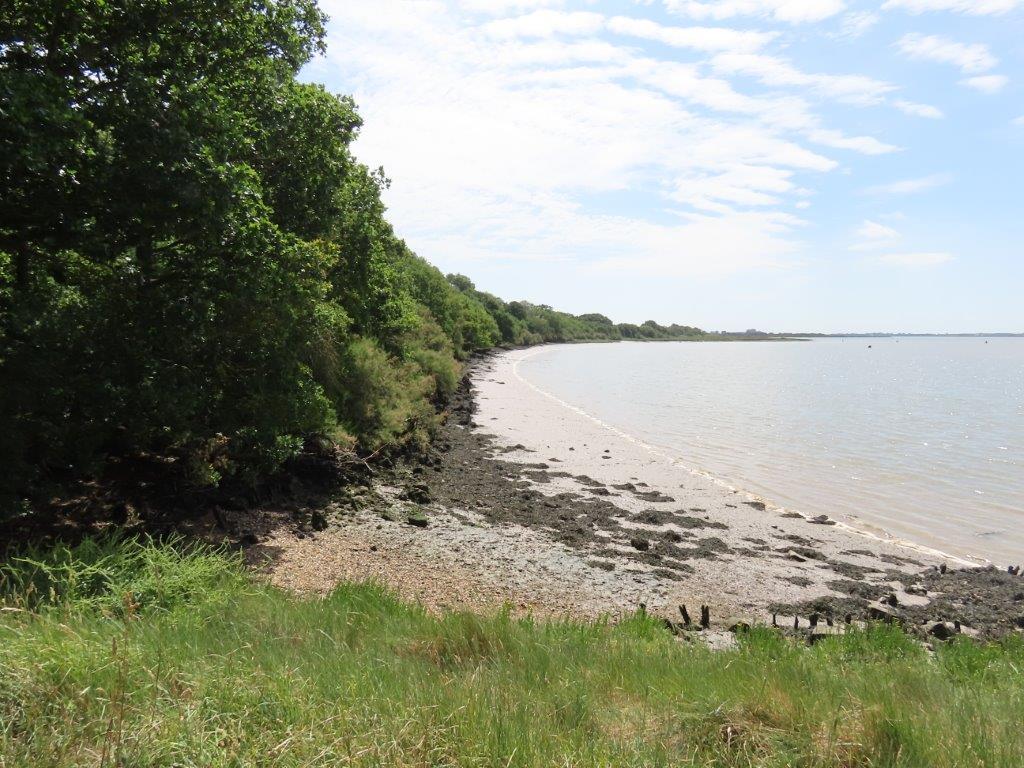
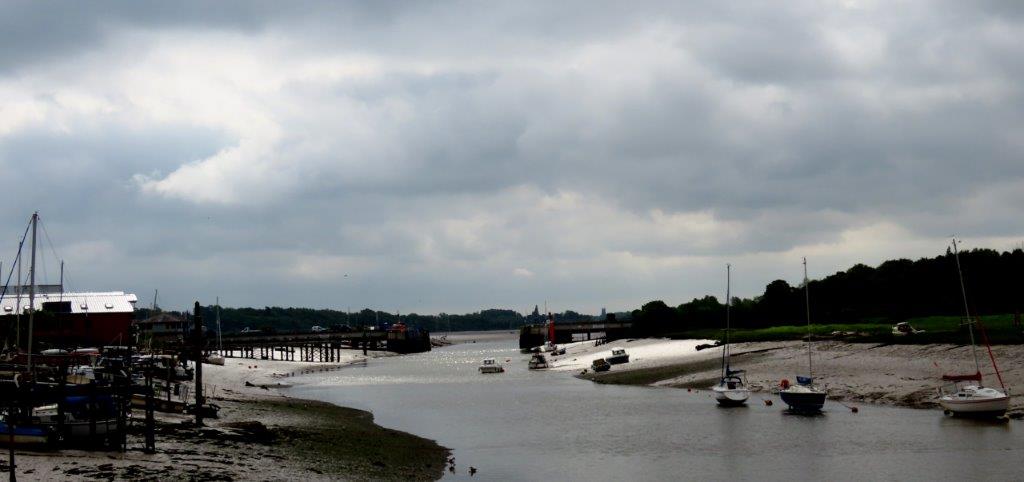
‘Spring’ perhaps more in theory than practice! It may have been mid-March, but the very cool breeze searing across the estuary and grey skies for much of the day made it feel like a return to winter. And as a reflection of the very wet winter past, another theme of the day was mud, especially on the clays lower down, as opposed to the Thames sands and gravels that cap the Essex Alps. But Naturetrek groups carry on regardless!

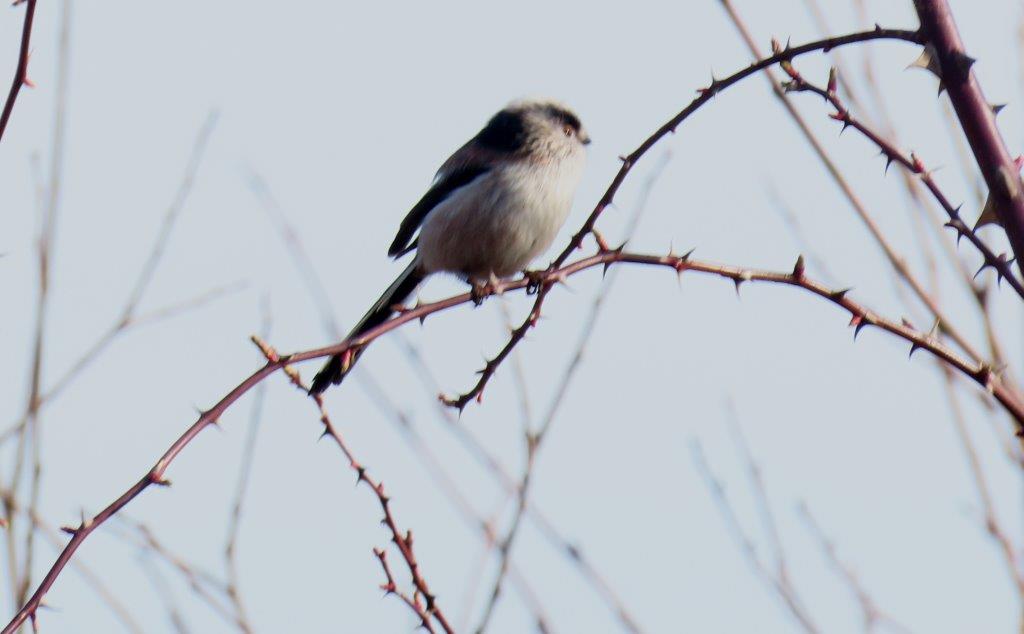
Starting around Ferry Marsh, all was quiet apart from the whispering churrs of Long-tailed Tits and angry chatter of a couple of Cetti’s Warblers, as so often only briefly glimpsed.
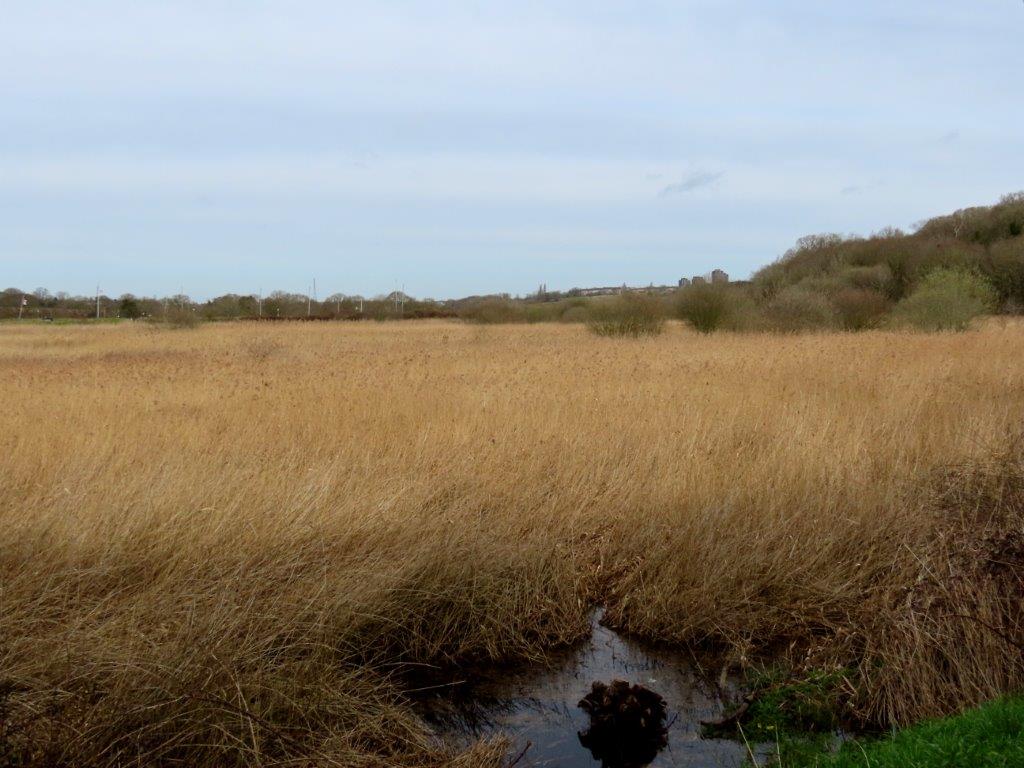
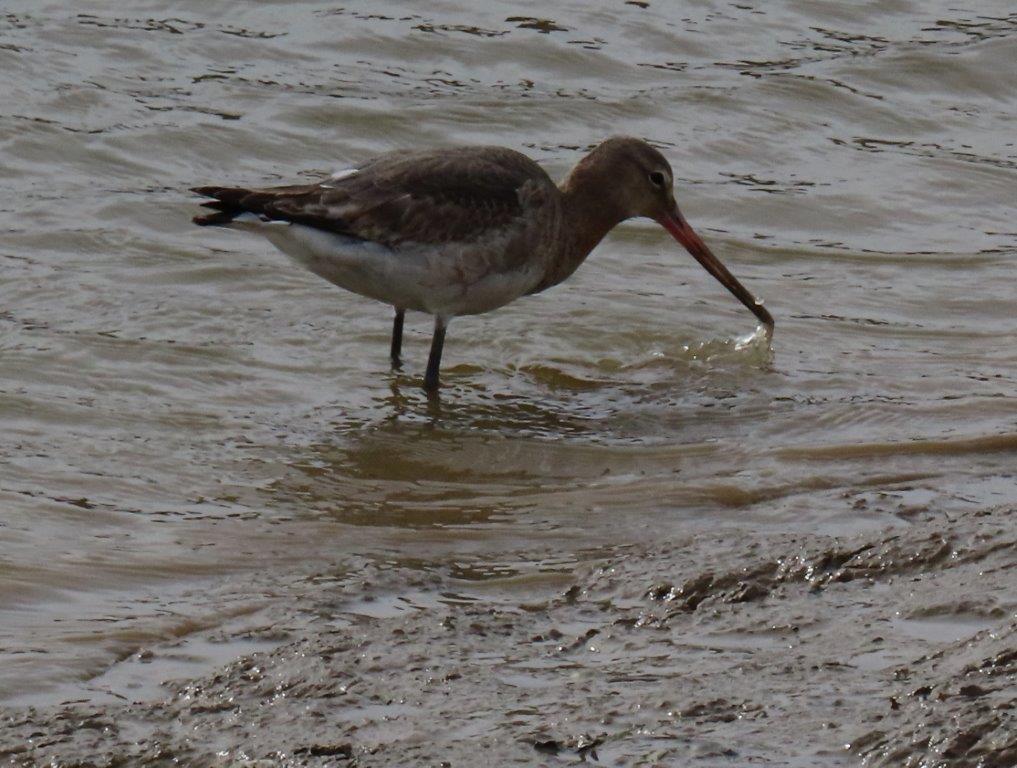
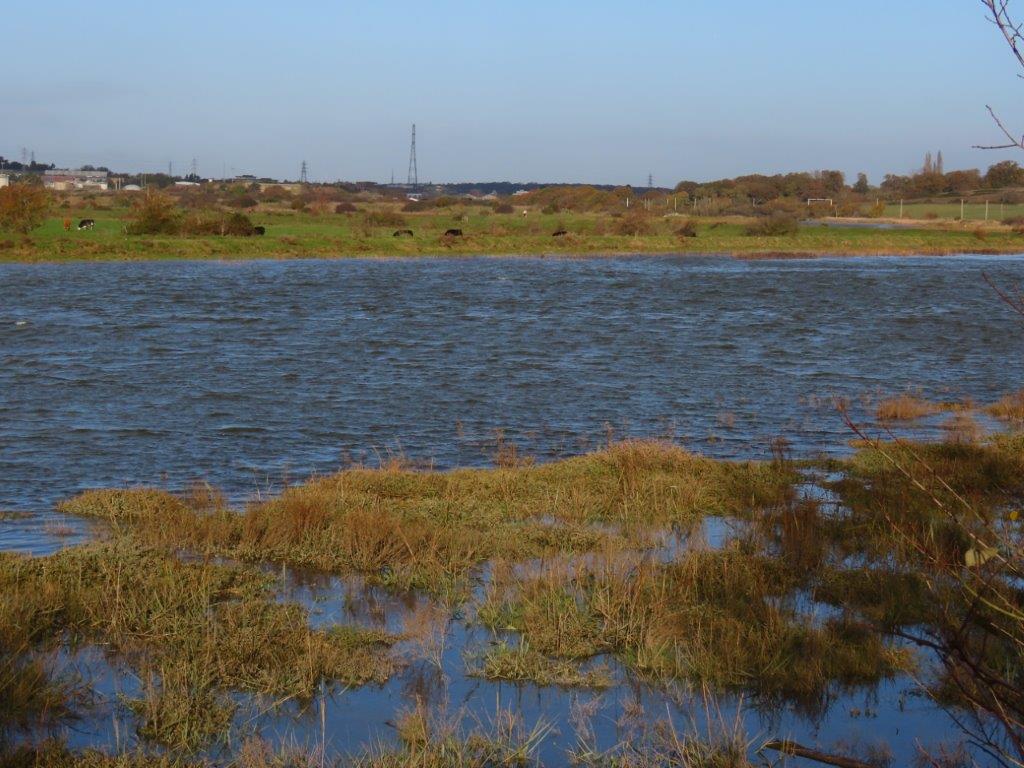
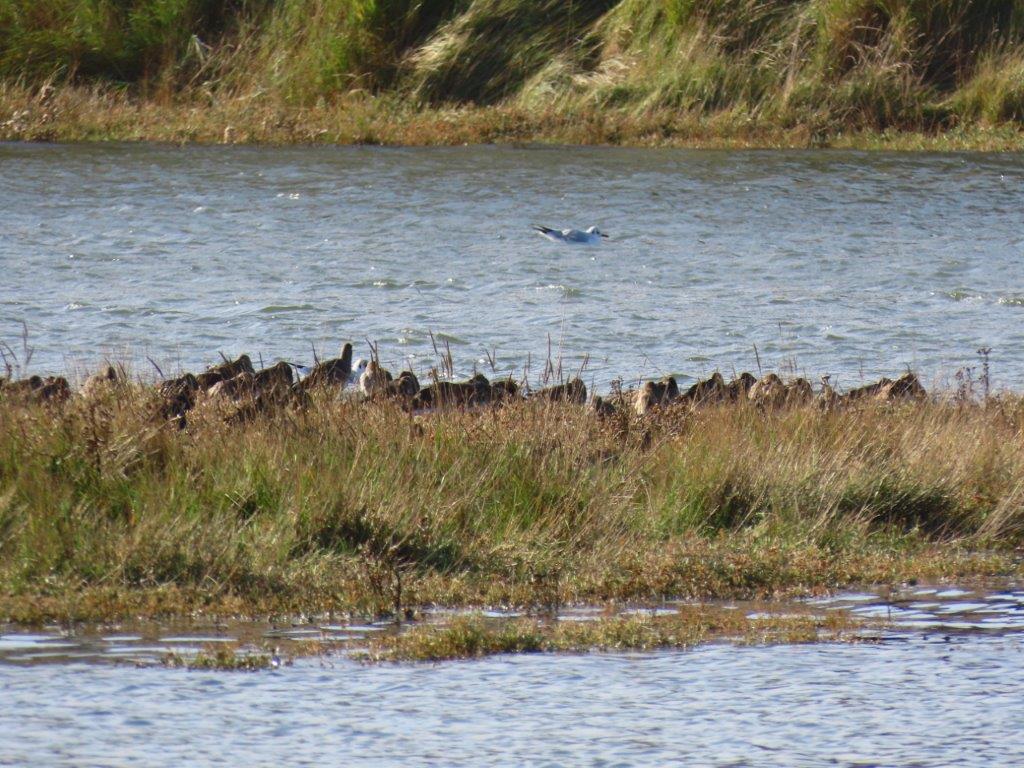
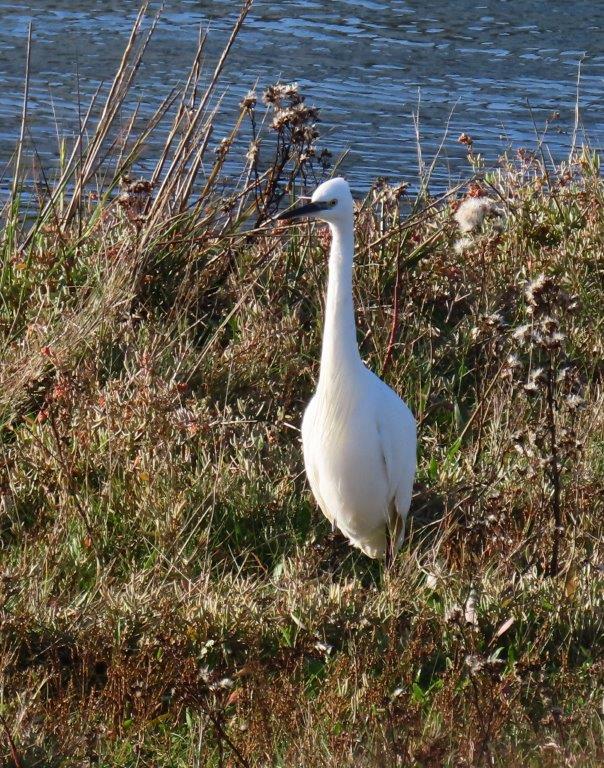
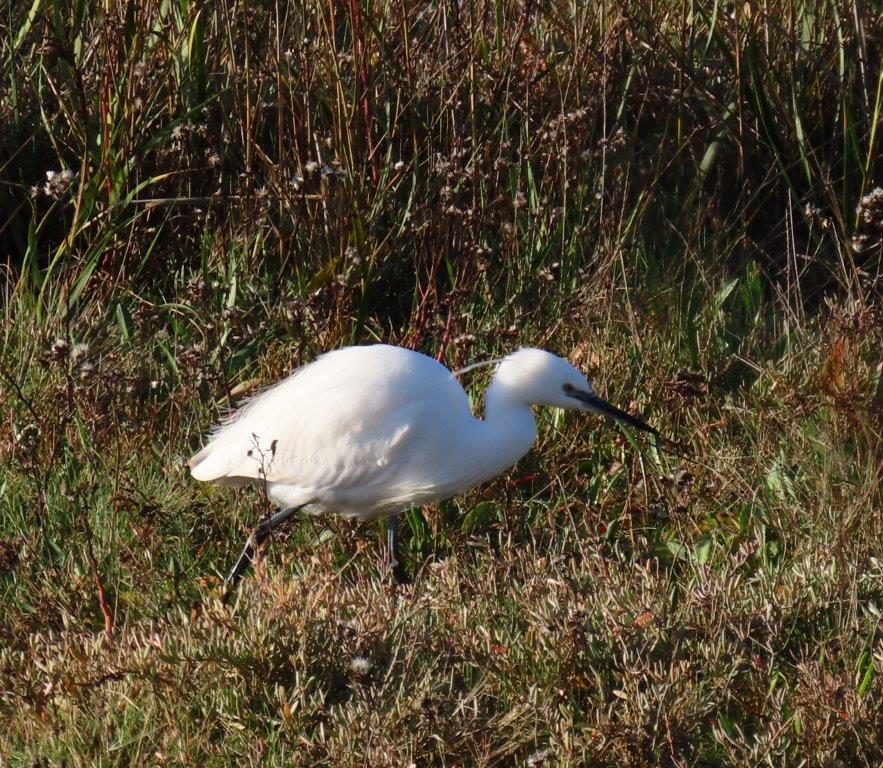
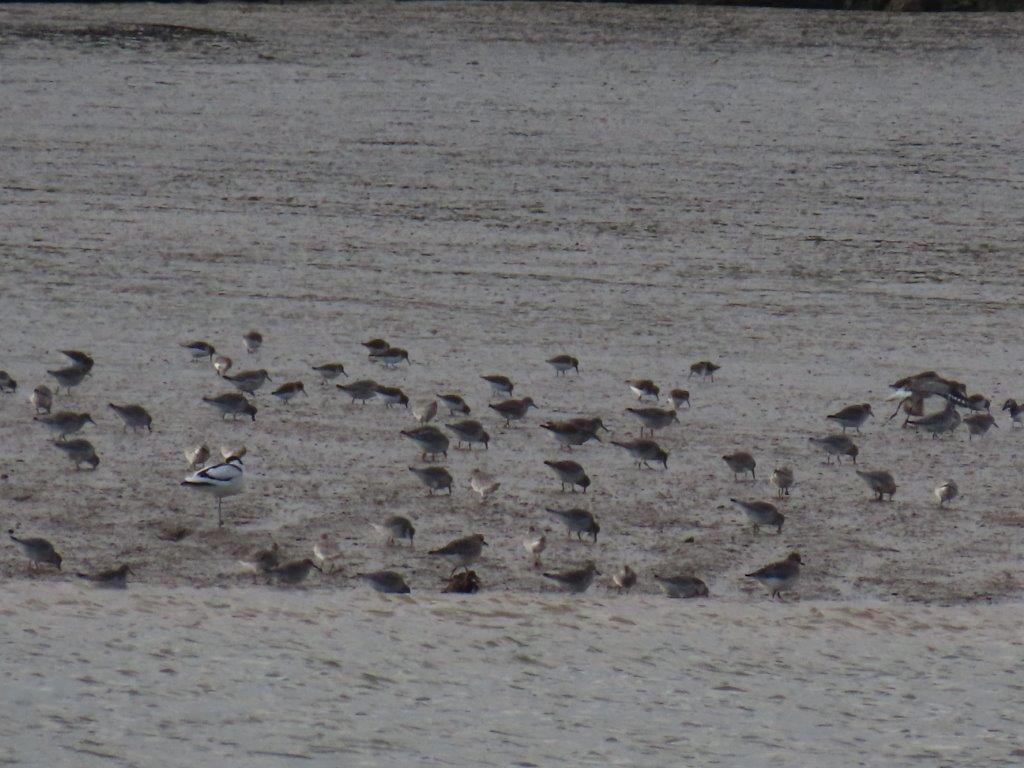
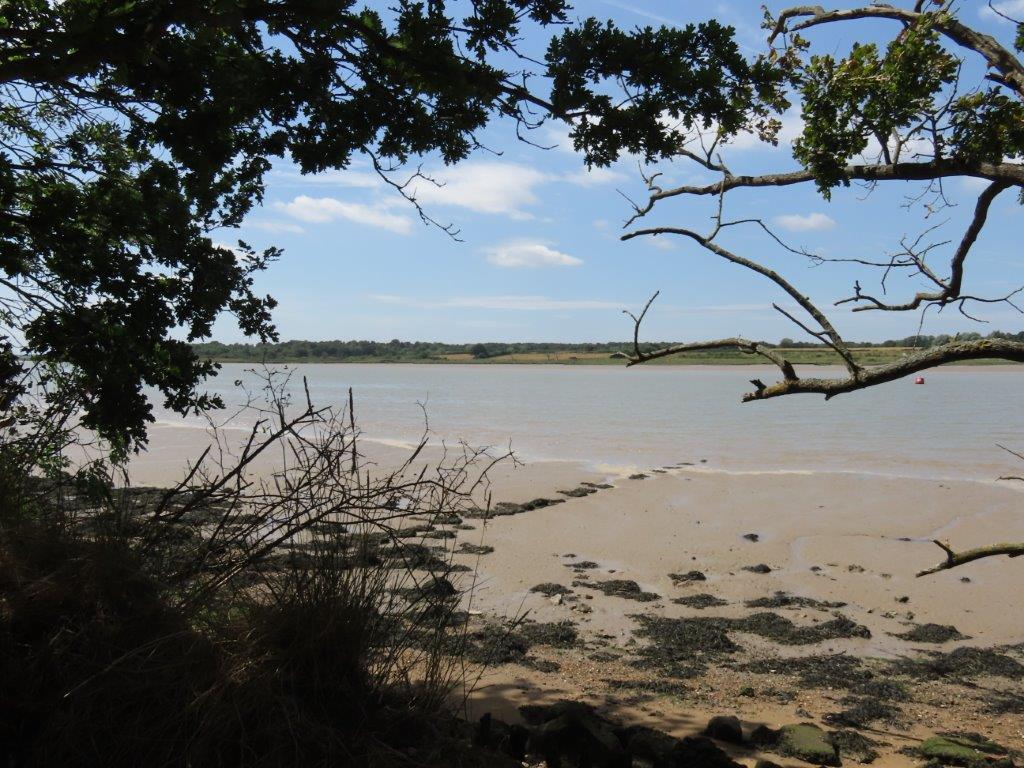
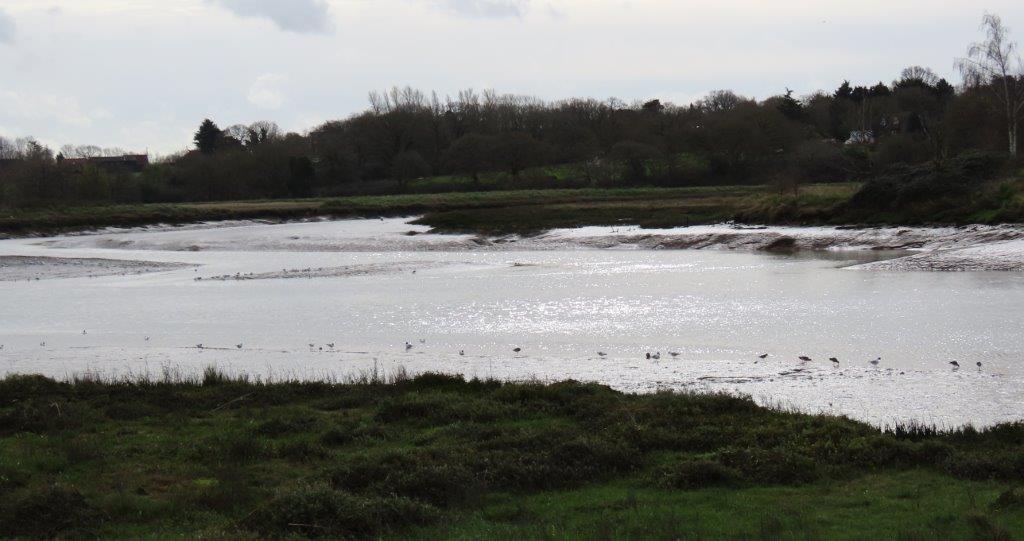
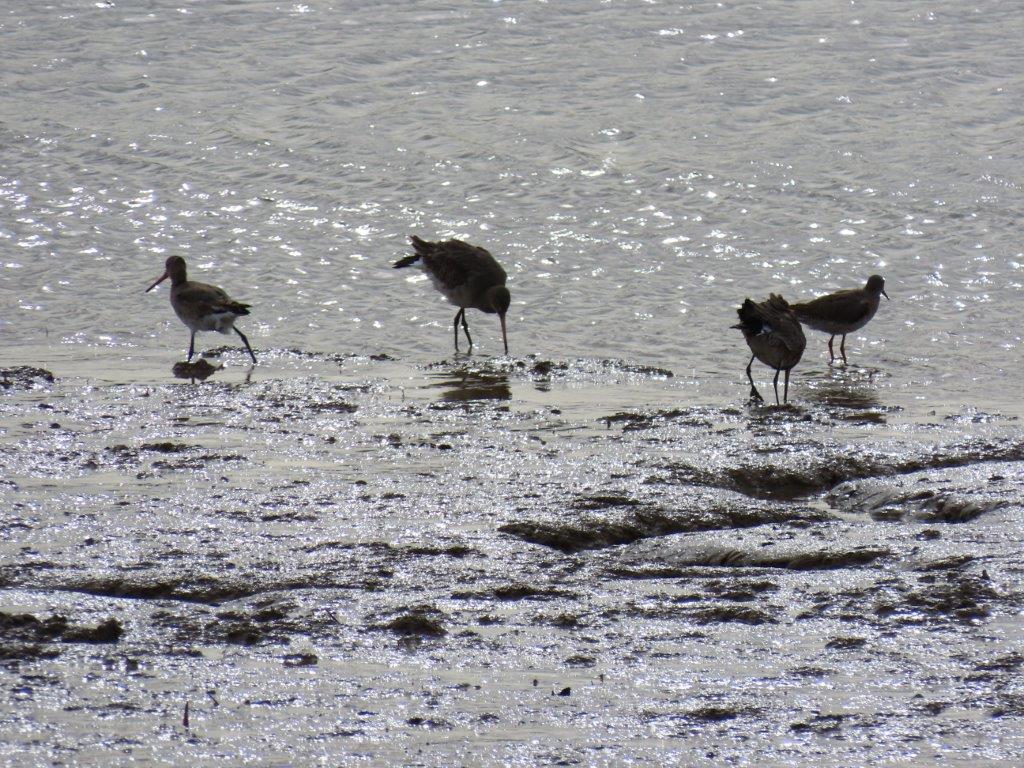
Down at the river upstream of Wivenhoe, the tide was falling away and the exposed mud supported Redshanks and Oystercatchers, with Black-tailed Godwits and Teals feeding in the shallows, and a Little Egret on the saltmarsh.
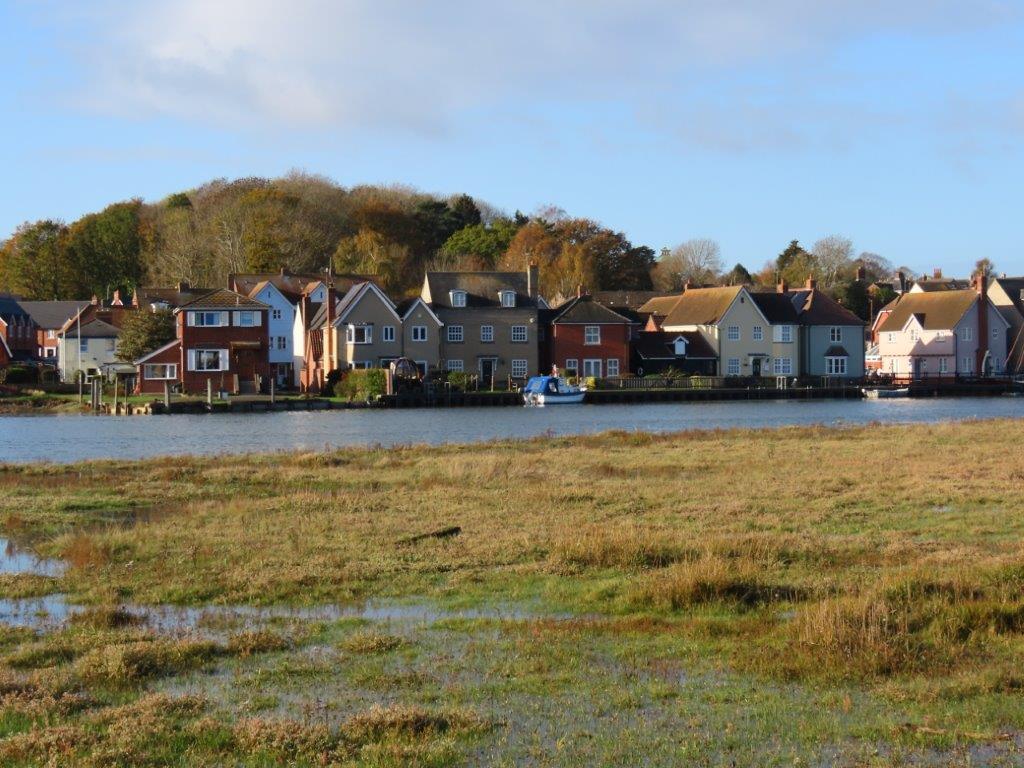
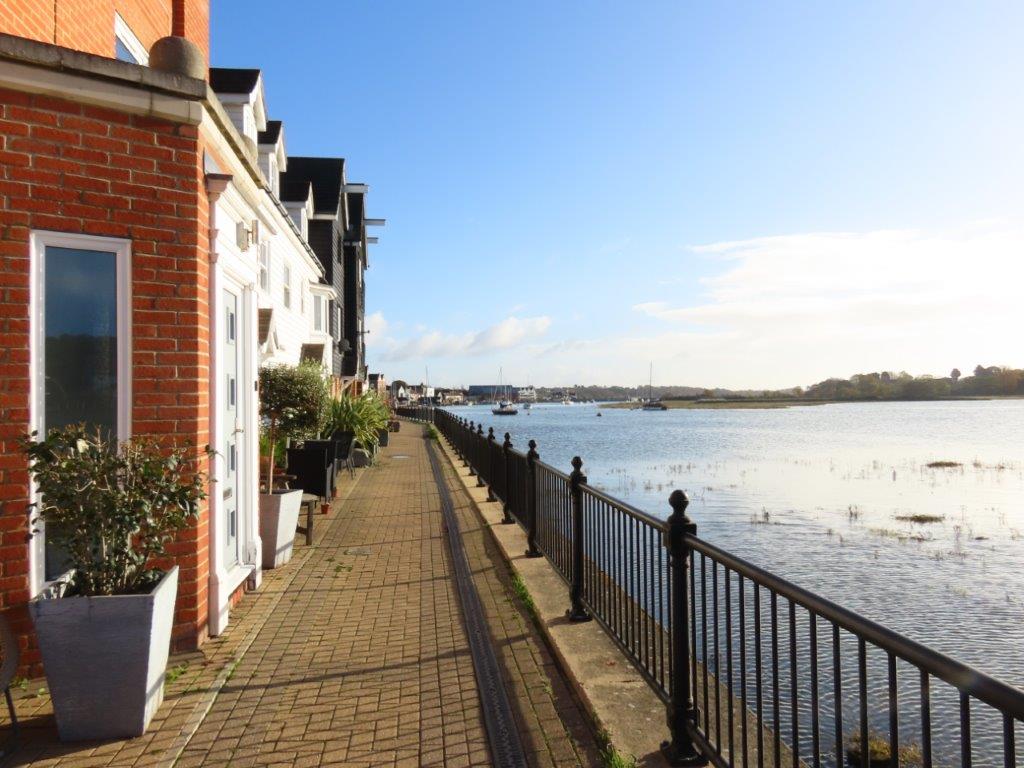
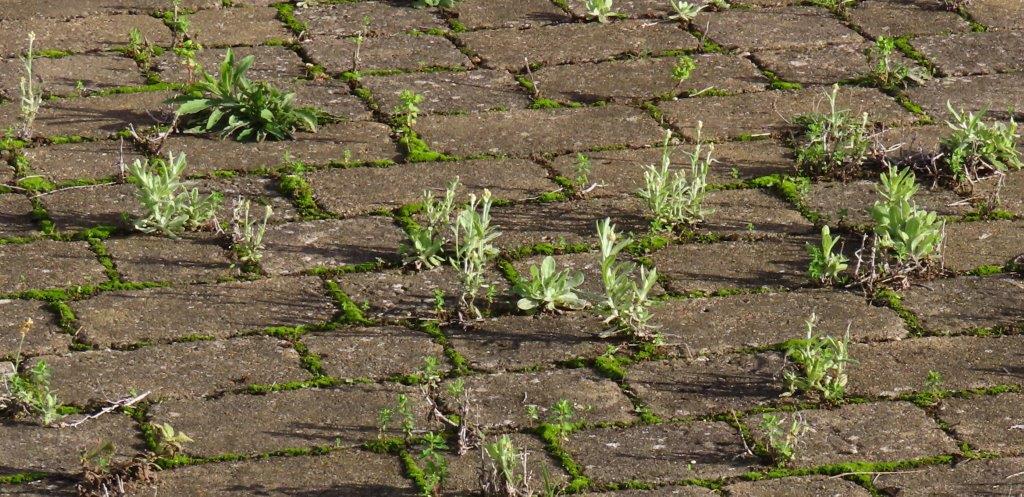
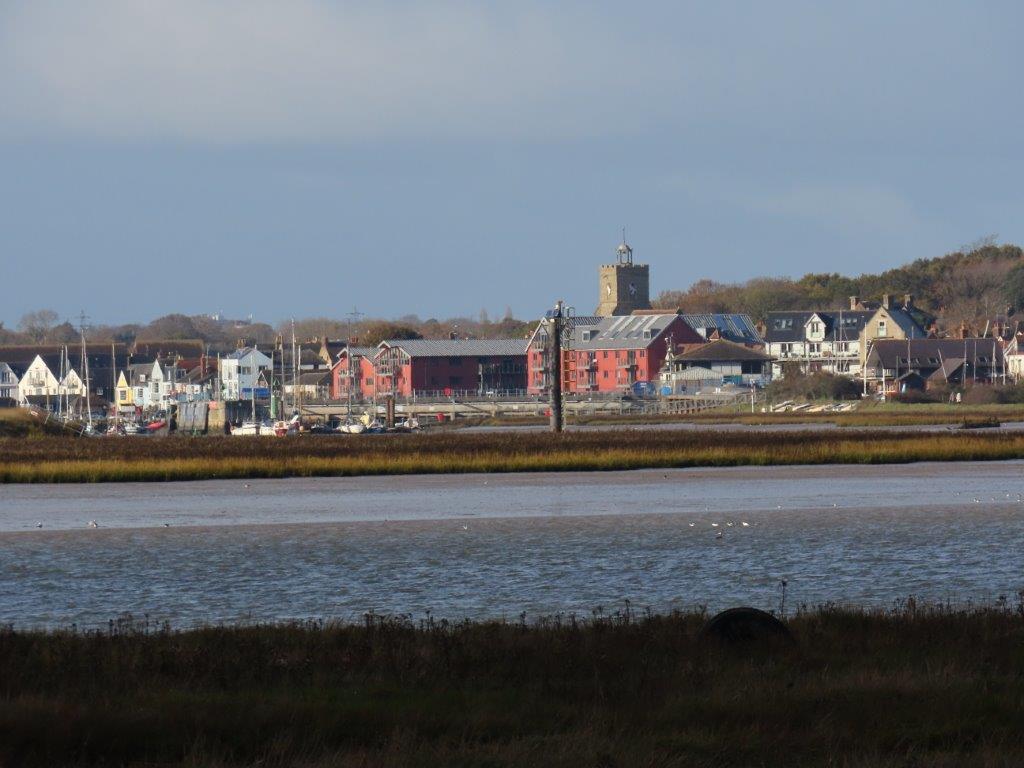
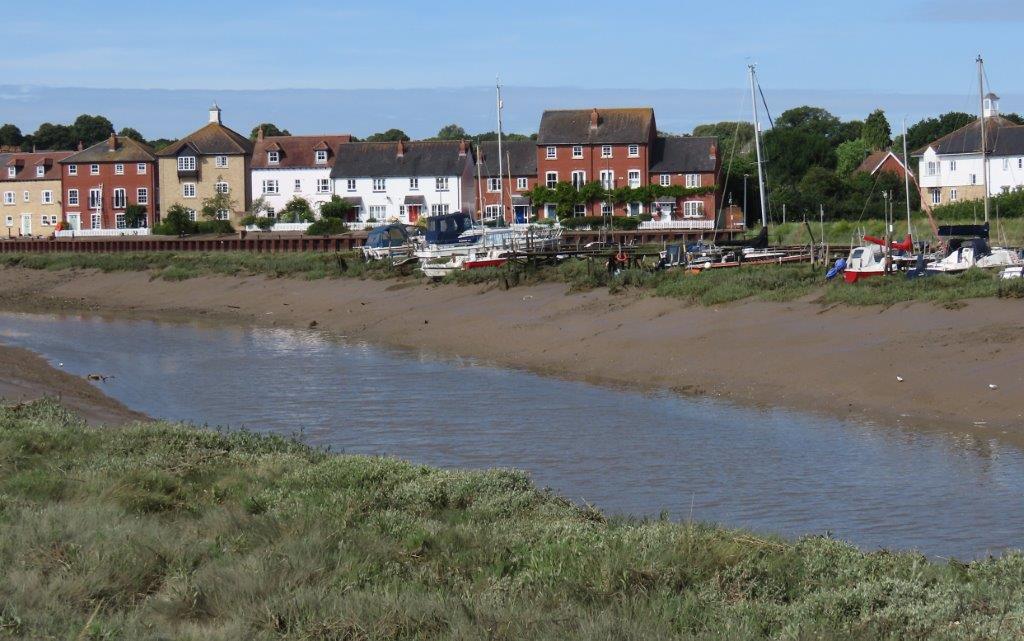
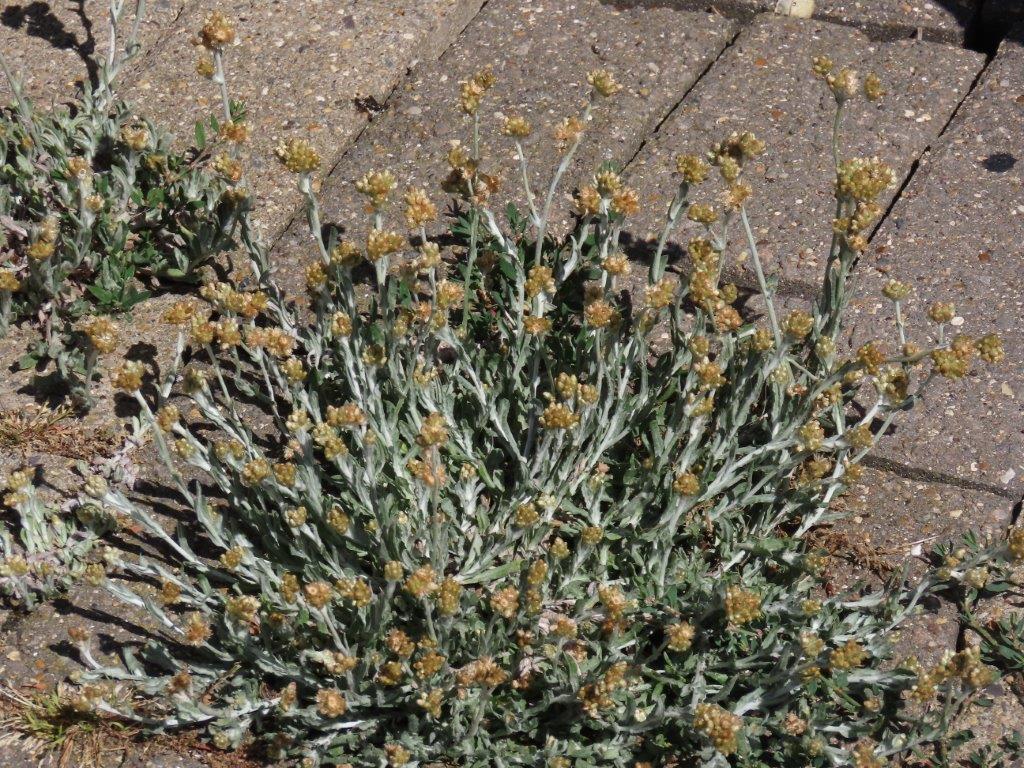
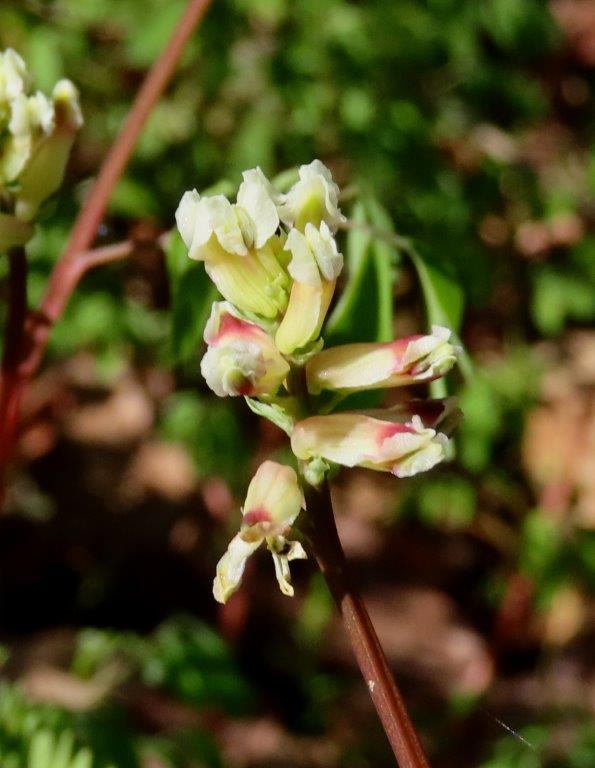
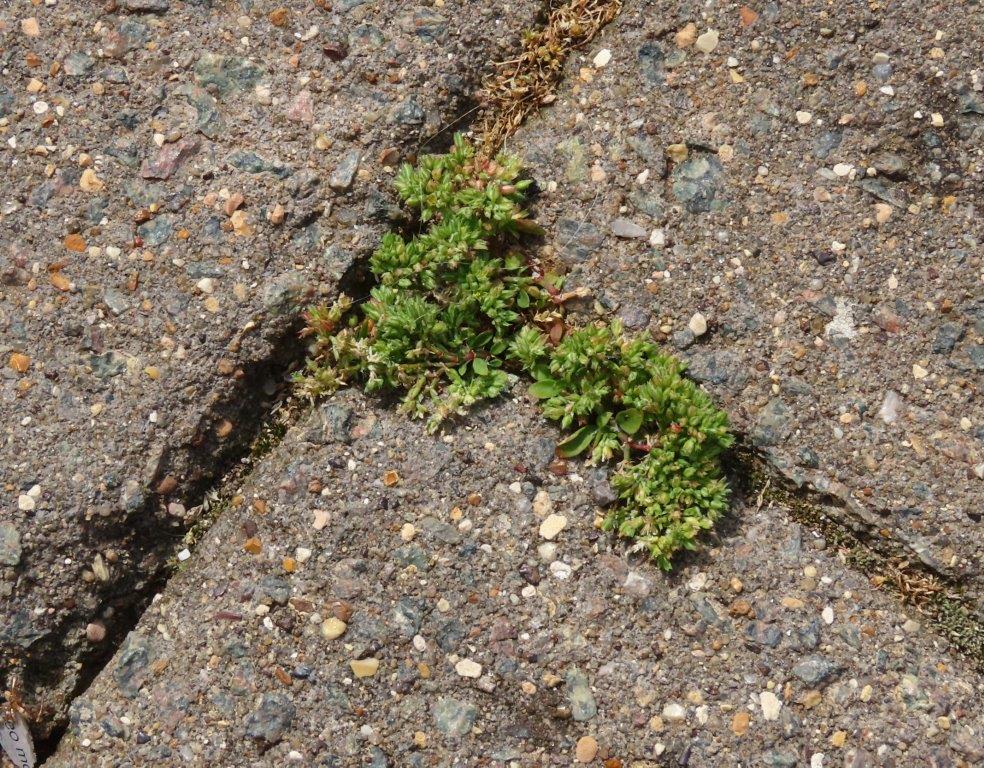
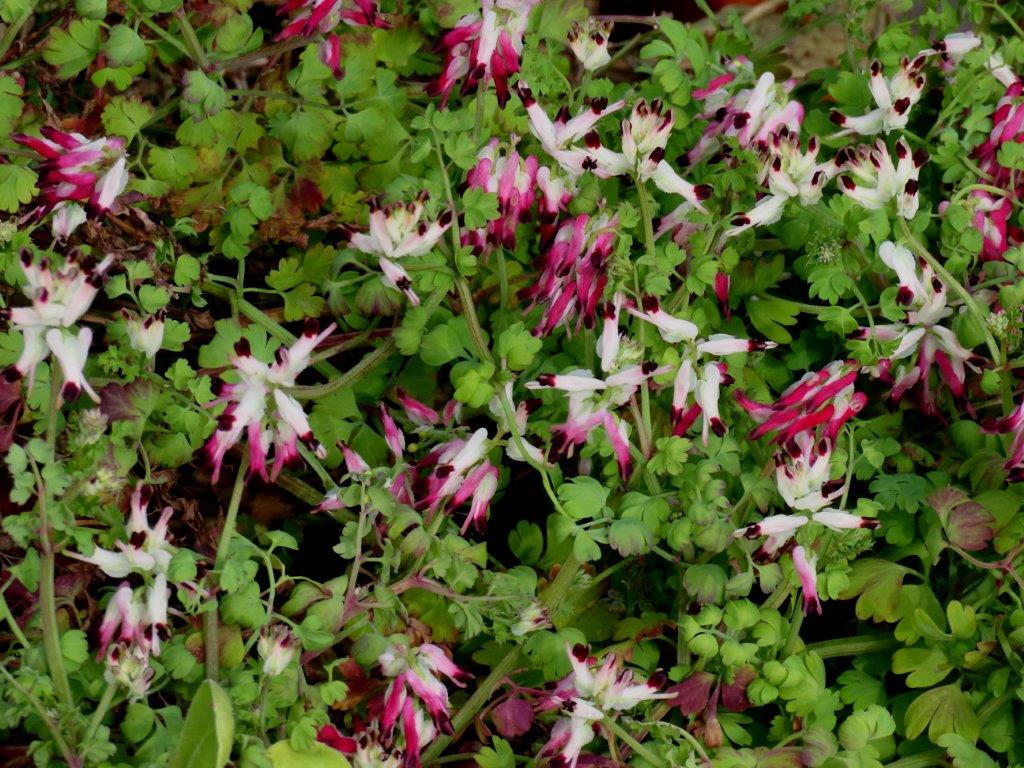
Along Wivenhoe waterfront, a chance to explore the changing socioeconomic trends that have shaped the town over the past fifty years ago as well as the eternal struggle against surge tides, the now-familiar rare plants were all present: Jersey Cudweed, Four-leaved Allseed and White Ramping-fumitory. Only the latter had flowers, but what a show!
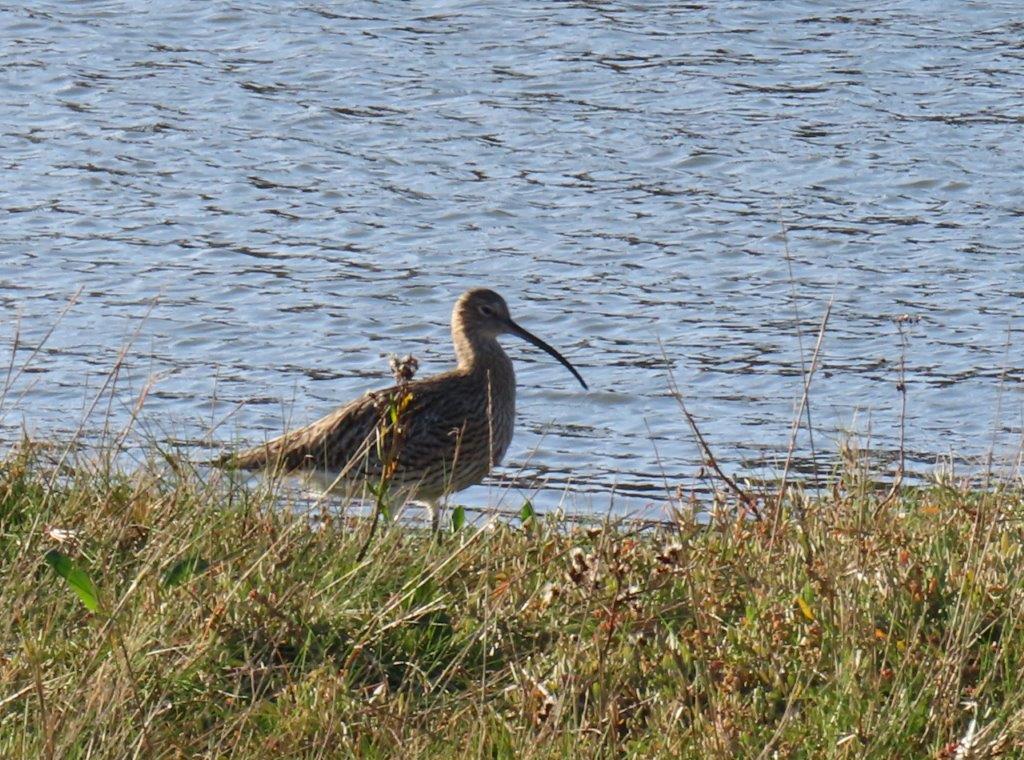
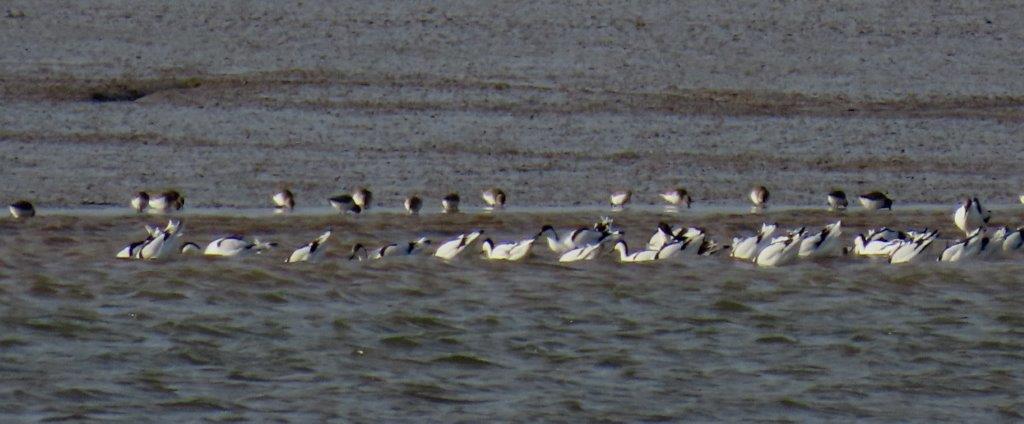
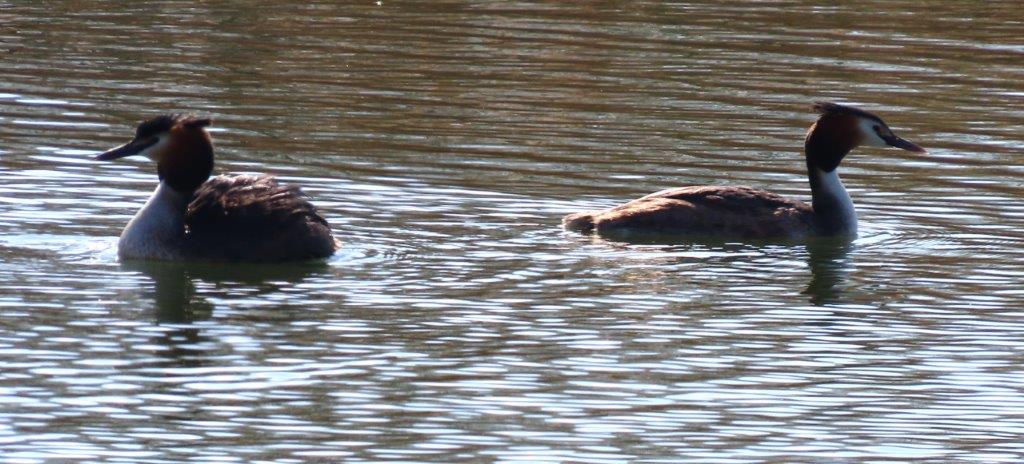
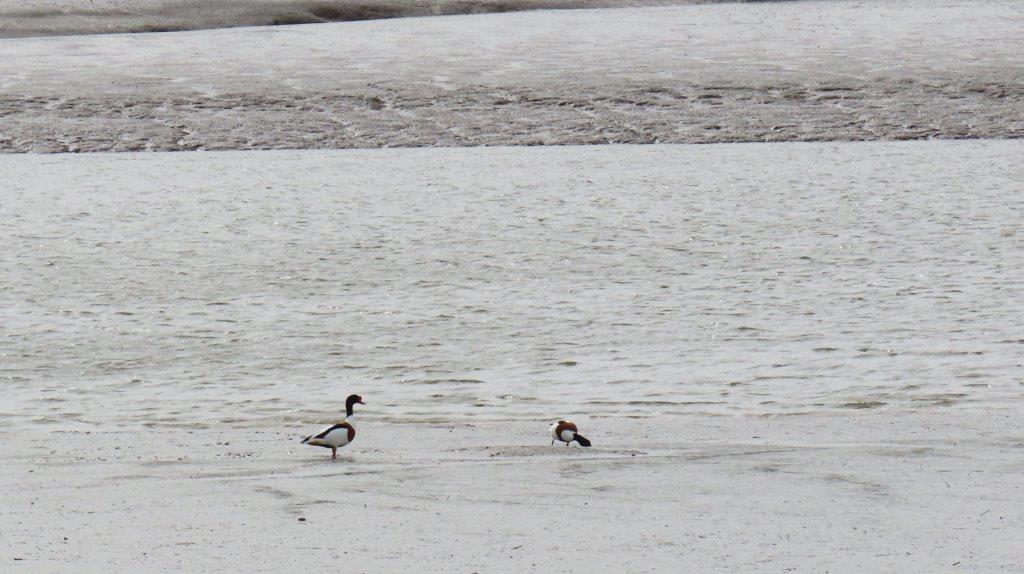
Below the Barrier and into the wider estuary, more of the same waders, including a large flock of 400 or so Black-tailed Godwits, and the first few Curlews. But no smaller species, nor any Avocets: presumably these were hunkered down out of the biting wind in a more sheltered creek. But there were good numbers of Shelduck wading through the sloppy mud, single Cormorant and Great Crested Grebe fishing in the channel and Buzzards circling over the woods.
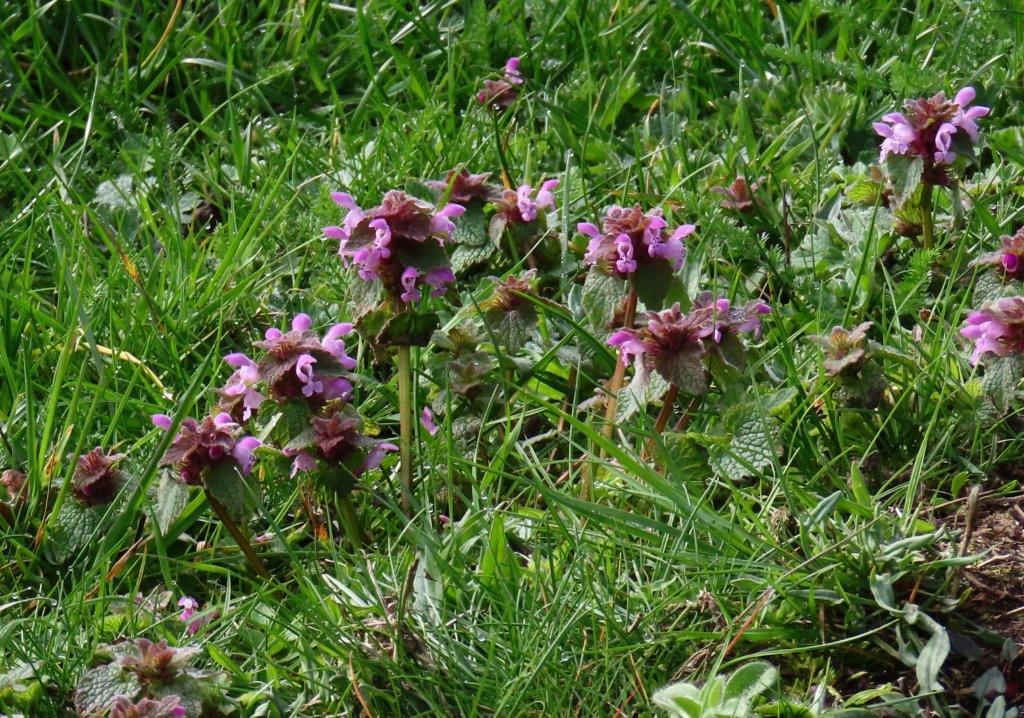
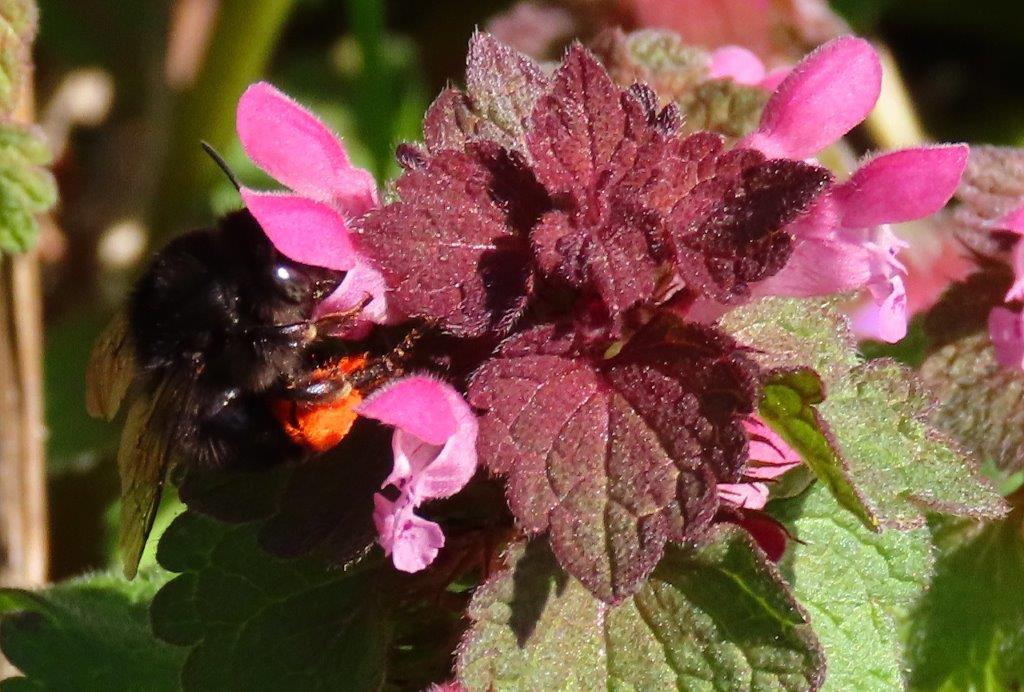
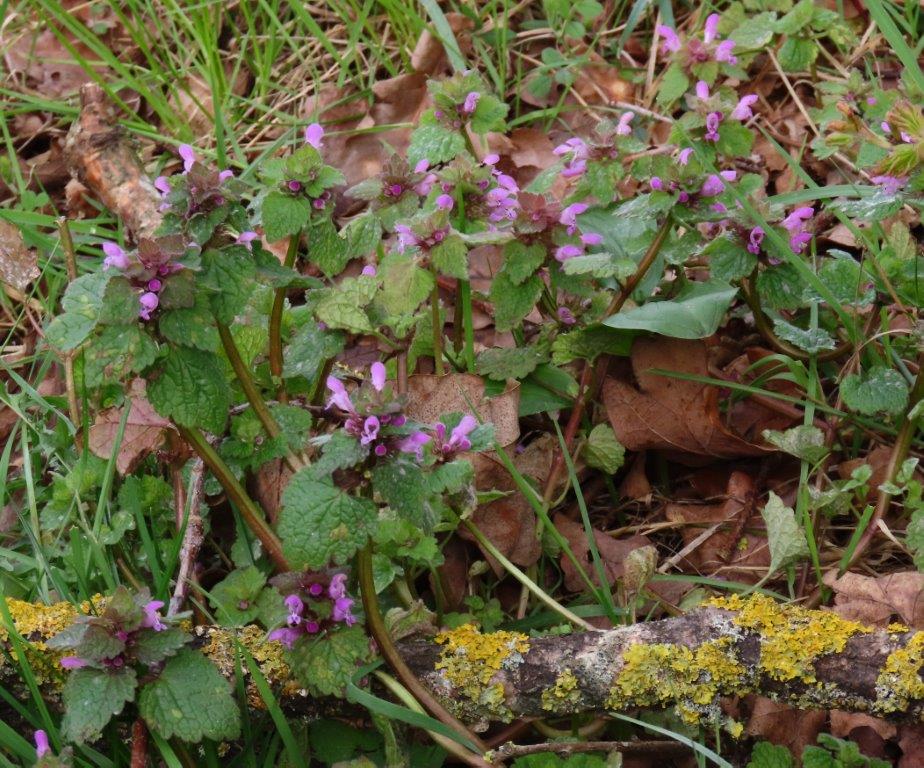
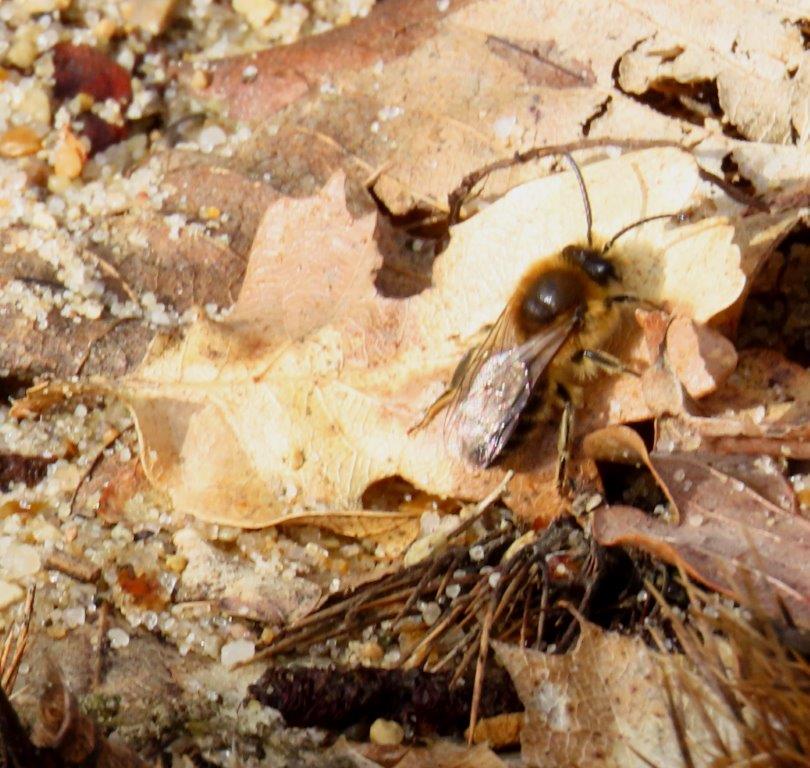
Along the seawall, especially on the warmer, south-facing slope, Hairy Bittercress and Red Dead-nettle were flowering, the latter a magnet for the few queen bumblebees foraging, making the most of their fur coats to be active when no other insects were.
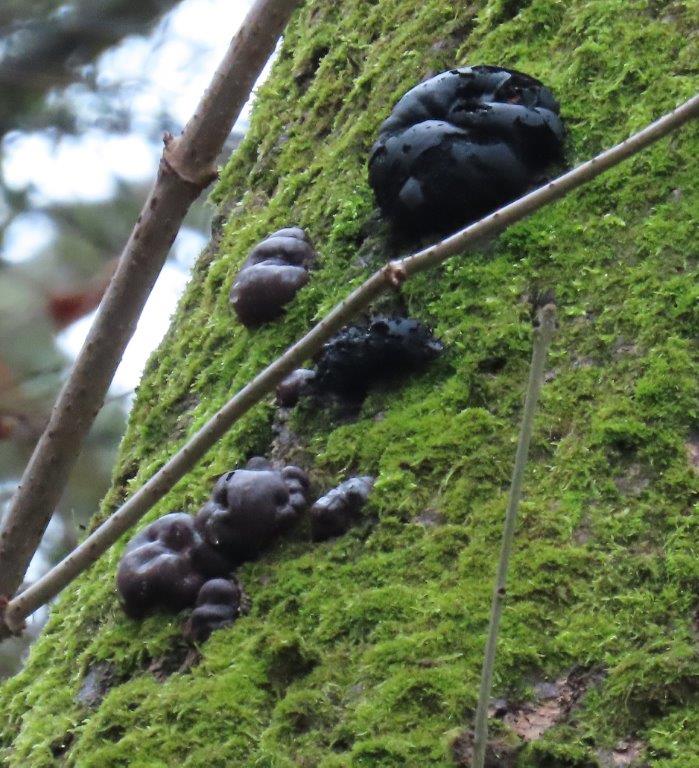
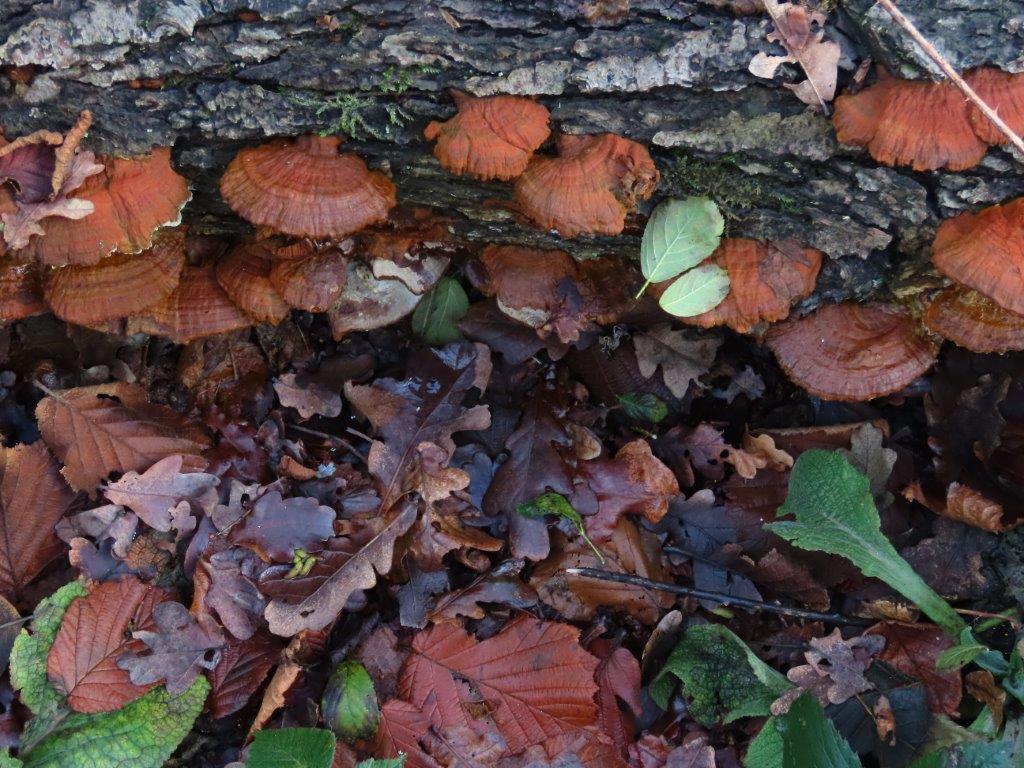
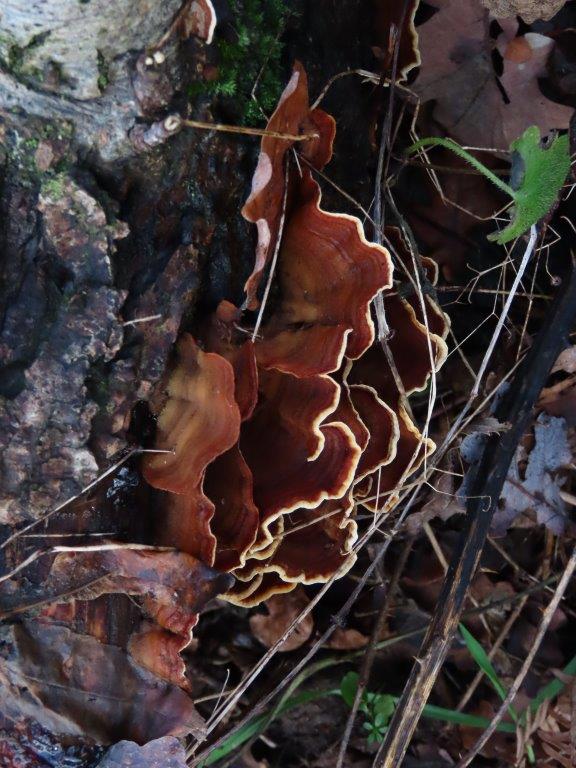
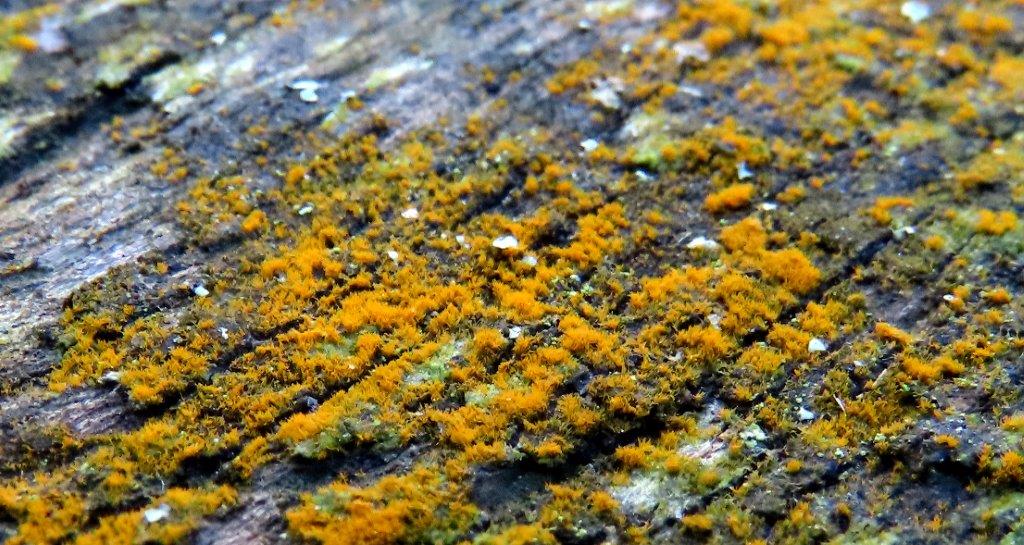
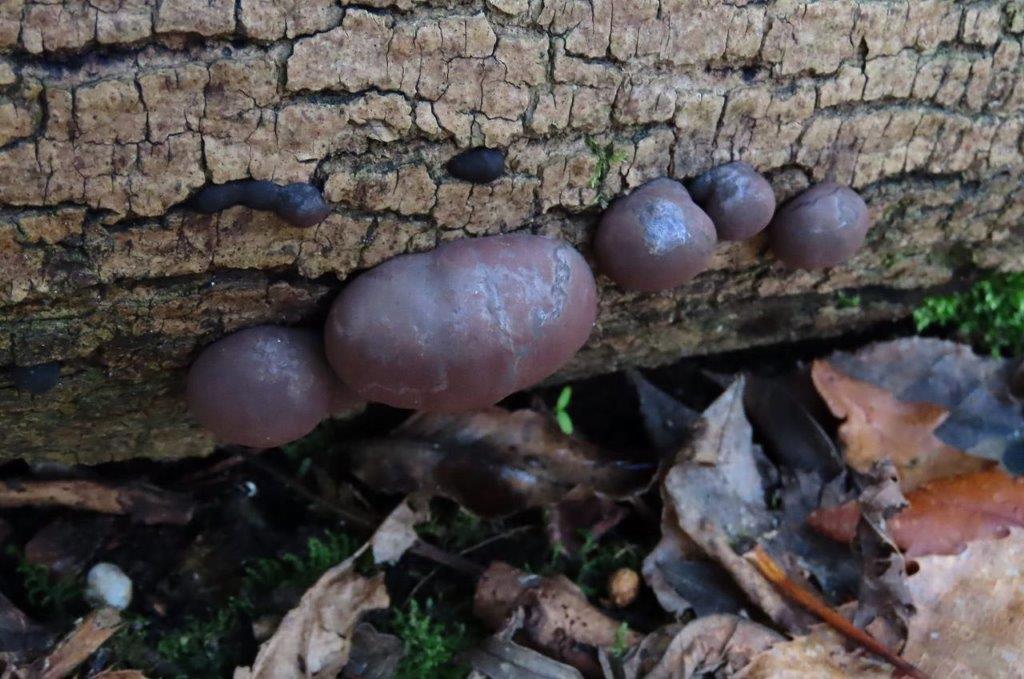
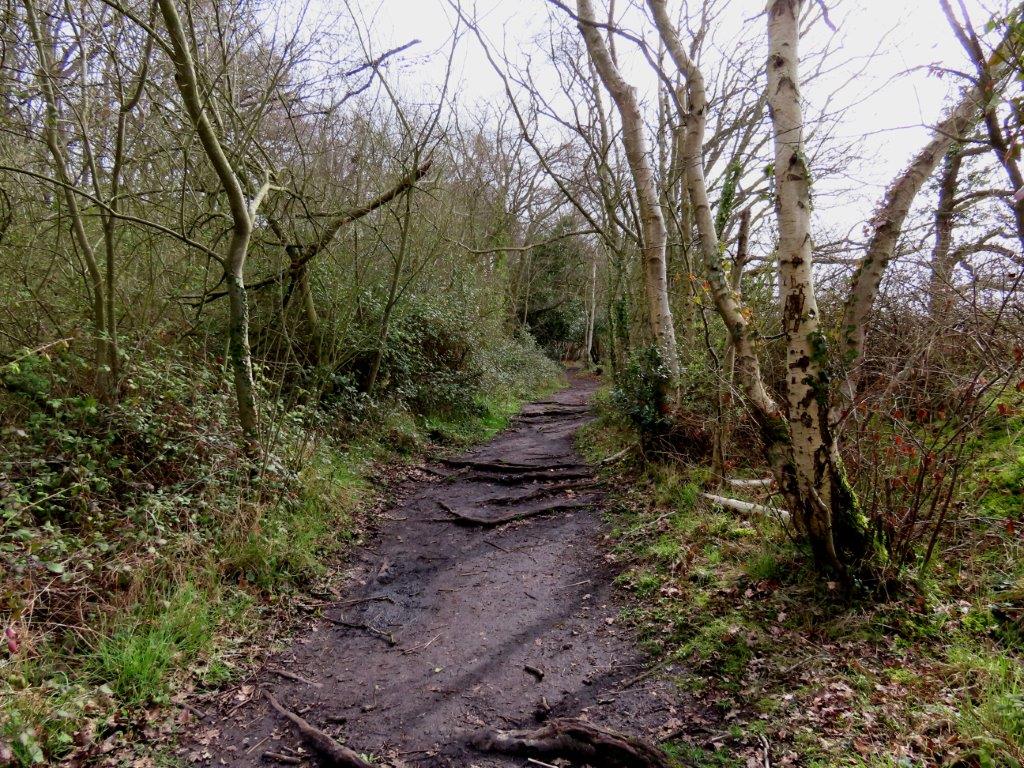
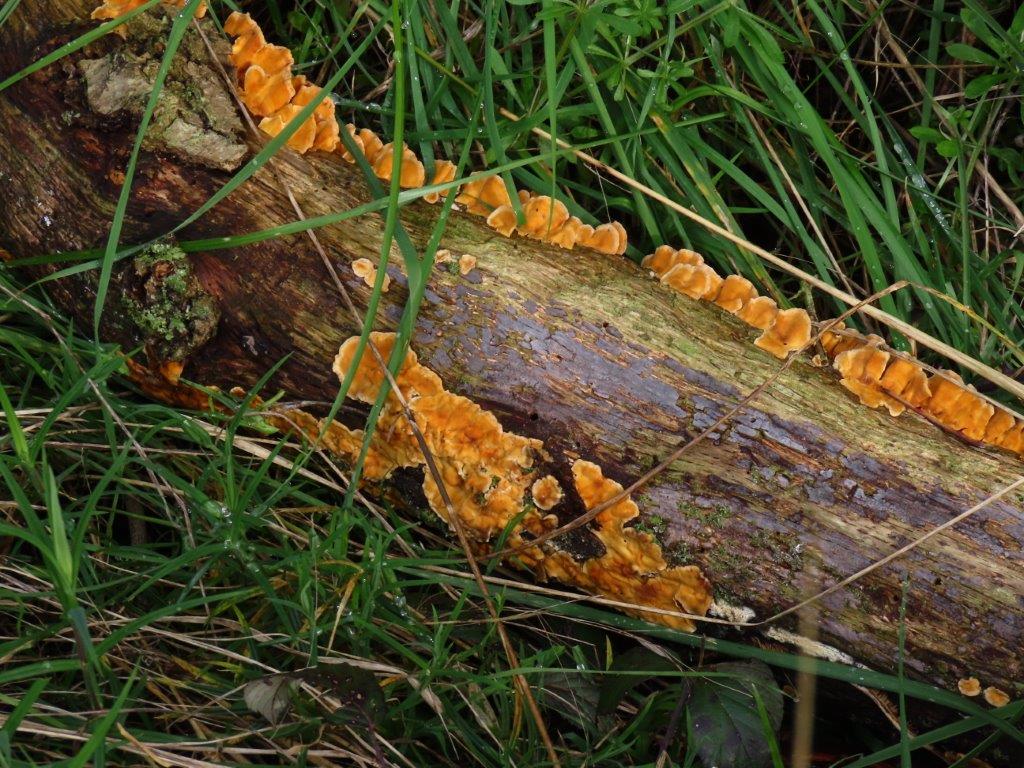
As soon as we got into the shelter of Grange Wood, the temperature rocketed, and the first of several Chiffchaffs started to sing, probably ones that arrived along with Sahara dust last week. The Silver Birch trees were covered in Birch Bracket fungi, while on windblown twigs there were both Orange Brain Fungus and Stereum hirsutum.
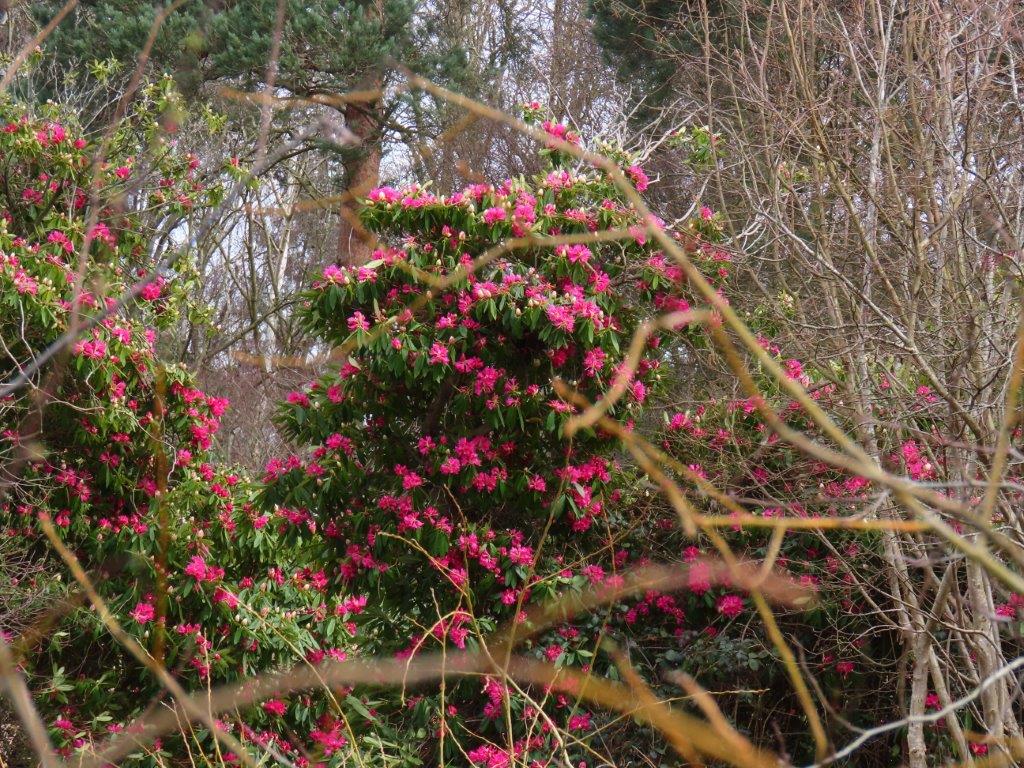
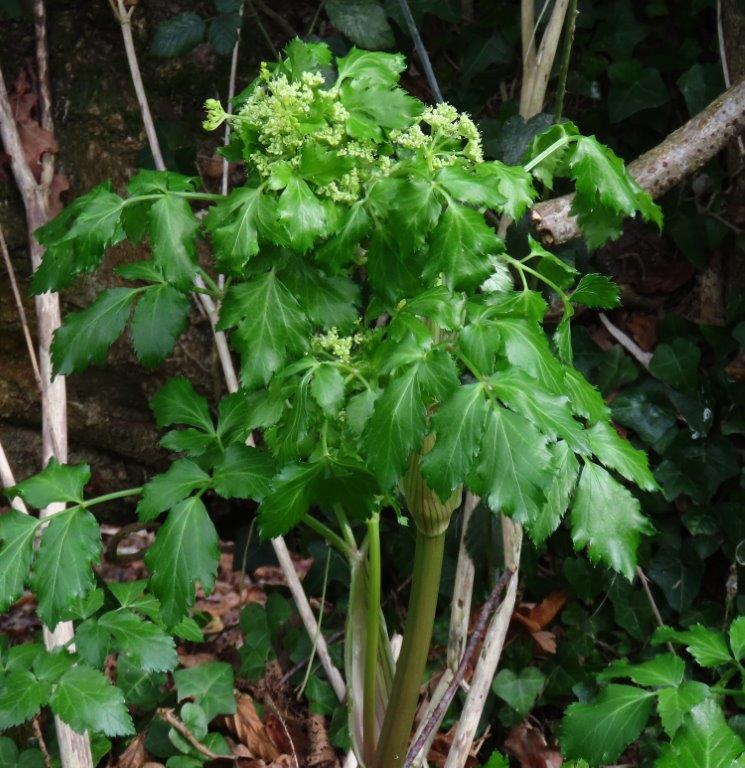
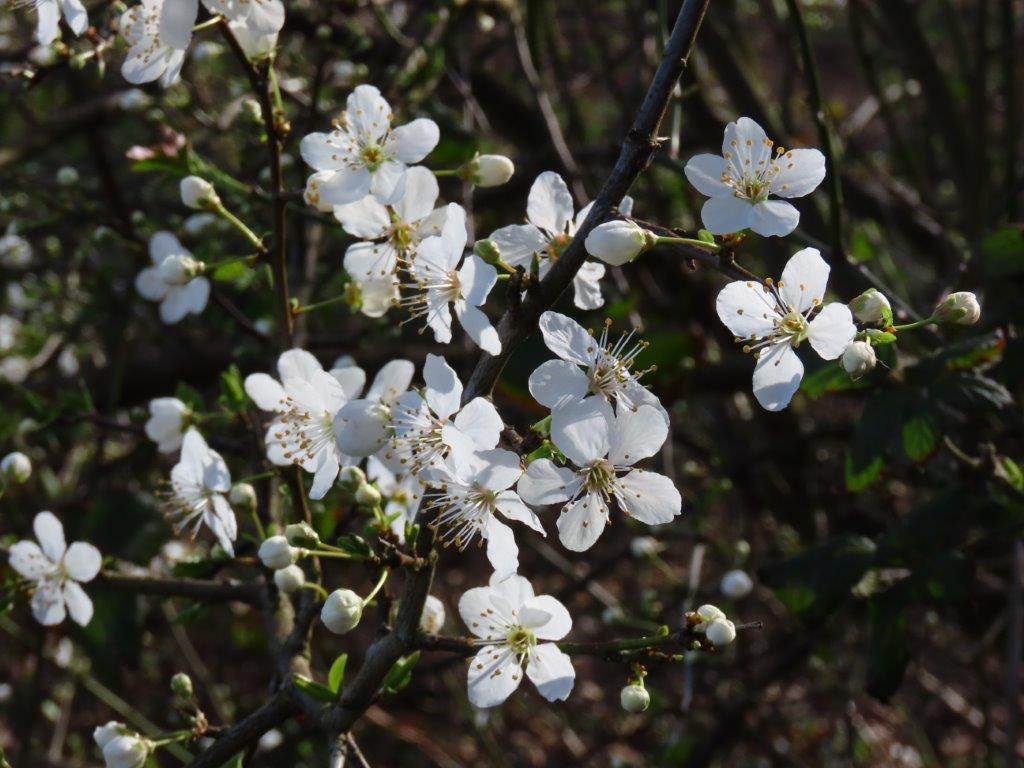
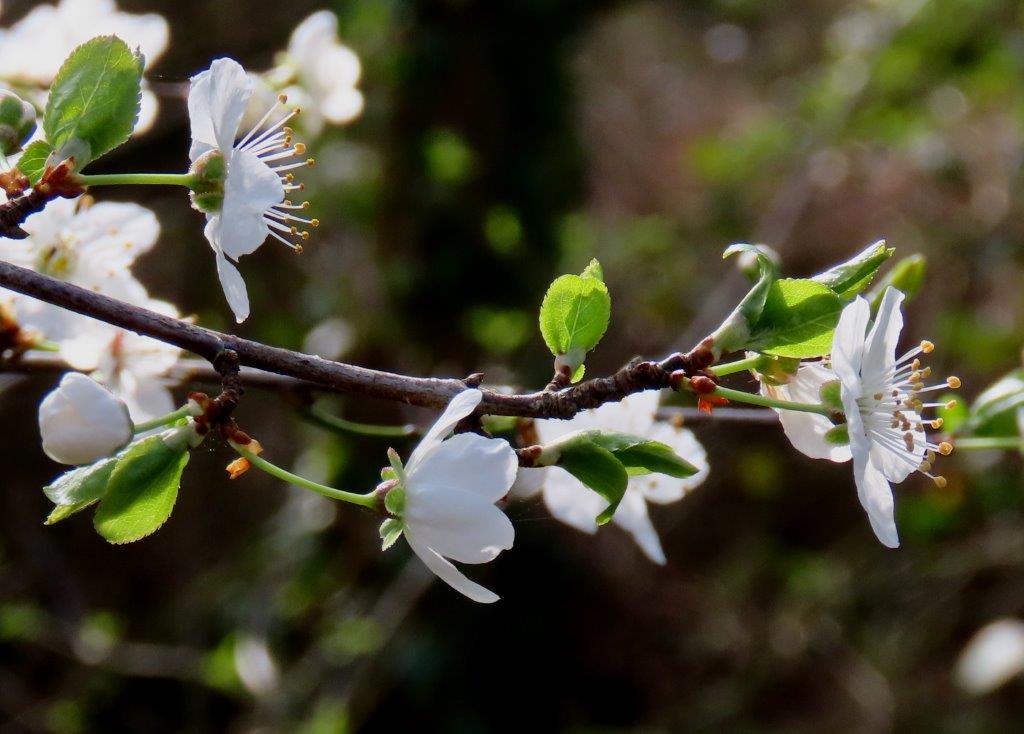
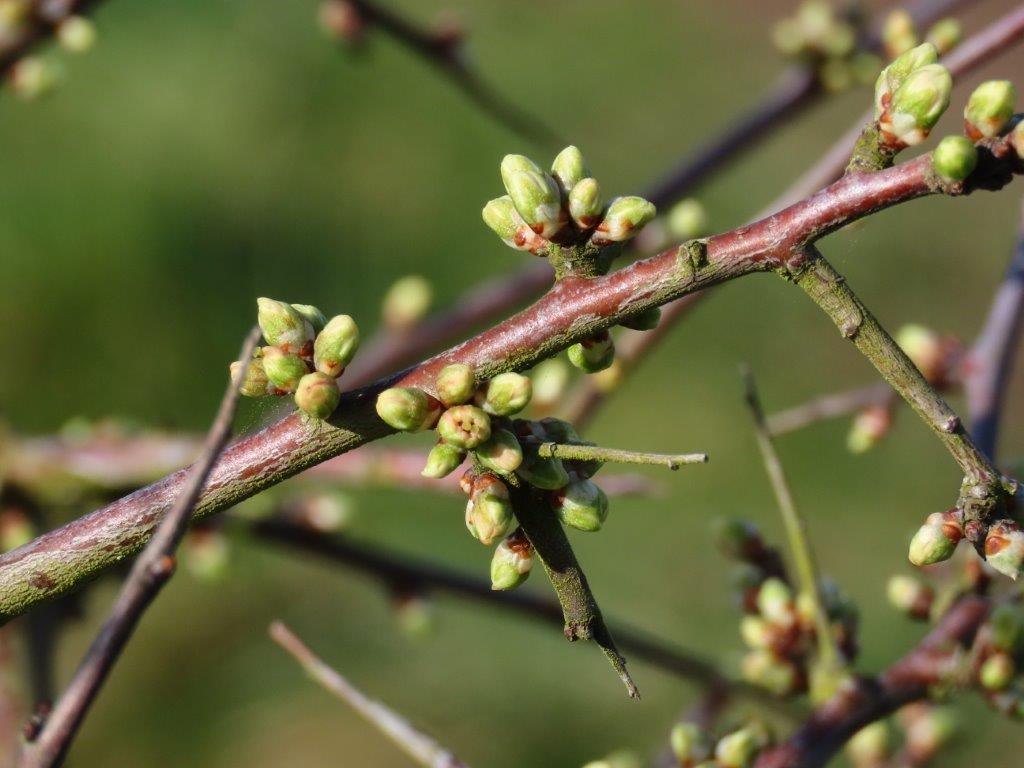
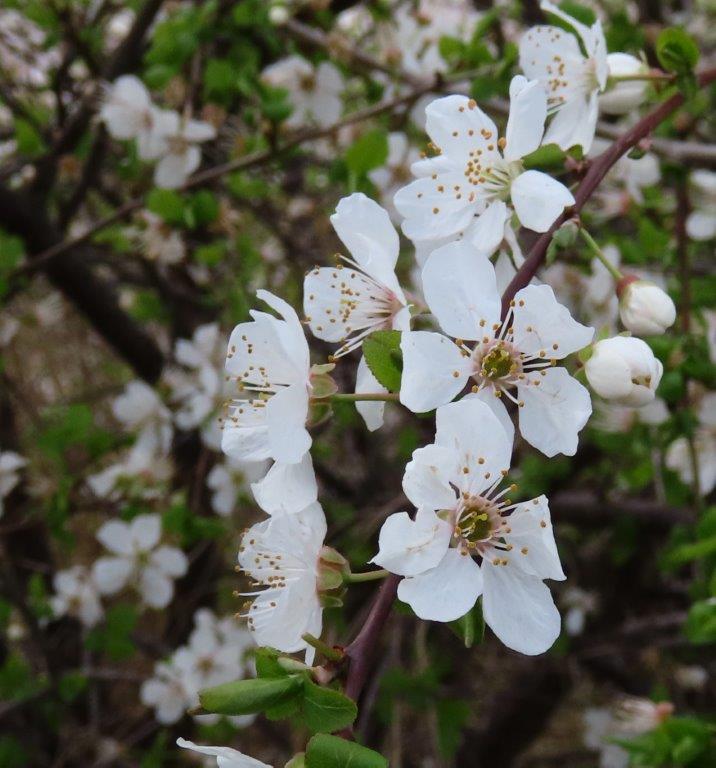
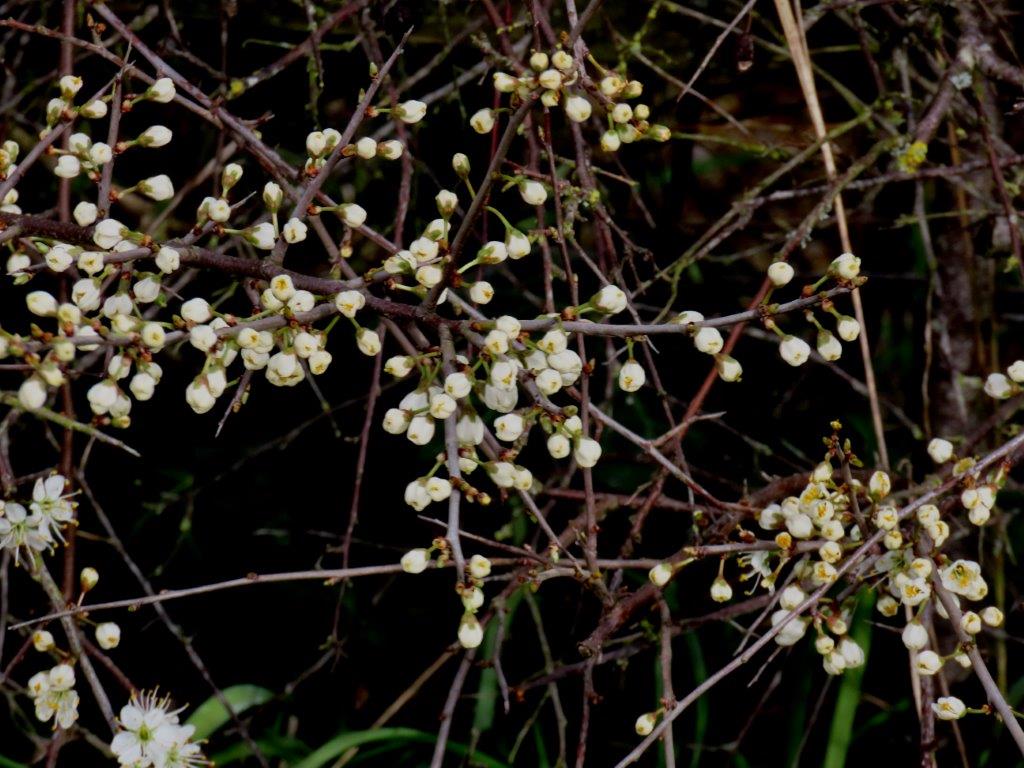
Cherry-plum flowers were just past their peak, while those of Blackthorn were just starting to burst. A precocious Rhododendron was in full flower and the first Alexanders flowers were erupting, soon to become the most important insect forage before the full flush of spring.
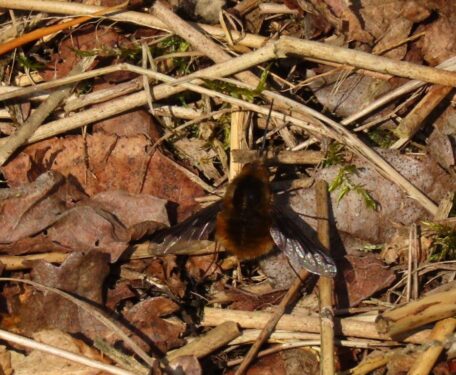
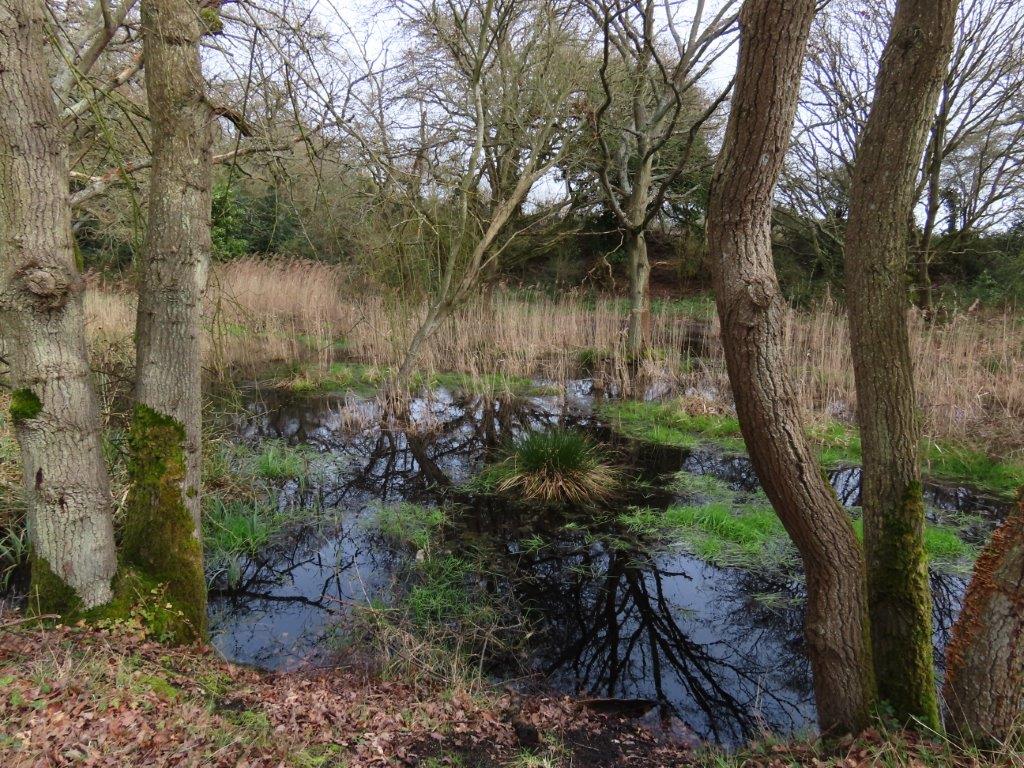
And the shady pools were just crying out for Beavers!
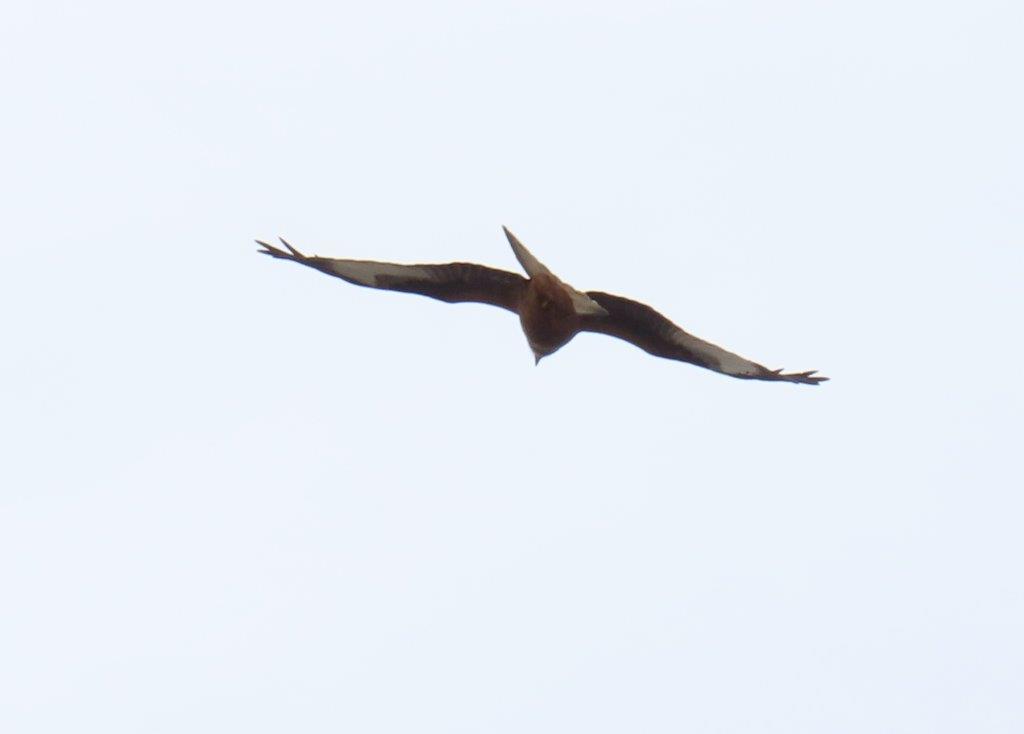
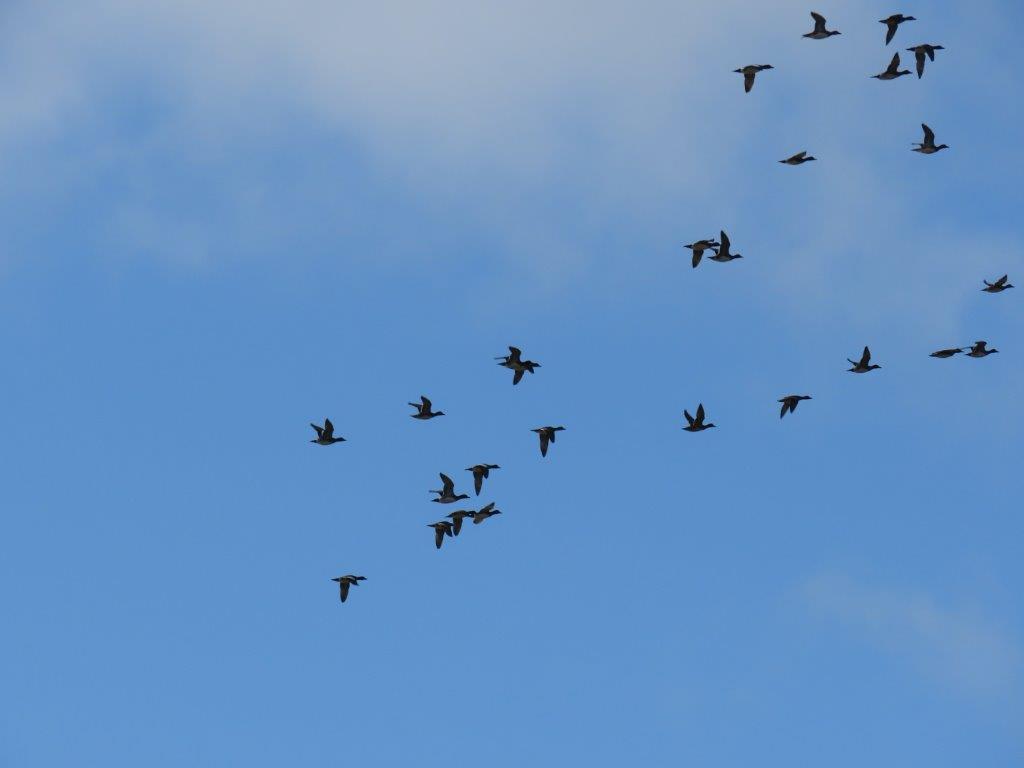
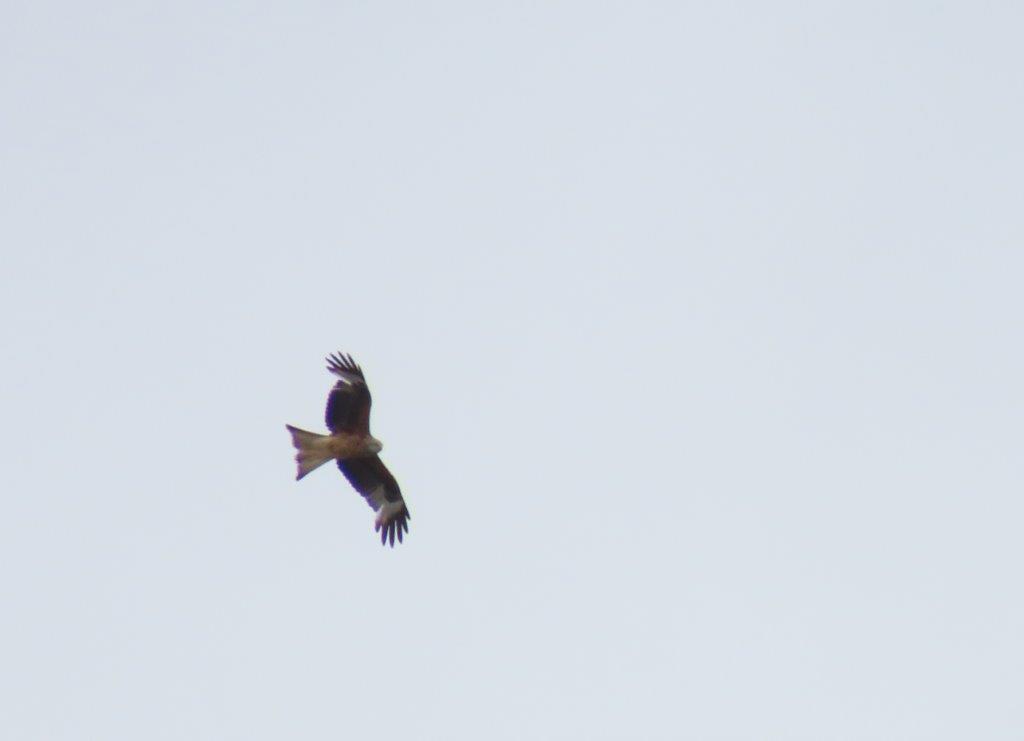
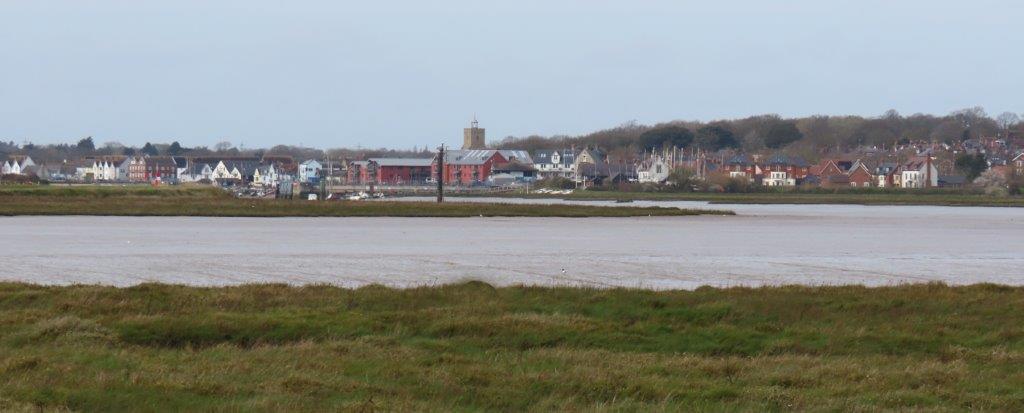
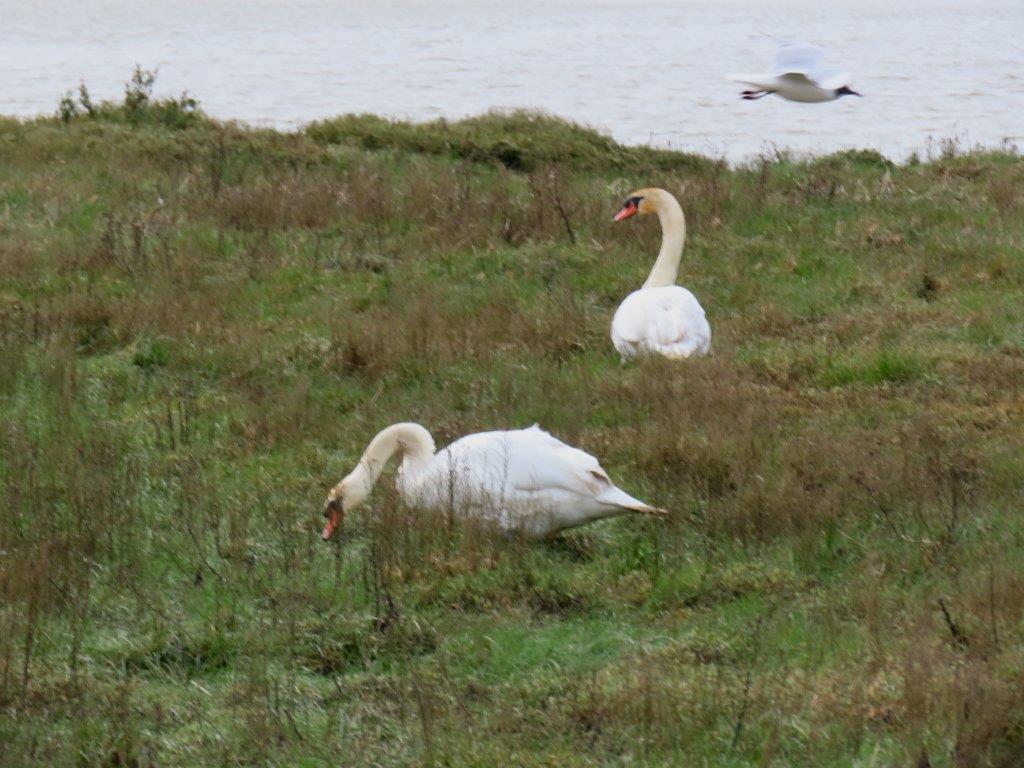
For lunch we were back in the chill wind, but rewarded with flocks of Wigeons and Brent Geese, with a trio of Mute Swans surprisingly grazing on the saltmarsh. A Red Kite, presumably one of the local breeders, drifted low overhead and Skylarks were singing from the fields, bringing the promise of spring even in the teeth of an icy wind.
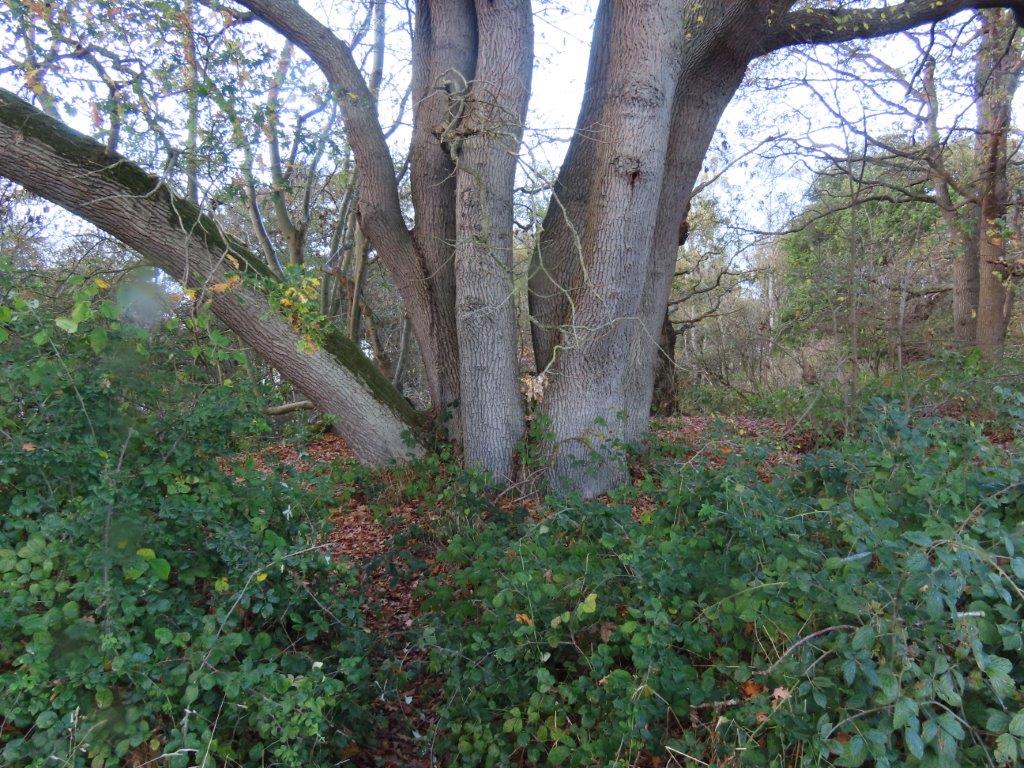
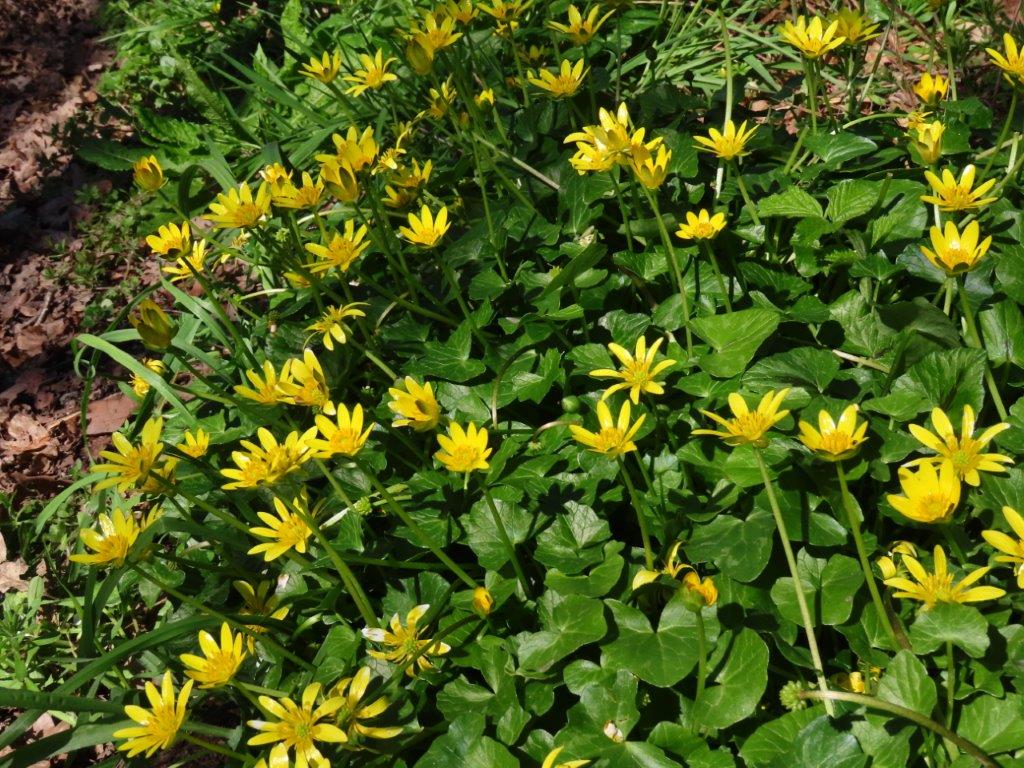
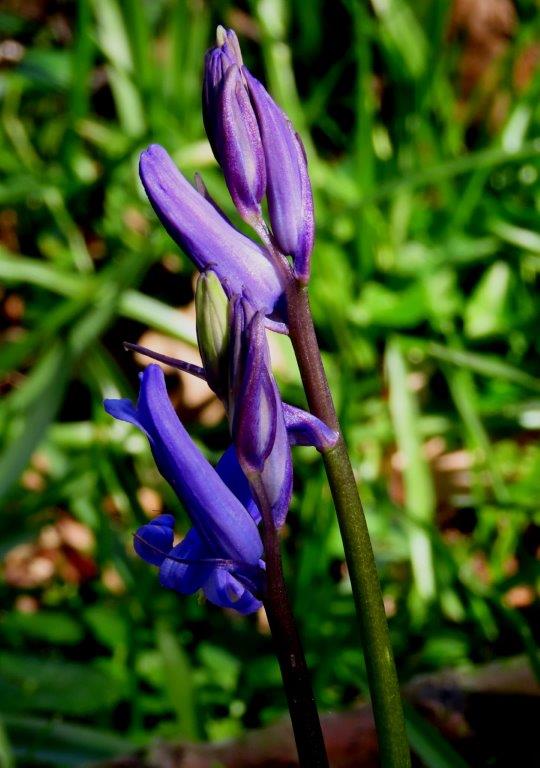
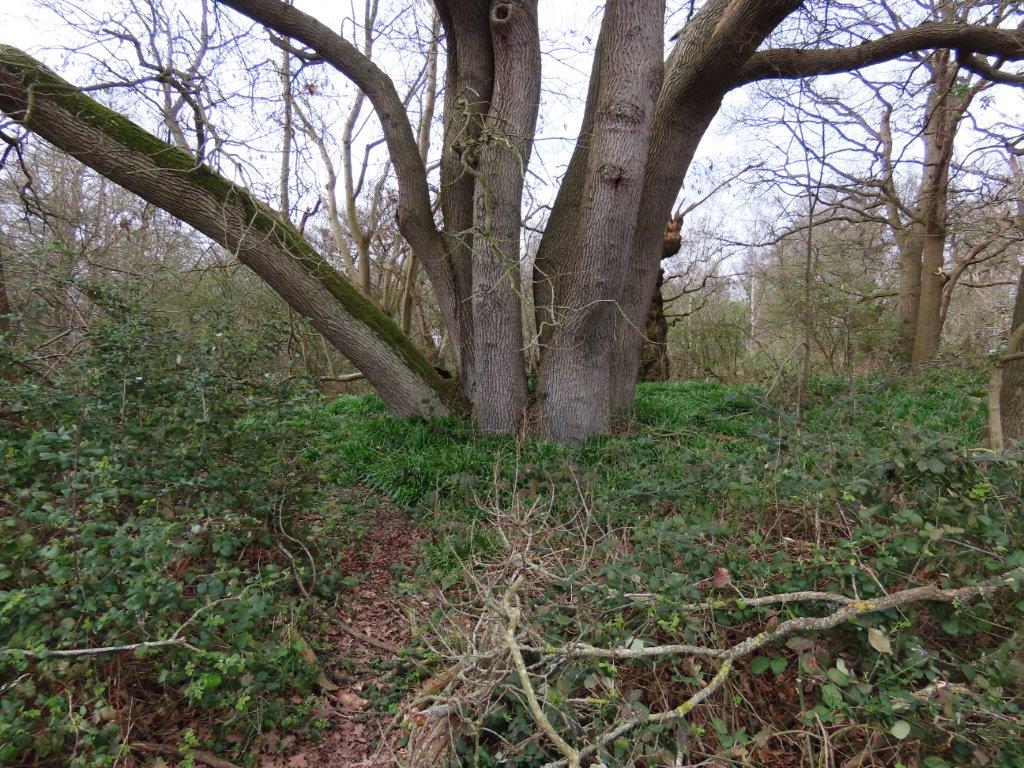
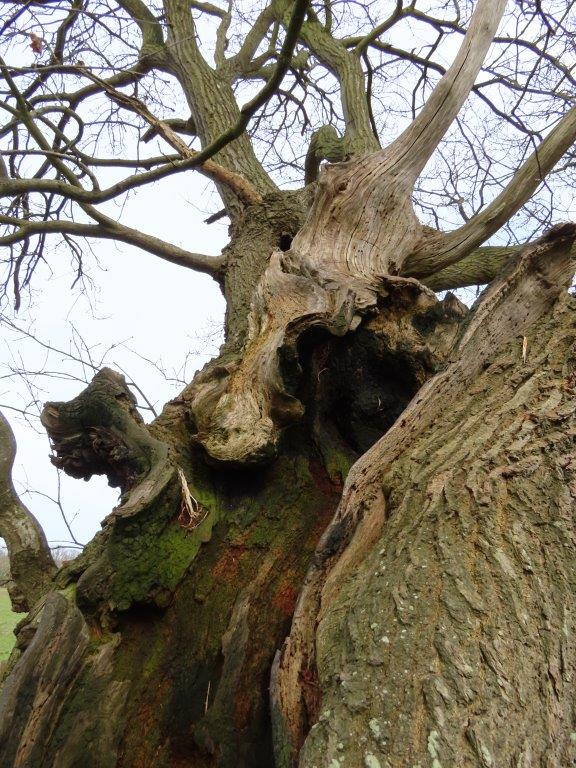
Heading up the hill to the top of the Essex Alps, moving from clay to gravel, we passed numerous vast pollards and coppice stools, mostly Oak but also Holly, boundary features of the ancient wood and the old trackway of Cutthroat Lane. Celandines were flowering, along with the very first Bluebells, amid the sprouting spring greens of Garlic Mustard and (more menacingly) Hemlock.
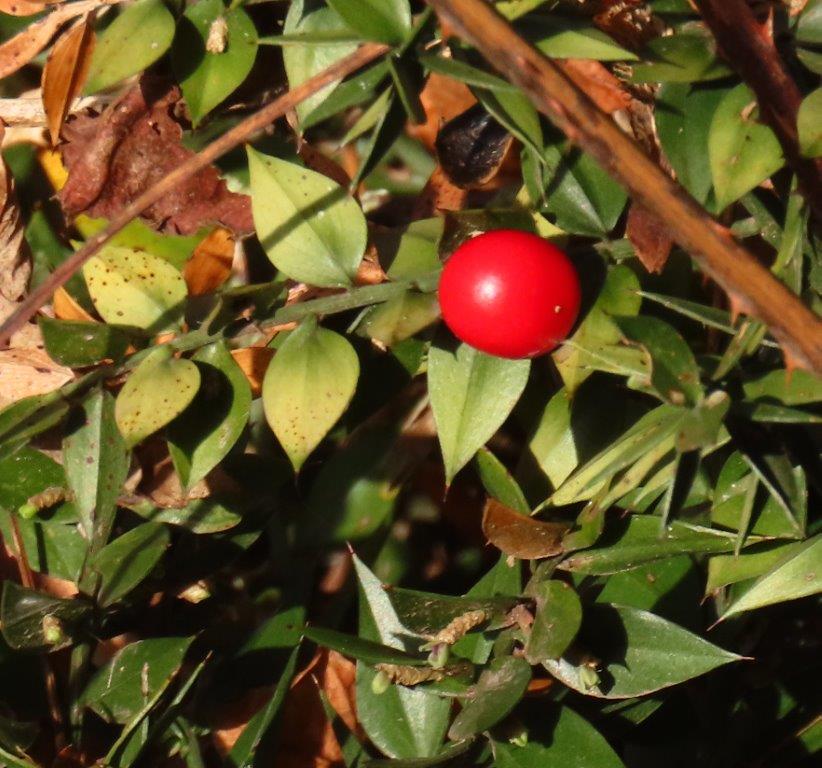
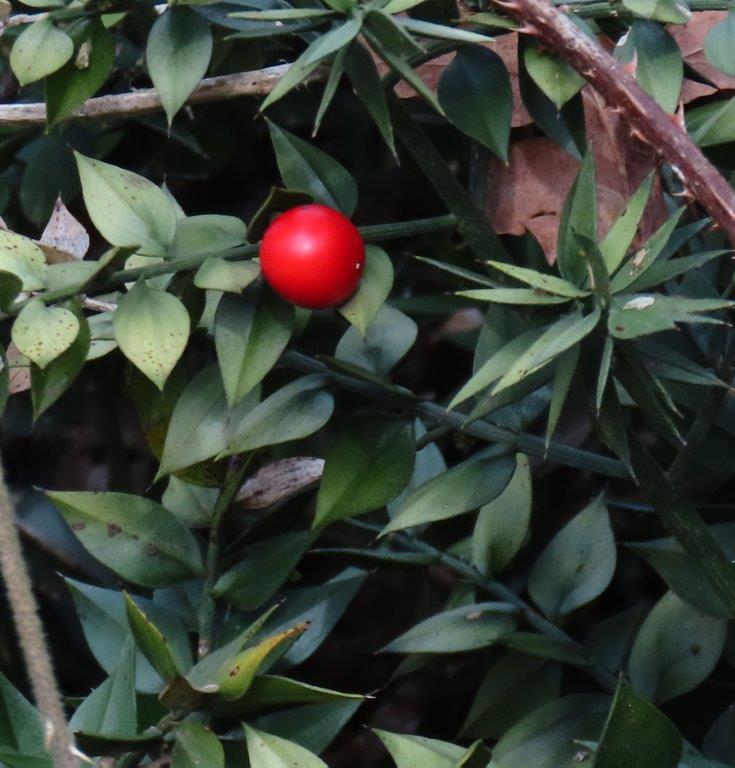
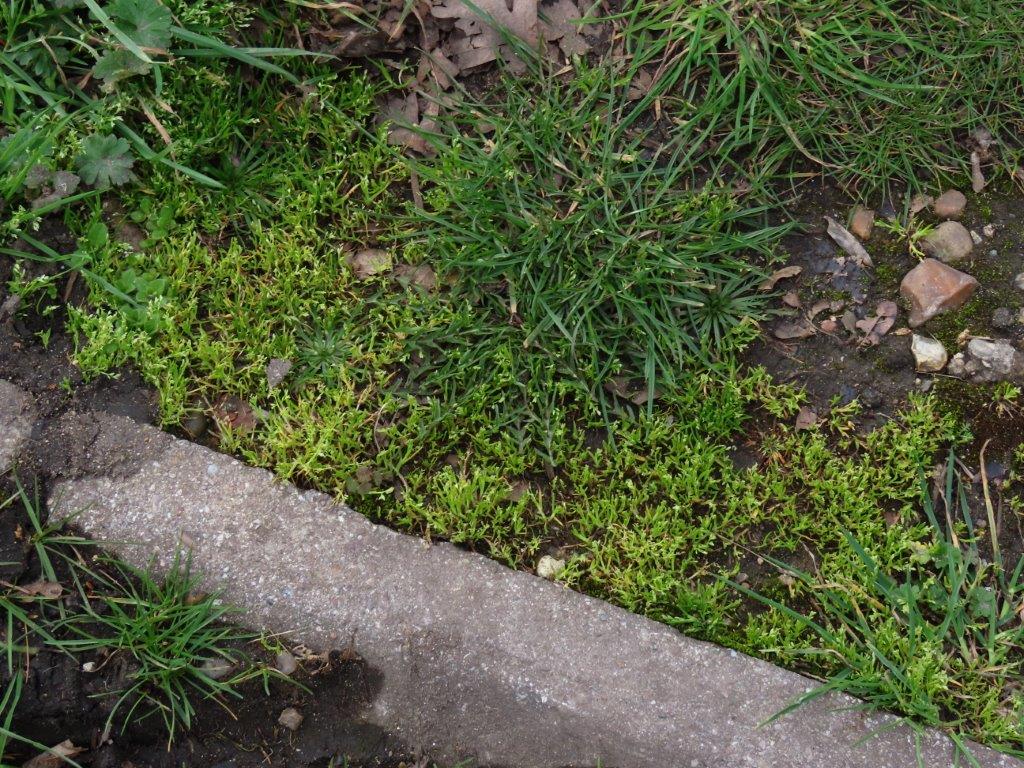
A Great Spotted Woodpecker and Jay showed themselves briefly along the lane, above large patches of fruiting, presumably ancient, Butcher’s Broom. And in the open at the end of the lane, acid-green in the verge highlighted a patch of Early Meadow-grass. Although we have known this plant close to the tide for the past five or so years, this is the first time I have found it inland round here.
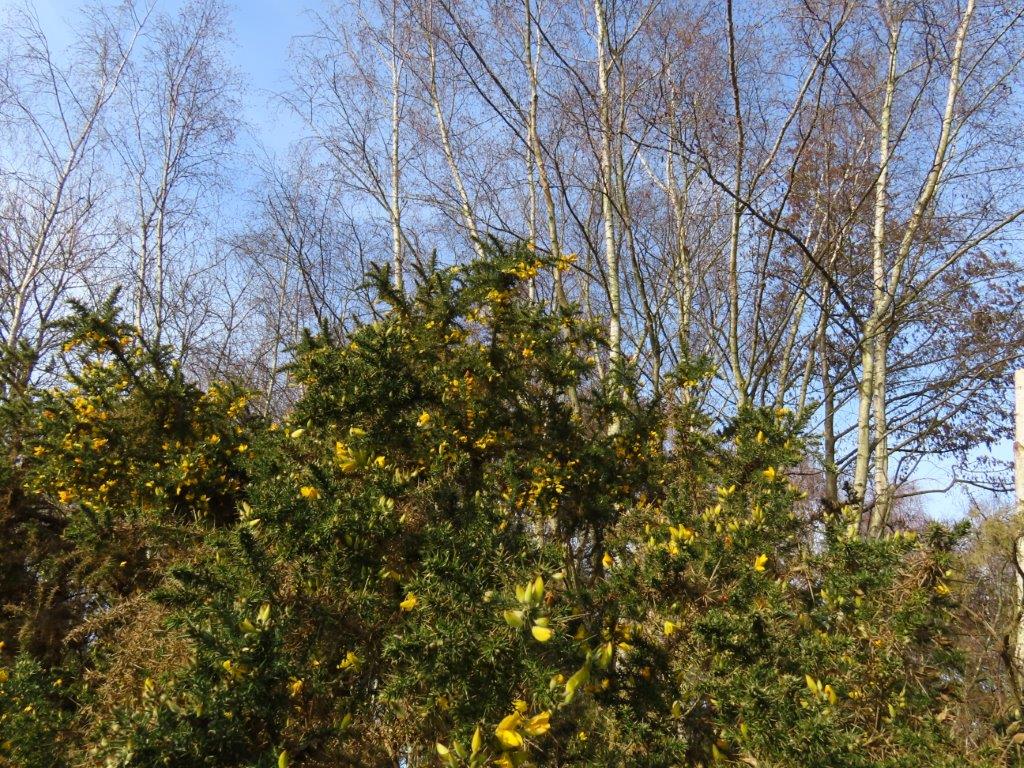
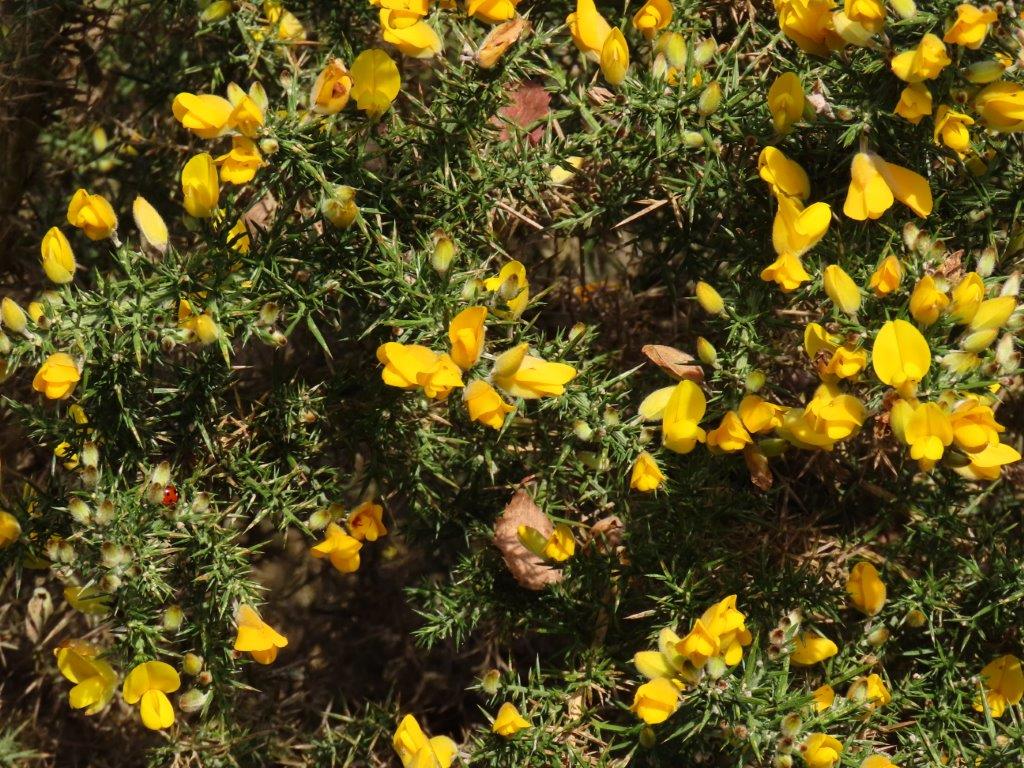
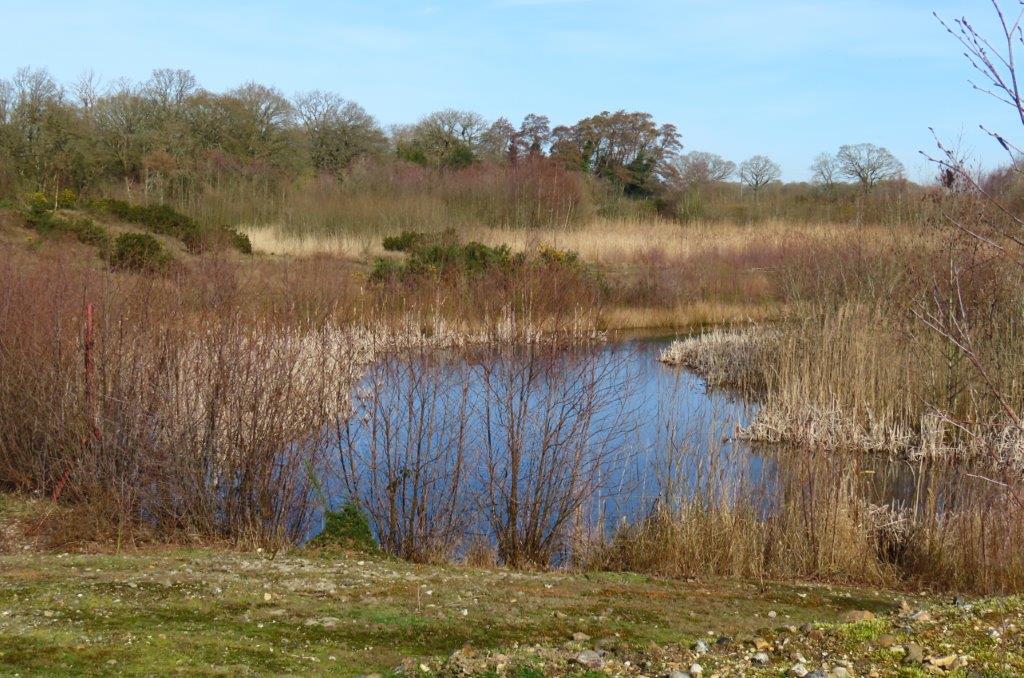
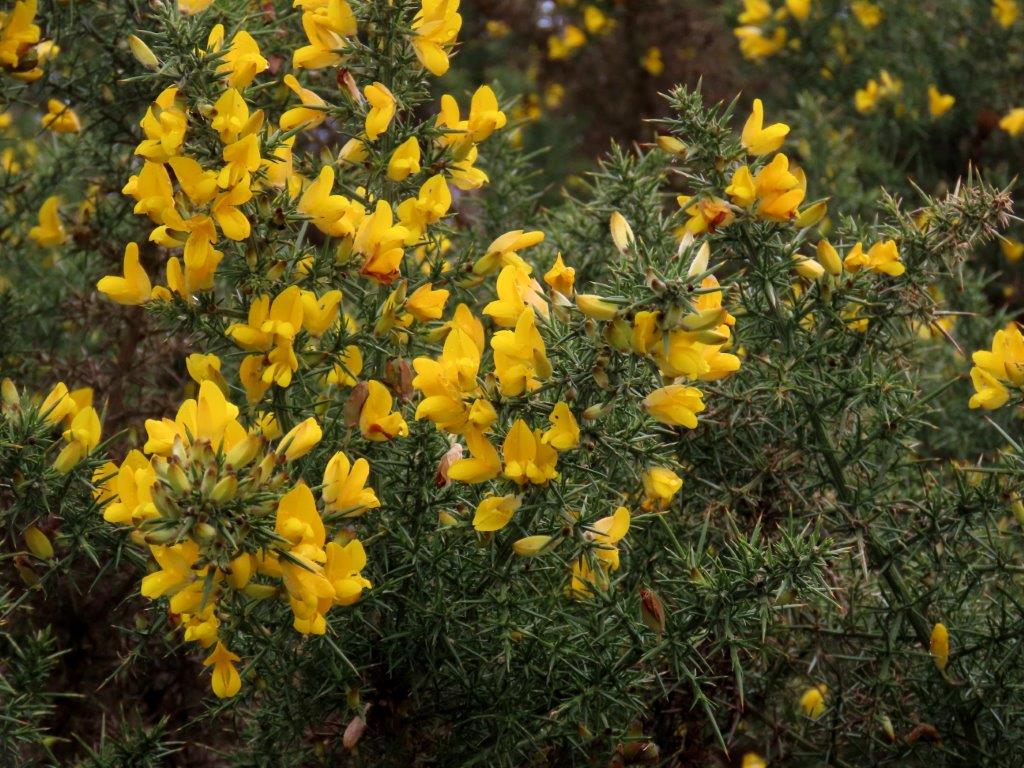
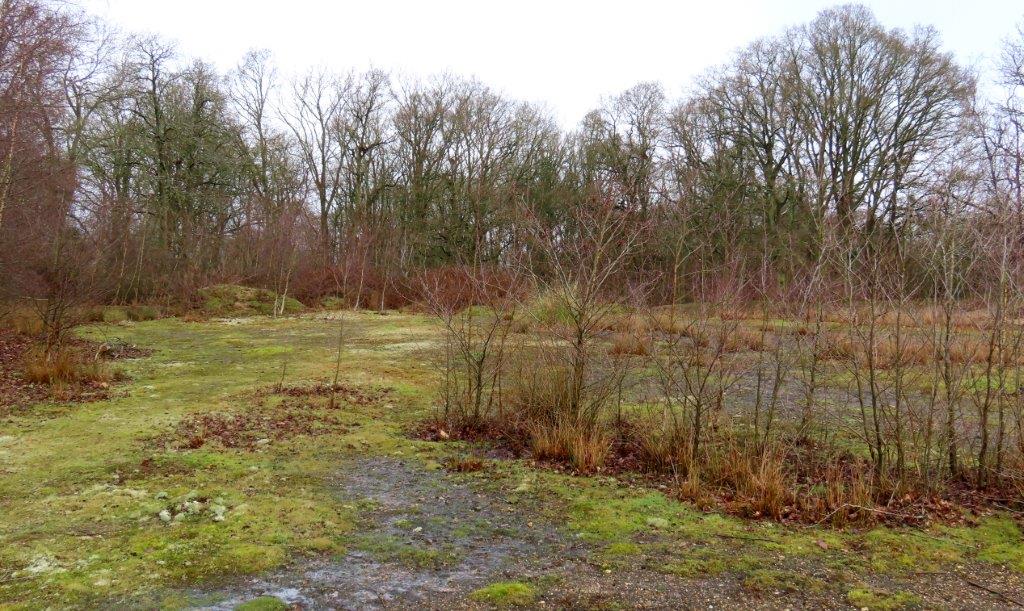
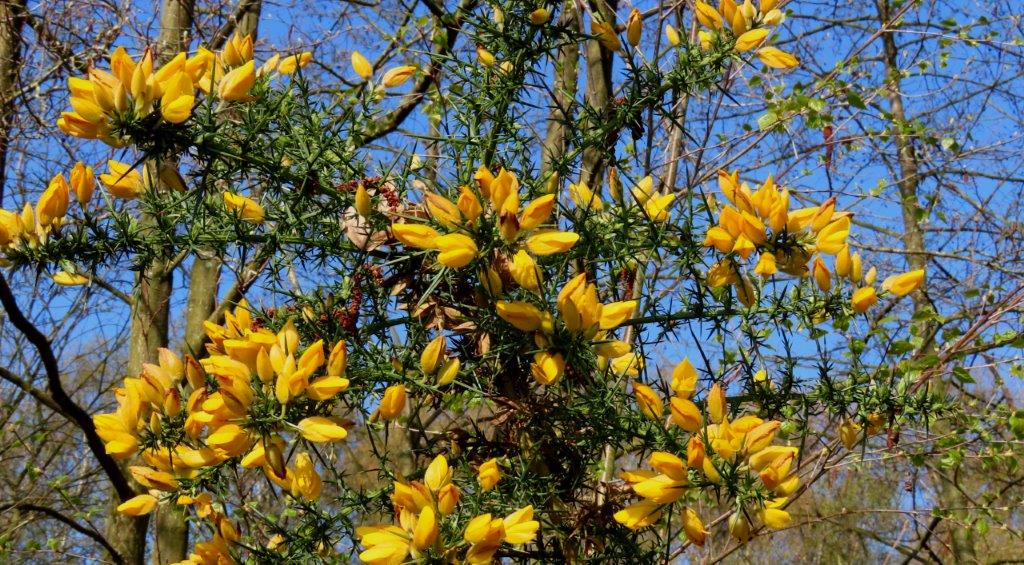
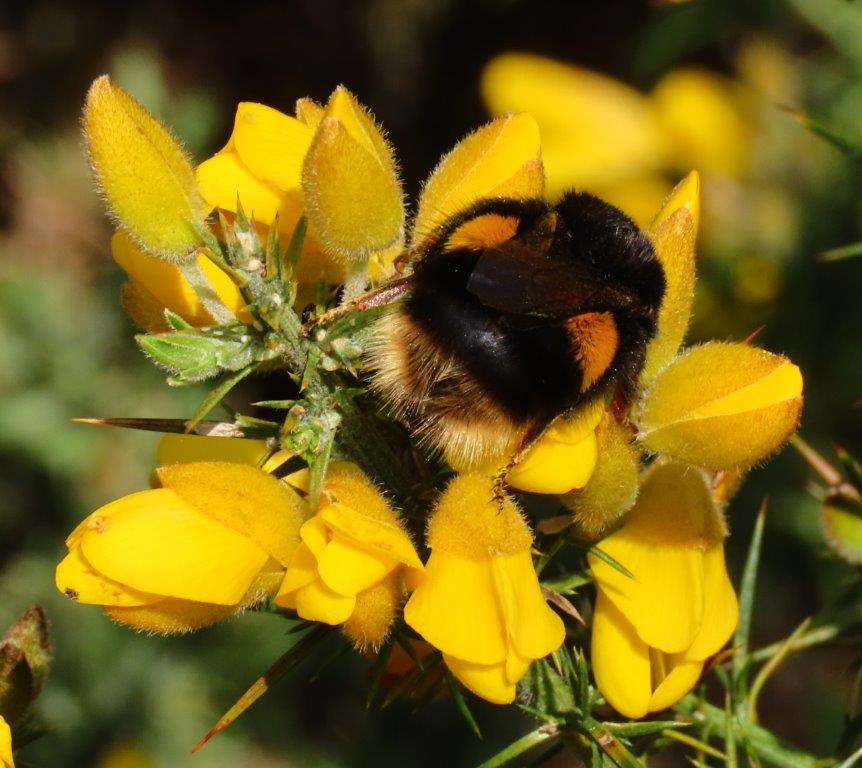
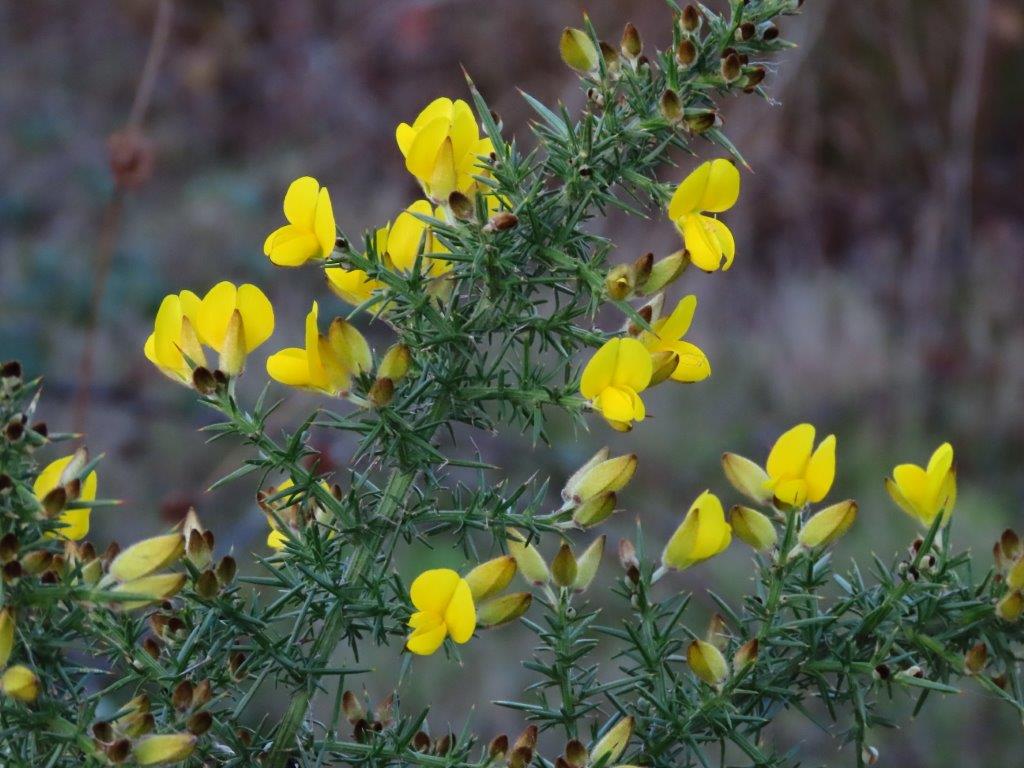
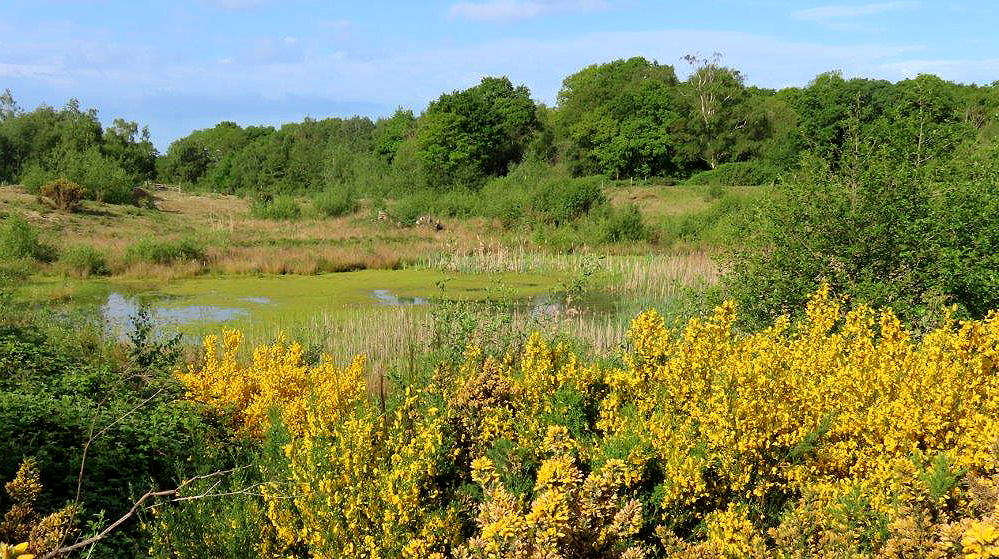
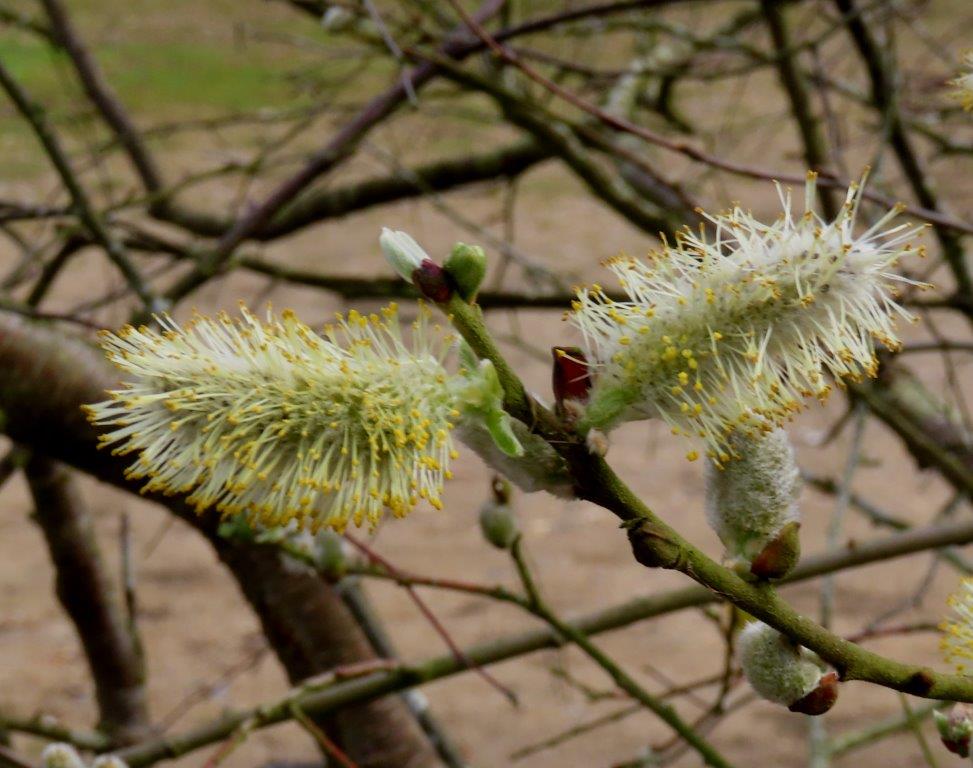
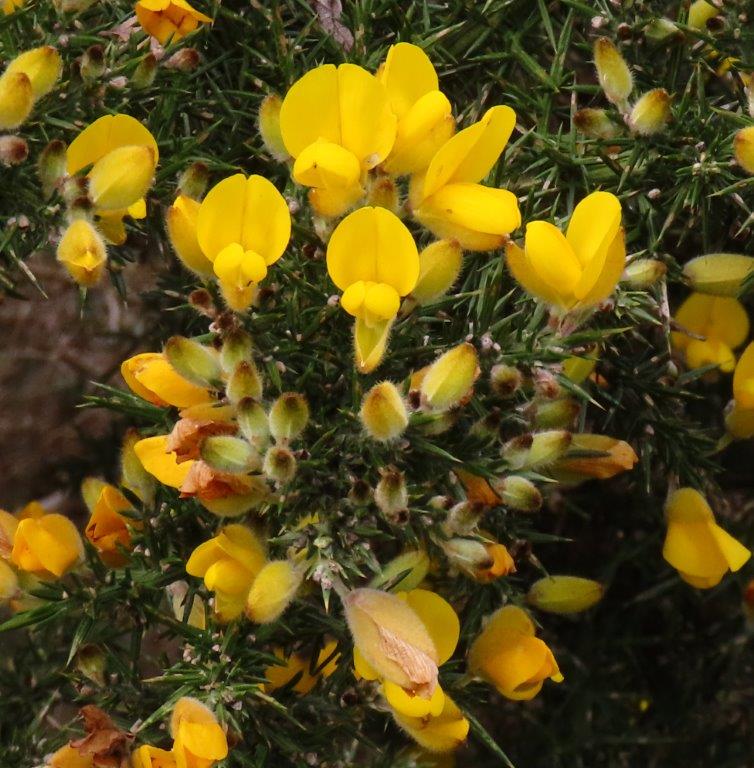
Heading into Cockaynes Reserve, the volume of bird song increased, with Robins, Great Tits and Chiffchaffs featuring prominently. Sallow and Alder flowers were out, along with luxuriant Gorse, attracting numerous bees and flies.
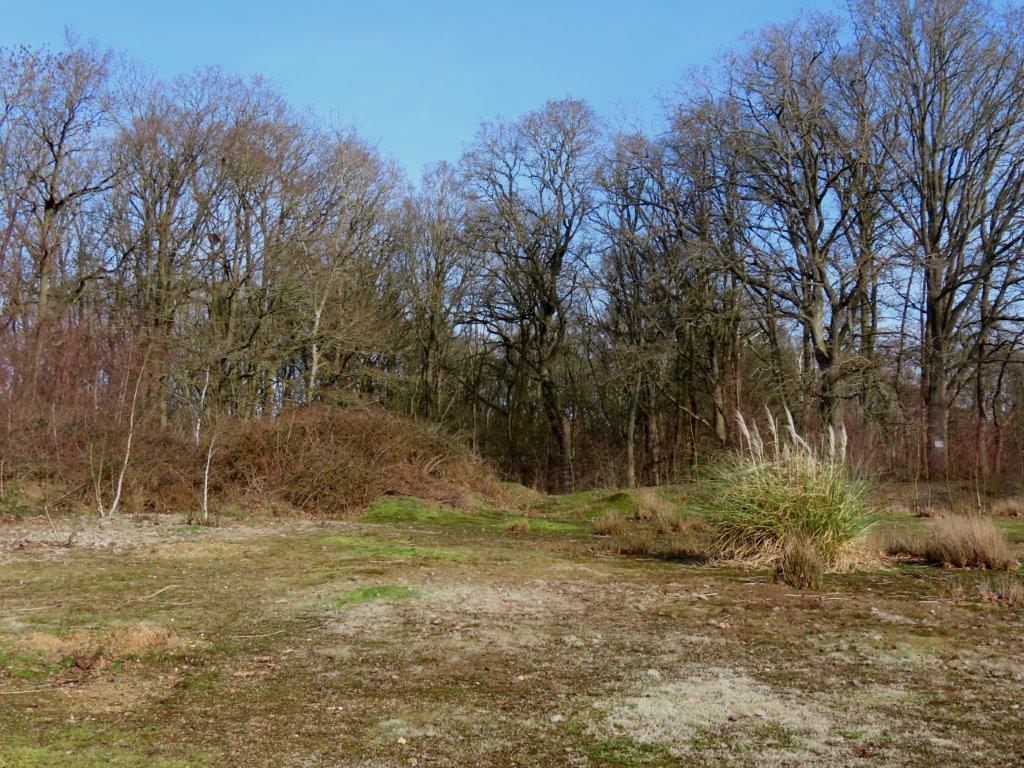
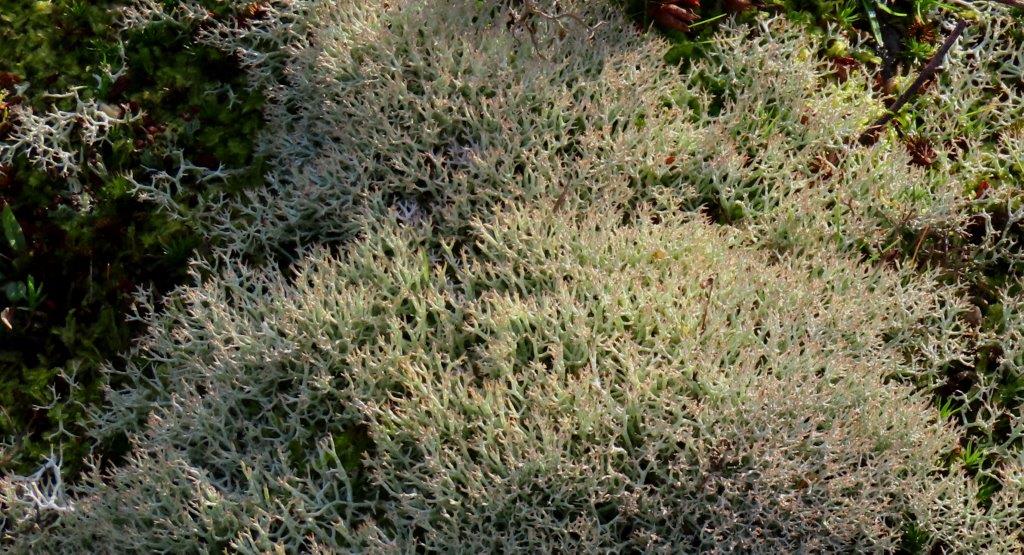
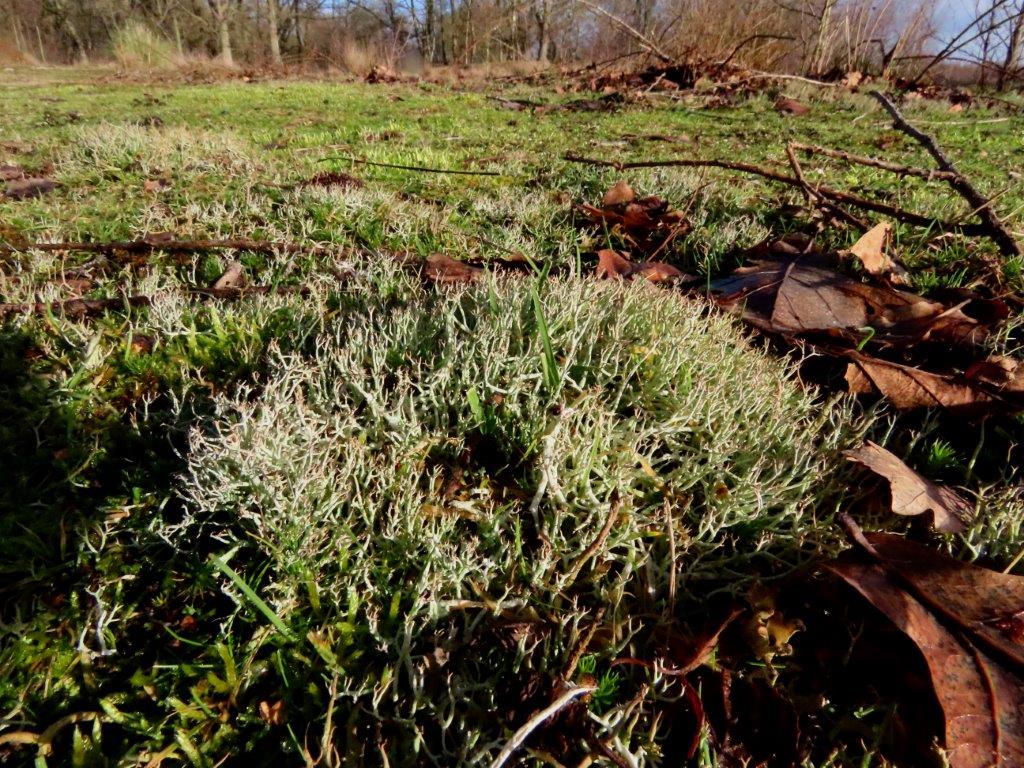
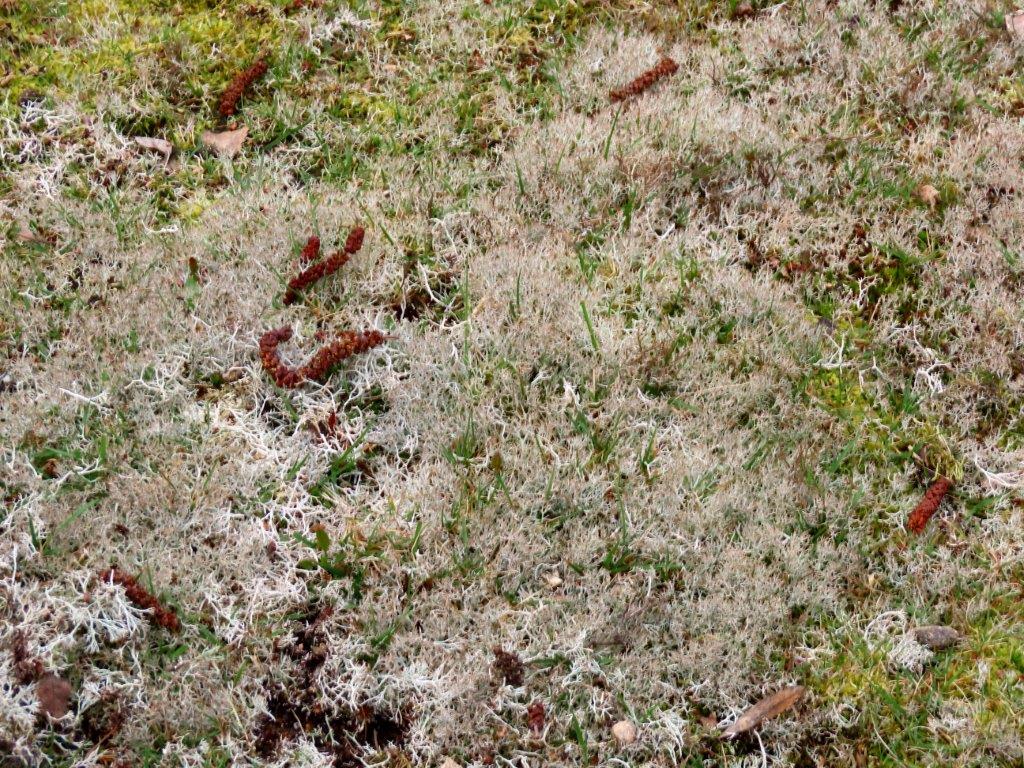
The lichen heath seems to get more extensive every time I visit, and the Bunny Bee colony was coming to life in the admittedly weak sunshine, while a Little Grebe sang from the gravel pits and Long-tailed Tits seemed to be prospecting for a nest site.
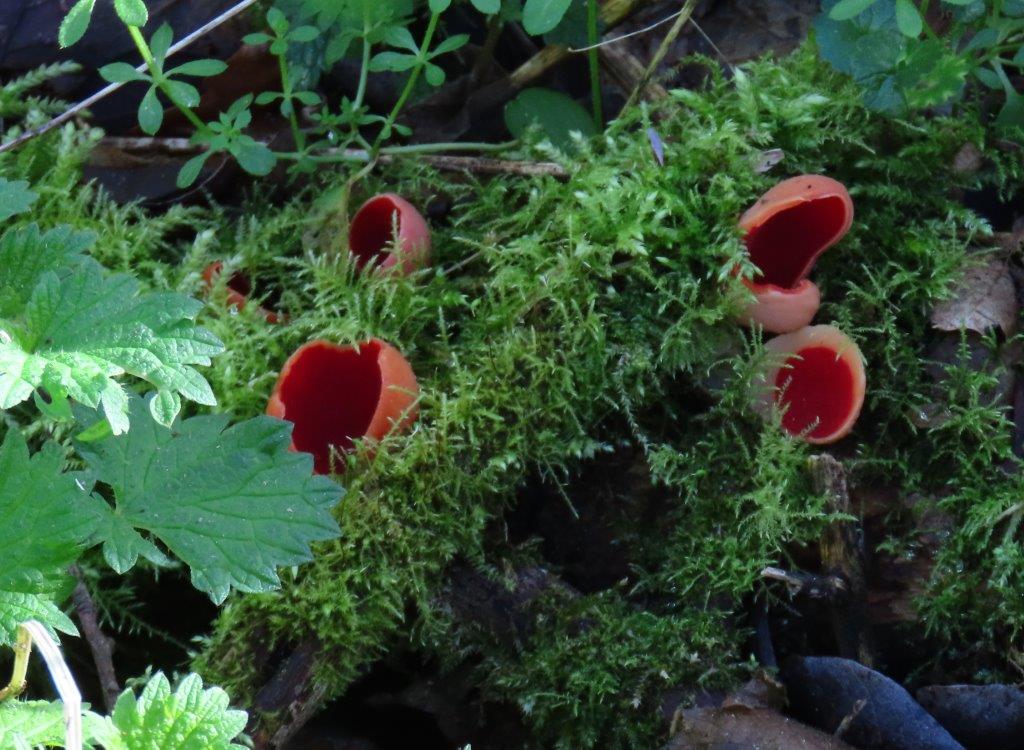
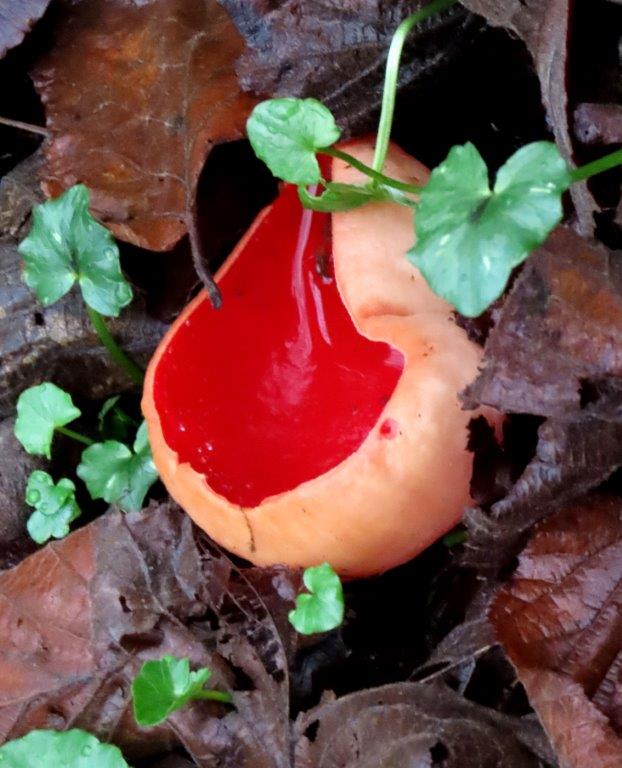
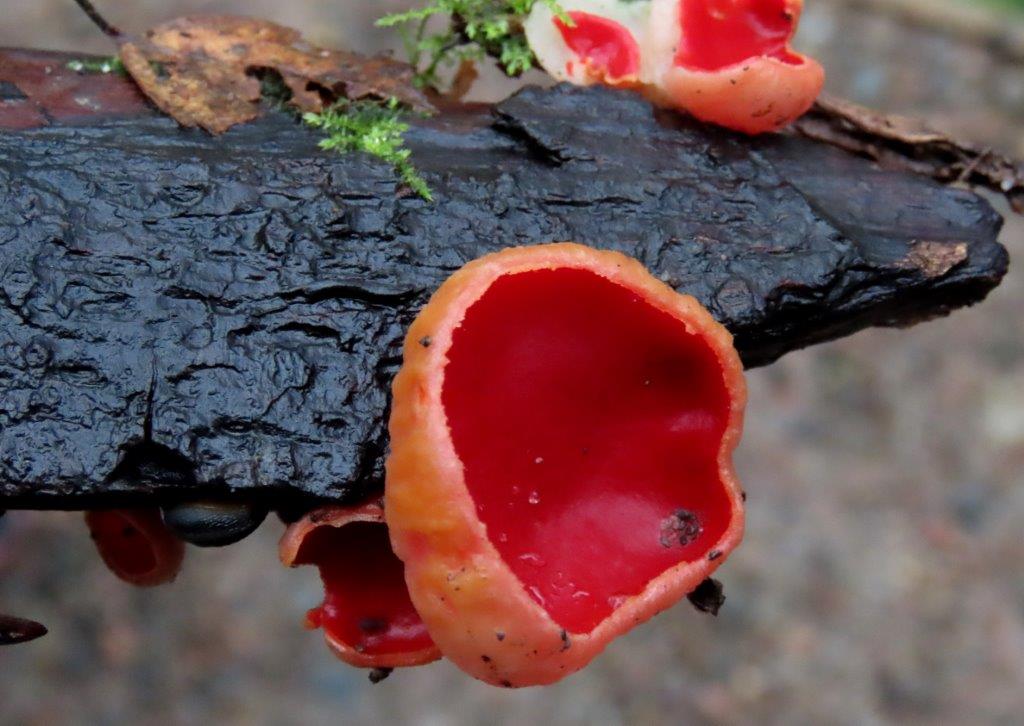
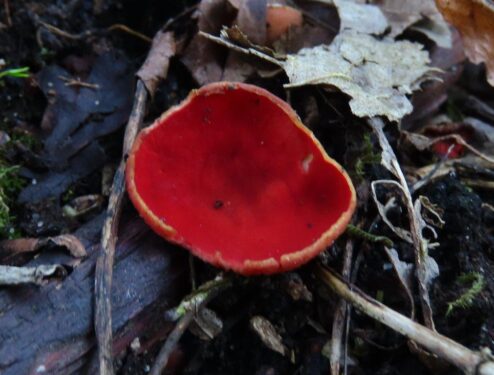
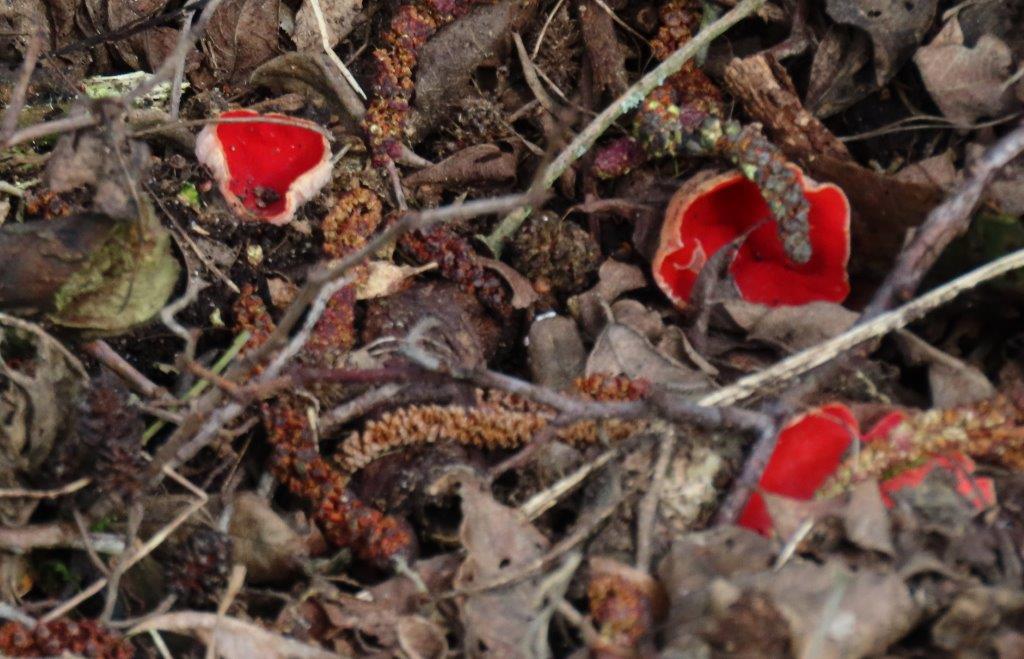
Then through Villa Wood, a magnificent showing of Scarlet Elf-cups, highlighting the feature without which probably the reserve would never have come into being.
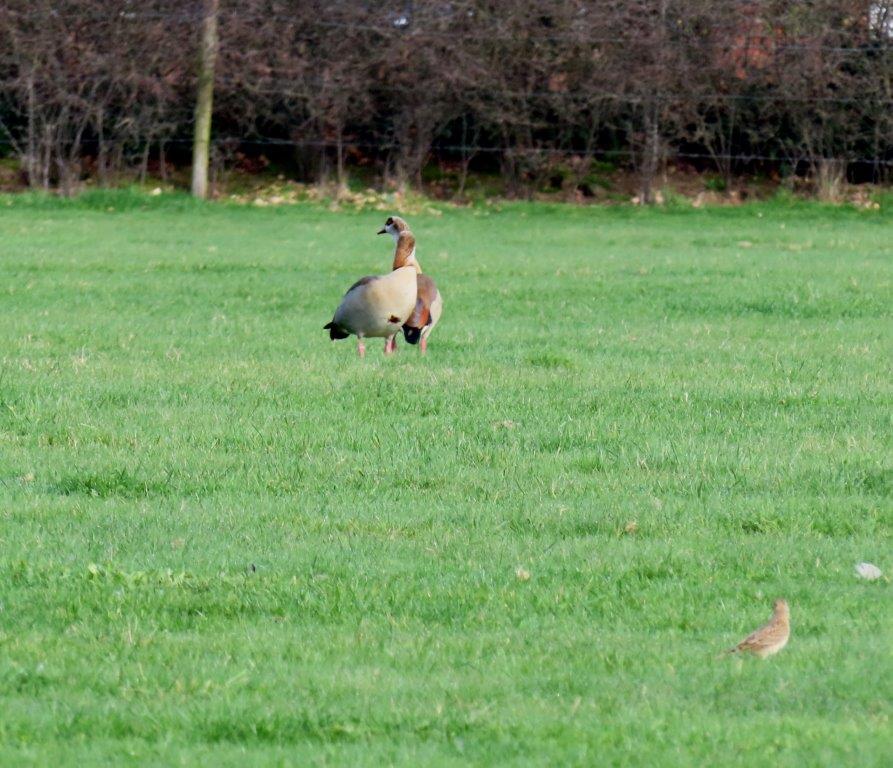
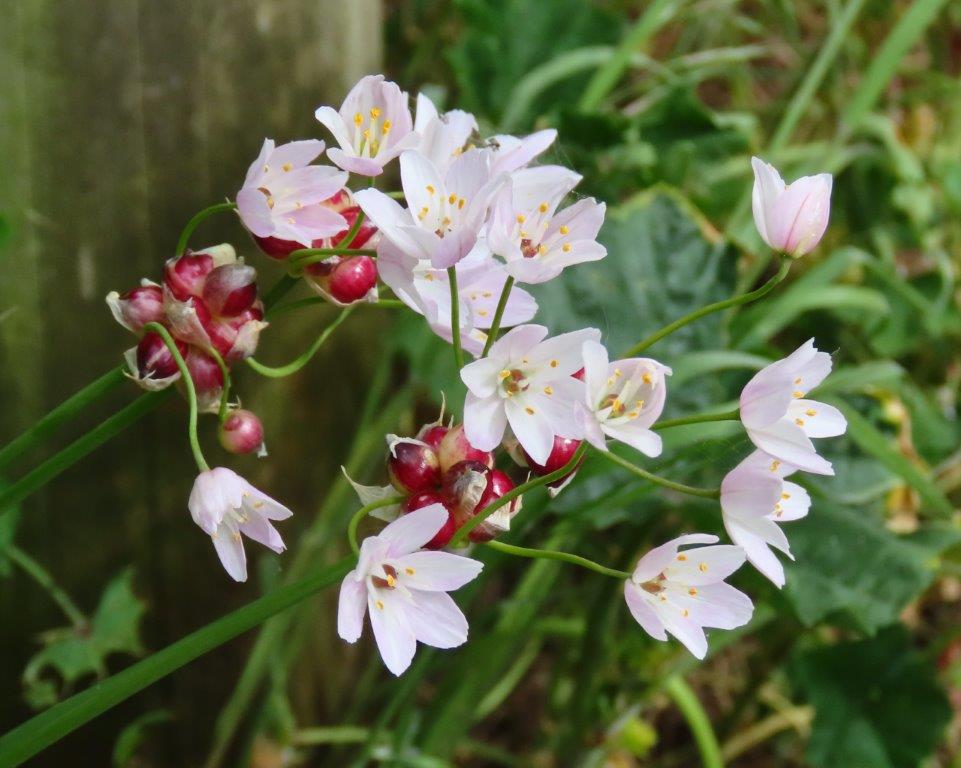
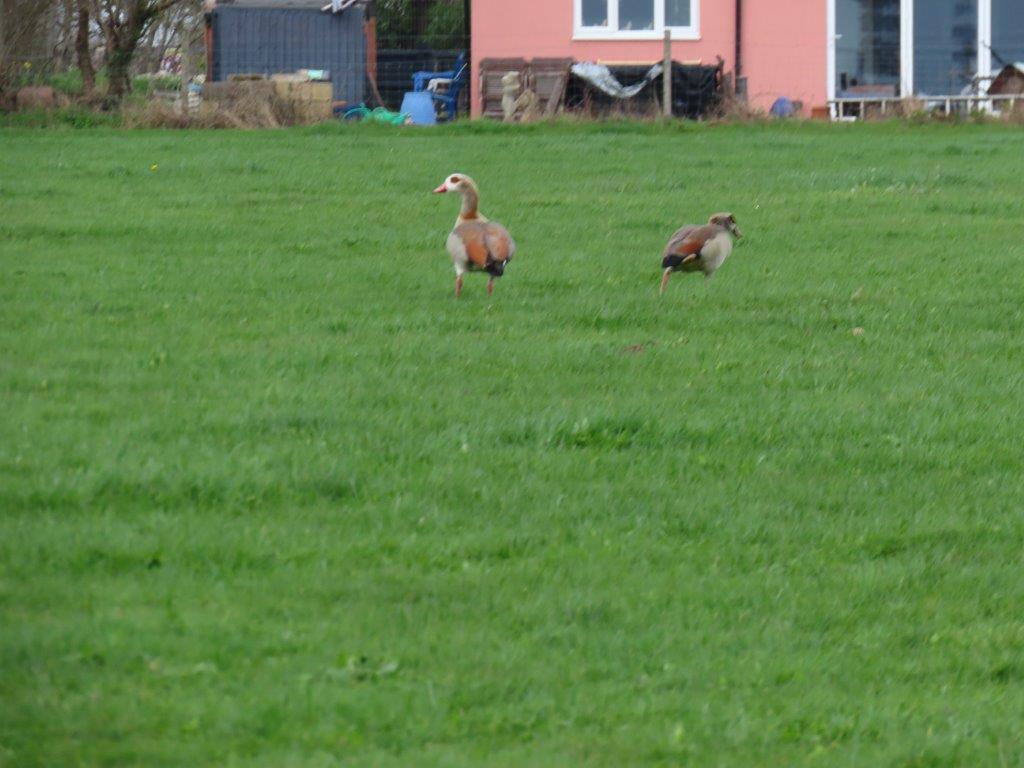
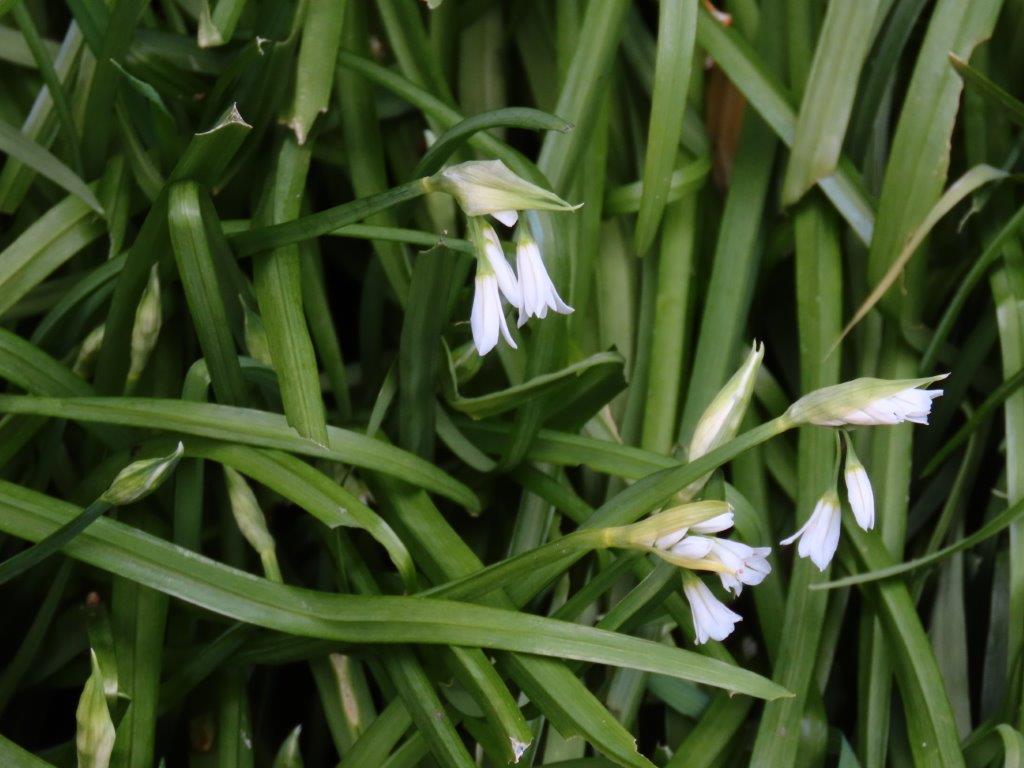
Heading back along the crest of the hill, the pastureland was graced not by the usual pair of Egyptian Geese, but three pairs and a singleton. From there the verges of Ballast Quay Lane were in fine flower, including Sweet Violets and the first few Three-cornered Leeks. Crossing Wivenhoe Brook, a peep over the parapet showed the continued presence of Water Crickets, the only local place I know for this bug.
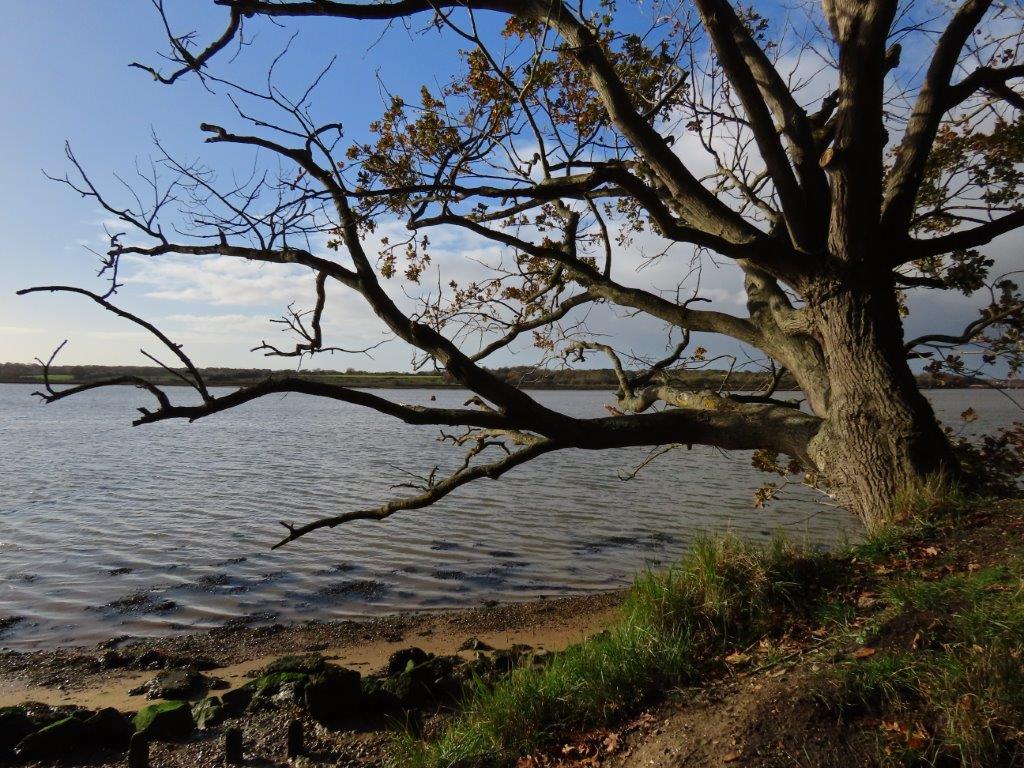
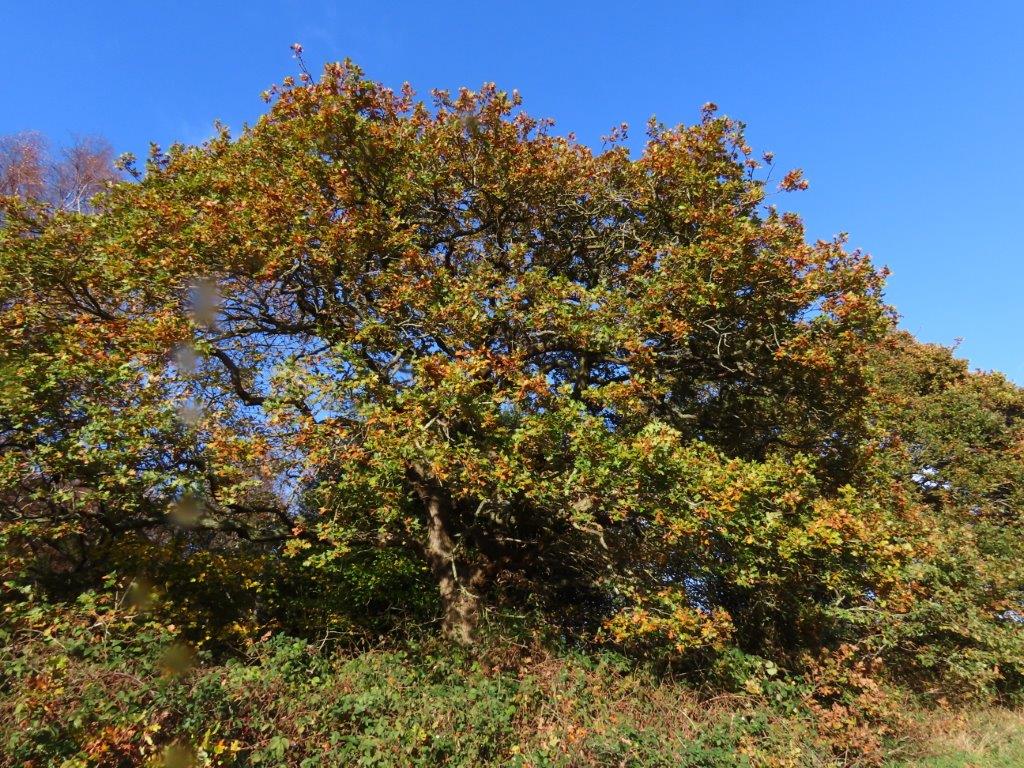
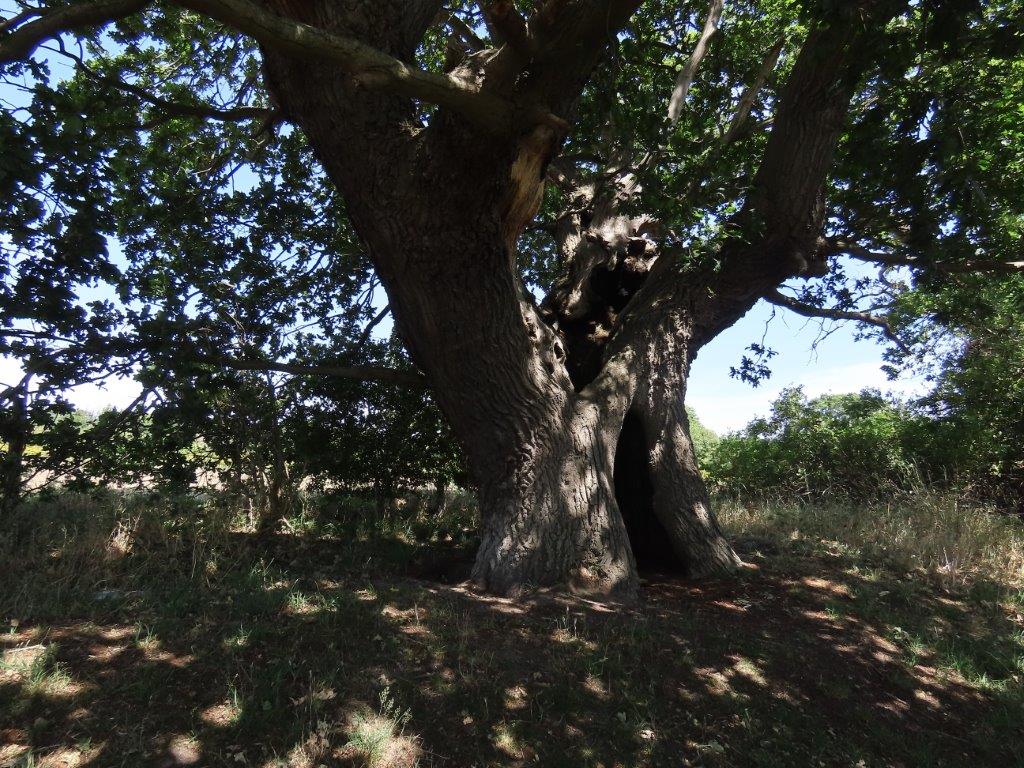
Bringing us at the end of of a great day’s walk to Old George, our ‘celebrity’ old Oak tree. Chance for me to relate the saga of despair and hope, one which should never have happened but for the avarice of the insurance company and the acquiescence of the Town Council in contriving to hide from scrutiny the evidence by which it has been condemned. Fortunately now, at great expense to the Protectors (and more still needed!), his future now lies in the reasoned hands of the High Court…

#WildEssex: A Glorious Spring Walk to Cockaynes Reserve

We have often led a walk up to the Cockaynes Reserve searching for Spring, but never have we had such wonderful weather for it as yesterday. And it was only 3rd of March! Azure skies, light winds and warm sunshine were just what we needed after the grim, grey gloom of February.

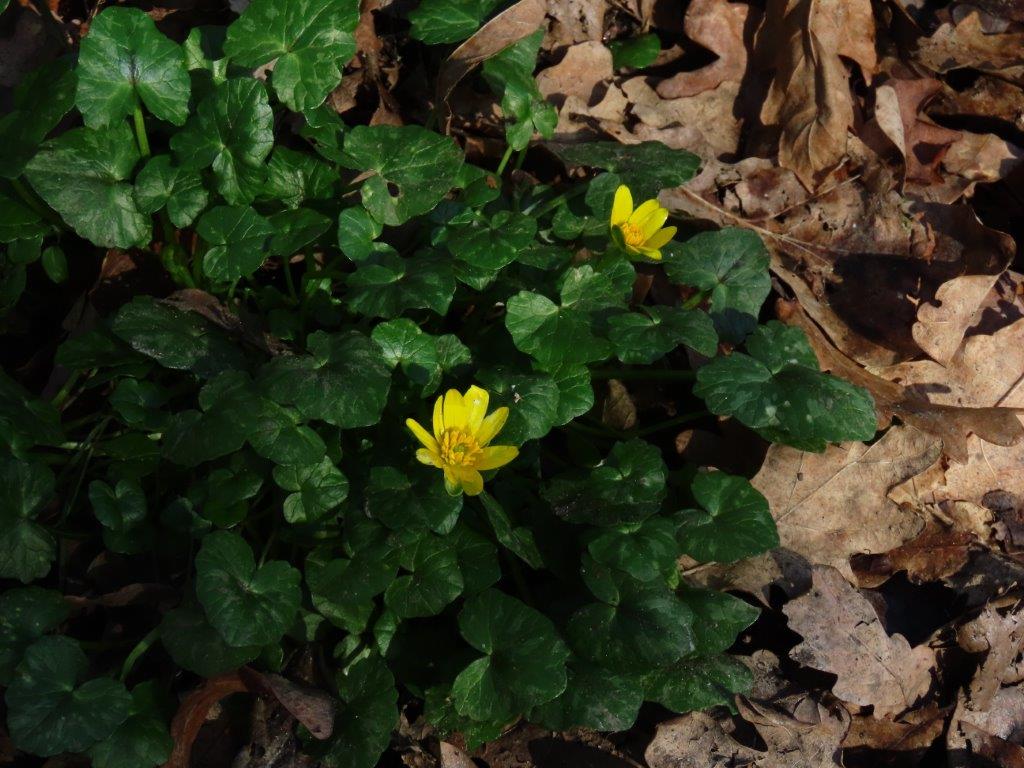
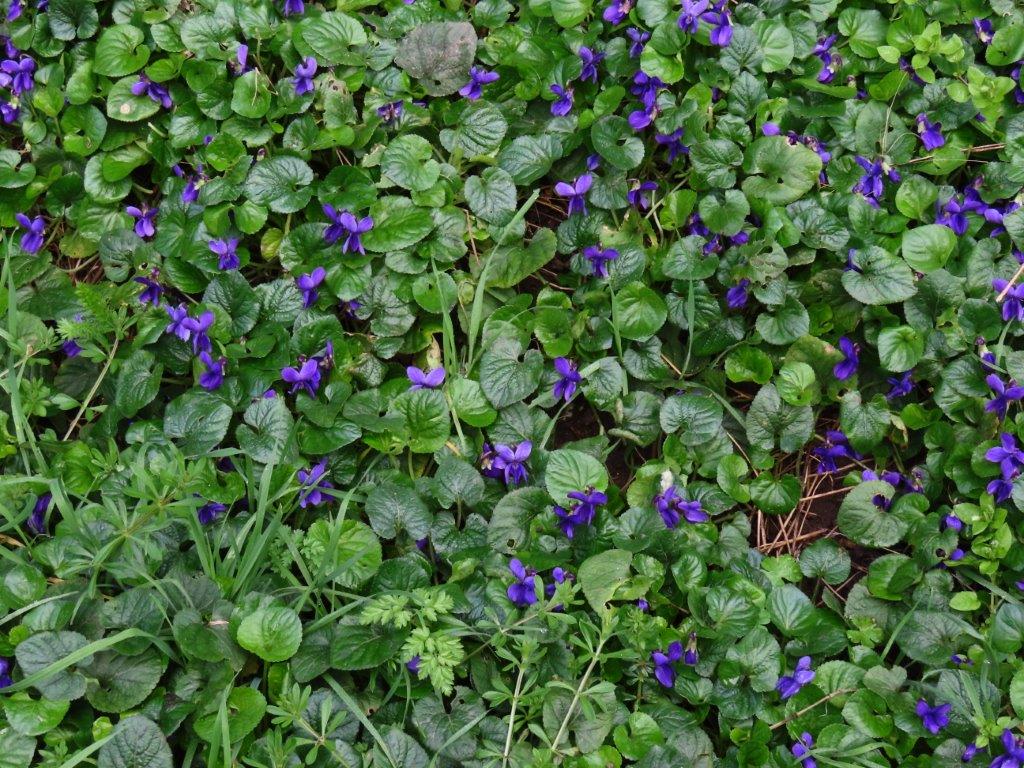
And it seems nature needed it too as it was out in abundance. As we walked up Ballast Quay Lane, starting with the customary chirrups of the gaggle of House Sparrows, the air was alive with Greenfinches singing/wheezing and Great Tits getting frisky, while the verges were blooming with Sweet Violets and Lesser Celandines.

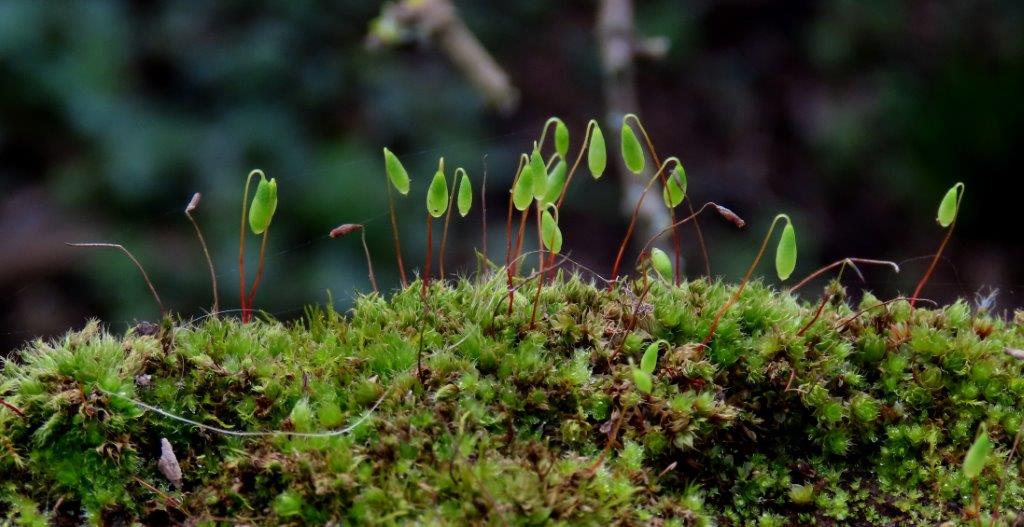
And everywhere a rainbow of greens, from the dusty, dull, dark Ivy green to the vibrant emerald of fresh Hawthorn leaves and moss spore-capsules.

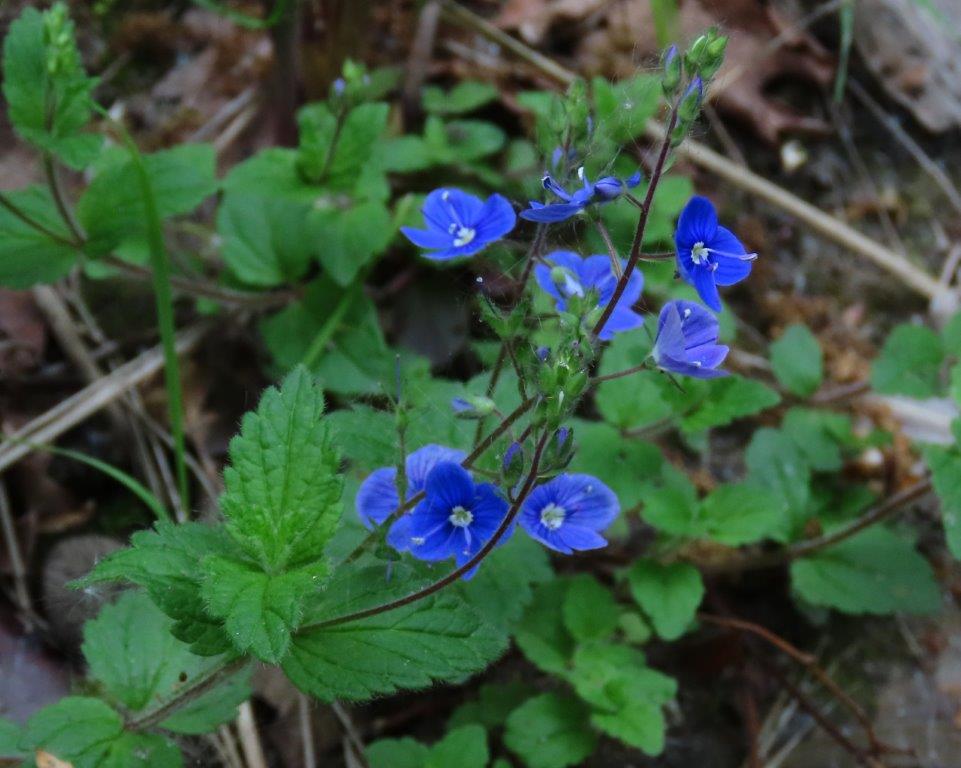
As we crossed the open fields, enjoying some of the best views of this part of the world from the top of the Essex Alps, Skylarks filled the air with exuberance as Rooks probed for grubs, and in the distance a couple of Egyptian Geese grazed. Red Dead-nettle, Common Field Speedwell and Bulbous Buttercup flowers were shining among the twinkling Daisies and Dandelions.

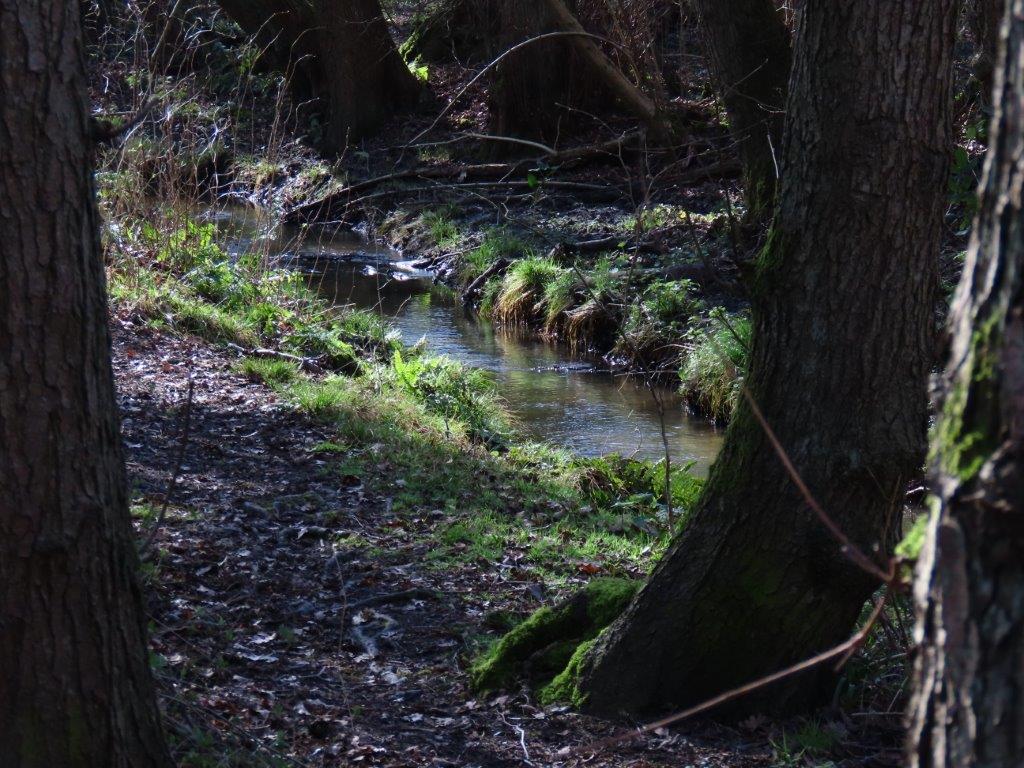
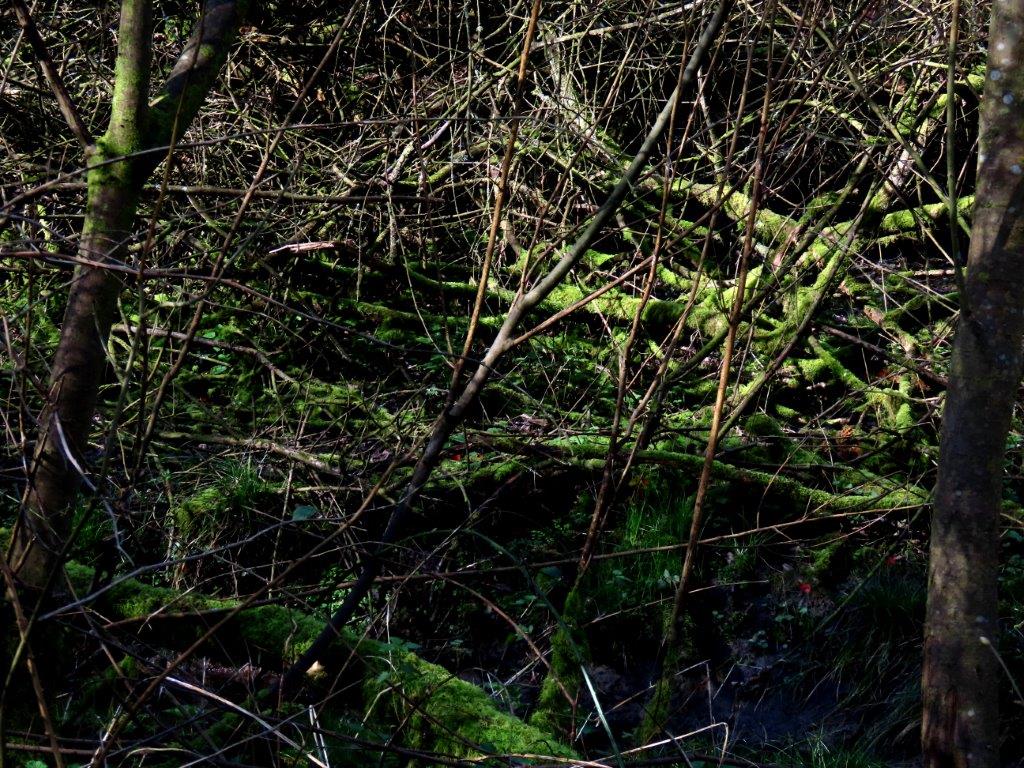
Turning into Villa Wood alongside Sixpenny Brook, we entered a moss-clad world, the haunt of our Scarlet Elf-cups, the reason this reserve exists. Perhaps not so many as last year’s bumper haul, but they were there, mantled in mossy green,  and maybe still more to come.

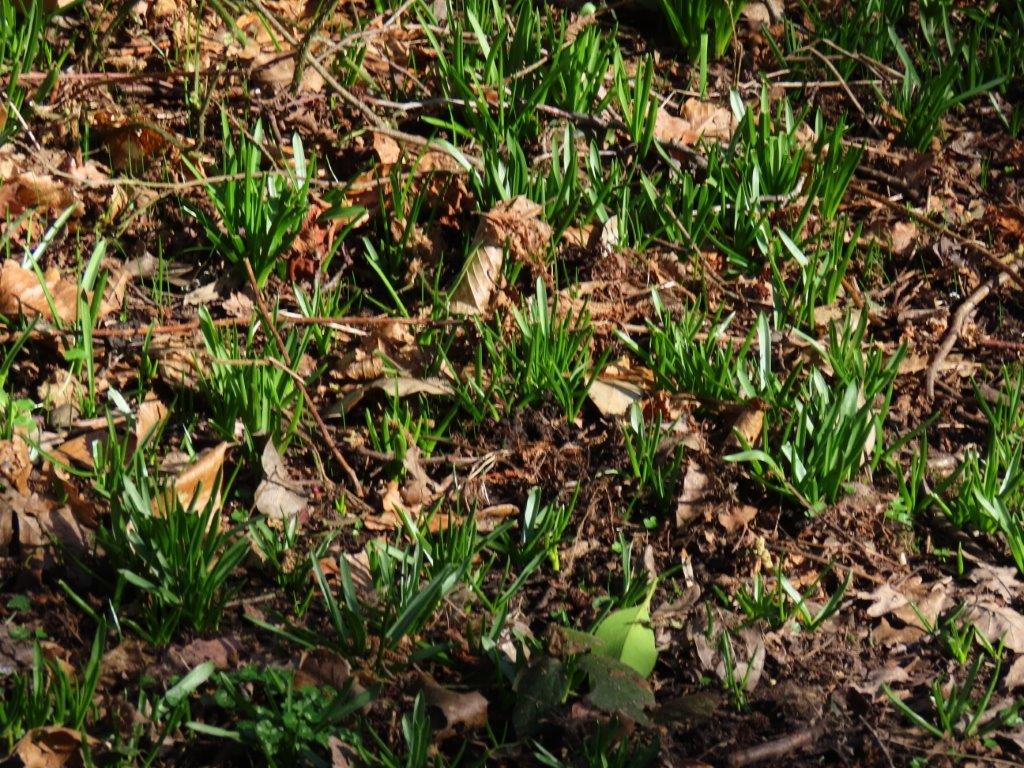
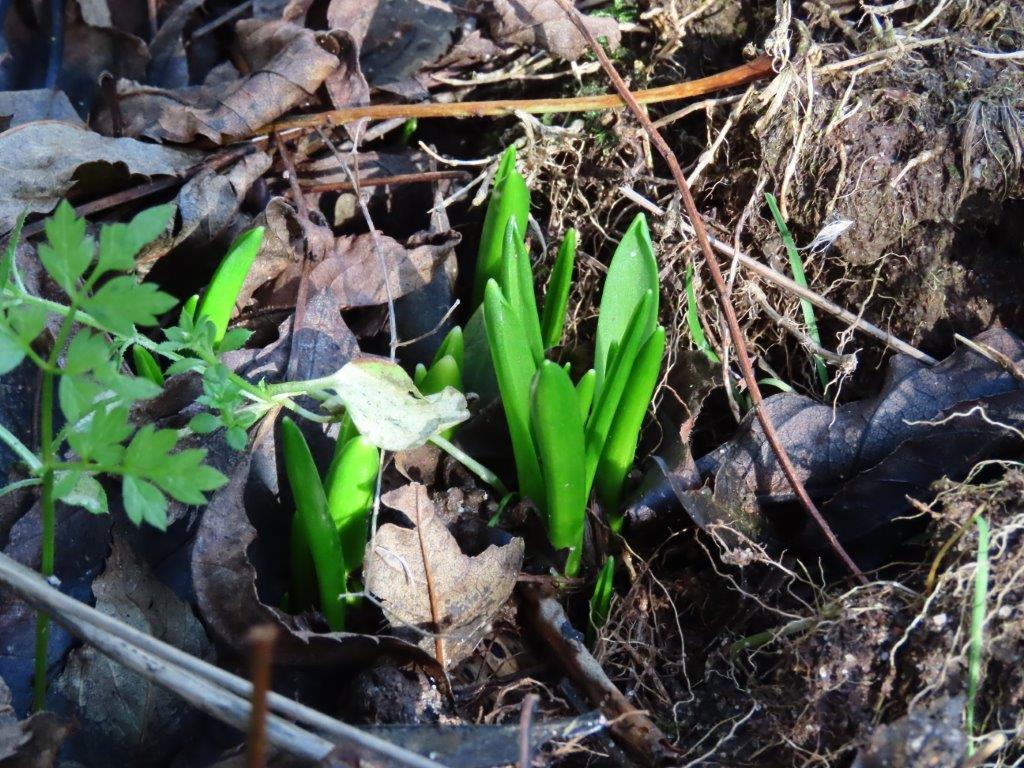
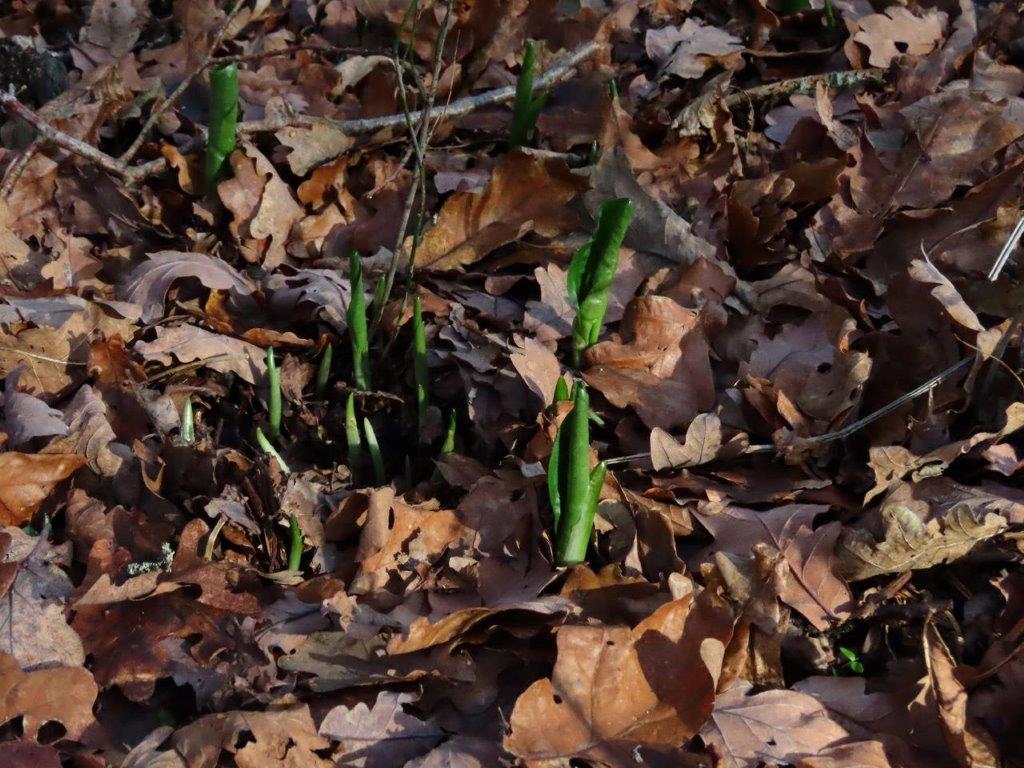
Spring is a time of rapid change but also delayed gratification: the spearing shoots of Bluebells will be transforming this woodland floor in six weeks or so:

Sibilant twitterings in the Alder tops revealed a party of at least 20 Siskins, and the first of half-a-dozen Chiffchaffs sang, surely new arrivals on the recent deep southerlies laden with Sahara dust.

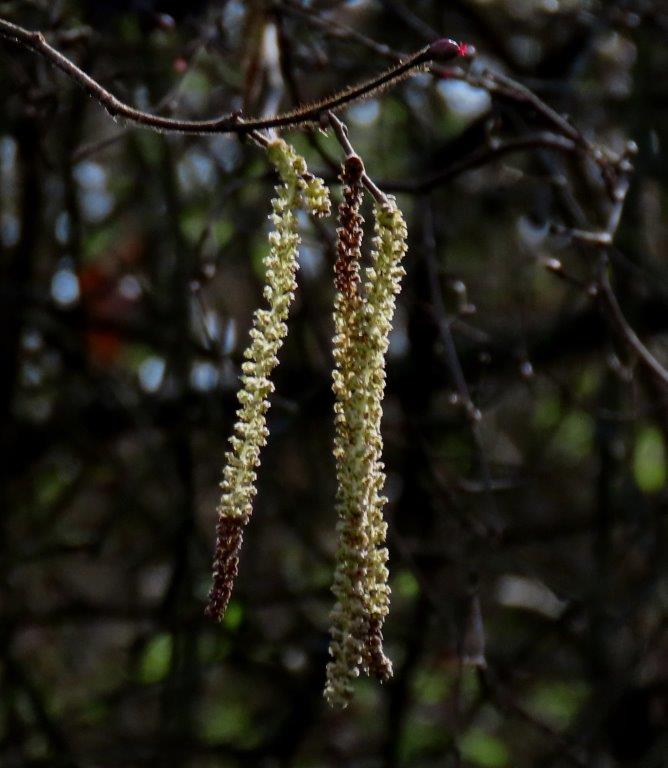
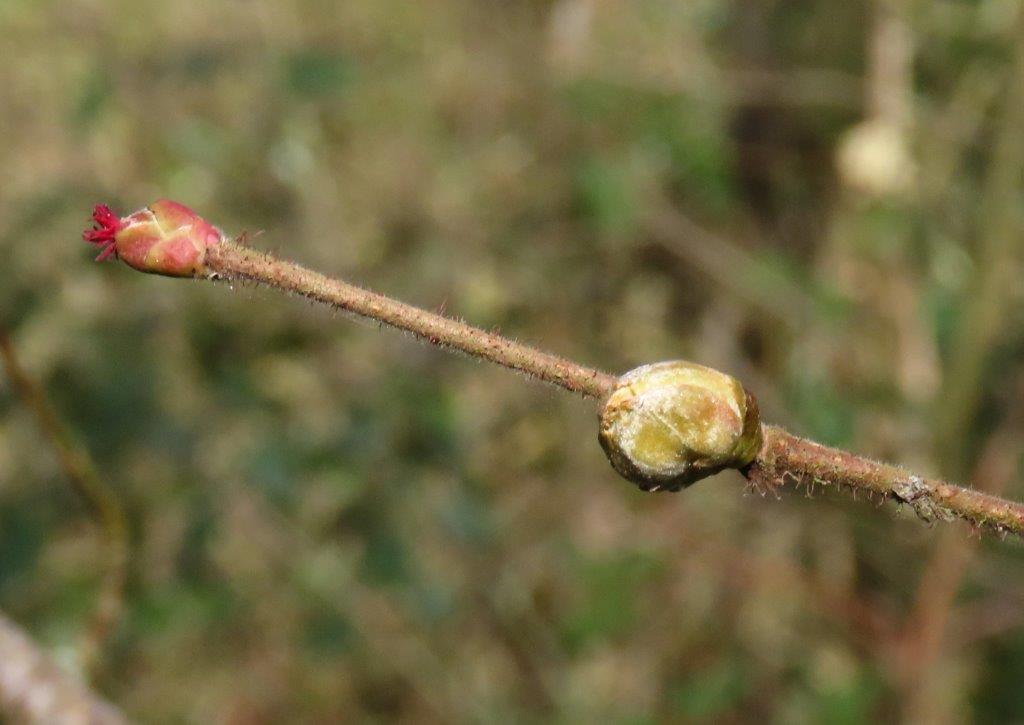
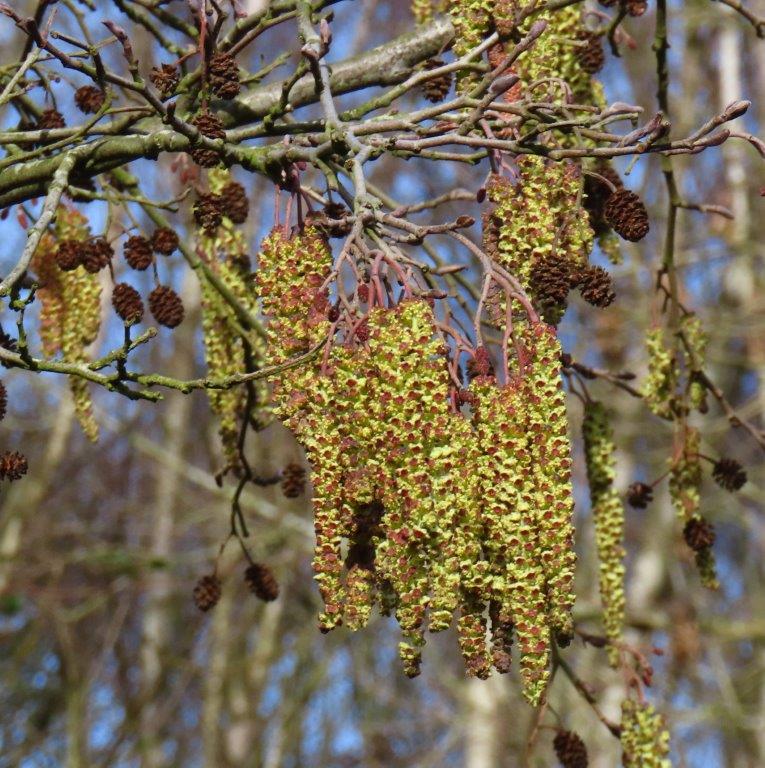
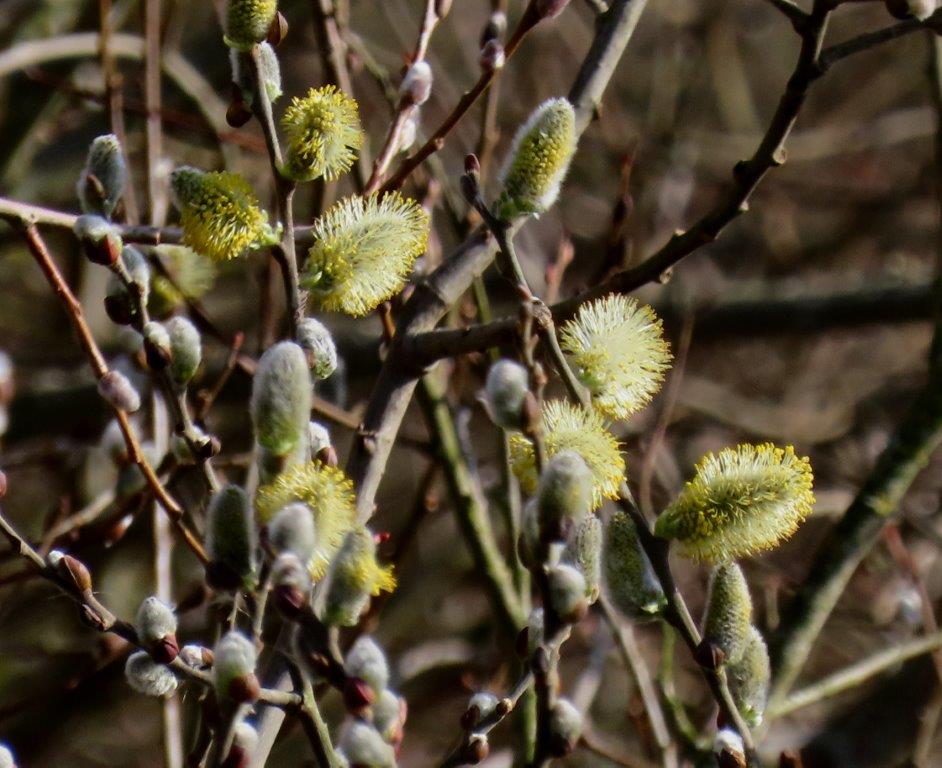
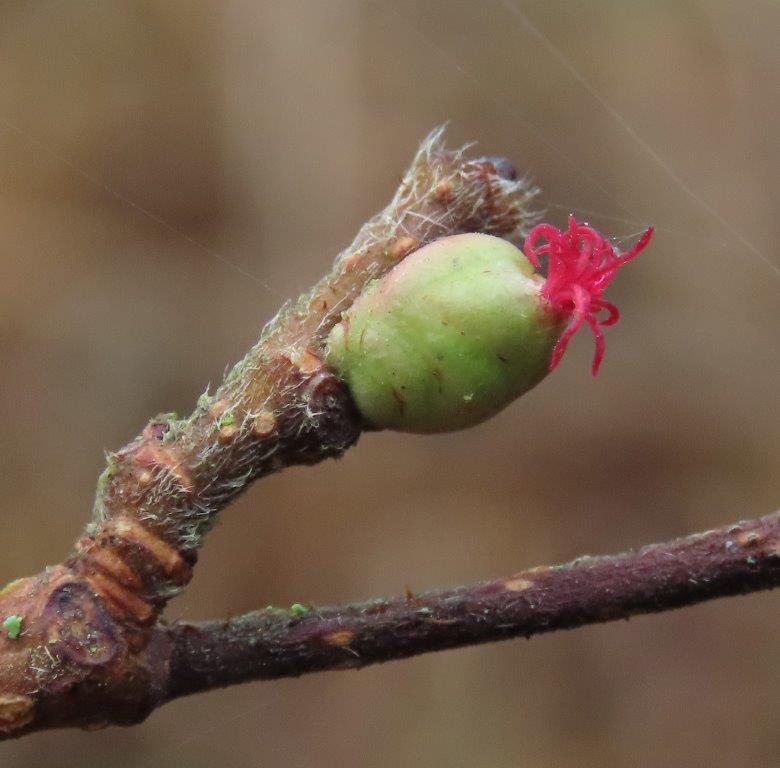
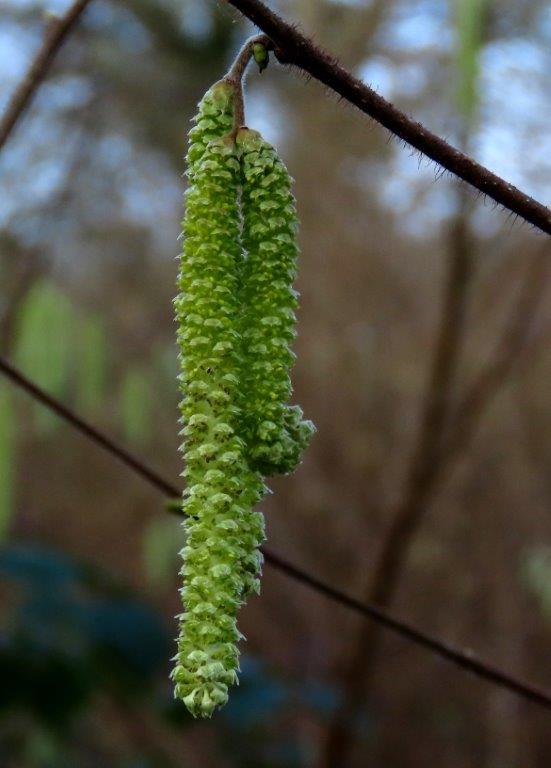
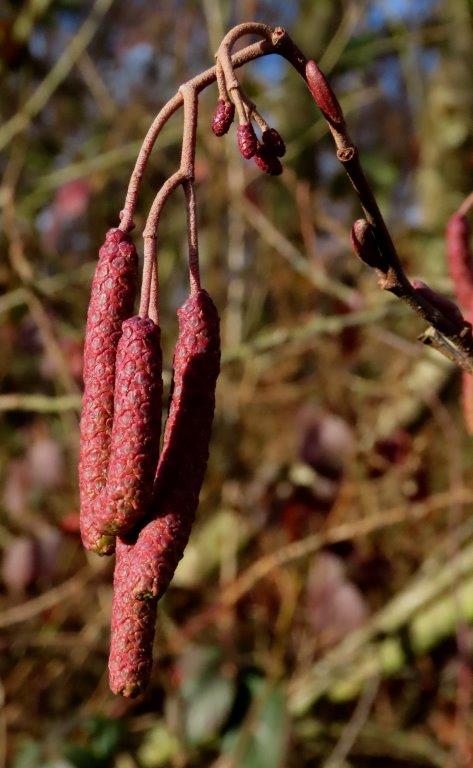
Hazel flowers, always the pre-Christmas first sign of the Spring to come, going over, and the Big Bud galls starting to form; Alder catkins peaking with Silver Birch still to come;  Sallow pompoms just bursting, attracting numerous bees; and Cherry-plum in full flower with Blackthorn bud-burst perhaps a couple of weeks away: Nature’s Calendar in full flow!

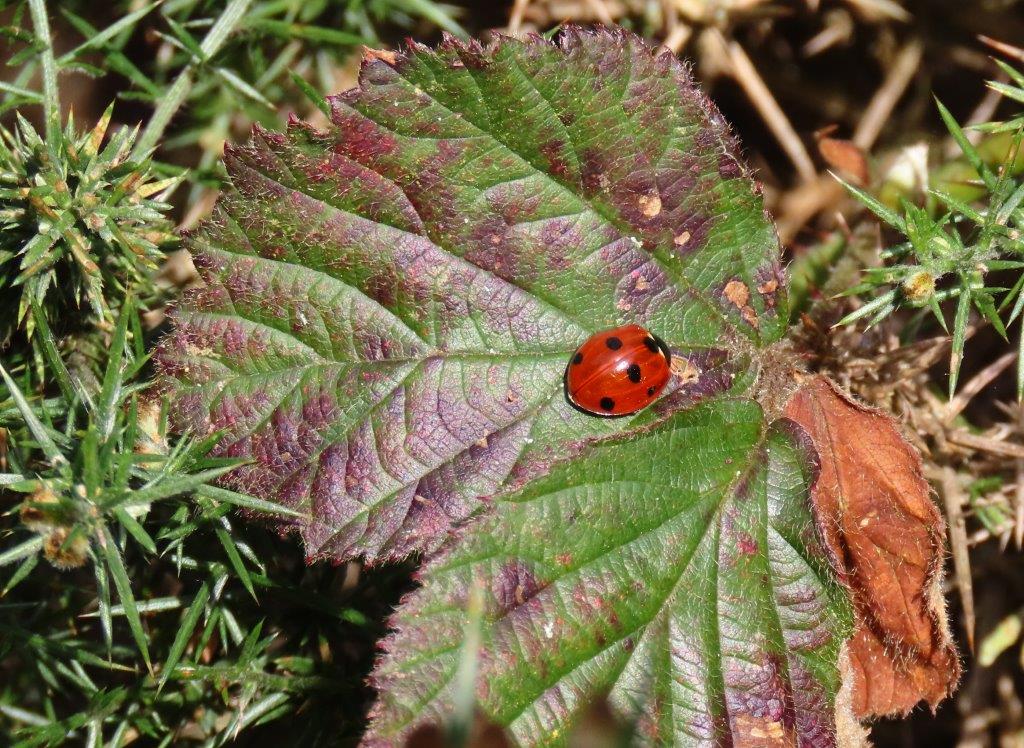
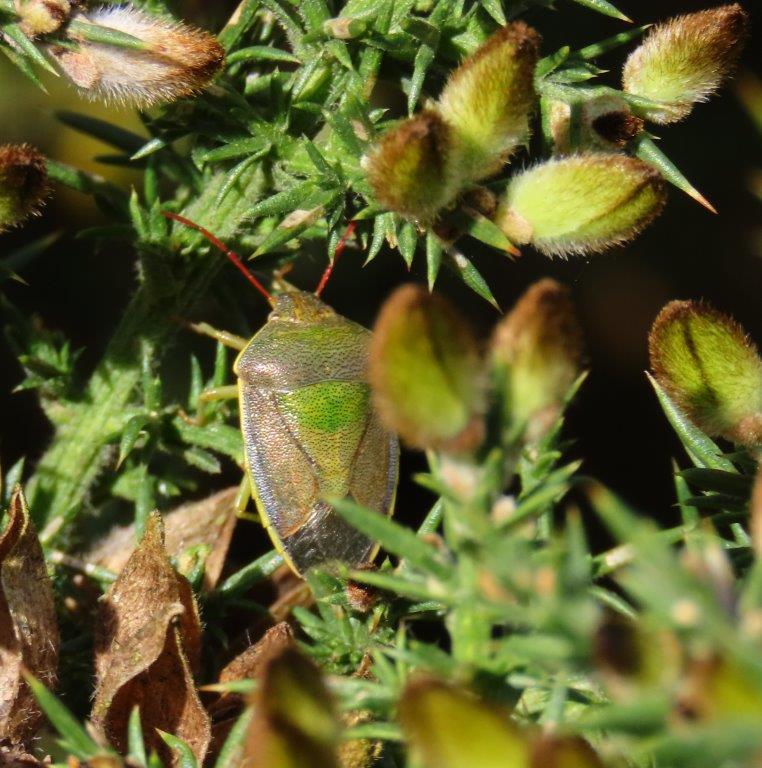
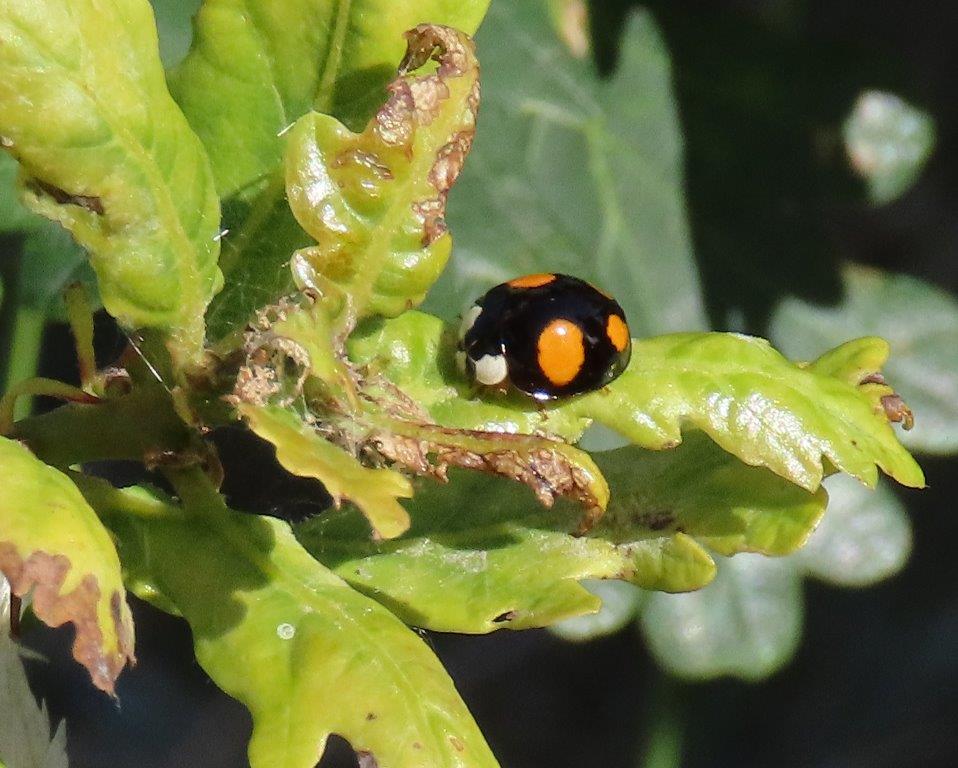
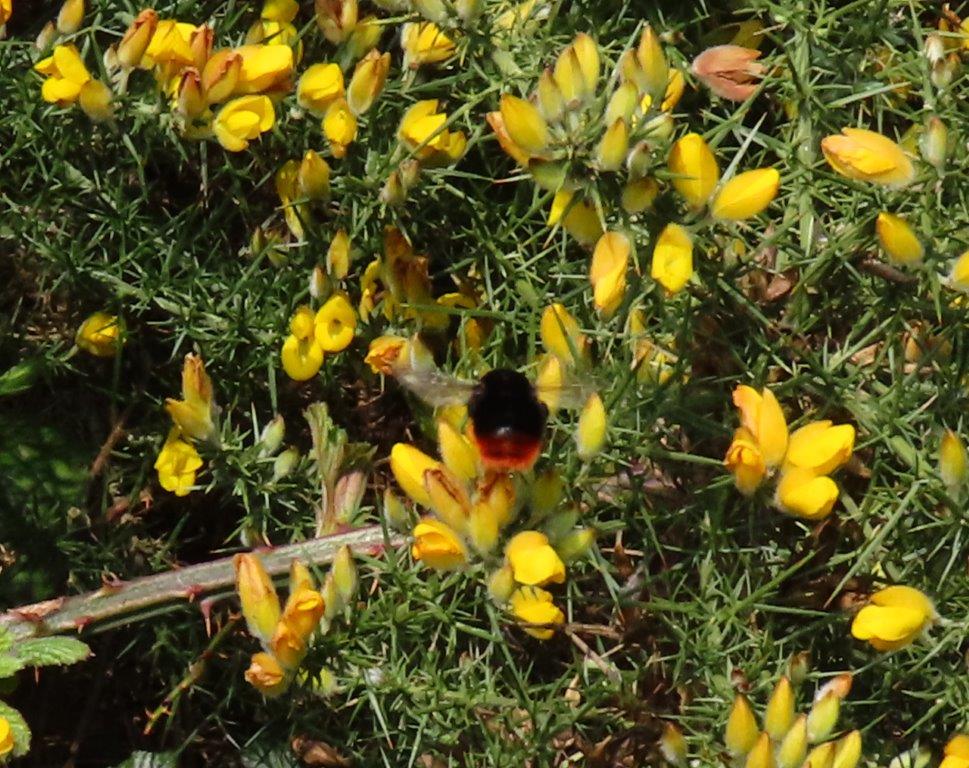
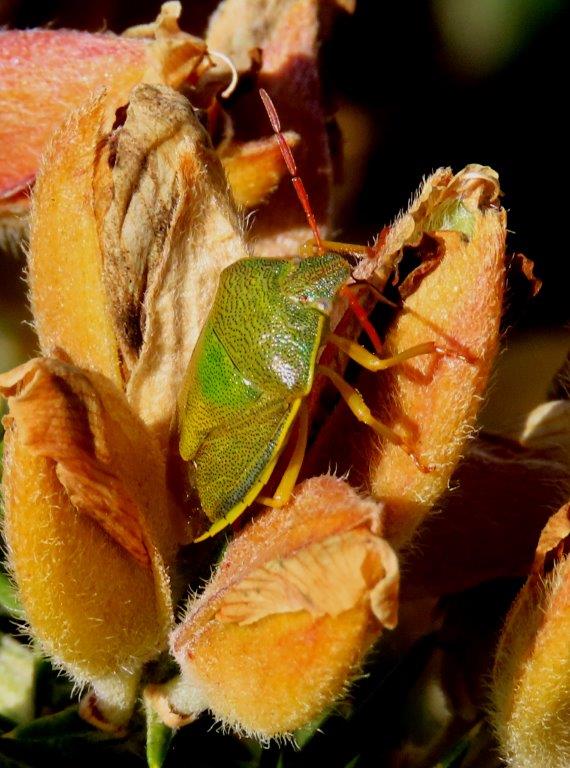
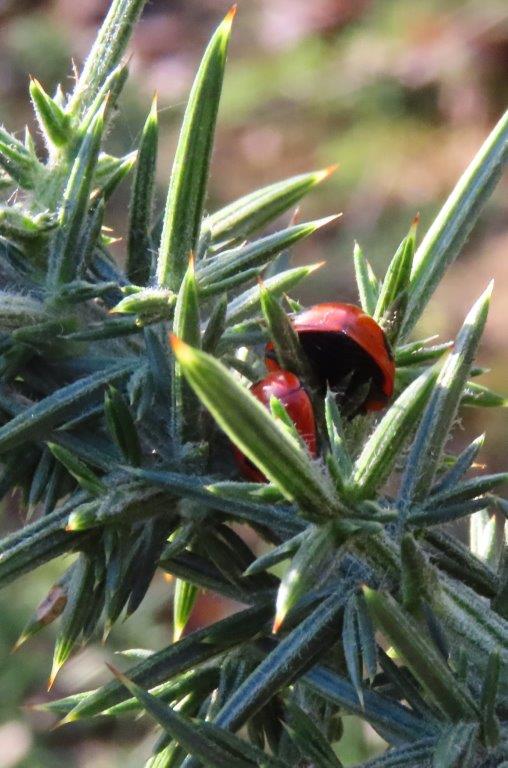
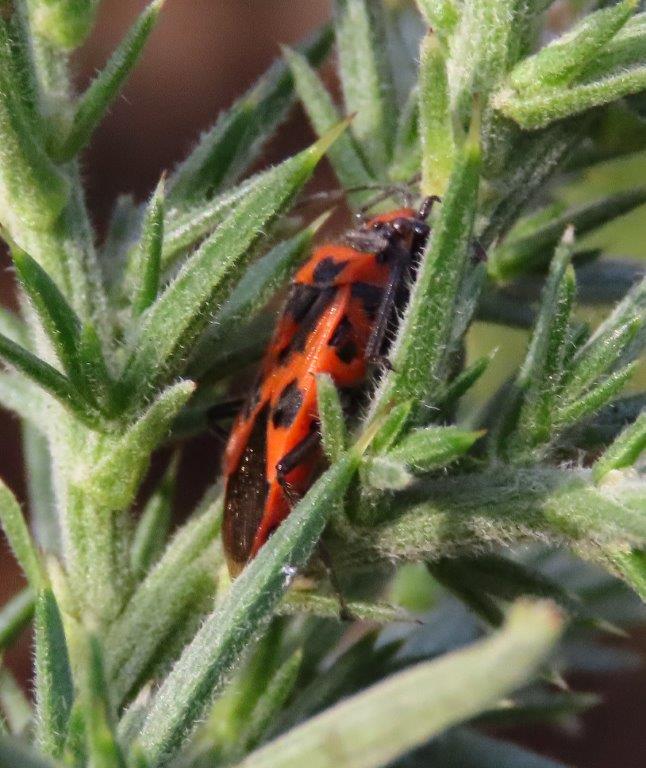
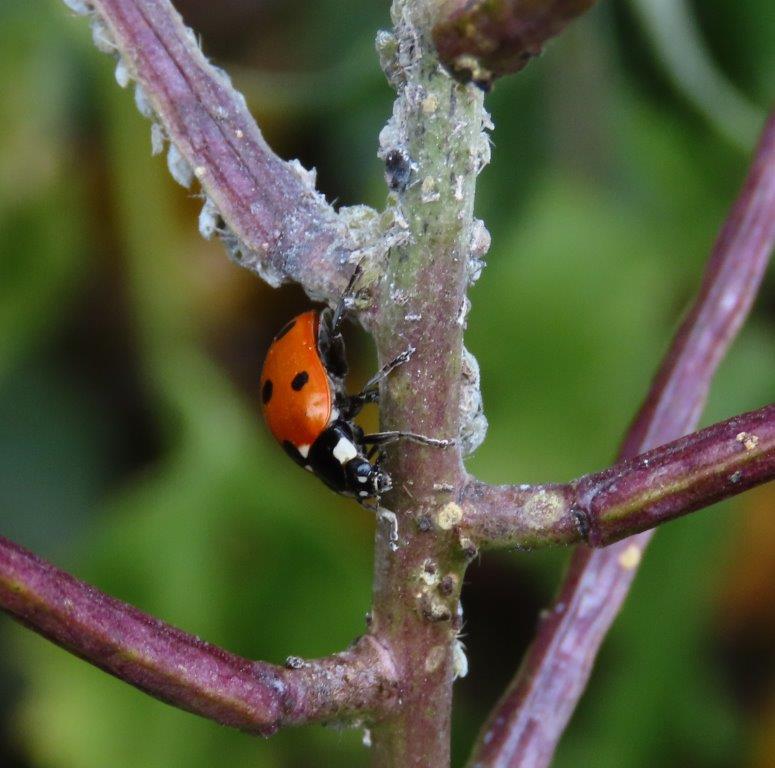
Onto the heath, the glorious Gorse flowers hid the glistening nuggets of Gorse Shield-bugs, so well camouflaged among the emerging buds. Queen bumblebees bumbled through the flowers, and there were Seven-spot Ladybirds everywhere. Much more numerous than I have ever seen before at this time of year, these are presumably the offspring from last July’s mega-influx.

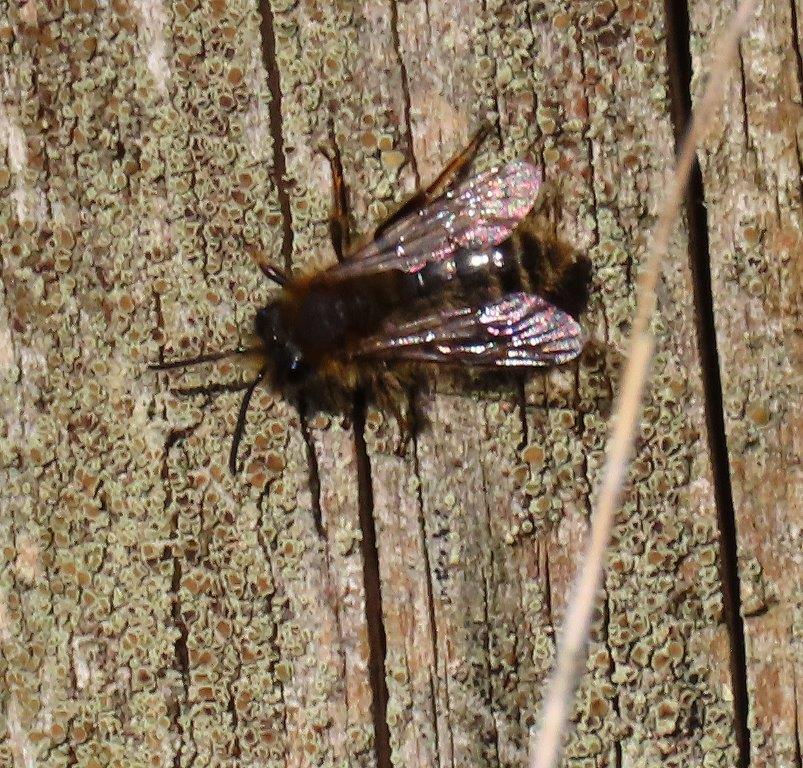
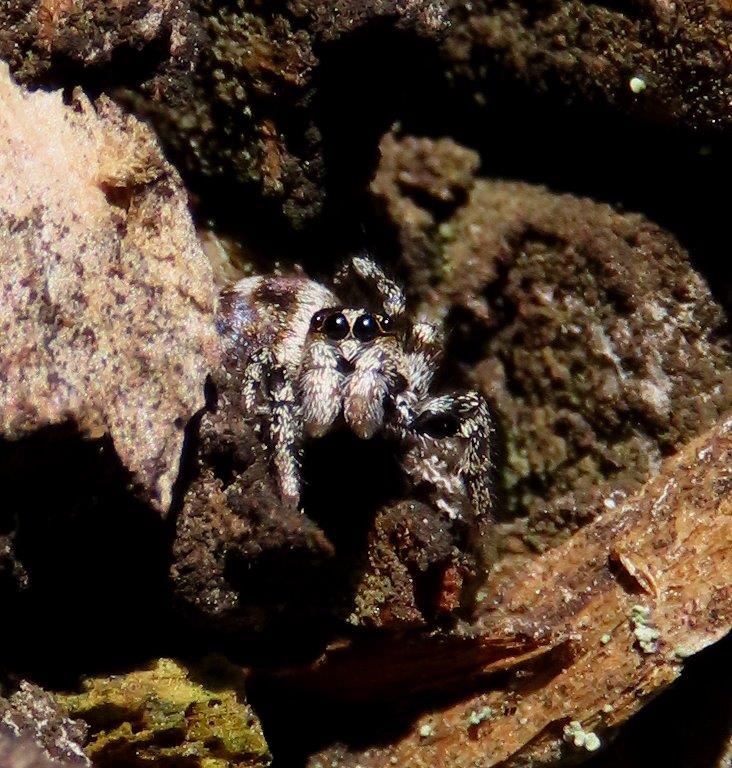
Basking on a fencepost nearby was what may be an early Gorse Mining-bee, along with a pugnacious Zebra Jumping-spider, ready to take us all on! The bee bank was teeming with Bunny Bees, one of the key features of this reserve, and especially pleasing as only a day previously, on my recce in similar sunshine, I had seen just a couple.

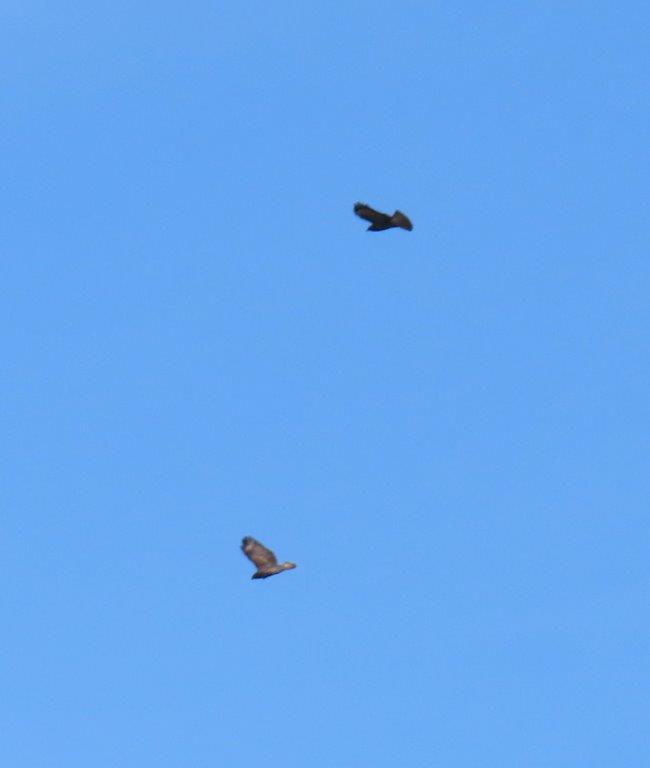
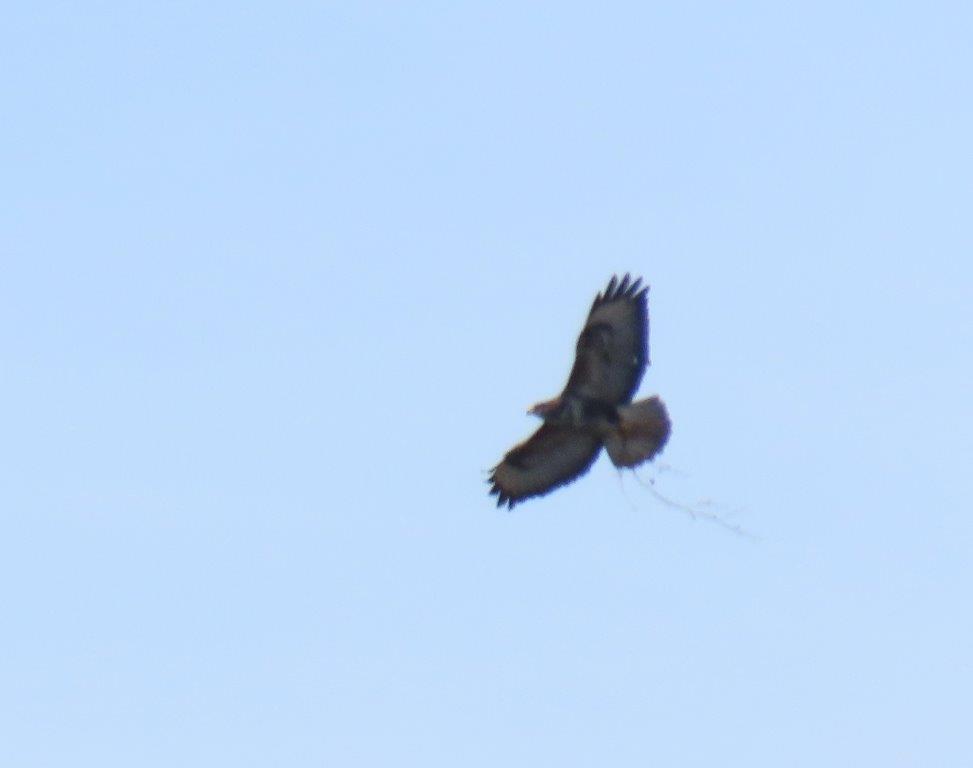
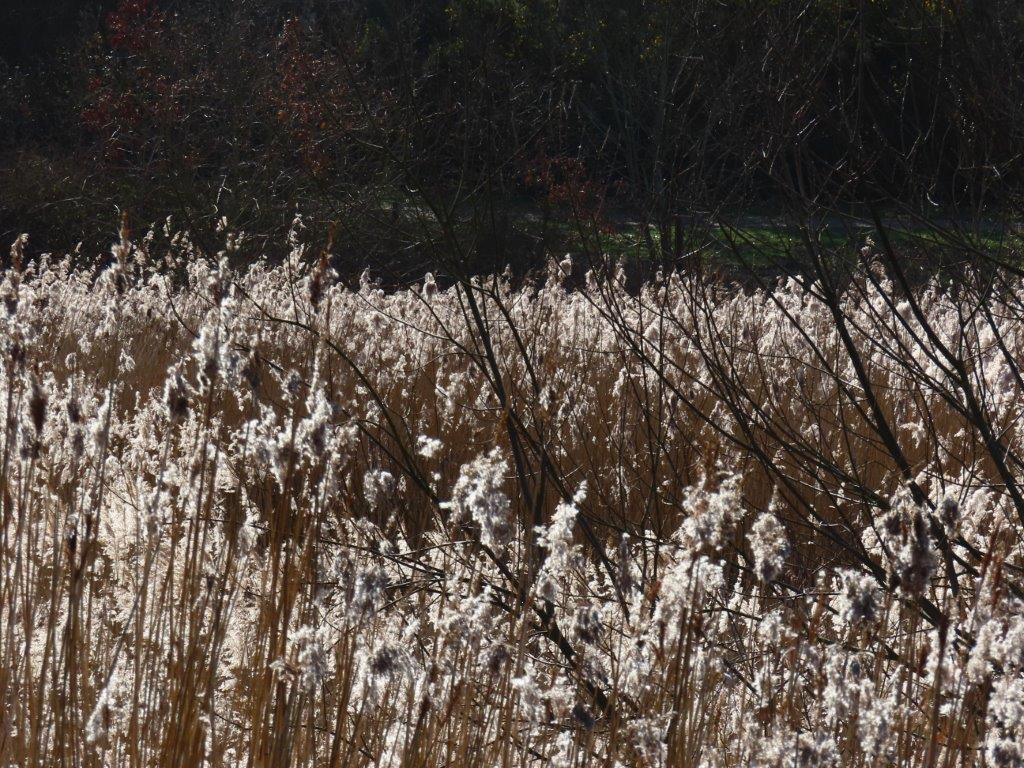
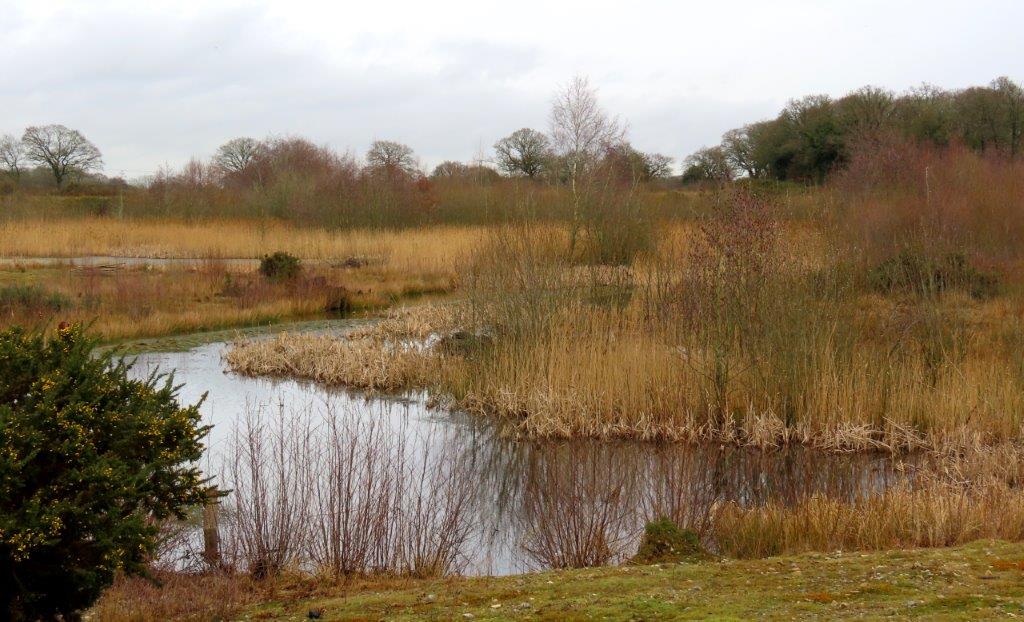
Two lots of Buzzards were overhead, mewling in display flight and carrying nesting material, while a female Marsh Harrier quartered the reedy willow scrub.

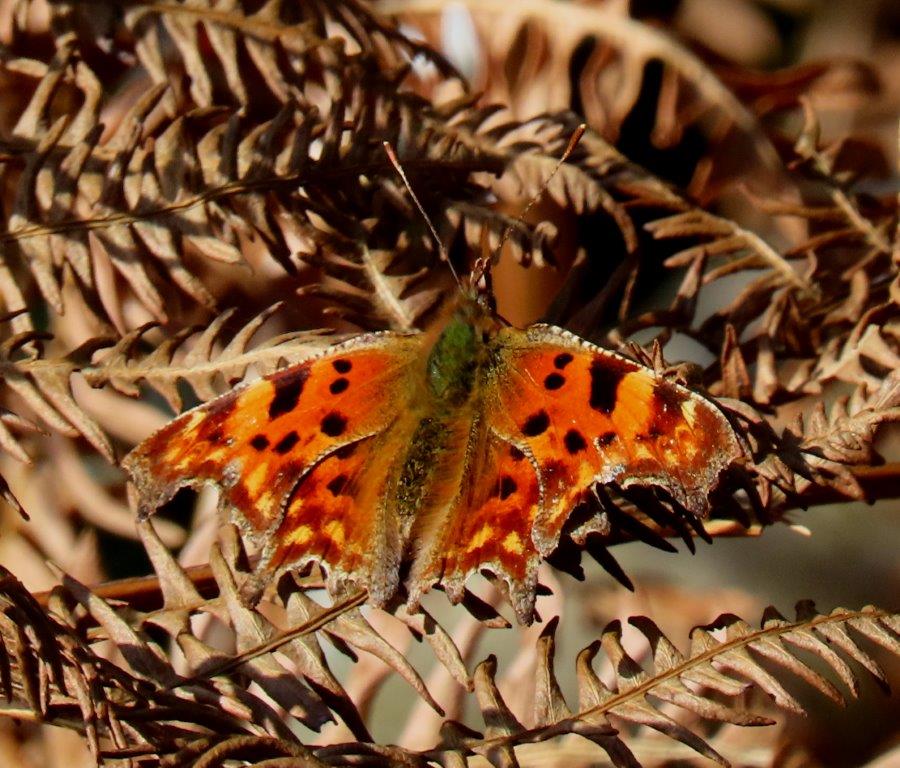
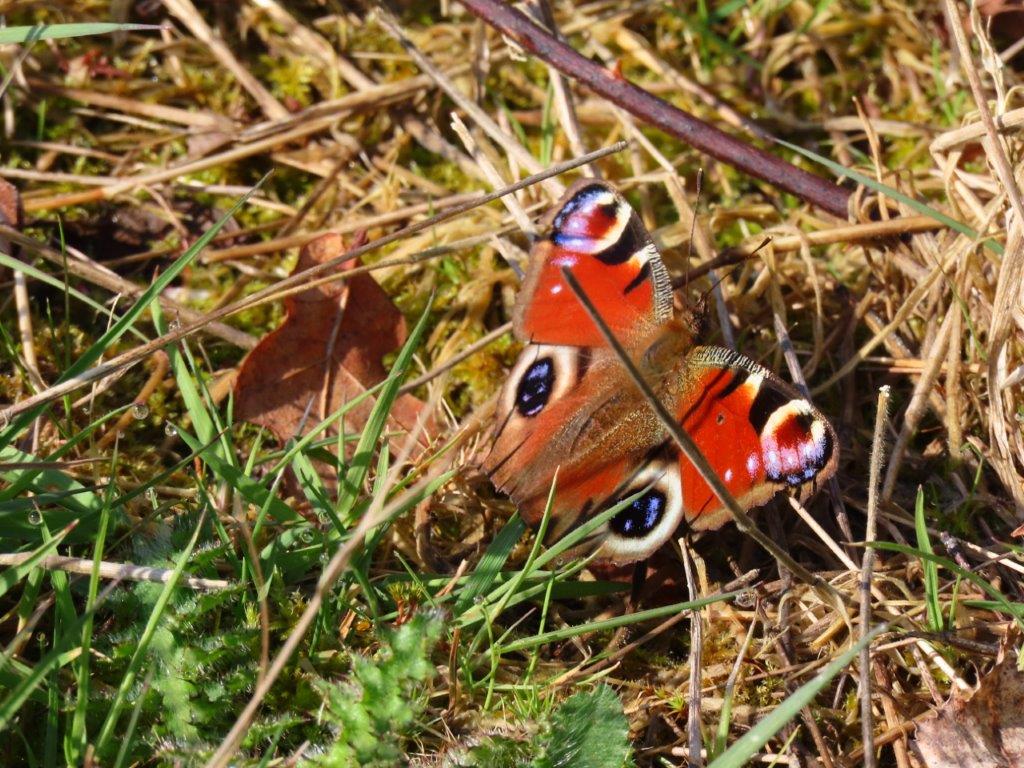
Several pairs of Long-tailed Tits seemed to be setting up territory and there were fleeting flypasts of both Peacock and Red Admiral, though no sign of yesterday’s Comma, my first butterfly of the year. Nor were there any of the Hairy Shield-bugs on show: such is the excitement and unpredictability of the natural world. But the final reward for we two leaders was back in town, just after the last of our group peeled away, the most vibrant male Brimstone crossing our path …


The Wild Side of Essex: a wintery Colne Estuary

It was the day that winter arrived in Wivenhoe. The wind swung round the north overnight, picked up strength and dropped what had been above-average temperatures for weeks to below-average in an instant. But nothing stops Naturetrek, and the select group met up as planned at Wivenhoe Station, well wrapped-up.

Starting upstream, we made a diversion into Wivenhoe Wood, autumn leaves still turning on the branches, others crackling underfoot as we looked at one of the few Butchers’-broom plants in the wood. With careful searching we managed to find one opened flower, a month or two ahead of the expected time.

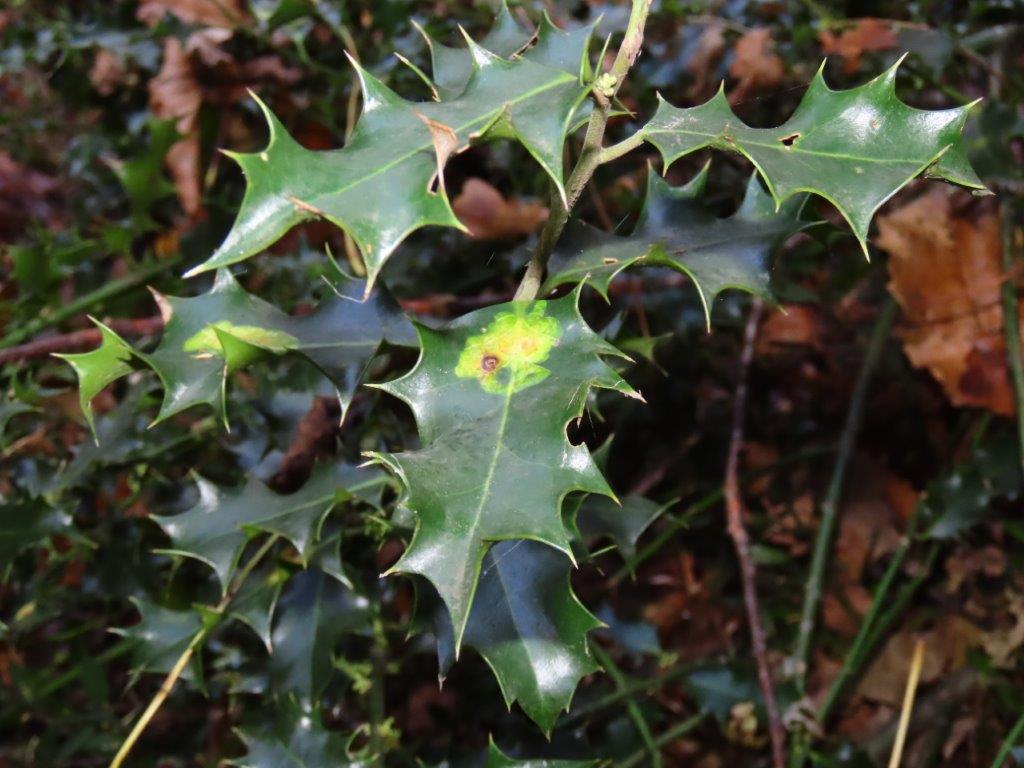
Robins were singing wistfully, although other woodland birds remained quiet, giving us chance to explore the wonderful world of leaf-mines, with Holly Leafy-miner fly blotches on many a leaf.

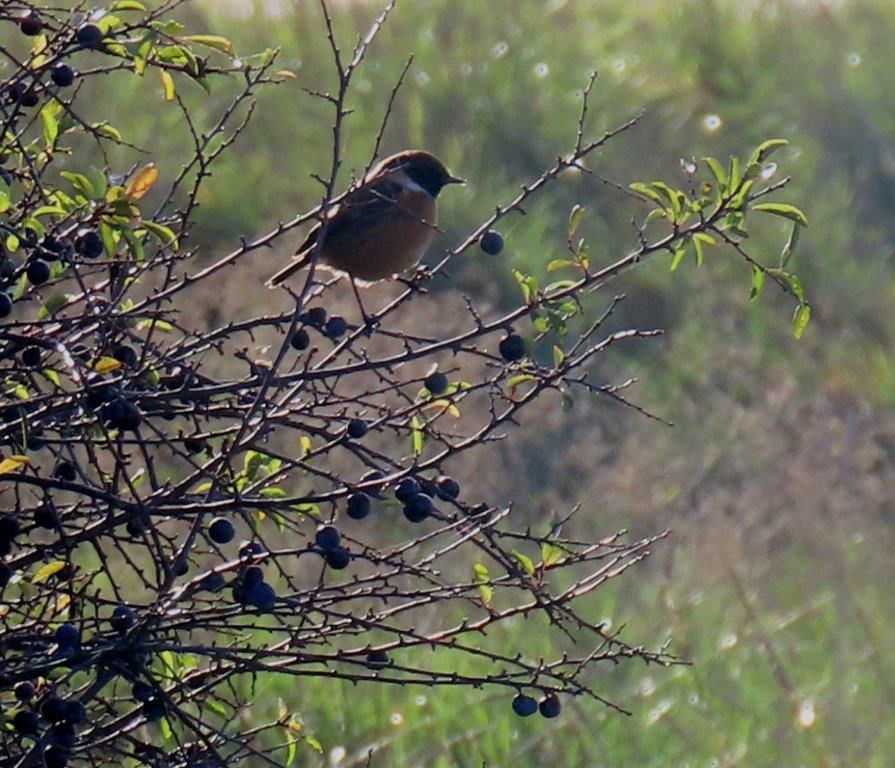
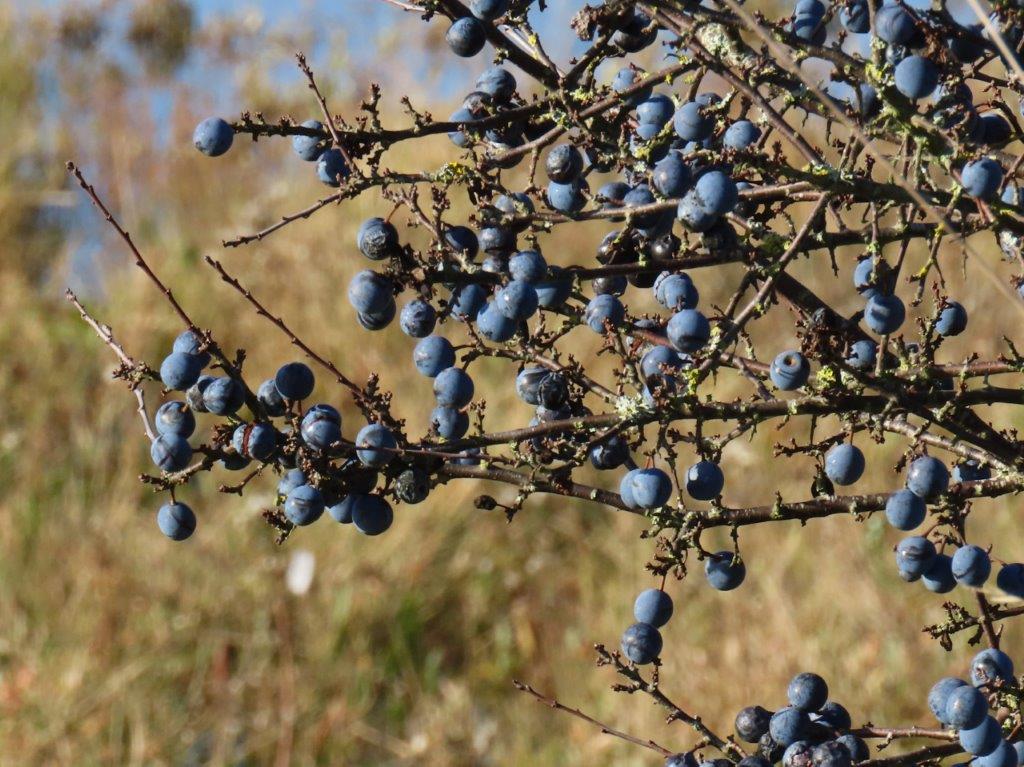
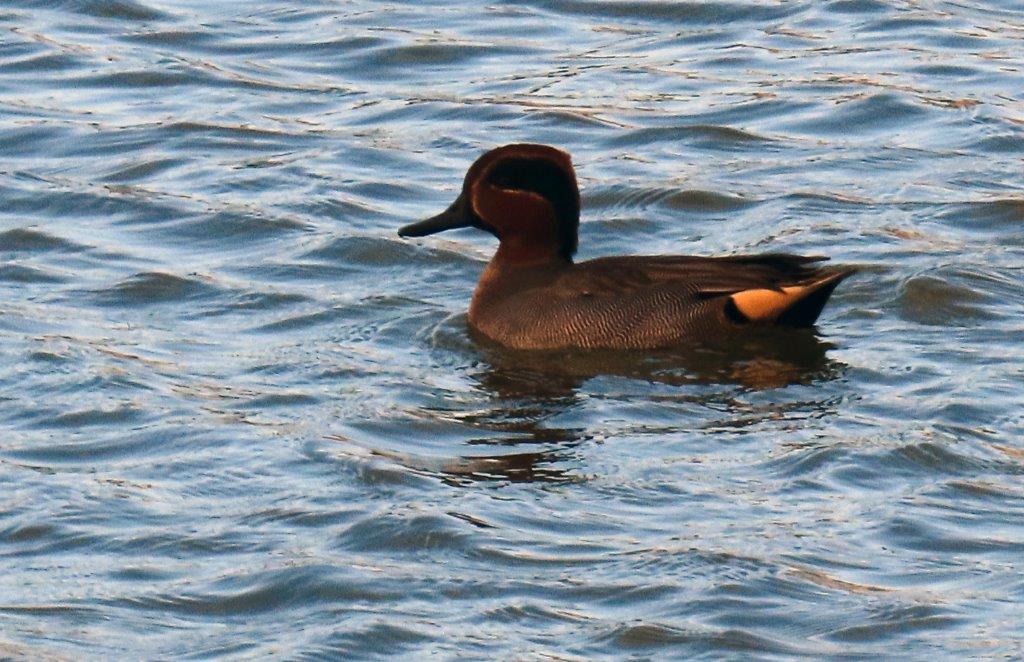
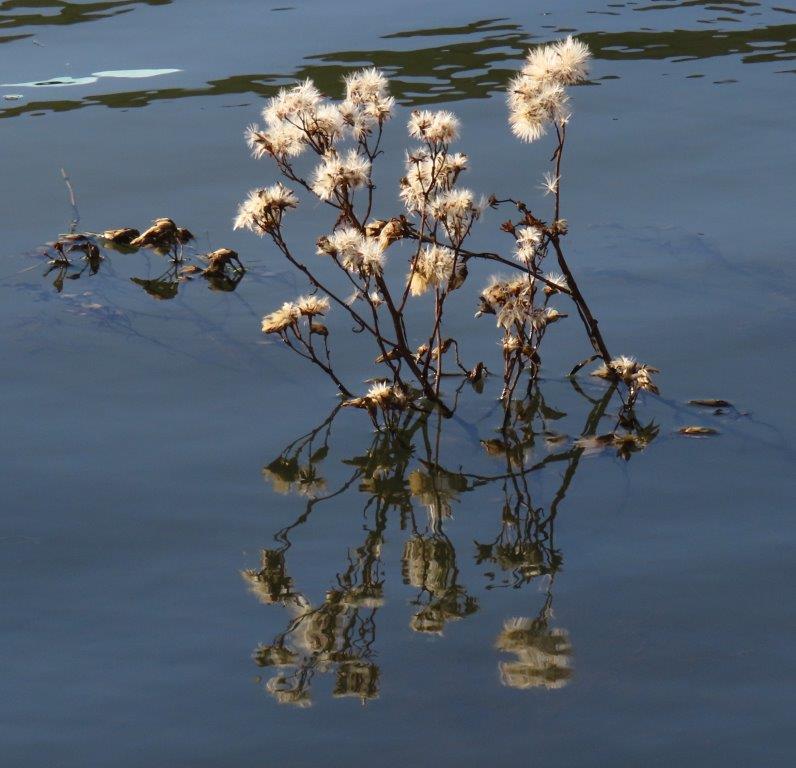
Around Ferry Marsh, the reedbeds swished in the wind, a psithurism seemingly designed to hide the contact calls of any reedbed birds. But along the sea wall, there was Blackthorn covered in ripe sloes and a lovely male Stonechat showed well, albeit suffering from the aggressive attentions of a territorial Robin, while Teals dabbled in the shallows among to equally copiously fruiting Sea Asters.

But it was clear something was amiss with the tide. There was a lot of water, and it was not moving: it seemed the Wivenhoe Tidal Barrier must have been closed, very surprising given that the predicted high tide has passed, and we were still about five days away from the next round of spring tides… So while the Dabchicks were happy, most of the waders had to hunker down in their saltmarsh roosts, apart from the longer-legged Curlews and Little Egrets.

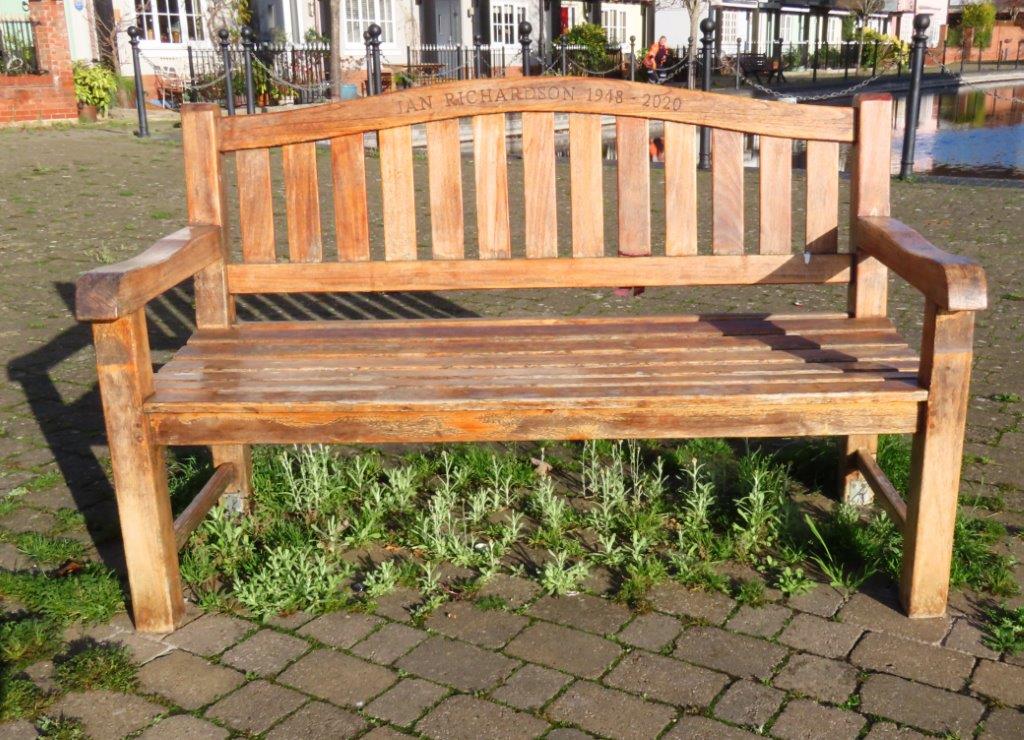
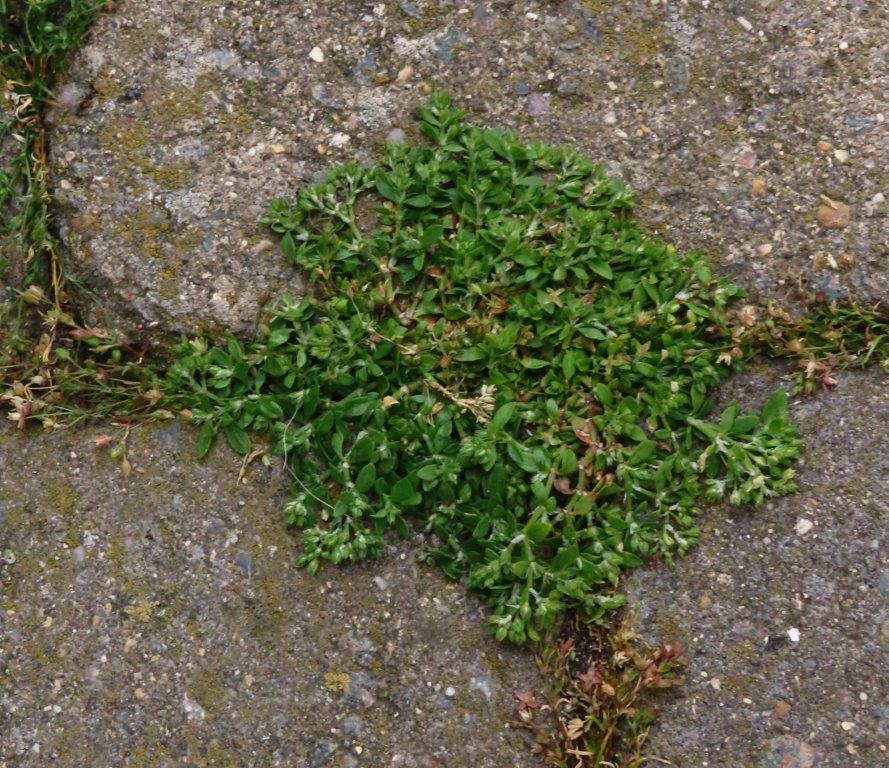
Along Wivenhoe waterfront, as always when seeing it through the eyes of those who had never been there before, I came to appreciate more fully how lucky we are to live here. This includes the rare plants in the block-paving cracks, especially Four-leaved Allseed and Jersey Cudweed, especially luxuriant beneath the benches away from trampling feet.

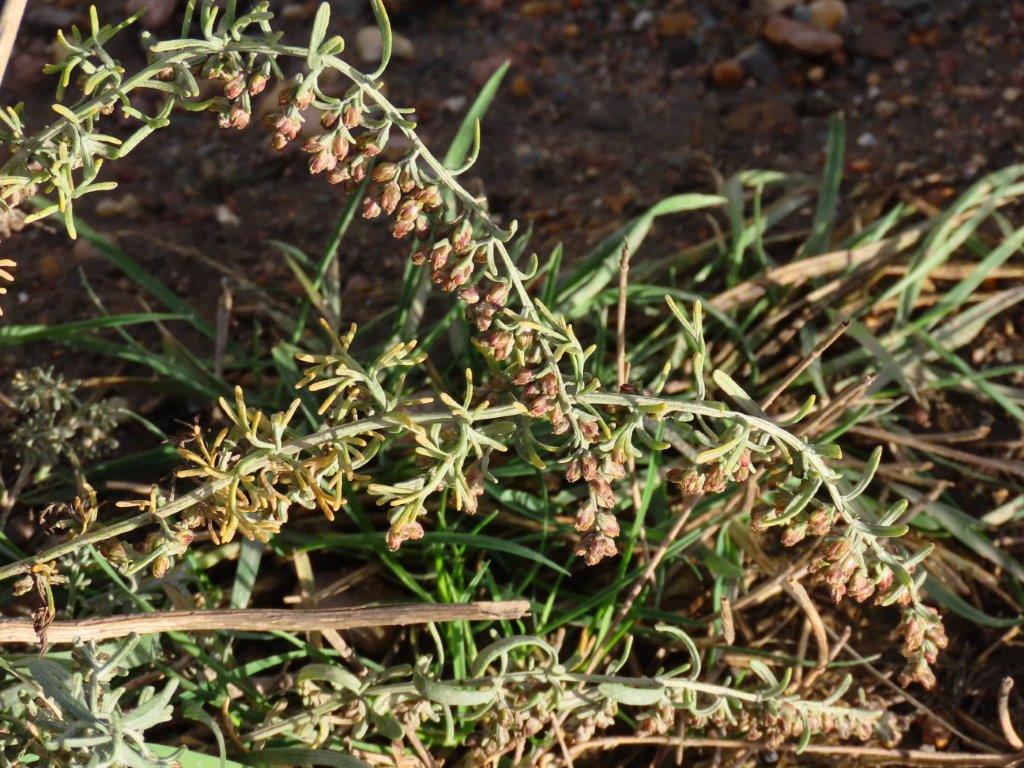
Further upstream than I have found it before, we also found Sea Wormwood, giving all the chance to scrunch and sniff the Green Fairy, the essence of absinthe.

The barrier was still closed as we reached it, making me think it must be closed for maintenance. But no, once downstream it was clear that the tide was still fully in. Clearly the weather conditions had produced a tidal surge that had delayed the tidal peak by a couple of hours, and produced a peak much higher than the astronomical prediction. Always a good opportunity to talk about the vulnerability of those living on the edge of the tide, and the arrogance of those who think we can win the fight against Nature.

So onward we went along the sea wall, the tide on the seaward side towering a couple of metres above the level of the grazing marsh to landward. Redshanks and Black-tailed Godwits were still resolutely at roost, while Linnets twittered from the bushes and Meadow Pipits crept silently across the marsh, occasionally erupting  in a flurry of ‘peep‘s.

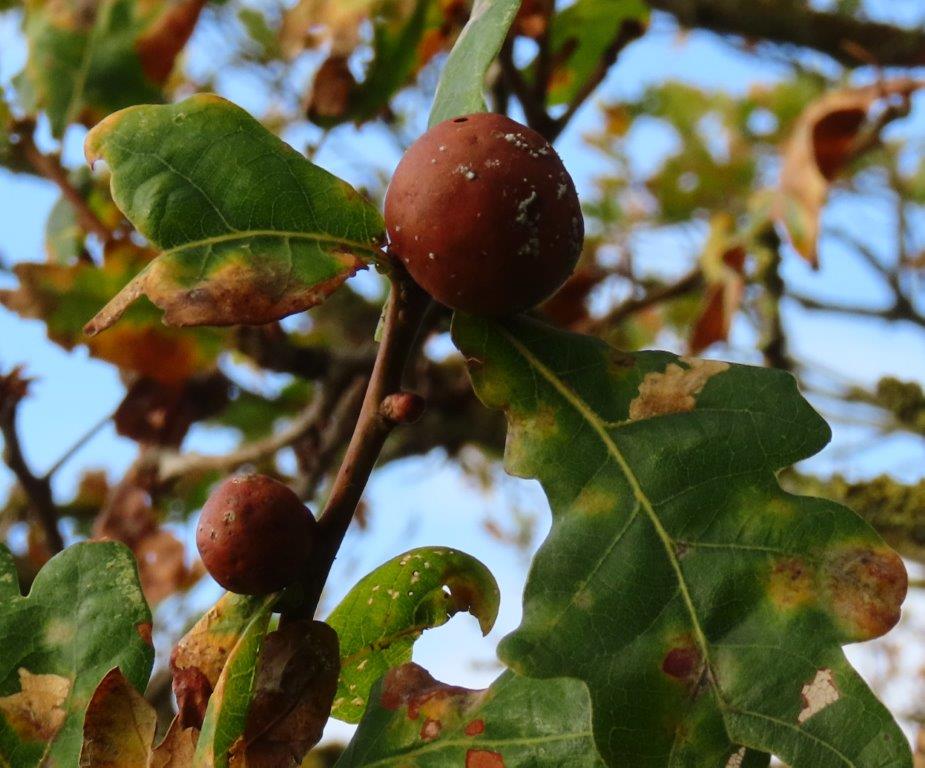
Into Grange Wood where ancient woodland tumbles down to the tide in a most un-Essex-like manner, and an introduction to the fascinating world of galls, exemplified by both marble- and spangle-galls…

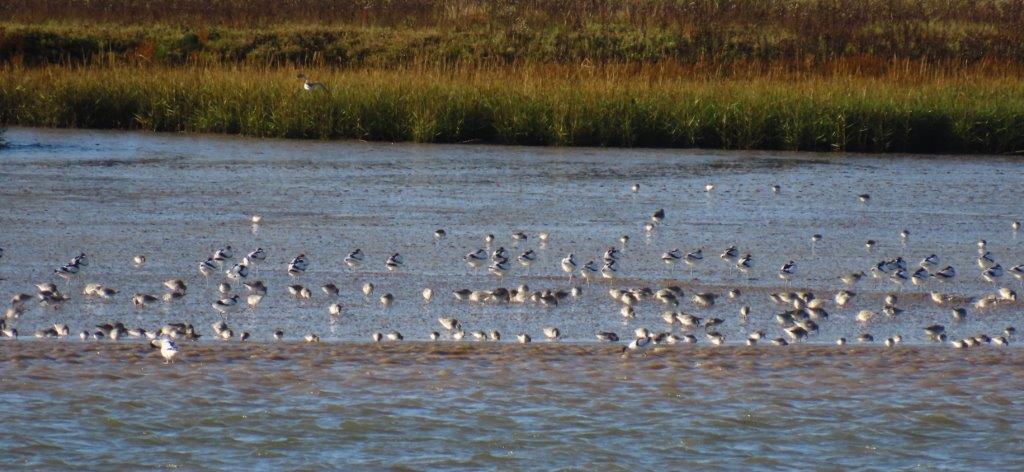
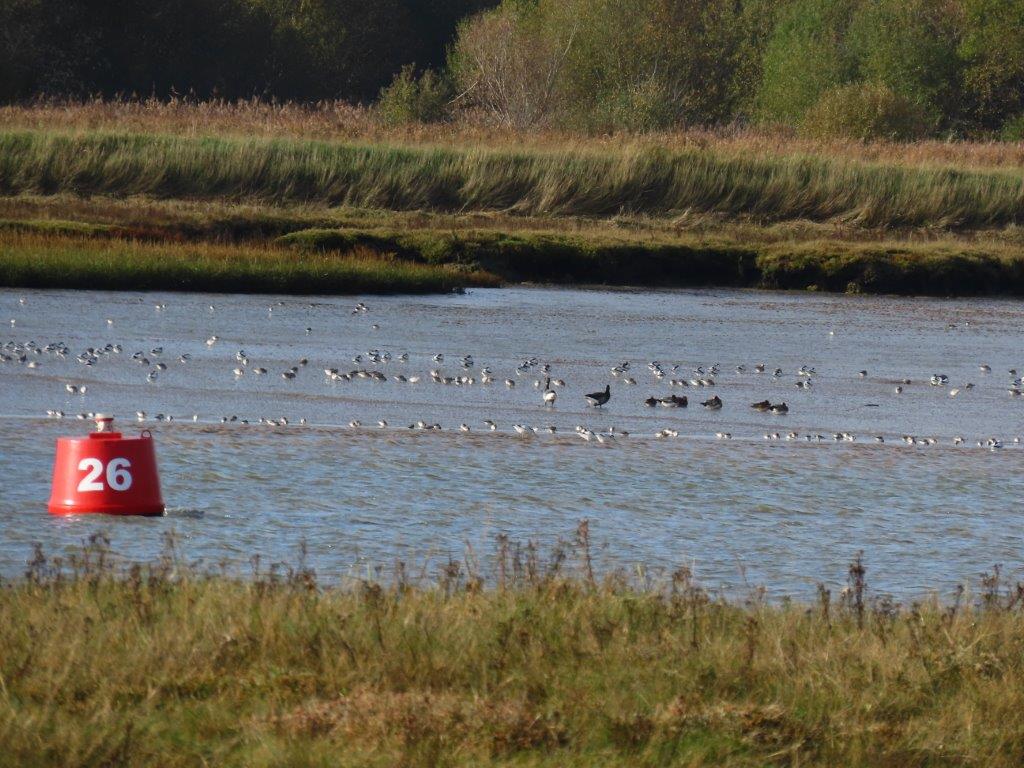
… and by the time we reached our lunch spot, the mudflats were starting to appear, covered in hungry feeding waders (Curlews, Black-tailed Godwits, Grey Plovers, Knots, Redshanks and Dunlins) along with Avocets, Wigeons and Brent Geese in the shallows. In fact the surge had done us a favour, meaning that the water birds were in better light than if we had seen them when we should have.

A quick check of the rain forecast showed a squall heading our way, so we took to the woods and emerged a few minutes later at the top of the Essex Alps as the sun came out to celebrate the passing of the sleety shower.

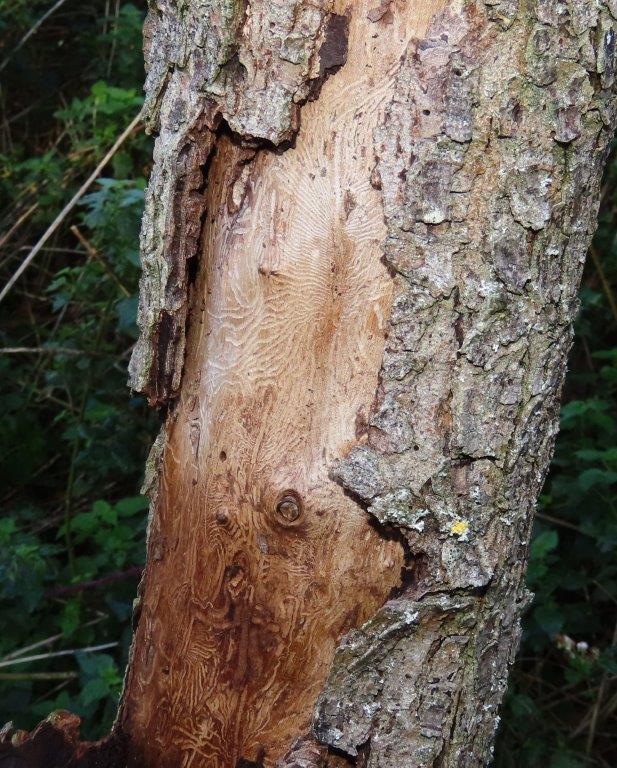
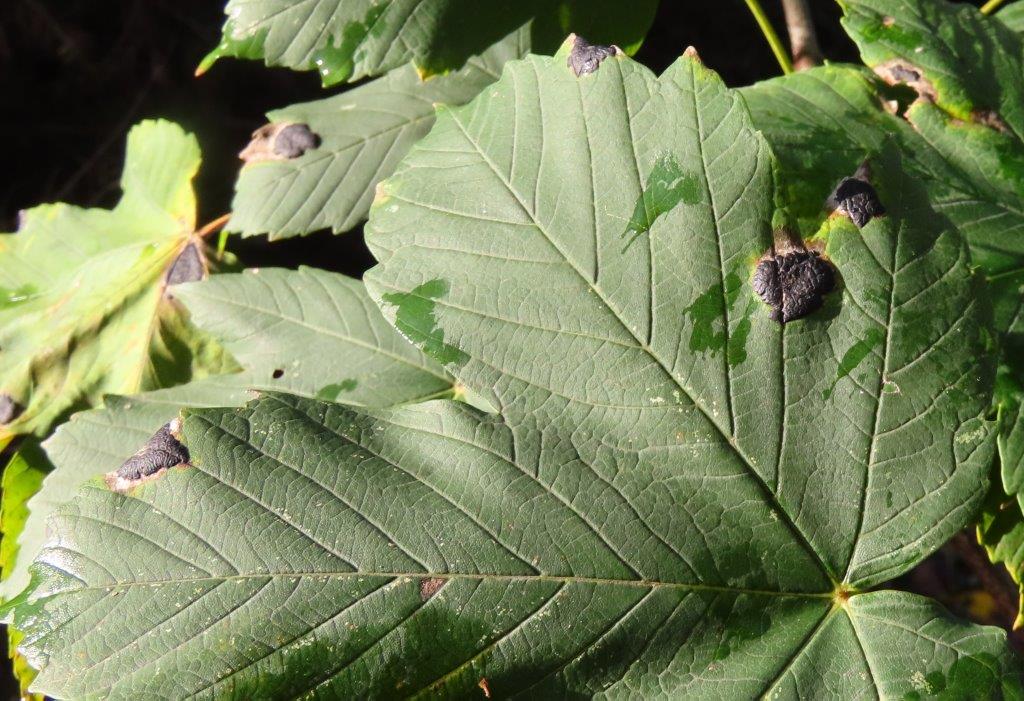
Magnificent boundary pollards and coppice stools, more galls and basking insects, Sycamore Tar-spot fungus, signs of Dutch Elm Disease and some huge Butchers’-brooms, these with still a few red berries from last winter’s flowers…

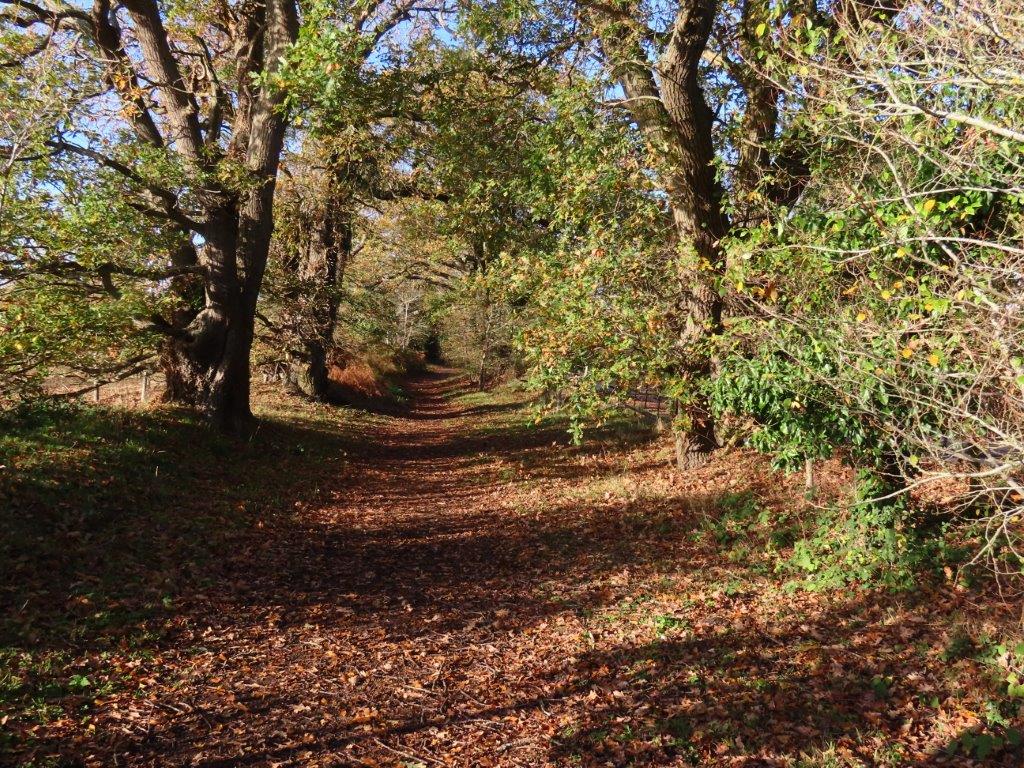
… and along Cutthroat Lane, the cold wind having abated with the passage of the rain, and the sparkling sunlight bringing welcome warmth and life to the autumn colours. A very appropriate place to hear the ‘happy peals’ of the Wivenhoe Church bells drifting up from the lowlands maybe 3km away which marked the funeral of our friend Graham….

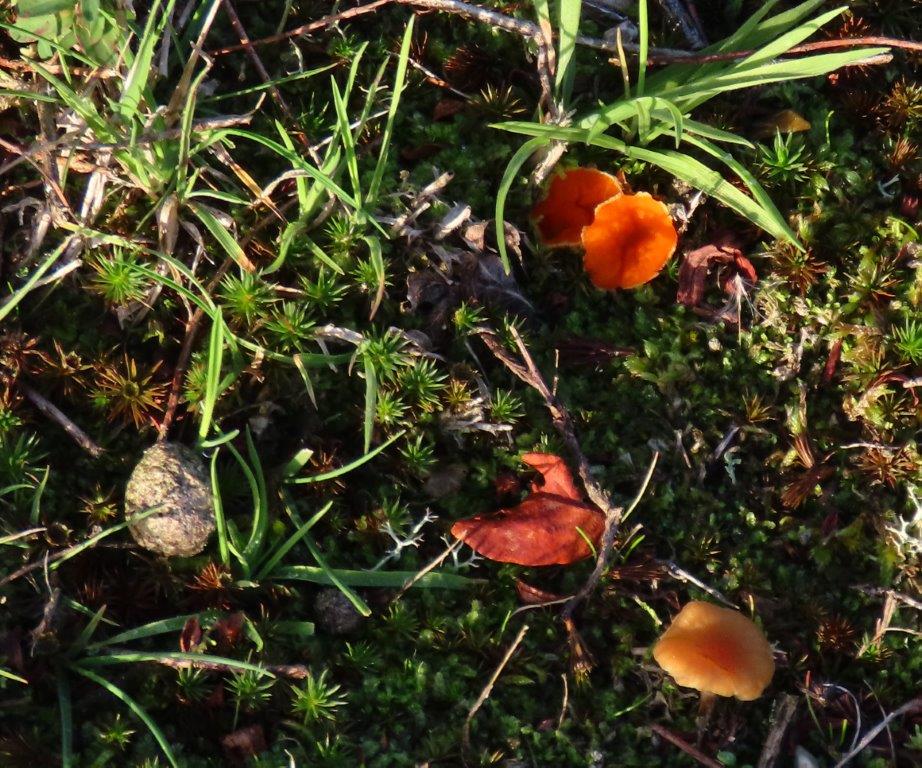
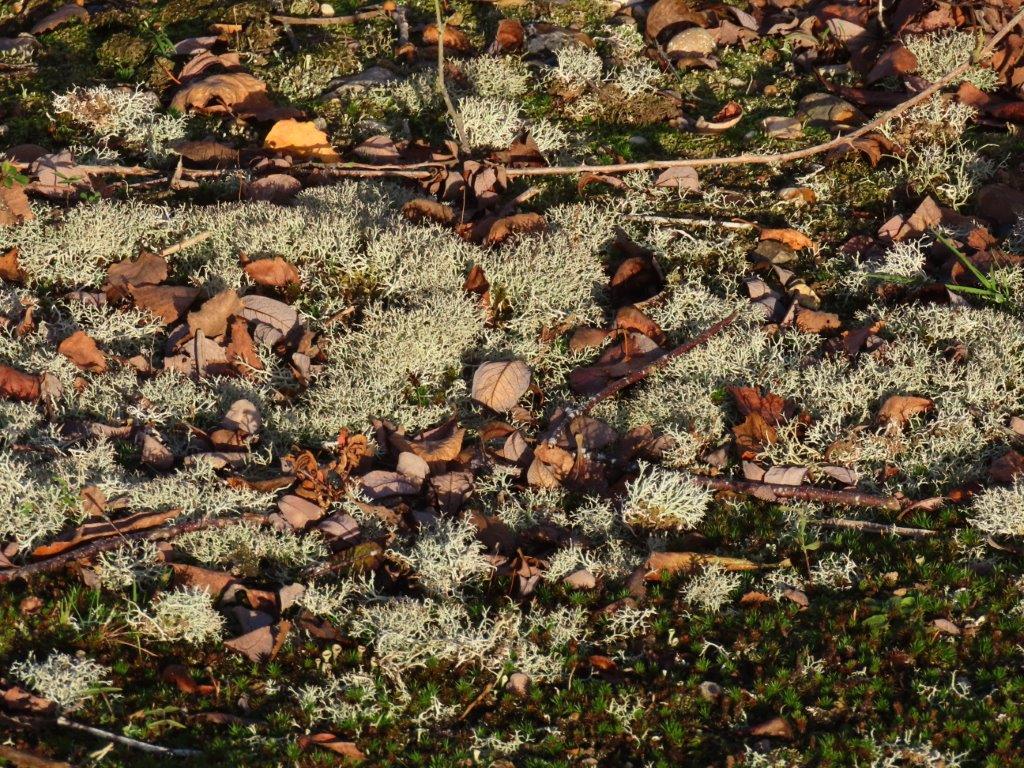
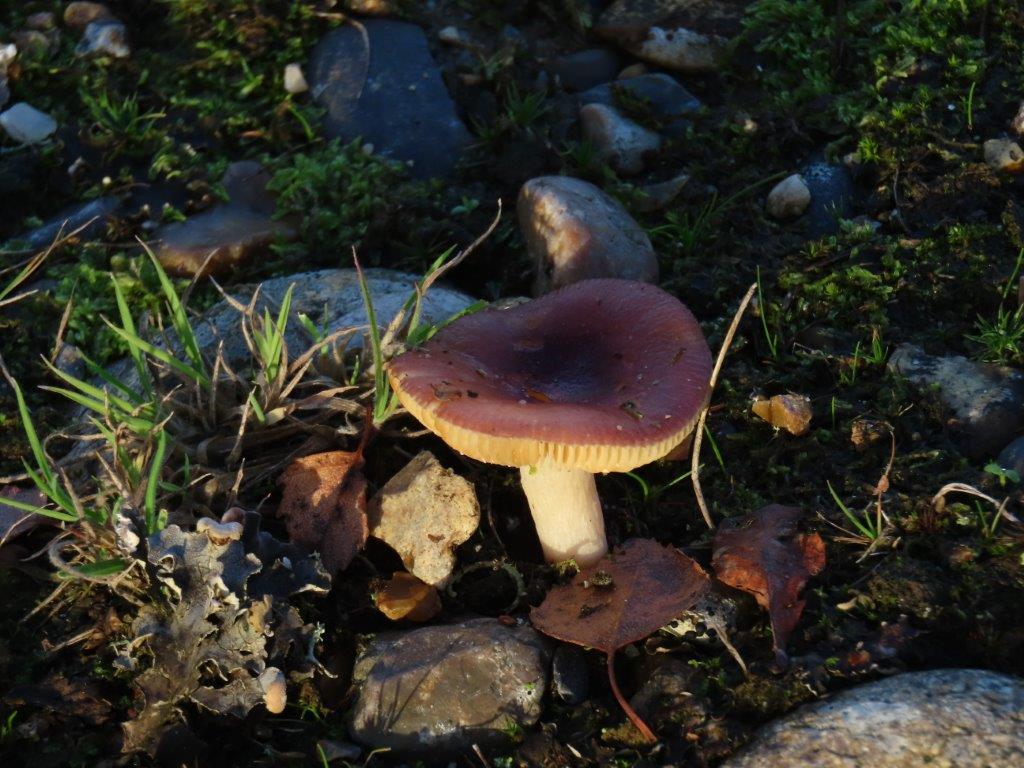
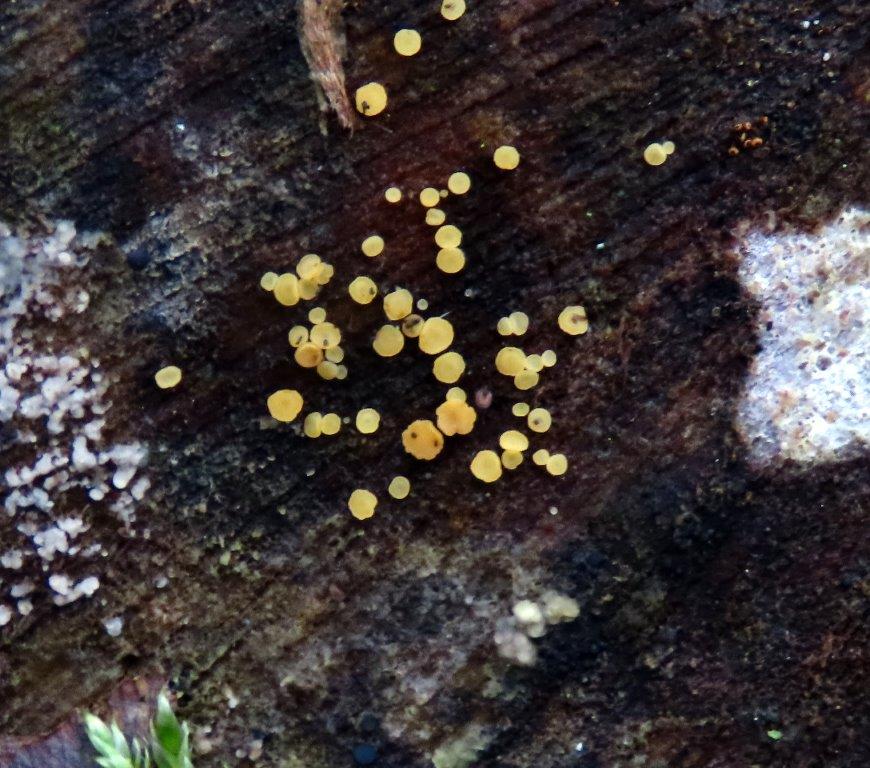
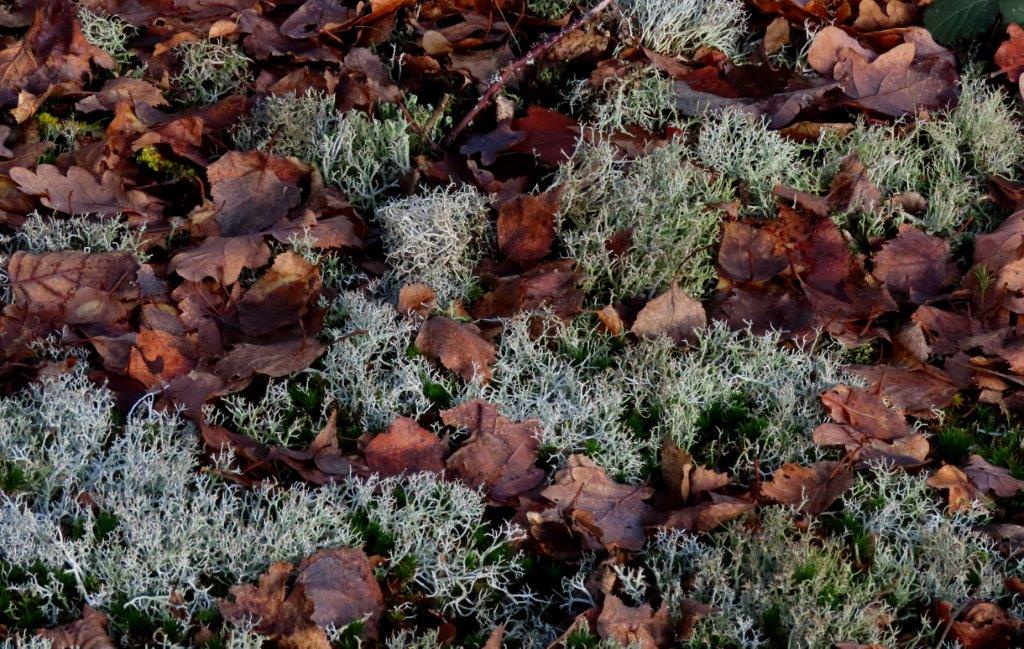
And it was then into Cockaynes Reserve for more autumnal fare, including Redpolls and Siskins heading to the Alders, and fungi sprouting from the heathland, life after gravel extraction: the orange discs of a Neottiella species among the Reindeer Lichen and a couple of fruit-bodies of the cheesecap Russula nitida, a mycorrhizal species associated with the roots of Silver Birch.

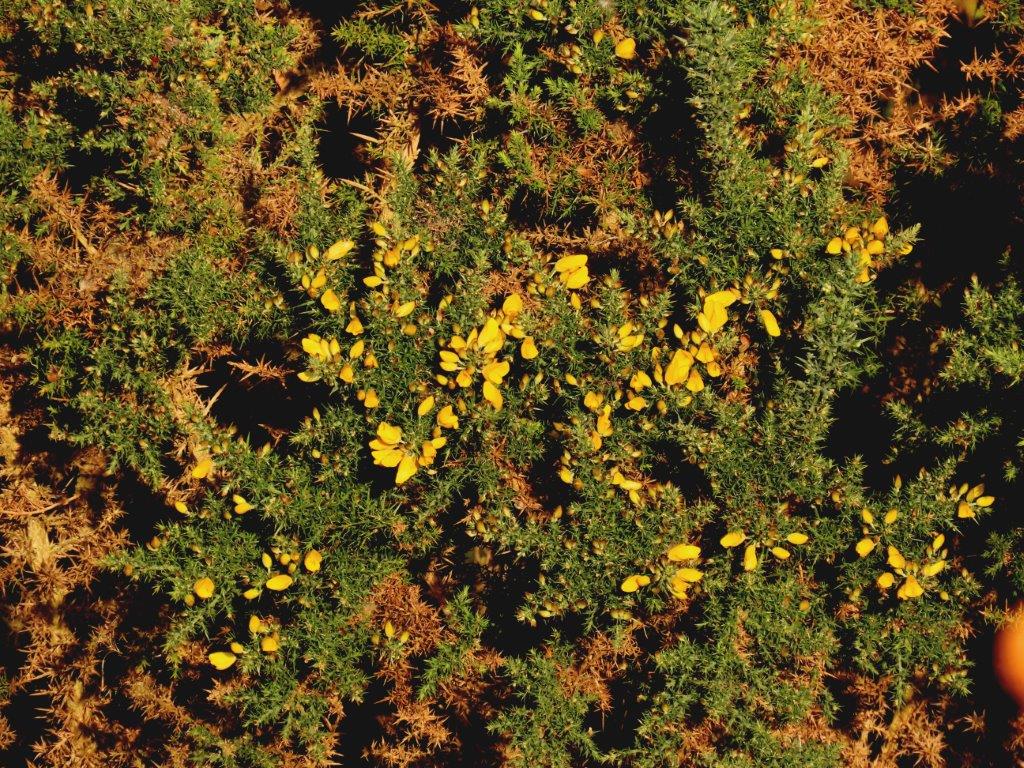
Then in a nod to the spring, which will arrive however long the midwinter gloom lasts: Gorse in fresh flower, a beacon to any passing pollinator.

And all that was left was a wander back along the ridge, past the field of Water Buffalos, and down to Wivenhoe, paying homage to the Old King George Oak whose future is still undecided.

Autumnal tranquility in Cockaynes Reserve

It was unremittingly dull but unnaturally mild and almost eerily still for my walk at Cockaynes Reserve last week. Barely a sound to break the calm, except when a wisp of breeze dared breathe and every dry-leaf-crackle gently fractured the silence.

That is apart from the bird life: mournful autumnal Robin songs washed through the trees, while half-a-dozen Redpolls trilled over, a band of forty Siskins bounced through the Alder tops, and two Kingfishers flashed over the heath, their calls of an intensity matched only by the declamatory Cetti’s Warbler.

Despite widespread forecasts of a fiery autumn, here it was subtle, the shades of  English pastoral pastel…

… but fruits aplenty, haws waiting for the northern thrushes, Stinking Iris at ground level and Sweet Chestnut husks splitting on the tree.

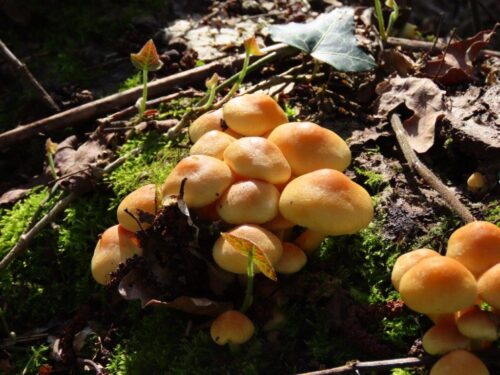
The fungal season is just starting, but the portents are good, with Fly Agarics nestling at the base of Silver Birches, clumps of Sulphur Tuft, and small orange caps (Rickenella fibula) and discs (Neottiella rutilans) exuding from the heathy carpets of mosses and lichens, the latter including the dog-lichen Peltigera didactyla.

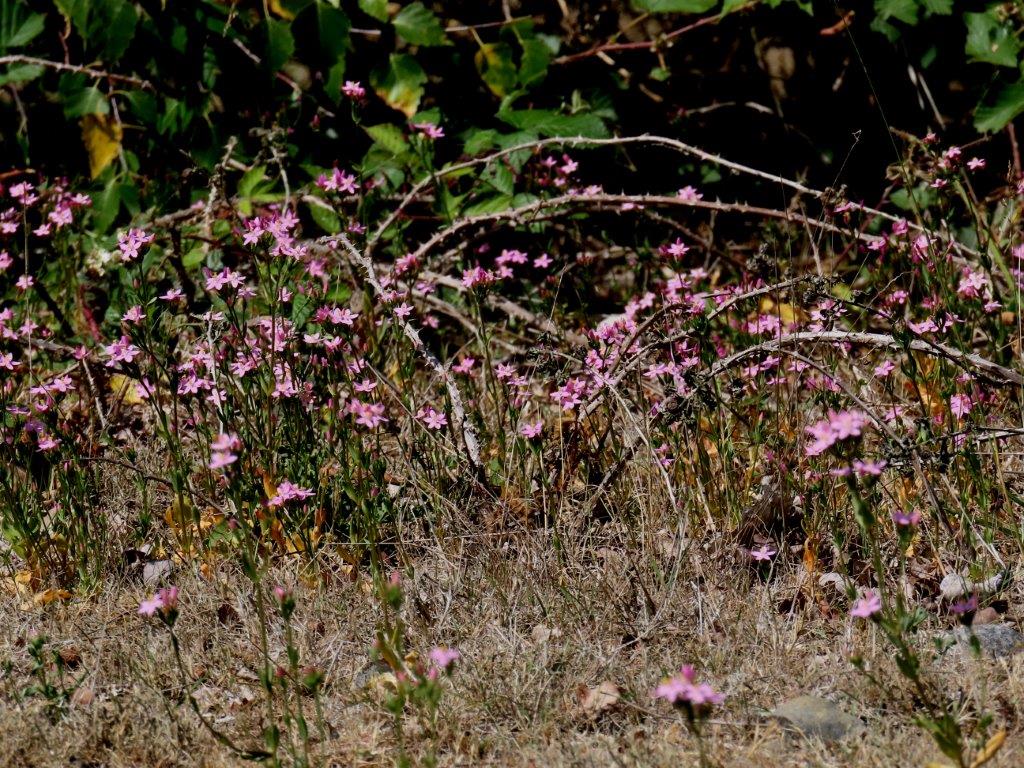
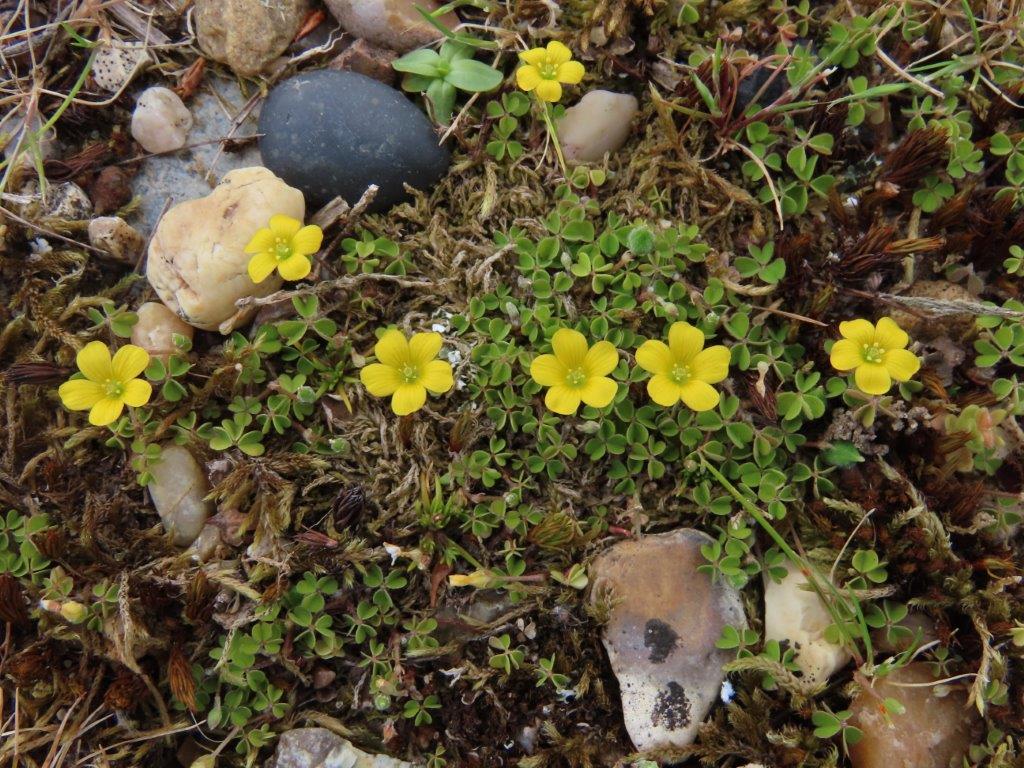
And just a few flowering plants: the last few Common Centaury and Stork’s-bill, Trailing St John’s Wort and superficially similar but much more numerous Least Yellow-sorrel.

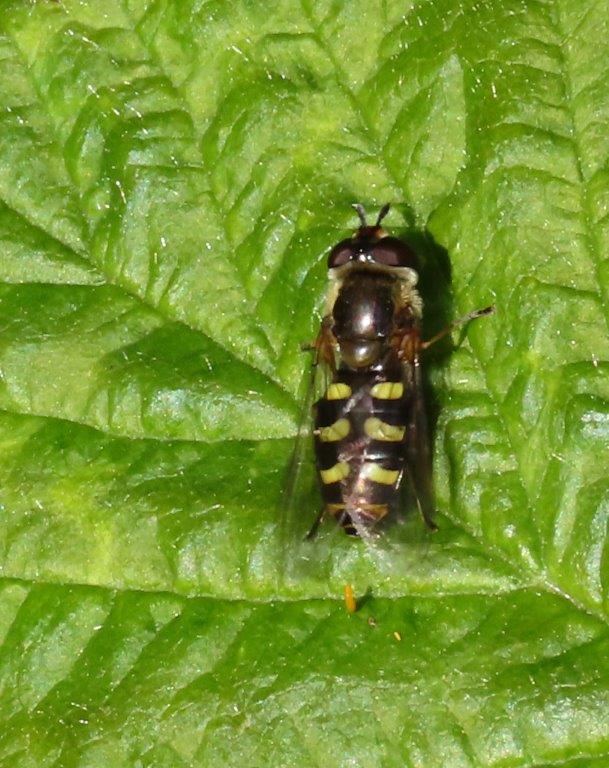
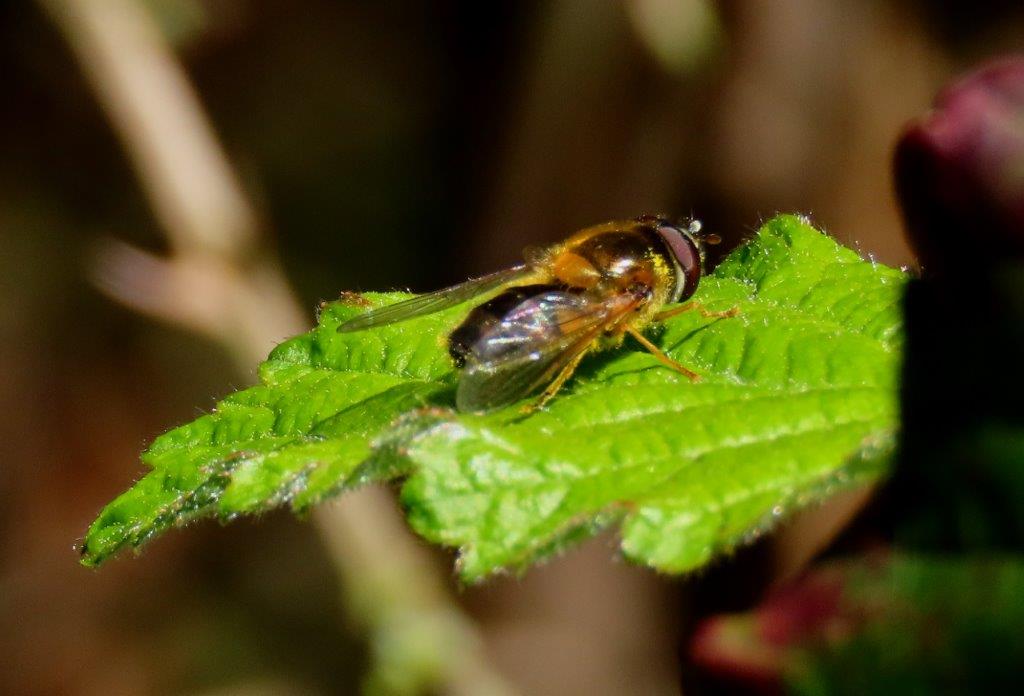
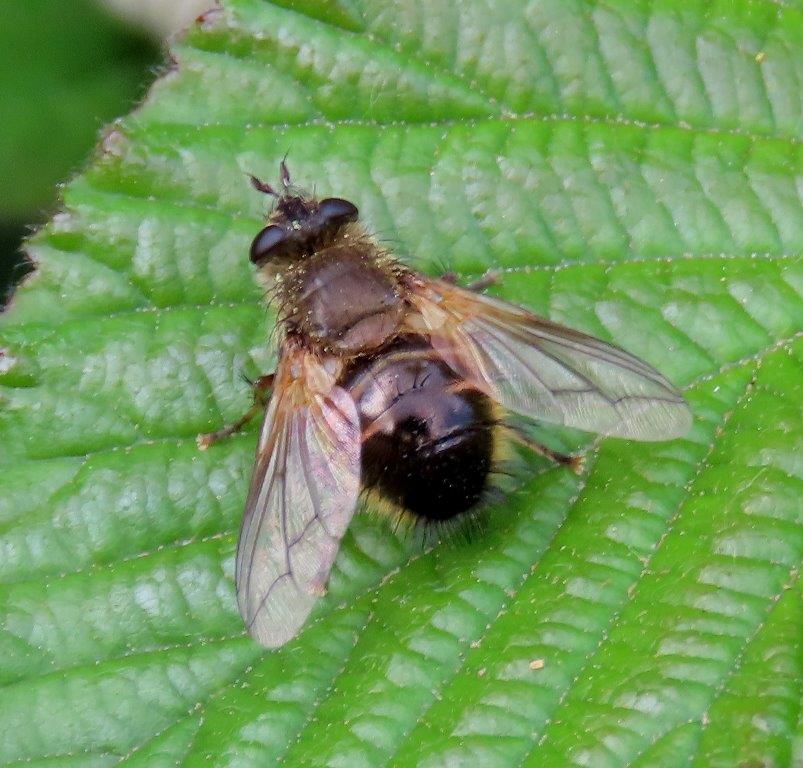
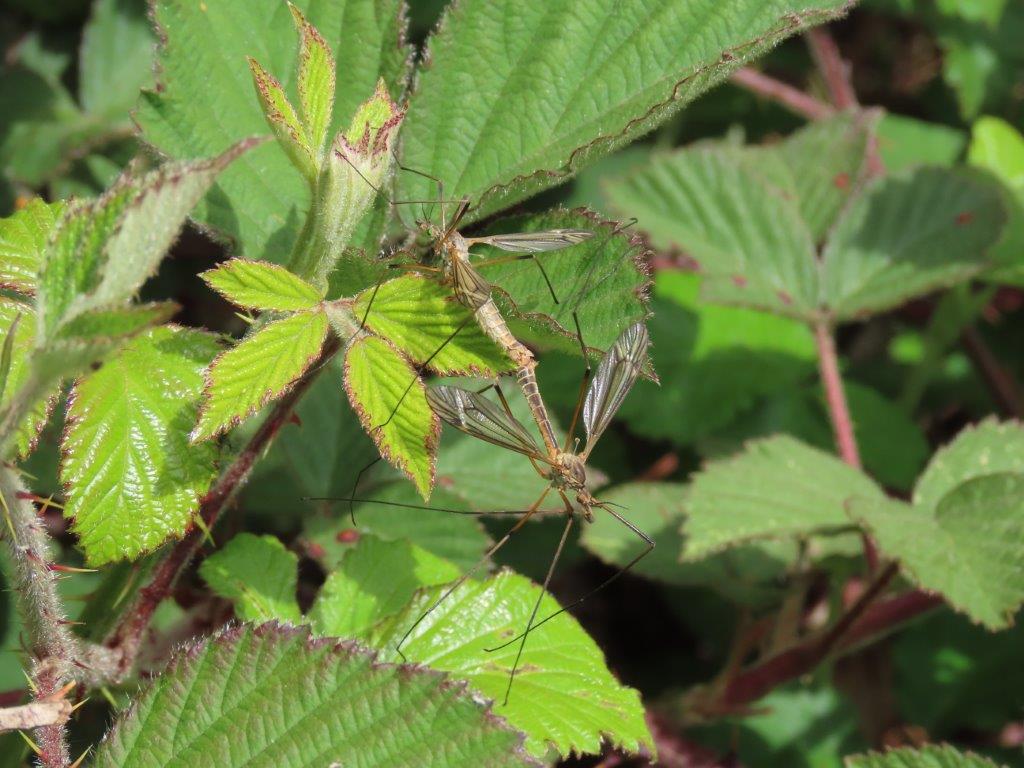
Insects and other invertebrates were few, but included a Parent Bug, Velvet Mites and a few crane-flies and hoverflies:

And then of course the galls, on the Oaks in particular, such as these Marble Galls:

Over the years I have examined innumerable Oak leaves at this time of year. There are three common Neuroterus gall-wasp spangle galls: Common Spangle, Silk Button and Smooth Spangle, listed in order of their typical frequency. But this year, here as elsewhere, Smooth Spangles have been as easy to find as Silk Buttons.

And while I have often found two of the three species, in all combinations, on a single leaf, apart from one at the Ingrebourne Marshes in 2021, I have never found all three species together side-by-side. But at Cockaynes last week in just a few minutes on two separate trees I scored hat-tricks. Two leaves showed spatial separation within the leaf, while on the others there was more intermingling.

Endlessly engaging, I have long had a fascination for these galls. Indeed I first wrote about them for the Colchester Natural History Society as long ago as 1986 during my first spell of living in Wivenhoe. Back then I found no hat-trick leaves at all, and my annual observations since then have done no more than reinforced my perception of this pattern. No answers to the question ‘why?’. But what would life be without a little mystery?!

The Wild Side of Essex: Midsummer at the Naze and Colne Estuary

Midsummer week saw two Wild Side of Essex day walks for Naturetrek. The weather, as hoped, was good, albeit very breezy for the Naze and somewhat too hot for the Colne Estuary.

Being exposed and windy, it felt almost autumnal at the Naze, albeit without the migrating birds. Except that is for a flurry of Swifts, around twenty in all, that came in off the sea mid-morning, which could conceivably have been the vanguard of the July exodus. Otherwise it was summer all the way, with singing Common and Lesser Whitethroats, Blackcaps, Chiffchaffs and Cetti’s Warblers, almost all keeping stubbornly out of sight rather than exposing themselves to the teeth of the wind.

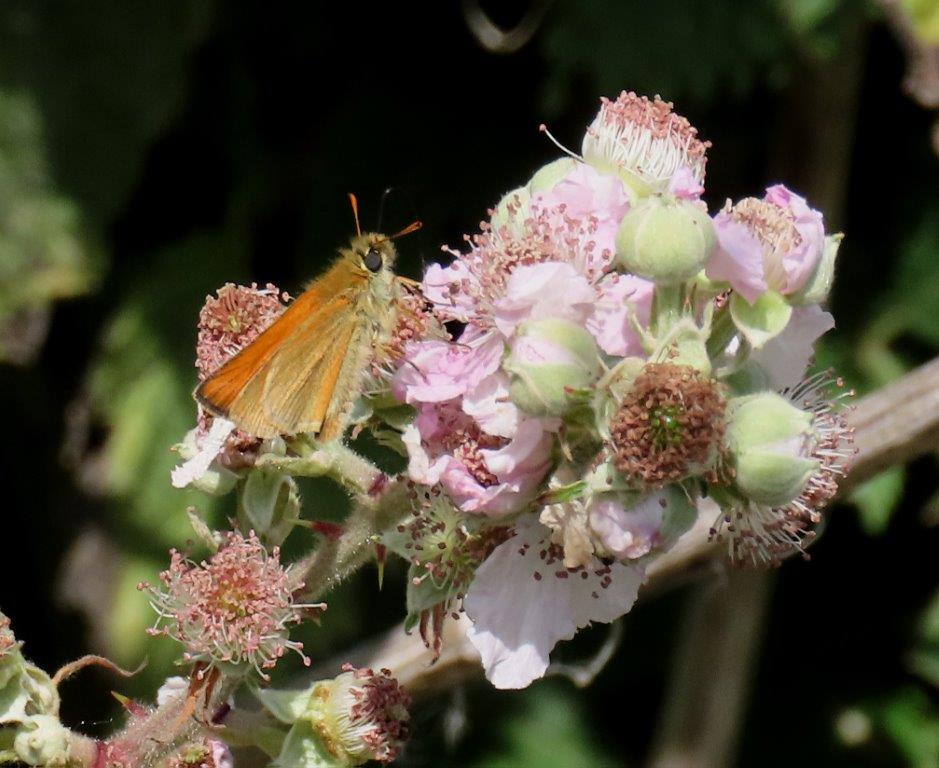
On the clifftop grassland and scrub, Sea Hog’s-fennel was just coming into flower, and in sheltered locations Large White butterflies were in huge numbers, perhaps indicating recent immigration. Other butterflies included a few Meadow Browns, Commas, Small and Essex Skippers and a Holly Blue.

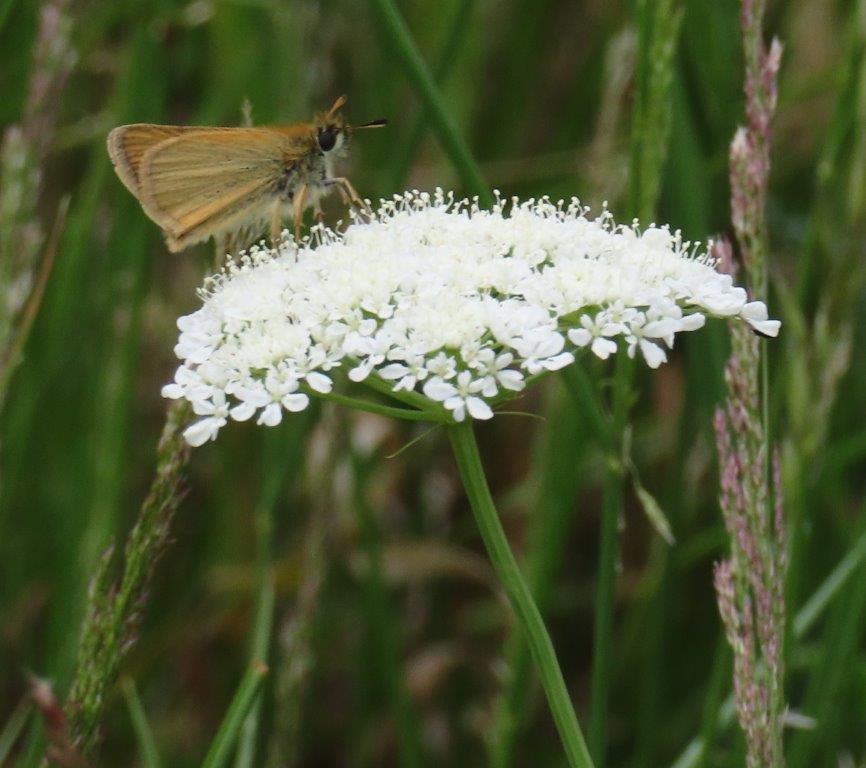
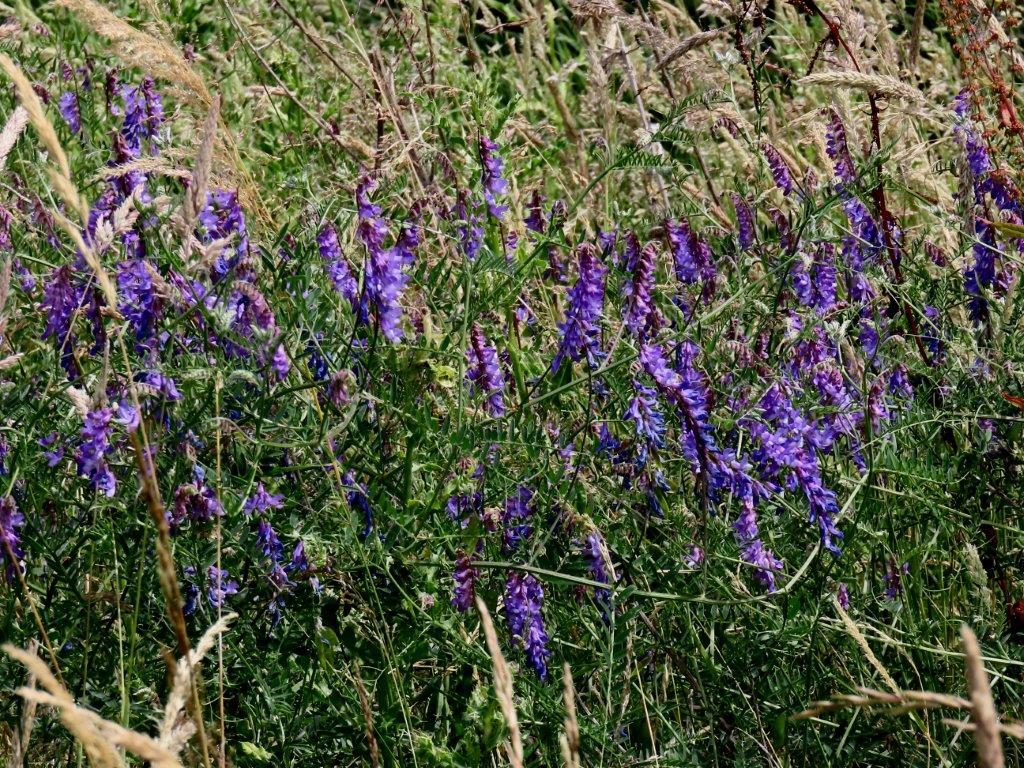
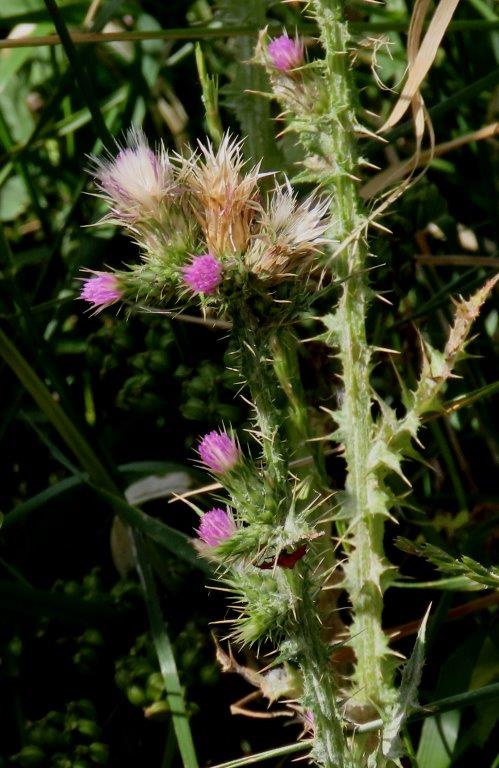
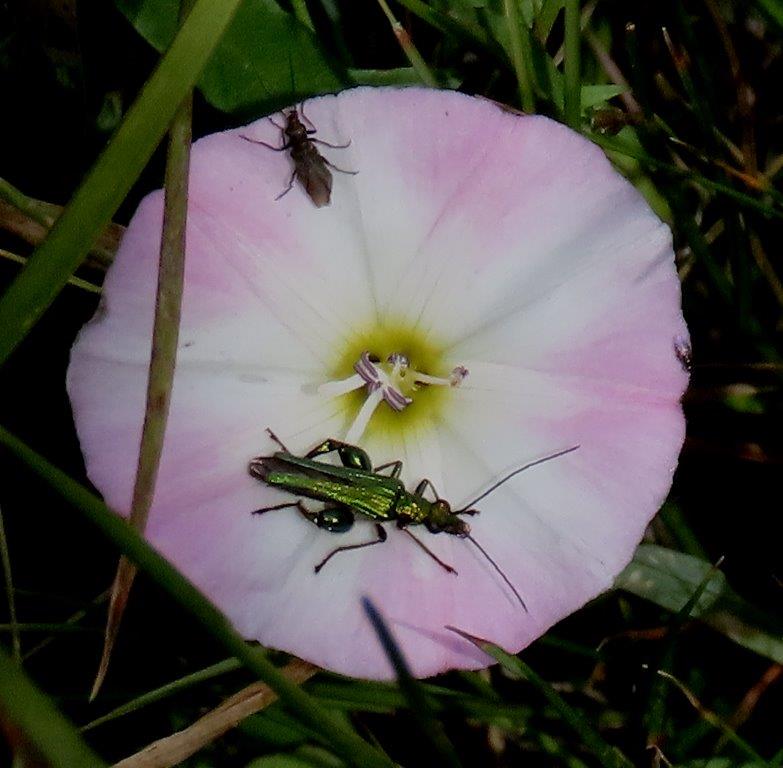
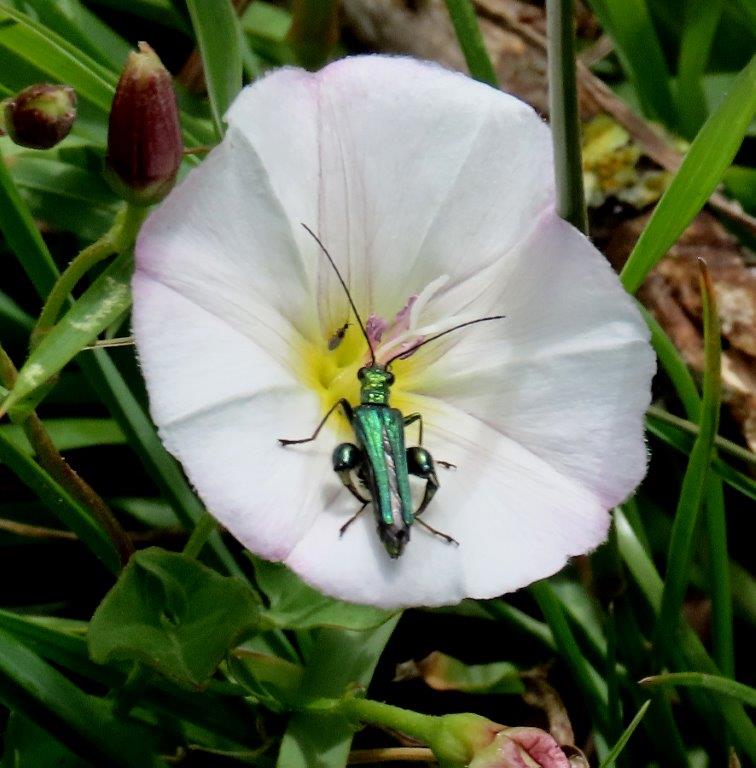
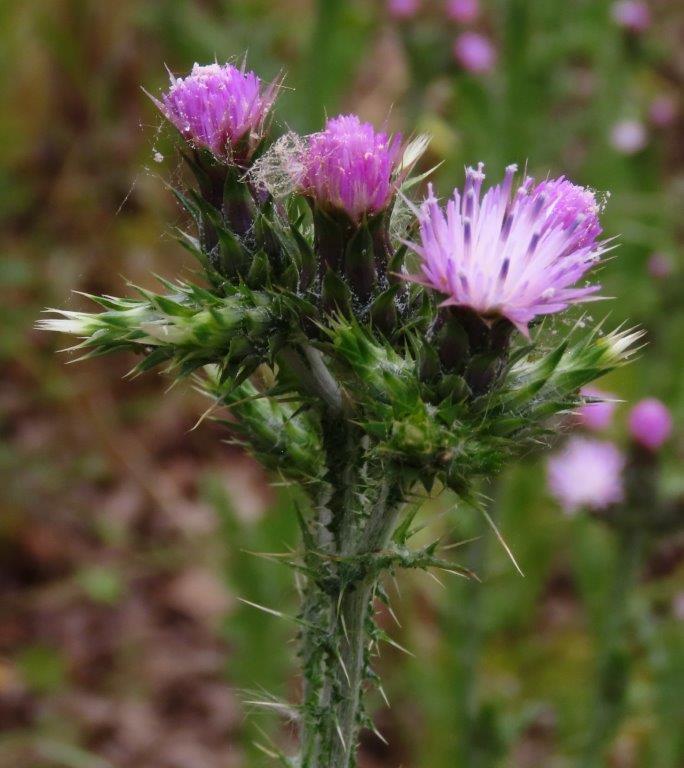
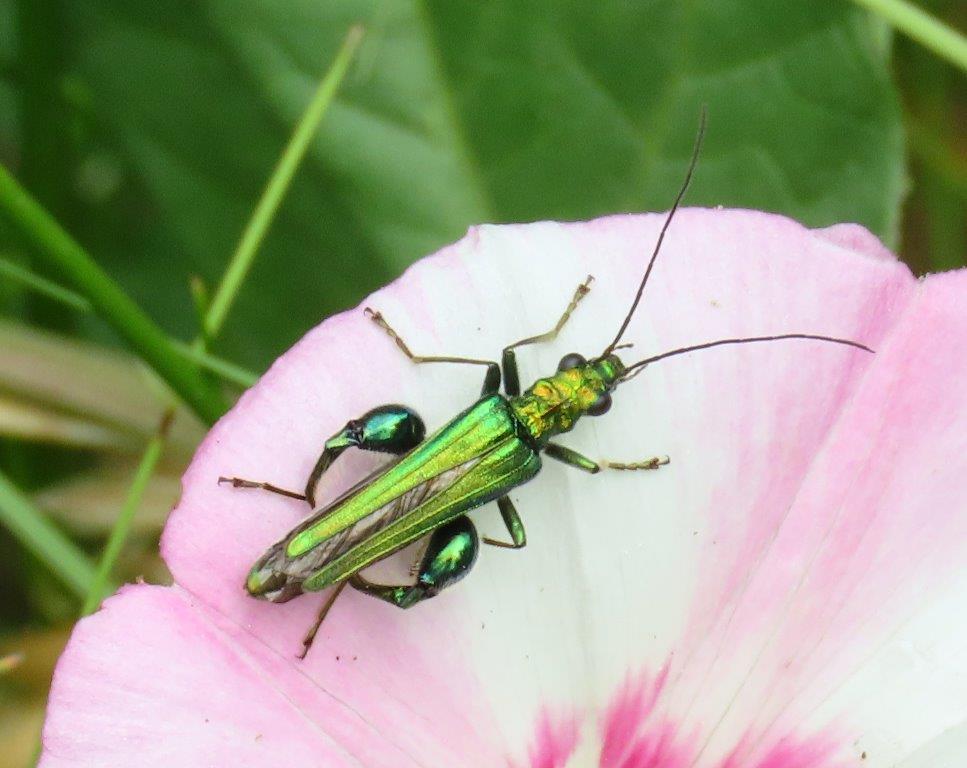
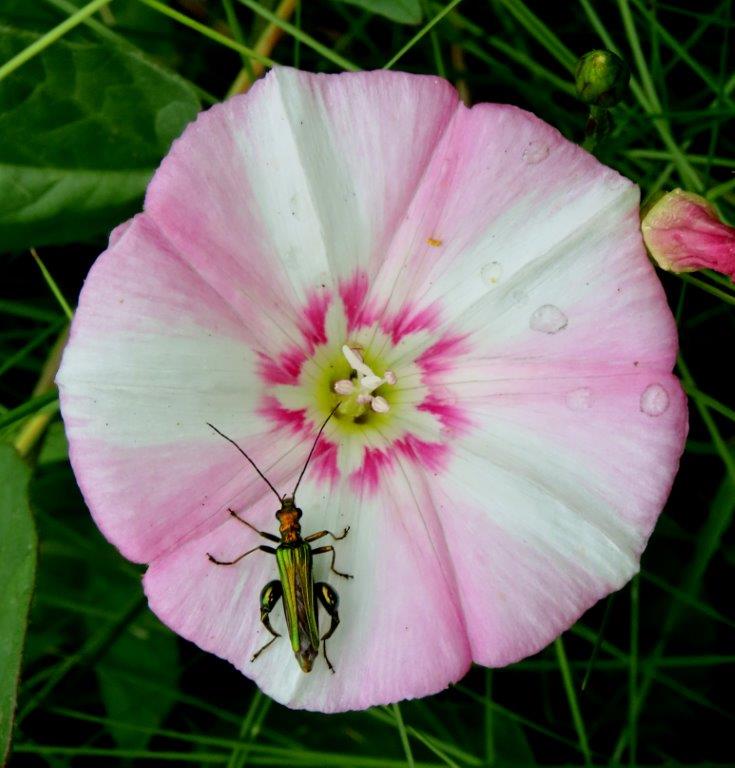
The drought of the past months meant there were rather few flowers although Corky-fruited Water-dropwort, Tufted Vetch, Slender Thistle and Field Bindweed tried hard, and indeed were being much visited by insects, especially Thick-thighed Beetles.

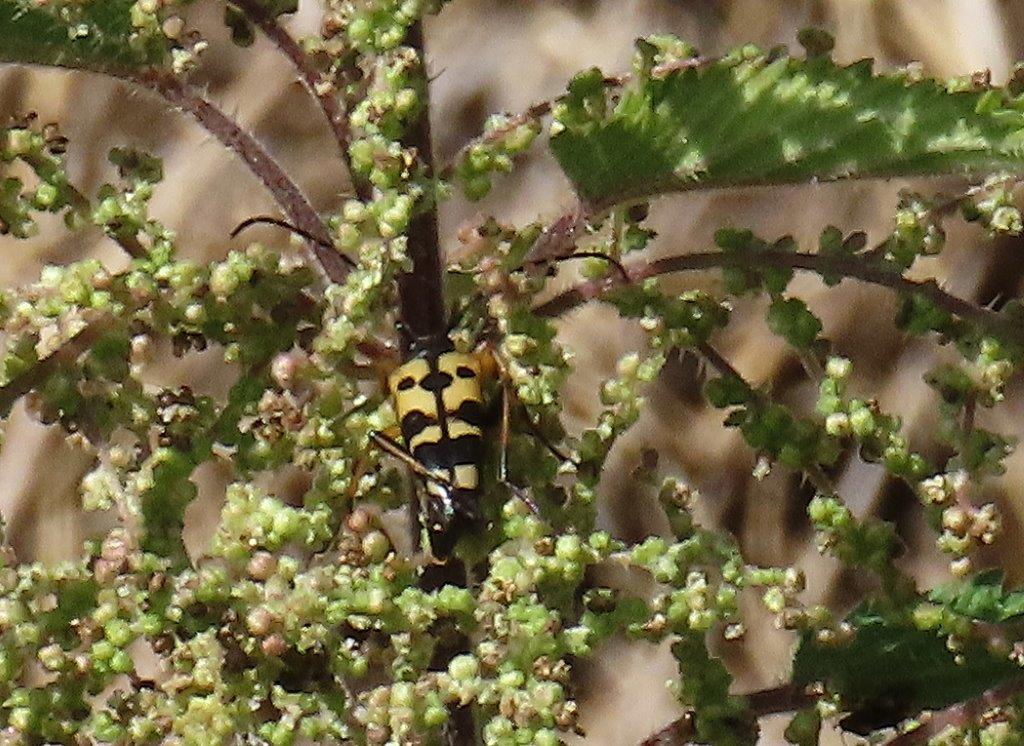
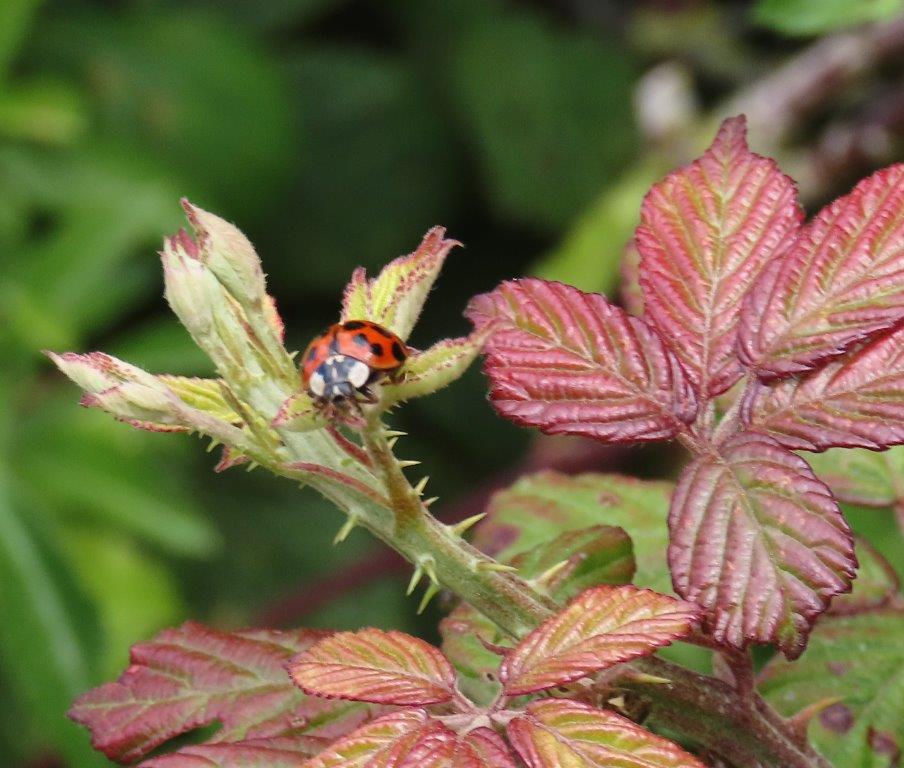
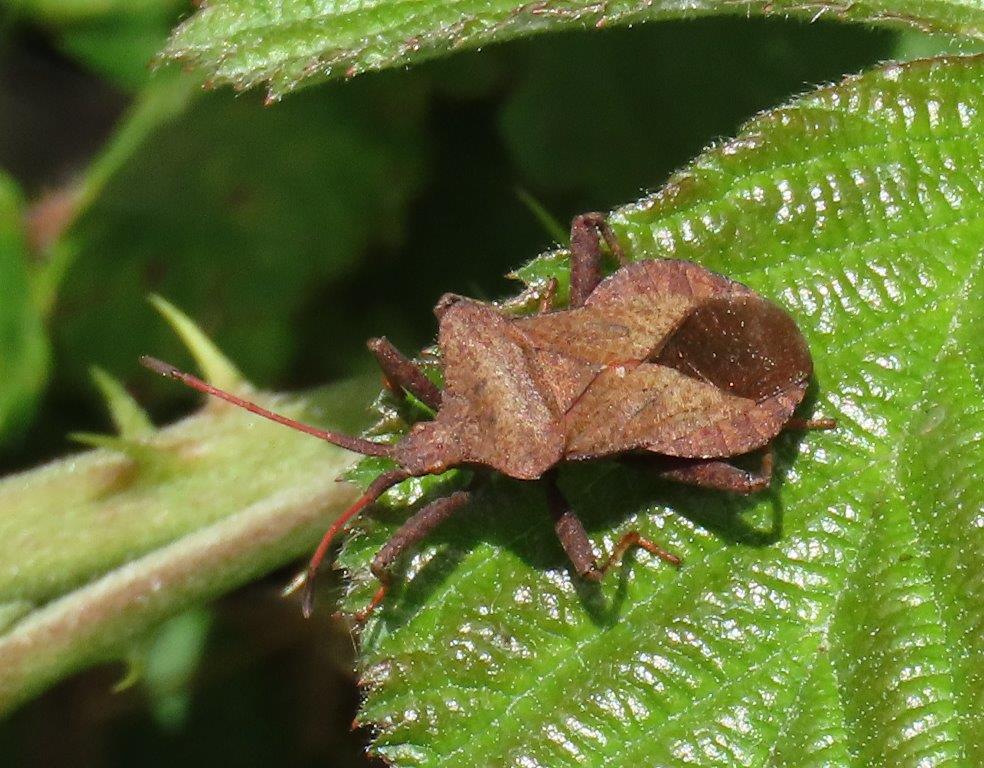
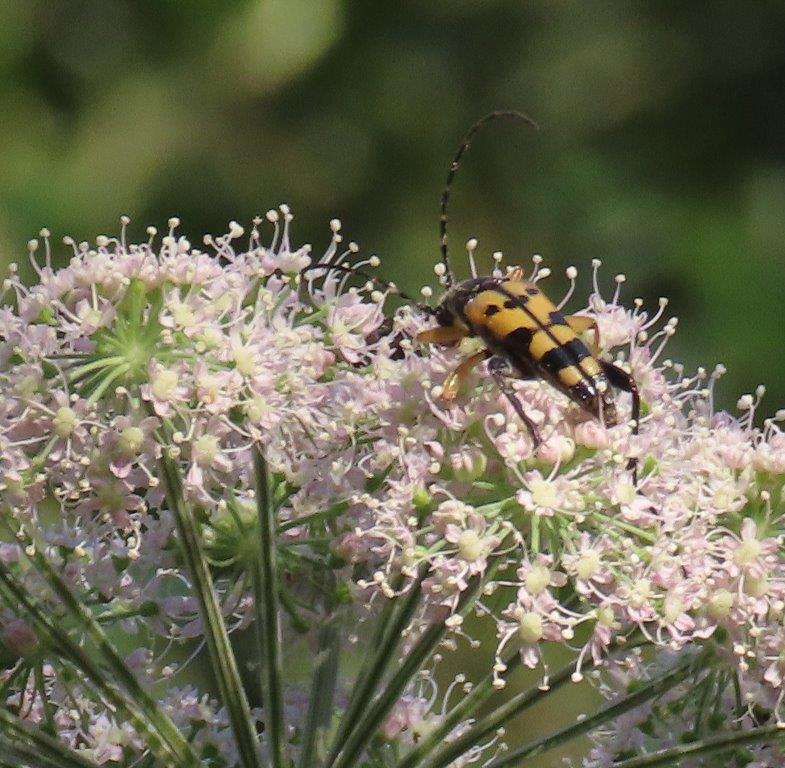
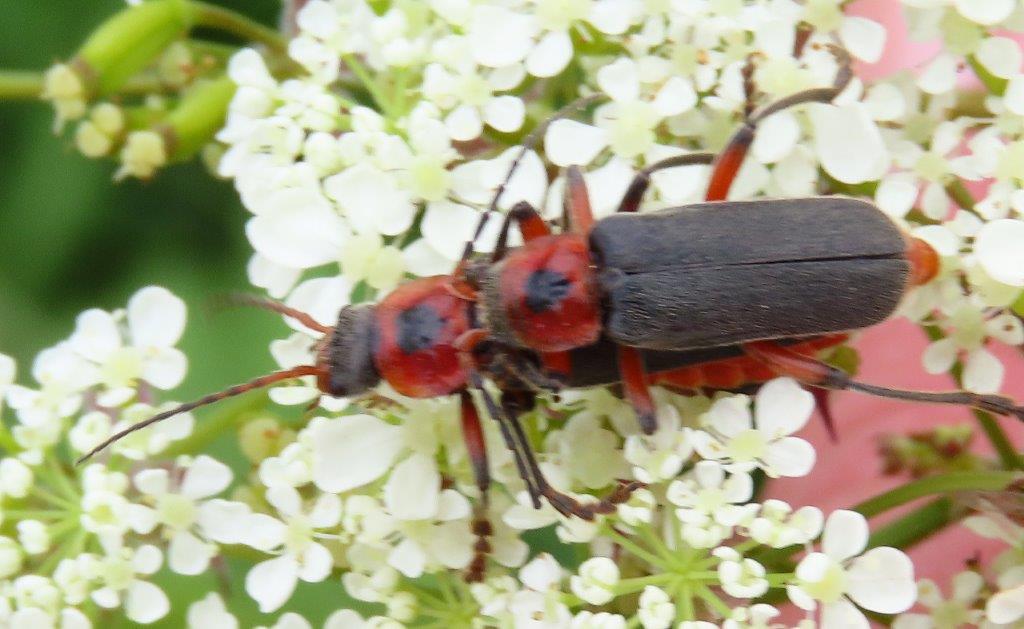
Other insects that attracted our attention were a Yellow-and-Black Longhorn beetle; lots of Ladybirds, especially 7-spots and Harlequins; and Dock and Box Bugs.

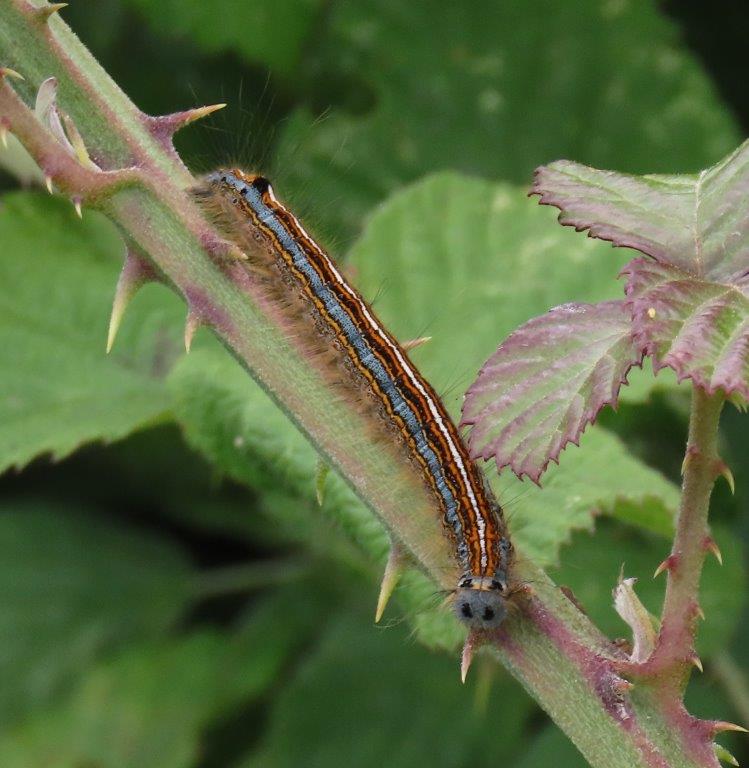
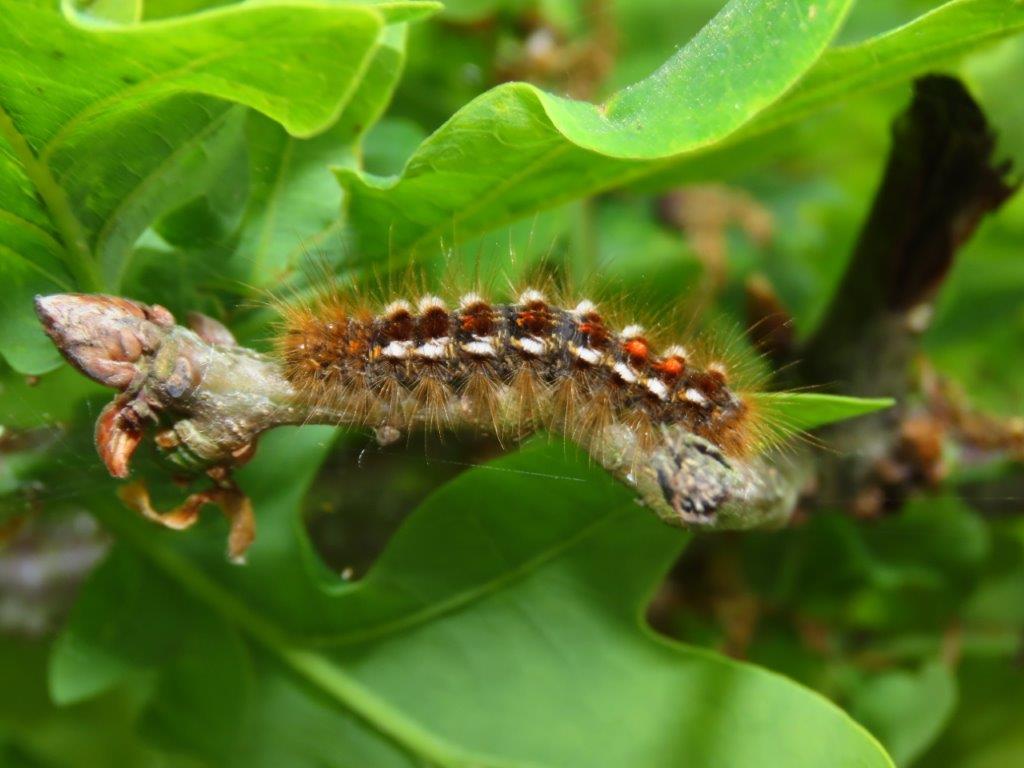
A Lackey caterpillar, initially hiding in the foliage, proceeded to give a virtuoso performance, first crawling right out to the end of a shoot, and then back again when it realised there was nowhere else to go.

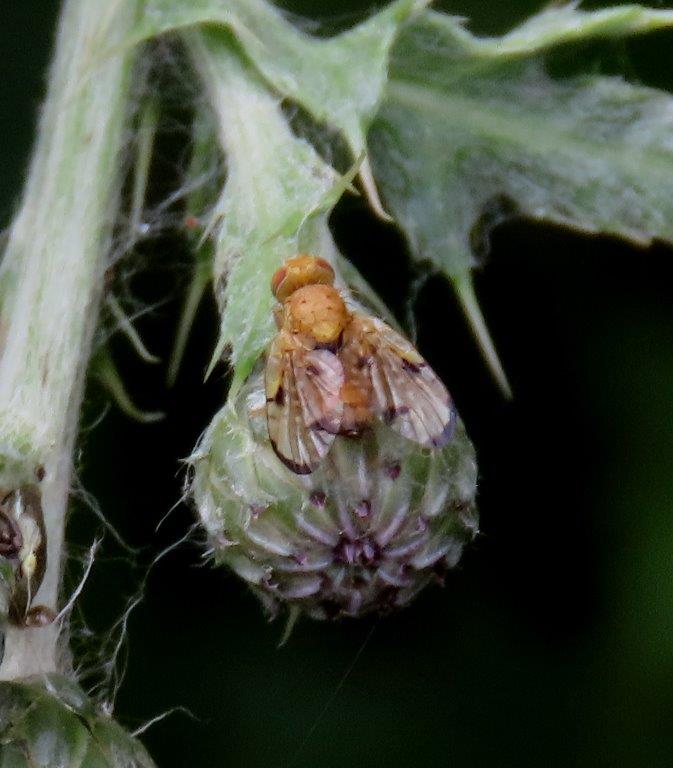
We also found a picture-winged fly Xyphosia miliaria on its larval foodplant Creeping Thistle; surprisingly this seems to be only thinly scattered across north Essex despite the ubiquity of its host.

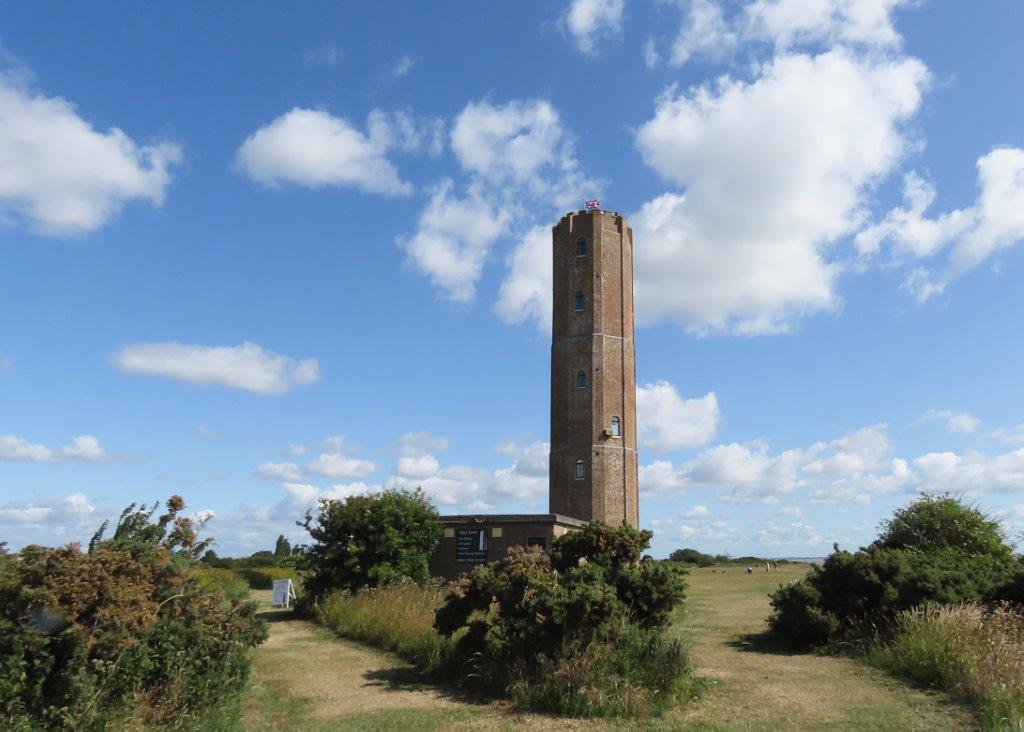
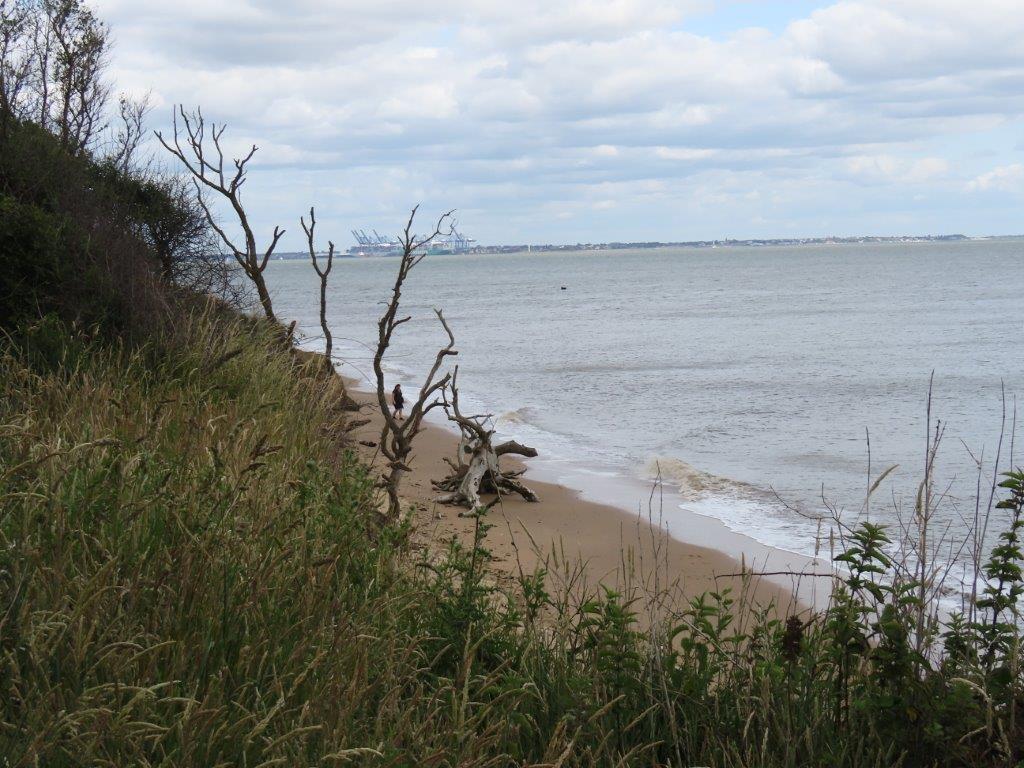
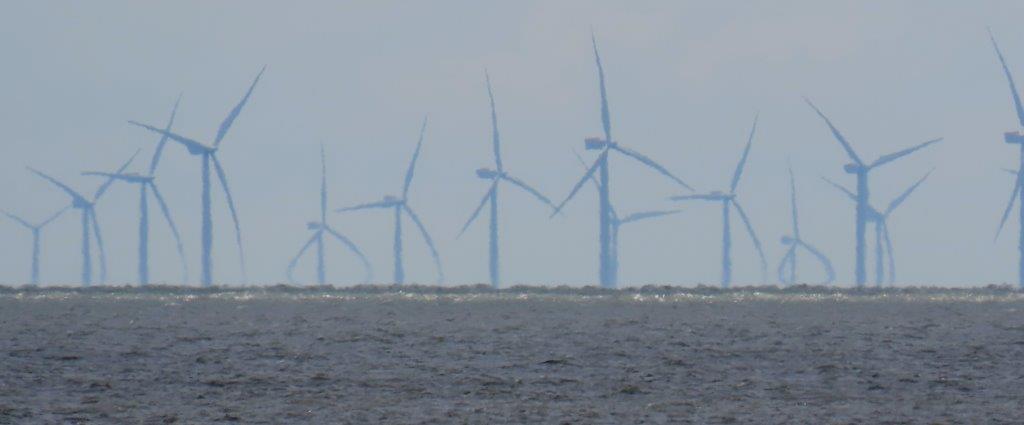
With the clifftop copse giving some shelter, we looked out to sea for a while. No seabirds, just wind farms, ports, shipping and a sea fort…
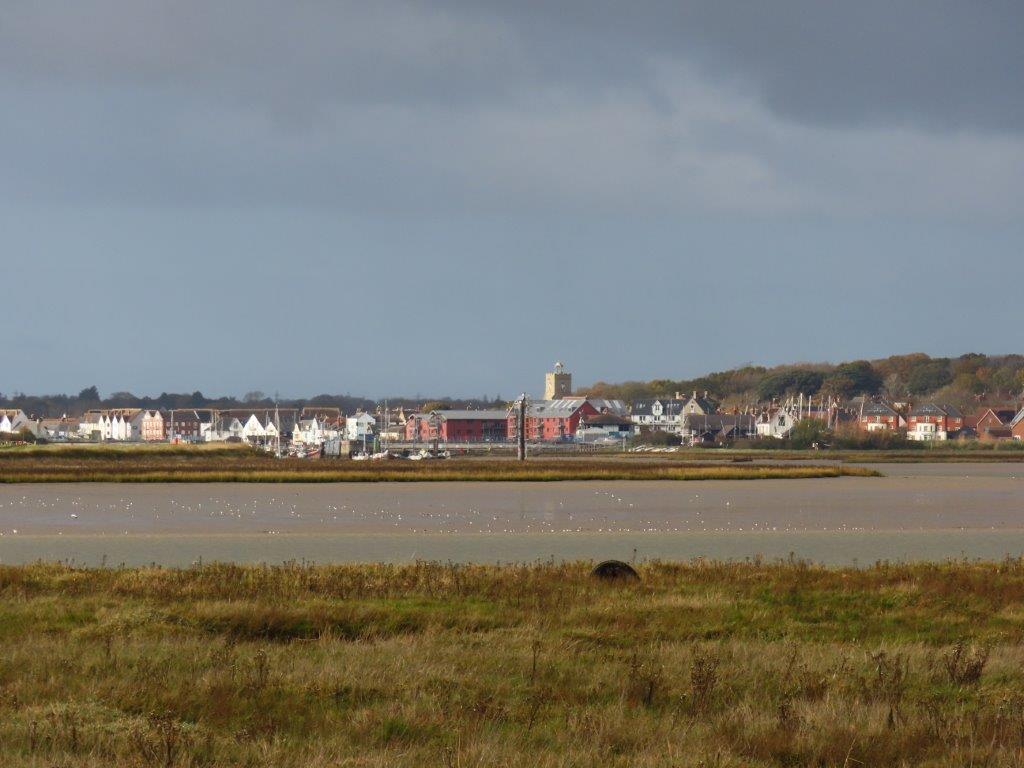
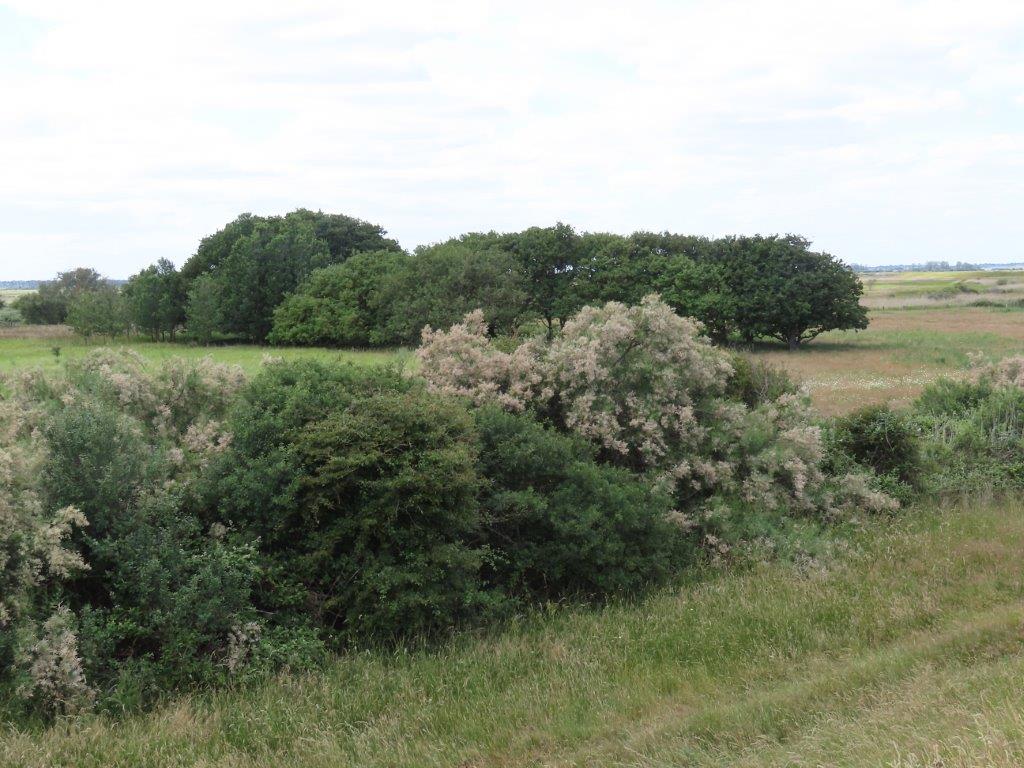
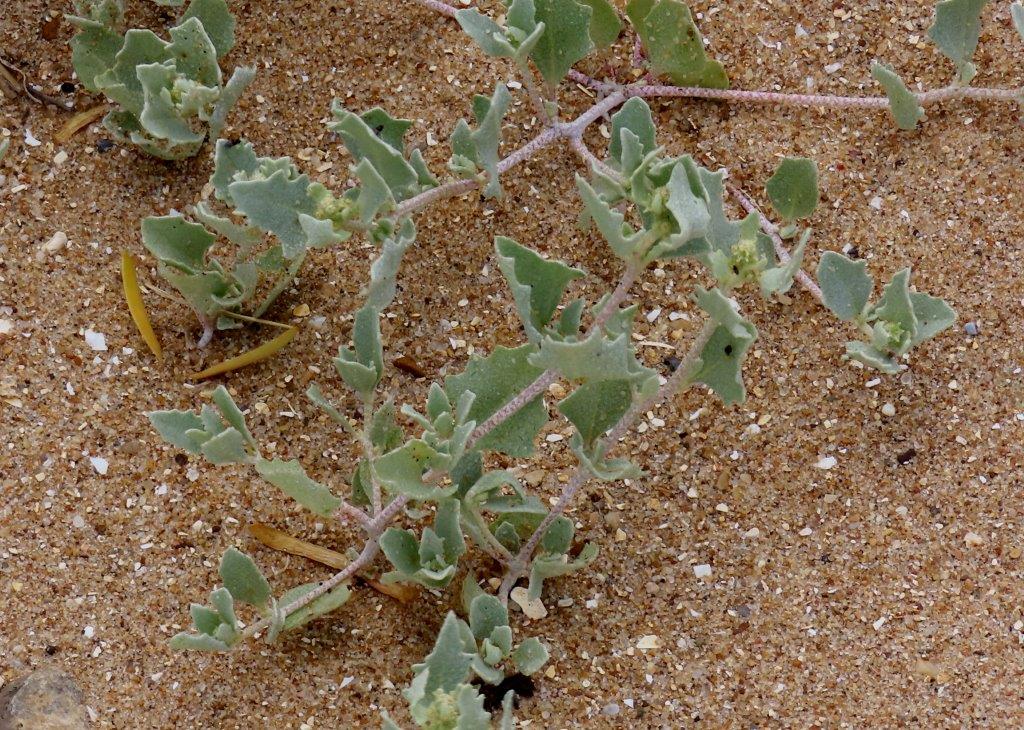
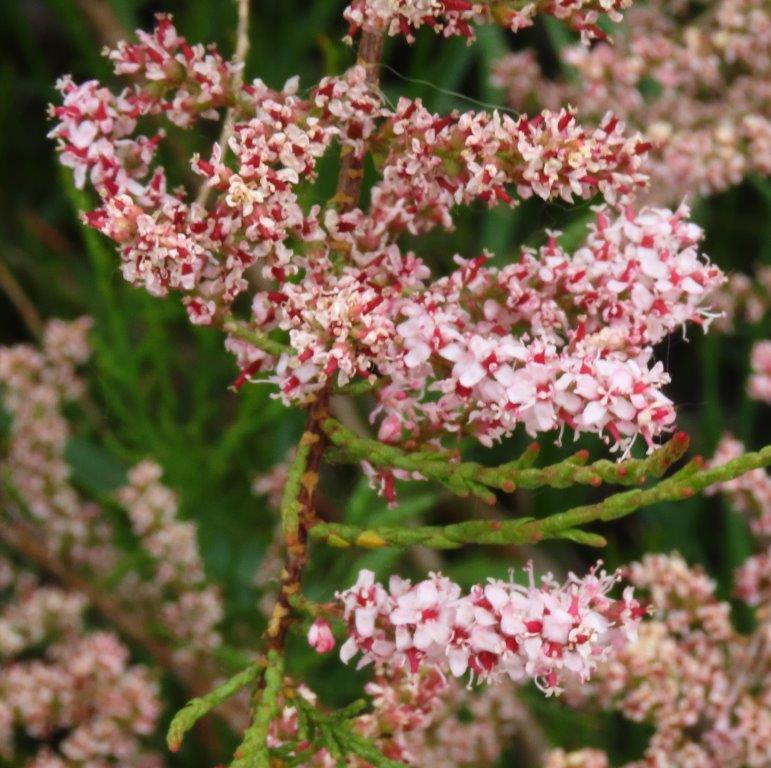
Heading out onto the beach and saltmarsh, we passed Tamarisk in full flower, towards dune plants that included Frosted Orache, Prickly Saltwort and Marram…
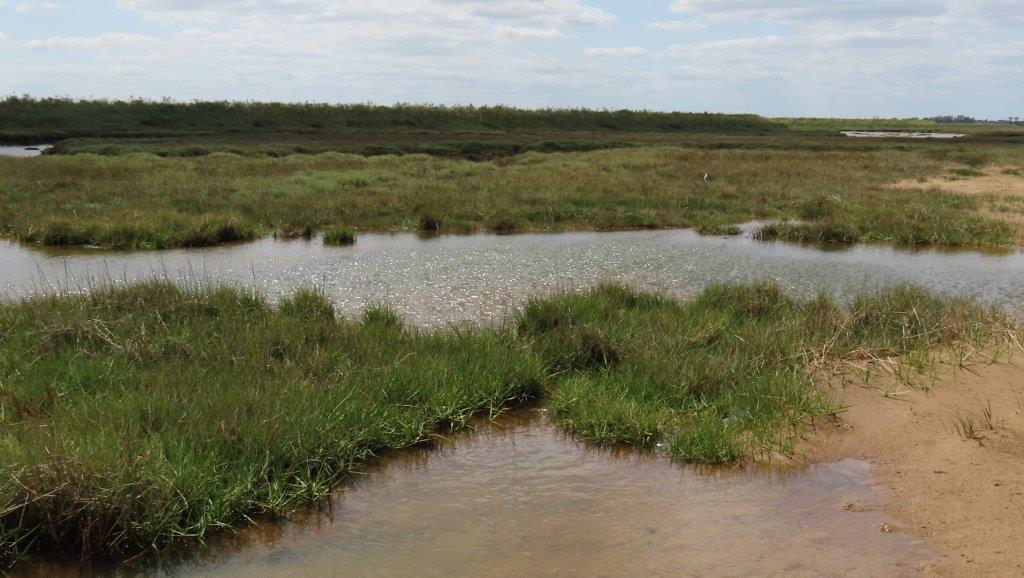
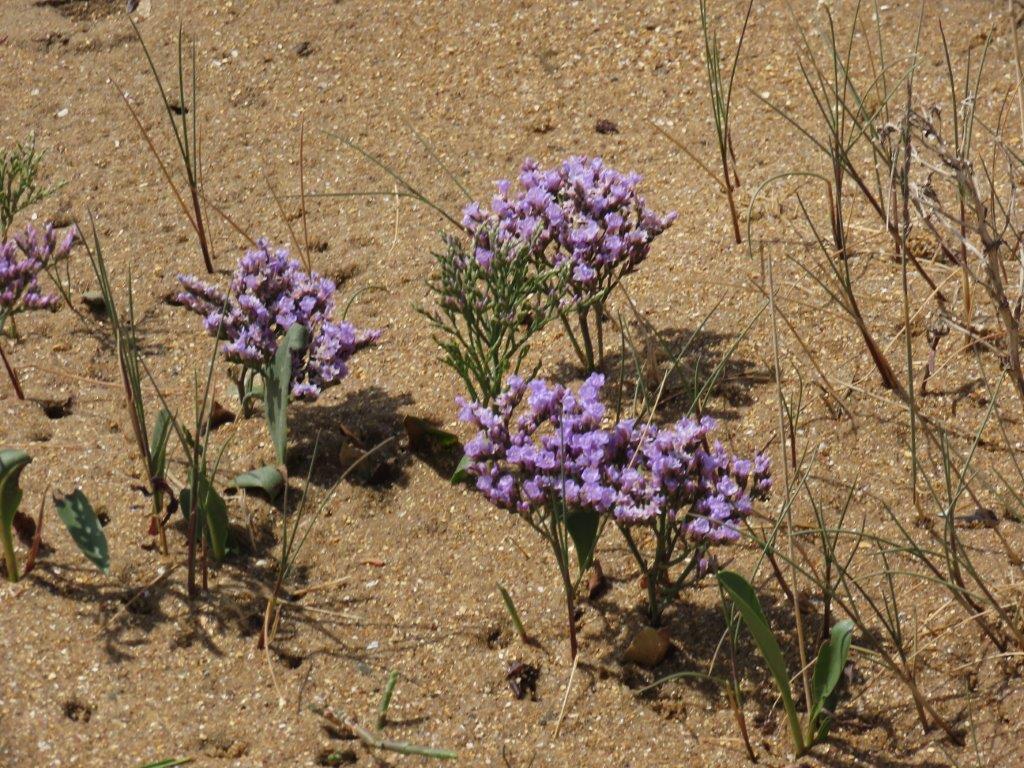
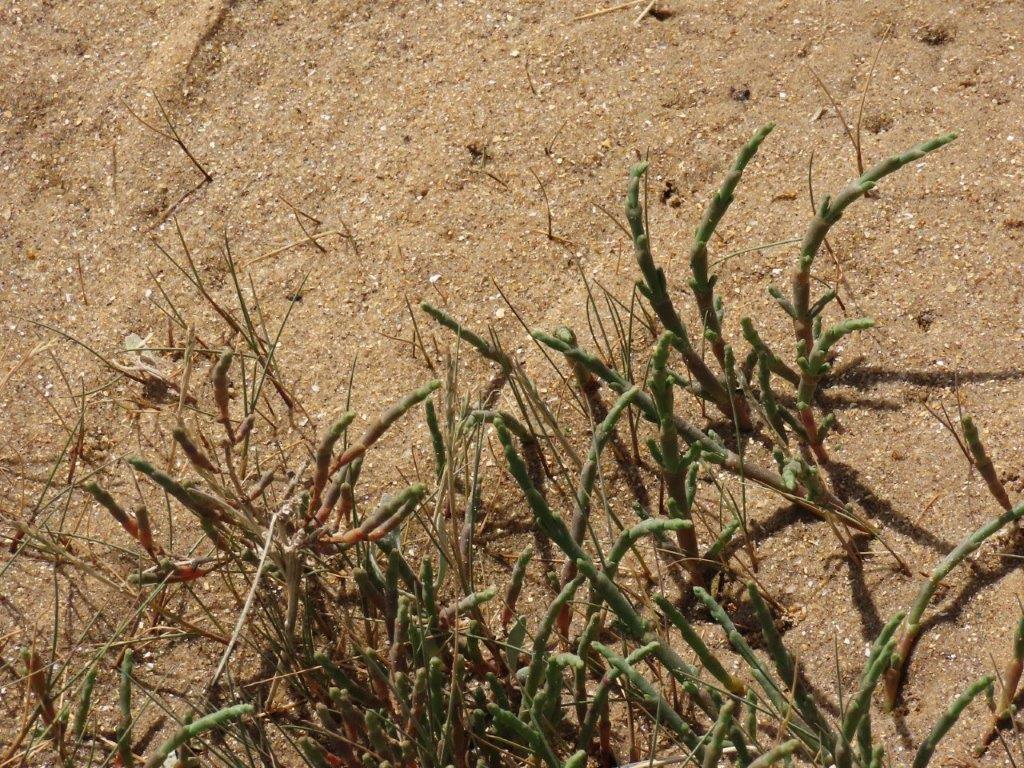
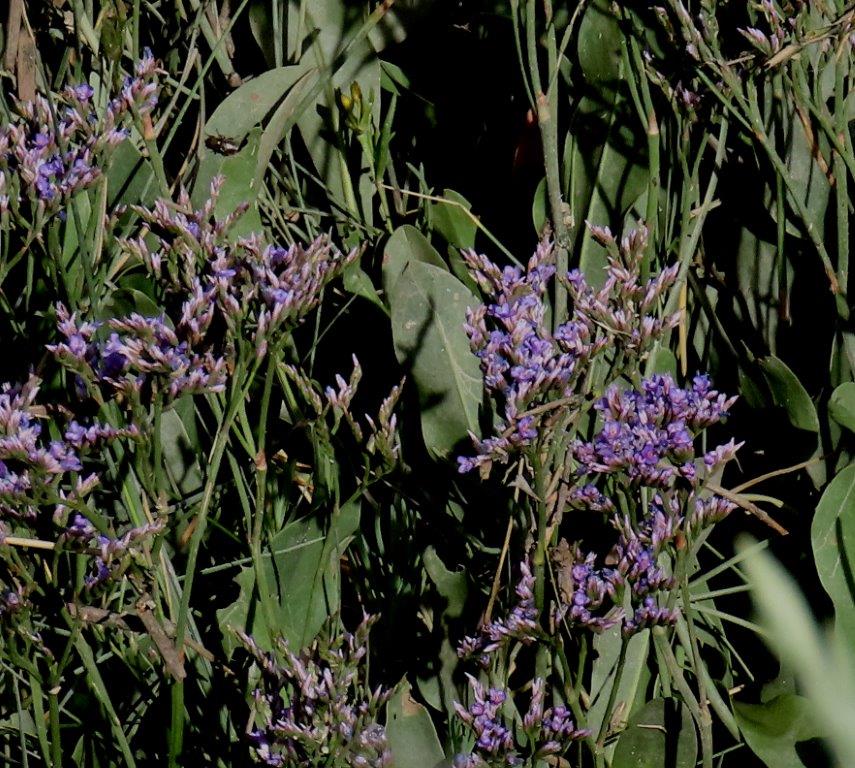
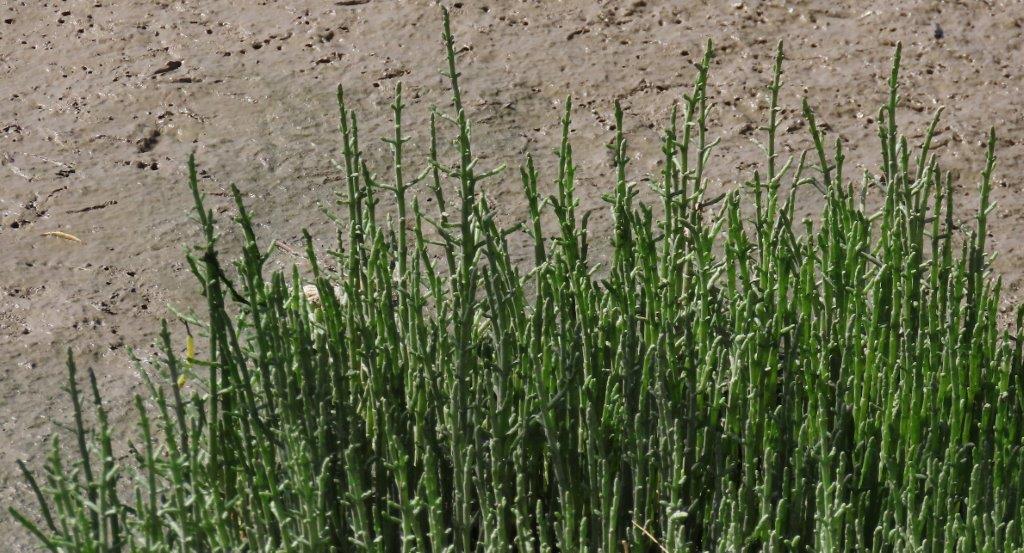
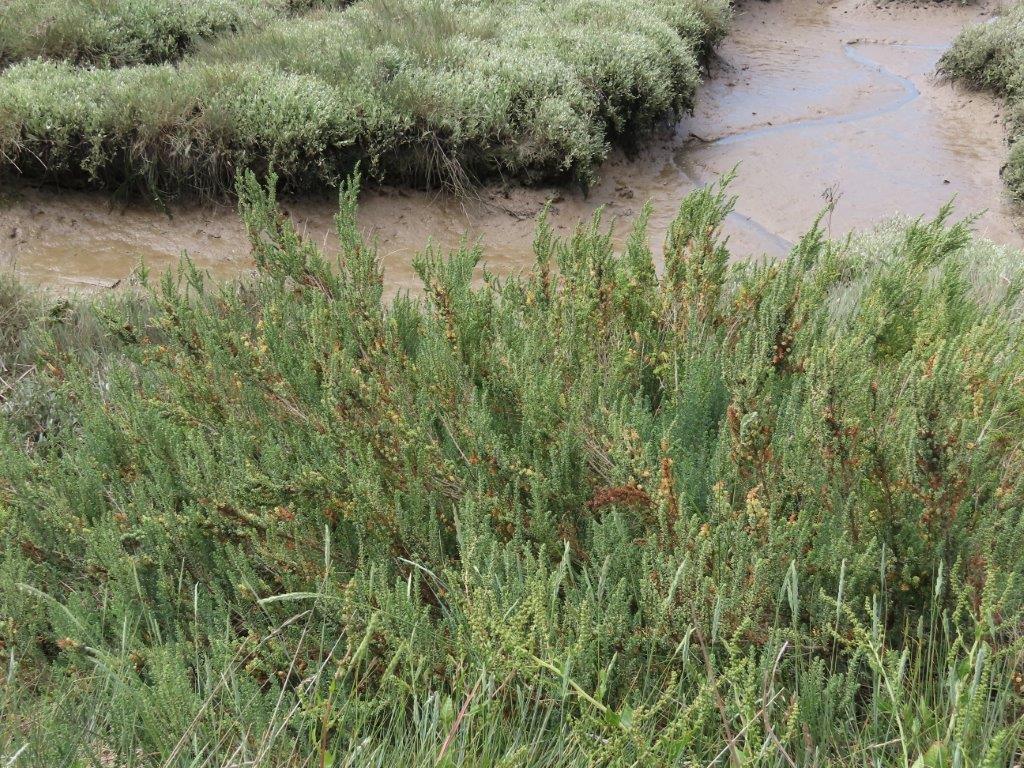
… with Common Sea-lavender, Golden Samphire, Sea-purslane and Perennial Glasswort on the marsh.

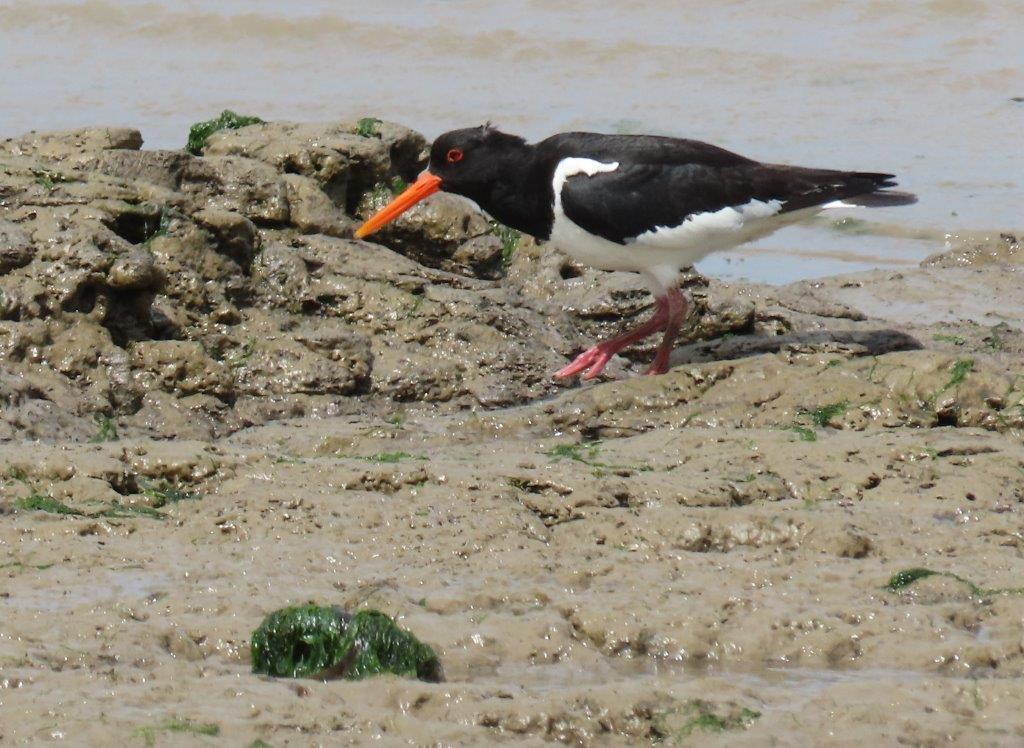
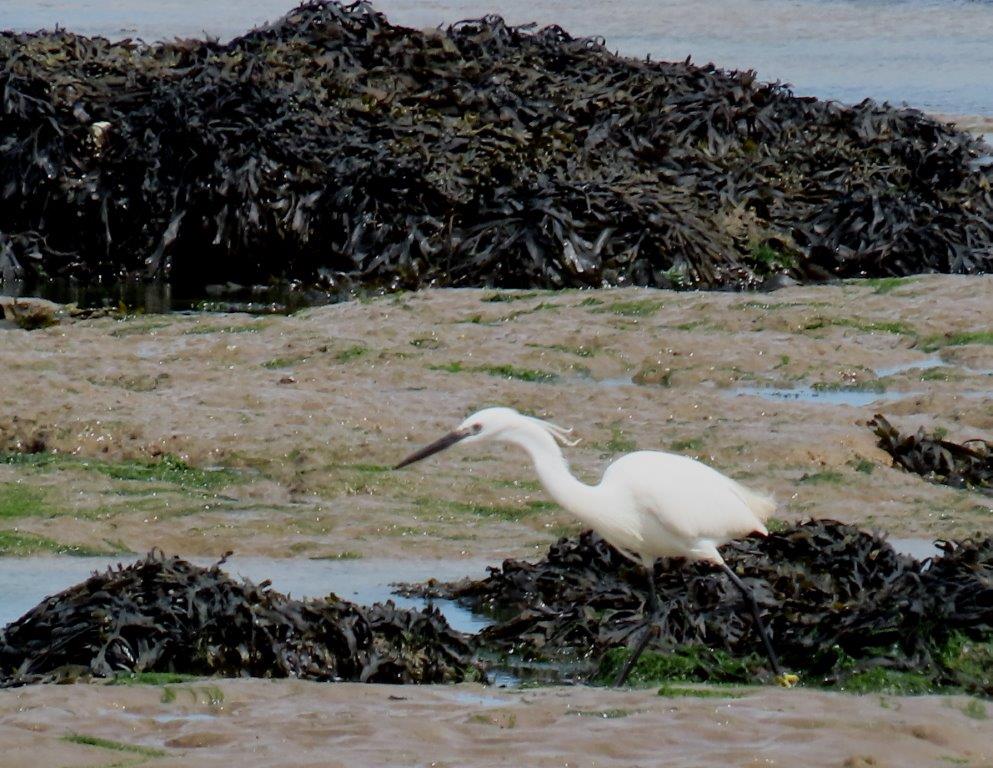
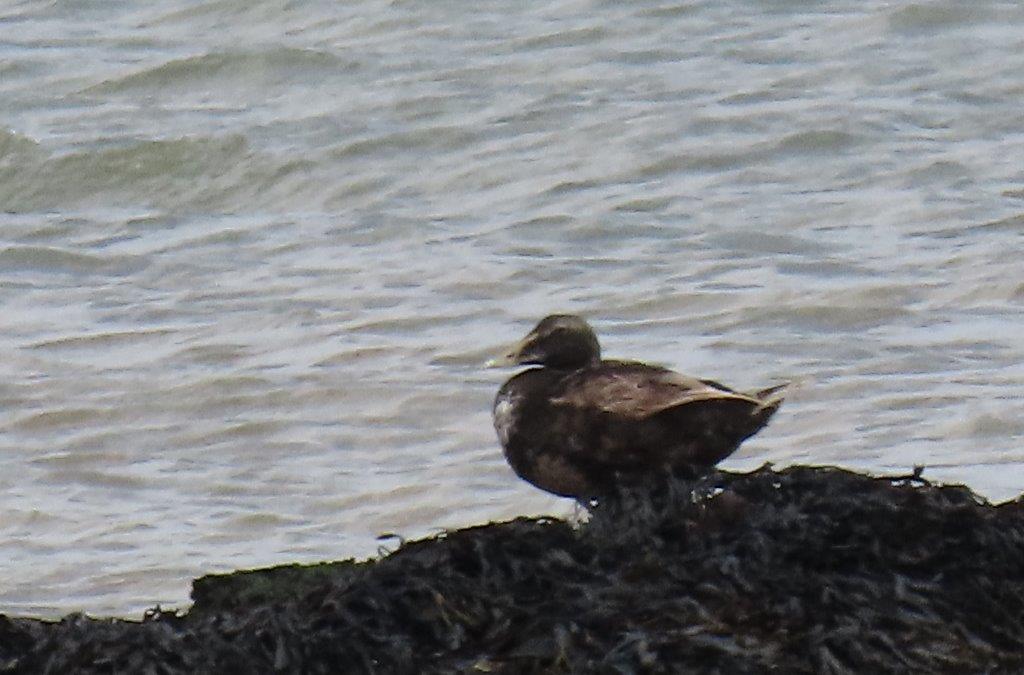
The only waterbirds were feeding Oystercatchers and a Little Egret among the Black-headed Gulls, a flyover Cormorant and a lone young male Eider that seems to have foregone the opportunity of a summer break back at the Farne Islands.

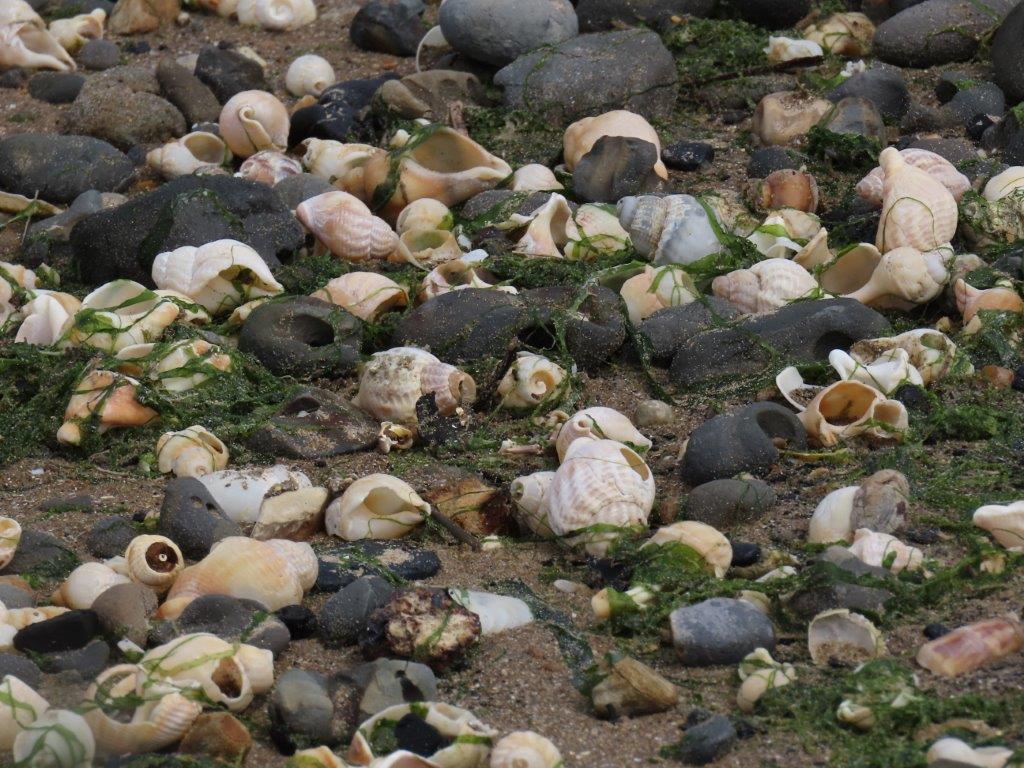
The strandline produced all manner of shells from Oysters to Slipper-Limpets and Piddocks to Whelks.

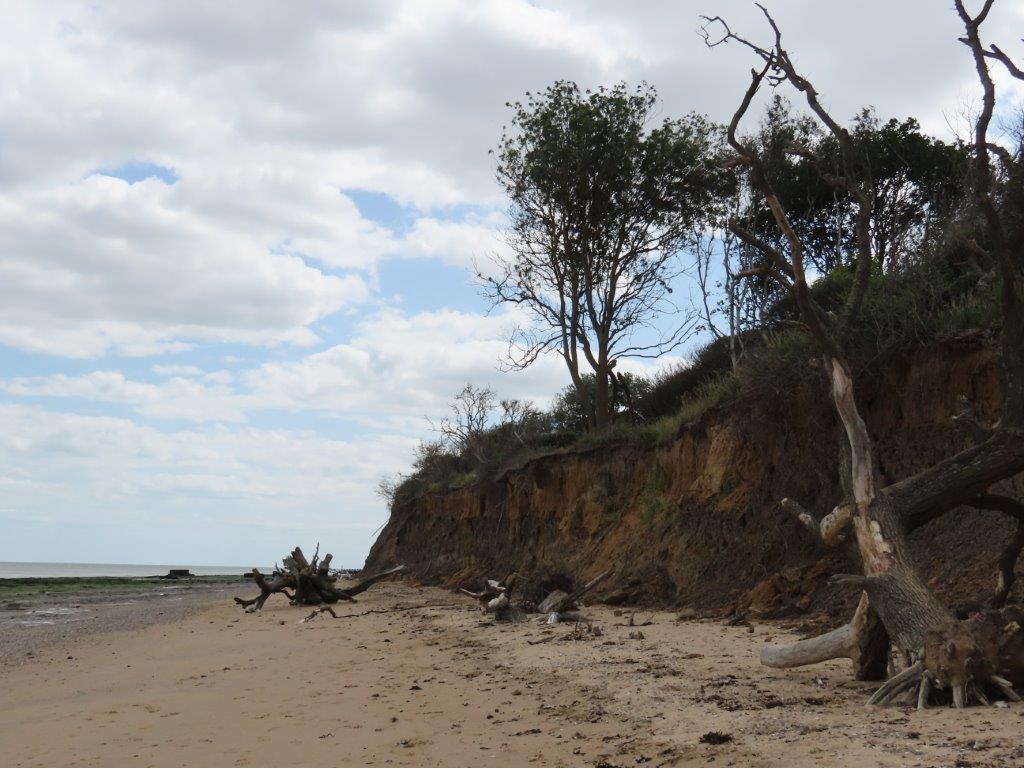
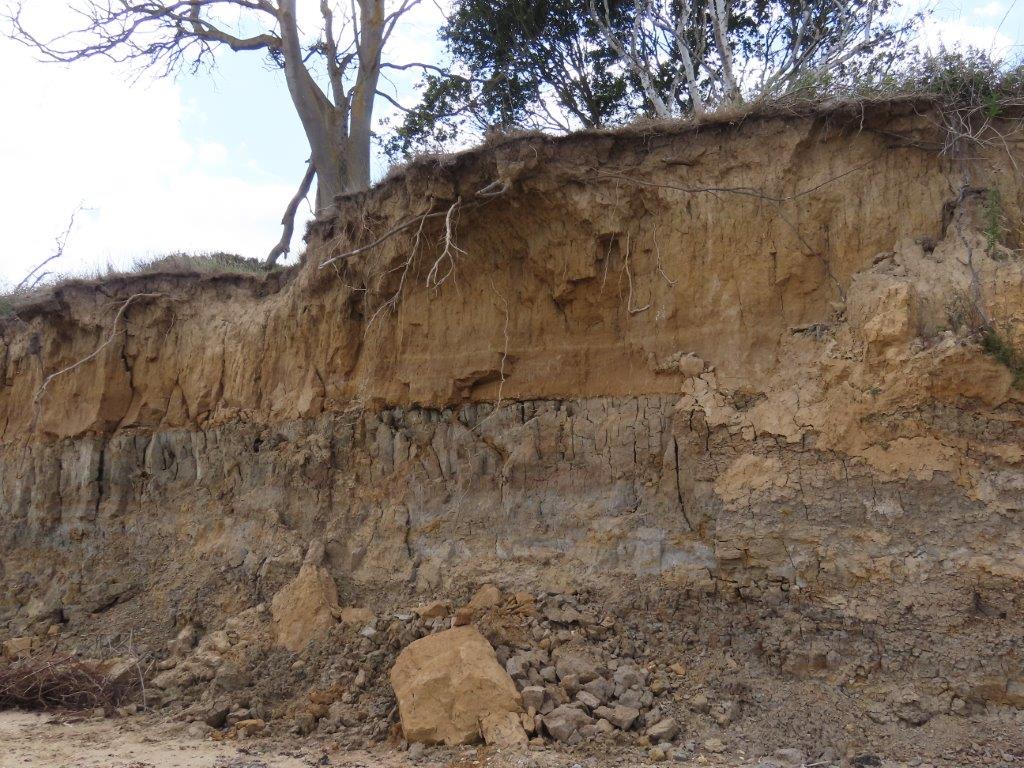
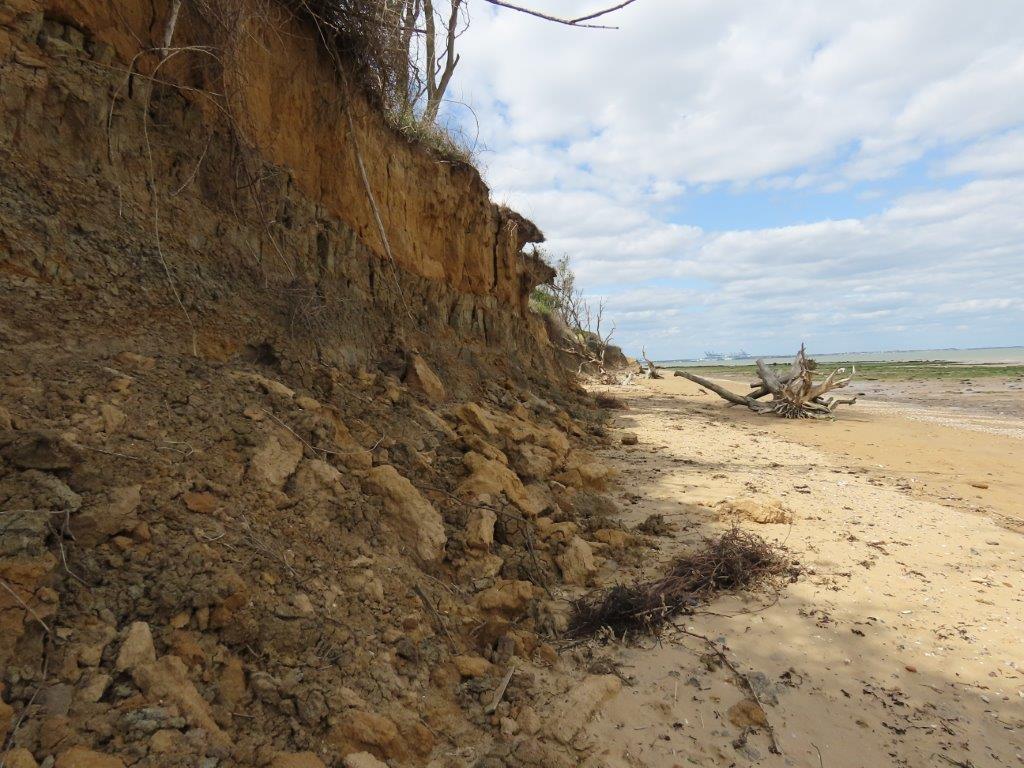
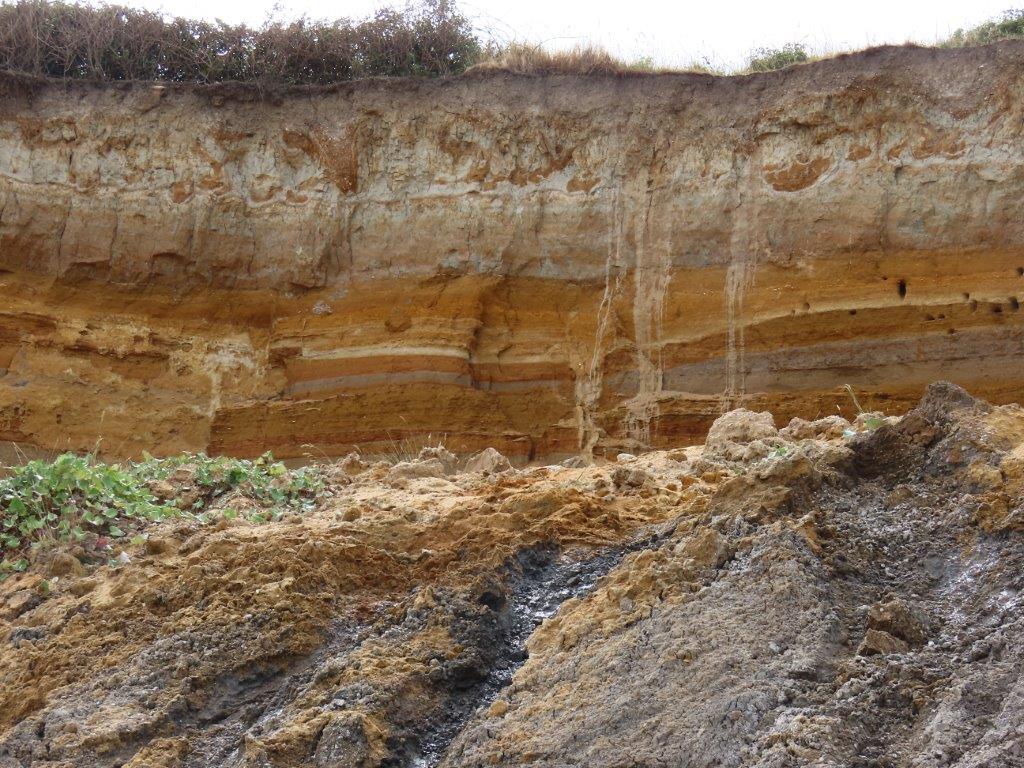
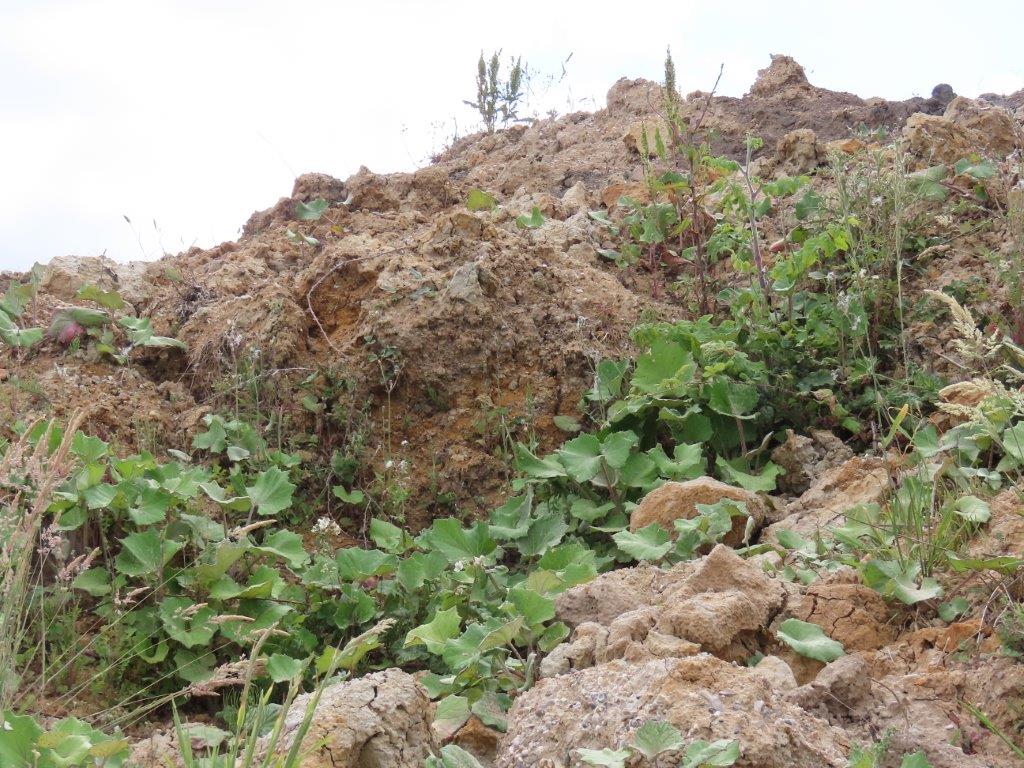
Rounding the corner, the tide having receded, we found the focus of the return walk: geology. 50 million year old London Clay, variably topped with 3 million year-old Red Crag and more recent windblown loess, all telling tales of antiquity.

Pyritised wood and iron-stained Crag shells on the beach provided the mementos of the day:

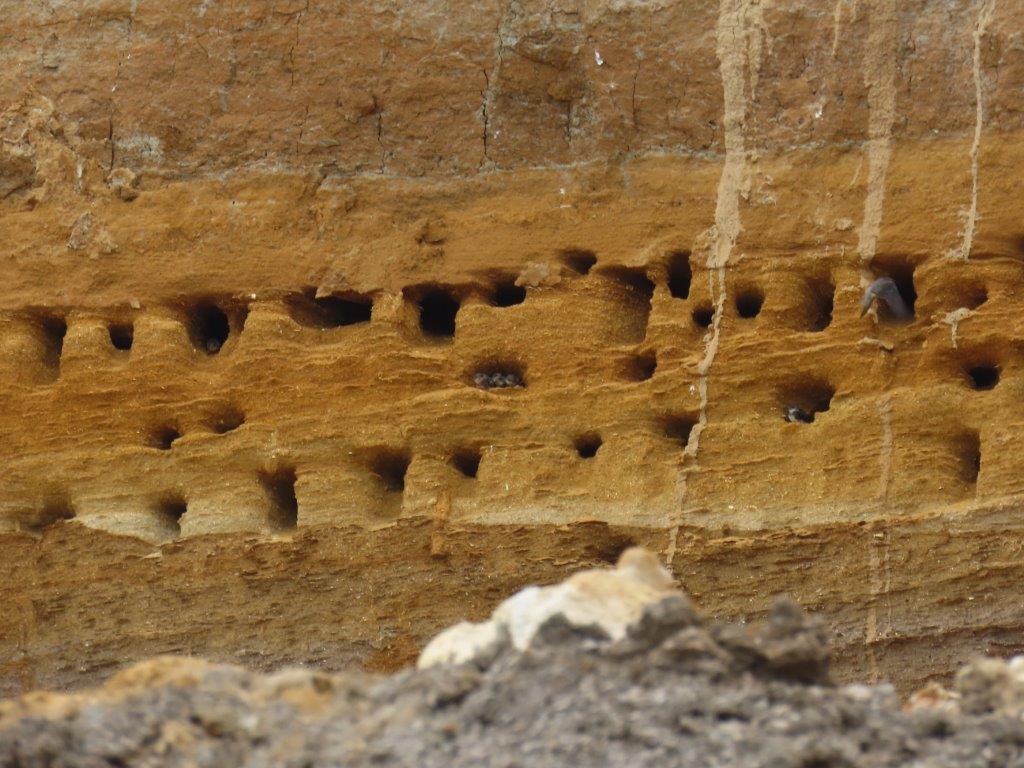
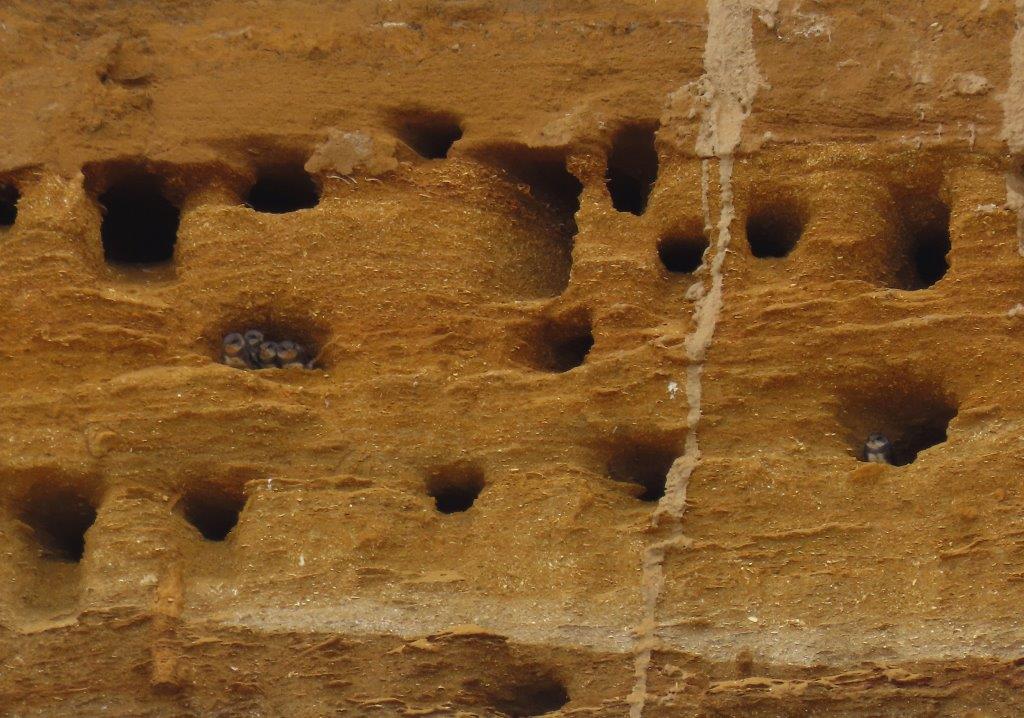
And then the influence of geology on modern day wildlife, a new, clean landslip face with as many, maybe more, Sand Martin holes as I have ever seen there. We had been seeing the birds all day, together with House Martins and Swallows, but here there was a twitter of activity, including first-brood nestlings about to make the big leap.

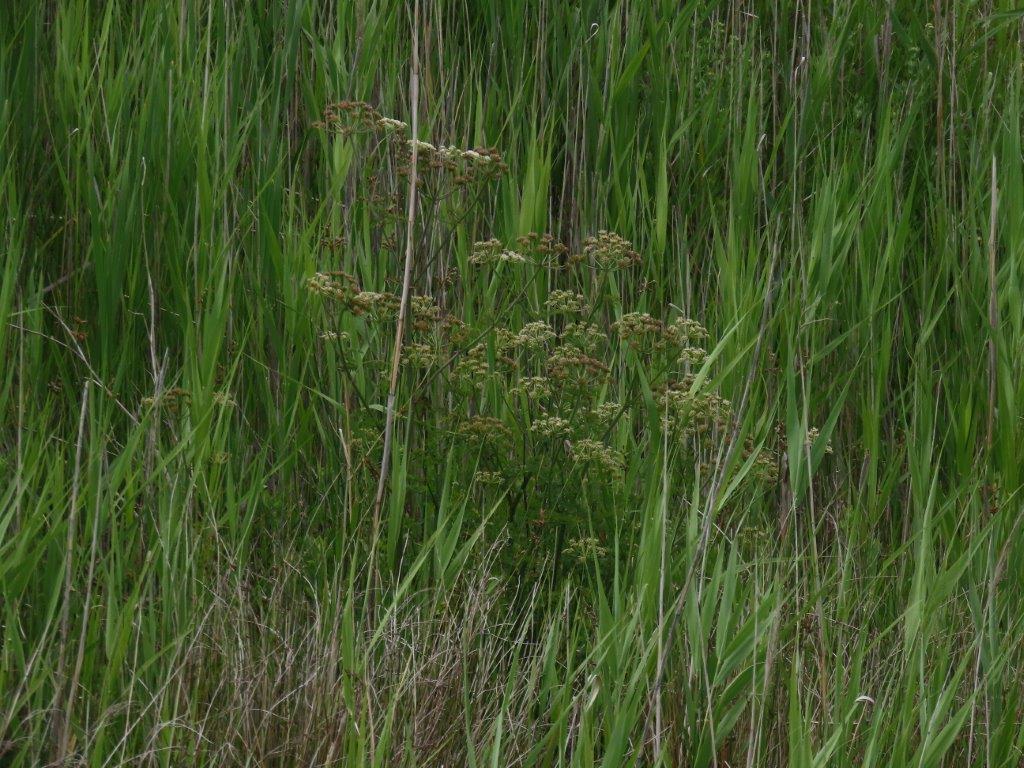
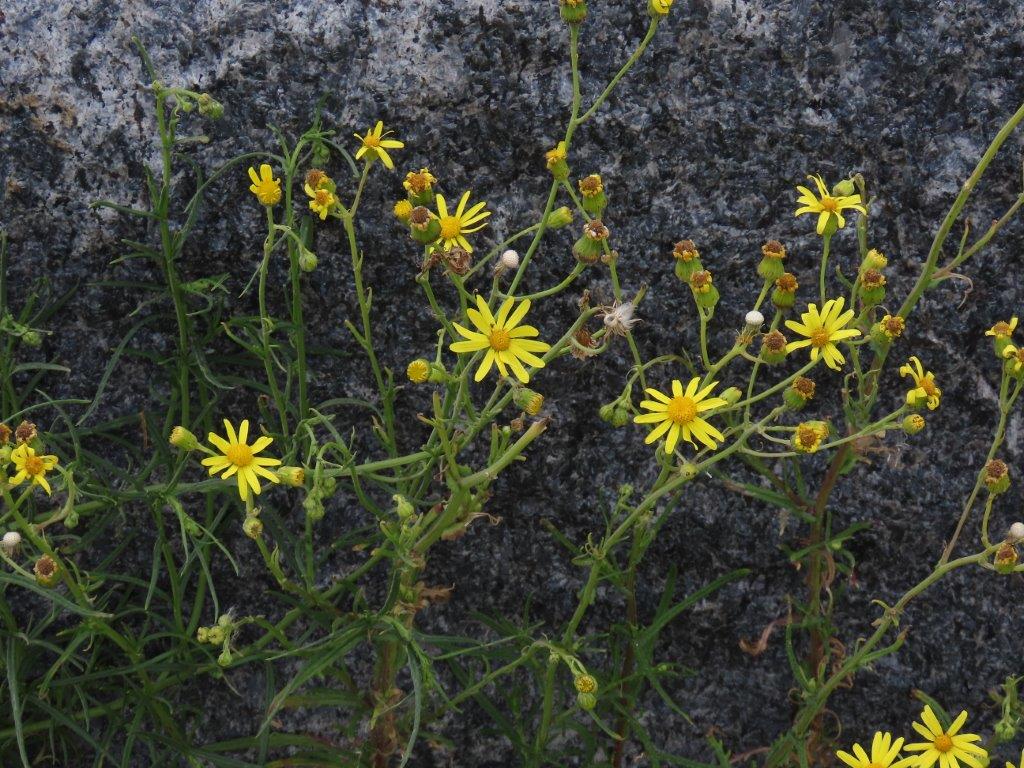
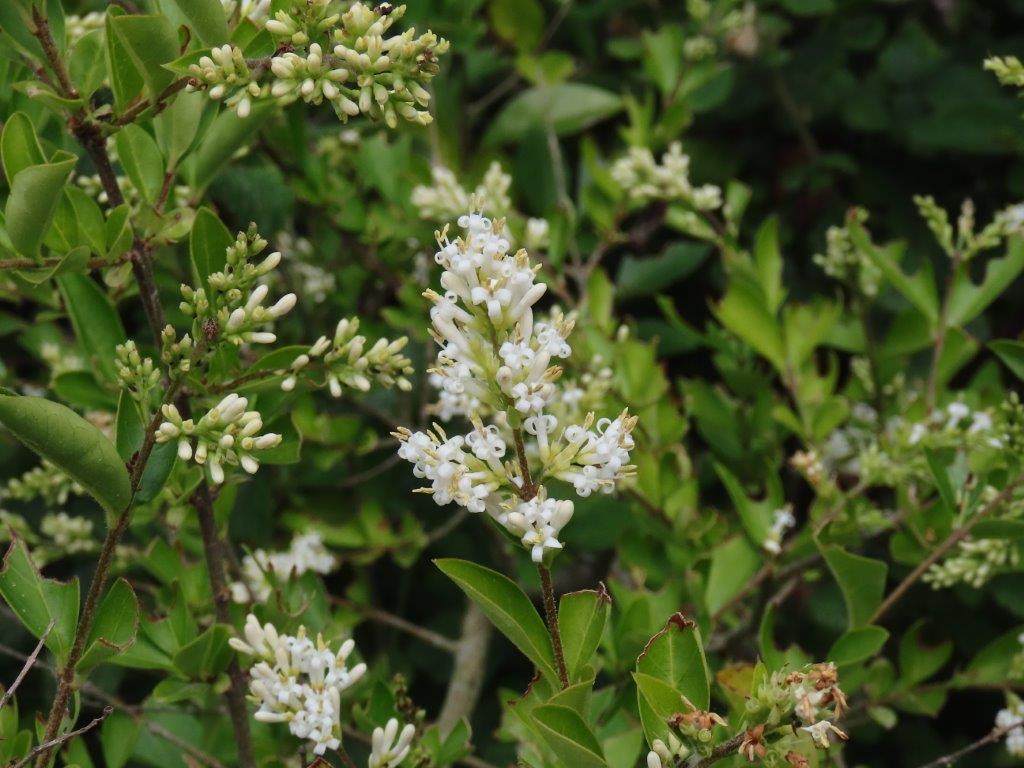
Colt’s-foot leaves covered the unstable slopes, while a new site record for me on one of the spring-lines was Hemlock Water-dropwort , a rather uncommon plant in north Essex. And heading back to the car park, Narrow-leaved Ragwort and a fragrant flourish to finish, Wild Privet.

——————————————————————————————–

Four days later for the Colne Estuary at Wivenhoe, it was much less breezy, very sunny, and extremely humid following the band of heavy rain that swept over us just a overnight. Thank goodness the heights of the Essex Alps caught the breeze during the hotter parts of the day!

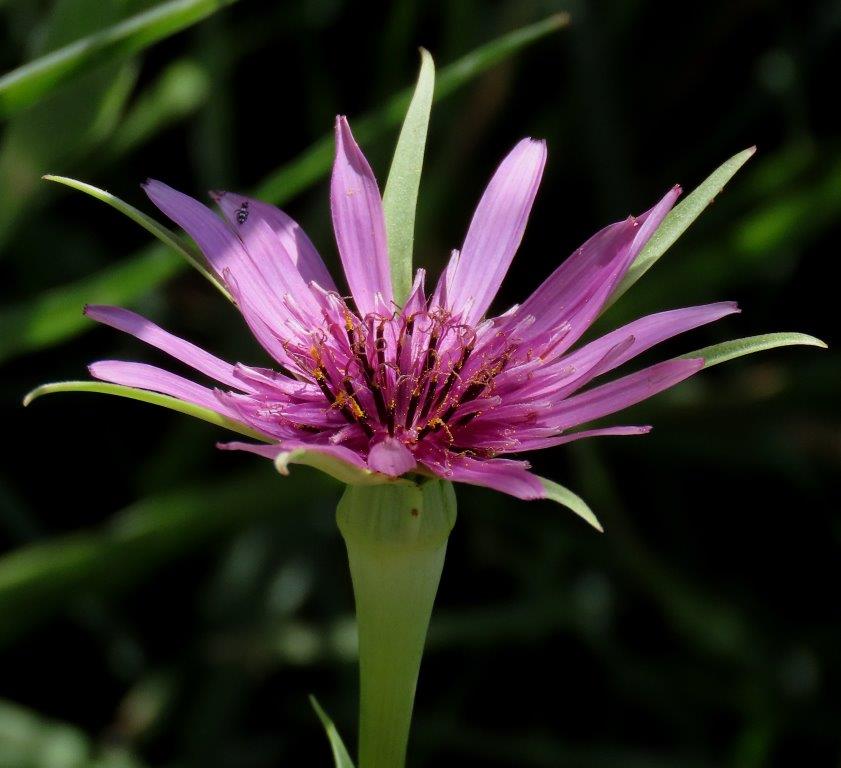
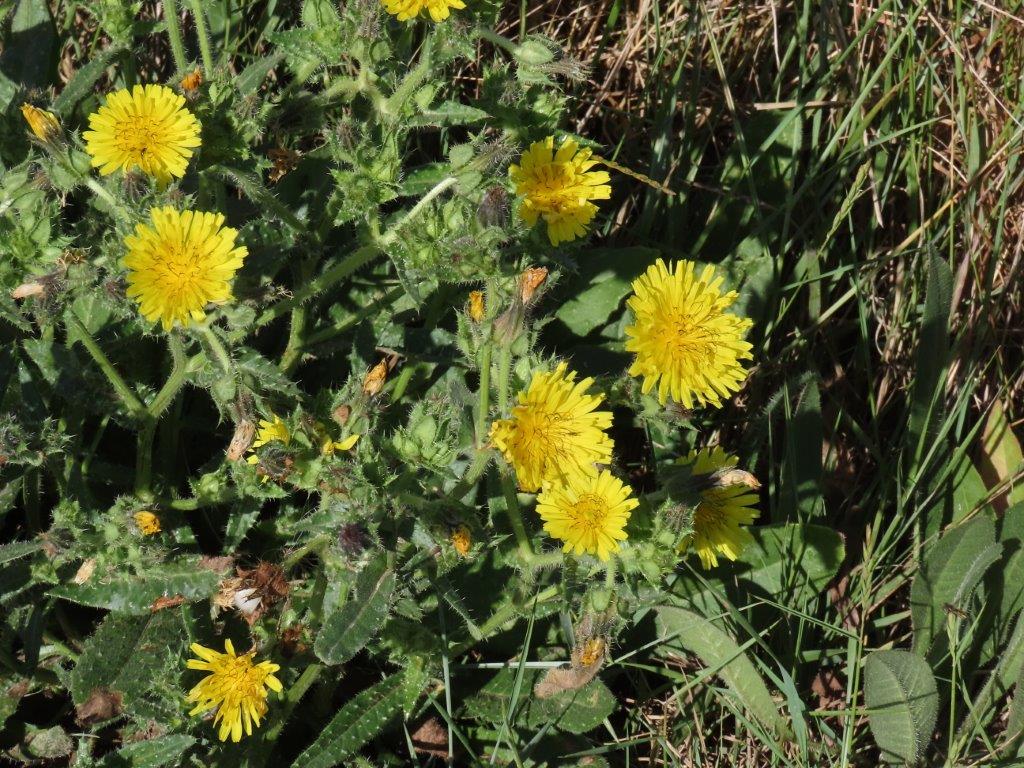
Starting around the sea wall of Ferry Marsh, Reed Warblers were in song and the local speciality Dittander (duly tasted!) in full flower. Other plants like Salsify and Bristly Ox-tongue were attracting pollinators such as the hoverfly Scaeva pyrastri, with Thick-thighed Beetles in the Field Bindweed.


There were ladybirds everywhere, mostly 7-spot and Harlequin, in larval, pupal and adult states, together with a selection of other insects such as the bug Deraeocoris ruber.

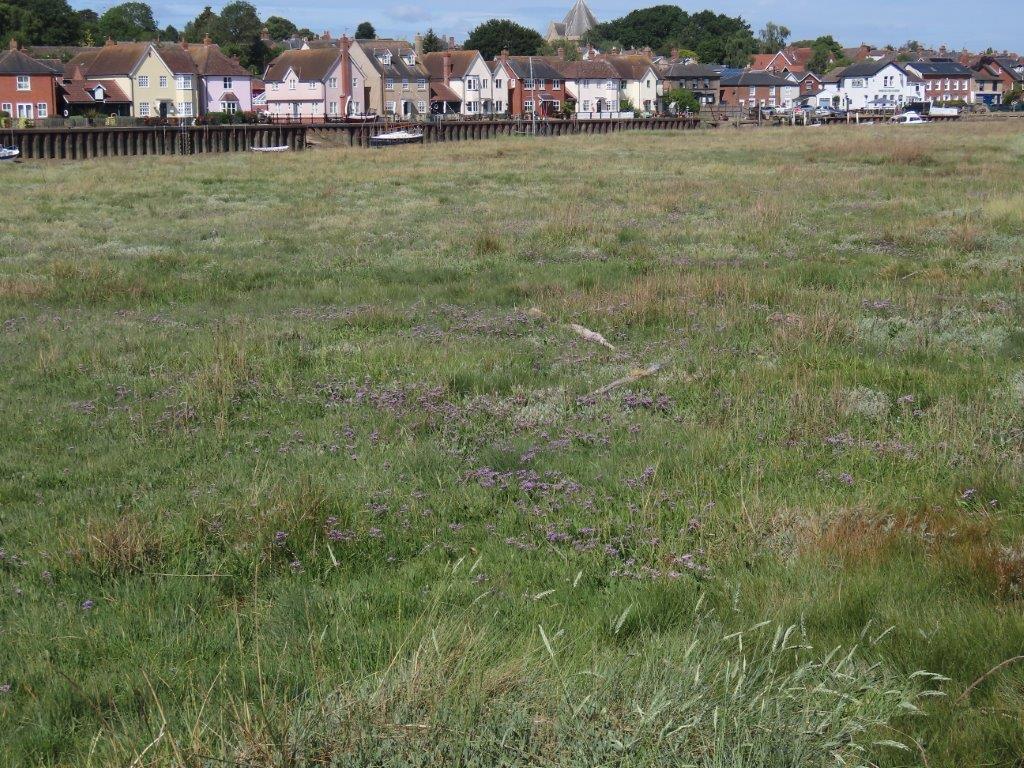
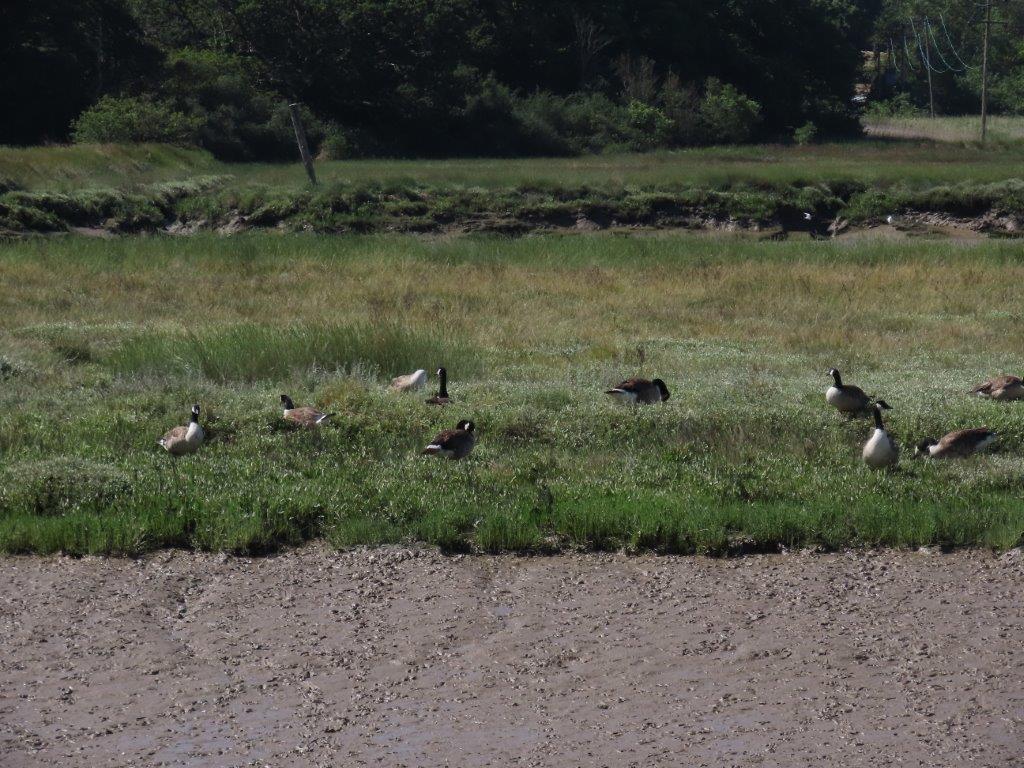
A purple glow suffused the saltmarshes as Common Sea-lavender was coming into bloom, and newly sprung Marsh Samphire was no doubt a succulent treat for the grazing Canada Geese.

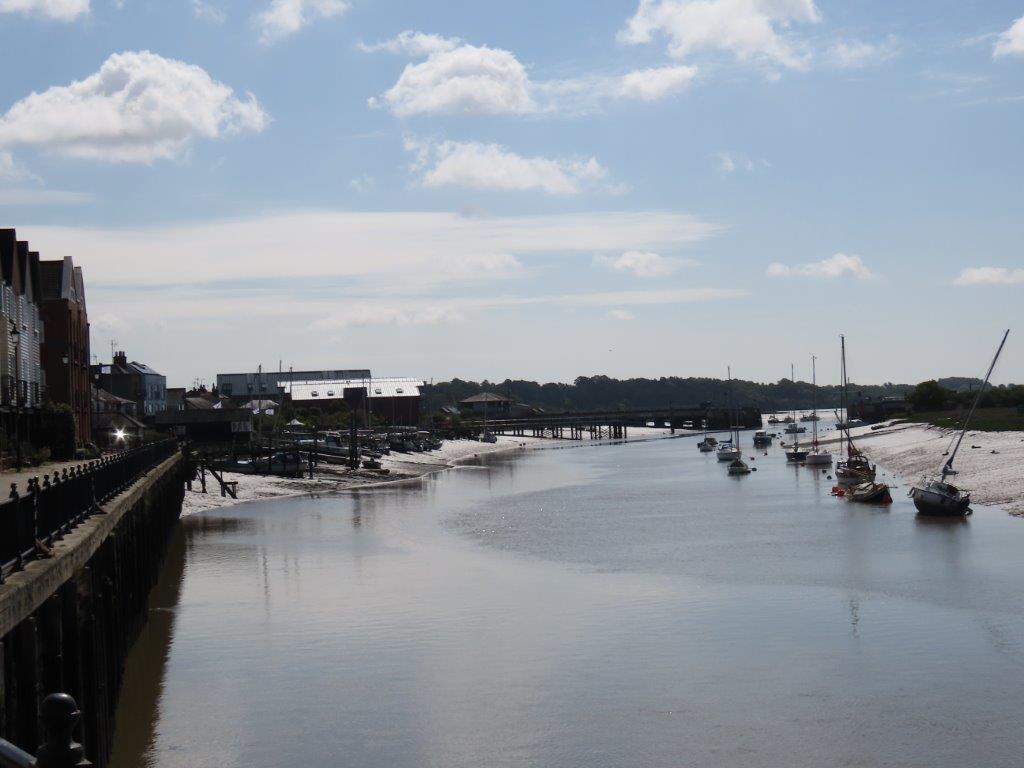
Then along Wivenhoe waterfront, a palimpsest of maritime activity past and present, with Swifts, House Martins and House Sparrows all in evidence, and rare plants occupying the cracks in block-paving: Jersey Cudweed and Four-leaved Allseed.

Beyond the flood barrier, the estuary widens rapidly among more natural surroundings. Barrier Marsh had singing Common Whitethroats, Linnets and Reed Buntings, a Cuckoo calling from across the river, with a few flypast Emperor and Brown Hawker dragonflies. On the mudflats there were a few Oystercatchers and Black-headed Gulls, including the first of this season’s fledged young, as Common Terns flew over, returning to the gravel pit breeding sites after fishing in the estuary.

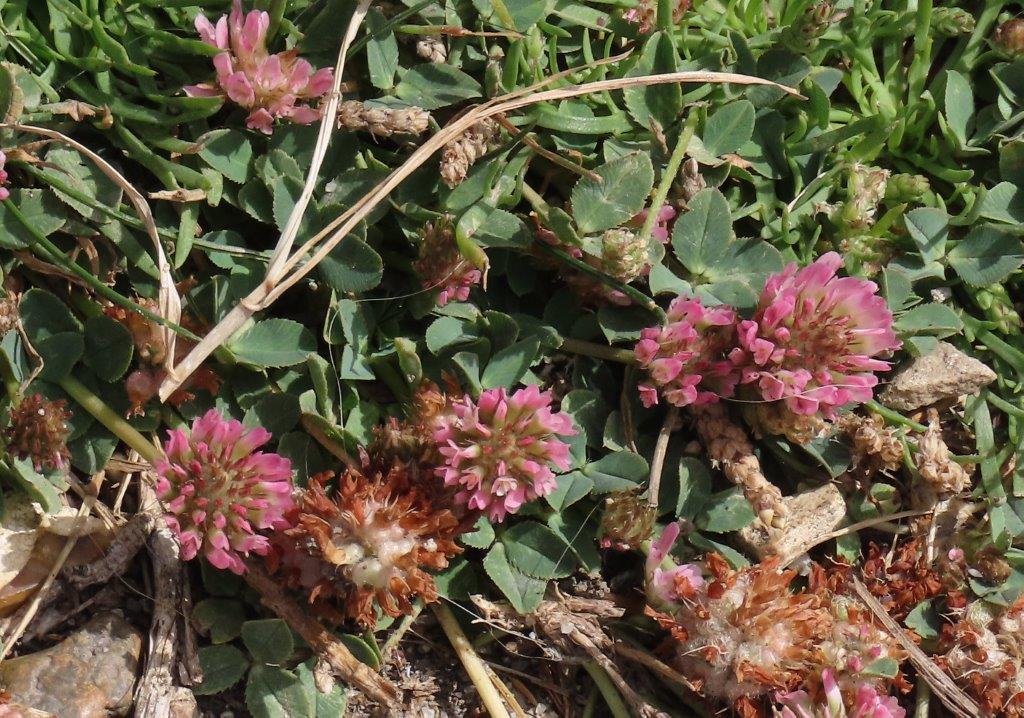
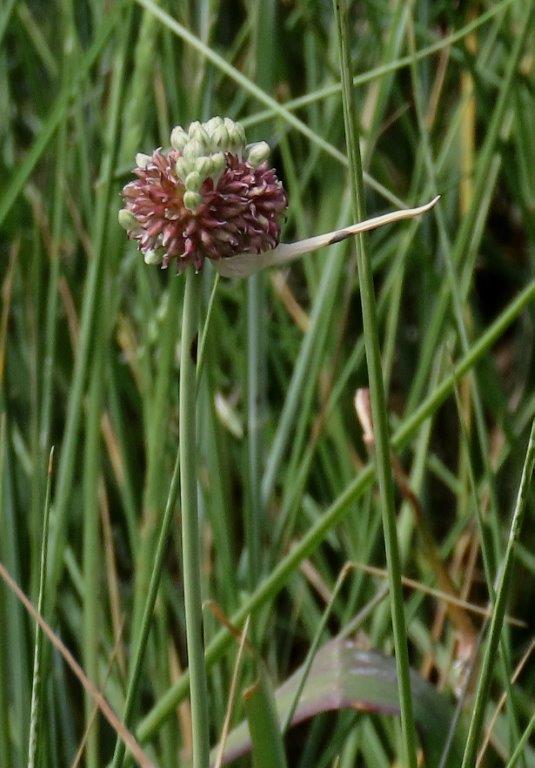
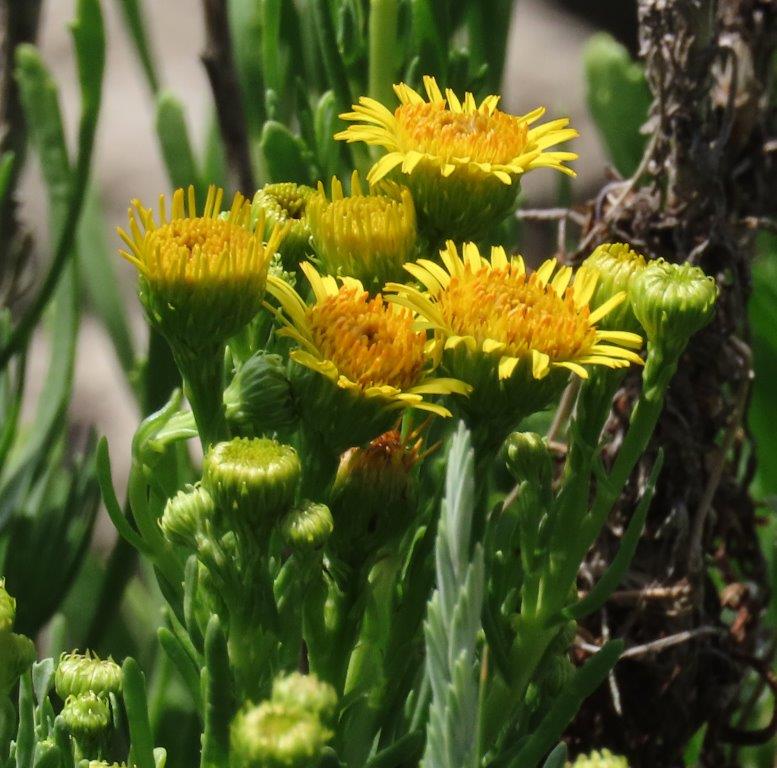
The sea wall had flowering Strawberry Clover and Crow Garlic, the seaward side also with Shrubby Seablite and Golden Samphire, while Meadow Brown, Large White and Painted Lady butterflies skipped around.

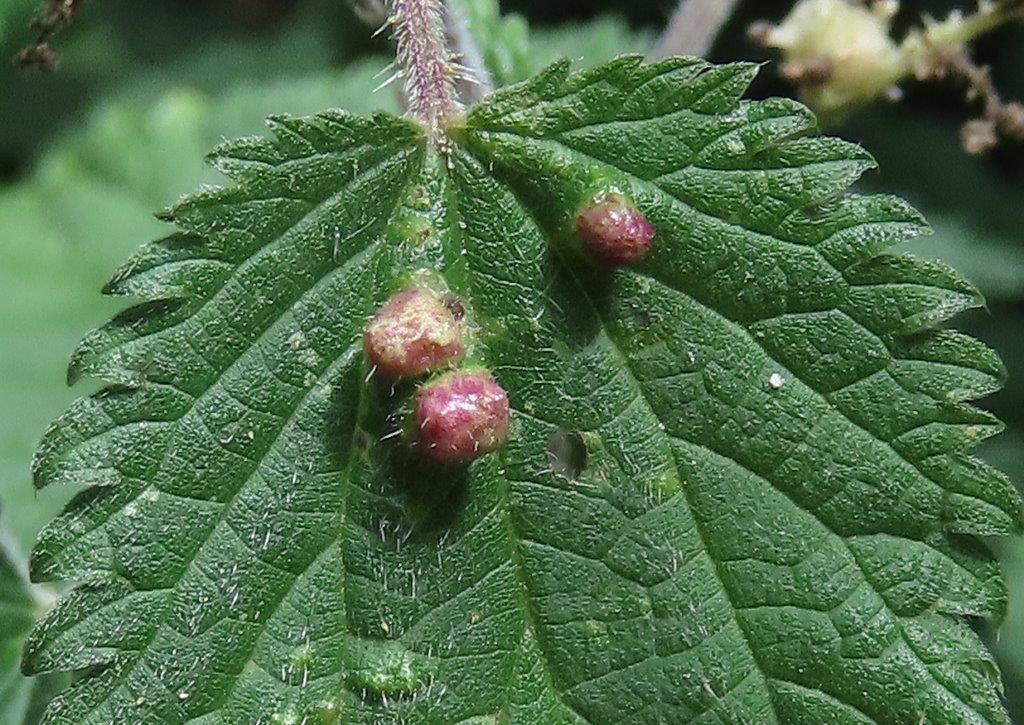
Grange Wood is a near-unique (in the Essex context) ancient wood/tidal water interface, the shady conditions harbouring singing Chiffchaffs, Blackcaps and Song Thrushes, roaming families of Long-tailed Tits. Taking the opportunity to cool down and rehydrate, it gave us chance for a leisurely look at Herb Robert, Wood Sage and Stinging Nettles, many bearing the galls of the gall-midge Dasineura urticae, another species that is largely absent (or under-recorded?) from most of Essex, including the Tendring Peninsula…

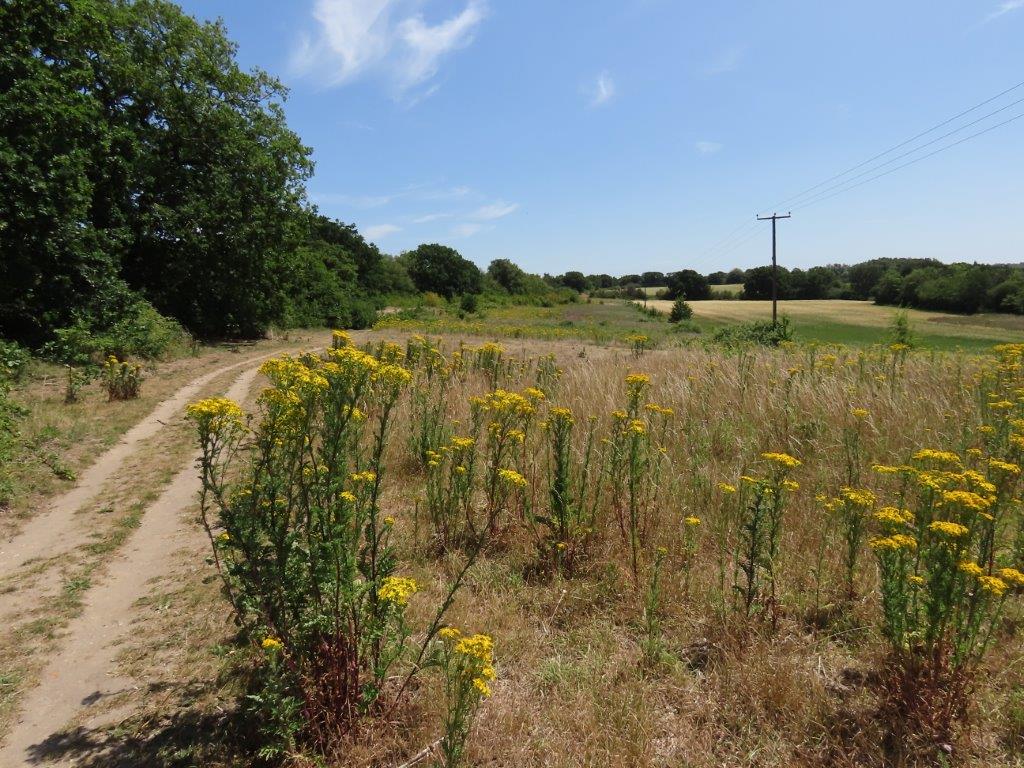
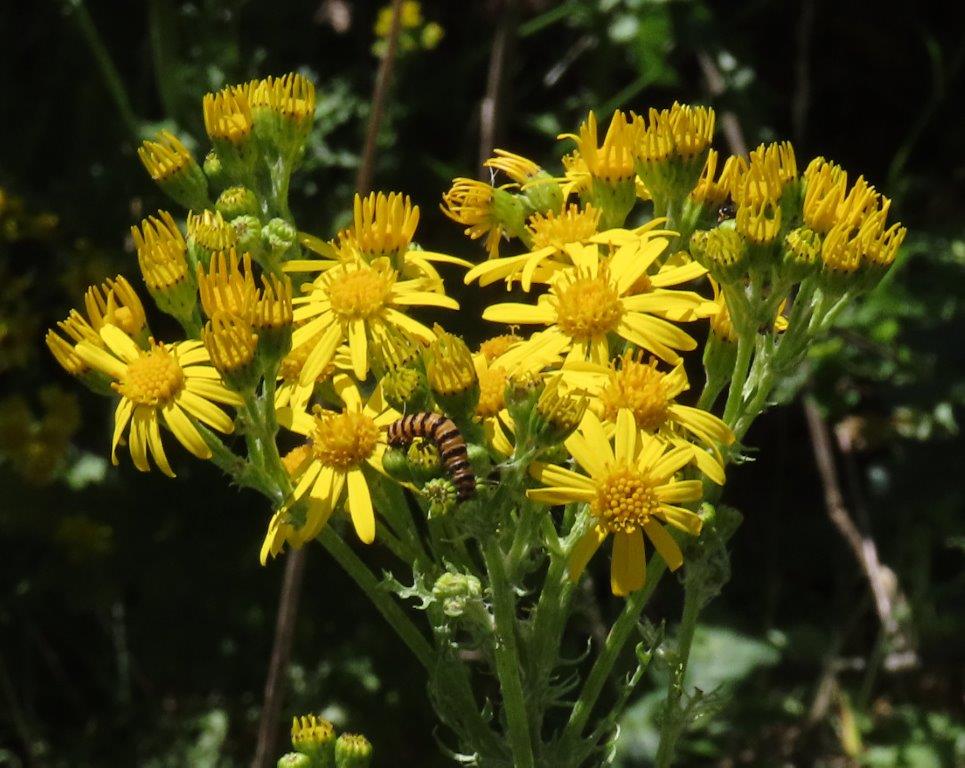
From there it was up on to the Essex Alps, with some magnificent boundary Oaks, parched sandy fields with Common Ragwort in profusion (although very few Cinnabar caterpillars), and both Buzzards and a Red Kite overhead.

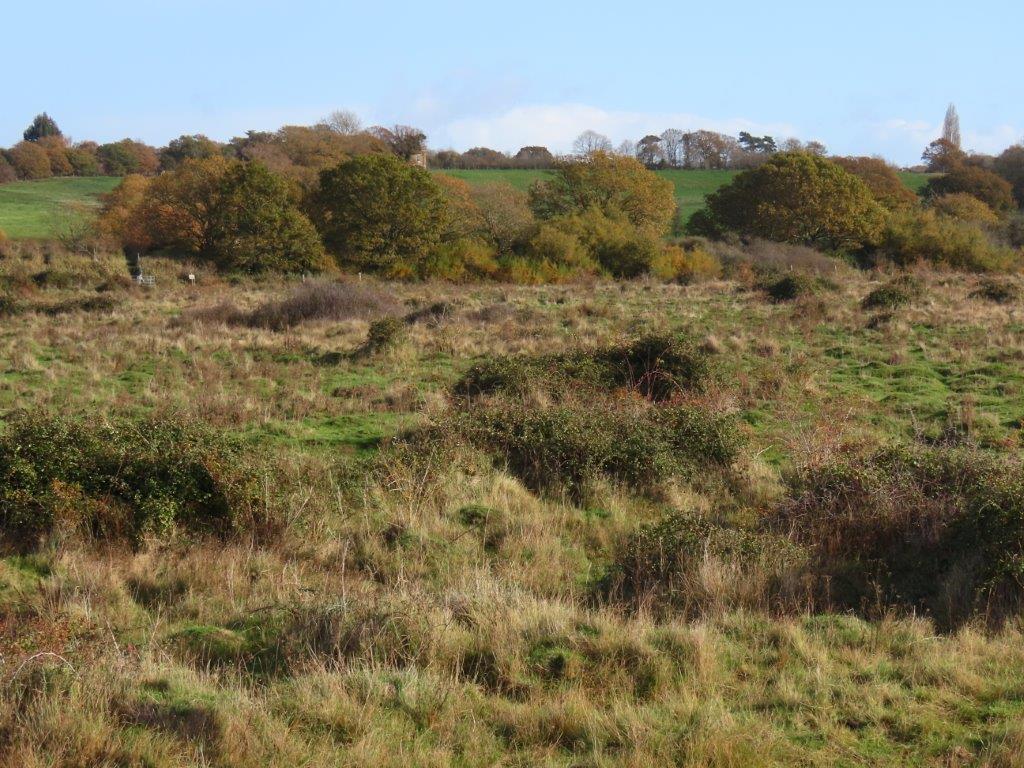
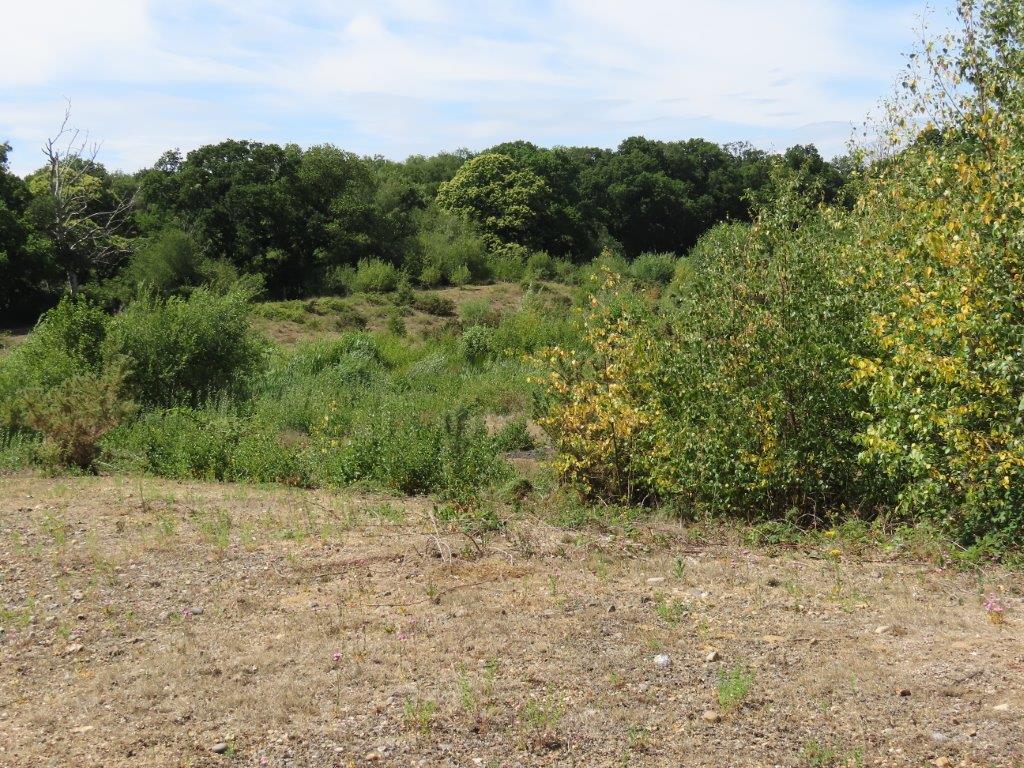
Along Cutthroat Lane, passing some magnificent clumps of Butchers’-broom, Brimstone, Ringlet and Gatekeeper butterflies  were added to the day’s list before we reached Cockaynes Reserve, a remarkable example of life after gravel extraction. And not surprisingly, very droughty indeed.

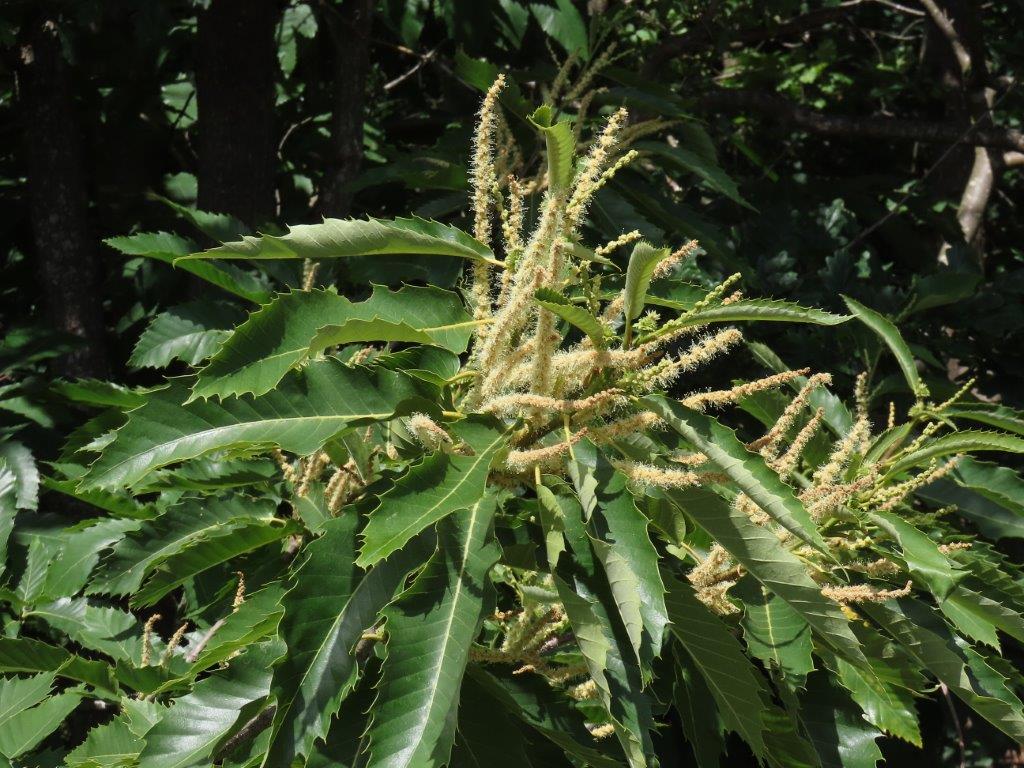
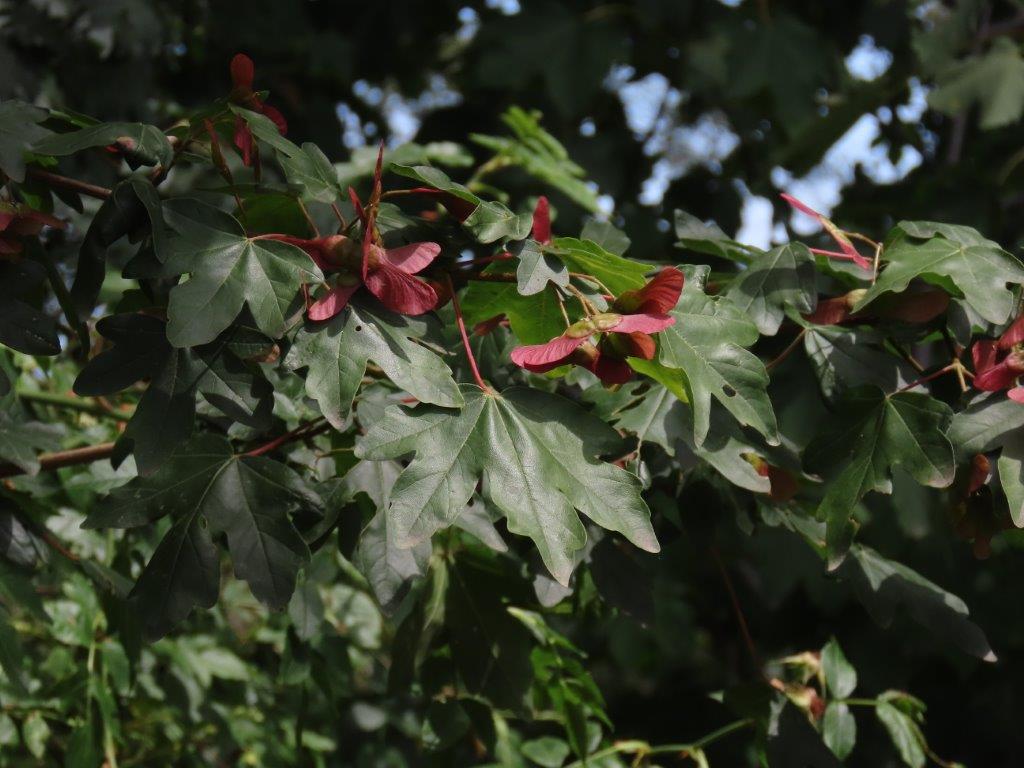
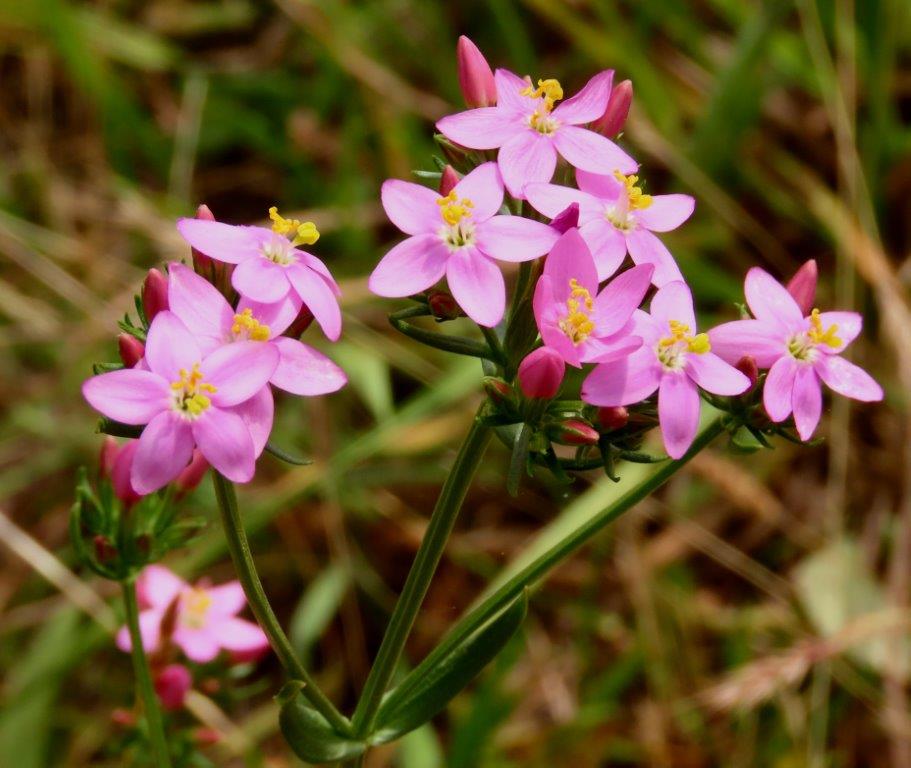
Field Maple in fruit mingled with the mushroom-scented sprays of Sweet Chestnut flowers, and a myriad of solitary bees and wasps jostled for space among the flowering Common Centaury.

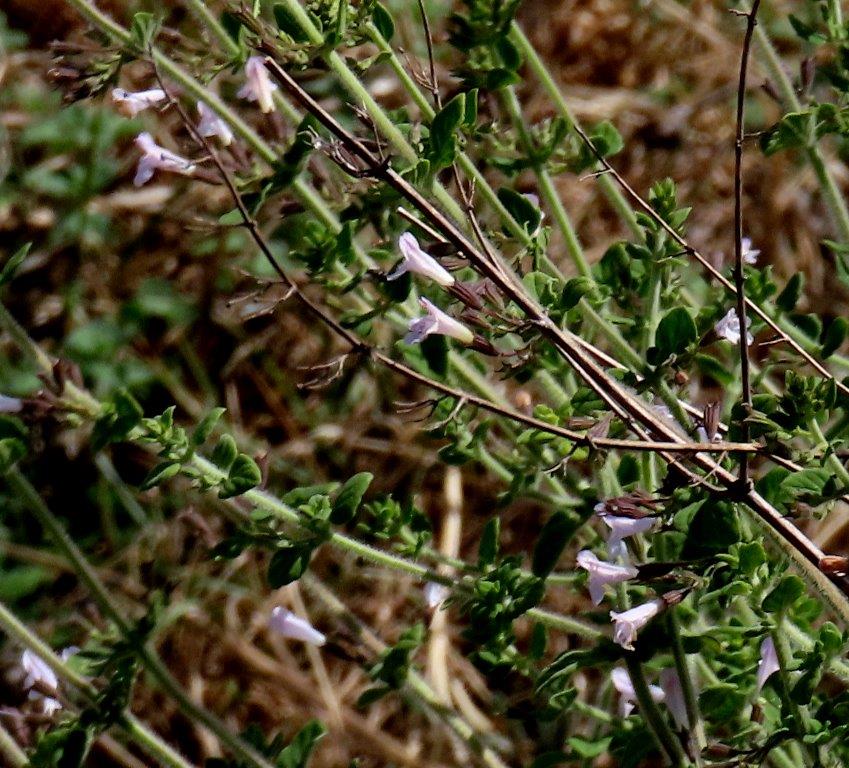
And all wrapped up with a stroll along the crest, catching what breeze we could, with views over the estuary as far as the open sea, and Small Coppers and Lesser Calamint (the iconic plant of the Essex Alps) at our feet completed two days full of all kinds of everything, the Wild Side of Essex at its best.

#WildEssexWalks: hunting the Elves – in Cockaynes Reserve

We went in search of Elves and were certainly not disappointed!

Our first walk of the year, to Cockaynes Reserve, was a most enjoyable event. We got off to a rather damp start but the rain soon stopped and the sun came out –  it was so nice to have the chance to catch up with some of our old friends in this familiar and well-loved place.  This time all proceeds are going to the Save the Old King George Oak appeal and we would like to thank everyone for their contributions – all monies now forwarded via the Crowdfunder page. If you would like to read Chris’ wise words about this whole shenanigans you can via his blog Saving Wivenhoe’s Old King George Oak Tree | Chris Gibson Wildlife.

And so to the Elves (rather the Scarlet Elf-cup fungus) – wow, what a wonderful display this year! Many times more than we have ever seen in the past 14 years of living in Wivenhoe- indeed possibly since Chris first found them here in 1986.  Unsure why – maybe the disturbance caused by the remaking of the path a couple of years managed to spread the spores, or the damp spring has just made their existence more viable? Whatever the reason they were a joy to behold, and seemingly spreading to previously Elf-free sections of Villa Wood. A truly iconic species for this reserve.

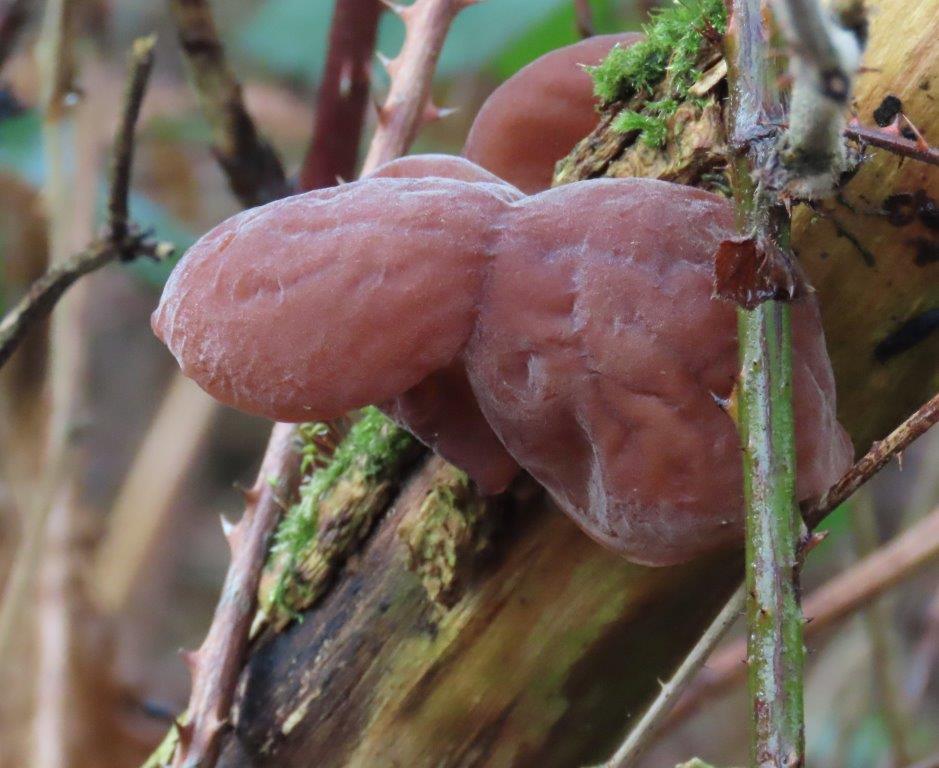
And these were not the only fungi to be found. Turkey-tails and Maze-gills  were on rotting stumps and King Alfred’s Cakes and Jelly Ears on Ash and Elder trees respectively.

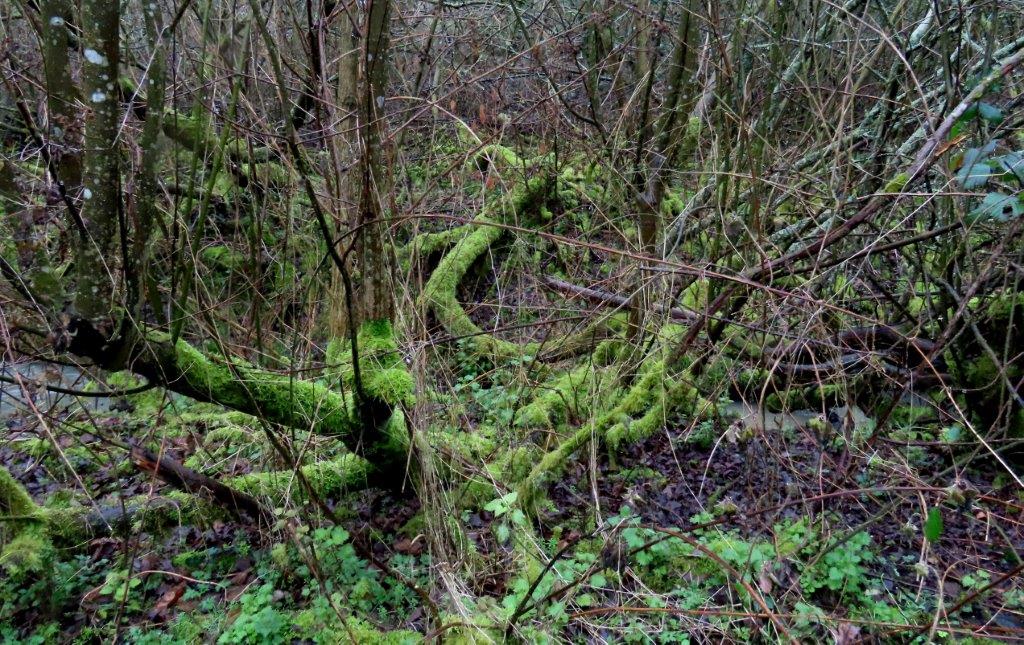
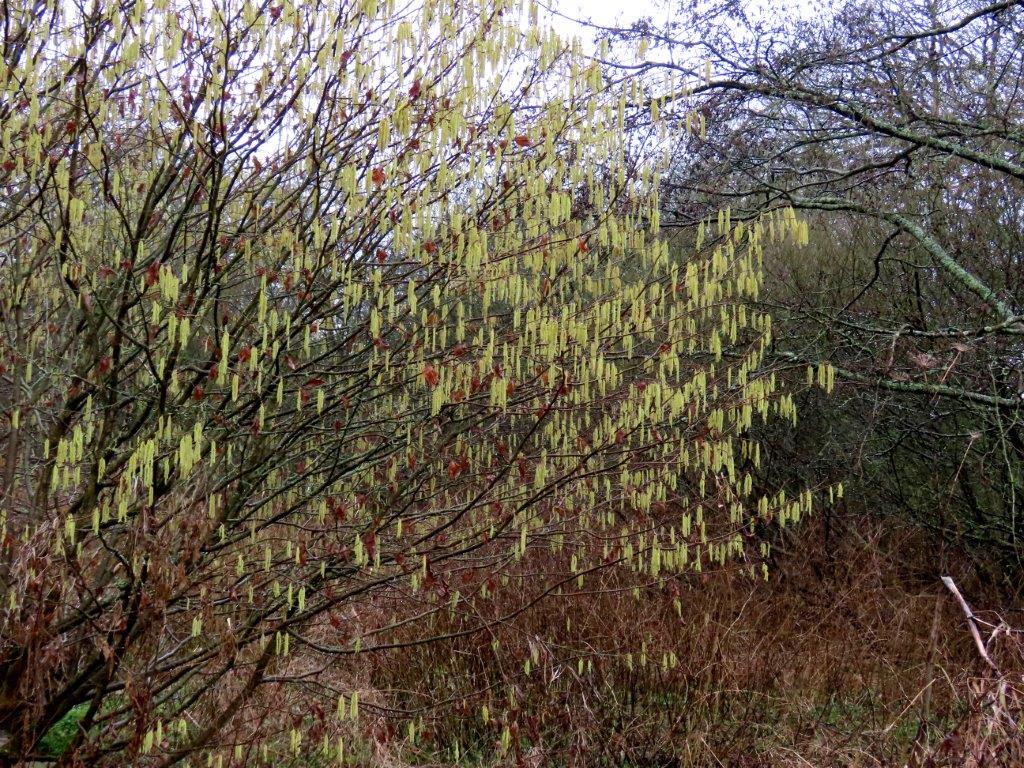
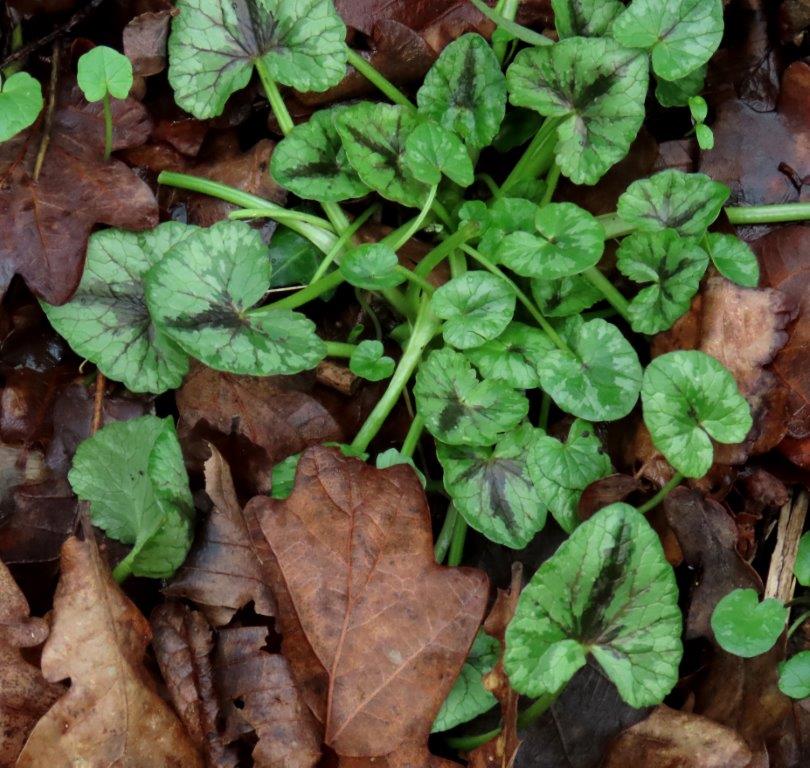
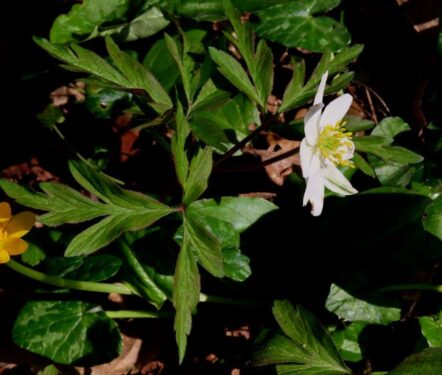
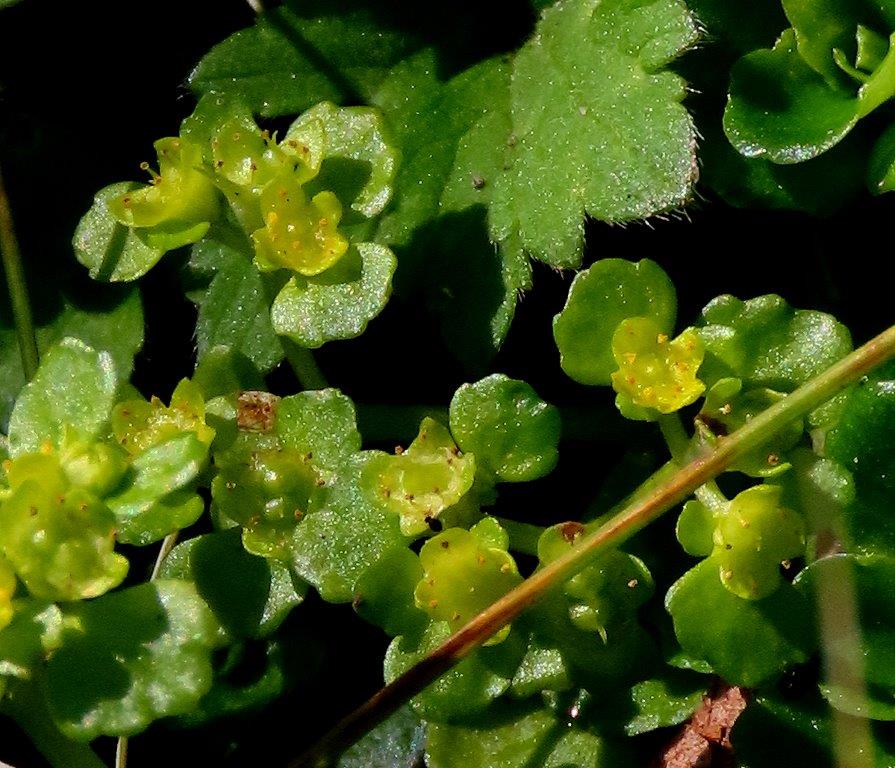
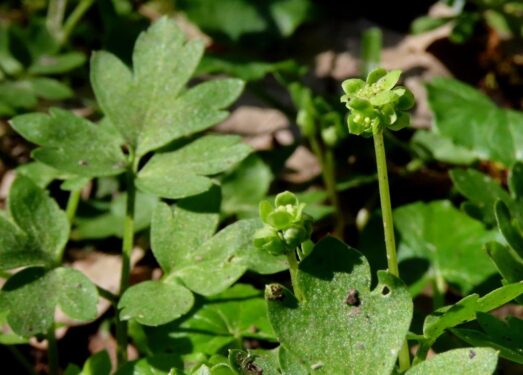
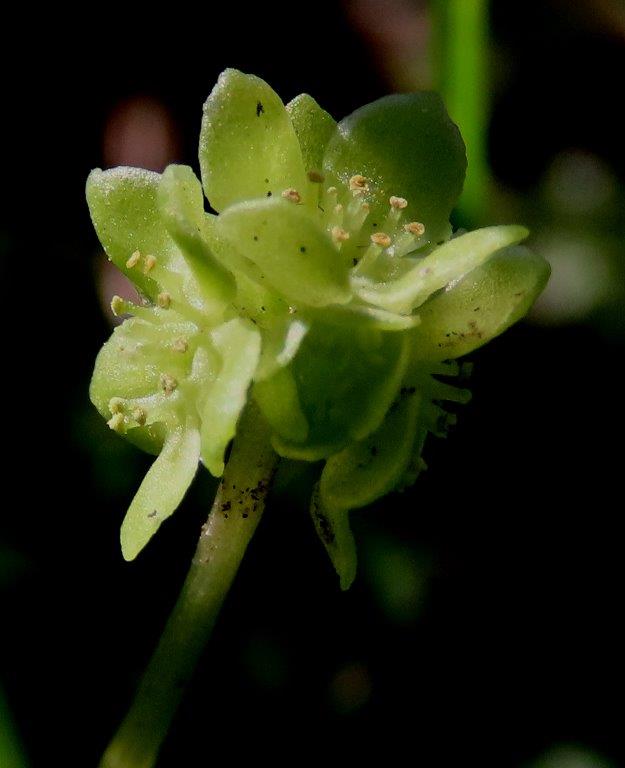
Within the lush mossy greenscape alongside Sixpenny Brook (running very muddy after the overnight heavy rain), there were flowering Hazel bushes, male tassels in abundance, while Jude found one plant in which the little red female flowers were just emerging.  There were also Lesser Celandines (some with beautifully marked leaves, variegated in both black and silver) and the first Opposite-leaved Golden-saxifrages in flower, always good to see as a sign that Spring is just around the corner.

Elsewhere, plant-wise it was a pleasure to see Gorse in full flower (well, kissing IS in season 😉), Winter Heliotrope on the side of Ballast Quay Lane, as well as early-flowering Red-Dead-nettles and Common Field Speedwells, as well as the tentative spikes of Bluebell and Wild Arum leaves pushing up.

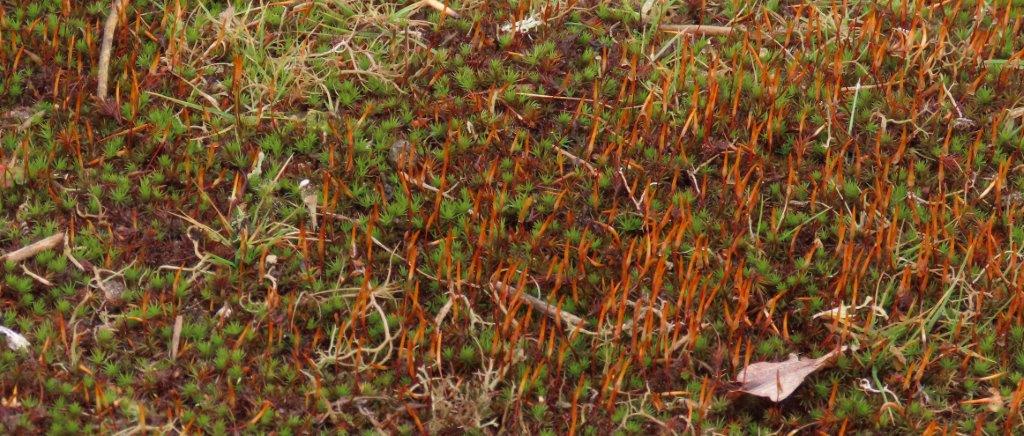
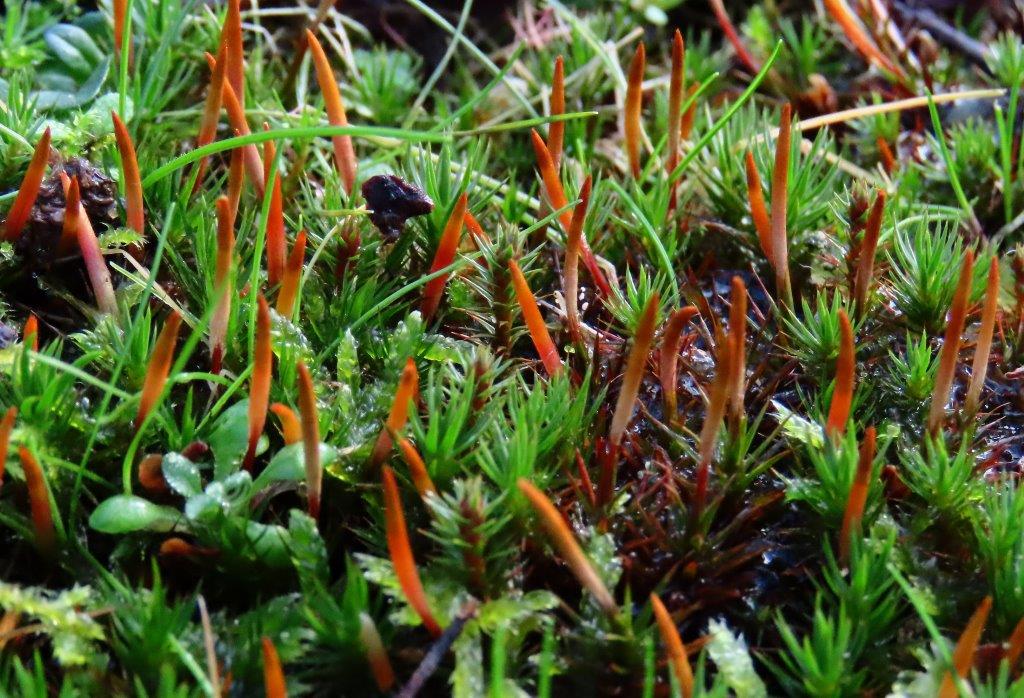
Out on the heathy areas, it was too early for flowers, but the spore-capsules of the Juniper Haircap moss made for a splendid vista among the Reindeer Lichens.

Spring was in the air with bird life at every turn including flocks of Goldfinches, Linnets and Chaffinches, and Skylarks singing along the path up to the reserve; while there at least three Song Thrushes serenaded us, plus Wrens, Robins and a Chiffchaff (the first we have heard this year – so early in the season it must have stayed here all winter, rather than migrating as they did of old). Mixed bands of Great, Blue and Long-tailed Tits rampaged through the woods and scrub, and generally gave the impression of Nature waking up in anticipation of Spring!

We feel we have well and truly kicked off our Wild Essex season and look forward to the next event next month (bird watching starting at Manningtree Co-op).

Cockaynes Reserve in high summer

At the height of the recent heatwave, an early morning around Cockaynes was very much in order. But even before 7AM it was above 20°C, and the water buffalos were already mudbathing in the shade!

This uncertain summer has turned from soggy to hard-baked almost overnight, and the vegetation is starting to look very droughted, with flowers generally at a premium..

The iconic Heather strip, a symbol of the reserve in the sense that it was the discovery of a relict sprig that helped to persuade the gravel company to adopt a wildlife-focused approach to restoration after gravel extraction, is purpling up irrespective of the weather…

… while Trailing St. John’s-wort and Common Centaury added their splashes of colour to the bleached turf.

Insects and other invertebrates were scarce, by now a familiar situation this summer, but probably more to do with the fact they were already resting in the shade than anything else:

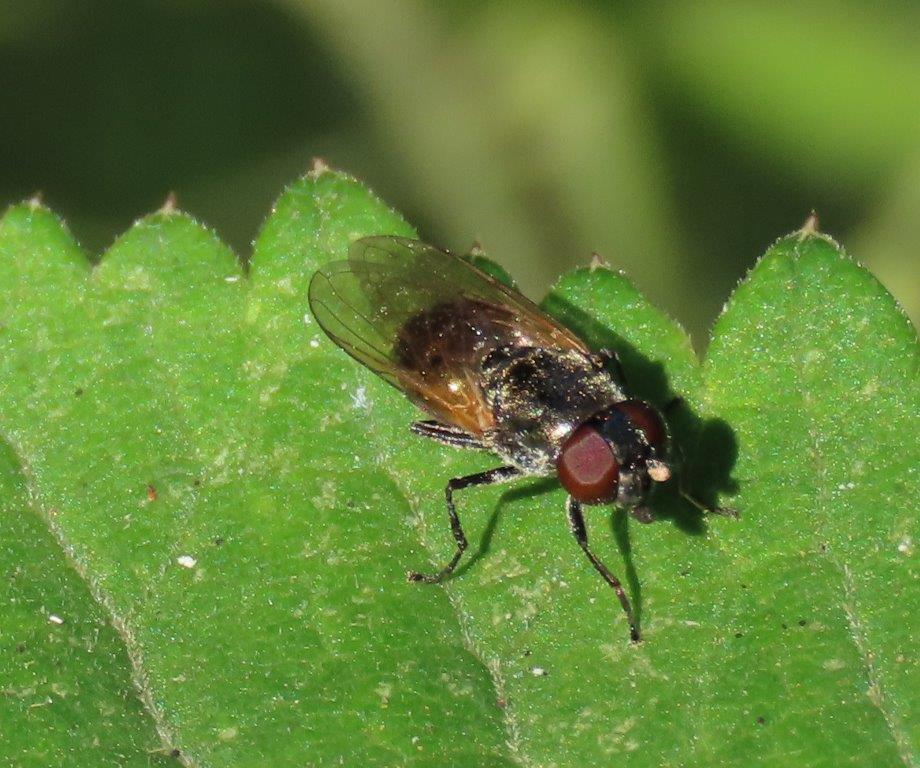
Two were of particular note. First a Buff-tip moth caterpillar: common enough, but just look at that camouflage, pretending to be a fruiting Silver Birch catkin. And second, a picture-winged fly, a Homoneura species, probably the commonest H. notata, although internal examination is probably needed to confirm. But even this commonest species has been recorded in north Essex only once previously, from a site to the west of Colchester.

Out in the open, the only real plants attracting pollinators were Ragwort (Common and Hoary), and Common Fleabane. These were drawing some insects in, especially flies and a few bumblebees.


But down in Villa Wood, alongside the Sixpenny Brook, the air was more buzzy, shade from the Alders keeping temperatures down.

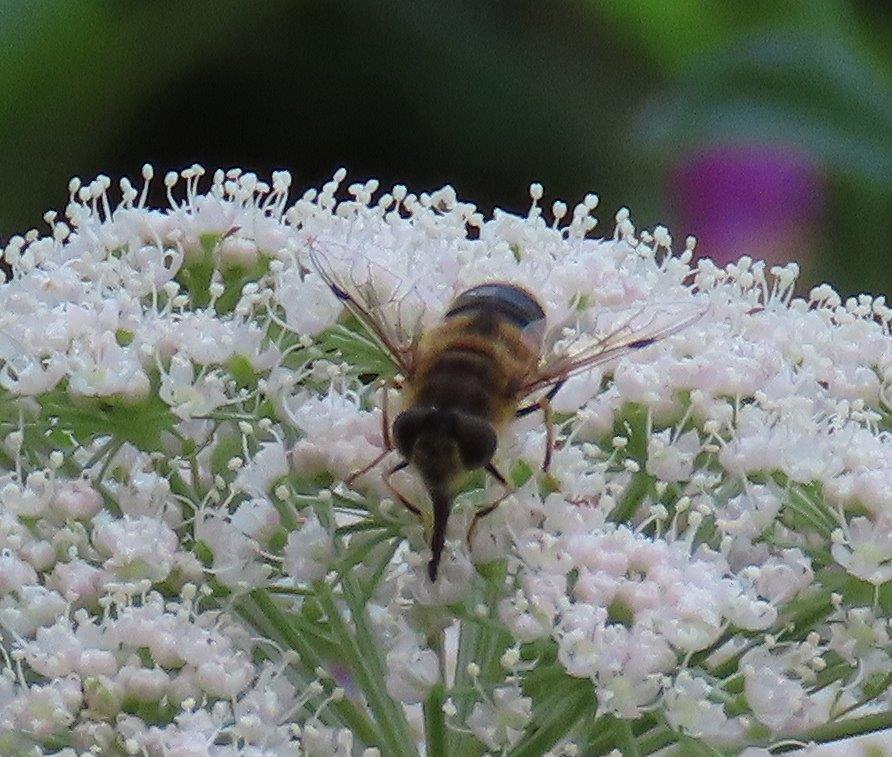
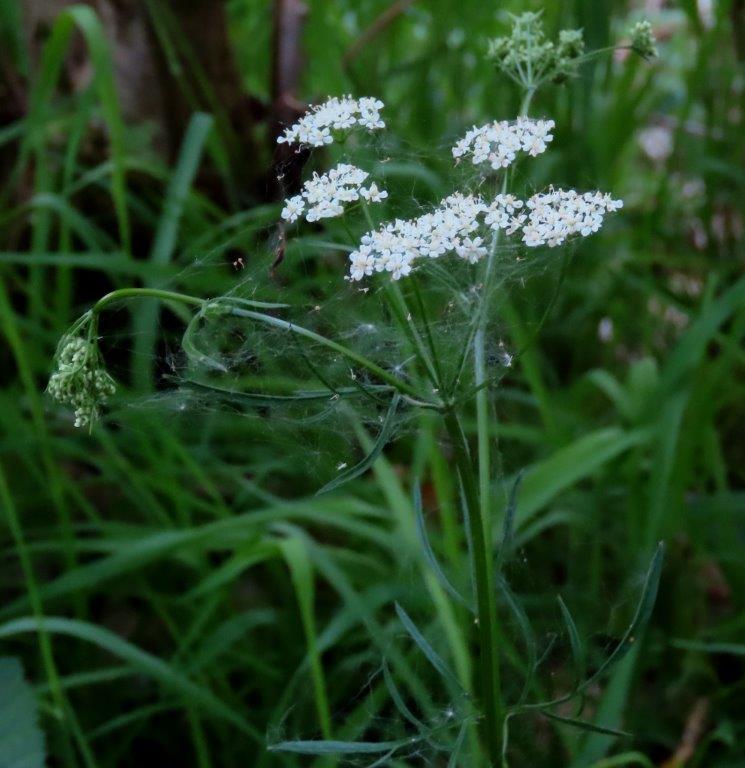
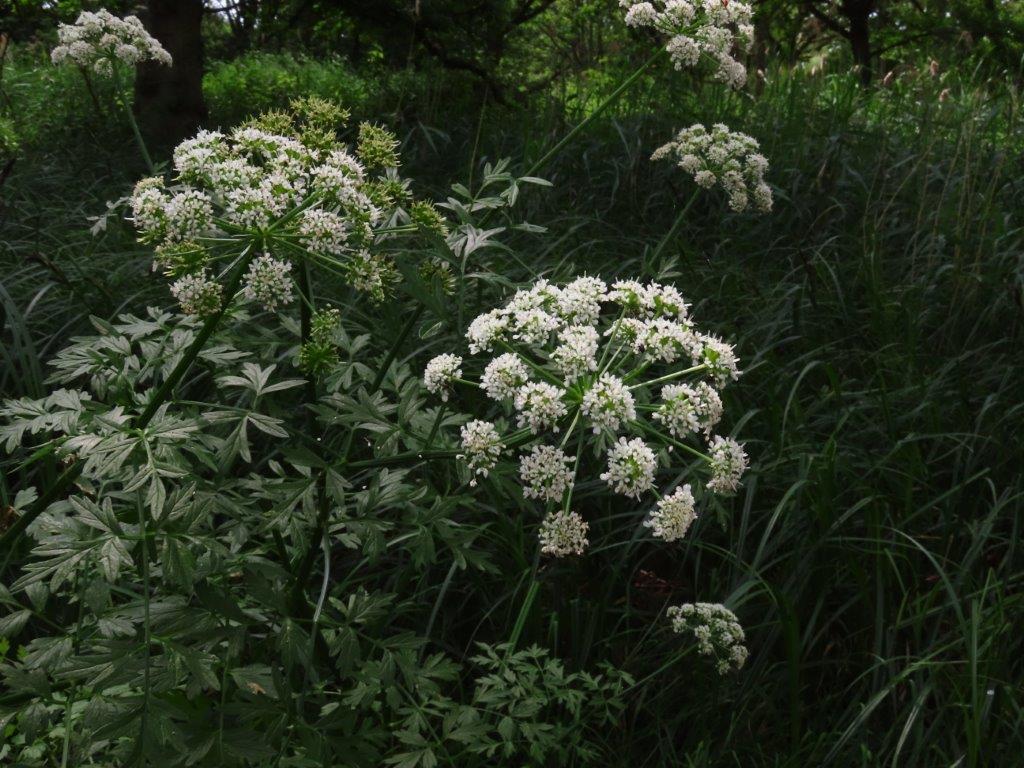
Best plant in the valley was Wild Angelica, its domed umbels at times alive with hoverflies, wasps and Yellow-and-Black Longhorn Beetles, and being patrolled by Hornets.

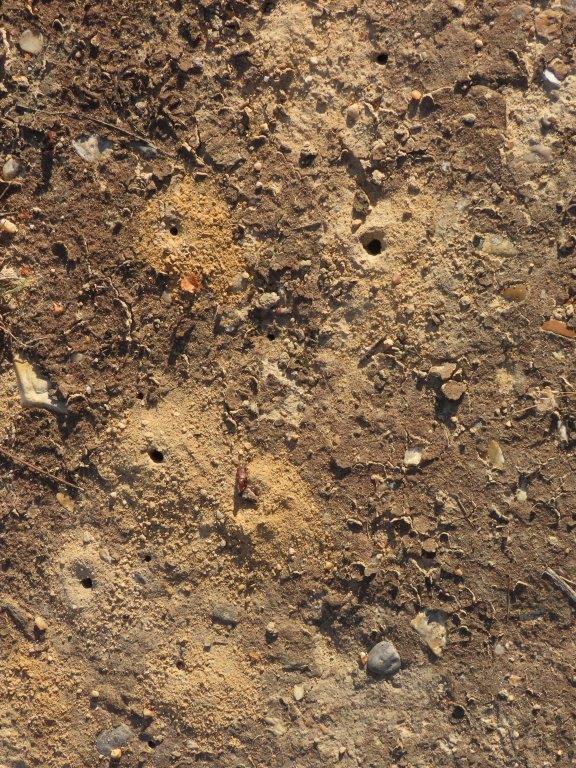
But as always, where there are few insects to actually see, there are often insects to record on the basis of not seeing the animal itself. The open sand had nest holes of digger-wasps; a leaf had a mobile ball of fluff skittering across its surface, the camouflaged larva of a lacewing, clothed in the remains of its aphid victims; and a swelling in a willow stem proved to be the gall of a gall-midge Rabdophaga salicis. seemingly uncommon in England and in fact the Essex Field Club map showing just one previous county record, in the deep south. Indeed, its national distribution as a whole is very sparsely scattered,  away from western Scotland. Always something to find!

The Wild Side of Essex with Naturetrek: late Spring along the Colne Estuary

Although not as sunny as forecast, and still with that persistent northerly breeze that has been niggling away all Spring, today’s exploration of the Wild Side of Essex with a small (but perfectly formed!) group of two provided almost all of what we hoped for.

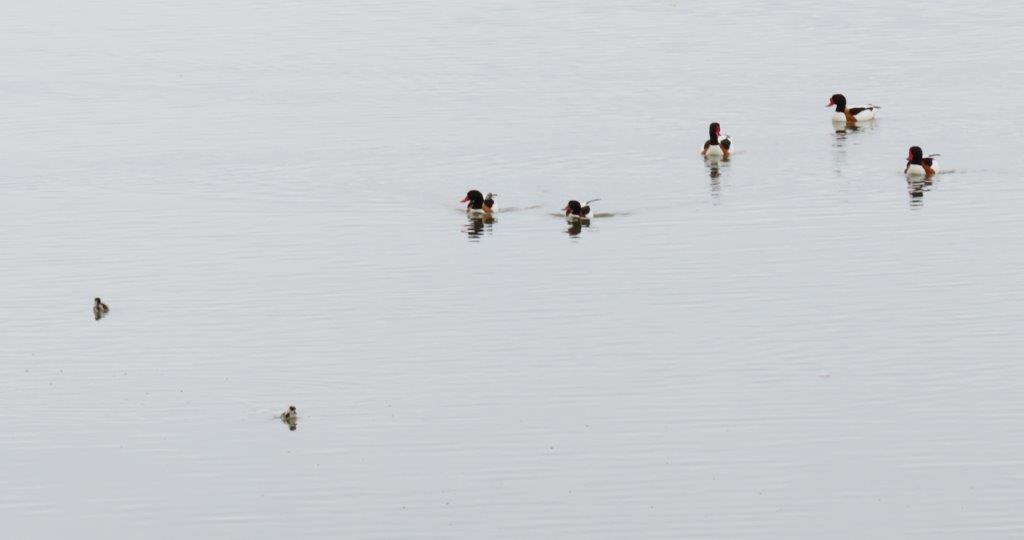
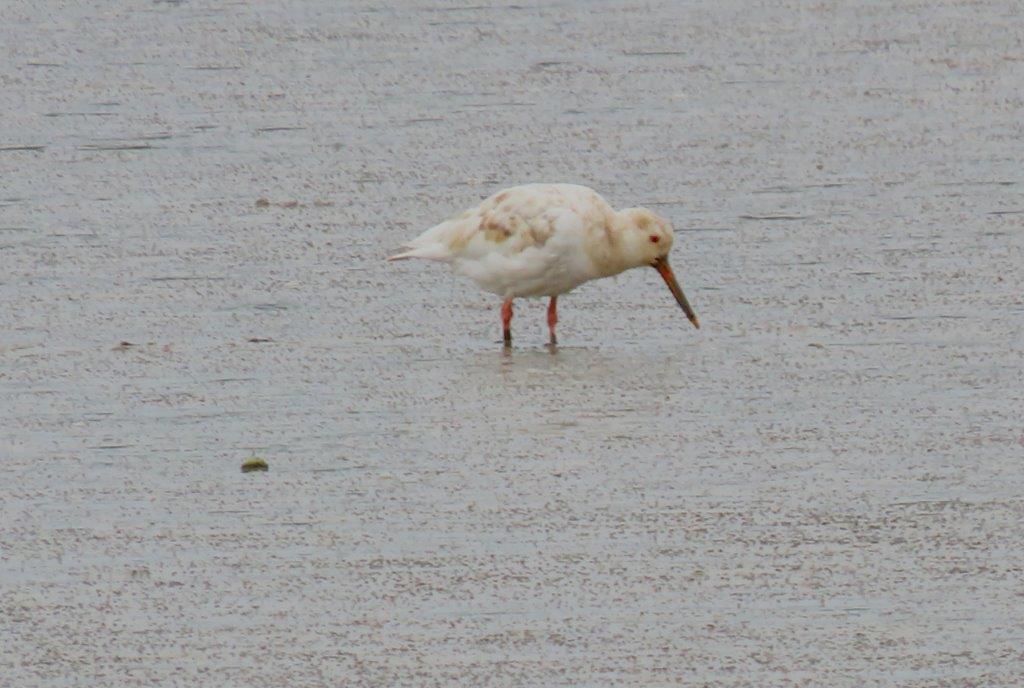
By late May, as expected, all of the wintering northerly wildfowl and waders had gone, leaving just a few Shelducks (one pair with brand new chicks), Redshanks and Oystercatchers, the latter including our celebrity leucistic friend who has graced us with its ethereal presence for several years now.

Overhead, a couple of Hobbies were high over Wivenhoe, probably terrorising the local House Martins, and as we sat by Alresford Creek for lunch, a Red Kite drifted slowly over, still not a breeder hereabouts but surely only a matter of time…

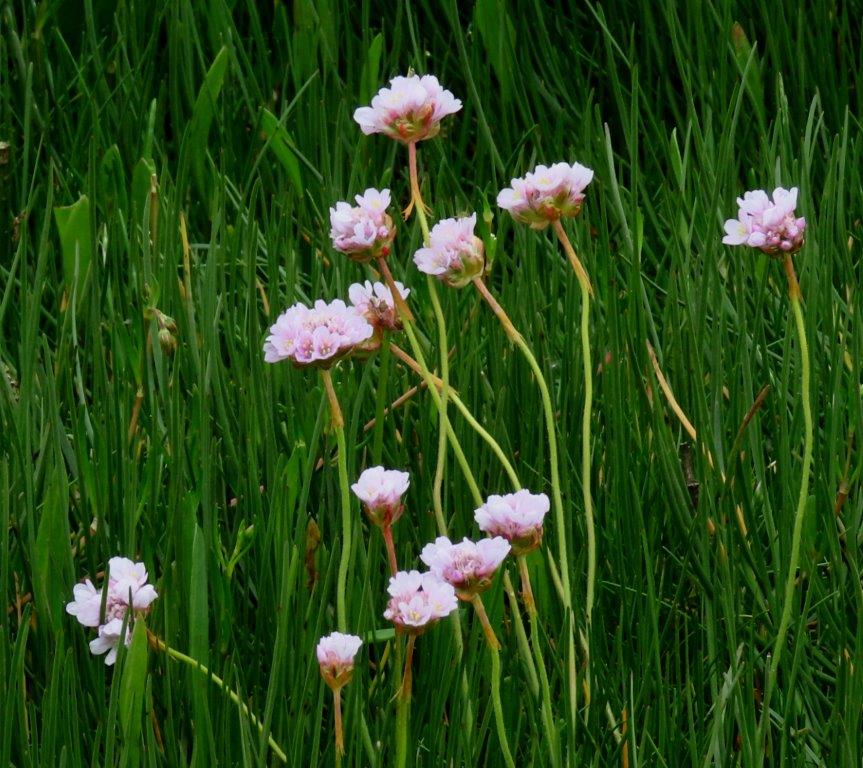
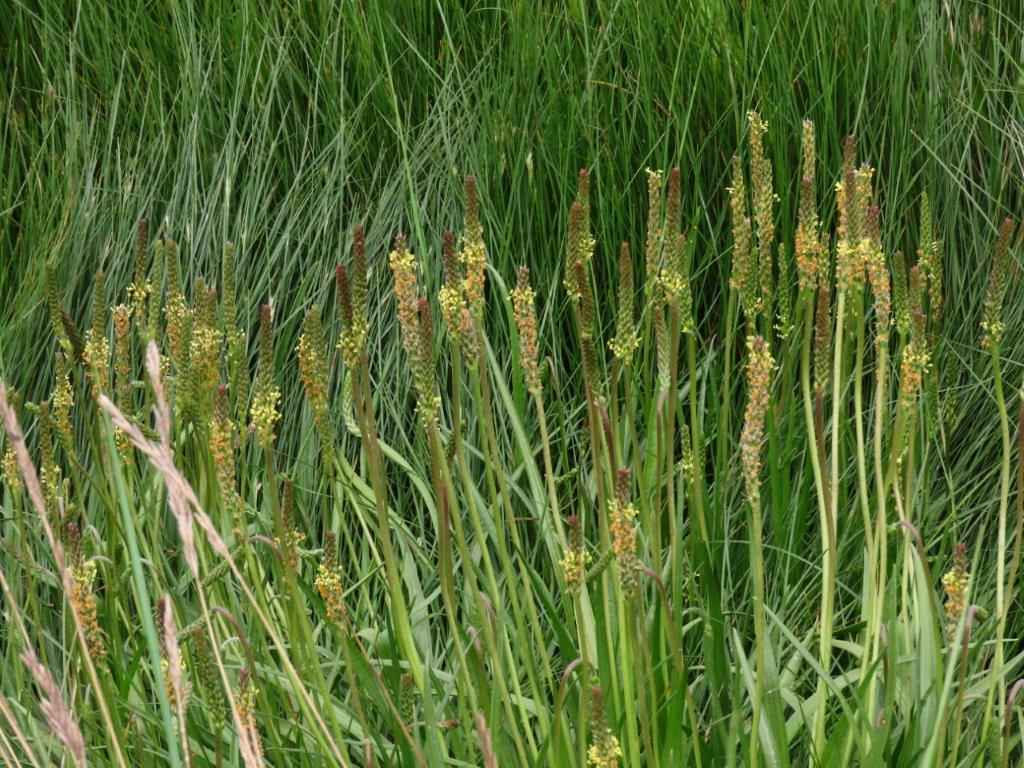
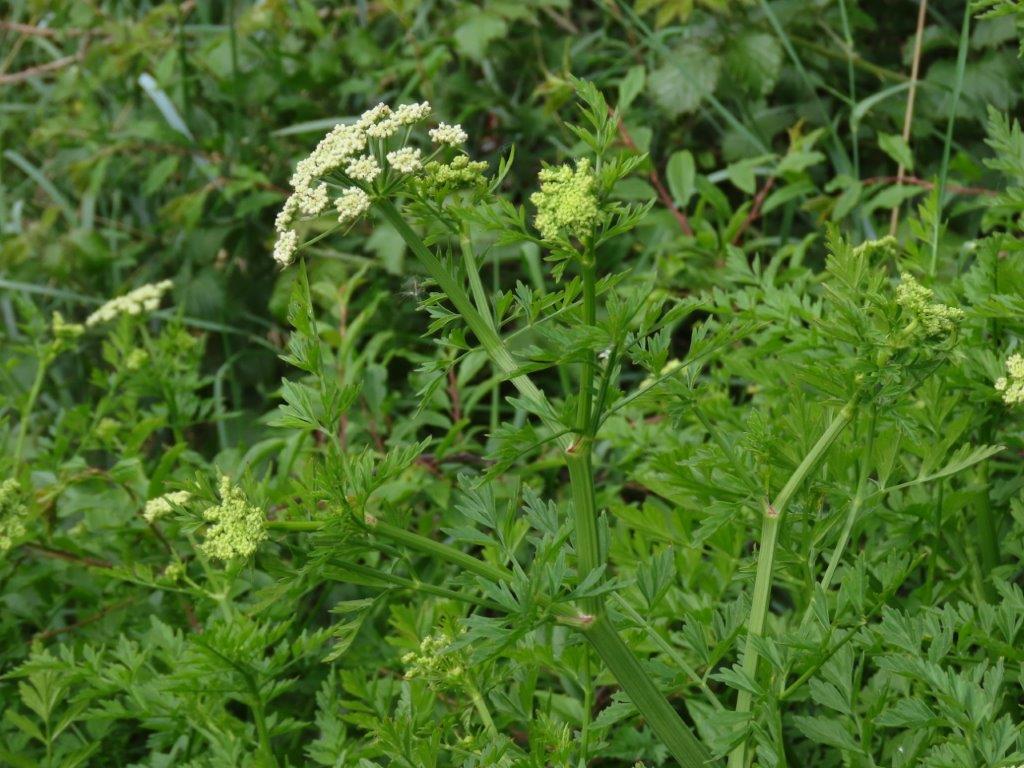
On the saltmarsh, the Scurvygrass was almost over, so the next suite of flowerers are taking over, including Thrift and Sea Plantain, with Hemlock Water-dropwort in the topmost fringes…

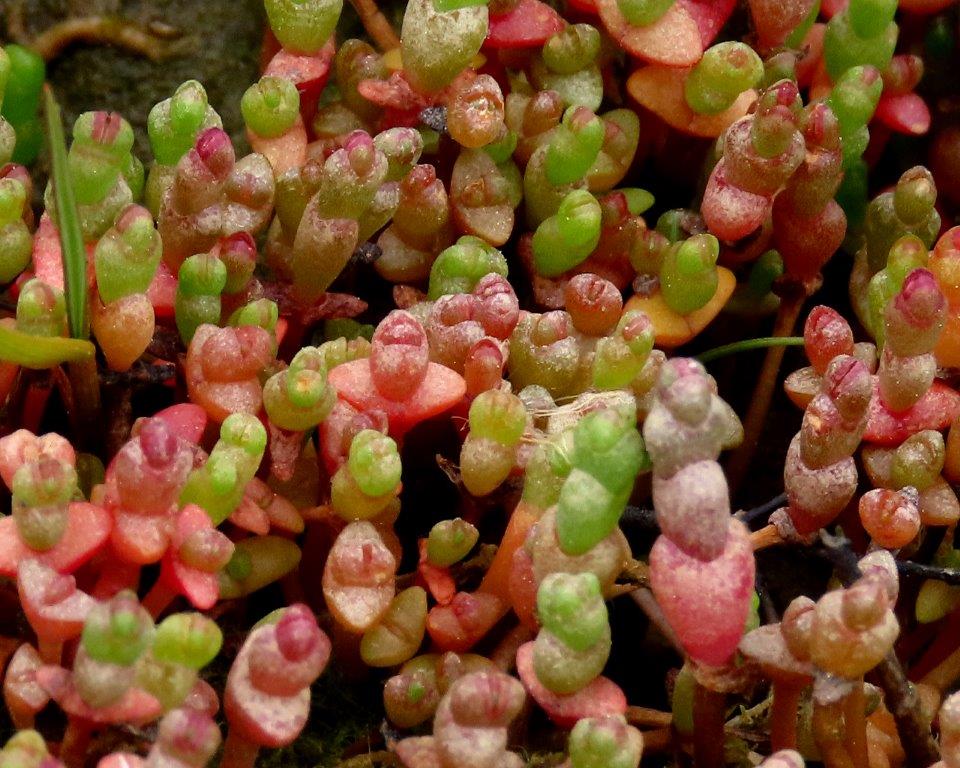
… while the summer crop of Marsh Samphire (Glasswort) is just germinating on the barer patches.

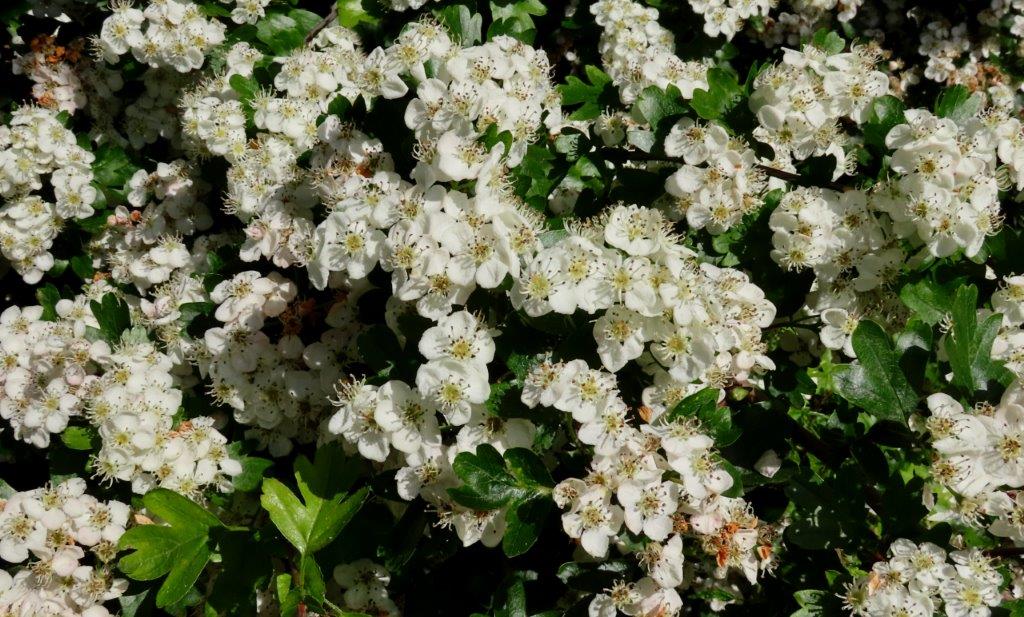
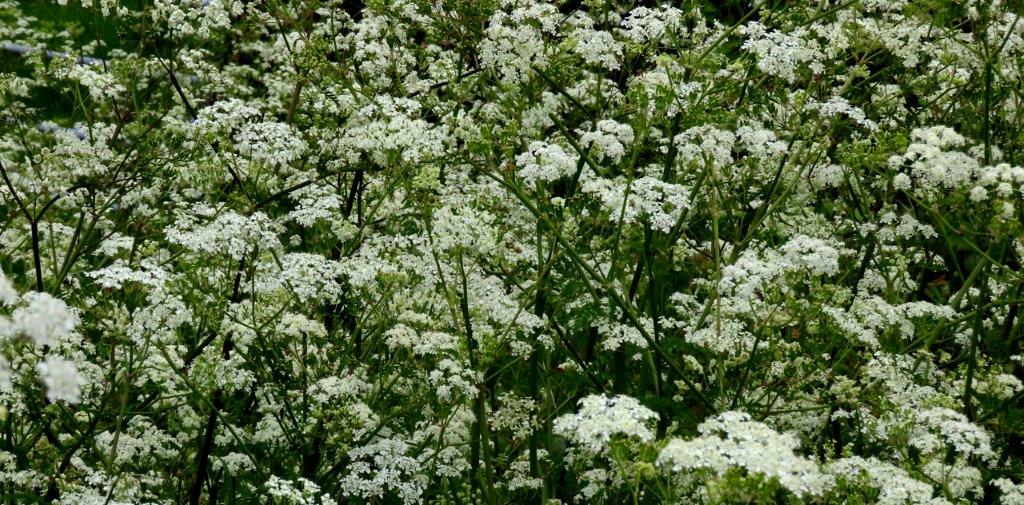
Moving out of from the tidal influence, Hawthorn and Cow Parsley are now at their best, their mingling scents having a special resonance in my brain as my personal madeleine, instant remembrance of my 1970s youth cycling the lanes of the Yorkshire Wolds.

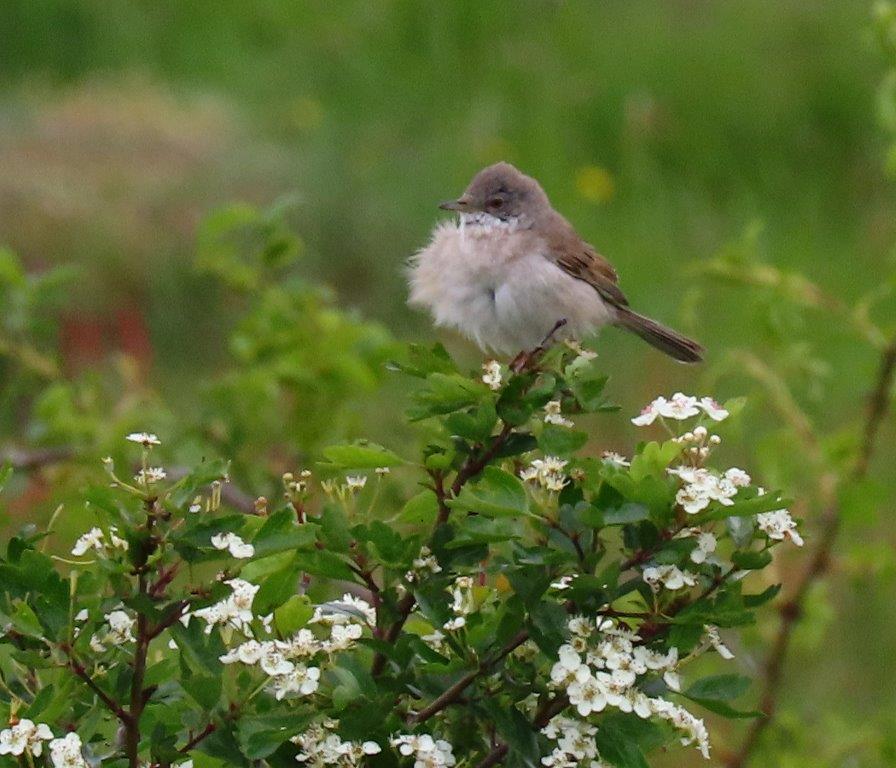
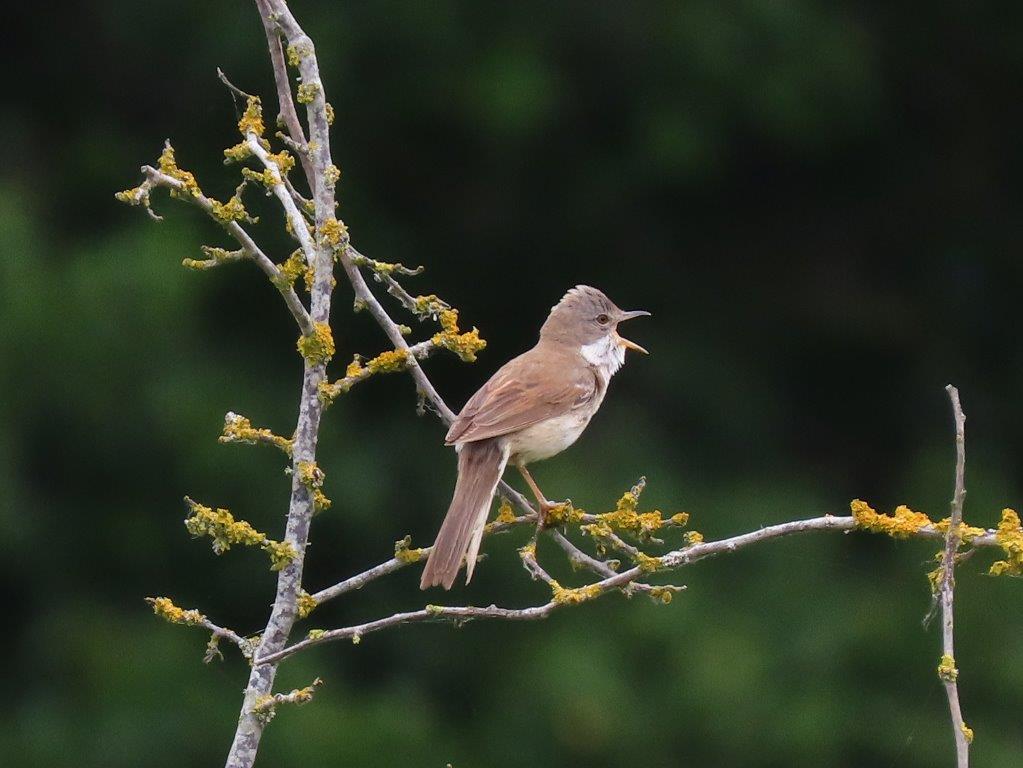
And seemingly every bush adorned with a singing Whitethroat.

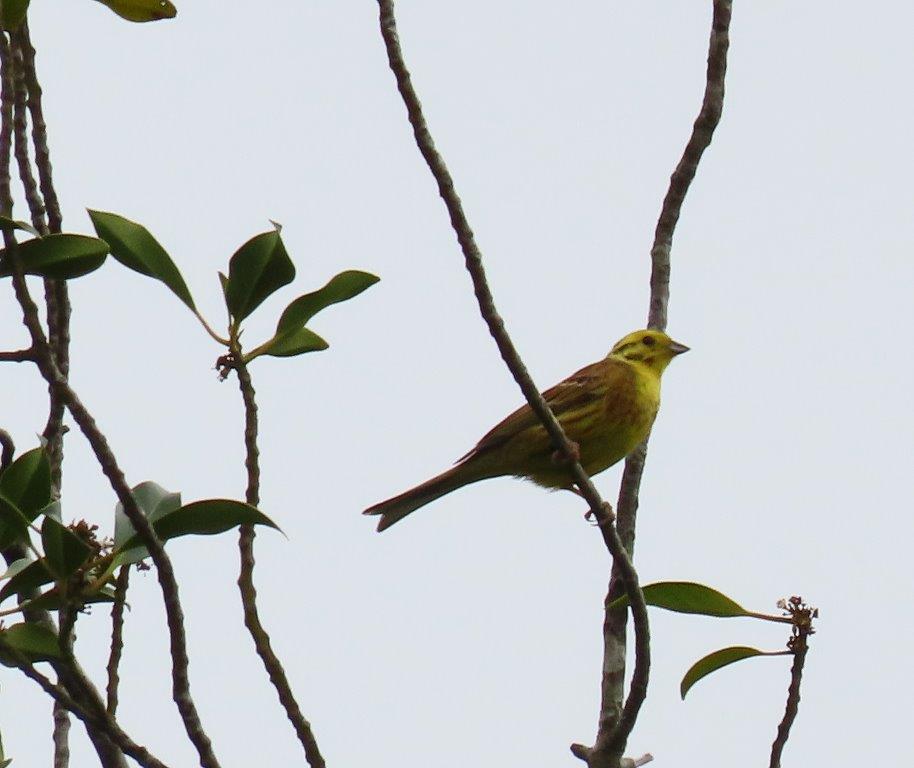
Other singers included numerous Cetti’s Warblers, with Reed and Garden Warblers, Blackcaps and Chiffchaffs, Reed Bunting and Yellowhammer, at least three Cuckoos and even one solitary Nightingale. Here in the Nightingale hotspot of north-east Essex, clearly there must be plenty of females as all the rest of our pairs, perhaps five along the route we took, were silent.

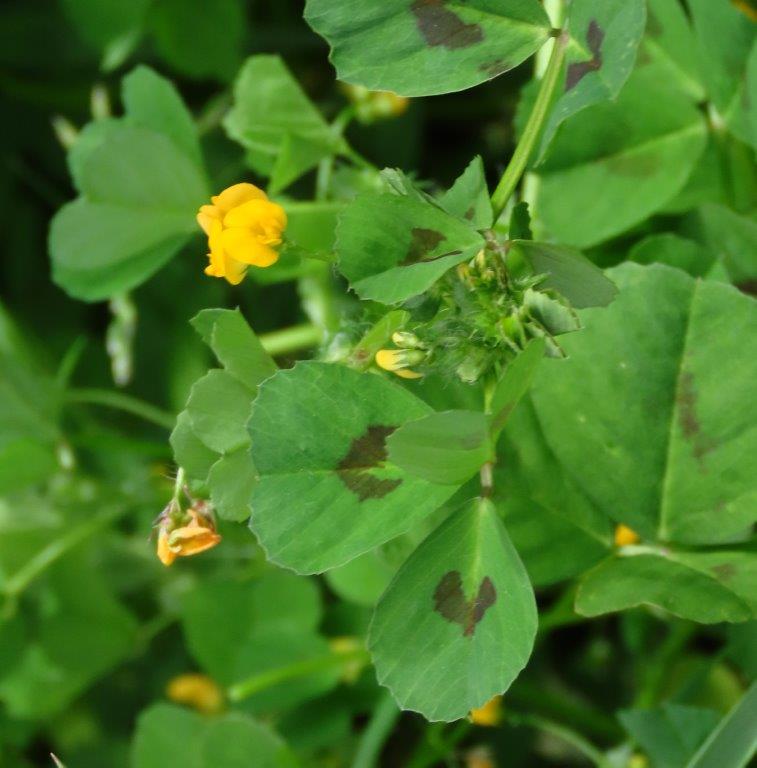
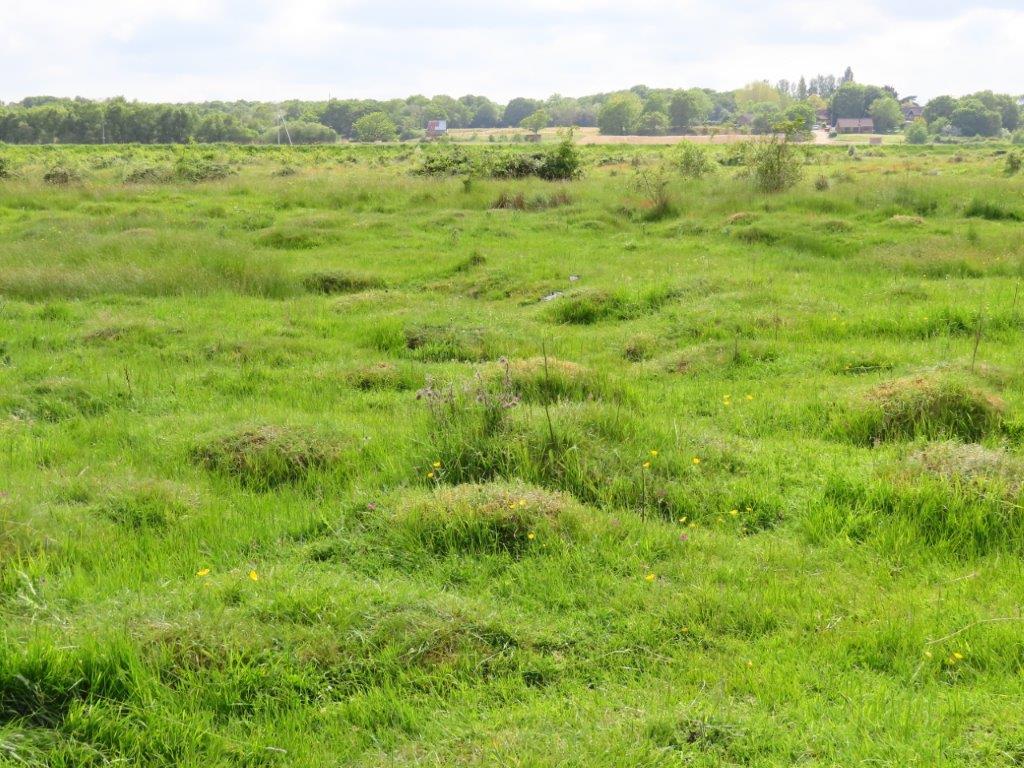
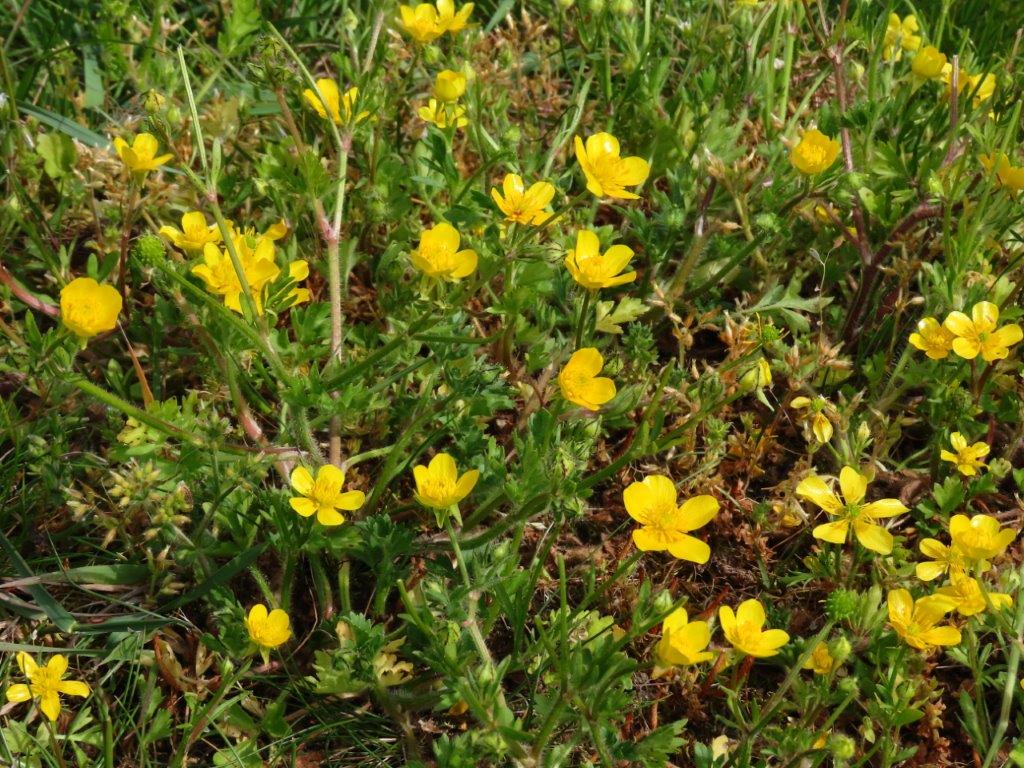
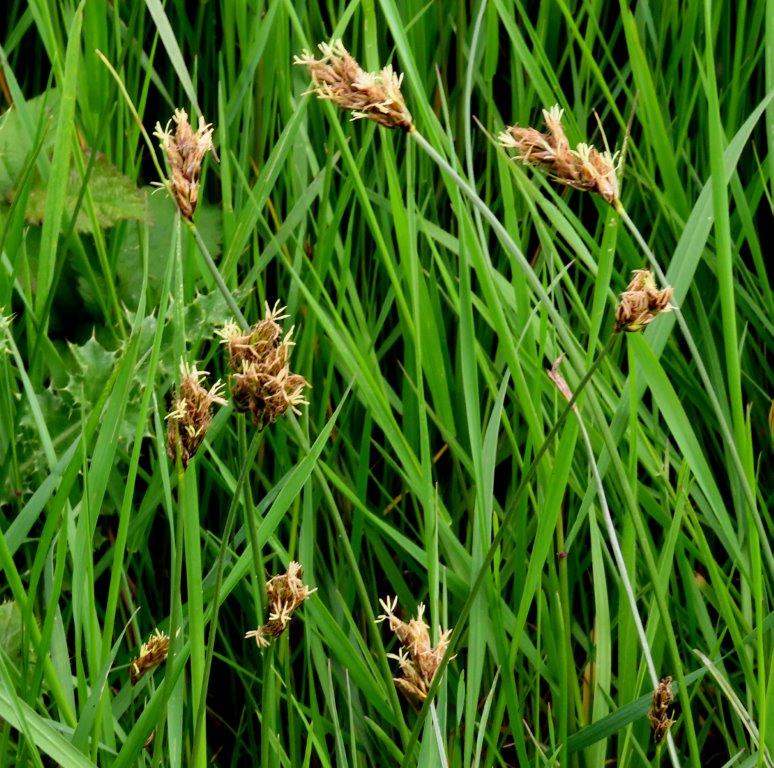
The sea walls were adorned with such specialities as Salsify and Spotted Medick, while the coastal grazing marsh, covered in thousands of ant-hills, had Hairy Buttercup and masses of the nationally scarce Divided Sedge.

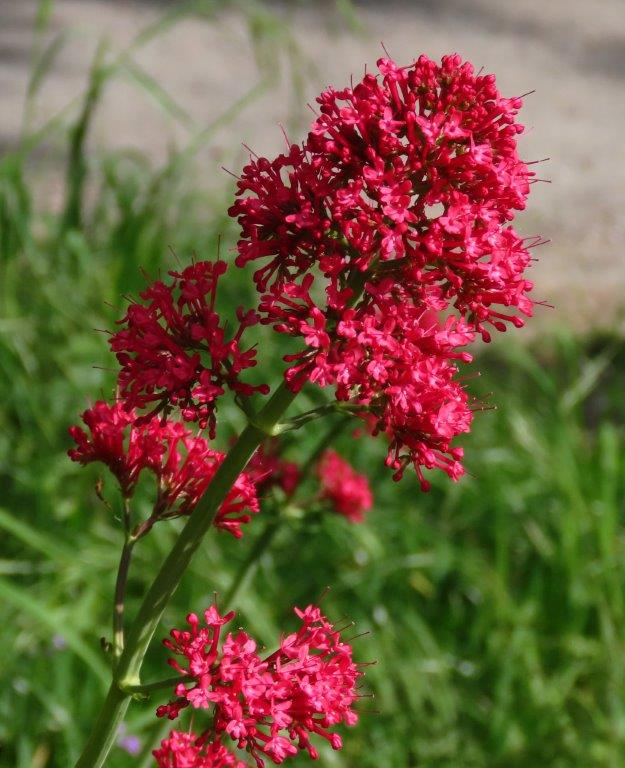
An assortment of other plants included Red Valerian, Rose Garlic, Tamarisk and the recent arrival to our waterfront block-paving, Four-leaved Allseed, until recently confined to the far-flung reaches of Cornwall and the Scilly Isles.

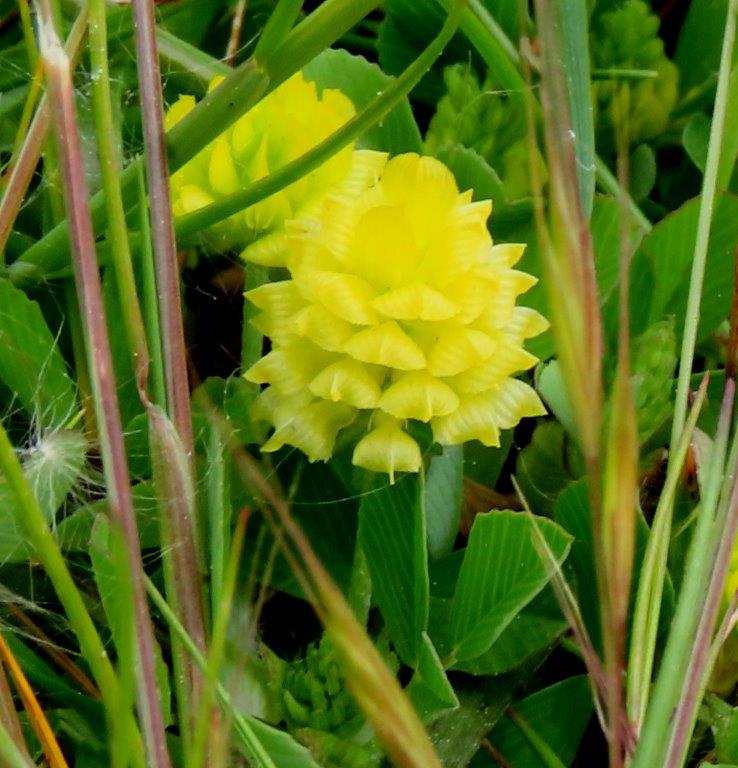
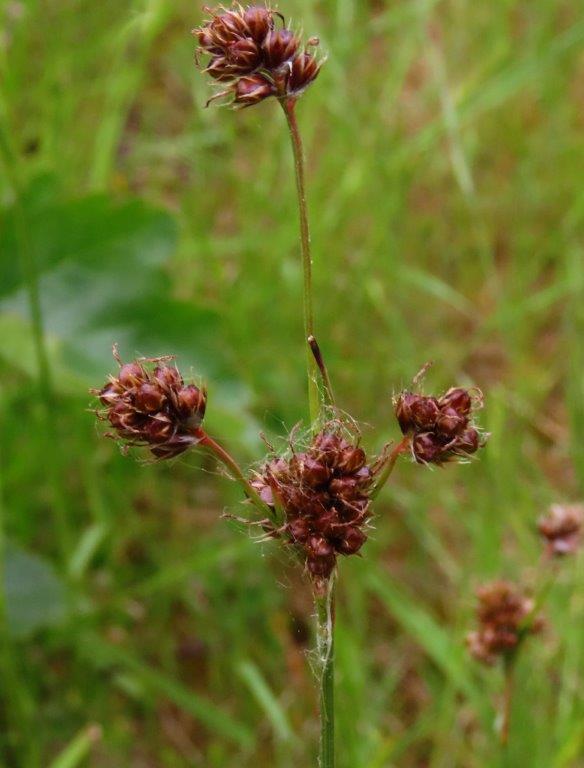
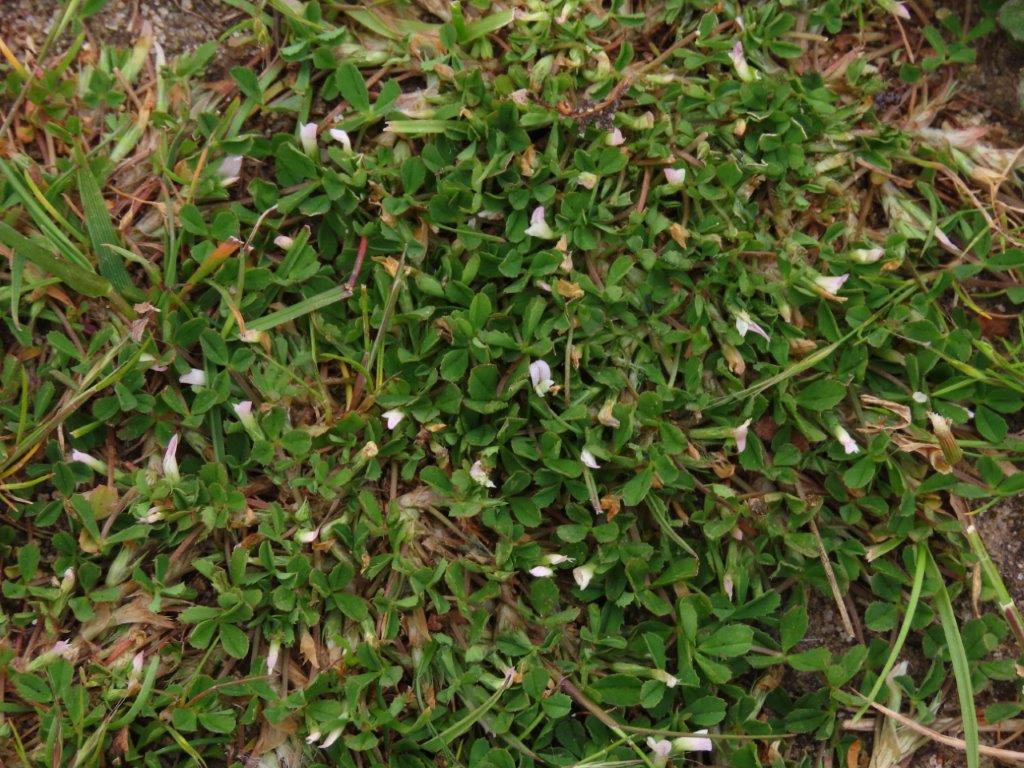
Our afternoon took us from the coastal plain to the heights of the Essex Alps. This shift from clay to gravel introduced a whole lot more plants, including Hop Trefoil, Slender Thistle,  Heath Woodrush and Bird’s-foot Clover.

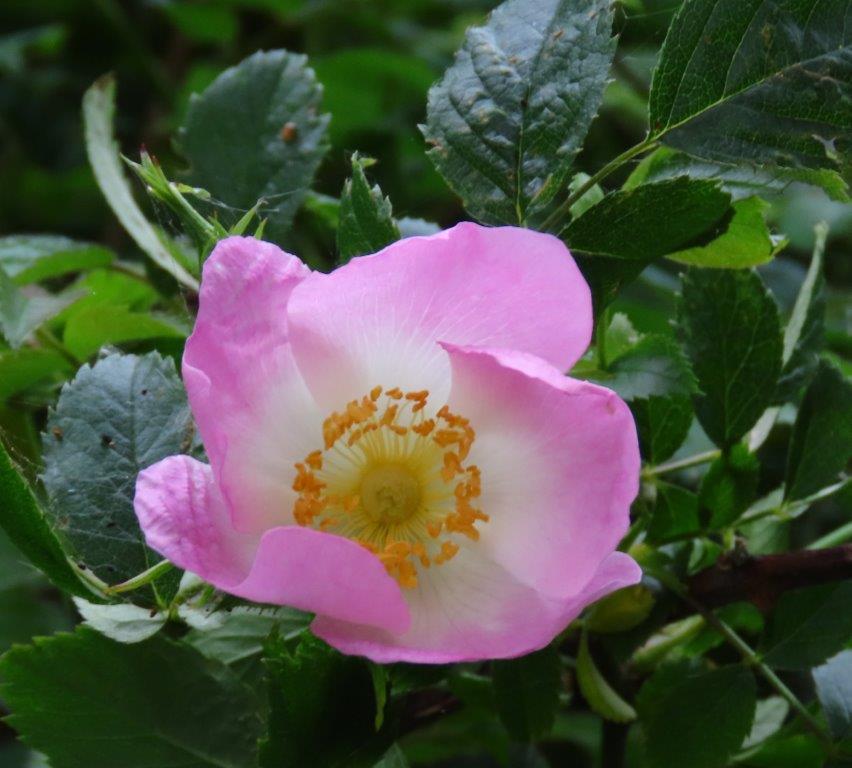
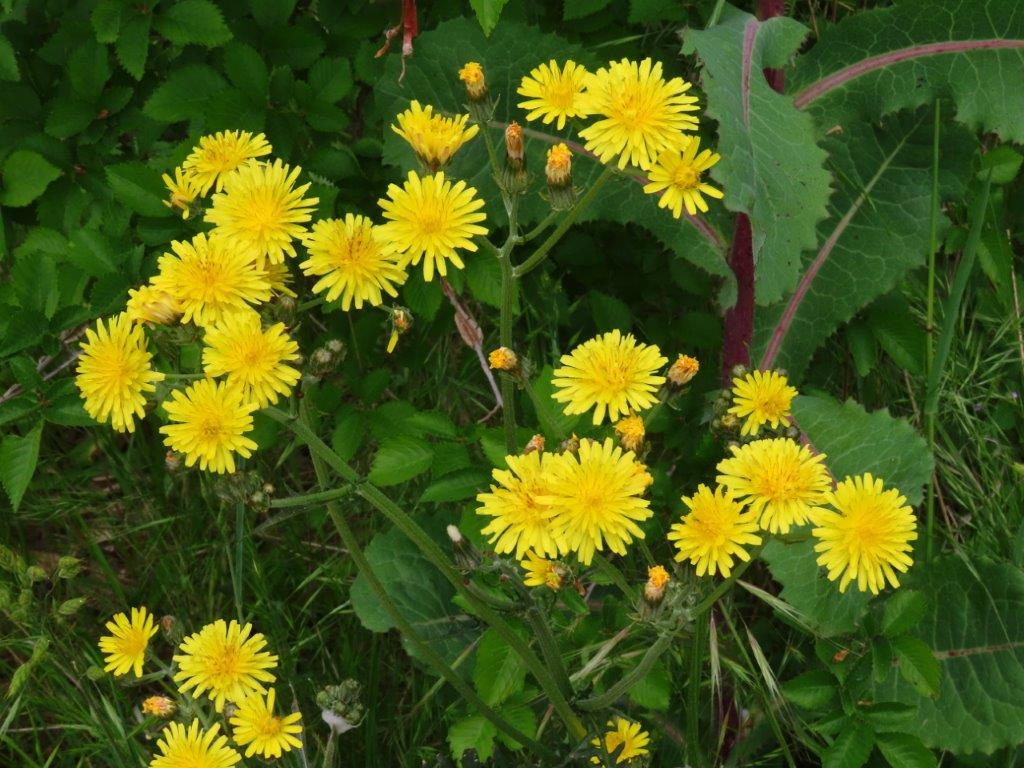
Dog Rose is just coming into glorious flower, while Beaked Hawk’s-beard was doing the heavy lifting of feeding the (few) insects flying around…

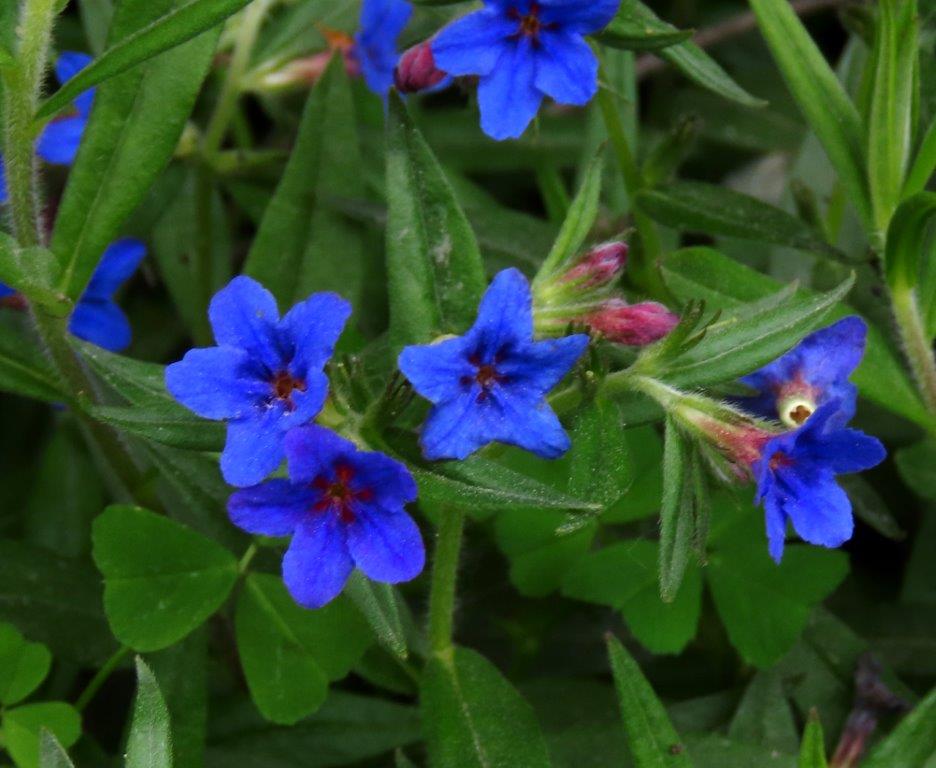
…while Purple Gromwell is now at its absolute peak along Cutthroat Lane.

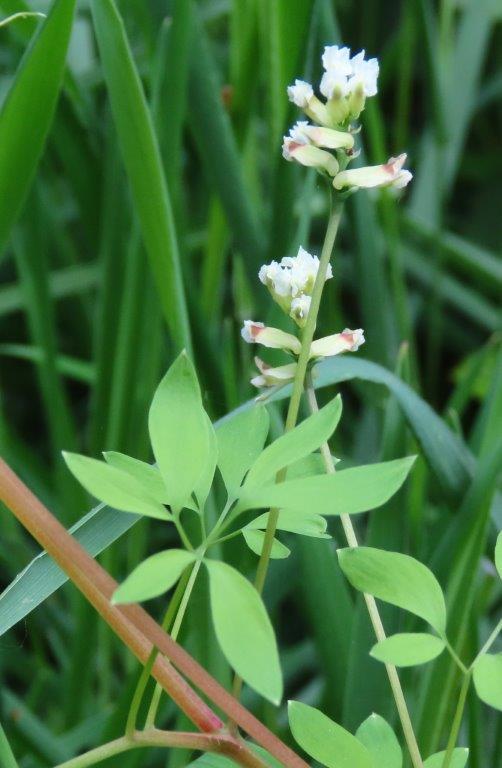
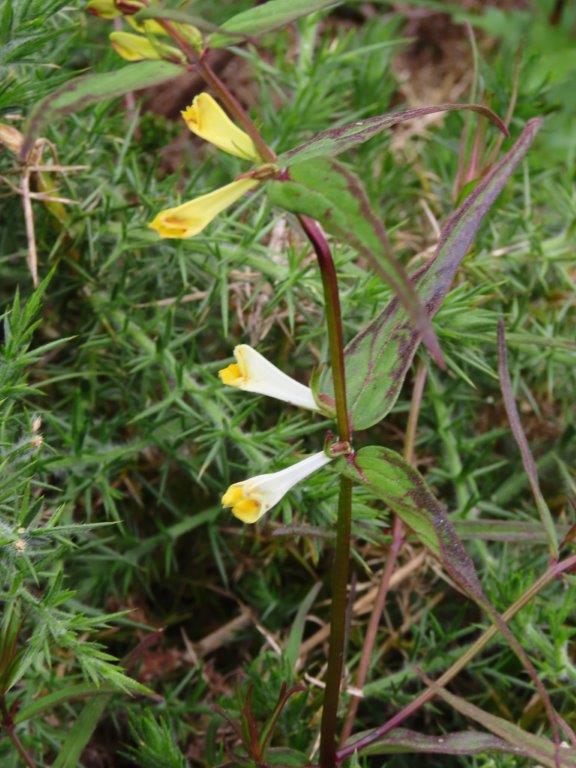
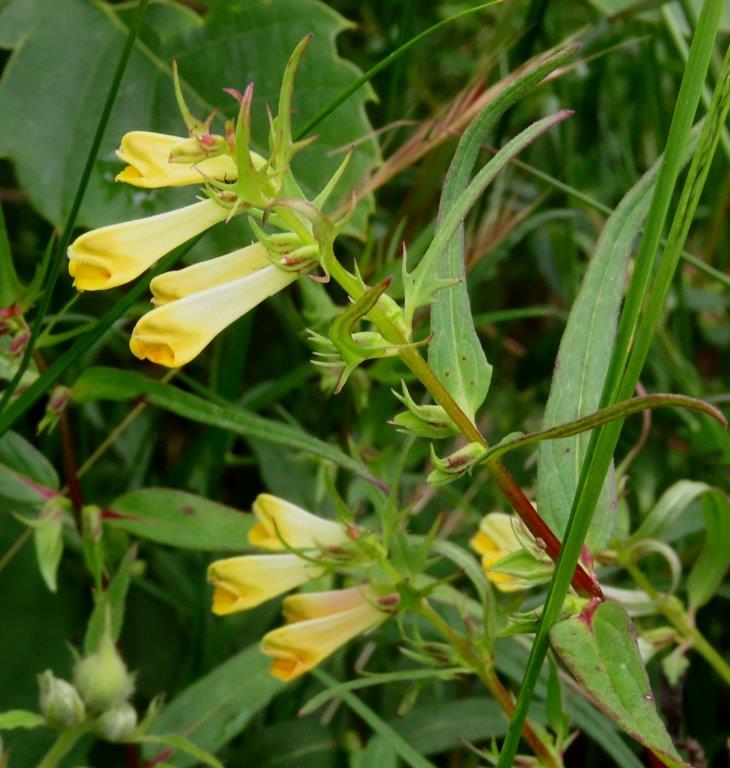
Moving into the ancient woods of Cockaynes Reserve, a whole new suite of plants appeared, including Climbing Corydalis, Pignut and Common Cow-wheat, all very scarce in these parts.

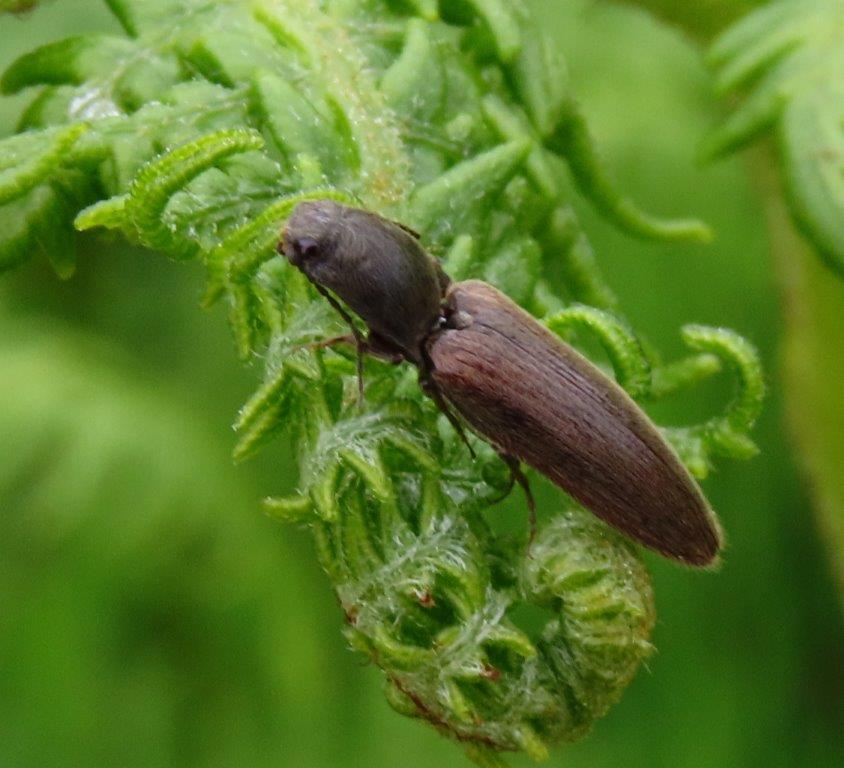
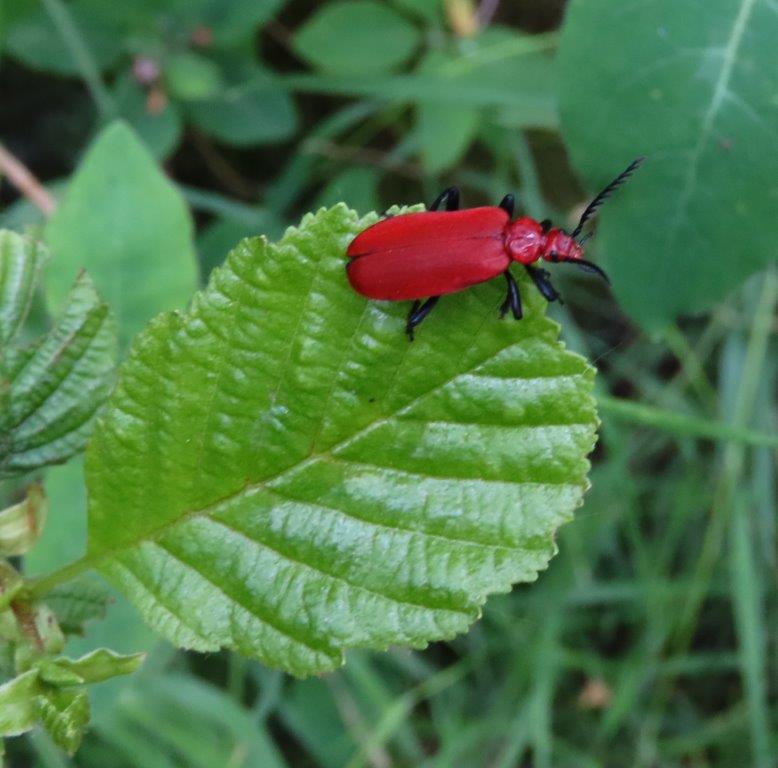
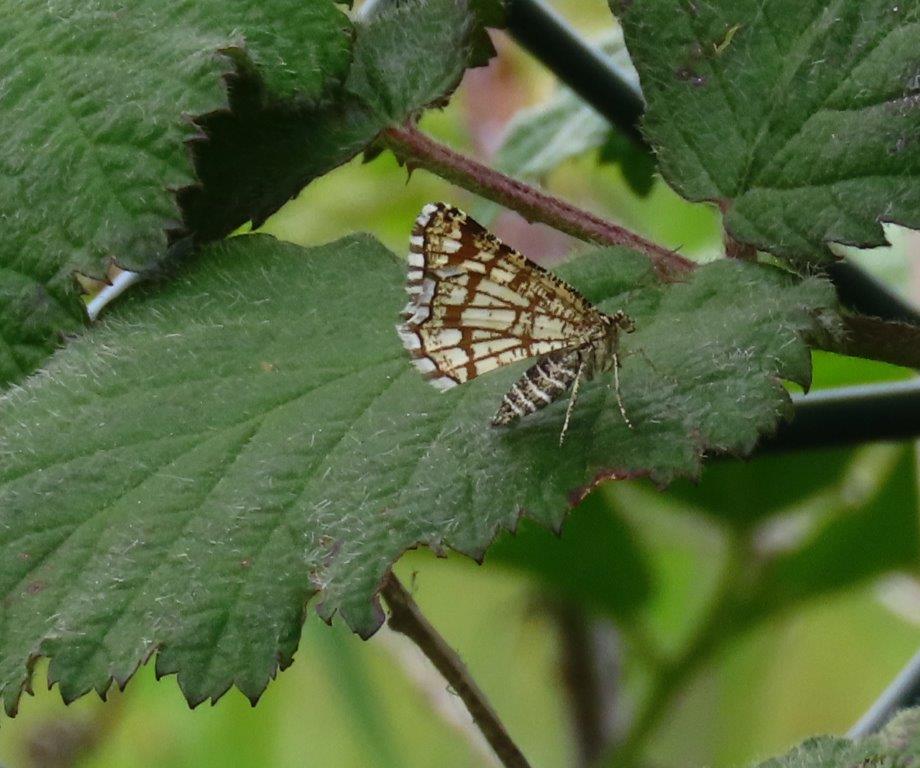
So what of the insects? Well, as is sadly the new normal, rather few. A few soldier- and click-beetles, a Red-headed Cardinal-beetle, Brown-tailed Moth caterpillars and a Latticed Heath moth were just about all we could muster.

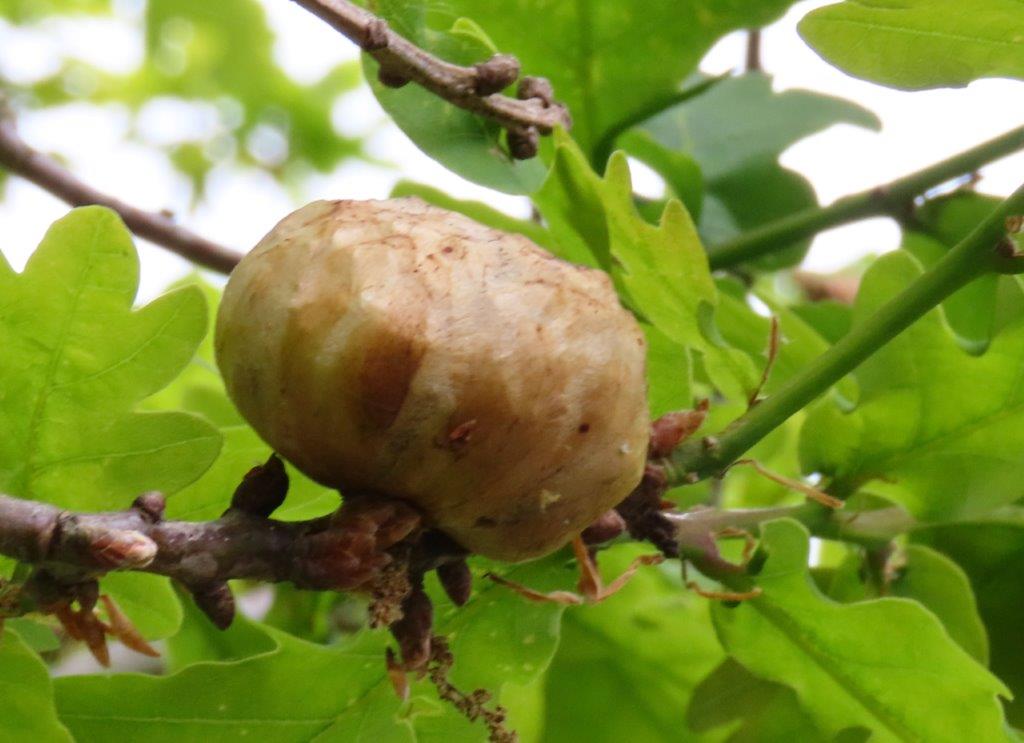
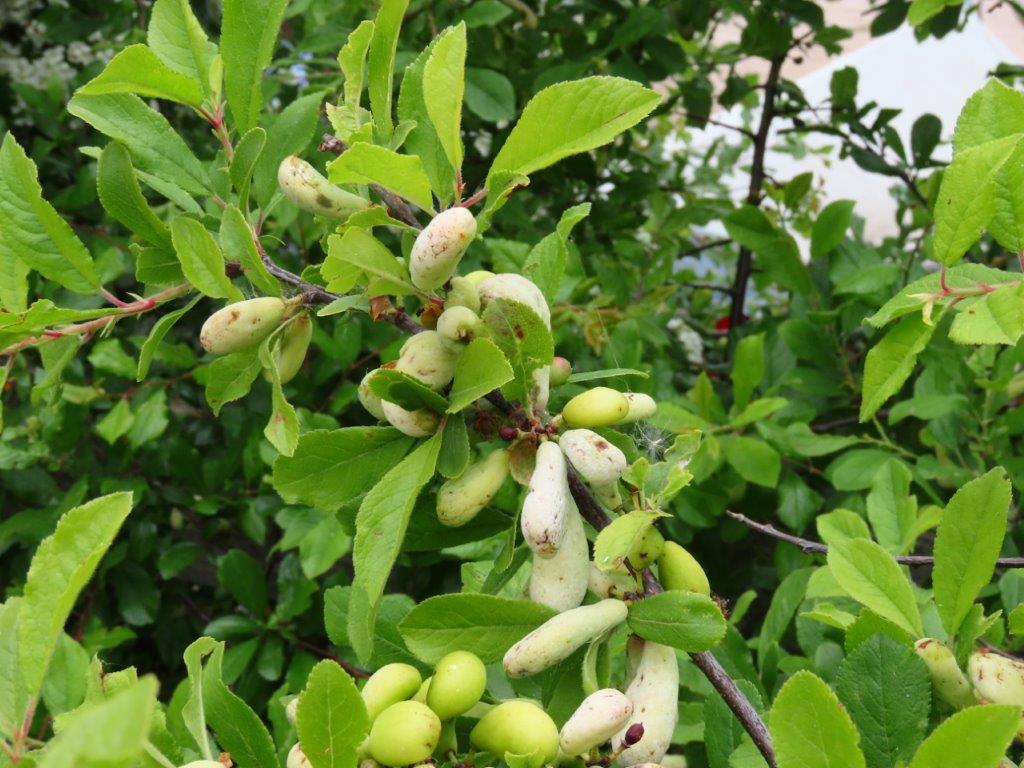
Apart from all that, several galls, including Oak-apples and Sloe Pocket-plums, and a patch of the Grass-choke fungus all added interest to a lovely, diverse day out.

But as an uneasy coda, just one butterfly (a Small Heath) and not a single dragonfly or damselfly. Yes, the cool breeze,  the late Spring and last year’s extreme drought and unprecedented temperatures must take some of the blame, but I cannot help fear that we are heading for the Silent Summer, the result of our unsustainable impact upon our world. Our only world.

Cockaynes Reserve : Spring nudges in…

The birdsong! My first Nightingales, Whitethroats and Reed Warblers competing for earspace with Blackcaps, Chiffchaffs and Cetti’s Warblers provided a lovely, constant backdrop to a sunny morning round Cockaynes Reserve.

But the wind still chilled, a north-easterly flow keeping temperatures down and holding back the Spring yet further in what is already a tardy season. Nevertheless, the trees and shrubs are bursting into flower and leaf:

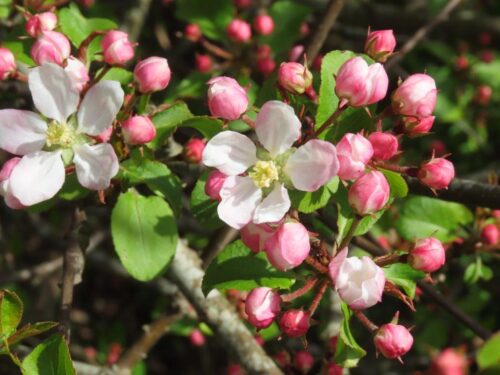
… but my favourite Crab Apple, ever the indicator, still in tight bud. Compare that with the same tree, the same date, a year ago…

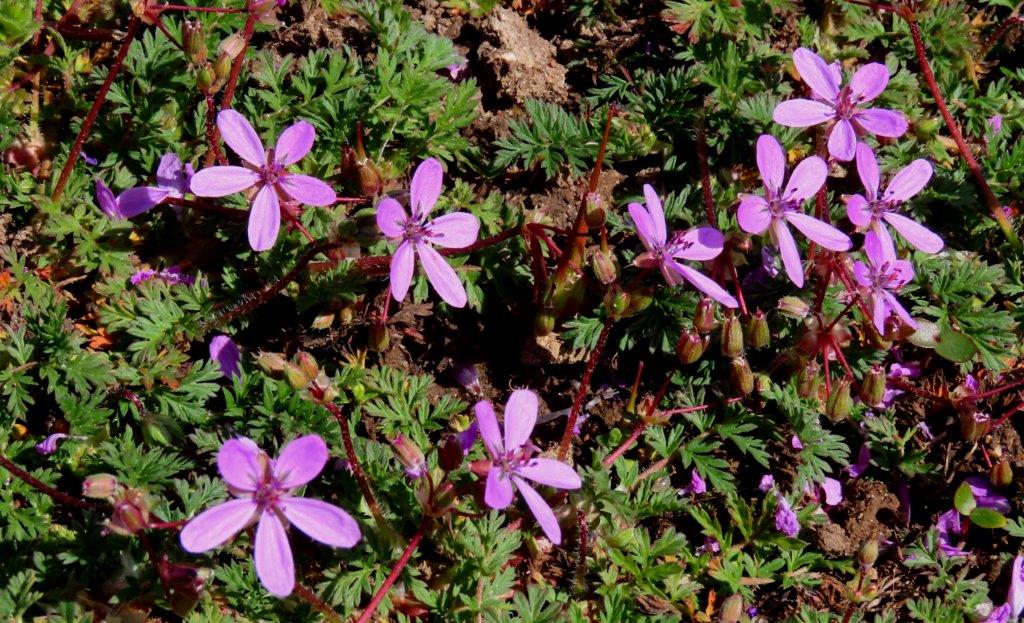
Out in the open and round the pits, there was insect activity in the more sheltered spots (thank goodness for Gorse!), with splashes of coral pink Common Stork’s-bill marking the numerous Rabbit latrines.

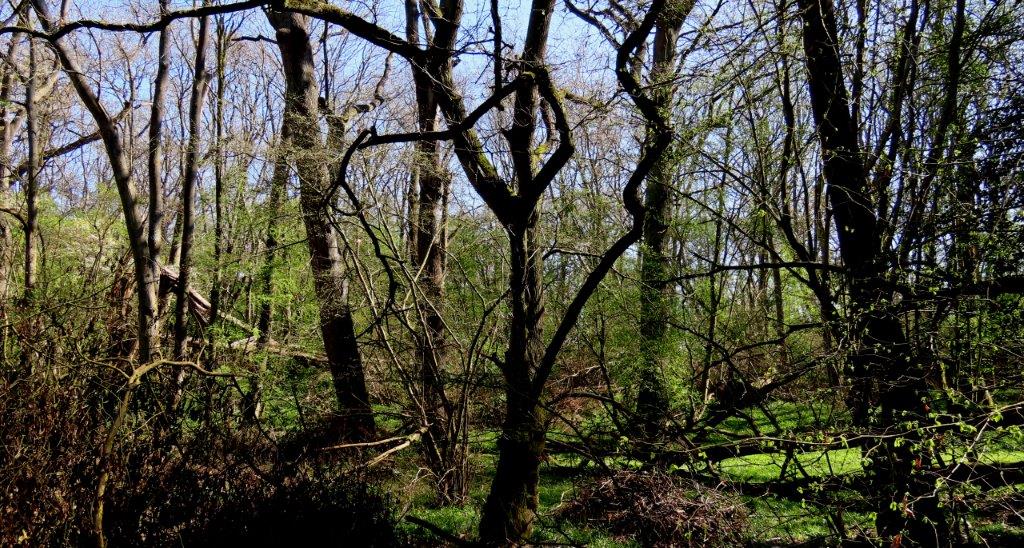
… while deep in Villa Wood, flowers of white, yellow and green created a muted palette, pinpricked with the last Scarlet Elf-cups, and awaiting the budburst of  Bluebells. It may be slow but the gears of the season are slowly turning!

Cockaynes Reserve: Spring awakenings

Winter – a time of rest, recycling and renewal in Nature. And so it was on this lovely sunny January day in Cockaynes Reserve.

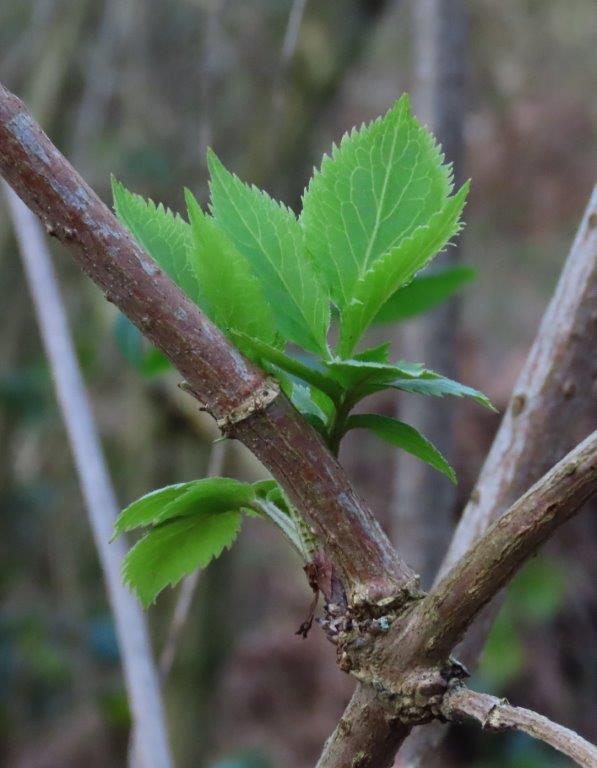
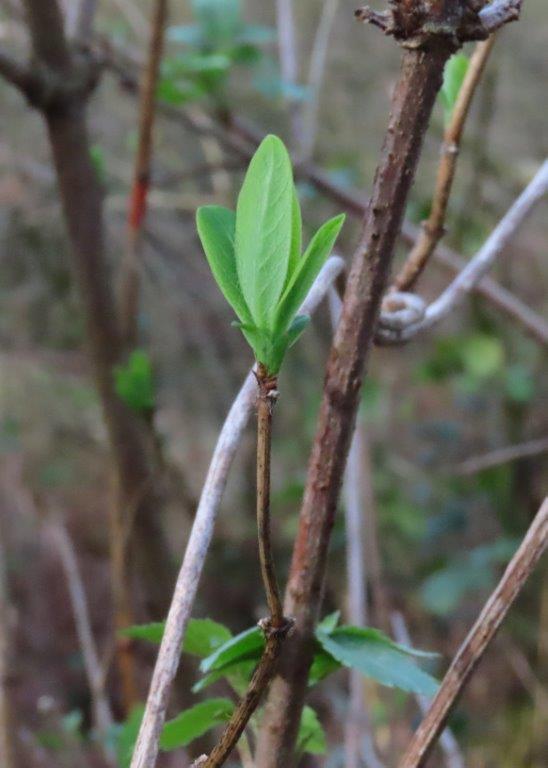
From Turkey-tails to King Alfred’s Cakes and  all manner of microfungi, before the canopy closes and plants take over, fungi are out there doing their work, breaking down wood and leaves into nutrients that are recycled into new growth. And it is working! Always first from the starting blocks, Honeysuckle and Elder shoots are bursting…

… the new leaves of Wild Arum and Bluebell are spearing up from the leaf-mould….

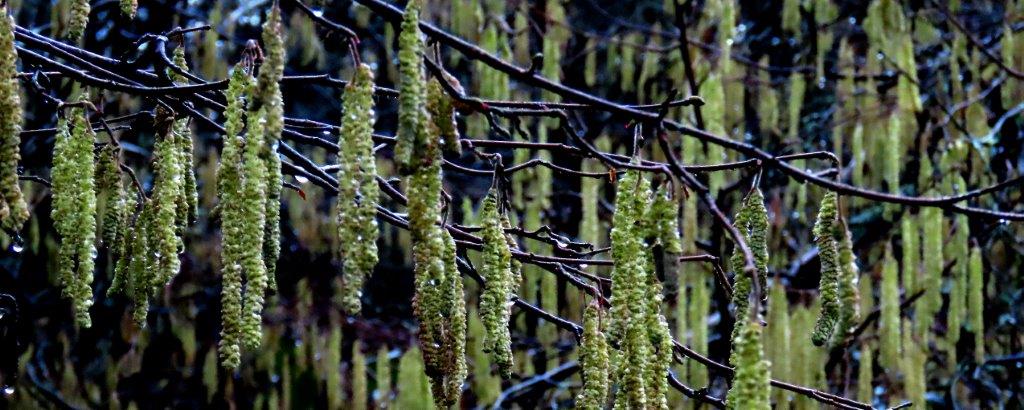
… Hazel and Alder catkins are elongating, and the male flowers of Hazel at least are fully open.

Out on the heath, Reindeer Lichens and Juniper Haircap mosses are now showing at their best, their domain free from the distractions of flowers at least for the next month:

And as ever, Gorse is blooming. The dense, spiky foliage is always a good place to search for insects, and in the sunshine, they were beginning to show – here 7-spot Ladybirds and a Cinnamon Bug.

Yes, Spring really is just around the corner…!

#WildEssex charity walk to Alresford and Cockaynes Reserve

Thank you to you all for joining us today on our inaugural Charity Picnic in aid of our chosen charity Buglife.  The weather played ball – not too hot/cold/wet/windy – but a nice combination of all.  Perfect walking and chatting weather in fact.

From the beautiful Wivenhoe estuary we walked up to Alresford Old Church, where we sat and ate our picnic lunches.   A pit stop at The Pointer followed, then stroll back to Wivenhoe via Cockaynes Reserve.

Not too many words about what we saw: suffice to say plenty of birds…

… lots of flowers…

… and of course an array of insects and other invertebrates, as befits our charitable donation. The little things that help the world go round!

We are grateful to you all for the donations – £110 raised – and to Emily especially for manning the ‘rubbish bag’ for collecting unsavoury objects en route.

The Bounty of May in Cockaynes Reserve

It was a wonderful morning for a walk. The Cuckoos were calling and more Speckled Yellows were on the wing than I have ever seen before. The newly-minted wildlife was performing superbly, and the following is a selection of the pictures. Few words: just enjoy the bounty!

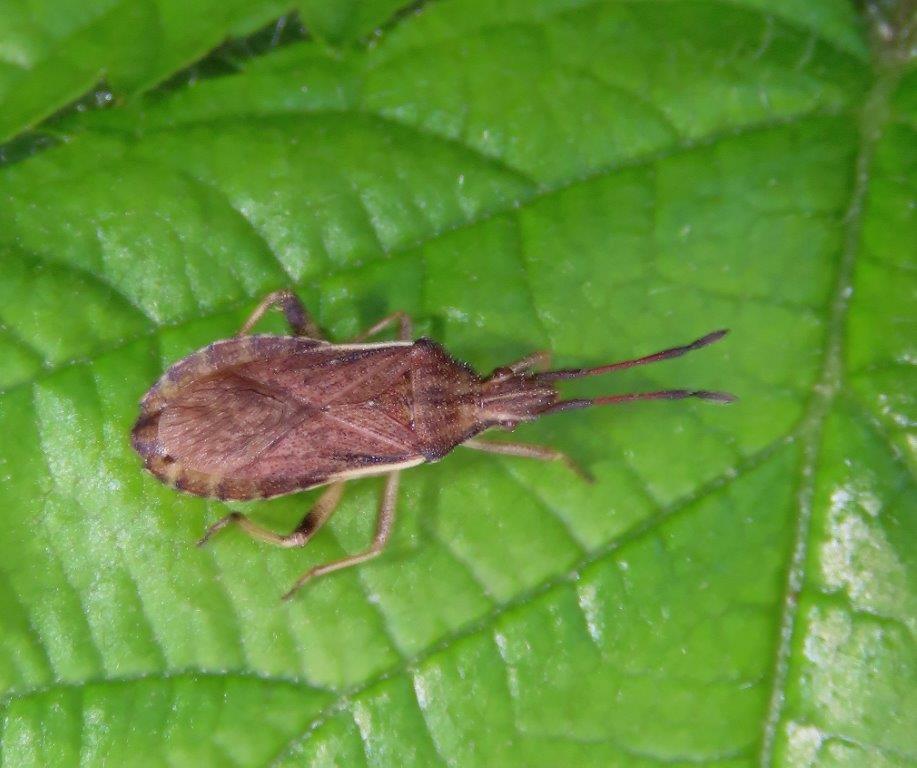
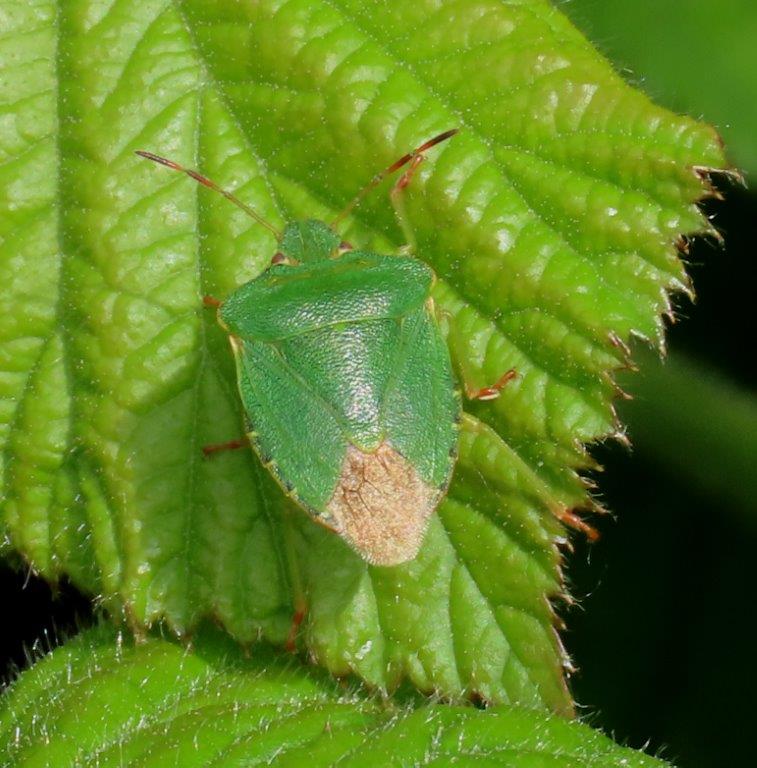
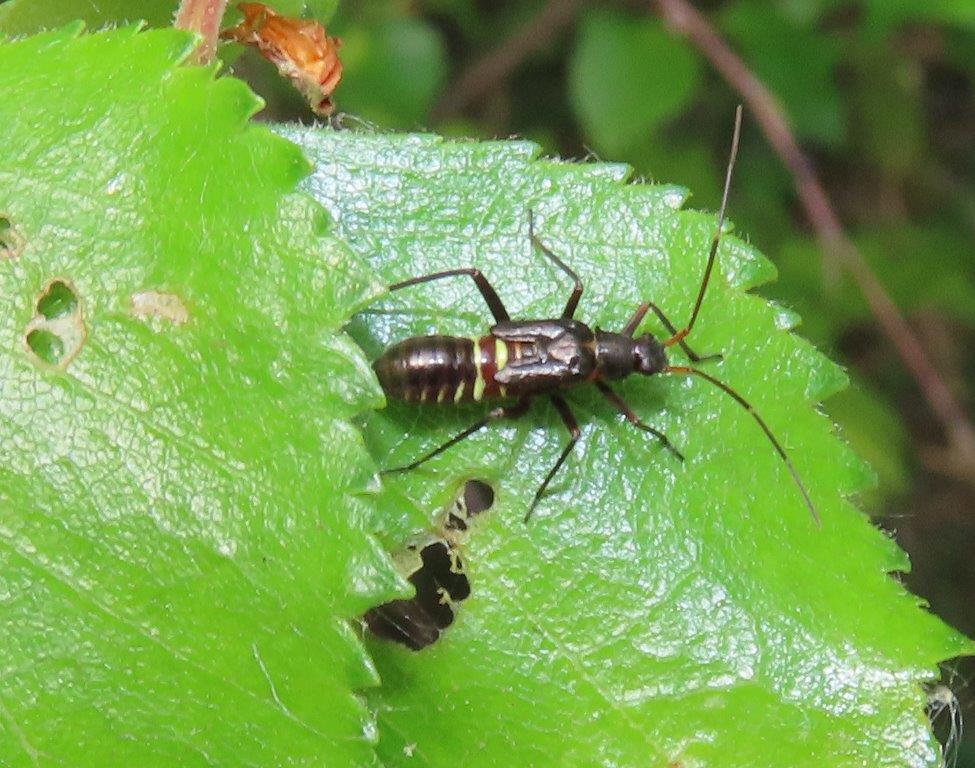
Best find of the day, however, deserves a mention: a Slender-horned Leatherbug, a species we have never seen before and a rather local insect of dry habitats in south-eastern England.

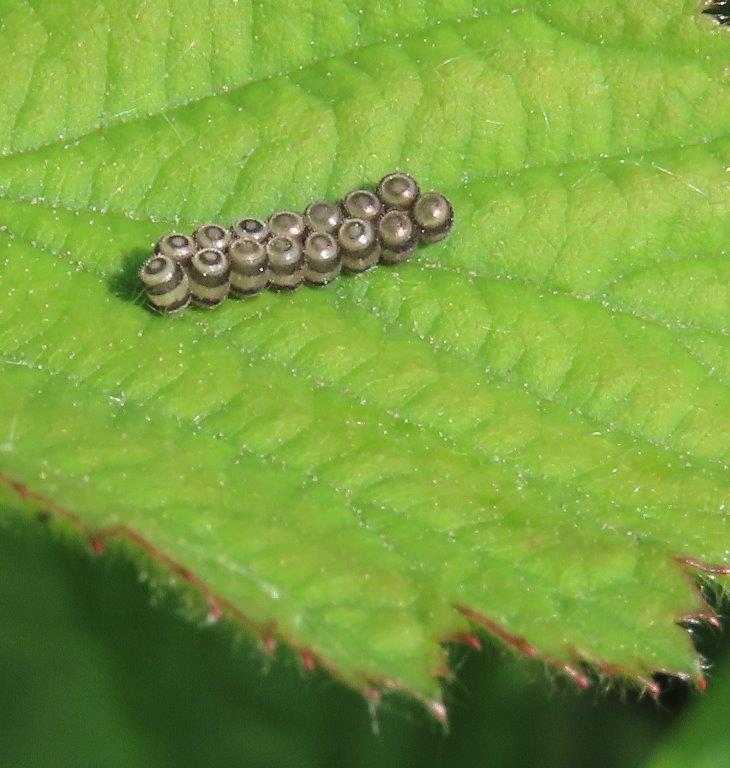
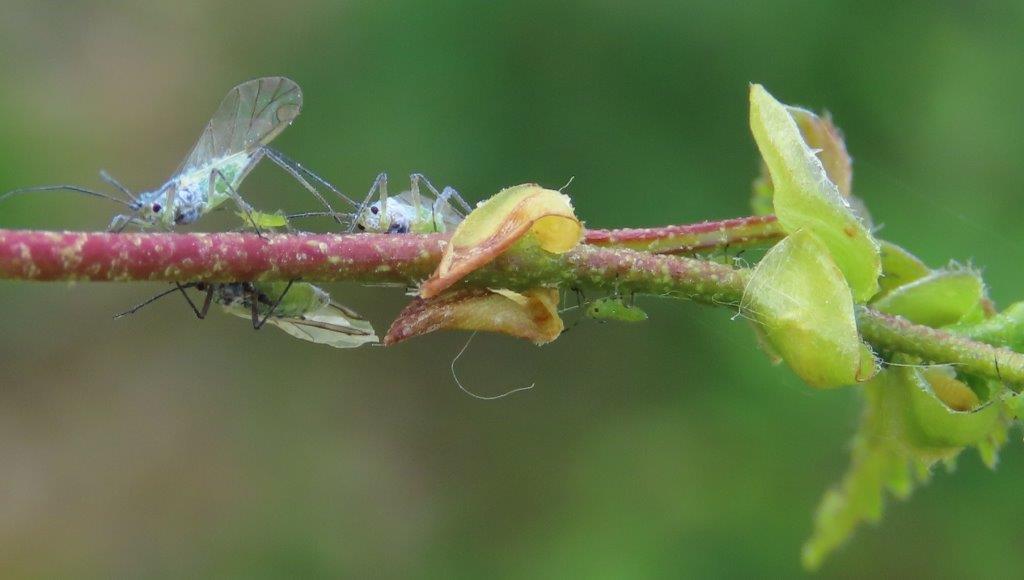
A selection of other bugs included the eggs of a Gorse Shield-bug and dancing Birch Aphids at the end of many twigs:

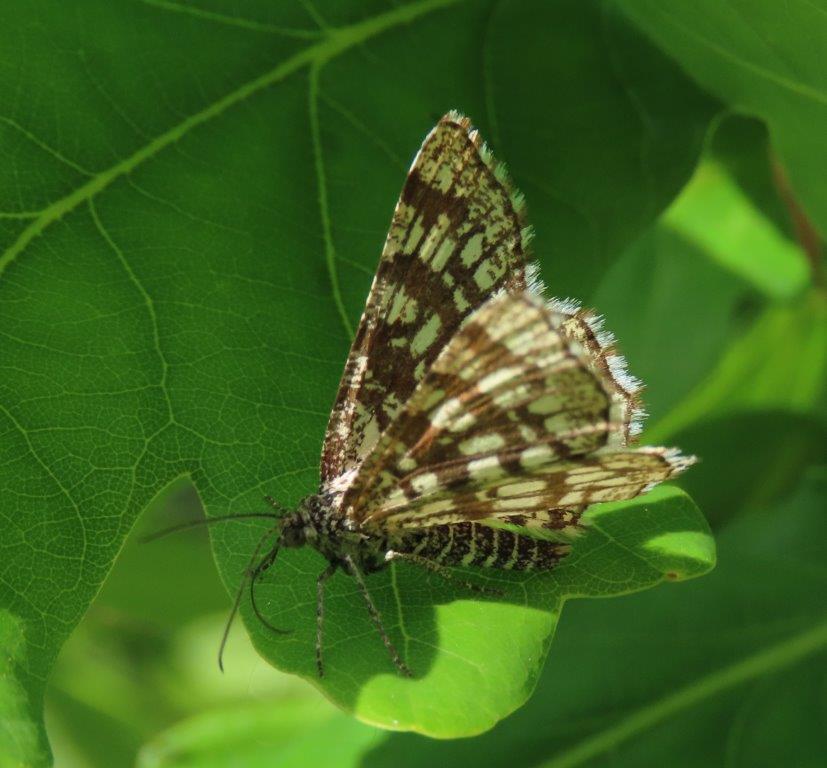
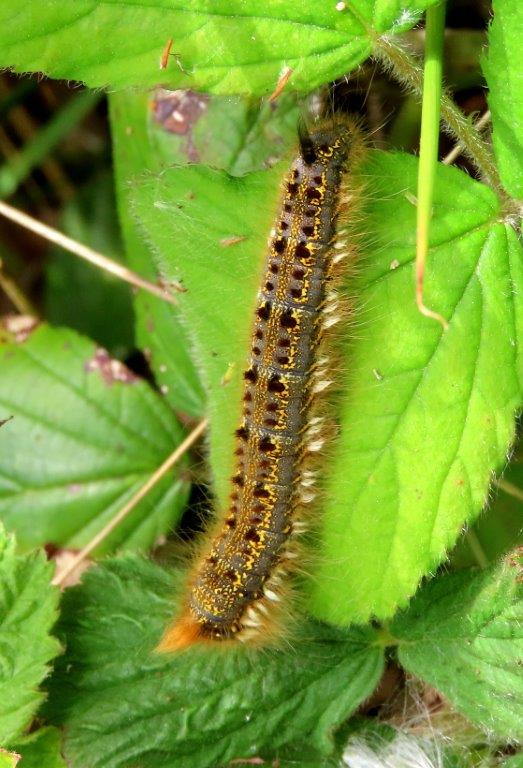
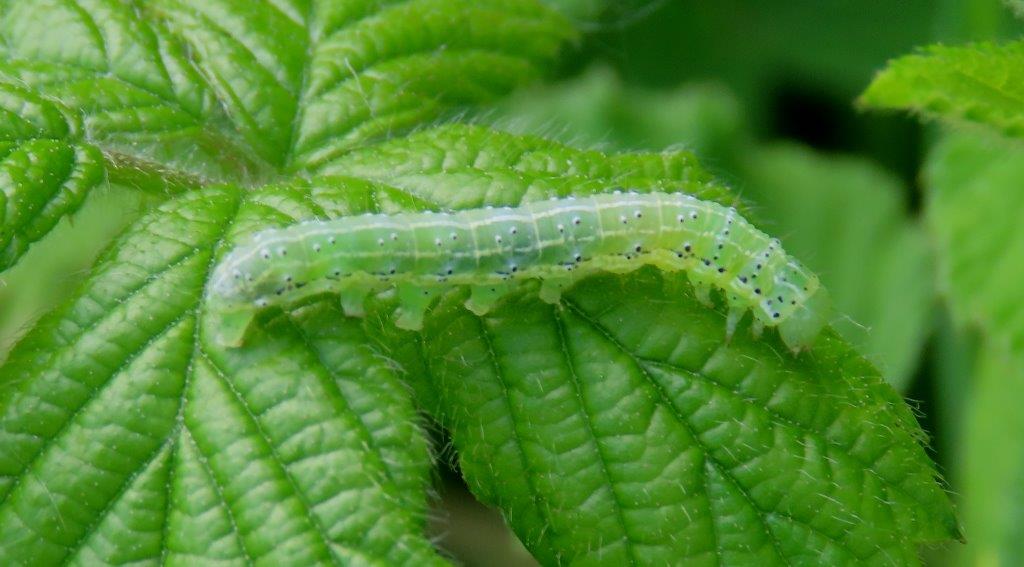
In addition to the flighty Speckled Yellows,  Latticed Heaths were on the wing, and the mass of munchers included Drinker, Lackey and Dunbar moths:

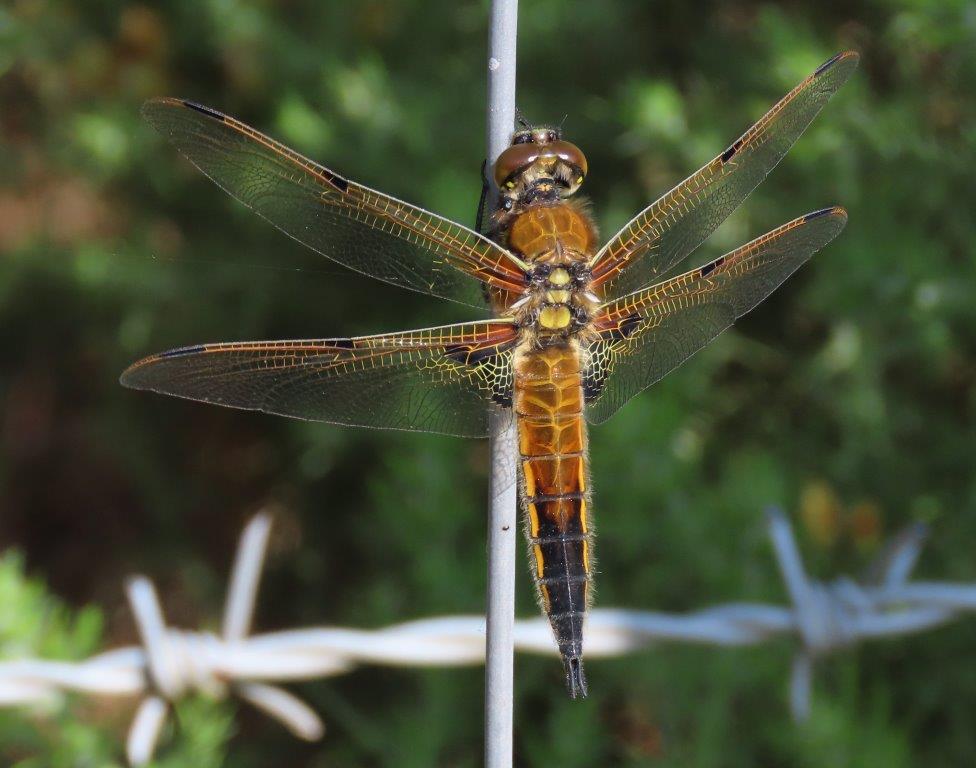
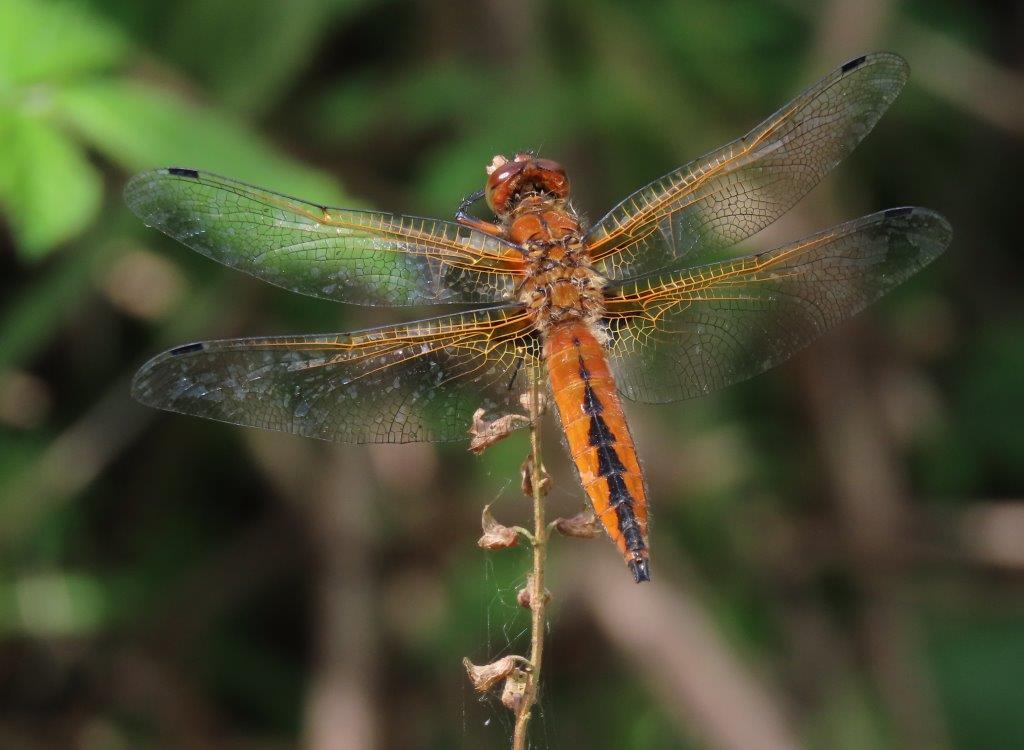
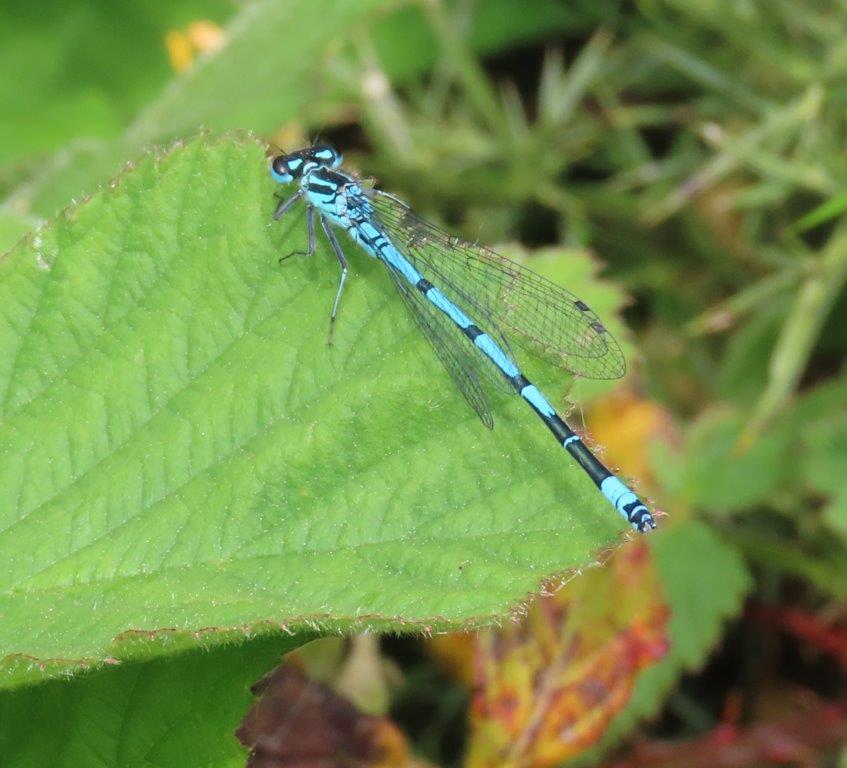
Fresh dragons and damsels were on the wing, at least six species in total:

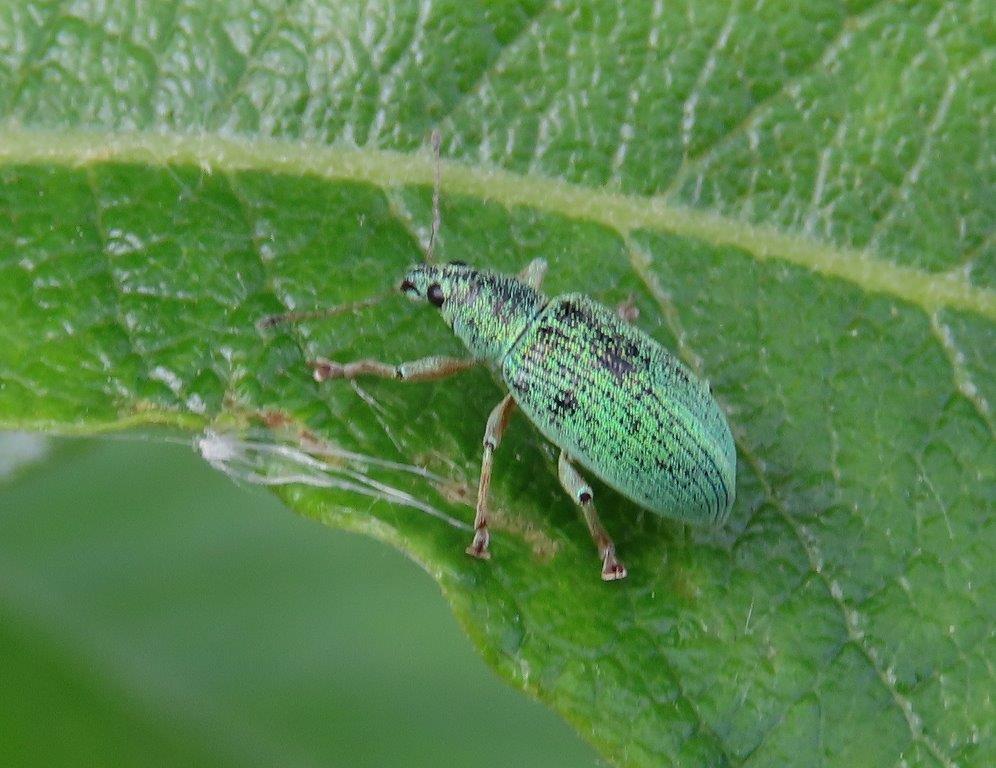
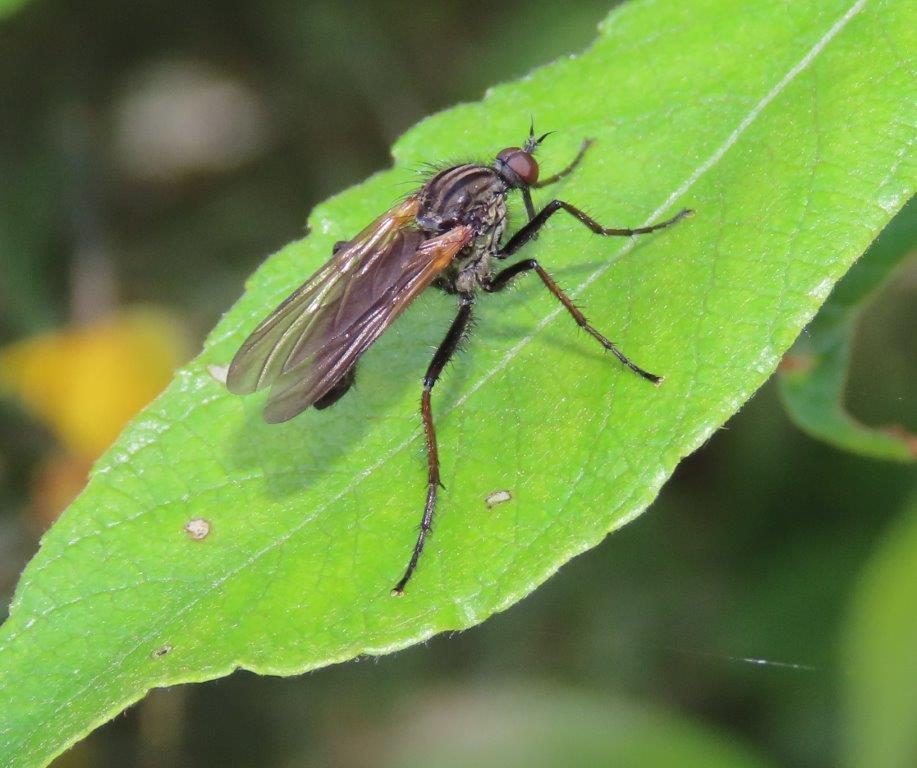
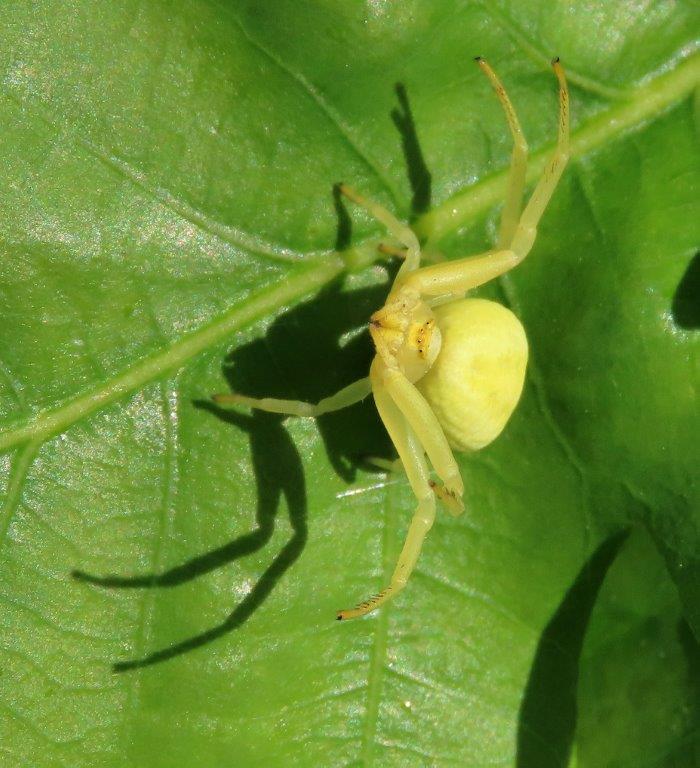
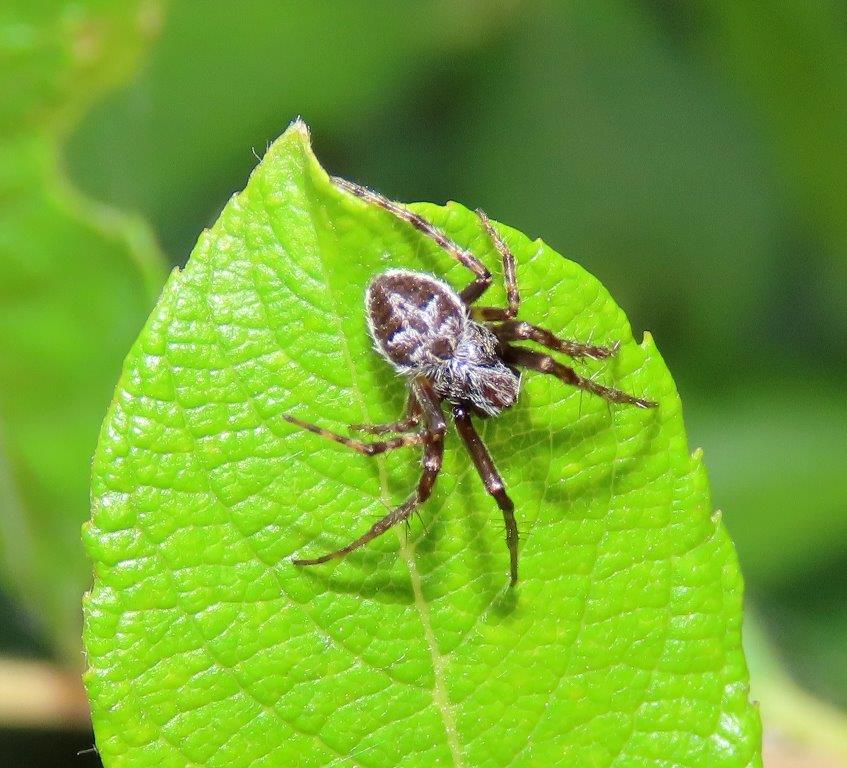
And on top of all that, a kaleidoscope of beetles, flies and spiders…

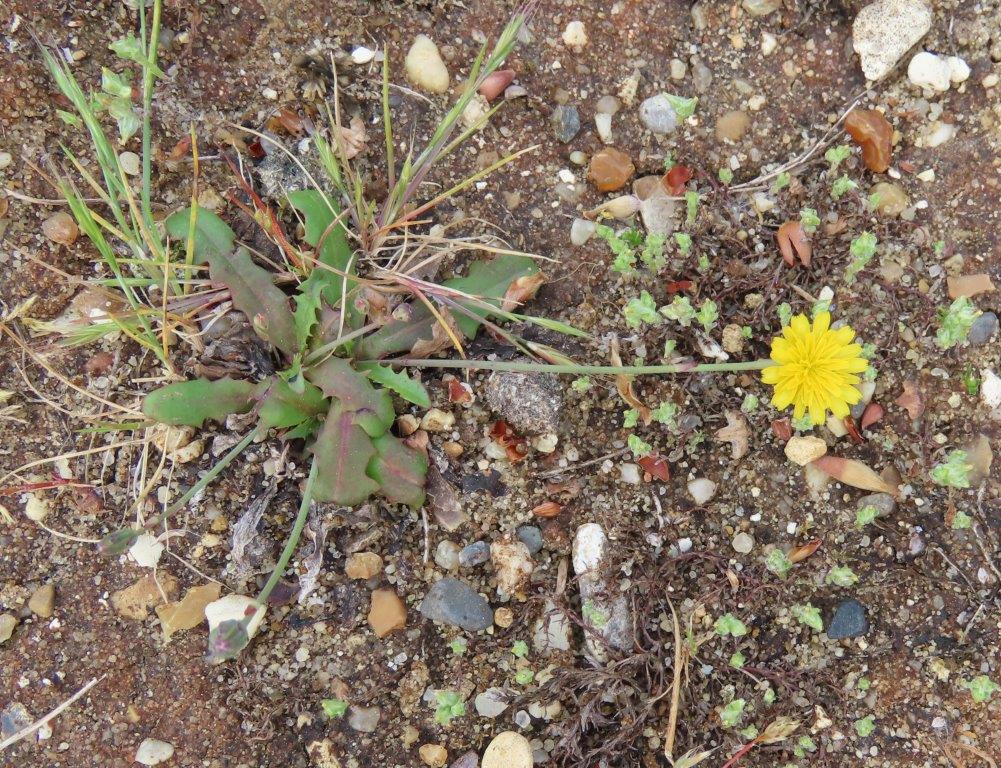
Not forgetting the mini delights of the flowers on the bare gravels, including Smooth Catsear (‘the smallest “dandelion” in the world’) at one of its very few Essex sites.

All in all, a May morning to remember.