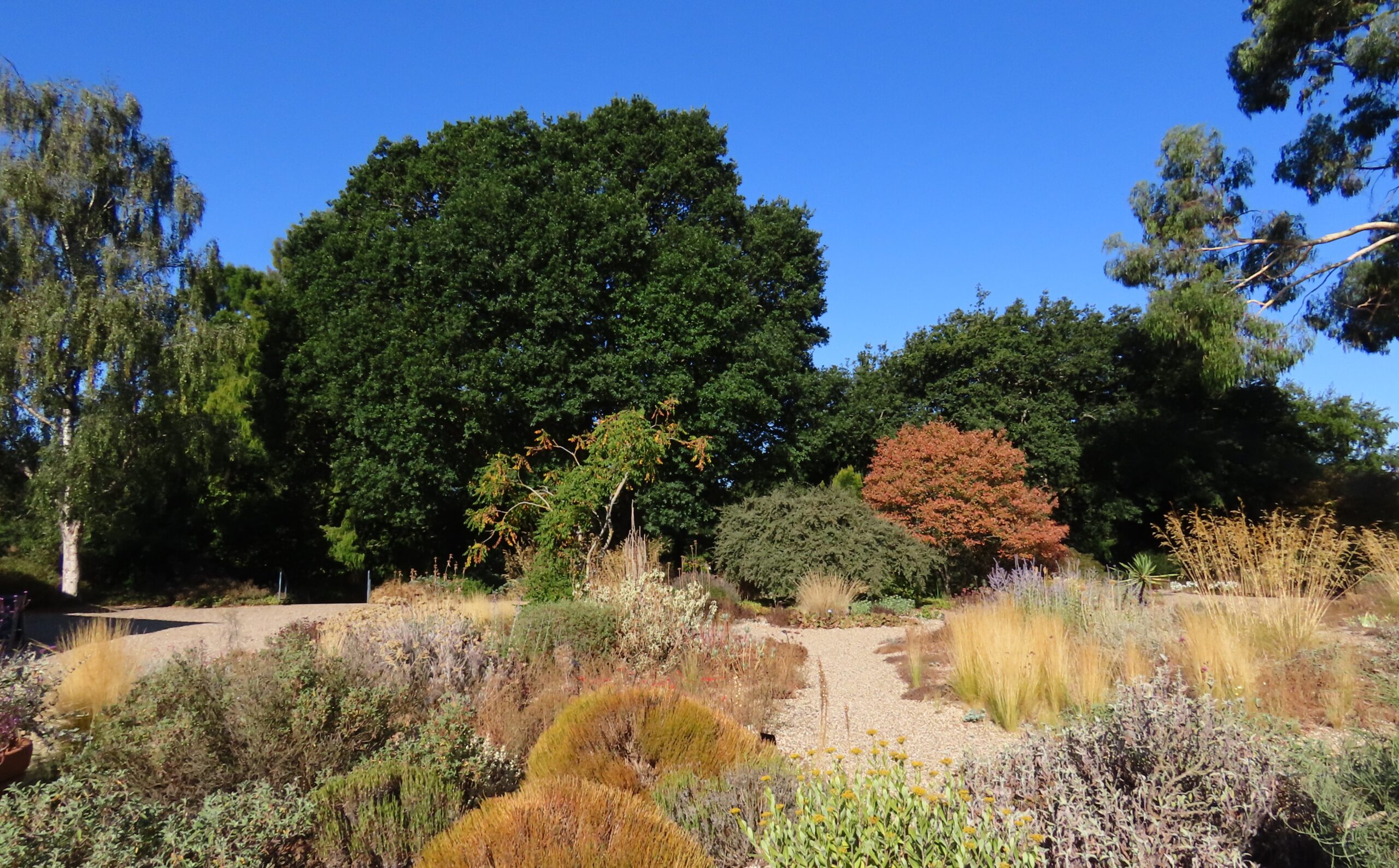
Two sets of WildSide walks this month, separated by two weeks, a fortnight that might just have seen the transition back to more normal weather. The first walks, in early August, were around a browned, crispy garden, where not a drop of rain had fallen for two months. Never before have I seen the water in the ponds without any flow between them: the spring-fed brook seemed dormant.
But clearly the garden was still producing insects. As I arrived early in the morning, feeding flocks of Swallows descended on it, a very reassuring sign that we are doing something (hopefully everything!) right. And a clear sign that autumn is upon us, an early autumn ushered in by drought, there were two Willow Warblers in subsong. Both these species are in freefall as breeding birds in Essex, Willow Warbler almost extinct, some of the losses we are seeing as a result of climate collapse, but their populations are at present maintained further north and those birds must pass through our skies on migration, so we can see places like ours as oases to enable them to migrate successfully. Although Willow Warbler undoubtedly bred with us in the past, this was my first definite record for the garden.
Two weeks later, the heatwave had broken. It had even rained, just a little, enough to freshen up the garden, start the process of regreening the lawns, if not dealing with the accumulated drought of the ages. The Swallows and Willow Warblers were still there, along with singing Chiffchaffs, rampaging family parties of Blue, Great and Long-tailed Tits, and Greenfinches feeding on seeds in the Reservoir Garden. To complete the woodland bird scene, there were Blackcaps, a couple of Treecreepers, and Great Spotted and Green Woodpeckers calling.
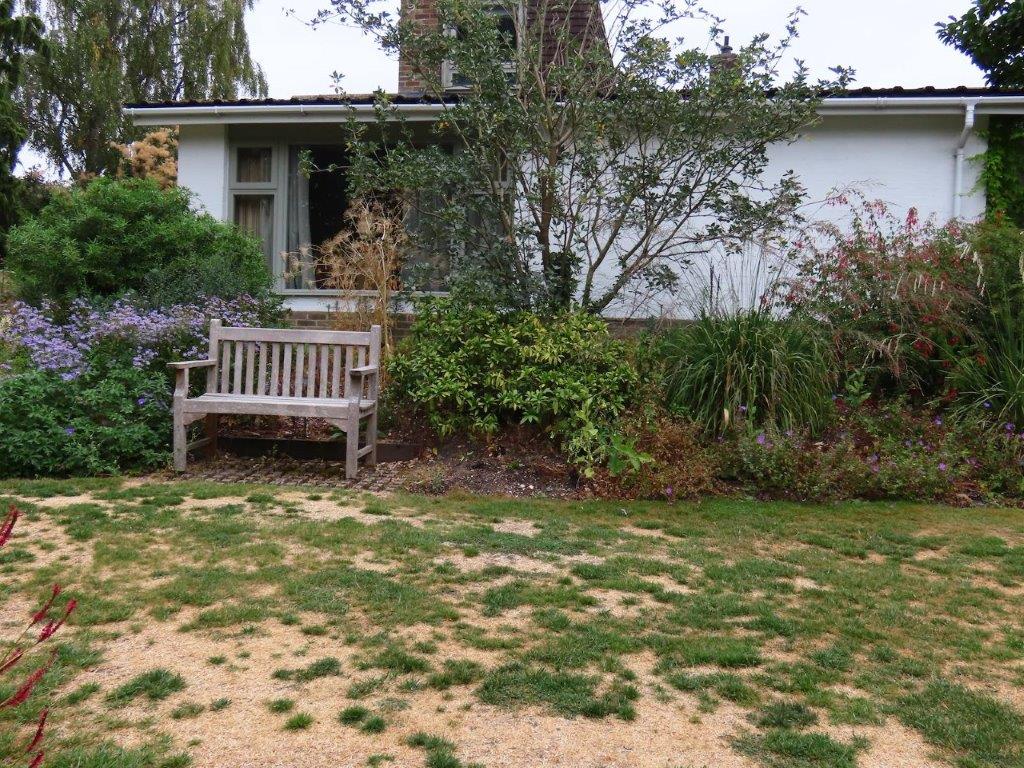
High summer is insect time. Usually. But the intense drought has made its presence known especially in the higher, drier parts of the garden. While hopefully we will not have lost many plants (if we have, we will take positive messages from it, and learn), certainly the floriferousness of the Gravel Garden, Scree Garden and Reservoir Garden is much lower than usual at this time of year.
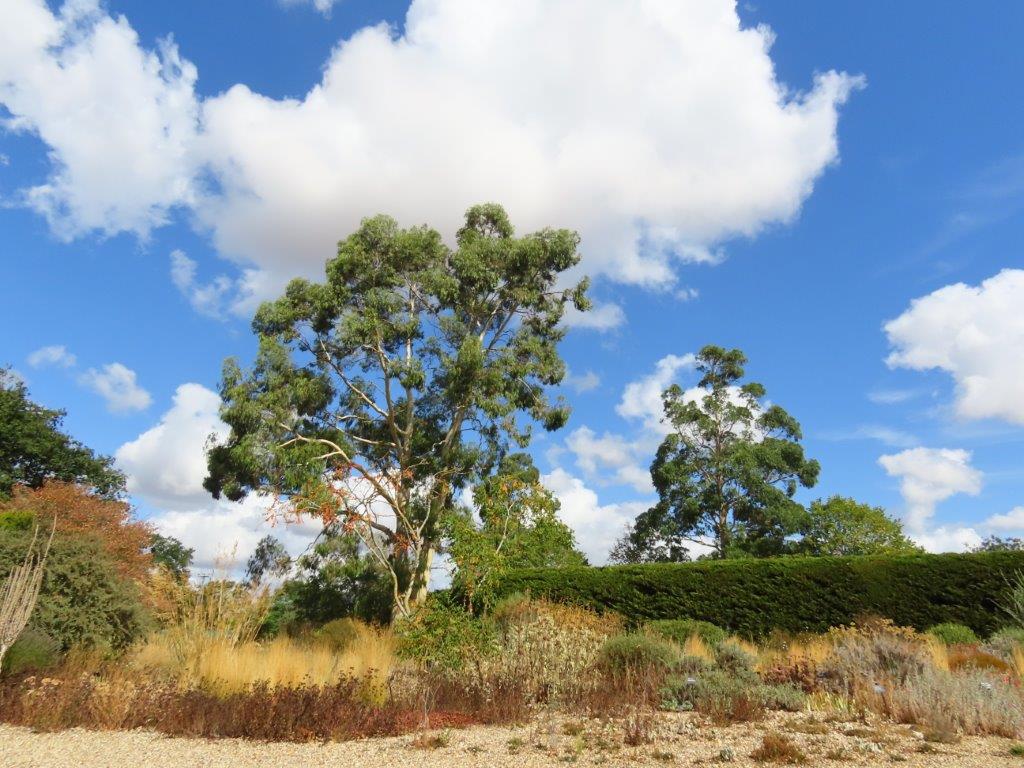
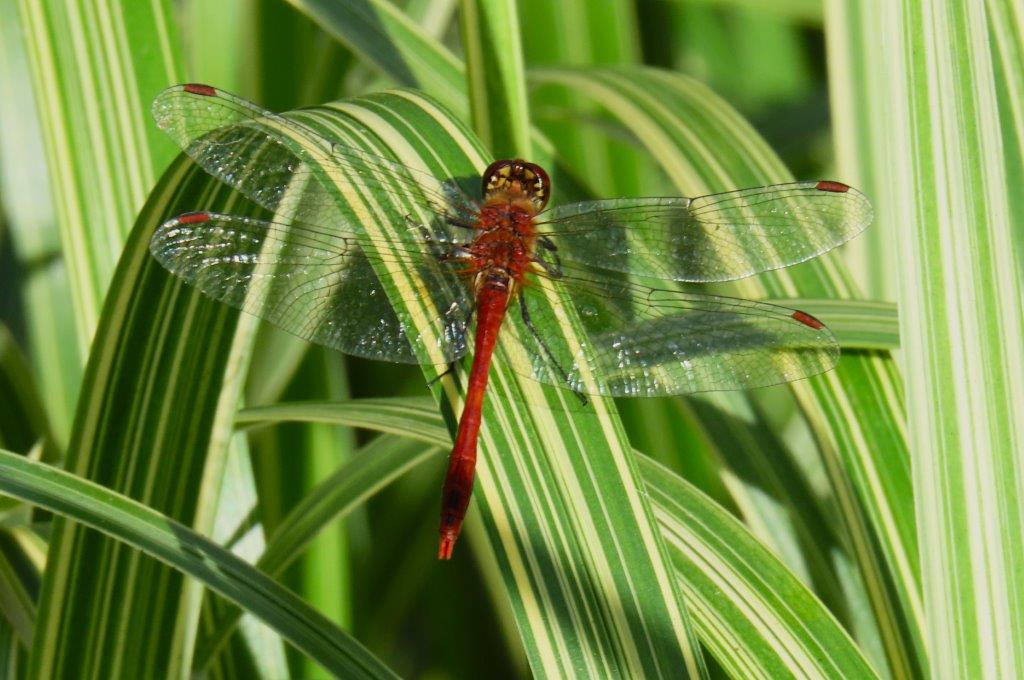
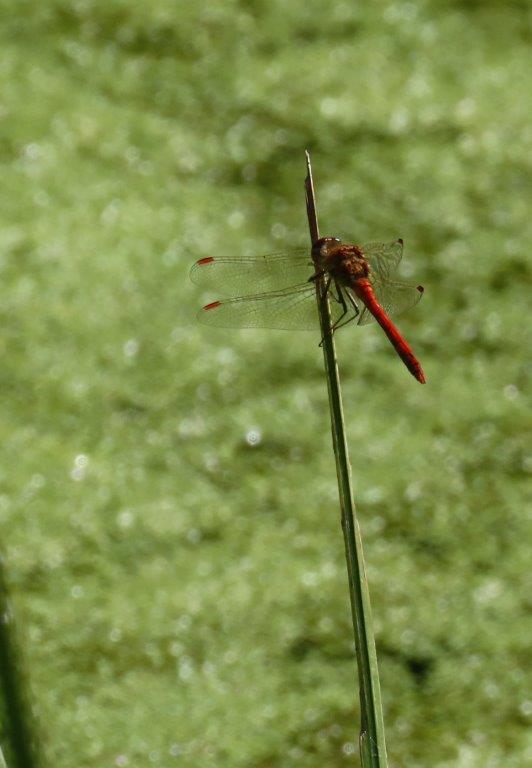
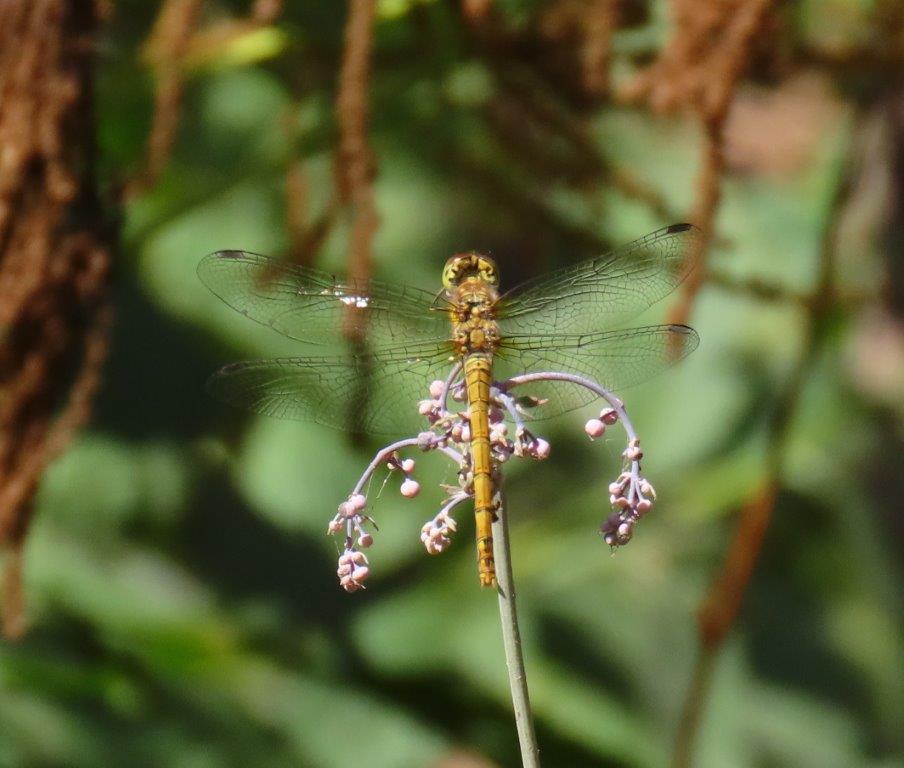
So the insect epicentre has shifted to the Water Garden. Especially around the ponds, there were Ruddy & Common Darters, Brown Hawkers and, during the later walks, Migrant Hawkers. Remarkably, of those that came close enough to be sure, more than a half of them were Southern Migrant Hawkers, a new arrival in the UK over the last two decades. We have only a couple of records previously.
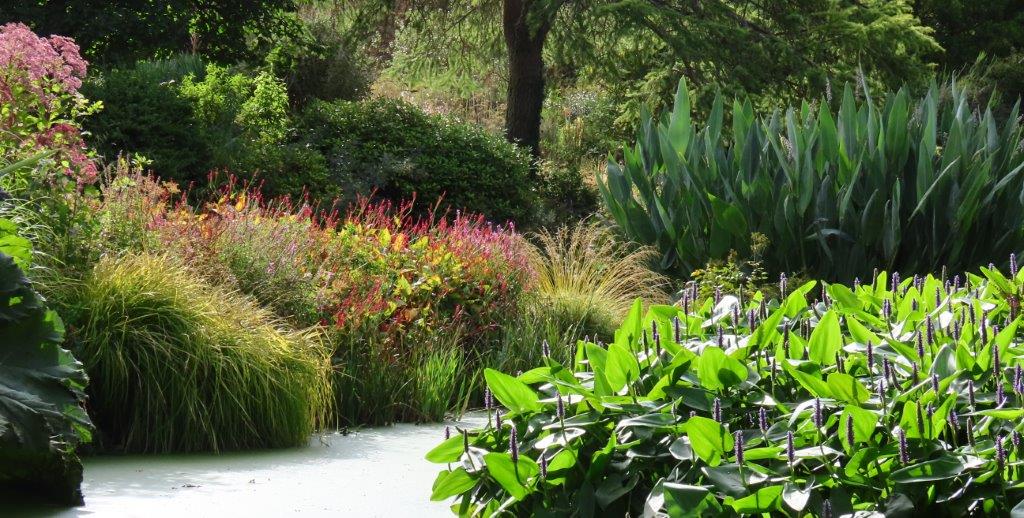
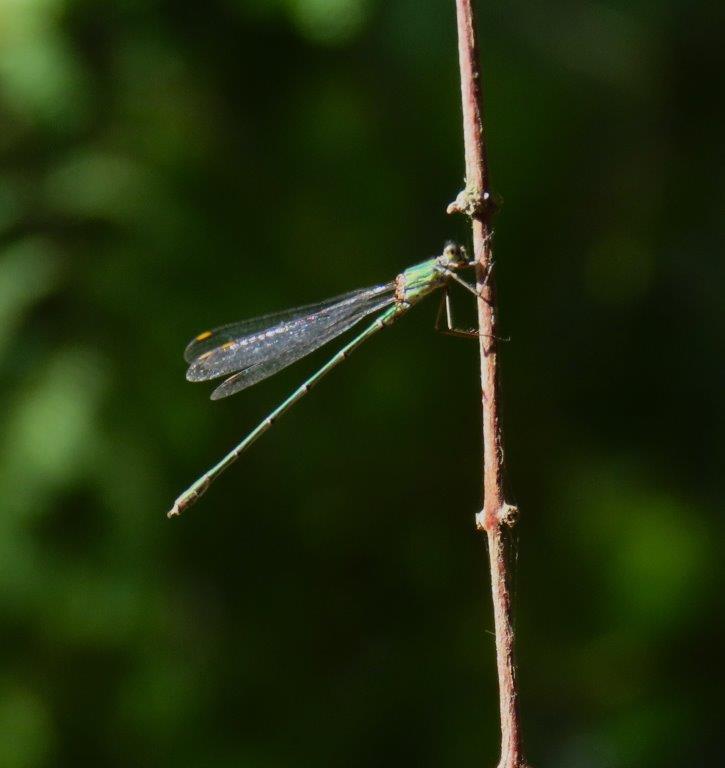
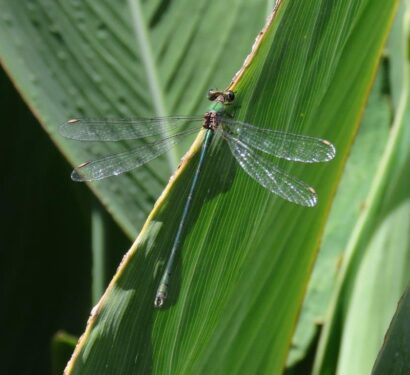
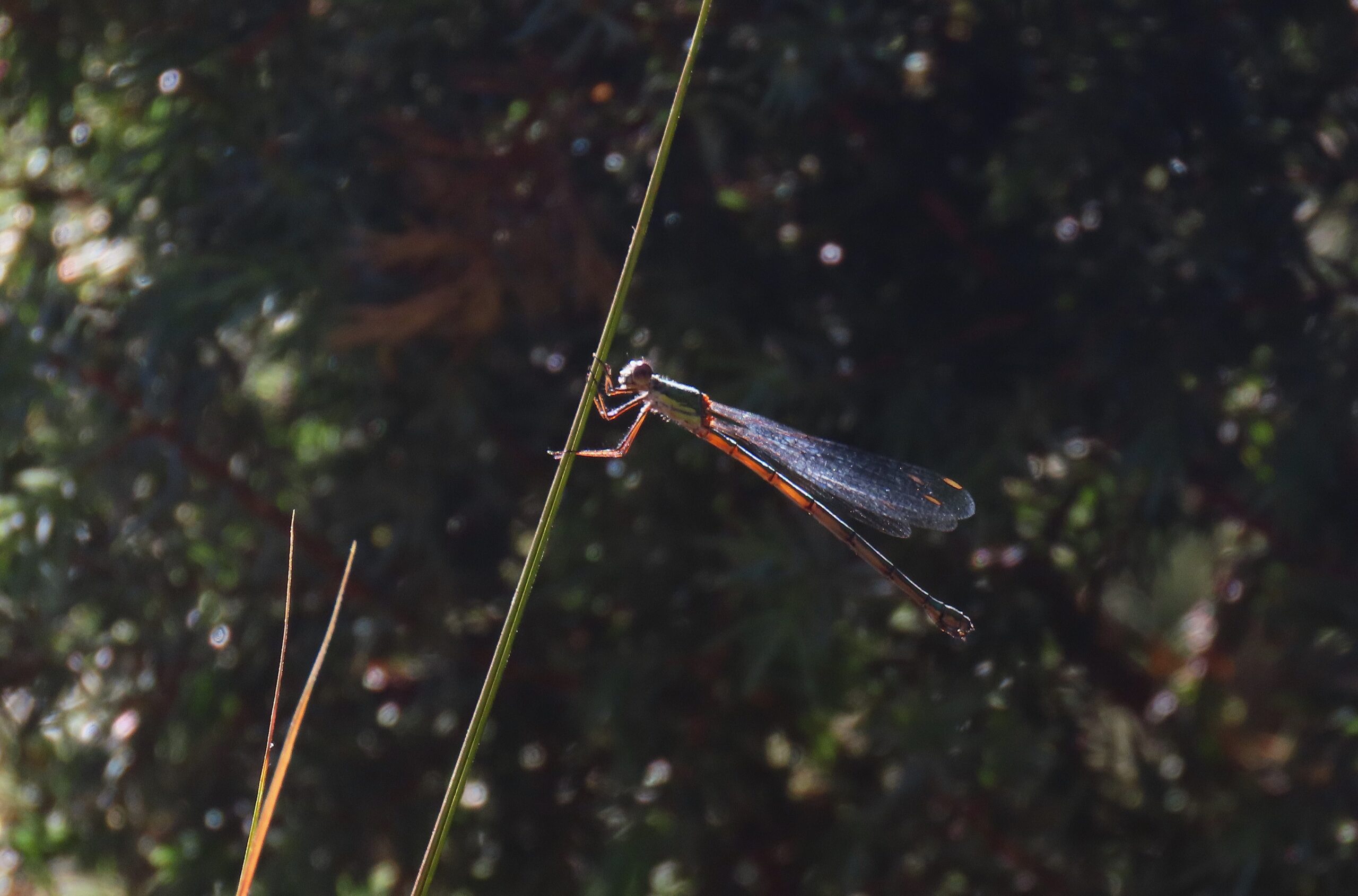
Blue-tailed Damselflies are still around the margins, but Willow Emeralds are now everywhere, often hanging from tree branches. This species too is relatively new to Britain, but it has now established as THE damselfly of autumn, often persisting to the start of winter.
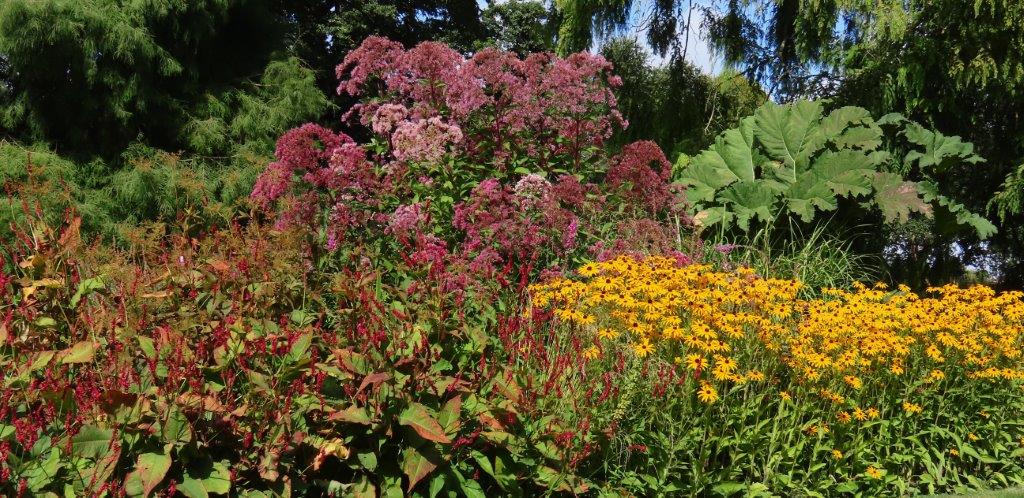
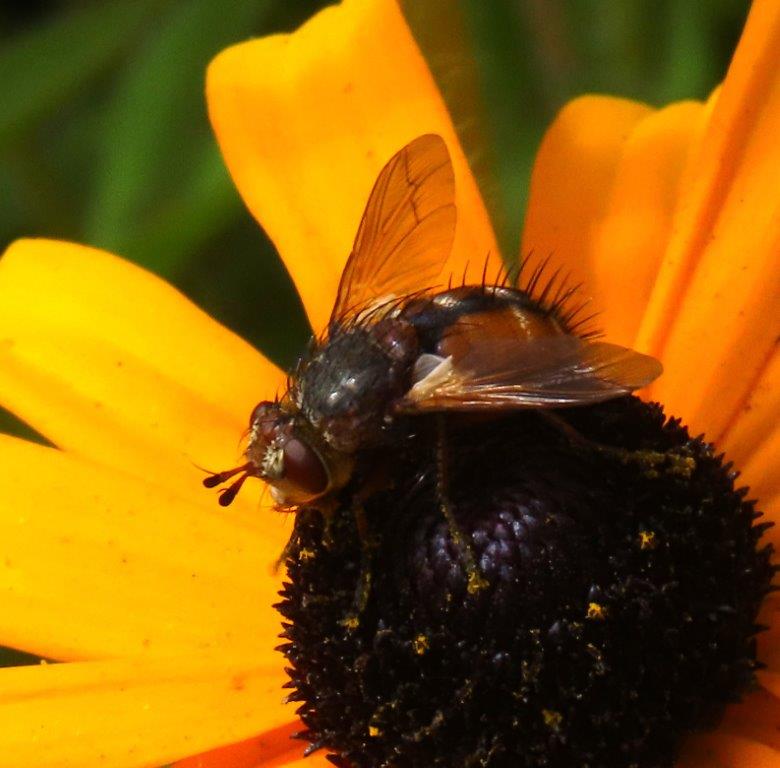
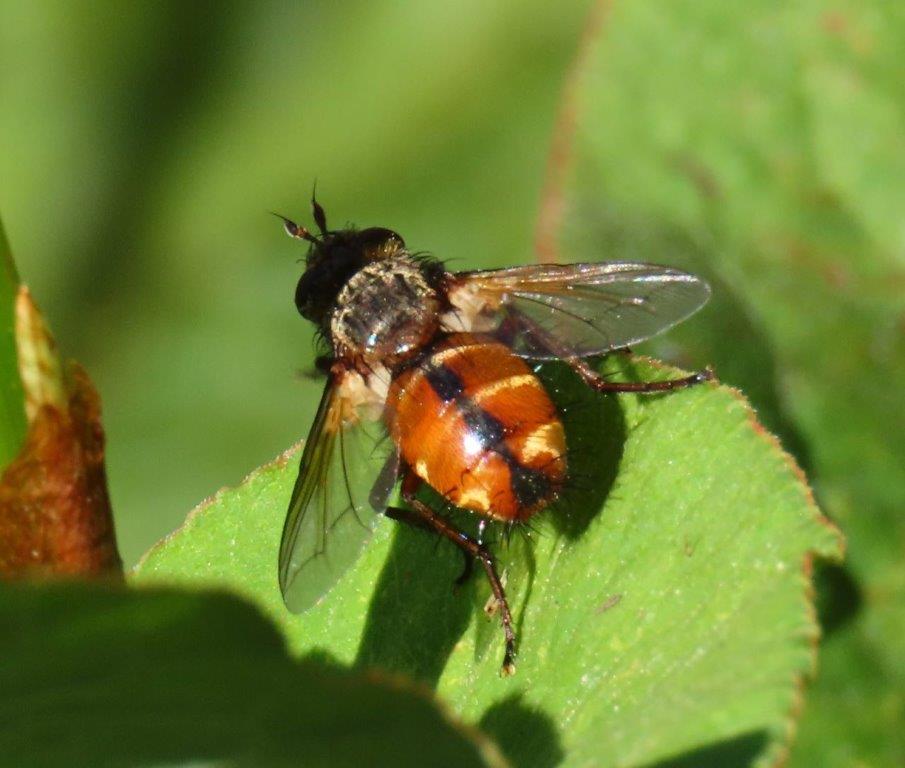
Other insects were being attracted in vast numbers to the waterside marginal flowers, most notably the ten-metre stretch filled with the triumvirate of Bistorta, Rudbeckia and, at the back, Eupatorium, each providing vast nectar and pollen resources. The most noticeable insect on both visits was Tachina fera agg., a parasite-fly in swarms that I have never seen the like of before, anywhere. Whatever the reason for this proliferation, it is safe to say that the next few months will not be a good time to be a moth caterpillar! Female flies lay eggs on leaves, but when the egg hatches the larva senses the proximity of a caterpillar, burrows in, and devours the caterpillar from the inside…
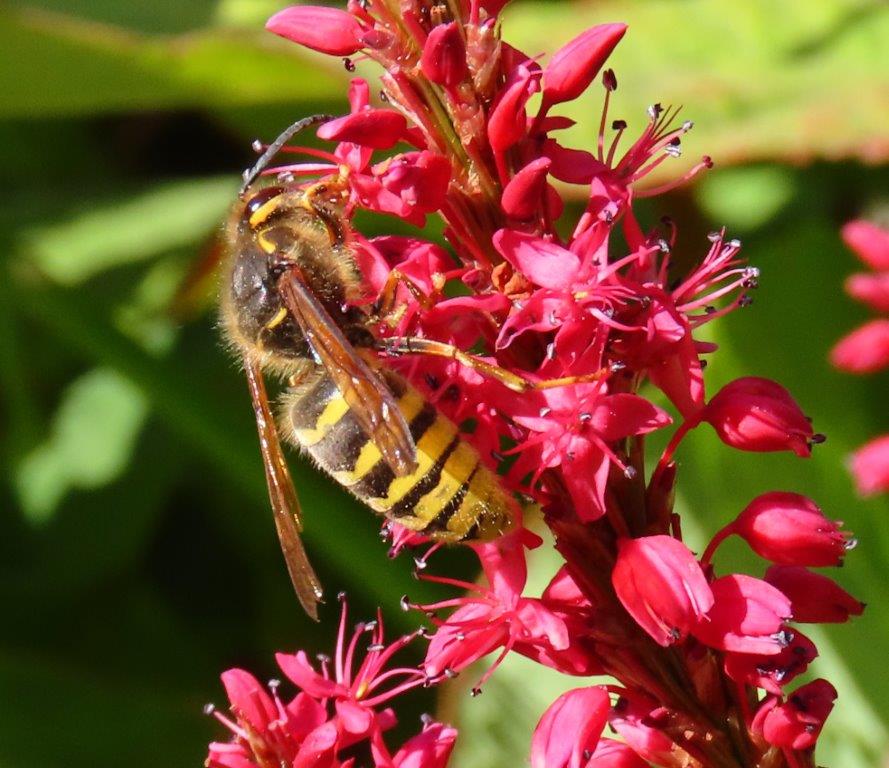
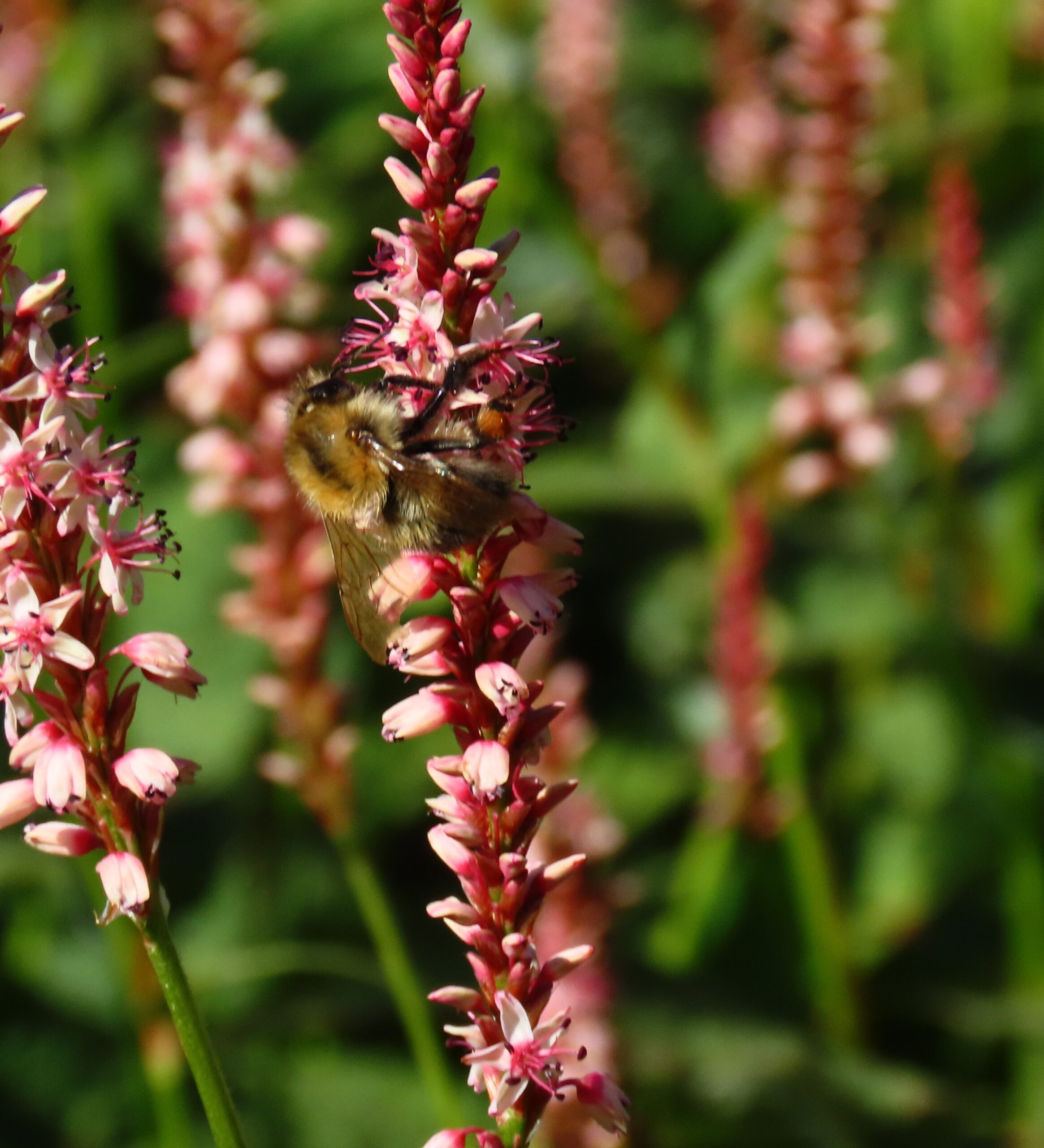
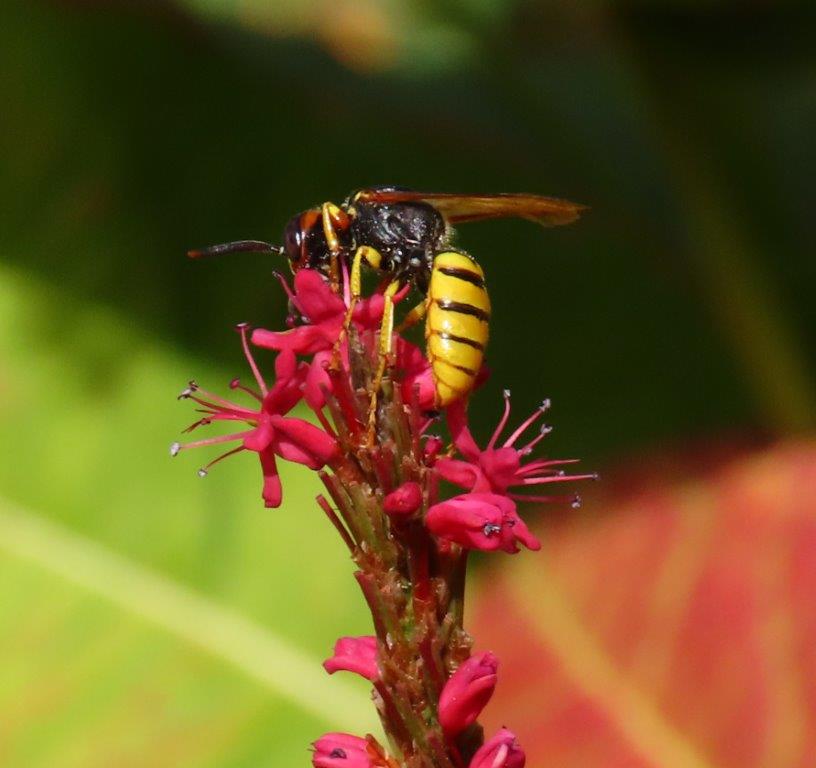
In addition, Bistorta was feeding large numbers of social wasps (including the large Median Wasp), bumblebees, Bee-wolves and other insects, with predatory Hornets swarming among the wiry stems like sharks hunting through a kelp forest.
The flatter flower-heads of Rudbeckia supported a different supporting cast to the Tachina throngs: familiar butterflies and ladybirds…
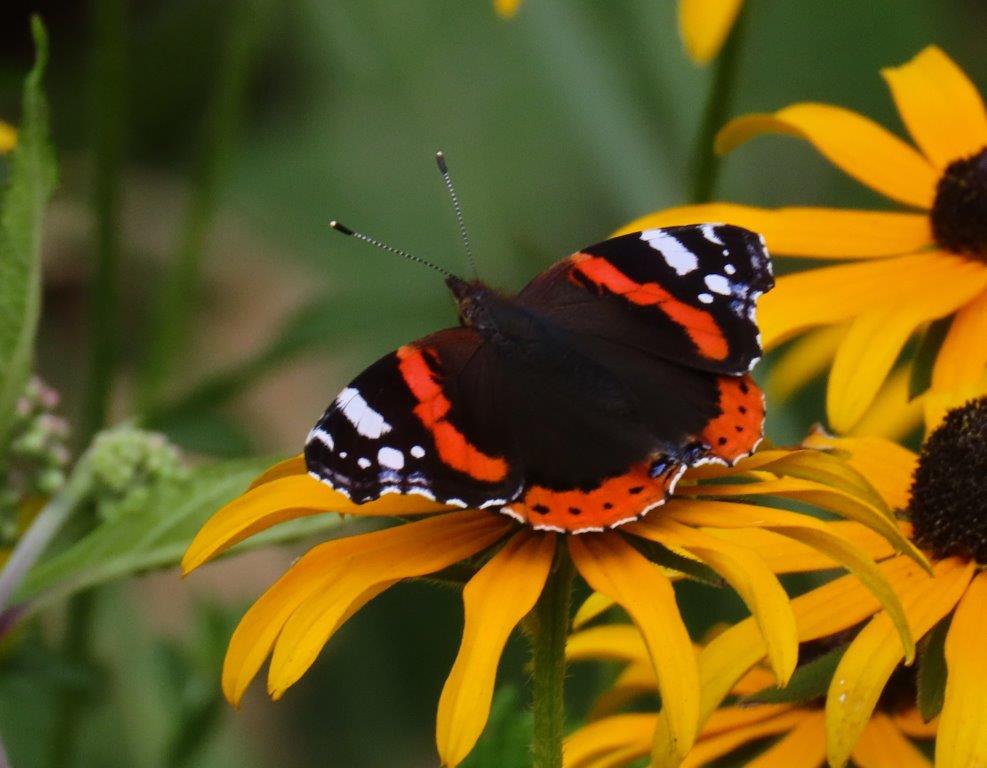
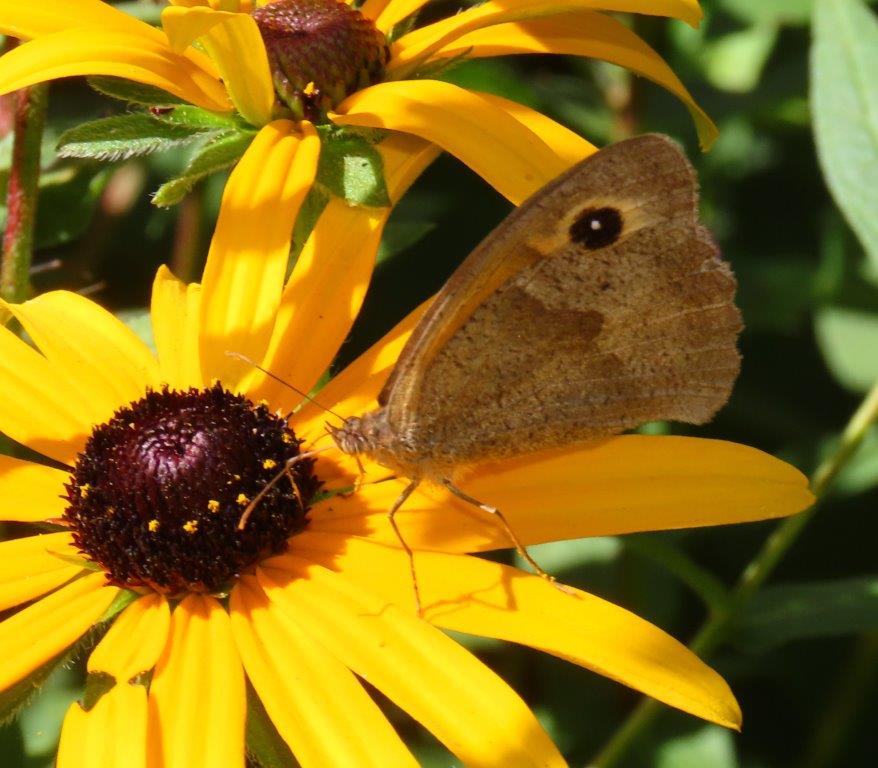
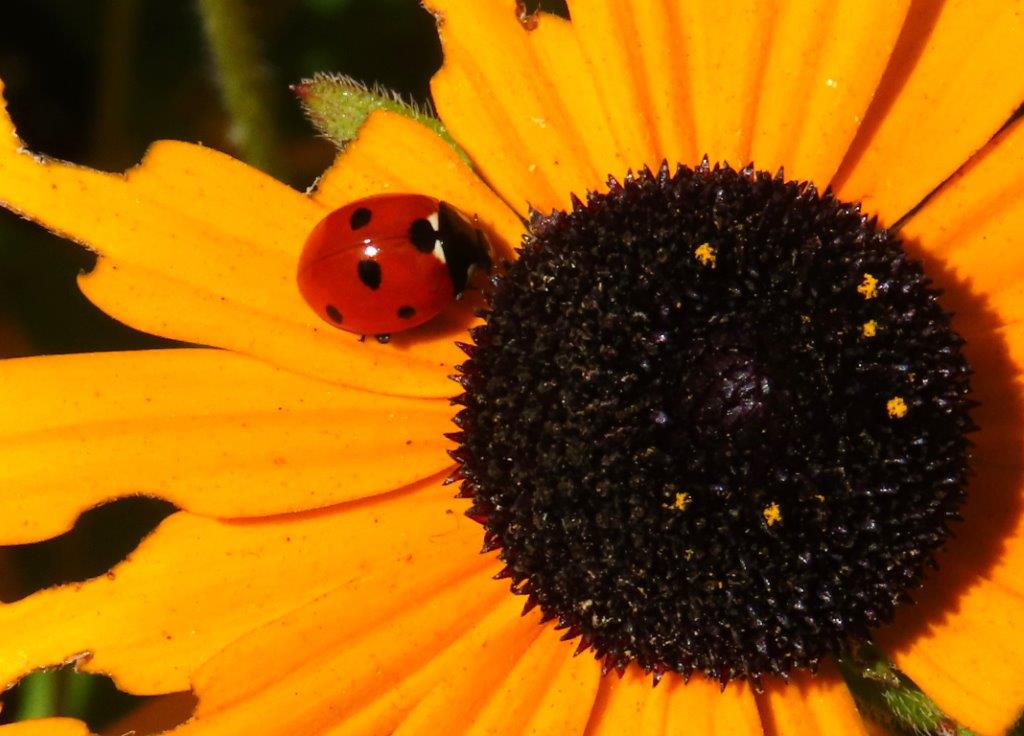
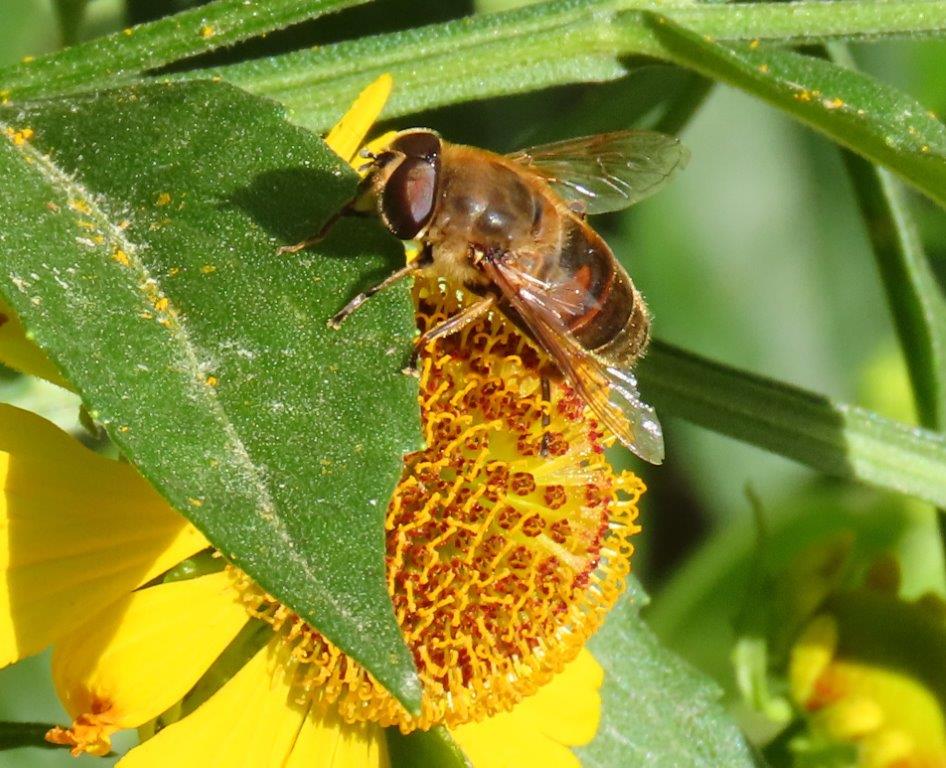
… hoverflies and other parasite-flies…
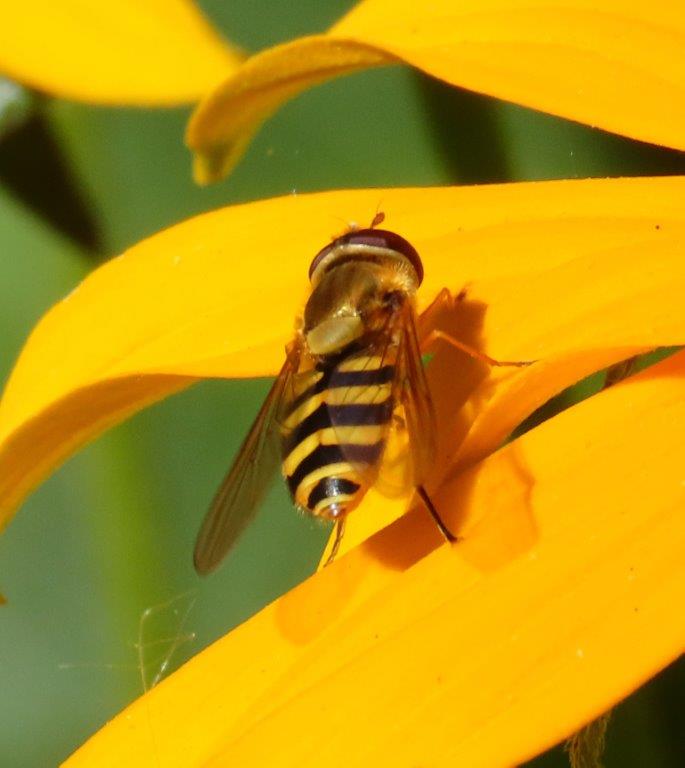
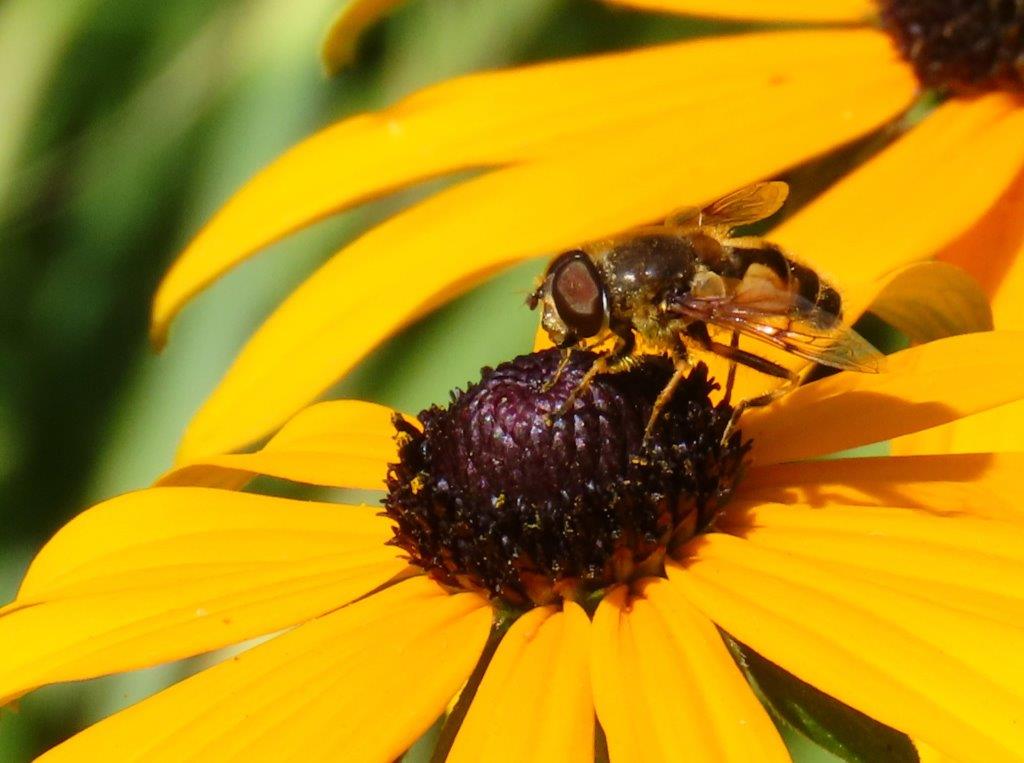
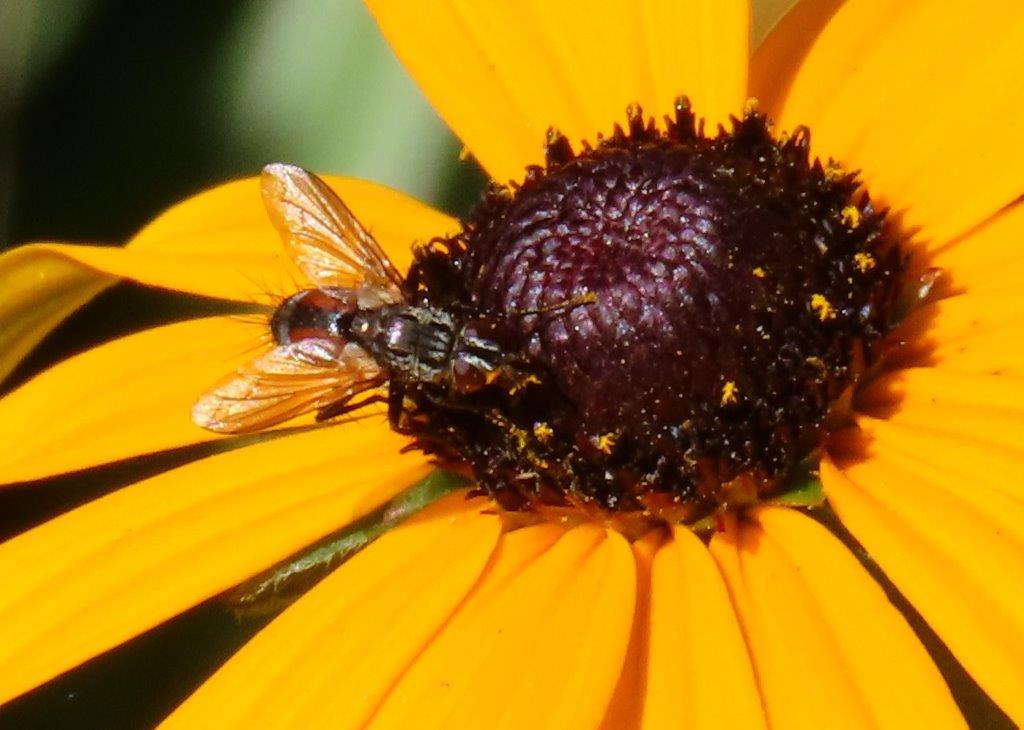
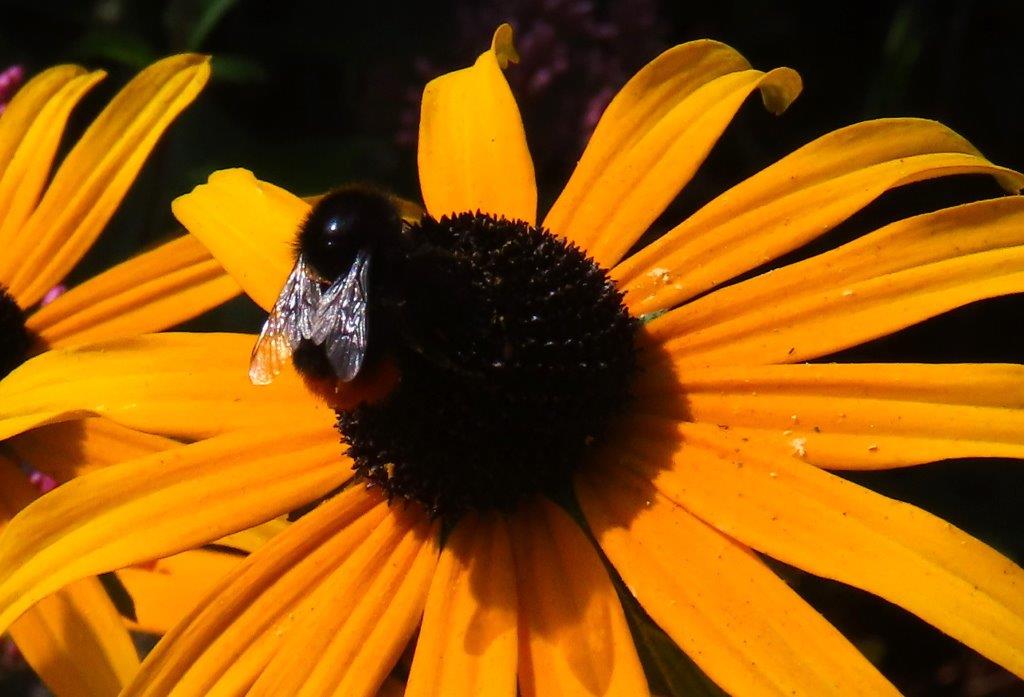
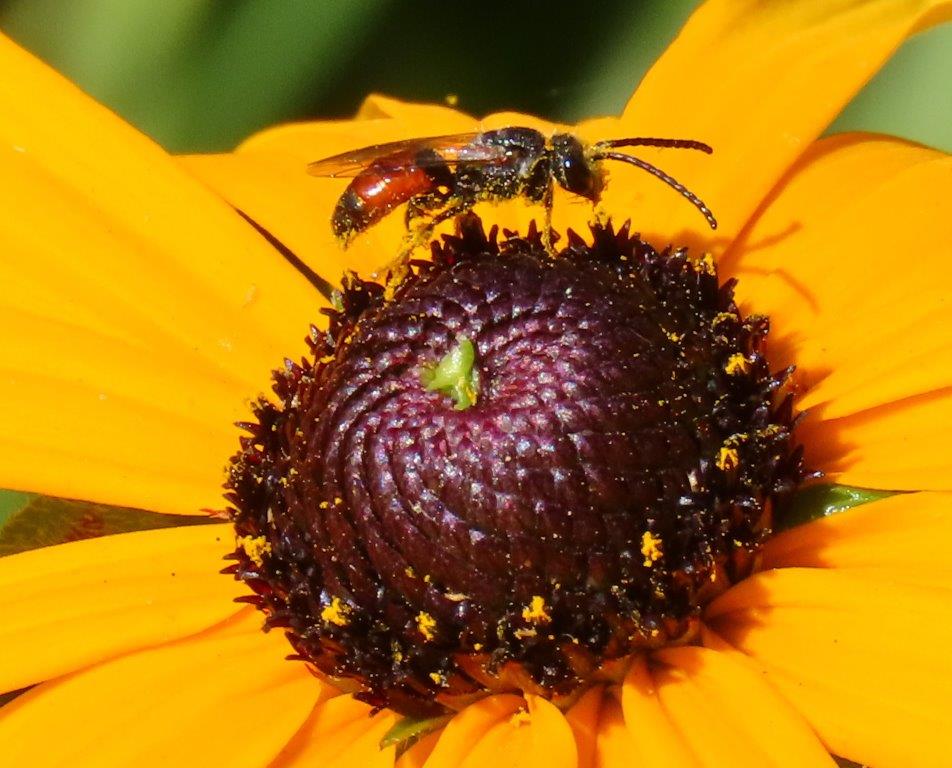
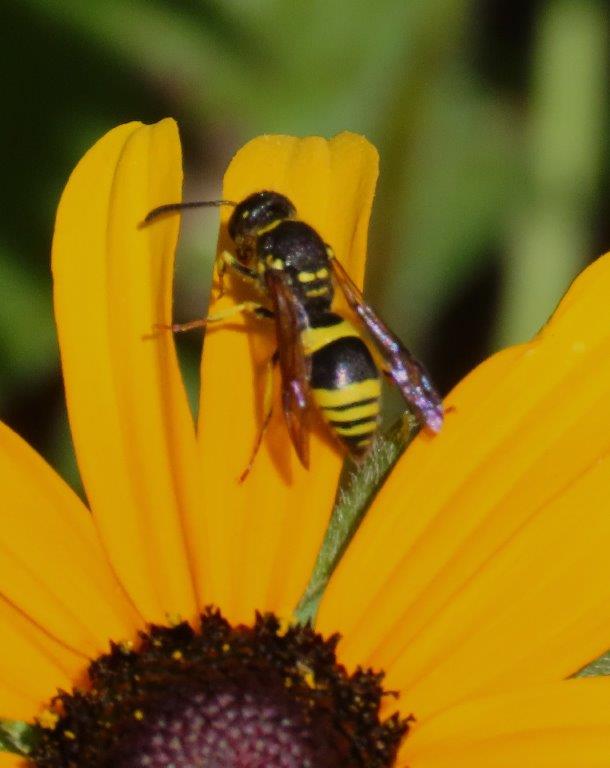
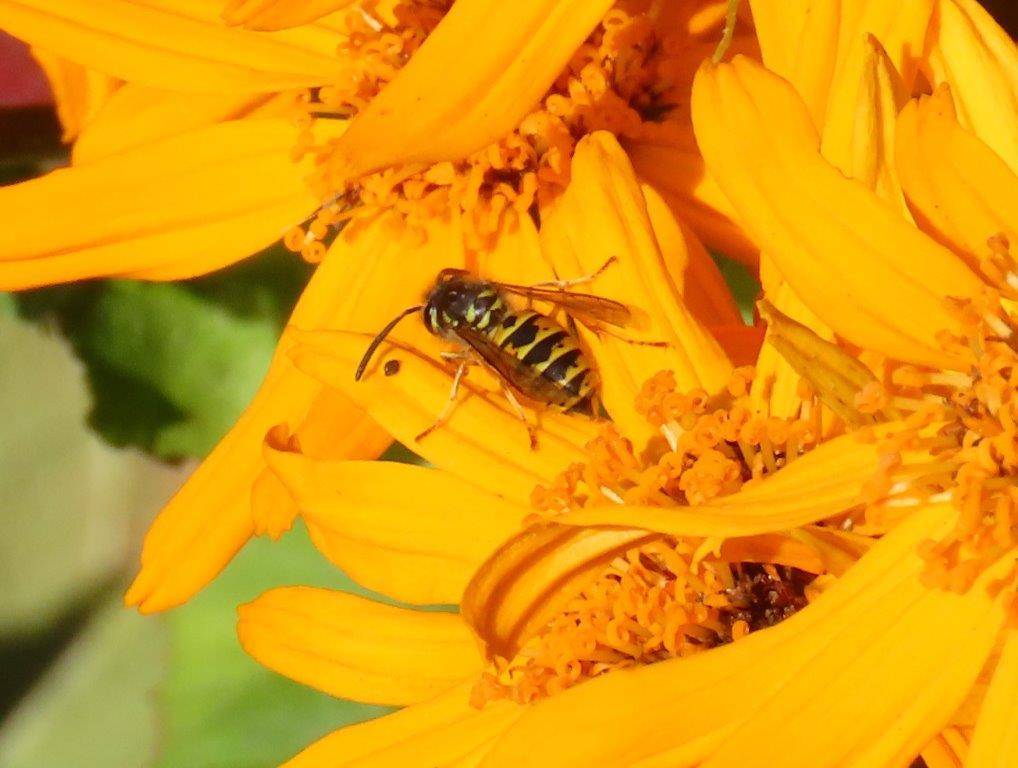
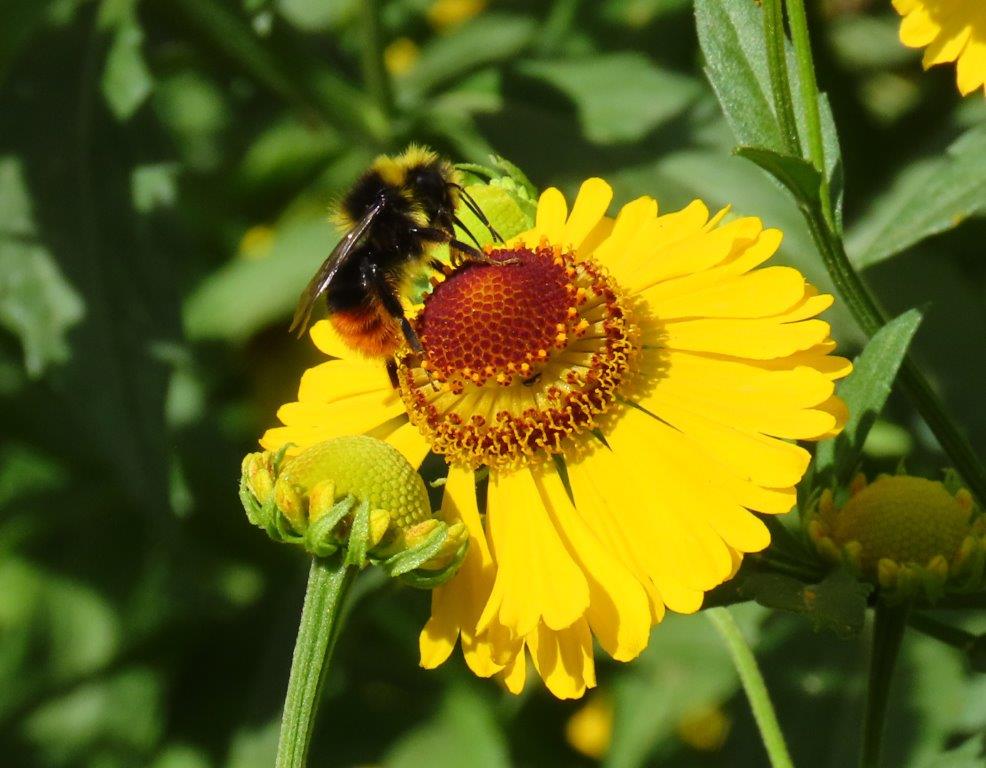
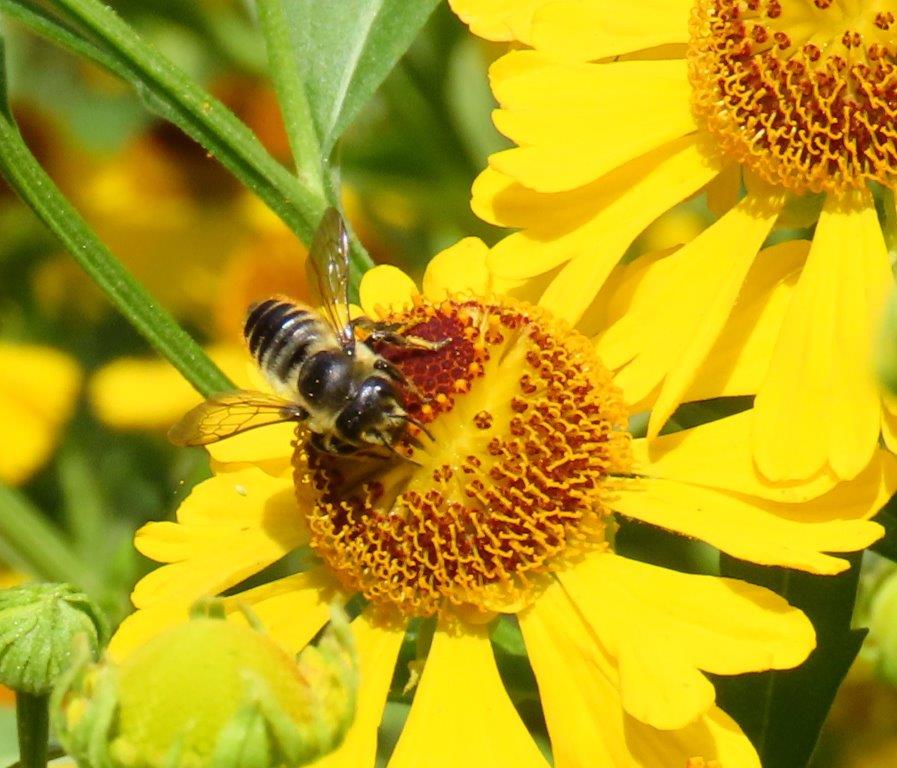
… bees and wasps …
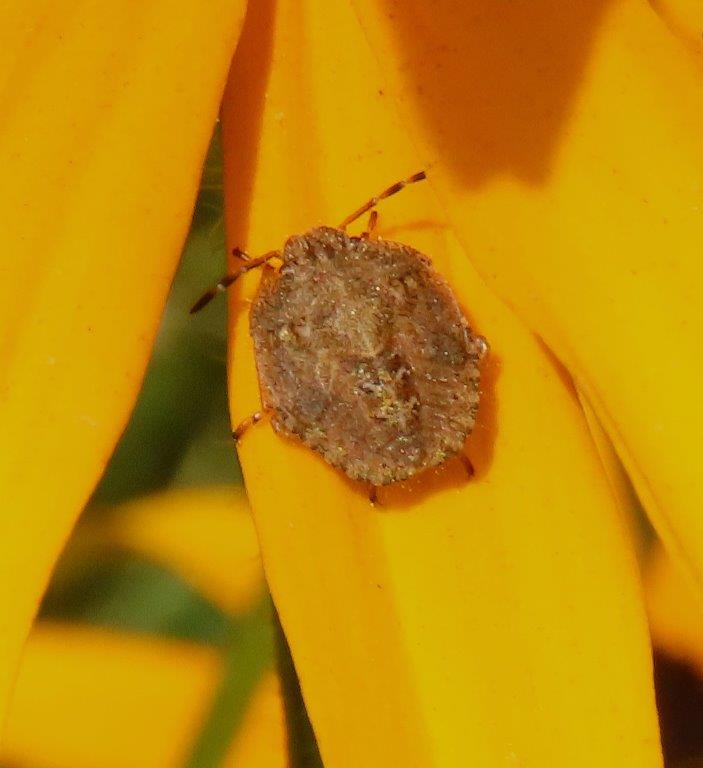
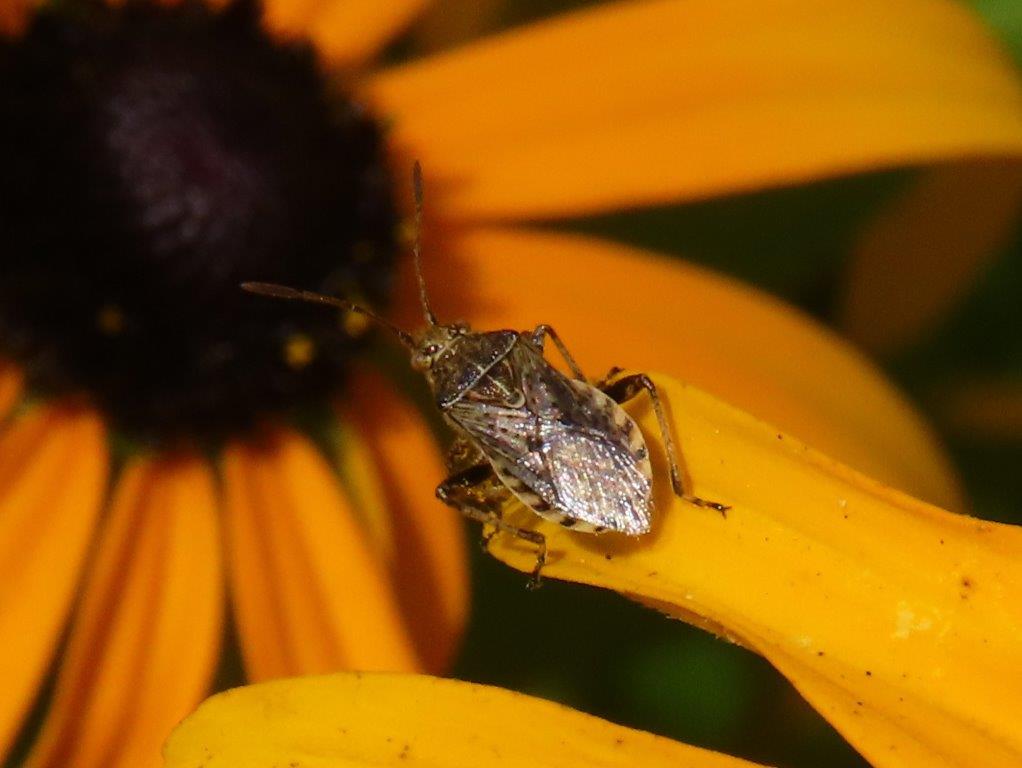
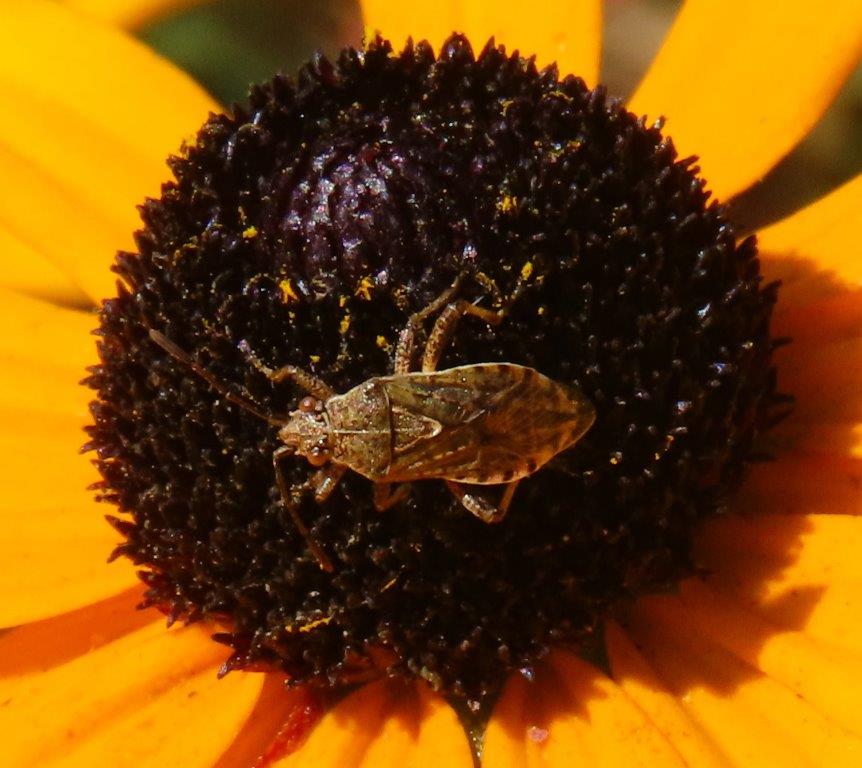
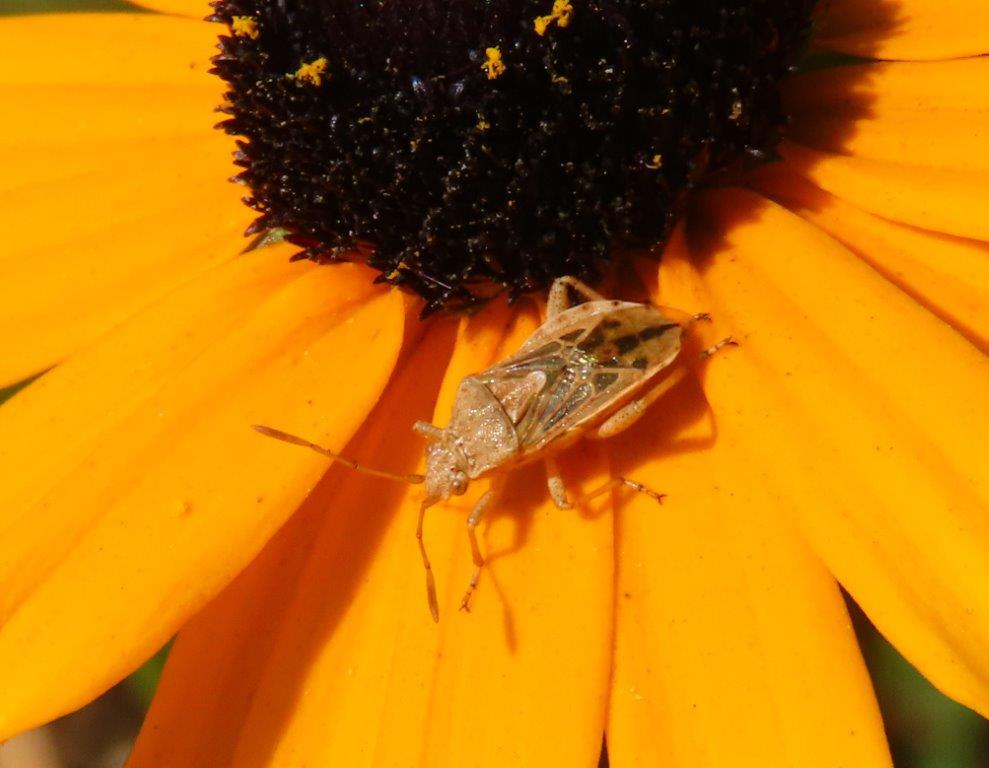
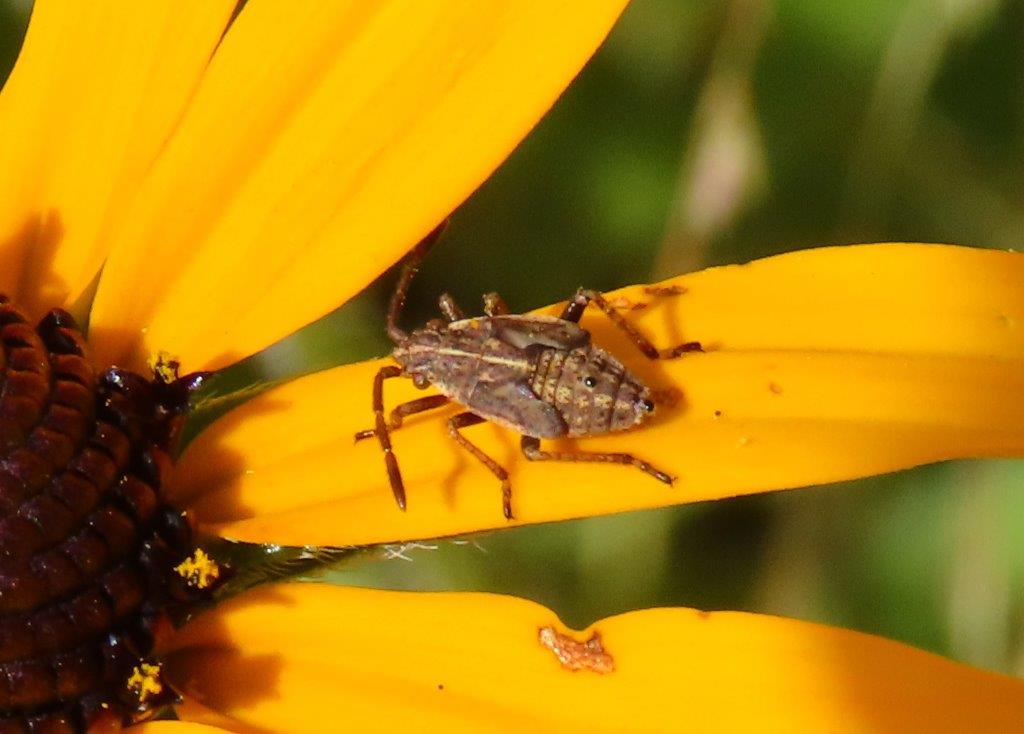
… and true bugs, here a nymphal Hairy Shield-bug, a small Nysius species (probably N. senecionis) and adults and nymphs of both British species of Stictopleurus, S. punctatonervosus being a new garden record.
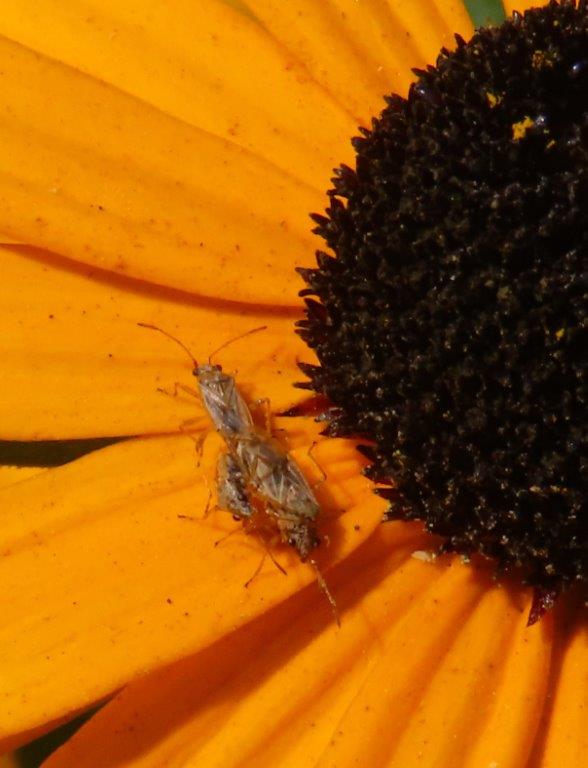
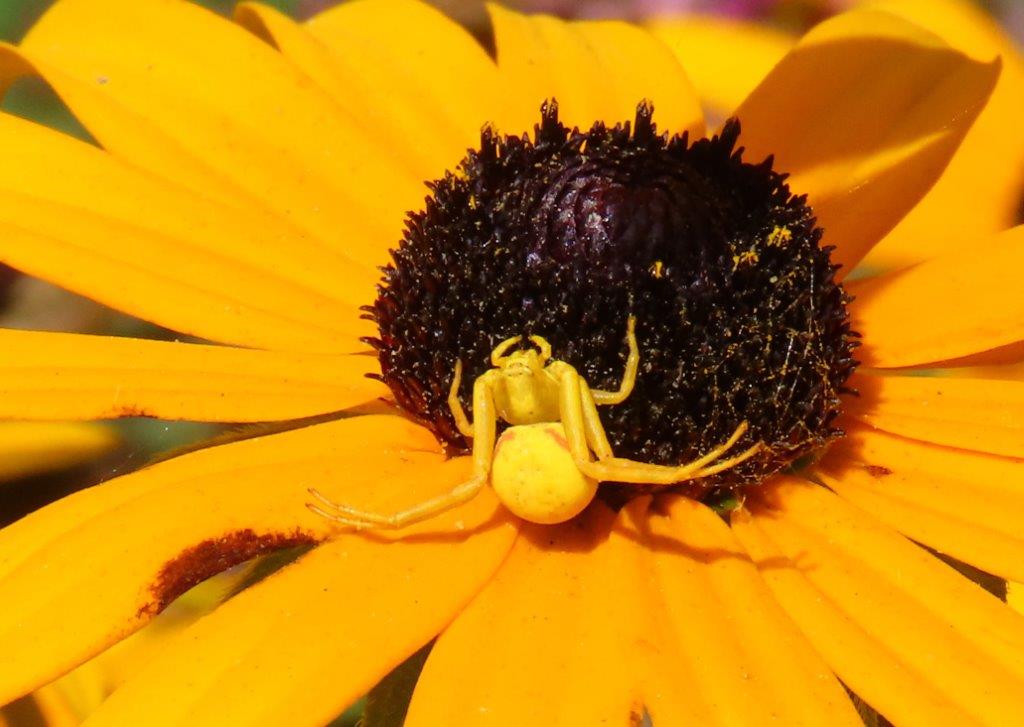
And wherever insects gather, there are stealth predators waiting in the wings!
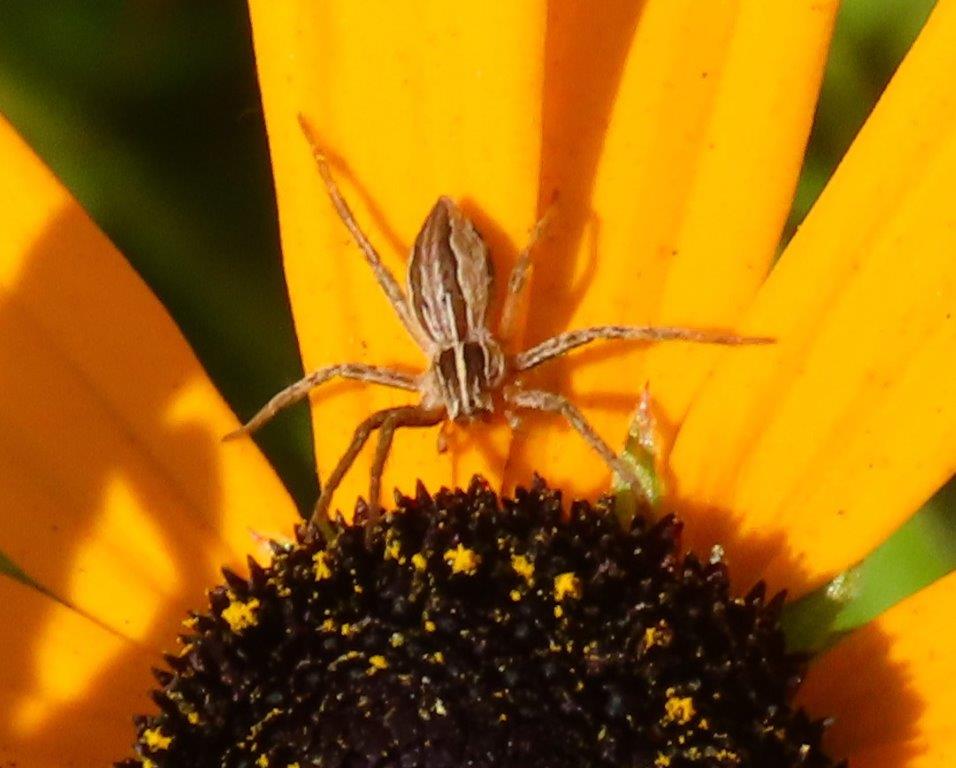
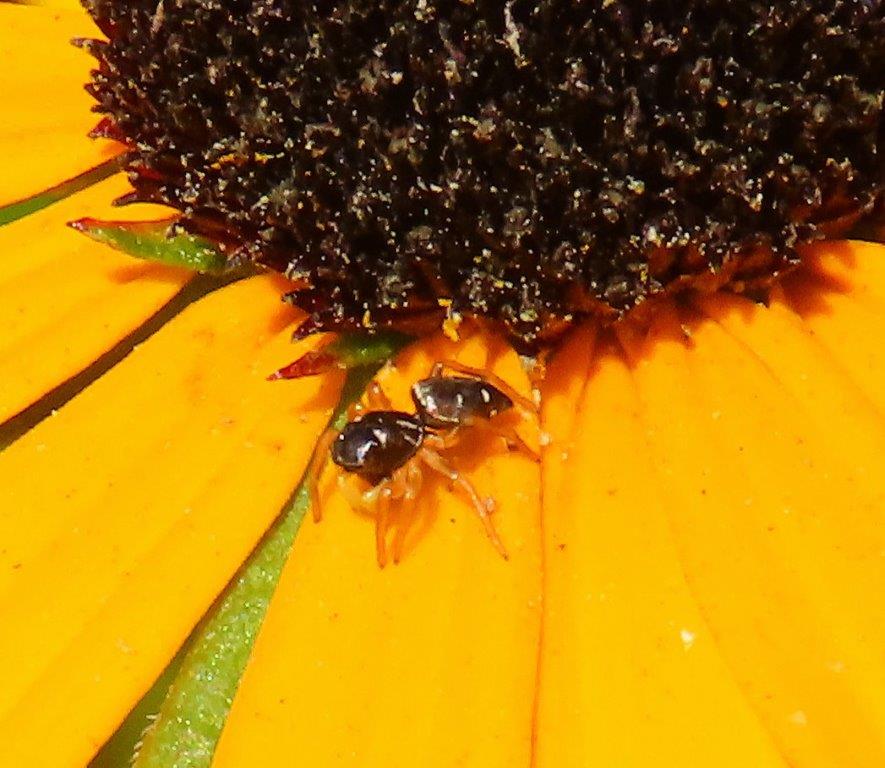
Elsewhere in the garden, particularly the stockbeds, other yellow composites such as Inula and Helenium fulfilled a complementary role to Rudbeckia:
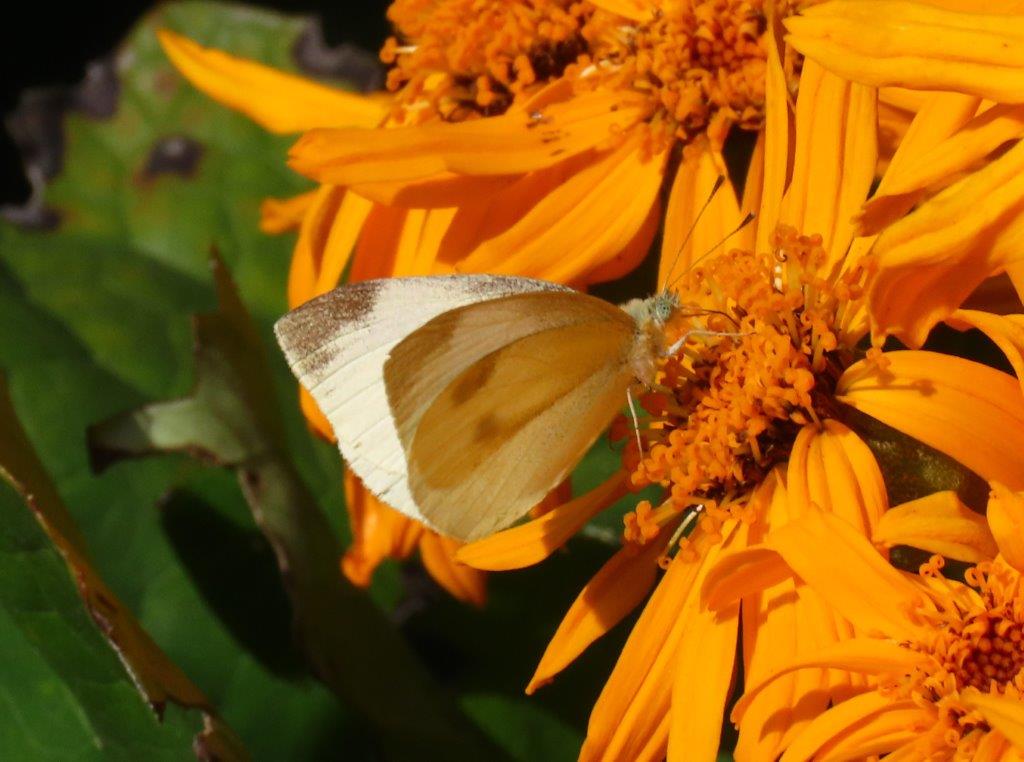
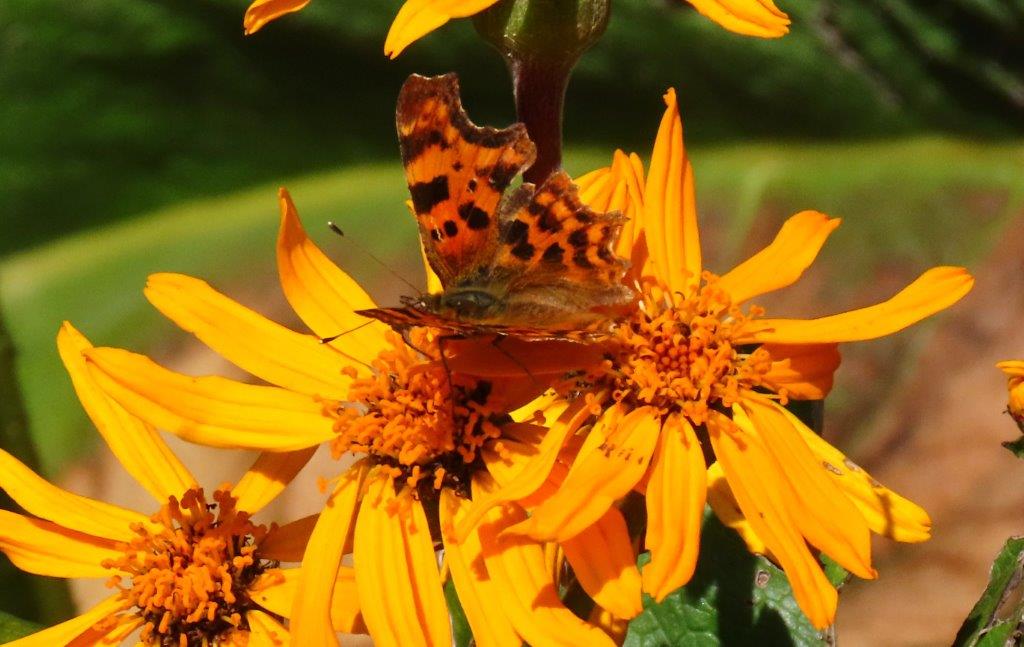
A final selection of insects from this month starts with Common Field Grasshopper, German Scorpion-fly, Hairy Shieldbug and Rhododendron Planthopper.
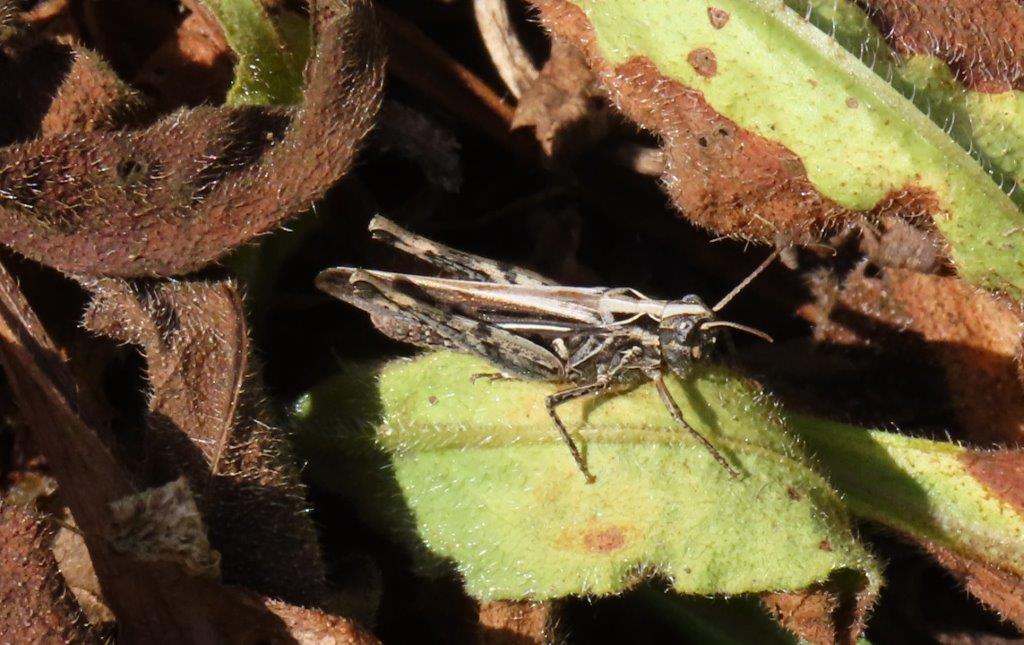
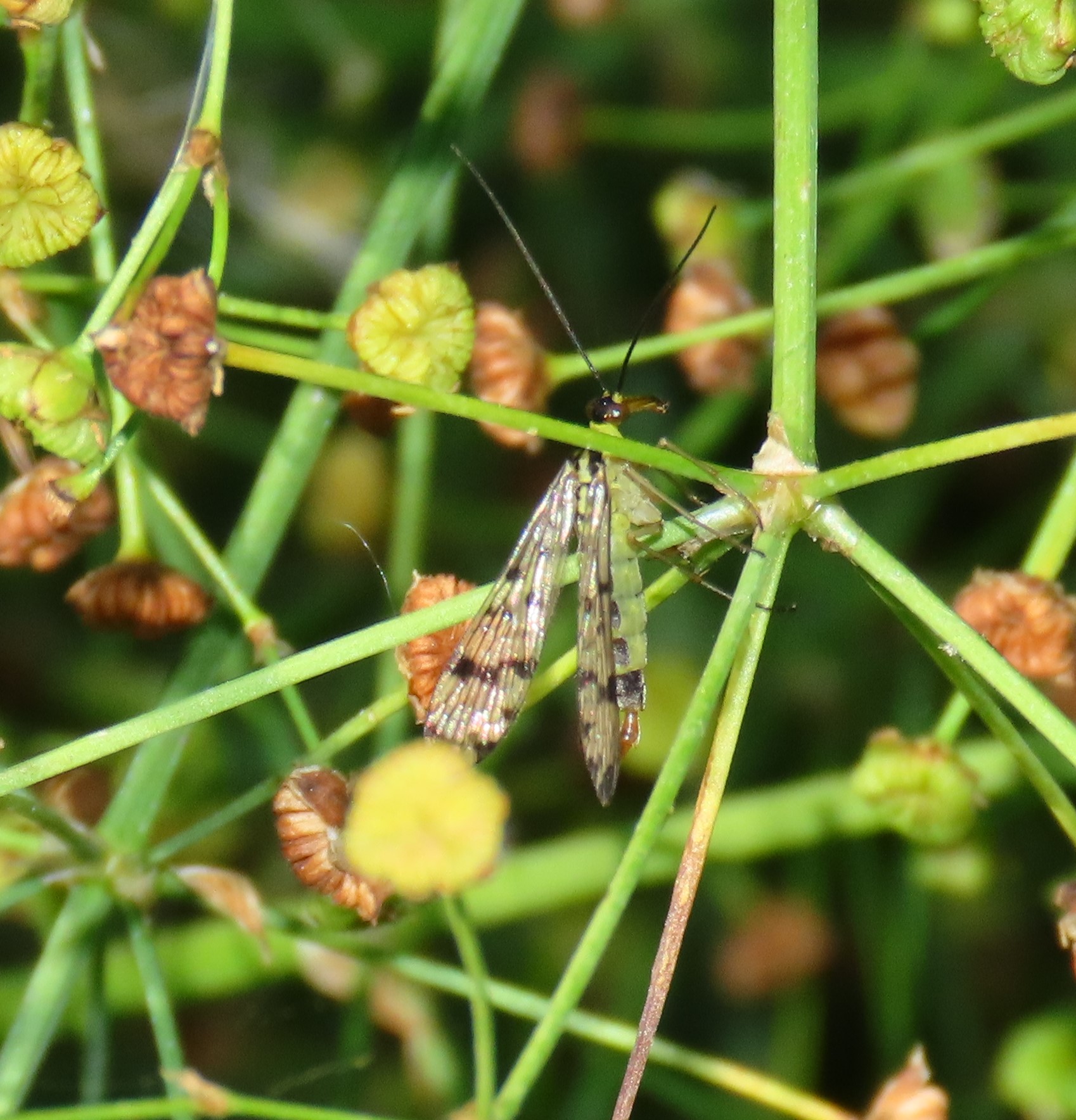
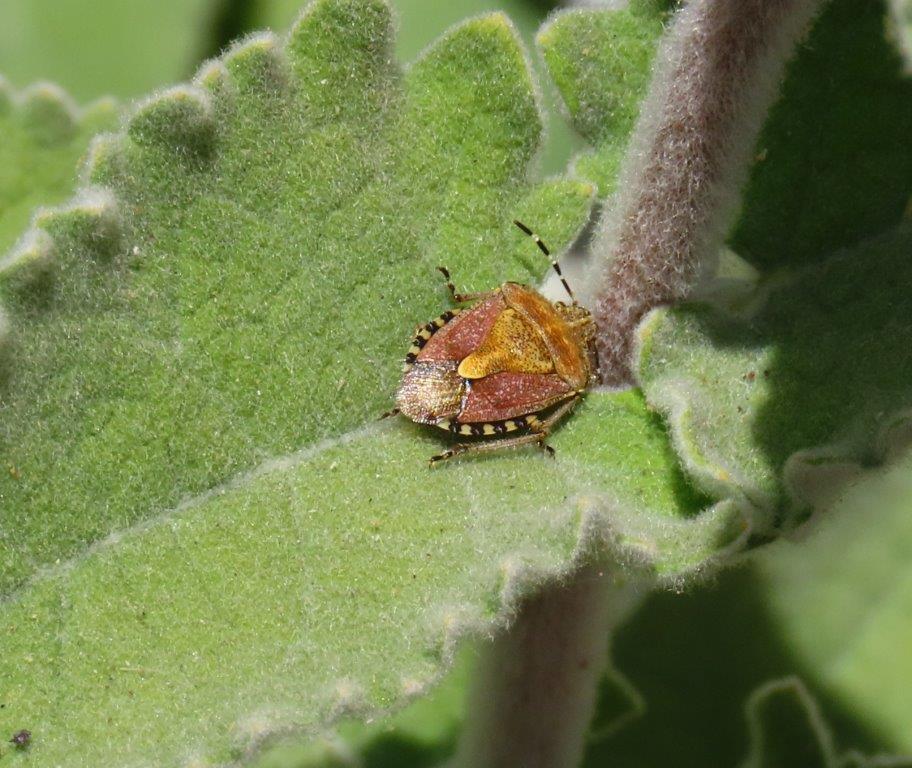
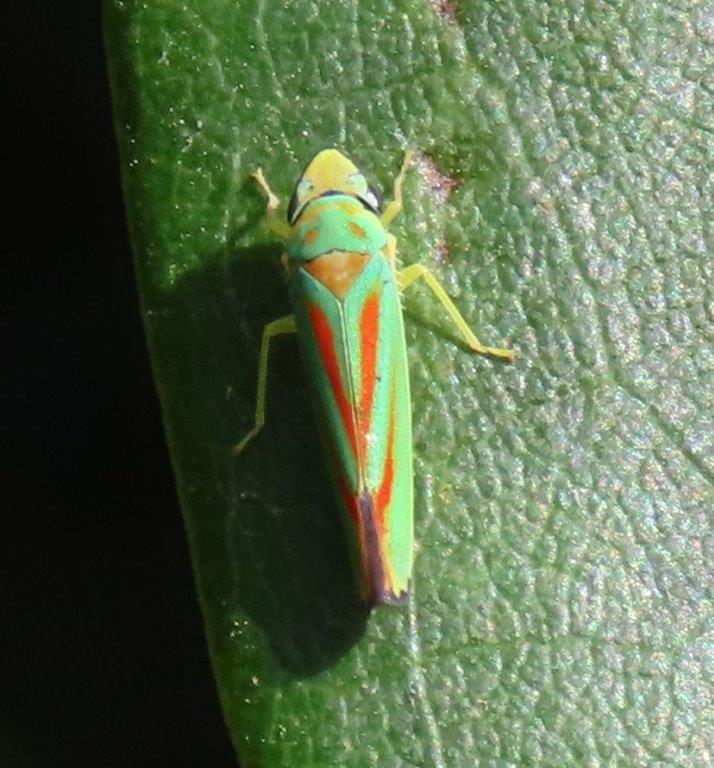
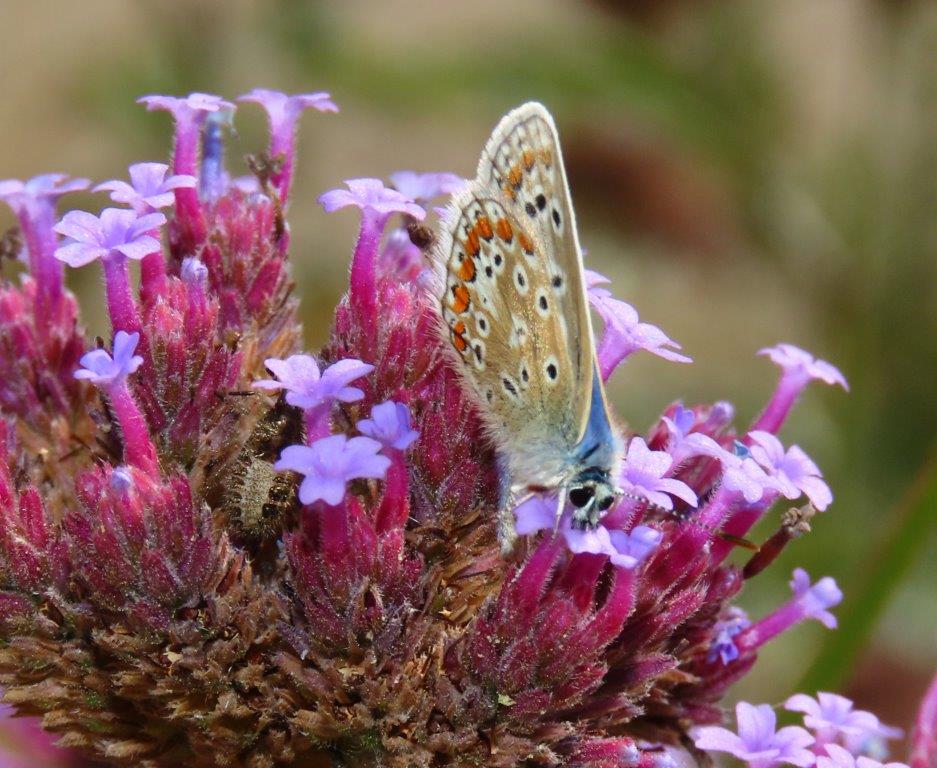
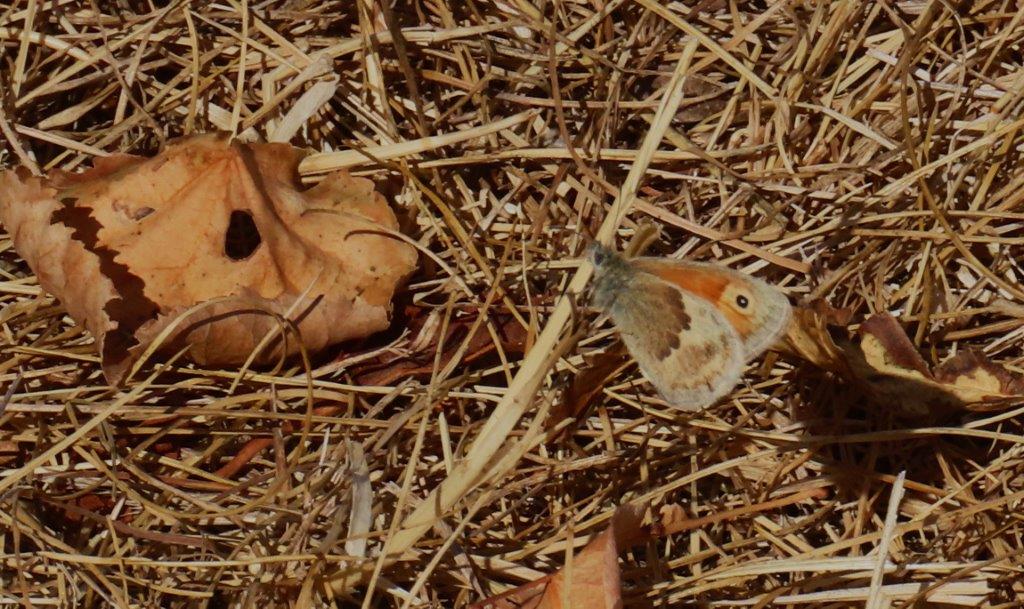
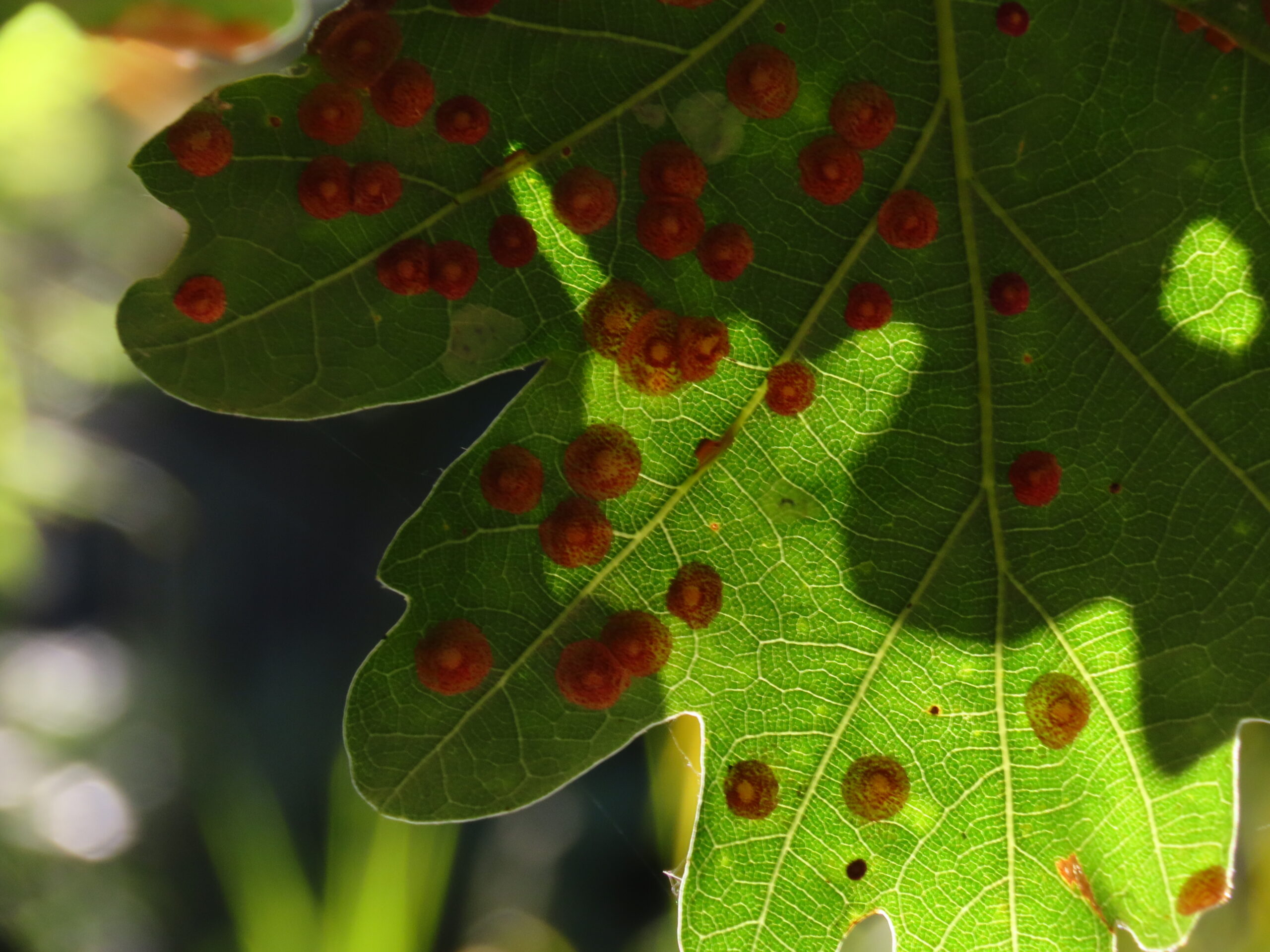
Typical late-summer butterflies included Common Blue and Small Heath (with, sadly unphotographed, Clouded Yellow), while spangle-galls of the tiny wasp Neuroterus quercusbaccarum signify the start of autumn senescence.
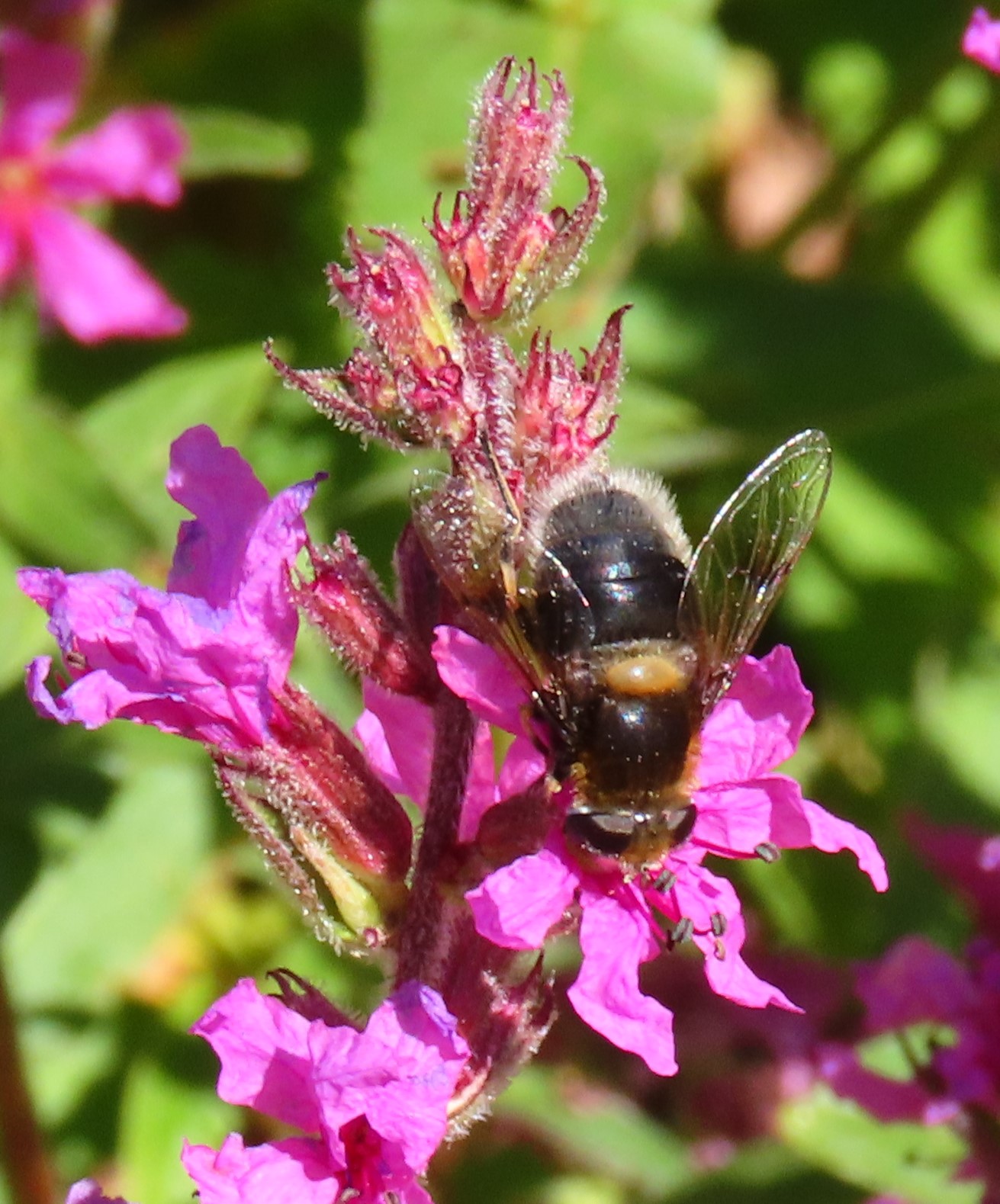
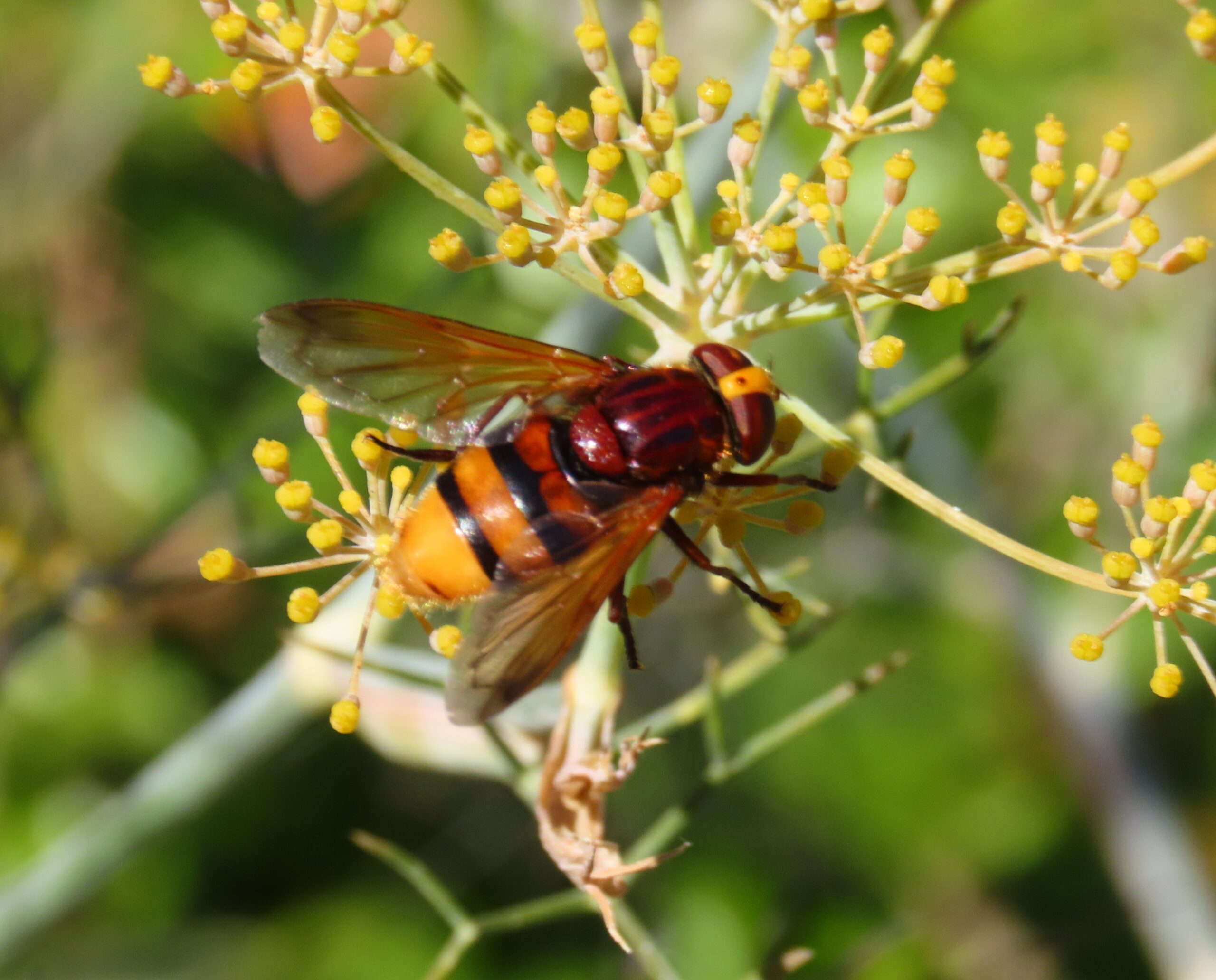
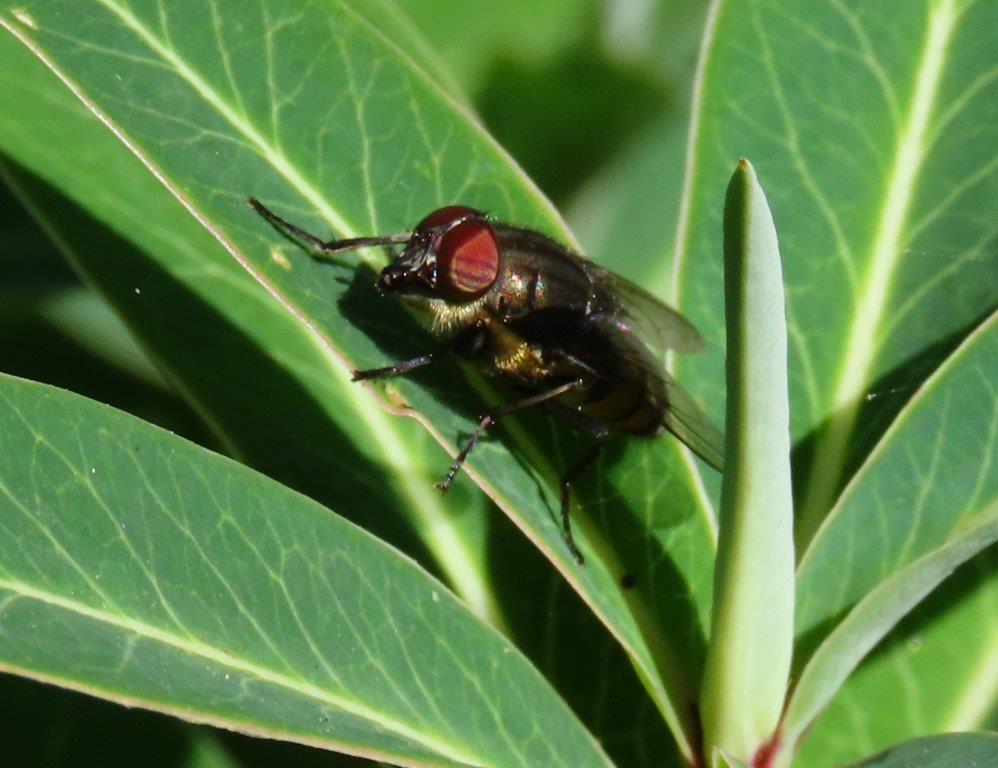
And flies featured heavily everywhere, with Hornet Hoverflies, our largest and most impressive; variable bee-mimic Furry Droneflies; and the first Locust Blowfly of the year. The latter is believed only to breed inside locusts, and so to always be a long-distance wanderer to this country; indeed when we first found it a decade ago, it was only the third-ever Essex record. Since then it has become more frequent, and 2025 saw a record influx, including multiple records from the garden in July and August, perhaps fuelling the suspicion that in our warming, uncertain world, native grasshoppers can now act as a host.
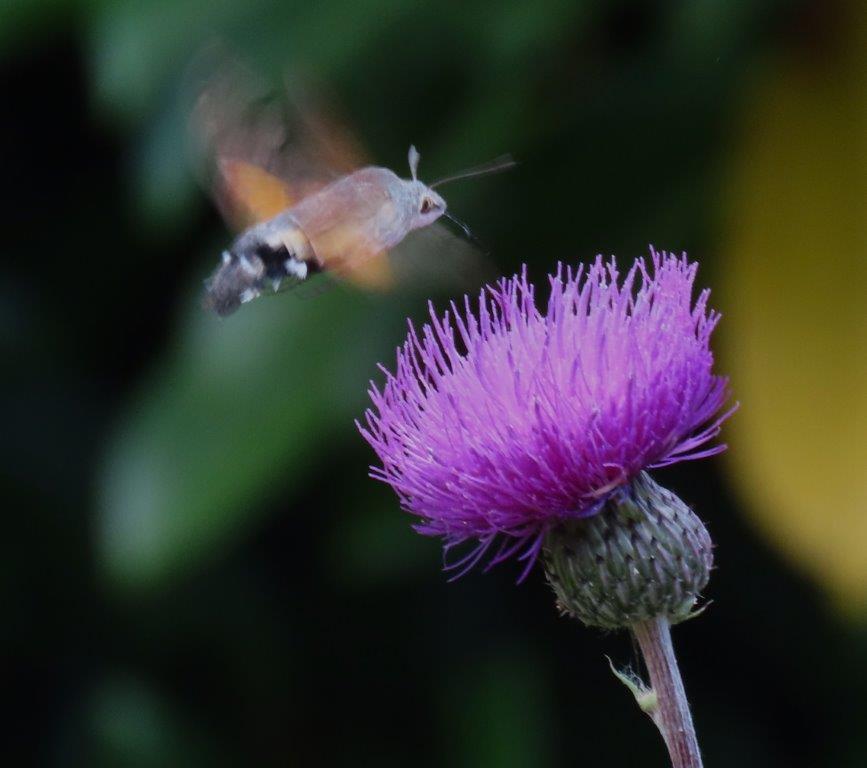
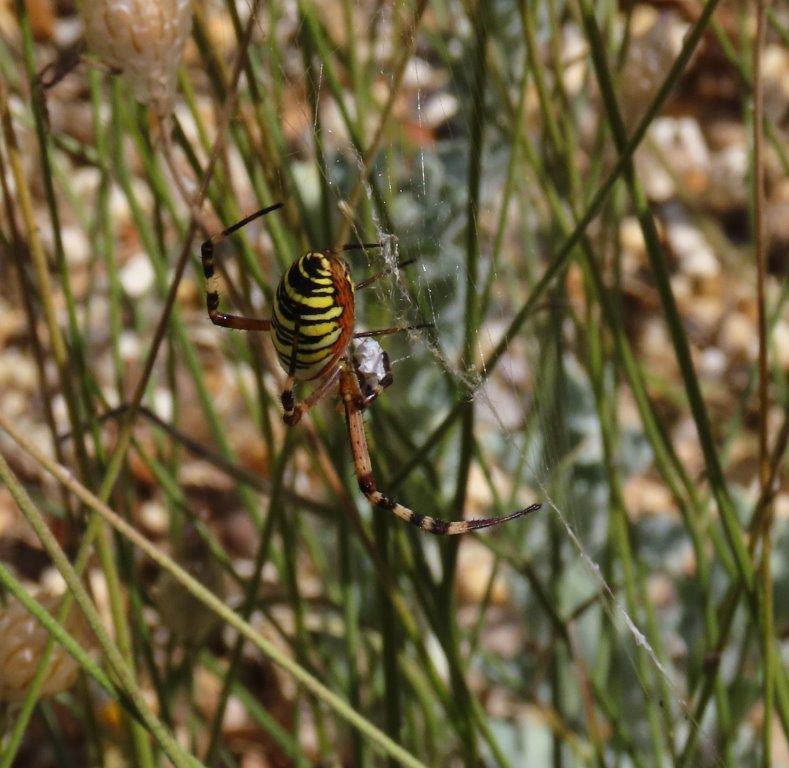
As for the other highlights, the first walks were treated to the sight of a Hummingbird Hawkmoth sipping the Cirsium and a Wasp Spider nestled among the Catananche…
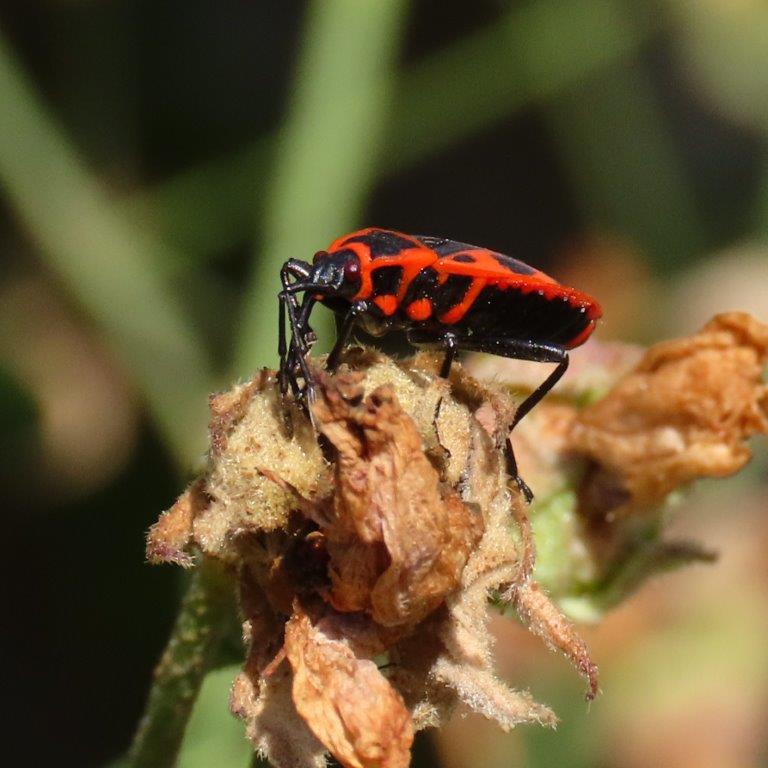
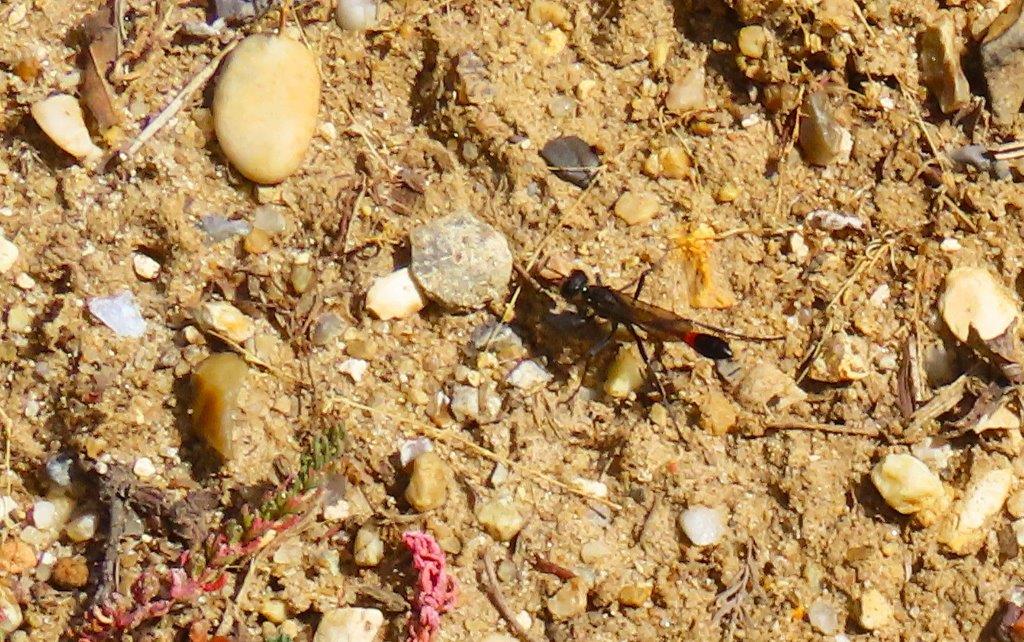
… while the later walks enjoyed the sight of Firebugs, now firmly established with us, swarming all over Althaea cannabina in search of seeds to suck the juices from, and a Sand Wasp Ammophila sabulosa clearly nesting in the bee-bank, another new species for the garden and not at all common in Essex although it did colonise Chattowood a couple of years ago and the Meanwhile Garden earlier this year.
Always something exciting to see! If anyone wants to join one of my WildSide Walks, you still have another chance on 11 September, book here Courses & Workshops – Beth Chatto’s Plants & Gardens. And failing that we hope to be back next summer: who knows what weather, wildlife and worry the predicted ‘Super El Niño’ will bring our way?