Blog Archives: Bug & Botany Walks

#WildWivenhoe Botany & Bug Walks: September – Grange Wood & Whitehouse Beach


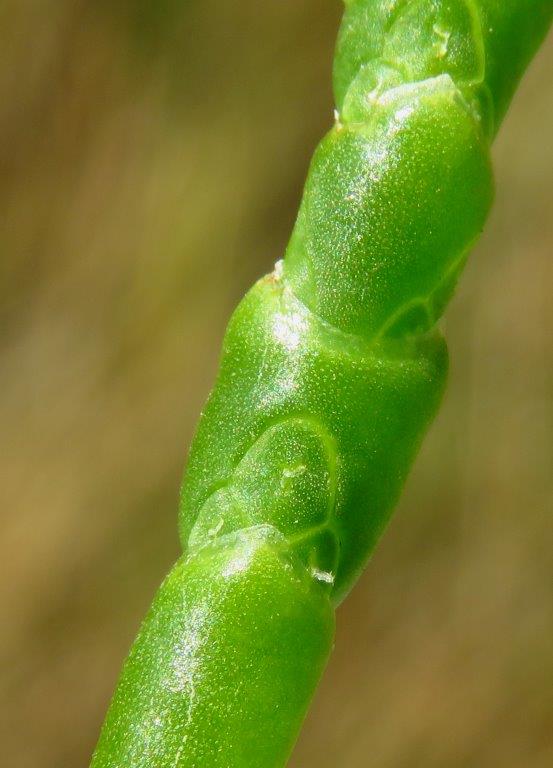
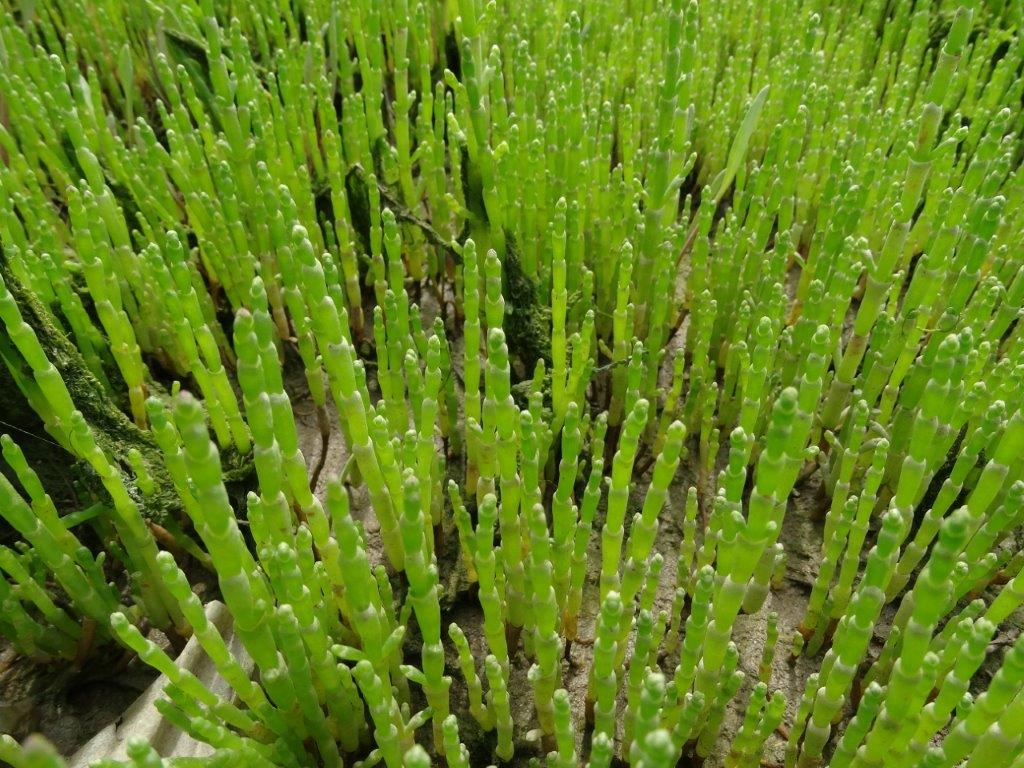
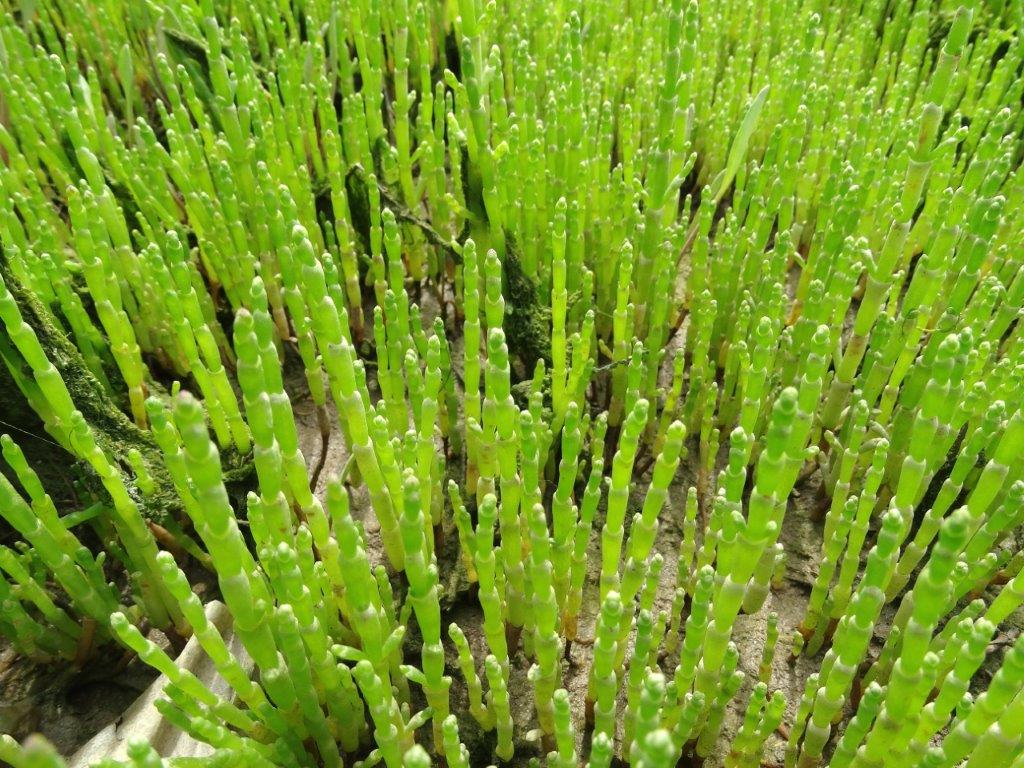
The sun shone and breeze was pleasant for our walk this morning: thank you to everyone who came along. The main focus this month was the various salt marsh plants, found both along the slopes of the sea wall and on the marsh at Whitehouse Beach. Each is specially adapted to live in the salty conditions, some by virtue of their fleshy, succulent, leaves which preserve moisture (e.g Marsh Samphire and the Seablites), and others by processing salt water and excreting the excess salt (e.g. Sea-purslane). Many of the plants we saw are members of the Spinach family, the most halophytic (salt-tolerant) of families worldwide, mostly edible, and all with unfortunately ‘subtle’ flowers…..

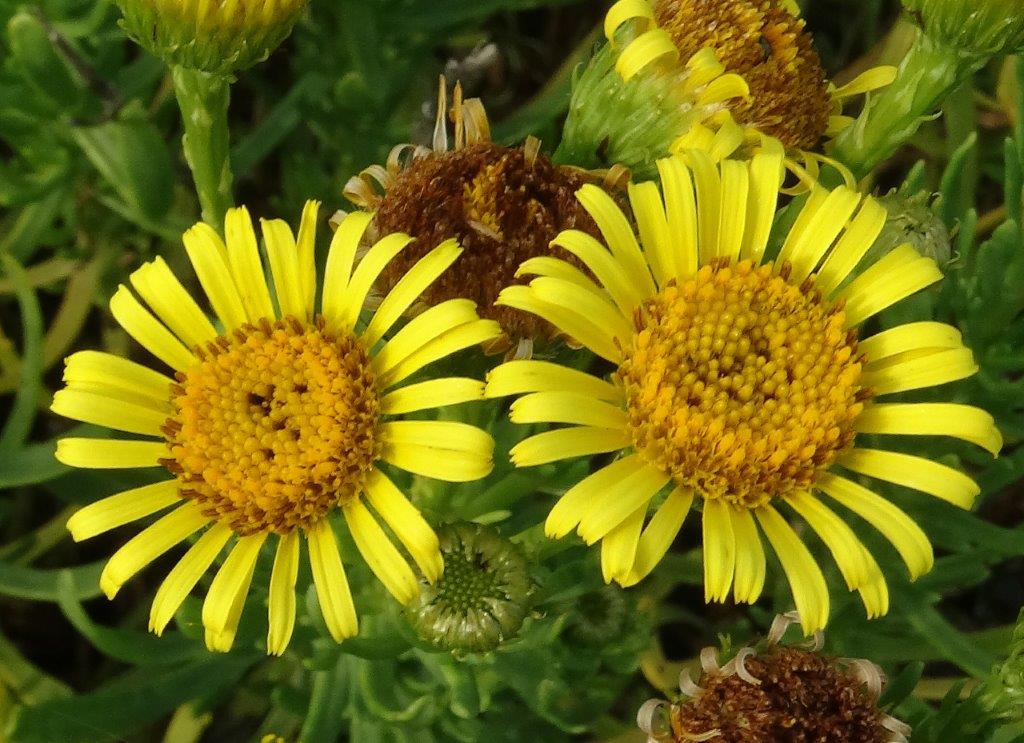
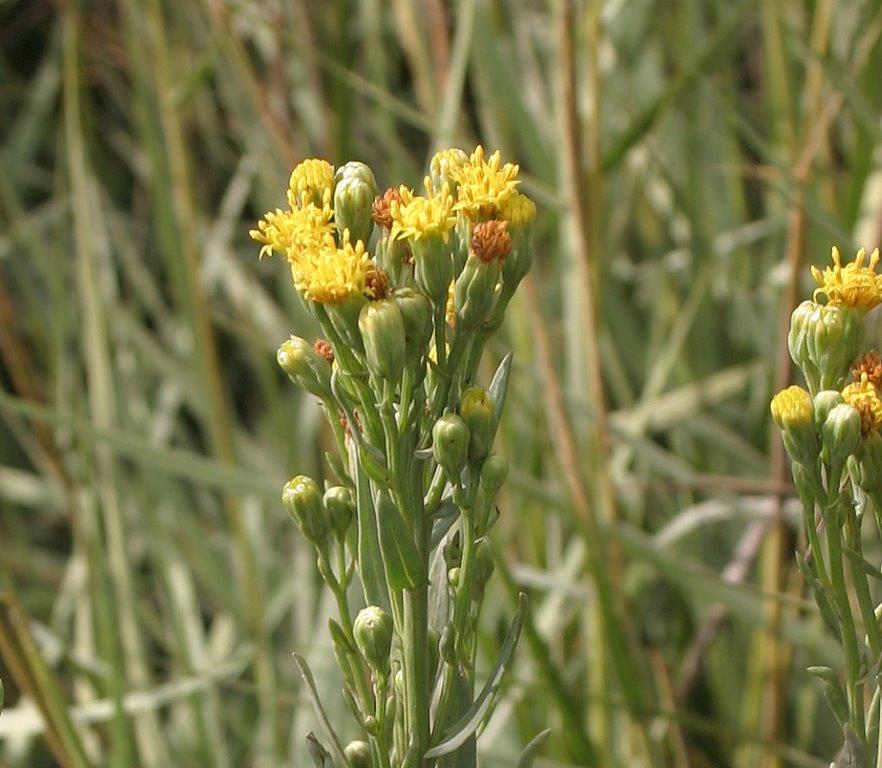
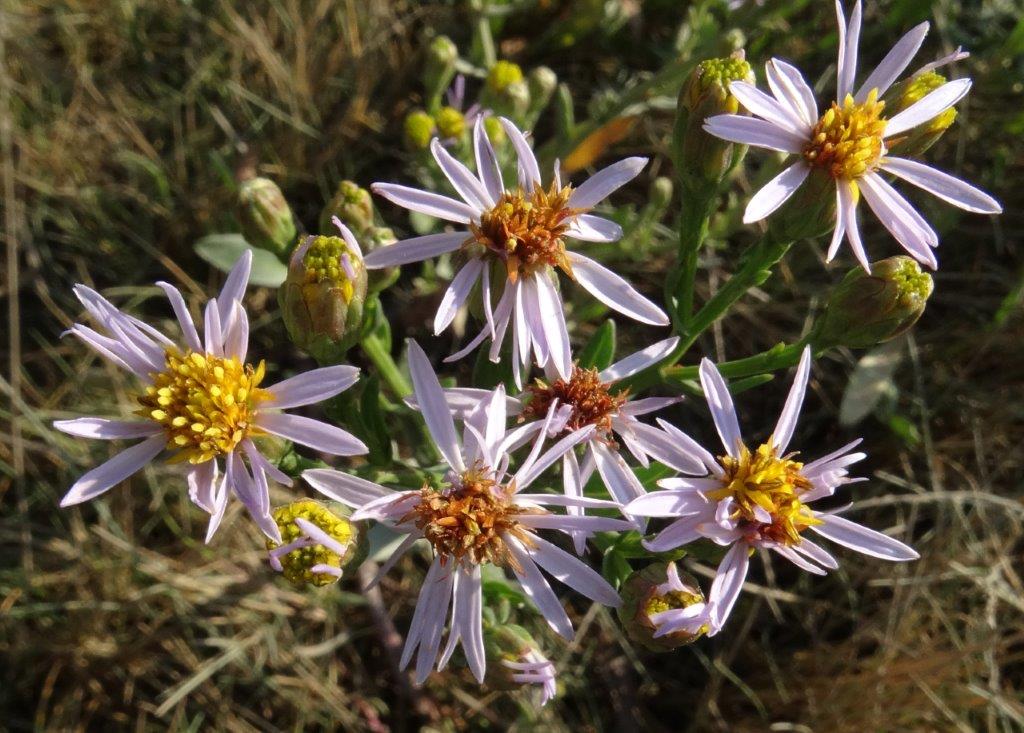
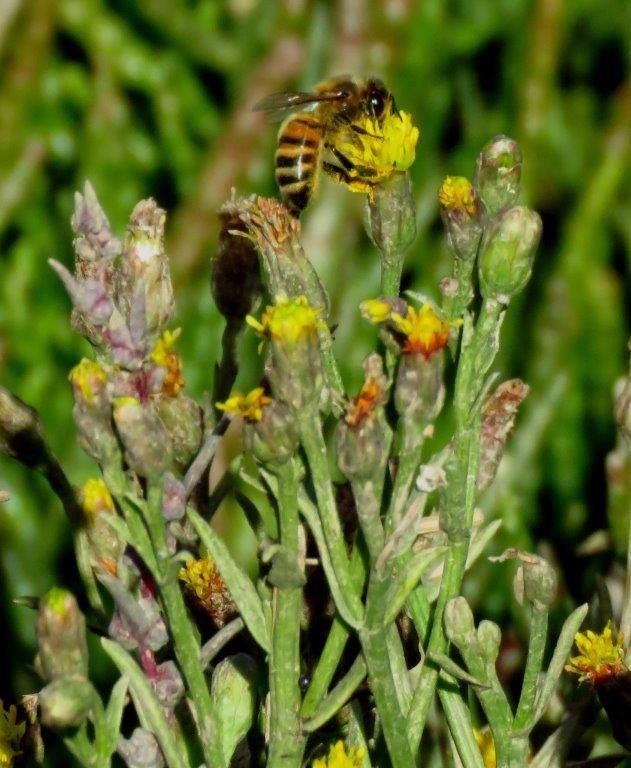
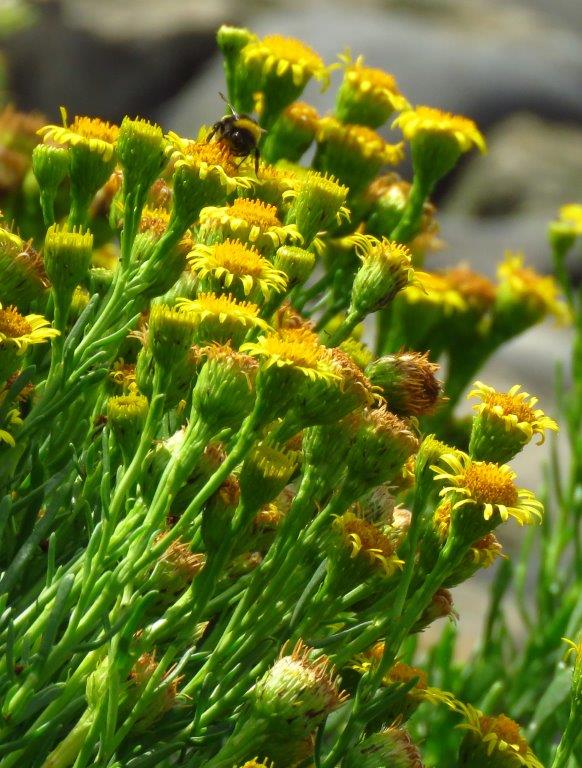
…but there were some species with more showy flowers, including three oft-confused members of the Daisy family: Golden Samphire with yellow rays, and occupying the upper tidal limit, and Sea Aster, in both its forms, one with with purple rays, the other lacking rays completely.


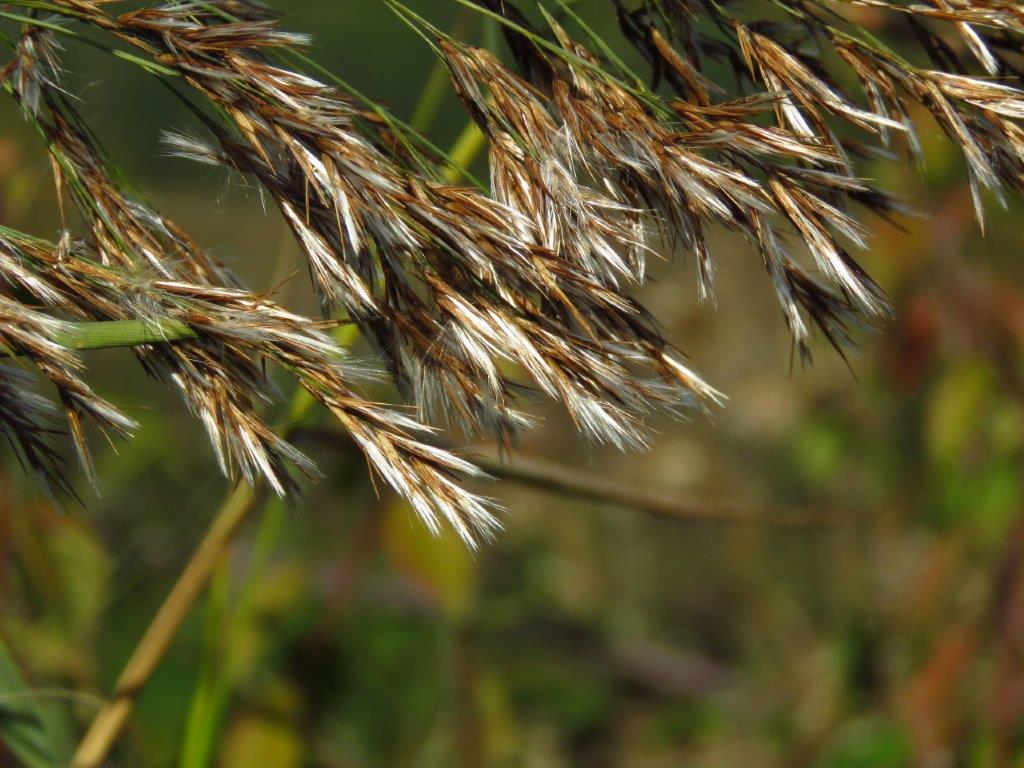
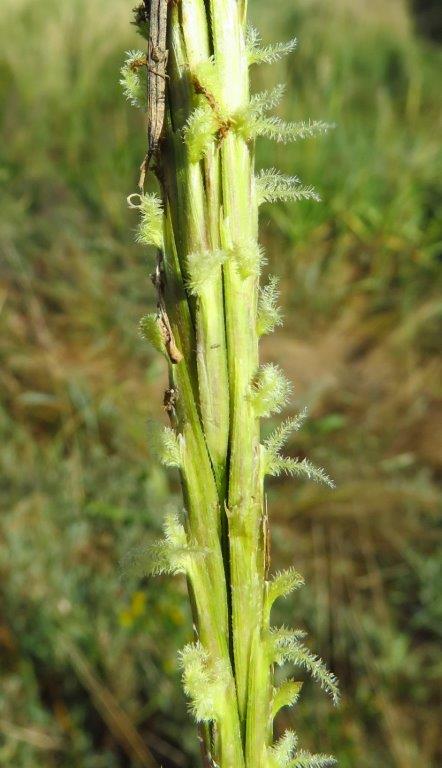
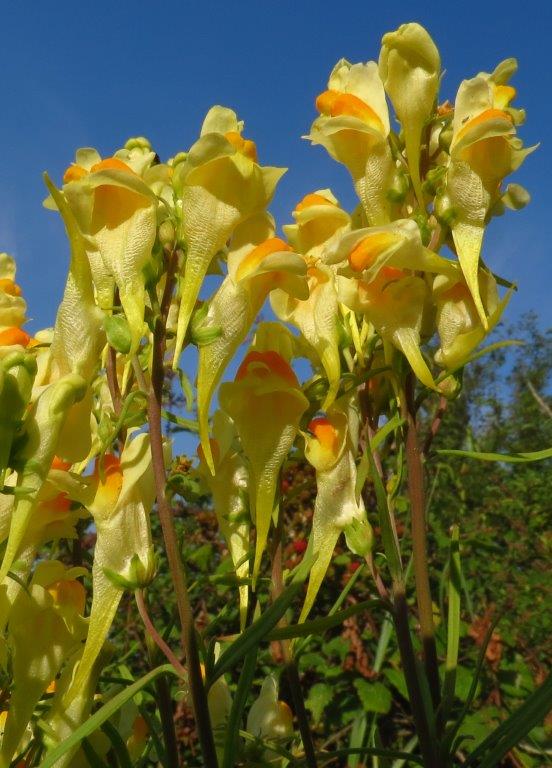
Other plants included Cord-grass, in full flower with its feathery pollen receptors poking out, leading to a discussion about its unique and really quite recent formation as a species (come along next year if you’d like to know more!). Likewise provoking a chat about the sex-life of (some) flowers, a Hawkweed was flowering in the wood, and along the highest level of the marsh, Common Toadflax was in lovely flower, a special plant for us as a main foodplant for the Toadflax Brocade moth, one of the highlights of last month’s walk (see here).


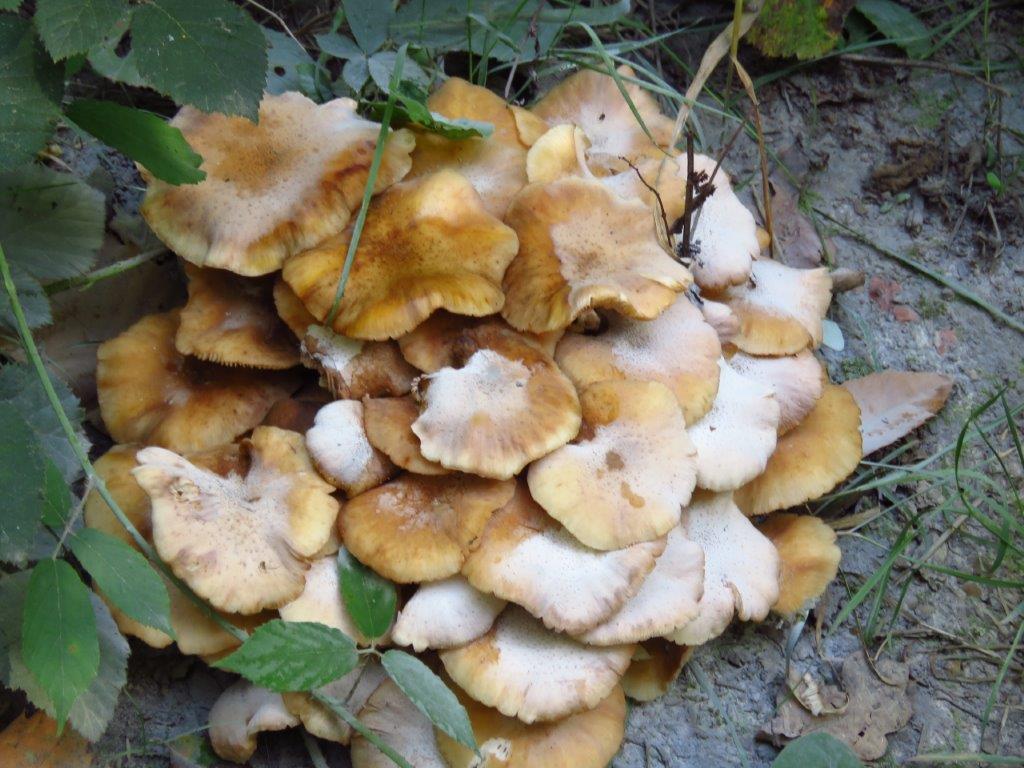
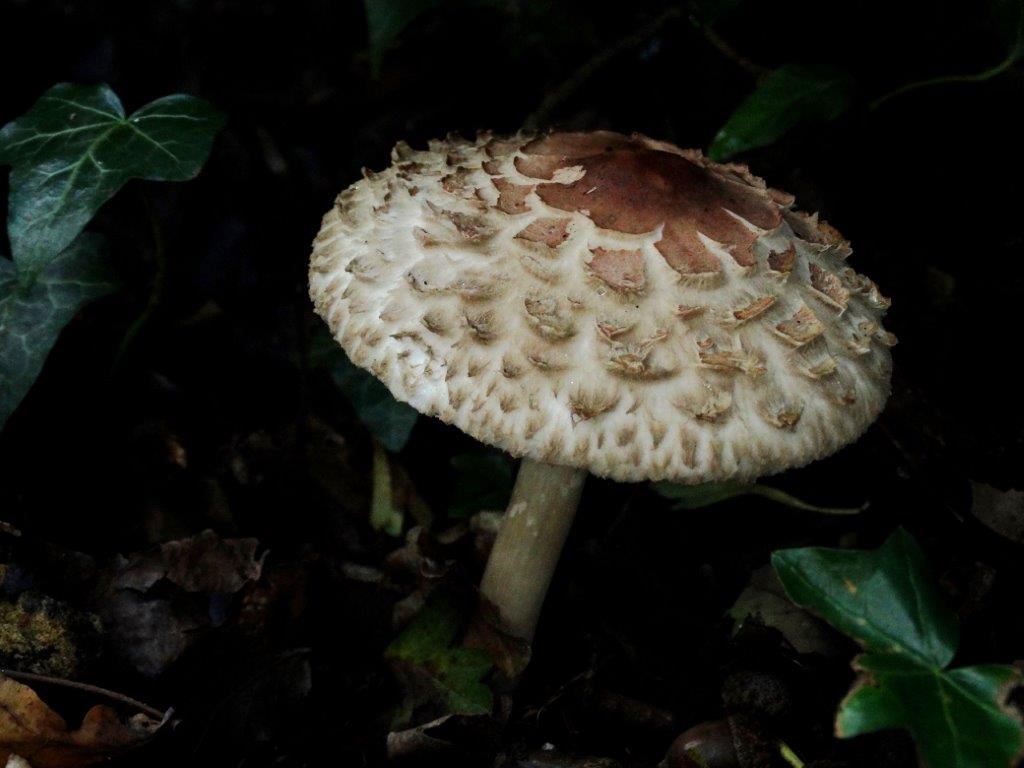
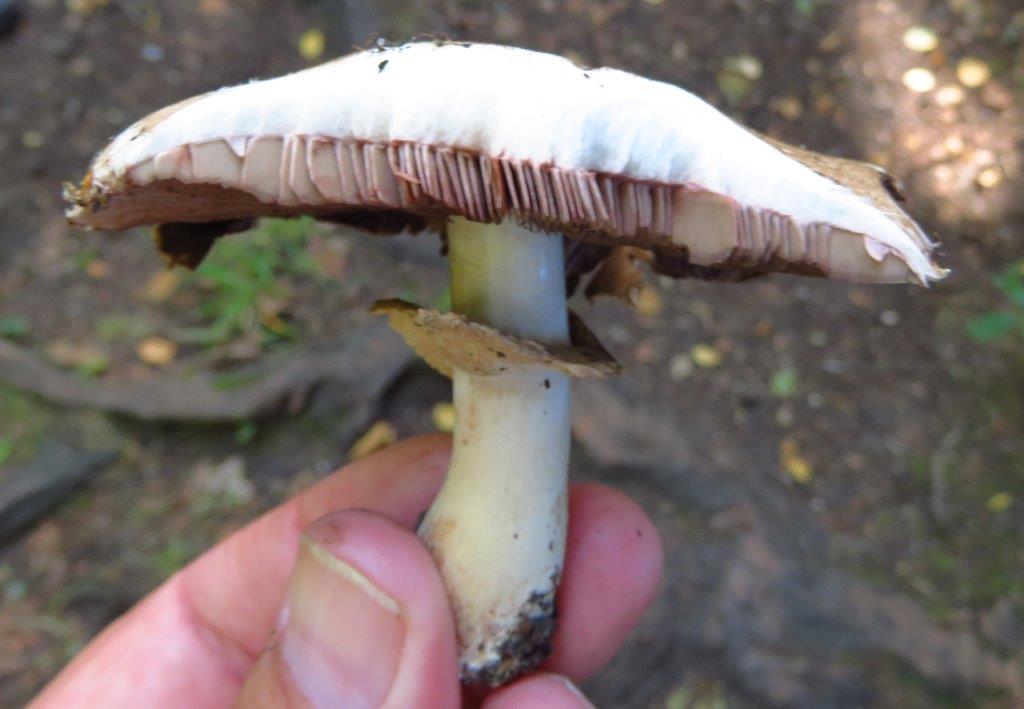
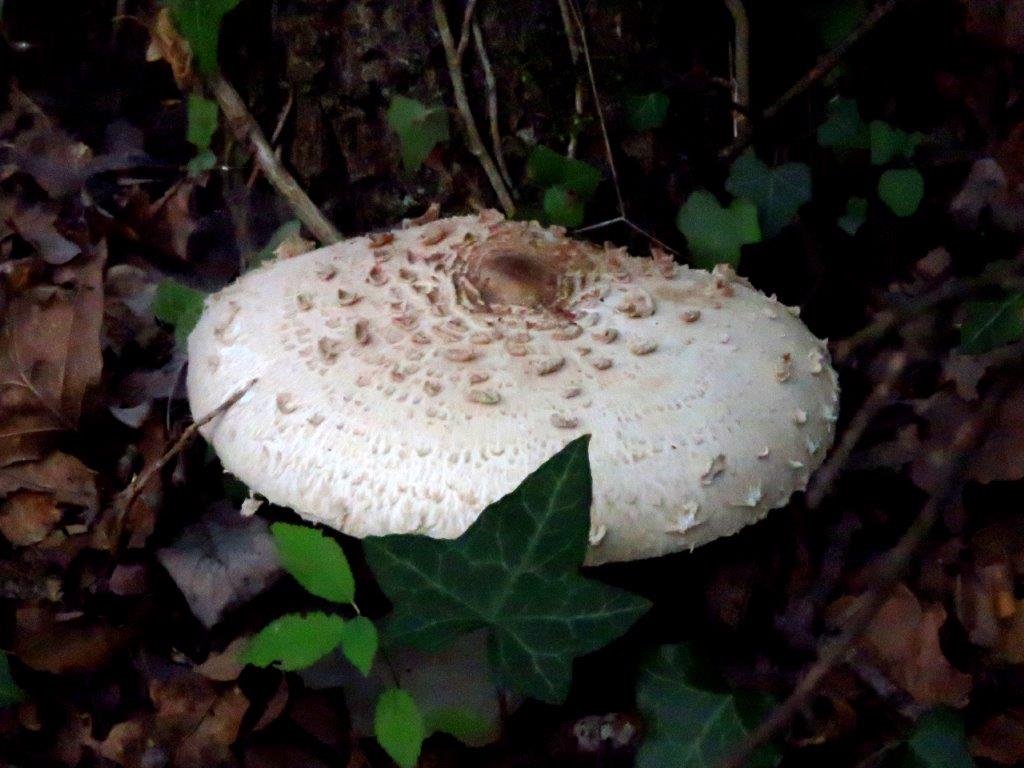
Due to the exceptional conditions of the summer, and delay in the start of autumn there was very little in the way of fungi in the wood. In fact we only found rather dull example of Wood Mushroom and Parasol, and not the spotty red and white Fly Agaric which we had hoped for,  but which can often be readily seen along the woodland trail, near Birch trees.

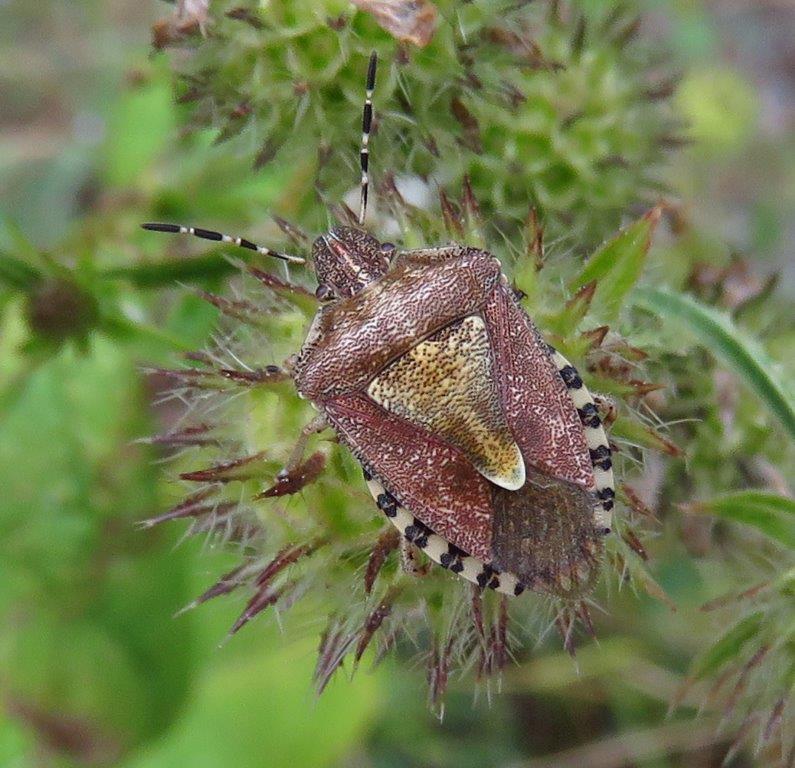
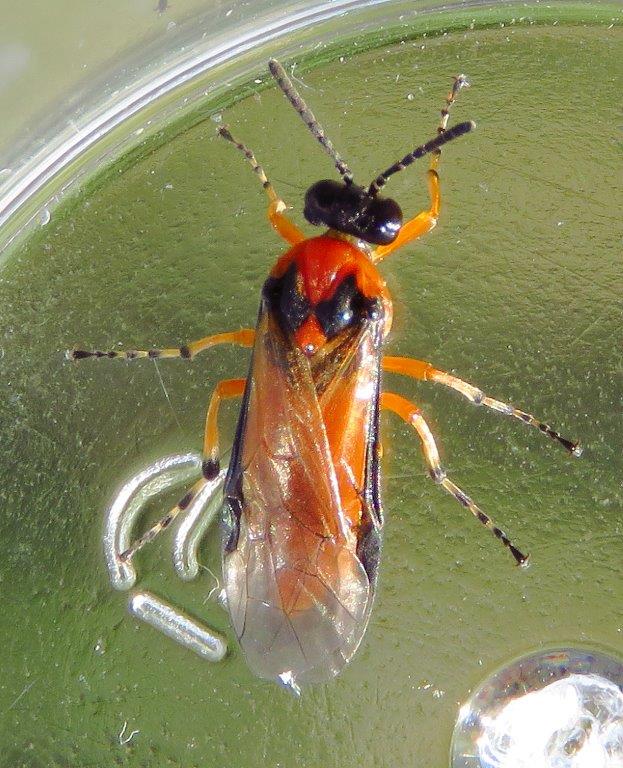
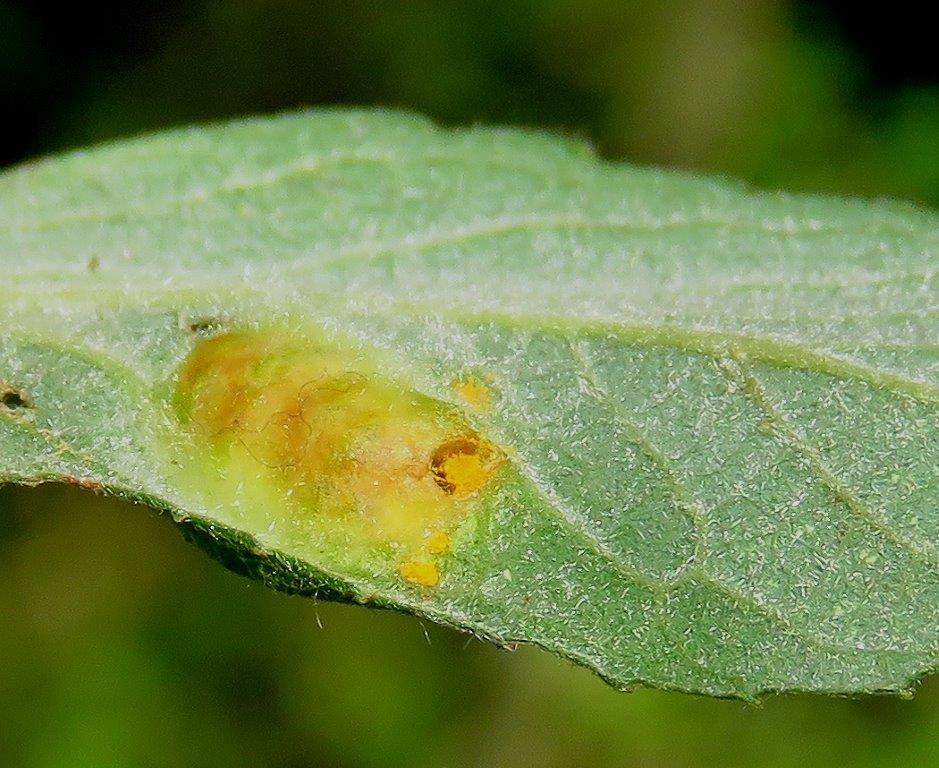
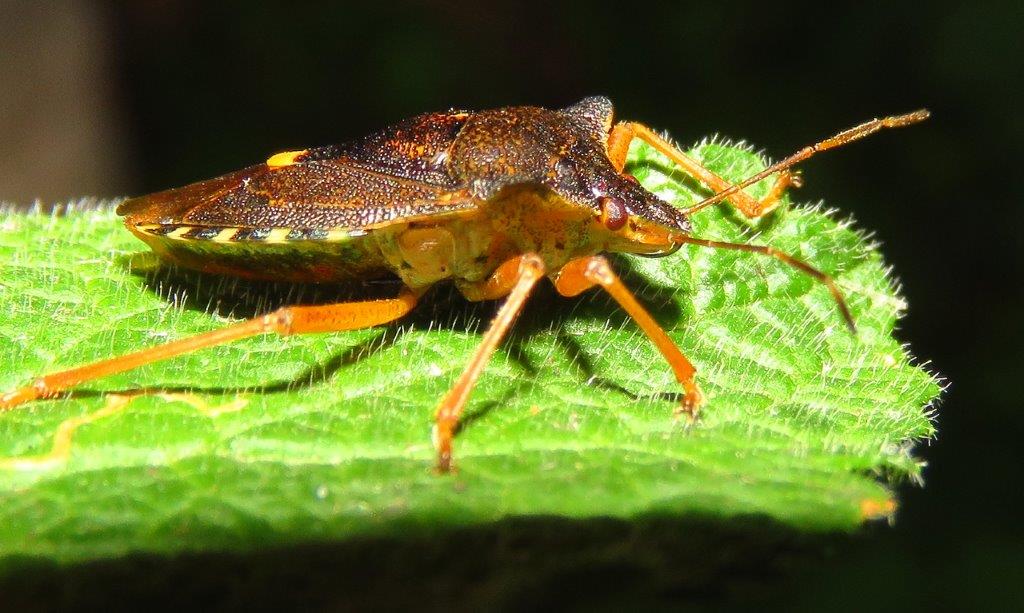
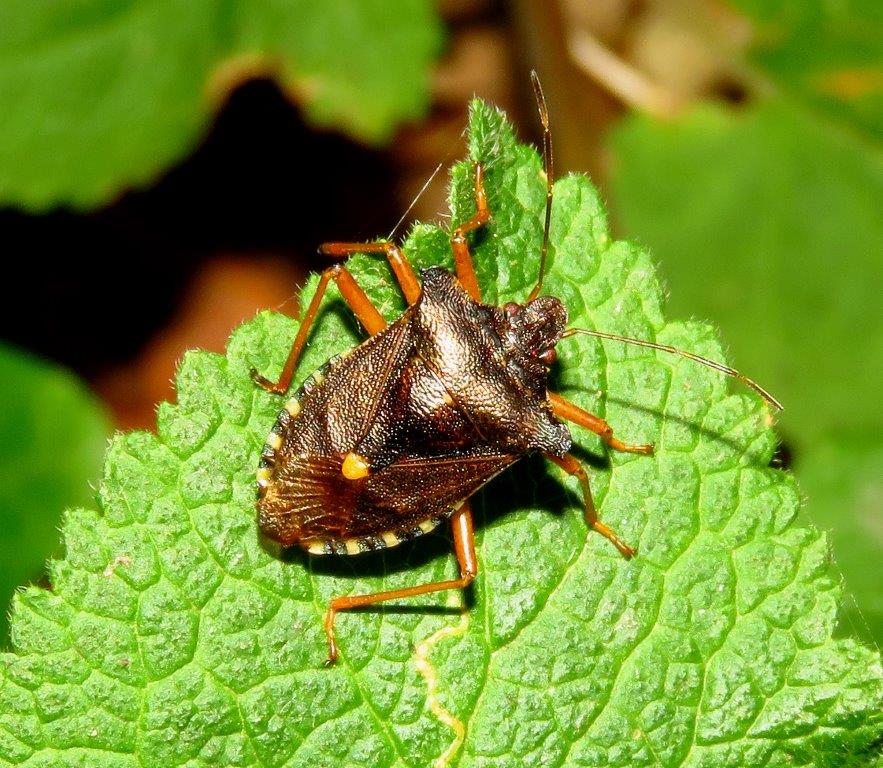
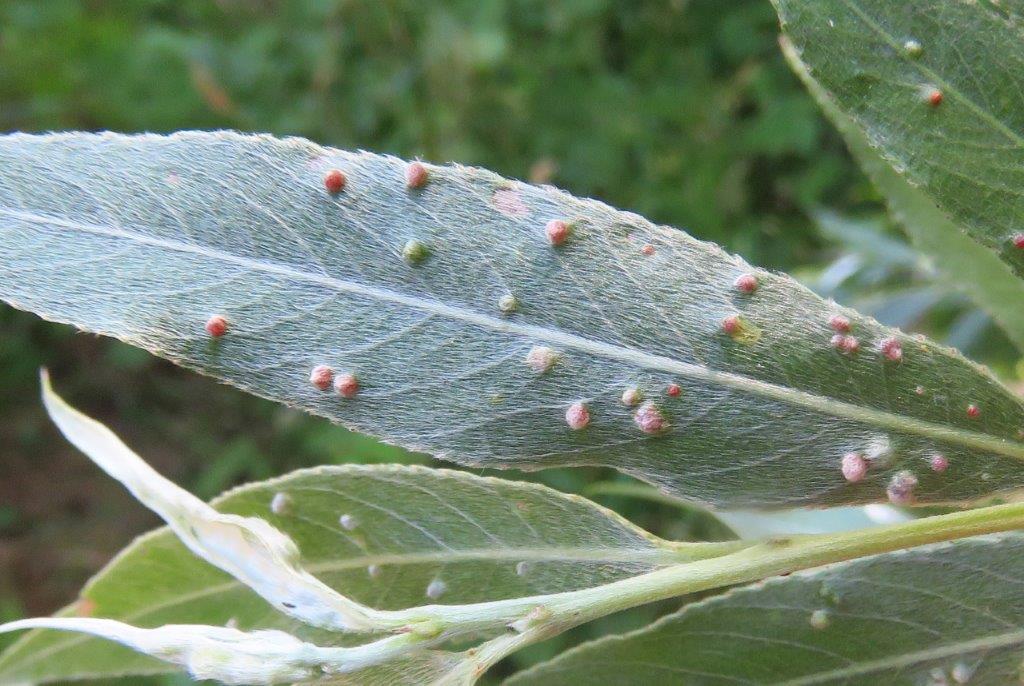
As always we were on the watch for bugs and beasties … a few nice examples included the smart red and black sawfly, an Arge species, although difficult to narrow down to an exact ‘Make and model’, there being many similar  versions of this little wasp.  Another sawfly, in the form of a gall caused by it, was found on the leaves of Willow: the gall even had the exit hole showing it had been vacated. Galls, along with fungi and fruits are likely to be the main focus of next month’s walk. A rather splendid Forest (also known as Red legged) Shield bug was discovered,  basking in the sun and enjoying his lunch, by means of his specially adapted piercing beak-like sucking mouthparts. This species is omnivorous,  also preying on caterpillars and other insects.

 On the marsh it was good to see a good number of the rare stripey-bottomed Sea Aster Mining-bee, which feeds almost exclusively on Sea Aster. It therefore emerges only in August-September when is food source is flowering. Its nesting colonies, on sandy ground above the reach of spring tides, cannot be too far away.


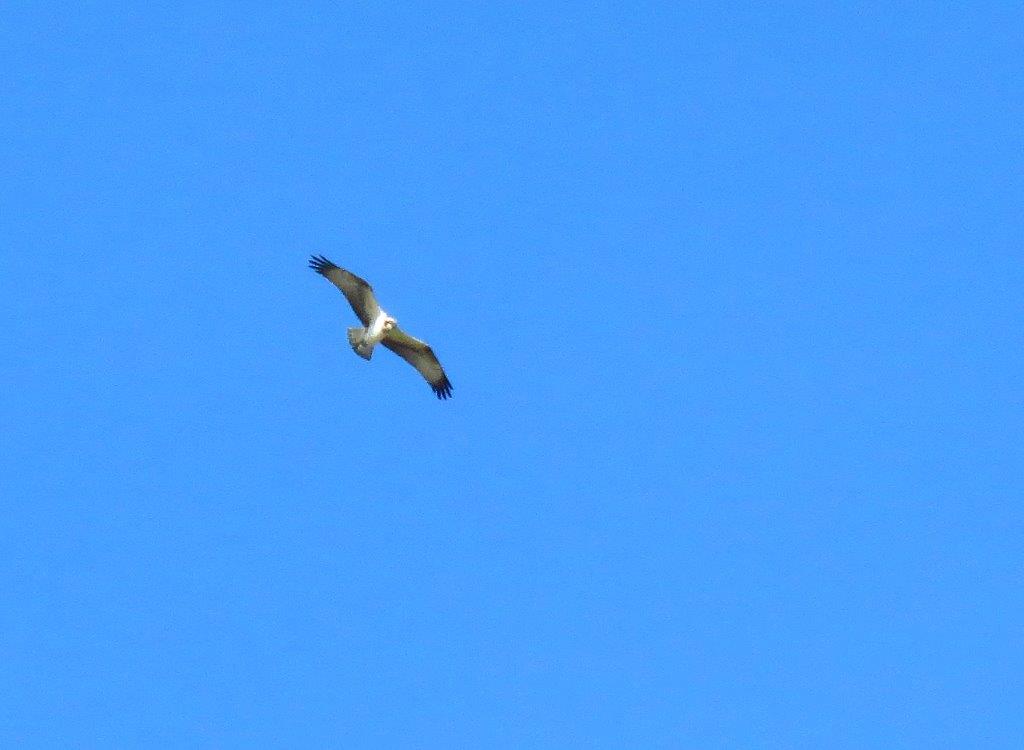
So what else did we see?  Um, let me think…..oh yes!, thanks to a tip off from our friend Glyn, we were very privileged to witness the majestic flight of a magnificent Osprey, circling at length above us. It was mobbed  by a couple of Buzzards, as one of our group exclaimed ‘3 birds of prey in my binoculars at once!’.   Although our walks being ‘non-birdy’ ( Richard Allen’s successful monthly bird walks are the place for a birding experience in Wivenhoe on a Saturday morning), we had to make an exception!  This bird was probably a migrant, on its way back to Africa. We can’t help thinking that this will be the lasting impression of our September outing. We managed just the odd snatched photo but no doubt Glyn’s magnificent efforts will be posted on the Wivenhoe Forum before too long!

And true to form, check out Glyn’s excellent photos of the bird here, on Page 31…

#WildWivenhoe Botany & Bug Walks: August – Whitehouse Beach

Those who read our reports regularly will know that they are usually upbeat affairs, rejoicing in the wonders of the natural world….well bear with me and there is a fair amount of that to come… but first I have something negative to comment on, namely LITTER ON WHITEHOUSE BEACH!  Why is it considered OK to leave several picnics’  worth of rubbish in a decomposing-in-the-sun black sack on the grassy sward of the beach?  Don’t worry, someone else will deal with it…..and in fact we did as we didn’t want all the contents to spill and allow yet more rubbish into the surrounding countryside… but couldn’t the revellers have taken it home with them?

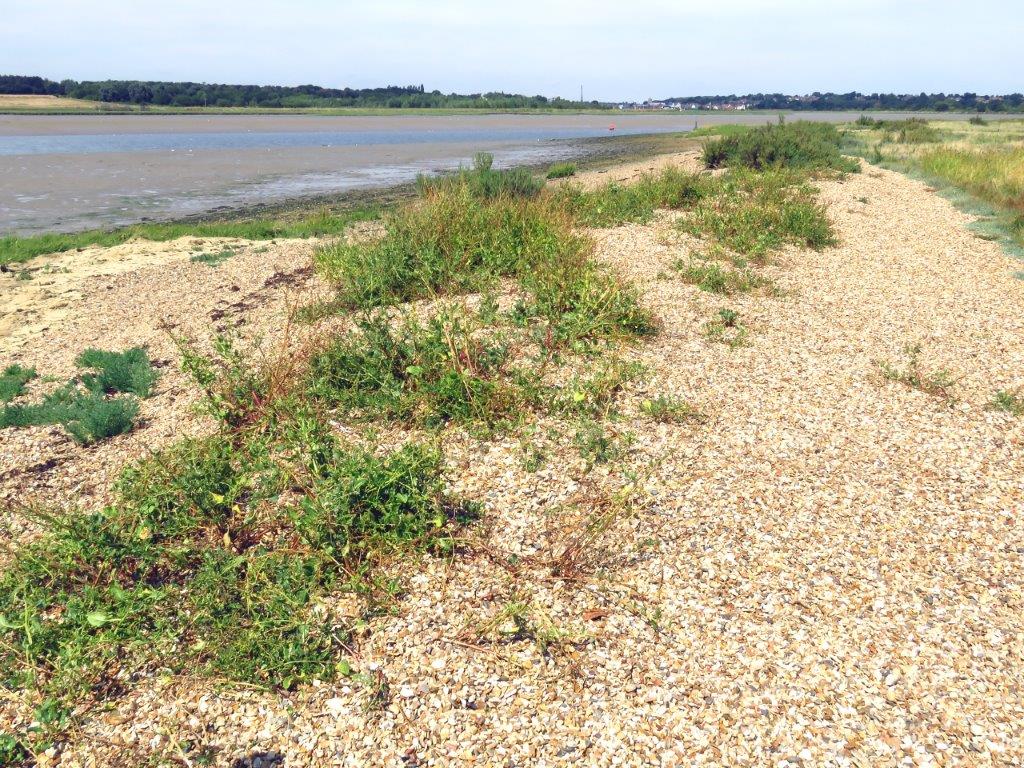
Anyway, back to the lovely walk this morning.  The sun was slightly less overpowering than of late and we had a bit of a breeze and cloud cover.  The main focus was the many and varied salt marsh plants, and a walk along the seawall shows the different sections of saltmarsh according to how often the plants are covered each tide, ie on every tide, or only when there is a high spring tide, and every stage in between.  The different vegetation reflects how much the plants can stand being inundated by salt.

Two of the three UK species of samphire grow here in Wivenhoe, ‘Golden’ ( a member of the daisy family), and ‘Marsh’ (a spinach), whilst the third type ‘Rock’ is a carrot.  All show similar characteristics – succulent in that they store moisture in their leaves and stems, and good to eat with a wonderful salty taste (if you can be sure of the water quality where it grows of course).  The question comes to mind, If they do not share taxonomical links, then why are they all known as ‘Samphires’?  Well, an interesting theory is that this is a corruption of ‘Saint ‘ or ‘San Pierre’, ie St Peter, the fisherman.  And as we know samphires go remarkably well with fish.

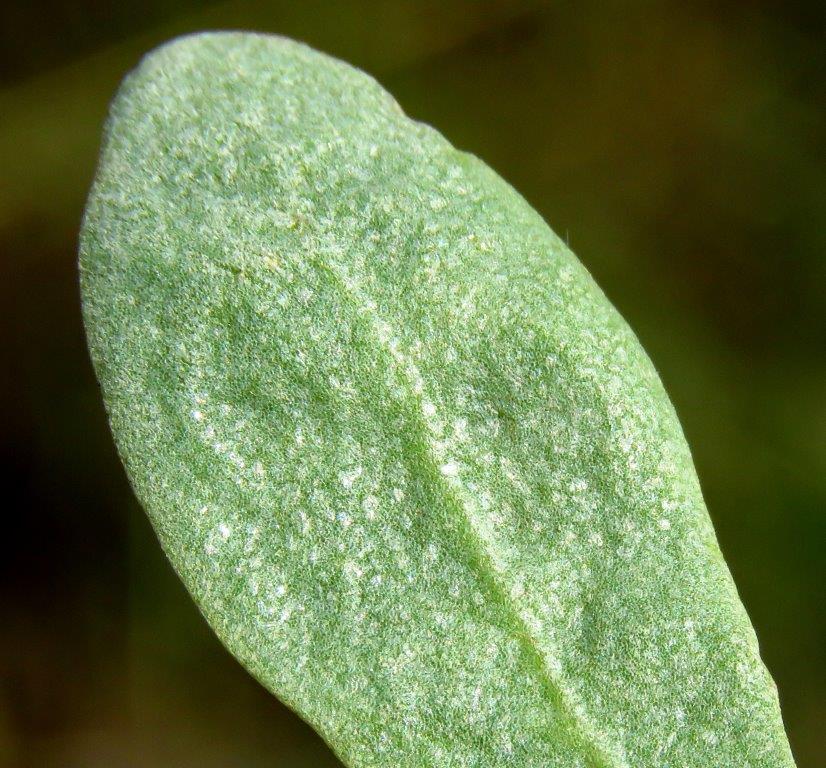
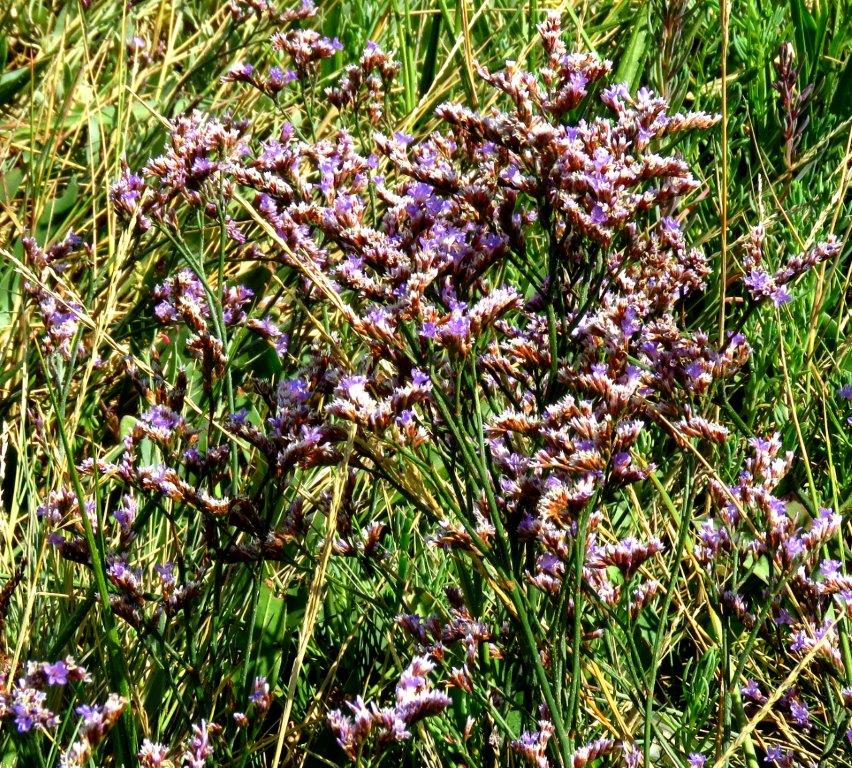
Sea Purslane is an interesting plant, its cells are mini-desalination processors.  They take in salt water, convert it into fresh and eject the excess salt in little crystals, which coat the leaves causing them to look grey and shiny. Sea Lavender was in flower, the patches of purple clearly in contrast to the generally green saltmarsh flora.

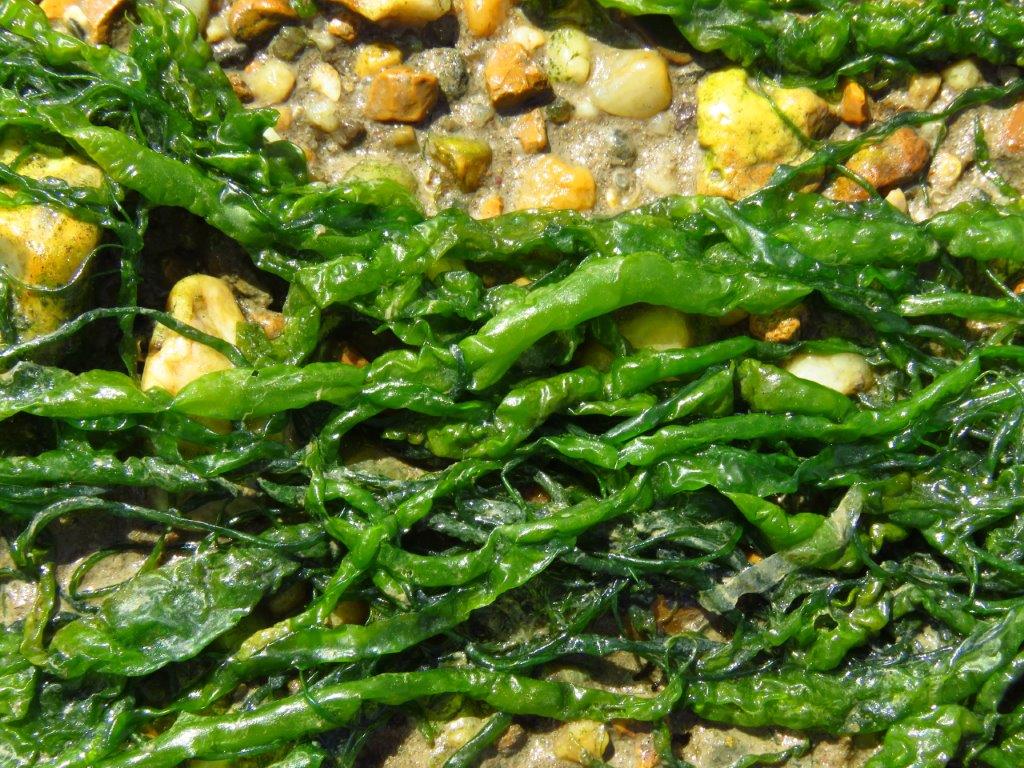
Washed up along the shore line was a veritable blanket of dead vegetation, looking rather like grass cuttings.  This was the Gutweed, a rather (it must be said) unattractive little plant, looking rather like intestines, hence its name , but one which is considered a delicacy by our feathered friends who are soon to return to these parts from their summer vacations.

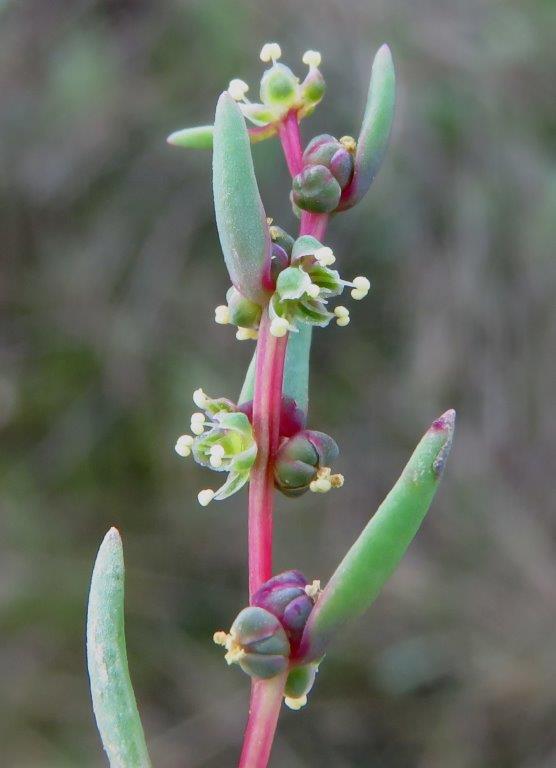
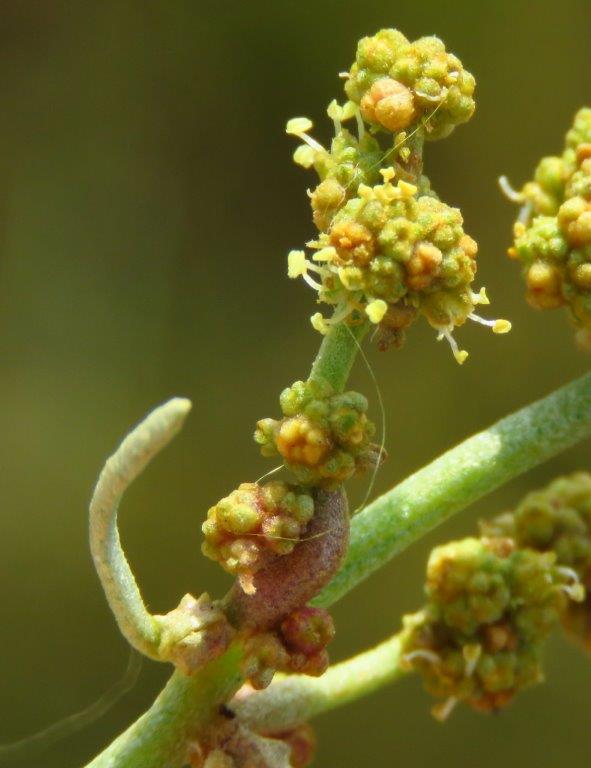
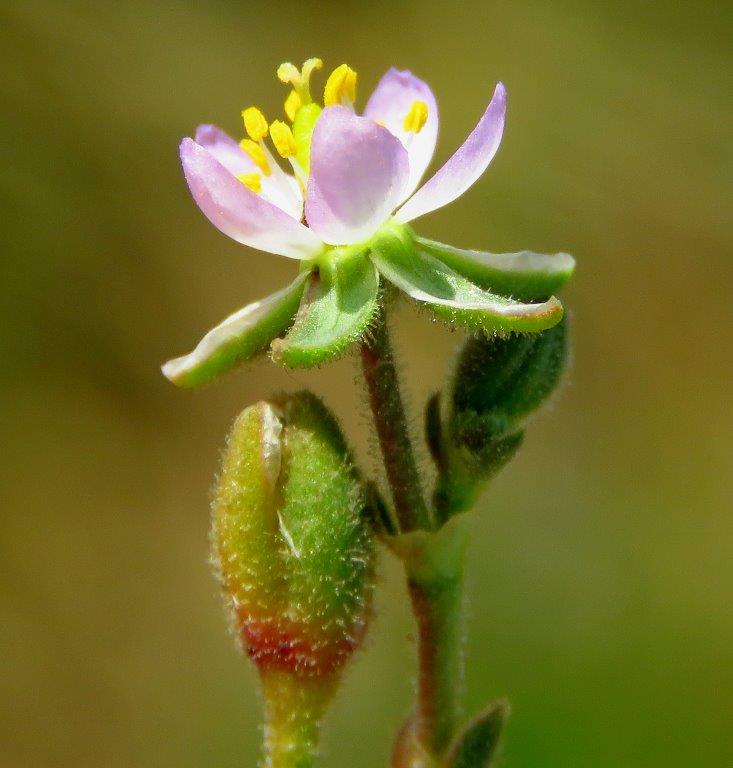
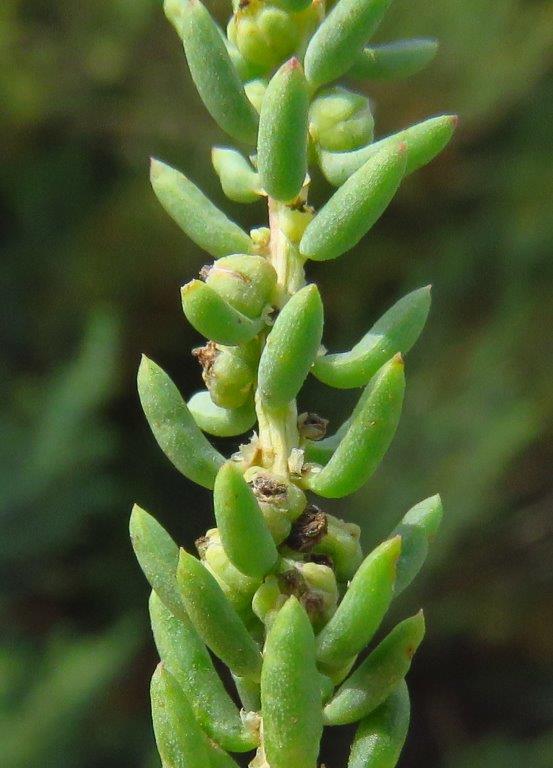
Other plants worth a mention, some illustrated below, were the pretty Lesser Sea Spurrey , Sea Wormwood,  and Shrubby and Annual Seablites.

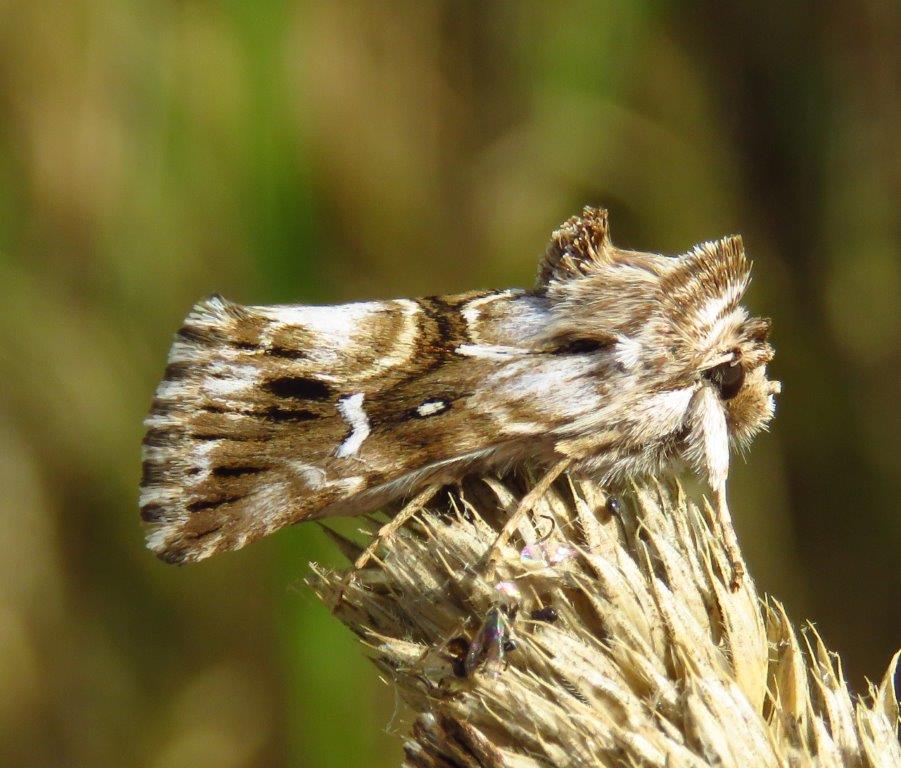
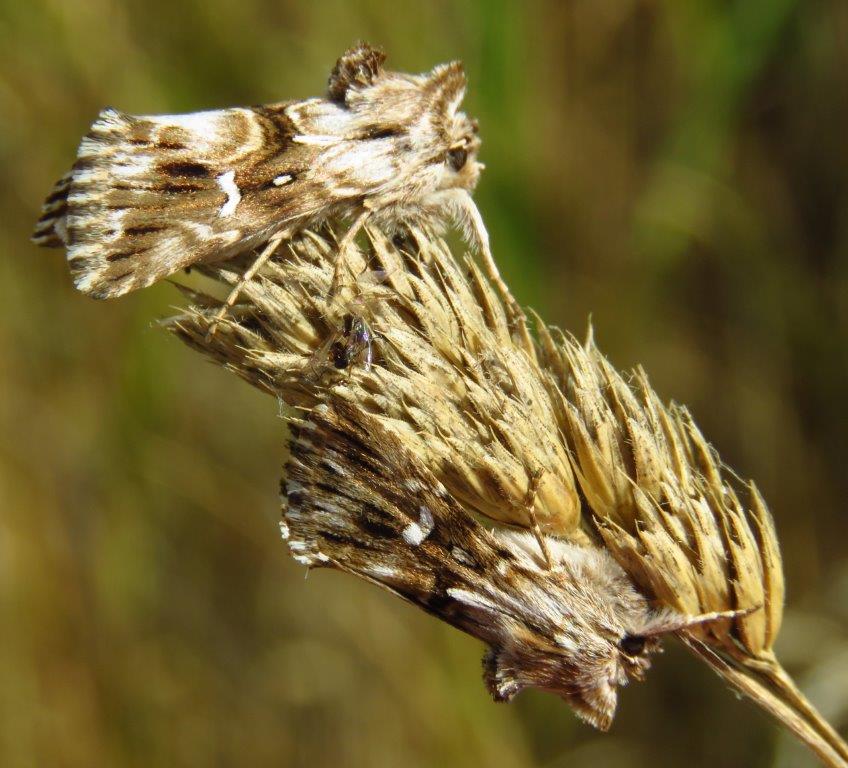
A few butterflies and dragonflies fleetingly captured our interest, but we did stay and linger looking at a well-disguised moth on a seed head.  A Toadflax Brocade.  In  fact it was only when we looked at the photographs at home that we realised that there were actually two moths  – such was the remarkable camouflage.

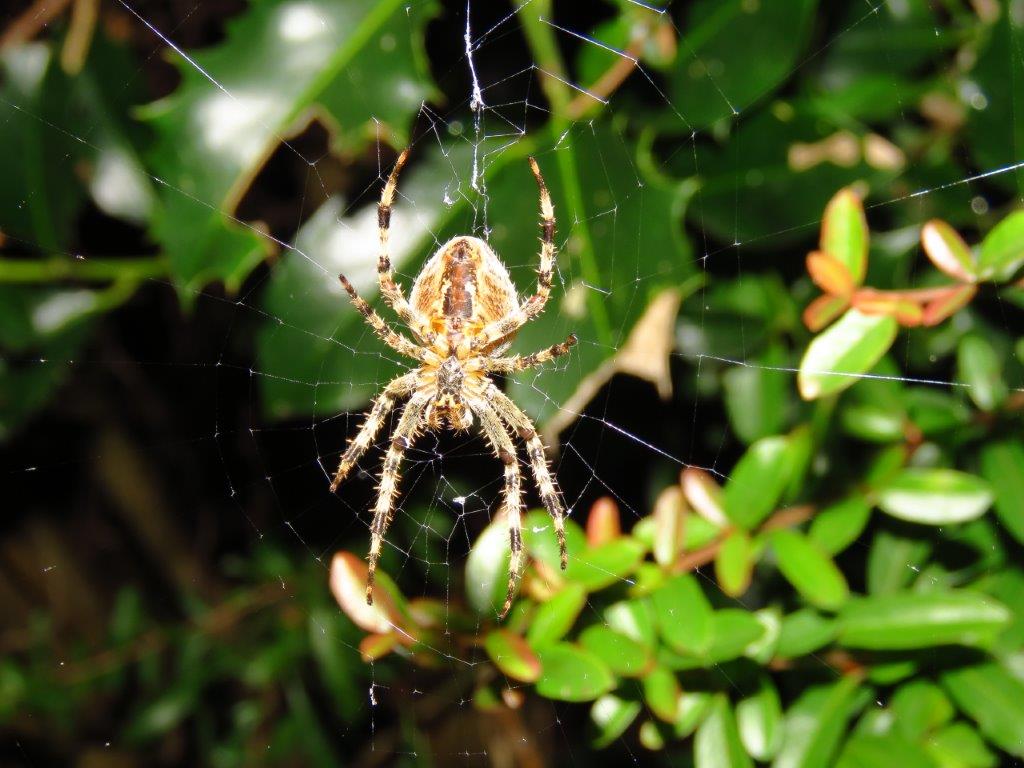
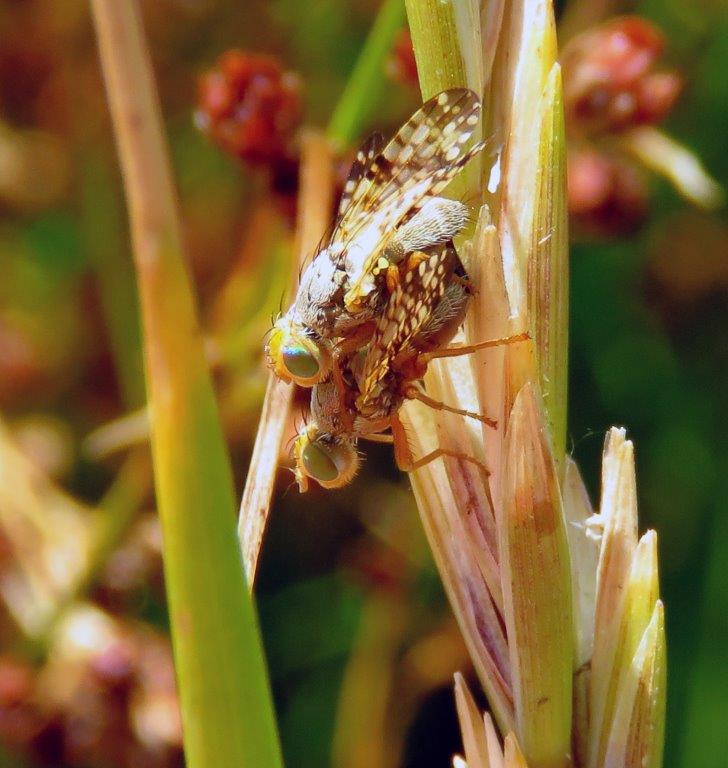
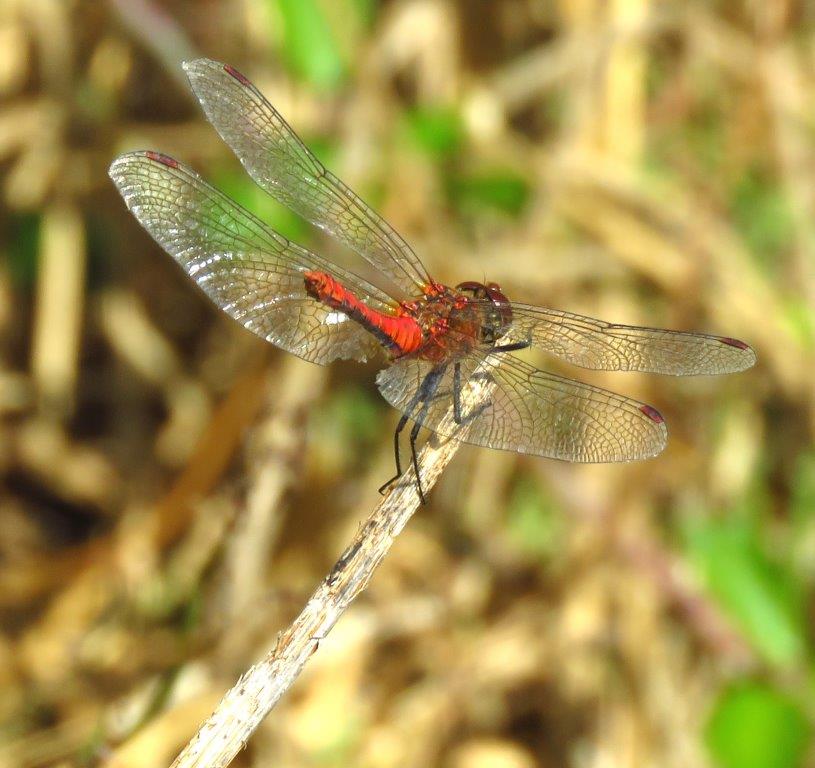
Other interesting beasties included a mating pair of picture winged flies.  There are many types of such flies, each with distinctively and attractively patterned wings, and these guys go by the name of Campiglossa plantaginis, which breeds on Sea Aster, a common salt-marsh plant hereabouts.  Several male Ruddy Darter dragonflies sparkled along the sea wall, but although we searched we did not find any Wasp Spiders.

We hope this has whetted your appetite, as we are planning on re-running the walk next month, by which time more of the salt marsh plants will be in flower, and who knows we may be able to spot that elusive, but magnificent spider.

#WildWivenhoe Botany & Bug Walks: July – Lower Lodge

Phew!  What a scorcher!  Thank you to the participants of today’s Botany and Bug walk at Lower Lodge, and hope that you enjoyed seeing what is surviving this almost unprecedented dry spell: our last walk six weeks ago followed the last rain recorded in these parts, with no more than a hint of it in the next two weeks’ forecast….
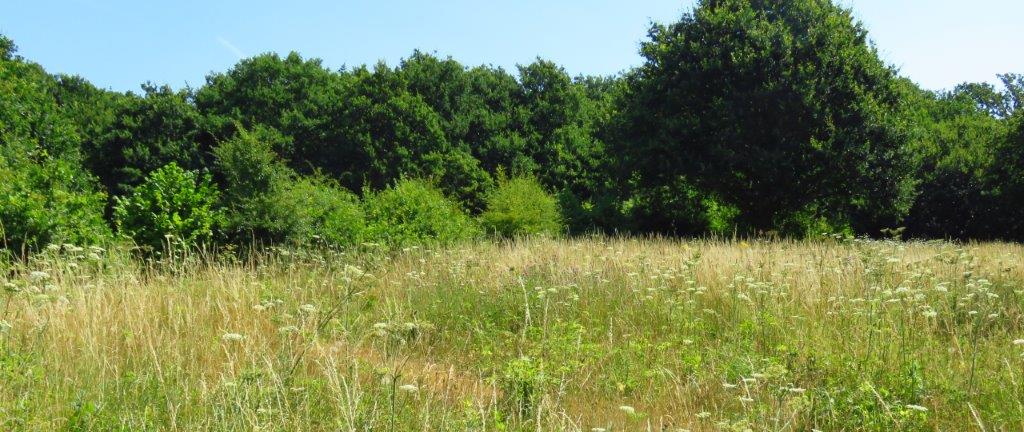
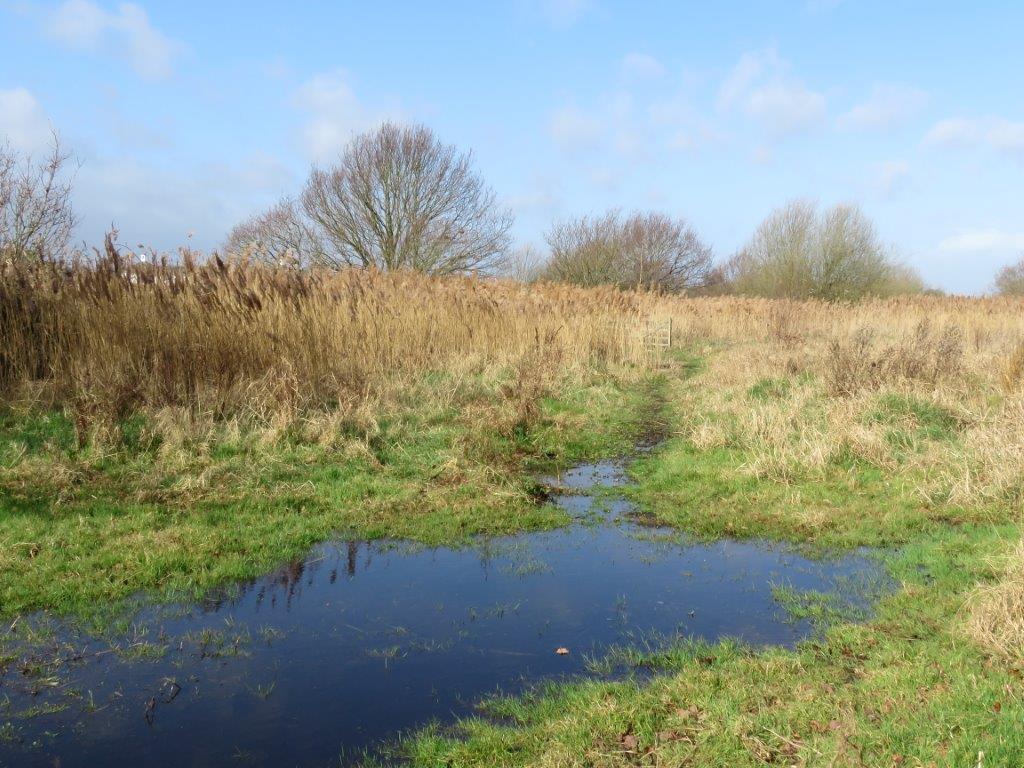
Amazingly a lot is hanging on, and in fact doing rather well considering.  The uncut swathes are full of plants and alive with insects.  A vast contrast to the desert-like parched areas of mown grass.  A lesson to us all in what we can do to help the continued survival of our natural world: natural habitats have natural resistance against environmental stresses.
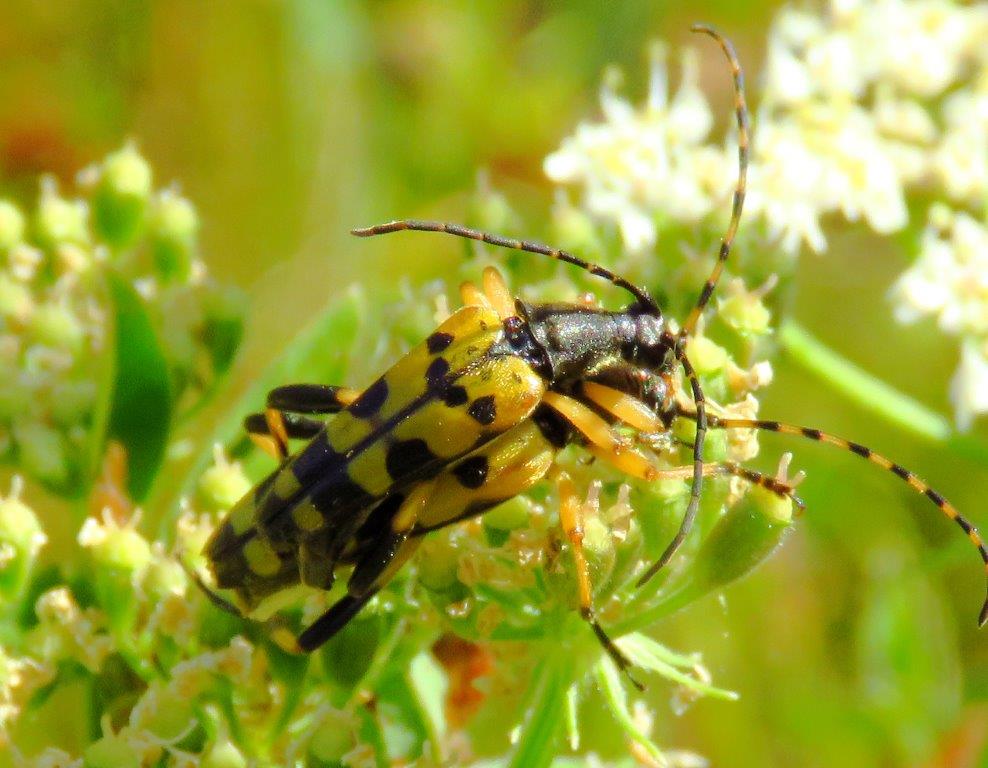
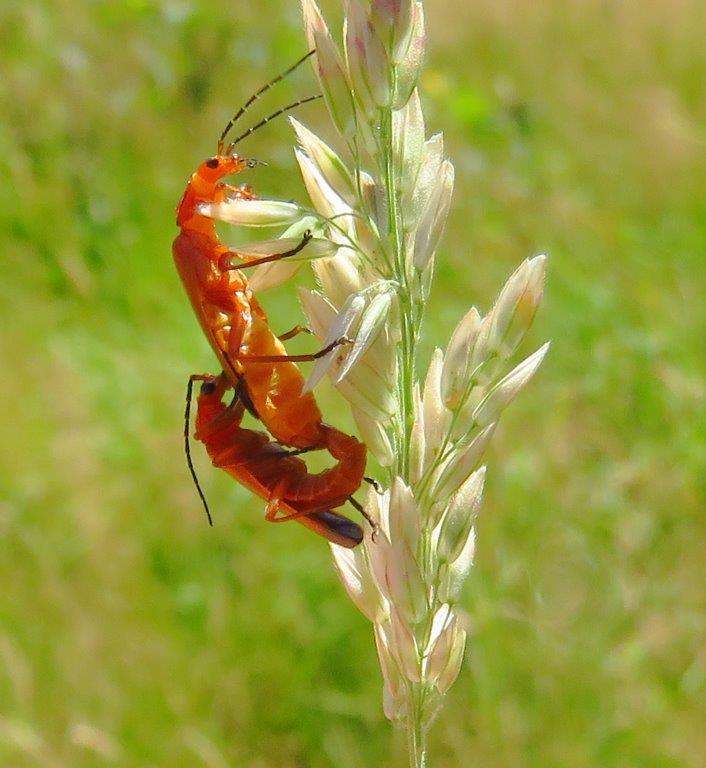
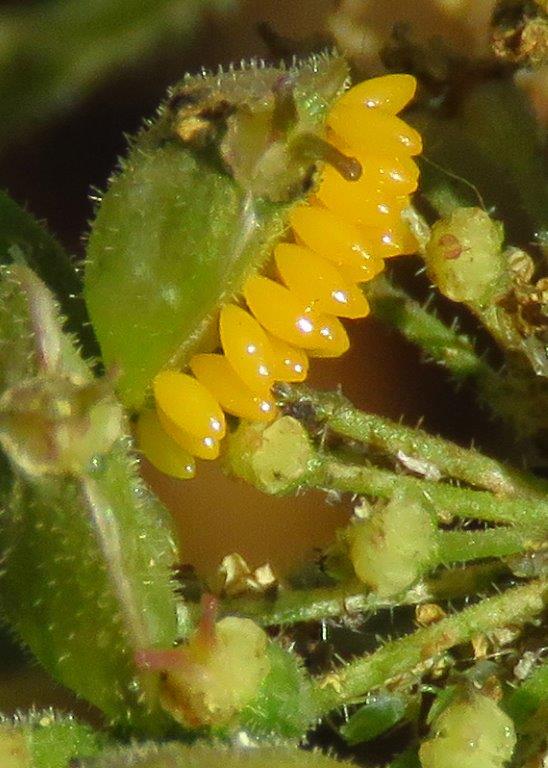
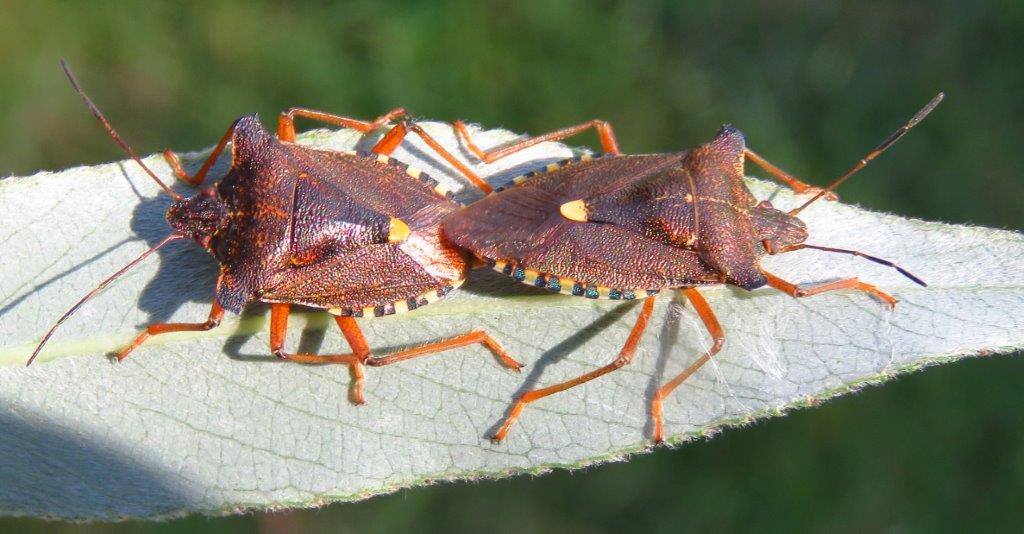
Insects were out in number and love was certainly in the air!  We rather voyeuristically watched the ‘goings on’ of  various pairs – the stunning Black-and- Yellow Longhorn-beetle; Common Red Soldier (aka Hogweed Bonking) Beetle; and the totally differently positioned Forest ( or Red-legged) Shield-bug.  Following on from this theme, a rather beautiful cache of ladybird eggs was seen glinting in the sun.

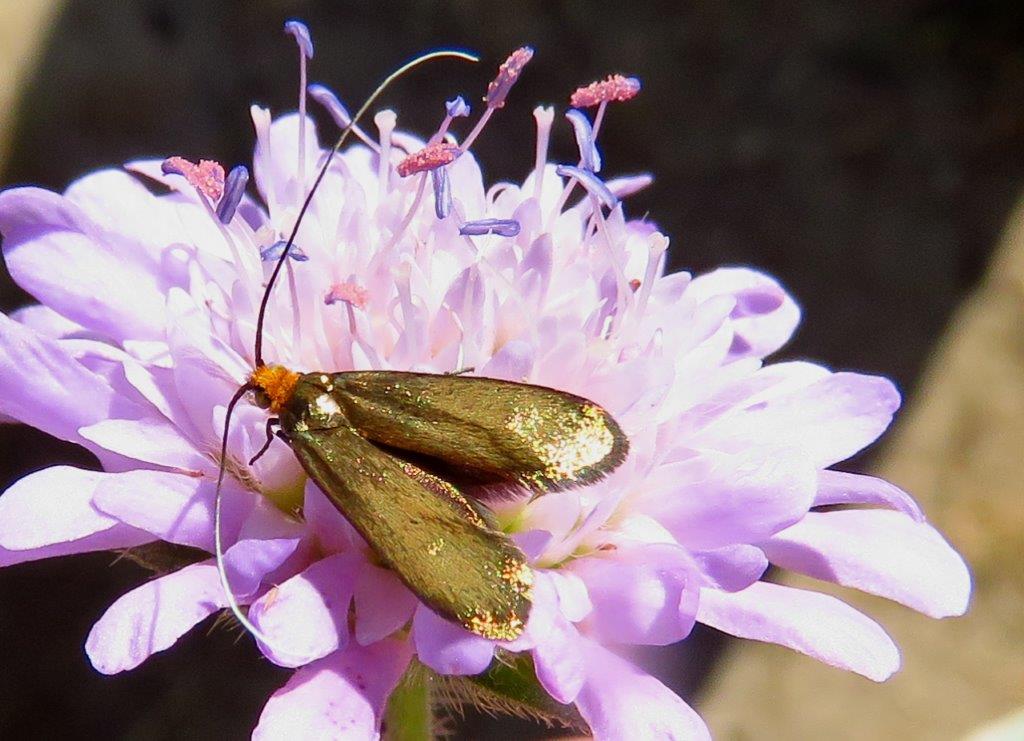
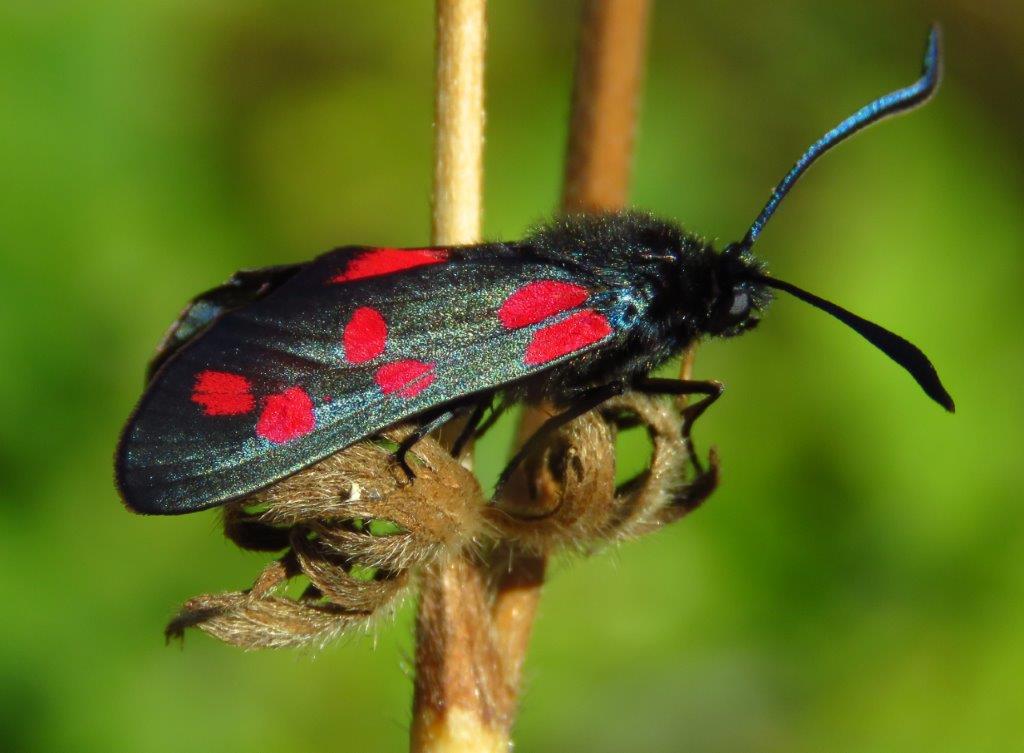
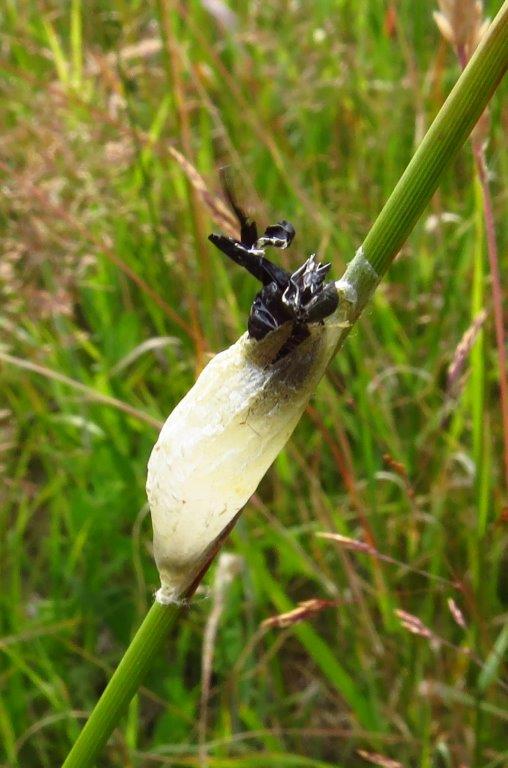
Other creatures of interest included several species of butterfly; two sorts of skipper; a long-horned moth;  plus both 5- and 6-spotted Burnet Moths. The egg cases of these beautiful day-fliers are curious affairs, and we were lucky enough to see one clinging to a grass stem.    Caterpillar fans were delighted to see the yellow-and-black Cinnabar Moth larvae out in force, chomping their way through poisonous Ragwort.  In addition a selection of ladybirds, spiders, bees and grasshoppers  made for a varied couple of hours.

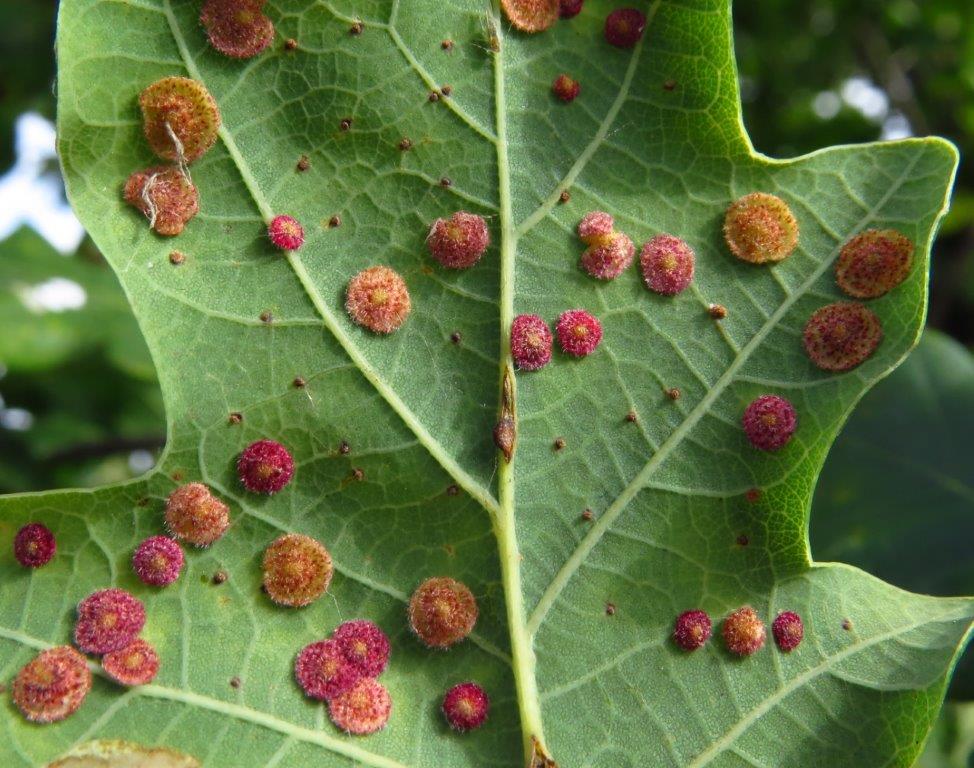
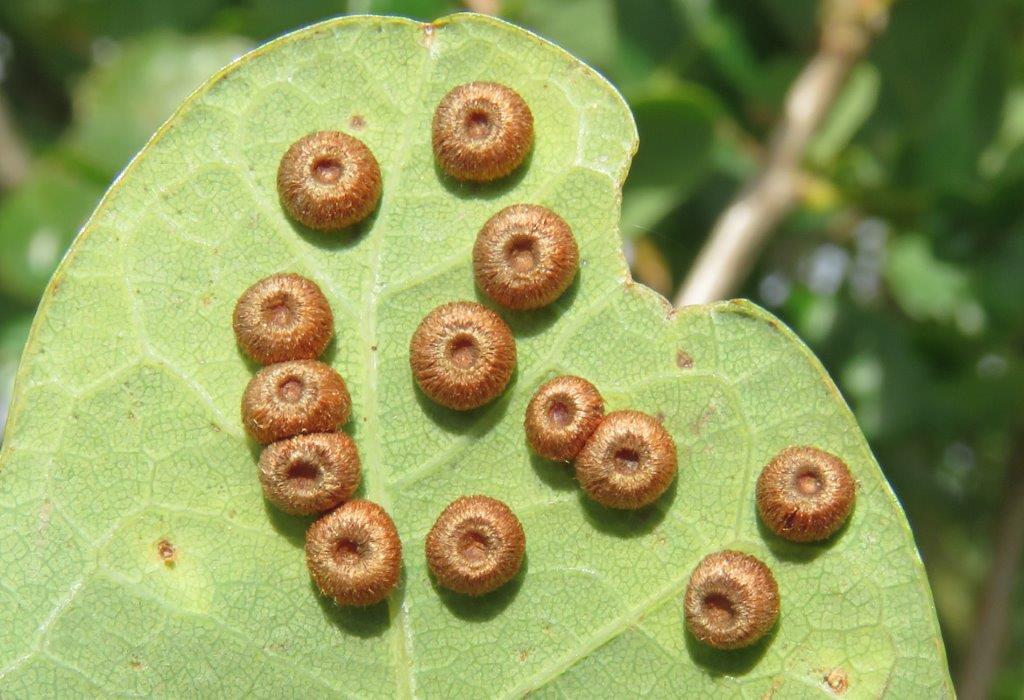
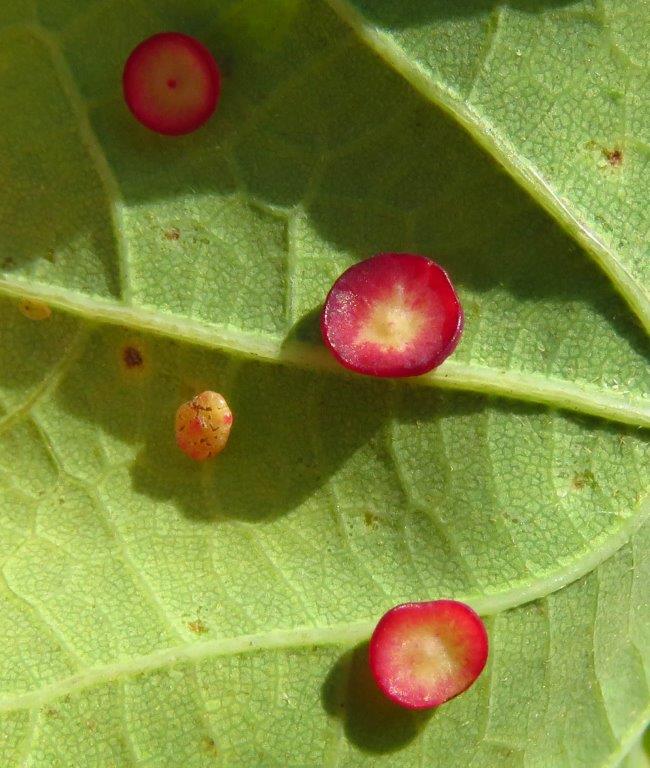
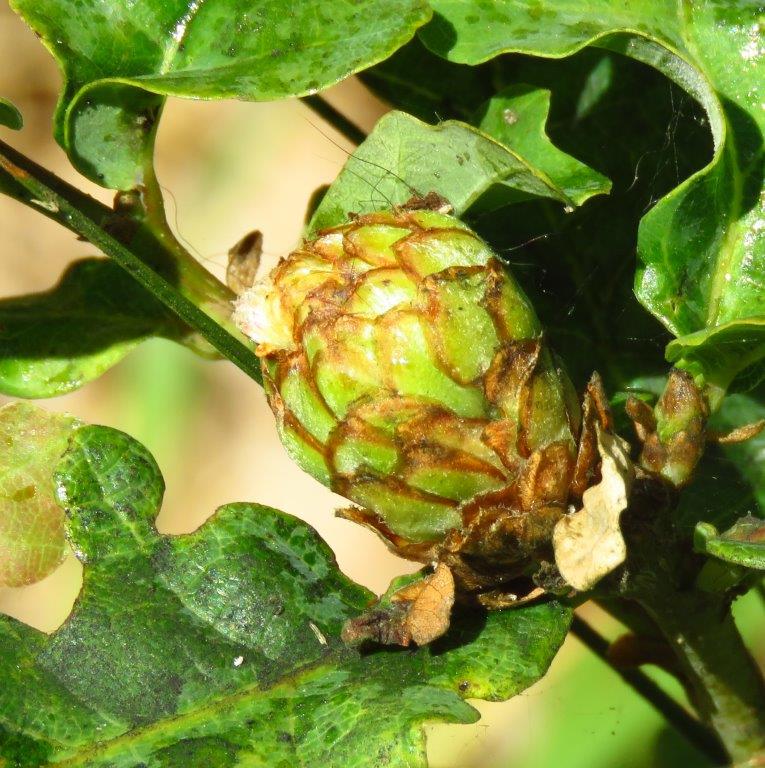
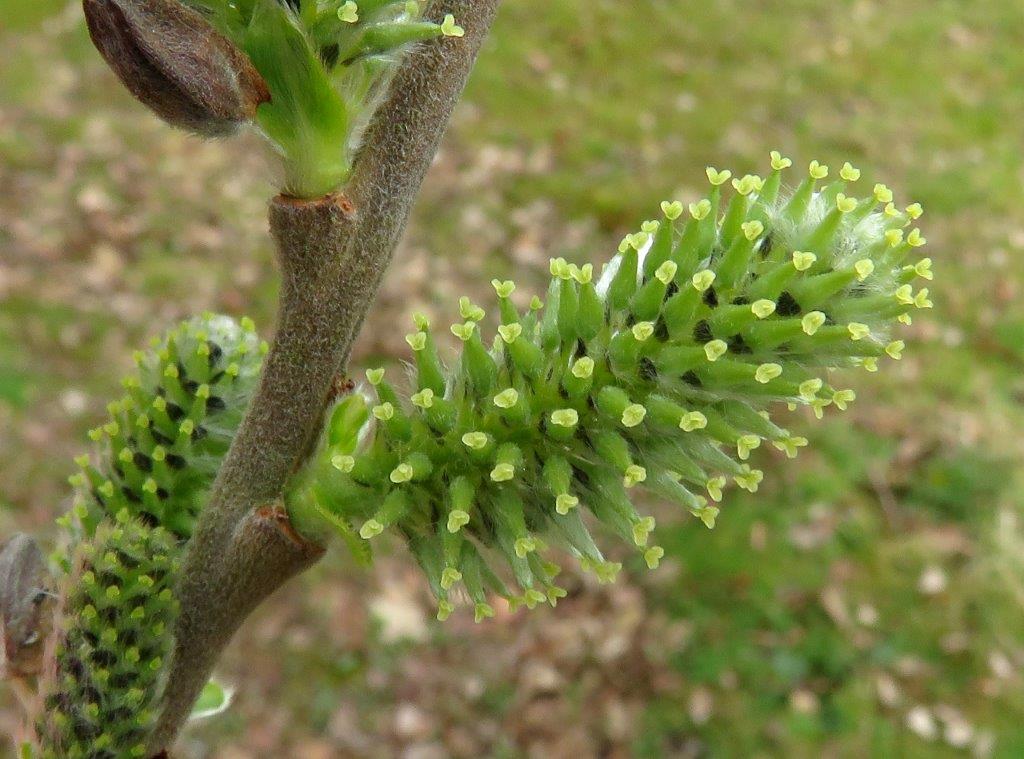
We were aware of the presence of microscopically small creatures too – in the form of galls (abnormal growths caused by something living in or on the host plant and causing its cells to enlarge and provide shelter and food for the gall-causer). Oaks are particularly interesting where galls are concerned – in fact in the UK various kinds of Oak support over 50 different kinds of them, on leaves, buds, stems, acorns and sometimes on the trunk. We saw a few of these today – the artichoke;  ram’s-horn; marble; knopper and spangle-galls.  Others were no doubt there had we had longer to search.  And it wasn’t just the Oak, Willows too supported a variety of gall-causing insects and mites.

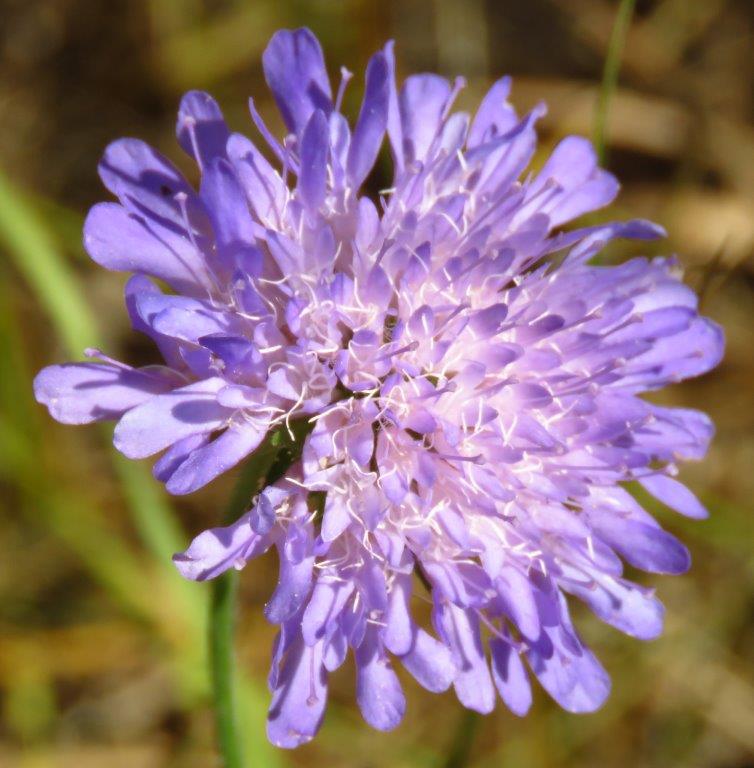
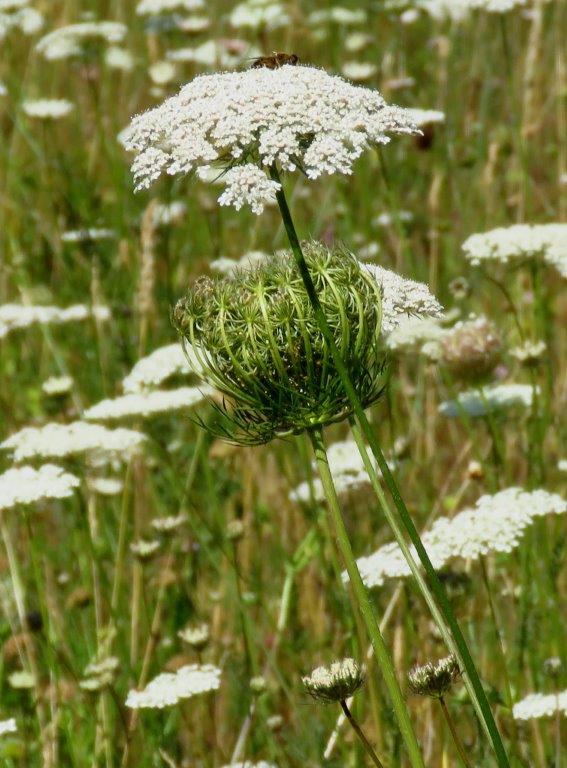
On the plant front, a favourite was Wild Carrot – an umbellifer loved by many kinds of insect.  The variety we encountered has a tiny red flower in the middle of each umbel which acts as an attractant to other insects to ‘Come on Down and check out my pollen’.  The Jack-Go-to-Bed-At-Noon flower had indeed gone to bed very early, and most were now in rather beautiful seed-head form. Bird’s Foot Trefoil and Scabious provided some colour and we were all interested to listen  to the popping seed heads of the Tufted Vetch.  These were exploding in the heat and dryness, popping their seeds into the air to propagate for next year. Who said plants are silent?


#WildWivenhoe Botany & Bug Walks: June – 41 Acres

’41 Acres’, ‘The bit behind the Allotments’, ‘the southern end of Wivenhoe Heath’, whatever you like to call it, was certainly an interesting venue for our June’s Botany and Bug walk. Thank you to everyone who joined us, especially the hay-fever sufferers who found it challenging but nevertheless enjoyable…

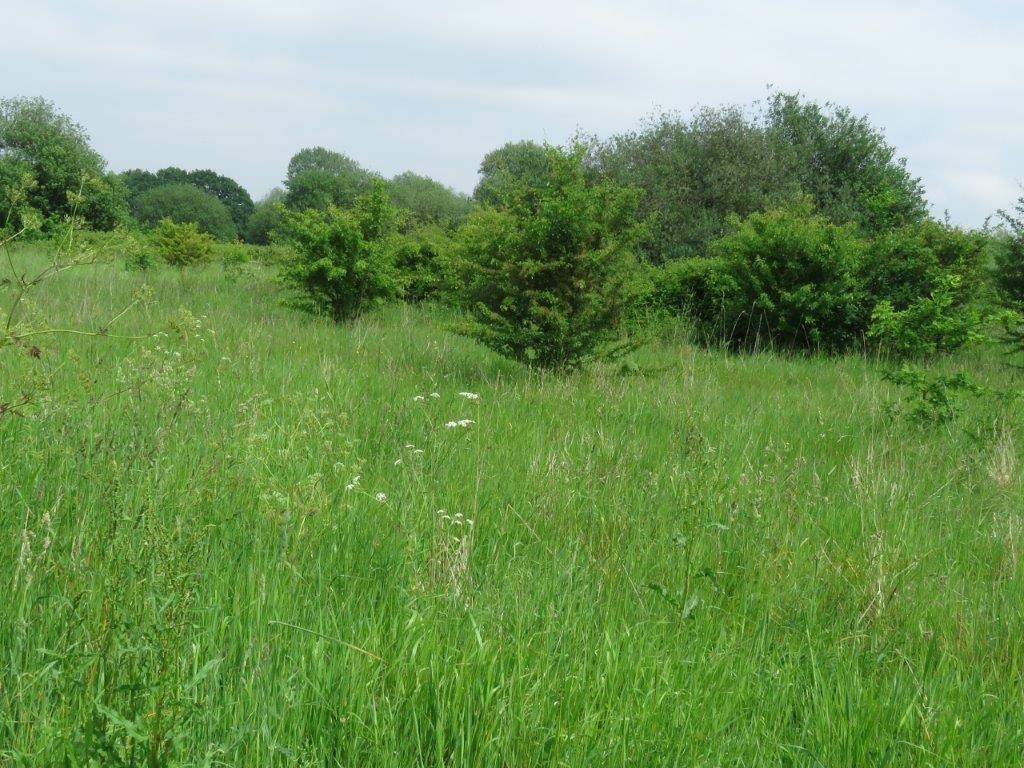
The main reason for hay-fever stress was pollen from the many and varied grasses which inhabit this area – land formerly gravel pits but which is now filled in and in recent times been allowed to do its own thing. On an early summer morning, slightly damp and very humid it was certainly lush and fertile, but slightly worryingly, unless this land is managed, it is in danger of becoming too overgrown and losing its wildlife interest.

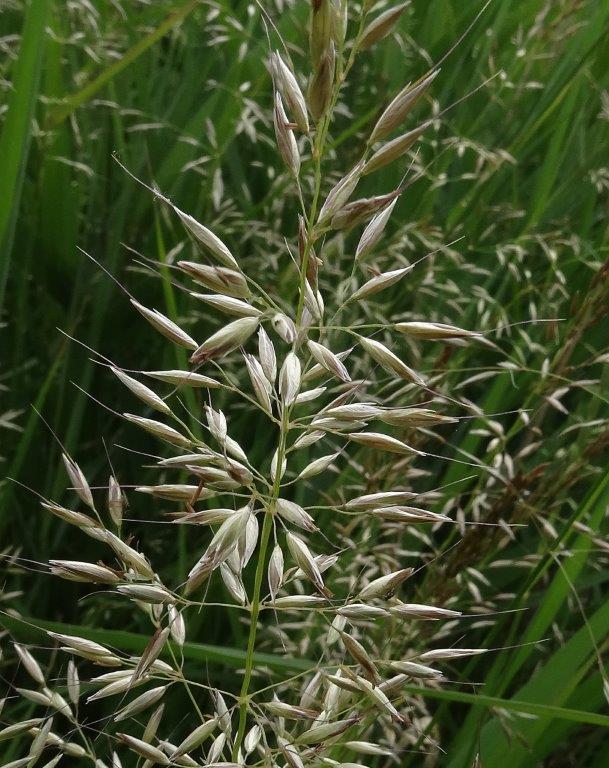
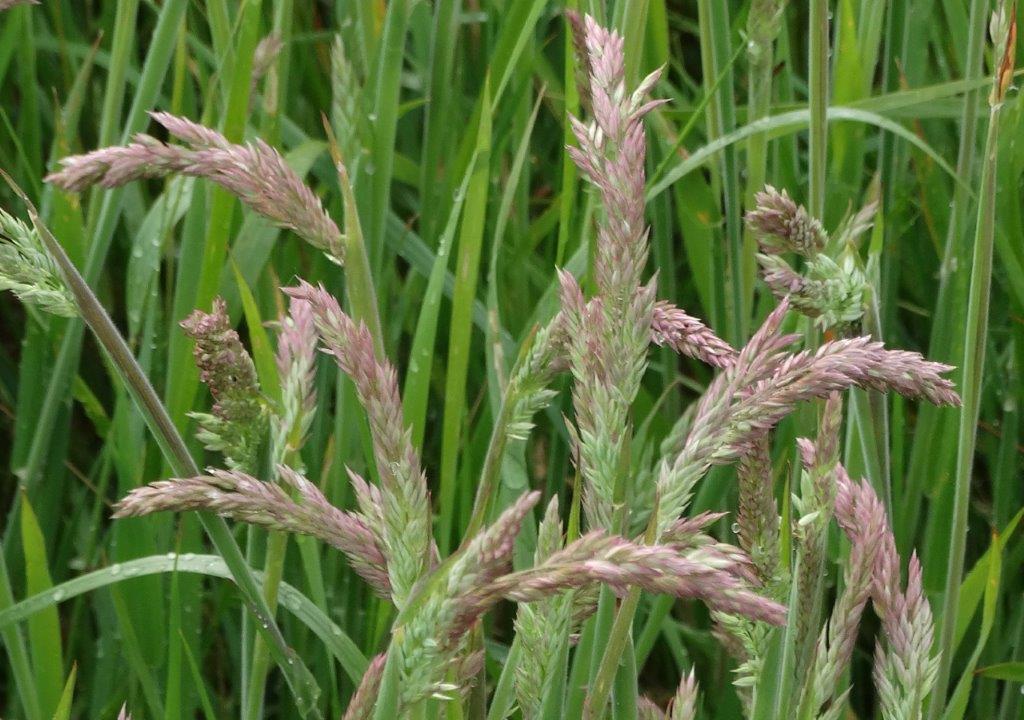
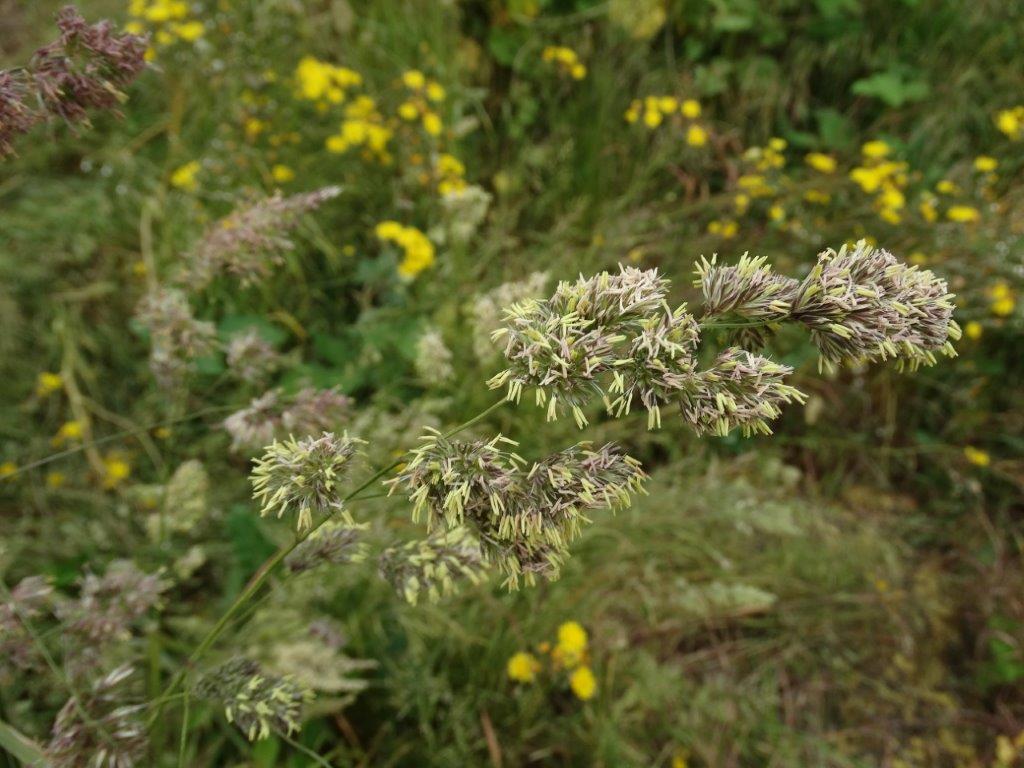
So, what did we see? The aforementioned grasses, with their wonderful English names – the peppery-tasting False Oat-grass, Cock’s-foot and Yorkshire Fog – were all looking splendid.


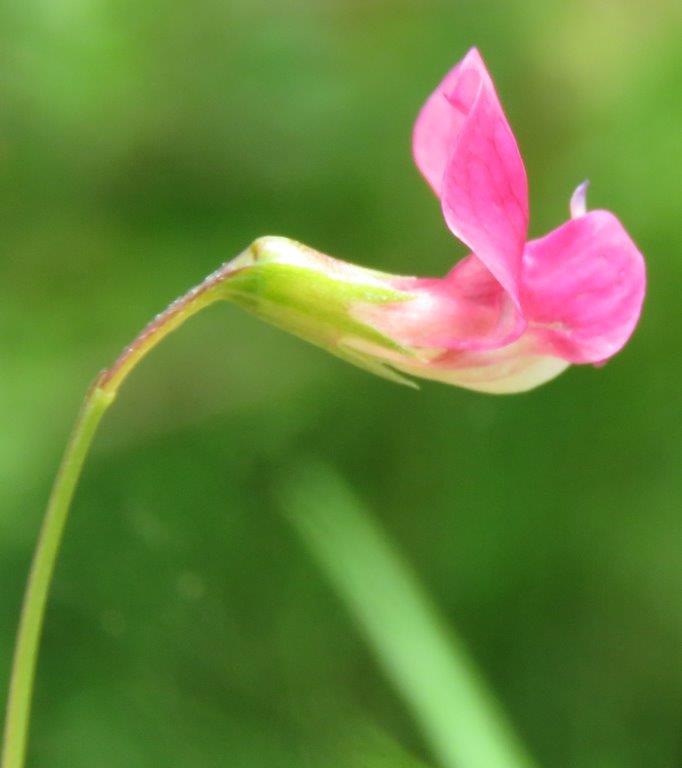
Pretty pea-flowers of various types were easily spotted, including tares, vetches, medicks and the beautiful Grass Vetchling.


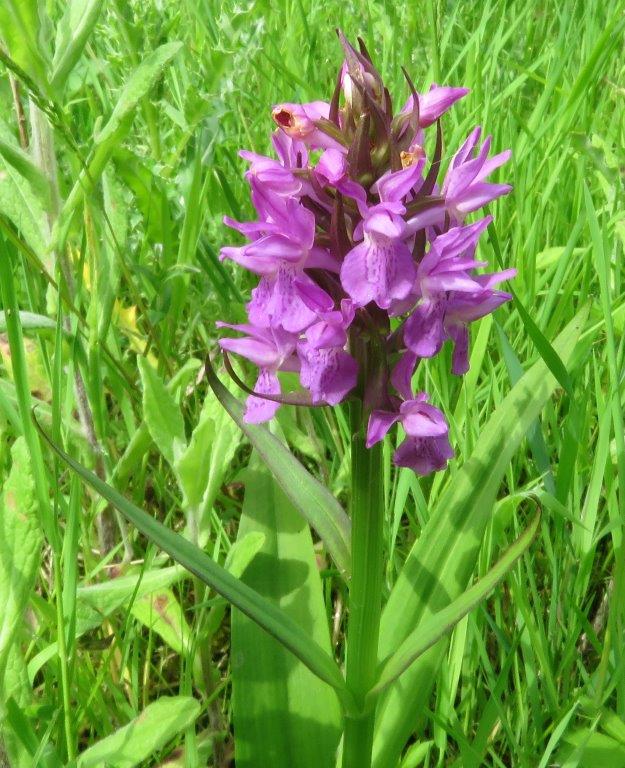
A botanical highlight had to be the Southern Marsh-orchids, maybe thirty of their purple spikes visible among the dense undergrowth. This is one of the species that will eventually be pushed out if nothing is done to control its neighbours, as has probably already happened to some of the other orchids found here until three years ago.


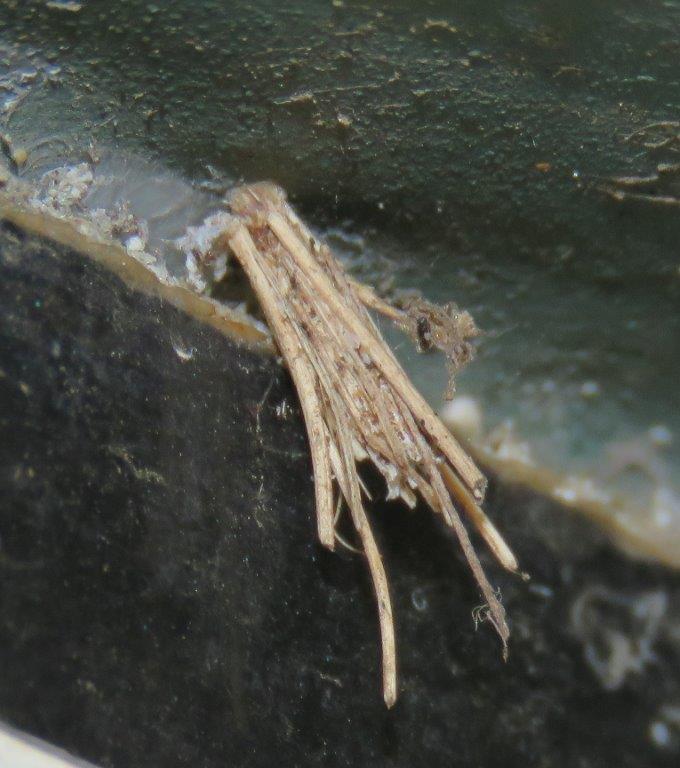
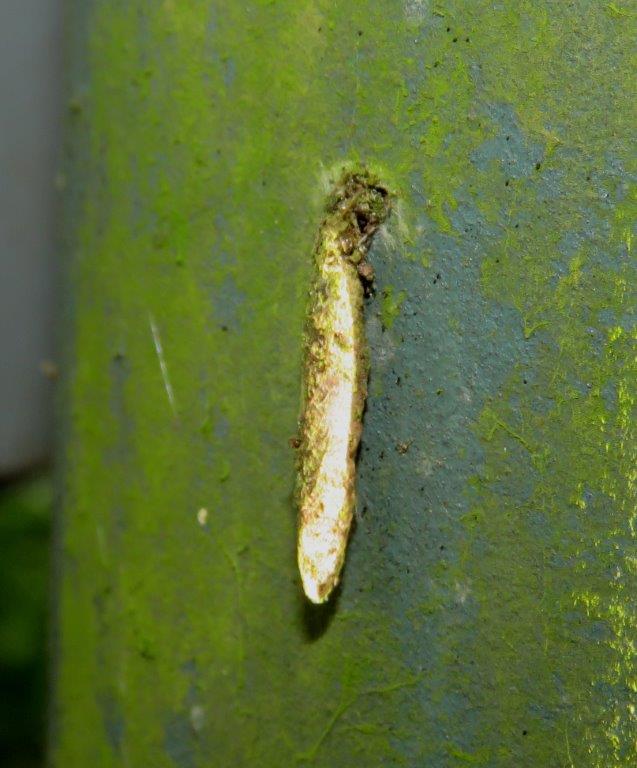
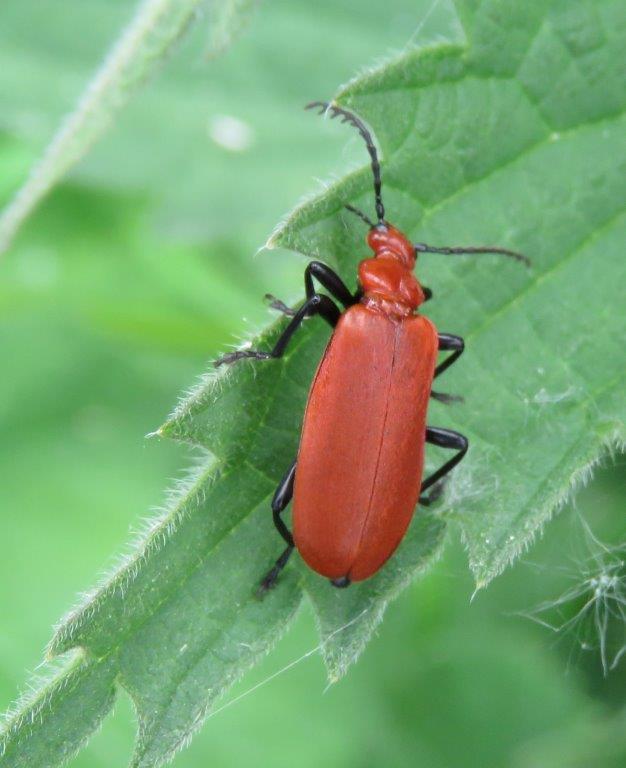
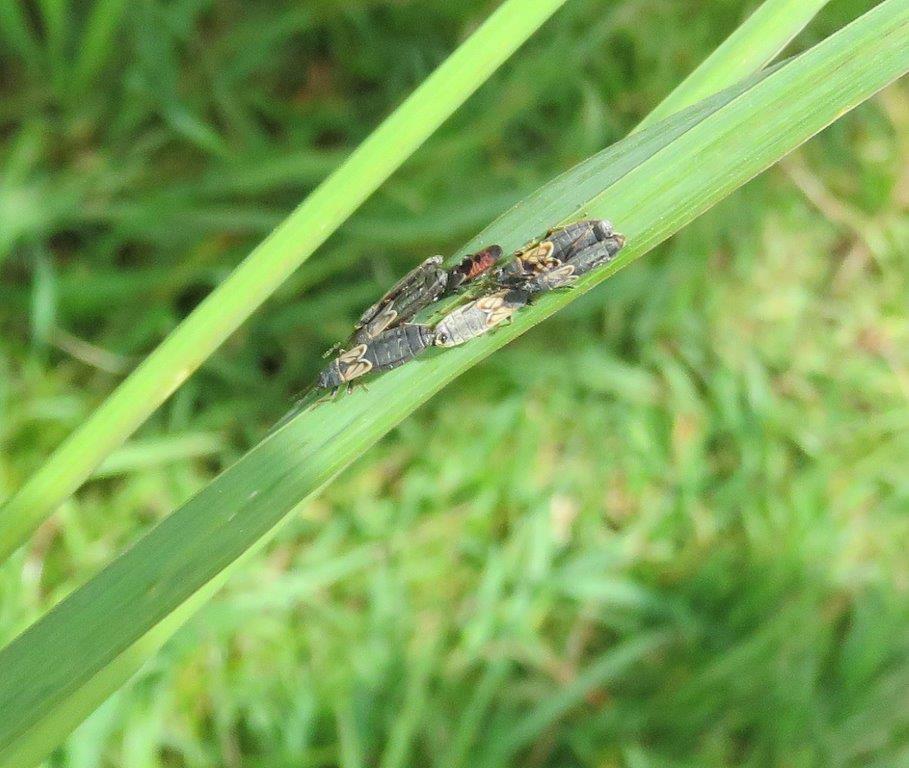
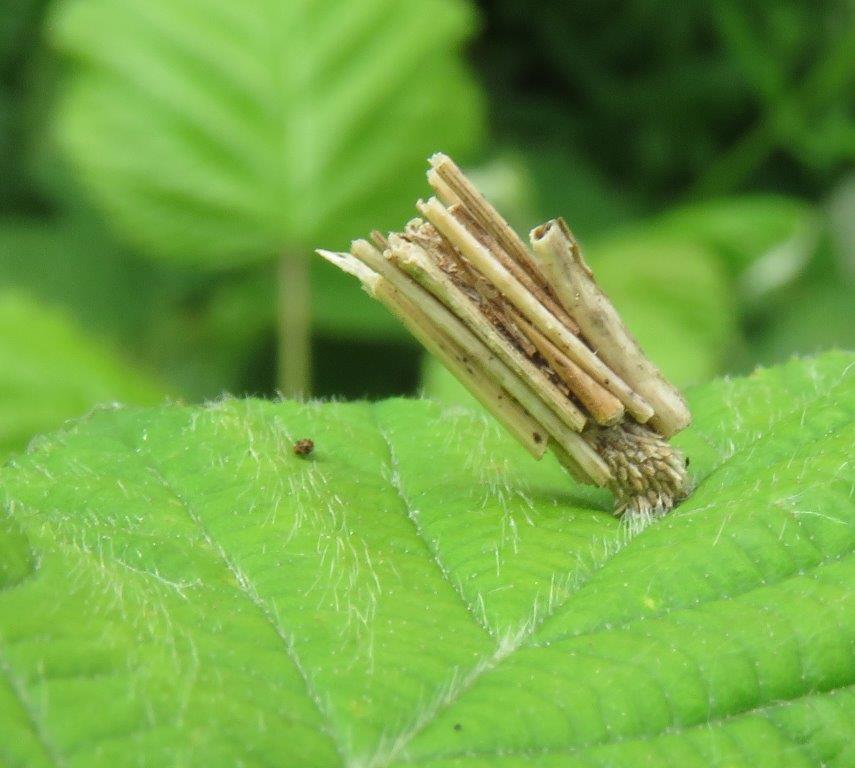
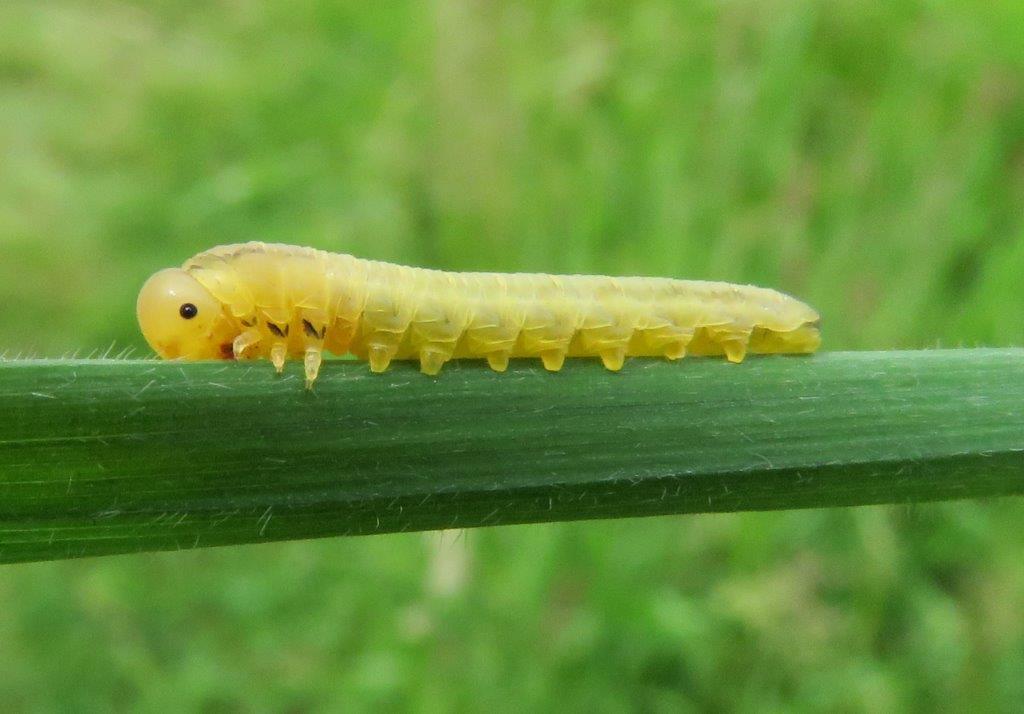
Insects were out in force. The brightly-coloured Cardinal beetle was easy to see, but other more camouflaged beasties were equally interesting: the rather peculiar European Cinchbug family clinging to a grass leaf, the bagworm moth encased in its suit of dead grass stems, and the unidentifiable but undeniably cute saw-fly caterpillar.

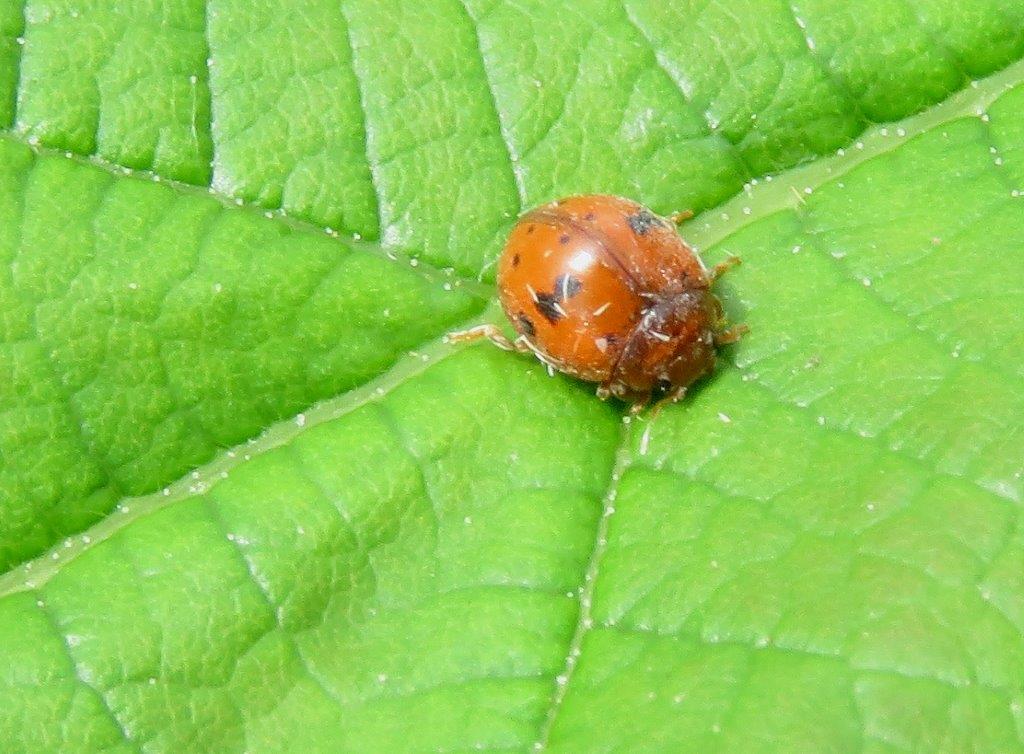
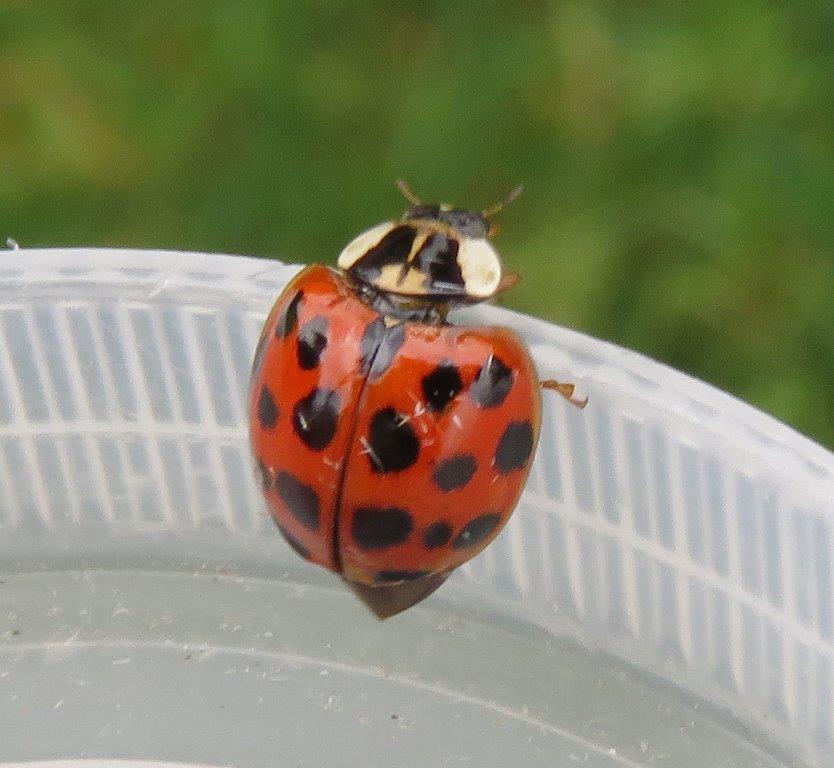
A couple of species of ladybird were noticed – a tiny vegetarian 24-spot, one of the smaller types, and in contrast the much larger Harlequin, a voracious eater of aphids, but unfortunately also other ladybirds. Watch out Mr 24 spot!

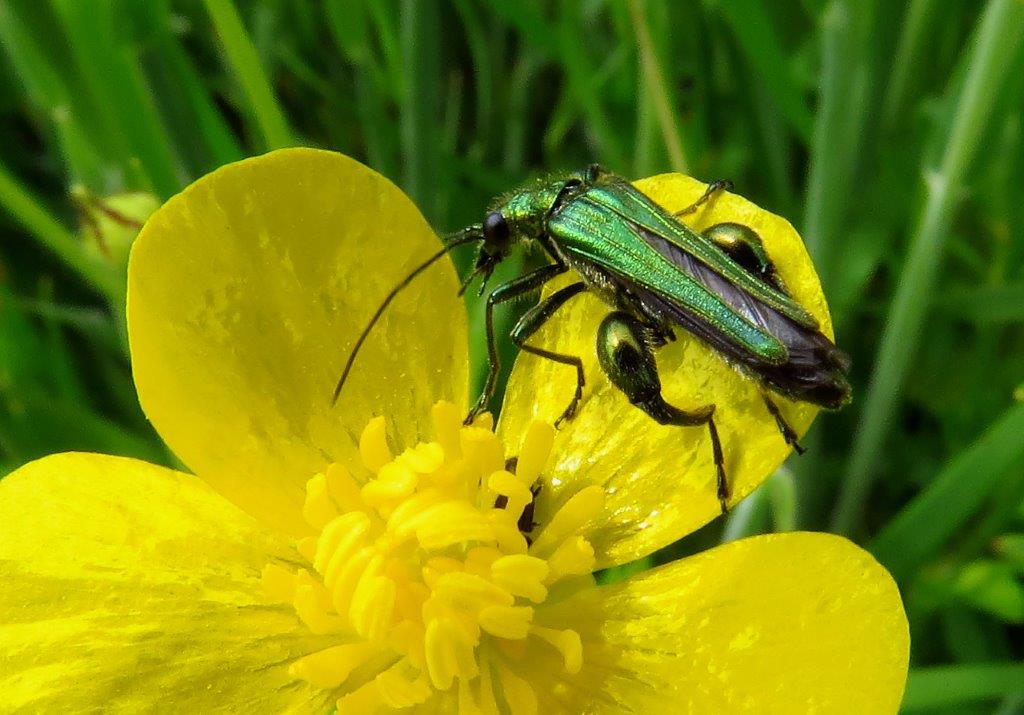
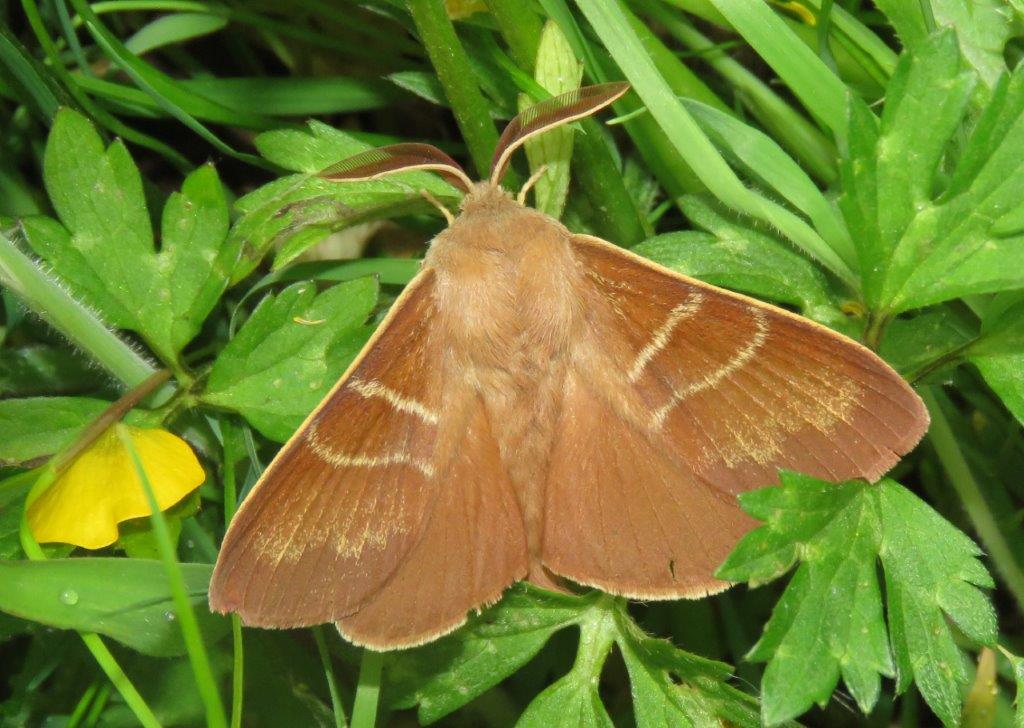
Thick-thighed Beetles were looking polished and sparkling in the sunshine, but the piece de resistance had to be the fabulous Fox Moth, spotted  by Glyn.

Our next walk will be on Sunday 15th July – a different date to that advertised, (we wouldn’t want to compete with The Tendring Show), at Lower Lodge.  Meeting place will be the Outdoor Gym, easily accessible from Dixon Way, or the railway crossing from the trail, or the Rosabelle woodland car park. If you would like to book a place, please contact Jude (jmgibson1959@btinternet.com 07503240387).  Looking forward to seeing some of you there.

#WildWivenhoe Botany & Bug Walks: May, to Barrier Marsh and Grange Wood

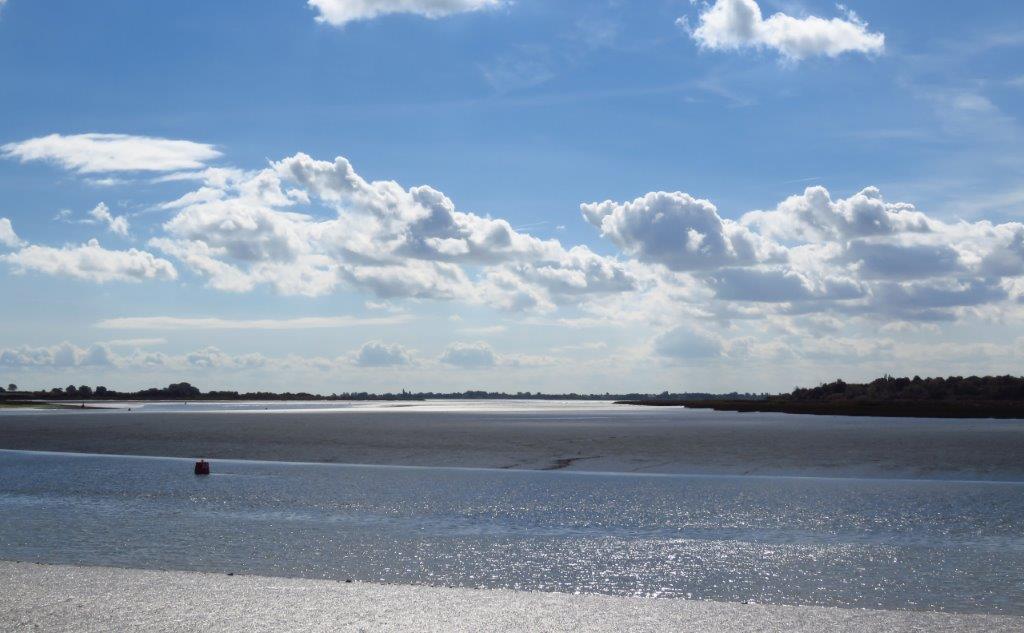
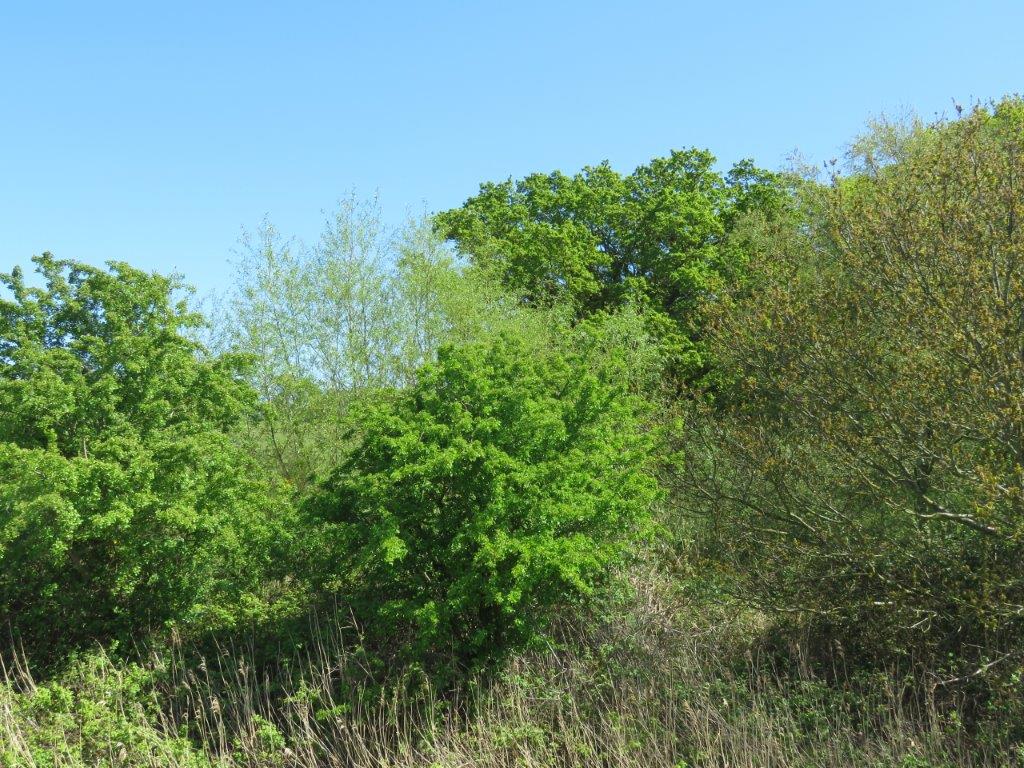
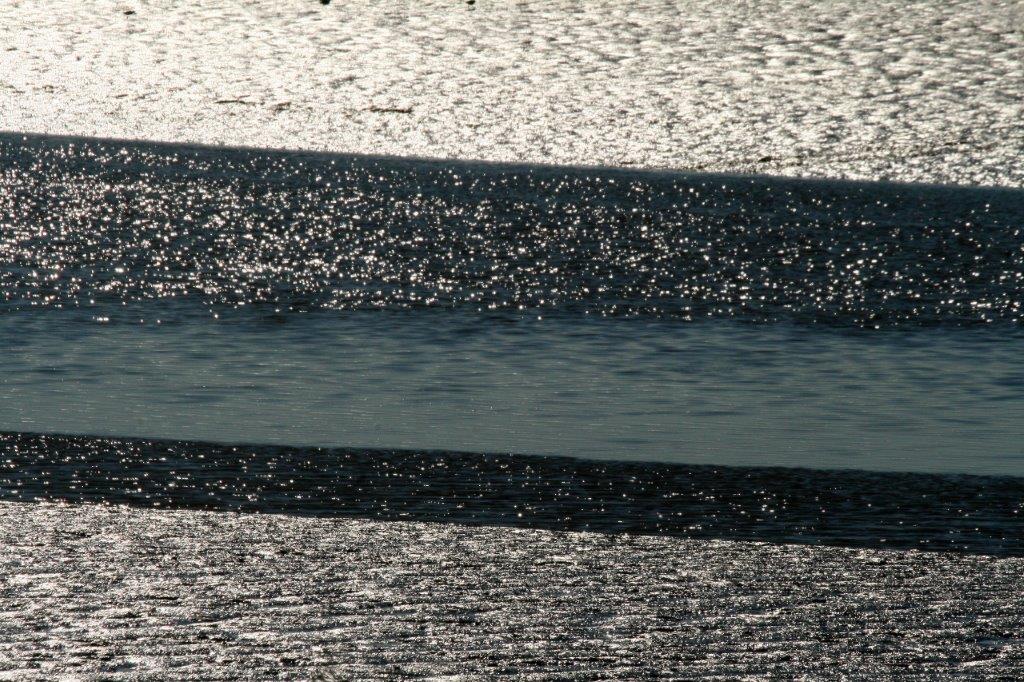
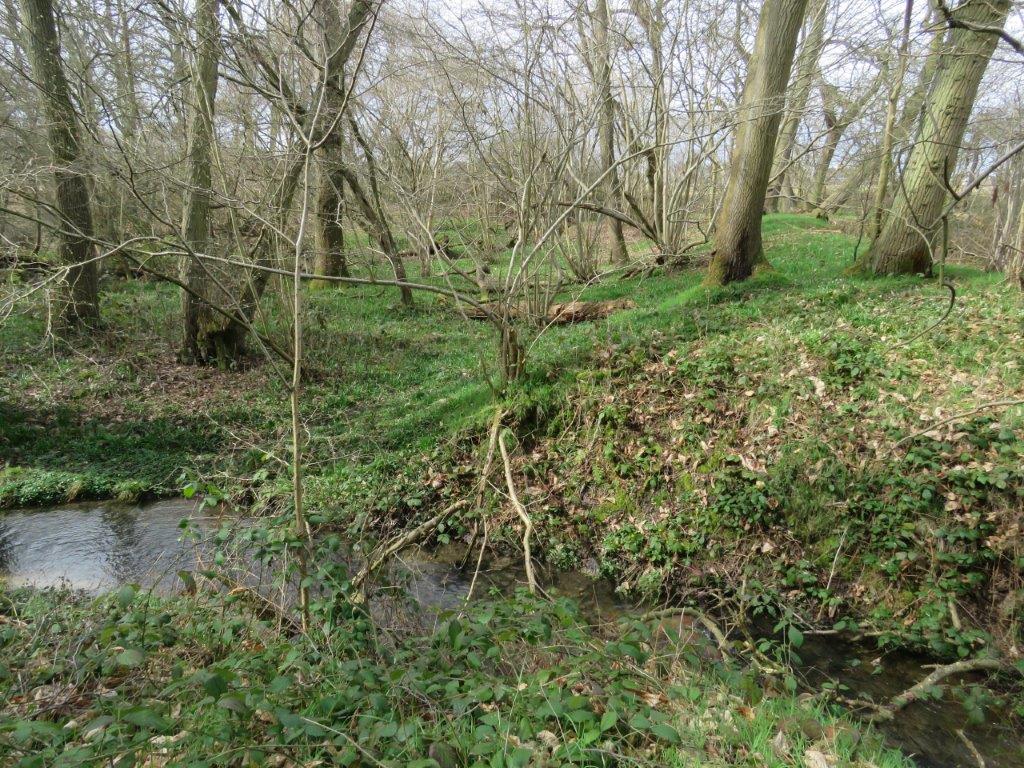
Another very enjoyable Botany and Bug walk this morning, and our thanks to all of you who were able to join us.  The perfect sunlight enhanced the landscape, with a multitude of green hues on the foliage as well as the splendid sparkling water and shining mud banks.

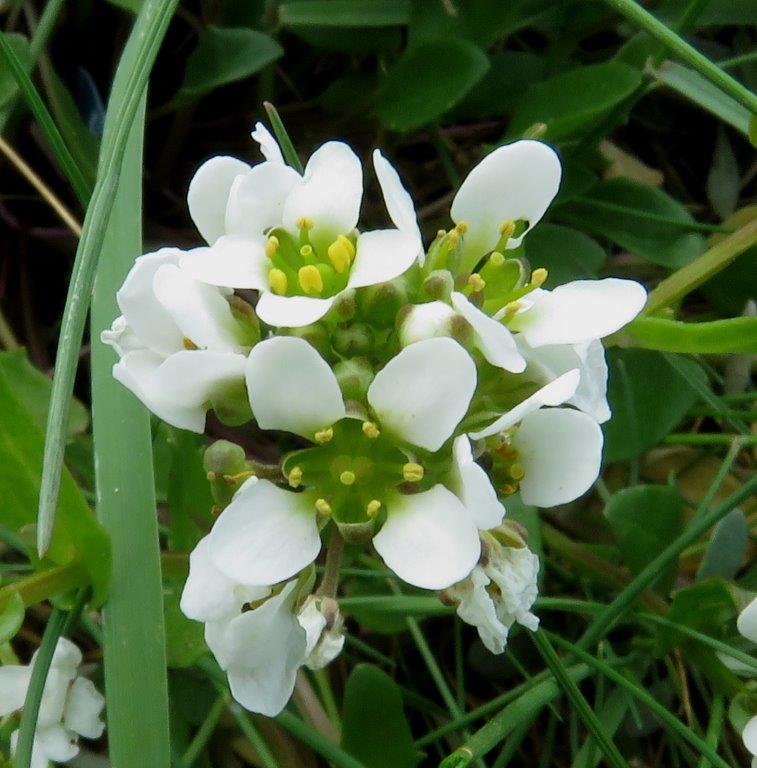
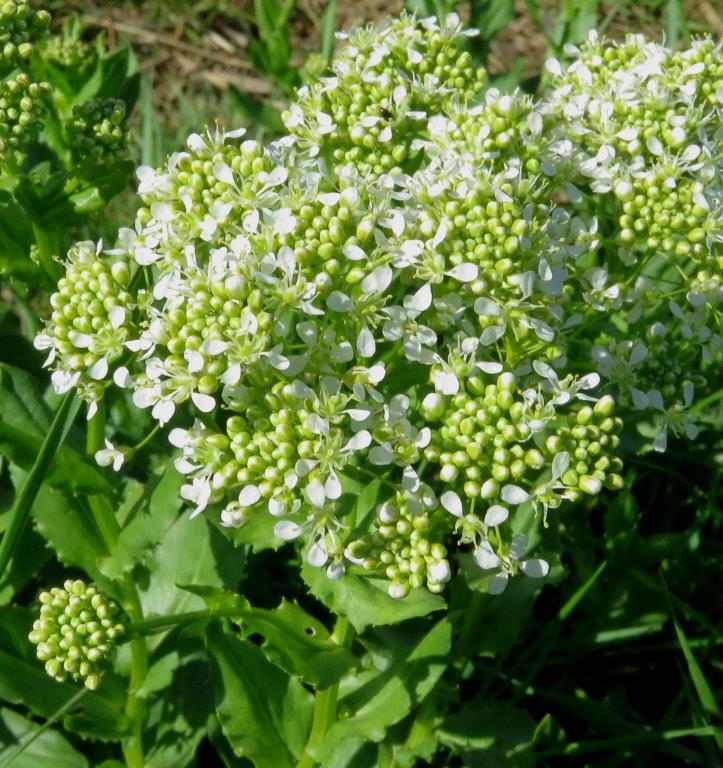
 Much of the flora on show is very relevant to our part of the coast, including the Scurvy Grass and Thanet Weed, salt-tolerator and invasive plant which arrived through the ports of the south-east respectively.


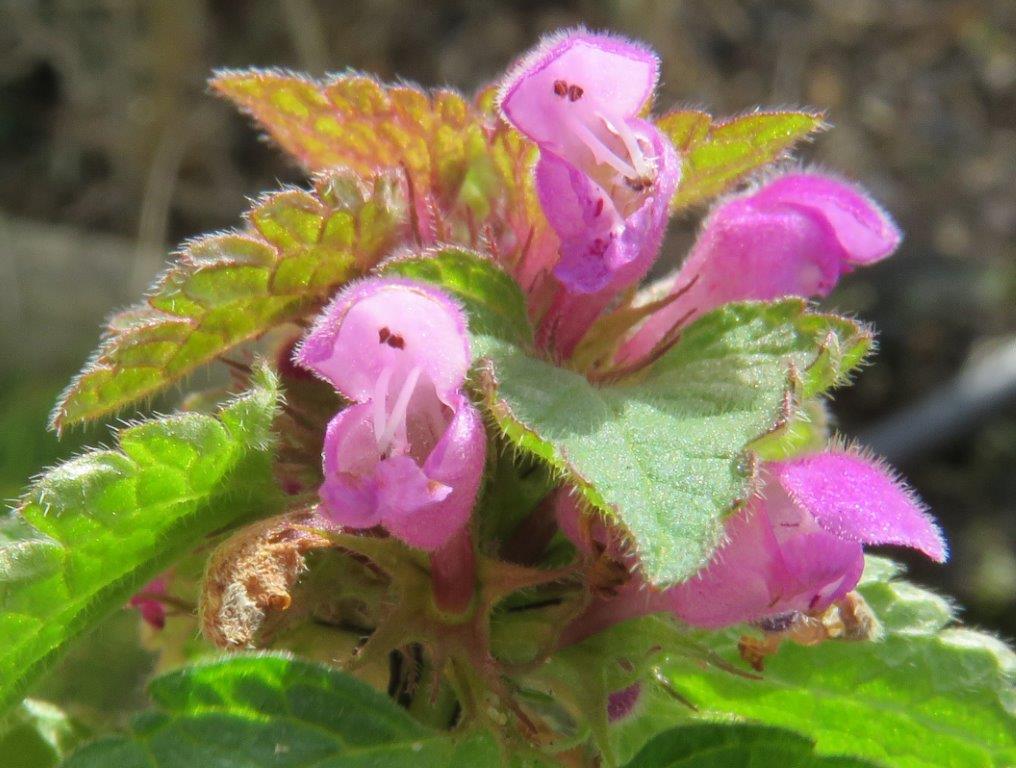
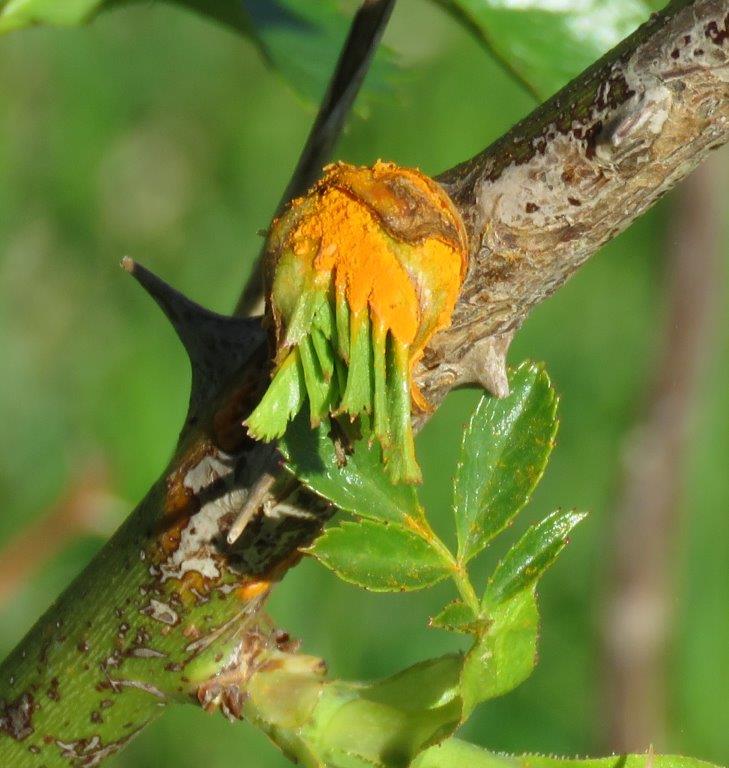
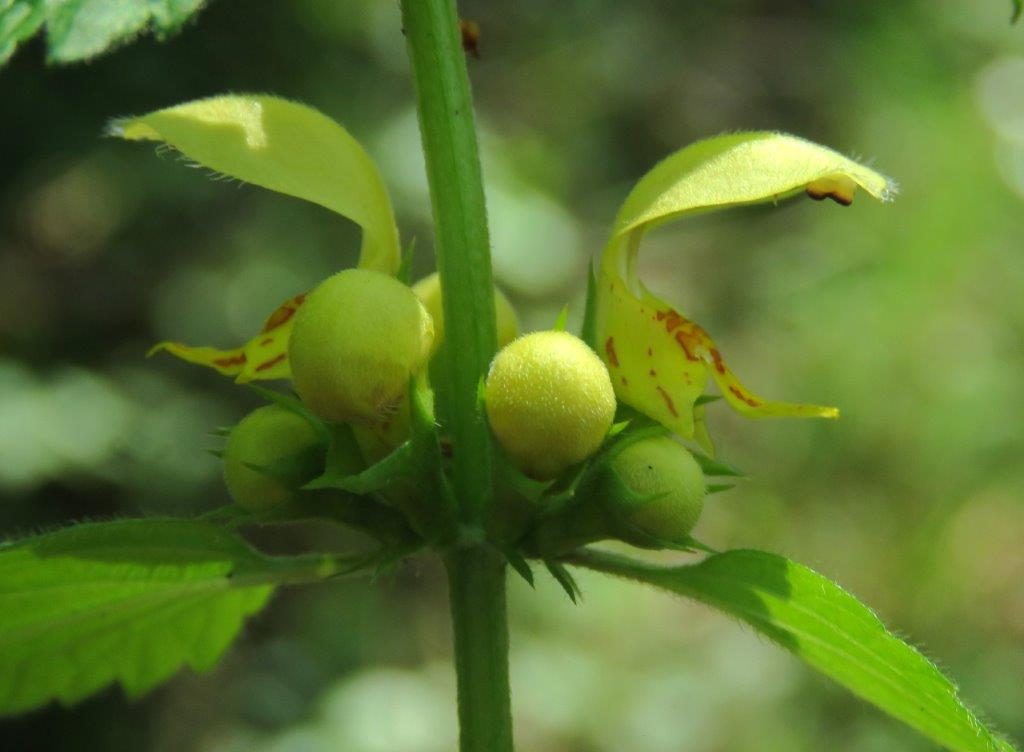
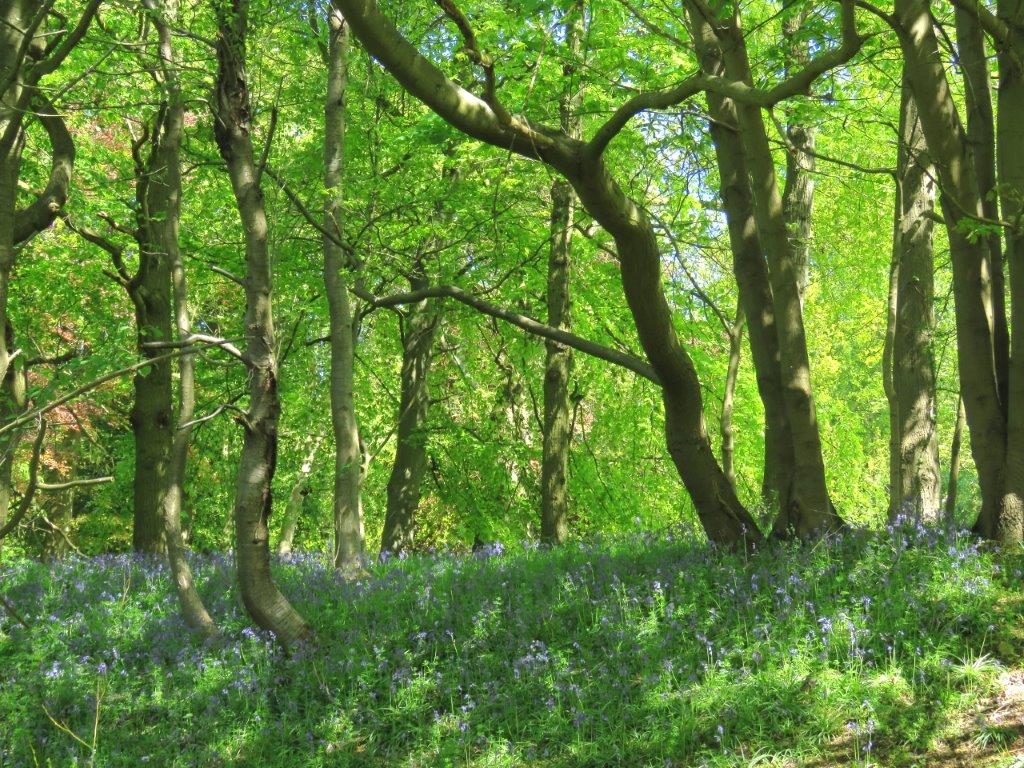
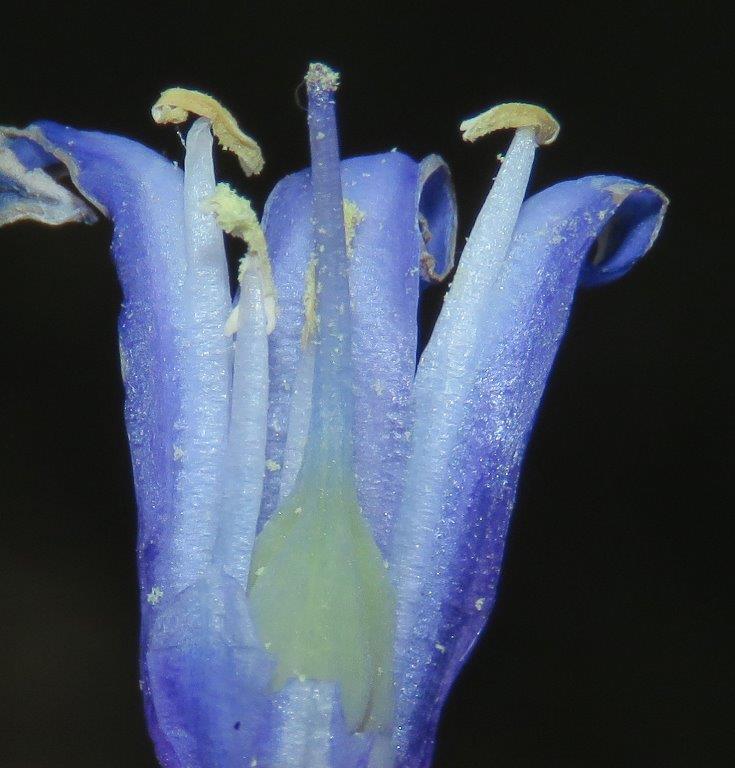
The Rose Rust fungus, not seriously damaging to the host plant, was a very colourful addition to the morning. Once we entered the shady wooded part of the walk, the flora changed to include Yellow Archangel, Herb Robert and of course Bluebells.  The native Bluebell was in abundance at Grange Wood, and close examination revealed cream pollen on the stamens. The larger Spanish Bluebell, so common in gardens and a risk to our native species through genetic pollution, has blue pollen, which is one way of telling the difference!  Another is the difference in distribution of flowers around the stem: natives have flowers on one plane, whereas the Spanish are placed all around the stem.


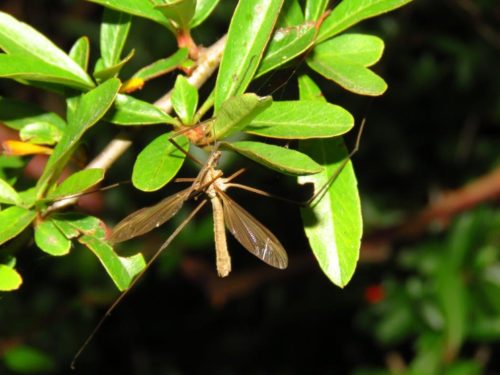
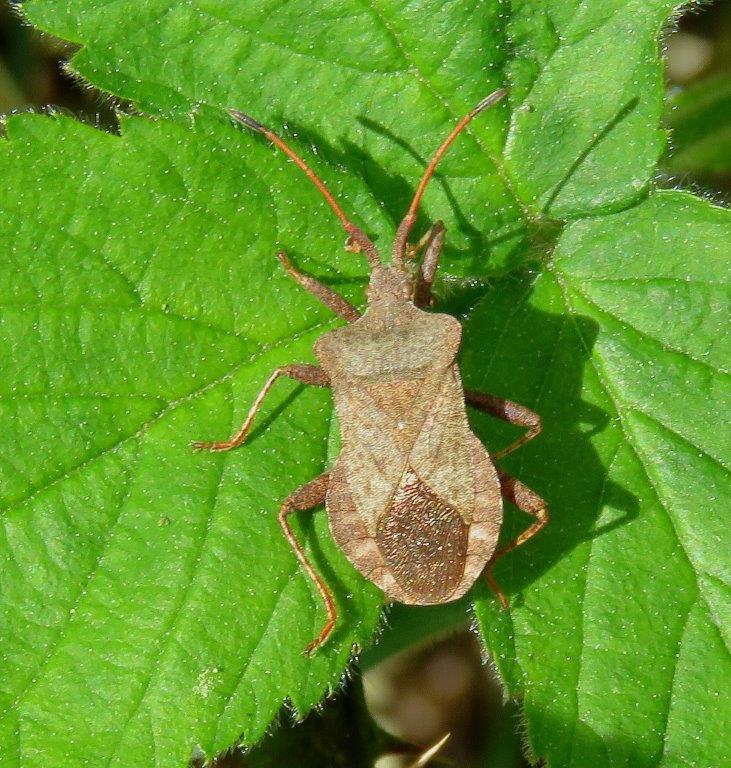
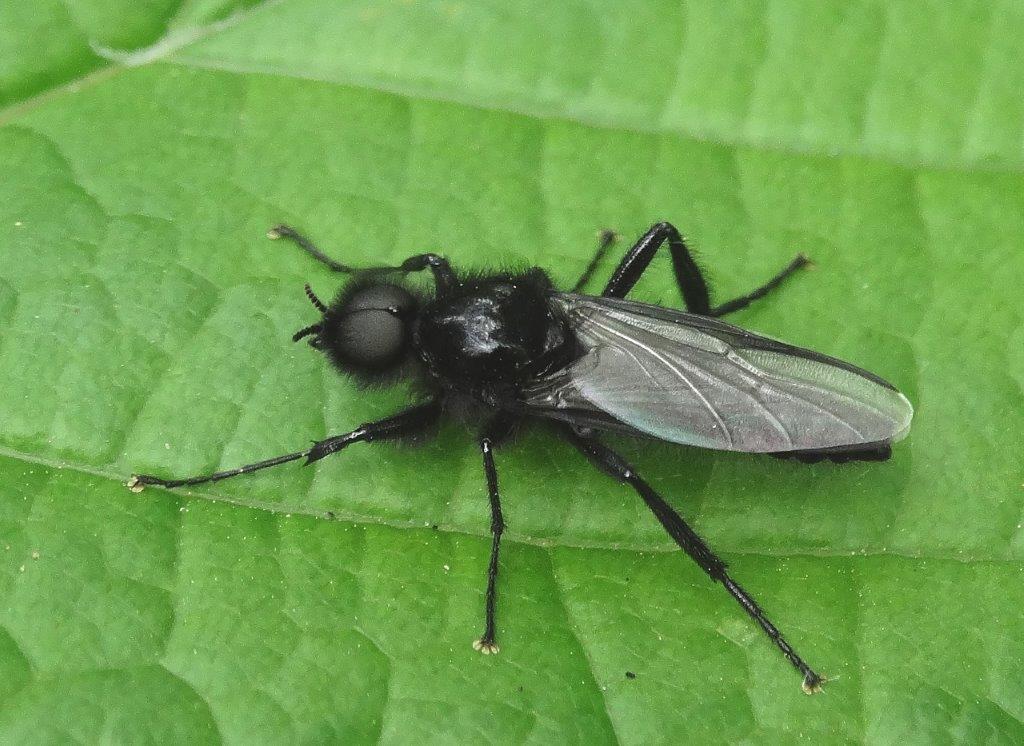
 We were of course also on the lookout for bugs and beasties, and search was rewarded with the splendid Squash Bug.  St Mark’s Flies -all dangling legs and fearsome-looking, but entirely harmless – were on the wing in fine number, many feeding on umbellifers, and others, less fortunate, entangled in spider’s webs awaiting their certain fate.  A field day for local spider population!


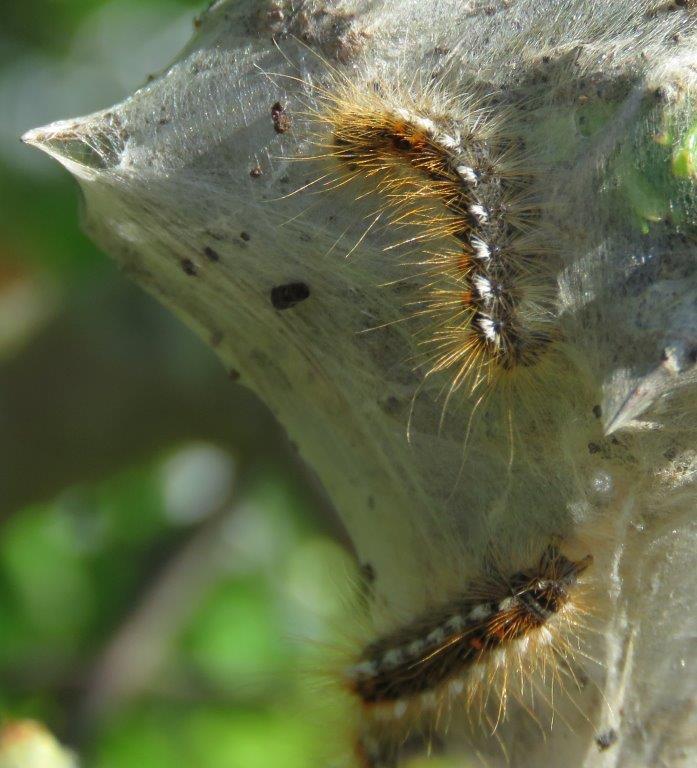
Several nests of the highly-irritant Brown Tail moth caterpillars were seen.  Although interesting to observe, it isn’t recommended to touch the insect as a nasty rash may result.  As with all wildlife, respect is the key. And remember, they are a good food source for one of out most loved birds, the Cuckoo. 

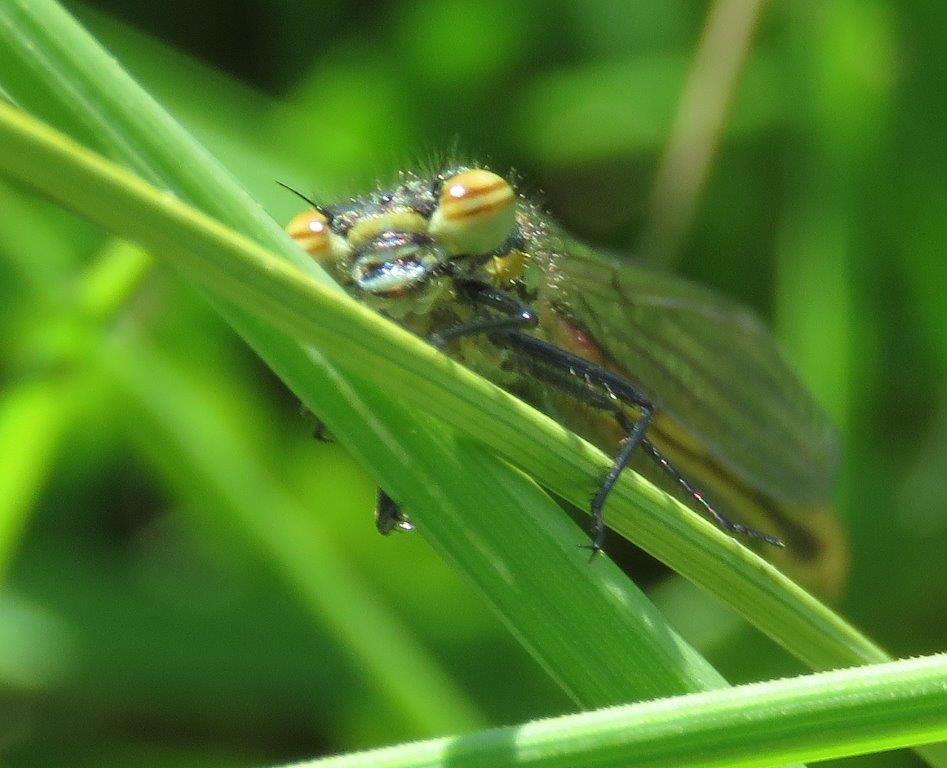
On the way back some of us were fortunate to espy a Large Red Damselfly basking and soaking up the sun. The first damselfly of the summer, and hopefully a sign of a good one for weather and wildlife alike.


#WildWivenhoe Botany & Bug Walks: April in Cockaynes Reserve

Thank you to all who came along to our inaugural ‘Botany and Bug’ walk this morning – we hope you enjoyed it as much as we did.  Despite a rainy start, the weather improved and we were able to sample some of the wonderfully diverse wildlife on our doorstep, in Cockaynes Nature Reserve. 

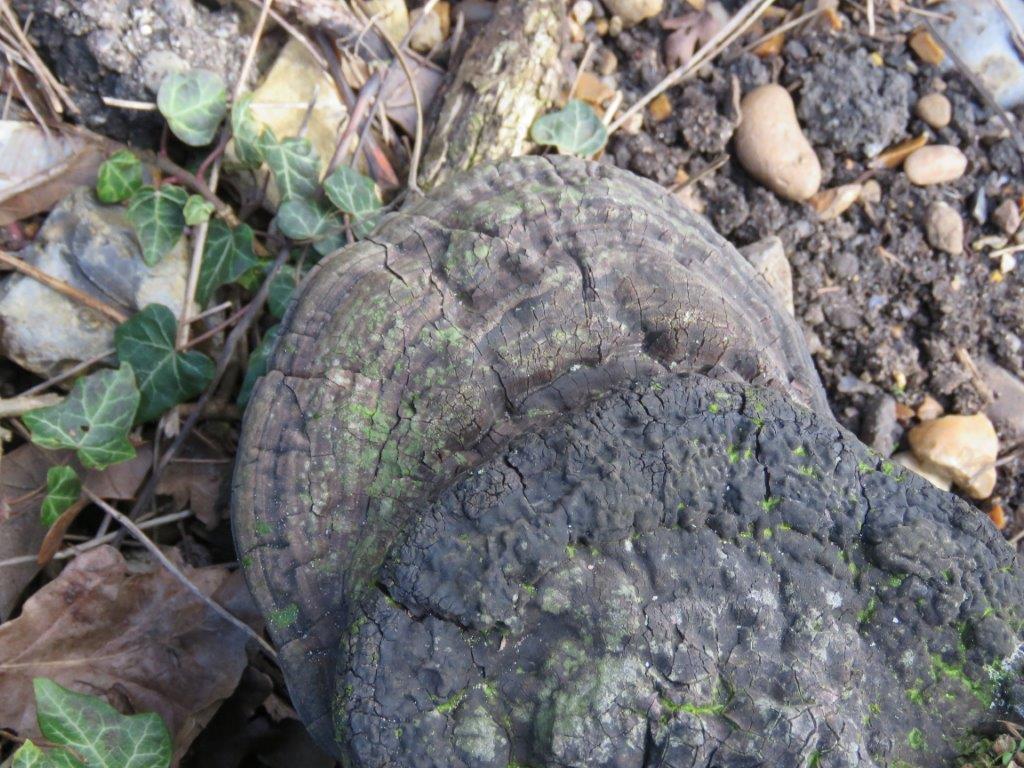
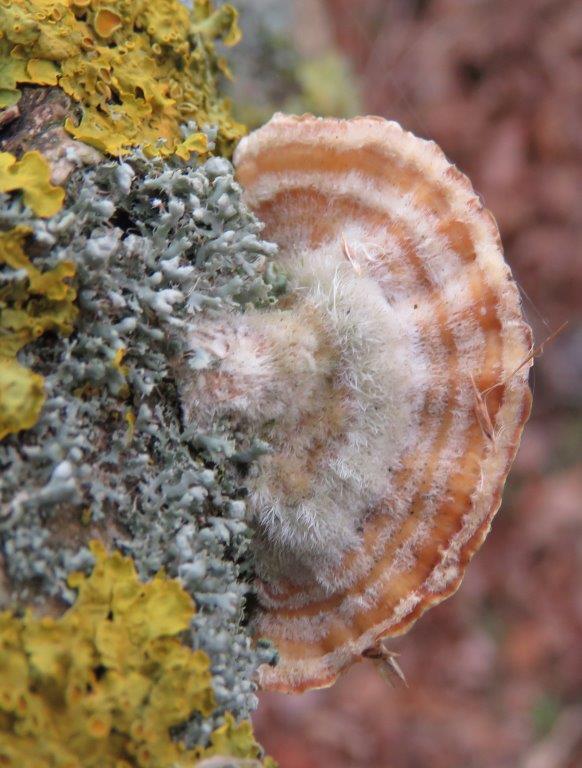
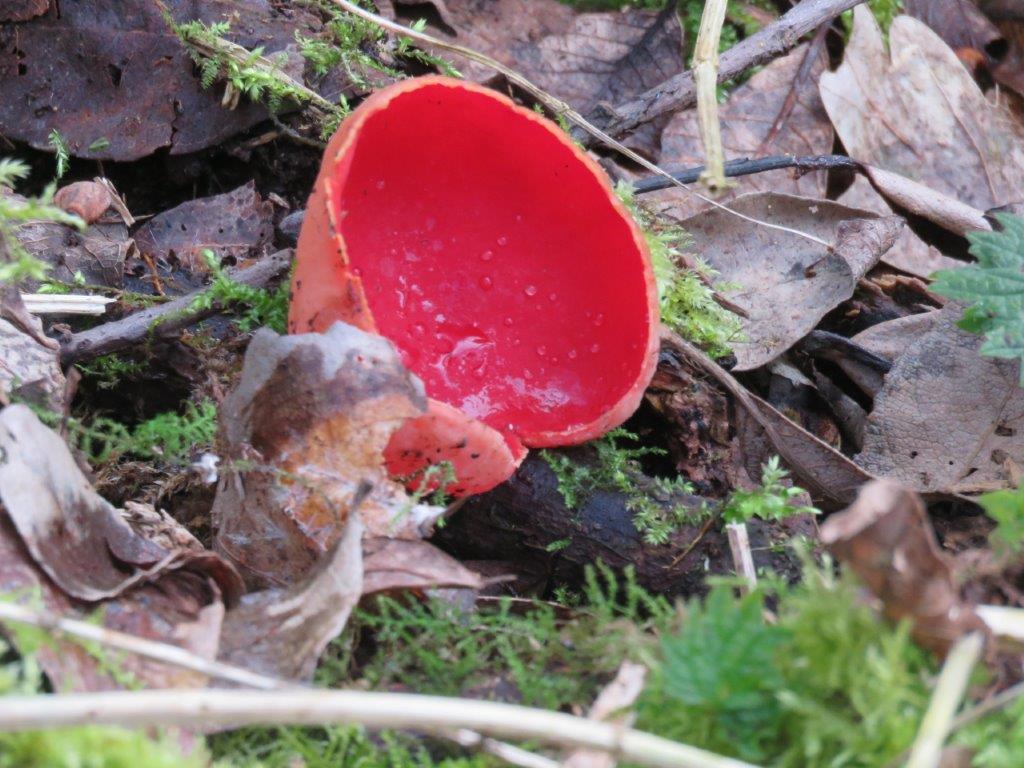
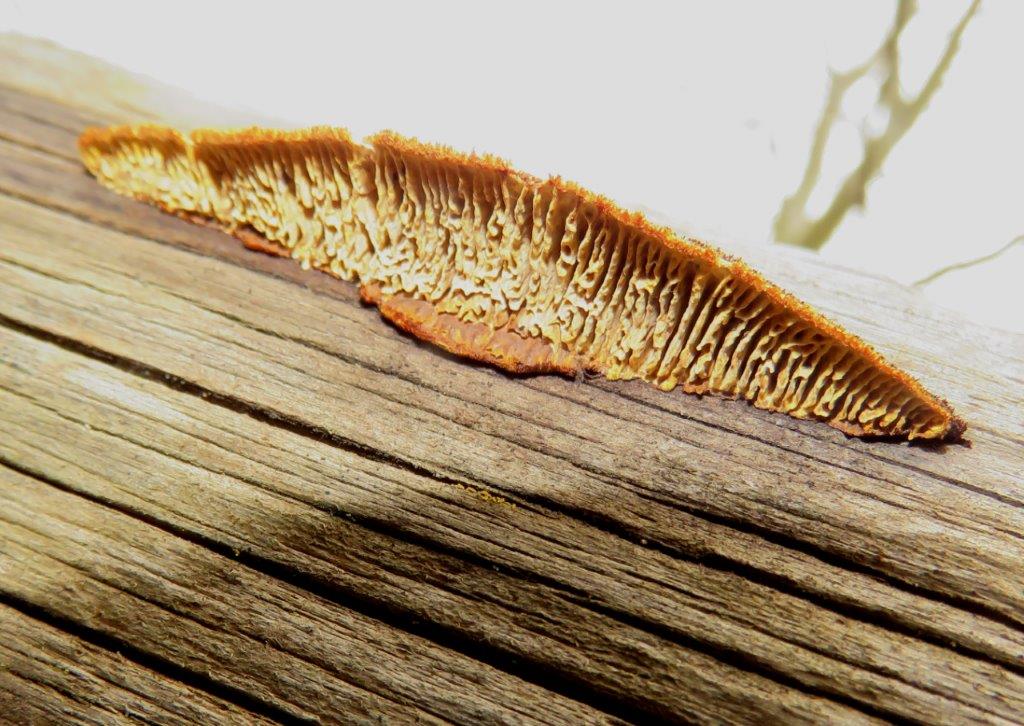
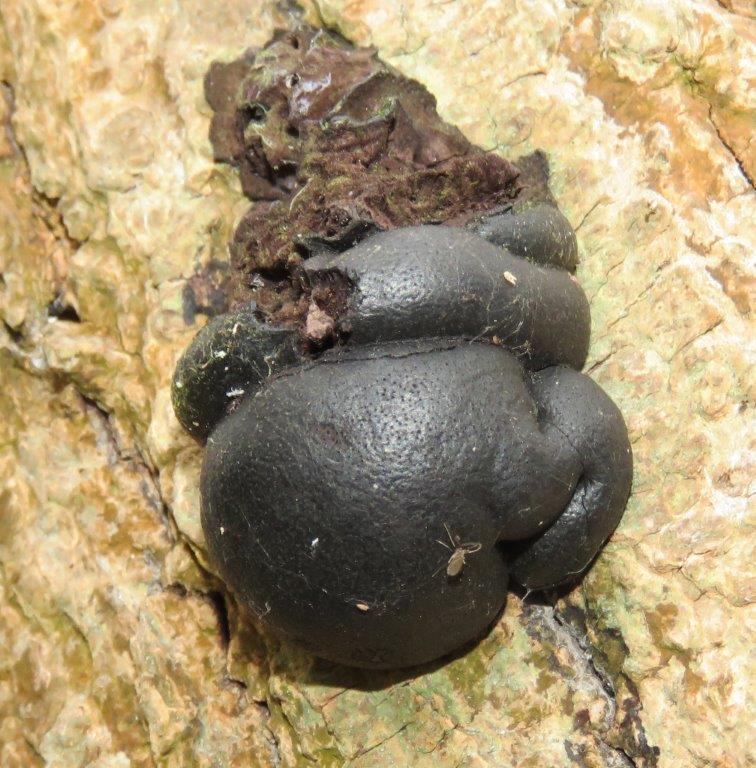
We do not intend these short reports to be a list of all that we saw,  but some highlights include the Scarlet Elf Cap fungus, extremely noticeable amongst the understorey in Villa Wood; other fungi included the Maze-gill, King Alfred’s Cakes and Turkey-tail – such wonderful names! 

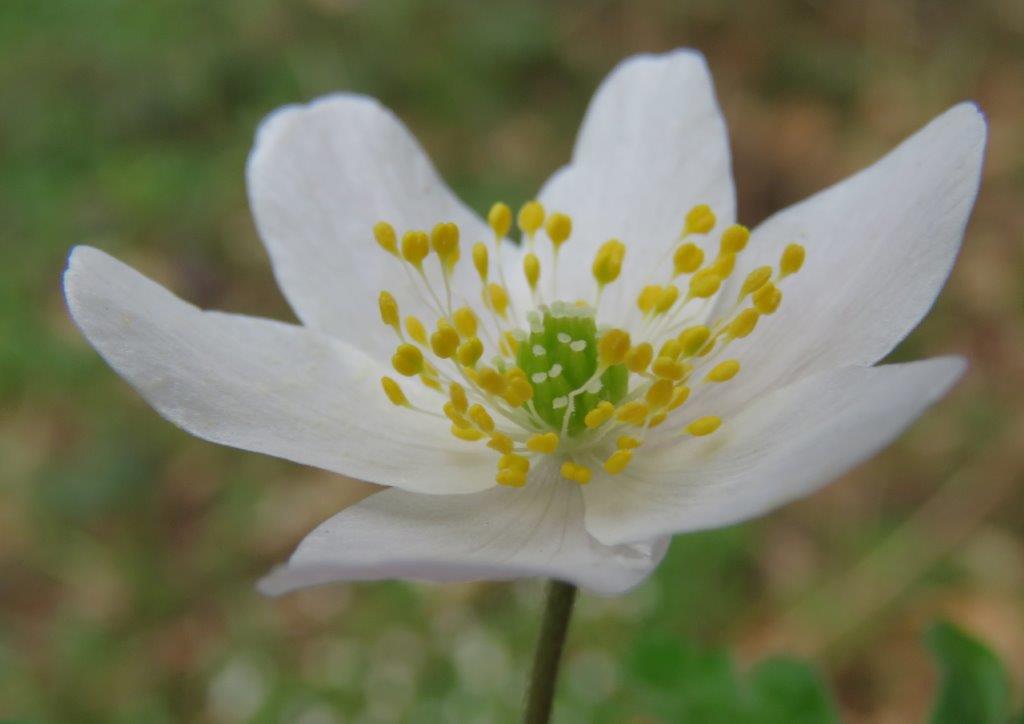
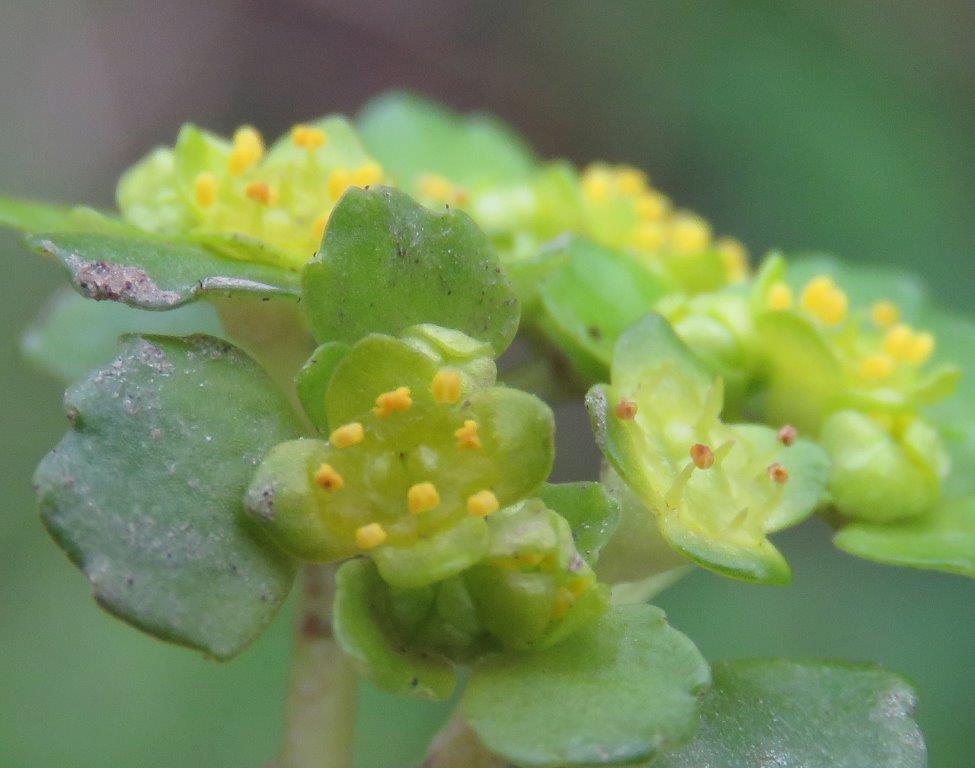
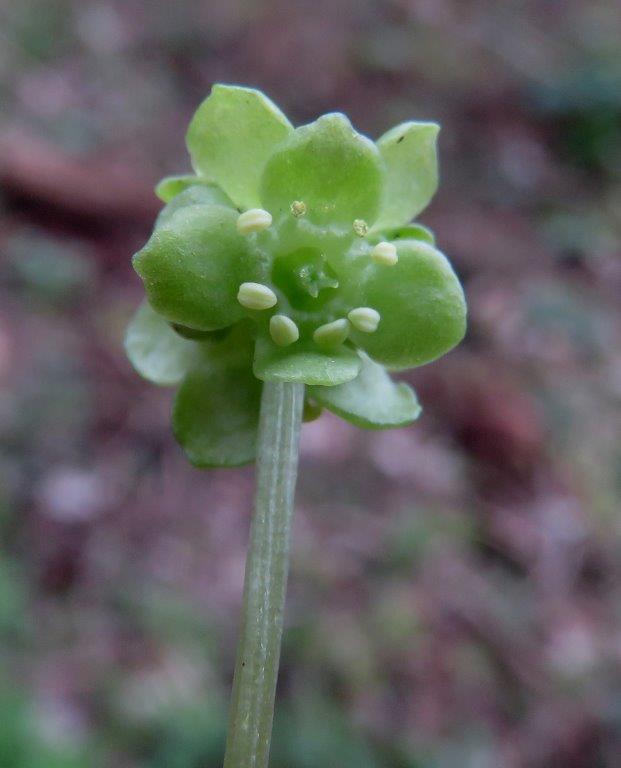
Woodland flowers included Opposite-leaved Golden-saxifrage; Town-hall-clock in all its unique glory; and Primrose and Wood Anemones bursting forth. 

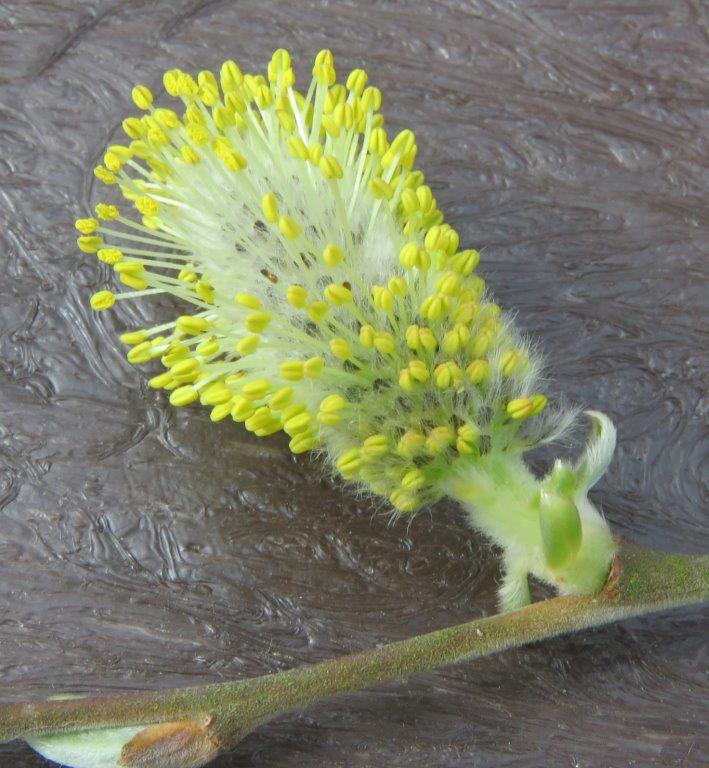
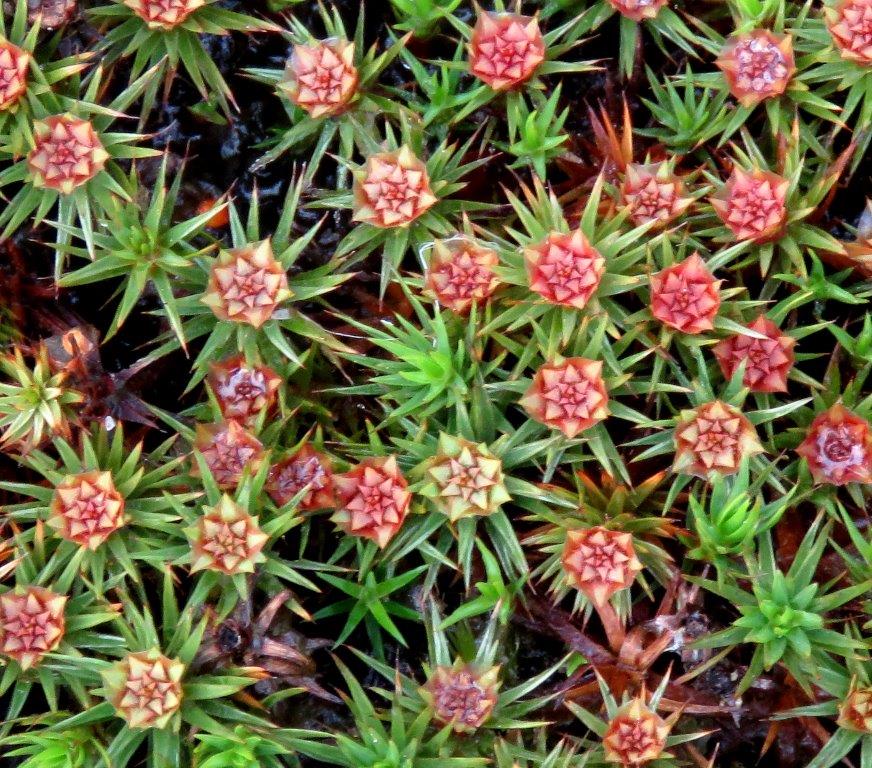
The woodland edges had good examples of male and female Sallow flowers, attracting passing bees, and the Gorse looked particularly bright, giving off its characteristic coconut fragrance in the sunshine; even the ground-hugging mosses are starting to look their best, covered in flower-like reproductive rosettes.

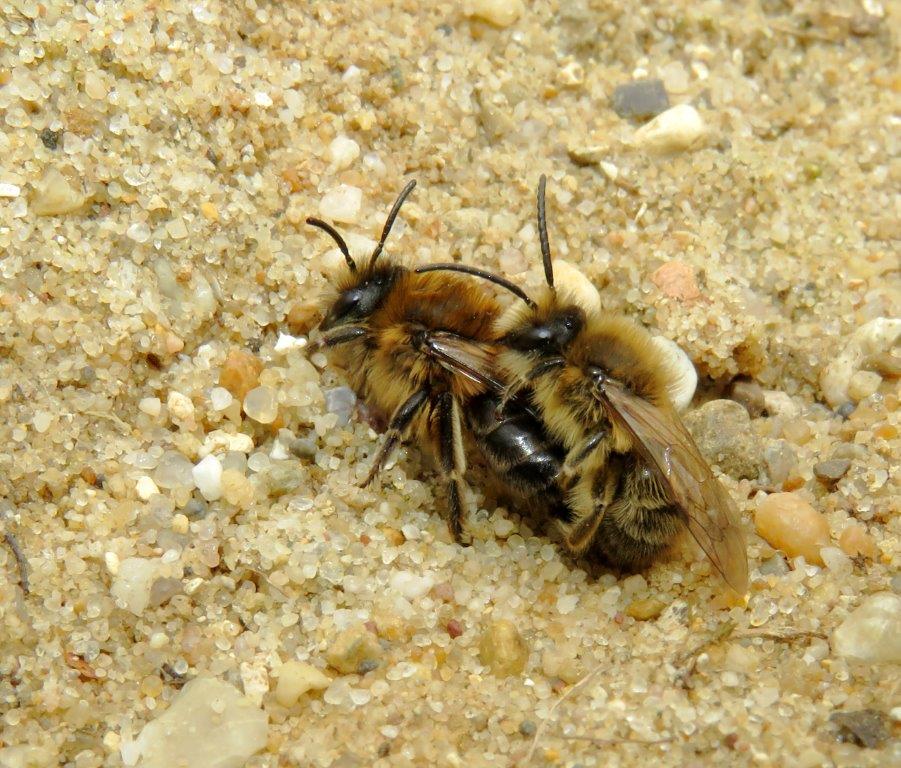
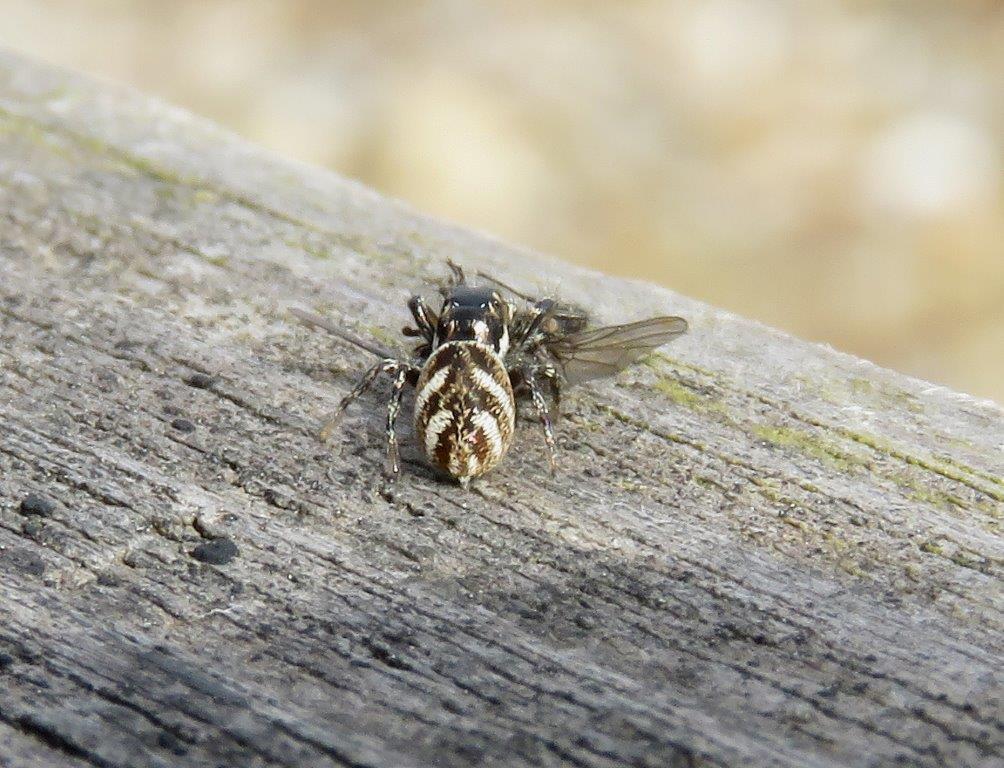
 Amongst the bug life, we started off with a Green Shield-bug, but one that belies its name as it was in its drab winter colours, just having emerged from hibernation. Likewise, a Hornet was seen emerging from a decaying wood stump; the rare and local mining bee Colletes cunicularis was seen in large numbers (more it seems every year) in the sand banks; and a Zebra Jumping-spider with its fly lunch posed on a gatepost.

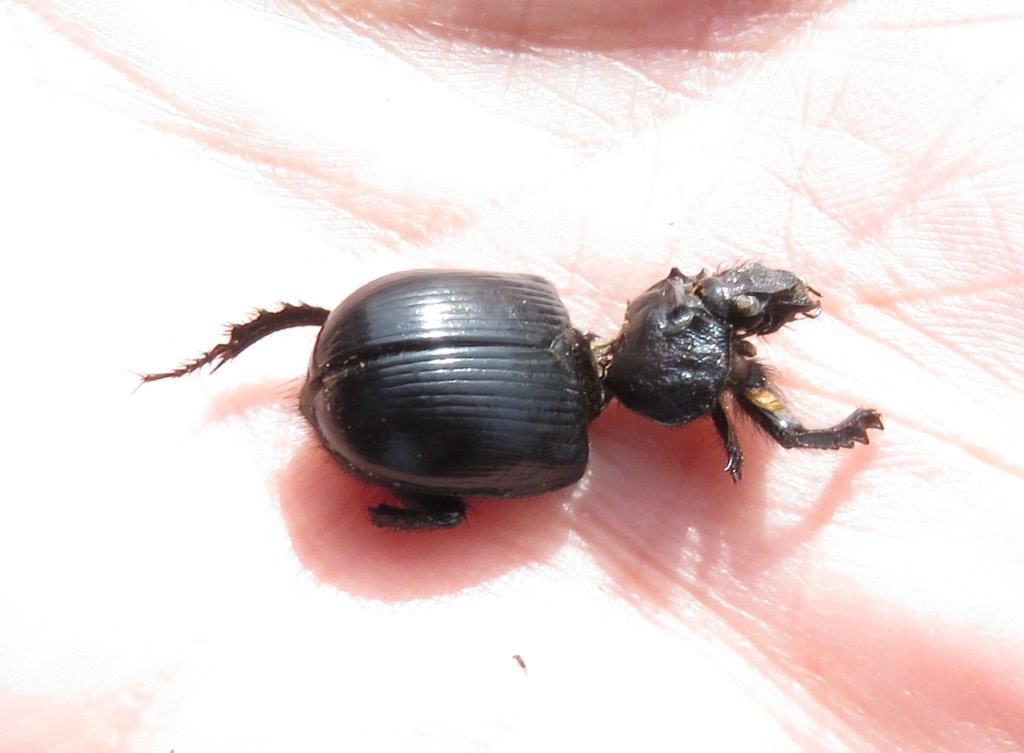
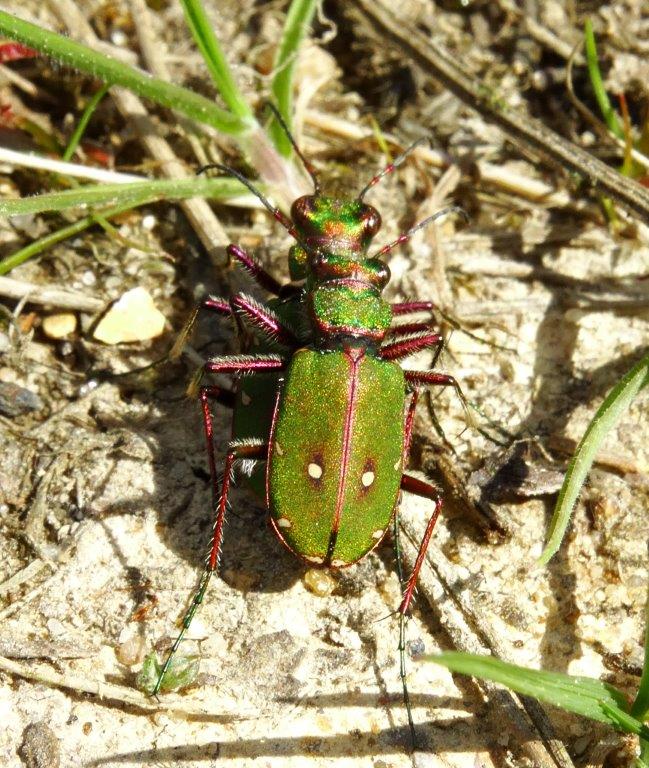
An ex-Minotaur beetle (in two halves) was nevertheless an interesting find as this fairly local beetle is able to make its home in this much needed invertebrate-friendly reserve. Sadly, Green Tiger-Beetles were not showing for us (the photo is from last year) – all the more reason to return in the next couple of months!


The next walk will take place on May 5th when we shall be looking to discover some of our local flora and fauna at Barrier Marsh/Grange Wood.  We hope that some of you will be able to join us.  If you are interested please email jmgibson1959@btinternet.com to book your place.  A fee of £8 will be payable on the day please.